Curious on baby led weaning first foods and how to start baby led weaning with your baby? We share the dos and don’ts in this BLW beginners guide for starting solids without spoon-feeding.
What is Baby Led Weaning (BLW)?
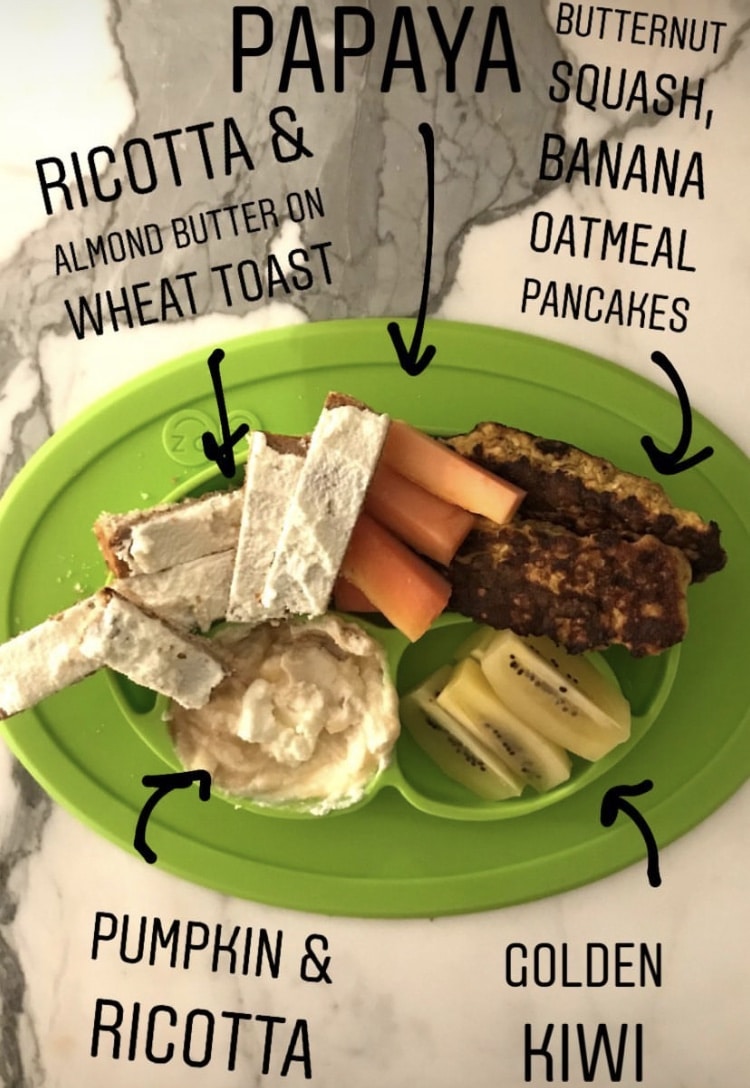
Search any Facebook mom group and you’ll undoubtedly see “How to Start Baby Led Weaning” come up in your feed. Baby led weaning (or BLW) is where handheld finger foods are introduced to babies when they start solids rather than spoon-fed purees. This method has always been around but has recently been gaining a lot of popularity amongst dietitians, pediatric feeding experts and moms in general. The concept of BLW is based on a long-term midwife and lactation consultant Gill Rapley’s view of infant feeding. She argues that just as infants learn to crawl, walk and talk at their own pace, eating should be no different. It should be baby led.
If you ask your parents how you were fed, they would probably tell you it started with a spoon. Traditionally, babies around the 6-month mark are started on infant baby cereal or pureed fruits and veggies, spoon-fed by an adult into the baby’s mouth. Once they mastered those purees, parents would slowly introduce chunkier textures until solid finger foods would be served. In baby led weaning, parents can offer a variety of baby led weaning first foods right from the get go. This can include whole pieces of food (like toast), or purees (like mashed potatoes). The key is that the baby is in control of the feeding (by pre-loading a spoon, for example). The idea is that baby led weaning allows the infant to control their food consumption by “self-feeding” and “self regulating” their intake.
BLW & the division of responsibility
So, what is this weaning business all about? It’s a bit of a misnomer, so some experts prefer to use the term baby-led feeding as starting solids does not mean that breastmilk is removed. But rather, it means that solid foods are added in complementary to baby’s milk to ensure that their nutritional needs are met. The child can explore the food options at their own pace rather than being passively spoon-fed by an adult. In the view of infant feeding expert Ellyn Satter, a method like baby led weaning promotes the division of responsibility. The parent decides on what, when and where the infant will eat and should not try to control how much their babe consumes. Infants are responsible for how much and whether they want to eat at all! According to the division of responsibility, it’s more important that we foster a positive eating environment, then worry about how much of every nutrient our baby is eating.
What are some of the benefits of BLW?
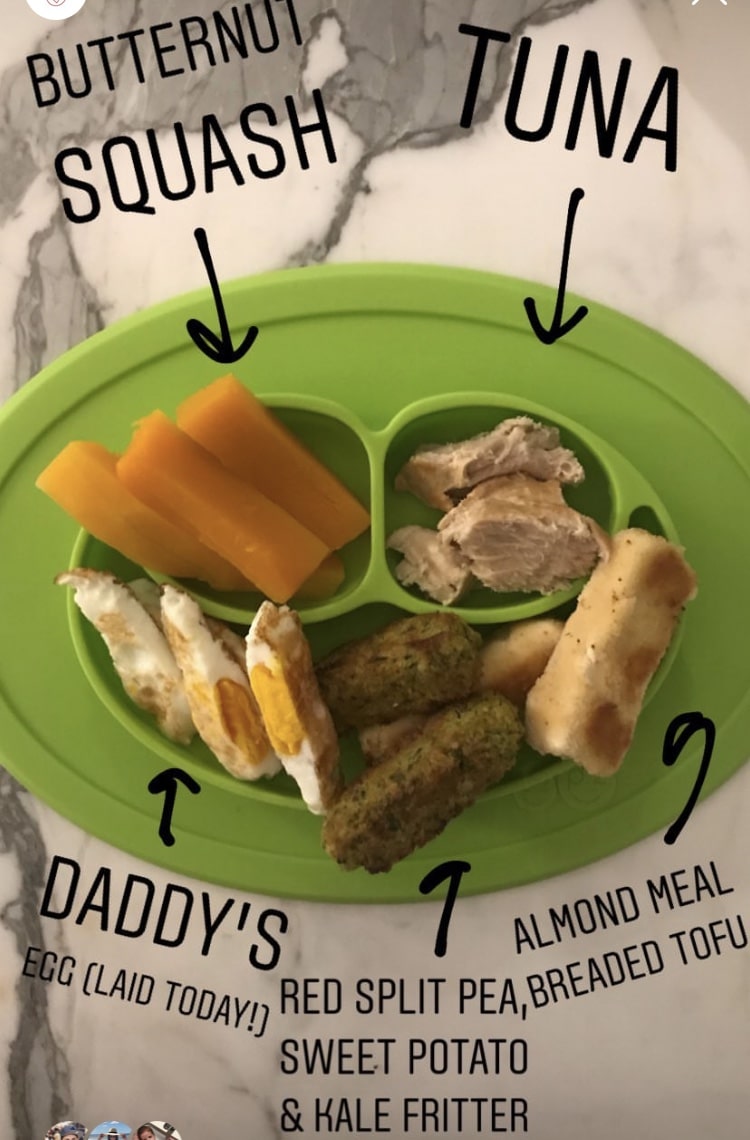
Nutrition
It is important to introduce solid foods by around the 6 month mark because breastmilk or formula alone don’t provide adequate amounts of important nutrients like iron and zinc. Low iron and zinc levels can lead to impaired growth, motor and cognitive development and immune function, hence the importance of paying attention to these important nutrients. Eating whole foods through baby led weaning has the potential to be very nutrient-dense when compared with some homemade or commercial baby foods which sometimes parents water down.
One of the criticisms of baby led weaning, however, is that because babe is in control of her eating (vs an adult being in control), she may not actually eat enough to thrive. But one study comparing the BMI of baby-led weaners to a group of babies fed purees found no difference in body weight or growth. There is also no evidence that either group universally get more iron compared to another, so parents don’t need to necessarily worry about that if they’re staying on their curve. Baby led weaning first foods that are an excellent source of iron for infants include iron fortified cereals, meats, egg, sweet potatoes and beets so you can focus on serving those.
Involvement During Family Meal Time
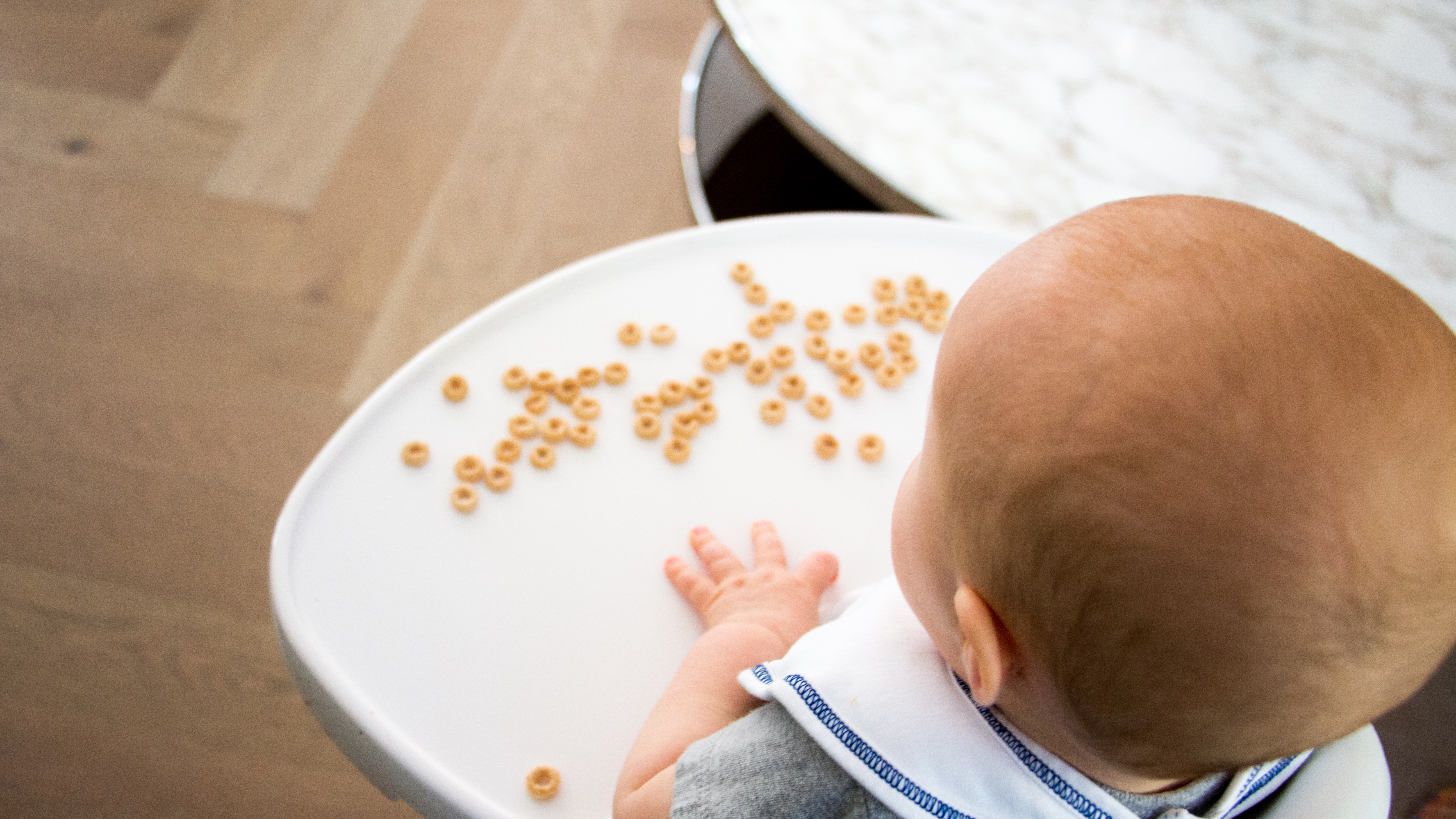
The key features of baby led weaning are that the baby sits with their family during mealtimes and are offered the same meals options (in appropriate piece sizes, without salt or sugar). The baby can then self-feed the by using their hands, a spoon or another self-feeding tool like a “boon spoon”. With time, babies can learn, just as we do, that eating reduces their hunger and they will adapt to their new eating routines with their family.
Improves Dexterity
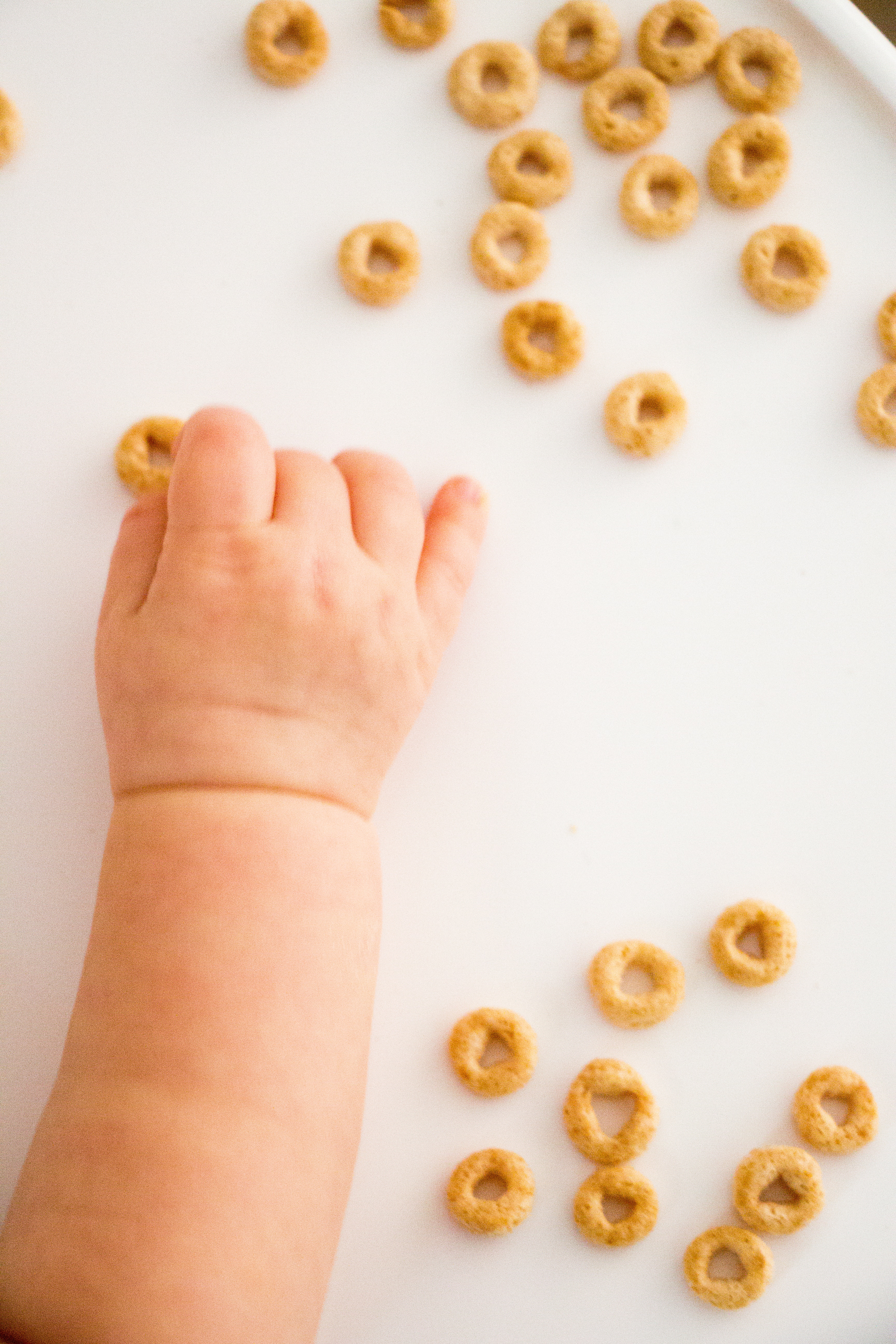
One of the biggest advantages of learning how to start baby led weaning is that it allows babies to have greater dexterity as they self-feed themselves. They develop better hand-eye coordination which leads to independence and less micromanaging from parents during meal time. Winning!
Improves Oral Motor Skills
Baby led weaning may help improve oral motor skills as they learn to create a bolus (ball of food) and swallow. When an infant eats a new food item, their tongue reflex forces them to lick and taste the food. With continuous practice and exposure, babies learn to move their tongue from side to side the same way we do when we eat.
Improves Palate
Babies who were fed using baby led weaning are less likely to be picky eaters because they are exposed to different food textures and flavors from a younger age. Since a lot of picky eating revolves around texture issues, introducing a wide variety early on may help minimize this down the road.
Lower Risk of Obesity
We talk all the time about the importance of mindful eating for adults, why not build those same skills in babes? One study in this area found that BLW infants had a lower risk of obesity because they could practice self-regulation from a younger age. As a result, they may become more aware about their satiety cues and could use those skills later on in life.
How to Start Baby Led Weaning + Baby Led Weaning First Foods
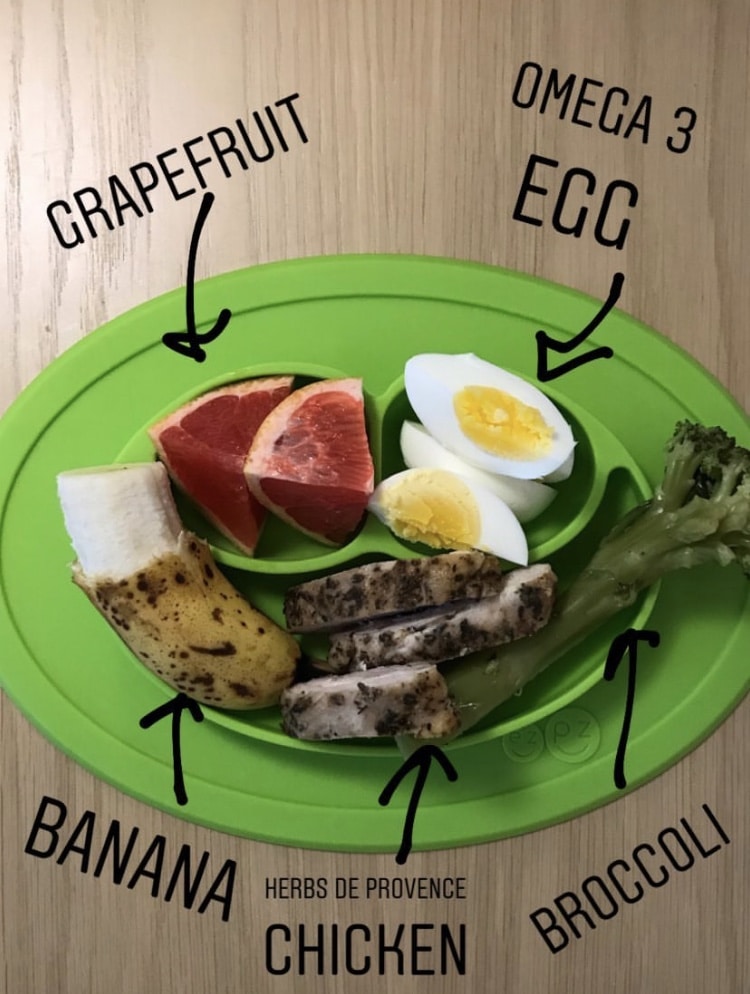
Now we have an understanding of baby led weaning under our belt, let’s look at how to start baby led weaning.
Readiness
Just because your pediatrician says you can start solids at 4, 5, or 6 months (recommendations that we will cover in another post), doesn’t mean they’re ready. Parents should be on the lookout for signs of readiness in their baby before beginning the baby led weaning process. Here’s some things to look out for:
- They should be able to sit up with support and have neck support so it’s easy for them to spit out food.
- Baby should be showing interest in food and reaching out
- They’re opening their mouth to suck on items (hands, food or inedible items)
- Alertness or change in facial expressions during mealtime
Self-Feeding Instruments
There are lots of different self-feeding instruments on the market but there is no scientific evidence that supports the need for them. If you want to give them a try, here are some popular options I’ve seen:
Boon feeders
Silicon spoon with small holes for infants to self-feed easily
Boon Platter
Plate with divided sections for the different variety of foods offered
Num Num Pre-spoons
A starter set of spoons with grips to help babies keep the food on the spoon to self-feed
Kidsme feeder
Think of it as a sippy cup with pureed meals, infants can suck and squeeze their meals
It is important to note that eating is a skill to learn. Using some of these instruments may prolong that process as infants are not able to touch and explore their foods. If you use them, you may find it’s best to use them alongside simply letting baby use their hands.
Small, Frequently & Varied
There is no specific amount of food that babies are required to consume at any point in this process. The beauty of it being baby led is that they will tell you when they’ve had enough, and since breast milk or formula is being continued, they will make up the calories through milk.
Infants starting complementary foods should initially consume solids 2-3 times a day between 6-8 months, in addition to milk feeding. The frequency should be increased to 3-4 times between 9-11 months as the infant improves their skills.
Start with Soft Foods
When first learning how to start baby led weaning, begin with steamed and sliced food so the infant can easily chew and swallow the items. Give soft fruits and vegetables initially. Then introduce lightly cooked harder foods that can be easily chewed with bare gums. Soft foods should be soft enough to be mash with the tongue or your finger.
Great first soft foods might be avocado, banana, steamed sweet potato, steamed carrots, ricotta cheese, and scrambled eggs. With slippery foods, try rolling the foods in something like ground flax, baby cereal or ground almonds. Offer water in small amounts during mealtime in an open cup as early as 6 months. This helps them develop their oral motor skills faster than them using a sippy cup which require a similar sucking technique as bottles.
Food Shapes
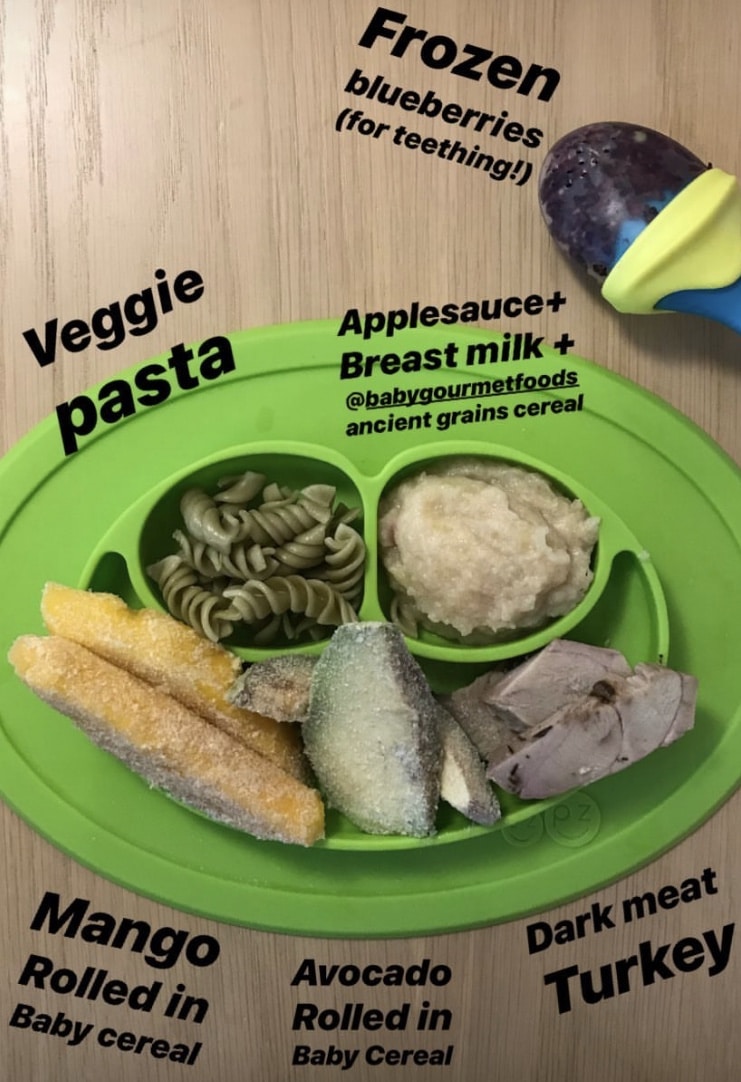
Food should ideally be shaped like a finger and be easily able to fit in the infant’s hand with a some sticking out of their fists. Initially, babe will be exploring the food and creating a mess more than eating but hey that’s part of the process. Also, that’s what dogs are for. Poppy, my pup, was just as excited as Baby E when it was meal time.
Offer New Foods
Try offering one new food as a challenge for yourself each day for baby to explore. This allows the baby to have a variety of food selection and explore more options. It also allows you an opportunity to see what kind of foods or shapes are working best.
Avoid Choking Hazard Foods
Small round foods should be avoided as they can be choking hazards. Steer clear of whole grapes, hot dog pieces, whole cherry tomatoes, peanuts and popcorn. Cut round soft foods into quarters and avoid hard items like peanuts or popcorn. Some foods that have tougher skins such as apples can be removed to make it a bit easier for baby to manage, and can also be cooked to soften the texture. Avoid foods that form too much crumb in the mouth (like dry crackers) as they can get dislodged in the infant’s mouth. Good examples of food are bananas, avocados and meats as they keep their shape when an infant holds on to them.
Be a Role Model
The goal is to create a routine for the infant similar to the families so that they mirror their parents’ dietary behaviors. According to the BLISS study, babies show an interest in their parent’s activities, including eating and enjoy engaging in the activity. Sit down with your baby to show them how to eat. It was amazing to watch Baby E follow my lead when I put something in my mouth. Monkey see, monkey do!
How do I know if My Baby is Full?
Your baby is done eating when they turn their head away and close their mouth. It’s important not to keep feeding the baby. Parents need to trust their child’s satiety cues and stop feeding the baby when these signs are visible.
Worried About Choking with BLW?
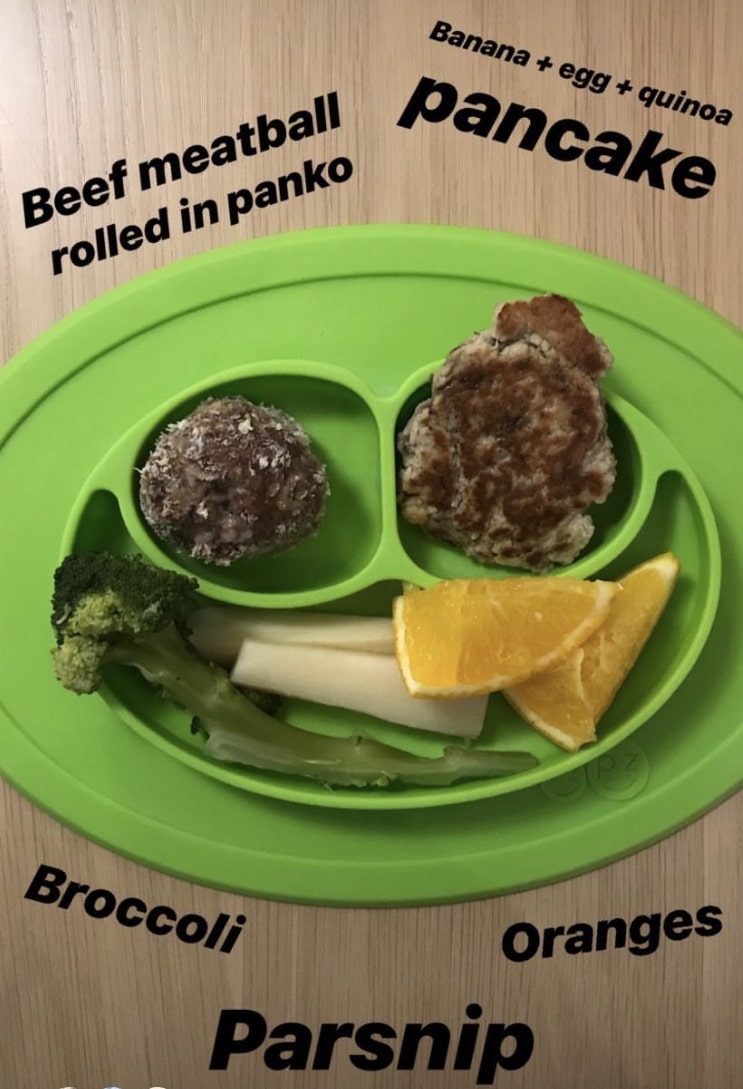
One of the first things parents worry about most when it comes to baby led weaning is choking. This is the number one barrier people have when learning how to start baby led weaning and I totally get why. It’s scary! But the reality is, it’s a lot less likely than you think. When infants first transition to solid foods, they will gag and cough. Babies gag and cough frequently at a younger age because their gag relax is more forward in their mouth. The gag reflex will move back around 6-8 months and be completely developed around 12 months.
Believe it or not, research suggests that by 8 months, baby led weaning infants tend to actually gag less frequently when compared to spoon-fed infants.. Remember, eating is a skill that we need to learn and develop. So, the earlier and more frequently your baby practices, the better their skills become!
To help reduce the risk of choking, here are some important precautions you need to take.
Supervision
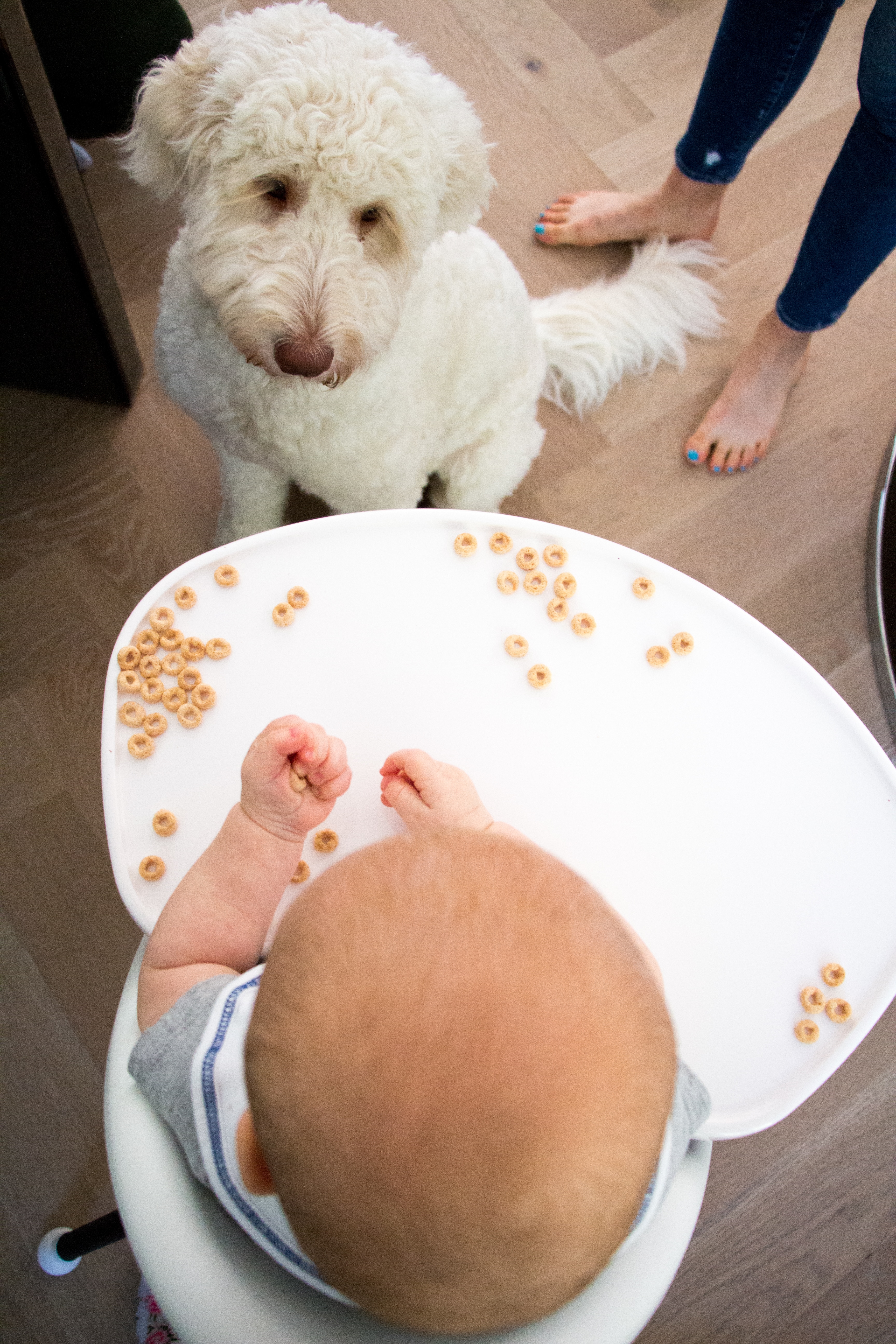
As with everything, parents need to supervise their child during mealtime to watch for any signs of choking. This is not the time to be checking facebook, especially when you’re first starting out on solids.
Know the Signs of Choking
Parents should be able to differentiate choking from gagging. Choking is often silent as infants are not able to talk or breathe, and babe’s nails, lips and skin may turn blue. Gagging, in contrast, is noisy and dramatic as the infant will cough and jump. Most babies gag and choke multiple times during mealtime. Don’t be too concerned, this is the body’s best defense mechanism against choking. It’s actually a good sign!
Support
Babies should have neck support when learning how to start baby led weaning. Use a high chair to support their posture. This makes it easier for the baby to spit out their food rather than choking on it. The baby should be sitting in an upright position and not reclining downward. A proper foot rest helps add stability and less distraction.
Food shape and size
This is one of the most important tips when learning how to start baby led weaning. To prevent food from getting stuck in babe’s throat, avoid small and round foods. Serve finger-shaped food so they can easily fit inside baby’s hand with a some sticking out of their fists. Additionally, solid foods options should be cooked and soft as these items are easier to chew and shallow.
Limit distractions
Avoid distractions during mealtime. Remove toys, turn off the TV and excessive new faces should be minimized while the baby is learning to eat.
CPR
An infant CPR course teaches parents how to handle any potential choking episodes and is (in my opinion) important for any adult to take who will be watching your child. All friends and family need to learn these important skills.
The Bottom Line on Baby Led Weaning First Foods
This is really just scratching the surface understanding baby led weaning first foods and how to start baby led weaning. I hope this learning how to start baby led weaning beginners guide will give you the confidence to get started. Follow my Instagram stories, to get lots of inspiration for tasty baby appropriate meals.
More Blog Posts You Might Like
If you liked this post about baby led weaning first foods and how to start BLW, you may like:
Now mamas, tell me, did you I baby led weaning or spoonfeeding? What did you fin worked best for your kid? Any favourite BLW foods? What were your BLW first foods? Leave me a comment below with your thoughts!
Contribution By: RD2B Sumeet Chopra

Abbey Sharp is a Registered Dietitian (RD), regulated by the Ontario College of Dietitians. She is a mom, YouTuber, Blogger, award winning cookbook author, media coach specializing in food and nutrition influencers, and a frequent contributor to national publications like Healthline and on national broadcast TV shows.



vinod gupta says
Very informative article! A balanced baby weight gain food chart helps parents choose the right foods for development.
create an online store says
This is a fantastic guide to Baby Led Weaning! I love how you emphasize letting babies explore food at their own pace. It’s great that this method promotes both independence and healthy eating habits from the start. The benefits, especially around nutrition and self-regulation, are really helpful to know!