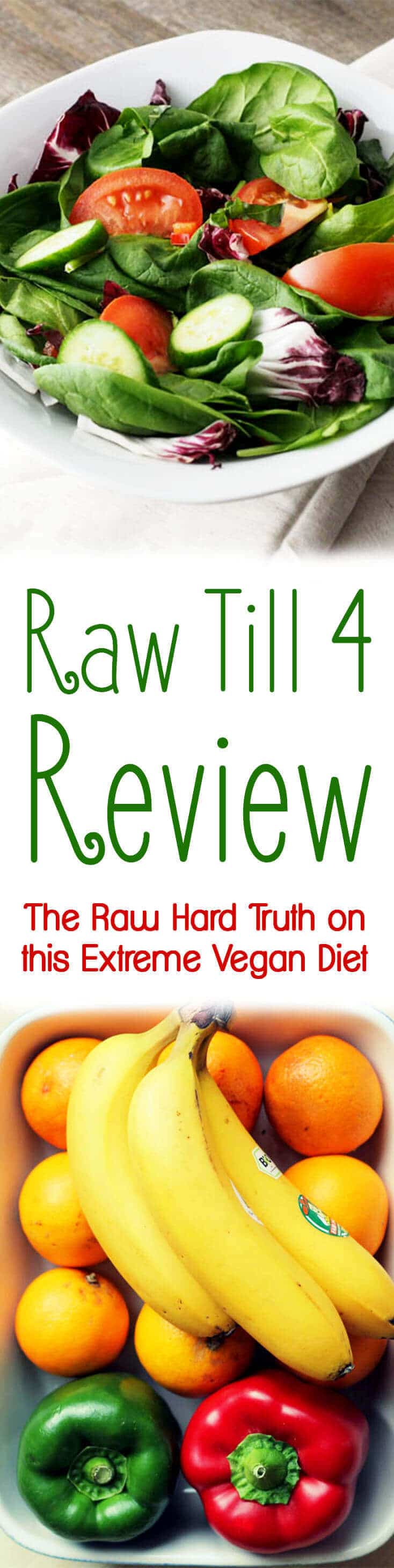
Want to try Raw Till 4? We looked into the research in this ever-growing trend to let you know if its really the miracle diet it claims to be.
If you had told me 10 years ago that a woman named Freelee the Banana Girl (aka Leanne Ratcliffe) would take the diet industry by storm, I would have told you that you were bananas. But seriously, that’s what the ever popular Raw Till 4 Diet is founded on. BANANAS. Trust me, I tried her crazy morning smoothie and WANTED-TO-VOM.
https://www.youtube.com/watch?v=4PSM2e4O1Y0
What’s Raw Till 4 About?
The main focus of what Freelee sells as a ‘lifestyle’ is eating whole, unprocessed foods. So far, so good. Ah, wait there’s a catch (there is always a catch). Whole and unprocessed to Ms. Banana actually means raw fruit and some raw vegetables, little fats and no meat. While I completely understand following a meatless diet for a variety of reasons like environmental and animal rights, I don’t see the benefits of eating predominately 1 food group only. The concept here is ‘eating and living abundantly’ but I find this hard to believe since it seems there is really only an abundance of fruit.
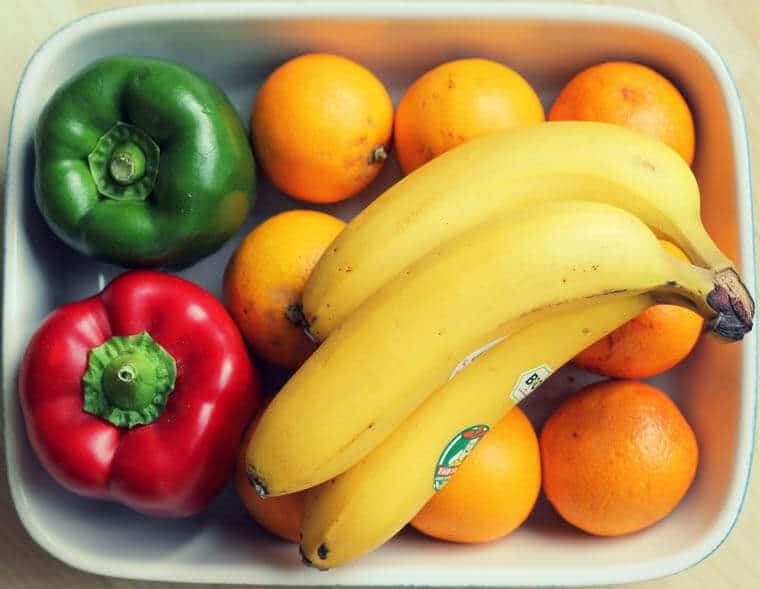
Like the name suggests, dieters eat raw until 4pm (a kinda random time), after which they are allowed to have their final and only cooked meal of the day. But don’t get too excited, the website itself reminds you that you’re cooking ‘without oils to help flavor and cook your food.’ That’s cool, Freelee, I personally love dry, bland, cooked potatoes. And fat soluble vitamins (those are vitamins A, D, E and K) that require oils to properly make their way into your body? Nah, we’re good.
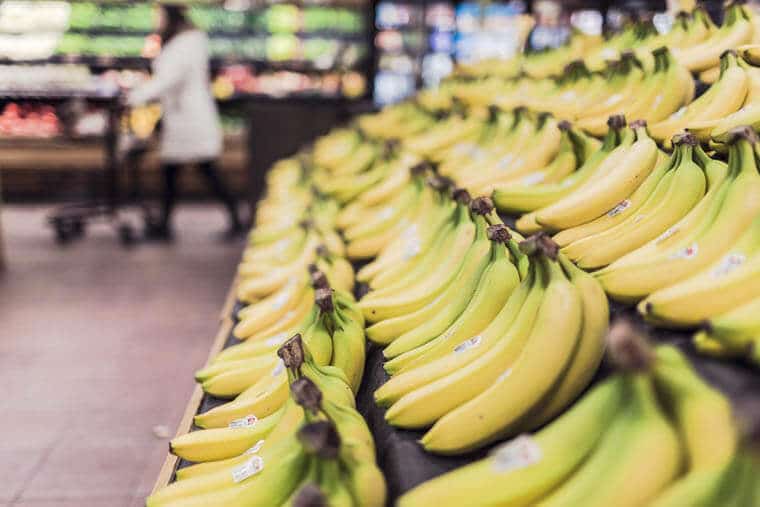
Dairy and grains aren’t even mentioned but it’s assumed they’re off the table. Remember, in diet world these are both the devil. Other rules include no chickpeas, beans or lentils and you must drink at least 4L of water per day. Much of that 4 litres should come just before your cooked meal because cooked food supposedly takes water from your body. In all my research, I was not able to find anything to confirm that warning.
A Day in the Life of Freelee, a Raw Till 4 Enthusiast
Let’s do a little day in the life of Freelee on Raw Till 4, shall we.
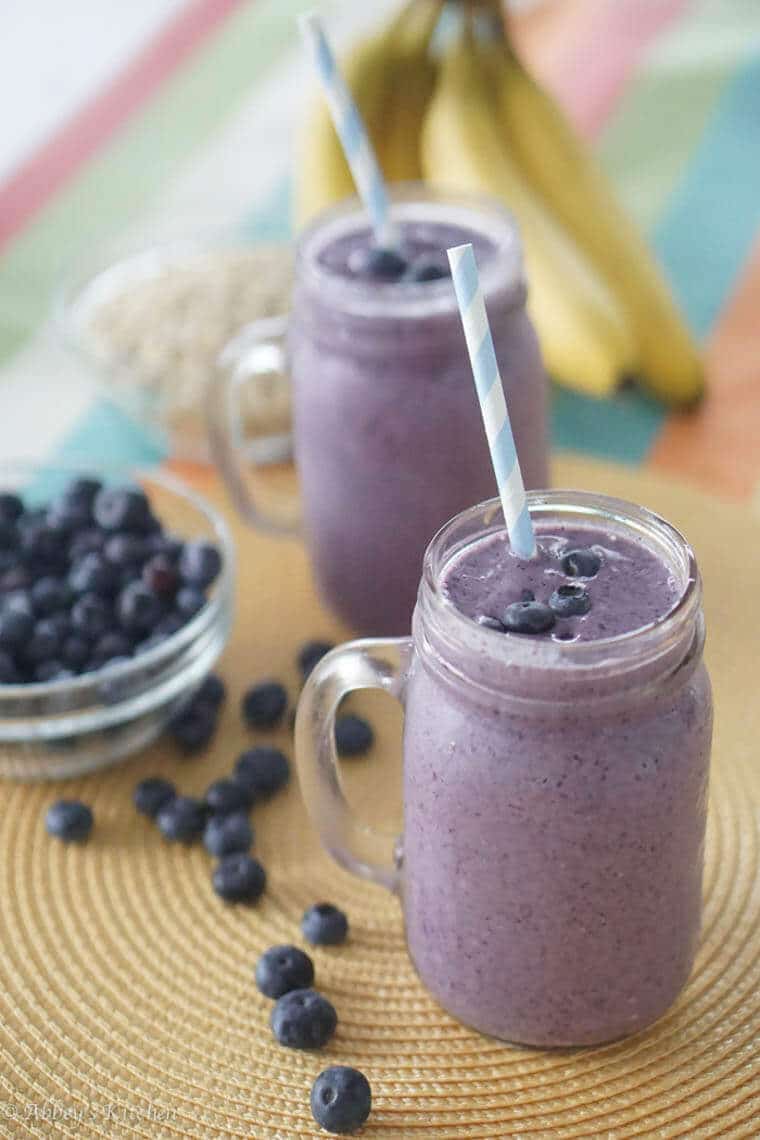
Breakfast: Rise and shine! It’s time for a delicious smoothie to start your day off right! A Freelee Fan Favorite is the banana date smoothie with 7 bananas, 2 dates and 2 oranges and some coconut sugar for extra sweetness. Because more sugar really is needed here. This tasty drink is a nice 1000 calories. Half of those are pure sugar. You’ve also just consumed nearly 30 grams of fibre, which is about all you need in a whole day. Again, I tried this, see above. It tasted like, well, bananas.
Lunch: A great lunch by Raw till 4 standards is something called a ‘mono meal,’ which means you eat only 1 type of food. Variety? Please what is that! Bring on 5 mangoes because I’m hungry! This meal provides about 900 calories, 190g of sugar and 10g of protein.

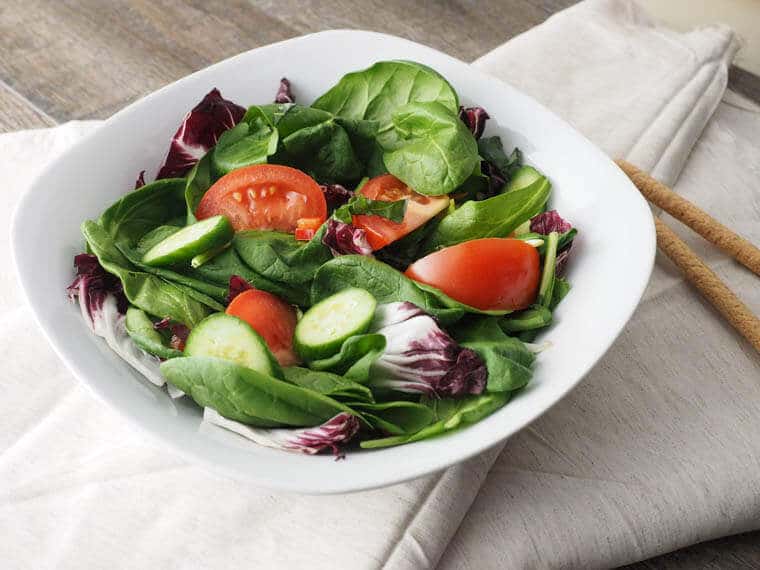
Dinner: By this point you’re probably so happy to have something warm and comforting, and you should be. So take a nice litre worth of water and sit down to 2 pounds potatoes and Freelee’s own salt free, fat free chili sauce with a big salad on the side. Feel your inner rabbit because there is no dressing on that salad. Yum!
By the end of the day you’ve consumed about 90% of your calories from carbs, many of those simple sugars (meaning they are easy for the body to breakdown and can spike your blood sugars and insulin). Only about 10% of those calories are from protein. In fact, according to Raw Till 4 enthusiasts, only 5% of calories from protein is necessary. You’re also dealing with 60g of fibre and that cannot be easy to digest. Talk about a serious case of the farts. It’s actually more likely that the soluble fibre (the kind that dissolves into water) is the culprit to blame for possible dehydration, not the cooked dinner stealing your body’s water.
Pros of Raw Till 4
This diet is clearly very high in fresh produce, and I’m not going to speak badly about that. You’d be consuming tons of vitamins, minerals, beneficial antioxidants and fibre, which is great for gut bacteria and function. That is something I can definitely stand behind. But is it necessary to consume this much? Absolutely not.
Another good thing about Raw till 4 is that you aren’t restricting calories. Instead, it focuses on counting calories in your first few days to ensure you’re actually eating enough (eating an adequate amount of calories from fruits alone is not easy). However, calorie counting is still calorie counting and it’s a slippery slope.
Most popular diets require buying special, expensive, obscure ingredients you can only find at organic health food stores. Raw till 4 is different because all you need is a whole case of bananas and at 0.79$ a pound, it’s quite economical. At least you’ll have some money saved in the bank on this diet.
Cons of Raw Till 4
The sheer amount of volume of food needed to get an adequate calorie intake on a diet of predominately fruits is extremely high. By banana number 6 you’re likely feeling pretty bloated, gassy, uncomfortable and constipated (because THAT’S WHAT BANANAS DO!). Freelee herself admits that many people don’t get enough calories on this diet, leaving people cranky, run down, tired and foggy. Not to mention slightly frustrated any time you try to go out to eat with friends. I’m not sure how many restaurants can accommodate raw, vegan, fat free, mono-meal diets. That can make eating out with friends or family next to impossible.
Also, let’s talk nutritional adequacy here. What about those who exercise? Sure you’ll have lots of quick carbs to fuel a run but anyone who weight trains knows this lack of protein is not going to cut it. According to Raw till 4 worshippers, vegetables and fruits are “full” of protein- just one watermelon has 28g! Of course fruit and vegetables do have protein, but considering legumes are cut out too, it’s pretty negligible in appropriate amounts- like who the F is sitting around eating a whole watermelon?! Likewise, to get just 3 grams of protein from spinach you’d be chomping down on 3 cups. I mean, I like spinach, but AH FML.
Aside from the actual grams of protein needed each day, protein and fat are satiating, making us feel full and satisfied after a meal. This is because they are broken down and digested slower than carbohydrates, helping to bring down sugar and insulin spikes. Simple carbohydrates like fruit do not provide this feeling, so I can imagine feeling unsatisfied and still dreaming about more food after all 5 mangoes. Not to mention your blood sugars would likely be through the roof all day long. This makes this Raw Til 4 extremely dangerous for anyone with diabetes or difficulty controlling blood sugar levels.
Despite eating extremely high volumes of some vitamins and minerals (like Vitamin C), the Raw Till 4 diet totally eliminates a few key nutrients. For one, all of our fat soluble vitamins (A, D, E and K) need fats to be digested and used properly so without fat, they will just move through your body. There’s no need for a healthy individual to lower or exclude fats especially ones from foods like olive oil, avocados, fish and nuts. Other vitamins that are typically lacking in this diet are Vitamin B12, zinc, iron, and calcium. This leaves vegans prone to deficiencies of many nutrients. Of course you can get all of these from fruit and vegetables alone, but they are not absorbed and used as efficiently from these sources.
If you’re a frequent reader of this blog, you may have seen many of my recipes and noticed that I have no problem with cooked foods. It is true that cooking foods can destroy certain nutrients, but it can also magnify the effect or ‘turn on’ other nutrients and enzymes necessary to digest that food. Cooking is kind of like the first step in digestion, helping our bodies out by starting the process and saving us a lot of energy to be used for better things. Plus, how many times do you come home from a long day of work on a cold winters day and crave some warm and comforting soup or chili? I don’t think I could feel that same comfort from plain potatoes and undressed salad. This is just another example of how sometimes the food we eat is more than just the vitamins and macronutrients we need.
Freelee has admitted to suffering from an eating disorder in the past and I can’t help but wonder if this whole diet is just disordered eating or orthorexia taking on another form of restriction and control. Regardless, Raw till 4 worshippers see her as their ultimate health and fitness role model. I’m curious to know what about her, aside from her ripped physique, gives the impression that she’s the healthiest woman on earth. It seems from watching her videos that aside from a few claims that Raw Till 4 gives you tons more energy, Freelee’s focus is on her body. I mean, most of her videos feature her with just a sports bra so that’s certainly telling right there. But remember, healthy doesn’t have a “look” and this diet isn’t a fix all for everyone. In fact, I have watched a number of angry response videos from regular people online who have watched Freelee’s videos, followed her plan and gained a TON of weight. Why am I not surprised….
The Raw Til 4 Review Bottom Line
Many people swear by Raw Till 4, and defend the lifestyle with this strange creepy cult-like pride. But after looking through the good, the bad, and the ugly on the Raw till 4 diet, it looks like this is just another fad diet with a hot body spokeswoman and no research to back it up. If you’re currently on this diet and you’re happy and feeling great then sure, you do you! If you’re bloated, unsatisfied and constipated while pounding back bananas and wondering where your 6 pack is, maybe it’s time to consider all sides of this fruit frenzy. With any diet that sounds both too good to be true and extreme, read into all sides of it before you go for it. Or, just ask me and I’ll do the hard part for you.
As Freelee might say, go fruit yourself.
Have you tried Raw Till 4?
Got a diet plan you’d like to hear more about?
Let me know in the comments!
Contribution by RD2B Olivia Cupido
Updated on August 27th, 2018

Abbey Sharp is a Registered Dietitian (RD), regulated by the Ontario College of Dietitians. She is a mom, YouTuber, Blogger, award winning cookbook author, media coach specializing in food and nutrition influencers, and a frequent contributor to national publications like Healthline and on national broadcast TV shows.




Em says
Freelees diet seems a bit crazy, because the calorie density is so low and there’s very little fuel, but this article feels misleading as well. Criticizing someone for not cooking with oil is a WILD take. I’d highly recommend the book The Starch Solution by Dr John McDougall or any of the materials by his colleagues like Dr. Neal Barnard or Dr. Caldwell Esselstyn. Added oils are not your friend, and many folks have reversed their type 2 diabetes and other health issues by cutting out overt fats. If you eat enough plant based calories, focusing on starches not fruit like freely, you will get enough fat and protein. Especially in the US, we add oil to EVERYTHING (just look at the back of any processed product) and it is not necessary at all. I lost 65 lbs eating potatoes and never used oil once, there’s plenty of delicious ways to prepare food without it.
Mittens says
As a fellow healthcare professional, ex vegan (due to adult onset anaphylaxis and oral allergy syndrome to nuts & seeds & veg/fruit eg celery that’s in all pre made vegan products) – I was intrigued by Freelee’s ethos and wondered re sugar levels etc. I followed her for a while but within a few videos had major concerns she had an eating disorder – and it was only mentioned much later on openly by her and confirmed my concerns.
I feel it doesn’t adequately express the nutritional need for a varied diet, in particular with newer evidence around gut microbiome, and feel she is lucky that she is currently well on such an extreme diet, perhaps from a consistency of intake rather than what she is eating.
From stopping following (some very angry clapback videos from Frelee and Durian were quite hostile to anyone disagreeing or requesting more info put me off due to the anger let alone the concerns watching disordered eating being promoted) I had seen more information around people just sensibly increasing fruit and veg intake.
For example in the UK they promote 5 a day of fruit and veg intake- most people here manage this easily, and I thought about why not 10 a day? Was it insane / possible? Especially with my running and sports team training I need nutrition for power & stamina. Found lots of 10 a day trials from people who found it hard to digest. However for me as an ex vegan it was surprisingly easy as I like the taste of veg, I eat salad without dressing etc
I can have
Breakfast -porridge, soy milk with mixed berries (3-5 fruit)
Snacks – banana, apple, tangerine, grapes (4)
Lunch – meat plus salad of lettuce, kale, cucumber, tomato, baby corn, green beans, carrot (7)
Dinner – meat plus jacket potato & salad or other cooked veg eg onion, broc, cauli, sweetcorn, peas, carrot (6-7)
And it’s not overly filling, it’s not extreme, it’s just sensible. I also eat any junk I feel like, but generally I’m full on the beneficial nutrients for my body – so I don’t go overboard on the processed food (can’t because of the allergies!) but found having to overhaul my diet out of necessity (eg avoiding 9 of the 14 core allergens & some more!) has pulled me back to basics – my family calls it 1950s cooking as it’s pre processed frozen trash foods!
Don’t get me wrong, I can still eat pizza, chocolate, sweet treats, crisps, burger & chips etc – but I’m more aware of the nutrition side & having those as an exception not core part of my oral intake.
Hope this helps people to understand why not everyone can be vegan, to eat safely for them, and how you can still eat some junk in moderation without being harsh about thinking food as good / bad – and you can eat more fruit & veg in a less extreme way!
C. Soukoreff says
Something I’ve noticed over the years is that people who follow these “raw till 4pm” or all vegan diets seem to be in places that have SUN all year round and ample amounts of natural vitamin D and look healthy and glowing, because the sun gives a lot! Take the same people and stick them in Canada with no ability to get natural vitamin D through sunlight for half the year (deficiencies are rampant), and the skin seems slightly translucent. It’s just been an observation as someone who goes between Maui (HI) and BC, Canada and knows people on both types of diets. I always feel better in a warmer climate, my hair grows better, nails grow better, body is less tense and absorbs nutrients differently. It’s an interesting thought and I think has something to say about the success or failure of some of these diets on health long term.
Marce says
I understand that this blog post is a little old and probably no one will see my comment but I think it’s worth mentioning that I find this post very biased and that the diet wasn’t studied in detail before creating this post. I’ve followed this diet almost to the letter for 9 months since October 2014. Energy wise, it was the best time of my life. I was able to train 13 times a week doing athletics and parkour, for a short period like a month or two I even trained 3x a day but I couldn’t sustain that because I’m not a professional athlete and I had to find time to make a living as well, lol. The sugars in a diet like this don’t really work exactly like in a diet rich in fats because of the insulin resistance caused by excessive fats. There is little research on eating this much fruit, it’s true, but the research you can find is proving that there’s no real upper limit with fruit. As for the bloating and gas issues caused by bananas, if you’re eating animal foods your microbiome will look much different from the one of a long-term vegan and the bloating and gasses are more likely to happen to a non-vegan in this case but every case is different. I don’t think that this diet is perfect and I think that legumes are an important source of nutrition that should not removed from someone’s diet unless there’s a medical reason for it. This is just one of the reasons why I don’t follow this diet anymore. As for eating out… Unless you eat out for lunch very often, I guess a bit of flexibility never killed anyone, quite the opposite. If you do eat out for lunch that often, then probably this diet isn’t for you. B12 supplementation was recommended but we have to understand that the 2 creators of this diet were sociopaths who were not to be trusted fully on pretty much anything they said. For example, having smoothies to help someone get more food is not a great idea. I also think that this diet should be followed by someone who knows a bit of nutrition and is very active, better if already plant-based for a few months at least for the aforementioned reasons. I think that if modified to include nuts and legumes, it’s an okay diet but it is true that it might be too low on some nutrients if you don’t eat enough veggies, nuts, seeds and legumes. Definitely not perfect but not as bad as it looks like in the post. I’d say it’s not for everyone and it’s probably good for a few months up to a couple years but definitely not sustainable long term, unless modified as previously mentioned.
Em says
So glad you made that comment about fat consumption and insulin resistance! So many people want to blame sugar.