I discuss orthorexia nervosa symptoms, how clean eating and social media can perpetuate orthorexia eating disorders, and my own personal struggle story about the disease.
I honestly think most new years resolutions are total BS, but this year I decided to resolve to be more open and brave. I have spent the last 10 years really growing into my professional and personal skin, and I’m ready to reflect on that process. I recently told you all about the realization I have come to about food blogging and letting “social” media take the real social out of my life. I’m not good at admitting when I know I’ve done something wrong, especially when I’ve done it for so long but it felt good to let you all in on what I’ve learned in the process of becoming a professional blogger while trying to nurture real relationships. Today I wanted to talk about another real issue that I’m seeing become a bigger and bigger issue – orthorexia eating disorders and orthorexia nervosa symptoms. While it’s not totally new, we’ve been hearing about orthorexia symptoms a lot more recently related to our society’s current obsession with eating clean. You may also remember reading about a pretty well-respected food blogger called The Blonde Vegan (now the Balanced Blonde) who came out as suffering from orthorexia symptoms, made a vow to change her strict vegan diet, and experienced a massive backlash from her followers.
What is Orthorexia Nervosa?
The term orthorexia was coined in 1996 by Dr. Steven Bratman to describe people obsessed with “righteous eating”. It’s different than other more familiar eating disorders like anorexia and bulimia thanks to its different motivations. While anorexic and bulimic patients’ main concern is losing weight and being “skinny”, orthorexics are obsessed with the perceived healthiness or “purity” of the food itself. It’s a quality thing, not necessarily a quantity issue. While health is usually the main motivation, there are often other underlying motivations as well like a need to be in control, wanting to be thin, improving self-esteem, searching for spirituality through food, and using food to create an identity. People who are suffering from orthorexia nervosa symptoms often have their own set of rules about what they will and will not eat, but it isn’t related to a desire to lose weight, even though they often do lose weight. Orthorexia and orthorexia symptoms are not officially recognized in the DSM-5 like anorexia or bulimia nervosa, but can have similar long-term dangerous physical and psychological effects.
How Social Media Fuels Orthorexia Nervosa Symptoms
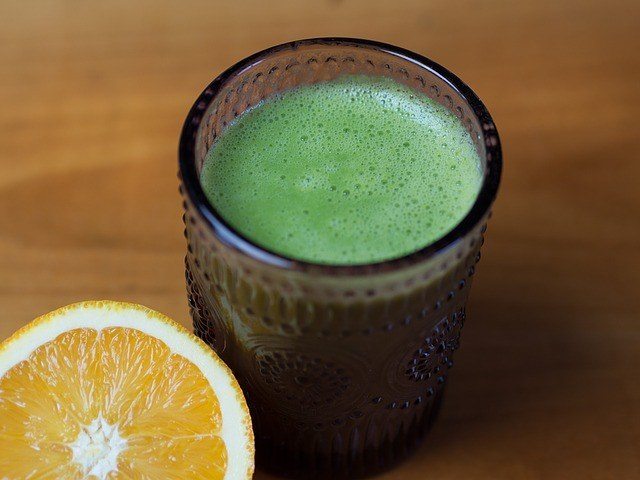
Try scrolling through Instagram, or browsing your favourite blogs, you’ll likely find lots of #fitspo for your #cleaneating, #cleansing and #detoxing endeavours. From photos of green kale detox smoothies to recipes for gluten free pizzas to articles on why GMOs are causing cancer (side note- they’re not), there is plenty of resources online to get you hooked on some sort of ultra-“healthy” diet prescription. Honestly, there are a lot of prominent food bloggers out there (I’m looking at your FoodBabe) whose sole mission seems to be promoting fear around food disguised as a right to knowledge. Where in my parents age, food was simply nourishment and pleasure, today it’s a heck of a lot more complicated. For many, it has become the desperate answer for various ailments, diseases and symptoms. For others, it is a marker of identity and spirituality. For example, there is a persistent notion that if you eat “clean” food (however that is defined), then you yourself will be clean, saintly, and chaste. If you eat “bad” or “toxic” food, than you innately are bad, defiled, and dirty. There’s also an unpleasant sense of superiority radiating through the narratives of dietary restraint that helps those struggling with identity. Assigning this moral weight to oneself in relation to what they eat is one of the common orthorexia nervosa symptoms.
Now, you may be thinking. So what’s so bad about wanting to eat healthy? Aren’t you a dietitian, shouldn’t you be promoting this kind of behaviour? Yes, of course, it’s my job to promote a healthy lifestyle that includes nourishing food. But an orthorexic diet itself isn’t the likely problem- it’s the mentality and orthorexia symptoms behind it. It’s very easy for a desire to eat “good” foods all the time to go “bad” really quick. This is apparently particularly true in my profession where early research suggests that nutrition students have higher rates of disordered eating than other academic disciplines (here, here, here), and that dietitians may be at particularly high risk for developing Orthorexia nervosa symptoms due to the nature of their work and enhanced knowledge (here, here, here).
Case in point- my own experience with orthorexia and orthorexia symptoms.
My Orthorexia Eating Disorder Story
I have been fighting with myself over writing this piece and telling this story for almost as long as I have been blogging. But in the theme of new year, I thought it was time. After high school, I moved from Peterborough to Toronto with my family and admittedly, became pretty lonely and bored without my friends. Troubled by persistent stomachaches I had ignored all throughout my youth, I went to a naturopathic doctor who told me I was allergic to sugar. Not just the refined white stuff you put in your coffee, I’m talking like natural sugars too found in dairy, fruit, and like, everything. So I decided to cut it out.
Obviously, I felt pretty damn good at first. Eating no sugar meant eating less processed foods and refined carbs, and more fresh vegetables. This obviously meant I had to learn how to cook from scratch (since most prepared foods were on the no-no list) and like any classic Type A girl, I went all out. I read every cookbook and magazine on “clean” eating I could find which soon taught me that not only were sugar and alcohol bad, so was fat and salt, too! My diet quickly became a bowl of raw or steamed vegetables with lemon juice (no oil or salt), lean poultry, fish, beans and sometimes some high fibre whole grains and fat free dairy when I needed the carbs.
Orthorexia Nervosa Symptoms: Psychological Torment
This is really the definition of orthorexia nervosa symptoms. For those who looked at the foods I just listed and thought, “well, what’s wrong with that?”, it’s important to note a distinguishing feature of orthorexia symptoms. It takes over your life. We have heard a million narratives from famous health “gurus” and bloggers about restricting food as a way to try to manage diseases or symptoms without using medication. Sure, drugs never seem like a fun option, but medical intervention is all about a risk and benefit analysis. Sometimes taking medication allow you to continue living your life freely, while a strict diet that precludes you from various social situations and imprisons you in your own guilt, does not.
Eating clean, following the arbitrarily set “rules”, avoiding certain ingredients, and not trusting others to prepare your food is what makes orthorexia a disorder and not just a balanced healthy diet. There’s nothing balanced about it. Every day I lived with orthorexia nervosa symptoms, the leash would just get shorter, and the rules would become more stringent. If I were to “slip up” and accidently eat yogurt with added sugar, I would feel horrible about myself. That’s… um, not normal. This translates to pretty much never being able to comfortably dine out without serious anxiety about how food is prepared. It means not eating with friends or loved ones unless they always want to eat the food that abides by your rules. It means constantly worrying about where you will be when it’s time for your next carefully calculated meal. It means consistently looking at labels, reading menus, and asking questions. It means feeling immense guilt and shame if you accidently break the rules. It means that your meal is just sustenance, it’s no longer something to find pleasure in. It pretty much takes the life out of you, and drains you of any energy that could be used for loving and interacting with others. Food should bring us together, not tear is apart.
Orthorexia Nervosa Symptoms: Nutritional Deficiencies
While each orthorexic sufferer sets their own “rules” to live by, they also determine their own risk for nutritional deficiencies. Some may choose only to eat a raw vegan diet, while others swear off sugar, dairy, gluten and animal products. Regardless, whenever you have a narrow-minded relationship with food built on repetition and routine, you run a very serious risk of deficiencies from all of the foods you’re cutting out.
Orthorexia Nervosa Symptoms: Weight Loss
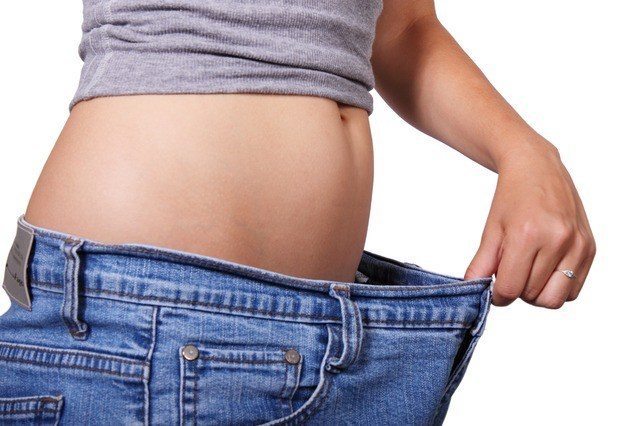
Here’s the thing. I never wanted to lose weight. Unlike with anorexia, my start goal, mid goal, and end goal was NEVER to get skinny. In fact, I was desperate to gain weight throughout my entire struggle with orthorexia symptoms, even seeking help from a Registered Dietitian. But weight loss can and often is a dangerous side effect. I probably dropped about 30 lbs at my lowest on my already small frame, which, in retrospect, is really scary. I would say it was largely because eating became so boring that I pretty much lost all pleasure in the act, so I naturally started to eat less. It was also linked to my need to control something, and deciding what I would or wouldn’t eat was satisfying in that sense. Finally, while I hated being skinny, I was also a bit scared to let go of what I saw as an integral part of my identity.
Looking back, I wonder if I would have fallen that far in the hole if it wasn’t for our society’s obsession with weight loss. While I was slowly losing weight at the beginning of my decline, everyone told me I looked great in response to a little weight lost. People would compliment me on my commitment to healthy eating because to them it looked like I was clearly doing something great for my body. Even though I wasn’t trying to lose weight or get “skinny”, those compliments confirmed in my mind that my strict clean eating routine was a good thing to do. While this scenario is even more common and problematic with patients suffering from anorexia or bulimia, I just wanted to point out that even when weight loss isn’t a goal, commenting about the impact of people’s dietary changes’ on their bodies can have detrimental effects. You can’t judge a book by its cover. What looks healthy could actually be the furthest thing from it.
Other Serious Physical Health Issues with Orthorexia Nervosa Symptoms
Like anorexia, or bulimia, the physical implications of an eating disorder are huge. With prolonged restriction (caloric and/or nutrient), a wide range of symptoms are common. Outcomes range from osteoporosis, to abnormally low blood pressure, to severe dehydration, muscle loss, hair loss, and kidney failure. Death is another real threat as the heart muscle essentially wastes away. While research on this is still in its infancy considering our early understanding of the disease, there have been documented case studies (here, here, here, here) of fatal and near-fatal outcomes.
How I Quieted My Orthorexic Thoughts & Behaviours
Suffering from an eating disorder can be a bit like an addiction, but unlike being addicted to smoking or alcohol, you can’t just cut food out of your life. Getting better has to start with some reflexivity on your part, and a willingness to let go of your control over food. Ironically, food is likely in control of you. We’ve got to take that back in a positive way.
For me, my blog had a huge impact on getting out of the orthorexic mindset. Upon launching my blog (which at the time was very much restaurant-review based), I had to make a decision. How could I dine at different restaurants, hang out at fun food events and live to write about it while still maintaining this need to control everything on my plate? On a scale from 1 to 10 on the food control scale, being a food blogger requires a commitment to giving 0 fucks about what you’re served. I guess I went the “cold turkey” route because I just threw myself in and threw those fucks out. Through the excitement of food blogging, I found the strength to let the control go and I taught myself how to listen to my body and nourish it accordingly. Mindful eating means paying attention to your innate hunger and satiety cues rather than eating according to a predetermined schedule or set of rules. It means honouring your body’s needs, finding pleasure in food, letting go of dos and donts, and not feeling guilty for your choices. So how do we find that perfect sweet spot between eating healthy and developing an obsession with healthy eating? Maybe the key is to omit the need for perfection in anything at all. Enjoy the treats your body, mind and soul craves- just enough to promote pleasure, but never so little to feel deprived. Find physical activity you actually enjoy- that makes your body feel stronger, more alive, and buzzing with energy. Stop dichotomizing food as good and bad, allowing yourself to discover your inner preferences and needs that aren’t prefaced on an arbitrary belief system. And learn to love your body for everything amazing that it is. It may have grown a baby. It may have carried you through a half marathon. It may have done 3 loads of laundry today. Whatever it does, it’s pretty bad ass for doing what it does, and it really deserves your respect, love and admiration.
Likewise, my new love of food is not one of obsession and distrust, but one of true respect. It is an open, flexible, caring relationship that has fueled me emotionally and physically every day. That doesn’t mean it’s easy sailing from here. I’m now hyper aware and sensitive to “clean eating” guilt-talk around food. I sometimes even lash out when I hear a critical comment about a “bad” food on my own or someone else’s plate because for fucks sake, no one knows how to nourish their own body but themselves! GRRR…. Don’t get me worked up. Maybe one day it all will become white noise, but until then, I’m pretty proud of where I stand and the strong relationship with food that I’ve built.
Are You Suffering from Orthorexia Nervosa Symptoms?
While this is not a conclusive diagnostic tool, here are some questions from Mirasol.net to ask yourself:
- Do you spend more than 3 hours a day thinking about healthy foods?
- When you eat the way you’re supposed to, do you feel in total control?
- Are you planning tomorrow’s menu today?
- Has the quality of your life decreased as the quality of your diet increased?
- Have you become stricter with yourself?
- Does your self-esteem get a boost from eating healthy?
- Do you look down on others who don’t eat this way?
- Do you skip foods you once enjoyed in order to eat the “right” foods?
- Does your diet make it difficult for you to eat anywhere but at home, distancing yourself from family and friends?
- Do you feel guilt or self-loathing when you stray from your diet?
If yes was answered to two or more questions regarding orthorexia symptoms, I strongly recommend speaking to a Clinical Psychologist who may be able to help you get to the root of your distrust of food. Common treatments include cognitive behavioural therapy (CBT), dialectical behavioural therapy (DBT), anti-anxiety medications, and neurofeedback. I also recommend speaking to a Registered Dietitian who specializes in mindful eating or eating disorders.
Do you or someone you know suffer from orthorexia nervosa symptoms? Leave me a note about your experience – I would love to hear what has helped you regain your trust of food!
More Blog Posts You Might Like
Updated on July 18th, 2024
Abbey Sharp is a Registered Dietitian (RD), regulated by the Ontario College of Dietitians. She is a mom, YouTuber, Blogger, award winning cookbook author, media coach specializing in food and nutrition influencers, and a frequent contributor to national publications like Healthline and on national broadcast TV shows.


Abby says
I know I’m quite a bit late to the party, but I recently came across this article, and your YouTube channel, Abbey! I’m a teenager who developed anorexia with orthorexic tendencies in March of this year, and all I can say is that it has been rough. Finding your channel and blog has really helped me in my recovery journey, and I love how you show such an easy and amazing relationship with food. This article really made me feel seen, and I hope you know how many people you’ve helped with articles and videos like these.
Much love from your (sort of) name twin,
Abby 🙂
Abbey Sharp says
I’m so glad to hear!
JL says
I fell prey to food gurus and bloggers early on, when I started following a plant-based diet. There is so much of that out there, it is dizzying, and makes it difficult to find trust-worthy sources. So many food blogger try to sell an ideal, and ‘love and concern’ for others is just a deceptive facade.
I also suffered from Orthorexia Nervosa, was severely underweight, had amenorrhea… I didn’t realize it was happening to me, it’s only when I consulted a gynecologist about my amenorrhea, and that my doctor told me I was likely too skinny that I saw. It was like being struck with a brick. Anyway, I’ve turned around since then, but it took many years and a lot of work, and even now, and I am incredibly wary of online blogs, I am bitter and still have trouble trusting others. That too, I hope to get over someday.
Anyway, your post was very good and illustrated my thoughts and anguish perfectly. Thank you.
Jenna says
I just learned about orthorexia a couple of days ago because my friend told me she had it. I had no idea about it so I did some research. Thank you for posting about this, it was really helpful to helping me understand how this eating disorder works and what ways I can help my friend. Another great article I just read about this was, https://www.ez.insure/landing/2021/01/eating-disorder-orthorexia/ It is another great read that is worth mentioning.
Abbey Sharp says
Thanks for sharing, Jenna!
Luca says
Fuck- I answered yes to almost every single one and I’m a child. My therapist doesn’t even believe me and says that I can eat meat and sugar even though I can’t. How can children and teens get help for this when their family praises them for it? I don’t know what to do.
Margot says
Hi Abbey,
Thank you for this post. I knew that I was going a bit out of control with planning meals and controlling what I and the rest of my family eats, but this post has made me realize that I may be suffering from orthorexia. I said yes to most of your bullet points at the end of your post. Yikes! I also was just accepted into a master’s program in applied nutrition. I am so excited about it, and am ready to learn. Your comments about dieticians having a greater chance of eating disorders has opened my eyes. My youngest child is a 20year old girl, and I worry about what I am modeling for her. Thank you for opening my eyes. I am going to try to embark on a different path.
Abbey Sharp says
Hi Margot, thank you for your honesty! I wish you all the luck. Thanks for your comment 🙂
Keith says
I know I am a little late to find this article, but thank you very much! My girlfriend and I have been dealing with something like this for years. Going on very strict diets (mostly whole30, which I think is kinda horrible) and getting into fights over what we are going to eat and if it is on the diet or not. When I dont want to diet with her im not “being supportive”. I think I need to look into something like CBT! Thanks again!
Abbey Sharp says
yes, CBT may help. Im so glad you found this and it helped.
Chelsea says
This is a great post – and it’s so refreshing that you can open up about your own experience, as it’s the only way to create more awareness of the disorder! This type of eating disorder can so easily fly under the radar BECauSE as you said, people don’t usually start out wanting to be skinny. It starts as a health journey which is even more dangerous BECAUSE people are of course less likely to question it! thanks to health bloggers like you though, the ball is now rolling. hopefully it wont be long before orthorexia is viewed much the same as anorexia or bulimia.
Abbey Sharp says
exactly!! that’s my hope!
Abigail Joy Dougherty says
Oh to the my, GREAT post Abbey!!! It was like i was Reading a portion of my orthorexia and it was quite Healing. Thank you!
so nice to see such Lovely honesty on such an underdIscussed topic. This is way more Common than we think, espEcially aMong RDs. Thank you for writing this! Proud to be a fellow Abby?
~Abigail Joy
Abbey Sharp says
I’m so glad to hear you liked Abigail!! And yes, its very common.
Ashley says
Awesome article abbey! Ive been fEeling more comfortable about sharing my Orthorexia stint among the bLogosPhere. Its shocking to see how pervasive this is among RDs ? Always enjoy your posts 🙂
(My mobile screen is showing that ive typed in all caps. If this is the case, my bad. Im not yelling!)
Abbey Sharp says
ahha all good! Thank you so much.
whitney says
thank you for sharing your story! very powerful!
B. says
Food and my body have been a way of communicating and identifying myself for years. When I think I have over-come one hurdle, I find another one down the way. My personality just seems to make things all or nothing, combine that with the physical symptoms of IBS-D, and some good ol’ anxiety, and I am a treasure throve of eating issues. Thankfully, as I get older and know that in the end I want to be happy and healthy, I have learnt where I am triggered and how far I can go until a switch is flipped and I’m no longer in control.
It’s hard, but fighting for freedom is worth the struggle.
I appreciate your vulnerable post. I am reminded that everyone has a story and you have allowed people to learn from yours. The more people are open about these struggles the more we can learn about how different things can affect us. It helps to removes the stigma associated with such eating disorders. Thank you for taking the time to educate us, and to open up to us in a way that might have been a little scary for you. You’ve acted as a reminder for myself to check-in with myself more often and with more honesty to ensure that my confidence in my recovery remains true.
now to finish enjoying my Valentine’s Day treats!
xxoo
Shareba says
Food trends and diets are definitely making the food world a more complicated place. I have definitely found myself feeling questioning my food choices because what I’m eating might not be healthy enough or “clean” or whatever. Articles like this one don’t help either: http://www.elle.com/beauty/health-fitness/a28600/amanda-chantal-bacon-moon-juice-food-diary/. While that is pretty extreme, it’s super easy to get caught up with consuming “clean” foods and supplements that are supposed to make us healthy, and not question the validity of them.
Cristina says
This was great to read and a real reminder for me, thanks Abbey! As a nutrition student, the more i learned the more rules I made for myself. I really felt I had orthorexia about a year ago but haven’t heard of this term until a concerned friend (and one I am super grateful for) sent me an article. Just like you did, I realized I needed to do something. What I was doing to myself because I ate one cookie on a day I had a “perfect” diet was exhausting and I couldn’t take it anymore. I overcame my obsession by opening up about it to friends, family and most important a RD I’ve been working with and trusted. I believe her advice saved me, and it was simple… “eat one treat a day”. I really feel that helped a lot because it reminds me that sweets are apart of a balanced diet, and allowed me to enjoy and love my food again. It is still hard from time to time to not fall back on my old habits and give myself shit for eating unhealthy foods, sometimes “binging” but I just remind myself that what makes the food harmful is the way I perceive it. As long as I eat mindfully and remember to enjoy every aspect of the meal, including the company I can stay on the track of not staying on track, if that makes sense. Sorry I realized this comment turned into something more for my own thoughts. Thanks again and I’m glad to hear you are in a better mindset as well!
Kori says
Thanks for sharing! I struggled & feel as though I overcame my orthorexia as well. What began as training at the gym & studying to become an RD morphed into more control over calories in, foods chosen, etc. I lost too much weight & was consumed by guilt over certain foods to the point of my now fiancé finally saying something. That was my “ah ha” moment. It took a while to transist back to enjoying food as nourishment & simply put, food, but thankfully, that has been about 7-8 years ago. My diet continues to evolve, & I’m thankful for where I am now. I write my own blog, http://www.gypsyrd.com, & my fiancé & I love cooking up unique dishes.
Unfortunately, I work in dialysis, & I find myself getting caught up at times with worry. I see these patients day in & day out & despite feeling my healthiest (& strongest thanks to the appropriate strength training at the gym ?), I get fearful of the “what if’s.” I know I have an underlying need for control, & while I follow a healthy lifestyle simply because I truly love it, I know I don’t have 100% control of all outcomes. This is something I’m working to overcome. I analyze all my results at the doctor’s rather than taking it for face-value. Perhaps this “comes with the territory” of being an RD, but I know I need to take a few steps back.
Thank you for opening up to us readers! I hope my comment does not come across as though I’m crazy (ha!), but I appreciate the opportunity to briefly discuss my own success with getting to a really good place.
Be Truly Nourished says
THANK YOU for sharing!!! How incredibly brave! This is so well written and so personal, I really believe you’ll be helping others through this post! I think orthorexia stemming on a diagnosis, is particularly scary (and difficult to work with as an RD) I get how people can easily fall into the depths of strictly controlling their eating to reduce risk of disease progression or reoccurrence. But when it becomes stressful, I think that’s a major warning sign. Which puts you at a higher risk- the food or the stress? Great post!!!
Jennifer says
Yes!! I totally agree. I fell into this myself. And food prep was happening at the expense of other more important things in my life. And I really think the stress of it all wore me down a great deal.
Back To The Book Nutrition says
Great post, Abbey – You’re very brave to share so vulnerably, and I’m certain you’re story will be eye-opening and helpful to many who read it! Blessings on your journey to true health!