You know I love to talk about gas and bloating, so today we’re going through 5 main reasons for your tummy troubles.
You’ve heard it time and time again: everybody farts. Part of the body’s makeup includes production of gases in the digestive tract. But how do you know when your gas is just gas, or when it’s something more? According to the Canadian Digestive Health Foundation, 5 million Canadians suffer from some form of Irritable Bowel Syndrome, or IBS, which basically means they have some form of digestive discomfort that can’t otherwise be explained. Other than IBS, there are some other things that can cause you gas and bloating, including certain intolerances and allergies. Let’s look at some of the most common causes of mild to medium GI distress (anything higher than medium and you should be seeking medical attention STAT).
Gas and Bloating Producing Foods
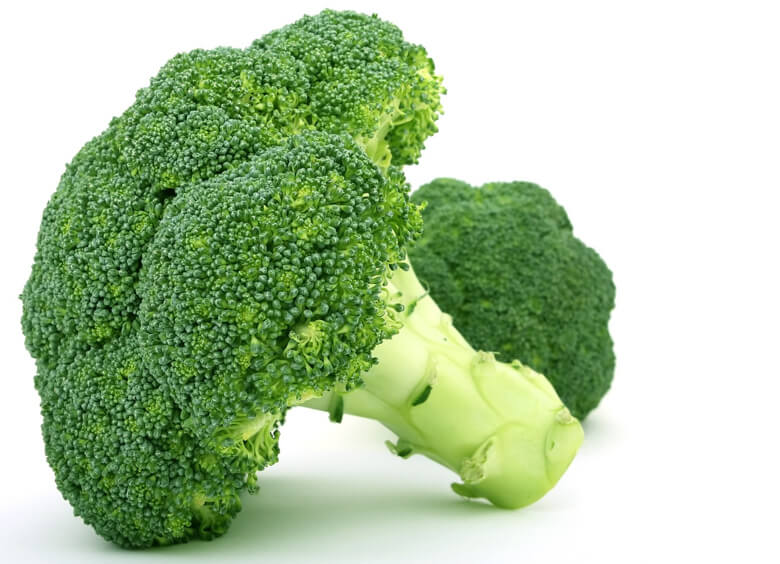
“Beans, beans the musical fruit. The more you eat…” There’s a reason that song sticks, because it’s true. Beans contain raffinose, which is a sugar that’s not digested in the small intestine (hooray for human DNA), which then moves to the large intestine to be fermented. In other words, cause gas and bloating. Raffinose is also present in foods like cabbage, brussels sprouts and broccoli. Eating these foods raw will provide the most lethal dose of gas, so for your sake (and the sake of those people around you), cook these veggies first to help breakdown some of the gas-causing culprits. For beans, it’s best to soak them in water for an hour (up to overnight) to reduce these gas-causing sugars, just make sure you discard the soaking water and start fresh when you cook them.
FODMAPs
FODMAPS – what? FODMAPs, or Fermentable Oligosaccharides, Disaccharides, Monosaccharides AND Polyols, (woah, that’s a mouthful), are a set of carbohydrates that some people may not digest well. I love talking about FODMAPs so much I did a whole Youtube video on them.
Become an Abbey’s Kitchen Subscriber
Research has found some evidence that people who are experiencing symptoms of IBS like gas and bloating found relief in a low FODMAP diet (note: not all types of IBS have been successfully managed by this diet). Without getting into the minute details of FODMAPs, here are some examples of these carbohydrates (warning: there are a lot of foods on this diet’s naughty list):
Veggies: asparagus, avocadoes, mushrooms, garlic and onion.
Fruits: apples, cherries, peaches, pears, prunes and mangoes.
Dairy: virtually all cow’s milk products contain disaccharides.
Grains: Barley, wheat, semolina, spelt and rye.
Meats and Alternatives: Sausages, beans, split peas.
Other foods: corn syrup, honey, rum, beer, juice, tea, artificial sweeteners, certain nuts and some beans.
While it may sound like a lot of foods are off limits on this diet (and this is just a cross-section of high FODMAP foods –here’s a more comprehensive list), there is light at the end of the tunnel. With proper supervision from a registered dietitian, it may be possible to determine the trigger of a patient’s IBS symptoms using a low FODMAP diet. Similar to an elimination diet, a dietitian will monitor the low FODMAP diet and re-introduction of foods to find the likely offender.

The good news is a low FODMAP has been shown to successfully reduce certain symptoms (cramping, gas and bloating). The not so good news is that it’s not a foolproof method for relief. You may take on this diet, painfully cut out a variety of otherwise nutritious (and delicious) foods and still come up empty (such is the mystery of GI distress).
Lactose Intolerance
I’m sorry for all you ice cream lovers out there, but it’s true: lactose intolerance is the most common food intolerance, affecting more than 7 million Canadians. Lactose intolerance is different from an allergy (this is important to know!). An allergy is caused by your immune reaction to a certain allergen: an allergy means symptoms worsen as you continue to expose yourself to the allergen in question, sometimes leading to dangerous outcomes. An intolerance, on the other hand, is caused by the digestive system’s inability to digest a food or food component.
Many people lack an enzyme in their gut called lactase, which is used to break down the lactose in many dairy products. Without this enzyme, lactose enters the large intestine and causes typical GI distress symptoms (diarrhea, gas and bloating).
Unlike some of the other distress causing products, lactose intolerance can be diagnosed through a relatively simple elimination diet with the help of a Registered Dietitian. Also, in some cases it can be managed using enzyme pills (lactase) to help the body breakdown the lactose.

Gluten
Gluten allergy, otherwise known as celiac disease, is a tumultuous subject that I have written about extensively. This disease is painful and can be dangerous if not properly treated. Celiac disease manifests differently in everyone, but there are some characteristics of the disease that are common throughout. Along with general GI distress mentioned above, people with a gluten allergy may also experience extreme fatigue and lethargy, anemia, migraines, depression (and other mental health symptoms), unexplained weight loss or gain and many other seemingly non-related symptoms.
Celiac disease is not something to be taken lightly. Speak with your doctor and/or a registered dietitian if you think you may be experiencing some of the symptoms described here. If you want to know for sure if you have celiac, it is imperative that you seek help before you cut out gluten on your own. The celiac diagnostic test requires that you are regularly consuming gluten for at least 12 weeks before the test is taken. If you go in for blood work having been totally gluten-free, it’s very possible the test will read a false negative. The sooner you can get a definitive answer, the better.
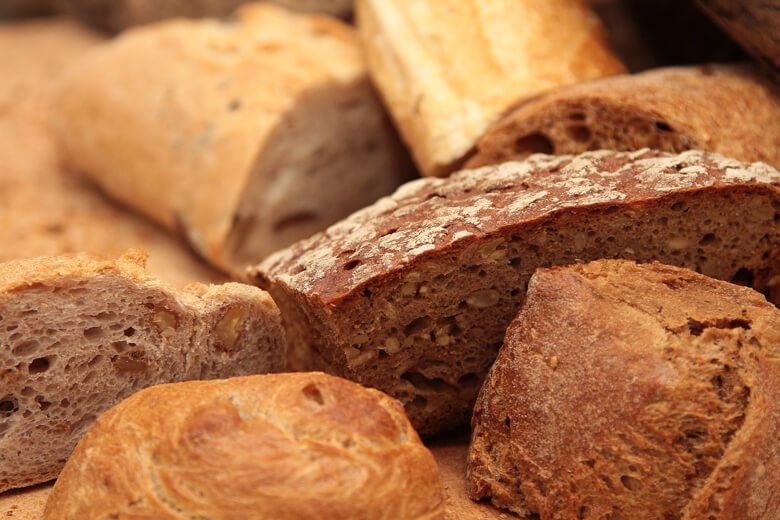
If it’s not celiac disease, can gluten still be an issue? Recently, some new research has suggested that people who test negative for celiac disease might suffer from “non-celiac gluten sensitivity.” This condition is being described as causing similar symptoms as IBS and celiac disease (both physical and psychosocial symptoms) even when the celiac diagnostic test comes back negative.
The evidence relating to the existence of non-celiac gluten sensitivity is very controversial. In some cases, we’ve seen significant benefits of gluten free diets and in other cases we have seen absolutely no improvements to symptoms. The other issue is that there is currently no way to conclusively diagnose this intolerance. If you feel you may be having some GI distress when eating gluten, I highly suggest you speak to a Registered Dietitian before you make any significant changes to your diet. A lot of people just cut gluten out to relieve their symptoms unknowingly sabotaging their ability to take the test that could deliver some closure to their symptoms. If you are the type of person who would like to know definitively what’s going on down there, and want to be tested for celiac, you need to have been eating gluten regularly (and quite a bit of it) for about 12 weeks before the test for the results to be reliable. If you don’t, it’s very common for the test to deliver a false negative where you’ll never know the truth about your GI distress.

Other causes of GI distress
It seems like the list of gas-causing foods never ends and it doesn’t have to mean something is necessarily going wrong in your body. Some foods just put more air (aka. gas) in our bodies than others.
For example, remember that kid in grade school who could burp the alphabet after a can of coke? Well, carbonated beverages can increase the amount of air that gets into the digestive tract so stick to the water fountain if gas is a concern.
Candies and gum work similarly to carbonated beverages by increasing the amount of air you swallow. They also tend to use some gas-causing sweeteners mentioned in the FOPMAP section.
Want to hear the good news? There are steps you can take to determine the likely cause of your increased flatulence. If you aren’t able to easily identify the culprit yourself, speak to a dietitian about going on a monitored elimination diet. Book an appointment with your doctor to get the proper testing and rule out any potentially more serious conditions (such as crohns, colitis or celiac disease).
Have you noticed certain foods give you gas and bloating? What has helped you find relief of your tummy troubles? Leave me a comment below with some of your tips and tricks!

Updated on January 19th, 2022

Abbey Sharp is a Registered Dietitian (RD), regulated by the Ontario College of Dietitians. She is a mom, YouTuber, Blogger, award winning cookbook author, media coach specializing in food and nutrition influencers, and a frequent contributor to national publications like Healthline and on national broadcast TV shows.




Ilka says
We usually recommend dOTERRA’s DigestZen for all these tummy issues. Fennel, Coriander, ginger and anise work like a charm with bloating and indigestion from these food groups. Great post!
Abbey Sharp says
Thanks love!
Jenn says
What are your thoughts on supplements like this for bloating, Abbey? I have Crohn’s, and I struggle with bloating and constipation regularly. I love veggies, so I’ve tried incorporating Beano before each meal. I also recently purchase 1UpNutrition’s Daily Cleanse that supposedly helps with bloating and digestion. Thoughts?
Thanks!
Abbey Sharp says
There is not evidence our body needs any of these supplemental cleanses and these products are not well regulated, unfortunately.
Chrissy says
Foods generally don’t impact me too much – aside from overdoing it on certain veggies at once – but STRESS totally gives me stomach upset and bloating! It’s crazy how mental health can impact digestive health (and vice versa with all the gut health stuff).
Abbey Sharp says
Yeah! So crazy. Just a reminder that we need to take care of our mental health 🙂
Farrah says
Great post! These are the things I tend to talk about/go over with my patients if they come in for GI issues/bloating! :]
Abbey Sharp says
Amazing! Thanks Farrah
Emily @Sinful Nutrition says
I know this topic a little too much, haha! Stress was a big factor for me. Thanks for the helpful info!
Abbey Sharp says
Thanks Emily
Whitney @ To Live & Diet in L.A. says
GI issues are unfortunately so tricky to pin down. Thanks for the comprehensive review of the many possible causes!
Abbey Sharp says
yes. Totally. Thank you !
Danielle Cushing says
I love that it’s short and to the point! I have some of these issues and I go through periods of time when I’m scared to eat anything at all. Oy.
Abbey Sharp says
Yeah, totally. Thanks for sharing 🙂
Sarah Remmer says
This is such great information – so comprehensive. I have so many clients with tummy troubles, so this is a great resource! Thanks Abbey!
Abbey Sharp says
You’re welcome! Thanks
Roxana says
Great article. So informative.
Abbey Sharp says
Im glad
Mariangelica @ Chasing Littles says
I seriously googled this exact issue today. It’s been so awful these past couple of days with the bloating. I’m thinking of going on an elimination diet to finally figure out what is going on with me. Thanks for the video on the FODMAPs that’s exactly the research I’ve been into lately!
Shannon @ KISS in the Kitchen says
Great info, Abbey! And from someone who’s gassier than I’d like to be (just being honest), this is super helpful!
Christina Bauer says
I gave up all dairy 6 weeks ago for this very reason!! So far, I feel significantly better. I do miss cheese though 🙁