I explain the importance minding your business and keeping your eyes on your own plate, as so many people suffer from diet shaming.
Remember a time when everyone could go out to dinner in peace and not get a lecture from your mother-in-law about the dangers of gluten?
Remember a time when you could walk through the check-out at Whole Foods without getting side eye from the woman behind you for the hot dogs in your haul?
Remember a time when you could post a picture of your bacon and eggs and not get blasted by some troll for eating “chicken periods”?
Remember a time when you could send your kids to school with Dunkaroos without getting a note sent home with them scolding your poor parenting skills?
Yeah, I do too. Since the explosion of digital media, we’ve seen a concurrent explosion of what I like to call diet-ism – or the assignment of morality to a specific way of eating and an intolerance of “different” diets. What happened to simply minding your business?
Over the years, I’ve enduring a HELL of a lot of food intolerance, both personally and professionally. Especially on the anonymous internet. Everyone has their own unique opinion on how to eat and seem to spend way too much time trying to convince others to eat that way too. But if you follow my blog, you know that I don’t condemn any one kind of food. I may deliver facts on the safety and efficacy of certain restrictive diets, but that’s the key- I’m against restriction. I’m not against the butter in the keto diet, or the rice flour in gluten free diets, or the soy in vegan diets. I’m against anything that gets in your way of enjoying food. Unfortunately, for a lot of people, if I’m not 100% aligned with their way of eating, I’m doing something really really wrong. Here are some examples of my food intolerant trolls.



Vicious, eh? Obviously humans are way worse on the internet than in person, but I know a lot of people who get shamed about their food choices everywhere they go. So how did we get here? Well, I think it all started with our inherent need to find identity.
How Food Choices Shape Our Identity
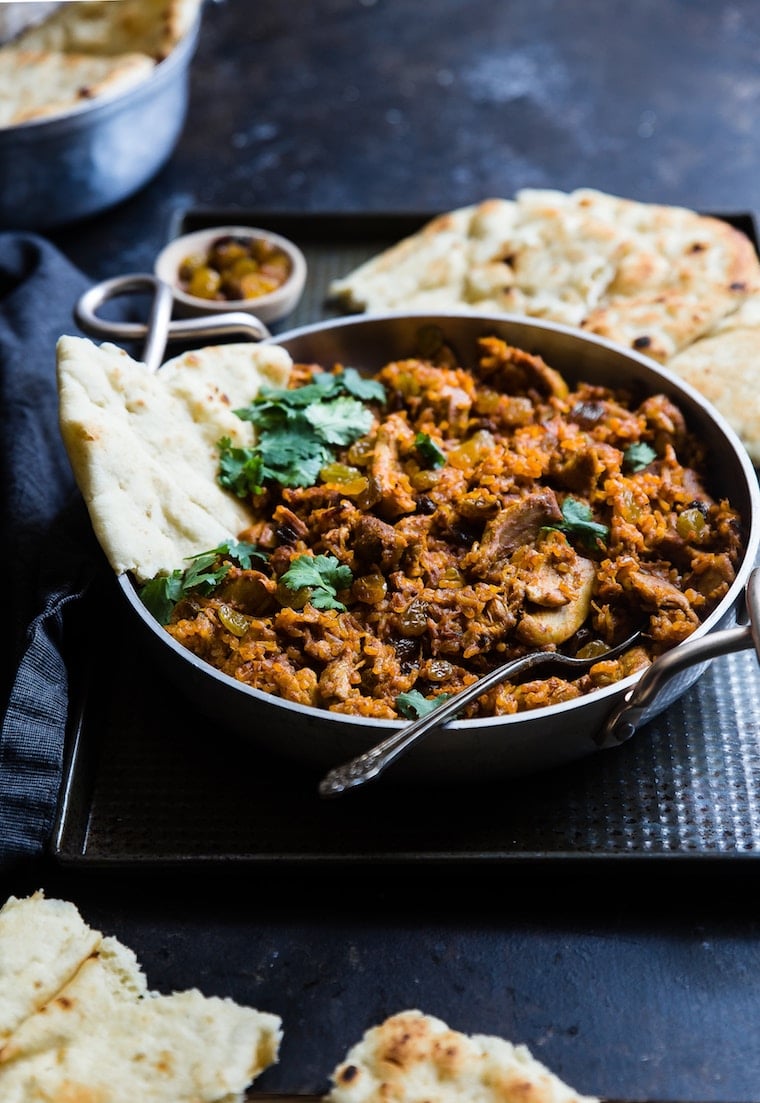
You’ve probably heard the popular phrase, “You are what you eat”, a quote that comes from Brillat-Savarin’s quote, “tell me what you eat and I’ll tell you what you are”. In other words, food is an inherent part of our identity. And that makes sense. A lot of us (especially those of us living in multi-cultural countries like Canada and the United States) hold onto our cultural identity by continuing to cook and eat the traditional foods of our motherland. My Italian friends still make tomato sauce and sugo, my Jewish friends make challah for Shabbat, and my Indian friends make a mean biryani. But cultural or geographical background is just one tiny piece of who we are, and for many, may not be enough when it comes to finding avenues to assert our identity through food.
Just think about how many mindless Facebook quizzes you’ve done that will tell you what kind of a lover you are depending on what your favourite comfort food is. Or if you’re an extrovert or introvert based on how you drink your coffee. Apparently, research legit shows that psychopaths drink theirs black (insert massive *eye roll* here).
Since we can’t imagine eating a meal without sharing it first on Instagram, food has become more of a marker of identity than ever before and it’s used to divide us over the tiniest of differences. Let’s do a little history lesson looking at how this happened.
JUDGEMENT OF PEOPLE’S FOOD CHOICES
Let’s bring it back to the grocery store. Have you ever placed your 2L bottle of coke up on the counter and felt the immediate need to tell everyone around you: “It’s not for me, I’m just having a party!” Have you ever looked at someone else’s chip haul and thought: “Wow, where’s the vegetables?” You’re not alone. One study found that the vast majority of people (71%) believe that the contents of shopping carts send out powerful messages about the people pushing them. Apparently, another 11% of single people under the age of 25 said they scan for prospective partners at the grocery store based on what’s in their carts!

Another interesting study I found surveyed people about their perceptions of the type of people who have different diets. They listed foods in five diets: fast food (pizza, hamburgers, and fired chicken), synthetic food (Carnation Instant Breakfast, Cheez Whiz), health food (yogurt, protein shakes, and wheat germ), vegetarian (bean sprout sandwich, broccoli quiche, avocado, and brown rice), and gourmet food (French roast coffee, caviar, oysters). Apparently, people who ate fast food and synthetic food were classified as religious conservatives who often wore polyester clothing (HA!!). Health food eaters were characterized as antinuclear activists and Democrats. Vegetarians were likely to be perceived as pacifists who drive foreign cars (lol). And finally, gourmet food eaters were seen as individuals who were liberal and sophisticated. And as incredibly judgmental and hilarious as this seems, I kind of understand why we do it. Food has become such a huge part of who we are, so we may want to find someone “like us” based on our eating habits. A vegan may not feel comfortable dating a steak lover, and a hard-core health buff may not want to watch her partner nosh on chips all day.
I would argue, however, that a basket of groceries on a single day cannot tell you anything concrete about a person. Food is nourishment, not a marker of character. It doesn’t tell you if that person is into the outdoors, quick to temper, smart, successful in their job, generous with their time, a good lover and so much more. It actually doesn’t even tell you about their eating behaviours or practices because you never know if they’re cooking for someone else, making a special meal (aka it’s not their usual diet), or just treating themselves that day. But let’s take a look at some other examples.
Gendered Food Choices
Certain foods tend to carry very specific gendered meanings.
Steaks are manly.
Salads are feminine.
Candy is for girls.
Protein shakes are for boys.
What does it say about us if we choose to eat outside our very restrictive gendered box? And how do these rules change depending on who we’re with?
We tend to make choices about what to eat based on the identity we want to portray in front of someone else. Maybe you’re with your boss and want to appear that you’re health-conscious and sophisticated, so you order the niçoise salad instead of the burger. Or maybe you’re on a date who’s a beer and burger kind of guy and want to appear “easy going”, so you order the cheeseburger and stout instead of the grilled fish you actually want. Research suggests that people, especially women, tend to choose certain foods to manage other people’s impressions of them. One study even found that women tend to eat less when they worry their femininity is being threatened. It’s hard minding your business and behaving normally when others are constantly judging you.
As a woman and a dietitian, I feel myself being judged on my food choices every single day. Women in the 50s definitely were more repressed than we are today, but it doesn’t mean our food choices are any less scrutinized. Where I may argue that women in my mother’s day were expected to “eat like a bird” to maintain their svelte figure, today we have an even more difficult space to occupy. We need to LOOK like we don’t eat much other than celery and iceberg lettuce, all while never acting as the typical “diet Debbie” buzzkill when out with the guys. Think for a second about every cool female protagonist you see in the movies or TV. The guys love her because she’s care free, laid back, and can “eat like a guy” with her burgers and beer, all while maintaining her size 2 frame. Minding your business? Pretty non-existent. It’s a shitty fucking fantasy to try to live up to.
Copy Cat Food Choices
I have always been someone who marches to her own drum, but even I can be swayed by my friends and family’s food choices. I cannot count how many times I’ve been out with girlfriends pining for a steak and a massive baked potato, but when they all decide they’re just having a cocktail and appetizers, I feel inclined to make the same choice. One study found that if people were given information that other people they were dining with were making low calorie or high calorie food choices, it would significantly increase the likelihood that they would make similar choices, as well. In this sense, food unifies us. It creates a cohesive social identity amongst a group that we so desperately want to fit into. So much so that we will forgo our steak for salad. Ugh, that sucks.
So all of that seems pretty innocent and as much as it sucks, somewhat innate. Food shapes our identity, and we want to maintain that identity (even if it’s super annoying for us women). But what happens when we bring morality to the table?
Food Intolerance, Morality and Food Choices
Good vs Bad Foods
I’ve spoken about this ad nauseam in the past, but we need to stop assigning moral weight to specific foods. It’s bad enough that salads are feminine and steaks are for men, but now suddenly you’re a BAD woman if you eat a slice of pizza? Like, fuck. This is exactly the kind of crap that got me, and so many other women suffering from orthorexia and disordered eating patterns.
One study asked university students to rate profiles of people based on their diets. The students were shown pictures of sets of two identical looking people, but one was classified as a “good” food eater, and the other a “bad” food eaters. Apparently, the students judged the “good” eaters as more attractive, likeable, quiet, practical, methodical and analytical than those who ate “bad” foods – even though everything else about them was identical!
Depending on whatever food dogma you subscribe to, being bad by eating a certain food could mean eating a chocolate bar because it has sugar in it. Or eating a burger because it’s meat. Or eating a moderate bowl of pasta because of the gluten. Whatever it is, we have assigned the moral weight of “bad” to a hell of a lot of foods, and that label is then transferred onto us. No one wants to feel like a lazy, stupid, fat, sloppy, BAD person, so we avoid any of these “bad” foods like the plague. But I want you all to know that we don’t have to be bad. Killing a dog is bad. Lying to your partner is bad. Stealing your best friend’s boyfriend is fucking bad. Eating a piece of meat isn’t bad and no one should make you feel like it is. Now, let’s move on to altruism.
Altruism and Food Choices
A lot of today’s big food trends are based around the idea that certain ways of eating are better for the planet, animals, and our health (whether or not that’s true is a different blog post all together). One study I found looked specifically at eating organic. They divided participants into three groups- one group was shown pictures of clearly labelled organic food, another of comfort foods, and the third was a control group. After that they were asked to read brief sections describing moral transgressions, and subjects were asked to judge these actions on a scale of one (not so bad) to seven (evil). They were also asked how much of their time they would be willing to volunteer. People who were shown the organic images were found to be more judgmental of the moral transgressions and less willing to volunteer their time. The authors theorized that spending extra money on organics was a way of buying “moral credit”, and that the feeling was that they had done their part, and didn’t need to give back in any other way later in life. Obviously this may not be true for everyone who buys or eats organic (I personally do and I don’t give a shit what others do or eat), but it’s definitely an interesting finding.
Social Status and Food Choices
I think it’s also important to discuss the impact of food choices on perceived social status. Minding your business is hard when we use others’ food choices to rank them socially. It’s a common (unfortunate) stereotype that people who are uneducated, unsophisticated and poor eat fast food, and people who are well read, have money and class eat healthy organic food. The food we choose has become a bit of a status symbol, and some people buy the free range, organic, gluten free bread for the same reason they buy the red Ferrari. It makes us seem wealthy.
The reality is, I know a lot of wealthy people who still eat frozen microwave dinners because that’s just what they like. And even if one does eat McDonalds because they can’t afford the Whole Foods salad bar, it doesn’t make them any better or worse of a person.
Why Do We Diet Shame People’s Food Choices?
Well, as I said before: Food is becoming so heavily bound up in identity and morality that people have become as emotional about it as religion or politics. One theory by Lori Lieberman in her book, Drop the Diet: Guided Recipes for Overcoming Your Food Rules, is that people are more likely to pass judgement on other people’s dietary choices when they’re less comfortable with their own way of eating. I don’t know about you, but I know for a fact that this has been the case for me. I have a family member who will literally push me to have dessert if she’s having dessert so that she feels better about her choice, and other days when she’s on a “diet” and I order ice cream, will look at my disapprovingly and say, “you’re not actually going to eat that, are you?”
Here’s the thing. We all have our own journey to health and wellness. For some that may mean not eating meat. For others that might mean a weekly double scoop of Ben & Jerry’s. But when we find what works for us, and we start to feel good- physically and emotionally- we don’t give a shit what anyone else is doing.
I strongly believe that people food shame and make cruel statements when they are jealous that you have a strong sense of self and relationship with your body and food that they don’t have. Some may be struggling with the restrictive set of rules they’ve given themselves, but are so caught up in the moral and identity they’ve assigned to these rules that they can’t easily let go. Others may just be in denial that the rules don’t even really align with who they are.
Minding Your Business and Moving On
I don’t care where you’re at. I know, finding your own personal way of eating that makes you truly happy can take time and a lot of experimenting. But my ask is that you do your absolute best to keep your journey to yourself.
If you don’t like what someone else is eating, don’t eat it.
If you don’t like a recipe someone posted on their blog, don’t make it.
If you don’t have something nice to say, just move on. Minding your business is all there is to it. It’s really that simple. If you absolutely feel the need to talk about your diet, do so with those who have similar dietary values and always without judgement. We don’t need any big loud communities of intolerant food enthusiasts gaining hateful steam.
And if you’re the victim of diet shaming, I suggest letting that person know that their shaming words hurts you. If it keeps up, just get out. You don’t need jealous and resentful people in your life shaking up your solid relationship with food. Keep on eating and loving food and say a big #ByeFelicia to the haters.
More Blog Posts You Might Like
- Intuitive Eating Principles: How to Reject the Diet Mentality
- Body Shaming and Dinner Table Shaming (Best Tips to Combat)
- Health at Every Size (HAES) Explained by an Ex-Dieter Dietitian
Now lovelies, tell me, have you been minding your business and keeping your eyes on your plate? What about your friends and family? Leave me a comment below with your thoughts!
Updated on December 30th, 2022
Abbey Sharp is a Registered Dietitian (RD), regulated by the Ontario College of Dietitians. She is a mom, YouTuber, Blogger, award winning cookbook author, media coach specializing in food and nutrition influencers, and a frequent contributor to national publications like Healthline and on national broadcast TV shows.


Faith says
Such an amazing post! It’s so interesting when I am around other women, especially my mother, and they diet shame or urge you to eat something “bad” with them. When you decide not to eat something with them, they even tell you that you’re a “party pooper” and ruining it for them. I think this type of culture continues to breed toxicity and anxiety with food. I really hope people can change their mindset in the future.
Wendy says
This is just excellent. I’m working on my own post about food shaming and I’ve linked back to yours. The holidays seem to really bring out the food shamers!
Abbey Sharp says
For sure. Thank you!
Kathy says
This is a great post. While there are plenty of diets out there that I disagree with, I’m not going to go up to someone (familiar or stranger) and criticize them. If someone wants to have the discussion I’ll share my thoughts, but other than that, it’s not my place. Diets have become like religions. I’ve lost over 100 pounds in the last year and I began my journey using the Paleo diet to get me going. I’ve since moved slightly away from it (I still try to keep processed foods and refined sugars to an absolute minimum), but when a co-worker asked how I was doing it and I responded that I was following the Paleo diet she made a comment that her husband was a personal trainer and he disagreed with the Paleo diet. While it was far from the worst thing she could say, it was one of those, why do you have to say that, moments. Like, unless you’re a close friend of mine and you’re doing something dangerous, you do you.
Abbey Sharp says
Yeah, for some reason when it comes to food and nutrition, people always feel the need to chime in and give their opinions, whether they’re positive or negative. Thanks for sharing love