I discuss the research on a healthy diet for PCOS and what to eat if you want to better manage your polycystic ovary syndrome symptoms.
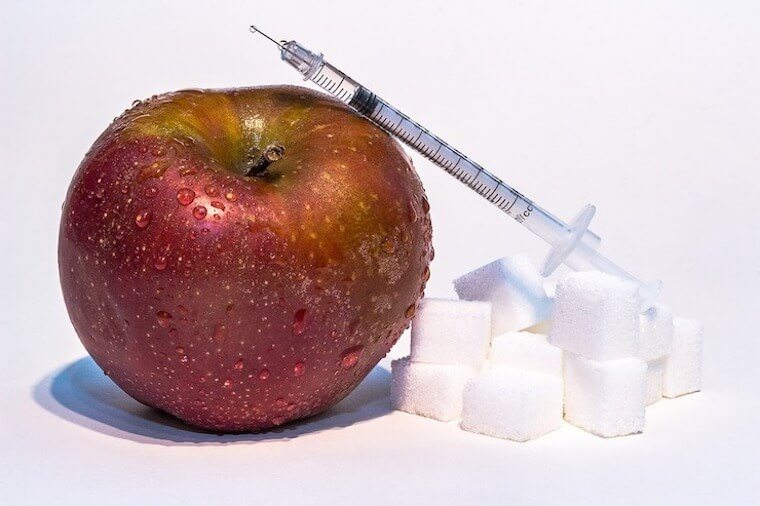
You may have never heard of PCOS, but for a large proportion of women, being diagnosed with PCOS is a major life changer and without proper management, can lead to the development of serious chronic illnesses. I should know, I’m now one of the 10% of women with the condition. While it may be one of the most common reproductive disorders, it’s also one of the most poorly understood from a dietary management perspective. Let’s look at what the research says about a healthy diet for PCOS and what to eat to manage your symptoms.
So, What is PCOS?
Put very simply, Polycystic Ovary Syndrome or PCOS involves an imbalance in women’s sex hormones like estrogen, progesterone and testosterone (androgens) leading to the growth of ovarian cysts (benign masses). If left untreated, PCOS can lead to irregular periods or absent periods, fertility problems, unwanted hair growth on our face and body, acne, alopecia (hair loss from head), pregnancy complications and even cancer. Studies suggest that women who don’t ovulate (the condition known as an ovulation that’s associated with PCOS) are at three to four times greater risk of breast cancer than women who ovulate. Other research has also shown twice the risk of ovarian cancer in women with PCOS.
Because of the higher levels of androgens found in some women with PCOS, we often also see insulin resistance occur (aka. when your body loses its ability to use insulin to breakdown and transport glucose weakens over time). Insulin resistance is the precursor to type 2 diabetes and other chronic illnesses, so this is pretty serious stuff.

How is PCOS Diagnosed?
PCOS can be diagnosed when at least two out of the three of the following occurs:
- The ovaries are “polycystic” because either there are 12 or more follicles on one ovary or the size of one or both ovaries is high.
- Hyperandrogenism where there are high levels of androgens (male hormones) and/or symptoms of excess androgens like acne or excess hair growth.
- There is issues with your period like lack of periods, irregular periods, or lack of ovulation.
For me, I didn’t know I had PCOS until I came off the pill, gained a lot of weight immediately, and never got my period back. After a ton of blood work and ultrasounds, it was determined that I had symptoms 1 and 3 – too many follicles and no period or ovulation at all but my androgens were fine.
What About Treatment?
For the time being, there is no cure for PCOS, but there are several strategies recommended to manage symptoms and provide women living with PCOS the ability to live a long healthy life.
A multidisciplinary approach is necessary since the research suggests that women with PCOS are at risk for a variety of chronic diseases. A study by Marsh and colleagues discovered that the prevalence of type II diabetes is ten times higher among young women with PCOS than among non-PCOS women. It’s also estimated that an individual’s risk of heart issues is >7-fold higher in women with PCOS compared with non-PCOS women.
Medications for PCOS
Once diagnosed with PCOS, your doctor will likely prescribe you one or more medications. One of the most common medications prescribed is metformin. You may have heard of metformin in the treatment of type II diabetes, but it is also used to manage PCOS symptoms due to the intimate relationship between insulin and PCOS. The main role of metformin is to decrease glucose production in our liver, thereby lessening the burden of insulin. Research has shown that metformin improves insulin sensitivity, increases menstrual cyclicity and can decrease androgen levels in our body to reduce PCOS symptoms.
Aside from improving those parameters, there are a variety of medications aimed at improving fertility. Clomiphene citrate (CC) is a common medication used to treat infertility. The role of clomiphene is to interfere with our hormone pathways to increase the availability of FHS (follicle stimulating hormone) to promote ovulation. However, according to research, CC has been known to cause potential long term adverse effects. As an alternative to CC, research has now been looking at new ovulation-inducing agents like letrozole and anastrozole. These inhibit estrogen production in our brain which causes an increase in GnRH (gonadotropin-releasing hormone) and FSH which will optimize ovulation.
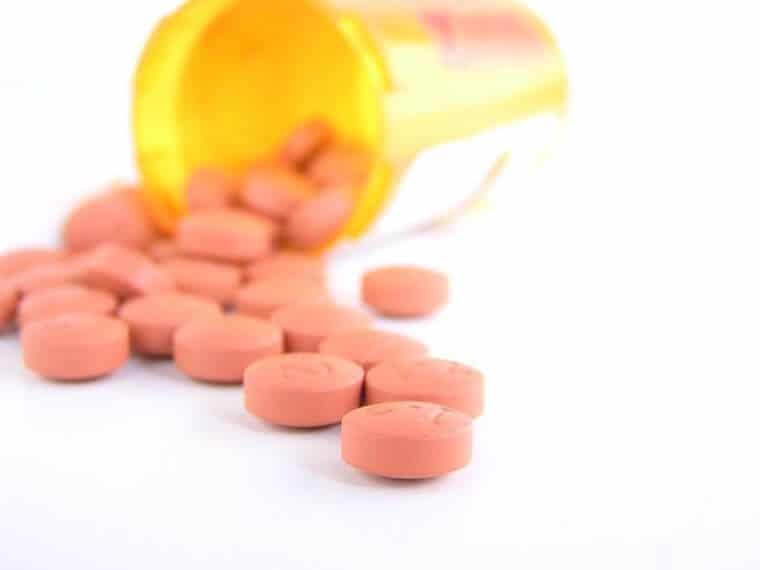
Finally, another common medication to prescribe is birth control. Birth control decreases androgen levels, but is obviously taken by women who do not wish to conceive (so it’s definitely not used for fertility). These meds are commonly used to reduce hair growth in unwanted areas and may improve skin acne. Sadly, there is limited evidence that birth control play a role at improving other metabolic parameters and may increase the risk of weight gain which can contribute to increased insulin resistance. I’ve written about that in great detail here so you can read all about weight gain and birth control here.
PCOS and Weight Loss
Research looking at PCOS has found that two-thirds of women with PCOS have a BMI > 25. This finding has led to fair bit of speculation that “obesity” may be a major risk factor in developing PCOS. Carrying excess fat is also considered by the medical community to be a risk factor for insulin resistance, which is another piece of the PCOS puzzle.
Since weight seems to consistently be sighted as a major player in PCOS, the primary form of treatment has always been to lose weight. Studies often claim that obesity and abdominal weight can worsen PCOS due to increased risk of insulin resistance, and that weight loss may help improve insulin sensitivity, menstrual regularity and quality of life.
Burt as a Dietitian, I get nervous (and critical) when I hear physicians prescribing general “weight loss” diet for pcos, and then just leaving the patient to undergo changes on their own. Is weight loss really the answer or are the behaviours (like healthy balanced eating and exercise) causing the observed improvements of symptoms? Are there consequences to these overarching recommendations?
Well yeah, there are. A recent 2017 study hypothesized that the prevalence of eating disorders or disordered eating is higher in women with PCOS than healthy women. The results are shocking. Across the board, women with PCOS are over four times more likely to report disordered eating behaviours than healthy women. This is because health practitioners tend to focus solely on weight loss or highly restrictive low carb diets for the management of PCOS which can overwhelm a patient and create a disordered relationship with food.
Great, another dilemma.
If you have a high number of women struggling with disordered eating as well as PCOS, doesn’t that conflict with treatment recommendations for weight loss? Imagine an eating disorder RD is trying to normalize an individual’s eating patterns by straying from a focus on weight, while a physician is telling individuals to focus on losing weight to manage PCOS symptoms. It may sound like a rarity, but it probably happens a lot more than you might think.
PCOS and a Low GI Diet
A lot of studies today are looking at different compositions of a diet for PCOS as a way to improve treatment. A 2013 systematic literature review looked at a variety of diet compositions such as low fat, high protein, high fibre, high carb, low carb and compared that with a variety of outcomes such as menstrual regularity, metabolic, psychological, insulin sensitivity and weight. In summary, there were no significant differences for the majority of the outcomes between the different diets that were assessed in the different studies. But there are some small differences to note.
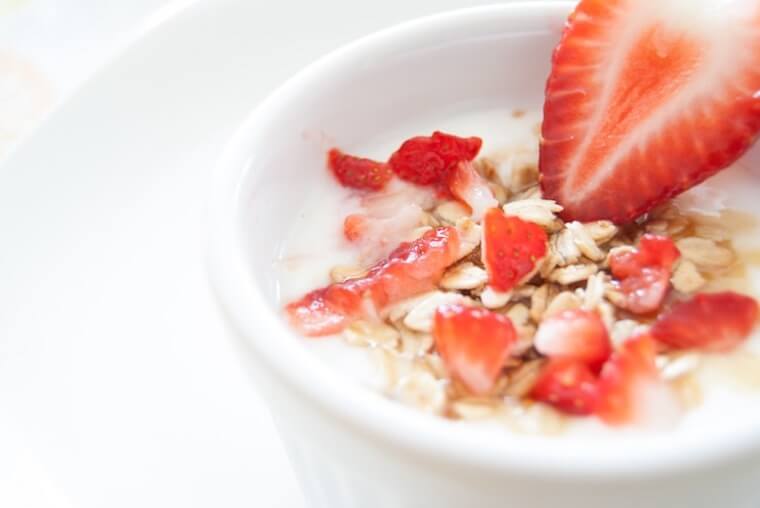
One of the diet compositions that did have some merit and some potential benefits at managing PCOS symptoms was a low GI diet for PCOS.
I have spoken about glycemic index foods in the past, but for a quick refresher, a carbohydrate is rated from 0-100 in terms of its ability to raise your blood sugars. A low GI carb (<55) will cause slow digestion and absorption which causes a gradual rise in your blood sugar and thus, your insulin. Low GI foods are associated with maintaining normal blood sugars and are encouraged for their health benefits. Another drawback of having high levels of insulin in our blood is they make us crave carbs because insulin acts as an appetite stimulate.
One way to curb that is to focus on lower GI foods that keep us satiated and well nourished – this is true whether you have PCOS or not! Some low GI foods that are delicious and great to include in your diet for PCOS include berries, apples, spinach, beans, quinoa, milk, yoghurt, pasta, and steel cut oats. On the opposite end of the spectrum, a high GI carbs (>70) cause rapid digestion and absorption, as well as a quick rise in your blood sugar and insulin levels. These are foods like refined white bread, sugar and other sweets.
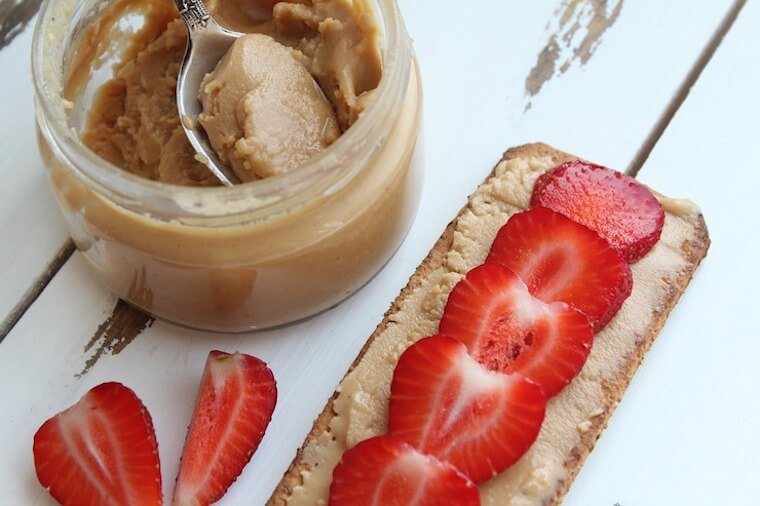
One study found that when individuals followed a low glycemic index (GI) diet for PCOS, their menstrual regularity was improved compared with individuals who followed a standard healthy diet. It’s important to note that the difference between both diets (low GI vs standard healthy diet) was solely the quality of the carbohydrates.
The mechanism behind its success seems to be that the lower GI foods improved insulin sensitivity which improved menstrual regularity. The other important piece is that the women who followed a low GI diet had greater improvements in emotions and quality of life compared to individuals following a standard healthy diet for PCOS.
Okay, let’s get this straight. Low GI foods doesn’t mean no carbs at all (or even necessarily low carb). Some people may be told that carbs are evil and to lose weight, the carbs have gotta go. That, my friends, has been disproven numerous times. When we cut out carbs, we tend to get into unhealthy binge eating habits which not only can lead to weight gain, but also can perpetuate PCOS symptoms because of the spike in insulin (more on that below).
Remember that all women experience PCOS symptoms differently, and there is insufficient evidence to say that a low GI diet for PCOS will work to manage your symptoms. Remember that the study also provided a reduced-energy diet for PCOS, so the reason some symptoms improved may have been because subjects lost weight, and not just because of the quality of carbohydrates.
Again, I’m troubled that this hasn’t been teased out a bit better.
All of the research seems to point at losing weight. However, what about the other one-third of women that are diagnosed with PCOS with a so-called “healthy weight” (like me!). Should I be trying to lose weight? Or what about women that are finding it practically impossible to lose weight and they start to turn to dangerous methods to lose weight and end up worsening their PCOS symptoms? There is a reason why women with PCOS are more likely to experience depression and negative body image and fall into disordered eating patterns.
And then there’s the other side of the coin. That purposefully losing weight may be making your PCOS worse.
Sorry to leave you on such a cliff hanger, but I do have some great suggestions on exactly what kind of diet for PCOS you need to consider in part 2 of this PCOS series. Click here to read part 2 of this PCOS series on the role of diet for PCOS and symptom management.
In collaboration with Sofia Tsalamlal, RD
Have you struggled with PCOS or infertility? What are your thoughts on losing weight for PCOS?
Leave me a comment below with your thoughts!
MORE BLOG POST YOU MIGHT LIKE
If you enjoyed this blog post discussing diet for PCOS, you might enjoy some more posts discussing women’s health:
- Period Talk: What to Do When You Lost Your Period
- Does Seed Cycling for Hormonal Balance Even Work?
- The Menstrual Cycle Diet | What to Eat on Your Period
- How Much Weight Do You Gain on Your Period?
- Can You Diet While Pregnant?
Updated on April 15th, 2025
Abbey Sharp is a Registered Dietitian (RD), regulated by the Ontario College of Dietitians. She is a mom, YouTuber, Blogger, award winning cookbook author, media coach specializing in food and nutrition influencers, and a frequent contributor to national publications like Healthline and on national broadcast TV shows.


Heidi says
Where to begin? Period began at 10 yrs old. Irregular at best…. hit 13 and had period for a year straight. Dr put me on birth control. Acne and periods better. At 20 I married and wanted children right away…. many tests and doctors later… PCOS…. infertility…. so the journey on infertility began, clomid and metformin. By 28 I had given up but the clomid metformin combo finally worked and I had my baby boy! A year later back on clomid and metformin as I wasn’t waiting if it would take more years to work…. a year later I had my second baby boy!….. back on birth control…… now instead of having a period everyday like in my teens as an adult I ended up not having it at all. Fast forward to 2015 I decided to be “fit at forty”. How to do it….. disordered eating…. cutting calories to about 1100 a day… sometimes less…. I lost 50 lbs!! Yay me!! But then my hair started to fall out… freaked me out so I started eating again…. and again until 2 years later I had 70 lbs back and currently unmotivated and stuck. Unhappy and fat…. I’m out of the baby making stage and entering the I’m fat and menopause will be coming and wondering what that will look like especially since I won’t be on birth control forever so I’m sure my cystic acne will resurface…… I feel I’m a mess and I have very little support, medically speaking.
Abbey Sharp says
I’m so sorry to hear that Heidi. I hope you find some help to feel some relief.
Sage says
I have PCoS and found out when I was 13 and have been on all the medicines ever since, except metformin because it makes me sick. But in the article it seemed like you said obesity causes PCOS, when actually PCOS Is considered genetic and it’s will never go away. The weight it cause by the the pcos . It could’ve been inmisunderstood what you said
Abbey Sharp says
Hi Sage. I was actually saying that obesity does NOT cause PCOS. Doctors will often suggest that to be the case but it’s not true. I agree with you.
StayC says
Hi, at age 11 my period started, right away I started skipping months. And I was a healthy athletic girl, always busy weighted 110lbs. After that I blew up and fast by the end of 8th grade I was at 125lbs and climbing. In HS I had about 4 periods the entire 4 years. Didn’t see a doctor until after I graduated, all they did was give me birth control. I knew there was a problem and I’d have a hard time conceiving, sure enough… went to a fertility specialist, diagnosed with PCOS, started working out hard and given progesterone, and I was pregnant with my 1st child in 1 month. When my baby turned 2 tried for baby #2. This time on a no carb diet. I lost 30lbs. I was at 220 no period still after that. Tried for 1 year with fertility drugs and no baby. Stopped dieting and a year later started dieting and got pregnant without medical help. I was happy and was done having babies. 1 year later started to lose weight again, this time got pregnant with Baby #3, don’t know how, no meds and no help. The weight loss is the hardest to lose. I workout hard, and I am an active Mom. I diet as well. Sorry so long, but PCOS has ruined my body! ????
Abbey Sharp says
Hey, thanks so much for sharing your story. Definitely frustrating, and on and off dieting is not easy. I hope you find something that works for you.
Sharon says
Thank you for the post. I recently got diagnosed with pcos. This is alot of help for me
Abbey Sharp says
Hey Sharon, I’m so glad you found it helpful! Good luck 🙂
Emily | EmPowered Nutrition says
This looks like a perfect summer side dish! Yay grilling season!
Danielle Cushing says
That top one looks great — oozing pesto and corn… YUM! So summery!
Liz says
Thanks for the link love Abbey! Praying for you!
Abbey Sharp says
Thank you 🙂
Abbey Sharp says
You’re welcome! I’m glad you enjoyed reading it.
Zahil says
I started my period when I was 9 years old. That in itself was very traumatic for me. I have struggled with my weight, period and emotional state for a long time. I was diagnosed with PCOS after the birth of my 3rd child.
I went on denial for about a year, and then I decided I needed to do something for my health. I was taking Medformin (first thing you are given without any additional help) and I stopped taking it because it made me few horrible and tired. Later on I found out that it greatly decreases your vitamin B. I started approaching this condition from a holistic point of view (exercise, eating better, vitamins, etc.). Currently I have been working hard to lose weight at a health pace. I am down from 235 to 220 and it took me about 1 year. I am working out 5 times a week (strength training and HIIT) and I am slowly but surely getting to my goal. My BMI also went done from 42 to 36.
I know that it may take me about 2 to 3 more years but I want to do this right and without any fast schemes. I am excited to read the 2nd part of your post. Anything I can learn to help me will be great!
Thank you!
Abbey Sharp says
Thank you so much for sharing your story. Here’s part 2 of my PCOS series: https://www.abbeyskitchen.com/pcos-diet-part-2/
Dara says
I’m sure this wasn’t an easy post to write. When I went off the pill, I had a similar experience. I didn’t gain a lot of weight, but never regained my period and was diagnosed with “lean” pcos. After seeing a fertility specialist and multiple rounds of treatments we figured out what works best for me and I was able to get pregnant. Definitely stressful while in it for sure. I always found it helpful to hear other people’s stories so good for you for sharing.
Abbey Sharp says
Thank you so much for sharing as well :). We’re in this together!
Rebecca says
I’ve seen a lot of information about the keto diet helping pcos. I’m currently trying it. I’ve also had 2 weight loss surgeries and still unable to reach my goal weight.
Abbey Sharp says
It’s a hard journey. Keep trying and doing your best. Thank you for sharing.
Lindsay says
I’m doing a keto diet, I’m losing very slowly, but feel great and still losing . Good luck with keto, my husband and I are loving it.
Anne|Craving Something Healthy says
Such a great post Abbey! I’ve worked with so many women with PCOS, and I appreciate what they/you struggle with.
Abbey Sharp says
Thank you so much :).
Kristina @ Love & Zest says
This! So much this! The internet can be both your best friend and your worst enemy when it comes to looking up medical conditions. There’s such a plethora of information on how to “manage” everything that it can be difficult to know where to start. I am a firm believer that many health conditions can be managed with proper nutrition. This is one of them and this list is a must read for anyone diagnosed with PCOS. Thanks for sharing.
Abbey Sharp says
Yes for sure! It’s so important people are getting the right information.
Shannon @ KISS in the Kitchen says
Great info, Abbey! I work with a lot of ladies with PCOS so I appreciate this information and will pass along!
Abbey Sharp says
Awesome to hear :). Thanks.
Kelli @ Hungry Hobby says
I learned a ton about PCOS because I was convinced I had it. When I came off the pill I had no period for FIVE years! I also had the polycystic ovaries but that apparently can be consistent with hypothalamic amenorrhea. My blood work showed no androgens or insulin resistance so they ruled it out, I eventually got my period back and am now tracking to see if I’m ovulating. Women’s health is always more complicated than they make it seem and we have to be serious advocates to our own health!
Abbey Sharp says
I definitely agree. Thanks for sharing 🙂