
I have a lot of people ask me how to get your period back after years of dieting. In this article, we will explore the possible reasons why you may have lost your period and what you can do to bring it back.
What Does a Typical Period Look Like?
Before we talk about how to get your period back, let’s discuss menstruation in general. In the great words of Fraulein Maria, we’ll start at the very beginning. A very good place to start. SCIENCE HOUR. Menstruation is cycle that is usually 28-30 days. During a normal menstrual cycle your hormones are working around the clock. Gonadotropin-releasing hormone (GnRH) is released from the hypothalamus (a gland in the brain) and it works on the pituitary (another gland in the brain) to release follicle-stimulating hormone (FSH) and luteinizing hormone (LH). These hormones then act on the ovaries, which produces estrogen and progesterone, which work on the uterus to carry out the menstrual cycle. This process is regulated by something called the hypothalamic-pituitary-ovarian axis. At the end cycle, the uterine lining sheds off, leading to menstruation, aka – AUNT FLO.
What is Amenorrhea?
For most menstruating people, getting our period is a normal occurrence that is likely taken for granted (and also, kinda dreaded). For approximately 3-4% of menstruating individuals, however, the monthly crimson wave just never appears. This is what we know of as Amenorrhea, or the absence of a period during reproductive years (approx. 12-49 years old). There are two types of amenorrhea: primary and secondary. Primary amenorrhea is when a woman doesn’t receive her period by the age of 16, while secondary amenorrhea is when a woman misses her period for three months or more after she had already started menstruation.
For the purpose of this article, we’re going to look at some of the reasons why you might be experiencing secondary amenorrhea and how to get your period back.
Why You Lost Your Period
Periods are largely regulated by hormones. So, if there’s a hormone issue, it’s expected you’ll see changes in your period or miss your period altogether. This can be referred to as hypothalamic amenorrhea. Meaning, the hypothalamus stops releasing hormones responsible for starting the menstrual cycle which in turn leads to missed periods.
Obviously if you’re pregnant, breastfeeding or in menopause, you’ll miss out on your monthly visitor, but what if you’re not in that category and you’re still not getting your period? There isn’t a simple answer to this question, which is why we’ve put together a bunch of reasons why you might not be getting your period.
Weight Changes
Both weight loss and weight gain can lead to missed periods or period loss. Research indicates that a BMI less than 19 (classified as underweight) and BMI over 25 (classified as overweight) can impact ovarian function and increases the risk of infertility.
How Can Weight GAIN Lead to Period Loss and Irregularity?
Weight gain causes an increase in fat cells in our body. Fat cells release many molecules such as adipokines that interact in the body to cause insulin resistance, inflammation, high blood pressure, increased cardiovascular risk and oocyte (female egg) maturation.
How Can Weight LOSS Lead to Period Loss and Irregularity?
Excessive and/or sudden weight loss below where your body wants to be due to restricting calories can reduce or stop the production of those hormones needed for ovulation. Weight loss due to undernutrition is characterized by low insulin levels in the body, and since insulin regulates the hormones that lead to menstruation, low insulin levels = no period.
Extreme Over Exercising and Period Loss
Intense physical activity places stress on your body which in turn can affect the hormones responsible for our periods. Getting technical here, exercise can decrease GnRH, leading to low levels of FSH, LS and estrogen. The result is a change in menstruation. Amenorrhea is very common among active menstruating individuals. In fact, athletes are three times more likely to develop amenorrhea than non-athletes. If you are a heavy exerciser and you lose your period, it may be advised to reduce exercise intensity and to see a doctor to find out if there’s something else at play.
Medications
Medications can either intentionally cause people to lose their period (like taking birth control) or period loss could be a side effect. However, other medications such as some antidepressants and blood pressure medications can increase hormone (prolactin) levels that involuntarily stop ovulation and periods. Speak to your doctor if this side effect is not intentional or desired.
Calorie Restriction
On a diet? Most diets result in weight loss, because it involves restricting a heck of a lot of calories, which may get you a smaller number on the scale, but it’s definitely not sustainable and can have a grave impact on your reproductive health. This is often best evidenced by losing your period. Menstruating people suffering from an eating disorder like anorexia nervosa tend to be at a higher risk of developing amenorrhea. If you are cutting your calories and unintentionally losing your period, it’s likely that your body is not getting enough nutrition to sustain some of its basic functions (like reproduction). Keep reading to find out more about dieting and how to get your period back.
Post-Pill Readjustment
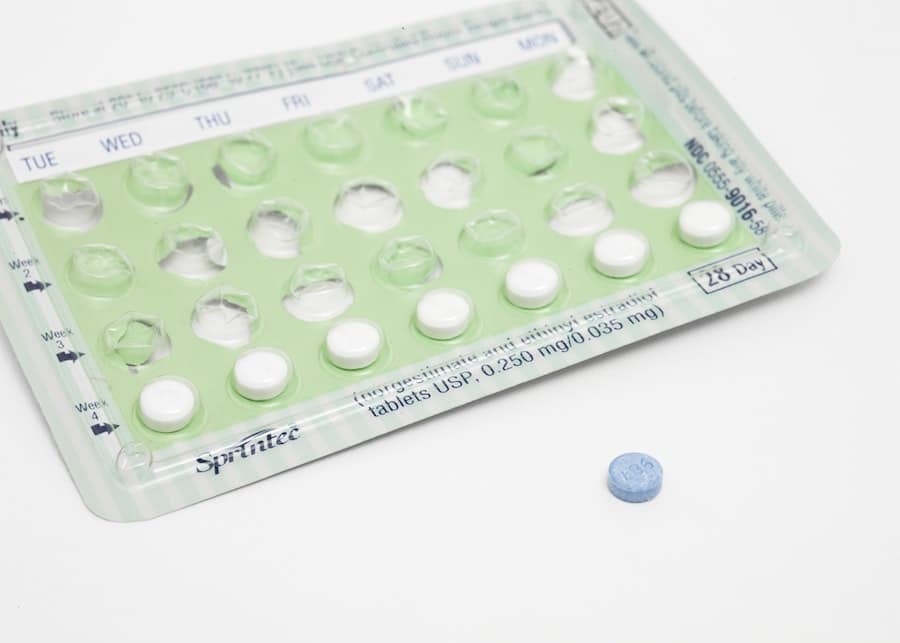
Post-pill amenorrhea is the failure to resume menstruation within 6 months of discontinuing any form of oral contraceptive (such as birth control, IUD, etc.). Research suggests that 2.2% of menstruating people experience no periods after discontinuing oral contraceptives (this is likely partially what happened to me – you can read all about my experience here). The loss of your period even after stopping the pill is caused by low amounts of two hormones (gonadotropic and ovarian hormones) and mild to moderate elevations of prolactin. Treatment is not usually required unless pregnancy is desired, as it is expected that periods will start again spontaneously. In my case, I didn’t wait long enough (6 months, apparently) to see if my period did return before seeking reproductive technology.
Stress & Period Loss
Stress can lead to your menstrual cycle becoming longer or shorter or can cause it to stop altogether. How? Stress supresses the hypothalamic gonadotropic-releasing hormone also called GnRH. When that hormone is low, the body fails to ovulate (aka. anovulation). The more stress you are under, the more GnRH is suppressed, leading to amenorrhea. Just another really important reason to get the stress in your life under control.
PCOS
Polycystic ovary syndrome (PCOS) is a common endocrine disorder among menstruating individuals. It affects 6% of menstruating individuals of productive age. I’ve written about PCOS extensively here and here. One of the key signs of PCOS is period irregularities. In order to be diagnosed with PCOS there needs to be absence of ovulation, high levels of androgens (hormones important in males) and ovarian cysts. Other symptoms include no periods, frequently missed periods, heavy periods, infertility, excessive hair growth on face, chest, belly, upper thighs (called hirsutism), acne, obesity and weight gain, pelvic pain, and areas of thickened, dark and velvety skin. It is always best to consult with a doctor if you identify with some of these signs and symptoms, and to discuss how to get your period back.
How to Get Your Period Back
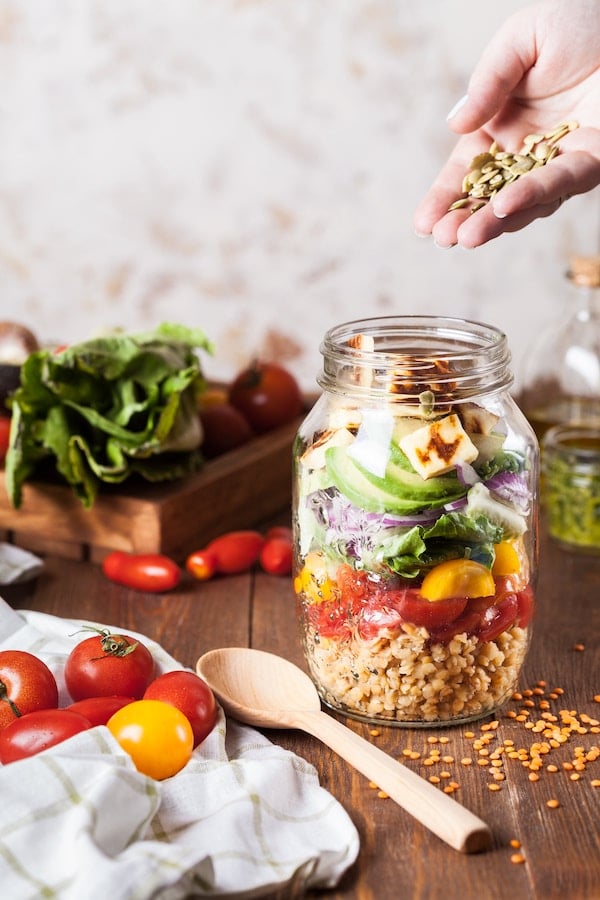
Eating a Healthy Balanced Diet
It may sound simple, but getting in a healthy balanced diet is one of the ways get your period back and maintain a healthy menstrual cycle. I’ve written about what to eat on your menstrual cycle here. Especially if you’re an active person, getting a healthy balance of carbohydrates, healthy fats and a variety of protein sources not only helps your fitness performance, but can protect you from other chronic diseases and even lengthen your life!
Get in Your B Vitamins
Vitamin B6 supports your body’s metabolism and may be beneficial in stimulating serotonin and melatonin production. Since both of these hormones play important roles in sleep, it may improve our reproductive health and help in terms of how to get your period back.
Reach for Omega-3
Don’t forget to get in those healthy fats! Omega-3s can do wonders for our health, and research suggests they may play a role in our menstrual cycle. A 2013 randomized controlled trial found that omega-3 supplementation helped patients with PCOS reduce testosterone levels and regulate menstrual cycles. The research in this area is still emerging and more studies are needed.
Focus on Bone-Strengthening Foods
Individuals with amenorrhea are at an increased risk for low bone density, especially adolescents. For this reason, getting enough bone strengthening vitamins and minerals in your diet is very important. For bone health, it is recommended that individuals with amenorrhea take vitamin D (400 to 1,000 IU) and calcium (around 1200 mg). This can be through calcium rich foods (seeds, cheese, yogurt, canned fish, beans, lentils and leafy greens) and vitamin D rich foods (fatty fish, liver, cheese, egg yolks and fortified foods), alone or in combination with supplements.
Stress Relieving Activities

According to some interesting research, cognitive behavioral therapy (CBT) may be effective at bringing your period back. In a randomized controlled study, the sample group that participated in 16 CBT sessions experienced a return in their period after 20 weeks. It’s important to note that these CBT sessions included a combination of education on nutrition and exercise.
Ditch the Diet
Even if you are eating a healthy balanced diet, you always want to make sure you’re getting enough calories and fat in your diet. It’s important to consume enough calories to support your weight to maintain a healthy menstrual cycle. A five year retrospective study of athletes with menstrual disturbances found that increasing their dietary intake helped the return of their period. There seems to be a focus on getting enough fat and carbohydrate, since these nutrients tend to be the most under consumed macronutrients (thanks to popular diets like Keto, Paleo & Atkins).
Get More Sleep
There are a variety of hormones that are involved in our sleep and our circadian rhythms including melatonin, cortisol, thyroid stimulating hormone and prolactin. All of these hormones play an important role in either keeping us alert and energetic during the day or getting a good sleep at night. Not getting enough sleep can have a significant role on hormones like Thyroid Stimulating Hormone, Luteinizing Hormone, Follicle Stimulating Hormone, Estradiol and Prolactin, all of which may interfere with your reproductive health. While we need more human research, one early animal study suggested that sleep deprivation resulted in decreased egg output. In human research, one study looked at people who work irregular shift hours and found that they were more likely to experience irregular periods. This is likely because when you shift your body clock, you’re also shifting your reproductive hormones, which has an impact on your menstrual cycle.
Exercise, But Not Too Much
Since amenorrhea is very common among active people who menstruate, at times it may be best to reduce your intensity at the gym. Taking a rest day can not only benefit your reproductive health, but can help with muscle recovery and protects you from injury.
Bottom Line
- Nutrition can play a significant role in our menstrual cycle. Making sure our diet includes a rich source of nutrients, vitamins and minerals is the best way to fuel our bodies, and key in terms of how to get your period back.
- Too much stress in your life can be a burden on your mental health, but also your physical health. Find ways to cut out the noise in your life by going for a walk, meditating or trying therapy to help support your reproductive health.
- Not only is it important to get the right nutrition in, but it’s also important to get enough in your diet to support your weight and your reproductive health.
- Getting enough sleep, keeps your hormones running smoothly which can help in terms of how to get your period back.
- Getting in your daily physical activity can do wonders for our health, however over exercising and going overboard at the gym can have a negative effect and put your reproductive health at risk.
At the end of the day, I’m a Dietitian, and my scope of practice isn’t to diagnosis why you’ve lost your period. Your first step should always be to speak to your doctor to help you rule out serious medical reasons, such as PCOS. But what I can recommend is that if you are underweight, dieting, over-exercising and missing your period, adding a dietitian to your healthcare team may help you create a plan to help you get that period back safely.
Contribution By RD2B Hannah Wilson & Sofia Tsalamlal, RD, MHSc Nutrition Communication
More Blog Posts You Might Like:
If you liked this blog post discussing how to get your period back after years of dieting, then you might also enjoy more articles about hormonal health:
- How Much Weight Do You Gain on Your Period?
- Your Menstrual Cycle Diet | What to Eat on Your Period
- Does Cortisol Cause Weight Gain?
- Best Diet for PCOS | Is Weight Loss Necessary?
- Endometriosis Diet – Best Foods to Improve Symptoms
- The Hormonal Acne Diet – Best Foods for Healthy Clear Skin
Abbey Sharp is a Registered Dietitian (RD), regulated by the Ontario College of Dietitians. She is a mom, YouTuber, Blogger, award winning cookbook author, media coach specializing in food and nutrition influencers, and a frequent contributor to national publications like Healthline and on national broadcast TV shows.


Brianna says
Hi, I’m 13 and I got my first period when I was 12. I haven’t gotten my period since May 2020 and it’s now January 2021, in the summer of 2020 I stopped eating my normal enough, restricted food considered unhealthy, and basically starved myself. I had thought my period was just missing a month but then it didn’t come back. I had realized that I had to stop so I could get my period back and I started getting enough for myself and eating the foods I want and still nothing. I even had gained a little weight and I thought it would come back. I don’t know what to do. Do I eat more calories?
Abbey Sharp says
It might take a while for your body to adjust before you get your cycle back to normal. I’d say to continue to eat enough calories consistently, and if after a few months your period still hasn’t come back to follow up with your doctor.
Coralie says
Hey I’m lost, it’s been 1 years since have lost my period and I know it’s very dangerous and anormal. So I obviously talk to my doctor when that start but she recommande me to take pills for controlling hormone the one you take to don’t have children and regulate your cycle. I try the pills for 3 month but they doesn’t help me get my period back and I know it is about my eating disorder and I was thinking that if I recover I will getting my period back and I’m I very active and stress person so that doesn’t help. I doesn’t want to take pills so I think am going to go see a nutritionist or something I think I need help.
Abbey Sharp says
Sorry to hear that. Hopefully you have some better luck working with a registered dietitian (ideally one that specializes in eating disorders).
fatma says
hey. I’m 15 and I lost my period for like about 2 months now. Actually last month I think I menstruated because I barely bled for 2 days but I don’t consider this a normal period. I’ve lost weight and restricted calorie intake and I know it’s because of that because this couldn’t be the result anything else because nothing really changed other than this. I want to get my period back and I don’t know how much should I eat to reach the normal weight. Should I try going back to my previous weight at which I was menstruating or do I need to exceed that as well?
Kennedy says
Hey! I’m sorry that you lost your period for the same reason I did. I am 16 and I know how the restrictive eating makes us feel. I just wanted to let you know that I’m going through the same thing too- I’m currently trying to eat more and more (but it’s hard sometimes). I’ve been eating more for about 2 months, and I still don’t have my period yet. But, I know I’m doing the right thing for my body! I hope you’re doing okay 🙂
Scared 15 year old says
Hi, I’m 15 years old, 5’1, 100lbs, and haven’t gotten my period for over 4 months. I’ve always had menstrual problems but I find it’s weird considering when I first got it at 12, it was really heavy :(. It’s been around 2 1/2 years since this started happening and sometimes when I do(?) get it, it usually last one day or it’s just brown discharge. I don’t know what’d going on!! I’m also scared to go to the OB/GYN because I heard they do a pap smear test? And I looked up a picture and its horrifying!!!!
Abbey Sharp says
Sorry to hear you’re going through this. I would strongly suggest working with your Doctor to find out why this might be happening.
Sherel says
Hey , even I am going through the same problem I am 16 and missed my period for 3 months now, I just wanted to know if I am doing the right thing . I have been eating about 2300 cal from a week and working out 5 times a week (not very high intensity) . So I just wanted to know if I am doing the right thing and will I get my period back by doing the same
Abbey Sharp says
Im sorry to hear that. I can’t speak to when or if you will get your period back, but you should work with your doctor or dietitian to monitor.
Jessica says
Try Aloe juice to restore your period.
rae says
Hi! I’m currently 15 years old & it’s about to be about 3 months of me missing my period. My last cycle only lasted 2 days. I did exercise a lot & lost weight, going on hikes about 4 times a week & walking an hour every other day. Also I cut back on calories. However, i stopped exercise once I missed my period the first month & noticed unintentional weight loss. I don’t know whether to be concerned or not? Do i just need to eat more calories in order to gain it back ?? Also I feel completely normal & fine the only thing is my missed period.
Abbey Sharp says
yes its possible you need extra calories to “repay” your body to get those functions up and running again, but always speak to your doctor.
Nour says
Hey! So i missed my period 2 months ago because i was in calories defecit diet..
I have 11% body fat and now i’m trying to maintain my weight, will that get my periods back? Or should i gain more fat?
Also my BMI is below 19..
Abbey Sharp says
Yes, you may need to gain more body fat but I would suggest working with your MD to ensure there are no other underlying hormonal issues.
Nour says
Thx Abbey, But few more questions? How much body fat is essential for me to get my periods back?
Also i gained some weight (i’m not in a surplus diet, just eating as much as my body needs) now i’m at +18.5 BMI.. However i still didn’t get them back!
Frogs says
Hello, I recently lost alot of weight and was reaching an unhealthy number, during that time I lost my period. I have been eating much better and exercising over the last few months but it still has not returned. I think stress could be a factor but I’m not sure. Any ideas?
Abbey Sharp says
That could be a factor but you should consult your MD to confirm that there are no other underlying issues present.
Lily says
I lost my period after severe caloric restriction for several months and after losing 10 kilograms and a lot od stress and anxiety. My period has been gone I for 10 months now. I slowly gained weight, I Have put on 5 kilograms. I Have been eating according to my Hunger signals for the past two months. My period hasn’t come back. I do a lot od resistence training So I’ve put on mainly muscle. (I do get sufficient rest , at least two rest days every week). I am at 16 percent body fat at the moment. The idea of forcefully gaining body fat makes me uncomfortable, I like how I look and feel. I still often feel really anxious. Do I need to just wait longer and be patient or are my stress and body fat the root of the issue?
Abbey Sharp says
Hi Lily, it could be from a variety of different factors however I would speak to a registered dietitian and doctor who are more familiar with your situation. Best of luck on your journey!
Blah blah says
Hey even I did the same thing and yes my gynecologist gave me a pill but normally if you haven’t had enough food to support your cycle then just eat enough ditch the diet don’t focus on weightloss for now… the pill has synthetic hormones in it and it doesn’t bring back the natural ability of having periods..not having natural periods also leads to cancer and bone density loss..so eat eat and eat and take rest and your period will come…you need that period in your life without the pill! I am in the recovery process! I am eating as per my hunger..don’t worry about the world just know that the pill just gives you the bleed and no period if you stop taking it it won’t give you a period! And will really disturb your health !
Sushi says
I am 23 year old living in India and just started doing exercise and some herballife nutrition diet and this month my period miss out by 20 days. My before weight was 68kgs and current weight is 65 kgs.
What to do to get my periods back is there any pills?
Abbey Sharp says
Hi Sushi, It would be best to directly speak to a doctor or dietitian so they can provide you with a full assessment of what might be the problem and how to resolve it.
Luna says
Could going vegetarian be a reason for losing your period? Also if your BMI is below 19 and you are a teenager could that be a reason.
Abbey Sharp says
It wouldn’t be a reason if you’re following a balanced diet with adequate calories. Low weight would definitely be a factor as your body needs body fat to regulate the hormones needed to menstruate. Hope that helps!
Alexia says
Hi Abbey, first off I wanted to say how helpful your expertises have been regarding nutrition and health. On another note, I don’t know if this is the place to see your opinion on my situation, but I’ve been struggling on getting my period back for going on 3 months. I’d greatly appreciate any advice you’d have for me, or if you need any more information regarding my situation I’d be able to share. Thanks Abbey.
Kani says
I was overweight, started a high protein diet under supervision of dietitian for two months. I lost 10 kg. First month i got my periods on time. This month they are 15 days late (not pregnant). My doctor keeps saying it is normal. I don’t know what to do. If i just stop the diet now, what should i eat more? And what kind of doctor should see for this problem?
Jules says
So helpful to me. Going to look over this in detail. Thank you!
Anna Borngen says
I just posted a message on your Instagram and it was sparked by the opposite. I’m 45 and recently started having periods that last 15-20 days and they’re closer together too. I was literally a walking bloodbath. The ob/gyn gave me birth control pills and said it’s perimenopause. The end. My doctor doesn’t really know what to say. Her protocols are to give advice about preventing or reducing obesity. My BMI is normal, so I’m not in her perview. My insurance doesn’t cover dietetics or nutrition visits. Most insurance in the USA probably doesn’t.
I don’t know if you read them, but in my Insta message I mentioned that I’ve been watching your YouTube channel and requested that you make a video or series about perimenopause and menopause and how to take care of our bodies during this time of life.
I have so many conversations with women in person, and see dozens of posts in Facebook and Reddit groups by women in their early to mid 40s saying things like “I’ve cut out sugar and refined carbohydrates, I’ve been exercising more, etc., but I still keep gaining weight. What am I doing wrong?” In my opinion it’s probably hormones and most people have no clue about changing diet with changing hormones (me included). It seems like there’s endless information for young women out there, but for us, most of it is sketchy complicated carb cycling / fasting protocols from people who aren’t dieticians, or people who only give teasers of information so we’ll buy their coaching programs.
I believe you could help thousands of women who find it very difficult to get good advice from an educated professional like yourself if you were willing to put out some blog posts and/or videos about this. It’s frustrating for women past child bearing age. I feel like I’m part of a forgotten demographic now.
Thank you so much.
Anna Borngen says
Oh and I wanted to mention that some of my main concerns are losing bone density, muscle mass, slow metabolism, malabsorption of nutrients, including protein, and I, personally, have been vegan for 30 years, so are there any specific dietary risk factors for vegans and vegetarians going through “the change”. Thanks
Abbey Sharp says
Hi Anna! Thanks for the feedback I will keep this in mind.
Tukezban says
Hi ,thanks for your beautiful comment about this.I lost my period after a hard diet.My BMI was low now it is good after hard diet.Noe I don’t eat white bread,sweets,candies too but I eat in normal calories.I cut out my exercises and began to walk.I don’t know sometimes I feel cramps around there but it s not happening.Should I walk?Or is this walking can late my period?
Abbey Sharp says
Hi Tukezban. Thanks for your comment! To answer your question, It’s highly unlikely that walking would cause a late period if you’re already consuming enough calories.
Nicole @ Fitful Focus says
I know a few women who lost their periods due to overexercising. I’m glad you’re sharing this information!
Abbey Sharp says
Thanks Nicole
Velly says
my period signs( like backache or nipple pain) have been occuring for a week and my period still don’t show up . What should I do?
Abbey Sharp says
I’d say wait it out and see if it comes. It might be late and given what we are all collectively going through right now, stress could be a factor that might be delaying your period. If it persists, definitely speak to your doctor.
Kelly says
Yes, this is an all too familiar problem with women these days. Stress is such a big factory. Great reminder to relax and breathe!
Abbey Sharp says
Definitely. Thanks love
Deborah Brooks says
I think women can be reluctant to talk about this with their doctors. Thanks for sharing all this important info
Abbey Sharp says
For sure. Really important
Celine Nasrallah says
Hi im 15 years old and i havent had my period for 3 months, i was in a diet and restricted calories and im a little underweight, I’m eating normally now and i dont do any exercising other than walking. Should i be trying to gain weight or just continue eating normally in order to get my period back?
Abbey Sharp says
most need to actively gain
Blah blah says
Hi I have been eating and walking I stopped doing workouts…is it necessary to hit 2500 calories or eating as per my hunger and keeping myself full will help? I skipped my periods in 2 months of dieting and exercising and now it’s been 2 months since I have ditched the diet I do get cervical mucus since I started eating but haven’t had my period yet what do I do?
Abbey Sharp says
its possible you need the full 2500 calories yes to basically “pay back” the deficit you were in for a while.
Tola says
Hi i was just wondering if you could get your period back even after not having it for like 5-10 years after suffering with an eating disorder? is it possible that ur period just never comes back?