I review the pros and cons of the Keto Diet and if it leads to weight loss.
I wasn’t planning on writing about the ketogenic diet but that all changed with my recent YouTube video. My girl Abby Langer and I found a hilarious Reddit thread that shared some keto-followers favourite “strange but delicious” keto-friendly meals and snacks. Let’s just say, it was extreme. I was by no means under the impression that everyone on the Keto diet ate that shit. I get why some viewers on youtube maybe thought that and they got PISSED. Like, viciously pissed.
Become an Abbey’s Kitchen Subscriber
I decided to share what I ACTUALLY think on all things keto. I want to give you a comprehensive review of the diet so there’s no confusion. At the end of the day, ‘haters gon hate’ but at least I can sleep at night knowing I’ve done my due diligence in whole heartedly giving you all the necessary information around this diet.
Let’s dive in.
What Is the Keto Diet?
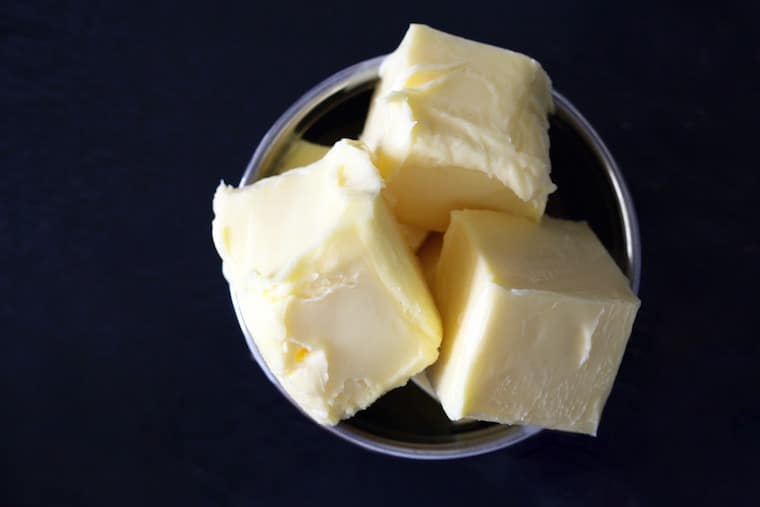
If you haven’t already jumped on the keto diet bandwagon, I’ll give you a brief introduction. Basically, the ketogenic diet is a super high in fat (65-75% of your diet is fat), a super low carbohydrate (<5% of your diet) and moderate in protein (15-20% of your diet). Surely, not the most balanced of diets considering Health Canada your diet should contain 10-35% of protein, 45-65% of carbohydrate and 20-35% of fat. So how to you meet that skewed macronutrient distribution? Well, you load up on keto diet staples like meat, fish, butter eggs, cheese, heavy cream, oils, nuts, avocados, seeds and low carb green vegetables. And you cut out all your go-to carb sources like grains, rice, beans, potatoes, sweets, milk, cereals, and fruits. These kinds of restrictive diets tend to make nutrition professionals like dietitians run for the hills but I’m going to give it my honest unbiased account.
dietitian’s keto diet review
Dos and Don’ts of a Keto Diet
PROTEIN
Dos: Most proteins are fair game with a keto diet, however it is encouraged to enjoy organic, grass-fed or pasture-raised meats. On a keto diet you can enjoy a variety of protein sources such as whole eggs, fatty fish like salmon, seafood, organ meats, steaks, pork, poultry and more.
Don’ts: While the majority of proteins are okay in a keto diet, any meats or protein sources with added sugars is a no no.
OILS AND ADDED FATS
Dos: Fat makes up a huge part of the keto diet because it’s basically your main fuel. That is why it is encouraged to choose organic and grass-fed whenever possible. Excellent fat sources include olive oil, mayonnaise, coconut oil, butter, lard and other non-hydrogenated or unprocessed oils.
Don’ts: As long as there are no added sugars to the fat source, most fats are fair game.
NUTS AND SEEDS
Dos: Nuts and seeds are the best snack to fuel your day on a keto diet. Excellent sources include almond butter, flax seeds, macadamia nuts, brazil nuts and pecans.
Don’ts: Nuts covered in sugar are a no no.
DAIRY
Dos: Enjoy all of the cheese you would like on a keto diet. On top of that other great dairy sources include whole milk, full fat Greek yogurt and cream.
Don’ts: Avoid yogurts and creamers that are sweetened because they can quickly add to your overall carb count for the day.
FRUITS AND VEGGIES
Dos: To avoid constipation, load up on low carb veggies like kale, spinach, cabbage, mushrooms, green beans and green bell peppers. Some lower sugar fruit options include blueberries, blackberries and raspberries, but eat them sparingly.
Don’ts: Since fruits are high in sugar and carbs, they are usually a no go except for the few mentioned above. Fruits that are usually avoided on a keto diet include oranges, grapes, mangos, apples, papaya, pineapple, bananas, dried fruit and fruit concentrates. Avoid highly starchy vegetables like potatoes, corn, parsnips and yams.
GRAINS
Don’ts: All grains, even whole grains, should be avoided on a keto diet. A high intake of carbs will interfere with ketosis.
BEANS AND LEGUMES
Don’ts: Due to their high starch content, beans and legumes should be avoided.
What is Ketosis?
Ketosis is natural and normal, though arguably not optimal.
Our bodies run well on glucose (carbs)–they give us the necessary energy we need to function on a daily basis. When our body doesn’t get enough glucose (either because we’re cutting carbs too low, OR we haven’t eaten in too long), our body kind of freaks out and looks for other forms of energy to satisfy that role. That’s where the fat comes in. Without carbs, our insulin levels drop and fat is released from our cells. The fat overwhelms the liver which turns it into ketones, our body’s second choice to carbs for energy.
So, to confirm. Yes, your brain CAN function without carbs, but carbs are still your brains favourite good and some brain cells can only use glucose for fuel.
Ketoacidosis in Diabetes
It’s important we distinguish between the process of ketoacidosis seen in type 1 diabetes and this ketosis that so many people on the keto diet are striving for. If someone with diabetes lacks enough insulin and/or does not eat enough carbohydrates, they risk entering a state known as ketoacidosis. For those with uncontrolled diabetes, this can increase the levels of ketones in the blood, increasing the acidity of the blood, and potentially leading to a coma or even death. In ketosis for a healthy individual, the level of ketones in the blood never reaches these crazy high levels so it’s generally safe for the average healthy individual.
Bottom line: Ketosis is not ketoacidosis and is generally safe for most healthy people.
Keto Diet History

So where did the ketogenic diet come from? Interestingly enough, this fad diet didn’t spark from a celebrity endorsement or some guy missing a medical license. There’s evidence of the keto diet being used back in the early 1920s to treat severe childhood epilepsy and it’s still being used today for that purpose. Research suggests that the production of ketones may influence neurotransmitter activity in neurons allowing for a reduction in seizure attacks.
A recent Cochrane Review demonstrated a 30-40% reduction in seizures compared with non-keto diet controls. One thing to keep in mind, however (which is a theme when discussing the keto diet) is that it’s generally difficult to adhere to and difficult to tolerate for a lot of people. In other words, people go on it and then come off it pretty damn quick.
Neurological Diseases
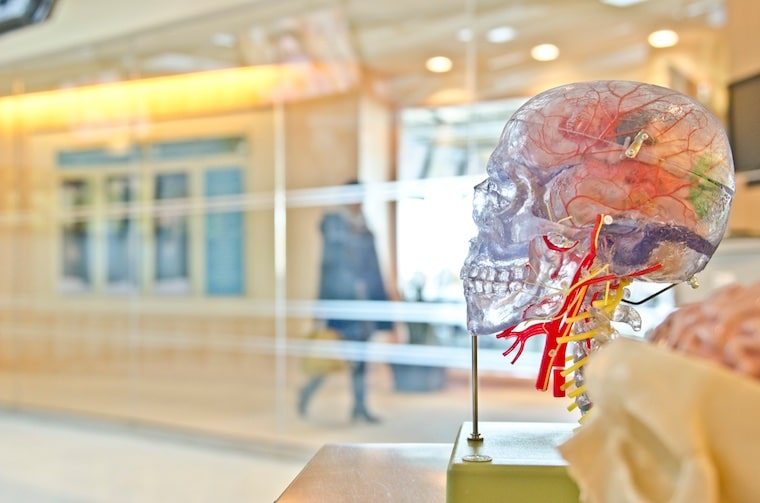
Once the medical community acknowledged the keto diet’s effectiveness in reducing seizure episodes, they decided to look further and study its impact on neurological diseases in general. Neurological diseases share a common problem – a deficiency in energy production. Ketones provide that energy for normal brain cell metabolism, and may even be a more efficient when the body is in starvation mode. When patients were put on the keto diet, the number of mitochondria (energy powerhouse) in brain cells increased. Ketones may also act as an antioxidant by inhibiting the formation of reactive oxidant species, which is why they may have promising effects in the treatment of certain cancers in conjunction with chemotherapy.
A 2017 mice study from the University of California found that a ketogenic diet (90% of calories from fat) lead to an increased life span, memory and motor function. Researchers observed a 13% increase in median life span when compared to a high carb diet.
Really exciting stuff, actually. Let’s look at a few other specific neurological diseases and the impact of the keto diet there.
Alzheimer’s Disease
In a study, Alzheimer’s patients fed with a ketogenic diet experienced improvements in their symptoms, which again may be due to the improved mitochondrial function. In another study, patients with Alzheimer’s were given a drug with ketones and after 90 days, they experienced improvements in cognitive function.
Parkinson’s Disease
In a pilot study, five out of seven patients trialed a keto diet for 28 days and showed marked reduction in physical symptoms. Parkinson’s attacks our human nervous system, partially as a result of an abnormal accumulation of a protein called alpha-synuclein. Research suggests that a ketogenic diet may reduce the associated cognitive and motor symptoms.Obviously, we need more research here but its an exciting finding.
Multiple Sclerosis
This also may be too premature, but an animal study found that the keto diet delayed motor neuron death and showed MS improvements, however it did not increase the life span of the subjects. In an exciting 2016 study, the ketogenic diet improved the quality of life, physical health and mental health of patients living with MS.
Cardiovascular Health vs keto reviews

What about heart health and the keto diet? Previous older schools of nutrition would purport that a diet rich in fats (specifically saturated fats) would be detrimental for heart health. However, more recent research suggests that saturated fat is not as bad as previously believed. There is actually a tiny little bit of evidence that a keto diet may improve triglyceride, HDL and LDL levels. Like here and here. An even more recent study found that a keto diet improved triglyceride, HDL and LDL levels. We’ll definitely have to wait to see how that research unfolds.
Type 2 Diabetes vs ketogenic diet review
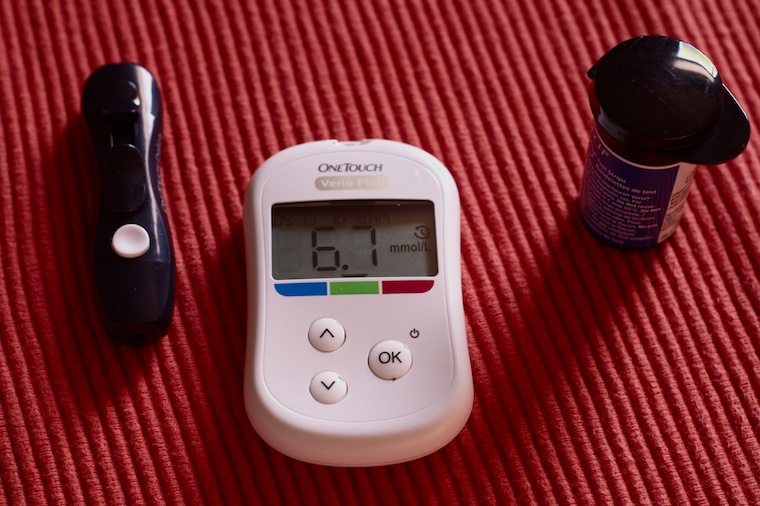
There have been many attempts at studying the link between type 2 diabetes and the keto diet. In one study, a strict low-carbohydrate diet was administered in obese patients with type 2 diabetes. After 14 days of being on the diet, the glucose levels of participants normalized. Their hemoglobin A1C decreased from 7.3% to 6.8% and insulin sensitivity improved by 75%. Some of this study’s limitations include the short duration, the small sample size and the weak control group. In another study, 84 obese patients with type 2 diabetes were randomized to either a low-carbohydrate keto diet or a low-glycemic reduced calorie diet. At the end of the study, both groups experienced improvements in glycemic control. However the low carb keto group had greater improvements in hemoglobin A1c and higher HDL levels compared to the low-glycemic group.
A more recent 2017 study in the journal of Nutrition and Diabetes found that a low carbohydrate ketogenic diet for 12 months led to greater reductions in HbA1c and body weight. These results suggest that low carbohydrate interventions may be effective at improving glucose control.
Cancer vs keto diet review

There is exciting research on the role of a keto diet as a form of treatment for cancer. In one study, the use of a keto diet on patients with advanced cancer was deemed safe, and some evidence suggested it played a role in stabilizing the disease or resulting partial remission. In another study, the keto diet was used as a form of therapy for patients with malignant brain cancer. The study found that the keto diet may carry anti-tumor effects when administered in experimental animal and human brain tumors. The researchers believe this may be due to the reduction in calories. This reduces the circulating glucose needed for tumor growth. It is still unsure whether a keto diet per se plays a role in this or simply calorie restriction. All of this is to say that the research is preliminary, however still promising.
Sports Performance vs ketosis review

In the sports nutrition field, we discuss the importance of timing carbohydrate and fluid intake on improving sports performance. For some time now, research has been looking at the role of very low carbohydrate diets on sports performance. Trailblazers in keto and sports performance research like Dr. Stephen Phinney have been conducting studies in this area since the 80s. In one of his studies, the glycogen stores of cyclists on a keto diet were not completely depleted and lipid oxidation was increased. Researchers concluded that the body was able to adapt to the lack of carbohydrates and preserve what was needed to use the fat as fuel. However, based on the VO2 max breath test, since the body was attempting to preserve the carbohydrate during the exercise, it appears that the intensity of the exercise was limited.
In a more recent study, off-road cyclists following a keto diet experienced small improvements, but still not significant enough to make strong conclusions.
The only difficulty with some of these studies is that they tend to have small sample sizes, like this one that only has five cyclist participants and the data was largely skewed by the fact that only ONE cyclist experienced a large enhancement of exercise capacity after the keto diet. Their studies also tend to be short term. Back in 2014, Phinney and scientist Tim Noakes wrote an editorial that stated that in the past 31 years, there have only been a handful of studies measuring sports performance and low carb diets. Out of a total of 11, only 3 found exercise improvements.
Recently a large study was released which contains a collection of 200+ keto and carbohydrate studies. Pretty big deal. Part 1 of the series looked at the ketogenic diet’s impact on body fat, muscle mass, strength and endurance.
what the research says
MUSCLE MASS
Studies found greater lean body mass loss in individuals following a ketogenic diet. However, since lean body mass contains water, glycogen and muscle protein, it was hard to determine whether lean body mass in the studies meant a loss in muscle protein or water and glycogen.
ENDURANCE PERFORMANCE
Studies found that endurance performance, whether it was anaerobic or aerobic was impaired or maintained with a ketogenic diet. Majority of studies used in this review had small sample sizes, no control group or were very short in duration. Because of this, it is still unclear whether endurance performance is enhanced or impaired with a ketogenic diet.
STRENGTH PERFORMANCE
The majority of the studies found that there was no statistically significant difference between the groups when it came to strength performance. Having said that, researchers had a tough time comparing the diets since protein and total energy were not matched.
To date, no studies have evaluated the long term effects of the keto diet on sports performance. That does not mean that the keto diet won’t be effective. For now we don’t yet have the evidence to draw strong enough conclusions to call it standard best practice.
Weight Loss vs ketogenic diet review
Most people are use this diet for rapid weight loss (surprise, surprise). Let’s take a look at what the literature says.
First of all, I can’t deny the fact that people will lose weight on a keto diet. Here’s why. First of all, you’re eliminating a major food group. When you do that, you limit your food options and most likely your food intake, so it’s not rocket science that you’ll likely lose weight. Second, most people on a low carb diet tend to increase their protein intake in the absence of carbs and there is some evidence that consuming higher amounts of protein may have some weight loss benefits. The large recent study mentioned above also looked at fat loss and found that individuals following a keto diet lost about the same weight as individuals following a different diet when they ate the SAME amount of calories. However, the studies found that individuals on the keto diet tended to lose body weight quicker.
why you lose weight on a keto diet
Here’s why. The reason the keto diet leads to rapid weight loss is due to the loss of water weight. One of the concerns with the keto diet is the loss of muscle mass and the depletion of glycogen stores. Glycogen, which stores our glucose, also stores water, so when stores are depleted, we flush out excess water. In other words, that rapid weight loss isn’t fat, it’s just water.

The keto diet also has an impact on our hormonal levels. Many studies have looked at whether the state of ketosis suppresses our appetite through the actions of leptin and ghrelin. A 2013 study found that after patients lost weight on a keto diet, our hunger hormone (ghrelin) was altered and suppressed. A systematic review also concluded that the state of ketosis appears to be a plausible explanation for the suppression of appetite. So this the keto diet may be good for dieters who can’t stand the discomfort of hunger. Finally, the keto diet also may have an impact on our stress hormone, cortisol. This was demonstrated in a Harvard study where the keto diet resulted in an increase in cortisol in individuals following a very low carb keto diet. High levels of cortisol is associated with insulin resistance, cardiovascular disease and may promote fat accumulation.
So we got the short term effects, but what about long term impacts of the Keto Diet?
So one study looked at the long-term effects of a keto diet in obese patients and after 24 weeks, patients lost weight, reduced their total cholesterol, LDL, triglycerides and increased their HDL. Another study conducted on 132 obese patients found that the low carb (keto) group lost more weight than the low fat group while improving biomarkers like decreased triglycerides, improved insulin sensitivity, and decreased fasting glucose. This all was confirmed in a 2013 meta-analysis, 13 RCTs (1,569 participants) found that patients assigned to a very low carbohydrate diet resulted in greater weight loss compared to those assigned to a low-fat diet.
There are also studies suggesting that long term carbohydrate restriction diets may result in fast short term weight loss. The caveat is that these people gain it all back in the long term. An RCT put 63 individuals on a low-fat diet or a low carb diet, and the study found the low carb dieters lost more weight compared to the low fat group by month 3 and 6, but that the weight loss evened out by month 12. This was confirmed by a Meta-analysis which found that while low-carbers lost more weight than low-fat dieters but the differences disappeared by the one year mark.
diets don’t work
One thing we know about diets and weight loss is that they don’t work. I’ve written about this in depth with regards to the participants on the Biggest Loser. This was evident in a study analyzing 31 long term studies on dieting, which found 2/3 of dieters put back the weight they lost. Other research has reported the failure rate may be as high as 95%. Any diet that is restrictive and unrealistic may be nearly impossible to sustain.
While the keto diet may result in weight loss, what are the dangers of doing this long term?
Potential keto diet danger
Loss of Muscle Mass

A huge concern with the keto diet is the maintenance and potential loss of muscle mass. Many people will just think: hey, dummy, then just eat more protein. Some research has shown that even if your protein intake remains constant, a low carb diet may promote muscle loss.
A study from the Netherlands confirmed these findings. In the study, participants consumed three diets (high carb, moderate carb, low carb) and moderate protein. The study found that those following a low carb diet experienced increased muscle breakdown. This is because when we eat carbohydrates, we produce insulin which promotes muscle growth. This is why athletes depend on carbohydrates (along with protein) to fuel their performance. When we eat carbs, the insulin release “unlocks” our muscles to let the protein in so it can do its job at building our muscles. When we skip carbs all together, muscle glycogen stores get depleted, we lose out on those muscle building opportunities. Forget about high intensity training. A depleted glycogen store also means our workouts will suffer because we just don’t have enough oil left in the tank.
This was a again suggested in the recent review looking at many ketogenic studies. The studies found that there was greater lean body mass loss in the ketogenic groups compared to the other diets being studied.
Keto “Flu” and Bad Breath
Since our body isn’t used to using ketones, we tend to feel flu-like when in ketosis. Lots of brain fog, fatigue, headaches, nausea and poor endurance. You also get bad smelling breath, sweat and pee from the acetone (a byproduct of fat metabolism). Sexy? Not so much. Thankfully, over time, a lot of people report that most of these side effects start to go away.
Constipation
Constipation is one of the most common onset side effects of following a keto diet. A ten-year study looking at the effects of a keto diet on 48 children found that 65% of the children experienced constipation. A low carb diet means you’re missing out on fibre-rich grains, fruits and certain vegetables.
High Cholesterol
With the high intake of fat, are we concerned about the high intake of cholesterol? YEP. A study using the keto diet as a form of treatment for epileptic seizures in children found that after 6 months of administering the diet, triglyceride levels increased, total cholesterol levels increased, and HDL and LDL increased. These results suggest that over time, a keto diet may lead to an increased risk of hypercholesterolemia and hypertriglyceridemia. In the same ten-year study, 40% of patients developed hypertriglyceridemia and 29% of patients experienced hypercholesterolemia. So, if heart disease runs in your family, you may want to bow out now.
Mineral deficiencies
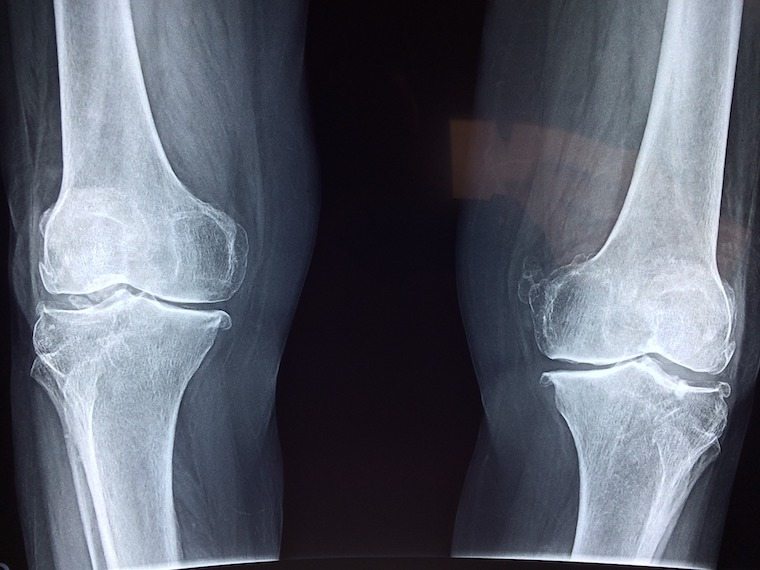
Strict dietary restriction means we may be missing out on crucial vitamins and minerals. With the keto diet, major minerals that are missed include sodium, potassium and chloride which is why they are typically supplemented with a table salt tablet. Other vitamins that might be missed out on include vitamin D, calcium, magnesium, selenium and zinc. The lack of vitamin D and calcium puts keto dieters at risk for reduced bone health and increased risk for fractures and long term bone diseases.
The Verdict on the Keto Diet

Cutting out a whole food group (or in this case, more than one) is a dietitian’s worse nightmare. First, it makes it a really hard diet to follow. Second, it stresses the hell out of your body and makes it work a lot harder to keep up. In a US News & World Report’s review of 2018 diet, the ketogenic diet came in last place as a sustainable means to weight loss because of its restrictive nature.
the importance of carbohydrates
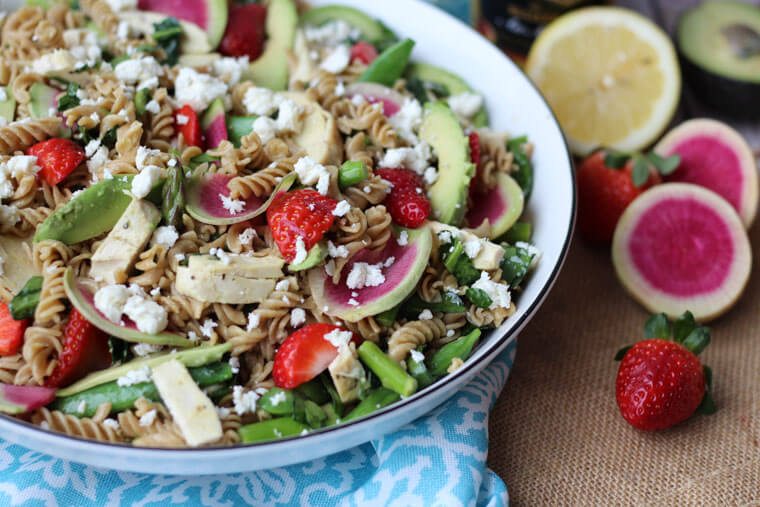
Carbohydrates make up the life blood of our body’s ability to function. Our body’s need it to run efficiently. Carbs promote muscle growth and endurance in athletes and gives us the energy to get through the day.
We’ve seen the role of a keto diet in neurological diseases and as a form of treatment. The keto diet may also act as a quick fix rapid weight loss tool just like any other restrictive diet. While the risks are likely low if you’re an otherwise healthy individual, I still wouldn’t brush them off as NBD.
More problematic for me is the fact that ANY diet is likely to encourages disordered eating behaviours.
This diet is focuses on how much you can eat and less about the quality of the food you eat. A recent 2018 study found that people who focused on eating plenty of vegetables and whole foods and less on counting calories and limiting food groups, lost a significant amount of weight over the course of a year. This continues to echo the notion that the key to successful weight loss is diet QUALITY and not QUANTITY. And now, there’s research that actually supports that!
bottom line
I’m a big believer that everything – especially carbs – can be enjoyed in moderation. The best diet is just whatever eating pattern you find most pleasurable that also meets your body’s unique needs. Now I need a summer peach, or a pillowy slice of focaccia, or a mindful bowl of pasta.
Become an Abbey’s Kitchen Subscriber
If you liked this post, you may like:
Can the Keto Diet Cure Your Digestion Problems & IBD?
Is it Safe to Breastfeed On The Keto Diet & How Does it Affect Breast Milk?
Does a Keto Diet During Pregnancy Cause Birth Defects?
A Dietitian’s Thoughts on What Netflix’s The Magic Pill Gets Right About The Keto Diet
A Dietitian’s Thoughts on What Netflix’s The Magic Pill Gets Wrong About The Keto Diet
Have you tried the keto diet for weight loss?
What are your thoughts on this keto diet review?
Let me know below!
Updated on May 12th, 2020

Abbey Sharp is a Registered Dietitian (RD), regulated by the Ontario College of Dietitians. She is a mom, YouTuber, Blogger, award winning cookbook author, media coach specializing in food and nutrition influencers, and a frequent contributor to national publications like Healthline and on national broadcast TV shows.






Jeffrey Anderson says
A typical ketogenic diet is comprised of only 15-25% protein, yet some research indicates that even during a caloric deficit, being in a state of ketosis can preserve muscle mass. It is critical to understand that in some of the literature a low-carbohydrate diet may not actually be a true ketogenic diet. To illustrate, some studies have shown that a very low carbohydrate diet (C:4 F:61 P:35) has similar effects to a traditional low-fat diet (C:70 F:10 P:20) on weight loss. In other words, both groups demonstrated similar losses in fat AND muscle mass (10). However, Dr. Layman (5) performed a study comparing a high protein, moderate fat, and low carbohydrate diet to a high carbohydrate, moderate fat, and moderate protein in conjunction with resistance training. Fat and total calorie intake were equal between experimental groups. Average weight loss was the same between groups but the composition of the weight loss differed. Low-carbohydrate dieters lost more fat mass and less muscle compared to the high carbohydrate group. This data suggests that increasing protein intake during a caloric deficit can help mitigate some of the muscle wasting that often accompanies dieting.
But what happens during a true ketogenic diet? A meta-regression study done by Dr. Krieger showed that diets low in carbohydrates (<7%) and moderate in protein (<25%) resulted in greater weight loss and a greater maintenance in muscle mass than a diet low in fat (4). Interestingly, the ketogenic-dieting subjects in these studies didn’t even train!
remake-graph-1
Dr. Jeff Volek performed a similar study in obese males that also looked at possible effects of resistance training in combination with the diet. In this study, Dr. Volek used a true ketogenic diet consisting of high fat and low carbohydrates. He found a comparable pattern and magnitude of change in body composition to the aforementioned study (6). He later performed another study including men and women. In this study (7) the participants were instructed to not change any physical activity behaviors and to continue with their daily lifestyle habits. The two diet intervention groups consisted of a very low carbohydrate, ketogenic diet (VLCD: 9%C: 63%F: 28%P) and a low-fat diet (58%C: 22%F: 20%P). The amount of calories that were restricted for both groups was based on the individuals’ resting metabolic rate (RMR). The women in the low-carbohydrate, ketogenic group responded much more favorably to the diet, especially in terms of trunk fat loss. Meanwhile, both men and women lost significantly more fat in the VLCD group than in the low- fat diet group. As expected, RMR decreased in both groups; however, the men in the VLCD group maintained a much higher RMR relative to their body mass than those the low-fat condition did. This has important practical applications, as most people who diet tend to have decreased metabolisms that make take a long time to recover back to baseline and in some cases may never fully return to normal.
Rum says
“So, to confirm. Yes, your brain CAN function without carbs, but carbs are still your brains favourite good and some brain cells can only use glucose for fuel.”
If glucose is the brains favourite energy source how do you explain how the ketogenic diet helps treat so many neurological disorders? It would seem to me that he brain happy with ketones, so much so it help people with neurological disorders.
I give you points for not completely bashing the Keto diet but I have to ask you why do you think it is hard to follow? Do you tell vegans that their diet in unsustainable? I know for myself I can go to almost any restaurant and eat a keto meal the same could not be said with vegans. A properly balanced keto diet would require no vitamins or minerals (the reason for Keto “Flu”) the same can not be said for vegans, most vegans have major deficiencies and some vitamins like B12 are near impossible to obtain without supplements.
I think I would be better is you would talk about how people could make the keto diet better instead of dismissing it, more emphasis should be put on eat vegetables, fermented veggies and healthy sources of fat. Those studies that showed the negatives of the keto all used man made polyunsaturated seed oil, the worst possible type pf oil that people can eat.
Again I think you for not being completely bias, many RD often state that you can go into ketoacidosis on this diet, I have even heard Doctors make this claim.
Farrah says
Such an in-depth post (and I applaud you for remaining so professional throughout some of these comments)! I’ve heard a lot about the keto diet and am glad that it does seem to work for some, but am definitely more on board with a more balanced diet. Kudos to the people it does work for though (I’ve had several patients with epilepsy who follow a ketogenic diet and it does seem to be helpful for them)!
Abbey Sharp says
Yes, there are many benefits of the keto diet for neurological purposes. Thanks for reading love
John Colby says
And weight loss and diabetes control.
Elysia | Haute & Healthy Living says
Awesome post on the keto diet! I’ll definitely be revisiting this article when I get questions. Thanks for your thorough breakdown!!
Abbey Sharp says
Amazing, thanks so much love
Mikki says
Hey Abbey. Another great post. I’m not a big fan of Keto, but I know for some people it works.. as for long term, I don’t know.
We are all created differently and I know we can’t say YOU CAN’T DO THAT, but I hope in the long run, people stay on top of their health and get off this train if it’s not helping them.
Abbey Sharp says
Yes totally agree! Thanks Mikki
GiGi Eats says
Im a huge fan of the KETO DIET but of course, I know a lot of people “can’t do it”… Which I will “sympathize” with to an extent. If you can put your mind to it you can do it, but if they “can’t” I say, fine, add sweet potatoes! haha!
Abbey Sharp says
For sure! Not for everybody!
Neil Whyte says
I think you are being kind Abbey in your responses. No, nutrition is not confusing – it is very simple. Physiology/ Anatomy/ evolution says Starches and plants along with grains, and we evolved eating some meat as hominids. However, this doesn’t mean that it was ever good for us, but merely survival.
We are closest and related to primates. Primates are primarily fruit eaters and plants. Our systems are best as Frugivores mainly as we don’t digest cellulose quite as well.
Who are the healthiest people on the planet? Not those on Atkins diets, Keto diets, Paleo diets, Weight watcher diets or soup diets. As mentioned above, plants rule, and this is evident with communities who eat ‘carb dense’ foods, 90 -95% plants. They are often disease free, disability free and drug free. This is basedvon living an entire life this way – never dieting like we do.
This way of eating is a lifestyle and it has never failed, because we are all the same. The only variations are peoples environments/ temperature and food availability. Of course if someone lives in Siberia they will not eat the same as someone who lives in Phillipines; and not everyone has access to the healthiest environment and the healthiest cleanest food.
Abbey Sharp says
Thank you for comment!
John W. Colby says
Hooey.
J.R. says
Wow..Keto is the hardest diet in the history of diets to follow. Lets just mention the fact you need to be a mathmatician to follow the macro…or is it micro…of eating 20 g…oh wait is it 50g of carbs…which is it? And what does 75 percent fat intake entail? Can i drink a cup of olive oil and thats a percent of fats for the day? And how many cal. A day are you allowed? Nowhere is that ever discussed.
Im no Vegan, but that lifestyle seems simple…um Veggies. Lastly…Keto is the most expensive diet ever…Rib eye steak, Salmon, avacodos, macademia and brazil nuts..the most exp. Nuts on the market. Ghee, Olive oil. Have you seen what a bottle of olive oil costs? This diet is not atainable to most middle to lower class workers.
marcia pinneau says
The Keto craze has not worked for me. My favorite websites unfortunately are full of blogs and recipes that keep reminding me to eat more fat. Unfortunately I still eat carbs. This has led to weight gain. For example, I love avocados and bacon, but being encouraged to eat more avocados and bacon while I’m still giving in to a quick sandwitch for lunch several times a week means my calorie intake is too high.
Abbey Sharp says
Definitely doesn’t work for everyone. I always encourage finding a balance that works for you.
Morgan says
I think every body responds to diets differently. What works for one person doesn’t work for another. There is not true, standard diet that’s one-size-fits-all. My sister eats a diet of mostly carbs and very little protein – and she functions just fine on this. Personally, even a moderate amount of carbs gives me brain fog, fatigue, irritability, and bloat.
While fat isn’t forbidden on keto – I also don’t think that it makes up 80% of my diet. I wouldn’t know because exact % because I don’t count fat – but I do know that I eat too much chicken, turkey, fish, and vegetables for that to be true. Contrary to the belief of some, not every person on keto is scarfing down a pound of bacon and slathering butter on everything.
And people can talk about how people who eat keto gain the weight back – show me a diet where that doesn’t happen. There isn’t a lot of reputable research about long-term weight loss, but the little that does exist isn’t great. Most people who lose a significant amount of weight will gain at least some of the weight back – if not all of it. It’s just about finding what works best for your balance and life style.
Abbey Sharp says
Yup totally agree. Thanks for your comment Morgan. It’s a very individual experience.
Josh says
This article just goes to show that NOBODY knows wtf they are talking about… For example first saturated fat is bad… years later they “find out” it is healthy… but maybe not? How can there be 2 opposing sides (with intelligent minds on each), about something as simple as what a human should eat?! My doctor told me to try the keto diet to help weight loss and improve my blood lab results. I’m only 2 weeks in but this is the easiest diet ive ever had in my life! I love everything I eat! I doubt our ancestors thrived off pasta, soda, candy, and all the processed boxed garbage the American diet consists of today. Their bread was nothing like the crap bread in stores now either. Fruit and starchy veggies are ok to eat however only in moderation. I’m just fed up with how nutritionist and scientists cant make up their mind about what a healthy diet is.
Abbey Sharp says
Hey Josh, nutrition research is a really complicated area and that’s why it’s always changing. The important thing is that we keep doing research to educate ourselves better. Also what works for you, may not work for other people which is another reason why research is hard to interpret as well. Thanks for your comment 🙂
Jasper says
The reason for the confusion Josh stems from Ancel Keys’ research in the 50’s that pointed towards saturated fats as being the cause of heart disease. Turns out the subjects he studied also consumed a diet high in refined carbs and sugars. Also, it was found that the sugar industry paid off scientists to point the finger at fat.
https://www.npr.org/sections/thetwo-way/2016/09/13/493739074/50-years-ago-sugar-industry-quietly-paid-scientists-to-point-blame-at-fat
Turns out what truly causes heart disease is a diet high in saturated fats AND refined carbs/sugar. Essentially:
High saturated fats + moderate to high refined carbs/sugar = really bad
Low saturated fats + moderate to high refined carbs/sugar = less bad (but not ideal as the average weight of the average American will show you)
High saturated fats + low to no refined carbs/sugar = healthy
Low saturated fats + low to no refined carbs/sugar = less healthy (but not bad per se….this assumes a high protein diet)
https://www.medicaldaily.com/refined-sugar-vs-saturated-fat-whats-more-likely-cause-coronary-heart-disease-369530
http://www.diagnosisdiet.com/refined-carbohydrate-list/
So when people say saturated fats are bad, they are right if they’re referring to the Standard American Diet, but in reference to a ketogenic diet they are wrong.
Meridith Norwood says
Amazing review of this diet – thanks for your great information in an easy-to-understand explanation! Totally agree with your assessment. I am a nutrition consultant studying some of the research/reviews on several different plans. Great job.
Abbey Sharp says
Thanks so much!
Cheryl says
I did the Keto diet for 26 days. I’m not really what anyone would consider overweight but did lose 11 pounds. My heart rate is out of control. My resting heart rate is 98 and my blood pressure is above high. I’m actually a little scared. I loved the diet and being on it, but as someone who always had optimal blood pressure and pulse before and great endurance for intense workouts, I’d say the diet has destroyed that. I wish I’d have known before. I didn’t take magnesium, potassium or salt drops like so many told me I should have been doing. (Didn’t realize this before) In my opinion, if you need to do that to stay alive on a diet it isn’t safe! I have lost weight in much healthier ways before without needing to supplement to stay alive. I am now working on getting my heart rate down at the age of 33 and 145 pounds. Such a ridiculous outcome. Diet fail!
Abbey Sharp says
Thanks so much for sharing Cheryl. I think if you need to take all of these supplements while on the diet, it’s probably not the best diet.
Cheryl says
Exactly. I was eating all the foods recommended to keep the levels of these nutrients high, but apparently you can’t get the amount needed while on the diet from food alone. That definitely made the decision for me. Thanks for your article.
Abbey Sharp says
Thanks so much Cheryl.
John W. Colby says
Hooey.
Stan says
Thanks for the great and helpful information about the Ketogenic diet .Since the last 4 years I’m on a keto diet I’m very happy,feeling a lot more healthy and I have lost a lot of weight.During that time I did quite few mistakes mainly due to misinformation so I highly recommend everyone who is really interested in keto diet to read this first https://tinyurl.com/y7xp7c6u
Abbey Sharp says
Glad it worked for you Stan. Thanks for sharing 🙂
Sabine Walter says
I say thank you, Abby, for the time you spent on your research of the KETO diet. I have been wondering what all that fat intake of the KETO diet would do to your liver. It can’t be healthy! But hey, it’s a matter of preference I guess. I prefer to be healthy. Okay, I’m not obese, I’m 5’1″ with 38 lbs. According to what I’ve read online and what my health insurance says, I need to lose about 15 lbs. I’m 60 years old — so, nah– probably not happening. I may be old, but active (walking 5 miles each day, doing one workout video on Grokker daily, gardening, hiking, kayaking). I want to lose enough weight to feel better (less arthritic) when I roll my butt out of bed in the morning, but I don’t want to deprive myself from the fun of eating. I don’t do fast or fat foods. I love cooking and eating healthy (like greens and everything veggie and beans and healthy grains like quinoa, freekeh, farro, black rice) and I like my beer of and on. I can do without sweets, but I do crave cheese. Take the “likes” away, and I get grouchy. I was trying to go with a low carb diet years ago, but the brain farts that came with it where just too pronounced. My body needs carbs! As long as they’re healthy carbs, I’ll be ok. I stay away from white bread and packaged, processed foods. I cook mostly low sodium and going out to eat is a special occasion. But I do count calories overall. I started logging my food intake on http://www.cronometer.com and that has helped a lot. I can create my own recipes, incorporate them into other recipes, and it gives me an overview of all the nutrients I consumed – both for the whole day or by each food item. I can tell how many calories or sodium is in each of my recipes. When I first started logging stuff on their website, I ran across the setting for “KETO diet”, but after I saw that it required to only eat 100 mg of carbs, I clicked off that one really fast. You get more than that from 1 glass of Porter! I love dark beer and good food. Real food, not pre-packaged powders or bla-tasting boxed food. I want fresh garlic, sumac, harissa. I want spice and texture. And low fat in most foods. If I want fat, I eat real cheese like goat cheddar. But that’s a treat. As long as I stick to my rule of eating at least 500 cal less than I burn, I’m ok with losing weight slowly. I want to be healthy first. So yeah, it’s a matter of preference. And patience. 🙂 To those of you who love Keto, cause it’s fast and it works for you, by all means: stay on it! It’s your body. My body runs better with a balanced diet. And that’s my 5 cents worth. 🙂
Abbey Sharp says
Hey Sabine. Thanks for your comment. I especially love the way you described a lack of carbs as brain farts. I know exactly what you mean. Like I always say, find what works for you and find that balance within yourself. Sounds like you’re doing what works for you!
Joshua Scholar says
I think lumping Keto diets in with other carb restriction diets is wrong. The reason (I’ve read) is that if you cut carbs somewhat, the body eventually responds by lowering the resting metabolic rate and you start gaining, but when you cut carbs to nothing (either in keto or fasting) the body keeps the metabolic rate high. It’s a survival mechanism, in a famine, we need energy to find food.
The other mistake in the article is lumping modern, popular keto diets which are complete diets (ie. include all nutrients) with the traditional medical keto diet for epilepsy which was not a complete diet. Even the medical version is changing and improving.