I review the pros and cons of the Keto Diet and if it leads to weight loss.
I wasn’t planning on writing about the ketogenic diet but that all changed with my recent YouTube video. My girl Abby Langer and I found a hilarious Reddit thread that shared some keto-followers favourite “strange but delicious” keto-friendly meals and snacks. Let’s just say, it was extreme. I was by no means under the impression that everyone on the Keto diet ate that shit. I get why some viewers on youtube maybe thought that and they got PISSED. Like, viciously pissed.
Become an Abbey’s Kitchen Subscriber
I decided to share what I ACTUALLY think on all things keto. I want to give you a comprehensive review of the diet so there’s no confusion. At the end of the day, ‘haters gon hate’ but at least I can sleep at night knowing I’ve done my due diligence in whole heartedly giving you all the necessary information around this diet.
Let’s dive in.
What Is the Keto Diet?

If you haven’t already jumped on the keto diet bandwagon, I’ll give you a brief introduction. Basically, the ketogenic diet is a super high in fat (65-75% of your diet is fat), a super low carbohydrate (<5% of your diet) and moderate in protein (15-20% of your diet). Surely, not the most balanced of diets considering Health Canada your diet should contain 10-35% of protein, 45-65% of carbohydrate and 20-35% of fat. So how to you meet that skewed macronutrient distribution? Well, you load up on keto diet staples like meat, fish, butter eggs, cheese, heavy cream, oils, nuts, avocados, seeds and low carb green vegetables. And you cut out all your go-to carb sources like grains, rice, beans, potatoes, sweets, milk, cereals, and fruits. These kinds of restrictive diets tend to make nutrition professionals like dietitians run for the hills but I’m going to give it my honest unbiased account.
dietitian’s keto diet review
Dos and Don’ts of a Keto Diet
PROTEIN
Dos: Most proteins are fair game with a keto diet, however it is encouraged to enjoy organic, grass-fed or pasture-raised meats. On a keto diet you can enjoy a variety of protein sources such as whole eggs, fatty fish like salmon, seafood, organ meats, steaks, pork, poultry and more.
Don’ts: While the majority of proteins are okay in a keto diet, any meats or protein sources with added sugars is a no no.
OILS AND ADDED FATS
Dos: Fat makes up a huge part of the keto diet because it’s basically your main fuel. That is why it is encouraged to choose organic and grass-fed whenever possible. Excellent fat sources include olive oil, mayonnaise, coconut oil, butter, lard and other non-hydrogenated or unprocessed oils.
Don’ts: As long as there are no added sugars to the fat source, most fats are fair game.
NUTS AND SEEDS
Dos: Nuts and seeds are the best snack to fuel your day on a keto diet. Excellent sources include almond butter, flax seeds, macadamia nuts, brazil nuts and pecans.
Don’ts: Nuts covered in sugar are a no no.
DAIRY
Dos: Enjoy all of the cheese you would like on a keto diet. On top of that other great dairy sources include whole milk, full fat Greek yogurt and cream.
Don’ts: Avoid yogurts and creamers that are sweetened because they can quickly add to your overall carb count for the day.
FRUITS AND VEGGIES
Dos: To avoid constipation, load up on low carb veggies like kale, spinach, cabbage, mushrooms, green beans and green bell peppers. Some lower sugar fruit options include blueberries, blackberries and raspberries, but eat them sparingly.
Don’ts: Since fruits are high in sugar and carbs, they are usually a no go except for the few mentioned above. Fruits that are usually avoided on a keto diet include oranges, grapes, mangos, apples, papaya, pineapple, bananas, dried fruit and fruit concentrates. Avoid highly starchy vegetables like potatoes, corn, parsnips and yams.
GRAINS
Don’ts: All grains, even whole grains, should be avoided on a keto diet. A high intake of carbs will interfere with ketosis.
BEANS AND LEGUMES
Don’ts: Due to their high starch content, beans and legumes should be avoided.
What is Ketosis?
Ketosis is natural and normal, though arguably not optimal.
Our bodies run well on glucose (carbs)–they give us the necessary energy we need to function on a daily basis. When our body doesn’t get enough glucose (either because we’re cutting carbs too low, OR we haven’t eaten in too long), our body kind of freaks out and looks for other forms of energy to satisfy that role. That’s where the fat comes in. Without carbs, our insulin levels drop and fat is released from our cells. The fat overwhelms the liver which turns it into ketones, our body’s second choice to carbs for energy.
So, to confirm. Yes, your brain CAN function without carbs, but carbs are still your brains favourite good and some brain cells can only use glucose for fuel.
Ketoacidosis in Diabetes
It’s important we distinguish between the process of ketoacidosis seen in type 1 diabetes and this ketosis that so many people on the keto diet are striving for. If someone with diabetes lacks enough insulin and/or does not eat enough carbohydrates, they risk entering a state known as ketoacidosis. For those with uncontrolled diabetes, this can increase the levels of ketones in the blood, increasing the acidity of the blood, and potentially leading to a coma or even death. In ketosis for a healthy individual, the level of ketones in the blood never reaches these crazy high levels so it’s generally safe for the average healthy individual.
Bottom line: Ketosis is not ketoacidosis and is generally safe for most healthy people.
Keto Diet History

So where did the ketogenic diet come from? Interestingly enough, this fad diet didn’t spark from a celebrity endorsement or some guy missing a medical license. There’s evidence of the keto diet being used back in the early 1920s to treat severe childhood epilepsy and it’s still being used today for that purpose. Research suggests that the production of ketones may influence neurotransmitter activity in neurons allowing for a reduction in seizure attacks.
A recent Cochrane Review demonstrated a 30-40% reduction in seizures compared with non-keto diet controls. One thing to keep in mind, however (which is a theme when discussing the keto diet) is that it’s generally difficult to adhere to and difficult to tolerate for a lot of people. In other words, people go on it and then come off it pretty damn quick.
Neurological Diseases

Once the medical community acknowledged the keto diet’s effectiveness in reducing seizure episodes, they decided to look further and study its impact on neurological diseases in general. Neurological diseases share a common problem – a deficiency in energy production. Ketones provide that energy for normal brain cell metabolism, and may even be a more efficient when the body is in starvation mode. When patients were put on the keto diet, the number of mitochondria (energy powerhouse) in brain cells increased. Ketones may also act as an antioxidant by inhibiting the formation of reactive oxidant species, which is why they may have promising effects in the treatment of certain cancers in conjunction with chemotherapy.
A 2017 mice study from the University of California found that a ketogenic diet (90% of calories from fat) lead to an increased life span, memory and motor function. Researchers observed a 13% increase in median life span when compared to a high carb diet.
Really exciting stuff, actually. Let’s look at a few other specific neurological diseases and the impact of the keto diet there.
Alzheimer’s Disease
In a study, Alzheimer’s patients fed with a ketogenic diet experienced improvements in their symptoms, which again may be due to the improved mitochondrial function. In another study, patients with Alzheimer’s were given a drug with ketones and after 90 days, they experienced improvements in cognitive function.
Parkinson’s Disease
In a pilot study, five out of seven patients trialed a keto diet for 28 days and showed marked reduction in physical symptoms. Parkinson’s attacks our human nervous system, partially as a result of an abnormal accumulation of a protein called alpha-synuclein. Research suggests that a ketogenic diet may reduce the associated cognitive and motor symptoms.Obviously, we need more research here but its an exciting finding.
Multiple Sclerosis
This also may be too premature, but an animal study found that the keto diet delayed motor neuron death and showed MS improvements, however it did not increase the life span of the subjects. In an exciting 2016 study, the ketogenic diet improved the quality of life, physical health and mental health of patients living with MS.
Cardiovascular Health vs keto reviews

What about heart health and the keto diet? Previous older schools of nutrition would purport that a diet rich in fats (specifically saturated fats) would be detrimental for heart health. However, more recent research suggests that saturated fat is not as bad as previously believed. There is actually a tiny little bit of evidence that a keto diet may improve triglyceride, HDL and LDL levels. Like here and here. An even more recent study found that a keto diet improved triglyceride, HDL and LDL levels. We’ll definitely have to wait to see how that research unfolds.
Type 2 Diabetes vs ketogenic diet review
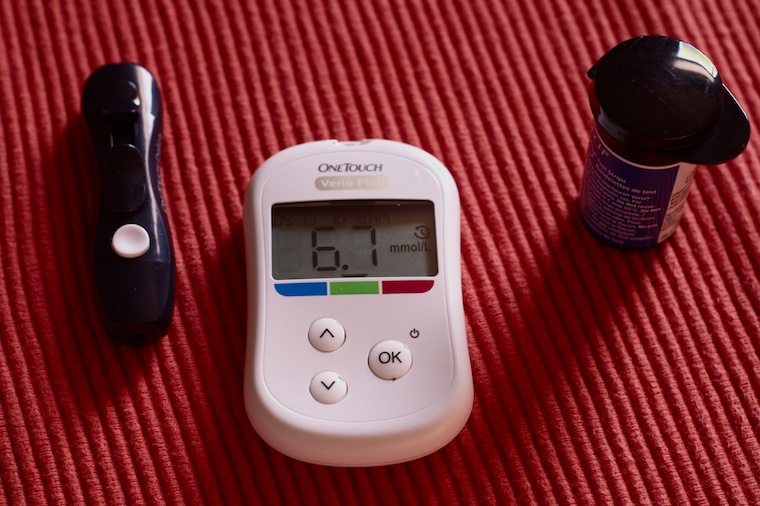
There have been many attempts at studying the link between type 2 diabetes and the keto diet. In one study, a strict low-carbohydrate diet was administered in obese patients with type 2 diabetes. After 14 days of being on the diet, the glucose levels of participants normalized. Their hemoglobin A1C decreased from 7.3% to 6.8% and insulin sensitivity improved by 75%. Some of this study’s limitations include the short duration, the small sample size and the weak control group. In another study, 84 obese patients with type 2 diabetes were randomized to either a low-carbohydrate keto diet or a low-glycemic reduced calorie diet. At the end of the study, both groups experienced improvements in glycemic control. However the low carb keto group had greater improvements in hemoglobin A1c and higher HDL levels compared to the low-glycemic group.
A more recent 2017 study in the journal of Nutrition and Diabetes found that a low carbohydrate ketogenic diet for 12 months led to greater reductions in HbA1c and body weight. These results suggest that low carbohydrate interventions may be effective at improving glucose control.
Cancer vs keto diet review

There is exciting research on the role of a keto diet as a form of treatment for cancer. In one study, the use of a keto diet on patients with advanced cancer was deemed safe, and some evidence suggested it played a role in stabilizing the disease or resulting partial remission. In another study, the keto diet was used as a form of therapy for patients with malignant brain cancer. The study found that the keto diet may carry anti-tumor effects when administered in experimental animal and human brain tumors. The researchers believe this may be due to the reduction in calories. This reduces the circulating glucose needed for tumor growth. It is still unsure whether a keto diet per se plays a role in this or simply calorie restriction. All of this is to say that the research is preliminary, however still promising.
Sports Performance vs ketosis review

In the sports nutrition field, we discuss the importance of timing carbohydrate and fluid intake on improving sports performance. For some time now, research has been looking at the role of very low carbohydrate diets on sports performance. Trailblazers in keto and sports performance research like Dr. Stephen Phinney have been conducting studies in this area since the 80s. In one of his studies, the glycogen stores of cyclists on a keto diet were not completely depleted and lipid oxidation was increased. Researchers concluded that the body was able to adapt to the lack of carbohydrates and preserve what was needed to use the fat as fuel. However, based on the VO2 max breath test, since the body was attempting to preserve the carbohydrate during the exercise, it appears that the intensity of the exercise was limited.
In a more recent study, off-road cyclists following a keto diet experienced small improvements, but still not significant enough to make strong conclusions.
The only difficulty with some of these studies is that they tend to have small sample sizes, like this one that only has five cyclist participants and the data was largely skewed by the fact that only ONE cyclist experienced a large enhancement of exercise capacity after the keto diet. Their studies also tend to be short term. Back in 2014, Phinney and scientist Tim Noakes wrote an editorial that stated that in the past 31 years, there have only been a handful of studies measuring sports performance and low carb diets. Out of a total of 11, only 3 found exercise improvements.
Recently a large study was released which contains a collection of 200+ keto and carbohydrate studies. Pretty big deal. Part 1 of the series looked at the ketogenic diet’s impact on body fat, muscle mass, strength and endurance.
what the research says
MUSCLE MASS
Studies found greater lean body mass loss in individuals following a ketogenic diet. However, since lean body mass contains water, glycogen and muscle protein, it was hard to determine whether lean body mass in the studies meant a loss in muscle protein or water and glycogen.
ENDURANCE PERFORMANCE
Studies found that endurance performance, whether it was anaerobic or aerobic was impaired or maintained with a ketogenic diet. Majority of studies used in this review had small sample sizes, no control group or were very short in duration. Because of this, it is still unclear whether endurance performance is enhanced or impaired with a ketogenic diet.
STRENGTH PERFORMANCE
The majority of the studies found that there was no statistically significant difference between the groups when it came to strength performance. Having said that, researchers had a tough time comparing the diets since protein and total energy were not matched.
To date, no studies have evaluated the long term effects of the keto diet on sports performance. That does not mean that the keto diet won’t be effective. For now we don’t yet have the evidence to draw strong enough conclusions to call it standard best practice.
Weight Loss vs ketogenic diet review
Most people are use this diet for rapid weight loss (surprise, surprise). Let’s take a look at what the literature says.
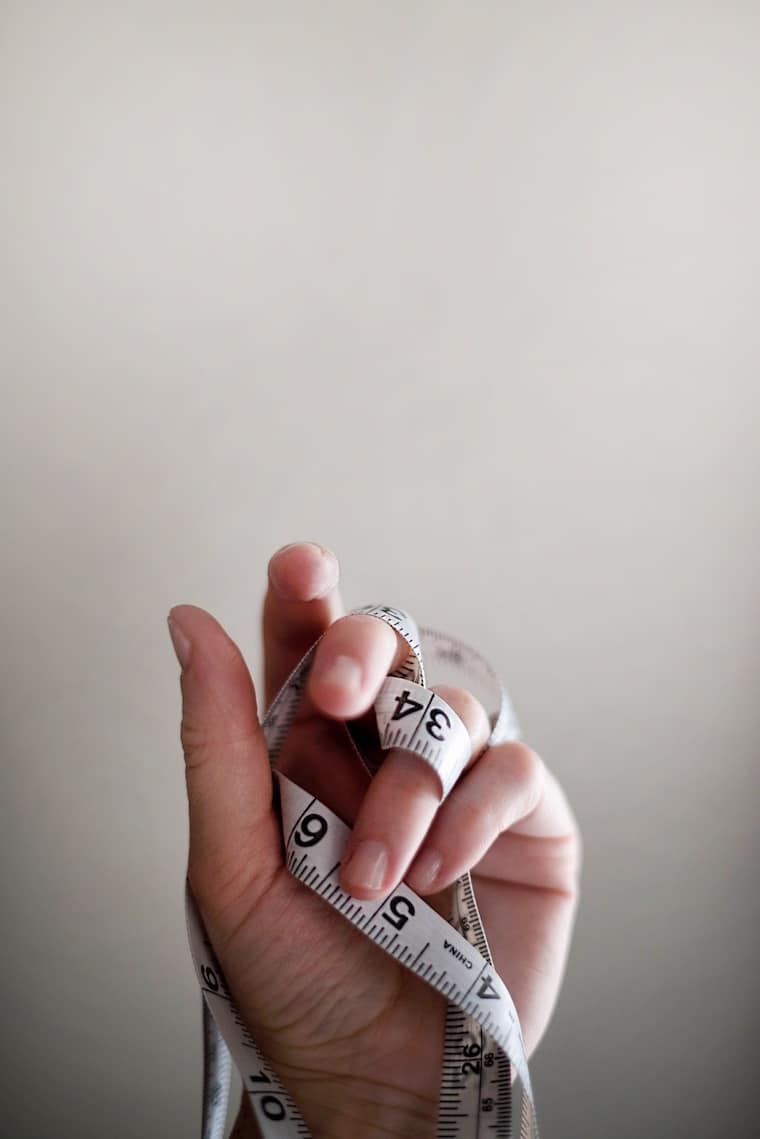
First of all, I can’t deny the fact that people will lose weight on a keto diet. Here’s why. First of all, you’re eliminating a major food group. When you do that, you limit your food options and most likely your food intake, so it’s not rocket science that you’ll likely lose weight. Second, most people on a low carb diet tend to increase their protein intake in the absence of carbs and there is some evidence that consuming higher amounts of protein may have some weight loss benefits. The large recent study mentioned above also looked at fat loss and found that individuals following a keto diet lost about the same weight as individuals following a different diet when they ate the SAME amount of calories. However, the studies found that individuals on the keto diet tended to lose body weight quicker.
why you lose weight on a keto diet
Here’s why. The reason the keto diet leads to rapid weight loss is due to the loss of water weight. One of the concerns with the keto diet is the loss of muscle mass and the depletion of glycogen stores. Glycogen, which stores our glucose, also stores water, so when stores are depleted, we flush out excess water. In other words, that rapid weight loss isn’t fat, it’s just water.

The keto diet also has an impact on our hormonal levels. Many studies have looked at whether the state of ketosis suppresses our appetite through the actions of leptin and ghrelin. A 2013 study found that after patients lost weight on a keto diet, our hunger hormone (ghrelin) was altered and suppressed. A systematic review also concluded that the state of ketosis appears to be a plausible explanation for the suppression of appetite. So this the keto diet may be good for dieters who can’t stand the discomfort of hunger. Finally, the keto diet also may have an impact on our stress hormone, cortisol. This was demonstrated in a Harvard study where the keto diet resulted in an increase in cortisol in individuals following a very low carb keto diet. High levels of cortisol is associated with insulin resistance, cardiovascular disease and may promote fat accumulation.
So we got the short term effects, but what about long term impacts of the Keto Diet?
So one study looked at the long-term effects of a keto diet in obese patients and after 24 weeks, patients lost weight, reduced their total cholesterol, LDL, triglycerides and increased their HDL. Another study conducted on 132 obese patients found that the low carb (keto) group lost more weight than the low fat group while improving biomarkers like decreased triglycerides, improved insulin sensitivity, and decreased fasting glucose. This all was confirmed in a 2013 meta-analysis, 13 RCTs (1,569 participants) found that patients assigned to a very low carbohydrate diet resulted in greater weight loss compared to those assigned to a low-fat diet.
There are also studies suggesting that long term carbohydrate restriction diets may result in fast short term weight loss. The caveat is that these people gain it all back in the long term. An RCT put 63 individuals on a low-fat diet or a low carb diet, and the study found the low carb dieters lost more weight compared to the low fat group by month 3 and 6, but that the weight loss evened out by month 12. This was confirmed by a Meta-analysis which found that while low-carbers lost more weight than low-fat dieters but the differences disappeared by the one year mark.
diets don’t work
One thing we know about diets and weight loss is that they don’t work. I’ve written about this in depth with regards to the participants on the Biggest Loser. This was evident in a study analyzing 31 long term studies on dieting, which found 2/3 of dieters put back the weight they lost. Other research has reported the failure rate may be as high as 95%. Any diet that is restrictive and unrealistic may be nearly impossible to sustain.
While the keto diet may result in weight loss, what are the dangers of doing this long term?
Potential keto diet danger
Loss of Muscle Mass

A huge concern with the keto diet is the maintenance and potential loss of muscle mass. Many people will just think: hey, dummy, then just eat more protein. Some research has shown that even if your protein intake remains constant, a low carb diet may promote muscle loss.
A study from the Netherlands confirmed these findings. In the study, participants consumed three diets (high carb, moderate carb, low carb) and moderate protein. The study found that those following a low carb diet experienced increased muscle breakdown. This is because when we eat carbohydrates, we produce insulin which promotes muscle growth. This is why athletes depend on carbohydrates (along with protein) to fuel their performance. When we eat carbs, the insulin release “unlocks” our muscles to let the protein in so it can do its job at building our muscles. When we skip carbs all together, muscle glycogen stores get depleted, we lose out on those muscle building opportunities. Forget about high intensity training. A depleted glycogen store also means our workouts will suffer because we just don’t have enough oil left in the tank.
This was a again suggested in the recent review looking at many ketogenic studies. The studies found that there was greater lean body mass loss in the ketogenic groups compared to the other diets being studied.
Keto “Flu” and Bad Breath
Since our body isn’t used to using ketones, we tend to feel flu-like when in ketosis. Lots of brain fog, fatigue, headaches, nausea and poor endurance. You also get bad smelling breath, sweat and pee from the acetone (a byproduct of fat metabolism). Sexy? Not so much. Thankfully, over time, a lot of people report that most of these side effects start to go away.
Constipation
Constipation is one of the most common onset side effects of following a keto diet. A ten-year study looking at the effects of a keto diet on 48 children found that 65% of the children experienced constipation. A low carb diet means you’re missing out on fibre-rich grains, fruits and certain vegetables.
High Cholesterol
With the high intake of fat, are we concerned about the high intake of cholesterol? YEP. A study using the keto diet as a form of treatment for epileptic seizures in children found that after 6 months of administering the diet, triglyceride levels increased, total cholesterol levels increased, and HDL and LDL increased. These results suggest that over time, a keto diet may lead to an increased risk of hypercholesterolemia and hypertriglyceridemia. In the same ten-year study, 40% of patients developed hypertriglyceridemia and 29% of patients experienced hypercholesterolemia. So, if heart disease runs in your family, you may want to bow out now.
Mineral deficiencies
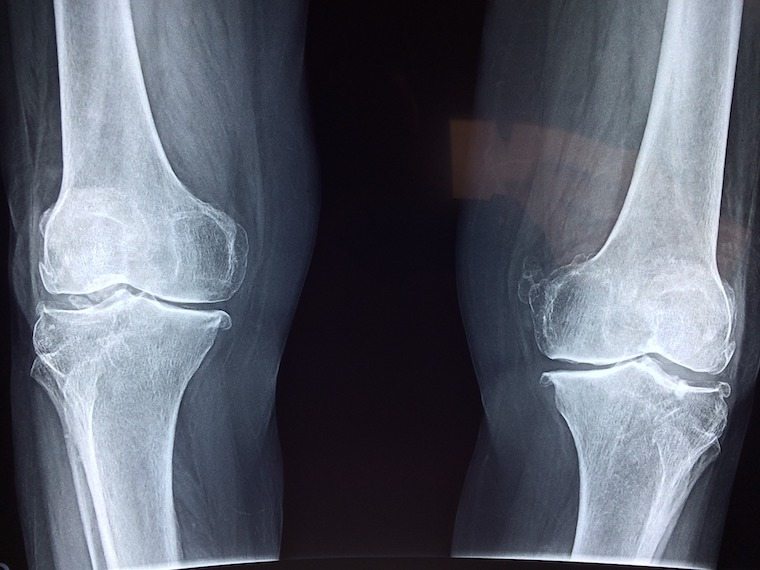
Strict dietary restriction means we may be missing out on crucial vitamins and minerals. With the keto diet, major minerals that are missed include sodium, potassium and chloride which is why they are typically supplemented with a table salt tablet. Other vitamins that might be missed out on include vitamin D, calcium, magnesium, selenium and zinc. The lack of vitamin D and calcium puts keto dieters at risk for reduced bone health and increased risk for fractures and long term bone diseases.
The Verdict on the Keto Diet

Cutting out a whole food group (or in this case, more than one) is a dietitian’s worse nightmare. First, it makes it a really hard diet to follow. Second, it stresses the hell out of your body and makes it work a lot harder to keep up. In a US News & World Report’s review of 2018 diet, the ketogenic diet came in last place as a sustainable means to weight loss because of its restrictive nature.
the importance of carbohydrates
Carbohydrates make up the life blood of our body’s ability to function. Our body’s need it to run efficiently. Carbs promote muscle growth and endurance in athletes and gives us the energy to get through the day.
We’ve seen the role of a keto diet in neurological diseases and as a form of treatment. The keto diet may also act as a quick fix rapid weight loss tool just like any other restrictive diet. While the risks are likely low if you’re an otherwise healthy individual, I still wouldn’t brush them off as NBD.
More problematic for me is the fact that ANY diet is likely to encourages disordered eating behaviours.
This diet is focuses on how much you can eat and less about the quality of the food you eat. A recent 2018 study found that people who focused on eating plenty of vegetables and whole foods and less on counting calories and limiting food groups, lost a significant amount of weight over the course of a year. This continues to echo the notion that the key to successful weight loss is diet QUALITY and not QUANTITY. And now, there’s research that actually supports that!
bottom line
I’m a big believer that everything – especially carbs – can be enjoyed in moderation. The best diet is just whatever eating pattern you find most pleasurable that also meets your body’s unique needs. Now I need a summer peach, or a pillowy slice of focaccia, or a mindful bowl of pasta.
Become an Abbey’s Kitchen Subscriber
If you liked this post, you may like:
Can the Keto Diet Cure Your Digestion Problems & IBD?
Is it Safe to Breastfeed On The Keto Diet & How Does it Affect Breast Milk?
Does a Keto Diet During Pregnancy Cause Birth Defects?
A Dietitian’s Thoughts on What Netflix’s The Magic Pill Gets Right About The Keto Diet
A Dietitian’s Thoughts on What Netflix’s The Magic Pill Gets Wrong About The Keto Diet
Have you tried the keto diet for weight loss?
What are your thoughts on this keto diet review?
Let me know below!
Updated on May 12th, 2020

Abbey Sharp is a Registered Dietitian (RD), regulated by the Ontario College of Dietitians. She is a mom, YouTuber, Blogger, award winning cookbook author, media coach specializing in food and nutrition influencers, and a frequent contributor to national publications like Healthline and on national broadcast TV shows.






Joanna says
I also want to add that I absolutely agree with your verdict! As a type 1 diabetic who has experienced the sickening feeling of ketones’ presence, and known about the dangers of ketoacidosis since childhood, the concept of this diet for weight loss has always rubbed me the wrong way and struck me as a bit off (although I know ketosis is a different thing and is alright for the body, its extreme form is ketoacidosis, after all). I also have seen the diet, used for weight loss, cause dramatic results that then rebounded afterwards. I understand it is an incredible revelation in treating some epileptic individuals, and I see how it makes sense and can be helpful for type 2 diabetics or pre-diabetics. But as for a weight-management diet, like with everything else in life, I think we should strive balance. And enjoying summer peaches!
Abbey Sharp says
Totally agree with you Joanna. Thanks so much for sharing
Joanna says
Hi Abby,
You’ve written a well-organized and detailed review.
I do want to point out an inaccuracy in your description of ketoacidosis. If a Type 1 diabetic “and/or does not eat enough carbohydrates,” they will not enter a state of ketoacidosis. It is the opposite. Ketoacidosis can occur if a diabetic consumes carbs without having enough insulin to allow the body to use glucose for energy. In contrast, not eating enough carbohydrates for insulin that was already injected causes hypoglycemia.
Best, Joanna
John says
Ignorance stated as fact,from a position of authority. The high carb low fat diet is a failure of gargantuan proportion. And yet here we go again.
Go to youtube and search for keto and watch hundreds of videos by DOCTORS stating that keto diets work. Is Abbey a doctor? Hmmmmm…..
Abbey Sharp says
Thanks for your comment.
Carla J Murray says
I have never been on any kind of diet. I have never been more than 10-15lbs more than I should be. I have no health concerns. I am 55yrs. old with an enormous appetite. Almost everyone I know has been on a diet. My observation is that once you start dieting you start this yo-yo relationship with gaining and losing weight. I have counseled my children to stay away from fad diets. Moderation is enjoyable and sustainable. I love all-inclusive resorts and cruises. If I gain a bit I just cut back a bit. I don’t have a sweet tooth and I am cautious about potato chips and high fat snacks/foods. I love life, I love food in all its variety and I exercise moderately. I don’t have a gym membership. I get a little fresh air with a 30min easy jog.
I thought the article presented an adequate REVIEW not intended as a COMPREHENSIVE study on the bodies entire biological response to ketosis. I am disappointed only by the mean attitudes presented by some keto followers.
Abbey Sharp says
Hey Carla, thanks so much for your comment! So glad you have found a lifestyle that works for you!
Julia Mab says
Abbey Thanks for Sharing. I think i have to follow you.
Abbey Sharp says
Thanks Julia! Welcome 🙂
Katie says
Fortunately, I read your post before I watched your video. I am considering trying the Keto diet and am looking for honest, scientific, and wise counsel about it. Your research seems to be pretty thorough, though missing some facts, but still decent information. I feel like I can make an informed decision based on what I read, plus have a good direction for more research. However, after watching your juvenile and exaggerated video, based on the weirdest things (possibly ONE person actually eats) that “Keto Dieters eat,” I’m not sure what I think of your post. The video completely undermines your believability as a “dietician.” If someone told you they ate dog poop for breakfast, would you have tried that? Come on. Professionalism goes a long way. As a dietician, I would think you would be shooting for credibility. Aside from “seriously pissing off” your viewers, you killed your own voice of credibility.
Abbey Sharp says
Hey Katie, that video was a parody and we were in NO WAY saying that every keto dieter eats like that. We found these foods on a reddit thread and used them in our video. I did a follow up video explaining this. I shared all the most recent evidence and I believe did that I did that in a professional manner. Thanks for sharing your perspective
Christy says
Been doing keto since Dec. 26, 2018. I started for weight loss but got a few bonuses so far. Haven’t had a hotflash since starting, sleep so much better, brain fog gone and more energy! I’m perimenopause. I researched a lot before starting…realized the SAD way of eating is horrible. Carbs and sugar are not necessary. Dr. Phinny and Dr. Volek have the science behind this on YouTube (videos). Quite eye opening.
Abbey Sharp says
So great to hear. Glad it worked for you Christy.
Carol says
Dr. Eric Berg is also a great voice on YouTube for the Keto plan. He really knows how to explain things so well.
Jim says
This debate is pretty typical of most debates you see. The people who are fanatics for the diet will not accept any negative evidence or opinions about it. On the other hand, many critics of the diet clearly don’t have very much knowledge about it. I’m not referring to the author, who wrote a very well-informed and researched article, but some of the comments about Keto being a starvation diet and about glucose being the only energy source for the body.
Keto is definitely not a starvation diet. Your main source of calories is the most filling thing there is, not to mention all the fiber from the veggies and nuts. Sure, you can make anything a “starvation” diet if you cut calories enough, but that’s not inherent to the diet itself.
Secondly, glucose is not the only source of energy for your body. The entire point of the Keto diet is that the body can use fat as a fuel source. Yes, you’ll still need glucose for certain things, but you eat protein and a minimal amount of carbs. The great majority of your energy needs are met by ketones. I don’t dismiss the concerns about accessing muscle for glucose, and I’d be interested in studies involving low intensity weight training on Keto to see if it helps with muscle retention. I think you’d probably have to carefully manage your protein levels as well.
The critics are right that people tend to buy in to certain things–a diet in this case–and then blindly defend it, exaggerate its benefits, etc. As someone on the Keto diet, I try to guard against doing that. Keto is not some magic snake oil that is going to cure all that ails mankind. But if you are going to criticize it, get your facts straight like the author did. Don’t be making ridiculous claims like Keto is a starvation diet.
Priscilla Blevins MS RD/LD says
I’m a Registered Dietitian, and I greatly appreciate your overview. I will admit, I felt the exact same as yourself, but I decided to research it further, and then go on it to test it, and I have to admit, it has changed my view of it completely. I believe as dietitians, instead of telling our clients it’s a fad, educate them on how to do it successfully as a lifestyle and not as a fad. I believe that is the key. I highly recommend “What the Fat” book written by both a Registered Dietitian and professor. Great job going into the science and research. https://whatthefatbook.com/product/what-the-fat/
Abbey Sharp says
need to check that book out! Thanks so much love
Cal says
I have never tried a keto diet (don’t like the idea myself) but I am what you could call moderately (or “liberal”) low carb. Around 125g max net per day, which as you likely know is half the RDA of 250g. I get most of the rest of my energy from protein and some for fat. The RDA of protein, around 50g, is only just enough to sustain muscle of a sedentary or low movement individual – and this is proven by the fact that a lot of people who hit the gym eat easily 2-3x the RDA of protein.
Since adopting my current way of eating, I became much less “skinny fat” and have been able to increase muscle tone by doing less than 1 hour of exercise a day. All I’ve had to do is cut out foods like bread and pizza, and I still get my necessary fibre from breakfast cereals, veg, or rye crackers. I’m still able to meet my calorie goal so fundamentally I’m not doing damage to my body; it’s not a fad diet.
When you consider what excessive consumption of carbohydrates (and I do consider the RDA of 250g excessive) do to the human body I find it kind of sad that nutritionists still by and large pedal carbs as a hugely necessary forerunner to being a functioning human. The sugar industry pedalled the “fat is bad” lie for decades and the introduction of low fat foods duped millions of people into becoming obese. A lot of people still don’t get, for instance, the difference between blood cholesterol and dietary cholesterol.
All I know is that by cutting out foods like bread, that have arguably no nutritional value whatsoever, I’ve lost fat weight and have been able to retain (and grow) muscle through workouts. Not only that, but I am markedly stronger, and I don’t suffer any effects of malnutrition. I don’t want to be one of these people that despite eating a “balanced diet” simply gets fatter as they get older, because of how carbs screw up your insulin resistance levels and cause your body to store fat (particularly visceral fat in men) where it isn’t needed.
I know my opinion isn’t popular (in a world still blinded by the sugar cartels it never is) but I think the saying here “the proof of the pudding is in the eating” is apt.
rob says
i like the comments of people who are better off now after being on Keto, but what they never say is what were they doing BEFORE keto? eating like shit? no exercise? unhealthy lifestyle? THAT is the big part of the equation – if you went from a terrible diet to keto then OF COURSE you’re going to be better off, lose weight and feel better. maybe its not the keto, maybe its just the removal of garbage food?
Abbey Sharp says
Could be! Thanks for your comment Rob!
Steve Clark says
Great article! anything that the sh** bomb in the first paragraph has to be good! Plenty of scientific studies, we can click on if we choose to, but this was simple and easy to understand. Don’t let the wiener-heads, who want to pick out one little thing and go to town with it, drag you down. I was looking for some easy to understand pros and cons of Keto and that’s exactly what you gave me. The best thing is it supports what I’ve been telling clients and my fellow meatheads at the gym all along. Like anything else in life, nutrition, work, exercise, family, marriage (God forbid I ever do that again) and so on, sustainability and success require balance. Personally, I’m a 40-40-20 hardliner, but only because that is what works best for me.
I read hours and hours of material very week, so don’t have time to read through any of your past blogs, but have you done anything about the cheat day, meal or item? What about pros and cons of intermittent fasting or even the monthly 44 hour fast?
Keep up the great work!
~Steve Clark, NASM CPT
Abbey Sharp says
So glad to hear! Thanks so much Steve!
Abbey Sharp says
We are actually working on a piece on cheat days! So keep a look out for that!
Garth says
Hi Abbey
I’m very glad I found a common sense expert to help sort through some of this Keto fog. I watched “The Magic Pill” which got me curious about a few things. Does their argument that eating Keto is the way to go because our ancestors ate this way and were healthy have any validity? The Paleo diet seems to use this argument too but Paleo is not Keto – or so I read.
The biggest thing I’m trying to find out more about is the state of Ketosis. Is being in Ketosis a good thing? Does the brain need Ketones? If so would supplements help? Some studies such as: https://www.ncbi.nlm.nih.gov/pubmed/19664276/ seem to say maybe. Would you take Ketone supplements or put yourself into Ketosis as a way to increase your brain health – prevent from developing horrible diseases such as Alzheimers?
Thanks for your time. – Loved the video –
Abbey Sharp says
Hi Garth, I am actually working on a response to the Magic Pill, so be on the look out for that! Thanks for your comment
Jasper says
First off, I will say the ketogenic diet is not for everyone for their individual health reasons. However, reading through many of the posts where it didn’t work for people I would be willing to bet 90% of the time there is an obvious reason and no offense to that person but maybe a little more research would have helped. Something as simple as consciously increasing salt intake, or taking a multi-vitamin to get the minerals you need could help. Everyone’s body is different and some people can’t eat as much cheese for example (like my wife), as others can. If you feel off, or just don’t feel right before abandoning the diet please look up your symptoms and see if there’s a simple fix. It can really be worth it.
Have some reading time? Here’s a link to a list of studies done regarding the keto diet and it’s many facets. Well over 100 studies.
https://www.ketovale.com/low-carb-keto-diet-studies-list/
and this one too which I particularly like.
https://www.ncbi.nlm.nih.gov/pmc/articles/PMC2716748/
Abbey, plug your ears at the 20:00 mark
https://www.youtube.com/watch?v=keSoSyu9m7c
Abbey Sharp says
Thanks so sharing with us Jasper!
Jeffrey Anderson says
Two years ago, LeBron James famously lost 25 pounds and upped his late-game endurance by cutting carbs and sugars from his diet. Tim Ferriss, the author of the Four-Hour self-improvement book series, followed a strict keto diet to cure his Lyme disease, and performs a long multi-day fast every four months as a means, he says, of pushing ketosis further and starving incipient pre-cancerous cells of sugar (more on that later). Last summer, Sami Inkinen, the ultrafit co-founder of real estate juggernaut Trulia, rowed with his wife from California to Hawaii in record time on a keto diet, to promote high-fat eating and raise awareness about the dangers of too much sugar. The Keto Diet, say its ardent supporters, is a natural way to literally reprogram your metabolism and transition to an upgraded operating system. You’ll ultimately feel better and perform better, and your body fat will plummet.
But this sort of “low-carbohydrate, high-fat” (LCHF) diet, as Noakes calls it, is still far from mainstream. It takes serious dedication to drop your daily total carb intake to below 50 grams (or 20–30g of net carbs, which are sans fiber), the equivalent of a single cup of brown rice. The USDA Dietary Guidelines were just changed in January to mention the need to limit intake of added sugars and refined carbs like bread, rice, pasta, cookies, and crackers, which spike blood sugar more rapidly than candy. Check the label of nearly any sports drink, and it’s most likely loaded with natural or added sugar. Go to the grocery store today and the labels are awash with the message of “low fat,” “no fat,” or “zero fat.”
Meanwhile, Noakes continues preaching that the right kinds of fats—the ones our bodies evolved to process, like animal fat and butter, olive and coconut oil (but not vegetable oils like corn oil and soybean oil)—are extremely healthy. Noakes titled his 2012 autobiography Challenging Beliefs, and, at age 67, he’s publicly waging a war against carbs and sugar from his Twitter account, @ProfTimNoakes, where he chimes in every few hours and has churned out more than 27,000 tweets since 2012.
Noakes constantly retweets the latest nutrition stories and offers his own food for thought: “Consumption of refined grains, sweets and desserts, sugared drinks, and deep-fried foods = more heart disease” or “Truth wins in the end. But it takes time.”
The healthy ultramarathoner who defied the odds—by becoming diabetic
Noakes’s war on sugar goes back a generation, to when his father developed type-2 diabetes. Type-2 is a disease in which the body gradually loses its ability to regulate blood sugar through the production of the hormone insulin. It’s linked to genetics, but also to diet—particularly sugar and refined carbs—as well as obesity and inactivity. Diabetes experts estimate that the disease speeds up the aging process by roughly a third, damaging the body from the inside out. Too much blood sugar slowly destroys blood vessels, with results ranging from mild—early wrinkling of skin—to catastrophic: heart disease, blindness, stroke, amputations due to poor circulation, and even Alzheimer’s disease (more on that later).
Noakes’ father eventually died from type-2, but because Noakes himself followed a low-fat diet, exercised regularly (he’s run upward of 70 marathons, as well as a handful of ultras), and didn’t smoke, he figured he’d be spared. To be sure, as he got older he put on some weight, and his energy sagged, but he was in good shape.
Regardless, in 2010, Noakes was diagnosed with type-2 diabetes. Though he didn’t know it yet, a lifetime of well-intentioned carbo- loading for his athletic endeavors had set him up for a fall.
Not long after he got the news, he happened to receive an e-mail about a book title The New Atkins for a New You, and realized he recognized many of the authors’ names on the cover, which belonged to respected exercise experts Stephen Phinney, M.D., Ph.D; Jeff Volek, Ph.D., R.D.; and Eric Westman, M.D. They argued that the late Dr. Robert Atkins, who famously promoted a low-carb, high-fat diet in the 1980s—and was routinely lampooned for promoting eggs, bacon, and cheese as healthy foods that worked great for weight loss—had been right all along. The professors backed up their position with more than 50 new dietary studies and an action plan for getting lean and maintaining weight loss. Noakes says he learned more about nutrition that year than in his previous 42 years as a doctor.
“I was 222 pounds when I picked up that book,” he tells me. “Today, I’m 178. I’ve achieved my high school weight and my old running times.”
His new way of eating, he says, also cured his migraines and acid reflux. On top of that, it eliminated spikes in blood sugar, kept his appetite in check, and allowed his body to burn its own fat as fuel. After Noakes’ diabetes had reversed course, he wrote about it for Discovery Health News; that triggered a national debate across South Africa, a country plagued by an epidemic of diabetes and its associated conditions. (Blacks and ethnic Indians, who make up much of South Africa’s population, are especially prone to the disease.)
Last year, Noakes published his fourth book, The Real Meal Revolution, which explains why high-fat diets work and how to incorporate them into everyday life. “It’s gone viral,” he says.
Meanwhile, military researchers are focused on keto diets as well, believing soldiers could operate optimally on fewer, denser meals. Currently, the Defense Advanced Research Projects Agency, the Department of Defense, and NASA are all running ketogenic experiments. NASA believes the diet will be important in manned missions to Mars because it protects against higher levels of radiation in space by increasing the brain’s resilience to stress. Plus, “the energy density of a ketogenic diet is higher, so you have to carry less weight,” says D’Agostino.
But for evidence of the Keto Diet’s more immediate effects, Noakes brings up South African athlete Bruce Fordyce, 60, who won the country’s biggest ultramarathon, the 56-mile Comrades, a record nine times. He ate high-carb his whole life, eventually putting on weight and becoming insulin resistant. Recently, though, he switched to a high-fat diet—and has regained his former waistline and dramatically improved his marathon times. Little by little, according to Noakes, we’re learning. “This is the single most important health intervention we can make as doctors,” he says. “And as nations.”
From a personal standpoint. I’ve been on the Ketogenic diet now for 5 months. My A1C went from 8.6 to 6.3. I no longer require medication. I get a full panel done on my blood every 6 months and my blood pressure is dropping. The doctor says if it continues, I won’t need the medication anymore either. I do not find it hard to stay on the diet as there are many delivery services that you can use when you simply don’t. I’ve lost 41 lbs. I work out 5 days a week, lifting weights, about 1 hour a day. The mistake most people make is thinking of this as a diet. This mentality will cause a person to fail. It is a life style change that needs to be permanent. The medical community and bad advice from gurus and nutritionists that really do not understand this diet or are informed of the latest research and studies continue to provide inaccurate information.
Carol says
Hi Jeffrey, I have been looking into the Keto plan (I won’t call it a diet, as I do feel whatever way you plan to eat must be for life and not temporary) and, having multiple sclerosis, have been encouraged by comments that Keto may help me get off my MS meds. The problem is I feel I need someone (a nutritionist or dietician) to help me get started but I can’t find anyone in my area. You mentioned delivery services…could you list one or two? That may help me in getting started on Keto.
Many thanks!
Carol