• Skip to main content

Abbey's Kitchen

Healthy Recipes, Nutrition Myth Busting, Healthy Eating Tips

  • Books
    • HCC™
    • The Mindful Glow Cookbook
    • Recipe eBooks
      • Family
      • Hypothyroidism
      • BLW
      • Vegan Week 1
      • Vegan Week 2
      • Vegan Week 3
      • Keto
      • Gluten Free Week 1
      • Gluten Free Week 2
      • Fitness
      • Paleo
  • Blog
    • Nutrition
    • Recipes
    • Motherhood
    • Life
  • Explore
    • Neue Theory™
    • Bite Back With Abbey Sharp
      • Apple Music
      • Spotify
      • Amazon Music
    • YouTube
  • Abbey
    • About
    • Coaching
    • Contact

Abbey Sharp

Last Updated March 2, 2018. Published March 2, 2018 By Abbey Sharp 21 Comments

Gluten Free Vegan Chocolate Mint Cake | Healthy St. Patrick’s Day Dessert

This Gluten Free Vegan Chocolate Mint Cake is one beautiful Healthy St. Patrick's Day Dessert that your guests are going to love with green beer!

This Gluten Free Vegan Chocolate Mint Cake is one beautiful Healthy St. Patrick’s Day Dessert that your guests are going to love with green beer!

Guess what?! I’m going HARD CORE on the St. Patrick’s Day eats because I’m Irish and I’m PROUD. Okay, so I’m just 1/4 Irish but STILL, I feel like it’s my genetic duty to celebrate this day as best as a pregnant girl can. Now, I’m literally a month away from giving birth and I’ve been sober for almost a damn year (#FML), so I need something even more delicious to celebrate St. Patrick’s Day with! Introducing my bad ass Gluten Free Vegan Chocolate Mint Cake. OMG, I will skip the line up outside the Irish pub at 11 AM ANY DAY if it means I can be home stuffing my face with this cake. Sorry Patrick (whoever you are), GIMME ALL THE CAKE.

How to Make My Gluten Free Vegan Chocolate Mint Cake
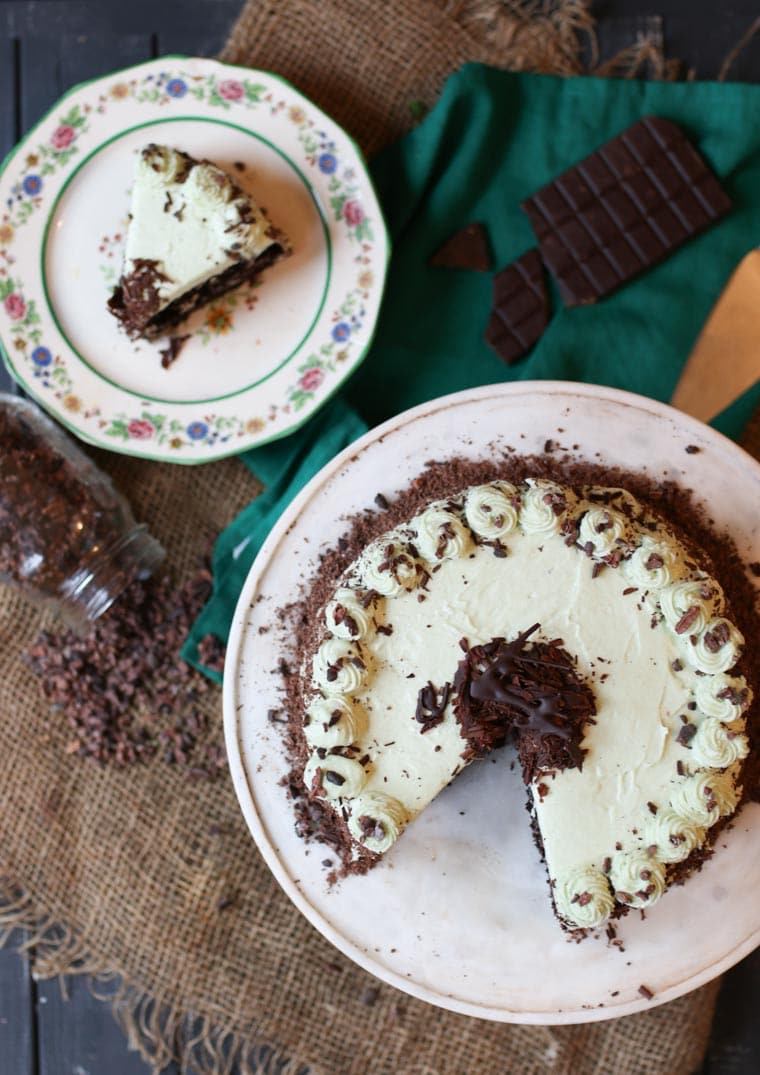
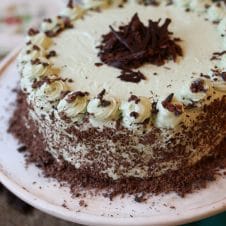
An overhead image of a chocolate mint cake with a slice cut out of it.

This Gluten Free Vegan Chocolate Mint Cake is mouthwateringly good. I have no qualms about busting this baby out in September, December or July, so there’s no need to JUST enjoy it for St. Patrick’s Day in March. It’s a winner every time.
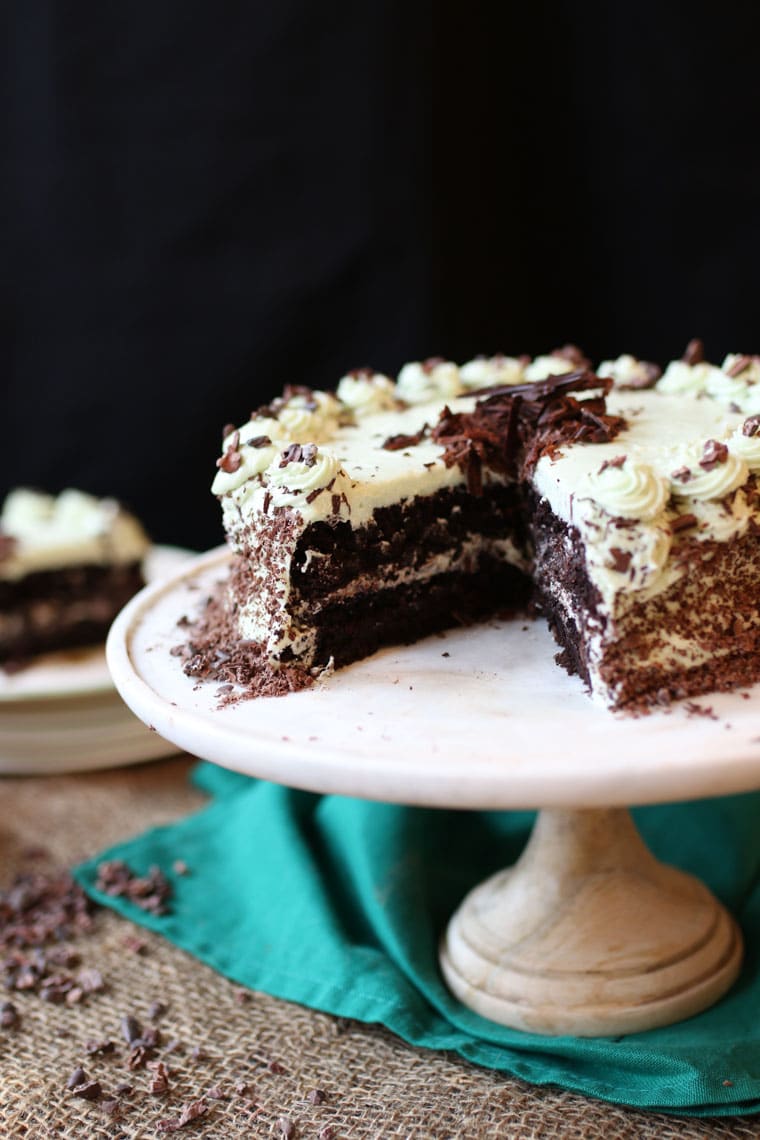
A chocolate mint cake on a cake stand with a slice cut out.

If you’re like me (aka. not gluten free and not vegan), you’re likely skeptical that this Gluten Free Vegan Chocolate Mint Cake could be worth serving to burley bearded men who just want to drink cheap green beer this holiday. Let me tell you, you would be wrong, wrong, wrong. This cake is not only surprisingly nutritious made with almond flour and coconut flour that’s rich in fibre, protein and good fats, but is CRAZY moist and decadently chocolately.
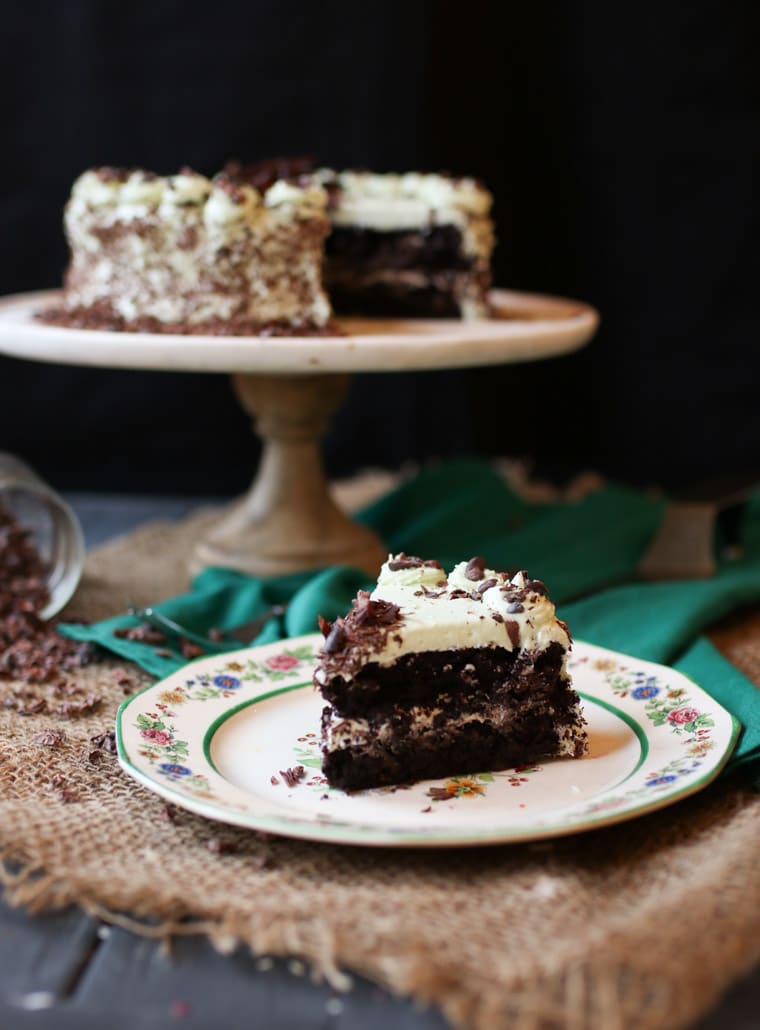
An image of a slice of chocolate mint cake with the whole cake in the background.

This Gluten Free Vegan Chocolate Mint Cake can also easily be made into cupcakes if you prefer, though I am always excited to present (and eat!) a big beautiful layered cake. Just reduce the cooking time to about 10 minutes until set.
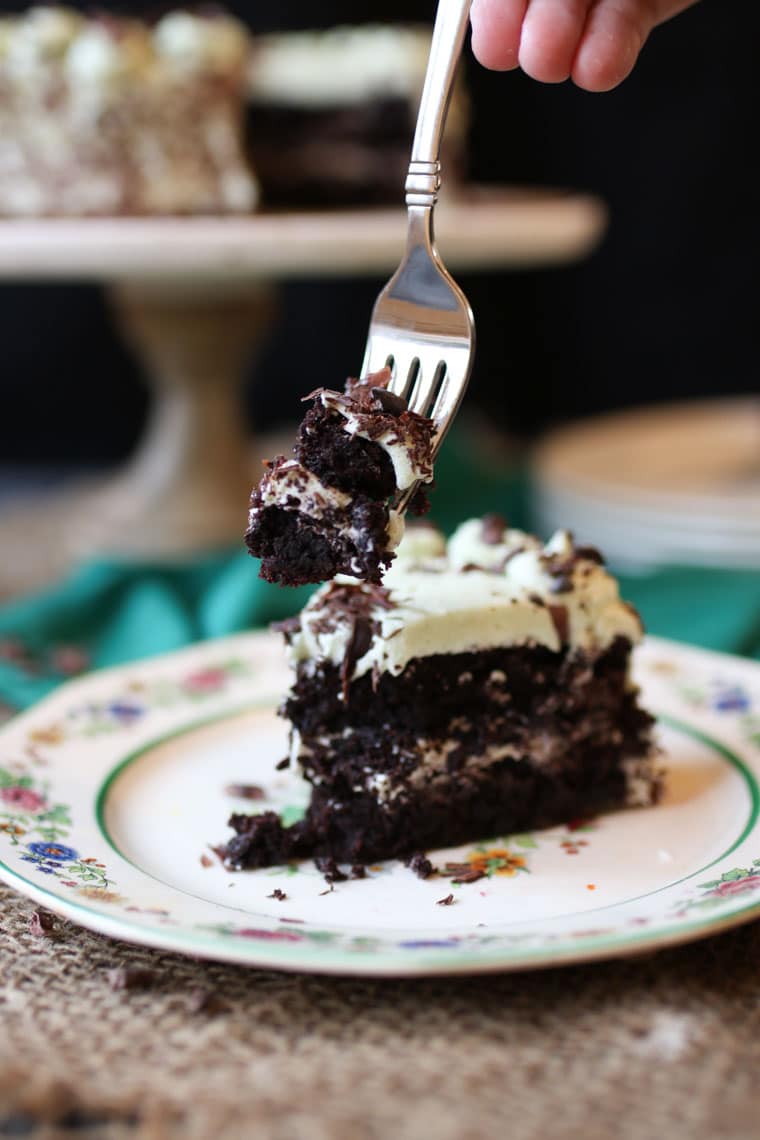
 

A slice of chocolate cake with a piece on a fork.

Honestly, when there’s cake on the table, I definitely don’t feel like I am missing out on the St. Patrick’s Day festivities. AND if you opt for a tasty Collard Green wrap for lunch, you can TOTALLY justify an extra serving of this cake.


Now, I want to know what are some of your St. Patrick’s Day staples?

Would you skip out on green beer to eat this Gluten Free Vegan Chocolate Mint Cake?

Leave me a comment below with your St. Paddy’s day traditions!
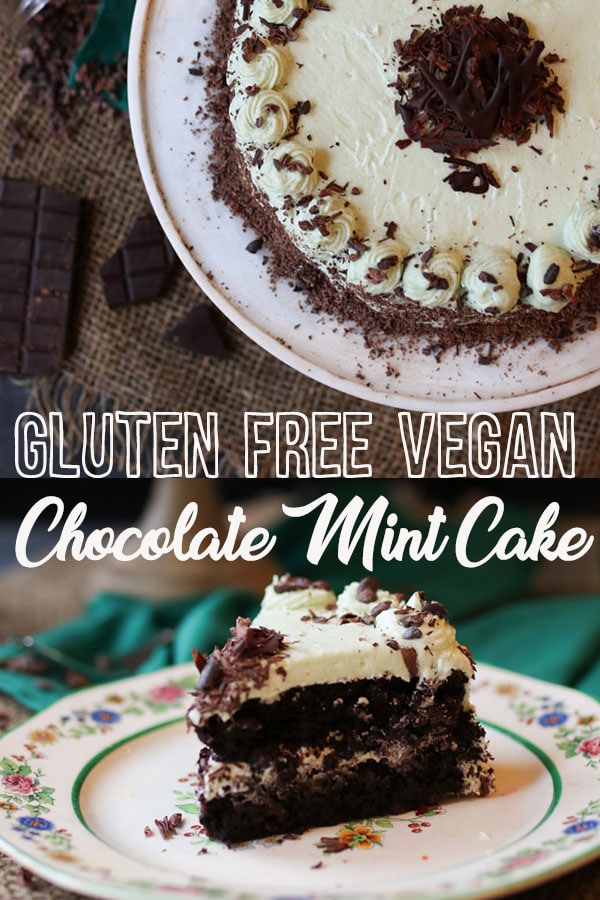
Pinterest image of chocolate mint cake and a slice with a text overlap \"gluten free vegan chocolate mint cake.\"

These vegan St. Patrick’s day recipes are great to share at a party this weekend or to celebrate with your family at home! 
Print Recipe
4.23 from 9 votes

Gluten Free Vegan Chocolate Mint Cake

This Gluten Free Vegan Chocolate Mint Cake is one beautiful Healthy St. Patrick's Day Dessert that your guests are going to love with green beer!
Prep Time40 minutes mins
Cook Time30 minutes mins
Total Time1 hour hr 10 minutes mins
Course: Dessert
Cuisine: American
Servings: 12 - 16 people
Calories: 360kcal
Author: Abbey Sharp

Ingredients

  • 6 tbsp ground flax seed
  • 3/4 cup unsweetened vanilla almond milk
  • 1 1/2 cups almond flour
  • 3/4 cup unsweetened cocoa powder
  • 6 tbsp coconut flour
  • 1 1/2 tsp baking soda
  • 3/4 tsp salt
  • 3/4 cup maple syrup
  • 3/4 cup melted vegan butter
  • 3/4 cup dairy free dark chocolate finely chopped
  • 1/2 -1 tsp Mint extract to taste

Frosting:

  • 1 cup vegan butter
  • 5-6 cups powdered sugar
  • 1-2 tbsp unsweetened vanilla almond milk
  • 1/2- 1 tsp mint extract
  • Natural green food colouring

To decorate:

  • Dairy free dark chocolate shavings
  • Cacao nibs

Instructions

  • Preheat oven to 350 F and lightly grease two 8" round cake pans.
  • To a bowl, mix the flax and almond milk and allow to sit in the fridge for 15 minutes.
  • To a stand mixer, mix the almond flour, cocoa, coconut flour, baking soda, and salt. Add in the maple, butter and the flax eggs and continue to mix until well incorporated. Manually mix in the chocolate pieces and the mint extract to taste.
  • Divide between the two cake pans and bake for 30 minutes, until dry on the top. Allow to cool completely to room temperature.
  • Meanwhile, add the butter to a clean standmixer and process until fluffy. Add in the powdered sugar, about 1/2 cup at a time until it reaches a thick buttercream consistency. Add the almond milk to thin it out just a touch and the mint extract and food colouring, to taste and appearance preference.
  • Once the cakes are cool, invert one out onto a plate or cake platter. Top with about 1 cup of buttercream and cover the top. Top with the other cake layer and do a rough and thin "crumb coating" with about 1/4 of the remaining frosting. Transfer to the fridge for 15 minutes.
  • After 15 minutes of chilling, add the presentation layer of frosting all around the edges and top of the cake. If there is extra, you can fill a piping bag to make little rosettes around the edge.
  • To decorate, add chocolate shavings and cacao nibs around the sides and on top. Enjoy!

Video

Nutrition

Calories: 360kcal


Abbey Sharp

Abbey Sharp is a Registered Dietitian (RD), regulated by the Ontario College of Dietitians. She is a mom, YouTuber, Blogger, award winning cookbook author, media coach specializing in food and nutrition influencers, and a frequent contributor to national publications like Healthline and on national broadcast TV shows.
www.abbeyskitchen.com/about-abbey/

Last Updated February 22, 2018. Published February 22, 2018 By Abbey Sharp 23 Comments

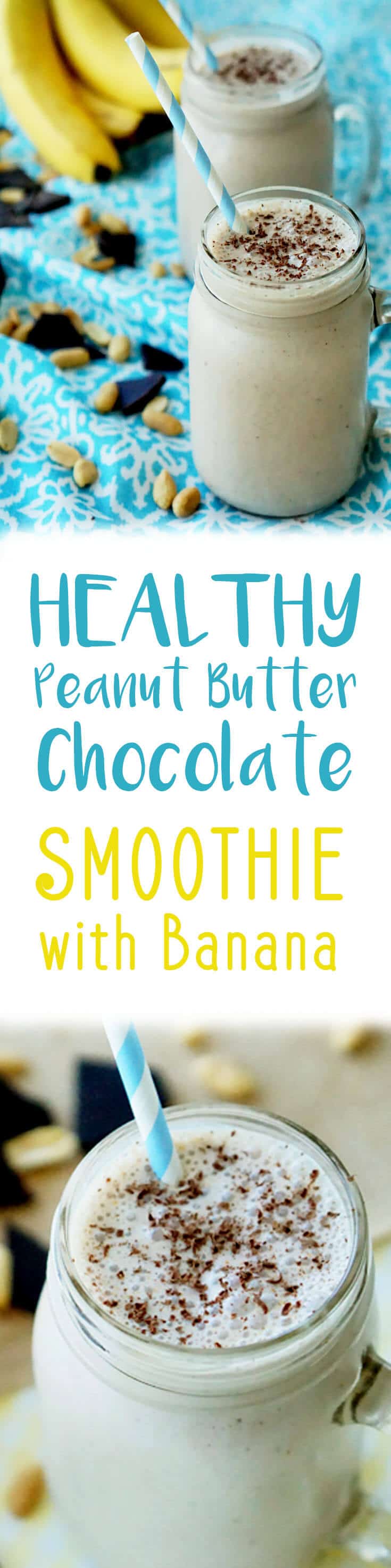
Healthy Peanut Butter Chocolate Smoothie with Banana and Flax (No Sugar Added)

DISCLAIMER: This post was developed in sponsored partnership with Peanut Bureau , however, as always, all opinions are genuine.

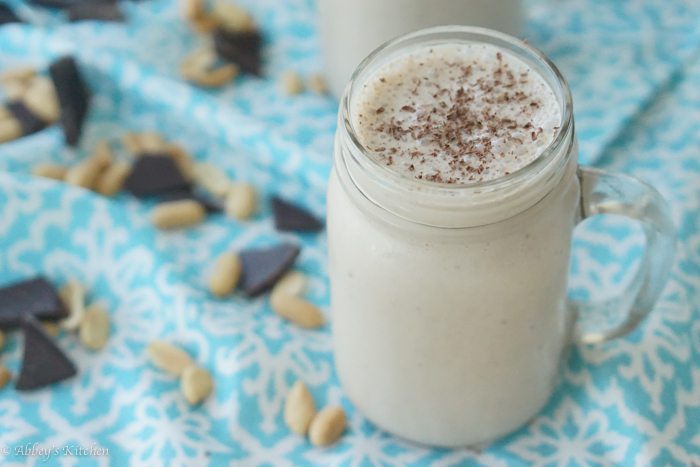
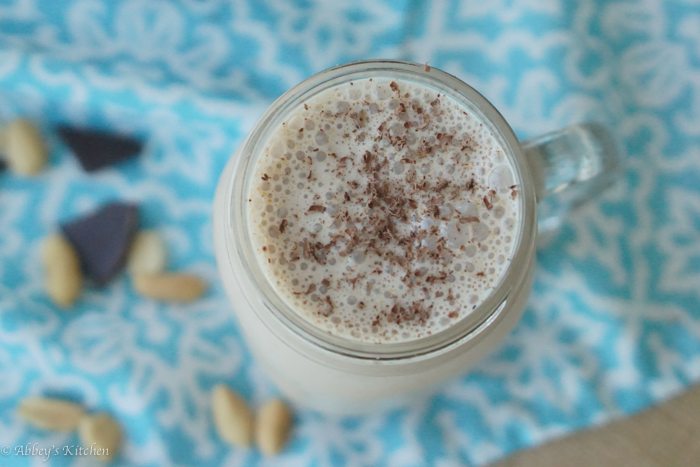
My favourite healthy peanut butter chocolate smoothie with banana and flax makes for a balanced breakfast or snack any day!

I am so loving my VitaMix blender lately that I’ve been whipping up smoothies almost daily as a healthy breakfast or easy snack. I even wrote a round up of some of my favourite smoothies here! This peanut butter chocolate smoothie was one of my favourites because it combines my all time favourite flavour combination.

healthy_peanut_butter_banana_smoothie_2_of_9.jpg

ADD FLAX TO CHOCOLATE -> A HEALTHY CHOCOLATE SMOOTHIE

healthy_peanut_butter_banana_smoothie_8_of_9.jpg

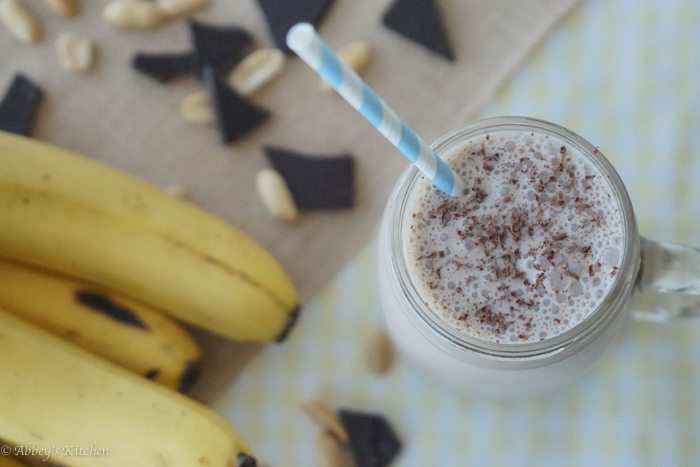
This PB smoothie recipe is a fantastic after school or work snack to get you (or the kids) out of that 3 PM slump and on towards the homestretch called dinner.

healthy_peanut_butter_banana_smoothie_3_of_9.jpg

Thanks to the peanuts, this chocolate smoothie packs fibre, protein and healthy fats – the perfect satiating combo to hold you to you’re next meal.

Click To Tweet

healthy_peanut_butter_banana_smoothie_4_of_9.jpg

Plus there’s no gluten, artificial sweeteners or added sugars in this smoothie! That means you won’t get that crazy blood sugar spike and crash that often accompanies some of these store-bought sugar-filled smoothies.

healthy_peanut_butter_banana_smoothie_7_of_9.jpg

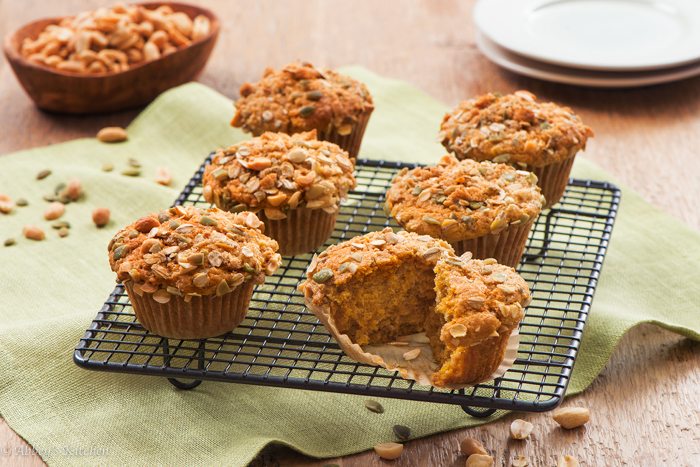
If serving this as breakfast, this smoothie pairs deliciously with this delicious recipe for Five Spice Peanut and Pumpkin Muffins (below) that I found off of the Peanut Bureau website. These babies are incredibly addictive and good for you.

healthy_peanut_butter_banana_smoothie_1_of_9.jpg

Are you craving a peanut butter chocolate smoothie now? What’s your go-to after school or work snack?

For more great healthy snacking ideas that will keep you powered until dinner, check out the Peanut Bureau website.

My favourite healthy peanut butter chocolate smoothie with banana and flax makes for a balanced breakfast or snack any day!
Print Recipe
5 from 8 votes

Healthy Peanut Butter Chocolate Smoothie with Banana and Flax

My favourite healthy peanut butter chocolate smoothie with banana and flax makes for a balanced breakfast or snack any day!
Prep Time5 minutes mins
Total Time5 minutes mins
Course: Snack
Cuisine: American
Servings: 1 person
Calories: 320kcal
Author: Abbey Sharp

Ingredients

  • 1 tbsp peanut butter
  • 1 large frozen ripe banana diced
  • 1 tsp flax
  • 2 tsp unsweetened cocoa powder
  • 1/2 cup skim milk
  • 1/2 cup plain Greek yogurt

Instructions

  • Add everything to a blender and puree until smooth. Pour into a large glass and enjoy!

Nutrition

Calories: 320kcal | Carbohydrates: 42g | Protein: 21g | Fat: 10g | Saturated Fat: 2g | Cholesterol: 7mg | Sodium: 163mg | Potassium: 858mg | Fiber: 6g | Sugar: 25g | Vitamin A: 325IU | Vitamin C: 10.2mg | Calcium: 259mg | Iron: 0.9mg
Print Recipe
5 from 5 votes

Five-Spice Peanut and Pumpkin Muffins

These muffins are the perfect snack packed with protein and healthy fats. 
Prep Time15 minutes mins
Cook Time22 minutes mins
Total Time37 minutes mins
Course: Snack
Servings: 12 Muffins
Calories: 90kcal
Author: Abbey Sharp

Ingredients

  • 2 tbsp large flake oats
  • 2 tbsp pumpkin seeds
  • 2 tbsp coarsely chopped peanuts
  • 2 tbsp brown sugar
  • 1 cup all purpose flour
  • 3/4 cup whole wheat flour
  • 1 1/4 cups sugar
  • 1 tbsp baking powder
  • 1 1/2 tsp chinese five spice powder
  • 1/2 tsp salt
  • 1 cup unsweetened canned pumpkin
  • 1/2 c peanut oil
  • 1/3 cup water
  • 2 eggs
  • 1 tsp vanilla
  • 1/3 cup peanut butter

Instructions

  • Preheat oven to 375 F. Lightly grease a muffin pan. Combine oats, pumpkin seeds, peanuts and brown sugar in a small bowl and set aside.
  • In a large bowl, stir flours with sugar, baking powder, five-spice powder and salt. In a medium bowl, whisk pumpkin with oil, water, eggs and vanilla. Whisk in peanut butter. Pour onto flour mixture and stir until combined.
  • Spoon batter into prepared muffins pan and sprinkle with topping. Bake for 22 minutes or until tester comes out clean. Let cool in pan for 5 minutes then transfer to a rack to cool completely.

Nutrition

Calories: 90kcal

Disclaimer: The preceding recipe was developed in paid partnership with the Peanut Bureau, however, as always, all opinions are genuine.


Abbey Sharp

Abbey Sharp is a Registered Dietitian (RD), regulated by the Ontario College of Dietitians. She is a mom, YouTuber, Blogger, award winning cookbook author, media coach specializing in food and nutrition influencers, and a frequent contributor to national publications like Healthline and on national broadcast TV shows.
www.abbeyskitchen.com/about-abbey/

Last Updated February 21, 2018. Published February 21, 2018 By Abbey Sharp 28 Comments

Vegan Pea, Mint and Coconut Soup | Gluten Free St. Patrick’s Day Recipe

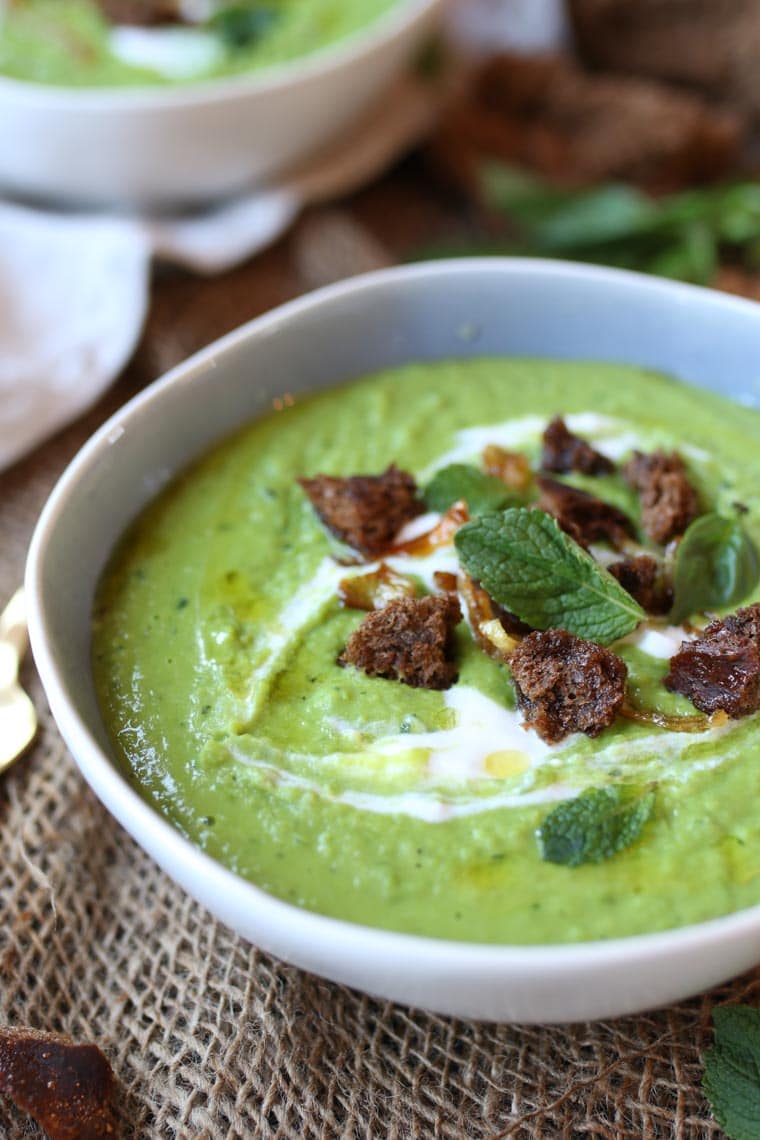
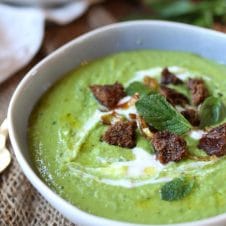
A close up image of a white bowl with pea, mint, and coconut soup.

This Vegan Pea, Mint and Coconut Soup is a delicious Gluten Free Healthy Soup Recipe that is a great St. Patrick’s Day recipe!

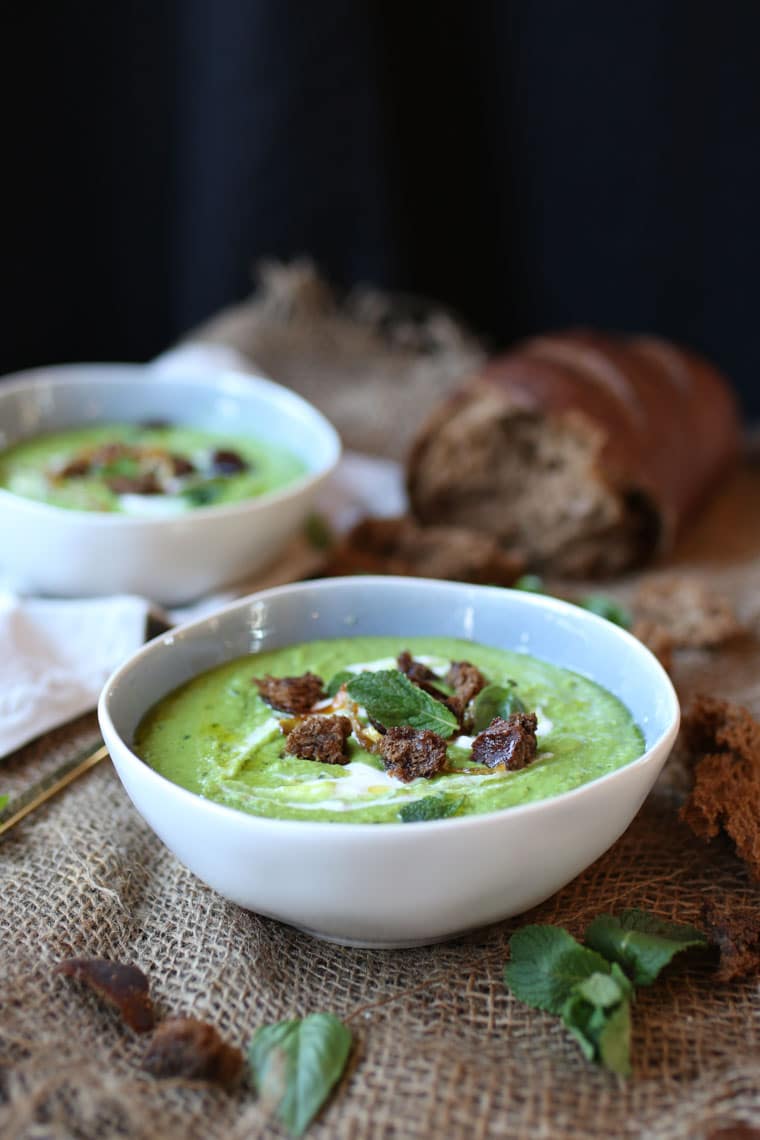
A white bowl with pea, mint, and coconut soup in focus with a second bowl in the background.

I don’t talk a lot about my hubby because while he’s a HUGE supporter of Abbey’s Kitchen behind the scenes, he like to do his own thing. What I can say about him, however, is that he absolutely loves peas. I hope our baby has such a strong affinity for those little green spheres because he honestly can’t get enough of them. He would be happy with a bowl of frozen peas straight out of the freezer for dinner if that was what I served him at night. So to celebrate the hubs, and start to introduce our little Button to some green flavours in utero, I decided to make this Vegan Pea, Mint and Coconut Soup. I also thought this would be a really fun and healthy way to celebrate St. Patrick’s Day that doesn’t involve a hangover from green beer!

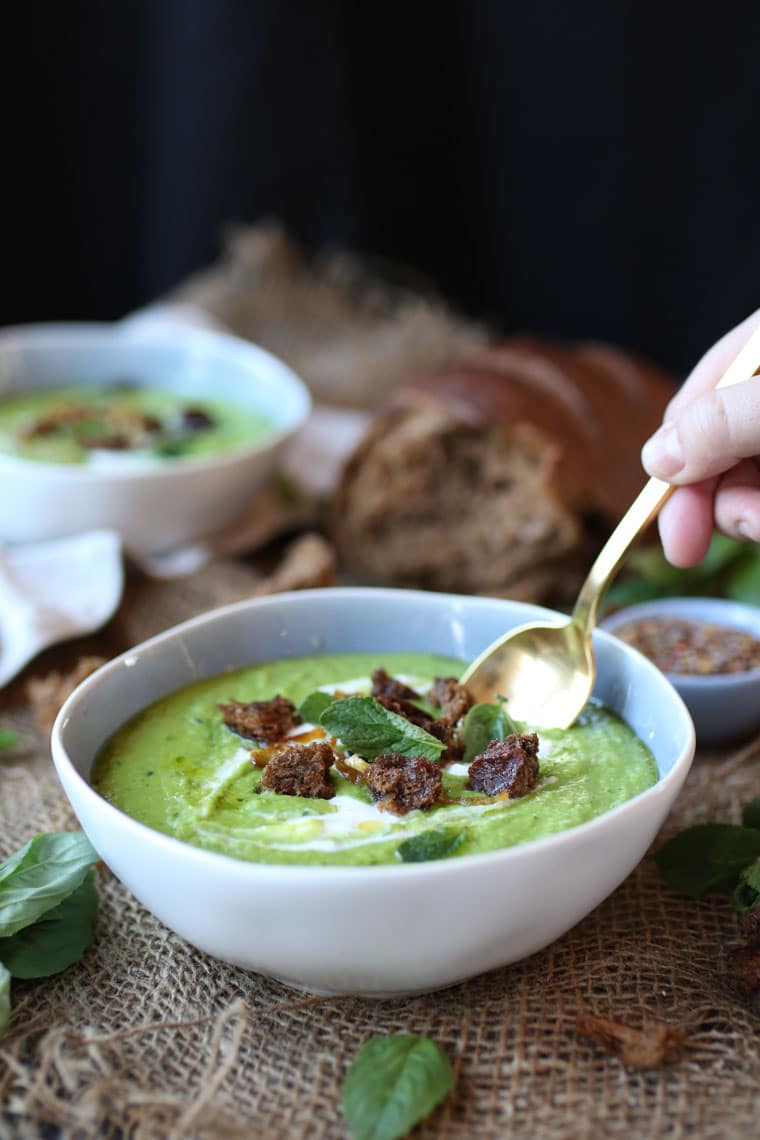
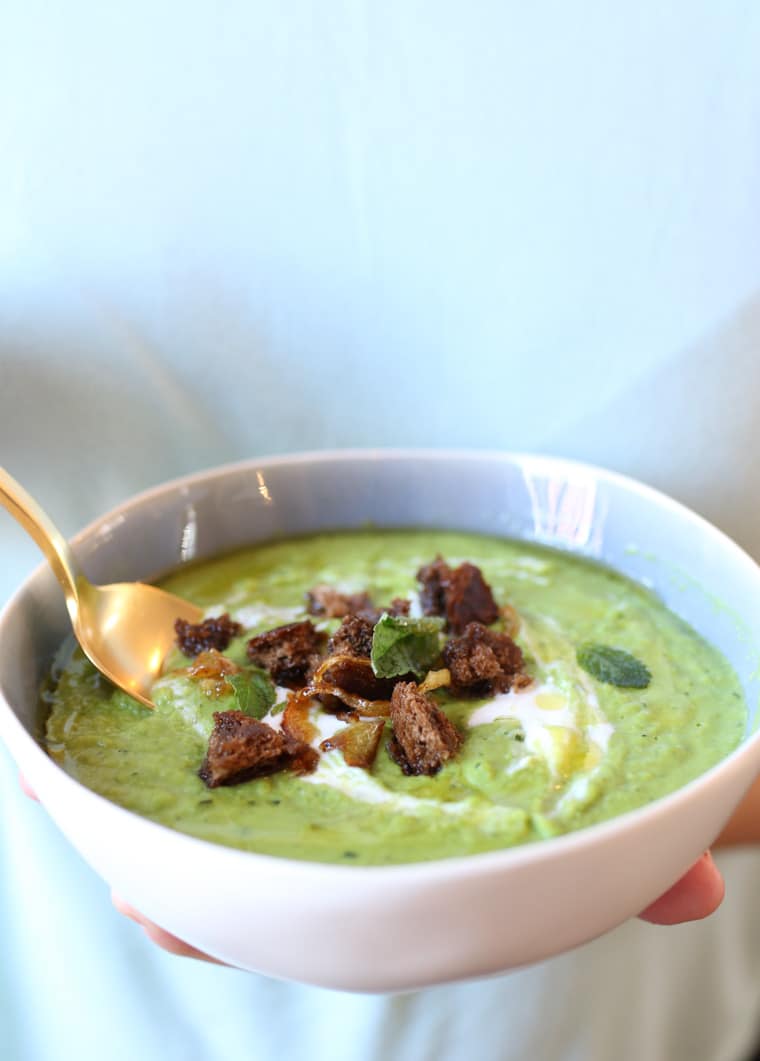
A white bowl with pea, mint, and coconut soup with a gold coloured spoon scooping into it.

How to Make Vegan Pea, Mint and Coconut Soup

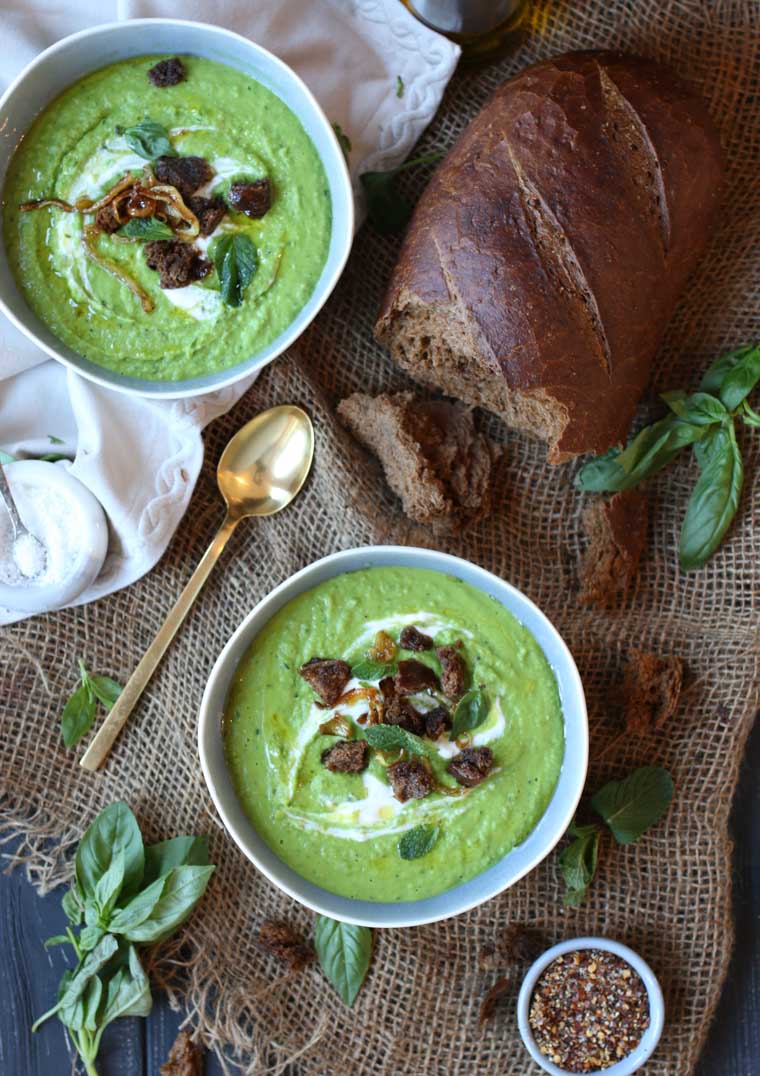
An overhead image of two white bowls with pea, mint, and coconut soup.

So this starts with frozen peas. Honestly, I love frozen peas because they’re convenient AF (literally they thaw out in minutes), incredibly affordable and available all year round. Even in the heart of fresh pea season, you wouldn’t catch me in a MILLION YEARS trying to shuck 1 Kg of fresh peas to make this Vegan Pea, Mint and Coconut Soup. WHY WHY WHY would anyone in their right mind do that?

A close up image of a white bowl with pea, mint, and coconut soup.

So we start with a simple saute of a few veggies and garlic, our peas, stock, and bouillon. It’s really a simple soup. I like to round out that vegetal green pea flavour in this Vegan Pea, Mint and Coconut Soup with some creamy coconut milk. It’s a surprising combination that is REALLY delish.

A white bowl with pea, mint, and coconut soup with a spoon inside.

You can enjoy this Vegan Pea, Mint and Coconut Soup casually as leftovers throughout the week, or you can dress it up to be all fancy pants for a St. Patrick’s Day party by adding some sweet caramelized onions and some crispy gluten free croutons on top. Honestly, crunchy croutons and caramelized ANYTHING makes the whole world seem better and makes eating your green things WAY more fun. And no hangover, so yay!!!

I would love to know what your going to be serving that’s green on St. Patrick’s Day?

Have you tried this Vegan Pea, Mint and Coconut Soup? Leave me a comment below with your thoughts!

 A pinterest image of a white bowl with pea, mint, and coconut soup with the text overlay \"vegan pea & mint coconut soup.\"

A close up image of a white bowl with pea, mint, and coconut soup.
Print Recipe
4.80 from 5 votes

Vegan Pea, Mint and Coconut Soup

This Vegan Pea, Mint and Coconut Soup is a delicious Gluten Free Healthy Soup Recipe that is a great St. Patrick's Day recipe!
Prep Time10 minutes mins
Cook Time1 hour hr 4 minutes mins
Total Time1 hour hr 14 minutes mins
Course: Soup
Cuisine: American
Servings: 6 - 8 people
Calories: 320kcal
Author: Abbey Sharp

Ingredients

  • 1 tbsp extra virgin olive oil
  • 1/2 sweet onion diced
  • 2 stalks cerely diced
  • 2 cloves garlic minced
  • 1 kg bag of frozen green peas
  • 3 cups water
  • 1 vegetable bouillon cube
  • 1/2 cup coconut milk
  • 2 tbsp chopped fresh mint
  • 2 tbsp chopped fresh basil

Garnish:

  • 2 tsp olive oil
  • 1/2 sweet onion finely sliced
  • Gluten free croutons
  • Mint leaves
  • Basil leaves
  • Extra virgin olive oil

Instructions

  • In a large soup pot, heat the olive oil over medium heat. Add in the onion, celery and garlic and saute until soft, about 4 minutes. Add in the peas, water, and bouillon, cover and cook until the vegetables are soft, about 10-15 minutes.
  • Puree using a hand blender until smooth, then add in the mint, basil and coconut milk. Puree again until smooth. Season with salt and pepper, to taste.
  • Meanwhile, heat a small nonstick skillet over medium low heat with the two teaspoons of oil. Add the sliced onion and cook until caramelized, about 45 minutes. Set aside.
  • To serve, garnish the soup with caramelized onions, croutons, basil, mint and olive oil. Enjoy!

Nutrition

Calories: 320kcal


Abbey Sharp

Abbey Sharp is a Registered Dietitian (RD), regulated by the Ontario College of Dietitians. She is a mom, YouTuber, Blogger, award winning cookbook author, media coach specializing in food and nutrition influencers, and a frequent contributor to national publications like Healthline and on national broadcast TV shows.
www.abbeyskitchen.com/about-abbey/

Last Updated October 27, 2021. Published February 20, 2018 By Abbey Sharp 34 Comments

Isagenix, Skinny Tea, and Weight Loss Supplements – Do They Work?

Isagenix , skinny tea, flat tummy tea- if you’re a fan of Dr. Oz and his miracle diets, you’ve probably heard these names. These dietary supplements claim to “flush out” the system for a quick and easy weight loss solution boasting how they’re easy to use, require no dieting and you’ll see quick weight loss, boundless energy and improved overall well-being. Sounds too good to be true.

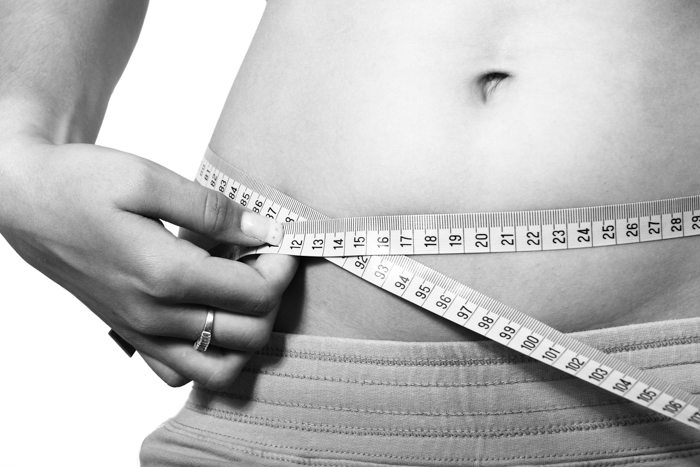
tea_tox_1_of_4.jpg

I looked into three of the major brands of teatoxes and two “flushing” dietary supplements to get the “skinny” on how they work. While there are tons of examples on the market, today we’ll be specifically chatting about:

1.Skinny Mint

2.Skinny Tea

3.Flat Tummy Tea

4.Phillips Milk of Magnesia 

5.Isaflush (Isagenix)

How Isagenix, SkinnyTeas and Weight Loss Supplements  “Work”

While it may not sound very sexy, all of these supplements are essentially just fancy, expensive laxatives. Some of these products even claim that “months or years of toxins build up in your intestinal tract and clog up your system”….umm, what? We have some snazzy organs called kidneys and a liver that cleanse our bodies everyday. Let’s get into the specifics of how these laxatives like isagenix work.

tea_tox_2_of_4.jpg

IsaSkinny Teas

All three tea companies contain a morning regime and an evening routine with a month’s detox package coming in at around 70 bucks…for tea! Moving past this crazy price tag lets look at what’s in them. The morning routine contains ingredients like ashwaganda root and nettle leaf and claims to be energizing. These aren’t necessarily dangerous ingredients, but there really isn’t much evidence to their “energy-promoting” claims. Also, usually I find calories (aka. energy) to be energizing- but alas, there’s no calories here. The evening tea is claimed to be the cleansing aspect by flushing out waste (no pun intended) thanks to the tea’s main ingredient, the senna leaf, a natural laxative. So yes, a very expensive laxative treatment which may or may not have health risks. We’ll get into that a bit more later.

Flushing Supplements (Isagenix)

These two rely on magnesium as their natural laxative of choice. Unlike Senna leaf, magnesium is important for hundreds of bodily processes including energy production and developing strong bones, and The National Institute of Health recommends a daily intake of magnesium for women of 320mg per day with an upper level of 350mg per day. Once you exceed the upper limit, magnesium can easily have a laxative effect. Phillips Milk of Magnesia has been a traditional magnesium supplement to treat constipation, clocking in at 500mg of magnesium per tablespoon with a recommended serving of 2-4 tablespoons. Oy, that will certainly flush you out pretty good. Isaflush, an Isagenix product, on the other hand a bit more “mild” with a dose of 200mg and a recommended 1-2 capsules per day. Isaflush by Isagenix also contains another laxative (black walnut) so it’s hard to compare them directly for strength. Either way, they’re obviously both going well above the recommended limit for daily magnesium, and this isn’t even taking into account what you eat.

tea_tox_3_of_4.jpg
The Good, the Bad, and the Ugly on Laxatives

Let’s start with those senna leaves in teatoxes. Senna is a known stimulant laxative and contains a chemical called sennosides, which aggravates your bowls and makes you need to go…fast (Here). Senna has been traditionally used and proven safe for emptying the bowels prior to a colonoscopy, but that’s not something anyone usually would want to put themselves through by choice (Here, here). The National Instititute of Health stated that there isn’t enough evidence to say senna leaves promote weight loss, although they do state that they may be unsafe when taken for more than two weeks or in high doses. Most of the teatoxes promote an initial 4 week dose but don’t recommend an upper limit on how often to “teatox.” That’s a recipe for people to overdo it. The most recent study I could find on the long-term safety of senna was from a rat study, which isn’t ever strong evidence. Two older studies stated senna may be linked to liver damage when used for more than 3 months, but again the evidence isn’t strong (Here, here).

Magnesium laxatives like those in the flushing supplements (isagenix) are a saline laxative that works by drawing water from the body into the intestines which softens the stool and increases contractions to help you go (here). Aside from the obvious, they have some not-so-sexy side effects including stomach cramps, diarrhea and gas (here).

Long-term use of laxatives in general, whether they’re natural or not, can have detrimental permanent side effects such as constipation, bowel dysfunction, bleeding in the intestines, electrolyte imbalances, dehydration….the list goes on. Even using laxatives for more than a week can cause dependence, leading to a weakened colon.

It’s also important to note that certain groups should not be using these laxative supplements, ever. If you are pregnant, nursing, under twelve years old, have any gastrointestinal condition, diarrhoea or potassium deficiency these products are definitely not for you.

So we know HOW they work, but DO they actually work (at least the way we hope? Let’s look at each claim.

Weight Loss on Isagenix and Skinny Tea

Isagenix and skinny tea and other weight loss supplements may cause short-term weight loss, although this isn’t a loss of fat- sorry guys. It’s mainly due to the quick emptying of the bowel and fluid loss. If we think back to elementary school and how digestion works, by the time food has reach our bowels it has already been broken down and partly digested. And just as these supplements don’t provide effective short-term weight loss, the literature doesn’t support their long-term weight loss effectiveness.

One of the common bad side effects of Isagenix and other products is dehydration, which can have a negative impact on your metabolism (see how to speed up your metabolism). Lets remember that laxatives have important purposes for those suffering from constipation or undergoing a colonoscopy, but for the general population hoping to drop a few pounds, it isn’t a good bet.

Detoxification

I’m going to keep this point short and simple, your body is an amazing powerhouse for detoxification. It doesn’t need much help with this. Do you have your two kidneys? Awesome, every time you pee, you’re detoxing. Do you have a liver? Fantastic, it’s working hard to remove toxins from your body right now. Have you gone to the bathroom recently? Give yourself a pat on the back- you just got rid of waste!

Increased Energy

The only aspect any of supplements like isagentix that would increase your energy is the small amount of caffeine (less than that in a cup of coffee) in some of the teas. If this is your rationale for purchasing a supplement, it’s much cheaper to make a cup of coffee for less than $1.

Improved Overall Health and Well-Being

Well, you’ll be going to the bathroom more often, but I wouldn’t say that denotes an improved health statement.

As with all dietary supplements, caution must be taken with what you’re putting in your body. The harmful side effects these laxative isagenix and skinny tea supplements can cause may in fact be permanent. Plus, there isn’t enough research to make any strong conclusions on the safety or effectiveness.

tea_tox_4_of_4.jpg

Here’s the bottom line:

1.Teatoxes and magnesium supplements are essentially just expensive laxatives

2.In small doses, these isagenix laxatives have been shown to be safe- one “flush” isn’t going to kill you (if you feel like dropping the amount of cash a person usually spends on groceries every week to make you go to the bathroom more often)

3.If you like tea, drink it! But pairing that with a healthy diet rich in vegetables, fruits, whole grains and water will give you all the antioxidants and fibre you need to promote and maintain a healthy weight and bowels- double bonus!

4.Your body does an awesome job of cleansing and flushing itself daily, and naturally. Up your fibre and fluid intake and voila, you’ll be going to the bathroom on a regular basis!

So what is the solution then?

I would urge you to ask yourself is why you’re considering using a teatox or isaflush product.

For cleansing? Refer back to Abbey’s How to Cleanse & Detox.

For weight loss? Try Abbey’s Best Weight Loss Diet.

Do you want to look better? We’ve got some great Tips for Loving Your Body.

Now this may to start to sound like I’m being biased, but its evidenced-based people! Ready to start cleansing? Try eating some flavourful berries with a big glass of water for your next snack- let’s get cleansing.

I looked into three of the major brands of teatoxes and two “flushing” dietary supplements to get the “skinny” on how they work.

Contribution by AK Dietetic Intern Tiffany Schebesch

Abbey Sharp

Abbey Sharp is a Registered Dietitian (RD), regulated by the Ontario College of Dietitians. She is a mom, YouTuber, Blogger, award winning cookbook author, media coach specializing in food and nutrition influencers, and a frequent contributor to national publications like Healthline and on national broadcast TV shows.
www.abbeyskitchen.com/about-abbey/

Last Updated February 7, 2018. Published February 16, 2018 By Abbey Sharp 15 Comments

Keto Gluten Free Zucchini Lasagna with Turkey Sausage Ragu | Low Carb Easy Dinner Recipe

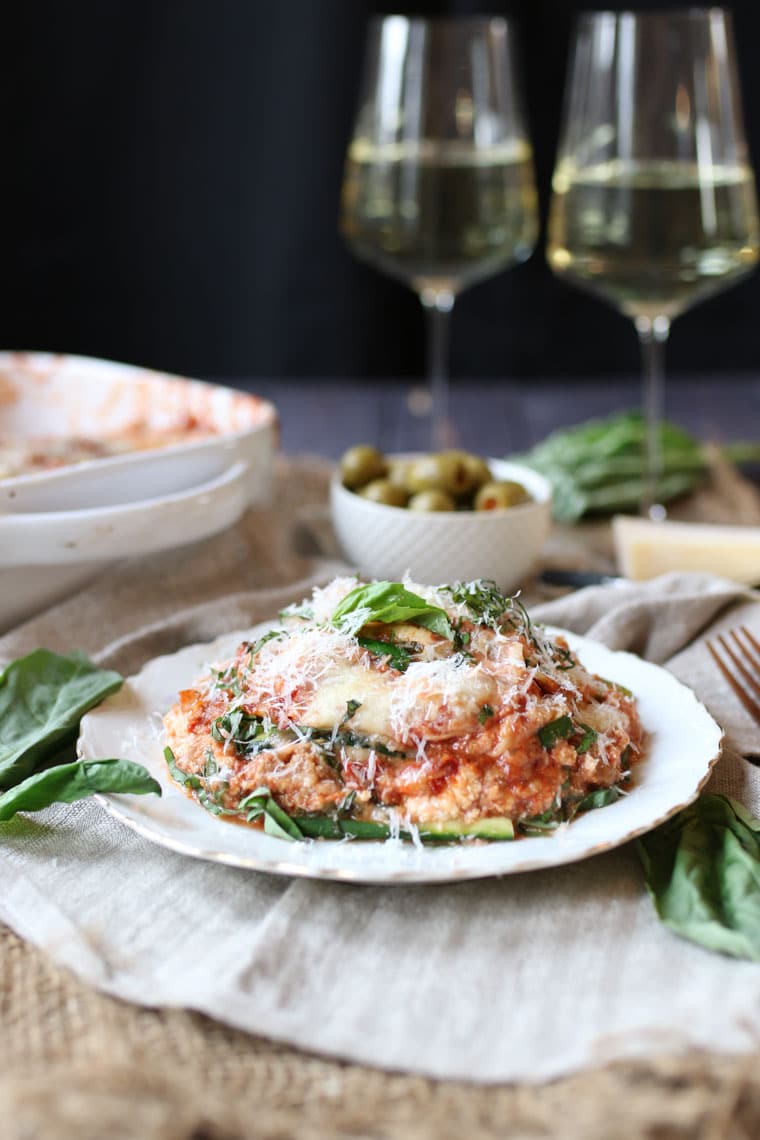
A photo of a slice of zucchini lasagna with turkey sausage ragu with grated cheese on top and basil sprinkled on.

I share my new favourite low carb easy dinner recipe for Keto Gluten Free Zucchini Lasagna with Turkey Ragu, perfect for adults and picky kids alike!

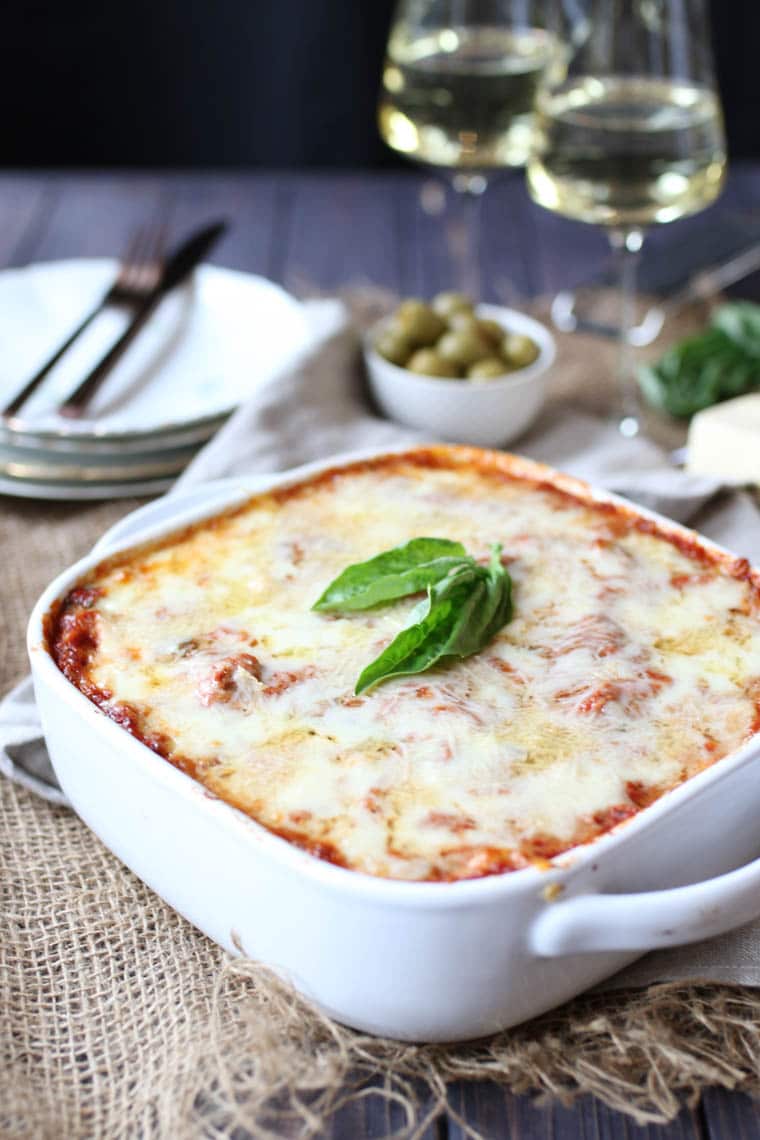
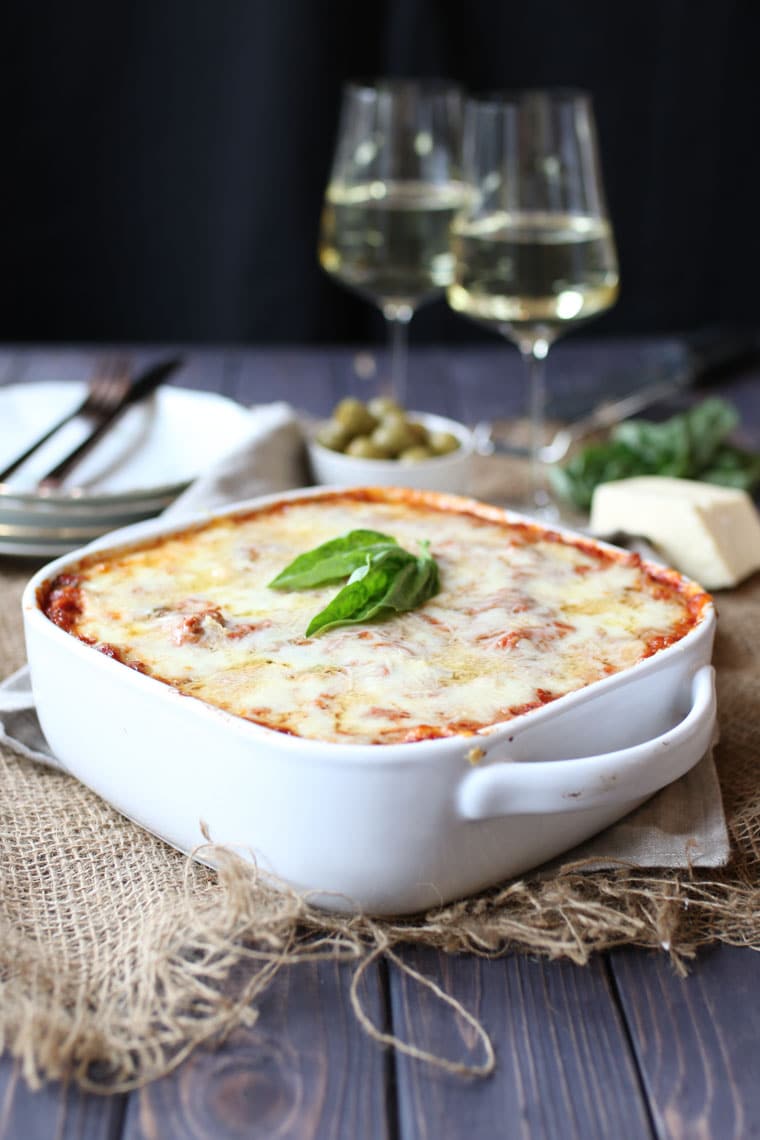
A white baking dish holding a zucchini lasagna with turkey sausage.

Confession: I enjoy eating lasagna, but I rarely make it at home. Why? Well, it’s usually just me and the hubs at home so I can rarely justify a massive casserole for two, and when I do entertain, I tend to want to make something lighter and/or more elegant. Lasagna is sunday comfort food that I’m SURE I’ll be well versed in once my kid(s) get of eating age, but for now, it’s just a bit too heavy and much. Not this Keto Gluten Free Zucchini Lasagna. This recipe is simple, healthy and PACKED with protein and veggies, it instantly became a family favourite.

How to Make Keto Gluten Free Zucchini Lasagna with Turkey Sausage Ragu

A photo of a slice of zucchini lasagna with turkey sausage ragu with grated cheese on top and basil sprinkled on.

I tend not to eat a ton of carbs at dinner for the simple reason that they fill me up too much so I don’t enjoy my nightly chocolate fudgicle and popcorn #PregnancyLife. Ha, no but seriously, I’d rather have room for chocolate than rice, wouldn’t you? This recipe for Keto Gluten Free Zucchini Lasagna with Turkey Sausage Ragu is surprisingly filling, but is super low carb and nutrient packed.

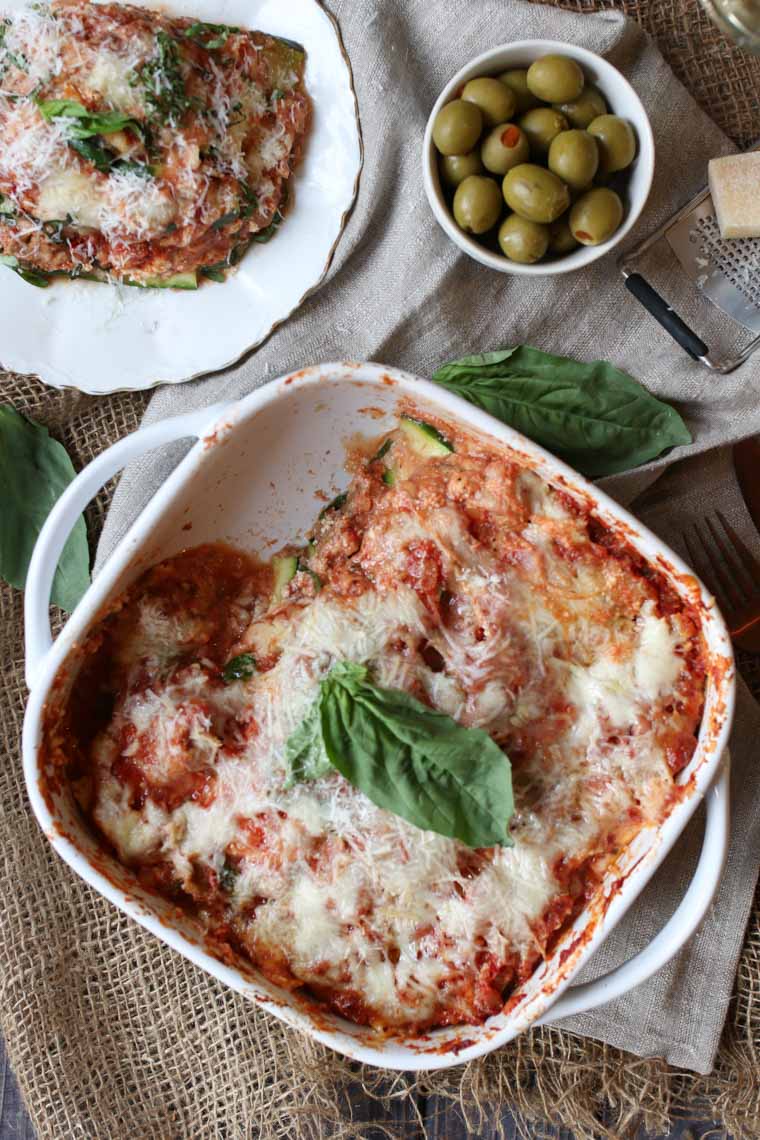
An overhead image of zucchini lasagna in a white baking dish with a piece taken out.

I start by slicing my zucchini into thin lasagna-like noodles and then drawing the moisture out of them using a little science trick we know of as osmosis. You want to make sure to dry the HELL out of them before you use them. This ensures that our zucchini noodles have a bit of an al dente like bite, but also don’t leach too much moisture into the casserole once cooking.

A slice of gluten free lasagna on a white dish.

Next, I make a delicious ragu using my favourite lean turkey sausage meat, and veggies for my Keto Gluten Free Zucchini Lasagna. I actually love mushrooms in my ragu, but you can also easily add in whatever veggies you have in the fridge. You can also easily make this vegan by using canned beans instead. The key is to get your ragu to be REALLY tight. This shouldn’t be a loose sauce like you would enjoy normally on your spaghetti. It should be super thick and chunky so that when it bakes and that last little bit of moisture comes out of your mushrooms, you won’t be left with a soggy mess.

A zucchini lasagna in a white baking dish on a set table.

Then it’s all about the cheese. I use havarti which is obviously SO not traditional, but I find it supplies a MUCH better flavour profile compared to mozzarella which I have always found to be a little hum-drum in the flavour department. Of course, you can choose your favourite melty cheese (the melty factor is kinda key though!)

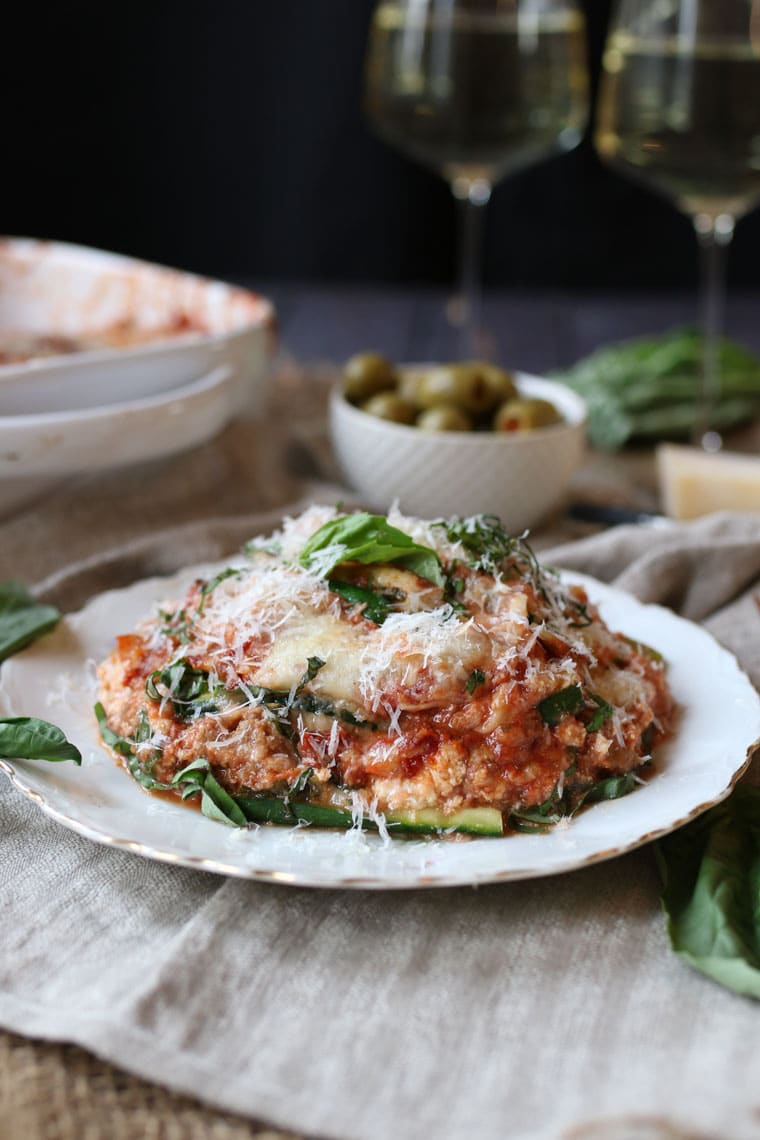
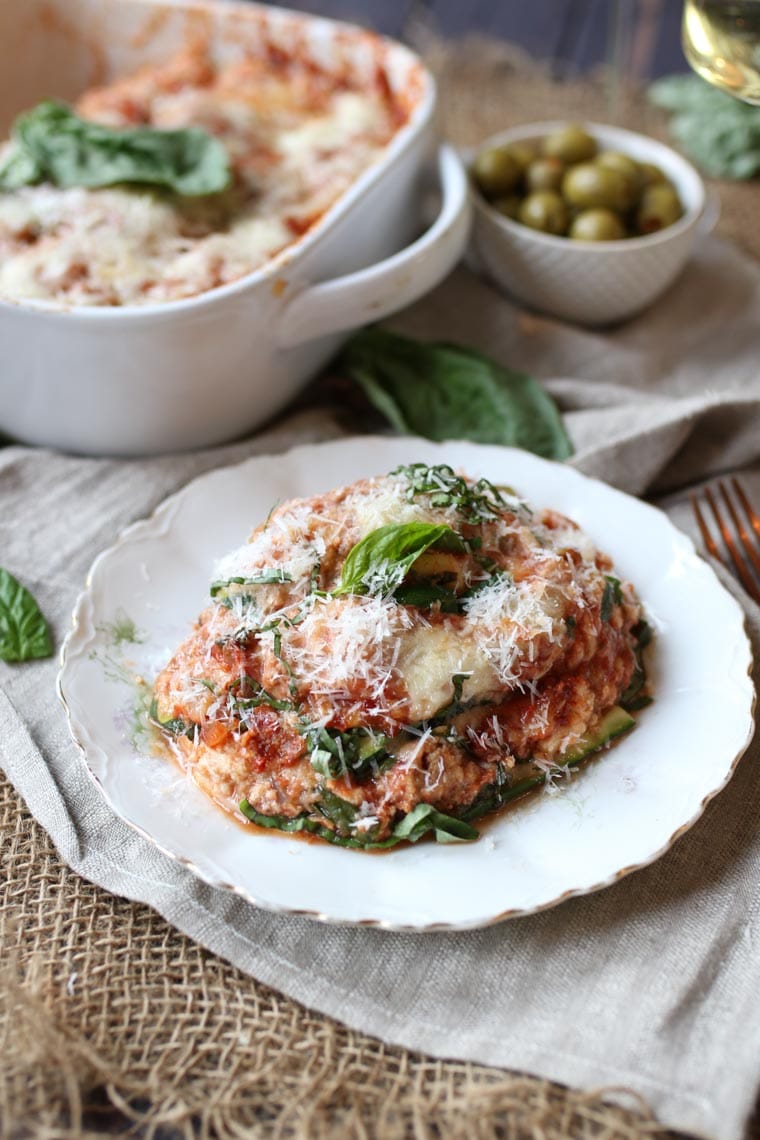
A plate of zucchini lasagna with basil and cheese grated on top.

This Keto Gluten Free Zucchini Lasagna doesn’t have to be made in a casserole. I have also built it in single-serving ramekins or small tin containers if you want to meal prep and freeze them. Just rewarm from frozen covered for about 30-40 minutes at 375 F, removing the foil in the last 10 minutes until bubbly and hot.

Now let me know, what’s your favourite family recipe that you would love to see lightened up or made gluten free, keto, paleo or whatever you dream of!

Have you tried making this Keto Gluten Free Zucchini Lasagna?

Leave me a comment below!

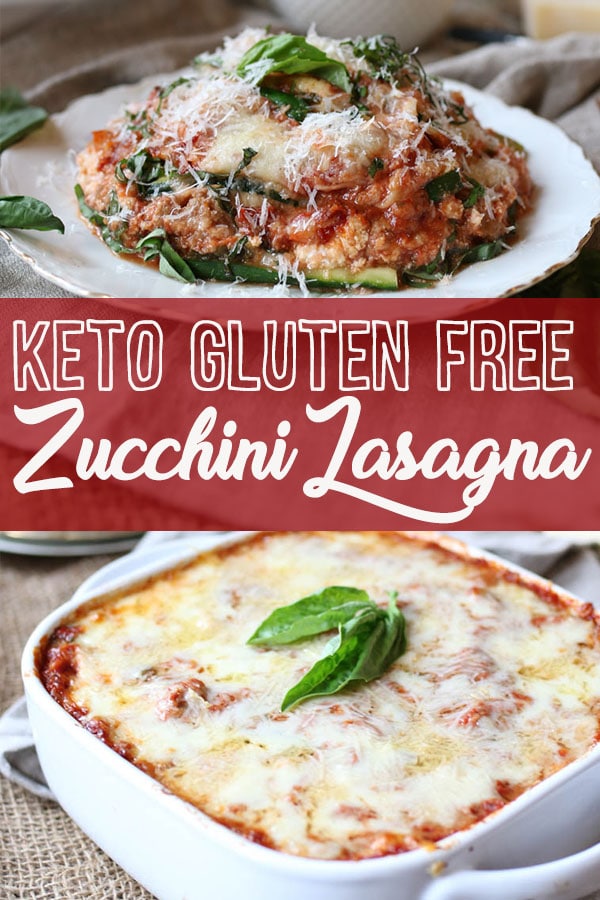
A pinterest image of a zucchini lasagna with text overlay \"keto gluten free zucchini lasagna.\"

A white baking dish holding a zucchini lasagna with turkey sausage.
Print Recipe
5 from 2 votes

Keto Gluten Free Zucchini Lasagna

I share my new favourite low carb easy dinner recipe for Keto Gluten Free Zucchini Lasagna with Turkey Ragu, perfect for adults and picky kids alike!
Prep Time20 minutes mins
Cook Time1 hour hr 20 minutes mins
Total Time1 hour hr 40 minutes mins
Course: Main Course
Cuisine: American
Servings: 8 - 10 people
Calories: 274kcal
Author: Abbey Sharp

Ingredients

  • 3 medium zucchini sliced into 1/8 inch thick long strips
  • 1 tsp kosher salt
  • 2 tsp olive oil
  • 1 pound turkey sausage casing removed and diced
  • 1 small sweet onion finely chopped
  • 3 garlic cloves minced
  • 8 oz cremini mushrooms thinly sliced
  • 1 28-ounce can crushed tomatoes
  • 2 tablespoons chopped fresh basil
  • 2 tsp dried oregano
  • 2 cups baby spinach leaves
  • Salt and pepper to taste
  • 1 1/2 cups part-skim or regular ricotta cheese
  • 1/4 cup grated Parmigiano-Reggiano cheese
  • 1 large egg
  • 4 cups shredded Havarti cheese

Instructions

  • Preheat oven to 375 F.
  • Spread the zucchini out onto a baking sheet lined with paper towel or a kitchen towel and salt on both sides. Allow to sit for 15 minutes. Towel dry and press down the zucchini slices to remove the moisture.
  • In a nonstick skillet, heat the oil over medium high heat. Add in the sausage (out of the casing) and break it into small pieces. Once it's almost cooked through, add the onion and garlic. Cook for 2 minutes. Add in the mushrooms and cook for another 5 minutes until softened.
  • Add the tomatoes, basil, oregano and spinach. Simmer for about 10-15 minutes until the mixture is VERY thick and chunky. Season with salt and pepper, to taste.
  • In a small bowl, mix the ricotta, parm and egg.
  • Spread about 1/2 cup of sauce onto the bottom of a 9x13" baking dish. Add a layer of zucchini, then a layer of the ricotta mixture (about 1/2 cup) and a sprinkle of the grated havarti. Repeat with another layer of the sauce, zucchini, ricotta and havarti. You should have enough for three layers.
  • Cover the casserole dish with foil and bake for 35 minutes. Remove the foil and bake for another 15 minutes until golden brown. Allow it to stand for 5 minutes before serving.

Nutrition

Calories: 274kcal | Carbohydrates: 9g | Protein: 23g | Fat: 16g | Saturated Fat: 8g | Cholesterol: 101mg | Sodium: 866mg | Potassium: 628mg | Fiber: 2g | Sugar: 5g | Vitamin A: 1290IU | Vitamin C: 18.9mg | Calcium: 270mg | Iron: 1.7mg


Abbey Sharp

Abbey Sharp is a Registered Dietitian (RD), regulated by the Ontario College of Dietitians. She is a mom, YouTuber, Blogger, award winning cookbook author, media coach specializing in food and nutrition influencers, and a frequent contributor to national publications like Healthline and on national broadcast TV shows.
www.abbeyskitchen.com/about-abbey/

Last Updated April 30, 2020. Published February 6, 2018 By Abbey Sharp 32 Comments

Healthy Homemade Peanut Butter Cups with Banana & Dark Chocolate

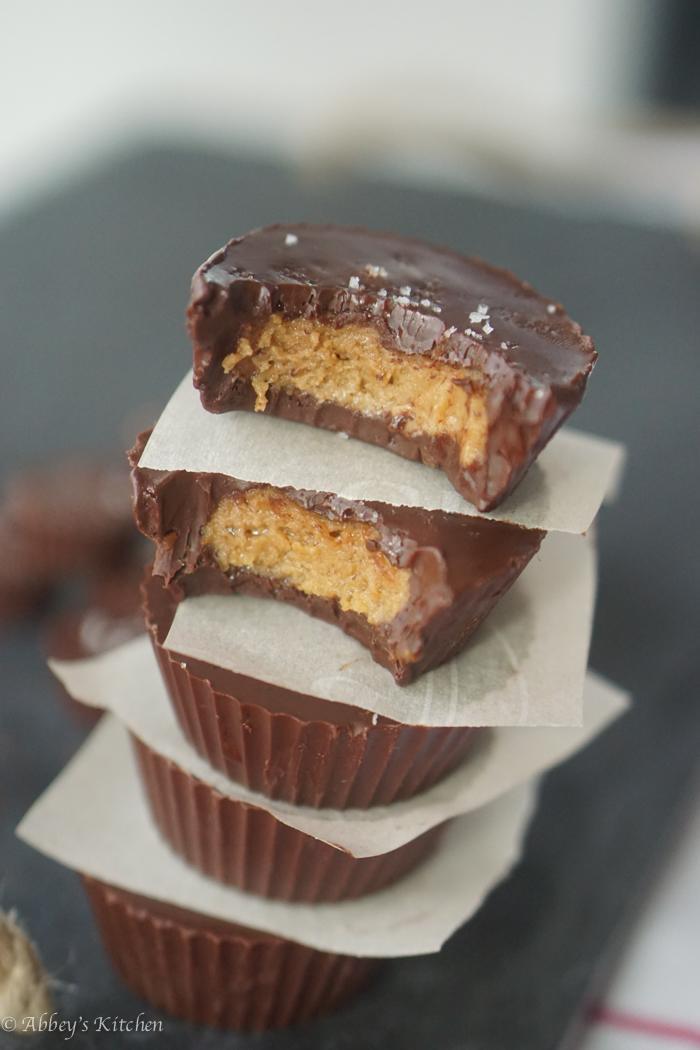
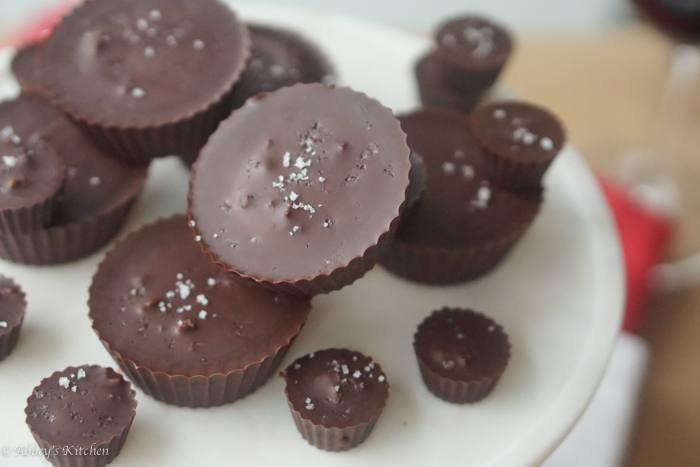
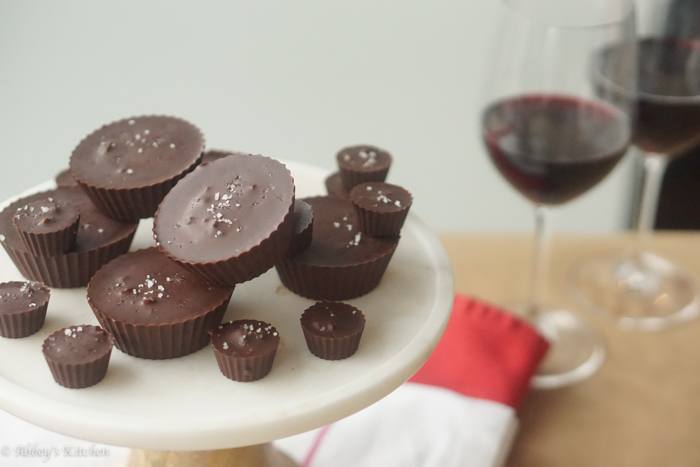
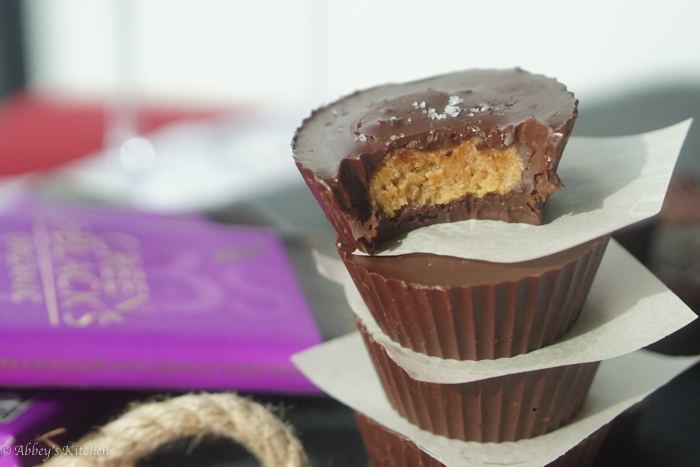
homemade peanut butter cups

DISCLAIMER: This post was developed in sponsored partnership with Green & Black's, however, as always, all opinions are genuine.

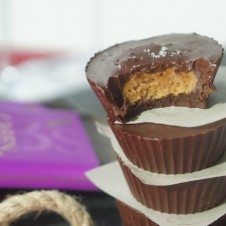
These Homemade Peanut Butter Cups are one of my favourite desserts of all time. They’re sweet, salty, and a little bitter from the rich dark chocolate. These are a must have!

Oh homemade peanut butter cups …. Mmmm… If I were to name one combination of foods that I would most definitely be happy eating every day until the end of my days, it would without a doubt be peanut butter + banana + chocolate + toffee + salt. You really cover your pleasure bases with a combination like that.  You’re getting salty, sweet, creamy and a hint of balancing bitter.

peanut_butter_banana_cups_25_of_26.jpg

I’m not overly religious but if I had to guess, I think that’s what heaven must be like. Alas, here in the mortal realm, that combination tends to be a total sugar and calorie bomb- not ideal for those of us trying to feel our hottest this upcoming Valentine’s day.

peanut_butter_banana_cups_4_of_26.jpg

How Can You Make Homemade Peanut Butter Cups- That Are Healthy?!

With Green & Blacks Organic dark chocolate! G&B is definitely my go-to chocolate brand because I love its smooth rich creamy texture, its commitment to quality ingredients and their wide range of delicious flavours. I used the Burnt Toffee for these cups because I adore the tiny touch of bitter-sweet from the toffee flecks, but you can definitely rock this recipe with the 70% Dark as well.


peanut_butter_banana_cups_6_of_26.jpg

The key to getting those picture perfect ridges on your homemade peanut butter cups is to use silicon muffin cups or silicon candy molds, depending on your preferred size. Personally I love making the teeny tiny ones because they’re so small, they’re even more guilt free.

peanut_butter_banana_cups_24_of_26.jpg

These homemade peanut butter cups make a perfect Valentine’s Day treat for your sweetie because they feel incredibly decadent but contain hardly any sugar at all as the filling gets naturally sweetened with a ripe banana. They’re also completely gluten free and packed with the antioxidant power of dark chocolate.

peanut_butter_banana_cups_19_of_26.jpg

And for those busy Valentines out there (me!), these homemade peanut butter cups are perfect make-ahead treats. Just store them in the freezer until you’re ready to enjoy and only take out the portion you want to eat.

peanut_butter_banana_cups_23_of_26.jpg

Don’t you love homemade peanut butter cups – especially ones that are healthy? What is your all time favourite treat that you want your love to make you for Valentines Day? Leave me a message below and I’ll try to lighten it up!

A pinterest image with photos of homemade peanut butter cups with a text overlay \"healthy homemade peanut butter cups with banana & dark chocolate.\"

homemade peanut butter cups
Print Recipe
4.34 from 9 votes

Healthy Homemade Peanut Butter Cups with Banana & Dark Chocolate

These Homemade Peanut Butter Cups are one of my favourite desserts of all time. They're sweet, salty, and a little bitter from the rich dark chocolate. These are a must have!
Prep Time25 minutes mins
Cook Time5 minutes mins
Total Time30 minutes mins
Course: Dessert
Servings: 8 -10 Regular Cups, or 50 Mini Candy Cups
Calories: 120kcal
Author: Abbey Sharp

Ingredients

Filling

  • 1 ripe banana diced
  • 1/2 cup natural peanut butter
  • 2 tsp coconut oil melted
  • 1/4 tsp vanilla extract

Coating

  • 200 g Green & Blacks Organic Burnt Toffee Dark Chocolate finely chopped
  • 2 tbsp coconut oil melted
  • Fleur de sel for garnish

Instructions

  • In a small food processor, puree the banana, peanut butter, 2 tsp. coconut oil and vanilla extract until smooth and creamy. Set aside.
  • Place the chocolate and 2 tbsp coconut oil into a medium sized glass bowl and set it over a small saucepot filled 1 inch up with water. Bring the water to a simmer and slowly stir the chocolate until it melts. Remove from the heat.
  • Using a small spoon, carefully spoon a thin layer of the Green & Blacks Organic Burnt Toffee Dark Chocolate onto the bottoms of 8 regular sized silicon muffin containers or 50 very mini sized silicon molds. Place the molds onto a baking sheet and transfer to the freezer to harden for at least 5 minutes.
  • Once set, make a ball no wider than the diameter of the muffin or candy mold and press it on top of the chocolate base, being careful not to touch the sides of the mold but also to try to make as flat a surface as possible. If using a regular sized mold, I recommend a heaping tablespoon of filling, and if using the mini candy molds, more like 1/2 teaspoon.
  • Using a small spoon, very gingerly pour the chocolate down the sides to envelope the filling and on the top to fully cover the peanut butter. Transfer to the freezer to fully set- at least 20 minutes.
  • Right before serving, sprinkle the cups with a pinch of fleur de sel and enjoy. These can be made well in advance, but are best enjoyed within 15 minutes of removing them from the freezer.

Video

Nutrition

Calories: 120kcal

Disclaimer: This recipe was developed in paid partnership with Green & Blacks, however, as always, all opinions are genuine.

Abbey Sharp

Abbey Sharp is a Registered Dietitian (RD), regulated by the Ontario College of Dietitians. She is a mom, YouTuber, Blogger, award winning cookbook author, media coach specializing in food and nutrition influencers, and a frequent contributor to national publications like Healthline and on national broadcast TV shows.
www.abbeyskitchen.com/about-abbey/

Last Updated October 4, 2021. Published February 5, 2018 By Abbey Sharp 32 Comments

Saturated Fat and Cholesterol 101: Why Fat is on the Table Again

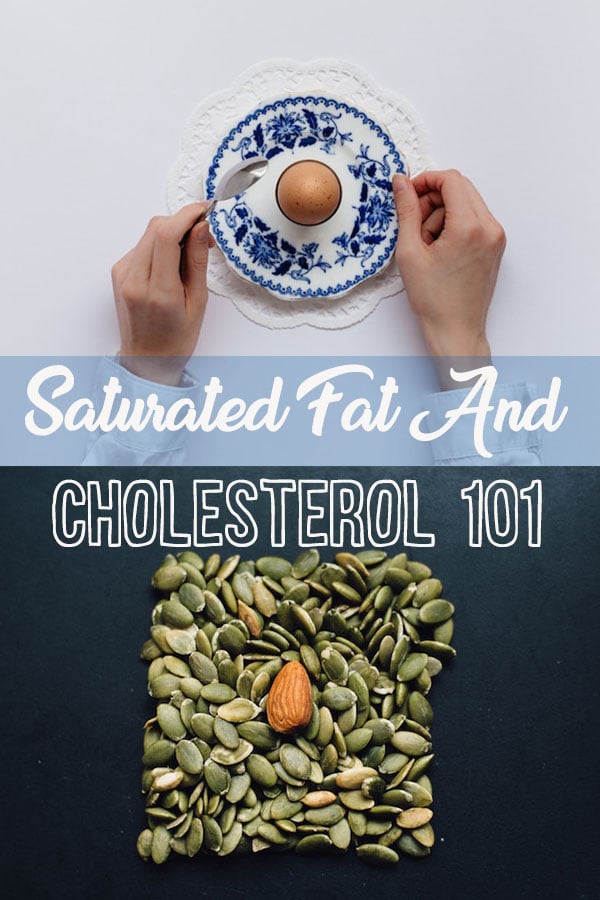
An overhead photo of an egg on a plate with hands around it, about to dig in with a spoon.

I give an overview on saturated fat and cholesterol and chat about why fat is officially on the table with the popularity of keto diet and paleo diet.

The one thing about nutrition that can be frustrating at times is the wishy-washy positions on certain foods and nutrients. One day carbs are bad, the next day it’s fat. It seems that in today’s day and age, with all the “experts” online touting their favourite eating regime, nutrition is more complicated than ever. Up until recently, there was two things most people agreed was “bad” for us: saturated fat and cholesterol. Until, of course, debate ensued about the questionable past research that supported this notion. We’ve seen an explosion of fat-friendly diets like the keto diet and paleo diet. And thus came the great debate of 2017: “Is saturated fat actually bad for you? Does it raise your cholesterol? And what about plant-based saturated fat, such as coconut oil?” I’ve given you a nifty infographic on fats before but today I am here to chat with you about all things fat. The different kinds, what type of fat you should be eating and what the current research says to answer these questions.

Let’s dive in, shall we?

All About Fat

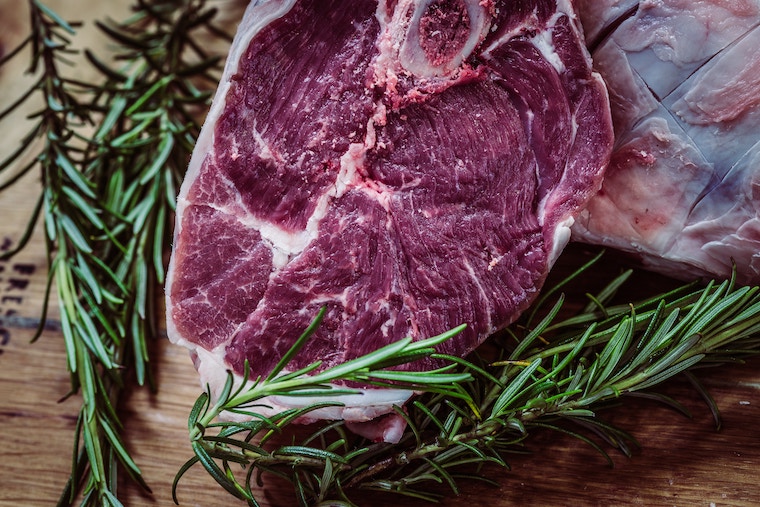
A close up of a raw steak with thyme around it.

I don’t know about you, but when I was younger and even to this day, I was told “don’t eat the fat on your steak”. The idea behind this was that eating fat made you fat. It does make some sense, but now that we’ve finally exited the decade of fat-phobia, I have a better appreciation for the different types of fat and how our bodies utilize them. There are 4 main types of fat that I will talk about today: Saturated, monounsaturated, polyunsaturated, and trans fat. Additionally, I will dive into other fats such as omega-3’s and cholesterol. The important thing to know about fats for this section is that a fat, or “fatty acid”, is a chain of carbons linked to each other (think C-C-C-C). This will just help you understand the different types of fat better. Don’t worry guys, I don’t plan on going all biochem on your minds. We’ll keep this simple.

Saturated Fat 101

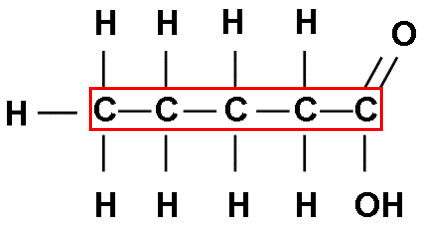
Saturated fat is commonly found in animal products such as red meat and dairy. However, it’s also found in some plant foods such as coconut oil, which has become the trendiest fat I ever did see. The term “saturated” is used because of the chemical makeup of the fat, which is called a fatty acid. Saturated means that there are no “double bonds” in the chain of carbons. So, it would look something like this if we were to think of regular bonds as one line and double bonds as two lines:

Chemical structure.

As you can see, there are no double bonds in the carbon chain. Because of the structuring of this type of fat, it creates a more solid structure at room temperature (it doesn’t melt unless heat is used). A perfect example is butter, which is high in saturated fat.

Monounsaturated Fat

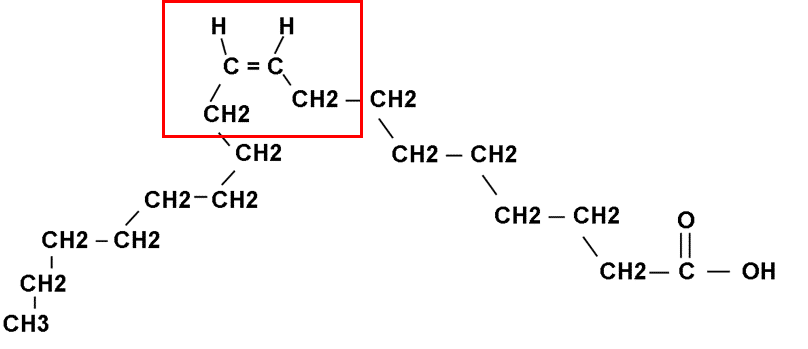
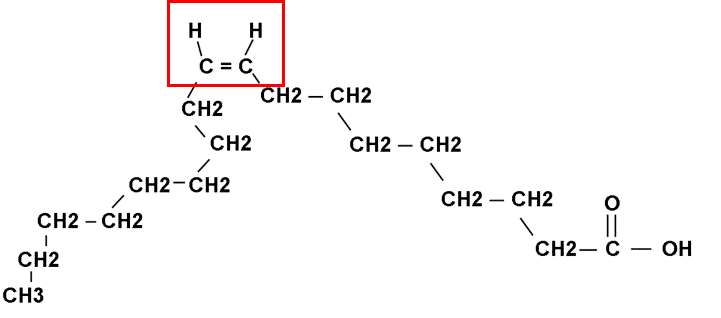
Monounsaturated fat is one double bond away from being a saturated fat, but is still very different! “Mono” means one and “unsaturated” means that there is a double bond. Here, there is one double bond between two carbons along the entire chain and would look something like this:

Chemical structure.

This double bond changes the shape of the fatty acid and forces a bend. This bend causes the food to be less solid at room temperature. Foods that have a large amount of monounsaturated fats would be avocado, olive oil, safflower oil, nuts, and peanut butter.

Polyunsaturated Fat

The “poly” in polyunsaturated simply tells us that there are multiple double bonds in this fat. The more double bonds in a fatty acid, the more the chain of carbons bend. This creates a fluid product at room temperature. There are a variety of polyunsaturated fats out there, but there are two that are considered “essential” because our bodies cannot make them: linolenic acid (aka omega-3) and linoleic acid (aka omega-6).

Omega-3

I am sure you have heard at least once in your life how good omega-3s are for your health. That information is not wrong! Omega-3s are linked to an array of health benefits from heart health to brain health to joint health. There are three types of omega-3s: alpha-linolenic acid (ALA), eicosapentaenoic acid (EPA), and docosahexaenoic acid (DHA). Don’t worry about remembering these names, just remember the acronyms.

ALA is found in foods such as flaxseed, vegetable oil, and nut/seed oils. While this is an absolutely fantastic way to get in your omega-3s, research has found that EPA and DHA have the most influence on our health. As well, ALA is actually used by the body to make EPA and DHA. Unfortunately, the conversion is quite small.

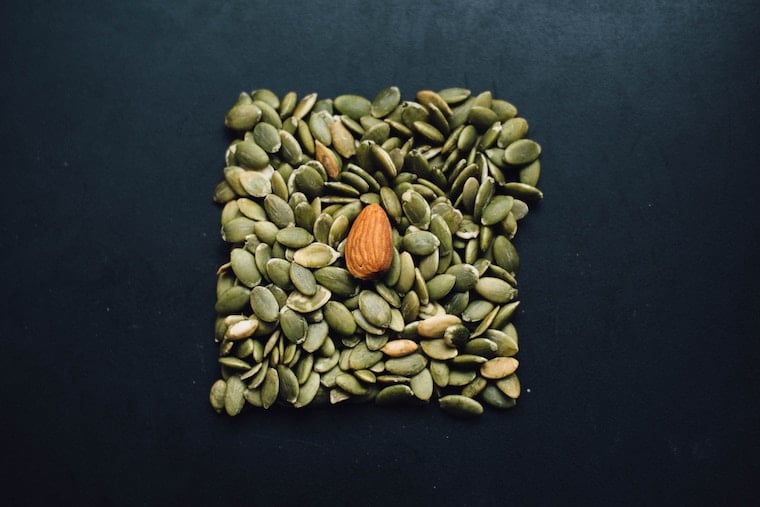
Pumpkin seeds and one almond.

This leads us to EPA and DHA. These bad boys are predominantly found in oily fish, which is why we recommend getting at least 2 servings of fish per week. Now, I completely understand that some people avoid consuming fish or do not like the taste of fish (you really need to check out my recipe here!) But if you still can’t stand the thought, then I recommend an omega-3 supplement that contains 1200mg of EPA and DHA combined (make sure it has both!) Just be sure to consult with your Registered Dietitian or doctor before starting anything, especially if you’re on certain medications such as blood thinners or are pregnant/breastfeeding.

Omega-6

Omega-6 fatty acids are found in many of the foods we eat, such as poultry, eggs, whole grains, nuts, and vegetable oils. In fact, most of us are getting enough omega-6 but not enough omega-3. A good balance of omega-3 to omega-6 is the key to achieve the health-promoting effects they have.

Trans Fat

The verdict is in for trans fats and it will be officially banned in Canada as of September 2018. A trans fat is simply an unsaturated fat that has had hydrogens rearranged where there is a double bond. Normally, an unsaturated fat has hydrogens on the same side. However, during a process called hydrogenation, the hydrogens are placed across from each other.

Chemical structure.

Here is an unsaturated fat. As you can see, the hydrogens (the H’s) are on the same side.

Chemical structure.

Here is a trans fat, it is very similar to the unsaturated fat, but the hydrogens (the H’s) are on the opposite side of each other. When they are on the opposite side of each other, it creates a straight structure to stay solid at room temperature. A good example of a trans fat would be hydrogenated margarine (most margarines are processed differently, but be sure to check the label).

Okay, so what’s the problem with trans fat if it’s just slightly different from the other fats? Well, artificial trans fats (meaning they are made during the processing of food) are known to increase the risk of heart disease, increase inflammation, and also decrease “good” cholesterol and increase “bad” cholesterol. It appears that the structure of a trans fat is not favourably dealt with in our bodies. Therefore, to reduce the incidence of heart disease and other health issues, Canada will ban its use by food manufacturers. Good job, Canada.

Cholesterol

The word on cholesterol has been very confusing over the past few years. It was first thought that all cholesterol was “bad” which led to the egg boycott of the 21st century. Ugh, that was annoying. Research (here, here, here) then started to show that maybe not all cholesterol was equal and the cholesterol in eggs wasn’t to blame. In fact, some research pointed out that changes in cholesterol intake had limited change in a person’s lipid profile (total cholesterol, LDL, HDL). In fact, an update 2020 meta-analysis concluded that moderate consumption of eggs is not associated with heart disease and that it may also LOWER heart disease risk in Asian populations. Interesting right? How the tables have turned.

Right now, the verdict is that most healthy individuals, not including those with diabetes, heart disease, or other chronic diseases, can consume about an egg per day, with many health professionals suggesting 2-3 in one sitting should be okay. There are many reasons why cholesterol is a tricky subject, mainly because there are different types of cholesterol, different transporters, and different sizes of cholesterol that all play an important role in heart health. So, let’s discuss!

An overhead photo of an egg on a plate with hands around it, about to dig in with a spoon.

Cholesterol 101

Cholesterol is a “sterol” because it’s chemical structure has a 4-ring core. Other types of sterols include plant sterols and steroids. Our body needs cholesterol for many important functions such as making bile acids that help with digestion, sex hormones (e.g., estrogen and progesterone), and the development of vitamin D. So, let’s first clear the air and say officially that cholesterol is not the villain it’s made out to be. However, the type of cholesterol is important.

LDL (aka Low-Density Lipoprotein) and VLDL (aka Very-Low-Density Lipoprotein)

LDL cholesterol is the “bad” cholesterol we hear all about. Without going into too much detail, these particles (i.e., lipoproteins) actually contain more than just cholesterol. They also contain different proteins and lipids. Think of lipoproteins as little circles that travel in our blood, to and from our liver, and drop off different components throughout our body. Each type of lipoprotein has a different makeup. For VLDL and LDL, they are mainly cholesterol and lipids (i.e., a type of fat), with a little bit of protein. The main role of LDL is to transport cholesterol to body tissues to make things our body needs, such as hormones.

HDL (aka High-Density Lipoprotein)

HDL cholesterol is the “good” cholesterol. This lipoprotein is important because it takes excess cholesterol that hangs out in our blood back to the liver where it is either re-used or excreted out of the body. Too much cholesterol in the blood can be harmful because it eventually will build up on the walls of our arteries. If this happens, then it becomes difficult for blood to travel smoothly throughout our body and to our heart, leading to an array of health issues such as a heart attack. Think of HDL cholesterol as the custodian that cleans up the leftover cholesterol after a “hearty meal” party.

So why is LDL “bad”? Well, it’s only an issue if there is way more LDL than HDL. This means that LDL is taking cholesterol throughout the body but there isn’t enough HDL to help remove any excess. Really, think of them as working as a team with HDL being the one “in charge”. If LDL starts taking over and HDL can’t keep up with the work, chaos ensues. However, if HDL takes control of the situation and makes sure LDL is bringing the “right” amount of cholesterol to our tissues, then the office is calm and working well. Another thing to consider is genetics. Some people can have naturally higher levels of LDL or HDL cholesterol. What is important is the ratio between the two.

Does Particle Size REALLY Matter?

It’s up for debate. Research is currently conflicted as to whether the size of an LDL cholesterol particle makes a difference. According to the American Heart Association, some studies have found that larger particles cause less damage than smaller LDL particles, while other studies have shown no effect. Likewise, a 2018 study found that small or medium LDL particles, specifically when they changed in composition from large to medium or small, was associated with a 40% increase in heard disease risk. Similarly,  a 2006 study found a relationship between a smaller particle size and an increased risk in fatal heart attacks, but when other measures were considered, it was no longer significant. However, research appears to suggest that eating foods higher in monounsaturated and polyunsaturated fats can decrease the amount and size of LDL cholesterol in general.

And what about cholesterol in foods? Well, for the average healthy adult, 300mg per day is fine. An egg has about 186mg. If you have a heart problem or other health condition, then it may be less depending on your situation and medications. It appears that trans fat and saturated fat consumption may have more of an impact on poor cholesterol levels than actually consuming cholesterol from food. As well, if you have a family history of heart disease, speak with your Registered Dietitian or doctor.

Now that we’ve wet your appetite, want to learn more about the impact of Saturated fat and cholesterol and their impact on human health?

Be sure to subscribe to my blog so you don’t miss Part 2 of this Saturated Fat series!

Now tell me, do you consume foods high in saturated fat?

What about eggs and cholesterol?

Leave me a comment below with your thoughts!

Pinterest image with an egg and seeds with text overlay \"saturated fat and cholesterol 101.\"

Contribution By:

RD2B Katey Davidson

Abbey Sharp

Abbey Sharp is a Registered Dietitian (RD), regulated by the Ontario College of Dietitians. She is a mom, YouTuber, Blogger, award winning cookbook author, media coach specializing in food and nutrition influencers, and a frequent contributor to national publications like Healthline and on national broadcast TV shows.
www.abbeyskitchen.com/about-abbey/

Last Updated January 26, 2018. Published January 31, 2018 By Abbey Sharp 59 Comments

Resistant Starches Part 2 – Cooking Resistant Starches for Weight Loss & Health Benefits

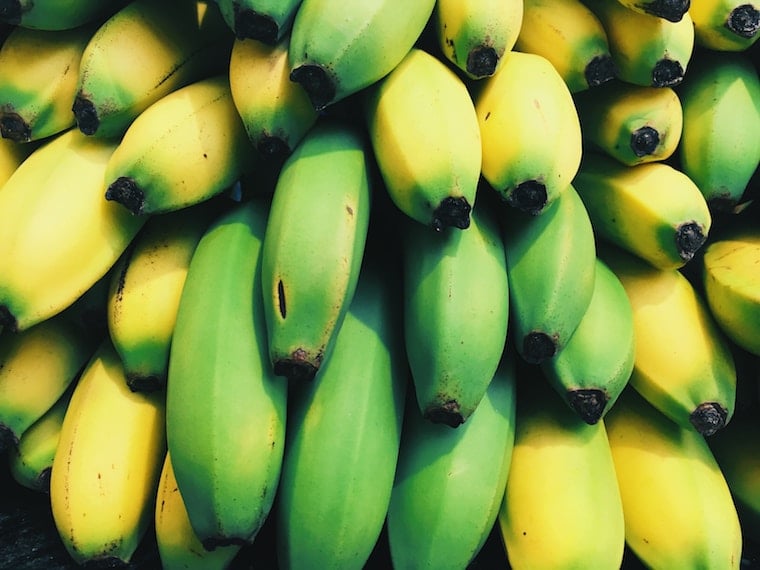
A bunch of green bananas.

I share with you tips on how to cook resistant starches for weight loss and other health benefits.

Click here to read part 1 of this resistant starch series on resistant starches and various health benefits.

One fascinating thing about cooking resistant starches is that there are certain cooking techniques that can be used to control the resistant starch content in foods. Some of these techniques include:

  1. Changing the pH by adding acids
  2. Cooking/heating time and temperature
  3. Altering the number of heating and cooling cycles you implement.

Naturally, different types of rice will have varying levels of amylose (resistant starch) content ranging from 0-35%. Digestibility of cooked rice starch is typically influenced by the amount of amylose, with higher amylose content resulting in slower digestion and lower glycemic index of the rice. However, after cooking rice, there is typically less than 3% resistant starch that will not get digested.

Ripening

For certain foods like banana which are typically not cooked, allowing the fruit to ripen into a yellow colour will result in lower resistant starches because of their conversion into regular, digestible starches. That’s why green bananas are known to contain very high levels of resistant starch.

A bunch of green bananas.

The Addition of Heat/Acid

Heat treatment (i.e. cooking/boiling) combined with the addition of an acid to starchy food (i.e. lemon juice) has been a method for increasing resistant starch content in food.

A person cooking outside.

Cooling Process

A more commonly used food preparation method that has a significant effect on changing resistant starch content is starch retrogradation; otherwise known as “yesterday’s rice” (i.e. cooked rice which is stored overnight). The starch retrogradation cooling process is responsible for enhancing resistant starch content in specific foods after cooking, in which type 3 resistant starch is produced. Once these starches are cooled after being cooked, there is formation of a new structure that is digestion-resistant. The optimal temperature for retrogradation is between 1-25°C and longer storage time enables more retrogradation to take place.

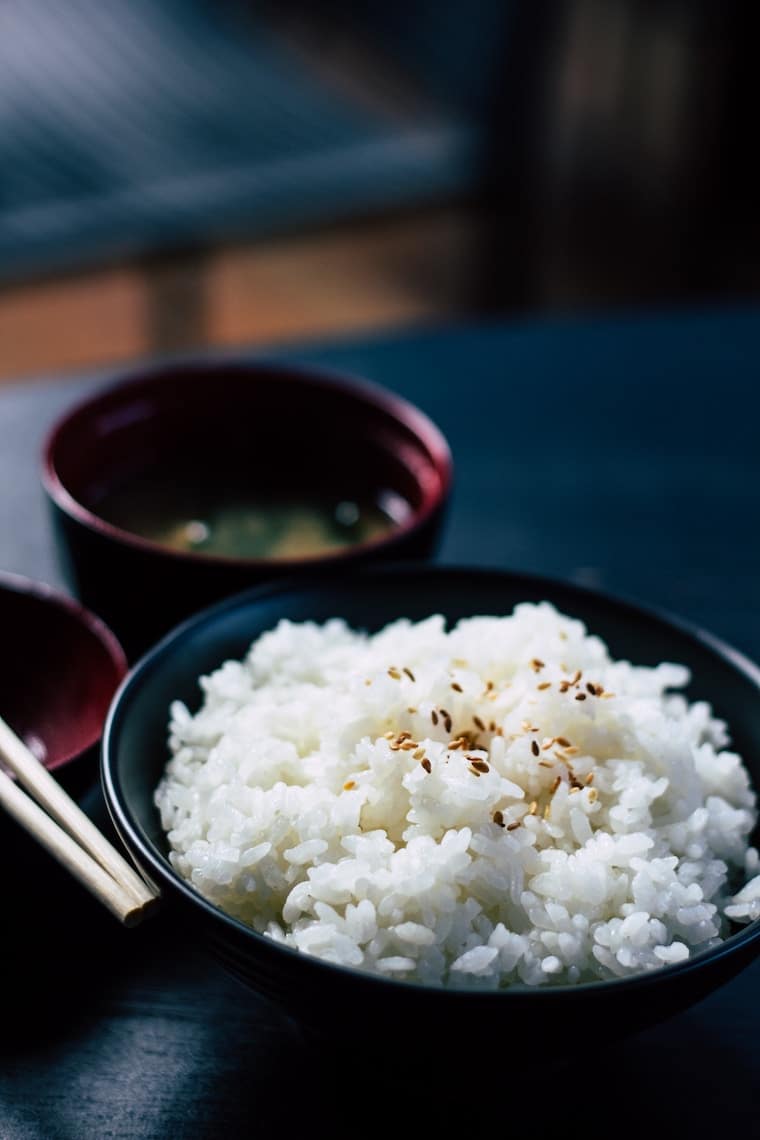
A bowl of rice in a dark bowl with miso soup in the background.

A clinical randomized, single-blind crossover study investigated the effect of cooling cooked white rice on resistant starch content and glycemic response in healthy subjects. Analysis of resistant starch was conducted on freshly cooked white rice (control rice), cooked white rice cooled for 10 hours at room temperature (test rice 1), and cooked white rice cooled for 24 hours at refrigeration temperature (i.e. 4°C) then reheated (test rice 2). Researchers found that with with equal amounts of rice, test rice 2 (cooled for 24 hours) exhibited the greatest resistant starch content. Test rice 2 reflected the “cook-cooling” method of starchy foods, and displayed significant reductions in glycemic response by decreasing the amount of available carbohydrates compared with freshly cooked control rice.

Recently, a group of researchers claimed that a new heating and cooling method for increasing resistant starch in foods could possibly “cut the number of calories absorbed by the body by more than half”. Depending on the variety of rice and method of processing, it was said that calories could be reduced by ~50-60%. This innovative method involved boiling water and adding 1 teaspoon of coconut oil to it, followed by adding ½ a cup of rice. The rice would be simmered in this liquid for 40 minutes or boiled for 20-25 minutes, then refrigerated for 12 hours. Researchers found that this method resulted in a 10 X greater increase in resistant starch compared to regularly cooked rice.

A hand holding a cracked opened coconut.

But how did coconut oil, cooking time and refrigeration work its magic? It was explained that the coconut oil (a lipid) entered starch granules during cooking, which resulted in structural alterations, making it more resistant to enzymatic breakdown and decreasing the amount of calories absorbed. The cooling part allowed the soluble, amylose portion of starch to escape the granules during gelatinization, and reheating the rice before eating was not shown to affect concentration of resistant starch. Similarly, a Korean study found that adding soybean and coconut oil into the cooking water before heating and storing in the fridge for 12 hours increased resistant starch content. Interestingly, resistant starch was higher when cooked using a saucepan compared to an electric cooker. However, between the japonica (Hopyeong) and indica (Thailand) rice used in this study, the indica rice cooked with soybean oil had the highest amount of resistant starch (type 3 and 5).

Tips for Cooling your Starchy Favourites

If you’re a regular consumer of rice, potatoes or pasta, try adopting a different cooking method by cooking these foods 1 or 2 days and cooling prior to consuming them. Ensuring that you cool down these foods in your fridge overnight or for a few days can increase their resistant starches. Moreover, based on data from rice, cooked and cooled foods still have higher resistant starch content after reheating. This is a simple way to increase your fiber intake since resistant starch is considered a form of fiber. By cooking your potatoes, rice or pasta 1-2 days before eating them, this will increase its resistant starch content.

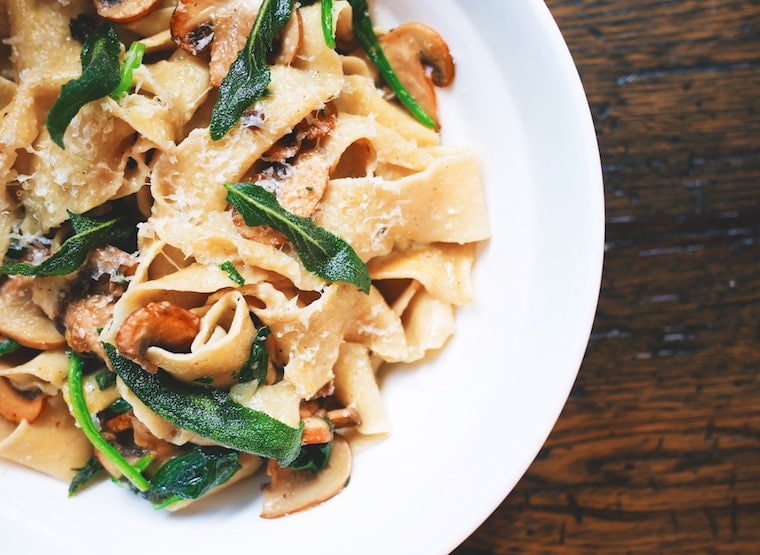
A close up of a plate of pasta.

The Bottom Line: Should I be adding resistant starches to my diet?

Resistant starch is a unique carb because it resists digestion and leads to several health benefits. While some foods naturally have more resistant starch compared to others, the method of preparing your food impacts the ultimate amount. Whether you’re considering whether to practice the “cooking-cooling-reheating” method for enhancing resistant starch, first make sure that you have adequate and/or high fiber in your typical diet. If you’re looking to enhance the fiber of some of your starchy foods, this is worth a try. You could add resistant starches to your diet through dietary foods sources or supplements. This includes potatoes, oats, green bananas, certain legumes, as well as cooked and then cooled potatoes and rice. Replacing simple carbohydrates with resistant starch may help improve the overall quality of your diet. However, you should try avoiding ramping up that fiber intake all of a sudden because it can cause a whole of GI discomfort and gas, and everyone’s experiences with resistant starch will definitely vary.

Many human studies display the promising health benefits with enhancement of resistant starch in the diet for improving insulin sensitivity, aiding digestion and reducing the glycemic response after a meal. Although this has been an active area of research and considerable progress has been made, we still need to determine how to best incorporate resistant starches in human diets before its full potential can be realized. Even though resistant starch is associated with some health benefits and may be one component of your lifestyle, consuming high concentrations of resistant starch won’t be the quick-fix solution to a healthy, balanced and sustainable diet for optimal health.

Click here to read part 1 of this resistant starch series on resistant starches and various health benefits.

A pinterest image of bananas and rice with the text overlay \"cooking resistant starches for weight loss.\"

Contribution By:

RD2B Rachel Shim

Abbey Sharp

Abbey Sharp is a Registered Dietitian (RD), regulated by the Ontario College of Dietitians. She is a mom, YouTuber, Blogger, award winning cookbook author, media coach specializing in food and nutrition influencers, and a frequent contributor to national publications like Healthline and on national broadcast TV shows.
www.abbeyskitchen.com/about-abbey/

Last Updated October 23, 2020. Published January 26, 2018 By Abbey Sharp 27 Comments

Resistant Starches Part 1 – What Are They, Types & Health Benefits

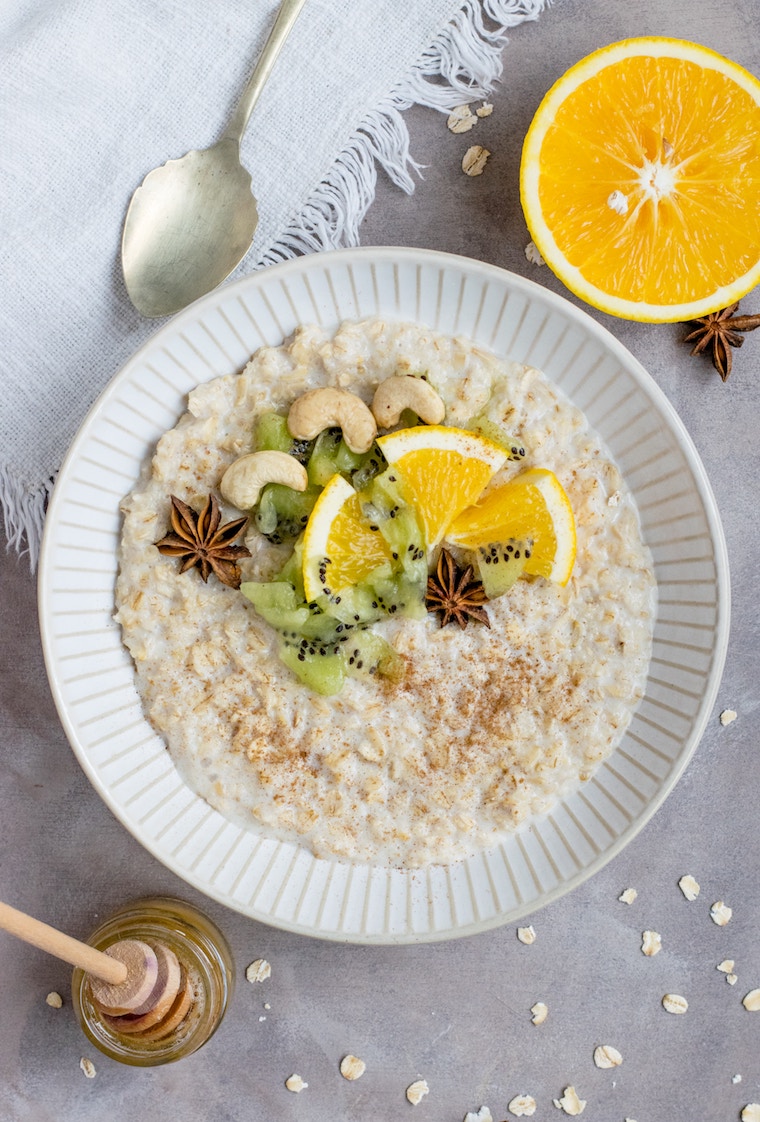
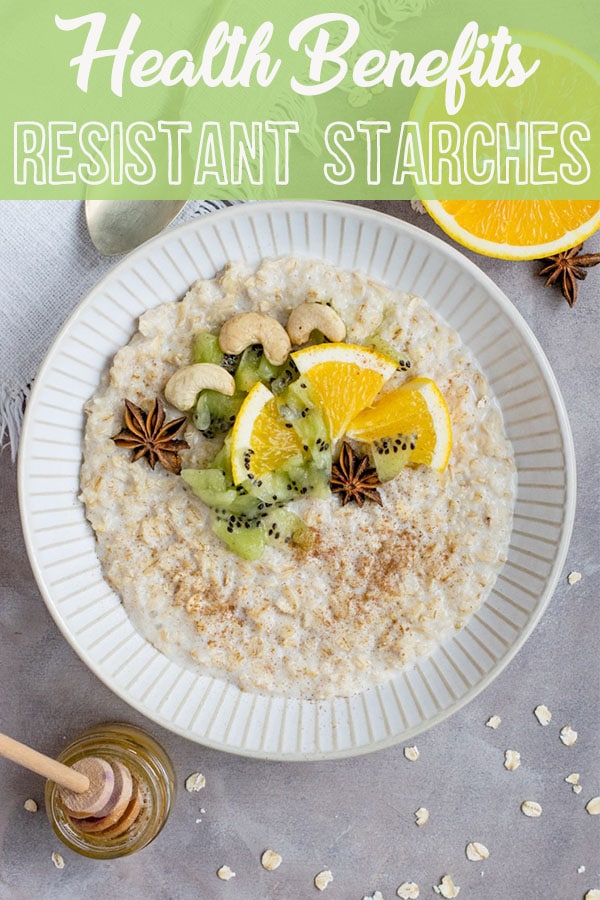
Overheat image of porridge with fruit on top."

I share with you everything you need to know about resistant starches. What they are, what types exist, and their health benefits.

Click here to read PART 2 of this resistant starch series on the role of cooking resistant starches and weight loss and health benefits.

What do you think of when you hear the word “resistant starch”? Maybe you think about unripe, green bananas or maybe you’ve heard about it as a “weight loss superfood” claiming to shed off the pounds. Maybe you don’t think of anything because this is all news to you. Regardless of where your starting, let’s first find out what a resistant starch is and whether it lives up to its claims.

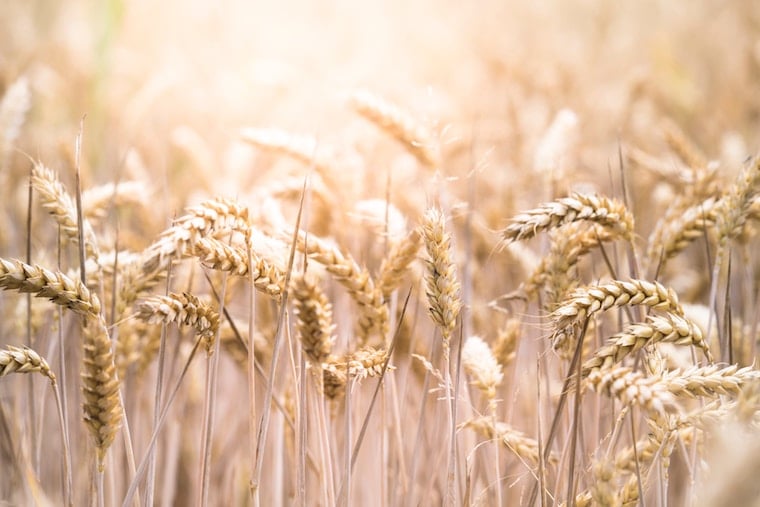
A close up of some wheat.

Resistant starches are a type of starch composed of long chains of glucose units that aren’t fully broken down and absorbed. Resistant starches are unique because common starches are broken down in the body into glucose and then absorbed, which increases our blood glucose, however this does not occur with resistant starches.

Dietary Sources of Starchy Foods High in Resistant Starches

  1. Roots and Tubers (e.g potatoes, yams)
  2. Green bananas
  3. Legumes (e.g chickpeas, lentils, beans)
  4. Grains (e.g oats, rice, sorghum, buckwheat, barley)

So are resistant starches a carbohydrate or a type of fiber? Actually, resistant starches are classified as both. A portion of the starch cannot be digested which makes it digestion-resistant. Since the starch is not broken down, it passes from the stomach to the large intestines (colon). Once it reaches the large intestine, our gut bacteria are capable of using it as a fuel source making resistant starches an excellent source of prebiotics. As we’ve already learned about probiotic and prebiotics, healthy gut bacteria can do wonders for us.

Overheat image of porridge with fruit on top.\"

Types of Resistant Starches

Surprisingly, there are actually FIVE different types of resistant starches, including inaccessible starch (outer barrier prevents digestion), granular starch (dehydrated and tightly-packed within starch), retrograded starch (ie digestible starch that’s been transformed into a “resistant form” from a “cooking and cooling process”), chemically-modified starch (man-made form), and the amylose-lipid complex (heat-stable starch coated with fat). These 5 types of resistance starch are classified based on how they cause “enzyme resistance”, or in other words, how well they resist being broken down by enzymes. However, more than 1 type of resistant starch can be found within the same food. Now that we have an idea of different types of resistant starch, let’s find out if resistant starches carry any health benefits.

Health Benefits of Resistant Starches

The large body of evidence on resistant starch content in our foods supports a number of important health benefits. Since it is not digested in our small intestine and used by the body, it is available for gut bacteria in the large intestine to utilize. Research suggests that the 6 grams of resistant starch per meal is the minimum amount providing health benefits. However, there is definitely a need to unravel the potential effectiveness of digestion-resistant starches, particularly for its role in preventing and controlling various human diseases.

Let’s start with gut health.

Gut Health

Scientific evidence has shown that our gut bacteria can have fundamental health benefits for us, such as immunity, infection protection, and nutrient absorption. When our gut bacteria uses resistant starches as a fuel source in the large intestine, this promotes the production of short-chain fatty-acids (SCFA) such as butyrate, which is most valuable for humans because it is the preferred source of energy for cells of the large intestine. Research has also demonstrated that the way you prepare high starch foods such as rice, potatoes, and pastas can change their resistant starch content. Studies propose that SCFA provides important physical AND mental health benefits associated with regulating macronutrient metabolism, influencing hormone-secretion and reducing precursors involved in colon cancer development.

A bunch of green bananas.

Studies performed on humans who consumed high resistant starch diets revealed changes to the quantity and functionality of important bacteria. Other studies have indicated that fermentation of resistant starch in the large intestine leads to higher probiotic concentrations, which are crucial microorganisms linked to many health benefits and reductions in bad bacteria.

 Colon Health

Resistant starch potentially reduces inflammation within the body and may effectively alter bacteria metabolism found in your intestines. Recent findings have shown that resistant starch may have promising effects for preventing and treating gastrointestinal health issues including colon cancer and inflammatory bowel disease (IBD). Researchers also suggest that resistant starch may be important for treating other cancer forms such as breast cancer because of its systemic effects impacting the entire body. Although there are a lot of experiments performed on animals which revealed significant improvements in bowel function, there were mixed outcomes for human studies. Findings in a systematic review and meta-analysis of randomized controlled trials involving healthy adults, suggested that there were overall beneficial effects for the large intestine when healthy adults were supplemented with resistant starch. Butyrate, which I mentioned earlier, is actually the preferred direct source of fuel for the cells lining your colon. Dietary sources of butyrate include milk from ruminant animals including cows (i.e. dairy milk), butter and cheese. However, eating high fiber foods such as vegetables, fruits and legumes, allows gut bacteria to ferment the fiber and synthesize SCFAs like butyrate. Cell culture experiments suggest that butyrate has anti-tumor growth properties, but whether this can be replicated in humans is unclear. Since therapeutic effects of resistant starch on the colon have been suggested by numerous studies, it may be effective for other digestion-related disorders such as inflammatory bowel diseases, constipation, diverticulitis and diarrhea. More controlled human trials must be performed before making any recommendations regarding its colon health benefits.

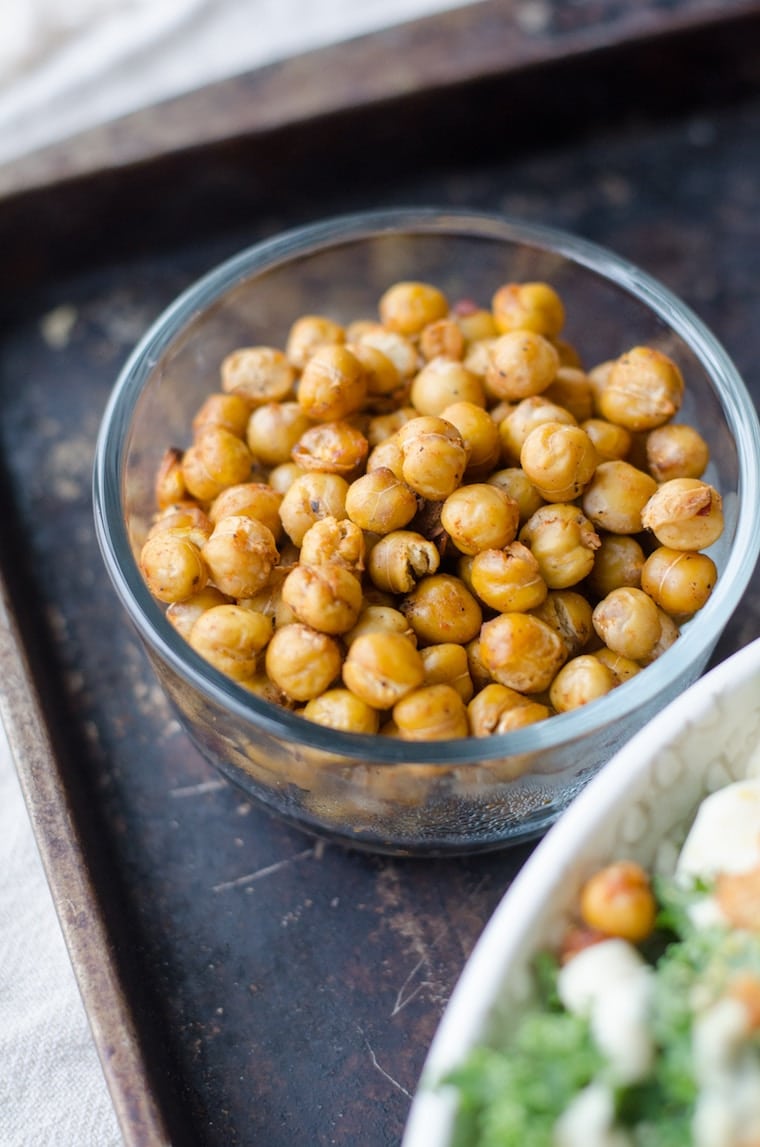
A bowl of crispy chickpeas.

Insulin, Diabetes Management and Blood Sugar Levels

A large body of research has extensively studied benefits of resistant starch for metabolic health. Recent animal studies and clinical trials on humans have indicated that the benefits of resistant starches may be used for improving metabolic features and manage metabolic diseases.

Studies have shown the beneficial effects of resistant starch for improvements in insulin sensitivity among both healthy individuals and those with metabolic syndrome. Research has shown that consuming 15-30 grams daily resulted in a 33-50% improvement in insulin sensitivity among men and women.

In terms of its effects on well-controlled type 2 diabetes, a study involving daily ingestion of 40 g of type 2 resistant starch for 12 weeks demonstrated significant reductions in glucose concentrations after meals, and a tendency for higher uptake of glucose. Future research needs to confirm the health benefits of resistant starch for humans meeting dietary fiber requirements.

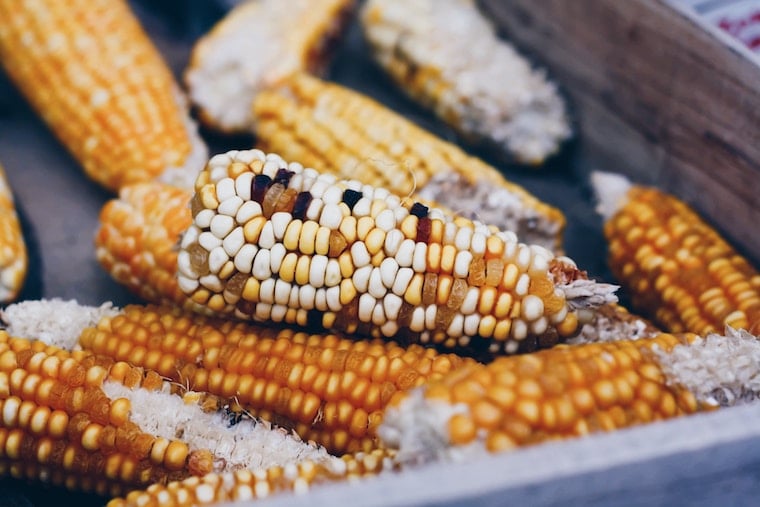
A group of corn.

In both animal and human research, resistant starch consumption has shown to improve glycemic control. These studies have shown that after consuming retrograded (cooked-cooled/type 3 resistant starch) foods, there was a prolonged and slower increase in blood glucose levels in humans. Therefore, there may be benefits when replacing regular, digestible starches with resistant starch for lowering glucose concentrations and the insulin response after consumption.

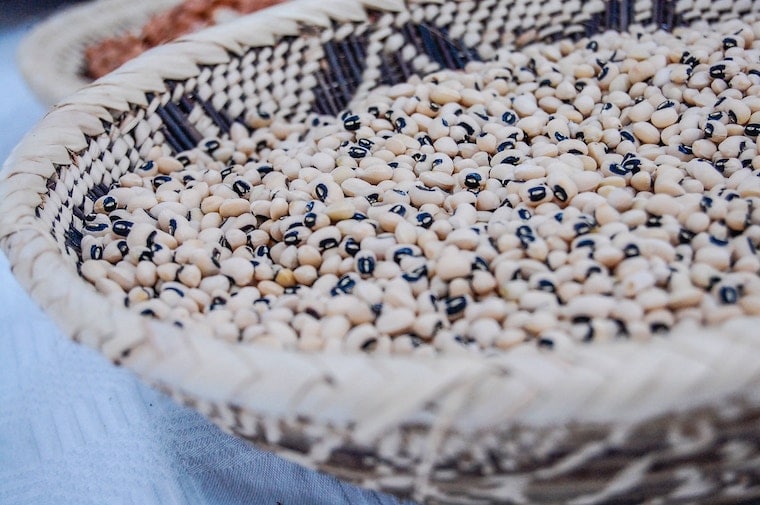
A bowl of black eye peas.

What’s more interesting is the certain phenomena known as the “second meal effect”, in which incorporation of resistant starch in the first meal reduced blood sugar levels (and glycemic response) after consuming the next meal (i.e. after breakfast, it’d be lunch). Healthy participants consuming a high-amylose starch for breakfast, rather than a high-amylopectin starch, displayed a decreased blood glucose response to a lunch consisting of a highly digestible carbohydrate. Despite the small sample size, researchers indicated that resistant starch may be advantageous for diabetes management. In a randomized cross-over study, the effects of 2 fermentable fiber types on postprandial SCFA production and glycemic response of the second-meal was compared in healthy overweight or obese and lean subjects. Results showed reduced levels of insulin and glucose responses from the second-meal.

A long-term lifestyle and dietary intervention performed on obese prediabetic adult men and women, showed that a diet rich in resistant starch from ordinary food sources did not alter glycemic control compared to a regular high-fiber (over 25 g/day) diet,  however, the high resistant-starch diet group did see a greater decreased total and non-HDL cholesterol compared to the fiber-diet group, whereas the fiber group displayed improvements in blood sugar levels. It seems then that it’s both the total and the type of fibre that matters.

Weight Management

Main factors supporting the potential positive benefits for weight management from high resistant starch diets include its low calorie-content, its ability to increase feelings of fullness and increase fat oxidation.

Multiple measuring tapes in different colours.

Low-Calorie Content

With the health benefits of dietary fiber, some propose that increasing resistant starch in your diet can be used as a new and effective strategy for reducing energy intake. This is because increased consumption of fiber has been associated with lower BMI and increased satiety. In comparison to regular starch, resistant starch is much lower in calorie content since it is indigestible and classified as fiber. That’s why replacing rapidly digestible starch with resistant starch will decrease how many calories are in your diet which may result in weight loss.

Appetite Regulation

Resistant starch research has proposed that appetite regulation may be another key benefit for aiding weight loss because of its influence on SCFA production. The amount of resistant starch available has major impacts on the population of gut bacteria and their production of various metabolites, especially SCFAs.  The limited number of studies involving humans have provided very inconsistent results. For instance, when participants consumed muffins containing resistant starch for breakfast, there was increased and longer duration of satiety. To contrast this, in a randomized, single-blind, crossover study on healthy adults, replacing some of the standard wheat flour in muffins with resistant wheat starch, which was consumed at breakfast, did not lead to reduced appetite and food intake at the lunch meal. However, over the 24-hour period, muffins with resistant starch did lower insulin concentrations and total energy intakes.

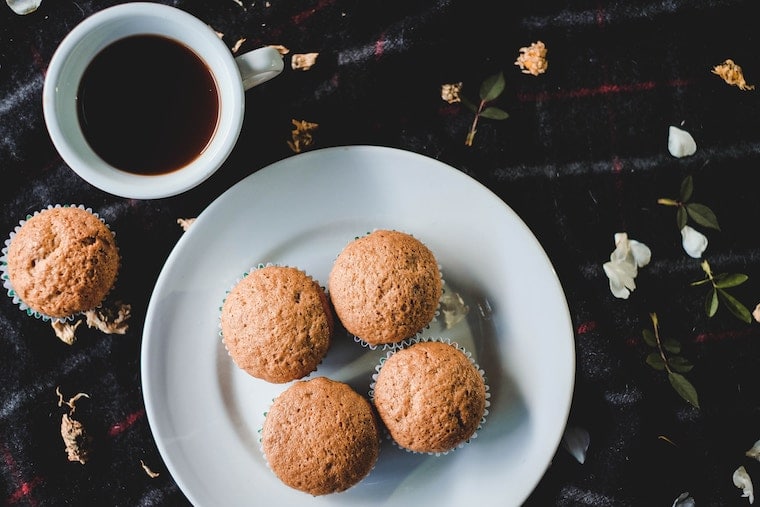
A white plate with four muffins.

Another recent study involving 25 g of resistant starch in a breakfast meal did not reveal any effects on subjective appetite OR food intake over the course of the day. Likewise, another randomized, single-blind, crossover study supplementing banana starch found no effect on gut satiety hormones or appetite. However, resistant banana starch did reduce food intakes; suggesting that supplementation may help with reducing portion sizes and weight control. There is still a ton of work to be done before we can recommend increasing resistant starch as an effective strategy for weight loss.

Fat Oxidation

Finally, another way resistant starch can influence body weight is by potentially increasing energy expenditure or fat oxidation. Some research suggests that replacing rapidly digestible starch with resistant starch increases mobilization of fat because of its effects on reducing the secretion of insulin, but there is way too little evidence in support of this hypothesis. Studies have also failed to show any increases in fat oxidation or energy usage. The effects of resistant starch on blood cholesterol levels, decreased formation of bile stones and enhanced mineral absorption are other health claims derived from rat studies which are still too preliminary for applications in humans.

Overall research on humans (healthy and insulin-resistant) suggest that resistant starch may not reduce total body weight and energy intakes. In humans, although resistant starch has shown to decrease blood glucose and increase insulin sensitivity, it seems to be ineffective for altering body fat or weight. Further human studies should be performed to understand the effects of chronic resistant starch consumption on obesity and various diseases.

Click here to read PART 2 of this resistant starch series on the role of cooking resistant starches and weight loss and health benefits.

A pinterest image of porridge with the overlay text \"health benefits resistant starches.\"

Contribution By:

RD2B Rachel Shim

Abbey Sharp

Abbey Sharp is a Registered Dietitian (RD), regulated by the Ontario College of Dietitians. She is a mom, YouTuber, Blogger, award winning cookbook author, media coach specializing in food and nutrition influencers, and a frequent contributor to national publications like Healthline and on national broadcast TV shows.
www.abbeyskitchen.com/about-abbey/

Last Updated October 23, 2020. Published January 25, 2018 By Abbey Sharp

Hummus Quesadilla with Pomegranate & Feta | Low Fat & Vegetarian

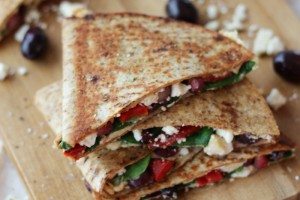
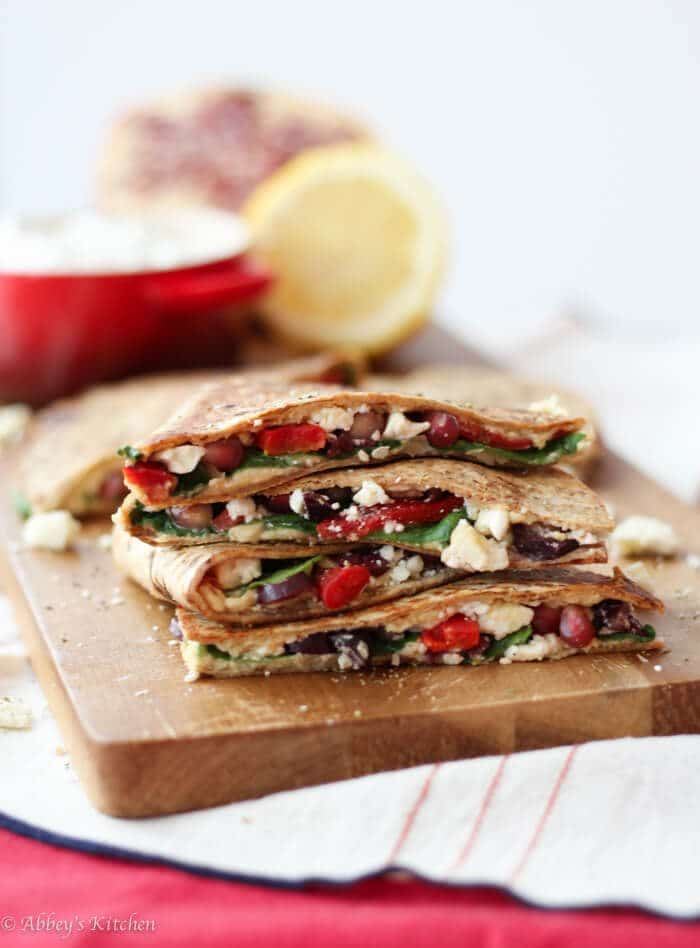
hummus quesadilla

DISCLAIMER: This post was developed in sponsored partnership with Sabra Hummus, however, as always, all opinions are genuine.

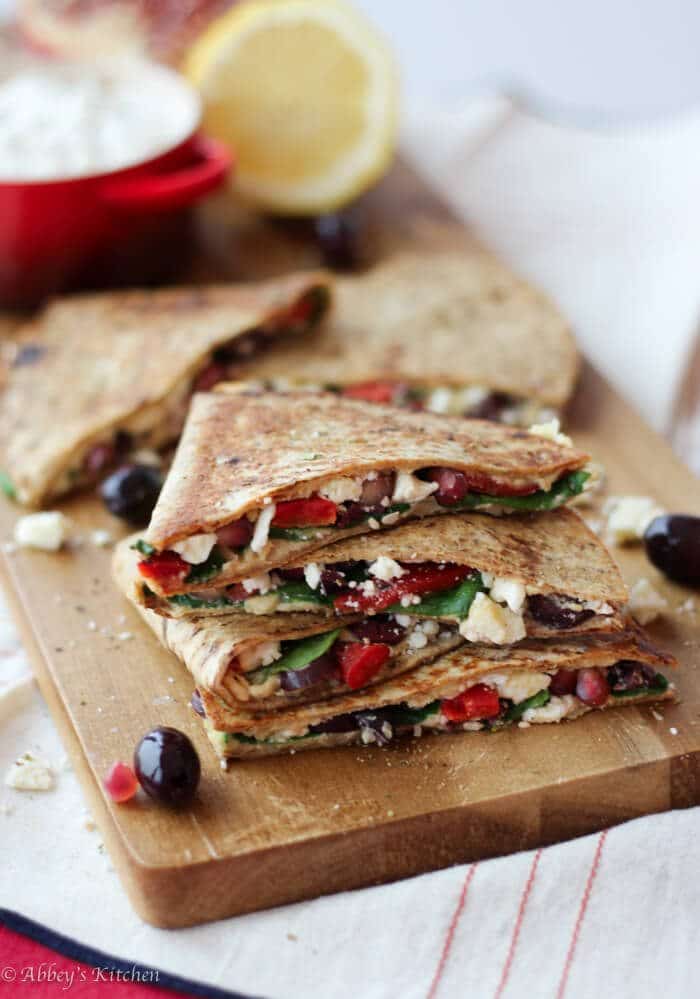
This delicious Hummus Quesadilla with Pomegranate & Feta cheese is the perfect low fat, vegetarian easy meal!

This year is the official International Year of the Pulses, which perfectly corresponds to our busy schedules, concern for nutrition, and slowly dipping dollar. Pulses, commonly known as beans, legumes and peas, are some of the least expensive sources of quality protein available. They’re high in protein and fibre and are a staple in my house because I can stock up when they’re on sale and store them in my pantry. This is where the inspiration for a vegetarian hummus quesadilla with this pulse-packed snack was born.

hummus vegetarian quesadilla (4 of 8)

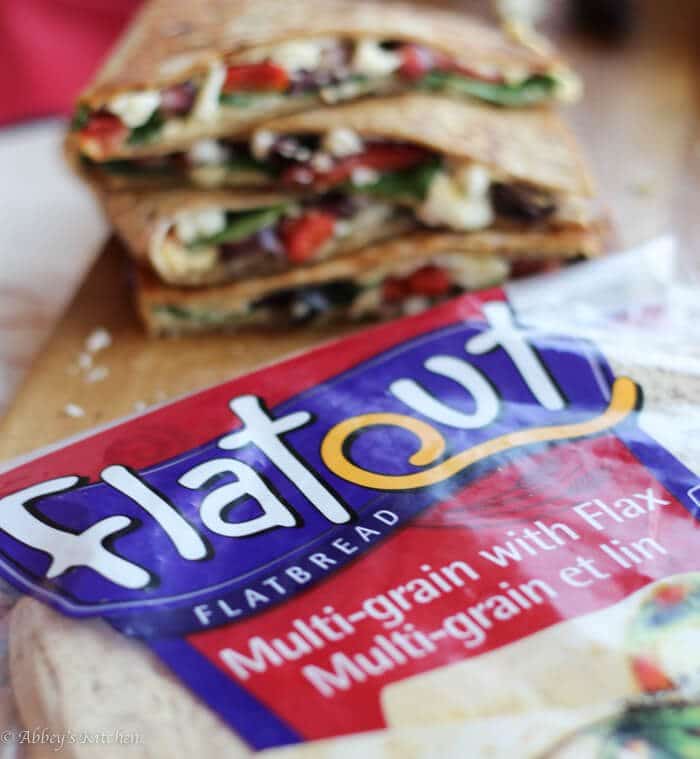
This vegetarian hummus quesadilla is super healthy because not only is it pan-fried in a nonstick skillet with just a touch of oil, but it skips the high carb dough and uses Light Flatout flatbreads instead. With 50% fewer calories than traditional flatbreads (90 calories each!), and a whopping 9 grams of protein and 8 grams of fibre, these babies have always been my go-to wraps.

That’s when it hit me, why not pan-fry your favourite wrap? Mine always includes some hummus and cheese, a delicious combo cold or hot. And ta da- the vegetarian hummus quesadilla packed with lots of other goodies was born. And with the calories and carbs saved using Flatouts in this recipe, you’ve got some extra wiggle room for full fat salty cheese and tangy olives. I always find Flatout in the deli section of your local grocery store, or check FlatoutFinder.com to find the retailer nearest to you that carries them.

hummus vegetarian quesadilla (6 of 8)

Mexican + Middle Eastern = Vegetarian Hummus Quesadilla

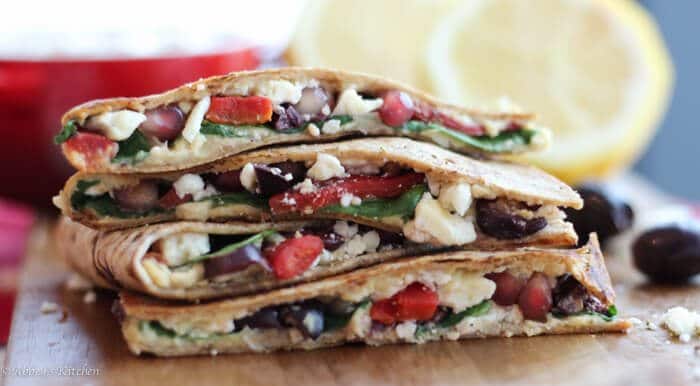
This super easy and healthy vegetarian hummus quesadilla recipe starts with a classic hummus recipe (lightened up with a little less oil than normal) and packs it with vibrant Middle Eastern flavour. I was actually inspired by the flavours in a recent recipe for my Middle Eastern flatbread and I knew it would go over well in a quesadilla dipped in tangy tzatziki. Tangy pomegranate seeds, salty olives and feta, and sweet roasted red peppers all come together to complement the rich earthiness of the hummus. And since this recipe will likely yield a little extra dip, you’ve got a healthy snack for the next day.

hummus vegetarian quesadilla (7 of 8)

This is a great vegetarian lunch or light dinner for any night of the week that both adults and kids will love. I mean, WHO doesn’t love a cheesy vegetarian quesadilla! The best part is that the canned beans help me cut back on the high fat cheese but still help hold the works together.

hummus vegetarian quesadilla (1 of 8)

What’s your favourite filling for a vegetarian hummus quesadilla? Have you ever tried switching up your traditional Mexican filling with something exotic? Leave me a message with some of your family’s tried and true favourites!

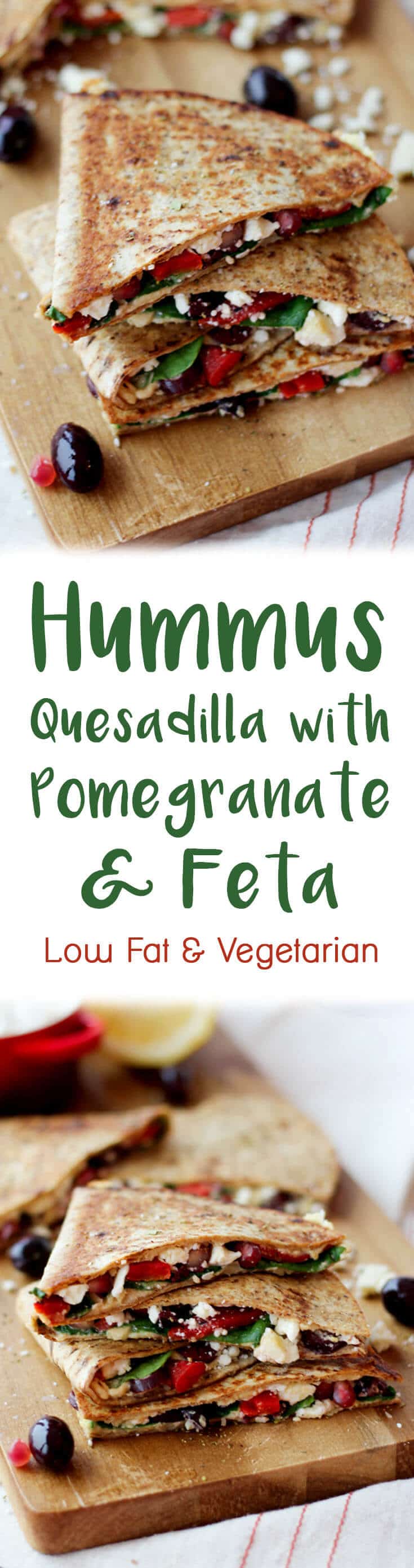
A long pinterest image of hummus quesadilla with the text \"Hummus Quesadilla with Pomegranate & Feta Low Fat & Vegetarian.\"

A close up of a hummus quesadillas on a serving platter.
Print Recipe
5 from 1 vote

Healthy Vegetarian Middle Eastern Hummus Quesadilla

This delicious Hummus Quesadilla with Pomegranate & Feta cheese is the perfect low fat, vegetarian easy meal!
Prep Time15 minutes mins
Cook Time15 minutes mins
Total Time30 minutes mins
Course: Dinner, Lunch, Main Course
Cuisine: Middle Eastern
Servings: 6
Calories: 420kcal
Author: Abbey Sharp

Ingredients

  • 1 can chickpeas
  • 3 tbsp lemon juice
  • 1 tbsp olive oil
  • 1 1/2 tbsp tahini
  • 3 tbsp water
  • 1 tsp cumin
  • 1/2 clove garlic minced
  • Salt and pepper
  • 1 tbsp olive oil in an oil atomizer
  • 6 Multigrain with Flax Flatout Flatbreads
  • 1/2 cup pomegranate seeds
  • 1/4 cup kalamata olives pitted and minced
  • 2 cups baby spinach
  • 2 roasted red peppers sliced
  • 4 oz feta crumbled
  • 1 tsp za’atar
  • Tzatziki for dipping

Instructions

  • In a small food processor, puree all of the ingredients and season with salt and pepper, to taste. Set aside.
  • Divide the hummus among the 6 Flatout Flatbreads, leaving at least 1/2 inch around the edge. Onto one side, add the baby spinach, red peppers, olives, pomegranate seeds and feta then fold the tortilla over like a book.
  • Preheat a large nonstick skillet over medium high heat and add a spritz of olive oil. While in the pan, spritz the top of the tortilla and sprinkle with za’atar. Flip and cook until golden brown and caramelized.
  • Serve with tzatziki for dipping.

Nutrition

Calories: 420kcal


Abbey Sharp

Abbey Sharp is a Registered Dietitian (RD), regulated by the Ontario College of Dietitians. She is a mom, YouTuber, Blogger, award winning cookbook author, media coach specializing in food and nutrition influencers, and a frequent contributor to national publications like Healthline and on national broadcast TV shows.
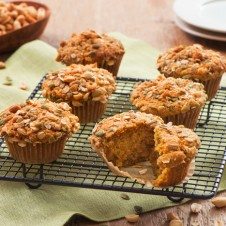
www.abbeyskitchen.com/about-abbey/
  • Previous Page
  • Go to page 1
  • Interim pages omitted …
  • Go to page 63
  • Go to page 64
  • Go to page 65
  • Go to page 66
  • Go to page 67
  • Interim pages omitted …
  • Go to page 89
  • Next Page

Get started with

Eight Free Recipe Books

From the co-founder of Neue Theory and creator of the Hunger Crushing Combo

Sign me up!
Abbey smiling at table
Abbey Sharp

“Foods may never be nutritionally equal. But we can make them morally equal by recognizing that our worth is never determined by what's on our plate.”

— Abbey Sharp, RD About Abbey ◥

Books

  • HCC™
  • Mindful Glow
  • Free E-Books

Blog

  • Nutrition
  • Recipes
  • Motherhood
  • Life

Explore

  • Neue Theory™
  • Bite Back
  • YouTube

Abbey

  • About
  • Coaching
YouTube TikTok Instagram Facebook X Pinterest
Abbey Sharp - The No BS Dietitian From Abbeys Kitchen

© Abbey's Kitchen 2026  All Rights Reserved •  ACCESSIBILITY STATEMENT •  Privacy Policy

This site uses cookies. By continuing to browse the site, you are agreeing to the use of cookies Accept Privacy Policy
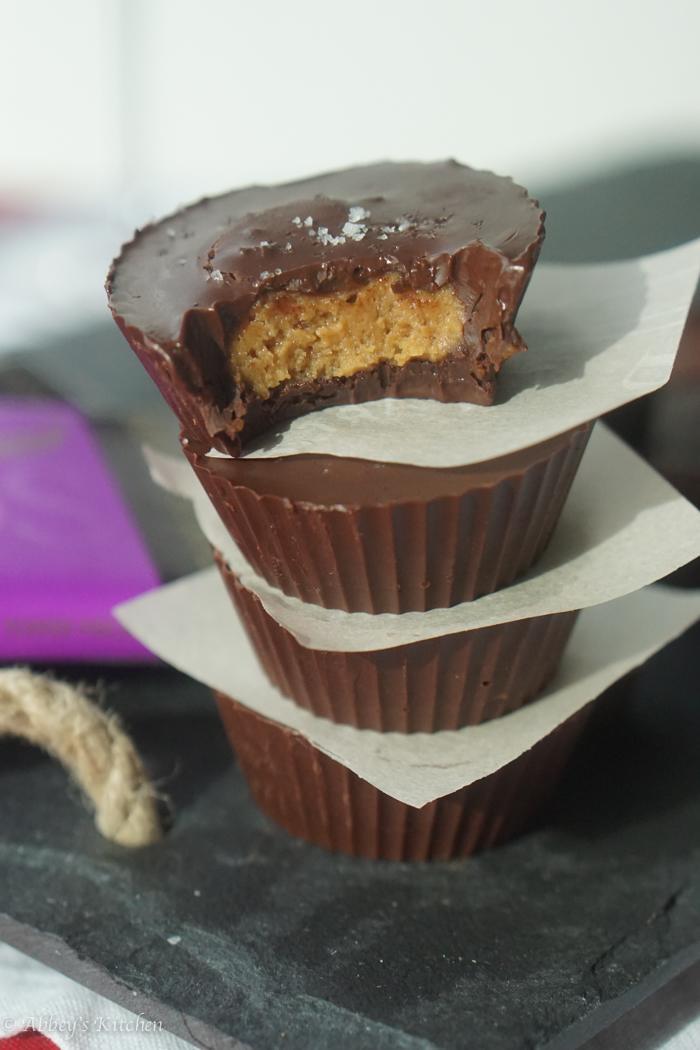
Privacy & Cookies Policy

Privacy Overview

This website uses cookies to improve your experience while you navigate through the website. Out of these, the cookies that are categorized as necessary are stored on your browser as they are essential for the working of basic functionalities of the website. We also use third-party cookies that help us analyze and understand how you use this website. These cookies will be stored in your browser only with your consent. You also have the option to opt-out of these cookies. But opting out of some of these cookies may affect your browsing experience.

Necessary
Always Enabled
Necessary cookies are absolutely essential for the website to function properly. This category only includes cookies that ensures basic functionalities and security features of the website. These cookies do not store any personal information.
Non-necessary
Any cookies that may not be particularly necessary for the website to function and is used specifically to collect user personal data via analytics, ads, other embedded contents are termed as non-necessary cookies. It is mandatory to procure user consent prior to running these cookies on your website.
SAVE & ACCEPT

Rate This Recipe

Your vote:


A rating is required
A name is required
An email is required