• Skip to main content

Abbey's Kitchen

Healthy Recipes, Nutrition Myth Busting, Healthy Eating Tips

  • Books
    • HCC™
    • The Mindful Glow Cookbook
    • Recipe eBooks
      • Family
      • Hypothyroidism
      • BLW
      • Vegan Week 1
      • Vegan Week 2
      • Vegan Week 3
      • Keto
      • Gluten Free Week 1
      • Gluten Free Week 2
      • Fitness
      • Paleo
  • Blog
    • Nutrition
    • Recipes
    • Motherhood
    • Life
  • Explore
    • Neue Theory™
    • Bite Back With Abbey Sharp
      • Apple Music
      • Spotify
      • Amazon Music
    • YouTube
  • Abbey
    • About
    • Coaching
    • Contact

Abbey Sharp

Last Updated May 12, 2020. Published April 24, 2018 By Abbey Sharp 354 Comments

The Keto Diet – What this Dietitian ACTUALLY Thinks About a Ketogenic Diet for Weight Loss

I review the pros and cons of the Keto Diet and what I actually think about people using the ketogenic diet for weight loss.

I review the pros and cons of the Keto Diet and if it leads to weight loss.

I wasn’t planning on writing about the ketogenic diet but that all changed with my recent YouTube video. My girl Abby Langer and I found a hilarious Reddit thread that shared some keto-followers favourite “strange but delicious” keto-friendly meals and snacks. Let’s just say, it was extreme. I was by no means under the impression that everyone on the Keto diet ate that shit. I get why some viewers on youtube maybe thought that and they got PISSED. Like, viciously pissed.

Become an Abbey’s Kitchen Subscriber

I decided to share what I ACTUALLY think on all things keto. I want to give you a comprehensive review of the diet so there’s no confusion. At the end of the day, ‘haters gon hate’ but at least I can sleep at night knowing I’ve done my due diligence in whole heartedly giving you all the necessary information around this diet.

Let’s dive in.

What Is the Keto Diet?
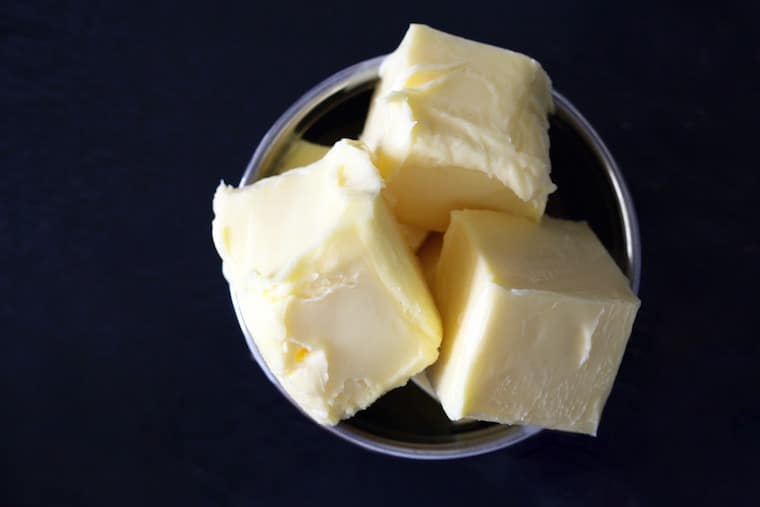
Small container of butter.

If you haven’t already jumped on the keto diet bandwagon, I’ll give you a brief introduction. Basically, the ketogenic diet is a super high in fat (65-75% of your diet is fat), a super low carbohydrate (<5% of your diet) and moderate in protein (15-20% of your diet). Surely, not the most balanced of diets considering Health Canada   your diet should contain 10-35% of protein, 45-65% of carbohydrate and 20-35% of fat. So how to you meet that skewed macronutrient distribution? Well, you load up on keto diet staples like meat, fish, butter eggs, cheese, heavy cream, oils, nuts, avocados, seeds and low carb green vegetables. And you cut out all your go-to carb sources like grains, rice, beans, potatoes, sweets, milk, cereals, and fruits. These kinds of restrictive diets tend to make nutrition professionals like dietitians run for the hills but I’m going to give it my honest unbiased account.

dietitian’s keto diet review

Dos and Don’ts of a Keto Diet

PROTEIN

Dos: Most proteins are fair game with a keto diet, however it is encouraged to enjoy organic, grass-fed or pasture-raised meats. On a keto diet you can enjoy a variety of protein sources such as whole eggs, fatty fish like salmon, seafood, organ meats, steaks, pork, poultry and more.

Don’ts: While the majority of proteins are okay in a keto diet, any meats or protein sources with added sugars is a no no.

OILS AND ADDED FATS

Dos: Fat makes up a huge part of the keto diet because it’s basically your main fuel. That is why it is encouraged to choose organic and grass-fed whenever possible. Excellent fat sources include olive oil, mayonnaise, coconut oil, butter, lard and other non-hydrogenated or unprocessed oils.

Don’ts: As long as there are no added sugars to the fat source, most fats are fair game.

NUTS AND SEEDS

Dos: Nuts and seeds are the best snack to fuel your day on a keto diet. Excellent sources include almond butter, flax seeds, macadamia nuts, brazil nuts and pecans.

Don’ts: Nuts covered in sugar are a no no.

DAIRY

Dos: Enjoy all of the cheese you would like on a keto diet. On top of that other great dairy sources include whole milk, full fat Greek yogurt and cream.

Don’ts: Avoid yogurts and creamers that are sweetened because they can quickly add to your overall carb count for the day.

FRUITS AND VEGGIES

Dos: To avoid constipation, load up on low carb veggies like kale, spinach, cabbage, mushrooms, green beans and green bell peppers. Some lower sugar fruit options include blueberries, blackberries and raspberries, but eat them sparingly.

Don’ts: Since fruits are high in sugar and carbs, they are usually a no go except for the few mentioned above. Fruits that are usually avoided on a keto diet include oranges, grapes, mangos, apples, papaya, pineapple, bananas, dried fruit and fruit concentrates. Avoid highly starchy vegetables like potatoes, corn, parsnips and yams.

GRAINS

Don’ts: All grains, even whole grains, should be avoided on a keto diet. A high intake of carbs will interfere with ketosis.

BEANS AND LEGUMES

Don’ts: Due to their high starch content, beans and legumes should be avoided.

What is Ketosis?

Ketosis is natural and normal, though arguably not optimal.

Our bodies run well on glucose (carbs)–they give us the necessary energy we need to function on a daily basis. When our body doesn’t get enough glucose (either because we’re cutting carbs too low, OR we haven’t eaten in too long), our body kind of freaks out and looks for other forms of energy to satisfy that role. That’s where the fat comes in. Without carbs, our insulin levels drop and fat is released from our cells. The fat overwhelms the liver which turns it into ketones, our body’s second choice to carbs for energy.

So, to confirm. Yes, your brain CAN function without carbs, but carbs are still your brains favourite good and some brain cells can only use glucose for fuel.

Ketoacidosis in Diabetes

It’s important we distinguish between the process of ketoacidosis seen in type 1 diabetes and this ketosis that so many people on the keto diet are striving for. If someone with diabetes lacks enough insulin and/or does not eat enough carbohydrates, they risk entering a state known as ketoacidosis. For those with uncontrolled diabetes, this can increase the levels of ketones in the blood, increasing the acidity of the blood, and potentially leading to a coma or even death. In ketosis for a healthy individual, the level of ketones in the blood never reaches these crazy high levels so it’s generally safe for the average healthy individual.

Bottom line: Ketosis is not ketoacidosis and is generally safe for most healthy people.

Keto Diet History
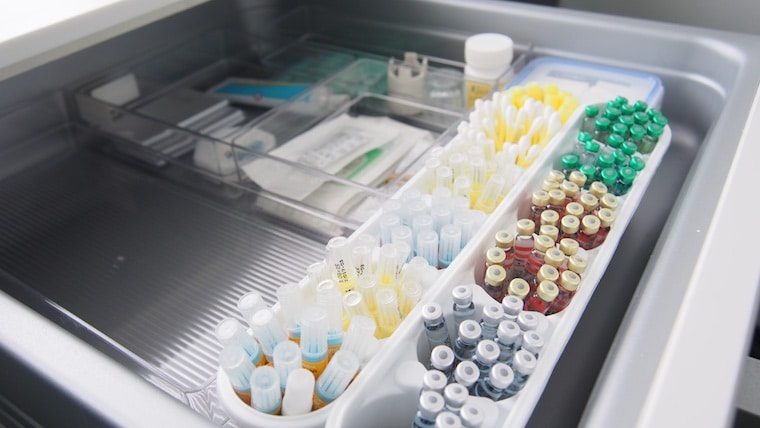
Needles and blood samples in a medical tray.

So where did the ketogenic diet come from? Interestingly enough, this fad diet didn’t spark from a celebrity endorsement or some guy missing a medical license. There’s evidence of the keto diet being used back in the early 1920s to treat severe childhood epilepsy and it’s still being used today for that purpose. Research suggests that the production of ketones may influence neurotransmitter activity in neurons allowing for a reduction in seizure attacks.

A recent Cochrane Review demonstrated a 30-40% reduction in seizures compared with non-keto diet controls. One thing to keep in mind, however (which is a theme when discussing the keto diet) is that it’s generally difficult to adhere to and difficult to tolerate for a lot of people. In other words, people go on it and then come off it pretty damn quick.

Neurological Diseases
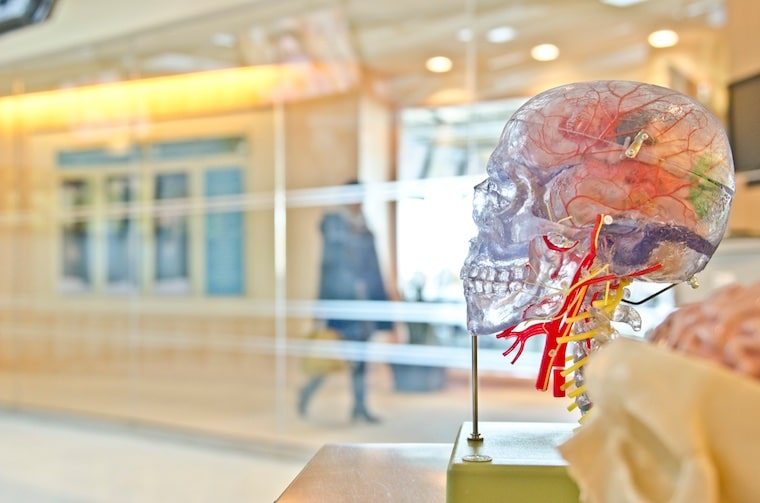
Image of a model skull.

Once the medical community acknowledged the keto diet’s effectiveness in reducing seizure episodes, they decided to look further and study its impact on neurological diseases in general. Neurological diseases share a common problem – a deficiency in energy production. Ketones provide that energy for normal brain cell metabolism, and may even be a more efficient   when the body is in starvation mode. When patients were put on the keto diet, the number of mitochondria (energy powerhouse) in brain cells increased. Ketones may also act as an antioxidant by inhibiting the formation of reactive oxidant species, which is why they may have promising effects in the treatment of certain cancers in conjunction with chemotherapy.

A 2017 mice study from the University of California found that a ketogenic diet (90% of calories from fat) lead to an increased life span, memory and motor function. Researchers observed a 13% increase in median life span when compared to a high carb diet.

Really exciting stuff, actually. Let’s look at a few other specific neurological diseases and the impact of the keto diet there.

Alzheimer’s Disease

In a study, Alzheimer’s patients fed with a ketogenic diet experienced improvements in their symptoms, which again may be due to the improved mitochondrial function. In another study, patients with Alzheimer’s were given a drug with ketones and after 90 days, they experienced improvements in cognitive function.

Parkinson’s Disease

In a pilot study, five out of seven patients trialed a keto diet for 28 days and showed marked reduction in physical symptoms. Parkinson’s attacks our human nervous system, partially as a result of an abnormal accumulation of a protein called alpha-synuclein. Research suggests that a ketogenic diet may reduce the associated cognitive and motor symptoms.Obviously, we need more research here but its an exciting finding.

Multiple Sclerosis

This also may be too premature, but an animal study found that the keto diet delayed motor neuron death and showed MS improvements, however it did not increase the life span of the subjects. In an exciting 2016 study, the ketogenic diet improved the quality of life, physical health and mental health of patients living with MS.

Cardiovascular Health vs keto reviews
Bowl of berries.

What about heart health and the keto diet? Previous older schools of nutrition would purport that a diet rich in fats (specifically saturated fats) would be detrimental for heart health. However, more recent research suggests that saturated fat is not as bad as previously believed.  There is actually a tiny little bit of evidence that a keto diet may improve triglyceride, HDL and LDL levels. Like here and here. An even more recent study found that a keto diet improved triglyceride, HDL and LDL levels. We’ll definitely have to wait to see how that research unfolds.

Type 2 Diabetes vs ketogenic diet review
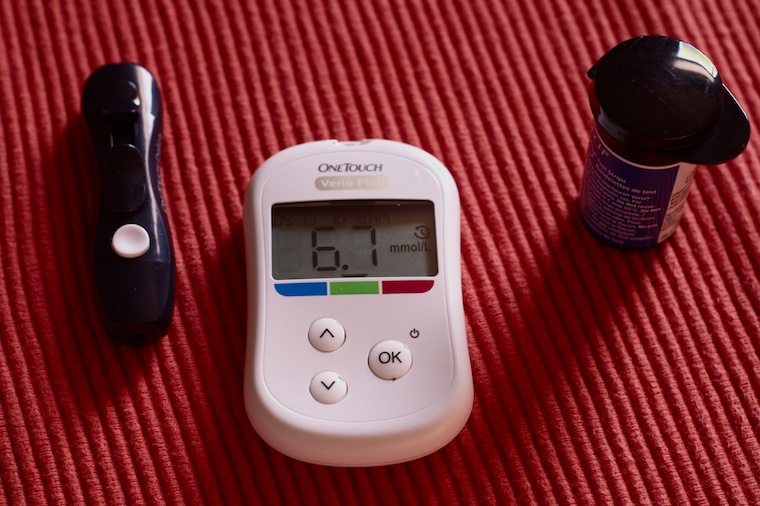
Glucose monitoring device.

There have been many attempts at studying the link between type 2 diabetes and the keto diet. In one study, a strict low-carbohydrate diet was administered in obese patients with type 2 diabetes. After 14 days of being on the diet, the glucose levels of participants normalized. Their hemoglobin A1C decreased from 7.3% to 6.8% and insulin sensitivity improved by 75%. Some of this study’s limitations include the short duration, the small sample size and the weak control group. In another study, 84 obese patients with type 2 diabetes were randomized to either a low-carbohydrate keto diet or a low-glycemic reduced calorie diet. At the end of the study, both groups experienced improvements in glycemic control. However the low carb keto group had greater improvements in hemoglobin A1c and higher HDL levels compared to the low-glycemic group.

A more recent 2017 study in the journal of Nutrition and Diabetes found that a low carbohydrate ketogenic diet for 12 months led to greater reductions in HbA1c and body weight. These results suggest that low carbohydrate interventions may be effective at improving glucose control.

Cancer vs keto diet review
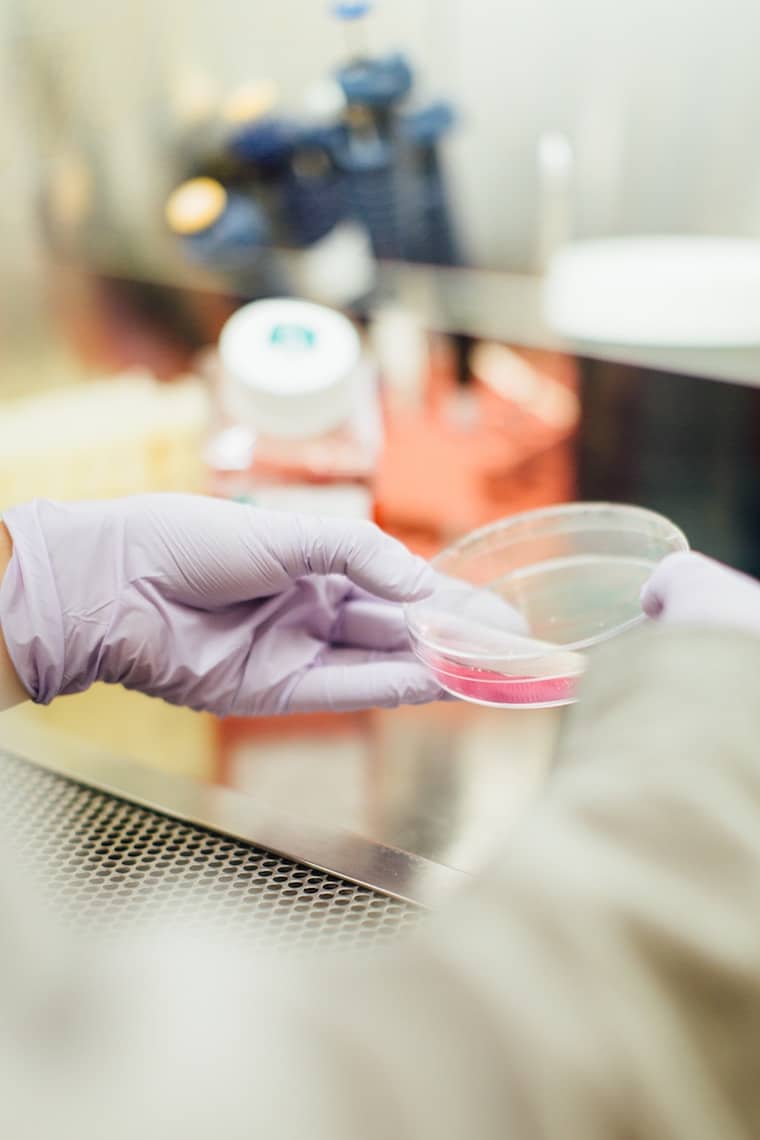
Lab technician holding sample.

There is exciting research on the role of a keto diet as a form of treatment for cancer. In one study, the use of a keto diet on patients with advanced cancer was deemed safe, and some evidence suggested it played a role in stabilizing the disease or resulting partial remission. In another study, the keto diet was used as a form of therapy for patients with malignant brain cancer. The study found that the keto diet may carry anti-tumor effects when administered in experimental animal and human brain tumors. The researchers believe this may be due to the reduction in calories. This reduces the circulating glucose needed for tumor growth. It is still unsure whether a keto diet per se plays a role in this or simply calorie restriction. All of this is to say that the research is preliminary, however still promising.

Sports Performance vs ketosis review
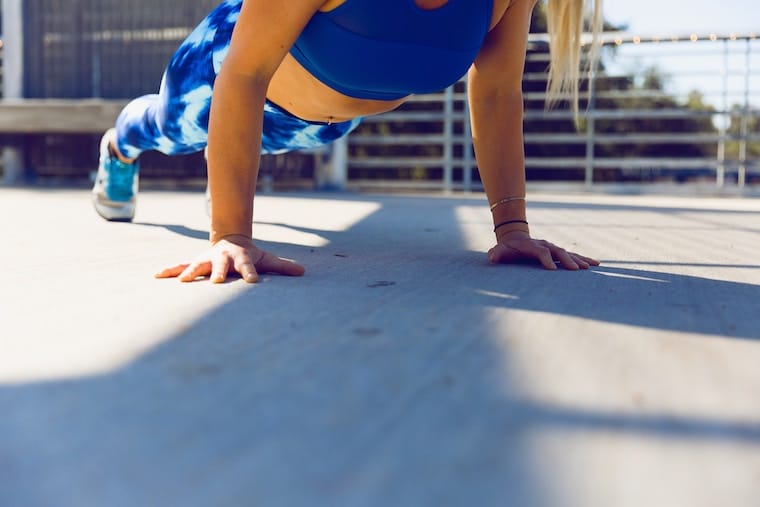
Women exercising outside.

In the sports nutrition field, we discuss the importance of timing carbohydrate and fluid intake on improving sports performance. For some time now, research has been looking at the role of very low carbohydrate diets on sports performance. Trailblazers in keto and sports performance research like Dr. Stephen Phinney have been conducting studies in this area since the 80s. In one of his studies, the glycogen stores of cyclists on a keto diet were not completely depleted and lipid oxidation was increased. Researchers concluded that the body was able to adapt to the lack of carbohydrates and preserve what was needed to use the fat as fuel.  However, based on the VO2 max breath test, since the body was attempting to preserve the carbohydrate during the exercise, it appears that the intensity of the exercise was limited.

In a more recent study, off-road cyclists following a keto diet experienced small improvements, but still not significant enough to make strong conclusions.

The only difficulty with some of these studies is that they tend to have small sample sizes, like this one that only has five cyclist participants and the data was largely skewed by the fact that only ONE cyclist experienced a large enhancement of exercise capacity after the keto diet. Their studies also tend to be short term. Back in 2014, Phinney and scientist Tim Noakes wrote an editorial that stated that in the past 31 years, there have only been a handful of studies measuring sports performance and low carb diets. Out of a total of 11, only 3 found exercise improvements.

Recently a large study was released which contains a collection of 200+ keto and carbohydrate studies. Pretty big deal. Part 1 of the series looked at the ketogenic diet’s impact on body fat, muscle mass, strength and endurance.

what the research says

MUSCLE MASS

Studies found greater lean body mass loss in individuals following a ketogenic diet. However, since lean body mass contains water, glycogen and muscle protein, it was hard to determine whether lean body mass in the studies meant a loss in muscle protein or water and glycogen.

ENDURANCE PERFORMANCE

Studies found that endurance performance, whether it was anaerobic or aerobic was impaired or maintained with a ketogenic diet. Majority of studies used in this review had small sample sizes, no control group or were very short in duration. Because of this, it is still unclear whether endurance performance is enhanced or impaired with a ketogenic diet.

STRENGTH PERFORMANCE

The majority of the studies found that there was no statistically significant difference between the groups when it came to strength performance. Having said that, researchers had a tough time comparing the diets since protein and total energy were not matched.

To date, no studies have evaluated the long term effects of the keto diet on sports performance. That does not mean that the keto diet won’t be effective. For now we don’t yet have the evidence to draw strong enough conclusions to call it standard best practice.

Weight Loss vs ketogenic diet review

Most people are use this diet for rapid weight loss (surprise, surprise). Let’s take a look at what the literature says.
Hand holding measuring tape.

First of all, I can’t deny the fact that people will lose weight on a keto diet. Here’s why. First of all, you’re eliminating a major food group. When you do that, you limit your food options and most likely your food intake, so it’s not rocket science that you’ll likely lose weight. Second, most people on a low carb diet tend to increase their protein intake in the absence of carbs and there is some evidence that consuming higher amounts of protein may have some weight loss benefits. The large recent study mentioned above also looked at fat loss and found that individuals following a keto diet lost about the same weight as individuals following a different diet when they ate the SAME amount of calories. However, the studies found that individuals on the keto diet tended to lose body weight quicker.

why you lose weight on a keto diet

Here’s why. The reason the keto diet leads to rapid weight loss is due to the loss of water weight. One of the concerns with the keto diet is the loss of muscle mass and the depletion of glycogen stores. Glycogen, which stores our glucose, also stores water, so when stores are depleted, we flush out excess water. In other words, that rapid weight loss isn’t fat, it’s just water.

Ocean.

The keto diet also has an impact on our hormonal levels. Many studies have looked at whether the state of ketosis suppresses our appetite through the actions of leptin and ghrelin. A 2013 study found that after patients lost weight on a keto diet, our hunger hormone (ghrelin) was altered and suppressed. A systematic review also concluded that the state of ketosis appears to be a plausible explanation for the suppression of appetite. So this the keto diet may be good for dieters who can’t stand the discomfort of hunger. Finally, the keto diet also may have an impact on our stress hormone, cortisol. This was demonstrated in a Harvard study where the keto diet resulted in an increase in cortisol in individuals following a very low carb keto diet. High levels of cortisol is associated with insulin resistance, cardiovascular disease and may promote fat accumulation.

So we got the short term effects, but what about long term impacts of the Keto Diet?

So one study looked at the long-term effects of a keto diet in obese patients and after 24 weeks, patients lost weight, reduced their total cholesterol, LDL, triglycerides and increased their HDL. Another study conducted on 132 obese patients found that the low carb (keto) group lost more weight than the low fat group while improving biomarkers like decreased triglycerides, improved insulin sensitivity, and decreased fasting glucose. This all was confirmed in a 2013 meta-analysis, 13 RCTs (1,569 participants) found that patients assigned to a very low carbohydrate diet resulted in greater weight loss compared to those assigned to a low-fat diet.

There are also studies suggesting that long term carbohydrate restriction diets may result in fast short term weight loss. The caveat is that these people gain it all back in the long term. An RCT put 63 individuals on a low-fat diet or a low carb diet, and the study found the low carb dieters lost more weight compared to the low fat group by month 3 and 6, but that the weight loss evened out by month 12. This was confirmed by a Meta-analysis which found that while low-carbers lost more weight than low-fat dieters but the differences disappeared by the one year mark.

diets don’t work

One thing we know about diets and weight loss is that they don’t work. I’ve written about this in depth with regards to the participants on the Biggest Loser. This was evident in a study  analyzing 31 long term studies on dieting, which found 2/3 of dieters put back the weight they lost. Other research has reported the failure rate may be as high as 95%. Any diet that is restrictive and unrealistic may be nearly impossible to sustain.

While the keto diet may result in weight loss, what are the dangers of doing this long term? 

Potential keto diet danger

Loss of Muscle Mass
Women lifting weights.

A huge concern with the keto diet is the maintenance and potential loss of muscle mass. Many people will just think: hey, dummy, then just eat more protein. Some research has shown that even if your protein intake remains constant, a low carb diet may promote muscle loss.

A study from the Netherlands confirmed these findings. In the study, participants consumed three diets (high carb, moderate carb, low carb) and moderate protein. The study found that those following a low carb diet experienced increased muscle breakdown. This is because when we eat carbohydrates, we produce insulin which promotes muscle growth. This is why athletes depend on carbohydrates (along with protein) to fuel their performance. When we eat carbs, the insulin release “unlocks” our muscles to let the protein in so it can do its job at building our muscles. When we skip carbs all together, muscle glycogen stores get depleted, we lose out on those muscle building opportunities. Forget about high intensity training. A depleted glycogen store also means our workouts will suffer because we just don’t have enough oil left in the tank.

This was a again suggested in the recent review looking at many ketogenic studies. The studies found that there was greater lean body mass loss in the ketogenic groups compared to the other diets being studied.

Keto “Flu” and Bad Breath

Since our body isn’t used to using ketones, we tend to feel flu-like when in ketosis. Lots of brain fog, fatigue, headaches, nausea and poor endurance. You also get bad smelling breath, sweat and pee from the acetone (a byproduct of fat metabolism). Sexy? Not so much. Thankfully, over time, a lot of people report that most of these side effects start to go away.

Constipation

Constipation is one of the most common onset side effects of following a keto diet. A ten-year study looking at the effects of a keto diet on 48 children found that 65% of the children experienced constipation. A low carb diet means you’re missing out on fibre-rich grains, fruits and certain vegetables.
Close up of beans.

High Cholesterol

With the high intake of fat, are we concerned about the high intake of cholesterol? YEP. A study using the keto diet as a form of treatment for epileptic seizures in children found that after 6 months of administering the diet, triglyceride levels increased, total cholesterol levels increased, and HDL and LDL increased. These results suggest that over time, a keto diet may lead to an increased risk of hypercholesterolemia and hypertriglyceridemia. In the same ten-year study, 40% of patients developed hypertriglyceridemia and 29% of patients experienced hypercholesterolemia. So, if heart disease runs in your family, you may want to bow out now.

Mineral deficiencies

Strict dietary restriction means we may be missing out on crucial vitamins and minerals. With the keto diet, major minerals that are missed include sodium, potassium and chloride which is why they are typically supplemented with a table salt tablet. Other vitamins that might be missed out on include vitamin D, calcium, magnesium, selenium and zinc. The lack of vitamin D and calcium puts keto dieters at risk for reduced bone health and increased risk for fractures and long term bone diseases.
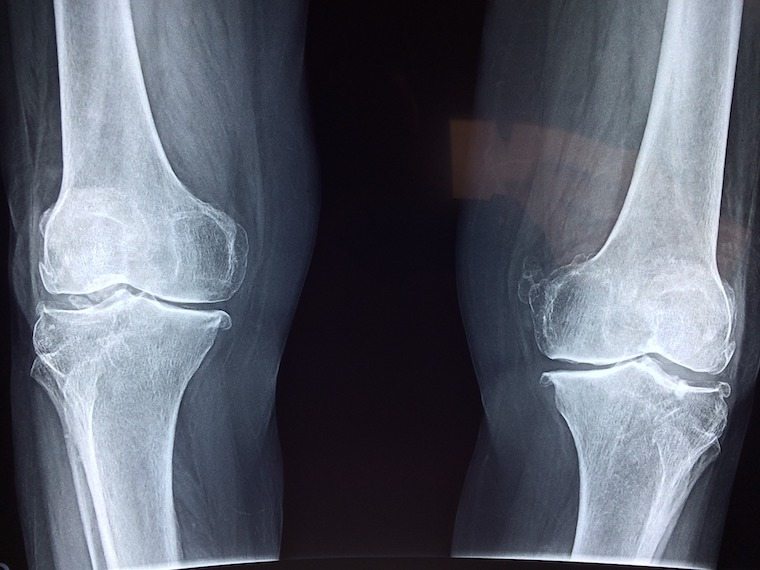
X-ray of bones.

The Verdict on the Keto Diet

United States Supreme Court Building.

Cutting out a whole food group (or in this case, more than one) is a dietitian’s worse nightmare. First, it makes it a really hard diet to follow. Second, it stresses the hell out of your body and makes it work a lot harder to keep up. In a US News & World Report’s review of 2018 diet, the ketogenic diet came in last place as a sustainable means to weight loss because of its restrictive nature.

the importance of carbohydrates
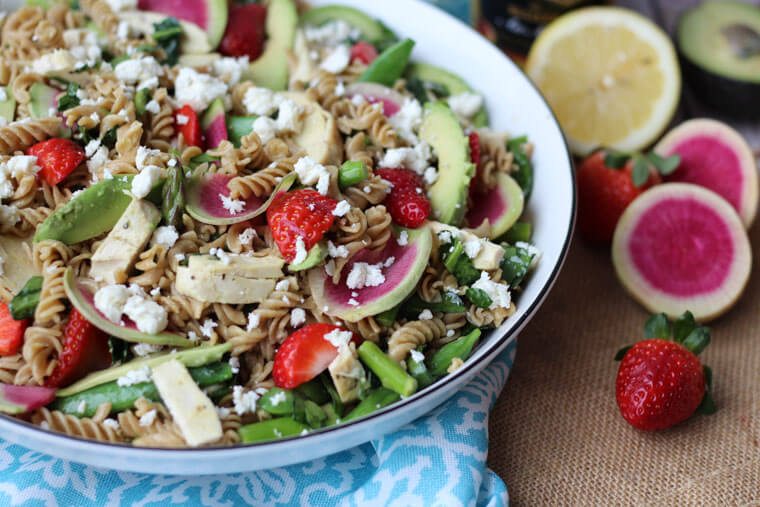
Bowl of pasta salad.

Carbohydrates make up the life blood of our body’s ability to function. Our body’s need it to run efficiently. Carbs promote muscle growth and endurance in athletes and gives us the energy to get through the day.

We’ve seen the role of a keto diet in neurological diseases and as a form of treatment. The keto diet may also act as a quick fix rapid weight loss tool just like any other restrictive diet. While the risks are likely low if you’re an otherwise healthy individual, I still wouldn’t brush them off as NBD.

More problematic for me is the fact that ANY diet  is likely to encourages disordered eating behaviours.

This diet is focuses on how much you can eat and less about the quality of the food you eat. A recent 2018 study found that people who focused on eating plenty of vegetables and whole foods and less on counting calories and limiting food groups, lost a significant amount of weight over the course of a year. This continues to echo the notion that the key to successful weight loss is diet QUALITY and not QUANTITY. And now, there’s research that actually supports that!

bottom line

I’m a big believer that everything – especially carbs – can be enjoyed in moderation. The best diet is just whatever eating pattern you find most pleasurable that also meets your body’s unique needs. Now I need a summer peach, or a pillowy slice of focaccia, or a mindful bowl of pasta.

Become an Abbey’s Kitchen Subscriber

If you liked this post, you may like:
Can the Keto Diet Cure Your Digestion Problems & IBD?
Is it Safe to Breastfeed On The Keto Diet & How Does it Affect Breast Milk?
Does a Keto Diet During Pregnancy Cause Birth Defects?
A Dietitian’s Thoughts on What Netflix’s The Magic Pill Gets Right About The Keto Diet
A Dietitian’s Thoughts on What Netflix’s The Magic Pill Gets Wrong About The Keto Diet


Have you tried the keto diet for weight loss?
What are your thoughts on this keto diet review?
Let me know below!
 

Women doing a plank position in workout clothes. Small cubes of butter in a metal cup.

Abbey Sharp

Abbey Sharp is a Registered Dietitian (RD), regulated by the Ontario College of Dietitians. She is a mom, YouTuber, Blogger, award winning cookbook author, media coach specializing in food and nutrition influencers, and a frequent contributor to national publications like Healthline and on national broadcast TV shows.

www.abbeyskitchen.com/about-abbey/

Last Updated April 17, 2018. Published April 20, 2018 By Abbey Sharp 25 Comments

Can I Eat During Labor and Delivery? What Does the NEW Research Say about Having Food While Giving Birth

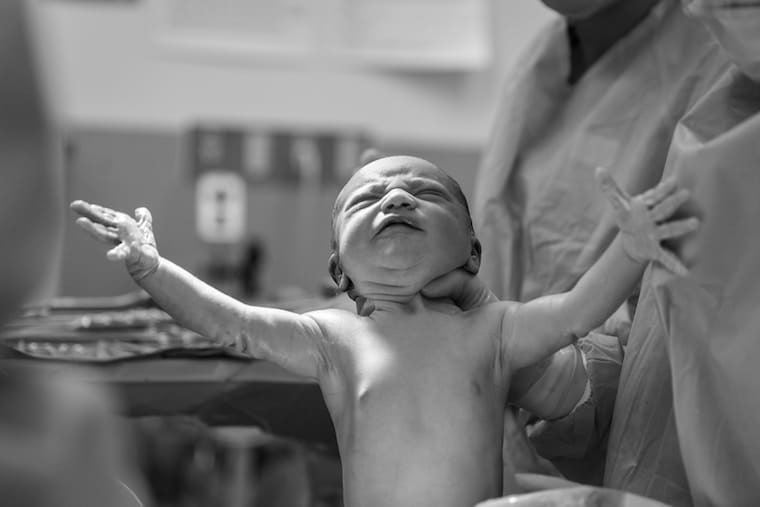
A baby being held by a doctor.

We challenge the guideline of avoiding having food while giving birth and answer the question can I eat during labor and delivery.

So I may be making some assumptions, but I think most moms would agree- labor and delivery is no small feat. Whether it lasts 10 hours or 48 hours, labor is typically a marathon, especially for first time moms. Historically, it was suggested that women avoid having food while giving birth, prompting most OB’s to continue to restrict eating in the hospital. But while I was at my prenatal class, another fellow mom-to-be brought up the common question, “can I eat during labor and delivery?” Why or why not? This question has been a source of recent debates amongst nurses, obstetricians, dietitians and anesthesiologists. Is it time for a new recommendation and practice? Let’s look at the evidence.

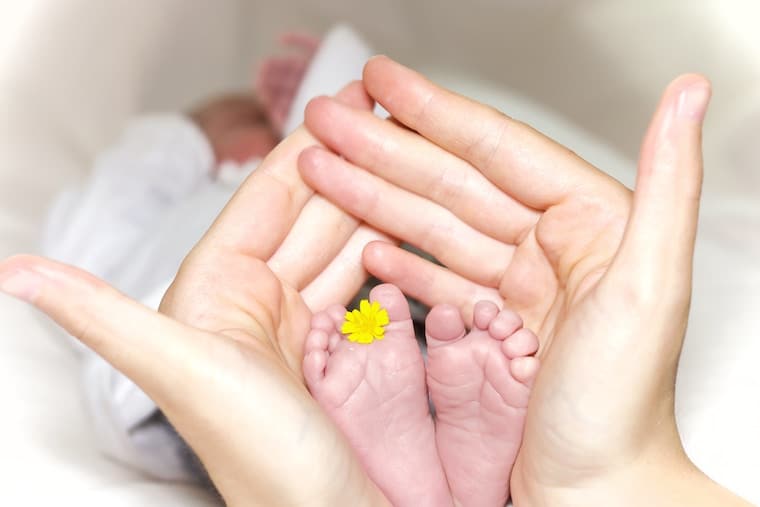
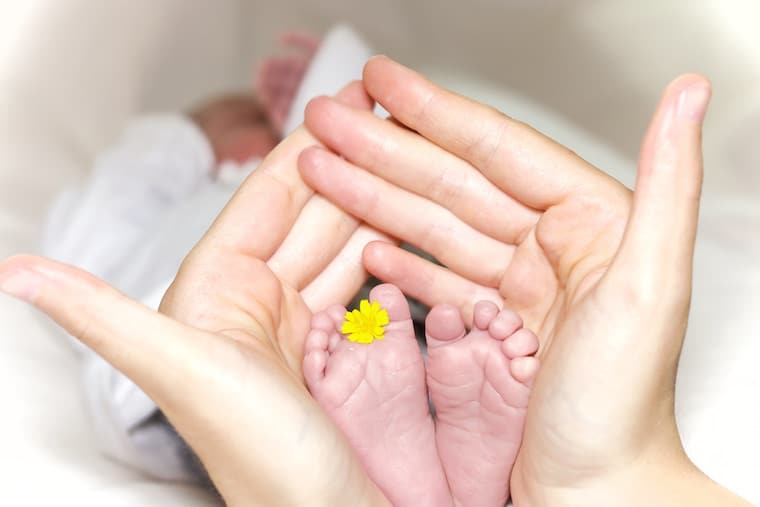
A baby\'s feet in the hands of a set of adult hands.

Why Can’t I Eat During Labor and Delivery?

 The guideline of avoiding having food while giving birth was based on research from over 70 years ago.  Researchers in the 1940’s found that women who ate and drank more than just ice chips while in labor were at risk for gastric aspiration (inhaling stomach contents) when they were put under general anesthesia (total loss of consciousness). Similar to during other medical procedures where general anesthesia is used, there is a greater risk for vomiting because all of our muscles are relaxed and it is difficult for the body to keep stomach contents down. These recommendations may have made sense back in the day when anesthesia was more commonly used during child birth, however today general anesthesia is very rarely used during childbirth. Instead it is more common to have a local anesthesia (partial numbing of the body) through epidurals.

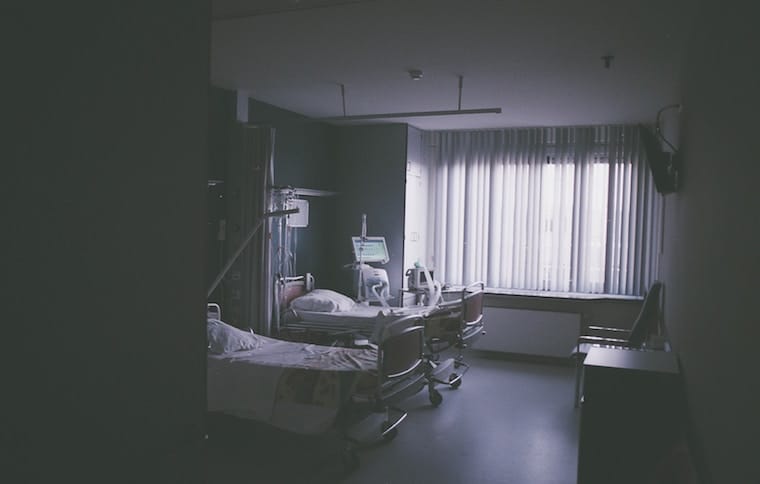
Hospital beds.

Okay but back to the point about why it’s commonly thought you can’t eat during labor and delivery. There has been no solid evidence that avoiding food intake during labor is protective against aspiration or other negative outcomes for mother and child.  Research presented to the American Society of Anesthesiologists in 2015 examined 385 studies and found only 1 case of aspiration between 2003- 2015 in what was considered a high-risk delivery. Advances in labor practices and anesthesia demonstrates that the risk for aspiration is almost non-existent compared to the slightly higher prevalence in the earlier 1900’s.

Aside from aspiration, it has been suggested from some research that the consumption of large amounts of food and fluid during birth have led to more vomiting. However, this finding is contradicted by other researchers and the evidence is inconclusive.

So then Can I Eat During Labor and Delivery Now!??

 A baby being held by a doctor.

Although it looks like there is very little to having food while giving birth, eating might be the last thing on your mind.  It has been suggested that there is neither any harm nor benefit to upping your food intake in childbirth.  One study found that women who had freedom to choose what to eat had an average 16-minute shorter labor period than those who were restricted to ice chips.  Um, YESS!!  However, OBVIOUSLY this was merely a correlation and it can’t be said that the increased food intake caused shorter labor. Most women were more satisfied with their birth experiences when they had free choice of what to eat during labor and delivery, because hey, who doesn’t like choice.  Generally, when given the choice, women tended to eat less as labor progressed. That probably makes sense because you’re a wee bit busy, and hunger is the least painful experience you can feel when you compare it to the watermelon coming out of your lady parts.

But don’t I need energy to push?!

 Though there has been little research done on what the exact energy needs are during labor and delivery, it is suggested that the average woman has the same caloric needs as a marathon runner during this time.

A pair of feet wearing pink nike shoes.

When we don’t consume energy (aka. calories) during times of immense calorie burning, we deplete the body’s energy stores.  During labor, many muscles in the abdominal region go through periods of contractions, using up a hell of a lot of body fuel.  The most readily available source of energy for the muscles is glucose, and when glucose in the bloodstream gets used up, we use the storage form of glucose, called glycogen, for fuel.  After a long period of strenuous activity where glucose and glycogen stores start to get used up with no food to regenerate these supplies, the body goes into a metabolic process called ketosis.  Ketosis is the production of ketones which lead to an increased acidity in mother and fetal blood.  It may be a trendy weight loss diet right now, but research suggests that higher than normal blood acidity when giving birth can lead to a longer labor.  In addition to this, ketosis can also lead to nausea, vomiting and headaches, particularly if you’re not used to that state.  We’ve gone into lots of detail on the pros and cons of ketosis here!

What are the Best Snacks to Eat During Labor and Delivery?

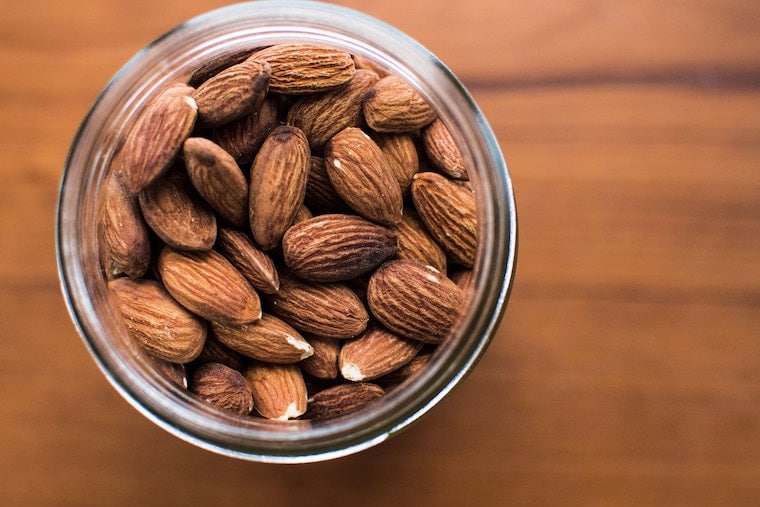
Overhead photo of a jar of almonds.

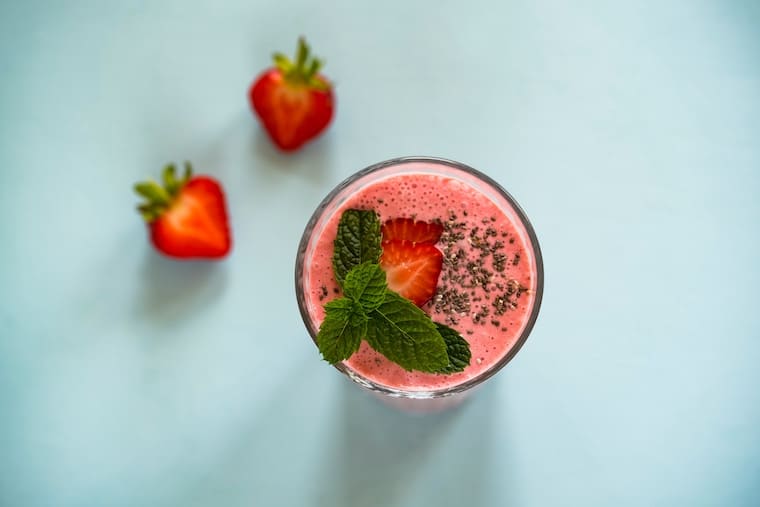
Women tend to feel best when they eat small amounts of food and liquid at a single time during labor.  It is best to avoid foods that are extremely fatty or fibrous that can cause stomach upset on their own because nausea is already a common response to pain.  As mentioned, since glucose is the body’s most readily accessible source of energy, carbohydrate rich foods are best.  Many women prefer cold foods as labor is usually a pretty sweaty process. Think cold watermelon, cold smoothies, bananas, dried fruit, dates, juice, popsicles or low fat chocolate milk.

An overhead image of a strawberry smoothie.

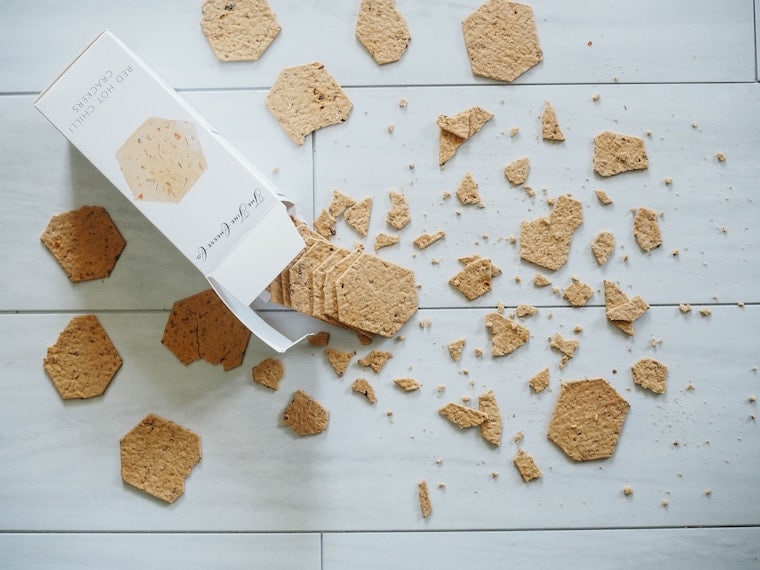
Often, women choose to drink sports drinks to get liquids and carbohydrates together at the same time.  Research suggests that having sports drinks can reduce maternal ketosis by providing calories in the form of sugar (carbohydrates).  Focus on types carbohydrates that provide a slow release of energy like whole grains from foods such as granola or whole grain crackers.  It is best to eat these slow release carbs in the early stages of labor so they can provide lasting energy to the later stages. Foods with simpler sugars like fruit and sugary drinks release a quicker short burst of energy which can be helpful to give you an energy hit without making you too full or getting your blood sugar back up.

An overhead image of crackers fallen onto the floor, some broken.

As you get further through labor, your unsettled stomach might not want anything to do with food, but this is when you need the energy the most so make sure you eat lots early on.  Bring a variety of different foods because you never know what might save the day.  Aside from carbohydrate rich foods, don’t forget to hydrate!

Bottom Line

With these recommendations in mind, remember that every woman is different! Be sure to pack your hospital bag with lots of snack options because you never know what is going to help you in that moment. Good luck to all my mommas (and eek, good luck to me!!)

Now, I want to know, did you eat during labor and delivery?

What snacks and foods worked best for you?

Pinterest image of food and of a baby with the text overlay \"can I eat during labor and delivery?\"

Contribution by RD2B Abi Sims

Abbey Sharp

Abbey Sharp is a Registered Dietitian (RD), regulated by the Ontario College of Dietitians. She is a mom, YouTuber, Blogger, award winning cookbook author, media coach specializing in food and nutrition influencers, and a frequent contributor to national publications like Healthline and on national broadcast TV shows.
www.abbeyskitchen.com/about-abbey/

Last Updated November 22, 2019. Published April 16, 2018 By Abbey Sharp 15 Comments

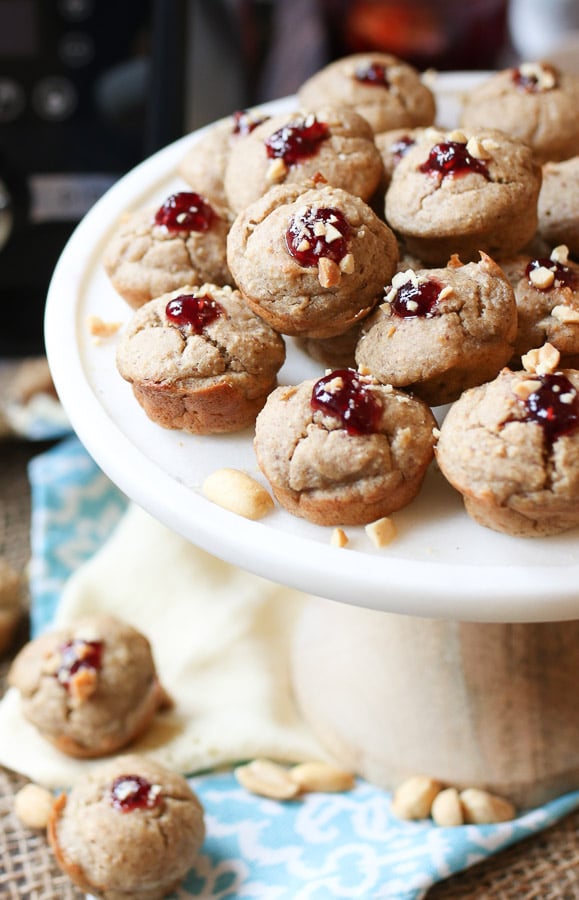
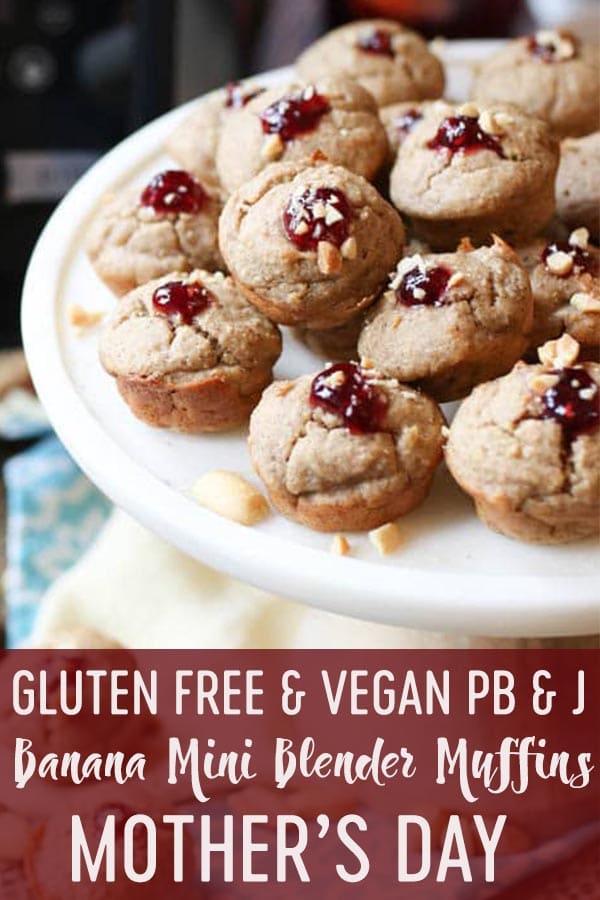
Gluten Free and Vegan PB & J Banana Mini Blender Muffins for Mother’s Day

These Gluten Free and Vegan PB & J Banana Mini Blender Muffins for Mother’s Day will become a tasty treat to share with the moms in your life.

DISCLAIMER: This post was developed in sponsored partnership with Vitamix, however, as always, all opinions are genuine.

 These Gluten Free and Vegan PB & J Banana Mini Blender Muffins for Mother’s Day will become a tasty treat to share with the moms in your life.

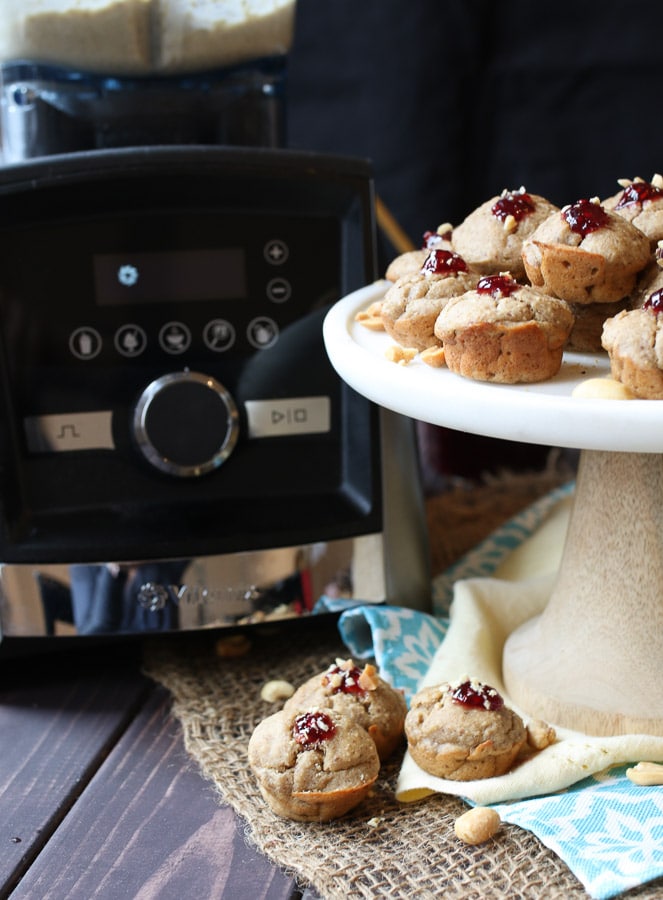
A white plate of blender muffins with a dollop of jam on top.

If you haven’t been following my Instagram feed, you may have missed that I am officially a mom! Little baby E graced us with his presence on April 13th and I cannot tell you how amazing the experience has been so far. But if I thought pregnancy ramped up my appetite – WOAH, breastfeeding has meant a whole other level of hangry.

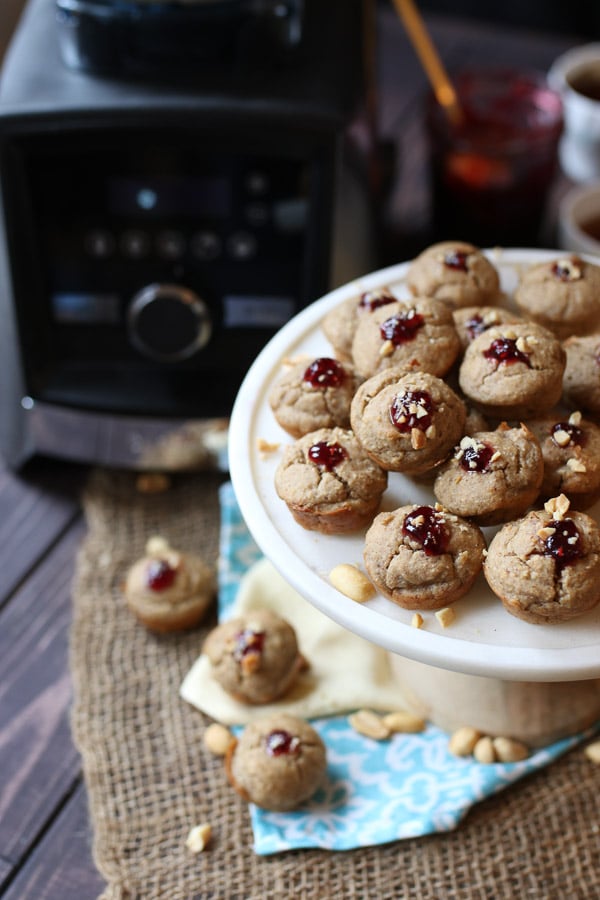
A plate of blender muffins with a vitamix in the background.

I’m so grateful that I had whipped up a batch of these gluten free and vegan PB & J banana mini blender muffins a week before I was due. I have had these sitting in my freezer, ready to be pulled out and rewarmed for a midnight nosh and man, they have done the trick. They’re also going to be the star of my Mother’s Day brunch as I celebrate my FIRST ever Mother’s Day.

It’s a bit surreal when you spend your whole life celebrating a holiday for someone else, and suddenly you become the center of attention (on both sides of the fam!) Not going to lie, I could get used to this.

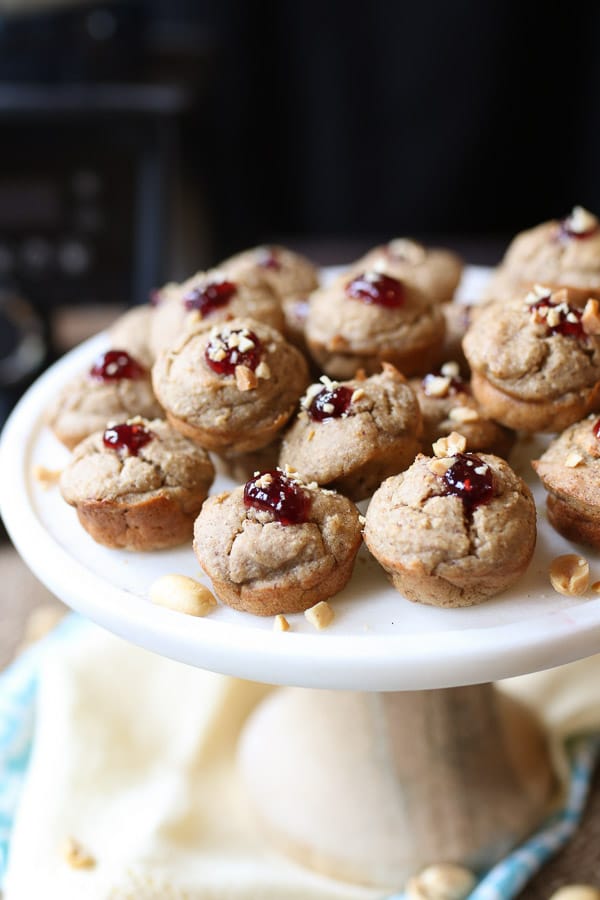
A white plate with blender muffins with jam on top and peanuts.

The reality is, that even when I am the guest of honour and I have a newborn child, I can’t come to (or host!) a brunch empty handed! I mean, my brand is called Abbey’s Kitchen- I have a reputation to uphold, newborn in tow or not! So since these have served me so well in my first days postpartum, I thought they would make the perfect treat to bring to Mother’s Day brunch.

How to Make Gluten Free and Vegan PB & J Banana Mini Blender Muffins

A white plate with blender muffins with jam on top and peanuts.

Now, I barely had time to bake before I had kids, but today, the idea of spending any more time in the kitchen than is needed to make a coffee seems… well, crazy. Thankfully, these muffins are super simple thanks to my Vitamix Ascent Series A3500! I just throw everything into the blender, pop the batter into muffin tins and BAM. I have a healthy, nourishing snack, breakfast or brunch that everyone is going to love.  I also love that the Self-Detect technology and Bluetooth connectivity makes it super easy (even with new mom brain!) so I can show up to our Mother’s Day brunch at least slightly less frazzled than normal. These muffins are not only the perfect size for little mouths (so the whole family can enjoy them), but they’re so easy to pull off, even the kiddos can roll up their sleeves to help you make them! Okay, so mine is a FEW years off from that, but hey, I assume he’s taking notes.

A white plate with blender muffins with jam on top and peanuts with a vitamix in the background.

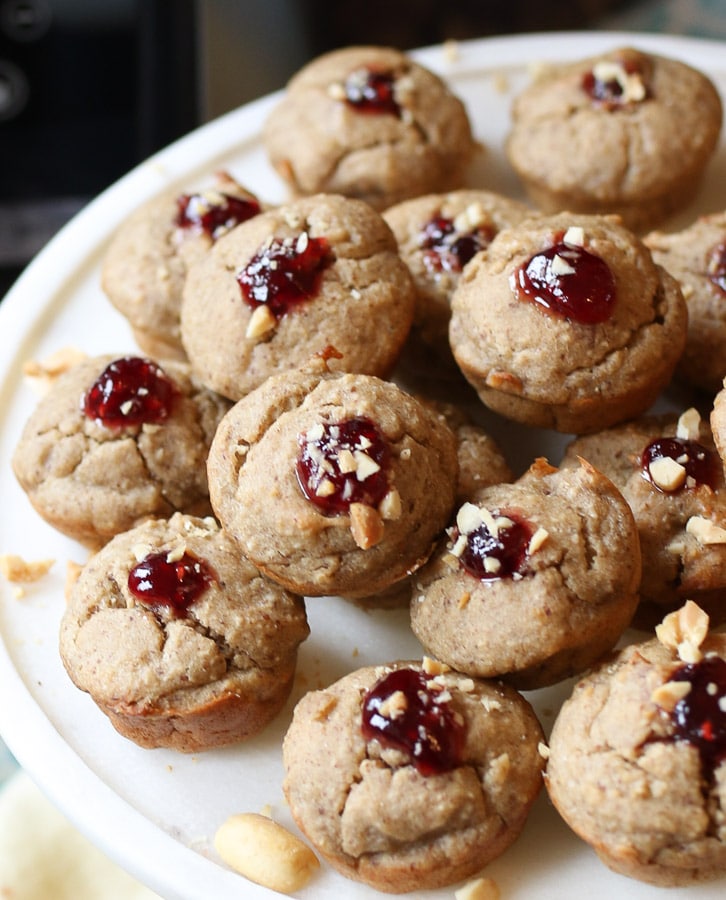
Once the batter is done, I take these to the brunch party level by stuffing them with some of my legendary Raspberry Chia Jam and finish them with some minced peanuts. Serve them up with some tea for a fancy pants Mother’s Day spread or just pop them in the freezer for up to three months for any day of the year you need a nourishing treat.

What are you making for Mother’s Day?

Have you tried making these gluten free and vegan PB & J banana mini blender muffins?

Leave me a comment below with your brunch or breakfast ideas for moms!

Pinterest image of a white plate with blender muffins with jam on top and peanuts with the overlay text \"gluten free & vegan PB&J banana mini blender muffins for Mother\'s Day.\"

Disclosure: This recipe was sponsored by Vitamix, however, all opinions are genuine.

A white plate of blender muffins with a dollop of jam on top.
Print Recipe
5 from 3 votes

Gluten Free and Vegan PB & J Banana Mini Blender Muffins

These Gluten Free and Vegan PB & J Banana Mini Blender Muffins for Mother’s Day will become a tasty treat to share with the moms in your life.
Prep Time10 minutes mins
Cook Time15 minutes mins
Total Time25 minutes mins
Course: Snack
Cuisine: British
Servings: 18 people
Calories: 85kcal
Author: Abbey Sharp

Ingredients

  • 2 cups gluten free oats
  • 2 flax eggs 2 tbsp ground flax + 1/4 cup water
  • 2 medium ripe bananas
  • 1/4 cup brown sugar
  • 1 1/2 tsp baking powder
  • 1/2 tsp baking soda
  • 1 tsp vanilla
  • 1/4 tsp salt
  • 1/4 cup almond yogurt
  • 1/4 cup unsweetened vanilla almond milk
  • 5 tbsp high protein powdered peanut butter
  • 1/3 cup Raspberry Chia Jam see link above for the recipe!
  • 1/4 cup peanuts minced

Instructions

  • Preheat oven to 350 F.
  • Place all of the ingredients, except for the Raspberry Chia jam into your Vitamix Ascent Series A3500.
  • Transfer to a greased mini muffin tin and bake for 15 min.
  • Once cooled, fill a piping bag with Raspberry Chia Jam and finish them with some minced peanuts.

Nutrition

Calories: 85kcal | Carbohydrates: 14g | Protein: 3g | Fat: 2g | Saturated Fat: 1g | Cholesterol: 1mg | Sodium: 88mg | Potassium: 150mg | Fiber: 2g | Sugar: 5g | Vitamin A: 15IU | Vitamin C: 1.6mg | Calcium: 41mg | Iron: 0.6mg
Abbey Sharp

Abbey Sharp is a Registered Dietitian (RD), regulated by the Ontario College of Dietitians. She is a mom, YouTuber, Blogger, award winning cookbook author, media coach specializing in food and nutrition influencers, and a frequent contributor to national publications like Healthline and on national broadcast TV shows.
www.abbeyskitchen.com/about-abbey/

Last Updated April 12, 2018. Published April 12, 2018 By Abbey Sharp 22 Comments

Healthy Lychee Chicken Curry Noodles | High Fibre, High Protein Dinner

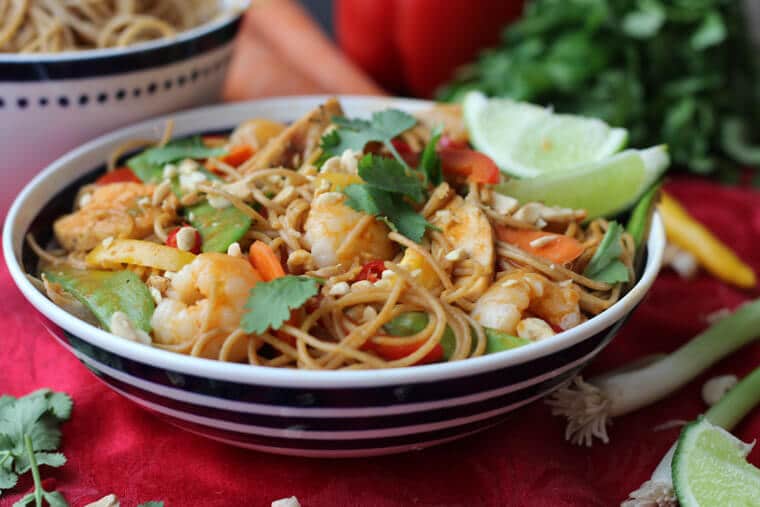
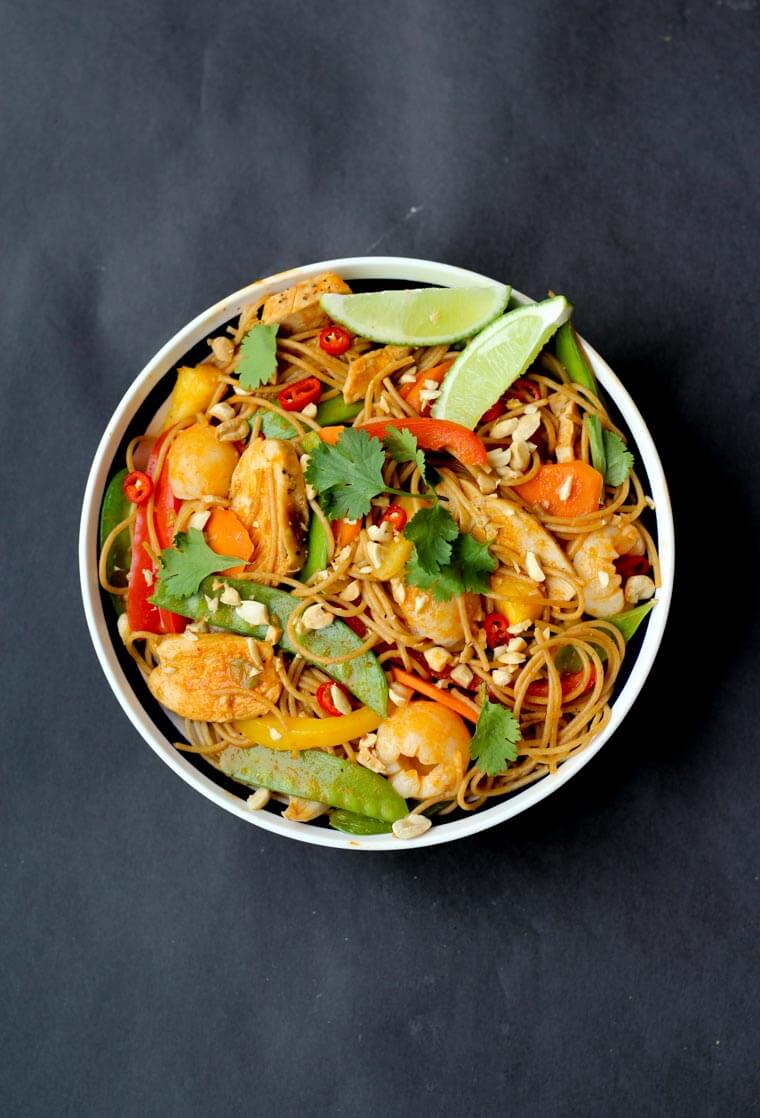
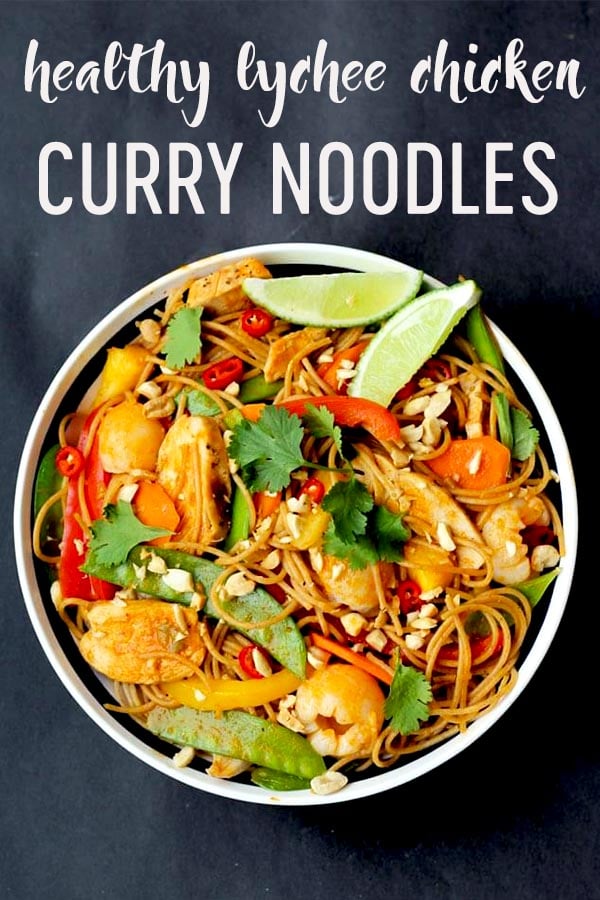
An overhead image of a bowl of healthy lychee chicken curry noodles with garnish and limes on top.

DISCLAIMER: This post was developed in sponsored partnership with Catelli, however, as always, all opinions are genuine.

These Healthy Lychee Chicken Curry Noodles are a perfect one pot, high fibre, high protein dinner for easy casual entertaining.

A bowl with lychee chicken curry noodles with cilantro on top and limes.

Storytime! Back when I was studying to become a dietitian, I was part of a small group of dietetic interns at a local hospital who literally helped me survive a very difficult year. Once a month, five of us gals would get together to “study” for our end-of-year qualifying exam, promising to each bring at least a few practice scenarios to the table. If I’m being honest, those study sessions were really just an excuse to crack a bottle of wine and eat way too much take-out, but regardless, we all passed.

I was always in charge of ordering (I’ve always been the most decisive lady in the group), and one of our go-to’s was a lychee chicken curry from a local Thai restaurant. Sweet juicy lychees, hearty chicken and a creamy coconut sauce always went down well with the girls and helped get our thinking caps on for a serious “study-sesh”.

An overhead image of a bowl of healthy lychee chicken curry noodles with garnish and limes on top.

Today, we’re long past pretending to study, and yes, our conversations are now more about babies than they are about boys, but we still get together to enjoy a good meal as a group at least once a month. This month, I wanted to pay homage to our old internship tradition by making my own Healthy Lychee Chicken Curry Noodles.

How to Make Healthy Lychee Chicken Curry Noodles

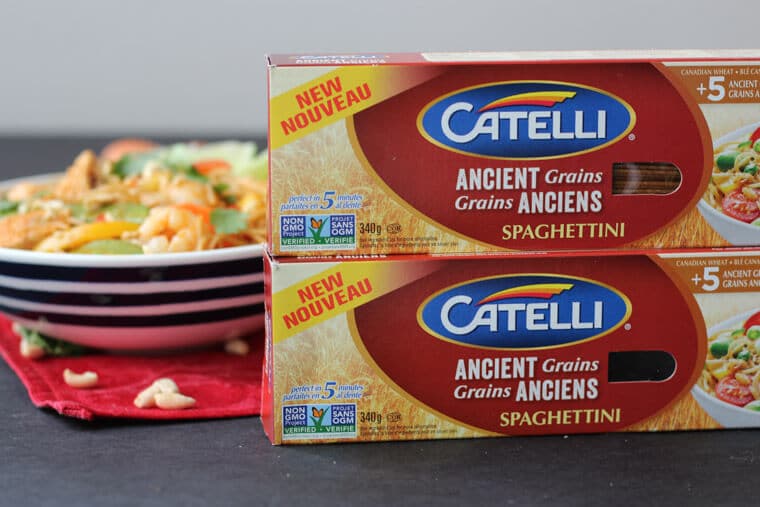
By skipping the take-out, I was able to lighten up the curry sauce, cut the sugar, add tons more veggies (because not surprisingly, they’re in high demand with my dietitian friends), substitute the standard white rice for amazing high fiber pasta. I am obsessed with Catelli’s new Ancient Grains pasta made with 100% Canadian wheat and five ancient grains including quinoa, teff, amaranth, millet, and sorghum. Each serving packs in 75% of your daily whole grains and 32% of your daily fiber needs – so it’s a super satisfying choice in these Healthy Lychee Chicken Curry Noodles.

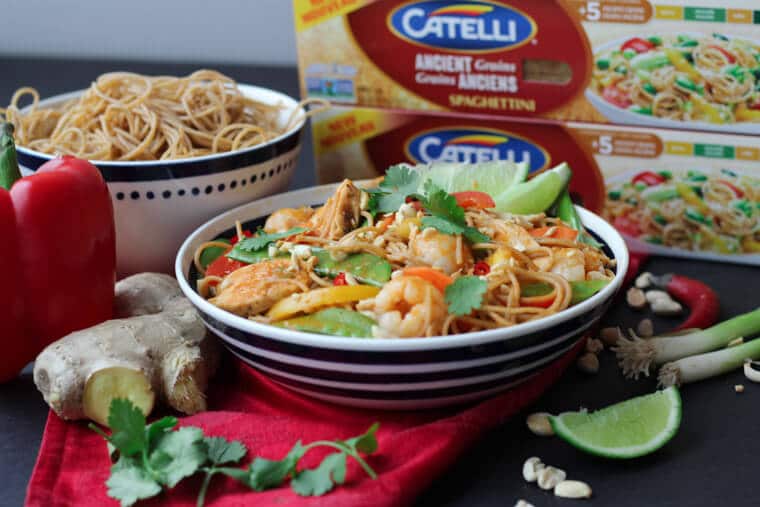
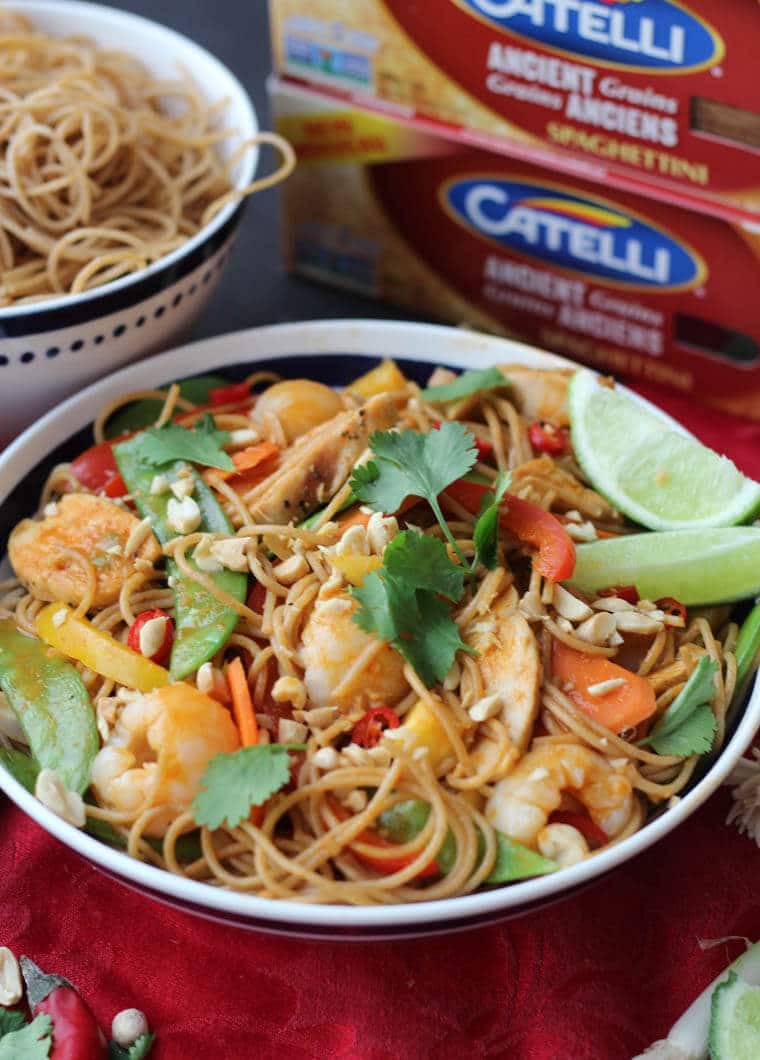
An angled image of a bowl of healthy lychee chicken curry noodles with garnish and limes on top with catelli pasta in a box in the background.

This is also a really easy recipe to pull off, which is the key to casual entertaining. Not sure what it is, but people tend to gravitate around the kitchen island, so I like to keep the cooking chaos to a minimum. With a recipe like Healthy Lychee Chicken Curry Noodles, I dirty up only two pots and you have your protein, veggies and whole grains in one bowl each. In other words, I don’t have to worry about timing multiple dishes at once, I have fewer dishes to clean, and I get more time to spend gossiping about who’s getting pregnant next and the last tiff with the MIL.

A bowl of healthy lychee chicken curry noodles with garnish and limes on top with boxed catelli pasta in the back.

This year, Catelli is celebrating its 150th birthday alongside Canada. To say thank you to families for inspiring them for over a century, Catelli has created an amazing 150th Anniversary Recipe Collection with 12 easy recipes that you can try at your next family reunion! I think anytime is a great time to reunite with family and friends, but with the exciting Canadian milestone, it’s a particularly great excuse!

Two boxes of catelli ancient grains pasta.

Now tell me, what dishes do you always eat when you’re with your best group of friends or family?

Have you tried making this Healthy Lychee Chicken Curry Noodles? What did you think?

Leave me a comment below with your thoughts!

Pinterest image of an overhead image of a bowl of healthy lychee chicken curry noodles with garnish and limes on top with the overlay text \"healthy lychee chicken curry noodles.\"

Disclaimer: this recipe was developed in paid partnership with Catelli, however, all opinions are genuine.

An overhead image of a bowl of healthy lychee chicken curry noodles with garnish and limes on top.
Print Recipe
5 from 4 votes

Healthy Lychee Chicken Curry Noodles

These Healthy Lychee Chicken Curry Noodles are a perfect one pot, high fibre, high protein dinner for easy casual entertaining.
Prep Time15 minutes mins
Cook Time25 minutes mins
Total Time40 minutes mins
Course: Dinner
Cuisine: Thai
Servings: 6 people
Calories: 531kcal
Author: Abbey Sharp

Ingredients

  • 1 1/2 tablespoons virgin coconut oil divided
  • 1 lb chicken breasts thinly sliced
  • 1 red bell pepper thinly sliced
  • 1 yellow bell pepper thinly sliced
  • 2 carrots peeled, thinly sliced on a bias
  • 2 cups snow peas trimmed
  • 5 green onions thinly sliced, light green and white parts only
  • 2 tbsp ginger grated
  • 4 cloves garlic minced
  • 5 tbsp thai red curry paste
  • 2 cans lite coconut milk
  • 2 tbsp coconut sugar
  • 4 tsp fish sauce
  • 2 tbsp lime juice
  • 1 cup pineapple finely diced
  • 1 ½ cups canned lychees drained and rinsed
  • 1 package Catelli Ancient Grains Spaghettini Pasta 340 g
  • Salt for cooking

Instructions

  • Heat ½ tablespoon of coconut oil in a large nonstick skillet over medium high heat and add the chicken. Season with a pinch each of salt and pepper, and cook until opaque, about 7-9 minutes. Remove from the pan and set aside in a bowl.
  • Return the pan to the stove, then add in the bell pepper, carrots, and snow peas. Cook until softened and lightly browned, about 5-6 minutes. Transfer to the bowl with the chicken and set aside.
  • Return the pan again to the stove and add in the remaining tablespoon of oil. Add the green onions and sauté for 2 minutes on medium heat until softened, then add in the ginger and garlic and sauté for an additional minute. Stir in the curry paste, coconut milk, sugar, soy sauce, fish and lime juice. Simmer the sauce while whisking the curry paste into the liquid and allow the sauce to thicken slightly, about 6-8 minutes. Season with salt and pepper, to taste.
  • Add in the chicken, vegetables, pineapple and lychees and stir until well coated. Keep warm.
  • Meanwhile, cook the Catelli Ancient Grains according to the package.
  • To serve, divide the pasta between bowls, top with the curry and garnish with red chili peppers, cilantro and peanuts.

Nutrition

Calories: 531kcal


Abbey Sharp

Abbey Sharp is a Registered Dietitian (RD), regulated by the Ontario College of Dietitians. She is a mom, YouTuber, Blogger, award winning cookbook author, media coach specializing in food and nutrition influencers, and a frequent contributor to national publications like Healthline and on national broadcast TV shows.
www.abbeyskitchen.com/about-abbey/

Last Updated October 23, 2020. Published April 10, 2018 By Abbey Sharp 44 Comments

Vegan Poke Bowls with Crispy Tofu | 3 Takes on Gluten Free Power Bowls

An angled image of a poke bowl with crispy tofu.

These vegan poke bowls with crispy tofu were inspired by traditional Hawaiian poke bowls and offer three unique takes on gluten free power bowls!

An angled image of a poke bowl with crispy tofu.

I first saw poke bowls when I was in LA looking at wedding venues. I was trying to eat really healthy at the time to get ready for my big day, so I was super excited when I found a little cafe specializing in these nutrient dense meals.While I am a huge personal fan of sashimi fish, I totally get that a lot of my friends are not so on board. Some are pregnant, some are vegan, and some are just a bit squeamish when it come to raw stuff. So I decided to take some inspiration from the poke bowl way and make vegan poke bowls with crispy tofu.

An overhead image of a poke bowl on a red background.

Now before you lose you’re lid on me, I know that these vegan poke bowls are not authentic. I try not to get too hung up on authenticity because my number one goal is always just to make food that tastes good and feels good. So I swapped the raw fish for tofu, and yes, I cooked the tofu. I was going to just serve it “raw” but a) some would argue that’s not exactly food safe because it is possible for bacteria to live in the liquid tofu is stored in and b) it just doesnt taste good. I like a little caramelization and sauce factor on my tofu, so I crisped mine up in a hot pan.

In my opinion, these vegan poke bowls are the ultimate health food. You have lean protein, whole grains and tons of veggies. They’re also vegan, gluten free and dairy free for those who have dietary restrictions. You kinda need these in your life RIGHT-NOW.

How to Make Vegan Poke Bowls

Since I already broke all the poke bowl rules with my vegan poke bowls, the only other rules that matter is that you add in lots of nutrient-dense colourful veg. I couldn’t decide so I decided to make three versions and let you choose your favourite.

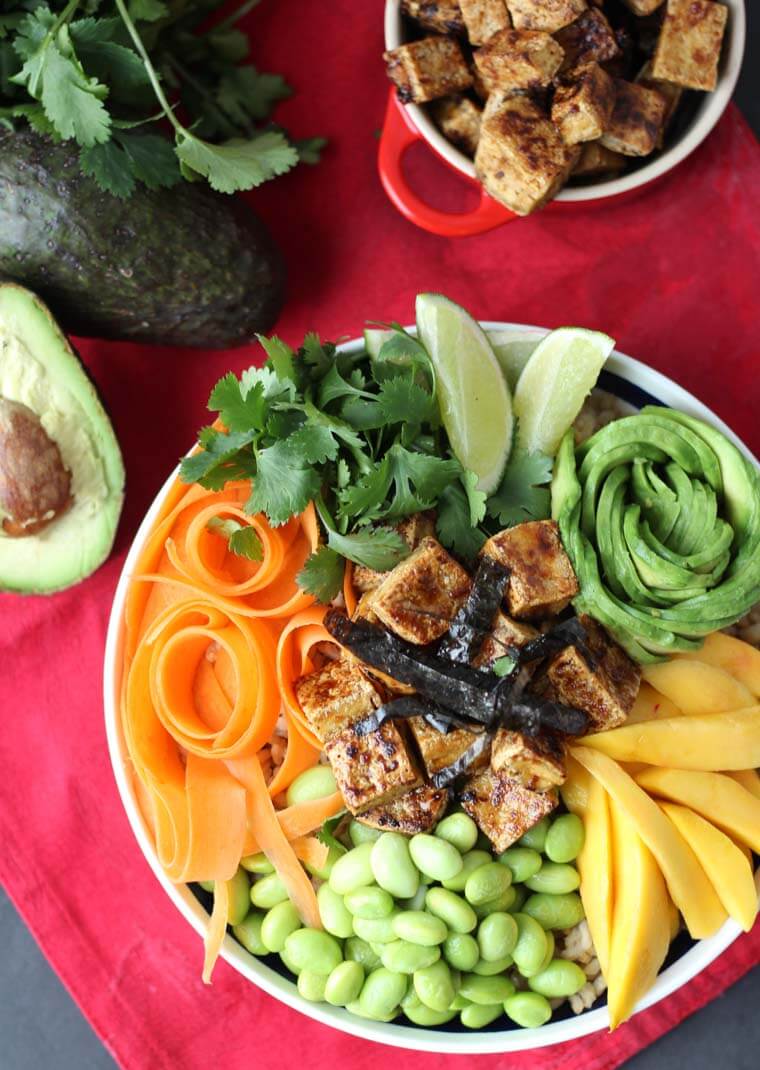
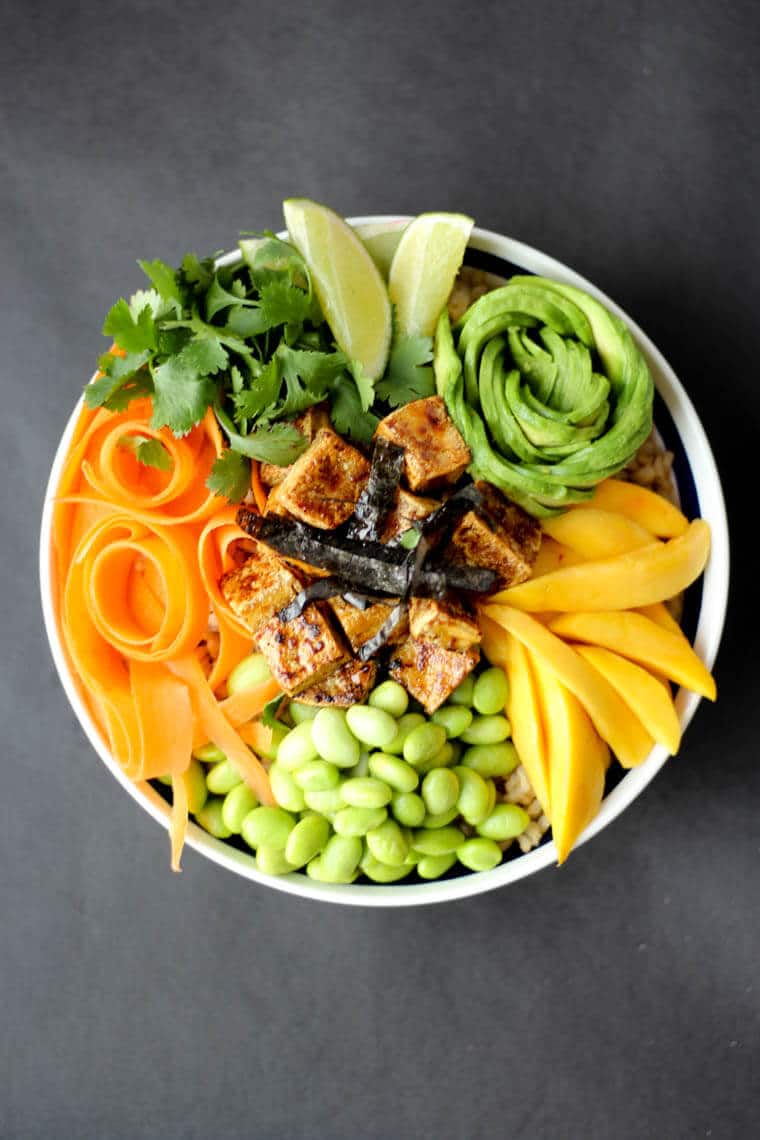
The first has crunchy edamame, sweet mango, and creamy avocado. I’m not going to lie- it’s probably my fave.

An overhead image of a poke bowl with crispy tofu, carrots, avocado, beans, lime, and cilantro.

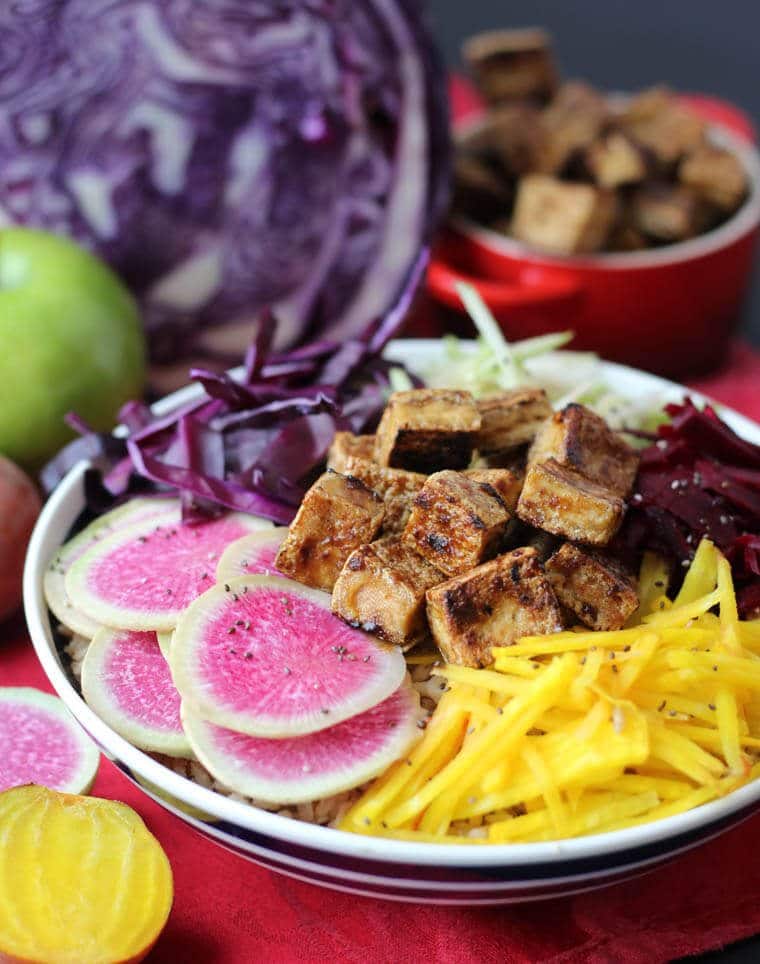
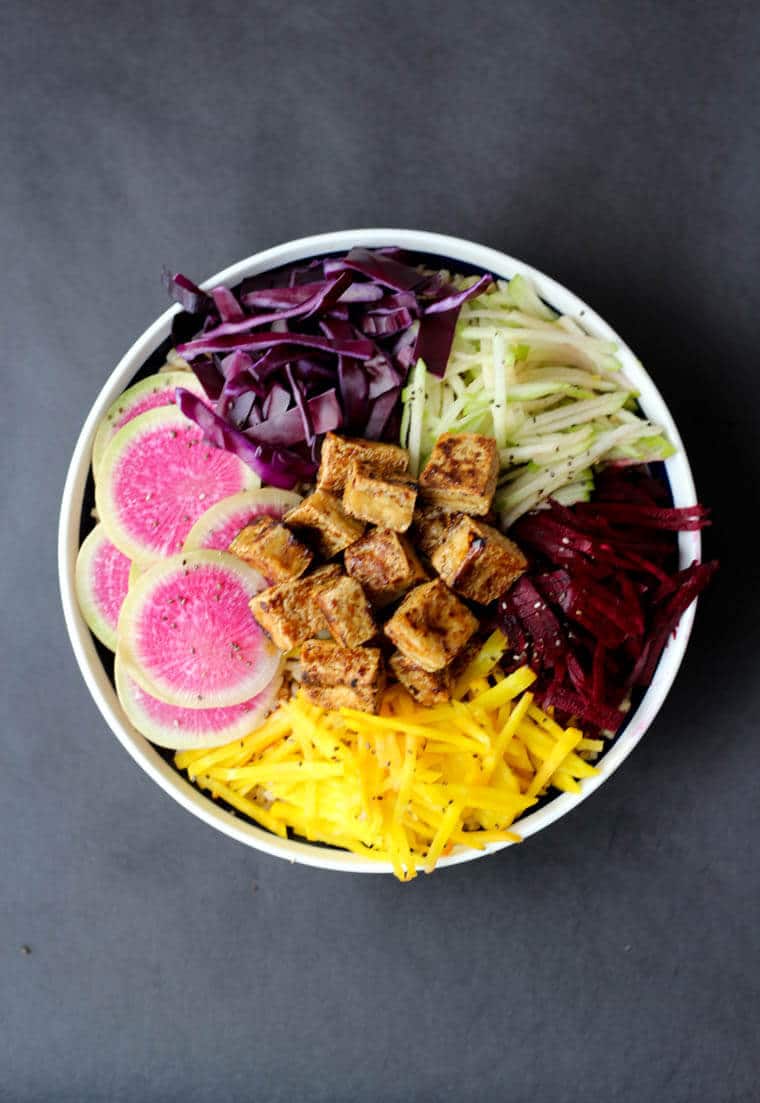
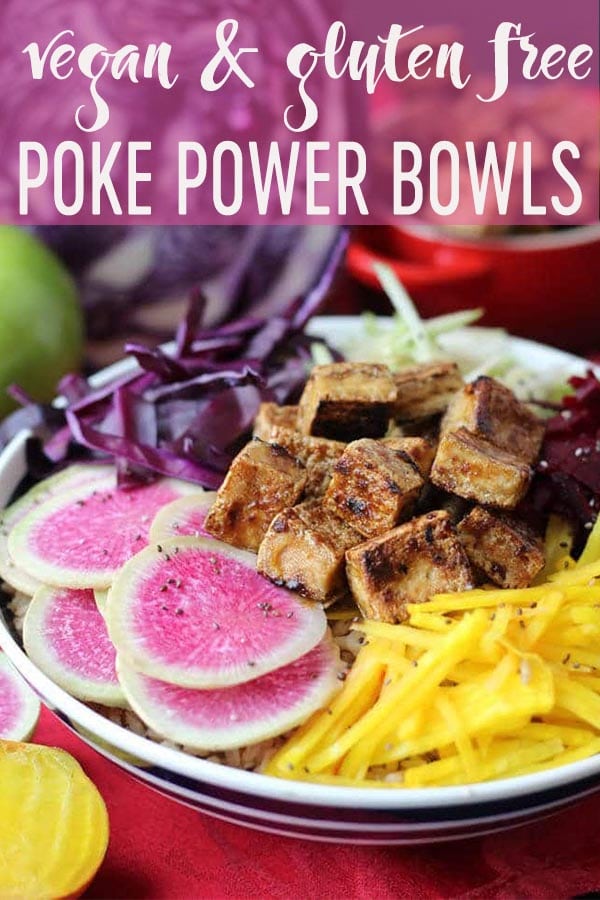
The second is totally different with grated beets, apple, cabbage and watermelon radish. TELL ME THAT RADISH ISN’T THE MOST BEAUTIFUL THING IN THE WORLD.

An overhead image of a poke bowl with crispy tofu, radish, cabbage.

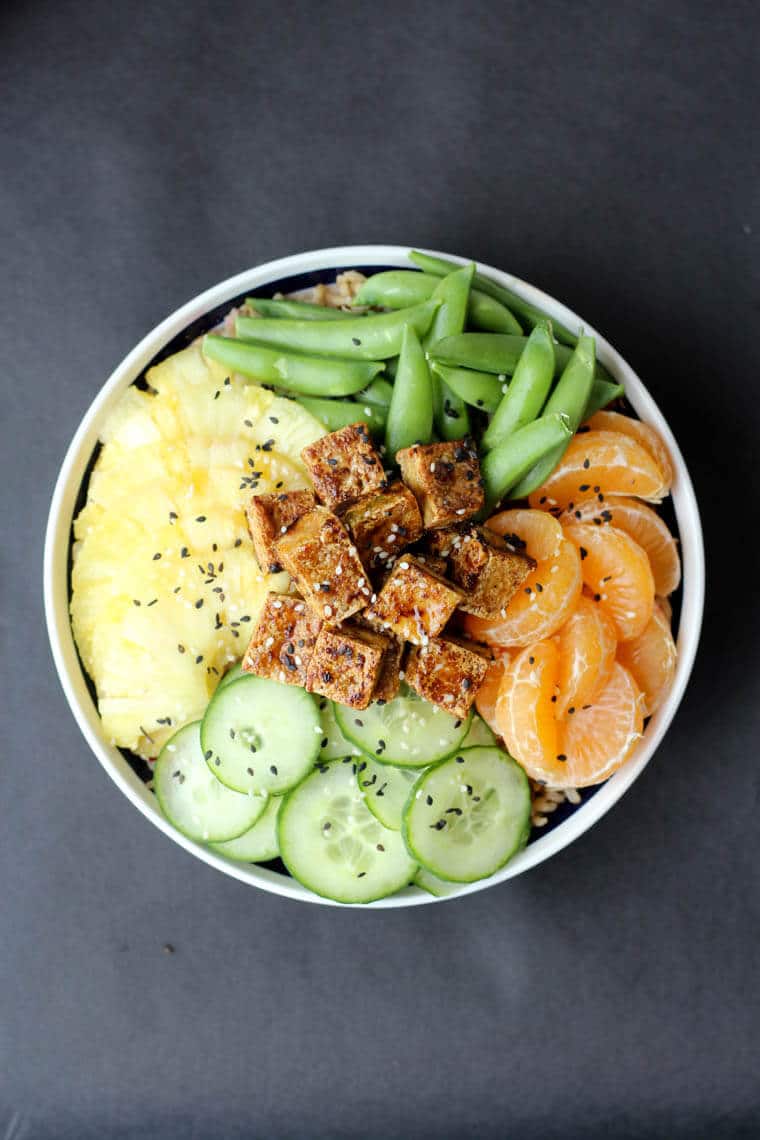
The third features crunchy cucumber, sweet mandarin, peas and tangy pineapple. I totally love the little sesame seed crunch on top.

An overhead image of a poke bowl with crispy tofu, clementines, cucumbers, snap peas.

Okay, so vegan poke bowls are maybe not a “real” thing, but what they are are packed with nutrition, gluten free, vegan, and totally delish.

I want to know, what your favourite combinations in poke bowls are?
Have you tried making my vegan poke bowls?
Which of the three combinations would be your favourite vegan poke bowl?
Leave me a comment below!


Pinterest image of poke bowls with overlay text saying  \"vegan and gluten free poke power bowls.\"


These vegan poke bowls with crispy tofu were inspired by traditional Hawaiian poke bowls and offer three unique takes on gluten free power bowls!
Print Recipe
4.20 from 5 votes

Vegan Poke Bowls Three Ways with Crispy Tofu | Gluten Free Power Bowls

These vegan poke bowls with crispy tofu were inspired by traditional Hawaiian poke bowls and offer three unique takes on gluten free power bowls!
Prep Time15 minutes mins
Cook Time10 minutes mins
Total Time25 minutes mins
Course: Main Course
Cuisine: Hawaiian
Servings: 4 people
Calories: 450kcal
Author: Abbey Sharp

Ingredients

Poke Bowl Base:

  • 1 package extra firm tofu
  • 2 tbsp virgin coconut oil
  • 1 tsp sesame oil
  • 1 tbsp ginger finely grated
  • 1 tbsp low sodium tamari
  • 3 tbsp coconut sugar
  • 1 tsp sriracha
  • Pinch of sea salt
  • 4 cups cooked brown rice or quinoa

Dressing:

  • 1/4 cup rice wine vinegar
  • 1 tsp sesame oil
  • 2 tsp reduced sodium tamari
  • 2 tsp coconut sugar
  • 4 tsp olive oil
  • 1/2 tsp sriracha
  • salt and pepper to taste if desired

Edamame Mango:

  • 1 cup mango cut into strips
  • 1 avocado cut into strips
  • 2 carrots shaved into ribbons
  • 1 cup cilantro leaves
  • ¼ cup nori strips
  • 1 lime cut into wedges

Apple Beet

  • 1 red beet peeled and shredded
  • 1 yellow beet peeled and shredded
  • 1 green apple cored and shredded
  • 2 watermelon radish thinly sliced
  • 1 cup red cabbage finely shredded
  • 2 tsp chia seeds

Mandarin Snap Pea

  • 2 mandarin oranges segmented
  • 1 ½ cups snap peas
  • 1 cup pineapple thinly sliced
  • ½ English cucumber thinly sliced
  • 1 tsp black sesame seeds
  • 1 tsp white sesame seeds toasted

Instructions

  • Place the tofu on a few sheets of paper towel, top with more paper towel and add a few heavy books or pots on top to press the moisture out. Let it sit for 10 minutes.
  • Heat the coconut oil in a skillet over medium high heat and add in the tofu pan fry on all sides until very crispy and golden, about 5-8 minutes.
  • Meanwhile, mix together the sesame oil, ginger, tamari, coconut sugar and sriracha. Once the tofu is caramelized and golden, turn off the heat, and brush the pieces with the coconut sugar glaze. Toss in the pan to coat and allow to lightly caramelize. Set aside and sprinkle with sea salt. Don’t worry about the tofu not being super hot, it’s just as tasty at room temperature.
  • Mix together the vinegar, sesame oil, tamari, sugar, oil and sriracha in a bowl. Season with salt and pepper, to taste.
  • To assemble, fill each bowl with 1 cup of brown rice and a drizzle of the dressing. Top with a quarter of the tofu and add the poke bowl toppings of your choice. Enjoy!

Nutrition

Calories: 450kcal


Abbey Sharp

Abbey Sharp is a Registered Dietitian (RD), regulated by the Ontario College of Dietitians. She is a mom, YouTuber, Blogger, award winning cookbook author, media coach specializing in food and nutrition influencers, and a frequent contributor to national publications like Healthline and on national broadcast TV shows.
www.abbeyskitchen.com/about-abbey/

Last Updated January 29, 2020. Published April 3, 2018 By Abbey Sharp 30 Comments

Pregnancy Hospital Bag Essentials 101 | What I’m Packing for the Hospital to Give Birth

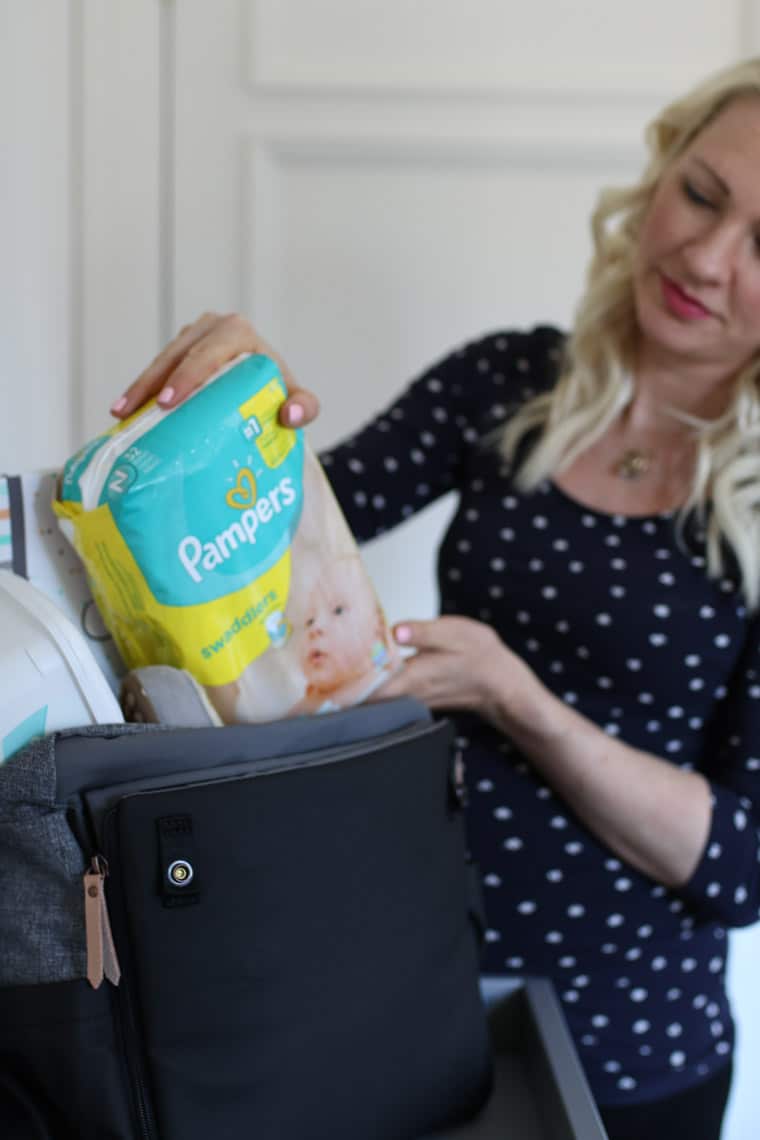
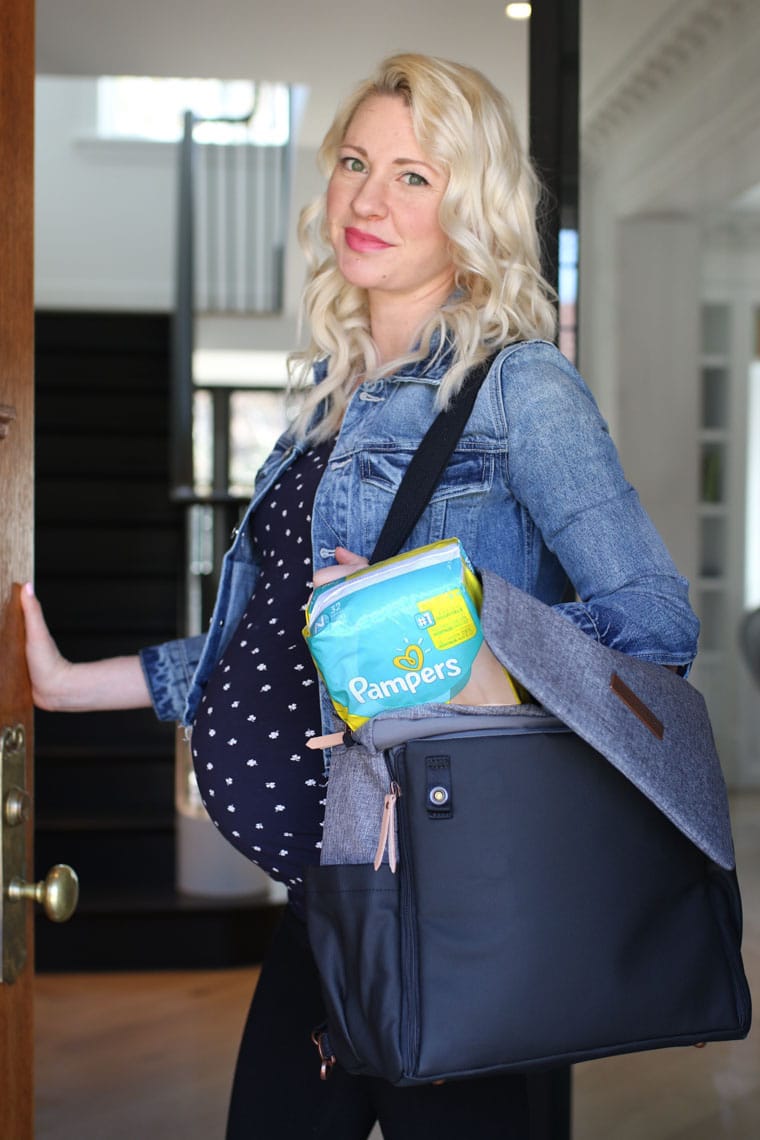
Abbey Sharp with her essential hospital go-bag with pampers.

DISCLAIMER: This post was developed in sponsored partnership with Pampers, however, as always, all opinions are genuine.

I share my pregnancy hospital bag essentials to give birth as I count down the final days and moments before baby arrives! 

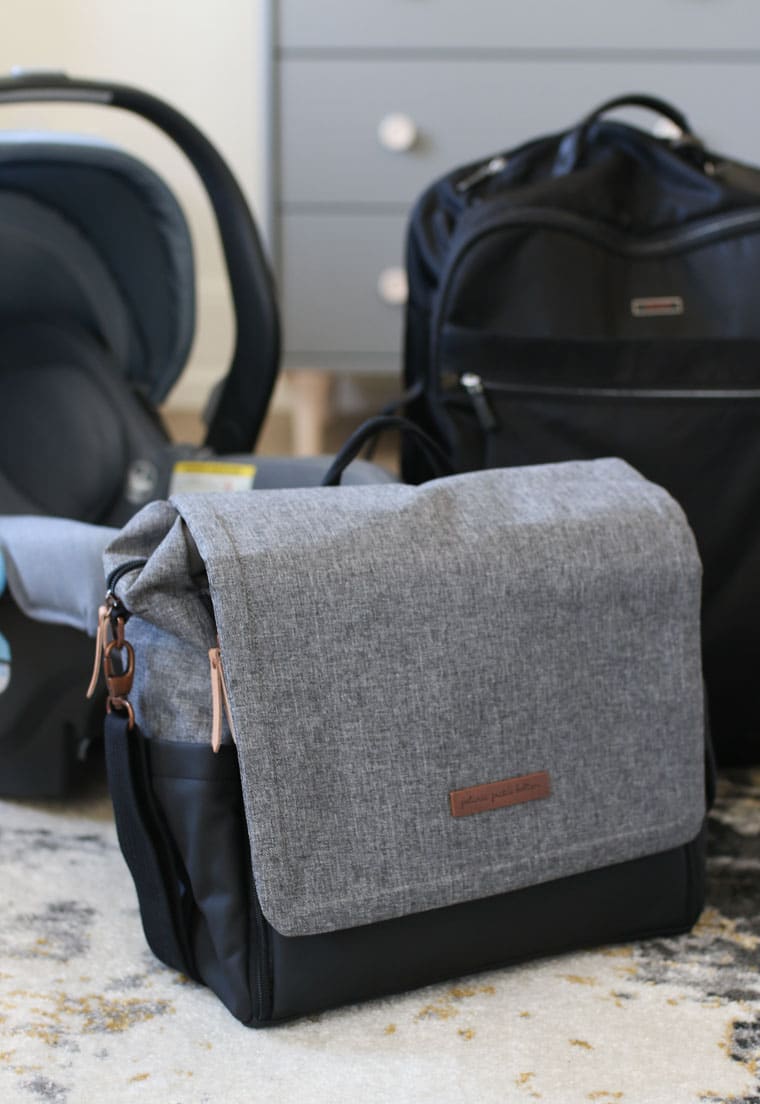
AH! The countdown is on before baby makes its appearance and I guess you could say I’m officially nesting. The car seat has been installed, the nursery is set up, and yes- my hospital bag essentials are in my bag ready for the birth!

Abbey Sharp packing pampers into a bag.

As I prepare for baby, I’m excited to announce that I’ve partnered with Pampers since they’re the first choice of nurses and parents in Canada. Pampers offers a complete range of diapers, wipes and training pants for every stage of baby’s development, so I’m thrilled to watch my little one grow and move through their product line. While all moms try to do their research while stocking their pregnancy hospital bag and nursery, I definitely have a tendency to go over the top. So after finding out that Pampers is the #1 choice of Canadian moms (including all of my friends and my own mom) and the #1 choice of Canadian nurses, it became very clear that it was the right choice for my babe.

A hospital bag.

If you’re a mom-to-be planning for your D-Day (aka Delivery Day), learn from my research on Hospital Bag Essentials.

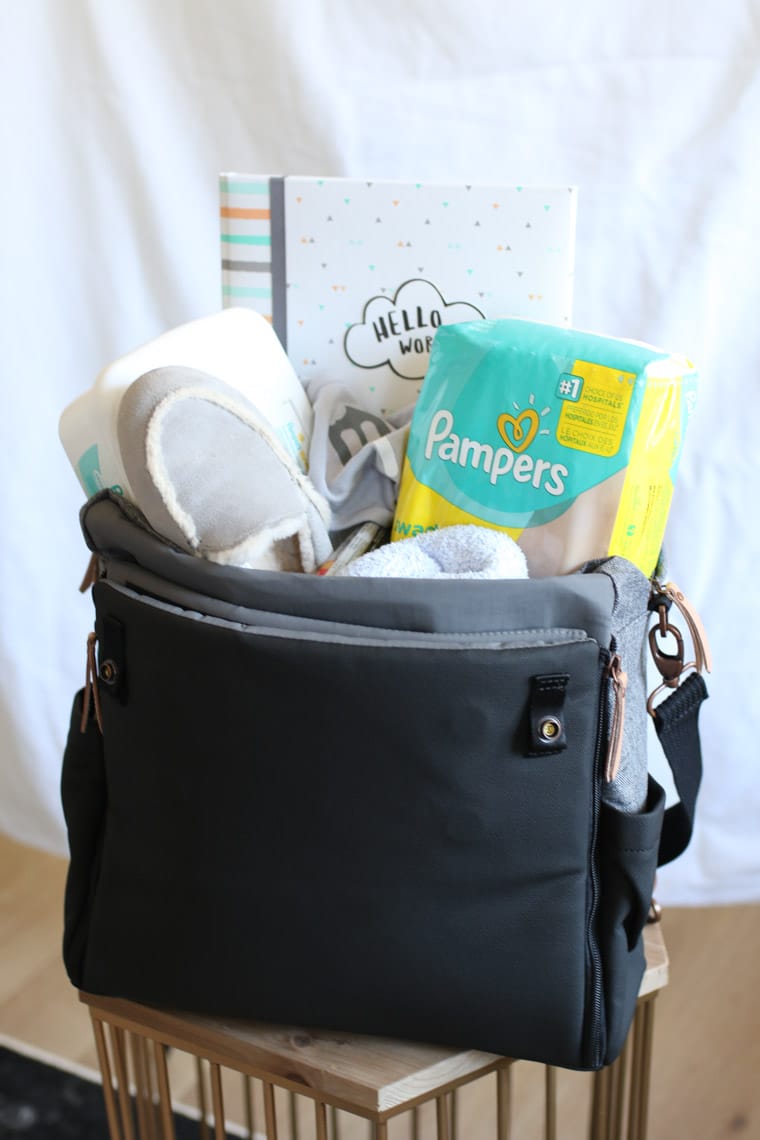
A hospital bag with pregnancy essentials.

Pregnancy Hospital Bag Essentials 101

A hospital bag with pregnancy essentials.

It’s easy to go overboard when it comes to what you pack for you, baby, and your birthing partner- I saw one girl in my Pregnancy Facebook group post a photo with 4 massive bags! Um, nope. I’ve asked ALL of my friends about their experience, and they’ve all told me to PURGE and keep it simple. Chances are SLIM that you’re going to feel like reading your 300-page book on sleep training while in labour, or that you really need your entire makeup bag with 4 different shades of beige eye shadow. Here are my hospital bag essentials that I don’t think I will be able to live without – and to make sure we have everything baby needs for their first few days in the world.

Pampers Swaddlers Diapers and Wipes

The Swaddlers are perfect for your baby between month 0-3, and offer dryness protection up to 12 hours! They are super soft like a blanket, and pull wetness and mess away from baby’s skin to help keep babe comfy and dry. They even have an umbilical cord notch to protect baby’s delicate belly!

A hospital bag with pregnancy essentials with a close up on the pack of pampers.

And don’t forget those wipes! Pampers Sensitive Wipes are dermatologist tested and hypoallergenic, so they’re perfect for baby’s bottom, hands and face!

Pillow with Brightly Coloured Pillow Case

I don’t know about you, but I absolutely CANNOT sleep on any random pillow. I may feel differently after a 24 + hour labour, but still, I don’t want to risk it so I’ll be bringing my own. I also think it’s a good idea to bring your own pillow case in a bright colour so that the nursing staff don’t accidently take your white one thinking it’s theirs.

Heating and Cooling Pads

I’m hoping to exhaust all of my natural pain-management options before requesting the epidural, so my doula recommended bringing a plug-in heat pad and disposable cooling pads. I have no idea which (if any) will feel good, but I figure it’s worth a shot!

Snacks

So the research on whether or not you can eat during labour is definitely contested (I have a blog post coming out about that soon!), but regardless, a lot of hospitals don’t like you to eat while you’re in the thick of it. For that reason, I’m loading up on hard candies for some quick bursts of energy, and also making sure I have lots of snacks for my hubby and doula. I also am taking a tip from my bestie who delivered at 2 AM when the cafeteria and restaurants close by were all closed! I picked up some of those cups of soup that you just have to add hot water to, so if I am in a pinch I at least have something to tide us over.

Baby Clothes

Honestly, everyone in my pregnancy groups are so obsessed with what baby’s going home outfit is going to be. Meanwhile, all my mom friends who have been through it are like, yah, who cares. Bring something small if you want, but baby’s going to be on your boob or wrapped in a blanket the whole time you’re there. I’m planning to bring a short-sleeve onesie, a long sleeve zipper sleeper, a hat, pair of socks and mitts, and I’ll figure out what works best.

Blanket and Swaddle

Again, no need to bring your entire nursery. I’m bringing my favourite swaddle and a blanket in case it’s cold leaving the hospital and baby and I need some extra layers in the car.

Car Seat

Okay so this is actually pretty key – I’ve heard the hospital won’t even let you leave without having your car seat properly installed. It’s not a bad idea to get yours installed in your car a little bit before the big day so you don’t have to stress when you’re actually in labour. If you’re unsure, local fire stations and paramedics usually offer car seat workshops, so parents know exactly how to install the seat to keep baby safe.

Lip Balm

Okay, so this may seem like a vanity pick, but my mom friends say this is one of the few essentials you actually need. I don’t know if it’s just dry in there, or you get thirsty between sweaty contractions, but everyone and their mother has urged me to bring lip balm. I’m bringing two sticks just in case I misplace one in the shuffle.

Hair ties

Again, I’m not trying to win any beauty pageants here, but there’s nothing comfortable about having hair in your face while you’re trying to push a human out of your lady bits. If you wouldn’t run on the treadmill without your hair back, you probably shouldn’t give birth that way either.

Phones and Chargers

For photos, calls to family, and well, Instagram.

Slippers and Warm Socks

I’m hoping to move and dance around as much as I can, so I’ll need some comfy footwear to sport out on the labour and delivery floor.

Breastfeeding Pillow

I’m hoping this whole breastfeeding thing will be easier than birth, but I want to try to make me and babe as comfortable as humanly possible. So I’m bringing one of my breastfeeding pillows with me to the hospital just to give us that extra support.

Belly Band

Have you heard of diastastis recti? It’s the separation of the abdominal muscles in pregnancy and does not look very comfortable. I’m trying my best to avoid the ripped abs by going easy on any core-heavy work, but sometimes you just can’t help it. To fix the issue as best as I can, I bought a belly band that will help gently pull my abs back together once baby’s safely out.

Granny Panties and Maxi Pads

I’ve been told you get given some amazing mesh panties in the hospital, but to bring some massive comfortable pairs as back up. Also, things get messy and sore after birth, so I’m planning to bring some mommy pads, as well.

Dressing Robe

No need to look fancy in the hospital, but I may want to walk around during labour and breastfeed comfortably once baby arrives. I’m actually bringing two robes – one that I don’t mind getting messy (because again, birth is not clean), and one that I wouldn’t mind greeting visitors in.

A Feeding Cover

I got some cute ones and while I don’t know for sure if I’m going to be entertaining visitors, it’s good to know if anyone stops by, I’ll be able to maintain a little modesty (especially after the world has seen it ALL).

Flip Flops

So I’m planning to hopefully get in the shower during labour, but I’m kind of grossed out at the idea of standing in what was someone else’s birth space. I’m definitely going to bring some cheapo dollar-store flip flops to keep my feet off the floor.

Toiletries

All the usual suspects, of course, paired down. I’ll need my contacts, solution, glasses (KEY in case of a C-Section), toothbrush and paste, face wipes, deodorant and maybe some mascara. I don’t need a full face of makeup on, but I wouldn’t mind not looking  tired for that first family photo of three.

Cord Banking Kit

We’ve opted to bank our cord blood and tissue as well as my placental tissue based on some really exciting emerging research. I can do without the flip flops, but my hubby will be really upset if we forget this!

Entertainment

This is mainly for the hubs, but I’ll be packing some magazines and a charged iPad to ensure my man stays in good spirits.

Change of Clothes

As much as my husband wouldn’t like to believe it, I know that women don’t just shrink back to their pre-baby body right after expelling a child, so I’ll probably be bringing some comfortable sweats and a maternity-friendly top for going home.

Gifts for the Nursing Staff

Man, nurses are the BEST. Without them, not much would get done in hospitals, so I definitely will be preparing some little treats and giveaways for the amazing nursing staff. Okay, so the doctors can totally get in on the goodies, too.

Abbey Sharp with her essential hospital go-bag with pampers.

Okay, so it’s not a small list of Pregnancy Hospital Bag Essentials but split between three people and coming from a notorious over-packer, I don’t think it’s too extreme! I hope you found this Pregnancy Hospital Bag Essentials list helpful when packing for the arrival of your little bundle of joy!

Now, I want to know from the moms out there- what did you pack as hospital bag essentials hat you could NOT have lived without?

What did you find you didn’t really use?

Leave me a comment below with your thoughts!

Pinterest image of a hospital bag with the text overlay \"pregnancy hospital bag essentials 101.\"

Disclaimer: this blog post was created in paid partnership with Pampers, however, all opinions are genuine.

Abbey Sharp

Abbey Sharp is a Registered Dietitian (RD), regulated by the Ontario College of Dietitians. She is a mom, YouTuber, Blogger, award winning cookbook author, media coach specializing in food and nutrition influencers, and a frequent contributor to national publications like Healthline and on national broadcast TV shows.
www.abbeyskitchen.com/about-abbey/

Last Updated October 23, 2020. Published March 29, 2018 By Abbey Sharp 31 Comments

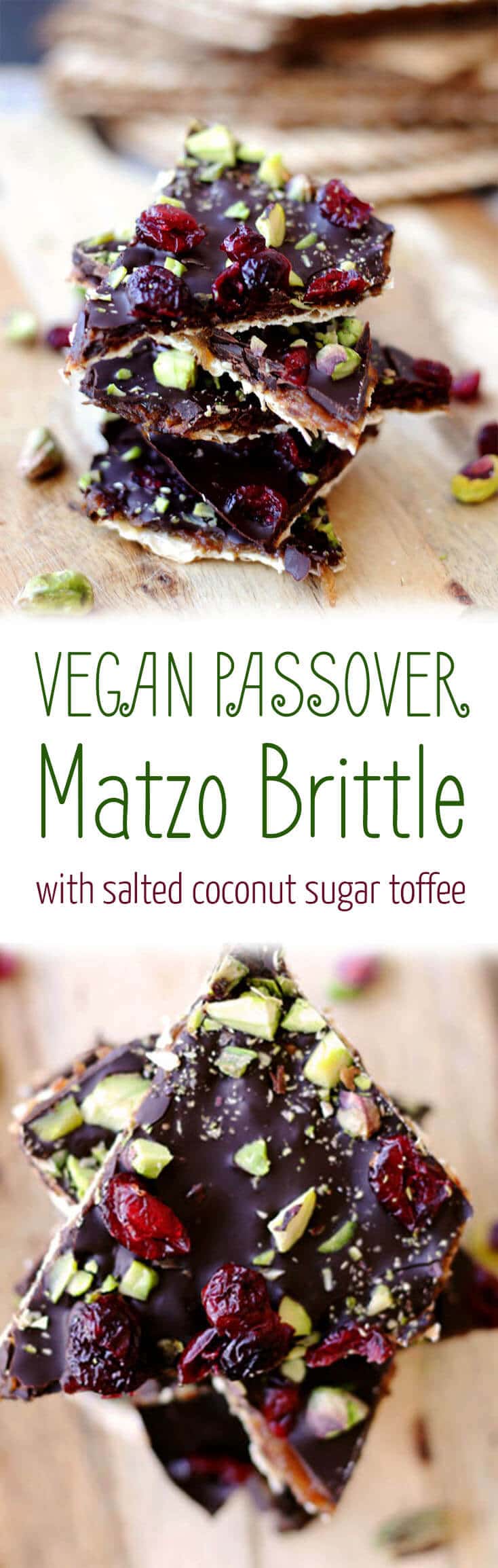
Vegan Passover Matzo Brittle with Salted Coconut Sugar Toffee

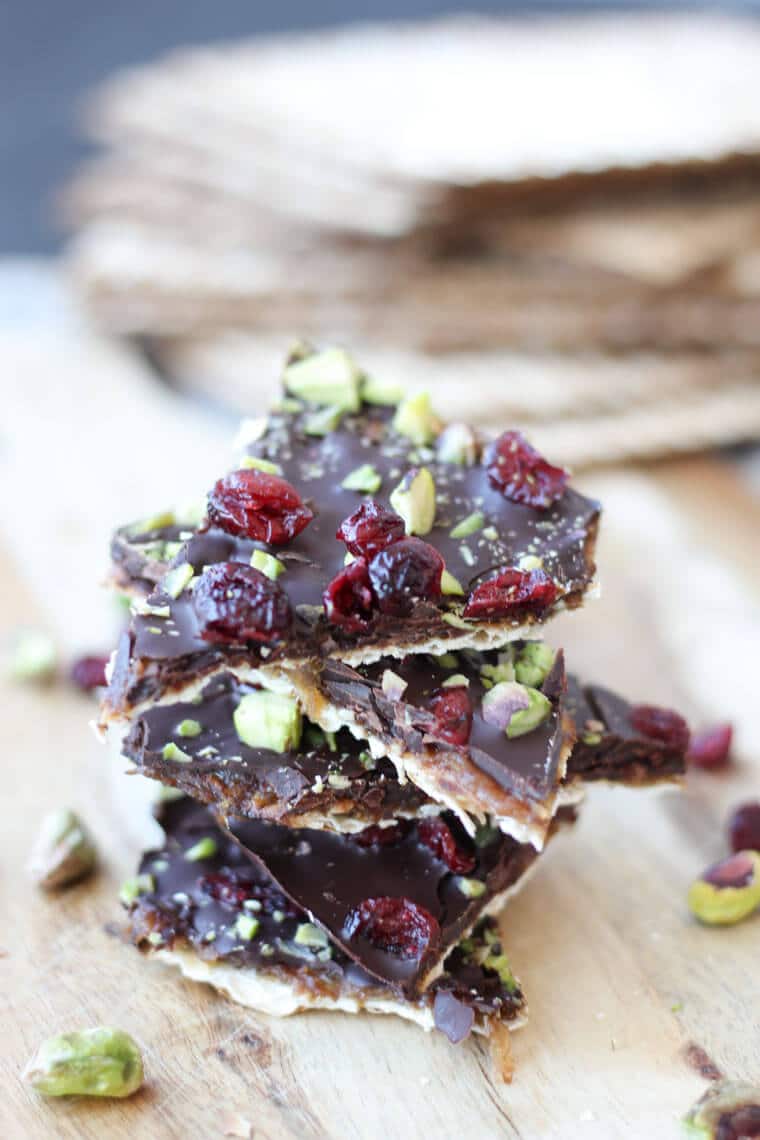
An angled image of a stack of passover matzo brittle with salted coconut sugar caramel.

This Vegan Passover Matzo Brittle with Salted Coconut Sugar Caramel is a perfect kosher for Passover treat that’s as easy as it is delicious.

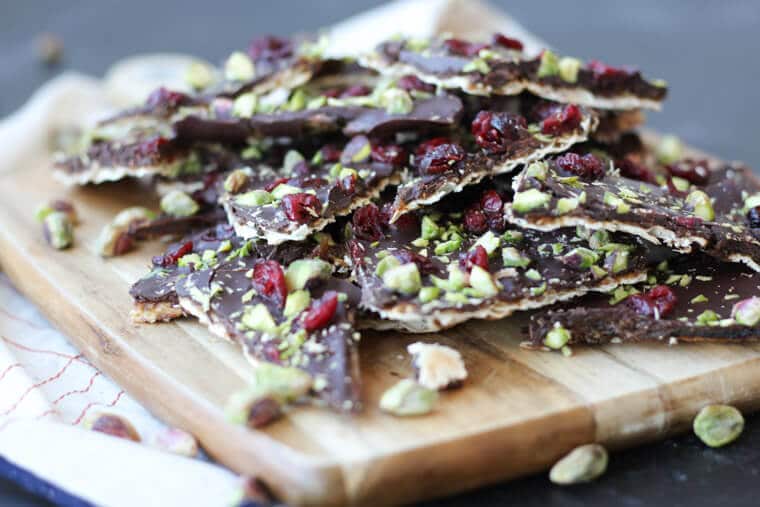
A serving board with passover matzo brittle with salted coconut sugar caramel.

Jewish confession: Passover is not my favourite holiday of the year. I like my carbs, and I definitely don’t like being told I can’t eat what I like. I also do not like matzo at all. I know, bad Jew.

EXCEPT (and this is a HUGE exception). When it’s coated in toffee and chocolate and made into vegan Passover matzo brittle. Hells yes, friends. There is a reason why people call this Jewish crack – it’s legit that good.

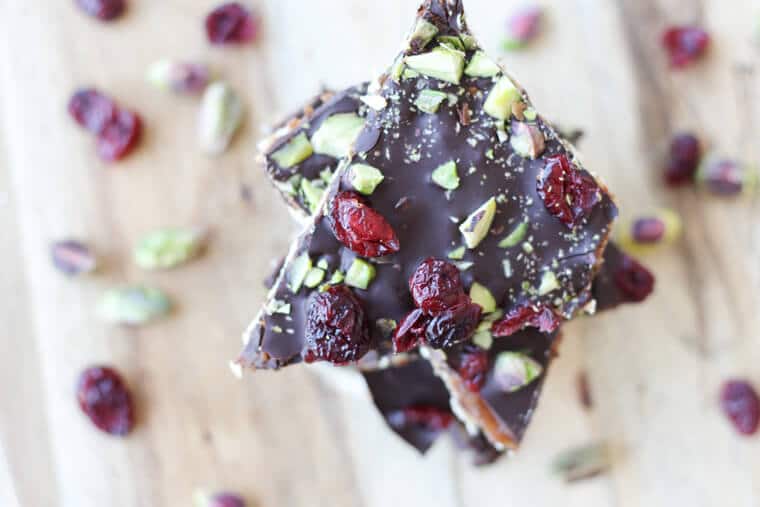
A close up of a piece passover matzo brittle with salted coconut sugar caramel.

How to Make Vegan Passover Matzo Brittle

My Vegan Passover Matzo Brittle is made with a salted coconut sugar toffee and topped with fibre-rich pistachios and tangy dried cranberries. I use Earths Balance non-dairy butter substitute instead of the traditional butter since it’s usually served after meat meals, and most Jews don’t want to mix dairy and meat (especially not during a holiday). But if you don’t keep Kosher or just want to make this any old time of the year, then by all means, use regular dairy butter.

An angled image of a stack of passover matzo brittle with salted coconut sugar caramel.

Whatever you do, don’t use coconut oil. I tried that while I was testing this out and I quickly remembered that coconut oil does not emulsify well with sugar. It actually just turned into a grainy greasy mess so say NO to co-co on your matzo (yah.. not sure what that was).

If you’re making this Vegan Passover Matzo Brittle you can totally switch up whatever toppings you prefer. Sometimes I add almonds or raisins, and sometimes I go cray-cray and add a load of rainbow sprinkles. Hey, you do you.

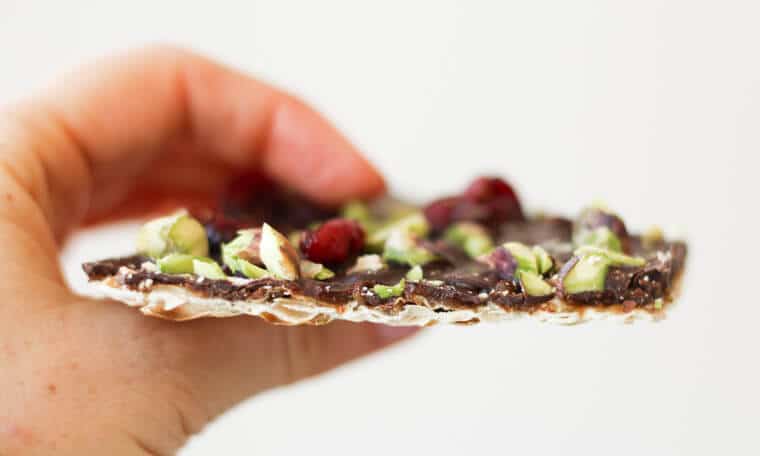
A close up of a person holding a piece passover matzo.

And you don’t have to be Jewish to enjoy this Vegan Passover Matzo Brittle – it can be Easter Brittle, or Graduation Brittle or Summer on a Tuesday Brittle. It’s damn good any time of year, not during the week of no chametz (aka risen wheat, barley, rye, oats and spelt that’s forbidden during Passover).

So friends, tell me- what would you put on your Vegan Passover Matzo Brittle?

Have you tried matzo? Yay or nay?

Leave me a comment below and don’t forget to share with your chametz-loving friends!


Pinterest image of passover matzo brittle with salted coconut sugar caramel with the overlay text \"vegan passover matzo brittle with salted coconut sugar toffee\"

A close up of a piece passover matzo brittle with salted coconut sugar caramel.
Print Recipe
4.80 from 5 votes

Vegan Passover Matzo Brittle with Salted Coconut Sugar Toffee

This Vegan Passover Matzo Brittle with Salted Coconut Sugar Caramel is a perfect kosher for Passover treat that’s as easy as it is delicious.
Prep Time5 minutes mins
Cook Time20 minutes mins
Total Time25 minutes mins
Course: Dessert
Cuisine: Middle Eastern
Servings: 16 people
Calories: 205kcal
Author: Abbey Sharp

Ingredients

  • 3 sheets whole wheat matzo
  • 1 cup coconut sugar
  • 1 cup Earths Balance non-dairy butter substitute
  • ¼ tsp sea salt
  • 200 grams dairy free dark chocolate chips
  • ½ cup pistachios shelled and crushed
  • ½ cup dried cranberries
  • 1/2 tsp fleur de sel

Instructions

  • Preheat oven to 350 F. Line a rimmed baking sheet with two overlapping slices of tin foil that wrap the edges to completely cover the sheet. Arrange the matzo in a single layer, cutting one in pieces to fill in the empty spaces.
  • In a small saucepan, heat the coconut sugar and butter substitute over high heat until melted. Once boiling, continue to boil for 2 ½ minutes until it bubbles and easily pulls away from the sides of the pot when cooking.
  • Add the salt, then pour the caramel over the matzo and spread it evenly using a spatula. Transfer to the oven and bake for 10 minutes until a dark amber.
  • Remove from the oven, and working quickly, sprinkle the chocolate on top of the caramel. Allow it to melt for 2-3 minutes, then spread the chocolate to fully cover. Quickly top the chocolate with the pistachios, cranberries and fleur de sel. Transfer the sheet to the fridge for an hour and allow the chocolate to harden.

Nutrition

Calories: 205kcal


Abbey Sharp

Abbey Sharp is a Registered Dietitian (RD), regulated by the Ontario College of Dietitians. She is a mom, YouTuber, Blogger, award winning cookbook author, media coach specializing in food and nutrition influencers, and a frequent contributor to national publications like Healthline and on national broadcast TV shows.
www.abbeyskitchen.com/about-abbey/

Last Updated April 30, 2020. Published March 16, 2018 By Abbey Sharp 18 Comments

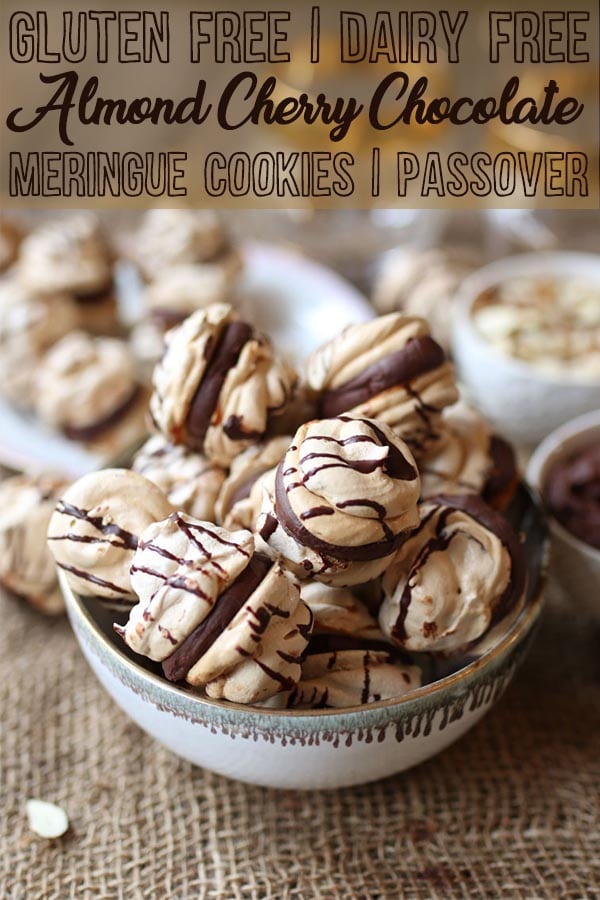
Gluten Free Almond Cherry Chocolate Meringue Cookies with Dairy Free Chocolate Ganache for Passover

A pinterest image of a bowl with almond cherry chocolate meringue cookies with a chocolate ganache with the overlay text "gluten free | dairy free almond cherry chocolate meringue cookies | passover."

These Gluten Free Almond Cherry Chocolate Meringue Cookies with Dairy Free Chocolate Ganache are perfect for your Passover seder or any time of year!

Passover is a-coming and for my Jewish brothers and sisters that means 8 days of constipation. Lol Okay, and it means a lot of great things too, like celebrating the Israelites liberation from Egyptian slavery! It also means a SUPER amazing massive meal (aka. the seder) – if you’re lucky you get two nights of that eating in a row!

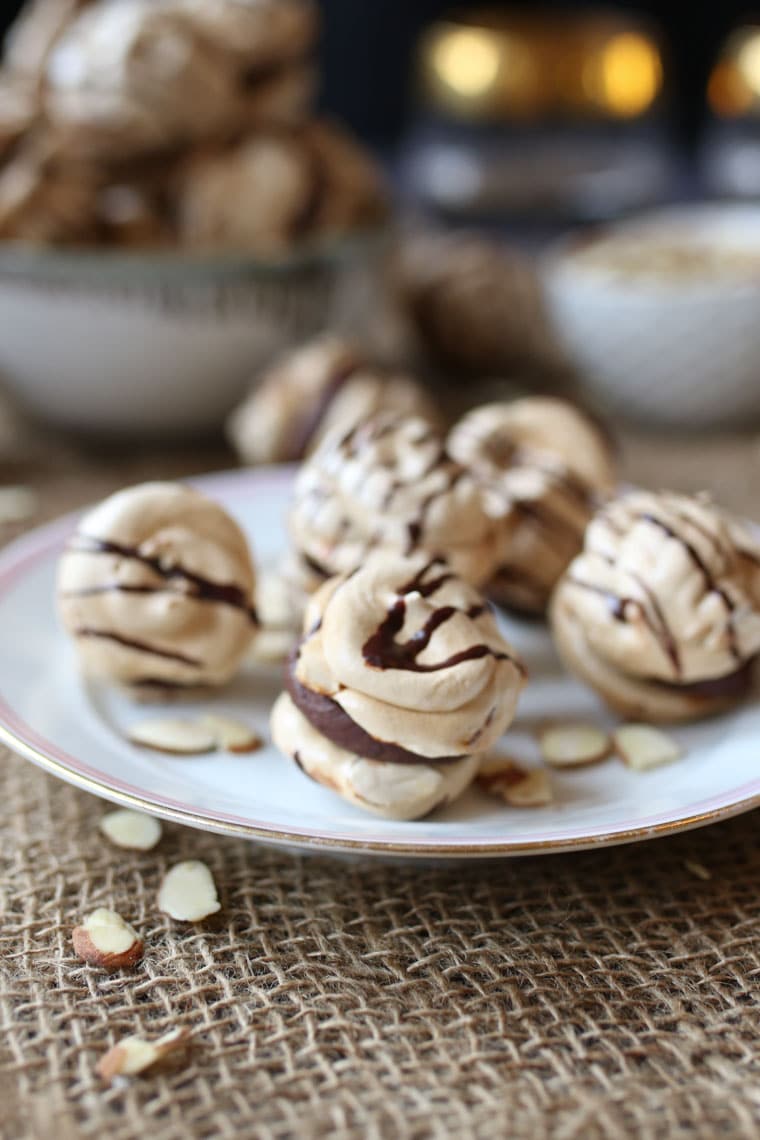
A plate with almond cherry chocolate meringue cookies with a chocolate ganache.

Okay back to that constipation. I’m kinda joking, but also, kinda not. During the 8 days of Passover, we refrain from eating any risen grains, legumes or peanuts (hence the backing up issue) and also don’t mix dairy and meat products. Eggs are considered neutral (pareve) so they’re cool to mingle with anyone else on the plate. So if you get tasked with making dessert, it can be a little tough. No grains means you’re definitely going gluten free, but also since we tend to eat a meat based dinner, dairy is off the table too. Eggs again are fair game.  So for this Passover, I decided to make these beautiful Gluten Free Almond Cherry Chocolate Meringue Cookies sandwiched with a Dairy Free Chocolate Ganache. They’re absolutely divine for Passover, but honestly, a beautiful dessert any day of the week.

How to Make Gluten Free Almond Cherry Chocolate Meringue Cookies

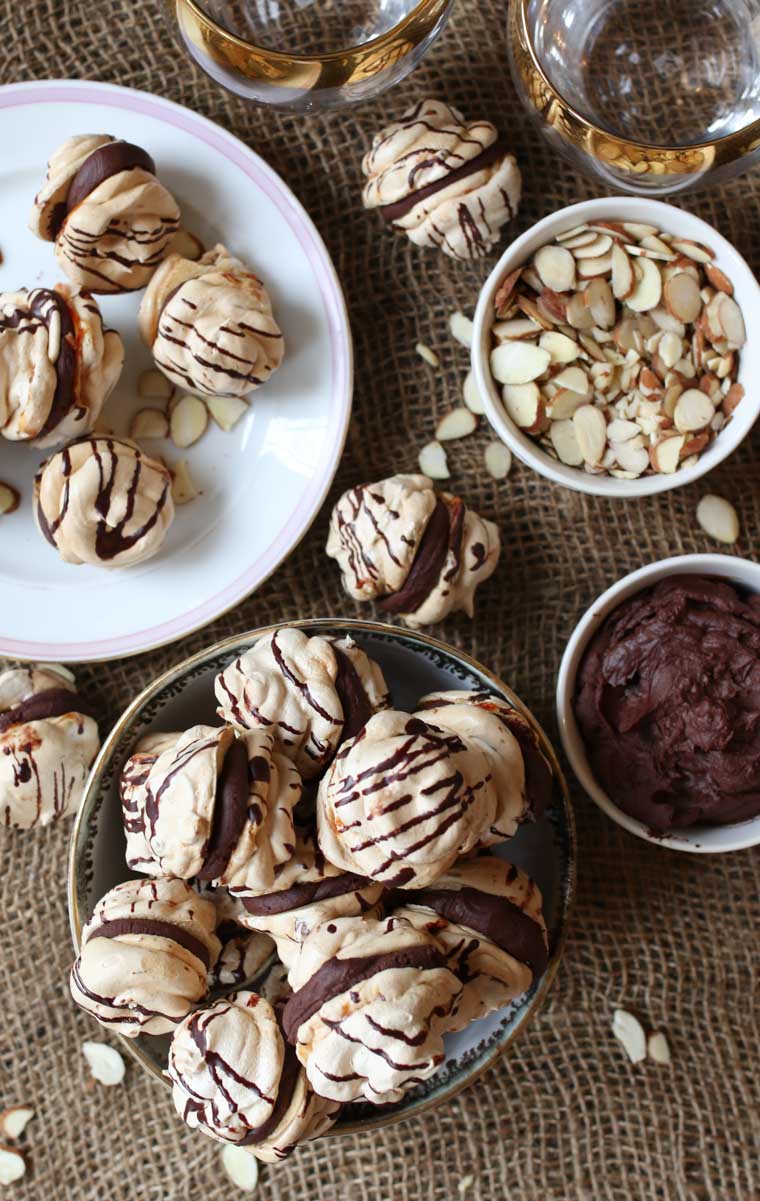
Two plates of almond cherry chocolate meringue cookies with a chocolate ganache with a bowl of almond silvers, and bowl of chocolate.

Making meringue requires very few ingredients, but a bit of time and patience. It takes about 40 minutes for these babies to bake off, but when they’re done, they’re an absolute dream. I personally like my meringues with little shaved almonds inside which give them an addictive crunch to balance out the marshmallowy interior.

These Gluten Free Almond Cherry Chocolate Meringue Cookies are flavoured up with a little maraschino cherry juice but you can totally skip this if you want to let the vanilla aroma shine.

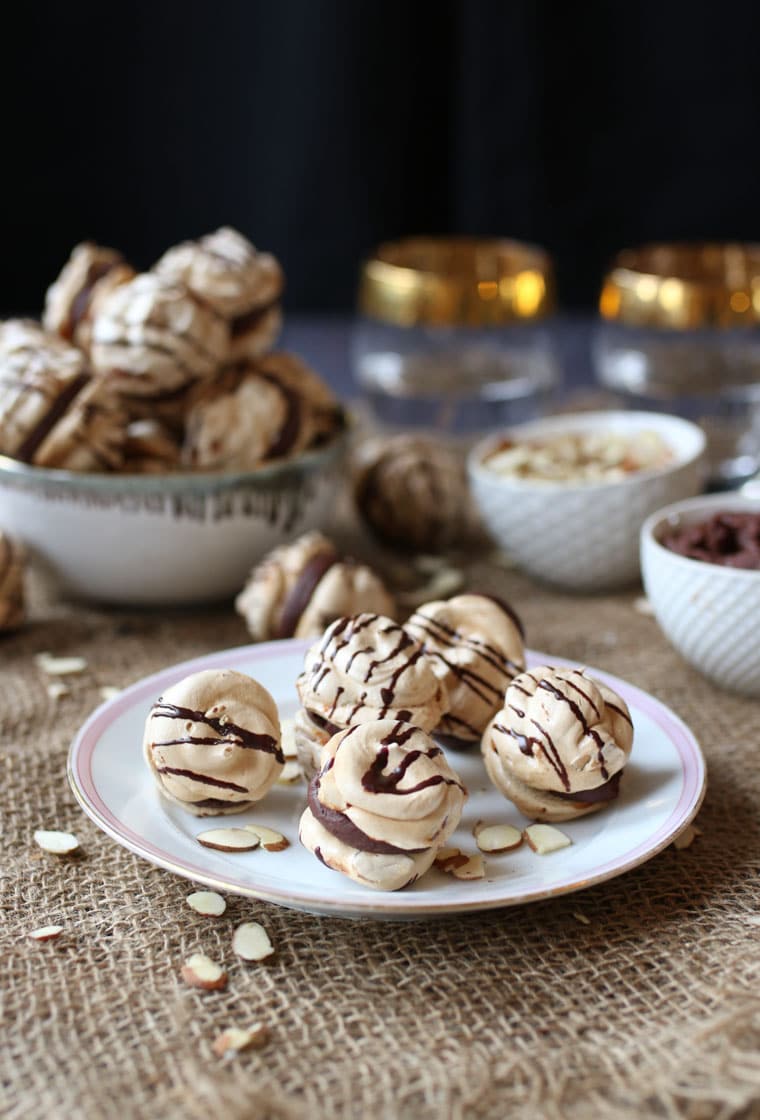
A plate with almond cherry chocolate meringue cookies with a chocolate ganache with a bowl of them in the background.

Cherries + almonds are BFF’s with chocolate so I HAD to turn these into meringue sandwiches with a decadent chocolate ganache. Okay, so truthfully, I would say everyone is BFFs with chocolate, you really can’t go wrong no matter what you add to these meringue cookies. I make a simple dairy free chocolate ganache by melting down some dark chocolate and beating it up with rich coconut cream. It’s hard to not just eat that stuff out of the bowl.

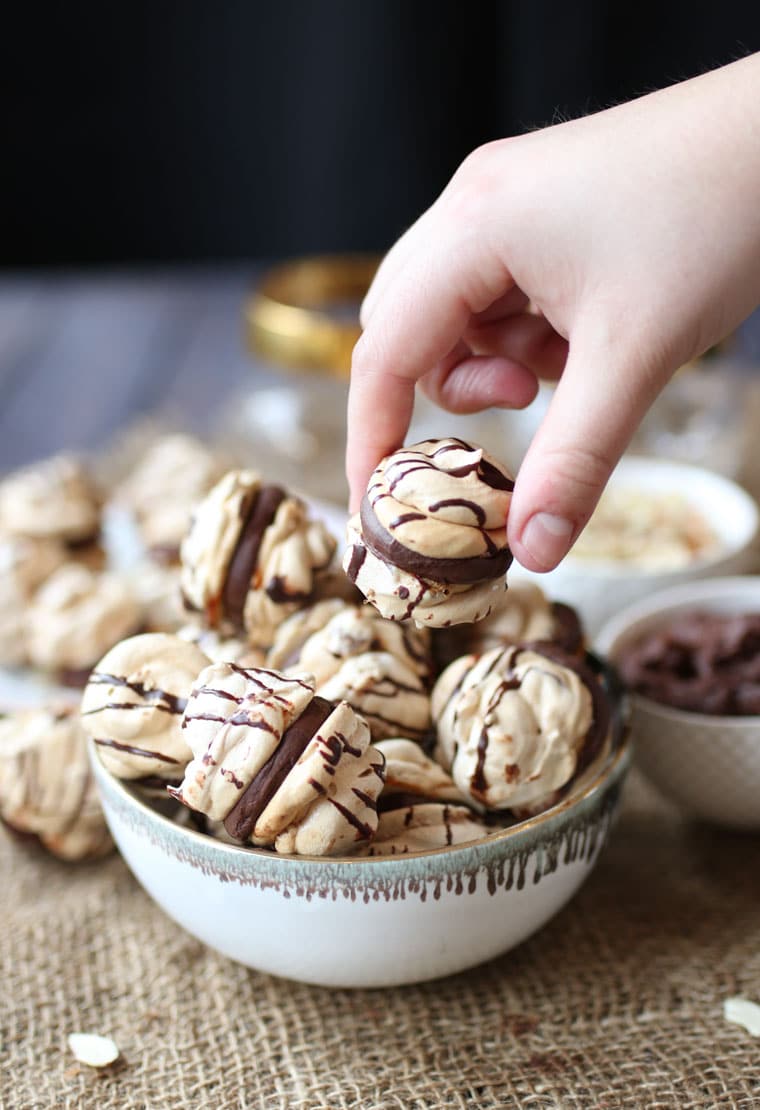
A hand lifting up an almond cherry chocolate meringue cookies with a chocolate ganache from a bowl of them.

These Gluten Free Almond Cherry Chocolate Meringue Cookies are easy to make ahead and can be stored in an air-tight container until you’re ready to indulge. They will definitely be a huge hit at any Passover seder, but will for sure become a recipe you’ll bust out any time of year. Make ahead dessert = the BEST for entertaining.

Now, tell me what are some of your go-to Passover friendly desserts?
Have you tried making these Gluten Free Almond Cherry Chocolate Meringue Cookies?
Leave me a comment below with your thoughts!

A pinterest image of a bowl with almond cherry chocolate meringue cookies with a chocolate ganache with the overlay text \"gluten free | dairy free almond cherry chocolate meringue cookies | passover.\"

These Gluten Free Almond Cherry Chocolate Meringue Cookies with Dairy Free Chocolate Ganache are perfect for your Passover seder or any time of year!
Print Recipe
5 from 4 votes

Gluten Free Almond Cherry Chocolate Meringue Cookies

These Gluten Free Almond Cherry Chocolate Meringue Cookies with Dairy Free Chocolate Ganache are perfect for your Passover seder or any time of year!
Prep Time10 minutes mins
Cook Time50 minutes mins
Total Time1 hour hr
Course: Dessert
Cuisine: American
Servings: 18 Cookies
Calories: 280kcal
Author: Abbey Sharp

Ingredients

Meringues

  • 4 room temperature large egg whites
  • Pinch salt
  • 1/2 tsp lemon juice
  • 1 cup superfine sugar
  • 2 tsp maraschino cherry juice
  • 1 tsp artificial vanilla extract
  • 3/4 cup sliced raw almonds

Ganache:

  • 300 g dairy free dark chocolate chopped
  • 1  cup coconut cream

Instructions

  • Reduce the oven temperature to 250°F.
  • Line two baking sheets with a silpat or a greased piece of parchment paper. Using a standmixer,  beat the egg whites, salt and lemon juice at low speed until foamy.
  • Increase the speed to medium, and add the sugar one tablespoon at a time until glossy and firm peaks form. This can take about 8 minutes. Beat in the cherry juice and vanilla. Gently fold in the almonds.
  • Drop in two-tablespoon balls (about 2 inches apart) on the baking sheet and bake for about 40 minutes, just until very lightly browned. Remove from the oven and allow to fully cool and harden.
  • Meanwhile, place the chocolate in a glass bowl set over a saucepot with an inch-high of simmering water. Allow to melt fully, then transfer all but about 1/4 cup of the chocolate to the stand mixer. Allow the chocolate to cool slightly to room temperature, then add in the coconut cream. Beat until very smooth and creamy, like cake frosting. Transfer to a piping bag.
  • To assemble drizzle the tops of the cookies with the residual melted dark chocolate. Pipe a generous dollop of the ganache onto one of the cookies and add the other as a sandwich. These cookies can be stored in an air-tight container at room temperature for two days.

Video

Nutrition

Calories: 280kcal


Abbey Sharp

Abbey Sharp is a Registered Dietitian (RD), regulated by the Ontario College of Dietitians. She is a mom, YouTuber, Blogger, award winning cookbook author, media coach specializing in food and nutrition influencers, and a frequent contributor to national publications like Healthline and on national broadcast TV shows.
www.abbeyskitchen.com/about-abbey/

Last Updated October 4, 2021. Published March 8, 2018 By Abbey Sharp 63 Comments

Binge Eating Rx: Sugar Binge Detox 101

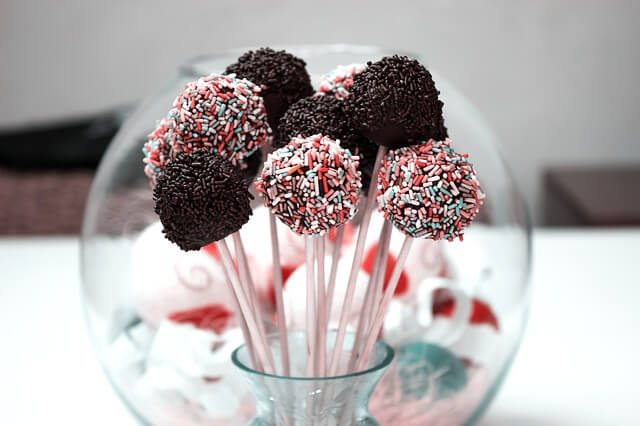
A close up of multiple cake pops.

I’m discussing binge eating and how to recover from a sugar hangover.

We have all been there. Been subject to a bit of a binge eating episode, and let’s be honest – it wasn’t on celery. We had leftover cake in the fridge and a box of cookies in the cupboard. Because they were on sale, we brought home a few pints of Ben & Jerry’s.

A close up of multiple cake pops.

Sometimes binge eating happens when we’re happy. Sometimes it happens when we’re sad. But whenever it happens, it doesn’t feel so good the next day. I recently wrote a post about my top tips for stopping a snack attack binge in front of the TV (you can read it here), and now I’m back with some of my top tips for nursing the sugar hangover.

Binge Eating – How & Why

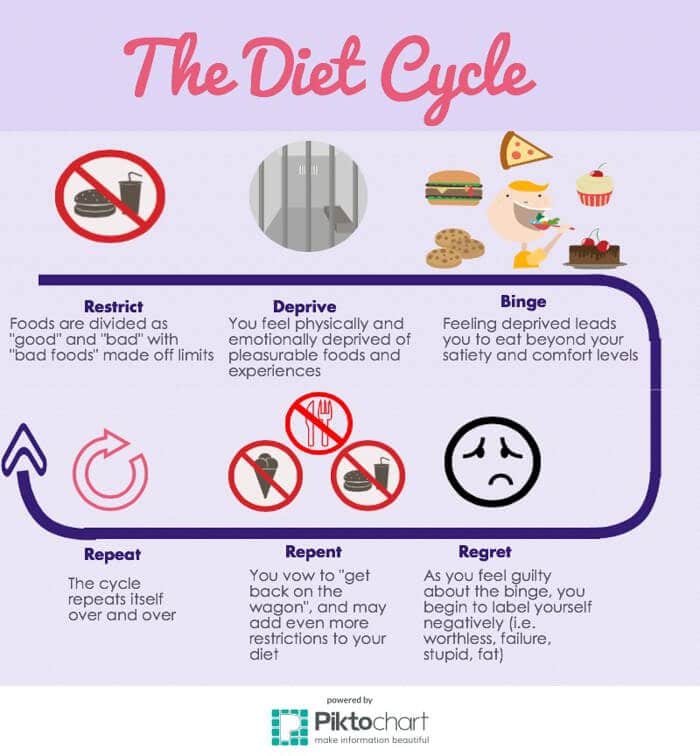
In my experience, binge eating episodes usually don’t happen just because food tastes good. They happen because food tastes really good when we’re otherwise deprived of food. In other word, they happen because we diet. Our bodies and minds don’t like to feel deprived, so we fight against that with all our might. It’s part of a vicious diet cycle where we diet, we feel deprived, we binge when our willpower dies, we regret the binge because it doesn’t physically feel great, and then we feel super guilty about it. Through the power of the guilt trip, the cycle repeats itself. It’s really tough to get out.

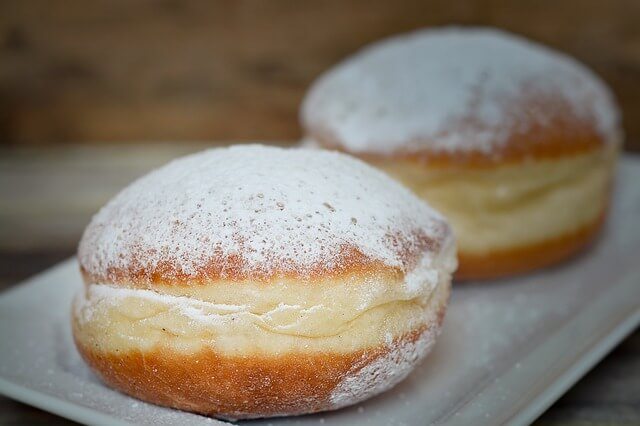
A close up of a powdered donut.

What Happens When You OD on Sweets

When you eat a lot of sugar, you get a surge of the feel-good hormone dopamine, which tells you to have more. As the sugar hits your bloodstream, the pancreas then releases the hormone insulin to help manage the blood sugar levels. Insulin is like an UBER car and blood sugar (aka. energy) are like the passengers. The insulin UBER car takes the sugar to the different parts of your body that needs some energy like your different muscles. This is why it’s important to have carbs before you work-out!

Assuming everything is working properly in the body (i.e. the person doesn’t have diabetes), the insulin UBER drops off most of the sugar in your liver which converts the glucose sugar to a storage form called glycogen to use at a later time. But once the glycogen stores are maxed out, and you aren’t immediately using the sugar in some sort of incredible post-meal sprint, the insulin UBER drops off the rest of the energy in fat cells. Yes, folks, this is actually what is happening when you’re binge eating pie and cake.

Leptin

The arrival of glucose passengers in the fat cells activates a hormone called leptin which is your satiety hormone. It sends a little message to your brain that tells you you’ve had enough to eat and also tells your pancreas that it can stop sending out insulin UBERs because hey, you don’t need to eat anymore, right? Well, when we’re binge eating sweets, we often eat beyond those signals.

Unfortunately, the we elevate our fat cells (called triglycerides) in the blood, the harder it is for leptin to send signals to your brain. Think of it like a traffic jam on the DVP. You’re not going anywhere. This is called leptin resistance. With leptin resistance, you stop being able to hear those signals that it’s time to stop eating, making it even easier to engage in binge eating behaviours.

Even if it’s just a one off, the feeling is not fun. Sugar gets digested so quickly that very soon after, your dopamine high plummets, and your blood sugar follows. If you have ever binged on candy before bed and woke up in starving shakes, you’ve experienced the not-so-sexy sugar hangover.

Cube sugars.

How to “Detox” After Binge Eating Sweets

The good news is, there are easy ways to stop and reverse the damage before it becomes a chronic health problem. Here are some of my top tips.

Don’t Diet

The most important thing to do after a binge eating session is to NOT let yourself go into diet deprival mode. Don’t punish yourself for a bad binge eating episode by starving yourself the next day or going on a stupid juice cleanse. Depriving yourself of food you enjoy will only push you back into binge eating behaviours.

An infographic of the diet cycle.

Don’t Weigh Yourself

If you do, and you see a bit of a jump, keep in mind that you would have to have eaten an extra 3500 calories or so more than you normally consume to gain even just one pound. Any extra weight you may see is likely just bloating and water weight. So save yourself the panic attack and just throw that scale away.

Eat When You’re Hungry

A close up of a hummus quesadillas on a serving platter.

After binge eating, it’s really important to nourish your body to help restabilize that blood sugar, and get you back on track towards a healthy relationship with food. When you feel hungry, feed yourself a normal size meal or snack with foods you actually enjoy. In other words, don’t buy one of those bogus green juices that no one in their right mind likes.

Reach for Protein and Fibre

post-workout snacks (7 of 11)

Protein and fibre are digested much slower that simple carbs so they will help stabilize your blood sugar and keep you satiated longer. I love eggs with avocado and a piece of whole grain toast, or Greek yogurt with almond butter mixed in. One of my favourite yummy recipes is for Avocado Cottage Cheese Toast.

Get Moving

A person running with a sunset in the background.

You already have a lot of carbs circulating in your system, so use that energy in doing some light exercise. You don’t want to push yourself too hard when you’re maybe already feeling a bit nauseous, or force yourself into activity as a way to “undo the damage” you feel you have done. Just move your body in a pleasurable, comfortable way. Exercise is key to stabilizing blood sugar levels, speed digestion and boost your confidence.

Drink Water, Not Coffee

A glass of water with ice splashing in.

You may also notice that your pee is super yellow and cloudy after binge eating the night before. Take a clue from your body- you’re clearly super dehydrated and need some H2O. You may be tempted to lure yourself out of your sugar coma with a strong cup of Joe, but this definitely won’t help your digestion or dehydration woes after binge eating. They key is upping the water (or tea) to help speed digestion, reduce bloating from all those carbs, and prevent sugar-induced constipation.  We all know that’s never so fun.

Choose Probiotic Rich Foods

post-workout snacks (10 of 11)

Research suggests that a high sugar diet can alter our healthy microflora (or gut bacteria environment) and we have only just begun to understand how important that gut bacteria is. After a binge eating episode, I suggest trying to replenish your healthy gut bacteria. Eat probiotic rich fermented foods like keffir, sauerkraut, pickles and yogurt. I’ve got a whole post on probiotics and fermented food here!

Toss the Sweets

Green garbage on the road.

If you’re worried about being tempted to fall into another binge eating episode, it may just be best to get rid of the culprit. I know it can be hard to throw food away. Consider giving it to loved ones or co-workers to help get it out of your house.

See, you’ve got this. So what, you had one super sweet end to a night- think of how many other meals you have in your life to balance that out! The key is to brush it off, get back on track, and remember that tomorrow is another delicious day.

Do you have any great tips for helping you “detox” after binge eating sugar? Leave me a comment below with some of your discoveries and stories!
Abbey Sharp

Abbey Sharp is a Registered Dietitian (RD), regulated by the Ontario College of Dietitians. She is a mom, YouTuber, Blogger, award winning cookbook author, media coach specializing in food and nutrition influencers, and a frequent contributor to national publications like Healthline and on national broadcast TV shows.
www.abbeyskitchen.com/about-abbey/

Last Updated October 23, 2020. Published March 7, 2018 By Abbey Sharp 22 Comments

Why I Hope I Poop Myself During Labour and Delivery | How to Improve Baby’s Microbiome

Abbey Sharp, pregnant, standing in front of her dog.

We look into how to improve baby’s microbiome during pregnancy and why pooping ourselves during labour may not be so bad.

Gut health is a hot topic in the nutrition world lately, largely because all of the research is pointing to its significant impact on our overall health. From the things we eat, to our genetics, to even the way we are born, there are serious implications for our gut. For the sake of this article, we are going to discuss the latter and find out how to improve baby’s microbiome during the pregnancy.

Let’s start with a brief biology lecture.

What is the microbiome?

The human microbiome is essentially a community of microorganisms that live in and on your body. These communities of microorganisms are responsible for our metabolism, immunity, and hormones, even our development of allergies and the risk for metabolic diseases. There are four microbiomes—oral, placental, gut (the main one), and vaginal microbiota—each of which have specific environments to support the performance of different microorganisms. All of these microbiomes are shaped by environmental conditions, such as pH (especially in the vaginal microbiota), levels of oxygen, availability of nutrients (our diet), as well as the humidity and temperature.

Gloved hand holding a petri dish.

When it comes to baby, the initial development and maturation of the newborn’s microbiome is largely determined through the maternal-offspring exchanges. It’s not to say that you only “get what your mama gave ya” because you can alter your microbiome in adulthood, but there’s a lot we can do to set up baby on the right path.

What’s the Impact of Baby’s Microbiome on their Future Health?

So, what’s so important about ensuring our babies have a healthy gut? Well, our gut bacteria seem to play a role in our immunity, metabolism, and hormones. The maturation of our immune system is really dependent on the bacterial community developed, making the first month of life for babies a critical time for building their immune system and defence mechanisms. Research suggests that having a low diversity bacterial environment in year one is with higher risk of inflammatory bowel disease, obesity, diabetes, and atopic diseases, such as atopic dermatitis and allergy.

Abbey Sharp, pregnant, standing in front of her dog.

Photo By: @lolabeanphotos

Specifically, in regards to its link to diabetes and obesity, current studies suggest there’s an association between the microbiota’s role in energy production, low-grade inflammation, and the regulation of fatty acid tissue composition. Specifically, the gut’s production of short chain fatty acids (SCFA), namely acetate, propionate, and butyrate, from the breakdown of dietary fiber, protein, and peptides is associated benefits for body weight, glucose balance, and insulin sensitivity. Not to mention, having an abundance of the good bacteria Bifidobacterium spp. is linked to an anti-inflammatory effect, countering the production of pro-inflammatory cytokines that is observed in obesity and type 2 diabetes. Bottom line: the risk of babies developing metabolic diseases in the future can be decreased by developing and maintaining a healthy gut microbiome starting before conception and continuing onwards through adulthood.

The Impact of Mom’s Health on Her Microbiome

          The overall health of the mother and her diet will have an impact on the development of her offspring. Having a low or high BMI are known to influence the composition of maternal microbiome, as well as being linked to risk of preterm birth and gestational hypertension. The good news is that research suggests that starting a healthy diet and activity regime can improve the gut microbiome, regardless of body size or shape.

Lifestyle behaviours, such as smoking, substance use, hygiene practices (poor oral hygiene), frequent douching, frequent intercourse with multiple partners, have all been found to alter the composition of maternal vaginal microbiome by increasing the risk of pathogenic bacterial infection and inflammation.

Abbey Sharp, pregnant, sitting in a chair.

Photo By: @lolabeanphotos

In addition to lifestyle and health behaviours, the gut microbiome can be influenced by mom’s diet. The Western diet—high in simple carbohydrates, fats, and animal proteins—is consistently linked with a gut microbiome imbalance and a decrease in Bifidobacteria and Bacteroidetes. There is evidence available that enjoying insoluble complex carbohydrates (aka. fibre rich foods), veggies, and protein in your diet can favour the growth of good Bacteroides, Clostridium, and Bifidobacterium. Another study concluded that consuming fermented foods, such as miso and Japanese natto beans, which are a good source of probiotics, can help promote the growth of the good bacteria. It’s even been suggested that consuming probiotic-rich foods during pregnancy may help reduce the risk of preterm birth and gestational diabetes.

In contrast, having a high sugar diet may alter the because sugar interferes with the adhesion of microbes in the intestinal surface, which is required for them to colonize in the gut. Likewise, fat suppresses the growth of these beneficial organisms. One animal study found that a high fat diet significantly reduced the amount of Bacteroides and Bifidobacterium while increasing inflammatory cytokines.

How to Improve Baby’s Microbiome

Vaginal Birth or Caesarean ON BABY’S MICROBIOME

So, if I were to survey 100 pregnant women about their labour and delivery fears, I can promise you that MOST women will say they’re TERRIFIED that they’ll poop their pants. Guess what- most women do! And I’m happy to tell all of you momma to be’s that THIS MAY BE A GOOD THING in some ways!!!  Research suggests that delivering vaginally is the ideal scenario for promoting a healthy microbiome because the infant gets exposed to the vaginal and yes- fecal (aka. POOP) microbiota. In other words, that poop your baby is coming into contact with may add to bacterial colonization for baby upon birth. FEARS BE GONE, MOMMAS!!

Pregnant Abbey sitting on a bed cross legged while holding her stomach.

Photo By: @lolabeanphotos

The resulting environment allows for anaerobes such as Bacteroides and Bifidobacterium to thrive—both of which are important for immune functioning. Infants delivered by caesarean (C-section) miss out on that bacterial colonization of the above-mentioned anaerobes and don’t get exposed to vaginal (or likely fecal) microbes. These infants only acquire microbes found on the maternal skin while vaginal birth provides newborns with microbes similar to the mother’s vaginal microbiome. It’s therefore not surprising that babies born by C-section tend to have higher rates of asthma, allergies and other atopic sensitivities, likely as a result of a compromised immune system.

Okay, so here comes another mom fear. What if you desperately want a vaginal birth (either to help baby’s microbiome and/or for whatever other reason) and suddenly things don’t work out. This is where some families opt for something called “vaginal seeding”. found that vaginal swabbing, or “vaginal seeding”, may partially restore the microbiota of C-section babies to be similar to vaginal birth babies, but it’s important to note that more studies are needed to support the benefits, as well as the risks and potential harm. Available the potential risks of transferring infections and vaginal pathogens. As a safer alternative to vaginal seeding, you may want to try to focus on some of the other methods of improving baby’s microbiome that we outline below.

Breastfeeding and BABY’S Microbiome

Believe it or not, maternal breast milk also has its own diverse microbiome, making it a predominant source for establishing a healthy microbiome in newborns in addition to being an optimal, nutritional source. Breast-fed infants have been found to have Bifidobacteria in abundance, which is vital for promoting immunological and inflammatory responses, and preventing the growth of pathogenic organisms. The cool thing about shaping the baby’s microbiome with breast milk is the co-evolution aspect of the mother and her infant. It’s sort of like two puzzle pieces—the microorganisms that the infant acquired from birth enables its ability to utilize the nutrients found exclusively in breast milk, enhancing its nutrition and promoting the development of a stable and relatively uniform gut microbiome. Where did the microbial population in breast milk come from? Some suggest that it travelled from mom’s gut to the mammary glands due to hormonal changes during and following gestation. Isn’t the body so damn smart?!

A newborn\'s hand holding the collar of a top while being held.

            While I am a big advocate for “FED is best”, research does suggest that formula, even if given in small amounts during breastfeeding, can disrupt the colonization of the neonatal intestinal microbiota, thereby reducing the benefits that you would otherwise get from exclusively breastfeeding. In other words, formula fed infants tend to have a higher amounts of Enterococci and Clostridia dominating the gut microbiota instead of the beneficial Bifidobacteria. The good news for mommas who can’t or chose not to breastfeed is that we now have infant formulas that contain probiotics to help support the neonatal gut microbiome of formula fed babes.

Solid Foods and Baby’s Microbiome

Research suggests that the type and timing of introducing solid foods can also affect baby’s microbiome composition. Early introduction of complimentary foods can disrupt the formation of gut microbiota, but when introduced at the right time, solid foods play a significant role in shaping and maturing the microbiota composition to include species that are found in adults. This maturation initiates the infant’s vitamin and carbohydrate utilization, as well as vitamin biosynthesis.

A baby being held in a high chair.

It’s recommended that parents introduce meats and iron-fortified cereals as one of the first complementary foods from 6 months onwards after breastfeeding to help reduce the risk of anemia. However, you’ll want to make sure not to overdo the iron, as an excessive amount of iron in the intestinal tract as it may initiate inflammation. Only two human have found the association of iron supplementation and gut microbiota composition alteration.

As baby gets older, you’ll definitely want to focus on including both prebiotics and probiotics in baby’s diet. Prebiotics are the fuel for your baby’s healthy bacteria, and are most commonly found in fibre-rich foods like veggies, beans and whole grains. Probiotics are the bacteria themselves and are found naturally in fermented foods. Kefir and yogurt are great options that are child friendly, just make sure to look for options without added sugar.

Over-Sanitizing and Baby’s Microbiome

Now let’s talk about dirt. I’m admittedly a huge fan of the so-called “hygiene hypothesis”, or the idea that our obsession with cleanliness is one of the causes of the rise in food allergies and other immune disorders. I know it’s hard not to want everything to be spick and span with your babe, but research suggests that easing up on the cleanliness factor may help. One study actually found that parents who just sucked on their baby’s pacifier to clean it off (rather than sterilizing it) had babies with less eczema at 1 ½ years of age.

A close up of a bottle of soap.

Having access to household pets is another way to improve baby’s microbiome. One study found that pet ownership increased the abundance of Rhuminococcus and Oscillospira bacteria, both of which have been associated with lower risk of childhood allergies and obesity. Likewise, research has found that farm living can also help improve family’s immune response.

So moms, put down the hand sanitizer and let the little one get outside to get dirty!

Antibiotics and the Baby’s Microbiome

Pills from a blue bottle.

It’s often a common criticism of modern medicine that antibiotics can be overprescribed and overused. Now, sometimes they’re absolutely imperative and in fact, can save lives, but they do have some consequences for our baby’s microbiome. Unfortunately, site specific, and can cause an overall reduction in microbial diversity, both of the bad and the good bacteria. The use of antibiotics before, during, and after pregnancy has therefore been found to significantly reduce bacterial diversity which, in turn, disrupts the development of the baby’s microbiome. One that early and repetitive antibiotic exposure to the baby alters the microbiota composition by decreasing the number of good Bifidobacteria and Bacteroides, which are bacteria associated with reducing the risk of obesity.

Bottom Line on How to Improve Baby’s Microbiome

Baby feet being held by a set of adult hands.

The good news is that regardless of your birthing circumstances, there are a lot of little ways you can help improve baby’s microbiome. Here’s some easy takeaways on our recommendations:

  • If possible, consider a vaginal birth first.
  • If possible, consider breastfeeding for the first year. If using formula, look for ones that are fortified with probiotics.
  • Complementary foods are recommended to be introduced at 6 months, specifically iron-rich foods to prevent iron-deficiency, and fibre rich foods to feed our bacteria.
  • Minimize unnecessary use of antibiotics as it may disrupt bacterial diversity.
  • Mommas-to-be should try to maintain healthy lifestyle behaviours and diet before and during pregnancy.
  • Expose your kids to the great outdoors and try to go easy on over-sanitizing them.

Become an Abbey’s Kitchen Subscriber

What are your thoughts on improving your baby’s microbiome?

Have you tried any of the techniques listed?

Leave me a comment below!

Pinterest image of a pregnant woman with the overlay text \"Why I hope I poop myself during labour.\"

Contribution by RD2B Amy Choi

Abbey Sharp

Abbey Sharp is a Registered Dietitian (RD), regulated by the Ontario College of Dietitians. She is a mom, YouTuber, Blogger, award winning cookbook author, media coach specializing in food and nutrition influencers, and a frequent contributor to national publications like Healthline and on national broadcast TV shows.
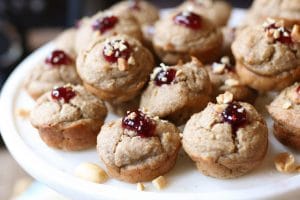
www.abbeyskitchen.com/about-abbey/
  • Previous Page
  • Go to page 1
  • Interim pages omitted …
  • Go to page 62
  • Go to page 63
  • Go to page 64
  • Go to page 65
  • Go to page 66
  • Interim pages omitted …
  • Go to page 89
  • Next Page

Get started with

Eight Free Recipe Books

From the co-founder of Neue Theory and creator of the Hunger Crushing Combo

Sign me up!
Abbey smiling at table
Abbey Sharp

“Foods may never be nutritionally equal. But we can make them morally equal by recognizing that our worth is never determined by what's on our plate.”

— Abbey Sharp, RD About Abbey ◥

Books

  • HCC™
  • Mindful Glow
  • Free E-Books

Blog

  • Nutrition
  • Recipes
  • Motherhood
  • Life

Explore

  • Neue Theory™
  • Bite Back
  • YouTube

Abbey

  • About
  • Coaching
YouTube TikTok Instagram Facebook X Pinterest
Abbey Sharp - The No BS Dietitian From Abbeys Kitchen

© Abbey's Kitchen 2026  All Rights Reserved •  ACCESSIBILITY STATEMENT •  Privacy Policy

This site uses cookies. By continuing to browse the site, you are agreeing to the use of cookies Accept Privacy Policy
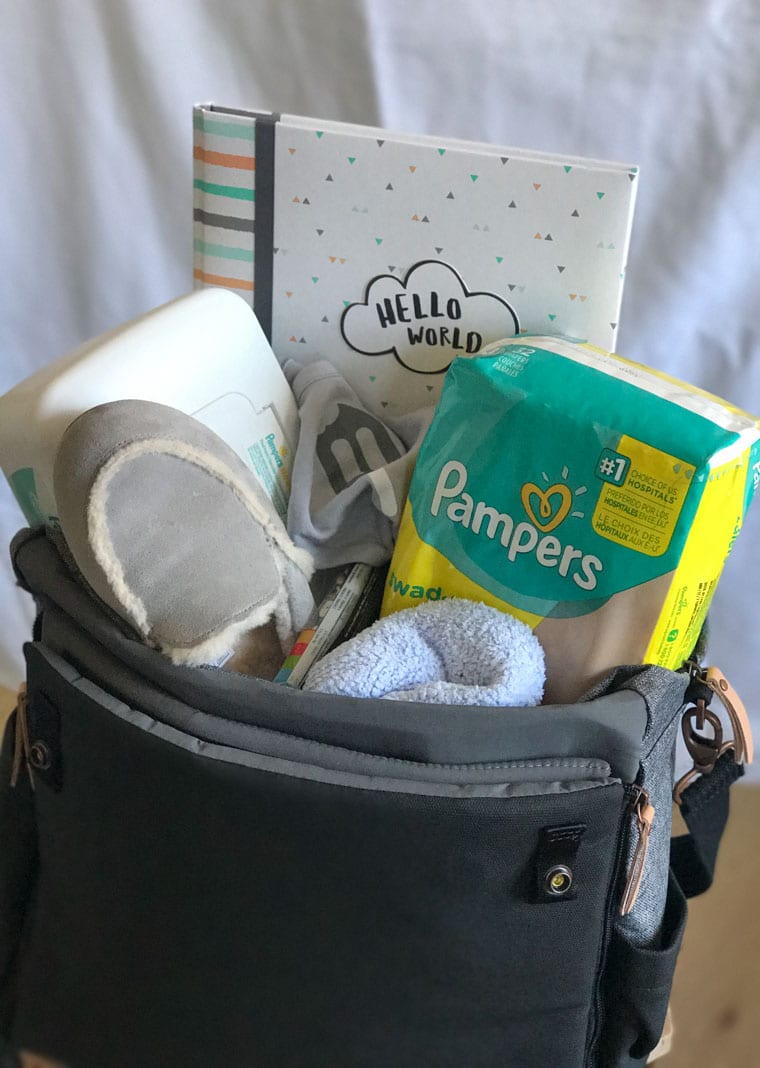
Privacy & Cookies Policy

Privacy Overview

This website uses cookies to improve your experience while you navigate through the website. Out of these, the cookies that are categorized as necessary are stored on your browser as they are essential for the working of basic functionalities of the website. We also use third-party cookies that help us analyze and understand how you use this website. These cookies will be stored in your browser only with your consent. You also have the option to opt-out of these cookies. But opting out of some of these cookies may affect your browsing experience.
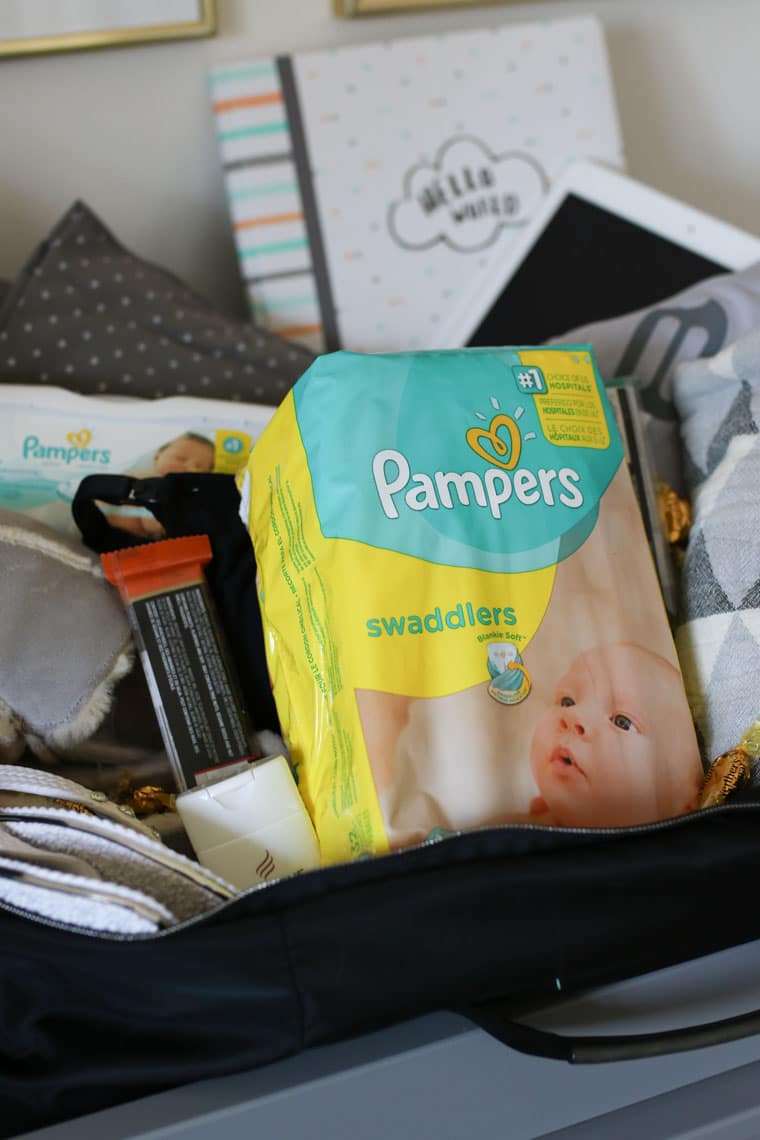
Necessary
Always Enabled
Necessary cookies are absolutely essential for the website to function properly. This category only includes cookies that ensures basic functionalities and security features of the website. These cookies do not store any personal information.
Non-necessary
Any cookies that may not be particularly necessary for the website to function and is used specifically to collect user personal data via analytics, ads, other embedded contents are termed as non-necessary cookies. It is mandatory to procure user consent prior to running these cookies on your website.
SAVE & ACCEPT

Rate This Recipe

Your vote:


A rating is required
A name is required
An email is required