• Skip to main content

Abbey's Kitchen

Healthy Recipes, Nutrition Myth Busting, Healthy Eating Tips

  • Books
    • HCC™
    • The Mindful Glow Cookbook
    • Recipe eBooks
      • Family
      • Hypothyroidism
      • BLW
      • Vegan Week 1
      • Vegan Week 2
      • Vegan Week 3
      • Keto
      • Gluten Free Week 1
      • Gluten Free Week 2
      • Fitness
      • Paleo
  • Blog
    • Nutrition
    • Recipes
    • Motherhood
    • Life
  • Explore
    • Neue Theory™
    • Bite Back With Abbey Sharp
      • Apple Music
      • Spotify
      • Amazon Music
    • YouTube
  • Abbey
    • About
    • Coaching
    • Contact

Abbey Sharp

Last Updated July 21, 2020. Published August 30, 2019 By Abbey Sharp 24 Comments

3 Best Low FODMAP Recipes with Bread for a Restricted FODMAP Diet

Veggie sandwich with hummus and halloumi served on a yellow plate.

DISCLAIMER: This post was developed in sponsored partnership with COBS Bread, however, as always, all opinions are genuine.

I share my 3 best low FODMAP recipes with bread for those who are following a restricted FODMAP diet who are trying to reduce digestive issues and IBS including my low FODMAP PB&J Baked French Toast, a Fall Vegetable Strata, and a Roasted Vegetable Hummus Halloumi Sandwich.

I know that a lot of my followers have already taken a ride on the gluten-free bandwagon, but disappointingly, they still haven’t found relief of their digestive issues. While there are definitely people who have legitimate issues with gluten (that is, the protein inherently found in grains like wheat, rye, barley, triticale, and oats), the evidence suggests that the bigger culprit is often something we call FODMAPs.

What are FODMAPs?
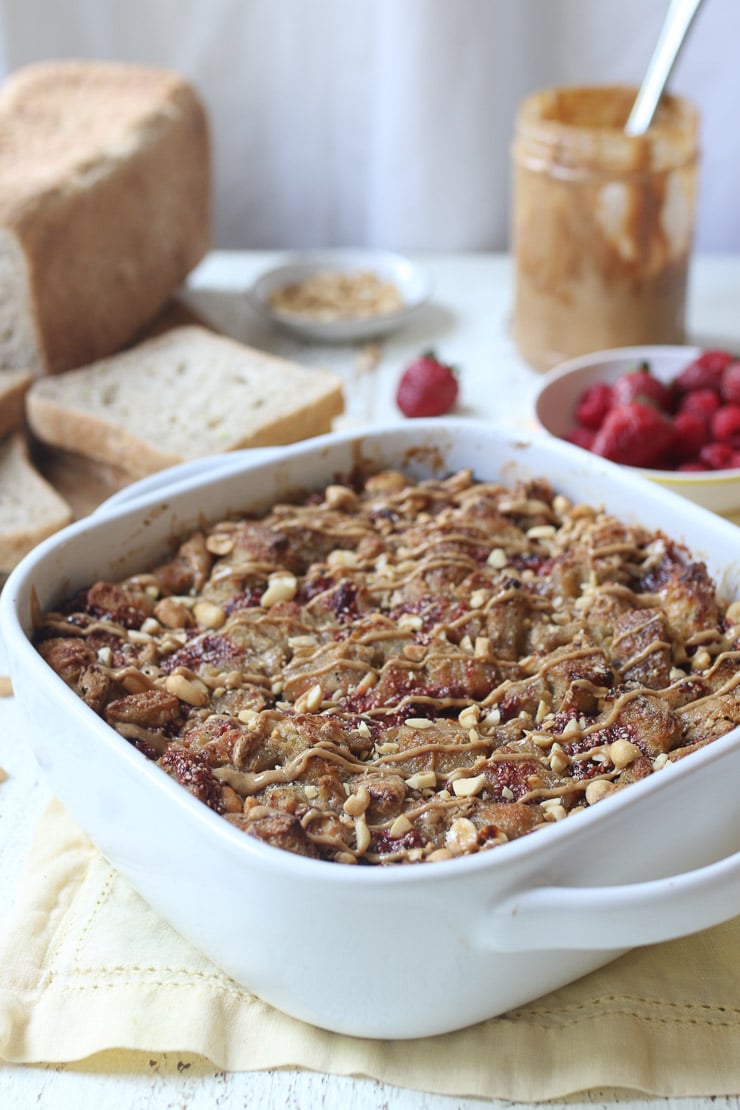
low fodmap peanut butter and jelly baked french toast in a white serving dish

FODMAP stands for fermentable oligo-di-mono-saccharides and polyols. They’re a classification of short-chain carbohydrates that are found in a lot of the same foods as gluten so often gluten becomes the unfortunate scapegoat. But current research suggests that in fact, FODMAPs may be the more likely cause of common digestive symptoms like bloating, gas and pain for a lot of people who are suffering with IBS.

Where are FODMAPs found?
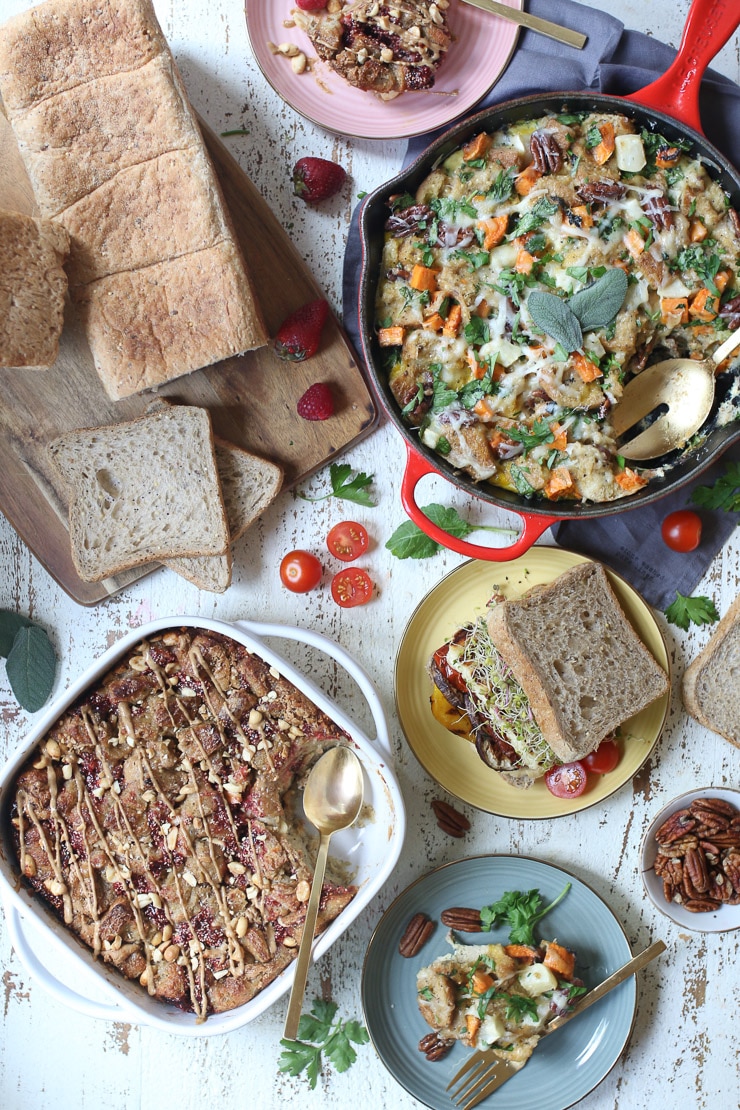
birds eye view of Healthy low fodmap recipes

There is unfortunately a long list of foods that contain FODMAPs broken into the following categories:

Fructose: A simple sugar found in fruits and vegetables, plus added sugars. High FODMAP options include snap peas, apples, cherries, mango, agave, honey and watermelon.

Lactose: Found in dairy products, especially in ricotta and cottage cheese, cow’s milk, and ice cream.

Fructans: Found in grains like wheat, spelt, rye, and barley, and produce like ripe bananas, dates, prunes, leeks, artichokes, garlic, and onions.

Galactans: Found in legumes like baked beans, navy beans, and split peas.

Polyols: Found in sugar alcohols like sorbitol, along with fruits and veggies like apricots, blackberries, pears, and plums.

This is just scratching the surface and by no means an extensive list of high FODMAP foods, so if you’re looking to trial a Low FODMAP diet, you will want to work with a registered dietitian.

How Do You Follow a Low FODMAP Diet?
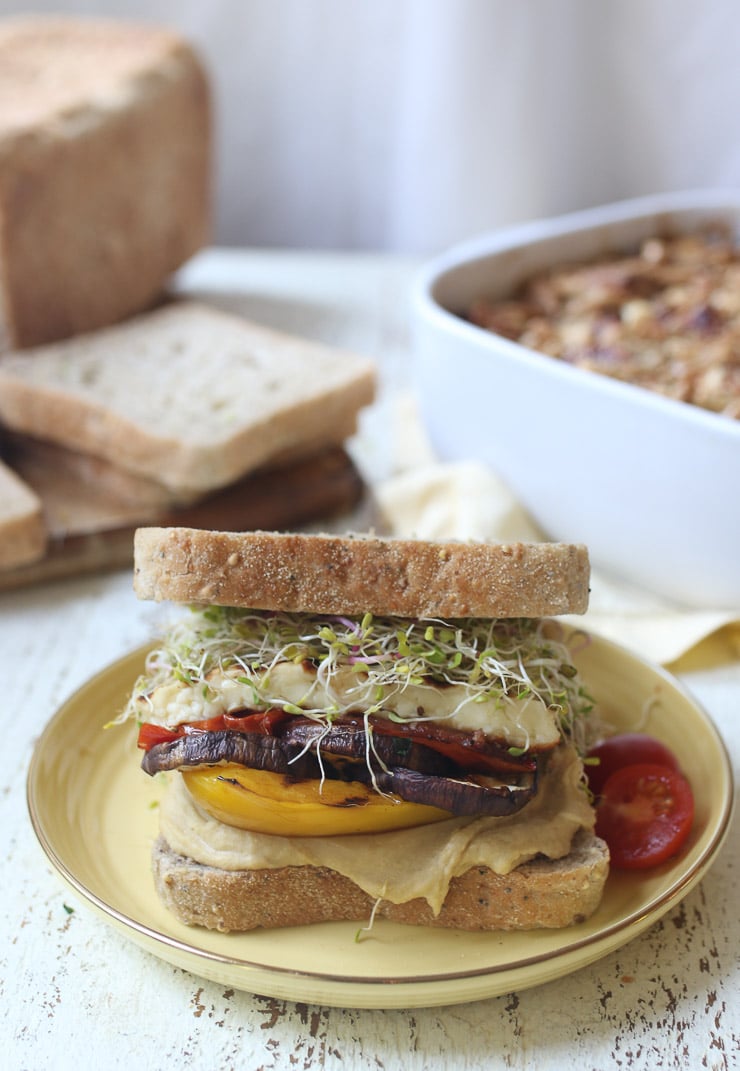
Veggie sandwich with hummus and halloumi served on a yellow plate.

Again, if you’re suffering from IBS and interested in following a low FODMAP elimination diet to see if this helps reduce or rid you of your symptoms, the best thing I can recommend is to work with a Registered Dietitian. I know the list of foods high in FODMAPS is long and arduous but the good news is that you don’t necessarily need to remove all of these foods from your diet forever. It’s very likely that with the help of a dietitian, you can identify which FODMAP-rich foods are problematic for you, and can reintroduce the rest of them as you pinpoint the exact culprits.

I love bread, but I’ve cut it out. Is there a low FODMAP Bread I could try?

Finally, yes there is! COBS Bread is the first to launch a baked fresh daily low FODMAP bread in Canada that actually tastes great. Available in a full LowFOD loaf, mini loaf and buns, they’re Monash certified, made with a combination of oat bran, sesame seeds, poppy seeds, flax and sorghum plus no preservatives. I personally don’t have issues with FODMAPs but I have family members who do and the new COBS LowFOD products have become a staple in our house as an easier-to-digest option for everyone. I also love that unlike a lot of gluten-free options out there which are highly refined and low in fibre, this LowFOD bread is nutrient dense! Not to mention, there’s nothing better than a freshly baked loaf of delicious bread. And now, for the 20 million Canadians who suffer from digestive woes, they can now fall in love with bread again with the new COBS LowFOD offering which is available at the more than 120 COBS Bread bakeries across Canada. To my celiac friends, please note, this bread is not for those with Celiac disease as it contains gluten.

Low FODMAP Recipes
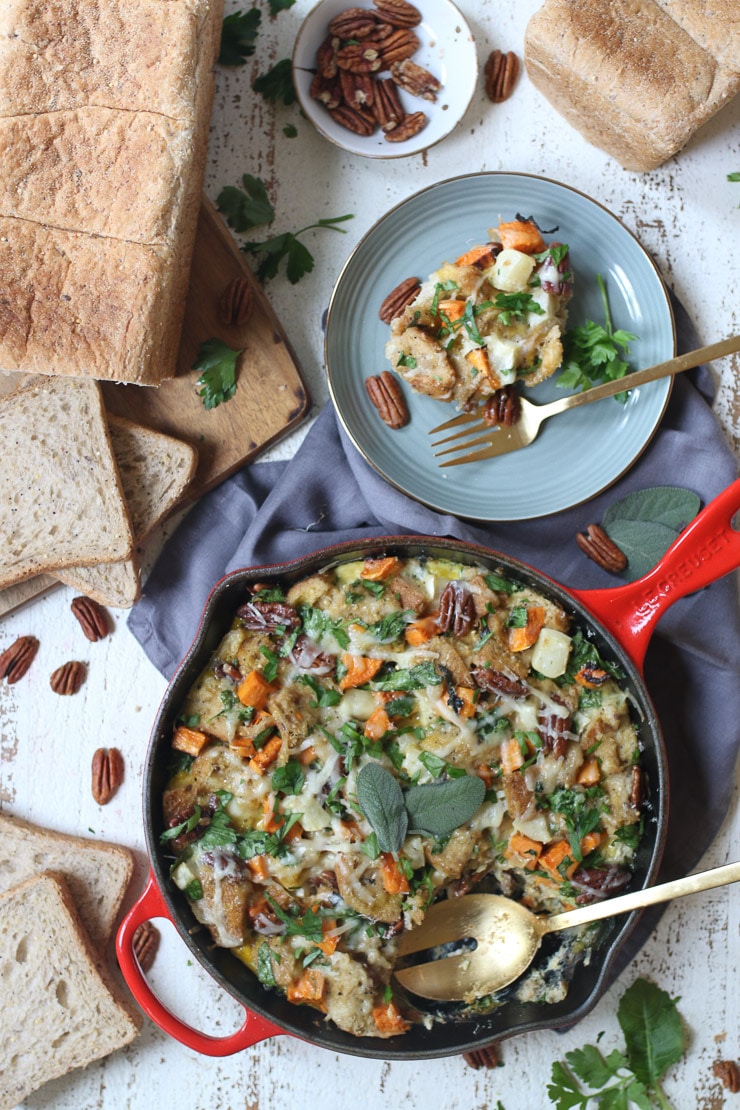
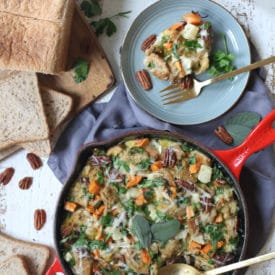
Vegetable strata served in skillet next to a serving plate.

While I’ve talked about FODMAPs before here, I realize haven’t really offered any delicious low FODMAP recipes for those of you who are trying to navigate the elimination diet! Well today is your lucky day because I’m sharing three of my favourite low FODMAP recipes using COBS LowFOD bread. Whether you’re craving the PB&J Baked French Toast, the Fall Vegetable Strata, or the Roasted Veggie, Haloumi and Hummus Sandwich, they’re all so delicious!

What are some of your go-to low FODMAP recipes?
Have you tried this new low FODMAP bread?
Leave me a comment below and send this post to someone who is currently trying to follow a low FODMAP diet.
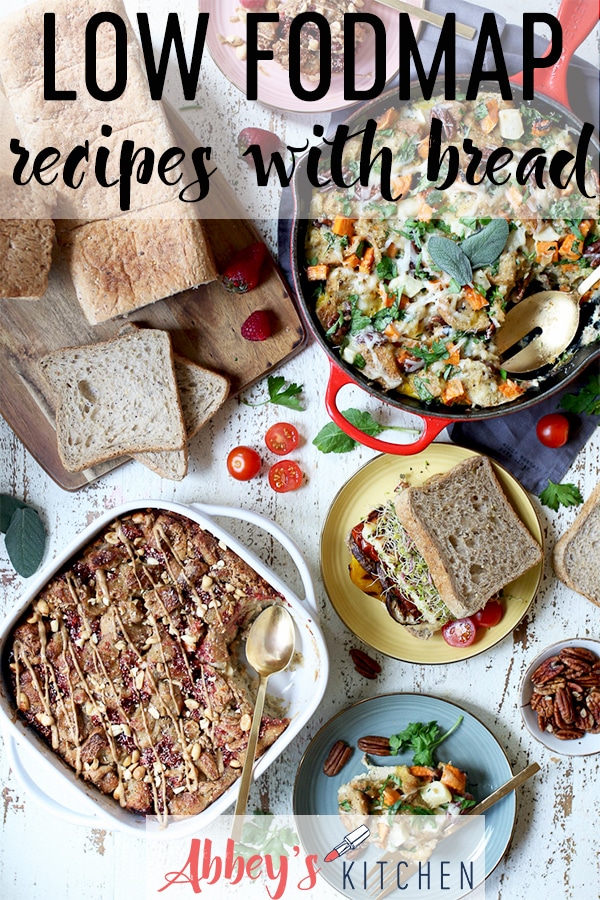
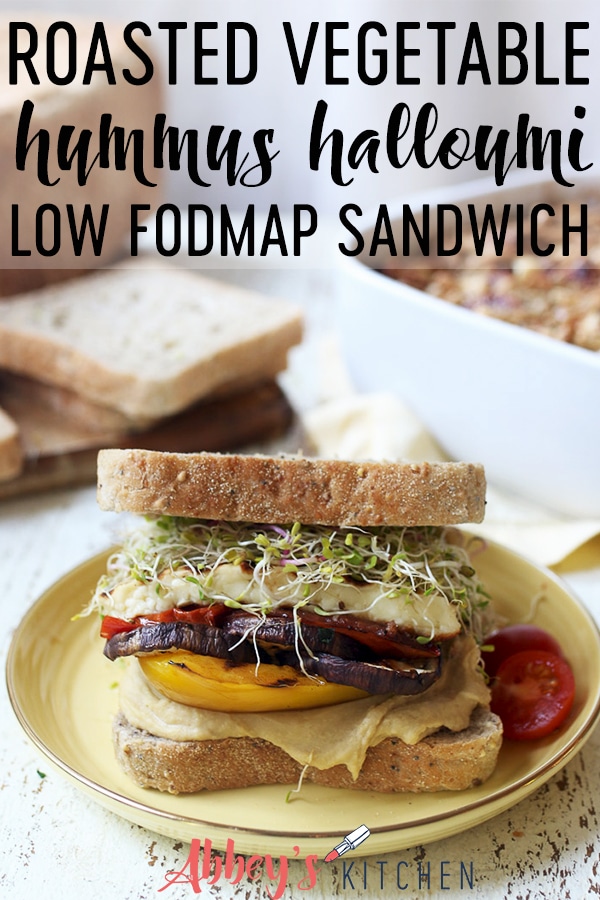
pinterest image of Low fodmap recipes with text overlay pinterest image of Veggie sandwich served on a yellow plate with text overlay

Disclosure: This post was developed in paid partnership with COBS, however, all opinions are genuine.
Print Recipe
5 from 5 votes

PB&J Baked French Toast

I share my 3 best low FODMAP recipes with bread for those who are following a restricted FODMAP diet who are trying to reduce digestive issues and IBS including my low FODMAP PB&J Baked French Toast, a Fall Vegetable Strata, and a Roasted Vegetable Hummus Halloumi Sandwich.
Prep Time9 hours hrs
Cook Time1 hour hr
Total Time10 hours hrs
Course: Breakfast
Cuisine: American
Servings: 12 - 16 people
Calories: 145kcal
Author: Abbey Sharp

Ingredients

  • 1 full COBS LowFOD™ Loaf cut into cubes
  • 7 eggs beaten
  • 2 cups unsweetened almond milk
  • ½ tsp cinnamon
  • 2 tsp vanilla extract
  • 2 tsp maple syrup
  • Pinch salt
  • ¼ cup chopped natural peanuts
  • Chia Jam:
  • 3 cups frozen strawberries or raspberries
  • 3 tbsp chia seeds
  • 2 tbsp lemon juice
  • 2 tsp maple syrup
  • 1/3 cup natural peanut butter plus more for drizzling if desired
  • Topping:
  • 2 tbsp melted butter
  • 2 tbsp maple syrup
  • 2 tbsp brown sugar

Instructions

  • In a 9” square baking dish, mix together the eggs, almond milk, cinnamon, vanilla, salt and maple syrup. Add the chopped COBS LowFOD™ Loaf and allow to sit in the fridge overnight.
  • Meanwhile, heat the frozen berries in a small saucepot along with the lemon juice and maple syrup. Mash the berries until jammy, then take off the heat. Add the chia seeds and allow to sit for 1 hour or more in the fridge to thicken.
  • The next day, preheat oven to 350°
  • Mix the chopped peanuts into the bread and add about 1/3 cup of the chia jam and peanut butter in dollops, pushing it down into the bread casserole.
  • Mix together the topping ingredients of melted butter, maple syrup and brown sugar and drizzle on top of the casserole.
  • Bake for 45-60 minutes or until golden brown and bubbly.
  • Serve with additional chia jam and peanut butter drizzle.

Nutrition
Calories: 145kcal | Carbohydrates: 13g | Protein: 6g | Fat: 8g | Saturated Fat: 2g | Cholesterol: 101mg | Sodium: 140mg | Potassium: 136mg | Fiber: 3g | Sugar: 8g | Vitamin A: 213IU | Vitamin C: 22mg | Calcium: 104mg | Iron: 1mg


Vegetable strata served in skillet next to a serving plate.
Print Recipe
4.50 from 4 votes

Fall Vegetable Strata

I share my 3 best low FODMAP recipes with bread for those who are following a restricted FODMAP diet who are trying to reduce digestive issues and IBS including my low FODMAP PB&J Baked French Toast, a Fall Vegetable Strata, and a Roasted Vegetable Hummus Halloumi Sandwich.
Prep Time8 hours hrs
Cook Time1 hour hr 5 minutes mins
Total Time9 hours hrs 5 minutes mins
Course: Breakfast, Dinner, Lunch
Servings: 8 - 12 people
Calories: 266kcal
Author: Abbey Sharp

Ingredients

  • 1 mini COBS LowFOD™ Loaf cut into cubes
  • 7 eggs beaten
  • 1 ½ cups milk any kind
  • Pinch each salt and pepper
  • 1 tbsp extra virgin olive oil
  • 1 sweet potato peeled and diced
  • 1 small celeriac peeled and diced
  • 3 tbsp sage minced
  • Pinch each of salt and pepper
  • 1 cup shredded baby kale
  • ¼ cup pecans
  • 1 cup grated Gruyère cheese
  • ¼ cup grated parmesan cheese

Instructions

  • In a bowl, beat together the eggs and milk with a generous pinch each of salt and pepper. Add the mini COBS LowFOD™ Loaf, in cubes. Transfer to a greased 12” cast iron skillet or a 9” square baking dish. Cover and refrigerate overnight.
  • Preheat oven to 450° Combine the oil with the sweet potato, celeriac, sage and a pinch each of salt and pepper. Transfer to the baking sheet. Bake for 15-20 minutes, or until tender. Mix into the bread egg mixture, along with the kale, pecans and ½ of the Gruyère cheese.
  • Reduce heat to 350°
  • Top with the remaining Gruyère and parmesan and bake, covered, for 35 minutes. Uncover, and bake for an additional 10 minutes until golden brown.
  • Top with chopped parsley, if desired.

Nutrition
Calories: 266kcal | Carbohydrates: 16g | Protein: 15g | Fat: 16g | Saturated Fat: 6g | Cholesterol: 169mg | Sodium: 285mg | Potassium: 497mg | Fiber: 3g | Sugar: 5g | Vitamin A: 3608IU | Vitamin C: 17mg | Calcium: 348mg | Iron: 2mg
Abbey Sharp

Abbey Sharp is a Registered Dietitian (RD), regulated by the Ontario College of Dietitians. She is a mom, YouTuber, Blogger, award winning cookbook author, media coach specializing in food and nutrition influencers, and a frequent contributor to national publications like Healthline and on national broadcast TV shows.
www.abbeyskitchen.com/about-abbey/

Last Updated July 1, 2020. Published August 27, 2019 By Abbey Sharp 25 Comments

Keto Pepperoni Pizza Bagel Bites | Low Carb, Gluten Free Snack Recipe

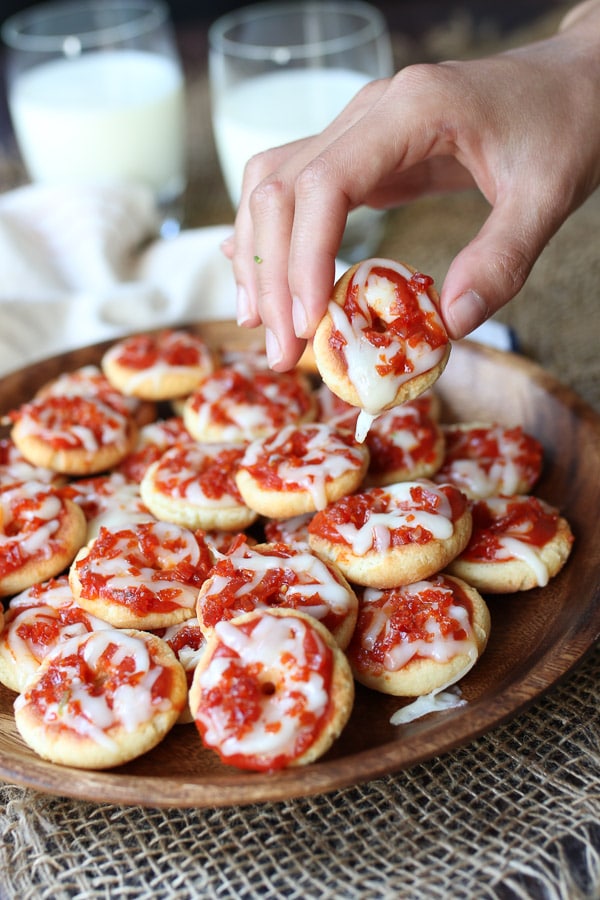
These Keto Pepperoni Pizza Bagel Bites are a great low carb, gluten free snack recipe that will take you back to your 90's childhood.

These Keto Pepperoni Pizza Bagel Bites are a great low carb, gluten free snack recipe that will take you back to your 90’s childhood.

Raise your hands if you remember coming home from school to whip up bagel bites as an after school snack? And raise your hands if you would burn the roof of your mouth on them EVERY.SINGLE.TIME. Well, believe it or not, but you can still buy those same delicious bagel bites, and they will still totally F with your mouth. You would think that after generations of kids have been brutally injured (but obviously not bad enough to deter them from finishing the box), that they would figure out a way to heat the bread through without turning the cheese into an oozing pit of lava, but hey, I’m not a food manufacturer. For all I know, that could be complicated stuff.

Hand holding a homemade bagel bite.

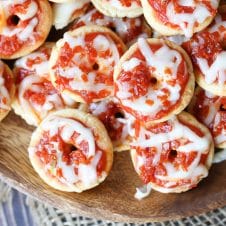
You know what’s less complicated? Making these keto pepperoni pizza bagel bites at home. These are gluten free, low carb and actually WAY healthier than the original since they’re made with heart-healthy almonds instead of refined grains. That means that you’re going to feel WAY more satisfied after eating a few of these compared with the heavily processed frozen version from days of yore.

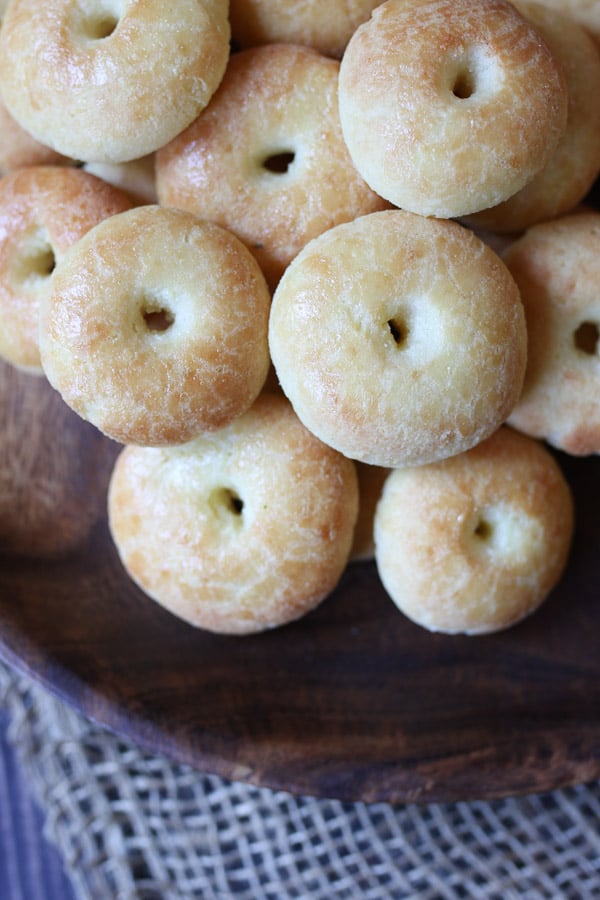
Mini keto bagels on a wooden plate.

How to Make these Keto Pepperoni Pizza Bagel Bites

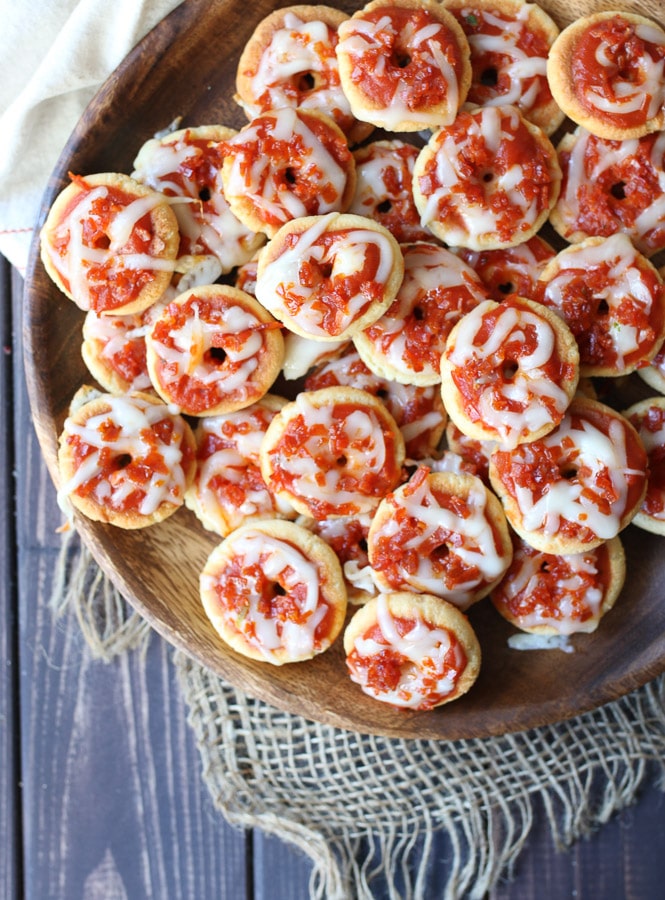
Keto bagel bites on a wooden plate.

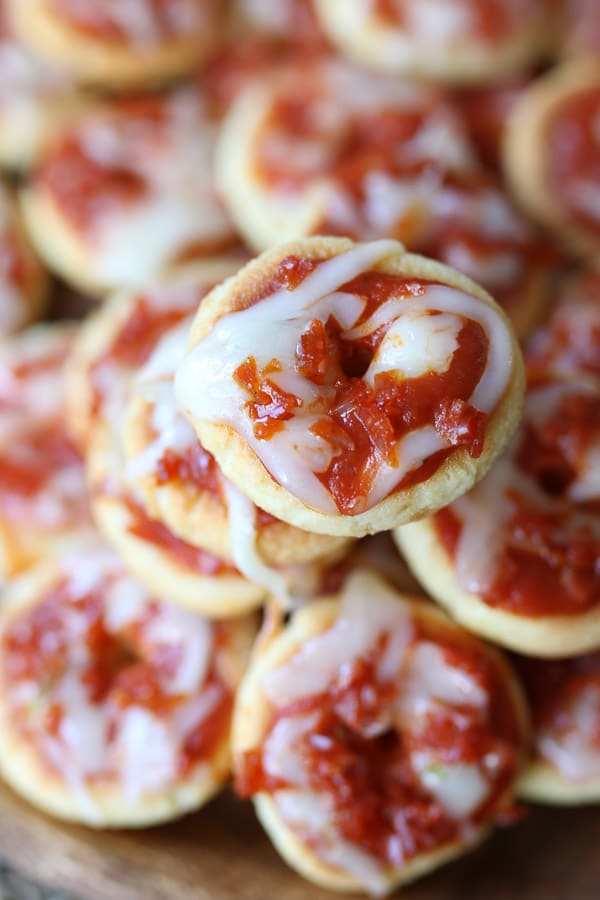
Well, in order to make keto bagel bites, you need to make keto bagels so that’s where we start. While it definitely sounds intimidating to make any sort of bagels (nevermind a keto, low carb, gluten free version), these actually couldn’t be simpler. They’re basically just cheese, almond flour, eggs and little baking powder. That’s it, that’s all. I roll them into balls, flatten them down and poke a hole in the middle to yield a bagel-like shape. Once they’re baked off, I just top them off with some tomato sauce, more cheese, and minced up pieces of pepperoni and HEY THERE- you’ve got some pretty bad ass keto pepperoni pizza bagel bites that would make your 13-year-old-self pretty damn excited.

Close up of keto bagel bites.

This recipe is obviously super versatile so you can make these keto bagels into full size versions to make pizza bagels (another childhood obsession). You can also top yours with veggies, chicken, ham, sausage, legit anything you’ve got in your fridge. Pizza night is always a great way to use up any odds and ends in the house.

So loves, tell me, who remembers and loves their childhood bagel bite days?
Have you tried making these keto pepperoni pizza bagel bites?
Leave me a comment below with your thoughts!
pinterest image of Hand holding homemade bagel bites with text overlay
These Keto Pepperoni Pizza Bagel Bites are a great low carb, gluten free snack recipe that will take you back to your 90's childhood.
Print Recipe
4.88 from 8 votes

Keto Pepperoni Pizza Bagel Bites

These Keto Pepperoni Pizza Bagel Bites are a great low carb, gluten free snack recipe that will take you back to your 90’s childhood.
Prep Time10 minutes mins
Cook Time15 minutes mins
Total Time25 minutes mins
Course: Appetizer, Snack
Cuisine: American
Servings: 24 bites
Calories: 113kcal
Author: Abbey Sharp

Ingredients

Bagels:

  • 5 cups shredded mozzarella cheese
  • 1 oz cream cheese
  • 2 large eggs divided
  • 3/4 cups plus 2 tbsp superfine almond flour
  • 2 tsp baking powder gluten free

For topping:

  • 1/3 cup low sugar tomato pizza sauce
  • 1/3 cup shredded mozzarella cheese
  • 1/3 cup minced pepperoni

Instructions

  • Preheat oven to 400°F. Line two baking sheets with parchment paper or silicone baking mats.
  • In a small bowl, whisk together almond flour and baking powder. Set aside.
  • Add mozzarella and cream cheese to a large glass bowl.. melt in double boiler.
  • Add cheese, 1 egg (remember one of the eggs listed is for the egg wash finish at the end only), and almond flour mixture into a food processor with dough blade attachment. Pulse on high speed until the dough is uniform. The dough will be quite sticky, which is normal.
  • Wrap your pastry board with plastic wrap until the plastic wrap.Lightly coat your hands with oil and divide dough small balls. Flatten and poke hole.
  • Add the final egg to a bowl and whisk. Generously brush surface of bagels with egg wash.
  • Bake bagels for 5 minutes until lightly golden and puffed. When you touch the surface of the bagels, they should not collapse. I recommend baking the bagels one sheet at a time rather than trying to bake both sheets at once because it leads to uneven heat distribution and your bagels may not puff up properly. Allow bagels to cool on baking sheets before removing.
  • Cut in half and top with toppings and bake until the cheese melts, about 2-3 minutes more.

Nutrition

Calories: 113kcal | Carbohydrates: 2g | Protein: 7g | Fat: 9g | Saturated Fat: 4g | Cholesterol: 36mg | Sodium: 211mg | Potassium: 82mg | Fiber: 1g | Sugar: 1g | Vitamin A: 219IU | Vitamin C: 1mg | Calcium: 155mg | Iron: 1mg
Abbey Sharp

Abbey Sharp is a Registered Dietitian (RD), regulated by the Ontario College of Dietitians. She is a mom, YouTuber, Blogger, award winning cookbook author, media coach specializing in food and nutrition influencers, and a frequent contributor to national publications like Healthline and on national broadcast TV shows.
www.abbeyskitchen.com/about-abbey/

Last Updated July 23, 2020. Published August 22, 2019 By Abbey Sharp 20 Comments

Should You Be Eating Your Placenta? | The Pros and Cons of the Placenta Diet

Should you be eating your placenta? Eating your own organ may not sound that appetizing, but there’s a chalk full of health claims promoting its use, from its energy-boosting benefits to curing the baby blues. Let’s cut through the noise and find out whether the placenta diet is worth doing. 

As absurd as it sounds, the placenta diet, or placentophagy, has become a more recent trend among new mothers in Western society, including celebrities like Kourtney Kardashian who advocate eating their own placenta after giving birth. Traditional roots of this practice are thought to be restorative and trace back to Chinese medicine. There are even websites dedicated to teaching others how to “prepare” and consume their placenta, including blending it raw into a smoothie, stir-frying, baking it like any other meat, or dehydrating and grinding it into a powder so that it can be encapsulated.

While it all sounds very promising, to date there is no proof or scientific evidence to support these claims.

What Does the Placenta Do?

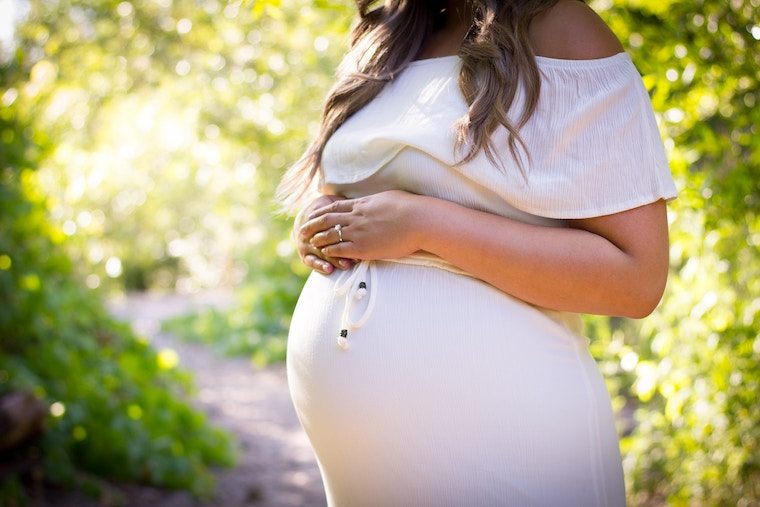
Pregnant women touching her belly.

The placenta, or the afterbirth, is the first organ that forms after conception, with a vital role of connecting the mother to her baby while in the uterus. With the help of the umbilical cord, the placenta nourishes the fetus by delivering nutrients (glucose, amino acids, fatty acids, B vitamins, vitamin A, C, D, minerals), oxygen and hormones, while removing wastes. Since this amazingly intricate organ provides many benefits during pregnancy, many believe that it may still be useful postpartum. All mammals consume the placenta with the exception of humans, marine mammals, and some domesticated mammals; potentially to promote bonding.

“Health Claims” Behind the Placenta Diet?

Pills poured into a bowl.

Let’s go back to where the first uses of placentophagy all started – traditional Chinese medicine. Dried placenta in capsules has historically been used to treat various health conditions such as malnutrition, depression, inadequate milk production and night sweats. Furthermore, it’s believed that the human placenta boosts energy, treats deficiencies and acts as nourishment to the blood. Once the placenta is lost, it is thought that there will be a significant alteration in hormone production, which would be “best resolved” through eating the placenta. As a result, each woman’s placenta is “uniquely tailored” to their nutritional needs required for rapid recovery.

In theory, eating the placenta may appear beneficial, because of its “nutrient-packed” properties. Because of this, advocates of maternal placenta consumption claim that there are a multitude of physical and mental health benefits from placenta contents that would still be advantageous after delivery, instead of throwing it away. Although the placenta does contain fats and protein, those nutrients can easily be found in a well-balanced, healthy diet (not to mention, it wouldn’t be so unappetizing). However, placentophagy advocates highlight key advantageous components of the placenta including its unique nutrient content (i.e. vitamin B6 and B12, iron) and important postpartum hormones (i.e. estrogen, progesterone, lactogen, β-endorphins and oxytocin), which is said to be retained in its tissue, whether prepared (cooked) or unprepared (raw).

Those supporting eating your placenta say that it can increase breast milk production, boost energy, regulate hormones, help with pain relief, reduce insomnia and the risk of postpartum depression (PPD). Other reported benefits include anti-aging benefits, accelerating uterine recovery (aiding uterine shrinkage and reducing bleeding) encouraging maternal bonding and strengthening the immune system. If you ask me, it sounds like eating your placenta could solve all your problems. However, it’s always important to actually think about whether there is any scientific basis to support these health claims, which are not without flaws. To date, there is no valid evidence that eating your placenta will actually do these things, but only anecdotal support, animal research with very poor research designs. Very little research has even been conducted to support these gigantic claims.

Hand writing on a piece of paper.

Based on an internet survey questionnaire, majority of American and Canadian Caucasian women participants (most from the U.S) said that they experienced an improvement in their mood, increased energy/less fatigue, enhanced lactation and reduced postpartum bleeding. Regarding negative experiences, majority indicated that there were none, or no answer was provided. However, some did experience negative consequences such as the unappetizing smell or taste, which resulted in headaches or unpleasant belching. Other negative effects included forgetting to take capsules, increased vaginal bleeding and uterine cramping, among others. Nonetheless, majority (98%) claimed that they would consider participating in placentophagy again due to most of the womens’ overall positive (75%) or very positive (20%) experience with it. Despite these astounding results, they are still preliminary, subjective, and non-representative to the general population. This was not a clinical trial so the findings do not objectively shed light on the effects of placentophagy. It is important to mention that the principal investigator in this study was also the founder of “Placenta Benefits”; a placenta encapsulation company. Other limitations of these findings include the potential for biases from the recruitment, its internet-based design, the lack of a placebo control group, and the homogenous sample consisting of primarily married, Caucasian, middle-class women who preferred home-births and had a college education.

Well, what does the research say on eating your placenta?

Close up of a microscope

Currently, there are limited studies in the field to investigate the health effects of placentophagy on humans. Despite its historic practice (e.g in Chinese culture) for treating various health conditions in non-postpartum individuals, there is no strong evidence that postpartum mothers would therapeutically benefit. Majority of empirical evidence that evaluates placentophagy’s efficacy comes from studies conducted on animals, which display inconclusive results. Advocates propose that because nearly all mammalian mothers ingest their placenta postpartum as part of natural behaviour, placentophagy should be implemented into the process of human births. But that feels like a bit of a stretch to me, and without research supporting it, should not be the sole motivation behind eating our placenta.

Improving Lactation

Advocates suggest that placenta hormones such as prolactin and hPL increase milk supply. Research on animals has shown enhanced milk production with injection of hPL, but overall results remain inconclusive.

Prevention of Anemia

Hand holding a blood sample in a test tube.

Placenta consumption is thought to have a “rich iron concentration” to prevent anemia, which postpartum women are more susceptible to. A review of 10 studies found that there was no data supporting this claim that placentophagy replenishes iron after pregnancy. In one of the very first of its kind, a double-blind, placebo-controlled, randomized pilot study investigated the effects from ingestion of encapsulated placenta versus a beef placebo on iron status of postpartum mothers (who consumed adequate (RDA) amounts of iron). With increased iron requirements during pregnancy and significant depletions after childbirth, advocates of placentophagy promote that eating the placenta would be “ideal” as an iron-rich dietary source. Researchers found that maternal iron status displayed no statistically significant differences when comparing mothers who consumed the placenta supplement compared to the placebo. These results suggest that eating the placenta will not provide superior or more iron-restoring effects than beef. The researchers also indicated that for mothers with iron deficiency, placenta consumption would be an insufficient dietary source, contrasting proponents of placentophagy.

Analgesic (Pain Reduction) Effects and Bonding

Placentophagy is also said to decrease pain and encourage maternal bonding. Placentophagy in animals (e.g rodents) demonstrated analgesic effects (ie labour pain reduction). The authors suggested that the results may have been due to ingesting “Placenta Opioid Enhancing Factor (POEF)”; a specific substance found in the placenta and amniotic fluid. However, the benefits depended on preparation (e.g temperature-sensitivity), timing and dose of placenta ingestion; indicating that consuming the tissue hours or days later would potentially offset these effects (as reflected in practices of human placentophagy). Given that these findings were observed in animals, and that there are currently no controlled experiments investigating the impact of POEF of the placenta in humans, it is unclear whether this can be replicated or have any relevance for human mothers.

Post-partum Depression (PPD) Prevention

A common and frequent promotion of this practice revolves around the prevention of PPD through provision of nutrients and hormone-replenishment (especially since large amounts were lost after giving birth). PPD has a multitude of risk factors that are biochemical or psychosocial in nature, which have not been tested on animals. The current evidence does not support that consuming the placenta would treat or prevent PPD this way, or even aid in restoring normal estrogen levels. Even though it is known that significant amounts of estrogen are reduced during childbirth, the certain role of estrogen in PPD is not completely understood, especially since not every woman will experience PPD symptoms. To add, placental corticotropin-releasing hormone (pCRH) is thought to prevent symptoms of PPD as well, although existing evidence does not provide any evidence for links between pCRH levels and PPD. Despite beliefs that B-vitamins and iron also play an important part in PPD prevention, there are unclear results on the relationship, with most studies not being able to demonstrate distinct roles or mechanisms.

Are There Harmful Side Effects to Eating Your Placenta?

Whether there are any risks from eating your human tissue is definitely a possibility, but is unknown. Concerns with placenta consumption include bacterial contamination, especially if eaten raw. One of the placenta’s important functions is protecting the unborn fetus from any harmful substances, and it is not sterile even if healthy. It is known to accumulate heavy metals including mercury, lead, selenium and cadmium, as well as bacteria or viruses with contamination after birth. Whether there are harmful effects on the mother consuming the placenta and her nursing baby still remains unknown.

Hand holding baby's feet

The most popular reason why women decide to eat their placenta is to “improve mood”, which in itself, can result in the placebo effect making them believe that the placenta worked its magic. However, some women have been reported to feel ill. Therefore, experiences with placentophagy have varied responses, which are personal stories rather than experimental results. Currently, there is no research performed on harmful effects of placenta consumption. Although the risks have not been well-established, there is the possibility of thromboembolism due to estrogen in the placenta, infection, and accumulation of toxins and infectious agents affecting both the mother, her baby, and those handling the placenta. Since estrogen-containing contraceptives are contraindicated after birth, thromboembolic events could “theoretically” occur with consumption of the placenta. If a mother experiences intrauterine infection during labour or at birth, ingesting the raw placenta could re-introduce harmful substances back into the body. Contamination of the placenta is another possibility, especially with unsafe handling and preparation.

In Canada, there are ZERO regulations on eating your placenta, and recently medical experts have even spoken out warning against eating placenta, citing the lack of evidence supporting its benefits.

Overall, there needs to be clinical trials investigating the potential side effects of placentophagy.

The Bottom-line: Should You Eat Your Placenta?

Empty plate setting.

With numerous health claims associated with maternal placentophagy, it may seem ideal to give it a shot. Considering all the research to date, overall human findings on placentophagy are inconclusive and outdated, and limited knowledge exists regarding the nutritional components of the placenta. However, it has been found that there are varying levels of amino acids, hormones and minerals in the human placenta, with unknown vitamin levels and mineral content being considerably low. From an objective point of view, the risks are high enough to outweigh any potentially significant benefits. With limited research in this area, most of the information we have about placentophagy advantages come from self-reported anecdotal evidence (known to be infamously inaccurate); providing no strong scientific support whatsoever.

Whether eating your placenta provides benefits, is damaging or has no effect on humans is not well-understood, especially since statistically significant findings revealed in animals cannot be directly reflected as meaningful human benefits. Bioavailability of ingested nutrients and hormones from the placenta is still a mystery. For example, placenta processing may change the concentrations of B-vitamins, just like how heating foods alters B vitamin levels. The stability and maintenance of hormones in its raw and prepared form have not been studied, nor the effects from consumption of these hormones. It is still unknown whether there would be sufficient concentrations in the placenta for advantageous health effects even if consumed raw. The placebo effect may be playing a very strong role here, so there has to be more clinical trials conducted in future research to properly evaluate the health effects of placenta consumption before any statements are made regarding its potential advantages or adverse consequences. If you’re really on board with this, remember that trying out this practice is not without a cost. The price for these capsules vary between about $200-$300 before the cost of getting a placenta specialist. You can get sufficient nutrition from following national guidelines recommended for the lactation period, without the additional expenses. If you go for it, remember to take caution and speak with your doctor before hand.

Bottom line: Eating your placenta is likely not dangerous for most women, but it may or may not have measurable benefits. I say, you do you!

So tell me, have you tried eating your placenta?

How did you prepare it?

Did you find it helped you in any way?

Leave us a comment below- I would love to hear about your experience!

pinterest image of Hand holding baby feet with text overlay

Contribution By:

RD2B Rachel Shim

Abbey Sharp

Abbey Sharp is a Registered Dietitian (RD), regulated by the Ontario College of Dietitians. She is a mom, YouTuber, Blogger, award winning cookbook author, media coach specializing in food and nutrition influencers, and a frequent contributor to national publications like Healthline and on national broadcast TV shows.
www.abbeyskitchen.com/about-abbey/

Last Updated December 8, 2021. Published August 21, 2019 By Abbey Sharp 19 Comments

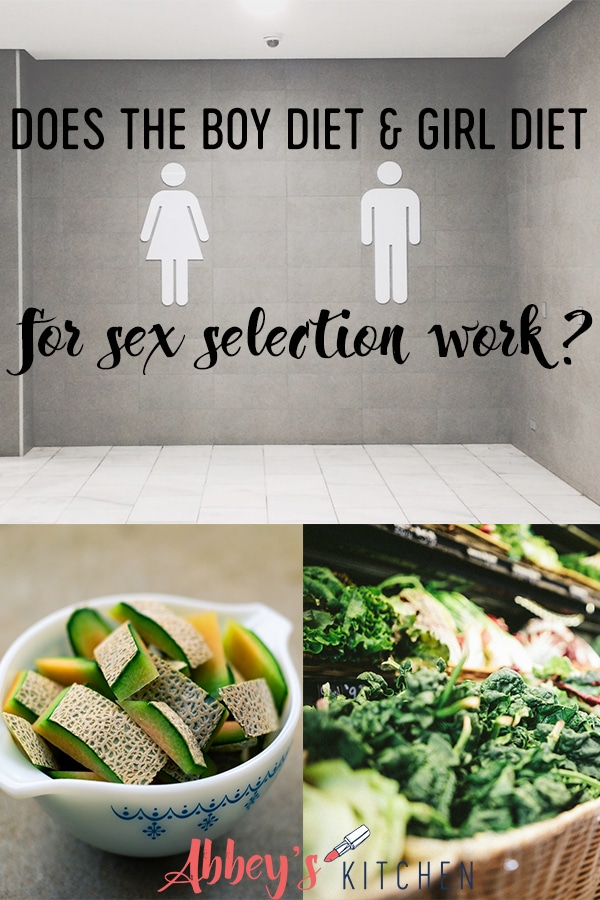
Gender Swaying Diet | Does the Boy Diet & Girl Diet for Sex Selection Work?

Bathroom washroom sign.

We explore the research on the gender swaying diet and whether or not the boy diet and girl diet for sex selection actually works.

For years now people have taken huge interest in being able to select the sex of their baby. Whether it’s to create family balance, due to culturally imposed sex preferences, or in some cases, to apparently aim to prevent hereditary gender-specific diseases.

In the IVF world, I can tell you that choosing your future baby’s sex is actually quite common. While this is illegal in Canada, a lot of my fellow infertility warriors in the USA do it all the time. But while sperm sorting, albumin separation and IVF in general are medical methods for manipulating the sex of your future offspring, these techniques require medical assistance and can be pretty expensive. They’re also not without their risks. Not surprisingly, this has led many people to explore alternative, more “natural” methods to get their dream baby including the so called “gender swaying diet”. Now this may sound ridiculous, but as someone who spends a gross amount of time lurking in mom Facebook groups and forums, I can tell you that there are entire online communities who aim to talk about how food choices can impact whether you conceive a boy or a girl. But is there any merit to these sex selection suggestions or is it just a bunch of BS? I did some research to determine whether or not there is any validity to this gender swaying diet.

What’s Sex vs Gender?

Bathroom washroom sign.

Before we get too far into this, I have to deal with the first issue I have with this gender swaying diet theory- the name is totally F*cked. If this is ACTUALLY a thing we can manipulate, what we’re actually talking about is SEX, biological SEX. NOT gender. Gender is a social construction and we cannot manipulate it in any way. To find out if we can manipulate sex may be a whole other story. Okay, so let’s get into the science of that. 

What Influences Sex?

Most of us rational people would assume that sex selection is comparable to rolling a dice as it’s about a 50/50 chance you’ll get a boy or a girl. According to the World Health Organization, the global sex ratio is around 105. Meaning that for every 100 females, there are 105 males.  However, how many of us know a family who has 5 boys or 5 girls? Is this just probability or is there something going on that is resulting in these extremes? Well, some early research has shown that two factors have shown some potential promise in influencing sex. These factors include:

  • The mineral content of maternal diet
  • The timing of intercourse related to ovulation
Mineral Content of Maternal Diet

The idea that the mineral content of a maternal diet can sway gender is based off of studies conducted on animals dating back to 1935! One small experiment done on marine worms (Bonellia viridis) found that by altering the potassium levels in the water, the sex ratio (that is the number of female to male offspring) for this species could be strongly influenced with ratios ranging from 0.1 to 10. Other studies done on cattle, sows and rats concluded that higher Na+ and K+ concentrations and less Mg2+ and Ca2+ also had a significant influence on changing sex ratio within their respective species. All of these studies, however, were fairly small (we’re talking 72 rats) AND we cannot confidently extrapolate animal research to humans. Just an FYI.

Timing of Intercourse

Two people's feet under the covers

Timing of intercourse is also believed to play a role in sex selection, with research suggesting that Y-bearing sperm (male chromosome bearing sperm) are slightly lighter and faster while at the same time more fragile and likely to have shorter life spans compared to X-bearing sperm (female chromosome bearing sperm). Based on this information, it’s believed that intercourse closer to ovulation could possibly favour having a boy. With this being said, intercourse closer to ovulation in general can increase chances of any pregnancy (with research showing only a 5% chance of survival after 4.4 days.)

Sex Ratios in IVF

There is some talk that in-vitro fertilization is associated with a sex ratio imbalance that generally favours males. Some research suggests that this could be due to the fact that a small percentage of x-bearing sperm are the fastest to travel to the supernatant followed by the y-bearing sperm. The majority of x-bearing sperm remain in the pellet during this technique and this is what ends up being collected. This resilience is thought to result in male sperm being selected more often. One prospective study found that two medical centres reported more male births when using a modified swim up technique for insemination. The conventional swim-up technique involves the collection of the entire supernatant, while the modified technique discards the very top layer and only collects what is remaining. With that being said, many IVF centres are not presently implementing this modified method and research is still pretty limited so I wouldn’t read too much into this theory.

What Does The Gender Swaying Diet Involve?

Since I’m a dietitian and not a fertility endocrinologist, I’m going to focus on the diet aspect of this. Based on these theories and animal research, the gender swaying diet focuses on the concentration of minerals you get from the foods you eat. Calcium, magnesium, sodium and potassium are thought to influence gender selection so the foods you eat will vary depending on the gender you are trying to conceive.

  1. The “Girl Diet”

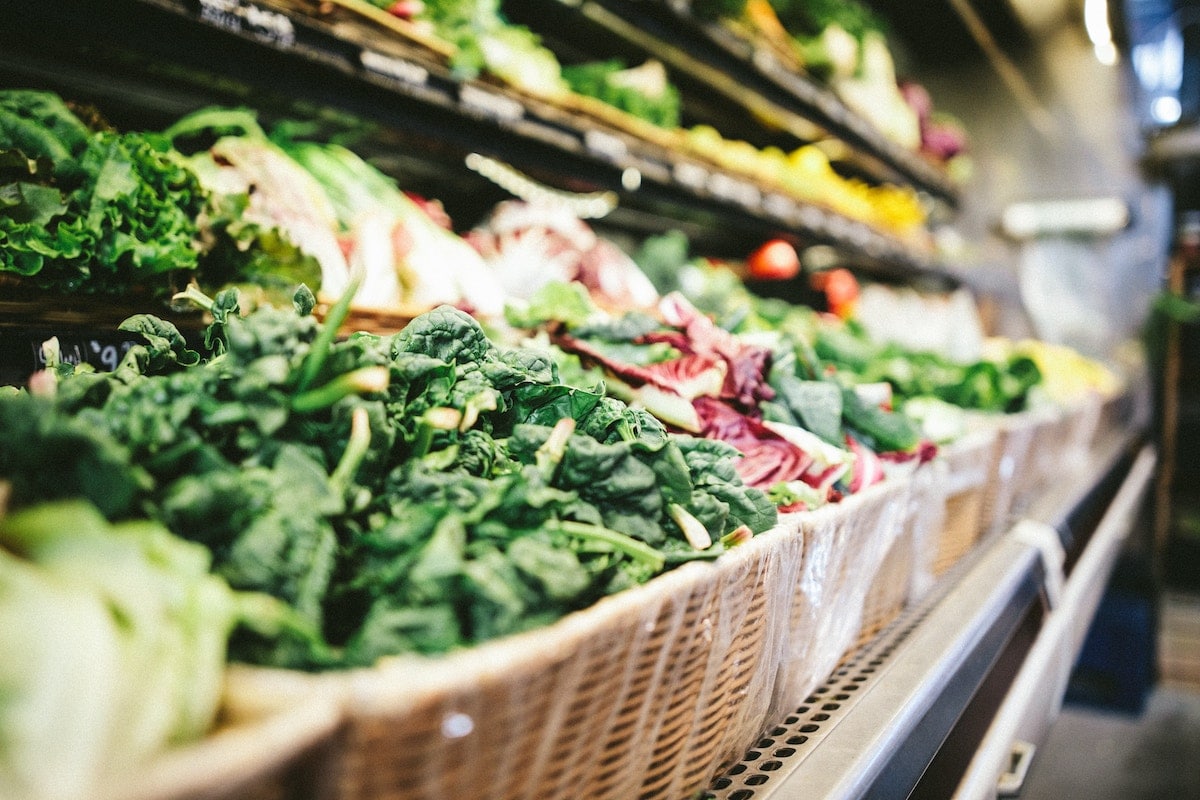
Selection of greens at a grocery store.

To conceive a female, the gender swaying diet would suggest consuming foods high in calcium and low in sodium.

Some examples of calcium rich foods include dairy products like milk, cheese, and yogurt. Other sources include dark leafy greens (kale, collard, swiss chard, okra, broccoli), beans and lentils, soy and some fish (with bones) like sardines. Processed/packaged foods like chips, canned soups, frozen dinners and other fast foods are known to be high in sodium and would be some definite no-go’s under this girl diet.

  1. The “Boy Diet”

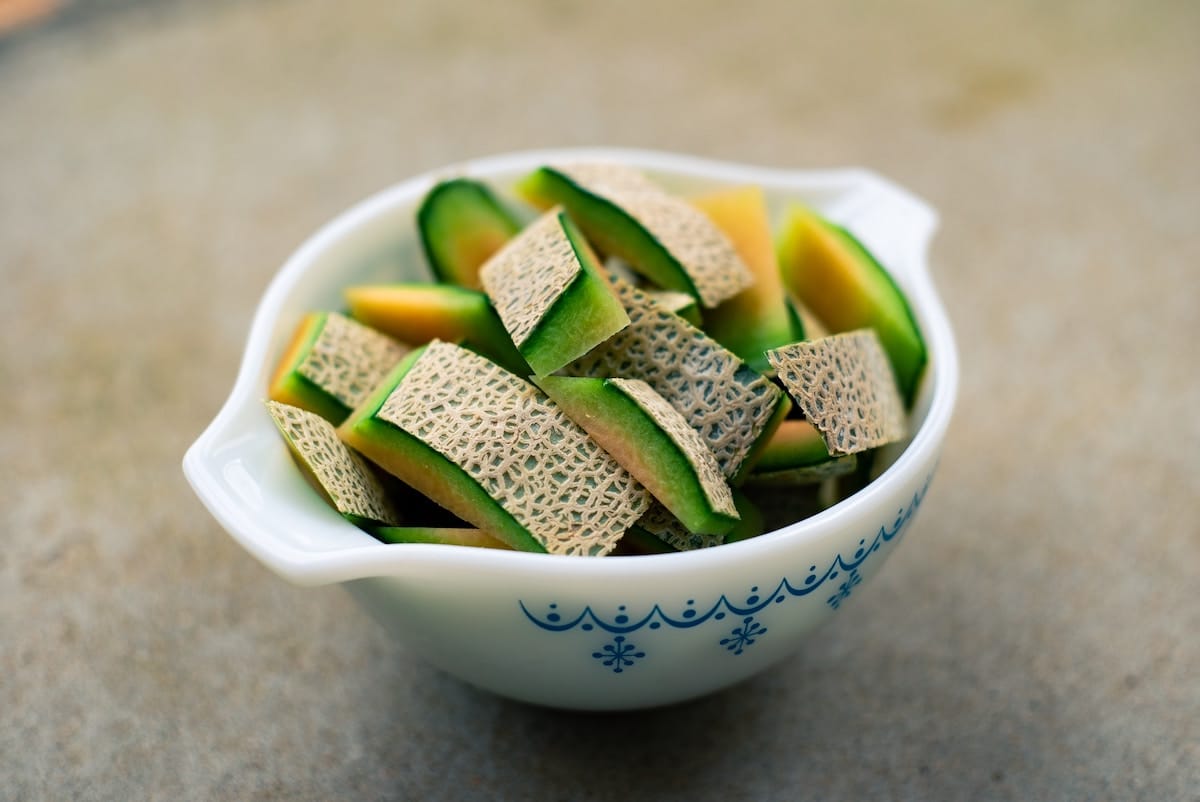
Bowl of sliced melon.

In order to conceive a boy, the opposite is recommended. This diet suggests that having a dietary intake that is higher in sodium/potassium, and lower in calcium and magnesium. Some of the recommended food items for this diet include potatoes, peaches, apricots, cantaloupe, bananas, apples, cherries, rice and zucchini, and you could increase your intake of some of those higher salt foods, if you like.

Human Research for the Gender Swaying Diet- Does it Actually Work?

Test tubes in a laboratory

As previously discussed, many of the studies we have seen in this area have been completed in marine life and other mammals. The quality research on humans, in contrast, is very limited. One human study looked at the effects that adhering to a “gender swaying diet” with specific levels of calcium, magnesium, sodium, and potassium would have on sex selection. The study concluded that when couples adhered to specific mineral levels relative to the gender they desired to conceive, gender swaying worked in their favor 80% of the time. Although the results sound promising, only 281 couples were involved in this study, which is not a terrible, but not an amazing sample size.

Another study observed couples with three or more girls and no boys. This study found that levels of calcium and magnesium were dominant in the mother’s diet, while mothers of boys had an above average sodium level. However, this was also conducted on a small sample group and was retrospective in design, so again, it doesn’t provide significant merit to some of these gender swaying diet claims.

Another study looked at the blood mineral levels of 50 women going into labor and found that, for the most part, the levels were not different between women who conceived a boy vs girl. The only mineral that seemed to be different in moms of boys compared to moms of girls was zinc. Zinc levels appears to be higher in women with male babies. Again, this is a very small sample size, and because we’re looking at correlation, not causation, it’s very difficult to make conclusions about the effectiveness of the gender swaying diet.

Does The Gender Swaying Diet Pose Any Nutritional Risks?

It’s always important to have adequate dietary intake in order to maintain good health but this is especially true during pregnancy or when you’re trying to conceive. The foods you eat become the main source of nutrients for your baby, and your nutritional needs significantly increase. Inadequate levels of key nutrients can not only negatively impact maternal health, but can also compromise fetal development.

Is The “Boy Diet” Safe?

So lets talk about the “boy diet” first. This diet calls for higher levels of sodium and potassium and lower levels of magnesium and calcium. Switching to a low calcium diet is a bit concerning because of the bone building benefits provided from consuming adequate amounts. This is especially important during pregnancy for the mineralization of fetal bone. In fact, the Recommended Dietary Allowances suggest that calcium intake should be increased from 20 to 30 mmol (800 to 1200 mg) per day during pregnancy. The boy diet would suggest 250-400mg/day which is VERY low compared to the recommendation. In addition to this, some research suggests that there is an association between low calcium intake and the development of hypertension. Consuming higher levels of calcium may help regulate the renin-angiotensin system and therefore improve sodium-potassium balance. Magnesium is also thought to be associated with the regulation of blood pressure and bone building as it often works together with calcium. It also plays a role in muscle relaxation, and so research suggests that consuming adequate amounts can help inhibit spontaneous/premature contractions of the uterine muscle.

Another concern I have with these recommendations is the high intake of sodium. Excessive salt intake is a known risk factor for developing hypertension, cardiovascular disease and stroke. This is especially dangerous if you’re following this type of diet for the long term (i.e. you’ve been trying to conceive for a long period of time and/or dealing with infertility).

Likewise, too much potassium (hyperkalemia) can result in heart palpitations and life threatening rhythm abnormalities. Now if that isn’t enough to discourage you from following this ridiculous diet, I don’t know what is!

Is the “Girl Diet” Safe?

The girl diet recommends the complete opposite as it calls for higher levels of calcium and lower levels of sodium. We’ve already discussed the importance of calcium in your diet but can too much calcium also be harmful? The answer is yes. Tolerable Upper Intake Levels (UL) are set to highlight the highest daily intake of a nutrient, vitamin, or mineral that is likely to pose no adverse affects. If this level is exceeded, risk for adverse effects increases. The UL for calcium is set at 2500mg/day. However exceeding this through food alone is extremely difficult and is more associated with supplementation. Consuming more than the UL can cause constipation, increase risk for kidney stone formation and hypercalcemia. For gender swaying purposes, the diet suggests to stay within 1200-1800mg/day. This is well below the UL and if you are consuming 1200mg/day it actually aligns with the RDA of 800-1200mg/day for pregnant women.

As for sodium, the diet suggests that one consume between 700-1000mg/day while the current general recommended to consume less than 2300mg daily (aiming for the Adequate Intake of 1500mg/day). It’s true that some individuals can benefit from restricted sodium intake especially if advised from a doctor due to medical conditions like hypertension. However, sodium has many important functions in our body including maintaining water balance, acid-base balance, regulating muscle contractions and also the absorption and transport of some nutrients. Moreover, I would say that it would be really hard to stick to 700 mg of sodium unless you’re consuming everything from scratch and not adding sodium to your food.

So Should You Do the Gender Swaying Diet for Sex Selection and Family Planning?

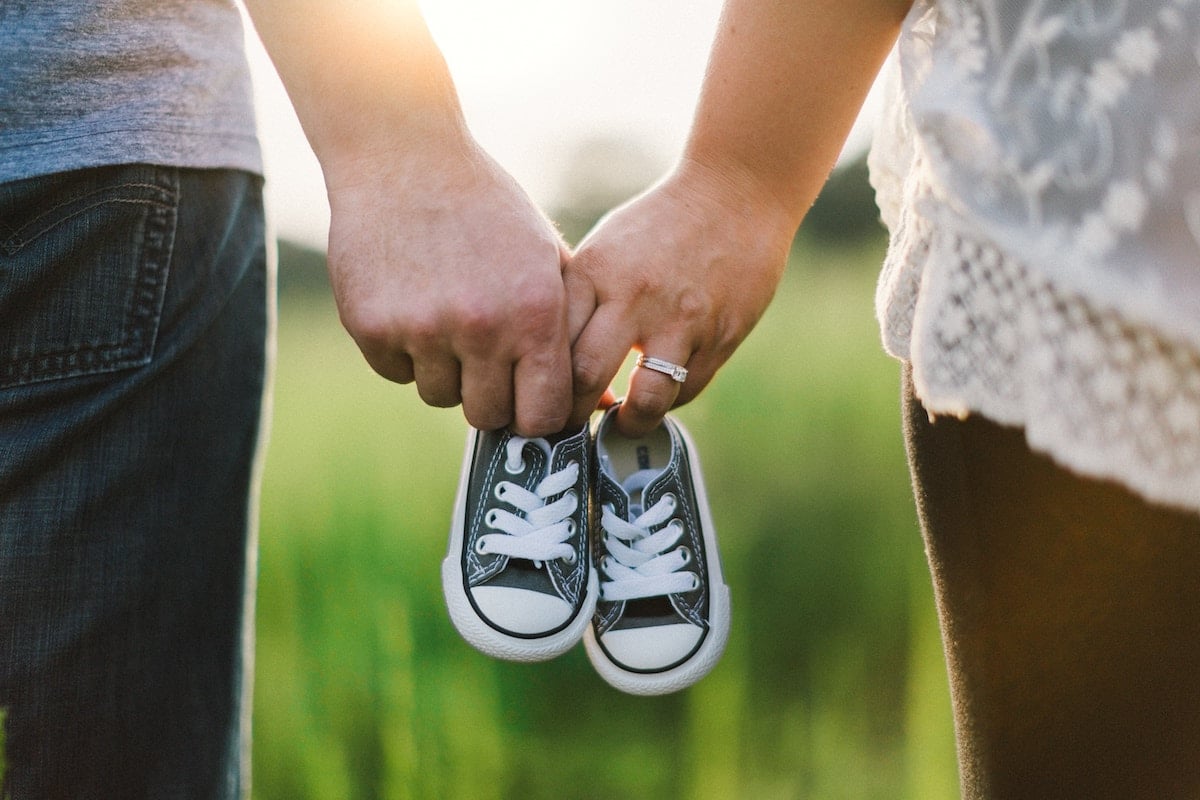
A couple holding one pair of baby shoes.

Although there is some preliminary research favoring this diet in combination with the timing of intercourse, a lot of the studies lack the depth needed to make conclusive claims. In most cases, actual human evidence just isn’t there.

For starters, many of these studies are done on animals. While the experiments we’ve seen done on rats, marine life and sows may be promising, at the moment we don’t have really any solid evidence for humans.

The evidence that we do have for humans is often retrospective and based on very small sample sizes, so it’s difficult to make any conclusions based on that.

Personally, I am floored that there is money being put into research on sex selection, as I think this information could be dangerous in the wrong person’s hands. I’m not wanting to mom shame any parent for feeling like they desire a specific sex to complete their family, but eek, something about the process feels a bit like playing G-d, and I don’t know, I just feel nervous about that! Ha, I remember when I found out about this option in the states while doing IVF and my thought was “I think G-d would smite me if I chose a female or male egg to implant!”

I realize this is controversial so I’m curious what do you think?
Would you try to alter your lifestyle and diet to conceive a specific sex?

pinterest image of a gender washroom sign above two photos of fruits and vegetables with text overlay

Contribution By:
Gabriela Abreu
Abbey Sharp

Abbey Sharp is a Registered Dietitian (RD), regulated by the Ontario College of Dietitians. She is a mom, YouTuber, Blogger, award winning cookbook author, media coach specializing in food and nutrition influencers, and a frequent contributor to national publications like Healthline and on national broadcast TV shows.
www.abbeyskitchen.com/about-abbey/

Last Updated July 1, 2020. Published August 20, 2019 By Abbey Sharp 14 Comments

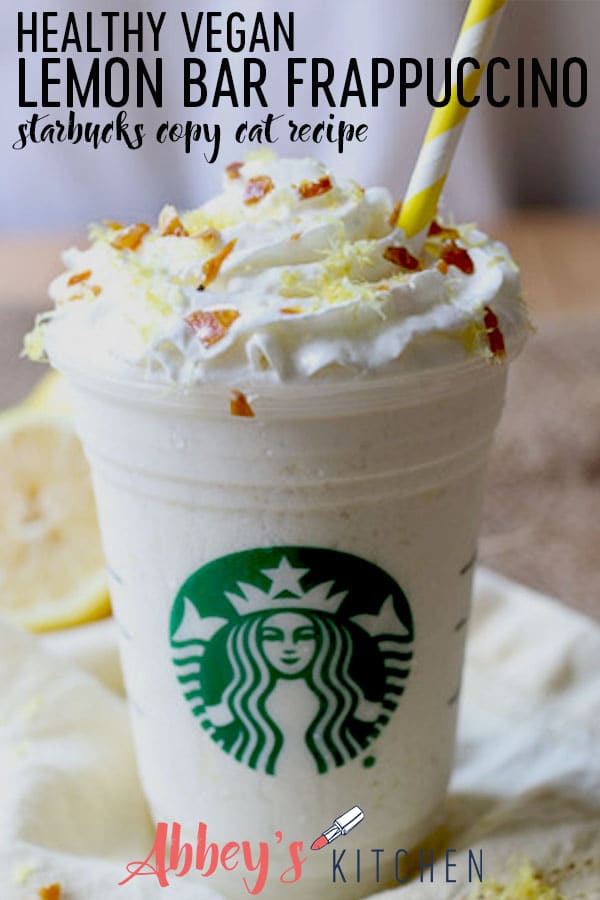
Healthy Vegan Lemon Bar Frappuccino | Starbucks Copy Cat Recipe

I share my healthy vegan lemon bar frappuccino, a must-try Starbucks copy cat recipe to get you through the last few weeks of Summer without all of the excess sugar!

I share my healthy vegan lemon bar frappuccino, a must-try Starbucks copy cat recipe to get you through the last few weeks of Summer without all of the excess sugar!

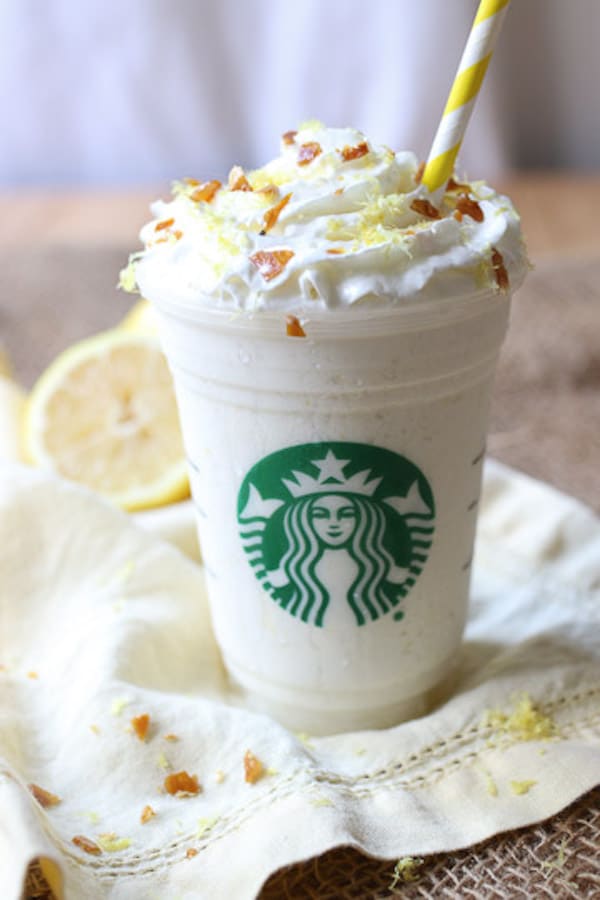
Dietitian confession: I kinda love me a Frappuccino. Okay, so I love the idea of a frappuccino, but I usually can only stomach a few sips before the sugar overload hits me and then… I…. just.. can’t. The newish lemon bar frappuccino, however, totally got me intrigued because it’s got that irresistible combination of sour and sweet and tastes exactly like one of my favourite treats- the lemon square! OMG WHO DOESN’T LOVE LEMON BARS!

The problem with the Starbucks lemon square frappuccino

Close up of lemon frappuccino.


The problem is that a typical grande sized Lemon Bar Frappuccino clocks in at 350 calories with 55 grams of sugar! NOPE. I would definitely rather have a regular latte and a real lemon bar with stats like that. My Lemon Bar Frappuccino is vegan, gluten free, has 100 calories less and only 15 grams of sugar. Sure, it’s still a treat, but it’s far more satiating with far less refined sugar going on.

How to Make this Healthy Vegan Lemon Bar Frappuccino

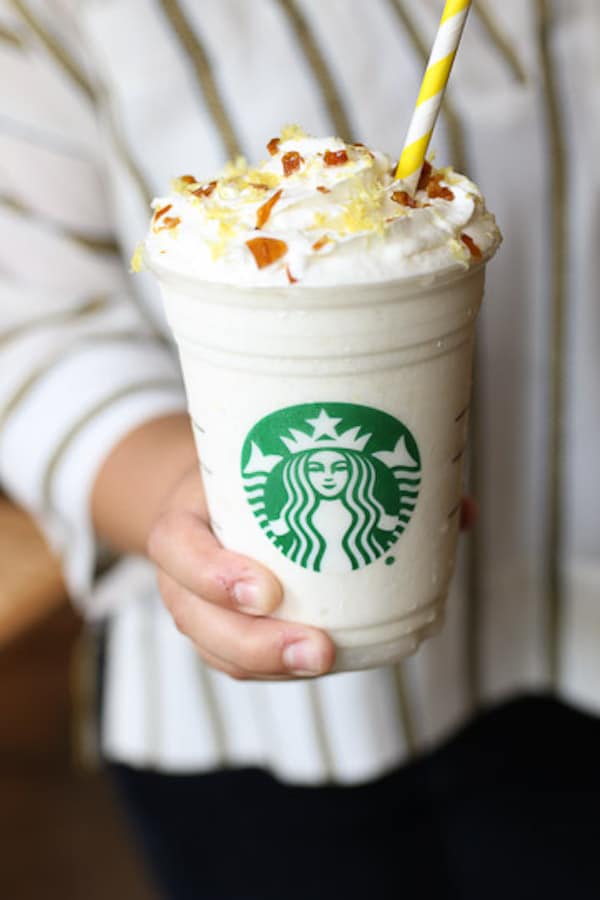
Hand holding lemon bar frappuccino.

All you really need is a high powered blender to get things super creamy and smooth. This vegan lemon bar frappuccino is a simple combination of almond milk, coconut milk, vanilla, maple, lemon juice and zest and some ice to froth things up. The key is to make some caramelized crispy candies from coconut sugar by cooking it at a high heat until it melts and then re-hardens. It only takes a little sprinkle to add a ton of sweet caramelized flavour on top of this vegan lemon bar frappuccino.

I’m totally on a Starbucks copy cat kick these days, so let me know which frappuccinos or other Starbucks drinks you want to see me makeover!
pinterest image of healthy vegan starbucks copy cat lemon bar frappuccino with text overlay #frappuccino #lemonbar #healthydrinks #veganfood #swappuccino #healthyswaps #starbucks #copycatrecipe #healthyrecipe
I share my healthy vegan lemon bar frappuccino, a must-try Starbucks copy cat recipe to get you through the last few weeks of Summer without all of the excess sugar!
Print Recipe
4.80 from 5 votes

Healthy Vegan Lemon Bar Frappuccino

I share my healthy vegan lemon bar frappuccino, a must-try Starbucks copy cat recipe to get you through the last few weeks of Summer without all of the excess sugar!
Prep Time5 minutes mins
Cook Time5 minutes mins
Total Time10 minutes mins
Course: Drinks
Cuisine: American
Servings: 2 people
Calories: 160kcal
Author: Abbey Sharp

Ingredients

  • 1 cup unsweetened vanilla almond milk
  • 1 cup lite coconut milk from the can
  • 2 tsp vanilla extract
  • 2 tsp maple syrup or to taste
  • 1 tbsp lemon zest
  • 1/4 cup fresh lemon juice
  • 2 cups ice

For topping:

  • Coconut whipped cream
  • Lemon zest
  • 1 tbsp coconut sugar

Instructions

  • Preheat broiler and prepare a silpat on a baking sheet.
  • Spread the coconut sugar onto the sheet in a thin layer and broil just until it bubbles. Quickly remove from the oven and let harden, then smash into little tiny shards. Set aside.
  • In a blender, puree the milk, cream, vanilla, maple, lemon zest, juice and ice until smooth.
  • Top with coconut cream, lemon zest and the shards of caramelized sugar.

Nutrition

Calories: 160kcal | Carbohydrates: 17g | Protein: 1g | Fat: 8g | Saturated Fat: 7g | Sodium: 260mg | Potassium: 31mg | Fiber: 1g | Sugar: 10g | Vitamin C: 16mg | Calcium: 158mg
Abbey Sharp

Abbey Sharp is a Registered Dietitian (RD), regulated by the Ontario College of Dietitians. She is a mom, YouTuber, Blogger, award winning cookbook author, media coach specializing in food and nutrition influencers, and a frequent contributor to national publications like Healthline and on national broadcast TV shows.
www.abbeyskitchen.com/about-abbey/

Last Updated July 21, 2020. Published August 15, 2019 By Abbey Sharp 21 Comments

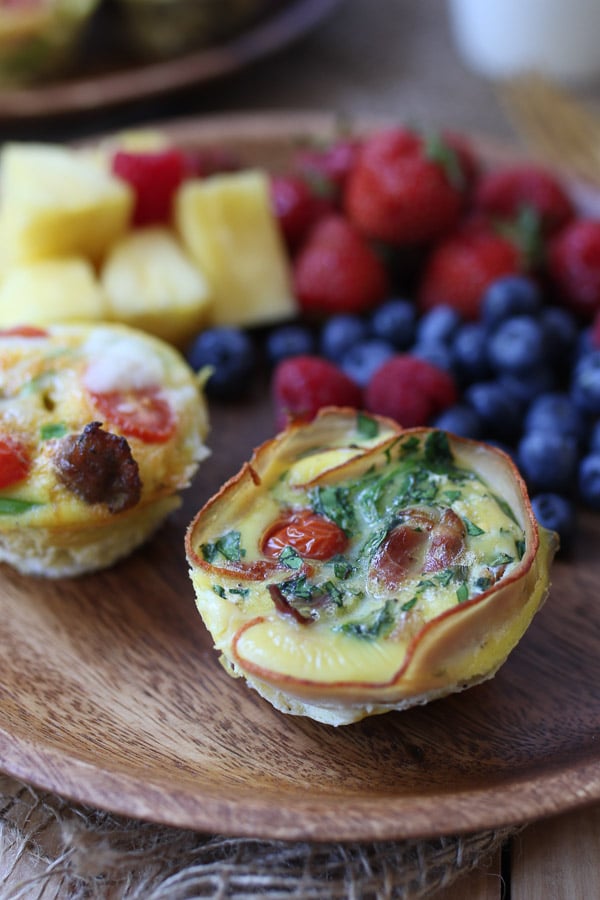
Keto Egg Cups 5 Ways | Gluten Free Breakfast Meal Prep

These Keto Egg Cups are the perfect gluten free breakfast meal prep staple for the week, served in 5 different ways to keep mornings interesting!

These Keto Egg Cups are the perfect gluten free breakfast meal prep staple for the week, served in 5 different ways to keep mornings interesting!egg cups on a wooden board next to fruit

Back to school and work season is sadly around the corner, and that means a lot of us are thinking about one thing – meal prep. Coming up with fast, easy, make ahead breakfasts can be essential to preventing the inevitable stop at Starbucks for a pastry. That’s where these keto egg cups are so key. These easy make-ahead breakfast can be made in a big batch on the weekend using up any little leftovers you’ve got in the house, and then can be enjoyed cold or rewarmed for 1 minute when you’re on the go.

How to Make Keto Egg Cups

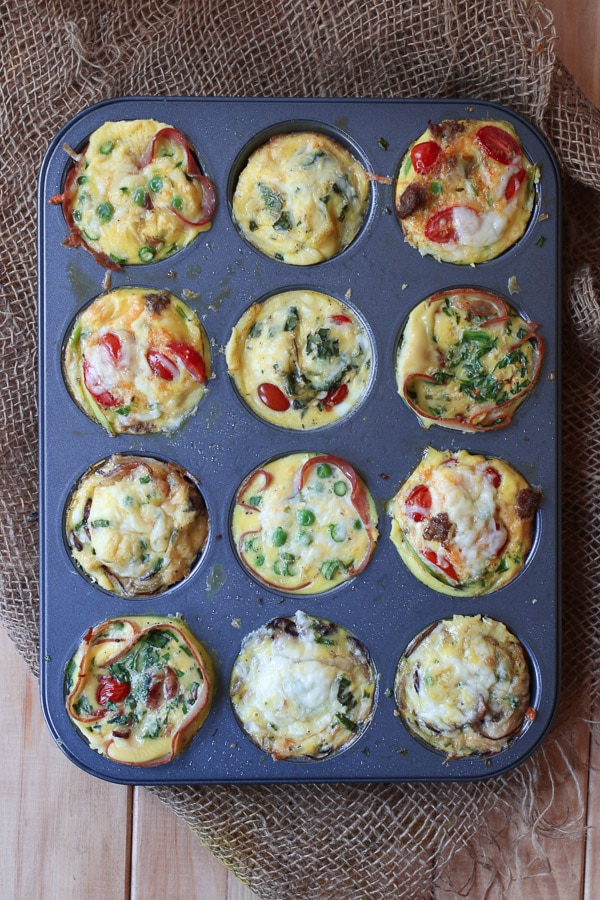
Egg cups in a muffin tray

I’ve included my top five favourite keto egg cup combinations, but the reality is, you can totally use up anything and everything you’ve got left in the fridge or pantry using this technique.

First, decide if you’re going to use a little thinly sliced meat to line the muffin pan. If you want to make your keto egg cups vegetarian, then obviously omit this step. If you’re using though, just try to nestle in a thin round piece of deli meat and press it out into the sides.

Next, beat your eggs with some salt and pepper in a bowl.

Third, round up any bits of veggies or leftover cooked meat you’ve got and sprinkle them into your cups. Then fill to the top with your eggs and sprinkle with cheese, if desired.

Bake these bad boys for about 18-20 minutes until they puff up and feel set when you jiggle them in the middle.

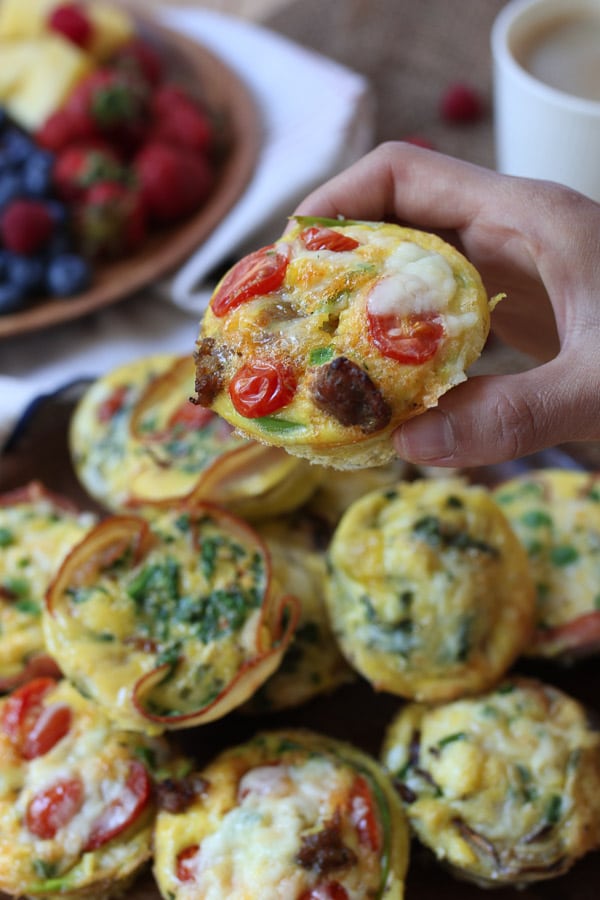
Hand holding egg cup.


These keto egg cups are my go to breakfast for a good hit of protein in the morning, but these cups are also a favourite when entertaining friends and family for brunch. I find it’s really stressful trying to make eggs for a crowd any other way (because I’m not a short-order cook with a 10 foot long griddle), so these cups can come out hot and ready all at once. It’s also easy to customize the egg cups to meet the preferences of your guests. If some like meat, and others are vegetarian, and some are dairy-free, then you can make sure everyone gets what they want!

Become an Abbey’s Kitchen Subscriber

Now tell me, what fillings and toppings would you like in your keto egg cups?

Leave me a comment below with your thoughts!

pinterest image of Hand holding egg cups with text overlay

These Keto Egg Cups are the perfect gluten free breakfast meal prep staple for the week, served in 5 different ways to keep mornings interesting!
Print Recipe
4.60 from 5 votes

Keto Egg Cups

These Keto Egg Cups are the perfect gluten free breakfast meal prep staple for the week, served in 5 different ways to keep mornings interesting!
Prep Time10 minutes mins
Cook Time20 minutes mins
Total Time30 minutes mins
Course: Breakfast
Cuisine: American
Servings: 12 egg cups
Calories: 62kcal
Author: Abbey Sharp

Ingredients

  • 12 eggs beaten
  • Salt and pepper to taste

Filling Options:

  • Ham + cooked chopped asparagus + baby peas  + cooked leeks + white cheddar
  • Turkey + cooked crumbled bacon + cherry tomatoes + shredded spinach
  • Baby tomatoes + mozzarella + basil
  • Cooked sliced mushrooms + caramelized onion + chive + gruyere
  • Cooked chorizo + minced jalapeño + diced avocado + cherry tomatoes + Monterey Jack

Instructions

  • Preheat oven to 350 F.
  • Lightly grease 12 muffin tins.
  • Line with deli meat, if using.
  • Add in any cooked veggies or cooked meats.
  • In a bowl, beat the eggs with a pinch of salt and pepper. Pour into the muffin tins to the top. Sprinkle with cheese, if using.
  • Bake for 18-20 min, or until puffed and set in the middle when you jiggle them.

Video

Nutrition

Calories: 62kcal | Protein: 5g | Fat: 4g | Saturated Fat: 1g | Cholesterol: 163mg | Sodium: 62mg | Potassium: 60mg | Vitamin A: 240IU | Calcium: 25mg | Iron: 0.8mg

Abbey Sharp

Abbey Sharp is a Registered Dietitian (RD), regulated by the Ontario College of Dietitians. She is a mom, YouTuber, Blogger, award winning cookbook author, media coach specializing in food and nutrition influencers, and a frequent contributor to national publications like Healthline and on national broadcast TV shows.
www.abbeyskitchen.com/about-abbey/

Last Updated July 21, 2020. Published August 14, 2019 By Abbey Sharp 12 Comments

Yogurt Breakfast Ideas for Kids to Assemble On the Go

DISCLAIMER: This post was developed in sponsored partnership with General Mills , however, as always, all opinions are genuine.

I share four of my favourite healthy yogurt based easy breakfast ideas for kids and toddlers that can be assembled on the go on a busy weekday morning!

Weekday mornings are busy and no one knows that better than moms and dads – especially the one who’s tasked with the job of getting food into little humans’ mouths. When I was a kid, my dad worked crazy long hours as a university professor, while my mom worked as the principal of a Montessori school. We travelled a half an hour each way to school and we left the house EARLY so my mom could drop us off and also get to work on time. That meant that a balanced breakfast at home wasn’t always a reasonable goal, and we usually ended up at a drive through, or a bakery for a quick bagel and juice.

Fast forward to today, and I know that I personally need something with protein to keep me satiated until lunch, but I also appreciate that breakfast assembly has to be FAST. So I’ve come up with four assembly style healthy easy breakfast ideas for kids, toddlers and parents, alike, that you quickly can put together on the go. 

What Makes These Healthy Easy Breakfast Ideas for Kids Something You Can Manage on Hectic Mornings?

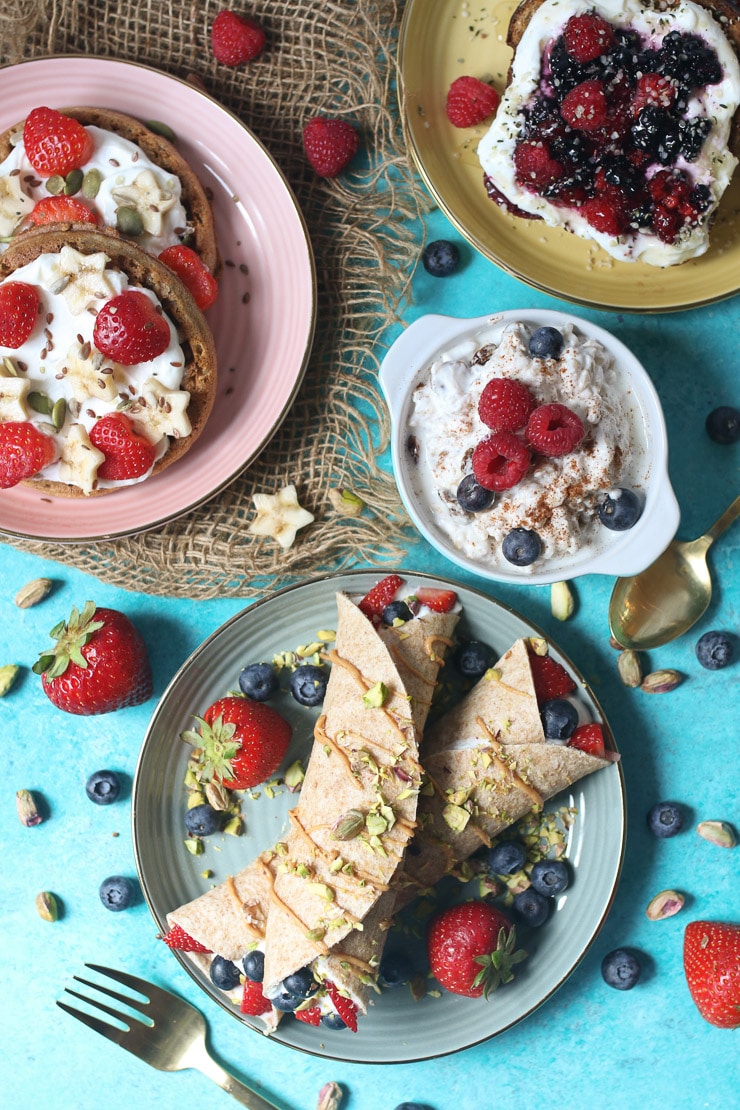
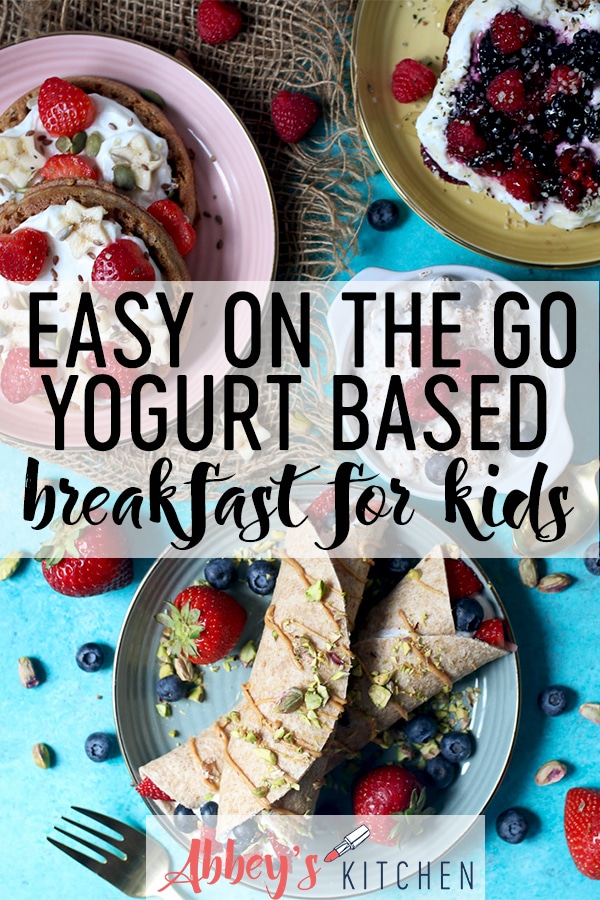
Crepes, waffles, rice pudding and toast topped with yogurt and berries.

Here’s the secret – these easy breakfast ideas are based around some super easy assembly. You don’t have to cook, you don’t have to bake. The most work you’re doing is mixing and maybe toasting something while the (obligatory) coffee brews.  All of the ingredients are things you probably have in your fridge and will take you 2 minutes to put them together on a plate or bowl.

Why are These Easy Breakfast Ideas for Kids Healthier than Take Out?

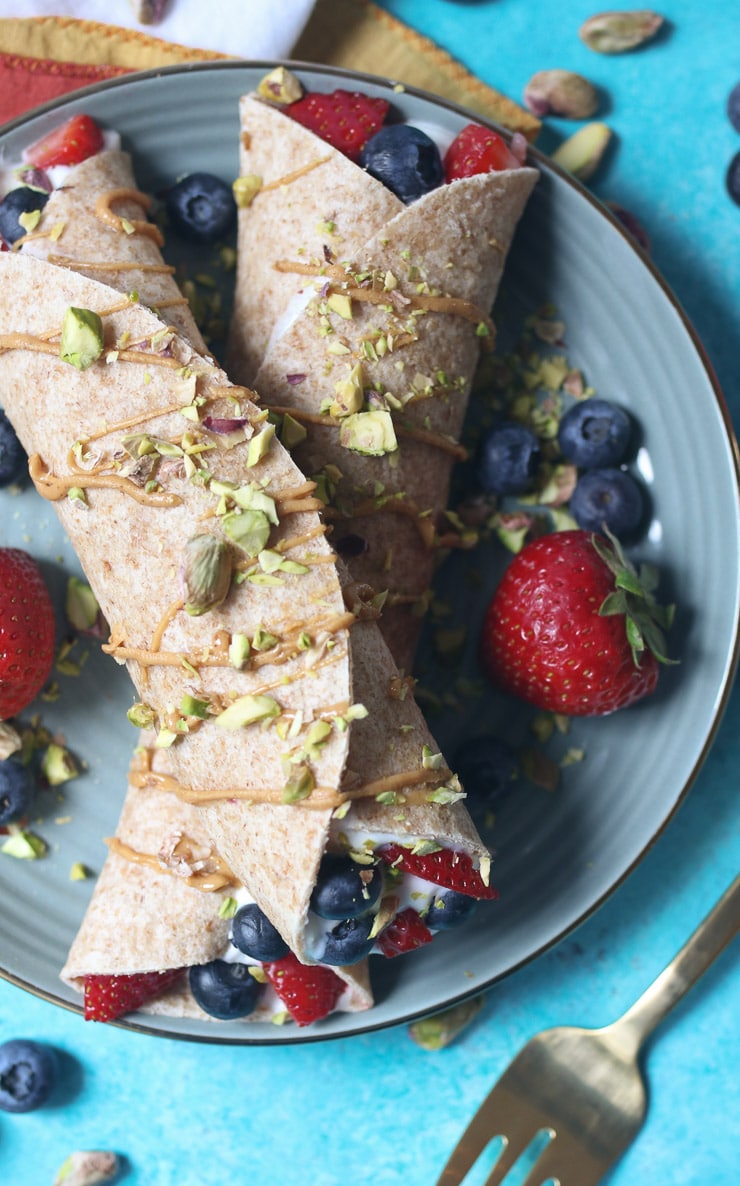
Crepes stuffed with yogurt and berries.

My goal with building a better breakfast, especially for kids and toddlers, is that I like to include a source of whole grain, fruit or veggies and protein. All of these assembly style breakfast recipes feature one of my all time favourite breakfast staples – yogurt! We are big yogurt eaters in my house because it’s a convenient source of bone-supportive protein, calcium and in some cases (where fortified)- vitamin D!  The fermentation and probiotics are also amazing for digestive health, and the natural carbohydrates help fuel our busy days. And while you can choose a milk fat percentage that works for you and your family, for mommas with toddlers, a higher milk fat is actually great for their growing brains. So for that reason, the go-to yogurt in my house is a nice plain full fat Greek yogurt for flavour, texture, fat and protein, but you can definitely use whatever your family enjoys!

3 Healthy Easy Breakfast ideas for Kids with Yogurt to Assemble On the Go

Yogurt Waffle Pizza

Waffle topped with yogurt, strawberries and banana

Made with a whole grain toaster waffle, plain Greek yogurt, and your kids favourite berries and fruit. It’s a more nutritious topper compared with sugary syrup!

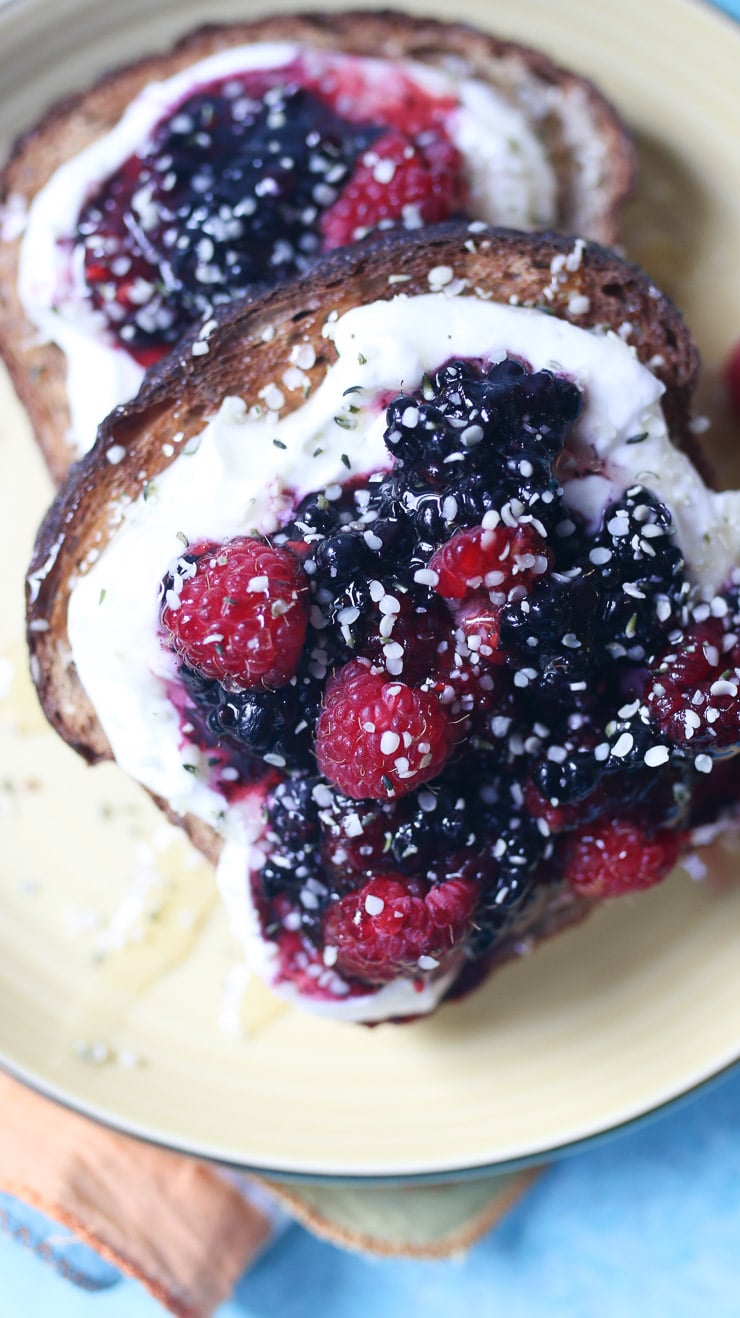
Yogurt Berry Toast

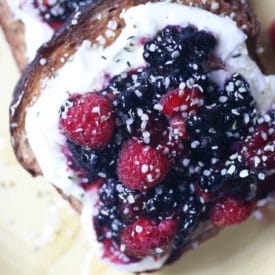
Toast topped with yogurt and berries and hemp hearts

Another toaster classic! If your kid is tired of peanut butter or butter, and not quite interested in trendy avocado yet, smear that toast with yogurt, top with some smashed berries and a little drizzle of honey to taste. Yum!

Yogurt Berry Crepe

Crepes stuffed with yogurt and berries

No need to bust out the fancy French crepe pan here! I just take a small whole grain wrap, smear it with nut butter, and stuff it with a combination of fruit and yogurt!

Yogurt Rice Pudding

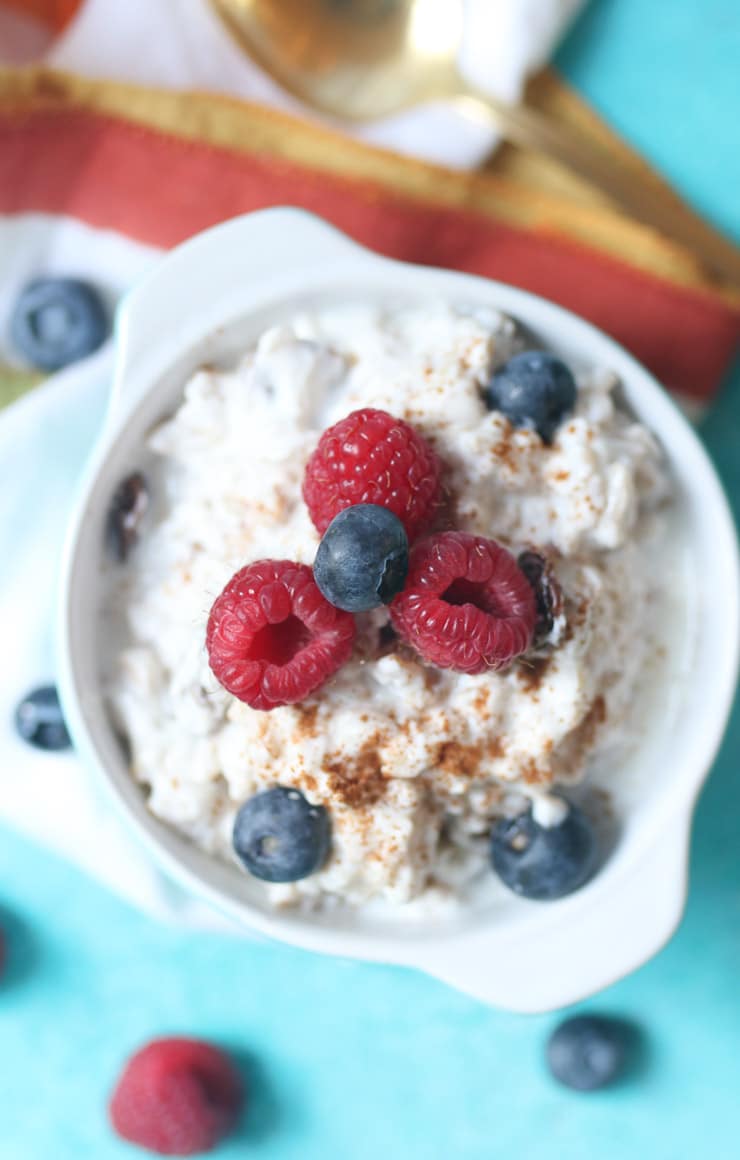
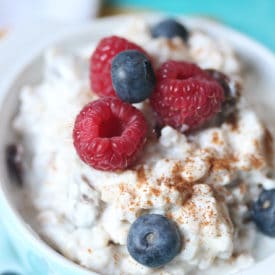
Rice pudding topped with berries

Dessert for breakfast? YES PLEASE. This cheater version of the classic comfort food dessert just combines leftover brown rice with some plain yogurt, a splash of maple, cinnamon and raisins. Sign. Me. Up.

What are some of your go-to healthy easy breakfast ideas for kids and toddlers on the go?
Leave me a comment below about your favourite ways to use yogurt at breakfast!

pinterest image of Crepes, waffles, rice pudding and toast topped with yogurt and berries with text overlayDisclaimer: This post was developed in paid partnership with General Mills, however, all opinions are genuine.

Print Recipe
5 from 8 votes

Yogurt Waffle Pizza

I share four of my favourite healthy yogurt based easy breakfast ideas for kids and toddlers that can be assembled on the go on a busy weekday morning!
Prep Time5 minutes mins
Total Time5 minutes mins
Course: Breakfast
Cuisine: American
Servings: 1 person
Calories: 115kcal
Author: Abbey Sharp

Ingredients

  • 1 whole grain waffle toasted
  • 2-3 tbsp plain 5% Greek yogurt
  • Assorted berries or fruit
  • Seeds for garnish

Instructions

  • Spread 1 toasted waffle with Greek yogurt and decorate with berries and seeds!
  • Serve and enjoy!

Nutrition

Calories: 115kcal | Carbohydrates: 15g | Protein: 5g | Fat: 4g | Saturated Fat: 1g | Cholesterol: 11mg | Sodium: 216mg | Potassium: 42mg | Fiber: 3g | Sugar: 2g | Vitamin A: 532IU | Calcium: 114mg | Iron: 2mg


Crepes stuffed with yogurt and berries.
Print Recipe
5 from 5 votes

Yogurt Berry Crepe

I share four of my favourite healthy yogurt based easy breakfast ideas for kids and toddlers that can be assembled on the go on a busy weekday morning!
Prep Time5 minutes mins
Total Time5 minutes mins
Course: Breakfast
Cuisine: American
Servings: 1 person
Calories: 272kcal
Author: Abbey Sharp

Ingredients

  • 1 small whole grain tortilla
  • 1 tbsp natural nut butter plus more for drizzling
  • 1/4 cup plain 5% Greek yogurt
  • 2-3 tbsp berries of your choice
  • 1 tbsp minced pistachios for garnish

Instructions

  • Spread one side of the tortilla with natural nut butter.
  • Add the yogurt and berries, roll up.
  • Drizzle with additional nut butter and sprinkle with pistachios.

Nutrition

Calories: 272kcal | Carbohydrates: 31g | Protein: 13g | Fat: 12g | Saturated Fat: 3g | Cholesterol: 3mg | Sodium: 378mg | Potassium: 174mg | Fiber: 5g | Sugar: 8g | Calcium: 137mg | Iron: 1mg

Print Recipe
5 from 5 votes

Yogurt Rice Pudding

I share four of my favourite healthy yogurt based easy breakfast ideas for kids and toddlers that can be assembled on the go on a busy weekday morning!
Prep Time5 minutes mins
Total Time5 minutes mins
Course: Breakfast
Cuisine: American
Servings: 1 person
Calories: 175kcal
Author: Abbey Sharp

Ingredients

  • 1/4 cup cooked brown rice room temperature
  • 1/4 cup plain 5% Greek yogurt
  • ¼ tsp cinnamon
  • 2 tbsp raisins
  • Maple syrup to taste
  • Berries for garnish

Instructions

  • Mix together the brown rice, yogurt, cinnamon, raisins and maple. Add berries on top for garnish.

Nutrition

Calories: 175kcal | Carbohydrates: 37g | Protein: 7g | Fat: 1g | Saturated Fat: 1g | Cholesterol: 3mg | Sodium: 27mg | Potassium: 357mg | Fiber: 3g | Sugar: 2g | Vitamin C: 2mg | Calcium: 55mg | Iron: 1mg

Toast topped with yogurt and berries and hemp hearts
Print Recipe
5 from 5 votes

Yogurt Berry Toast

I share four of my favourite healthy yogurt based easy breakfast ideas for kids and toddlers that can be assembled on the go on a busy weekday morning!
Prep Time5 minutes mins
Total Time5 minutes mins
Course: Breakfast
Cuisine: American
Servings: 1 person
Calories: 89kcal
Author: Abbey Sharp

Ingredients

  • 1 slice whole grain bread toasted
  • 2-3 tbsp plain 5% Greek yogurt
  • 3-4 blackberries and raspberries
  • Honey to taste
  • Hemp hearts for garnish

Instructions

  • Spread 1 slice of bread with yogurt.
  • Smash the berries in a bowl, then add to toast and drizzle with honey, to taste and a sprinkle of hemp hearts.
  • Serve and enjoy!

Nutrition

Calories: 89kcal | Carbohydrates: 13g | Protein: 7g | Fat: 1g | Saturated Fat: 1g | Cholesterol: 2mg | Sodium: 123mg | Potassium: 112mg | Fiber: 2g | Sugar: 3g | Vitamin C: 1mg | Calcium: 63mg | Iron: 1mg
Abbey Sharp

Abbey Sharp is a Registered Dietitian (RD), regulated by the Ontario College of Dietitians. She is a mom, YouTuber, Blogger, award winning cookbook author, media coach specializing in food and nutrition influencers, and a frequent contributor to national publications like Healthline and on national broadcast TV shows.
www.abbeyskitchen.com/about-abbey/

Last Updated July 21, 2020. Published August 6, 2019 By Abbey Sharp 16 Comments

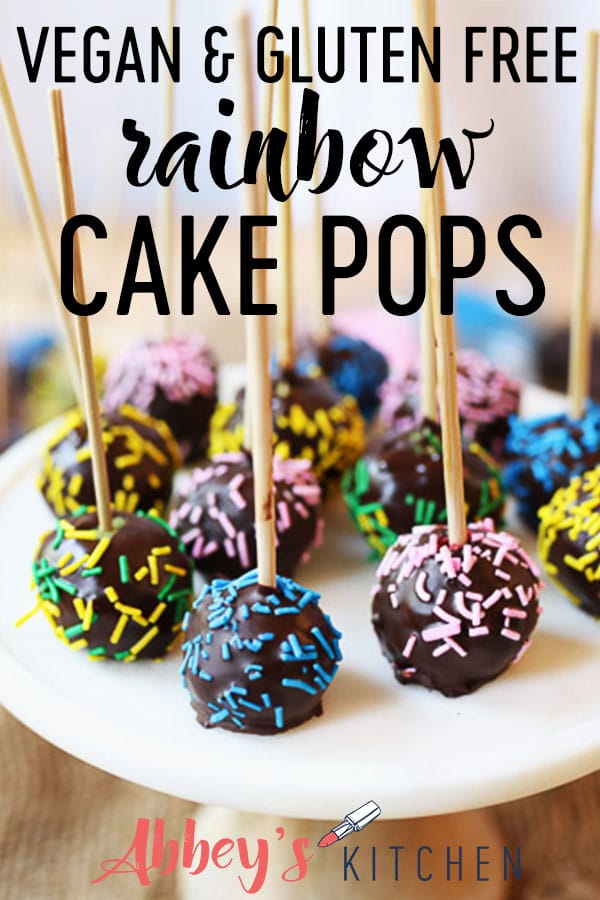
Vegan Rainbow Cake Pops | Gluten Free Healthy Treats for Kids

These Vegan Rainbow Cake Pops are delicious gluten free healthy treats for kids and adults alike that can be made in a rainbow of colours and decorated with little sprinkles and candies!

These Vegan Rainbow Cake Pops are delicious gluten free healthy treats for kids and adults alike that can be made in a rainbow of colours and decorated with little sprinkles and candies!

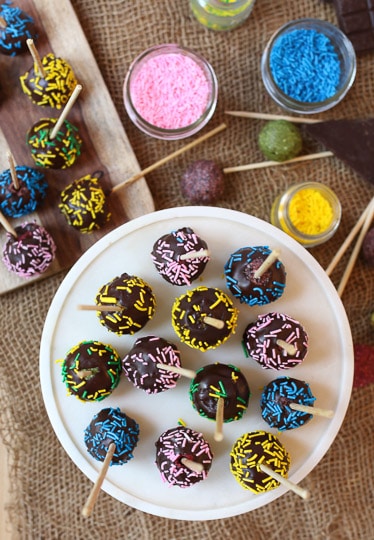
Birthday cake pops served on a white plate.

If you’re like me, you love food with colour. Nature has given us such an amazing range of beautiful natural colours, and each one of them signifies better nutrition. When I plan a meal, my goal is generally to try to load in as many different colours on my plate as possible, and the same definitely goes for dessert. These vegan rainbow cake pops are a healthy, gluten free treat that has no added sugar yet are LOADED with fruity sweetness. They’re also a great source of fibre, protein and healthy fats to keep you satisfied longer.

How to Make These Vegan Rainbow Cake Pops

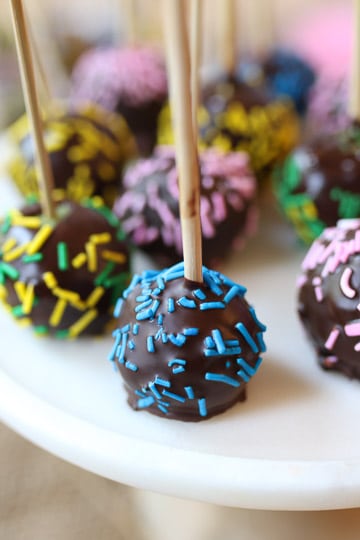
Chocolate cake pops covered in sprinkles served on a white plate.

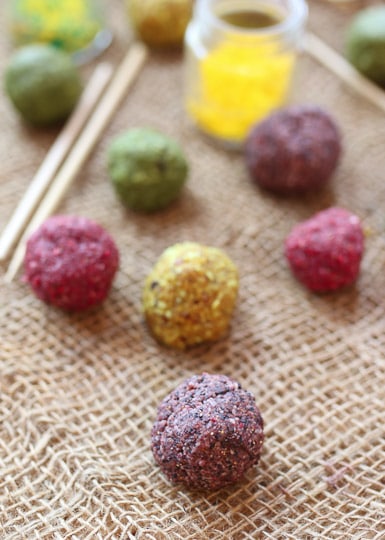
So cake pops are trendy, and I say for good reason. EVERYTHING tastes better on a stick. To make the filling on these babies, I process together some freeze dried fruit, coconut, almond flour, cashew butter, coconut oil and dates until smooth then roll them into balls with a lollipop stick inserted into the middle.

Colourful cake pop balls on a burlap blanket

To make a rainbow of your cake pops, you simply just switch up the freeze dried fruit that you use. I’m a huge fan of freeze dried fruit in general because it’s significantly lower in calories and sugar than regular dried fruit, and has this really yummy satisfying crispy texture.

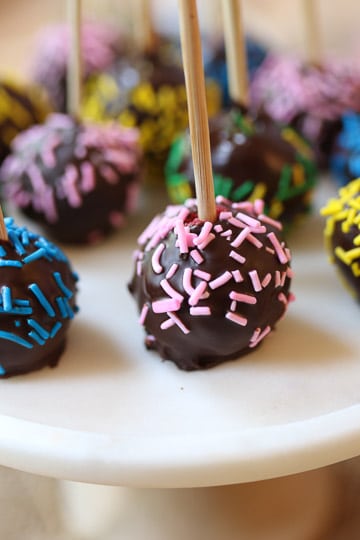
Chocolate cake pop covered in pink sprinkles served on a white plate.

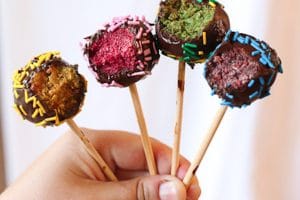
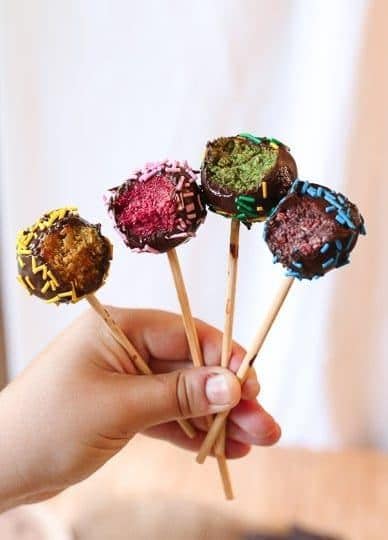
I like mango for yellow, raspberry for pink, blueberry for purple, and I use banana with a little matcha for green. See what kinds of freeze dried fruits you can find and then play with the colour from there! The more fruity flavours you find, the more colours you can make of these vegan rainbow cake pops.

Hand holding four colourful chocolate cake pops.

Next, I give them a good dip in some high quality dairy free dark chocolate. You can definitely use milk or white chocolate too if you don’t want or need these to be vegan or dairy free. If your balls are nice and chilled, the chocolate should harden almost instantaneously so now is the time to (quickly!) sprinkle the cake pops with sprinkles or any other little fun candies. These vegan rainbow cake pops are a great after-school treat for the kiddos and a fun project that you can get them involved in, as well.

So lovelies, now tell me, what would be your favourite flavour of these vegan rainbow cake pops?
What freeze dried fruit have you found in stores that you could use to make these?
Leave me a comment below with your thoughts!
pinterest image of A variety of cake pops served on a white plate with text overlay
These Vegan Rainbow Cake Pops are delicious gluten free healthy treats for kids and adults alike that can be made in a rainbow of colours and decorated with little sprinkles and candies!
Print Recipe
5 from 4 votes

Vegan Rainbow Cake Pops

These Vegan Rainbow Cake Pops are delicious gluten free healthy treats for kids and adults alike that can be made in a rainbow of colours and decorated with little sprinkles and candies!
Prep Time40 minutes mins
Cook Time2 minutes mins
Total Time42 minutes mins
Course: Dessert
Cuisine: American
Servings: 12 pops
Calories: 128kcal
Author: Abbey Sharp

Ingredients

Filling:

  • 3/4 cup freeze dried fruit
  • 1/4 cup unsweetened finely grated coconut
  • 1/2 cup almond flour
  • 2 tbsp cashew butter
  • 1 tbsp coconut oil
  • 5 dates pitted and diced
  • For green: 1 tsp matcha powder

For dip:

  • 100 grams vegan dark chocolate minced
  • Lollipop sticks
  • Colourful sprinkles or candies

Instructions

  • To a food processor, puree the freeze dried fruit, coconut, almond flour, cashew butter, dates and oil (plus matcha for green only) until smooth. Roll into balls and place on a baking sheet lined with a silpat. Insert the lollipop stick and refrigerate for 30 minutes.
  • Melt the chocolate in a double boiler or in the microwave in 30 second increments until smooth.
  • Dip the cake pops into the chocolate and sprinkle with candies or sprinkles. Allow to set in the fridge or enjoy immediately. These can also be stored in the freezer for a quick healthy treat.

Nutrition

Calories: 128kcal | Carbohydrates: 10g | Protein: 2g | Fat: 9g | Saturated Fat: 4g | Cholesterol: 1mg | Sodium: 3mg | Potassium: 120mg | Fiber: 2g | Sugar: 5g | Calcium: 22mg | Iron: 1mg
Abbey Sharp

Abbey Sharp is a Registered Dietitian (RD), regulated by the Ontario College of Dietitians. She is a mom, YouTuber, Blogger, award winning cookbook author, media coach specializing in food and nutrition influencers, and a frequent contributor to national publications like Healthline and on national broadcast TV shows.
www.abbeyskitchen.com/about-abbey/

Last Updated August 6, 2020. Published July 30, 2019 By Abbey Sharp 24 Comments

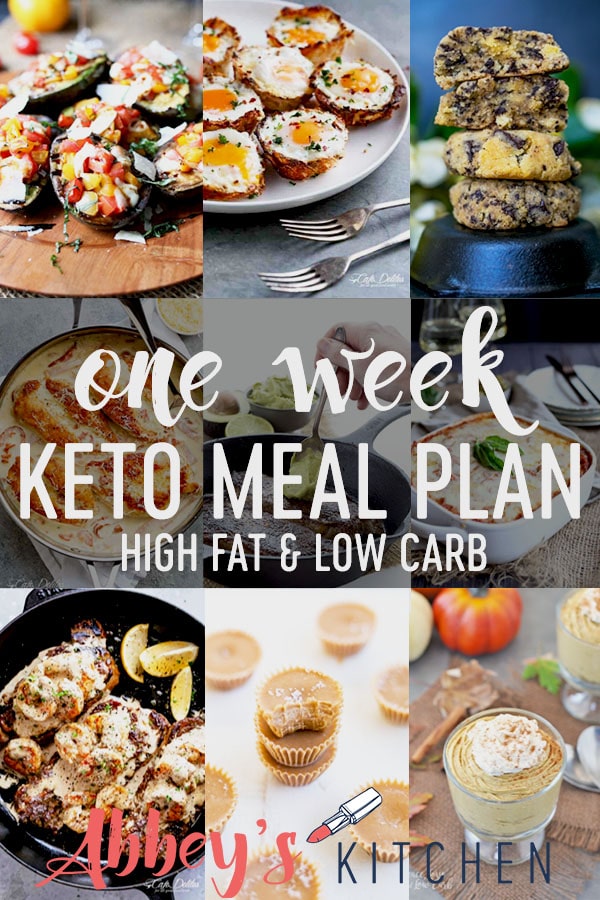
Healthy One Week Keto Meal Plan | High Fat Low Carb Recipes

I share a tasty collection of high fat low carb recipes in a one week keto meal plan.

GET THE MEAL PLAN

I share a tasty healthy collection of high fat low carb recipes in a one week keto meal plan.

We’ve gathered a collection of recipes from Abbey’s Kitchen, along with other amazing food bloggers out there to help you organize your life for the next week! Here you’ll find some super tasty keto recipes that to help get you through the day.

day 1

Breakfast

Raspberry Avocado Smoothie – Low Carb Yum 
two tall clear glasses filled with keto raspberry avocado smoothie garnished with a pink and white straw

Nutrition Breakdown

Calories: 227

Fat:  20g

Carbs: 4g

Protein: 3g

AM Snack

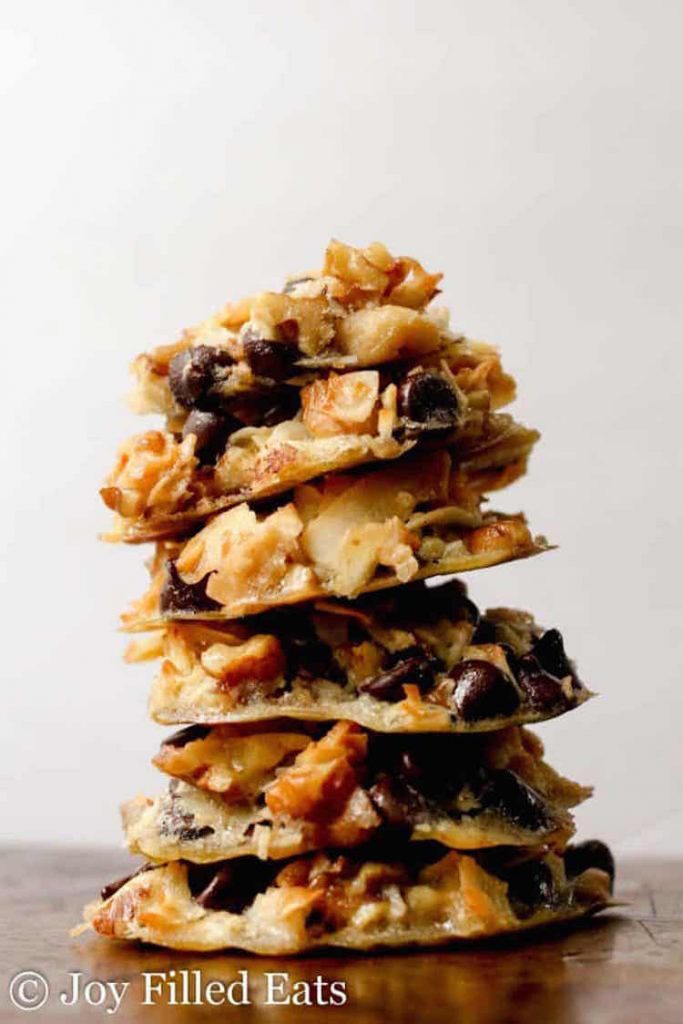
Five-Minute Magic Cookies – Joy Filled Eats
close up image of stack of keto five minute magic cookies on a white background

Nutrition Breakdown

Calories: 117

Fat: 11g

Carbs: 2g

Protein: 2g

Lunch

Loaded Keto Cauliflower Bowl – Hey Keto Mama
close up of keto cauliflower bowl in a black fish garnished with fresh herbs

Nutrition Breakdown

Calories: 329

Fat: 27g

Carbs: 3g

Protein: 8g

PM Snack

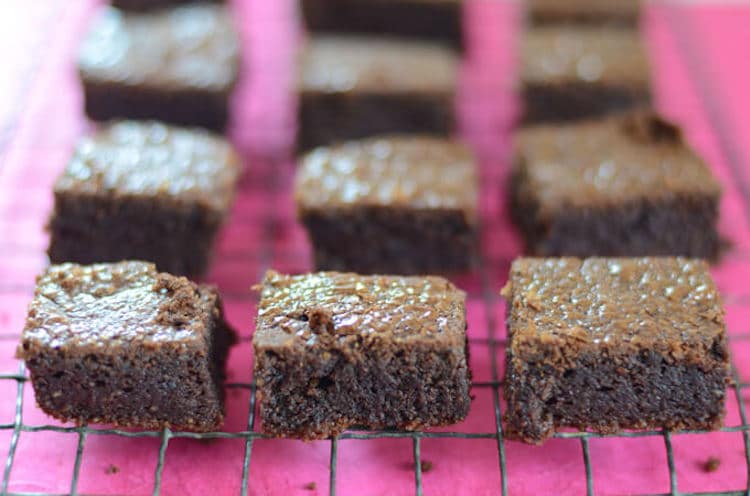
Keto Brownies – Elana’s Pantry
close up of keto brownies on a cooling rack on a pink surface

Nutrition Breakdown

Calories: 161

Fat: 17g

Carbs: 3g

Protein: 3g

Dinner

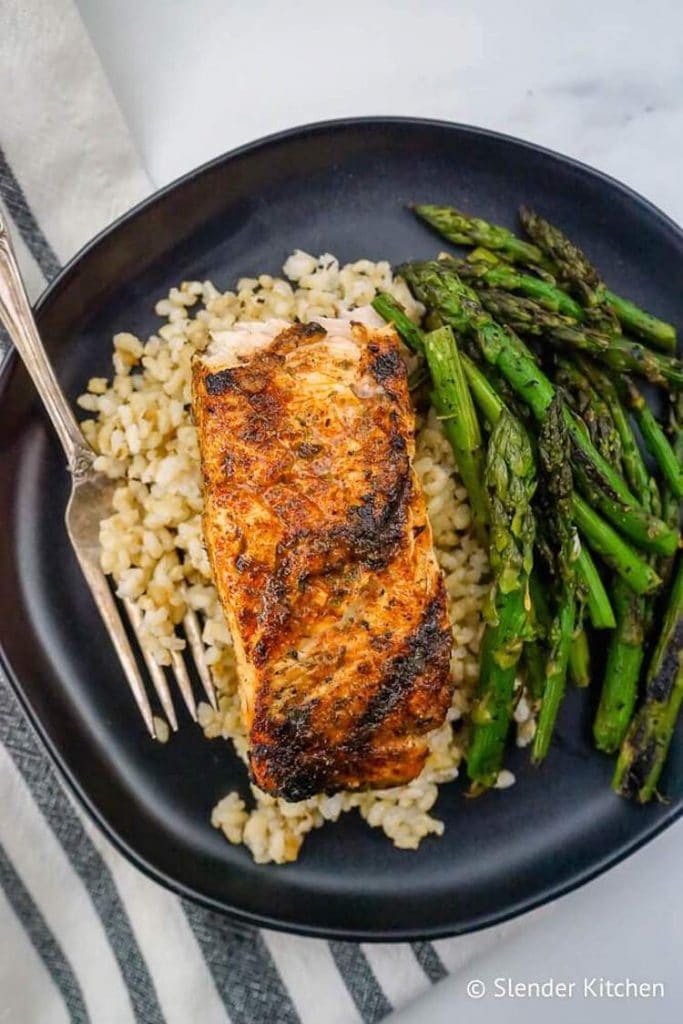
Cajun Salmon – Slender Kitchen
birds eye view of keto cajun salmon served with asparagus and cauliflower rice on a black plate

Nutrition Breakdown

Calories: 350

Fat: 24g

Carbs: 1g

Protein: 31g

Daily Nutrition Breakdown

Calories: 1184
Fat: 99g (75%)
Carbohydrates: 13g (4%)
Protein: 47g (16%)

Day  2

Breakfast

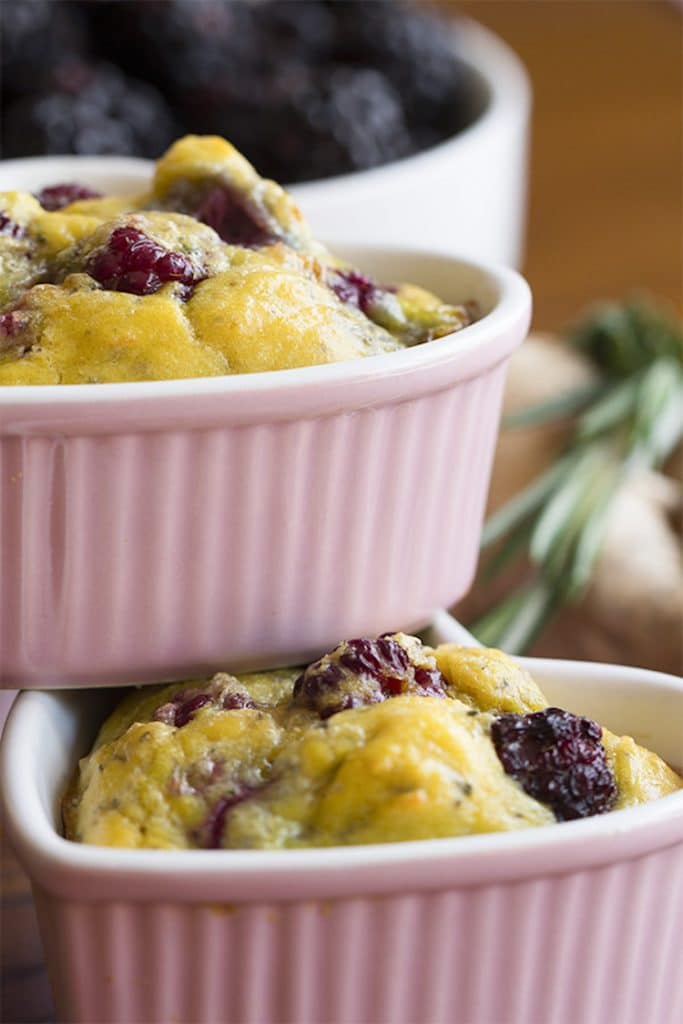
Blackberry Egg Bake – Tasteaholics
close up of small pink ramekins containing keto blackberry egg cakes

Nutrition Breakdown

Calories: 288

Fat: 20g

Carbs: 4g

Protein: 18g

AM Snack

Chewy Chocolate Chip Cookies – Peace Love and Low Carb
stack of keto chocolate chip cookies

Nutrition Breakdown

Calories: 126

Fat: 11g

Carbs: 2g

Protein: 5g

Lunch

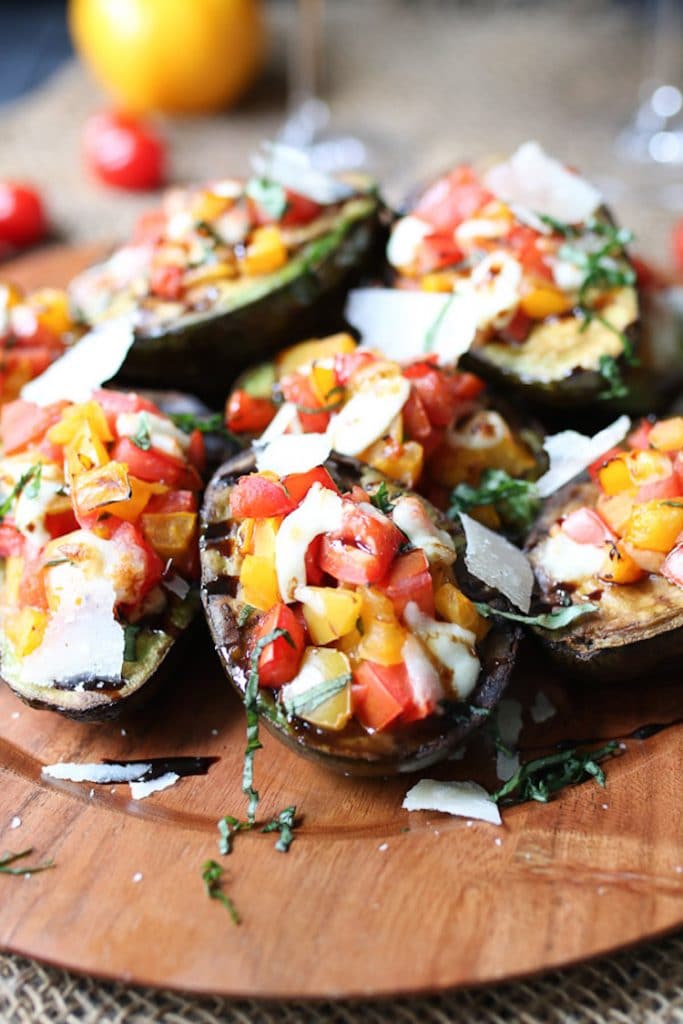
Keto Grilled Avocado Bruschetta – Abbey’s Kitchen
close up image of keto grilled avocado bruschetta on a wooden dish garnished with cheese and herbs

Nutrition Breakdown

Calories: 360

Fat: 31g

Carbs: 7g

Protein: 9g

PM Snack

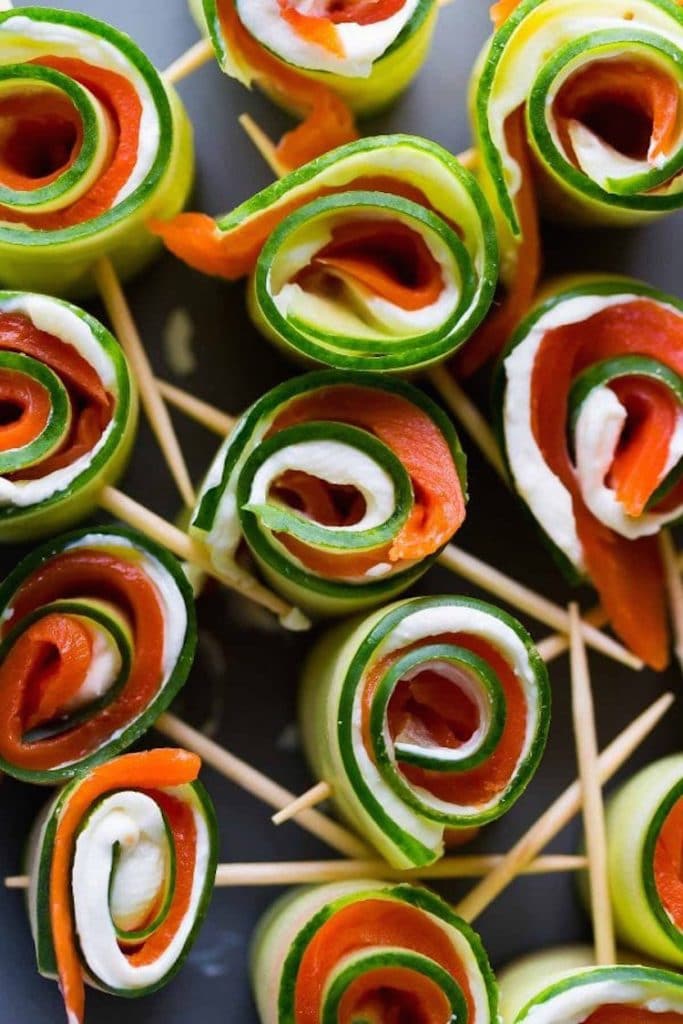
Salmon and Cucumber Rollups – Sweet Peas and Saffron
close up of keto salmon and cucumber roll ups

Nutrition Breakdown

Calories: 125

Fat: 10g

Carbs: 2g

Protein: 5g

Dinner

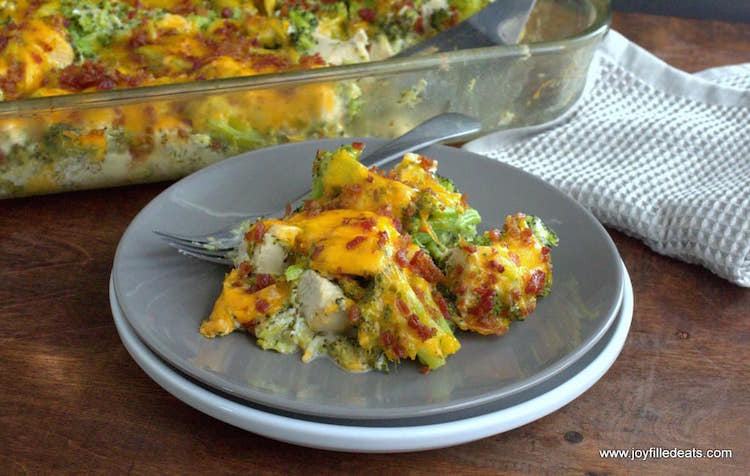
 Bacon Ranch Chicken Casserole – Joy Filled Eats
keto bacon and ranch chicken casserole on a grey plate with a silver spoon

Nutrition Breakdown

Calories: 498

Fat: 36g

Carbs: 4g

Protein: 37g 

Daily Nutrition Breakdown

Calories: 1397

Fat: 108g (70%)

Carbohydrates: 19g (5%)

Protein: 74g (21%)

Day 3

Breakfast

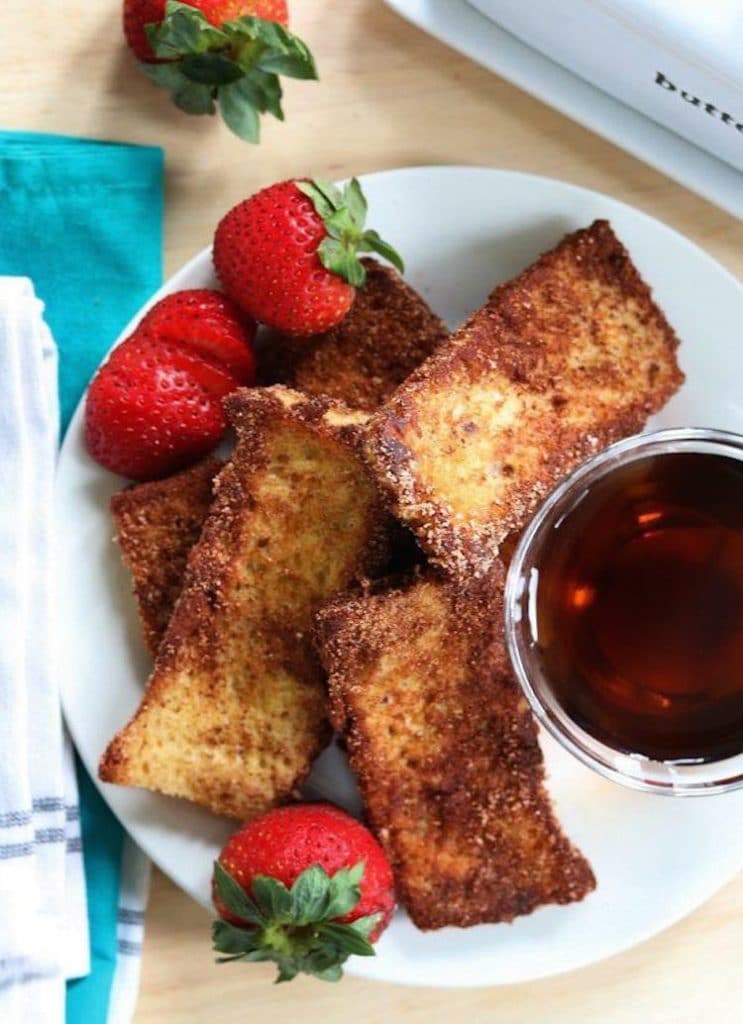
Keto French Toast Sticks – How To This and That
birds eye view of keto fresh toast sticks on a white plate served with syrup and berries

Nutrition Breakdown

Calories: 278

Fat: 24g

Carbs: 2g

Protein: 13g

AM Snack

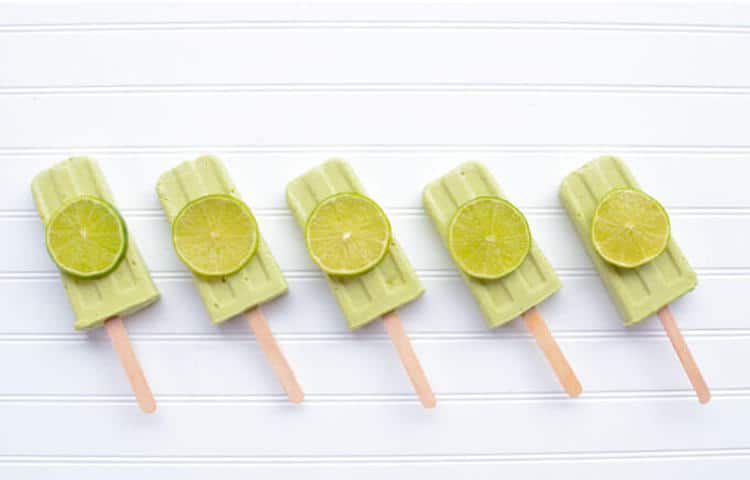
Keto Lime Creamsicles – Elana’s Pantry
line up of keto lime creamsicles on a white background

Nutrition Breakdown

Calories: 115

Fat: 11g

Carbs: 4g

Protein: 1g

 Lunch

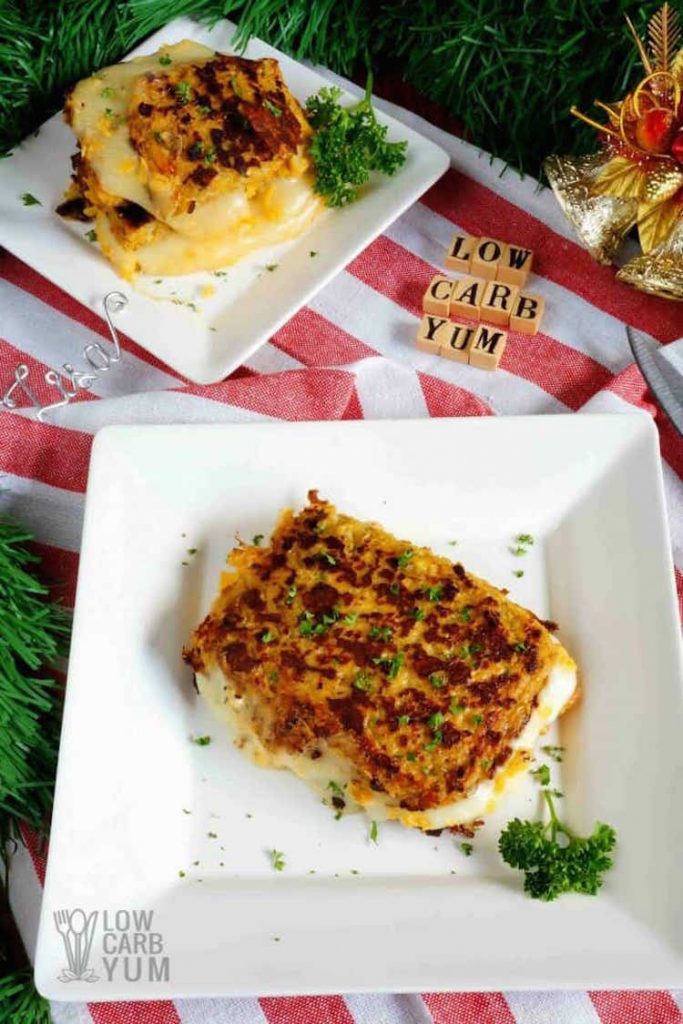
Cauliflower Low Carb Keto Grilled Cheese Sandwiches – Low Carb Yum
birds eye view of low carb cauliflower grilled cheese sandwiches on a white plate garnished with fresh herbs

Nutrition Breakdown

Calories: 503

Fat: 37g

Carbs: 7g

Protein: 33g

PM Snack

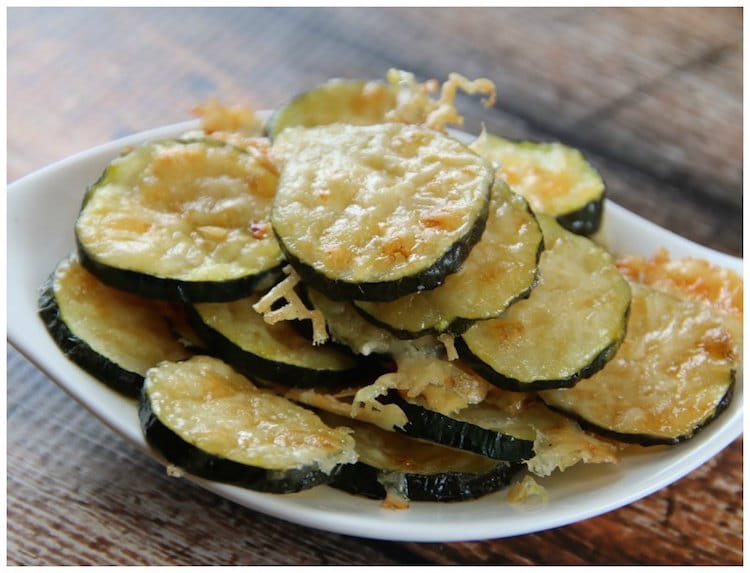
Zucchini Parmesan Chips – iSaveAtoZ
white plate filled with healthy parmesan zucchini chips

Nutrition Breakdown

Calories: 154

Fat: 8g

Carbs: 5g

Protein: 12g

Dinner

Creamy Parmesan Carbonara Chicken – Cafe Delites
birds eye view of keto parmesan chicken in a silver pan with a silver spoon

Nutrition Breakdown

Calories: 473

Fat: 37g

Carbs: 7g

Protein: 26g

Daily Nutrition Breakdown

Calories: 1523

Fat: 117g (69%)

Carbohydrates: 25g (6%)

Protein: 85g (22%)

If you’re enjoying this healthy keto meal plan so far, you’re definitely going to want to get the rest of the week! All you have to do is subscribe to my weekly newsletter (see the bar at the top of the page!) and you’ll get the meal plan sent directly to your mailbox!

Also if you’re interested in any other meal plans check out my two vegan meal plans here and here, as well as my paleo meal plan, fitness meal plan and gluten free meal plan!

GET THE MEAL PLAN

pinterest image of healthy collection of high fat low carb recipes in this one week keto meal plan with text overlay #keto #mealplan #ketomealplan #healthyfood #recipes #highfat #lowcarb #oneweekmealplan #healthyrecipes

Contribution By:

RD2B Trista Chan


Abbey Sharp

Abbey Sharp is a Registered Dietitian (RD), regulated by the Ontario College of Dietitians. She is a mom, YouTuber, Blogger, award winning cookbook author, media coach specializing in food and nutrition influencers, and a frequent contributor to national publications like Healthline and on national broadcast TV shows.
www.abbeyskitchen.com/about-abbey/

Last Updated October 4, 2021. Published July 25, 2019 By Abbey Sharp 14 Comments

Does Going Gluten Free During Pregnancy Reduce Baby’s Celiac Disease Risk?

We dive into the research investigating the question: Does Going Gluten Free During Pregnancy Reduce Baby’s Celiac Disease Risk?

We dive into the research investigating the question: Does Going Gluten Free During Pregnancy Reduce Baby’s Celiac Disease Risk?

Maybe you heard it from a friend, an aunt, or even your lovely neighbour that going gluten free has done wonders for their health. From weight loss to skin care, many people have claimed that cutting gluten out of their lives have solved all of their life problems. While I can’t confirm some of these miraculous successes, I do know that for many people (1 in 100 to be exact) suffering from celiac disease, cutting gluten out of their diet has significantly improved their health.

First of all, what is gluten? May sound like a no brainer, but for some, it’s not a clear answer. This was evident in the viral Jimmy Kimmel video here.

Gluten is a protein found in grains such as wheat, rye and barley – so a “gluten free diet” means completely cutting out foods that contain these ingredients like breads, pastas, crackers and so on. You know we’ve discussed this at length in our posts here.

What is Celiac Disease?

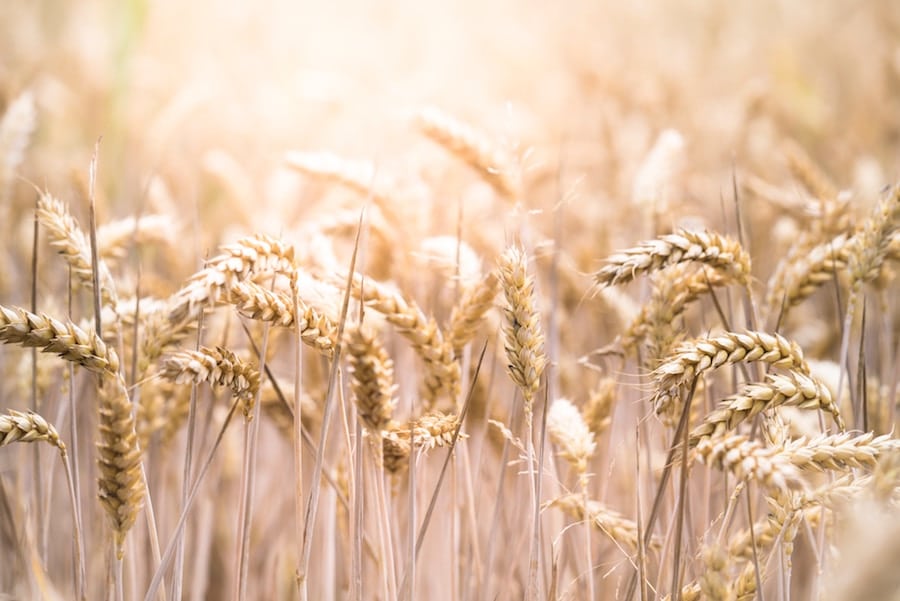
field of wheat

Basically, with celiac disease, the immune system attacks its own small intestine after eating gluten. The small intestine is an area of major nutrient absorption – so as you can guess, when it becomes damaged, nutrients don’t absorb as well. Over time this can lead to malnutrition and is linked to a whole basket case of other health problems – from Type 1 diabetes to infertility to decreased bone density. Some serious stuff!

What about gluten-sensitivity? Is it real?

On the other hand, there are individuals who do not have celiac disease per se, but report indigestion, bloating and cramping after eating gluten. Though there is simply not enough research to establish gluten sensitivity as a widespread medical condition (read a previous post on this here), what is true is that there’s a growing amount of people who simply choose not to eat gluten and report feeling much better. As there are new studies emerging on this topic every day (who knows what we may uncover about gluten-sensitivity?), we’ll have to hang tight and see.

Now that we have some background information covered – let’s jump into the meaty part of today’s post: does a gluten free pregnancy reduce your baby’s risk of developing celiac disease?

Does Going Gluten Free During Pregnancy Reduce Baby’s Celiac Disease Risk?

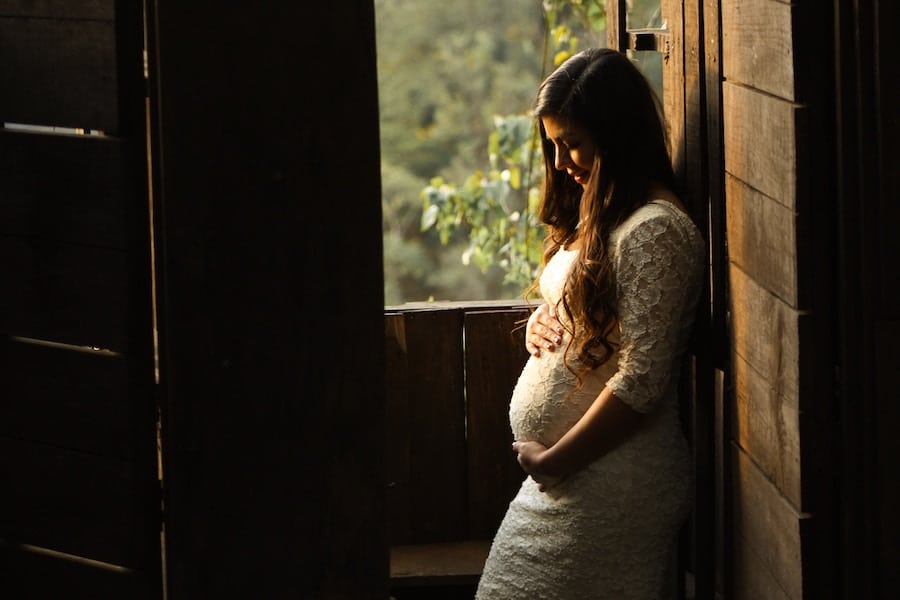
pregnant woman holding her stomach

With the complexity of our digestive system and the controversy around “to be or not to be gluten free”, it was only a matter of time before researchers started focusing on a new target population: pregnant women. This raises the million-dollar question: Does Going Gluten Free During Pregnancy Reduce Baby’s Celiac Disease Risk?

Well, a few months ago, researchers in Denmark got a bit of media attention by studying mice to see if a gluten free pregnancy would lower the risk of celiac disease in their babies. They compared two groups of pregnant mice: one on a gluten free diet, and one on a regular diet. After they gave birth, ALL new baby mice were fed a regular diet with gluten until 4 or 13 weeks.

What did they find?

Overall, the babies of gluten free pregnancies had lower chances of developing celiac disease, compared to their gluten counterparts. Then, interestingly, all baby mice’s risk decreased with their age, regardless of a gluten free pregnancy or not.

What this means is there are multiple possibilities:

Possibility #1: A gluten free diet during pregnancy, then exposure to gluten after birth, lowered the risk.

Possibility #2: It depends solely on gluten exposure.

Possibility #3: There are other factors that lower the risk over time, such as regular development of babe’s immune system. Does gluten even have anything to do with it?

As you can see, though this study finds a potential link between gluten free and lowered risk of celiac disease, there are so many external factors to consider before yelling at all pregnant mothers to cut out gluten. First and foremost, these are mice, not people! Â We are different mammals with different biological mechanisms. It’s very dangerous to take results of a mouse trial and extrapolate human recommendations based on them. Secondly, this study shows a mere association. We’d be blowing it totally out of proportion if we interpreted these results as a cause-and-effect relationship. Finally, the mother mice in this study also had Type 1 diabetes, a disease that is linked to celiac disease, so mom’s pre-existing condition are another big factor to consider.

The TEDDY study in 2015 also dove into this, and I must say with a little more credibility as it involves…drumroll…humans! They specifically looked at gluten during late pregnancy, and the study was internationally conducted across the US and Western Europe.

What did they find?

They found no link between pregnant mother’s gluten intake during late pregnancy, and the development of celiac disease in their children. However, this was an observational study, meaning that the researchers couldn’t control other factors that may have impacted the results (and there are many), as they would’ve been able to in a laboratory setting.

So does a gluten free diet during pregnancy impact your child’s risk of developing celiac disease? For now, the jury’s still out. To date, there is no comprehensive study that can give us strong proof of a relationship between the two. What’s exciting though is the possibility of discovering more, as larger scale studies with more controlled measures will be conducted, we’ll be able to make more evidence-based statements on this topic.

Other Health Benefits of a Gluten Free Diet during Pregnancy?

person kneading a ball of dough

Interestingly, there are some mice trials once again that show a gluten free diet may reduce the incidence of Type 1 diabetes in offspring. It’s super important to remember these are mice trials, so if you don’t have celiac disease, please don’t start cutting out gluten if you’re pregnant. By eliminating certain foods without carefully planning with a dietitian, you may be going on a diet without realizing (read about dangers of dieting during pregnancy here).

For mamas-to-be with celiac disease, I can confidently say, a gluten free pregnancy carries significant benefits for you and your baby. You’ve probably felt the horrible symptoms of eating gluten if you have celiac disease, but have survived to tell the tale, right? When you’re pregnant, this is when celiac disease can become very, very serious. Studies show that preterm babies and low birth weights are more common in mothers with celiac disease who ate gluten during their pregnancies, and the number of low birth weight babies dropped from 29.4% down to 0% in celiac mothers followed their gluten free diet (and see here). Furthermore, when these mothers went gluten free, their breastfeeding duration increased by 2.38x. Low birth weights and preterm babies are pretty serious, so the Journal of Obstetrics and Gynaecology Canada considers celiac disease pregnancies to be high-risk, and recommends increased monitoring with your healthcare professionals.

Breastfeeding and Introducing Gluten-Containing Foods

A baby yawning.

We know introducing peanuts early can reduce the risk of allergy, so you may be wondering if the same goes for gluten. Previous studies suggest that breastfeeding has a protective effect against developing celiac disease. The timing of introducing gluten is also important, as this 2012 review  found that babies who were introduced to gluten at 6 months had a lower risk than 4 months, and babies who were introduced large amounts at once later developed celiac disease. We must note that we’re unsure if this “protective effect” persisted throughout their lives, or if the celiac disease diagnosis was just delayed. Most of these studies only covered the first 2 years of the babes’ lives so unclear whether they developed it later.

AND, as with all research, there’s constantly new studies popping up that challenges old conventions. Don’t you just love science? In , there was an update on this topic based on newer, more high-quality evidence, challenging some major beliefs based on the previous review. They found that breastfeeding and the timing of gluten introduction actually have no effect, although they confirmed that consuming large amounts of gluten during introduction did increase the risk. Another team of researchers reviewed the most up-to-date evidence and found the same results.

Other Factors Affecting Celiac Disease in Children  

There’s so much research on this disease, with some studies branching into other factors during pregnancy like antibiotics, iron and vitamin D. Let’s jump into it.

Our gut bacteria is all the craze right now. Essentially, it’s the bacteria in the digestive tract that is linked to the immune system and thus many chronic diseases. Its development starts in the pregnancy phase, and antibiotics at this time can influence the microbiota development in the baby. Based on this knowledge, this study investigated whether or not antibiotics affected celiac disease in babies.

Results?

Null. Of the 1836 children exposed to antibiotics during pregnancy, only 12 of them developed celiac disease, hardly enough of an impact to draw an association between antibiotics and celiac disease.

Taking iron supplements (not food) during pregnancy was found to be linked to an increased risk of celiac disease in children (see here). However, if you look into the nitty gritty details of this study, only 4.65 of 1000 children with celiac disease had pregnant mothers on iron supplements, compared to 3.15 of 1000 children with celiac disease whose mothers were not. That makes a difference of 1.5 children….hardly enough to draw conclusions, right?  However, this opens up some more interest in research on the potential effects of iron supplementation.

Finally, Vitamin D during pregnancy and celiac disease risk has also gained some attention in the science world. Since Vitamin D in pregnancy and early life is linked to reduced risk of Type 1 diabetes and multiple sclerosis, researchers in Norway were curious to see if this applied to celiac disease. Once again, this results were underwhelming, as their results did not support the idea. Although those with celiac disease need to be more mindful of their Vitamin D intake, since it’s related to their bone health (remember how I said celiac disease is linked to decreased bone mineral density), there is currently no evidence for its role in the pregnancy stage and subsequent celiac disease.

The Verdict on Going Gluten Free During Pregnancy

birds eye view of freshly baked bread on a white cloth

My job is to put on my critical thinking glasses to analyze the current evidence and give you the most informed recommendations. Obviously, if you have celiac disease and are managing it through a gluten free diet, continue to do so with great care – you and your baby’s health need it! As it can be considered a high-risk pregnancy, I’m sure you’ve already been advised by your healthcare practitioner to take extra precaution.

However, if you don’t have celiac disease or gluten-sensitivity, I really don’t suggest you start going gluten free. Unnecessarily cutting out major foods from your diet can put you at a higher risk for malnutrition, which is the exact opposite of what you want during this beautiful phase of growing a babe in you! Trust me, it takes a lot of energy, so the last thing you want to do is put yourself at risk because of some anti-gluten fear-mongering articles you’ve read in the news.

image of abbey holding baby E in a toddler's bedroom

Don’t fear gluten, but know that gluten in itself isn’t necessary for our health. The reason I’m warning you of unnecessarily cutting it out is because it’s usually found in foods that also contain a lot of fiber and other essential vitamins and minerals. Everyone’s bodies are unique, and I’m a big believer that the absolute best diet is whatever eating pattern works for you and gives you pleasure. Everything else is just “good to know” facts, recommendations that you may or may not follow based on what works for your body and lifestyle. Whether this means you enjoy bowl of gluten-filled pasta every day during your pregnancy, or not at all because you simply don’t feel like it, take these research studies in stride. If you’re feeling happy and healthy the way you’re eating right now, why stop?

https://www.youtube.com/watch?v=fgWoM2kWmOM

Become an Abbey’s Kitchen Subscriber

Have you experienced a gluten free pregnancy?
Did you see any benefits?
Leave a comment below!
pinterest image of fresh bread above an image of a yawning baby with text overlay

Contribution By:

RD2D Trista Chan


Abbey Sharp

Abbey Sharp is a Registered Dietitian (RD), regulated by the Ontario College of Dietitians. She is a mom, YouTuber, Blogger, award winning cookbook author, media coach specializing in food and nutrition influencers, and a frequent contributor to national publications like Healthline and on national broadcast TV shows.
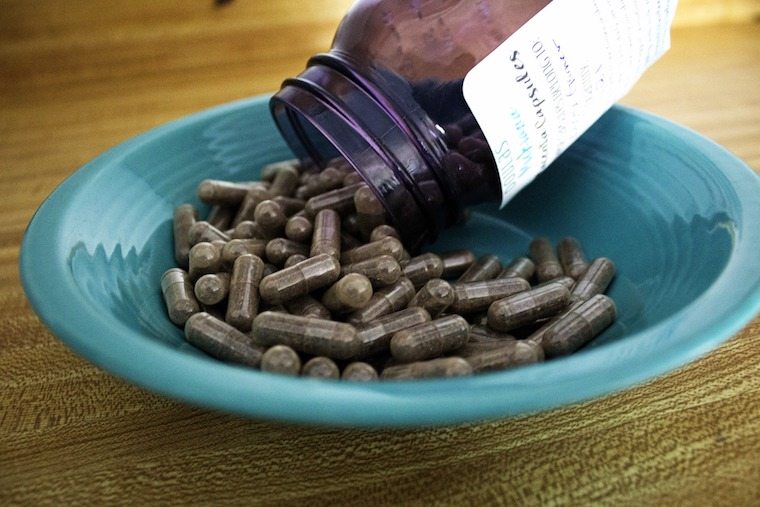
www.abbeyskitchen.com/about-abbey/
  • Previous Page
  • Go to page 1
  • Interim pages omitted …
  • Go to page 49
  • Go to page 50
  • Go to page 51
  • Go to page 52
  • Go to page 53
  • Interim pages omitted …
  • Go to page 89
  • Next Page

Get started with

Eight Free Recipe Books

From the co-founder of Neue Theory and creator of the Hunger Crushing Combo

Sign me up!
Abbey smiling at table
Abbey Sharp

“Foods may never be nutritionally equal. But we can make them morally equal by recognizing that our worth is never determined by what's on our plate.”

— Abbey Sharp, RD About Abbey ◥

Books

  • HCC™
  • Mindful Glow
  • Free E-Books

Blog

  • Nutrition
  • Recipes
  • Motherhood
  • Life

Explore

  • Neue Theory™
  • Bite Back
  • YouTube

Abbey

  • About
  • Coaching
YouTube TikTok Instagram Facebook X Pinterest
Abbey Sharp - The No BS Dietitian From Abbeys Kitchen

© Abbey's Kitchen 2026  All Rights Reserved •  ACCESSIBILITY STATEMENT •  Privacy Policy

This site uses cookies. By continuing to browse the site, you are agreeing to the use of cookies Accept Privacy Policy
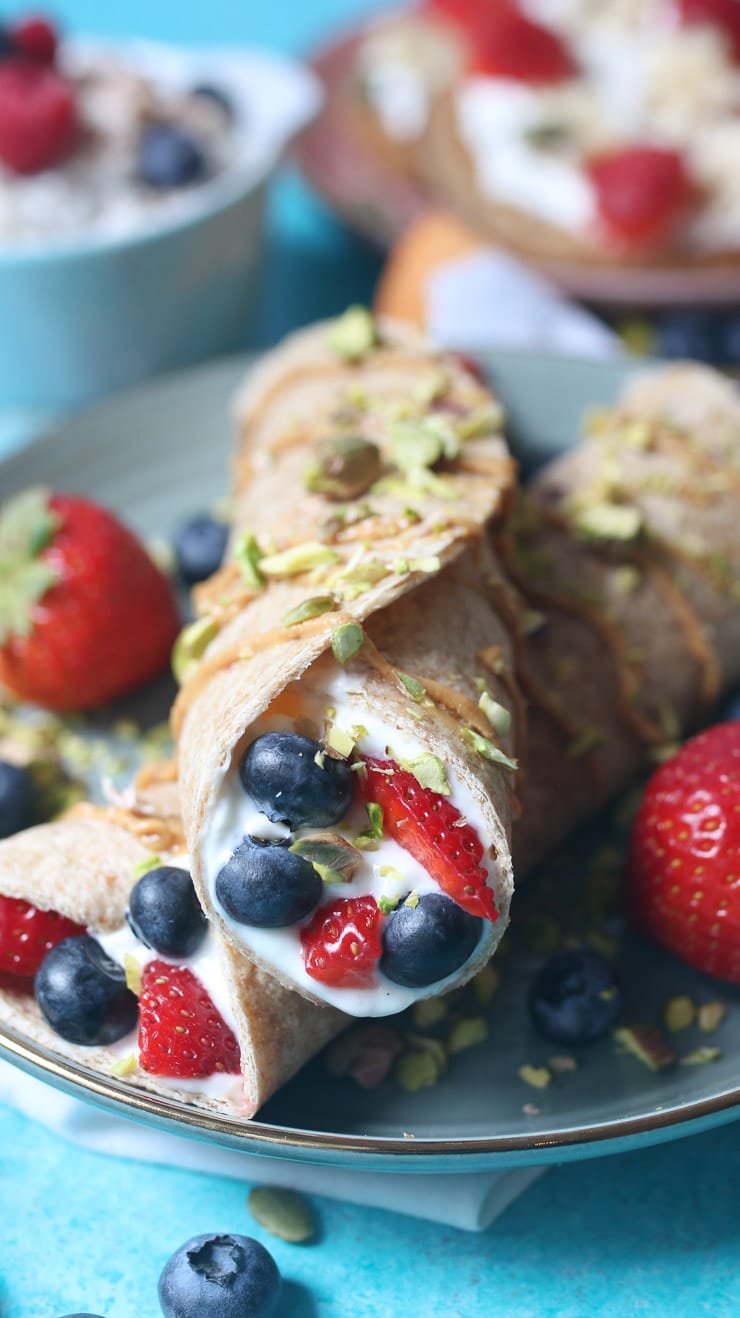
Privacy & Cookies Policy

Privacy Overview

This website uses cookies to improve your experience while you navigate through the website. Out of these, the cookies that are categorized as necessary are stored on your browser as they are essential for the working of basic functionalities of the website. We also use third-party cookies that help us analyze and understand how you use this website. These cookies will be stored in your browser only with your consent. You also have the option to opt-out of these cookies. But opting out of some of these cookies may affect your browsing experience.
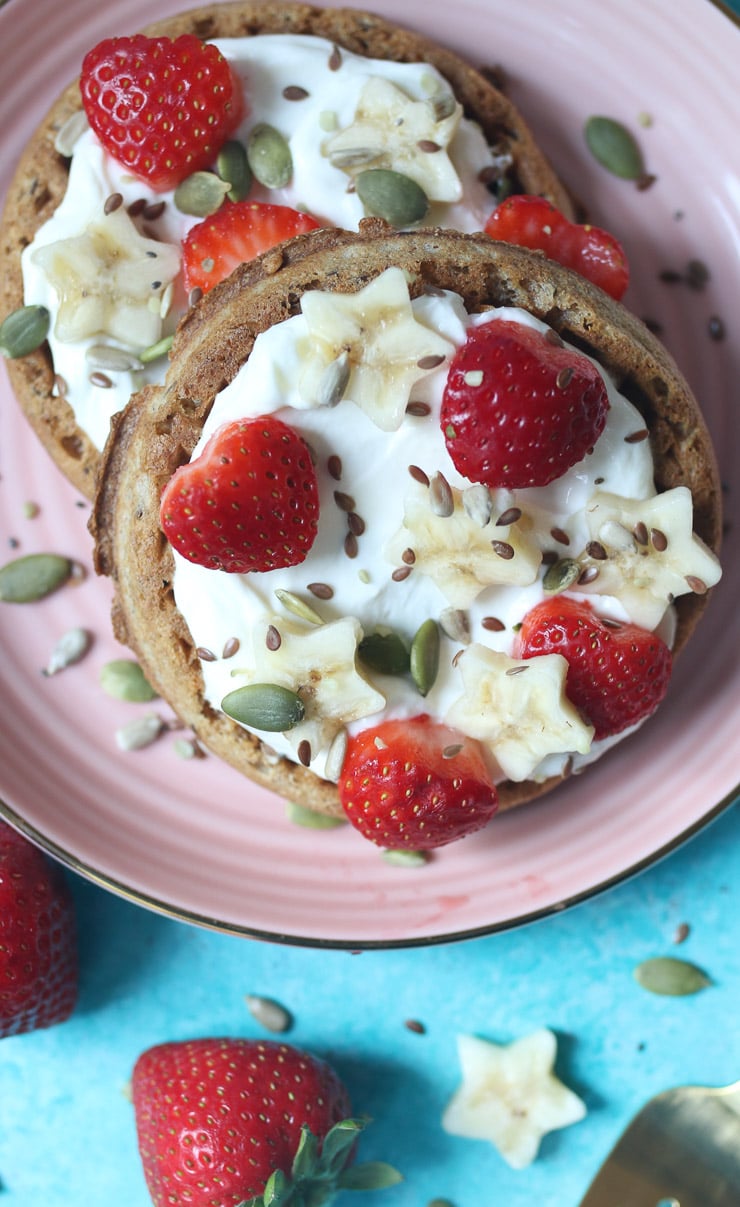
Necessary
Always Enabled
Necessary cookies are absolutely essential for the website to function properly. This category only includes cookies that ensures basic functionalities and security features of the website. These cookies do not store any personal information.
Non-necessary
Any cookies that may not be particularly necessary for the website to function and is used specifically to collect user personal data via analytics, ads, other embedded contents are termed as non-necessary cookies. It is mandatory to procure user consent prior to running these cookies on your website.
SAVE & ACCEPT

Rate This Recipe

Your vote:


A rating is required
A name is required
An email is required