• Skip to main content

Abbey's Kitchen

Healthy Recipes, Nutrition Myth Busting, Healthy Eating Tips

  • Books
    • HCC™
    • The Mindful Glow Cookbook
    • Recipe eBooks
      • Family
      • Hypothyroidism
      • BLW
      • Vegan Week 1
      • Vegan Week 2
      • Vegan Week 3
      • Keto
      • Gluten Free Week 1
      • Gluten Free Week 2
      • Fitness
      • Paleo
  • Blog
    • Nutrition
    • Recipes
    • Motherhood
    • Life
  • Explore
    • Neue Theory™
    • Bite Back With Abbey Sharp
      • Apple Music
      • Spotify
      • Amazon Music
    • YouTube
  • Abbey
    • About
    • Coaching
    • Contact

Abbey Sharp

Last Updated November 11, 2021. Published July 23, 2019 By Abbey Sharp 20 Comments

Foods that Cause and Treat Eczema | Can Changing Your Diet Improve Your Skin?

What foods cause and treat eczema? We look into the research about how changing your diet can improve your skin.

What foods cause and treat eczema? We look into the research about how changing your diet can improve your skin.

Being a new mom, I can tell you that there are a lot of worried mamas out there concerned about their kid’s itchy red skin. Skin irritations, like eczema, is not uncommon during childhood, and can definitely persist into adulthood for some of us unlucky folks. But what exactly is eczema?

What is Eczema?

Eczema aka dermatitis is an umbrella term for a group of diseases that cause inflammation of the skin. This looks like red, itchy and sometimes swollen skin.

The two common types of eczema are:

  1. Atopic Dermatitis (AD)
  2. Contact Dermatitis.

AD is the most common type of eczema and is unfortunately heredity. Approximately seventeen percent of Canadians will suffer from AD at some point in their lives. Contact Dermatitis is divided into Allergic Contact Dermatitis (ACD) which is the immune response following an allergic reaction and Irritant Contact Dermatitis (ACD) which is the repeated exposure to a harsh chemical. Any of these types of eczema may look questionable but the good news is that they’re NOT contagious.

Clinical Treatment of Eczema

person holding a baby

Eczema is typically treated with anti-inflammatory agents like corticosteroids which is used until the inflammation has resolved. Another form of treatment is the use of topical calcineurin inhibitors which inhibit cell formation in the skin. The other form of treatment is phototherapy which is used for individuals with severe eczema. This treatment is done by dermatologists and is when specific rays of ultra-violent right are exposed to the skin to reduce symptoms. Aside from those treatment efforts, recently individuals have attempted to use diet and nutrition as a tool to reduce symptoms. In fact, I see a new thread in my mommy groups DAILY about how to foods that cause and treat eczema. The question remains, of course, if changing you or your kid’s diet is really any help?

Let’s dive in!

Foods that Cause and Treat Eczema: The Cause

It is still unclear why some people develop eczema. It is common for people with eczema to also have other allergies which means there is a genetic component, however having an allergy to a substance does not mean you will also develop eczema. It’s important to note that a food allergy is not the cause of eczema, so just eliminating the food does not mean you will cure the eczema.
Hands open to crack open an egg

Recently, people have suggested that certain foods like dairy, sugar and/or gluten can cause eczema or make symptoms worse. This is a tricky subject, because it’s hard to isolate a specific food and also difficult to prove the food is to blame for the skin condition and not other factors. On top of that, there are no skin pricks or blood tests that will tell us if certain foods are the cause of an eczema flare up. A review looked at the effectiveness of removing various foods from the diet to determine whether it helped with short term management of eczema. The studies in the review were considered weak, and one study did find that an egg-free diet in infants suspected to have an egg allergy showed improvement, but other studies did not support this. Because of the lack of high quality research, I do worry that there are dangers of removing a food from a child’s diet. With very little research available, I recommend meeting with your doctor who can review their diet history and determine whether a particular food is involved and trial an elimination diet in a safe manner.

Foods that Cause and Treat Eczema: The Treatment

Since it’s really hard to know which foods cause eczema, let’s take a look at the research on whether or not any foods can treat eczema.

Omega-3 Fatty Acids
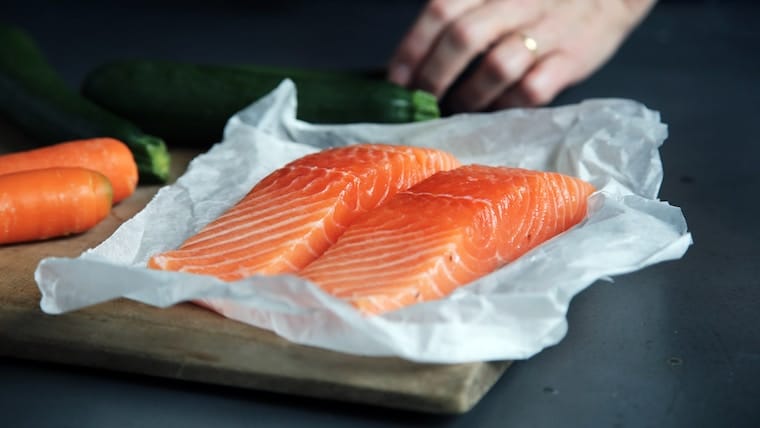
Two pieces of raw salmon fillets.

Omega-3s are essential fatty acids that play an important role in our body. This is especially in young children because they are essential for normal growth. There has been some research that omega-3s may act as anti-inflammatory and may be able to treat eczema. In one study, breastfeeding women were given omega-3 supplements and they found that the infants of mothers who took the supplement did not experience immune-associated atopic eczema and there were fewer allergies in their children compared to the control group. In a double blind randomized controlled trial, healthy children aged 1-4 four years of age were fed three servings of a cow’s milk beverage containing omega-3s. The group that consumed milk with the omega-3s had fewer episodes of eczema. It’s important to remember that both of these studies had small sample sizes (95 and 256) and were fairly short term, isolated studies. The American Academy of Dermatology has confirmed that there is not enough evidence to recommend the use of fish oils to treat AD eczema, however this early research does suggest that omega-3 fatty acids may prevent its onset if given at a young age. Since the evidence of these studies is short term, it is unknown whether these children will develop AD eczema later in life.

Probiotics
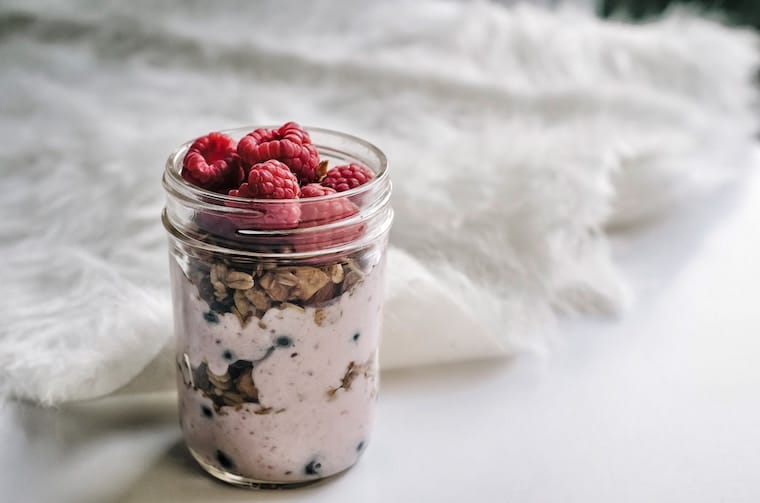
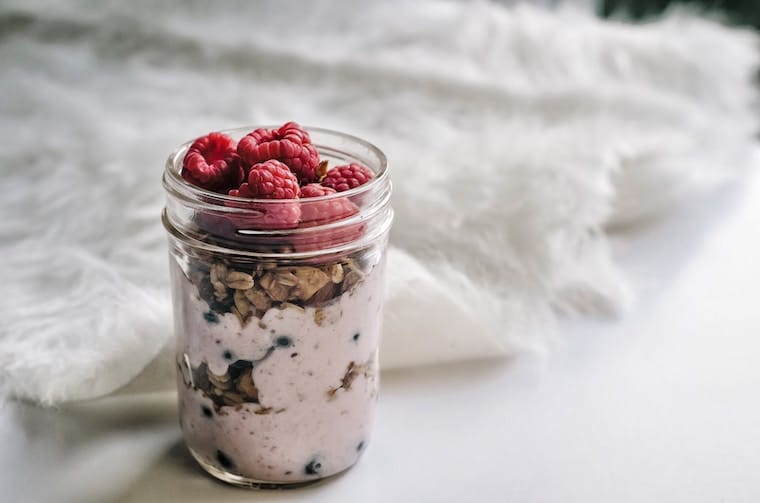
Yogurt and granola parfait topped with raspberries.

There has been a lot of promising evidence in the area of probiotics to treat eczema. I’ve spoken about probiotics a ton of times and explored the relationship between our gut health and our immune system. The understanding is that when you populate your gut with good bacteria through probiotic supplementation, you may be able to prevent or treat AD. A 2014 Systematic Review found that probiotic supplementation in the first several years of life had a significant impact on the development of eczema. The studies found that the use of probiotics during pregnancy/infancy creates a statistically significant decline of eczema. In another 2015 systematic review, probiotics reduced the risk of eczema when used by women during their last trimester, or breastfeeding women or when given to infants. A lot of criticism with these reviews is that they did not look at specific strains or dosage. These are key pieces of information that are necessary to make concrete recommendations for the public.

There are also a variety of studies that have found that probiotics are not effective for the treatment of eczema. In this 2012 randomized controlled trial and this 2014 randomized trial the results concluded no significant differences between the probiotic group and the placebo group. Another randomized controlled trial collected results over a six-year period and found that probiotic supplementation for the first six months of life does not appear to prevent the development of eczema or asthma at two years of age.

The American Academy of Dermatology concluded that the evidence to support the use of probiotics is fairly weak and is not recommended to treat eczema because of the inconsistent evidence.

General Supplements
Bottle of pills.

One strategy used by some is the use of general dietary supplements to reduce symptoms and treat eczema however this strategy is not supported by any real evidence. A 2012 review looked at eleven studies with a total of 595 participants. They looked at a variety of supplements such as oral zinc, selenium, vitamin D and E and then compared them to placebo groups.

The result? To quote the researchers:

“There is no convincing evidence of the benefit of dietary supplements in eczema, and they cannot be recommended for the public or for clinical practice at present.”

Eczema and Allergies

Baby celebrating their first birthday.

There is now discussion about the introduction of certain foods to children at a young age to prevent the development of allergies. This is really fascinating stuff and in its early stages, however since eczema is related to inflammation like an allergy, some recommend that certain foods when consumed early may play a role in preventing eczema. An Australian Infant Feeding Summit was held in an effort to develop feeding guidelines to prevent allergies. One of their guidelines was to introduce your child to allergenic solid foods such as peanut butter, cooked egg, dairy and wheat products in the first year of life. Some studies have looked at certain food allergens that may serve as triggers for dermatitis. In some patients the avoidance of specific dietary allergens resulted in improvement of signs and symptoms of chronic dermatitis. Patients can find out what these food allergens are through patch testing.

Vitamin D

a sunset in a field

Finally, the last form of treatment we are going to look at is the role of vitamin D and eczema. A 2016 study, deficient levels of vitamin D concentrations were related to an increased risk for eczema. In a Norwegian cohort study, there was no association between vitamin D levels and the presence or severity of eczema. It is still unclear whether there is actual causation since these are correlations and also unclear whether increased vitamin D concentrations means a decrease in eczema. So again, were left unclear of how vitamin D may or may not treat eczema.

The Bottom Line

There is some promising research in the role of probiotics and omega-3 fatty acids and eczema, but for now there is just not enough evidence to suggest these dietary recommendations are just as or even more effective than anti-inflammatory agents. If you or your child is suffering from eczema, we recommend seeing your doctor and possibly a dermatologist for more conclusive personalized answers about foods that cause and treat eczema.
pinterest image of yogurt parfait and granola and a baby fed a bottle with text overlay

Contribution By:

Sofia Tsalamlal, RD, MHSc & RD2B Katey Davidson

Abbey Sharp

Abbey Sharp is a Registered Dietitian (RD), regulated by the Ontario College of Dietitians. She is a mom, YouTuber, Blogger, award winning cookbook author, media coach specializing in food and nutrition influencers, and a frequent contributor to national publications like Healthline and on national broadcast TV shows.
www.abbeyskitchen.com/about-abbey/

Last Updated July 21, 2020. Published July 19, 2019 By Abbey Sharp 77 Comments

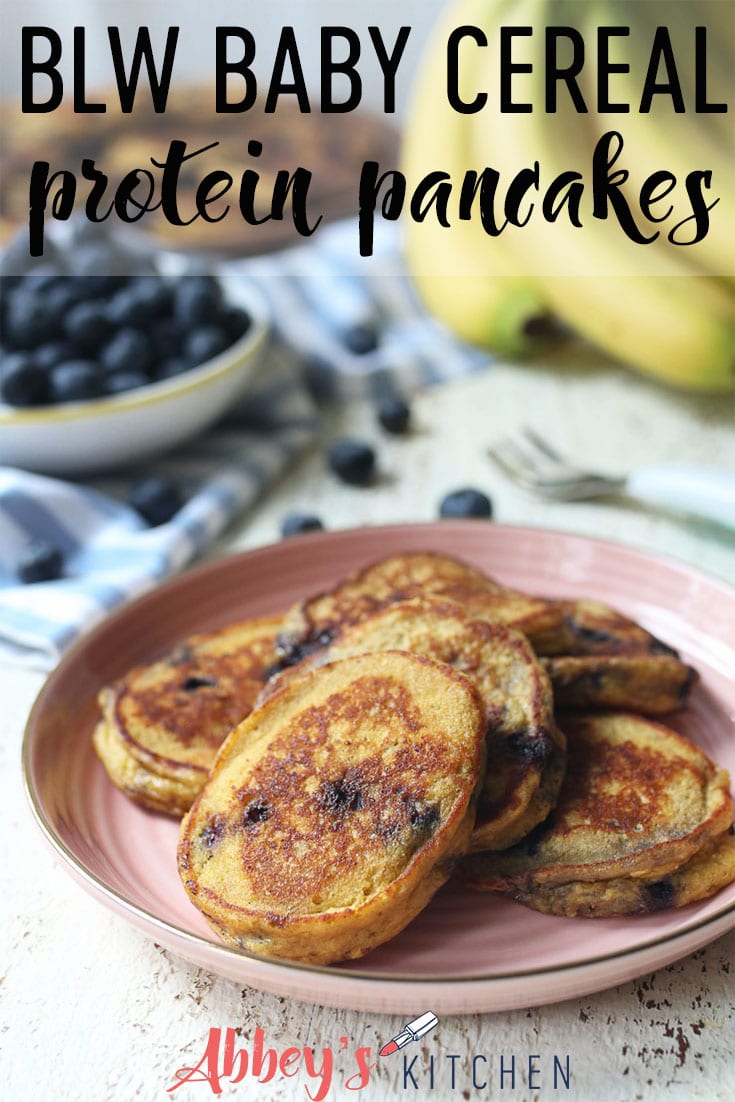
Baby Cereal Protein Pancakes | BLW High Iron Breakfast

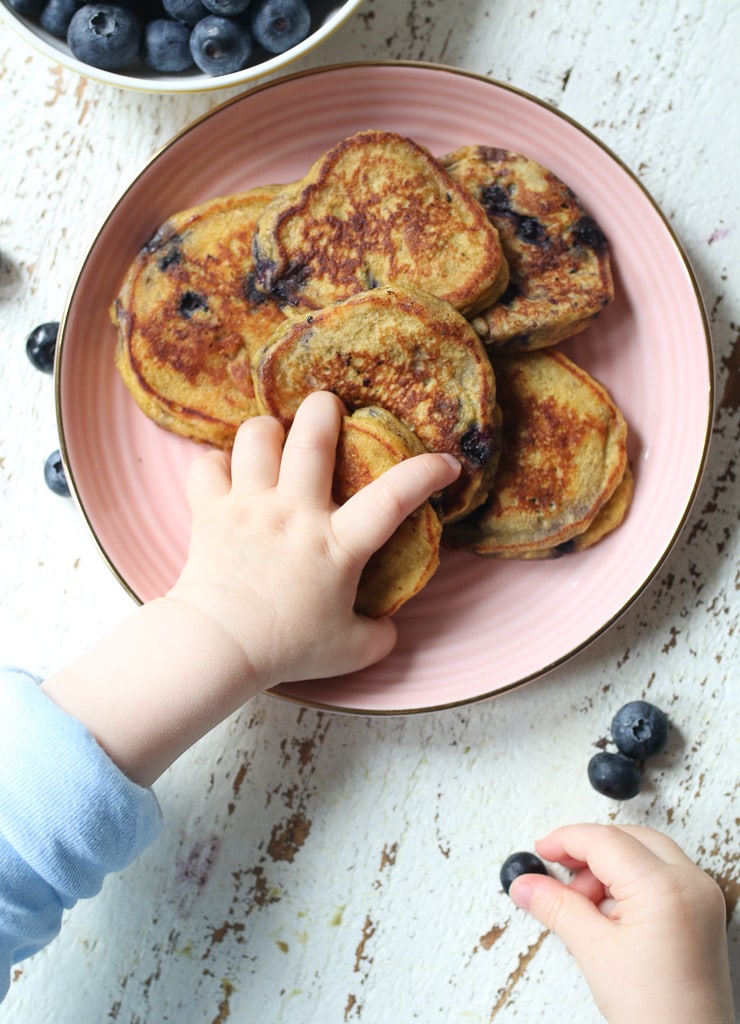
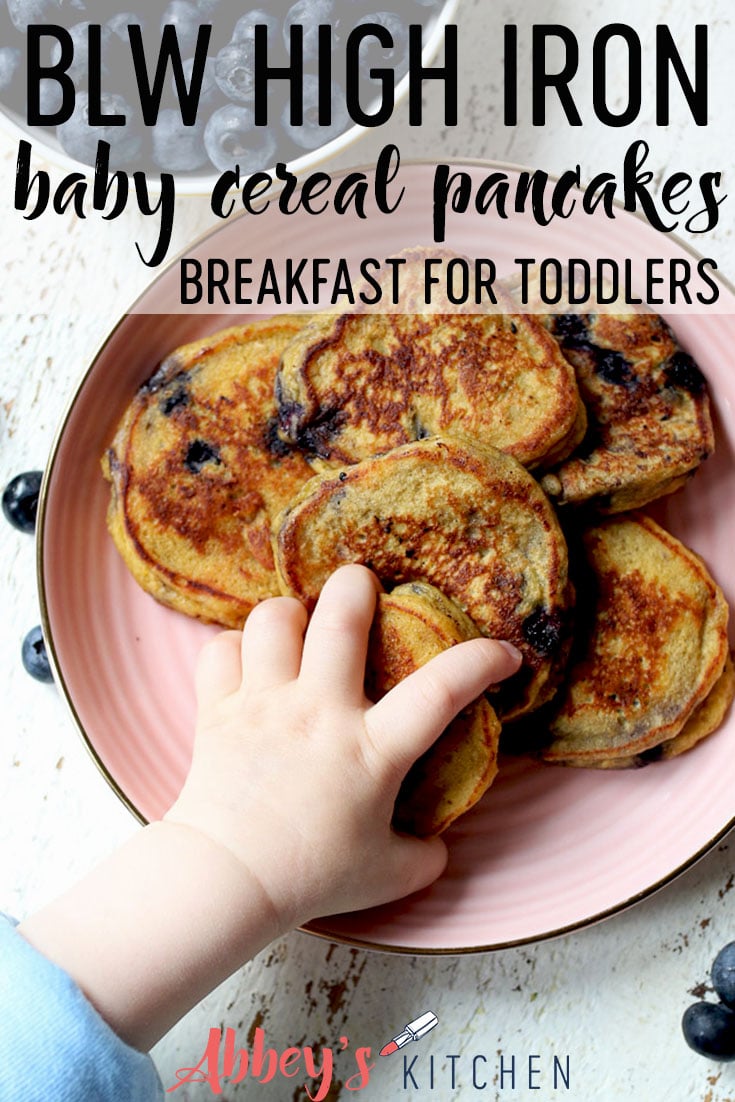
Baby's hand grabbing a baby pancake and a blueberry.

These *NEW AND IMPROVED* baby led weaning baby cereal protein pancakes are packed with iron and make the perfect healthy breakfast for babies, toddlers and kids.

In the competition between team sweet breakfast and team savoury, my son, like his mama, is 100% team sweet. I like to think that he likes my homemade pancake creations, but it also might be because he likes throwing them like a frisbee. Either way, I’m making more pancake creations like this baby led weaning baby cereal protein pancakes.

These baby cereal protein pancakes have been my go-to lately for those busy mornings (basically every morning) because they’re freezer friendly and I can pull them out whenever Baby E has a hankering for a stack.

How to Make These Baby Cereal Protein Pancakes

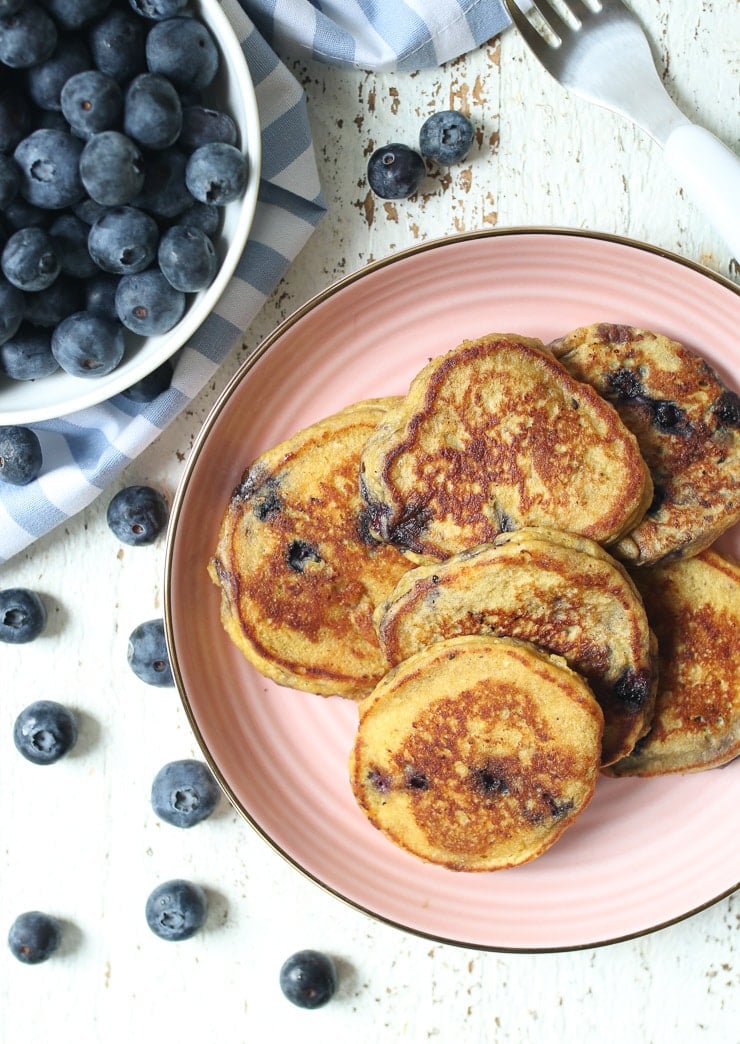
Baby cereal pancakes on a pink plate next to a bowl of blueberries.

These pancakes can be made in a food processor so they’re crazy fast to put together. Process all the ingredients, then stir in the blueberries and fire up the stove. I use butter and coconut oil over medium heat to cook the pancakes on both sides until golden brown.

What Makes These Pancakes high in protein?

Baby's hand grabbing a baby pancake and a blueberry.

These baby pancakes use one of my favourite high protein foods: cottage cheese! The cottage cheese adds a nice creamy texture and a fluffy like consistency, plus 17 g of protein per half cup.

What Makes These Baby Pancakes High in Iron?

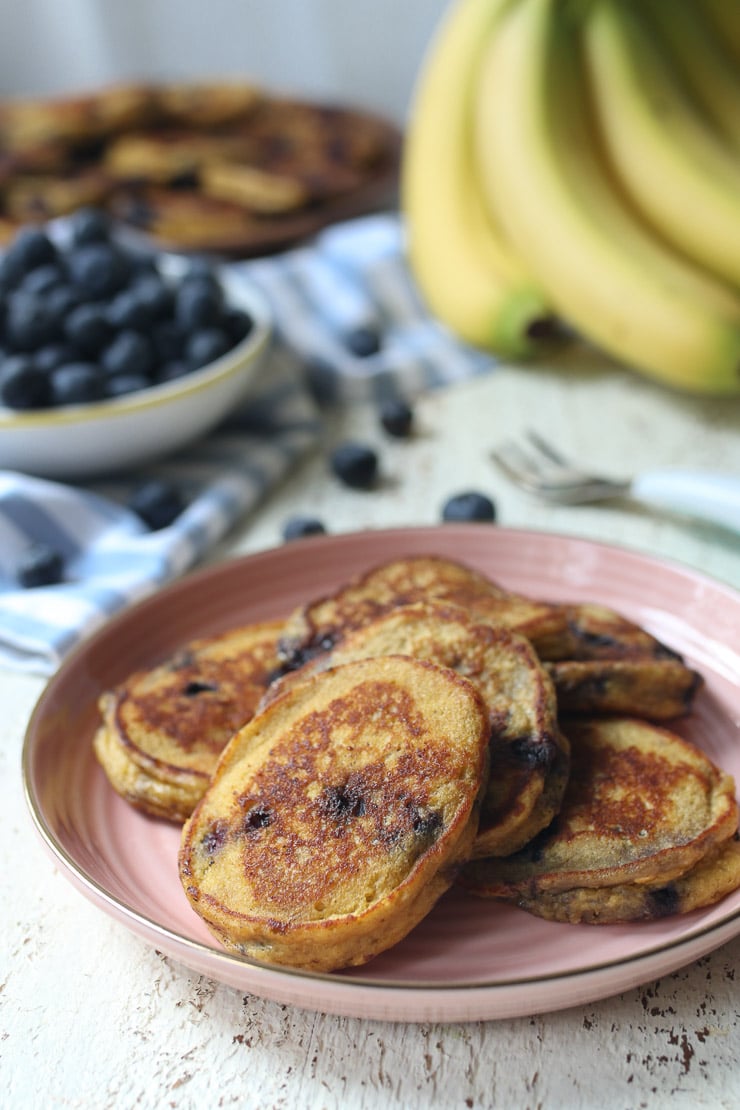
Baby pancakes with blueberries served on a pink plate next to bananas and bowl of blueberries.

These pancakes have a few high iron foods like quick cooking oats, iron fortified infant cereal and eggs to make sure your little one is getting all the nutrition they need!

What if you can’t find low sodium cottage cheese?

Yes, we want to limit the sodium in baby’s diet, but the amount in this recipe spread between all these pancakes even using regular cottage cheese is really not a huge deal. If you’re worried, you can also give your cottage cheese a little rinse in a colander before you puree it and add it to the recipe.

How do you freeze these pancakes?

I recommend placing each pancake onto a baking sheet and then transferring the sheet to the freezer for 1 hour. Then you can place all the pancakes together in a freezer bag to freeze for up to 3 months.

Would you make these baby cereal protein pancakes?
What kind of fruit would you add to these pancakes?
What are some of your go-to healthy breakfast recipes for baby?
Let me know by leaving me a comment below!


If you liked this post, you may like:
Baby Spinach and Avocado Green Pancakes
Mini Broccoli and Cheese Egg Muffins
Cherry Almond Baked Oatmeal Fingers
Kale Pepper Baby Frittata Fingers

pinterest image of baby cereal protein pancakes on a pink plate with text overlaypinterest image of baby hand reaching for cereal protein pancakes on a pink plate with text overlay

Print Recipe
4.52 from 37 votes

BLW Baby Cereal Protein Pancakes

These baby led weaning baby cereal protein pancakes are packed with iron and make the perfect healthy breakfast for babies, toddlers and kids.
Prep Time15 minutes mins
Cook Time4 minutes mins
Total Time19 minutes mins
Course: Breakfast
Cuisine: American
Servings: 20 pancakes
Calories: 56kcal
Author: Abbey Sharp

Ingredients

  • ¾ cup quick cooking oats
  • ¾ cup low sodium cottage cheese
  • 1 cup mashed ripe banana
  • 1 cup iron-fortified infant cereal
  • 2 tbsp natural peanut butter
  • 5 omega 3 eggs
  • 2 ½ tsp baking powder
  • ¼ tsp cinnamon
  • 1 cup frozen wild blueberries
  • Butter or coconut oil for cooking

Instructions

  • Transfer the oats to a food processor and process until it reaches a flour-like consistency. Add the cottage cheese and banana and puree until smooth. Add the infant cereal, peanut butter, eggs, baking powder and cinnamon and puree just until it comes together and looks smooth.
  • Stir in the blueberries.
  • Heat a large nonstick skillet over medium high and add the butter or coconut oil. Spoon out 2 tablespoon pancakes and cook on both sides until golden brown. Allow to cool before freezing or transferring extras to the fridge.

Video

Nutrition

Calories: 56kcal | Carbohydrates: 8g | Protein: 3g | Fat: 2g | Saturated Fat: 1g | Cholesterol: 34mg | Sodium: 59mg | Potassium: 154mg | Fiber: 1g | Sugar: 3g | Vitamin A: 120IU | Vitamin C: 1.7mg | Calcium: 42mg | Iron: 0.9mg


Abbey Sharp

Abbey Sharp is a Registered Dietitian (RD), regulated by the Ontario College of Dietitians. She is a mom, YouTuber, Blogger, award winning cookbook author, media coach specializing in food and nutrition influencers, and a frequent contributor to national publications like Healthline and on national broadcast TV shows.
www.abbeyskitchen.com/about-abbey/

Last Updated December 8, 2021. Published July 18, 2019 By Abbey Sharp 64 Comments

Not Losing Weight Breastfeeding? Does Breastfeeding Cause Weight Loss or Weight Gain?

Are you not losing weight breastfeeding after giving birth? We review the research to determine does breastfeeding cause weight loss or weight gain?

Over the past few months, I’ve had countless of other new moms say to me, “I’m breastfeeding! Why aren’t I losing weight?” Real talk ladies, doesn’t it feel like we’ve paid our dues? We spend 9 months undergoing extreme/often uncomfortable changes to our bodies and then we go through the physically demanding act of childbirth. Once we get to breastfeeding, shouldn’t we get a free pass?

Well, you all know that my breastfeeding journey has been nothing short of hell, and I know I’m not alone. The one “benefit” that I’ve heard keeps so many going is its ability to help you shed that baby weight faster. I mean, everyone and their grandma reassures us that breastfeeding makes the fat “melt away”. Even a recent tabloid I picked up suggested that Kate Middleton breastfed herself skinny. It’s no surprise we all believe that the complex postpartum weight loss journey can be boiled down to the magic of one single act.

Feet standing on a scale.

Like all physical acts, breastfeeding requires energy, which translates into burning calories. On average, you burn 20 calories to create 1 ounce of breast milk. So to put this into my own personal terms. I’m producing, on average, 1300-1400 ml of milk a day. That’s about 45 oz, or 900 extra calories required. Now, I’m eating like a maniac in response to those increased needs, but if you didn’t you could quickly lose weight. And yes, some women really do lose weight through breastfeeding! However, we’re usually only told half of the story, and though your friend may be losing weight breastfeeding, it might not work that way for you.

Let’s get into it.

Does Breastfeeding Cause Weight Loss? Weighing the Evidence

Women holding her baby.

Alright, let’s start with my favourite: some good, old-fashioned, reliable evidence. These studies (and here) found that breastfeeding did not cause weight loss after birth. Rather, their findings suggested that other factors like gestational weight gain and lifestyle behaviours such as sleep and diet played a bigger role- but more on that a bit later.

Now is the part you’re not going to like. Another study found that a large proportion of the moms who breastfed gained about 1 kg, compared to moms who didn’t. WHAT THE WHAT?! Finally, a comprehensive review of the most up-to-date evidence found there wasn’t sufficient evidence to suggest that breastfeeding causes weight loss, however they really emphasized the need for more robust and controlled studies before making any strong statements.

It’s definitely true that women tend to lose weight postpartum, however, the weight loss trajectory is not as straightforward as we think. In fact, it’s common to lose lots of weight in the initial 2-3 weeks, and then hit a baby weight plateau, resulting in many women with question marks above their heads. I was doing so well and losing weight steadily?  What happened?

Well, let’s explore some reasons why you may not be losing weight breastfeeding.

Pregnancy Diet and Gestational Weight Gain
Pregnant woman holding touching her baby.

Let’s start from the beginning of the story: the pregnancy stage. Many people confuse “eating for two” as “eating twice as much”, treating pregnancy as an opportunity to eat whatever they want. Having gone through it myself, I don’t blame ya! I definitely had my fair share of cravings, and I cherished Every. Single. Bite. But I’ve also seen so many people gasp in shock when they realize exactly how many extra calories are recommended during pregnancy.

Are you ready for it? (Hint: it’s probably much less than you’re guessing).

To support their baby’s development, women just need to have an extra 350 calories in their 2nd trimester and 450 extra calories in their 3rd trimester. This translates into a small sandwich and a glass of milk. Health Canada refers to this as “just a little more food”. So all those TV shows and movies where you see a pregnant women eating 2 slices of chocolate cake, washing it down with a milkshake and then miraculously popping back into a tiny shape after giving birth? YAH, that’s bullshit.

Researchers did a huge meta-analysis of this and found that women who had gestational weight gain beyond the recommendations retained an additional seven pounds after three years postpartum. Then an additional ten pounds fifteen years later. Another study found similar results and concluded that keeping weight gain to a healthy amount by eating according to your needs may help with postpartum weight retention. Of course, what you definitely should not do is diet (read about the dangers of dieting here), but rather, focus on listening to your body for those subtle increases in hunger that come with your enhanced needs.

Prolactin, Stress Hormones and Weight Loss During Breastfeeding
Prolactin
Person take another person's blood pressure.

photo credit: https://toolstotal.com/

As with many things relating to weight, hormones play a big role. In this case, it’s prolactin, a hormone that is increasingly known as the “fat-storing hormone”. Prolactin is raised during pregnancy, and is secreted to stimulate milk production during breastfeeding. In other words, it helps mom make milk for the baby. There’s early research indicating that it may also reduce fat metabolism in the mom, hence why the weight seems like it just won’t come off. Additionally, experts say it may increase your hunger levels – so if you ever find yourself ravenous while breastfeeding (I know I am), this could be why! As this is very early research (like, university-thesis level early), there’s still correlations that have yet to be proven, but it’s definitely an interesting start. Countless doctors and healthcare practitioners hypothesize that our bodies undergo a hormonal and metabolic adaptation to hold onto fat as “insurance” for nourishing the baby. I’m excited to see future research on this potential hormonal activity in fat metabolism.

Though there are no human studies, there are some controlled trials that look at prolactin and fat stores in animals. This study on hamsters found those with reduced prolactin secretion levels also had reduced fat stores by 25-49%. So is a decrease in prolactin associated with a decrease in fat, and an increase in prolactin associated with an increase in fat? Only time, and more controlled and wide-scale human studies, can tell.

Stress and Cortisol
Pug wrapped in a blanket.

Oh lordy, motherhood can be stressful. Don’t have to say that twice, right? We all know chronic states of high stress is harsh on our bodies, from increasing our risk of chronic diseases to psychological impacts like depression. For some, stress can also shift our body weight above where it would otherwise naturally happily be. Researchers found that overall life stress, particularly maternal stress, is a key indicator for weight retention. Another research study did a little backtracking and found a similar connection with anxiety during early pregnancy and postpartum weight retention.

So how does stress relate to postpartum weight? In response to stress, our bodies release a hormone called cortisol, which can be healthy in moderate amounts. However, when we’re feeling super stressed for extended periods of time, our bodies can go into overdrive cortisol production, and an excess amount of cortisol is shown to be related to weight retention in the first 12 months postpartum. Beyond stress, postpartum depression is a condition that can affect many and is also associated with weight retention. 

If you’re living with postpartum depression, weight should be the very last of your worries – seek some professional help and know that you’re not alone! This clearly emphasizes the need for a more holistic approach to health in postpartum women – from what we eat, to how we manage our stress levels. It’s important for us to focus on these factors rather and remember to look after ourselves as a whole. The weight will be what it needs to be.

Adrenal fatigue and weight loss – a real diagnosis?
Women lying on her bed.

Some doctors have provided clinical perspectives that support the case of “adrenal fatigue”, which apparently shows itself through a collection of nonspecific symptoms such as body aches, lightheadedness, low blood pressure, and of course, fatigue. The theory here is that our adrenal glands, which are responsible for cortisol, can become, well, fatigued over a long period of prolonged stress. These glands end up producing less cortisol, and can’t keep up with the stress demands of the body. This can potentially lead to weight gain, fatigue and the aforementioned symptoms.

So far, The Endocrine Society, made up of over 1400 endocrinologists specializing in hormonal health, released an official statement announcing “adrenal fatigue is NOT a real medical condition, and there are no scientific facts to support the theory.” They emphasize treating their fatigued symptoms through other more evidence-based means. I’m personally super excited to see how future research may support (or reject, who knows?) this super trendy diagnosis!

Sleep, Diet and Postpartum Weight Loss
Yogurt and granola parfait in a mason jar topped with raspberries.

So what do we know for sure? Well, we know that motherhood is hard AF. There are days when taking even 10-minutes for yourself to have a shower can be a challenge. Sleep has mostly been replaced by coffee (my BFF for life) and you just have to get comfortable with eating granola bars for most meals. Unfortunately, short sleep duration, something that so many of us experience as new parents, is shown to be connected to weight gain or retention. Another lifestyle factor is your diet related to the increased hunger you may experience while breastfeeding, as our bodies need more calories to meet this demand. Similar to a pregnancy diet, our energy needs are increased, but often, we tend to ignore the subtle hunger cues, and overeat. It’s also common to let ourselves get so hungry we can’t help but go crazy the moment we do eat. Either scenario may have you eating beyond your modest enhanced calorie needs during breastfeeding. So in addition to three balanced meals, it’s important that you always plan out a few healthy snacks to avoid letting yourself get too ravenous in between meals.

So: Does Breastfeeding Cause Weight Loss or Weight Gain?

I hope that I gave you enough information today to be confident and know that weight loss isn’t inevitable in the months postpartum. Also you’re not doing anything “wrong” if you’re breastfeeding and not losing weight. Breastfeeding is amazingly difficult work. If you’ve chosen to take that on for your baby, just know that it’s a selfless act and like pregnancy, is yet another phase for your bad ass body. Whether or not you lose weight should not be the reason you breastfeed or ween. Just trust that your body is doing exactly what it needs to do to nourish your baby best.

Become an Abbey’s Kitchen Subscriber

If you liked this post, you may like:
Breastfeeding vs Formula or Bottle Feeding and The Risk of Weight Gain
Colic in Babies and Dairy | Should Breastfeeding Moms Go Dairy Free
Is it Safe to Breastfeed on a Keto Diet and How Does it Affect Breast Milk
How to Increase Breast Milk Supply


What’s your experience with postpartum weight loss?
Did you lose weight breastfeeding? Did you gain weight breastfeeding?
What are your best new-mom self-care tips?
Comment below!


pinterest image of Women holding her baby with text overlay

Contribution By:

RD2B Trista Chan


Abbey Sharp

Abbey Sharp is a Registered Dietitian (RD), regulated by the Ontario College of Dietitians. She is a mom, YouTuber, Blogger, award winning cookbook author, media coach specializing in food and nutrition influencers, and a frequent contributor to national publications like Healthline and on national broadcast TV shows.
www.abbeyskitchen.com/about-abbey/

Last Updated October 23, 2020. Published July 16, 2019 By Abbey Sharp 24 Comments

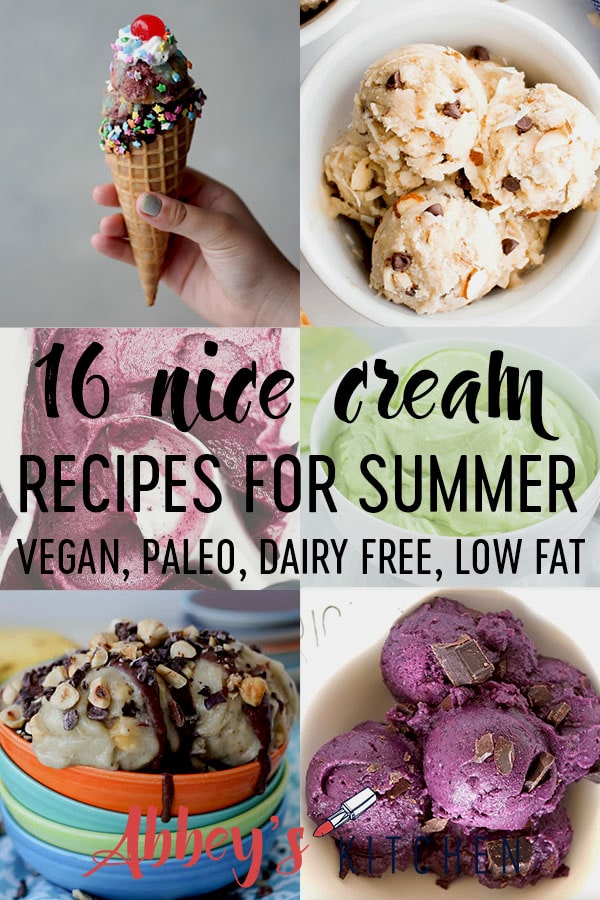
15 Nice Cream Recipes for Summer (vegan & dairy-free)

This round up of the best healthy 15 nice cream recipes will have you ready for summer and are the perfect cool treat to enjoy guilt-free.

We round up some of the best nice cream recipes to help cool you down this summer! These recipes are also vegan and super easy to prepare.

YAY! It’s officially summertime, which means it’s time to bust out the cool treats for those hot days! One of my go-to summer treats to beat the heat is ice cream. Guys, I’m an ice cream fiend!!! And when I want REAL ice cream, I go straight to my local parlour for a proper double scoop (after about 20 different samples).

But sometimes I crave something a little lighter and fruiter, so I whip up some homemade vegan nice cream. I am a wee bit obsessed with nice cream because it’s legit just sweet ripe bananas and all of your favourite fruity add-ins. So, I’ve gathered 15 of the best vegan nice cream recipes for summer from my kitchen and some of my fave food bloggers!

Best Vegan Nice Cream Recipes for Summer

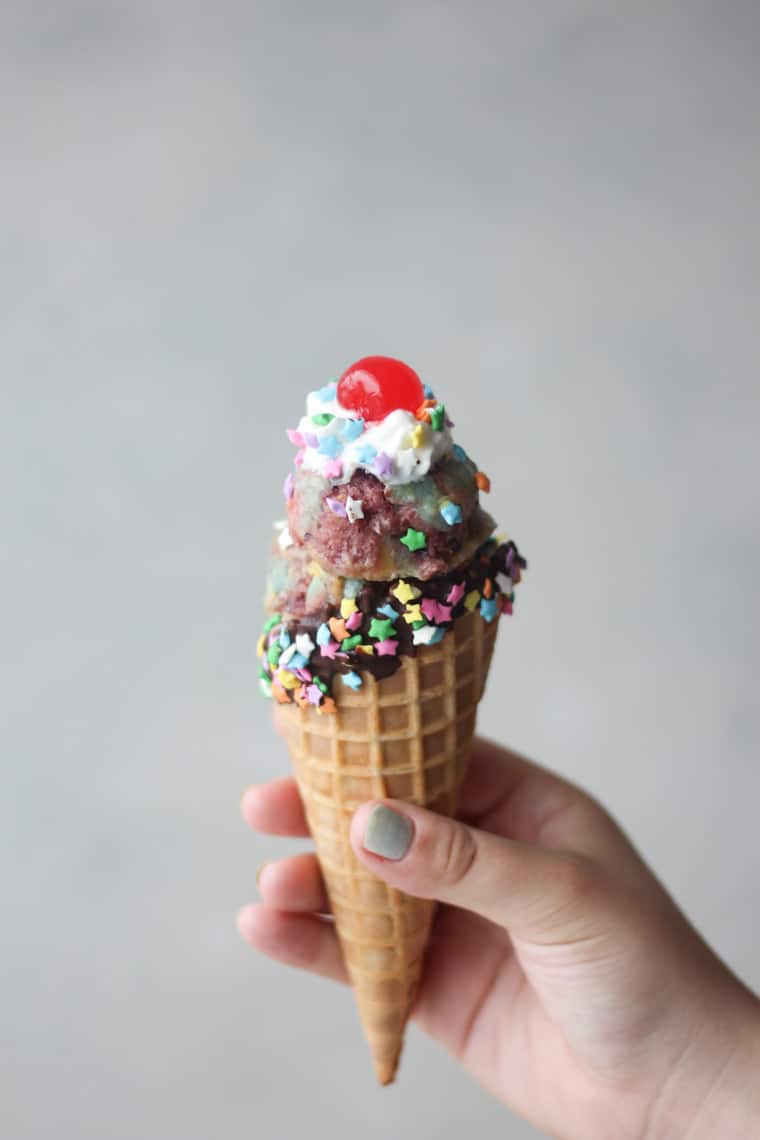
Abbey’s Kitchen – Vegan Unicorn Nice Cream
Unicorn nice cream in a chocolate coated cone with sprinkles and cherry.

This light guilt-free vegan unicorn nice cream is made without added sugar or artificial colouring.

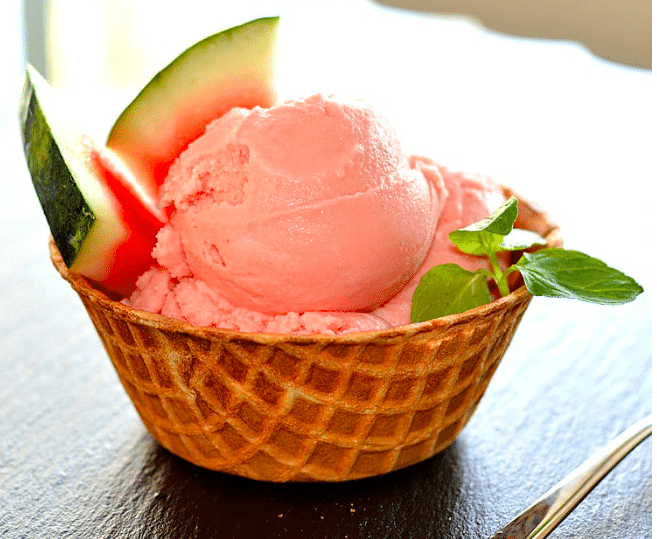
The Veg Life – Vegan Watermelon Ice Cream
Pink nice cream in a cone garnished with watermelon slices.

Ever since the warm weather came back, I’ve always seen watermelon at all the grocery stores, what a great way to use watermelon to make this refreshing vegan nice cream recipe!

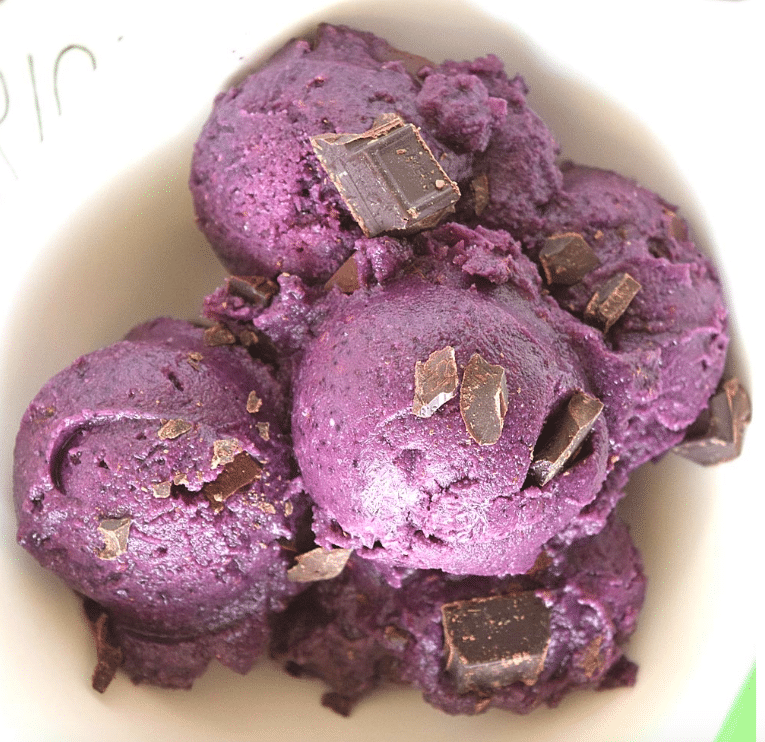
Beaming Banana- Vegan Black Raspberry Chip Protein Nice Cream
purple nice cream topped with chocolate

This is a great healthy vegan nice cream recipe for those of you looking to eat more protein!

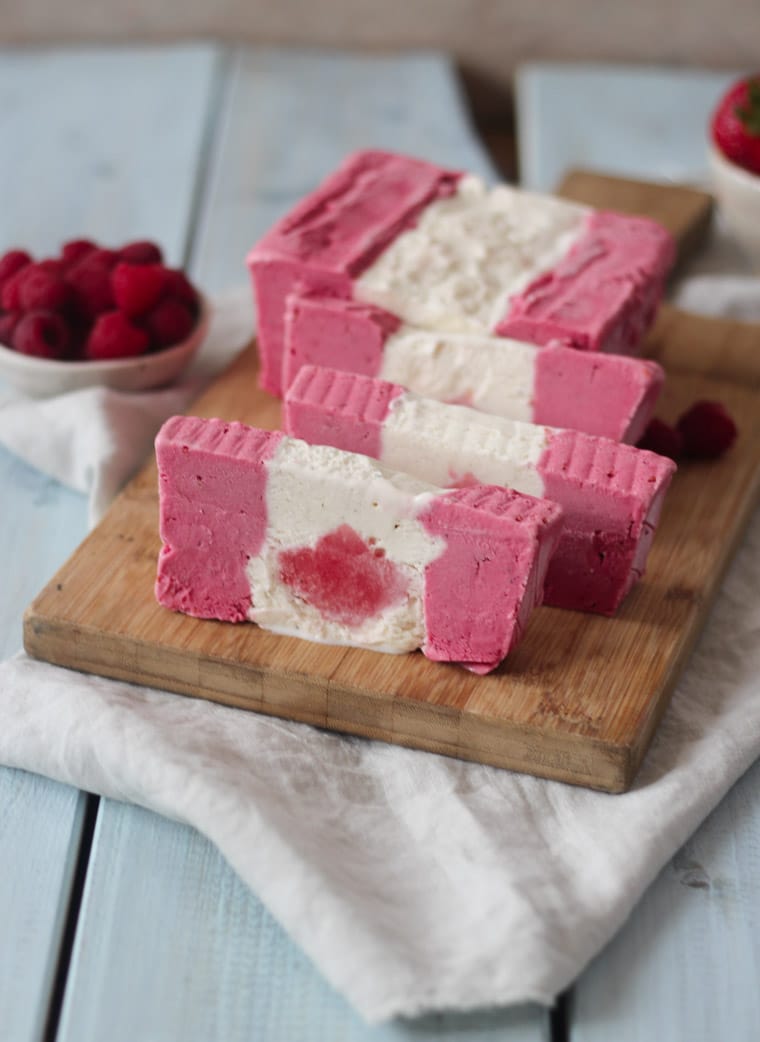
Abbey’s Kitchen – Vegan Semifreddo Ice Cream
nice cream cake on a wooden cutting board

So I may have made this tasty vegan ice cream cake specifically for Canada Day, but hey it’s too tasty to only have one day a year!

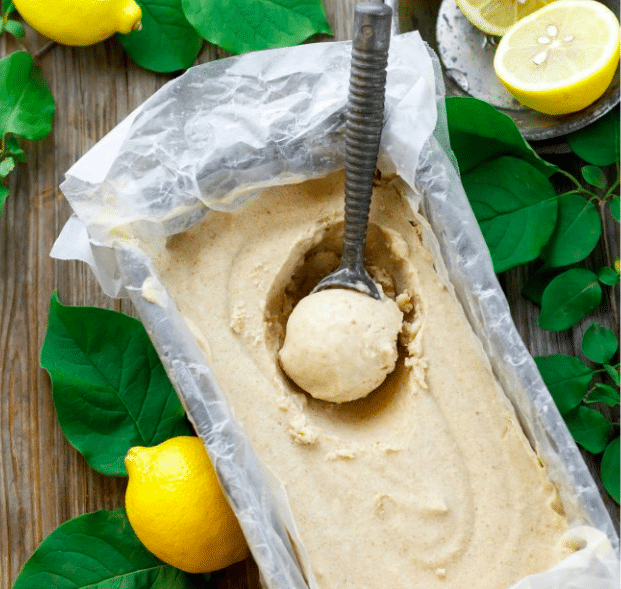
Eat Healthy, Eat Happy- Homemade No-Churn Lemon Ice Cream
Lemon nice cream in a pan.

I love using lemons because of the freshness you can get from it, this is a great vegan nice cream recipe that uses lemons.

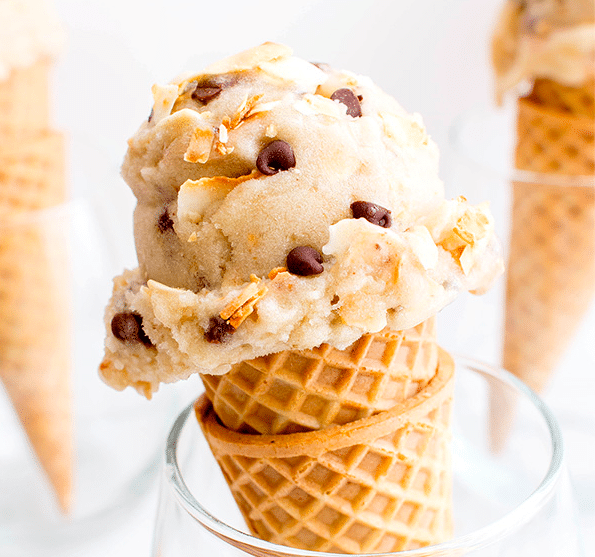
Beaming Baker- Toasted Coconut Chocolate Chip Nice Cream
Nice cream in a cone.

This is a great chocolate chip vegan nice cream recipe that is dairy free, and gluten free!

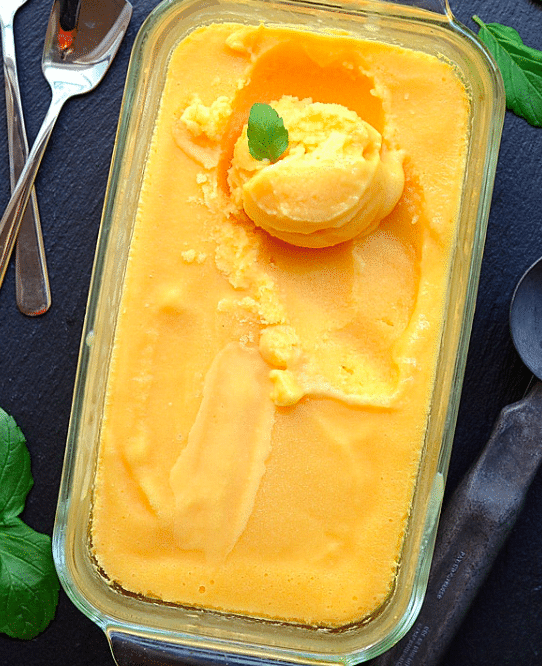
The Veg Life- Vegan Cantaloupe Ice Cream
Yellow nice cream in a clear dish.

This is a great vegan nice cream recipe that only utilizes 4 ingredients to make this healthy nice cream!

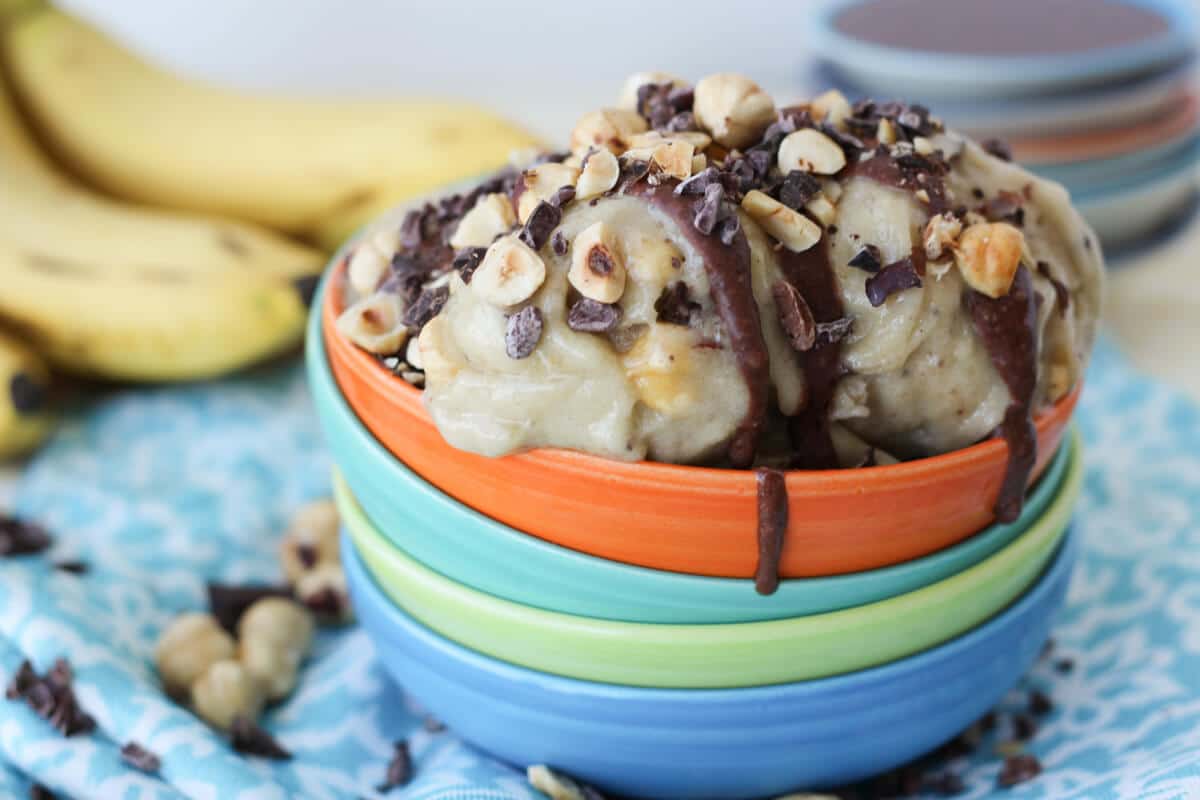
Abbey’s Kitchen – Vegan Nutella Banana Ice Cream
Nutella banana nice cream in multi coloured bowls.

For all the Nutella lovers out there (practically EVERYONE), this vegan banana nice cream is truly divine.

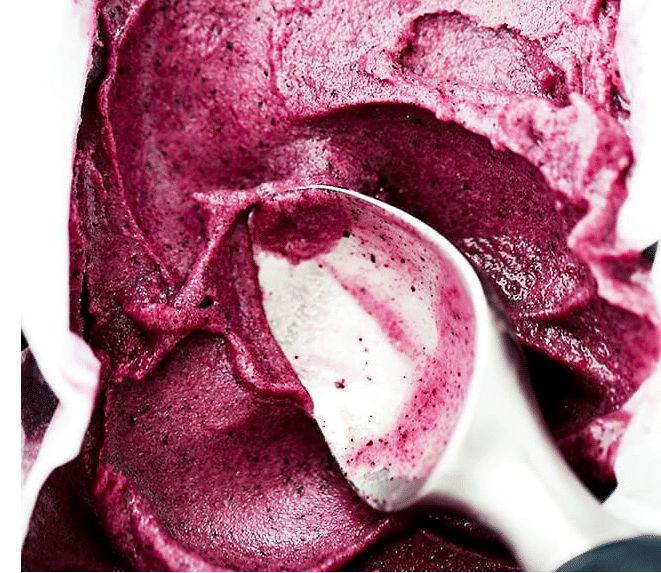
Diethood- 2-Ingredient Blueberry Banana Ice Cream
Purple nice cream with an ice cream scooper

This super easy vegan nice cream recipe only calls for blueberries and bananas!

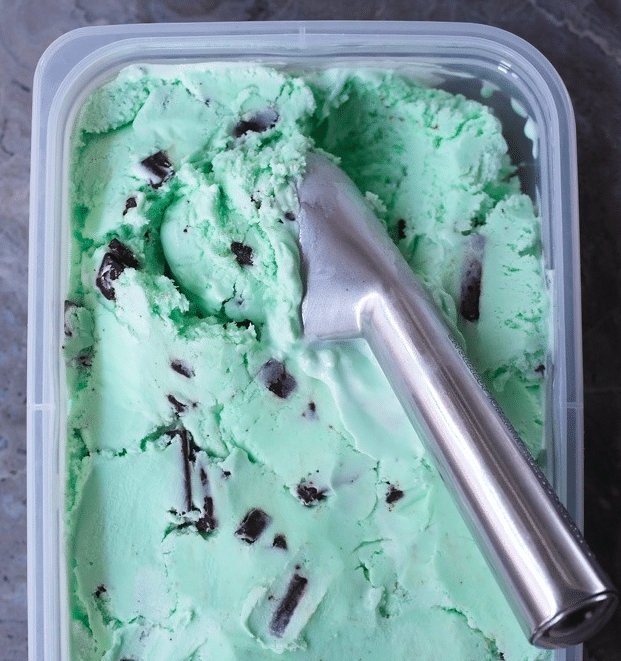
Chocolate Covered Katie- Mint Chocolate Chip Nice Cream
Chocolate mint nice cream with an ice cream scooper.

Mint Chocolate can never go wrong! Try this delicious recipe!

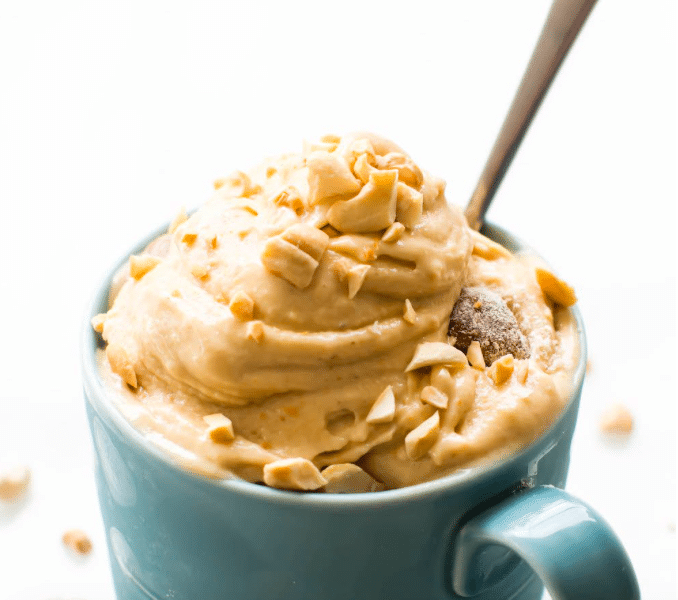
Feasting on Fruit- Peanut Butter Chunk Nice Cream
Peanut butter nice cream in a blue mug with a spoon.

Peanut Butter is definitely one of my childhood favourites and still is, so I was so excited to find a vegan nice cream recipe that reminds me of my childhood!

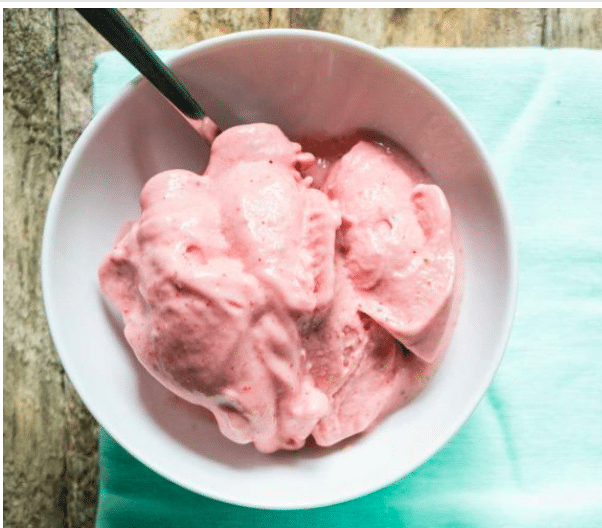
Smart Nutrition- 3-Ingredient Strawberry Nice Cream
Pink nice cream in a white bowl.

Strawberry & Banana is a great flavour combination, and this vegan nice cream recipe is something you must try!

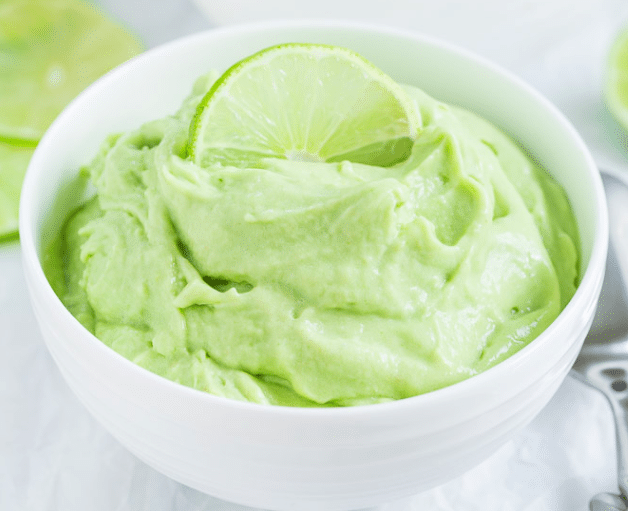
Get Inspired Everyday- Coconut Lime Ice Cream
Green nice cream in a white bowl garnished with a lime slice.

Coconut key lime pie is the perfect summer dessert and this is a great recipe for all your key lime lovers!

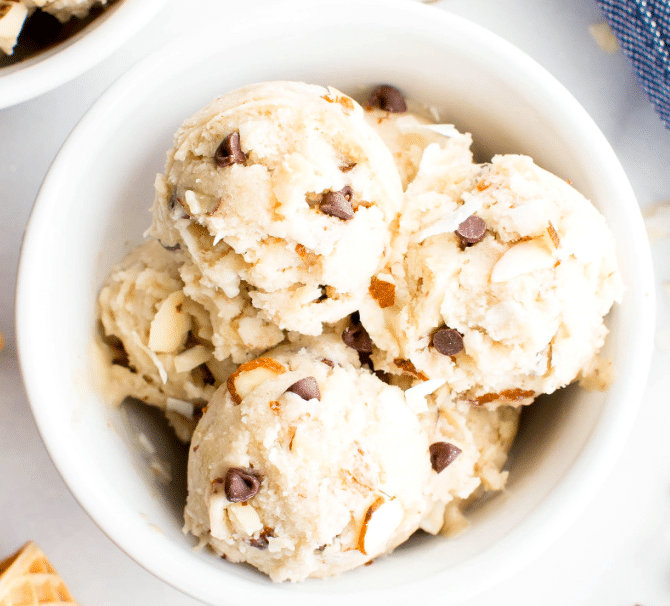
Beaming Baker- Paleo Vegan Almond Joy Ice Cream
Nice cream in a white bowl.

I LOVE the combination of almonds and chocolate and if it’s in vegan nice cream form, I’m all in!

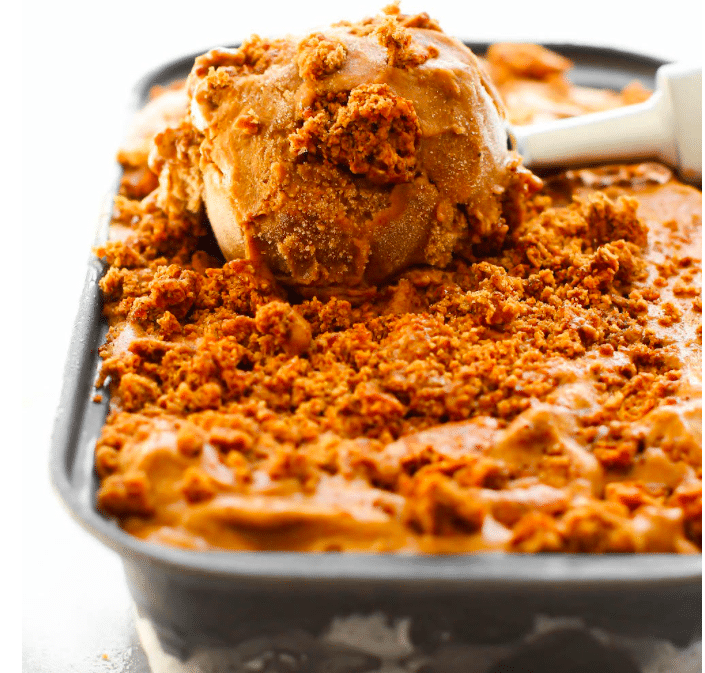
Feasting on Fruit- Vegan Gingerbread Nice Cream
Gingerbread nice cream

A delicious vegan nice cream recipe that is gingerbread flavoured!

There you have it folks, 16 nice cream recipes that are not only healthy but also packed with flavour and super delicious.

Now I want to hear from you:
Have you ever made nice cream before?
What are your fav flavours?
Have you tried any of these recipes yet?
Comment below with your thoughts! 
pinterest image of a collection of nice cream recipes with text overlay

Contribution by Preveena Manisekaran


Abbey Sharp

Abbey Sharp is a Registered Dietitian (RD), regulated by the Ontario College of Dietitians. She is a mom, YouTuber, Blogger, award winning cookbook author, media coach specializing in food and nutrition influencers, and a frequent contributor to national publications like Healthline and on national broadcast TV shows.
www.abbeyskitchen.com/about-abbey/

Last Updated August 8, 2020. Published July 15, 2019 By Abbey Sharp 10 Comments

Colic in Babies and Dairy – Should Breastfeeding Moms Go Dairy Free

hand holding baby hand

We discuss colic in babies and dairy, and the research around whether or not breastfeeding moms should go dairy free.

When I was breastfeeding in the early days of my son’s life, we were told he had low-grade colic (and if that was LOW GRADE, heaven help the mamas who have it worse). But to paint a picture for you it seemed like if he wasn’t sleeping, he was crying all the live-long-day. My doctor suggested I cut out dairy since he was exclusively receiving my milk, and out of desperation, I gave it a go. Did it work? Not for me. He continued with his cranky self for another month until turned 4 months and bam, he was a happy kid. But I hear from a lot of moms that while it totally sucked not to eat ice cream or brie cheese (especially after 9 months of giving the good stuff up), cutting out dairy in those early days saved their sanity and breastfeeding journey. But is there any research to support these alleged link between colic in babies and dairy? We wanted to check this out.

What is Colic in Babies?

hand holding baby hand

Colic is when a baby is demonstrating loud, inconsolable periods of crying for no apparent reason. This usually lasts for 3+ hours a day and persists several times a week for more than 3 weeks consecutively. These intense crying spells usually start within the first 2-3 weeks after birth and generally subside when the baby is around 3 months old and occur in 17-25% of babies. For a baby to be classified as colicky, they must be gaining weight normally and be otherwise healthy. It is more than often experienced in the evenings and there is no known treatment for it, although some medications and treatments are thought to help symptoms for a short period of time.

What Causes Colic in Babies? 

Unfortunately, we don’t exactly know as it is often multifactorial and also individual to each baby but here are some common theories.

Food Allergies and Intolerances from Formula or Breastmilk 

It’s often thought that components of what baby is eating (either the formula or something in mom’s breastmilk) can trigger adverse reactions. In the case of breastfed babies, what the mother consumes can also play a role as proteins from the mother’s diet (like cow’s milk protein, as well as other proteins) can be present in her breast milk. This isn’t usually a bad thing as some research suggests that it can help desensitize the baby to the proteins and higher levels of IgA from cow’s milk are thought to play a role in this desensitization. However, some research suggests that the immune-mediated response to certain proteins found in food may play a role in colic symptoms in some babies. Not all (case in point, my little tot), but potentially some.

Feeding From Both Breasts Without Emptying the Breast 

Women holding her baby.

Breast milk is made up of fore milk (which is higher in lactose or milk sugar) and hind milk (which is higher in fat), and baby needs to drink enough from one breast to reach the fatty hind milk at the end of the feed. If baby is consistently switched to the second breast before reaching the fatty stuff, they’ll potentially be consuming a lot of lactose which may overwhelm the lactase enzyme that’s responsible for breaking down sugar. The result may look like temporary symptoms of lactose intolerance. This doesn’t mean your baby is lactose intolerant, but you may need to be more purposeful in letting baby drain the first breast (potentially with the help of compressions) before switching to the next breast. 

Overactive Letdown Reflex 

Sometimes mothers may have an overabundant and quick flow of breastmilk. This overactivity can be difficult for the baby to cope with and cause them to cough, choke or even refuse to take the breast on occasions. During this time, the baby can become very fussy and irritable, therefore, demonstrating signs of colic. It’s also common for women to have one breast that has a more active letdown than the other, which may explain why some babies have a clear preference for one breast over the other. 

Acid reflux 

Gastro-esophageal reflux is common for young infants, and babies can spit up acidic stomach contents, irritating their delicate esophagus. This occurs due to slow gastric emptying or in cases of upper GI disorders affecting motility (from severe neurodevelopment impairment). It can also occur when infants have a hypersensitivity/allergy to something they’re consuming (either formula, or a component of their mom’s breastmilk). Reflux can obviously be painful and irritate the esophagus, therefore, increasing colic-like symptoms.

Poor Latch

If a baby’s latch isn’t great, it’s common for baby to suck in air, which in turn causes intestinal gas. Baby also can swallow excess air simply from crying, which starts a vicious cycle where  crying can perpetuate more crying. In my son’s case, it was that he had a severe lip and tongue tie when he was born, both of which were removed shortly after birth. However, because of how his mouth formed in utero due to the tongue tie, it took time for his hard palate to flatten out enough for him to form a solid latch. When his mouth finally did change and grow (around 4 months), he no longer was sucking in so much air, and was transformed into a happier babe.

Overstimulation from the environment 

When being exposed to new environments, infants may become overwhelmed and find it difficult to process vast amounts of information. This overstimulation often happens at the end of a long day in a new environment, which may explain why most moms describe the “witching hour” around 5 PM.

Symptoms of Colic and Signs of Food Allergy or INTOLERANCE 

Person holding their baby.

As discussed above, food intolerances and allergies are a commonly cited trigger for colic in babies. If you suspect that your baby may be colicky due to something in his (or your) diet, here are some common signs to look for:

Here are some common signs of intolerance and allergy to look out for:

  • Fussiness after feeding
  • Crying for long periods of time
  • Sleeping little/waking suddenly with obvious discomfort
  • Rash/hives/eczema
  • Sore bottom
  • Dry skin
  • Wheezing/asthma
  • Congestion/cold-like symptoms
  • Red and itchy eyes
  • Intestinal upsets
  • Constipation/diarrhea
  • Green stools with mucus or blood
  • Vomiting

What is Research Saying about Dairy and Colic in Babies who are Breastfed?

Beakers and test tubes.As expected, helping your baby recover from colic is not a one-size-fits-all situation and the research has been mixed at best. One review of the literature found that in analyzing 15 randomized control trials on the topic yielded a pool of research that was heavily biased and of poor design.

One study on 90 infants found that 74% of infants responded positively to a low-allergen maternal diet free of cow’s milk, eggs, peanuts, nuts, wheat, soy, and fish. Which of these allergens (or how many) actually played a role in colic symptom reduction, was not determined.

Another study put 66 mothers on a diet free of cow’s milk for one week initially, and then were told to re-introduce it back into the diet. This was repeated twice. If colic disappeared, they were then put into a randomized double-blind study. For 35 out of 66 infants, colic disappeared completely. However, for 23 infants, colic reappeared in both cases of re-introduction. Those who went on to the double-blind portion of the study continued with a dairy-free diet but they were also given gelatinous capsules with either 200g of cow’s milk whey protein or potato starch. Symptoms reappeared within 1-8 hours after re-introduction of the cow’s milk protein capsule in 35% of infants and there were no reactions after taking the placebo capsules. The researchers concluded that reducing cow milk consumption in breastfeeding mothers reduced 35% of colic in infants. So again, it doesn’t work for everyone, but may be a contributing piece.

Alternatively, another small study found that breastfeeding mothers who avoided cow’s milk found no reduction in the rate of colic in babies. Interestingly, chocolate appeared to be a bigger culprit than milk. One thing to note, however, is that soy milk was used as the comparison to cow’s milk, and because this is also a common allergen, it could have skewed the results.

So it’s clear that this is controversial and absolutely not conclusive. And like most nutrition outcomes, is undeniably an individual thing. However, a 2008 clinical report in Pediatrics concluded that current evidence isn’t supportive of maternal dietary restrictions (for most healthy women) during pregnancy or lactation. What is recommended is breastfeeding for at least 4 months, as exposing babies to antigens in breastmilk may help prevent atopic dermatitis, cow’s milk allergy and wheezing. 

What about Dairy Based Formula and Colic?

person giving their baby a bottle.

For babies who are formula fed, the evidence on colic in babies and dairy formula is conflicting, at best. One super small 19-person study reported that consuming cow’s milk formula resulted in an average crying time of 17.3 hours per week in comparison to soy formula that resulted in 12.7 hours per week. Comparing hydrolyzed formulas (that is, formulas that have been broken down into smaller peptides) with regular standard formula have had mixed results. One study with 43 infants reported that 8/23 of infants on a hydrolyzed formula saw a reduction in colic compared with 5/20 of standard formula babies. Small differences, but still technically significant. Another concurred, with hydrolyzed formula babies having 1.76 colic episodes compared with 3.32 in the standard formula group. So while the evidence we do have so far is based on very small sample sizes, and we absolutely need more robust research to confirm, it’s possible that hydrolyzed dairy based formulas may be helpful for some formula fed babies suffering from colic.

Could Dairy Elimination while Breastfeeding or Formula Feeding Cause an Allergy?

This is a controversial topic but something I’ve been thinking about as I see a lot of parents just opting to go dairy free with their kiddos. The answer? We don’t really know. Early research suggests that maternal elimination of cow’s milk while breastfeeding may actually be associated with the development of a cow’s milk allergy in babies. Why? They found that when mothers consume cow’s milk, levels of IgA (an antibody that plays a role in immune function) in breastmilk are much higher. Secretory IgA is thought to provide a protective effect, favour tolerance development and therefore prevent cow’s milk allergy.

However, this may not be the case for high risk babies. Studies conducted by Chandra et al. (1986) and Zeiger et al. (1989) have suggested that avoiding common allergens during lactation could benefit at risk infants (those with atopic mothers) by decreasing incidence of atopic eczema. A study conducted by Hattevig et ul. (1989, 1990) also favored this hypothesis stating, “Both groups concluded that maternal dietary intervention during the period of breast-feeding afforded a significant reduction in the incidence of atopic eczema in at-risk infants. Lower milk-specific antibody levels were also found in the intervention group compared with the other two groups at 6 months. A more recent (albeit) small study looked at the effect of a maternal milk-free diet on immune response and allergy in at-risk babies. Not surprisingly, infants born from mothers with no allergic predisposition had a much lower incidence of allergy compared to infants born from mothers who did have a milk allergy. However, when comparing the allergic moms who followed a milk free diet with the allergenic moms who ate dairy, they found lower rates of allergy in the milk-free babies. This was a super small study so we definitely need more time and evidence before we can make any recommendations. This was also specific for milk allergy, and not lactose intolerance.

So where does that lead us? Well, if consuming cow’s milk causes you (the mother) discomfort, or you’re noticing it may play a role in your baby’s colic symptoms, then this is a true benefit and risk analysis, and like everything, is something to discuss with your doctor. 

Suggested Method for Elimination of Dairy 

If you’re a dairy loving breastfeeding mama with a baby suffering from colic, and want to trial a dairy-free diet, it’s recommended you allow yourself at least 10-14 days to gage any result. This would mean removing cow’s milk, yogurt, cheese, butter and ice-cream. Throughout the elimination period, you would want to closely monitor the baby and look for any signs of improvement. If there is no colic improvement, you can then reintroduce dairy back into the diet. If the baby reacts positively, you can still try to add in a small amount of dairy at a time. As discussed earlier, most babies can tolerate some dairy, so see what amount is best before the colic symptoms return.

What are the Nutritional Concerns of Eliminating Dairy? How do we do it Safely? 

As with any type of elimination diet, there is nutritional risk when you cut out a food group. This is especially true for going dairy-free while breastfeeding as lactating women’s nutritional needs are enhanced and dairy is an easy, palatable and relatively inexpensive way to fill those gaps. Also, ice cream is DELISH. The main nutrients of concern are calcium, protein, and vitamin D so you would have to make extra effort to look for alternative sources.

Here are some options you may want to incorporate into your diet when temporarily eliminating dairy:

1.Calcium

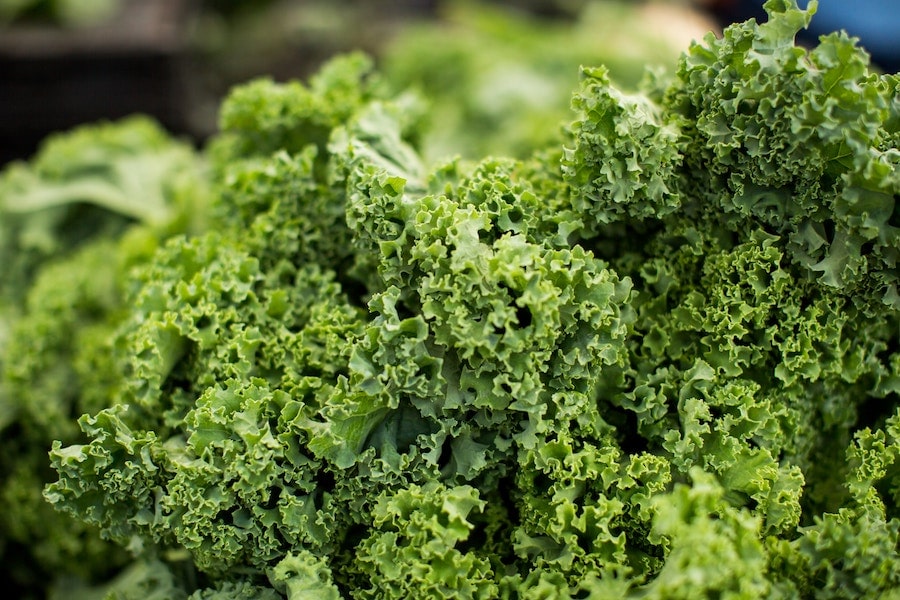
close up image of kale

  • Dark leafy greens like kale, collard, swiss chard, okra, and broccoli
  • Soy milk, soy beans, tofu
  • Nuts
  • Some fish (with bones) like sardines and salmon 

2. Protein

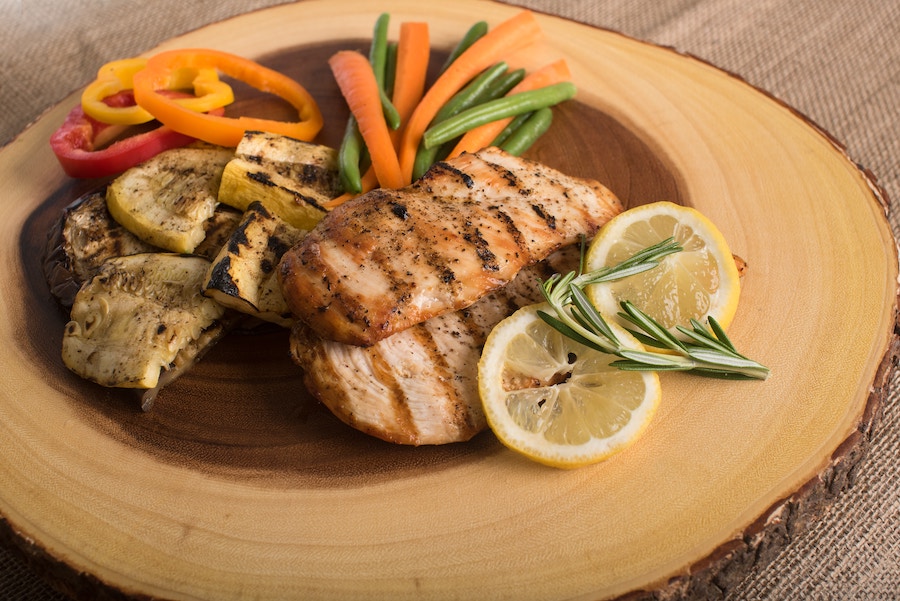
Grilled chicken breast on a plate with vegetables.

Image source: Carnivore Style

  • Meat, poultry, fish
  • Tofu
  • Beans and legumes
  • Nuts and seeds

3. Vitamin D

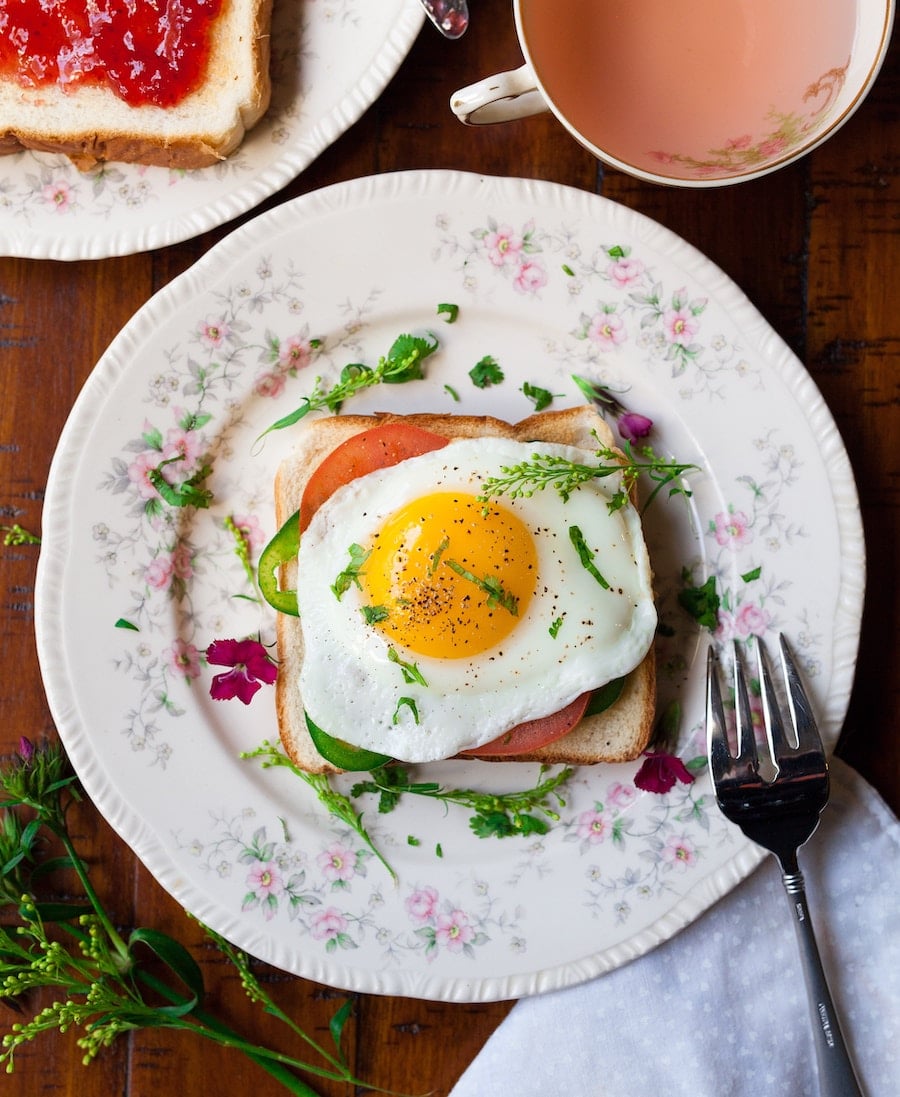
Fried egg on a piece of toast

  • Fatty fish (tuna, mackerel & salmon)
  • Eggs
  • Vitamin D fortified foods (cereal, soy milk, orange juice)
  • Vitamin D supplement (speak with your doctor or dietitian before taking any supplements)

Bottom Line on Dairy and Colic in Babies

If you’ve ruled out breastfeeding technique, digestive issues, and other common symptoms, and are at your wits end (I get it), you may want to attempt removing dairy temporarily until symptoms reside. Personally, dairy wasn’t the culprit for us, time was. As soon as Baby E and I got through the “100 days of darkness”, he transformed into a SUPER happy kid. He still is drinking mamas milk (and I eat a lot of dairy), and ADORES ricotta, yogurt, butter, cheese and the occasional lick of mama’s ice cream. If you’re unsure of how to meet your needs without dairy, be sure to speak to a Registered Dietitian to help guide you through the elimination and reintroduction process. Good luck mamas, you got this!

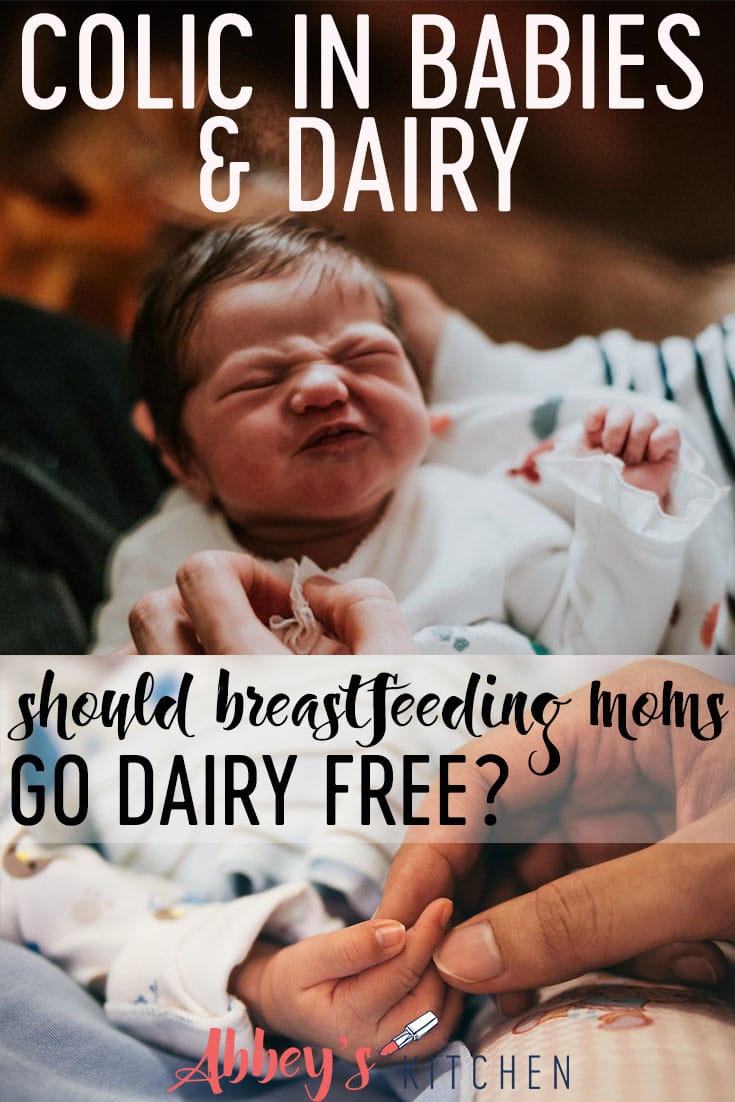
pinterest image of newborn baby above a photo of hand holding a baby with text overlay

Contribution By:

Gabriela Abreu


Abbey Sharp

Abbey Sharp is a Registered Dietitian (RD), regulated by the Ontario College of Dietitians. She is a mom, YouTuber, Blogger, award winning cookbook author, media coach specializing in food and nutrition influencers, and a frequent contributor to national publications like Healthline and on national broadcast TV shows.
www.abbeyskitchen.com/about-abbey/

Last Updated July 21, 2020. Published July 5, 2019 By Abbey Sharp 2 Comments

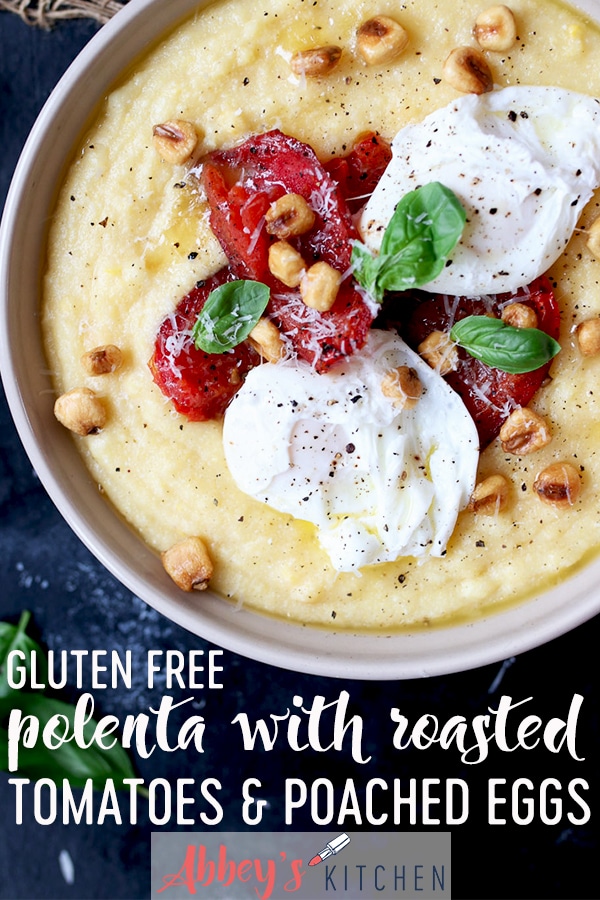
Gluten Free Creamy Polenta with Roasted Tomatoes and Poached Eggs

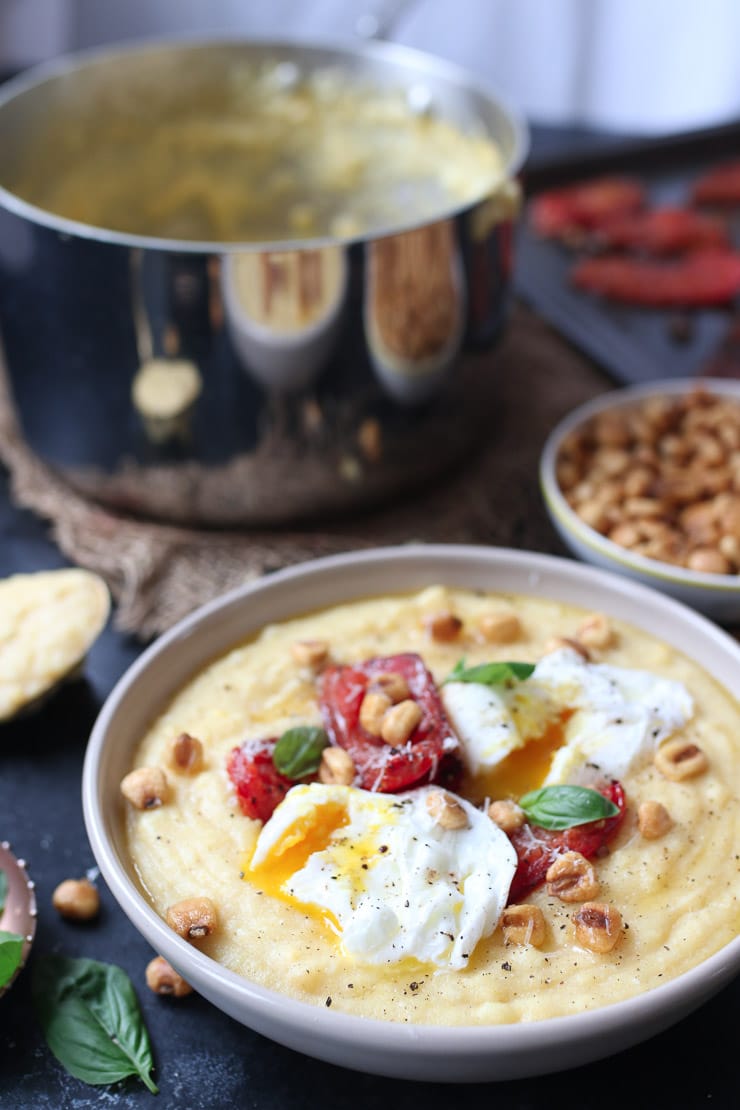
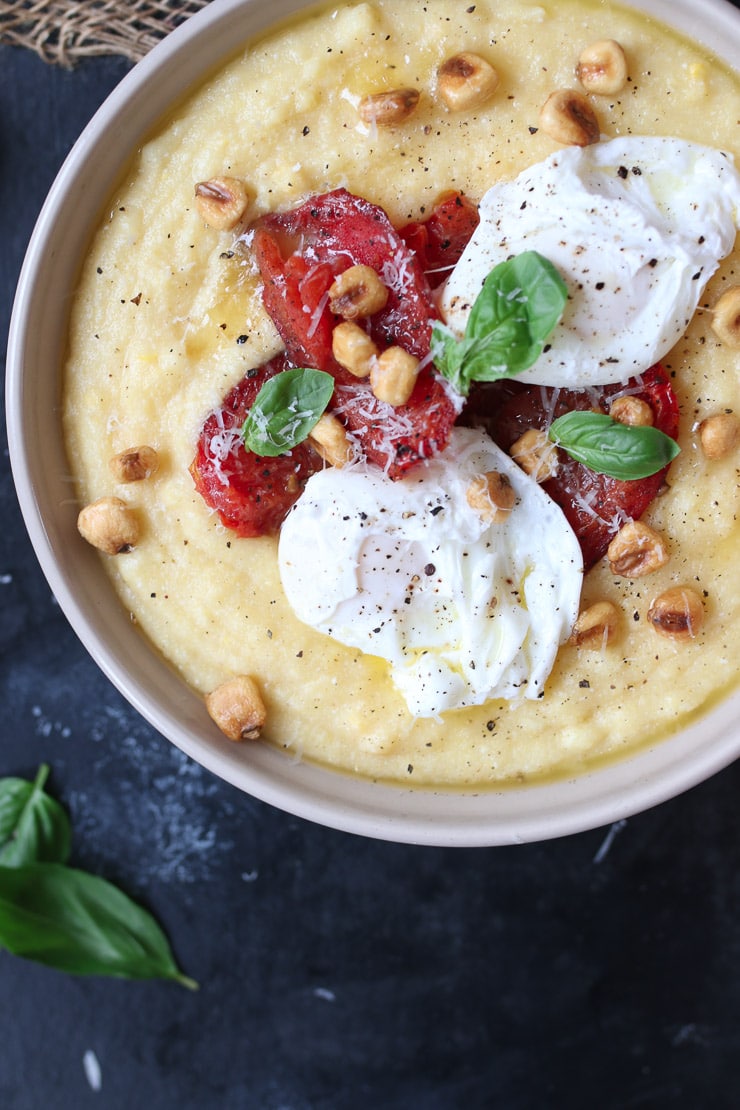
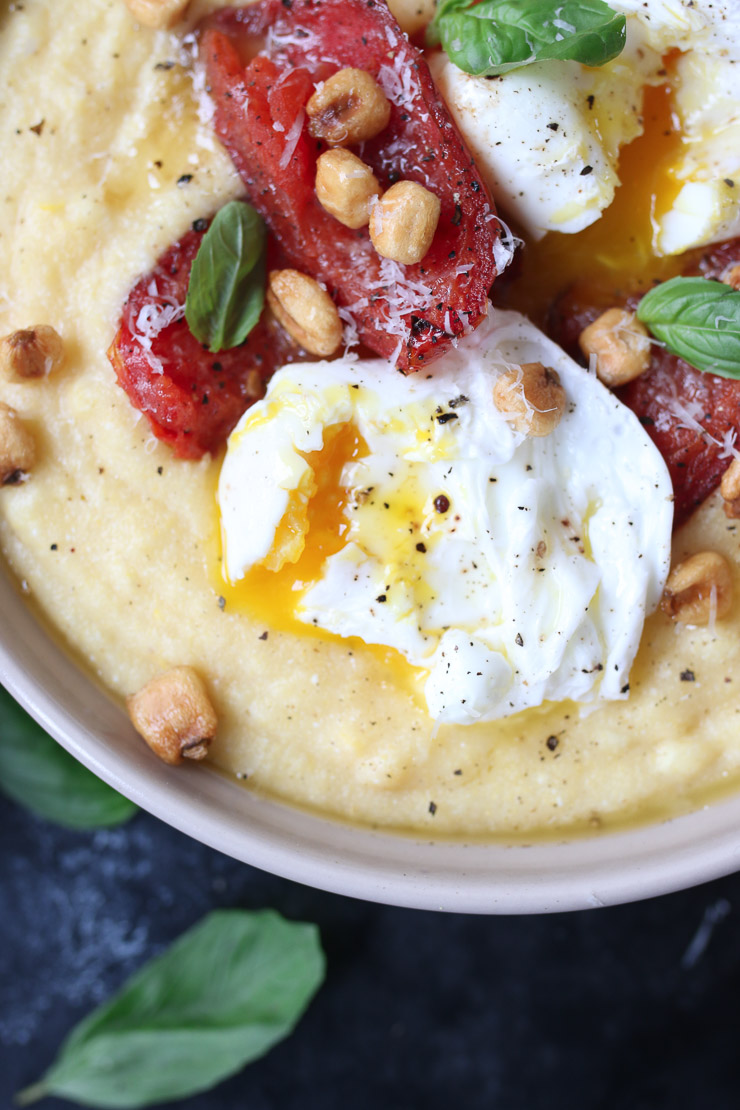
Creamy polenta with poached eggs and roasted tomatoes.

This creamy polenta with roasted tomatoes and poached eggs makes for an inexpensive, yet super beautiful gluten free brunch, lunch or dinner recipe.

Oh polenta. You’re literally the cheapest thing in the world to make, yet fancy Italian restaurants downtown are charging like $25 a bowl – maybe $50 if it comes topped with truffles. I pretty much always have a pack of simple cornmeal in my pantry for whipping up into creamy dreamy polenta because it makes a perfect side dish on the fly.

What is Polenta?

Polenta is an Italian porridge made from any medium or coarse-ground cornmeal. It’s a naturally gluten free whole grain that has a natural sweetness when cooked. I really don’t like the instant polenta because I find it yields a bit of a gloopy glue-like porridge, but real polenta with a little cheese action is truly the stuff dreams are made of.

The Key to Awesome Polenta

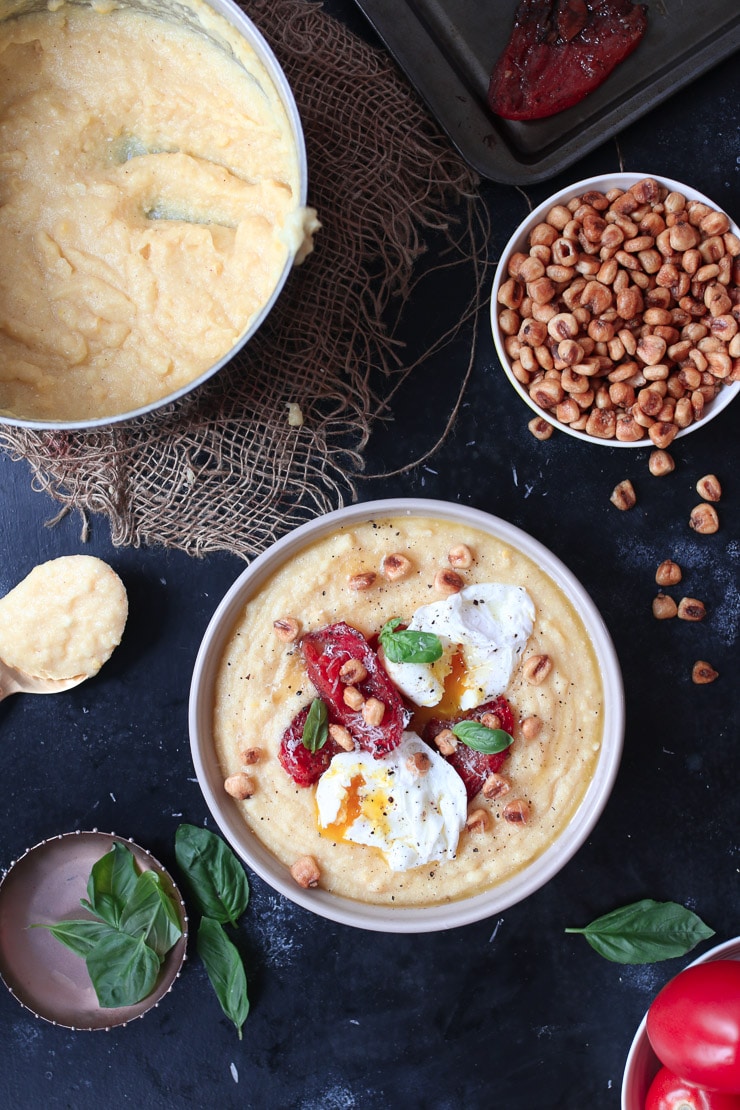
Creamy polenta topped with poached eggs and tomatoes next to a bowl of corn nuts.

Honestly, this comes down to the grain to liquid ratio. In my experience, a 1 part cornmeal to 5 parts liquid yields the creamiest, lightest polenta. You also do have to stand around to give it a good stir every minute or so, much like you would with risotto.

How to Make Polenta FASTER

Creamy polenta with poached eggs and roasted tomatoes.

But wait! Can we simplify the process? Yes, loves, yes you can. Now, the time-starved mom in me had to figure out a way to make this creamy polenta with roasted tomatoes and poached eggs on the fly. By simply soaking your cornmeal overnight, you can cut your stirring and cooking time virtually in half which will save you the extreme bicep workout on one arm.

How to Make this Gluten Free Creamy Polenta with Roasted Tomatoes and Poached Eggs

Creamy polenta topped with poached eggs and tomatoes next to a bowl of corn nuts.

Once you’ve soaked your polenta, just transfer it to a sauce pot along with a little butter and salt and stir, vigorously, until it starts to loosen up. Keep stirring as you reduce the heat, then add in some fresh or frozen corn to add a little supple texture and sweetness.

I like serving my creamy polenta with balsamic roasted tomatoes, and topping it off with some poached eggs for protein and healthy fats. I also like things that are crunchy on top of things that are super creamy like this polenta so I add a little corn nuts for good measure.

Creamy polenta with poached eggs and roasted tomatoes.

Polenta usually has a TON of butter, and cheese in it, so the amounts I add are actually quite modest, but if you want to make this gluten free creamy polenta totally dairy free as well, you can absolutely use olive oil and omit the cheese. Trust me, it’s amazing regardless.

Alright loves, now you have to tell me your secrets to amazingly creamy polenta?
Have you tried this gluten free creamy polenta recipe with roasted tomatoes and poached eggs?
Leave me a comment below with your thoughts!

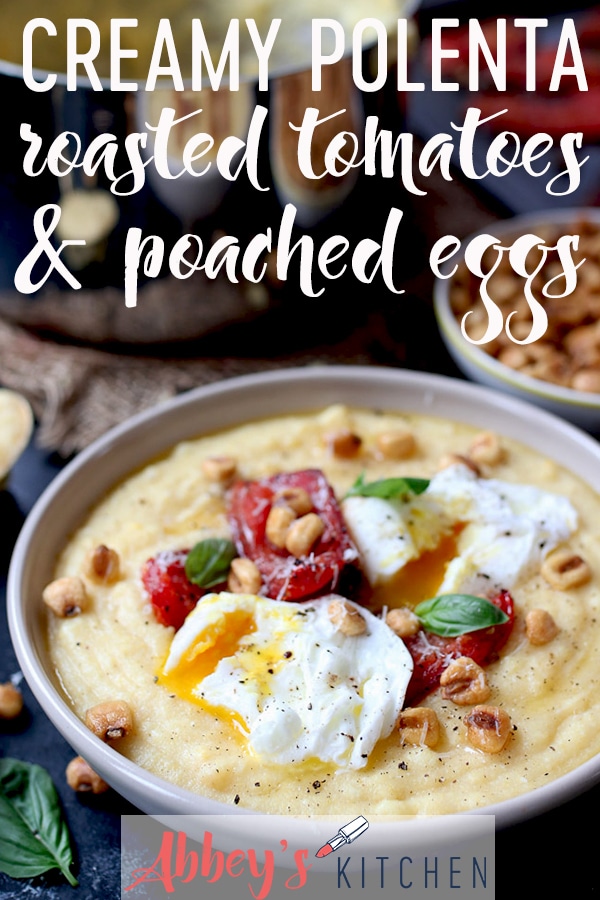
pinterest image of creamy polenta topped with poached eggs and tomatoes next to a bowl of corn nuts with text overlay

pinterest image of creamy polenta with poached eggs and roasted tomatoes with text overlay

Creamy polenta with poached eggs and roasted tomatoes.
Print Recipe
5 from 2 votes

Gluten Free Creamy Polenta with Roasted Tomatoes and Poached Eggs

This creamy polenta with roasted tomatoes and poached eggs makes for an inexpensive, yet super beautiful gluten free brunch, lunch or dinner recipe.
Prep Time15 minutes mins
Cook Time57 minutes mins
Total Time1 hour hr 12 minutes mins
Course: Dinner, Lunch, brunch, Breakfast
Cuisine: American, Italian
Servings: 6 people
Calories: 390kcal
Author: Abbey Sharp

Ingredients

  • Polenta:
  • 5 cups water
  • 1 ½ tbsp unsalted butter
  • 1 tsp salt
  • 1 cup cornmeal
  • 2 cups of frozen corn or 3 cobs of corn kernels removed
  • ¾ cup grated Parmesan cheese
  • ¼ cup part-skim ricotta
  • Roasted Balsamic Tomato:
  • 6 roma tomatoes cut in half lengthwise and seeded
  • 2 tbsp olive oil
  • 3 small cloves garlic thinly sliced
  • 1 tbsp balsamic vinegar
  • Salt and pepper to taste
  • Garnish:
  • 12 large eggs
  • ¼ cup corn nuts
  • ¼ cup fresh basil leaves
  • Salt and pepper to taste

Instructions

  • The night before, mix together the water and cornmeal and allow to sit overnight at room temperature.
  • Preheat oven to 450 F and line a baking sheet with parchment paper.
  • In a medium bowl, toss the tomatoes with olive oil and spread onto the baking sheet. Sprinkle with the garlic, drizzle with balsamic and add a pinch each of salt and pepper. Roast for 20-25 minutes until caramelized and shrunken.
  • In a medium saucepot, bring the water and polenta mixture to a boil and add in the butter and salt. Start whisking continuously. The polenta should be spitting. After about 3 minutes of whisking, reduce the heat to low to stop the spitting and continue to stir frequently with a silicone spatula. After 20 minutes, stir in the corn, parmesan and ricotta, and continue to cook until the polenta pulls away from the sides of the pot, about another 10 minutes. Season with pepper, to taste.
  • Finally, bring a pan of water filled 4 inches high with water to a simmer.  One at a time, crack your egg into a small bowl and tip it into the pan. Cook in barely simmering water until white Is set, about 4 minutes. Remove egg with a slotted spoon to a plate with paper towel and top with salt and pepper. Repeat with the remaining eggs.
  • To serve, divide the polenta into six bowls, top with the roasted tomatoes, eggs, corn nuts, and basil. Enjoy immediately.

Nutrition

Calories: 390kcal | Carbohydrates: 35g | Protein: 22g | Fat: 19g | Saturated Fat: 8g | Cholesterol: 349mg | Sodium: 774mg | Potassium: 500mg | Fiber: 5g | Sugar: 5g | Vitamin A: 1425IU | Vitamin C: 12mg | Calcium: 233mg | Iron: 2.9mg

Abbey Sharp

Abbey Sharp is a Registered Dietitian (RD), regulated by the Ontario College of Dietitians. She is a mom, YouTuber, Blogger, award winning cookbook author, media coach specializing in food and nutrition influencers, and a frequent contributor to national publications like Healthline and on national broadcast TV shows.
www.abbeyskitchen.com/about-abbey/

Last Updated October 4, 2021. Published July 4, 2019 By Abbey Sharp 6 Comments

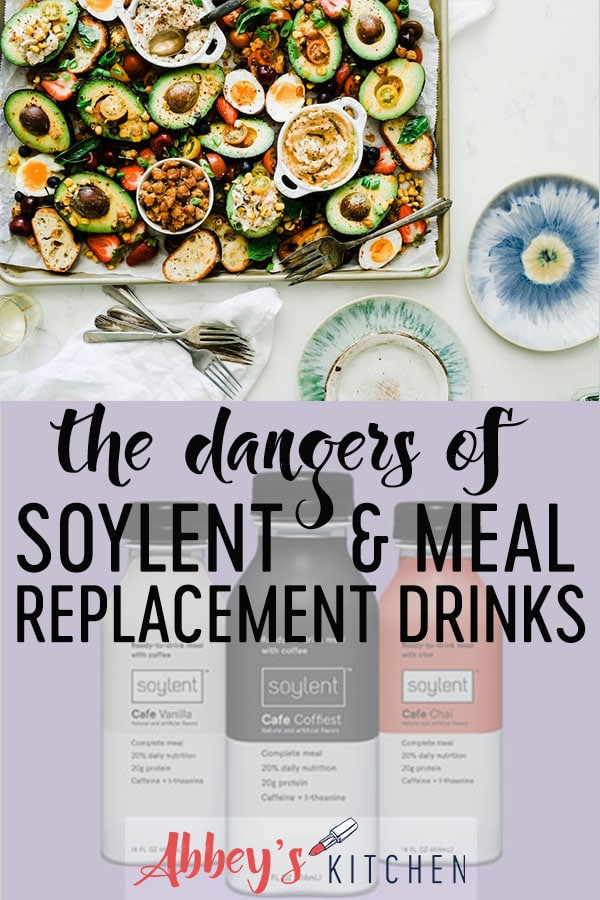
Soylent and Meal Replacement Drinks: Should We Be Drinking All Meals?

With meal replacement drinks like Soylent on the rise, I set out to find out whether they’re nutritionally adequate, carry any dangers and should replace eating entirely.  

With meal replacement drinks like Soylent on the rise, I set out to find out whether they’re nutritionally adequate, carry any dangers and should replace eating entirely. 

Imagine if you could save time with preparing meals. In fact, you save so much time that all you have to do is open a bottle and drink! Forget eating real food, make way for the new age of meal replacements. Ugh, I’m already NOT a fan. Now, we’re not talking about your grandma’s Ensure, we’re talking about new and improved trendy meal replacements targeted to young vibrant healthy adults. Through our research, we’ve already found a ton of brands out there, but the real question remains: Do these meal replacement drinks work and are they ACTUALLY good for us.

I began researching these drinks when I came across a headline about a trendy meal replacement drink known as Soylent being banned for sale in Canada. According to the CEO of Soylent, the Canadian Food Inspection Agency (CFIA) stated that their products did not meet the requirements to be called a meal replacement. The Canadian Food and Drugs Act (C.R.C., c 870) states clearly that a meal replacement is “a formulated food that, by itself, can replace one or more daily meals.” Within this act are specific guidelines all food manufacturers must follow in order to sell meal replacements. To save you from deciphering the regulations yourself, here’s a quick summary of what is considered a meal replacement beverage.

Calories

Must provide at least 225 calories per serving. Unfortunately, there is no one standard serving size, but CFIA states that a serving is an amount of food or drink that a person can reasonably drink in a single setting, such as a single-serving bottle. Sounds a little vague to me.

Protein

Protein must be between 15-40% of total calories. For example, if the meal replacement has 225 calories, then the meal replacement would have to have between 8.5 to 22.5 grams of protein.

Fat

Calories from fat cannot be greater than 35% of total calories. This includes all types of fats and even omega-3 and omega-6 fatty acids, which we know are considered essential since our bodies cannot make them.

Vitamins and Minerals

There are also specific requirements for vitamins and minerals, which can be found here. For example, there must be a minimum of vitamin D (50 IU), of calcium (200mg) since these are both important for bone health.

Replacing all meals

Another key point to keep in mind, is that if the meal replacement is intended to replace ALL daily meals, then there are more rigid guidelines:

  • Calories from fat cannot be greater than 30% of total calories
  • Calories from saturated fat cannot be greater than 10% of total calories
  • There is a minimum amount of selenium (10 mcg), chromium (10 mcg), and molybdenum (20 mcg) required, which is not mandatory in meal replacements that aren’t intended to replace all daily meals
  • There are no requirements for added fibre. I’m not sure why that was overlooked.

So, what the heck is Soylent anyway?

According their site, Soylent is a pioneer in the food technology sector that provides “healthy, functional foods that are good for the body and the planet.” They claim that their product helps to address challenges that the current food system faces, such as food accessibility, while also making eating easier for people. Soylent was basically founded because of the frustration of “living off a diet of frozen corn dogs and ramen” and the hassle of “purchasing, preparing, and consuming food that was neither healthy nor enjoyable.” So their solution? Let’s drink instead! Ugh.. insert eye roll here.

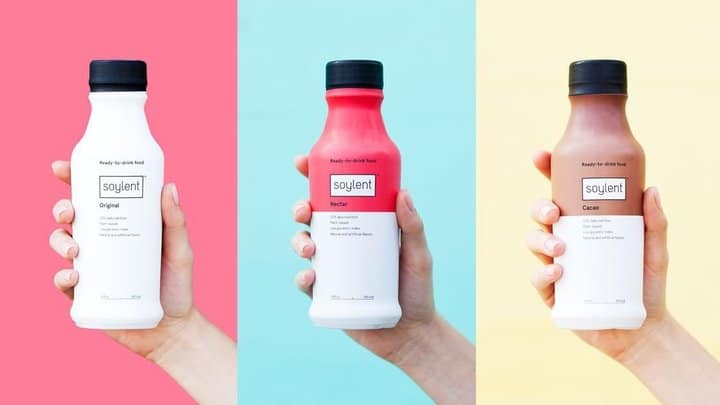
Soylent Products

colourful image of various meal replacement drinks

Soylent comes as a single-serving beverage or in a powder form that simply requires the addition of water. The beverage form comes in two types: “Soylent Drink and Soylent Caf”, or as they call it, “Breakfast in a bottle”, which contains added caffeine. I don’t know how I feel about having my breakfast and coffee in one gulp. The only difference between the two drinks is the 150 mg of caffeine added to the Soylent Caf drink. Both drinks contain 20% of your daily calories, 33% carbohydrates, 47% fat and 20% protein.

I don’t know if you noticed, but 47% fat is a lot of fat (typically it is recommended that 20-35% of our calories should come from fat), which makes this drink semi-ketogenic. I do have a few long term concerns with a ketogenic diet, and I share them in detail here.

Based on this nutrition information, you would have to consume 5 bottles per day to meet the average person’s nutritional needs (2000 calories per day). That’s pretty costly, given that they cost over $3/a bottle. If you were to drink five of these a day you’re looking at $15-20 a day. That definitely adds up.

At the end of the day, you choose how you spend your money. But I can guarantee that you’ll likely save a lot more money buying real food than relying on meal replacements on a daily basis. Just think if you’re trying to feed more than one person!

You’re probably also asking, what’s in these drinks exactly?

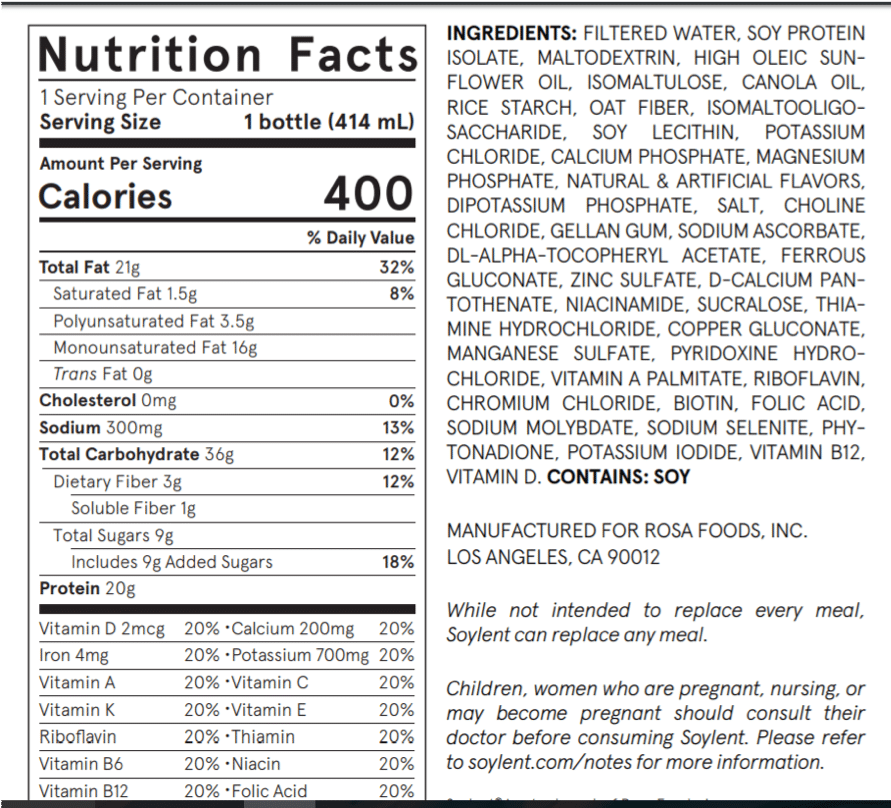
Check out this novel size nutrition facts table:

nutrition facts of a meal replacement drink

I don’t know if you hadn’t noticed, but the ingredient list for the original “Soylent Drink”, is hella long.

Granted, lengthy-lists aren’t a guarantee that a product is bad for you, but it is a good way to see what ingredients you’re consuming and if you’re better off sticking to a simpler item or recipe.

To make a product taste good, a lot of manufacturers will add sugar. While some sugar is fine, we want to be cautious of the amount of added sugar in the foods we eat. For each drink, you’re getting a little over 2 tablespoons of added sugar, which isn’t too bad.

Another thing that is important is the fibre content, which is 3 grams per bottle. If you were to drink these 5 times per day, you would get about 15 grams of fibre. Women need about 25 grams per day and men need about 38 grams per day. This means that the drinks alone would not allow you to meet your fibre needs. I really am a big believer that fibre makes the world of a difference in good health.

Another key piece of information the company has provided us with on the label is that this product is not intended to replace all meals. Bet a lot of buyers haven’t read that fine print.

I do have some concerns about the current CFIA regulations in terms of vitamin D, fibre, and calorie content. The minimum and maximum vitamin D content is rather low. Considering the average person needs at least 600 IU per day, and arguably more if you live in places like Canada, 50 to 100 IU per meal replacement would not provide you with your daily needs. While it is already hard to get enough vitamin D through food, and it’s not as accessible in the winter time via the sun, you would likely have to take a vitamin D supplement. As well, there are no requirements for added fibre which means if you solely rely on meal replacements, you may not be getting enough fibre to promote gut health and other health benefits. While it’s okay to use meal replacements occasionally, 225 calories are quite low to be called a meal replacement. Considering the average person needs about 2000 calories per day, this is well below the calories of a well-balanced meal and arguably would be more similar to a snack. So, it is rather concerning that a meal replacement can be this low in calories and be viewed by a consumer as a full meal, especially if they are replacing all their meals with these products.

Disordered Eating

In a cross-sectional study by Hartmann et al., the authors wanted to understand who was more likely to use meal replacements and why. The study found that those who reported using meal replacement products more often typically used these products to compensate for eating larger meals that they already ate or planned to eat. Interestingly, users of meal replacement drinks also had a higher tendency to believe that they did not have to improve their consumption of vegetables and fruit or increase their physical activity if they used the product. Or in other words, they viewed these products as an alternative to healthy eating habits and physical activity. YIKES! The results of the study also suggested that users of meal replacements may use these products to overcome feelings of “failure”, such as overeating, since they believe they can “do something about it”. The study also found that those with restrained eating tendencies, meaning that they restrict the food they eat, were more likely to use meal replacement products. This may be because of the limited thought involved in choosing what to eat and how much which can be stressful for people struggling with their relationship with food. Therefore, users feel they can consume these meal replacement drinks without fear of judgement and loss of self-control. These drinks also may take the pleasure out of eating, which allows the person to stick to their diet goals since it is no longer an enjoyable activity. However, the authors suggest that users of meal replacement drinks may be consuming these products in addition to their regular meals, therefore eating more than they originally intended to, which would then limit any weight loss success they were looking for. When I read research like this, I immediately become concerned with the disordered eating habits, such as orthorexia, that can stem from products or diets that promise to “fix” you or have a specific set of rules. Food doesn’t have to be feared.

When Do We Need Meal Replacement Drinks

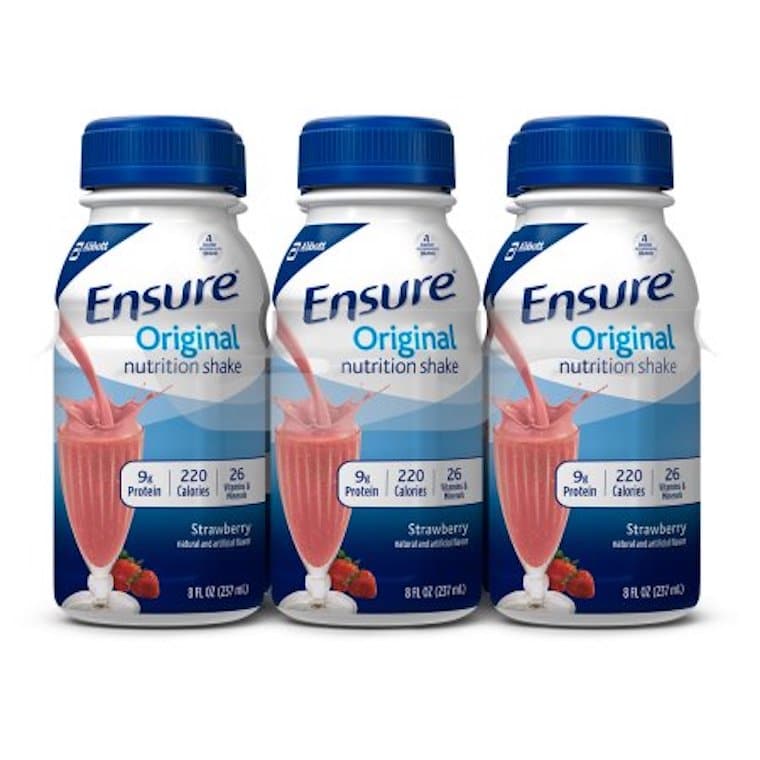
three ensure meal replacements in a line

So, what is the purpose of meal replacements and can they fit into a person’s diet? Well, meal replacements are great when you’re in a rush and need some quick fuel. They are also commonly used by people that have trouble meeting their needs through food alone. For example, meal replacements are recommended for seniors that have difficulty eating meals throughout the day, whether it is because of a medical condition, low appetite, inability to prepare food, or they get full quickly. In this case, meal replacement drinks, such as Boost or Ensure, are used for maintaining weight or even gaining weight and are usually used under the advisement of a Registered Dietitian. Another reason for using meal replacements is surgery. If you have ever had your tonsils removed or another oral surgery, you’ll know that it can be quite difficult to eat for a few days. In this case, a meal replacement could help you get the energy your body needs without having to chew your food.

For the average person, however, meal replacement drinks (like Soylent or Shakeology or anything else) should not routinely replace real food and I’ve always shared with you guys my food first philosophy. Here’s why.

Benefits of Eating Whole Foods vs Meal Replacement Drinks

Gut Health

When we eat regular food, our stomach and intestines work hard to break food down into very small pieces so that we can absorb the nutrients. Now, it may seem logical that having the food already partially digested (like it would be in a meal replacement) would be a good thing, but it’s actually the opposite. Our gut goes by the motto “use it or lose it”. Think of digestion as exercise for the gut. This “exercise” stimulates the gut and actually creates an important part of the immune system called gut-associated lymphoid tissue, or GALT for short. Therefore, we want to keep our guts as active as possible.

Food Synergy

What does that mean? Well, it means that the various nutrients in food work together when we digest them. For example, there are two types of iron: heme and non-heme. Heme iron, found in animal products, is easily digested and absorbed when we eat it. Non-heme iron, found in plant products, isn’t absorbed as easily. Fortunately, vitamin C helps increase non-heme iron absorption. So, if you’re having spinach in a meal, try adding some red peppers to increase the iron absorption. This is just one of many examples in which different nutrients help each other out. If you rely on meal replacements, you may be missing out on this synergistic action.

Stay Full for Longer

Finally, eating real, whole food can help you feel fuller longer. When we eat food, our stomachs expand to hold the food and the food is slowly broken down in the stomach. Little by little, the food is then sent into the small intestine to be broken down further. This breakdown takes a while to do, which means the food is sitting in our stomach for a while. If we drink our food then the food easily and quickly leaves the stomach, meaning that our stomachs are empty and send off the signals to the brain that we are ready for more food. Thus, you may end up feeling HANRGY real quick. With food, this signal is delayed since our body is still working on the previous meal. Fibre also helps to keep us full as it takes longer to digest. Therefore, you may feel fuller longer and not need to eat as often. Plus, keeping things moving along is good for gut health!

Benefits of Cooking

Stay in Control

Cooking from home should be viewed as an enjoyable experience, not a chore. Besides the creativity and personal satisfaction of preparing a meal yourself, there are many other benefits. First, you can control what is in your food and how much. When you cook from home, you have the freedom to choose exactly what you want in your food and how much you’re going to make and eat. You can add nutritious foods to your meals such as extra vegetables in a chilli soup or stir fry.

Save your Monayyyy
clear jar with coins spilling out

Cooking at home can be more affordable for many reasons. For example, you can buy food items that are on sale or use up ingredients you already have. Most recipes aren’t set in stone, so use up what you have in your refrigerator and pantry to make a delicious meal. Planning ahead by writing out a grocery list and weekly meals can save you a lot of money because you only buy ingredients you know you will use. When we visit the grocery store without any planning, we end up buying unnecessary ingredients or items we already had at home. A great app that can help you plan your meals and keep an inventory of items in your home is called Out of Milk. Another way to save is to use lower-cost, yet high-quality, proteins such as beans and lentils. These protein power-houses are an excellent source of fibre and nutrients and can be swapped out for most meat products. Check out this post to learn more about beans and to find delicious recipes!

Mental Health

Home cooking has also been associated with increased mental health and well-being. In a 2016 longitudinal study in The Journal of Positive Psychology, the authors found that people who participate in everyday creative activities, which includes any day-to-day activity such as cooking, playing an instrument, or writing, are more likely to have a higher sense of well-being. The authors found that that when participants engaged in creative activities, they had psychological benefits while they performed the activity and also the day following. These activities can increase feelings of calmness and enthusiasm, meaning that cooking and baking should be viewed as a form of relaxation, not a burden. To top it off, the authors reported that increased well-being occurred regardless of skill and personality, meaning that anyone can benefit from participating in every day creativity.

Social Experience
image of women laughing together

Cooking can be a great way to connect with family and friends. Taking your child to the grocery store can be a great opportunity to allow them to pick out ingredients for a meal. In the kitchen, let them help with a step in the cooking process. This doesn’t have to be with just your family, grab a friend or two and make a meal together. Then, take the time to sit together and talk. This time has been connected to a variety of positive benefits, especially for youth. In a New Zealand cross-sectional study, 8,500 youth aged 13-17 years were asked to participate in a national health and well-being survey. The study found that youth that reported greater cooking skills and cooked more often had higher levels of family connectedness and personal well-being. With meal replacements, there is little room and time for socializing and connecting.

Eating as a Pleasurable Experience
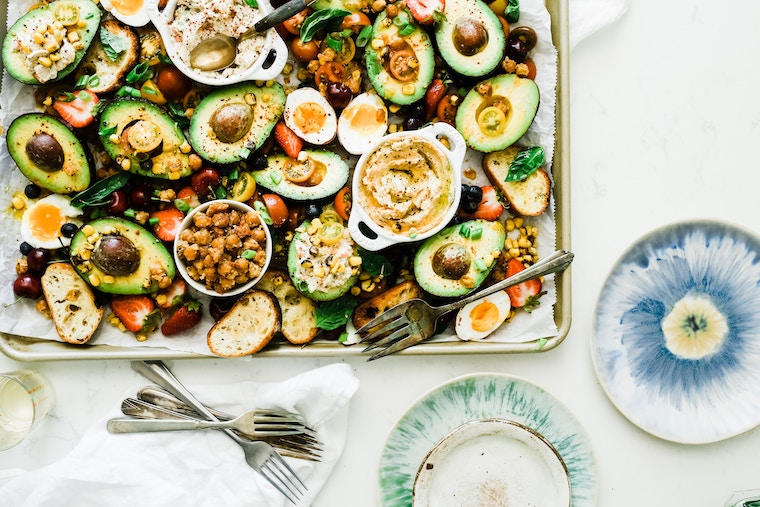
birds eye view of a sheet pan containing various foods on a white background

What about flavour? Don’t think I didn’t forget one of the best parts about food. Yes, eating out can be a delicious treat, but it isn’t always friendly on our wallets or our waistlines. Meal replacements, on the other hand, are almost guaranteed to limit the pleasurable experience of eating. What makes food special in almost every single culture and country in the world is the experience it brings. From the aroma of the ingredients blending together to the variety of textures of each bite, food is inherently a pleasurable experience. A meal replacement may be a quick solution to a busy morning, but replacing real food takes away the enjoyable experience that food brings us. Remember, we eat food not nutrients. It can be easy to vilify food for its role in weight gain and other health issues, but we need to remember that no single thing can be solely blamed for obesity, hence why there are so many different fad diets out there. When we take the time to enjoy the aroma and flavours of our food bite by bite, we are allowing time for our brains to tell us we’re full, which can help prevent overeating.

So now I ask you the question, would you rather drink your food, or eat delicious, healthy meals?

Need some inspiration to get started? Here are some recipes that you may want to try instead of a meal replacement drink. These provide you with about the same number of calories but more flavour and better nutrition. Get your creativity flowing with these delicious, easy to make, and nutritious recipes:

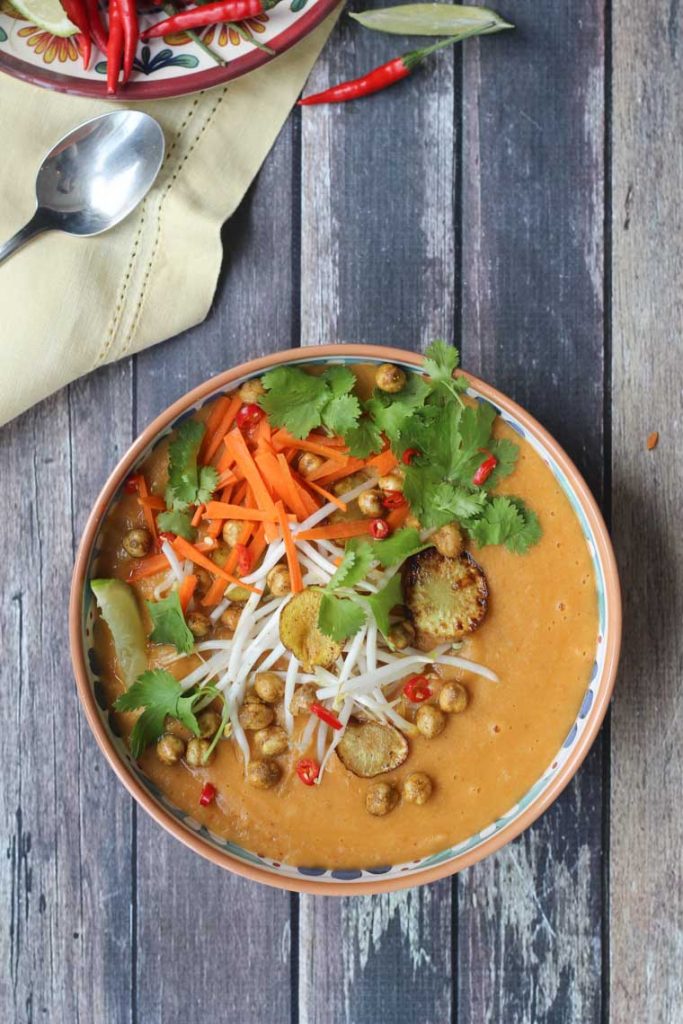
birds eye view of curried sunchoke soup garnished with herbs and vegetables

Vegan Curried Sunchoke and Chickpea Soup (300 calories per serving)

This fibre-rich recipe is a great for the cold weather. Chickpeas and sunchokes are both an excellent source of fibre which can help with gut regularity and helps to feed the healthy bacteria in our guts. You’re also getting an excellent source of protein. This delicious, creamy soup can be topped with whatever you want. Try adding some shredded carrots or bean sprouts for an extra dose of vegetables!

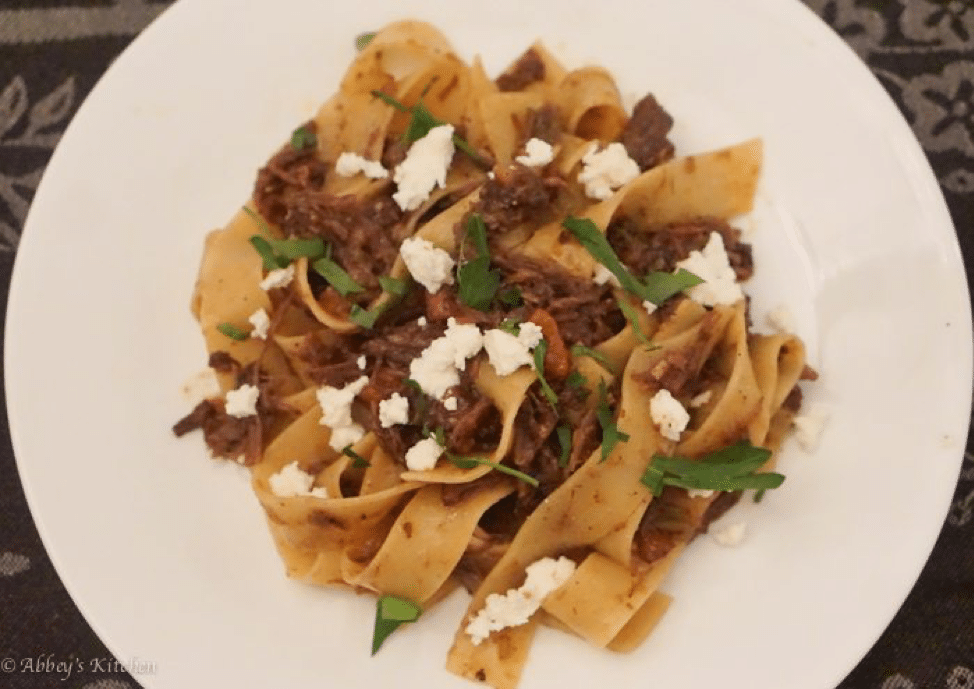
close up of short rib pasta garnished with herbs and cheese on a white plate

Port Braised Short Rib Pappardelle (420 calories per serving)

Looking for a delicious and hearty pasta dish? This recipe will have your taste buds thanking you. As mentioned earlier in this article, if you’re looking for an excellent source of protein and easily absorbed iron, short rib can get you this. Additionally, meat can provide you with an excellent source of a B-vitamins, in particular, vitamin B12. This recipe is also great for sneaking in an extra serving of vegetables. Add some carrots, celery, or mushrooms to get more nutrients and flavour!

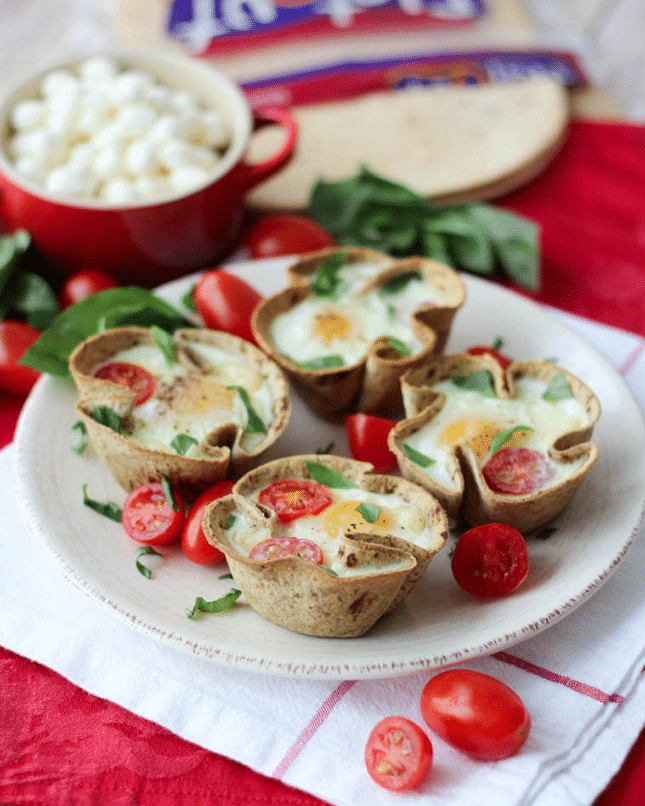
four caprese egg cups garnished with tomatoes and herbs on a white plate

Caprese Egg Cups (280 calories per cup)

Drinking your breakfast can be boring! Liven up your breakfast with this quick, delicious, protein-packed recipe. The whole-grain, fibre-rich wraps will provide you with the energy you need to get your day started with slow-released carbohydrates. Eggs are an excellent source of protein as well as vitamin B12 and vitamin D. Adding baby tomatoes and some spinach leaves are a great way to add a punch of flavour and nutrients.

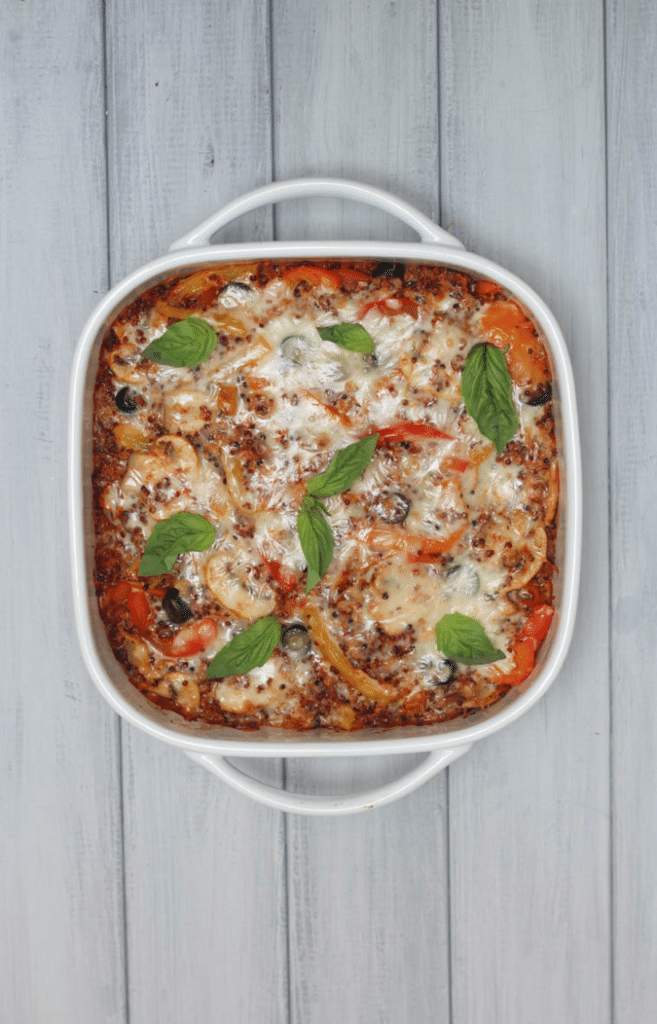
birds eye view of pizza quinoa casserole in a white dish garnished with fresh herbs

Gluten Free Vegetarian Pizza Quinoa Casserole (320 calories per serving)

Pizza? Who doesn’t love pizza? However, this power-packed recipe will have you rethinking your typical pizza. The quinoa in this recipe gives you a complete source of protein along with fibre, vitamins B1 and B6, and iron. It’s also gluten-free for those who cannot have or are avoiding gluten. This recipe is another great way to sneak in some vegetables mixed with ooey-gooey cheese. You can’t drink this!

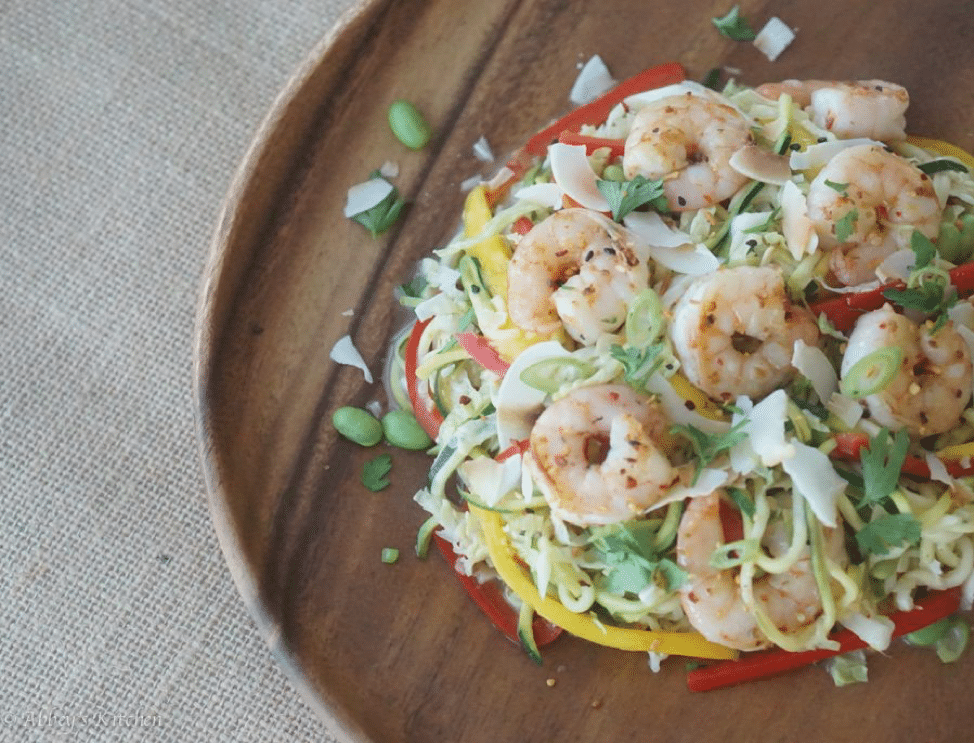
close up image of shrimp, coconut, and zucchini dish served on a wooden plate garnished with herbs and pumpkin seeds

Low Carb Gluten Free Shrimp Coconut Ginger Zucchini (320 calories per serving)

Zucchini noodles aren’t popular by mistake. They are full of fibre, protein, and antioxidants. Did I mention they are delicious? Pair this with edamame and shrimp, both complete proteins, for mix of delicate textures and flavour. Peppers are a great source of vitamin C (in fact, they have more than an orange!) and cabbage gives you a bit of crunch and an array of antioxidants. Mix all this with some ginger, garlic, and other spices and you have yourself a mouthwatering, healthy meal.

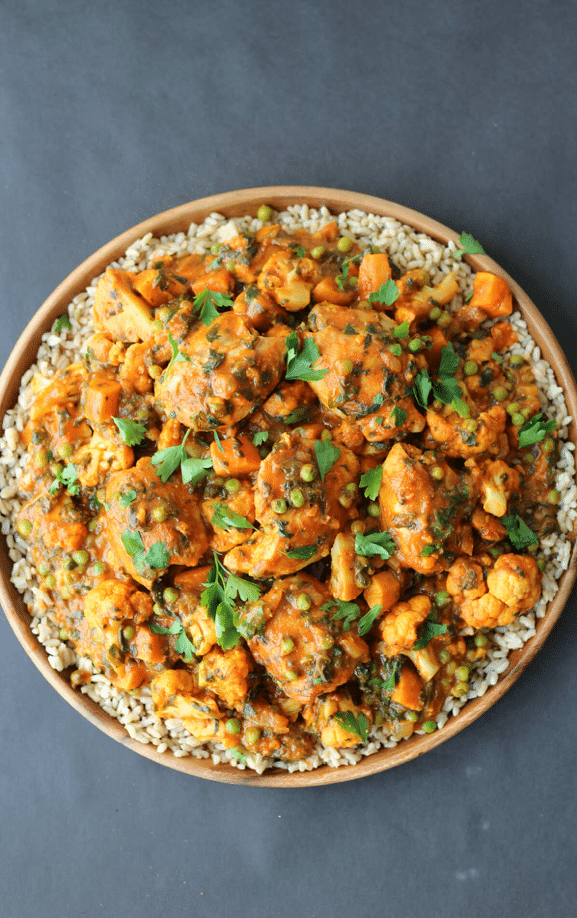
birds eye view of paleo chicken curry garnished with fresh herbs in a wooden bowl

Paleo Chicken Curry One Pot Meal (409 calories per serving)

Tired of cleaning dishes? This one pot recipe will keep clean-up to a minimum. Chicken is an excellent source of lean protein, B vitamins, and iron. Sweet potatoes are high in fibre and antioxidants, such as beta-carotene, which can help with eye health and signs of aging. Cauliflower rice is a gluten-free, low-carb alternative to rice and is full of nutrients and fibre. Mix these with some other vegetables, spices, and tomato sauce for a hearty, quick family dinner.

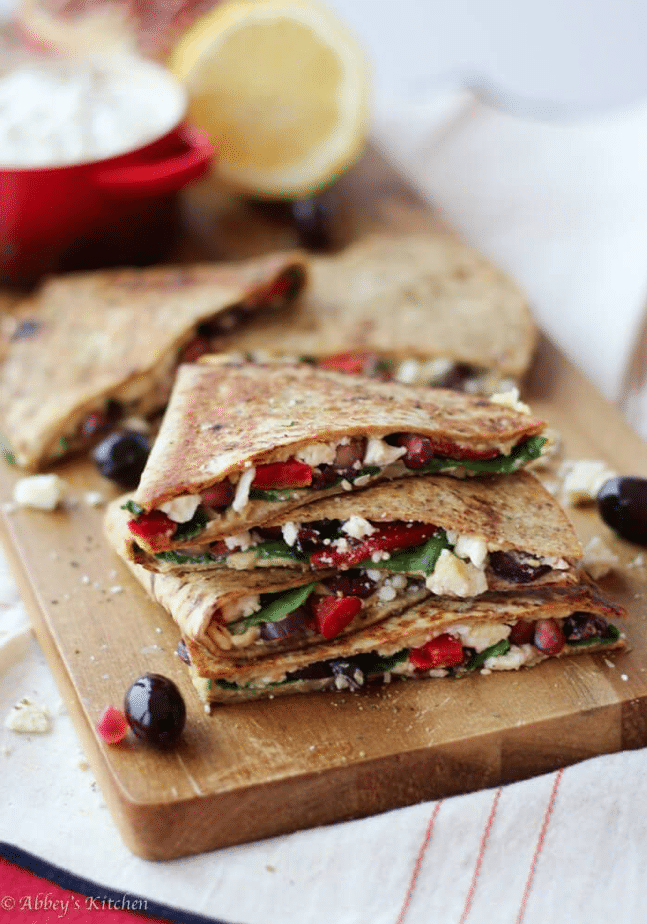
hummus quesadillas on a wooden serving board

Hummus Quesadilla with Pomegranate and Feta Cheese (420 calories per serving)

Pulses are so good for you. Not only are they a cost-effective way to get quality protein, they are also full of fibre, antioxidants, and vitamins & minerals. Hummus is a dip/spread that is made from chickpeas and makes a great filler in a quesadilla. The great thing about quesadillas is you can add pretty much whatever you want. In this recipe, pomegranates are a special guest. They provide a pop of flavour and mix well with feta cheese, red peppers, and spinach. Try this nutrient-packed recipe for lunch or dinner!

The bottom line on meal replacement drinks

When considering whether or not you want to try a meal replacement, it is important to remember that there is no such thing as a miracle cure. While these meal replacements can be a great way to get in a meal when you’re pressed for time, it is always best to eat real, wholesome food whenever you can to ensure you’re getting a variety of nutrients, fibre, and most importantly, flavour!

pinterest image of tray with fruits and vegetables above an image of meal replacement drinks with text overlay

Contribution By:

RD2B Katey Davidson


Abbey Sharp

Abbey Sharp is a Registered Dietitian (RD), regulated by the Ontario College of Dietitians. She is a mom, YouTuber, Blogger, award winning cookbook author, media coach specializing in food and nutrition influencers, and a frequent contributor to national publications like Healthline and on national broadcast TV shows.
www.abbeyskitchen.com/about-abbey/

Last Updated July 22, 2020. Published June 21, 2019 By Abbey Sharp 12 Comments

Healthy Hydrating Low Sugar Drinks When You’re Sick of Water

Top five healthy hydrating low sugar drinks.

DISCLAIMER: This post was developed in sponsored partnership with Florida Department of Citrus, however, as always, all opinions are genuine.

I share my top 5 favourite healthy hydrating low sugar drinks for when you’re sick of drinking water on these hot Summer days.

It’s hot out and if you’re like most Canadians accustomed to the cold, you’re grossly unprepared for the heat, so naturally you’re sweating like mad. If you’re planning on enjoying the Summer sun (and after our brutal winter, who isn’t?!), you’re going to need a game plan for staying hydrated in the heat. And while I won’t deny that wine, beer, and an occasional margarita contributes fluids to your daily tally, they’re not a great way to keep yourself hydrated. In fact, because alcohol is a diuretic, it may actually up your fluid needs, making it not the best way to get your fill.

Woman drinking a glass of a healthy hydrating low sugar drink.

What we do know is that the old 8 cups of water a day adage is a bit of a myth, but it’s not a bad place to start. How much what you need depends on your age, gender, activity level, temperature, humidity and so much more. So how do you know if you’re getting enough?

Signs and Symptoms of Mild Dehydration

The ideal situation is to not get to this point of actual dehydration, but if you’re experiencing any of the following, it’s definitely time to drink up.

  • Thirst
  • Dry Lips and Mouth
  • Flushed Skin
  • Fatigue
  • Irritability
  • Headache
  • Dizziness
  • Fainting
  • Low Blood Pressure
  • Heart Rate Increase
  • Dark Strong-Smelling Urine

That last point brings me to my little tip – it may seem strange but take a look in the toilet when you pee. If your urine is light yellow and fairly odourless (okay, unless you had asparagus for lunch), then you’ve got a pretty good sign you’re getting enough.

5 Healthy Hydrating Low Sugar Drinks for Plain Water Haters

Various low sugar hydrating drinks in clear glasses

For those of us who sometimes find water boring, what healthy hydrating low sugar drinks are your options? Honestly, dietitian confession here – I rarely drink straight up plain flat water. I just don’t find it enjoyable, and if it’s not enjoyable, you’re less likely to actually do it until it’s too late and you’re desperate for a drink. So here are some of my favourite hydrating low sugar beverages for those of us who hate plain water.

Florida Orange Juice with Soda Water

Person holding a glass of a healthy orange hydrating low sugar drink

To add a hit of natural sweetness and flavour to plain old soda water (and to make myself feel like I’m drinking Mimosas all day – #lifegoals), I love mixing some Florida Orange Juice into my soda water. Not only does the combination have no added sugar and only 55 calories per cup if mixed 50/50, but it adds vitamin C, folate, vitamin B6 and potassium. Research suggest that people who consume 100% orange juice have higher levels of vitamin A, C, folate, potassium and magnesium compared to those who don’t drink juice, and just one in ten Canadians are meeting their intake for fruits and veg. I don’t know about you, but I’ll take any opportunity to sneak some of those extra antioxidants into my busy day and if I can do it while hydrating- BONUS.

Natural Orange Gatorade (aka 100% Orange Juice with Coconut Water)

Person holding a glass of a healthy orange hydrating low sugar drink

For most activity levels, sugary commercial sports drinks are just not necessary. But if you or your kiddos are exercising outside, or even just sweating a lot in the heat, a combination of carbohydrates, electrolytes and fluids can help replenish what’s being lost. I don’t love the artificial colours and added sugar in store-bought sports drinks, so I make a healthier version at home with equal parts 100% orange juice and Coconut Water. One cup of the mixture packs potassium, sodium, magnesium, calcium, 13 grams of carbs, about 50 calories and no added sugar. It’s also really delish and has the same orange colour as the store-bought stuff. Winning!

Homemade No Sugar Added Iced Tea

Person holding a glass of a healthy red hydrating low sugar drink

We are big tea drinkers in this house, but on a hot day, I need something icy and cool. Most store-bought iced teas are more like pop then they are a healthy antioxidant-rich tea, so I always try to make my own at home. Simply combine 8 cups of water to a simmer, remove from heat and add 6 tea bags of your choice. Let the tea steep for 4 minutes, strain and cool, then add a little lemon juice and sweetener, to taste.

Kombucha

Person holding a glass of a healthy red hydrating low sugar drink

Kombucha is funky fizzy drink made by fermenting tea with a little good bacteria. I am personally obsessed with kombucha because it’s rich in probiotics (aka. the healthy gut bacteria), it’s low in sugar and calories and packed with flavour. You can also find it quite readily in most grocery stores or markets and it comes in a wide variety of tea-based flavours, so experiment to find your favourite brand.

Flavoured Fruit Water

Person holding a glass of a healthy green hydrating low sugar drink.

Whether you want to go sweet or savoury, adding some sliced fruit, veggies and herbs to your water can add just enough flavour to encourage you to drink more of it. I also like that you can change it up each day depending on what your palate craves or what you have on hand. My favourite is cucumber grapefruit and mint, but when I’m craving something sweet I love a good muddled berry mix.

Now are you looking forward to meeting your fluid needs? Leave me a comment below with some of your go-to healthy hydrating low sugar drinks!

pinterest image of five healthy low sugar drinks in clear glasses with text overlay.

Disclosure: This post was developed in paid partnership with Florida Department of Citrus, however, all opinions are genuine.


Abbey Sharp

Abbey Sharp is a Registered Dietitian (RD), regulated by the Ontario College of Dietitians. She is a mom, YouTuber, Blogger, award winning cookbook author, media coach specializing in food and nutrition influencers, and a frequent contributor to national publications like Healthline and on national broadcast TV shows.

www.abbeyskitchen.com/about-abbey/

Last Updated July 22, 2020. Published June 18, 2019 By Abbey Sharp 36 Comments

VEGAN Unicorn Nice Cream | All Natural, Gluten Free, No Sugar Added!

This round up of the best healthy 15 nice cream recipes will have you ready for summer and are the perfect cool treat to enjoy guilt-free.

This vegan gluten free unicorn nice cream is an all natural healthy dessert made with no sugar added that will bring out your inner child.

Since the unicorn fad has yet to go out of style, I decided to make the most of it by channeling my inner unicorn and share with you guys one of my fav all natural and super healthy vegan nice cream recipes.

Unicorn nice cream sundae in a glass dish.

This recipe was also developed at the perfect time, because here in Toronto, we’ve been celebrating Pride for the past week and beautiful colours have been pinned up throughout the city! Even though the Pride Parade in Toronto was yesterday, here at Abbey’s Kitchen, everyday is pride day, so why not celebrate with this colourful vegan unicorn nice cream.

I’ve been really into nice cream because it’s so EASY to prepare and completely natural. No added preservatives or artificial colouring. The REAL DEAL. And if you can already tell, it looks super pretty.

Unicorn nice cream served in a cone.

How to Make Vegan Unicorn Nice Cream.

My vegan unicorn nice cream recipe uses whatever leftover frozen fruit you have on hand and tastes completely amazing! I’m pretty positive you guys got some bananas sitting in your fridge, so now’s the time to pull em out and make this nice cream!

Hand holding a cone of unicorn nice cream.

In this vegan unicorn nice cream, I use five different colours, because the more colours the better, right?! Now, listen carefully, this is all you have to do. Puree your choice of fruit with bananas and once you have all your colours, scoop them into a deep rectangular pan. Make sure to overlap the different colours so when you scoop them out later, you get little bundles of rainbow joy.

This vegan unicorn nice cream is an all natural healthy dessert that will bring out your inner child. 

This vegan unicorn nice cream requires no fancy ice cream machine, or artificial colourings that you can’t pronounce, just plain old simple pureed delicious fruit. Enough talk, let’s dig in!

Unicorn nice cream in a cone topped with whip cream and cherry.

Now I want to hear from you!

Have you ever made vegan unicorn nice cream before?

Are you into the unicorn fad? Comment below with your thoughts!

hand holding unicorn nice cream in a cone garnished with whipped cream
A hand holding a cone with ice cream in it with a dollop of whipped cream on top and a cherry.
Print Recipe
5 from 5 votes

Vegan Unicorn Nice Cream

This vegan unicorn nice cream is an all natural healthy dessert that will bring out your inner child.
Prep Time1 hour hr 30 minutes mins
Total Time1 hour hr 30 minutes mins
Course: Dessert
Cuisine: American
Servings: 4 -6 people
Calories: 441kcal
Author: Abbey Sharp

Ingredients

Yellow Nice Cream

  • 1 cups frozen banana
  • 1 1/2 cups frozen mango

Purple Nice Cream

  • 1 1/2 cups frozen banana
  • 1 cup frozen wild blueberries

Pink Nice Cream

  • 1 1/2 cups frozen banana
  • 1 cup frozen raspberries

Green Nice Cream

  • 2 1/2 cups frozen bananas
  • 2 to 3 tsp matcha powder

Blue Nice Cream

  • 2 1/2 cups frozen bananas
  • 2 teaspoons blue matcha powder or natural food colouring

Natural Blue Food Colouring

  • 1 head red cabbage , chopped
  • 10 cups water
  • 1/2 tsp baking soda

To Serve

  • Ice Cream Cones (gluten free, if desired)
  • Coconut Whipped Cream
  • Rainbow sprinkles and candies
  • Maraschino Cherries
  • Nice Cream

Instructions

  • Puree the bananas and mango in a food processor until smooth. Transfer to a bowl and set aside.
  • Puree the bananas and blueberries in a food processor until smooth. Transfer to a bowl and set aside
  • Puree the bananas and raspberries in a food processor until smooth. Transfer to a bowl and set aside.
  • Puree the bananas and matcha in a food processor until smooth. Transfer to a bowl and set aside.
  • Puree the bananas and blue matcha or natural blue food colouring in a food processor until smooth. Transfer to a bowl and set aside.
  • Dollop the nice cream colours into a pan and freeze for an hour. If you freeze it over night, it will get very hard, in which case we recommend letting it thaw for an hour before trying to scoop.
  • Scoop into ice cream cones and top with coconut whipped cream, maraschino cherries and rainbow sprinkles!

Notes

How to Make Natural Food ColouringAdd the red cabbage and water to a large pot and bring to a boil. Boil for about 15 minutes or until the water is very purple. Remove the cabbage with a slotted spoon (you can make soup with it, it’s delish!) and continue to boil for 1 to 1 1/2 hours until it has reduced down to about 1/3 cup. Add in the baking soda a pinch at a time until it turns bright blue. Allow to cool.

Nutrition

Calories: 441kcal | Carbohydrates: 111g | Protein: 8g | Fat: 2g | Saturated Fat: 1g | Sodium: 250mg | Potassium: 1896mg | Fiber: 17g | Sugar: 63g | Vitamin A: 3270IU | Vitamin C: 182.9mg | Calcium: 143mg | Iron: 3.1mg
Abbey Sharp

Abbey Sharp is a Registered Dietitian (RD), regulated by the Ontario College of Dietitians. She is a mom, YouTuber, Blogger, award winning cookbook author, media coach specializing in food and nutrition influencers, and a frequent contributor to national publications like Healthline and on national broadcast TV shows.
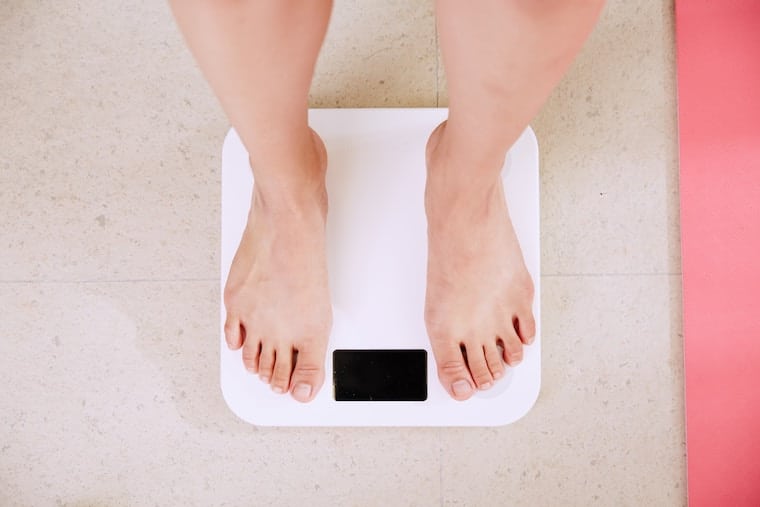
www.abbeyskitchen.com/about-abbey/

Last Updated July 22, 2020. Published June 12, 2019 By Abbey Sharp 11 Comments

Gluten Free Orange Berry Vegan Dutch Baby | One Pan Brunch or Breakfast Recipe

Slice of dutch baby on a plate topped with berries next to a pan.

This gluten free orange berry vegan Dutch baby is the perfect one pan brunch or breakfast recipe for weekend entertaining.

One of my favourite recipes for a summer brunch is a Dutch Baby. It’s a simple, yet elegant one-pan recipe that’s a cross between a crepe and a soufflé. Traditionally, the Dutch Baby is made with super simple ingredients, dressed up with fruit, powdered sugar and an endless stream of maple syrup. What I have admittedly never seen is a vegan Dutch baby, likely because it’s the eggs that give this dish its characteristic rise. But alas, I’m a sucker for a good culinary challenge, so I wanted to see what I could pull off. It took a lot of testing to get this one right for you guys, but I’m confident we nailed it with this Gluten Free Orange Berry Vegan Dutch Baby.

Why a Florida OJ Vegan Dutch Baby?

Vegan dutch baby in a pan topped with berries and orange zest.

I’ve recently been playing around with swapping out plain old bland water or milk with 100% pure Florida Orange Juice in my sweet and savoury meals. We always have 100% orange juice in my fridge because my hubby is OBSESSED with it, so it’s become a flavourful little stand in for lots of our favourite family recipes- especially brunch! I love that it has no added sugar but it contributes natural sweetness to dishes so I can often cut back on the added sugar or salt in recipes. A ½ cup of 100% orange juice has just 55 calories and 11.5 g of naturally occurring sugar, while a medium sized orange has 69 calories and 12 grams of natural sugar. It’s also an excellent source of vitamin C, a good source of potassium, and contains folate, thiamin, plus calcium and vitamin D (in fortified options). Considering that only 1 in 10 Canadians are meeting their fruit and veggie quota, it’s a must at any brunch spread and the secret to making this Vegan Dutch Baby so flavourful and sweet.

Slice of dutch baby on a plate topped with berries and maple syrup.

Tips for Making this Gluten Free Florida Orange Juice Berry Vegan Dutch Baby

Slice of dutch baby on a plate topped with berries next to a pan.

So I tested this Gluten Free Orange Berry Vegan Dutch Baby with all purpose flour and gluten free flour, and found that both of them worked out great. While this vegan version doesn’t get the same immediate “poof” that you would get in a traditional Dutch baby the second it goes into the oven (because it has no eggs), it really doesn’t make a difference. The reality is, only YOU ever see that poof since the Dutch baby always deflates the moment it’s brought to the table and topped with fruit and other pretty garnishes.

Vegan dutch baby in a pan topped with berries and orange zest.

We topped our gluten free vegan Dutch baby with fresh berries, but you can totally add whatever fruit you have in the house.

If you liked this post, you may like:
Matcha Rainbow Protein Pancakes
Red Velvet Protein Pancakes
Elderflower Pancakes
Protein Pumpkin Pancakes
Chocolate Peanut Butter Banana Protein Pancakes
Strawberry Cheesecake Protein Pancakes
Black Forest Chocolate Protein Pancakes
 
Now loves, tell me, have you tried making a gluten free Florida OJ Vegan Dutch baby?
Leave me a comment below with your thoughts!
pinterest image of Vegan dutch baby in a pan topped with berries and orange zest with text overlay

Disclaimer: This recipe was developed in paid partnership with Florida Department of Citrus, however, all opinions are genuine.

Vegan dutch baby in a pan topped with berries and orange zest.
Print Recipe
4.75 from 4 votes

Gluten Free Orange Berry Vegan Dutch Baby

This gluten free orange berry vegan Dutch baby is the perfect one pan brunch or breakfast recipe for weekend entertaining.
Prep Time10 minutes mins
Cook Time15 minutes mins
Total Time25 minutes mins
Course: Breakfast
Cuisine: German
Servings: 4 people
Calories: 232kcal
Author: Abbey Sharp

Ingredients

  • 1/2 cup silken tofu
  • 1/2 cup 100% Florida Orange Juice
  • 1 cup all purpose flour or 3/4 cup Gluten free flour
  • 1 tbsp maple syrup
  • Zest from one orange
  • 1/2 tsp cinnamon
  • 1/8 tsp nutmeg
  • 1/4 tsp ginger powder optional
  • 1 tbsp coconut oil melted
  • 2  tbsp baking powder
  • 2 tbsp 100% Florida Orange Juice
  • 1/4 cup carbonated water added right before putting into the pan
  • 2 tbsp non-dairy butter or coconut oil
  • Topping:
  • Strawberries sliced
  • Raspberries
  • Powdered sugar
  • Maple syrup
  • Mint leaves

Instructions

  • Preheat oven to 425 degrees.
  • In a blender, mix the silken tofu, 100% orange juice, flour, maple syrup, cinnamon, nutmeg, and ginger powder. Transfer to a mixing bowl.
  • In a small bowl, mix together melted coconut oil, baking powder, and orange juice to create a leavening egg.
  • Add leavening egg, ¼ cup of carbonated water, and orange zest to the mixture, and gently whisk in. Do not over whisk as it will affect the carbonation.
  • Place a cast iron pan into the heated oven for 5 minutes.
  • Remove skillet from the oven and coat with non-dairy butter. Pour the dutch baby mixture into the pan while it is still hot. Swirl the mixture several times to cover the sides of the pan.
  • Cook for 12-15 minutes, until set in the middle and golden brown around the edges.

Nutrition

Calories: 232kcal | Carbohydrates: 33g | Protein: 4g | Fat: 12g | Saturated Fat: 9g | Sodium: 13mg | Potassium: 715mg | Fiber: 3g | Sugar: 8g | Vitamin A: 80IU | Vitamin C: 19.7mg | Calcium: 295mg | Iron: 1.7mg
Abbey Sharp

Abbey Sharp is a Registered Dietitian (RD), regulated by the Ontario College of Dietitians. She is a mom, YouTuber, Blogger, award winning cookbook author, media coach specializing in food and nutrition influencers, and a frequent contributor to national publications like Healthline and on national broadcast TV shows.

www.abbeyskitchen.com/about-abbey/
  • Previous Page
  • Go to page 1
  • Interim pages omitted …
  • Go to page 50
  • Go to page 51
  • Go to page 52
  • Go to page 53
  • Go to page 54
  • Interim pages omitted …
  • Go to page 89
  • Next Page

Get started with

Eight Free Recipe Books

From the co-founder of Neue Theory and creator of the Hunger Crushing Combo

Sign me up!
Abbey smiling at table
Abbey Sharp

“Foods may never be nutritionally equal. But we can make them morally equal by recognizing that our worth is never determined by what's on our plate.”

— Abbey Sharp, RD About Abbey ◥

Books

  • HCC™
  • Mindful Glow
  • Free E-Books

Blog

  • Nutrition
  • Recipes
  • Motherhood
  • Life

Explore

  • Neue Theory™
  • Bite Back
  • YouTube

Abbey

  • About
  • Coaching
YouTube TikTok Instagram Facebook X Pinterest
Abbey Sharp - The No BS Dietitian From Abbeys Kitchen

© Abbey's Kitchen 2026  All Rights Reserved •  ACCESSIBILITY STATEMENT •  Privacy Policy

This site uses cookies. By continuing to browse the site, you are agreeing to the use of cookies Accept Privacy Policy
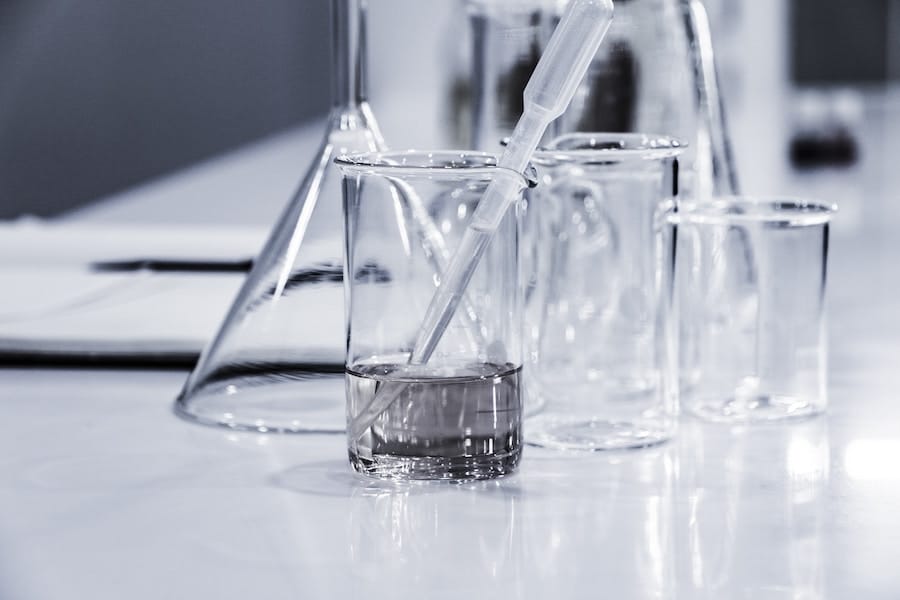
Privacy & Cookies Policy

Privacy Overview

This website uses cookies to improve your experience while you navigate through the website. Out of these, the cookies that are categorized as necessary are stored on your browser as they are essential for the working of basic functionalities of the website. We also use third-party cookies that help us analyze and understand how you use this website. These cookies will be stored in your browser only with your consent. You also have the option to opt-out of these cookies. But opting out of some of these cookies may affect your browsing experience.
Necessary
Always Enabled
Necessary cookies are absolutely essential for the website to function properly. This category only includes cookies that ensures basic functionalities and security features of the website. These cookies do not store any personal information.
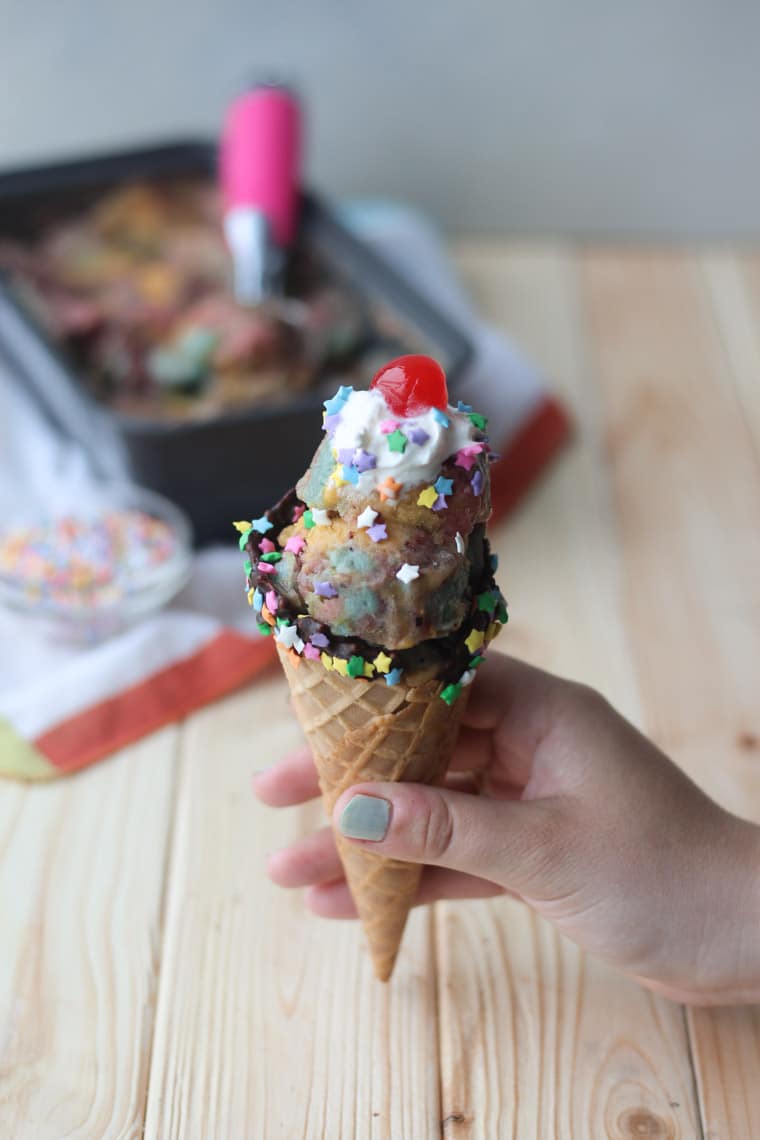
Non-necessary
Any cookies that may not be particularly necessary for the website to function and is used specifically to collect user personal data via analytics, ads, other embedded contents are termed as non-necessary cookies. It is mandatory to procure user consent prior to running these cookies on your website.
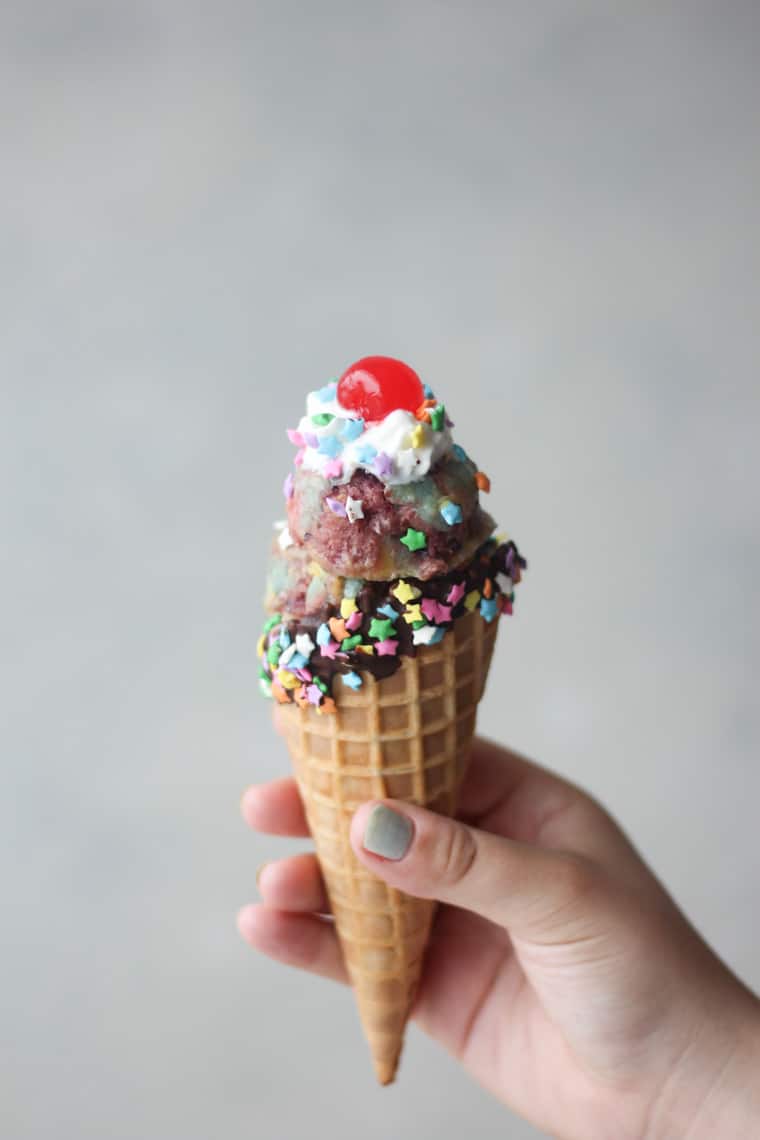
SAVE & ACCEPT

Rate This Recipe

Your vote:


A rating is required
A name is required
An email is required