• Skip to main content

Abbey's Kitchen

Healthy Recipes, Nutrition Myth Busting, Healthy Eating Tips

  • Books
    • HCC™
    • The Mindful Glow Cookbook
    • Recipe eBooks
      • Family
      • Hypothyroidism
      • BLW
      • Vegan Week 1
      • Vegan Week 2
      • Vegan Week 3
      • Keto
      • Gluten Free Week 1
      • Gluten Free Week 2
      • Fitness
      • Paleo
  • Blog
    • Nutrition
    • Recipes
    • Motherhood
    • Life
  • Explore
    • Neue Theory™
    • Bite Back With Abbey Sharp
      • Apple Music
      • Spotify
      • Amazon Music
    • YouTube
  • Abbey
    • About
    • Coaching
    • Contact

Abbey Sharp

Last Updated January 19, 2022. Published September 13, 2017 By Abbey Sharp 26 Comments

Lectin is the “New Gluten” : Is a Lectin-Free Diet Healthy?

Multiple giant bags of dried beans.

Let’s find out whether a lectin-free diet is the new gluten-free diet, and more importantly, does it live up to its lengthy claims?

Many dietitians predict that 2017 is the year of the “free from” diets. Sugar-free, dairy-free, lactose-free, gluten-free; the list is endless. These are only some of the most common ones you have likely heard of or seen in your local grocery store. More recently, there have been controversies surrounding the gluten-free diet and whether it’s good or bad for you; a topic of popular debate. Eating foods devoid of gluten has health claims including shedding belly fat, weight loss, cleared skin, improved digestion and alleviated GI distress, just to name a few. However, there is a very new “free-from” diet which is said to be the “new gluten-free diet”. The lectin-free diet involves eliminating foods containing lectins for optimal health, particularly for relieving you of your digestion woes. This has gained much attention in recent years, especially with the release of The Plant Paradox by Dr. Steven Gundry, who highlighted that the “secret” to healthy living and weight loss was the removal of lectins from your diet.

What are Lectins?

Just like gluten, lectins are a protein as well. They are found in most plants and are “carbohydrate-binding” proteins with a defence mechanism allowing them to protect the plant against pathogens such as fungi, insects, molds and diseases in their environment. Lectins are classified as “agglutinins” because of their ability to agglutinate (or tightly stick to) cells and cause cells to stick to one another. Since the majority of lectins are both heat and digestion-resistant, this has led many to believe that they enter our bloodstream to wreak havoc within our bodies.
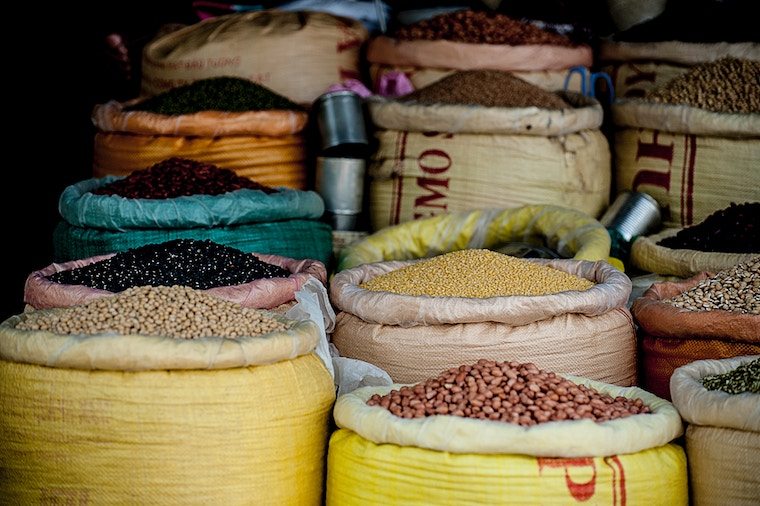
Multiple giant bags of dried beans.

Lectins are considered non-digestible “anti-nutrients” in humans because they bind to the cell membranes of various cell types, passing through the gut unchanged. However, this does NOT mean they are necessarily bad for you, nor should you eliminate all foods containing them. Even the “anti-nutrient” fiber was once perceived to be of little benefit because it could not be digested, but is now shown to be a fundamental part of a healthy diet. In general, there are many kinds of anti-nutrients found in plant foods such as tannins, phytic acid and oxalic acid among many others, that may interfere with the digestion and absorption of nutrients, but not with any significant adverse effects on our health. If we were to remove all foods containing any sort of anti-nutrient, we would not have many options to choose from.

Where are lectins found?
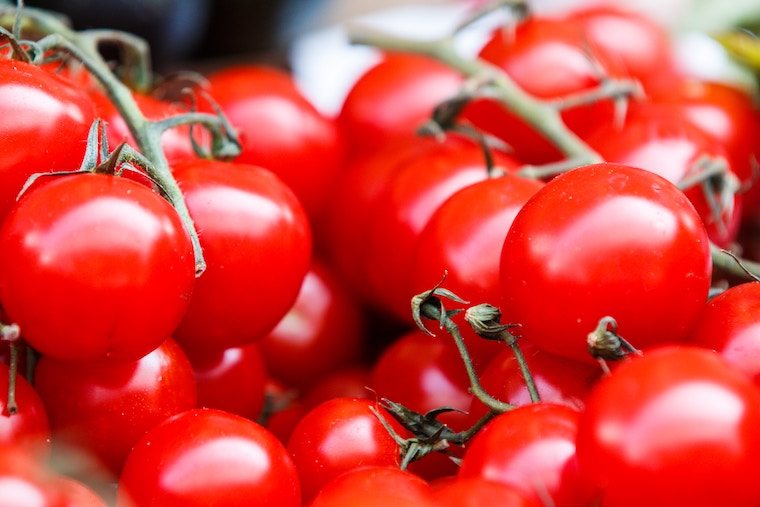
Close up photos of tomatoes.

Lectins can pretty much be found in almost everything – both plant AND animal sources; a wide range of foods including certain types of fruits and vegetables (tomatoes, eggplant, peppers, potatoes), legumes, along with egg and dairy products. Some foods are naturally higher in a variety of lectins such as cereal grains, legumes (lentils, beans, peas) and nuts, where they are mainly concentrated in the skins and seeds. Kidney beans, soybeans, almonds and black beans are all known to contain significantly greater amounts of lectins. If you’re a vegan or eat primarily a plant-based  whole food diet, you know that this does not leave much food on the table if you were to go lectin-free. Especially amidst this age of chronic disease where rates of obesity and diabetes are at an all-time high, which is believed to be contributed (or aggravated) by a low-fiber, high sugar and fat, highly processed diet, having anti-lectin advocates recommend avoiding many plant foods seems a bit too extreme, let alone inappropriate.

So what does the research say about lectins affecting our health?

Similar to the gluten-free craze, there’s a lot of hype surrounding the lectin-free diet trend, with proposed health benefits including elimination of digestion issues, increased energy, weight loss, as well as reduced cravings, headaches, body aches and adult acne. Most research has focused on the impact that lectins have on digestive health, immunity and inflammation, obesity, and cancer.

Gut Health

 Many anti-wheat advocates suggest that a specific lectin called wheat germ agglutinin (WGA) (concentrated mainly in the wheat germ of whole wheat) is involved with negative health outcomes due to binding of the epithelial gut wall. This is said to damage gut cells and the intestinal lining, leading to leaky gut syndrome. High concentrations of lectins consumed and overexposure to them can possibly cause damage to the gut wall and increase gut permeability, resulting in GI irritation, hindered nutrient absorption and obstructed gut defences against bacteria and other pathogens due to their “anti-nutrient” binding properties. This binding to human cells is also said to pave the way towards development of autoimmune diseases and induce pro-inflammatory immune responses, which will be further discussed in the later section (Immunity and Inflammation). Even more so, when lectins are consumed in large amounts by individuals with non-functioning enzymes, they may cause serious damage to the intestines. According to Dr. David Jenkins, if the starches in legumes and grains have not been cooked, the lectins are left unbound and are therefore free to come in contact with our intestinal cells, which can possibly lead to food poisoning symptoms. Despite this, the evidence we have is still very scarce since most findings regarding the impact of lectins on GI health are derived from animal models and in-vitro studies; thus lacking current human clinical trials.
A close up of a hand holding bread.

It has also been suggested that lectins elevate levels of undesirable bacteria such as E. coli, Lactobacillus lactis and Streptococcus sp. in outdated rat studies, but there is simply not enough research supporting the notion that lectin changes gut bacteria composition or lead to imbalanced bacterial growth. With limited evidence, others claim that high lectin consumption is responsible for causing various diseases related to GI-irritation, particularly in highly sensitive individuals with lectin intolerances such as irritable bowel syndrome (IBS) and inflammatory bowel disease (IBD). Furthermore, an old study performed on humans proposed that there is a “causal relationship” between intake of lectins and celiac disease. Researchers found that when given WGA, immunoglobulin levels indicating an immune response were significantly greater in children with celiac disease compared to those without celiac disease and those who were on a gluten-free diet. Therefore, it’s been argued that WGA lectins may be particularly harmful for patients with celiac disease. However, a review investigating the impact of lectin in wheat germ found that the overall science does not support this. To date, there have been no randomized controlled trials conducted in vivo on humans when evaluating the impact of WGA in normal amounts present in foods that have also been heat-prepared.
Field of wheat.

Instead, various studies have suggested many positive health benefits regarding whole-wheat foods. For that reason, the potential negative effects of WGA should not be enough of a reason to advise people to stop eating foods made from whole wheat. Whole grain consumption, as presented by the American Society for Nutrition (2010), has been stated to benefit GI function and protect against disease such as GI cancers and inflammation, while enhancing immune support. Furthermore, both cross-sectional and cohort studies, as well as meta-analyses, have displayed trends where increased intakes of whole grain foods rather than refined grains, has been linked to reduced body fat, lowered risks of obesity, type 2 diabetes, cardiovascular diseases and certain cancers. Contrary to lectin-free health claims, whole grain intakes have been associated with decreased inflammation, although a causal effect is yet to be determined. The health benefits of whole grains are largely attributable to the fiber and anti-inflammatory properties of phytochemicals found in the outer bran and wheat germ. With strong, consistent and current scientific research backing up these health claims, it is wiser to look at the context of the entire food rather than singling out lectins as the culprit to all our problems. At present there is no evidence recommending that healthy people should stay away from whole grain foods or lectin-containing foods.

Toxicity

The fear and concerns surrounding the toxicity of lectins and its inflammatory properties began with a notable incident in history, where raw kidney beans caused numerous acute side effects including vomiting, severe nausea, diarrhea, abdominal pain, muscle aches, and inflammation. The specific type of lectin found in uncooked or undercooked kidney beans is called “phytohemagglutinin (PHA)” which results in these lectin-poisoning symptoms. Negative health consequences have also been observed in rats where they experienced bacterial overgrowth and reduction in their intestinal wall lining when given high concentrations of PHA and WGA. Raw kidney beans in particular have the highest lectin concentration, from 20,000 to 70,000 hau (hemagglutinating unit – a unit measuring toxicity), whereas completely cooked versions contain as little as 200 to 400 hau. For that reason, legumes in general, which include beans, peanuts and soy are considered to be “toxic foods” if eaten raw. In past studies, the PHA in red kidney beans may have been the cause of allergic reactions in susceptible individuals, although their role is still unclear. However, adequately/fully cooked kidney beans are nutritious and safe to consume. They are rich sources of plant protein, high in both insoluble fiber and resistant starch which generally assists with weight loss and improved digestive health, rich in essential vitamins and minerals, and they are a complex carbohydrate source that is low in glycemic index (GI). The extent to which lectins pose a threat to human health is largely dependent on the specific type of lectin, the dosage, method of preparation and the individual’s sensitivity/tolerability to them. Humans typically cook legumes before consumption rather than eating them raw, so having them in your diet should not be an issue with normal food preparation.

Immunity and Inflammation

With the possibility of lectins having the potential of deteriorating the integrity of intestinal walls in certain people, many suggest that there is increased risk of autoimmunities. This is due to repeated/consistent exposure of dietary lectins increasing gut permeability, which enables unwanted materials to penetrate the gut more easily. Lectins are believed to contribute to the production of antibodies attacking lectins themselves. Researchers have theorized that due to the “binding ability” of lectins to various types of cells, they would be mistakenly perceived as pathogens and induce an immune response, attacking the lectins and bound tissue while damaging some organs. Eventually this would “give way to autoimmune diseases” such as rheumatoid arthritis, and therefore individuals with this disease are advised to avoid lectin-containing foods. Despite this scientifically-sounding explanation, most lectin research is extremely limited, with majority of studies using animals or in vitro methods. Some cases include the observation of pro-inflammatory immune responses when WGA was administered to animals, and increased immune responses within celiac disease patients. However, after extensive re-evaluation the results were found to be insignificant. Regardless, human trials are scarce and the influence of lectins on the immune system requires sound research.

Obesity and Weight loss
Hand holding measuring tape.

Lectins are thought to increase synthesis of fat cells based on limited studies done in vitro. It’s been hypothesized that increased dietary lectin causes weight gain by inducing leptin resistance. Leptin is known as an important hormone with the role of regulating energy intakes as well as expenditures. Leptin resistance or malfunctioning of leptin receptors, would interfere with satiety signals sent by the brain, increasing the likelihood of overeating and the development of obesity. However, no epidemiological studies or clinical findings support this hypothesis.

Cancer

Despite all these horrendous claims lectins have been associated with, they are not all bad. In fact, they may have a number of potential health benefits and a diverse range of clinical applications. Even with limited studies, lectin research on plants has displayed possible anti-cancer properties by improving function of the immune system and reducing tumour growth. For instance, studying patients with colorectal cancer showed lowered relative risk of developing the cancer with plant lectins. Other beneficial functions of specific lectins include its ability to modulate inflammation and stop cancer growth and migration by inducing apoptosis and autophagy (cell death). Lectins may even be used as malignant tumour biomarkers for early detection of cancer. Although there are promising results shown by in-vitro and in-vivo research, more clinical trials are required to understand the mechanisms behind this for therapeutic purposes.

Other issues

Some others have proposed that lectins are also the cause of UTIs (urinary tract infections), higher rates of anemia (especially in developing countries where lectin consumption is greater), chronic fatigue syndrome, abnormal cell growth, insulin resistance, and Parkinson’s Disease. To add, high lectin levels in the diet is believed to disturb glucose metabolism by blocking insulin and glucose receptors on cells. For all these claims, it is still way too early to jump to any of these conclusions without strong scientific support.

What would a lectin-free diet look like?

 An estimated 30% of our food is considered to have a significant amount of lectins in them. Lectins are found in many of our beloved plant-based foods, so a diet FREE of lectin would look a lot less colourful, to say the least. Certain ripened fruits are recommended on this diet because of their lower lectin-content, and in Gundry’s Plant Paradox, he further suggests consuming white rice instead of brown rice because the outer coating is “full of lectins” and causes GI distress. If you ask me, these practices seem like pretty controversial measures that don’t align with evidence-based nutritional guidelines promoting increased intakes of fruits, vegetables and whole grains.
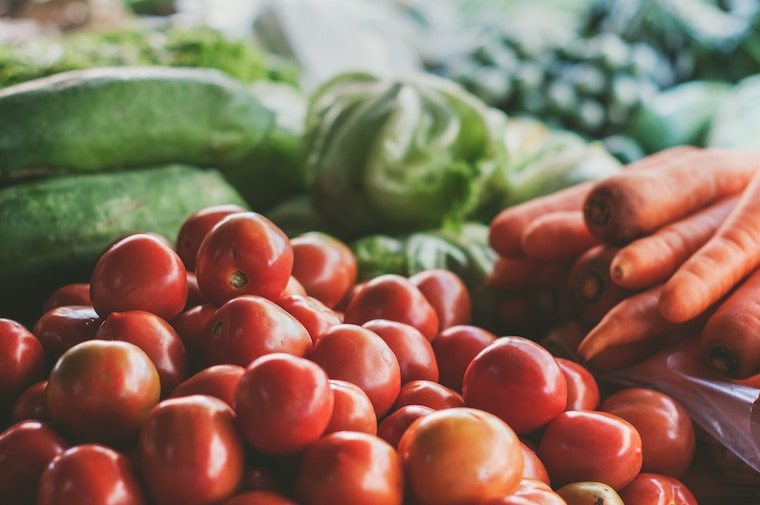
Close up of red and green vegetables.

Judging by this mighty list of exclusions, we can automatically identify this as a fad diet. Generally, foods with the highest concentrations of lectins start with legumes, then nightshades, dairy, and finally grain products.

Foods Eliminated from the Lectin-free Diet

  1. Legumes (e.g. all beans – soybeans, kidney, pinto, navy, lima, fava, wax, castor, string, mung, field and black beans; peas, peanuts and peanut-products, lentils – pretty much our beloved Canadian pulses!)
  2. Grains (e.g. wheat, rye, malt, oat, barley, rice)
  3. Seeds (e.g. sunflower, sesame)
  4. Most nuts (e.g. peanuts, almonds, hazelnuts, cashews)
  5. Nightshade Plant Produce (e.g. tomato, peppers, hot chili peppers, potatoes, eggplant, goji berries)
  6. Other Vegetables (e.g. beets, cucumbers, rhubarb, turnips, zucchini, garlic)
  7. Most fruit (e.g. pomegranate, grapes, banana, plums, papaya, currants, watermelon)
  8. Dairy products (e.g. milk, yogurt, cheese, chocolate)

Foods Allowed on the Lectin-Free Diet

  1. Animal Proteins/Meats (e.g. beef, chicken, fish, eggs)
  2. Cruciferous Vegetables (e.g. broccoli, cauliflower)
  3. Certain Fats (e.g. butter, olives, olive oil, avocados)
  4. Some nut varieties (e.g. walnut, pistachios, pecans, pine nuts)
  5. Miso, herbs/seasonings (e.g. except chili flakes)

*If an individual is aiming to only reduce intake of lectins, the list would allow more lower-lectin options in the diet including:

  1. Vegetables (e.g. onions, mushrooms, broccoli, bok choy, cruciferous vegetables such as cauliflower, broccoli leafy greens, pumpkin, squash, sweet potato, carrot and asparagus)
  2. Berries, citrus fruits, pineapple, cherries and apples

A lectin-free lifestyle entails avoiding many excellent sources of nutrient-dense whole foods on a daily basis. This diet looks very low in fiber, meaning that you may have to go through the inconvenience of taking a supplement to regulate your bowel movements. It’s likely that processed wheat, refined carbohydrates, meat and seafood intakes would increase by reducing consumption of a variety of higher-lectin foods.

The Bottom-line: Should you go on a lectin-free diet?

Despite extreme recommendations by anti-lectin advocates, “going lectin-free” is not going to solve your underlying health issues. If anything, being fixating on one compound may be doing more harm than good, and may even compromise your long-term health and fitness goals. This is because you would be consuming much less natural, whole foods in your daily diet, which are associated with healthier lifestyles and reduced rates of chronic diseases. Most foods with lectin are rich sources of fiber, vitamins, minerals, phytochemicals, antioxidants and many different kinds of beneficial components that far outweigh any possible risks. Currently, lectin research is limited regarding its impact – both good and bad – on humans. Yes, dietary lectins can be toxic in excessively large amounts, but us humans do not normally consume doses high enough to be of any real concern. Eating lectin-rich foods such as raw legumes, beans and grains in its raw form can result in harmful side-effects, but we typically have them cooked anyways. Some may suggest trying to exclude certain foods such as nightshade plants to help digestive issues, but scientific research to date has not been able to prove this.
Man cooking outdoors.

Even with an abundant amount of lectins in our foods, there really is no reason why you shouldn’t be eating them just to avoid lectins. An effective way of inactivating lectins is by heat-processing, which denatures these proteins through familiar methods such as cooking and baking to get rid of lectins’ binding ability. Therefore, fully cooked or canned beans and other plant foods higher in lectins can be safe to consume. Soaking your grains, beans and legumes overnight and draining before cooking can remove almost all lectin content. Microwaving and boiling will also help decrease levels of lectin. You can try fermenting high-lectin foods, as the production of bacteria would lower lectin concentrations by digesting these anti-nutrients while increasing digestibility of the food itself. Another method is sprouting grains, seeds, and legumes. Generally, the longer the sprouting duration, the more deactivation of lectins will take place. However, germinating legumes is still not considered as effective than the other methods. Pressure-cooking is another popular way to destroy lectins in specific foods including squash, sweet potato and beans. Although the lectin found in foods will not be 100% eliminated (but drastically so), these are all useful procedures for bringing down the lectin to a consumable level for prevention of potential side effects in most people. Majority of experts in the field of nutrition indicate that lectins are not likely to pose any significant risk to the health of humans as long as they are heat-treated.

The stronger scientific evidence we have that is very apparent in this day and age is that populations adopting plant-based diets tend be healthier and live longer (and yes – their diets include a ton of lectins!). Overall, the effect of lectin exposure may be very context-dependent, varying according to the overall diet, dosage and individual. And if you haven’t already figured it out, this diet appears quite restrictive and unsustainable in the long-run.
Pinterest image with vegetables with the text \"Is A Lectin-Free Diet Healthy?\"

Contribution by Rachel Shim, RD2B

Editing by Sofia Tsalamlal, RD, MHSc

Abbey Sharp

Abbey Sharp is a Registered Dietitian (RD), regulated by the Ontario College of Dietitians. She is a mom, YouTuber, Blogger, award winning cookbook author, media coach specializing in food and nutrition influencers, and a frequent contributor to national publications like Healthline and on national broadcast TV shows.

www.abbeyskitchen.com/about-abbey/

Last Updated September 7, 2017. Published September 7, 2017 By Abbey Sharp 30 Comments

Pumpkin Meringue Parfait 3 Ways | Gluten Free, Dairy Free, Vegan Options!

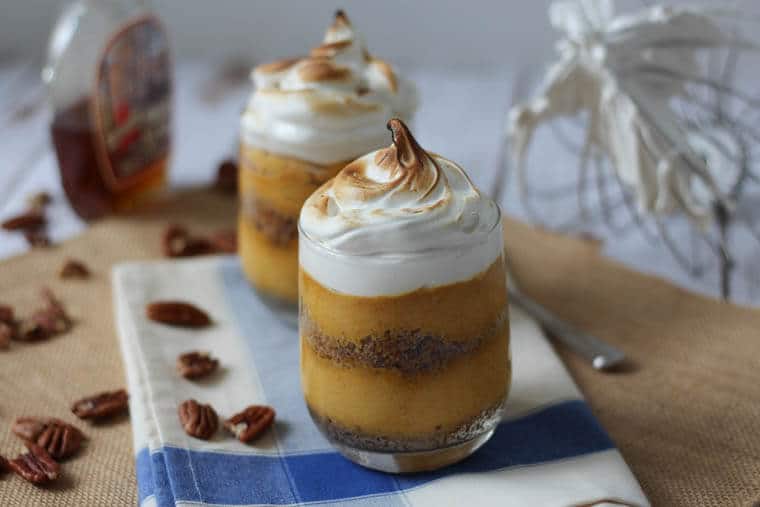
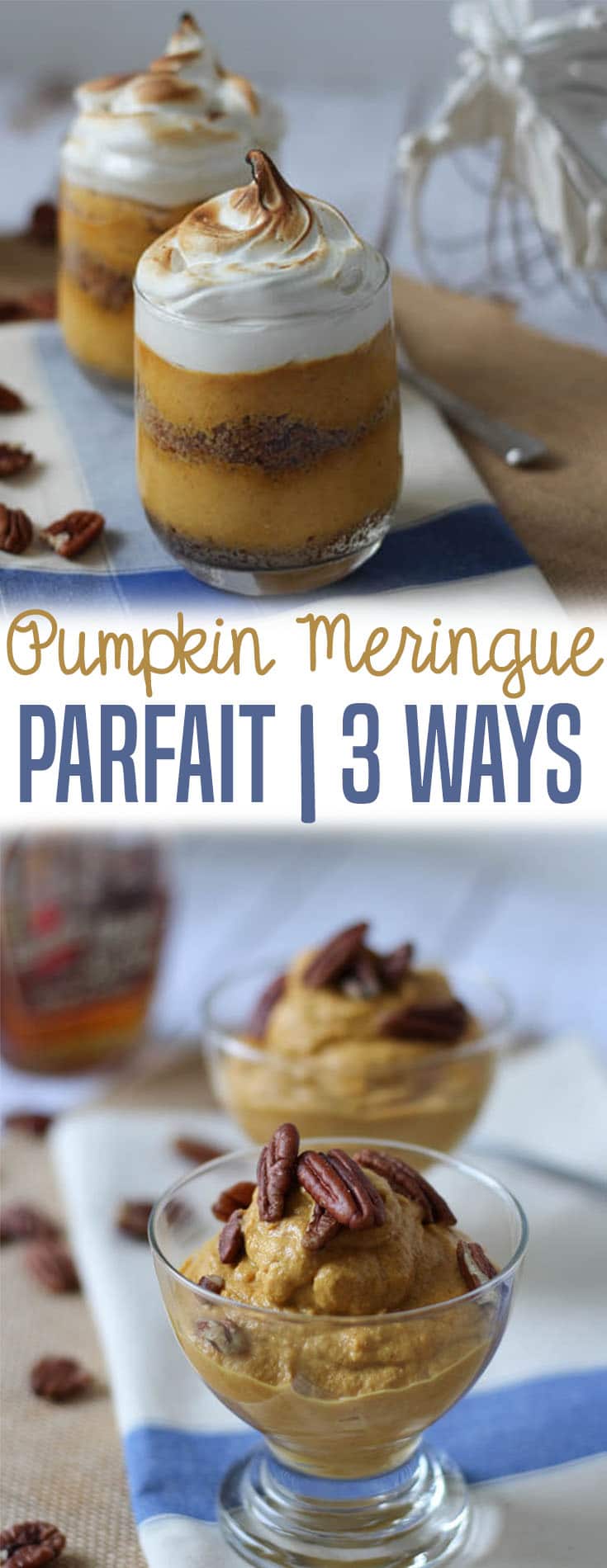
Close up image of two pumpkin meringue parfaits.

This pumpkin meringue parfait is a delicious dairy free alternative to pumpkin pie that can be made gluten free and vegan for holiday guests!

Pinterest image of two pumpkin meringue parfaits with the text overlay \"Pumpkin Meringue Parfait 3 Ways 
 Gluten Free, Dairy Free, & Vegan Options!\"

I like to switch things up every Thanksgiving and Christmas, but one thing that will never change is pumpkin desserts. I live for pumpkin pie but admittedly never really eat the crust. Nor do I eat the whipped cream. I am a pumpkin pie filling purest and look forward to that creamy dreamy filling all year long. So this holiday, I decided to get right to the goods with this Pumpkin Meringue Parfait 3 Ways.

Pumpkin Meringue Parfait

When I’m entertaining, I like to ensure there’s something for everyone at the party. These days, everyone has a different dietary restriction so I like making desserts that are customizable for everyone. This Pumpkin Meringue Parfait is a perfect Holiday treat exactly for this reason.

Close up image of two pumpkin meringue parfaits.

The original Pumpkin Meringue Parfait for those of us without restriction involves a dairy-free pumpkin mousse, a ginger snap and date crust, and a torched marshmallowy meringue topping. OMG I dream about this dessert.

Pumpkin Meringue Parfait Variations

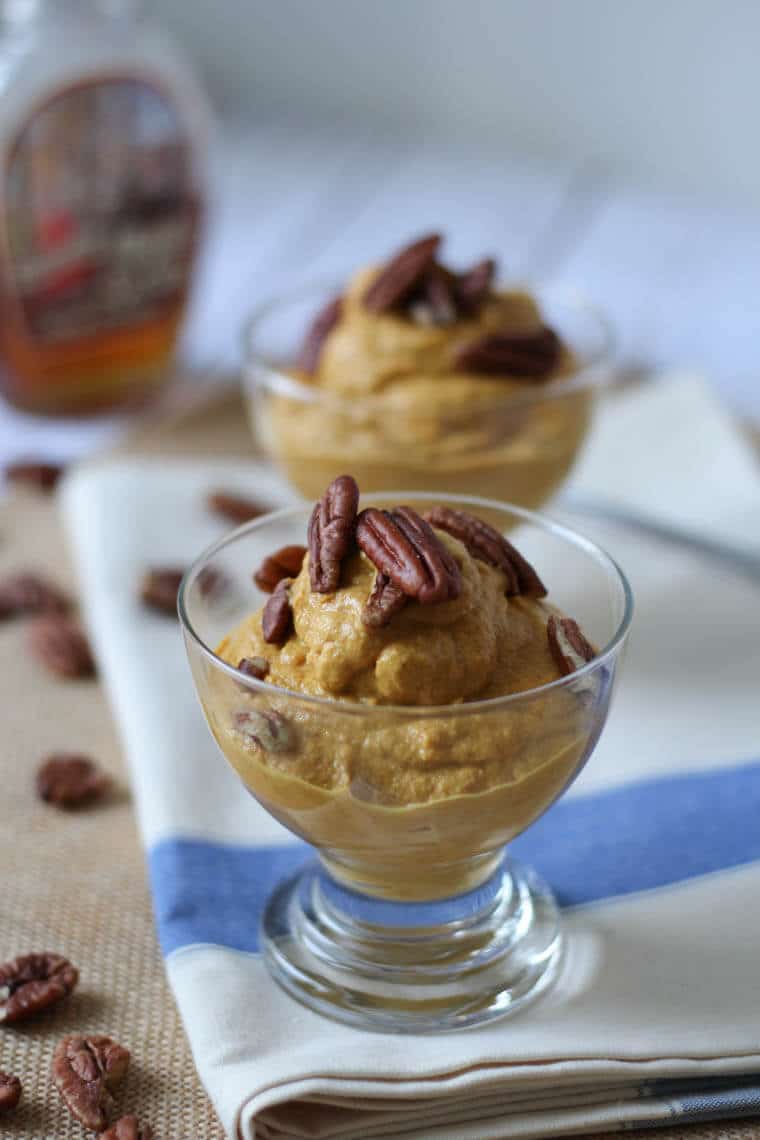
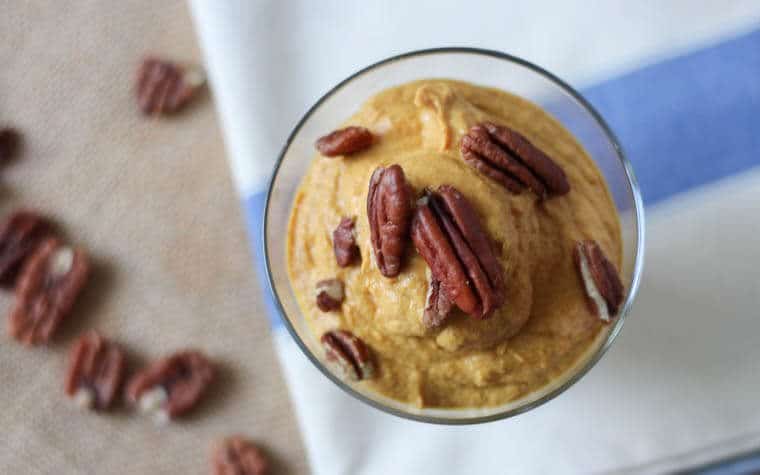
The Vegan and Gluten Free option is all about the pumpkin mousse in all it’s glory. I suggest adding a little bit of pecans on top for some extra crunch.

A close up of a pumpkin parfait with pecans on top.

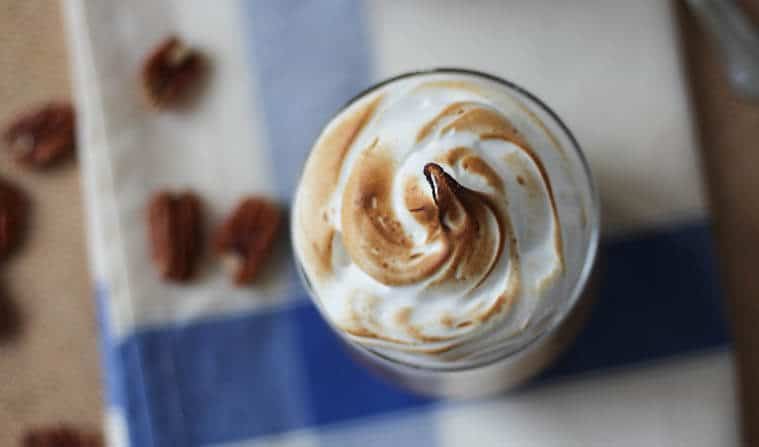
The Gluten Free option is the mousse with the meringue sans ginger snap crust.

An overhead photo showing toasted meringue topping in a glass cup.

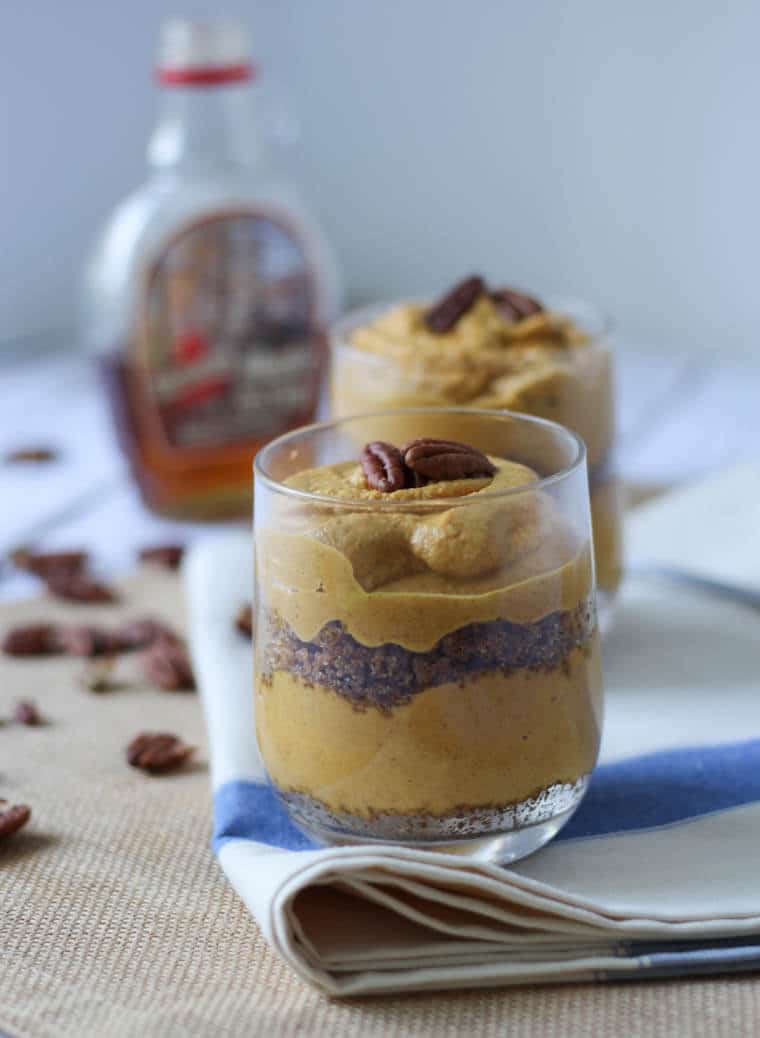
And finally, the Vegan option is the mousse with the crust but no meringue.

Two pumpkin parfaits with pecans.

Seriously, the holidays should be simple and this makes entertaining a lot less stressful. Plus, since everyone gets something of their own, the dessert feels personalized and we all love to have our own special treat.

An overhead photo of a glass of pumpkin parfait topped with pecans.

What are you planning to make for dessert for friends and family with dietary restrictions? Do you usually make more than one dessert or just keep it simple?

Have you tried my pumpkin meringue parfait?

Leave me a comment below with some of your family’s favourite Thanksgiving recipes!

A pinterest image of two sets of two pumpkin parfaits with the text overlay \"Pumpkin Meringue Parfait | 3 Ways.\"

Close up image of two pumpkin meringue parfaits.
Print Recipe
4 from 3 votes

Pumpkin Meringue Parfait 3 Ways | Gluten Free, Dairy Free, Vegan Options!

This pumpkin meringue parfait is a delicious dairy free alternative to pumpkin pie that can be made gluten free and vegan for holiday guests!
Prep Time20 minutes mins
Cook Time10 minutes mins
Total Time30 minutes mins
Course: Dessert
Cuisine: American
Servings: 8 people
Calories: 320kcal
Author: Abbey Sharp

Ingredients

Mousse

  • 2 cups cashews soaked and overnight in water in the fridge
  • 1 can pumpkin puree 15 oz can
  • 1 can full fat coconut milk refrigerated overnight, 13.5 oz can
  • 1/2 cup maple syrup
  • 1 Tbsp vanilla
  • 1 Tbsp pumpkin pie spice
  • 1/4 tsp salt
  • 2 Tbsp coconut oil melted

Crust

  • 1/4 cup dates minced
  • 2/3 cup vegan ginger snap cookie crumbs or another vegan cookie of your choice
  • 1/2 tsp cinnamon
  • 1 tbsp melted coconut oil

Meringue

  • 3 egg whites
  • 3/4 cups sugar
  • 1 pinch cream of tartar
  • 1/2 tsp vanilla

Garnish

  • Pecans toasted

Instructions

  • To a powerful blender or food processor, puree the cashews until they reach a grainy paste like consistency.
  • Carefully remove the cream from the top of the coconut milk can (discarding the water) and puree that into the cashews along with the pumpkin, maple, vanilla, pumpkin pie spice, salt and coconut oil. Puree until very smooth and creamy. Refrigerate until ready to use.
  • Meanwhile, in a small food processor or the same blender, pulse the dates until they break up into a very fine mince, then add in the cookie crumbs, cinnamon and coconut oil. Process until it reaches a sticky crust like consistency.
  • Finally, fill a medium to large saucepot with an inch of water over medium high heat and bring to a simmer. Place the egg whites, sugar and cream of tartar into the bowl of a stand mixer or a heat-proof bowl and set over the pot of simmering water. Using a whisk or a hand-mixer, beat the eggs and sugar until the sugar dissolves. Continue to beat until the mixture turns white and you start seeing wave like patterns in the meringue and your mixture reaches a minimum of 160 F. At this point you should have a very thick, glossy meringue that when you feel it between your fingers, you feel no sugar granules.
  • Transfer the bowl to your stand mixer or simply remove from the heat if you’re using a hand mixer. Add the vanilla and beat on high until stiff peaks form, about another 3-6 minutes. Transfer to a piping bag or a large plastic bag with the corner cut out.
  • ULTIMATE OPTION: Start by layering in a few spoonfuls of the crust in the bottom of a serving glass. Using a piping bag, pipe the mousse half way up the serving dish. Add another layer of the crust and finish with more mousse. Using another piping bag, pipe the meringue onto the mousse and use a blow torch to toast the meringue.
  • VEGAN & GLUTEN FREE OPTION: Using a piping bag, pipe the mousse into a serving dish and top with some crushed pecans.
  • GLUTEN FREE OPTION: Using a piping bag, pipe the mousse into a serving dish and top with the meringue. Use a blow torch to toast the meringue.
  • VEGAN OPTION: Start by layering in a few spoonfuls of the crust in the bottom of a serving glass. Using a piping bag, pipe the mousse half way up the serving dish. Add another layer of the crust and finish with more mousse and a sprinkle of crushed pecans.

Nutrition

Calories: 320kcal


Abbey Sharp

Abbey Sharp is a Registered Dietitian (RD), regulated by the Ontario College of Dietitians. She is a mom, YouTuber, Blogger, award winning cookbook author, media coach specializing in food and nutrition influencers, and a frequent contributor to national publications like Healthline and on national broadcast TV shows.
www.abbeyskitchen.com/about-abbey/

Last Updated October 23, 2020. Published September 5, 2017 By Abbey Sharp 10 Comments

Gluten Free No Bake Granola Bars with Peanut Butter & Apricot

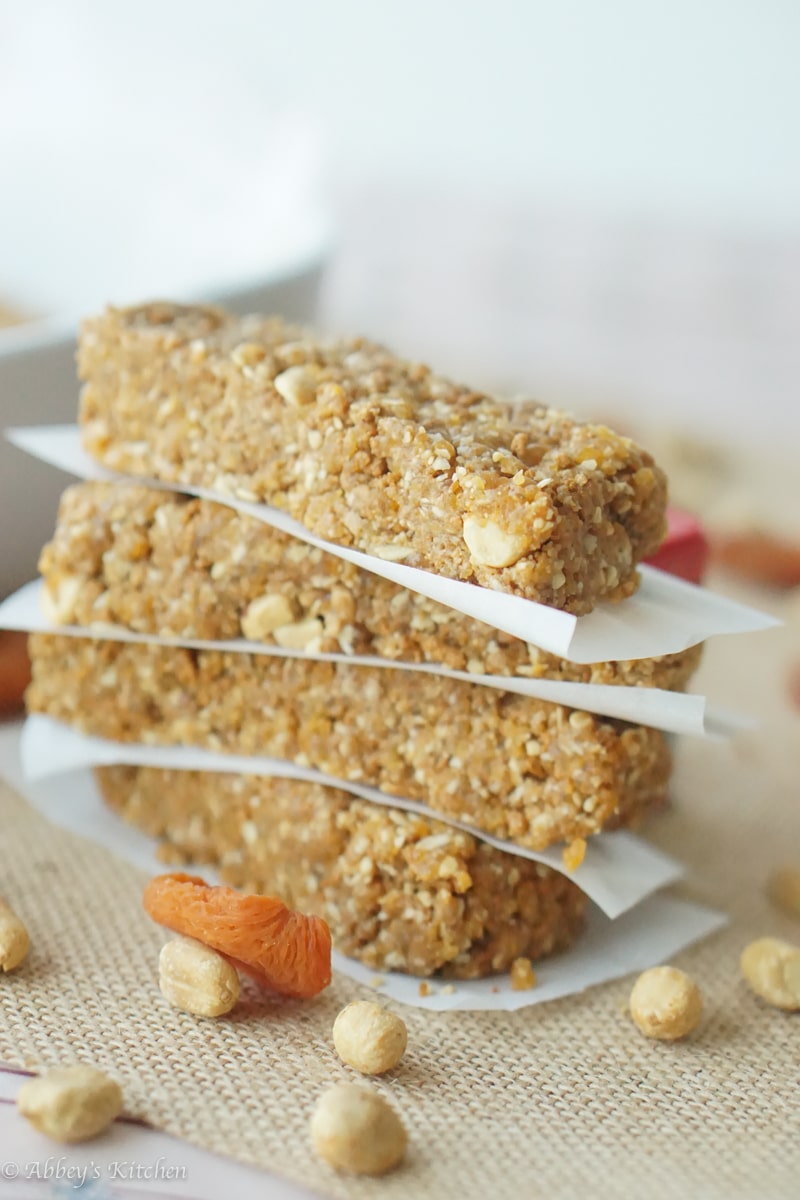
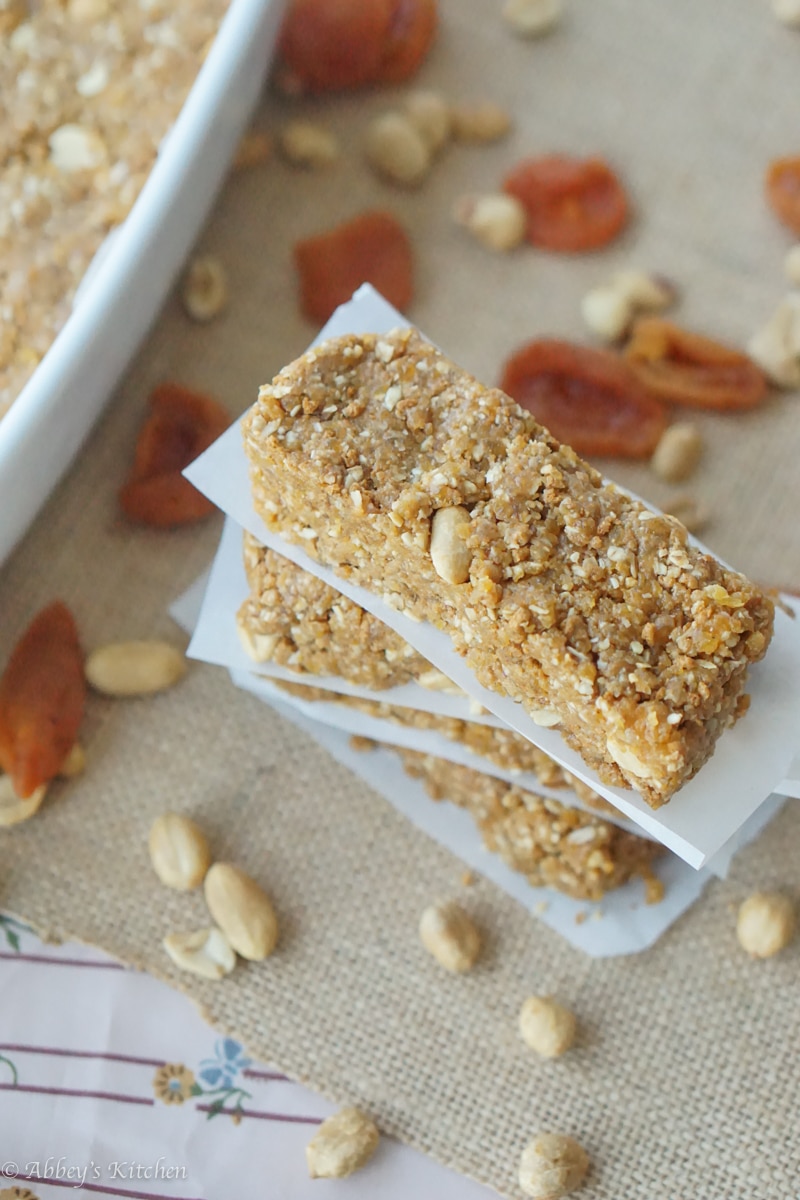
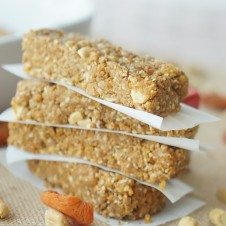
A stack of four gluten free no bake granola bars with peanut butter and apricot with parchment paper in between.
These gluten free no bake granola bars are the perfect go-to snack and are packed with protein, fibre, healthy fats, flax seeds and dried apricots for sweetness.
 
I don’t know about your childhood, but I practically lived off of granola bars between the ages of 7-18. In high school, I kept a few boxes in my locker as quick fuel for long theatre practices, or a little sweet pick me ups between 3rd and 4th period.  Okay so I still pretty much do this but I prefer to make my own no bake granola bars.
 
A stack of four gluten free no bake granola bars with peanut butter and apricot with parchment paper in between.
Granola bars are a great go-to snack for before or after a workout, and I love to stash them in my purse or brief case.
 
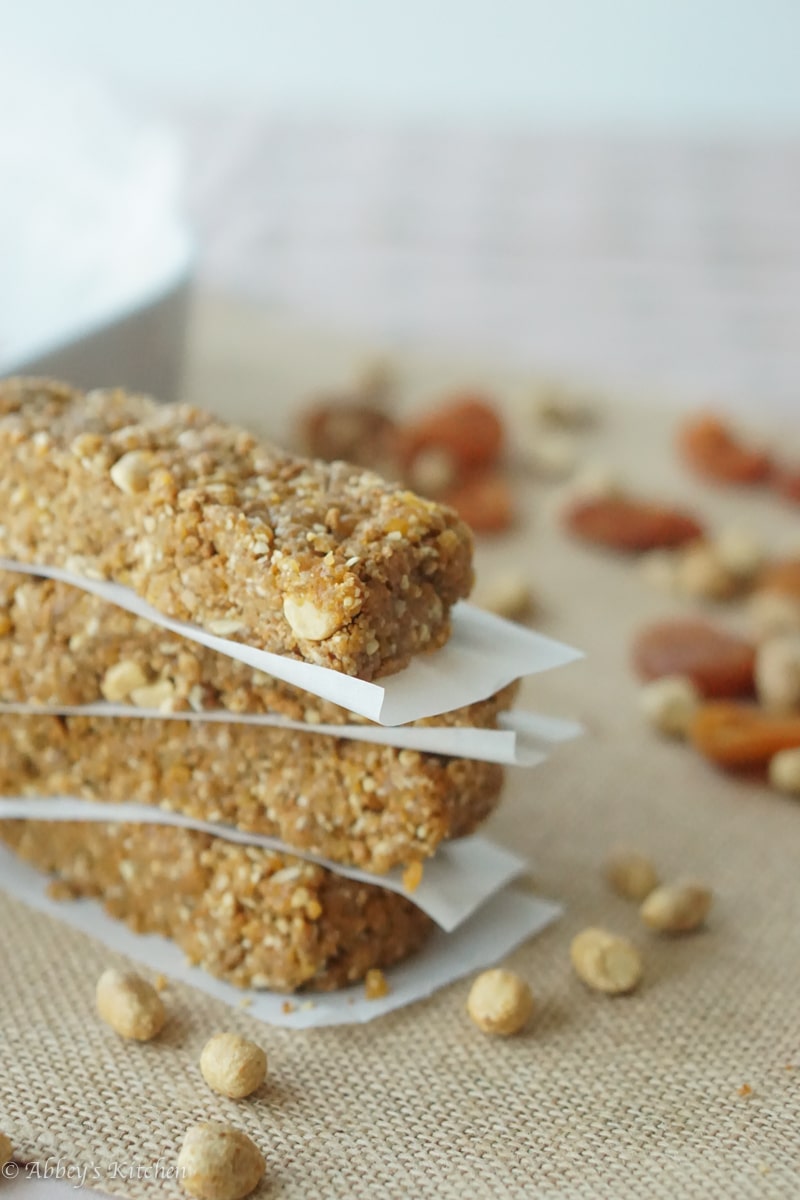
A stack of four gluten free no bake granola bars with peanut butter and apricot with parchment paper in between with nuts in the background.

As a dietitian (and adult), however, I know that most of the commercial bars out there are loaded with artificial preservatives, ingredients, and candy bits.

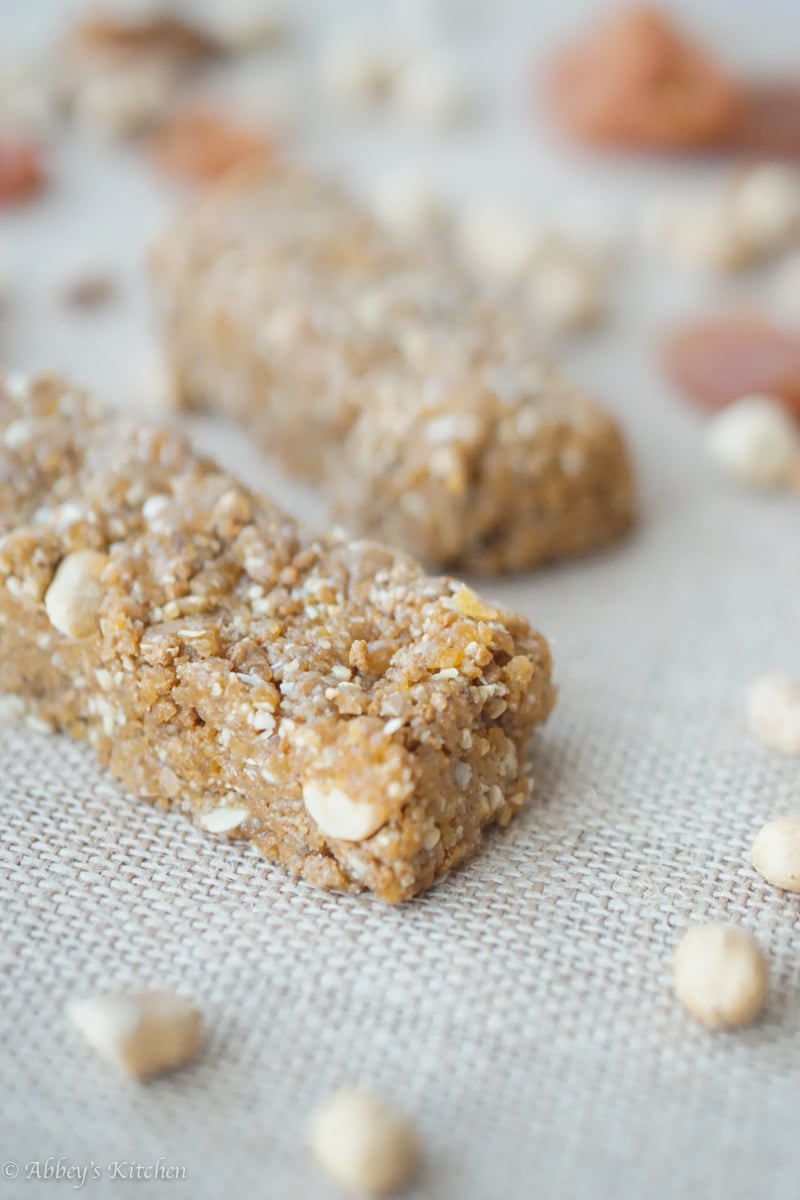
A close up of a homemade granola bar.

I’m sorry, but if I want a chocolate dipped bar, I’m going straight for a Snickers, otherwise, I’ll stick to a home made granola bar where I get to pick and choose the quality of the ingredients.

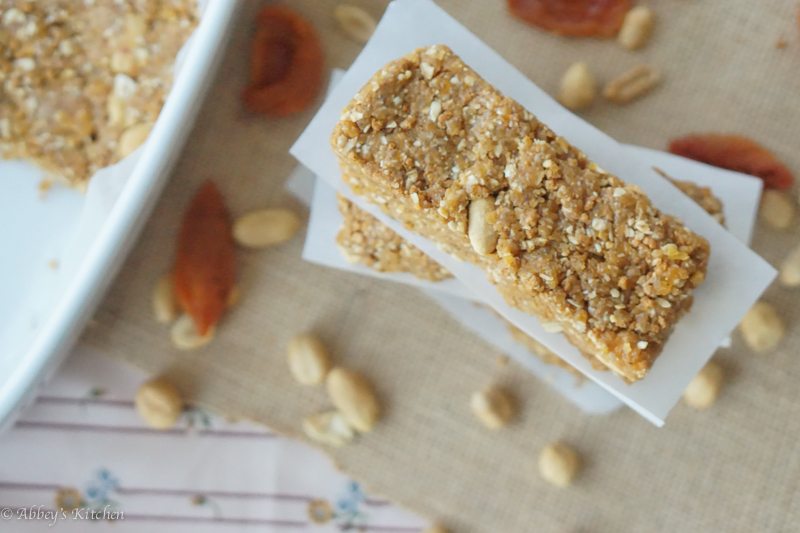
An overhead photo of a stack of gluten free no bake granola bars with peanut butter and apricot.

No Bake Granola Bars 101

In my house-made crispy chewy no make granola bars, I throw in lots of peanuts and peanut butter for protein, fibre and healthy fats, flax seeds for omega 3s, fibre and protein, oats for fibre and protein and dried apricots for sweetness. My version is completely gluten free but if that’s not a concern for you, try this with a higher fibre cereal (like Fibre One) and regular rolled oats.

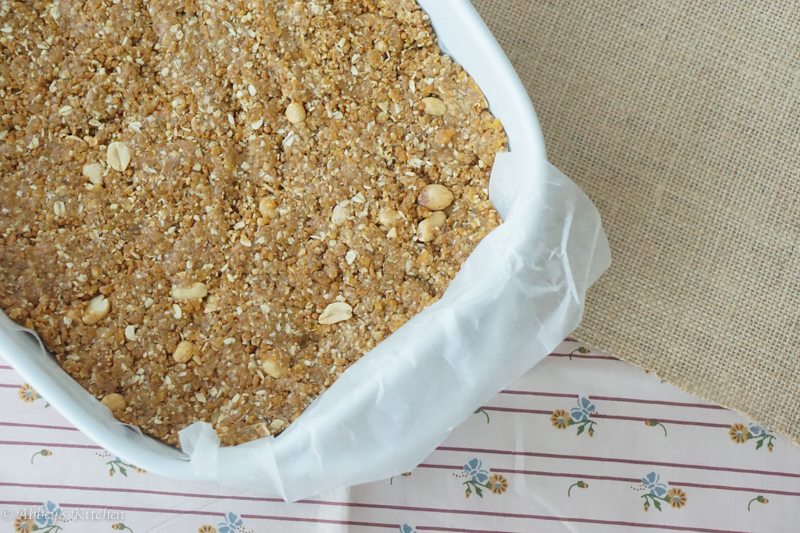
Overhead photo of granola inside of a baking dish.

You can also free style with your favourite dried fruit and cereal and make your own signature no bake granola bars. I love the combo of the crispy puffed brown rice with the chewy oats, but whatever you have on hand will probably work out just fine.

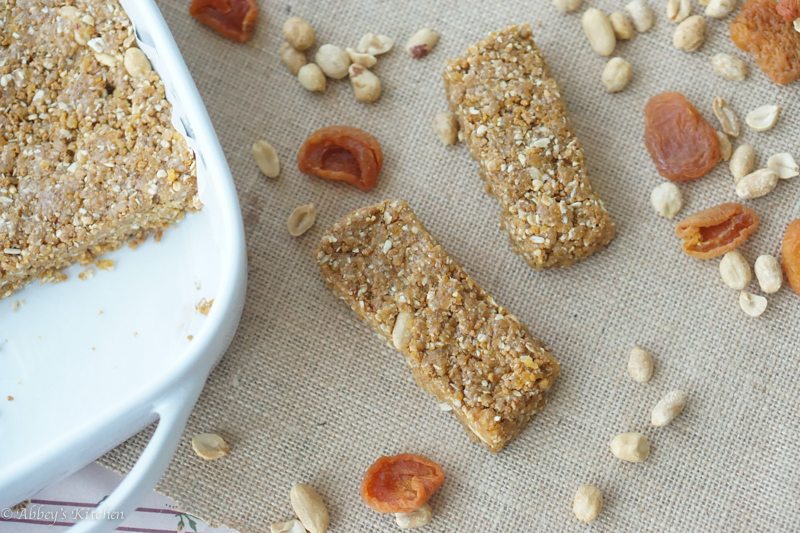
Overhead photo of two gluten free granola bars beside a white baking dish.

If you’re looking for some more great snacking ideas like these no bake granola bars, check out the PeanutBuruea.ca website for delicious nutty goodness here!

A stack of gluten free no bake granola bars with peanut butter and apricot with parchment paper in between with nuts around.

Do you have a recipe for no bake granola bars you love?

Leave me a comment below about what you’re go-to school or work snacks are!

A pinterest image of granola bars with overlay text \"No Bake Granola Bars Gluten Free\"

A stack of four gluten free no bake granola bars with peanut butter and apricot with parchment paper in between.
Print Recipe
5 from 2 votes

Gluten Free No Bake Granola Bars with Peanut Butter & Apricot

These gluten free no bake granola bars are the perfect go-to snack and are packed with protein, fibre, healthy fats, flax seeds and dried apricots for sweetness.
Prep Time1 hour hr 20 minutes mins
Total Time1 hour hr 20 minutes mins
Course: Snack
Cuisine: American
Servings: 16 bars
Calories: 280kcal
Author: Abbey Sharp

Ingredients

  • 3/4 cup dry roasted peanuts divided
  • 2 cups dried apricots
  • 2 cups gluten free rolled oats
  • 2 tbsp ground flax seeds
  • 1 cup natural peanut butter
  • 1/2 cup honey
  • 1 tsp vanilla extract
  • 2 cups puffed brown rice cereal

Instructions

  • Add 1/2 cup of peanuts and apricots to the food processor and pulse until they break into small pieces.
  • Add everything else except for the remaining 1/4 cup of peanuts and the brown rice cereal and process until smooth and sticky.
  • Roughly chop the remaining 1/4 cup of peanuts and add to the mixture along with the rice cereal.
  • Line a 13x8” rectangle pan with wax or parchment paper and press the mixture into the bottom of the pan.
  • Transfer the pan to the freezer for 1 hour. Cut into 20 bars and wrap each individually in plastic wrap. Store in the fridge or freezer until ready to eat.

Nutrition

Calories: 280kcal

Disclaimer: The preceding recipe was developed in paid-partnership with Peanut Bureau, however, as always all opinions are genuine.

Abbey Sharp

Abbey Sharp is a Registered Dietitian (RD), regulated by the Ontario College of Dietitians. She is a mom, YouTuber, Blogger, award winning cookbook author, media coach specializing in food and nutrition influencers, and a frequent contributor to national publications like Healthline and on national broadcast TV shows.
www.abbeyskitchen.com/about-abbey/

Last Updated October 4, 2021. Published September 4, 2017 By Abbey Sharp 35 Comments

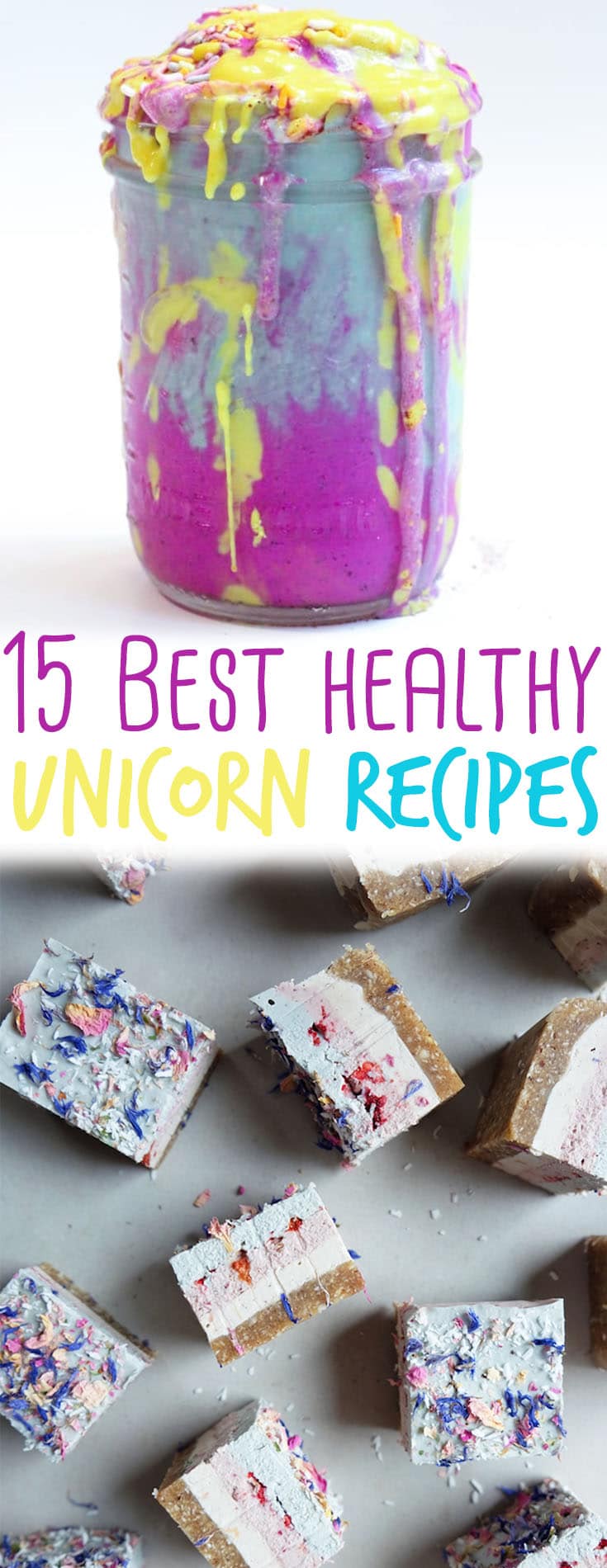
15 Best Healthy Unicorn Recipes

Overhead photo of colourful dessert bars.

I’m keeping the unicorn trend alive by sharing 15 of the best healthy unicorn recipes.

Do shimmery rainbows, pastel water colours and iridescent hues bring back nostalgic, comforting childhood memories? Or maybe it makes you think of cotton candy, Care Bears, My Little Pony or Lucky Charms. Whatever it reminds you of, I’m sure we can all agree that there’s something about bright and colourful foods that adds that extra “oomph” and MAGIC compared to plain regular food. There’s definitely a “don’t worry, be happy” kind of vibe that brings us back to times when things were playful, simpler and innocent. Let’s be real. We adults need our fun too! Which is why I’m all about that unicorn life and want to share with you guys 15 of the best healthy unicorn recipes.

This unicorn food trend (ie unicorn “fever”) all began with the vibrant unicorn toast and has made more and more people “crave the rainbow” in their food ever since. Food bloggers and recipe developers have continued developing more innovative and exciting beautiful recipes that fit the #Unicornfood theme. The unique multi-coloured and oftentimes glittery features of unicorn recipes are usually made with colours from natural food dyes (typically super-hyped “superfoods”) such as spirulina, chlorella, matcha (for green), blue-green algae/Blue Majik (for blue), beet, pitaya or hibiscus powder (for pink), turmeric (for yellow) and shisho herb (for purple). These recipes I’ve conjured up for this round-up were designed with nutrition in mind, so you don’t need to worry about whether they’re good for you or not (but don’t go OTT with them!). They’re healthy, creative and aesthetically-pleasing to the eye, with a selection of vegan options!

Now, let’s enter the fantasy realm of unicorn dreams, shall we? Here are my choices for the TOP 15 Healthy Unicorn recipes to revive those good ‘ol memories!

14 Best Healthy Unicorn Recipes

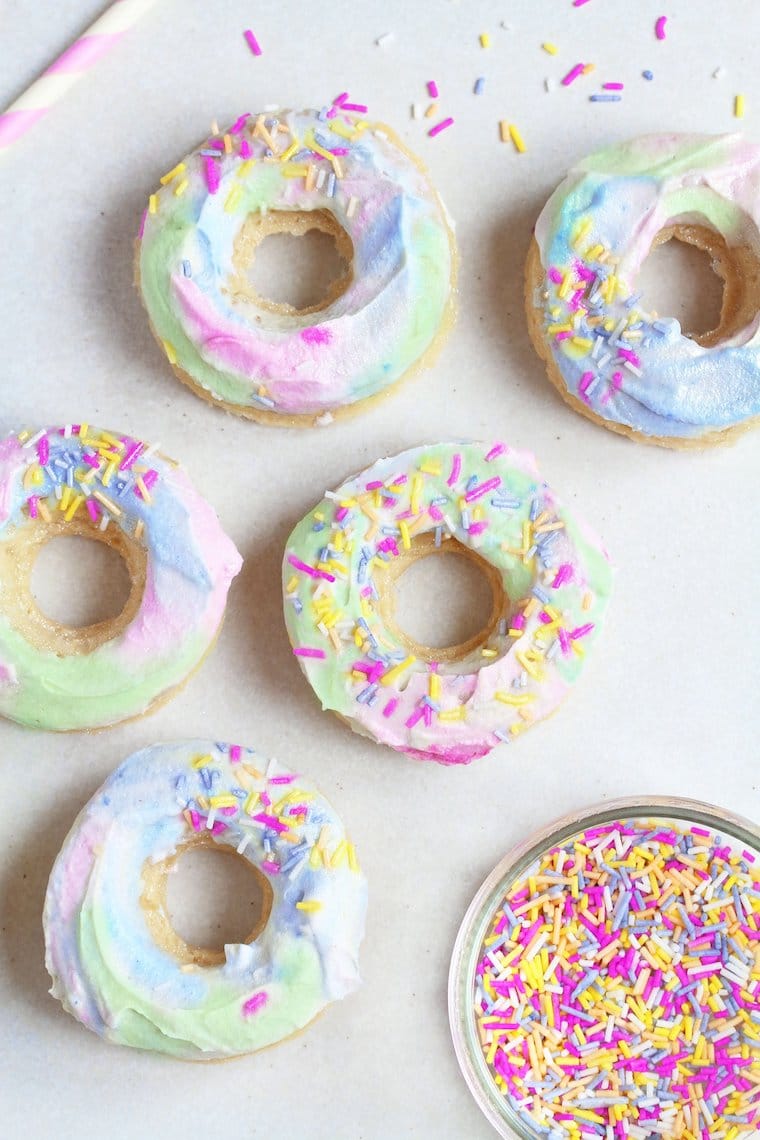
Unicorn Doughnuts – Nadia’s Healthy Kitchen

Five unicorn glazed donuts with sprinkles.

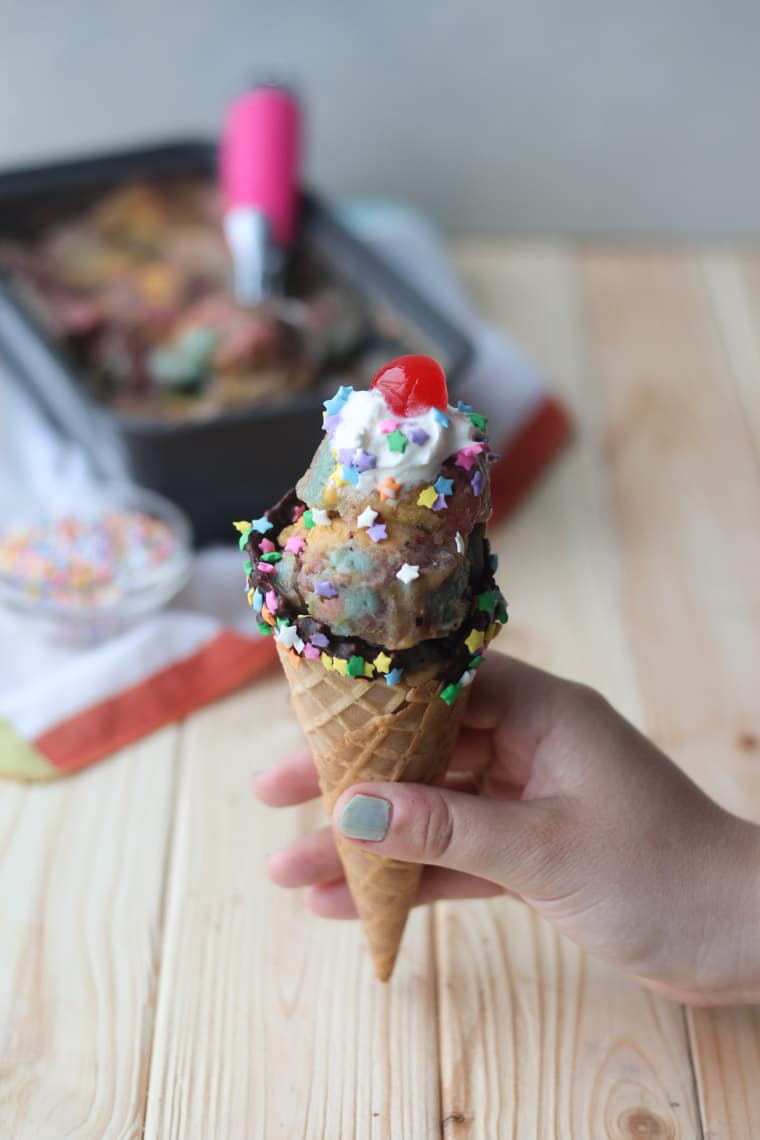
Vegan Unicorn Nice Cream – Abbey’s Kitchen

A hand holding a cone with ice cream in it with a dollop of whipped cream on top and a cherry.

Healthy Unicorn Frappuccino – Liz Moody from Mind Body Green 

A colourful smoothie overflowing from a mason jar.

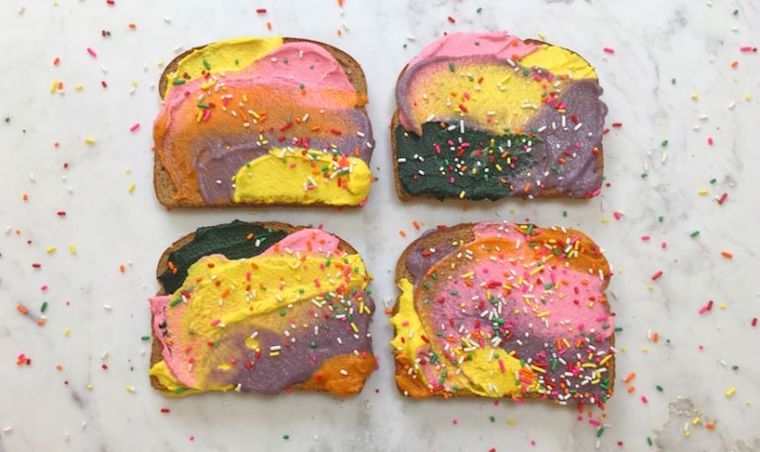
Unicorn Toast – Liz Moody from Mind Body Green 

Four pieces of toast with pastel coloured spread with rainbow sprinkles on top.

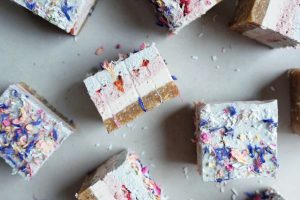
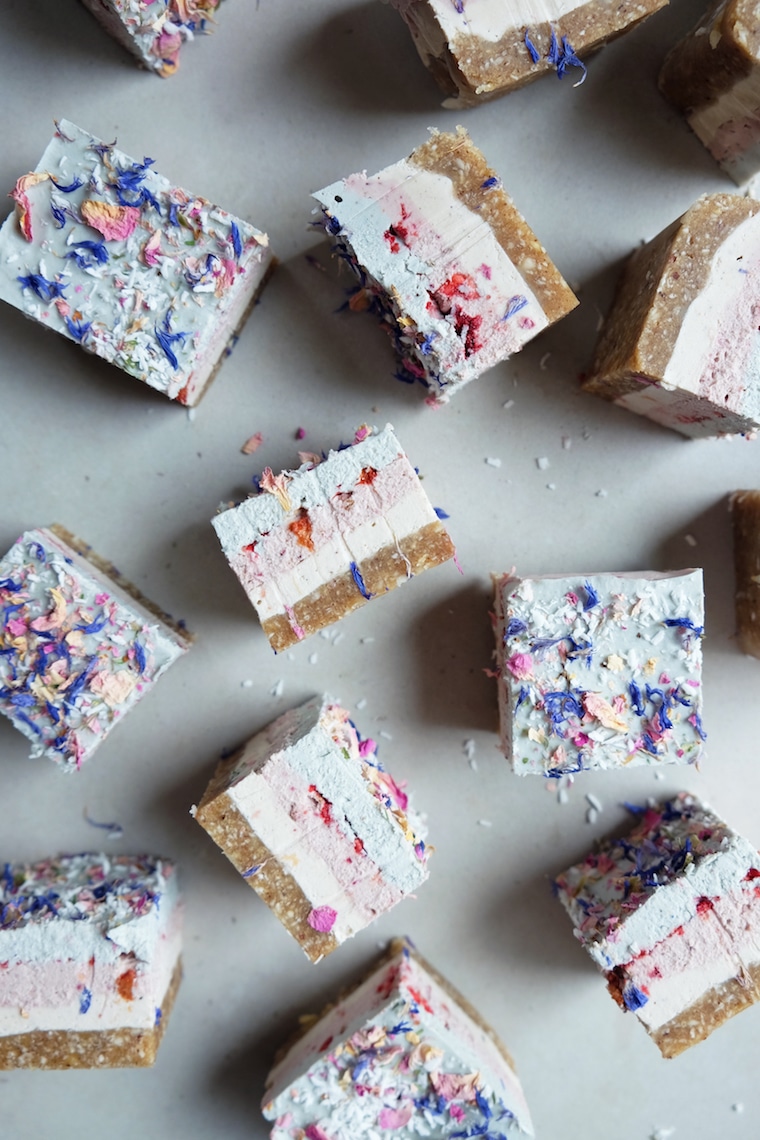
Pastel Coconut Cashew Dream Bars – Wu Haus

 Overhead photo of colourful dessert bars.

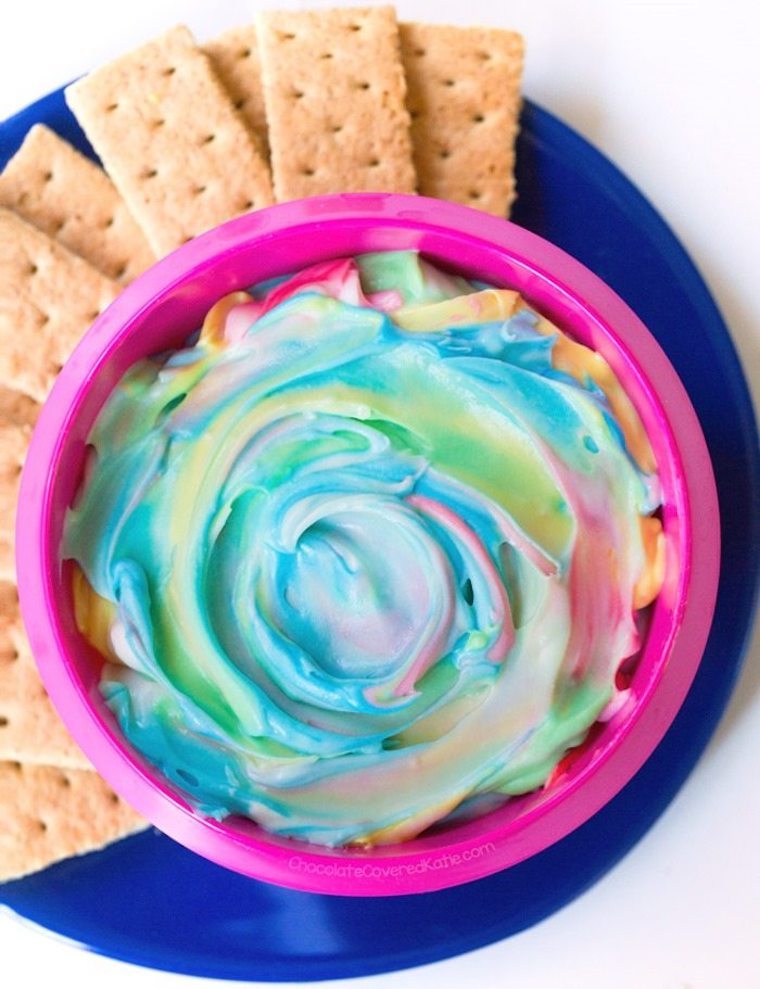
Rainbow Unicorn Dip – Chocolate Covered Katie 

A bowl of pastel rainbow coloured dip with crackers beside it.

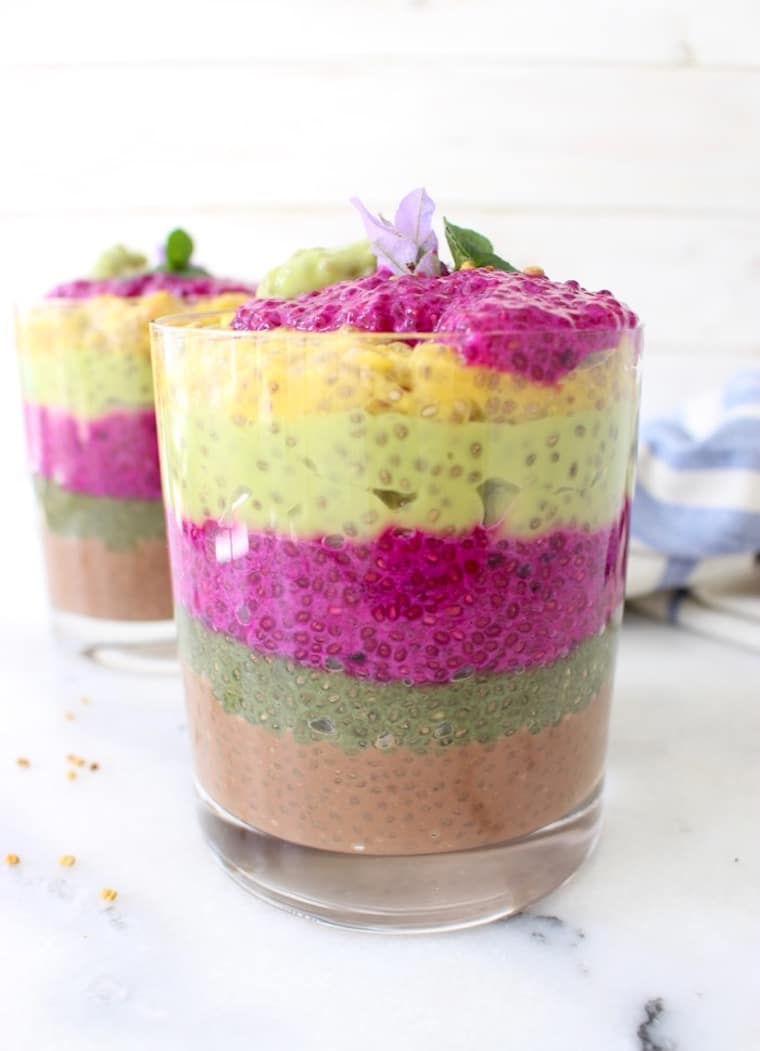
Rainbow Chia Seed Breakfast Pudding Recipe – Ciao Florentina

A glass cup with rainbow layered chia seed pudding.

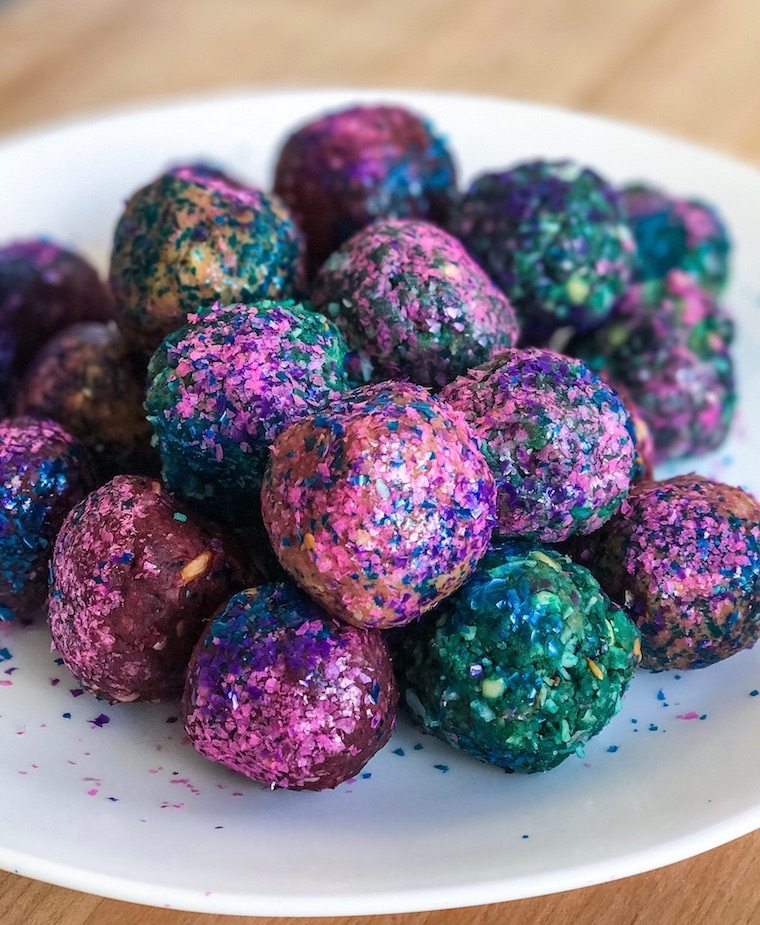
Unicorn Peanut Butter Balls – Sweat with Bec 

Energy balls coated in rainbow coloured sprinkles.

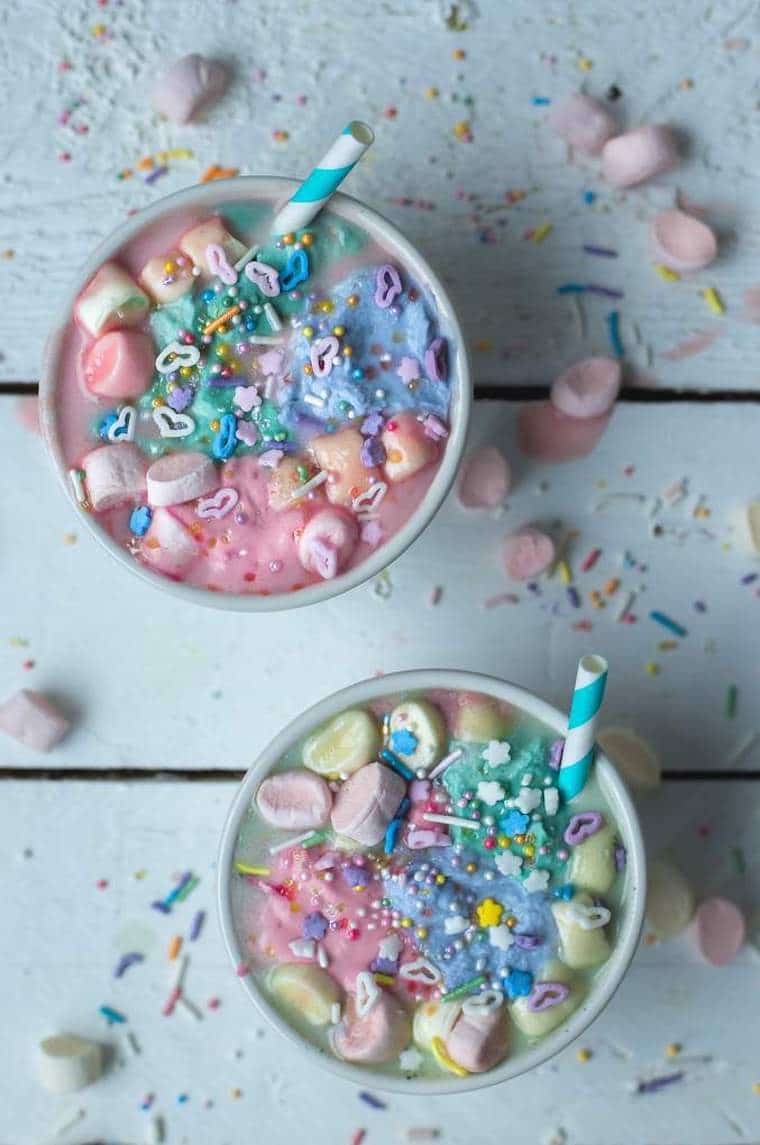
Vegan Unicorn Hot Chocolate – My Berry Forest 

An overhead image of two mugs of unicorn hot chocolate, pastel coloured toppings and straws.

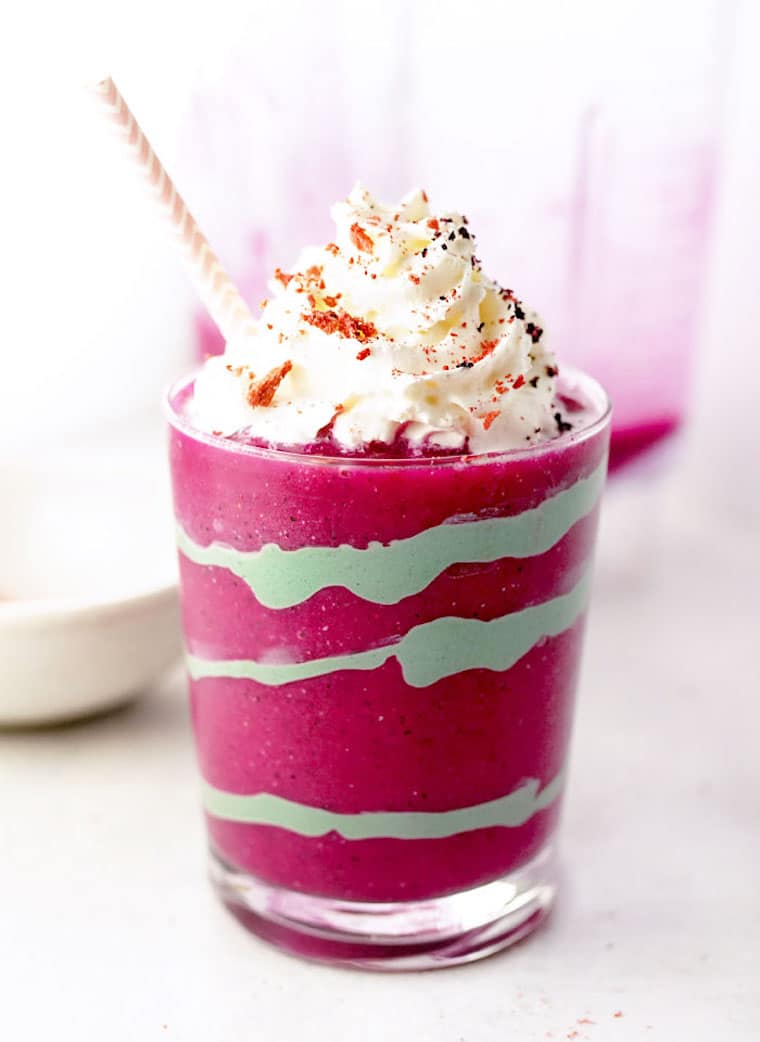
Healthy Unicorn Smoothie – Detoxinista

A glass of raspberry coloured and light green swirled smoothie with whipped cream on top.

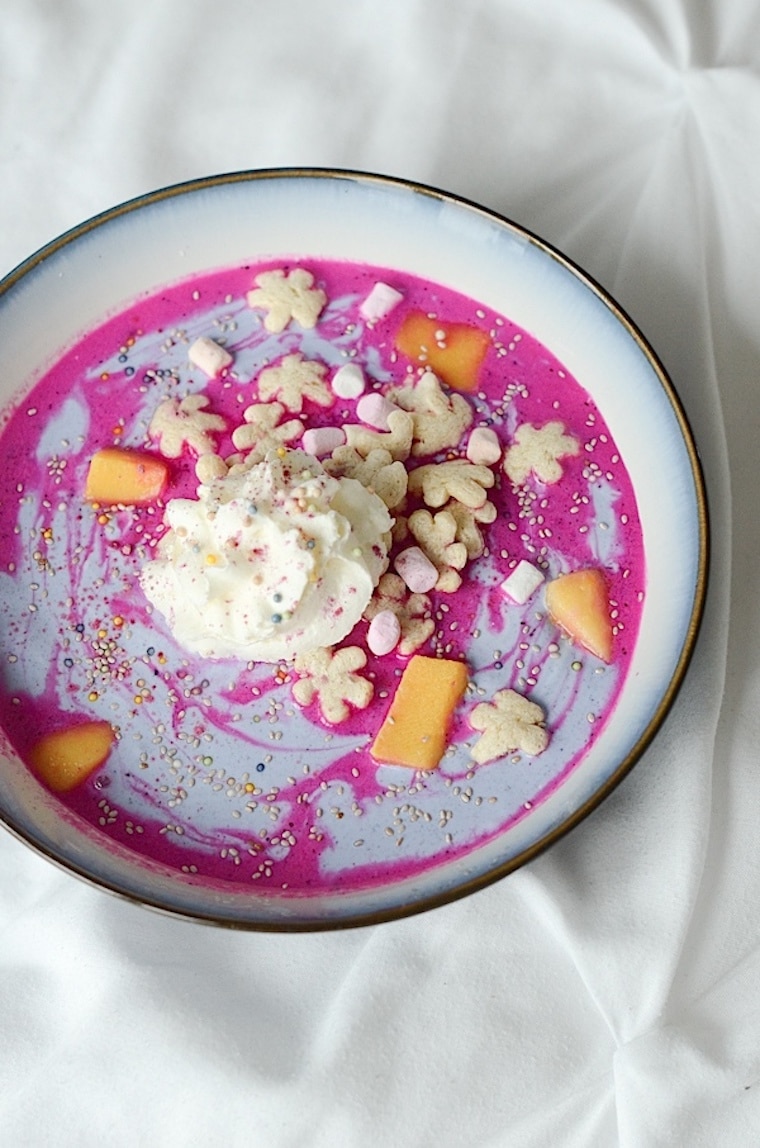
Healthy Unicorn Smoothie Bowl – The Chic Life 

An overhead photo of a pink smoothie bowl with whipped cream.

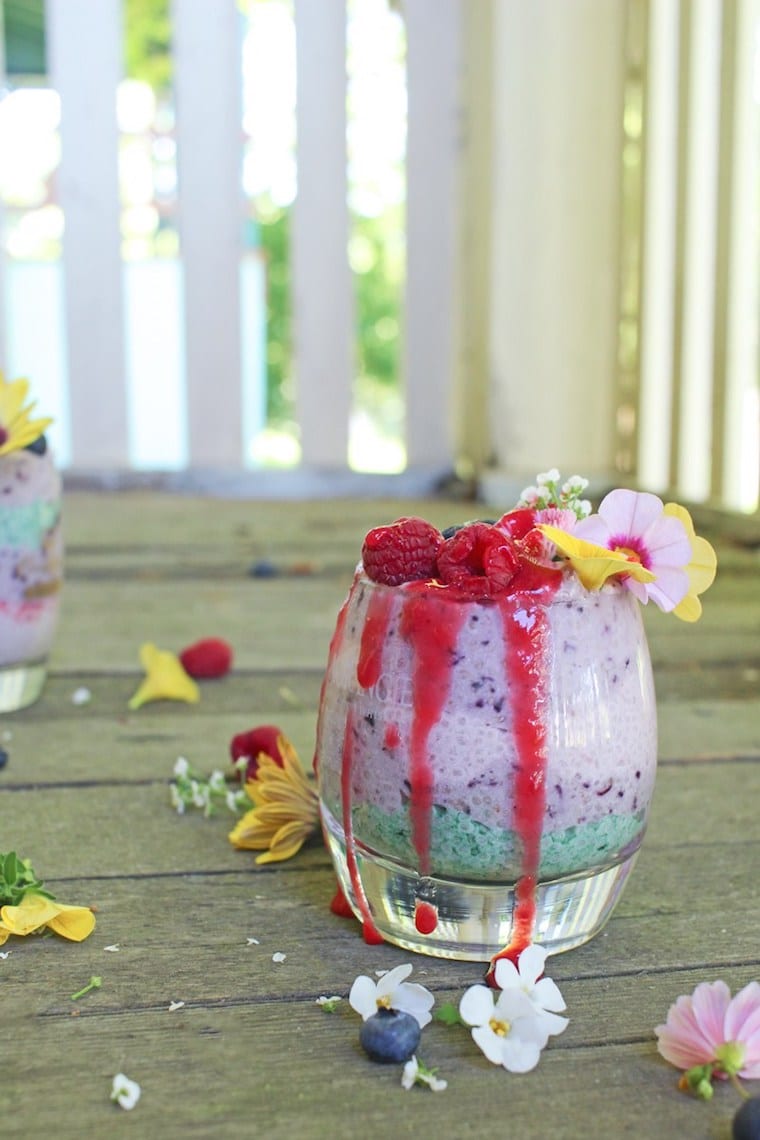
Unicorn Chia Pudding – Odessa Darling

A glass cup of light purple and green chia seed pudding with raspberries on top.

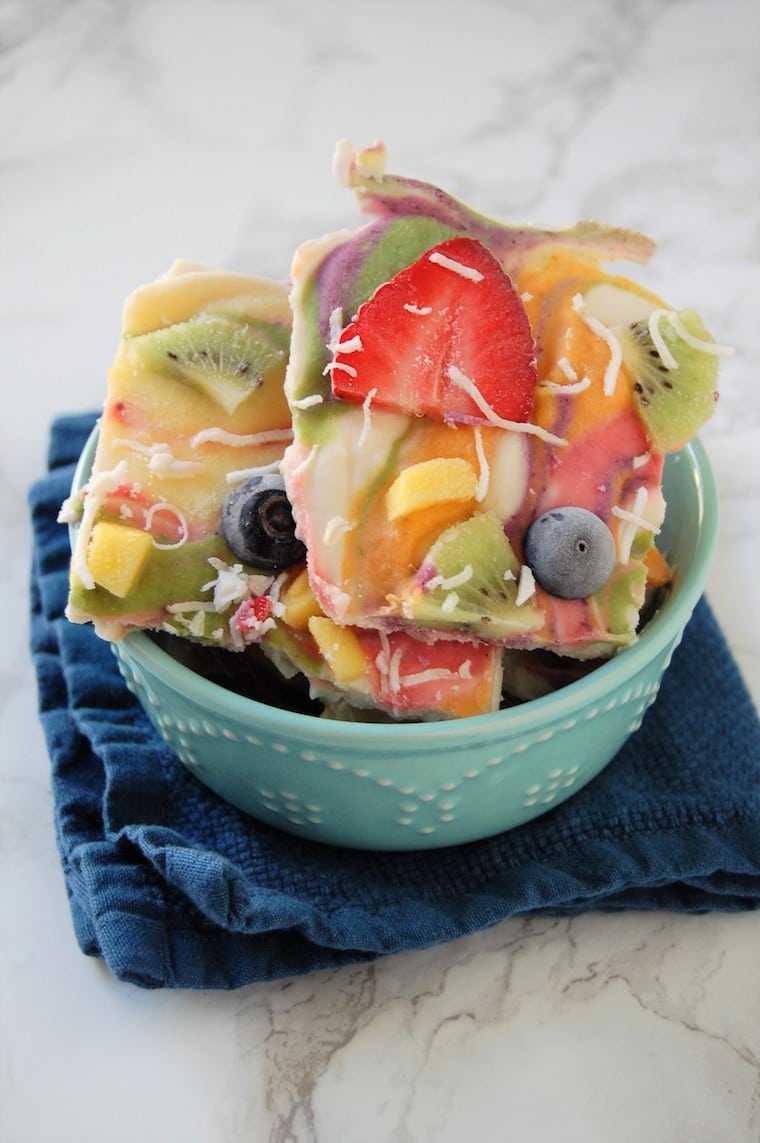
Rainbow Frozen Yogurt Bark – Nutritiontofit
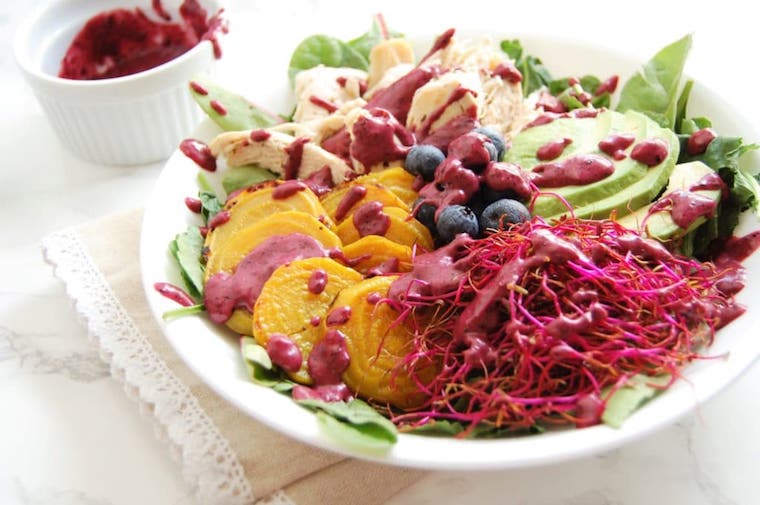
A green bowl with pastel coloured yogurt bark. Golden Beet Salad – Nutritiontofit 

A white plate with a colourful salad.

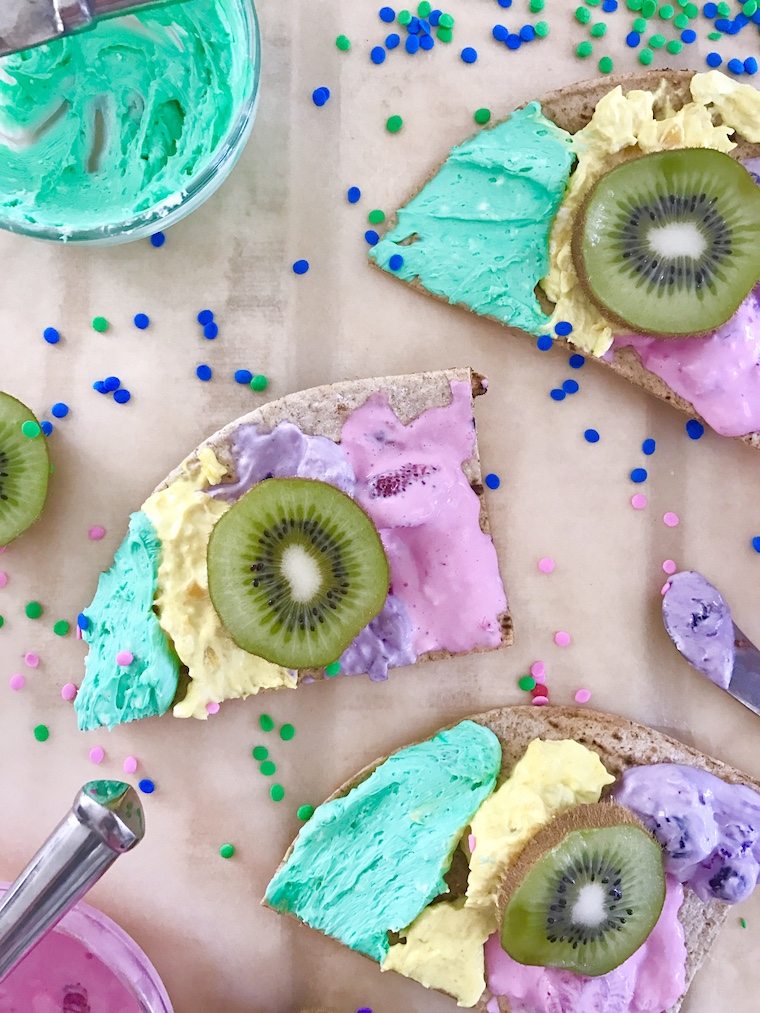
Unicorn Toast – Shaw’s Simple Swaps 

A piece of toast with teal, yellow, and purple spread with a kiwi on top.

There you have it guys, 15 tasty healthy unicorn recipes to brighten your day just a little bit.

What are your thoughts about unicorn food?

Are you going to jump onto the bandwagon for this latest trend?

Share this recipe round-up with family and friends to add a little magic in their lives ;)!

Leave us a comment below on which unicorn treats you’re going to try out! (add unicorn emoji)

I'm keeping the unicorn trend alive by sharing 15 of the best healthy unicorn recipes.

Contribution By:

Rachel Shim, RD2B

Abbey Sharp

Abbey Sharp is a Registered Dietitian (RD), regulated by the Ontario College of Dietitians. She is a mom, YouTuber, Blogger, award winning cookbook author, media coach specializing in food and nutrition influencers, and a frequent contributor to national publications like Healthline and on national broadcast TV shows.
www.abbeyskitchen.com/about-abbey/

Last Updated October 4, 2021. Published August 31, 2017 By Abbey Sharp 24 Comments

Labor Day Healthy Dessert Recipes | Low Cal, Vegan, Gluten Free, Paleo

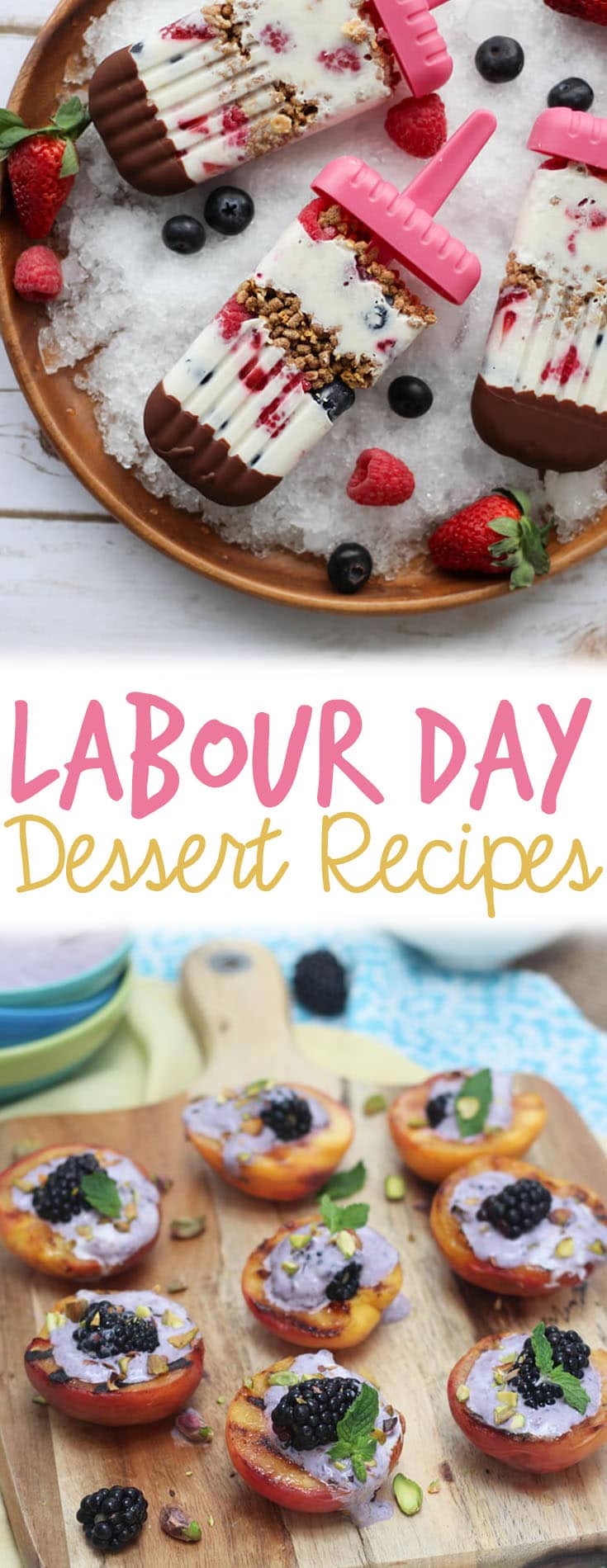
A plate with shaved ice containing multiple banana cream pie berry popsicle with chocolate on top.

These Labor Day healthy dessert recipes will help you end your BBQ (and Summer, in general) with a total bang! Low calorie, gluten free, vegan and more- there’s something for everyone in this healthy dessert round up.

If summertime was a full course meal, we can all agree that Labor Day weekend would be the dessert. With summer coming to an end, jumping into September usually means slowly adjusting back to reality. Naturally, we’re bound to have one final celebration filled with family, friends and good food before the summer season comes to a halt. Whether you’re planning a big bash, a barbeque or a smaller affair, why not incorporate some Labor Day healthy dessert recipes in your meal? We have provided 10 Labor Day healthy dessert recipes that are guaranteed to satisfy your sweet tooth without burning a hole in your diet. As always, these recipes super simple and require little time to perfect, making your Labor Day weekend truly labor free.

The Best Labor Day Healthy Dessert Recipes

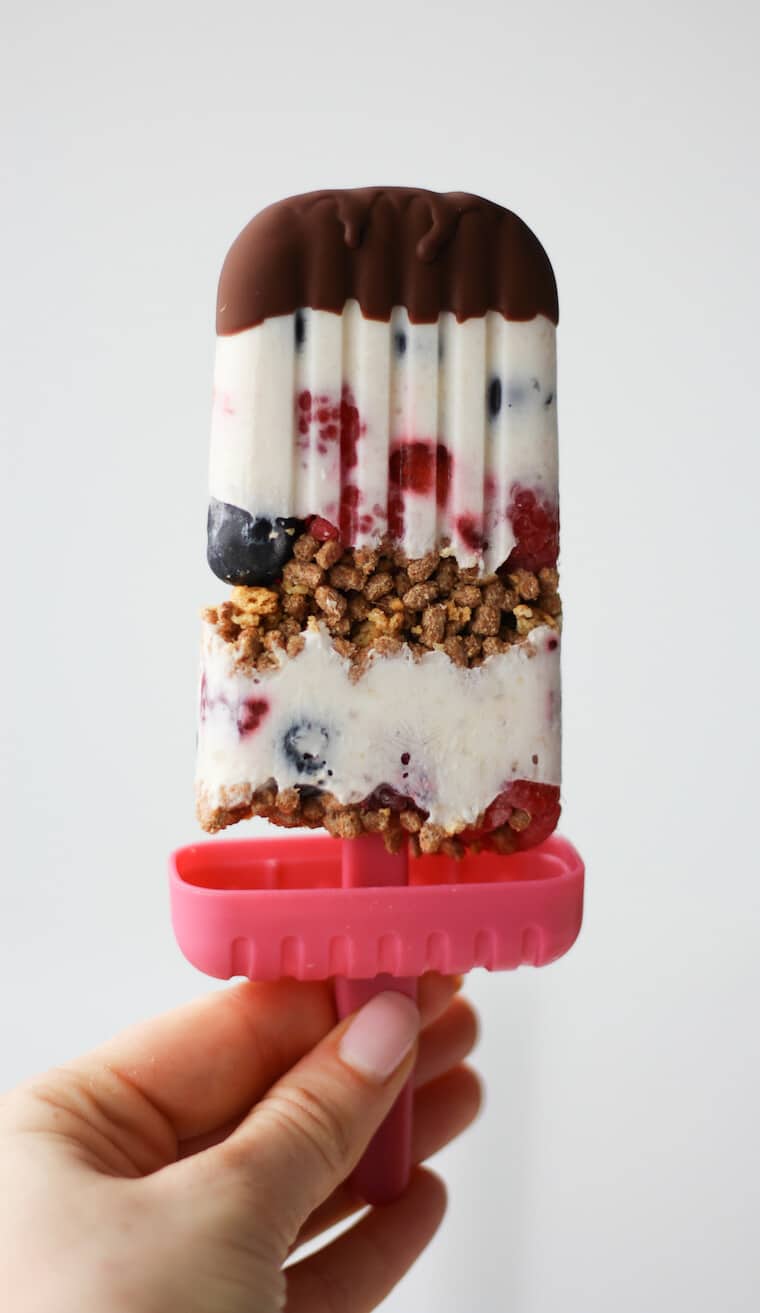
A hand holding a banana cream pie popsicle.
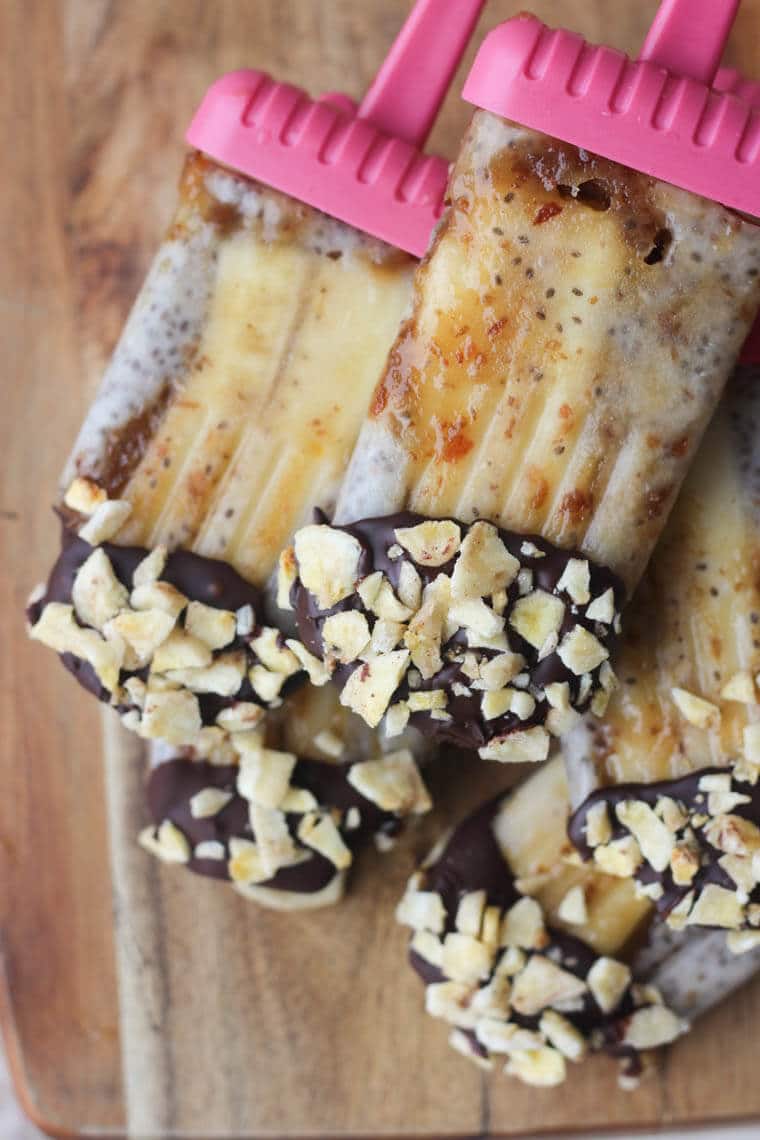
Chocolate Dipped Banana Cream Pie Popsicles by Abbey’s Kitchen


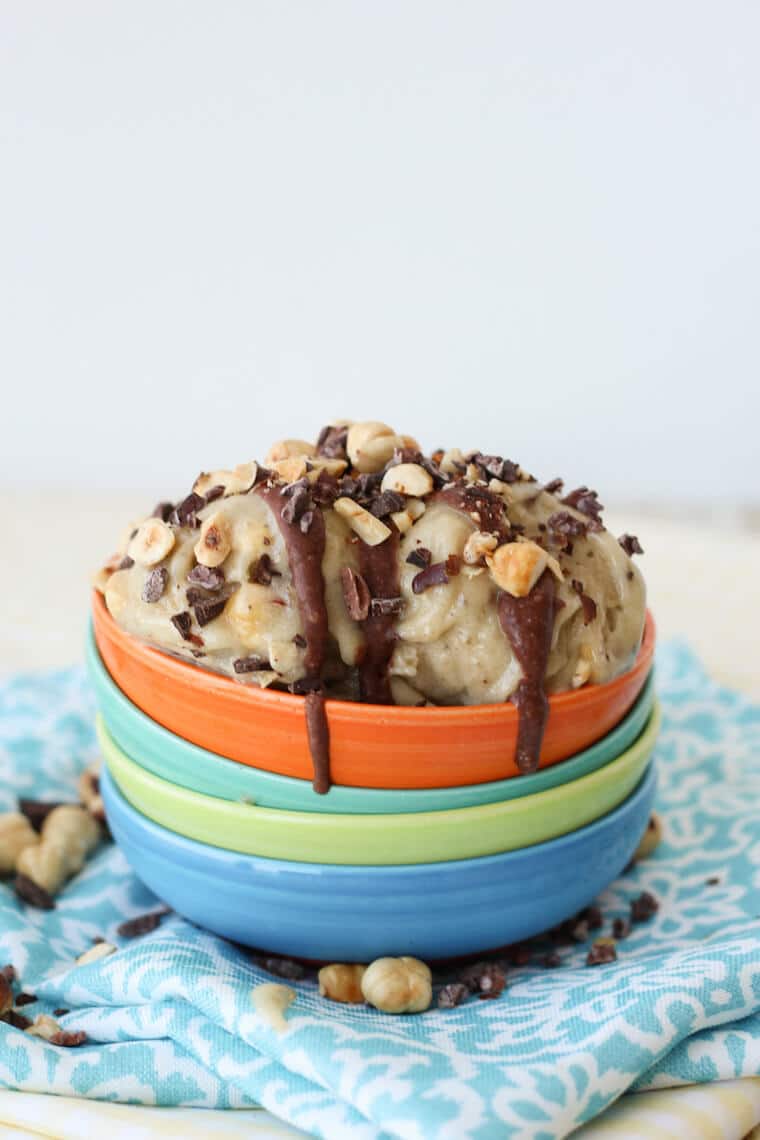
Multiple bowls stacked with three scoops of nutella banana ice cream on top.
Vegan Nutella Banana Ice Cream by Abbey’s Kitchen

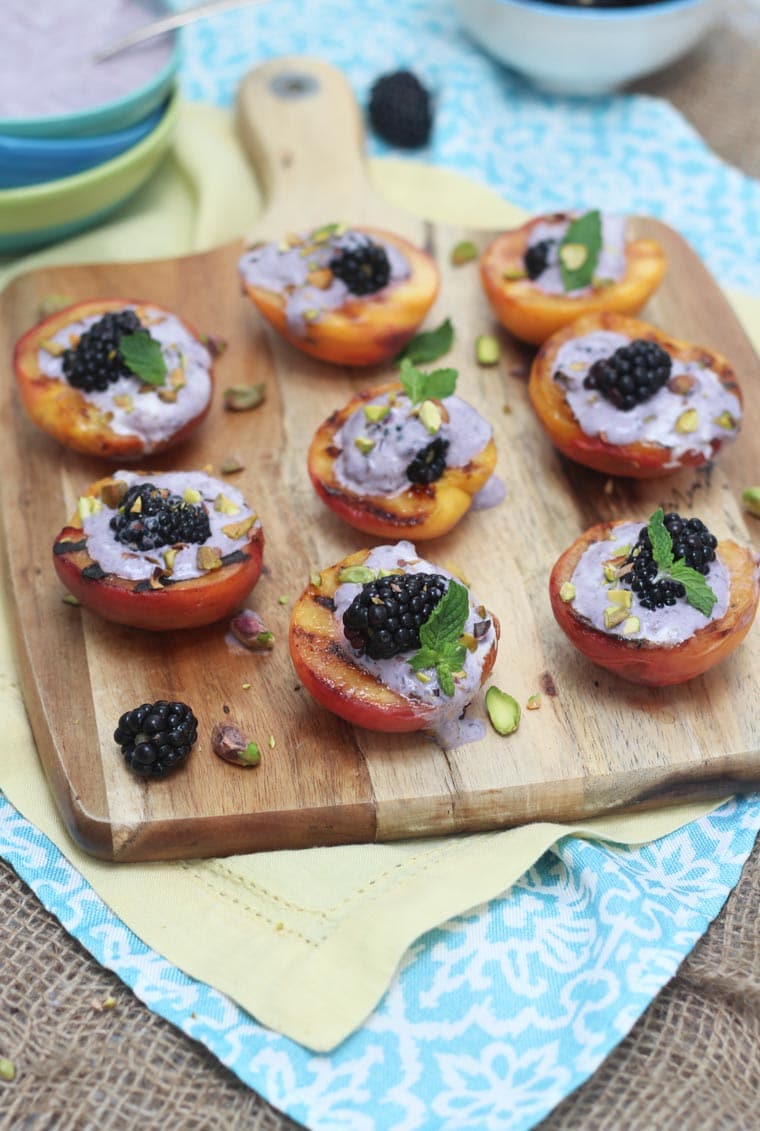
A white serving platter with multiple grilled peaches with blackberry coconut cream inside.


Vegan Grilled Peaches with Blackberry Coconut Cream by Abbey’s Kitchen

These vegan gluten free popsicles are the perfect summer treat to keep cool when the heat hits.

Vegan Banoffee Pie Popsicles by Abbey’s Kitchen
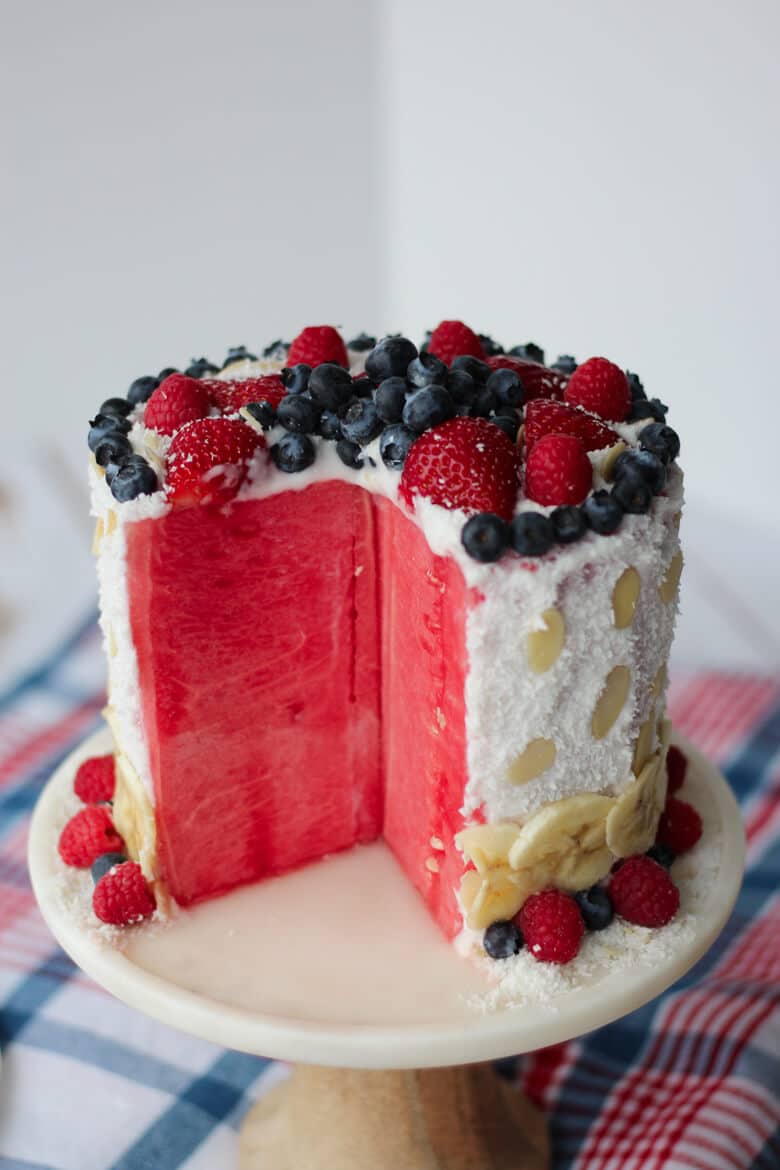
A sliced opened watermelon cake with berries on top.
Red, White & Blue Watermelon Cake by Abbey’s Kitchen


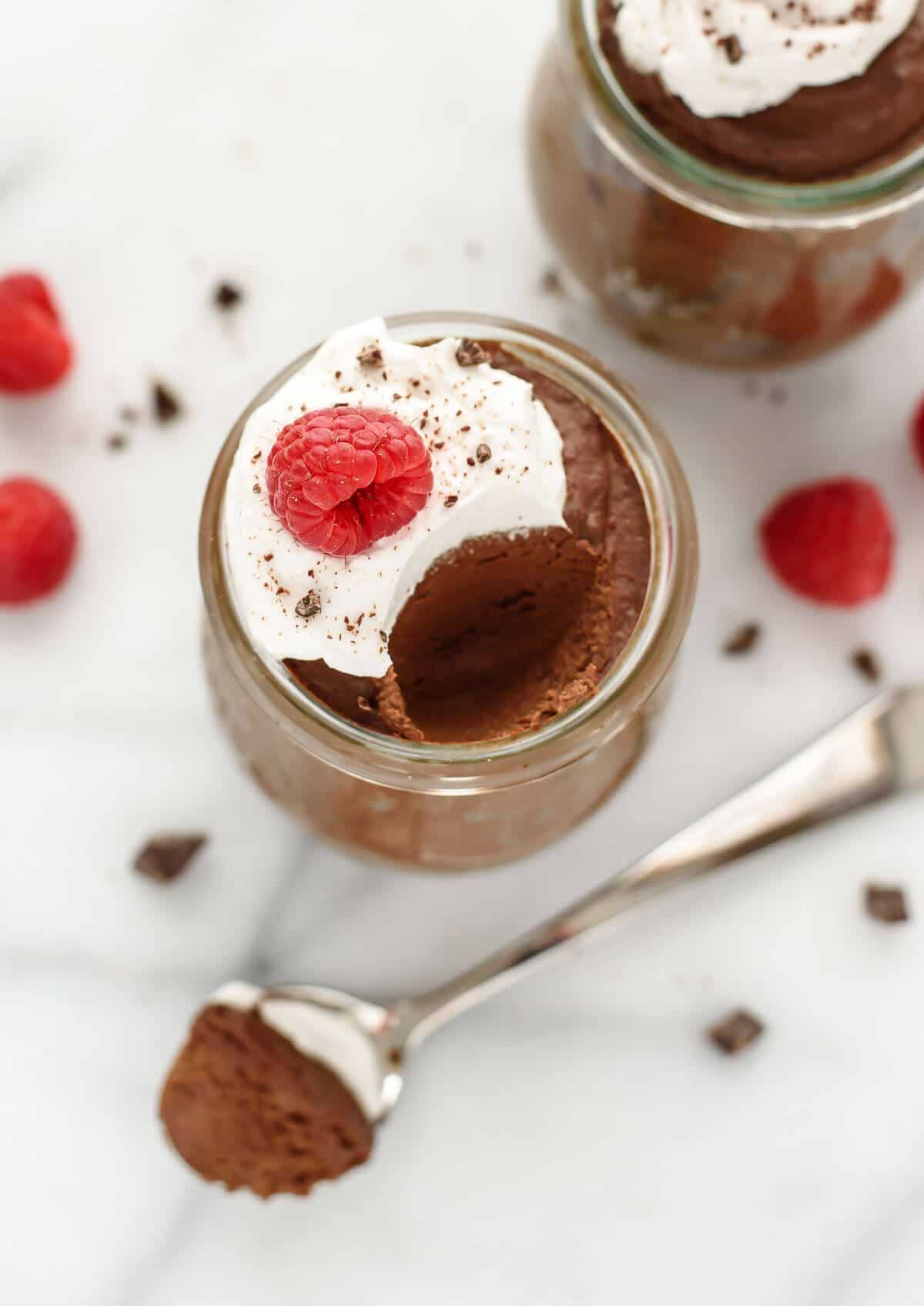
An overhead view of a jar of avocado chocolate mousse with whipped cream and raspberry on top.
Avocado Chocolate Mousse by Well Plated


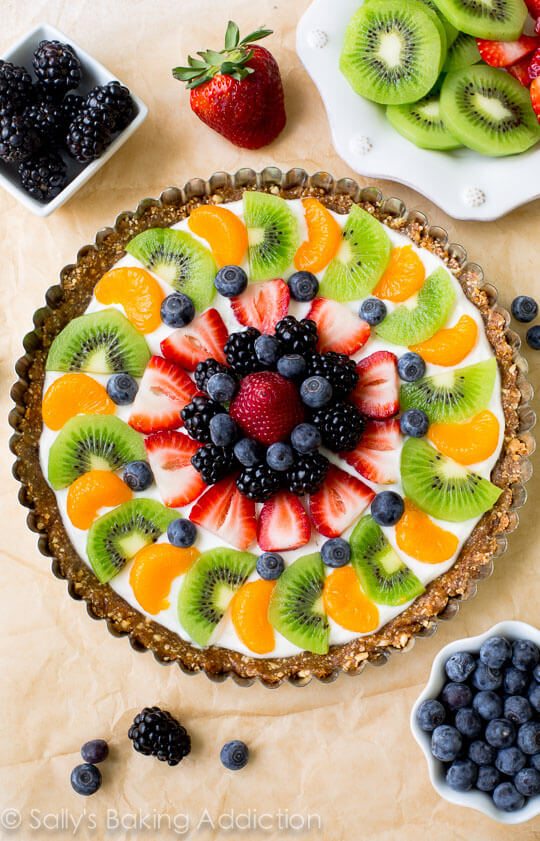
An overhead photo of a greek yogurt fruit tart.
 Greek Yogurt Fruit Tart by Sally’s Baking Addiction


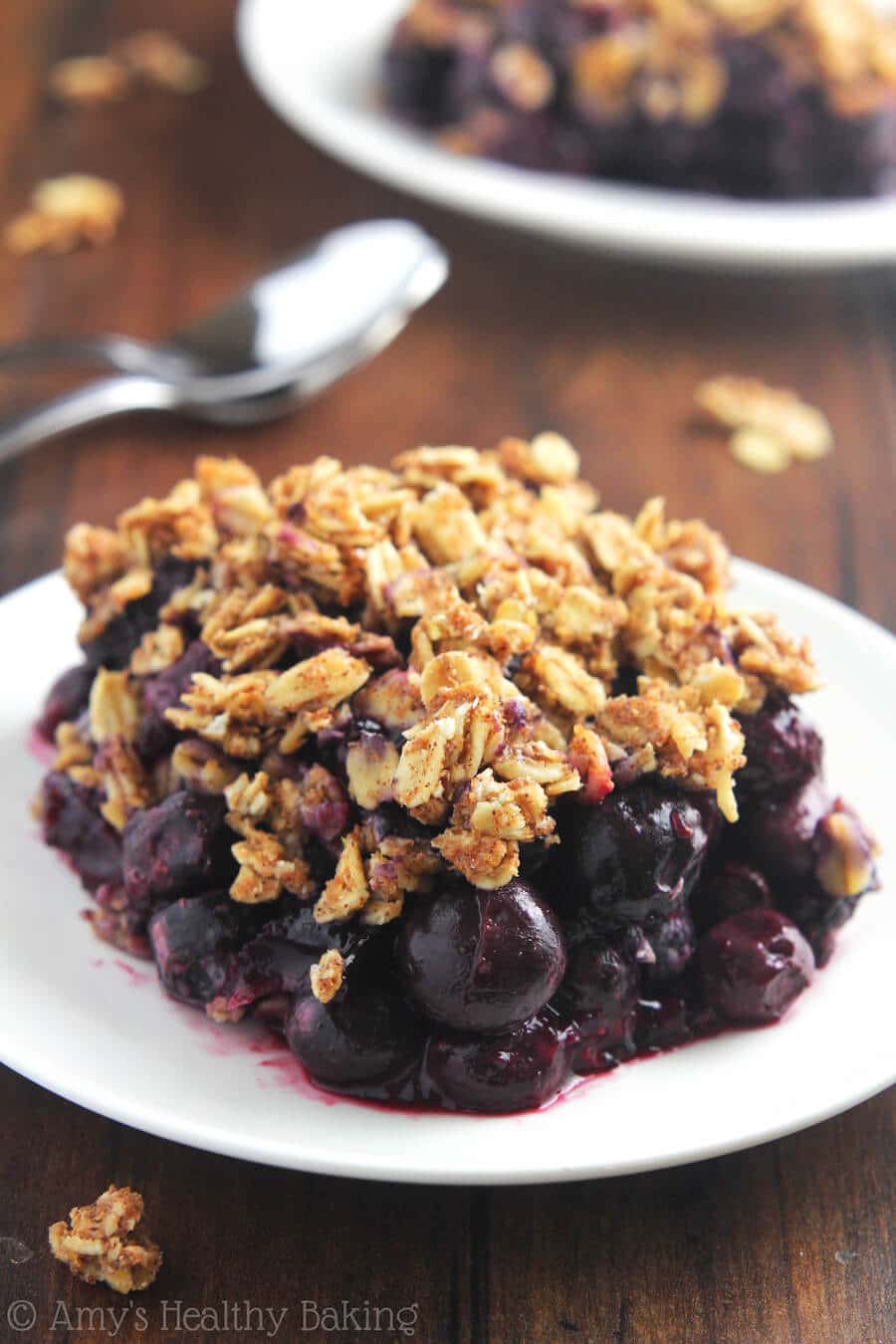
A white plate with blueberry almond crumble.
Clean Blueberry Almond Crumble by Amy’s Healthy Baking


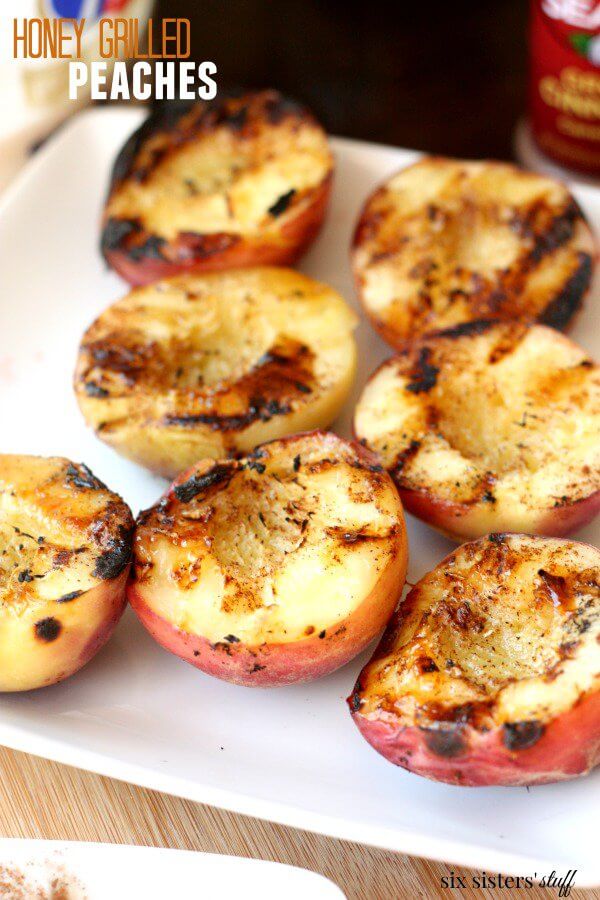
Close up photo of honey grilled peaches.
Honey Grilled Peaches by Six Sisters’ Stuff


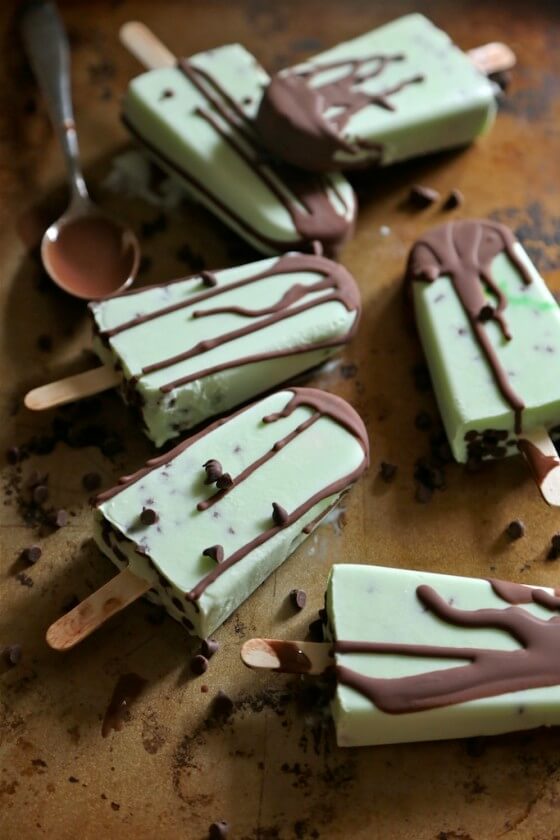
Four chocolate chip mint greek yogurt popsicles.
Chocolate Chip Mint Greek Yogurt Pops by Country Cleaver


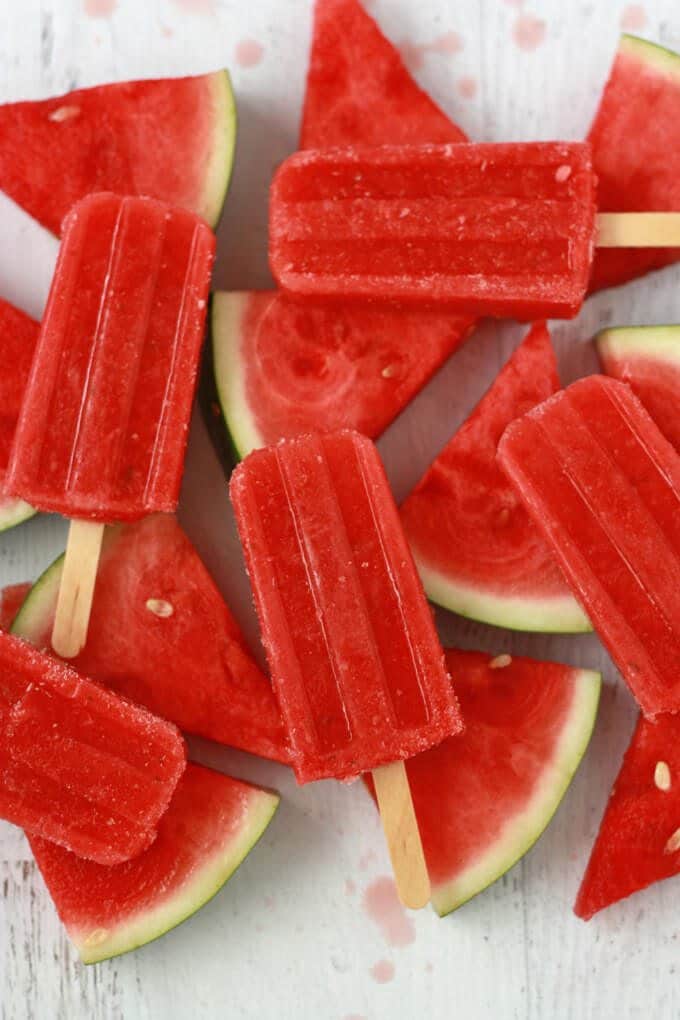
Multiple strawberry watermelon popsicles on top of watermelon slices.
Strawberry Watermelon Popsicles by One Lovely Life


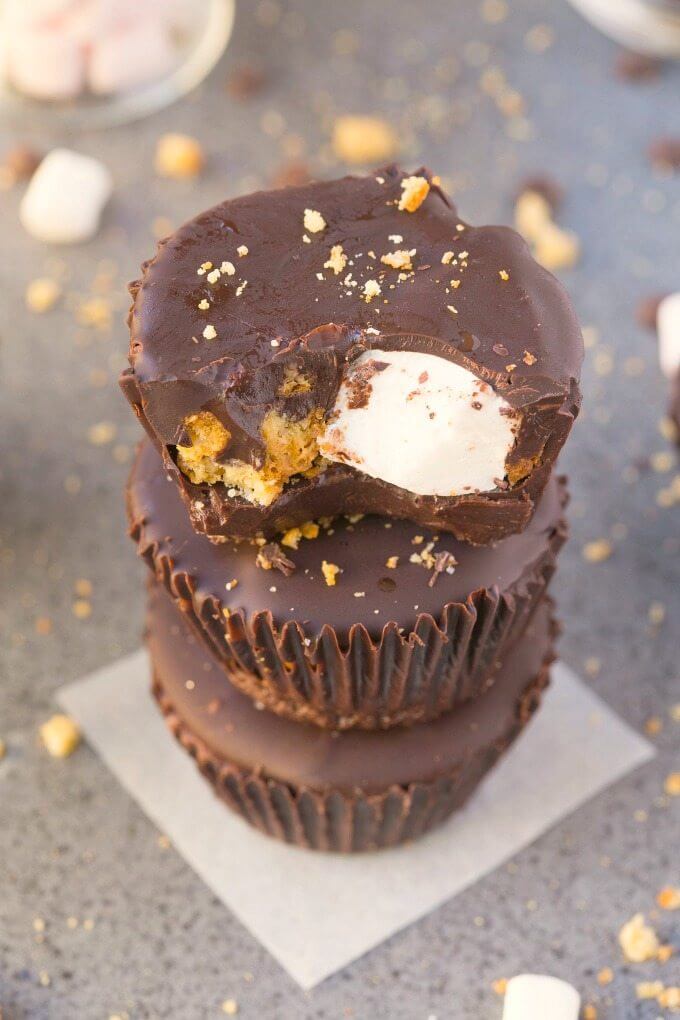
A stack of three no bake smores cup.
Healthy No Bake Paleo S’mores Cups by The Big Man’s World


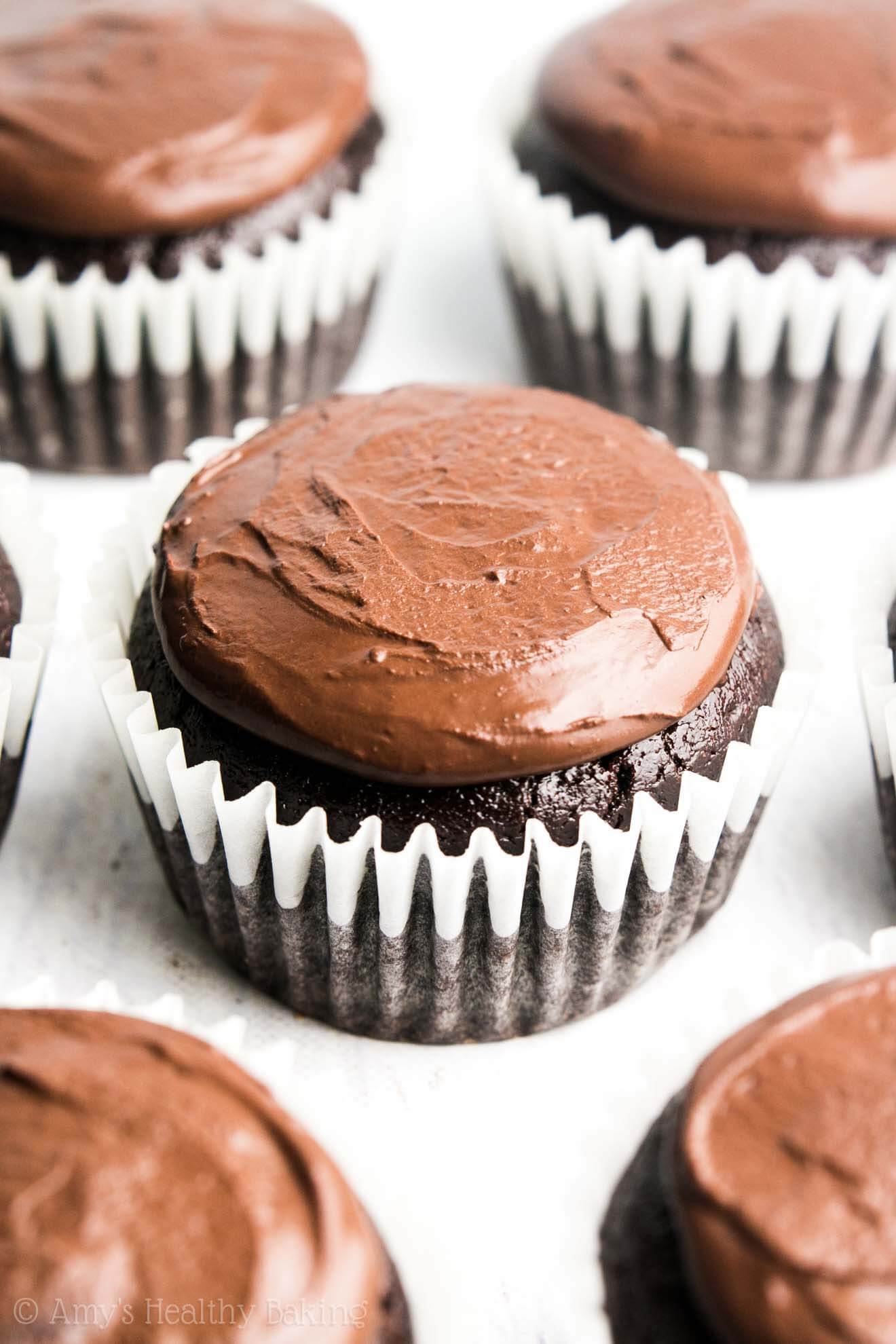
A close up of a chocolate cupcake.
Ultimate Healthy Dark Chocolate Cupcakes by Amy’s Healthy Baking


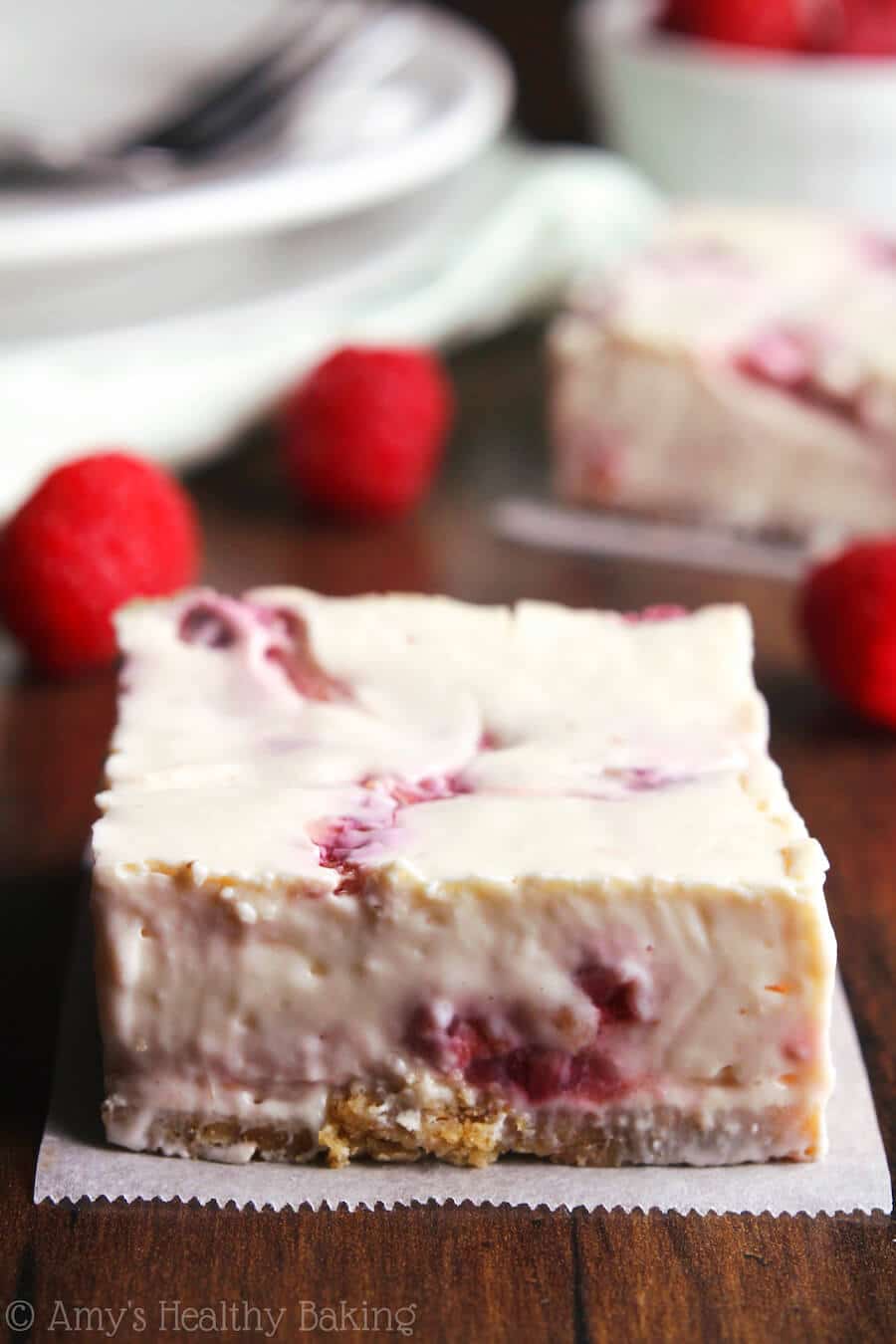
A close up of a raspberry cheesecake bar.
Skinny Raspberry Cheesecake by Amy’s Healthy Baking


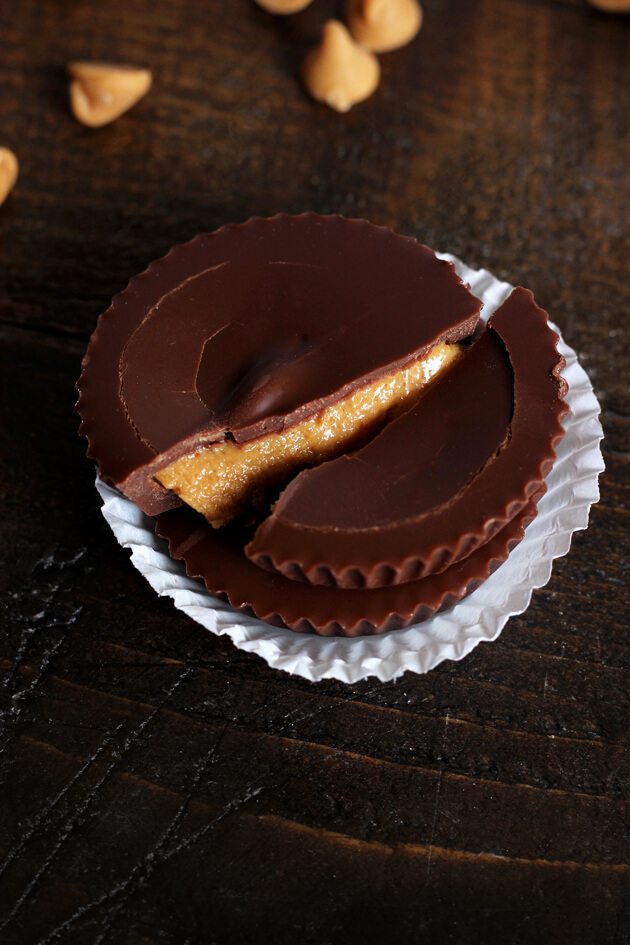
An overhead angled shot of a peanut butter cup split in two.
Skinny Peanut Butter Cups by Neurotic Mommy


Whether you’ll be relaxing by the pool or preparing for your first day of school or work this long weekend, these Labor Day healthy dessert recipes are sure to help you chill out on your last day of summer.

What are your favourite Labor Day healthy dessert recipes? Let me know in the comments section below!

These Labor Day healthy dessert recipes will help you end your BBQ (and Summer, in general) with a total bang!


Abbey Sharp

Abbey Sharp is a Registered Dietitian (RD), regulated by the Ontario College of Dietitians. She is a mom, YouTuber, Blogger, award winning cookbook author, media coach specializing in food and nutrition influencers, and a frequent contributor to national publications like Healthline and on national broadcast TV shows.
www.abbeyskitchen.com/about-abbey/

Last Updated August 28, 2017. Published August 28, 2017 By Abbey Sharp 43 Comments

Healthy Butter Chicken Nachos | High Protein, Low Carb Party Snacks

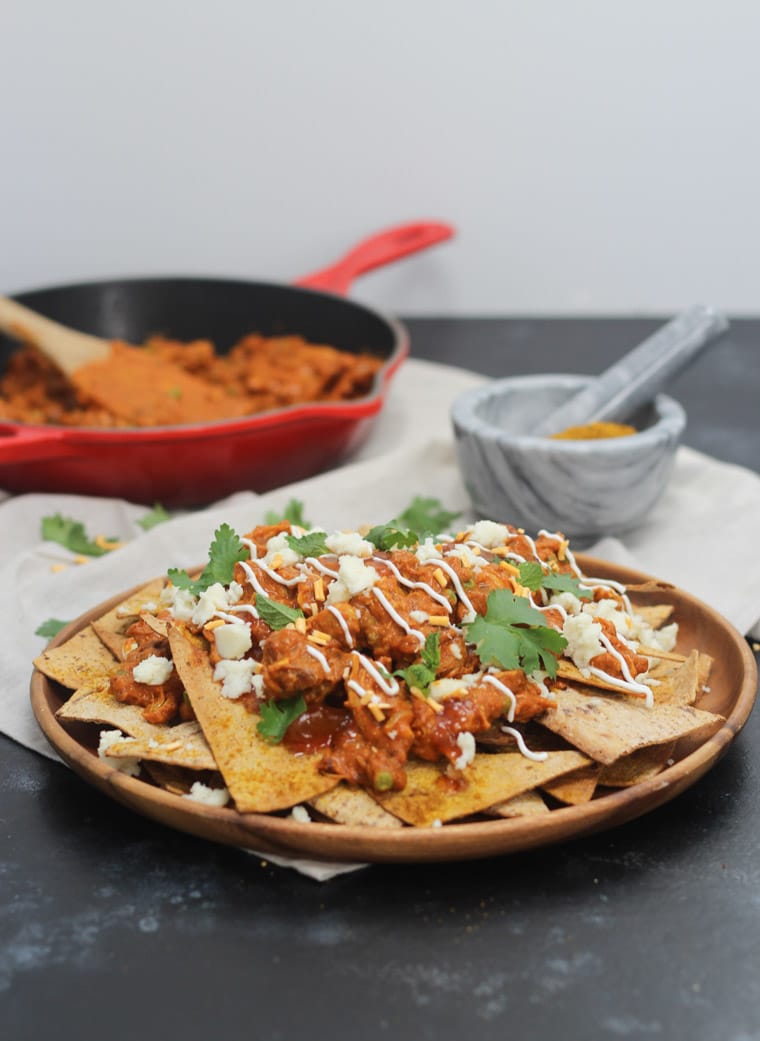
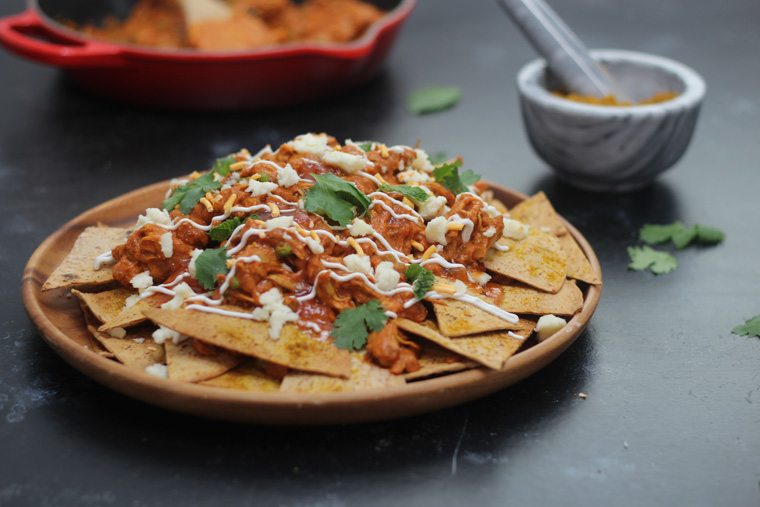
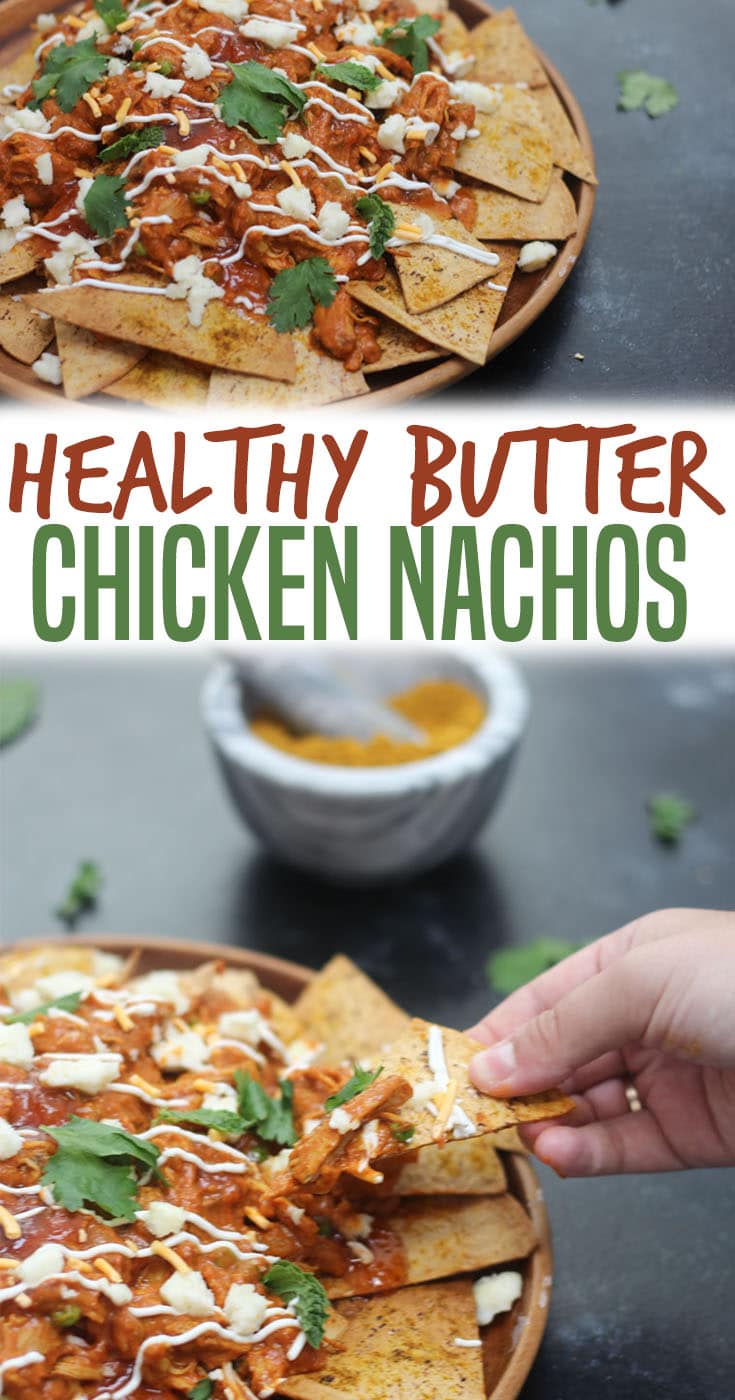
A place of nachos with butter chicken on top.

DISCLAIMER: This post was developed in sponsored partnership with Flatout, however, as always, all opinions are genuine.

These Healthy Butter Chicken Nachos are the perfect High Protein, Low Carb Party Snacks for any festive get together!

A place of nachos with butter chicken on top.

When I still lived at home, my sister, parents and I used to go out once a week for dinner at a local pub. I liked to switch things up with the main, but if nachos were available for an app, they were ordered. Every. Single. Time. Whenever a friend or boyfriend would join us at our weekly meal, we would have to give them a full-on pep talk to warn them of our ways. If you didn’t get in there QUICKLY with those nachos, you probably would be left hungry. Seriously, it was every man for himself when there are nachos on deck in the Sharp-Fitzpatrick household.

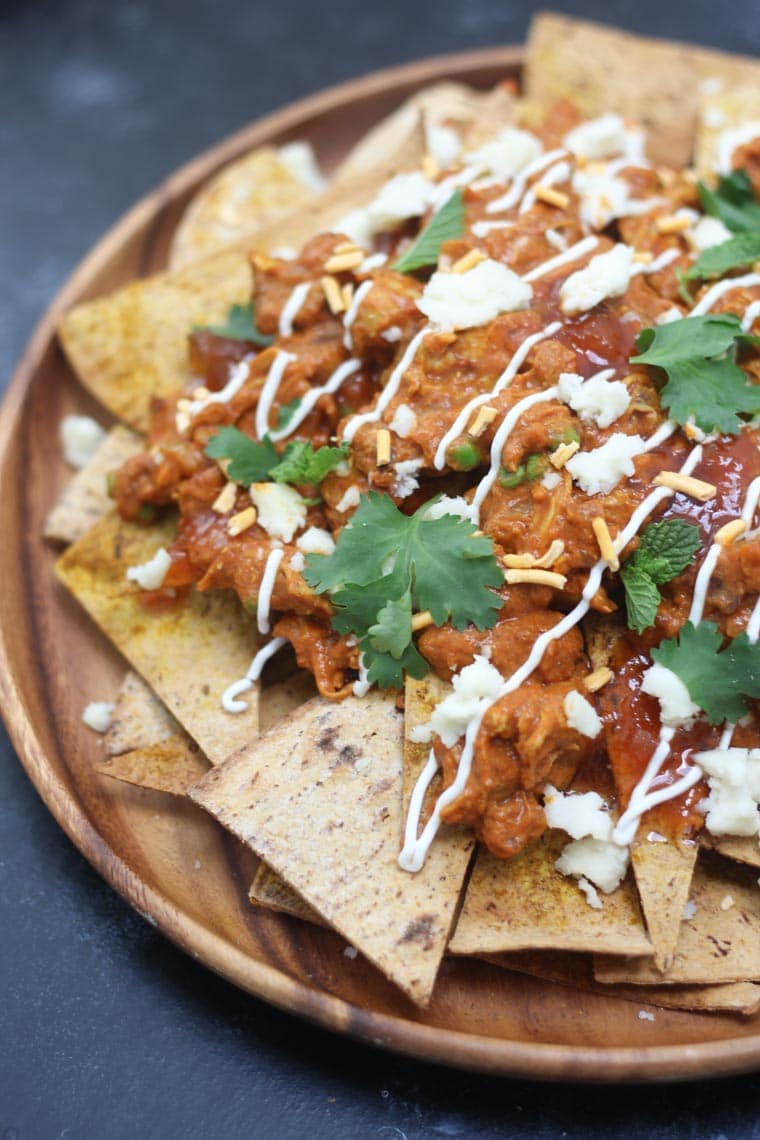
A close up of a plate of butter chicken nachos.

Now, nachos are by no means diet food (not that I would EVER want you eating diet food, anyway). They’re fried corn chips smothered in crazy amounts of full-fat cheese, topped with more high fat condiments like sour cream. Yummy, oh yes, but not something you want to eat daily (or even weekly, heaven bless my 20 year old metabolism). So I decided to switch things up a bit, and make these Healthy Butter Chicken Nachos that are not only high in protein, but also low in carbs and fat! Translation? You can legit eat them for dinner and call it a balanced meal.

A close up of a plate of butter chicken nachos.

How to Make Healthy Butter Chicken Nachos

My dad LOVES a good Indian restaurant, so to honour him, I thought I would switch up the typical Mexican-themed nachos and load these bad boys with butter chicken instead. Yep, healthy butter chicken nachos, it’s basically all of your dreams come true.

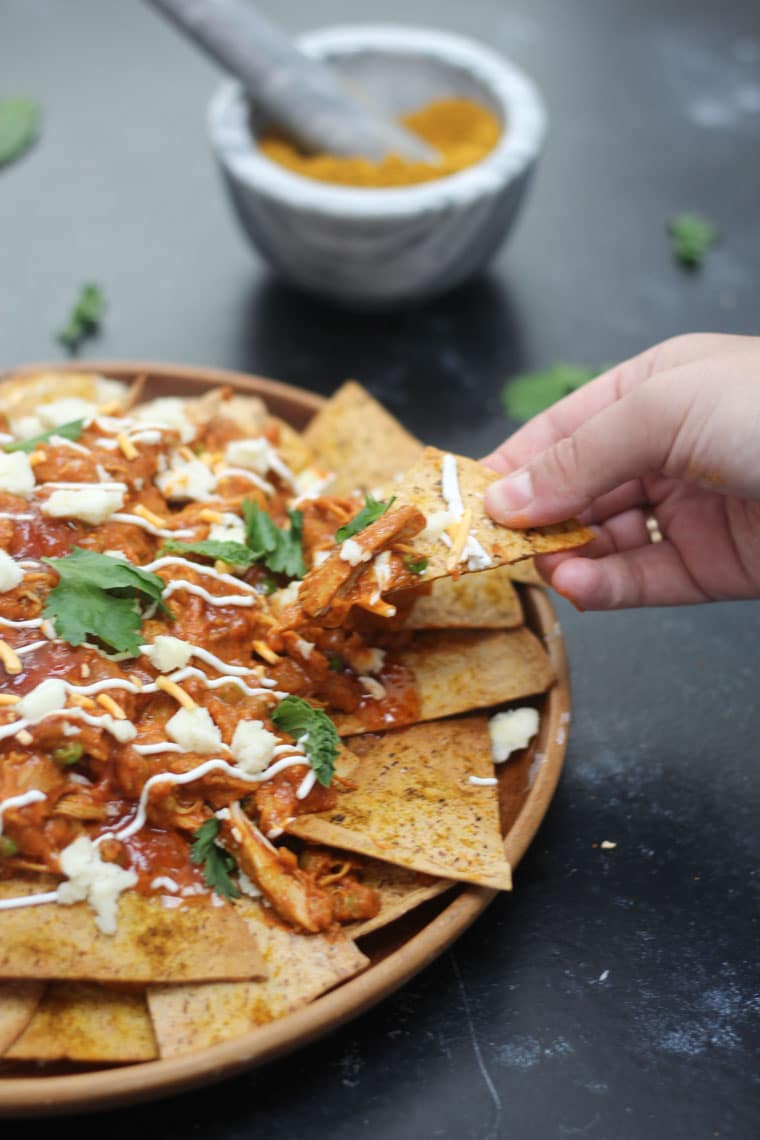
A hand lifting up a chip from a plate of butter chicken nachos.

It starts with making the an amazing pan of butter chicken. I have another curry recipe, which is by far the most popular recipe on the blog, so I knew these Healthy Butter Chicken Nachos would be a hit. Between chunks of simmered chicken meat, a creamy butter-free butter chicken sauce, and the playful pop of peas, this is the kind of topping you’ll want to put on everything.

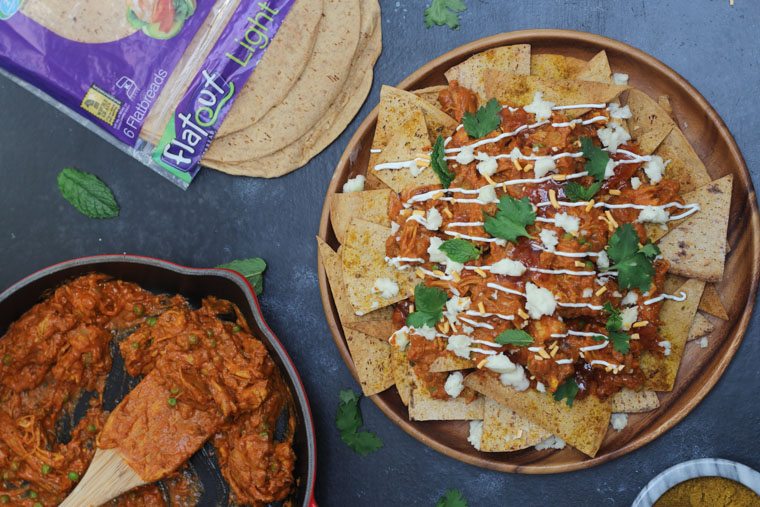
An overhead photo of a plate of indian nachos with sauce drizzled on top and garnish.

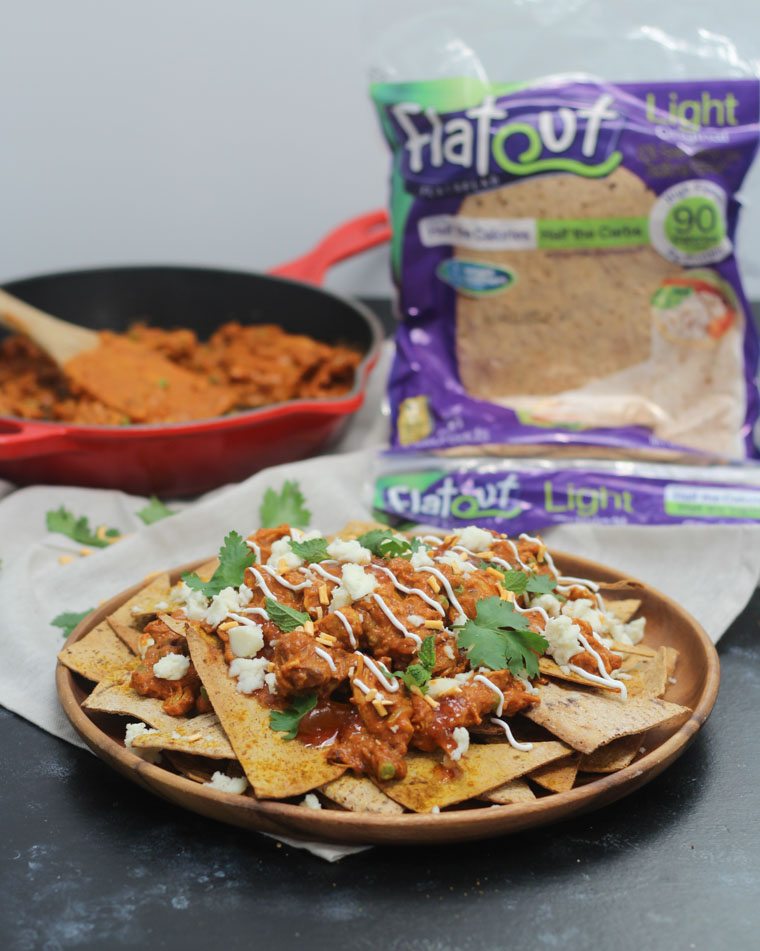
Next, we gotta make chips because there’s NO SUGAR THING as Healthy Butter Chicken Nachos without nachos!! I’ve made dessert nachos with Flatout Light wraps before, so I knew these were going to work perfectly here too. Flatouts are my go-to wraps because they’ve only got 90 calories but pack a crazy 9 grams of protein and 8 grams of fibre per wrap! And they make DAMN good chips.

A photo of butter chicken nachos with flatout bread in the background and a skillet of the chicken.

Of course, the most fun part of making nachos (aside from eating them) is decorating them up, so I go to town with the toppings. Between cilantro, mint, mango chutney, paneer cheese, greek yogurt, and sev – these Healthy Butter Chicken Nachos are totally worth fighting over.

Check out this amazing video for all of the ways you can use Flatout!

 Have you made my Healthy Butter Chicken Nachos?

What do you like putting on your nachos?

What dish does your family devour as a group?

Leave me a comment below with your thoughts!

A pinterest image of a dish of butter chicken nachos with the overlay text \"Healthy Butter Chicken Nachos.\"

These Healthy Butter Chicken Nachos are the perfect High Protein, Low Carb Party Snacks for any festive get together!
Print Recipe
4.67 from 3 votes

Healthy Butter Chicken Nachos

These Healthy Butter Chicken Nachos are the perfect High Protein, Low Carb Party Snacks for any festive get together!
Prep Time10 minutes mins
Cook Time32 minutes mins
Total Time42 minutes mins
Course: Appetizer
Cuisine: Indian
Servings: 12 people
Calories: 300kcal
Author: Abbey Sharp

Ingredients

Nachos:

  • 1 package Flatout Light wraps
  • Extra virgin olive oil in an oil atomizer
  • Curry powder for dusting

Butter Chicken:

  • 1 tbsp extra virgin olive oil
  • 2 tbsp coconut oil
  • 2 lb skinless boneless chicken thighs, trimmed of excess fat
  • 1 small yellow onion finely diced
  • 3 cloves garlic finely minced
  • 4 teaspoons finely grated fresh ginger
  • 3 tablespoons curry powder
  • 1 tablespoon ground cumin
  • 1 tablespoon ground coriander
  • 1/4 teaspoon sea salt
  • 1/4 teaspoon cayenne pepper
  • 680 ml tomato passata sauce
  • 1 can 14 ounces/400 ml light coconut milk
  • ½ cup frozen peas
  • ½ cup plain greek yogurt
  • Sea salt and cayenne pepper to taste

To Garnish:

  • Cilantro leaves
  • Mint leaves
  • Plain Greek yogurt
  • Tamarind or mango chutney
  • Paneer crumbled
  • Sev crispy chickpea flour noodles

Instructions

  • Preheat oven to 400. Grease two baking sheets with nonstick spray. Lay the Flatout triangles onto the baking sheet and brush with the olive oil. Sprinkle with curry powder and bake for 10-12 minutes, or until golden and crispy. Set aside.
  • Meanwhile, in a large nonstick skillet over medium-high heat with a tablespoon of olive oil and coconut oil.
  • Season the chicken thighs with salt and pepper, and add them presentation side to the pan. Cook the chicken thighs until browned on both sides, about 3 minutes per side. Once browned, but not cooked through, transfer to a plate.
  • Reduce the heat to medium. Add the onion, and sauté until it begins to soften, about 5 minutes. Add the garlic, ginger, curry, cumin, coriander, salt, and cayenne, and stir until fragrant, about 30 to 60 seconds.
  • Next, add the tomato sauce and coconut milk, and then nestle in the chicken thighs. Cover the pan with a lid, and cook over medium heat, stirring the mixture every few minutes. Cook until the chicken thighs reach an internal temperature of 165˚ F, about 10 to 14 minutes.
  • Remove the lid, and shred any large pieces of chicken. Reduce the heat to low. Stir in the peas and yogurt, then season with salt and cayenne to taste.
  • To assemble, pile the chips onto a platter, and top with the curry. Garnish with the cilantro, mint, chutney, yogurt, paneer and sev, if desired.

Nutrition

Calories: 300kcal
Abbey Sharp

Abbey Sharp is a Registered Dietitian (RD), regulated by the Ontario College of Dietitians. She is a mom, YouTuber, Blogger, award winning cookbook author, media coach specializing in food and nutrition influencers, and a frequent contributor to national publications like Healthline and on national broadcast TV shows.
www.abbeyskitchen.com/about-abbey/

Last Updated August 24, 2017. Published August 24, 2017 By Abbey Sharp 40 Comments

Are You Eating Enough to Burn Fat and Build Lean Muscle? | My Wedding Diet Secrets

A view of a rocky mountain with Abbey Sharp in a wedding dress standing in front.

Are you eating enough to burn fat and build lean muscle? If you’re dieting, you may be sabotaging your weight loss goals. I share the secrets I learned from my wedding diet in this tell all blog post.

I can’t believe it’s already been a year since I got married! So I thought I’d take a stroll down memory lane and share with you what my bride diet looked like and how I learned that I needed to be eating enough to burn fat and build lean muscle. And yes, you can too.

The Dress – The Motivation for my Wedding Diet

When I got engaged a year and a half ago, choosing my dress was the first thing I did. I already knew exactly what I wanted so went straight for the gold- a tight-fitting Imbal Dror with a tight corset bodice and a mermaid layered train. It was sexy just as it was, but I decided to take it one step further and remove the entire back.

Abbey Sharp in a wedding dress standing in a balcony.

That, my friends, is what we call #motivation. I loved my body then (and still do now), but I decided my backless gown was going to be a good push to meet my long standing goal to build up some solid lean muscle and improve my fitness levels. I was ready to work, work, work ….

Learning to Move Less to Burn Fat and Build Lean Muscle

Building muscle isn’t something my body does very easily. I’m a typical ectomorph so my body goes straight up and down without much going on in between. Traditionally, ectomorphs are stronger at cardio (i.e. running) then lifting heavy weights, but running wasn’t getting me the strong body I was after. It actually was just hurting my knees and giving me pretty brutal shin splints. Lesson 1: Listen to your body. I quickly realized something I already knew but didn’t have the motivation (like a tight wedding dress!) to do something about- changing your body often means changing your comfortable routine. The running had to go.

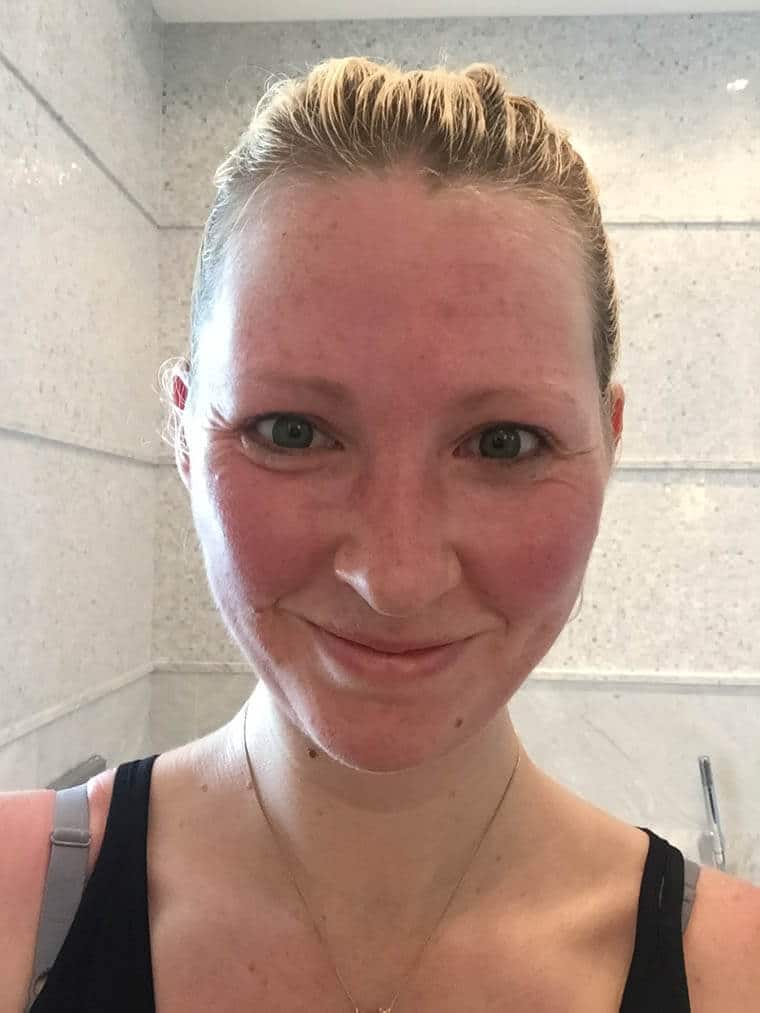
A selfie of Abbey Sharp.

Lesson 2: If you need a push to make these changes, seek out a professional. I was already seeing my amazing trainer a few times a week, but decided to listen to him and supplement those training sessions with a variety of fitness classes at the gym instead of my long jogs on the treadmill. Remember when I wrote about common exercise mistakes? Yah, I’ve made and learned from them all. All that cardio was burning through any possible muscle gains I could have been making in the weights room. Once I cut out the long cardio sessions, I worked in a full rest day once each week and at least one lighter or mobility based day  (like pilates or barre). This is also around the time I said buh-bye to my Fitbit and ta-da, I started to get fitter (see my post on that here).

Working out less not only gave my muscles time to recover and grow, but it also helped me push harder when I did work out rather than half-ass each workout in my exhausted state. So can you move less to burn fat and build lean muscle? If you do it right, yes, you definitely can.

Eating Enough to Burn Fat and Build Lean Muscle

The toughest part of this for me wasn’t going to be the workouts (I actually love working out). The hardest part was going to be changing my diet to support my weight training– even just changing the timing of meals was going to be a mental challenge. So I decided I wasn’t going to do it alone. I may be a dietitian who “knows” what to eat to reach different kinds of goals, but I’m also human, and we all sometimes need encouragement and support. So I hired my colleague, Ben Sit, who specializes in sports and fitness nutrition to help monitor my progress every step of the way.

When I first met with Ben about 9 months out from my wedding, I was clear about what I wasn’t willing to do to build muscle and lose fat for my wedding. I wasn’t willing to cut calories and “diet down”. Knowing all too well the long term implications of dieting on metabolism, I didn’t want to put myself in typical “fitness model” starvation mode the weeks leading up to the wedding day. One day’s worth of pictures is SO not worth the life-long hit to my metabolism. Let’s not forget that I would be going straight from wedding day to a two-week eating extravaganza on my honeymoon, which set all my precautionary dietitian red flags off.

A view of a rocky mountain with Abbey Sharp in a wedding dress standing in front.

About 9 months out from my wedding, Ben and I crafted a plan that would focus on fueling my workouts for optimal muscle development and recovery. Everything else (fat loss, and even weight loss if it managed to happen) would be potential by-products.

Aligned with my requests, Ben promised I wouldn’t be cutting calories. In fact, he insisted that I wasn’t eating enough to burn fat and build lean muscle and I would have to add MORE food to my daily routine. If that sounds anxiety provoking to you, rest assured that it was a bit scary for me too. Even though I knew that consuming too few calories often interferes with muscle growth and fat loss and I knew I would have to make sure I was eating enough, I was still a bit worried about eating a lot more than usual, mainly because I didn’t feel hungry for more. I mean, it’s one thing to know what to do, it’s another thing to do it full out. But this was exactly why having Ben on my side for support and reassurance was key.

My Wedding Diet for Building Lean Muscle

The focus of my starting wedding diet was optimal protein and carbohydrate distribution (pre and post workout) and adding significantly more of my calories early on in the day, which I wasn’t used to doing. Each time Ben and I would meet, I would describe getting hungrier and hungrier. This was a great sign! This meant my metabolism was revving up as I was feeding it more often (and my muscles were growing as a result!), and Ben could then suggest adding another snack or increasing my meal portions. We actually never talked about calories (which I appreciated), focusing more on nourishing my body with the fuel it needed and eating enough to burn fat and build muscle. For example, most of my carbs for the day showed up around morning workouts because in the evening, my activity levels dropped off and I didn’t need the quick energy.

Even as we got really close to my wedding and I was starting to “lean out”, I still didn’t need to cut calories. In fact, any changes we made were little tweaks to meal timing or macronutrients (i.e. adding bit more protein in place of fats or carbs if I didn’t need them). I also went to weddings, BBQs, engagement parties and restaurant dinners literally up until the week of my wedding. I had beer, ice cream, burgers and chocolate. Translation? I actually never felt deprived. I was eating more than ever and looking better than ever.

Abbey standing in front of a mountain view in work out clothes.

Pretty soon I was lifting around the same weights as my (now) hubby and I was killing it in our race-based spin classes. I felt strong, confident and energized. That was my number one goal. The changes to my body were all just gravy.

At our last meeting, a week out from the wedding, I was pretty much the same 125 lbs I always was (okay, so I dropped 2 lbs), BUT I cut my surface body fat in half! In other words, I gained a lot of lean muscle while losing body fat. My back muscles were well defined, my shoulders were round, and my usual little pooch belly was surprisingly flat. I was happy with what I looked like, but most importantly, I felt pretty damn great. And let’s not forget that I had been eating more than ever before!

What I Ate the Day of My Wedding

I hear most brides don’t eat anything at all on their wedding day because they’re too busy and they don’t want to bloat. Oy vey, I’ll take bloating over hangry any day- especially on my wedding day so I made sure to eat.

As we got our hair and makeup done, I ate like about 8 egg whites, watermelon, cucumbers, berries, oatmeal, chicken breast, almonds, green tea and water. I was careful not to overdo it on the sodium simply because I didn’t want to bloat or get thirsty and then have to pee a lot. Honestly, getting in and out of my dress was a total bitch so that was my main priority.

The back of a wedding dress with a bow.

After photos and our ceremony, I made a b-line to cocktail hour and ate every damn hors’d’oeuvre that passed by. I also ate my entire tasting menu meal and all of the desserts. #NoShame. It wasn’t that I was starving, I actually picked away at food all day! But I had put so much time into curating that menu, I was determined to enjoy it more than anyone. OMG and I totally did.

My Post Wedding Diet

The morning after the wedding (and every day and night afterwards while on my honeymoon), I ate whatever I wanted, whenever I wanted. With the exception of the day after the wedding (which was spent sleeping, eating, driving and beaching), I did an hour in the gym, and then spent most of the day walking around like a typical tourist. Some days I even hiked (and you bet I ate a lot those days!). While on my vacation, I ate a lot more carbs and wine than usual (let’s just say I definitely was eating enough), but I listened to my body. I ate when I was hungry and stopped when I was satisfied and that’s really a huge diet win in my books.

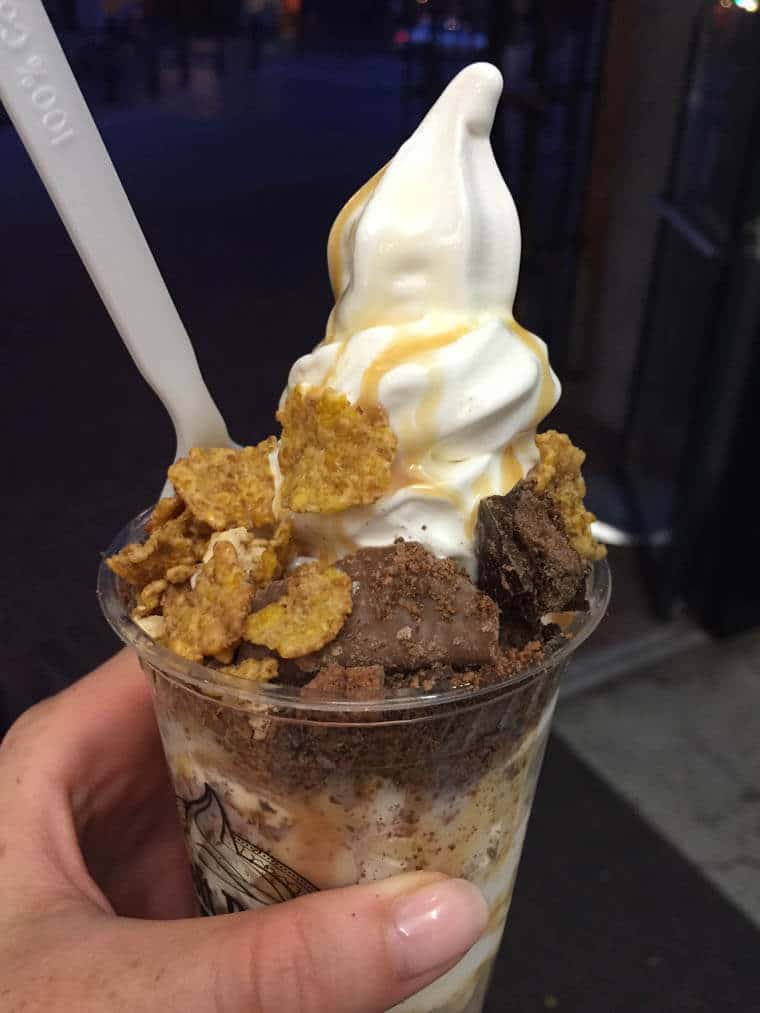
A cup with a sundae in it.

So where am I now? Well, I got home and was SO excited to get back into my fitness routine. I missed my gym friends and returned mentally refreshed and so ready to get back in the (spin class) saddle. I was also excited for my morning egg whites and oatmeal breakfast, and I was craving asparagus and steak on the BBQ. Honestly, I’ve pretty much returned to my pre-wedding routine only because that has been what feels good and my wedding didn’t mark the end of my fitness journey. There are a lot of bigger weights in the weight room to pick up!

I have no clue what my weight or body fat percentage is post-wedding because I don’t even own a scale. What I do know is that I feel awesome and I think I look really great (even after a 2 week honeymoon feast). This is the beauty of not CUTTING calories and dieting down. By eating enough to fuel my workouts (and not diet), I not only built muscle and lost fat but it also “prepped” my body for a larger than usual amount of energy from all the restaurant meals on my honeymoon. It was also helpful that I didn’t get to the wedding feeling emotionally (or physically) deprived. Cutting calories and dieting too severely often puts people in a series of dichotomies. They’re on the diet/exercise routine or they’re off it. By not taking my holiday as a 2-week sedentary-booze-and-binge-fest, I was able to return home in a place of balance and feeling great.

Want to see my wedding diet in action? Check out our Youtube Channel here and don’t forget to comment, like, share and subscribe!

Become an Abbey’s Kitchen Subscriber

Signs Your Not Eating Enough to Burn Fat and Build Lean Muscle

As I quickly learned through my own experience, you need to be eating enough to burn fat and build lean muscle. When you under eat, you risk slowly down your metabolism (making it more difficult to lose weight or burn fat), and your body uses your muscle stores as energy (slowing down your metabolism further and interfering with your ability to lose weight even more). Here are some important signs to pay attention to that may suggest you’re not eating enough.

  1. Your body weight and fat percentages aren’t moving despite cutting calories and increasing exercise.
  2. Your blood sugar levels are low (hypoglycemia).
  3. You’re having a hard time getting pregnant.
  4. You’re sleep is disrupted regularly.
  5. You’re hangry.. like ALWAYS.
  6. You’re cold (even in the Summer).
  7. You’re constipated (ugh the worst).
  8. Your hair is falling out.
  9. You’re super exhausted and struggle through your exercise regime.

Are you eating enough to lose weight and fat?

What wedding diet did you try when you were getting ready for your wedding?

Leave me a comment below with what has worked for you!

A pinterest image of a woman in a wedding dress with the text overlay \"My Wedding Diet Secrets How to Burn Fat & Build Lean Muscle!\"

Professional Wedding Photo Credit: Anthony Patrick Manieri

Abbey Sharp

Abbey Sharp is a Registered Dietitian (RD), regulated by the Ontario College of Dietitians. She is a mom, YouTuber, Blogger, award winning cookbook author, media coach specializing in food and nutrition influencers, and a frequent contributor to national publications like Healthline and on national broadcast TV shows.
www.abbeyskitchen.com/about-abbey/

Last Updated October 4, 2021. Published August 17, 2017 By Abbey Sharp 15 Comments

10 Best Healthy Avocado Toast Recipes | Gluten Free, Vegan, Paleo

Overhead photo of five avocado toasts with pomegranate seeds on top.

If you love avocados as much as we do, you’re going to love this round up of healthy avocado toast recipes. Whether you’re looking for gluten free, vegan, paleo or just plain delicious, I’ve compiled the 10 best recipes on the web!

I would like to thank the genius that came up with avocado toast, and I would also like to thank the internet for loving it so much. A quick Google search yields 16 million pages for avocado toast. And if it’s not on your plate like RIGHT NOW, it’s probably on one of your social media feeds. And are you really surprised? It’s a fast, delicious snack that feels simultaneously healthy, yet delish. Plus, the combination of healthy fats from the avocado and carbohydrates + fiber from the toast will easily hold you until your next meal!

Healthy Avocado Toast Recipes

In its simplest version, avocado toast is just mashed avocado on a thick slice of bread. Maybe a little of oil drizzled on top, maybe a sprinkle of salt. But ultimately, we’re talking about college dorm-room style food made sexy. And while simple is always a delight, there are multiple ways to make your healthy avocado toast. We’ve searched the web for the best healthy avocado toast recipes, and here’s a roundup of our favourites! Smash away!

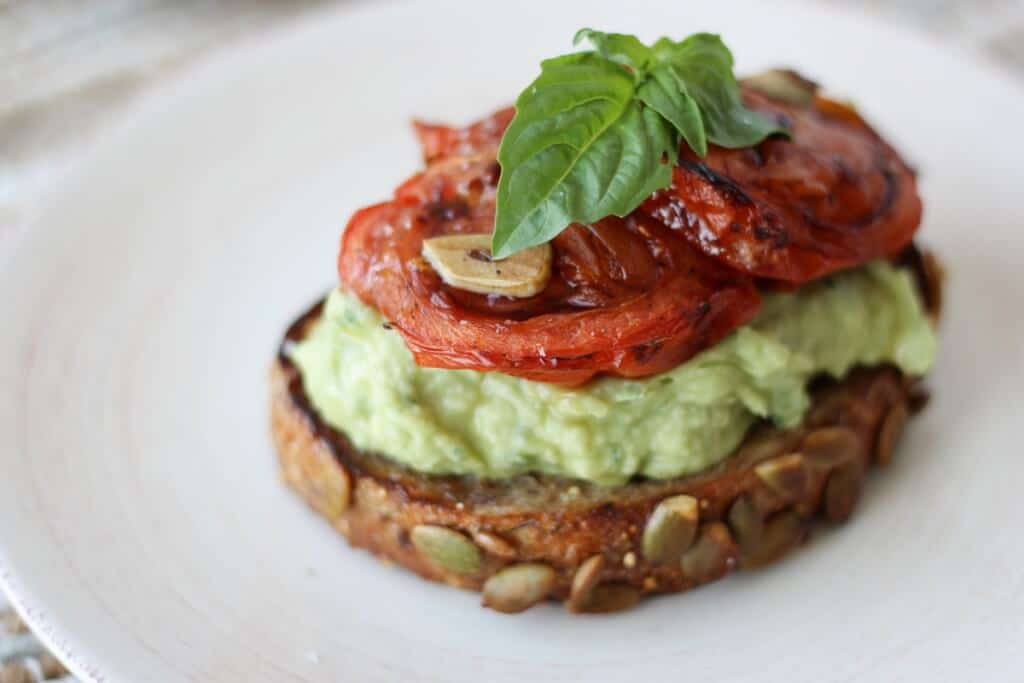
High Protein Avocado Toast with White Beans & Roasted Tomatoes – Abbey’s Kitchen

Whip up my High Protein Avocado Toast for a sweet and savoury breakfast, and perfect post- workout snack. I have healthy fats from the avocado, fibre from the bread AND some protein from white beans. Top it off with the sweetness from the caramelized roasted tomatoes, sliced garlic and a touch of fleur de sel, this baby will rock your world.

A close up of avocado toast with a tomato on top and basil.

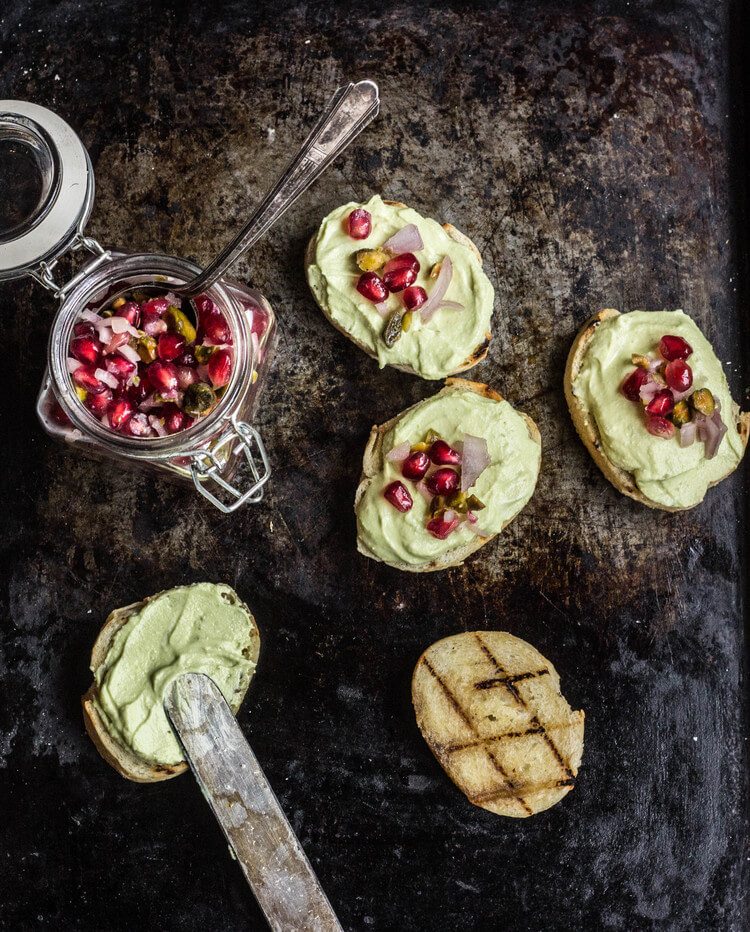
Avocado and Feta Toast with Pomegranate Relish- WholeBiteBlog

We think the saltiness of feta cheese with creamy avocado is a perfect combination! And look at the beautiful red pop of colour from the pomegranate! Yes, please!

Overhead photo of five avocado toasts with pomegranate seeds on top.

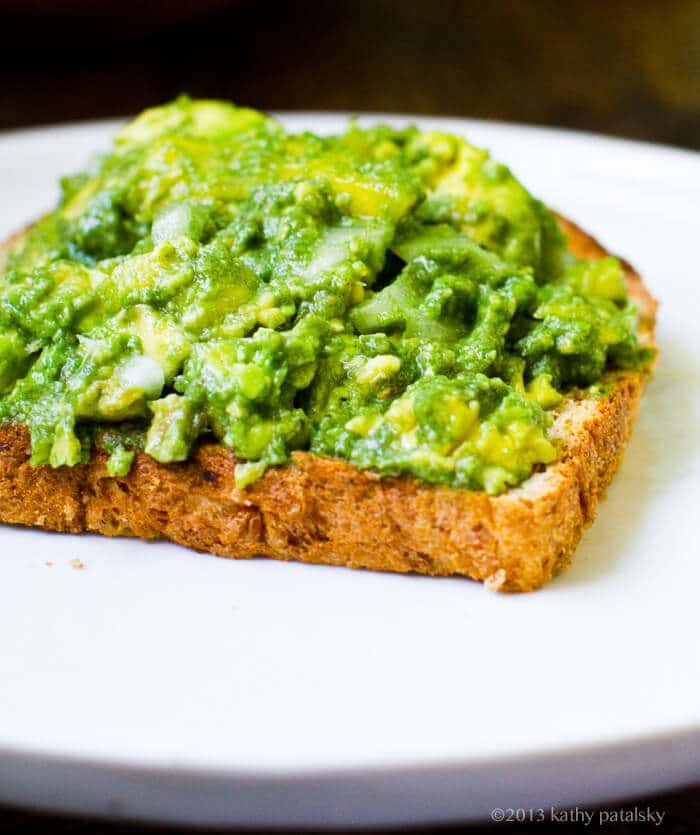
Tropical Spirulina Guacamole Toast-Happy Healthy Life

Spirulina is high in antioxidants, enzymes, vitamins, minerals and is a source of plant-based protein. If you haven’t given this ‘superfood’ a go, adding it to your healthy avocado toast recipe is a great place to start.

A close up of mashed avocado on toast.

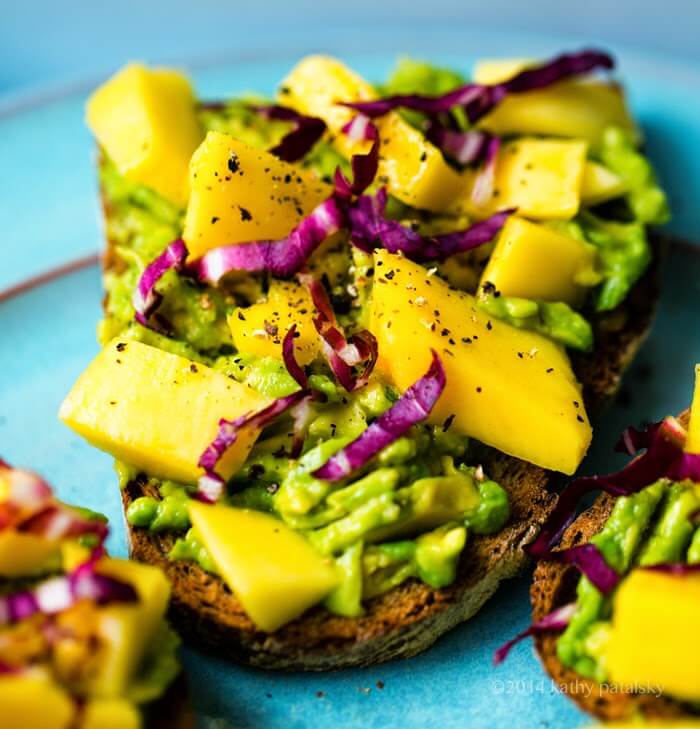
Sweet Mango Avocado Toast– Happy Healthy Life

This toast pairing already has us dreaming of our next tropical get away! The sweetness of mango pairs perfectly with buttery avocado, and a touch of radicchio adds the perfect amount of bitterness to give an all-around perfect bite.

A close up of avocado toast with mango on top.

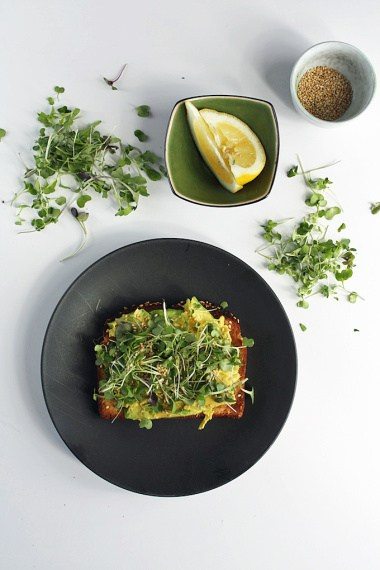
Avocado Toasts with Micro Greens + Sesame – Malibu Kitchen

This wholesome Asian take on Avocado toast looks so delicious! The umami-rich and nutty flavours of sesame goes perfectly with delicate microgreens and creamy avocado.

A black plate with an avocado toast and greens on top.

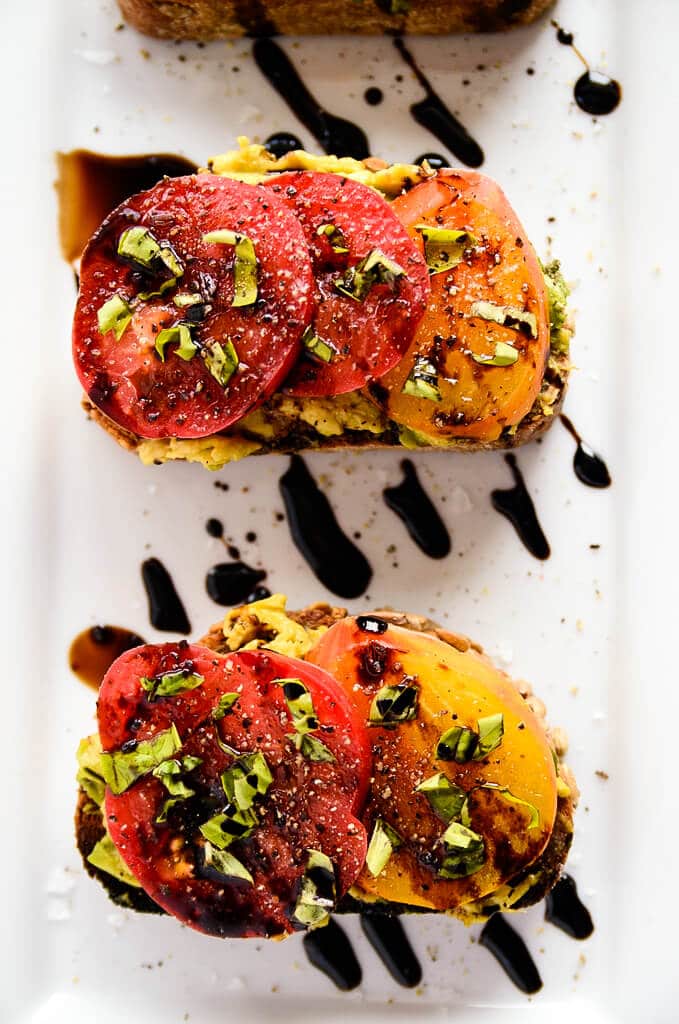
 Avocado + Heirloom Tomato Toast with Balsamic Drizzle – Blissful Basil

This is one of those healthy avocado toast recipes that everyone will love. Now is a great time to grab a handful of heirloom tomatoes from your farmer’s market, pack them high onto your avocado toast and drizzle them with some sweet and tangy balsamic. Oh God, we are salivating.

Avocado toast with slices of tomatoes on top with balsamic on top.

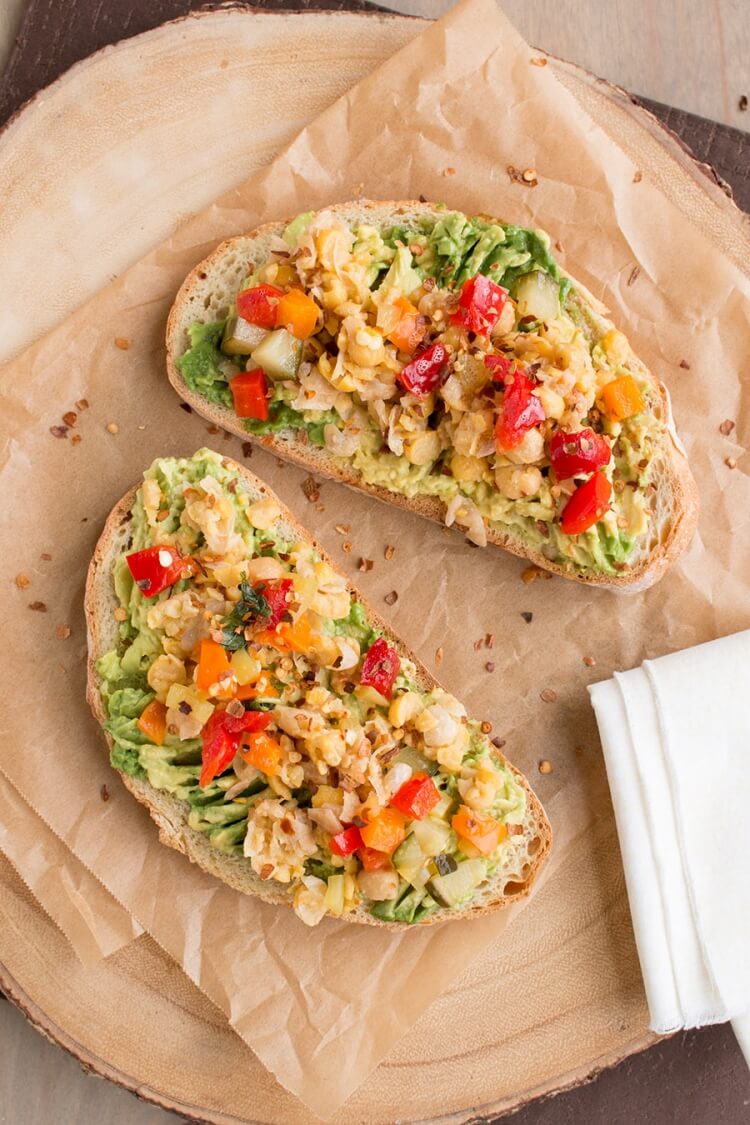
Avocado Toast with Smashed Chickpeas and Pepper Relish-Chili Pepper Madness

This open face sandwich came just in time for the UN’s International Year of Pulses. We probably all have a can of chickpeas sitting in our pantry, so here’s a great way to use them!

Avocado toast with mashed chickpeas on top.

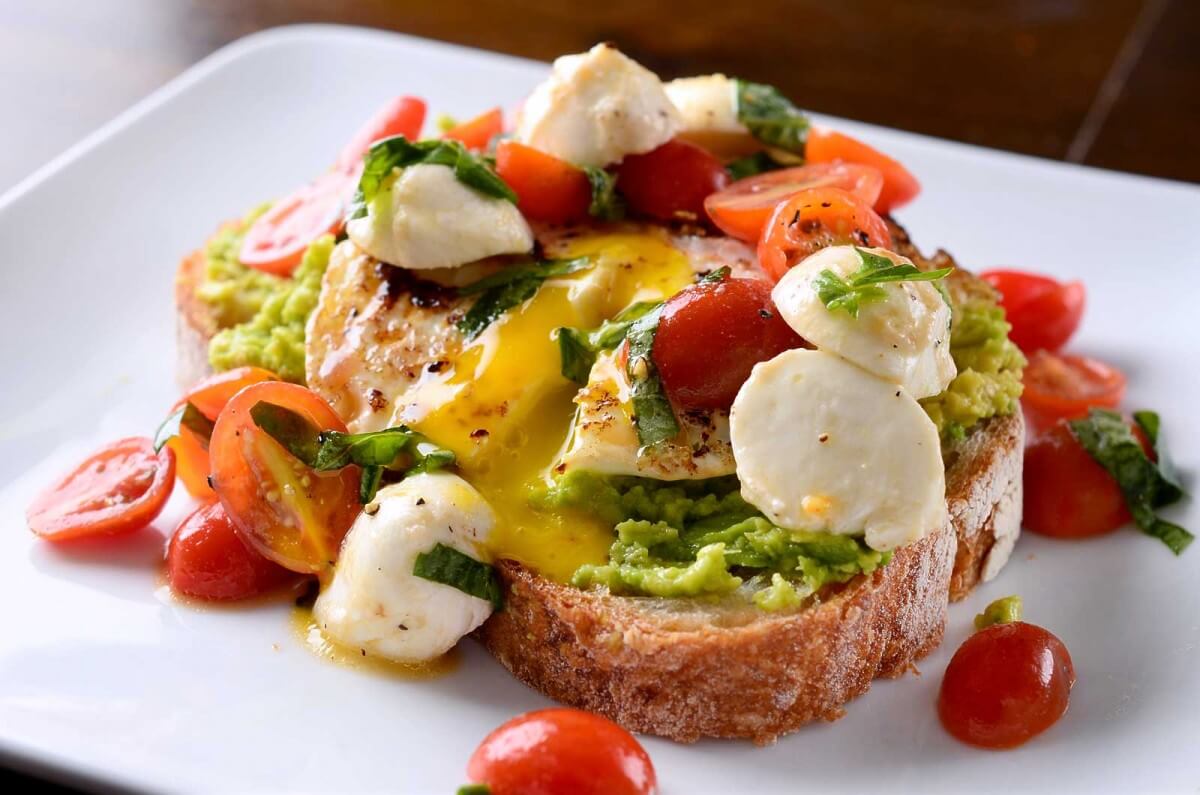
Caprese Avocado Breakfast Toast -Life’s Ambrosia

The milky flavour of fresh mozzarella combined with runny yolk, ripe avocado, fresh tomatoes and basil will surely get any night owl out of bed.

A white plate with avocado toast with caprese.

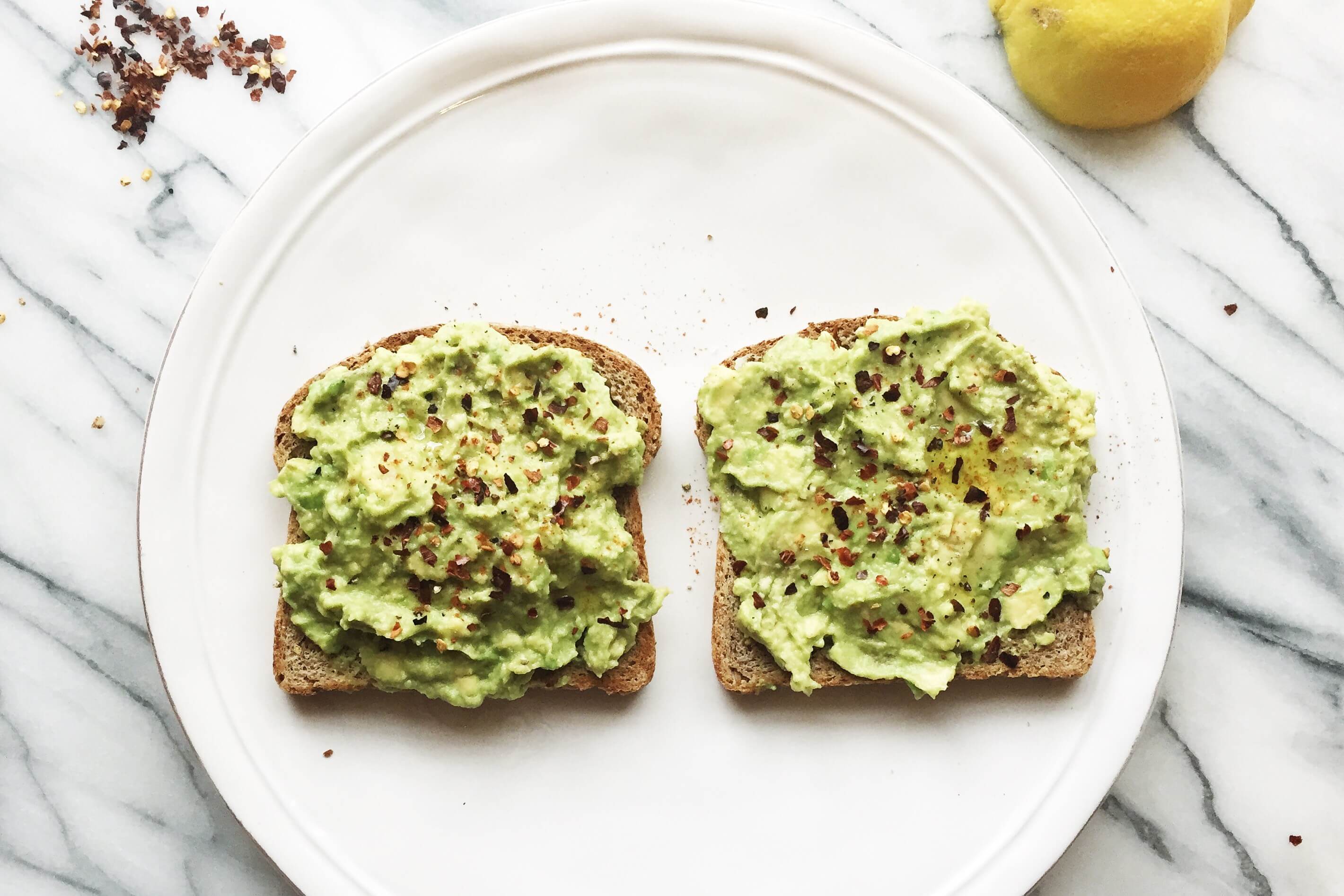
Perfect Avocado Toast -Annie Reeves

This is the classic, but my goodness is it ever good.

Avocado toast on a white plate with red chili flakes on top.

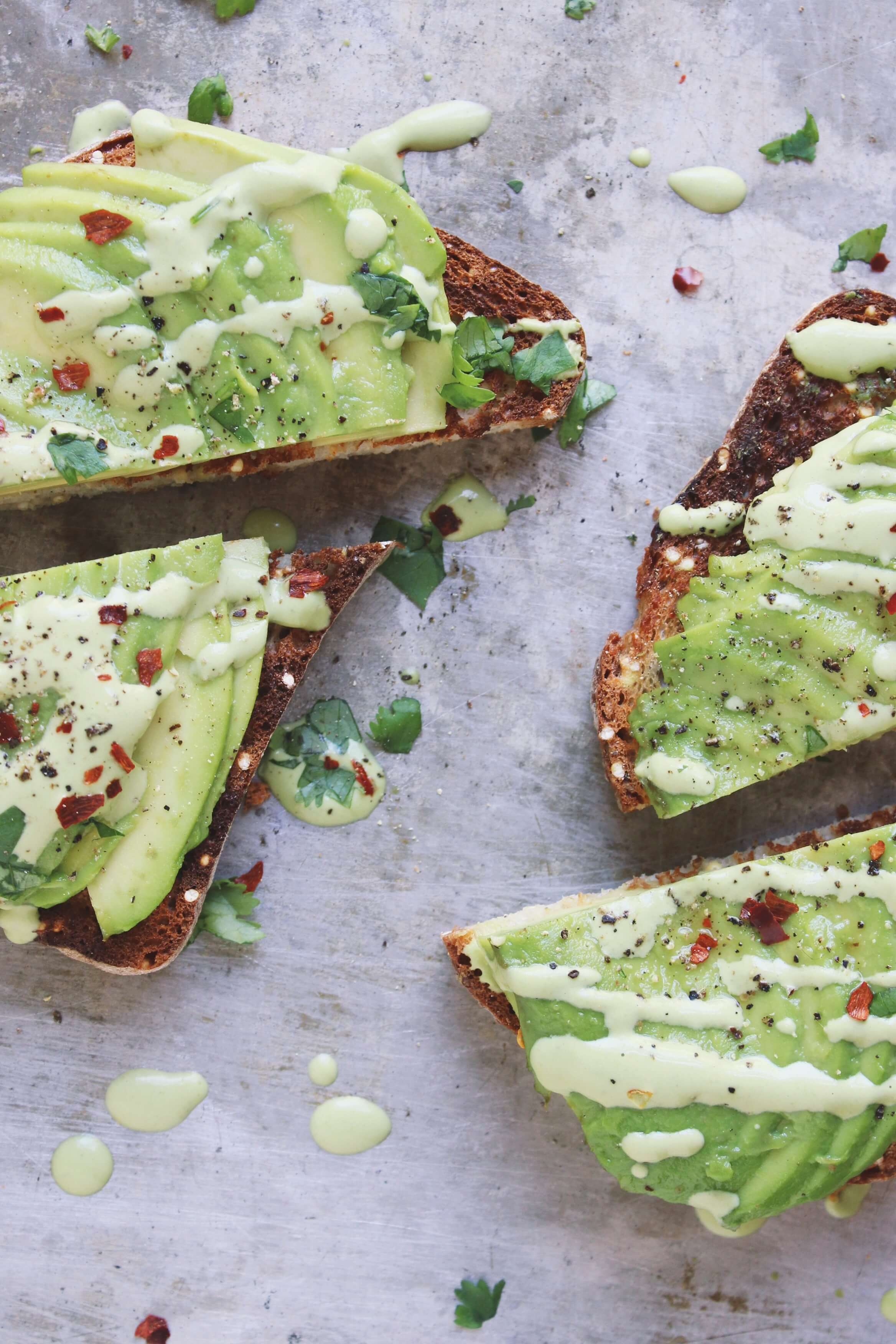
Avocado Toast with Cilantro Lime Cashew Cream-With Food & Love

The creaminess of this aromatic cashew cream takes just 5 minutes to whip up and will breath new life into your favourite healthy avocado toast recipes.

Close up of sliced avocados on toast.

What are some of your favourite healthy avocado toast recipes?

Which one of these bad boys are you going to try first?

Leave me a comment below with your favourite avocado toast combinations!

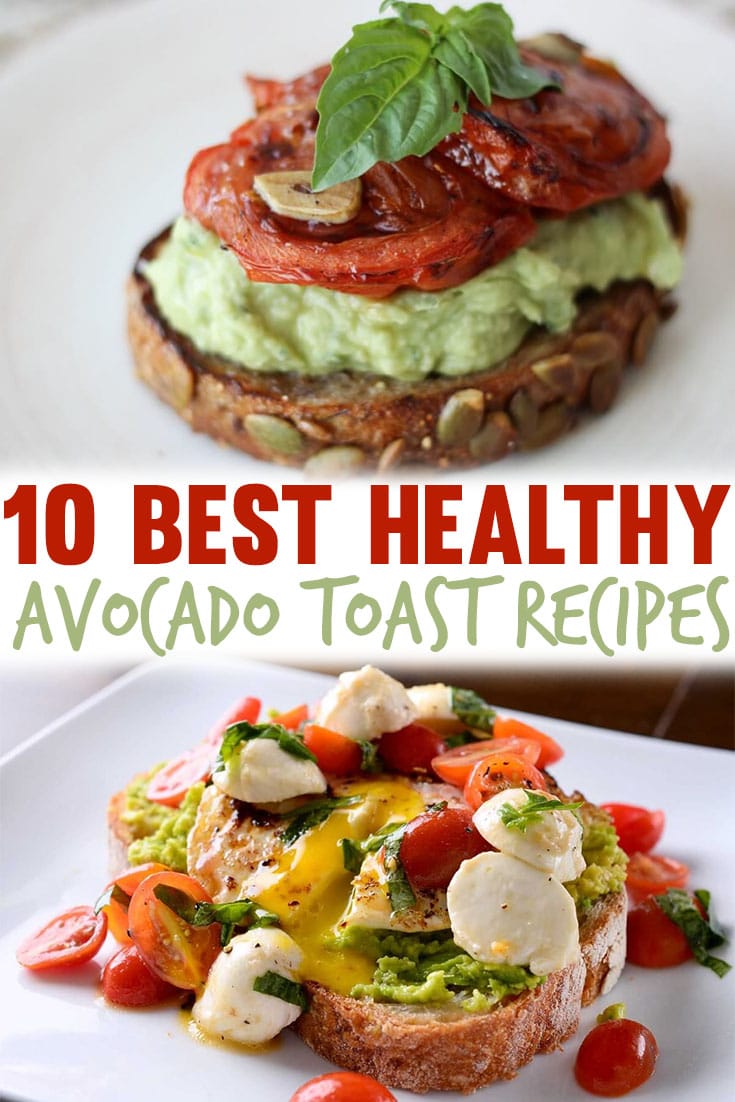
A pinterest image of multiple avocado toast with the text overlay \"10 Best Healthy Avocado Toast Recipes.\"

Contribution by RD2B Alexis Silver

Abbey Sharp

Abbey Sharp is a Registered Dietitian (RD), regulated by the Ontario College of Dietitians. She is a mom, YouTuber, Blogger, award winning cookbook author, media coach specializing in food and nutrition influencers, and a frequent contributor to national publications like Healthline and on national broadcast TV shows.
www.abbeyskitchen.com/about-abbey/

Last Updated August 14, 2017. Published August 14, 2017 By Abbey Sharp 28 Comments

Homemade Salted Caramel Almond Butter | No Sugar Added, Vegan, Paleo & Gluten Free!

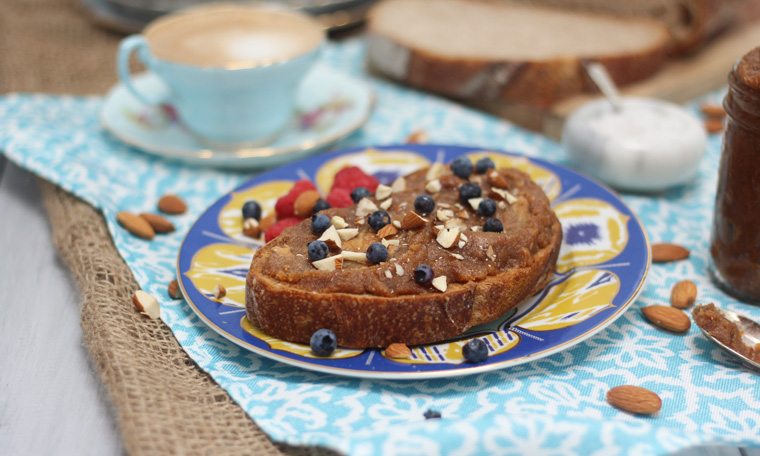
A photo of a blue plate with salted caramel almond butter spread on top with blueberries on top.

This homemade salted caramel almond butter is a no sugar added, vegan, paleo and gluten free spread that is perfect for toast, apples, or even just your spoon (hey, we don’t judge!)

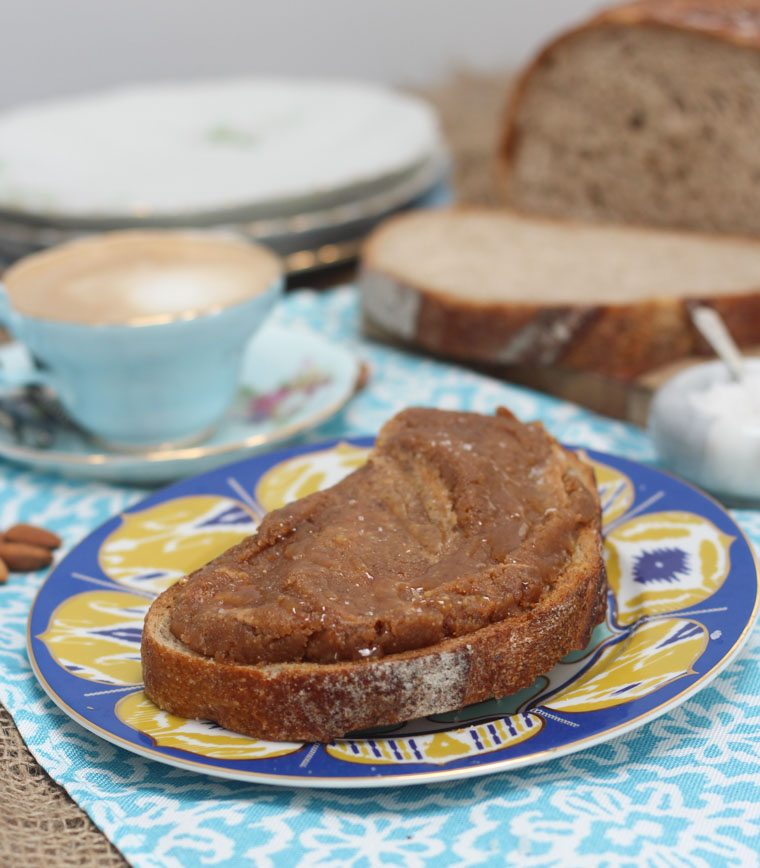
A piece of toast with salted caramel almond butter spread on top.

I’m obsessed with nut butter of any variety. Peanut, almond, cashew, you name it. If you can spread nuts on toast, I’m there. I also have a not-so-secret obsession over Nutella (so much so that I created my own better-for-you vegan version here.

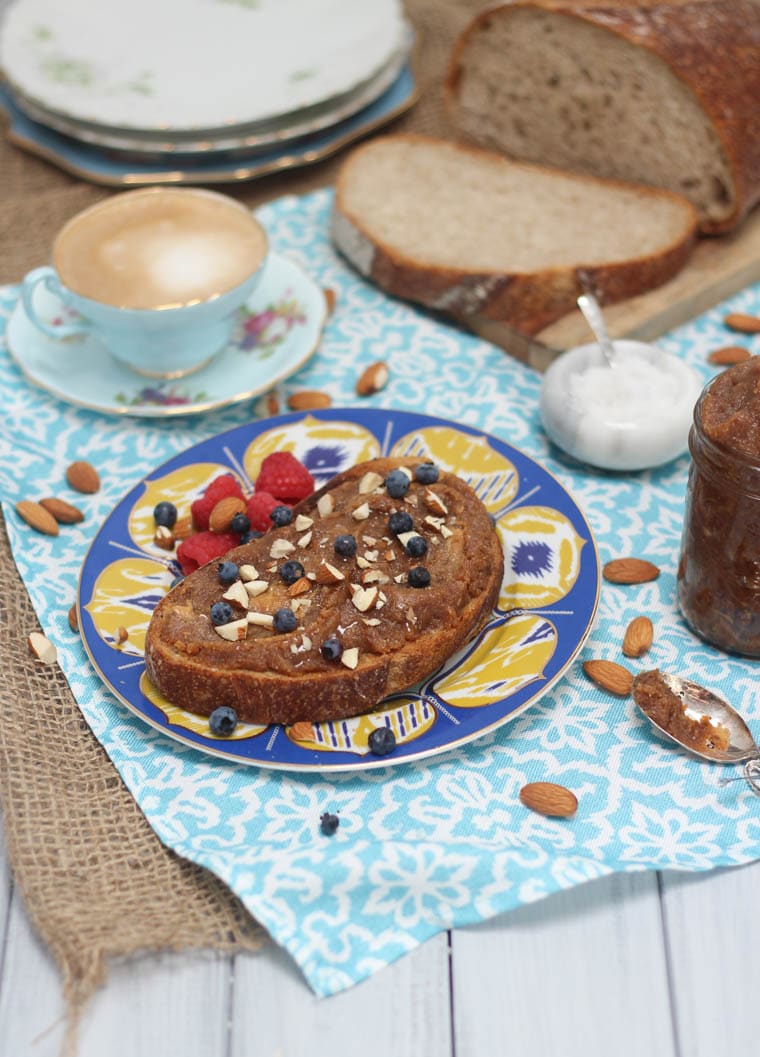
A table with a blue plate with salted caramel almond butter spread on top with blueberries on top.

Recently while I was in the states, I picked up a bottle of Trader Joe’s Speculoos spread and OMG I pretty much died. Tell me you have tried this! Guys, its COOKIES for breakfast!!! I mean, what is NOT to love about spreading ground up cookies on your toast?!

A photo of a blue plate with salted caramel almond butter spread on top with blueberries on top. As you can probably already guess, however, speculoos isn’t exactly breakfast food. It’s a treat and a damn good one at that. But I don’t usually feel too well after a few too many spoonfuls of that. Homemade Salted Caramel Almond Butter on the other hand, well that is both a treat AND feel-good food.

How to Make Homemade Salted Caramel Almond Butter

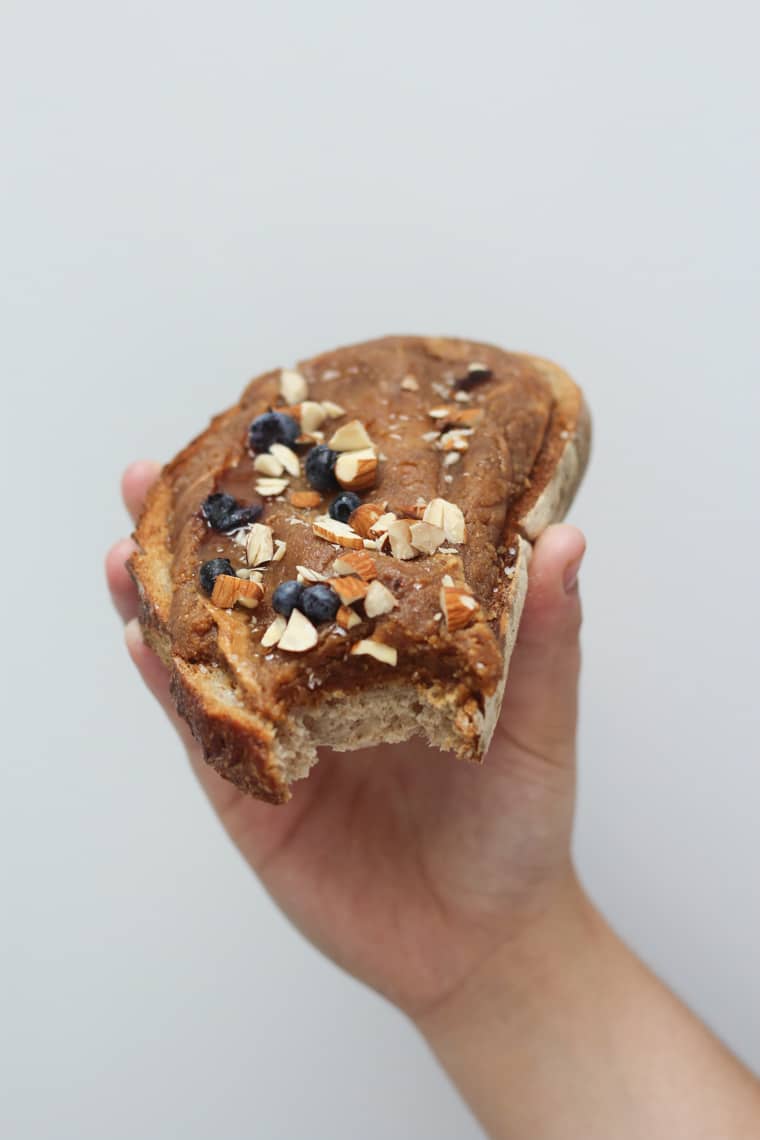
A piece of bread with salted caramel almond butter spread on top with blueberries on top being held up by a hand.

I’m a huge fan of regular almond butter, and have no qualms about picking up the store bought variety from the store for busy mornings, but when you can make your own DIY homemade almond butter… mmmm everything changes. Not only does it allow you to make a version without added salt, sugar and preservatives, BUT you can switch it up with yummy add-ins like dreamy no added sugar salted caramel.

It starts with the homemade almond butter which is literally just pureed almonds. You definitely need to make sure you’re working with a super powerful blender, or else this probably just won’t work. All it takes is almonds to make some amazing homemade almond butter.

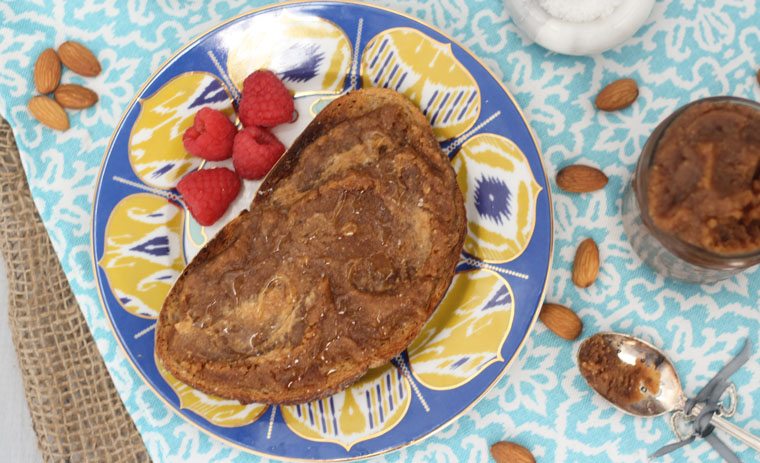
An overhead photo of a table with a blue plate with salted caramel almond butter spread on top with raspberries beside it.

Next, let’s flavour this bad boy up with sweet sticky no added sugar salted caramel. I make mine with a good helping of dates and some almond milk, pureed until lusciously smooth, then balanced out with lots of flaky salt.

You can enjoy your homemade salted caramel almond butter on toast, on fruit or by the spoonful! You do you!

Now I definitely want to know, have you tried making homemade almond butter before at home?

What about my homemade salted caramel almond butter?

Speculoos vs Nutella? Yay or nay? Which sweet spread has your heart?

Leave me a comment below with your thoughts!

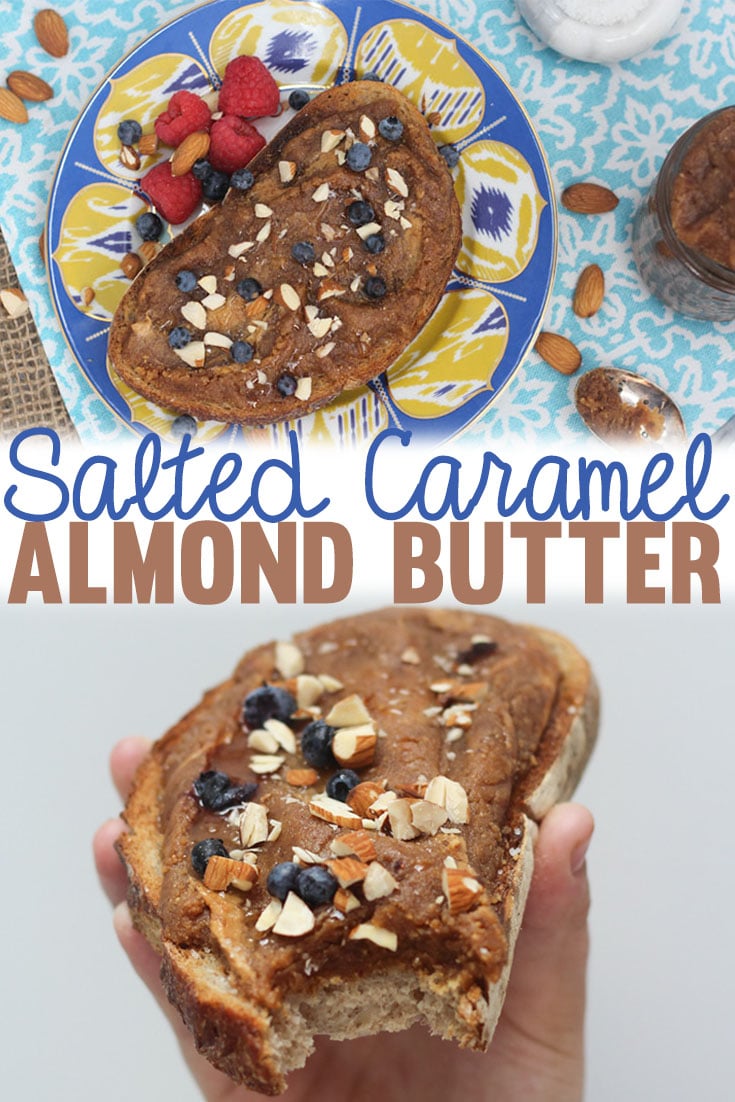
A table with a blue plate with salted caramel almond butter spread on top with blueberries on top and a hand holding a piece of toasted bread with almond butter on top with text overlay \"Salted Caramel Almond Butter.\"

A photo of a blue plate with salted caramel almond butter spread on top with blueberries on top.
Print Recipe
5 from 2 votes

Homemade Salted Caramel Almond Butter

This homemade salted caramel almond butter is a no sugar added, vegan, paleo and gluten free spread that is perfect for toast, apples, or even just your spoon (hey, we don't judge!)
Cook Time15 minutes mins
Total Time15 minutes mins
Course: Spread
Cuisine: American
Servings: 2 cups
Calories: 180kcal
Author: Abbey Sharp

Ingredients

  • 4 cups natural almonds
  • 1 cup sticky Medjool dates pitted and chopped
  • 1/4 - 1/2 cup unsweetened vanilla almond milk
  • 1/2 tsp vanilla extract
  • 1/4- 1/2 tsp fleur de sel

Instructions

  • Preheat oven to 350 F. Spread the almonds out onto two baking sheets and roast for 10-15 minutes, or until lightly golden and fragrant.
  • Transfer to a high-power blender or food processor and puree until very smooth, this can take about 10 minutes. Remove most of the almond butter to a bowl.
  • Add the dates and puree until gummy, then add 1/4 cup of the almond milk, vanilla and salt. Continue to puree until super smooth and thick. If it needs a bit more help to get going, you can add the rest of the almond milk.
  • Add the almond butter back in and puree the two together until smooth. Store in a jar in the fridge for up to 2 weeks or enjoy on toast immediately!

Nutrition

Calories: 180kcal


Abbey Sharp

Abbey Sharp is a Registered Dietitian (RD), regulated by the Ontario College of Dietitians. She is a mom, YouTuber, Blogger, award winning cookbook author, media coach specializing in food and nutrition influencers, and a frequent contributor to national publications like Healthline and on national broadcast TV shows.

www.abbeyskitchen.com/about-abbey/

Last Updated October 23, 2020. Published August 8, 2017 By Abbey Sharp 28 Comments

Raspberry Margarita Gluten Free Donuts | Dairy Free & Grain Free

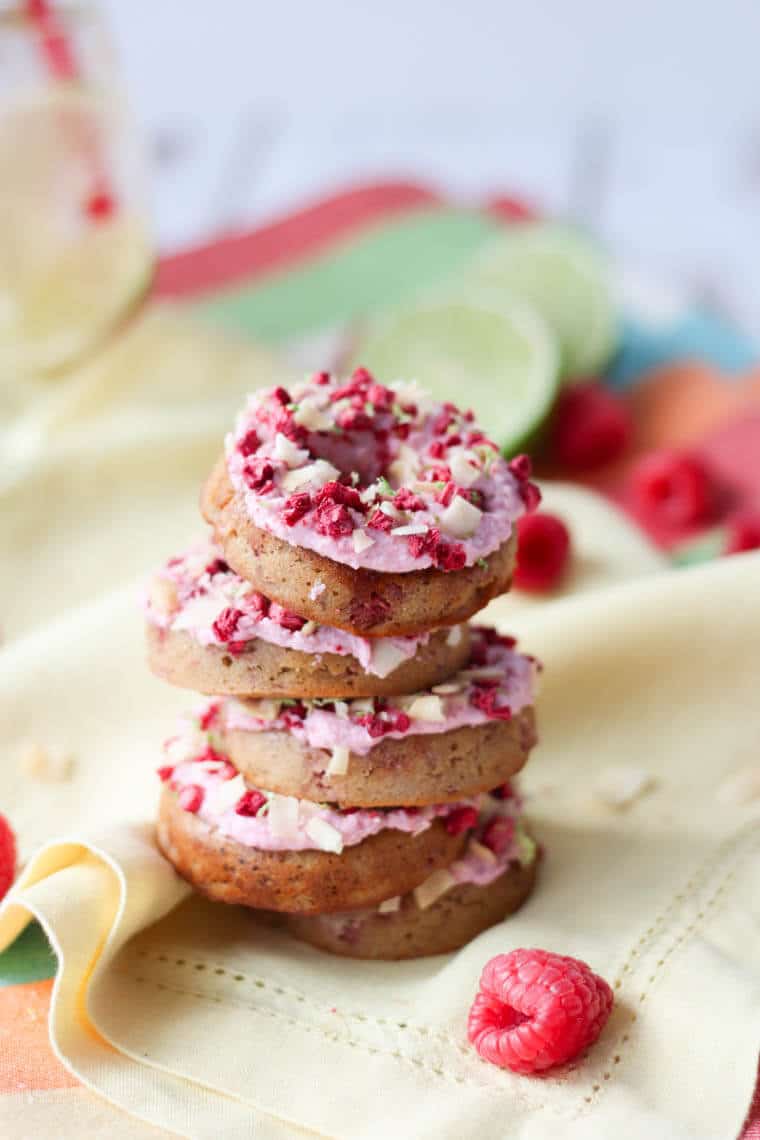
A close up of a stack of raspberry margarita donut.

These raspberry margarita gluten free donuts are naturally dairy free, grain free and lower in carbs. Instead of fancy mixes and a ton of strange additives, they’re just made with the goodness of almond flour, coconut yogurt and fresh fruit!

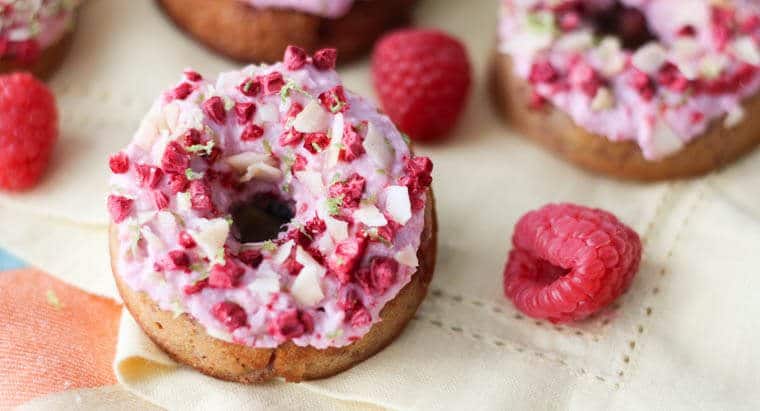
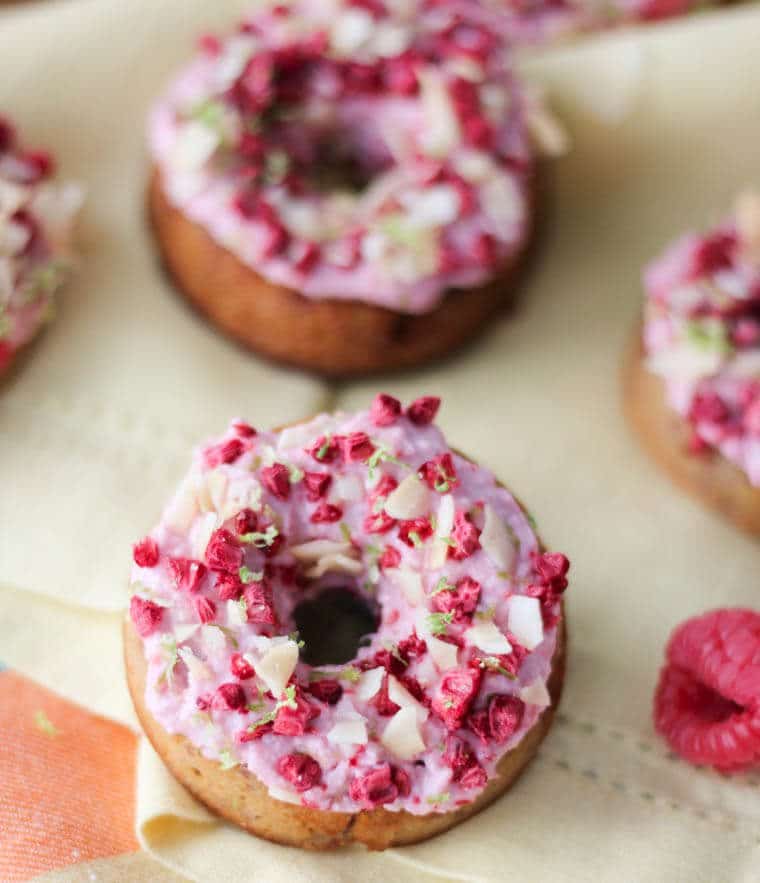
A close up of a raspberry margarita donut with raspberries around.

If I were to have one dessert to eat for the rest of my life, it would probably be donuts. I know, they’re like the ultimate in indulgent fare – they’re carby dough, deep fried and then loaded with sugary sweet frosting. But hey, this is hypothetical (I will never choose just ONE dessert for ever).

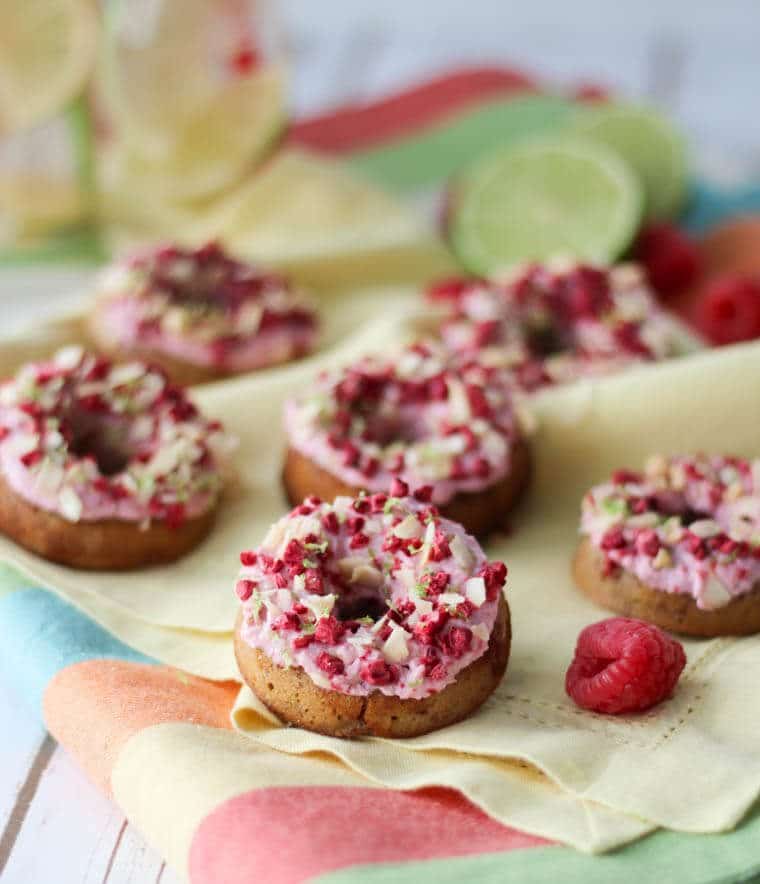
Multiple raspberry margarita donuts on a linen.

Alas, even if I wanted to, I couldn’t eat donuts for the rest of my life, so I sought out to make a batch of better for you donuts. Raspberry Margarita Gluten Free Donuts, to be exact. Because hey, it’s 5 o’clock somewhere.

How to Make Raspberry Margarita Gluten Free Donuts

These bad didn’t start out as gluten free donuts. I was playing with almond flour (essentially just finely ground up almonds) and wanted to bust out my cute new donut pan. I love almond flour because it has all of the goodness of almonds (protein, fibre, healthy fats) and it just happens to be naturally gluten free.

A close up of a raspberry margarita donut.

PS: You can actually make your own almond flour if you feel so inclined. Simply take a bunch of blanched raw almonds and process the hell out of them. The finer the better, after which I suggest you run in through a sifter before using it in this recipe. Or of course, you can take the lazy route, buy a bag of almond flour and do a quick sifty sift. I’m lazy so I choose B.

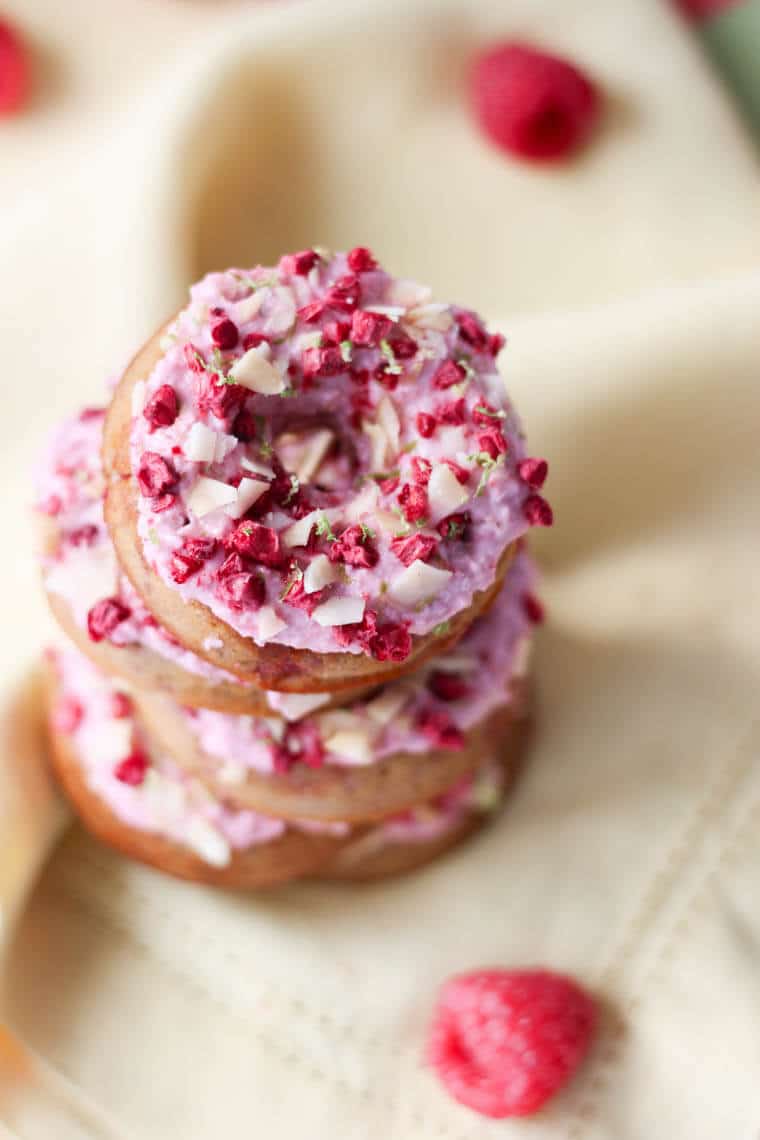
A stack of five raspberry margarita donut.

These raspberry margarita gluten free donuts are also totally grain free, dairy free and relatively low in carbs for a baked good – complete with a simple clean ingredient list. No weirdo xanthan gums, or guar gums, or a mix of 3 different gluten free flours that you have to buy a $10 bag of each of. This donut recipe is simple, wholesome and it’s really good.

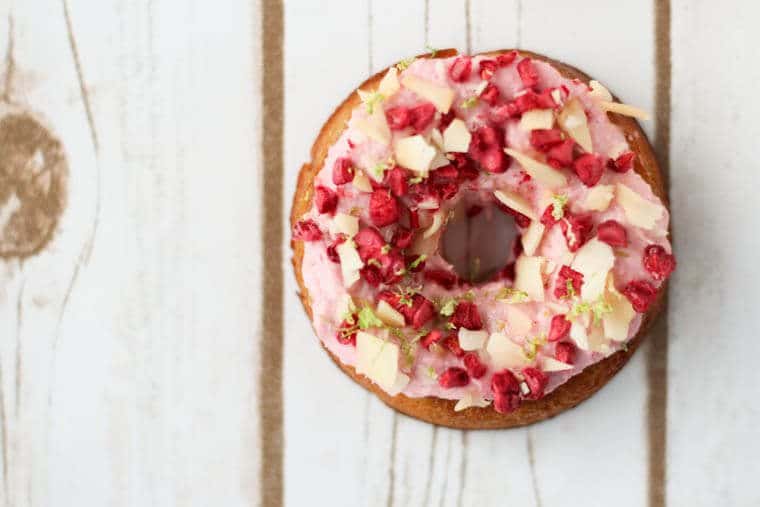
A close up of a raspberry margarita donut.

To get a good rise in these raspberry margarita gluten free donuts, I use a technique somewhat more like a pound cake where I mix egg yolks into the batter, whip a few egg whites until fluffy, and then gently combine the two. The result is an airiness that’s balanced by the slight crispy, crackly goodness of the almonds inside and is super satisfying.

Making a Healthy Raspberry Margarita Frosting

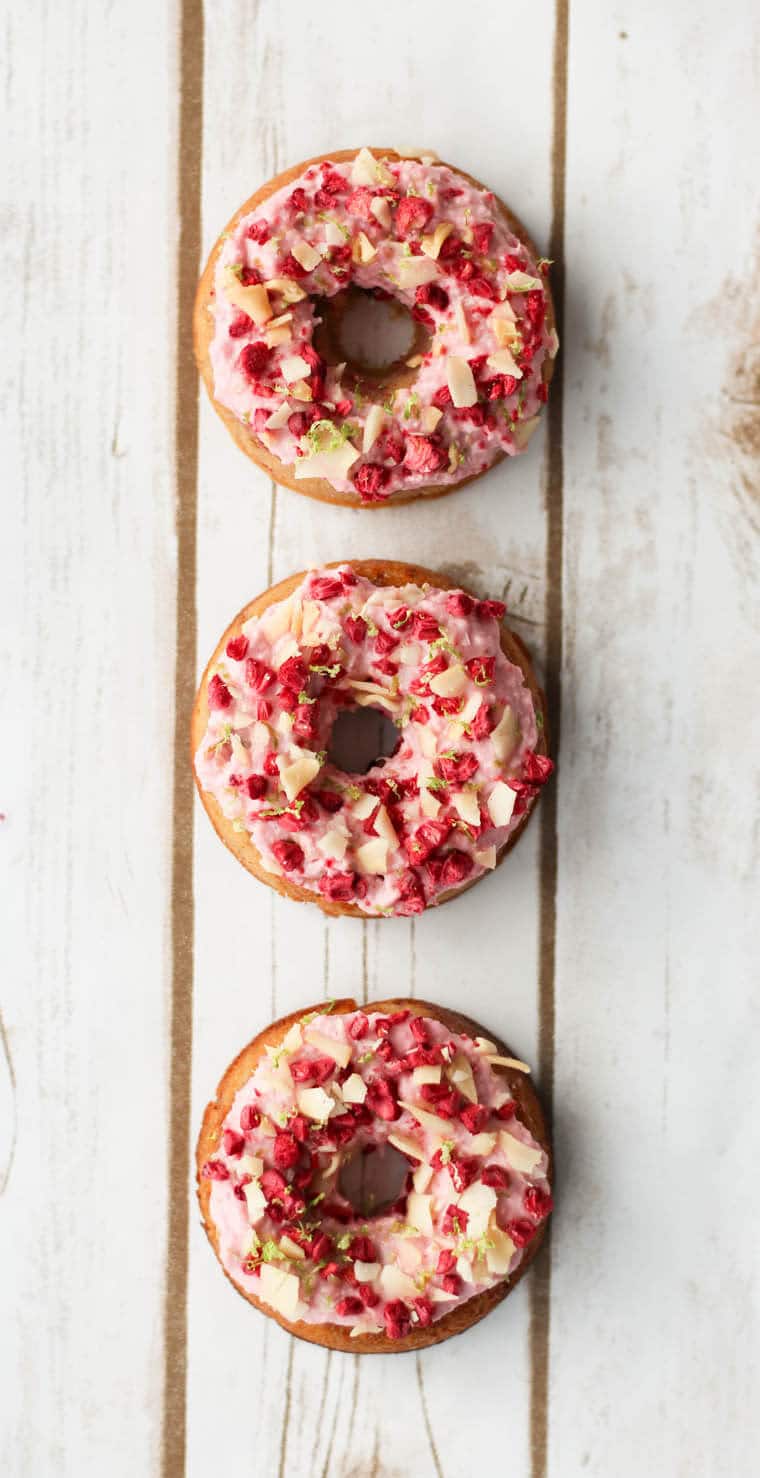
So this is where things could get decadent with these gluten free donuts. Normally, to make a donut glaze, you mix powdered sugar with water or some other liquid and top the whole thing off with artificially coloured sprinkles and sugars. Not here. I puree some fresh raspberries with coconut yogurt and shredded unsweetened coconut into a food processor until smooth, smear it on my donuts and then decorate with freeze dried fruit, coconut and lime zest. Oh, and you cannot forget that sprinkle of salt. That, my friends, is what makes the margarita!

A close up of a stack of raspberry margarita donut.

Trust me. These Raspberry Margarita Gluten Free Donuts are probably as light and healthy as donuts get.

Click To Tweet

The result? Wholesome treats for the whole family that look as tempting as a cartoon Homer donut but are actually good for you. Nothing artificial. Nothing super processed. Just nuts, fruit, eggs and coconut. Bring on those raspberry margarita gluten free donuts!

Three donuts that are raspberry margarita flavoured.

What’s your dream donut flavor?
Have you tried these gluten free donuts?
What are your thoughts on a sweet and tangy raspberry margarita version?
Leave me a comment below!

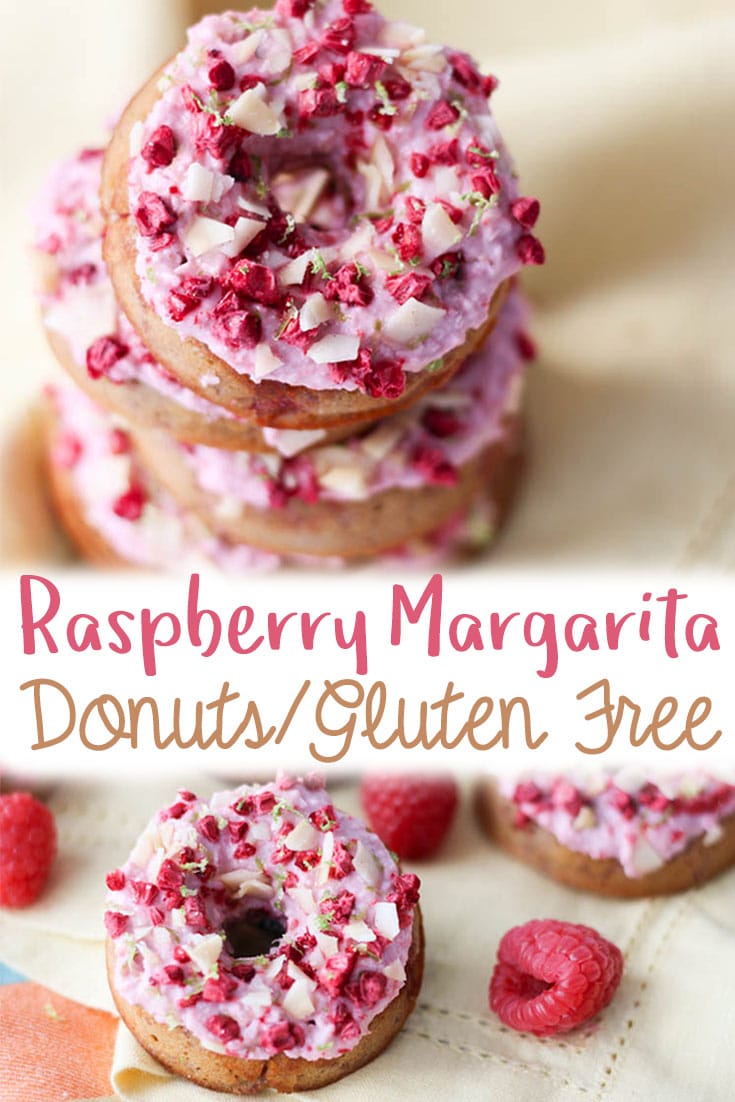
A pinterest image of raspberry margarita donuts with the overlay text \"Raspberry Margarita Donutes/Gluten Free.\"

A close up of a raspberry margarita gluten free donut.
Print Recipe
5 from 1 vote

Raspberry Margarita Gluten Free Donuts | Dairy Free & Grain Free

These raspberry margarita gluten free donuts are naturally dairy free and grain free but packed with tropical flavour! Note: This recipe was inspired and adapted from See and Savour
Prep Time10 minutes mins
Cook Time25 minutes mins
Total Time35 minutes mins
Course: Dessert
Cuisine: American
Servings: 6 Mini Donuts
Calories: 190kcal
Author: Abbey Sharp

Ingredients

Donuts

  • 2 1/2 cup blanched fine almond flour sifted
  • 1/2 tsp baking powder
  • 1/2 tsp salt
  • 1/4 cup coconut oil melted
  • 2 tsp vanilla
  • 2 tsp lime juice
  • 1 tsp lime zest
  • 6 tbsp agave
  • 3 eggs separated
  • 1 1/2 cups raspberries diced

Glaze

  • 1/4 cup coconut yogurt
  • 1/4 cup unsweetened finely shredded coconut
  • 6 tbsp raspberries
  • 3 tsp lime juice
  • 1 tsp lime zest
  • 2 tsp agave

Topping

  • Freeze dried raspberries crushed
  • Shaved toasted coconut chips crushed
  • Lime zest
  • Sea salt

Instructions

  • Preheat oven to 350 F and spray 12 small donut holes with nonstick cooking spray.
  • In one bowl, mix together the almond flour (sifted!), baking powder, and salt.
  • In another bowl, mix together the coconut oil, vanilla, lime juice, zest, agave, egg yolks and raspberries. Combine the dry into the wet.
  • Finally, in one last bowl, whip the egg whites until soft peaks form, then fold gently into the rest of the batter.
  • Fill donut molds about 3/4 way full and bake for 23-25 minutes, or until golden brown and a toothpick inserted into the middle comes out clean.
  • Carefully unmold and place flat side down on a cooling rack.
  • Meanwhile, in a food processor or blender, puree the yogurt, coconut, raspberries, lime juice, zest and agave until the raspberries break down.
  • Once cool, smear the donut tops with the coconut yogurt, top with the freeze dried raspberries, coconut chips, a little lime zest and a pinch of sea salt. Enjoy immediately or transfer to the fridge until ready to consume!

Nutrition

Calories: 190kcal


Abbey Sharp

Abbey Sharp is a Registered Dietitian (RD), regulated by the Ontario College of Dietitians. She is a mom, YouTuber, Blogger, award winning cookbook author, media coach specializing in food and nutrition influencers, and a frequent contributor to national publications like Healthline and on national broadcast TV shows.
www.abbeyskitchen.com/about-abbey/
  • Previous Page
  • Go to page 1
  • Interim pages omitted …
  • Go to page 67
  • Go to page 68
  • Go to page 69
  • Go to page 70
  • Go to page 71
  • Interim pages omitted …
  • Go to page 89
  • Next Page

Get started with

Eight Free Recipe Books

From the co-founder of Neue Theory and creator of the Hunger Crushing Combo

Sign me up!
Abbey smiling at table
Abbey Sharp

“Foods may never be nutritionally equal. But we can make them morally equal by recognizing that our worth is never determined by what's on our plate.”

— Abbey Sharp, RD About Abbey ◥

Books

  • HCC™
  • Mindful Glow
  • Free E-Books

Blog

  • Nutrition
  • Recipes
  • Motherhood
  • Life

Explore

  • Neue Theory™
  • Bite Back
  • YouTube

Abbey

  • About
  • Coaching
YouTube TikTok Instagram Facebook X Pinterest
Abbey Sharp - The No BS Dietitian From Abbeys Kitchen

© Abbey's Kitchen 2026  All Rights Reserved •  ACCESSIBILITY STATEMENT •  Privacy Policy

This site uses cookies. By continuing to browse the site, you are agreeing to the use of cookies Accept Privacy Policy
Privacy & Cookies Policy

Privacy Overview

This website uses cookies to improve your experience while you navigate through the website. Out of these, the cookies that are categorized as necessary are stored on your browser as they are essential for the working of basic functionalities of the website. We also use third-party cookies that help us analyze and understand how you use this website. These cookies will be stored in your browser only with your consent. You also have the option to opt-out of these cookies. But opting out of some of these cookies may affect your browsing experience.
Necessary
Always Enabled
Necessary cookies are absolutely essential for the website to function properly. This category only includes cookies that ensures basic functionalities and security features of the website. These cookies do not store any personal information.
Non-necessary
Any cookies that may not be particularly necessary for the website to function and is used specifically to collect user personal data via analytics, ads, other embedded contents are termed as non-necessary cookies. It is mandatory to procure user consent prior to running these cookies on your website.
SAVE & ACCEPT

Rate This Recipe

Your vote:


A rating is required
A name is required
An email is required