• Skip to main content

Abbey's Kitchen

Healthy Recipes, Nutrition Myth Busting, Healthy Eating Tips

  • Books
    • HCC™
    • The Mindful Glow Cookbook
    • Recipe eBooks
      • Family
      • Hypothyroidism
      • BLW
      • Vegan Week 1
      • Vegan Week 2
      • Vegan Week 3
      • Keto
      • Gluten Free Week 1
      • Gluten Free Week 2
      • Fitness
      • Paleo
  • Blog
    • Nutrition
    • Recipes
    • Motherhood
    • Life
  • Explore
    • Neue Theory™
    • Bite Back With Abbey Sharp
      • Apple Music
      • Spotify
      • Amazon Music
    • YouTube
  • Abbey
    • About
    • Coaching
    • Contact

Abbey Sharp

Last Updated August 28, 2017. Published August 7, 2017 By Abbey Sharp 52 Comments

What the Health Review – a Dietitian’s Thoughts on the Netflix Pro- Vegan Documentary

"What the Health" movie poster.

A What the Health review, a dietitian’s thoughts on the controversial Netflix documentary promoting a vegan and plant based diet. 

The first time I tried to watch What the Health, the new Netflix shock-umentary about the apparent dangers of a meat and dairy based diet, I had to turn it off. I think I got about 5 minutes in while walking on the treadmill before I decided it was making my already least favourite activity (cardio) even more painful. But alas, I love you guys, so I thought we better get back to the grind and to give you all my honest thoughts, I watched it again. I watched it in detail. I rewatched parts of it. I wanted to pull my eyes out the entire time.

Now, before my plant-based sisters and brothers get upset, let me make this clear. I wasn’t mad that they were blatantly pushing a vegan agenda. I’m honestly all for enjoying more plant based foods in your diet for a variety of health and environmental reasons. But, I was pissed at the fear-mongering tactics they took, the “low blows” so to speak that got them the views and buzz all over the world. Here are some of my serious things you should understand before watching What the Health.

What the Health is rife with Misinformation and Cherry Picked Studies
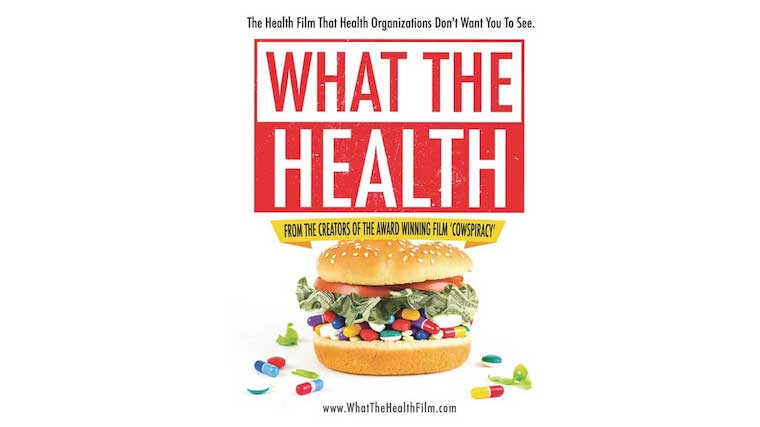
\"What the Health\" movie poster.

One of the overarching take home messages is that all meat and animal products cause obesity, cancer, diabetes, heart disease and all-cause mortality. They shift from putting any focus on sugar (or inactivity, or any other cocktail of foods), and put the blame exclusively on meat. The first thing I can tell you is there is no high quality systematic review that has studied all of these variables at once that concluded with this claim. None. Nutrition research is notoriously hard to do because it’s impossible to isolate a single food from someone’s diet and see its effect, just like it’s impossible to isolate meat as the culprit of disease when there are a variety of other factors at play. One of the physicians attempts to “simplify” the problem with a bogus cookie analogy (time stamp 9:30). His theory is that it’s not the sugar in the cookie that’s killing us, it’s specifically the butter and shortening (aka. the saturated fat-packed animal products). That’s a bold statement and I would love to see this alleged cookie study where he was able to isolate the butter from the sugar in the cookie, and make that direct causation. There isn’t a stupid study because it’s impossible. It’s also incorrect, as we now know that an excess of sugar in the diet also may contributes to a wide range of chronic disease. But alas, absolving sugar and demonizing meat by taking bits of the research that confirm their theory is the overarching theme of this film. They cherry picked the facts. Let’s review some of these cherries.

What the Health on Meat and Cancer

At the start of the film, Kip references the 2015 WHO review that links processed meats to colorectal cancer. It’s important to first say that a person’s lifetime risk of developing colorectal cancer is 5%, and the review found that if a person eats processed meats every day, their risk would increase by 1%, which comes to a total of 6%. I wouldn’t call that link remarkably significant.

Hand holding a lit cigarette.

Another thing the film loved to do was make the association between smoking and eating meat. It is true that processed meats were placed in the same category as carcinogens like asbestos and tobacco, however they were not making associations in the process. Actually, the studies compiled by the WHO concluded that the only similarities they were making was that the strength of the research linking processed meats to cancer was the same as the strength of the research linking tobacco to cancer. The associations made were only based on the strength of the research and not that they are AT ALL linked. So, no, eating meat is not like smoking a cigarette. And remember the strength of the research only found that your risk of developing colorectal cancer is only increased by 1% if you eat processed meats every day.

This lack of understanding the WHO research was also apparent in the way the media covered the topic. Admittedly, the WHO needed to be a little clearer in the information they were providing because it created a hell of a lotta confusion for consumers.

What the Health on Growth Hormones & Antibiotics in Food

A cattle standing on top of a grass covered field.

One of the other major topics discussed around meat and dairy was the use of growth hormones and antibiotics. American and Canadian governments vigorously test the use of antibiotics and hormones and there is a maximum amount that is allowed in livestock. That amount is still well below any dangers associated with it. Interesting factoid here: in Canada, growth hormones are not permitted in animals (except for beef), so if you’re worried buy organic beef (organic beef does not permit growth hormones) or enjoy beef as a treat. Antibiotics are used to treat animals, much like how humans use them. If antibiotics are used in dairy cows then they are separated from the herd and their milk is not used. So, it’s safe to say that no hormones or meds are found in the milk that we drink. Another factoid: Here in Canada, artificial growth hormone (recombinant bovine somatropin/rbST) is banned from use in production of both organic and conventional milk because they’ve been associated with infertility and some negative effects in humans. So, you can thank your government for some awesome regulations. For more information on the impact of dairy on our health, please check out my 6-part series!

What the Health on Eggs and Smoking

WTF Statement: “1 egg a day is equivalent to smoking 5 cigarettes/a day for life expectancies”

A plate on a table with a toast with an egg on top.

I dug up this study from 2012, and I’m still not confused. A Canadian University looked at individuals that smoked and ate egg yolks, and tried to make the link that the more egg yolks eaten, the more plaque that developed on arteries contributing to their risk of developing coronary artery disease. Researchers determined how much people smoked and how many egg yolks they ate over time and found that the plaque increase from eating eggs “follows a similar pattern to that of cigarette smoking”. From there, it was assumed that eating eggs was equivalent to smoking a cigarette but this association is in no way a causation. This study failed to do a number of things. Participants were fairly old, with an average age of 61 years which already puts you at risk for health problems. Many health experts spoke out against the study, saying that the study was flawed and had a very weak research design. Much like the research in What the Health, Kip doesn’t seem to explain the difference between ‘association’ and ‘causation’ which in this case is very significant. In nutrition research, we can only find associations but can never say that one thing causes the other. In the egg study, for example, researchers did not account for the other foods in an individual’s diet and it is possible that those who ate a lot of eggs tended to eat other high cholesterol foods as well, and possibly exercised less. These are crucial lifestyle factors that should have been included. But Kip didn’t critically appraise this research. Instead he saw a catchy title that would create a ton of fear without strong enough backbone to support it. Now, that’s just irresponsible and poor journalism.

WTF Statement:  “There’s nothing healthy about eating the yolk of an egg”

OK yes, egg yolks carry cholesterol but there are so many other nutrients that come with the yolk which means the benefits outweigh the potential harm. Eggs yolks contain protein, healthy fats, calcium, iron, phosphorus, selenium, folate, B12, vitamin A, D and carotenoids. And if you are concerned about the cholesterol content, research suggests that dietary cholesterol has little effect on our blood cholesterol and does not affect a person’s bloodwork.

What the Health on Dairy and Bone Health

The film does not back down when it comes to dairy. They even claim that dairy causes autism… oy vey (of course they do!). And yes, I’m sure you can single out poor quality studies that make these claims, however a review that gathered all the recent evidence on the topic and found ZERO associations between milk consumption and all-cause or cause-specific mortality. And for the conspiracy theorists out there, the review did not declare any conflict of interests, and the funding was provided in the form of a grant from a Swedish medical University: The Karolinska Institute.

What the Health on Sugar vs Fat
Sugar cubes.

The film starts with a discussion about the association between sugar intake and diabetes. I do agree with the fact that eating sugar does not cause diabetes, however rather than discuss the complexities of diabetes pathophysiology, the doctor quickly just dumps the blame on animal products. The doctor makes the claim that when we ingest animal products, the fat from it is not used and simply builds up in our body like plaque and is causing insulin resistance. This means the sugar you’re eating cannot get naturally into your cells. This philosophy is right, however I don’t agree that fat is the only culprit, and really excess calories as a whole is contributing to insulin resistance because our body can only store so much at a time. It is mentioned that when we eat carbs we burn it or we store it, but he just stops there and doesn’t mention the potential weight gain once those stores are at their max (which isn’t that hard to do!). As we know when we store carbs in the form of glycogen, over time if it’s not used up, it will be turned into fat and stored that way. We also know, that in the absence of carbs, excess fat can be used and burned and not simply stored and turned into more fat. We see that individuals on a keto diet are able to lose weight, however whether that’s sustainable is a whole other discussion (which you can check out here). The fact of the matter is, that if we consume excess calories and do very little physical activity, no matter what we’re eating (fat or carbs), we will store it and likely gain weight.

What the Health is a Perfect Storm of Paranoia & Fear Mongering

Persistent paranoia is the norm throughout the film and some of it is PAINFULLY obvious to me.

What the Health’s Gotcha Journalism

Two people standing in a field with a camera.

First of all, these directors are obsessed with creating the gotcha moments, which aren’t really gotcha to begin with. Gotcha moments are not respected in the journalism community because they’re basically a form of entrapment where you know the answer, and you’re attempting to catch the individual in a lie. They’re just not the most professional way to do business. Let me give you an example. Throughout the film, Kip speaks with a variety of organizations and the guy has, like no game. He calls a 1-800 number and talks to the lowest people on the food chain demanding an answer to his insanely loaded question. Granted he’s not a journalist, but to be going around talking about a sensitive controversial topic, he probably should have gotten a bit of guidance. The majority of the time, Kip ends up talking to admin assistants who definitely don’t get paid enough to make an informed statement. I find this is so disheartening and disingenuous because he’s trying to prove this bogus point that there’s a conspiracy going on, but ends up it looking more like he’s just grasping at straws.  But to some who don’t see through that bull shit, I can see how it can be dangerous and completely misleading. It has you asking, “YA! What are those government shills HIDING?!” They then throw in some menacing music and create the illusion that there is something lurking beneath the surface when really he’s just plain bad at looking for answers.

What the Health is OVER THE TOP Dramatic

The What the Health directors are also a fan of the dramatics – from the creepy horror film music, to putting interviewees in the dark with a shadow-casting spotlight on them. And who could forget the painful imagery of children eating pan fried cigarettes and cigars in hot dog buns. Shock much? Aside from the aesthetics, they also had a wide variety of soundbites that were over the top dramatic. When one physician was asked whether chicken was better than eating red meat, his response was: “it’s a question of whether you want to be shot or hung” (15:19). Seriously man, give it up!

What the Health’s use of Big Scary Words & Statements

Another technique they use throughout the film is big scary unpronounceable words. Every so often a doctor will drop a long ass “toxin” name that I’m sure just sounds like jibberish to the majority of viewers. And when we don’t understand certain words, concepts or pathophysiology processes, we can’t think critically about them and question whether or not that information is correct. They also use scary words we know we don’t like. Like toxin, poisin, and pus. In one scene,  a doctor says the word “pus” a shit ton of times… like a ton. He must have been paid per pus. Well, after a while you say “pus… meat…pus… meat” you create that association solely based on semantics and no one likes the sound of pus. This all perpetuates the fear and freaks people the hell out.

Just when I thought the fear mongering couldn’t get worse it does… they also chose to scare pregnant women and unborn children. At this point in the film (time stamp 23:28) the topic of dioxins is introduced, which is a chemical that is found in the fatty tissues of animals. The WHO states that “more than 90% of human exposure is through food, mainly meat and dairy products, fish and shellfish”. Once in the body, the only way dioxins can exit the body is via the placenta by giving birth or via the breastmilk. Health Canada has already stated that over the years there’s been a reduction in the overall release of dioxins from food sources (60% reduction since 1990s). This has been happening because the interventions to prevent pollution and the introduction of clean energy policies. See? Not so scary after all.

What the Health’s Dangerous Associations

Throughout the film, eating meat is continually associated with smoking or drinking alcohol. When Kip is on the phone with a health organization, he equates having meat recipes on a website to having a “how to roll a cigarette” on a lung cancer association website. In another scene, a c-list comedian equates having chicken at a diabetes prevention event is like having alcohol served at an AA meeting. These are bold associations, and are definitely included in the film because of an agenda. Not that I have to make this obvious, but alcohol/drugs are NOT the same as food. Food nourishes us and we require it to live and function on a daily basis. Alcohol and illicit drugs can be very harmful, addictive and can actually lead to nutritional deficiencies. Sorry, but you can’t convince me that glass of wine is giving you all the necessary nutrients that your body is craving. These dangerous associations continue to make food about a moral issue by saying that eating meat is equivalent to doing drugs or drinking alcohol, which again is an irresponsible stretch.

What the Health and the Art of the Testimonial

Throughout the doc, Kip speaks with a handful of individuals who have been suffering from a range of diseases from osteoarthritis, type 2 diabetes and heart disease. The directors create the “before and after” sequence painfully convincingly.

BEFORE:

Subjects are filmed in ill-lit environments, wearing drab clothing with very little colour, no makeup, messy hair, and they’re discussing how disappointed they are with their life and their illness. Bottles and bottles of pills and other ailments (i.e. walking with a walker) is made painfully obvious.

AFTER:

Near the end of the doc, Kip returns to meet up with them after they’ve been following a vegan diet for two weeks – man are things looking different. First of all, the scenes are filmed in the great outdoors with the sun shining on them, and individuals were given a terrific makeover! They’re now wearing bright clothing, makeup and apparently moved out to a swankier neighbourhood! This is blatant manipulation. The filmmakers are curating what you see by creating the association that veganism = light and happiness, while meat eating = a dark, dingy, lonely life.

Kip also interviews a variety of ‘attractive’ athletes that follow a vegan diet. All of these testimonials scream advertisement as if they’re saying they’re happier and prettier on the diet. By now, I think it’s pretty obvious (if it miraculously wasn’t already) that this film is oozing with bias.

Yes, testimonials are effective at tugging at your heart strings and personal stories can be powerful, but the fact of the matter is, if they are going to drop studies throughout the film, they should stick to that trend because these stories are only contributing to the dramatics to distract you from the evidence… which is scarce.

What the Health’s Obsession with Corporate Influence Conspiracy

Buildings.

Yes, as a dietitian, I would love to see a world where we don’t need corporate sponsorship, but the fact of the matter is that research studies, especially well-designed research studies require a ton of people, a ton of time and resources which requires a TON of money. Money that food industries have and see it as not only a marketing tool, but a way to improve their own credibility. There’s a point in What the Health (time stamp 52:10) where Kip points out the abundant funding in research studies and the sponsorship for large health organizations. This is a sensitive topic but there is a need to point out the term peer-reviewed. Peer reviewed means knowledgeable experts in the field evaluate a study for its scientific credibility. They also look at whether paper explicitly states their funding and any conflict of interest. This process gives a paper validity and a variety of scientific studies that counter this film may be funded by food industries, but they are also peer reviewed and are critically analyzed for any potential bias. Still not convinced? Check out my post on big pharma and government funding here.

There were a ton of doctors in this film, all with pretty radical views, but before we discuss that, let’s see if you can find a few patterns.

Just to name a few:

Dr. Joel Kahn, M.D., Cardiologist, Kahn Center for Cardiac Longevity

“I describe my practice as LIVe cardiology: Lifestyle, Integrative and Vegan” – this comes from his blog and he was named PETA’S Sexiest Vegan Over 50.

Dr. Michael Greger, M.D.

He has spoken at conventions on animal rights, and is a vegan.

Dr. Michael Klaper, M.D.

Klaper makes a living off the plant-based diet philosophy – has contributed to many books and films, even offers costly retreats to a ranch to discuss his philosophy and is a vegan.

Dr. Neal Barnard, M.D., Clinical Diabetes Researcher

Barnard is the author of many books claiming they can reverse diabetes through a plant based diet. PETA has funneled close to $1.3 million to Dr. Barnard’s organization: Physicians Committee for Responsible Medicine. He even writes a column for PETA’s monthly magazine. And yes, he is a vegan.

Dr. Garth Davis, Weight Loss Surgeon, The Davis Clinic

Follows a vegan diet and has a book known as “proteinaholic” which emphasizes our obsession with animal protein.

Dr. Caldwell Esselstyn, M.D., Clevelan Clinic Wellness Institute

On his website, he writes about how a plant-based diet reverses heart disease and is vegan.

Dr. Milton Mills, M.D., Critical Care Physician

Has spoken at plant-based summits and is cited in a variety of vegan blogs and organizations as a plant-based promoter and YES, is vegan.

The moral of the story. All of these doctors are vegans and promote the plant-based philosophy. A majority of them speak out for animal rights and have ties with PETA. The bias nature of this doc clearly cuts both ways. I would have wanted to hear from at least one physician that is not solely guided by their dietary intake. As dietitians, we may have our own personal way of eating, but we tailor our advice to meet the needs of our clients and patients. For example, I am neither vegan, nor gluten free (nor paleo, keto, or any other diet), BUT on my blog, I support and create content for all of these populations.

What I Liked about What the Health

OK so I’m not just a Debbie downer, here’s what I thought as good about What the Health.

The Environmental Perspective

A three windmill on top of a lush green field.

One of the strong arguments the doc does well is the impact meat production has on our environment. If you already weren’t aware of the destruction many of these factories have, not only on our ecosystem but also the surrounding communities that face these impacts every day, this film highlights them well. I’m happy about that because I can see HUGE reasons to eat more plant-based from an environmental and ethnical perspective. Do all animal farming facilities deserve to be painted with the same brush? I think it’s important to understand that yes, all meat rearing will use up considerable resources, but the magnitude may differ between farmers’ practices.

We Need to Eat More Plants
Fresh fruit and vegetables on display.

Michael Pollan said it right that we should eat more plants, and I am a firm believer that we could do with a lot more plant-based protein in our diet. When done right, a vegan diet can be super nutritious and can contribute to a healthy lifestyle and healthy environment. But pushing people down that road with fear is just not cool. “You’re okay with killing the environment and exposing babies to toxins by eating meat?” Hey, I know it works, but I’m sure many vegans would not want to be associated with fear and shame. It’s important that we come into any decisions about our diet from a place of pleasure and comfort because restricting out of shame has a serious potential to lead to  .

What the film doesn’t discuss is the impact simply cutting back on meat can do for our health, and maybe even on par with restricting meat completely. Diets like the Mediterranean diet incorporate fish, poultry and some red meat and have done wonders in reducing our risk for several chronic diseases and all-cause mortality. I like the Mediterranean diet, because it focuses more on the quality of protein, fats and carbs instead of going to the extreme by restricting foods you may find pleasurable. A more inclusive diet that still carries pleasure is the type of diet I can get behind. Having said that, if you’re comfortable and happy on a fully plant-based diet, then go for it- you do you!

Conclusion on What the Health

The biggest beef with these nutrition/food docs like What the Health is that they become irrelevant once the closing credits hit. Nutrition research moves fairly quickly, and the minute we “think” we understand a concept, research is done which counters it and we’re back at square one. This is why translating these docs as the complete truth is just irresponsible and misleading.

If there’s one thing you can take away from this, is that documentaries are far from objective. The What the Health directors were also behind the film “Cowspiracy” and Kip has been following the vegan lifestyle for decades despite the film making it look like he was discovering the diet for the first time. All of these food docs take an obvious stance, and in this one you are getting one side of the story and a truly black and white explanation. Nutrition isn’t simple, so don’t expect to “get it” in a 90-minute documentary.

Now I want to know, have you watched What the Health?
What did you think?
Did it entice you to eat more plant based?
Leave me a comment below with your thoughts!
Pinterest image of a What the Health movie poster and a cattle with the overlay text \"A Dietitian\'s Review of What The Health.\"

Contribution by Sofia Tsalamal, MHSc, RD

Abbey Sharp

Abbey Sharp is a Registered Dietitian (RD), regulated by the Ontario College of Dietitians. She is a mom, YouTuber, Blogger, award winning cookbook author, media coach specializing in food and nutrition influencers, and a frequent contributor to national publications like Healthline and on national broadcast TV shows.
www.abbeyskitchen.com/about-abbey/

Last Updated October 8, 2020. Published August 1, 2017 By Abbey Sharp 15 Comments

The Truth About Artificial Sweeteners & Weight Gain | Understanding the Role of Artificial Sweeteners on Weight Gain

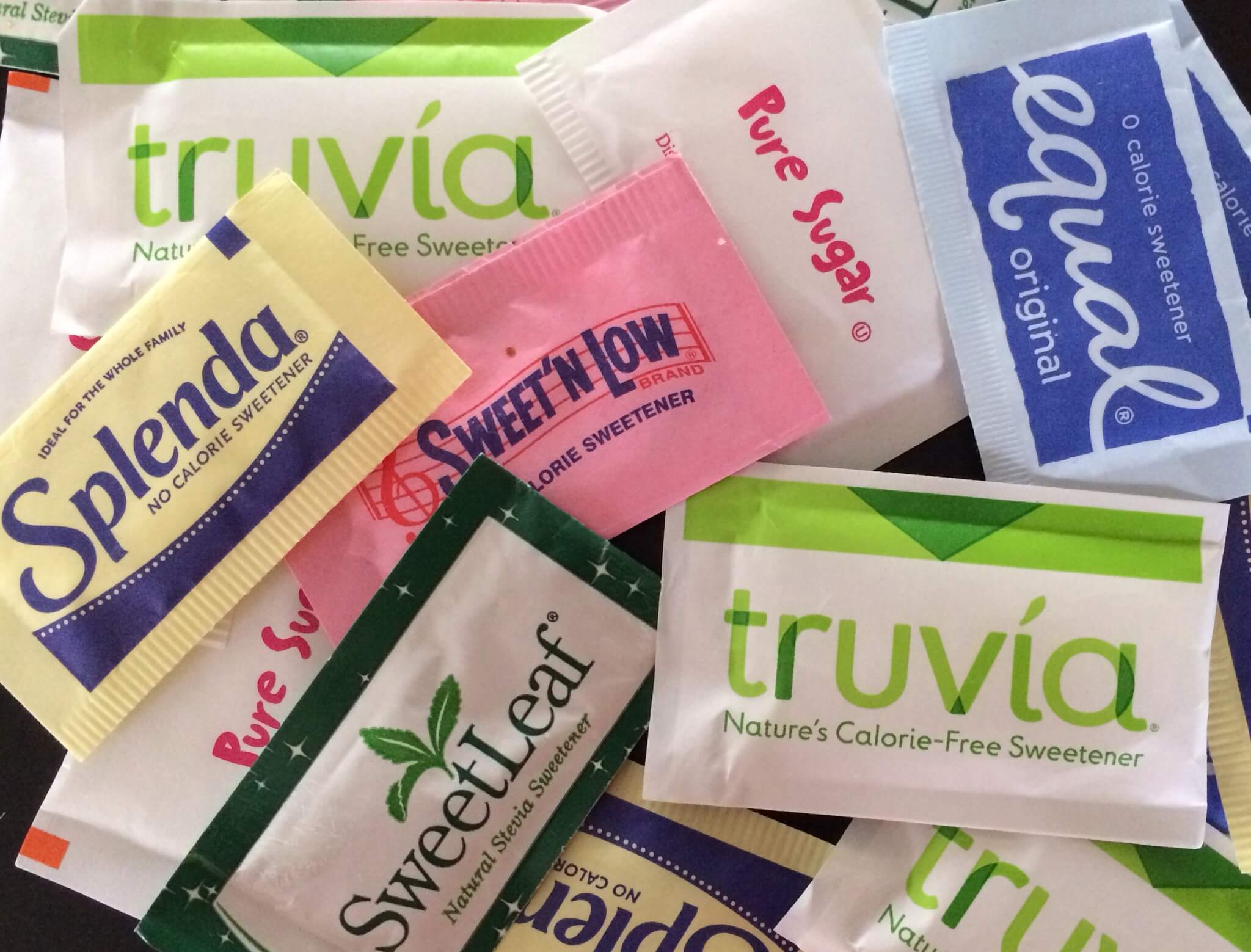
Multiple sweetener and sugar packets.

Curious about artificial sweeteners and weight gain? Read on for an evidence-based perspective.

For decades, sugar has been named one of the root causes of the so-called increasing “obesity epidemic”. Whether you call it Paleo, Atkins and low-carb, the reality is that people have been going sugar free to lose weight for a long time. Not only are we cutting carbs from our diet, but we’re substituting with non-caloric artificial sweeteners to get our sweet fix. Splenda, Aspartame and all the others I have outlined pros and cons for here have all become part of our regular routine. In fact, a recent study evaluated the consumption of artificial sweeteners in the United States and they found that 25.1% of children and 41.4% of adults consume these sweeteners, most of whom consume them at least once a day.  That’s a lot. But as research starts to accumulate, have you ever wondered if maybe ‘diet’ products are in themselves associated with any unwarranted side effects? I dug deep into the research on artificial sweeteners and weight gain to shed some light on this complex topic.

Multiple sweetener and sugar packets.

Photo from Live the Live.

What Are Artificial Sweeteners?

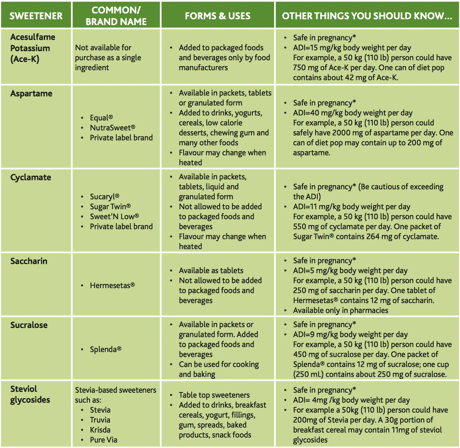
Artificial Sweeteners (AS) are very low in absorbable calories which is part of the appeal for consumers who want to lose weight and cut back on sugar. They have a higher intensity of sweetness per gram compared to common caloric sweeteners like sucrose, corn syrup and fruit juice concentrate. Since they’re so much sweeter than your conventional table sugar, you only need very little to reach the desired level of sweetness. Just to give you an example, sucralose (also known Splenda) is a common sweetener and is 600 times sweeter than table sugar. While Artificial Sweeteners are heavily regulated under Canada’s Food and Drug Relations, and Health Canada must approve all AS that are sold in Canada. Here’s a list of all approved artificial sweeteners currently being sold in Canada.

Curious about artificial sweeteners and weight gain? Read on for an evidence-based perspective.

Where Do We Find These Artificial Sweeteners?

AS are widely used in our food supply. Commonly, they’re found in diet soft drinks, yoghurts, desserts and gum. You can also purchase sweetener all on its lonesome to add to baking and beverages.

Benefits of Artificial Sweeteners?

The question remains, why do we consume so much of it and why was it even created in the first place? Well many of these sweeteners were developed as a strategy to limit the consumption of sugar sweetened beverages (SSBs). Our society is obsessed with drinking calories. Everywhere you look there’s a café selling some sort of creamy   or a vending machine waiting to dispense a sugar-loaded energy drink. Over time, this obsession with sugar sweetened beverages caught up to us leading to solid research uncovering an association between sweet drinks and obesity.  Surprised? No, me neither.

So, food manufacturers went back to the old drawing board to find an alternative: sugarless sugar. These artificial sweeteners were able to mimic the taste of sugar without the extra calories. It’s a Gd damn Christmas miracle!! These sweeteners were able to mimic the taste of sugar, however their impact in our body was very different from conventional sugar. One thing they noticed in particular was that AS don’t really have an impact on our blood sugar. This news became a gold mine in diabetes research and health practitioners since they could now recommend these sweeteners to patients with diabetes. And dentists loved them too! AS also reduced dental caries because they’re resistant to fermentation by oral bacteria. Finally, with virtually no calories in these sweeteners, individuals started to use them to quell their sugar cravings and help them lose weight. The Academy of Nutrition and Dietetics recommends the use of AS and says that they can help one limit energy intake as a strategy to manage weight and/or blood glucose.

There you have it, AS are low in calories to help with weight management, reduce dental caries and don’t affect blood glucose. Sounds like a dream, doesn’t it? Well not so fast… ever since their discovery, skeptics started to re-examine these sweeteners and question the potential long-term effects they may be having in our body. Especially with the steady rise in its use, critics are not yet ready to welcome them with open arms.

Like always, what does the research say?

Artificial Sweeteners and Weight Gain

Most randomized control trial (see here) have shown that swapping in AS for sucrose (regular table sugar) may slightly reduce the risk of weight gain by reducing body weight, BMI, fat mass and waist circumference. In a recent 2017 systematic review, two longer trials in the review showed significant weight loss over 16 to 24 months when consuming AS and three shorter trials (6 months) showed no effect for the use of AS. Having said that, the findings are somewhat conflicting. In the same review, five RCTs in the review found that AS did not have a consistent effect on a change in weight in obese participants. Smaller cohort studies (see here) have linked AS use to a higher BMI, but the results have not been significant and have been modest, at best. Interestingly, other long term observational studies (see here and here) have also linked AS use to a higher BMI and a greater risk of weight gain. This was again confirmed in the recent 2017 review where it two observational studies reported that the intake of AS was associated with subsequent weight gain in four cohorts over a period of 2-4 years. This was seen as a significant positive correlation. On top of that, another observational cohort study found that participants who consumed AS daily had a greater increase in BMI during 8 years of follow up than those who did not consume them.

In another systematic review, three studies found a significant association between sugar and artificially sweetened soda consumption and obesity.

Finally, another systematic review conducted on pregnant women, infants and children under the age of twelve, three studies reported an increase in weight gain and fat mass with an increase in AS intake. As well, pooled data from two cohorts showed a significant correlation with BMI gain.

The bottom line is that we aren’t totally sure if AS are causing weight gain but we do know it’s probably not as clear as the promise of choosing a no-calorie “diet” alternative makes it out to be. Let’s look at a few of the mechanisms.

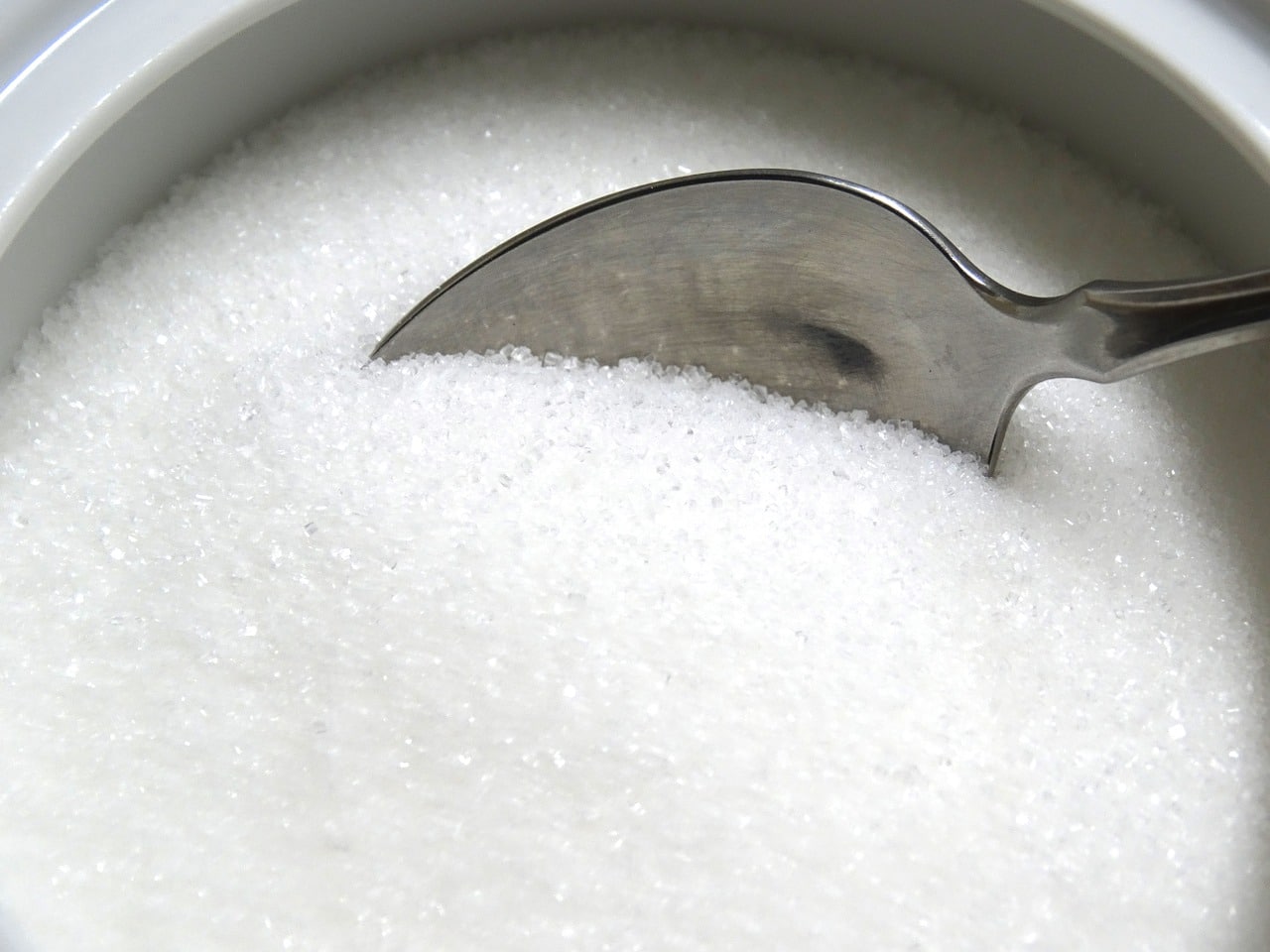
A close up of a bowl of sugar with spoon inside.

Artificial Sweeteners and Appetite and Hunger

While some interventional studies have described increased appetite, hunger, and food consumption following the consumption of AS, the majority of meta-analysis studies have reported either no increases, or an actual decreases, in hunger, consumption, and/or weight gain (see here).  In contrast, a variety of other studies (see here, here, here, here) have linked AS to an increase in appetite, motivation to eat and food preferences. It may be that consuming calorie-free AS in the absence of actual calories may stimulate hunger because we taste something sweet and our bodies expect sustenance.

There is also research that counters the preference for sweetness theory. A recent SLR, funded by Coca-Cola Australia, reviewed a total of 86 publications on the health and safety of AS and though some weight gain was seen, the authors claimed there was very limited evidence that AS affects appetite or preference for sweet foods.

Another scary thing is that AS may have some addictive properties. So far, this theory has only been tested in animal studies. In this study, rats that were exposed to cocaine were given a choice between intravenous cocaine or oral saccharine (a type of NNS) and most of the rats chose saccharin. What the actual F?! Obviously, we need more research here because that’s scary AF.

Unfortunately, human studies tend to be limited by subjective rating bias and voluntary diet control, so caution should be taken while analyzing any of this data as more research is needed.

Artificial Sweeteners and Compensation

Evaluating the consumption of diet soda, energy intake, and weight is controversial and complex because some may knowingly consume low calorie drinks to justify excess calories from other food sources. I call this the diet coke and supersize fry effect. When you have a diet product you feel entitled to splurge on something higher calorie to compensate for a lack of satisfaction from the diet product. The research in this area is varied and contradictory. Some studies have shown an increase in caloric intake immediately following the consumption of Artificial sweeteners, while others have found the opposite. Most longer term studies have been a bit more consistently, suggesting either no change in overall caloric intake or a slight decrease in caloric intake.  It’s complicated stuff, clearly.

A close up of a green plant.

Artificial Sweeteners & Gut Health

Studies suggest that AS may have different physiological effects (see here) on the microbiome (aka. the healthy bacteria in your gut). Studies (see here) have found relationships between your microbiome composition, risk of weight gain, Type 2 diabetes and metabolic syndrome. In an ongoing nutrition study, hundreds of healthy non-diabetic individuals had their diets monitored and glucose measured to analyze the possible association between AS, microbiome composition and metabolic outcomes. Researchers found that the consumption of these sweeteners was in fact related to BMI, blood pressure, HbA1C% (Glycated hemoglobin) and fasting glucose levels. Similarly, in a small scale intervention study, volunteers who had ingested the upper limit of saccharin (an artificial sweetener) showed elevated glycemic response and microbiome alterations. The researchers argued that depending on the individuals gut microbiome, someone may be more susceptible and/or responsive to the microbial changes associated with AS. This redefines the notion of ‘personalized nutrition’ when developing individualized diet plans, and emphasizes the importance of considering all factors to achieve optimum health. Again, unfortunately, it’s definitely hard to interpret human data like this. On one hand, you can say that these effects on the gut microbiome are directly associated with AS but on the other hand, you could argue that AS might be consumed by people whom already have high blood sugar levels, are overweight and already suffer from chronic disease. While animal studies are a great representation of human phenomenon, early research in rats has linked aspartame to glucose intolerance thanks to changes in the gut microbiota. It seems that these gut changes increased levels of short chain fatty acids which serve as important fuel for bacteria fermentation in the intestine but have also been linked with obesity. Clearly, we need more human research to get to the bottom of this one.

Artificial Sweeteners & Blood Sugar Regulation and Metabolism

In a recent post on Abbeys Kitchen, I discussed what happens when you OD on sweets and our mechanisms for digesting sugar once it’s rapidly absorbed into our blood stream. Recall that glucose is converted into glycogen in the liver which is used as fuel for our body to keep us going throughout the day. However, once glycogen stores are maxed out, a hormone known as insulin (which regulates our blood sugar levels) drops off the rest of the energy in fat cells. On the contrary, many AS are not metabolized as part of the normal biochemical pathways that yield energy like sugar does, thus some people intuitively choose non-caloric AS over sugar to lose weight. Since sugar and other caloric sweeteners such as high fructose corn syrup have been labelled as the culprits and perhaps leading causes of the obesity epidemic, there have been an increased demand placed on AS, often deeming them as a “healthier” alternative for those looking to lose weight. But is substituting AS in place of sugar really the answer to losing weight? Surprisingly, epidemiological data looking at large scale prospective studies across various cohorts suggest otherwise. This observational study found that individuals who consumed AS in diet sodas and food products had higher BMI’s and weight gain over long periods of time. Of course, observational studies in the field of Nutrition do have limitations, and lifestyle factors surely played a role in these findings, but at least we have a good start.

Also, what about individuals with diabetes who use these sweeteners to manage their blood sugars? This is a tricky one. Based on a 2016 systematic review, it is still not clear whether there is a strong association between AS intake and the development of type 2 diabetes. However, results from this 2016 meta-analysis found that the higher the consumption of artificially sweetened beverages by one serving/day was associated with an 8% greater incidence of type 2 diabetes.


Granulated sugar poured from the package.

What does this mean?

The debate around AS, in respect to appetite, energy intake and body weight is controversial and ongoing. There are many environmental factors that contribute to increased energy intake and weight gain, which may not be attributable to just AS alone. According to International Food Information Council Foundation research, less than 10% of Americans can accurately estimate the number of calories they should be having in one day, thus, providing sufficient consumer education is necessary when evaluating whether or not having products containing AS is the best approach in weight control. What we know is that sugar sweetened beverages are only one of the several factors that attribute to the obesity epidemic- in the real world so many factors that impact food choices. On the same note, results are conflicting on whether or not artificial sweeteners have a causal relationship in overweight and obesity. At the moment, the research behind replacing sugar with artificial sweeteners in beverages and foods as a mean of reducing added sugars or carbohydrate intake, or benefits appetite, energy balance, and body weight is inconclusive. With that said, the American Diabetes Association and the American Heart Association agree that limiting adding sugars in an overall diet is essential in controlling sugar levels in the blood. Yes, in reality many people do not consume AS above the set Acceptable Daily Intake (ADI) to the extent that they produce unsafe side effects, however, because certain sweeteners are unique in the risks and benefits they possess (check out my Dietitan approved infographic), it’s important to stay up to date with the current research coming out, and to ask yourself why you might be replacing sugar with these synthetically produced sweeteners.

For now, I’ve shared with you guys the recent evidence and we know that highly credible organizations have yet to change their view or ban these substances. I hope that this post informed your thinking on nonnutritive sweeteners and if it didn’t, I hope you can at least walk away with these two tips:

Aim to choose water the majority of the time.

If that’s too boring for you, spice things up with flavoured water by adding fresh fruit to your water pitcher. Make sure water is readily available and easy to access by carrying around a water bottle with you.

Limit added sweetener

Whether you use white sugar, honey, agave, Splenda, or anything else, just use LESS. If you’ve got to have that sugar fix in your coffee, wean off the sweetener over time. Cut back to one and a half packages of sugar instead of two and slowly wean off it week by week and soon enough your body will adapt and trust me, you won’t miss it. To learn more about added sugars check out this post.

Now, I want to know, what are your thoughts on artificial sweeteners?
Do you use them? Which one? How much do you use per day?
Leave me a comment below with your thoughts!

Curious about artificial sweeteners and weight gain? Read on for an evidence-based perspective.

In Collaboration By:

Alexis Silver, RD2B,

Sofia Tsalamlal, MHSc, RD

Abbey Sharp

Abbey Sharp is a Registered Dietitian (RD), regulated by the Ontario College of Dietitians. She is a mom, YouTuber, Blogger, award winning cookbook author, media coach specializing in food and nutrition influencers, and a frequent contributor to national publications like Healthline and on national broadcast TV shows.
www.abbeyskitchen.com/about-abbey/

Last Updated July 20, 2018. Published July 28, 2017 By Abbey Sharp 16 Comments

Carb Cycling: Should You Be Carbohydrate Cycling to Lose Weight?

Two large dumbbells.

What’s carb cycling? I share what the research says on whether you should be carbohydrate cycling to lose weight.

Unless you’ve been living under a rock, you’re probably aware that our society has declared a WAR ON CARBS. Too dramatic? But seriously, the carb hate out there is FIERCE. Every Jill, Jane and Julie is on some type of “Low Carb” diet, declaring to the world, “I’m OFF carbs now”. Personally, I can’t imagine a life without carbs but I’m sure it would be very dark and constantly full of anger and OMG, I’m getting hangry just thinking about it. That’s probably one of the biggest reasons most people fail at a no-carb or low carb diets. I’ve recently written about the king of the low carb diet (Keto) as well as it’s slightly more moderate but also brutal cousin (Paleo) and today I thought I would tackle another carb manipulation diet- carb cycling.

What is Carb Cycling?

Two large dumbbells.

Carb cycling is a fairly new concept which originated from the bodybuilding industry and was developed as a solution for low carb dieters to prevent constant restriction of carbohydrates which over time has a significant strain on the body.

LIKE FINALLY. People are realizing that the chronic restriction of carbs over time actually may have an impact on our health (nevermind our emotional wellbeing and relationship with food).

This concept has become super popular among mainstream circles like CrossFit gyms, social media posts and abundant diet books. I mean, I looked up the number of posts using the hashtag #carbcycling and caught wind of 243,449 posts. So, what is it exactly?

A close up of app icons.

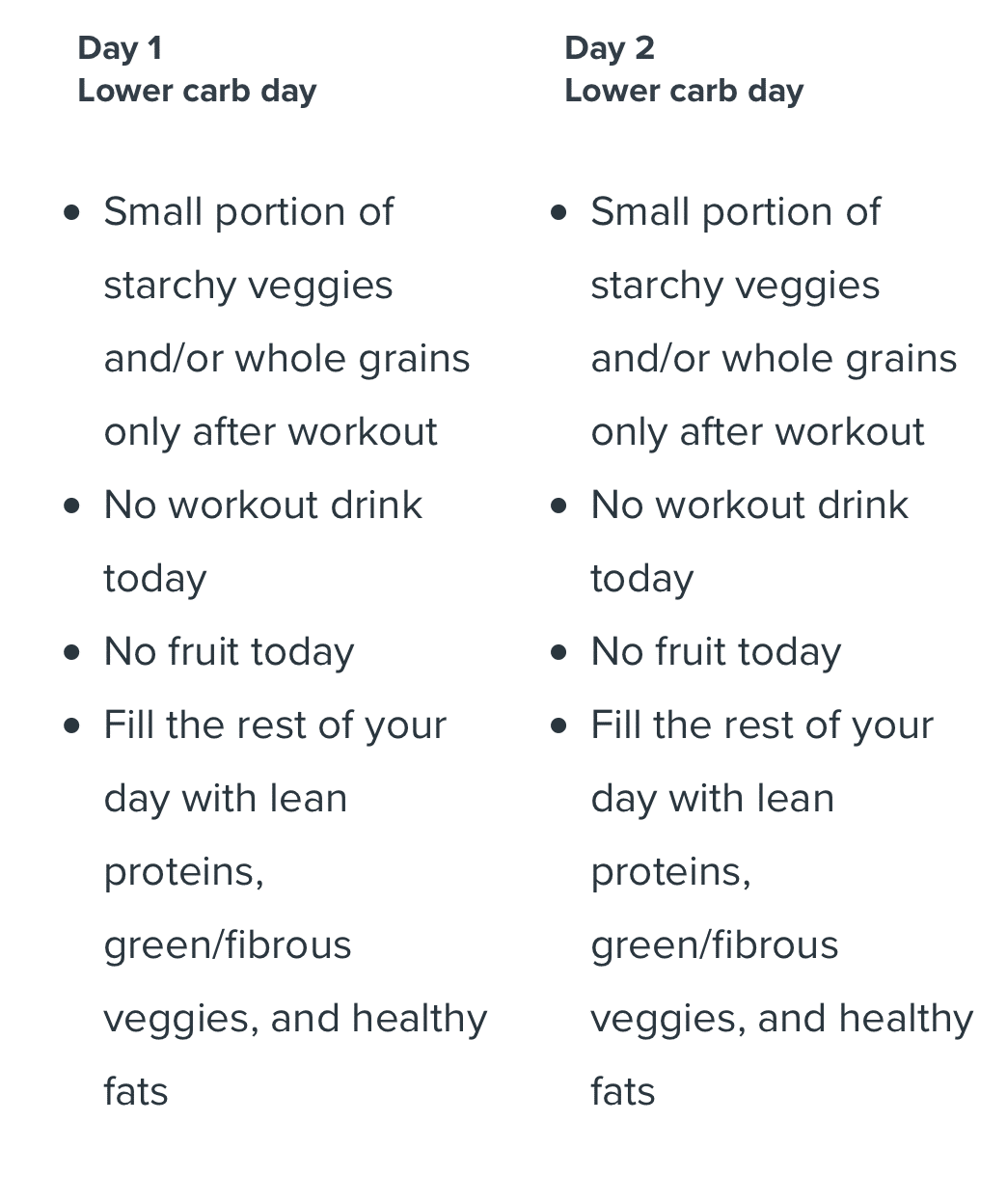
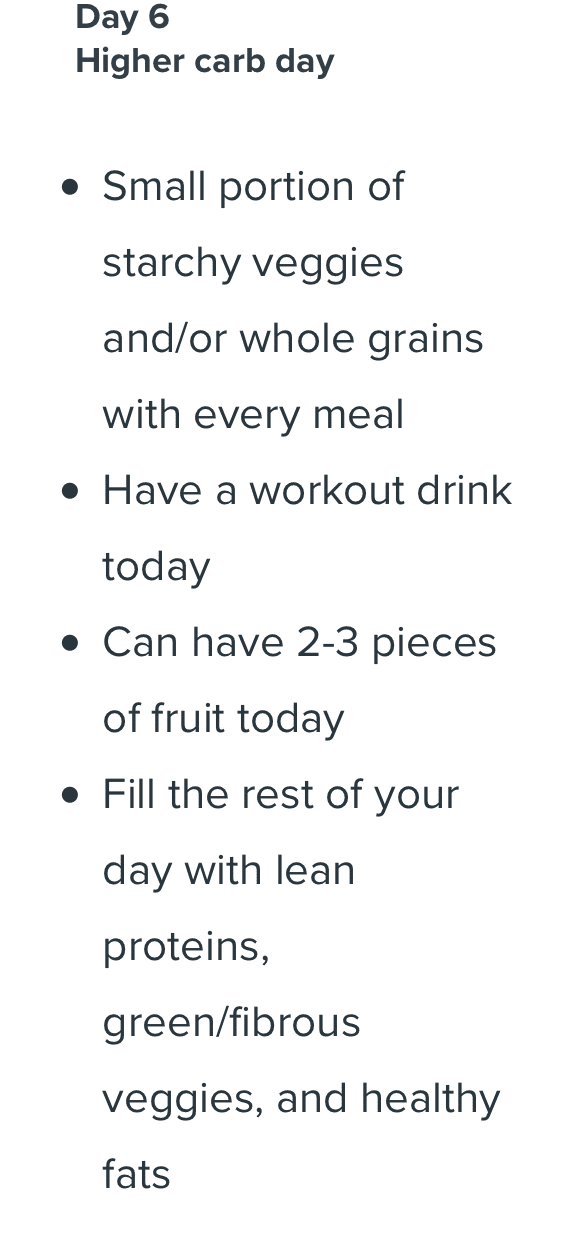
Carb cycling is defined as the planned alteration of carb intake to prevent fat loss and maintain metabolism with workout performance. Protein and fat intake are to remain constant in the diet, while your carb intake is manipulated based on your workouts. So, on days when you’re working out, your carb intake will be high (consuming between 150-200 grams/day) while during resting days, your carb intake will be low (below 75 grams/day). The theory behind this is that by alternating between high carb and low carb intake you can preserve your muscle mass, fuel your workouts and more importantly lose weight. So, the idea is that on days when you’re eating low carbs, your body will burn fat instead, so pretty similar to the ketogenic diet philosophy. If you haven’t yet checked out my post on all things keto, check it out now!

What Does Carb Cycling Look Like?

Image of day 1 and day 2 crab cycle diet.

Image of day 6 crab cycle diet.


Diagram from Precision Nutrition

Basically, out of a 7-day week, you have 2 days of moderate-high carb intake and the remaining 5 days are lower carb days. The days when you’re consuming a high carb intake are known as re-feeds and during those days you may need to adjust your fat and protein intake to accommodate the increased calories from carbs. So, you’re not just balancing carb intake, but also balancing your calorie intake as well which requires a full understanding of macronutrient distributions and appropriate calorie recommendations based on your physical activity. It’s not the simplest of diet fads, but honestly, maybe that’s for the better- proper nutrition (especially sports nutrition) is complicated stuff.

Carbohydrates and Sports Performance

A close up of a leg while running.

Based on countless journal articles and sports experts, we know the role that diet plays in sports performance and more specifically the role that carbohydrates have in fueling workouts. Especially with workouts that require a ton of endurance, our bodies rely on the glucose stored in our muscles and liver and during long workouts these stores get depleted. So, athletes will strategically fuel prior to a workout to fill those stores up to prevent that from happening. During workouts that last more than an hour, athletes may have to fuel up on carbs during the workout just to get through (though I assume most of us aren’t that hard core). We also know the role of fueling with carbohydrates post workout as well. In order to replete those glucose losses, carb intake helps to do that and protein helps to repair muscle and promote a muscle building environment. I think we can all agree that carbohydrates are integral in sports performance, but what about restricting carb intake on days when you’re not engaging in high intensity workouts?

A bouquet of flowers in a vase on a table with a book, glasses, and mug on top.

Well, the whole idea behind carb cycling is that if you’re not using the carbs in a workout, why consume that much of them that day?

Well, carbs do a lot more for us other than fuel our workouts so we don’t run out of oil in the tank. Here are just a few of their benefits.

Brain Function

An image of a brain.

Carbs are your brain’s ONLY source of energy. Glucose is readily absorbed in the brain and we rely on carbs to help us focus, give us energy and just generally get us through the day. The Institute of Medicine and the Canadian Diabetes Association suggest that our brains need approx. 130 grams of carbs each day for optimal performance. So unless you are cool to just chill out and watch Netflix all day on your “workout rest days”, the 75 grams/day  may not feel like enough. Evidence has shown that our diet also directly impacts our mental health. In this systematic literature review, researchers suggested that high intakes of fruits, vegetables, fish and whole grains may be associated with reduced depression risk, so getting our carb on also puts us in the best mood.

Fibre Fun

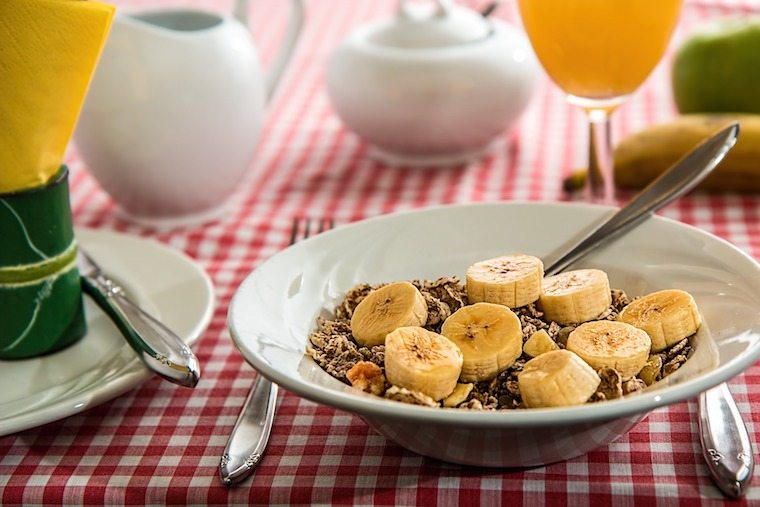
A table topped with a plate of granola and bananas.

Aside from normal brain function, carbs help us get in that fibre! From whole grains and fruit to vegetables and legumes, carbs provide the richest sources of fibre, key B vitamins and folic acid. Even though you’re alternating between high carb and low carb days while carb cycling, you still may be falling short on your fibre needs, and you may miss out on some bonding moments with your porcelain bowl.

So as you can see, when you miss out on consistent carb intake, you’ll miss out on these benefits.

Benefits of Carb Cycling

Weight Loss

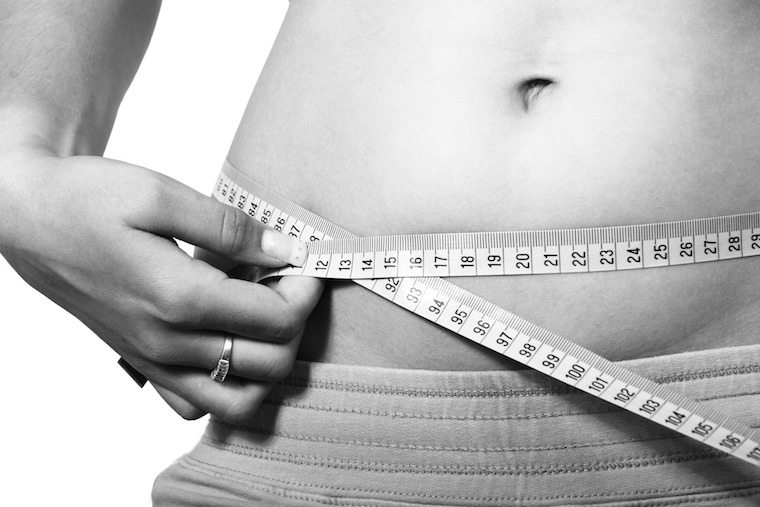
A measuring tape around a woman\'s waist.

So maybe the carb cyclers don’t care about those carbohydrate benefits, especially if they just have their eye on one thing: weight loss. So, does carb cycling burn fat like the fitness experts claim?

There’s very limited evidence that carb cycling promotes fat burning, I mean that’s a pretty huge claim, and as we know,  there are no specific foods or restriction of foods that can burn fat. Check out my article here where I discuss the myth of fat burning foods. However, the only study I could find examined the effects of participants consuming a low carb diet for 3 weeks and then were fed a diet that progressively increased carbs for another 3 weeks. They found that as carbohydrate intake was increased slowly over time, fat oxidation was accelerated. A few things are wrong with this study. First, it was only 6 weeks and had a super small sample size (16 adults). On top of that, we don’t know whether this was a one-time thing and whether the continuous cycle of cutting carbs and re-introducing them will have that same effect over time. For now, the fat burning claim, at least over any other restrictive diet, is weak, to say the least.

That being said, initially you probably will lose weight… we know from lots of experience that when you cut out a food group or severely restrict it, you tend to lose weight. In this British study they found that participants who restricted carbs for 2 days/week lost an average of 9 pounds over four months. Just remember that in most of these low carb studies, they tend to be super short term. We don’t usually have a lot of long term studies simply because most people can’t stick to diets like this for very long.

But let’s say you had tremendous will power, is that weight loss really fat? Initially most of the weight you drop on a low carb diet is water weight because carbs hold onto water. This is why fitness bodies drastically cut carbs and then dehydrate themselves before a competition so they look tighter, leaner and more defined.

A close up of a metal tap with water coming out.

Aside from a lot of anecdotal accounts, there has not been enough evidence or any research on carb cycling to suggest that it aids in weight loss any more than any other diet.

Insulin Sensitivity

A hand holding a test tube with liquid inside.

During a 16-week study, individuals following a modest reduction in dietary carbs experienced improvements in body composition, fat distribution and glucose metabolism. From a diabetes perspective, it is important to watch your carb intake to choose higher fibre carbs like whole grains and fruits. But that is the only situation where controlling carb intake would be warranted, and it is clear that carb cycling would be very dangerous for someone with diabetes because of the inconsistent intake would spike and drop blood sugars.

In another study, daily energy restriction was compared to intermittent energy and carb restriction. They found that the overweight women allocated to the intermittent energy and carb restriction group experienced greater reduction in body fat compared to the daily restriction group and insulin sensitivity improved.

It is still unknown whether carb cycling has a significant impact on blood sugars, and more research will be needed to make that claim.

Improves Cholesterol

Raspberries placed in the shape of a heart.

A few studies have shown that low carb diets can help to improve cholesterol. A study by the American Journal of Cardiology showed that occasional bouts of fasting may improve cardiovascular measures, however over time can have negative effects. The results suggested that a very low carb diet increased HDL cholesterol (the “good cholesterol) and decreased triaglycerol concentrations. But it’s important to note that this study was only conducted on healthy normal weight women, so it’s unknown whether a low carb diet will benefit individuals with high cholesterol. Also, the study found that these effects were favorable in short term low carb diets, so I’m not sure whether a chronic low carb intake would produce the same effects. Lastly, the study showed that the low carb diet led to an increase in LDL which is also known as the “bad cholesterol” and the higher the amount in the blood, the higher likelihood of developing a heart-related disease. Plus, another  prospective cohort Swedish study showed that a low carb diet was actually associate with an increased risk of cardiovascular disease. Ultimately, the research is hit and miss.

So, most of the research we have to date isn’t looking at carb cycling per se, but rather high and low carbohydrate diets in general. Is there something unique about the carb cycling process that is the magic formula to good health? Possibly, but we don’t have the metrics to prove that yet. With that said, there are a few things that concern me with this style of dieting that I think should be considered.

Drawbacks of Carb Cycling

Inconsistent

A close up of a microscope.

This concept is super inconsistent. First of all, after doing a ton of research on carb cycling I noticed that there are a bunch of different types of carb cycling methods and there are not set numbers of how much carbs you should have and how much you should restrict. This tells me that there isn’t enough research or science to back up carb cycling guidelines. This also worries me because when there is a lack of guidelines, people may make drastic decisions without seeking the advise of a regulated expert (like a sports dietitian) which can put them at significant risk. This is particularly problematic for athletes who may not be properly fueling their workouts, and may be at an increased risk for injuries.

One positive thing is that carb cycling is at least straying from the RESTRICTIVE nature of most diets and is heading in a more FLEXIBLE way of eating. It’s also responding, at least theoretically, to changes in our bodies needs by having more carbs on the days you’re training. Having said that, there is still a restriction element to carb cycling which can lead to disordered eating.

Metabolism shifts

When you engage in this seesaw-like relationship with carbs, your body may get confused. One minute you’re limiting your carb intake to 75 grams a day and the next you’re loading up on carbs. Sometimes, when you deprive your body of something, your metabolism slows down in an effort to conserve energy. Then once you reintroduce the carbs, your body will hold onto every bit of water and sugar which may lead to bloating and potentially unwanted weight gain. On the flipside of this, many carb cyclers would argue that having the high carb days “shocks” your body into speeding your metabolism up, which is the concept behind intermittent fasting. Both of these theories are plausible, however the lack of evidence makes this still an open discussion and not yet a concrete conclusion.

Verdict on Carb Cycling

A man looking at a wall of paper.

I can’t in good conscious get behind a diet that is lacks any sort of real concrete evidence. This concept relies on the dieter to make these decisions, which concerns me tremendously especially if there is a lack of knowledge in the dangers of constant restriction. I also can’t support a diet that restricts any macronutrient, because you likely will struggle to maintain it over time. Carb cycling also features a day known as a “cheat day” where you can eat whatever you want. You guys may already know this, but I hate cheat days. This is a whole other blog post. Instead of putting all this effort into a pattern of specific restriction, I believe your time and energy could be better spent normalizing your relationships with food.

So now I want to know:

Have you tried carb cycling?

Did it work for you?

What were the side effects?

Were you able to maintain it?

Leave me a comment below with your thoughts!

Pinterest image of a runner and a plate of food with the text \"Carb Cycling For Weight Loss.\"

Contribution By:

Sofia Tsalamlal, MHSc, RD

Abbey Sharp

Abbey Sharp is a Registered Dietitian (RD), regulated by the Ontario College of Dietitians. She is a mom, YouTuber, Blogger, award winning cookbook author, media coach specializing in food and nutrition influencers, and a frequent contributor to national publications like Healthline and on national broadcast TV shows.
www.abbeyskitchen.com/about-abbey/

Last Updated July 25, 2017. Published July 25, 2017 By Abbey Sharp 72 Comments

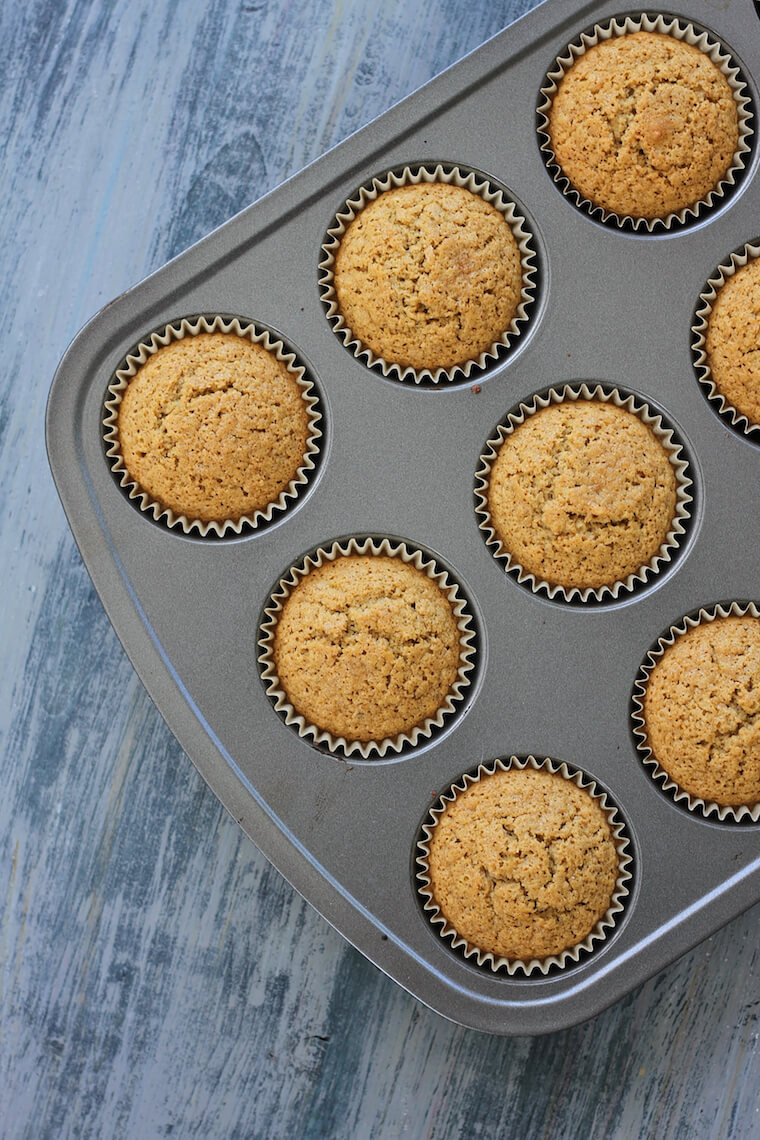
Ultimate Gluten Free Oatmeal Muffins | Dairy Free & Healthy

These ultimate Gluten Free Oatmeal Muffins are the only recipe you'll need for a healthy, dairy free snack of quickie breakfast.

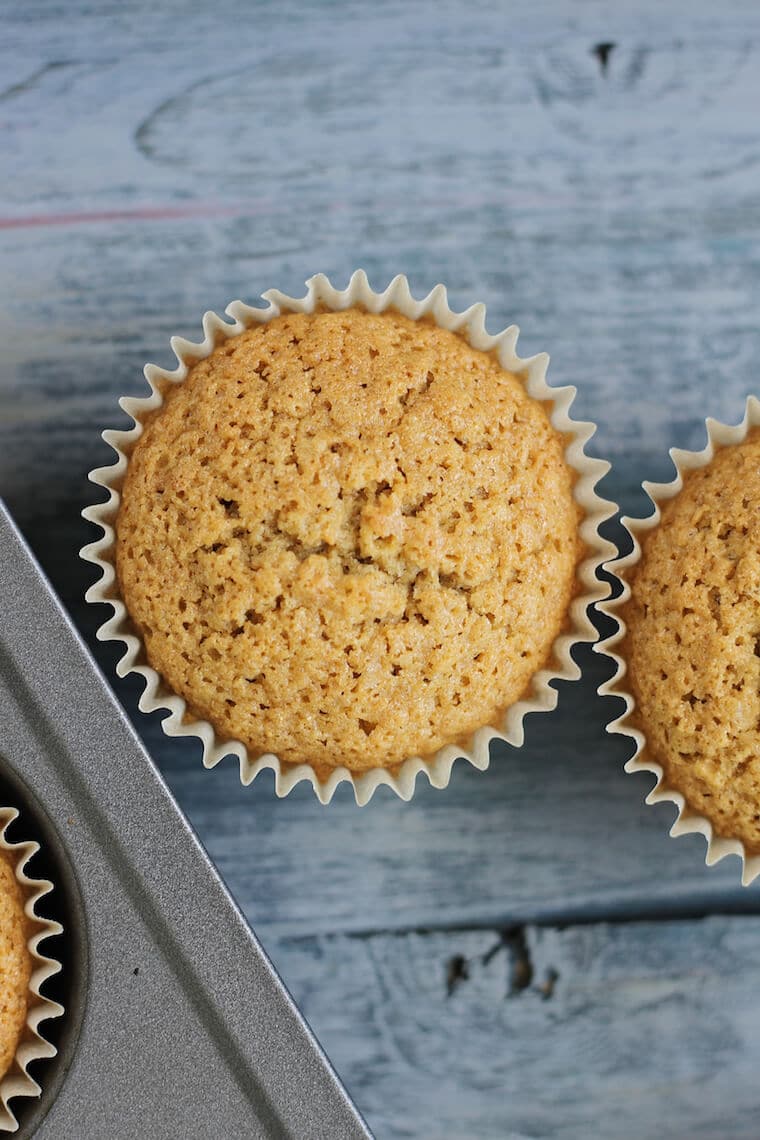
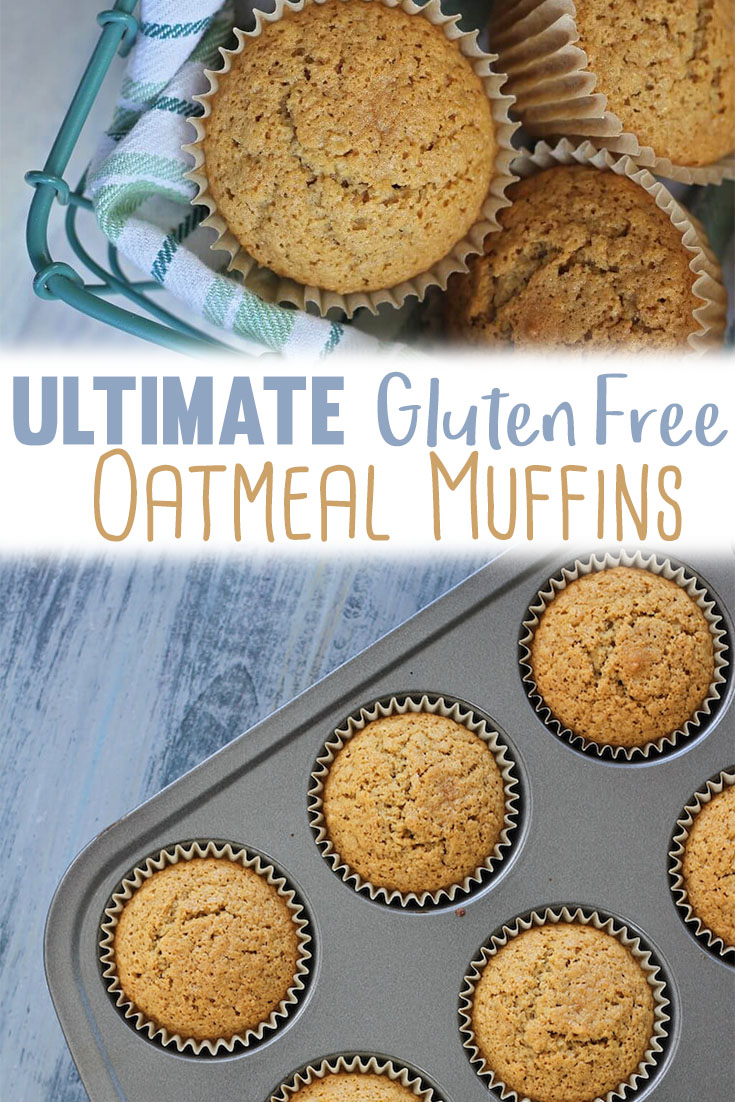
These ultimate Gluten Free Oatmeal Muffins are the only recipe you’ll need for a healthy, dairy free snack of quickie breakfast.

When I was growing up, my mom always had a batch of warm oatmeal muffins on the counter for snacking and an on the go morning meal. Lately, I have been craving some good morning carbs so I thought I would whip up a batch of these ultimate gluten free oatmeal muffins.

gluten free oatmeal muffins

How to Make Gluten Free Oatmeal Muffins

I’m not celiac or gluten intolerant, but I do have a sister who is and I love making her easy snacks for work. I mean, I came up with these peanut butter banana chocolate chip muffins and they’re one of the best recipes on my site! These gluten free oatmeal muffins are no exception. Made simply with a basic gluten free flour mixture, gluten free oats, almond milk, coconut oil and eggs – they’re a sinch to pull together and are moist as can be.

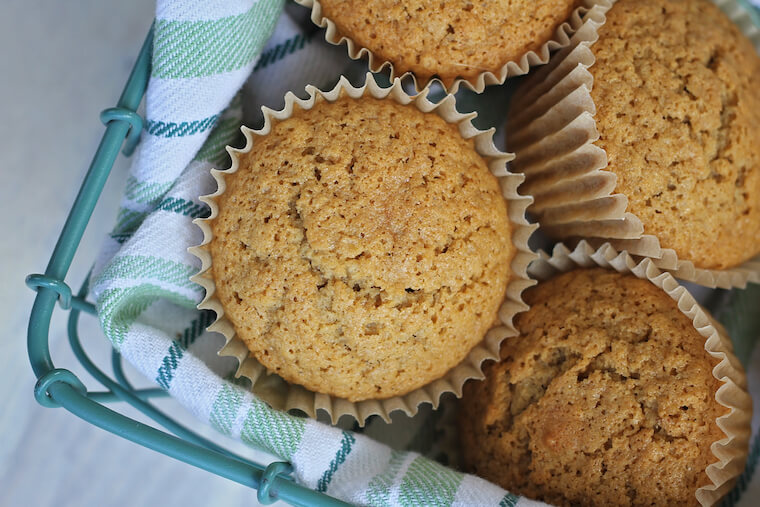
gluten free oatmeal muffins

These homemade gluten free oatmeal muffins take only 20 minutes to prep and another 20 minutes to bake. And, I always recommend making a double batch and freezing some for later use! Simply freeze on a baking sheet until solid, then transfer to a freezer bag for up to a few months. These gluten free oatmeal muffins won’t last that long- I can promise you that.

Gluten Free Oatmeal Muffins Done YOUR Way

These gluten free oatmeal muffins are incredibly versatile but make an ideal base recipe for customizing your way. I like adding blueberries and little lemon zest, or canned pineapple with lime, or (my fave) – banana with chocolate chunks. The possibilities are endless for this iconic little oatmeal muffin! You do you!!

gluten free oatmeal muffins

What are your favourite muffin flavours?
Have you tried making gluten free oatmeal muffins?
Let me know what you think by leaving me a comment below!

These ultimate Gluten Free Oatmeal Muffins are the only recipe you'll need for a healthy, dairy free snack of quickie breakfast.

These ultimate Gluten Free Oatmeal Muffins are the only recipe you'll need for a healthy, dairy free snack of quickie breakfast.
Print Recipe
4.05 from 21 votes

Ultimate Gluten Free Oatmeal Muffins | Dairy Free & Healthy

These ultimate Gluten Free Oatmeal Muffins are the only recipe you'll need for a healthy, dairy free snack of quickie breakfast.
Prep Time5 minutes mins
Cook Time20 minutes mins
Total Time25 minutes mins
Course: Snack
Cuisine: American
Servings: 12 muffins
Calories: 192kcal
Author: Abbey Sharp

Ingredients

  • 2 eggs
  • 2/3 cups coconut palm sugar
  • 1/2 cup unsweetened vanilla almond milk
  • 1/2 cup coconut oil melted and cooled
  • 1 cup all purpose gluten free flour mix
  • 3/4 cup gluten free oats
  • 1 tsp baking powder
  • 1/2 tsp baking soda
  • 1 pinch of sea salt

Instructions

  • Start by melting the coconut oil in a small saucepan over low heat. You will want the coconut oil melted, but cooled before you go to mix it into the rest of the wet ingredients.
  • Preheat the oven to 400F and line your muffin pan with bleach­-free muffin liners. Set aside. 3. In a large mixing bowl, whisk together the eggs, coconut palm sugar and milk. When the coconut oil is cooled (close to room temperature or just slightly above) mix in well.
  • Add flour, oats, baking powder, baking soda and salt into the wet ingredients and stir until well incorporated. This will form your batter.
  • Pour batter into the muffin pan and bake for 20 minutes or until a toothpick comes out cleanly.
  • Let cool and enjoy!

Nutrition

Calories: 192kcal


Abbey Sharp

Abbey Sharp is a Registered Dietitian (RD), regulated by the Ontario College of Dietitians. She is a mom, YouTuber, Blogger, award winning cookbook author, media coach specializing in food and nutrition influencers, and a frequent contributor to national publications like Healthline and on national broadcast TV shows.
www.abbeyskitchen.com/about-abbey/

Last Updated October 23, 2020. Published July 24, 2017 By Abbey Sharp 30 Comments

Is Non Celiac Gluten Sensitivity Real? | Debunking Myths on Gluten Intolerance

A field of wheat.

I look at the research to determine the truth about whether non celiac gluten sensitivity and gluten intolerance is real or just in your head.

 Going gluten free? You’re not alone. Since I started studying nutrition, the gluten free marketplace has absolutely exploded and is showing no signs of slowing down. When I first learned about the gluten free diet during university, it was only ever in the context of celiac disease. Less than 1% of North Americans are impacted by celiac disease, but for some reason more than 10 times as many people are avoiding gluten. So what’s the deal? Can you not have celiac disease but notice health improvements on a gluten free diet?

What is Non Celiac Gluten Sensitivity?

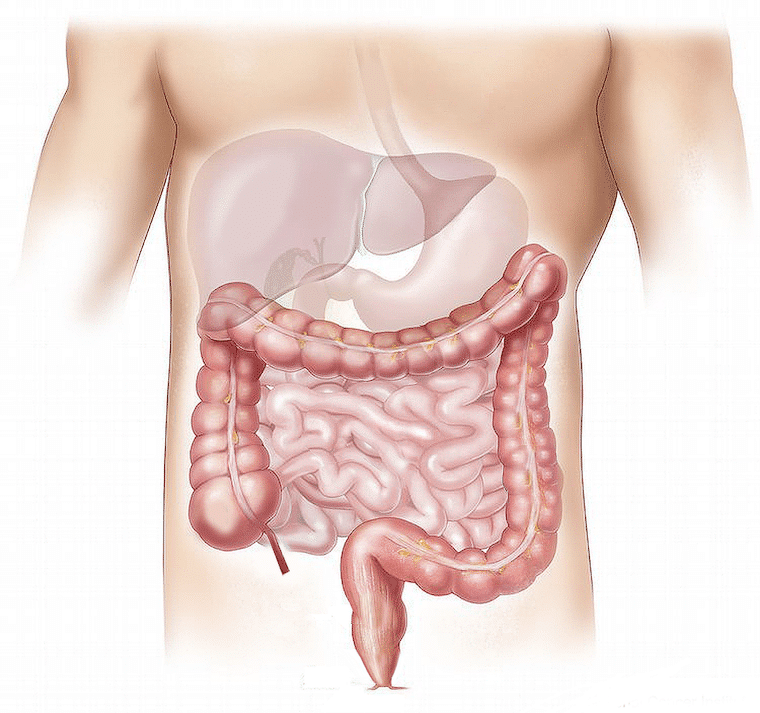
While we maybe haven’t heard much about it, the idea of non celiac gluten sensitivity has been around since 1978, well before going gluten free was in vogue. Non Celiac Gluten Sensitivity is defined as the presence of gastrointestinal IBS like symptoms in the absence of celiac disease that seem to improve on a gluten free diet.

A icon of wheat crossed out.

Unlike celiac disease, we don’t really have any high quality diagnostic tools to screen for Non Celiac Gluten Sensitivity. The only way to test for it is to rule out a celiac and allergy of wheat, and to do a food elimination diet. Ultimately, it’s a diagnosis by exclusion which definitely isn’t reassuring when the recommendations feel so strict. With the shotty criteria, the estimation of people with Non Celiac Gluten Sensitivity has been pegged at anywhere between 1-30%.

Recently, however, a number of large media headlines have questioned whether or not gluten sensitivity is all in people’s heads, or is just another excuse to cut calories to lose weight. I wanted to look at exactly what the research says and why the legitimacy of Non Celiac Gluten Sensitivity is being called into question.

Non Celiac Gluten Sensitivity Biomarker Studies

Clinical trials on celiac biomarkers have found that some people report gastrointestinal improvements on a gluten free diet even when they don’t carry the celiac biomarkers (here, here, and here).

Others (here, here and here) have found people with self-diagnosed Non Celiac Gluten Sensitivity had some abnormalities of their antibodies that hint towards some sort of systemic immune activation that is different from celiac disease.

A hand holding a petri dish.

All of these in vitro studies offer some support for Non Celiac Gluten Sensitivity but they come with serious methodological limitations. Most notably, they don’t isolate gluten from other components that may also come part and parcel in a gluten free diet. In other words, is it gluten, or is it another protein in wheat, a sugar in grains, an additive, or something else?

Non Celiac Gluten Sensitivity Challenge Studies

Early small challenge studies (and also this) found that putting people with self diagnosed Non Celiac Gluten Sensitivity on a gluten free diet offered some relief in some cases. But again, other components of wheat-based products (like FODMAPS, for example), were not isolated or accounted for. The other issue is that it’s been estimated that as many as 62% of people who believe they have gluten intolerance have not been properly screened and excluded for celiac disease. Many of them have completed the celiac biopsy but were already on a gluten-free diet (which interferes with results), while others had not even had the serological tests or biopsy.

A field of wheat.

One of the leaders in the area of research on Gluten Intolerance, Dr Biesiekierski, first conducted a small randomized control trial with patients who had IBS but without a celiac diagnosis. In other words, were perfect potential candidates for the title of Non Celiac Gluten Sensitivity. In this study she ensured everything was FODMAP free with the only difference between groups was that one had gluten and the other didn’t. In the end, the Gluten group, had slightly more digestive issues then those in the gluten free group. But even the gluten free group reported IBS symptoms. Was this a coincidence based on the small sample size? They wanted to find out.

The diagram of the inside of a body.

In subsequent trials with equally small numbers had the groups cycle through different treatment conditions to make sure their results weren’t individual specific. In this experiment only 16% of patients responded to the high gluten diet, and when they repeated the experiment further removing any dairy and food chemicals in the diet, a mere 2 participants responded to gluten. In other words, they couldn’t find a strong cause and effect relationship between gluten and digestive issues in patients without celiac disease.

So What Explains the Inconsistent Findings on Gluten Intolerance?

Well, whether you’re in the lab or your own kitchen, food has a really strong placebo effect. We’ve spent the last 5 + years reading that gluten is the actual devil, so it’s pretty hard not to absorb and internalize some of that information. So if you or a friend claim to feel better on a gluten free diet, it might be that you don’t actually suffer from Non Celiac Gluten Sensitivity, but you still might feel better because you expect to.

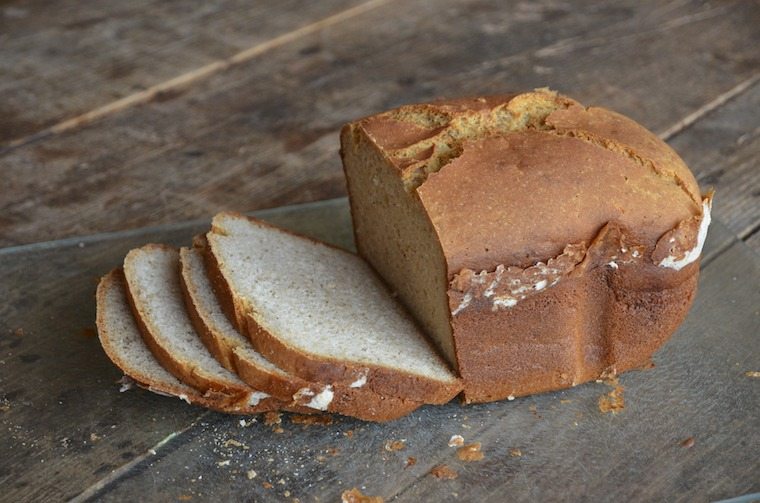
A loaf of bread being sliced.

There’s also a really strong nocebo effect that leads people to feel worse again when they’re exposed to something they believe is really terrible for them. I’m definitely not discounting the improvements you may feel on a gluten free diet. I’m just saying that the research to date suggests that the placebo and nocebo effect are pretty strong when it comes to food and you may be mislabelling the root cause of your symptoms.

So Is Non Celiac Gluten Sensitivity Total BS?

Woah, woah, woah. OK, before I get you all upset, here’s the deal. I actually do believe that Non Celiac Gluten Sensitivity is likely real, but I definitely don’t think it’s as wide spread as the gluten free industry has made it seem. I don’t have a number, but my bet from the research findings above is that there is a small percentage of the population, much like celiac and wheat allergy, who fall into this class of Non Celiac Gluten Sensitivity. In fact, gluten intolerance may even be a group of diseases that we are just scratching the surface learning about. So yes, I do honestly believe that you (yes, YOU who is reading this right now) may legitimately have non celiac gluten sensitivity. Having said that, I think it’s likely that most people on a gluten free diet are misattributing their symptoms to gluten.

Why Do I Feel Better When I Go On a Gluten Free Diet?

Truthfully, there’s a lot of confounding factors when you drastically change your diet to eliminate all sources of gluten.  Here’s some of the other potential reasons you feel better when you go on a gluten free diet.

Packaged Processed Foods.  Cutting out gluten often means cutting out a lot of processed foods with a ton of added sugar, additives and saturated fats. Naturally, when you stop eating doughnuts and muffins for breakfast, you probably will feel better. If you were to continue to just eat donuts every day all day but just make sure they’re gluten free donuts, would you feel automatically better? Maybe a few of you, but for the majority of folks, I’m not so sure.

FODMAPS. I’ve talked about that one before  here and here, but basically FODMAPS stand for Fermentable Oligosaccharides, Disaccharides, Monosaccharides AND Polyols. They’re carbohydrates that are also found in a lot of grains (as well as dairy, fruit, some proteins and veggies) and they can cause IBS like symptoms, just like gluten. It’s a lot of work to do a proper elimination diet which would help you determine if FODMAPS are causing problems, but it would help you properly label your digestive woes.

A pile of red onions.

Wheat Allergy. While most wheat foods would be eliminated on a gluten free diet, understanding that you have a wheat allergy rather than a gluten intolerance would allow you to enjoy so many more wholesome foods (think barley, oats, and spelt).

The Real Problem with Self Diagnosing Gluten Intolerance

Okay so at this point, we’ve established that gluten intolerance is possibly quite real, but likely less common than people believe. If you think you may have Non Celiac Gluten Sensitivity, then my first suggestion is to immediately speak to your doctor. Do this BEFORE you cut out gluten. If you automatically assume that your symptoms are due to gluten, you may be overlooking a more serious problem like celiac, lyme disease, or chronic stress. In other words, you may be delaying proper treatment and that might be devastating. To properly rule celiac out, you have to actually be consistently eating gluten-containing foods so by cutting them out prematurely, you may be preventing diagnosis and treatment.

Potential Dangers of a Gluten Free Diet

Today, the gluten free marketplace has developed some amazing (and even really tasty) gluten free offerings. Having said that, I do not believe in restricting any food without a strong medical rationale so going gluten free is all a risk and benefit analysis. Here are some things to consider before going gluten free before you and your doctor have determined it’s necessity.

Missing out on vital nutrients. Grains are fantastic sources of key dietary fibres, antioxidants, and B vitamins. Without proper counselling (or even a legit reason), you may be missing out on these key nutrients.

A close up of fish oil pills.

Gluten Free foods may be worse for you. Gluten free pastries and breads aren’t necessarily healthier than their gluten filled counterparts. In fact, oftentimes, they have less fibre and protein, fewer beneficial nutrients, and more sodium, sugar and fat to make up for what’s removed. If you’re choosing gluten free foods to lose weight, compare the labels and stick to whichever one better fits your goals.

A close up of a muffin.

Limited dietary diversity may have unwanted impacts. This is a very small concern, but worth mentioning because I know how regimented some people become when embarking on a strict diet. When you cut out all of the grains except those that are gluten free, you end up eating a lot of the same thing (and likely a lot of that will be rice based). There’s been a lot of talk about arsenic in rice and rice-based foods, which is likely safe in small amounts, but if it became the basis of ones diet over a long period of time, there may be an elevated risk of chronic disease. Washing your rice thoroughly is a good way to reduce the arsenic levels.

Shifts to Gut bacteria. Grains are one of the best sources of beneficial prebiotics (which we have written about in detail here). Eliminating those beneficial prebiotics in grains may change the healthy gut microflora and increase the risk for chronic disease.

A close up of green bacteria.

Bottom Line on Gluten Intolerance

So is gluten intolerance the real deal? The jury is definitely still out. We definitely need more large scale studies with larger sample sizes to be better able to make definitive statements about the legitimacy of Non Celiac Gluten Sensitivity. From my personal opinion as a dietitian, I think that yes, it’s likely that gluten intolerance is a real condition (maybe even a class of different conditions), but I also think it’s likely much less common than people think. I also think that it’s likely a lot of the relief people get from taking on a gluten free diet is associated with other non-gluten components of these food.

A stethoscope.

So if you are experiencing any symptoms which you think may be attributed to gluten, or anything else, I strongly suggest you speak to your doctor and a registered dietitian to help you make the proper diagnosis before you change your diet. I also would recommend picking up a copy my colleague Shelley Case’s book, Gluten Free: The Definitive Resource Guide. She is a total expert on gluten free!

Now I want to know, what are your thoughts on Non Celiac Gluten Sensitivity?

Do you think you have gluten intolerance?

Have you felt better on a gluten free diet?

Leave me a comment below with your thoughts!

A pinterest image of bread and wheat with the overlay text \"Gluten Intolerance Debunking Myths.\"

Abbey Sharp

Abbey Sharp is a Registered Dietitian (RD), regulated by the Ontario College of Dietitians. She is a mom, YouTuber, Blogger, award winning cookbook author, media coach specializing in food and nutrition influencers, and a frequent contributor to national publications like Healthline and on national broadcast TV shows.

www.abbeyskitchen.com/about-abbey/

Last Updated September 1, 2022. Published July 21, 2017 By Abbey Sharp 11 Comments

Do Food Emulsifiers Cause Weight Gain and Problems with Gut Health?

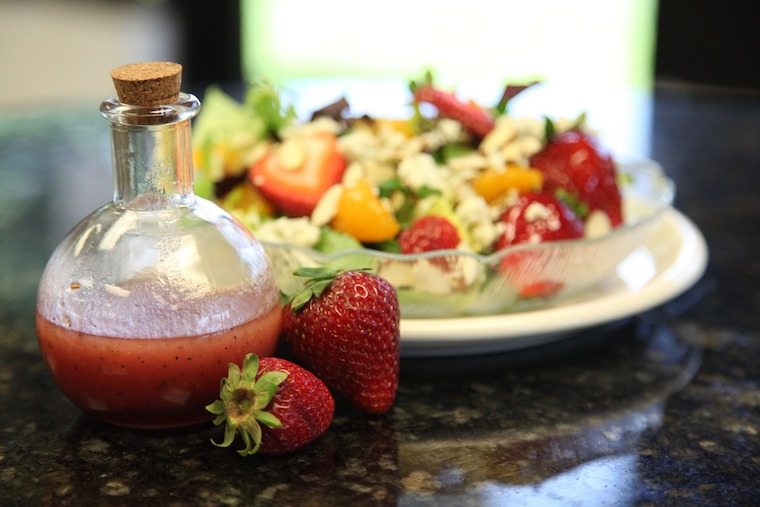
A plate of salad on a table.

Do food emulsifiers cause weight gain and other problems related to gut health? We dig into the research to uncover the truth about these common food additives.

We’re likely all familiar with the merits of a delicious balsamic and oil vinaigrette, the combination that can only stay together with the help of an emulsifying agent. While food emulsifiers have been our go-to for delicious sauces and dishes, we’ll be exploring the other side of the story – its potential negative effects on our gut health, weight gain and overall wellbeing.

What is an Food Emulsifier?

A plate of salad on a table.

Remember the saying: “oil and water don’t mix”? Basically, it means these two components will separate and an emulsifier is needed to keep everything together. Emulsifiers are a food additive (which can be natural or artificial) that ensures different ingredients do not separate when combined. They contain hydrophilic (water-attracting) and hydrophobic (lipid/fat-attracting) components. The hydrophobic end surrounds the hydrophilic when shaken, mixed, or whisked well, and are commonly used in ice cream, chocolate, breads, salad dressings, and vegetarian meat products. To help keep the two components together without separating, we need an emulsifier – often, in the case of a homemade dressing, it’s something like mustard. Food emulsifiers are also important in cooking and baking; for example, chefs use the power of egg yolks’ lecithin to ensure their hollandaise sauce doesn’t separate.

A hand holding up a waffle cone with chocolate ice cream.

While we do have some natural food emulsifiers like eggs and mustard, most of the foods we eat with emulsifiers are added and heavily processed. In fact, the Government of Canada – Health Canada has an entire list of acceptable food additives, including emulsifiers, that can be found and are deemed safe to be used in foods. However, since the publication of a 2015 research study conducted on mice went viral, we’ve witnessed a plethora of concerning emulsifier-bashing headlines. The claim?  Food additives like food emulsifiers are causing chaos to our gut, leading to weight gain and other health problems. Let’s take a deeper dive into the question, “Do Food Emulsifers Cause Weight Gain and Problems with Gut Health?”

Food Emulsifiers and Gut Health

A close up of a person holding a doughnut.

Inflammatory bowel disease (IBD) is a general term referring to conditions like Crohn’s disease (CD) and ulcerative colitis (UC). CD and UC affect gut health by causing gastrointestinal tract inflammation, which has negative effects on dietary intake, uptake of nutrients from food, and optimal bowel function. While it’s suggested that genetics may play a biological role in those who develop IBD, this blog post focuses on the potential environmental impact from food additives. In 2012, roughly 233,000 Canadians had inflammatory bowel disease – suggesting, compared to worldwide rates, Canada has a high number of new cases and those diagnosed with IBD. Within the last 40-50 years in regions like North America, Japan, and Singapore we’ve seen an increase Crohn’s disease cases, which is not well understood. But recent research in Japan has led to a hypothesis that dietary intake of emulsifying-containing products may play a role in Crohn’s disease. It’s also interesting to note that as the rates are rising, Japan’s diet is becoming more in sync with the typical Western diet, which includes a variety of processed foods. While most emulsifiers are digested in the small intestine, it’s suggested that emulsifiers may increase intestinal permeability, meaning the emulsifiers may pass through the small intestine without digestion. The concern is that this may increase the risk of bacterial translocation aka the movement of bacteria from the gut to various parts of the body. With regards to this theory, it’s important to mention that this is solely a hypothesis and has yet to be effectively studied in humans. The researcher behind this theory also cites the rise in Crohn’s and the rise in consumption of emulsifiers as a strong positive correlation, however we all know from our statistics course that correlations do not mean CAUSE and EFFECT. Another thing to point out with regards to emulsifiers and gut health, is that the rise in fast food intake is also associated with a 3 to 4-fold greater risk for developing Crohn’s Disease, which may or may not contain emulsifiers. It’s hard to know if it’s the emulsifiers per se that are responsible for the rise in CD, when there are other factors that may contribute (genetics, smoking, low fibre diet, high fat diet etc.)

One study did attempt to find out whether food emulsifiers have an impact on increasing the bacteria E-Coli in the body. This in vitro study included cells taken from patients with and without Crohn’s disease. They found that those given the food emulsifier Polysorbate-80 saw an increase in bacterial translocation of E-Coli. Is this a perfect study that we can make definitive conclusions from? Definitely not. They only studied one emulsifier – polysorbate 80 – which severely limits the scope, AND more importantly, they didn’t have a control group (KINDA important). So, more studies are needed to look at specific types and quantity of emulsifiers.

A hamster in a tube.

In a 2015 study conducted on mice (with the intention to mirror our gut), researchers looked to see how consuming an emulsifier (carboxymethylcellulose or polysorbate-80) would impact inflammatory gut health and metabolic syndrome. The first (control) group of mice had a healthy, normal gut while the second group (given the emulsifier) had a higher risk of inflammatory bowel disease (IBD). Interestingly, a third group of germ-free mice were transferred the gut microbiota (via feces with contains guts bacteria) from the mice consuming the dietaryfood  emulsifiers. The third group of mice experienced changes in gut bacteria, gut inflammation, signs of metabolic syndrome such as weight gain, and altered blood glucose levels. When mice were exposed to dietary emulsifiers, the protective lining that separates the microbiome and intestinal walls was reduced resulting in inflammation of the gut. If that was complicated and scary, don’t freak out quite yet. Mice studies may be able to give us some clues for where to begin our research, but ultimately, studies conducted on humans are really the key to making any conclusive remarks.

A close up of test tubes.

BUT WAIT! The researchers thought the same thing! The same team from the aforementioned mice study conducted a study looking at the role of emulsifiers and gut inflammation in humans… well not REALLY humans. They used this model known as the Simulator of the Human Intestinal Microbial Ecosystem (SHIME), which is a really fascinating piece of equipment that mimics the entire gastrointestinal tract incorporating the stomach, small intestine and specific colon regions. I guess, the next best thing besides a real human being. They examined the two dietary food emulsifiers in the SHIME (polysorbate 80 and carboxymethylcellulose), which revealed that they both acted on the human gut and increased inflammation. Based on the research, they concluded that our guts can be directly affected by these common food additives and may be contributing to gut inflammation which puts us at risk for chronic diseases, such as Crohn’s Disease.

Before we jump on board the anti-additives train, we still cannot confidently make these solid conclusions on the role of emulsifiers on gut health. Remember, these studies haven’t used REAL humans yet… we’re talking about a bunch of mice and a piece of human-like equipment. The human body is a very different beast. We also don’t know the role of all additives, since only a select few were used in this study. For now, the grade of evidence is low and it’s impossible to make sound conclusion.

Final Verdict on Food Emulsifiers and Weight Gain

These vegan gluten free popsicles are the perfect summer treat to keep cool when the heat hits.

In no means should this scare you from ever having a scoop of ice cream – everything can be consumed in moderation. In a society where we are moving away from unprocessed, homemade, fresh food, towards a diet based on factory-made, ultra-processed, convenience food, it’s no wonder chronic diseases are rising as well. However, it’s still to early to suggest a direct causation between the consumption of food emulsifiers and the rise of chronic diseases such as inflammatory bowel disease and obesity. There may be other influences from our dietary intake, such as the increase in low nutrient dense processed foods which are often high in fat and sugar, and a decrease in nutrient dense foods. There definitely needs to be more high-quality human research done in this area so we can conclusively understand its role and effect on our gut health. In general, I recommend trying to enjoy the majority of your foods as unprocessed as possible (for reasons beyond gut health), but also recognize that there’s room in the diet to enjoy a little of everything totally guilt free.

Become an Abbey’s Kitchen Subscriber

Now I want to hear from you: 
What have you heard about emulsifiers? 
What are your thoughts?

A pinterest image of an ice cream cone and a close up of a salad dressing with the overlay text \"Emulsifiers Weight & Gut Health.\"

Contribution by

Abbey Sharp, RD

Sofia Tsalamlal, MHSc RD

Christina Demirkok #FutureRD

Abbey Sharp

Abbey Sharp is a Registered Dietitian (RD), regulated by the Ontario College of Dietitians. She is a mom, YouTuber, Blogger, award winning cookbook author, media coach specializing in food and nutrition influencers, and a frequent contributor to national publications like Healthline and on national broadcast TV shows.
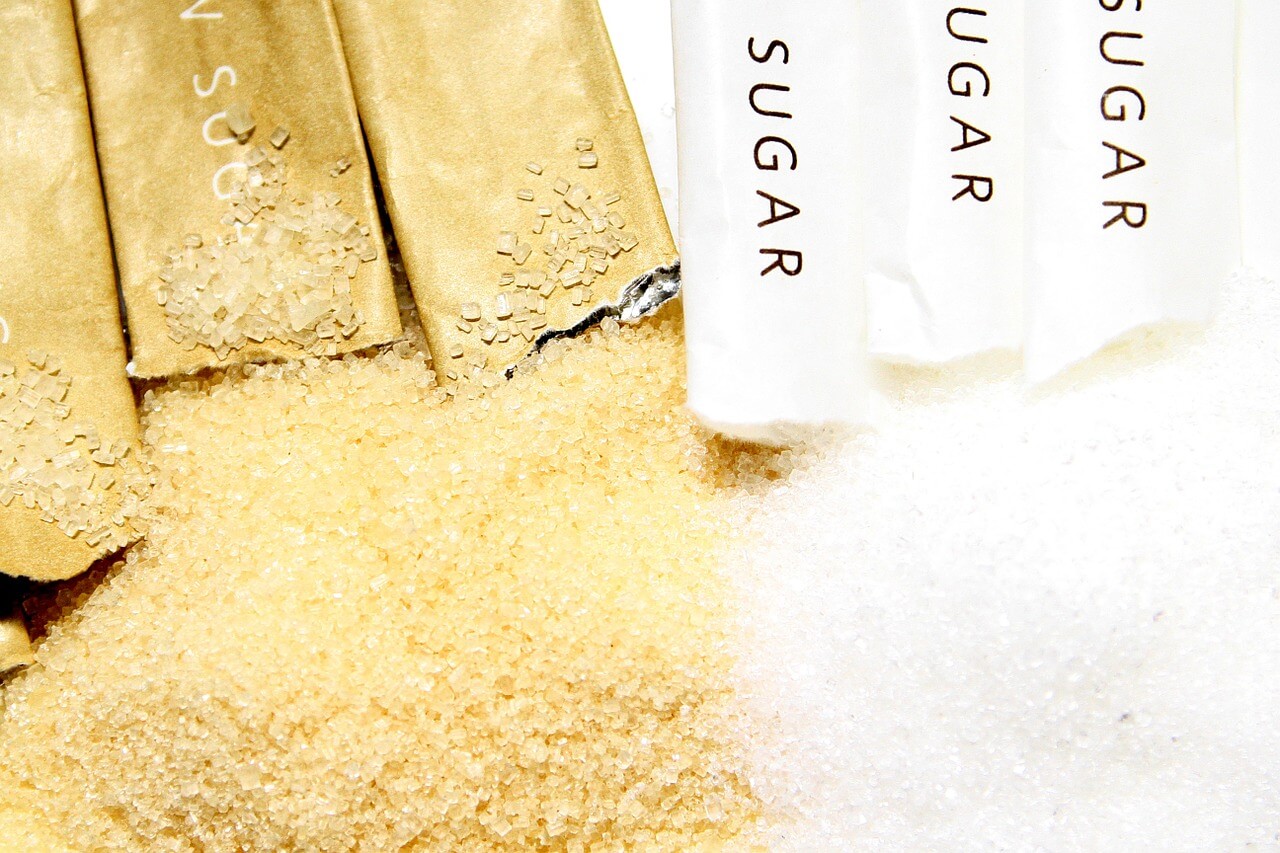
www.abbeyskitchen.com/about-abbey/

Last Updated October 4, 2021. Published July 18, 2017 By Abbey Sharp 26 Comments

30 Healthy Stirfries for Fast Dinners

A pan with Brussels sprouts and tempeh stir fry with a spoon inside.

These healthy stirfries will help you use up any bits and pieces from the week that you have lying in your fridge and get dinner on the table FAST.

I love the idea of making healthy stirfries towards the end of the week when I start getting low in groceries and need to throw something together in a pinch. Healthy stirfries are perfect for using up those odds and ends you have in the kitchen that otherwise may go to waste. You have a 1/4 head of broccoli? Perfect- throw it in. Have half a chicken breast and 10 shrimp? Amazing. That’s the protein. Make extra rice on the weekend? Horray- you’ve got the base all ready to go. It’s a lot easier to get dinner on the table when you know you’ve already got the random building blocks to do it.

I usually whip up my own sauces for my healthy stirfries but if you’re feeling even more rushed, feel free to use a jarred sauce. You can also skip the carbs all together and just go with lots of veggies and protein. The possibilities are truly endless and it really comes down to your family’s preferences, your time budget and what you already have on hand.

These 30 top healthy stirfries will get dinner on the table FAST!

Click To Tweet

Need some inspiration for your healthy stirfries to get dinner on the table fast? We’ve compiled our favourite combinations from the web!

Healthy Stirfries 101

Vegan Chow Mein – Abbey’s Kitchen

A plate with a vegan chow mein.

Pork Tenderloin with Zucchini Noodle Stirfry– Abbey’s Kitchen

A white plate with zoodles and pork tenderloin on top.

Shrimp Ginger Stirfry- Abbey’s Kitchen

A plate of zoodles with shrimp on top.

Brown Rice Stir Fry with Vegetables – Simple Vegan Blog

A whole of brown rice stir fry with vegetables.

Chickpea and Vegetable Stir Fry – Simple Vegan Blog

A white bowl with chickpea and vegetable stir fry.

Stir-Fry Zucchini Noodles – Diethood

A wok with stir fry zucchini noodles.

Spicy Peanut Tofu Stir Fry. – Little Spice Jar

A close up of spicy peanut tofu.

Sesame Ginger Tofu and Veggie Stir-Fry – Little Spice Jar

A pan with sesame ginger tofu with vegetables.

Cashew Chicken – The Garlic Diaries

A dish with cashew chicken with broccoli.

Peanut Butter Basil Tempeh with Broccoli – Connoisseurus Veg

A plate with peanut butter basil tempeh with broccoli.

Skinny Caramelized Cashew Chicken Stir Fry – Carlsbad Cravings

A close up of a white bowl with caramelized cashew chicken stir fry.

Chicken and Vegetable Stir-Fry Quinoa Bowls – Recipe Runner

A plate of chicken and vegetable stir fry quinoa bowl.

Tofu Broccoli Quinoa Stir-Fry – Simply Quinoa

A plate of tofu broccoli quinoa stir fry.

Zoodle Veggie Stir-Fry – Katie’s Cucina

A pan of zoodle veggie stir fry.

Spicy Kale and Coconut Stir-Fry – Cookie and Kate

A white plate with spicy kale and coconut stir fry.

Shrimp and Asparagus Stir-Fry with Lemon Sauce – Home Cooking Memories

A white plate with shrimp and asparagus stir fry with lemon sauce.

Peanut Chicken Zucchini Noodles – Sally’s Baking Addiction

A white plate with peanut chicken zucchini noodles.

Asian Zucchini Noodle Stir-Fry with Shrimp – Just a Taste

A wok with asian zucchini noodle stir fry with shrimp.

Quinoa Vegetable Stir-Fry – My Whole Food Life

A white bowl with quinoa vegetable stir fry.

Zucchini Noodle Cashew Stir-Fry – Table for Two

A plate with a cashew stir fry made with zoodles.

Korean Barbecue Tofu Bowls with Stir-Fried Veggies and Quinoa – Oh My Veggies

A bowl with korean barbecue tofu bowl with stir fried vegetables and quinoa.

Ginger Beef Mushroom Kale Stir-Fry – Gimme Some Oven

A dish with cashew chicken with broccoli.

Thai Basil Chicken Stir Fry – Chef Savvy

A plate of thai basil chicken stir fry.

Stir Fry Zen Crunch Bowl – Veggie Chick

A white bowl with cashew quinoa, and vegetables.

Cauliflower ‘Rice’ Stir Fry Bowl – Veggie Chick

A white bowl cauliflower rice stir fry bowl.

Easy Shrimp and Broccoli Stir Fry – Damn Delicious

A close up of a shrimp and broccoli stir fry.

15 Minute Brussels Sprout and Tempeh Stir-Fry – In Pursuit of More

A pan with Brussels sprouts and tempeh stir fry with a spoon inside.

Ginger Peanut Coconut Veggie & Tofu Stir Fry Over Rice – Healthy Happy Life

Photo of a bowl of rice with stir fry on top.

Ginger Miso Stir Fry – Healthy Happy Life

A white plate with ginger miso stir fry.

What are some of your go-to ingredients for your healthy stirfries?
Leave us a comment below- we would love to hear your favourite combinations!

30 healthy stir fry recipes that are easy to make and made with beef, chicken, pork, shrimp and veggies.

Research by RD2B Rachel Shim

Abbey Sharp

Abbey Sharp is a Registered Dietitian (RD), regulated by the Ontario College of Dietitians. She is a mom, YouTuber, Blogger, award winning cookbook author, media coach specializing in food and nutrition influencers, and a frequent contributor to national publications like Healthline and on national broadcast TV shows.
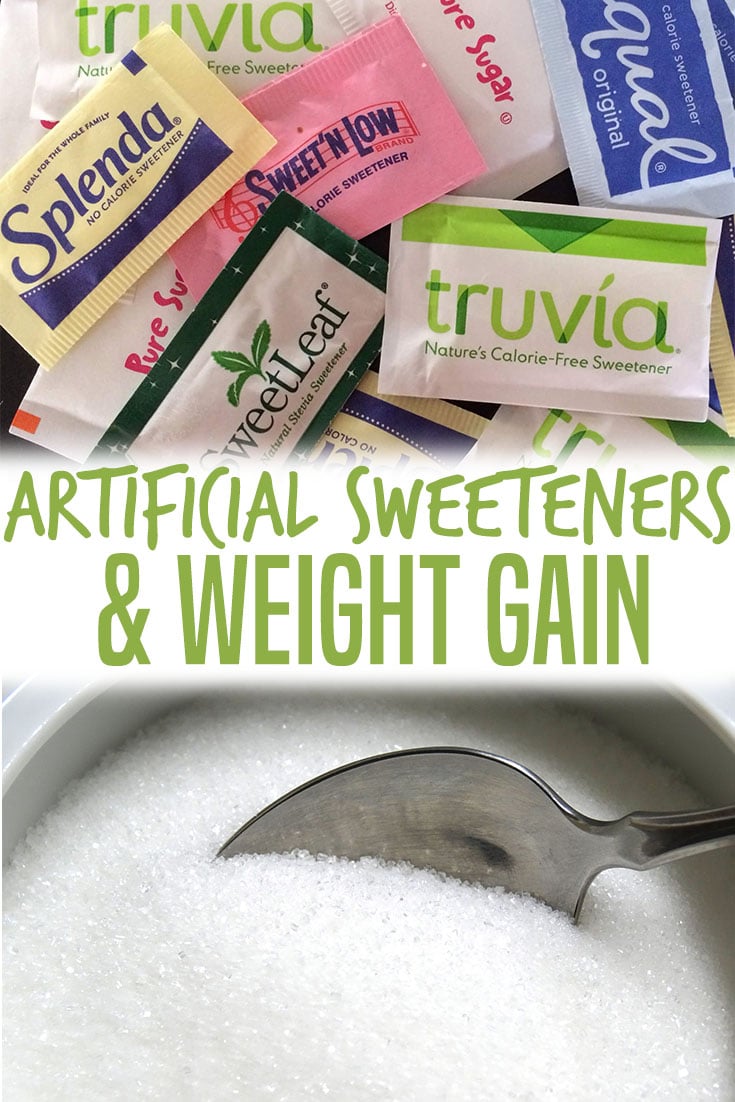
www.abbeyskitchen.com/about-abbey/

Last Updated July 13, 2017. Published July 13, 2017 By Abbey Sharp 32 Comments

If It Fits Your Macros Diet (IIFYM) Review | Is Quantity More Important Than Quality?

If It Fits Your Macros was started by a couple of bodybuilders who grew tired of the “clean eating” movement. They felt the food was boring, unappealing and “too healthy.” Their diet was simple: eat whatever you want. But there’s a catch–you have to stay true to your macronutrient distribution.

A woman running in front of a sunset.

Macro what?

Macronutrients are the major nutrients that are found in food and provide us with energy. These include the big three: protein, fat and carbohydrates. All of these macronutrients added together provide us with our total calorie intake.

Proteins + Fats + Carbs = Total Calories

Keeping that in mind, here is the acceptable macronutrient distribution ranges for adults in maintaining a healthy diet:

Protein: 10-35%

Fat: 20-35%

Carbohydrate: 45-60%

Your macronutrient distribution depends on a variety of factors like your age, weight, sex, and physical activity level. If you would like a breakdown of your macronutrient distribution, set up an appointment with a Registered Dietitian.

Back to If It Fits Your Macros (IIFYM)

The philosophy behind the diet is that you can eat whatever you want and lose weight as long as you don’t go over the recommended intake for each of those macronutrients for the day. Their website uses a calculator to determine your needs but I must warn you that to use it you need to provide them with your e-mail and all that jazz.

Fast take home: If it Fits Your Macros is about quantity of calories, not quality of calories.

Click To Tweet

In the words of If it Fits Your Macros followers: “regardless if you like to eat pizza, or boiled chicken breast, If it Fits Your Macros teaches us that if you eat less calories than your body requires you will lose weight at a steady and predictable rate”.

A close up of a pepperoni pizza.

As you keep that quote ringing in your ears, I’m going to show you guys a study.

A famous Harvard study assessed 120,000 healthy men and women spanning twenty years. The study set out to find what causes weight gain or loss: a change in diet, lifestyle or everything in between. The results were pretty straight forward. Individuals who ate refined or processed foods (chips, sweetened beverages, fried foods) gained weight, while individuals who ate unprocessed foods (whole grains, fruits, nuts and vegetables) did not gain weight.

A close up of chicken.

The takeaway point is that choosing high quality calories is an important factor in helping people eat fewer calories, which in turn will help people lose weight. So maybe choosing chicken breast over pizza will be the better option for sustainable weight loss… sorry If it Fits Your Macros friends.

Calorie In/Calorie Out is Dead

If you read my last blog post on calories, you now know that the traditional calorie in/calorie out method to lose weight is passé. This study teaches us that losing weight effectively and in a safe manner is much more complex and it is far too simplistic to assume a focus on calories will lead to our desired weight.

Pros of If it Fits Your Macros

One key positive is that this diet is unique because it takes away the restrictive nature of most fad diets. Diets like the Adkins diet, Master Cleanse or the Banana diet totally restrict calories and key macronutrients which may temporarily cause weight loss but it is practically impossible to sustain… like IMPOSSIBLE, especially when we need macros like carbohydrates for our brain to even function.

And don’t get me wrong, macronutrient needs are important because they help us create balance in our diet and make sure we’re not getting 90% of our calories from fat. Watching macronutrient distributions are even more important for endurance athletes who rely on high levels of carbohydrates to endure their long workouts and replete their glycogen needs. Macronutrients are important for bodybuilders who want to increase their muscle mass by increasing their protein needs.

The only part of this diet that stumps me is the correlation they make between shifting your macros and weight loss.

Weight Loss on If It Fits Your Macros?

This study tested a variety of diets made up of different compositions of fat, protein and carbohydrates. They wanted to see whether there was a magic recipe for weight loss in terms of shifting macros around. But I think we’ve all been around long enough to know that there usually isn’t a one pill miracle. If there was, the diet industry wouldn’t be so rich!

After 6 months, all participants in each diet lost weight, however they regained it one year after. The moral of the story is that most of the time when we reduce calories, we see weight loss, so If it Fits Your Macros was right then. However, when we reduce calories, we tend to be unhappy and unsatisfied and we fall off the wagon and regain our weight, because it isn’t sustainable. The other moral of the story is that changing the macronutrient distribution did not influence the outcome – only the reduction in calories did.

And if this study wasn’t enough to convince you, there have been several experimental trials and high quality studies, that looked at the difference between either a high fat/low carb diet or a high carb/low fat diet, and there was still no difference in weight loss.

All of this is not to say that people who follow a If it Fits Your Macros diet won’t lose weight, because as we know restricting calories will cause weight loss. But there are consequences of eating those low quality calories – sadly your body has to suffer those consequences.

But…Empty Calories?

I don’t know about you, but when I’m told I can eat anything I want, that usually means binging at the local drive thru. When this happens, we’re consuming “empty calories” – this means they contain little to no fibre, vitamins or minerals that we need for our bodies normal function. When foods are heavily processed like a pop tart for example, they are stripped of their nutrients and loaded with sugar, fat and salt. So if we are replacing our diet with these empty calories, our body is not getting what we need to help us run smoothly and protect ourselves from chronic diseases.

A couple up of a bunch of potato chips.

Another downside of empty calories: less satiating. Meaning the moment we eat a bag of chips, an hour later we’re reaching for more chips… which doesn’t help with the whole eating fewer calories goal. Meals that contain high protein, high fibre snacks help us fill more full and prevent the binging at the all too dangerous 3 pm dip.

Another secret with eating nutrient dense foods: you can eat more. Yes, it’s true!

Let’s compare two snacks with the same calories and carbohydrate content, and you can be the judge of which you think would make you more full:

Snack 1: 3 oreos

A close up of a batch of Oreos.

Snack 2: 1 bowl of cottage cheese + 1/2 cup of mixed berries + 1 small honey crisp apple

A bowl of cottage cheese by some fruit.

I think we can all agree that snack 2, which contains a source of protein, fibre and vitamins and minerals will make you feel more full and satisfied and will probably not lead you back to the fridge twenty minutes after eating it. And let’s be honest, who can only eat three oreos and not the whole row… I know I can’t.

Eating whole foods with a variety of macros lets you eat more and feel more satisfied. Now that sounds like a recipe for sustainable weight loss.

Let’s think of it like fueling a Ferrari with cheap oil. Yes, you are the Ferrari and you deserve the best so why not fuel yourself with the best.

If it Fits Your Macros Wrap Up

The takeaway message is that between “clean eating”, which creates an unhealthy obsession with the quality of calories and If it Fits Your Macros eating which focuses too much on quantity of calories, we need to find ourselves somewhere in the middle. Let’s follow the 80/20 rule – 80% of the time be conscious of the quality of calories by aiming for whole nutrient dense foods, and 20% of the time enjoy those indulgences. Especially for athletes, being conscious of the food you’re eating is so important and if you focus on eating high quality sources of carbohydrates that are loaded with fibre and vitamins and minerals it will even enhance your training and performance. Just remember that counting calories won’t be as effective for weight loss if you’re not thinking about the quality of those calories. Think of it this way, if you are choosing nutrient dense foods, you will feel more full and in the end you will end up eating less calories, which is a win-win for you and your body. That sounds like a good bargain to me.

Pinterest image with the text \"If it fits your macro diet review\" with a photo of oreos and a woman running.


Contribution by RD2B: Sofia Tsalamlal

Abbey Sharp

Abbey Sharp is a Registered Dietitian (RD), regulated by the Ontario College of Dietitians. She is a mom, YouTuber, Blogger, award winning cookbook author, media coach specializing in food and nutrition influencers, and a frequent contributor to national publications like Healthline and on national broadcast TV shows.
www.abbeyskitchen.com/about-abbey/

Last Updated July 6, 2017. Published July 6, 2017 By Abbey Sharp 33 Comments

Whole 30 Diet Review | Is Whole30 a Good Weight Loss Diet?

Thinking of trying the Whole 30 Diet? Dietitian Abbey Sharp looks at the pros and cons of the Whole30 diet regime.

Thinking of trying the Whole 30 Diet? Dietitian Abbey Sharp looks at the pros and cons of the Whole30 diet regime.

What is the Whole 30 Diet?

“Let your body heal and recover…Push the ‘reset’ button.” This is the idea behind the Whole 30 Diet designed by husband and wife duo Melissa and Dallas Hartwig. While Melissa is a Certified Sports Nutritionist, Dallas is admittedly not a guru. Their promise is to improve your metabolism, weight loss efforts, relationship with food, unexplainable aches and pains, energy levels, skin, fertility, digestive and inflammatory issues, seasonal allergies and do your laundry (just kidding on that last one).

A red skillet containing shaskuka with four eggs.

How can you possibly accomplish all this in 30 days? Simple! Just strip your diet of all the usual victims the diet industry loves to hate. Say goodbye to grains and pseudograins (like quinoa and amaranth), sugar (fruits only!), soy, alcohol, dairy, legumes, MSG, and carrageenan (a thickening agent). Also off limits are any recreated ‘treat’ food. In the eyes of Whole 30, these are just as bad as the real thing and continuing to eat them is missing the point. Still on the menu are “real foods” that according to the Hartwigs means meat, seafood, eggs, vegetables, fruit, nuts, seeds and oil.

After the 30 days, it’s recommended that you slowly reintroduce each food group that have been otherwise off limits for the past month. The website suggests taking 10 days to do this, introducing a new group every few days. This makes sense, as typically elimination diets allow you to assess how you react to different types of foods. If you simply reintroduce all foods on day 31, you’ll never know the true cause of any unwanted side effects.

Let’s take a look at the pros and cons of Whole 30.

Pros of Whole 30 Diet

The Whole 30 diet is clearly a pretty restrictive diet plan, but it is never advertised as a long-term way of life. The team behind Whole 30 know it’s not sustainable and never suggest you keep it up for more than 30 days. Instead, they have created the Whole9, focusing on 9 factors for optimal health to include.

A close up of a plate of vegan chow mein.

Unlike many other diet plans, even those who claim they aren’t diets, the focus here is not on weight or body composition. Instead, people are encouraged to focus on changes in their sleep patterns, energy, skin and overall feelings. This really allows you to see how different foods affect you, get in tune with your body and realize overall bodily feelings are not all about weight or how much muscle vs. fat you have. It’s even a rule that “you are not allowed to step on the scale or take body measurements for the duration of the program.” I must admit that I actually love this move away from weight and toward a more holistic view of being healthy.

Cons of Whole 30 Diet

The Whole 30 diet is ultimately a form of diet, which means it’s pretty restrictive, even if it is just a month. The website lists a set of strict ‘rules’ that are to be followed closely, along with lists of foods to eat and those that are off limits (there are a lot). For a program that claims to help patch up botched relationships with food, categorizing foods as good and bad is not a great place to start. We know that this is often just asking for eating disorders like Orthorexia. Even the language throughout the website follows this harsh and restrictive pattern. One section details how the program isn’t hard, only things like cancer and childbirth are hard, so you have no excuse not to complete the program. I almost get where they’re going with this, but ouch. Eating should be pleasurable, not riddled with such “no pain, no gain” rhetoric. Another major no-no? Cheating. They like to phrase it like this:

“Unless you physically tripped and your face landed in a box of doughnuts, there is no ‘slip.’ You make a choice to eat something unhealthy. It is always a choice, so do not phrase it as if you had an accident.”

Yeow! I understand tough love (even if I don’t agree with it), but this is just plain insulting. Like, I would bitch slap someone who said that to me. I don’t like the idea that we need to start associating these healthful foods with punishment, guilt and shame. If I were to be listening to this crap for a whole month, while cutting out the foods I loved, I would probably never want to see another piece of kale again. This sets us all up for an unhealthy relationship with food.

A red bowl of peanut hummus with green onions and cilantro on top.

The many restrictions in this diet leave little room for protein sources other than meat, resulting in a diet potentially high in meat products, which may not be ideal for our bodies or our environment. Not to mention what this means for vegetarians (I guess they’ll be really hungry). Thankfully, the diet creators have graciously allowed vegetarians to consume chickpeas. I do like chickpeas but I’m not sure I’d want to eat them every single day for a month (talk about gas!).

The Whole 30 website offers a helpful timeline describing what your life changing 30 days might look like-and honestly, it’s not exactly encouraging. Day 1 of Whole 30 -you’re sailing, wondering why anyone ever said this is hard. And it’s pretty downhill from there. Next comes the hangover (without the party first), then a phase called ‘kill all the things,’ followed by fatigue, bloating, and the hardest days. By day 12, things are great again and you’re full of energy, but you’re using that energy to dream of donuts and cheese. Next, you’re supposed to feel generally awesome and loving life, and thankfully this is the longest phase. Day 21 and you’re over it and bored of everything on the acceptable foods list. Day 28 you figure you’re close enough and want to give up, but by Day 30 you’re (apparently) feeling pretty good and proud of yourself.

A white bowl containing a cherry smoothie with pecans, chia seeds, bananas, and cherries on top.

Sounds like an emotional rollercoaster, and that’s without any of the issues of every day life. If you’re thinking of giving this a go, make sure you warn your employer, family, friends and partner because this is NOT the month for them to rock the boat. Moving to a healthier lifestyle definitely isn’t easy, but is it really necessary to suffer so much before feeling better at all?

A few other issues I have with the program include how expensive it can get, it’s promotion of detoxing (which I’ve discussed before), their promise to fix any and all your problems and very importantly the lack of strong supporting scientific research. Since when are most carbs linked to infertility? In fact, studies show that whole grains can improve ovulation!

Does the Whole 30 Diet Work for Weight Loss?

I was pleasantly surprised to learn that the focus here is not on weight loss at all, and the aim really does seem to be about improving your energy and solving any potential issues you might be experiencing. This is also a good thing because it doesn’t sound like a long-term weight loss solution at all. Weight loss is a pretty obvious result of 30 days without sugar, a whole food group and a bunch of other foods. This is the story for many who have written magical sounding testimonials about their time on the Whole 30 diet and all the weight they lost. I would be more interesting in hearing what happens a few weeks after finishing the month, but every one I found was written directly after their month is up. If the 30 days force you out of your eating comfort zone and practicing a new way of healthy eating that you can bring into your everyday life, then maybe sustained weight loss is possible. For those who trudge through, suffering while eating plain veggies only to return to daily burgers and fries, don’t be surprised when the weight bounces right back on (and more!)

A skillet with chicken curry with garnish on top.

Is the Whole 30 Diet the Ultimate Cure?

If the Whole 30 diet works and you find the culprit in your diet that’s wreaking havoc on your body, then fabulous and I’m happy for you! I’m also genuinely surprised and I’ll buy a lottery ticket because there must be some luck in the air. There is no scientific evidence to support the Whole 30 as a cure for all gastro problems, allergies, aches, pains, acne, or fertility issues. Other serious issues like PCOS, diabetes or Crohns are supposedly cured by the program, as well. While it is possible that the diet (especially an elimination diet) may be affected by a diet like this, curing them through a month of restrictive eating is a serious stretch.

Bottom Line

The Whole 30 Diet is ultimately a diet. It’s restrictive and has strict rules about food, which is never a good idea. It claims to help your relationship with food but breaks the first rule of a healthy relationship by putting so many of them off limits. I also don’t believe it’s necessary to endure a month of being angry, tired, bloated and straight up bored of something as pleasurable as food. If you’ve been reading this blog a while, you know I truly believe food is anything but boring. Most importantly, none of this is has any strong evidence to back it up!

A brown plate with chicken and grilled asparagus.

I’ve said it before and I’ll say it again, it’s important to follow a diet pattern that works for you and promotes both nutritious foods and moderation. Eating healthy no longer means eating foods that are bland or boring, and it definitely doesn’t mean you have to suffer. It’s easier than ever get creative with healthy foods and cook up something nutritious and delicious (just check out my recipe page here!).

Have you tried the Whole 30 diet?
Are you curious about a popular diet plan?
Just like the paleo diet, IIFYM and now Whole30, I’ll get to the bottom of it and show you the good, the bad and the ugly.

A Pinterest image with the image of a smoothie bowl and a shakshuka with the text overlay \"Whole30 Diet Review Weight Loss Tool?\"

Research and Article by RD2B Olivia Cupido

Abbey Sharp

Abbey Sharp is a Registered Dietitian (RD), regulated by the Ontario College of Dietitians. She is a mom, YouTuber, Blogger, award winning cookbook author, media coach specializing in food and nutrition influencers, and a frequent contributor to national publications like Healthline and on national broadcast TV shows.
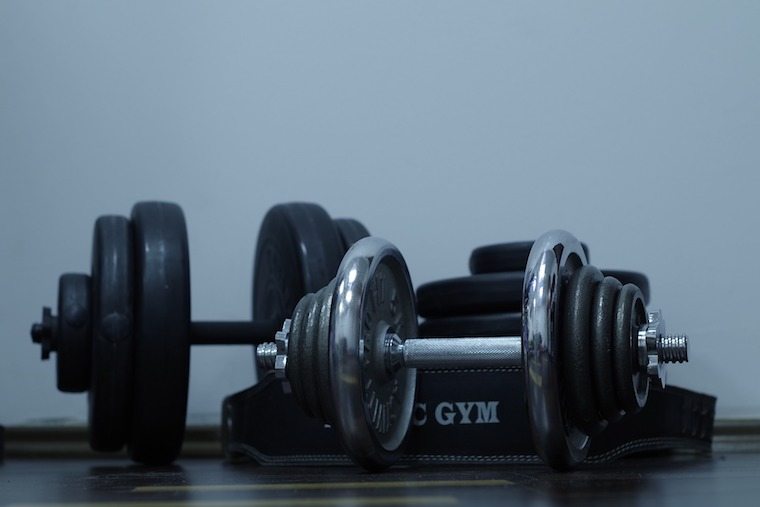
www.abbeyskitchen.com/about-abbey/

Last Updated October 23, 2020. Published July 3, 2017 By Abbey Sharp 19 Comments

Vegan Peach Melba Kombucha Float | Healthy Probiotic Gluten Free Summer Dessert

Two glasses of kombucha floats with ice cream in the background.

This vegan peach melba kombucha float is loaded with probiotics which will leave you and your gut happy.  

A glass of kombucha float with a blue straw on a table.

When I was a kid, I was OBSESSED with root beer floats. I would order them all the time… sometimes at inappropriate times (like breakfast). I use to love to slurp up the foam as it overflowed from my glass. For a kid, ice cream floats are just fun things to drink.

Overhead photo of a kombucha float.

Still to this day, I can’t refuse a soda with a generous dollop of ice cream on top. Not going to lie, I JUST had one last week at A&W. So as an excuse to consume more floats, I decided to develop a healthier/fancier take on the classic ice cream float. Need a last minute dessert for a BBQ party? This vegan kombucha float is your answer, because it’s hands down the simplest thing to make, looks super fancy and also you can brag to your guests about its probiotic powers.

Two glasses of kombucha floats with ice cream in the background.

To learn more about probiotics, check out my most recent post here where I share the exciting research surrounding its benefits.

How to Make Vegan Peach Melba Kombucha Float

Two glasses of kombucha floats with ice cream in the background.


This vegan kombucha float is as easy as it is healthy. Kombucha’s naturally carbonated (through the process of fermentation) and it’s packed with good bacteria to create a healthy gut bacteria environment so it’s a healthy alternative to pop. If you guys missed my post on overnight oats, I am also totally obsessed with peach melba flavours. For those of you not familiar, just picture the combination of peaches and raspberries-it’s legit delish any way you slice (or eat) it. I love making cheater vegan sorbet, because you basically just blend you favourite fruits together, add a bit of sweetener, freeze and you’re good to go!

Close up of sorbet in a pan.

I love this vegan kombucha float because you can make the sorbet ahead of time, add in your fizzy kombucha and hello, summer!

Now tell me, are you a fan of dessert floats? Comment below with your thoughts!

A glass of kombucha float with a blue straw on a table.
Print Recipe
5 from 1 vote

Vegan Peach Melba Kombucha Float

This vegan peach melba kombucha float is loaded with probiotics which will leave you and your gut happy.
Prep Time2 hours hrs 20 minutes mins
Total Time2 hours hrs 20 minutes mins
Course: Dessert
Cuisine: Canadian
Servings: 12 people
Calories: 210kcal
Author: Abbey Sharp

Ingredients

Sorbet:

  • 3 cups ripe frozen peaches (peeled)
  • 2 cups ripe frozen bananas
  • 1 cup frozen raspberries
  • 2 tsp lemon juice
  • 3 tablespoons maple syrup (or to taste)

Float:

  • 12 cups ginger kombucha chilled
  • 1/2 cup fresh basil leaves
  • 1/2 cup fresh mint leaves
  • 2 ripe fresh peaches thinly sliced

Instructions

  • In a powerful blender, puree the sorbet ingredients until very smooth. Transfer to a freezer-safe container to harden up for a few hours.
  • When ready to serve, divide the kombucha, basil, mint and fresh peaches between 12 glasses and top with a generous scoop of the sorbet. Enjoy immediately.

Video

Nutrition

Calories: 210kcal

Overhead photo of homemade sorbet in a pan.


Abbey Sharp

Abbey Sharp is a Registered Dietitian (RD), regulated by the Ontario College of Dietitians. She is a mom, YouTuber, Blogger, award winning cookbook author, media coach specializing in food and nutrition influencers, and a frequent contributor to national publications like Healthline and on national broadcast TV shows.

www.abbeyskitchen.com/about-abbey/
  • Previous Page
  • Go to page 1
  • Interim pages omitted …
  • Go to page 68
  • Go to page 69
  • Go to page 70
  • Go to page 71
  • Go to page 72
  • Interim pages omitted …
  • Go to page 89
  • Next Page

Get started with

Eight Free Recipe Books

From the co-founder of Neue Theory and creator of the Hunger Crushing Combo

Sign me up!
Abbey smiling at table
Abbey Sharp

“Foods may never be nutritionally equal. But we can make them morally equal by recognizing that our worth is never determined by what's on our plate.”

— Abbey Sharp, RD About Abbey ◥

Books

  • HCC™
  • Mindful Glow
  • Free E-Books

Blog

  • Nutrition
  • Recipes
  • Motherhood
  • Life

Explore

  • Neue Theory™
  • Bite Back
  • YouTube

Abbey

  • About
  • Coaching
YouTube TikTok Instagram Facebook X Pinterest
Abbey Sharp - The No BS Dietitian From Abbeys Kitchen

© Abbey's Kitchen 2026  All Rights Reserved •  ACCESSIBILITY STATEMENT •  Privacy Policy

This site uses cookies. By continuing to browse the site, you are agreeing to the use of cookies Accept Privacy Policy

Privacy & Cookies Policy

Privacy Overview

This website uses cookies to improve your experience while you navigate through the website. Out of these, the cookies that are categorized as necessary are stored on your browser as they are essential for the working of basic functionalities of the website. We also use third-party cookies that help us analyze and understand how you use this website. These cookies will be stored in your browser only with your consent. You also have the option to opt-out of these cookies. But opting out of some of these cookies may affect your browsing experience.


Necessary
Always Enabled
Necessary cookies are absolutely essential for the website to function properly. This category only includes cookies that ensures basic functionalities and security features of the website. These cookies do not store any personal information.
Non-necessary
Any cookies that may not be particularly necessary for the website to function and is used specifically to collect user personal data via analytics, ads, other embedded contents are termed as non-necessary cookies. It is mandatory to procure user consent prior to running these cookies on your website.
SAVE & ACCEPT

Rate This Recipe

Your vote:


A rating is required
A name is required
An email is required