• Skip to main content

Abbey's Kitchen

Healthy Recipes, Nutrition Myth Busting, Healthy Eating Tips

  • Books
    • HCC™
    • The Mindful Glow Cookbook
    • Recipe eBooks
      • Family
      • Hypothyroidism
      • BLW
      • Vegan Week 1
      • Vegan Week 2
      • Vegan Week 3
      • Keto
      • Gluten Free Week 1
      • Gluten Free Week 2
      • Fitness
      • Paleo
  • Blog
    • Nutrition
    • Recipes
    • Motherhood
    • Life
  • Explore
    • Neue Theory™
    • Bite Back With Abbey Sharp
      • Apple Music
      • Spotify
      • Amazon Music
    • YouTube
  • Abbey
    • About
    • Coaching
    • Contact

Abbey Sharp

Last Updated October 4, 2021. Published January 23, 2017 By Abbey Sharp 23 Comments

Healthy Grilled Cheese 3 Ways | Low Carb Lunch Recipe

DISCLAIMER: This post was developed in sponsored partnership with Flatout Flatbreads, however, as always, all opinions are genuine.

These three low carb healthy grilled cheese recipes will help you get your cheese fix without the carb load! Bring on the cheese, lovelies!
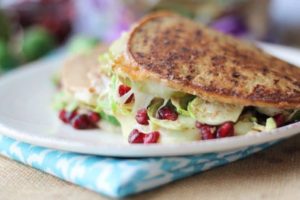
grilled cheese sandwich on a white plate

Here’s a story my mom likes to tell about my rise to foodie-dom from my picky beginnings as a child. I – like most kids- loved grilled cheese growing up. One day I guess mom may have gotten a little overzealous on the pan-fry action, resulting in slightly overbrowned bread. My response? Mom, WASH my grilled cheese. It’s clearly dirty, so please wash it clean. Well, let’s just say I learned pretty quickly why you don’t put sandwiches under water in the sink.
A hand holding a grilled cheese.

Today I’m still a total grilled cheese fiend. When I’m cooking all day working on recipe development, sometimes the only thing I feel like eating at night is a solid grilled cheese. Of course, I’ve upgraded from my mother’s white bread + Kraft singles combo to a more low carb healthy grilled cheese, but it totally hits the spot.

How to Make Low Carb Grilled Cheese

So grilled cheese is certainly a staple for so many kids, there’s no reason we can’t make low carb healthy grilled cheese with better ingredients. My calorie and carb-slashing secret is to use Flatout Foldit Flatbreads in place of the two thick slices of bread. Each of these have around 100 calories (yes for both sides of the sandwich), 3-7 grams of fibre and 6-10 grams of protein. They make awesome sandwiches (among a million other things like pizzas, bieber tails, egg cups and more), so why not turn them into the base for my low carb healthy grilled cheese?

Grilled cheese is one of those culinary standards that you just need to master, and the sky is the limit when it comes to choosing your yummy add-ins. I switch it up depending on what I have in the fridge but check out my three favourite low carb healthy grilled cheese recipes.

Fig & Brie Grilled Cheese

A mouthwatering combination of sweet figs, creamy brie, spicy arugula and crunchy walnuts make this one of my all time favourite low carb healthy grilled cheese recipes.
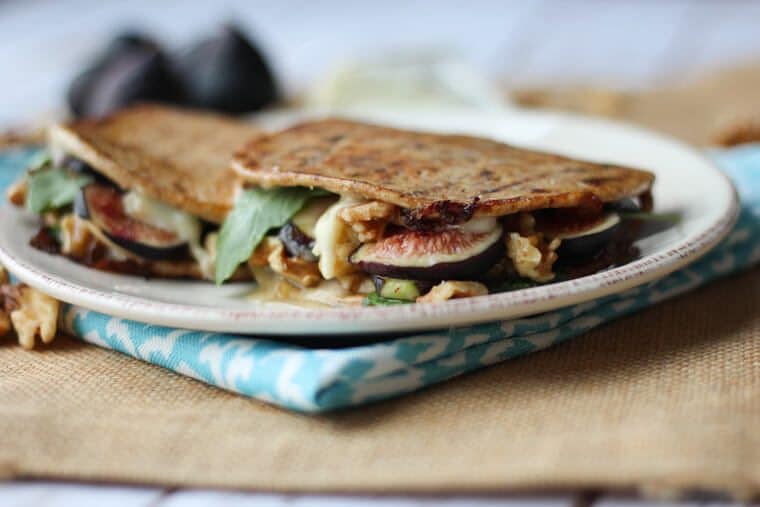
sandwich made with cheese and figs on a white plate

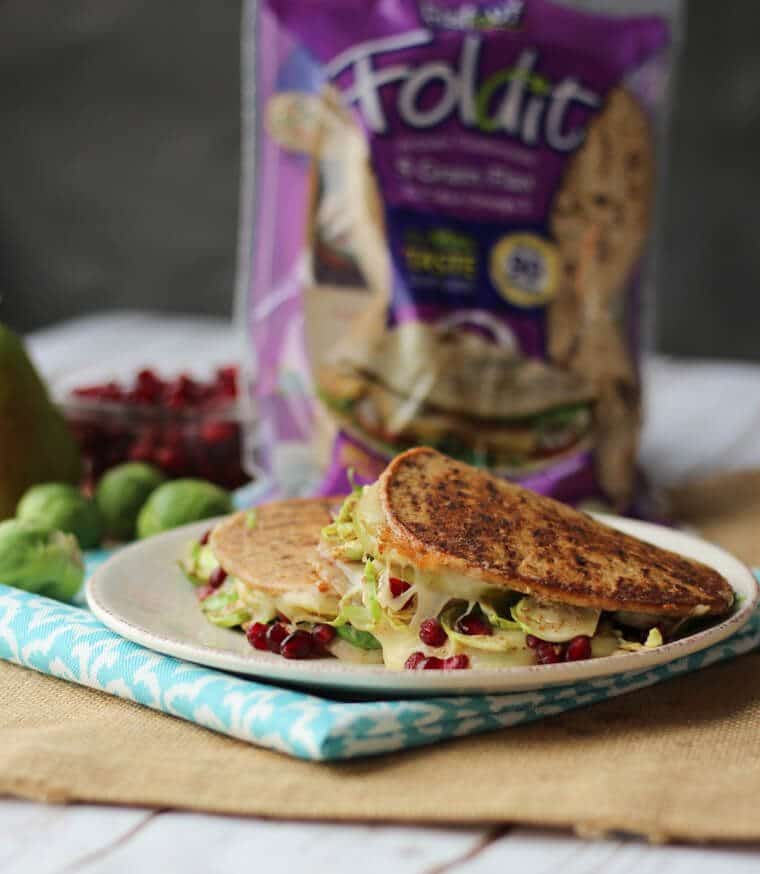
Brussel Sprout & Pear Grilled Cheese

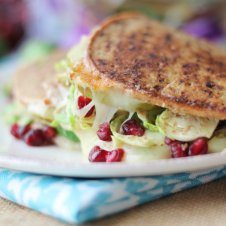
I’m kinda obsessed with Brussels sprouts and the combination with sweet pear, spicy mustard, sprightly pomegranate and sharp Havarti is a must do grilled cheese.
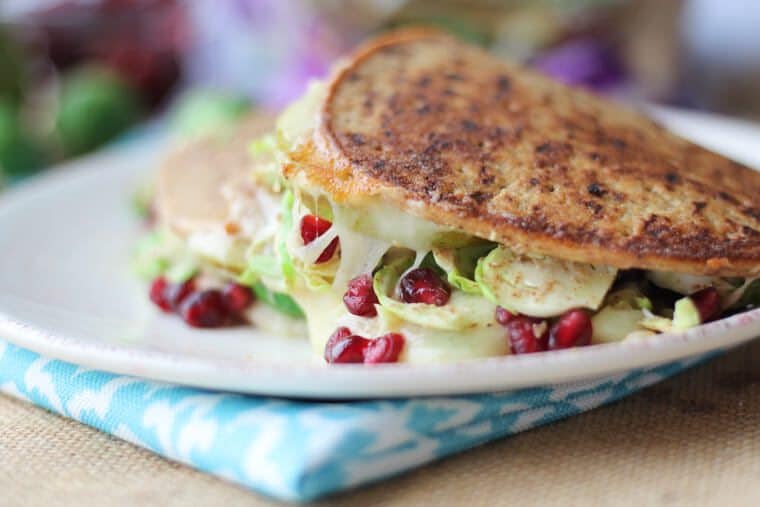
sandwich made with flatbread, cheese, and brussel sprouts on a white plate

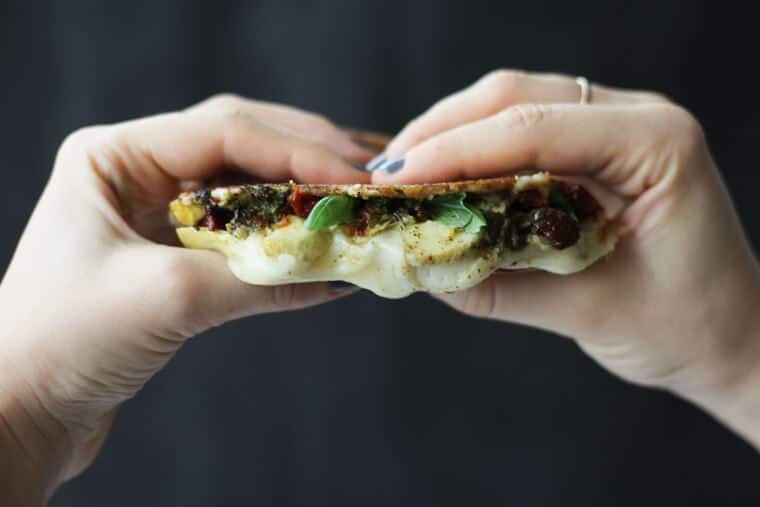
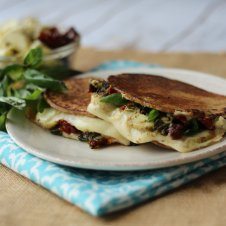
Artichoke & Pesto Grilled Cheese

For my savoury food lovers, this grilled cheese recipe offers a burst of salty, nutty and cheesy flavour in every bite.
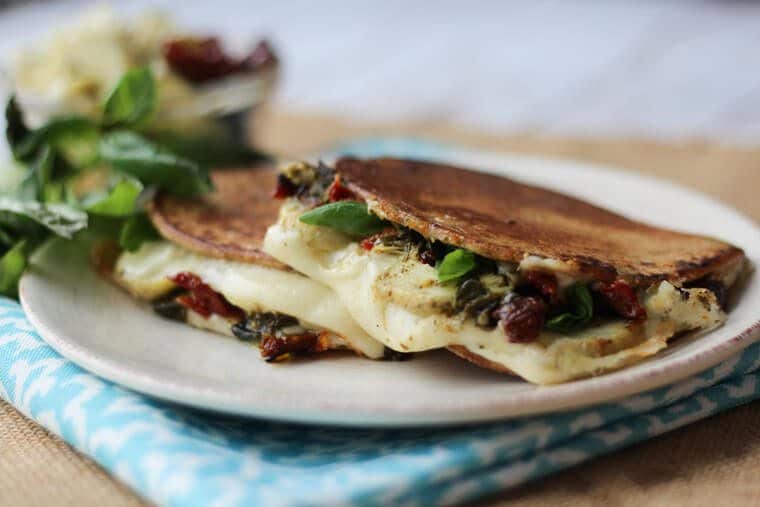
 

grilled cheese with artichoke and basil on a white plate

So tell me:

What ingredients would you put in your grilled cheese? Have you tried Flatout Foldits yet? Leave me a comment below with some of your thoughts!
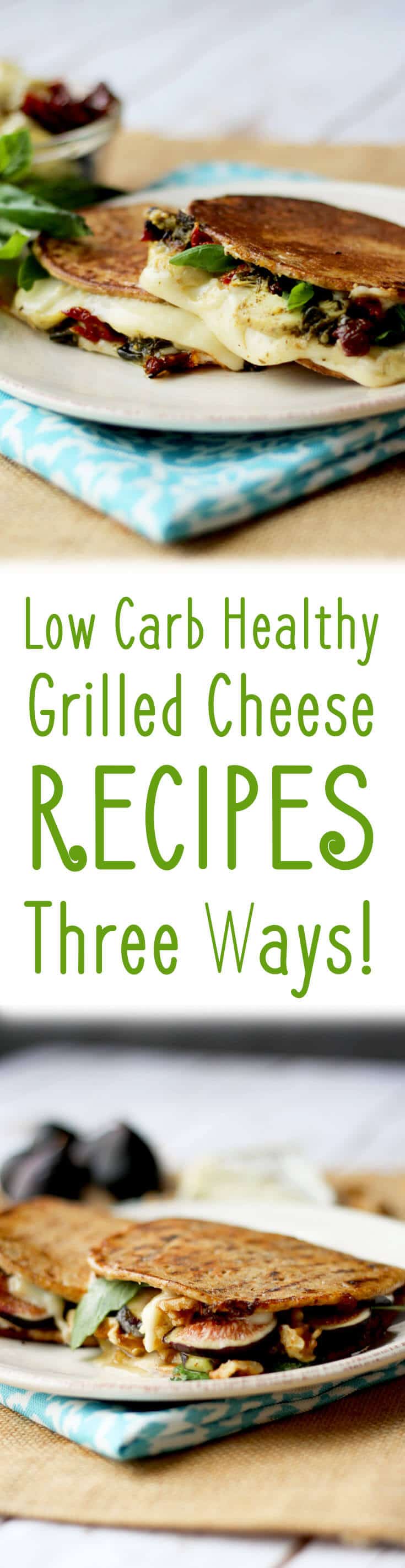
These three low carb healthy grilled cheese recipes will help you get your cheese fix without the carb load! Bring on the cheese, lovelies!


Print Recipe
5 from 6 votes

Brie & Fig Grilled Cheese

These three low carb healthy grilled cheese recipes will help you get your cheese fix without the carb load! Bring on the cheese, lovelies!
Prep Time5 minutes mins
Cook Time10 minutes mins
Total Time15 minutes mins
Course: Main Course, Lunch
Cuisine: American
Servings: 2
Calories: 490kcal
Author: Abbey Sharp

Ingredients

  • 2 Flatout Foldit Artisan Flatbread
  • Melted butter
  • 4 slices thick of brie cheese rind removed
  • 4 Figs thinly sliced
  • 1 cup arugula
  • ¼ cup walnuts toasted and crushed
  • 2 tsp honey

Instructions

  • Brush the outsides of the Flatout Foldit with a bit of butter and lay flat, butter side down.
  • Layer with the cheese, figs, arugula, walnuts and honey, then fold over and place in a nonstick skillet heated over medium high heat.
  • Cook on each side until golden brown and melty. Enjoy!

Video

Nutrition
Calories: 490kcal | Carbohydrates: 50g | Protein: 19g | Fat: 26g | Saturated Fat: 11g | Cholesterol: 56mg | Sodium: 571mg | Potassium: 467mg | Fiber: 5g | Sugar: 23g | Vitamin A: 711IU | Vitamin C: 4mg | Calcium: 203mg | Iron: 2mg


These three low carb healthy grilled cheese recipes will help you get your cheese fix without the carb load! Bring on the cheese, lovelies!
Print Recipe
5 from 6 votes

Pear & Brussel Sprout Grilled Cheese

These three low carb healthy grilled cheese recipes will help you get your cheese fix without the carb load! Bring on the cheese, lovelies!
Prep Time5 minutes mins
Cook Time10 minutes mins
Total Time15 minutes mins
Course: Main Course, Lunch
Cuisine: American
Servings: 2
Calories: 502kcal
Author: Abbey Sharp

Ingredients

  • 2 Flatout Foldit Artisan Flatbread
  • Melted butter
  • 1 cup Brussel sprouts finely shaved
  • 1 tbsp Grainy mustard
  • 4 slices of pear
  • ¼ cup pomegranate arils
  • 4 slices Havarti cheese

Instructions

  • Brush the outsides of the Flatout Foldit with a bit of butter and lay flat, butter side down.
  • In a bowl, mix together the sprouts and mustard.
  • Layer with Foldit with the cheese, brussel sprout mixture, pear, and pomegranate, then fold over and place in a nonstick skillet heated over medium high heat.
  • Cook on each side until golden brown and melty. Enjoy!

Nutrition
Calories: 502kcal | Carbohydrates: 74g | Protein: 21g | Fat: 17g | Saturated Fat: 10g | Cholesterol: 49mg | Sodium: 737mg | Potassium: 630mg | Fiber: 12g | Sugar: 31g | Vitamin A: 846IU | Vitamin C: 52mg | Calcium: 418mg | Iron: 2mg


Print Recipe
5 from 6 votes

Artichoke, Tomato & Basil Grilled Cheese

These three low carb healthy grilled cheese recipes will help you get your cheese fix without the carb load! Bring on the cheese, lovelies!
Prep Time5 minutes mins
Cook Time10 minutes mins
Total Time15 minutes mins
Course: Main Course, Lunch
Cuisine: American
Servings: 2
Calories: 311kcal
Author: Abbey Sharp

Ingredients

  • 2 Flatout Foldit Artisan Flatbread
  • Melted butter
  • 4 Artichoke hearts quartered
  • 4 slices of Swiss cheese
  • 2 tbsp sundried tomatoes thinly sliced
  • 2 tbsp pesto
  • 4 leaves basil
  • Butter for cooking

Instructions

  • Brush the outsides of the Flatout Foldit with a bit of butter and lay flat, butter side down.
  • Layer with the cheese, artichokes, and tomatoes, then dollop with pesto and a few basil leaves. Fold over, and place in a nonstick skillet heated over medium high heat.
  • Cook on each side until golden brown and melty. Enjoy!

Nutrition

Calories: 311kcal | Carbohydrates: 28g | Protein: 14g | Fat: 16g | Saturated Fat: 7g | Cholesterol: 32mg | Sodium: 440mg | Potassium: 246mg | Fiber: 2g | Sugar: 3g | Vitamin A: 681IU | Vitamin C: 2mg | Calcium: 333mg | Iron: 1mg

Disclaimer: These recipes were developed in paid partnership with Flatout, however, as always, all opinions are genuine.

Abbey Sharp

Abbey Sharp is a Registered Dietitian (RD), regulated by the Ontario College of Dietitians. She is a mom, YouTuber, Blogger, award winning cookbook author, media coach specializing in food and nutrition influencers, and a frequent contributor to national publications like Healthline and on national broadcast TV shows.
www.abbeyskitchen.com/about-abbey/

Last Updated August 12, 2019. Published January 16, 2017 By Abbey Sharp 21 Comments

Dairy 101 | Lactose Intolerance? Organic Raw Milk? Milk Alternatives? | Dairy Myths Part 6

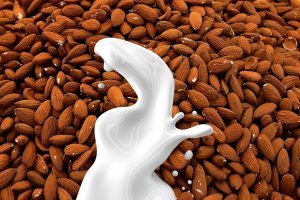
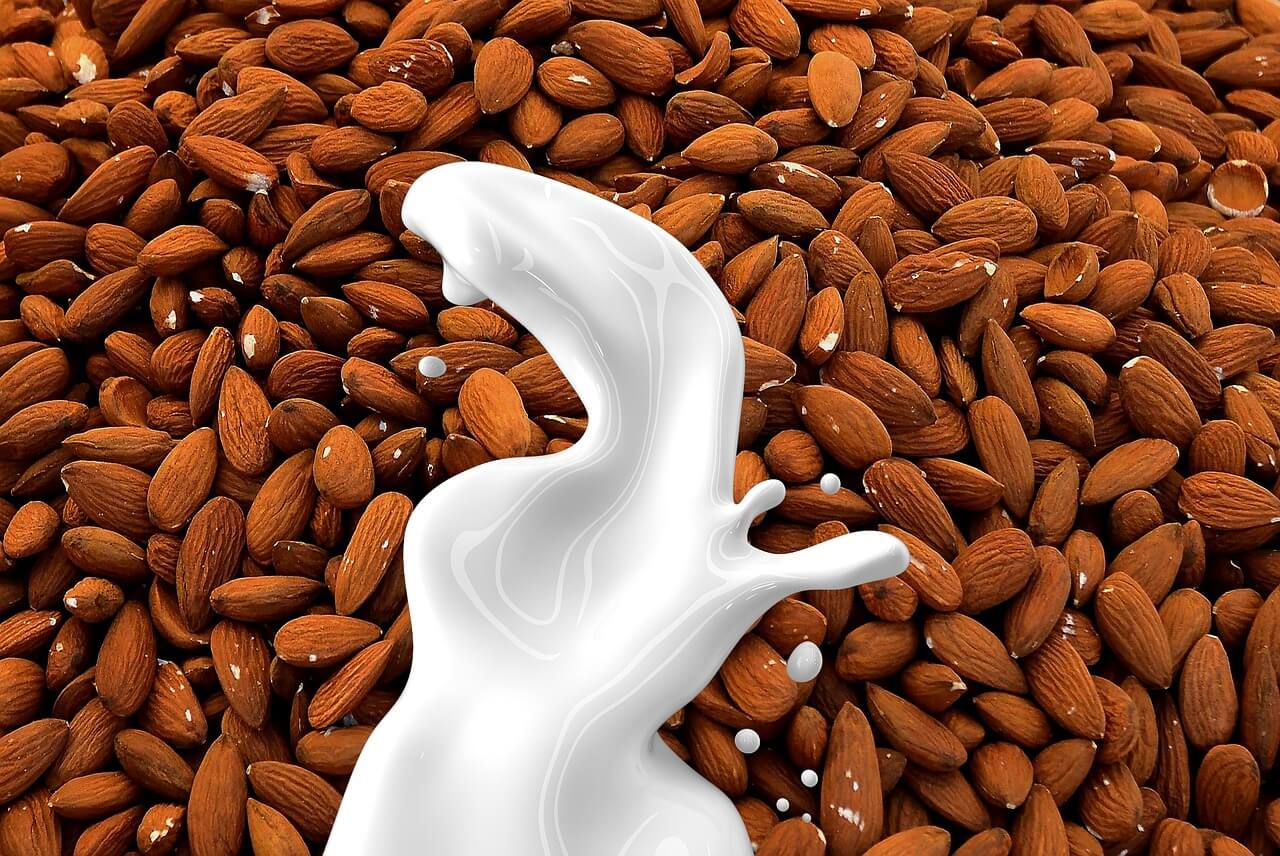
Almonds with milk splashed in front.

In part 6 of Dairy Myths, we talk about whether or not lactose intolerance is real. What are the best Milk Alternatives? Is organic raw milk healthy? Is there pus in milk? I look at the research.

We’re on the home stretch in our multi part milk and dairy series! In Part 1, we discussed bone health, in Part 2, Weight Loss, Part 3 was Heart Health, Part 4 was Cancer, Part 5 was about mortality and now we bust a bunch more myths and look at milk alternatives and and lactose intolerance. Don’t forget to catch up on the other posts (hyperlinked above) and meet me back here on the flip side.

Raw vs. Pasteurized Milk

First of all, is pasteurization unhealthy and unnatural? Is raw natural milk best?

Pasteurization is a commonly used technique for the treatment of dairy milk, using high-temperatures for a short-time. The purpose of pasteurization is to keep milk and dairy products safe for human consumption. The heat used in this process destroys any of the milk-borne pathogens such as campylobacter, that may be present in the milk so we can still reap the nutritional benefits from our dairy products. Failure to completely pasteurize raw milk may put us at risk for unnecessary food-borne illness.

A group of cows.

When analyzing the difference in chemical composition of pasteurized and unpasteurized milk, it was shown that pasteurized milk had a higher amount of casein protein, while unpasteurized milk had a higher concentration of whey proteins. This makes sense, as whey proteins are more ‘heat-sensitive’ and therefore are denatured at lower temperatures. More interestingly, total minerals such as calcium, magnesium and phosphorus content were actually found to be significantly higher, as well as lactose (approximately 3 grams more) and citric acid which were higher (but not significant) in pasteurized milk, while sodium was found to be lower. Overall, this is a win for pasteurization! However, since the lactose content was slightly higher in pasteurized milk, this is important for those with lactose intolerance to be aware of.

There is some growing popularity about raw milk consumption, but there is a much higher risk of contracting milk-borne illnesses even if it is coming from healthy animals appearing to be producing healthy, high quality milk. The proposed health claims of raw milk having enhanced nutrition, promoting more good gut bacteria and a lower prevalence of lactose intolerance, are all myths and have absolutely no scientific support. Despite potentially losing some nutrients (not a big concern since some nutrients increased!), the benefits far outweigh any cons. Pasteurization one of the best innovations to food safety.

Organic vs Conventional

Here in Canada, artificial growth hormones (e.g recombinant bovine somatotropin/ rbST used to increase milk production) are banned from use in the production of both organic and conventional milk. The reason? They have been associated with higher risks of infertility and mastitis in cows, and negative health effects on humans. So yay, for food regulations! Additionally, for both organic and conventional, proper and strict measures are enforced regarding the welfare of the animals and use of antibiotics. All cows used for milk production are given antibiotics only if they are ill. They are still milked, but the milk must be discarded until the cow’s entire system is clear of antibiotics. So it’s safe to say that no hormones or meds will be found in the milk we drink, folks.

As our North American society continues to urbanize with rapidly expanding fast food joints and restaurants, there has been increasing concern about consuming too many omega-6 fatty acids and not enough omega 3s. The imbalance between the two has been suggested to cause inflammation and various chronic diseases. On this quest for a better omega profile, one study published in 2016 found that there was 25% less omega-6 fatty acids and a significantly higher amount of omega-3’s (more α-linolenic acid (ALA), eicosapentaenoic acid (EPA), and docosapentaenoic acid (DHA)) and conjugated linoleic acid (CLA) in organic milk compared to conventional milk. This, however, may have been influenced by the feed of the cattle, rather than the farming practices, as organic cows are fed forage such as grass and legumes, which increased omega-3 and CLA content, while conventional milk from cows fed grains like corn causes higher levels of omega-6’s. So what does this mean? The study (supported by previous studies) has shown that organic milk has the better fatty-acid profile. So if that’s a concern for you and you want to get some more omega 3s, you should look for Organic or Grass-fed dairy.

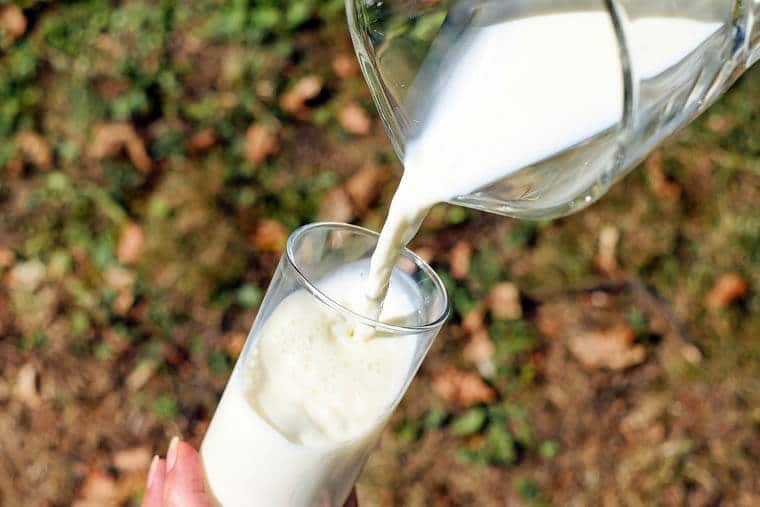
Milk being poured into a glass.

So is there a real difference between organic and conventional? Well, yes, but that difference is mainly in a shift in fatty-acid ratio due to the feed for the cows. Organic farming certification varies among countries, in some it is mandated that organic cows are fed higher levels of fresh forage (in comparison to conventional farming). Specifically in Canada, as part of the Organic Dairy Production Requirements, organic cows are only fed a high-forage diet with at least 30% requiring to be pasture and must be given organic feed for 12 months before their milk can be certified as organic. You may ask, well – are organic cows fed corn at all? In Canada, the typical feed for organic cows include haylage, hay, barley, wheat, corn and minerals. So yes, they are fed corn too – but a higher proportion of forage. If you prefer choosing organic milk, rest assured that the organic dairy regulations are followed. However, it may be more important to look for grass-fed milk than organic compared to conventional milk if you’re interested in the better fatty-acid ratio – although there is still no guarantee of what the “ratio” is in each specific brand of milk. The reality is, how the fatty-acid translates to a “better nutritional benefit” is still uncertain.

What about Cow Pus and Blood in Milk?

I’m honestly not sure who started this one, but let’s get some accurate and reliable information on this matter. The truth is, there is actually NO pus or blood in milk! Dairy farmers have very strict rules and standards that must be complied with concerning the purity and components in milk. If milk produced does not reach those standards then it is not adequate for sale, and the farmers must immediately correct their procedures in order to continue providing milk shipments that are of quality.

This myth started as people were confusing somatic cells (white blood cells living and found in cow udders) with what they thought was pus (dead white blood cells, bacteria and dead skin cells. Somatic cells’ job is to fight infection and when the somatic cell levels are elevated, it usually means there is an infection. Thankfully, milk must have its “somatic cell count” tested to ensure the milk is coming from a healthy cow. If it doesn’t pass the test, the cows milk doesn’t go to the consumer and the sick cow gets treated. Done. No milk. No puss.

Is Lactose Intolerance Real?

Lactose is the main carbohydrate in milk, also known as ‘milk sugar.’ The majority of people around the world are able to digest lactose when they’re born, but it is estimated that about 75% of the global population will eventually lose the ability to do so. Whether you believe it or not, this has likely nothing to do with the milk we are drinking! In adulthood, individuals who develop lactose intolerance are more likely of East Asian descent, but is also common for those who are of Italian, Greek, Jewish, Arab, and West African descent. On the other hand, the population with the lowest cases of lactose intolerance are those of North European descent, likely due to their long history of unfermented dairy in their diets. If you do have lactose intolerance, keep your hopes up – because it is still possible to enjoy dairy! For example, cheese and yogurt are dairy products that are very low in lactose because their fermentation process converts the majority of lactose into lactic acid. The same goes for whey protein powder, which naturally contains only trace amounts of lactose after the filtration process that isolates the whey protein from milk. Although this intolerance exists, it is very likely that many of us confuse or mistake lactose intolerance for another type of reaction to a food unrelated to this milk sugar! A recent study found that individuals who thought they had lactose intolerance (and did not have it) avoided dairy more than those who actually had it and it significantly impacted their perceived quality of life. Like, think about it- no ice cream! It’s not good times.

The Dairy “Milk” Alternatives 101 – How do they stack up?

If you’re still not convinced about milk, have a milk allergy, suspect lactose intolerance, or just don’t like it- then don’t sweat it! You definitely can meet your requirements with the right milk alternative (and/or other nutrient dense foods).

First, let’s talk about milk alternatives and how they compare with dairy. Canadian law requires that all dairy milk must be fortified with vitamin A and D, but that’s not required for alternatives, so check your package to see how they stack up. Another important tip is to check the ingredients, as many plant-based milk alternatives contain a ton of added sugar (whether refined or ‘100% natural cane sugar’), oils, and other food additives and stabilizers you may not be familiar with. Whenever possible, try opting for unsweetened or low sugar fortified options.

Let’s look at each of the most popular non-dairy milks.

  1. Almond Milk (Most Popular LOW-CAL option)

Almond milk is typically a mixture of finely-ground almonds, water, salt, a sweetener (unless unsweetened), a thickener and fortified nutrients (but this is highly varied between brands). It is usually one of the plant milk options lowest in calories (as low as 30 calories a cup for unsweetened), with 0 grams of cholesterol, less than 0.5 grams of saturated fat, and 0 grams sugar (if unsweetened). It is an excellent choice for those looking to satisfy their milk cravings while watching their calories and fat. To add, the fats in almond milk are monounsaturated fats, which are known to improve blood cholesterol levels, thereby reducing our risk of heart disease. Usually almond milk is fortified with calcium, zinc, vitamin A, D, E, B12 and riboflavin (B2).

The issue is that in a lot of brands, “almond milk” hardly contains any almonds (just over a handful). Although almonds themselves are naturally high in vitamin E, you wouldn’t be getting much of this antioxidant in almond milk. Another concern that has arisen is the use of a common thickener and emulsifier (stabilizer) called carrageenan in almond milk. Carrageenan, derived from red algae, has been claimed to be a pretty evil food additive with some claiming it may damage our GI tract and even causing colon cancer in animals. It is known that the degraded carrageenan type (a.k.a poligeenan) which isn’t used as a food additive, is toxic and carcinogenic at high doses unlike the type of carrageenan that is used as a food additive.

Almonds with milk splashed in front.

However, long-term animal studies performed on rats, a “cancer-causing effect” has not been displayed by regular (non-degraded) carrageenan on the colon. Plus, when carrageenan was tested out on various animal species, there were variable results, suggesting that this food additive may react quite differently in humans as well. Most studies to date on carrageenan used much higher doses (more than the typical person would be exposed to) and were taken alone in just water, rather than in combination with other nutritional components as in an almond milk beverage (e.g fat, protein, etc). To add, although inflammatory responses were displayed on animal and human cells, the experiments were conducted in vitro (in petri dishes, not inside our body!), which further makes it more difficult to really understand the effect of carrageenan in humans. To conclude this topic, what can be said is that carrageenan in our plant milks is not something to freak out about, as it is unlikely you will suffer from intestinal disturbances or other health issues because of it. And therefore, it is likely safe consumed in small doses (as it usually is in the case of almond milk anyways).

Some brands are also much higher in sodium compared to dairy milk, so it is important to read the Nutrition Facts label before purchasing. Another potential downside to almond milk is that it is very low in protein (approximately 1 gram per cup), while cow’s milk has 8 grams per cup. If you prefer to drink almond milk, just make sure that you are getting sufficient amounts of complete protein sources in the rest of your daily diet. Having said all that, it’s great if you love its nutty flavour (I do!!) and low calories.

  1. Soy milk (Best for being HIGH in PROTEIN)

Being made from whole soybeans, soy milk contains various essential nutrients and is a good source of complete protein, making it an excellent option for those who are vegetarian and vegan. Soy milk is a rich source of protein (ranging from 6-8 grams per cup), and is typically enriched with other micronutrients such as calcium, vitamin D, vitamin A and B vitamins such as riboflavin and B-12. Since the protein found in soy is high quality, it is comparable to protein from animal products. Soy milk is also another source of ALA (alpha linolenic acid), an omega-3 fatty acid that is essential to everyday functioning of your body. It typically has 3-4.5 grams of fat with only 0.5 being saturated fat (although there are light and fat-free versions available), 0 grams of cholesterol, and is low in sugar (1 gram if unsweetened). Unsweetened soymilk is very similar in calories compared to skim or 1% cow milk.

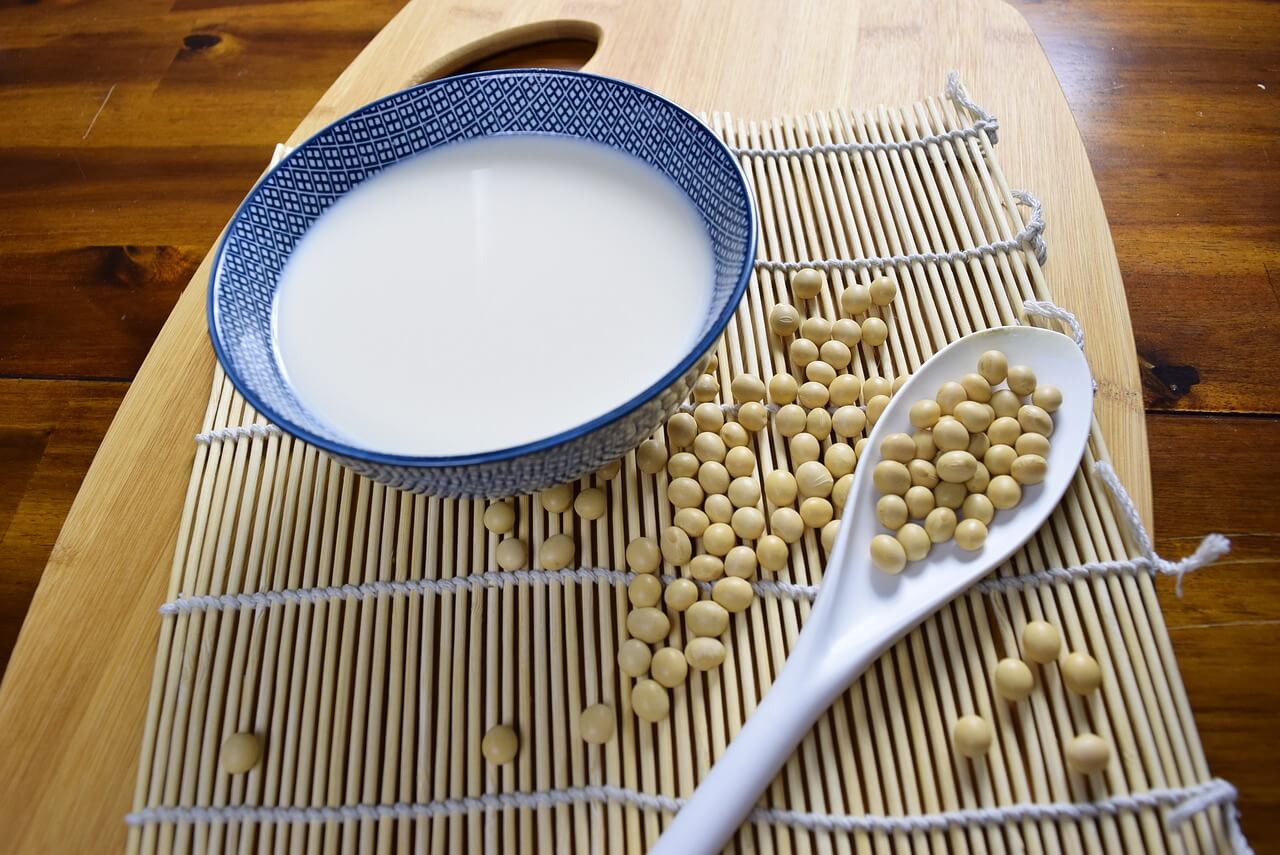
A bowl of soy milk with soy beans around it.

Recently, the media has been selling a lot of “soy is bad” stories related to soy’s isoflavone phytochemical compound (phytoestrogen). Phytoestrogen is similar in structure to the human female hormone estrogen so many believe it may “cause breast cancer” and hormone imbalances due to its “estrogen-like effects”. However, human trials have found that soy consumption does not increase circulating hormones such as estradiol or any of the body tissues that normally respond to human estrogen. Additionally, the isoflavones (phytoestrogen plant chemicals) found in soy have been associated with preventing some hormone-related cancers such as breast, endometrial and prostate cancer. Dairy milk still has the highest amount of potassium, which is known to help with blood pressure management, but soy milk follows it, whereas almond milk has the lowest amount. For those with gout, soy milk may not be the best option because of the naturally-occurring “purine” which can aggravate the symptoms of gout, and therefore it is not recommended to consume too many soy products.

  1. Coconut milk beverage (The HYPED-UP one)

Depending on the type of coconut milk you get (based on sugar and fat content), the nutrition varies widely. Coconuts are naturally higher in fat, almost all of which are saturated, with the major fatty acid being lauric acid, a medium chain saturated fatty acid (MCFA). Early research suggests that MCFAs, in comparison to long-chain fatty acids, are converted by the liver as energy (said to be calorie-burning), are stored less readily as fat, and possibly increase HDL (good blood cholesterol) levels. Although I’m sure you’ve heard tons about the “weight-loss” and “health benefits” that come from incorporating coconut in your diet, there is still inconsistency in the evidence of the many health claims. The coconut milk beverage versions you see on the shelves of the dairy section next to the other plant milks are usually mostly filtered water with coconut cream. When looking at the unsweetened option, they have 4 grams of fat (3.5 grams being saturated fat), are low in calories (as low as 45 calories), low in protein (about 0.4 to 1 grams per cup) and are fortified with nutrients such as calcium, vitamin A, D, and B12. Overall, the coconut milk beverage is still a good plant-based milk alternative if you like its tropical flavour.

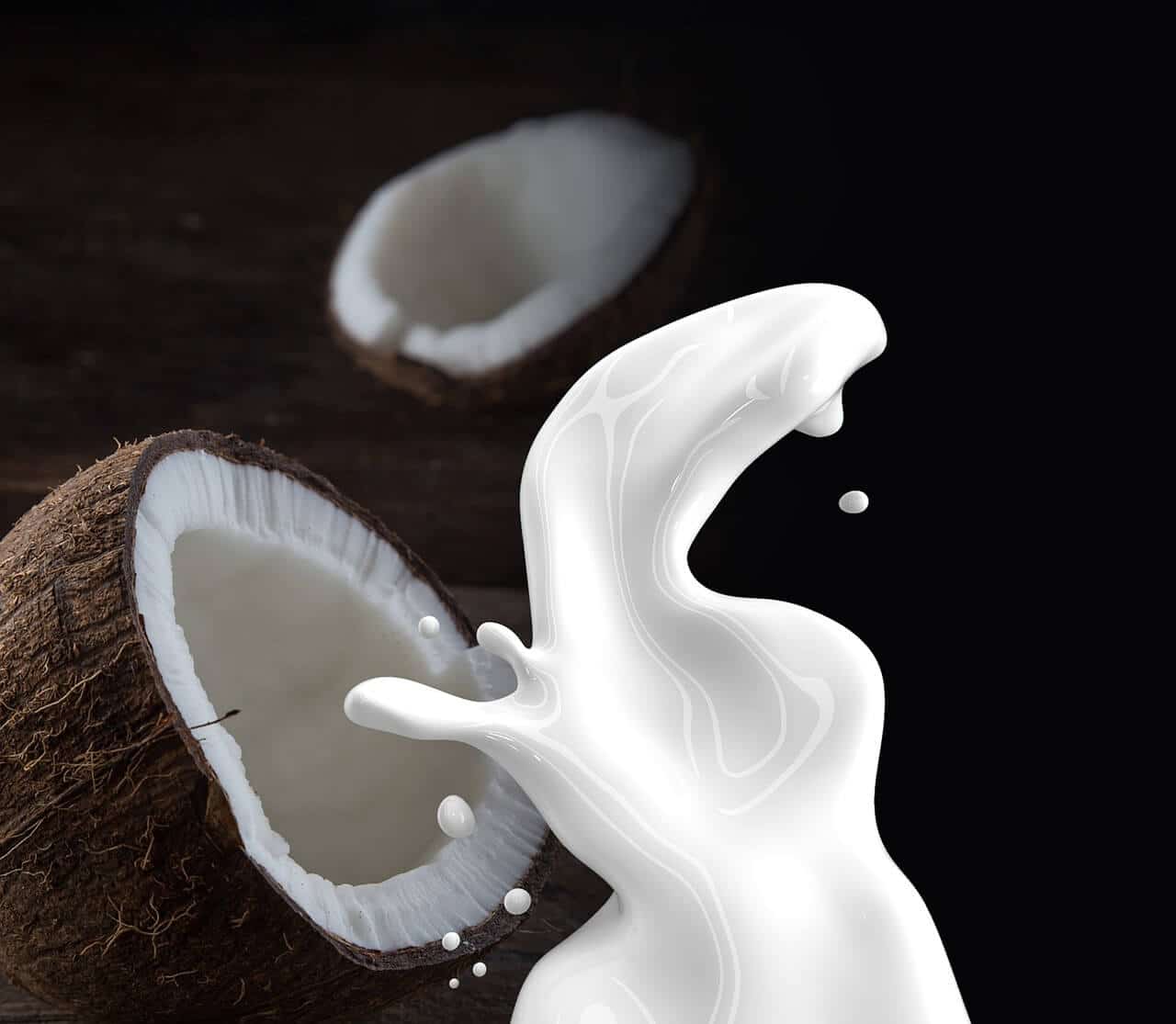
Opened coconuts with a splash of milk in front.

  1. Cashew milk (The Newest “Creamy-factor”)

Cashew milk is the plant-based milk with the LOWEST in calories (as low as 25 calories per cup for unsweetened versions). It contains 0 g of saturated fat and cholesterol. The fats in cashew milk are mainly monounsaturated fats, just like in almond milk, which are healthy fats that provide benefits to our blood lipid profile. Another pro that may attract you is that it claims to be “creamier than skim milk.” The ingredients of cashew milk are very similar with almond milk, in terms of both the high water content, added stabilizers and low protein content (often <1 gram per serving). And just like the other milks, it is a good source of calcium, vitamin A, E and D.

Cashews.

  1. Rice milk (Best Non-Allergic Alternative)

Rice milk is similar in ingredients to those in almond milk, with most of it being filtered water, and blended milled brown rice with added vitamins and minerals. There isn’t anything unique in terms of its health benefits that rice milk provides. However, it is a good beverage option for those who are allergic to almonds, other nuts, dairy or soy. In the processing of rice milk, the carbohydrates are broken down into simpler sugars that gives it a “sweeter flavour.” Just like almond or cashew milk, rice milk hardly has any protein so ensuring that you have enough protein from other dietary sources is essential. Rice milk is enriched with nutrients such as calcium, vitamin D and B vitamins (but lacks vitamin A that cows milk has). A typical cup of rice milk provides 120 calories (90 if unsweetened), 2.5 grams of fat, 0 grams of saturated fat, and cholesterol, 23 grams of carbohydrates (15 grams if unsweetened) and 10 grams of sugars (but unsweetened is the better option with less than 1 gram). If choosing rice milk, I would suggest leaving out any added sugars or sweeteners.

  1. Oat milk (Source of Fiber)

Oat milk is a great option for its fiber and protein content (about 4 grams a cup), and if you’re not very fond of the “nutty flavour” of other plant milks, as it offers a milder and grain-based taste. On the downside, it is usually higher in sugar (19 grams) and calories (130 cal) per cup, so opting for an unsweetened version is your best bet. It is low in saturated fat and has 0 grams of cholesterol, and has vitamin E, folic acid, and other plant chemicals that aid in the prevention of cardiovascular disease and some cancers. The major concern with oat milk is that it is not gluten-free-friendly, so those with gluten intolerances should avoid this one.

  1. Hemp milk (Source of our much-needed Omega-3’s)

Hemp milk is higher in fat (5 grams per cup) then most plant-based milks but all except 0.5 grams of it is made up of our omega-3 “heart-healthy fats.” These polyunsaturated fats improve our blood cholesterol levels, which may help reduce the risk of cardiovascular disease and type 2 diabetes. Hemp milk is higher in protein compared to almond, coconut and rice milk (3 grams) but still not as much as dairy, soy and oat milk, with just 70 calories for every cup. Also, it has a fresh grassy flavor which some people just do not like.

Overall, are Dairy or Plant Milks Better?

If you suspect lactose intolerance, or just don’t like dairy, then of course, plant milks will be the way to go. Having said that, while fortified and enriched plant-based milk alternatives offer various nutrients similar to dairy none are not nutritionally identical. Of all of the options, fortified soy milk is the most comparable alternative and is even included in the food guide. However, availability of nutrients may vary in soy and dairy milk due to the “phytates” AND “oxalates” that act as anti-nutrients and prevent absorption by binding with micronutrients such as calcium, iron, copper, zinc and magnesium. Soy also naturally contains “trypsin inhibitors” that prevent the function of trypsin, a protein-digesting enzyme required to absorb protein. For these reasons, soy milk may not provide a comparable nutritional profile as cow milk after all because of these potential issues with malabsorption (lower absorption factor) of various nutrients. Plant foods in general will contain different levels of these anti-nutrients, which may make it more challenging to get enough calcium from non-dairy sources.

If I prefer not to consume dairy products or suspect lactose intolerance, can I get enough calcium and essential nutrients from other non-dairy dietary alternatives for bone health?

Of course. Here’s a list of some good non-dairy sources of calcium:

  1. Beans (white, navy)
  2. Almonds
  3. Sesame Seeds
  4. Fish and seafood (Sardines with bones, salmon (pink or red sockeye) with bones, mackerel, anchovies)
  5. Collard greens
  6. Spinach
  7. Bok choy
  8. Orange juice (fortified with calcium)
  9. Tofu (with calcium sulfate)

Even though there are many other sources of calcium, dairy milk is a very efficient way of obtaining it. A recent investigation at Purdue University found that an individual would need to consume eight cups of spinach, nearly five cups of red beans or 21/4 cups of broccoli to obtain the same amount of calcium (300 mg) absorbed from one cup of milk. And its not just about volume, it’s about bioavailability. How much of the nutrient that can actually be ABSORBED by our body. Even if you are consuming tons of a certain product, it won’t matter at all if none or hardly any of it gets absorbed! The calcium found in dairy milk is already in a bioavailable, easily-absorbable form, whereas plant sources have anti-nutrients that inhibit the absorption of calcium, thereby reducing the amount the body is able to use. For instance, although soy milk is considered the relatively comparable alternative to dairy, when fortified with tricalcium phosphate, the bioavailability is still about 75% of calcium compared to cow’s milk.

In dairy milk, there are also unique components such as casein phosphopeptides, lactose, and vitamin D already present that all enhance the absorption of calcium (approximately 30-35%).

More achievable examples of obtaining similar amounts of calcium found in 1 cup of dairy milk are mostly fortified:

  1. Bread (fortified with calcium sulfate): 1 slice = 1 cup milk
  2. Orange juice (fortified with calcium citrate malate): Half a cup = 1 cup milk
  3. Tofu (calcium-set, fortified with calcium sulfate): Just over 3/4 cup = 1 cup milk
  4. Soy milk beverage (fortified with tricalcium phosphate): 1 1/3 cup = 1 cup milk
  5. Soy milk beverage (fortified with calcium carbonate): 1 1/2 cup = 1 cup milk

In the end, it is still possible to reach calcium requirements on a plant-based diet, it just may take a bit more planning.

Dairy 101 Bottom Line

  1. Dairy is a nutritious source of calcium, vitamin D, and other essential nutrients that are beneficial to human health.
  2. Try to meet the adult calcium recommendation of 1000-1200 mg for bone health and prevention of fractures.
  3. Getting calcium from our diet may be better than relying on supplements alone.
  4. Milk fat DOESN’T make you fat.
  5. There are unique components of dairy that can potentially benefit our heart, blood lipid levels, weight management, and colon cancer.
  6. Milk isn’t acidic and wont ‘erode’ your bones.
  7. Pasteurization is necessary for safe consumption of milk and dairy products.
  8. Organic and conventional milk are both nutritionally beneficial.
  9. Our milk doesn’t contain hormones, antibiotics, pus or blood.
  10. It is possible to get calcium from other non-dairy dietary sources for those with lactose intolerance, but some anti-nutrients may decrease the amount we actually absorb. So it’s really important that we are able to eat a variety of different whole foods to ensure we are getting all the nutrients we need.
  11. Lactose intolerance likely does exist to various degrees, but does not necessarily have to prevent us from enjoying dairy in some capacity!
  12. Plant-based milk alternatives are wonderful options that still offer essential nutrients, although they differ depending on the type.
  13. Physical activity plays such a significant role in not only bone health – but OVERALL health!

A close up of a skeleton model.

What are your thoughts on milk and dairy?
Do you have lactose intolerance?
What are your favourite milk alternatives?
Leave me a comment below with your thoughts!

A pinterest image of milk and a cow with the overlay text \"Dairy 101 Lactose Intolerance? Organic Raw Milk? Milk Alternatives? Milk Myths Part Six.\"

Contribution By:

RD2B Rachel Shim

Abbey Sharp

Abbey Sharp is a Registered Dietitian (RD), regulated by the Ontario College of Dietitians. She is a mom, YouTuber, Blogger, award winning cookbook author, media coach specializing in food and nutrition influencers, and a frequent contributor to national publications like Healthline and on national broadcast TV shows.

www.abbeyskitchen.com/about-abbey/

Last Updated October 23, 2020. Published January 13, 2017 By Abbey Sharp 34 Comments

Nutrition Buzzwords That Are Full of Sh*t | Superfood, Clean, Detox and More!

I share the worst weight loss new year's resolutions that I hear daily as a dietitian and how to fix them so that you can actually meet your goals!

I go through some of the most notorious nutrition buzzwords and why they don’t mean what you think including superfood, clean, detox and more!

As a dietitian, I can tell you that there is a LOT of false information out there about nutrition. I’m used to debunking myths (it’s really what keeps me in business) but when I start seeing these “healthy living” trends turn into catch phrases or nutrition buzzwords, I actually LOSE my shit. A lot of these trendy terms are NOT based on science or evidence and can actually be harmful for our health! Here are some of my top eye-roll-inducing nutrition buzzwords and concepts that I could do to never hear again!

The Worst Nutrition Buzzwords


Superfood

Ah yes, the myth of the cure-all super hero head of kale – AKA one of the greatest marketing schemes of modern times. Sure, most of these goods are healthy, maybe even super healthy, but “superfood” implies that they are ‘magic bullets’ that will mystically fix everything. Sorry kids, but no single food can do that. For example, even though salmon has omega-3s and protein, eating only salmon and nothing else would be disorderly at best, and dangerously unhealthy, at worst. Ditto for antioxidant rich blueberries and fibre-packed quinoa. Eat a variety of these types of fresh foods and yah, you’ll probably be in good shape, but that’s not magic, it’s just a balanced diet.

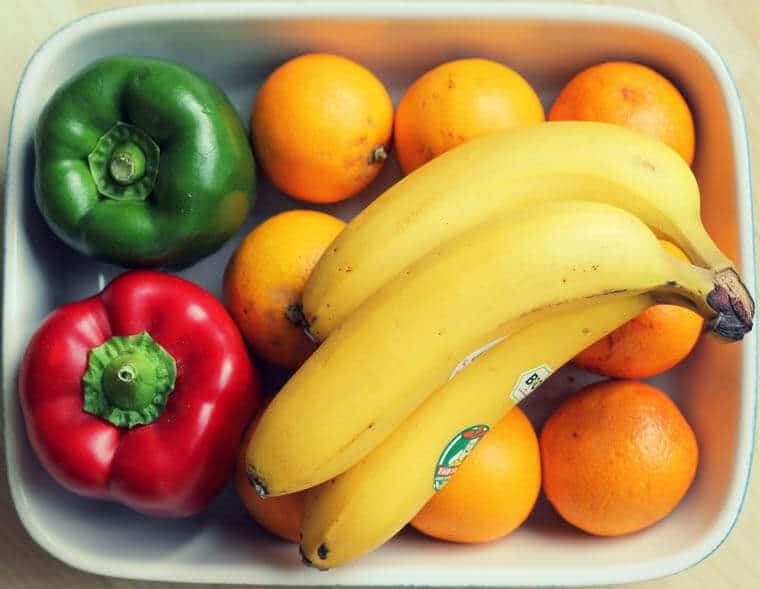
A white dish with bell peppers, oranges, and bananas.

“Good” and “bad” foods

Why do humans love to dichotomize and categorize everything? By labeling foods “good” and “bad”, we give food power and give ourselves a ton of shame and guilt. When we eat “bad” foods we assume we too are “bad”, and when we eat “good” foods we feel virtuous. Also, research suggests that when we label foods as bad and off limits, that it simply leads us to want it more. Here’s the truth- food doesn’t have any kind of moral meaning unless you assign it yourself. Also, aside from substances are that LEGIT poisonous like rat poison (which I would say are bad for us), all foods have redeeming qualities. Sometimes that quality is going to be protein or vitamin E, and sometimes it’s going to be the pleasure it provides, or memories it brings back. Whatever it is, you’re eating it for a reason and that reason is “good” enough. Strip foods of these nutrition buzzwords and you’ll quickly find that those “bad foods” lose their power and allure.

A man standing holding a lot of snacks in his arms.\"

Clean eating

When I was a kid I used to ask my mom to wash my grilled cheese because the browned bread seemed “dirty” to me. Obviously as an adult I now see the idiocracy in that (especially knowing that the brown = flavour!). This is what comes to my mind when I hear people say “clean.” This is one of those nutrition buzzwords that remind me of the “bad” food / “good” food mentality and it really just has to stop. When we describe food as “clean” we insinuate that other foods are “dirty” and that again, we take on a dirty, worthless, lazy, gross persona by eating that “un-clean” food. Remember my chat about orthorexia? When we become obsessed with eating clean, we run the risk of slipping into a disordered pattern of eating. Trust me, that is so far from the healthy you’re after. I suggest losing the labels, dropping the nutrition buzz words and learning to find a place and time for all foods.

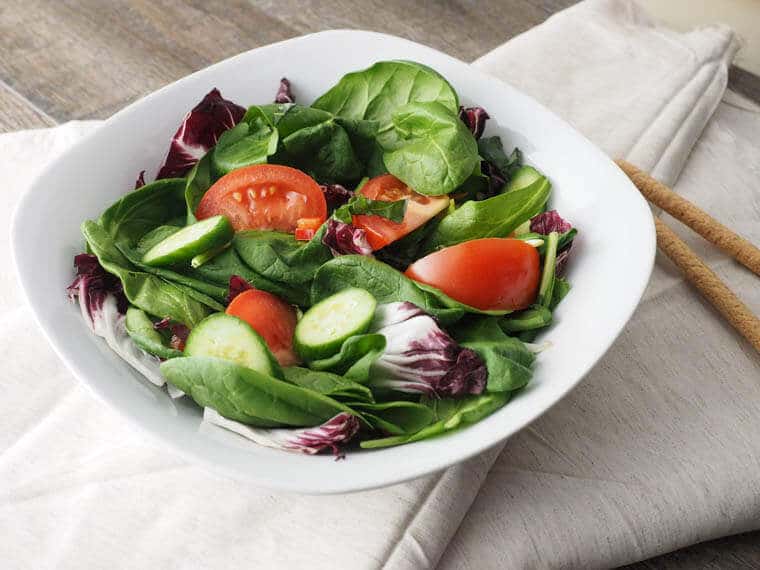
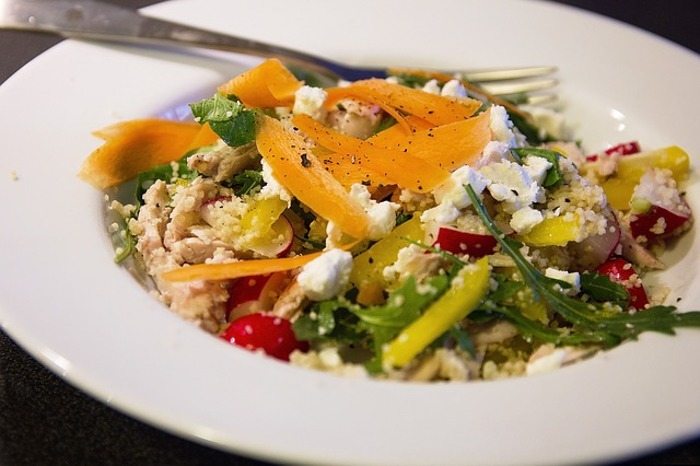
A white plate with a garden salad.

Inflammatory

I hear this one all the time when quacky nutrition “experts” describe the impact of dairy/ gluten/ sugar/ MSG / white flour/ meat / whatever food they’ve decided is “bad” (see above) or plug a specific food or supplement as “anti-inflammatory”. What’s interesting about the word “inflammatory” is that it’s just a natural process that happens in our bodies when we exercise, age, are pregnant, and get sick. One form of inflammation called oxidation is a natural occurrence, but can be enhanced by smoking, excess drinking, pollution, certain drugs, sun damage, radiation etc. When there is too much oxidation it can lead to oxidative stress, which can cause cellular problems and certain illnesses. From a nutrition perspective, antioxidants are one way we can combat the effects of oxidative stress. Remember, we talked about it here! One diet that has shown to be high in antioxidants (and therefore more likely to help reduce the risk of oxidation) is the Mediterranean Diet. But that’s just ONE piece of the puzzle. Inflammation is a complicated condition that cannot be solved (or promoted) with one single food or behaviour. So if someone is trying to sell you a supplement or diet as anti-inflammatory or shame you for enjoying an “inflammatory” hot dog at the ball game, you can be sure it’s a real stretch. See the bigger picture here! If you stick to a balanced diet rich in fruits and veggies (which are great sources of antioxidants), kick the party habits (smoking, drinking and drugs), and exercise regularly, you’ll be in pretty great shape.

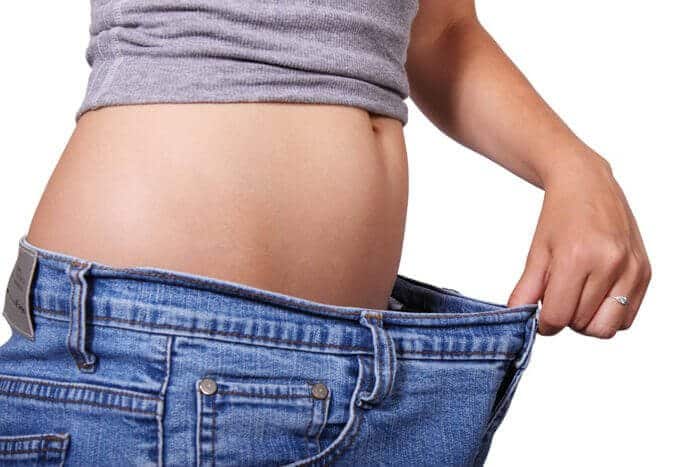
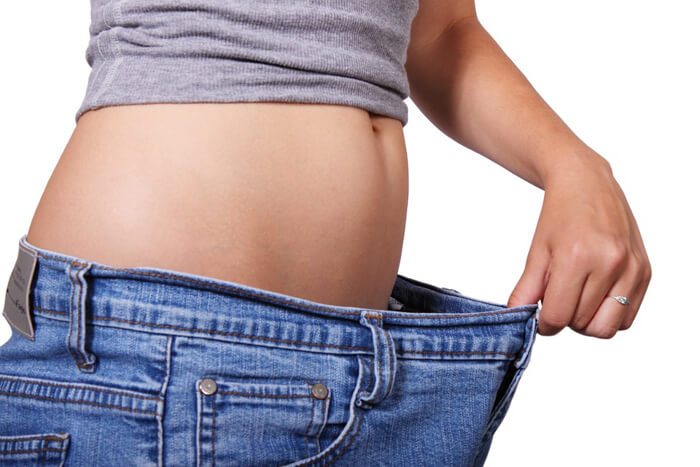
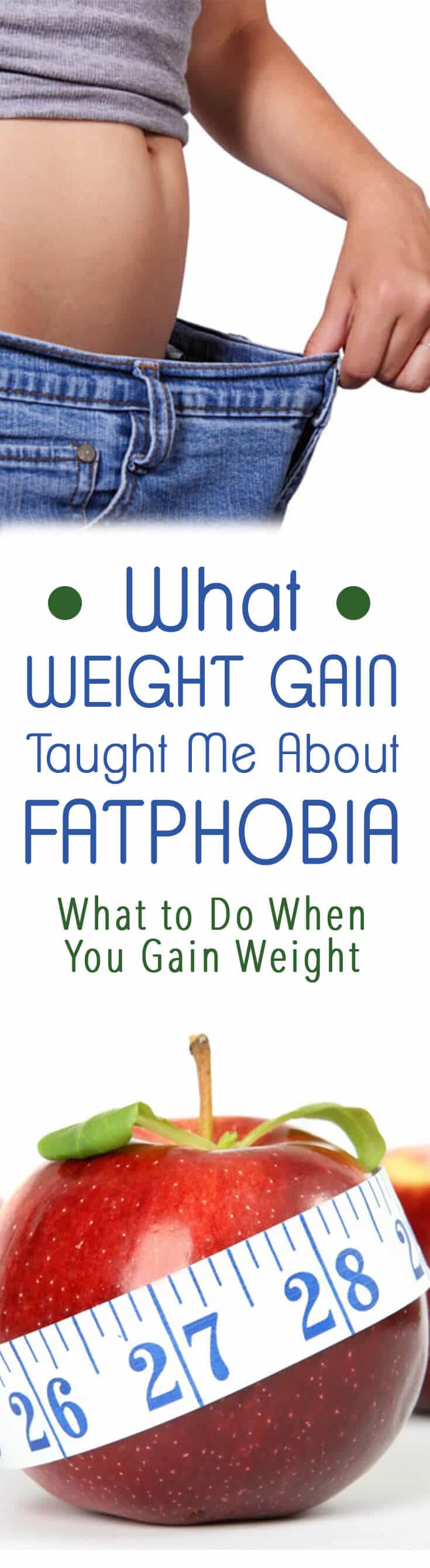
A weight loss photo, standing in a pair of too large jeans.

Detox & Cleanse

You know I can’t stand this shit. There are so many so-called detox and cleanses out there, all promising that they will flush the toxins right out of your body to yield a squeaky clean body inside and out. Some suggest you’ll lose weight, others promise better skin, gut health and clear thinking. The bottom line is that we have a liver, kidneys, skin, digestive tract and lungs to do all that for us- we don’t need another $10 bottle of putrid green juice. Honestly, I may get some hate mail over this, but I see these cleanses as sadly one of the most socially acceptable forms of disordered eating of our generation. If dieting and restricting calories is uncool these days, cleaning or detoxing is praised and health-washed. The jig is up, guys. Put down the juice and eat-real-food. Really want to cleanse? Check out my science-based detox cleanse tips here (and hint: you’re probably doing most of these things already).

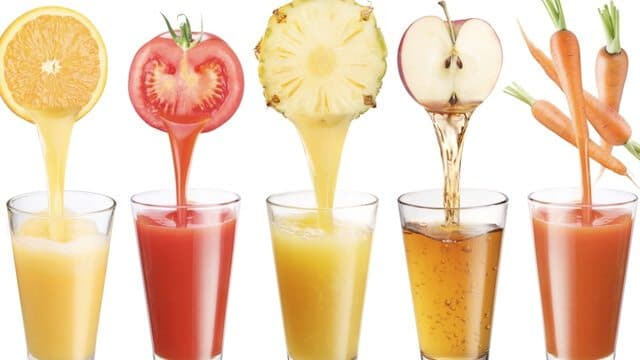
Glasses of juices with the fruit on top.

Bottom Line on Nutrition Buzzwords

Guys, I know you probably all know this but these nutrition buzzwords are all used as marketing strategies to get consumers to buy more products/books/diet plans that are usually not even backed up by sciences. I know science is not nearly as sexy as sensationalized media headlines, but science actually works. So until someone can show me what clean eating really means in the literature, I’ll be over here enjoying my regular un-sexy, un-super but amazingly delicious salmon sandwich and blueberry kale salad.

A pinterest image of salad and weight loss with the overlay text \"Nutrition Buzzwords That Are Full of Sh*t Superfood, Clean, Detox and More!\"

Contribution by RD2B Maxine Seider

Abbey Sharp

Abbey Sharp is a Registered Dietitian (RD), regulated by the Ontario College of Dietitians. She is a mom, YouTuber, Blogger, award winning cookbook author, media coach specializing in food and nutrition influencers, and a frequent contributor to national publications like Healthline and on national broadcast TV shows.
www.abbeyskitchen.com/about-abbey/

Last Updated October 23, 2020. Published January 11, 2017 By Abbey Sharp 42 Comments

What WEIGHT GAIN Taught Me About Fatphobia | What to Do When You Gain Weight

weight loss multi-level marketing

In this candid tell-all, I share my story about what weight gain taught me about fatphobia, losing control, “Set Point” theory & acceptance, as well as what to do when you gain weight unexpectedly.

Hey all, happy new year! While usually this time of year I am fighting the hard fight against unrealistic weight loss goals and cleanses, I wanted to take a moment to reflect on something really real that I’ve been struggling with. Gaining weight.

I know, I can see a lot of you are probably rolling your eyes in a “join the club” chorus, but here’s the thing – I never thought it would happen to me. Sound familiar? Read on.

Let me tell you a story.

I used to be the skinny, lanky, string-bean girl in school. My biggest insecurity for most of my life was having pencil-thin arms and a gaping space between my legs (something the internet has now labelled desirable under the affectionate moniker “the thigh gap”.)  I eventually “filled out” and settled into my comfortable weight of 125 lbs. I should mention that I never weigh myself at home, but I do occasionally see the number on the scale with my doctor or dietitian and so I know that 125 lbs is where I have been for most of my adult and young adult life. While that may seem low or high to you in the context of your life, this was the number that felt “normal” to me.

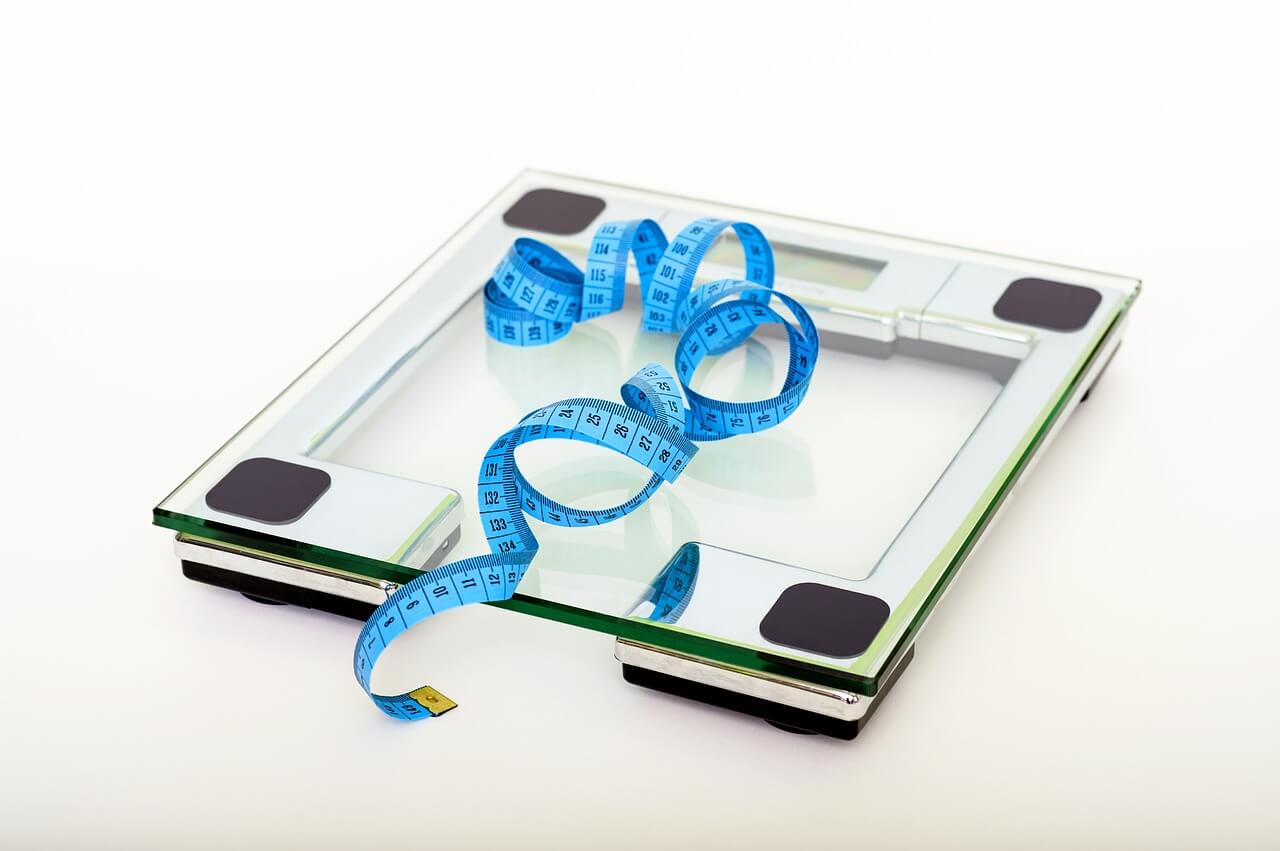
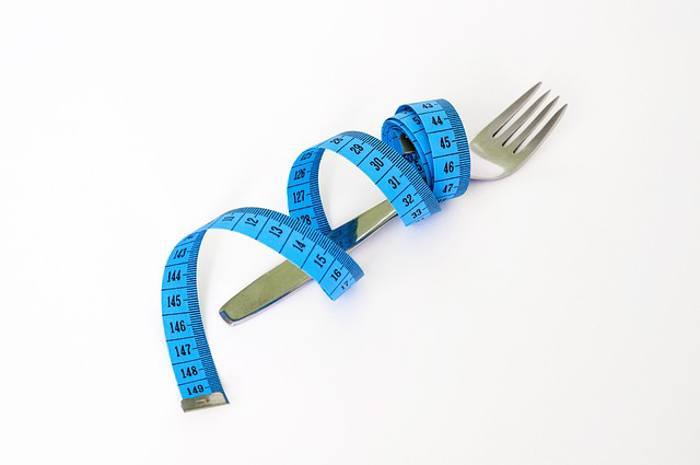
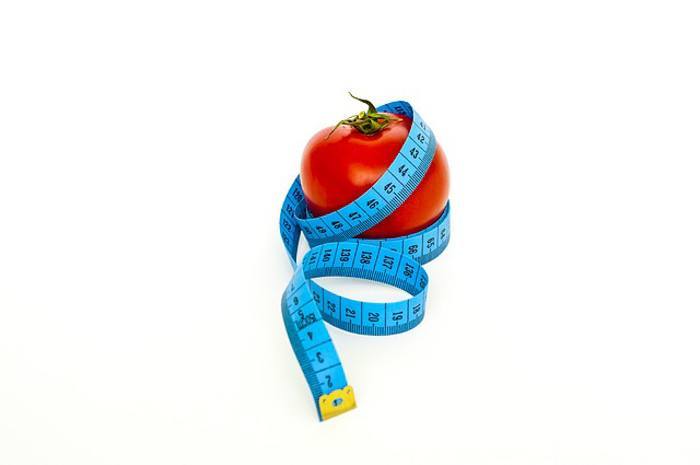
An image of a scale with measuring tape on top.

This “normal weight” is what we call “set point”, or the idea that our bodies have a pre-determined weight range, and they will defend that weight despite changes to our caloric input and output. My adult set point had always been around the 125 lb mark.

That is, until last September. Within what felt like a matter of just a few weeks this past fall, I gained 12 lbs and grew out of ALL of my clothes. Oy, even brand new bras I had just bought a month before no longer could contain my girls. This would have made total sense had I crash dieted before my wedding and binged for weeks after, but that wasn’t the case. In fact, I had purposefully worked on building metabolism boosting muscle and eating MORE in the months leading up to my wedding, only to continue on my fitness journey after the big day.

Abbey Sharp in a wedding dress standing in a balcony.

So WTF happened? I’m not totally sure (and yes, it’s literally my job to be able to figure these things out). It could have been a shock to my body after coming off the birth control pill (something I had relied on for 15 years), or maybe despite my best efforts to eat mindfully, maybe I was taking in a wee bit more calories on recipe testing days for my book. Either way, it seemed like a fast dramatic leap considering my body’s long history at 125 lbs and the consistency of my lifestyle.

Now I wish I could put on my weight-neutral dietitian hat and tell you that I just brushed it off because the research suggests that weight doesn’t matter. I wish I could tell you that I embraced my changed body and bought a whole new wardrobe with enthusiasm. I wish I could tell you that I never mourned the body I had felt comfortable in for years that seemingly slipped through my fingers only weeks before. But it would all be a lie.

I’m human, just like all of you. I have insecurities. I have worries. I have deep-seeded beliefs just like all of you. And gaining those 12 lbs helped me unearth some truths I wanted to share with you.

Weight gain photo.

[clickToTweet tweet=”Weight gain got you down? I share my experience and offer suggestions on getting out of the funk!” quote=”Weight gain got you down? I share my experience and offer suggestions on getting out of the funk!” theme=”style1″]

Lessons from Gaining Weight

We Hate Losing Control

I’m the first to admit it, I’m a total control freak and had struggled with controlling the quality of my diet in the past with orthorexia. Since then, I worked SUPER hard to improve my relationship with food so that I felt I was putting the control in my body’s court, and I was just responding by nourishing it accordingly. I felt good about my progress and it seemed to be working well. I got hungry, I ate. I felt satisfied, I stopped. The routine was working well since I rarely let myself get too hungry or too full and my body was getting stronger. But when I suddenly gained weight unexpectedly, I felt like maybe the communication between my body and brain was failing. And if something unexplainable was failing that I didn’t know how to fix, I worried I no longer could predict the outcome of me listening to my body. Was I just going to continue to grow and grow and grow uncontrollably while listening to my body? Was the only way for it to stop to break this trust I had built with my body? It was a confusing and frustrating place to me.

A cherry tomato.

Our Set Point Can Change

That brings me to my next learned lesson- set point theory. A lot of people get stuck reminiscing about the weight or dress size they “always were” when they were younger, making it next to impossible to ever accept what age and other life stages (ie. Pregnancy) may bring. I used to see family around me complain all the time about their aging body and I would roll my eyes and think they were silly for expecting they would fit into their 20-year old jeans. Now that I’m there myself, I understand the disappointment. When you’ve been buying the same size jeans for 15 years, and eating the same amount since highschool, a sudden shift feels like you no longer “know” your body. Now you’ve got to relearn how much food you need to satisfy hunger, how big a slice of cake you can have before you feel sick, and how many minutes in the gym will help stimulate muscle growth. You’ve got to figure all of this out WHILE coming to terms with the fact that your damn expensive clothes don’t fit. It fucking sucks.

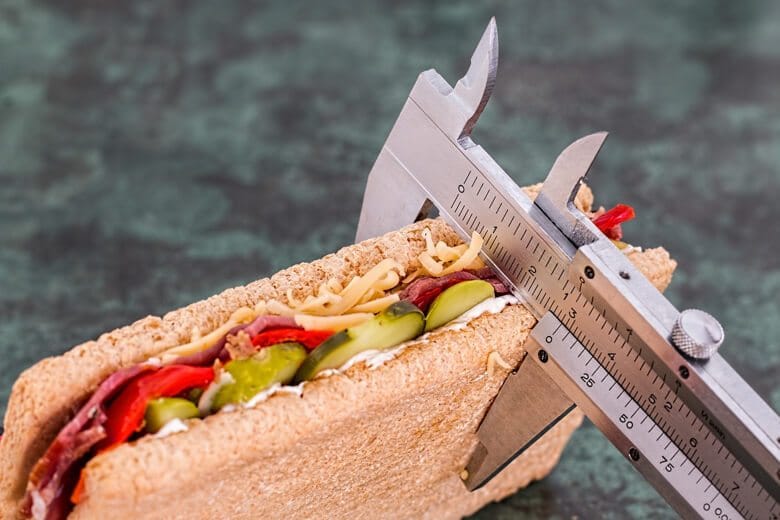
A tool measuring the thickness of a sandwich.

While I always “knew” that set points can change, I now know from experience that they may seem finite when we’re happy in them, but changes in metabolism and hormone levels can cause big changes over time. I’m almost 30 now and every year I have worked harder in the gym and eaten more mindfully and nutritiously only to keep my weight the same. As my body prepares itself for pregnancy (and no, I’m not pregnant now), it only makes sense that it’s going to change beyond my ability to adapt my lifestyle to it.

It’s Easy to Suppress Fatphobia When You’re Thin

In both my professional and personal life, I have supported a weight-neutral approach to food and nutrition. I believe in the research that suggests weight is a poor predictor of health outcomes and therefore promote mindfulness rather than restrictiveness. But until I started to gain weight myself, I never really experienced my own internalized fatphobia that was hidden deep under my own education and surface acceptance. I never had to dig down into those bowels before because I myself, was slim and never struggled with gaining weight.

Seeing myself gain weight so quickly brought forward some pretty ugly thoughts and feelings that I was sure I never had.  I felt guilty that I had somehow “failed” at listening to my body (even though I actually know my body likely had its own agenda I couldn’t control.) I looked at myself in recent photos and videos (the terrible reality of working in media) and criticized every lump, bump and curve. I worried for the first time in my life that family were silently judging me when I ordered dessert. If I heard someone passing these types of judgements on someone else, I would literally rip their head off, but I had no such kindness left for myself.

Sometimes when you’re deep into a painful experience, it can seem next to impossible to shift your perspective to what really matters. It’s hard to see the bigger picture and embrace the change as part of the amazing cycle that is life. But I had to find my way out of the funk before it consumed my relationships – those with my husband and with myself. I also knew I needed to build some strategies out now while it was only a stupid 12 lbs- I would have many more life milestones ahead that would bring body changes (like pregnancy, for example).

So I resolved to make some fundamental changes to my mindset with these easy steps.

Stop Fighting It

I could have continued to try to exercise more and eat less to adjust for my age-related slowing metabolism or shift in reproductive hormones, but I didn’t want to do more harm than good. I know that dieting and restricting calories often only leads to a reduced metabolism which can then lead to further weight gain.

Focus on the Positives

Over the past year, I have gained a shit ton of muscle and that was my original goal. Maybe your positive is that gaining weight gave you boobs you always wanted (okay that’s enough plus for me), or it boosted your mood, or you sleep better.

Throw Out Old Clothes

Feeling uncomfortable tight clothing seemed to always elicit a mini meltdown so I vowed to pack up any dresses or pants that no longer fit and go shopping for some new clothes that made me look and feel great. I realize this isn’t an option for everyone, but this may be a good opportunity to partake in a clothing exchange or spend an afternoon exploring the goods at your local Value village.

Question the Media

Not that I’ve ever been a “People Magazine” kinda girl, but I definitely made an extra effort not to look at some of the unrealistic images in the media. Instead, I started watching more stand up comedy and improv where you see men and women rocking a wide range of sizes and shapes. And man are they confident. That confidence is totally addictive so binge watch away.

Surround Yourself with Body Positive People

When it comes to body talk, we have two types of people in our lives- ones that eat whatever they want (healthy or not so healthy) but they keep the food and body shaming to themselves. They don’t criticize their own bodies and they don’t comment on anyone elses. It’s like they just don’t think about it. Then there are those who are always pointing out their flaws and talking about their diets. If you’re struggling with silent negative self talk, try to surround yourselves with the former group. The less you hear about it, the more you’ll realize no one gives a shit and you shouldn’t either.

Guys, I am not perfect, but I have learned a lot about myself through this experience and have come out a much stronger, more resilient person. Some people spend their whole life waffling between struggling to lose weight and making peace with their bodies after unexpected weight gain, and some just never even think acceptance is an option. I am sure I will have bad days, but I’m feeling pretty good about where I’m at now- 12 extra pounds and all.

Now I want to know:
Have you gained weight unexpectedly?
What did you do?
What did you feel?
What are your experiences with fatphobia?
How did you get over it and recover your relationship with your body?
Leave me a comment- I would love to hear your story!


A pinterest image of diet symbols with the overlay text \"What Weight Gain Taught Me About Fatphobia What to Do When You Gain Weight.\"

Abbey Sharp

Abbey Sharp is a Registered Dietitian (RD), regulated by the Ontario College of Dietitians. She is a mom, YouTuber, Blogger, award winning cookbook author, media coach specializing in food and nutrition influencers, and a frequent contributor to national publications like Healthline and on national broadcast TV shows.
www.abbeyskitchen.com/about-abbey/

Last Updated October 23, 2020. Published January 3, 2017 By Abbey Sharp 31 Comments

The Paleo Diet – Good or Bad New Years Resolution?

Paleo Diet

If you’ve left your house in the last year, you’ve probably had a friend, colleague or that chatty person beside you at the coffee shop talk about the paleo diet trend. But let me catch you up on what it’s all about if you’re feeling a bit out of the loop. The basis of the paleo diet means you’re eating like our caveman ancestors did. This equates to eating mainly meat, fish, vegetables and a bit of fruit while excluding “modern” foods such as dairy or grain products and processed foods. Paleo diet enthusiasts have many variations of this diet that may include cutting out caffeine, consuming only grass-fed products or dairy if it’s unpasteurized. With promoters claiming better digestion and absorption, long-term weight loss, reduced bloating, and anti-inflammatory benefits- it sounds pretty promising! Is this the right new years resolution for you? I’m going to take us into the nitty-gritty of what the evidence has to say about this diet trend.

paleo_diet_3_of_7.jpg

Back to the Palaeolithic era

Let’s start with the initial concept of the paleo diet plan- eating like our Palaeolithic caveman ancestors between 2.5 and 10 million years ago. This was the time humans were living in hunter-gatherer communities. This means they were foraging for seasonal berries and nuts while chasing mammals to exhaustion, spearing them (if they were lucky!) and carrying them back for miles to their group. And the cooking methods they used? Charring meat over an open fire while eating the majority of all other foods raw. You’re probably starting to see some marked differences in how modern society is living. With the convenience of vehicles, grocery stores readily available and kitchen appliances galore we are definitely living a completely different lifestyle.

What does eating on a Paleo Diet look like?

Breakfast: Bacon and eggs, with a piece of fruit

Lunch: Burger (no bun) fried in butter wrapped in lettuce with some salsa

Dinner: Fried pork in butter with vegetables

paleo_diet_1_of_7.jpg

Breakdown of the Macronutrients in the Paleo Diet

The paleo diet is recommending almost half and half protein and fat with very little carbohydrate. Although our bodies can survive without carbohydrates, we go into a state of ketosis when we’re using fat as our main energy source. And what does ketosis mean? Well, if you’ve ever met someone on a low carb diet you’ll often find they’re very irritable- that’s because our bodies weren’t meant to function without carbs. Evidence of this, in simple dietitian terms, is that our bodies are limited in the amount of protein we can consume at each meal. It varies largely depending on the person depending on activity level, but we know an average of 15-30% of our calories should be from protein and that ideally you should aim for around 25-30 grams per meal. Much more than this (without compensating with a super strenuous exercise regime), and you may cause unnecessary excess stress on your kidneys. Not to mention the paleo diet is recommending animal sources of protein only such as beef, pork and chicken, which can be high in saturated fats and cholesterol.

paleo_diet_7_of_7.jpg

That brings us into the issue of high amounts of fat, which largely come from meat sources if you’re following a strict paleo diet. More lenient followers may also rely on oils, avocado and nuts although lean protein sources such as legumes and soy products are prohibited. A high fat diet has some serious concerns, just as a high protein does. These include increased risk of heart disease (though new research on this is divided), possible weight gain and constipation. There is new evidence coming out to suggest a ketogenic (or very low carb) diet may help with long term weight loss in obese patients, although further research is needed on how these diets will affect renal function long term. As mentioned above, the diet is low in carbohydrates which creates additional concerns due to lack of fibre and constipation, essential B vitamins, high cholesterol, kidney problems and increased osteoporosis risk. You can see a lot of these risks overlap with those listed above.

paleo_diet_6_of_7.jpg

CLAIMS
Better Digestion and Absorption on Paleo Diet

First off with digestion, see above for what happens with decreased fibre intake (hint: not-so-sexy constipation!). Then we get into the reason this claim was made: it’ based on the concept of consuming mainly meat, veggies and a bit of fruit and nuts to eat like our ancestors in the Paleolithic era.  This is built on the assumption that these are the foods our ancestors were eating.

A growing body of research from a recent article suggests that our ancestors may have been more of vegetarians than previously thought. It’s believed that our descendants mainly foraged on berries, seeds and vegetables while the occasional meat was only consumed when an animal could be caught or the scraps from a recent kill would deem them lucky. This new evidence is directly contradicting to the meaty focus of the paleo diet.

Still not convinced? I found another great article that discusses some preliminary thoughts about the gut comparison of primates (our oldest ancestor) to that of humans. Primates and humans are believed to have a remarkably similar gut, and what do primates primarily eat? They ate fruits, nuts, seeds and insects, with the occasional snack of meat. An anthropologist wrote an article with similar findings of our ancestors gut comparison to primates. Now I’m not saying we should all be eating like chimps, but this gives us insight into what our guts we’re initially designed to eat. Despite being extremely evolutionarily advanced in the sense of our brains, immune systems and dexterity, our digestive systems are pretty average. The large-scale gut has stayed the same, but we have made evolutionary changes in regards to enzymes and the ability to digest certain foods. An example of this is being able to digest milk as adults. Through evolution we developed a genetic mutation so that our bodies can digest dairy through the enzyme lactase. Likewise, the bacteria colonies in our gut have also changed to adapt to the type of foods our modern society is consuming.

paleo_diet_4_of_7.jpg

Long-Term Weight Loss on Paleo Diet

First of all, this diet is fairly strict cutting out two major food groups: dairy and grains. Dairy products been shown in several studies to help with weight loss and maintenance (here & here). Not to mention the calcium, potassium, magnesium and vitamins D, A, B12 which are rich in dairy. These vitamins and minerals work together to help build strong bones, reduce blood pressure and decrease cardiovascular disease. Still not convinced? Cultured dairy products contain probiotics, which will create a healthy, happy gut flora!

Grains are strictly cut out of all variations of the paleo diet and have gotten quite the bad rep in the last few years. On the contrary, whole grains have been shown, among many other benefits, to be associated with a lower BMI and central adiposity (here, here & here). One great article, a large comprehensive review of the scientific evidence, found that a diet high in whole grains and legumes (both prohibited on the paleo diet) was associated with significant weight loss. I did find one meta-analysis that showed short-term improvements in metabolic syndrome components by following the paleo diet over traditional dietary interventions, although my concern here is with the long-term compliance.

paleo_diet_2_of_7.jpg

Basically, this reassures the age-old recommendation: stick to any diet you can follow for life!

Reduced Bloating on Paleo Diet

The claim behind reduced bloating on a paleo diet is that the diet is high in fibre and limits sodium. Now, increased fibre and decreased sodium will help reduce bloating, but is true of the paleo diet? Fibre is mainly found in our diet from whole grains, fruits and vegetables. Now we know whole grains are cut out of the picture, fruit is limited and vegetables are in abundance. So this diet won’t be low in fibre, but I would say it would be hard to sustain a high fibre diet consuming mainly meat and veggies.

And with reduced sodium? A major source of sodium in our diets is processed foods, which are cut out of the paleo diet- awesome! But you can’t forget sodium can also come from sauces, how the food is prepared and salt that may be added at the table. Added salt isn’t a restriction in the paleo diet, so if people were adding to their foods before going paleo, they probably still are. Overall, it seems reduced bloating may be a far-fetched claim unless the paleo enthusiast was actively trying to increase fibre and reduce sodium.

Anti-Inflammatory Benefits on Paleo Diet

Promoters of the paleo diet claim that inflammation, a leading factor of heart disease, is reduced on the paleo diet. Let’s delve deeper into this statement.

First is the reduced inflammation claim. Now, we need to remember that inflammation is caused by a huge number of factors, but we’re going to focus on the dietary component. The evidence around the effectiveness of an anti-inflammatory diet is lacking although the principles of what it includes are healthy choices. These foods contain fish, fruit, vegetables, whole grains and healthy fats while avoiding red meat.  I would agree, those are healthy food choices, but they’re not consistent with the paleo diet, which limits fruit, avoids whole grains and promotes meat. Omega-3 is a key player in the fight against inflammation and one of the best sources of omega-3, is fish. So if you’re increasing your intake of fish on the paleo diet, yay! Keep going!

The second aspect of this claim, that cardiovascular disease will be reduced, is a whole other topic. A “heart healthy diet” has been researched extensively and we know a diet low in cholesterol, saturated fat, and refined sugars will reduce the risk of heart disease. I believe their evidence to support this claim was the higher omega-3 intake, but what about the increased saturated fat and cholesterol intake we talked about above? Then we hear the claim, well, our ancestors didn’t have modern diseases like heart disease, diabetes and obesity. A recent study in The Lancet found that, opposing to this idea, 47 of the 137 ancient mummies they studied from around the world had definite or probable atherosclerosis. This indicates it’s not solely our modern lifestyle promoting chronic disease. And even if these diseases weren’t as common among the Palaeolithic people, they faced diseases our industrialized world doesn’t have to worry about such as poor sanitation and a lack of modern medicine that led to their short life spans.

Take Home Messages on Paleo Diet
  1. Our guts and lifestyles aren’t the same as our Palaeolithic ancestors, so there is little logic in trying to eat like them
  2. There are some definite benefits to eating the “paleo way” including cutting down on all the processed crap we consume which is packed with sodium and has less protein, fibre and nutrients.
  3. Very high intakes of red meat and some saturated fats may be linked to cardiovascular disease while whole grains and legumes have been show to decrease this risk
  4. Dairy and whole grains, which are both cut from the paleo diet, have been shown to help maintain long-term weight loss
  5. You will have reduced bloating only if you’re following a high fibre, low sodium paleo diet
  6. There may be benefits to the Palaeolithic diet in decreasing markers of the metabolic syndrome, but more research is necessary
  7. The best diet is one you can follow for life and will include all foods in moderation

paleo_diet_5_of_7.jpg

What do you think of the paleo diet? Do you plan to try it as part of your new years resolution? Have you had success with it in the past? Leave us a comment below!

A pinterest image of paleo friendly foods with the overlay text \"The Paleo Diet Good or Bad News Year Resolutions?\"

Contribution by AK Dietetic Intern Tiffany Schebesch

Abbey Sharp

Abbey Sharp is a Registered Dietitian (RD), regulated by the Ontario College of Dietitians. She is a mom, YouTuber, Blogger, award winning cookbook author, media coach specializing in food and nutrition influencers, and a frequent contributor to national publications like Healthline and on national broadcast TV shows.
www.abbeyskitchen.com/about-abbey/

Last Updated January 2, 2017. Published January 2, 2017 By Abbey Sharp 22 Comments

Skip the Post-Holiday Detox Cleanse for Weight Loss with These Top 10 Tips

detox cleanse

You ate your weight in pie and shortbread and now you’re wondering if a detox cleanse diet is the only way to lose weight fast.  I totally can appreciate the panic. There were cocktail parties every night, truffles on every office desk and most days you ate leftover mini sausage rolls for lunch. But after the hangover clears on January 1st, it’s easy to do a 180 and flip into detox diet mode. No sugar. No gluten. No alcohol. No fun. Got-to-drop-15-pounds-like-NOW. If this sounds like your current state of desperation, take a deep breath, watch my video on the detox cleanse and how to lose weight fast and meet me back in here two.

Done? The bottom line here is that detox cleanse diets don’t work in the long run and can actually do more damage than good (on your metabolism and your relationship with food). After a period of unbelievable pleasure (aka. the holidays), the sudden cut off can send us into an uncomfortable cycle. We binge, we feel guilty, we restrict, we feel deprived, so we binge again. The result? Sometimes we end up heavier than we were in the first place. Eek! No thanks.

new_years_resolution_2_of_4.jpg

So if you find yourself waking up in 2016 with these feelings of guilt and the assumption that a cleanse will lead to sustainable weight loss (that’s not water or muscle mass), read on my friends. I have a better solution. Actually, not just me, but a bunch from my favourite Registered Dietitian colleagues. You can skip the painful detox cleanse and try some of these real, easy, evidence based ways to get yourself back on track (for good) after a holiday bender.

Check out these Post-Holiday Tips (Spoiler Alert- Non Include a Detox Cleanse)

TIP 1: Entertain at Home. The past few weeks of parties and get togethers were likely really fun, and nothing is worst than looking back on a period of pleasure and seeing nothing holly jolly ahead. I mean, it’s already freezing outside, let’s not make our lives any worst. Instead, vow to host dinner parties and date nights in where you can prepare your meal with a little less fat, sugar or salt, and you won’t feel so obligated to finish the pricey bottle of wine in one sitting. You’ll save calories and cash, and still have a blast. January doesn’t have to be a solitary, fun-free time of year – keep the celebrating going in the comfort of your own home! -Abbey Sharp, RD Owner, Abbey’s Kitchen at https://www.abbeyskitchen.com

TIP 2: When you want to snack, ask yourself if you’re truly hungry. If you aren’t, do something soothing for yourself, such as lighting a candle or making a mug of herbal tea. If you still have the urge to snack after doing so, determine what texture you’re craving. If it’s the crunch of chips, have a handful of baby carrots instead; half a cup is only 35 calories, yet the crunchy texture may satiate your craving. If you’re craving the smooth texture of ice cream, try reaching for applesauce instead. -Amy Gorin, a Dietitian in the New York City area and a contributing blogger for WeightWatchers.com at amydgorin.com & weightwatchers.com/theeatlist

new_years_resolution_3_of_4.jpg

Tip 3- Don’t Starve Yourself. While your immediate thought may be to cut way back on calories after overdoing it during the holidays, don’t deprive yourself. Start the day with a balanced breakfast with a mix of protein, fiber and healthy fat to aid digestion and help balance out your blood sugar. Try two eggs scrambled with veggies and a slice of whole grain toast. Pay attention to your hunger throughout the day, and don’t skip a meal thinking you’ll save calories. This is guaranteed to backfire, setting you up for more binging later on. Stick to 3 balanced meals plus snacks. – Alissa Rumsey, New York City-based Registered Dietitian and Spokesperson for the Academy of Nutrition and Dietetics at www.alissarumsey.com

Tip 4- Be social! Sure, the New Year may bring with it resolutions to lose weight and get in shape, but don’t isolate yourself just because your avoiding the Happy Hour apps! Studies show that when you remain social and interact with your friends, your happier, healthier and more motivated to achieve your goals overall! -Elizabeth Shaw, MS, RD, CLT of Shaw’s Simple Swaps at www.shawsimpleswaps.com

Tip 5- Stick to a schedule. Regardless of your day to day obligations, it’s important to establish and stick to both an eating and exercise schedule. Missing a meal or fitness is the first step in a downhill spiral, there’s always time for both! Remember how great you feel as soon as you finish a workout and let that reminder fuel your energies when you feel like skipping. – Elizabeth Shaw, MS, RD, CLT of Shaw’s Simple Swaps at www.shawsimpleswaps.com

new_years_resolution_6.jpg

Tip 6- Eat Balanced Meals. It’s easy to want a rigid structure after feeling chaotic with food over the holidays.  Often we think restriction is a solution for chaos, but it actually causes it.  Being overly restrictive is like stretching a rubber band until it snaps, and the pendulum swings back over to the chaotic side of the restriction/chaos diet cycle.  I don’t think anyone wants that, but you probably do want a plan, or some sort of flexible and sustainable structure.  So instead, focus on eating well balanced, nutrient dense meals and snacks consistently (every 3-4 hours) during the day.  Every body process (which makes up your metabolism) functions better with regular nutrition.  Aim for a carbohydrate (fist size), a protein (palm size), a fat (thumb size) and a fruit and/or vegetable at each meal. Emily Fonnesbeck RD, CD, CLT at emilyfonnesbeck.com

Tip 7- Up the Veggies. If you’re looking to “detox” after a holiday full of sweets and treats, start by adding at least one serving of vegetables to both lunch and supper (bonus if you can fill half your plate). The veggies will provide your body with fibre, water, and nutrients (which it may have been sorely missing over the past few weeks), as well as help cut down on portions of the other foods on your plate. – Jennifer Jones, RD at www.nutritioniq.ca

Tip 8 – Be Mindful. Mindful eating can help you tap back into your true hunger and fullness signals- signals which may have been ignored during the holiday feasts. Listening to these cues usually leads to eating reasonable quantities and helps people get back to regular eating patterns.  Mindful eating also involves thinking about food in a non-judgmental way. Looking back on the holidays and feel crushing guilt or overwhelming sense of regret can actually get in the way of eating more moderately. This can seem counter-intuitive to some people who believe that guilt and regret help us make healthier decisions later, but in fact it does the opposite. Instead, think of how you physically and mentally felt after eating too much. Most people aim to leave the table feeling satisfied and satiated. However eating beyond fullness rarely makes us feel good or happier than if we stopped eating a few bites ago. Using these overeating experiences to help guide you to eat more reasonable after the holidays will likely help you more than feeling guilty. Try asking yourself “how do I want to feel at the end of this meal?” and practice guessing how much food you need to fill up before starting to eat. – Lisa Rutledge, Registered Dietitian and blogger at www.custom-nutrition.com

new_yeares_resolution_8.jpg

Tip 9- Think Positively. Instead of thinking you have to go on some huge “crash” diet, just start  off your New Year’s Resolution with a “feel good” healthy diet regime.  Clean up your diet—think of the positives and what you can have, vs.  what you can’t have. Don’t make some aggressive, overly restrictive diet  plan that you will dread. Just make a simple shift to more whole plant foods. Start eating whole grain breakfasts with fruit and nuts, big green salads with beans and veggies for lunch, and healthful dinners  with a source of lean protein, whole grains, and loads of veggies. Make  your dessert at each meal seasonal fruit.- Sharon Palmer, RDN, The Plant-Powered Dietitian, author of Plant-Powered for Life at sharonpalmer.com

Tip 10- Add Healthy Habits Slowly. Each week pick a new habit to focus on and by the end of this year you’ll have 52 healthy habits you’ll have created, likely leading to a healthier, slimmer you (no counting calories or detoxing required!) – Kelli Shallal MPH RD is a Phoenix based Registered Dietitian and Personal Trainer providing one on one online nutrition counseling support and nutrition communications at Hungry Hobby.

See, forget that detox cleanse for fast weight loss. Small manageable changes will undoubtedly make the biggest impact in the end, helping you get back on track without the drama.

What are your no-detox tips after the holidays? Leave me a comment below to help inspire others!

Think you need to "detox" or "cleanse" to lose weight in 2017?...Read this and maybe you'll rethink you're choices.

Abbey Sharp

Abbey Sharp is a Registered Dietitian (RD), regulated by the Ontario College of Dietitians. She is a mom, YouTuber, Blogger, award winning cookbook author, media coach specializing in food and nutrition influencers, and a frequent contributor to national publications like Healthline and on national broadcast TV shows.
www.abbeyskitchen.com/about-abbey/

Last Updated September 1, 2022. Published December 30, 2016 By Abbey Sharp 10 Comments

Is Milk DEADLY? | Milk and Mortality | Dairy Myths Part 5

Milk being poured into a glass.

In part 5 of Dairy Myths, we answer the question is milk deadly? What does the research say about milk and mortality?

We’ve been chatting about the health implications of dairy since it’s been talked about in the media so much lately. In Part 1, we discussed bone health, in Part 2, Weight Loss, Part 3 was Heart Health, Part 4 was Cancer and now we’re talking about milk and mortality. Don’t forget to catch up on the other posts (hyperlinked above) and meet me back here on the flip side.

In part 4 of Dairy Myths, we discuss the questions about milk and cancer - is their a connection, does it seem to prevent or promote it?

Is Milk Deadly? The Research on Milk and Mortality

Okay kids, let’s dive right in. A cohort meta-analysis showed that milk and total dairy consumption (including cheese and butter), were not associated with all-cause or cardiovascular mortality, and milk intake was not associated with cancer mortality (which we covered in Part 4).

In another meta-analysis on mortality by stroke, consuming low-fat, fermented or even dairy in general was inversely linked to stroke mortality. Even high-fat and non-fermented dairy were not connected to risk of stroke. Instead, the higher the total dairy intake, the lower the risk of death by stroke.

Likewise, a systematic review concluded that consuming dairy products does not increase the risk of death, specifically cardiovascular disease or all-case mortality.

In part 5 of Dairy Myths, we answer the question is milk deadly? What does the research say about milk and mortality?

Moving right along here, research on the Taiwanese population found was that there was actually a significant reduction in all-cause mortality and reduction in cancer mortality with higher intakes of dairy (up to 7 times a week).

As for colorectal cancer patients (as we mentioned in Part 4), prospective research suggests that greater amounts of milk and total calcium is linked to lower risk of mortality by colon cancer. Even dairy consumption before cancer diagnosis wasn’t associated with any outcomes of mortality. So is milk deadly? Continue for the full story.

Is Milk Deadly? The Role of D-Galactose

Okay, so it seemed pretty straight talking above with regards to milk and mortality, but it doesn’t mean the research has been totally clear. Two large Swedish cohort studies found that high milk consumption was were linked to higher mortality rates in both males and females.

The authors stated the milk’s content of D-galactose was a possible culprit. However there are two big flaws here – firstly, galactose has been shown to have aging properties in animals and not humans, and secondly, galactose is also found in fruits and vegetables so it’s hard to pinpoint dairy’s exact role here.

In women of the Swedish Mammography Cohort, there was a positive relationship between milk and total mortality, including fractures (especially hip fractures). Similarly, men in the Cohort of Swedish Men showed a higher rate of death with higher milk consumption. Interestingly, this positive association was much stronger in women than in men but the women’s study was a much larger study than the men’s, so it’s hard to compare apples to oranges.

Milk and Mortality: Is Fermented Food the Secret?

Having said that – don’t run away thinking without question that milk is deadly! Within this same study, consumption of non-milk dairy products, specifically cheese and fermented milk products (yogurt and soured milk products), was linked to a reduced risk of death. Women with the highest intakes of these fermented products had lower rates of mortality and fractures, however the inverse risk was either modest or had no effect at all in men. What is unclear (and problematic about this study’s methodology) is that participants may have already been at a higher predisposition for osteoporosis and purposely drank more milk. It’s always tough to really understand what came first with these studies- the chicken or the egg!

In part 5 of Dairy Myths, we answer the question is milk deadly? What does the research say about milk and mortality?

Another cohort study discovered that there was no association between fermented foods (including fermented dairy products) and mortality risk, but rather, that a higher consumption of cheese (i.e. 30 g/day) was linked to a reduction in mortality related to cardiovascular disease and stroke. YAY for cheese!!!

These findings were explained to be caused by D-galactose found in milk, which through experimental evidence on animals possibly lead to chronic inflammation, oxidative stress, reduced immune response, neurodegeneration and changes in gene transcription. The amount of D-galactose that displayed this effect in mice was equivalent to 6-10 grams in humans, which can be obtained from 1-2 glasses in milk (a reasonable portion).

Is Milk Deadly? The Bottom Line on Milk and Mortality

Yes, it’s still a point of contention with some proposed problematic mechanisms, but for the most part, the vast majority of research suggests that milk and mortality aren’t clearly linked and that milk doesn’t inherently cause death.

We’re on the home stretch in our milk and dairy series! We have covered milk and bone health (Part 1), milk and weight loss (Part 2), milk and disease and death (Part 3 & Part 4) and now check out Part 6 where we cover other controversies, milk myths and alternatives!

What are your thoughts on milk and mortality?
Do you think milk is deadly?
Do you drink dairy products?
I would love to hear from you!

In part 5 of Dairy Myths, we answer the question is milk deadly? What does the research say about milk and mortality?

Contribution By:

RD2B Rachel Shim

Abbey Sharp

Abbey Sharp is a Registered Dietitian (RD), regulated by the Ontario College of Dietitians. She is a mom, YouTuber, Blogger, award winning cookbook author, media coach specializing in food and nutrition influencers, and a frequent contributor to national publications like Healthline and on national broadcast TV shows.
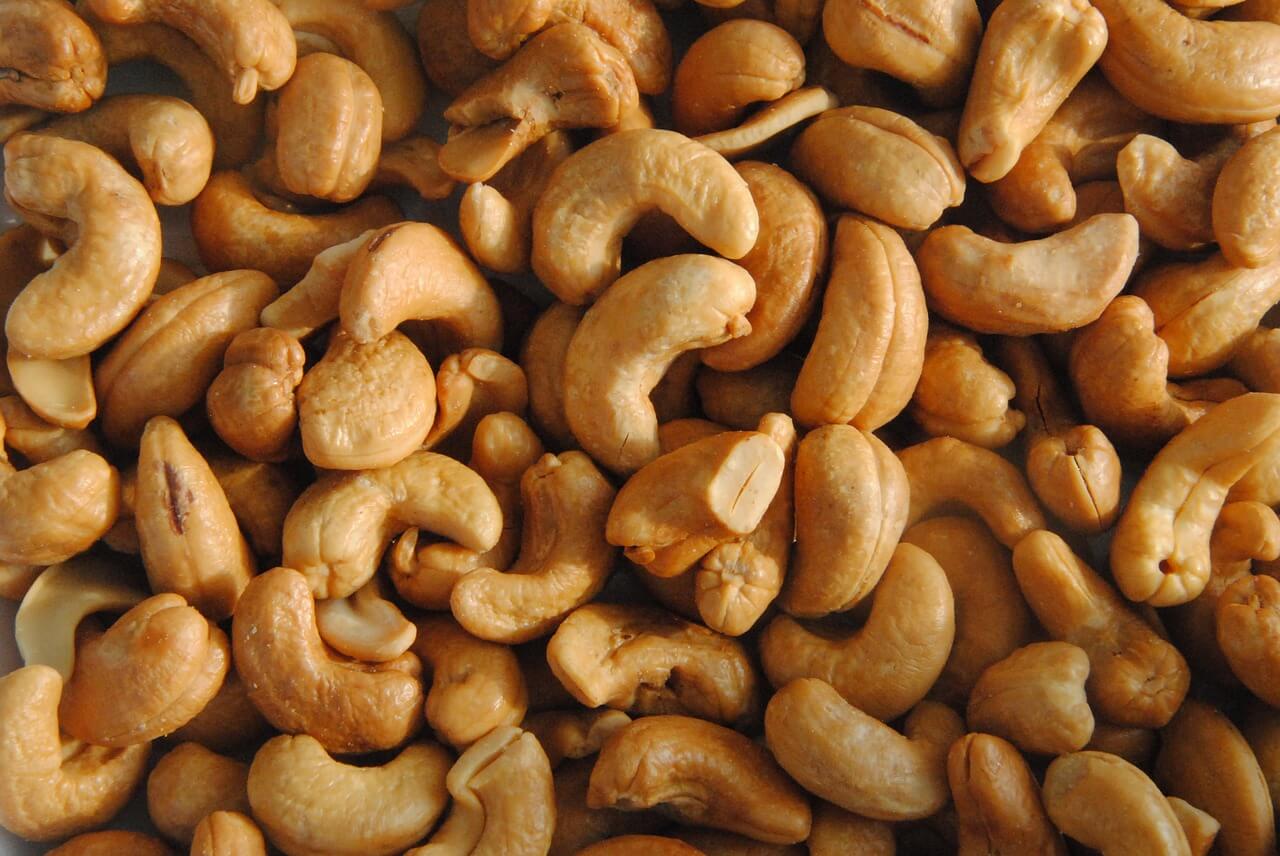
www.abbeyskitchen.com/about-abbey/

Last Updated December 28, 2016. Published December 28, 2016 By Abbey Sharp 16 Comments

Best DIY Beauty Hacks for Smooth, Vibrant Skin

Three easy DIY beauty hacks for delicious looking skin using citrus- one for your face, one for hands and one for crackled elbows and knees.

Keeping up appearances can be expensive, so that’s why I’ve been trying to swap my pricey spa days for some DIY beauty hacks. For some reason I never looked quite as glamourous as Pinterest led me to believe I should. Some of my greatest fails included:

1) Using a cut beet for lip stick

2) Putting guacamole on my face

3) Washing my hair in beer until I smelled like a bar

That last one was a big mistake.

sunkist_video_post_8_of_8.jpg

But after months of experimenting in my kitchen, I discovered how to use the same antioxidant-rich citrus I feed my body in three DIY beauty hacks.

sunkist_video_post_6_of_8.jpg

DIY Beauty Hacks on the Cheap

I always keep a bowl of Sunkist citrus in my kitchen because it’s grown with care by California farmers, hand-picked, fresh and deliver my daily hit of vitamin C.  And while getting nutrient-rich citrus into my body is always priority number one (OMG check out my amazing Grapefruit salad with Quinoa Praline), it’s also a great tool for DIY Beauty Hacks.

sunkist_video_post_7_of_8.jpg

Citrus fruit like Sunkist oranges, grapefruit and lemons offer some serious anti-aging and anti-inflammatory benefits thanks to their B Vitamins, citric acid and collagen-promoting Vitamin C- PERFECT beauty hack food!

sunkist_video_post_4_of_8.jpg

But as fabulous as it feels and smells on your skin, make sure to wash everything off before you go out. Not only is that never a good look, but direct sunlight + citrus may result in unwanted skin irritation. Best to keep our beauty secrets private 😉

sunkist_video_post_1_of_8.jpg

Who needs overpriced spa days and fancy beauty products when you can create DIY beauty hacks out of the citrus in your fridge! If you’d like to see me create these recipes, check out the YouTube video here and be sure to subscribe to my channel!


Visit the Sunkist website or check them out on Facebook for even more ways to integrate citrus into your health and wellness routine!

 Freshen up your dull skin with these DIY beauty tips!
 
Print Recipe
5 from 2 votes

Lemon Face Exfoliant

Three easy DIY beauty hacks for delicious looking skin using citrus- one for your face, one for hands and one for crackled elbows and knees.
Prep Time5 minutes mins
Cook Time0 minutes mins
Total Time5 minutes mins
Course: other
Cuisine: other
Servings: 1 -4
Calories: 184kcal
Author: Abbey Sharp

Ingredients

  • 1 oz ground almonds
  • 1 tsp honey
  • Zest of 1 Sunkist lemon
  • 2 tsp Sunkist lemon juice

Instructions

  • Mix together.
  • Gently massage it into your face before bed and rinse off with water.

Nutrition

Calories: 184kcal | Carbohydrates: 12g | Protein: 6g | Fat: 14g | Saturated Fat: 1g | Sodium: 1mg | Fiber: 3g | Sugar: 7g | Vitamin C: 4mg | Calcium: 60mg | Iron: 1mg
Print Recipe
5 from 2 votes

Orange Body Scrub

Three easy DIY beauty hacks for delicious looking skin using citrus- one for your face, one for hands and one for crackled elbows and knees.
Prep Time5 minutes mins
Cook Time0 minutes mins
Total Time5 minutes mins
Course: other
Cuisine: other
Servings: 1 -4
Calories: 642kcal
Author: Abbey Sharp

Ingredients

  • 1/2 cup Sunkist orange juice
  • 1/2 cup coarse raw sugar
  • 1 tbsp almond oil
  • 1 tbsp honey

Instructions

  • Mix together.
  • Rub mixture onto your arms, legs and torso before rinsing it off with water.

Nutrition

Calories: 642kcal | Carbohydrates: 130g | Protein: 1g | Fat: 14g | Saturated Fat: 1g | Sodium: 5mg | Potassium: 248mg | Sugar: 127g | Vitamin A: 248IU | Vitamin C: 62mg | Calcium: 26mg | Iron: 1mg
Print Recipe
5 from 2 votes

Grapefruit Skin Softener

Three easy DIY beauty hacks for delicious looking skin using citrus- one for your face, one for hands and one for crackled elbows and knees.
Prep Time5 minutes mins
Cook Time0 minutes mins
Total Time5 minutes mins
Course: other
Cuisine: other
Servings: 1
Calories: 1kcal
Author: Abbey Sharp

Ingredients

  • 1 Sunkist Grapefruit

Instructions

  • Cut the grapefruit in half.
  • Rest your heels or elbows into them to remove dry scaly skin.

Nutrition

Calories: 1kcal | Carbohydrates: 1g | Protein: 1g | Sugar: 1g

Disclaimer: The preceding blog post and video was developed as part of an Ambassador program with Sunkist citrus, however, as always, all opinions are genuine.

Abbey Sharp

Abbey Sharp is a Registered Dietitian (RD), regulated by the Ontario College of Dietitians. She is a mom, YouTuber, Blogger, award winning cookbook author, media coach specializing in food and nutrition influencers, and a frequent contributor to national publications like Healthline and on national broadcast TV shows.

www.abbeyskitchen.com/about-abbey/

Last Updated September 1, 2022. Published December 23, 2016 By Abbey Sharp 4 Comments

Milk and Cancer – Prevention or Promotion? | Dairy Myths Part 4

Milk being poured into a glass.

In part 4 of Dairy Myths, we discuss the questions about milk and cancer – is their a connection, does it seem to prevent or promote it?

We’ve been chatting about the health implications of dairy since it’s been talked about in the media so much lately. In Part 1, we discussed bone health, in Part 2, looked at Weight Loss, in Part 3 we chatted heart disease and now we’re chatting about milk and cancer. Does dairy prevent cancer or does dairy promote cancer?  Don’t forget to catch up on the other three posts (hyperlinked above) and meet me back here on the flip side.

In part 4 of Dairy Myths, we discuss the questions about milk and cancer - is their a connection, does it seem to prevent or promote it?

This relationship between cancer and dairy is very controversial. Some say that it reduces the risk, and others say it increases it. So let’s dive right into the research for some different types of cancer.

Milk and Cancer: Colon Cancer

According to the Nurses’ Health Study and Health Professionals Follow-up Study, the link between intake of calcium from milk and cancer of the colon is still inconclusive. When comparing intakes of total calcium (≥1400 mg/d), the higher intake was associated with a statistically significant lower risk of colon cancer. These results were found to be very similar when different sources of calcium were consumed, so it wasn’t only from dairy! The relationship was stronger for those who consumed higher and regular intakes of calcium. Another study looked at individuals who have already been diagnosed with colon cancer, and have found that a higher intake of milk and total calcium may be linked with lower risk of death. Finally, from a review of numerous cohort studies, the overall findings suggested that there was a lower risk of colorectal cancer with a greater intake of milk and total dairy in both men and women, but not with other dairy products such as cheese.

Milk and Cancer: Prostate Cancer

The connection between milk and cancer of the prostate is super confusing, to say the least. The Harvard Physician’s Health Study found a positive association between dairy intake (>2.5 servings of low fat dairy) and prostate cancer, even the Canadian Cancer Society states a diet high in fat and dairy products as a possible risk factor. There is also evidence to suggest the proteins in milk actually have anticancer properties, particularly casein. The reality is, the majority of studies were statistically insignificant and inconsistent with one another. The high variation in the findings is likely due to the different number and types of dairy products that vary in fat, carbohydrate and protein content and how they each are processed. For example, consuming whole milk seemed to be linked to a higher risk of prostate cancer progression but low fat was linked to a reduced risk.

Generally speaking, some believe that it’s the calcium in dairy that’s causing the milk and cancer link. Having said that, research has found that the positive associations with prostate cancer risk were only slightly higher when consuming dairy foods compared to total calcium intake, so it’s hard to know for sure. One cohort study found that dairy consumption may increase cancer through a calcium-related pathway which decreases level of vitamin D, however they did state the evidence is inconclusive and the theory needs to be clarified and confirmed. Looking at calcium supplements, some studies found no association with prostate cancer, while some actually did. Confused about this milk and cancer link as related to calcium? So are we.

Another review of different studies suggested that actually saturated fats in dairy and increased levels of insulin-like growth factor (IGF-1) may have been responsible for the increased risk of prostate cancer. All this tells us is that the research on dairy, calcium and prostate cancer is still incredibly unclear because of mixed results. In future research on this area, it is important to find out which specific components in particular dairy products may have contributed to the increased risk of prostate cancer and whether or not we can choose specific types of dairy products to reduce the risk of any milk and cancer link.

Milk and Cancer: Other Cancers

Based on the current evidence, higher intakes of dairy and total calcium does not seem to be associated with lung cancer risk.

As for breast cancer, this has been more of an inconclusive one to answer with the milk and cancer connection. Some evidence has suggested that the associations depend on the fat content in dairy due to estrogenic hormones in dairy fat that may worsen survival rates of breast cancer. Taking the more recent data from women diagnosed with early stages of invasive breast cancer in the Life After Cancer Epidemiological study, it was found that those who had higher intakes of high-fat dairy had higher mortality from breast cancer and all-cause mortality. On the contrary, higher consumption of low-fat dairy showed no associations with these outcomes. Echoing this finding, a recent meta-analysis found that consumption of low fat dairy including fermented products like yogurt, but not high-fat dairy may help reduce the risk of breast cancer.

Past studies done in vitro (aka in a lab petri dish and not a human) suggest that components found in dairy such as vitamin D, calcium, lactoferrin, CLA and butyrate may be protective against breast cancer. Since the beneficial outcomes were only shown with low-fat dairy, it’s suggested that filtering out the majority of saturated fats, while keeping the unsaturated fats was the reason behind the results. In terms of yogurt, it is possible that the role of the probiotic Lactobacillus acidophilus in balancing and replenishing microgut flora in the intestinal tract may have contributed to the reduction in breast cancer risk. To add, when dairy is heat-processed (e.g low-fat milk) or fermented (e.g yogurt), levels of IGF-I (the proposed potential breast cancer-promoting factor) is significantly reduced. For that reason, when it comes to breast cancer, fat content and processing seems to matter but we still have a long way to go in the research to figure out this milk and cancer link.

So what is your take on The China Study?

You may or may not have heard of one of the most controversial and highly criticized studies in the field of nutrition, the China Study. The China Study’s main conclusion was that animal products (including dairy) are linked to cancers, heart disease and diabetes. In this study, it was found that people in villages of China who ate the least amount of animal protein had the lowest prevalence of cancer. Specifically for milk, it was claimed that consumption of casein (the primary protein in milk) caused cancer in rodents. The primary problem with this study was that it was observational and based on consumption patterns –not isolated nutrients fed to humans in a lab. For that reason, it’s really hard to say exactly what part of these diets prevented or promoted disease. There are other considerations like pollutants, environmental factors, activity, and intake of sugars and refined carbohydrates – all of which could have increased the risk of cancer. Of course, none of these important factors were taken into account.

In part 4 of Dairy Myths, we discuss the questions about milk and cancer - is their a connection, does it seem to prevent or promote it?

The other issue was with this rodent and casein study. Firstly, his findings were not conducted on humans so we really have no clue how they would pan out in a normal adult. Second, the casein was isolated rather than being in an actual food item, such as milk, which contains a variety of nutritional components (including whey protein) put together. Probably the most criticized part of the study was the recommendations to remove whole food groups from people’s diets including meat and alternatives and milk and alternatives. He takes this idea even further stating that “any intake of cholesterol over 0 mg is unhealthy”. When food groups are completely eliminated without proper counseling, you risk nutritional deficiencies and over-consumption of other foods (like refined carbs). If you were to replace plain Greek yogurt with corn pops, for example, I would say you’re going to have some problems. I’m not saying we should totally discount this study, but there are far too many red flags for modern science to take it seriously when answering questions about milk and cancer.

Bottom Line on Milk and Cancer

So is milk and cancer related? I’m not going to lie, it’s all so confusing. The research is incredibly controversial, contradictory and (in most cases) preliminary. It’s something we will be keeping our eyes on (particularly for the more questionable ones like prostate), while for others (like colon), it may be protective.  Should you continue to drink milk if you enjoy it? I say, yes, of course. Unless your physician has guided you otherwise, I say there are plenty of benefits to dairy that outweigh the small potential unclear risks. But if you don’t love it, then don’t worry about it. Check out Part 5 and Part 6 where we discuss milk and all cause mortality and the safety of alternative milks.

In part 4 of Dairy Myths, we discuss the questions about milk and cancer - is their a connection, does it seem to prevent or promote it?

Contribution By:

RD2B Rachel Shim

Abbey Sharp

Abbey Sharp is a Registered Dietitian (RD), regulated by the Ontario College of Dietitians. She is a mom, YouTuber, Blogger, award winning cookbook author, media coach specializing in food and nutrition influencers, and a frequent contributor to national publications like Healthline and on national broadcast TV shows.
www.abbeyskitchen.com/about-abbey/

Last Updated May 20, 2020. Published December 20, 2016 By Abbey Sharp 24 Comments

Cauliflower Latkes | Healthy Appetizer for Chanukah (Paleo, Low Carb, Low Fat Recipe)

Healthy cauliflower latkes make a perfect Chanukah appetizer that is paleo, low carb and low fat!

Let’s talk about traditional Jewish holiday foods like latkes. Let’s also talk about not-so- traditional Jewish holiday foods like cauliflower latkes.

The Jewish community has a lot of holidays and celebrations throughout the year and almost all of them heavily involve food. Okay, so sometimes it’s about the absence of food (aka. Yom Kippur), but even after that we have a big family meal to break the fast.

cauliflower_latkes_1_of_6.jpg

While each holiday comes with some delicious traditions (i.e. matzoball soup at Passover, apple cake at Rosh Hashana), my favourite eating holiday is definitely Chanukah. Chanukah celebrates the rededication of the Holy Temple in Jerusalem and the miracle of a one-day supply of oil burning for 8 days. The significance of the oil is commemorated by us lighting candles for 8 days and by eating yummy foods cooked in oil. This is why I love the holiday- lots of donuts (called sufganiyot) and even more crispy golden latkes.


But let’s be honest, after the second day of Chanukah festivities and a mountain of fried carbs, my palate (and tummy) may not feel so hot. So I wanted to come up with a low carb, low fat alternative that will still help me fulfill my annual latke fix but without feeling like I’m storing enough oil to light my menorah for 8 days.

This recipe swaps high carb potatoes for yep, you guessed it, cauliflower. Yay- cauliflower latkes!

cauliflower_latkes_3_of_6.jpg

Making Low Carb Cauliflower Latkes

To make these cauliflower latkes even more low-cal, I swap the gallon of oil that’s normally floating in the pan and give a large nonstick skillet a good spritz of olive oil in an oil atomizer. So yes, you’re kitchen may smell a bit like farts while you’re prepping the cauliflower, but it’s better than the usual Chinese take out aroma from the copious amounts of oil.

cauliflower_latkes_2_of_6.jpg

To serve, I cut calories and fat one more time by using a homemade unsweetened apple sauce and plain 0% Greek Yogurt instead of traditional sour cream. And voila, more wiggle room for that jelly filled sufganiyot. You’re welcome.

cauliflower_latkes_4_of_6_1.jpg

Have you tried making cauliflower latkes? What are some of your favourite holiday eats that you would like to see lightened up? Leave me a comment below and I’ll give it a shot!

These healthy Cauliflower latkes are a great healthy option for your annual Chanukuh celebrations!
Print Recipe
4.20 from 10 votes

Healthy Cauliflower Latkes for Chanukah (Paleo, Low Carb, Low Fat Recipe)

Healthy cauliflower latkes make a perfect Chanukah appetizer that is paleo, low carb and low fat!
Prep Time15 minutes mins
Cook Time30 minutes mins
Total Time45 minutes mins
Course: Appetizer, Snack
Cuisine: jewish
Servings: 8
Calories: 29kcal
Author: Abbey Sharp

Ingredients

  • 2 cups cauliflower florets
  • 2 tsp extra virgin olive oil plus olive oil in an oil atomizer
  • 1/2 cup onion finely chopped
  • 1/4 cup whole grain breadcrumbs
  • 1 tbsp parsley minced
  • 2 sprigs thyme leaves only
  • 1 egg
  • Pinch salt and pepper pinch of each
  • Plain 0% Greek yogurt for serving
  • Unsweetened apple sauce for serving

Instructions

  • Put your cauliflower into a food processor and pulse until it breaks up into small pieces that resemble rice.
  • Pop your cauliflower “rice” into a microwave safe dish, cover in plastic wrap and microwave on high for 2 minutes. Squeeze the moisture out of the cooked cauliflower and return to the bowl.
  • Meanwhile, add 2 tsp of olive oil to a large nonstick skillet over medium low heat. Cook the onion slowly, stirring every once in a while, until golden and caramelized, about 15-20 minutes. Add to the dish with the cauliflower rice. Allow to cool completely.
  • Stir in the breadcrumbs, parsley, thyme leaves, the beaten egg, and a pinch each of salt and pepper.
  • Clean out the nonstick skillet and spritz with olive oil from an oil atomizer over medium high heat. Form the cauliflower mixture into patties (about 3-4 tbsp), and pan fry on each side until golden brown.
  • Serve with Greek yogurt and applesauce on the side.

Nutrition

Calories: 29kcal | Carbohydrates: 5g | Protein: 2g | Fat: 1g | Saturated Fat: 1g | Cholesterol: 20mg | Sodium: 34mg | Potassium: 97mg | Fiber: 1g | Sugar: 1g | Vitamin A: 82IU | Vitamin C: 14mg | Calcium: 11mg | Iron: 1mg
Abbey Sharp

Abbey Sharp is a Registered Dietitian (RD), regulated by the Ontario College of Dietitians. She is a mom, YouTuber, Blogger, award winning cookbook author, media coach specializing in food and nutrition influencers, and a frequent contributor to national publications like Healthline and on national broadcast TV shows.
www.abbeyskitchen.com/about-abbey/
  • Previous Page
  • Go to page 1
  • Interim pages omitted …
  • Go to page 73
  • Go to page 74
  • Go to page 75
  • Go to page 76
  • Go to page 77
  • Interim pages omitted …
  • Go to page 89
  • Next Page

Get started with

Eight Free Recipe Books

From the co-founder of Neue Theory and creator of the Hunger Crushing Combo

Sign me up!
Abbey smiling at table
Abbey Sharp

“Foods may never be nutritionally equal. But we can make them morally equal by recognizing that our worth is never determined by what's on our plate.”

— Abbey Sharp, RD About Abbey ◥

Books

  • HCC™
  • Mindful Glow
  • Free E-Books

Blog

  • Nutrition
  • Recipes
  • Motherhood
  • Life

Explore

  • Neue Theory™
  • Bite Back
  • YouTube

Abbey

  • About
  • Coaching
YouTube TikTok Instagram Facebook X Pinterest
Abbey Sharp - The No BS Dietitian From Abbeys Kitchen

© Abbey's Kitchen 2026  All Rights Reserved •  ACCESSIBILITY STATEMENT •  Privacy Policy

This site uses cookies. By continuing to browse the site, you are agreeing to the use of cookies Accept Privacy Policy
Privacy & Cookies Policy

Privacy Overview

This website uses cookies to improve your experience while you navigate through the website. Out of these, the cookies that are categorized as necessary are stored on your browser as they are essential for the working of basic functionalities of the website. We also use third-party cookies that help us analyze and understand how you use this website. These cookies will be stored in your browser only with your consent. You also have the option to opt-out of these cookies. But opting out of some of these cookies may affect your browsing experience.
Necessary
Always Enabled
Necessary cookies are absolutely essential for the website to function properly. This category only includes cookies that ensures basic functionalities and security features of the website. These cookies do not store any personal information.
Non-necessary
Any cookies that may not be particularly necessary for the website to function and is used specifically to collect user personal data via analytics, ads, other embedded contents are termed as non-necessary cookies. It is mandatory to procure user consent prior to running these cookies on your website.
SAVE & ACCEPT

Rate This Recipe

Your vote:


A rating is required
A name is required
An email is required