• Skip to main content

Abbey's Kitchen

Healthy Recipes, Nutrition Myth Busting, Healthy Eating Tips

  • Books
    • HCC™
    • The Mindful Glow Cookbook
    • Recipe eBooks
      • Family
      • Hypothyroidism
      • BLW
      • Vegan Week 1
      • Vegan Week 2
      • Vegan Week 3
      • Keto
      • Gluten Free Week 1
      • Gluten Free Week 2
      • Fitness
      • Paleo
  • Blog
    • Nutrition
    • Recipes
    • Motherhood
    • Life
  • Explore
    • Neue Theory™
    • Bite Back With Abbey Sharp
      • Apple Music
      • Spotify
      • Amazon Music
    • YouTube
  • Abbey
    • About
    • Coaching
    • Contact

Abbey Sharp

Last Updated October 14, 2020. Published January 28, 2019 By Abbey Sharp 14 Comments

A Dietitian’s Thoughts on the NEW Canada’s Food Guide

With the new Canada’s food guide out, I review the criticisms of past guides and whether this new guide lives up to the hype. 

Back in the summer it was announced that Health Canada would be taking the official Canada’s Food Guide back to the drawing board to give it a well needed makeover. There were rumours that dairy and meat were going to be downplayed or removed, and that there would be a discussion of not just what to eat, but how to eat. In our previous post, we went into a big of the history of the Canadian Food Guide, so to read a little background you can click here.

Last week, phase one of Canada’s Food Guide was officially launched, and dietitians everywhere were glued to their screens as they unpacked it all. While a lot of dietitians talk about the food guide with disdain, I think there was a bit of a sigh of relief when we opened our computers to take a peak. After so much discussion and planning, Health Canada delivered a modern take on healthy eating that goes beyond just what we put on our plate. Compared to past food guides, the new food guide took a whole new approach to healthy eating and what I would suggest is a giant leap in the right direction.

So I thought we would review my old post on what I (and many other dietitians) disliked about past food guide and whether this new food guide addressed those issues.

Criticisms of the OLD Canada’s Food Guide
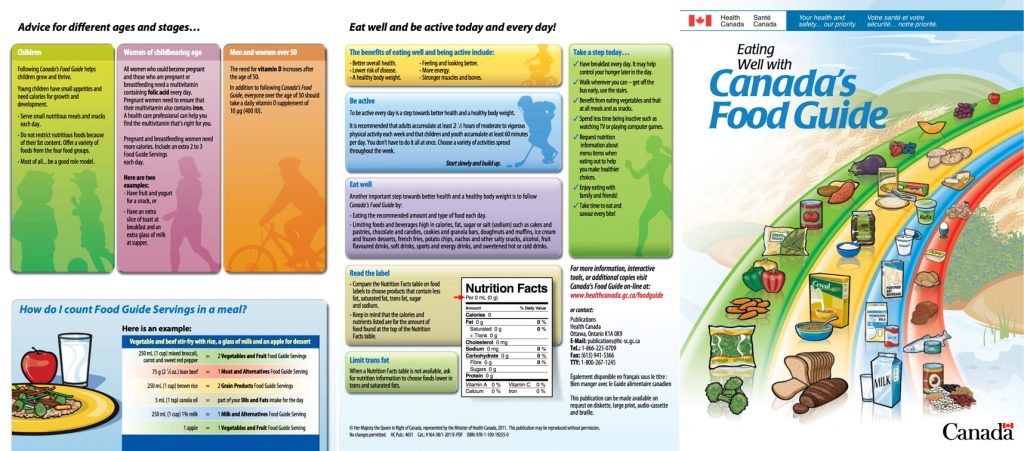
information on canada's food guide

The Food Guide Suggests Too Many Calories

A major criticism is that the old food guide prescribed way too much food. The recommendations were unrealistic for the average consumer which led people and even health professionals to avoid using the guide as a counselling tool. I myself once experimented with the recommendations and found myself eating SO much more food than I was comfortable eating.

What Do We See in the NEW Canada’s Food Guide
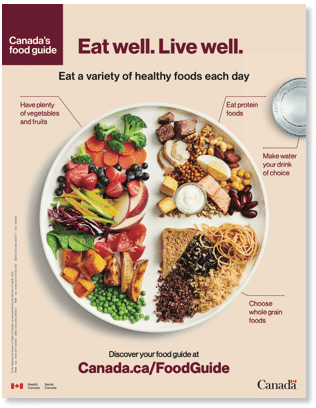
infographic of canada's food guide

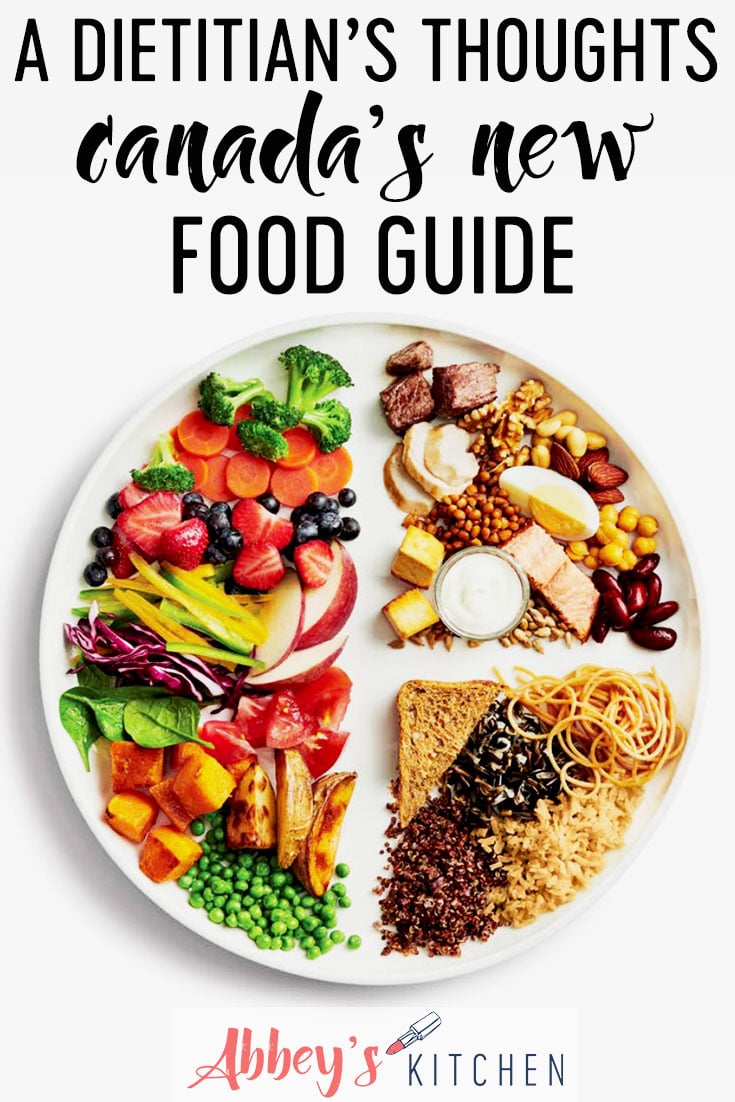
Goodbye food prescriptions! There are NO recommended “servings” (more on that later ) anymore in this new guide. Which means no unachievable unrealistic goals that a lot of Canadians can’t reach. Instead of a ghetto looking rainbow or a chart to follow, the new guide keeps it simple by showcasing a plate with food. This is more accessible and familiar to people because we eat on plates, not on a colourful rainbow.

The Old Food Guide Was Just Too Long

Many people also claim the food guide is too long, and because of that, the messages are less effective and convoluted.

What Do We See in the NEW Canada’s Food Guide
graphic showing healthy activities

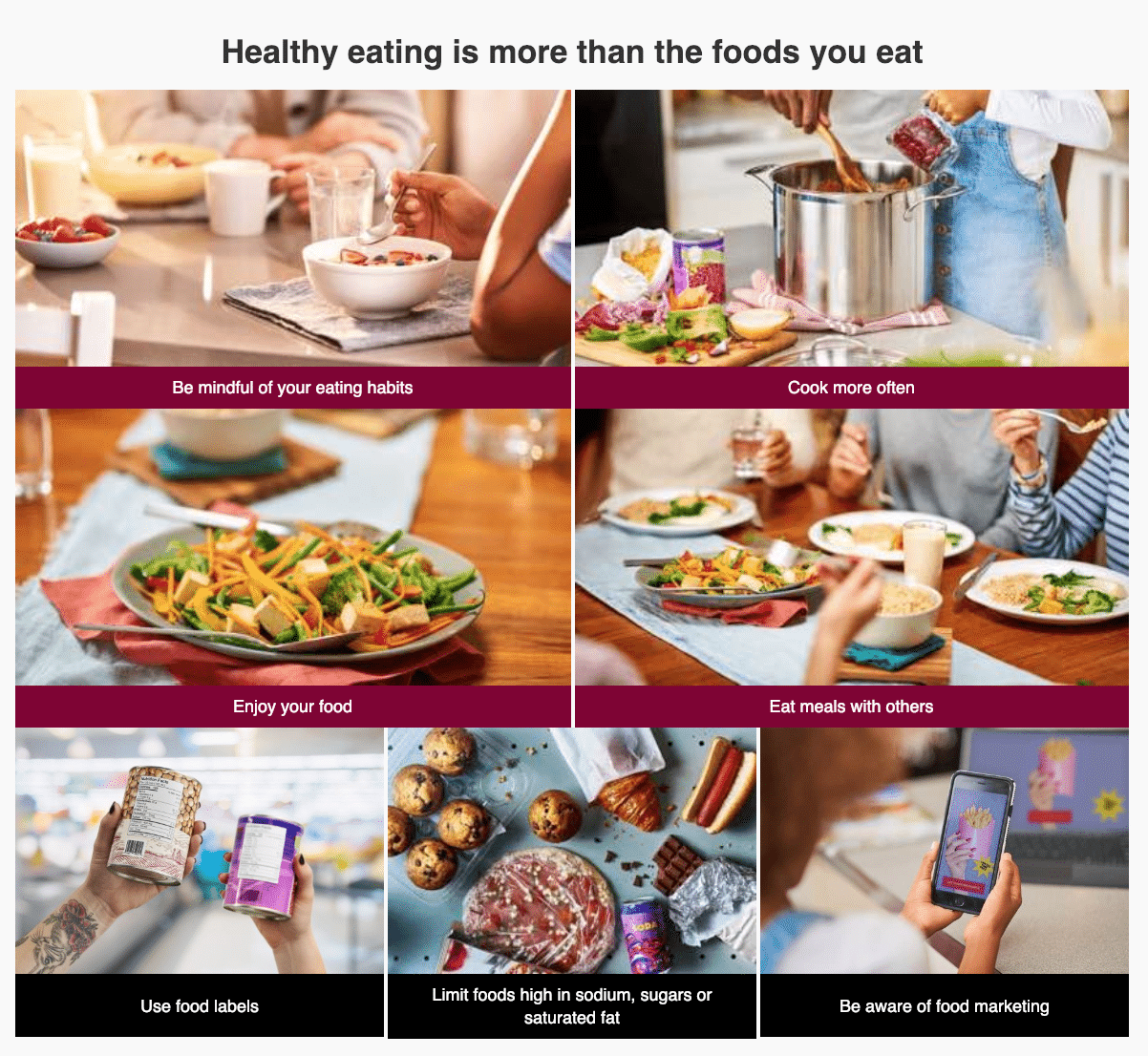
While the old food guide pamphlet had 6 individual pages, the new food guide has only two pages and the messages are simple and to the point. Instead of long winded sentences in the last food guide, the new food guide includes short statements that get right to the point:

  • Have plenty of vegetables and fruits
  • Eat protein foods
  • Make water your drink of choice
  • Choose whole grain foods
  • Healthy eating is more than the foods you eat
  • Be mindful of your eating habits
  • Cook more often
  • Enjoy your food
  • Eat meals with others
  • Use food labels
  • Limit foods high in sodium, sugars or saturated fat
  • Be aware of food marketing

The language used here is short, simple and easy to understand, so the hope is that people will be engaged enough to actually read the content.

WTF is a Serving?

Serving sizes also tend to be confusing and inconsistent as they’re offered in cups, ounces, teaspoons, and more, all just randomly dependent on the type of food and what the food manufacturer decides best fits his audience (or makes his nutrition label look more favourable but that’s another post). The reality? Most people are not measuring out their food and have no freaking clue what a “serving” looks like (despite educational efforts) so this becomes a major barrier to use. Ha, I am even a numbers person and I HATED trying to remember this seemingly random chart. It was especially confusing (even for health care professions) when a serving size could be dependent on whether or not the food was cooked vs uncooked, how it was cut, and how it was served. Yes, I get that the food guide was meant to be a guide, but people’s individual needs are SO inherently variable, even from day to day, it felt a bit “diet-y” to me.

What Do We See in the NEW Canada’s Food Guide

I am so happy to finally say goodbye to serving sizes. Including serving sizes in the old guide made the pamphlet look really busy and I think overwhelmed most Canadians. While the new guide does offer some suggestions by recommending a “plate” method of conceptualizing meals, it leaves the serving sizes and numbers of servings up to individual interpretation. More later on whether or not that is enough.

The Food Guide Is Not Culturally Inclusive

New Canadians are arriving every day from all over the world, and the old food guide was not representative of this. For example, a lot of cultural groups do not drink milk, so a food guide telling them to drink two glasses of milk seemed really out of touch. As another example, a lot of groups are more likely to eat rice for breakfast than refined cereal, but again, this information wasn’t so easily accessible in the guide.

What Do We See in the NEW Canada’s Food Guide

So with regards to the the example I used above with the milk it may look like the guide is moving in the right direction since milk is no longer front and centre in the guided. With that being said, the new guide does not seem to showcase any cultural foods or traditional foods to certain cultural groups. I find this surprising given that according to Statistics Canada, “one out of 5 people in Canada’s population is foreign-born”, so a food guide that is made for Canada should reflect those numbers.

When I look at the cover of the food guide, I’m not seeing much diversity when it comes to the foods displayed. Cultural foods like bok choy, bean sprouts, plantains, passion fruit or dragon fruit (just as some examples) are nowhere to be seen. Under grains, there are no images of roti or dumplings.  The lack of diversity is concerning and much of Canada’s multiculturalism is not represented on the front page which will likely leave many Canadians thinking: “what about my foods that I eat on a daily basis? Where do they “fit” on the plate?”

This is phase two of the food guide, so there may be a follow up document specifically dedicated to cultural foods (and hopefully not just a translation) so we’ll have to wait and see.

There’s Too Much Food Industry Influence in the Guide

A common criticism of past Canadian food guides is the omnipotent influence food industries have had in past decision processes- specifically of the dairy, cattle and sugar industries. The 2007 food guide had a 12-member food guide advisory committee, and 25% of the people on the committee were employed by corporations that would be directly affected by the food guide recommendations. A tad biased, don’t you think?

What Do We See in the NEW Canada’s Food Guide

Like I just mentioned, the Canada’s dairy industry is not going to love the new Canada’s food guide. That’s because they’ve eliminated images of the classic glass of milk, as well as cheese, kefir, canned milk, powdered milk and instead the new guide includes yogurt as a protein source. To be fair, they do still recommend these foods (and I think they should since all of them have health benefits), but it’s not front and centre like in the old guides.

Aside from the dairy industry, the meat industry will also not be a fan of the new guide. There are only two meat options presented in the hero image (steak and chicken) and in its place, there is more of an emphasis on plant based protein like beans and legumes.

One thing that was unique about this new guide is that for the first time Health Canada did not meet privately with food industry representatives when putting together the food guide. Of course, consultations for this guide were open to the public, so industry representatives could attend those sessions, but it was a nice change to see a guide developed by top health and nutrition experts and not invested interests with a profit driven lens. This is important to dietitians since this is ultimately one of the big criticisms of our profession in general. We all want Canadians to be eating the best, healthy food, so our recommendations should be driven first by science, and not dollars. I’m not suggesting that we don’t need dollars to make things happen. I’m also not suggesting that the old guide wasn’t driven by science (it was!). But I’m happy that it’s now even more clear to the public.

Given all this, and a trend towards more plant based diets, it does beg the question of how this new food guide will impact Canada’s agricultural economy. Canada’s dairy and cattle sector play a huge role in our economy and provide thousands of Canadian jobs, so we may see some drastic changes in our food system as we shift to more sustainable agricultural channels.

The Guide Recommends Too Much Meat

Many critics of the old Canada’s food guide argued that there was too much of an emphasis on meats and meat products. This wasn’t only coming from animal activist groups, but also environmental groups. Research has made it very clear that a lot of water and energy is required for meat production and cutting back can have a significant impact on greenhouse gas emissions.

What Do We See in the NEW Canada’s Food Guide

I like meat, don’t get me wrong, and I will continue to eat it in moderation. But the combination of new research on the benefits of plant-based foods and environmental concerns has led Canadians to the realization that there are a lot of foods out there that provide protein. Meat doesn’t always have to be the star of the plate and the new guide draws focus to that by emphasizing more plant based proteins.

What I Like About the NEW Canada’s Food Guide
close up of various vegetables

It’s Done Away with Serving Sizes and Food Groups

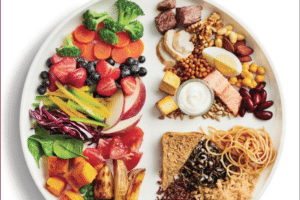
The food guide has shifted its philosophy from what food “groups” to eat to messages that seem more “macros” focused by using the plate method. That is, they suggest we fill half our plate with veggies and fruit, a quarter with whole grains and a quarter with protein (which now includes beans, legumes, meats, nuts and yogurt).  I think that as we start to encourage more plant-based meals, and we’re realizing that we can get protein from a wide range of foods, this is the only way to organize nutrition messages that make sense. Whether or not this is enough direction, is another story so you can read on for my thoughts below.

It Recognizes that Healthy Eating is More than The Foods We Eat

This is what I was really hoping to get out of the guide and I’m excited about how Health Canada actually delivered.  It looks to me like Health Canada took a few tips from the Brazilian food guide which is pretty much the gold standard of food guides. Healthy eating is not just about the what to eat, but also about the when and how we eat. The guide takes this into account and provides some actionable strategies on how to combat the external triggers that create barriers to consuming a balanced healthy diet.

Let’s review these strategies:

Be mindful of your eating habits

YASS, so excited about this. This is a huge win for the mindful and intuitive eating community. I know firsthand the merits of mindful eating, and the wonders it can do for our health when our body and mind are in tune with our hunger and fullness cues.

Cook more often

This is a strategy that we’ve been recommending for a long time now and with the significant rise in delivery apps and fast food dependence, we need to continue to emphasize the importance of cooking at home. Not only is it important for our health, but for families, cooking at home can help to expand and enhance a child’s food skills and overall food knowledge. It’s a win win!

Enjoy your food

Makes sense, no? Unfortunately, diet culture is consistently trying to convince us that food is the enemy or merely just “fuel”. This coupled with the fact that we are so busy, eating has taken a back seat as a priority in most of our lives. Sitting down to a meal with gratitude and pleasure seems to be becoming an unusual luxury that most of us feel too guilty to indulge in. I’m hoping we see more campaigns around this concept but I’m really excited that this is even mentioned in the guide.

Eat meals with others

Food is one of the few things we have to bring people together. When we share a meal, we communicate in a universal language of love. Food is a way to share traditions, culture, celebrations, lessons – hey, it’s even a great way to get our teen to open up about the boy she’s crushing on at school. These things don’t happen when we’re sitting in front of a TV, or texting on our phone, so I hope Canadians will take this one to heart.

Use food labels

Since the guide isn’t being super prescriptive in its recommendations for serving sizes and portions, I think including some education on the importance of food labels was key to fill the gaps. Whether or not that education was enough, I will discuss below. But this is particularly important since we are expecting to see some major changes on our food label in the next four years like clearer serving sizes, new daily value % for total sugars, updated list of minerals and an enlarged calorie font.

Limit foods high in sodium, sugars or saturated fat

Food is political and there’s a lot in the nutrition world that we don’t agree on. And while the saturated fat one is still up for debate in a lot of circles, I would say that we’re all on board with Canadians keeping an eye on their sodium and sugar intakes.

Be aware of food marketing 

From the placement of foods in grocery aisles, to commercials heavily targeted to young children, food marketing is hard to avoid, and these guidelines by Health Canada is a step in the right direction to increase our awareness on how it affects our food choices. Especially in a world where social media has now become a marketing hot bed. Without even noticing it, influencers are subtly promoting brands and we are making more online purchases than ever before. It’s important we recognize how these messages are influencing our purchasing behaviours.

The New Food Guide’s Emphasis on Filling Half Our Plate With Plants

This may sound like a broken record for many RDs, because we’ve been sharing this message for a long time, but the new guide emphasizes filling half of our plate with fruits and vegetables. We’ve known for a long time the benefits of eating more fruits and vegetables in our diet but just telling people this may not be as effective as showing them. So we think communicating this message via a visual tool (like a plate) is a better teaching tool than just listing servings.

The New Canada’s Food Guide is WAY Cooler Looking

I am loving the refreshing look of the guide. It’s clean, colourful and not too busy. We live in an Instagram era, so I do think the food on the guide needed to reflect that aesthetic and not feel like a Care Bear promo shoot.

The New Guide Takes a Harder Stance on Alcohol

The old food guide encouraged Canadians to limit their alcohol intake because of its high calories and sugar. Sure, I mean, booze has calories. But the “danger” of too many calories shouldn’t be our only health priority. I think as Canadians become increasingly more interested in “wellness” and not just “weight loss”, it made sense to highlight some of the health implications of consuming too much like the increased risk of cancer.

The Recommendation to Drink Water When Thirsty

With so many sugar sweetened soft drinks on the market, consumers need to be reminded of the OG of hydration: water. Unlike in its predecessor, the new Canada’s food guide has made this one of their key messages by presenting a glass of water on the front page.

My Criticisms of the New Canada’s Food Guide

person typing on laptop

Now it’s time for some real talk. Don’t get me wrong, the food guide has got a new fresh look and it is a step in the right direction, but we’ve still got a long way to go.

You’ve Got to Be Technologically Savvy

A lot of RDs are already complaining about the format of the guide, because the majority of the rich information is online. A lot of RDs don’t feel comfortable handing over this very general list of recommendations and pretty plate image to their clients and patients without doing a lot of counselling to unpack it. In order for the public to really understand its recommendations (i.e. what the heck is mindful eating?), they would need to go through the Health Canada website and let me tell you, THAT is a task. I’m a millennial and spend my life online, and even when I KNEW what I was looking for, I found it hard to figure it all out. I mean, there are a lot of different buttons to click to read up on a single topic, and then to get back to the homepage required a lot of steps. I was frustrated just trying to get the information to write this post, so I can’t even imagine the average Joe is going to get it all.

No Discussion of Body Positivity or Diet Culture

I know the new Canada’s Food Guide is just scratching the surface on the concept of Mindful Eating, but I do not believe this conversation has as much merit (or makes sense) without discussing diet culture and body positivity. It’s literally impossible to encourage people to eat mindfully when they’re still engrossed in diet culture.

Limited Guidance on Food Labels

The page for this is very top level and explains the concepts and components of a food label (like what is the % daily value), but doesn’t give users any information on how to actually read them. It’s like saying “bake bread” but not giving a recipe. I would like to see more resources and visual examples for helping people unpack this because it can be a bit of daunting concept to grasp for beginners.

There’s a Lot of Dense Info

Again, we live in a visual era and while the first page of the document is pretty and colourful, getting into the actual meat of the information hurts my eyes. There is just so much damn text! I would have liked to see more images and examples on each page to help people stay engaged. Cooking, eating, shopping, reading food labels all share a common theme: their inherently interactive activities- so why wouldn’t we inspire these activities by making the guide the same?

The Recommendations Might be Too Broad for Some Applications

The issue with past food guides was the abundant amount of prescriptive information that didn’t really make sense to most people, however for some populations and applications, it may be too broad. For example, it may make it more difficult to inform policy like healthy school lunch programs and hospital meals. It also puts a lot of onus on health professionals to properly teach the lack of information from the guide.

I also think that while I’m really excited to see concepts like Mindful Eating included in the guide, these are admittedly really advanced, top level concepts that need a LOT more context, education and counselling to understand. I literally wrote a 300 page book about mindful eating and I still feel like I have so much to learn. I’m not really sure what can be done about this other than offering online programs or apps and access to more dietitians or programs (like Craving Change, for example), but I wanted to point that out.

There’s a Lack of Direction (or Perhaps Mislabelling) of the Types of Foods on the “Plate”

Since we are no longer given specific food groups, a little more distinction would have been nice with the plate on the front page. Not all vegetables and fruits are created equal. Some fruits contain more sugar than others, and some vegetables are more starchy than others. For example, I’m surprised that potatoes are still considered a vegetable and not a starch. I’m also unsure where to place avocados. I mean, if you were to fill half your plate with avocado, it probably wouldn’t exactly yield the intended macronutrient distribution the board was calculating. Same deal with the nuts and seeds in the protein category. Like, yes, they have some protein, but they’re no where close to what you’re getting from a piece of salmon or tofu.

If we need to create some structure for people via the plate method to help people achieve the recommended macronutrient distribution, I would probably divvy it up a bit more, putting fruit with the whole grains (including potatoes) and naming this “starch or natural sugars” and adding some guidance on higher fat foods like nuts, seeds, avocados and added oils. With all of these foods combined now on one plate in this uber simplified model, it may be difficult for some people to acknowledge these differences.

It Lacks Cultural Relevance

Like I mentioned earlier, Health Canada REALLY needs to look at our demographic. We are a country made up of so many rich cultures and our food guide needs to reflect that. Not to mention, in my experience as a dietitian, the demographic who gets the most use out of the food guide is newcomers to Canada. I would be embarrassed to hand this over without having ample time to unpack this with a new Canadian family from abroad. I am hoping future drafts address this by adding a more diverse selection of foods, but I do feel this particular guide is embarrassingly Eurocentric.

Is It Accessible?

Past food guides have continually failed to be accessible to a huge portion of Canadians with lower socio-economic status and this new food guide is no different. This new guide encourages Canadians to eat seasonally, to cook more at home with friends and family and fill half their plate with fruits and veggies. However, what about Canadians that shop at food banks and not farmer’s markets. What about Canadians that don’t have the time to sit down with their family at dinner time because they’re working at double shift. According to research conducted by the University of Toronto, 1 in 8 households in Canada is food insecure, which means approximately 4 million Canadians and 1.15 million children have trouble accessing a proper meal, let alone filling half their plate with veggies. This is a serious epidemic, and this new food guide does not address it.

Final Thoughts on the New Canada’s Food Guide

Health Canada has emphasized that this guide is less about the food and more about everything else.  I kind of like that because in my experience, eating is actually rarely about the food. It’s about culture, social status, politics, religion, identity, love, connection and so much more. Having said that, I do think we have a long way to go to help Canadians unpack the recommendations in this document.  So this is a good starting point, but this is where Dietitians come into play. There’s a lot of room for interpretation and diet flexibility (which is GREAT), but there’s also a lot of room for confusion here. So a small hooray for Canada for getting some big things really right, but I do hope for some improvement in future drafts.

https://www.youtube.com/watch?v=NefrKWPcSfU

Become an Abbey’s Kitchen Subscriber

Now, I want to hear from you!
What do you think of Canada’s Food Guide?
What do you like about it? What are your criticisms?
Let me know in the comments below!
pinterest image of canada's food guide with text overlay

Contribution By:

Sofia Tsalamlal, RD, MHSc Nutrition Communication
Abbey Sharp

Abbey Sharp is a Registered Dietitian (RD), regulated by the Ontario College of Dietitians. She is a mom, YouTuber, Blogger, award winning cookbook author, media coach specializing in food and nutrition influencers, and a frequent contributor to national publications like Healthline and on national broadcast TV shows.

www.abbeyskitchen.com/about-abbey/

Last Updated July 29, 2020. Published January 17, 2019 By Abbey Sharp 32 Comments

Can Foods Help You Get Pregnant? Fertility Foods Myths and Facts Part 1

I answer the question “Can Foods Help You Get Pregnant?” and dive into the research on some of the biggest fertility foods myths and facts to help you conceive while sharing my infertility and IVF story.

I answer the question “Can Foods Help You Get Pregnant?” and dive into the research on some of the biggest fertility foods myths and facts to help you conceive while sharing my infertility and IVF story.

Ladies, real talk here. Remember the days we did EVERYTHING we could to avoid getting pregnant? We would set our alarm every night to take a pill that killed our sex drive and made us gain weight. We would leave our lipstick at home to make room for a condom in our itty-bitty clutch. Hell, we would put copper wires up our lady flower every few years! I don’t know about you, but I spent my entire young adult life scared AF that delaying my birth control pill by just an HOUR would automatically make me a mom. And for some, yes, it really is that easy. But for the rest of us, we have a long, hard, uphill battle to parenthood ahead and it will take a hell of a lot more than missing our pill to get there.

For some of us, when we finally make the choice to trade our nightly pill for a prenatal vitamin, we end up shackled to our ovulation calendars, apps, fancy thermometers, and pee strips. Man, if a mommy blog told us to lick the stick for a more accurate reading, you can bet we would. Unfortunately, just knowing what days to “baby dance” isn’t enough to guarantee said baby. In fact, 1 in 8 couples will suffer infertility for one reason or another- often times, that reason is totally unknown.

Infertility is frustrating, heart breaking and sometimes, downright confusing, so it’s not surprising that a lot of us turn to the internet for answers and solutions. There are hundreds of thousands of fertility blogs, forums, facebook groups and reddit threads out there, all touting that their miracle fertility foods will help you get pregnant. But do these fertility foods actually work? I dug into the research to see where some of the most common recommendations come from and if they’re actually legit.

Can Foods Help You Get Pregnant?

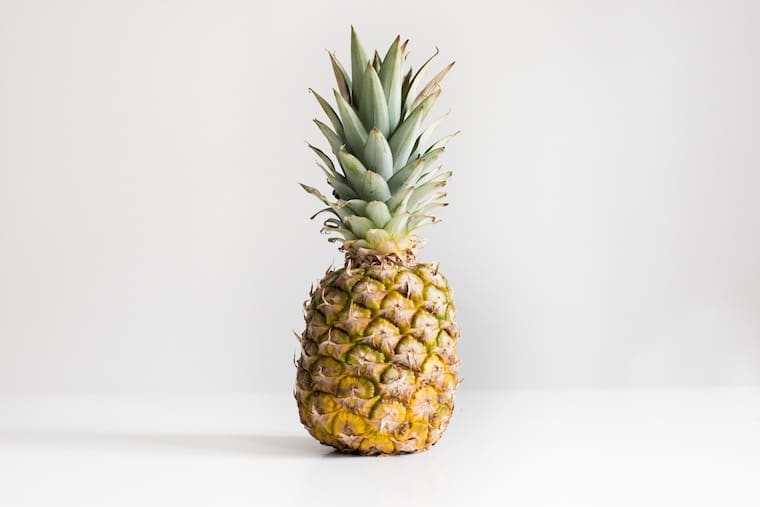
Is Pineapple Core a Fertility Food?

whole pineapple on a white table

Usually if you buy a whole pineapple, you cut out the core and eat the flesh, right? Not when you’re trying to get pregnant. Fertility forums suggest eating 1/5th of the pineapple (including the core) every day leading up to (and the day of) ovulation. The theory is based on the idea that pineapple core is rich in a digestive enzyme called bromelain, which thins your blood kind of like aspirin would. The thinner the blood, the more likely it is to reach the uterus to encourage a thicker, stickier lining for an embryo to latch onto. Sounds legit, and pretty harmless, but there isn’t any research to support it. The other issue is that excessive levels of bromelain may cause uterine contractions that may actually impair embryo implantation. As if you’re not stressed enough! I say if you like pineapple, then go ahead and enjoy it in moderation any time of day, but I don’t recommend eating an excessive amount of anything or getting into enzyme supplements without first consulting your doctor.

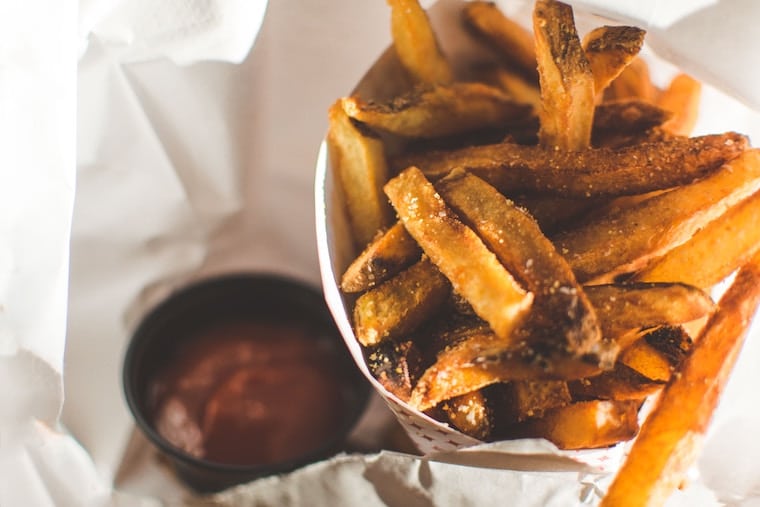
ARE McDonalds Fries Key in IVF?

sweet potato fries and ketchup

In vitro fertilization (IVF) is one of the many paths women may need to take in their journey to conceive, and one of the most common recommendations in IVF circles is McDonalds fries. Like, legit, you would think the doctors are recommending them this concept is so rampant. The idea here is that when women have their eggs removed (which will later be frozen or implanted), they bloat around their ovaries. It’s hella uncomfortable, so doctors recommend that women consume a high sodium diet to help pull fluids out of the tender ovaries and redistribute it all over. So the idea of eating Mickey Dee’s does make sense, but it’s not the only way. You can just as easily choose healthier options post-op like a homemade chicken soup with extra bouillon and noodles. Trust me, you’re going to feel like shit anyway, you might want to go easy on your gut.

Should You Chug Pomegranate Juice?

half of a pomegranate on top of oranges

I LOVE pomegranate anything so I was kind of excited when I read so many women swear that a glass of the pricey juice would help thicken their uterine lining, again encouraging an embryo to implant. Some people extend this to include any and all red foods because apparently in their mind red foods = better blood flow? Um… sounds like a bit of a stretch. I haven’t been able to find anything about pomegranate juice or red foods specifically thickening uterine lining, but it is rich in antioxidants which of course is great for us at any time. I say enjoy the pomegranate (or red foods) for their incredible nutrients, but try not to overdo it on the high-sugar juice in the name of fertility.

Should You Pop Back the Brazil Nuts?

Great, another expensive snack to add to your likely already-expensive fertility regime. Some swear that eating a handful of brazil nuts a day helped them and their partner conceive. This is likely because brazil nuts are rich in Vitamin E, which is sometimes prescribed to help women thicken their lining, as well as Selenium, which has roles in sperm mobility (here and here) and healthy ovaries. So this one has some merit legit, but is definitely not a quick miracle fix. Also, you’re not limited to just expensive (and bitter) Brazil nuts. Going for fish, seeds and a variety of different nuts will help you get your nutrient fix.

Should You Sip More Red Raspberry Leaf Tea?

cup of tea in a red mug

It’s a common recommendation that women load up red raspberry leaf tea during the time of ovulation to help the uterine walls relax for implantation. Unfortunately, most of the research these recommendations are based on have been done on animals, and the findings have been mixed (here and here). Aside from the fact that this stuff tastes a bit like ass, my bigger issue with going ga-ga over the tea is that some rat studies found it actually caused uterine contractions, so like the pineapple, timing may be of the essence. Honestly, I don’t think you need to stress that a cup of tea is going to make or break your baby making journey, so go for a cup (if you like the taste.)

So here’s my confession. I know about these things because I did them all, even the ones I’m telling you are pretty much BS. I did them because I am half of the 1 in 8 couples who struggled to get pregnant and I was desperate to try anything. I wanted to feel like I had even just an ounce of control over something I actually had no control over so I TOTALLY get it if you do all of these too.

For those who know me well, you know I talk about my infertility often because talking to other women who were struggling helped me feel less alone. But for those who don’t know me and just see my sweet little baby bump growing each week on YouTube, let me share my story.

My Infertility and IVF Story

grey baby onesie

When we finally decided to start a family, I stopped my pill after 15 long years on the stuff. I knew that it could take a few months to get my period back, but something just felt off. A few months later (with no Aunt Flow in sight), I asked my doctor for a referral to a fertility clinic. She didn’t think it was necessary for at least 6 more months, but I thought I better get things checked out just in case. I’m glad I trusted my intuition because a few quick ultrasounds and blood tests later, and I was diagnosed with PCOS. If you’re not well versed on PCOS, it stands for polycystic ovarian syndrome and it is an endocrine disorder that can impact everything from blood sugar regulation, to weight management, to – you guessed it- fertility. I was crushed. Not only for my baby making status, but also for what it meant for my life going forward. Would I be on medication or hormones for the rest of my life? Would I start gaining weight uncontrollably? Would I get Diabetes? I had a lot of questions, but the first and most important one was, how can I get pregnant?

The doctor and I decided to ease our way in because I am young and had about an 80% chance of responding to oral medications. My regime consisted of Metformin for a month, which is typically used as a Diabetes medication. This to me sounded like a strange prescription because while most patients with PCOS have some level of insulin resistance, my blood sugars were all normal. Well, it was fucking miserable. For two weeks I woke up in the middle of the night deep in a vicious blood sugar low where I would be drenched in sweat, and sometimes shaking so bad I couldn’t even get up to grab a snack. I learned pretty quick that I needed to keep candies and crackers by my bed just to get me through the night. In the mornings every day, I would walk to the fertility clinic at 6 AM to have my blood taken and an ultrasound performed to check my ovulation status. I would then wait on pins and needles until about 3 PM each day for a call from the nurse about my results. A month of this went by and I still had no sign ovulation or period, just hell of a lot of disappointment.

pregnant woman taking a mirror selfie at 24 weeks

The next month I continued my Metformin and early morning checks at the clinic, but added a drug called Letrozole to my routine (also known as Femara in brand name terms). Letrozole is an off-label fertility drug that is usually used for breast cancer because it suppresses our body’s estrogen levels. If that makes no sense to you, I will explain. Basically, I would take the drug for 5 days to drop my estrogen down to practically nothing, then when I suddenly stopped the hormone, my levels would shoot up high enough to induce ovulation. Unfortunately, the jump wasn’t enough for me and that cycle failed.

It also failed the next month when we doubled my dose.

And the month after when we tripled it (the max) and then added a steroid on top of it all. All the while I was losing and gaining weight every week, and my digestion was a total wreck from the hormones.

We had to try something new. Our options were essentially to wait it out and see if the letrozole would eventually work, or cut our losses, and move to IVF. I didn’t want to waste any more time or money on drugs so we chose to do the latter. At first blush, I was excited because I thought IVF was a sure-fire quick fix. Yes, it was expensive, but in my mind, it would mean no more disappointing (and exhausting and expensive) months of taking new drugs that were making me sick, and then going to the clinic and waiting for a call every day. Boy was I ever wrong.

pregnant woman in a black dress

IVF isn’t quick, easy or in any way, guaranteed. In fact, it’s a much bigger time and emotional commitment than anything else. Depending on your age and diagnosis, your chance of a live birth can be as high as 50% and as low as 10%. That means I could go through all of the time, money and agony and only have a 50/50 chance of getting a baby. But I, like so many other women I’ve met on this journey, had no other choice but to try. Just to give you a sense of what it’s like, here’s what my general IVF regime looked like:

  1. A month of “down regulation” – that meant they put me back on birth control to artificially get my cycle to fit into the timeline they wanted.
  2. About 10 days of “stimulation” hormones that help your ovaries grow many MANY small follicles (within which are eggs). You need the follicles to get to a certain size to be viable, but you also want to get as many as you can. This means a hell of a lot of needles- some you can give yourself, and others that are too bit awkward and may require your partner to get involved. My hubs could legit be a nurse now because of all the practice he got. But these were the worst days of the whole process because you’re getting poked NON stop and you end up looking 6 months pregnant from all the bloating drugs and follicles. All of this leads up to…
  3. Retrieval day!! The doctor pokes little holes in your ovaries and carefully sucks the follicles out. I don’t remember much from that day because I was totally put out, but I was pretty sore afterwards. They then retrieve an egg from the follicle, mix it with the sperm in petri dishes and watch them divide and develop for 5 days. After 5 days you get a call about how many em-babies survived and they tell you their “grade” in terms of quality.
  4. Once you get the call, you have to wait some more. If you’re doing a frozen transfer (which is what most clinics do nowadays), it takes about another month of letting your hormones to get back down to baseline from all the drugs you were on to create an optimal environment to transfer embaby.
  5. New month, new needles! Now you’re prepping for transfer, which was no where near as bad as the stimulation phase. It means about 1-3 weeks of daily progesterone and estrogen hormone suppositories and needles trying to get your uterine lining to be thick enough to accept a transferred egg. Once the lining is sufficient, it’s time for…
  6. Transfer day!! This is easy and exciting. The doctor just uses a little tube to place the selected embryo onto the uterine wall, and then you just basically pray it sticks.
  7. Now is the stressful bit. They call it the two week wait because it takes about two weeks before you start to see the pregnancy hormones come up in your blood work. Longest. Weeks. Ever.
  8. Assuming babe is there and your numbers are looking good, you stay on those progesterone and estrogen hormone suppositories and injections for another 8-10 weeks (sometimes more). All the while you pray and pray and pray it continues to thrive.

Okay, so, not quite as fool proof as I had naively thought. The whole “cycle” takes about 3-4 months, and for those months, it consumes your life. For me it meant my weight would go up and down about 10-15 lbs every week, I would get blood taken daily for weeks at a time and I became really used to the early morning transvaginal ultrasounds. By the end I could pretty much sleep through all of it. Glamorous, I know.

Was it worth it? I would say so. I thankfully didn’t end up with OHSS (which is a common side effect of IVF that can result in massive dangerous fluid retention). That was the good.

The bad was that my first transfer ended in a chemical pregnancy, which is essentially an early miscarriage, usually because of something genetically abnormal about the embryo. I was devastated, but all I could think about was that I was grateful my body knew EARLY ON what to do about an embryo that wouldn’t result in a viable or healthy baby. I was so grateful that I even had the opportunity to do IVF at all or that I had a supportive partner with whom I so badly wanted this baby. Recognizing my many blessings really was the only thing keeping me from completely falling apart.

image of white baby onesie

I picked myself up and counted down the weeks and days until we could start the transfer hormones up again. Our second transfer ran into another challenge- my damn uterine lining wouldn’t thicken. We extended the hormone support timeline, I went to acupuncture every day, I ate pineapple, pomegranate and brazil nuts galore, and I took some time off to help me “relax”. But still, my lining was only about ½ of what the normal minimum for transfer was. FML. My doctor asked me what I wanted to do. I could cancel the cycle and have wasted all of the expensive drugs, time and my sanity but potentially save my embryo, or I could just go for it and hope for the best. I chose the latter. Two weeks later and I got the call that my pregnancy hormones were high and continuing to climb. It was the best call I ever got in my life.

I highly recommend you check out the new documentary on Netflix One More Shot. Check out the trailer HERE.

So Can Foods Help You Get Pregnant?

Honestly folks, eating pineapple didn’t help my embryo stick my second cycle. Nor did the brazil nuts, or pomegranate juice I drank on the regular. I believe that eating some of these so-called miracle fertility foods in moderation are not likely to make or break your baby making regime, but if they make you feel more “in control” or like you’re doing everything you can, then by all means, eat up. Help yourself stay calm any way you possibly can. But just know that nothing, especially food, is a quick and easy fix. I likely didn’t come into infertility abruptly, so I wouldn’t expect to fix it quickly either. In fact, I get a little anxious when I read about practitioners advocating for these miracle foods as complete alternatives to assisted reproductive technology and pharmaceuticals. I guess if you’re willing to take a lot of time to experiment, then go for it, but most of us who want to be a mom want it REALLY badly NOW. Every month or year without babe is another heartbreak.

Having said that, I do believe that having a general healthy lifestyle and balanced diet may help improve your fertility in the long run, so in part two of this post I’m going to dive into the ideal foods to get pregnant.

Until then, I would love to hear from you.

How many of you or people you know have struggled with infertility?

Have you heard about some of these so-called fertility foods?

What are your thoughts on the question, “Can Foods Help You Get Pregnant?”

Leave me a comment (anonymously if you would like), or feel free to send me a quick email or private message if you want to chat!

pinterest image of multiple images of foods to help people conceive with text overlay

Abbey Sharp

Abbey Sharp is a Registered Dietitian (RD), regulated by the Ontario College of Dietitians. She is a mom, YouTuber, Blogger, award winning cookbook author, media coach specializing in food and nutrition influencers, and a frequent contributor to national publications like Healthline and on national broadcast TV shows.
www.abbeyskitchen.com/about-abbey/

Last Updated October 23, 2020. Published January 15, 2019 By Abbey Sharp 32 Comments

Bad Nutrition Advice Red Flags & The Worst Nutrition Websites

I share my top tips for helping you identify bad nutrition advice red flags as you plan your new year’s resolutions and share the worst nutrition websites on the web for nutrition BS.

I share my top tips for helping you identify bad nutrition advice red flags as you plan your new year’s resolutions and share the worst nutrition websites on the web for nutrition BS.

Well folks, it’s that time of year: New Year’s Resolutions! While I wrestle with the idea of waiting until a certain time of year to make a change, I understand that New Years can be the motivation some people need. While change can be hard, it also can have a wonderful impact on your life. The important thing to remember is that change and developing new habits takes time. If anyone promises a “quick fix”, run the opposite way because it is complete BS! This, along with other red flags, will help you avoid costly diet fads and products that won’t help you achieve your goals in the long run. In this post, I’ll walk you through some bad nutrition advice red flag websites and cautionary words to get you on the right track this New Year!

Bad Nutrition Advice Red Flag Words and Phrases

WARNING: Some of these words and phrases WILL make any Registered Dietitian’s eyes roll. If you’re looking for a more detailed list, check out my article on Nutrition Buzzwords. Here are my top bad nutrition advice words and phrases to look out for:

“Detox”

lemons on a white marble surface

This is one of my favourites. If you’ve been following me for some time, you will have seen my videos and blog posts on detoxes and how they make absolutely no sense physiologically and are greatly offensive to our amazing bodies! If anyone is promising a food, product, or lifestyle will “detox” your body, run for the hills! Why? Because our bodies have an amazing detoxification system (thanks liver, kidneys, lungs, and other amazing organs). If you’re looking to “clean up” your lifestyle, start by eating fewer refined/pre-packaged foods and get back to eating whole foods cooked from home. Nothing beats home cooking!

“Sugar-free”

orange cut in halves on a wooden cutting board

It’s obvious that too much sugar isn’t a good thing. And yes, we are definitely consuming too much refined sugar in our diet! My beef with this bad nutrition advice comes down to the strict limitations of a sugar-free diet, especially when ALL sugar is eliminated. Fruit and some vegetables are high sources of a sugar called “fructose”. These sugars are intact in the cells of the fruit and are released at a slower rate than table sugar. Fruit is also a great source of fibre, nutrients, and antioxidants, all of which constitute for a nutritious diet. If you’re interested in cutting down on your refined sugar, such as white flours, candy, soda, etc., then that’s great. Just remember that everything can be consumed in moderation. We need to enjoy our food and remember food is an experience just as much as it is fuel for our bodies.

“___ diet to lose weight”

person measuring their waist with measuring tape

Have you ever had someone tell you how much weight they lost on a certain diet? Then the next day you hear another person tell you they lost weight on the complete opposite diet? How does that make any sense if there is supposed to be one right diet? Well, the answer is quite simple. Any time you go on a diet (please don’t, they aren’t fun and there are better ways to be healthy), you pay more attention to what you eat and therefore are controlling your intake. So, whether it’s Paleo, Keto, Vegan, high-carb, low-carb, high fat, low fat, whatever, you’re likely to lose some weight simply because you’re making conscious food decisions, eating from home, and monitoring your intake, all of which help with weight loss or maintenance. Any diet that’s touted as THE ONLY diet is bad nutrition advice. 

“Toxic-free” or “Clean eating”

Sure, we don’t want to eat poison. But there has been an overwhelming number of claims stating everything we eat has “toxins” in them. The solution? Clean-eating. While the general idea of clean eating is good (i.e., whole food with limited ingredients), it takes a negative turn when we start viewing food as “dirty” and “bad”. As soon as we start labeling foods with positive and negative terms, we are circling the drain of orthorexia. Food should be viewed as a social, cultural, nourishing experience. While some is better for us than others from a nutrition standpoint, we ought to remember that placing judgement on our eating patterns is no healthier than eating a bowl of chips now and then.

“Lose 20 pounds in 2 weeks!” or “Lose weight fast!”

Any time you’re promised to lose weight in a short period of time, you’re likely to have two outcomes: 1) You cannot lose the weight that fast; or 2) You lose the weight and then gain it back, and then some. Not only this, but any time you have a rapid, large change in weight, you’re shifting your metabolism. This means that it can be harder in the future to lose weight because your metabolism has slowed down. Also, any program that you do for a certain timeframe (e.g., 30 days) is not worth it. Some programs may recommend small changes to try in 30 days, which is good, but if it asks you to completely change your eating habits for that period of time that you know you can’t keep up in the long run, just say “no thank you!” In the tortoise and the hare story, be the tortoise: slow and steady wins the race for long-term behaviour change. No, it’s not as glamorous sounding as that bad nutrition advice, but it actually works.

Anything that cuts out an entire food group

Yes, the food guide is changing, and it’s about time. While there are definite flaws, there are still good components of it that help shape the way we eat, such as food groups. Within each food group (Vegetables/Fruit, Grains, Milk & Alternatives, and Meat & Alternatives) are different sources of nutrients our body needs. For example, the Meat & Alternatives food group provides us with solid protein, whether from an animal source or plant-source. The Milk & Alternatives group provides us nutrients such as protein and calcium, such as Greek yogurt or soy milk. If we cut out an entire group, such as grains, we are missing out on important vitamins and minerals such as fibre, B-vitamins, antioxidants, etc. This is just obviously bad nutrition advice and also, SO not fun. This is why I have beef with following diets like Paleo or keto to a T.

“Superfood”

close up of leafy greens

I guarantee there will be at least 3 sexy new superfoods for 2018. It’s just a given nowadays. It’s funny because these foods have existed much longer than the superfood trends. No particular food is going to cure any disease or help you lose weight. All foods come with an individual set of nutrients that can benefit our bodies. Instead of eating the same thing over and over again, you’re better off eating a variety of nutrient-rich foods to ensure your body is getting a diverse number of vitamins, minerals, antioxidants, and more!

“Organic” or “All-natural”

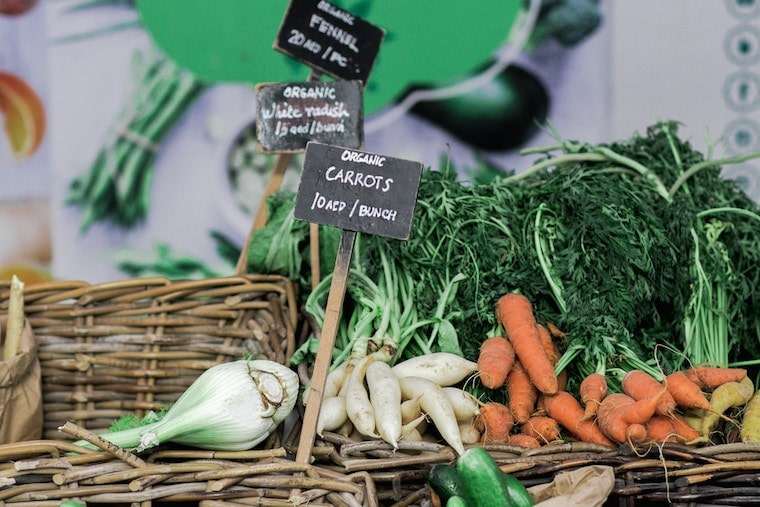
fresh vegetables for sale

You do you. And you have the right to choose organic products if you want. Organic is a regulated term so yes, there are differences. Nutritional differences? A systematic review and meta-analysis showed only teeny tiny slight increases in certain vitamins, minerals, antioxidants, and phytonutrients due to soil quality, but lower protein quality. However, the evidence is limited as to whether it improves overall health or not, with many experts suggesting it wouldn’t make a large enough difference. The authors did note that more rigorous, standardized research is needed. If you’re concerned about pesticides, Canada has extremely strict laws regarding pesticides and farmers only use them to yield better crops. Organic farming involves rotating crops and using composted plants and manure to enrich the soil and avoiding the use of artificial pesticides (i.e., man-made).

Now the word “natural” becomes tricky because this is not a regulated term, meaning anything can be called natural. Arsenic is natural, but I wouldn’t consider that a good thing! Just remember, the dose is the poison. Meaning, yes, extremely high exposure to a certain pesticide may cause a health problem but it is unlikely that you would eat enough of that food to have any effect on you. At the end of the day, the important thing is to include more vegetables and fruit in your diet, whether organic or not. Just remember to always wash your produce with running water (and use a scrub brush for rougher skins) before eating!

“Healthy”

While this one isn’t inherently bad, it can be used in a misleading way. Obviously, we all want to live healthy lifestyles, that’s a given. What isn’t okay is throwing the word “healthy” in front of something to give off the impression that it is. Just because you say “healthy double cheeseburger” doesn’t mean you should right away trust that it’s okay to eat 10 of them. That’s just bad nutrition advice.

“Free of ___”

Once again, a food “free of” something can be a good thing or a bad thing. Take trans fats, for example. We want to avoid trans fats because of the well-researched evidence out there directing it to heart disease. On the other hand, saying something is “fat free” when it’s licorice (it’s just sugar!) is misleading to the public. Often when something is free of one thing, it’s higher in the other, so look at every food as a whole.

Money $$$

pink piggy bank

Nutrition shouldn’t be at a high-price. Any time you have to rely on processed products or diets, you’re wasting your money. I’m sure you’ve all had your neighbour or friend try to sign you up for a nutritional supplement program, but really you could be investing those hundreds of dollars into real, nutritious, and delicious food. Trust me, those vitamin fizz drinks aren’t going to help like the synergistic action of food will do with vitamins and minerals.

Personal Stories

Personal stories can help demonstrate how a diet or product works (remember my rant on WTH?). Unfortunately, personal anecdotes are not scientific research. Considering everyone is different, what works for one person may not work for another. In some cases, the stories may also be fabricated to sound more interesting or favour the product and the images are photoshopped (isn’t it annoying when you see an anti-aging commercial and only in the “after” photo are they wearing a full face of makeup??)

Worst Nutrition Websites on the Web for Nutrition BS

computer on a wooden desk

Any website hosted by a Registered Dietitian will give you accurate, evidence-informed information. We ARE the experts in nutrition, and we’re regulated by our Colleges to ensure we’re not dishing out bad nutrition advice. We are also well-trained to decipher nutrition research and critically appraise scientific studies. What? All studies aren’t equal? You betcha. Some can be very flawed and you know I talk about that often. While some medical doctors also will give sound nutrition advice, they usually receive one to two nutrition classes in medical school, which is understandable since they are experts in diagnosis and disease. Any time you stumble upon a website that doesn’t have the the credentials RD (Canadian) or RDN (American) listed, you’re going in blind as to whether the information is accurate or not. It may be good stuff and well researched, and it may not be. I often look to see if claims are hyperlinked to research as a good start (though even that doesn’t tell you if that research has been carefully cherry picked or not).

Since I’ve read a LOT of health BS, I wanted to share some of the worst offenders on the internet.

Goop

Oh, Goop, it’s such gobbly goop. If you’re not familiar with the site, you’re better off. Goop is a company founded by Gwyneth Paltrow (yes, the actress). The website talks about a lot of different topics, but let’s focus on their detox section, or else we will be here all week. There are two areas of detoxes according to the site: “Easy Detoxes” and “Advanced Detoxes”. While I’m no fan of any detoxes, the “advanced” ones are concerning. They state: “If you’re plagued by issues like parasites or heavy metals, you might need a bit more than a standard clean eating protocol” and “over time toxic heavy metals can oxidize, causing damage to surrounding tissue and promoting inflammation.” They literally poison our bodies, and can inflict damage on virtually every system and organ, including our brain, liver, digestive system, and other parts of our nervous system. Toxic heavy metals put an immense burden on our immune system, leaving us vulnerable to a variety of illnesses.

Red Flag Reason (among many others): This is a bunch of BS fear-mongering. First of all, if you have parasites, go to the hospital, not to the internet. Second, your body does an amazing job of dealing with any type of heavy metal exposure and sure, it can happen, but for the average person it’s not something to be concerned about since our exposure is limited. If you have high exposure to heavy metals, any food isn’t going to help and you’ll need to seek medical attention. Antioxidants and phytochemicals can definitely help with oxidation, but to completely mislead people and say they are the miracle cure is ridiculous. Making promises to treat severe health problems is, in my opinion, purely unethical. And finally, their disclaimer at the bottom tells you a lot:

The views expressed in this article intend to highlight alternative studies and induce conversation. They are the views of the author and do not necessarily represent the views of goop, and are for informational purposes only, even if and to the extent that this article features the advice of physicians and medical practitioners. This article is not, nor is it intended to be, a substitute for professional medical advice, diagnosis, or treatment, and should never be relied upon for specific medical advice.â€

So, this disclaimer is a safeguard and reminds the reader that this information shouldn’t be used as medical advice since every person will have specific medical needs. Having a disclaimer isn’t the bad part, in fact, it’s good to be transparent. But how many people actually read the disclaimer? Sadly, too few. Most read the title, a few sentences, and call it a day, leading to absurd and potentially dangerous behaviours. This is a site that is primarily opinion-based and goes against most modern medicine. Sorry Gwen, you just give bad nutrition advice.

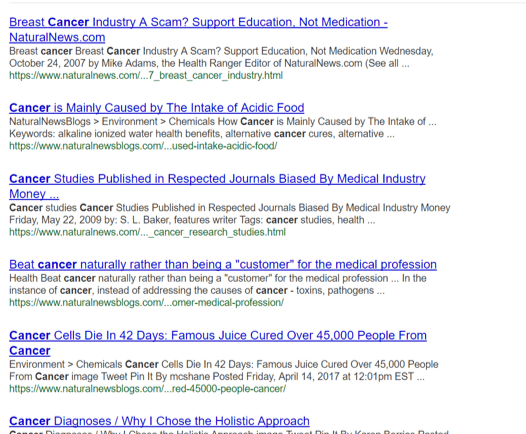
Natural News

Okay, I can’t talk about this one long or else I may self-implode. Basically, all you need to know about this site is it is notorious for going against majority of modern medicine and is all about “natural” medicine. While I’m not against alternative therapies and believe that they can be used in conjunction to support traditional medicine, I do believe in science first, and that’s one area this site is grossly lacking in. The front page of the website already has about 1000 red flags, but one that stood out was “Is your cardiologist KILLING you?” I mean, come on, as soon as you read a fear-mongering click-bait statement like that, click the back-button immediately.

nutrition google search

Also, whenever you see bold statements that state “X causes Y”, you know you’ve found spotty research and there are a lot of these claims on this site. The problem with this is that research seldom can prove causation but rather correlation. This means that X can be related to Y, but it’s not certain what causes what. For example, smoking cigarettes is highly correlated with lung cancer, but you’re not guaranteed to ever get it (PSA: NOT a promotion to start smoking!) As well, suggesting that cancer or any other disease can be easily cured naturally is concerning and once again, unethical.

Food Babe

Food Babe is a website by Vani Hari, an advocate for safe and ethical food practices, which yes, is great. The problem here is that she has no formal education in any nutrition or food related area. She also uses fear-mongering tactics (seeing a trend here?) to scare and influence consumers. Many of her statements are limited to her personal opinion, conflation of research and demonstrate a lack of knowledge in the science of food and nutrition. Here is her disclaimer:

“Before starting any new diet and exercise program please check with your doctor and clear any exercise and/or diet changes with them. I am not a doctor or registered dietitian. The information presented herein is not presented with the intention of diagnosing or treating any disease or condition. This information is for educational purposes only. No responsibility is assumed by the author nor anyone connected with this website for the use of this information and no guarantees of any kind are made for the performance or effectiveness of the recommendations provided.”

While once again, this is important to let the consumer know, many people do not reach this point. Another issue is that unless you search around a bit, you don’t know immediately that she studied computer science in university, not nutrition or any related science. So, average consumers may just trust that she has education in this area based on the topic of her site. At least she highlights she’s not a doctor or Registered Dietitian (it would be illegal for her to call herself one anyway!) but most people don’t ever come upon this information. The amount of bad nutrition advice on this site makes me a wee bit nauseous, so I’m going to just bow out now.

Mercola

Dr. Mercola has a history of promoting alternative medicine that benefits himself. For example, he promoted and sold tanning beds stating they decrease risks of cancer. You’d think I’m kidding but I’m unfortunately not! This site also is notorious for promoting scientifically discredited diets and other medical remedies. In fact, the FDA has had to send him warning letters about some of his false claims. Just save yourself the hassle and avoid the bad nutrition advice on this site altogether.

The Science of Behaviour Change in a Snap Shot and Change You Can Stick To

So, the question remains, what works and how do we make our resolutions stick? Researchers have studied behaviour change for quite some time. Why? Because they want to know if, how, and how long people are sticking to their goals. At some point in your life, you’ve failed to stick to at least one of your goals and that’s okay because we’re human after all. What’s important is you’re taking the first steps towards changing your life in a positive way. It’s not a straight road, but rather a winding curve with obstacles on the way. It may be hard, but oh is it worth it when you reach them!

light up sign that reads "chang"

In a 2017 systematic review, researchers found that by setting a goal, such as eating five vegetables and fruit per day, or monitoring behaviour, such as using a food journal or using a fitness tracker, were independently associated with behaviour change. The authors noted that when a person sets a goal and then tracks the change, they are more likely to have long-term behaviour change. They also mention that there are two key components to long-term success: 1) Self-regulation (i.e., skills or the “how to”) and 2) An understanding of the reason for the change (i.e., the “why” to the wanted change). In other words, it can be difficult to make a change in your eating habits if you don’t have the skills (e.g., cooking, meal planning, knowledge of nutrition) and/or you aren’t sure why you want to make the change (i.e., why do you want to lose weight? Why do you want to build muscle?). In this case, talking to a Registered Dietitian or doctor can help you identify reasons for change and provide you with the tools to make the change possible.

Here’s a quick overview of SMART goals:

S = set specific, detailed goals

M = the goal should be measurable

A = attainable or achievable

R = realistic

T = a timeline to achieve the goal

An example of a SMART goal would be: “Using my fitness tracker, I will walk 10,000 steps each day for the next 2 weeks”

This is a SMART goal because it’s specific (walking 10,000 steps), measurable (using the fitness tracker to measure 10,000 steps), attainable (this is individual but should be something you genuinely think you can do), realistic (walking 100,000 steps per day would not be realistic), and timely (the checkpoint would be 2 weeks).

calendar with plans on it

How to Spot Bad Nutrition Advice on the Internet

person writing in a journal

Start the New Year right with positive changes that are known to improve your health. Although it isn’t sexy, you’re better off making small changes over a long period of time if you’re interested in seeing long-term change. Be aware of fear-mongers, faulty science (i.e., bold claims like “X causes Y”), and anything or anyone that promises a miracle cure. It’s all bad nutrition advice that won’t help you reach your goals. When in doubt, always look for credible websites by regulated health care professionals, such as Registered Dietitians, for your nutrition information. Still struggling with what sites to visit? Here’s a quick check list, if you check any of the boxes, you’re better off to ignore it:

  • Does the company or person promise quick results? For example, lose 15-20 pounds in a few weeks?
  • Are they using buzz words to promote their product such as “detox”, “all-natural”, “super food”, or “clean”?
  • Is there a sign-up fee or are there expensive products you must buy?
  • Is the program or product only used for a certain timeframe, such as “30-days to a new you”?
  • Do they use scare tactics? For example, “This food is KILLING YOU” or “Eat these foods if you want to avoid getting [insert disease]”?
  • Are you required to eliminate entire food groups or large portions of a type of food? For example, eliminating all carbohydrates?
  • They are not a Registered Dietitian or an expert with lengthy education in the field of nutrition (e.g., PhD in Nutritional Sciences). Note: A Registered Holistic Nutritionist is not a regulated health professional, the “Registered” part here is part of a trademark.
  • Are they asking you to purchase a bunch of supplements? Ones you haven’t even heard of before?
  • Are they using bold statements like “X causes Y†or “This will cure cancer”?
  • Is it too good to be true? (it usually is)


Now I want to know, what are some of the bad nutrition advice websites out there that make you crazy?

What terms and red flags set you off on nutrition BS?

Leave me a comment below with your thoughts!

pinterest image of lemons on a white counter above an image of a computer desk with text overlay

Contribution by RD2B Katey Davidson

Abbey Sharp

Abbey Sharp is a Registered Dietitian (RD), regulated by the Ontario College of Dietitians. She is a mom, YouTuber, Blogger, award winning cookbook author, media coach specializing in food and nutrition influencers, and a frequent contributor to national publications like Healthline and on national broadcast TV shows.
www.abbeyskitchen.com/about-abbey/

Last Updated October 19, 2020. Published January 11, 2019 By Abbey Sharp 12 Comments

How and When to Introduce Food Allergens to Babies with Baby Led Weaning or Spoon-feeding

We look at the new guidelines on allergen introduction and discuss how and when to introduce food allergens to babies with baby led weaning or spoon-feeding.

We look at the new guidelines on allergen introduction and discuss how and when to introduce food allergens to babies with baby led weaning or spoon-feeding.

With common food allergies on the rise, it’s not surprising that parents are worried about when and what to feed their kids. Not only are food allergies a bit of a drag (I mean, missing out on Reese’s PB cups seems criminal), but they can also be deadly. As a new mom, the thought of my kid being sent out into the world with a fatal allergy is unbearably terrifying. Obviously parents, like me, want to do whatever we can to reduce the risk of food allergies developing and looking at the new guidelines is the place to start.

birds eye view of potatoes

Peanuts are one of the top 8 allergens along with eggs, milk, mustard, seafood, sesame, soy, sulfites, tree nuts and wheat, and are probably the one that parents worry about the most. Up until 2017, the pediatric recommendations were to introduce peanuts to children after 3 years so that their gut and immune system are more developed and ready to digest the peanut protein. However, new guidelines by Food Allergy Canada revealed that the introduction of peanuts at a much younger age (4-11 months) may actually be beneficial and that waiting actually increased the risk. Gah! How frustrating for parents of kids with allergies to see these recommendations change! In our first post we looked at some possible reasons why allergies may be on the rise and how you can try to reduce the risk for your baby, so today let’s dive into how and when to introduce food allergens to your baby.

Let’s talk about the landmark study that informed these new recommendations.

PEANUT ALLERGIES: LEAP Study

white desk with pencils, glasses, and a book

The Leap study was a randomized controlled clinical trial designed to figure out the best way to prevent peanut allergies in young children. Their hypothesis was that introducing food early (before 6 months) can reduce the development of common food allergies by inducing food tolerance. The study included 640 children between the ages of 4 and 11 months that had an elevated risk of having a peanut allergy. These children were randomly assigned to two groups:

  1. Complete Avoidance Group (not ingesting peanut-containing foods)
  2. Consumption Group (consume peanut snack with three or more meals per week).

The findings from the study revealed that 17% of children who avoided peanuts developed a peanut allergy by the age of five, while 3% of children who consumed peanuts developed a peanut allergy by age five. I went into more detail on the study and the new guidelines in this post but to recap, here are the new guidelines for introducing peanuts.

The LEAP Study’s Recommendation:

Guideline 1: If your baby is at high risk (severe eczema, egg allergy, or both), they should have peanuts as early as 4 to 6 months.

Guideline 2: If your baby has mild to moderate eczema, they should have peanut containing foods around 6 months.

Guideline 3: If your baby has no eczema or any food allergy, you can freely introduce peanut containing foods into their diet but a lot of pediatricians are interpreting this as to also introduce regularly.

The hope is that these guidelines will help to drop the prevalence of peanut allergies, especially in high risk infants.

So what about other common food allergies?

Here in North America, the top food allergens in order of most common to least are:

Peanuts

Tree nuts

Shellfish

Soybeans

Fish

Milk

Eggs

Cereal Grains

While we don’t have profound research on all of the allergens like we do for peanuts, we do have some other interesting new research to draw upon. Namely, the EAT study.

EGG ALLERGIES: Enquiring About Tolerance Study

birds eye view of a carton of eggs

The Enquiring About Tolerance (EAT) study explored allergen exposure through breast milk starting at 3 month infants – specifically, milk, peanuts, egg, sesame, whitefish and wheat. This group was compared to a standard group, who were exclusively breastfeed until 26 weeks and exposed to allergenic foods at 6 months. The groups were regularly monitored for allergy development until 3 years of age.

When comparing the allergen early introduction (at 3 months) and standard introduction (at 6 months) groups, the results showed that early introduction of allergens before 6 months did not affect breastfeeding performance or the infant. The study actually found that women continued to breastfeed alongside solid food consumption.  But by the age of 3, the early introduction group showed a lower incidence of allergies. Specifically, there was a 67% lower risk of food allergies in the early introduction group. While they tested all of the allergens I mentioned above, they found that early introduction of egg and peanut had the most profound effect.

The EAT study also found that consuming small amounts of the allergenic foods regularly can help prevent food allergies. One thing I want to highlight, however, is that babies don’t stop drinking breastmilk or formula while being exposed to new foods- these foods are simply complimentary to their milk-based diet.

So what’s the bottom line from the EAT study? Introducing allergenic foods before 6 months to breastfeed infants is safe and may even reduce the risk of food allergies. More specifically, introducing peanut and egg products within 4-6 months may help reduce the risk of allergies.

GLUTEN ALLERGIES

loaves of bread

Another important study, inspired by the DAISY study, found that infants exposed to gluten at 3 months had a 5-fold increased risk of celiac disease in comparison to those exposed between 4-6 months. Further, infants exposed to gluten at 7 months had an increased risk of celiac disease. Gradual introduction of gluten through breastfeeding reduced the risk of celiac disease into early childhood, as well. These findings are aligned with the European Society for Paediatric Gastroenterology, Hepatology and Nutrition recommendation to avoid both early (before 4 months) and late (after 7 months) introduction of gluten, and to introduce gluten while the infant is still being breast-fed.

So what’s the bottom line from this study? Gluten containing foods can be introduced to babies between 4-6 months while continuing breastmilk or formula to reduce the risk of celiac disease.

MILK AND DAIRY ALLERGIES


mason jar with a straw

You may have heard that you’re not to introduce cow’s milk to baby until they’re 1 years old, but that shouldn’t be interpreted as NO dairy at all. The recommendation is that we don’t want to start giving our baby a full bottle of cow’s milk (because we don’t want it to replace formula or breastmilk), but introducing yogurt, cheese, or small amounts of cow’s milk baked into foods as early as 6 months is nutritious and advantageous.

There are a few things, however, to consider. One, you want to make sure that the options are always pasteurized to prevent any risk of listeria. And two, dairy can interfere with iron absorption and since getting enough iron is our top priority for baby when starting solids, it may also be preferable that you hold off on offering a lot of dairy (or other calcium rich foods) until your baby is enjoying a wide range of iron rich foods. When you do introduce dairy, try serving it at a different meal from meat or other iron rich foods to prevent the absorption interference.

How does introducing a food early reduce the likelihood of future allergy?

baby with blue eyes


We may not know for sure, but the Dual Allergen hypothesis states that allergic sensitization can occur through exposure of food items through the skin and that by consuming the potential allergen (food) early, the risk of allergic sensitization is reduced.

How does exposure of food items through the skin happen? Every day in our environments we are exposed to a variety of different food particles. This leads to something called “low-dose exposure to environmental foods.” This exposure then penetrates our skin and causes an immune response, which may increase the risk of allergies.

Recommended Protocol for Introducing Food Allergens 

So now we know where these recommendations are coming from, let’s talk about HOW to introduce allergens. According to the Canadian Society of Allergy and Clinical Immunology, a baby is ready to be introduced to peanuts when they are ready to be introduced to complementary foods. The current guidelines are largely related to peanuts, as LEAP study looked at peanut allergy, but the Canadian Pediatric Society recommends other allergenic foods can be introduced at 6 months in an age appropriate way. Here are some specific steps for introducing peanuts to your baby.

Peanuts should be introduced for the first time when your baby is healthy and at home. It is important to introduce allergenic foods during the daytime to monitor the infant’s response. Also, one adult should be present to give their full attention to the baby, and then to be available for another 2 hours afterward. Here’s the recommended protocol:

  1. Take 2 teaspoons of smooth peanut butter and add 2-3 tablespoons of hot water and stir until dissolved and well blended. Allow to cool.
  2. This mixture can be offered alone, or added to cereal, pureed fruit/veg, other soft foods.
  3. Once the portion is ready, offer a small amount to infant on the tip of a spoon. Wait 10 minutes.
  4. If no symptoms (see the list below) develop, continue feeding the peanut butter mixture.
  5. Once peanut is introduced and tolerated, it should be kept in the diet on a regular basis to maintain baby’s tolerance. Babe should consume 1.5 tsp of peanut butter over 3 or more feedings per week.

It’s best to introduce one allergen at a time and then wait two days before introducing another common allergen. This helps you reduce any detective work in the event you do have a reaction and you can quickly narrow down the culprit.

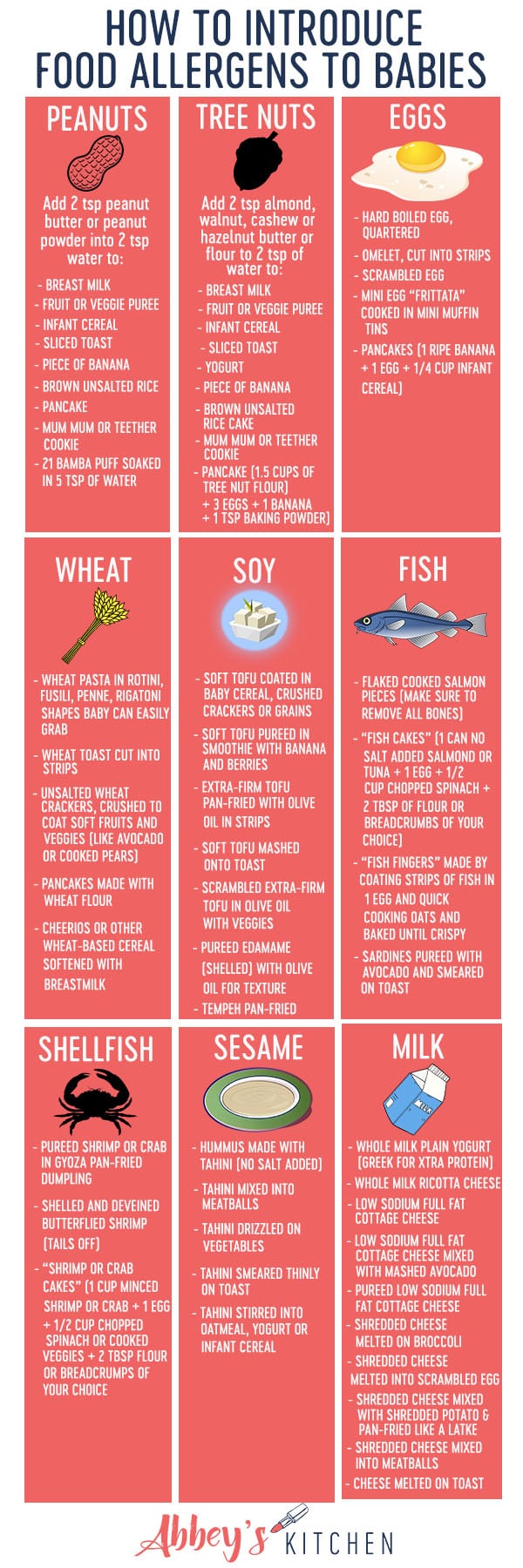
Now that we have a general idea on how to introduce allergens, here are some ideas for incorporating all of the different to allergenic foods into your baby’s diet, either through spoon-feeding or baby-led weaning.


chart with updated gluten guidelines

What Does an Allergic Reaction Look Like?


An allergic reaction can appear just a couple of minutes or a couple of hours after an allergen exposure. Some of the most common signs and symptoms include:

  • Skin: hives, swelling, itching, rash, redness
  • Stomach: nausea, pain, diarrhea
  • Respiratory: coughing, wheezing, shortness of breath, chest pain, throat tightness, nasal congestion, hay fever-like symptoms (runny nose, watery eyes, sneezing)
  • Heart: dizziness, shock, weak pulse, passing out
  • Emotional: anxiety, headache, metallic taste, cramps

If you notice your baby is possibly experiencing an allergic reaction, immediately call 9-1-1 and/or use an EpiPen (if available).

Is that rash an Allergic Reaction or just Contact Irritation?

As a new mom now feeding my son solids, I would anxiously watch for every little sign or symptom on the list I just went through. Occasionally I would see some mild redness or little bumps on my son’s face and worry if something he ate had triggered a reaction. If this sounds like you, don’t panic.

It’s not recommended to place the food on the skin first, as the food may cause an irritant effect that could be misinterpreted as an allergic reaction. Skin contact with a food (e.g. applying a food to the skin first to see if there are any skin changes) is not a way to determine if it will be tolerated when it is eaten according to the Canadian Society of Allergy and Clinical Immunology.

But the Australian society of clinical immunity and allergy suggests rubbing food inside the infant’s lip to observe for any immediate reaction. If no reaction occurs, more food can be gradually given.

Final Thoughts on How and When to Introduce Food Allergens to Babies

Food allergies are still a mystery as to why they occur in some individuals and not others. But I hope that I have helped simplify the allergen introduction process and reduced your anxiety about the best way to introduce food allergens to babies. Whether you’re choosing to spoon-feed or feed with baby-led weaning, there are a number of ways you can introduce those food allergens to help reduce the risk of a reaction.

Now mamas, let me know – how did you introduce food allergens to your babies?
Leave me a comment below and share some of your knowledge!

pinterest image of gluten free food in a bowl above an image of a baby with blue eyes with text overlay

Contribution By:

RD2B Sumeet Chopra and Hannah Wilson & Sofia Tsalamlal, RD, MHSc Nutrition Communication

Abbey Sharp

Abbey Sharp is a Registered Dietitian (RD), regulated by the Ontario College of Dietitians. She is a mom, YouTuber, Blogger, award winning cookbook author, media coach specializing in food and nutrition influencers, and a frequent contributor to national publications like Healthline and on national broadcast TV shows.
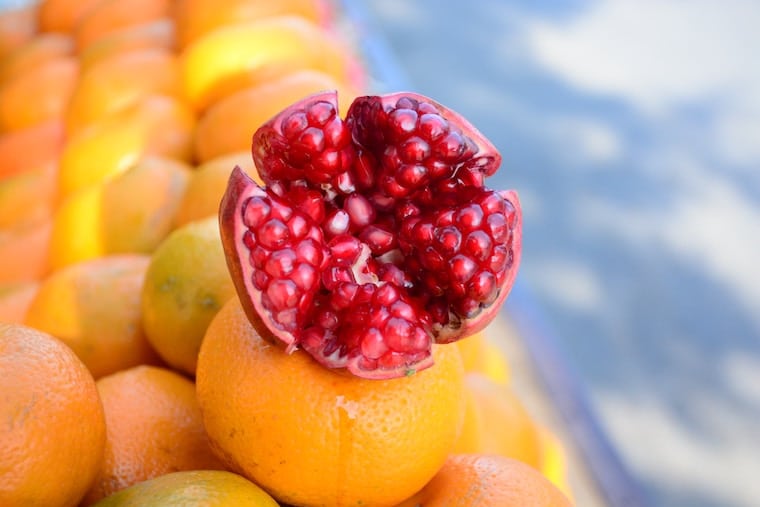
www.abbeyskitchen.com/about-abbey/

Last Updated July 22, 2020. Published January 10, 2019 By Abbey Sharp 42 Comments

Mason Jar Soup Recipes | Easy Vegan Lunch Recipe

I share my favourite easy vegan mason jar soup recipes to help you eat your veggies easily at work with these simple packable work lunches.

I share my favourite easy vegan mason jar soup recipes to help you eat your veggies easily at work with these simple packable work lunches.three different varieties of vegan mason jar soups in tall clear mason jars

It’s the new year and that means we’re all probably planning our new years resolutions. If you’re like MOST Canadians or Americans, getting in shape, losing weight or just getting healthier is probably at the top of your list. While I’m definitely not going to promote weight loss new years resolutions, I do think it’s important to try to eat well all year long and that means MORE VEGGIES. GUYS, we all could stand to get more vegetables in our diet. It just makes sense. And while some days we may want to CHEW our veggies, other days we want to SLURP them with these vegan mason jar soup recipes.

How to Make Vegan Mason Jar Soup Recipes

close up of three vegan mason jar soups in tall clear jars

It can be pretty easy to nail the whole mason jar soup game and have a healthy veggie packed meal at your fingertips for work lunches. The idea for this came from the fact that in my first trimester of pregnancy, I couldn’t stand the thought of eating raw vegetables so everything had to go into a soup. I got used to making a huge batch of vegan soup every week to help me get my veg in, but there were days I legit couldn’t bring myself to cook. That’s why these vegan mason jar soup recipes are so awesome. They’re assembly style and totally delicious.

birds eye view of three vegan mason jar soup recipes for lunch on a wooden table

Just throw in your favourite veggies, grains, noodles and vegan protein, and then add in as many chopped veggies as you have in the fridge. I have three different vegan mason jar soup recipes that I like to rotate between but you can totally freestyle to add whatever you have in the fridge.

Miso Noodle Soup

vegan miso noodle soup in a mason jar next to a bottle of hot sauce and fresh cilantro

Craving ramen? This is vegan mason jar soup is packed with tofu, miso, carrots, bok choy and buckwheat soba noodles. It’s totally delicious and hearty.

vegan miso noodle soup in a mason jar garnished with fresh herbs

Chickpea Beet Soup

vegan chickpea and beet mason jar soup garnished with cucumbers and beets

I’m obsessed with European beet borscht so I thought I would beef it up with some chickpeas and zucchini for a beautiful pink flavourful soup.


vegan chickpea and beet soup in a tall clear mason jar next to cucumbers and beets

Italian Pasta

vegan italian pasta soup in a mason jar garnished with fresh herbs

Sometimes you just need a little noodle in your life. If you’re able to find vegan ravioli or tortellini, go for it. Otherwise, any short cut pasta like fusilli or macaroni will totally work alongside your tomatoes, spinach and beans.  I find the key with this vegan mason jar soup recipe is to use a good quality tomato sauce, not the crappy canned stuff you buy for $1.

vegan italian pasta mason jar soup garnished with fresh herbs next to a loaf of bread


Now I want to know if you’ve tried any of these vegan mason jar soup recipes yet?

What’s your favourite flavour?

What’s your go-to soup that you would like to see turned into a mason jar soup recipe?

Leave me a comment below with your thoughts and good luck with all of your new years resolutions!

pinterest image of three varieties of vegan mason jar soup for lunch with text overlay

I share my favourite easy vegan mason jar soup recipes to help you eat your veggies easily at work with these simple packable work lunches.
Print Recipe
5 from 5 votes

Chickpea Beet Soup

I share my favourite easy vegan mason jar soup recipes to help you eat your veggies easily at work with these simple packable work lunches.
Prep Time5 minutes mins
Cook Time5 minutes mins
Total Time10 minutes mins
Course: Soup
Cuisine: American
Servings: 1 person
Calories: 320kcal
Author: Abbey Sharp

Ingredients

  • 1/3 cup canned chickpeas drained and rinsed
  • 1/4 cup zucchini finely diced
  • 1/4 cup Roma tomatoes seeded and finely diced
  • 1/4 cup grated beets
  • 2 tbsp parsley chopped
  • 1 vegetable boullion cube
  • 1 1/2 cups boiled water
  • Juice of 1 lemon wedge
  • 3/4 tsp za'atar
  • Salt and pepper to taste
  • 2 tbsp pumpkin seeds

Instructions

  • Add all ingredients to a mason jar.
  • Add boiling water and enjoy!

Nutrition

Calories: 320kcal

I share my favourite easy vegan mason jar soup recipes to help you eat your veggies easily at work with these simple packable work lunches.
Print Recipe
4.67 from 6 votes

Italian Pasta

I share my favourite easy vegan mason jar soup recipes to help you eat your veggies easily at work with these simple packable work lunches.
Prep Time5 minutes mins
Cook Time5 minutes mins
Total Time10 minutes mins
Course: Soup
Cuisine: Italian
Servings: 1 person
Calories: 360kcal
Author: Abbey Sharp

Ingredients

  • 1/2 vegetable boullion cube
  • 1/2 cup vegan tortellini or short cut pasta
  • 1/4 cup white beans dried and rinsed
  • 3-4 tbsp zucchini finely diced
  • 3-4 tbsp green beans finely diced
  • 3/4 tbsp spinach chiffonade
  • 1-2 tbsp basil chiffonade
  • 3/4 cup tomato sauce
  • Pinch red pepper flakes or to taste
  • 1 1/2 cups boiled water
  • Salt and pepper to taste

Instructions

  • Add all ingredients to a mason jar.
  • Add boiling water and enjoy!

Nutrition

Calories: 360kcal

I share my favourite easy vegan mason jar soup recipes to help you eat your veggies easily at work with these simple packable work lunches.
Print Recipe
4.75 from 8 votes

Miso Noodle Soup

I share my favourite easy vegan mason jar soup recipes to help you eat your veggies easily at work with these simple packable work lunches.
Prep Time5 minutes mins
Cook Time5 minutes mins
Total Time10 minutes mins
Course: Soup
Cuisine: Japanese
Servings: 1 person
Calories: 320kcal
Author: Abbey Sharp

Ingredients

  • 1 1/2 tsp miso paste
  • 1/2 vegetarian boullion cube
  • 3-4 tbsp shredded carrots
  • 1/4 cup extra firm tofu finely diced
  • 3 tbsp shredded bok choy
  • 2-3 cremini mushrooms finely sliced
  • 3-4 tbsp red bell peppers finely diced
  • 1 oz cooked buckwheat soba noodles
  • 1 tsp lite tamari or to taste
  • 1 tsp sriracha or to taste
  • 1/2 tsp sesame oil or to taste
  • Salt and pepper to taste
  • 1 1/2 cups boiled water

Instructions

  • Add all ingredients to a mason jar.
  • Add boiling water and enjoy!

Video

Nutrition

Calories: 320kcal

Abbey Sharp

Abbey Sharp is a Registered Dietitian (RD), regulated by the Ontario College of Dietitians. She is a mom, YouTuber, Blogger, award winning cookbook author, media coach specializing in food and nutrition influencers, and a frequent contributor to national publications like Healthline and on national broadcast TV shows.
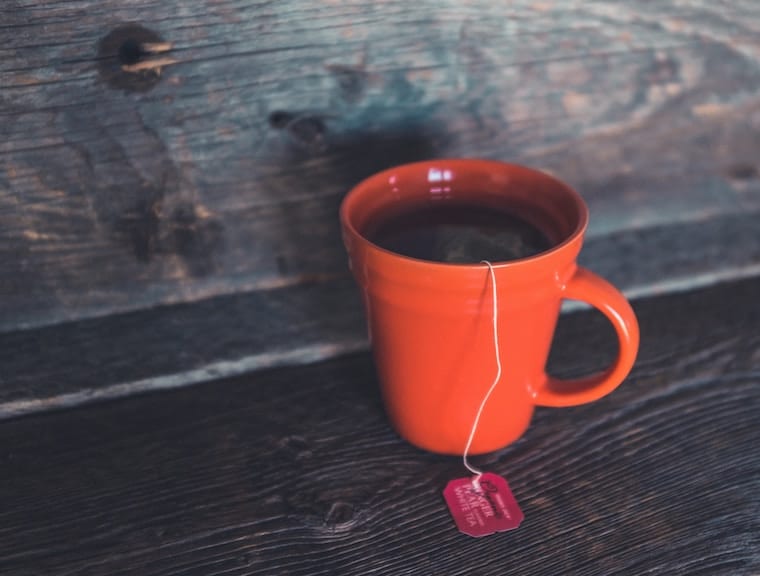
www.abbeyskitchen.com/about-abbey/

Last Updated October 4, 2021. Published January 8, 2019 By Abbey Sharp 15 Comments

One Week Healthy Fitness Meal Plan for New Year’s Resolutions

I share a one week healthy fitness meal plan for women who work out to meet their new years resolutions.

GET THE MEAL PLAN

I share a one week healthy fitness meal plan for women who work out to meet their new years resolutions.

If you’ve ever stumbled upon Instagram, you have likely seen a plethora of fitness and nutrition posts by “fitness experts” or “gym junkies”. While some of the information provided is sound, a lot of it is also a lot of malarkey. Sports nutrition focuses on nutrition related to athletic performance and is deeply routed in scientific research. Done properly, sports nutrition can improve your athletic performance and help you reach your goals. Now, I’m no expert in sports nutrition, and most of you aren’t highly competitive athletes, but I do consider myself an active person and I do believe that adequate nutrition for the average gym goer is important. A common question I get is ” I exercise most days of the week, what should I eat pre and post-workouts?” While the answer can be quite complex, I journeyed into the research of sports nutrition to find it for you. As well, I spoke to a leading expert in sports nutrition, Ben Sit, RD, to give his take on sports nutrition for the average active female. Ben is a Sports Dietitian and is the owner, founder, and president of Evolved Sport and Nutrition.

Fitness Meal Plan Common Mistakes

When speaking with Ben, I was really interested in learning about common mistakes that the average gym goer makes. He stated that “The mistake an average gym goer makes would be not eating properly before a workout. So, you always want to make sure there is something with carbohydrate within an hour before working out. For example, I always recommend a serving of fruit one hour before the workout as part of your fitness meal plan. It depends on the type of workout, but typically that will keep their blood sugar levels fine.Translation: Eat before a workout to make sure your body has the quick energy it needs. An apple, banana, or an orange are examples of easy, on-the-go fruits that you can have on your way to the gym. This simple change can really start your workout on the right track!

Pre-workout vs. Post-workout Meals and Snacks on Your Fitness Meal Plan

This is where it gets a little complicated. For competitive athletes, this will depend on the person’s body type, their goals, and the sport they compete in. For the average person, generally speaking, you can base your meals on the type of workout you will be doing: cardio or strength training (weights).

For cardio, Ben suggests 1 serving of protein, 1 serving of carbohydrate, and 2-3 servings for vegetables for a post-workout meal. For strength training, he suggests 2 servings of protein, 1-2 servings of carbohydrate, and 1-2 servings of vegetables post-workout. This should be consumed within 2 hours of exercising and should be a meal, not a snack. The snack should be pre-workout.

The reason Ben suggests a meal afterwards in this fitness meal plan is two-fold. One, most people have trouble exercising on a full stomach, so leaving the meal until afterwards can help with digestion. Two, after a workout we need to refuel and rebuild our muscles, the carbohydrates and protein from a meal will help with muscle protein synthesis (build muscle).

An example of a post-workout meal would be spaghetti and meatballs with marinara sauce along with roasted vegetables on the side. I mean, you could also have a typical “body builder” meal of chicken breast, sweet potato, and broccoli, but don’t feel like you have to have the same food every day! The most important thing to follow is macros, which I go into in the next section.

Macros, macros, everywhere

Have you noticed that all anyone in the fitness industry talks about is macros? And what is a macro? Well, macro is short for macronutrient and it is quite simple. There are three macronutrients: carbohydrate, protein, and fat. Without going into a whole biochemistry lecture, here’s a simple breakdown of what each macronutrient is:

Carbohydrates

If you like bread (who doesn’t?), you like carbohydrates. There are two main types of carbohydrates, simple and complex. An example of a simple carbohydrate (also known as monosaccharides and disaccharides) would be fruit, because they contain small, naturally-occurring sugars such as fructose. These small sugars enter the blood stream quickly which provide the cells of your body with quick fuel. An example of a complex carbohydrate would be whole-grain pasta or brown rice. This is considered complex because it contains large-chained molecules called starches and fibre. Your body takes longer to break these down into smaller, more easily absorbed carbohydrates so they’re key on your fitness meal plan.

Protein

This is very popular right now and for a good reason. Protein is made up of amino acids, considered our body’s building blocks. Our body relies on protein not only for muscles, but for cellular reactions, building of tissues, and daily living. Our hair is made of protein! Now, the reason why protein is so important for sports performance is because of it’s role in muscle protein synthesis. Basically, when we exercise, we make tiny tears in our muscles (it’s a good thing) and our body uses protein to rebuild and grow the muscle. This is why after a while of working out certain muscle groups, they become larger. If you don’t get enough protein, you may notice muscle loss, weak hair and nails, and an overall feeling of lethargy. Examples of protein include chicken, beef, eggs, beans, lentils, nuts, seeds, and tofu- don’t skimp on this fitness meal plan.

Fat

This macronutrient has an undeservingly bad reputation. Also called lipids, fat is found throughout our body. It plays an important role in protecting organs, creating a protective coating around our spinal cord, and helps create hormones that actually control our appetite. So, yes, we need some fat in our life! However, it comes in a few different types that we need to be aware of: monounsaturated, polyunsaturated, saturated, and trans fat. The first two, monounsaturated and polyunsaturated (MUFAs and PUFAs), are good for our health. Saturated fat is still up for debate, but generally speaking, we should limit this as much as possible for the sake of our heart health. Trans fats are artificial fats that are in many processed foods and baked goods. In September 2018, trans fats will be banned in Canada as there is concrete evidence that consumption of trans fats can lead to an array of health problems, particularly heart disease. When you eat mainly MUFAs and PUFAs, you are providing your body with a highly concentrated form of energy as well as important nutrients that aid with brain and heart health. Examples of MUFAs and PUFAs are olive oil, avocado, nuts, seeds, and fish.

So how much should you be having? Well, this depends on whether it’s a cardio or weight training day. Ben states that “If you want to do weight lifting I would say like 30% protein post-workout, 45-50% carbohydrate, and whatever is left of fat. And it’s actually very, very similar when it comes to cardio with just a little bit more focus on carbohydrates. So, I would focus on 25% protein, a little bit more fat at around 25% and then 50% carbohydrate.”

Finally, protein should be distributed throughout the day as it has been a proven way to increase muscle protein synthesis. Ben recommends that snacks have about 10-15 grams of protein and meals have 20-35 grams of protein, the higher end being for those of larger size and typically male.

Although this can be a bit tricky. So, we’ve created a week’s fitness meal-plan to give you an idea of what this macronutrient distribution would look like as a meal! Another great tool to use is MyFitnessPal to get you started and give you an idea of how you’re currently doing. After you’re used to it, I suggest limiting your use and begin practicing intuitive eating since this is a more realistic, day practice.

Calories

I’m not a big fan of calorie counting, it is important to have an idea of how much food your body needs. While everyone is different and calorie needs are very individual, one of the main things that will determine how much you need is how active you are, Ben states. “The big determinant of that calorie intake is what they are doing when they are not working out. Because a hard, hard workout would only burn a maximum of 700-800 calories so then you look at what they are doing outside the workout. So, if they have an office job that they’re just sitting around, their calorie goals may be closer to 1500 calories per day But, for an athlete, it’s dependent on what kind of athlete they are, what kind of goals they have.” So, generally speaking, aim between 1500 calories and 2000 calories, with 2000 calories being on the high end on this fitness meal plan.

At the end of the day, listen to your body. If you’re hungry, eat. Hunger is your body telling you that it needs energy. When you give your body the fuel it needs, you’re more likely to see the results you’re looking for. When you restrict, your body doesn’t have enough to work with.

Protein Powders

Touted by many athletes, protein powder is commonly used as a post-workout drink. But is it worth investing in? Ben recommends protein powders to those who have difficulty tolerating food after a work-out: “Protein powders can be easily tolerated post-workout, because in post-workout situations, your appetite is actually suppressed. So, to make sure you’re getting the proper post-workout nutrition, that can be very, very difficult and involves you having to force food down your throat which a lot of people don’t want to do.”

His philosophy is getting proper nutrition at the right time and states “There are certain times and windows of opportunity that you need protein and carbohydrate after a workout. I’m one of the few dietitians to routinely go to protein powders because I know it works best and it’s easier to tolerate and is more realistic than asking someone to have a chicken breast within half an hour of finishing a workout, which doesn’t really happen. So, I actually stand by protein powders and it really depends on what kind of protein powder is tolerated for that person because not everyone tolerates the same protein powder. So, you need to find the right one for the person.”

So what kind of protein powders are there to add to your fitness meal plan? Well, the most commonly used and well-researched protein powder is whey isolate. Whey is a by-product of the cheese making process and is extremely high in protein and has a great amino acid profile. It is also utilized well by the body for muscle protein synthesis as evidenced by copious amounts of research. The only issue is this may not be suitable for a person avoiding animal products or that has trouble tolerating dairy proteins. In this case, Ben recommends trying egg or plant-based protein powders. Basically, it will be trial and error until you find one that works best for you in your fitness meal plan. Also, a little carb in the protein powder is generally a good thing.

If you are able to tolerate food shortly after a workout, then by all means eat a meal. The key is providing your body the fuel it needs after a strenuous workout.


Monday

Strength-Training Day
Breakfast

Peach Melba Crumble Overnight Oats (Abbey’s Kitchen)

two clear jars containing peach melba overnight oats garnished with fresh fruit

461 calories

79 g carbohydrates

10 g fat

17 g protein

Lunch

Healthy Vegetarian Middle Eastern Hummus Quesadilla (2 servings) (Abbey’s Kitchen)

stack of vegetarian hummus quesadillas on a wooden serving board

478 calories

49 g carbohydrates

20 g fat

30 g protein

Snack

High Protein Avocado Smash (Abbey’s Kitchen)

high protein avocado smash on toast garnished with tomatoes and greens on a white plate

261 calories

27 g carbohydrates

9 g fat

20 g protein

Dinner

Gluten Free Chicken Ramen (Abbey’s Kitchen)

bids eye view of gluten free chicken ramen in a white bowl with chopsticks

338 calories

34 g carbohydrates

8 g fat

36 g protein

Total Daily Nutrition Breakdown
With regular snack With apple and protein shake
1799 calories 1748 calories
216 g carbohydrates (48%) 213 g carbohydrates (48.7%)
59 g fat (29%) 51 g fat (26.3%)
112 g protein (25%) 122 g protein (28%)

Tuesday

Cardio Day

Breakfast

Southwestern Breakfast Burrito with Acorn Squash (Food Faith Fitness)

close up of acorn squash breakfast burrito cut in halves on a blue plate

324 calories

39 g carbohydrates

12 g fat

21 g protein

Snack

Tropical Frozen Greek Yogurt (Abbey’s Kitchen)  (recipe for one)

tropical frozen greek yogurt in a clear bowl with a silver spoon

190 calories

25 g carbohydrates

4 g fat

15 g protein

Lunch

Artichoke and Pesto Healthy Grilled Cheese (Abbey’s Kitchen) and 10 baby carrots

close up of artichoke and pesto grilled cheese on a white plate

309 calories

27 g carbohydrates

12 g fat

32 g protein

Snack

Apple Pie Vegan Protein Granola Cups (2 servings) (Abbey’s Kitchen) with 1 cup plain soy milk

stack of apple protein granola cups on a colourful plate garnished with hemp hearts

276 calories

26 g carbohydrates

13 g fat

17 g protein

Dinner

Turkey Pumpkin Chili (Abbey’s Kitchen)

two red ramekins containing turkey pumpkin chilli garnished with avocado and lime

444 calories

46 g carbohydrates

16 g fat

28 g protein

Also includes 1 medium orange pre-workout

Total Daily Nutrition Breakdown
1612 calories
181 g carbohydrates (45%)
57 g fat (32%)
113 g protein (28%)

Wednesday

Strength-Training Day

Breakfast

Pistachio Tahini Protein Smoothie (Abbey’s Kitchen)

birds eye view of pistachio tahini smoothie in a clear glass garnished with fruit and pistachios

378 calories

47 g carbohydrates

13 g fat

20 g protein

Snack

Cashew Tuna Salad Bites (The Real Food RDs)

lineup of cashew tuna salad bites on a white pate garnished with herbs

242 calories

14 g carbohydrates

13 g fat

20 g protein

Lunch

Mediterranean Almond Barley Salad (Abbey’s Kitchen)

315 calories

102 g carbohydrates

15 g fat

17 g protein

Snack

Tropical Baked Oatmeal Muffin Cups (Abbey’s Kitchen) (2 cups)

close up of tropical oatmeal muffins on a wooden counter

250 calories

30 g carbohydrates

10 g fat

8 g protein

Dinner

Ranch Buffalo Chicken Meatballs with Zucchini Noodles and Cauliflower Alfredo Sauce (Food Faith Fitness)

close up image of ranch buffalo meatballs over a bed of zucchini pasta garnished with fresh herbs in a white bowl

479 calories

30 g carbohydrates

14 g fat

39 g protein

 Plus 1 medium pear pre-workout & 16 oz protein shake (whey isolate) post-workout

Total Daily Nutrition Breakdown
1880 calories
186 g carbohydrates (40%)
66 g fat (30%)
135 g protein (30%)
*percentages may not exactly equal 100% due to rounding

Final Thoughts on this Fitness Meal Plan

The guidelines provided here are very general and are a good starting point for most people. However, as your physical activity increases and your body becomes better accustomed to your diet, changes will need to be made. In this case, it is best to visit a Registered Dietitian/Sports Dietitian who can provide you with specific, personalized sports nutrition information and a tailored fitness meal plan. Click here to find out if there is an Evolved Sport Nutrition in your area!

The fitness meal plan below can be reorganized to meet your needs. For example, if you would prefer to have a snack in the evening rather than the afternoon, that’s fine! Or, you can replace snacks with a fruit before a workout. It will take time to know what really works for you, but it sure will be an exciting, worth-while adventure!

Want to see what’s on the fitness meal plan for the rest of the week?

We’re saving it as a thank you to our loyal followers. Simply:

  1. Subscribe to my blog (see the box at the top?)

2. Subscribe on Youtube

3. Like on Facebook

4. Follow on Instagram

Once you have completed all four I will send the rest of the fitness meal plan over to you STAT!

GET THE MEAL PLAN

pinterest image of one week fitness meal plan for new years resolutions with text overlay


Contribution By:

#RD2B Katey Davidson

Abbey Sharp

Abbey Sharp is a Registered Dietitian (RD), regulated by the Ontario College of Dietitians. She is a mom, YouTuber, Blogger, award winning cookbook author, media coach specializing in food and nutrition influencers, and a frequent contributor to national publications like Healthline and on national broadcast TV shows.
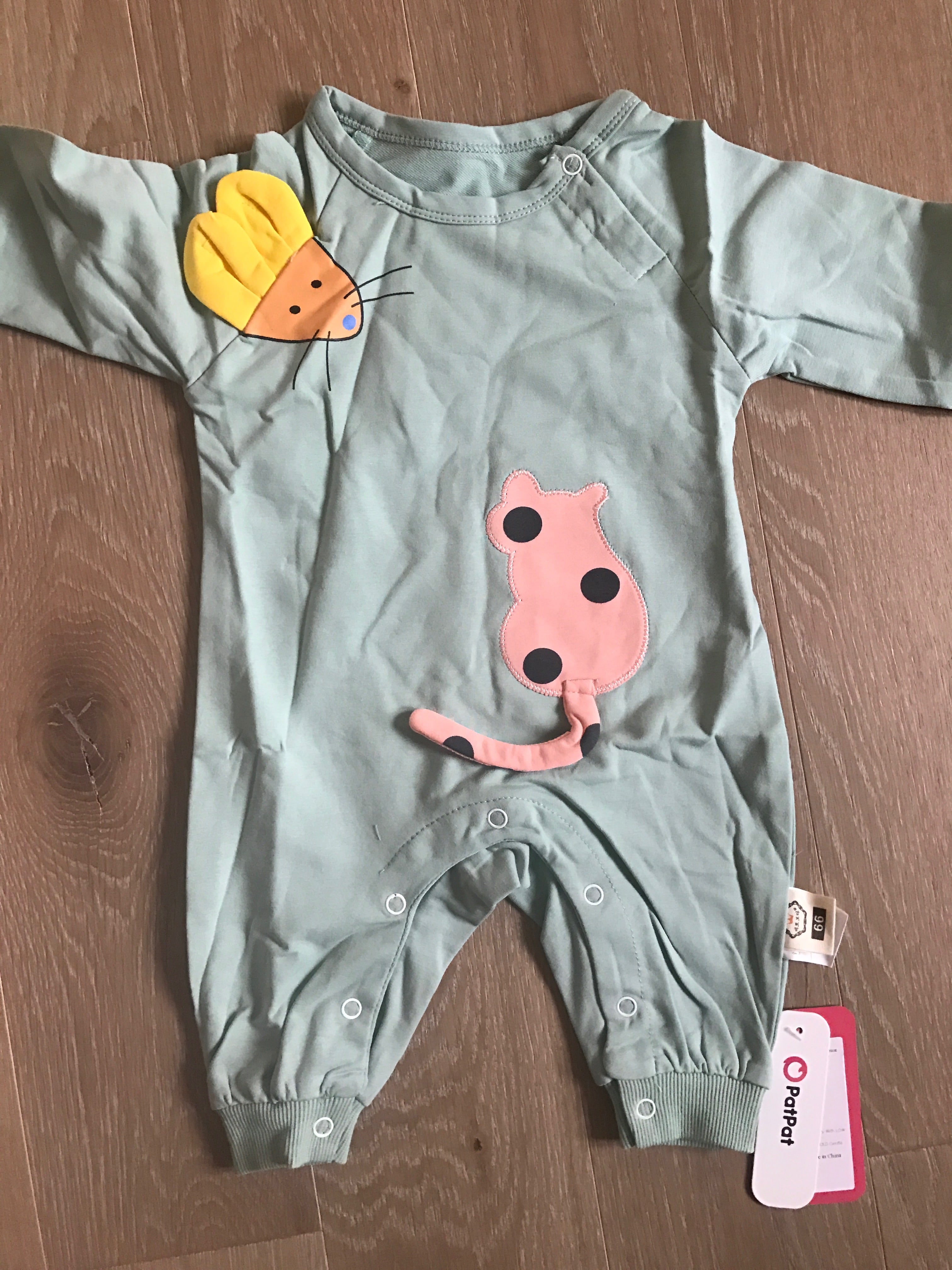
www.abbeyskitchen.com/about-abbey/

Last Updated October 21, 2020. Published December 31, 2018 By Abbey Sharp 8 Comments

Is Breastfeeding Making You Anxious and Sad? Understanding D-MER While Nursing

Is breastfeeding making you anxious and sad? We explore the science behind dysphoric milk ejection (D-MER) while nursing and what you can do about it.

Is breastfeeding making you anxious and sad? We explore the science behind dysphoric milk ejection (D-MER) while nursing and what you can do about it. 

Motherhood is fucking hard, and is emotional at the best of times. For me, breastfeeding was probably one of the single biggest struggles I’ve ever encountered in my entire life (and that was AFTER the heartbreaking struggle of infertility). But as if getting a latch, dealing with bleeding nipples, and endless clogged ducts isn’t bad enough, a lot of moms also struggle with anxiety and sadness while breastfeeding. And no, it’s not just because of all the horrible things I just listed. It’s called Dysphoric Milk Ejection (D-MER).

So what is D-MER?

woman holding her baby under a tree in a park

Under normal conditions, breastfeeding can stimulate the feel-good hormone, oxytocin in moms as they describe forming that alleged “beautiful bond”. But as I have learned from my own experiences breastfeeding, this is anything but universal. D-MER occurs when mothers experience negative feelings prior to voluntary or involuntary milk release. The anxiety, sadness and depressive symptoms typically start about 30-90 seconds into a feed and can last until breastfeeding or milk release ends, according to anecdotal sources. Considering that most babies feed multiple times a day, a mother with D-MER can feel depressed 7-9 times a day and it often will last until their baby is weaned.

D-MER Research

Another thing to mention before we go any further is that any direct research on D-MER is basically NONEXISTENT. Wha?! A lack of research on women’s health? SHOCKER. There’s very little research in reproductive health in general, and sadly there is a history of a lot of these conditions been dealt with as “women’s issues” (aka. you’re crazy because you’re hormonal). Let’s hope we can see more future research in this area to help women get the treatment they need.

Okay, feminist rant aside. Let’s get into it.

How D-MER Works

Excuse me while I put my geek hat on and get a little science-y for a minute.

Dopamine is a hormone associated with pleasure and pain. For milk release to occur, dopamine levels need to decrease to allow the release of prolactin and oxytocin. The International Breastfeeding Journal states that an extreme decrease in dopamine levels during milk release can trigger D-MER. D-MER is not linked to direct nipple stimulation but rather anything that can cause milk release which can happen when moms hear a baby, have full breasts or are trying to feed or pump.

Unfortunately, there is NO scientific evidence that explains why some mothers experience the D-MER while others don’t. We also don’t know why moms may experience D-MER with all of her kids or just a later one.  One theory however is that it may be linked to the age of the mother; the older the mother, the more likely to suffer from D-MER. Great!

Signs and Symptoms of D-MER

woman holding a mug looking sad on a bed

D-MER symptoms form a spectrum of 3 different emotions:

  1. Depression
  2. Anxiety
  3. Anger

D-MER Is often characterized as a state of dysphoria, defined as a state of unease and dissatisfaction with life. Mothers describe feelings of hopeless, worthless and helpless, while guilt, low self-worth and shame are also common.

Here’s a quote from Jax at Mummy’s Little Monkey describing the feeling:

“To use a bit of Harry Potter terminology, it was like Dementors were nearby, and were sucking all the light and joy out of the room. Then, 20 seconds later, all the horrible feelings would disappear”

A lot of moms are also turned off of their favourite food and drinks, and experience a “hollowness” feeling in their stomach. Due to these symptoms, clinicians may misdiagnose D-MER as general postpartum depression. But unlike depression in a lot of cases, D-MER can be improved, worsened or eliminated by environmental or chemical changes.

How to Manage Your D-MER Symptoms

Acknowledging Symptoms

According to a Midwifery Journal, the mother and child relationship can be negatively affected with emotional breastfeeding struggles. Moms may feel stripped of their maternal identity as if they feel they are failing at being a mom when they stop breastfeeding due to the unbearable symptoms of D-MER. I didn’t have D-MER, but I definitely felt like a failure when I gave up breastfeeding my son.

Not surprisingly, a lot of moms often feel alone and confused about their condition especially because it’s not fully understood by clinicians or even talked about in popular parenting books. If you’re reading this right now thinking “I’ve never even heard of this!” you’re suggesting to me that more people need to talk about this not-so-uncommon breastfeeding problem. Let’s take a look at how D-MER is managed when it is diagnosed.

Medications

medication for anxiety

The most effective treatment method has been increasing dopamine levels with medication. Specifically, using nonreprinephrine-dopamine reuptake inhibitors such as bupropion (Wellbutrin). One downside of this treatment is that these inhibitors can suppress milk production which in itself can feel a bit depressing. Trust me, I know.

Alternative Methods

Many moms try natural treatment methods to compliment their drug therapy such as herbs, B-vitamin complex, acupuncture or alternative therapies (cranioscral, musical or hyponosis). Herbs commonly recommended for increasing dopamine naturally include rhodiola or golden root, evening primose oil and ginkgo, while foods like young fava beans are also used as they contain levodopa which converts into dopamine. Not surprisingly, however, there is NO scientific evidence that any of these natural treatment methods are effective at treating D-MER because we just don’t have any studies that have tested these methods. So what else can you do to lift the fog?

Mindfulness

person doing yoga outside

Some experts recommend practicing mindfulness meditations and exercises focusing on positive thoughts and activities that they enjoy such as watching TV, talking to loved ones, deep breathing or eating yummy snacks.

Exercise

person rolling a yoga mat

Lastly, we do know that regular exercise has been shown to benefit our mental health, and may even improve depressive symptoms. However whether exercise improves D-MER symptoms is not clear, since no studies have yet to study this relationship. Exercise in general can do wonders for our health, so I would suggest it could definitely help..

So What’s the Bottom Line on Managing D-MER?

While we don’t have a ton of research to help us understand the cause of D-MER, and management strategies are limited, I wanted to write about this to bring awareness to new moms who may feel like the emotions around breastfeeding are getting out of hand. D-MER isn’t something that is talked about on mom groups as readily as postpartum depression or breastfeeding pain, in general, so I hope I’ve helped at least one mom put a face to their struggle. If you’re experiencing symptom of sadness, anxiety or anger with breastfeeding, speak to your doctor today.

pinterest image of woman holding her baby under a tree above a photo of a woman looking anxious on a bed with text overlay

Contribution By:

RD2B Sumeet Chopra

Sofia Tsalamlal, RD, MHSc Nutrition Communication

Abbey Sharp

Abbey Sharp is a Registered Dietitian (RD), regulated by the Ontario College of Dietitians. She is a mom, YouTuber, Blogger, award winning cookbook author, media coach specializing in food and nutrition influencers, and a frequent contributor to national publications like Healthline and on national broadcast TV shows.
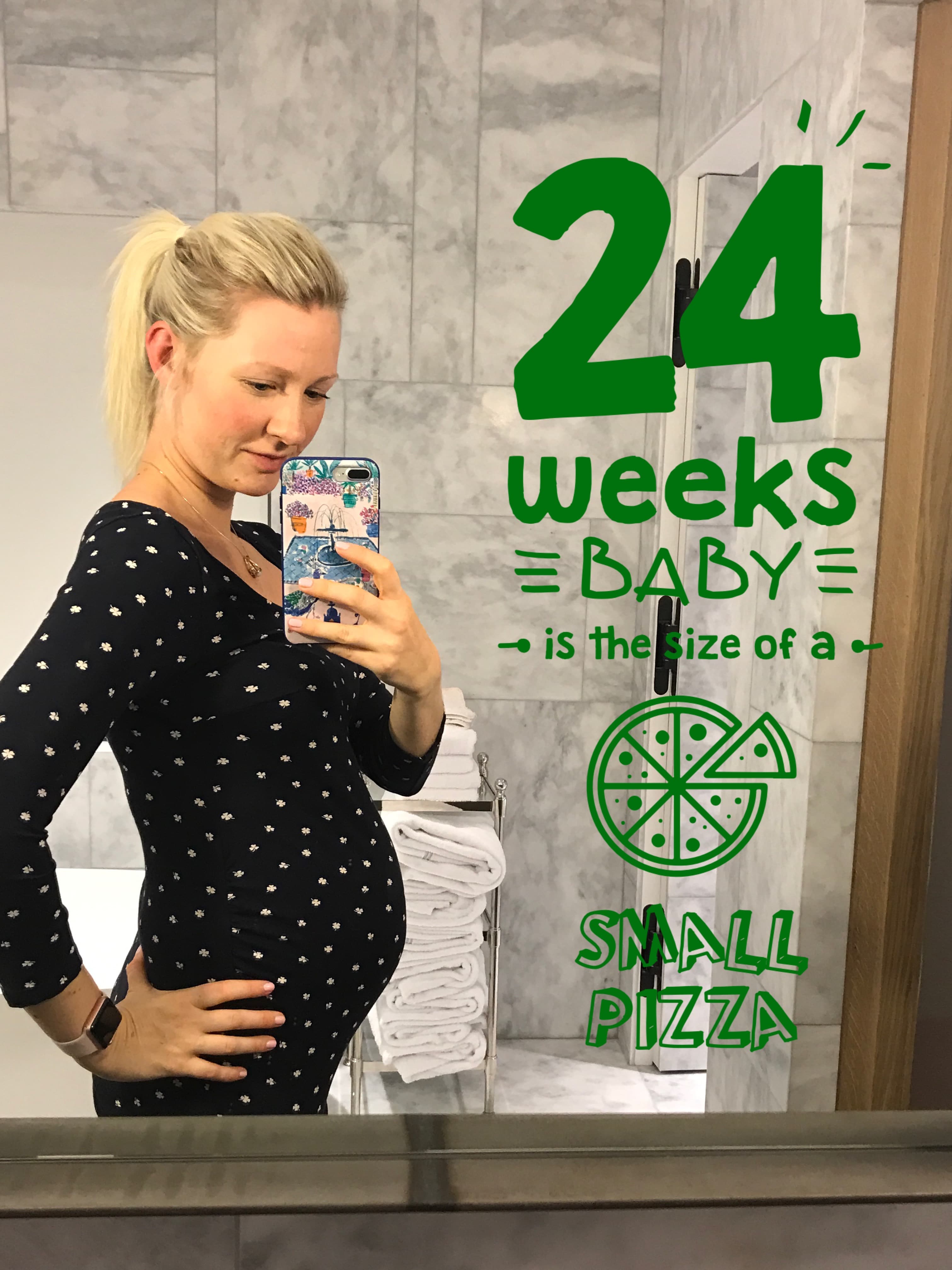
www.abbeyskitchen.com/about-abbey/

Last Updated October 14, 2020. Published December 28, 2018 By Abbey Sharp 11 Comments

Why I Don’t Share Pictures of My Child on Social Media | Alternatives to Sharenting

I share my thoughts on sharenting and why I don’t share pictures of my child on social media and some compromises I’ve made to satisfy that need.

I share my thoughts on sharenting and why I don’t share pictures of my child on social media and some compromises I’ve made to satisfy that need.

Since starting my blog over a decade ago, I’ve shared a hell of a lot about my life. You’ve learned about my high functioning anxiety, my history with orthorexia, my infertility and IVF, and my breastfeeding struggles (to just name a few of my more personal posts). If you follow me on YouTube, you see me in action (and often scantily clad in a gold onesie).

Clearly, I am not shy and I am not private.

I get an enormous amount of pleasure sharing my life with the world.

This is why I chose the a path working in media.

But considering my role in the public eye, you may be wondering why you’ve never seen the most important thing in my whole life – my son. In fact, if you missed my ONE announcement photo Instagram story, you may not even know his name. So why the heck don’t I share pictures of my child on social media?

Why I Don’t Share Pictures of My Child on Social Media

baby arms with cereal in front of them

Okay, so first thing I want to say is that I don’t want this to come off as elitist or holier than thou about my choice to not share pictures of my kid online. This is a multi-faceted choice and not necessarily the “right” one, and mommas have enough guilt over the choices they make. You do you!

Second, I get that there are a ton of benefits to sharing photos of your family online. A lot of our relatives don’t get to see our son on the regular, so keeping them updated in his impressive accolades (like eating fancy chicken pate) and milestones (like rolling around like an acrobat), is really valuable stuff.

Third, and most importantly you should know that this no-sharing thing isn’t easy for me. Legit EVERY day I have to fight with myself NOT to spam you on my Instagram feed with pictures of my son. I mean, I know I’m biased but he is SO FREAKING CUTE and he does CRAZY adorable things, and I have never been so proud of anything I’ve ever even been affiliated with in my life. Forget about humble bragging! I often want to start a Facebook ad campaign with a carousel of his pictures because the reality is, I’M TOTALLY THAT KIND OF MOM.

Yes my friends, left to my own devices, I am a total “sharent” (aka. a parent who loves sharing pictures of their kid on social media.) This isn’t even considering the fact that social media is my job, and it’s very hard for me to give you an authentic genuine look inside my life when my life is about 95% baby, and 5% everything else. Not to mention, there is an opportunity cost of not sharing. I have a lot of brands who have wanted to work with me, but declined when I told them I wouldn’t post photos of my son. Ugh, honestly folks: it’s never easy to turn down work.

So if I feel such an innate desire to photo-vomit all over you with shots of my kid in the bath, in his high chair, on his play mat, and in his crib ALL THE LIVE-LONG DAY, why have I held back?

Here’s why I’m choosing to limit my kid’s digital footprint.

I am Worried about His Safety

I used to really love all those shows and movies about abductions and missing kids. Now they make me physically sick to my stomach. There is NOTHING in this world that scares me more then the idea of anyone taking and hurting my baby, and we do know that the internet can be a dangerous place. Once an image is out there (even in what we deem to be more private settings), it’s out in the world for the taking, and there are a lot of dangerous sick people out there thriving on images of young kids. Is it likely someone would target my kid? No, probably not, but is it a risk I want to take? When we add in geotagging and facial recognition technology that is very quickly becoming common place, it’s getting easier and easier for bad adults to locate the people from images they find online.

I Have No Right Curating my Kid’s Brand

Let’s be real. I’m a brand. I mean, I’m also a person, but the Abbey you see on social media is admittedly a curated Abbey. Even when I’m engaging in “real talk” (which is, really all true), it’s still filtered, edited, sometimes mulled over for months before I decide to push “publish”. As a result, the things that influencers (like me) share on social media about their kids is also curated. But I chose my brand. I am in control. I’m not sure it’s fair to curate my son’s “brand” without his very important input. Technology is also quickly evolving. It’s very likely that by the time my son is old enough to have his own Facebook account, that facial recognition technology will have already compiled a million images of him from online and added it to his online identity and digital footprint. It’s possible, just maybe that he won’t want a picture of him in a pumpkin costume beside his law school head shot (#JewishMother). He might not care, he might think it’s cute, but maybe I should leave it to him to make that call.

I Don’t Have His Consent

On that note, let’s talk about consent. There’s a lot of talk about consent in the media these days, and I would say for really good reason. My son, although he’s a genius obviously, is still too young to consent to any images I share of him online. While I have no shame in prancing around in a gold onesie with my breastfeeding boobs legit falling out, that’s my prerogative. I’m a consenting adult. It’s possible my son will be a confident bad ass attention-lover like his mama, but it’s also possible that he will be shy, reserved and private. Even if I were to abstain from posting the naked bath shots for the world to see his willy, I would never forgive myself if he grew up and was embarrassed by the seemingly benign images I did share.

My Husband Asked Me To

Okay, so now is where we get real again. While all of the aforementioned reasons help explain why I don’t share pictures of my child on social media, the biggest reason is because my husband asked me not to. Before Baby E was here, I fought him HARD on this, and it’s only now that some of his concerns make sense. But even when they didn’t, and the thought of not sharing my pride and joy with the world KILLED me inside, I agreed to abstain because it was really important to him. I’m no relationship expert, but one thing I’ve learned in the 12 years I’ve been with my hubby is that you’ve got to pick your battles and find ways to compromise so that you both feel satisfied. Sometimes one partner will get the bigger slice of the pie, but the next time it will even itself out. In our home, the “no sharenting” rule was his big slice.

Here’s How I Satisfied my Need to Share Pictures of My Child on Social Media without Breaking the Sharenting Rules

abbey holding baby E in the kitchen

Before I gave birth, I was really worried that I would go absolutely insane without the satisfaction of sharing the one thing I’m most proud of in life- my son. Our compromise was to create a private Facebook photo album for people I *actually* know, where I could post a highlight reel of my son. This gave family members and friends afar a chance to see him grow and mature, while keeping him safe (or at least safer) from the sick perverted corners of the web.

I also occasionally share images that include his feet, hands and other non-identifying body parts online. This helps me stay authentic and genuine online (because this boy is my whole world right now) without revealing his identity.

Finally, any information I do tell publicly about my baby (and I keep it prettttty general), I do so with the pet name Baby E. That way, a google search in the future wouldn’t yield any results of my son’s name and his digital identity and brand would be his to build.

Who knows, maybe one day when Baby E can talk and express his own personality and desires, you may see him appear on my YouTube channel. Heck, you might even see him star in his own channel and blow my subscriber count out of the water (#momgoals). But until he can make those decisions and build his own online brand, I’ll revel in this one perfect precious gift that’s all mine.

https://www.youtube.com/watch?v=rQUnioDCARY&t=13s

Become an Abbey’s Kitchen Subscriber

Tell me, do you share pictures of your kids on social media and online?
Why or why not?
Do your parents share pictures of you online?
Does that bother you or do you not mind?
Leave me a comment below and join the conversation! I would love to hear your thoughts!
two images of abbey holding baby E when he is a baby and when he is a toddler


Abbey Sharp

Abbey Sharp is a Registered Dietitian (RD), regulated by the Ontario College of Dietitians. She is a mom, YouTuber, Blogger, award winning cookbook author, media coach specializing in food and nutrition influencers, and a frequent contributor to national publications like Healthline and on national broadcast TV shows.
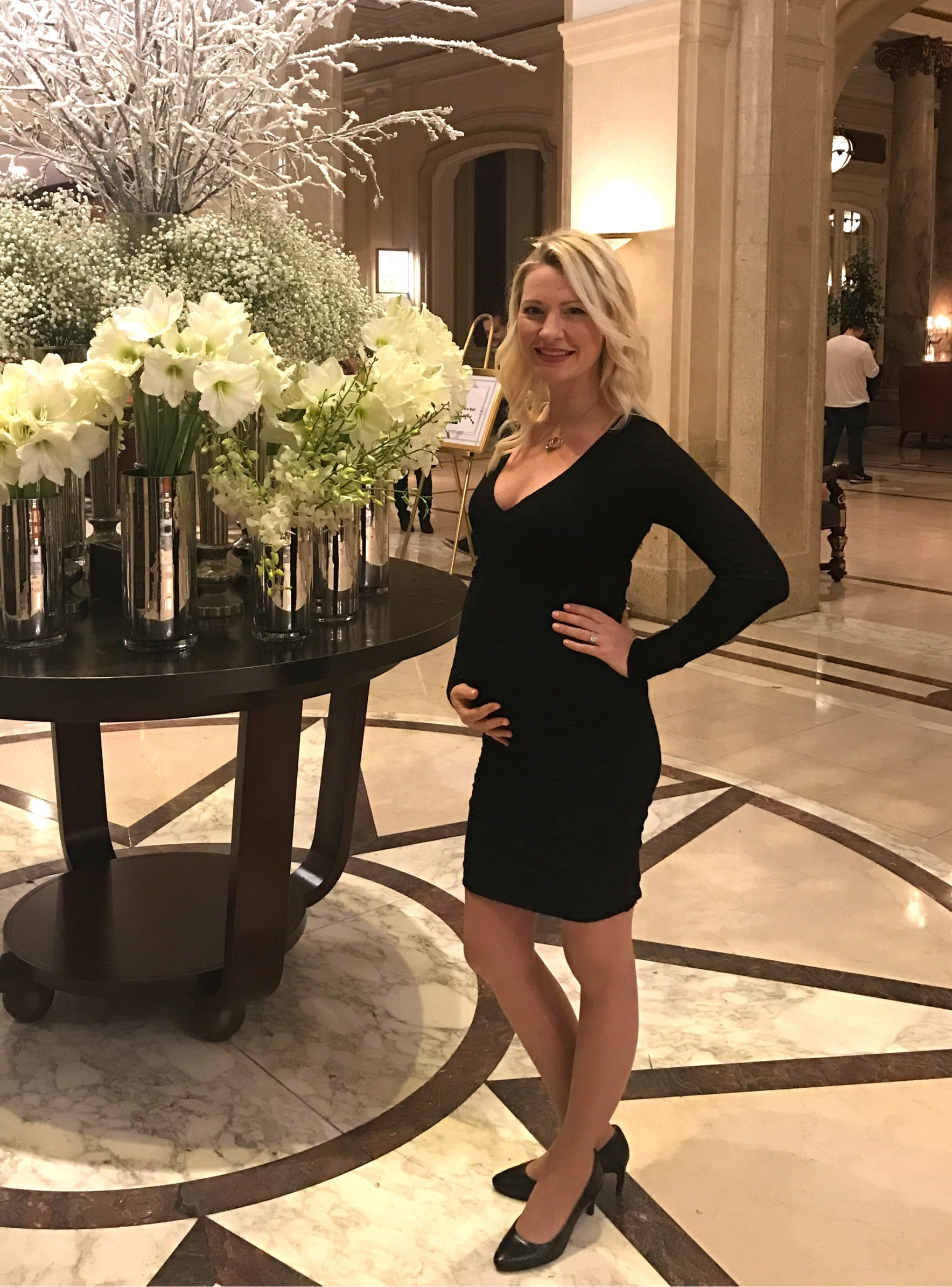
www.abbeyskitchen.com/about-abbey/

Last Updated October 21, 2020. Published December 26, 2018 By Abbey Sharp 6 Comments

Is Your Nonstick Cookware and Teflon Toxic or Safe? We Look at the Research on Teflon

Is nonstick cookware and teflon toxic or are these convenient cooking tools safe to use? We look at the research.

Is nonstick cookware and teflon toxic or are these convenient cooking tools safe to use? We look at the research.

Nonstick cookware is a popular home cooking tool in a lot of households, touted as a convenient, scrub-free way to use less fat! A good nonstick pan lets you flip a pancake like a champ, whip up a perfect omelet every time and pan-fry chicken breast with virtually no oil or scrubbing.

Sounds too good to be true. But is it? Is that nonstick material, known as Teflon, safe for our health when heated to such high temperatures? Let’s look at the facts.

What’s Teflon?

eggs and a whisk in a nonstick pan

Nonstick cookware is coated with polytetrafluoroethylene (PTFE), more commonly known as Teflon. This compound provides nonstick cookware with its nonreactive, nonstick surface generating the cookware’s chemical, thermal, and electrical stability.

What’s PFOA?

Perfluoroctanoic acid

(PFOA) is a chemical that was traditionally used in the manufacturing process of Teflon, and therefore, the manufacturing of nonstick cookware. Since the majority of the PFOA gets burnt off during the manufacturing process, Teflon products are not known to be a significant source of PFOA exposure. Still, there are a lot of concerns regarding these compounds and our exposure to them when food is cooked at a high heat.

When brought to a high temperature, PFOA is considered a dangerous carcinogen. In one study, long term exposure to PFOA was linked to kidney and testicular cancer. There are multiple studies that associate PFOA exposure to disease states but there is no evidence strictly stating that nonstick cookware will lead to these conditions. Since there has been some evidence linking the risks of PFOA exposure to disease, the compound is no longer used in the manufacturing of Teflon. In fact, nonstick cookware has been PFOA-free since 2013 so therefore, there is no reason to be concerned with the detrimental health effects of PFOA exposure.

Phew, so that’s one case closed.

Are other compounds in Teflon toxic or safe?

person serving a meal onto a plate from a nonstick pan

Okay, so this is likely not a helpful answer, but yes and no. The Teflon coating found on nonstick cookware is typically harmless until it reaches very high temperatures. At extremely high temperatures of 500°F (260°C), Teflon will begin to break down, causing the release of these two toxic chemicals: tetrafluoromethane and carbon. Inhalation of these fumes may potentially result in what is affectionally known as the Teflon Flu. In early animal studies, exposure led to symptoms including headaches, chills, backaches, and a fever beginning about 4-10 hours of after exposure, and resolving 12-48 hours after exposure. These risks were only evident when the Teflon cookware was heated to temperatures over 570°F (300° C). It’s important to note, however, that we don’t have any human research (as of yet) to determine the relative human risk. Also, those high temperatures are rarely reached as fats, butters and oils start to smoke around 400°F (204°C).

In more severe cases where the cookware was heated beyond 660°F (349° C) for an extended period of time, research suggests that that Teflon cookware may increase the risk of respiratory problems including shortness of breath and acute pulmonary edema.

How to Reduce the Risks of Teflon Exposure

person standing above a stove with a red nonstick pan on it

So now that we have learned there are risks of Teflon exposure at high temperatures, the question remains; is this cookware still safe to use?

Absolutely, but we can minimize the risks with a few precautions.

Cook on Low/Medium Heat

To reduce the risks associated with Teflon exposure, simply avoid cooking on high heat, or at temperatures greater than 570°F (300° C). Using slow heating will not only reduce your risks of Teflon exposure, but can also ensure the product you are preparing is protected from burning. Win win!

Avoid Heating an Empty Pan

To reduce the risks of Teflon exposure, avoid heating an empty pan as the temperatures can exceed 600°F (316°C). It is best to use a pan on low or medium heat with butter or oil to protect the pan.

Use Air Ventilation

Kitchen ventilation is one method that can be used to help get rid of fumes which may be associated with the alleged “Teflon flu”.

Replace PFOA-Containing Cookware

One last measure that could be done to reduce the risks of Teflon exposure is by replacing any old cookware. Any cookware bought prior to 2013 may contain PFOAs, therefore you may want to update your kitchen with post-2013 pots and pans. 

Recommended Cookware to Reduce Potential Toxin Exposure

cooked vegetables in a nonstick pan

If you are still unsure if Teflon cookware should be used in your household, there are many Teflon-free alternatives that can be used in its place. These include:

  1. Stainless steel
  2. Cast-iron cookware
  3. Stoneware
  4. Ceramic cookware
  5. Silicone cookware 

Some brands to look for that offer this alternative nonstick surface include:

  1. Zwilling – made of aluminum and stainless steel
  2. GreenPan – made of ceramic and stainless steel
  3. Cuisinart Green Gourmet – made of ceramic and stainless steel
  4. Xtrema – made of ceramic
  5. Ecolution – made of hydrolon and aluminum

So is Your Nonstick Cookware and Teflon Toxic or Safe?

meat being cooked in a nonstick pan

The facts reveal that there is not likely anything to worry about when using Teflon pans as we rarely exceed high temperatures. But if you are still worried, there are other great pans on the market to relieve the stress and still get the same nonstick benefits. Bottom line is that there are lots of options and you can happily use the pan that best meets your family’s cooking, budget and convenience needs.

Now loves, tell me – do you use teflon products?
Do you use nonstick cookware?
Leave me a comment below with your thoughts!
pinterest image of a person standing above a stove with a nonstick pan with text overlay

Contribution By:

RD2B Nicole Hogan, Sumeet Chopra

& Sofia Tsalamlal, RD, MHSc Nutrition Communication

Abbey Sharp

Abbey Sharp is a Registered Dietitian (RD), regulated by the Ontario College of Dietitians. She is a mom, YouTuber, Blogger, award winning cookbook author, media coach specializing in food and nutrition influencers, and a frequent contributor to national publications like Healthline and on national broadcast TV shows.
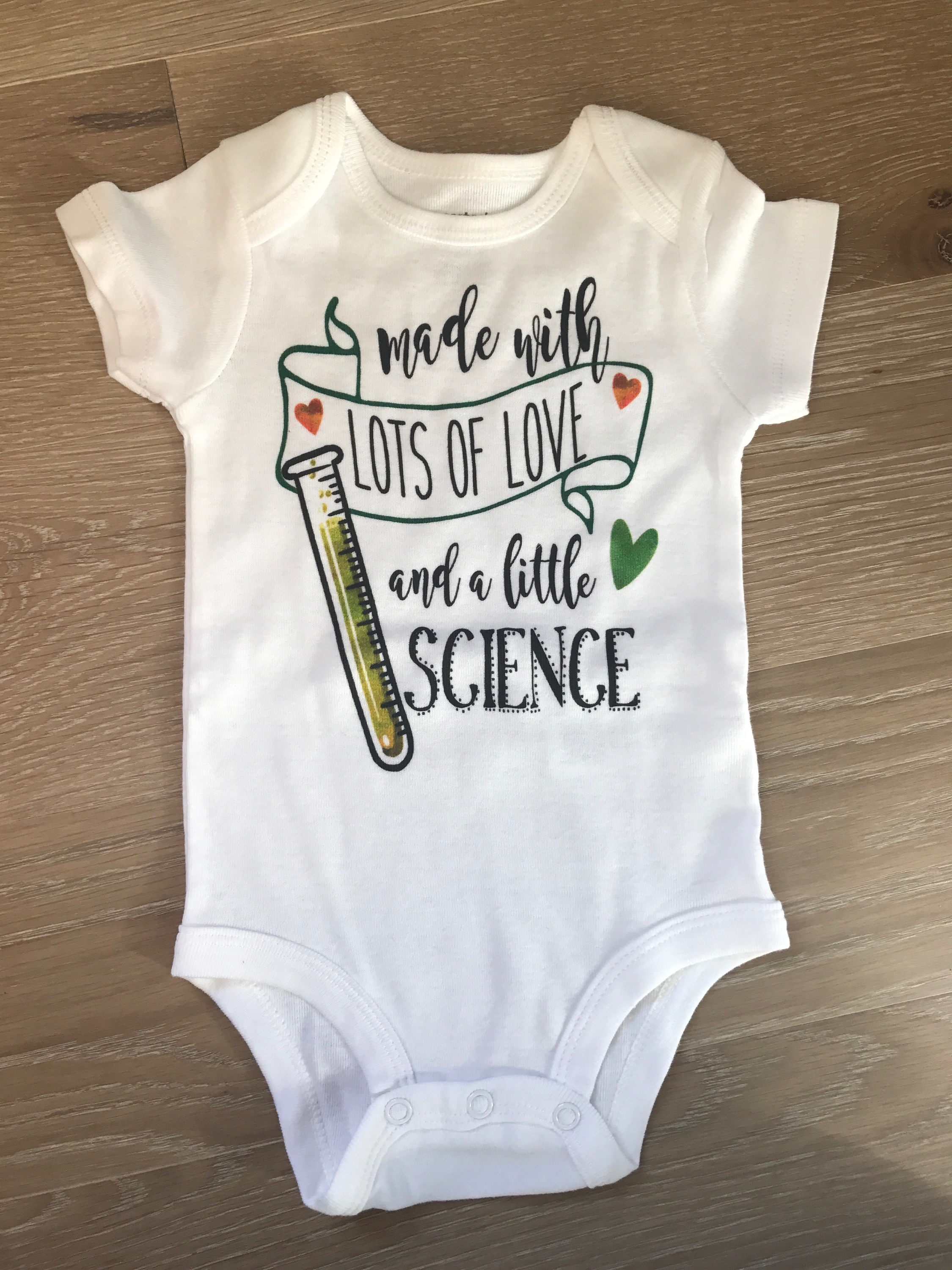
www.abbeyskitchen.com/about-abbey/

Last Updated October 4, 2021. Published December 25, 2018 By Abbey Sharp 13 Comments

No Diet Plans & Rules- Easy Healthy Eating Tips from Dietitians

Myself and my dietitian colleagues share easy healthy eating tips that don’t include diet plans and rules.

If you read my blog often, or follow me on social media, you’re probably well aware that I don’t subscribe to the black and white world of nutrition “rules”. I don’t give out specific diet plans. I would never tell you to STOP eating processed white flour, or NEVER taste dairy or to ONLY eat organic free-range meats or whatev. While you can find a wide range of self-appointed nutrition “Experts” out there who will tell you all of these extreme things (and worst), as a Registered Dietitian (RD), I’m mandated to only promote behaviours that are supported by scientific literature. I also believe that while dietary “rules” and diet plans seem easy to follow at first, they are nearly impossible to keep up over the long term, so in the end, you’ll usually just end up where you started. Actually, sometimes a diet “breakup” can leave you in worse shape as you’ve now developed feelings of deprivation which can only naturally lead to a binge. It’s a recipe for a life long struggle in your relationship with food.

But that certainly doesn’t leave me or other Registered Dietitians without advice- it just better equips us to deliver advice you can actually use for the rest of your life and can share in the lives of people you love. It may not feel as sexy, but healthy eating is real life, not a Hollywood headline. So I want to set you up with some “Foundations” for healthy eating rather than let you struggle with a bunch of “Rules” you know you’re bound to break. To help me out, I reached out to a group of Canadian RDs to compile their top Healthy Eating “Foundation” tips in one place. Check it out!

Screw Diet Plans – Embrace Foundations

family sitting around a table eating a meal

Image Credit: Huffington Post

Forget your food plans. Always sit down when you eat. Whether it’s a snack, a smoothie or a meal, I always try to find a place to sit down so I can be more mindful about what I’m eating and as a result, feel much more satisfied and satiated afterwards. Abbey Sharp, RD, Owner of Abbey’s Kitchen

I involve my kids in all steps [in food preparation]-planting/growing, cooking, baking, shopping etc. so they understand that we produce food- not stores and boxes. [Also], treat foods are important, but for the most part, those are homemade. – Jenna Walsh, RD, Deep River & District Hospital and North Renfrew Family Health Team.

Not eating while driving. This is a two-in-one: you’re not trying to split your attention between driving and eating. – Ann Marion Willis, RD, Atlantic Superstore In-Store Dietitian

person eating fast food in a car

Image Credit: Wheels

I make a point to almost always buy vegetables “with purpose!”. By this I mean I buy them with an actual plan of how they’ll be prepared or eaten. If I don’t do this and buy them on a whim, they basically come home with me and go into the bottom of the fridge to die (hah!). Sounds hilarious, but is so true. – Andrea Noftall, RD, NorWest Community Health Centre in Thunder Bay, ON.

When I go grocery shopping with my hubby, sometimes treats like popcorn and ice cream suddenly appear in my shopping cart, haha. I tell him to pick only one… one treat per trip. – Olivia Siswanto, RD, Southlake Diabetes Education Centre.

person holding multiple items at a grocery store

Image Credit: Health News and Views

Always make a meal plan for your week ahead. You will not only save time and money but also your sanity. Nothing [is] worse then coming home after a long day tired and hungry and saying or having said to you “what’s for supper?” It makes the food portion of you life much more enjoyable instead of feeling like a chore. – Bethany Vessey, RD, Co-owner of Synergy Fitness & Nutrition, Charlottetown PE.

My grocery shopping cart [is] always scanned before check out. [I ask myself], “Do I have enough produce to last us the following week?” – Saloomeh Armin, RD at Guelph General Hospital and New Vision FHT.

I always say, never drink your calories – eating your food is always better than drinking it! – Sarah Turner, RD, Campbellford Memorial Hospital, Campbellford, ON

The old advice to focus on the perimeter of the store still works for me! It’s also a reminder to focus on less processed food. -Samantha Holmgren, RD, Atikokan ON.

When I was a starving student, I also reminded myself that by buying (mostly) fresh, I saved on taxes! I use to challenge myself to purchase only fresh foods so that I won’t have to pay taxes! hahaha! – Athena Li, MSc, RD, In-Store Dietitian at Zehrs Markets.

variety of fresh fruit

Image Credit: Healthy Food House

I try to prepare as much as possible before hand, such as cutting up vegetables, pre-measuring ingredients and cooking as much as possible, so all I need to do is throw everything together. I am also an advocate of making foods from scratch using whole unadulterated foods. – Patricia Poulsen, RD, Private Practice Dietitian, Bedford, Nova Scotia.

As Julia Child famously says, “Water is the most neglected nutrient in your diet, but one of the most vital.†I tell my clients to have a water bottle, take it with them everywhere and have a few hair bands or elastics at the top of it. For every bottle they drink, pull one band down to the bottom to track the water! – Ali Campbell, MSc, RD, Landmark Collaborative Health, Calgary

This maybe isn’t true for everyone but for most people, I find aiming to eat about every 3-4 hours is helpful. Small snacks like fruit, nuts, yogurt, cheese, veggies + hummus, HB egg, roasted chickpeas etc can maintain stable blood sugar, and keep hunger in check. I know I’m more likely to eat more “treat foods” or a larger portion size of a meal, if I’m starving. – Chelsey Love, RD Simply For Life Calgary AB

I incorporate mindfulness into all my nutrition advice, so the two ‘rules’ I would offer is 1. Give yourself permission to eat and 2. Eat what you really want, but eat it mindfully. Restricting “bad” foods only makes them more desirable. –  Susan Macfarlane, RD, MSc (c) Grad student – Ottawa/Montreal

Eat at least 3 colours between fruits and vegetables per day. Unless on vacation, no more than 3 meals out per week (including take out). – Melissa Murray, RD CDE St Joseph’s Health Centre Toronto

cut fruits and vegetables around an egg on a white plate

Image Credit: Public Domain Pictures

Eat real foods you enjoy! Don’t force yourself to eat foods you really don’t enjoy, just because they are “healthy”. Choose the ones you do like, and you’ll be more likely to enjoy and stick to a healthy eating pattern. Of course, you can still challenge yourself – you never know if a new preparation may change your mind – Marianne Bloudoff, RD, Population Health Dietitian, Northern Health (Prince George, BC)

Our family philosophy is to always eat together snacks and meals at the family table and for everyone to be involved in the cooking process, we also aim for 3 food groups per meal. With clients I always recommend setting small realistic goals. This past year our family goal was to limit our purchases of prepared soups and started batch cooking our own and freezing the extra for a quick meal. – Jessica Ferris Home Care Dietitian London, ON

Doesn’t sound too bad, right? Better than crazy diet plans and rules, right? Surely it’s less threatening then trying to never-ever-ever eat a slice of your grandmother’s famous pie again because it has gluten, and dairy, and sugar and other “bad” things. Having a healthy relationship with food takes time, work and honesty with yourself about what you can realistically do and not do from day to day. Forget those diet plans and try incorporating some of these simple tricks into your daily routine and see how your mentality about healthy eating begins to shift towards “have to do” to “want to do”.

What foundations of healthy eating do you live by? What do you think work well for you?

pinterest image of a person holding items in a grocery store above an image of fruits and vegetables with text overlay

Abbey Sharp

Abbey Sharp is a Registered Dietitian (RD), regulated by the Ontario College of Dietitians. She is a mom, YouTuber, Blogger, award winning cookbook author, media coach specializing in food and nutrition influencers, and a frequent contributor to national publications like Healthline and on national broadcast TV shows.
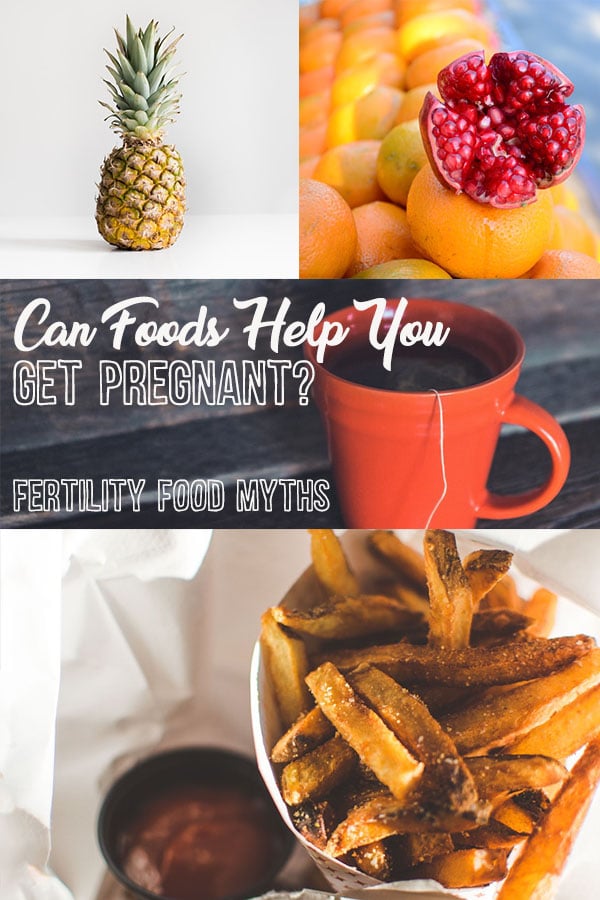
www.abbeyskitchen.com/about-abbey/
  • Previous Page
  • Go to page 1
  • Interim pages omitted …
  • Go to page 55
  • Go to page 56
  • Go to page 57
  • Go to page 58
  • Go to page 59
  • Interim pages omitted …
  • Go to page 89
  • Next Page

Get started with

Eight Free Recipe Books

From the co-founder of Neue Theory and creator of the Hunger Crushing Combo

Sign me up!
Abbey smiling at table
Abbey Sharp

“Foods may never be nutritionally equal. But we can make them morally equal by recognizing that our worth is never determined by what's on our plate.”

— Abbey Sharp, RD About Abbey ◥

Books

  • HCC™
  • Mindful Glow
  • Free E-Books

Blog

  • Nutrition
  • Recipes
  • Motherhood
  • Life

Explore

  • Neue Theory™
  • Bite Back
  • YouTube

Abbey

  • About
  • Coaching
YouTube TikTok Instagram Facebook X Pinterest
Abbey Sharp - The No BS Dietitian From Abbeys Kitchen

© Abbey's Kitchen 2026  All Rights Reserved •  ACCESSIBILITY STATEMENT •  Privacy Policy

This site uses cookies. By continuing to browse the site, you are agreeing to the use of cookies Accept Privacy Policy
Privacy & Cookies Policy

Privacy Overview

This website uses cookies to improve your experience while you navigate through the website. Out of these, the cookies that are categorized as necessary are stored on your browser as they are essential for the working of basic functionalities of the website. We also use third-party cookies that help us analyze and understand how you use this website. These cookies will be stored in your browser only with your consent. You also have the option to opt-out of these cookies. But opting out of some of these cookies may affect your browsing experience.
Necessary
Always Enabled
Necessary cookies are absolutely essential for the website to function properly. This category only includes cookies that ensures basic functionalities and security features of the website. These cookies do not store any personal information.
Non-necessary
Any cookies that may not be particularly necessary for the website to function and is used specifically to collect user personal data via analytics, ads, other embedded contents are termed as non-necessary cookies. It is mandatory to procure user consent prior to running these cookies on your website.
SAVE & ACCEPT

Rate This Recipe

Your vote:


A rating is required
A name is required
An email is required