• Skip to main content

Abbey's Kitchen

Healthy Recipes, Nutrition Myth Busting, Healthy Eating Tips

  • Books
    • HCC™
    • The Mindful Glow Cookbook
    • Recipe eBooks
      • Family
      • Hypothyroidism
      • BLW
      • Vegan Week 1
      • Vegan Week 2
      • Vegan Week 3
      • Keto
      • Gluten Free Week 1
      • Gluten Free Week 2
      • Fitness
      • Paleo
  • Blog
    • Nutrition
    • Recipes
    • Motherhood
    • Life
  • Explore
    • Neue Theory™
    • Bite Back With Abbey Sharp
      • Apple Music
      • Spotify
      • Amazon Music
    • YouTube
  • Abbey
    • About
    • Coaching
    • Contact

Abbey Sharp

Last Updated July 2, 2020. Published March 5, 2019 By Abbey Sharp 35 Comments

Do Potatoes Make You Fat? | The Health Benefits of Potatoes

Two hands holding yellow flesh potatoes under running water.

I discuss whether potatoes make you fat and look at the research on the health benefits of potatoes. . 

Let’s call it like it is- we love to dichotomize foods as good and bad. Kale, good. Candy, bad. Quinoa, good. Pizza, bad. While good foods and bad foods tend to come in go, potatoes have been in the dog house since the big Atkin’s craze of the 1990s. Regardless of the anti-carb movement though, the average Canadians eat 71 kg of potatoes a year, so clearly we like our spuds. But is there any need to fear potatoes (or carbs in general, for that matter)? Should Canadians be digging in without guilt or cutting back? I take a look at the research to debunk the top potato myths and look at the biggest misconceptions about potatoes.

Become an Abbey’s Kitchen Subscriber

Potato Myth 1:  Potatoes make you gain weight and spike your blood sugar because they’re full of carbs!

I’ve talked about this before (many, many times)- carbs are not the enemy. In fact, our brain solely functions on carbs and we need a minimum amount of it to keep our thinking sharp. Carbs don’t make us fat, and cutting out carbs doesn’t make us skinny. Research suggests that low carb diets are no more successful than high carb diets in weight loss. (In fact, studies suggests that no diets are successful in the long term but that’s a whole other blog post in itself.) Back to the point, one determined that there was not convincing enough evidence to suggest an association between intake of potatoes and risk of obesity, type 2 diabetes or cardiovascular disease.
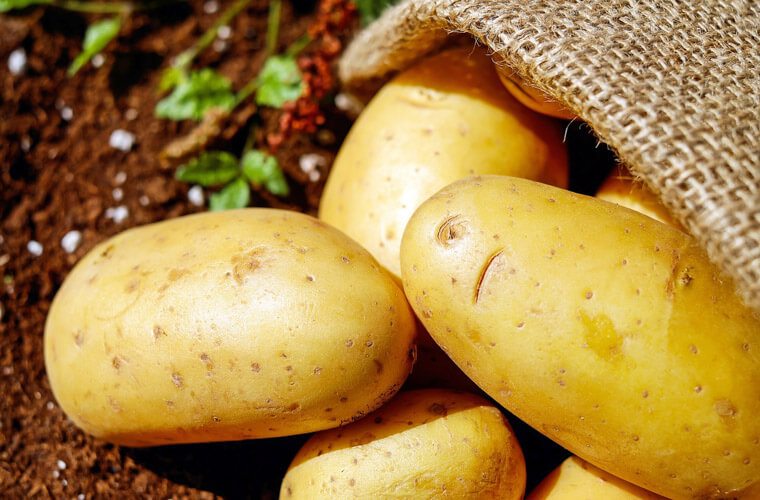
Image of potatoes on a wooden surface

As for the blood sugar response, yes, potatoes are higher on the glycemic index (GI) which means they do raise your blood sugar levels and insulin levels. Since insulin promotes fat synthesis, in theory, yes, foods that are high GI (like potatoes) should make you gain weight and foods that are low GI should make you lose it. But again, studies haven’t been able to find a difference in weight management with higher vs lower GI diets. In the real world, we don’t (usually) just eat a plate of mashed potatoes all on its own. By sticking to a moderate portion (about 1 cup) and pairing it with protein like chicken or steak, and fibre (like veggies), we can slow down the blood sugar response and have a more balanced beautiful plate.

Potato Myth 2: If you peel potatoes, you lose all of the nutrients!

Don’t be dramatic. Potatoes are an excellent source of vitamin C, potassium (yes, more than a banana), B6 and carbohydrates. They pack about 110 calories in a small (5.3 oz) potato, which to me, is pretty good no matter how you slice it. The only thing you’re losing out on by peeling those potatoes is the fibre, and not by much (down from 2 g to 1 g). In other words, it’s not a make or break scenario if you can’t stand eating the peel. So if you’re family is craving potatoes in a pinch, the peeled and frozen McCain Superfries are still a good pick.
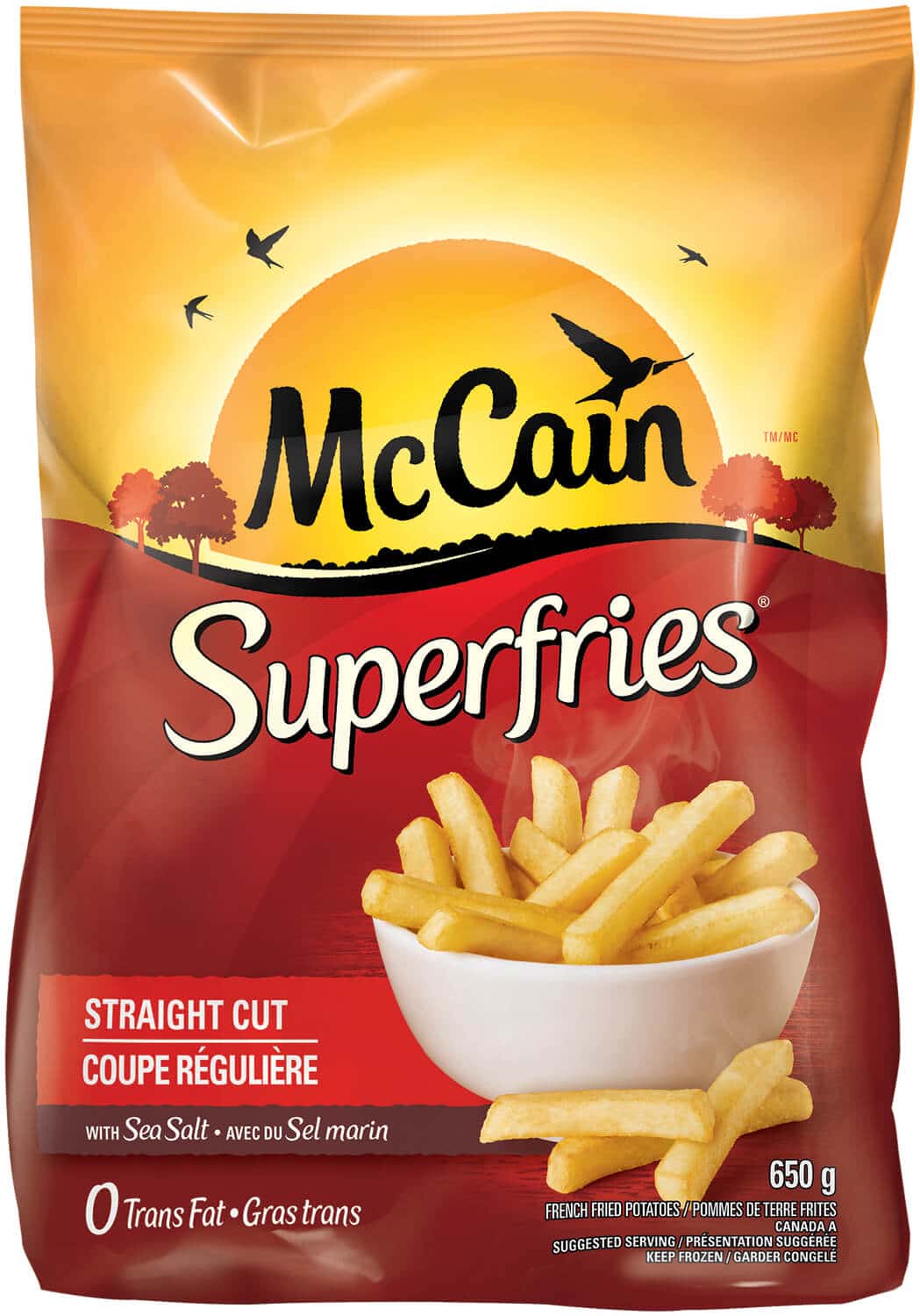
McCain Superfries package

Potato Myth #3: Sweet potatoes are “good†but white potatoes are “badâ€

Ah yes, here we go with the good food vs bad food dogma. Here’s the scoop- both sweet potatoes and regular white potatoes have their redeeming qualities, so you can (and should) switch it up to get a more balanced nutrient profile. Let’s take a look at how they compare per 100 g serving:
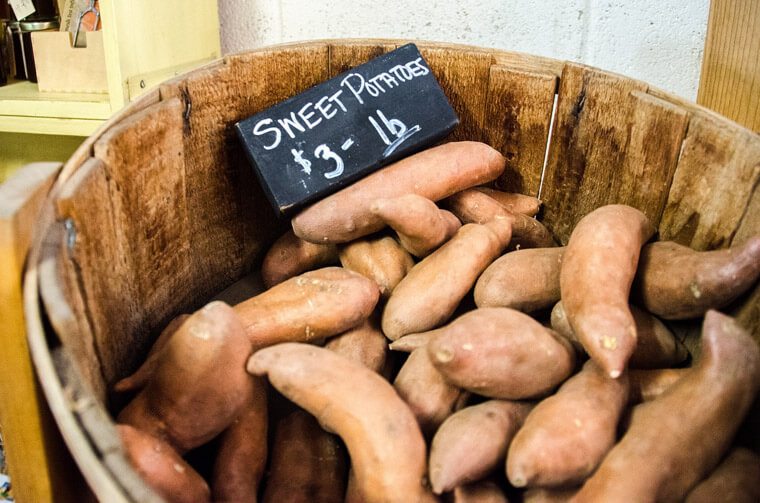
Image of sweet potatoes in a large barrel

Calories

Sweet Potato 90 calories  vs White Potato 92 calories (aka. the same damn thing)

Fibre

Sweet Potato 3 g  vs White Potato 2.1 g

Vitamin A

Sweet Potato 384%  vs White Potato 0%

Potassium

Sweet Potato 5%  vs White Potato 3.5%

Vitamin C

Sweet Potato 33%  vs White Potato 16%

Magnesium

Sweet Potato 6%  vs White Potato 5%

Iron

Sweet Potato 4%  vs White Potato 6%

So, in conclusion, they aren’t that different. Yes, sweet potatoes have a lot more vitamin A, and white potatoes have a bit more iron, but at the end of the day, they are far too similar to occupy opposite ends of the “good food/ bad food†spectrum.

Potato Myth #4: Frozen potatoes are heavily processed and made with lots of crazy additives, preservatives and weird ingredients you can’t even pronounce!

Cool your jets. I know we love to think that everything “processed†made in a lab, but if you take a closer look at the ingredient panel of your frozen potatoes, you may be surprised. Take a look at McCain’s Superfries (something I know I personally was raised on) for example. The ingredients are pretty short and sweet if you ask me – just potatoes, canola oil, sea salt, sodium phosphate (to retain natural colour), and colour. McCain’s process is very simple – just wash, peel, cut, cook and freeze. What you see is what you get – it’s all coming from the nutritious potato. As a dietitian, I’m all for encouraging families to take whatever short cuts or steps they need to help them serve balanced meals. And if making a quick convenient side dish to serve with a simple main is the catalyst to a family meal, I am 100% for it.
Potato peels with a peeler in the background

Potato Myth #5: Frozen Fries are LOADED with Trans Fats, Saturated Fats and Sodium that Cause Heart Disease

While I love myself a good fresh baked potato, or a buttery bowl of mash, I certainly have no qualms about taking a short cut from the store and enjoying some frozen potatoes in moderation – especially with regards to heart health. We know that foods high in trans fat and salt are linked with heart disease, and while the research is still a bit controversial when it comes to saturated fat, the guidelines still suggest we enjoy it in moderation. Either way, McCain’s Superfries, for instance, are all trans fat free (a fat known to be linked to cardiovascular disease), and low in saturated fat (just 0.3 grams per serving). They’re also surprisingly low in sodium, with just 4% of your daily recommended amount in one serving. I also know that McCain is working hard to reduce sodium and fat wherever it can without compromising quality and taste. Also, as previously mentioned, potatoes are also rich in potassium which actually works in opposition of sodium to promote a healthier heart.
Two red ramekins filled with french fries on a wooden background

Ultimately, I’m not telling anyone to go and eat fried foods all day, I’m just trying to take the taboo away from people enjoying food and emphasizing that all foods have nutritionally redeeming qualities and can be enjoyed in moderation. And potatoes, for one, are definitely not the “bad†food they’ve been made out to be.
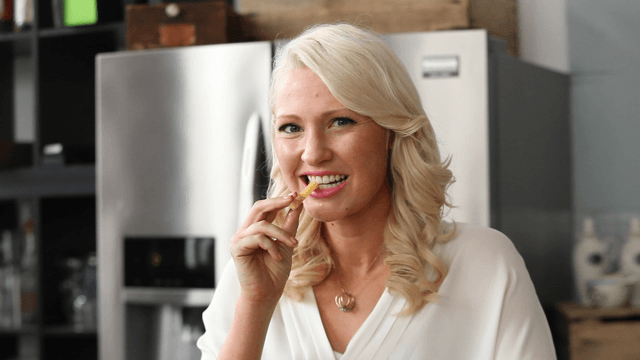
Abbey taking a bite out a french fry

Now tell me, what are your thoughts on potatoes?

Were you raised on frozen potatoes?

What’s your favourite way to eat potatoes?

Leave me a comment below with your thoughts!
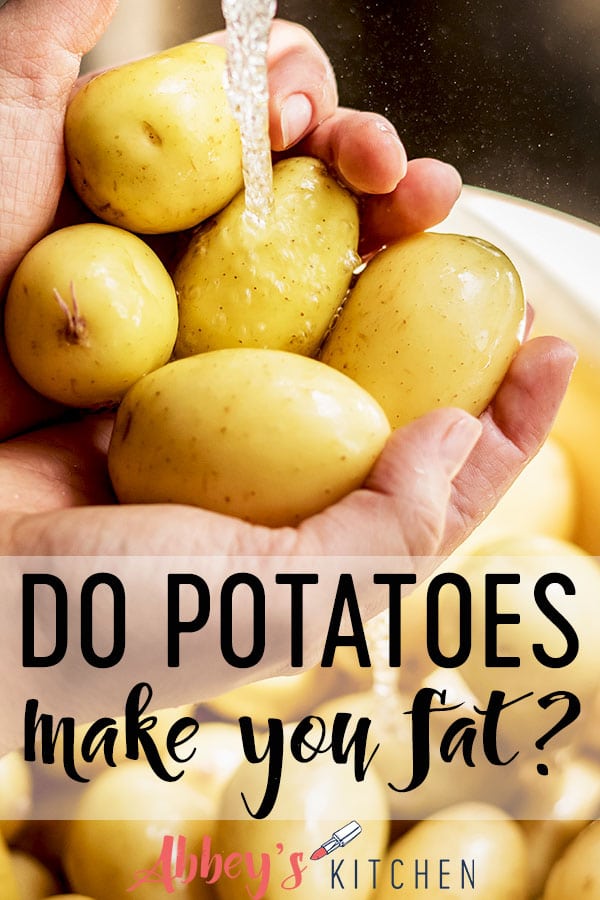
pinterest image of Two hands holding yellow flesh potatoes under running water with text overlay

Abbey Sharp

Abbey Sharp is a Registered Dietitian (RD), regulated by the Ontario College of Dietitians. She is a mom, YouTuber, Blogger, award winning cookbook author, media coach specializing in food and nutrition influencers, and a frequent contributor to national publications like Healthline and on national broadcast TV shows.

www.abbeyskitchen.com/about-abbey/

Last Updated July 21, 2020. Published March 4, 2019 By Abbey Sharp 14 Comments

Easy Vegan Coffee Recipes – Mocha Cupcakes, Tiramisu Milkshake & Horchata Latte

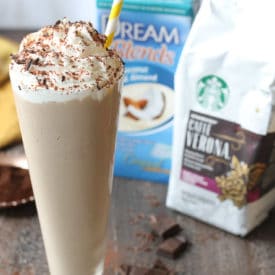
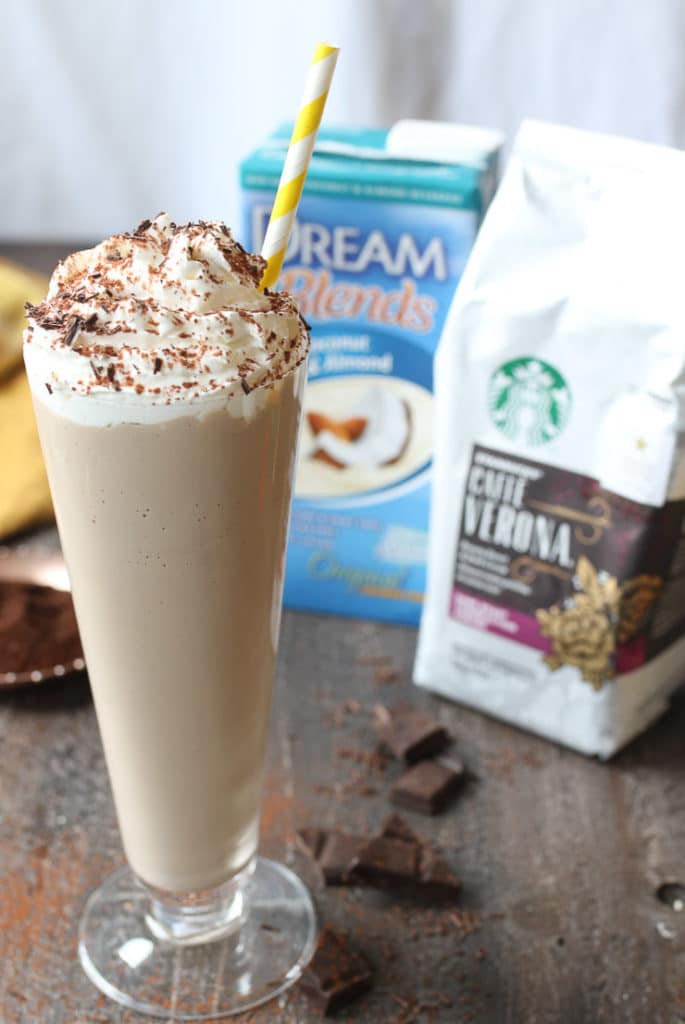
Tiramisu vegan milkshake in a tall glass with whip cream and a straw using Starbucks coffee and coconut milk.

DISCLAIMER: This post was developed in sponsored partnership with Starbucks Canada, however, as always, all opinions are genuine.

I share my 3 favourite vegan coffee recipes for mocha cupcakes, tiramisu milkshake, and horchata latte featuring Starbucks coffee and DREAM non dairy beverages.

I’m admittedly a Starbucks junkie, and my order is pretty much always the same. Grande Extra Hot Almond Milk Ristretto Latte. The extra hot part I just started when I became a mom because let’s be real, cold coffee is part of #momlife. But in the spirit of New Year’s resolutions, I’ve been exploring my caffeine options at home and pairing Starbucks unique blends that I picked up from my grocery store with a wide range of non-dairy DREAM beverages in the comfort of my own home.

Every morning my hubby has been coming down the stairs to see me brewing a new cup of Starbucks coffee in my French press and busting out a different non-dairy DREAM beverage to pair with it. All in the name of “culinary research”, of course. Honestly though, it was a serious task considering that like wine, each Starbucks brew has a very distinct flavour profile, and every DREAM non-dairy milk is totally unique, too.

So if you’re unsure where to start, here are some tasting notes to help you navigate your delicious duo.

Picking Your Favourite Coffee

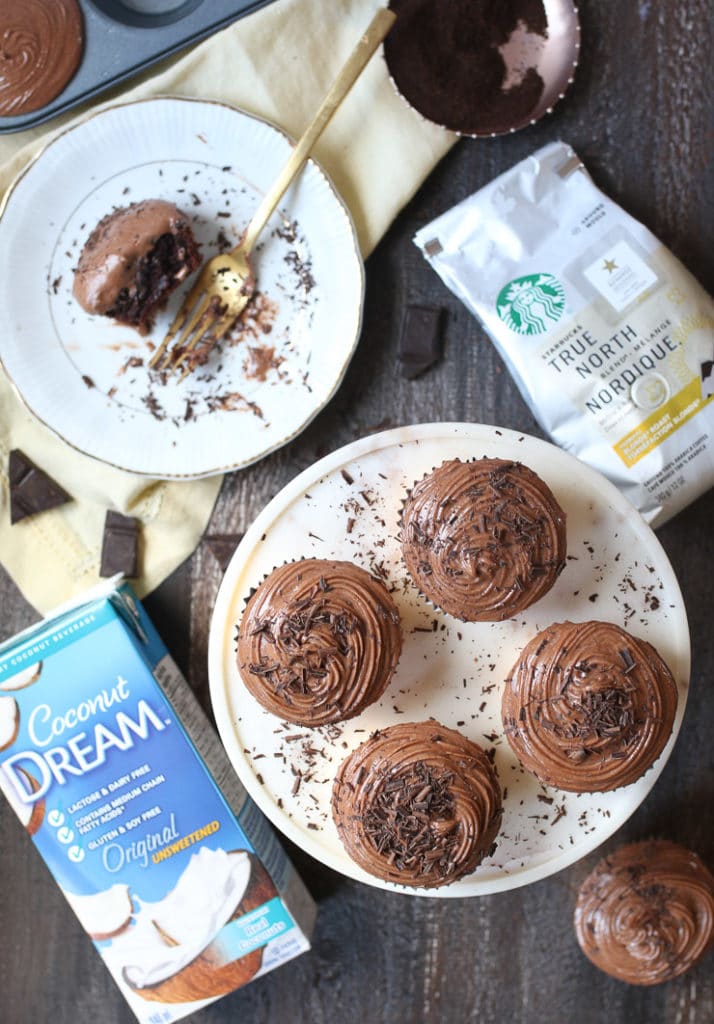
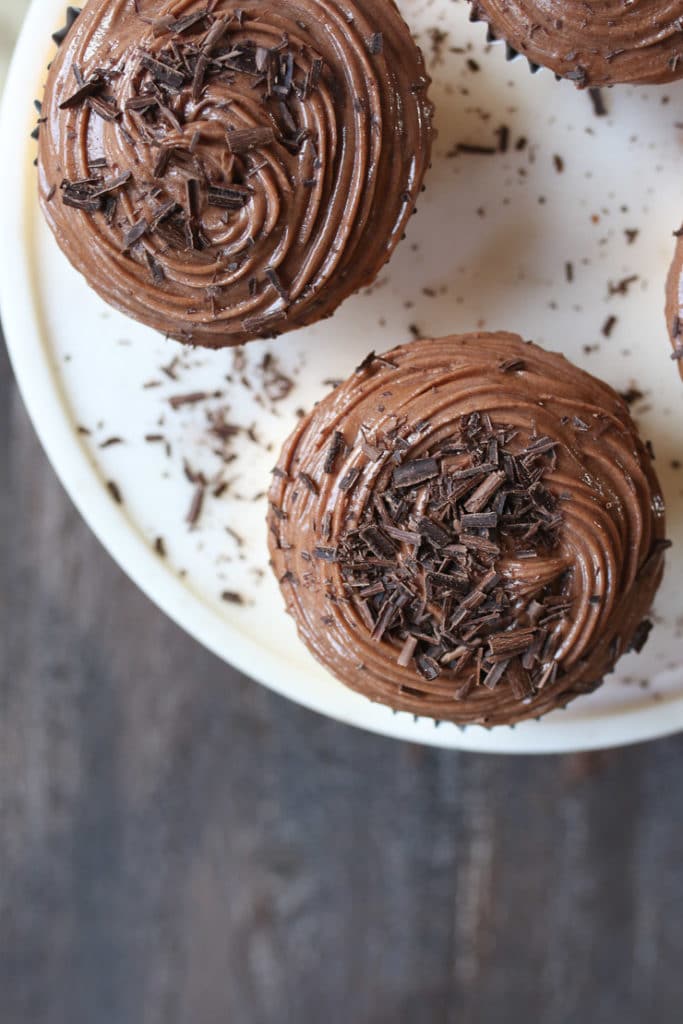
Mocha latte cupcakes on a white plate sprinkled with chocolate savings next to coconut milk and Starbucks coffee.

If you’re like me, and order the same thing from Starbucks every day, let me give you a refresher course on their different brews.

Yukon Blend is hearty, warm, bold, lively, earthy, and well-rounded, with some deep spicy notes that go beautifully with cinnamon, raisins, oats or rice.

Caffe Verona is fuller bodied, robust, toasty, bold and rich, a perfect pairing for a good quality dark chocolate

True North is a lighter blonde roast so naturally it’s my favourite, with notes of cocoa, and toasted nuts. It’s delicious with sweet desserts!

Picking the Perfect Non Dairy Beverage

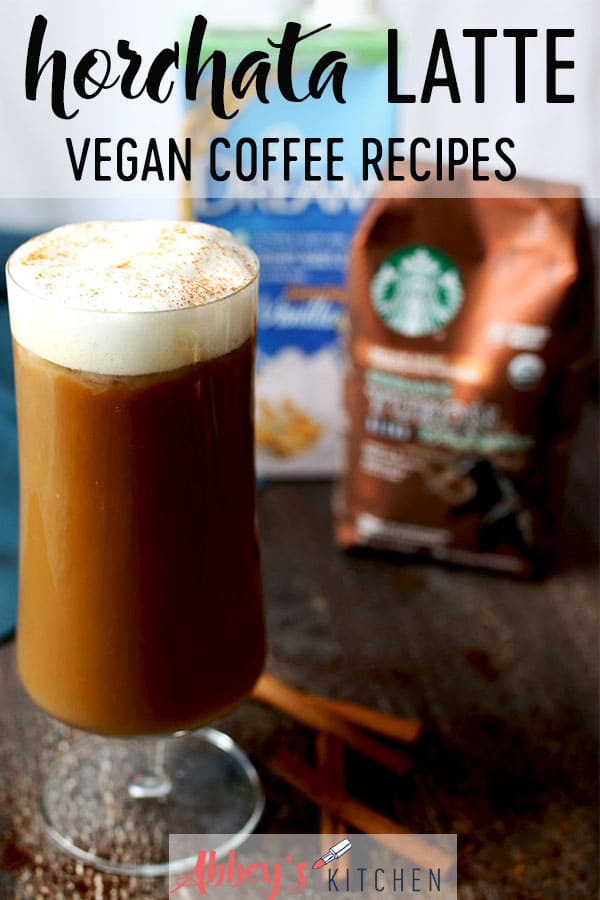
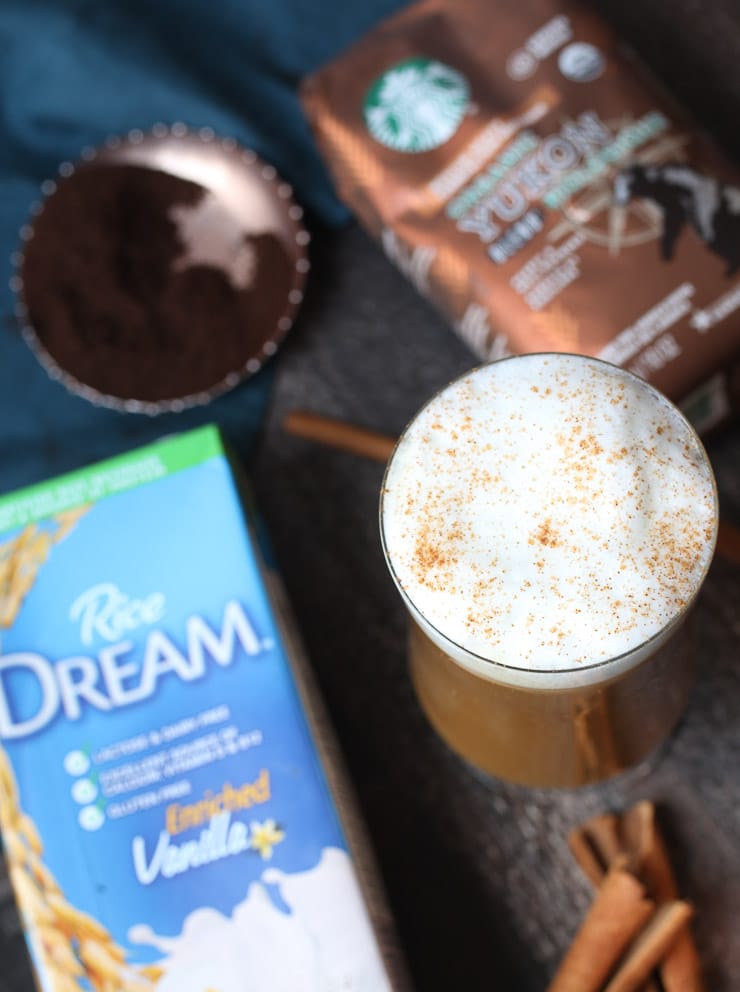
Horchata latte in a tall glass topped with rice milk foam next to a bag of Starbucks coffee and rice milk.

Now let’s talk about add-ins. I know a lot of my followers are cutting back on dairy or excluding it completely from their diets. And while I still love my yogurt, cheese and ice cream, it’s always been non-dairy beverages for my coffee for me. Today, we have a wide range of tasty non-dairy beverages with their own unique flavour profiles, all of which you can find in the natural food section of the store. DREAM is my go-to for making lattes and coffee at home, so I did my own little blind taste-test of each of their options.

Almond: Smooth and lightly nutty, this is a great relatively neutral option for baking or drinks. It’s available unsweetened, or in their new DREAM Ultimate Almond format with 2 x the almonds in original and unsweetened flavours.

Coconut: If you like a little tropical flavour and extra creamy non-dairy beverage, you’ll love the original or unsweetened coconut options.

Rice: I had never really tried rice milk before, but when I did, I fell in love! I love the subtle natural sweetness from the grains that is super cozy when served warm. You can find it enriched, unsweetened, original or vanilla.

Cashew: Cashew is another great neutral non-dairy beverage for baking with or drinks, available either original or unsweetened.

Blends: Why have one when you can have many? I love that DREAM has dreamt up some creative combinations for us to try- from Unsweetened Almond, Cashew and Hazelnut to Coconut, Rice and Coconut!

My Favourite Delicious Duos

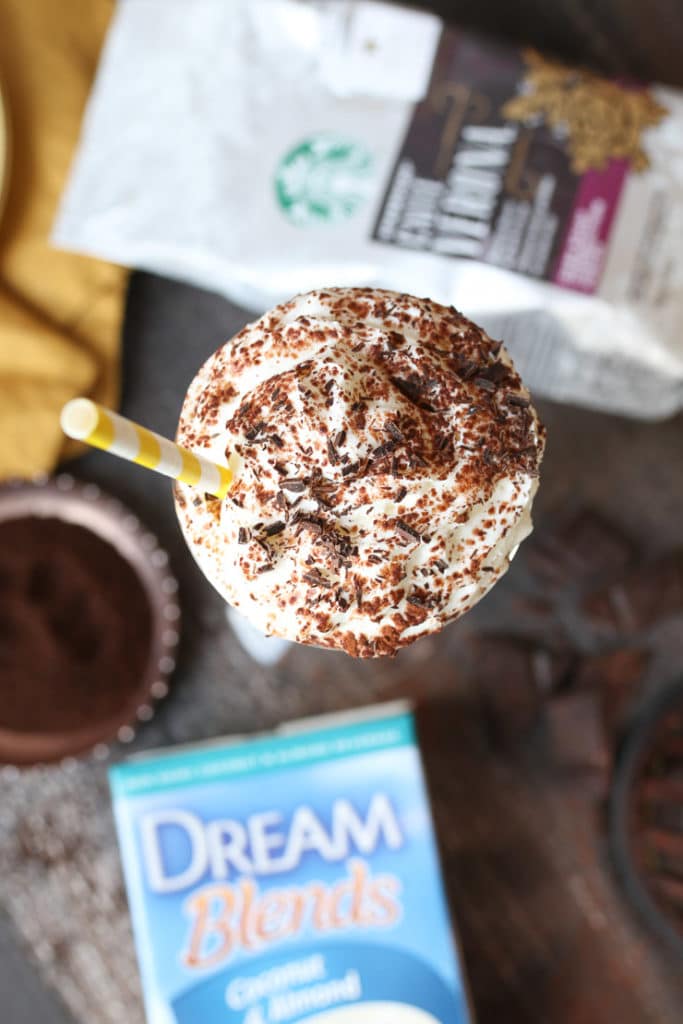
Birds eye view of tiramisu milkshake topped with whip cream next to a bag of Starbucks coffee.

So here’s where things got fun. I used my very scientific sensory test to determine what Starbucks coffee paired best with what DREAM non-dairy beverage, and I whipped up three amazing recipes to showcase the delicious duos.

HOMEMADE STARBUCKS Iced Horchata Latte 

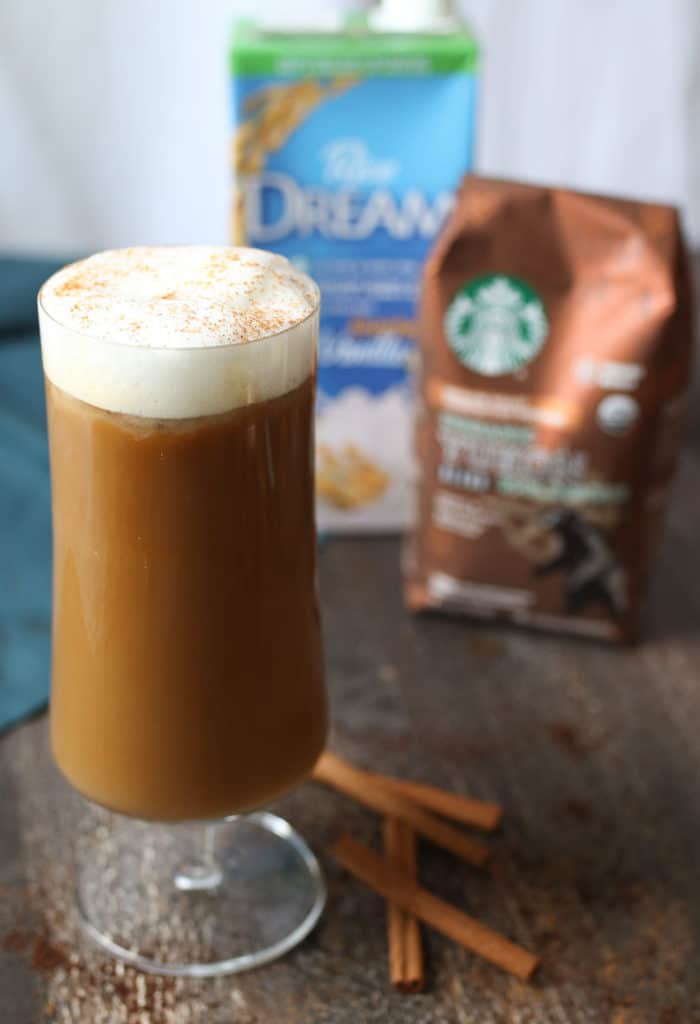
Horchata vegan latte in a tall glass using Starbucks coffee and rice milk.

Horchata is a classic Mexican drink made of rice, milk, vanilla and cinnamon. So I skipped the challenging steps, used DREAM Rice Milk, paired it with the warm notes of the Yukon Blend and topped it generously with spicy cinnamon.

Tiramisu Milkshake

Tiramisu vegan milkshake in a tall glass with whip cream and a straw using Starbucks coffee and coconut milk.

Yes, you read that right! If you’re craving a plant-based tiramisu, this drinkable version will totally crush your cravings. I paired the rich Verona coffee with the creamy DREAM Coconut Almond blend, rich dark chocolate, and lots of luxurious cashews in place of the mascarpone cream. Trust me, you would never guess this is vegan!

Mocha Latte Cupcakes

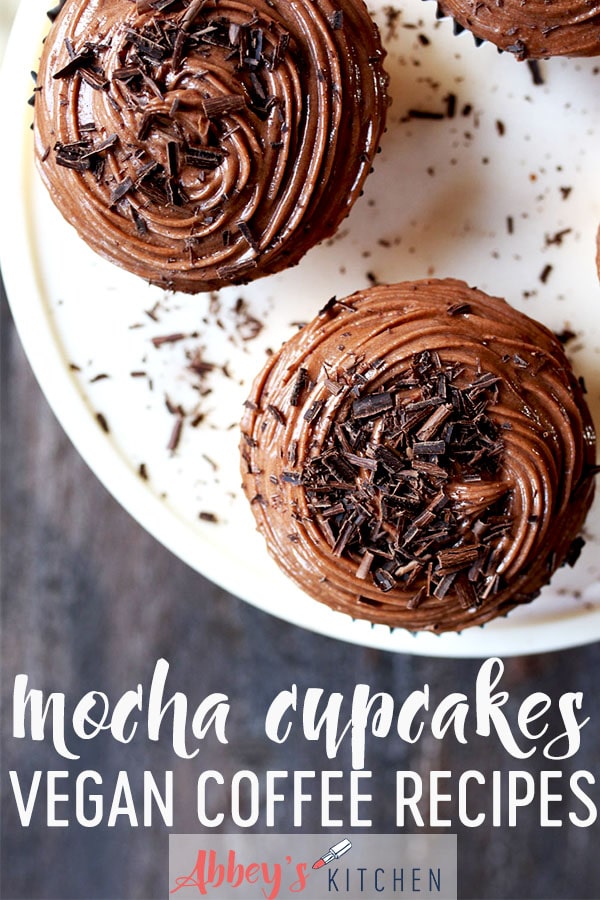
Close up of vegan mocha latte cupcakes.

OMG. These cupcakes are next level good and 100% plant-based. Here I paired the creamy DREAM Coconut with the light True North to yield a sweet and tasty cake with a non-dairy buttercream frosting. The key to getting the most coffee flavour into these cupcakes is to brew it a little stronger than you may be used to. If you normally use 2 tbsp per 6 ounces of water, I recommend 3 tbsp per 6 ounces of water. I also have made these cupcakes completely vegan, but you can substitute the flax egg for a real egg if you prefer!

These are some of my favourite combinations, but I would love to know what your go-to Starbucks coffee and DREAM non-dairy beverage is.

Have you discovered any amazing delicious duos?

Leave me a comment below with your thoughts!
pinterest image of Vegan mocha cupcakes on a white plate topped with chocolate shavings with text overlay.
pinterest image of Vegan tiramisu milkshake in a tall glass topped with whip cream with whipped cream.
pinterest image of Vegan horchata latte in a tall glass with text overlay.

Disclosure: This post was developed in paid partnership for DREAM and STARBUCKS, however, all opinions are genuine.

Horchata vegan latte in a tall glass using Starbucks coffee and rice milk.
Print Recipe
5 from 3 votes

Horchata Latte

I share my 3 favourite vegan coffee recipes for mocha cupcakes, tiramisu milkshake, and horchata latte featuring Starbucks coffee and DREAM non dairy beverages.
Prep Time10 minutes mins
Cook Time5 minutes mins
Total Time15 minutes mins
Course: Breakfast
Cuisine: American, Mexican
Servings: 2 people
Calories: 70.5kcal
Author: Abbey Sharp

Ingredients

  • 1 cup DREAM Rice enriched vanilla
  • 1 cup Starbucks organic Yukon Blend brewed coffee
  • ¼ tsp cinnamon
  • 2 tsp maple syrup
  • Ice

Garnish:

  • 1 cup DREAM Rice enriched vanilla
  • 1/8 tsp cinnamon

Instructions

  • Brew Starbucks® coffee using your preferred brewing method. Add 4 tbsp of ground coffee for every 6 fl oz of boiling water.
  • Add ice to the glass and pour Starbucks® Yukon blend brewed coffee over ice.
  • Shake DREAM Rice enriched vanilla well before pouring.
  • Combine the DREAM Rice enriched vanilla, cinnamon, maple syrup.
  • Add the extra DREAM Rice enriched vanilla to a blender and blend on high for 60 seconds until frothy. Add to the top of the iced latte and garnish with additional cinnamon.

Nutrition

Calories: 70.5kcal | Carbohydrates: 15g | Fat: 1g | Sodium: 47mg | Potassium: 29mg | Sugar: 7.5g | Calcium: 16mg
Tiramisu vegan milkshake in a tall glass with whip cream and a straw using Starbucks coffee and coconut milk.
Print Recipe
5 from 5 votes

Tiramisu Milkshake

I share my 3 favourite vegan coffee recipes for mocha cupcakes, tiramisu milkshake, and horchata latte featuring Starbucks coffee and DREAM non dairy beverages.
Prep Time10 minutes mins
Total Time10 minutes mins
Course: Dessert
Cuisine: Italian, American
Servings: 2 people
Calories: 372kcal
Author: Abbey Sharp

Ingredients

  • 2 cups cashews soaked in the fridge overnight in water
  • 1 cup DREAM Blends Coconut and Almond non-dairy beverage
  • 1 cup Starbucks Caffe Verona brewed coffee cooled
  • 1 ½ tsp unsweetened cocoa powder
  • 2 tsp Vanilla extract
  • Maple syrup to taste

Garnish

  • Whipped coconut cream
  • Dark chocolate shavings
  • Cocoa powder

Instructions

  • To a high power blender, puree the cashews until smooth. Add in the DREAM Coconut and Almond non-dairy beverage, Starbucks Caffe Verona brewed strong coffee, cocoa powder, and vanilla and process until smooth. Add maple syrup, to taste.
  • Pour into two tall glasses, top with coconut cream, dark chocolate shavings and cocoa powder.

Nutrition

Calories: 372kcal | Carbohydrates: 20g | Protein: 12g | Fat: 29g | Saturated Fat: 5g | Sodium: 90mg | Potassium: 454mg | Fiber: 2g | Sugar: 4g | Vitamin C: 0.3mg | Calcium: 99mg | Iron: 4.4mg
Close up of vegan mocha latte cupcakes.
Print Recipe
5 from 3 votes

Mocha Latte Cupcakes

I share my 3 favourite vegan coffee recipes for mocha cupcakes, tiramisu milkshake, and horchata latte featuring Starbucks coffee and DREAM non dairy beverages.
Prep Time20 minutes mins
Cook Time20 minutes mins
Total Time40 minutes mins
Course: Dessert
Cuisine: American
Servings: 12 cupcakes
Calories: 434kcal
Author: Abbey Sharp

Ingredients

Cupcakes:

  • 1 1/3 cup all purpose flour
  • 1/3 cup unsweetened cocoa powder
  • ½ tsp espresso powder
  • 1 tsp baking powder
  • ½ tsp baking soda
  • ¼ tsp salt
  • ½ tsp cinnamon
  • ¼ tsp nutmeg
  • ½ cup vegan butter
  • ½ cup white sugar
  • ½ cup brown sugar
  • ½ cup Starbucks True North strong brewed coffee cooled
  • 1 cup DREAM Coconut Unsweetened non-dairy beverage
  • 1 tbsp vanilla extract
  • 1 flax egg 1 tbsp ground flax with 2 tbsp water set in the fridge for 20 minutes

Buttercream:

  • 4 cup powdered sugar
  • 2 tbsp cocoa powder
  • 2/3 cup non dairy butter
  • 6 tbsp Starbucks True North strong brewed coffee cooled

Instructions

  • Preheat oven to 350 F and line 12 muffin tins with liners.
  • In a large bowl, mix together the flour, cocoa, espresso, baking powder, baking soda, salt, cinnamon, and nutmeg. Set aside.
  • In another medium bowl or a stand-mixer, cream the butter and sugars until creamy.
  • With the mixer on low, add half of the flour to the butter mixture. Then add the Starbucks True North strong brewed coffee. Add the rest of the flour. Then add the DREAM Coconut non-dairy beverage and the flax egg. Beat on low until smooth.
  • Divide the batter between the muffin tins and bake for 20 minutes. Allow to fully cool on a cooling rack.
  • Meanwhile, on low speed, beat the icing sugar, cocoa powder, vegan butter, and coffee until smooth and fluffy. Allow to sit in the fridge until you’re ready to frost your cupcakes.
  • Once your cupcakes are cool, transfer the frosting to a piping bag and top the cupcakes with the frosting. Garnish with chocolate shavings.

Nutrition

Calories: 434kcal | Carbohydrates: 71g | Protein: 2g | Fat: 16g | Saturated Fat: 4g | Sodium: 244mg | Potassium: 134mg | Fiber: 1g | Sugar: 57g | Vitamin A: 360IU | Calcium: 43mg | Iron: 1.3mg
Abbey Sharp

Abbey Sharp is a Registered Dietitian (RD), regulated by the Ontario College of Dietitians. She is a mom, YouTuber, Blogger, award winning cookbook author, media coach specializing in food and nutrition influencers, and a frequent contributor to national publications like Healthline and on national broadcast TV shows.
www.abbeyskitchen.com/about-abbey/

Last Updated May 12, 2022. Published March 1, 2019 By Abbey Sharp 12 Comments

Family Meal Plan | One Week of Healthy Family Meal Ideas

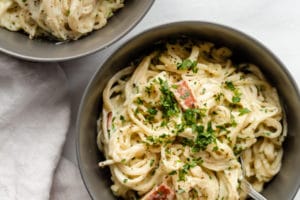
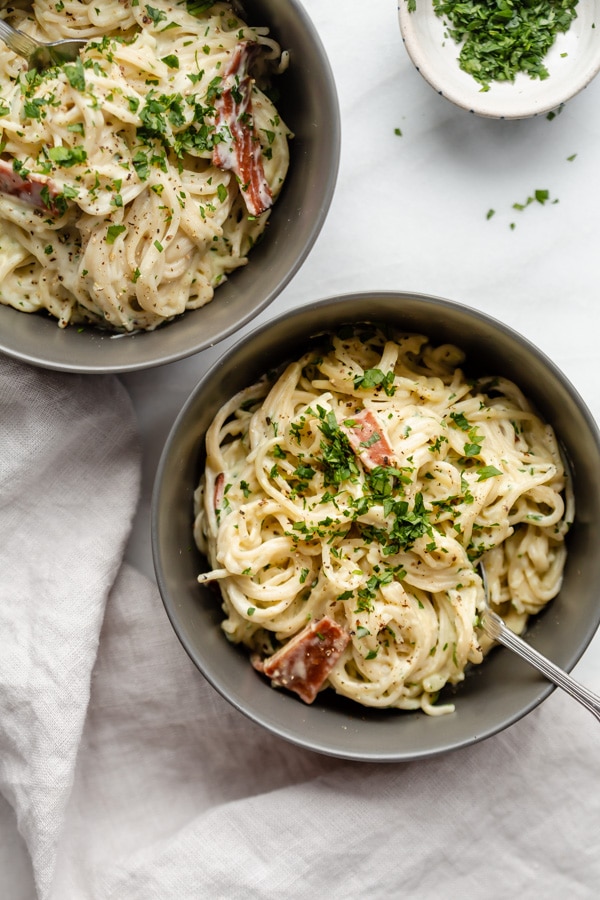
Two grey bowls filled with pasta carbonara.

We’ve got your busy week ahead all planned out with our free family meal plan. From nutritious breakfast, lunch, dinner and snack ideas, this sample family meal plan has it all!

GET THE E-BOOK

Since becoming a mom, I am ALL about simple, fast and nutritious family meals. Throw in being a full time food blogger, by the end of the day, the last thing I want to think about it is what to cook, which is why I’ve put together a one week healthy family meal plan. So this week, I’ve got you covered with protein packed, veggie packed delicious breakfast, lunch, dinner ideas and snacks in between.

how to succeed at family meal planning?

Start with this one week healthy family meal plan as your guide and swap in for your family’s favourite proteins and veggies. Plan to have a family favourite meal for each family member for each night of the week and speckle in one or two new recipes from this healthy family meal plan.

one week healthy family meal plan

Day 1

Breakfast

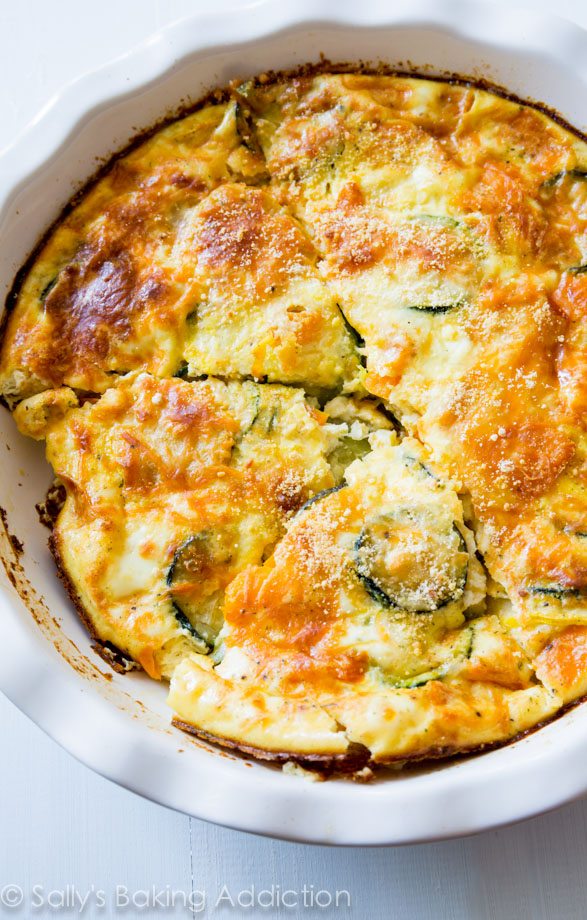
Crustless Veggie Quiche – Sally Baking Addiction

Veggie crustless quiche in a white casserole dish from family meal plan.
Nutrition Breakdown
Calories: 129
CHO: 8g
Fat: 6g
Protein: 11g

AM Snack

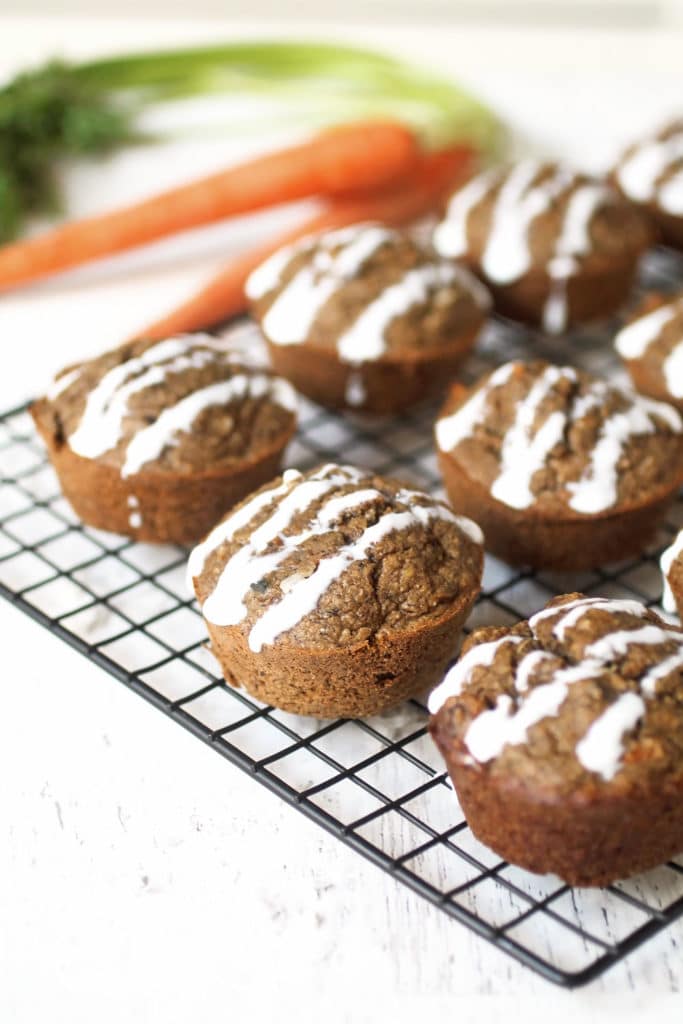
Banana oatmeal muffins – Spinach For Breakfast

Carrot muffins on a wire rack from family meal plan.
Nutrition Breakdown (2 muffins)
Calories: 424
CHO: 67g
Fat: 10g
Protein: 15g

Lunch

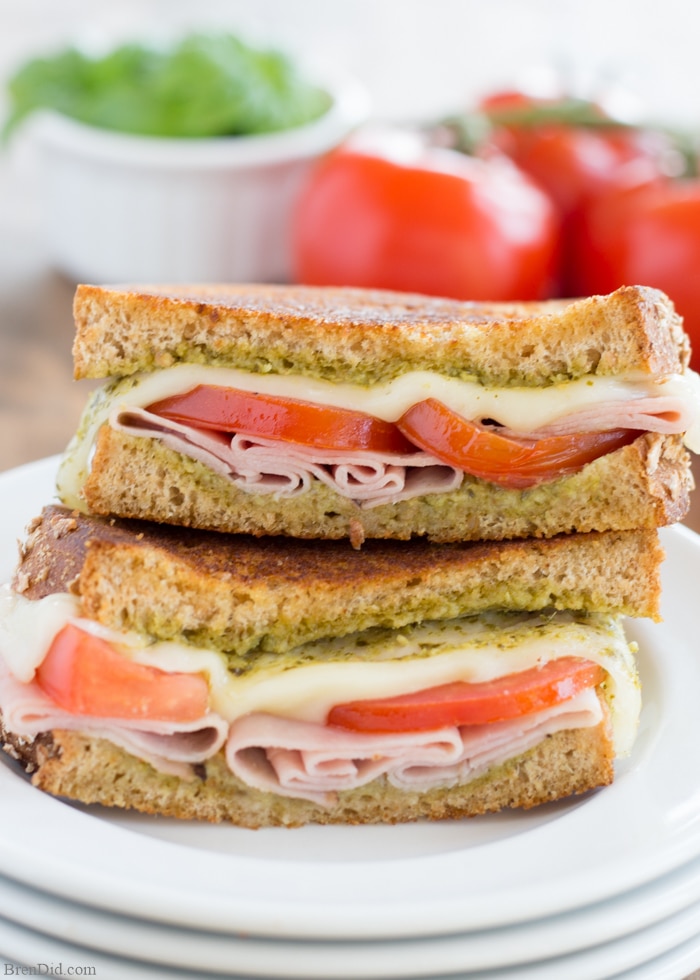
Grilled Ham and Pesto Sandwich – Brendid

Two ham and cheese sandwich halves piled on top of each other from family meal plan.
Nutrition Breakdown
Calories: 448
CHO: 27g
Fat: 20g
Protein: 28g

PM Snack

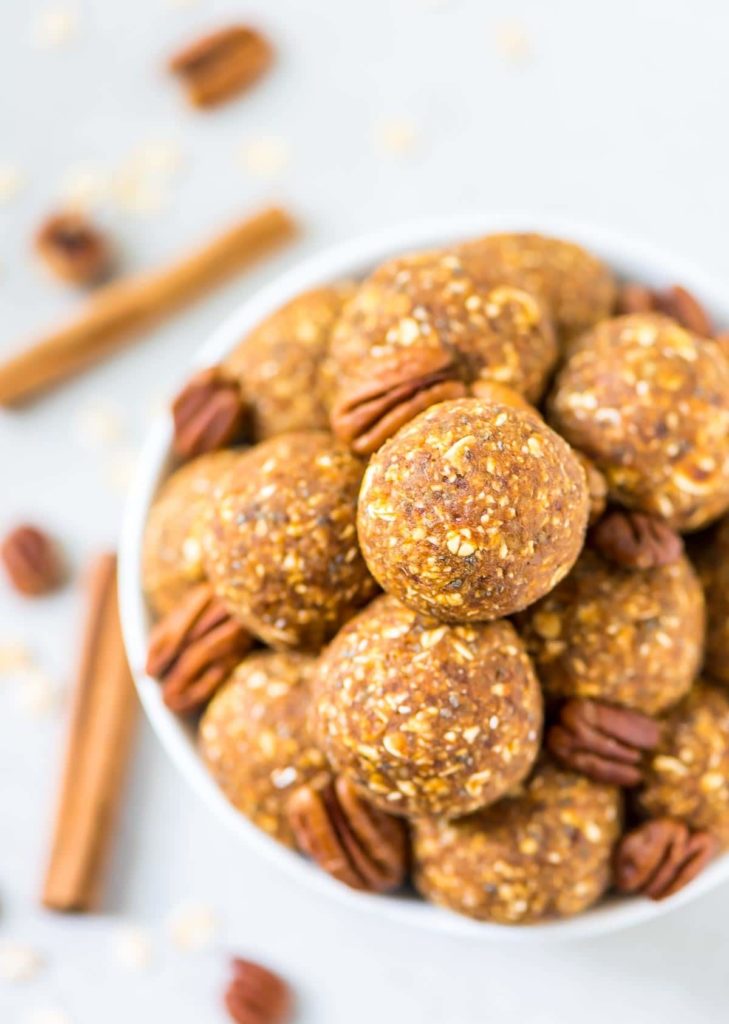
Pumpkin Spice Energy Bites – Well Plated

Pumpkin energy balls in a white bowl with pecans and cinnamon stick garnish from family meal plan.
Nutrition Breakdown (2 pieces)
Calories: 150
CHO: 26g
Fat: 4g
Protein: 4g

Dinner

Healthy Spaghetti Carbonara – Choosing Chia

Two grey bowls filled with pasta carbonara from family meal plan.
Nutrition Breakdown
Calories: 376
CHO: 46g
Fat: 12g
Protein: 13g
Total Nutrition Breakdown
Calories: 1,537
CHO: 174g
Fat: 52g
Protein: 71g

Day 2

Breakfast

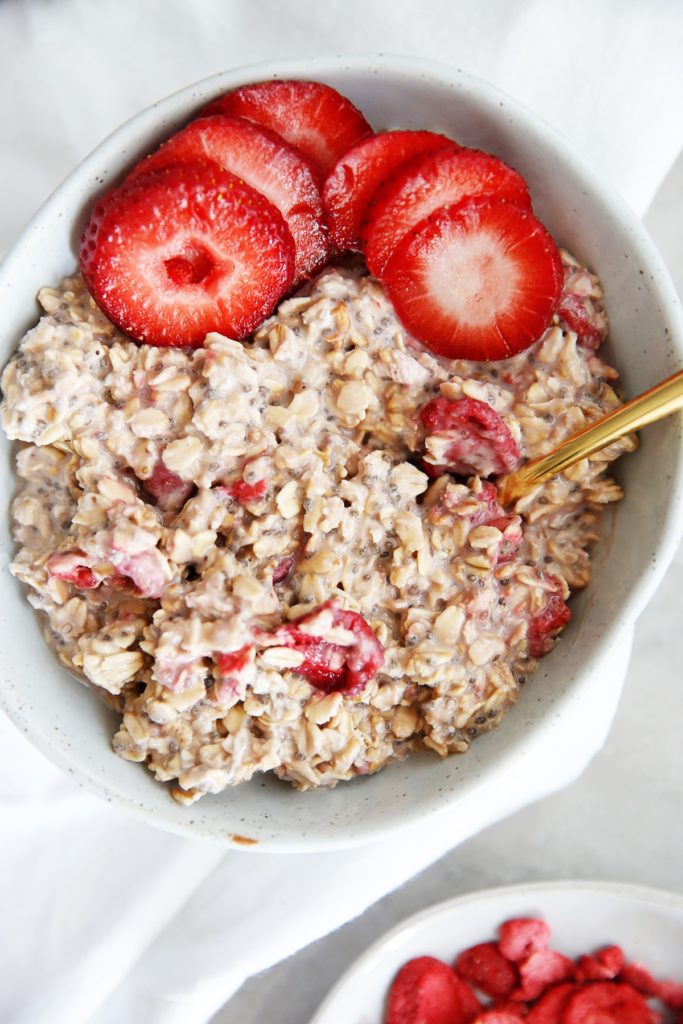
Strawberry Cream Overnight Oats – Lexis Clean Kitchen

Strawberry overnight oats in a white bowl with a gold spoon from family meal plan.
Nutrition Breakdown
Calories: 310
CHO: 52g
Fat: 8g
Protein: 11g

AM Snack

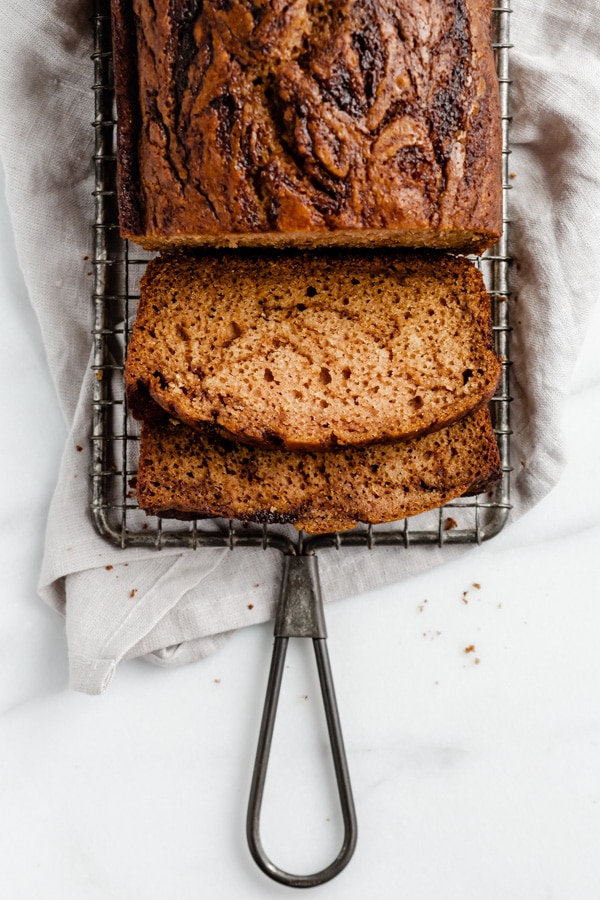
Cinnamon Roll Apple Bread – Choosing Chia

A banana bread loaf on a wire rack from family meal plan.
Nutrition Breakdown
Calories: 292
CHO: 42g
Fat: 6g
Protein: 4g

Lunch

Thai Coconut Cauliflower Soup – Sweet Lizzy

Nutrition Breakdown
Calories: 320
CHO: 25g
Fat: 18g
Protein: 10g

PM Snack

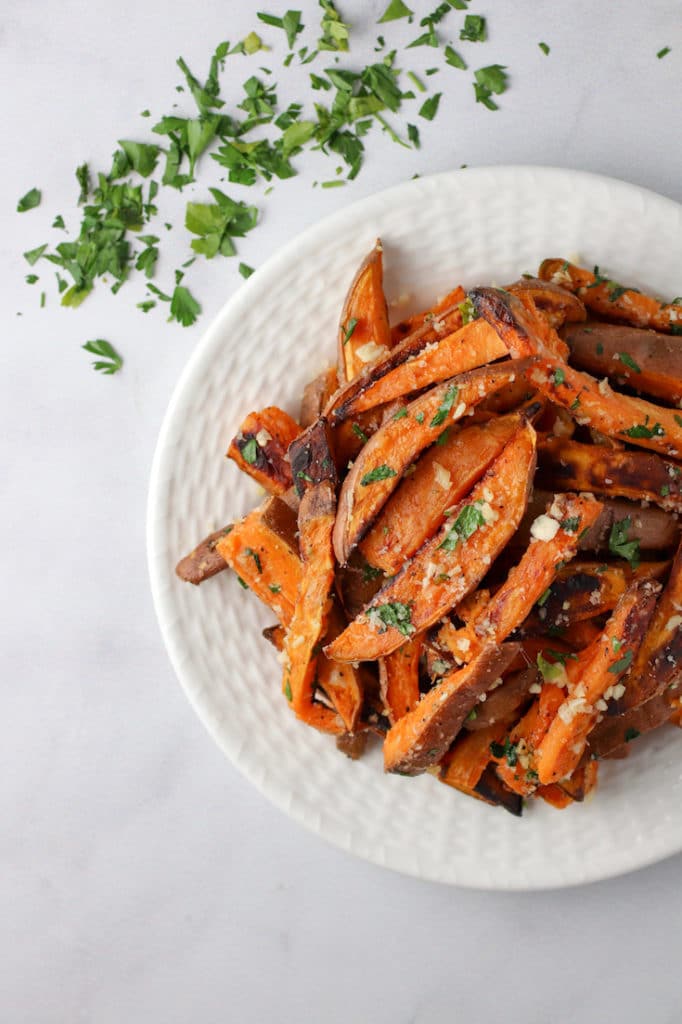
Garlic Herb Baked Sweet Potato Fries – Spinach For Breakfast

Sweet potato fries on a white plate from family meal plan.
Nutrition Breakdown
Calories: 238
CHO: 35g
Fat: 5g
Protein: 5g

Dinner

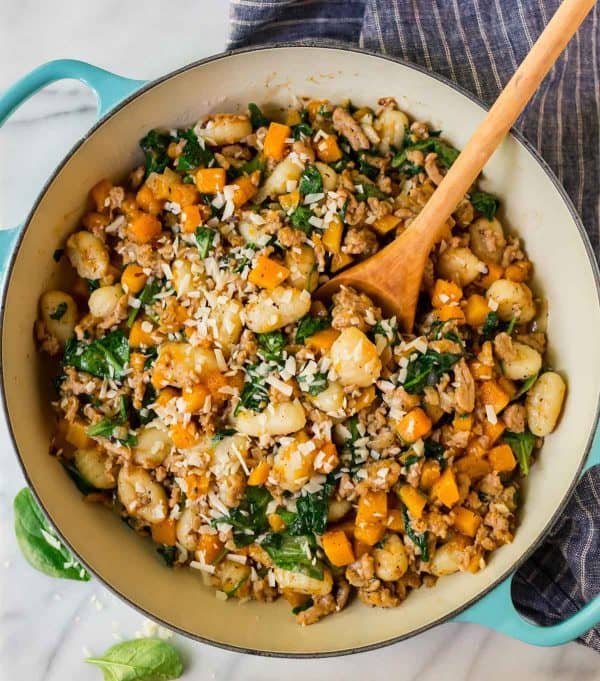
Italian Sausage Butternut Squash Gnocchi – Well Plated

Butternut squash gnocchi in a large pot with a wooden spoon from family meal plan.
Nutrition Breakdown
Calories: 421
CHO: 44g
Fat: 19g
Protein: 24g
Total Nutrition Breakdown
Calories: 1,581
CHO: 198g
Fat: 56g
Protein: 54g

Day 3

Breakfast

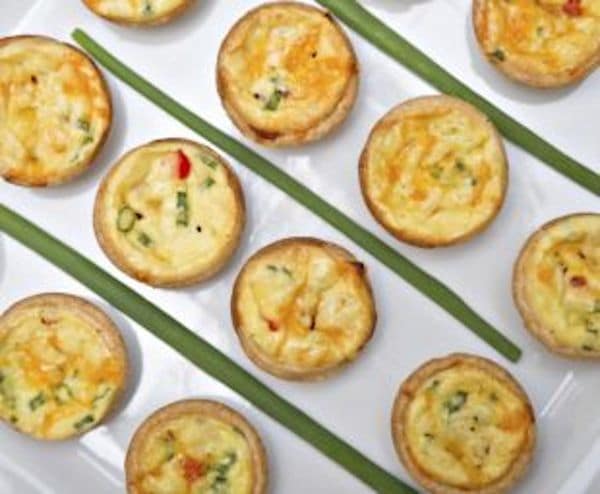
Easy Breezy Super Healthy Breakfast Egg Muffin – Creative Healthy Family

Egg cups on a platter from family meal plan.
Nutrition Breakdown (4 muffins)
Calories: 228
CHO: 5g
Fat: 16g
Protein: 16g

AM Snack

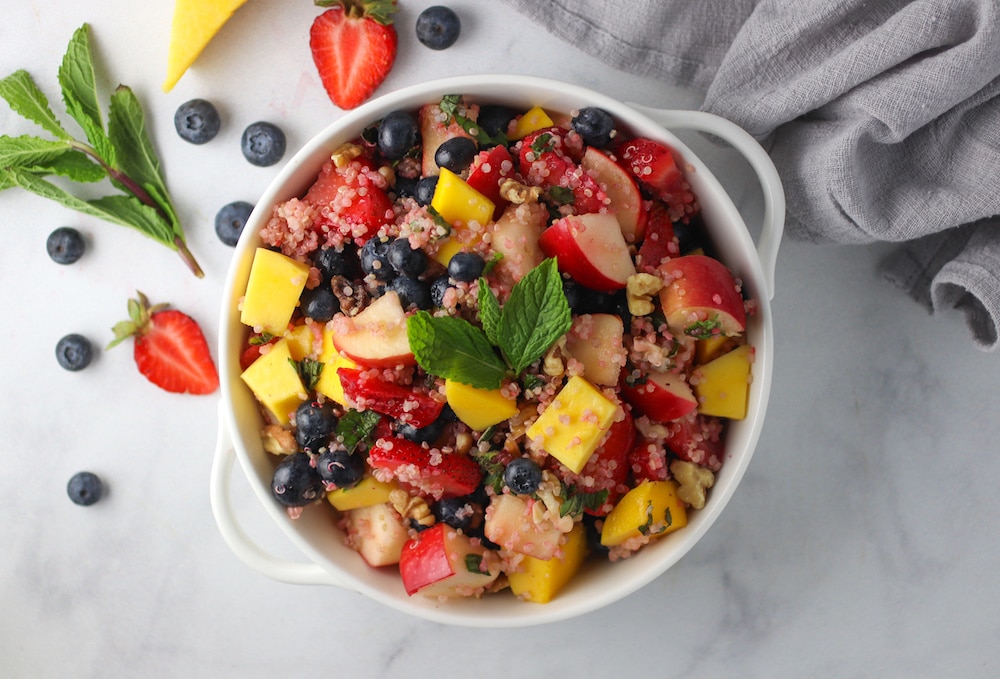
Honey Lemon Quinoa Fruit Salad – Spinach For Breakfast

Quinoa fruit salad in a white serving dish from family meal plan.
Nutrition Breakdown
Calories: 397
CHO: 68g
Fat: 10g
Protein: 12g

Lunch

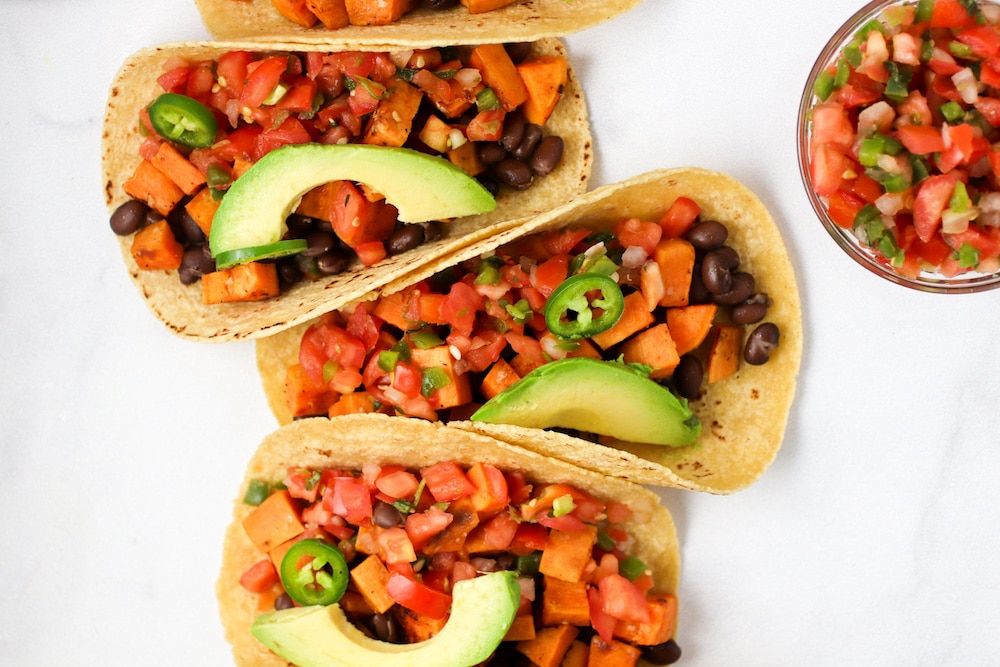
Sweet Potato Tacos – Spinach For Breakfast

Three sweet potato tacos on a white background topped with a slice of avocado from family meal plan.
Nutrition Breakdown
Calories: 438
CHO: 63g
Fat: 12g
Protein: 14g

PM Snack

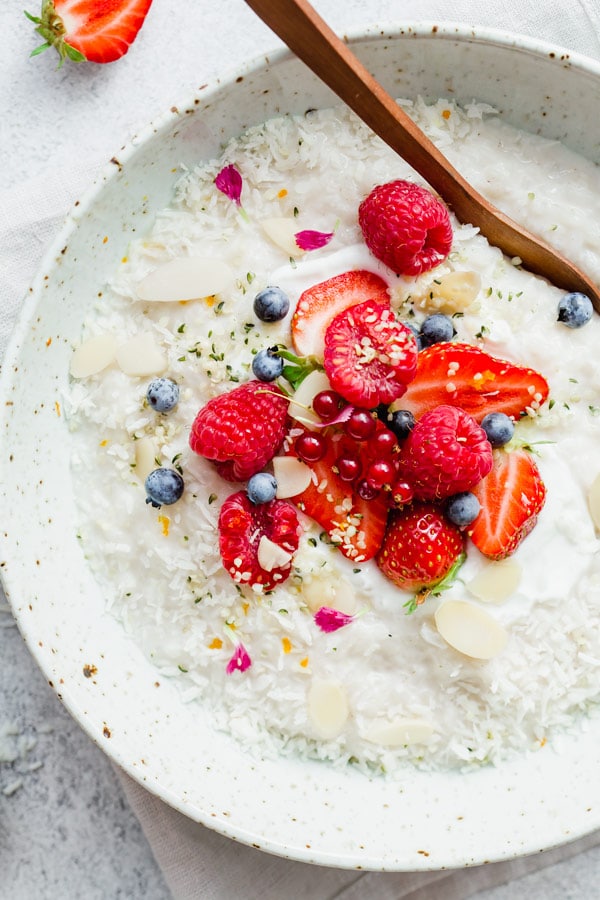
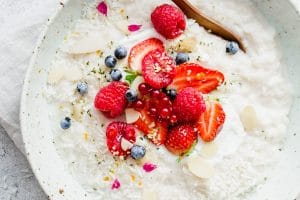
Vegan Coconut Rice Pudding – Choosing Chia

Coconut rice pudding in a white bowl topped with berries and a wooden spoon from family meal plan.
Nutrition Breakdown
Calories: 191
CHO: 30g
Fat: 4g
Protein: 5g

Dinner

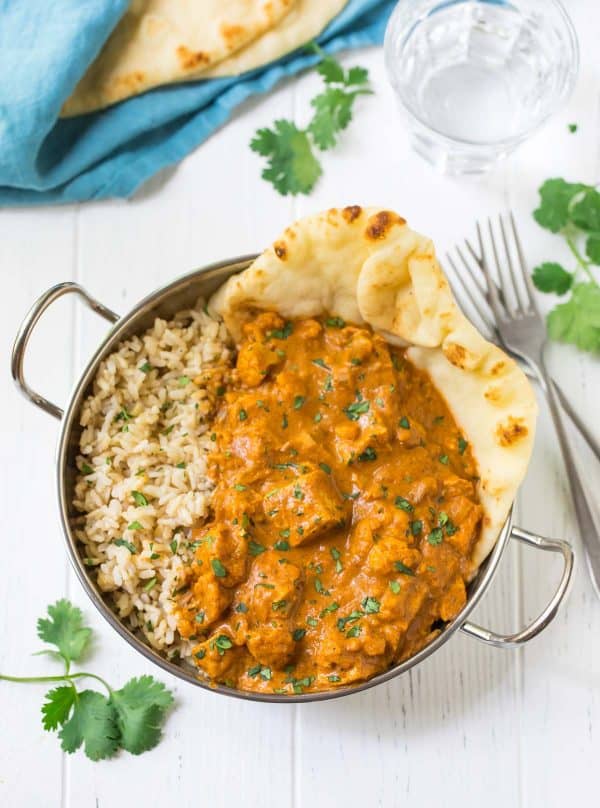
Instant Pot Butter Chicken – Well Plated

Butter chicken and brown rice in a metal dish with naan bread from family meal plan.
Nutrition Breakdown
Calories: 439
CHO: 42g
Fat: 14g
Protein: 39g
Total Nutrition Breakdown
Calories: 1,693
CHO: 208g
Fat: 56g
Protein: 86g

If you’re enjoying the one week healthy family meal plan so far, you’re definitely going to want to get the rest of the week! Click the button below to start meal planning! 

GET THE E-BOOK

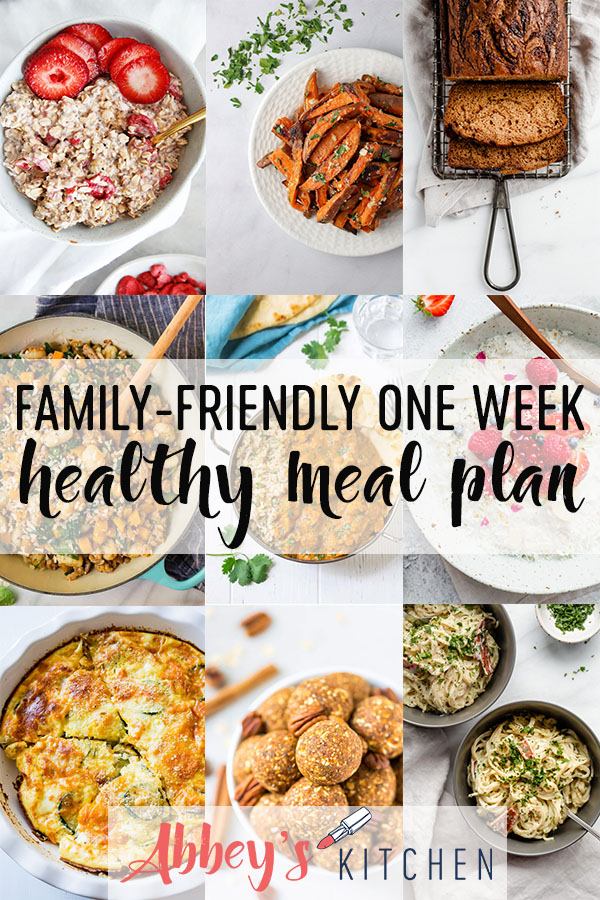
pinterest image of family friendly breakfast, lunch, dinner and snack recipes from a one week meal plan with text overlay

Contribution By:

RD2B Hannah Wilson & Sumeet Chopra


Abbey Sharp

Abbey Sharp is a Registered Dietitian (RD), regulated by the Ontario College of Dietitians. She is a mom, YouTuber, Blogger, award winning cookbook author, media coach specializing in food and nutrition influencers, and a frequent contributor to national publications like Healthline and on national broadcast TV shows.
www.abbeyskitchen.com/about-abbey/

Last Updated July 2, 2020. Published February 28, 2019 By Abbey Sharp 16 Comments

Gluten Free Vegan Collard Green Wraps 3 Ways! Healthy Low Carb Wraps

These vegan St. Patrick’s day recipes are great to share at a party this weekend or to celebrate with your family at home! 

I share my favourite recipes for Gluten Free Vegan Collard Green Wraps, the absolutely best Healthy Low Carb Wraps for a St. Patrick’s Day lunch!

Salads- it’s the meal that we all love to hate. We eat them because we know we should, but most of us aren’t always jazzed about another forkful of lettuce. So I may be a dietitian and legit adore a good bowl of greens some times, but there are times I really just want to get my veg in another more fun way. Introducing my gluten free vegan collard green wraps. These bad boys are the handheld version of a salad and a perfect nutrient-dense vessel for all of your favourite gluten free and vegan ingredients and flavours. Also, they’re green so they help balance out the excessive green beer you’ll likely be consuming for St. Patrick’s Day!

How to Make Gluten Free Vegan Collard Green Wraps

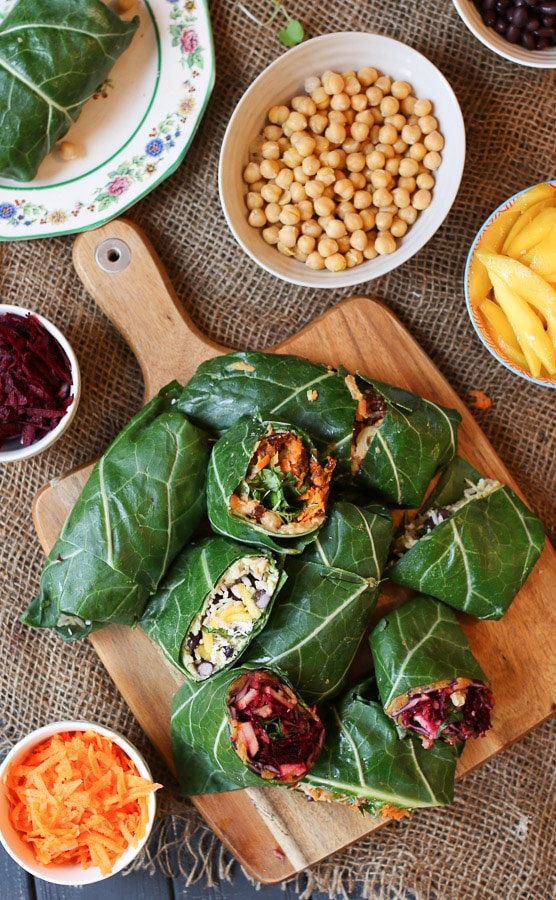
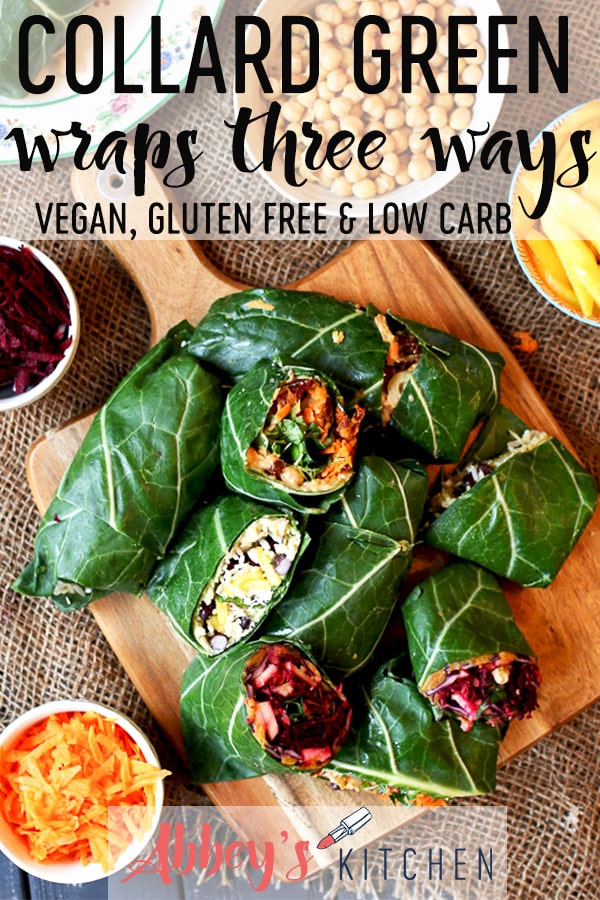
birds eye view of various vegan collard green wraps on a wooden serving board

Okay so technique here is kind of key, because we experimented a LOT to get this right. I personally feel that you need to remove the tough rib in most of your collard greens before you can make collard green wraps. It just gets way too hard to roll and in most cases, ends up buckling and bursting open when you try.

Once you remove the ribs, you can either cut it in half to yield two halves (sans rib), or you can just overlap the cut sides to close up the gap. Then I add a second full leaf but upside down on top of it. This creates a nice sturdy base for your gluten free vegan collard green wraps to hold in all of your favourites goodies.

The BEST Gluten Free Vegan Collard Green Wrap COMBOS

Much like my recipe for summer cold rolls, so the sky is the limit with these and you can easily just whip up whatever tasty ingredients you’ve got on hand, but I quite like my three go-to combos.

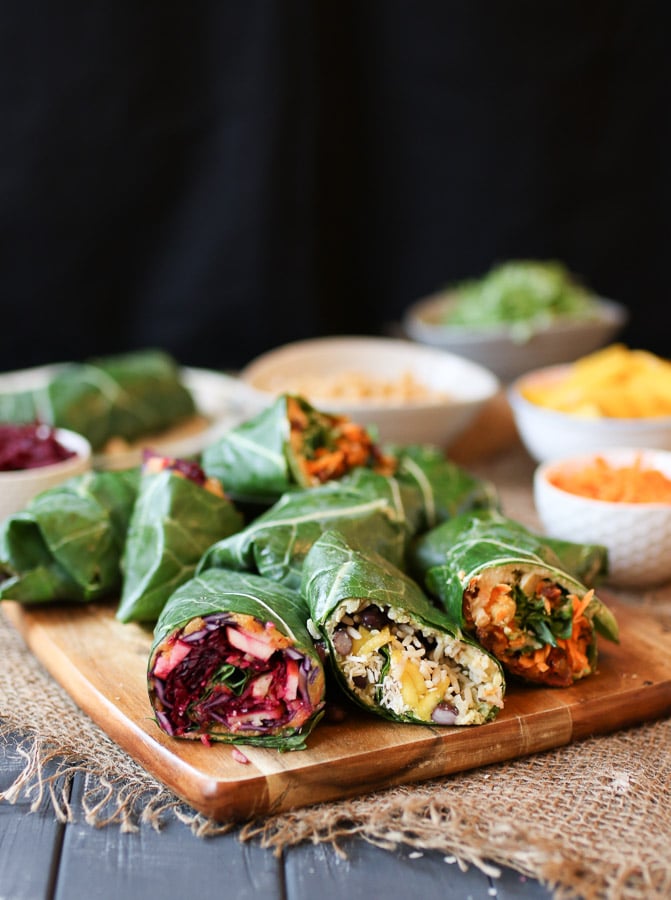
image of multiple vegan collard green wraps on a wooden serving board

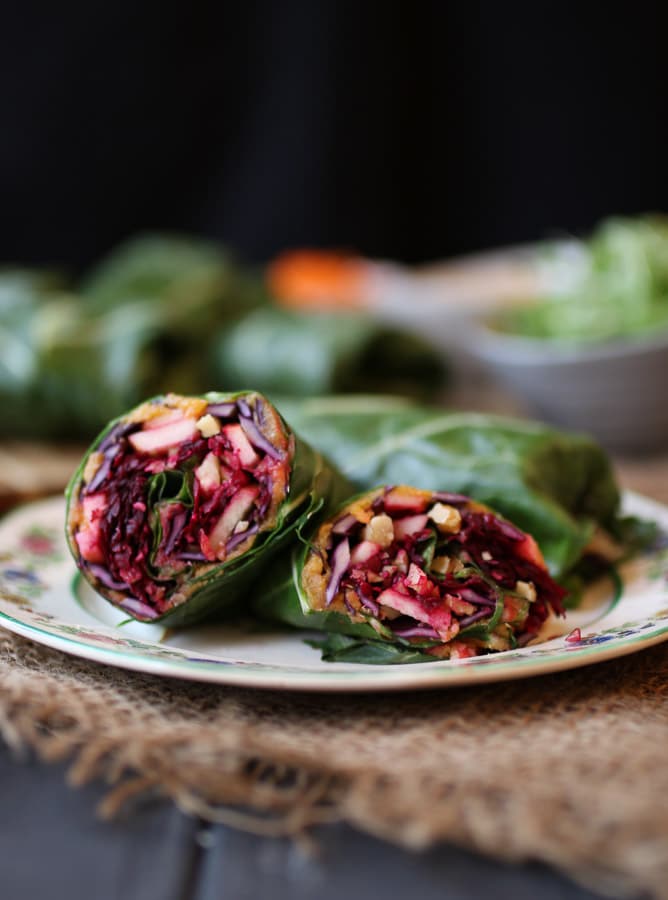
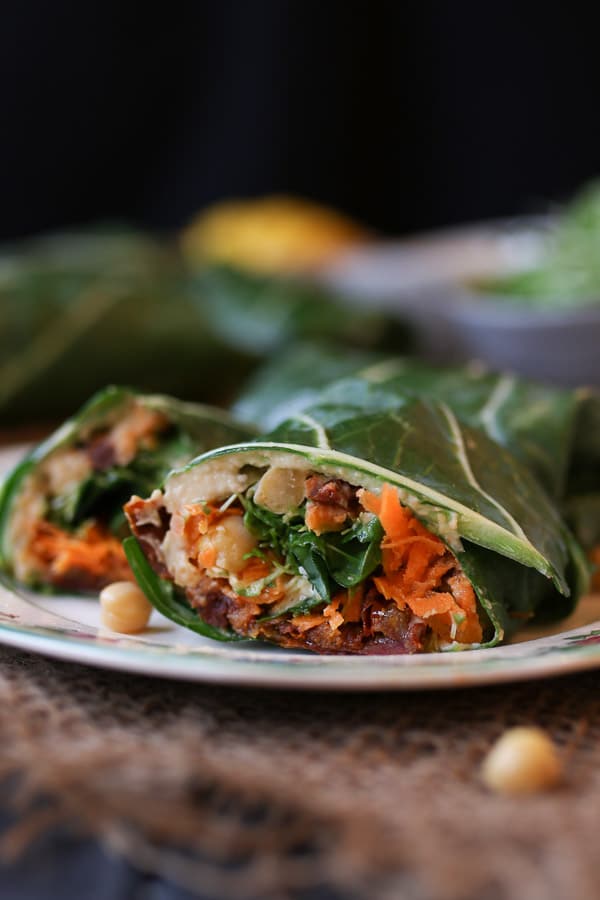
First, is my Sweet Potato and Apple.  This is a great way to use up some of your leftover mashed sweet potatoes which work nicely as the “glue” that hold in the apple, cabbage, beets and nuts.

close up image of vegan sweet potato and apple collard green wrap on a white plate

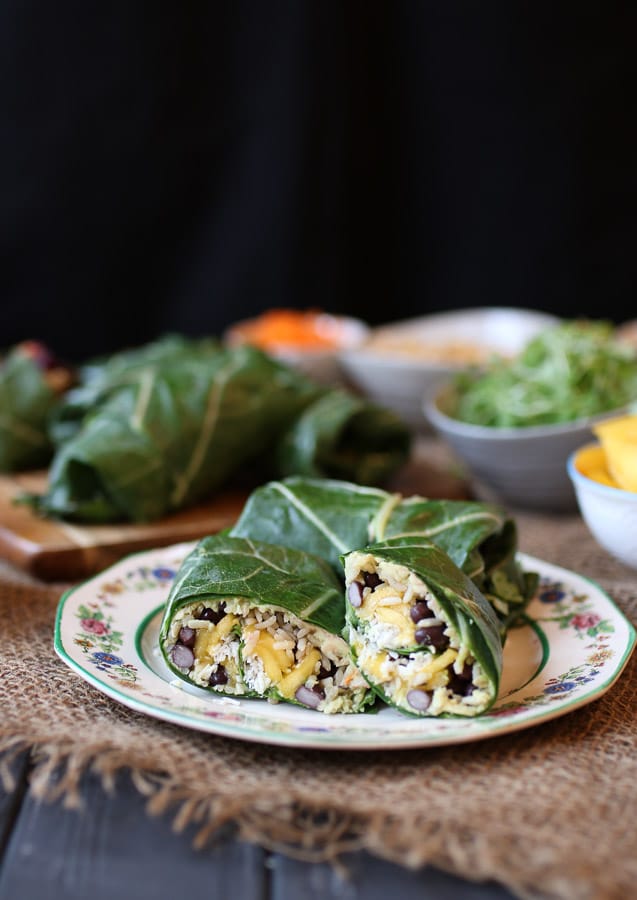
Second, is my Black Bean and Avocado. In this case, the avocado is the glue and offers some added protein from black beans and a nice bit of sweetness from mango and coconut.

image of vegan black bean and avocado collard green wrap on a white plate

Third, is a little Mediterranean combo with hummus (yep, that’s the glue), chickpeas, tomatoes, and olives. It’s fresh and deliciously addictive.

close up image of mediterranean collard green wrap on a white plate

As you can see, you can definitely improvise your Gluten Free Vegan Collard Green Wraps based on whatever you’ve got hanging out in your kitchen. You can even make a big batch for a few days worth of lunches and switch them up throughout the week for a healthy low carb wrap lunch! You will definitely want to make them your lunch of choice for St. Patrick’s Day to ensure you’re representing TEAM GREEN!


I would love to hear what some of your favourite sandwich combinations that you would try out as one of these Gluten Free Vegan Collard Green Wraps!

Leave me a comment below with your thoughts!

pinterest image of Birds eye view of vegan collard green wraps three ways on a wooden cutting board with text overlay.
I share my favourite recipes for Gluten Free Vegan Collard Green Wraps, the absolutely best Healthy Low Carb Wraps for a St. Patrick's Day lunch!
Print Recipe
5 from 5 votes

Gluten Free Vegan Collard Green Wraps

I share my favourite recipes for Gluten Free Vegan Collard Green Wraps, the absolutely best Healthy Low Carb Wraps for a St. Patrick’s Day lunch!
Prep Time10 minutes mins
Total Time10 minutes mins
Course: Sandwiches
Cuisine: American
Servings: 6 people
Calories: 348kcal
Author: Abbey Sharp

Ingredients

  • 1 head collard greens ribs removed

Sweet Potato & Apple Option:

  • 1 sweet potato steamed and mashed
  • 1/2 red apple thinly sliced
  • 1 small beet grated
  • 1/2 cup shredded red cabbage
  • 1/4 cup crushed walnuts
  • 2 tbsp dijon mustard

Black Bean & Avocado Option:

  • 1 avocado mashed
  • 1 cup canned black beans drained and rinsed
  • 1 mango thinly sliced
  • 2 cups cooked brown rice
  • 1/4 cup shredded unsweetened coconut

Mediterranean Option:

  • 1/2 cup hummus
  • 1 cup canned chickpeas drained and rinsed
  • 1/4 cup sundried tomatoes sliced
  • 1/4 cup green olives sliced
  • 1 cup microgreens
  • 1/2 cup shredded carrots

Instructions

  • Remove the rib from the collard green leaves and set one leaf down green side facing down. Overlap the leave halves so they fill up the gap. Add another leaf on top but upside down and again, overlap those leave halves.
  • Add your favourite toppings into the bottom 1/3 of the leaves (with the leaves set out lengthwise in front of you (not horizontally or wide).
  • Roll the bottom up, then tightly tuck in the sides as you continue to roll up the rest.
  • Cut in half and enjoy!

Nutrition

Calories: 348kcal | Carbohydrates: 48g | Protein: 10g | Fat: 15g | Saturated Fat: 4g | Sodium: 457mg | Potassium: 827mg | Fiber: 12g | Sugar: 10g | Vitamin A: 5355IU | Vitamin C: 23.1mg | Calcium: 74mg | Iron: 3.1mg
Abbey Sharp

Abbey Sharp is a Registered Dietitian (RD), regulated by the Ontario College of Dietitians. She is a mom, YouTuber, Blogger, award winning cookbook author, media coach specializing in food and nutrition influencers, and a frequent contributor to national publications like Healthline and on national broadcast TV shows.
www.abbeyskitchen.com/about-abbey/

Last Updated October 23, 2020. Published February 26, 2019 By Abbey Sharp 53 Comments

Gluten Free Vegan Protein Bars 3 Ways | Easy No Bake Post-Workout Snacks

I share my favourite Gluten Free Vegan Protein Bars done 3 delicious ways, the best easy no bake post-workout snacks without the strange additives of so many options on the shelves!

WhileI share my favourite Gluten Free Vegan Protein Bars done 3 delicious ways, the best easy no bake post-workout snacks without the strange additives of so many options on the shelves!

So as you guys know, I’m kinda a gym junky. As I learned preparing for my wedding (you can read about my wedding diet and fitness routine here), making sure you’ve got really great pre and post-workout snacks is so important to helping your body recover and reap the benefits of your workout. I’ve recently shared a full 7-Day Fitness Recipe E-Book here, and man, these new No Bake Gluten Free Vegan Protein Bars deserve a daily spot!

How to Make No Bake Protein Bars

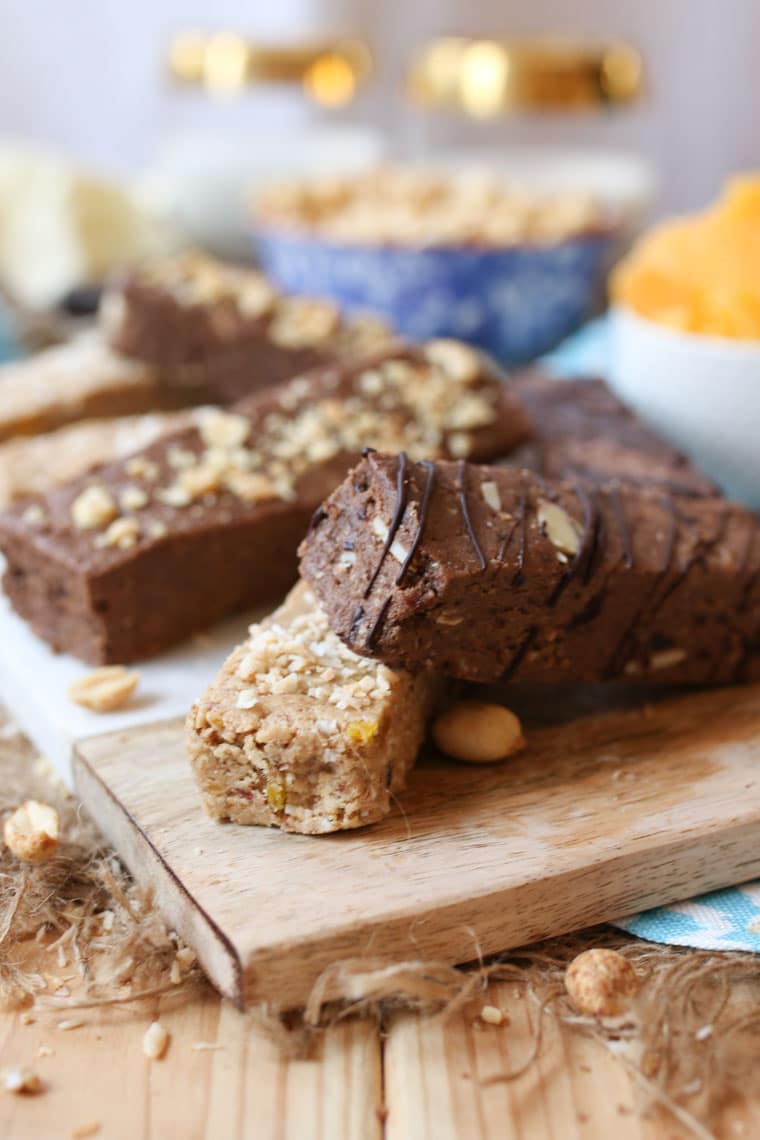
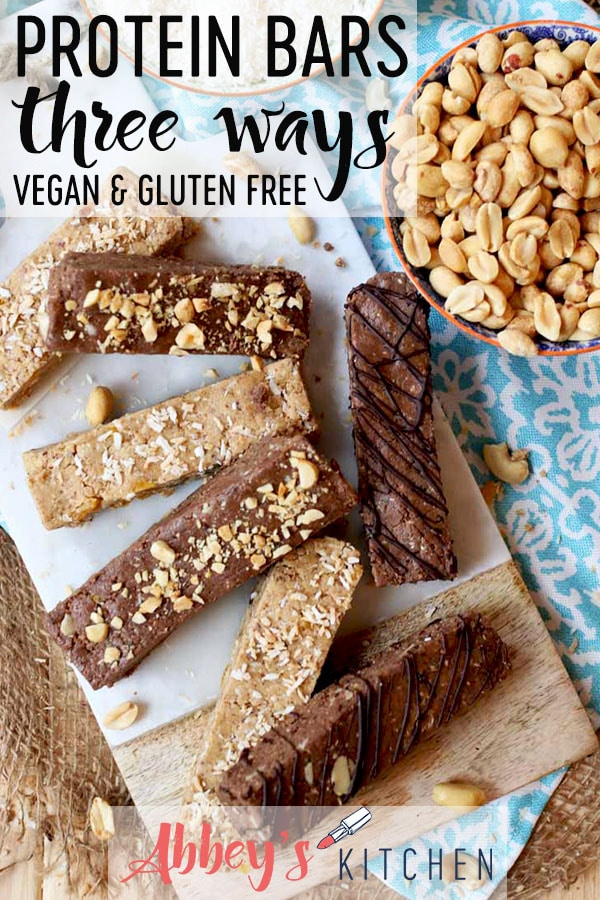
birds eye view of vegan and gluten free protein bars on a wooden surface next to a bowl of peanuts

So this recipe was inspired by my collaboration with the adorable Sara Lynn from Domestic Geek. We decided to do a collaboration together and come up with some amazingly delicious and nutritious post-workout snacks. She made some AH-MAZ-ING energy bites (not balls, because as we discovered, you’re never too old to laugh at the word balls).

Close up of a pile of vegan protein bars.

The key to making snacks is that they have to be easy, and these are ALL those things. I like to make a huge batch at the start of the week, pop them in the freezer, and have post-workout snacks for the month!

The base of these no bake protein bars is nut butter, maple syrup, protein powder, oat flour, dates and flax seed. So lot’s of healthy fats, protein and fibre going on already! Then we have fun.

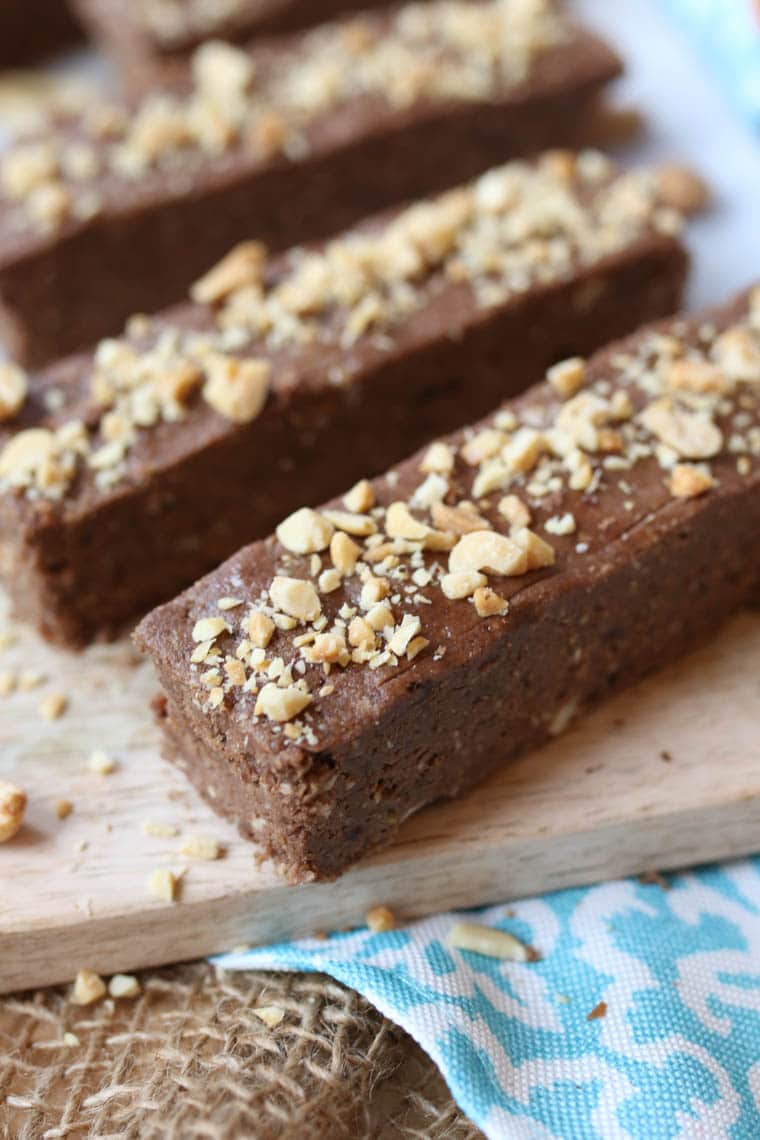
My first protein bar flavour is my Peanut Butter Banana. Here we’ve got peanuts, banana chips, raisins and chocolate protein powder. What’s not to love?

close up of vegan protein bars topped with chopped nuts on a wooden surace

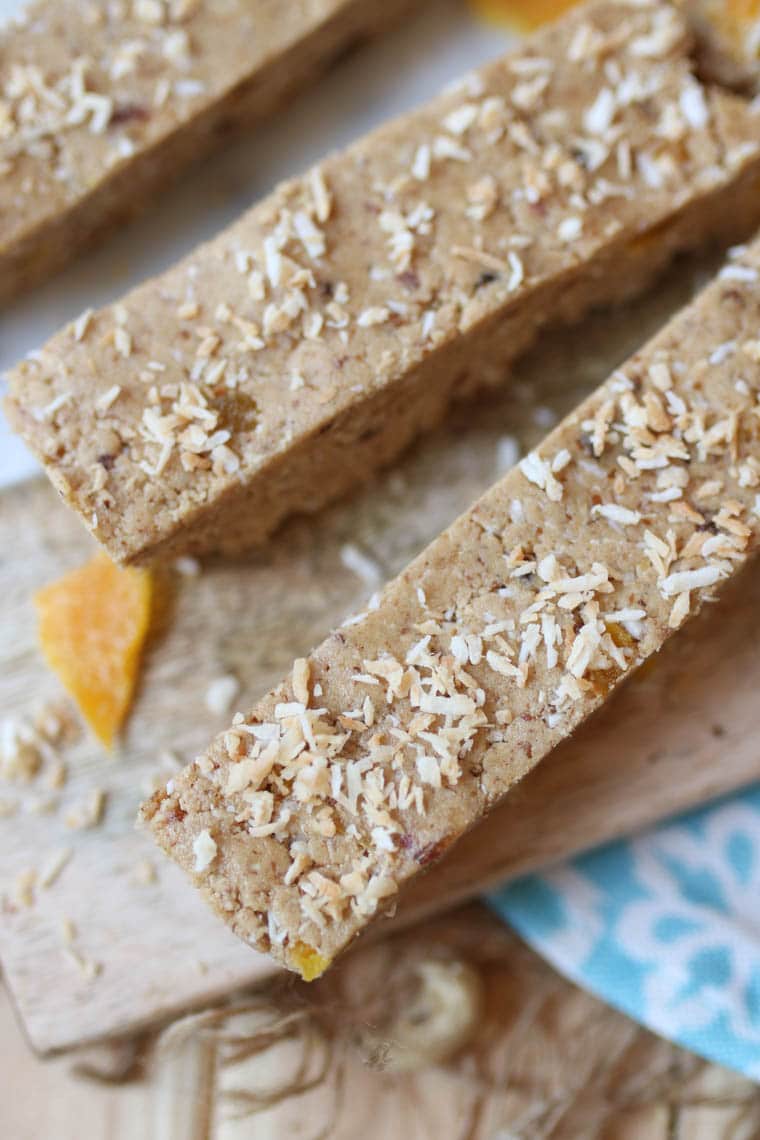
Next is my Tropical option with vanilla protein powder, cashew butter, mango and coconut. It’s legit like taking a relaxing holiday.. except you’re exhausted from burpees.

Close up of protein bars topped with dried mango and shredded coconut.

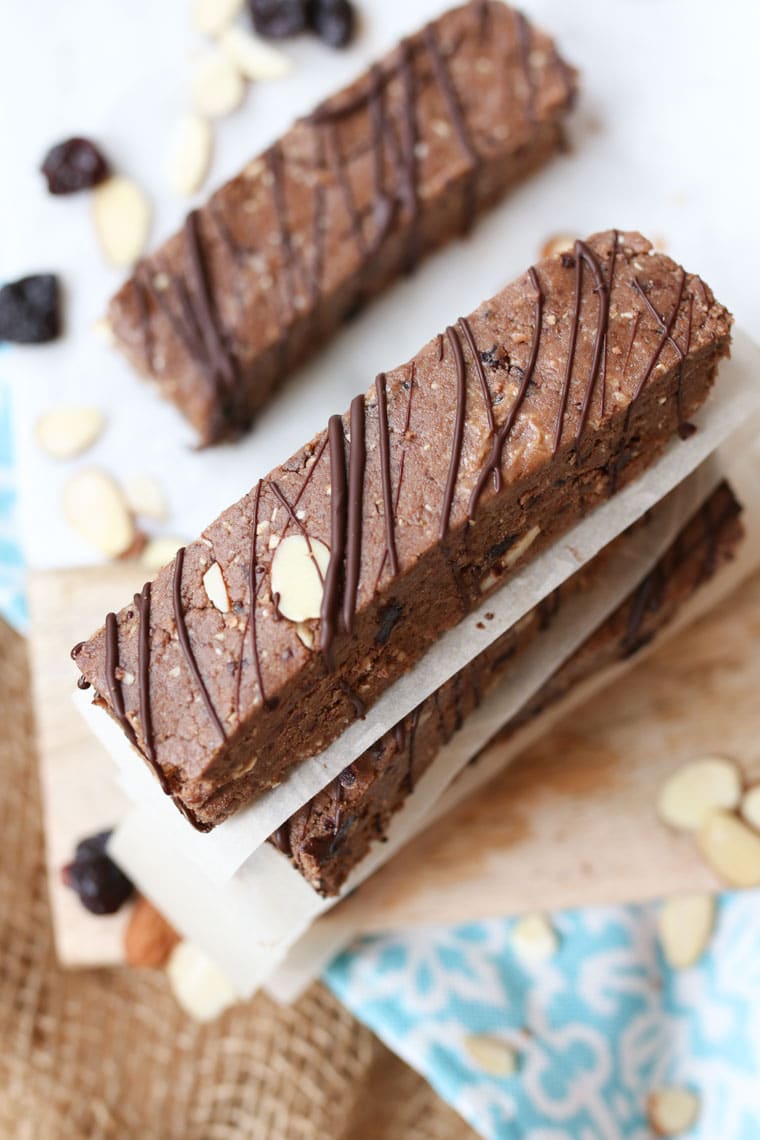
Finally, is my Chocolate Almond Cherry. This one comes with dried cherries, chocolate protein powder and almonds. PLUS a bonus chocolate drizzle on top. These seem to be a consistent winner across the board.

stack of vegan protein bars drizzled with chocolate

You can easily customize these bars using depending on whatever you have on hand. If you’re not vegan, don’t worry about using vegan protein powder. If you’re not gluten free, you can just use regular oat flour. Your workout, your post-workout snack, your rules!!

If you missed it, check out my good friend Sara Lynn from The Domestic Geek and I making these protein bars!

Now, I want to know, what flavours and add-ins would you put in your own No Bake Gluten Free Vegan Protein Bars?
Which of the three flavours would likely be your favourite?
Leave me a comment below with your thoughts!

Pinterest image of Birds eye view of vegan and gluten free protein bars three ways on a marble cutting board next to a bowl of peanuts with text overlay.

I share my favourite Gluten Free Vegan Protein Bars done 3 delicious ways, the best easy no bake post-workout snacks without the strange additives of so many options on the shelves!
Print Recipe
4.50 from 18 votes

No Bake Gluten Free Vegan Protein Bars

I share my favourite Gluten Free Vegan Protein Bars done 3 delicious ways, the best easy no bake post-workout snacks without the strange additives of so many options on the shelves!
Prep Time15 minutes mins
Total Time15 minutes mins
Course: Snack
Cuisine: American
Servings: 12 bars
Calories: 221.19kcal
Author: Abbey Sharp

Ingredients

Protein Bar Recipe:

  • 1 cup nut butter almond, peanut, cashew, sunflower seed
  • ¼ cup maple syrup
  • ¾ cup vegan protein powder vanilla, chocolate, berry, any flavour!
  • ½ cup gluten free oat flour
  • 2 tbsp ground flaxseed
  • 2 dates pitted and minced
  • Your favourite add-in's nuts, seeds, dried fruit, chocolate, etc.
  • Your favourite toppings

Peanut Butter Banana:

  • Nut butter: Peanut butter
  • Protein powder: Chocolate
  • Add-ins: 3 tbsp. dried golden raisins
  • 2 tbsp. crushed banana chips
  • Topping: 3 tbsp crushed peanuts

Almond Cherry

  • Nut butter: Almond butter
  • Protein powder: Chocolate
  • Add-ins: 3 tbsp. dried cherries
  • 2 tbsp. sliced almonds
  • Topping: 1 oz melted dairy-free dark chocolate

Mango Coconut

  • Nut butter: Cashew butter
  • Protein powder: Vanilla
  • Add-ins: 3 tbsp. dried mango
  • 2 tbsp. Toasted coconut
  • Topping: Toasted coconut

Instructions

  • To a food processor, combine the nut butter, maple, protein powder, oat flour, flax seed and dates. Puree until smooth.
  • Fold in the "add ins" of your choice.
  • Line a 6" square pan with parchment paper with "wings" coming out of both sides. Press the ingredients firmly into the pan. Top with your favourite add-ins and freeze for 10 minutes. Cut into bars. They will thaw pretty quickly so I recommend enjoying them out of the freezer.

Video

Nutrition

Calories: 221.19kcal | Carbohydrates: 15.18g | Protein: 11.2g | Fat: 14.45g | Saturated Fat: 1.8g | Sodium: 71.69mg | Potassium: 236.28mg | Fiber: 3.62g | Sugar: 6.69g | Vitamin C: 0.15mg | Calcium: 101.28mg | Iron: 2.06mg

Abbey Sharp

Abbey Sharp is a Registered Dietitian (RD), regulated by the Ontario College of Dietitians. She is a mom, YouTuber, Blogger, award winning cookbook author, media coach specializing in food and nutrition influencers, and a frequent contributor to national publications like Healthline and on national broadcast TV shows.
www.abbeyskitchen.com/about-abbey/

Last Updated August 6, 2020. Published February 21, 2019 By Abbey Sharp 24 Comments

Does Eating Vegetables During Pregnancy Prevent Picky Eating?

I discuss the new recommendations and guidelines to reduce the risk of peanut allergy in babies and kids to prevent anaphylaxis and other reactions.

In this post, we answer the question, does what eating vegetables during pregnancy prevent picky eating and does eating junk make your baby prefer high sugar, high salt foods? We take a look.

Pregnancy. It’s been one of my life’s most exciting, yet challenging stages. Once I finally had something I wanted for so long after such a hard infertility struggle (read about that here), it’s hard not to be hit with so much joy and gratitude. That, and an overwhelming anxiety to give your babe the absolute best.

And that means eating well for babe.

baby in a blue outfit lying down

Now, I get it, it’s really hard to eat healthy when you feel like throwing up for hours on end and I’m happy to let you know that IT’S GOING TO BE OKAY. Your baby isn’t likely going to be malnourished if you throw up or if you eat ONLY buttered bread. It’s amazing how resourceful the body is. But in my obsessed mom-to-be reading, I couldn’t help but want to know if what we eat during pregnancy impacts baby’s palate and taste preferences. Could what you eat during pregnancy prevent picky eating if you eat a variety of typically non-kid-friendly foods? I mean, when you think about it, the baby is eating what I’m eating (and can’t just “spit it out”) so surely this plays a role in shaping its favourite foods post- birth. But is this impact in any way clinically significant? Let’s dive into what the research says.

Does Eating Vegetables During Pregnancy Prevent Picky Eating?

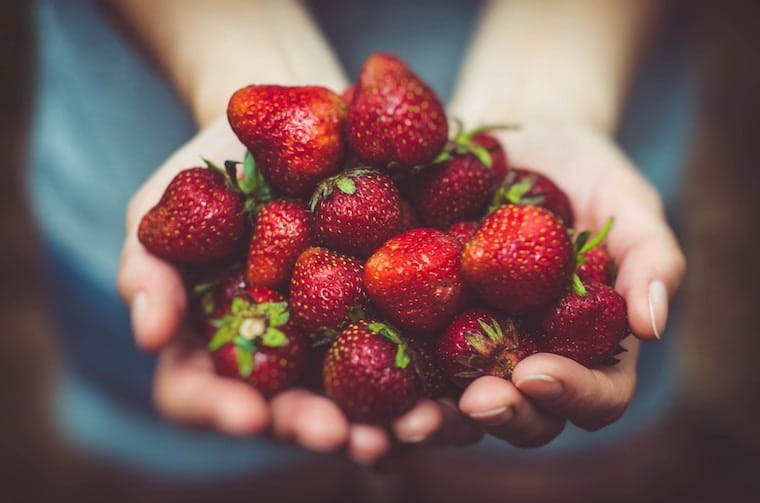
hands holding strawberries

Apparently, maybe! Your baby can “taste” very early in utero via the “prenatal flavours” of the amniotic fluid.

Here’s how it all works.

Flavours (a product of taste and smell) from foods the mother eats travel to the amniotic fluid, affecting its taste, which is then swallowed by the fetus. These early, sensory experiences are believed to play a role in shaping babies’ preferences for certain flavours before introduction to solid foods; persisting later in life as infants and potentially even in childhood and adulthood. There are even testimonials of mothers sharing their stories about how the foods they craved while pregnant, ended up being loved by their children when they grew up. Apparently my kid is only going to want to eat mango, All Bran cereal and romaine lettuce. I guess that’s not a bad mom win, right?

A study performed on pregnant rats showed that consuming a junk food based diet high in sugar, salt and fat, resulted in babies who preferred these foods over healthier foods. However, this finding has been displayed in humans as well, particularly in a well-known, first-of-its-kind, randomized clinical study. Researchers investigated whether babies could taste foods mothers ate during pregnancy, and whether it would affect infants’ acceptance and enjoyment of similarly flavoured foods at weaning.

The study involved three groups of pregnant women:

Pregnancy Group #1: Drank 300 mL of carrot juice every day during the last trimester of pregnancy.

Pregnancy Group #2: Drank 300 mL of carrot juice every day during 3 months of breastfeeding.

Pregnancy Control Group #3: Drank water instead, and was instructed to avoid carrots and carrot juice during pregnancy and breastfeeding.

Here’s what happened.

After weaning infants at 6 months of age, mothers began adding cereal to their infants’ diet, with the first cereal prepared with water and the second prepared with carrot juice. It was observed that infants who had exposure to carrots in either amniotic fluid during pregnancy, or breast milk during breastfeeding, responded well and were more accepting (i.e., consumed more) of the carrot-flavoured cereal compared to infants who were never exposed to it. Therefore, evidence does suggest that very early prenatal AND postnatal exposures to flavours can encourage enjoyment of that flavour in solid foods by infants. In simple terms, yes, eating vegetables during pregnancy seemed to have an effect on picky eating around veggies and baby’s food preferences for them! When these beneficial early exposures are reinforced over time, this can help promote healthy eating habits that are protective of health in the long run. Other than carrot, there are certain distinct flavours that transfer well in utero, including those from fruits and vegetables, and ingredients with strong flavours such as garlic, vanilla, mint, anise and other spices. It is in this intrauterine environment, that your prenatal diet can potentially have a large influence on your baby’s food preferences.

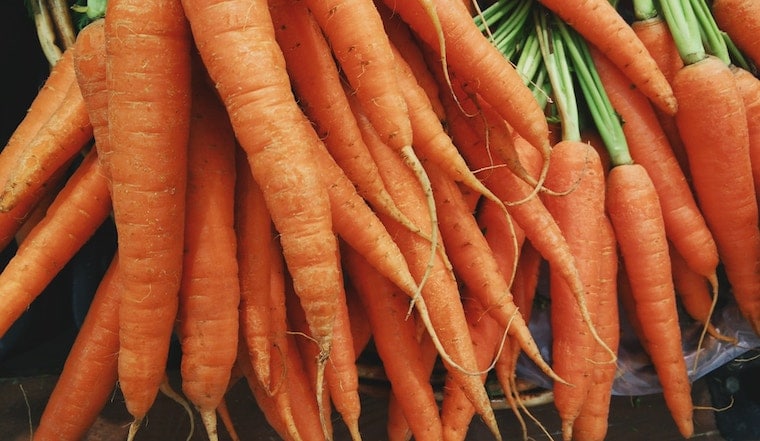
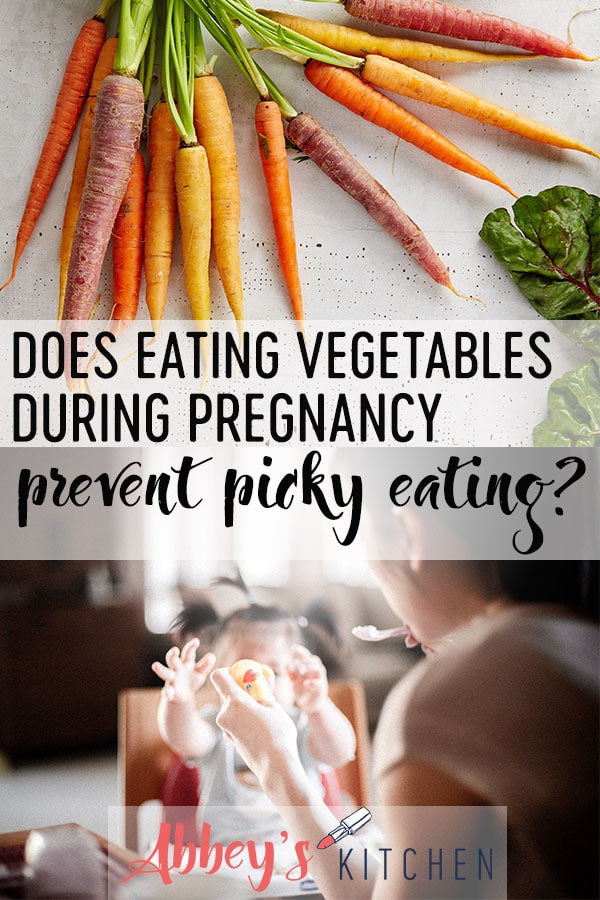
bushel of carrots

Now that you know that what you eat in pregnancy impacts baby’s food preferences, it’s clear that it may be true that it’s possible that what you eat, like vegetables during pregnancy may prevent picky eating later on. This is of course only true if you consume a variety of foods yourself during pregnancy, particularly maybe the really strongly flavoured spices and sulfurous or bitter veg. This may be especially important since the biology of children will naturally prefer sweet and salty over bitter tastes, making them particularly vulnerable to our poor food environments.

SO…Does Eating Vegetables During Pregnancy Prevent Picky Eating?

cupcake with a first birthday candle in front of a toddler

Introduce a variety of flavours of foods during pregnancy to reduce the potential risk of picky eating and help your baby become a gourmand like its momma. Now, if you’re feeling like shit and can only stomach soda crackers and cheesepuffs, don’t worry, I really don’t think this research is strong enough to warrant ANY kind of #momguilt about that. I assume there’s a MUCH higher chance that your kid is going to develop its own palate through social shaping and exposure outside of utero. But hey, if you feel good and this information is motivating enough to help you choose salad over fries every once in while, I say it’s not a bad thing.

Become an Abbey’s Kitchen Subscriber

Now, tell me what some of your cravings have been during pregnancy that you think your kid may now love because of you?

What are your thoughts on the what you eat during pregnancy preventing picky eating? Did you try to eat more vegetables during pregnancy to prevent picky eating?

Leave me a comment with your thoughts and share with a momma-to-be!

pinterest image of A bushel of colourful carrots and swiss chard above an image of A mom feeding her baby with text overlay

Contribution By:

RD2B Rachel Shim

Abbey Sharp

Abbey Sharp is a Registered Dietitian (RD), regulated by the Ontario College of Dietitians. She is a mom, YouTuber, Blogger, award winning cookbook author, media coach specializing in food and nutrition influencers, and a frequent contributor to national publications like Healthline and on national broadcast TV shows.
www.abbeyskitchen.com/about-abbey/

Last Updated August 31, 2022. Published February 14, 2019 By Abbey Sharp 24 Comments

Does Saturated Fat Cause Heart Disease and is Coconut Oil Healthy?

I dive into the research and answer the question does saturated fat cause heart disease and is the plant-based coconut oil healthy?

I dive into the research and answer the question does saturated fat cause heart disease and is the plant-based coconut oil healthy?

As you can see from reading Part One last week on Saturated Fat, saturated fat and cholesterol are complicated and the research surrounding their impact on health is conflicting, despite the large amount of research. There are reasons why research isn’t simply black and white, which I will get into a bit later. But first, I will answer the question, does saturated fat cause heart disease, diabetes and death.

heart shaped pancake on a white plate

Because there is so much research regarding saturated fat and cholesterol with health, many systematic reviews and meta-analyses exist. Unfortunately, they have not helped nutrition professionals come to a conclusion as to whether saturated fat has any impact on our health. In one Canadian meta-analysis and systematic review in the British Medical Journal, the authors concluded that saturated fat is not related to coronary heart disease, cardiovascular disease, ischemic stroke, type 2 diabetes, or all-cause mortality (aka death). In fact, replacing these foods with carbohydrates (the type of carbs was not disclosed in most studies) had no beneficial impact, but replacing saturated fats with monounsaturated and polyunsaturated fats had a positive impact on our cholesterol levels. It is important to note that the authors stated there was high “heterogeneity”. Basically, this means that all the studies they looked at were very different from one another which makes running any statistical analysis difficult (in other words, it wasn’t “apples to apples” (no nutrition pun intended!) The authors also found that trans fat was associated with coronary heart disease, cardiovascular disease, ischemic stroke, type 2 diabetes, and all-cause mortality. In another systematic review and meta-analysis, authors came to a similar conclusion but you knew that because we covered that in our Saturated Fat part 1.

a book with a magnifying glass and a pen on top

In the Presidential Advisory from the American Heart Association, a different conclusion was made. The authors of this paper stated that although there are various meta-analyses and systematic reviews available, the high heterogeneity between each study leads to many issues. As well, they noted that since carbohydrate type was not mentioned in most studies, this limits the argument that carbohydrates in general have no impact on heart health, since whole grains have a plethora of heath benefits. This in-depth review looked at studies since the 1950’s to come to their conclusions (however, there are some limitations that I will discuss later). One of the conclusions they made was that replacing saturated fats with polyunsaturated fats (and to an extent, monounsaturated fats) can reduce the risk of heart disease by about 30% and lower LDL cholesterol (bad cholesterol, if you recall). The authors also found that trans fats play a clear role in increasing the risk of heart disease. Dairy was also addressed in this review and it was noted that dairy products, such as cheese and milk, can raise LDL cholesterol. However, since most people opt for lower-fat options, the authors stated that this would have less of an impact. They also mentioned that when LDL was replaced by either whole grains or monounsaturated and polyunsaturated fats, the risk of heart disease and stroke decreased. Finally, the authors concluded that the saturated fat found in coconut oil does increase LDL cholesterol. In fact, it was found that coconut oil significantly raises LDL cholesterol compared to olive oil, which makes sense since olive oil is quite high in monounsaturated and polyunsaturated fats and is low in saturated fat. This statement caused a lot of debate in mid-2017, when the report was released.

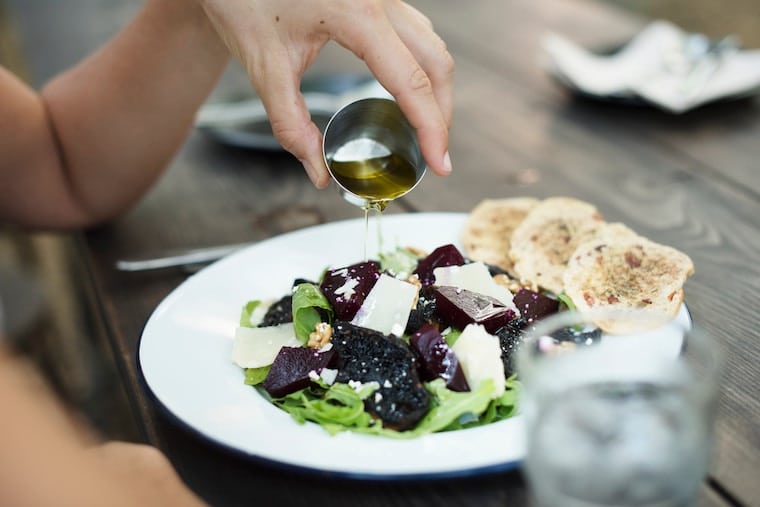
person pouring dressing over a salad in w hite bowl

In a systematic review and meta-analysis on butter consumption, it was found that there was a “small to neutral” effect of butter on heart disease, type 2 diabetes, and all-cause mortality. This means that after reviewing the available literature, there were no clear indications that butter (high in saturated fat) was the main contributor to these diseases. Does that mean you should eat a pound of butter? Absolutely not.Too much of anything isn’t good for you. While this study found little to no effect from eating butter, it also mentioned that unsaturated fats have wonderful health benefits. So, if you like to have some butter on your mashed potatoes, go for it. But remember to try to get unsaturated fats from a diverse set of foods.

Did the AHA get it wrong about whether or not Saturated Fats Cause Heart Disease?

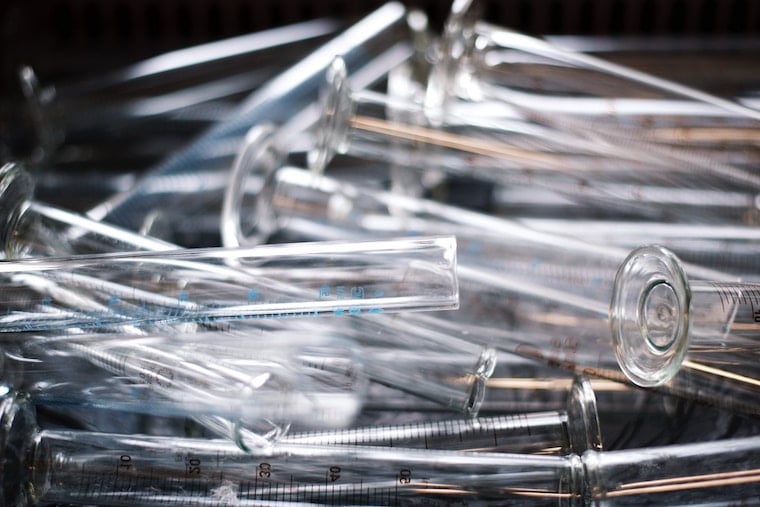
clear glass tubes

Nutrition research is flawed. It’s not that we don’t have amazing, credible scientists in the field of nutrition, because we do. The reason it’s flawed is because of a few reasons:

  1. Study design: There are many different study designs. The crème de la crème are meta-analyses and systematic reviews, which involve a very thorough review of all the research available on a certain topic. The next would be randomized-controlled trials, ideally blinded (meaning the researchers do not know who has what treatment). Unfortunately, the problem with these studies for nutrition is that it’s very difficult to have two large groups of people eating a particular way (e.g., high saturated fat in one group and little to no saturated fat in the other group) for a long period of time with complete adherence. Think about it, could you really try a high saturated fat diet for let’s say for two years? You wouldn’t have any freedom of choice in terms of the food you eat. This is why it’s difficult, because participants may not actually adhere to their diet or drop out of the study. The next common study researchers use is a prospective cohort study (AKA observational). These studies involve taking a group of people who are free of a disease (e.g., heart disease), look at their eating patterns over a period of time (e.g., 5 years) and see who get the disease. Usually the researchers have the participants fill out different food questionnaires or surveys to understand their general eating patterns during this time. They also screen for genetics and other lifestyle factors. However, the problem with this is that the researchers cannot be certain that “X caused Y” because the food they ate was not controlled. So, was it the saturated fat? Was it the cholesterol? Was it the high refined carbohydrates? Was it the fact that the people who ate less saturated fat also ate more vegetables? It’s hard to tell, but we do have excellent statistical analyses that try to overcome this. That being said, it’s still not for certain.
  2. Confounding variables: This means that different things can cause a disease. For example, heart disease can be diet-related, weight-related, genetic-related, smoking-related, and so on. Good research will control for these variables to make sure that it wasn’t genetics that actually caused the disease instead of the food. Sometimes this can be tricky and sometimes certain things are not included. So, for example, the authors of the AHA paper stated that a lot of studies left out the type of carbohydrate (e.g., whole grains vs. refined sugars) which makes their conclusion that carbohydrates don’t improve heart health seem null and void.
  3. Data collection methods: If a research team is doing a prospective cohort study, they will use a few different tools to collect the data such as food frequency questionnaires, 24-hour recalls, food diaries, etc. There are a few problems with this. First, the participants may not be telling the truth or may over/underexaggerate or simply forget what they ate (do you generally remember all the foods you ate in the past 6 months?) Second, participants may not be able to properly identify the portions of food they ate which can significantly change the nutrient profile of their diet. Third, if a food item is not included on a food frequency questionnaire then a participant may choose a similar, but still different, item. All of these can lead to different macronutrient and micronutrient values and have the potential to influence the outcome of the study, provided a large amount of people had these issues.
  4. Money: Research studies are very expensive which can limit the number of studies researchers can run. Prospective cohort studies are less expensive than randomized-controlled trials for the most part, which is why you likely would see more of these. As well, funding is usually given to research in a “hot” area. So, unless your topic is “hot”, it may be hard to get the funding, therefore limiting the type of research they can conduct.
  5. Cherry picking: A systematic review and meta-analysis will look at all studies available, regardless of the outcome and study design. There are statistical analyses that can weigh the studies based on their qualities. When you start to cherry pick, or basically pick the study that serves your purpose, there is tremendous bias in your conclusion. As well, if you start to leave out studies based on certain aspects, you’re also introducing bias. The problem that I see with the AHA statement is that they left out a lot of studies because of heterogeneity (apples to oranges). Now, it is important to say that heterogeneity is a problem, as we want studies to be as close to each other as possible so that we can genuinely look at the outcomes. In the other systematic reviews and meta-analyses that I looked at (here and here, for your convenience), they did mention this as a strong weakness to their conclusions. However, I do not feel comfortable with AHA picking a couple studies, most of which were before the 1980’s, and making a conclusion based on that. To start, we have changed our eating patterns over the past decades, especially when it comes to saturated fat. So, it’s difficult to say if those studies truly represent our current population. Second, while studies may be different from one another, many of which were still solid research and should not be excluded because it wasn’t similar enough to another study. Third, choosing studies based on their results can lead to significant bias. This is why systematic reviews and meta-analyses look at all kinds of research, including grey literature and open-access journals, since these types of publications tend to show null or unfavourable outcomes. A lot of journals publish “exciting” outcomes, which can also be a huge problem.

Does Coconut Oil Cause Heart Disease?

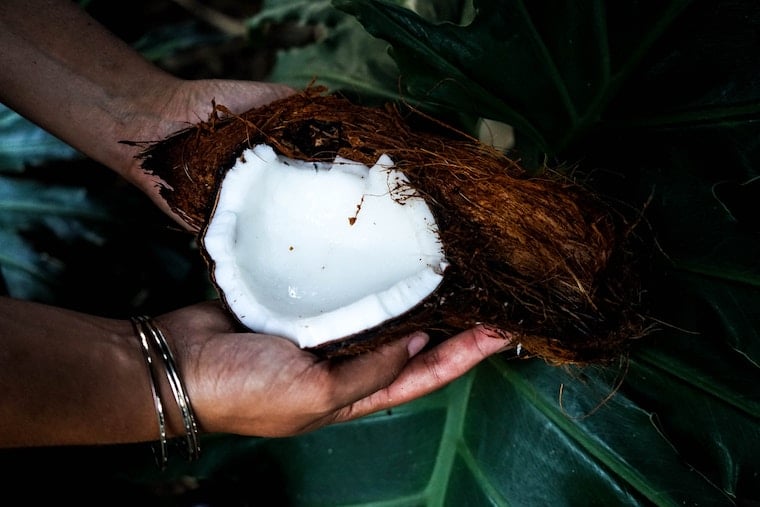
person holding half of a coconut

With regards to the question of does coconut oil cause heart disease, I take issue with how AHA dealt with it. For example, the review they cited also mentioned that coconut oil raised HDL cholesterol, yet AHA only mentioned they raise LDL cholesterol. That one isn’t too big of a deal, but I like transparency. The other issue with just using this review is that the study looked at one outcome: heart disease. It did not look at other outcomes, of which coconut oil may or may not have beneficial effects on. Also, the authors of that study do not call their review a systematic review, but AHA does. Which can be concerning since there may have been studies that were not included or missed. Finally, the authors of the review noted that current research is very limited and more research is needed. So, really, to make a large conclusion like the AHA did seems a little premature. Now, with that being said, they did get one thing correct: “A recent survey reported that 72% of the American public rated coconut oil as a “healthy food” compared with 37% of nutritionists. This disconnect between lay and expert opinion can be attributed to the marketing of coconut oil in the popular press.” Just because there isn’t enough research to say whether or not coconut oil is healthy, doesn’t mean we should give it a “health halo”. Marketing of coconut oil has exploded in recent years, which can give people the impression that it is really good for you. Most Registered Dietitians and other nutrition professionals agree that coconut oil should be treated like any other saturated fat and enjoy it in moderation. If you’re having coconut oil with every meal and labelling it as a miracle cure, you’re not only increasing your saturated fat intake, but you’re also increasing your calorie intake by a lot, which we do know we want to watch out for. So, if you like coconut oil, have it. But like I mentioned earlier for butter, make sure you’re also getting a good source of both monounsaturated and polyunsaturated fats in your diet.

Eating Tips to Reduce the Risk of Heart Disease

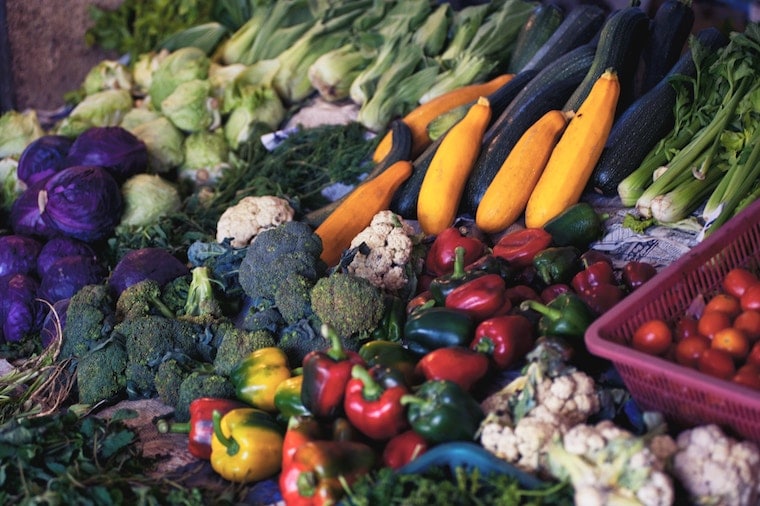
colourful fruits and vegetables

Although there is still a lot of confusion out there, there are still things you can do to lower your risk of certain diseases:

  1. Increase your vegetable and fruit intake: Vegetables and fruit are full of vitamins, minerals, antioxidants, phytochemicals, fibre, and more. The fibre in fruit helps keep you full and maintain good blood sugar levels since it is digested slowly.
  2. Include a protein source at every meal: protein provides us with essential amino acids to build our muscles, bones, and other tissues. It also helps to keep us full since it takes a while for our body to digest it. Good sources of protein include: beans and lentils, fish, lean meat (e.g., chicken or turkey), tofu, and eggs. Dairy can be a great source of protein but be sure to have a lower-fat version that is unflavoured (flavouring has a lot of unnecessary sugar)
  3. Choose whole grains over refined grains: Whole grains are full of nutrients and fibre and have been found to have beneficial effects on cholesterol and heart health. Be sure to look for the term “whole grain” as this means the entire grain is intact. “Whole wheat” or “multigrain” is not the same as “whole grain”, but these options would still be better than white flour.
  4. Limit your intake of sugary beverages: Sugar consumption has been linked to weight gain. It also leaves our stomachs and is absorbed quickly which leads to a spike in blood sugar and leaves us feeling hungry shortly after. Opt for water, milk/plant-based beverages, or add some herbs and fruit to your water.
  5. Eat whole food: Try your best to leave eating out for special occasions. When we eat from home and prepare our own meals, we control the ingredients. Therefore, we have less sugar, salt, and added fat that most restaurants and food companies add to increase flavour. We also control our portion sizes, which can help with maintaining a healthy weight.

So Seriously, Does Saturated Fat Cause Heart Disease?

I strongly believe we need to stop vilifying food and this includes saturated fat. While the research is mixed, I do believe we should err on the side of caution. Does this mean I will stop having food with saturated fat? Absolutely not. Does it mean that I will try to eat a diet full of variety? Absolutely. I believe that when we eat a diet full of variety, we’re providing our body with the important nutrients it needs while also satisfying our desire for delicious and diverse food. While I don’t recommend eating a double cheeseburger every day, I also don’t advise against treating yourself every now and then. If you increase your intake of vegetables, fruit, whole grains, and protein, you’re likely going to be pretty full and therefore control your intake of any saturated fat. As well, making sure you’re getting enough exercise throughout the week will also help with your overall physical and mental health. So, enjoy your food, eat a well-balanced diet, and remember life is too short to completely eliminate the foods you love!

Now tell me your thoughts on saturated fat. Does saturated fat cause heart disease and other chronic ailments in your books?

Do you enjoy foods with saturated fat?

What do you think about the AHA’s recommendations on saturated fat?

Leave me a comment below with your thoughts and be sure to check out Part 1 over here!

pinterest image of hands holding a bowl of two coconut halves and heart shaped pieces of paper with text overlay
Abbey Sharp

Abbey Sharp is a Registered Dietitian (RD), regulated by the Ontario College of Dietitians. She is a mom, YouTuber, Blogger, award winning cookbook author, media coach specializing in food and nutrition influencers, and a frequent contributor to national publications like Healthline and on national broadcast TV shows.
www.abbeyskitchen.com/about-abbey/

Last Updated August 6, 2020. Published February 6, 2019 By Abbey Sharp 6 Comments

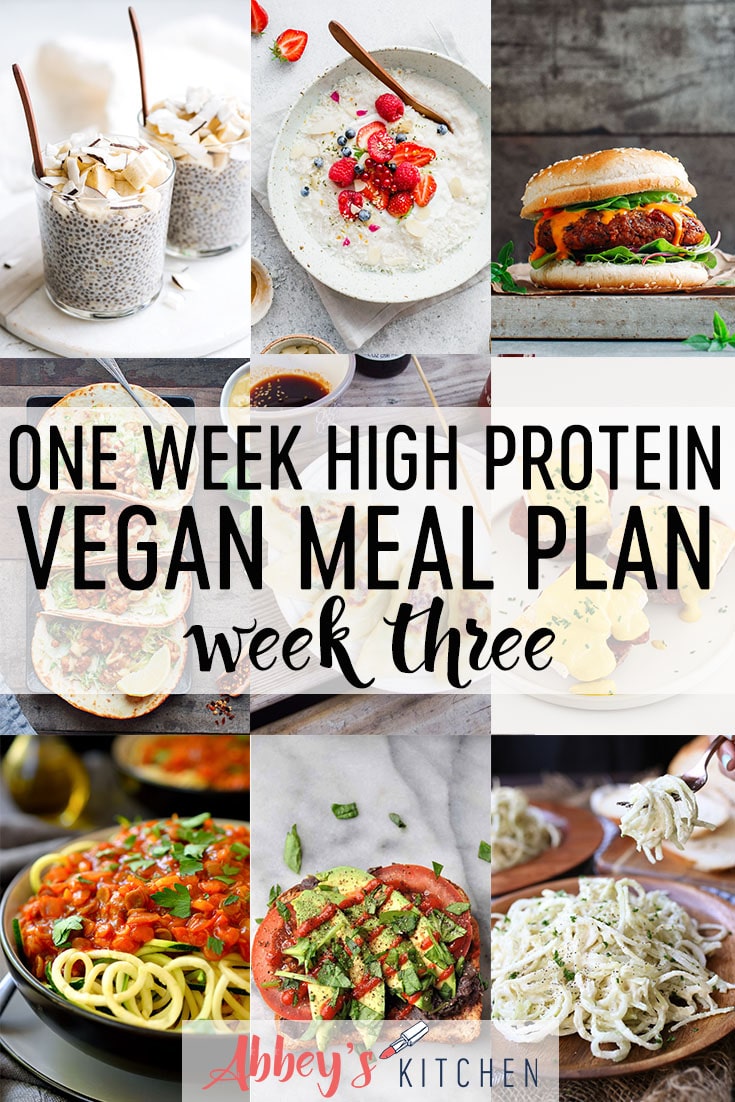
One Week High Protein Vegan Meal Plan | WEEK 3

I share week three of my one week high protein vegan meal plan filled with healthy plant based recipes that provide around 1700 calories and 100 grams of protein.

GET THE MEAL PLAN

I share week three of my one week high protein vegan meal plan filled with healthy plant based recipes that provide around 1700 calories and 100 grams of protein.

If you’ve had trouble finding healthy vegan recipes in the past, you’ve come to the right place. I’m definitely no vegan, but I can appreciate the value of incorporating more plant-based foods into our diet. But I hear from a lot of my vegan friends and followers that they have a hard time finding delicious vegan recipes that are also high in protein. So, we’ve gathered a collection of recipes from Abbey’s Kitchen as well as other great food bloggers and have organized your life for the next week. We want to show you guys that there is no need to go out your way to find great healthy vegan recipes, and that there are a variety of nutrient dense recipes that can give you the energy you need to get through the day.

Day 1

Breakfast

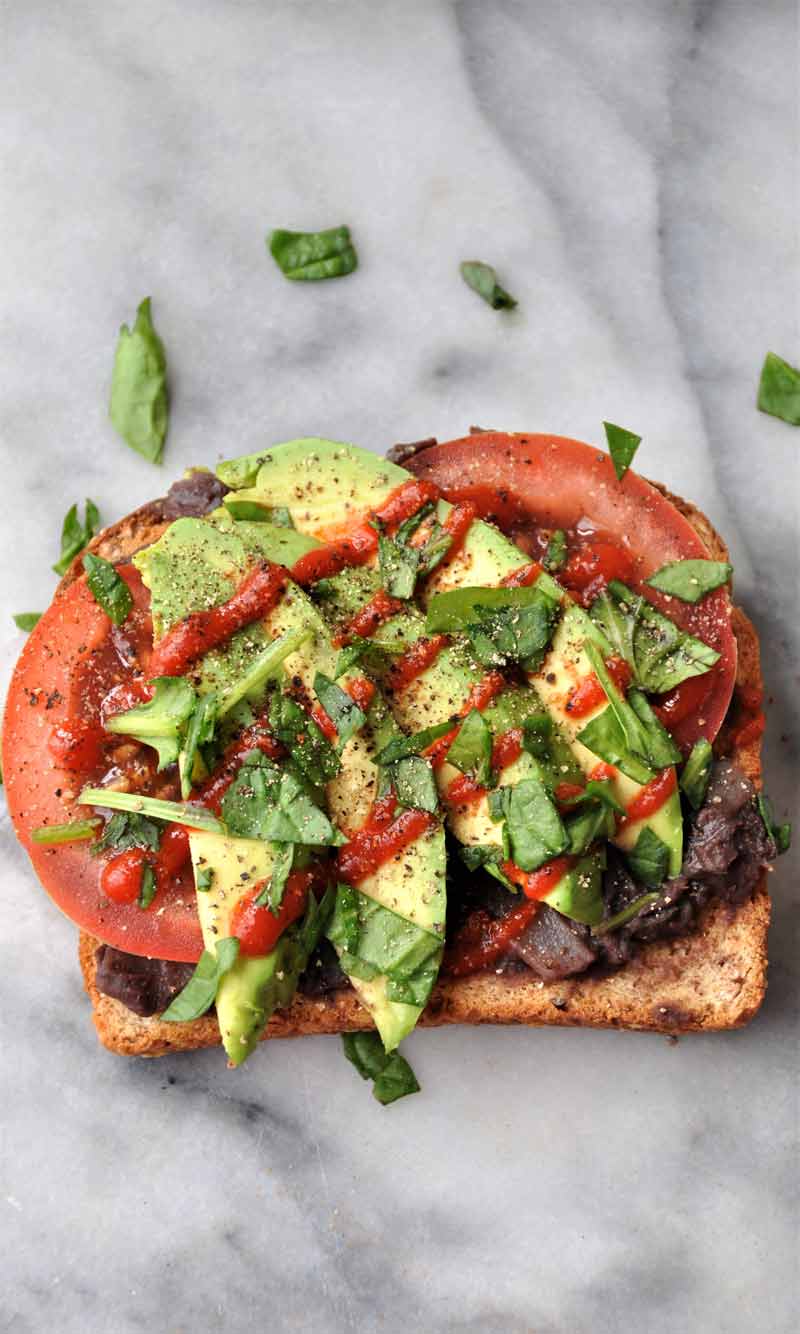
Mexican Avocado Toast – Veganosity

Piece of toast with beans, tomato and avocado on a marble table.

Nutrition Breakdown
Calories: 353
CHO: 36g
Fat: 12g
Protein: 11g

AM Snack

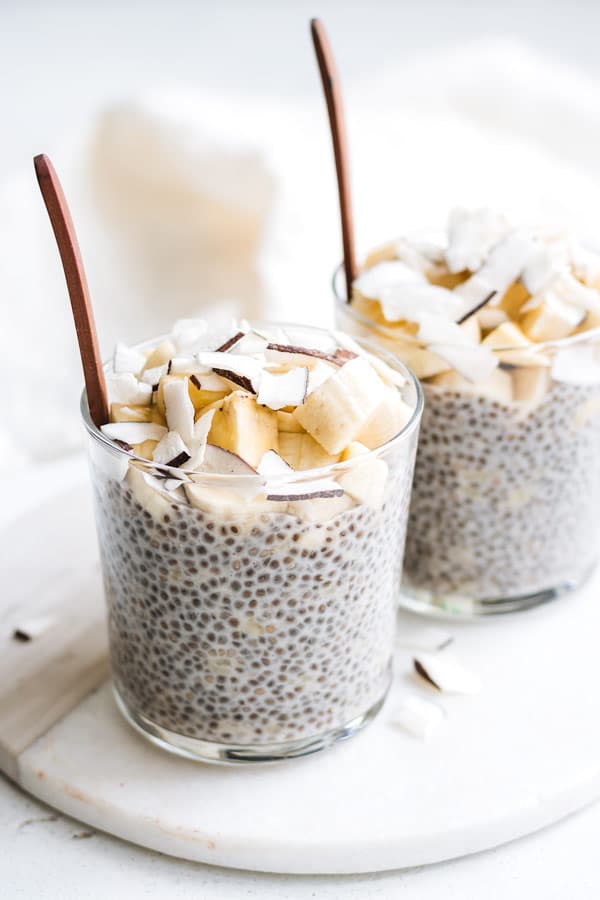
Banana Cream Pie Chia Pudding – Choosing Chia

Two glass cups filled with chia pudding and topped with chopped banana and shaved coconut.

Nutrition Breakdown
Calories: 266
CHO: 30g
Fat: 7g
Protein: 9g

Lunch

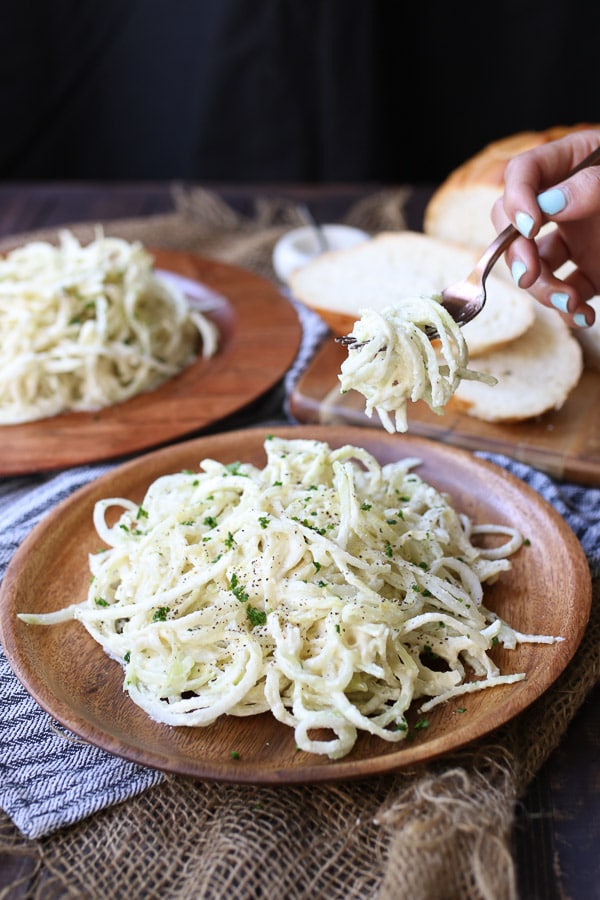
Vegan Keto Pasta Alfredo – Abbey’s Kitchen

Wooden plates with kohlrabi alfredo pastas served in with a fork.

Nutrition Breakdown
Calories: 581
CHO: 81g
Fat: 21g
Protein: 16g

PM Snack

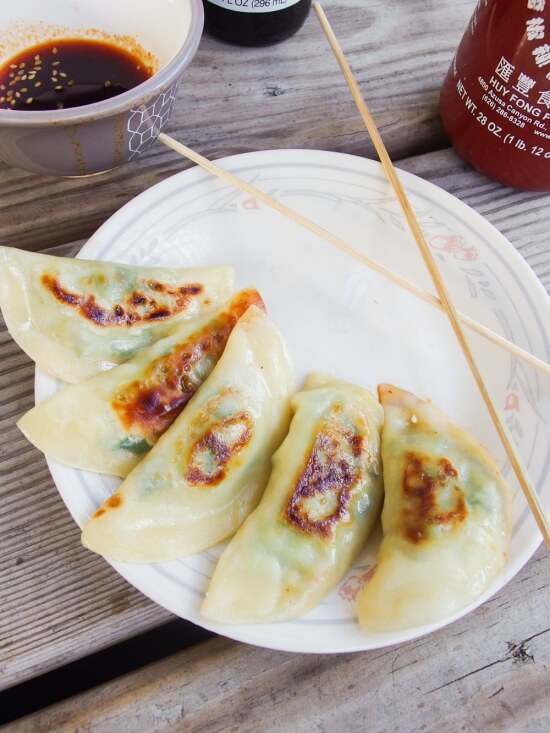
Avocado Edamame Potstickers – Yup It’s Vegan

Five potstickers and chopsticks on a white plate with sauce and hot sauce in the background.

Nutrition Breakdown (2 pieces)
Calories: 123
CHO: 18g
Fat: 3g
Protein: 7g

Dinner

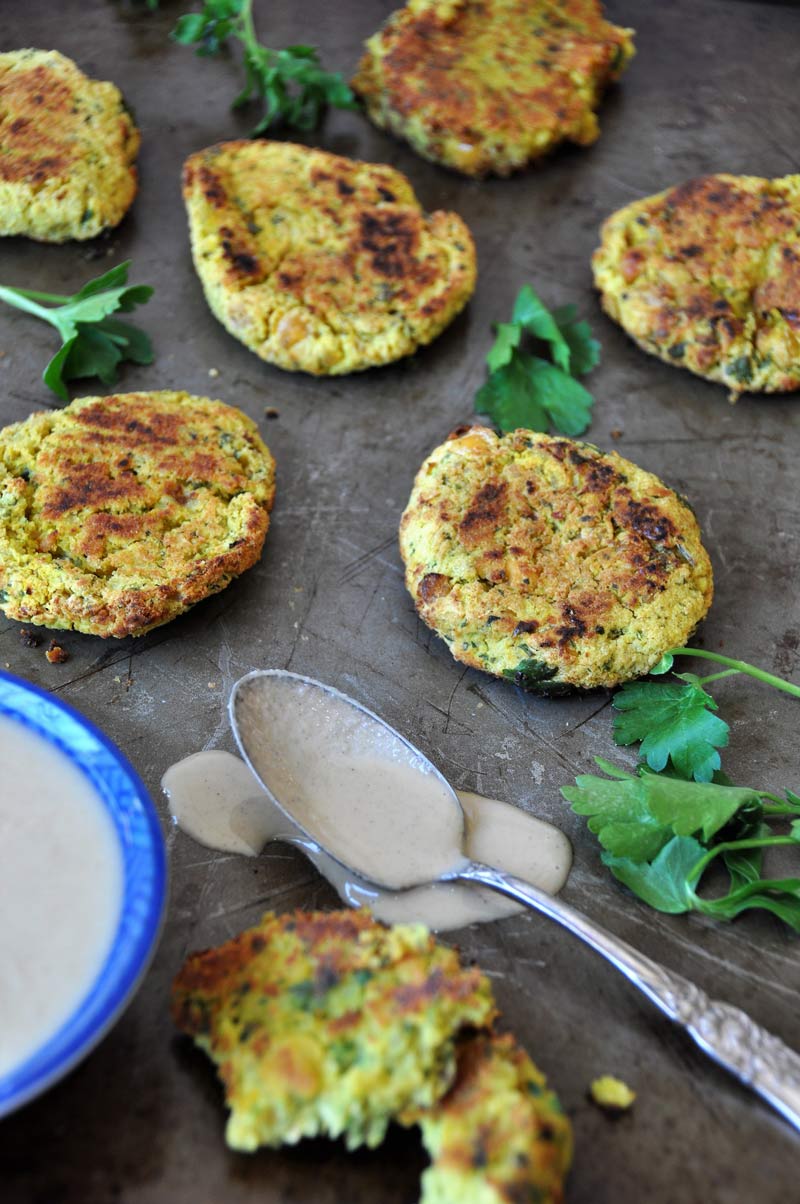
Crispy Oven Fried Falafel – Veganosity

Scattered falafel and parsley on a metal surface with a spoon of sauce.

Nutrition Breakdown (3 pieces)
Calories: 339
CHO: 55g
Fat: 5g
Protein: 16g
Day Total Nutrition Breakdown
Calories: 1662
CHO: 220g
Fat: 48g
Protein: 59g

Day 2

Breakfast

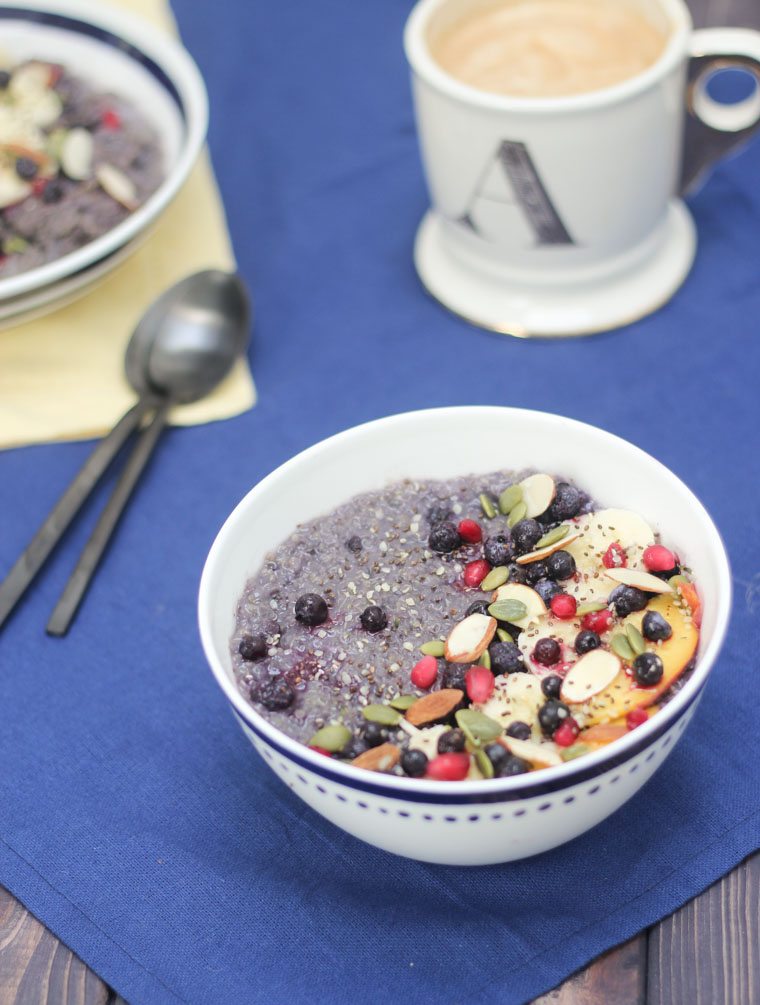
Slow Cooker Vegan Breakfast Quinoa with Blueberries and Bananas – Abbey’s Kitchen

A bowl of quinoa with blueberries, bananas, and seeds on top.

Nutrition Breakdown
Calories: 260
CHO: 89g
Fat: 11g
Protein: 12g

AM Snack

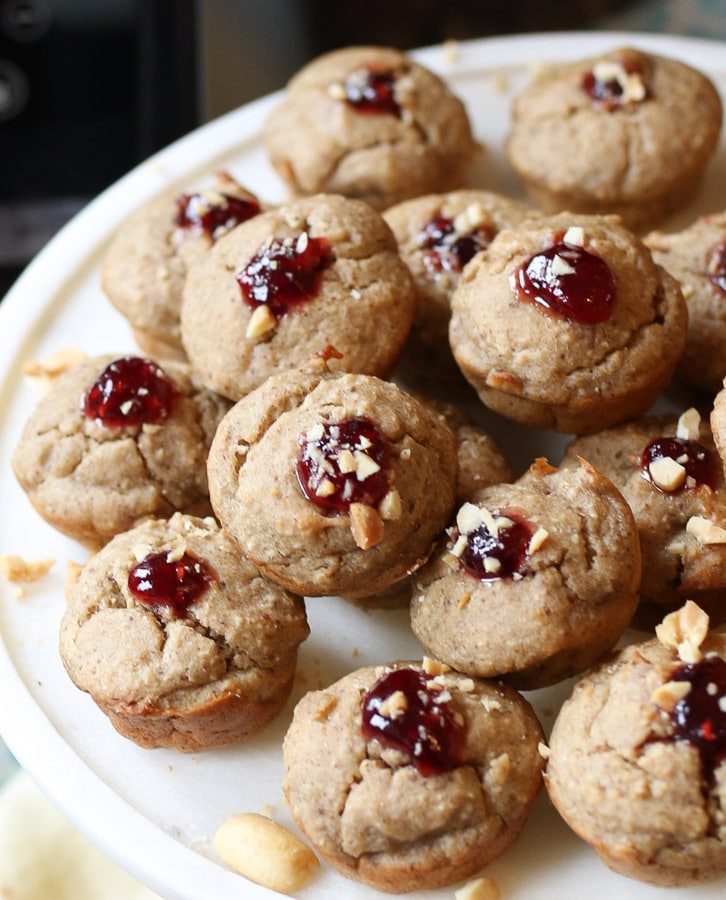
Gluten Free and Vegan PB & J Banana Mini Blender Muffins – Abbey’s Kitchen

A close up of a mound of mini peanut butter and jelly muffins on a white plate.

Nutrition Breakdown (3 muffins)
Calories: 355
CHO: 63g
Fat: 7g
Protein: 14g

Lunch

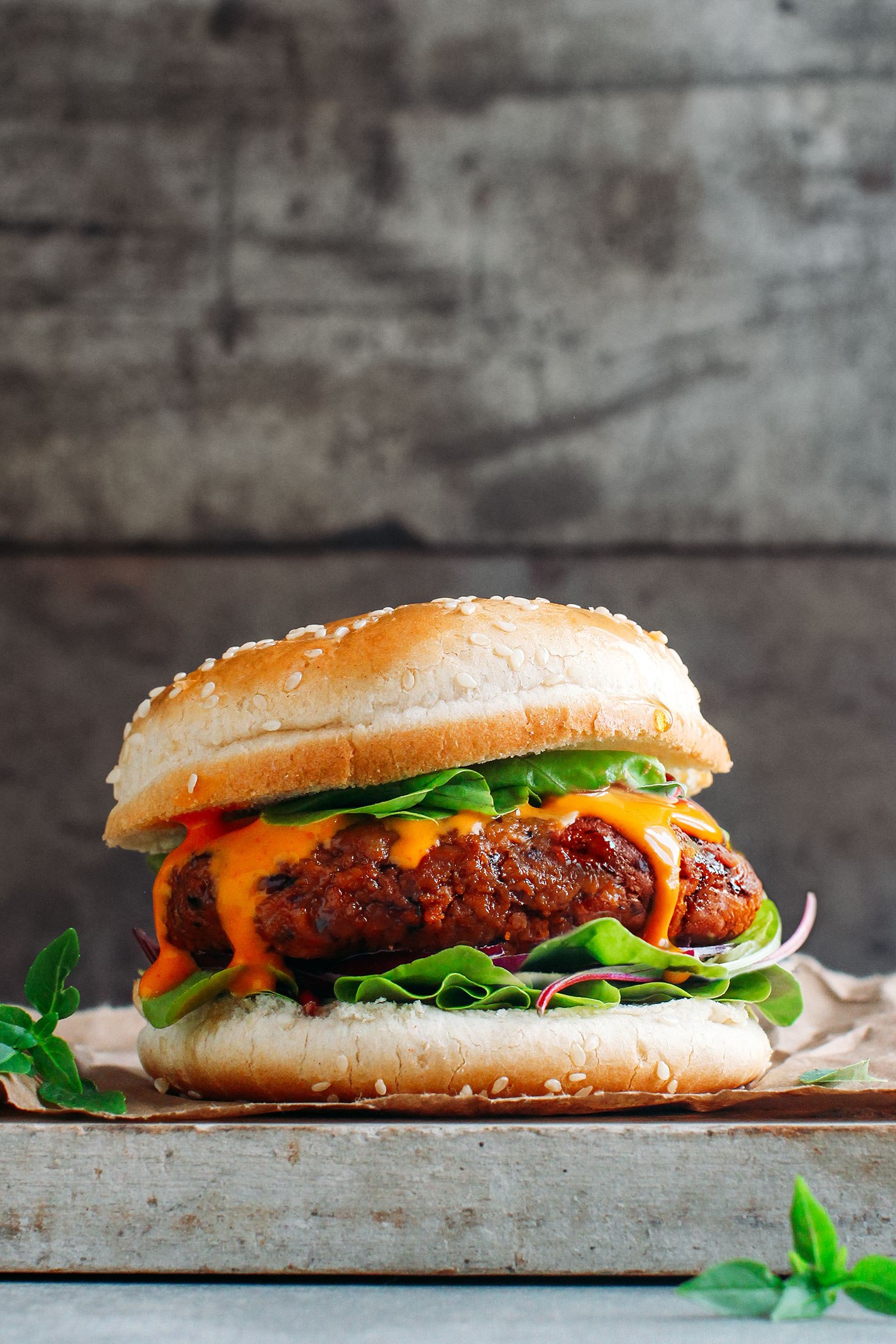
High-Protein Vegan Burgers – Full of Plants 

A burger with lettuce and melted cheese on the patty.

Nutrition Breakdown:
Calories: 394
CHO: 28g
Fat: 14g
Protein: 39g

PM Snack

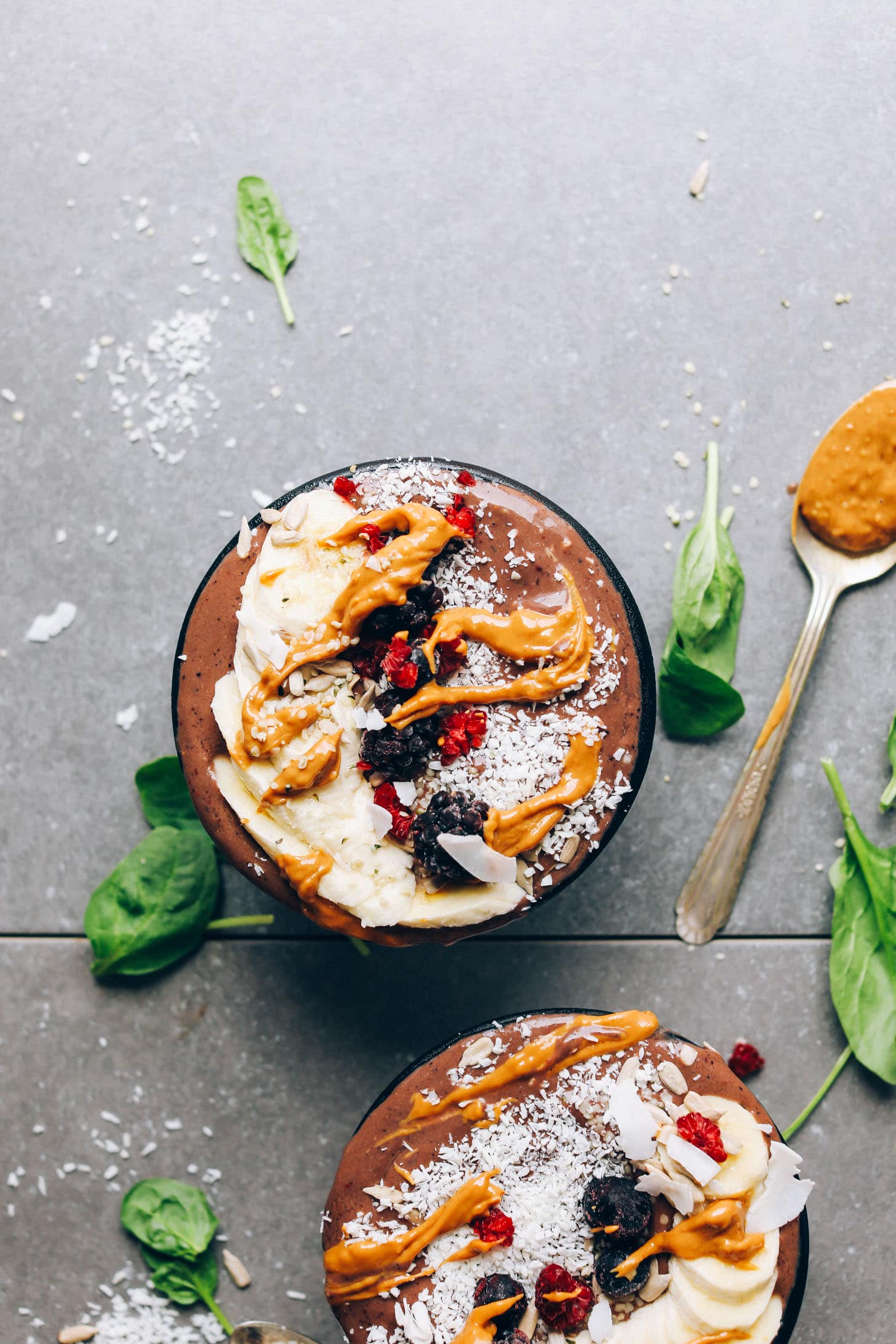
Peanut Butter & Jelly Acai Bowls – Minimalist Baker

Two smoothie bowls and scattered spinach on a grey surface.

Nutrition Breakdown:
Calories: 229
CHO: 45g
Fat: 5g
Protein: 10g

Dinner

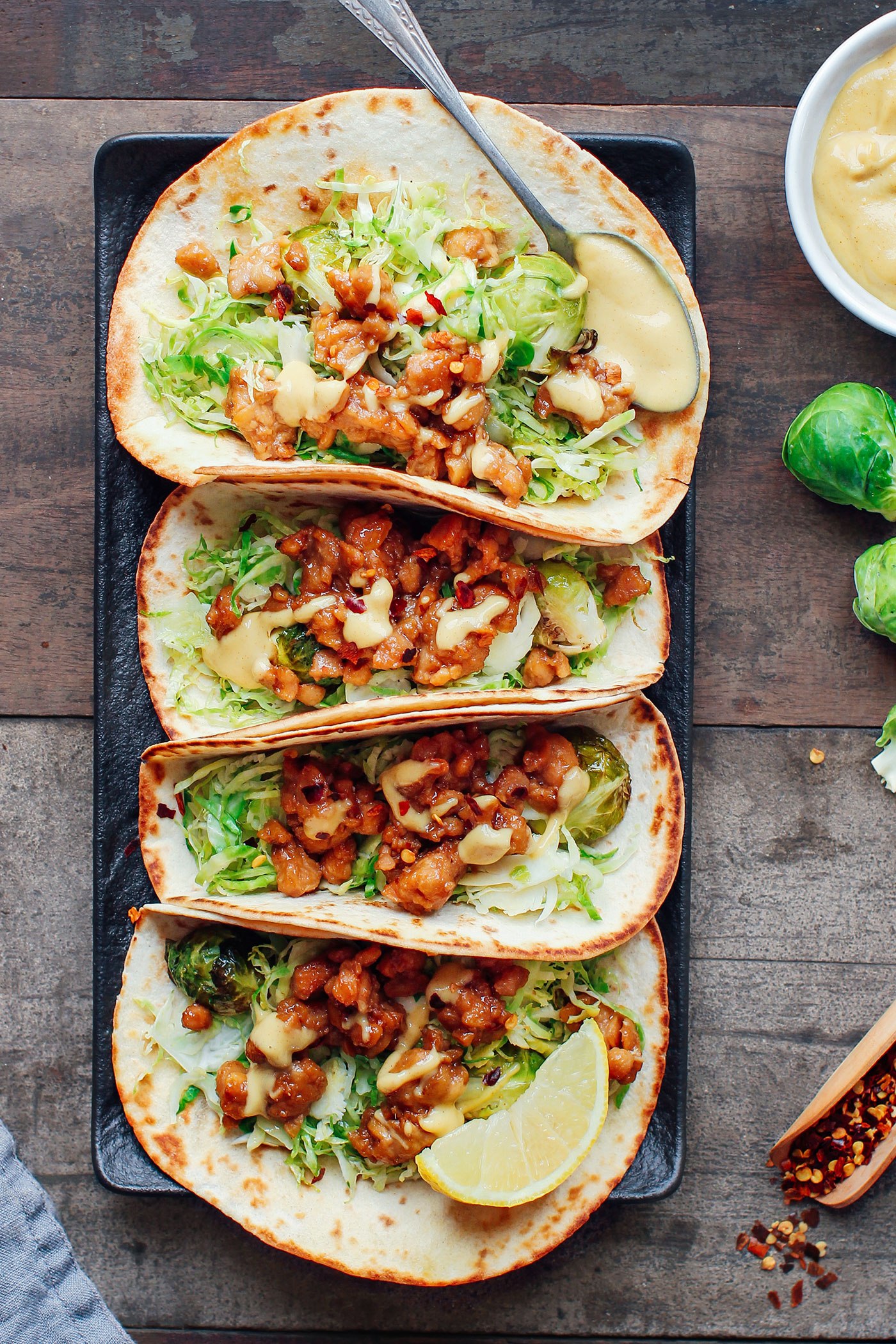
Roasted Brussel Sprouts & Tempeh Scramble Tacos – Full of Plants

A birds eye view of four tempeh scramble and roasted brussels sprouts tacos.

Nutrition Breakdown (1 taco)
Calories: 512
CHO: 62g
Fat: 23g
Protein: 24g
Day Total Nutrition Breakdown
Calories: 1759
CHO: 287g
Fat: 60g
Protein: 99g

Day 3

Breakfast

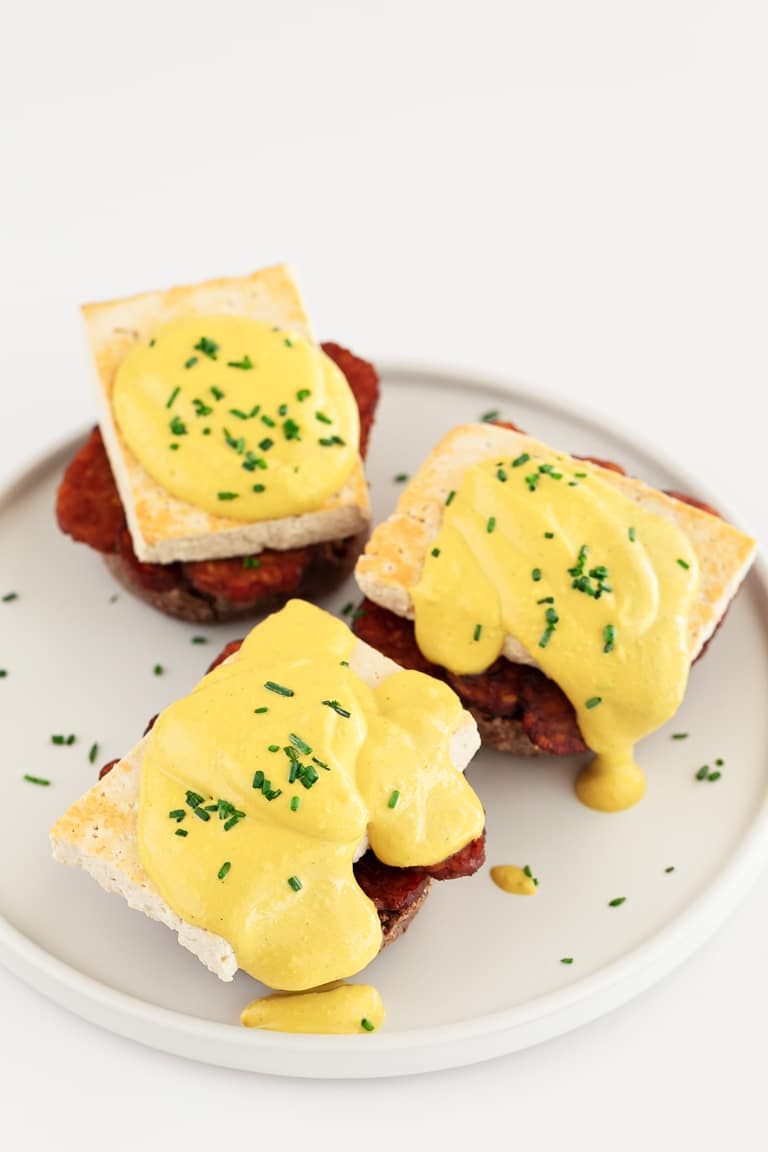
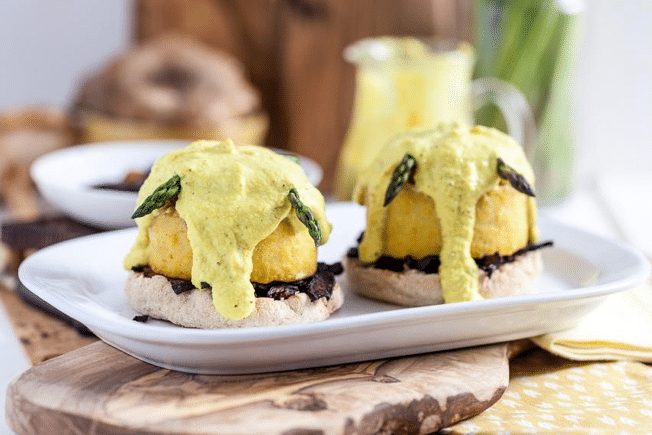
Vegan Eggs Benedict – Simple Vegan Blog

Three vegan eggs benedicts on a white plate.

Nutrition Breakdown
Calories: 285
CHO: 24g
Fat: 14g
Protein: 18g

AM Snack

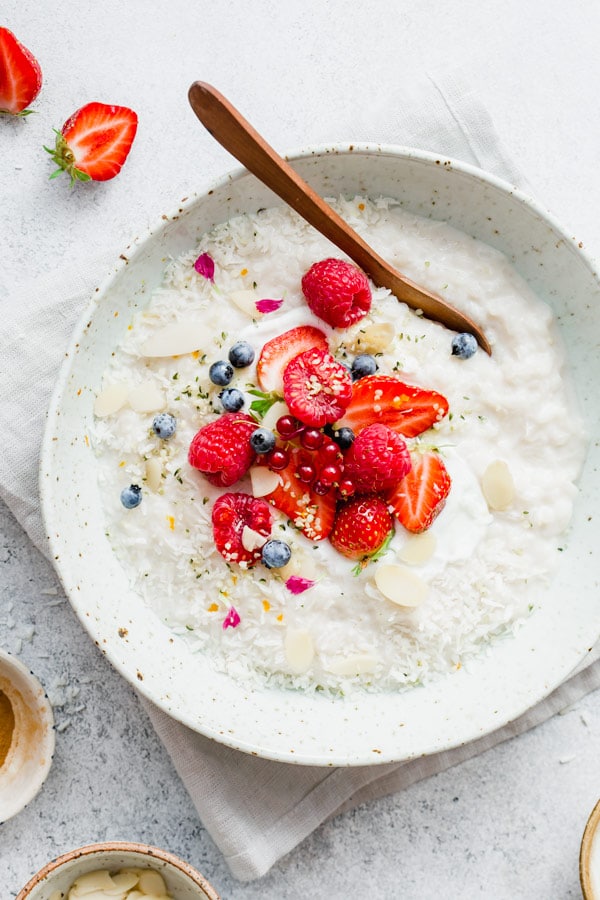
Vegan Coconut Rice Pudding – Choosing Chia

A large white bowl with coconut rice pudding, topped with strawberries and raspberries.

Nutrition Breakdown
Calories: 191
CHO: 30g
Fat: 4g
Protein: 5g

Lunch

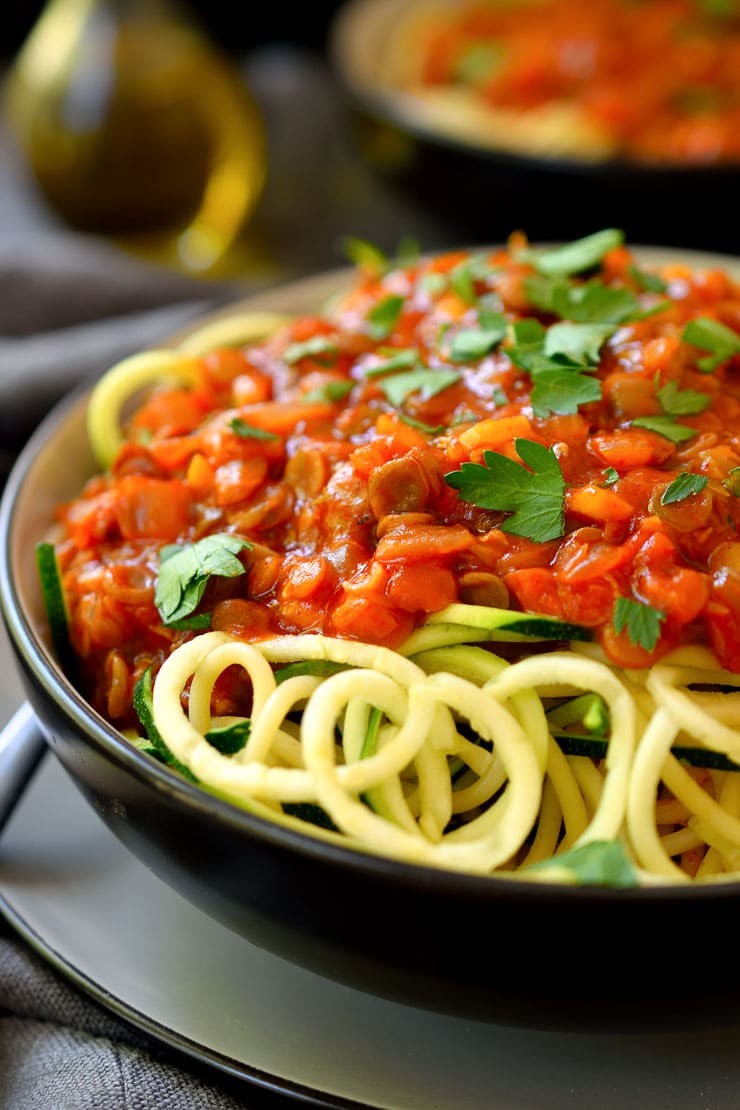
Smoky Lentil Bolognese with Zucchini – Stingy Vegan

A black bowl with lentil bolognese with zucchini pasta.

Nutrition Breakdown
Calories: 432
CHO: 68g
Fat: 3g
Protein: 27g

PM Snack

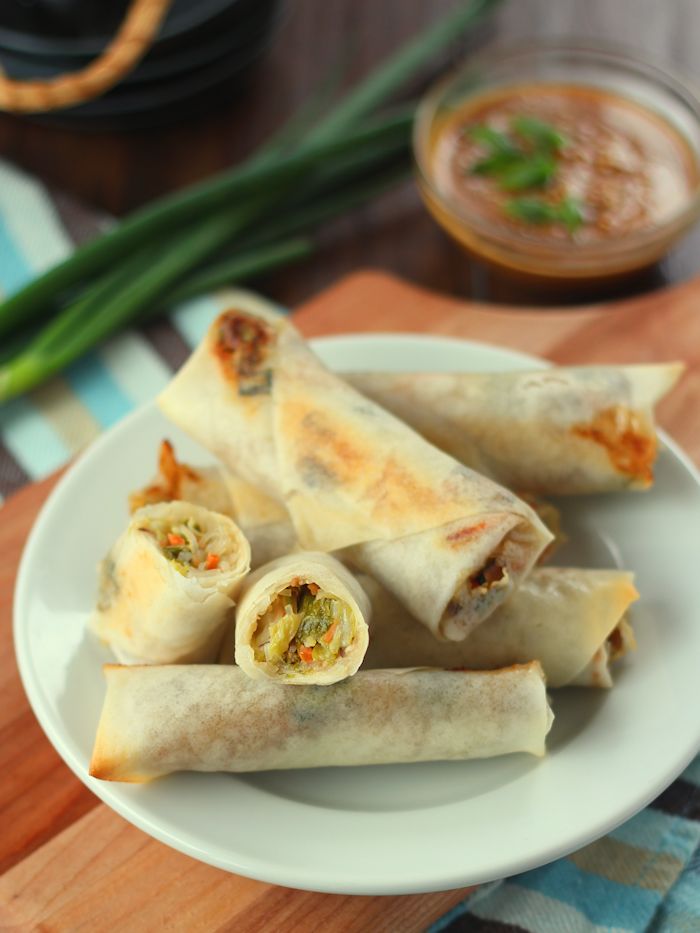
Baked Vegetable Spring Rolls – Connoisseurus Veg

A pile of vegetable spring rolls on a white serving plate with green onions and a dipping sauce bowl in the background.

Nutrition Breakdown (5 spring rolls)
Calories: 388
CHO: 54g
Fat: 8g
Protein: 9g

Dinner

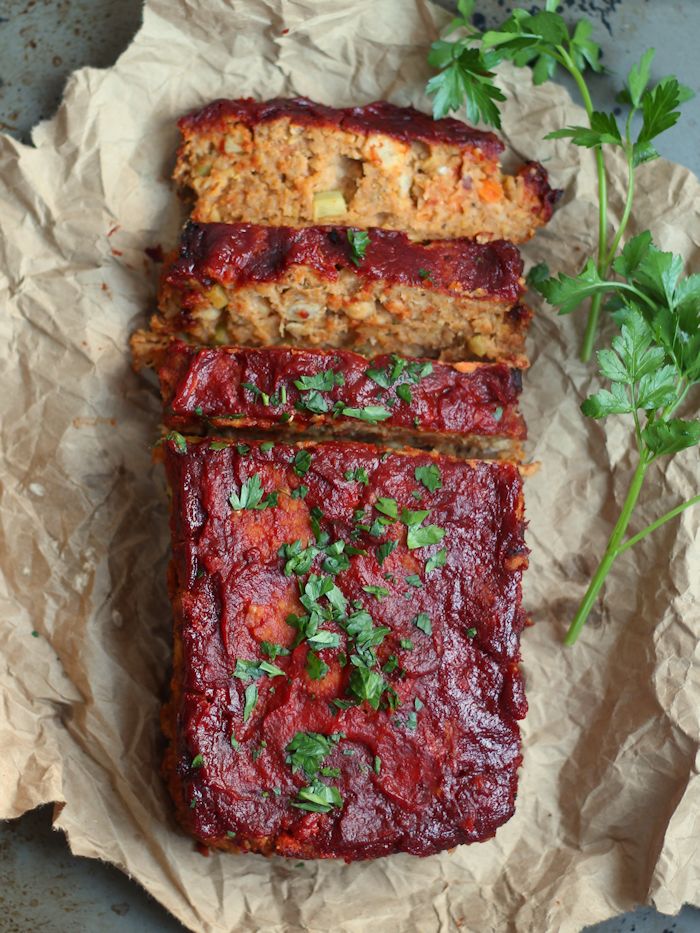
Chickpea Vegan Meatloaf – Connoisseurs Veg

A birds eye view of a meat loaf with a few slices cut on brown paper and garnished with parsley.

Nutrition Breakdown
Calories: 354
CHO: 47g
Fat: 6g
Protein: 8g
Day Total Nutrition Breakdown
Calories: 1,677
CHO: 231g
Fat: 33g
Protein: 59g

If you’re enjoying the healthy high protein vegan meal plan so far, you’re definitely going to want to get the rest of the week! All you have to do is subscribe to my weekly newsletter (see the bar at the top of the page!) and you’ll get the meal plan sent directly to your mailbox!

GET THE MEAL PLAN

I hope you enjoy my vegan meal plan gift and if you haven’t already check out week one and week two of my vegan meal plan.

pinterest image of week three of a one week high protein vegan meal plan filled with healthy plant based recipes with text overlay

Compiled By:

RD2B Hannah Wilson & Sumeet Chopra

Abbey Sharp

Abbey Sharp is a Registered Dietitian (RD), regulated by the Ontario College of Dietitians. She is a mom, YouTuber, Blogger, award winning cookbook author, media coach specializing in food and nutrition influencers, and a frequent contributor to national publications like Healthline and on national broadcast TV shows.
www.abbeyskitchen.com/about-abbey/

Last Updated October 4, 2021. Published February 4, 2019 By Abbey Sharp 4 Comments

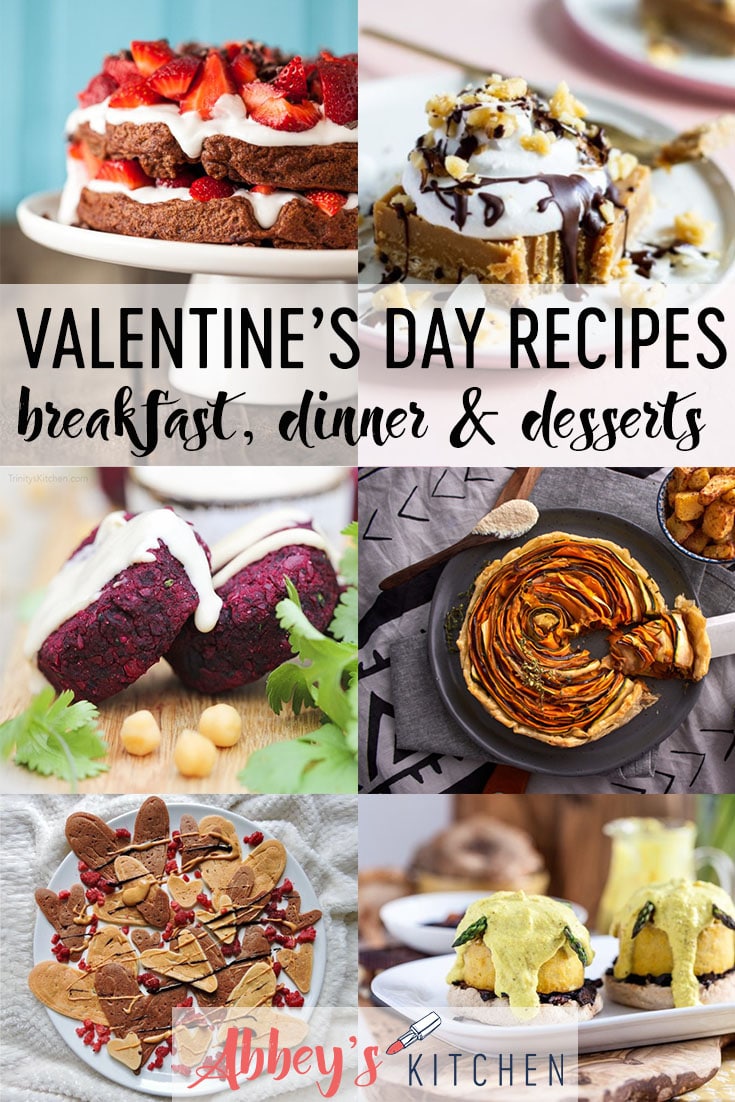
VEGAN Valentine’s Day Breakfast, Mains & Dessert Recipes

I've compiled the best healthy vegan Valentine's Day recipes for breakfast, dinner and dessert to celebrate that special day with your loved ones. 

I’ve compiled the best healthy vegan Valentine’s Day recipes for breakfast, dinner and dessert to celebrate that special day with your loved ones. 

Valentine’s day is around the corner! Whether you are celebrating with friends or someone special, it’s the perfect occasion to get a little fancy and enjoy some well deserved decadence! To make this day a little sweeter, here are some recipes I’ve rounded up for you to indulge in – from breakfast to dessert!

Breakfast

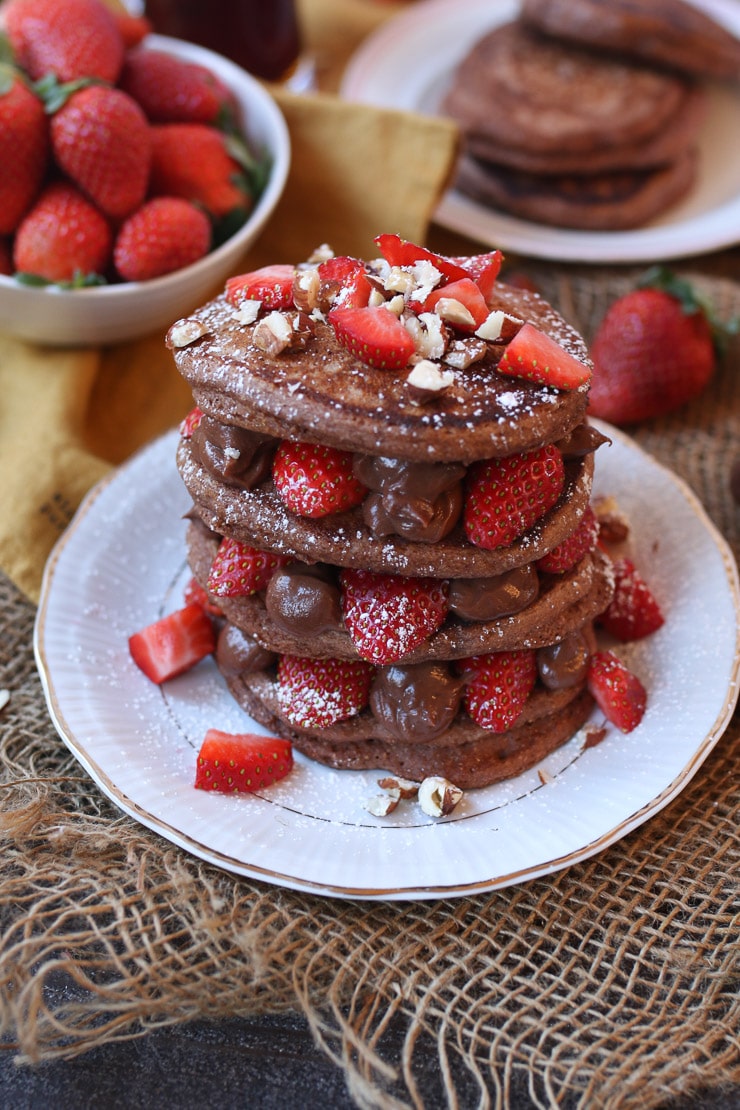
Vegan Nutella Protein Pancakes – Abbey’s Kitchen

stack of vegan nutella protein pancakes garnished with strawberries and chopped nuts on a white plate

Soy-Free Vegan Benedict – Keepin It Kind

close up of soy-free vegan benedict on a white plate

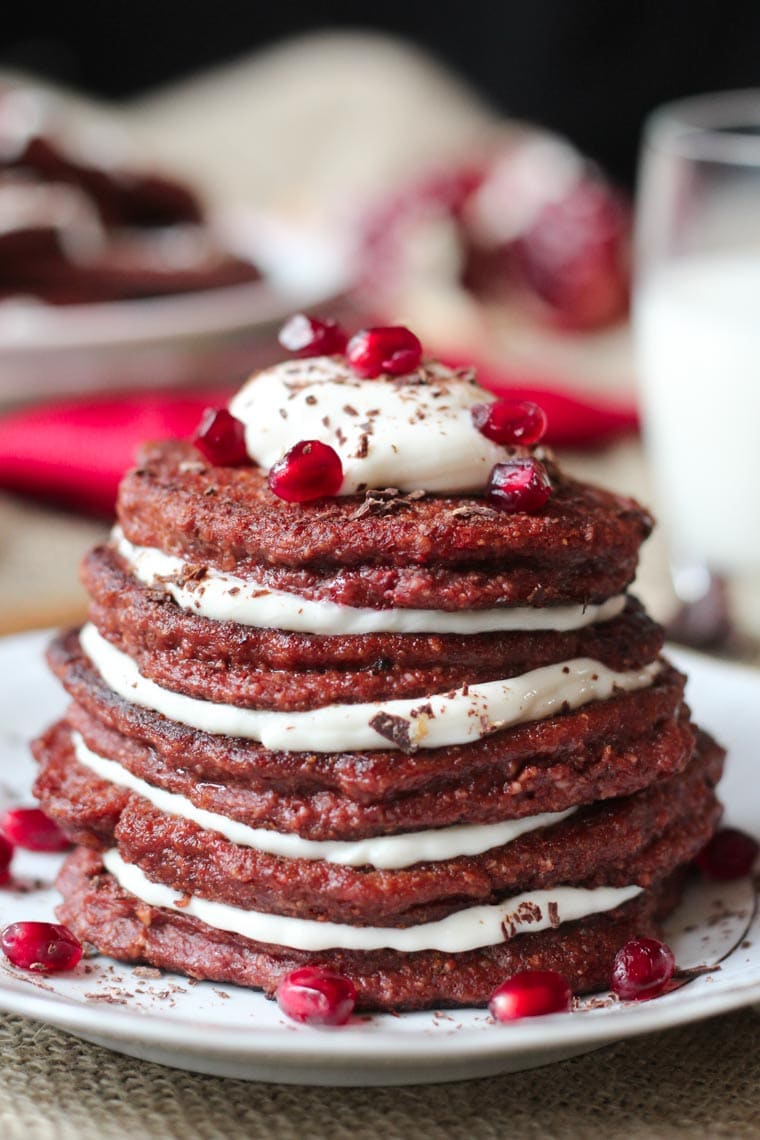
Vegan Red Velvet Protein Pancakes – Abbey’s Kitchen

close up of stack of vegan red velvet protein pancakes garnished with chocolate and fruit on a white dish

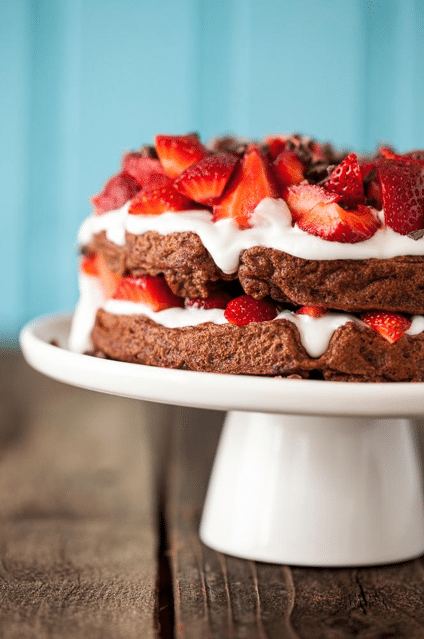
Chocolate Strawberry Shortcake Waffles – Keepin It Kind 

close up image of vegan chocolate strawberry shortcake waffles topped with cream and strawberries on a white dish

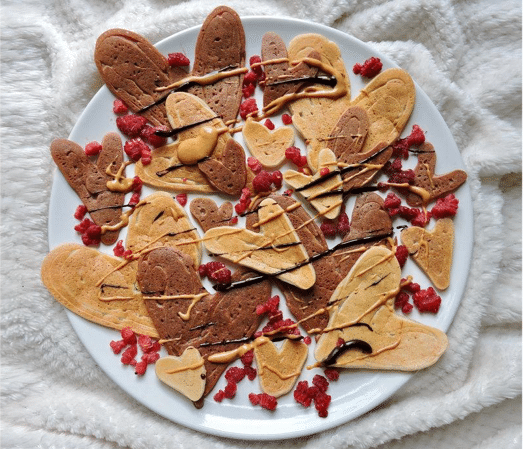
Heart-Shaped Valentine’s Pancakes – Uncaptive

birds eye view of vegan heart shaped valentines pancakes on a white plate topped with raspberries and nut butter

Mains

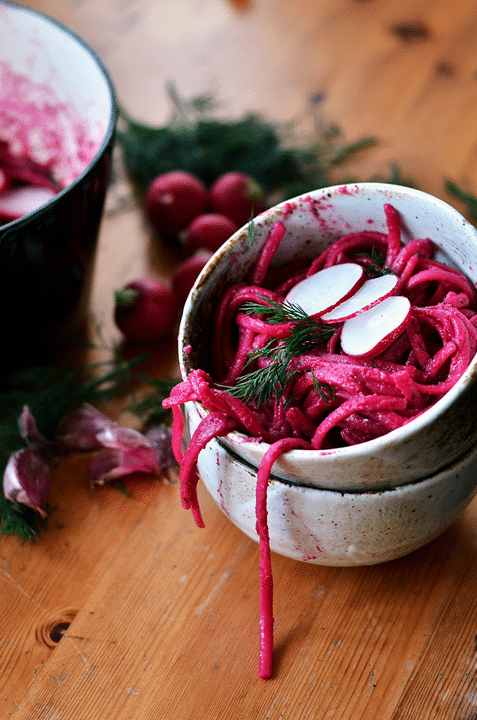
Vegan Beetroot Dill Linguine – The Hungry Herbivores

close up of vegan beetroot dill linguine in a small grey bowl garnished with radishes and herbs

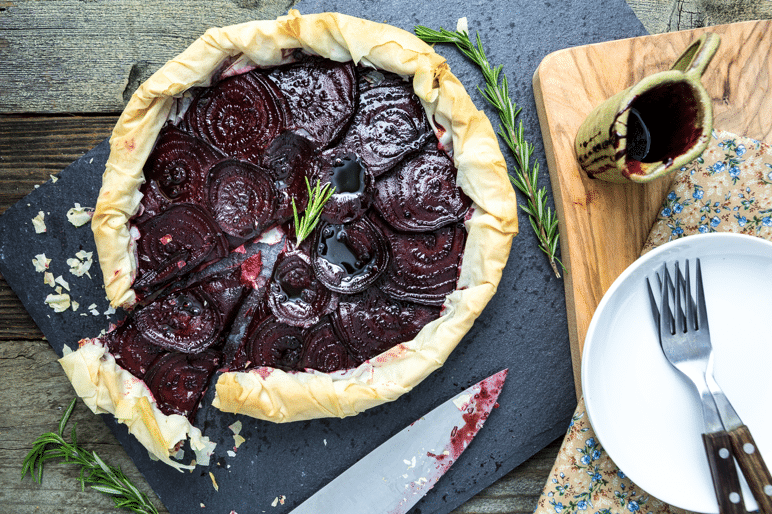
Balsamic Roasted Beet & Rosemary Cashew Cheese Toasted Filo Tart – Keepin It Kind

birds eye view of vegan balsamic roasted beet and rosemary cashew cheese filo tart on a black serving dish garnished with fresh herbs

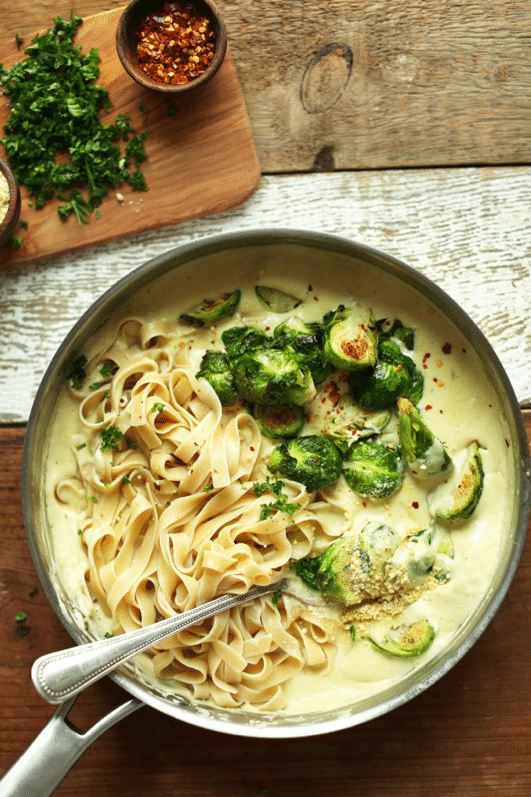
Garlic and White Wine Pasta with Brussels Sprouts – Minimalist Baker

birds eye view of garlic and white wine pasta garnished with brussels sprouts in a large bowl

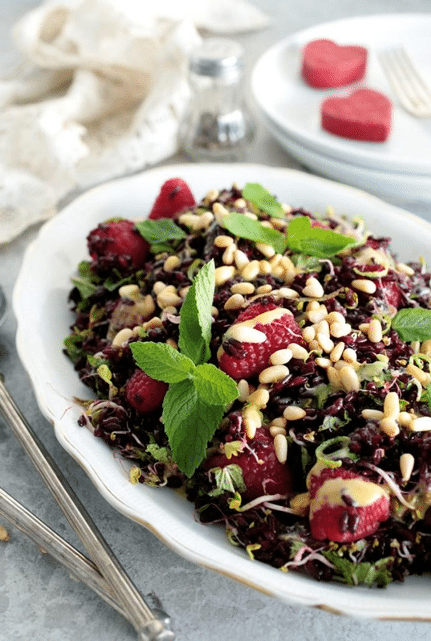
Black Rice and Raspberry Salad – Green Evi

vegan black rice and raspberry salad garnished with pine nuts and fresh herbs in a large white dish

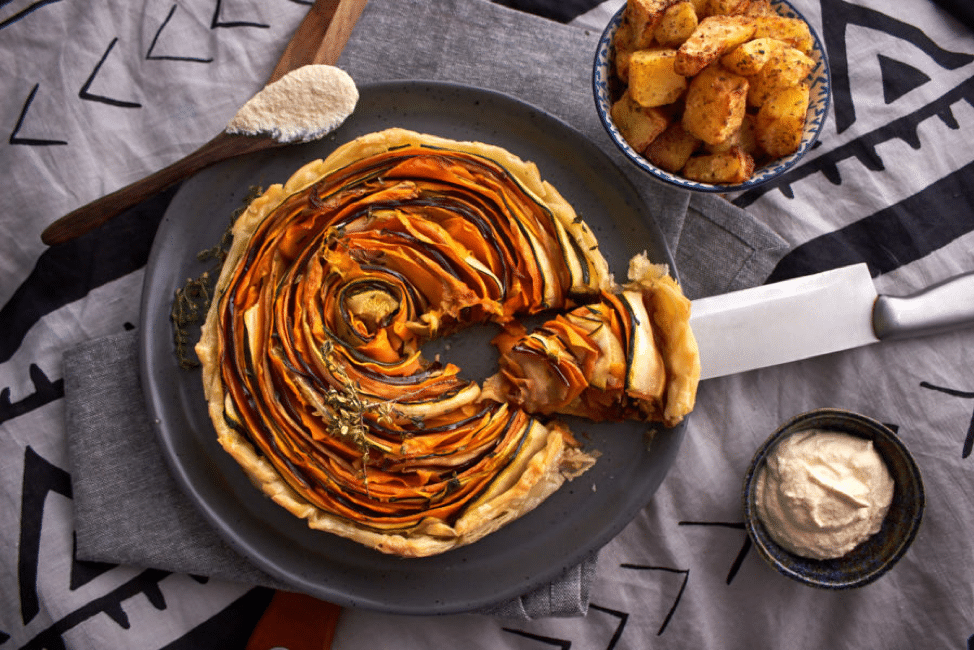
Spiral Vegetable Tart – Delightful Vegans

birds eye view of spiral vegetable tart on a black dish with a knife taking a slice out

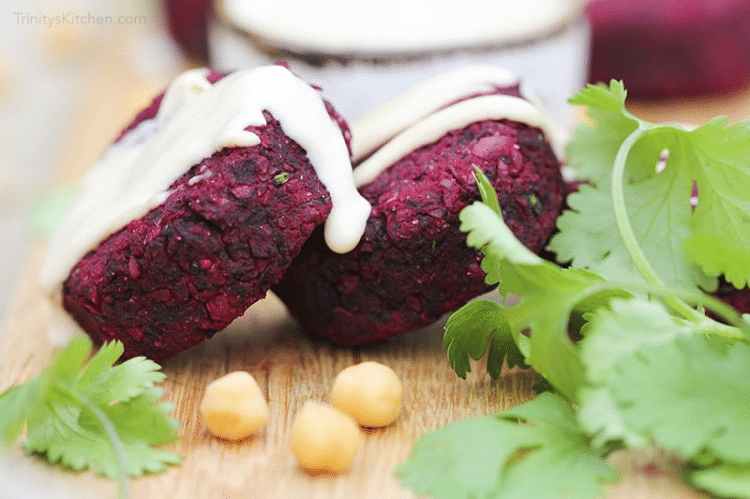
Roast Beetroot Falafels – Kind Earth

close up image of two roasted beetroot falafels garnished with herbs and tahini

Desserts

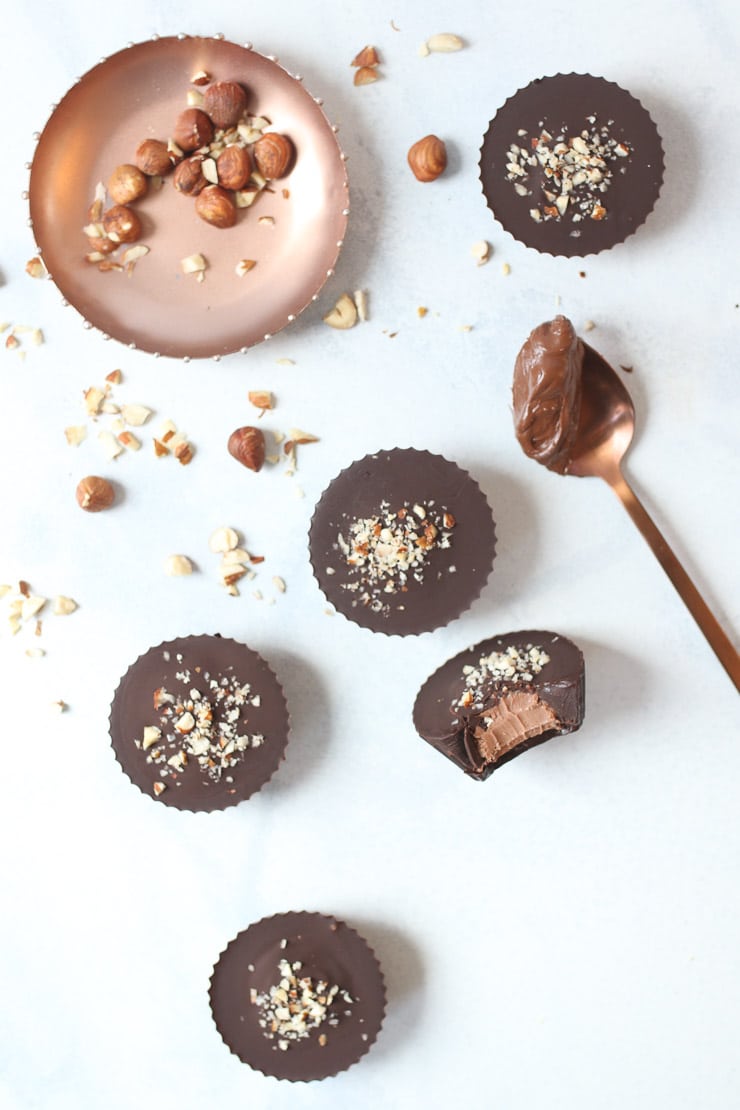
Vegan Nutella Cheesecake Chocolate Cups – Abbey’s Kitchen

birds eye view of multiple vegan nutella chocolate cheesecake cups garnished with chopped hazulnuts

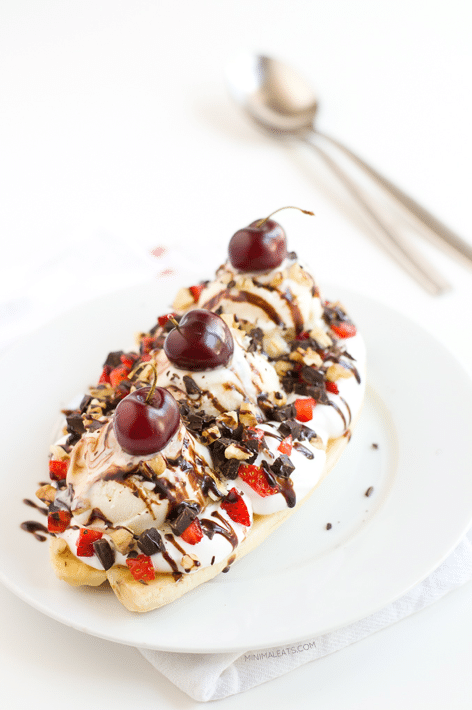
Vegan Banana Split – Minimal Eats

vegan banana split on a white plate garnished with fresh fruit and chocolate

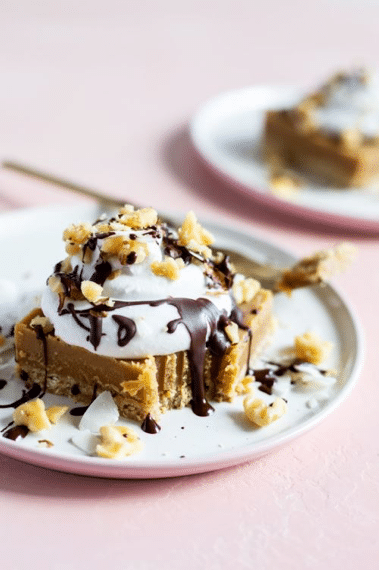
Vegan Salted Peanut Butter Crunch Torte – Oh She Glows 

close up of vegan salted peanut butter crunch torte on a white plate garnished with nuts and chocolate

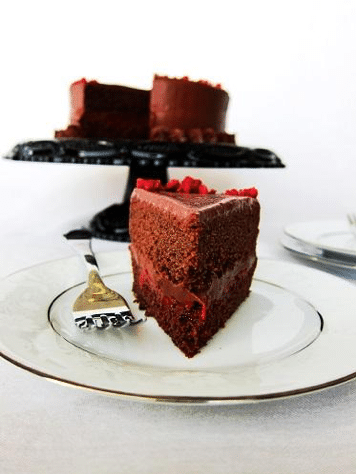
Vegan Dark Chocolate Red Wine Cake – Fragrant Vanilla

slice of vegan dark chocolate and red wine cake on a white plate

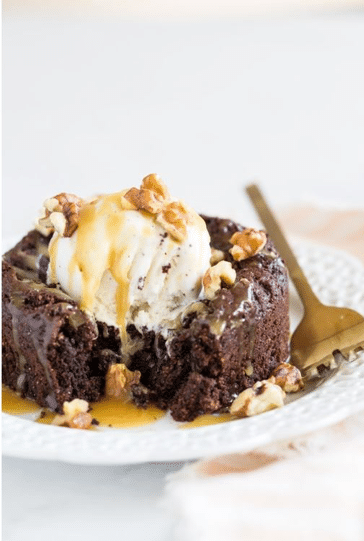
Ultimate Flourless Brownies for Two – Oh She Glows

close up of vegan flourless brownie on a white plate garnished with ice cream and nuts

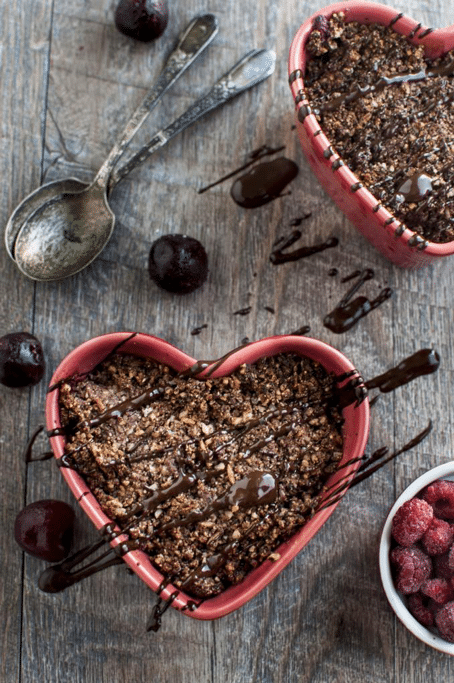
Chocolate Fruit Crisp for Two – The Organic Dietitian

birds eye view of heart shaped pink bowl containing vegan chocolate and fruit crisp

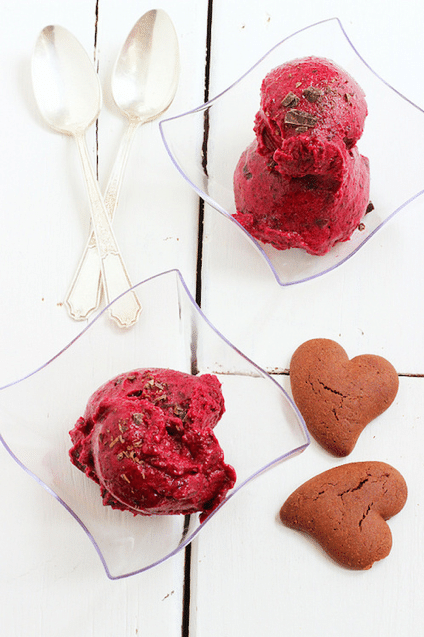
Merlot Berry and Dark Chocolate Sorbet – Craving Something Healthy

birds eye view of vegan berry and chocolate sorbet in two clear bowls next to heart shaped cookies

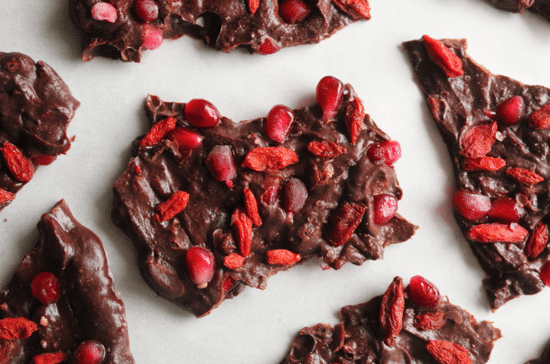
Antioxidant Chocolate Bark – Belly Mind Soul

close up image of vegan antioxidant chocolate bark on parchment paper

I hope these tasty recipes put you in that lovey dovey mood, and made your Valentine’s day with that special someone a little sweeter ;).

pinterest image of a variety of vegan valentines day recipes with text overlay

Contribution By:

RD2B Ina Benkova

Abbey Sharp

Abbey Sharp is a Registered Dietitian (RD), regulated by the Ontario College of Dietitians. She is a mom, YouTuber, Blogger, award winning cookbook author, media coach specializing in food and nutrition influencers, and a frequent contributor to national publications like Healthline and on national broadcast TV shows.
www.abbeyskitchen.com/about-abbey/

Last Updated October 4, 2021. Published January 29, 2019 By Abbey Sharp 99 Comments

15 Tips for What to Eat to Help You Get Pregnant | The Evidence on Fertility Foods Part 2

I share the top 15 tips for what to eat to help you get pregnant faster, and dive into the evidence on the best fertility foods.

If you missed it last week, I was discussing some of the myths and facts around fertility foods and answering the question can foods help you get pregnant. I also shared my personal struggle with infertility and my IVF journey to getting the baby I am a mere few months from meeting.

baby with blue eyes

Today I wanted to dive more into some of the long-term evidence-based strategies when it comes to what to eat to help you get pregnant. To do that, I chatted with my colleagues Elizabeth Shaw and Sara Haas who have an amazing new cookbook called the Fertility Foods Cookbook that goes into incredible detail about everything you want to eat to meet baby. Between their fave fertility foods and my own research, I’ve compiled a list of the best foods to eat to get pregnant.

Top 15 Tips for What to Eat to Help You Get Pregnant

1. Go Decaf

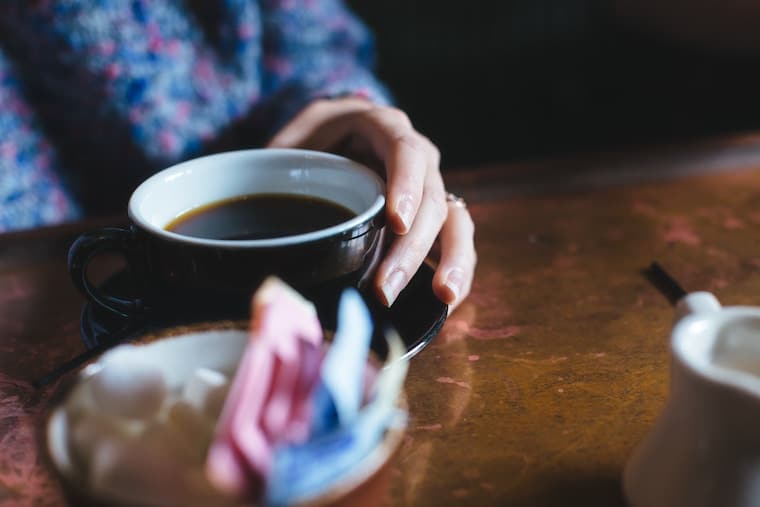
Okay so this one might be hard for some of you to swallow, but research suggests that caffeine may interfere with the natural contractions that help carry a women’s egg to her womb. It also appears that drinking two or more caffeinated drinks (by either partner) may increase the risk of miscarriage. If you’re a heavy caffeine consumer, you might as well start to wean yourself off now by choosing half-caf or decaf more often.

person holding a mug of coffee
2. Be the DD

Again, more bad news for us ladies that want babies. One study found that women who consumed more than 2 drinks a day reduced their chances of conception by 18%. Ugh, apparently you’re going to be ordering virgin mimosas for more than those precious 9 months.

3. Love the Lycopene

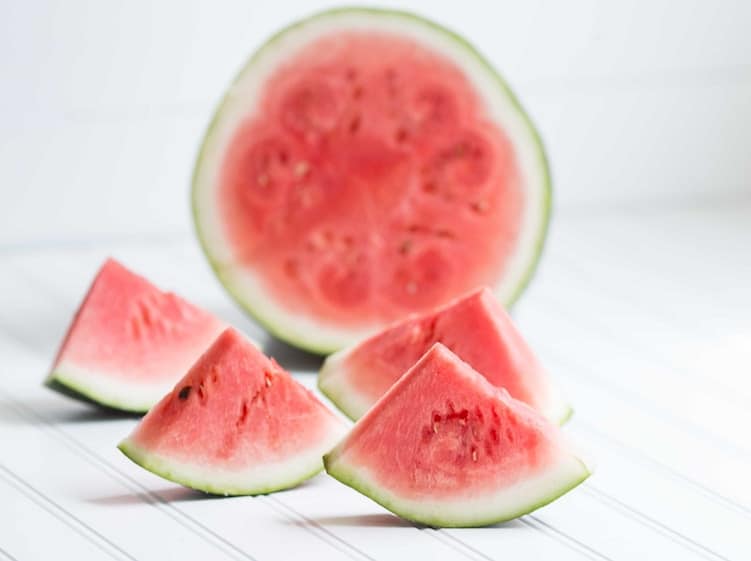
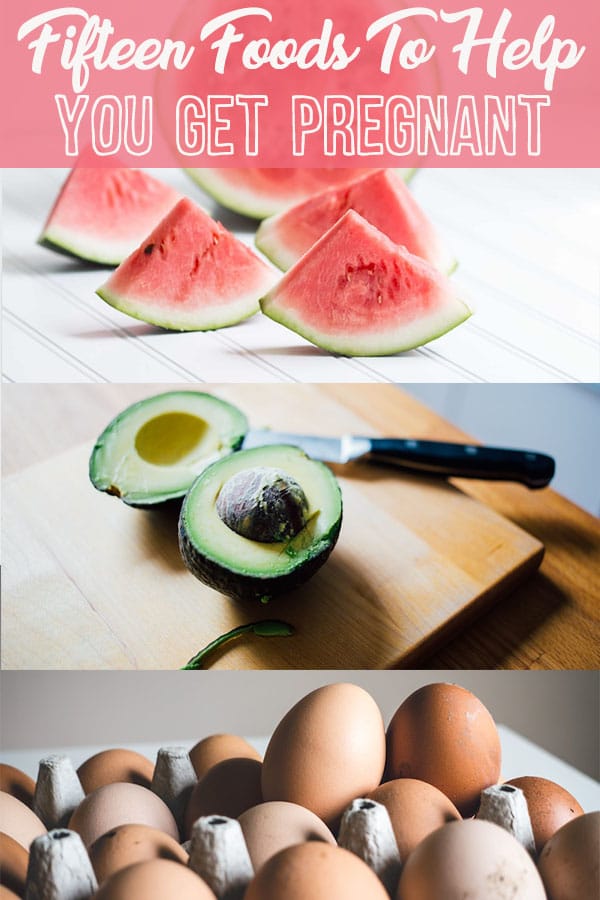
Lycopene is a specific antioxidant that early research suggests may help male sperm motility issues! Haas and Shaw recommend loading up on tomatoes like in this Veggie Shakshuka, but you can also grab some guava, watermelon and pink grapefruit.

slices of watermelon next to a watermelon half

4. Up that Vitamin D 

Research suggests that those with sufficient vitamin D levels had higher rates of pregnancy compared with those whose levels were lagging (and a lot of North Americans are not getting enough). In addition to fortified dairy and alternatives, Haas and Shaw recommend trying UV-exposed mushrooms. Try subbing your meat for mushrooms in these vegan sloppy joes!

5. Antioxidants to the Rescue

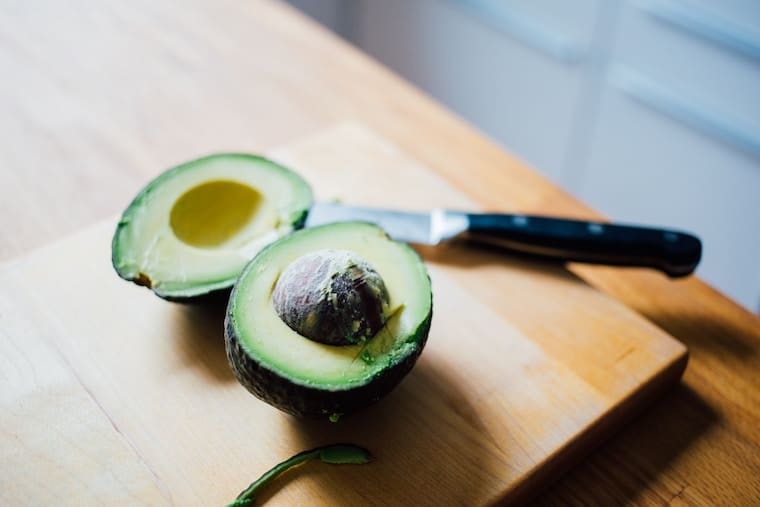
One large systematic review found that antioxidants helped improve pregnancy outcome by enhancing sperm quality and general pregnancy rates. It’s specifically been found that the combination of Vitamin C, Vitamin E and CoQ10 are the ideal antioxidant “stack” to improve your fertility chances. Try nuts or avocado for vitamin E, lean beef or mackerel for CoQ10, and as Shaw and Haas recommend, berries for Vitamin C.

6. Fill Up on Full Fat Dairy

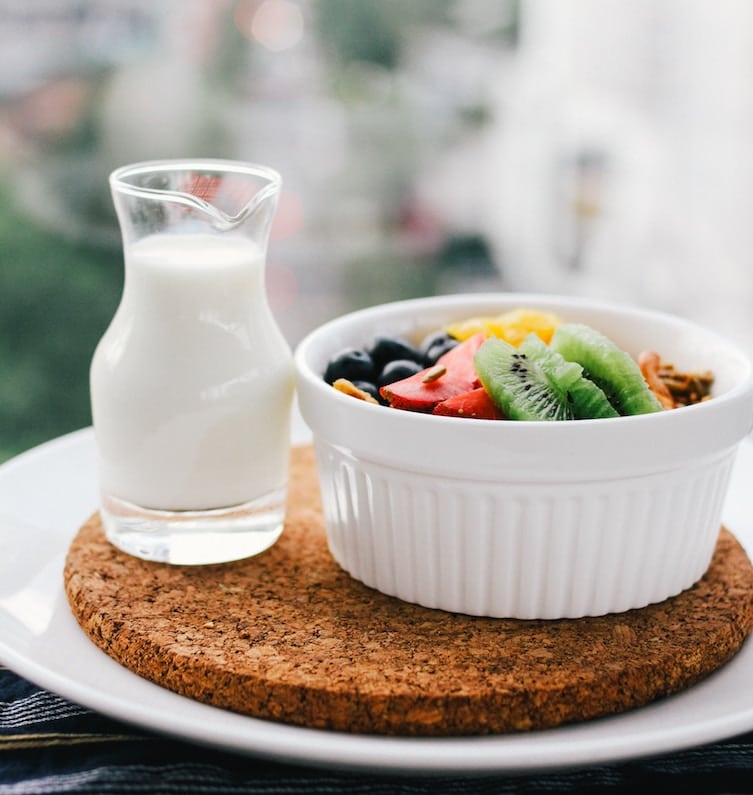
One impressive 8 year study found that women who ate two or more weekly servings of low-fat dairy increased their risk of ovulatory failure by 85%, while including full-fat dairy reduced infertility risk by 27%. Bring on the homo milk! You can read more about the skim vs whole milk debate here!

fresh fruit in a small white ramekin next to a clear glass of milk

7. Fermented Foods FTW

Research consistently suggests that gut health is imperative to overall health, and the world of fertility is no exception. As Shaw and Haas told me, emerging research suggests that the health of the mother’s gut may play a role in the infant’s microbiome and health later on in their life. For that reason, it’s important to take care of it with probiotic rich fermented foods like sauerkraut, yogurt, kimchee and kombucha. We are totally obsessed with these kombucha floats!

8. Go Slow (Carbs)

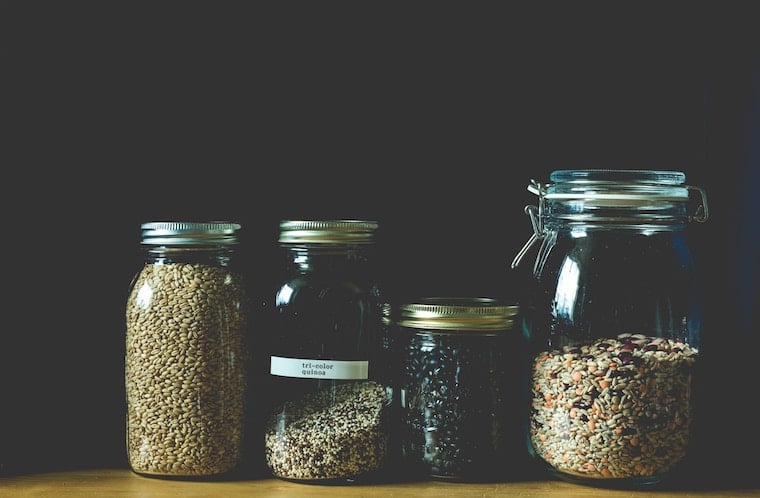
Research has linked consuming high glycemic index foods (like pastries, white bread and sugary cereals) to higher rates of ovulatory infertility, while fibre-rich carbs like whole grains help reduce the risk. Get your carb fix with fobre-loaded foods like quinoa, barley, buckwheat and wheat bran. We are currently obsessed with this Pizza Quinoa Casserole.

glass jars containing whole grains

9. Pulse Power

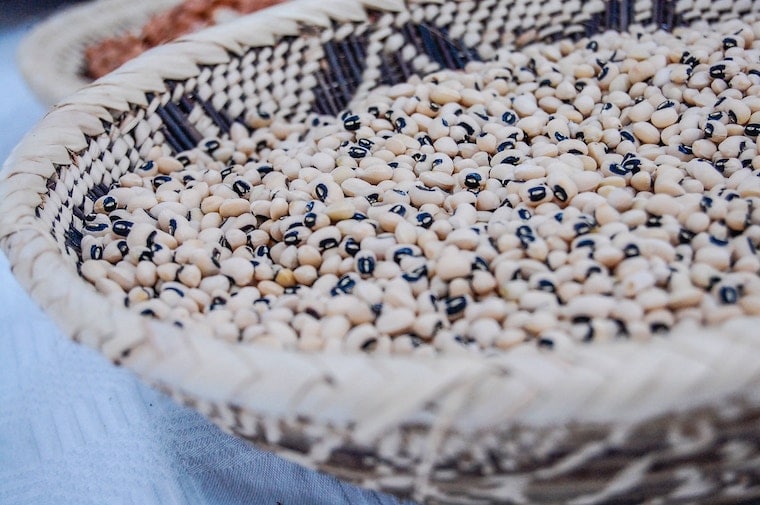
We love the plant-based trend for so many reasons, but especially because one study found that women who consumed 5% of their calories from vegetable protein (like pulses) reduced their risk of ovulatory infertility by 50%. Get your fix from beans, lentils, chickpeas and more in recipes like my protein avocado toast.

10. Pass the Choline

This unique B vitamin is important for supporting a healthy pregnancy and baby. Load up on choline-rich foods like eggs, dairy, pasta, meat and poultry. You should definitely try this Spring Vegetarian breakfast pizza.

11. Fork over the Folate

Folate is the foundation of all prenatal vitamins. That’s because it’s key to preventing neural tube defects in the first few months of the fetus development. Research has also shown that not getting enough folate can increase issues related to egg production issues by 40%. So while taking your daily supplement is KEY, you can boost your intake with foods like cooked green veg, pulses and seeds. I love this spinach strata for lazy Sunday brunch.

12. Pass the Myo-Inositol

One of the major fertility diagnoses is insulin-resistant PCOS and research has found that using myo-inositol may improve insulin sensitivity to regulate a patient’s cycle. In addition to speaking to your doctor about taking a supplement, you can also add foods that are rich in myo-inositol like grapefruit and navy beans.

13. Up the Omega 3

Again, another nutrient that is really important at any life cycle stage, but it may give you an extra leg up during your monthly baby dance sesh. has linked greater omega 3 levels to lower amounts of inflammatory fertility issues like endometriosis while it has also been shown to help improve sperm count and motility. We love fatty fish like salmon, arctic char and trout like in my recipe for Maple Arctic Char.

barrel full of dried beans

14. Feasting on (Good) Fat

Fats are back (and we’re happy about that), but research suggests that women who consume higher intake of saturated fats (largely found in animal protein) have fewer quality embryos to work with. In contrast, consuming polyunsaturated fats is linked to high quality embryos. Monounsaturated fats are linked to the best chance of a live birth. Aim to cut back on fatty cuts of meats and fried food and incorporate more olive oil, fatty fish, avocados, nuts and seeds into your day.

avocado sliced open on a wooden cutting board

15. Eat like the Mediterranean’s Do

The Mediterranean diet consistently comes out on top for pregnancy success rates and for good reason. Research suggests that consuming a diet rich in fish, pulses, and veggies, and low is saturated fat and sugar (as advocated for by the Mediterranean diet) helps to increase the likelihood of pregnancy by 40%. So if you basically just follow the specific diet recommendations above (with the exception of maybe the alcohol thing), you’ll be eating the Mediterranean way and hopefully on your way to meeting baby.

colourful fruits and vegetables

I hope you now have a better understanding about what the research says about what to eat to help you get pregnant. Aren’t you glad you’re not limited to pineapple core, pomegranate juice and brazil nuts every day? Now I want to hear from you:

Have you or someone you know struggled with infertility?
Have you tried any of these foods to eat to help you get pregnant?
What are some of the fertility foods you’ve heard about that help with baby making?
Leave me a comment below with your thoughts!

pinterest image of eggs, avocado, and watermelon with text overlay
Abbey Sharp

Abbey Sharp is a Registered Dietitian (RD), regulated by the Ontario College of Dietitians. She is a mom, YouTuber, Blogger, award winning cookbook author, media coach specializing in food and nutrition influencers, and a frequent contributor to national publications like Healthline and on national broadcast TV shows.
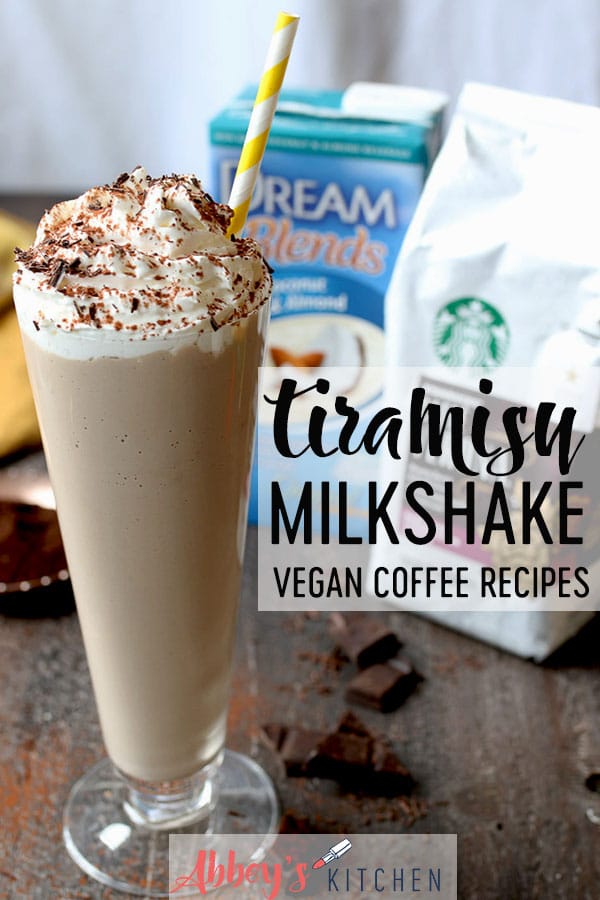
www.abbeyskitchen.com/about-abbey/
  • Previous Page
  • Go to page 1
  • Interim pages omitted …
  • Go to page 54
  • Go to page 55
  • Go to page 56
  • Go to page 57
  • Go to page 58
  • Interim pages omitted …
  • Go to page 89
  • Next Page

Get started with

Eight Free Recipe Books

From the co-founder of Neue Theory and creator of the Hunger Crushing Combo

Sign me up!
Abbey smiling at table
Abbey Sharp

“Foods may never be nutritionally equal. But we can make them morally equal by recognizing that our worth is never determined by what's on our plate.”

— Abbey Sharp, RD About Abbey ◥

Books

  • HCC™
  • Mindful Glow
  • Free E-Books

Blog

  • Nutrition
  • Recipes
  • Motherhood
  • Life

Explore

  • Neue Theory™
  • Bite Back
  • YouTube

Abbey

  • About
  • Coaching
YouTube TikTok Instagram Facebook X Pinterest
Abbey Sharp - The No BS Dietitian From Abbeys Kitchen

© Abbey's Kitchen 2026  All Rights Reserved •  ACCESSIBILITY STATEMENT •  Privacy Policy

This site uses cookies. By continuing to browse the site, you are agreeing to the use of cookies Accept Privacy Policy
Privacy & Cookies Policy

Privacy Overview

This website uses cookies to improve your experience while you navigate through the website. Out of these, the cookies that are categorized as necessary are stored on your browser as they are essential for the working of basic functionalities of the website. We also use third-party cookies that help us analyze and understand how you use this website. These cookies will be stored in your browser only with your consent. You also have the option to opt-out of these cookies. But opting out of some of these cookies may affect your browsing experience.
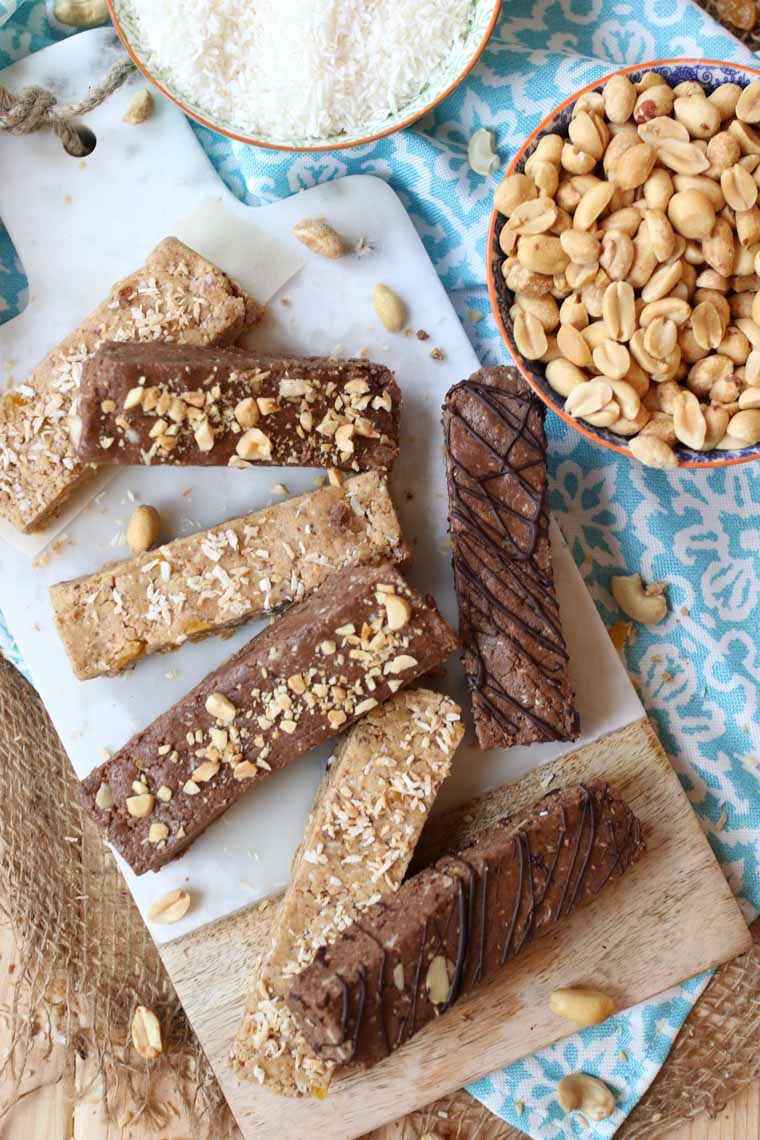
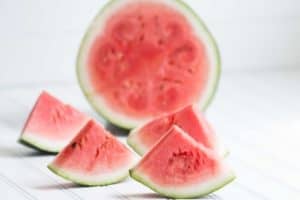
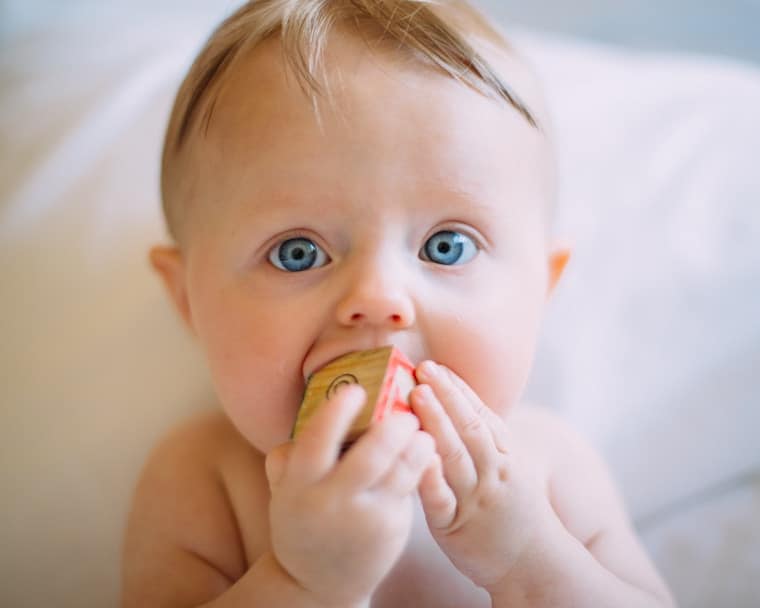
Necessary
Always Enabled
Necessary cookies are absolutely essential for the website to function properly. This category only includes cookies that ensures basic functionalities and security features of the website. These cookies do not store any personal information.
Non-necessary
Any cookies that may not be particularly necessary for the website to function and is used specifically to collect user personal data via analytics, ads, other embedded contents are termed as non-necessary cookies. It is mandatory to procure user consent prior to running these cookies on your website.
SAVE & ACCEPT

Rate This Recipe

Your vote:


A rating is required
A name is required
An email is required