• Skip to main content

Abbey's Kitchen

Healthy Recipes, Nutrition Myth Busting, Healthy Eating Tips

  • Books
    • HCC™
    • The Mindful Glow Cookbook
    • Recipe eBooks
      • Family
      • Hypothyroidism
      • BLW
      • Vegan Week 1
      • Vegan Week 2
      • Vegan Week 3
      • Keto
      • Gluten Free Week 1
      • Gluten Free Week 2
      • Fitness
      • Paleo
  • Blog
    • Nutrition
    • Recipes
    • Motherhood
    • Life
  • Explore
    • Neue Theory™
    • Bite Back With Abbey Sharp
      • Apple Music
      • Spotify
      • Amazon Music
    • YouTube
  • Abbey
    • About
    • Coaching
    • Contact

Abbey Sharp

Last Updated October 4, 2021. Published October 26, 2018 By Abbey Sharp 6 Comments

Free Easy Gluten Free Meal Plan – Week Two of Healthy Family Recipes

This free one week meal plan is one-stop shop for a healthy weeks worth of naturally gluten free meals. No need to look for crazy expensive ingredients in health food stores- we have you covered with these easy and delicious recipes for the whole family.

GET THE MEAL PLAN

This free one week meal plan is one-stop shop for a healthy weeks worth of naturally gluten free meals. No need to look for crazy expensive ingredients in health food stores- we have you covered with these easy and delicious recipes for the whole family.

Gluten is in A LOT of foods, and people that have to avoid it have to jump through hoops when navigating grocery stores and eating out. With the rise in gluten intolerances and celiac disease, some people need to completely avoid gluten, and sometimes the last thing you want to think about is what’s for dinner. This is where my one week gluten free meal plan is a life saver. In the past, I’ve shared my one week gluten free meal plan, and this time I’m sharing week two to keep the tasty recipes rolling.

Day 1

Breakfast
Chocolate Cherry Cobbler Overnight Oats – Abbey’s Kitchen
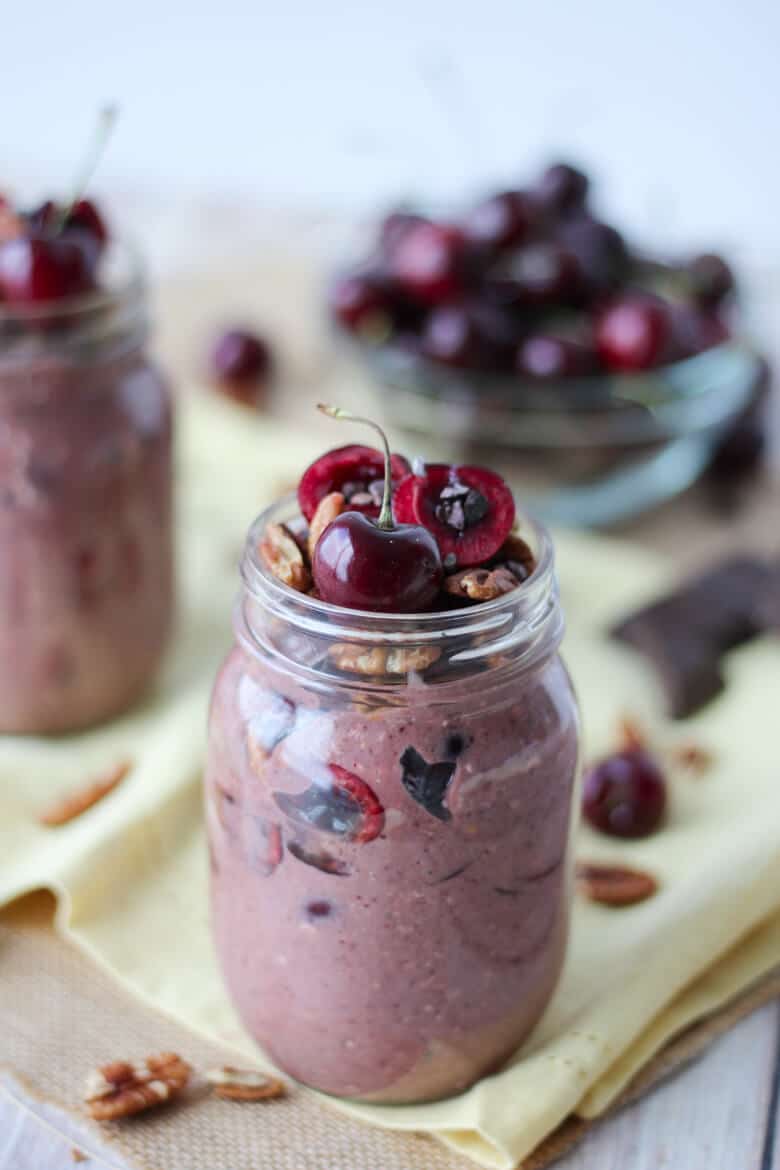
two clear jars filled with gluten free chocolate cherry cobbler overnight oatmeal garnished with cherries

Serves: 2 people
Prep Time: 480 mins
Cook Time: 0 mins

Nutrition Information:
Calories: 420
Carbohydrates: 86g
Fat: 8g
Pro: 14g

Snack
Vegan Nutella Banana Ice Cream – Abbey’s Kitchen
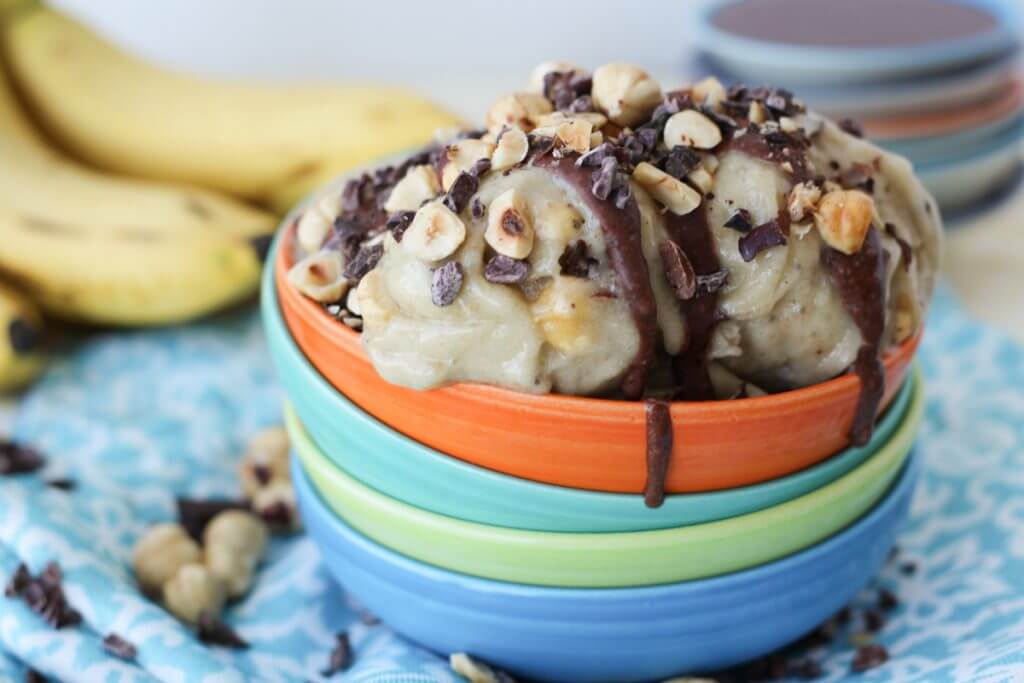
close up of gluten free nutella banana ice cream in an orange bowl garnished with chopped hazelnuts

Serves: 6-8 people
Prep Time: 10 mins
Cook Time: 180 mins

Nutrition Information:

Calories: 320
Carbohydrates: 20.7g
Fat: 18.5g
Protein: 4.2g

Lunch
Vegetarian Gluten Free Buffalo Cauliflower Steaks – Abbey’s Kitchen
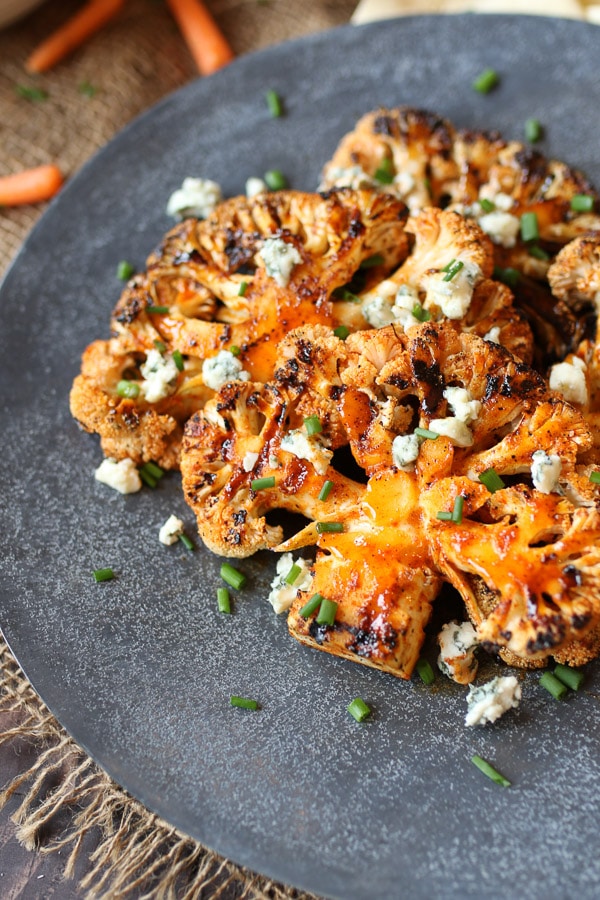
vegan and gluten free cauliflower buffalo steaks served on a grey dish garnished with chives

Serves: 4 people
Prep Time: 10 mins
Cook Time: 10 mins

Nutrition Information:

Calories: 320
Carbohydrates: 38.3g
Fat: 18.5g
Protein:11g

Snack
Healthy Peanut Butter Mousse – Desserts with Benefits
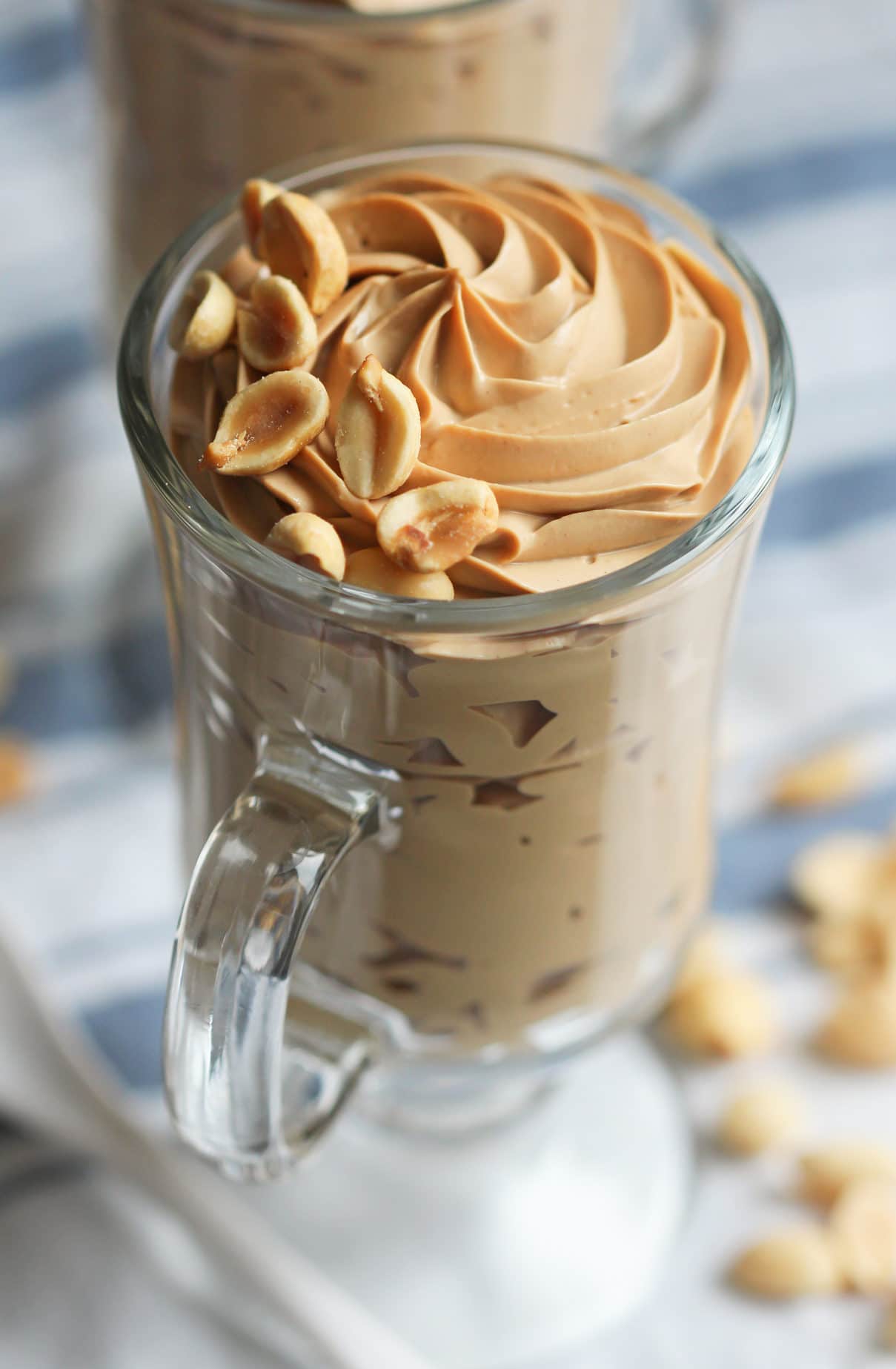
close up of gluten free peanut butter mousse in a clear glass garnished with chopped peanuts

Serves: 10 people ½ cup each
Prep Time: 30
Cook Time: 0

Nutrition Information:

Calories: 196
Carbohydrates: 12g
Fat: 10g
Protein: 16g

Dinner
Gluten Free Orange Poached Halibut – Abbey’s Kitchen
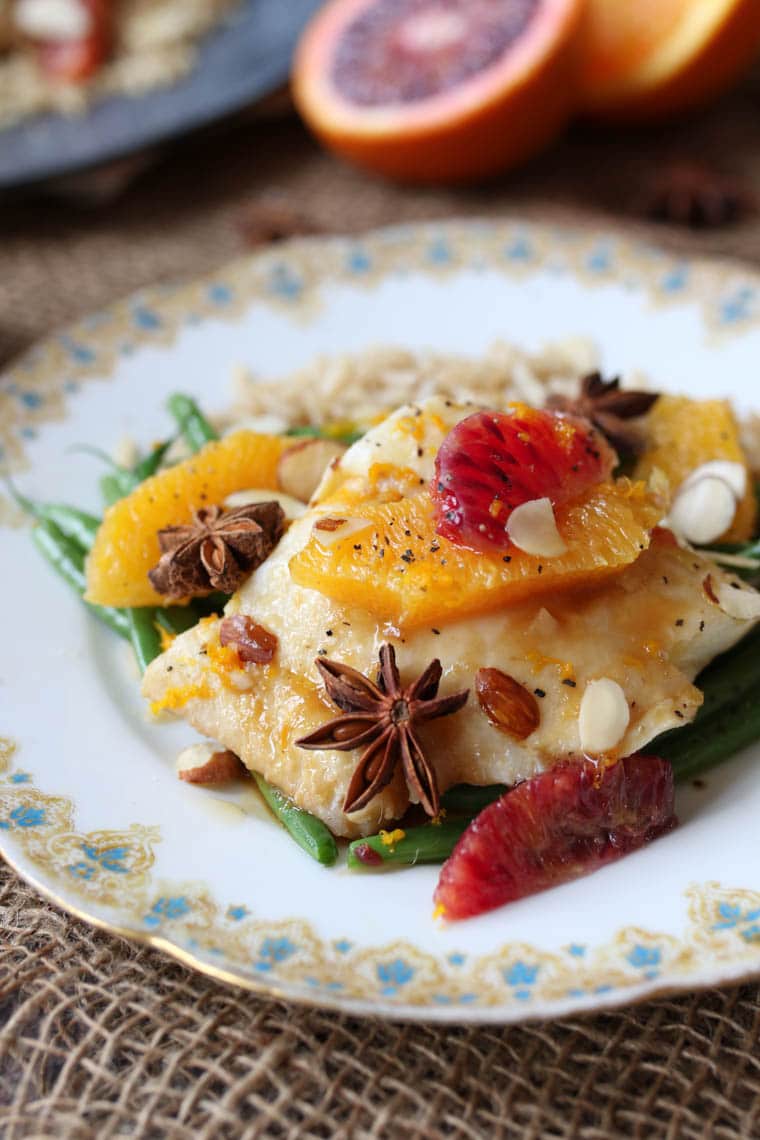
close up of gluten free orange poached halibut served with vegetables on a white plate

Serves: 4 people
Prep Time: 5
Cook Time: 8

Nutrition Information:
Calories: 315
Carbohydrates: 17g
Fat: 7.6g
Protein: 37g

Snack
Hemp Hearts Power Cookies – Abbey’s Kitchen
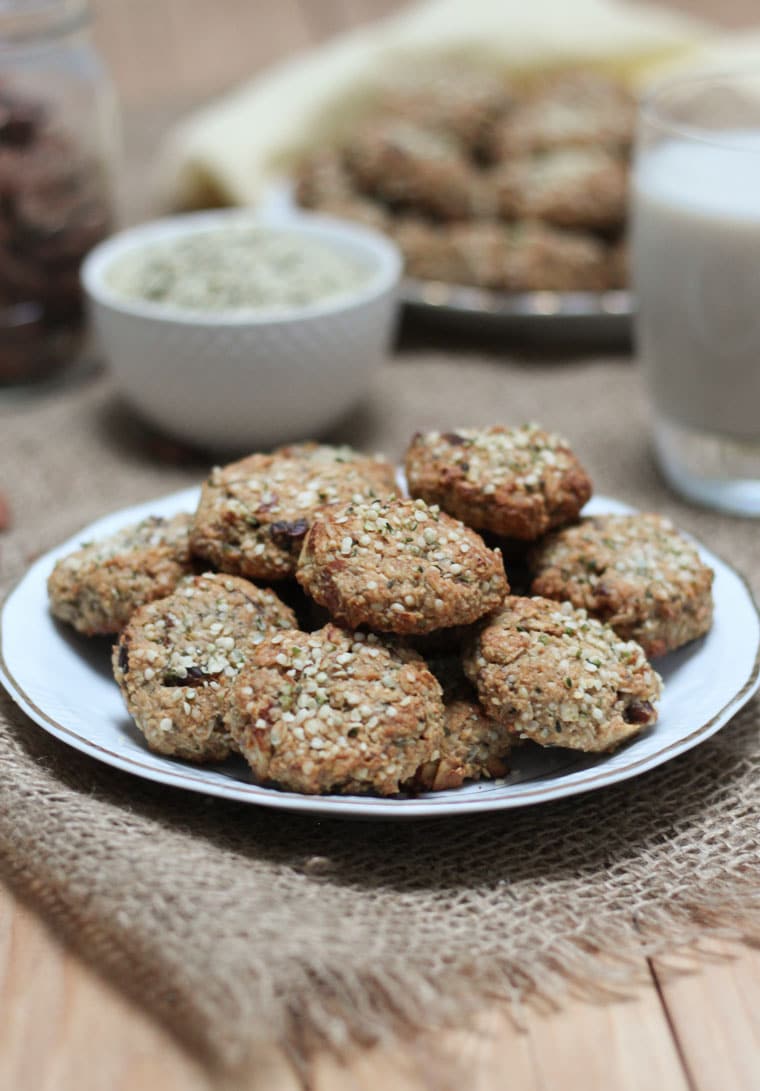
gluten free power cookies served on a white dish topped with hemp hearts

Serves: 12 cookies
Prep Time: 60 mins
Cook Time: 15 mins

Nutrition Information (For 1 cookie):

Calories: 185
Carbohydrates: 20g
Fat: 10g
Protein: 6g

Daily Nutrition Breakdown:
Daily Caloric Intake: 1,756
Daily Carbohydrate Intake: 194g
Daily Fat Intake: 72.6g
Daily Protein Intake: 88.2g

Day 2

Breakfast
High Protein Avocado Toast with White Beans and Roasted Tomatoes – Abbey’s Kitchen
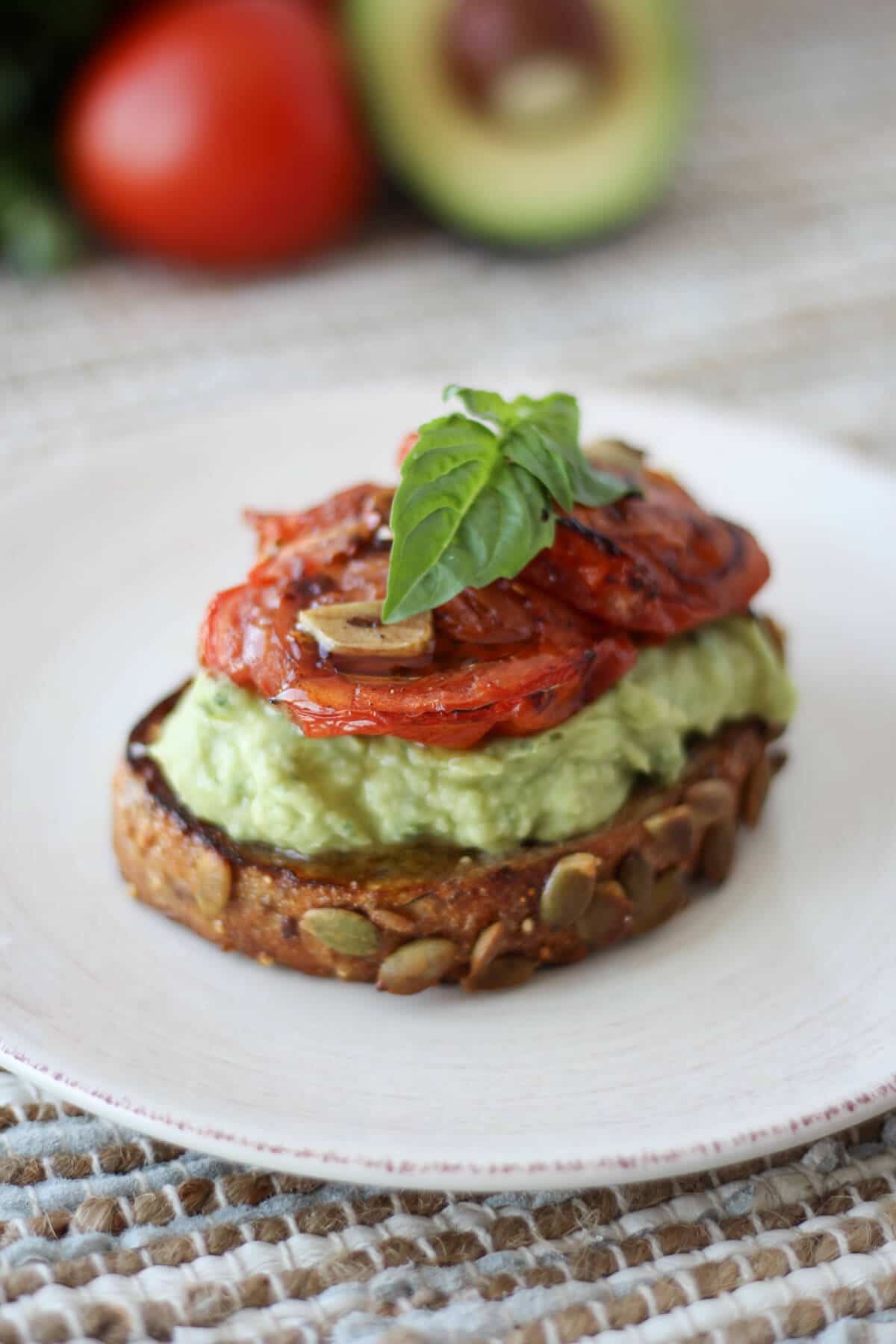
gluten free white bean avocado toast topped with roasted tomatoes and herbs on a white plate

Serves: 4 people
Prep Time: 10 mins
Cook Time: 40 mins

Nutrition Information:
Calories: 320
Carbohydrates: 46g
Fat: 16g
Protein: 11g

Snack
Warm Blood Orange and Rosemary Olives – Abbey’s Kitchen
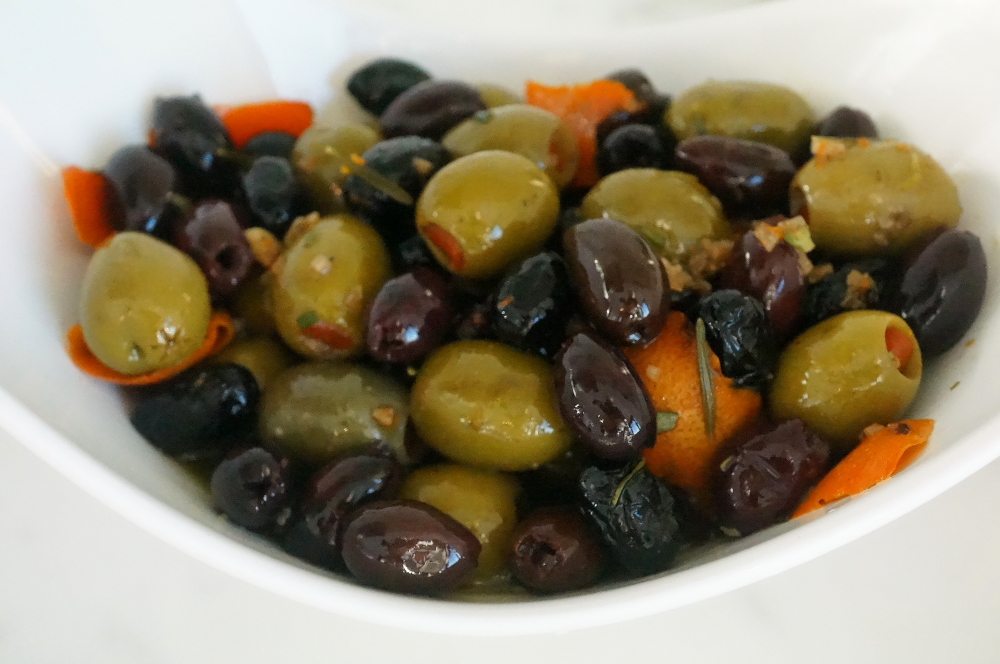
close up of gluten free blood orange and rosemary olives in a white dish

Serves: 10 people
Prep Time: 5 mins
Cook Time: 5 mins

Nutrition Information:
Calories: 122
Carbohydrates: 1g
Fat: 14g
Protein: 0g

Lunch
Chickpea, Avocado and Feta Salad – Two Peas and Their Pod
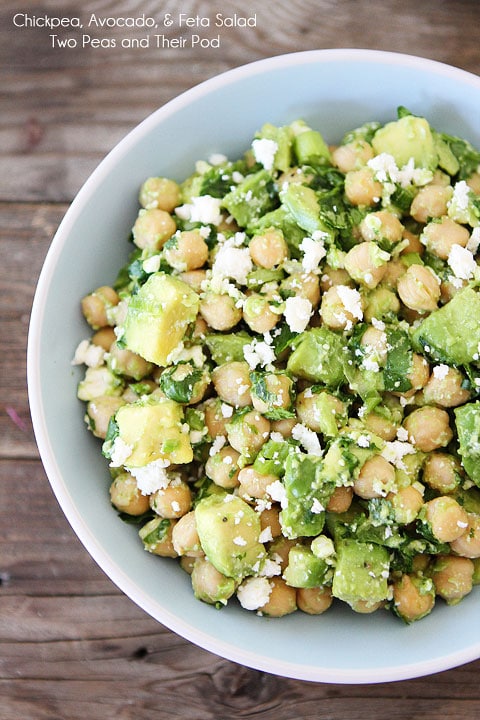
close up of gluten free chickpea, avocado, and feta salad in a white bowl

Serves: 4 people
Prep Time: 5 mins
Cook Time: 0 mins

Nutrition Information:
Calories: 230
Carbohydrates: 21g
Fat: 14
Protein: 17g

Snack
Flourless Healthy Chickpea Peanut Butter Blondies – Carmyy
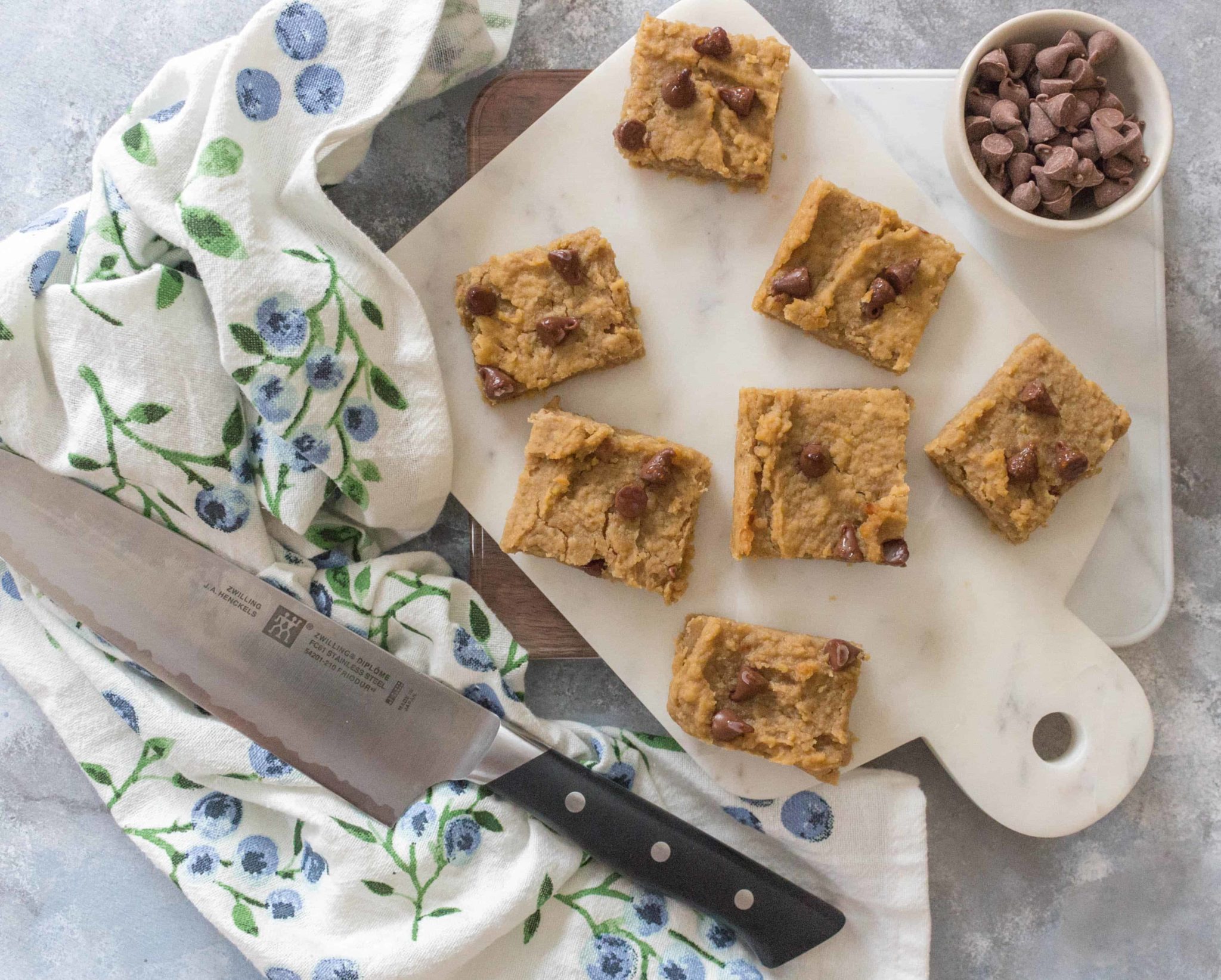
birds eye view of gluten free chickpea peanut butter blondies on a white serving board

Serves: 16 squares
Prep Time: 7 mins
Cook Time: 15 mins

Nutrition Information (For 1 square):
Calories: 192
Carbohydrates: 26.5g
Fat: 7.5g
Protein: 7g

Dinner
Gluten Free Four Mushroom Penne Pasta Bake – Abbey’s Kitchen
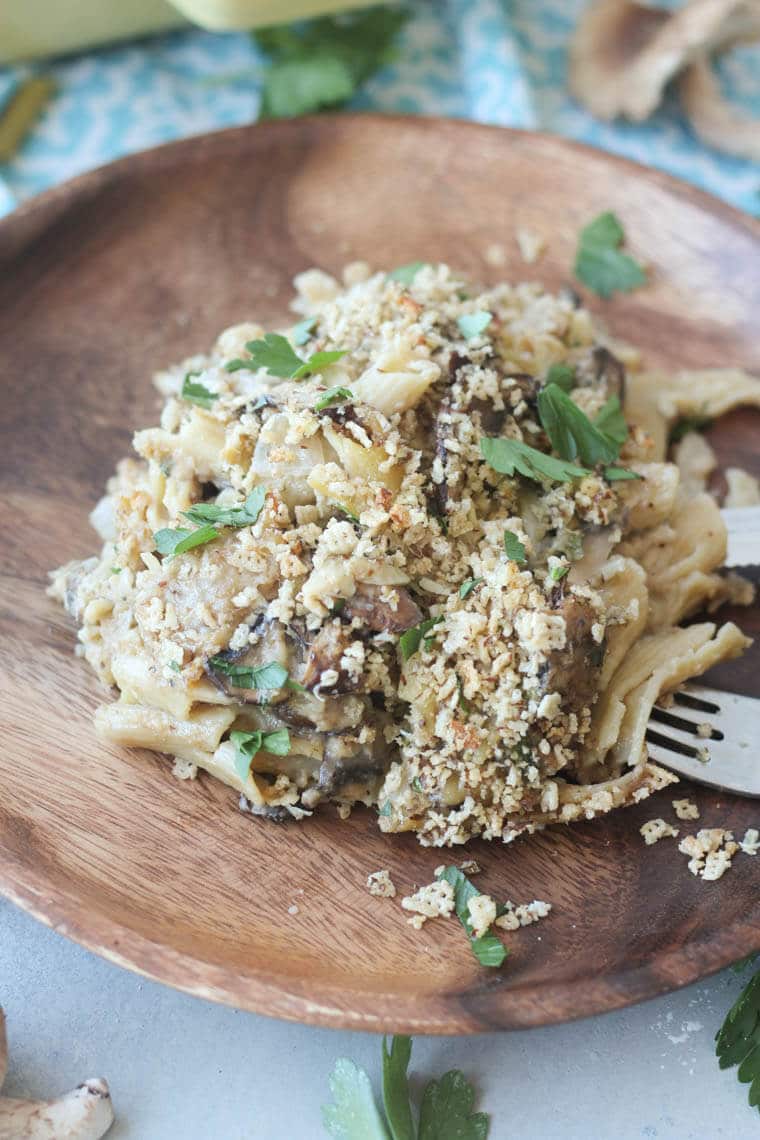
close up of gluten free mushroom pasta bake on a wooden plate topped with herbs

Serves: 8 people
Prep Time: 15 mins
Cook Time: 60 mins

Nutrition Information:
Calories: 460
Carbohydrates: 44g
Fat: 25g
Protein: 23g

Snack
Gluten Free Buffalo Chicken Fingers Sheet Pan Dinner – Abbey’s Kitchen
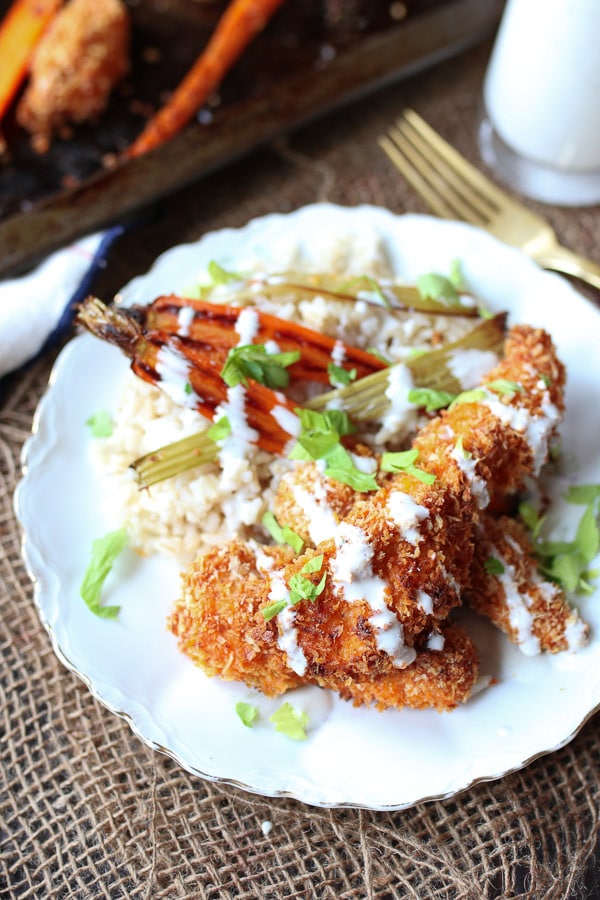
gluten free buffalo chicken fingers on a white plate served with vegetables and rice

Serves: 4 people
Prep Time: 15 mins
Cook Time: 20 mins

Nutrition Information:
Calories: 400
Carbohydrates: 19g
Fat: 18g
Protein: 31g

Daily Nutrition Breakdown:
Daily Caloric Intake: 1,724
Daily Carbohydrate Intake: 157.5g
Daily Fat Intake: 94.5g
Daily Protein Intake: 89g

Day 3

Breakfast
Gluten Free Loaded Potato Waffles – Abbey’s Kitchen
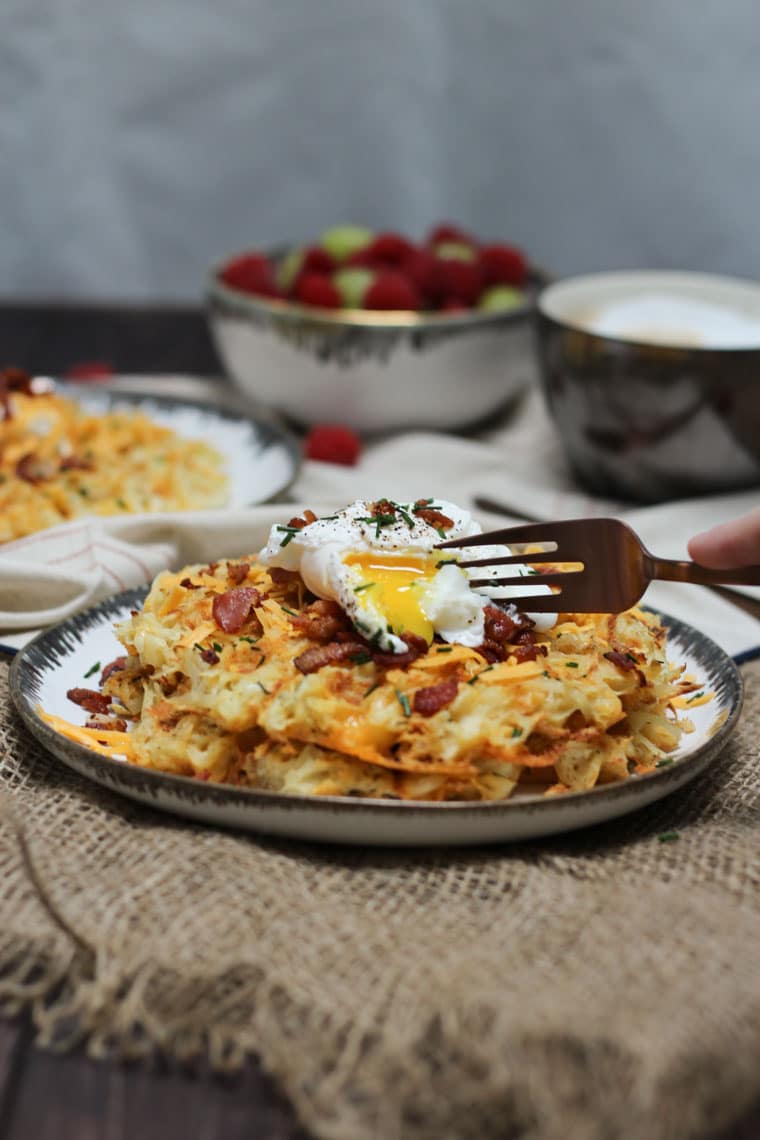
black and white plate containing gluten free potato waffles topped with a runny egg and bacon bits

Serves: 6 people
Prep Time: 10 mins
Cook Time: 6 mins

Nutrition Information:
Calories: 410
Carbohydrates: 20.3g
Fat: 28.8g
Protein: 16.8g

Snack
Healthy Cinnamon Spiced Almonds – Abbey’s Kitchen
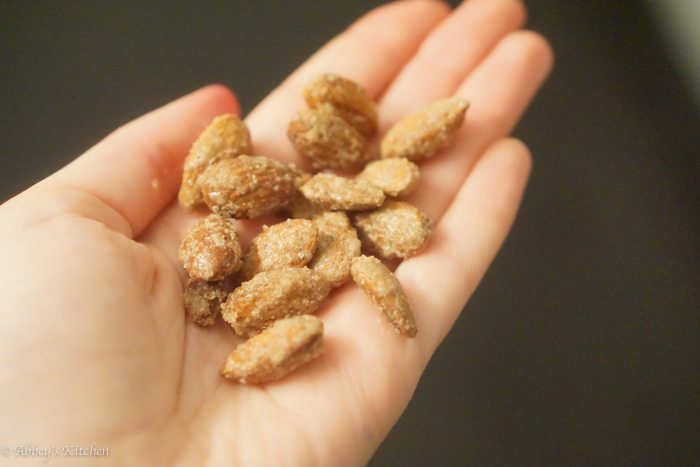
close up of hand holding gluten free cinnamon spiced almonds

Serves: 11 people
Prep Time: 5 mins
Cook Time: 30 mins

Nutrition Information:
Calories: 220
Carbohydrates: 15g
Fat: 16g
Protein: 7g

Lunch
Quinoa and Kale Protein Salad – Foodie Crush
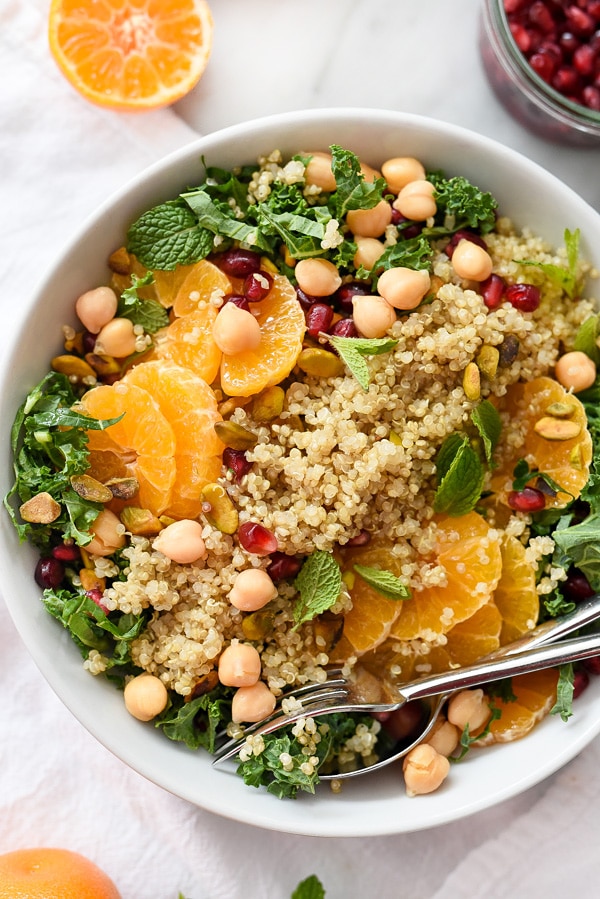
close up of gluten free quinoa and kale protein salad in a white bowl garnished with nuts and herbs

Serves: 6 people
Cook Time: 9 mins

Nutrition Information:
Calories: 330
Carbohydrates: 45g
Fat: 13g
Protein: 11g

Snack
Vegan Sriracha Grilled Tofu & Pineapple Skewers – Abbey’s Kitchen
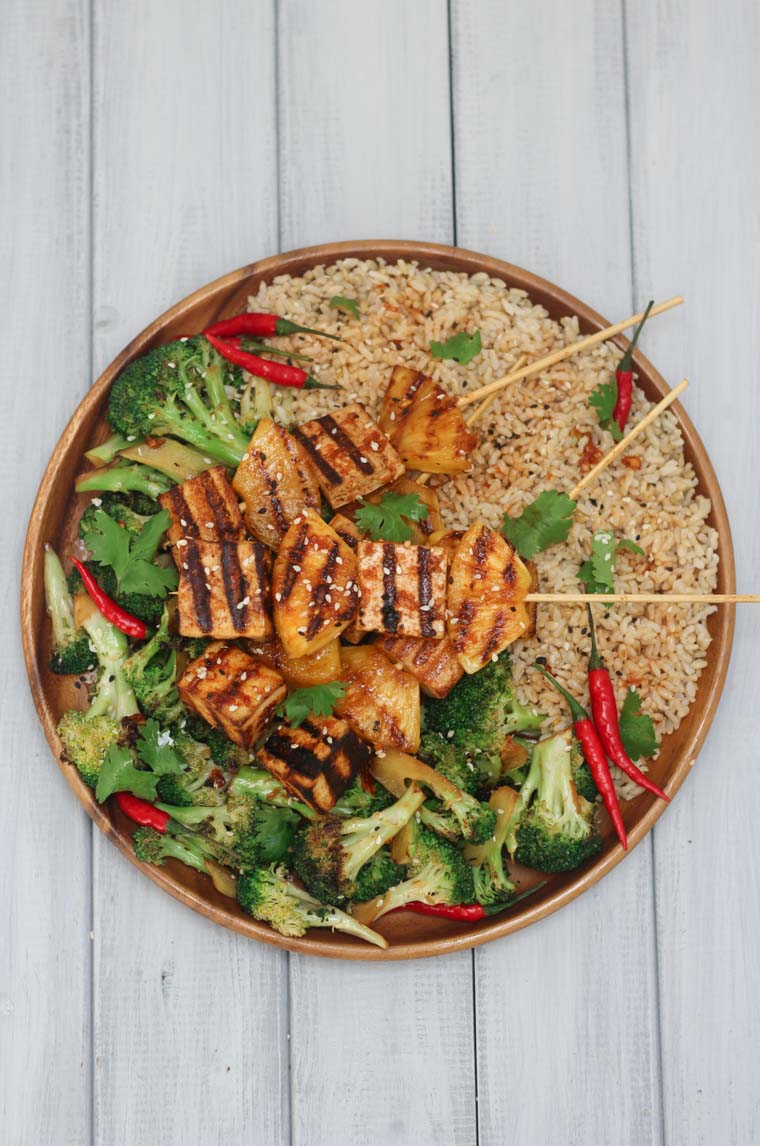
birds eye view of vegan sriracha grilled tofu and pineapple skewers served in a wooden bowl

Serves: 4 people
Prep Time: 60 mins
Cook Time: 3 mins

Nutrition Information:
Calories: 280
Carbohydrates: 41.1g
Fat: 12.8g
Protein: 18.7g

Dinner
Lemon Herb Salmon Cakes – My Fresh Perspective
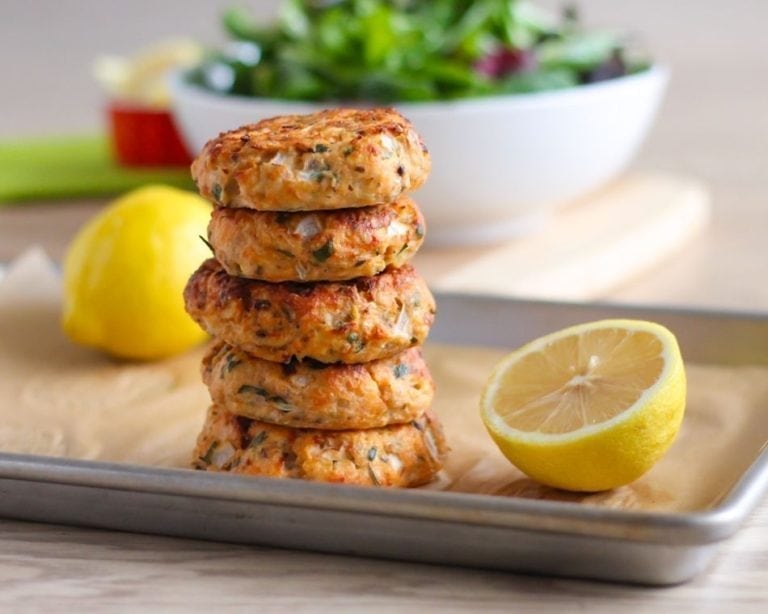
stack of gluten free lemon and herb salmon cakes on sheet pan

Serves: 6 fish cakes
Prep Time: 20 mins
Cook Time: 30 mins

Nutrition Information (For 2 cakes):
Calories : 480
Carbohydrates: 42g
Fat: 8g
Protein: 32g

Snack
Healthy No Bake Blueberry Vanilla Cashew Bars – Carmyy
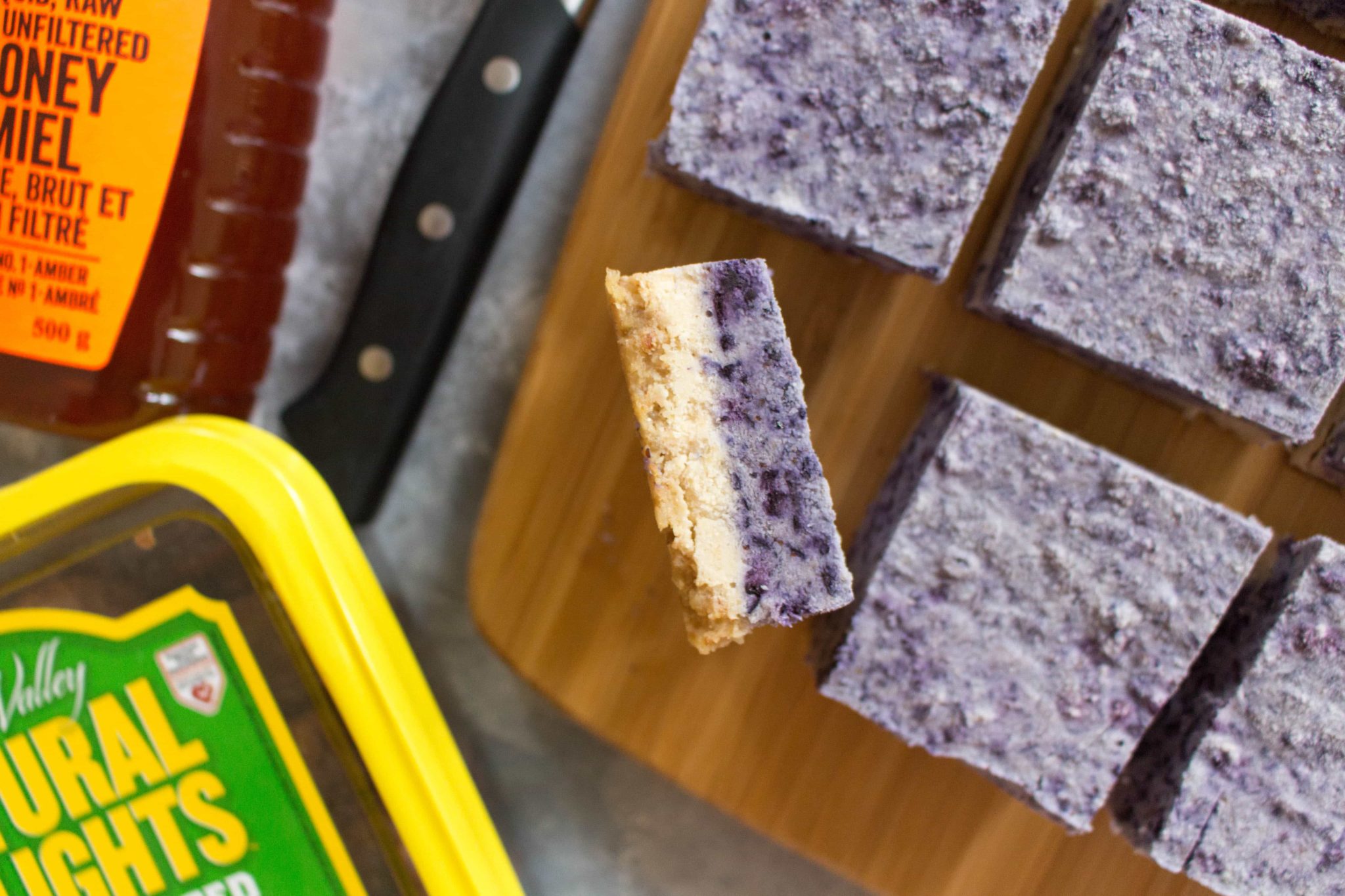
birds eye view image of no bake gluten free vanilla blueberry cashew bars on a wooden surface

Serves: 16 bars
Prep Time: 15 mins
Cook Time: 0 mins

Nutrition Information (For 1 bar):
Calories: 130
Carbohydrates: 14g
Fat: 7g
Protein: 3g

Daily Nutrition Breakdown:
Daily Caloric Intake: 1,850
Daily Carbohydrate Intake: 177.4g
Daily Fat Intake: 85.6g
Daily Protein Intake: 88.5g


Want to see what’s on the gluten free meal plan for the rest of the week?

We’re saving it as a thank you to our loyal followers. Simply subscribe to my blog (see the SIGN UP box at the top) and I will send it over to your STAT!
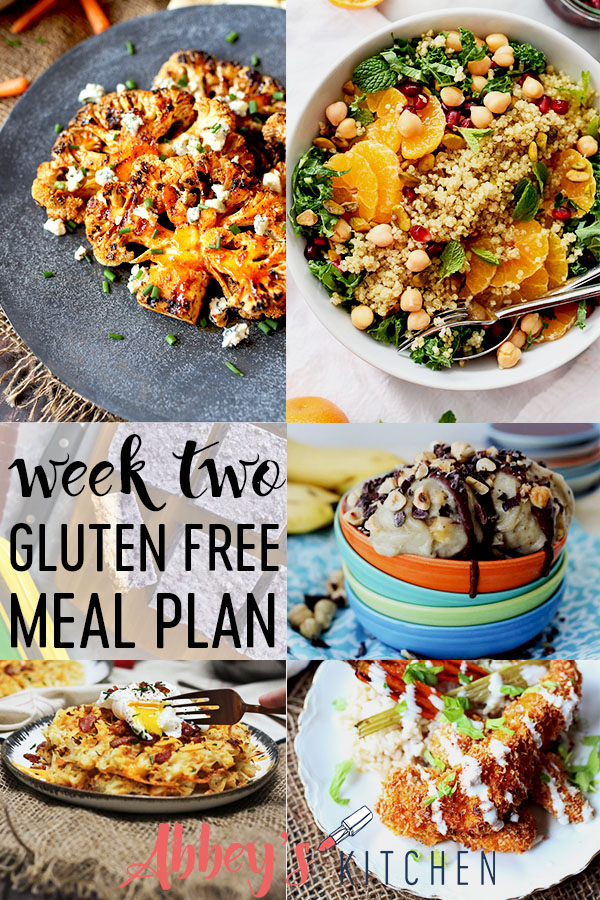
GET THE MEAL PLAN

pinterest image of various photos of gluten free recipes for a one week meal plan with text overlay


Gluten Free Meal Plan by #RD2B Acacia Puddester
Abbey Sharp

Abbey Sharp is a Registered Dietitian (RD), regulated by the Ontario College of Dietitians. She is a mom, YouTuber, Blogger, award winning cookbook author, media coach specializing in food and nutrition influencers, and a frequent contributor to national publications like Healthline and on national broadcast TV shows.
www.abbeyskitchen.com/about-abbey/

Last Updated July 22, 2020. Published October 22, 2018 By Abbey Sharp 46 Comments

Halloween Banana Ghosts and Clementine Pumpkins | Vegan, Gluten Free Trick or Treat Recipes

These Halloween Banana Ghosts and Clementine Pumpkins are Vegan, Gluten Free Healthy Trick or Treat Recipes that your little witches and goblins are going to gobble up!

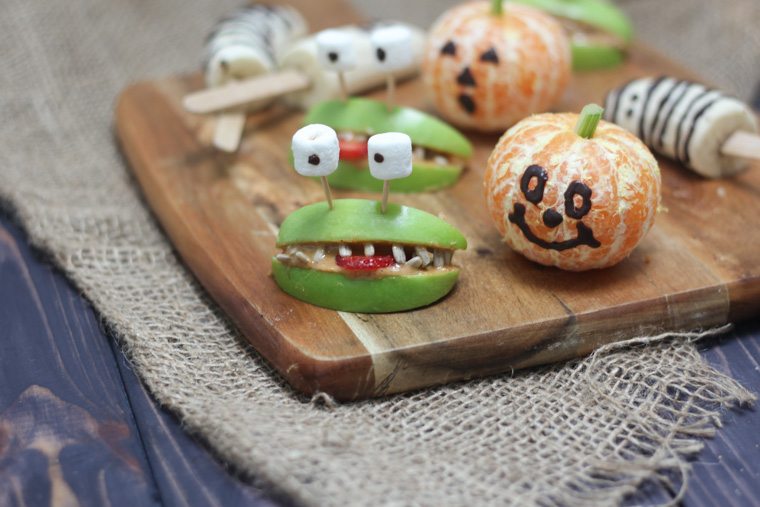
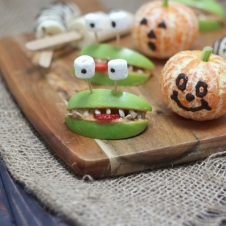
These Halloween Banana Ghosts and Clementine Pumpkins are Vegan, Gluten Free Healthy Trick or Treat Recipes that your little witches and goblins are going to gobble up!close up of various halloween themed fruit treats on a wooden serving board

Halloween has always been one of my favourite holidays. I like dressing up. I like being scared. And I obviously love candy. And while I’m never going to be one of those crunchy moms that hands out tooth brushes to trick or treaters, I get that you may want to have some healthier treats on hands for the kids on October 31st. Fruit is always a legit healthy treat, and these Halloween Banana Ghosts and Clementine Pumpkins fit the bill as fun and good for you.

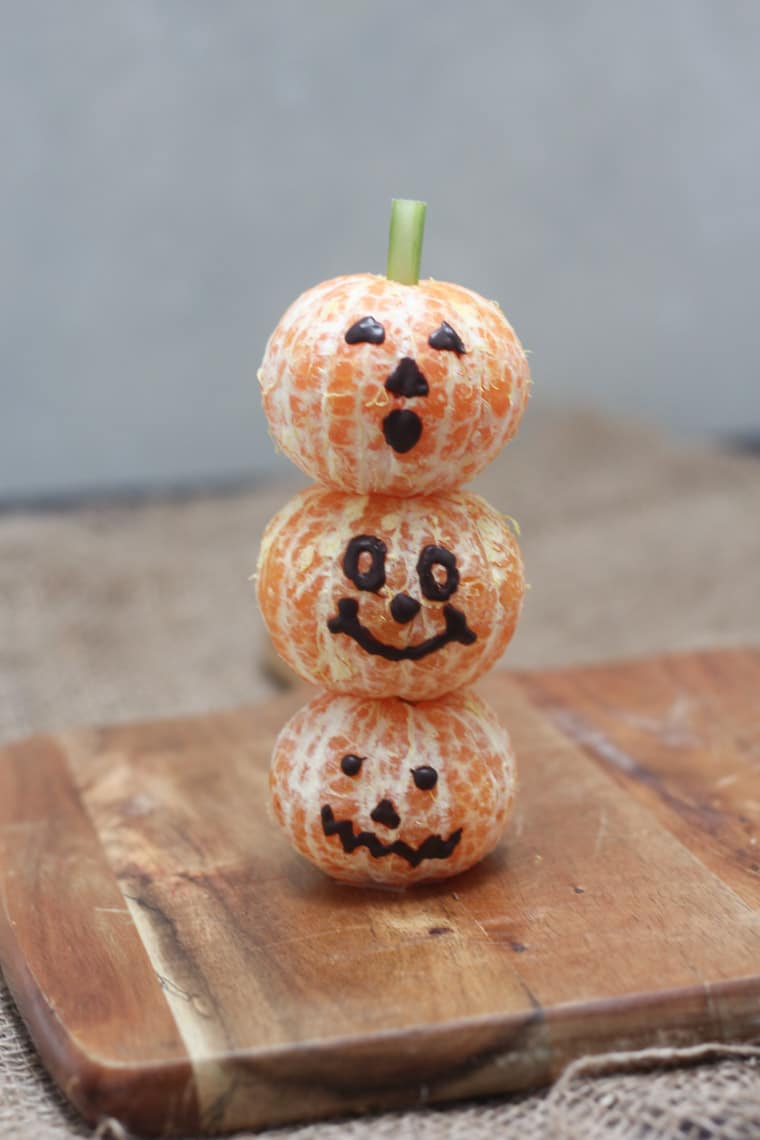
stack of halloween themed clementines on a wooden board

How to Make Halloween Banana Ghosts and Clementine Pumpkins

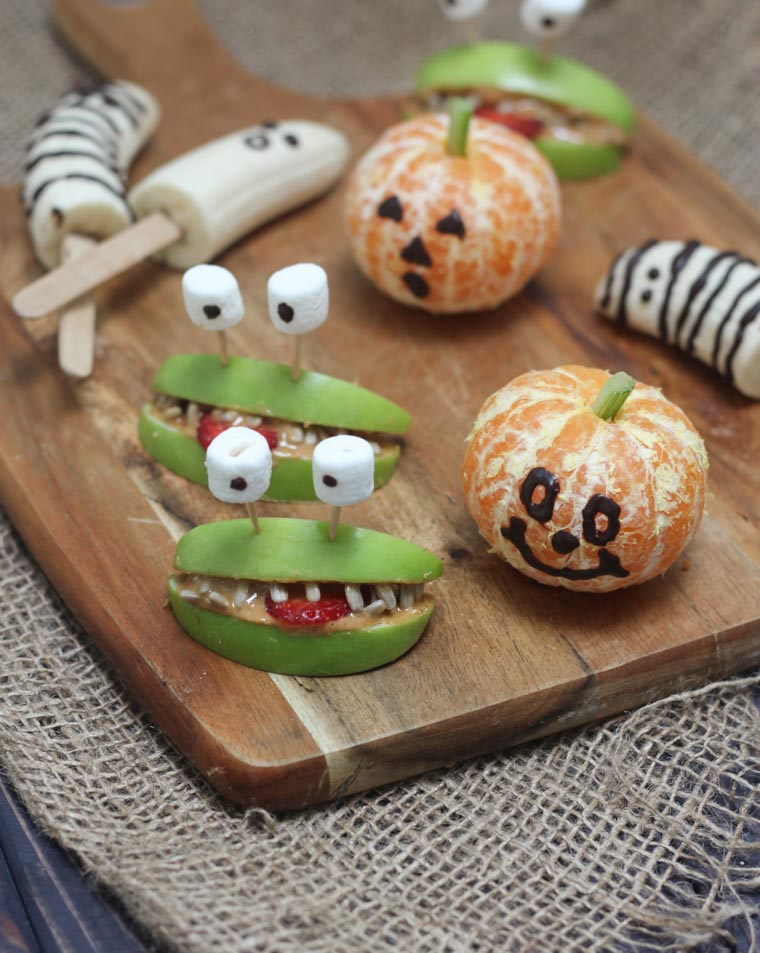
various vegan and gluten free halloween fruit treats on a wooden board

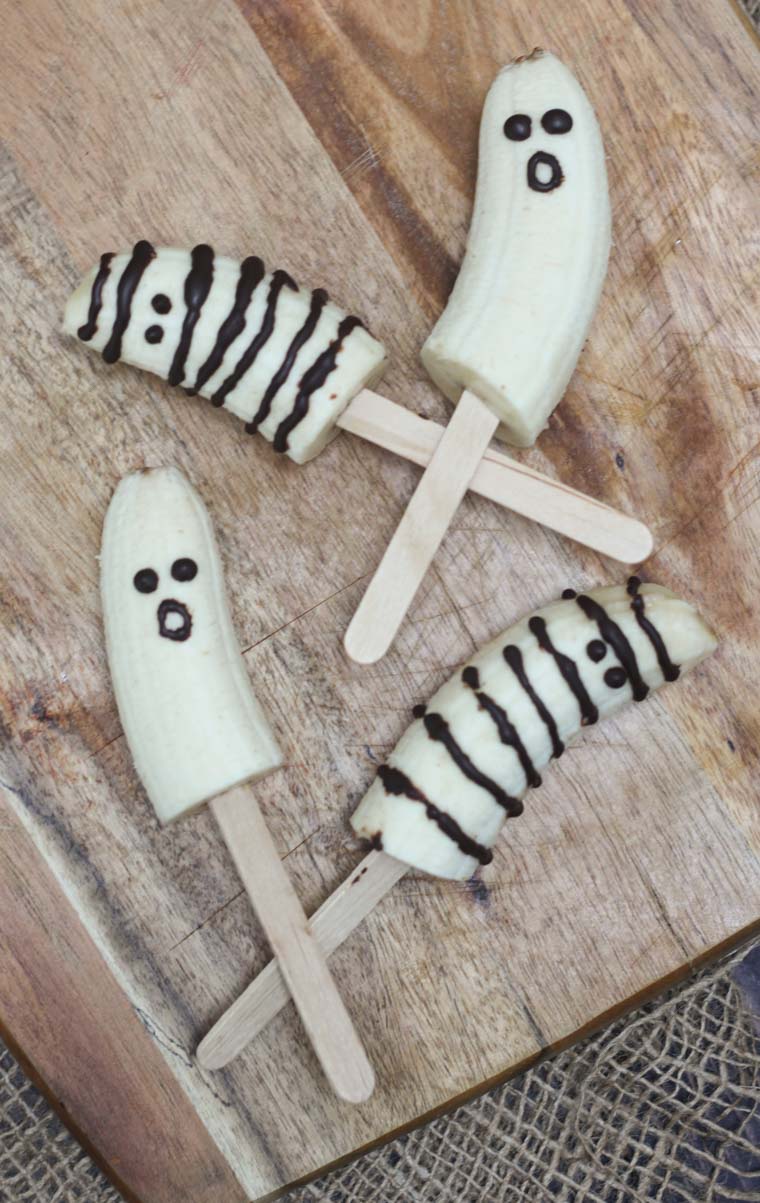
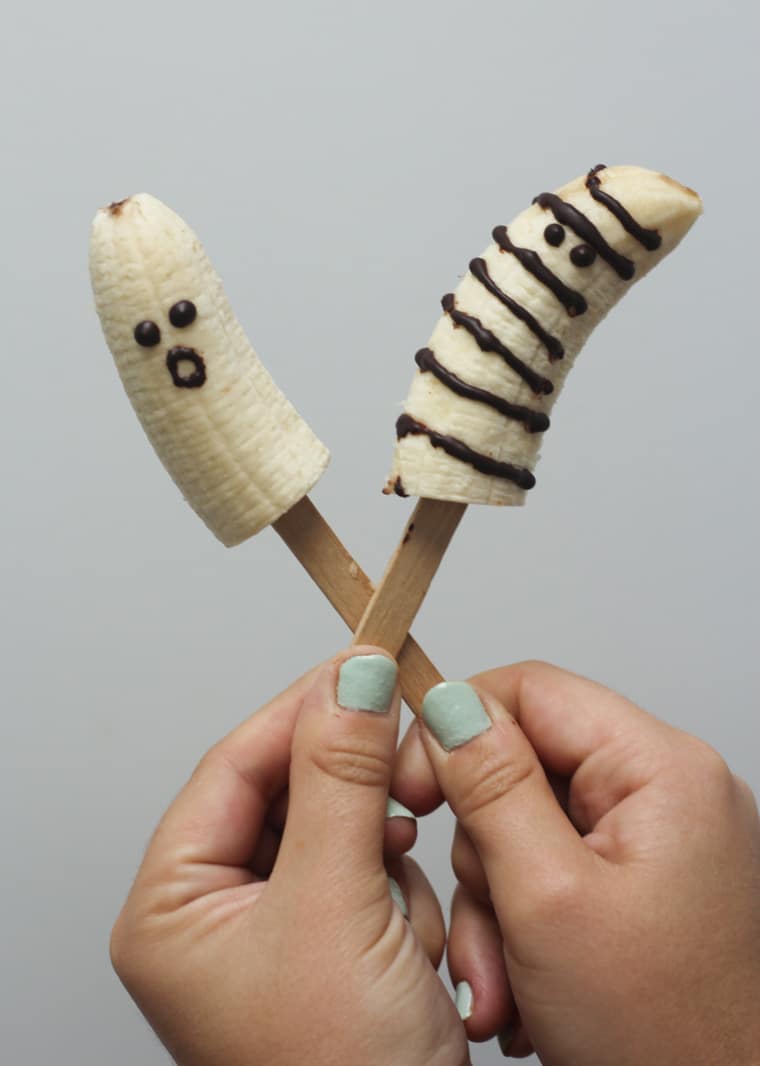
I’m a fan of anything with chocolate, so turning hum drum bananas into amazingly delicious ghosts and mummies on a stick is a pretty sure fire way to get anyone to eat their fruit. To make these Halloween Banana Ghosts, you just pop half of a banana onto a popsicle stick and put some melted dark chocolate into a piping bag with a tiny hole cut out. Then draw two eyes and a big O for a mouth. BOO!

birds eye view of halloween banana ghosts on a wooden surface

The Halloween Banana Mummies are similar, except we put eyes and a bunch of stripes like mummy wrapping.

person holding halloween banana ghosts on two popsicle holders

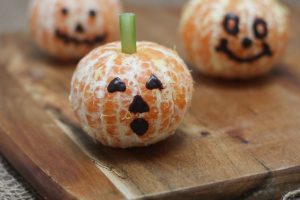
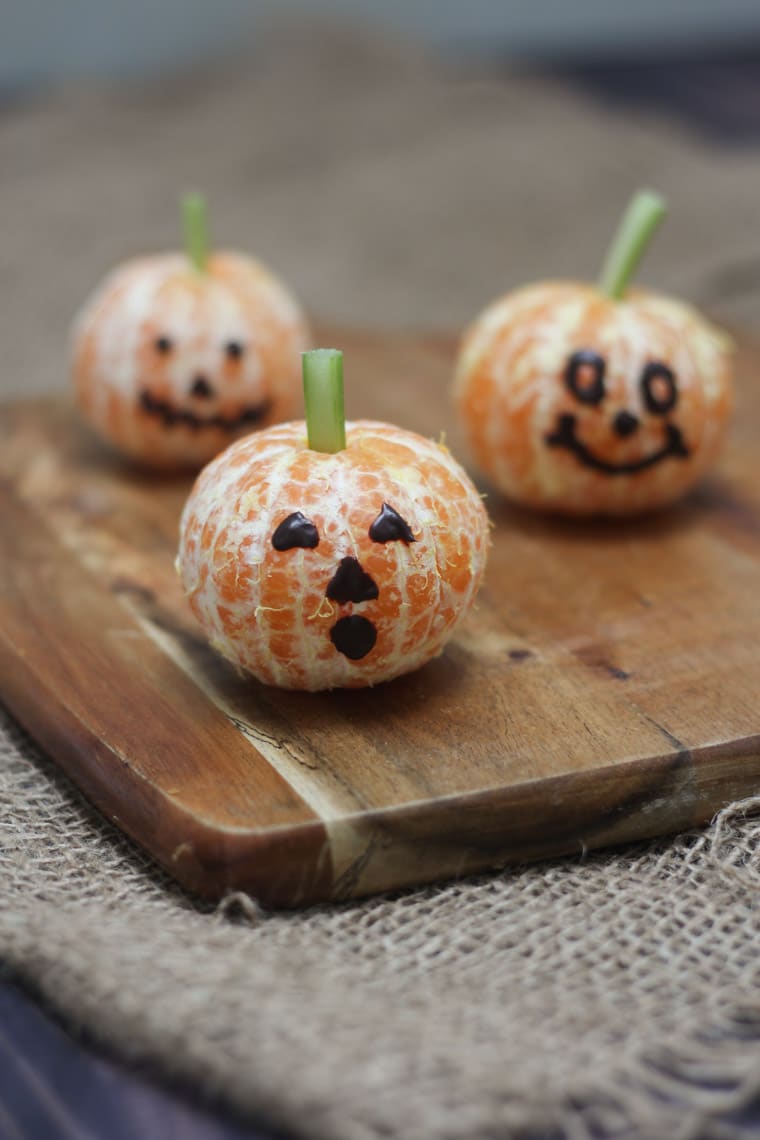
As for the clementine pumpkins, these are just peeled clementines (every kid’s favourite anyway), with a tiny piece of celery for a stem, and some more chocolate drawn on as a face. So cute, right?

close up of three clementine pumpkins on a wooden board

Heck, I don’t even have kids, and I’m pumped about making these Halloween Banana Ghosts and Clementine Pumpkins for my adult friends. Way more fun than a traditional fruit platter- and totally tasty, too! I also love them because they’re naturally vegan and gluten free, so they’re perfect for entertaining a group with a wide range of dietary restrictions.

What kind of healthy treats do you prepare for your kids for Halloween?

Have you tried making these Halloween Banana Ghosts and Clementine Pumpkins?

Leave me your thoughts!

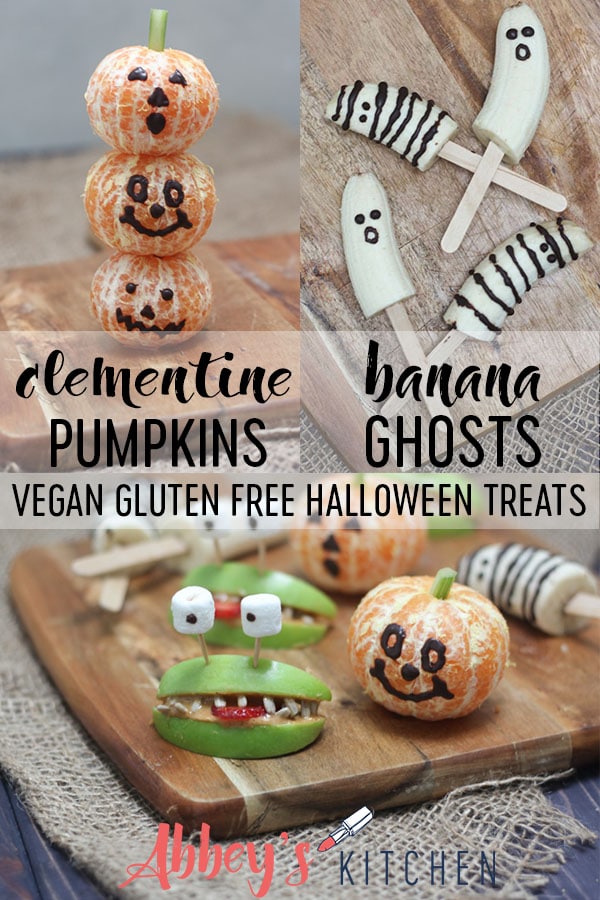
pinterest image of various vegan and gluten free halloween fruit treats with text overlay

These Halloween Banana Ghosts and Clementine Pumpkins are Vegan, Gluten Free Healthy Trick or Treat Recipes that your little witches and goblins are going to gobble up!
Print Recipe
5 from 7 votes

Halloween Banana Ghosts and Clementine Pumpkins

These Halloween Banana Ghosts and Clementine Pumpkins are Vegan, Gluten Free Healthy Trick or Treat Recipes that your little witches and goblins are going to gobble up!
Prep Time5 minutes mins
Cook Time1 minute min
Total Time6 minutes mins
Course: Dessert
Cuisine: American
Servings: 4 people
Calories: 95kcal
Author: Abbey Sharp

Ingredients

  • 2 oz dark chocolate vegan if needed, chopped
  • 2 large bananas halved cross-wise
  • 4 clementines peeled
  • 1 stalk celery
  • Popsicle sticks

Instructions

  • In a microwave on 50% power, gently melt the chocolate for about 30 seconds at a time. Transfer to a piping bag.
  • Place the cut sides of the banana halves onto the popsicle sticks.
  • Cut small pieces of the celery and insert them into the tops of the clementines.
  • Draw faces on the clementines and bananas and let set before eating, about 1 minute. Enjoy!

Nutrition

Calories: 95kcal

Abbey Sharp

Abbey Sharp is a Registered Dietitian (RD), regulated by the Ontario College of Dietitians. She is a mom, YouTuber, Blogger, award winning cookbook author, media coach specializing in food and nutrition influencers, and a frequent contributor to national publications like Healthline and on national broadcast TV shows.
www.abbeyskitchen.com/about-abbey/

Last Updated October 14, 2020. Published October 19, 2018 By Abbey Sharp 16 Comments

How I’m Feeling About My Post Baby Body in a World Obsessed with Bouncing Back

I share my personal experience about how I’m feeling about my post baby body when the weight-obsessed world seems obsessed with the idea of bouncing back.

I share my personal experience about how I’m feeling about my post baby body when the weight-obsessed world seems obsessed with the idea of bouncing back.

The world puts a lot of pressure on us women when it comes to our reproduction.

Whether it’s real or perceived, we often feel judged for every baby-making decision that we make – even before we are parents.

We feel judged for not having kids and focusing on our career.

We feel judged for having kids and choosing not to work.

And let’s say we go with the latter, and the baby is out in the world, the judgement doesn’t stop.

Breast or bottle?

Baby led weaning or spoon-feeding?

Cry it out or feed-to-sleep?

Vaccinate or abstain?

There never is a shortage of things to feel insecure about.

And while all these little digs make motherhood much more anxiety provoking and uncomfortable, whenever I speak with fellow new moms, these aren’t their number one insecurities. They’re worried about their post-partum body.

As moms, we can’t scroll through #fitmom and #postpartumfitness Instagram feeds during our midnight pump-sesh without feeling like we’re inevitably not doing enough. We can’t buy a damn microwave meal at the grocery store without seeing the “post baby body transformations” starring at us at the check-out.  And if you think things are easier in real life, you can think again. It’s really sad that most people’s idea of a pleasant conversation starter with a new mom is not “how are you feeling”, “how’s your sleep going?”, or “what’s motherhood like?”. It’s “wow, you look great”, “you’ve lost the weight so fast”, or “ou don’t even look like you had a baby!” This is how we measure a mom’s postpartum success and it puts a hell of a lot of pressure on us when we feel like the world is watching for our hips to shrink back into our pre-baby jeans.

As a dietitian and friend to a lot of fellow moms, I spend a lot of time trying to take the focus off of our society-wide obsession with weight and size. Rather than making constant comments about baby weight lost or body’s regained, I try to celebrate my mom-friends on everything their body has accomplished.

It grew a baby.

It birthed a baby.

And in some cases now, it’s the sole source of nourishment for that (now larger!) baby.

I try my best to wax poetic about positive body image, and how awe-inspiring us mothers are for everything we do.

But while I’ve been encouraging body positivity through this challenging (and hormonal) fourth trimester, I’ve been hiding an ugly truth. Most days, I struggle with these things, myself.

My Thoughts on My Post Baby Body

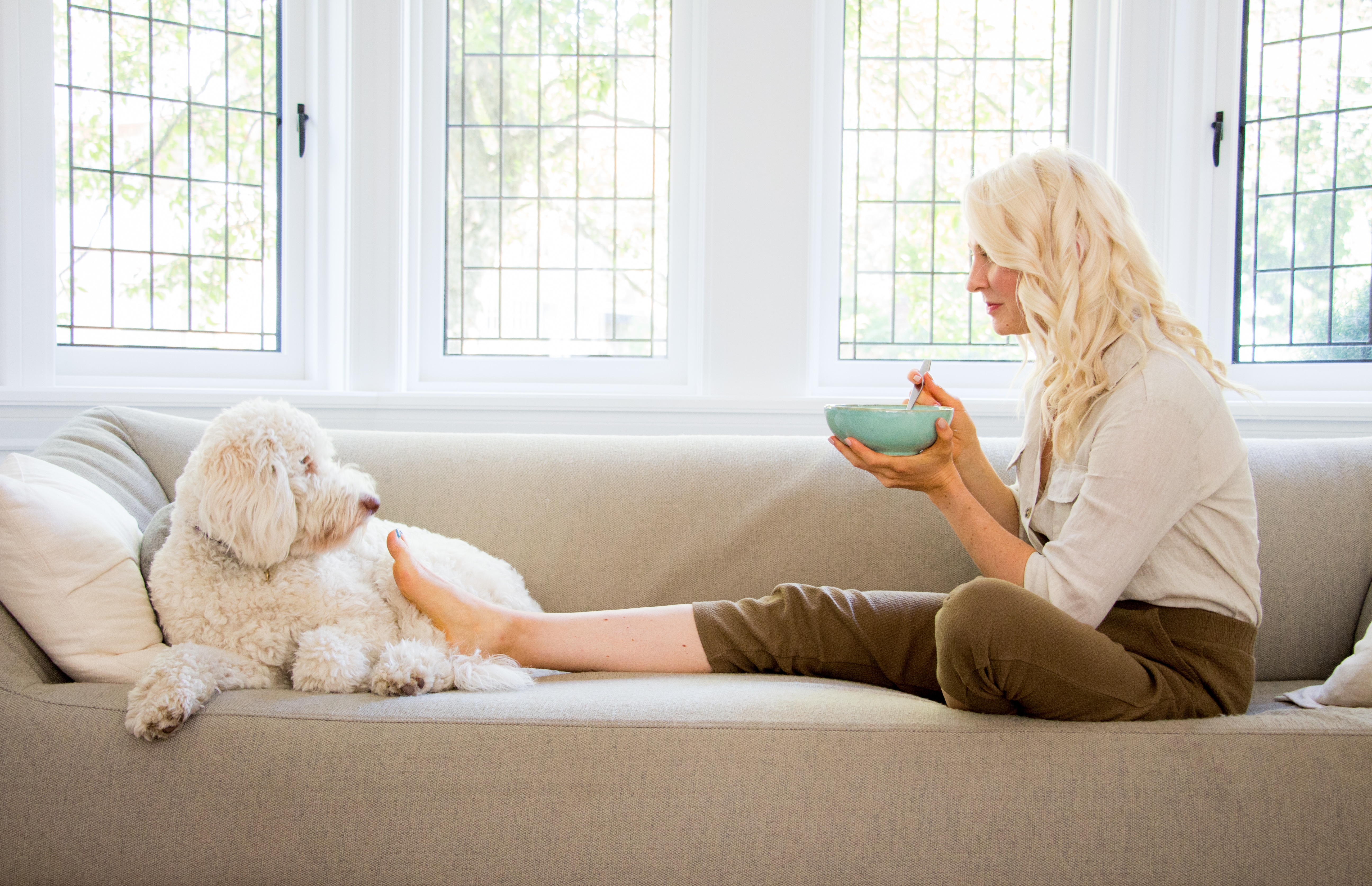
abbey holding a bowl sitting on the couch next to poppy

I wish I could confidently say that I don’t give a F what my body was and now is. I wish I could say I just get out of the shower, see my swollen breasts, massive tugged-at and blistered nipples, widened hips and squishy belly and say, “Hey mama, you’re looking FINE today.” But most days, I can’t help but turn to the side, poke at a roll and try to (inaccurately) evaluate whether or not I look more bloated and tired than I did the day before.

I know that this is simply the result of my expectations not being fulfilled. I have come to learn that what we see on social media or the tabloids, and what happens in real life after you grow and birth a human are apparently two very different things.

See, a changing body, including weight gain, is expected and encouraged throughout pregnancy – though even this is arguably over-scrutinized and controlled and can be challenging to experience, as well. We’re told we should gain about a pound each week as a result of an extra 500 calories per day (that’s a muffin, by the way).

Once the baby comes out, most (reasonable) people would not expect a woman to walk out of the hospital in their high school jeans- I mean your uterus alone can take a long time to contract down to size. But after a week or two, the grace period is up. And whether it’s spoken about, or not, the baby weight is expected to come off. With each week (hallmarked by the obnoxious photo-sesh we create of our little one with a time-marked sticker on their belly), we’re expected to drop a few more baby LBs. Our belly will shrink, our hips will tighten, and our ass will fit back into our pre-baby jeans. Oh, but those boobs! Enjoy those honkers while you can!

Well guess what it doesn’t always happen that easily. Not even the Playboy-boob-enjoyment part.

Here’s been my post baby body experience.

See, a lot of women boast about how breastfeeding meant they could eat whatever they wanted and “get super skinny” fast. But for me, breastfeeding actually seemed to encourage some fat retention, an experience that inspired me to research and write an article about this oh-so-common phenomenon here. I guess I felt that breastfeeding let me down in all sorts of ways. I couldn’t do it “right” (read about that here), I was forced to pump full time (read about that here), annnnnnd it totally changed my body (and not really in a way I liked).

I felt totally misled by the motherhood folklore. Even the more “real” stories I read online tended to throw salt in the wound. For example, I recently read an article on Today’s Parent.com written by a fellow new mom (of twins) I really REALLY admire, Jessi Cruickshank. I usually can totally relate to what she says, but this time, I felt my experience was pretty different. Unlike Jessi, who boasts about wolfing down an entire frozen pizza postpartum, I feel like I have never eaten healthier in my life. I’m also pumping, for like, 3 hours of every freaking day, and still, my body seems to be edging backwards. That is, I dropped all the weight within a week of giving birth (and I looked frail and skinny by my own standards), and then slowly saw my whole body shape change as I picked up on the breastfeeding/ pumping.

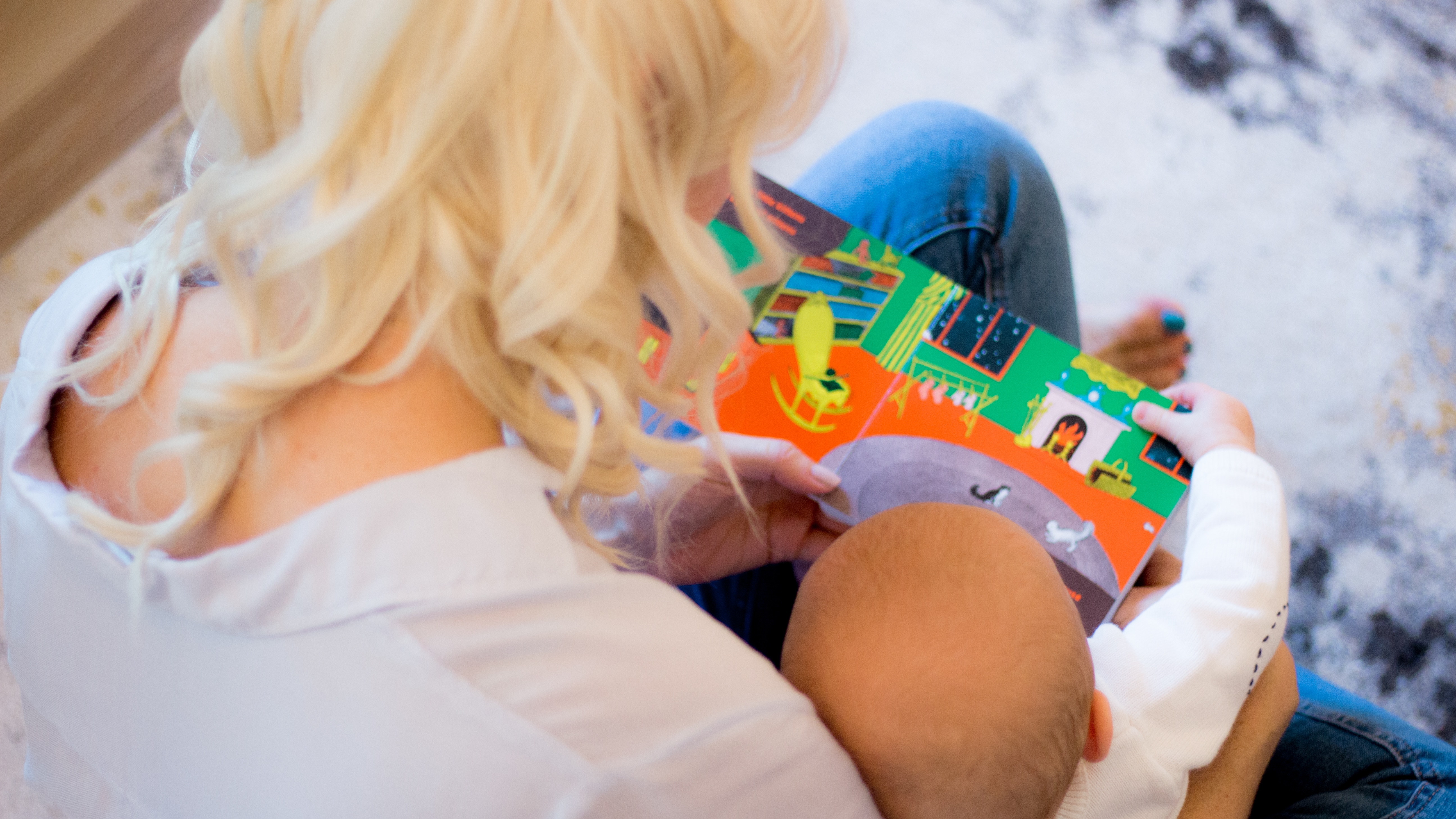
abbey reading a book with baby E

And it’s not just the Today’s Parent post, I’ve spent a lot of time searching for some validation in the mom space, and have found that most of the “real” stories about post baby body changes have let me down. Sure, they’re better than the “I dropped the baby weight in 1 week and here’s how” tabloids. But every time I scroll through a mom blog, I am left feeling ashamed for feeling anything but gratitude for my body and what it afforded me. I am, after all, just so so so lucky to have the precious son that I have, and would break this body in a million pieces for him.

So I don’t think the world needs another blog post with this message. Trust me, like most of the moms reading this right now, I definitely know how fucking amazing my body is for what it has accomplished. I know that motherhood is such a monumental life change that a changing body seems like a blip in the process. It really IS such a blip. And as a body-positive ally, I also know that my body is probably settling into a legitimate good place for itself and I’m in no way in bad health because of it. But with so much body-shaming noise around me, it still feels really fucking hard to look in the mirror and not see the body I was used to seeing.

Being Slim and Uncomfortable with my Changing Body

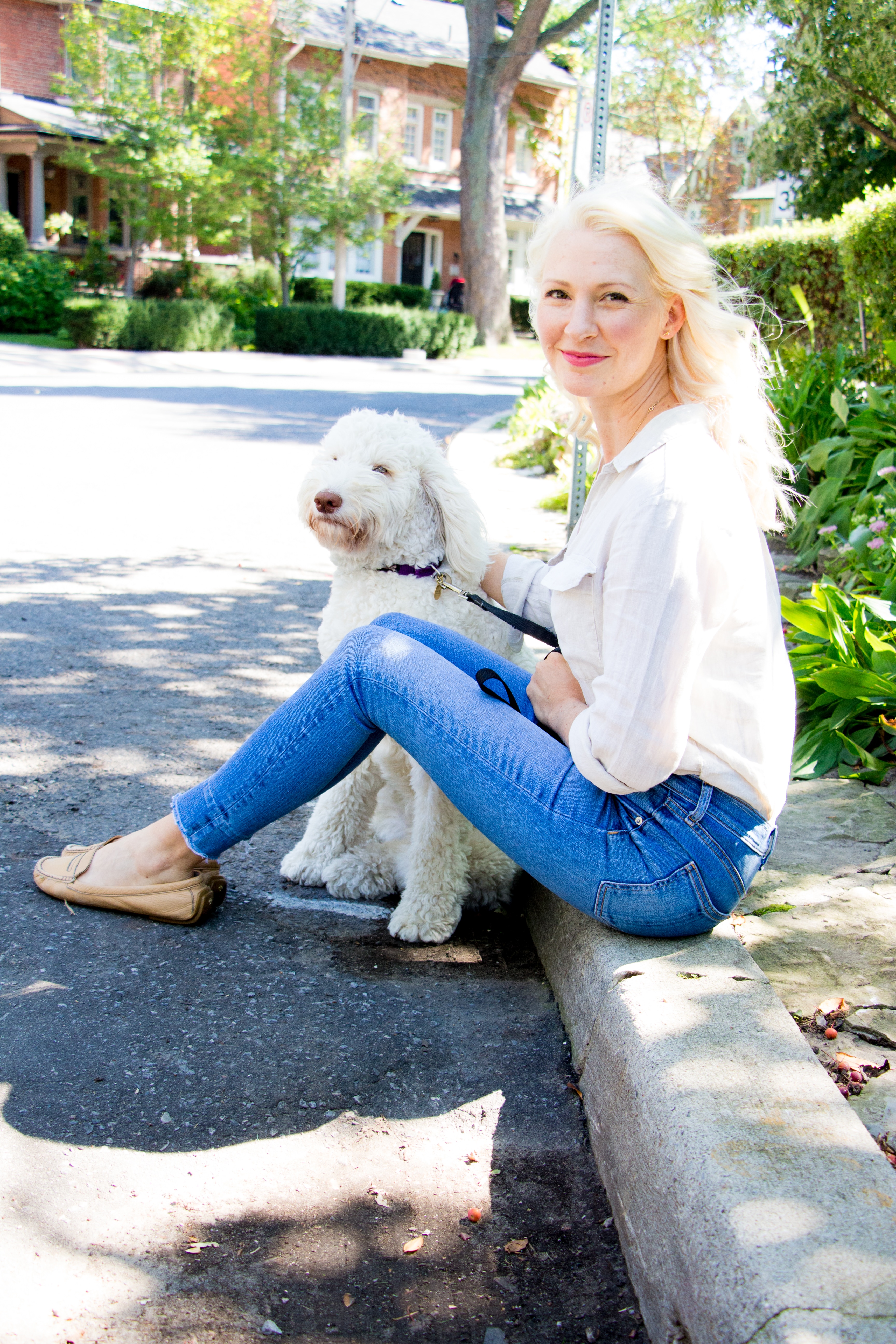
abbey sitting on the curb with poppy

Now let me deal with the elephant in the room. I’m still a size 2. I have massive thin privilege here and there’s no denying that. I wrote about my experience gaining weight and what it taught me about the worlds’ inherent fat phobia during pregnancy, and I find myself humbled as I’m reminded of it yet again.

I have never known what it’s like to live in a bigger body. Not before pregnancy. Not during pregnancy. And not after pregnancy. In fact, people often compliment me daily for “bouncing back” and “getting my figure back” so fast post baby. But I wanted to share this story because in conversations I’ve had with DOZENS of young moms just like me, the sentiment seems exactly the same. Even if your weight returns to your usual “set point” (and mine pretty much has), your body is definitely not the same. Some parts are floppy. Some parts are stretched. Some parts are lumpy. And everything feels and looks very tired. Your hips get wider, your belly gets softer, your abs bulge and “separate”, your nipples get darker, larger, bruised and cracked, stretch marks appear, hair falls out. Oh and you can’t even pick up a brisk jog without risking an “accident”. So, for me at least, it’s not about the number I see if I were to (ever) step on the scale (and I don’t). It’s not about body weight. It’s just that the body I’m now living in feels foreign to me and like so many of you, I’m just trying to be okay with this new norm.

Let’s be honest. All change in general is unsettling, and there’s already a shit ton of changes to deal with as you enter motherhood. A changing body, for a lot of women, especially one that has so effortlessly always been the same, just seems like the straw that breaks the camels back.

What am I Doing About my Post Baby Body?

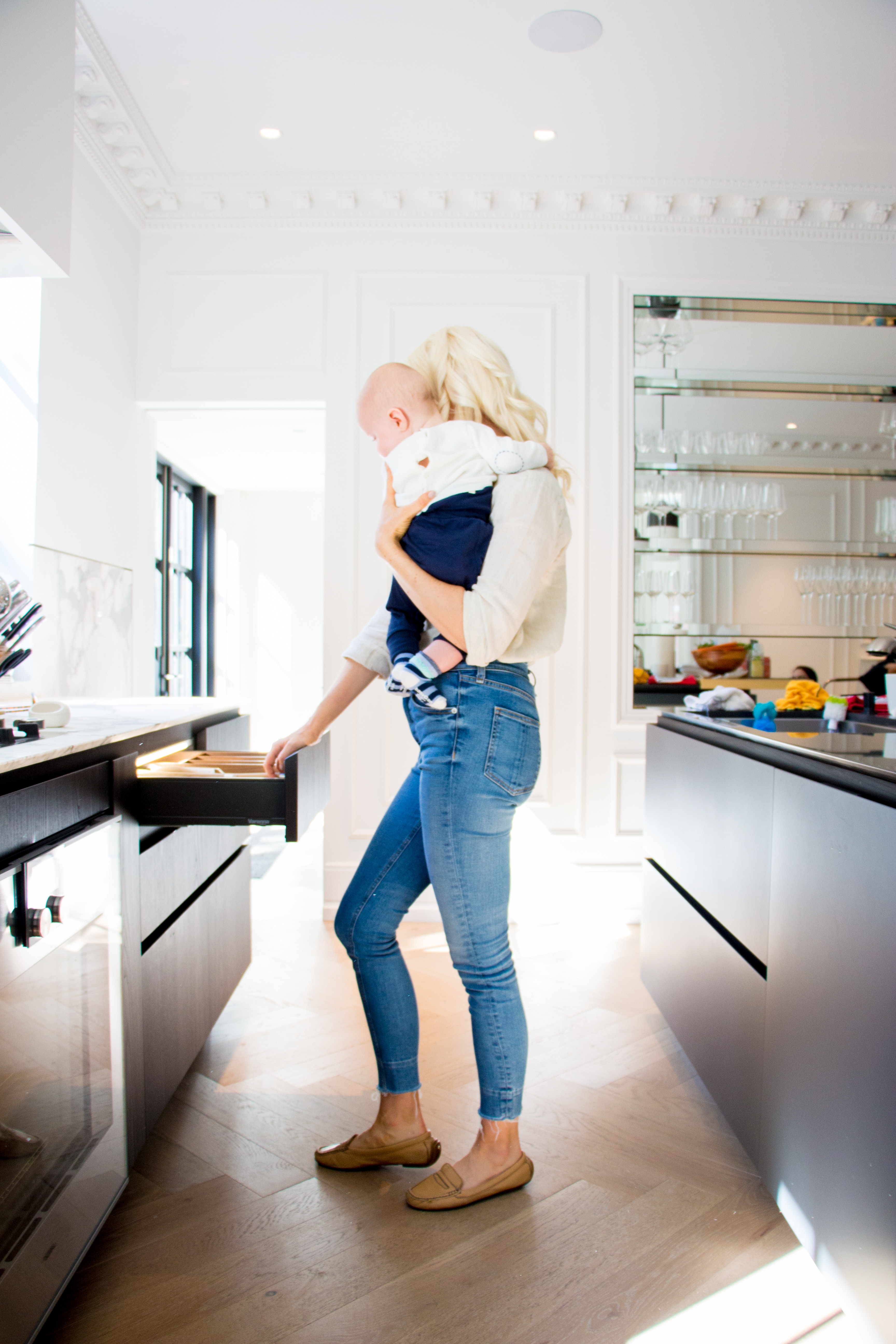
abbey holding baby E in the kitchen

Honestly, nothing more than just trying to crowd out the occasional judgemental thoughts with validating ones. And I’ll be honest, it’s hard AF sometimes. But so is everything else I’ve encountered as a mom, so nothing new here.

I am continuing to move and eat in ways that feel intuitive and satisfying, all while reminding myself that my value is so much more than my squiggy tummy or my sore battered nipples. I’m a mom now, I’m a superhero, I’m different to my core, so it makes sense that my armour has changed shape and appearance, too.

And even on rough days where my lactating hormones get the best of my self-esteem, I absolutely refuse to diet. I refuse for baby E knowing that I need those damn calories for his milk. Hey, I didn’t come this far in a horribly difficult infertility journey and breastfeeding / supply journey to short change this kid because I wish my belly didn’t jiggle so much.

I also refuse to diet for myself. I am tired. My days are long. I’m genuinely hungry. I deserve to nourish my body any way it desires knowing full well that diets back fire. If I want to prevent my set point from creeping up unnaturally, then the key here is NOT to diet.

What I Want You to Know about Post Baby Body Image


Now, most of these sorts of post baby body mom blog posts end with the bottom line: “Your body is amazing, look what it’s done, stop feeling bad for yourself!” We’ve already covered that, we know that, so I wanted to offer a different more nuanced perspective.

If you are feeling out of place with your post baby body right now as you navigate this new mom thing, no matter what your size then, or what your size now, please know that you’re not alone. You’re not a failure for not getting “your body back”, and you’re not a failure for feeling bad about it. Body positivity is about being kind to yourself, even when you’re not feeling particularly positive. It’s about acknowledging those feelings, and letting them marinate, but not shaming yourself further for a particular state of mind. Some days. it will come easily. Some days, it won’t. Ultimately, it’s a process. It’s a really challenging process. But motherhood is anything but easy, so I say Bring. It. On.

Now moms, I would love to hear about your post baby body experiences?
What has helped give you confidence?
What makes you feel beautiful?
Leave me a comment below with your thoughts!


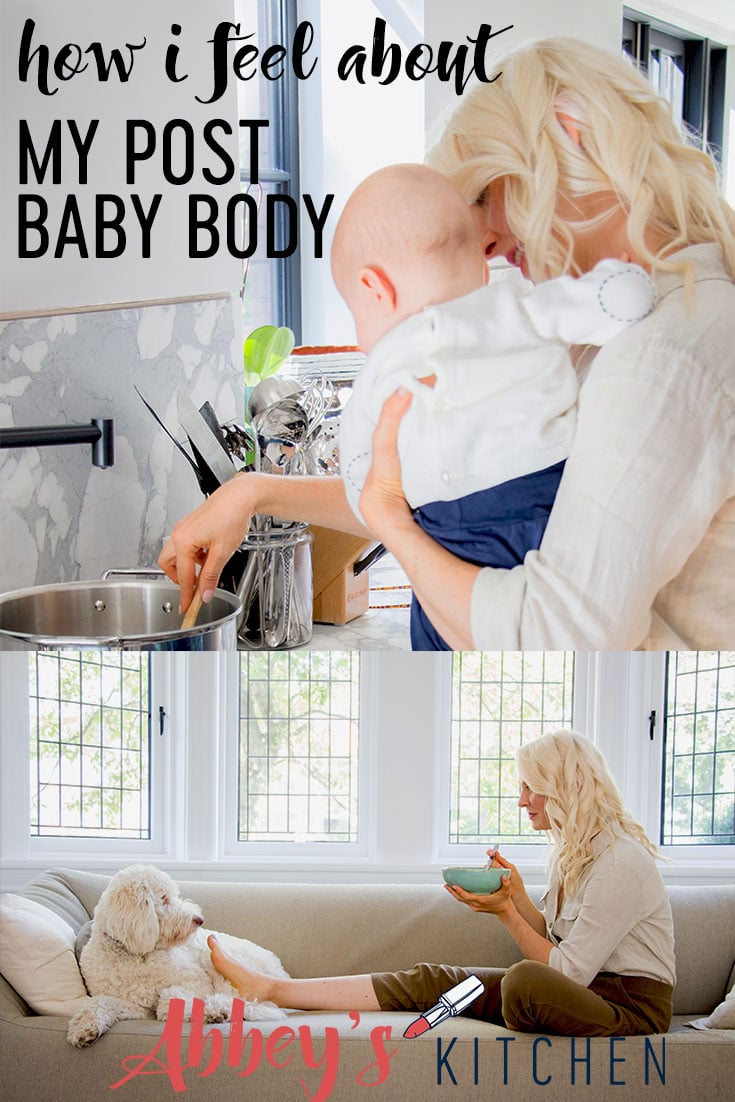
pinterest image of abbey with baby E above a photo of abbey eating on the couch to discuss her baby body with text overlay

Abbey Sharp

Abbey Sharp is a Registered Dietitian (RD), regulated by the Ontario College of Dietitians. She is a mom, YouTuber, Blogger, award winning cookbook author, media coach specializing in food and nutrition influencers, and a frequent contributor to national publications like Healthline and on national broadcast TV shows.
www.abbeyskitchen.com/about-abbey/

Last Updated September 1, 2022. Published October 15, 2018 By Abbey Sharp 15 Comments

Starting Solids for Baby 101- Arsenic in Rice, Baby Led Weaning, Allergies and More!

Starting solids for baby is exciting but can also be overwhelming, so today we’re going to cover the basics – from concerns over arsenic in rice cereal, baby-led weaning, allergies and more.

DISCLAIMER: This post was developed in sponsored partnership with Baby Gourmet, however, as always, all opinions are genuine.

Starting solids for baby is exciting but can also be overwhelming, so today we’re going to cover the basics – from concerns over arsenic in rice cereal, baby-led weaning, allergies and more.

So far, motherhood has been a wild journey. From my struggles with breastfeeding to my mom guilt balancing my career and a baby, I am still surviving and enjoying every minute of being a mom. One thing I believe most moms are excited about – and as a foodie myself – is the moment we start our little ones on solids! FINALLY, I get to feed my babe something other than breastmilk (and maybe that means I can drop one of my 9 daily pumps)!

Aside from it being an exciting time, it can also be a nerve-wracking time because of the overwhelming information out there about baby food and starting them on solids. Don’t even get me started on the things moms are saying in my Facebook mommy support groups. Many parents are making claims that certain baby foods are toxic and should be avoided. If that doesn’t stress you out as a parent, I don’t know what will.

I can understand why you might feel overwhelmed, and like you, I just want the best for my little babe when it comes to their relationship with food and overall health. So let’s start by unpacking some of these misconceptions and explore what the research says about introducing your baby to solids.

Recommendations on Starting Solids

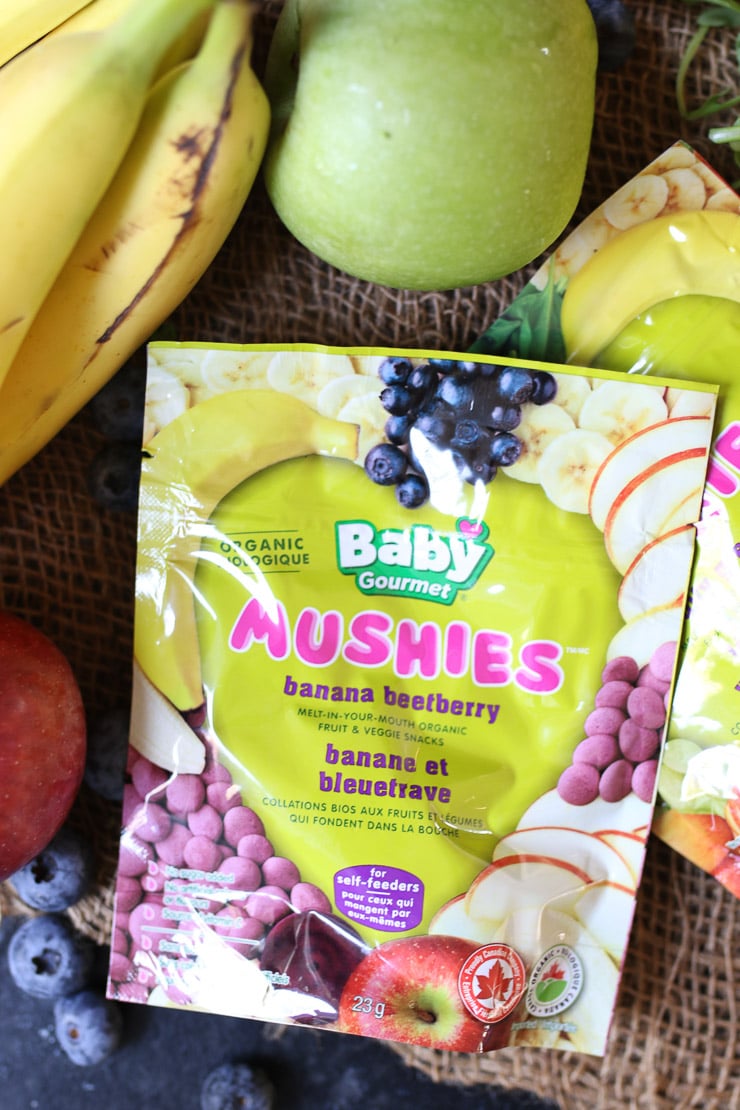
close up of a package of baby food

Let’s go to the research! According to Health Canada, when your babe turns six months, your baby needs more nutrients and energy to meet their growing needs. If possible, this should be complemented with either breastmilk and/or formula. It is also recommended that you continue to supplement your child with vitamin D if they are being breastfed or receiving breastmilk. Vitamin D supplementation isn’t usually necessary if your baby is formula fed because formula typically already contains vitamin D. Read your formula label and speak to your pediatrician to confirm this.

So what are the best solid foods to offer your baby?

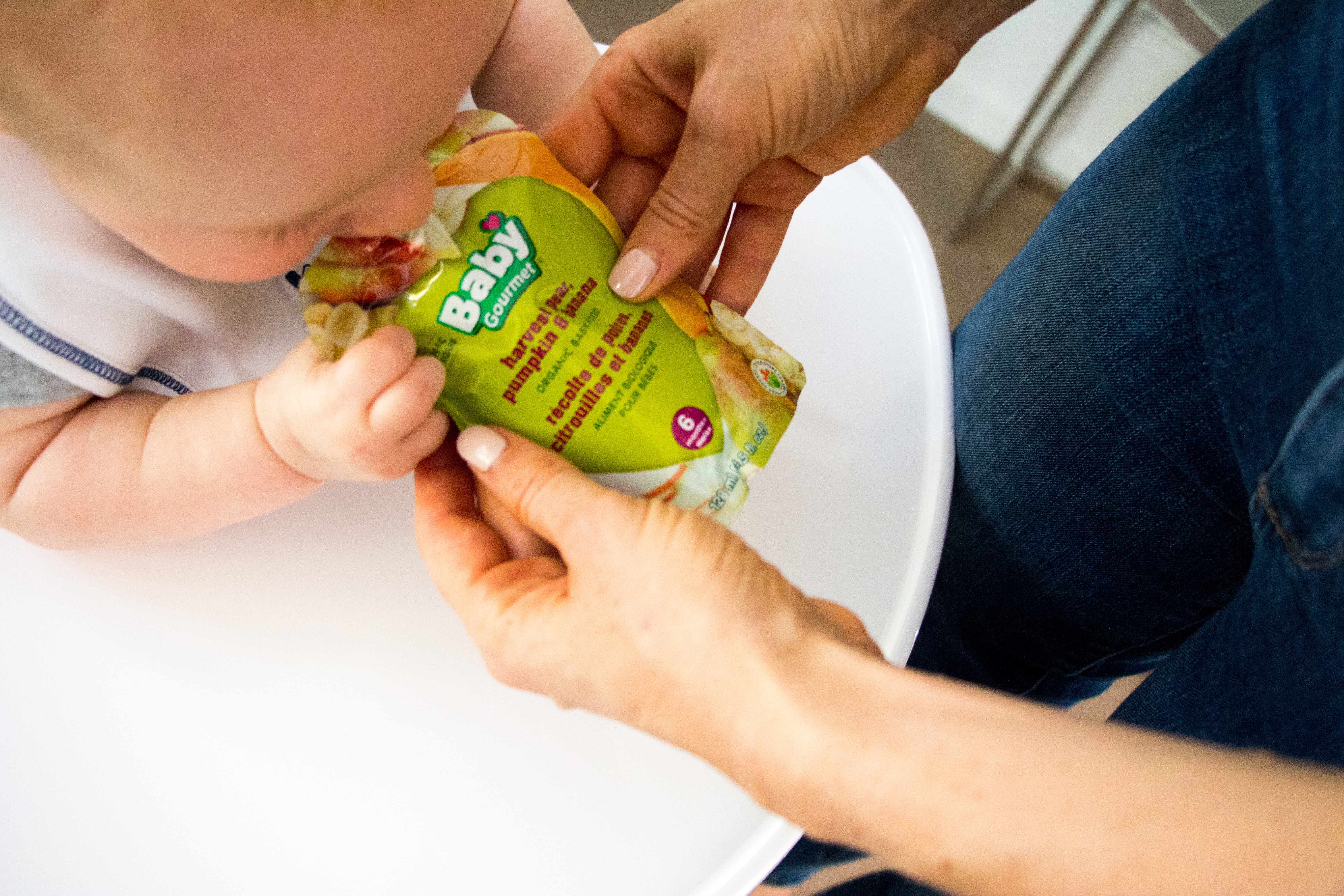
baby being fed baby food

Iron-Rich Foods

It is very important that your baby’s first bites contain iron to prevent iron deficiency. It is recommended to offer your baby iron-rich meat, meat alternatives and iron-fortified cereal a few times each day. It doesn’t have to be the FIRST food you offer, but it definitely should be offered around the six-month mark.

But what about Arsenic in Baby Cereal?

Recently parents have been concerned that rice-based infant cereal contains toxic levels of arsenic. Rice containing foods like rice cereal do contain arsenic as well as other metals like mercury and cadmium. Believe it or not, brown rice tends to have even higher concentrations compared with white.

So what is arsenic? Is it bad for you?

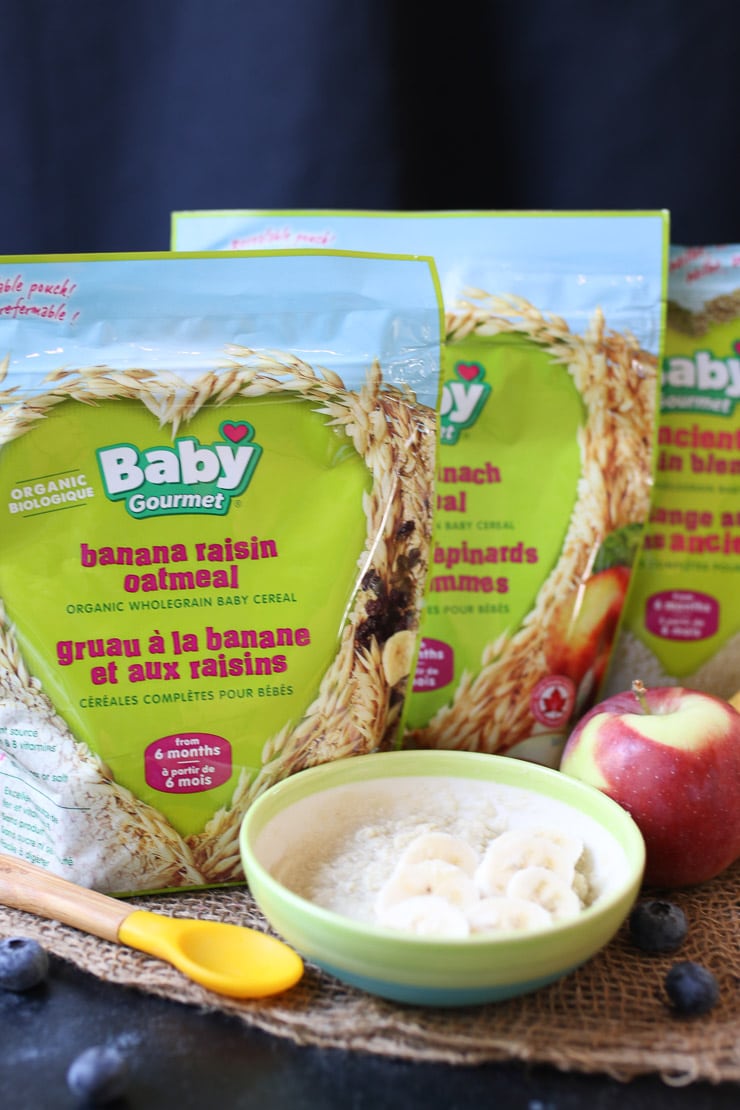
Arsenic is a known carcinogen that’s been linked to cardiovascular, respiratory, metabolic and immune related conditions. Research has found higher levels in babies who are regularly fed infant rice cereal. Having said that, an occasional serving isn’t something to worry about – especially since it’s encouraged to feed your baby a variety of iron-rich foods and there are other types of infant cereals that do not contain rice. If you are choosing infant cereals for your baby, I highly recommend Baby Gourmet’s line up of Ancient Grains iron-fortified cereals. These cereals are made with organic whole grains like millet, amaranth, buckwheat and quinoa and have no added sugar or dairy.

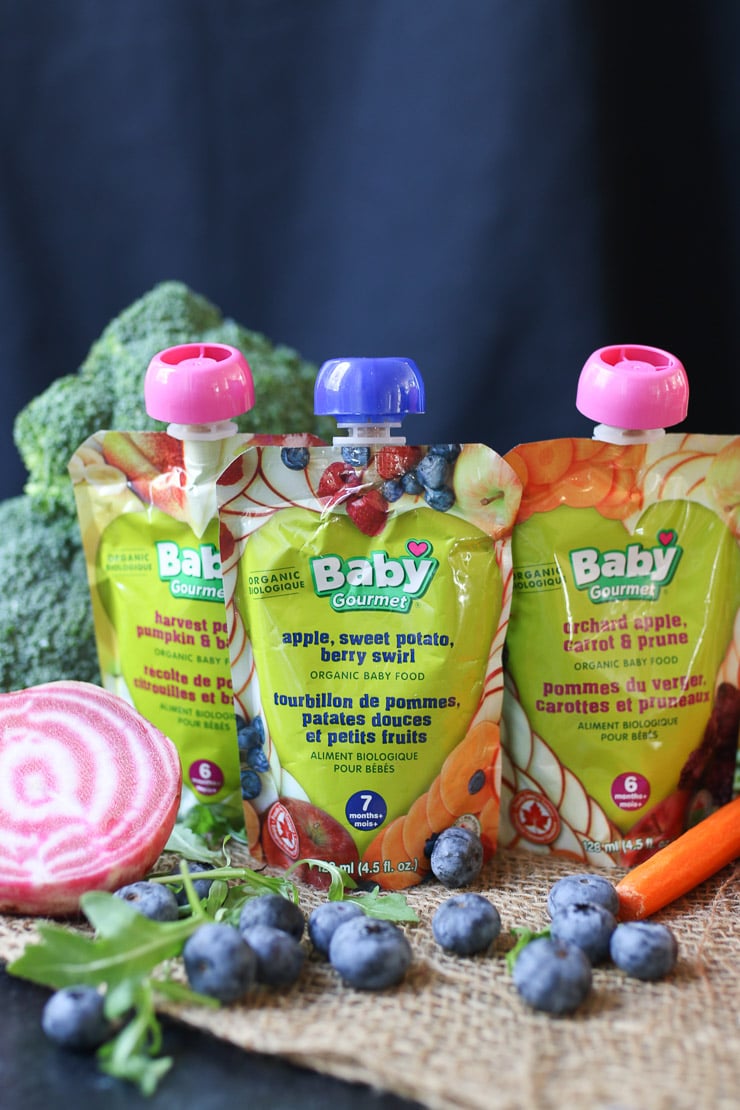
lineup of packets of solid baby food products

Don’t Forget Your Fruits & Vegetables when Starting Solids

Aside from iron-rich foods, other foods that are recommended to introduce to your baby are fruits and vegetables. If you are making homemade baby food with pureed fruits or vegetables, that is great! But if you don’t have the time, store-bought purees can be a convenient option. One thing I recommend when shopping for store-bought purees is to grab products that have the shortest ingredient list. It shouldn’t be an exhaustive list because it’s just veggies or fruit pureed. Watch out for products with a ton of added sugars and salt and other filler ingredients that aren’t needed. I’m a big fan of Baby Gourmet’s Simple Purees because they have no fillers or thickeners, and no added sugar – just tasty combinations of real veggies and fruit.

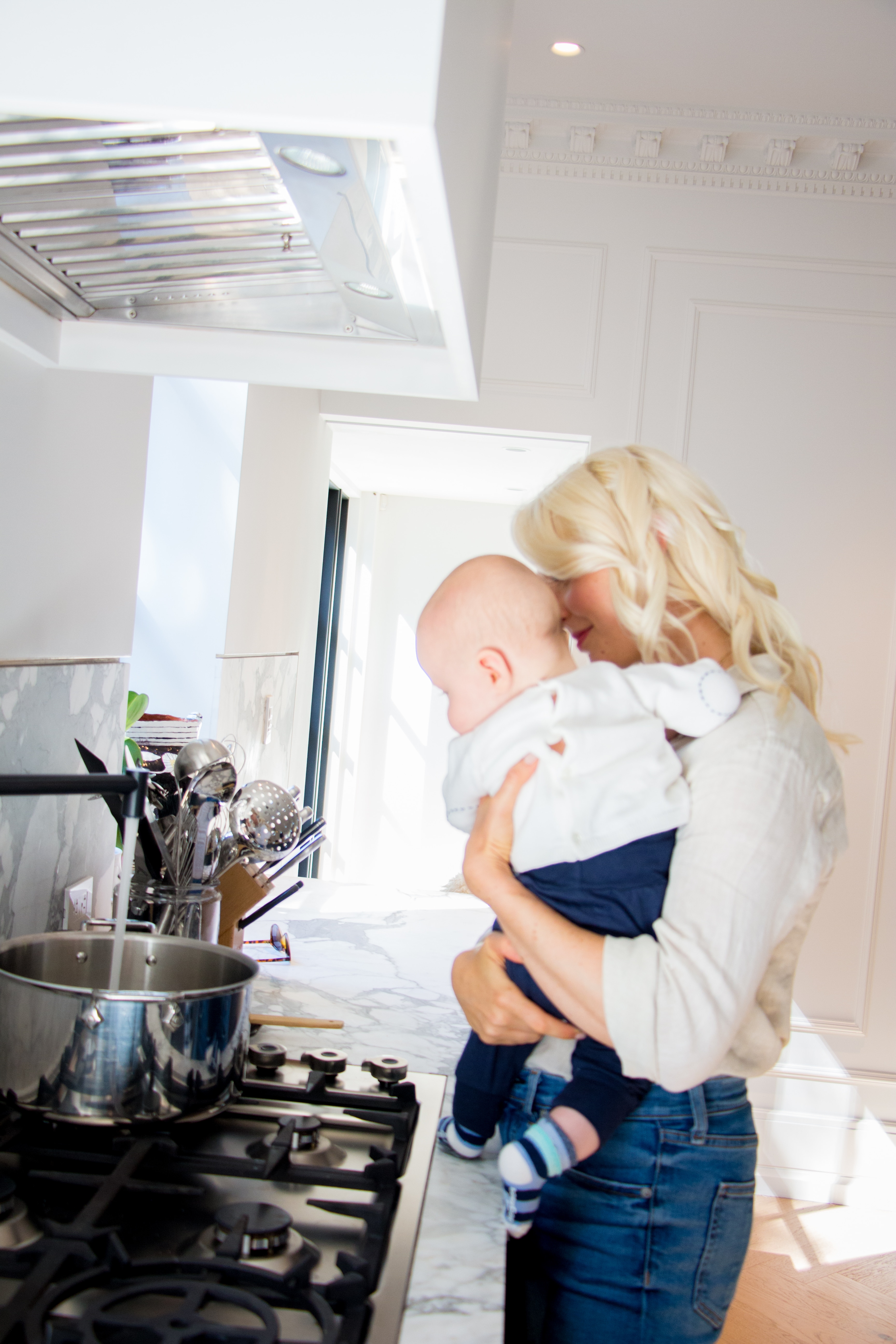
abbey holding baby E in the kitchen

Now, let’s talk about textures in solids

Baby Led Weaning Versus Spoon Feeding

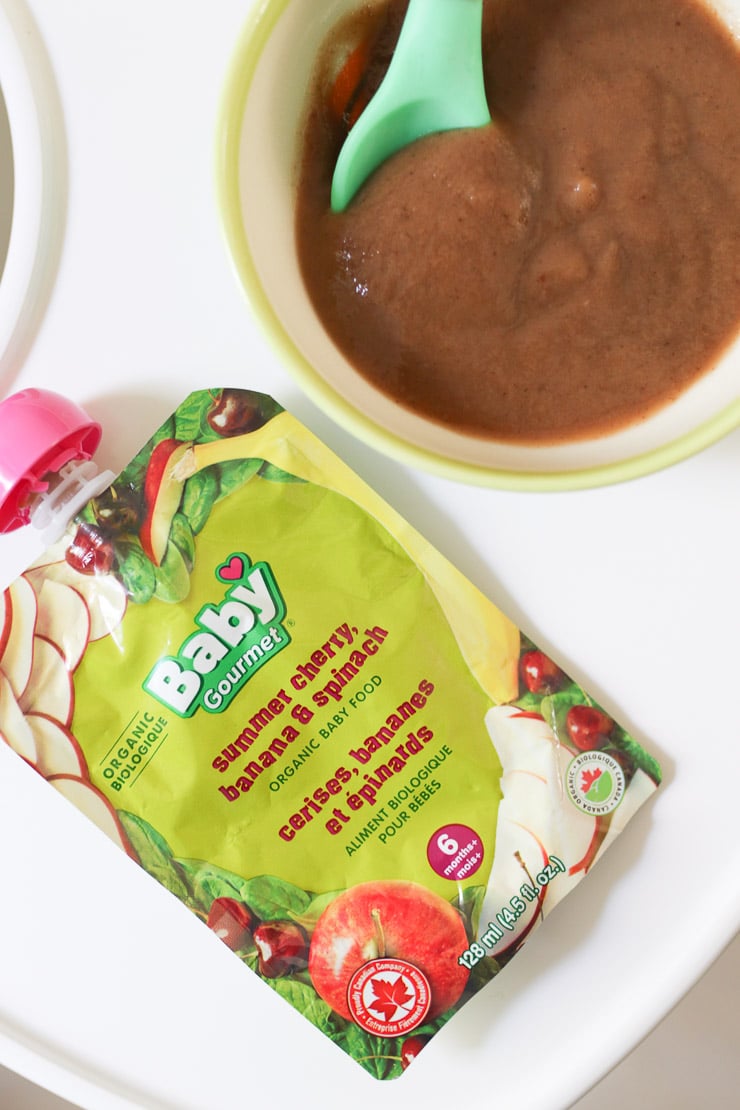
birds eye view of a packet of baby food next to the product in a white bowl

I won’t go into too much detail on baby-led weaning as that will require an entire post on its own (and don’t worry – it’s coming). But if you’re just diving in, you may have noticed that there’s often a discussion in mom groups about whether you should let your babe take the lead when it comes to feeding (baby-led weaning) or you should take the lead with traditional spoon-feeding. A lot of people feel strongly about what side they’re on but the reality is, you can actually do both! The beauty of baby-led weaning is that it gets baby interested and used to a variety of textures and purees are just another texture for them to explore. It is recommended that that you start with whole pieces of food, assuming baby is developmentally ready, and then transitioning to purees. If you feel comfortable you can also incorporate some of the principles of baby-led weaning into your puree-feeding game.

Here’s what I mean.

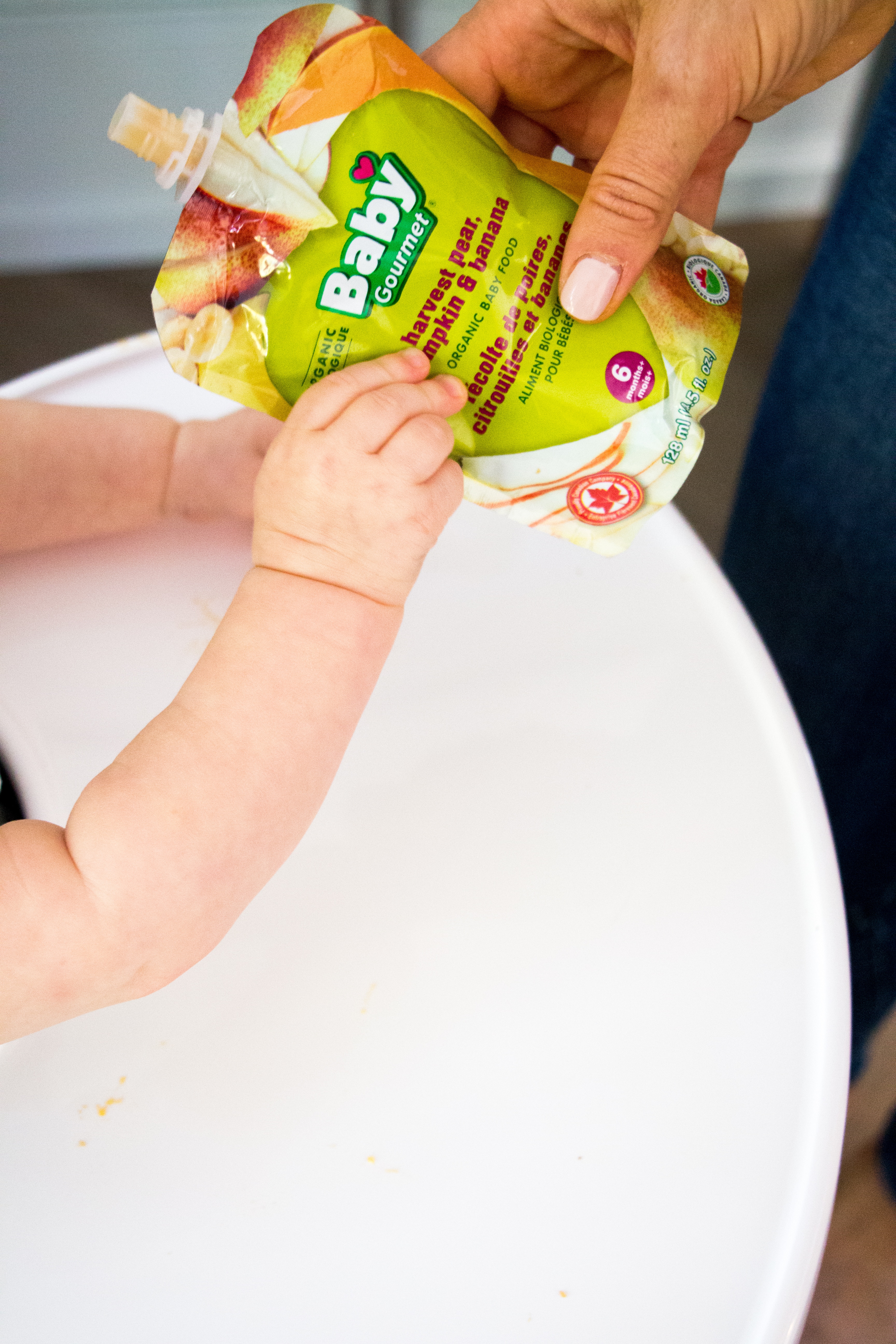
Put some purees onto a pre-loaded spoon and let baby feed him or herself. Or, hand them a pouch and let them learn to bring it to their mouth to eat.

At the end of the day there isn’t one best technique, and the best tip is to follow baby’s lead to see what works best for him or her.

Starting Solids and Avoiding Allergies

baby's hand holding baby food

A huge concern for parents when they’re introducing solid foods to their baby is allergies. Just the thought of having to deal with a serious allergic reaction can be traumatizing for us new moms. Here’s the top question I get asked: Should I steer clear of the top allergen foods until my babe is one years old? OR, Is exposing my baby to those allergen foods going to reduce my baby’s risk of having food allergies? This is a tricky subject and there has been significant research in this area, but the bottom line is that there is no evidence that the order in which solid foods are introduced to older infants affects their risk of developing a food allergy. According to the current World Health Organization (WHO) guidelines, solid foods (common food allergens and non food allergens) can be introduced at the age of six months and not before that. There is some evidence that suggests introducing solid foods before the age of six months might reduce the risk of food allergy, however for now there is insufficient research to actually confirm this. Some observational studies and randomized controlled trials support the notion that the early introduction of peanuts and eggs (at four months of age) may prevent food allergies, but for now large organizations will not change their recommendations because of the lack of consistent studies supporting this.

For now, the research is premature so speak to your pediatrician about your concerns to come up with a plan.

Here’s a list of common food allergens:

  • Peanuts
  • Fish
  • Wheat (that includes iron-fortified infant cereals with wheat)
  • Milk products
  • Soy
  • Tree nuts
  • Seafood (shellfish and fish)
  • Whole eggs

So how do I introduce these common food allergens to babe?


Once you start solids, it’s ideal parents and caregivers only offer a food allergen once per day and wait two days before they introduce another of the common food allergens. This makes it easier for you to identify a food that may have caused a reaction. Keep track of this in a diary so you can easily refer to it in case you need to report back to your babe’s physician. Once you’ve successfully introduced that food, continue to offer the food regularly to maintain your baby’s tolerance. Then you can move onto the next common allergen.

Encourage Variety

Aside from the common food allergens, incorporate as much variety in your baby’s first foods as possible! Unless they’re the common food allergens you don’t have to separate foods out at every meal. Just like adults, babies enjoy a wide range of flavours and textures; sometimes on their own, and sometimes mixed together.

lineup of packaged solid baby foods

This is the fun part! Experiment to see what your baby enjoys best and don’t feel like everything needs to be totally plain and separated. I’m a foodie which means I’m not going to just eat plain cooked salmon. When I’m serving up salmon I brush it with olive oil and spices and I plan on feeding that to my babe. If you’re mashing up broccoli, throw in a sweet potato to give it some colour and expose your baby to a variety of textures. Mixing in purees with whole foods is a great way to keep things interesting for your baby while allowing them learn about different textures. The only thing you want to be mindful of is keeping salt and sugar to a minimum.

A Recap on Starting Solids for baby 101

abbey looking at baby E on her lab

  • Introduce iron-rich foods around six months to prevent iron deficiency.
  • If you’re worried about arsenic, choose iron rich infant cereals that are made without rice like Baby Gourmet’s Ancient Grains iron-fortified cereals.
  • Introduce a variety of fruits and veggies, either in whole form, or, if you’re buying purees from the store look for pureed baby food without added sugars and salt like Baby Gourmet’s Simple Purees.
  • You can combine principals of baby-led weaning with purees if you want to.
  • Don’t wait to introduce common food allergens. Start at six months and introduce them one at a time, once a day, and wait two days before introducing a new one. Watch for signs of an allergic reaction and continue to offer that food regularly so that it becomes a familiar food to your baby.
  • Keep variety in your baby’s diet – serve up more than one food at once and let them experiment with different textures and flavours – but keep sugar and salt to a minimum.

Bottom Line on Starting Solids

The most important lesson I’ve learned about starting solids for baby is to do what works for you and works best for babe because as always there’s really no right or wrong way to do it. Like most things in life it’s a learning process and I’m really looking forward to this one.

What did you find worked best for you when it came to starting solids with your babe?

Leave me a comment below and don’t forget to check out this exclusive contest to win Baby Gourmet for a whole YEAR! To enter, simply sign up for their e-newsletter here, follow them on Instagram, and like their Facebook page by November 30th. And as a bonus, you’ll also get Dietitian Sarah Remmer’s Top 25 Feeding Hacks E-Book when you sign up! Good luck and happy feeding!

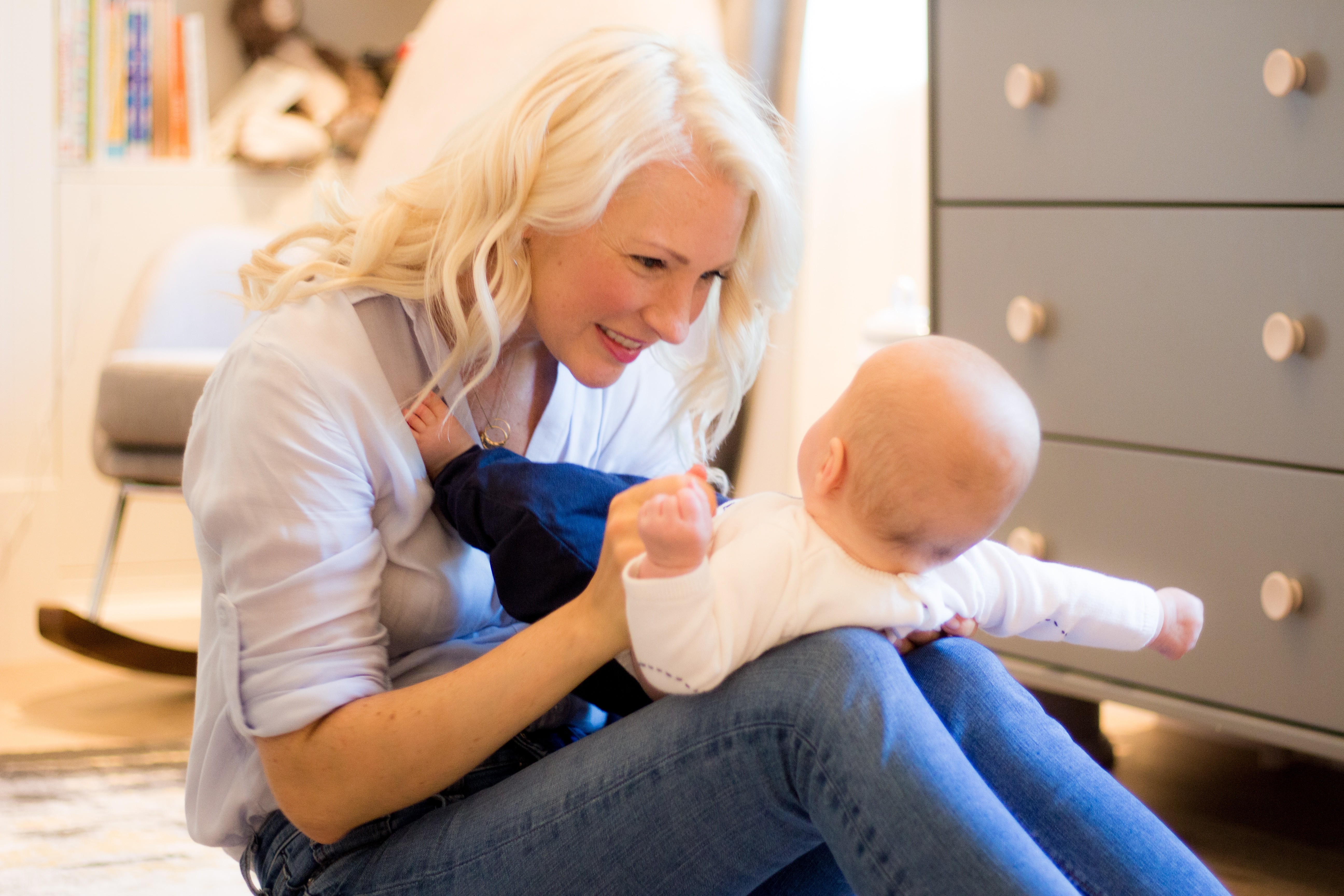
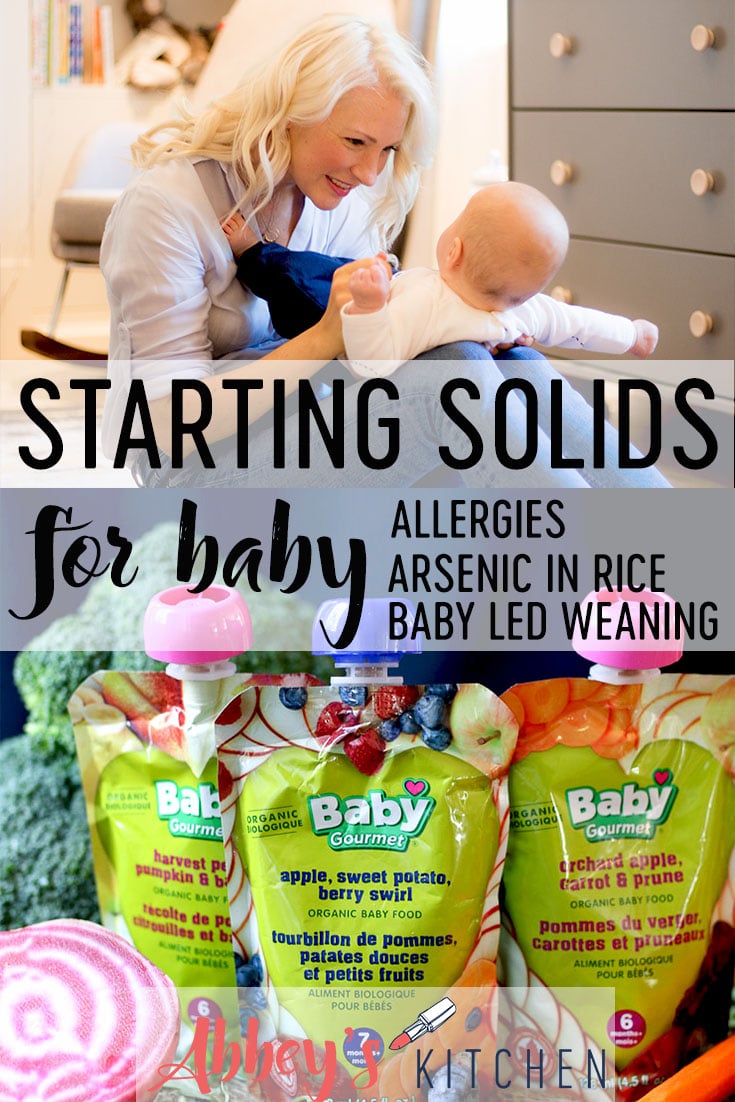
pinterest image of abbey holding baby E on her lap above an image of solid baby foods with text overlay

Disclaimer: This post was developed in paid partnership with Baby Gourmet, however, all opinions are genuine.

Abbey Sharp

Abbey Sharp is a Registered Dietitian (RD), regulated by the Ontario College of Dietitians. She is a mom, YouTuber, Blogger, award winning cookbook author, media coach specializing in food and nutrition influencers, and a frequent contributor to national publications like Healthline and on national broadcast TV shows.
www.abbeyskitchen.com/about-abbey/

Last Updated October 14, 2020. Published September 26, 2018 By Abbey Sharp 9 Comments

The Research and Recommendations on BPA and Endocrine Disruptors in Plastic and Baby Products: Part TWO

We dive into the official research and recommendations about BPA and other endocrine disruptors in plastic food containers and baby products in part two of this controversial topic.

We dive into the official research and recommendations about BPA and other endocrine disruptors in plastic food containers and baby products in part two of this controversial topic.

If you missed on part one of this endocrine disruptor series, you may have missed us talking about BPA, PVC, Phthalates and other endocrine disruptors in our plastic food storage containers, clothing and baby products. Today let’s dive into the official statements from the authorities and our bottom line.

Research and Recommendations on BPA and Endocrine Disruptors

The American Academy of Paediatrics’ (AAP) Stance ON ENDOCRINE DISRUPTORS

This debate has been ongoing for years but a recent article release from the American Academy of Paediatrics (AAP) this July is what stirred the pot again. The American Academy of Paediatrics is an organization of medical and surgical specialists in paediatrics (or child health) so generally people take what they say pretty seriously, and rightfully so. In their article they allude to the potential danger of endocrine disrupters and offer the public tips to avoid their exposure.

person reading a newspaper on a bench

Immediately, news anchors all over spewed the media with headlines like ‘The dangers of microwaving food’ and ‘The top 4 products that will make your food toxic’… but did the AAP actually say that our current practices are dangerous? Not quite. If you really pay attention you’ll see that the article is a cry for help for more research on these chemicals. As mentioned, many of the chemicals were “grandfathered in†in the 1950s, meaning they may not have been rigorously studied for safety. There are also about 1000 additives that are “generally recognized as safeâ€, and again, not rigorously studied for safety. Is that concerning? Absolutely. But does that mean that we are all slowly dying from storing our leftovers and eating from fast food packages? Not quite.

The articles following the AAP article refer to it as having contained new evidence against these chemicals, but that’s not the case – it simply brought awareness to the lack of research on these chemicals. However, they did provide tips on how to avoid the chemicals, so the misinterpretation that they are definitely dangerous is understandable. But the bottom line is that we really don’t know enough. The little research we do have is not concrete, so these tips are more of a precaution rather than a do-or-die set of rules.

Take these with a grain of salt, but if you’d rather be extra cautious until more concrete research is available by all means:

  • Buy and serve more fresh or frozen fruits and vegetables, and fewer processed meats– especially during pregnancy.
  • Since heat can cause plastics to leak BPA and phthalates into food, avoid microwaving food or beverages (including infant formula and pumped human milk) in plastic when possible. Also try to avoid putting plastics in the dishwasher.
  • Use alternatives to plastic, such as glass or stainless steel, when possible.
  • Avoid plastics with recycling codes 3 (phthalates), 6 (styrene), and 7 (bisphenols) unless they are labeled as “biobased†or “greenware.â€
  • Wash hands thoroughly before and after touching food and clean all fruits and vegetables that cannot be peeled.

The FDA’s Stance ON ENDOCRINE DISRUPTORS

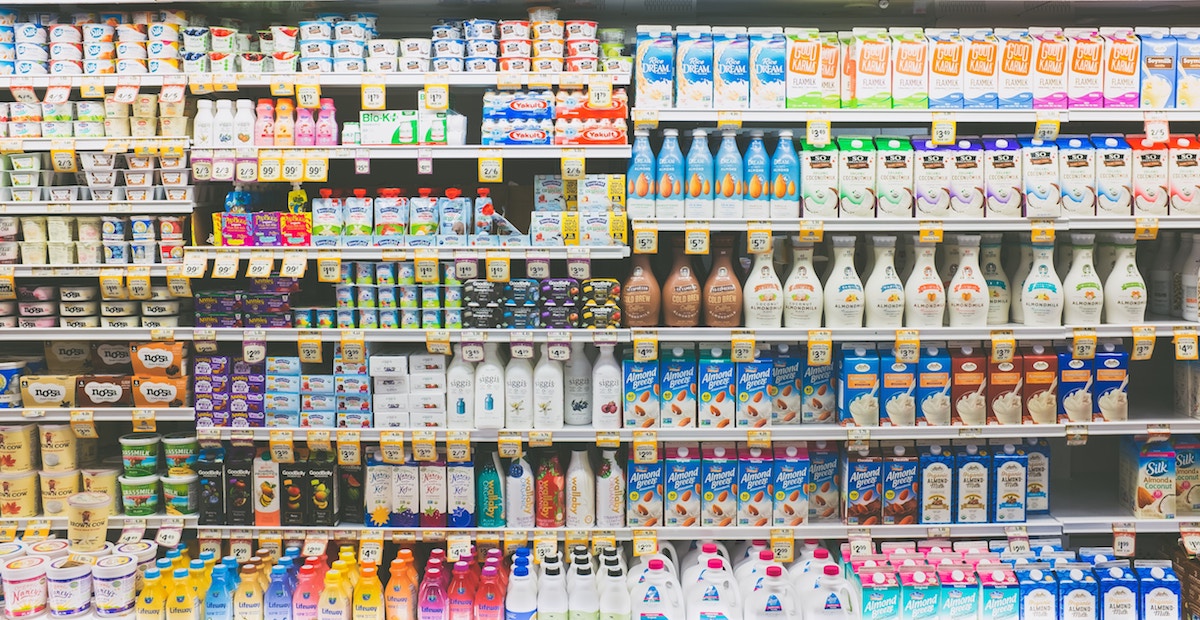
rows of packaged products at the grocery store

FDA stands for Food and Drug Administration and they are a national organization responsible for advancing public health by ensuring the public gets accurate, science-based information about various products and food to ensure their safety. They regulate drugs, biologics, medical devices, some electronic products, cosmetics, tobacco products, veterinary products and food products. So of course, we take what they say pretty seriously too. Our health and wellbeing is the heart of their work.

So what do they say about endocrine disruptors like BPA? In short, they say they’re SAFE.

As mentioned, these debates are not new so the FDA has investigated the health effects of these chemicals numerous times, and most recently in 2014. In 2014, an extensive review of over 300 scientific studies was conducted by true experts – toxicologists, chemists, endocrinologists, epidemiologists and other super smart, reliable people. It took them four years to analyze everything and their bottom line conclusion was “The FDA review has not found any information in the evaluated studies to prompt a revision of FDA’s safety assessment of BPA in food packaging at this time.â€

That being said, due to public upset and ongoing research, the FDA is back to the drawing board and re-evaluating their decision again. Is that a red flag? Well some may think so, but some may see it as due diligence, and gain comfort in knowing someone out there is watching our backs. Which side you stand on is up to you.

The Canadian Cancer Society’s Stance

logo for the canadian cancer society

Since some of the health claims are that these endocrine inhibitors could cause cancer, it only makes sense that The Canadian Cancer Society gets in on this. You could probably guess at this point that their stance is a little wishy-washy too. Firstly they state the facts: Many chemicals are involved in making food storage containers. Some of these chemicals can leach out into the food inside. Scary right? Yeah, maybe. But it’s all about the amount of chemicals leaching out. There’s no doubt that loading your body full of chemicals is harmful, but if tiny itty bitty trace amounts sneak in sometimes, is that detrimental? That’s what this whole debate really boils down to, but the Canadian Cancer Society doesn’t offer a straight-up answer either. They tiptoe around by stating, “The Canadian Cancer Society is aware that this may be a concern for Canadians….†and “There has been concern that… *insert scary claims here*â€. See what they’re doing here? They are acknowledging that there is a public concern. They are not stating that they are concerned, or that there is legitimate means to be concerned.

To address the concern, they offer tips to avoid exposure, very similar to the AAP’s. Again, these are not portrayed to be a do-or-die set of rules to live by, but they are a set of precautions to take ‘just in case’.

The Canadian Cancer Society is simply addressing public concern and offering what they can to help provide comfort – they are not pushing us to believe one side of the debate over another. In fact, they remind readers of the work of Health Canada and *hopefully* put our minds at ease by reminding us that the Consumer Product Safety Bureau will pull any products off the shelves that pose a health risk. Their recommendations are:

  • Wash your hands often, especially before you eat. This will rid of any residue that may have stuck to your hands from touching items that contain retardants.
  • Dust and vacuum your home regularly
  • Replace damaged fabric covers on furniture or mattresses.

If you ask me, these tips are a good idea whether flame retardants are harmful or not!

Reminder about Endocrine Disruptors and Research: We are not rats.

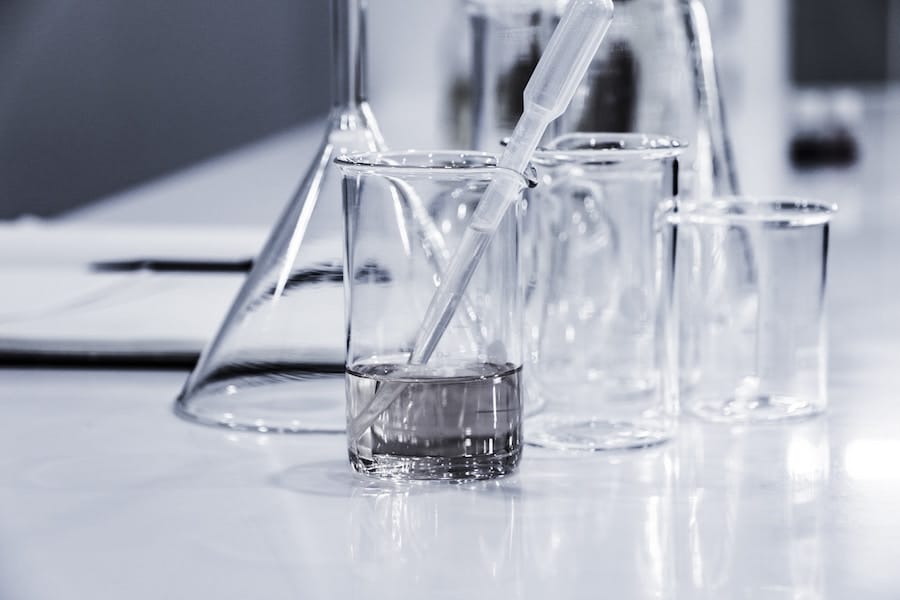
beakers and tubes testing for BPA

The sad truth is that much of our healthcare and scientific research is on animals. Why? Well, it wouldn’t be ethical to pump a person full of chemicals everyday and watch them for years to see if they develop diabetes, neurological dysfunction, or cancer as a result. Much the same as it wouldn’t be ethical to feed one set of babies with BPA containing bottles and one set with BPA-free to see if the first set develop health problems. Do we really want to even risk intentionally giving people illnesses? No, of course not; so our hands are kind of tied when it comes to really analyzing human reaction to chemicals.

This controversy is no exception – much of the research investigated by the FDA is on rats. Though researchers have done their best to have the amount of chemical tested be equivalent to that consumed by humans from everyday practices, that is not always the case. And how do we even know how much is being consumed by humans through leakage of food storage containers and materials?

Lastly, the way humans excrete these chemicals is much more effective than rats! Again, we are not rats – we are very biologically different, and our bodies are much better at getting rid of these chemicals than rat bodies are. So yes, there are studies that show these chemicals have undesirable effects on rats, but does that mean the same will happen to humans? We can’t say for sure.

Bottom Line on Endocrine Disruptors

Sifting through the credible research to date I’m reading the same phrases over and over again like “the trace amounts of this chemical consumed by humans is far less than is dangerousâ€, or “the quantity needed to impose health risks exceed that which humans are exposed toâ€, etc, etc. So really, it is the quantity of such chemicals that is the real question and concern here.

There is no argument that exposure to a whole ton of chemicals is dangerous, but what amount is too much? That is the question and that is often the case for numerous chemicals that we deem ‘safe’. According to the research, more often than not the amounts of chemicals that are dangerous far exceed the amount that we are actually exposed to – so is that the case for these endocrine disruptors that are in our storage containers, water bottles, kitchen utensils and packaging? We aren’t quite sure.

I scoured the literature to see if I could quantify how much of these chemicals we’re actually taking in from our environment and there is no number to be found. The conclusions are simply that the amount we’re exposed to is far less than is dangerous. Okay, sure – but is long time / lifetime exposure to these tiny traces found in numerous items harmful? Remember these chemicals aren’t just found in food related items but also in furniture, cosmetics, toys and much more – so our environment is full of tiny traces. Could this have health implications down the road? We aren’t really sure.

As mentioned, the FDA is looking into BPA again, and Health Canada is engaged in ongoing protective measures for all of these scary chemicals, so we might have to just rest assured that they have our backs. However, if taking precautions and changing your habits to avoid the possibility of health risks makes you feel better about that, then go for it! But if you’re okay to hang tight and keep using your plastics, baby toys and everyday household items, then that’s cool too! If anything changes, I’ll keep you posted!

What are your thoughts on BPA and endocrine disruptors?

Did you check out part one on this issue?

Leave me a comment below with your thoughts!

pinterest image of rows of cartons at a grocery store above an image of test tubes and beakers for BPA with text overlay

Contribution by RD2B Acacia Puddester

Abbey Sharp

Abbey Sharp is a Registered Dietitian (RD), regulated by the Ontario College of Dietitians. She is a mom, YouTuber, Blogger, award winning cookbook author, media coach specializing in food and nutrition influencers, and a frequent contributor to national publications like Healthline and on national broadcast TV shows.
www.abbeyskitchen.com/about-abbey/

Last Updated October 23, 2020. Published September 20, 2018 By Abbey Sharp 39 Comments

Vegan and Gluten Free Pecan Pumpkin Pie Donuts | Healthy Doughnuts for Thanksgiving

Skip the store bought doughnuts because these DIY vegan and gluten free pecan pumpkin pie donuts will be your new BFF for Thanksgiving and Christmas. 

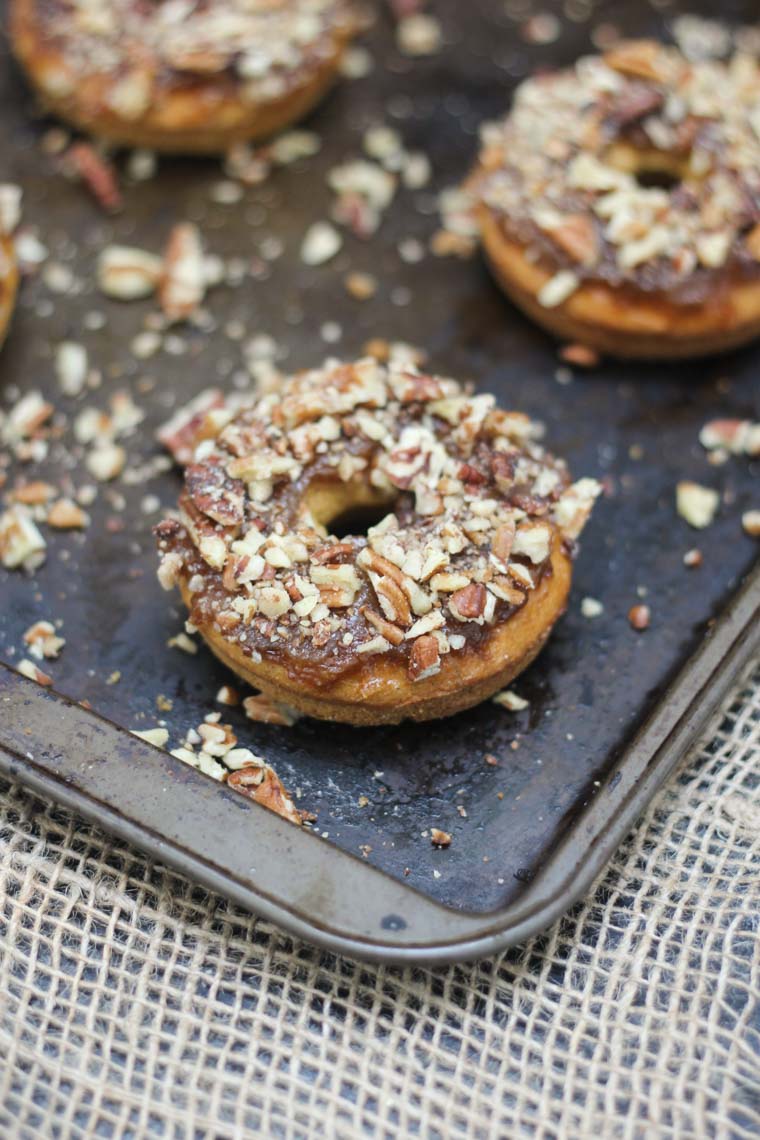
Skip the store bought doughnuts because these DIY vegan and gluten free pecan pumpkin pie donuts will be your new BFF for Thanksgiving and Christmas.tray filled with homemade thanksgiving donuts topped with nuts

DONUTS. Probably life’s greatest invention. Donuts are one of those foods I can never say no to, I just can’t. Especially now that I’m pregnant, if there’s a Krispy Kreme is in my vicinity, I can guarantee you’ll see me there picking up a dozen. Obviously, that kind of lifestyle is semi-frowned upon (even during pregnancy, sadly)… so I set out to develop a donut recipe that I can actually enjoy all day, errrrr day.

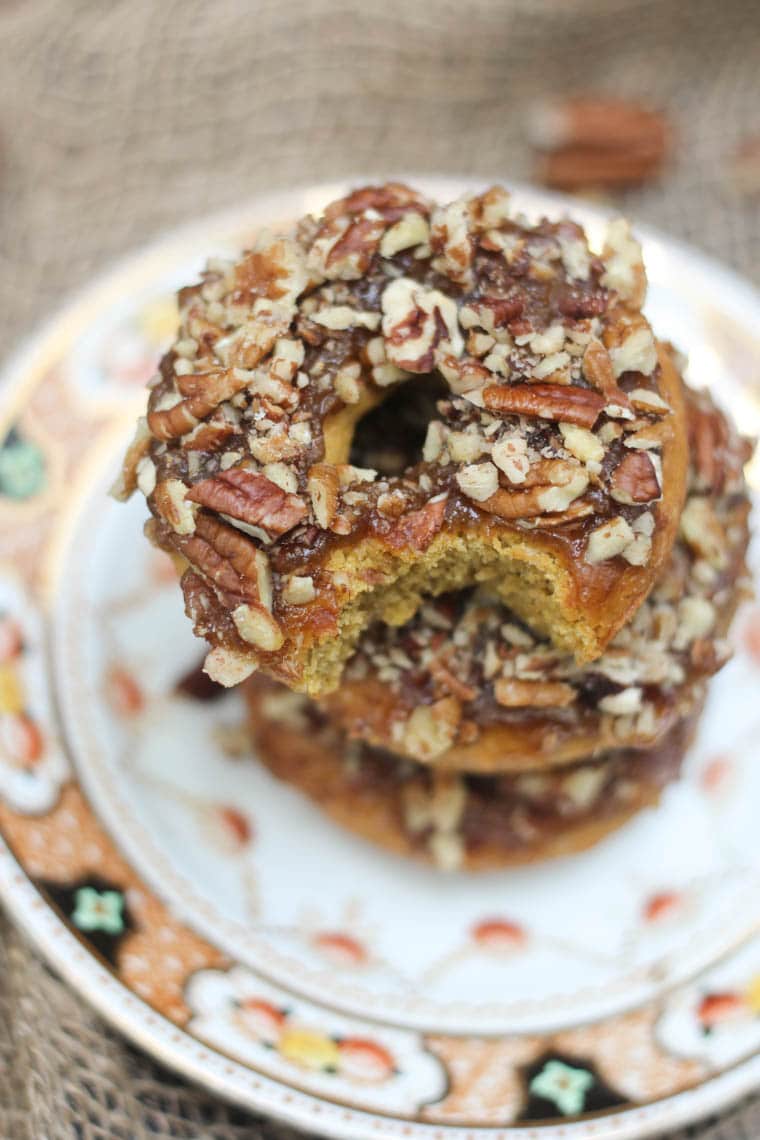
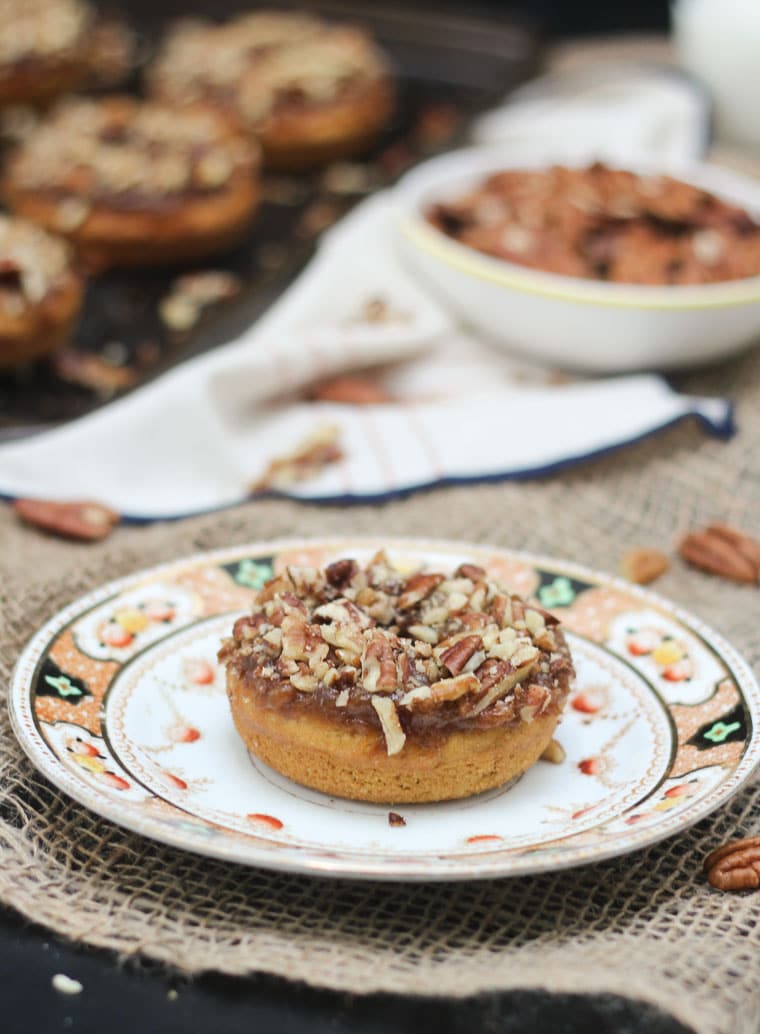
stack of vegan and gluten free pumpkin donuts topped with nuts on a colourful plate

My vegan and gluten free pecan pumpkin pie donuts are perfect for ANY occasion. And I mean any occasion. Picked up the kids from school? DONUTS. Had a shower? DONUTS. Ate vegetables at lunch?’ DEFINITELY DONUTS. As for the more traditional occasions, consider Thanksgiving. YES. Christmas? DUH. General holiday treats? OBVS. Hostess gifts? TOTALLY. Even birthdays?! WHY NOT? I think we should skip the cupcake trend and now serve donut cakes?! Did I just start a trend? #donutcakes – it’s happening.

Enough donut talk. Let’s make these vegan and gluten free pecan pumpkin pie donuts.

How to Make Pecan Pumpkin Pie Donuts

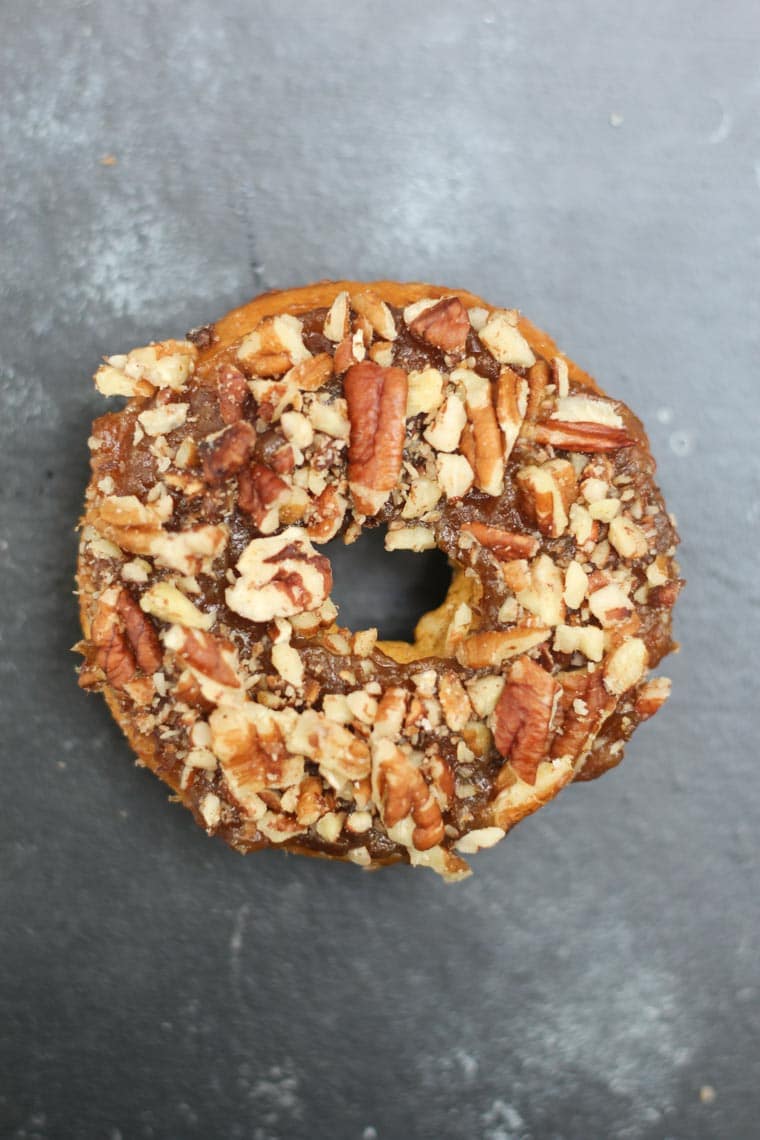
birds eye view of vegan and gluten free pumpkin donut on a grey surface topped with nuts

There’s basically a baking pan for everything now, and donut molds do the trick make perfectly sized baked donuts every damn time. After mixing up my doughnut batter, I pour it into a piping bag and fill each mold.

image of a homemade pumpkin pie donut on a white plate

While the pecan pumpkin pie donuts are cooking, it’s time for the pecan pie topping. In a saucepan I combine almond milk and dates and allow it to simmer over medium heat. Next I transfer the mixture to a food processor, add maple syrup and salt and puree until smooth. I put the mixture back into the sauce pan and gently cook over medium heat until bubbling and then take it off the heat. Honestly, you’re gonna want to just eat this as is, but I urge you to hold off.

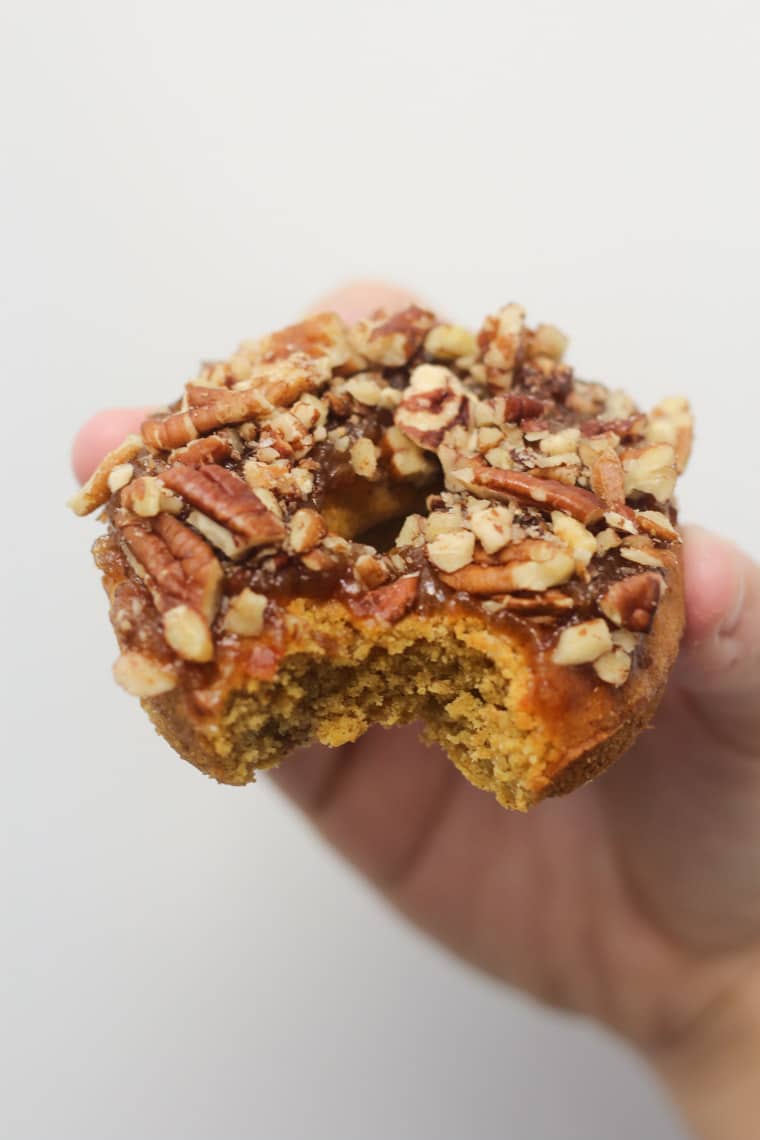
hand holding a thanksgiving flavoured donut garnished with nuts

When your donuts are cooked through, smear a generous amount of the caramel on top, and sprinkle with some crushed pecans. It’s the glory of PUMPKIN & PECAN pie in a DONUT. Who needs a reason to eat that?

Now I want to hear from YOU! 

Are you a donut fan? What are your favourite flavours?

Have you made DIY donuts like these pecan pumpkin pie donuts before?

Comment below with your thoughts! 

pinterest image of a close up of vegan and gluten free pumpkin pie donuts above an image of homemade donuts on a sheet pan with text overlay

Skip the store bought doughnuts because these DIY vegan and gluten free pecan pumpkin pie donuts will be your new BFF for Thanksgiving and Christmas. 
Print Recipe
3.88 from 8 votes

Vegan & Gluten Free Pecan Pumpkin Pie Donuts

Skip the store bought doughnuts because these DIY vegan and gluten free pecan pumpkin pie donuts will be your new BFF for Thanksgiving and Christmas. 
Prep Time10 minutes mins
Cook Time27 minutes mins
Total Time37 minutes mins
Course: Dessert
Cuisine: American
Servings: 12 donuts
Calories: 330kcal
Author: Abbey Sharp

Ingredients

Donuts

  • 3/4 cup brown sugar packed
  • ½ cup coconut oil melted
  • 1 1/2 cups gluten free flour blend
  • 3/4 cup plus 2 tbsp pumpkin puree
  • ¼ cup almond milk
  • 1 ½ tsp pumpkin pie spice
  • ¼ tsp salt
  • ½ tsp baking soda
  • 1 1/2 tsp vanilla
  • 4 tsp apple cider vinegar

Pecan Pie Topping

  • 1 cup Medjool dates pitted and finely chopped
  • 1/2 cup unsweetened vanilla almond milk
  • 1/2 cup pure maple syrup
  • Pinch sea salt
  • 1 cup pecans crushed

Instructions

  • Preheat the oven to 350°F with the rack positioned in the middle and lightly grease two 6-donut molds.
  • Mix together the sugar and oil until well combined, then add in the rest of the donut ingredients. Transfer to a piping bag.
  • Pipe the donut batter into 12 doughnut rings, and bake for 18 minutes or until a toothpick inserted into the centre of the doughnut comes out clean. Allow the doughnuts to cool to room temperature.
  • Meanwhile, add the dates and almond milk to a small saucepan, cover with a lid and heat over medium heat until gently simmering, about 4 minutes. Transfer the mixture to a food processor and puree until the dates are well broken down, then add in the salt and maple syrup and continue to puree until smooth.
  • Pour the mixture back into the saucepan and bring to a boil. Reduce the heat and simmer until it bubbles and thickens slightly, about 5 minutes. Remove from the heat, and allow the mixture to cool to room temperature.
  • To assemble, remove the doughnuts from the pan and arrange flat side up (aka. the side that was facing upwards in the oven). Smear a generous amount of the caramel onto each doughnut sprinkle generously with the pecans. Enjoy!

Nutrition

Calories: 330kcal

Abbey Sharp

Abbey Sharp is a Registered Dietitian (RD), regulated by the Ontario College of Dietitians. She is a mom, YouTuber, Blogger, award winning cookbook author, media coach specializing in food and nutrition influencers, and a frequent contributor to national publications like Healthline and on national broadcast TV shows.
www.abbeyskitchen.com/about-abbey/

Last Updated October 14, 2020. Published September 14, 2018 By Abbey Sharp 20 Comments

How I Went From Supplementing to Freezing 33 L of Breast Milk in 5 Months | Breastfeeding Struggles Update

In today’s post, I give you an updated glimpse at how I went from having to supplement my baby with formula to pumping and freezing an extra 33 L of breast milk in just 5 months. 

Motherhood is f*cking hard, and if there was one hardship I felt ill-prepared for in this journey, it was breastfeeding. Early on in my postpartum days, I wrote a candid and personal account of my own feelings of failure when it came to breastfeeding my son. If you haven’t read it, I highly suggest you do so here. To summarize the struggle, I was basically dealing with two issues simultaneously. One, my baby just wouldn’t latch despite countless hours with the lactation consultant, lip and tongue tie removal, osteopathy and lots of practice. And two, I wasn’t making enough breast milk to satisfy my hungry boy. I wanted to share a little update on my breastfeeding journey and where I am so far.

Breastfeeding Latching Update

abbey holding baby E

So the last time we chatted about this, I told you how my babe was really struggling to latch, and that it was painful AF. As I mentioned in my blog, I had to go on domperidone (a common off-label breastfeeding drug) before I started to see my son even get interested in the boob. The lactation consultant told me that this was because it helped improve my let-down so he would get less frustrated and impatient. Before domperidone, he would scream the moment I even placed him on the breast, but with domperidone, he would at least stay for a little snack. For some reason, he would only ever take to my left boob (which strangely always produced less milk, but I think had a faster let down). Here, he would drink for about 5-7 minutes (every second of which was KILLING me in pain so that seemed like a damn lifetime), before he would start fussing. In an effort to soothe my screaming (still hungry) baby (and stop the horrible stabbing pain in my nipple), I would finish him on a bottle of pumped milk.

To accomplish this basically meant that I spent my entire day either breastfeeding, pumping or bottle feeding. FML. Mothering is a time commitment, but I felt like I could barely get any real mothering done with all of the milk making going on.

Around 3 months of age, I thought I got a bad case of thrush (I didn’t, it was just normal excruciating breastfeeding pain), but as a result, I decided to take a few days off breastfeeding to recover. At the same time, we noticed Baby E wasn’t drinking as much from his bottle as normal. He seemed to be getting easily distracted and frustrated so I switched from him Level 1 bottle nipple to a Level 2 bottle (which is recommended around 3 months, anyway). He was much happier there, but the next day when we attempted our daily “breastfeeding exercise” he full out refused. Not even from his favourite boob!

Sadly, I could never really get him to take a breast again. I also just felt “done” with the constant breastfeed, bottle feed, pump dance that had completely taken over my life. I guess I silently bowed out and just let go of the breastfeeding dream I had for us.

How does that make me feel? Well, I hate f*cking failing. I never fail. At anything! I feel sad that breastfeeding wasn’t easier for me, but this was the hand I was dealt and I always try to look on the bright side and count my blessings. My son is healthy and happy, and I am healthy and happy. I am definitely happier just doing the pumping compared with pumping and breastfeeding.

But now let’s talk about the breastmilk and supply issues.

Breastfeeding and Breast Milk Supply Update

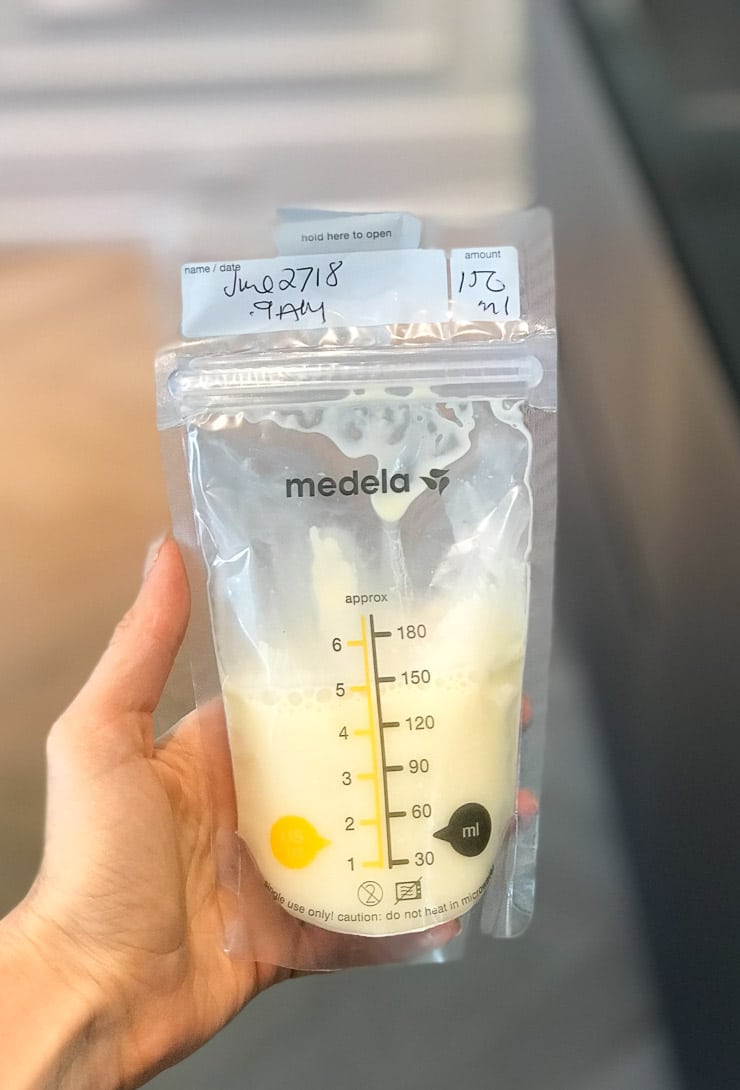
hand holding breast milk in a pouch

In my previous post I chatted a lot about how emotionally challenging it was for me to accept having to feed my baby E formula when I wasn’t producing enough milk.

In order to get my supply up enough to exclusively feed breastmilk, here’s a list of all of the things I was doing from day one:

-Taking Mother’s Milk supplements

-Drinking Mother’s Milk tea

-Taking an additional Blessed Thistle supplement

-Eating lots of the so-called “boob foods” every day (carrots, flax, oatmeal, apricots, almonds and my Lactation Smoothie and Lactation Cookies)

-Acupuncture

-Pumping every HOUR on the HOUR from 6 AM-8 PM and then twice between 8 PM and 6 AM (that’s 17 pumps a day for 20 minutes, that 5 ½ hours of pumping every day!)

-Taking Domperidone medication

About Domperidone for Breast Milk Supply

The starting dose for domperidone is usually 3 (30 mg) pills, 3 times a day (so 9 pills in total). I started there but it wasn’t enough to keep up with baby’s demands, so they boosted me to 12 pills each day. I am very confident that without domperidone, I would have never been able to breastfeed (even the small amount I did), and more importantly, I would have never made enough milk to keep up with my son’s demands.

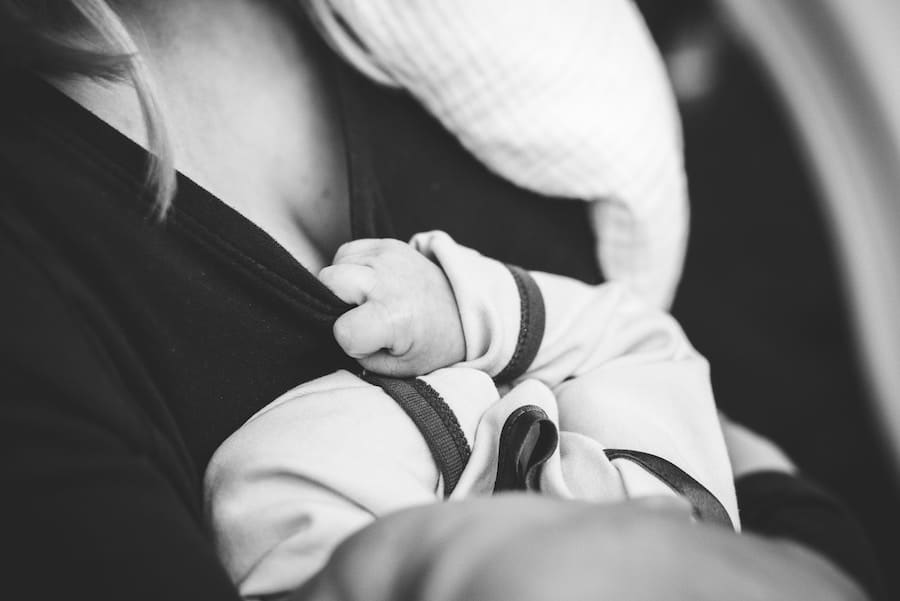
black and white close up of a woman holding a baby

On the 12 pills of domperidone, I was pumping about 1300 ml of milk every day. Since Baby E pretty consistently was drinking about 1000 ml (1 L), that meant I was freezing about 300 ml every day! But I knew I didn’t want to be on this medication for ever and actually, you can’t even get this drug in the USA and there has been a public advisory warning by Health Canada and Teva (the drug manufacturer) warning woman about the potential risk of heart palpitations, seizures, fainting and other heart abnormalities on the drug. This controversy deserves its own post but I will just share my own short experience. One day, on route home from the cottage (where I was pretty damn relaxed), I felt like I was having a full blown panic attack out of nowhere. My heart was racing a mile a minute, I couldn’t catch my breath and I thought I was going to pass out. I soon realized it was likely from the drug. Another pesky side effect of the drug is that a lot of women find it makes them gain weight because it drastically increases appetite and stomach emptying. I’ve heard some women suggest they weighed more on the drug than they did at full term in their pregnancy! I definitely did gain weight after starting domperidone, which was really frustrating, but it wasn’t as significant as some people experienced so it wasn’t enough reason for me to call it quits. The panic attack, on the other hand, freaked me the f*ck out. I knew I had to get off the drug at some point, but I wanted to cut back on pumping first for my own quality of life.

So once I had held steady producing enough milk for Baby E for a month, I started a more “manageable” pumping regime. This to me meant pumping 9 times a day (including once between 8 PM and 5 AM) for a total of 3 hours every day spent shackled to my milking machine.

Next, I started to very slowly ween myself off of the domperidone. According to the Dr. Newman clinic, to ween off of domperidone, you want to drop just one pill each week and monitor any dips in supply. Some months it would take me two or three weeks to drop a pill without seeing a scary dip in my supply, but other weeks it would be an easy transition.

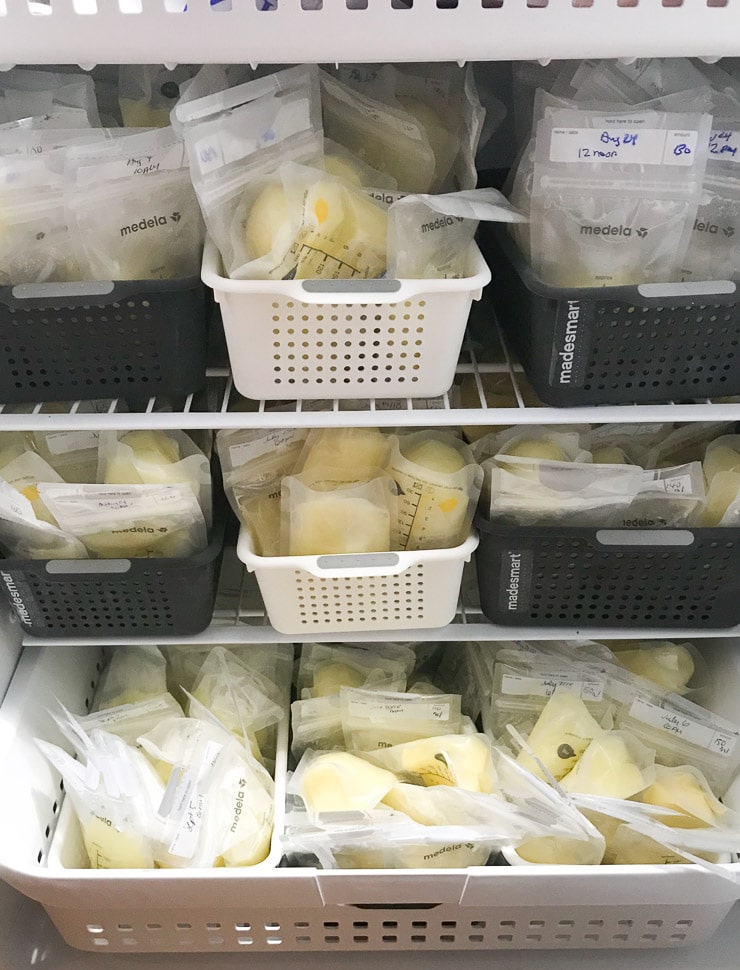
At the time I am writing this, I am proud to say that I am holding steady at producing 1300 ml of breast milk every day, and am down to just 1 pill (10 mg) a day from 12 pills of domperidone every day. I have banked over 33 LITRES of breastmilk in the freezer and I hope to continue to build my stash so that I can feed Baby E well into his second year of life.

Once I hopefully get off the domperidone all together, my next goal is to slowly drop the number of pumps I have to muscle through every day. Let me tell you, I am getting REALLY f*cking tired of pumping so I cannot wait to start working this down.

So How Did I Go From Supplementing with Formula to Freezing 33 L of Breastmilk?

freezer full of breast milk supply

Honestly, with a lot of f*cking hard work. (Wow, I’m really filling up the swear jar today, eh?) Seriously though, there is a reason why every doula, doctor and lactation consultant I speak to tell me that an exclusively pumping mom is a unicorn. It’s brutally exhausting and time consuming. It means that feeding your baby takes TWICE as much effort and time because you have to spend 15-20 minutes pumping, then another 15-20 minutes or more feeding, and then another 5-10 minutes cleaning and sterilizing your pumps and bottles. It also is much more uncomfortable because a machine is just not as dainty and delicate as a baby yanking on one’s nipples and it’s less efficient since a baby can draw much more milk than a pump. But alas, this was the hand I was dealt.

Today, this is essentially what I have been doing to keep my breastmilk supply up enough to pump 1300 ml of milk a day and freeze 33 L of breastmilk.

-Taking Mother’s Milk supplements every day (morning and night)

-Taking an additional Blessed Thistle supplement (morning and night)

-Drinking Mother’s Milk tea (once or twice a week now, when I remember)

-Eating lots of the so-called “boob foods” every day (oatmeal every day and like a whole bag of baby carrots every day)

-Pumping every two hours in the day and once at night for a total of 3 hours each day

-Taking Domperidone medication (currently down to 2 pills per day)

It hasn’t been an easy road, but I went from feeling like a complete failure, to feeling really proud of what I’ve been able to accomplish on this breastfeeding journey. I may have had to give up on actually breastfeeding, but my son is being fed, he’s happy how he is being fed, and I’m slowly making this pumping regime more manageable for me. I am also confident that once E starts solid foods in a month that I will feel more comfortable with me pumping / producing less milk.

I will do another update once I get off the domperidone completely and I start to ween my way down in pumps. CAN-NOT-WAIT.

Until then, I would love to hear what worked for you in terms of getting your milk supply up? Also, did any of you have dreams of breastfeeding that just didn’t work out? How did you deal with that disappointment? Any other exclusively pumping mamas out there?

Leave me some comments- we are in this together and I can use all of the love I can get at this point in this super stressful and emotional breastfeeding journey.

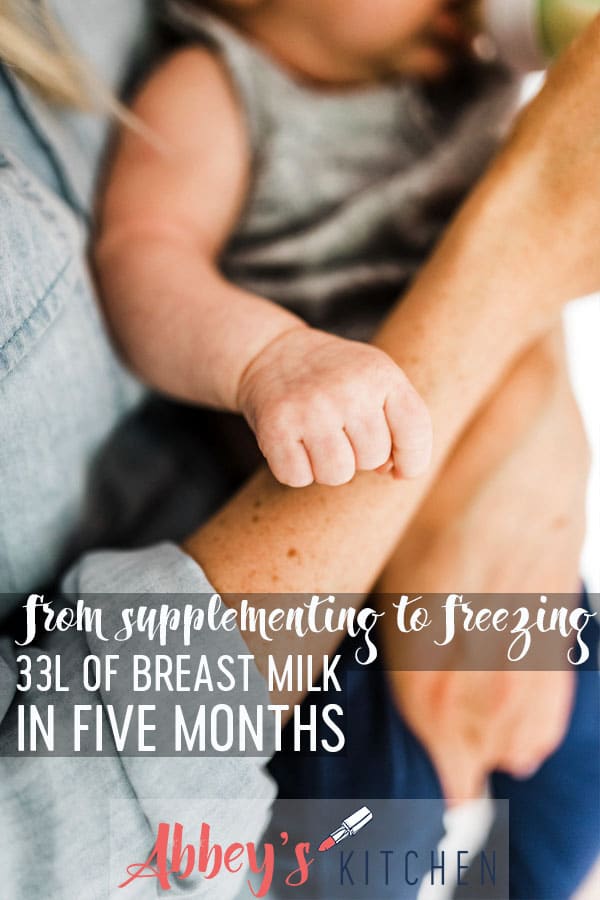
pinterest image of a baby being fed breast milk with text overlay

Abbey Sharp

Abbey Sharp is a Registered Dietitian (RD), regulated by the Ontario College of Dietitians. She is a mom, YouTuber, Blogger, award winning cookbook author, media coach specializing in food and nutrition influencers, and a frequent contributor to national publications like Healthline and on national broadcast TV shows.
www.abbeyskitchen.com/about-abbey/

Last Updated July 21, 2020. Published September 13, 2018 By Abbey Sharp 26 Comments

Vegan Low Carb Shepherd’s Pie | Gluten Free & Keto Approved

This vegan low carb Shepherd's Pie is gluten free and keto friendly and totally will bring you back to your childhood with this nostalgic meal!

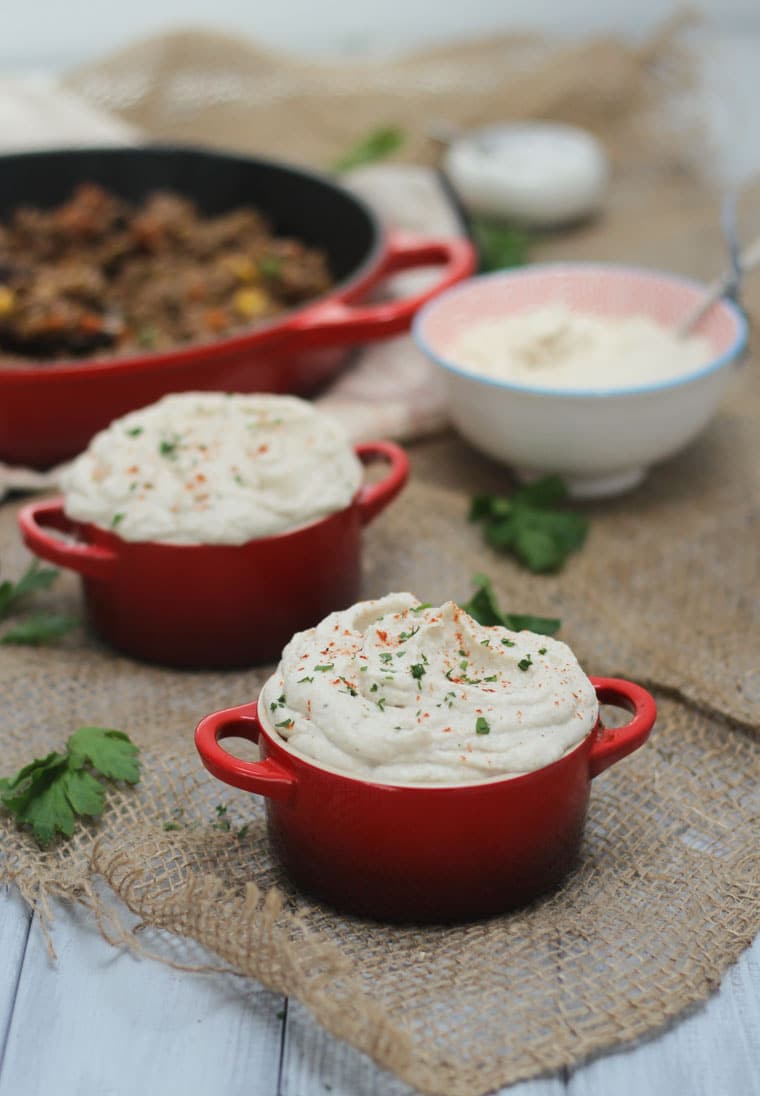
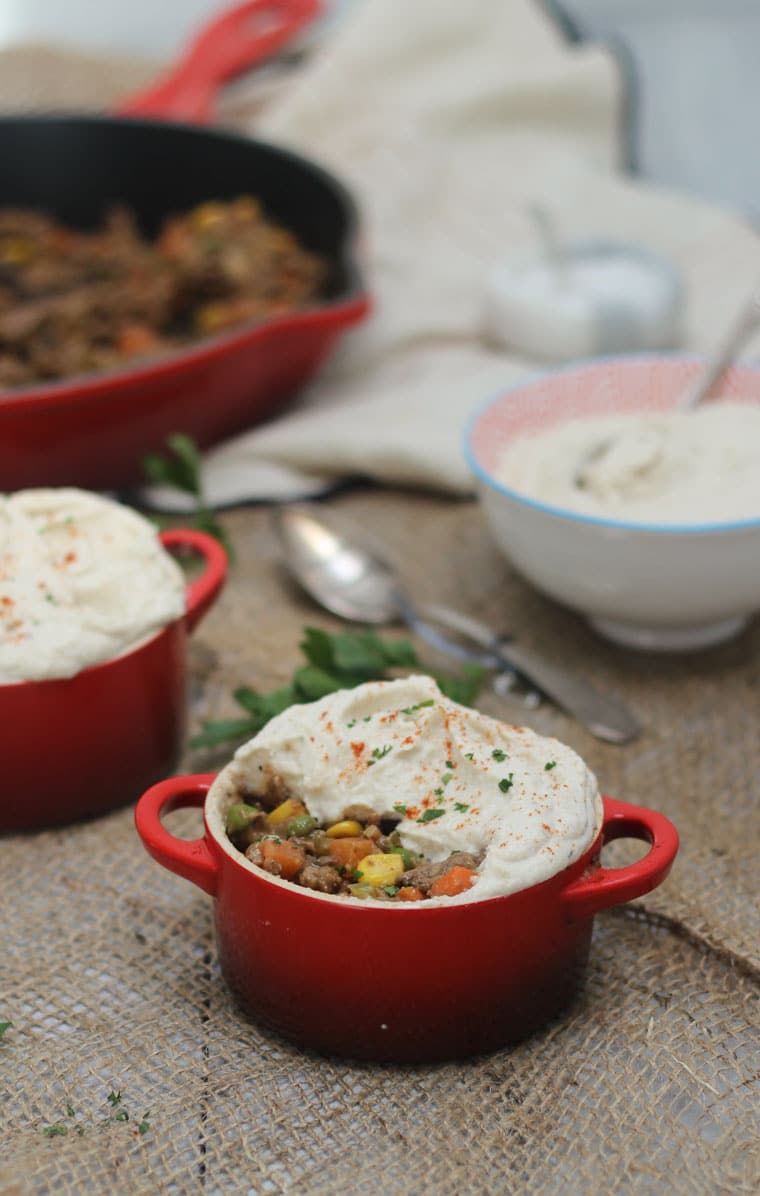
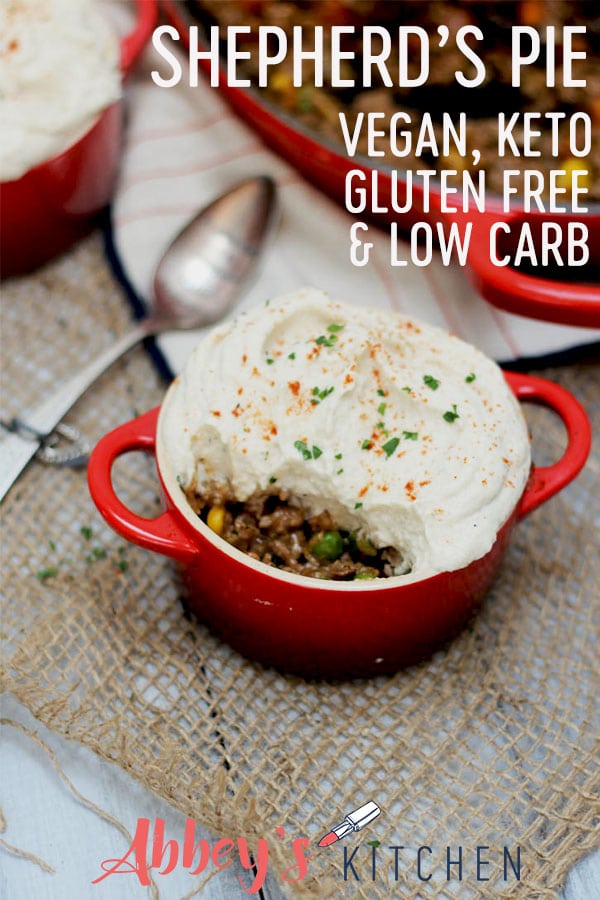
This vegan low carb Shepherd’s Pie is gluten free and keto friendly and totally will bring you back to your childhood with this nostalgic meal!two vegan and gluten free mini shepherd's pies in red dishes

 When I was a kid, Shepherd’s Pie was a monthly- nay – weekly staple. What kid doesn’t like a pie made of meat and gravy topped with fluffy buttery mashed potatoes? Oh, and that is a perfect vessel for a bottle full of ketchup? Yah, I’ve never met a kid who’s not a fan of the stuff.

Well, what if I told you that you can totally get that same family-friendly dinner-hour success without the meat or the potatoes? Oh yes, we’re making my Vegan Low Carb Shepherd’s Pie and it-is-AWESOME.

low carb shepherd's pies in red dishes

You don’t have to be vegan to adore this pie. I have been trying to incorporate at least 2 to 3 meatless dinners into the rotation each week, and this Vegan Low Carb Shepherd’s Pie has become my favourite way to do it.

How to Make Vegan Low Carb Shepherd’s Pie

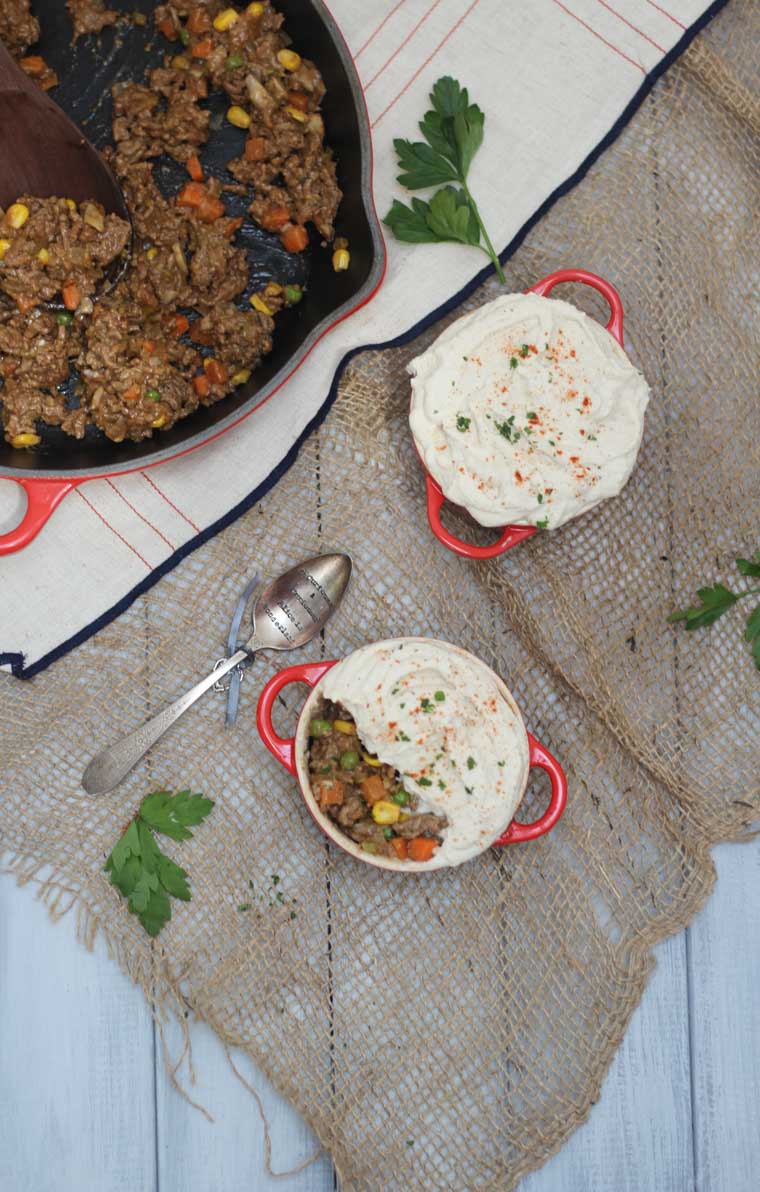
birds eye view of two gluten free mini shepherd's pies in red dishes

It all starts with the classic Shepherd’s Pie filling – only it’s vegan, and gluten free. Usually Shepherd’s Pie is made with ground beef and a roux made of butter, flour and beef broth, but I keep it light with gluten free ground oats and an umami-rich mushroom broth instead. I also just use soy ground “meat” in place of beef, but you can totally swap it for regular ground beef if you want to make this Paleo approved or have some meat in the fridge you wan’t to use up.

For the mashed potato topping, I puree cooked cauliflower with soaked cashews and coconut milk to yield a satiny smooth fluffy topping.

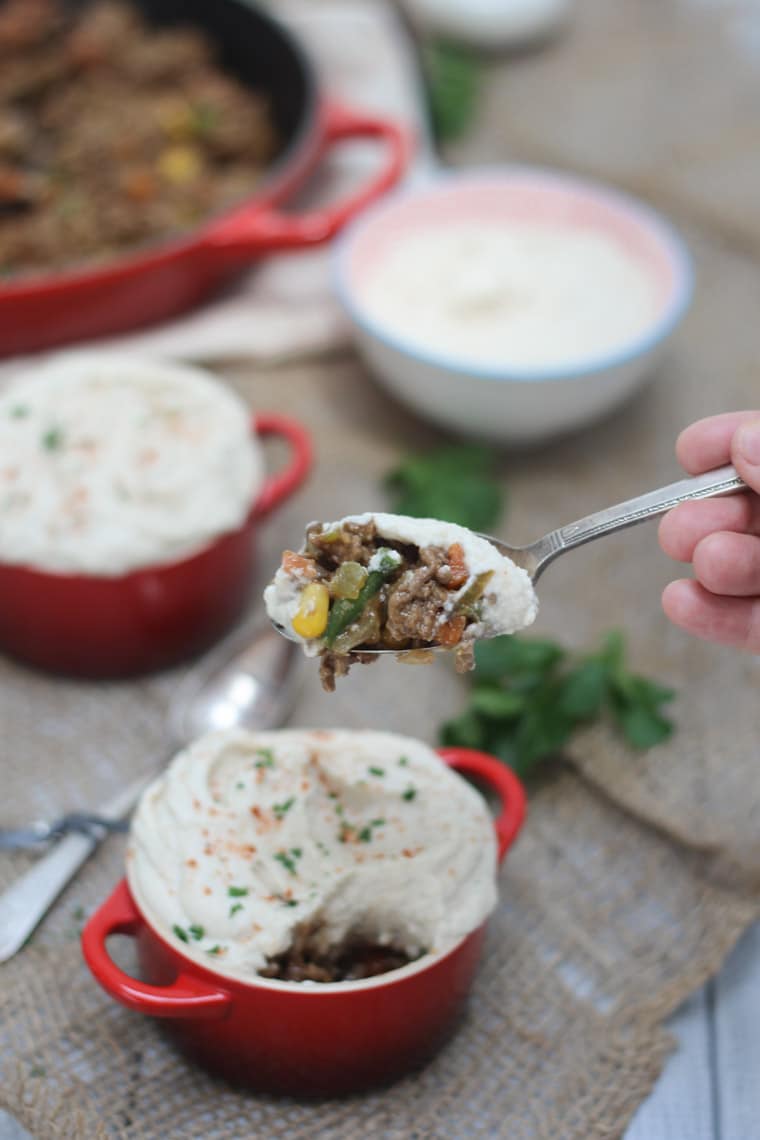
person holding a spoon taking a bite out of a keto shepherd's pie

I usually make them as individual Vegan Low Carb Shepherd’s Pie portions, but you can also throw it all into a casserole dish and serve it like that. However you bake it off, feel free to serve it au natural, or with a big pool of ketchup like I did when I was a kid. Oh gosh, my mouth is watering just writing about it now.

Now, someone tell me- who was as obsessed with Shepherd’s Pie as a kid as I was?

Do you put ketchup on your Shepherd’s Pie?

Have you tried my Vegan Low Carb Shepherd’s Pie version?

Leave me a comment below with your thoughts!

pinterest image of vegan and keto shepherd's pie in a red ramekin

This vegan low carb Shepherd's Pie is gluten free and keto friendly and totally will bring you back to your childhood with this nostalgic meal!
Print Recipe
4.50 from 2 votes

Vegan Low Carb Shepherd's Pie

This vegan low carb Shepherd's Pie is gluten free and keto friendly and totally will bring you back to your childhood with this nostalgic meal!
Prep Time15 minutes mins
Cook Time20 minutes mins
Total Time35 minutes mins
Course: Dinner
Cuisine: American
Servings: 4 people
Calories: 280kcal
Author: Abbey Sharp

Ingredients

Filling:

  • 1 tbsp extra virgin olive oil
  • 1 lb soy meat crumbles
  • 1/2 small onion finely diced
  • 1 celery stalk finely diced
  • 1 cup mushrooms finely diced
  • 2 cloves garlic minced
  • 3 tbsp gluten free oat flour
  • 1 1/2 cups mushroom broth
  • 1 tbsp. tomato paste
  • 2 tsp. reduced sodium tamari
  • 1 cup frozen mixed veggies carrots, peas, corn
  • Salt and pepper to taste

Topping:

  • 2 cups cauliflower rice cauliflower pulsed in a food processor to a fine- crumb like consistency
  • 1 cup soaked cashews
  • 1 can coconut milk refrigerated
  • Salt and pepper to taste

Garnish:

  • Paprika
  • Minced parsley

Instructions

  • Preheat oven to 400 F and prepare a baking sheet with 4 ramekins.
  • Add the oil to a large skillet over medium high heat, and add in the soy crumbles, onion, celery and mushrooms. Saute until the meat in broken up and the onion and celery have softened. Add in the garlic and stir for another 30 seconds.
  • Mix together the flour and broth in a small measuring cup and add to the pan along with the tomato paste and tamari. Stir until thickened over medium high heat, then add in the frozen vegetables. Season with salt and pepper, to taste and set aside.
  • Place the cauliflower in a microwave safe dish covered in plastic wrap. Microwave for 5 minutes. Transfer to a food processor along with the cashews and the cream that sits on top of the coconut milk can. Puree until smooth, and season with salt and pepper, to taste.
  • Divide the meat mixture between four ramekins, and top with the cauliflower puree. Sprinkle with paprika and bake for 5 to 10 minutes, or until warmed through. Garnish with parsley, if desired.

Nutrition

Calories: 280kcal

Abbey Sharp

Abbey Sharp is a Registered Dietitian (RD), regulated by the Ontario College of Dietitians. She is a mom, YouTuber, Blogger, award winning cookbook author, media coach specializing in food and nutrition influencers, and a frequent contributor to national publications like Healthline and on national broadcast TV shows.
www.abbeyskitchen.com/about-abbey/

Last Updated July 21, 2020. Published September 11, 2018 By Abbey Sharp 39 Comments

Vegan Vodka Sauce Zucchini Noodle Pasta | Gluten Free, Low Carb Zoodles Recipe

This gluten free and Vegan Vodka Sauce Zucchini Noodle Pasta is so incredibly creamy, you'll never guess it's dairy-free, and low carb!

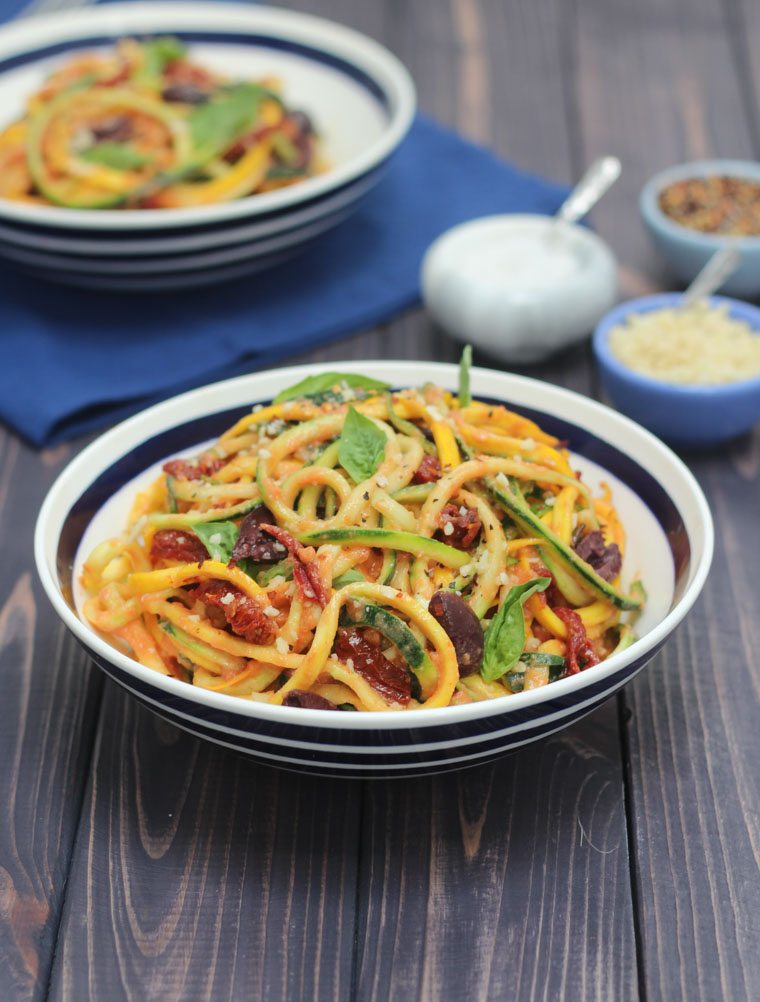
This gluten free and Vegan Vodka Sauce Zucchini Noodle Pasta is so incredibly creamy, you’ll never guess it’s dairy-free, and low carb!vegan vodka sauce zoodle pasta in a black and white bowl garnished with herbs

So y’all know I’m a zucchini noodle whore. Two of the top recipes on the Abbey’s Kitchen blog are zucchini noodle recipes (Carbonara, and Pad Thai), so I guess I’m not alone in my absolute obsession. Today I wanted to tackle not only making a pasta dish gluten free by using zucchini noodles, but also totally vegan and low carb with a bad-ass creamy sauce. I’m happy to report I #nailedit with this Vegan Vodka Sauce Zucchini Noodle Pasta.

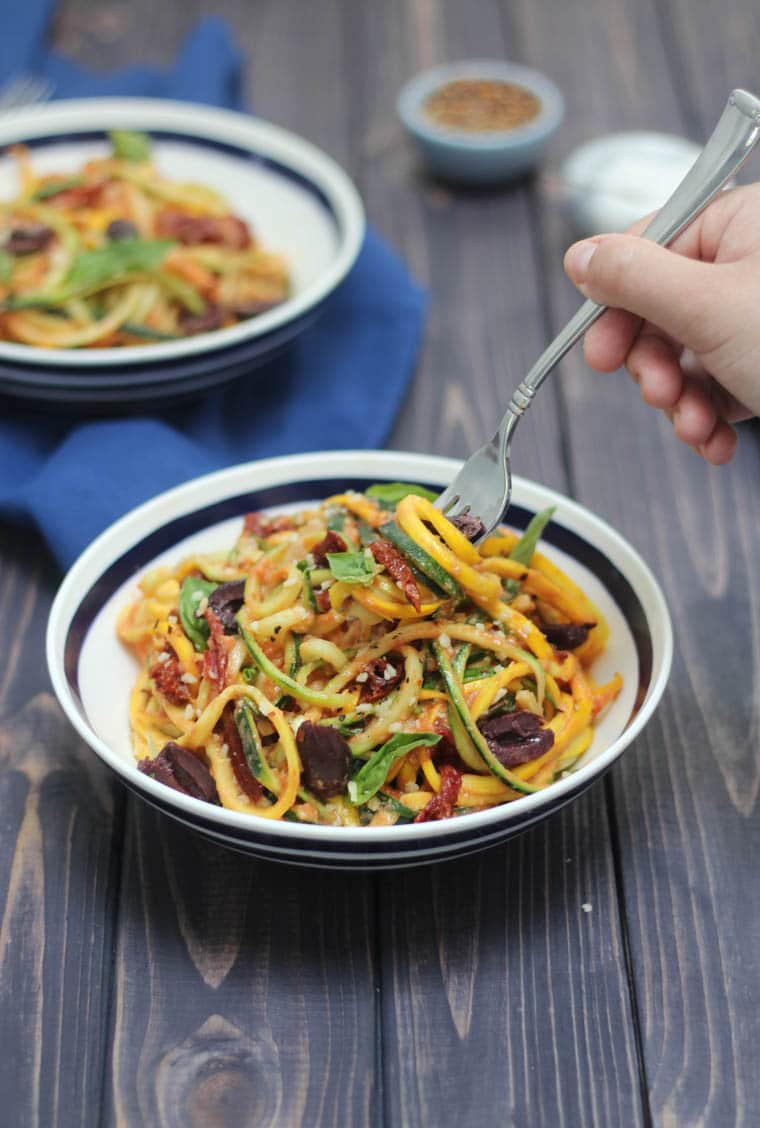
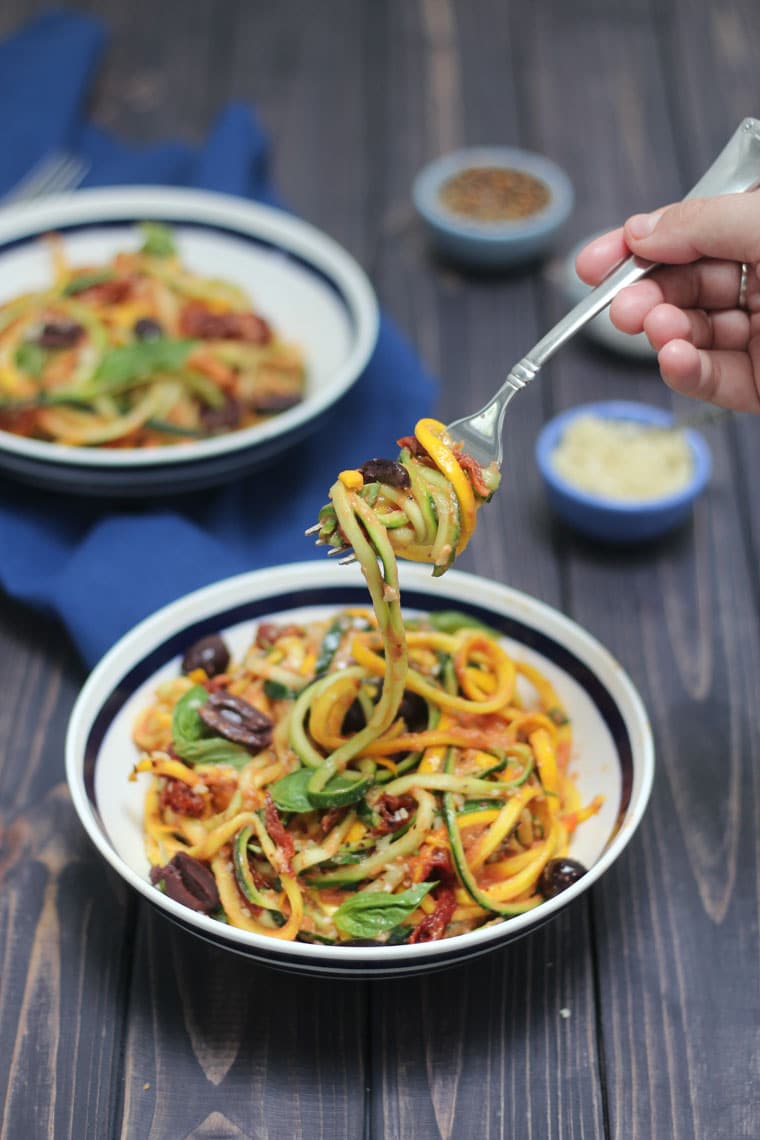
hand holding a fork in a black and white bowl of zucchini pasta with vodka sauce

How to Make Vegan Vodka Sauce Zucchini Noodle Pasta

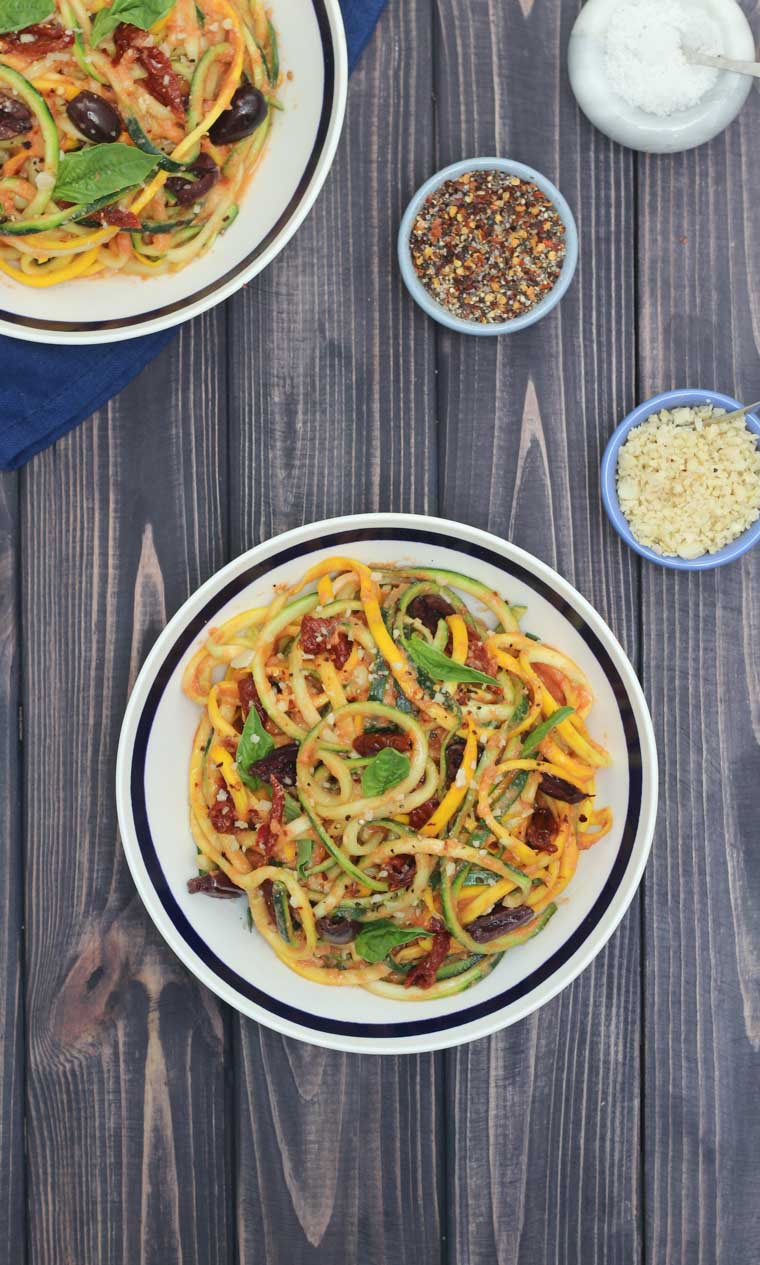
birds eye view of vegan vodka sauce zucchini noodle pasta garnished with herbs in a black and white bowl

Okay, so I have a specific technique I have MASTERED when it comes to proper zucchini noodles. You don’t want your zoodles to come out soggy, and since zucchini noodles are largely WATER, that’s exactly what usually happens. So you’ve got to find a way to get the water OUT and that’s where osmosis comes into play. You’ve got to actually add a little salt to your zucchini noodles to help draw some of the excess moisture out before cooking. I know, you’re thinking they’ll be total salt bombs, but honestly, just trust the process. It honestly works.

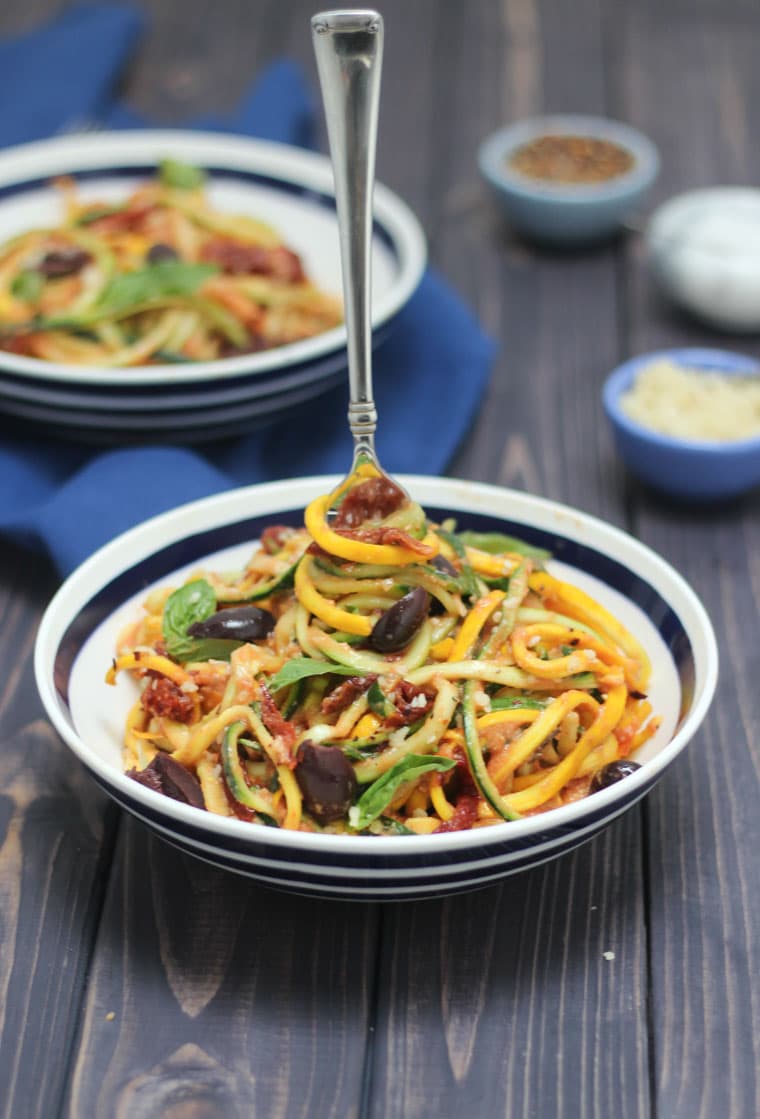
silver fork inside a bowl of low carb vegan vodka sauce and zucchini noodles

Now we’ve gotta talk about this crazy amazing Vegan Vodka Sauce. The sauce is made with the usual suspects. Garlic, onions, tomatoes. Oh yah, and a SHIT TON of vodka. Holy yes, no wonder this is so many people’s favourite pasta dish. To make the Vegan Vodka Sauce Zucchini Noodle Pasta creamy AF without cream, I puree soaked cashews and coconut cream until CRAZY smooth. Yes, you may need to let the blender run for a few minutes, but eventually when those nuts break down, you’ll be in low carb cream sauce heaven.

fork taking a bite out of low carb vegan zucchini noodle dish in a black and white bowl

I finished mine off with some olives, sundried tomatoes, basil and some unsoaked cashews that I pulsed in a food processor to resemble parmesan cheese. Smart, right?

Alright, now I gotta know, what’s your FAVOURITE comfort food pasta dish?

Have you tried my Vegan Vodka Sauce Zucchini Noodle Pasta?

How do you feel about putting 1/2 cup of vodka into your dinner? (I say YAAAAAAAAS)

Leave me a comment below lovelies and then get cooking!

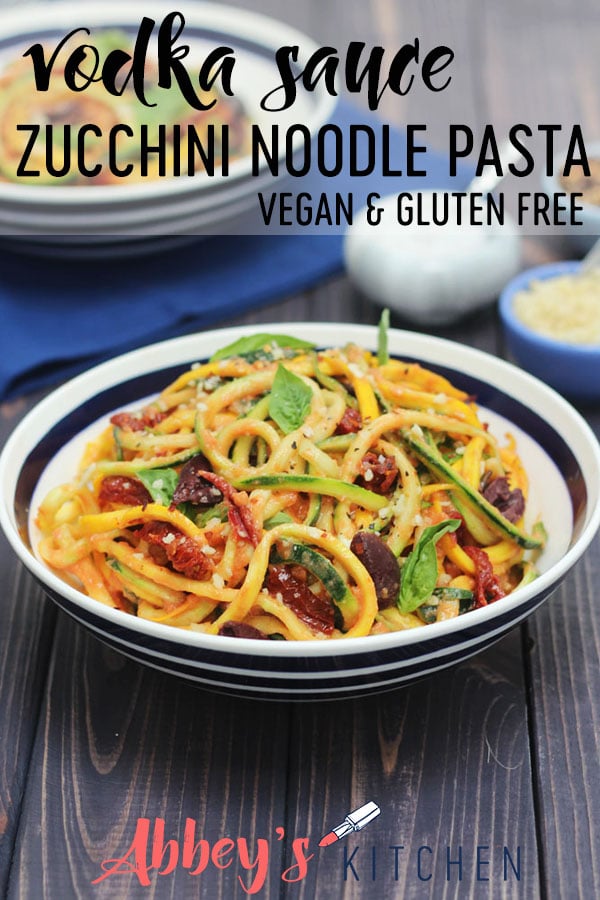
pinterest image of gluten free vegan vodka sauce on zucchini noodles in a black and white bowl garnished with herbs with text overlay


Only Eats

This gluten free and Vegan Vodka Sauce Zucchini Noodle Pasta is so incredibly creamy, you'll never guess it's dairy-free, and low carb!
Print Recipe
5 from 6 votes

Vegan Vodka Sauce Zucchini Noodle Pasta

This gluten free and Vegan Vodka Sauce Zucchini Noodle Pasta is so incredibly creamy, you'll never guess it's dairy-free, and low carb!
Prep Time10 minutes mins
Cook Time20 minutes mins
Total Time30 minutes mins
Course: Dinner
Cuisine: Italian
Servings: 4 people
Calories: 529kcal
Author: Abbey Sharp

Ingredients

Zucchini Noodles:

  • 8 zucchini spiralized
  • 1 tsp kosher salt

Vodka Sauce:

  • 1 tbsp extra virgin olive oil
  • 2 garlic cloves minced
  • 2 shallot minced
  • 28 oz can Marzano tomatoes hand crushed
  • ¼-1 tsp crushed red pepper to taste
  • ½ cup vodka gluten free
  • ½ cup pureed cashews
  • 1 cup coconut cream
  • Sea salt and cracked black pepper to taste

To serve:

  • Fresh basil
  • Sundried tomatoes cut into slivers
  • Kalamata olives pitted and halved
  • Cashews pulsed in a food processor until it yields a coarse powder

Instructions

  • Line a baking sheet with a few layers of paper towel. Lay the zucchini noodles down and sprinkle with salt. Top with another few layers of paper towel, a cutting board and some heavy items like books or pots. Let sit for 10 minutes.
  • After 10 minutes, transfer the noodles to a colander and rinse thoroughly with cold water to remove the salt.
  • Refresh the paper towels on the baking sheet with a few new layers. Gently squeeze and shake the zoodles and lay them down on the paper towel. Top with a few more layers of paper towel, the cutting board and the heavy items. Let dry for 10 minutes.
  • Meanwhile, heat the olive oil in a large nonstick skillet over medium high heat. Add in the garlic and shallots and saute until fragrant, about 1 minute. Add in the tomatoes, red pepper and vodka, and simmer with the lid off for 10 minutes.
  • Add the cashews to blender and puree until it gets pasty. Add coconut cream and puree for about 5-10 minutes or until very smooth. Add in the tomato sauce and puree until everything is smooth and well combined. Season with salt and pepper, to taste.
  • Add the sauce to the pan over medium high heat, and stir until warm and gently bubbling. Add in the zucchini noodles and stir just until well coated.
  • Divide between four bowls and top with sundried tomatoes, basil, olives and cashew "cheese".

Nutrition

Calories: 529kcal | Carbohydrates: 38g | Protein: 14g | Fat: 33g | Saturated Fat: 21g | Sodium: 883mg | Potassium: 1948mg | Fiber: 10g | Sugar: 20g | Vitamin A: 1248IU | Vitamin C: 92mg | Calcium: 150mg | Iron: 7mg

Abbey Sharp

Abbey Sharp is a Registered Dietitian (RD), regulated by the Ontario College of Dietitians. She is a mom, YouTuber, Blogger, award winning cookbook author, media coach specializing in food and nutrition influencers, and a frequent contributor to national publications like Healthline and on national broadcast TV shows.
www.abbeyskitchen.com/about-abbey/

Last Updated July 21, 2020. Published September 6, 2018 By Abbey Sharp 17 Comments

Frozen Chocolate Dipped Banana Bites Stuffed with Salted Caramel Almond Butter | Paleo, Gluten Free, Vegan!

These Frozen Chocolate Dipped Banana Bites Stuffed with Salted Caramel Almond Butter are perfect Paleo, Gluten Free, Vegan friendly treats for days you need a little pick-me-up treat!

These Frozen Chocolate Dipped Banana Bites Stuffed with Salted Caramel Almond Butter are perfect Paleo, Gluten Free, Vegan friendly treats for days you need a little pick-me-up treat!gluten free chocolate dipped banana bites stuffed with caramel almond butter on a wooden surface topped with sprinkles

Let’s get real. Sometimes you just need a little somethin’-somethin’ to help you glide through the rest of the work week. It’s still technically Summer so I find the work-weeks even more painful than usual. That’s when it’s time to bust out a few of these babies. These Frozen Chocolate Dipped Banana Bites are stuffed with a homemade Salted Caramel Almond Butter that’s so good- you’ll put that Sh*t on everything. And when combined with ripe frozen bananas, dipped in luscious dark chocolate and decorated with your go-to sprinkles or nuts, they’re DA BOMB. Like literally, little tiny happiness bombs.

How to Make Frozen Chocolate Dipped Banana Bites

multiple paleo vegan chocolate dipped banana bites on a wooden counter topped with sprinkles

First, you’ll want to head on over to my post here where I walk you through how to make my irresistible Salted Caramel Almond Butter.It’s made with sticky dates instead of sugar with a hint of sea salt to balance things out. I love it on toast on the weekends, but it’s equally tasty as the glue holding my little vegan and gluten free Banana Bites together.

frozen chocolate dipped banana bites stuffed with almond butter on a wooden counter

Okay, so next, is really just assembly. Get a large baking sheet chilled in freezer and line it with parchment paper or a silpat. Slice your bananas into small rounds and add a dollop of the Salted Caramel Almond Butter on top. Finish it with another slice of banana, then working quickly, dip it into the dark chocolate. It will start to solidify immediately, so if you’re gonna get in there with the sprinkles, you’ll want to hop on that STAT. The sprinkles are optional, and admittedly, not technically paleo, so if you’re strictly sticking to that diet, then just leave them out or use nuts.

hand holding a half eaten chocolate banana bite stuffed with caramel almond butter topped with sprinkles

Then I just pop my Frozen Chocolate Dipped Banana Bites back into the freezer to harden back up, and after just a few minutes, you can transfer them to a) a freezer bag for storage, or b) YOUR MOUTH. I highly recommend you go with option B.

birds eye view of vegan paleo chocolate banana bites topped with colourful sprinkles on a wooden board

You can also have fun with what you decide to decorate your Chocolate Dipped BananaBites with or even how you fill them. A basic nut butter will do if you want something less sweet. Play around with it, and get the kids involved! This is one healthy treat everyone will love. My hubby, for example, devoured the batch within a day. Totally wasn’t surprised.

So now I wanna know, what would you stuff your Chocolate Dipped Banana Bites with?

Have you tried my Salted Caramel Almond Butter yet?

Leave me a comment below with your thoughts!

pinterest image of frozen vegan paleo chocolate banana bites stuffed with salted caramel almond butter with text overlay

These Frozen Chocolate Dipped Banana Bites Stuffed with Salted Caramel Almond Butter are perfect Paleo, Gluten Free, Vegan friendly treats for days you need a little pick-me-up treat!
Print Recipe
5 from 2 votes

Chocolate Dipped Banana Bites with Salted Caramel Almond Butter

These Frozen Chocolate Dipped Banana Bites Stuffed with Salted Caramel Almond Butter are perfect Paleo, Gluten Free, Vegan friendly treats for days you need a little pick-me-up treat!
Prep Time40 minutes mins
Cook Time15 minutes mins
Total Time55 minutes mins
Course: Dessert
Cuisine: American
Servings: 20 bites
Calories: 290kcal
Author: Abbey Sharp

Ingredients

Salted Caramel Almond Butter

  • 4 cups natural almonds
  • 1 cup sticky Medjool dates pitted and chopped
  • 1/4 - 1/2 cup unsweetened vanilla almond milk
  • 1/2 tsp vanilla extract
  • 1/4- 1/2 tsp fleur de sel

Banana Bites:

  • 3 large bananas sliced into 1/2" thick slices
  • 1/3 cup  Salted Caramel Almond Butter
  • 200 g dairy free dark chocolate chopped
  • 2 tsp coconut oil
  • Sprinkles if desired

Instructions

  • Preheat oven to 350 F. Spread the almonds out onto two baking sheets and roast for 10-15 minutes, or until lightly golden and fragrant.
  • Transfer to a high-power blender or food processor and puree until very smooth, this can take about 10 minutes. Remove most of the almond butter to a bowl.
  • Add the dates and puree until gummy, then add 1/4 cup of the almond milk, vanilla and salt. Continue to puree until super smooth and thick. If it needs a bit more help to get going, you can add the rest of the almond milk.
  • Add the almond butter back in and puree the two together until smooth. Set aside.
  • Top a baking sheet with a silpat or parchment paper and place in the freezer for an hour.
  • Dollop a bit of salted caramel almond butter onto half of the banana halves and top with the other half. Transfer to the freezer for 30 minutes.

Nutrition

Calories: 290kcal | Carbohydrates: 21g | Protein: 8g | Fat: 21g | Saturated Fat: 4g | Cholesterol: 1mg | Sodium: 102mg | Potassium: 417mg | Fiber: 6g | Sugar: 11g | Vitamin A: 25IU | Vitamin C: 1.6mg | Calcium: 113mg | Iron: 2.5mg


Abbey Sharp

Abbey Sharp is a Registered Dietitian (RD), regulated by the Ontario College of Dietitians. She is a mom, YouTuber, Blogger, award winning cookbook author, media coach specializing in food and nutrition influencers, and a frequent contributor to national publications like Healthline and on national broadcast TV shows.

www.abbeyskitchen.com/about-abbey/
  • Previous Page
  • Go to page 1
  • Interim pages omitted …
  • Go to page 57
  • Go to page 58
  • Go to page 59
  • Go to page 60
  • Go to page 61
  • Interim pages omitted …
  • Go to page 89
  • Next Page

Get started with

Eight Free Recipe Books

From the co-founder of Neue Theory and creator of the Hunger Crushing Combo

Sign me up!
Abbey smiling at table
Abbey Sharp

“Foods may never be nutritionally equal. But we can make them morally equal by recognizing that our worth is never determined by what's on our plate.”

— Abbey Sharp, RD About Abbey ◥

Books

  • HCC™
  • Mindful Glow
  • Free E-Books

Blog

  • Nutrition
  • Recipes
  • Motherhood
  • Life

Explore

  • Neue Theory™
  • Bite Back
  • YouTube

Abbey

  • About
  • Coaching
YouTube TikTok Instagram Facebook X Pinterest
Abbey Sharp - The No BS Dietitian From Abbeys Kitchen

© Abbey's Kitchen 2026  All Rights Reserved •  ACCESSIBILITY STATEMENT •  Privacy Policy

This site uses cookies. By continuing to browse the site, you are agreeing to the use of cookies Accept Privacy Policy
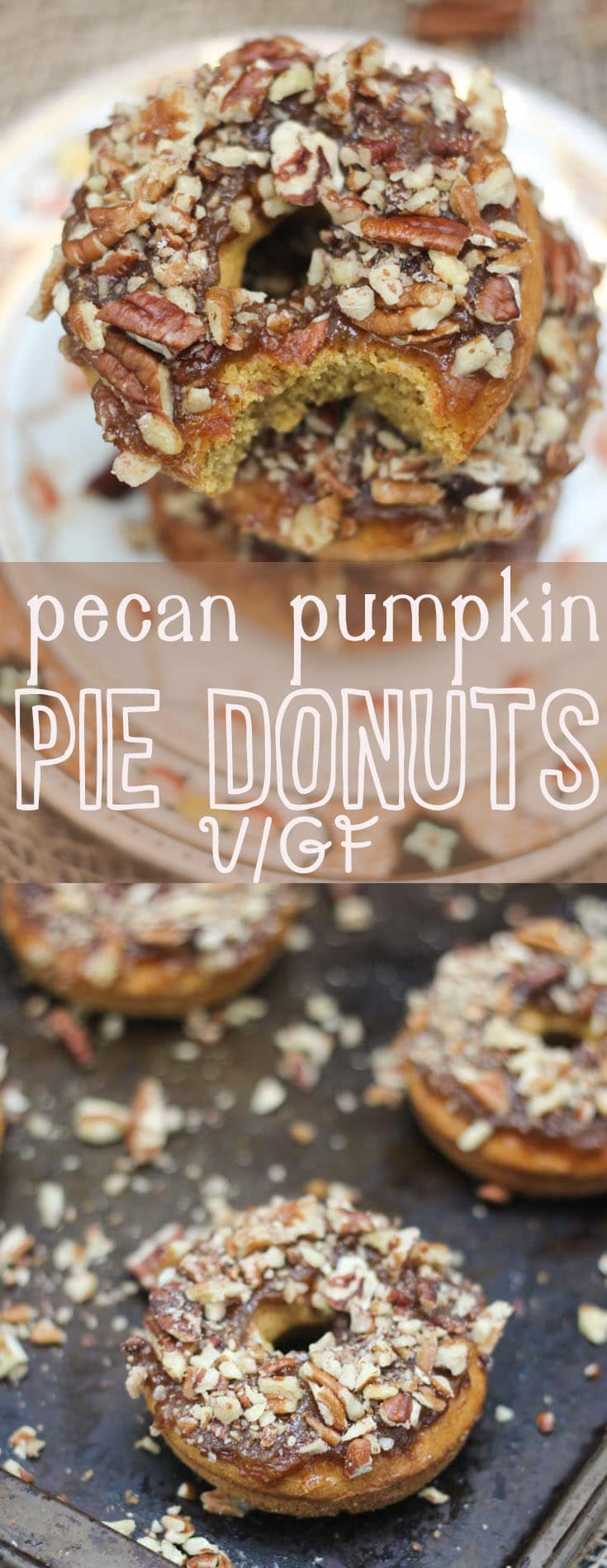
Privacy & Cookies Policy

Privacy Overview

This website uses cookies to improve your experience while you navigate through the website. Out of these, the cookies that are categorized as necessary are stored on your browser as they are essential for the working of basic functionalities of the website. We also use third-party cookies that help us analyze and understand how you use this website. These cookies will be stored in your browser only with your consent. You also have the option to opt-out of these cookies. But opting out of some of these cookies may affect your browsing experience.
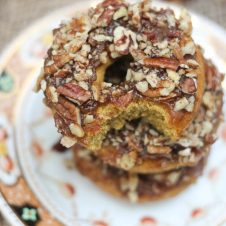
Necessary
Always Enabled
Necessary cookies are absolutely essential for the website to function properly. This category only includes cookies that ensures basic functionalities and security features of the website. These cookies do not store any personal information.
Non-necessary
Any cookies that may not be particularly necessary for the website to function and is used specifically to collect user personal data via analytics, ads, other embedded contents are termed as non-necessary cookies. It is mandatory to procure user consent prior to running these cookies on your website.
SAVE & ACCEPT

Rate This Recipe

Your vote:


A rating is required
A name is required
An email is required