• Skip to main content

Abbey's Kitchen

Healthy Recipes, Nutrition Myth Busting, Healthy Eating Tips

  • Books
    • HCC™
    • The Mindful Glow Cookbook
    • Recipe eBooks
      • Family
      • Hypothyroidism
      • BLW
      • Vegan Week 1
      • Vegan Week 2
      • Vegan Week 3
      • Keto
      • Gluten Free Week 1
      • Gluten Free Week 2
      • Fitness
      • Paleo
  • Blog
    • Nutrition
    • Recipes
    • Motherhood
    • Life
  • Explore
    • Neue Theory™
    • Bite Back With Abbey Sharp
      • Apple Music
      • Spotify
      • Amazon Music
    • YouTube
  • Abbey
    • About
    • Coaching
    • Contact

Abbey Sharp

Last Updated May 12, 2022. Published September 2, 2020 By Abbey Sharp 4 Comments

Evidence on the Best Probiotics for Weight Loss, IBS, Constipation and More

several probiotic capsules on a spoon

We look at the research on the best probiotic strains for specific concerns including probiotics for weight loss, IBS, constipation, and more.

Since discussing probiotics for kids and babies in a previous blog post, we’ve received a lot of requests to review probiotics for adults, and which specific strains of probiotics are best for weight loss, IBS, constipation, anxiety and more. As we mentioned in the previous post, probiotics naturally live in our guts, containing both “good” and “bad” live bacteria and/or yeasts. The World Health Organization defines probiotics as “live microorganisms which when administered in adequate amounts confer a health benefit on the host.” While these bacteria and/or yeasts occur naturally in a wide range of food, we also can find them in supplemental form to help increase the “good” bacteria in our bodies to balance or restore a healthy gut microbiota. 

Strains of Probiotics
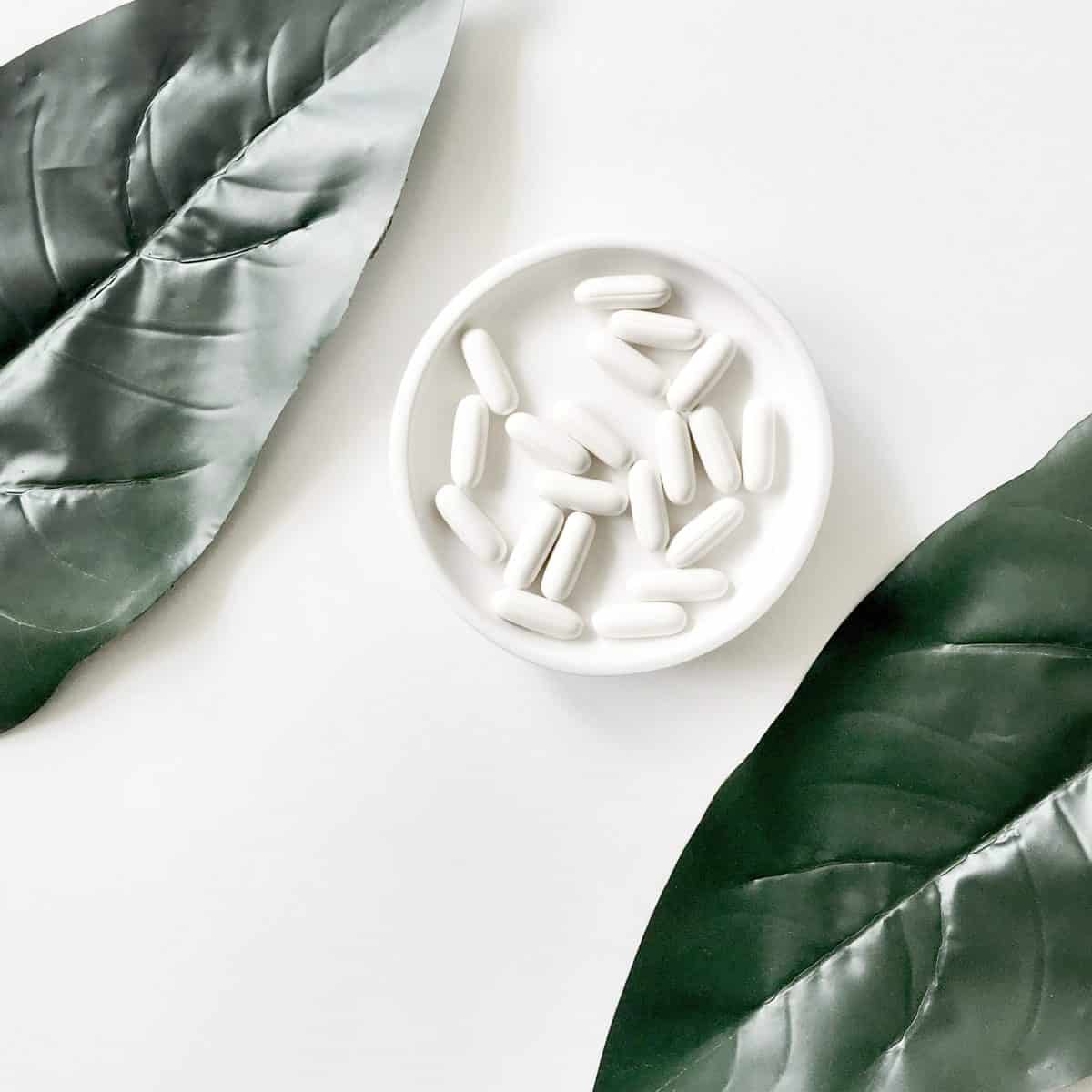
Probiotic pills in a white bowl

There are a variety of probiotic strains that exist in both food and supplemental sources, and research has shown that specific strains may be more beneficial in treating specific health concerns – aka there is no one size fits all for probiotics and their intended use. So for example, there is some research to show that Bifidobacteria may be beneficial in the treatment of constipation and Irritable Bowel Syndrome (IBS) symptoms, as well as aid in weight management. We discuss the research on this strain and its impact on IBS in more detail below, along with several other health conditions and associated strains that have been shown to be beneficial. So keep reading to find out more! 

In terms of the supplemental probiotics we find in drug stores, the most common types of bacteria used are Bifidobacteria and Lactobacillus, as well as the yeast, Saccharomyces. Some of the probiotic supplements available in stores are single-strains, while others are multi-strains or multi-species. For general health, research suggests that multi-strains and multi-species (meaning two or more probiotic strains or species in a single supplement) are more effective than single-strains. This is because the mixed bacteria and/or yeast complement each other and provide synergistic health properties, thereby maximizing the effectiveness of the probiotic supplement. 

Best Probiotics for Adults

There are many different probiotic supplements on the market targeted at treating and/or preventing a wide variety of health conditions and concerns – from treating constipation to potentially aiding in weight loss or management. But does the research support these claims? And what specific probiotic strains are most effective for these health conditions? Let’s take a look at what the evidence has to say on using specific probiotics. 

Person holding up a cookie shaped like a poop emoji.

Use of Probiotics for Constipation 

We all know how uncomfortable and frustrating constipation can be and there are a number of reasons why one may experience constipation – including medications, stress, dehydration, and eating a low-fibre diet. There are also a number of ways to help relieve constipation and make stools easier to pass. One of which is the regular intake of probiotics. Many probiotics on the market claim to help treat constipation and often contain the strains – L. reuteri and L. casei. In terms of the effectiveness of the L. reuteri strain on the treatment of constipation, a 2014 randomized control trial (RCT) found that L. reuteri was effective at improving bowel movement frequency. However, the study did not find a difference in stool consistency.  

As for the effectiveness of L. casei, a 2014 systematic review and meta-analysis looking at the effects of probiotics on constipation in adults, found that L. casei was not effective at improving stool frequency or consistency. Instead, this study found that the B. lactis strain significantly reduced gut transit time by 12.4 hours. It also found that B. lactis increased stool frequency by 1.3 bowel movements per week, and improved stool consistency. Therefore, the L. reuteri strain may be effective at improving constipation, but the B. lactis may be a more effective option for most people. 

Example: Activia® Shot Probiotic Drink CFU/Dose: 1B/serving, Dose/day: 1-3 servings (B. lactis)

Use of Probiotics for Weight Loss / Management 
a blue plate with "weight loss" written in white tiles

There are probiotics on the market that claim to aid in weight loss  by helping to reduce body weight, body fat mass and waist circumference. Probiotics for weight management is a new and up-incoming area of research and unfortunately, to date, there is a lack of research studies to support these claims. So far, a 2015 systematic review and meta-analysis looked at whether or not supplemental probiotics and probiotics from food had any effect on weight loss and found that probiotics for weight loss have limited efficacy in decreasing body weight and BMI. 

However, a more recent RCT, published in 2016, found that B. lactis reduced body weight compared to placebo. That being said, this study only included 134 participants and thereby stated that more clinical trials on a larger study sample is needed to generalize these findings to a wider population. Similar to our recommendation on probiotics for anxiety, it is possible that probiotics may work for you and your unique needs. However, because research is still in its early stages, whether or not there are best probiotics for weight loss is up for debate. This is compounded by the fact that long term weight loss efforts are often met with compensatory mechanisms in the body (read about that here), so it’s important to work with a registered dietitian or medical professional to assess whether or not probiotics are right for you. 

Example: UltraFlora Control CFU/Dose: 10B/capsule, Dose/day: 1 capsule (B. lactis) – approved by Health Canada

Use of Probiotics for IBS (Irritable Bowel Syndrome)
several probiotic capsules on a spoon

Irritable Bowel Syndrome (IBS) is a chronic condition that affects the large intestine. Symptoms of IBS include cramping, abdominal pain, bloating, gas, diarrhea and/or constipation. A systematic review published in 2019 looking at whether probiotics supplements improve IBS symptoms found that, overall, there was a beneficial effect from using multi-strain supplements for at least 8 weeks. However, none of the trials included in the review used the same probiotic mixtures. That being said, of the trials that reported beneficial effects of multi-strain probiotics, L. acidophilus was the most commonly represented probiotic, followed by S. thermophilus, B. breve and B. longum. 

Another systematic review and meta-analysis published in 2019 looking at the efficacy and safety of probiotics for IBS concluded that probiotics can significantly improve the overall symptoms of IBS and abdominal pain. Similarly, the review also found that combinations of probiotics, rather than single-strains, appear to be more effective. However, similar to the study mentioned above, the paper stated that it was unclear what particular combination of probiotic species and strains were more likely to be effective, as all the studies included in the review used different combinations of strains and doses. The review concluded that Lactobacillus and Saccharomyces showed little or no beneficial effect, but that there was a trend toward a beneficial effect of Bifidobacterium. 

These two studies show that the current research is still mixed in this area. It is important to also note that different strains may be more effective in treating IBS for some people than others. With that said, it may be beneficial to work with a registered dietitian or medical professional when trialing different probiotic strains to find one that works for you. 

Example: Visbiome™  CFU/Dose: 450B/sachet, Dose/day: 1-4 sachets (VSL#3 – L. acidophilus, L. casei, L. bulgaricus, L. plantarum, B. longum, B. infantis, B. breve and S. thermophilus) – approved by Health Canada 

Example: Align® CFU/dose: 1B/capsule, Dose/day: 1 capsule (B. longum) – approved by Health Canada

Use of Probiotics for Antibiotic-Associated Diarrhea Prevention

an image of a wooden dummy sitting on a toilet

Bacterial infections will often warrant the use of antibiotics as a form of treatment. However, the downside of antibiotics is that even though they may kill the “bad” bacteria causing the infection, it doesn’t discriminate. Meaning – antibiotics will also kill a number of “good” bacteria and thereby disrupt the bacterial balance in the gut.  This can lead to antibiotic-associated diarrhea (AAD) – which is  the passing of loose, watery stools multiple times a day after the use of antibiotics. A meta-analysis published in 2016 looking at whether probiotics reduce the risk of AAD found favourable effects of probiotics in adults, but not the elderly. These results were found regardless of the intended use of the antibiotic prescription. The studies included in the analysis used different strains and doses of probiotics. That being said, among the different strains of probiotics evaluated, L. casei, L. acidophilus and S. boulardii more frequently showed favourable effects on AAD. 

Another systematic review and meta-analysis published in 2010 found that S. boulardii was significantly protective for AAD and therefore recommended its use.

Example: Florastor® CFU/Dose: 5B/sachet or capsule, Dose/day: 1-2 sachets or capsules (S. boulardii) – approved by Health Canada 

Use of Probiotics for Clostridium Difficile Associated Diarrhea Prevention 

As mentioned above, antibiotics can disturb the balance of bacteria in the gut, which can result in diarrhea and other symptoms. Clostridium difficile is a dangerous organism that may colonize the gut when the normal healthy balance of bacteria has been disturbed. C. difficile produces irritating chemicals that damage the bowel wall and trigger inflammation, known as colitis. Symptoms include abdominal pain, cramps, fever and diarrhea. A systematic review published in 2017 found that when probiotics are given with antibiotics, the risk of developing C. difficile associated diarrhea (CDAD) is reduced by 60%. More specifically, the review found that S. boulardii or L. acidophilus plus L. casei prevents CDAD at a dose of 10 to 50 billion CFUs per day. 

Example: Bio-K+® Strong Capsules CFU/Dose: 50B/capsule, Dose/day: 1-2 capsules (L. acidophilus, L. casei, L. rhamnosus) – approved by Health Canada 

Example: Florastor® CFU/Dose: 5B/sachet or capsule, Dose/day: 1-2 sachets or capsules (S. boulardii) – approved by Health Canada 

Use of Probiotics for Travelers’ Diarrhea

image on an airplane in the sky

Travelers’ diarrhea (TD) is a common side effect when visiting developing countries due to eating or drinking contaminated food or water. Research has shown that as many as 38-79% of people may develop TD while travelling. A systematic review and meta-analysis published in 2019 looked at whether probiotics are effective in the prevention of TD. The study found that not all probiotic strains were effective for preventing TD and highlighted that strain-specificity is an important factor when choosing an effective probiotic. Only one probiotic, S. boulardii, was significantly effective for the prevention of TD. So keep this in mind for when COVID traveling restrictions are lifted! 

Example: Florastor® CFU/Dose: 5B/sachet or capsule, Dose/day: 1-2 sachets or capsules (S. boulardii) – approved by Health Canada 

Use of Probiotics for Helicobacter Pylori (Adjunct to Standard Eradication Therapy) 

Helicobacter pylori is a type of bacteria that can colonize in the stomach or upper part of the small intestine if passed through direct contact, such as through saliva, vomit or fecal matter, or from contaminated food and water. If left untreated, this can lead to numerous gastrointestinal diseases including peptic ulcer disease and gastric cancer. Triple therapy is the gold standard treatment regimen for H. pylori eradication and combines the use of antibiotics (clarithromycin and either amoxicillin or metronidazole) and a proton pump inhibitor drug for 7 to 14 days. However, the success rate and efficacy of triple therapy has been declining. 

A systematic review and meta-analysis published in 2010 looking at S. boulardii found that there was no significant difference in H. pylori eradication. Although, significantly fewer patients reported epigastric distress and lower global dyspepsia symptoms scores, compared with placebo. This indicates that S. boulardii may not be effective in eradicating H. pylori itself, but it is effective in reducing the side-effects of the standard triple therapy. 

That being said, a meta-analysis published in 2016 found that the addition of probiotics to the triple therapy was associated with a 13.8% increase in the chance of eradicating H. pylori infection compared to triple therapy alone. Interestingly, the analysis found that there was no significant difference observed in efficacy between the various types of probiotics. Both single strains of Lactobacillus, Bifidobacterium and Saccharomyces, along with mixtures of these three probiotics all appeared to be beneficial in H. pylori eradication. The analysis does call for further studies to identify the optimal probiotic species and dose. It is important to note that the analysis does not recommend solely using probiotics to eradicate H. pylori, as probiotics only help to reduce bacterial load when used in conjunction with triple therapy.

Example: Example: Florastor® CFU/Dose: 5B/sachet or capsule, Dose/day: 1-2 sachets or capsules (S. boulardii)

Use of Probiotics for Anxiety
image of probiotic supplements

Research has shown that there exists an important relationship between our gut and our brain – aka the gut-brain axis.  New and exciting research has begun to take a deep look at this relationship, with some studies showing that probiotics may play an important role in not only supporting a healthy gut but a healthy brain, as well. For example, a 2017 meta-analysis looking at the efficacy of probiotics on anxiety found that probiotics significantly decreased anxiety compared to controls. More specifically, a 2011 study included in the analysis found that L. helveticus and B. longum taken in combination displayed anxiety reducing activity in rats and beneficial psychological effects in healthy human volunteers. However, the meta-analysis concluded that more studies are needed to assess the specific probiotic strains, doses, and treatment periods most beneficial for anxiety. Therefore, the analysis did not recommend specific bacterial strains. 

That being said, another meta-analysis published one year later, in 2018, found that the evidence of probiotics in treating anxiety is insufficient. This analysis showed no significant difference between probiotics and the placebo in alleviating anxiety symptoms. The paper concluded that more reliable evidence from clinical trials is needed before a case can be made for promoting the use of probiotics for anxiety treatment.

These two conflicting analyses show that research on the efficacy of probiotics for mood, termed “psychobiotics,” is still in the preliminary stages. Therefore, more high-quality research studies are needed to determine if probiotics effectively reduce anxiety. That being said, if you are living with anxiety and are curious about probiotics, work with a registered dietitian or medical professional to see if taking a probiotic works for you and your unique needs. Also, as a reminder, probiotics are not suggested to be used as a substitute for standard treatment.  

Example: Probiotics Sticks CFU/Dose: 3B/stick, Dose/day: 1 stick (B. longum, L. helveticus) – approved by Health Canada 

Probiotic Supplements vs Foods
image of probiotic yogurt

Probiotic supplements can be purchased in liquid, powder, capsule or pill form. Probiotics are also both found naturally and supplemented in foods such as kimchi, sauerkraut, kefir, tempeh, miso and probiotic enriched yogurt. While the probiotic load in food is not nearly as significant as in a supplement, there are a lot of added benefits to eating probiotic-rich foods over taking a supplement, as many of these foods are also rich in vitamins and nutrition. 

For example, let’s take a look at probiotic yogurt. To be considered a probiotic yogurt in Canada, the stated serving size must contain a minimum level of 1 billion CFU. However, 1 billion CFU is not a therapeutic dose as it is far less than probiotic supplements which have upwards of 10 billion CFU. Quick and easy math tells us that you would need to consume upwards of 10 servings of probiotic yogurt to get the same amount of CFUs that are in one probiotic supplement. This would also mean that you would need to consume yogurt every single day. For more details on the probiotic food vs. supplement debate, check out our previous post here. 

The takeaway message here is that you should aim to incorporate more probiotic-rich foods in your day-to-day to support your gut health.  But if you struggle to incorporate these foods into your regular diet, or you require more support for your digestion or any other conditions we’ve discussed here – a probiotic supplement may be the way to go to help support your needs and overall health. 

Are probiotics safe for adults?

Probiotic supplements are generally considered safe, as the microbes used in the supplements already exist naturally in the body. However, probiotics may trigger allergic reactions and may also cause mild stomach upset, diarrhea or flatulence and bloating for the first few days of use. To reduce the likelihood of these symptoms, it is recommended to start with a lower dose as the body adjusts. Individuals with a weakened immune system, critical illness and/or have recently undergone surgery may be at risk of infection, and, therefore, extra caution is recommended. Always talk to your healthcare provider before starting probiotic supplements, as well if side effects continue for more than a few weeks.

Are probiotics well regulated?

If you are interested, the regulation of probiotics was discussed at greater length in the previous post on probiotics for kids and babies. But here is a quick summary. Probiotics are available over-the-counter and are considered a natural health “dietary supplement” instead of a drug. In Canada, probiotics are subject to regulations and must have a product license. Probiotics with a natural product number (NPN), visible on the product label, have been assessed by Health Canada and are deemed safe, effective and of high quality. Next time you are at the store to purchase a probiotic supplement, make sure you look out for the NPN number as confirmation that the probiotic has been approved by Health Canada. 

Bottom line on the Evidence on Probiotics for IBS, Weight Loss and More

Overall, the research suggests that probiotic supplements can help in treating constipation, improving symptoms of IBS, preventing antibiotic-associated diarrhea, C. difficile associated diarrhea D and traveler’s diarrhea, along with reducing the side-effects of H. pylori standard triple therapy. The research also shows promising, although preliminary, results in probiotic supplements possibly reducing anxiety and aiding in weight loss or management. If you are struggling with or wanting to prevent any of these health concerns, it would be beneficial to work with a registered dietitian or medical professional to help you choose the best probiotic strain for you. There are so many supplements on the market at varying CFUs and doses and your medical team can help you choose the most effective strain that is best suited for you and your unique needs.

Have you taken probiotics? Did you find it helped with any of the ailments we discussed? Leave me a comment below with your thoughts!

Contribution by: Christine Jauernig
pinterest image of probiotics for weight loss and IBS

Abbey Sharp

Abbey Sharp is a Registered Dietitian (RD), regulated by the Ontario College of Dietitians. She is a mom, YouTuber, Blogger, award winning cookbook author, media coach specializing in food and nutrition influencers, and a frequent contributor to national publications like Healthline and on national broadcast TV shows.
www.abbeyskitchen.com/about-abbey/

Last Updated August 25, 2020. Published August 26, 2020 By Abbey Sharp 2 Comments

Best Healthy Snacks and Foods to Balance Blood Sugar

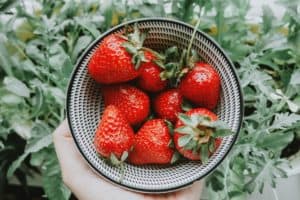
strawberries in a bowl to balance blood sugar levels

DISCLAIMER: This post was developed in sponsored partnership with BOOST®, however, as always, all opinions are genuine.

We share the best healthy snacks and foods to balance blood sugar for people living with Diabetes and those who just need a filling snack to get them from meal to meal.

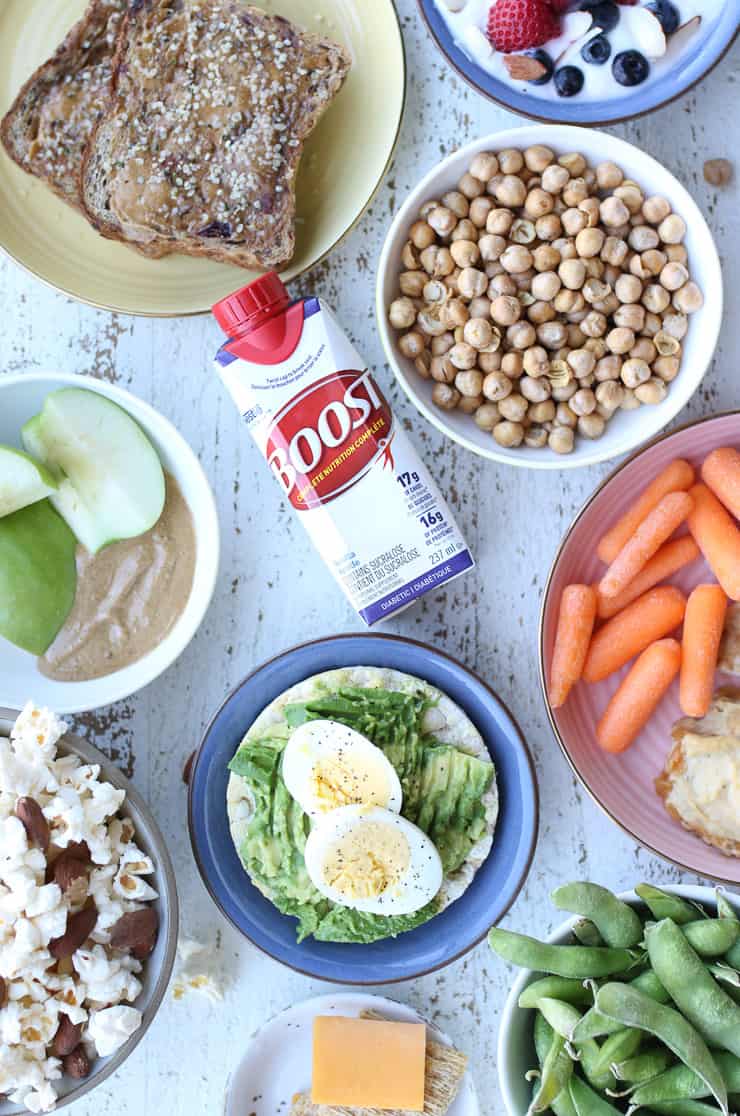
birds eye view of healthy snacks to manage blood sugar levels

Tell me if this sounds familiar. You had a rushed breakfast, powered through back to back zoom meetings all morning, and arrived at lunch with low blood sugars and desperate hunger pangs, so you plow through a sleeve of cookies before you even have a chance to see what you had planned for lunch. Yep, this is a classic situation and one of the many reasons I am a fan of planning balanced snacks to help keep blood sugars even keeled.

image of sugar on a spoon

What happens when my blood sugars get low?

If you are living with Diabetes and you skip a meal or eat less than you need (to support physical activity, for example), you might find that you experience some of the unpleasant symptoms of hypoglycemia (low blood sugar). These would include:

  • Rapid heartbeat
  • Nervousness
  • Fatigue
  • Headache
  • Extreme hunger
  • Dizziness
  • Shakiness
  • Sweating
  • Difficulty concentrating

For those who do not have Diabetes, skipping a meal might be uncomfortable, but the body is typically able to mobilize glucose from elsewhere (like from storage in the liver) without any serious side effects. 

Is blood sugar only important for people living with Diabetes?

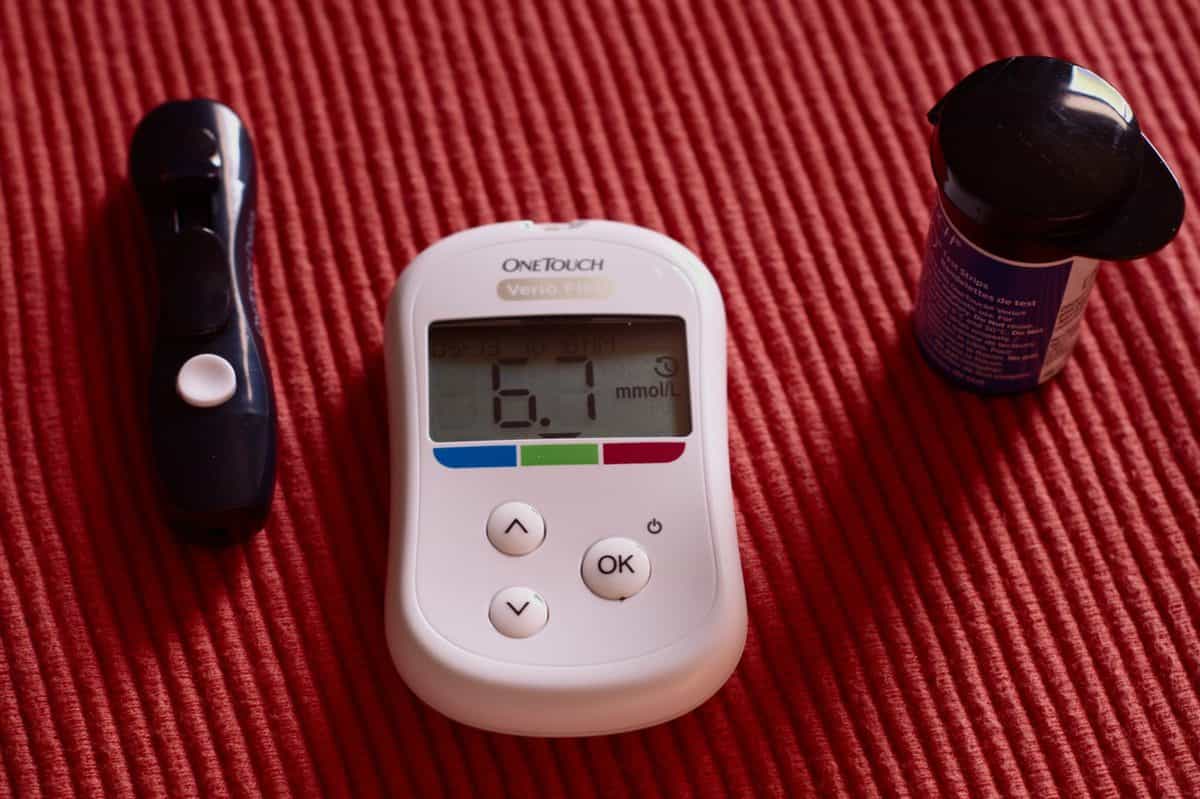
image of a glucometer for glucose testing

Not necessarily. We tend to talk about “blood sugar spikes” colloquially for the general population, but in reality, someone without Diabetes will not experience actual hyperglycemia in response to a high sugar meal, or hypoglycemia when they don’t eat enough. However, while you may not feel the extreme highs and lows of someone living with Diabetes, one may still experience some variation in blood sugars (within “normal ranges”) and subsequent symptoms when choosing a refined sugar vs balanced snack. While it’s more accurate to use different language when describing the technical blood glucose levels of those with and without Diabetes, it still makes sense from a satiety and symptom management standpoint for everyone to be mindful of foods that provide less and more sustained energy. Foods that are high in fast digesting carbs (like candy, for example) will be digested quickly, lead to hyper insulin secretion by the pancreas, and will leave you feeling hungry, jittery and fatigued shortly after eating. It’s just not very satiating. Foods that are rich in fibre, protein and fat, as well as the act of chewing well can increase GLP-1 (glucagon-like peptide 1) which helps create a more accurate insulin response. These compounds also help promote slower digestion and a more stable release of energy so you feel fuller longer. This is why it’s important to pair carbohydrates with a source of fibre, protein or fat whenever possible to promote more even blood sugar levels throughout the day.

How do you balance blood sugar?

Regardless of whether or not you have Diabetes, you can balance your blood sugars by paying attention to some simple lifestyle factors.

Exercise Regularly

Exercise can help your cells become more insulin sensitive and help your muscles use blood sugars for muscle contraction. You don’t need to go crazy and sign up for a strenuous bootcamp 5 days a week. Choose an activity that you love and can keep up for the long haul whether that be walking, biking, weight lifting, or running after your kids.

Choose High Fibre Carbs

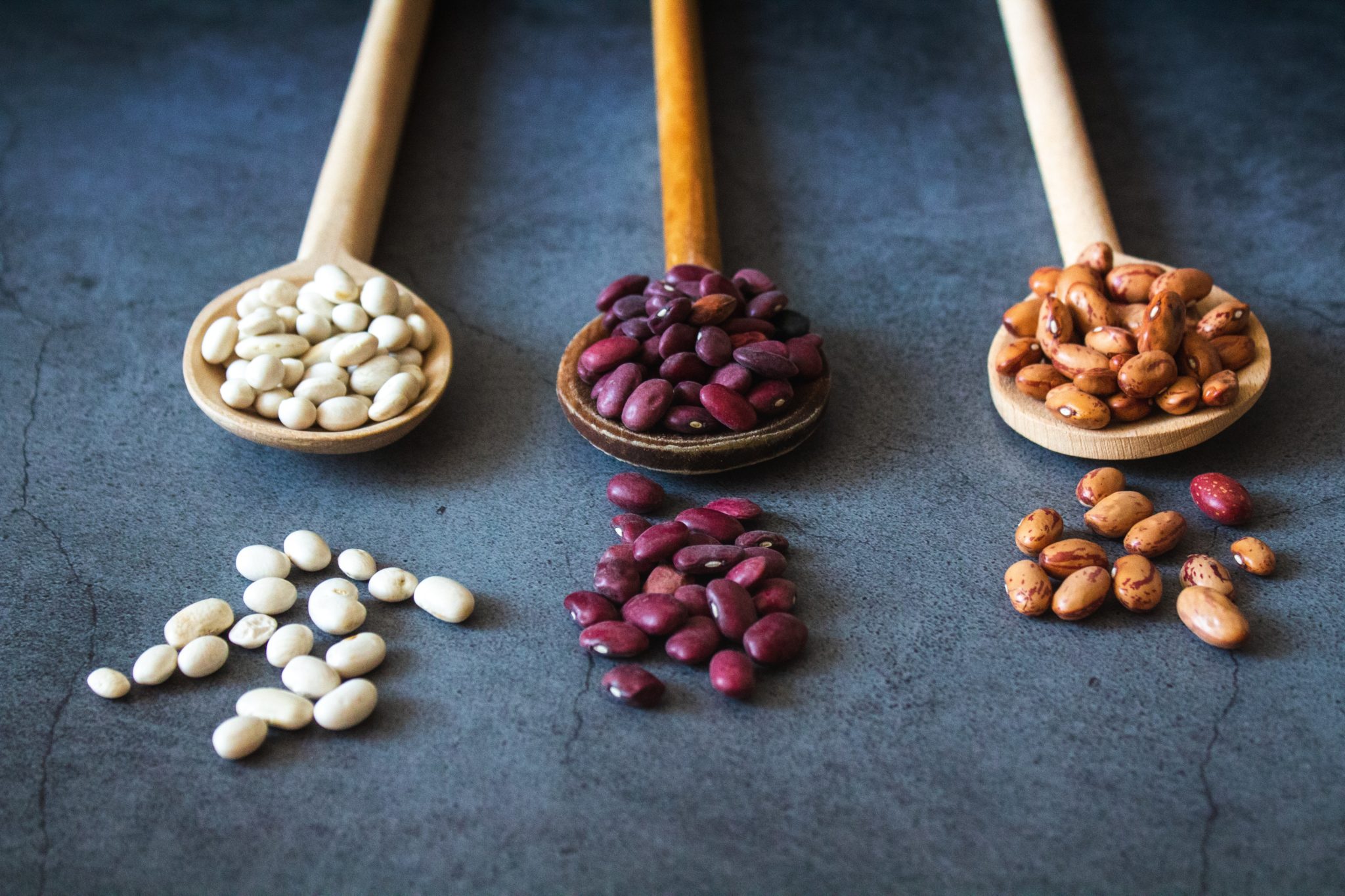
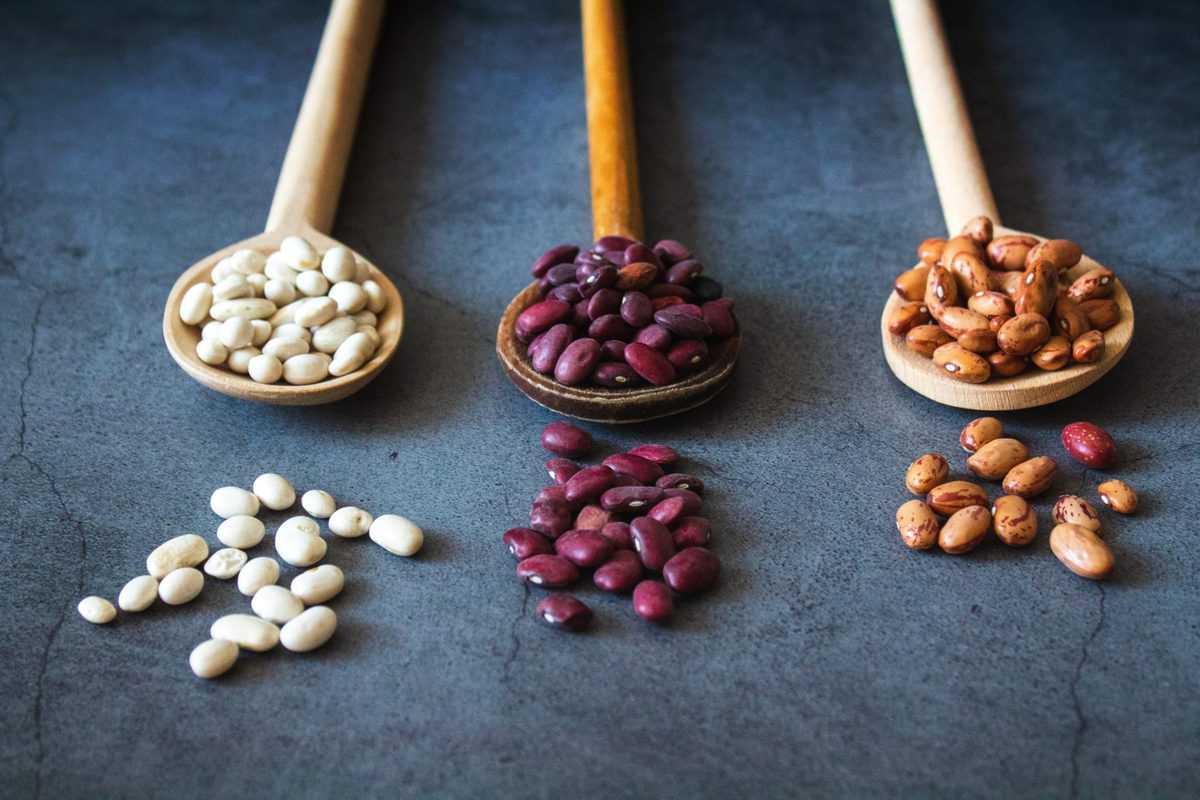
image of dried beans on wooden spoons

While both insoluble and soluble fibre are important, soluble fibre has been shown to help lower blood sugar levels. It’s recommended that women aim for 25 grams of fibre per day, and men around 38 grams. Sources of soluble fibre include oat bran, barley, nuts, seeds, pulses, fruits and vegetables.

Reduce the Glycemic Load

The glycemic index determines the body’s blood sugar response to carbohydrate containing foods. Foods that are high GI will raise your blood sugars faster and more dramatically than foods that are low GI. You can reduce the overall glycemic load of a meal by pairing your carbohydrate with a source of fibre, protein or fat which helps slow down the glycemic response.

Stay Hydrated

Drinking enough water can help to flush out excess glucose, and is a hydrating choice that does not increase blood sugars like juice, soda or other sweetened beverages. 

water in a glass for hydration to manage blood sugar levels

Control Stress Levels

Stress can increase hormones like glucagon and cortisol, both of which can increase blood sugar levels. Try to find an activity that you find relaxing and enjoyable like yoga, meditation, reading, or mindfulness.

Get Enough Sleep

Lack of sleep, like stress, can impact cortisol levels, so try to implement a healthy sleep hygiene regime like going to bed early, removing any blue light from electronics and screens, and starting a relaxing routine in the hours before bed.

woman sleep in a bed to regulate blood sugar levels

What kind of foods are the best for keeping blood glucose levels stable?

When choosing snacks to help stabilize your blood sugar and keep you satiated longer, I like to think about incorporating at least one of what I call the “hunger crushing” compounds. That includes fibre, protein and fat. Foods that are high in simple carbs all on their own will typically be digested and processed very quickly by the body which gives you a quick hit of energy, but will not keep you satiated very long. So while carbs are great and very important (yes, even for those living with Diabetes), I always recommend avoiding “naked carbs”. In other words, we want to pair those carbs with a source of protein, fibre or fat to boost up the satiety factor.

Examples of fibre rich foods include:

strawberries in a bowl to balance blood sugar levels

  • Whole grains
  • Fruit
  • Veggies
  • Pulses
  • Nuts and seeds

Examples of healthy fats include:

avocados as a source of healthy fats

  • Avocado
  • Nuts and seeds
  • Olive oil
  • Fatty fish 
  • Hemp hearts

Examples of protein rich foods include:

two salmon fillets as a source of protein to help regulate blood sugar levels

  • Lean poultry and fish
  • Pulses
  • Tofu
  • Greek yogurt
  • Eggs

Best Healthy Snack Foods to Balance Blood Sugar

Snacks can be a great way to carry us between meals so our blood sugars don’t get too low and we don’t get hangry. Here are some of nutritionally balanced snack ideas!

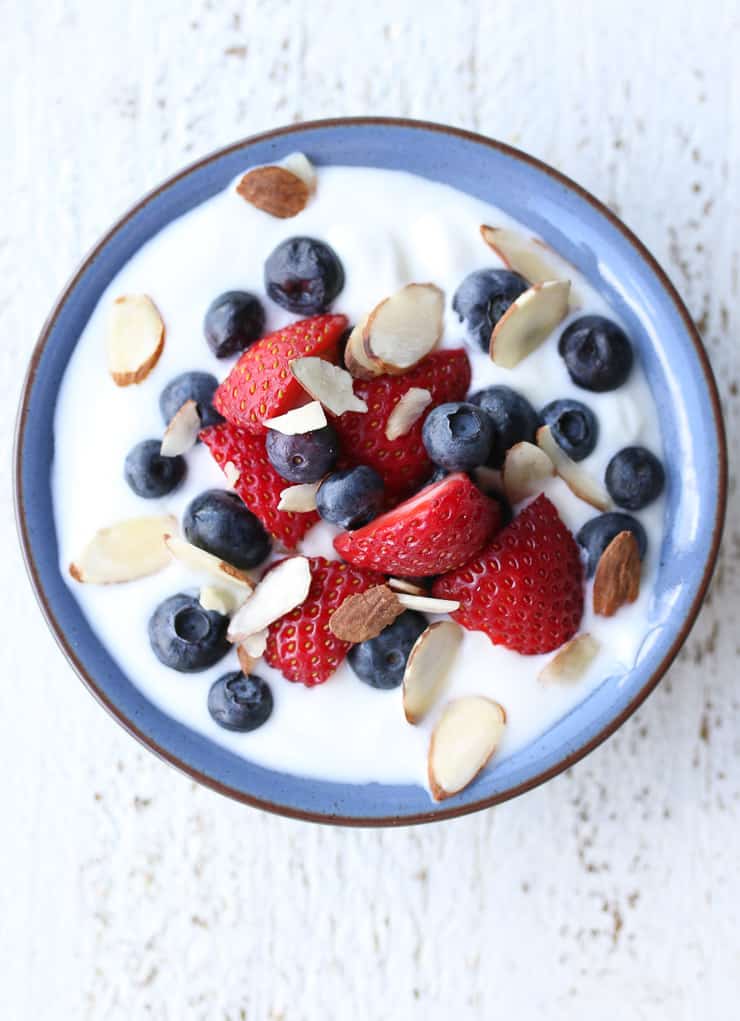
Greek Yogurt + Berries + Nuts
Here we have protein in the yogurt, fibre in the berries and healthy fats in the nuts.

image of nuts, berries, and yogurt in a blue bowl as a healthy snack

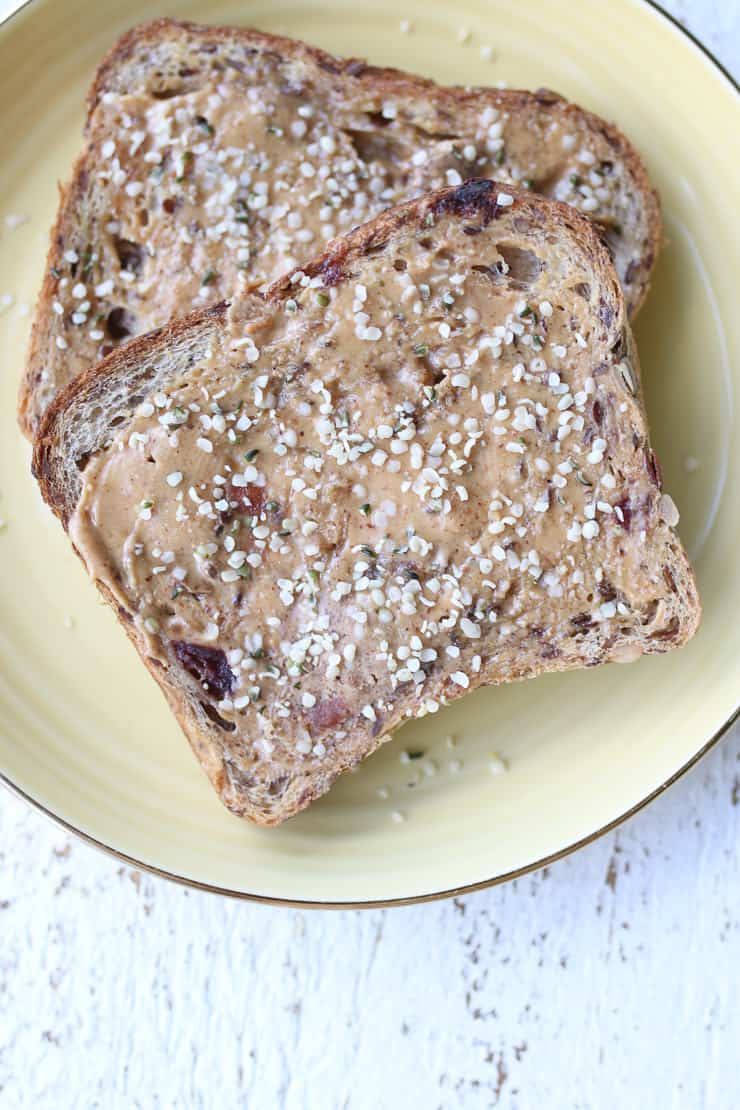
Whole Grain Toast + Nut Butter + Hemp Hearts
Here we have fibre in the toast, plus the combination of healthy fats, fibre and protein in the nut butter and hemp hearts.

two pieces of toast with nut butter and hemp seed on a yellow plate

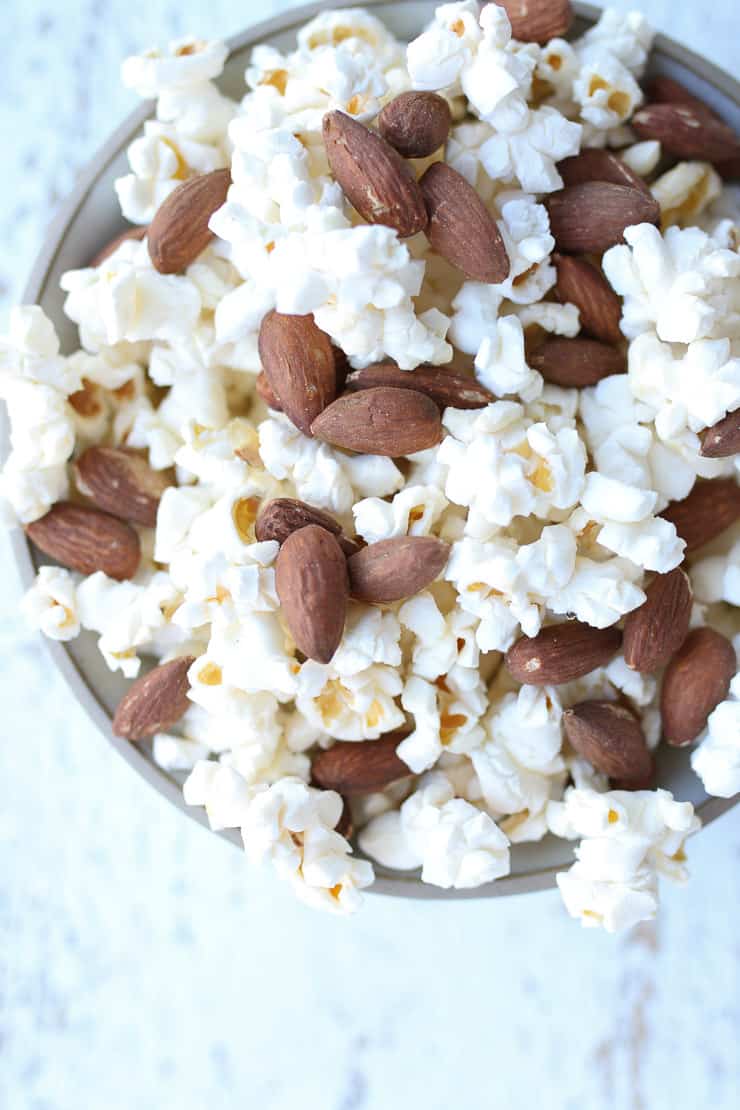
Air-popped Popcorn + Almonds 
I love that we have some fibre rich carbs with the popcorn plus healthy fats, protein and fibre in the almonds.

popcorn and almonds mixed together for a healthy snack to manage blood sugar levels

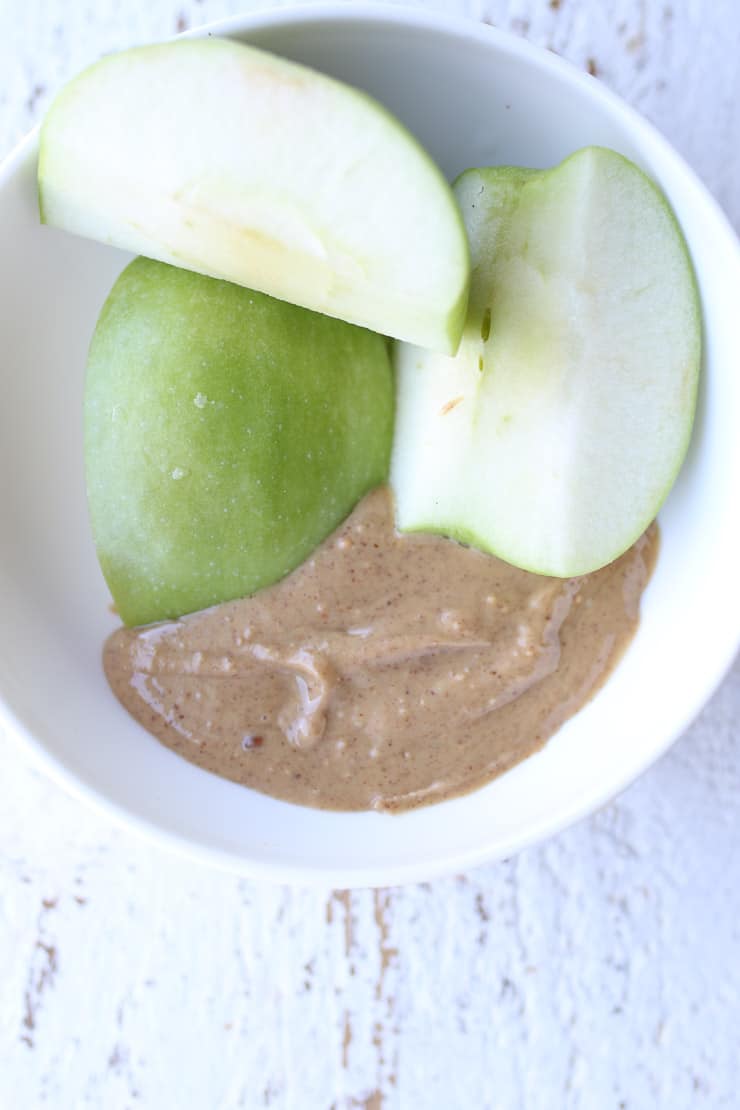
Apple + Nut Butter
Again, fibre rich carbs in the apple plus the healthy fats, protein and fibre of nut butter.

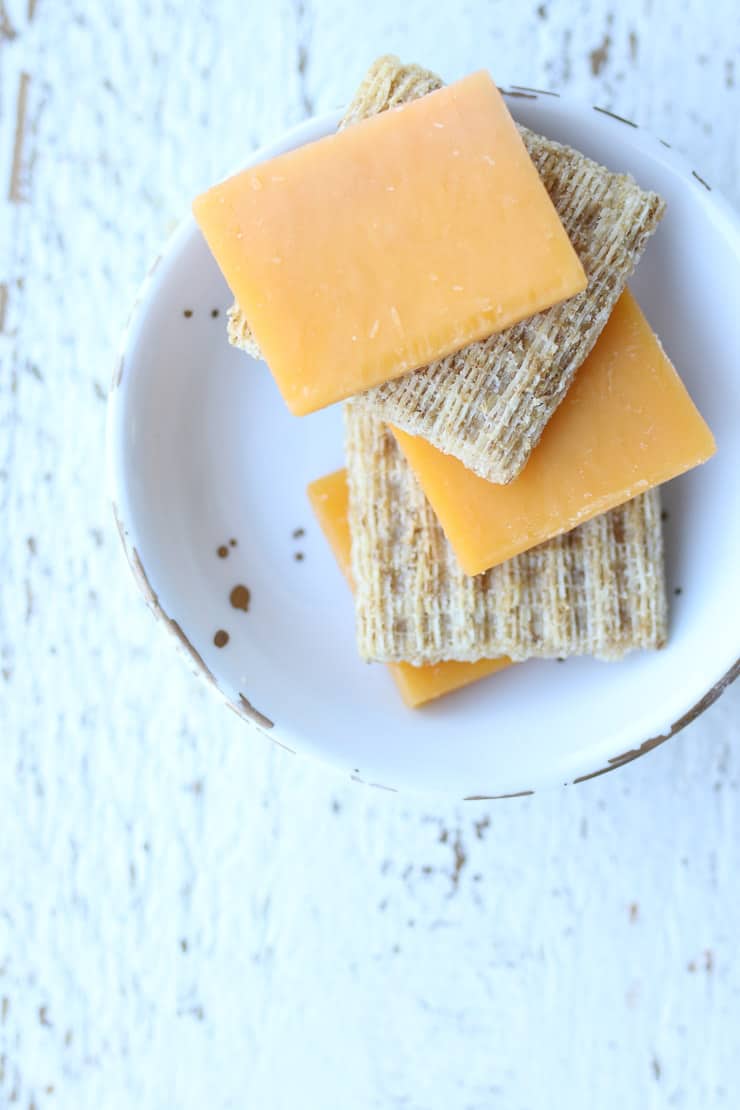
Whole Grain Crackers + Cheese 
Fibre rich carbs in the crackers plus some protein and fat in the cheese.

whole grain crackers and cheese on a white plate

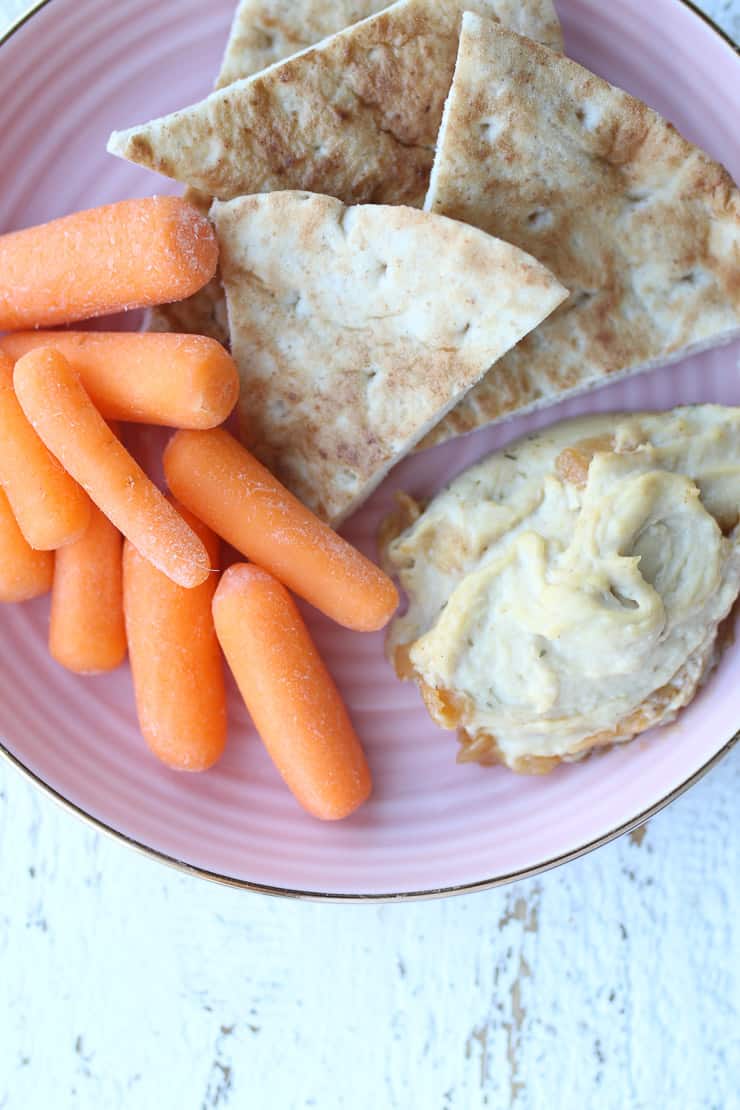
Whole Wheat Pita + Hummus + Carrots
We have fibre rich carbs in the pita and carrots plus fibre, protein and fat in the hummus.

pita and carrots as a healthy snack to manage blood sugar levels

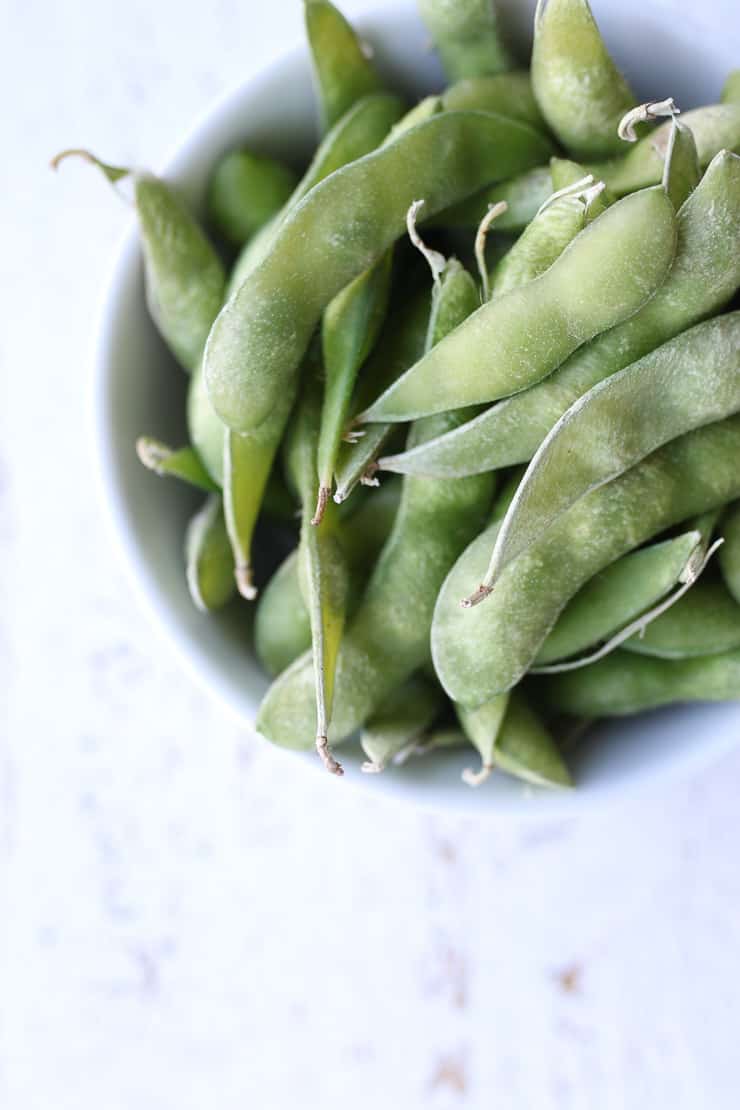
Edamame
Edamame is a great source of fibre and protein.

edamame beans as a healthy protein rich snack for blood sugar management

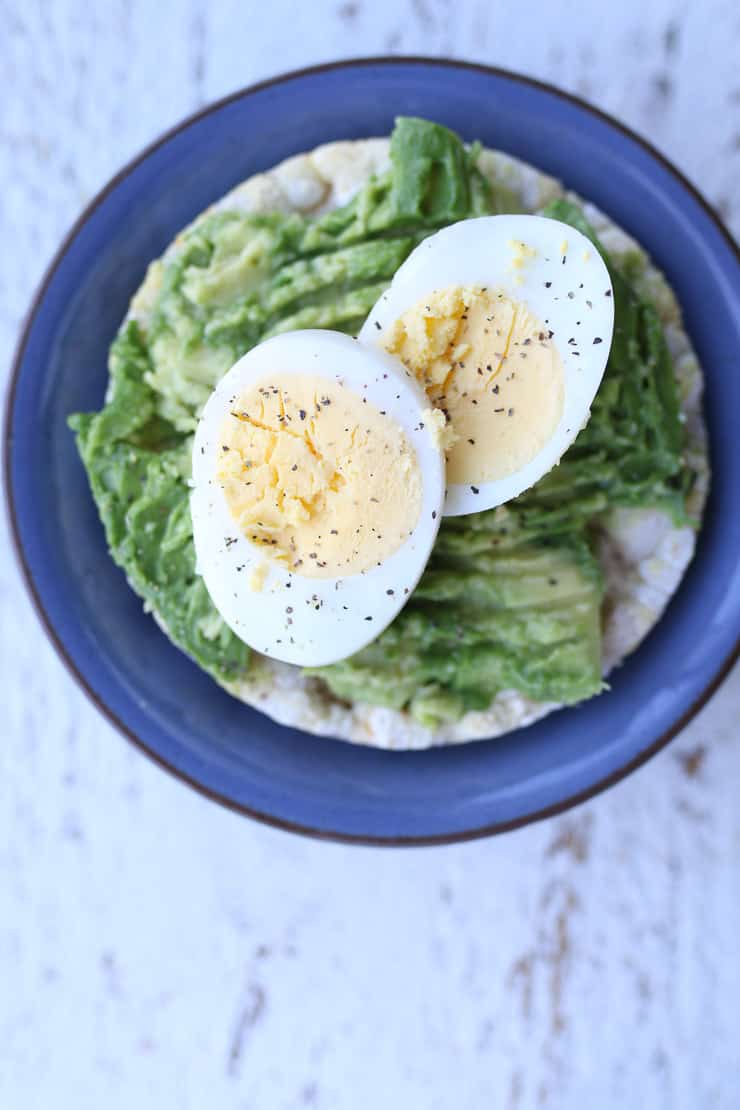
Rice Cake + Avocado + Egg
We have some fibre and healthy fats in the avocado, plus fat and protein in the egg to compliment the carbs in the rice cake.

a rice cake topped with avocado and a boiled egg on a blue plate

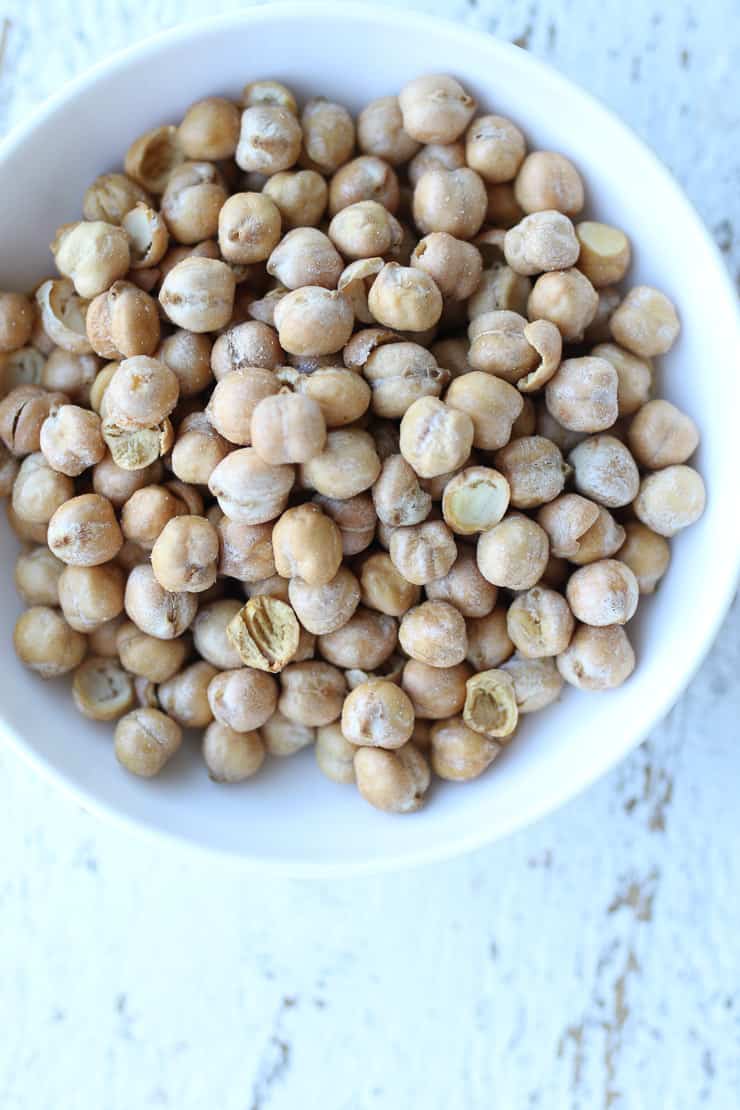
Roasted Chickpeas
Pulses are a great source of fibre and protein and if roasted in olive oil, they also provide some healthy fats.

roasted chickpeas as a healthy snack

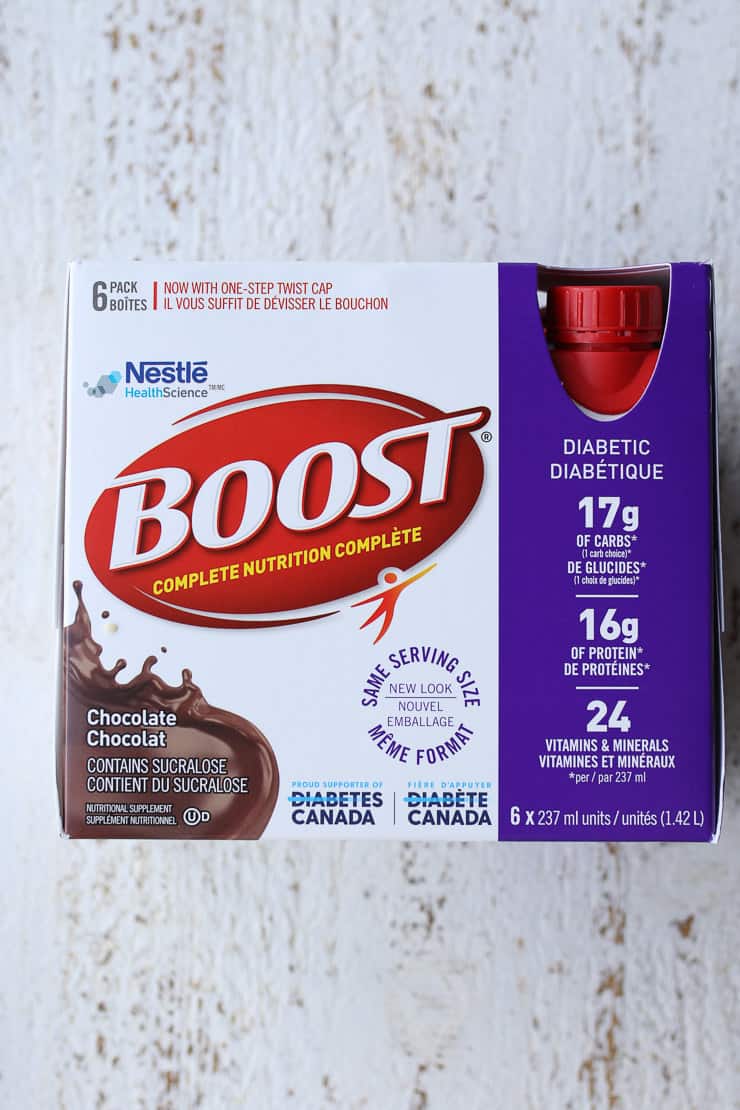
BOOST Diabetic
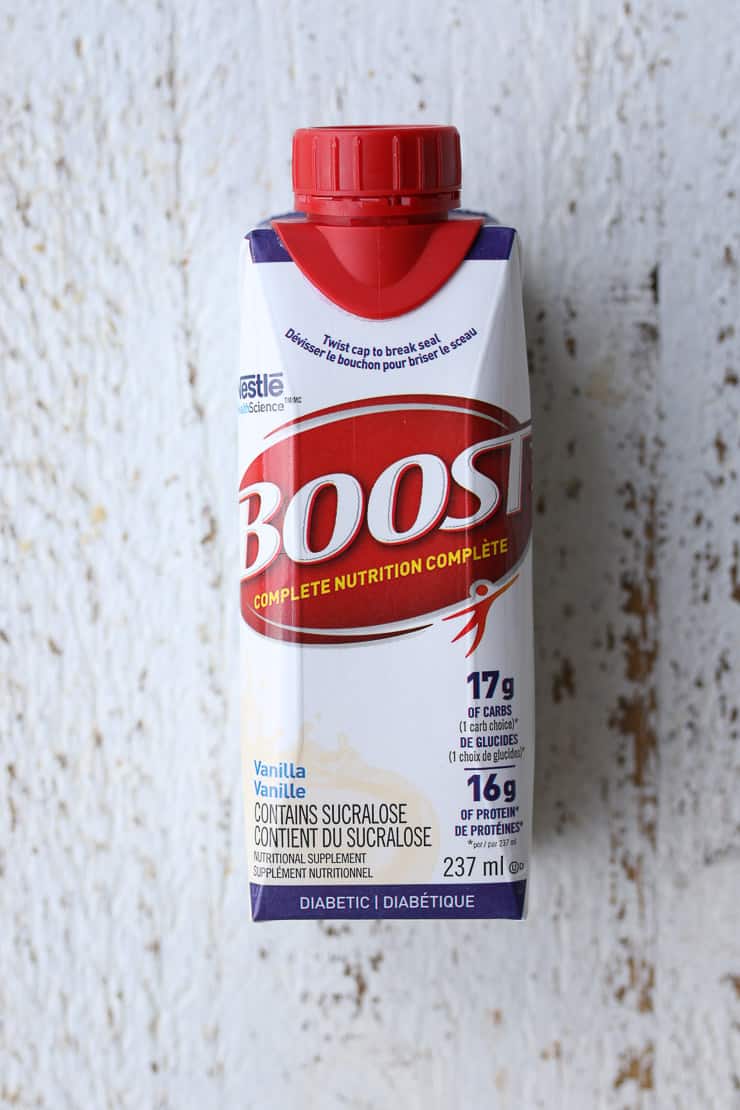
This is a great grab and go option that is perfect for those living with Diabetes, or those just looking for a satiating convenient snack. With 16 grams of protein, 0.5 grams of sugar, 24 vitamins and minerals and 1 carb choice for those counting, it’s a great tasting portable snack. They’ve also got three flavours (Vanilla, Chocolate and Strawberry) so you can switch it up based on the day or your preferences.

a package of boost supplements for blood sugar management

Bottom Line 

Balancing your blood sugar doesn’t have to be complicated or stressful. By choosing balanced snacks, staying active, and checking your blood sugars regularly (for those living with Diabetes), you’ll be likely to keep those levels even keeled from meal to meal. 

a bottle of boost supplements

If you’re interested in learning more about BOOST Diabetic products, check out the link here.


pinterest image of foods to balance blood sugar levels


Abbey Sharp

Abbey Sharp is a Registered Dietitian (RD), regulated by the Ontario College of Dietitians. She is a mom, YouTuber, Blogger, award winning cookbook author, media coach specializing in food and nutrition influencers, and a frequent contributor to national publications like Healthline and on national broadcast TV shows.
www.abbeyskitchen.com/about-abbey/

Last Updated August 13, 2020. Published August 17, 2020 By Abbey Sharp 1 Comment

The Best Tofu Marinade (Grilled, Baked, Panfried)

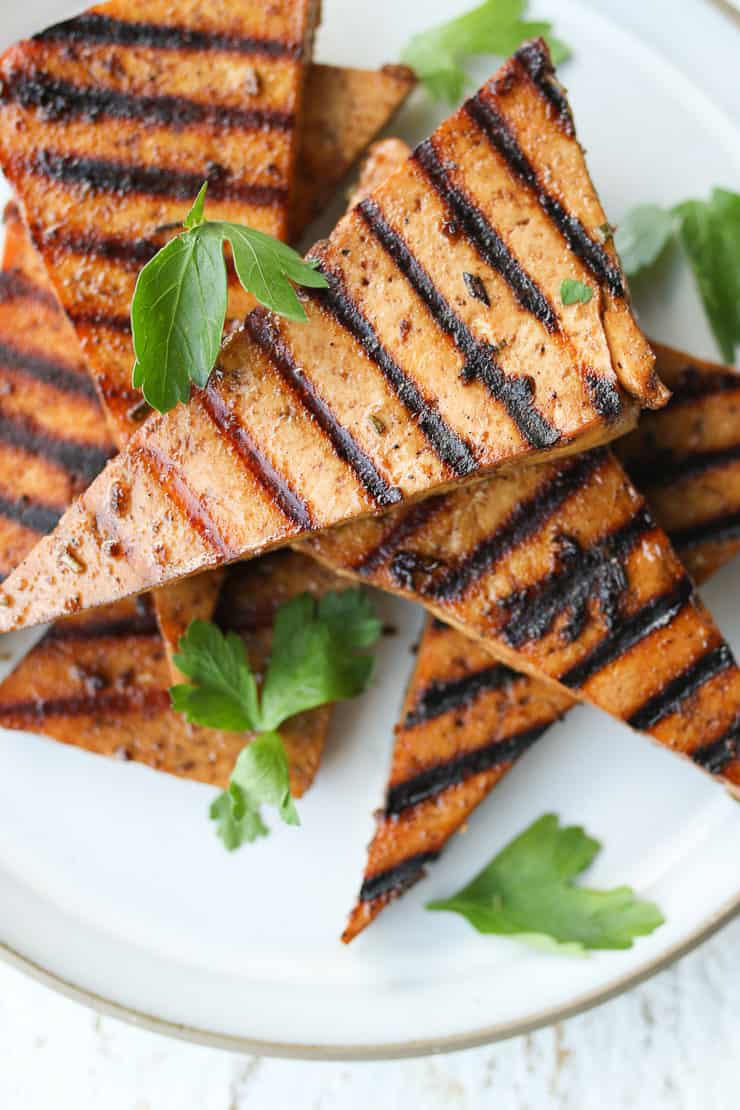
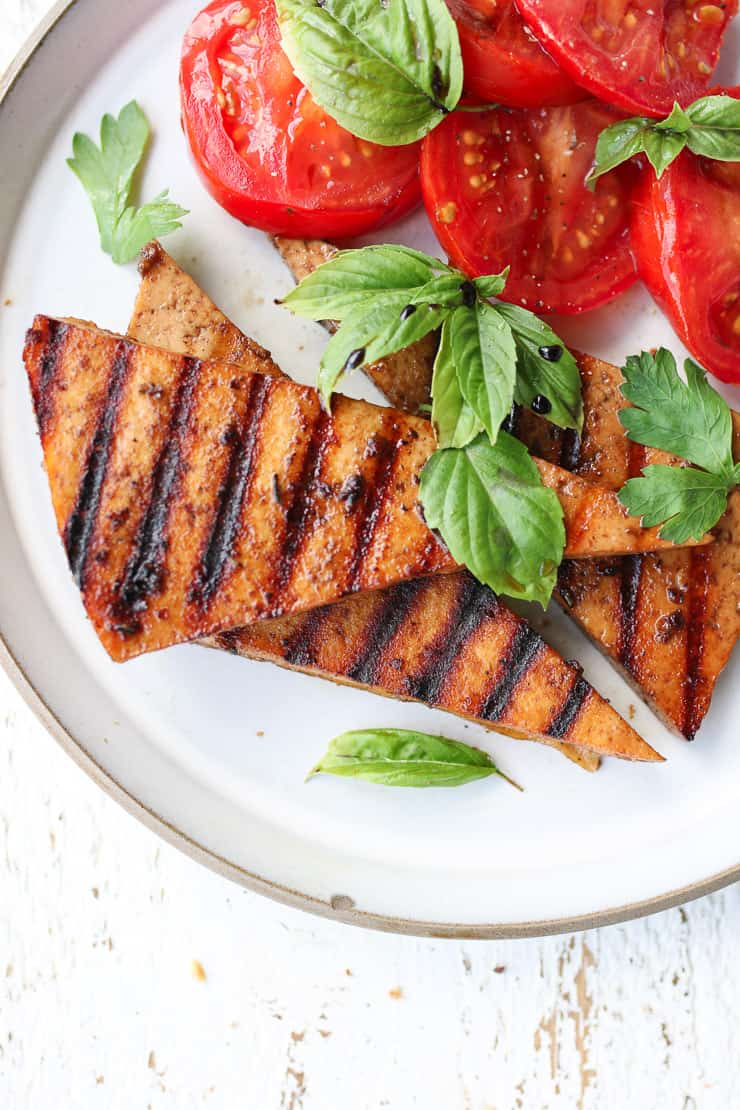
several pieces of grilled tofu on a white plate garnished with cilantro

This is the best tofu marinade I have ever tried – perfect for making tofu in different ways including grilled, baked, or panfried and so much more!

I am all about having simple go-to recipes to make meals easier so a classic stand-by marinade is one of those recipes you need in your repertoire. I have a whole blog post on different chicken marinades but I wanted to stretch my culinary skills and bring you a fool proof tofu marinade that would blow your MF socks off.

Why you need to marinate tofu (or anything)

Marinades typically serve two roles – flavour and in some cases, tenderization. Tofu doesn’t need to be tenderized the way that some tougher cuts of meat might, but man, it definitely needs to be flavoured. Tofu on its own tastes a bit like, well, nothing. It is literally begging for a good marinade, glaze or sauce.

several pieces of grilled tofu on a white plate garnished with cilantro

Key Ingredients for the best Tofu Marinade

Extra virgin olive oil– I prefer olive oil for the health properties, and it also goes nicely with the balsamic flavour. But you can also use a more neutral oil like canola or avocado if you prefer.

Balsamic vinegar – I am obsessed with balsamic vinegar and because you will taste the vinegar I recommend using a good quality one.

Low sodium gluten free tamari – Tamari or soy sauce will work, even coconut aminos works! But if you want to keep this recipe gluten free, you’ll want to avoid soy sauce.

Maple syrup – I love the richness of maple syrup, but you can use coconut sugar, honey or agave!

Fresh rosemary– I am all for dried herbs and spices, but some herbs just do not lend themselves nicely to drying and rosemary is one of them. Dried rosemary just has no flavour in my experience, so I always recommend fresh when available.

Grainy dijon mustard – If you can’t find a grainy mustard, a regular dijon will work, but I do find that some dijons are really pungent while the grainy dijon is a little more mellow and rounded out. Your call though!

Garlic powder – You can use fresh garlic here, but be warned that if you cook your tofu on a high heat (like pan-frying or grilling), there’s a good chance those pieces of garlic will burn. So I do typically recommend powder for this marinade.

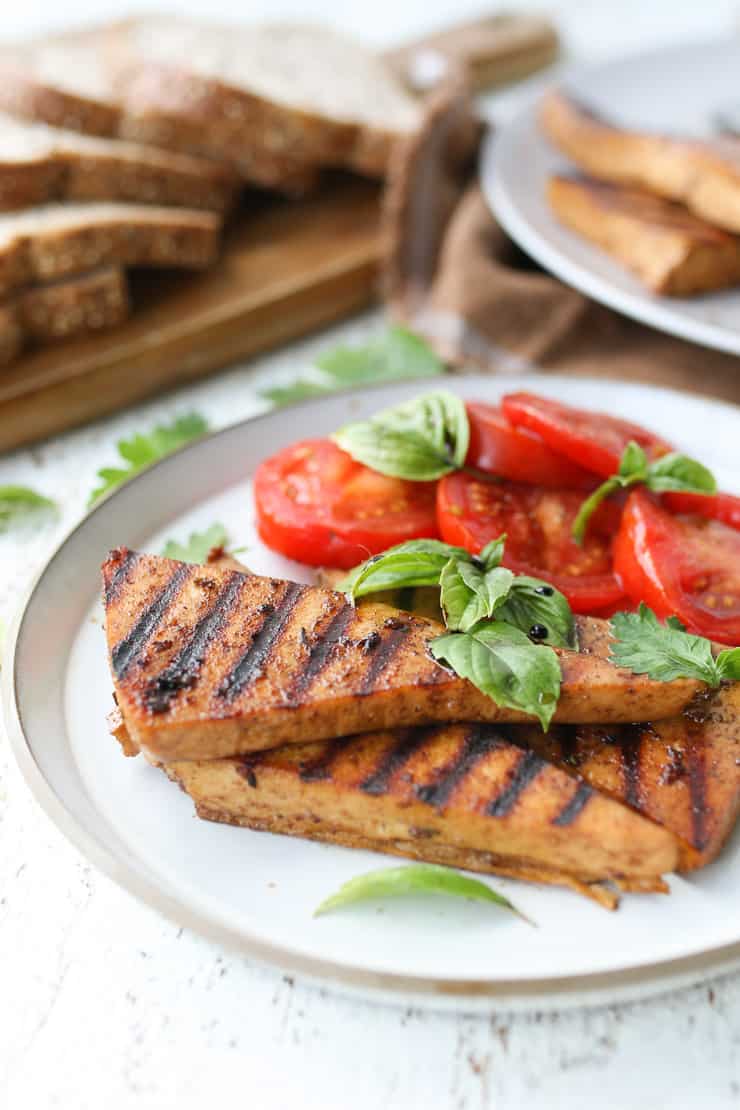
marinated grilled tofu on a white plate with tomatoes and basil on the side

How to Cook Your Marinated Tofu

The awesome thing about this recipe is that it’s really super versatile and can be prepared a multitude of ways, depending on your needs.

The first step, before you even marinate your tofu is to press it for at least 30 minutes. Pop the tofu on a baking sheet lined with paper towel or kitchen towel. Top with more towel, and a few heavy objects like cast iron skillets or books) and allow to sit for 30 minutes.

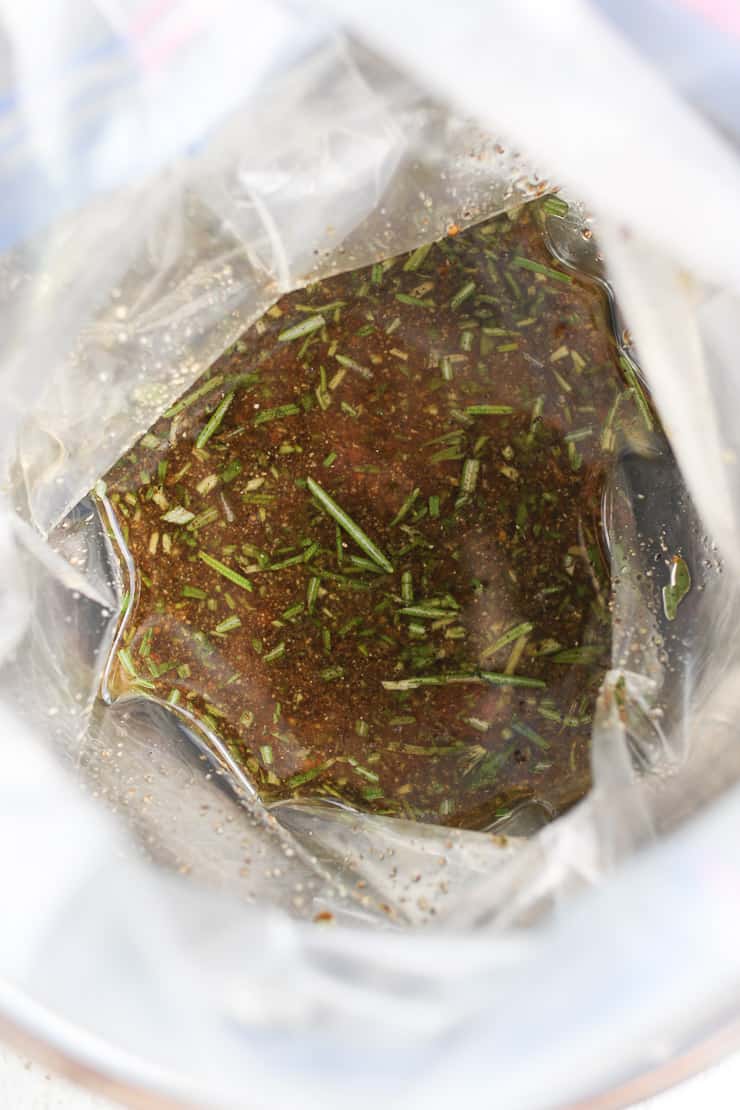
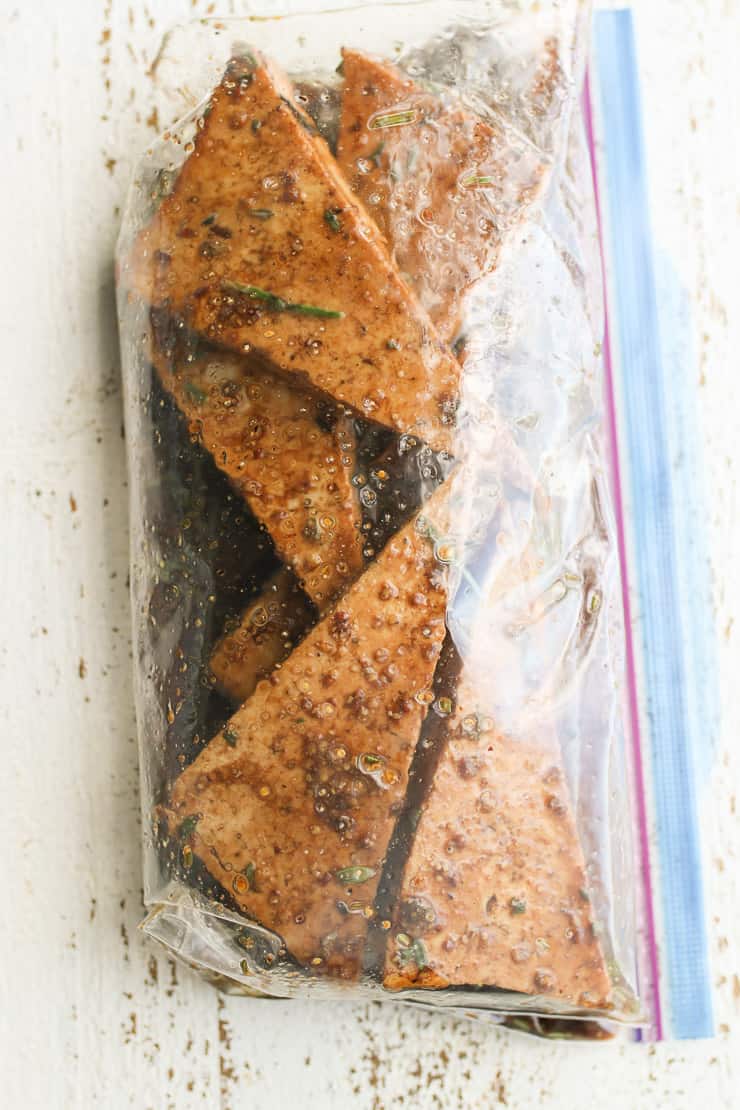
Then put all your marinade ingredients in a bag, add the tofu and refrigerate for 2 hours.

Then you can move onto your preferred cooking method.

Baking Instructions

Preheat oven to 425 F. Place the marinated tofu on a baking sheet and bake for 30 minutes, flipping half way through. If you want the tofu extra crispy, you can broil for 2-3 minutes at the end.

plastic bag with spices

Grilling Instructions

Preheat grill to medium heat. Cook the tofu until grill marks appear on each side, about 5 minutes per side. 

Pan-frying Instructions

Add a tablespoon of olive oil, or canola oil to a large cast-iron or nonstick skillet over medium high eat. Add to the hot pan and cook on each side for 4 minutes until golden brown. If you want, you can add a drizzle of the reserved marinade to the pan and coat the tofu.

What to Serve with this Tofu

I love this tofu with grilled or roasted asparagus, steamed green beans, roasted potatoes or a baked sweet potato. It’s also really delicious with a fresh tomato salad if you want to keep it summery and light. This recipe for balsamic roasted brussels sprouts with figs and grapes also makes an amazing accompaniment.

several pieces of tofu in a bag being marinaded in a variety of herbs and spices

FAQ about this recipe

Here are some of the most commonly asked questions about this recipe.

Is this gluten free and vegan?

Yes, as long as you use a gluten free tamari this marinade will remain gluten free and vegan.

Is this kid-friendly and safe for baby led weaning?

Tofu is an easy to eat option for babies because it’s soft, it’s something they can pick up (for baby led weaning) and it’s typically pretty flavour neutral. It’s also great for introducing soy which is one of the top allergens (check out this post if you want to learn how to introduce your baby to allergens). This marinade is naturally sweet and not spicy so kids do like it, but do keep in mind there is sodium in it (from the tamari) so you might want to just go easy on it for brand new baby eaters.

birds eye view of grilled vegan triangle steaks on a white plate with a side of tomato topped with fresh basil

Can i make this ahead and freeze the tofu in the marinade?

You can absolutely make a bunch of these marinated tofu packs and keep them in the freezer ready to be pulled out and thrown on the grill. I would allow them to thaw in the fridge for a few hours or overnight before it’s time to cook just so the marinade doesn’t burn before the tofu itself is cooked through. These will last about 9 months in the freezer.

What can i do with the marinade so i don’t waste it?

You can make an amazing glaze or sauce for your tofu (or chicken or veggies) by pouring the marinade into a saucepot and boiling it over medium high heat until it reduces down to a thick syrup. To thicken it faster, you can mix a teaspoon of cornstarch with 2 teaspoons of water and add that into the marinade as it cooks. 

other great tofu recipes

I am always looking for flavourful ways to enjoy tofu, so check out these options!

Vegan Sriracha Grilled Tofu with Pineapple Skewers 

Vegan Tofu Tacos with Peanut Sauce 

Vegan Tofu French Toast 

Crispy Baked Buffalo Tofu Sticks with Ranch Dip 

Everything Bagel Vegan Tofu Nuggets 

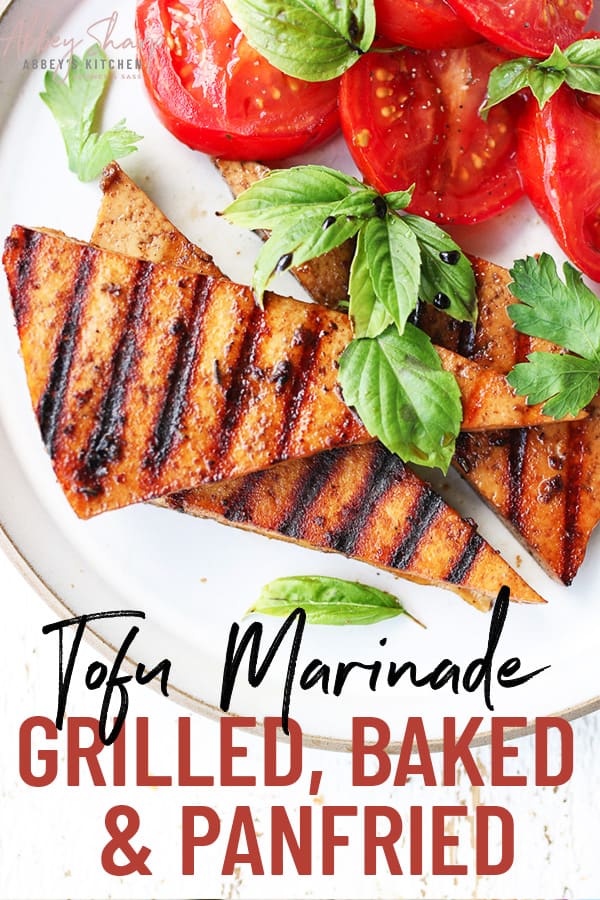
pinterest image of tofu marinade

several pieces of grilled tofu on a white plate garnished with cilantro
Print Recipe
5 from 4 votes

The Best Tofu Marinade (Grilled, Baked, Panfried)

This is the best tofu marinade I have ever tried - perfect for making tofu in different ways including grilled, baked, or panfried and so much more!
Prep Time2 hours hrs 30 minutes mins
Cook Time30 minutes mins
Total Time3 hours hrs
Course: Main Course, Dinner, Lunch
Cuisine: American
Servings: 3
Calories: 328kcal
Author: Abbey Sharp

Ingredients

  • 1 350 g block extra firm tofu cut into thin triangles or cubes
  • 1/4 cup extra virgin olive oil
  • 1/4 cup balsamic vinegar
  • 2 tbsp low sodium gluten free tamari
  • ¼ cup maple syrup
  • 2 tsp fresh rosemary minced
  • 1 tbsp grainy dijon mustard
  • 1/2 tsp black pepper
  • 1 tsp garlic powder
  • Oil for cooking optional

Instructions

  • Cut the tofu into desired shape, then place it on a baking sheet lined with paper towel or kitchen towel. Top with more towel, and heavy objects and allow to sit for 30 minutes.
  • Meanwhile, in a plastic bag, mix together the oil, balsamic, tamari, maple, rosemary, mustard, pepper and garlic. Add the tofu and allow to marinate in the fridge overnight or at least for 2 hours.
  • Cook on the grill over medium heat until grill marks appear on each side, about 5 minutes per side. To pan-fry, cook in a large nonstick or cast-iron skillet over medium high heat with a tablespoon of oil for 4 minutes per side. To bake, preheat oven to 425 F and cook for 30 minutes, flipping half way through. You can also broil it for 2-3 minutes to get it extra crispy. Enjoy!

Nutrition

Calories: 328kcal | Carbohydrates: 26g | Protein: 10g | Fat: 20g | Saturated Fat: 3g | Sodium: 494mg | Potassium: 296mg | Fiber: 1g | Sugar: 21g | Calcium: 71mg | Iron: 2mg


Abbey Sharp

Abbey Sharp is a Registered Dietitian (RD), regulated by the Ontario College of Dietitians. She is a mom, YouTuber, Blogger, award winning cookbook author, media coach specializing in food and nutrition influencers, and a frequent contributor to national publications like Healthline and on national broadcast TV shows.

www.abbeyskitchen.com/about-abbey/

Last Updated October 23, 2020. Published August 14, 2020 By Abbey Sharp Leave a Comment

Easy Balsamic Glaze | 2 Ingredient Recipe

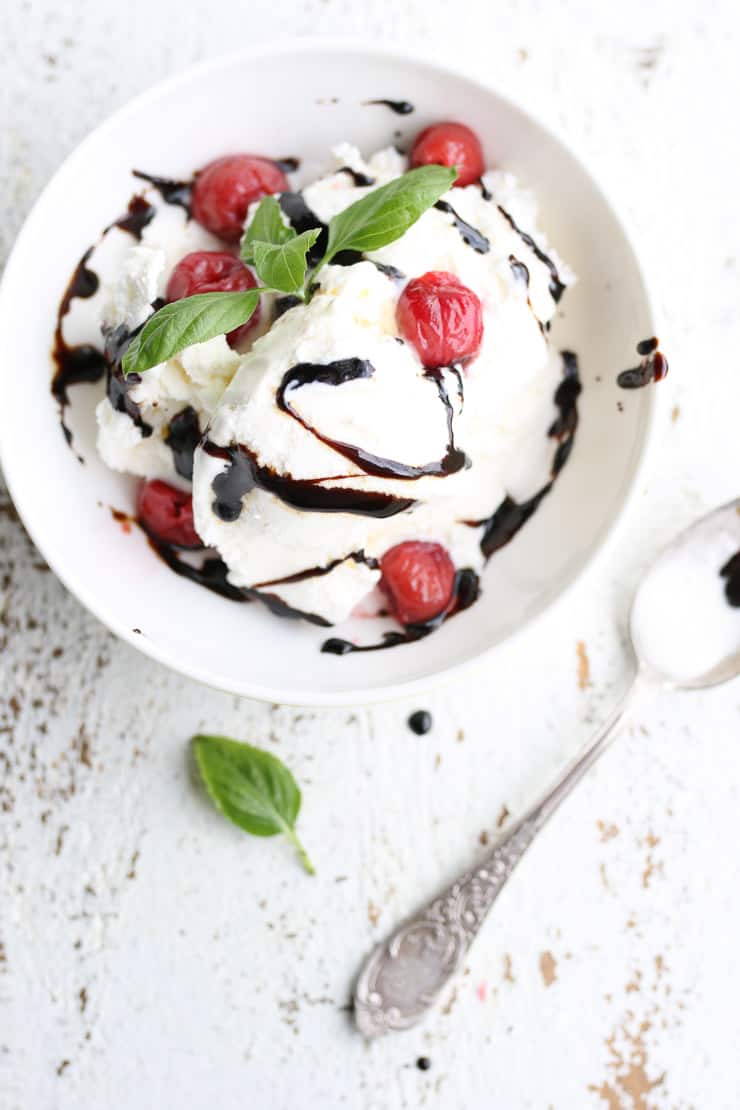
ice cream in a white bowl drizzled with balsamic glaze

This 2 ingredient easy balsamic glaze is perfect for desserts, meats, cheese, salads, and everything in between! You will wonder what you ever did without it!

A lot of people talk about how they have a sweet tooth or are more a salty person. I love acid. I love lemons and limes, and I really love balsamic vinegar. There’s something super satisfying about the combination of sweet and sour, so balsamic glaze is a staple ingredient in my pantry. Yes, you can buy it, but when it’s so impossibly easy to make it yourself, you’ll wonder why a store-bought version could ever do.

What is Balsamic Glaze?

Balsamic glaze is a thicker, sticker reduced down version of balsamic vinegar, usually with the addition of some kind of sugar to turn it into a syrup. It looks a bit like molasses, slow moving and sticky.

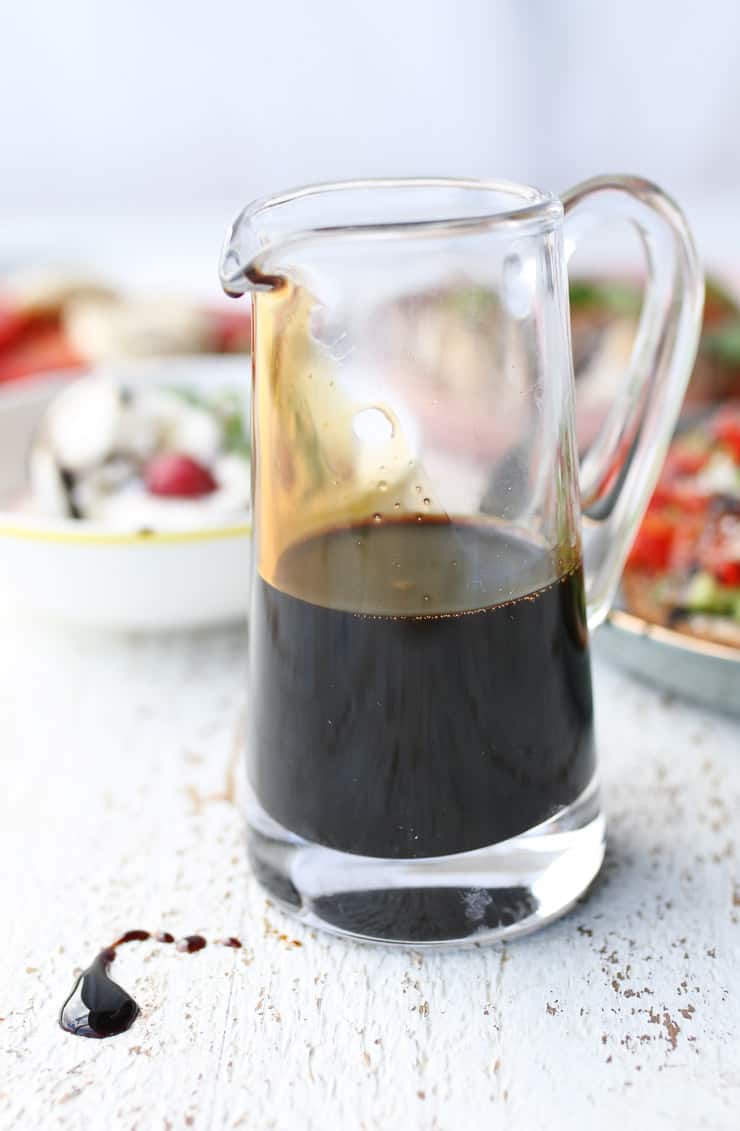
balsamic glaze in a clear pitcher

How do you make it?

It’s a simple two ingredient recipe that involves boiling balsamic vinegar until it reduces down, along with maple syrup until it easily coats the back of the spoon.

How do you know the balsamic glaze is ready?

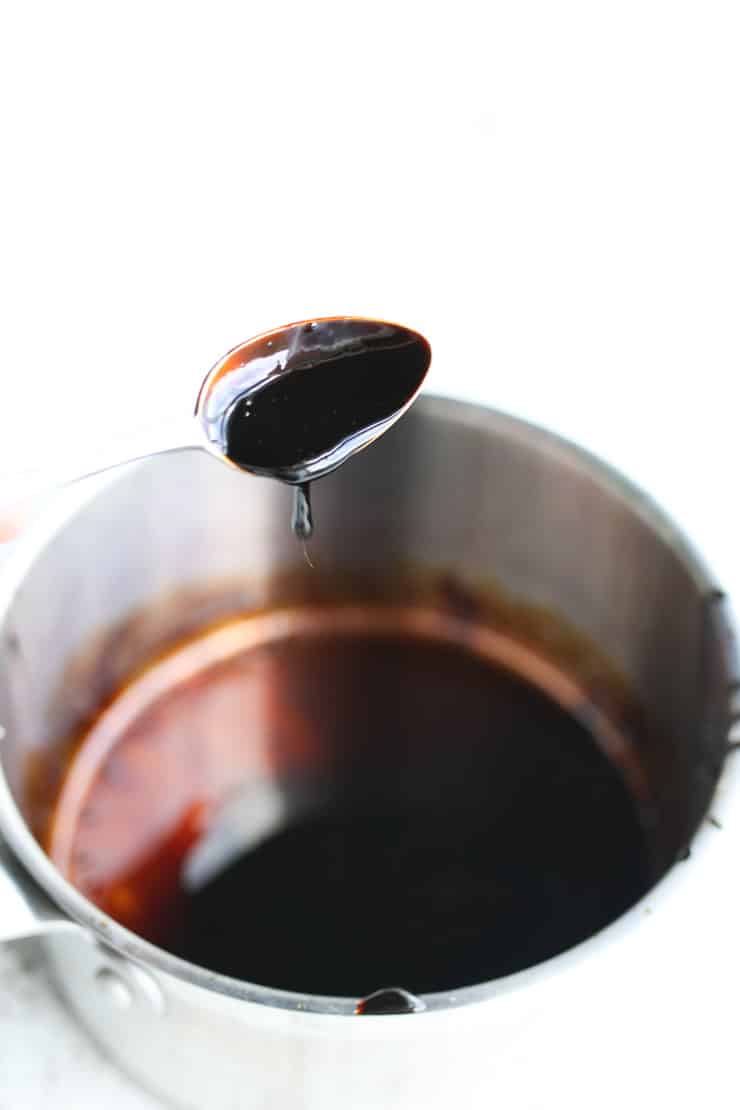
You will want the glaze to reduce by half (but not much more, so take note of what you’re starting with) since it can easily burn if it gets too low. You’ll want to see it coat the back of a spoon and drizzle slowly off of a spoon (but not in thin strands which could denote that it’s become too hot and will set into candy.)

a spoon scooping up balsamic glaze from a pot

What can I put it on? 

There are so many delicious things I use balsamic glaze for. Here are some of my favourites:

  • Ice cream
  • Caprese salad (or any salad, really)
  • Chicken breasts or skewers
  • Pork loin
  • Strawberries or other fruit
  • Savoury or sweet tarts
  • Bruschetta
  • Avocado toast
  • Cheese platter accompaniment
  • Watermelon
  • Salmon
  • Prosciutto and Cantaloupe
  • Pizza or flatbread
  • Sweet potatoes

ice cream in a white bowl drizzled with balsamic glaze

Best way to easily clean the sticky pot

This is the “hardest” part of this whole process. Cleaning the pot. Ugh admittedly, cleaning is not my forte. But you would just need to fill the pot with water, and bring it to a boil. Once it’s boiling, most of the sticky sugar will have been removed, and anything left will be so pliable you can just wipe it off.

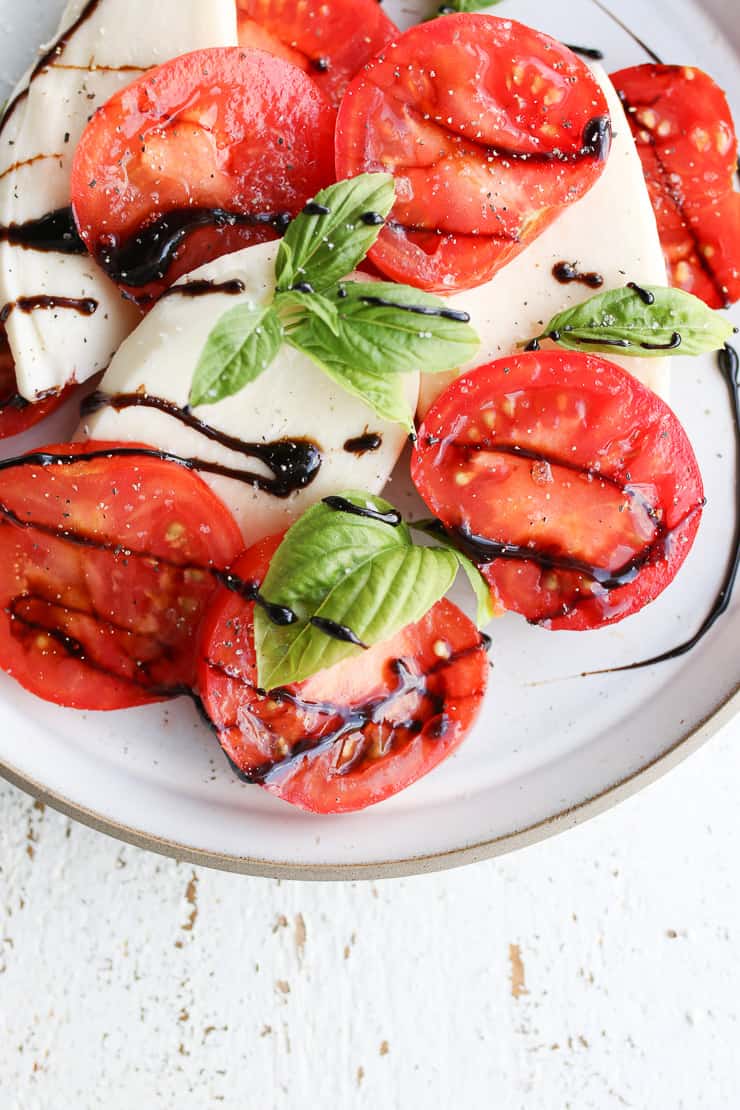
balsamic glaze on a caprese salad

Flavour Options for your balsamic reduction

I love making this because the sky is the limit for flavour. You can throw in some thyme or rosemary sprigs for a nice earthy aromatic balsamic glaze. Or you could throw in a cinnamon stick, star anise or whole nutmeg for a sweet dessert like option. I also love adding orange or lemon rind (just peel a good chunk of it and pop it into the pot). 

FAQ about this recipe

Here are some commonly asked questions about this recipe.

How to store it and how long will it last?

Assuming you didn’t add any herbs or spices, this will last for a month in the fridge. 

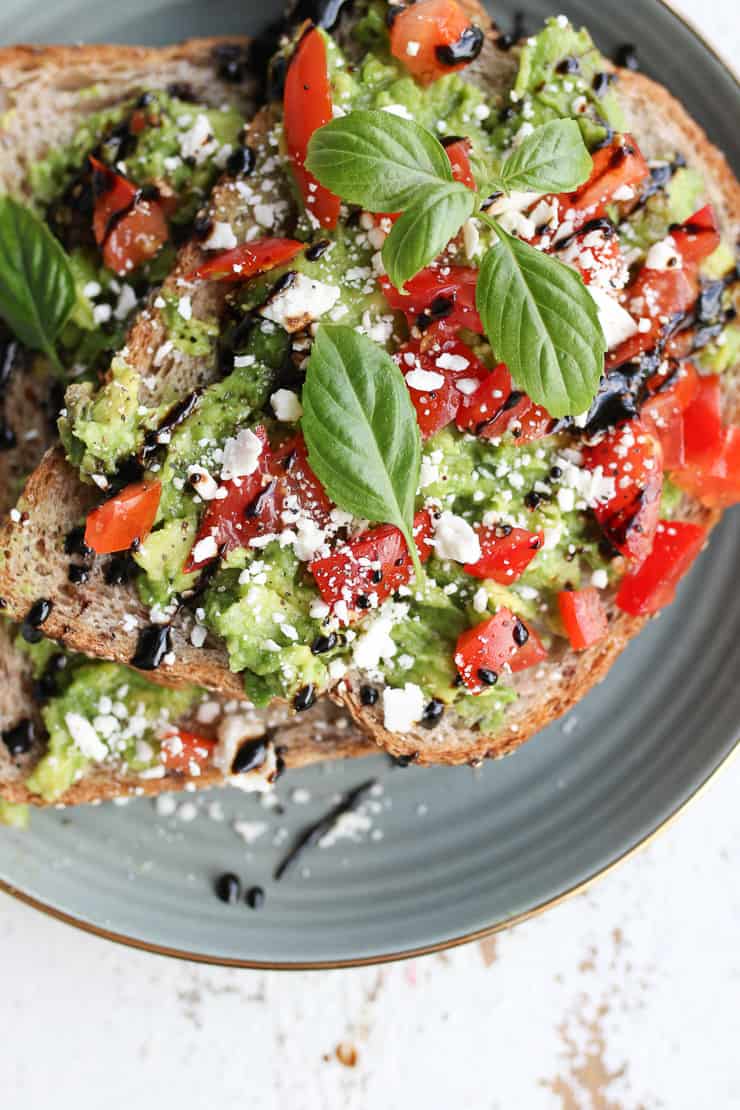
avocado toast on a grey plate

What happens if it gets too hard being in the fridge?

You can throw it in the microwave or dip the glass jar in a bowl of hot water just to loosen it up like you would a thick caramel.

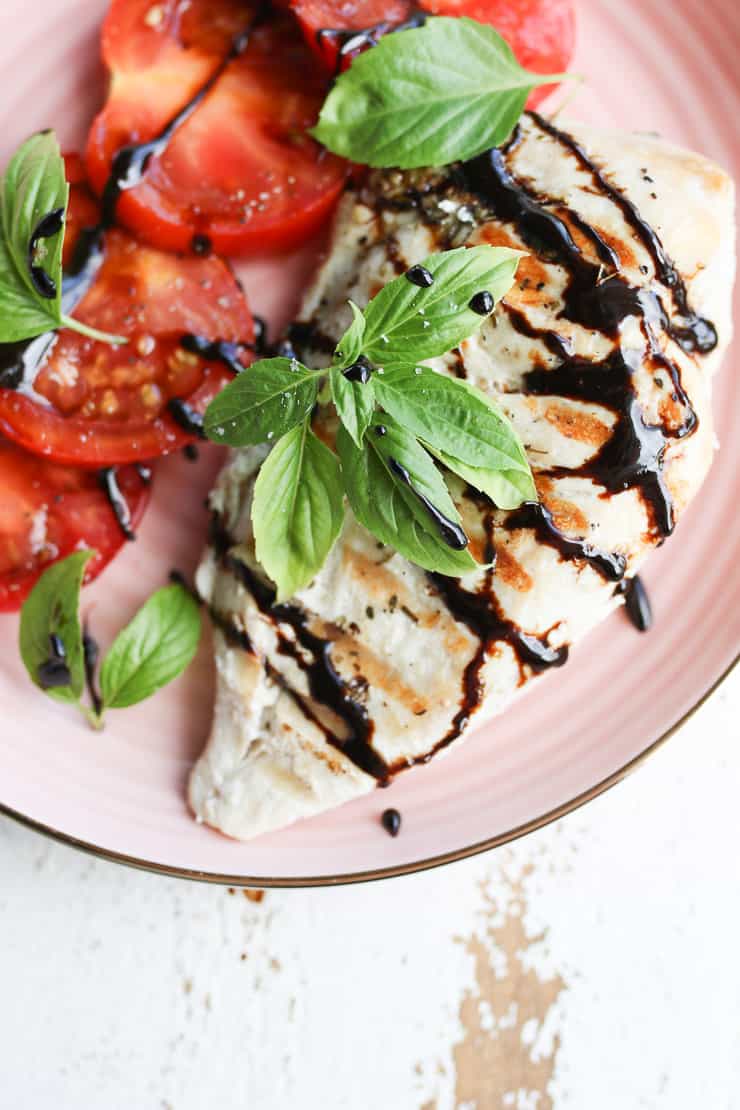
chicken breast and tomatoes on a pink plate

Abbey’s kitchen recipes that would pair nicely with balsamic glaze

I adore balsamic on everything so here are some favourite recipes that you could easily pop it on top.

Grilled Avocado Bruschetta 

Grilled Watermelon and Avocado Salad 

Prosciutto Wrapped Chicken Breasts 

High Protein Avocado Toast 

What are you using your reduced balsamic for? Have you tried making this easy balsamic glaze?

pinterest image of balsamic glaze

ice cream in a white bowl drizzled with balsamic glaze
Print Recipe
5 from 2 votes

Easy Balsamic Glaze

This 2 ingredient easy balsamic glaze is perfect for desserts, meats, cheese, salads, and everything in between! You will wonder what you ever did without it!
Cook Time15 minutes mins
Total Time15 minutes mins
Course: sauce
Cuisine: Italian, American
Calories: 442kcal
Author: Abbey Sharp

Ingredients

  • 1 cup balsamic vinegar
  • ¼ cup maple syrup

Instructions

  • Add the balsamic and maple syrup to a medium non-reactive saucepot over medium heat. Once you see some gentle bubbles (and it really starts to produce a strong balsamic odour), reduce the heat and let it simmer until you pop a spoon into it and it easily coats the spoon (it should reduce by half but not much more, because it can easily burn). This generally takes about 10-12 minutes on low, but definitely watch it because some stoves are hotter than others, and it can easily burn and get TOO sticky (like candy).
  • Allow to cool just slightly for a few minutes, then transfer to a glass jar or container and then to the fridge.

Nutrition

Calories: 442kcal | Carbohydrates: 98g | Protein: 1g | Sodium: 66mg | Potassium: 467mg | Sugar: 86g | Calcium: 157mg | Iron: 2mg
Abbey Sharp

Abbey Sharp is a Registered Dietitian (RD), regulated by the Ontario College of Dietitians. She is a mom, YouTuber, Blogger, award winning cookbook author, media coach specializing in food and nutrition influencers, and a frequent contributor to national publications like Healthline and on national broadcast TV shows.
www.abbeyskitchen.com/about-abbey/

Last Updated April 15, 2024. Published August 5, 2020 By Abbey Sharp 3 Comments

The Division of Responsibility for Picky Eaters

birds eye view of child eating cereal

We explore how the division of responsibility can be used to encourage a picky eater to eat and teach them to become a healthy intuitive eater for life.

I never realized how hard it was to get kids to eat healthy food consistently until I had a toddler. If you started solids out strong (either through baby led weaning or spoonfeeding), had a kid who would try pretty much anything you offered, and now suddenly have 5 foods you can rotate between that your kid will actually swallow, know that you’re not alone.

Most of us were raised in the “clean plate club”, and therefore were taught that we couldn’t leave the table or have dessert until we ate our broccoli and chicken. Maybe our caregiver used an airplane to sneak foods into our mouth. Or we were bribed with chocolate to behave. Or we were withheld a fun activity until we choked down a food we didn’t like. All of these are tricks encouraged us to ignore our hunger cues, and choke down our natural and normal fear of something new to appease the adult at the table or to get what we really want.

Hunger, satiety and body trust are things that babies are innately experts in, and it’s usually not until they start solids and the bribes begin that they forget how to listen to their body.

So how do we give this control back to our kids again while still encouraging a picky eater to eat? It starts with the Division of Responsibility.

birds eye view of child eating cereal

What is the Division of Responsibility (sDOR)?

Developed by feeding expert Ellyn Satter, the Division of Responsibility (sDOR) is a theory of feeding that acknowledges children’s natural self feeding and food regulation capacities, and gives us as parents the responsibility to create a supportive environment where our kids can thrive as competent eaters.

The division of responsibility suggests that as parents, our job is to determine:

  • What foods are served at a meal or snack
  • Where that meal occurs
  • When that meal occurs

Our child is given the autonomy and choice to determine:

  • What they eat of the foods that are served
  • How much they eat, or if they eat at all
toddler eating in a high chair

How Does this Work?

I know it may sound crazy at first to give your toddler or young child any sort of reigns when it comes to eating. How can they possibly know what they need to grow and thrive? Well, let me tell you – in this situation, they do.

Some of the major tenants of the sDOR that help foster eating competence and discourage picky eating include:

  • Eating as a family and modelling intuitive eating
  • Not catering to a child by making separate meals, but always ensuring there is at least one “safe” or consistently enjoyed food on the table
  • Not pressuring, restricting, bribing or tricking your kids into eating
  • Eating meals and snacks on a schedule
  • Offering balanced snacks that are “mini meals” sitting down, not just treat foods on the go
  • Offering dessert either with the meal (single portion) or occasionally as an all-you-can-eat snack of sweets to reduce its novelty factor
  • Not interfering with your child’s natural growth and body size and accepting that some kids are naturally smaller and some are naturally larger

Why Using Bribes, Tricks and Pressure Do Not Encourage Picky Kids to Eat

Have you ever tried one or more of the following:

“If you eat your broccoli, you can have ice cream?”

“Just one more big boy bite and you’re done!”

“I need you to at least try everything on your plate!”

Abstaining from every allowing your kids sugar, fast-food or other “junk food”

“Hiding” vegetables in sauces, smoothies, muffins without telling them

All of these common feeding strategies may seem like they work in the short run because they help get “healthy” food into the bodies of our children. But they do not encourage children to become competent intuitive eaters as they grow up. In fact, the concern is that these tricks may encourage your kid to distrust you, to distrust their own satiety signals, to dislike the forced upon “healthy” foods, and to obsess over certain “bad” or “forbidden” foods. Basically, it causes the opposite effect in the long run of what we are trying to accomplish.

child reaching for strawberries over a kitchen counter based on the division of responsibility

Who recommends the sDOR?

The division of responsibility is an evidence based feeding technique and is recommended by pediatric and health authorities like the American Academic of Pediatrics, Academy of Nutrition and Dietetics, USDA Food and Nutrition Service, Head Start, and the Expert Committee on Child Obesity.

Will this Strategy Encourage my Picky Eating Toddler to Eat Healthy Foods?

The goal of the division of responsibility is to raise a “competent eater” which is a related term to the more popular intuitive eater. When given the freedom to eat in response to their own hunger and fullness cues, children are better able to eat the amount of food they need and grow in a way that is right for them. In other words, they can maintain their body’s set point weight because there is not external pressure dictating their consumption.

When they are not being pressured, they are more likely to be open to trying new foods. And when foods are not dichotomized as good and bad, or “what you must eat” in order to get “what you want”, they all occupy a level playing field. The result is that kids don’t obsess over sweets and fear the “healthy” foods that are being forced upon them.

Want to learn the secrets to getting your picky eaters to eat without pressure or bribery? Subscribe to my newsletter, and join the Millennial Mom’s Guide to Mindful Meal Planning for more tips and tricks!

Abbey Sharp

Abbey Sharp is a Registered Dietitian (RD), regulated by the Ontario College of Dietitians. She is a mom, YouTuber, Blogger, award winning cookbook author, media coach specializing in food and nutrition influencers, and a frequent contributor to national publications like Healthline and on national broadcast TV shows.
www.abbeyskitchen.com/about-abbey/

Last Updated October 23, 2020. Published August 4, 2020 By Abbey Sharp 16 Comments

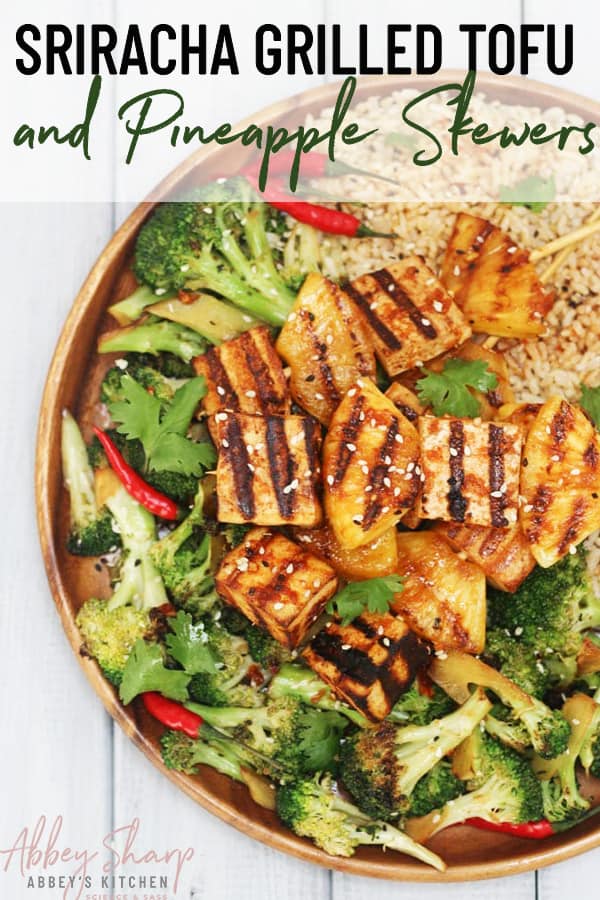
Vegan Sriracha Grilled Tofu and Pineapple Skewers

vegan sriracha grilled tofu and pineapple skewers for easy meal prep #glutenfreefood #mealprep #skewers #grilledtofu #grilling #summerfood #veganfood #pineapple #tofu #sriracha

I share my favourite Vegan Sriracha Grilled Tofu and Pineapple Skewers for an easy, fast and healthy gluten free BBQ recipe that the whole family will love!

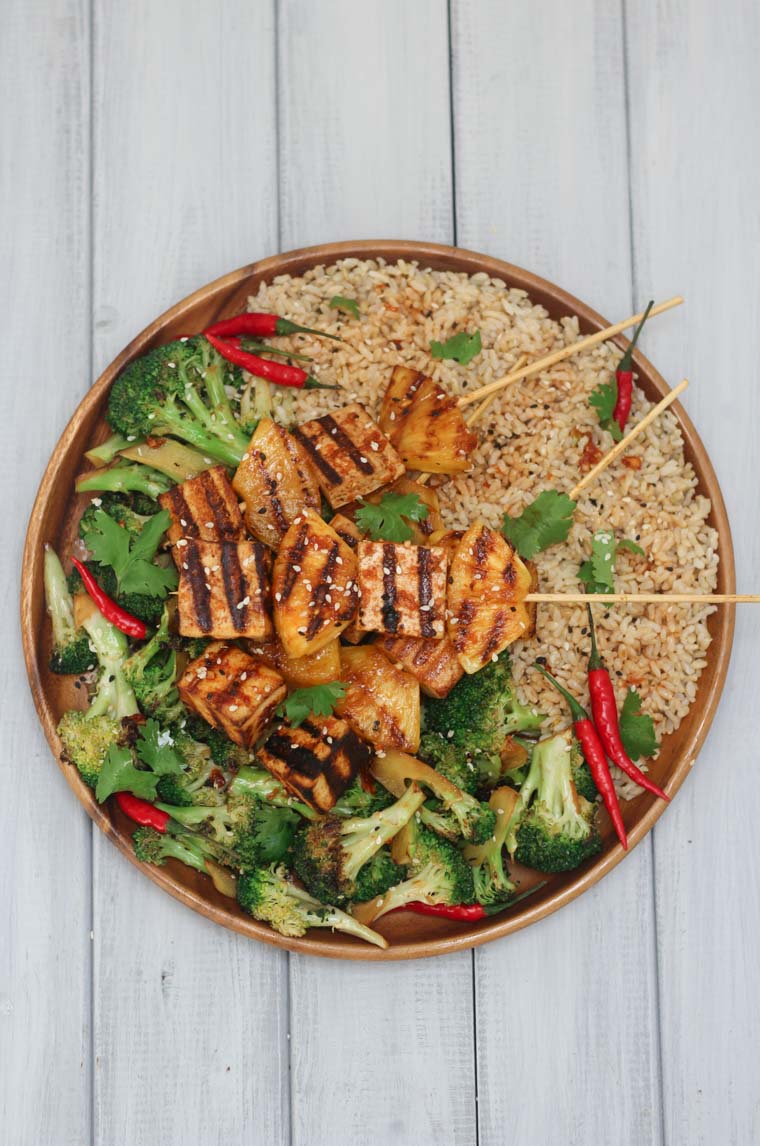
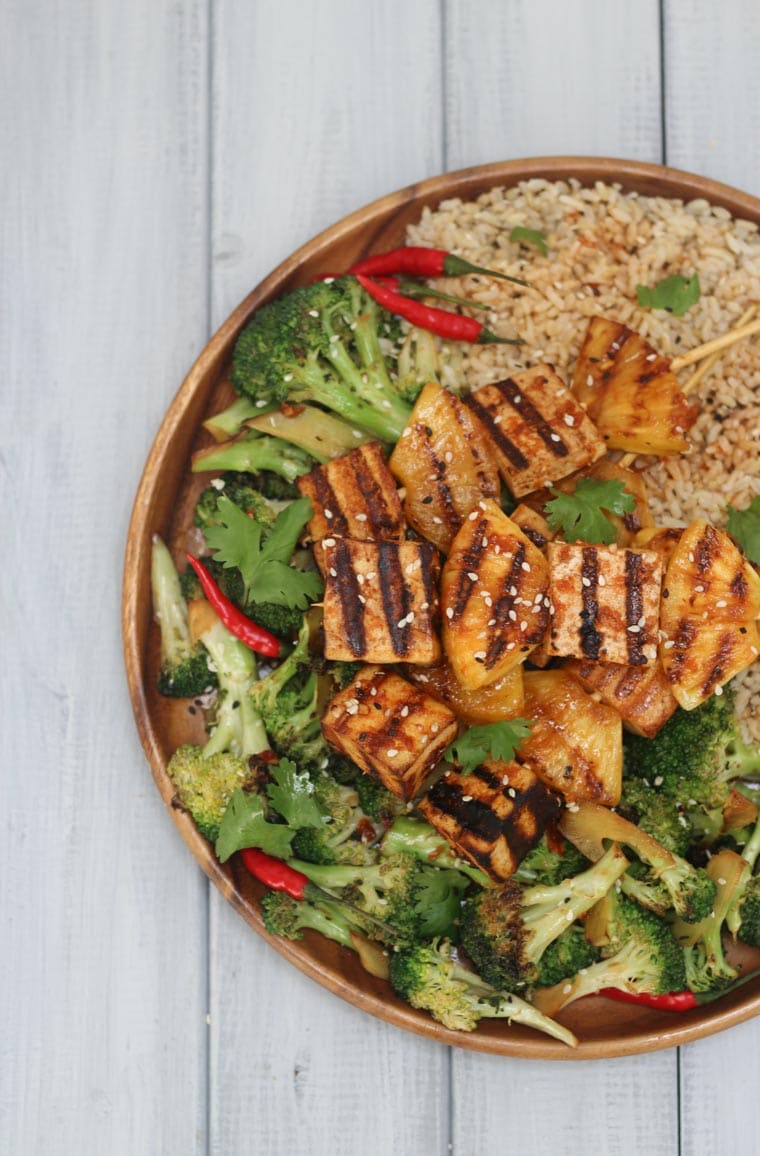
dinner plate filled with spicy tofu and pineapple skewers, rice, and greens

If you haven’t noticed, I’ve been cooking (and eating) a lot more plant-based recently. And no, this isn’t because I watched (and hated) What the Health (read about that hate here). It’s because I’m totally digging how much cheaper, easier and in some cases, healthier, getting more plant-based protein in my diet is. I spend a CRAZY amount of money each week on fruits and veggies, so if I can shave off a bit of my protein budget without compromising pleasure, I am totally game. In fact, the new Canadian Food Guide (which I talked about here) will likely be also making the suggestion to eat more plant-based protein. Not go vegan, but just eat less meat. All things considered, I had tofu on the brain and decided to whip up this easy Vegan Sriracha Grilled Tofu and Pineapple Skewers.

key ingredients to make this grilled tofu recipe 

  • Extra Firm Tofu 
  • Garlic
  • Ginger
  • Sriracha 
  • Tamari 
  • Maple Syrup 
  • Lime Juice 
  • Grapeseed Oil 
  • Sesame OIl
  • Pineapple

How to Make Vegan Sriracha Grilled Tofu and Pineapple Skewers

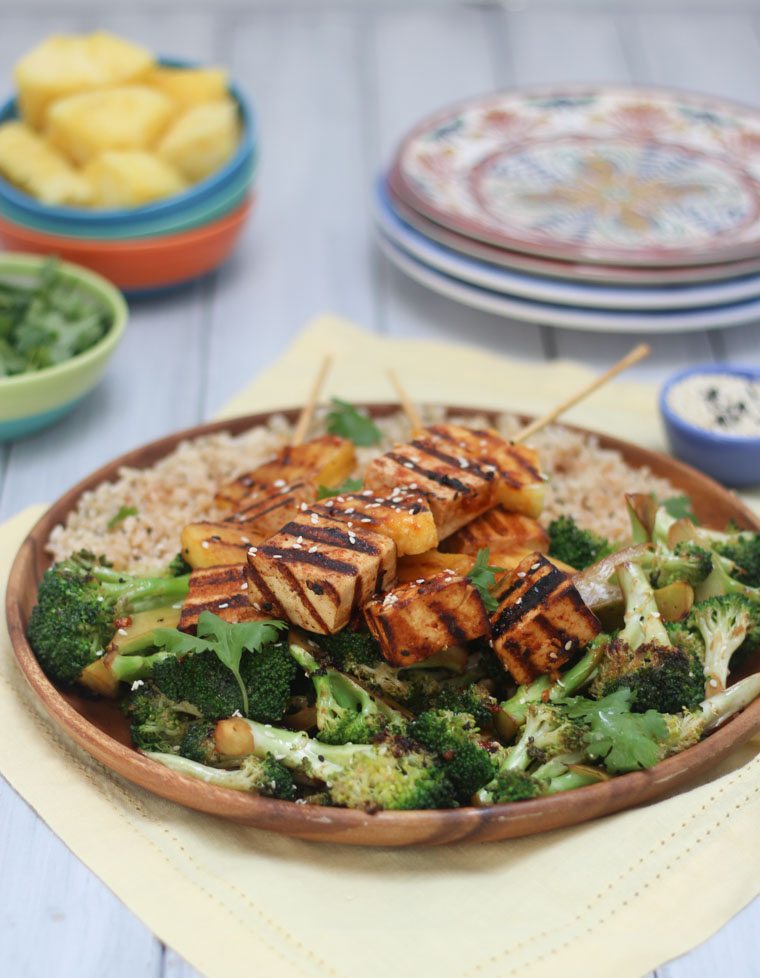
A plate of Tofu marinated and grilled on Skewers served with broccoli and rice

The hubs and I adore anything with grilled pineapple so I was pretty confident that even if he was not feeling the tofu thing, that he would be down for this meal. While tofu is pretty bland and boring on its own, marinating it in a crazy tasty sweet, salty and spicy sriracha sauce makes it OMG good.

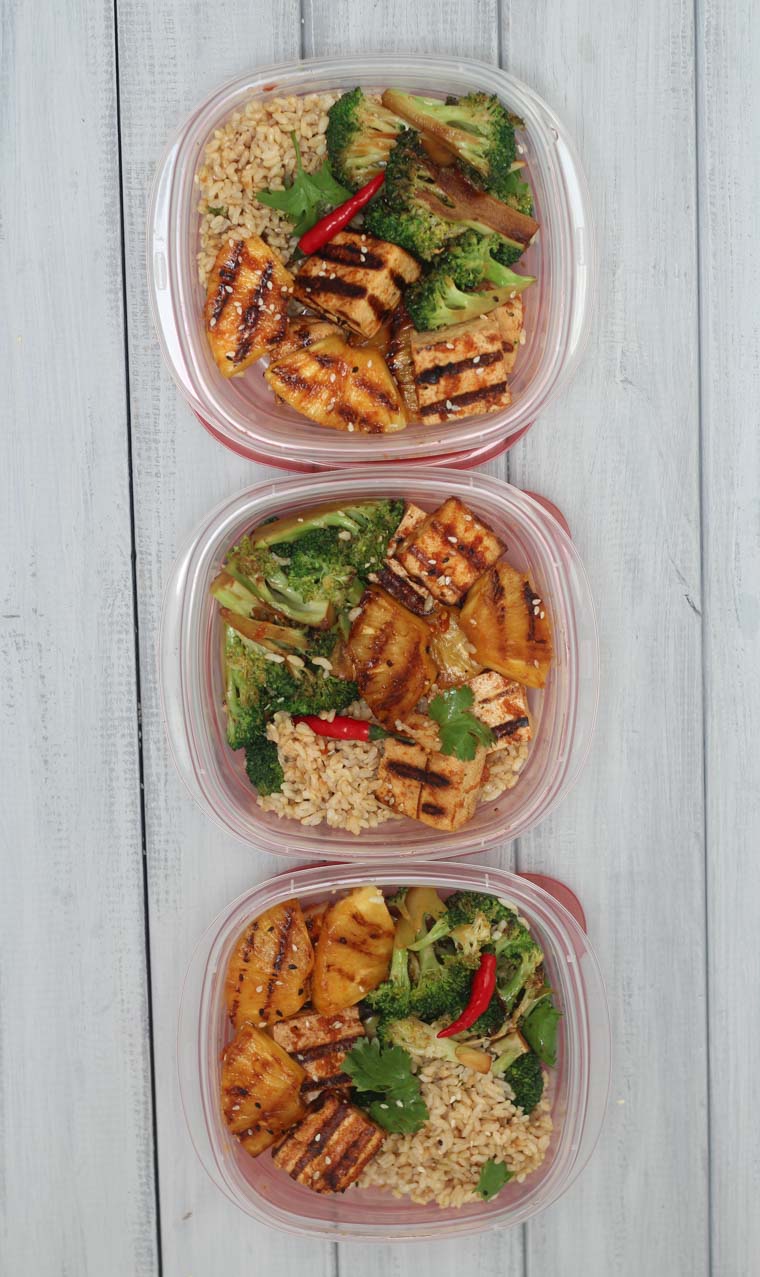
These Vegan Sriracha Grilled Tofu and Pineapple Skewers make a FANTASTIC fast summer dinner but they’re also really easy to batch prep on the weekend for meals throughout the week. Plus, because it’s both vegan and gluten free, it’s PERFECT for entertaining people with a wide range of dietary restrictions.

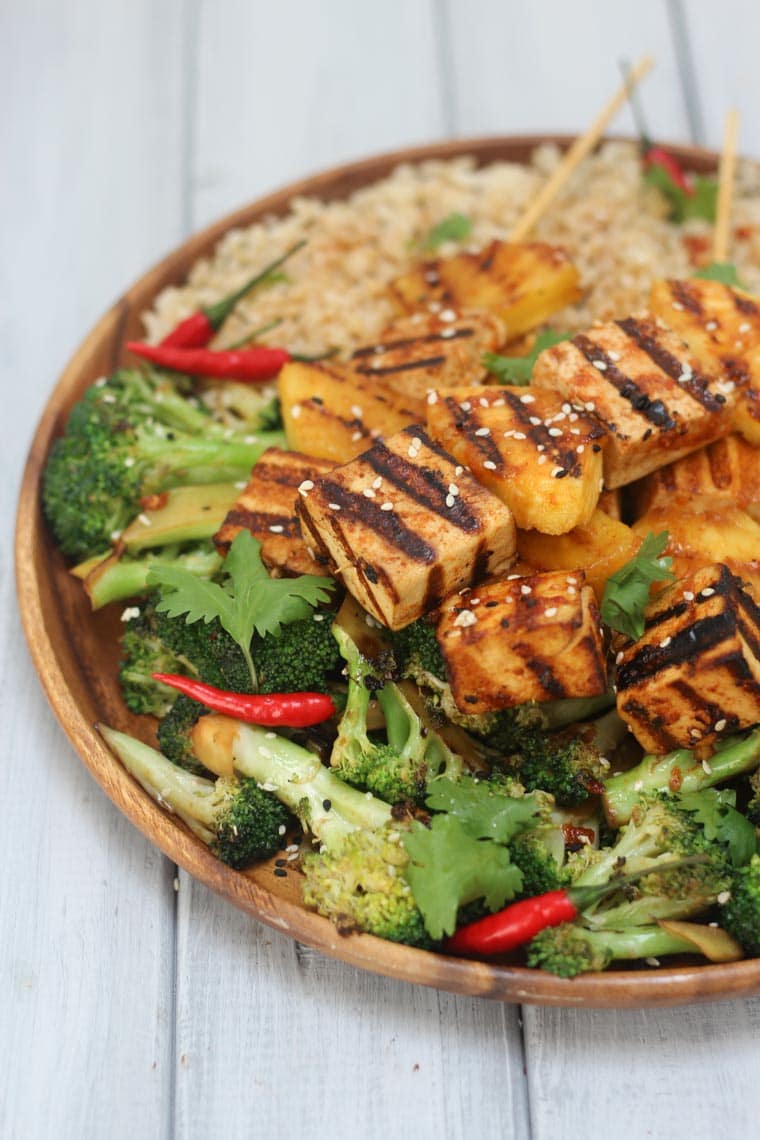
close up of spicy tofu skewers on a dinner plate garnished with cilantro and sesame seeds

faq about this recipe 

how can I make the tofu extra crispy?

The key to tofu success, however, is squeezing out some of the excess moisture by “pressing” it. I like to line a cutting board with a ton of paper towel, top it with my tofu and a few more sheets of paper towel. Then I lay a bunch of super heavy objects down and get that moisture out! That helps the outsides crisp up nicely, while the insides taste marshmallowy and delish.

birds eye view of sriracha grilled tofu skewers on a wooden plate served with rice and greens

what can i serve with these grilled tofu and pineapple skewers? 

I paired mine with a little brown rice seasoned up with any residual sriracha sauce, and some broccoli cooked in a really hot pan with a splash of tamari. Sprinkle everything with sesame seeds and you’ve got a HELLA good meal any day of the week. 

birds eye view of spicy grilled tofu and pineapple skewers in containers for meal prep

is this recipe kid friendly?

Most definitely. However, I would suggest holding back on the spice if you’re serving your little one and removing the skewers to prevent any potential choking hazards. But if your kiddo is anything like mine and is obsessed with pineapple, than this recipe is a total winner (and a highly nutritious one at that!).

is this recipe gluten free?

I use tamari instead of soy sauce for this recipe, making it 100% gluten free. 

do you have any other grilled recipes that are great for the summer?

Yes! I love nothing more than a good old summer recipe with all the grilled things. Here are some of my favs. 

Grilled Sweet Potato with Avocado Lime Sauce 

Grilled Cauliflower Steaks 

Grilled Marinated Chicken Breasts (5 Ways) 

Healthy Grilled Pizza Recipes 

Now, I want to know, what is your go-to FAST protein-rich main for getting dinner on the table or meals ready for the week? Leave me a comment below with your thoughts!

pinterest image of tofu pineapple skewers
vegan sriracha grilled tofu and pineapple skewers for easy meal prep #glutenfreefood #mealprep #skewers #grilledtofu #grilling #summerfood #veganfood #pineapple #tofu #sriracha
Print Recipe
5 from 4 votes

Vegan Sriracha Grilled Tofu and Pineapple Skewers

I share my favourite Vegan Sriracha Grilled Tofu and Pineapple Skewers for an easy, fast and healthy gluten free BBQ recipe that the whole family will love!
Prep Time1 hour hr
Cook Time3 minutes mins
Total Time1 hour hr 3 minutes mins
Course: Main Course
Cuisine: Asian
Servings: 4 people
Calories: 175kcal
Author: Abbey Sharp

Ingredients

  • 14 oz package of extra firm tofu cut into cubes and pressed
  • 1 clove garlic minced
  • 2 tbsp ginger grated
  • 1 1/2 to 2 tbsp sriracha depending how spicy you like it
  • 1 tbsp gluten free tamari
  • 1 ½ tbsp. maple syrup
  • 1 tbsp lime juice
  • 1 tbsp grapeseed oil
  • 1 tsp sesame oil
  • 1/2 pineapple cut into cubes

To serve:

  • White and black sesame seeds
  • Cilantro
  • Brown rice for serving
  • Charred broccoli cooked in a bit of tamari for serving

Instructions

  • In a resealable bag, mix together the pressed tofu, garlic, ginger, sriracha, maple, tamari, lime, sesame oil and grapeseed oil. Allow the tofu to marinate over night or at least an hour.
  • Preheat your grill to medium high and thread the tofu and pineapple onto soaked skewers, alternating between the two.
  • Cook the skewers on each side until you get nice grill marks, just about 2-3 minutes per side.
  • Serve with charred broccoli, and rice and top with cilantro and sesame seeds.

Nutrition

Calories: 175kcal | Carbohydrates: 22g | Protein: 9g | Fat: 7g | Saturated Fat: 1g | Sodium: 445mg | Potassium: 313mg | Fiber: 2g | Sugar: 16g | Vitamin A: 65IU | Vitamin C: 59.1mg | Calcium: 52mg | Iron: 1.6mg


Abbey Sharp

Abbey Sharp is a Registered Dietitian (RD), regulated by the Ontario College of Dietitians. She is a mom, YouTuber, Blogger, award winning cookbook author, media coach specializing in food and nutrition influencers, and a frequent contributor to national publications like Healthline and on national broadcast TV shows.

www.abbeyskitchen.com/about-abbey/

Last Updated October 4, 2021. Published July 8, 2020 By Abbey Sharp 4 Comments

The Keto Diet for Diabetes – Is it Even Safe?

We look at the keto diet for diabetes and discuss its safety, risk, and the official recommendations for better blood sugar management.

This isn’t another basic blog post singing the praises of the keto diet. Nor will I lecture you about it being a fad that is destined to “fail”. Since keto really boomed about a year ago, we’ve seen loads of celebrities hop on and off the bandwagon, and plenty of specialty food products to support the trend as well.  But as a diet consisting of barely any carbs, is there any benefit to going keto for those who struggle with carbohydrates- namely, people with Diabetes?

Let’s start by looking at the history about the keto and where we are today.

What is the Keto diet for?

Named after the biological state of Ketosis, the Ketogenic diet was originally designed in the 1920’s to treat patients suffering from epilepsy. The science behind the concept asserts that ketosis stabilizes brain energy and the action of neurons, which reduces the occurrence of seizures.

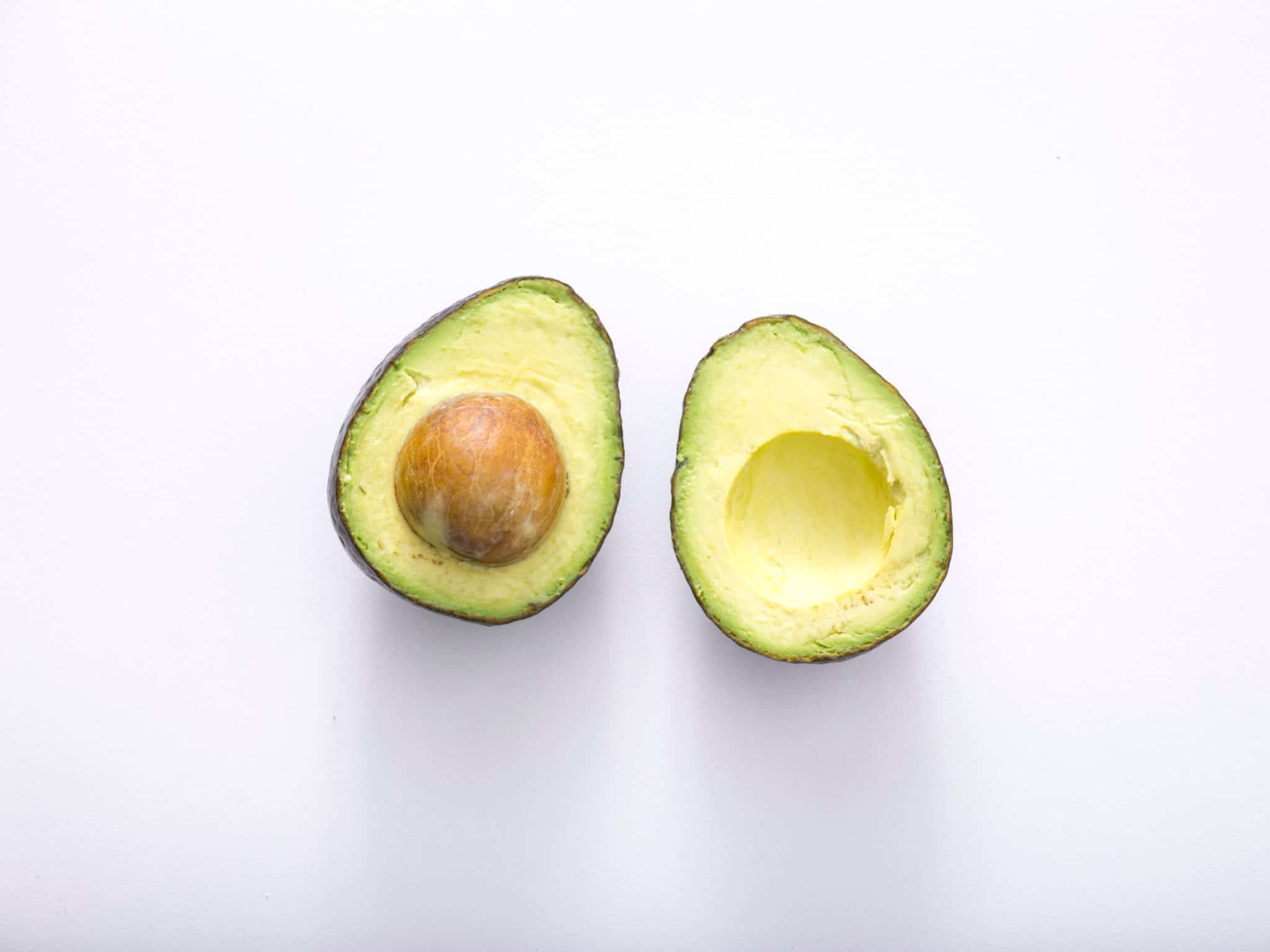
avocado split in half for the keto diet

keto diet and weight loss

Scientifically speaking, yes, keto can result in weight loss. One study conducted in 2008 found that a diet consisiting of lower carb/higher protein combination resulted in higher levels of satiety after meals and reduced feelings of overall hunger. With overall increased feelings of fullness, the study concluded that less food was consumed and could effectively lead to weight loss. Another study found that the keto diet significantly did lower the number on the scale largely because of a reduction in water weight.

the keto diet for diabetes

The most common course of action before medication for type 2 diabetes is a change in lifestyle. Increased activity, healthier diet, and overall consideration of healthy choices can make a huge impact on frequently tested numbers such as A1c, triglycerides, and glucose levels. Because weight loss is a frequent objective in patients with Type 2 diabetes, studies have been conducted to determine if and how a Ketogenic diet may help.

One study from Nutrition compared a Keto diet and a low calorie diet among patients with Type 2 diabetes. The results indicated that while both groups were successful in terms of weight loss, those who followed a Ketogenic plan appeared to have better glycemic control than those on a reduced calorie regimen.

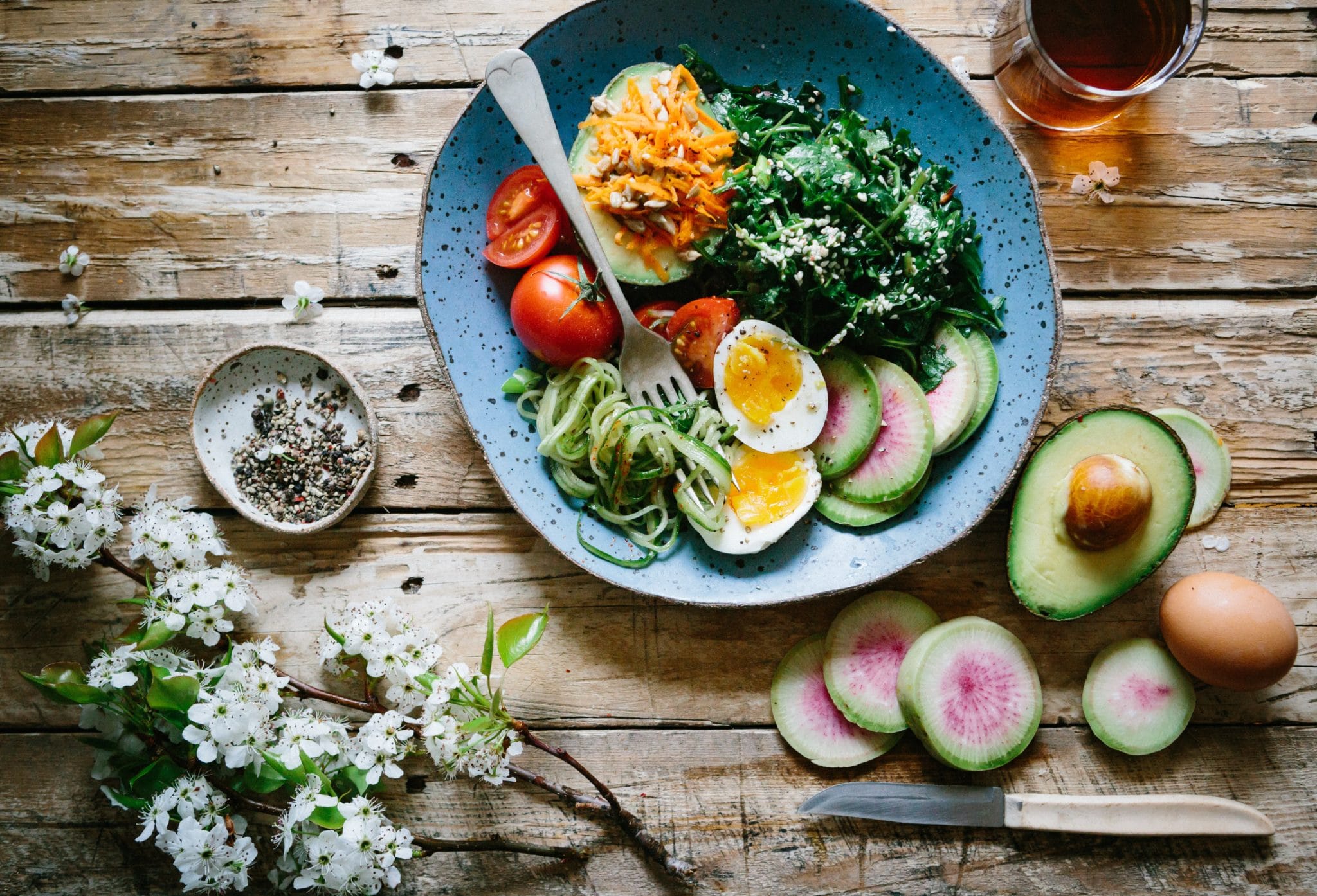
birds eye of a keto bowl with eggs, avocado, and veggies

Another study indicated that when paired with exercise and overall healthier choices, the Keto diet could assist in lowering A1c, triglyceride, and daily glucose levels in people with type 2 Diabetes. One randomized control trial found that people with type 2 diabetes who followed a ketogenic diet lost more weight when compared to those that followed a low fat diet. And speaking of fat, another study found that those who followed a ketogenic diet showed increased rates of lipolysis in the body (aka. the metabolic cycle that promotes the breakdown of fat cells and prevents accumulation of fat, resulting in a reduced body weight.)

Research on type I diabetes suggests that children with the disease who followed a low carb diet also saw improvements in glycemic control. On paper these findings look convincing, but a Ketogenic Diet has many underlying negative effects that are not discussed in the pages of those fitness magazines.

The Potential Side Effects of Keto in Type 2 Diabetes

For starters, while following a Keto diet may help stablize blood sugars, there is a danger that it will cause LDL cholesterol to rise due to an increased intake of dietary fats. This increase of cholesterol can lead to heart health issues, kidney disease, arterial dysfunction, and ultimately lead to even greater health problems for the person with diabetes.

Additionally, one study published in 2007 found that 1/20 people who followed a Keto diet developed kidney stones. With an already increased risk of developing kidney stones, people living with type 2 diabetes should be especially cautious of any nutritional or health practice that increases their risk of this not-so-fun side effect.


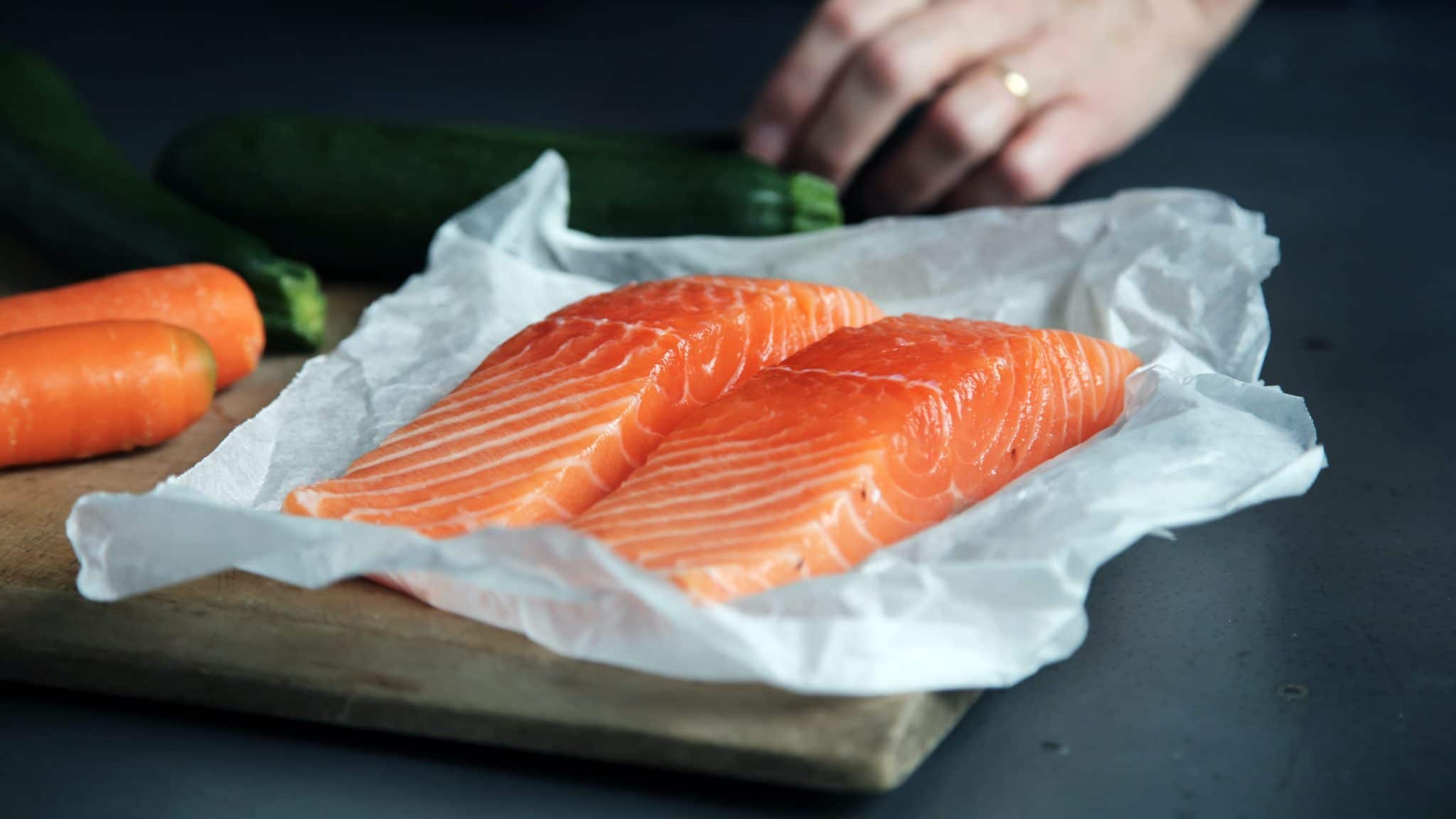
raw salmon fillet in parchment paper for the keto diet

There is also some evidence to suggest that a Keto diet may potentially increase the risk of developing type 2 diabetes. The keto diet severely restricts ones carb intake, which in turn affects how insulin can be used. Overtime, we may see an increase in insulin resistance which in turn is the precurser to diabetes. There are also expert concerns that the diet may increase the consumption processed meats, cholesterol, and saturated fats, while reducing beneficial fibres in the absence of carbohydrates.

An additional concern for people with diabetes the risk of diabetic ketoacidosis. This condition can be potentially fatal. The risk for DKA increases as your ketone levels rise and your blood sugar gets about 250 mg/dL. DKA is most prevalent in type 1 diabetes but it is also possible (though very rare) in those with type 2 diabetes.

There is also the risk of weight cycling or yo-yo dieting as the constant cycle of weight loss and regain is common as a lot of these highly restricitve diets can be nearly impossible to maintain long term. One 2018 study found that weight cycling was associated with an increased risk of diabetes and as the variability or weight increased over time, so did the risk of developing diabetes. Another study concluded that body weight fluctuation in obese individuals increased the risk of developing diabetes over those in a healthy weight range. These findings conclude that endless cycles of “yoyo” dieting that is characteristic of restrictive diets can only harm metabolic health in the long term.

dietary recommendations for people with Diabetes

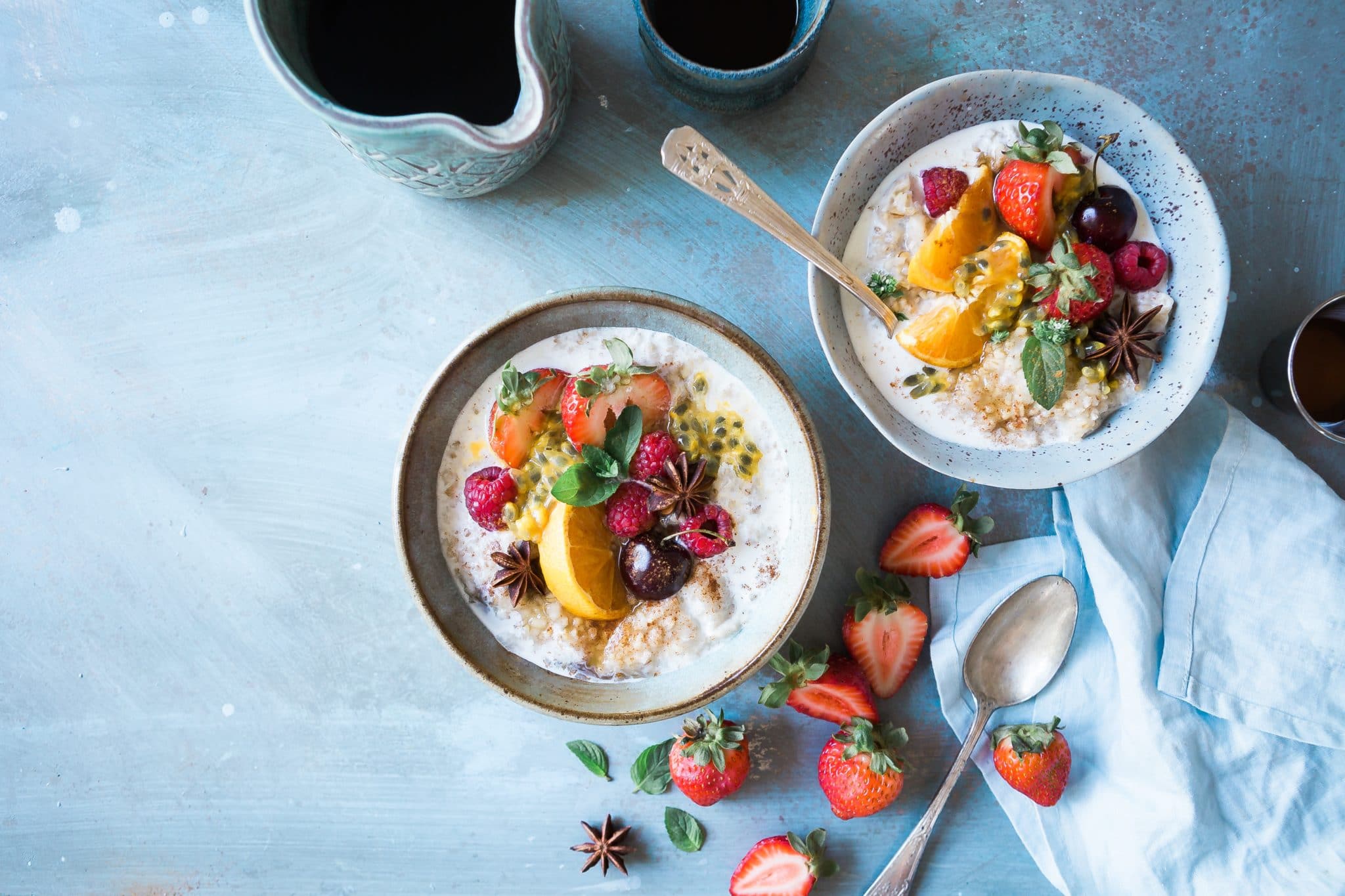
birds eye view of oatmeal bowl topped with fruit

Because of its potential negative side-effects, healthcare practitioners generally do not recommend the Keto Diet across the board to people with diabetes. Instead, a greater focus should be placed on educating those with diabetes on nutrient-rich foods that can help improve overall health while balancing blood sugars. So for example, rather than cutting out carbs all together, it would be recommended to include more fibre-rich carbohydrates and pair them with a source of protein or healthy fat to slow the absorption of sugars.

As for alternative treatment recommendations, some believe that a plant-based diet may be more suitable and beneficial. Supporters of this concept believe that consumption of plant-based proteins, unrefined carbohydrates, healthy fats, and an adequate amount of fiber is the key to managing diabetes. By consuming a balanced variety of foods insulin resistance is thought to be controlled in an effectiver manner. Research has found that people with diabetes who eliminated animal-based proteins from their diets experienced a decrease fasting glucose level and lost nearly twice as much weight as compared to those who consumed animal-based proteins.

So do you need to go completely keto or plant-based in other to get your diabetes and blood sugar under control? Absolutely not.

It is most important to practice eating patterns that are realistic for your lifestyle as well as being conscious of nutritional needs. In fact, a 2018 report stated that the best “diet” for people with diabetes seeking to manage weight, glycemic levels, and risk of cardiovascular disease has yet to be determined. Every body is different and what is recommended by certain studies may not necessarily be what is best for you. Listening to your body and its cues are key!

As always, however, diet is a highly individual thing and it is important to consult a health care professional or Registered Dietitian with questions or concerns about proper nourishment based on your overall health and lifestyle.

What are your thoughts on the keto diet for people with diabetes? Leave us a comment below!

Research by Grace Carroll, RD student


images of keto foods like salmon and avocado

Abbey Sharp

Abbey Sharp is a Registered Dietitian (RD), regulated by the Ontario College of Dietitians. She is a mom, YouTuber, Blogger, award winning cookbook author, media coach specializing in food and nutrition influencers, and a frequent contributor to national publications like Healthline and on national broadcast TV shows.

www.abbeyskitchen.com/about-abbey/

Last Updated October 4, 2021. Published July 1, 2020 By Abbey Sharp 2 Comments

Are Disinfectant Wipes & Sanitizer Safe for our Microbiome?

 We explore the long-term outcome of excessive sanitation products in the Covid outbreak, and answer the question are disinfectant wipes, Lysol, bleach, and hand sanitizer safe for our health and microbiome – particularly for children or pregnant women?

As you’re likely aware, unless you’ve been sleeping through 2020 so far, there is a worldwide shortage of sanitizing products available for purchase at just about every store in North America. This is because of one simple thing: everyone under the sun is now purchasing them at a MUCH faster pace and using them in a greater abundance than they likely ever were before. People are not only constantly wiping off door handles and sanitizing their hands after putting gas in their car, but they’re also wiping down every grocery item or delivery that comes to their door. I have even heard of people washing their produce in bleach! (SIDE NOTE: DO NOT DO THAT. I have a whole post on how to safely sanitize groceries and take-out right here) and it doesn’t have to be THAT extreme.

I want to reiterate that, of course, keeping you and your home clean with regular hand washing and other hygienic practices is absolutely essential to fighting Covid-19 and other viruses, but a lot of people have been questioning the potential risks of this hypervigilant state of sanitation.

Why would we ever worry about being too clean, you might ask? Because there has been a long-standing theory in the world of germs, the microbiome, and health, which posits that a state of over-sanitation early in life (aka during childhood) may actually be linked to poorer health outcomes due to a diminished exposure to the germs that actually help to maximize our immune system. This theory is known as the “hygiene hypothesis”, and while there is tons of speculation and controversy surrounding this hypothesis and its validity, the trend still remains that as we became an industrialized nation, and sanitation practices were heightened, so too did the incidence rates of allergies and autoimmune diseases like type 1 diabetes, asthma, Chron’s disease, multiple sclerosis, and inflammatory bowel disease.

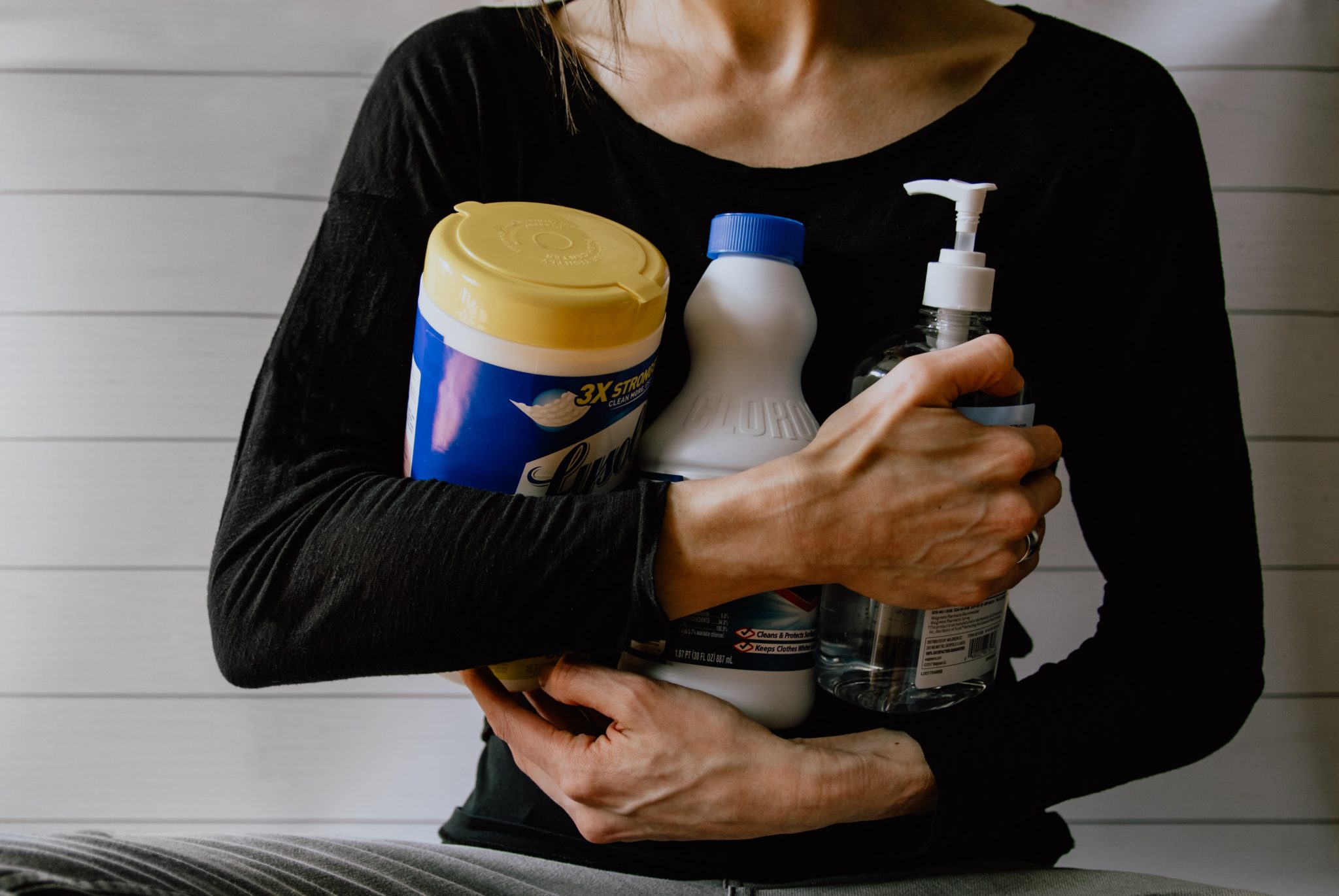
woman in black shirt holding a variety of cleaning and sanitation products

BUT as we preach here at Abbey’s Kitchen, correlation doesn’t always equal causation. So, to get a clearer picture of if there really is any cause for concern with the COVID-19 induced over-sanitation trend, I took a deep dive into the research surrounding the hygiene hypothesis, sanitation practices, and our microbiome!

The Hygiene Hypothesis

First, let’s chat about the hygiene hypothesis and how it came to be. The hygiene hypothesis was first developed in the late 1980s by an epidemiologist, Dr. Strachan. He found that there was a relationship between an increased family size (i.e. more children) and a reduction in the development of autoimmune diseases and allergies. He proposed that the decreased incidence of infection early in life, typically passed through “unhygienic” contact between siblings, could be the cause of developing autoimmune complications later in life. Following this hypothesis, much more research took place surrounding this phenomenon, and the belief shifted towards the notion that a decreased exposure to microbes in early years is a major risk factor for developing autoimmune diseases later in life. Even at this time, it was noted that there was a wide range of factors at play when it came to a diminished microbial exposure, including “clean water and food, sanitation, antibiotics and vaccines, birth practices, as well as incidental factors such as the move from farm to urban living”. However, for many people, the concern narrowed in on sanitation practices. Because of this, there has been recent controversy over the hygiene hypothesis, and the misconceptions that were developed because of it.

Many scientists attest to the name and wish to see it changed, seeing as the term “hygiene” is often misinterpreted as being synonymous with personal cleanliness like hand washing, cleaning foods, and washing soiled floors and counters. However, that should not be the case – these personal sanitation practices are one of our first lines of defense against harmful bacteria, therefore, ceasing to take part in them would put us in harm’s way. The concern instead is when these “sanitation practices” are taken to an extreme or directed at situations that are not actually harmful, significantly limiting children’s healthy exposure to the microbes (that is, bacteria) in their environment. Many of the researchers who wish to see the name of this theory changed have offered up alternative names, such as the “microbiome depletion hypothesis” or the “microbial diversity hypothesis” – no such luck so far though (guess it doesn’t have the same ring). But, names aside, the foundation on which this hypothesis is based on still does hold some merit according to recent research. More recent research has taken the foundation on which the hygiene hypothesis was laid on, and developed clearer guidelines and recommendations surrounding sanitation and hygiene. The most supported approach for ensuring safety as well as health in the home is targeted hygiene.

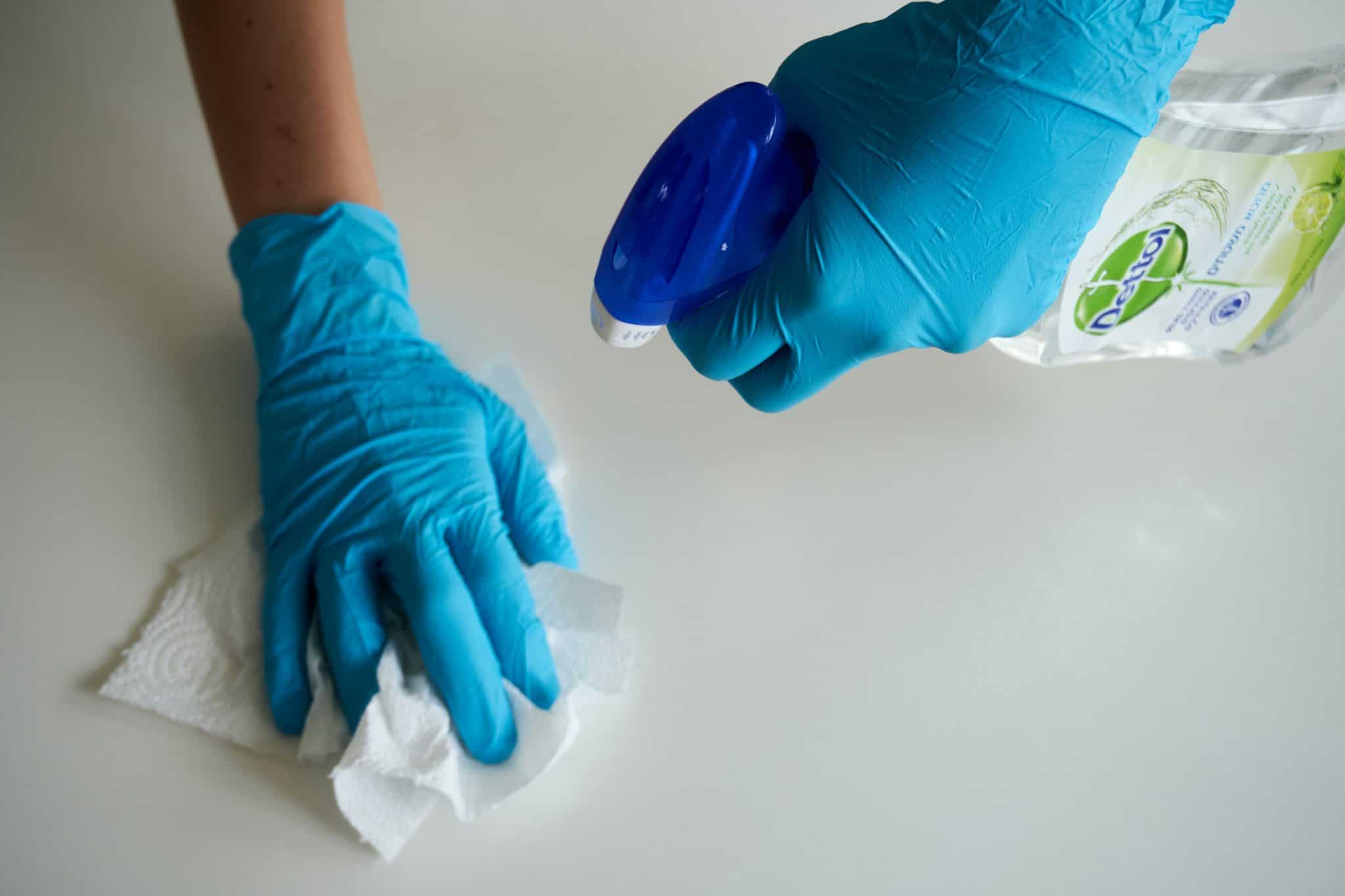
person wearing blue gloves and sanitizing a surface with paper towel

Targeted Hygiene

The hygiene hypothesis is reportedly pinpointed on home sanitation as the root cause of adverse health outcomes, which is where it falls short. Instead of focussing solely on over-sanitation being responsible for the rise in allergies and autoimmune diseases, we must look at the bigger picture and recognize that it is likely much more complicated than that. Evidence now suggests that a combination of strategies should be integrated into young children’s lives in order to best protect their microbiomes from complications later in life. These strategies include vaginal childbirth (if possible), breast feeding (if possible), increasing social exposure through things like sports, social interactions, and outdoor activities, having pets like cats or dogs in the home, as well as appropriate antibiotic use (aka only using them when it is absolutely called for as of course, these save lives). Another way of looking at this is through “targeted hygiene” – where risky activities, like touching raw meat or using the washroom, should be followed with proper hygienic practices, but at the same time, playing outside in the soil, petting the family dog and sharing toys with peers should be encouraged. Targeted hygiene allows for the protection against harmful pathogens, while also promoting and allowing for the healthy spread of microbes between peers, family members, and the environment. Allowing for the introduction of such microbes is important for the establishment of a healthy immune system, which, for the most part, is trained by the age of 4. This keeps our immune system in balance, protecting it from overreacting to non-harmful particles – which is the underlying mechanism of allergies.

Can we improve our microbiome later in life?

Not to fret if you’re already 5 or older! While the microbiome may be largely shaped during the early years of life, the colonies within the gut microbiota are still largely unstable during childhood and become more stable during adulthood. This means that the commensal bacteria which colonize our microbiomes become more balanced and stable within the later years of life. There are also strategies that can be utilized in youth and adulthood in order to develop a robust microbiome, including consuming a sufficient amount of fruits and vegetables, whole grains, and exercise. Recent research links the Mediterranean diet, a diet rich in whole foods, grains, and healthy fats, to a significant increase in beneficial microbes in our gut. Therefore, if you are at all concerned about your microbiome, transitioning to a more balanced and whole-food diet may be a good place to start.

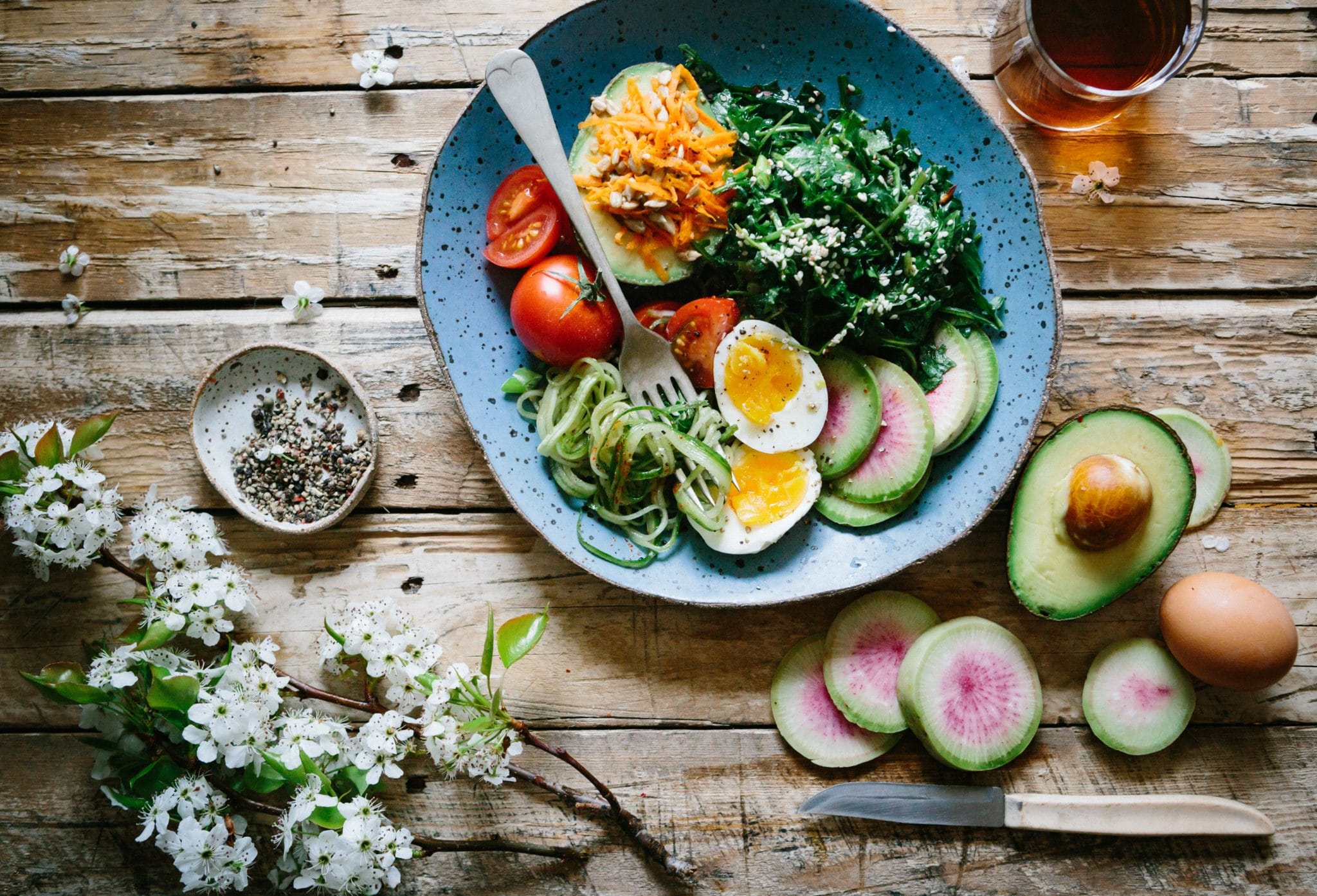
birds eye view of a bowl of healthy food for the microbiome

While, undoubtedly, more research is needed in this field, there have ALSO been several strong connections made to those people with the lowest incidence of allergies and their relationship with microbes. First, early-life exposure to siblings is correlated with a lower likelihood of allergies – this is thought to be connected to microbes being passed between siblings through “unhygienic” contact. Second, having pets (i.e. cats and dogs) in the house can help to develop a stronger immune system, even before birth while a child is still in utero. This is because people can share their microbiota via contact with dogs, meaning having them in the house can greatly increase the microbial biodiversity. Other research supports the fact that early exposure to our natural environment is crucial for developing a well-rounded immune system and microbiome. They have found that exposure to farm environments within the first 2-3 years of life can be protectant against developing allergies, while other studies show that even living close to agriculture or green space can protectively increase the biodiversity of our microbiota.

Bottom Line on Hygiene and our Microbiome

Healthy exposure to safe microbes from our environment and each other is NOT a bad thing, in fact, it is a very good thing. HOWEVER, let me reiterate, these studies are referring to the beneficial (or, at the very least, not pathogenic) microbes found in our environments – so, I am not saying to stop cleaning your house and sanitizing in an effort to avoid being infected with COVID! That would be ill-advised and is one of the main qualms that scientists have with the name and premise behind the “hygiene hypothesis”. What I am saying is this: being able to recognize low-risk situations and not overreacting with sanitation protocols may be beneficial for our children’s health later in life.

Are Using Excess Disinfectant Wipes, Lysol, Bleach, and Hand Sanitizer Bad for our Microbiome?

image of the top of a lysol wipes container

 While the evidence here is very preliminary and done primarily with animals that are fed a diet with these chemicals in it, there is early evidence suggesting that when/if antimicrobials enter into our body, if not handled properly, it may affect our microbiomes. Much of the research studies focus on compounds called triclosan and triclocarban. Triclosan is an antimicrobial agent that is added into a lot of household cleaning supplies, as well as soaps, toothpaste, and some cosmetics. The FDA is continuing to monitor this chemical, and is aware of the studies being done to test its safety for human use. They also did ban the use of both of these chemicals in consumer soaps in 2016, indicating they recognized a safety concern with over-exposing oneself to them. One study found that zebrafish which were fed a diet containing triclosan experienced an alteration in their gut microbiota after only 4 days. Another study, which focussed on humans, found an altered gut flora in children who were frequently exposed to household disinfectants. These children were then linked to having a higher body weight by the time they were 3 years old when compared to the children who were not exposed to heavy home use of disinfectants. This is just correlation, and what we don’t know is if the families who chose “greener” methods of cleaning ate “healthier”, were of higher socioeconomic status, were more likely to be breastfed or had more access to the outdoors, attributing to a different outcomes in their microbiome and weight. Another thing to note is that while this study did find a difference in the microbial community composition of the children who were exposed to non-eco-friendly chemical products, they did not find any changes in the microbial richness or diversity. This means, essentially, that there were more microbes introduced which were linked to weight gain and/or negative effects, but there was no negative impact on the already existing microbial community – that is the number or type of pre-existing microbes.

Bottom line, the research in this area isn’t great period and we need a lot more of it. But the good news is that of ALL the links between hygiene and the microbiome, researchers believe that “being too clean in our own homes” is one of the weakest and most un-supported notions perpetuated by the “hygiene hypothesis”. It is believed that if over-sanitizing the home contributed to an increased risk of allergies or autoimmune diseases, it would be a relatively small contribution. This is because microbiological studies have confirmed that regular cleaning habits, while decreasing pathogens and dust temporarily, do not have a sustained effect on microbes in the home. One review article claims that “the idea that we could create ‘sterile’ homes through excessive cleanliness is implausible; as fast as microbes are removed, they are replaced, via dust and air from the outdoor environment, and commensal microbes shed from the human body and our pets, and contaminated foods brought into the homes”.

Are Sanitizers and Disinfectants Safe to Breathe In?

person wearing a purple glove and spraying a disinfectant in a yellow bottle

Many online sources point towards household cleaners are being dangerous for our overall health, claiming their detrimental effects on our lungs. While more research is most definitely needed to support these claims, especially when it comes to humans, there have been some preliminary studies trying to address these claims. One study, accomplished through the European Community Respiratory Health Survey, found that people who worked as cleaners or frequently cleaned their homes with chemicals had decreasing rates of lung function. This finding was only true for women and was more apparent the more time the women spent around chemical cleaners, notably those which were sprays or were aerosols. This indicates that there may be a link between frequent cleaning activities and respiratory health (which is concerning in a global pandemic surrounding respiratory health). Other studies have linked increased asthma rates to cleaning workers, and suggest that preventative measures be put in place when using chemical cleaners – especially for cleaning disinfectant sprays, bleach, and ammonia.

Is it Safe to Use Disinfectant and Cleaning Products While Pregnant?

 A large study which was published in 2018 concluded that chemical use while pregnant resulted in an increased risk of the child in utero developing wheezing and/or asthma. These findings were then taken and turned into many different news articles and reports stating that cleaning while pregnant is dangerous for the health of the unborn child, which, really, never was proven. What got missed was the fact that there actually was no significant relationship found between chemical exposure and lung function tests. Another thing to note is that the findings for cleaning product use and asthma symptoms were all self-reported through questionnaires, meaning no asthma cases were ever confirmed with a medical professional.

In response to the misconceptions being reported by the media as a result of this study, the United Kingdom National Health Service (NHS) issued a statement and a review of the paper – ensuring that parents should not be overly concerned with cleaning regimes, so long as they follow general safety protocols by ensuring rooms are adequately ventilated and precautions are taken to protect oneself from touching and inhaling fumes (i.e. gloves and a mask).

image of pregnant woman holding her belly

While there is currently not a large body of evidence surrounding this topic, calling for a more in depth review to be done, the American Pregnancy Association also ensures that cleaning products, including properly diluted bleach, are safe to use while pregnant. They too recommend wearing gloves, ventilating the room, and reading any labels prior to use. Or, even better, getting the un-pregnant partner to take on the cleaning for a change (*wink wink*).

What are the Safest Cleaning Compounds for Disinfecting?

First of all, there is a difference between cleaning and disinfecting. Cleaning removes germs, dirt and impurities on surfaces and using soap and water can remove germs, not necessarily kill them, to reduce the spread of infection. Disinfecting kills germs on surfaces but doesn’t necessarily remove germs. So while hand washing with soap and water is the best way to clean and get rid of germs but if there is a reason to fear a contaminant has been spread onto a surface of the home, then washing the surface with soap and water, followed by a sanitizer or disinfectant, would be the best course of action.

The Environmental Protection Agency (EPA) has a comprehensive list of disinfectants or sanitizers that are approved to kill viruses like Covid-19 which are generally grouped as:.

  • Quaternary ammonium compounds (“quats”) like Lysol heavy duty disinfectant
  • Iodine based sanitizers
  • Acid anionic sanitizers (peracetic acid)
  • Hydrogen peroxide sanitizers like Clorox
  • Thymol (a natural and botanically based disinfectant)
  • Or Alcohol (ethanol), which you can easily buy in 70% ethanol bottles either wipe items down or transfer it to spray bottles.

Choosing “eco-friendly” alternatives to sanitizers is, of course, an option, as most popular brands now have a “green” alternative for a higher price. I’ll leave a link below to some of the EPA approved “safe” products but an example that I have seen on shelves is some of Seventh Generation products.

Note that homemade products like baking soda and vinegar or lemon juice are fine for cleaning your home, but are not germicides and therefore do not kill any germs well enough to sanitize.

As for those who rely on essential oils as their sanitizer of choice, caution should be taken with this method of cleaning in order to avoid viruses such as COVID-19. While we are starting to see more research surrounding the potential benefits of essential oils for cleaning, it is still lacking. One review found that while some oils have shown antimicrobial properties, their effectiveness relies on the individual oil’s chemical constituents, the quantity of these compounds, as well as the particular properties of the bacteria it is aiming to kill. So, basically, some oils may have an effect on some bacteria, but an individual oil will need to be matched with a specific microbe in order for the disinfectant properties to take place. These studies were also held in vitro within a lab, and have failed to provide any clear mechanism of action – leading the researchers to worry about reproducibility and the accuracy of their findings. The bottom line is that more research is needed, as well as clinical trials, in order to create any clear and scientifically validated recommendations for replacing your household sanitizers with essential oils. This is simply because FDA approved sanitizers kill up to 99.9% of germs, which is something that essential oils cannot yet claim.

What about soap? Can it be used on my counters and high-touch surfaces in place on a chemical disinfectant?

Handwashing, as rudimentary as it may seem, protects us because it has the potential to “inactivate” the virus before effectively washing it down the sink – IF the handwashing is done properly, and for 20 seconds. In the same way soap attaches to the oil and dirt on our hands to wash the debris down the sink, so too does it attach to the molecules that are responsible for infecting us with Coronavirus. Because of this, the most effective, easy, and sensible way to break the chain of infection is with proper, and regular, hand washing. This can be done with any regular soap, as there is no extra benefit of using an antibacterial soap if proper handwashing procedures are followed.

black and white illustration of sanitizer and soap

An antibacterial sanitizer or disinfectant is still the #1 recommendation for cleaning high traffic surfaces in your home because they can kill 99% of germs in seconds. BUT, if cleaning supplies are short in your area, soapy water and some elbow grease can still do the trick! Following the same logic as with proper handwashing, surfaces can be scrubbed with soapy water for at least 20 seconds and then thoroughly rinsed in order to ward off germs and virus’.

Using Targeted Hygiene in Covid-19

Global pandemic or not, if we are to maximize our beneficial microbial exposure, while at the same time protecting ourselves from infections and disease, the guidelines around sanitation and hygiene require an update based on the current literature.

The misconception that still roams today that good hygiene and cleanliness are problematic is outdated and needs to be addressed. While we know that being exposed to an array of microbes is important, we also know that not protecting ourselves from harmful pathogens can be detrimental to our health. I am sure this point will be driven home due to the current situation, but the belief that children must be exposed to harmful microbes in order to build a robust immune system is simply not true – this has never been the case. Yet, before the world was launched into a global pandemic, 23% of parents still believed that this myth was true.

So, it is clear that there need to be clearer guidelines on WHAT is okay and safe, and what is not! Targeted hygiene aims to do just that; it is a risk assessment directed at determining the high-risk situations, where pathogenic transmission is more likely, from low-risk situations where microbes are not harmful and/or there is not a high risk of exposure. This allows us to protect ourselves from harmful or infectious microbes, while still retaining the beneficial and/or commensal microbes in our environment.

Below, figure 1 outlines “the chain of infection”, a strategy that was designed to be used during the risk assessment portion of targeted hygiene, which was developed by the International Scientific Forum on Home Hygiene (IFH). The chain is supposed to help in the determination of high-risk situations, which then can be treated appropriately to reduce the risk of infection.

illustration of the chain of infection

When referring to the chain of infection, it is important to remember that there are particular situations where harmful microbes are more likely to be present and/or spread. These are the times that practicing hygiene in order to break the chain of infection is important. These high-risk times include:

  • During food handling
  • While eating with hands
  • After using the washroom
  • After coughing or sneezing into hands, or nose-blowing
  • After handling soiled or dirty linen
  • After handling or disposing of garbage
  • Caring for animals
  • When caring for an infected family member who is spreading contaminants into the environment through vomiting, coughing, and/or diarrhea. 

The Bottom Line on the Role of Disinfectants and Over-Sanitization on our Health and Microbiome

Getting outdoors, socializing with peers, family, and friends (once social distancing is lifted), playing with pets, and the natural environment (aka getting dirty!) are all great ways to gain exposure to a beneficial array of microbes – which help to promote our overall health and immunity. This is especially true at an early age. However, the misnomer that exists that claims there is no need to maintain hygiene and cleanliness in the home, needs to be buried. There is no high-quality evidence supporting the fact that home and personal hygiene is linked to an increased risk of adverse health outcomes – actually, quite the opposite. Failing to comply with basic sanitation protocols, especially after being exposed to a high-risk situation, is increasing the risk of disease and infection. For this reason, targeted hygiene should be practiced in the home, regardless of whether or not there is a global pandemic afoot. Being able to identify risky situations and appropriately respond, while also being able to recognize low-risk or beneficial situations, is key to creating and maintaining a healthy and well-rounded microbiome and immune system.

However, ensuring you are following the instructions on the labels of your cleaners is key – as breathing in and using bare hands to handle chemicals may be linked to several negative health outcomes. Wearing gloves and a mask is necessary, and opening a window in order to allow for airflow should help with the safety of using these cleaners. Also, ensure you are properly diluting your cleaners if the instructions call for this, especially with anything containing bleach. Use the theory of targeted hygiene and consider when the use of disinfectants or “heavy-duty” cleaners is really called for.

SO, do not stress over your seemingly hypervigilant cleaning rituals that have developed. BUT, take the time to recognize which situations are high-risk and which are not, perhaps the excessive cleaning is not called for if there hasn’t been exposure to a potentially risky situation outside, or inside, the home. While interacting with peers is currently off the table with social distancing, still allowing your children to interact with their outdoor environment should be encouraged, as this is a low-risk and beneficial exposure to microbes.

Stay safe!

Contribution by Amber Whittemore

cleaning with disinfectant wipes

Abbey Sharp

Abbey Sharp is a Registered Dietitian (RD), regulated by the Ontario College of Dietitians. She is a mom, YouTuber, Blogger, award winning cookbook author, media coach specializing in food and nutrition influencers, and a frequent contributor to national publications like Healthline and on national broadcast TV shows.
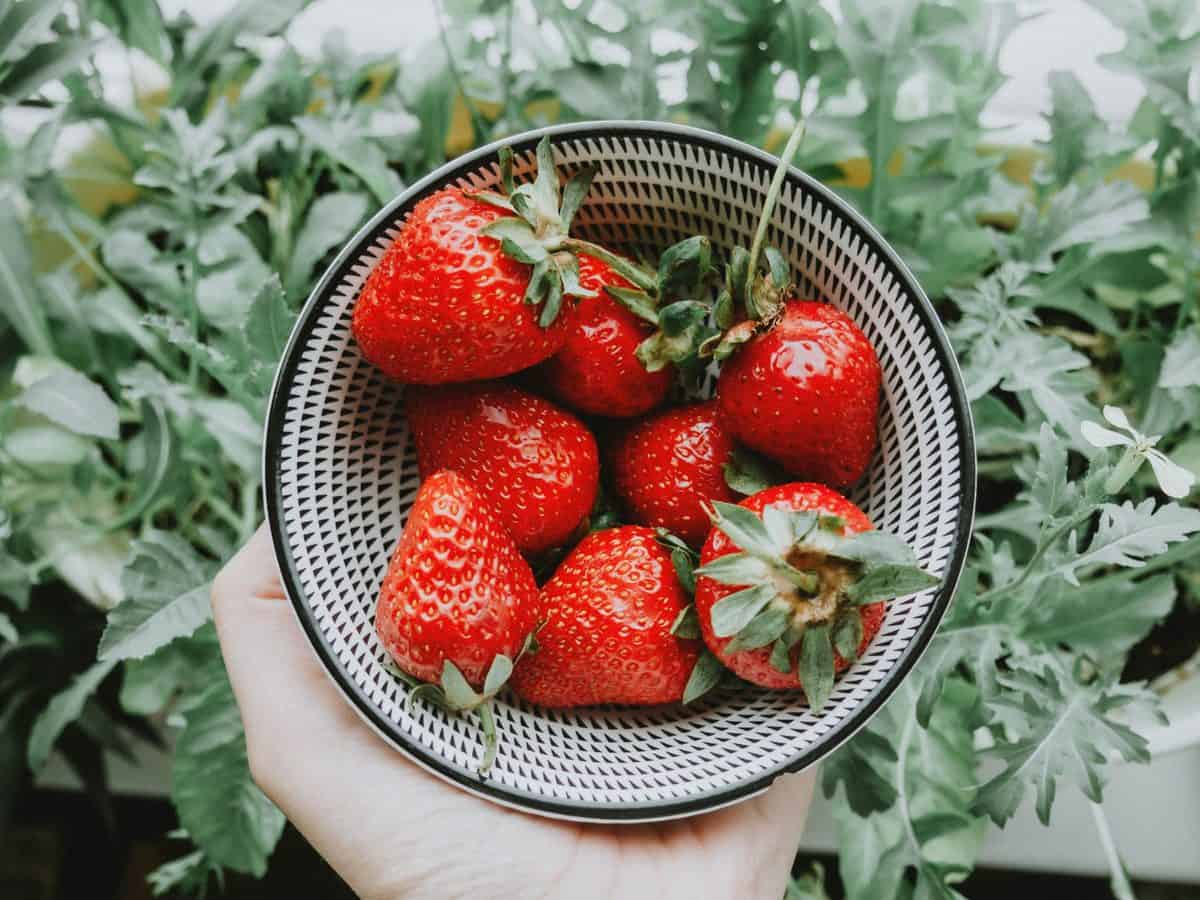
www.abbeyskitchen.com/about-abbey/

Last Updated November 29, 2021. Published June 30, 2020 By Abbey Sharp 2 Comments

Healthy Canada Day Recipes | Festive Red & White Foods

We’ve compiled a list of delicious red and white recipes to help you celebrate Canada Day so you can spend more time partying with your friends, family, and neighbours!

We’ve compiled a list of delicious and healthy Canada Day recipes to help you celebrate our great country with festive red and white foods!

Canada Day is fast approaching, which gives us an excuse to throw a fantastic party with good food and people. Thinking of throwing a party to celebrate, but need yummy dishes to serve? Look no further because I’ve got you covered with a bunch of our favourite healthy Canada Day recipes. And yes, they’re all festively red and white! We’ve got salads, mains and LOTS of desserts. So, get those party hats on, crack open a cold one, and enjoy some good food with your family, friends, and neighbours! Happy birthday, Canada!

The Best Healthy Canada Day Recipes

Some of these tasty Canada Day recipes are vegan, other’s are paleo, and some are just super high in protein or low in sugar or fat. Whatever your dietary needs are, we’ve got some tasty red and white foods to celebrate with for you!

Greek Yogurt Parfait with Cereal and Pan-Roasted Grapes – Amy Gorin Nutrition

yogurt parfait in a glass

Sikarni – Nepali Style Whipped Yogurt with Cardamom (GF) – Food Pleasure and Health

Yogurt in a glass with pomegranates

White Chocolate, Lemon and Raspberry Overnight Oats (GF) – Abbey’s Kitchen

Overnight oats in a mason jar.

Strawberry Caprese Salad (GF) – Edwina Clark

Strawberry salad in a bowl.

Tomato and White Bean Naan Pizza – Amy Gorin

Tomato white bean naan pizza

Canada Day Vegan Ice Cream Semifreddo with Coconut and Raspberries (GF) – Abbey’s Kitchen

Semifreddo cake for canada day on a wooden board

Strawberry Sweet Roll Mug Cake (Vegan) – A Virtual Vegan

Strawberry mug cake

Red Velvet ‘Cheesecake’ (Vegan, Paleo) – Pretty Pies

Cheesecake in a blue ceramic dish.

Strawberry Basil Tart – LiveBest

Strawberry basil tart

High-Protein No-Bake Cheesecake – Mindful and Nourished

Raspberry cheesecake on a white plate.

Strawberry Shortcake Trifle with Lemon Walnut Cream – Jenny Shea Rawn

Strawberry shortcake trifle

Protein Strawberry Shortcake – The Oregon Dietitian

Strawberry shortcake on a white plate.

Sweet Treat Cashew Cream (GF, Vegan) – Triad to Wellness

A bowl of fruit on a table, with Strawberry and Cream

Grain Free Chai Seed Brownies (GF) – Sweat and Glow

chia seed brownies with strawberries on top

Cherry and Mascarpone Pita – Amy Gorin

cheese and berries pita

Healthy Red Velvet Fondue (GF) – Abbey’s Kitchen

red velvet fondue

How will you be celebrating Canada day with red and white foods? Let me know in the comments your thoughts!

Collage of canada day recipes

Contribution By:

Amy Choi

Abbey Sharp

Abbey Sharp is a Registered Dietitian (RD), regulated by the Ontario College of Dietitians. She is a mom, YouTuber, Blogger, award winning cookbook author, media coach specializing in food and nutrition influencers, and a frequent contributor to national publications like Healthline and on national broadcast TV shows.
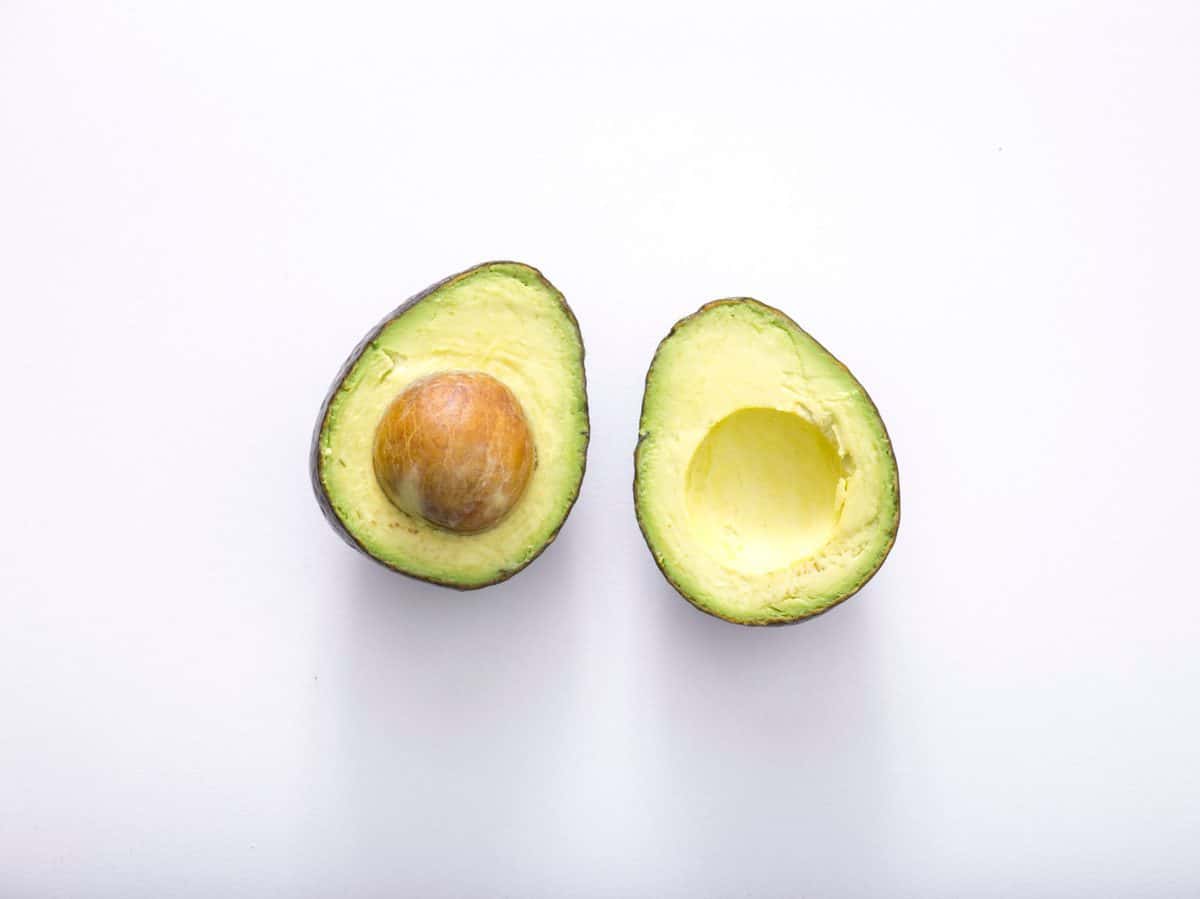
www.abbeyskitchen.com/about-abbey/

Last Updated October 23, 2020. Published June 24, 2020 By Abbey Sharp 4 Comments

Are Antinutrients Safe? Lectins, Oxalates, Phytates and more

We look at the research of if antinutrients are safe (as found in vegetables, grains and beans), and look at lectins, oxalates, phytates and more lurking in your vegan meals.

Recently, there has been a focus in the media on the potentially harmful compounds in plant-based foods. The book The Plant Paradox, and recent research connects seemingly innocent foods, like broccoli and beans, with inflammation and disease.

The pesky compounds in plant foods that are causing all the buzz are antinutrients. These compounds, found in otherwise healthy foods such as green and whole grains, are used as plants’ defense mechanisms in nature, but can wreak havoc on human digestion by blocking the absorption of certain nutrients.

This new information makes choosing what to eat even more complicated than before, but before you throw away all your canned beans, get the facts on antinutrients in vegetables and legumes below to determine if you’re really at risk.

three wooden spoons holding a white, red, and brown dry kidney beans

Wait, but aren’t vegetables supposed to be good for me?

Good news, they still are. However, it’s helpful to understand what antinutrients are and their potential impact on your health. Antinutrients, or “plant toxins” can be found in vegetables, beans, and whole grains, and can block and disrupt the absorption of other nutrients that are important for overall health, like iron, magnesium, calcium, and iodine. What makes the concept of antinutrients so complex is that they coexist in foods that also contain positive health benefits like fibre, vitamins, minerals, and antioxidants. So if we cut out all of the antinutrient-containing foods, we’re also cutting out a lot of healthy stuff.

What are Antinutrients?

There are a few main classes of antinutrients, and they largely are found in different plant-based food-groups, hence why there is a lot of talk in vegan circles about the risk of antinutrients. These classes and the effect they have on nutrient absorption is laid out below.

a variety of different grains with antinutrients like beans, rice, oats, buckwheat and farrow laid in a layer to create a colour gradient

Lectins

Lectins are found in all plants but are present in greater amounts in legumes (think peas, lentils, peanuts, and soybeans), and whole grains. Of all the antinutrients lectin has been the most closely studied (here and here), and also possesses the potential for the greatest harm. This is due to the fact that lectins resist being broken down in the acidic environment of the gut, negatively impacting intestinal flora and preventing proper nutrient absorption. Lectins have been linked to conditions such as leaky gut, rheumatoid arthritis, inflammatory bowel disease, and other autoimmune disorders (here and here).

Oxalates

Oxalates are primarily found in members of the spinach family, which include leafy greens like swiss chard and collard greens. Oxalates bind to calcium, limiting its absorption in the body.

several leaves of spinach on top of a white tortilla to represent antinutrients like oxalates

Phytates

Phytates are found in nuts, seeds, and whole grains, and can limit absorption of the minerals iron, magnesium, calcium, and zinc.

Glucosinates

Glucosinates are found in cruciferous veggies, which include broccoli, brussels sprouts, cabbage, kale, and cauliflower. These foods can interfere with the uptake of important minerals, most notably iodine.

Tannins

The tannins found in your daily cup of tea or coffee can decrease iron absorption, an important nutrient that is responsible for carrying oxygen in the blood.

birds eye view of a cup of tea that contains antinutrients like tannins

Saponins

Saponins are found primarily in legumes and get their name from their soap-like structure, which enables saponins to bind to both fats and proteins. Saponins have been shown to reduce nutrients’ bioavailability and decrease enzyme’s ability to digest protein.

Are Antinutrients Safe? Myth or Truth

Now that we’ve introduced you to the major players, let’s talk about some of the major claims that people make about antinutrients and health.

LECTINS Cause Digestive Permeability and Leaky Gut

Kinda maybe true. So the jury is still out on the idea of leaky gut, through it is generally agreed upon that digestive permeability is a real phenomenon in certain populations (i.e. Crohn’s, Celiac etc.). But the antinutrient most commonly associated with increased digestive permeability or ‘leaky gut’ is the class called lectins. Lectins have been shown to bind to cells lining the gut, which can increase intestinal permeability. This means that undesirable molecules like toxins, bacteria, and antigens can move past the gut lining into the bloodstream and cause an autoimmune response. This has led lectins to be linked to autoimmune diseases such as rheumatoid arthritis, lupus, and type one diabetes, as well as peptic ulcers. (here and here). When lectins bind to cells lining the digestive tract, they can also have an impact on the growth and action of intestinal flora, which plays a key role in immune function and digestion. Again, we still need more evidence on the existence of leaky gut as an actual medical condition, but it is very possible that if it exists, that lectins may play a role for some people.

Lectins Cause Heart Disease

Myth. Despite some media claims, there is not any research linking lectins to increased risk of heart disease. In general, a plant-focused diet is commonly shown to decrease risk factors for heart disease, such as high cholesterol.

several red and pink paper hearts attached to eat other

Antinutrients Cause Major Skin Reactions

Myth. Some sources report skin rashes as a possible symptom of antinutrient intake. While some skin issues, like psoriasis are associated with autoimmune dysfunction, when flare-ups are related to diet, a food intolerance is typically the culprit. An intolerance for gliadin, a protein in wheat, has been linked to exacerbating skin conditions such as psoriasis and dermatitis, so it is likely intolerance to the protein, not the antinutrients in grains that are causing skin issues.

Tannins Cause Iron Deficiency

Myth. Although tannins present in tea, coffee, and wine can impair iron absorption, the majority of long-term studies do not show that there is a significant decrease in iron status related to tannin consumption. This could be because the body adapts to compensate for the antinutritional effects of tannins, or that the type of tannins found in commonly consumed food and beverages are not present in high enough amounts to significantly impact iron absorption. Due to tannins antioxidant activity and relatively low risk on iron availability, they are not a big concern.

Oxalates Cause Kidney Stones.

True (for some). Those who are prone to calcium-oxalate kidney stones should limit their intake of oxalate-containing foods, such as nuts and nut butters, spinach, beets, and potatoes. This is simply because the more oxalate absorbed from food, the more oxalate in the urine, which increases the risk of stones forming. For the general population, however, oxalates don’t seem to be an issue.

Antinutrients Cause Hypothyroidism

True (for some). For those with thyroid dysfunction, like hypothyroidism, glucosinolate-containing foods that inhibit iodine absorption could be problematic. This is because iodine is important in the production of thyroid hormones, and without sufficient amounts, hormone production is reduced. For the general population with normal iodine levels, there is little or no risk to consuming foods with glucosinates, like cauliflower or kale,

Lectins Cause Arthritis

Possibly true (for some). In addition to bloating and gas, some research suggests that lectins found in beans and whole grains may lead to chronic inflammation in the gut. This inflammation can eventually result in an autoimmune response that may exacerbate rheumatoid arthritis. Why doesn’t everyone who eats lectins get an autoimmune disorder? Lectins are not the cause for an autoimmune disorder but it is proposed that they may act as the trigger for genetically susceptible individuals.

Lectins cause Diabetes

 Possibly true for some but likely a myth. Some researchers suggest that lectins can bind to pancreas cells and trigger an autoimmune response that can contribute to the expression of type one diabetes. That being said, autoimmune diseases develop from a combination of  contributing genetic and environmental factors, and it is not likely that lectins alone are responsible for causing diabetes. In the general population, foods containing lectins like beans and whole grains are actually beneficial to blood sugar control because of their high fibre content, and are not considered harmful.

How to Deactivate Antinutrients

Before you swear off kale salad it’s important to know that you can actually decrease the levels of antinutrients in foods before eating them, pretty much eliminating their harmful effects on the body so you can reap the nutritional rewards.

Soaking and Sprouting

Soaking or sprouting nuts, seeds, and grains before eating decreases their levels of phytates and improved their overall digestibility. Try soaking nuts and seeds before using in baking or cooking.

Boiling

Studies have shown that soaking and boiling beans eliminated most, if not all, lectins. Cooking vegetables, like cauliflower and brussels sprouts also significantly decreased their levels of oxalates and glucosinolates. Try eating more cooked cruciferous vegetables and greens, instead of raw.

a pot of water boiling on the stove to remove antinutrients from food

Fermentation

Fermentation is another way to decrease antinutrient levels. During the fermentation process enzymes are released that break down antinutrients and make foods easier to digest. For example, turning cabbage into sauerkraut or kimchi, eating sourdough bread instead of yeast-leavened varieties, or choosing tempeh or miso over unfermented tofu, can reduce antinutrient levels in the diet

Can Foods with Antinutrients Still be Healthy?

 While anything with the word “anti” in it doesn’t always sound so positive, antinutrients can have positive health effects too. For example, phytates and saponins found in whole grains, seeds, and legumes have cholesterol-lowering properties, and contain antioxidants that help fight disease. This is due to their ability to bind to cholesterol in the blood, helping eliminate them from the body, and reducing the risk of heart disease.

Some foods that contain antinutrients can actually increase absorption of certain vitamins and minerals. For example, dark leafy greens, such as kale, which contain oxalates that can inhibit calcium absorption, also contain vitamin C, which aids in iron absorption.

a variety of vegetables like lemon, cucumber and apple cut into moon shapes

There has also been research showing that tannins found in coffee and tea, have antioxidant, anti-inflammatory effects, and can have a positive impact on diabetes management.

Vulnerable populations that have more reason to be cautious, like those with kidney stones or thyroid issues, may need to limit their intake of some of these foods, but do not necessarily need to avoid them entirely.

Bottom Line on Antinutrients in Vegetables, Beans & Legumes

Foods containing antinutrients should not be avoided as they also contain nutrients that are beneficial to overall health, such as fibre, vitamins, and antioxidants, which contribute to reduced risk of disease, a healthy digestive tract, and a balanced diet. Also, much of these antinutrients can be removed through cooking and processing before eating, unless your diet consists primarily of raw, plant-based foods, levels of antinutrients in your diet will be relatively low. I mean, how many of us are eating raw beans?

The bottom line: antinutrients are nothing to fear. The pros of foods that contain antinutrients far outweigh the cons in most healthy populations.

Contribution by Laura Jeha, RD

pinterest image of of beans and spinach with a text overlay that says "are antinutrients safe?"

Abbey Sharp

Abbey Sharp is a Registered Dietitian (RD), regulated by the Ontario College of Dietitians. She is a mom, YouTuber, Blogger, award winning cookbook author, media coach specializing in food and nutrition influencers, and a frequent contributor to national publications like Healthline and on national broadcast TV shows.
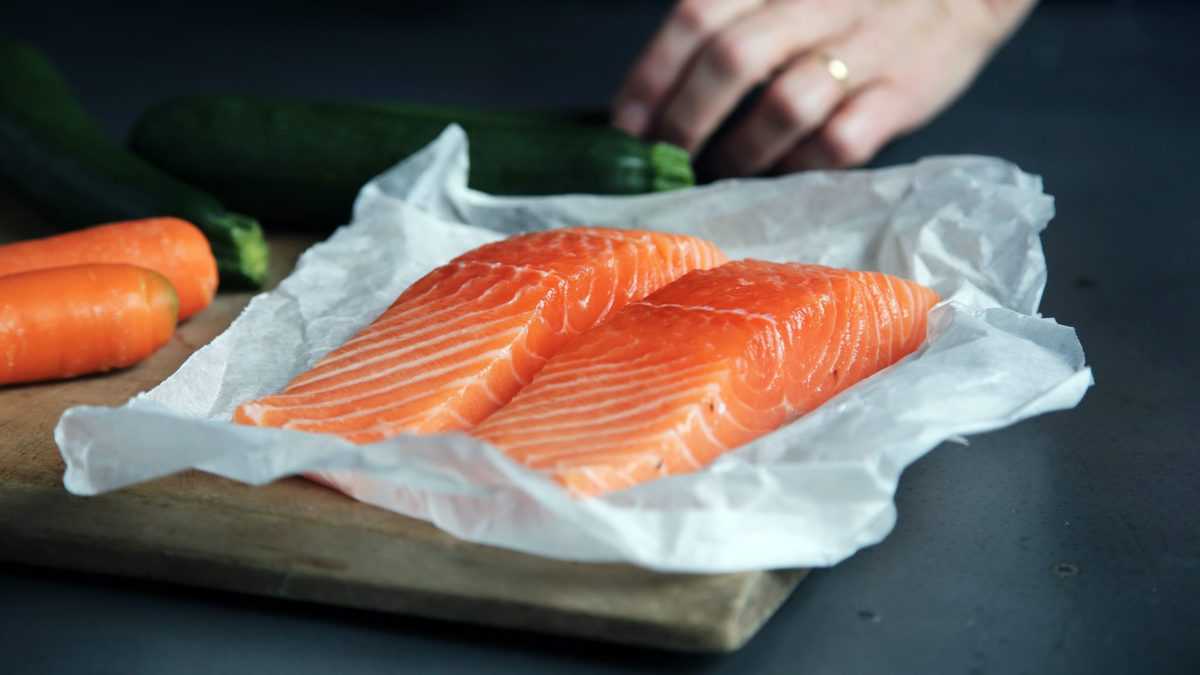
www.abbeyskitchen.com/about-abbey/
  • Previous Page
  • Go to page 1
  • Interim pages omitted …
  • Go to page 41
  • Go to page 42
  • Go to page 43
  • Go to page 44
  • Go to page 45
  • Interim pages omitted …
  • Go to page 89
  • Next Page

Get started with

Eight Free Recipe Books

From the co-founder of Neue Theory and creator of the Hunger Crushing Combo

Sign me up!
Abbey smiling at table
Abbey Sharp

“Foods may never be nutritionally equal. But we can make them morally equal by recognizing that our worth is never determined by what's on our plate.”

— Abbey Sharp, RD About Abbey ◥

Books

  • HCC™
  • Mindful Glow
  • Free E-Books

Blog

  • Nutrition
  • Recipes
  • Motherhood
  • Life

Explore

  • Neue Theory™
  • Bite Back
  • YouTube

Abbey

  • About
  • Coaching
YouTube TikTok Instagram Facebook X Pinterest
Abbey Sharp - The No BS Dietitian From Abbeys Kitchen

© Abbey's Kitchen 2026  All Rights Reserved •  ACCESSIBILITY STATEMENT •  Privacy Policy

This site uses cookies. By continuing to browse the site, you are agreeing to the use of cookies Accept Privacy Policy
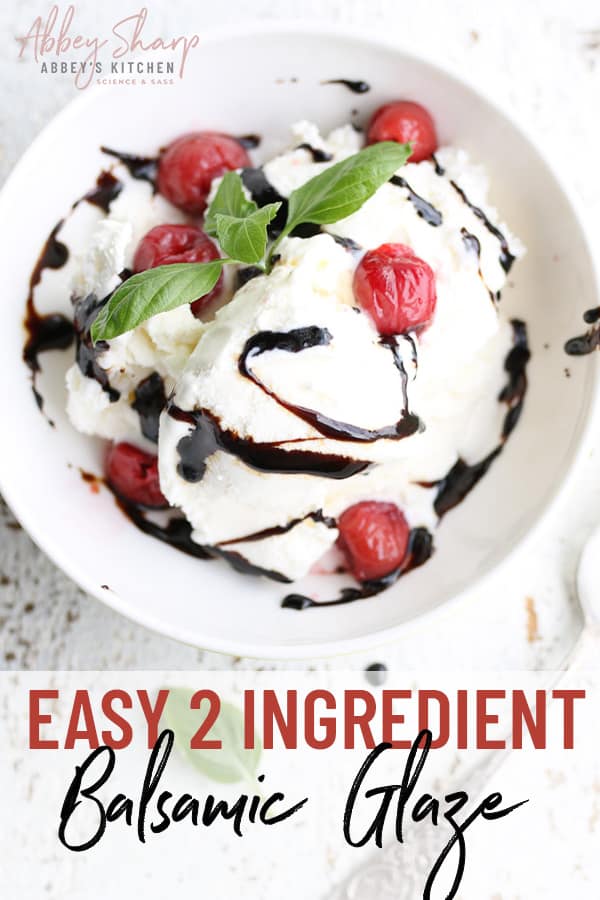
Privacy & Cookies Policy

Privacy Overview

This website uses cookies to improve your experience while you navigate through the website. Out of these, the cookies that are categorized as necessary are stored on your browser as they are essential for the working of basic functionalities of the website. We also use third-party cookies that help us analyze and understand how you use this website. These cookies will be stored in your browser only with your consent. You also have the option to opt-out of these cookies. But opting out of some of these cookies may affect your browsing experience.
Necessary
Always Enabled
Necessary cookies are absolutely essential for the website to function properly. This category only includes cookies that ensures basic functionalities and security features of the website. These cookies do not store any personal information.
Non-necessary
Any cookies that may not be particularly necessary for the website to function and is used specifically to collect user personal data via analytics, ads, other embedded contents are termed as non-necessary cookies. It is mandatory to procure user consent prior to running these cookies on your website.
SAVE & ACCEPT

Rate This Recipe

Your vote:


A rating is required
A name is required
An email is required