• Skip to main content

Abbey's Kitchen

Healthy Recipes, Nutrition Myth Busting, Healthy Eating Tips

  • Books
    • HCC™
    • The Mindful Glow Cookbook
    • Recipe eBooks
      • Family
      • Hypothyroidism
      • BLW
      • Vegan Week 1
      • Vegan Week 2
      • Vegan Week 3
      • Keto
      • Gluten Free Week 1
      • Gluten Free Week 2
      • Fitness
      • Paleo
  • Blog
    • Nutrition
    • Recipes
    • Motherhood
    • Life
  • Explore
    • Neue Theory™
    • Bite Back With Abbey Sharp
      • Apple Music
      • Spotify
      • Amazon Music
    • YouTube
  • Abbey
    • About
    • Coaching
    • Contact

Abbey Sharp

Last Updated March 8, 2022. Published July 28, 2021 By Abbey Sharp 1 Comment

My 600 lb Life – A Dietitian’s Honest Thoughts

We break down a dietitian’s honest thoughts on the controversial reality TV show “My 600 lb Life” and 5 reasons why it causes more harm than good.
A measuring tape.

If you are new to the chaotic world of “My 600 lb Life”, it is an American reality TV series that showcases the weight loss journeys of individuals living with morbid obesity. The show gives us an in-depth look at how the subjects navigate their lives at their size while documenting their attempts to lose weight in order to qualify for weight loss surgery. 

Sounds more or less like any other reality weight loss television show, right? Well, not quite. While “My 600 lb Life” might market itself as “inspirational” entertainment, the unethical treatment of cast members and harmful depiction of people in larger bodies have me feeling a little concerned, and I want to talk about it. So, let’s dive right in and chat about 5 reasons why I think “My 600 lb Life” may be causing more harm than good.

#1 IT PERPETUATES FATPHOBIA and VOYEURISM

Remote control searching for My 600 lb LIfe on TV.

It’s no question that fatphobia is rampant in our diet culture riddled world so it is no surprise that it is used as a tool for entertainment purposes, and just the concept of “My 600 lb Life” is evidence of that. Fatphobic curiosity is certainly a driving force behind the popularity of the show, given that it is one of the top-rated shows on the TLC network and has aired a total of 9 seasons plus a follow up “Where Are They Now” series. Plus, when you consider the fact that the weight-loss industry is worth billions of dollars, it’s no shocker that this would translate to major TV ratings.  

While TLC has built a name for itself as a network that showcases people who live outside of societal “norms”, “My 600 lb Life” is particularly exploitative and voyeuristic. For instance, participants of the show are strongly defined by their morbid obesity and ability (or inability) to achieve their weight loss goals. Their size and subsequent weight loss is essentially the only aspect of their identity that we get to explore and is the entire focal point of the whole series.

Unlike other shows on the network like “Little People Big World” or “Sister Wives”, for example, we totally miss out on who these people are outside of their obesity. We see them defined as JUST obese people who fit into a discrete category of “success story” or “failure”.
A scale weighing used to weigh cast members of my 600 lb life.

The show also paints a particularly negative and dark portrayal of participants while also exposing the very intimate details of their traumas and day-to-day life struggles. I personally just find this portrayal to be very disrespectful and undignified. With that said, it’s no surprise that the format of the show fuels voyeurism or “hate watching”. I mean, judging by a lot of the reddit threads I’ve seen on the topic, a lot of people aren’t exactly watching it for the heart-warming moments or happy endings.

Furthermore, rather than showing the humanity of the participants of the show – because yes, these are real people with real feelings and real lives – the participants on “My 600 lb Life” are instead portrayed as something that non-fat people should seek to avoid at all costs. This is highly problematic as it perpetuates the weight bias and discrimination that people in larger bodies experience every single day. Psychiatric disorders, like binge eating disorder, require serious medical and psychiatric care.

While you don’t hear the participants’ condition framed this way on the show (likely because it may incite greater empathy from viewers than simply suggesting they are eating themselves to death), it’s very likely that theres a lot of that going on behind the scenes. This makes it even more gross and problematic that producers are profiting off of the exploitation of obese people with significant trauma for the sake of views. Which brings me to my next point…

#2 IT DISMISSES THE IMPORTANT CONNECTION BETWEEN TRAUMA AND OBESITY
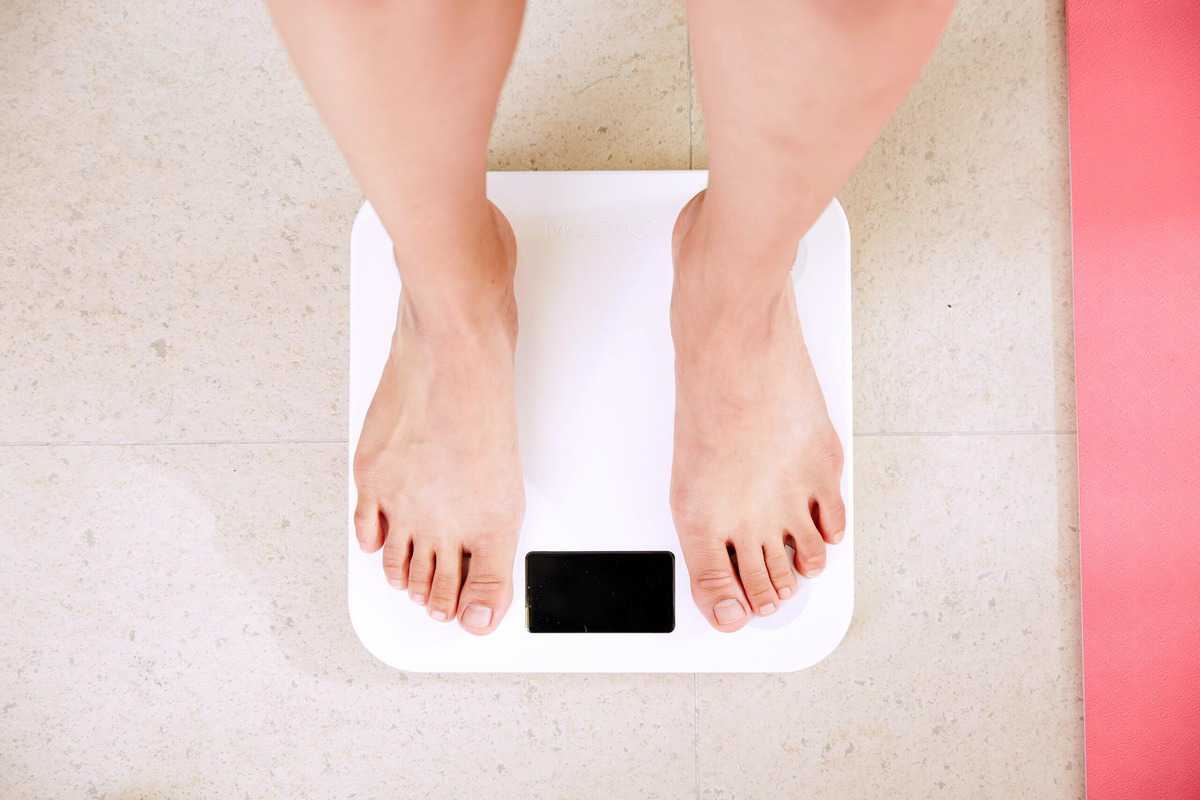
Person standing on a scale.

A common thread among participants of “My 600 lb Life” is childhood trauma. Whether its sexual assault, violence, drug addiction, broken families etc, it is very clear that the cause of their obesity and reliance on food as a coping mechanism is strongly linked to their childhood. Sadly, this outcome is not uncommon.

Studies suggest that the risk of obesity increases with abuse and childhood trauma. In fact, one large retrospective study found that 66% of participants with obesity experienced one or more types of abuse. Another study found that individuals with a history of childhood sexual abuse are more likely to be hospitalized for psychiatric treatment AFTER their weight loss surgery. This is likely because the surgery removes their primary coping mechanism because they are physically unable to eat larger quantities of food. This may also speak to the fact that obese adults with histories of abuse tend to lose less weight after surgery compared to patients with no reported history of abuse.

On the flip side, weight loss can actually be highly triggering for individuals who have lived in larger bodies for the majority or their lives. They may even view their bodies as a protective suit of armour that has helped to shield them from further abuse. While weight loss is certainly desired in these cases, it can simultaneously cause negative emotions to bubble up to the surface. Consequently, when you remove not only the physical protection (body weight) but also the coping mechanism (food) – you can imagine just how vulnerable and emotionally dysregulated one might feel.

Crying little girl covering her face with her hands.

The deep-rooted long-term effects of childhood trauma can be particularly challenging to overcome as it negatively impacts brain development during a very critical period of growth. More specifically, trauma can make the brain less responsive to rewards – meaning that it can inhibit an individual’s ability to experience positive emotions. This can increase the likelihood that abused children will become clinically depressed or rely on unhealthy coping mechanisms as adults – whether that be drugs, alcohol, gambling, or in this case, food. 

So, you can understand why gaining enormous amounts of weight does not usually happen simply because someone “loves to eat”. It’s also not a sustainable solution to suggest that someone simply “eat less and exercise more” if the underlying trauma is not being addressed.

This also speaks to the critical importance of unpacking childhood trauma in order to get to the root cause of the eating disorder, start the process of healing, and develop healthier coping mechanisms. It also speaks to the importance of medical professionals being trauma-informed, especially when treating particularly vulnerable populations like this. Without trauma-informed care, weight loss attempts with or without surgery may not be sustainable in the long-term.

While I appreciate that “My 600 lb Life” does shed light on the devastating impacts that childhood trauma can have on obesity, the show could certainly benefit from creating a more empathetic and thoughtful dialogue around these topics. Issues like binge eating disorders, childhood abuse, and depression are not to be taken lightly. Participants of the show who experience these very serious mental health issues deserve to be treated with dignity and care so that they can overcome their trauma and improve their quality of life. This brings me to my next point…

#3 IT PROVIDES INADEQUATE EMOTIONAL SUPPORT

As discussed, there is a clear link between obesity and mental health. In order to achieve any long-term weight loss success, there absolutely needs to be on-going emotional support to help heal the root cause of the extreme weight gain. This needs to be done through an empathetic and compassionate approach from all members of the health care team.

Unfortunately, there often seems to be more of a “tough love” approach going on – particularly from their surgeon, Dr. Now, who’s bedside manner leaves a lot to be desired. Barriers to weight loss, such as intense food cravings and mobility challenges, are common concerns that deserve to be listened to, validated, and addressed with compassion. Shaming and guilt tripping someone for their emotional and physical challenges does nothing but fuel the guilt and shame that they ALREADY feel.

It’s also NOT a helpful solution. In fact, this “tough love” approach often ends up fuelling the cycle of emotional eating that got them in the doctor’s office in the first place. Remember – it’s not a matter of being able to “just stop eating” if you “really wanted to”. Food is their primary coping mechanism.

With that said, if a health professional is inciting an emotional response through guilt and shame, the likelihood of their patient turning to food to cope is actually very high. Unfortunately, the messaging of the show tells a different story and perpetuates the long-standing belief that obese people are lazy and lack willpower and are therefore completely responsible for their body size.

Think of it this way – telling someone with obesity to “just stop eating” is like telling someone with depression to “just cheer up” or someone with anxiety to “just calm down”. Without understanding and treating the root cause of morbid obesity through adequate emotional support, the wound will remain open, and food will continue to be used as a coping mechanism. But do the producers at TLC really care about that?

Two people holding hands.

Well I obviously can’t speak for the sensibilities of each of the producers on the show, or even the network as a whole. But I will point out that there have been 10 lawsuits that have been filed against the production company. The majority of which claim that the show did not provide adequate mental health care for cast members or sensitivity training for staff, purposely caused emotional distress for the sake of ratings, and did not cover medical expenses – which by the way, can rack up to anywhere from 15-35K for gastric bypass surgery.

In fact, according to online news sources, one cast member claimed to have reached out to the production team about being in a dark place during filming and was told to “fake it till he made it”. Not only that, but the show also came under fire in 2020 for continuing to film during the pandemic and putting the cast and crew at risk despite working with a highly vulnerable group. Some might argue that the production team is not particularly concerned with the physical and emotional wellbeing of their cast members. But hey, it makes good television, right?

And that brings me to number 4…

#4. PARTICIPANTS ARE PORTRAYED WITHOUT DIGNITY
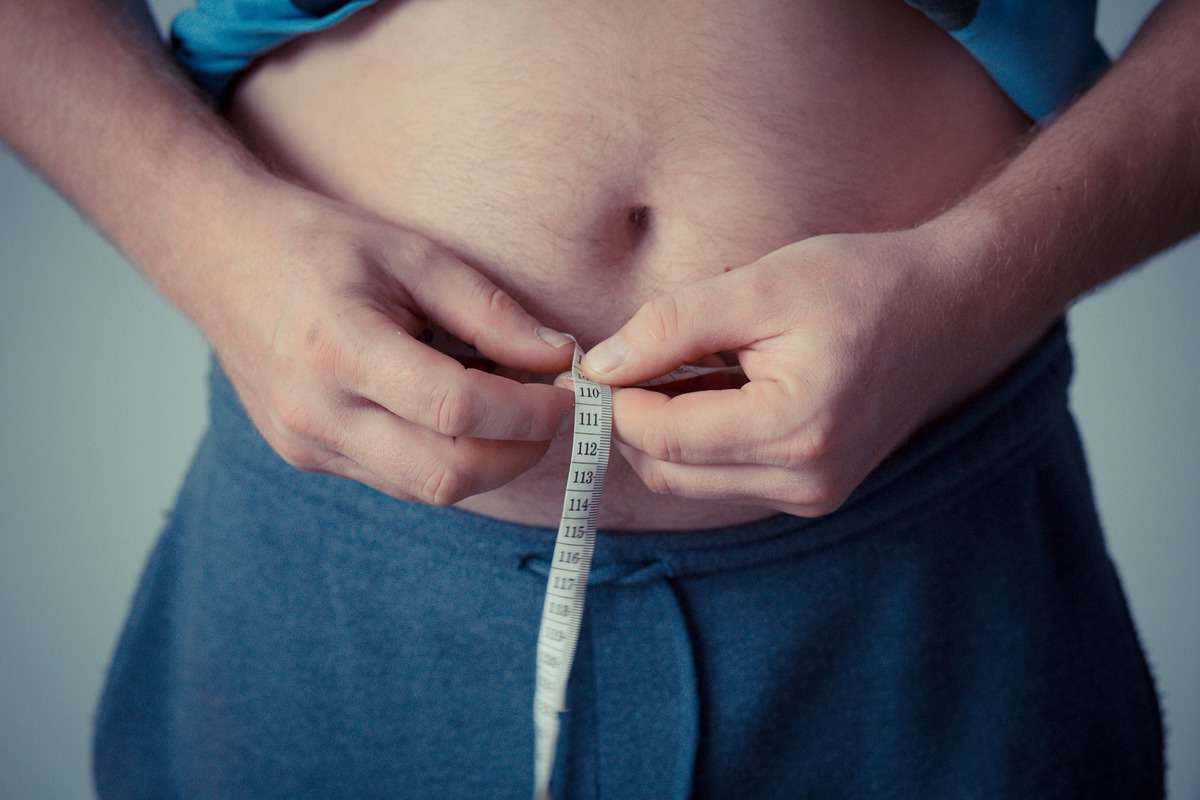
Person from my 600 lb life measuring their waist circumference with tape measure.

One of my biggest beefs with this show is the lack of dignity with which cast members are treated and portrayed. As I mentioned, we get a VERY intimate and uncensored view of their day-to-day struggles. One of which is the mandatory nude shower scene.

For whatever reason, every participant of the show must be filmed in the nude tending to their hygienic needs. Often times, cast members are unable to fit in the shower, or they are bedridden and have no choice but to bathe themselves with a sponge, OR they are bathed outside with a garden hose like you would a dog. Do these scenes really add value to the story? No, it absolutely does not. Do participants really feel comfortable exposing their naked body parts for our own viewing pleasure? I am going to go out on a limb and guess… probably not.

Many cast members have expressed their extreme discomfort and even hatred towards their bodies – some even going so far as to say that they don’t even look at themselves in the mirror! So, you can imagine just how uncomfortable it must feel to be filmed in your most vulnerable state by a whole film crew for the whole world to see.

Unfortunately, opting out of the mandatory shower scene is not an option. Some participants have even come out to say that the production team would manipulate or threaten them if they didn’t comply. For example, former cast member Amber Rachdi was quoted as saying the following about her unethical treatment from the production team:

When I would say I had a boundary I didn’t want crossed, their first reaction was always to threaten to postpone or cancel my surgery. I know the field producers don’t have that power, but they appeared to be used to using this tactic a lot on noncompliant cast members, which is next level unethical. The very first producer I worked with tried to use this when I said I didn’t feel comfortable showering in the nude on camera. Needless to say, it didn’t work, and so there I am, filmed in a pink sports bra and briefers in my opening act. That was my first experience with the company, which is a hell of a rough introduction. – Amber Rachdi (cast member)

When I read things like this I have to think that the production team prefers to treat cast members like some kind of farm animal for our own sick viewing pleasure, rather than as dignified human beings who deserve to be treated with empathy and respect. 

#5 IT POSITIONS WEIGHT LOSS SURGERY AS A QUICK FIX

Surgery room and table in a hospital.

There is no denying that weight loss surgery can be viable solution for folks who are struggling with obesity as research has consistently shown that it can help patients lose anywhere from 50-70% of excess weight. When it comes to individuals with morbid obesity, surgery can certainly make all the difference to improve not only the physical and metabolic consequences of obesity, but also improving their overall quality of life.

However, it is important to note that weight loss surgery is not a one-stop shop for long-term weight loss and it is not without its risks. The rate of weight loss tends to decline a year or so post-op while other patients may actually experience weight regain. One study found that the weight regain rate was around 14% 5 years post-op, and that only 40% of patients maintained at least 30% of their weight loss after 12 years. In addition, weight loss surgery may also cause major complications and nutritional risks. Clearly, this is not a perfect one and done procedure.

Also, weight loss surgery is not brain surgery. If the underlying psychological issues behind morbid obesity are not addressed before and after surgery, the risks may actually outweigh the benefits and put someone on the path to regaining the weight right back. While “My 600 lb Life” has only NOW begun to mildly emphasize the importance of therapeutic work (while also prescribing diets and exercise regimens), I want to strongly emphasize that there is no quick fix for weight loss – whether that’s surgery, a crash diet, or otherwise.

Bottom Line

It goes without saying that morbid obesity is a serious condition with very serious consequences and should absolutely not be exploited. Unfortunately, the approach to “helping” participants of “My 600 lb Life” appears to be doing more harm than good and may not actually be putting cast members on a path to sustainable weight loss and an improved quality of life. My hope is that the producers at “My 600 lb Life” will take the cast members’ health and wellbeing just as seriously (if not MORE seriously) than TV ratings and views. At the end of the day, we all deserve to be treated with dignity and respect, regardless of our body size, and the cast members of “My 600 lb Life” are no exception.

Written by: Giselle Segovia RD, MHSc

More Blog Posts You Might Like

  • Pre- and Post-op Diet for Weight Loss Surgery
  • Bariatric Surgery Risks and Benefits for Physical & Mental Health
  • Dangerous Secrets from “The Biggest Loser”
  • Set Point Theory – Can Dieting Change Our Set Point?

Abbey Sharp

Abbey Sharp is a Registered Dietitian (RD), regulated by the Ontario College of Dietitians. She is a mom, YouTuber, Blogger, award winning cookbook author, media coach specializing in food and nutrition influencers, and a frequent contributor to national publications like Healthline and on national broadcast TV shows.
www.abbeyskitchen.com/about-abbey/

Last Updated July 19, 2021. Published July 19, 2021 By Abbey Sharp 48 Comments

Sweet Potato Muffins with Apple (High Iron BLW Recipe)

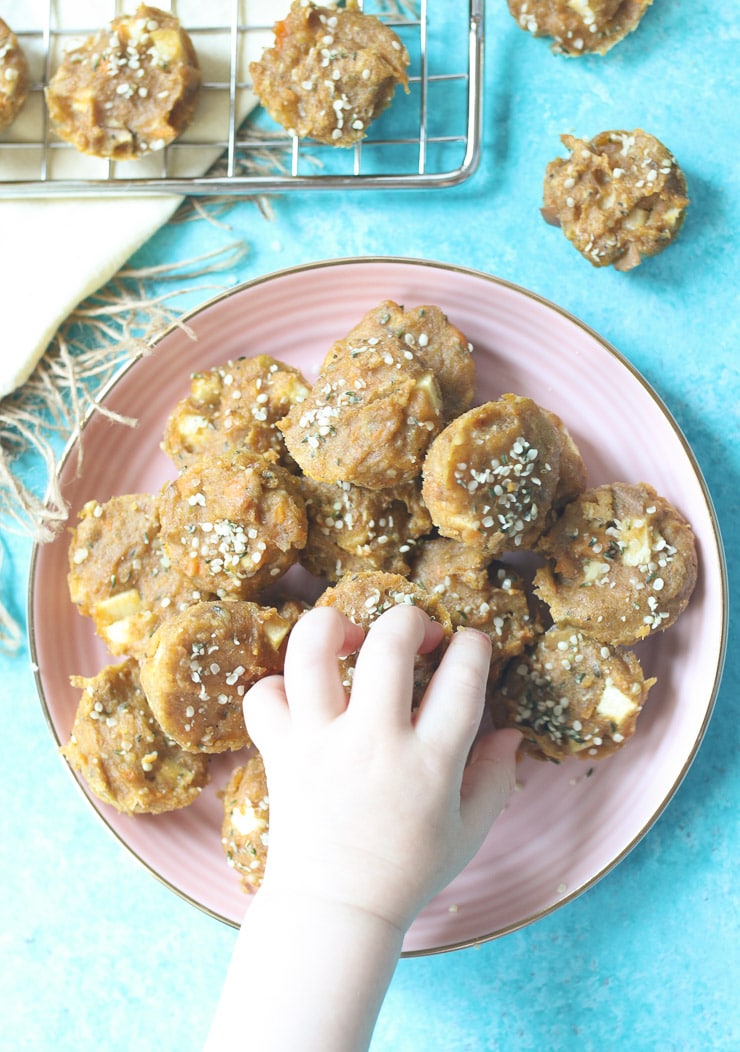
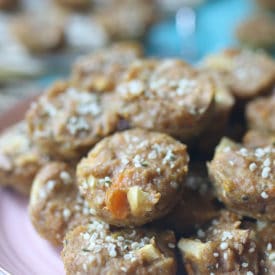
Toddler hand reaching for mini muffins from pink plate.

 These BLW Iron Sweet Potato Muffins are perfect for Toddlers & Infants! These muffins are packed with iron and protein, have no added sugar, and are nut-free, making them perfect for growing kids.

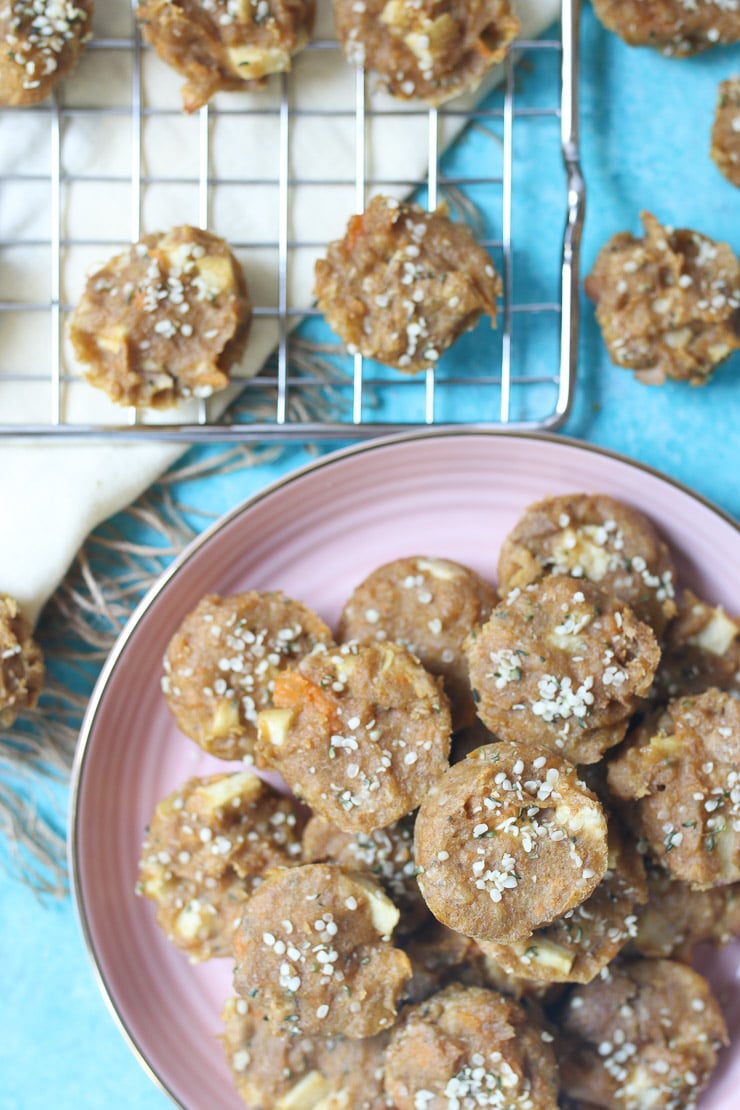
Mini muffins served on a pink plate.

It’s out with fresh berries and in with some fall favourites including sweet potatoes and apples in this house. Baby E usually has me making a double batch of our go-to BLW Cherry Peanut Butter muffins every week, but as the seasons changed, I thought I too would switch things up. These BLW Iron Sweet Potato Apple Baby Muffin are perfect for toddlers & infants who are just learning to eat because they’re SUPER moist, packed with iron and naturally sweet with no added sugar!

Table of contents

  • Why This Recipe Works
  • Key Ingredients
  • How to Make This Recipe
  • Expert Tips
  • Recipe FAQs
  • More Recipes You Might Like

Why This Recipe Works

Trust me when I say your little ones will love these sweet potato muffins! They’re so many reasons to make these!

  • They’re easy to make.
  • Packed with healthy goodness.
  • The perfect size for little toddler hands.
  • Rich in iron.
  • Packed with vitamin A.
  • Uses up leftover ingredients like sweet potatoes hanging in the pantry.

Key Ingredients

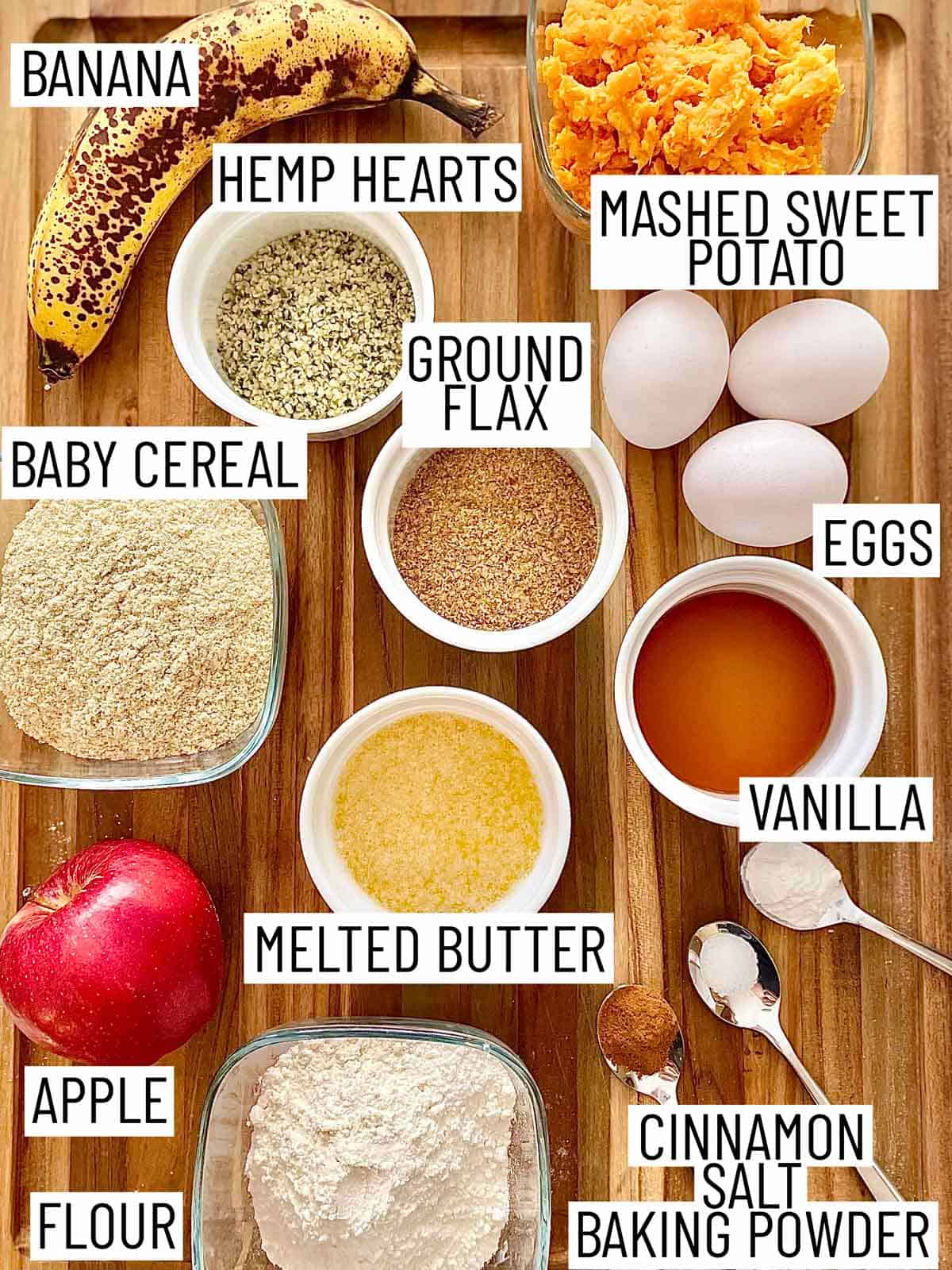
Ingredients needed to make sweet potato muffins.

Iron fortified ancient grains baby cereal — You’re not going to want to skip this ingredient as it’s full of iron and B vitamins. It’s easy to digest and perfect for toddlers!

Mashed sweet potatoes — Sweet potatoes are packed with fibre, minerals, and vitamins. Another healthy ingredient for our sweet potato muffins.

Ground flaxseed – Ground flaxseeds are packed with heart-healthy omega 3s, protein and fibre. Along with the hemp hearts that also adds extra omega 3s, these muffins are packed with goodness.

How to Make This Recipe

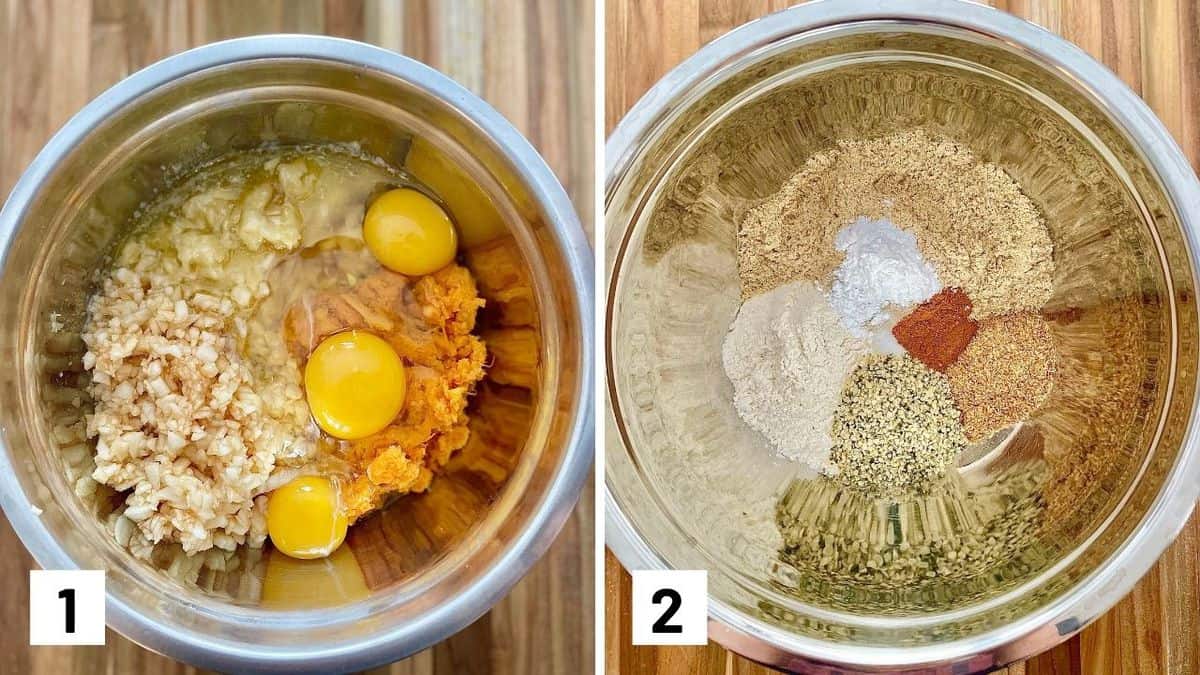
Set of two photos showing wet ingredients mixed in a bowl and dry ingredients mixed in another.

Step 1: Preheat oven to 350 F. Combine the sweet potato, banana, eggs, vanilla, and melted butter in one bowl.

Step 2: To another bowl, combine the flour, baby cereal, apple, baking powder, cinnamon, salt, flax, and hemp hearts.

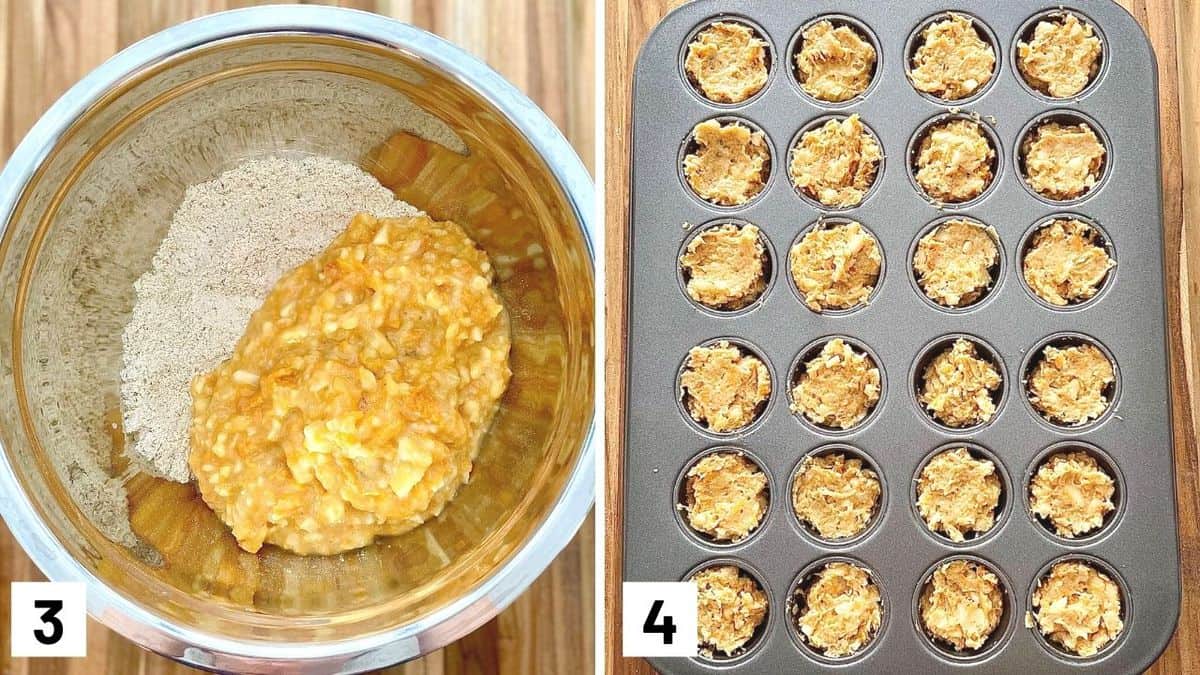
Set of two photos with wet and dry ingredients mixed together and then placed in a muffin tin.

Step 3: Add the wet to the dry and mix well.

Step 4: Then transfer to a few mini muffin tins, filling them almost to the top. Sprinkle with additional hemp hearts then bake for 10-13 minutes until firm on top. Allow cooling fully before serving.

Expert Tips

If you don’t have sweet potatoes already cooked (it’s a meal prep staple in my house), you can throw them into the microwave for about 10 minutes until super tender when pricked with a fork.

If you’re going to be making these often, silicone muffin trays are amazing as it makes getting the muffins out so easily.

Recipe FAQs

How do I make these sweet potato muffins into FULL-sized muffins for adults?

Simply add the batter into full-sized muffin trays. Just adjust the baking time to about 20-23 minutes or until a toothpick comes out clean.

Can I make these muffins dairy-free?

Sure! Just use melted plant-based butter instead of butter and you’re good to go!

Are these baby muffins gluten-free?

Yep! Go with gluten-free flour instead of whole wheat flour and make sure the infant cereal you’re using is gluten-free (try rice!).

What makes these muffins a good source of iron?

I use infant baby cereal which is fortified with iron, so it’s a great way to sneak some extra iron in there if your kid isn’t a huge fan of meat or other animal proteins!

Are these BLW muffins safe for new eaters?

Definitely. If you’ve been following my baby led weaning meal plan, and have introduced some of the common allergens like dairy, eggs and wheat, you can absolutely offer these muffins. They’re very soft, and easy to self-feed so they’re the perfect healthy snack for little hands and new eaters.

Are these BLW muffins school-safe?

Yes! Unlike my other baby muffin recipe which has nut butter (which I love for allergy prevention and healthy fats), this one is totally nut-free so you can absolutely send it with your kids to school or daycare!

Toddler hand reaching for sweet potato mini muffins from pink plate.

More Recipes You Might Like

Want more BLW recipes like my sweet potato muffins? Try these ones:

  • Lentil Meatloaf Muffins
  • Spinach Chicken Muffins
  • Broccoli and Cheese Egg Muffins
  • Peanut Butter Banana Mini Muffins

Now tell me, what are some of your kiddo’s go-to snacks that are baby led weaning friendly and great for toddlers?

Mini muffins served on a pink plate.
Print Recipe
4.63 from 16 votes

Sweet Potato Muffins with Apple (High Iron BLW recipe)

These BLW Iron Sweet Potato Muffins are perfect for Toddlers & Infants! These muffins are packed with iron and protein, have no added sugar, and are nut-free, making them perfect for growing kids.
Prep Time10 minutes mins
Cook Time13 minutes mins
Total Time23 minutes mins
Course: Snack
Cuisine: American
Servings: 48 muffins
Calories: 53kcal
Author: Abbey Sharp

Ingredients

  • 1 1/2 cups mashed sweet potato
  • 1 cup mashed ripe banana
  • 3 eggs
  • 1 tbsp vanilla
  • 1/2 cup melted butter
  • 1 cup whole wheat flour
  • 1 cup iron fortified ancient grains baby cereal
  • 1 3/4 cups minced peeled apple
  • 1 1/2 tsp baking powder
  • 2 tsp cinnamon
  • One generous pinch salt
  • 3 tbsp ground flax
  • 3 tbsp hemp hearts plus more for topping

Instructions

  • Preheat oven to 350 F.
  • Combine the sweet potato, banana, eggs, vanilla and melted butter in one bowl.
  • To another bowl, combine the flour, baby cereal, apple, baking powder, cinnamon, salt, flax and hemp hearts. Add the wet to the dry then transfer to a few mini muffin tins, filling them almost to the top. Sprinkle with additional hemp hearts then bake for 10-13 minutes until firm on top. Allow to cool fully before serving.

Video

Notes

  • If you don’t have sweet potatoes already cooked (it’s a meal prep staple in my house), you can throw them into the microwave for about 10 minutes until super tender when pricked with a fork.
  • If you’re going to be making these often, silicone muffin trays are amazing as it makes getting the muffins out so easily.

Nutrition

Calories: 53kcal | Carbohydrates: 6g | Protein: 1g | Fat: 3g | Saturated Fat: 1g | Cholesterol: 15mg | Sodium: 27mg | Potassium: 84mg | Fiber: 1g | Sugar: 2g | Vitamin A: 697IU | Vitamin C: 1mg | Calcium: 21mg | Iron: 4mg
Abbey Sharp

Abbey Sharp is a Registered Dietitian (RD), regulated by the Ontario College of Dietitians. She is a mom, YouTuber, Blogger, award winning cookbook author, media coach specializing in food and nutrition influencers, and a frequent contributor to national publications like Healthline and on national broadcast TV shows.
www.abbeyskitchen.com/about-abbey/

Last Updated October 4, 2021. Published July 14, 2021 By Abbey Sharp 1 Comment

Do Digestive Enzymes Help with Bloating?

We explore the research to answer the question “Do Digestive Enzymes Help With Bloating?” and discuss whether or not digestive enzyme supplements are right for you.

Several digestive enzymes on a white plate.

With the increased interest in all things gut health in the wellness world, it’s no surprise that digestive enzymes have quickly taken up space as the next big thing to help keep your digestion in check and treat bloating. In fact, the digestive enzyme supplement market is expected to reach 1.6 billion dollars worldwide by 2025.

Given this increased demand for digestive enzyme supplements, should we all be pinning to add digestive enzymes into our supplement routine to prevent bloating? We dive into the research to determine if digestive enzymes help with bloating and whether or not you should be taking one.

What Are Digestive Enzymes?

First things first, what are digestive enzymes anyway? 

Digestive enzymes are proteins that help to break down and metabolize the foods we eat. While you may have come to learn about digestive enzymes in their supplemental form, our body is actually fully equipped with its own digestive enzymes. In fact, there are three main digestive enzymes in the body that target and break down specific macronutrients into their smaller building blocks. 

Amylase is responsible for breaking down carbohydrates and starches into simple sugars. Amylase is primarily found in the saliva where upwards of 50% of starch is digested. Notice how  when you eat a piece of bread it becomes sweeter the longer you chew it? This is the amylase in your saliva at work breaking down the bread into simple sugars.

Protease breaks down protein into amino acids and is found in the pancreas, stomach, and intestines. 

Lipase breaks down dietary fat into free fatty acids and is important for the absorption of essential fat soluble vitamins including vitamins A, D, E, and K.

A pineapple on a white counter.

In addition to the digestive enzymes we naturally produce in the body, the foods we eat can also provide naturally occurring digestive enzymes. For example, pineapple contains the digestive enzyme bromelain which breaks down protein into amino acids. This is also why pineapple juice is often used in marinades to tenderize meat. On the other hand, bananas contain the enzymes amylase and glucosidases which break down carbohydrates. This explains why we throw super ripe bananas into banana bread because as bananas ripen, the enzymes increase their activity and break down the carbohydrates into simple (sweeter) sugars. 

With that said, our bodies along with the foods we eat provide us with the digestive enzymes needed to metabolize and absorb food. If we were not equipped with our own naturally occurring digestive enzymes, our food would just flow right through us undigested and unabsorbed which would be no bueno. But in what case does someone need additional digestive enzyme supplements to help break down food? 

Digestive Enzyme Deficiency

Given that our bodies naturally produce digestive enzymes, the foods we eat are easily and effectively digested and absorbed without the need for supplemental help. However, a digestive enzyme supplement may be required in the event of a diagnosed digestive enzyme deficiency. Without adequate digestive enzymes in our system, food is not properly digested resulting in uncomfortable digestive symptoms such as bloating, stomach pain, gas, and diarrhea. Not to mention, poor digestion of nutrients may also cause weight loss and malnutrition. 

Common causes of digestive enzyme deficiency include conditions that prevent the pancreas from producing the appropriate quantities of enzymes. This includes chronic pancreatitis, pancreatic cancer or cysts, pancreatic surgery, cystic fibrosis, diabetes, and long term alcohol abuse. So unless you have been diagnosed with a serious illness or digestive disorder, you can probably pass on the digestive enzyme supplements. 

But what about the more commonly used digestive enzyme supplements on the market like Lactaid and Beano? Do you need to be diagnosed with a deficiency to use them? Let’s find out. 

Digestive Enzyme Supplements

There are currently two kinds of digestive enzyme supplements on the market – prescription-based and over-the-counter supplements. Prescription-based digestive enzymes are prescribed to treat digestive enzyme deficiencies, whereas over-the-counter supplements can be purchased by anyone – with or without a diagnosed condition. Two of the most common over-the-counter digestive enzyme supplements include Lactaid and Beano. 

Lactaid

Milk being poured into a small glass.

We all have those friends (or maybe we are those friends) who, despite being lactose intolerant, can’t resist indulging in a few slices of cheese pizza or a creamy milkshake. Luckily, lactaid tables provide the lactose enzyme needed to easily and painlessly digest the lactose-rich foods. Popping a tablet or two before eating has saved millions of dairy lovers from long days of stomach cramping, bloating, nausea and frequent trips to the bathroom. 

Beano

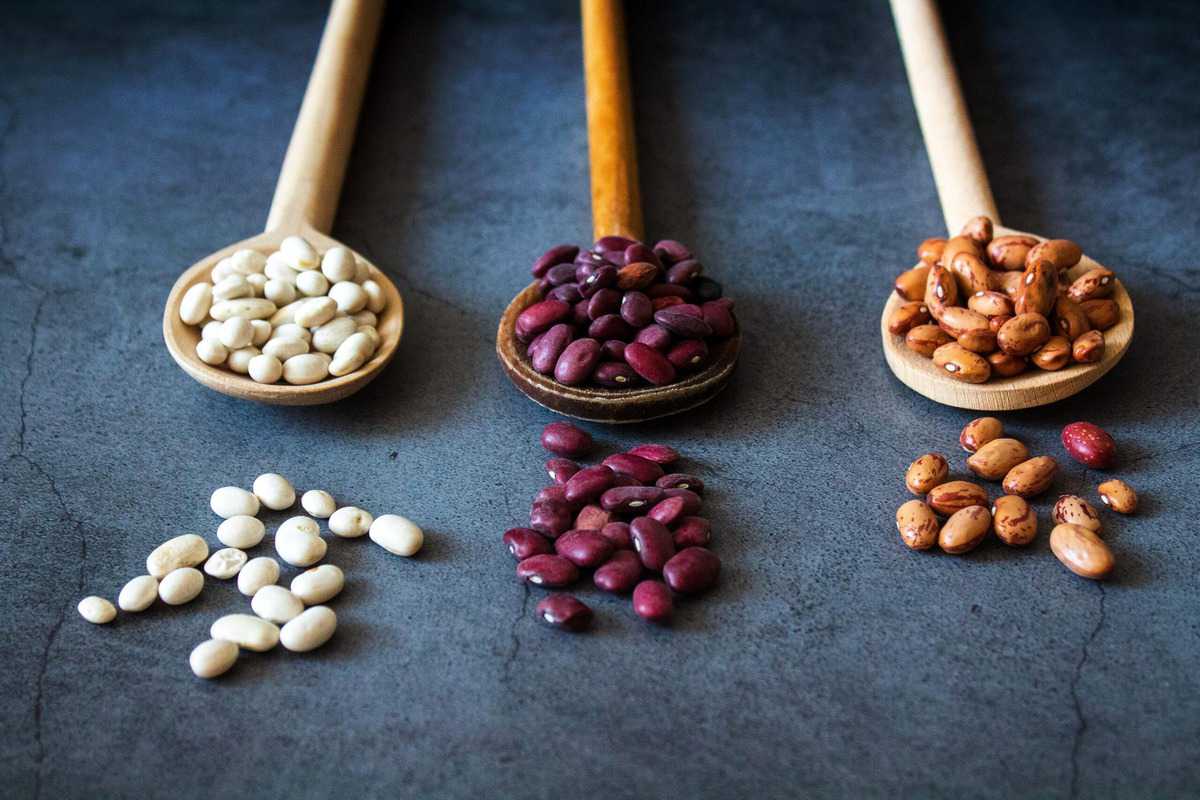
Several dry legumes on three wooden spoons.

Beano is the commercial name for the enzyme alpha-galactosidase and is responsible for breaking down complex carbs called oligosaccharides. These types of carbs are found in foods like legumes, as well as some fruits, vegetables, grains, and nuts. For some people who are more sensitive to oligosaccharides, these foods can be difficult to digest and often cause gas and bloating. This is why taking a Beano supplement before eating a hearty bowl of bean chilli or a plate of roasted Brussel sprouts can offer relief by breaking down oligosaccharides into easier to digest simple sugars.

Do Digestive Enzymes Help With Bloating?

While bloating is very common, with approximately 13% of Americans experiencing bloating regularly, are digestive enzymes the magical cure to prevent and treat the discomfort of bloating? Well, yes and no. If you have a diagnosed enzyme deficiency or digestive disorder, then digestive enzymes can help to relieve much of the bloating, cramping, and pain that results from undigested food. 

For example, if you have diagnosed exocrine pancreatic insufficiency (EPI), a condition resulting in the inability to properly digest and absorb food, then prescribed digestive enzymes would certainly help to reduce bloating. Similarly, lactose supplements (like Lactaid) have been shown to be effective in reducing bloating and digestive discomfort in individuals who are lactose intolerant. Research has also shown that individuals with Irritable Bowel Syndrome (IBS) who take a Beano supplement with a high carb meal also experienced decreased bloating. 

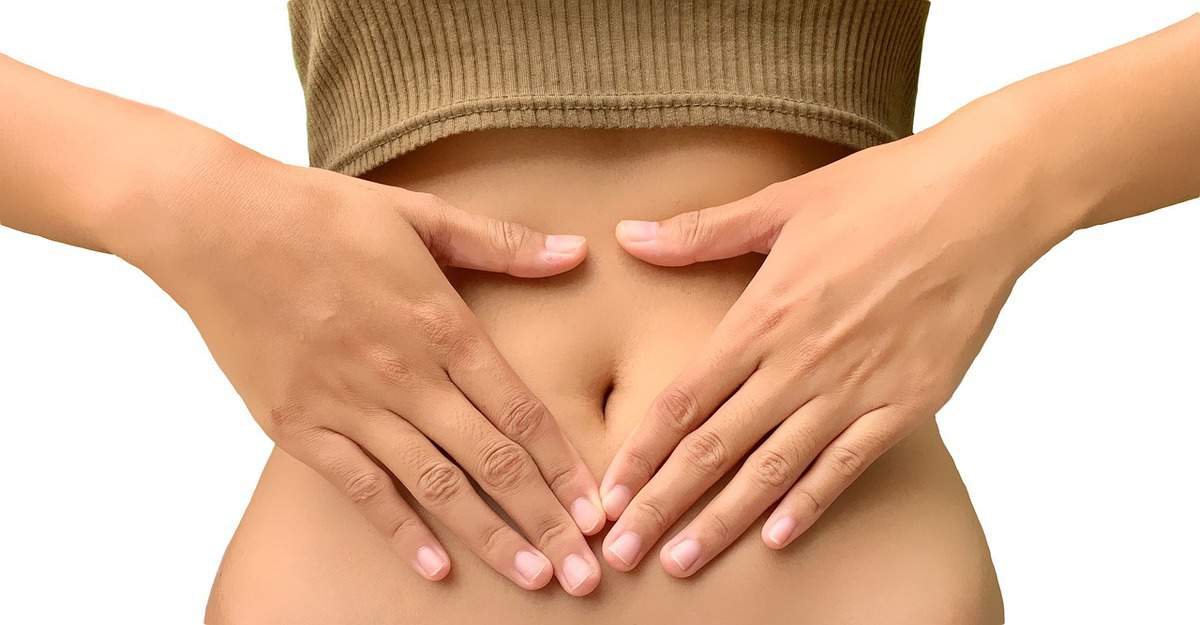
A woman holding her stomach due to bloating from digestive enzymes.

There is also new exciting research pointing to the possible benefit of digestive enzymes for individuals with Celiac disease who (intentionally or unintentionally) consume small amounts of gluten-containing foods. These digestive enzymes may help to effectively break down gluten and prevent damage to the small intestine. However, the research in this area is still in its early stages and is not yet conclusive – so be weary of any digestive enzyme supplement being marketed towards those with Celiac disease as they may cause more harm than good. 

While there is research supporting the use of digestive enzymes for bloating, it’s important to note that the bloating in these cases is secondary to a diagnosed condition, intolerance, or sensitivity. It’s not just your run of the mill bloating after drinking one too many alcoholic bevys or indulging in a few extra slices of pizza. 

With that said, if you do not have a digestive enzyme deficiency or known intolerance, then supplementing with digestive enzymes will not do much to help prevent or reduce bloating. Keep in mind that bloating can be caused by a wide range of factors from eating too much or too quickly, to menstruation, to more serious digestive disorders like Celiac disease or IBS. Consuming more digestive enzymes in addition to the fully functional digestive enzymes you already have on board will do nothing to address the underlying cause of your bloating and won’t provide a band-aid solution either. But if you suspect that you may have an intolerance or a digestive enzyme deficiency, be sure to speak to your doctor to confirm your diagnosis before taking any supplements. 

Is There Any Harm in Taking Digestive Enzymes?

If you are an otherwise healthy individual, the risk of true harm is low. However, taking digestive enzymes without a deficiency could actually cause the exact symptoms you were trying to relieve such as nausea, diarrhea, and bloating. On rare occasions, digestive enzymes can occasionally cause allergic reactions causing itching, rash, stomach pain or more severe symptoms. Mostly, digestive enzymes will just drain your wallet as they can be expensive and often recommend taking multiple tablets per meal. 

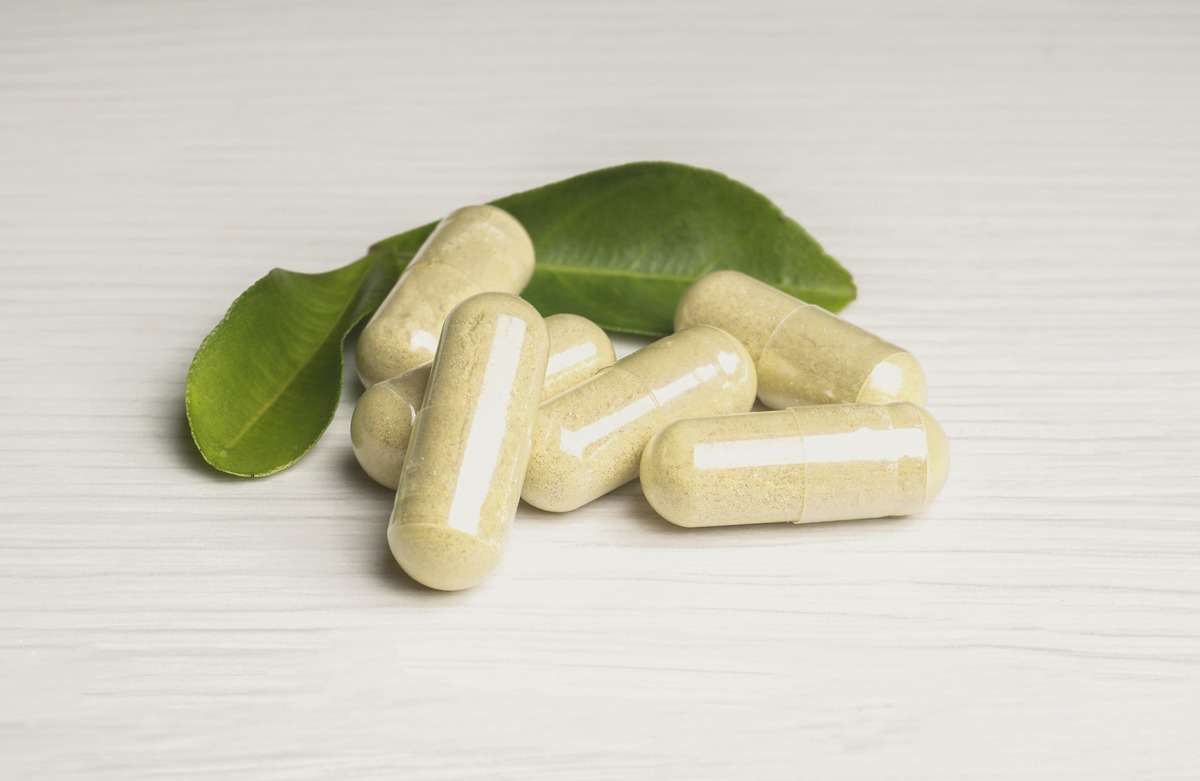
Several digestive enzyme capsules.

In addition, many digestive enzyme supplements are not well regulated or well studied. Consequently, many do not contain clinically significant levels of digestive enzymes compared to prescription-based digestive enzymes. In other words – you don’t actually know how much (or how little) digestive enzymes you are getting when popping an over-the-counter enzyme supplement. With that said, unless you are purchasing Lactaid or Beano (both of which are supported by research), be weary of any outlandish claims made by digestive enzyme supplements. To learn more about supplement safety, we’ve written all about how to choose the right supplement to help keep you safe (and not waste your money).

It’s also worth noting that many digestive enzymes can also interact with medication. For example, the bromelain enzyme has anti-clotting properties making it dangerous for individuals taking blood thinners. It is therefore important to speak to your doctor before taking any new digestive enzyme supplement (or any supplement for that matter) to ensure that it is safe for consumption.

Bottom Line

In conclusion, do digestive enzymes help with bloating? As we’ve discussed, the average healthy person without a diagnosed digestive enzyme deficiency or intolerance will likely not experience decreased bloating from taking digestive enzyme supplements. In some cases, you may even experience a worsening of symptoms if you don’t do the investigative work to determine the root cause of your digestive discomfort.

However, if you determine that your bloating is caused by a lactose intolerance or an inability to digest certain complex carbs, then your bloating may benefit from the use of a Lactaid or Beano supplement, respectively. Otherwise, I would suggest you exercise caution when trialing other digestive enzyme supplements as not only are they expensive, but they are also not well regulated or supported by research and, in worse cases, may increase your symptoms.

Contribution by: Joeie Schwartz, MPH (c)
Edited by: Giselle Segovia RD, MHSc

More Blog Posts You Might Like

  • Is Shakeology Worth It?
  • Does Drinking Water While Eating Reduce Digestion?
  • Can the Keto Diet Cure Your Digestion Problems?
  • How to Stop Stomach Cramps and Pain
  • Vegan Diet and Bloating
Abbey Sharp

Abbey Sharp is a Registered Dietitian (RD), regulated by the Ontario College of Dietitians. She is a mom, YouTuber, Blogger, award winning cookbook author, media coach specializing in food and nutrition influencers, and a frequent contributor to national publications like Healthline and on national broadcast TV shows.
www.abbeyskitchen.com/about-abbey/

Last Updated July 12, 2021. Published July 12, 2021 By Abbey Sharp 12 Comments

Avocado Pasta (BLW & Toddler Friendly)

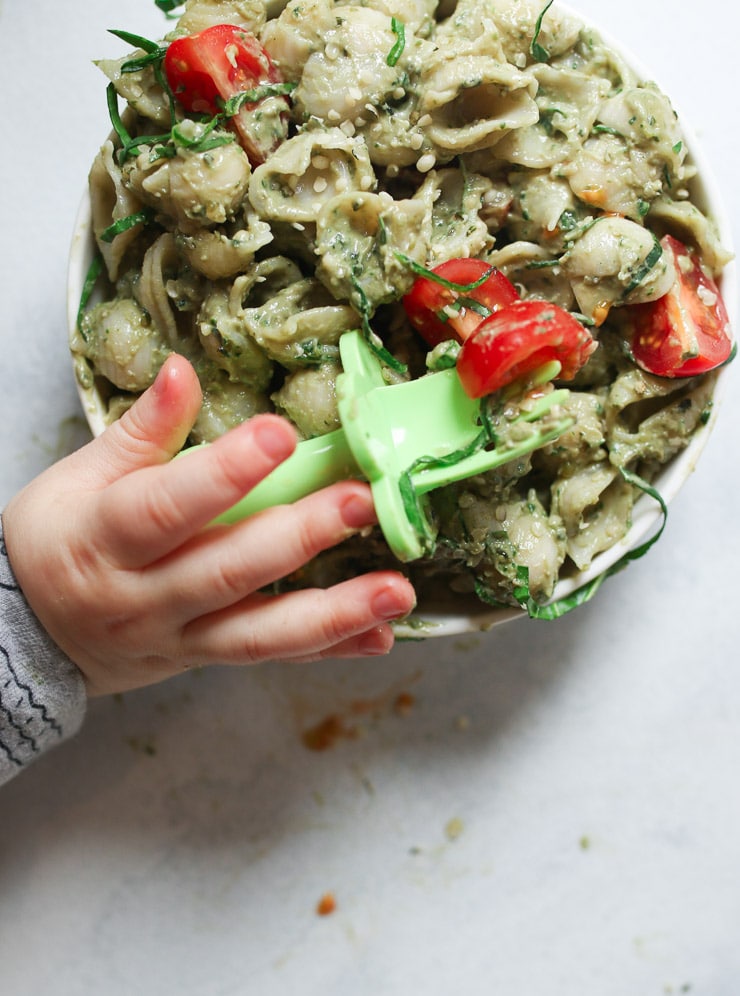
Baby's hand holding a fork over a bowl of avocado pasta.

This avocado pasta is high in iron and omega-3 and is the perfect baby led weaning recipe for your baby and toddler.

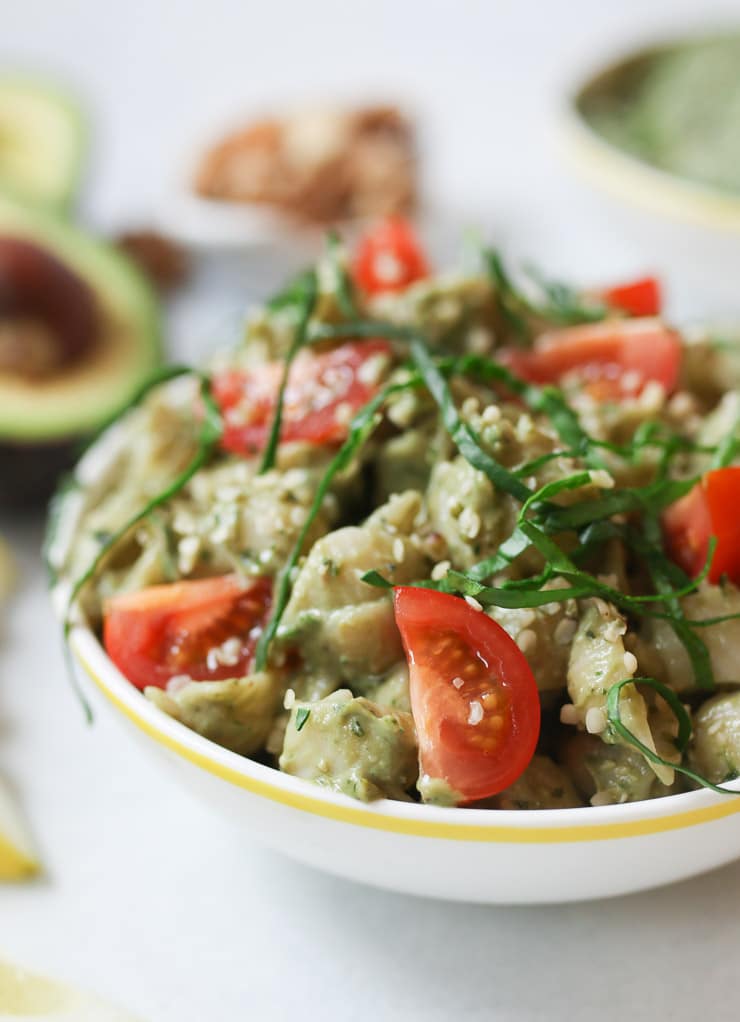
Avocado pasta in a small bowl.

Baby E LOVES avocados. He would be perfectly content with having avocado at every meal, so because of that, I’ve developed a ton of recipes with avocados, like my Baby Spinach and Avocado Green Pancakes. This week I tried out combining two of his faves with my avocado pasta, and he absolutely loved it. Not only did he love playing with the gooey consistency, but he was totally obsessing over the bright green colour. Here’s how I sneak in some iron and omega-3 in this avocado pasta.

We all know how important iron and omega-3 are for a growing baby and toddler, so I’ve packed this avocado pasta with a ton of rich sources of omega-3 from walnuts to hemp hearts and iron sources like boiled egg yolks. All of these foods provide a creamy texture to this pasta making it easily palatable for your little one.

Table of contents

  • Why This Recipe Works
  • Key Ingredients
  • How to Make This Recipe
  • Expert Tips
  • Recipe FAQs
  • More Recipes You Might Like

Why This Recipe Works

This avocado pasta is so delicious! Here are some reasons why you should be making this for your family tonight!

  • Vegetarian friendly
  • Baby and toddler friendly
  • Packed with healthy ingredients
  • Takes little to no time to make

Key Ingredients

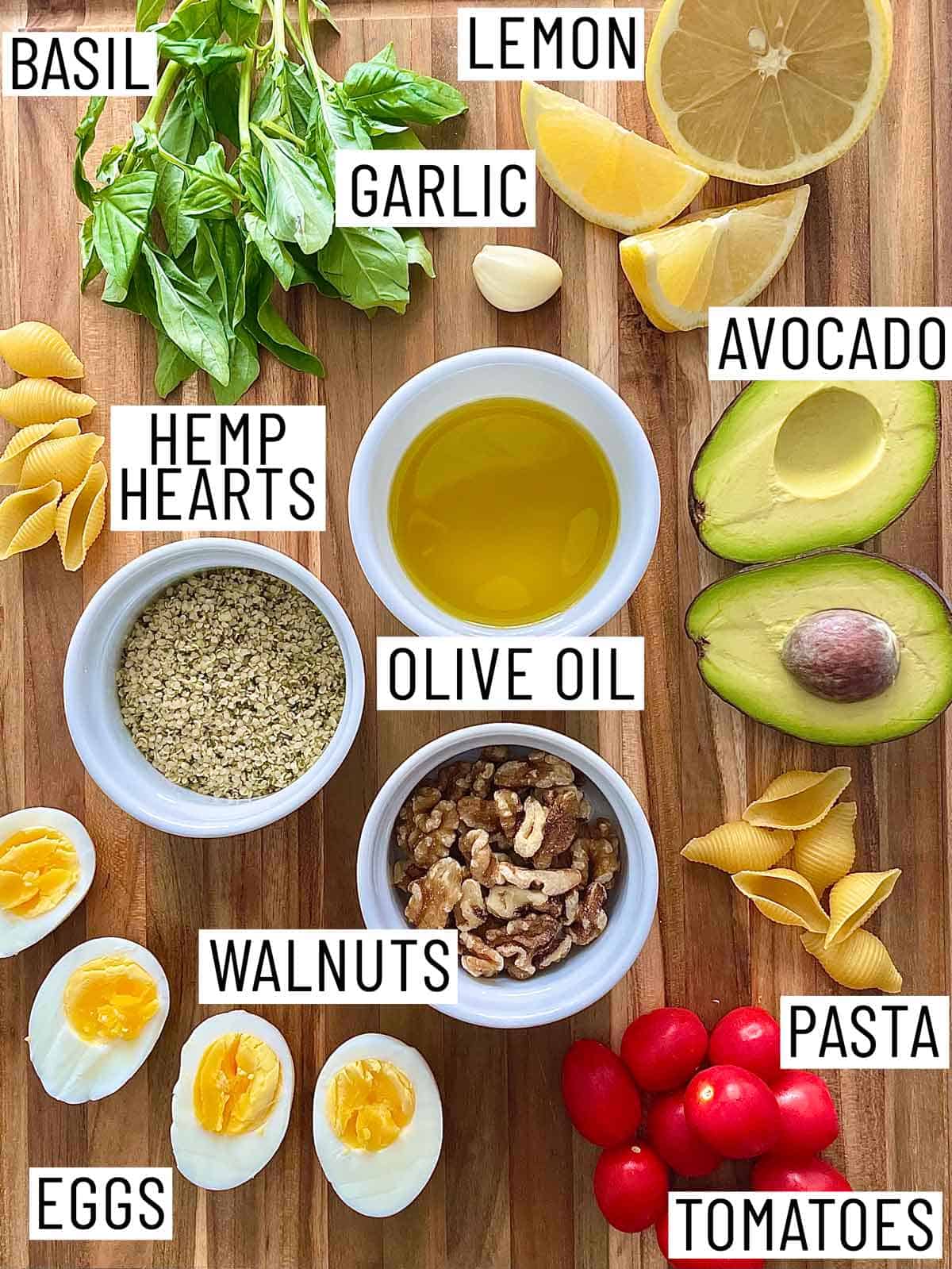
Ingredients needed to make avocado pasta.

Homemade pesto — To make the base of my homemade pesto, I used hemp hearts, walnuts, basil, and garlic. It only takes a couple of minutes to put together but you can use store-bought pesto if you prefer.

Avocado — Packed with healthy fats and nutrients, avocado is a must for this avocado pasta! Be sure to use ripe avocado as unripe avocado will be hard and won’t mash up.

Egg yolks — The eggs are packed with iron, omega-3s, and protein and help you feel full, longer.

Whole wheat pasta — While I use whole wheat pasta shells, you can use any pasta of your choice. I like shells as they’re a favourite for my toddler but use what you have on hand.

How to Make This Recipe

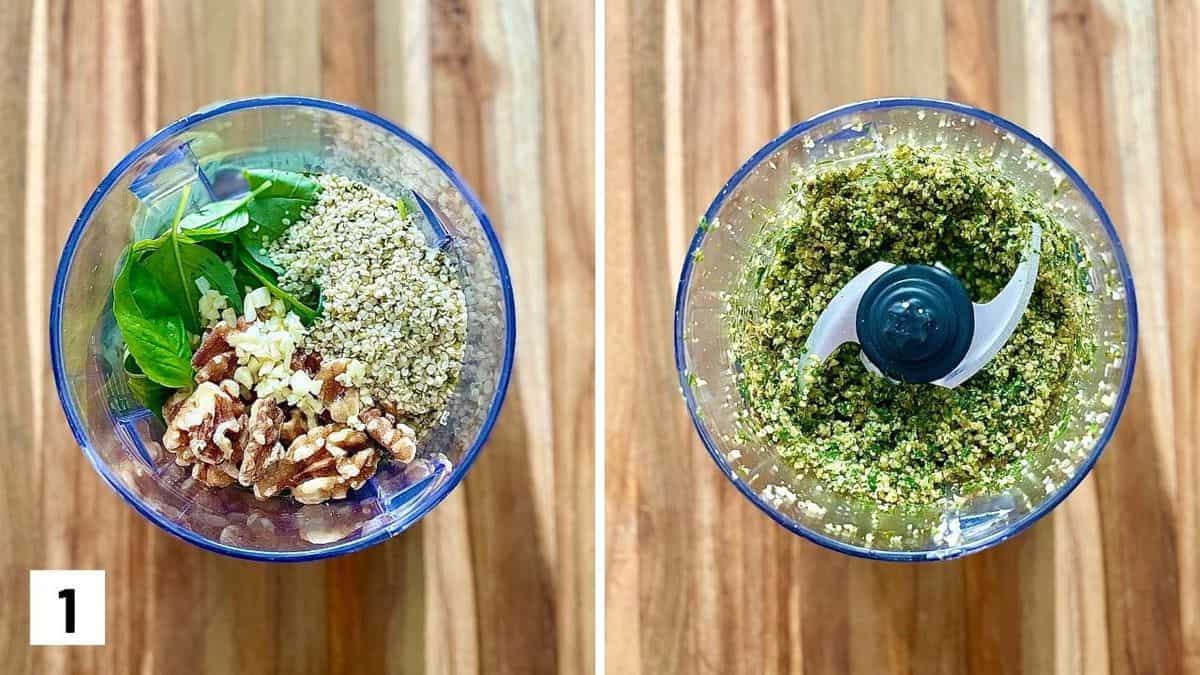
Set of two photos showing walnuts, garlic, hemp hearts, and basil before and after being pulsed in a food processor.

Step 1: To a food processor, puree the hemp hearts, walnuts, basil, and garlic until the walnuts are finely ground.

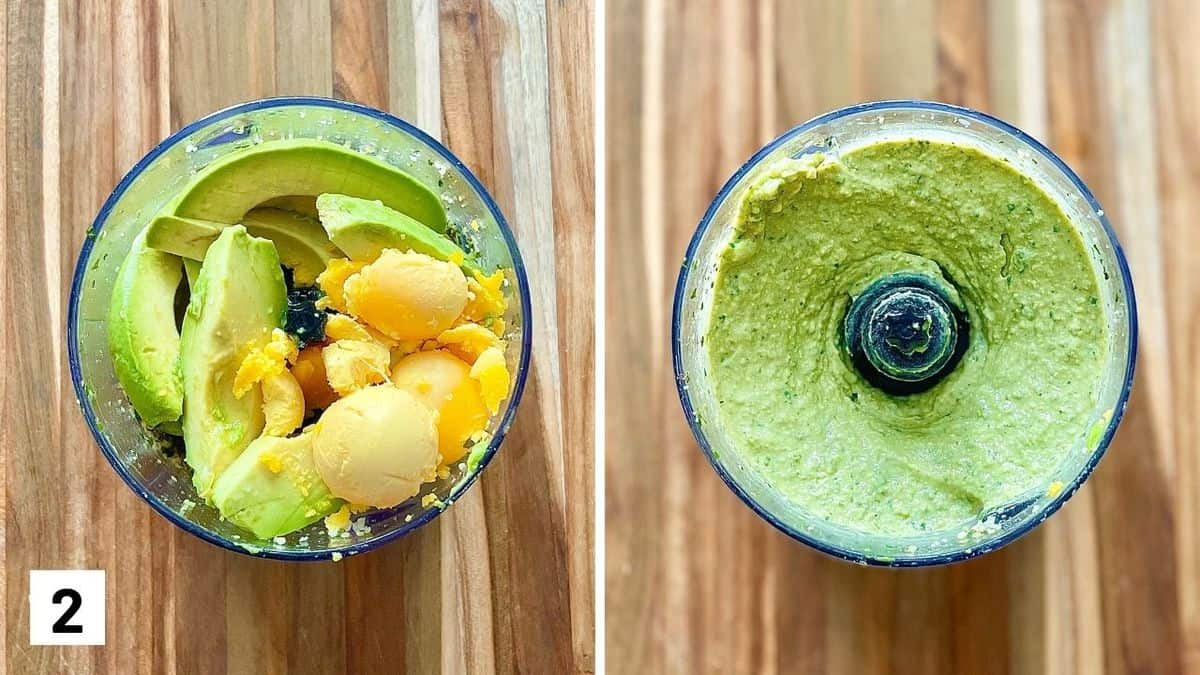
Set of two photos of avocado and yolks before and after being blended in the food processor.

Step 2: Then add the avocado, lemon, eggs, and pulse until combined, then add in the olive oil just until it is thin enough for a sauce. Season with a tiny bit of salt and pepper, if desired (can omit for young babies).

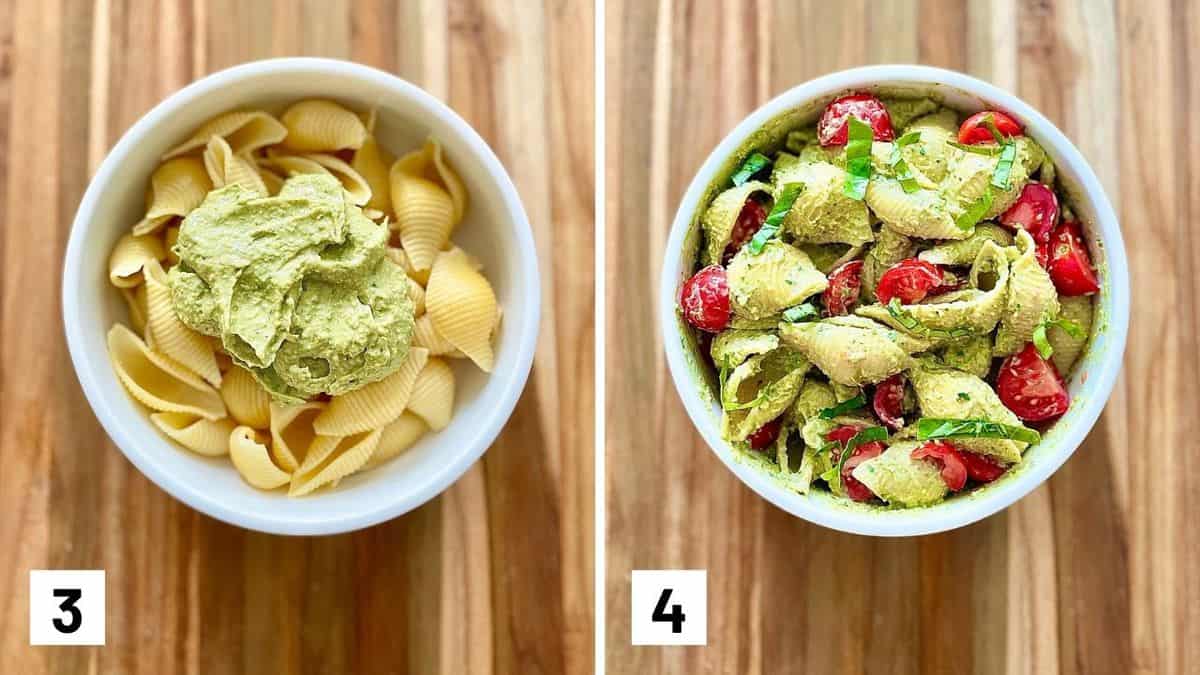
Set of two photos of the avocado pesto added to pasta and then topped with tomatoes and basil.

Step 3: Toss with cooked pasta and serve as is.

Step 4: Optional to serve with cherry tomatoes and basil on top.

Expert Tips

Try to serve this avocado pasta as soon as possible as avocado does go brown over time due to oxidation. The lemon added to the pesto should help slow the processor but it’s best to eat it ASAP.

If you’re out of walnuts, pinenuts work as well for the pesto but they won’t have the same nutritional values as the walnuts.

Baby's hand holding a fork over a bowl of avocado pasta.

Recipe FAQs

What else can I add to this avocado pasta?

Try adding some peas, chopped asparagus, corn, or other vegetables of your choice to this avocado pasta!

Can I add more protein?

If you’d like to add more protein, you can try some shredded chicken or salmon if you don’t need this to be vegetarian-friendly.

How far advance can I make this?

I would make this pasta no more than a day ahead of time. As mentioned earlier, the avocado could turn colour if stored for too long.

Can I use another pasta?

You most certainly can! Try using gluten-free pasta if you’d like for this recipe to be gluten-free. You can also try using chickpea or lentil pasta if you want some more added nutrients.

More Recipes You Might Like

If you want more BLW recipes like this avocado pasta, you should try these ones:

  • Easy Peanut Butter Noodles
  • Salmon Sweet Potato Fritters
  • Sweet Potato Lentil Baby Fritters
  • Baby Spinach & Avocado Pancakes
  • Gluten Free Hummus Baby Meatballs

Now tell me, what are your favourite iron and omega-3 foods to feed your baby? Let me know in the comments below.

Avocado pasta in a small bowl.
Print Recipe
4.67 from 9 votes

Avocado Pasta (BLW & Toddler Friendly)

This avocado pasta is high in iron and omega-3 and is the perfect baby led weaning recipe for your baby and and toddler.
Prep Time15 minutes mins
Cook Time10 minutes mins
Total Time25 minutes mins
Course: Dinner
Cuisine: Italian, American
Servings: 6 people
Calories: 391kcal
Author: Abbey Sharp

Ingredients

  • 1/4 cup hemp hearts
  • 1/4 cup walnuts
  • 1/2 cup basil
  • 1 clove garlic minced
  • 2 ripe avocados
  • Juice of 1 lemon
  • 3 hard boiled egg yolks
  • 1/4 cup extra virgin olive oil or more to your desired texture
  • Salt and pepper to taste
  • 1 lb cooked whole wheat pasta for serving
  • Cherry tomatoes quartered for serving
  • Basil chiffonade

Instructions

  • To a food processor, puree the hemp hearts, walnuts, basil, and garlic until the walnuts are finely ground. Then add the avocado, lemon, eggs and pulse until combined, then add in the olive oil just until it is thin enough for a sauce. Season with a tiny bit of salt and pepper, if desired (can omit for young babies).
  • Toss with cooked pasta and serve as is or with cherry tomatoes, and basil on top.

Video

Notes

  • Try to serve this avocado pasta as soon as possible as avocado does go brown over time due to oxidation. The lemon added to the pesto should help slow the processor but it’s best to eat it ASAP.
  • If you’re out of walnuts, pinenuts work as well for the pesto but they won’t have the same nutritional values as the walnuts.

Nutrition

Calories: 391kcal | Carbohydrates: 28g | Protein: 11g | Fat: 29g | Saturated Fat: 4g | Cholesterol: 98mg | Sodium: 12mg | Potassium: 395mg | Fiber: 8g | Sugar: 1g | Vitamin A: 375IU | Vitamin C: 7.2mg | Calcium: 51mg | Iron: 2.8mg
Abbey Sharp

Abbey Sharp is a Registered Dietitian (RD), regulated by the Ontario College of Dietitians. She is a mom, YouTuber, Blogger, award winning cookbook author, media coach specializing in food and nutrition influencers, and a frequent contributor to national publications like Healthline and on national broadcast TV shows.
www.abbeyskitchen.com/about-abbey/

Last Updated July 1, 2021. Published June 21, 2021 By Abbey Sharp 11 Comments

Spinach Muffins for Toddlers & BLW (Vegan & Egg Free)

These Spinach Muffins are perfect for toddlers and baby-led weaning. They’re also egg-free, gluten-free, and are vegan friendly making them an allergy friendly option for your little one.

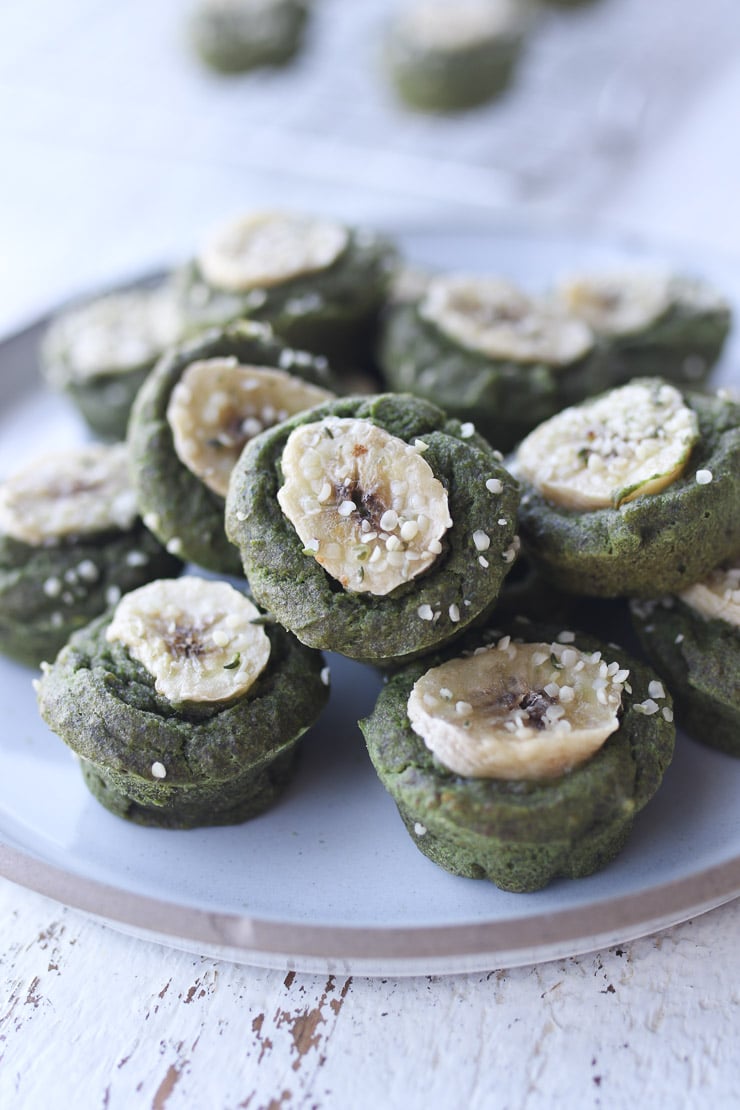
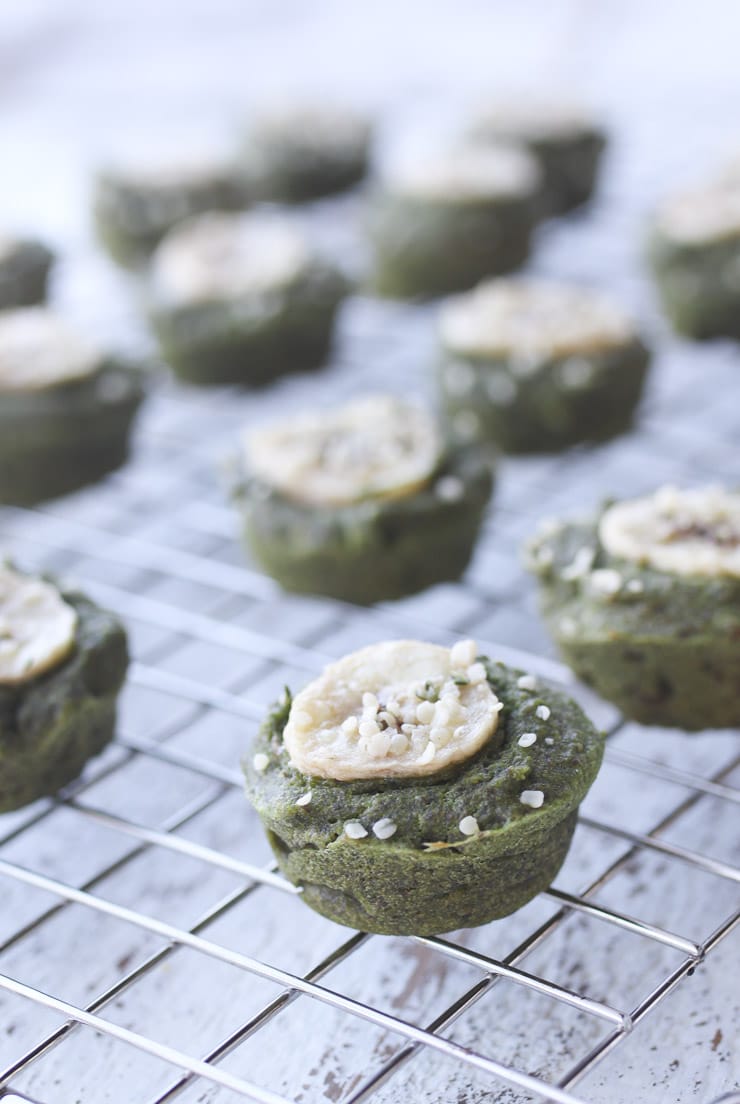
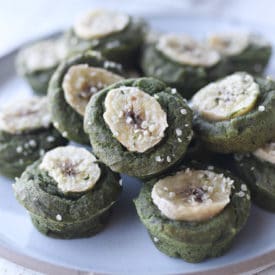
group of egg and gluten free green mini muffins for toddlers on a large white plate garnished with hemp hearts and banana slices

Raise your hand if your kid is constantly asking you for snacks around the clock? If you’re trying to introduce solids or keep their littles well-fed as they ask for snacks all day, these spinach muffins are perfect for them! They’re not just for toddlers, they’re also ideal for your new eaters who are starting solids with baby led weaning.

Table of contents

  • Why This Recipe Works
  • Key Ingredients
  • How to Make This Recipe
  • Expert Tips
  • Recipe FAQs
  • More Recipes You Might Like

Why This Recipe Works

These spinach muffins are such a convenient meal for your little ones. You’re going to want to make these mini muffins over and over because your kiddos aren’t going to get enough of them. They’re also:

  • Packed with healthy goodness
  • Egg-free
  • Gluten-free
  • Vegan-friendly
  • Meal prep friendly
  • Easy to grab and go

Key Ingredients

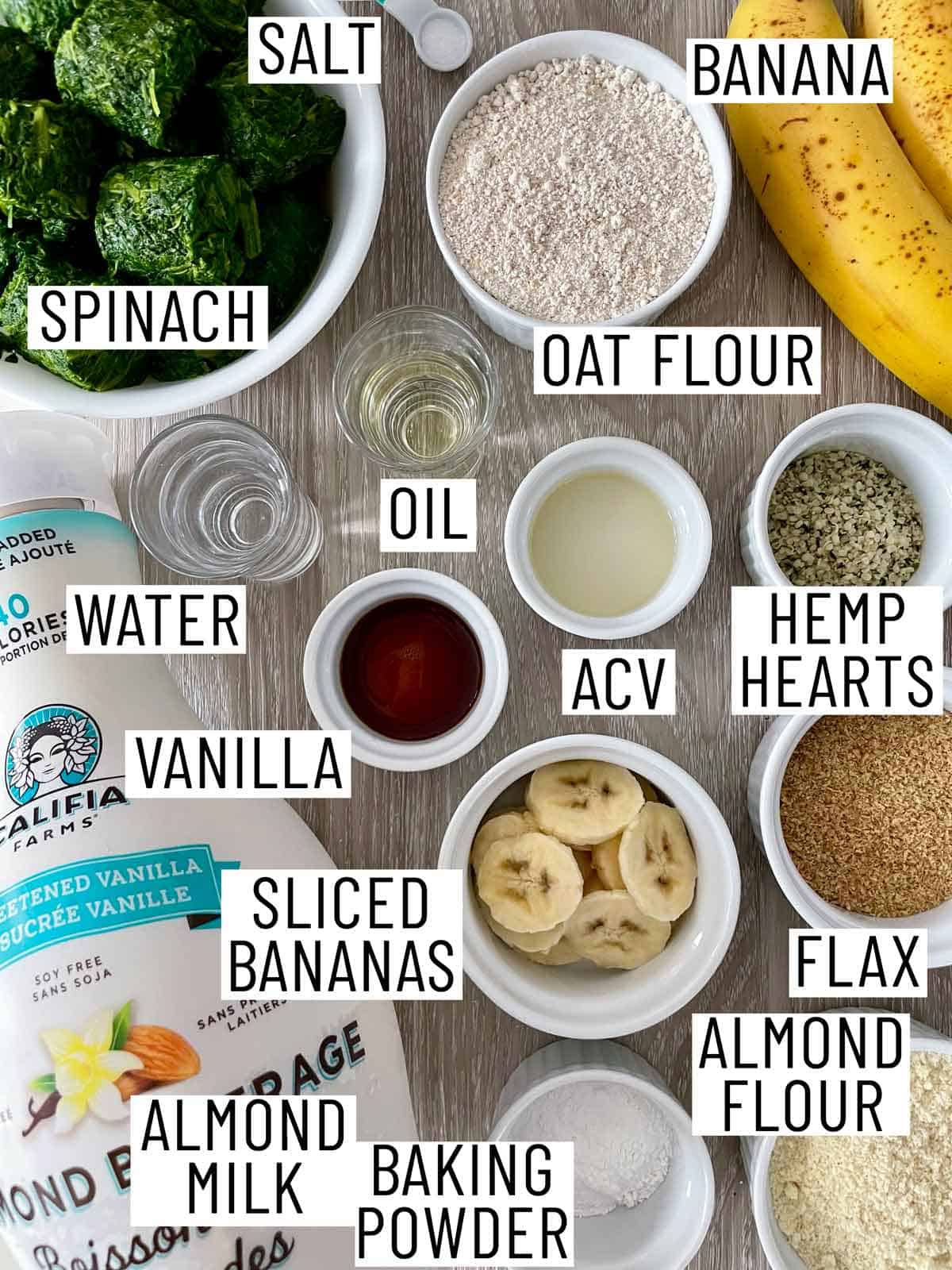
Ingredients needed to make spinach muffins.

Oat flour — I love using oat flour because not only is it not a common allergen and is naturally gluten free, but it’s really easy to find oats right now compared to regular all purpose flour.

Almond flour — Another easy flour to find right now, almond flour is nutrient-rich and packed with healthy fats, protein and fibre.

Apple cider vinegar — Because this has no eggs, the apple cider vinegar helps with leavening. I promise your kids will not taste it as being sour.

Egg replacement — You can totally use eggs in this spinach muffins recipe if you have them, but I found that mixing water, baking powder, and oil together is a great leavener that isn’t as heavy as using a flax egg (which I do also love).

Spinach — I use frozen spinach as they’re easy to stock up on but you can also use kale or fresh spinach if that’s what you have.

Bananas — Bananas are one of the only fruit I can reliably find right now, and I tend to always have leftovers from the week, so when they start to get a little speckly, I cut them up and freeze them for recipes just like this.

How to Make This Recipe

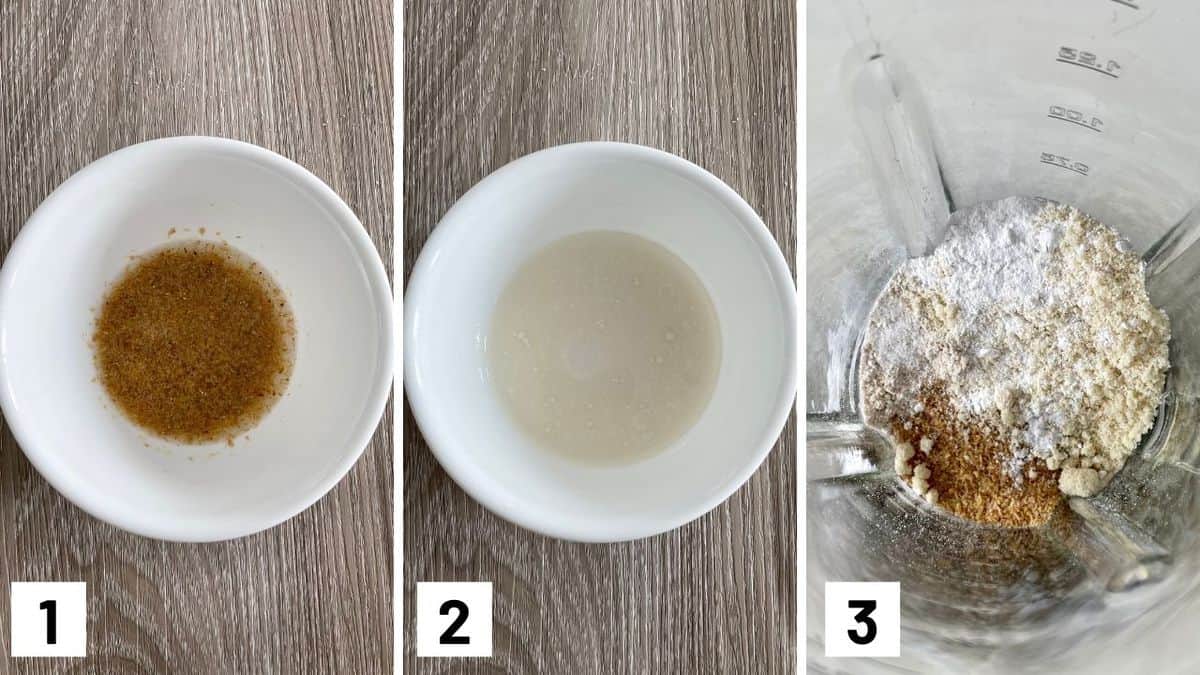
Set of three photos showing flax egg being made, then the ingredients combined and blended.

Step 1: Make a flax egg by combining 1 tablespoon of flax and 2 tablespoons of water. Let sit in the fridge for 15 minutes.

Step 2: Mix together the water, 4 tsp baking powder, and 2 tsp vegetable oil in a small bowl.

Step 3: In a food processor or blender, pulse together the oat flour, flax, almond flour, salt, and baking powder.

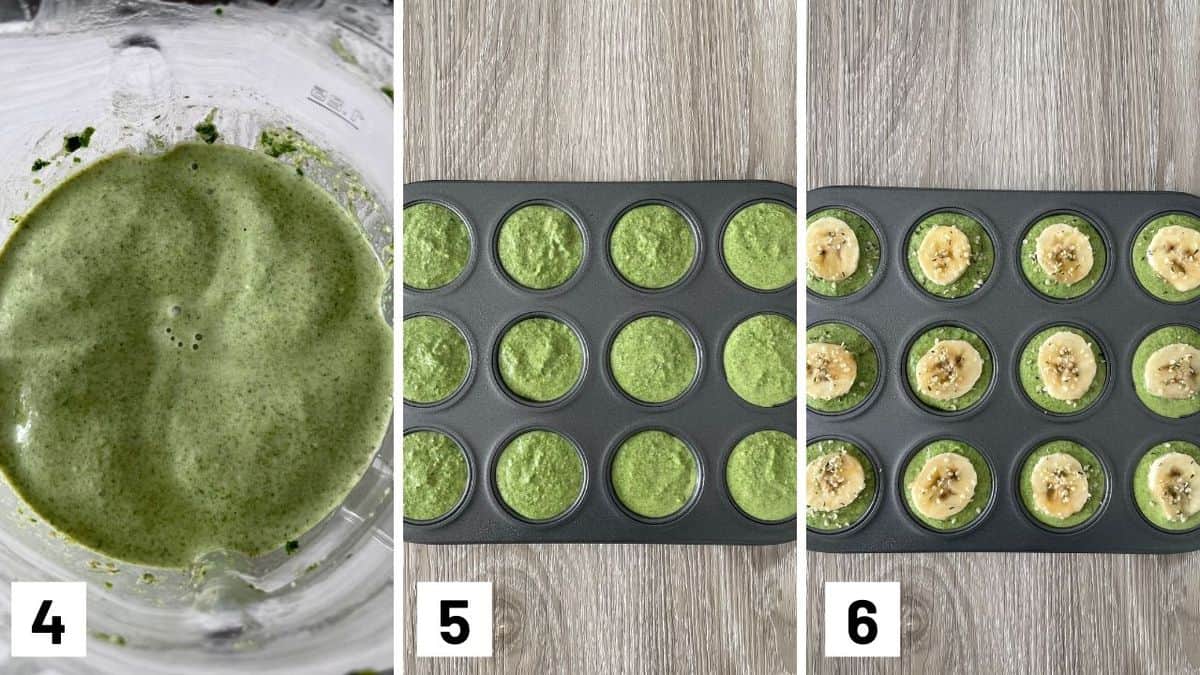
Set of two photos showing spinach blended and then added to a muffin tin with a banana slice added on top.

Step 4: Add in the banana, spinach or kale (thawed), vanilla, almond milk, vegetable oil, and cider vinegar. Process until very smooth. Add the flax egg and pulse just to combine.

Step 5: Spoon the batter (about 2 tablespoons) into the greased mini muffin tins.

Step 6: Top with a thin slice of banana and a sprinkle of hemp hearts. Bake for about 15-18 minutes, and then allow the spinach muffins to cool for at least 10-15 minutes at 350F before carefully popping them out.

Expert Tips

Don’t have oat flour but you have oats? Make your own! To make oat flour, just process a bunch of oats in the food processor until very smooth. You will need about 1.5 cups of oats to make 1 cup oat flour.

To make clean up easier, you can line the muffin tins with a silicone or paper liner. The silicone liners are usually dishwasher friendly so they can just be tossed into the dishwasher.

Thanks to the colour that the spinach gives the muffins, my son loves these. He calls them dinosaur eggs! Giving healthy meals fun names (instead of lying about what’s in them) helps kids enjoy their meals more!

Want to change things up? Instead of sliced bananas, you can swap for any sliced fruit. Strawberries, blueberries, and apples go really well with these spinach muffins. Plus it’s a great way to give your little one “choices” as it’s a BLW friendly recipe and if you make a batch with different “toppings,” they can pick their favourite!

Recipe FAQs

Are these safe for kids with peanut allergies?

There are no peanuts in this recipe, however, there is almond flour, so if your kiddo also has a tree nut allergy, check out one of my other BLW muffins below.

Can I freeze these mini muffins?

Yes. Absolutely. I always do. To freeze them, pop them on a baking sheet once they’ve cooled that you’ve lined with a silpat or parchment paper. Freeze for about 30-60 minutes until solid, then pop them into a freezer bag for up to 3 months. When you’re ready to eat, I just pull out a batch and let them thaw in the fridge or microwave them one at a time (in 30 second intervals to be safe).

How do I store these?

After your spinach muffins have cooled to room temperature, transfer them to an airtight container and store them in the fridge for up to 5 days. Simply reheat them in the microwave when ready to eat!

Can you taste the spinach?

Honestly, not really at all. It tastes mainly like a soft banana pancake to be honest. They’re super delicious.

Can I use regular milk if we are not vegan or dairy free?

Absolutely. Use whatever milk you have on hand.

green mini muffins with spinach laid out on a baking tray

More Recipes You Might Like

Want more BLW friendly recipes that your little one will love like these spinach muffins? Here are some more of my son’s favourites!

  • BLW PEANUT BUTTER BANANA MINI MUFFINS 
  • BLW SPINACH CHICKEN PROTEIN MUFFINS 
  • BLW IRON SWEET POTATO APPLE MUFFINS
  • BLW BROCCOLI AND CHEESE EGG MUFFINS 

What are you making for your snack obsessed kids right now? Leave me a comment below!

Print Recipe
5 from 8 votes

Vegan Spinach Muffins for Toddlers & BLW

These Spinach Muffins are perfect for toddlers and baby-led weaning! They're egg-free, gluten-free, and are vegan friendly! They're the perfect way to start the day off with or as a snack!
Prep Time10 minutes mins
Cook Time35 minutes mins
Total Time45 minutes mins
Course: Snack
Cuisine: American
Servings: 30 muffins
Calories: 73kcal
Author: Abbey Sharp

Ingredients

  • 1/4 cup water
  • 4 tsp baking powder
  • 2 tsp vegetable oil
  • 1 cup oat flour 1 ½ cups oats
  • 5 tbsp ground flax
  • 1 cup almond flour
  • ¼ tsp salt
  • 1 1/4 tsp baking powder
  • 1 cup very ripe mashed banana about 2
  • 2 cups frozen spinach or kale thawed
  • 2 tsp vanilla
  • ½ cup unsweetened vanilla non-dairy milk
  • 1 tbsp melted coconut oil or vegetable oil
  • 2 tsp apple cider vinegar
  • 2 tbsp hemp hearts
  • 1 banana very thinly sliced on top

Instructions

  • Preheat oven to 350 F and grease 30 silicon mini muffin tins.
  • Make a flax egg by combining 1 tablespoon of flax and 2 tablespoons of water. Let sit in the fridge for 15 minutes.
  • Mix together the water, 4 tsp baking powder, and 2 tsp vegetable oil in a small bowl.
  • In a food processor, pulse together the oat flour, flax, almond flour, salt, and baking powder.
  • Add in the banana, spinach or kale (thawed), vanilla, almond milk, vegetable oil, and cider vinegar. Process until very smooth. Add the flax egg and pulse just to combine.
  • Spoon the batter (about 2 tablespoons) into the mini muffin tins. Top with a thin slice of banana and a sprinkle of hemp hearts. Bake for about 15-18 minutes, and then allow to cool for at least 10-15 minutes before carefully popping them out.

Notes

  • Don’t have oat flour but you have oats? Make your own! To make oat flour, just process a bunch of oats in the food processor until very smooth. You will need about 1.5 cups of oats to make 1 cup oat flour.
  • To make clean up easier, you can line the muffin tins with a silicone or paper liner. The silicone liners are usually dishwasher friendly so they can just be tossed into the dishwasher.
  • Thanks to the colour that the spinach gives the muffins, my son loves these. He calls them dinosaur eggs! Giving healthy meals fun names (instead of lying about what’s in them) helps kids enjoy their meals more!
  • Want to change things up? Instead of sliced bananas, you can swap for any sliced fruit. Strawberries, blueberries, and apples go really well with these spinach muffins. Plus it’s a great way to give your little one “choices” as it’s a BLW friendly recipe and if you make a batch with different “toppings,” they can pick their favourite!

Nutrition

Calories: 73kcal | Carbohydrates: 7g | Protein: 3g | Fat: 4g | Saturated Fat: 1g | Sodium: 31mg | Potassium: 191mg | Fiber: 2g | Sugar: 1g | Vitamin A: 1246IU | Vitamin C: 2mg | Calcium: 73mg | Iron: 1mg
Abbey Sharp

Abbey Sharp is a Registered Dietitian (RD), regulated by the Ontario College of Dietitians. She is a mom, YouTuber, Blogger, award winning cookbook author, media coach specializing in food and nutrition influencers, and a frequent contributor to national publications like Healthline and on national broadcast TV shows.
www.abbeyskitchen.com/about-abbey/

Last Updated June 29, 2021. Published June 16, 2021 By Abbey Sharp 2 Comments

How the Gut Microbiome Helps Build Baby’s Immune System (Dietitian’s Evidence Based Guide)

DISCLAIMER: This post was developed in sponsored partnership with Evivo, however, as always, all opinions are genuine.

I discuss the evidence on how to build a baby’s immune system and the best tips for supporting your baby’s gut microbiome.

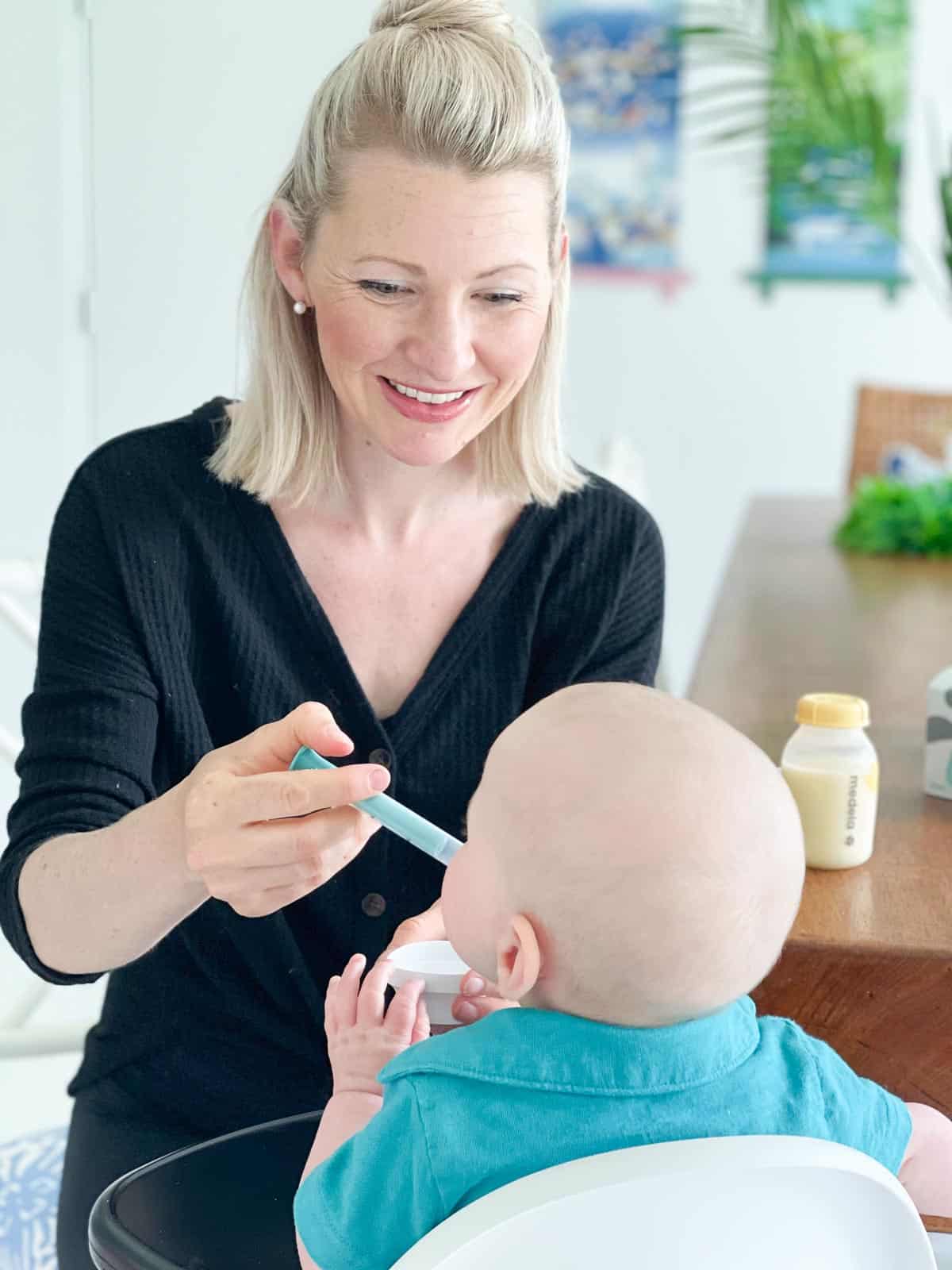
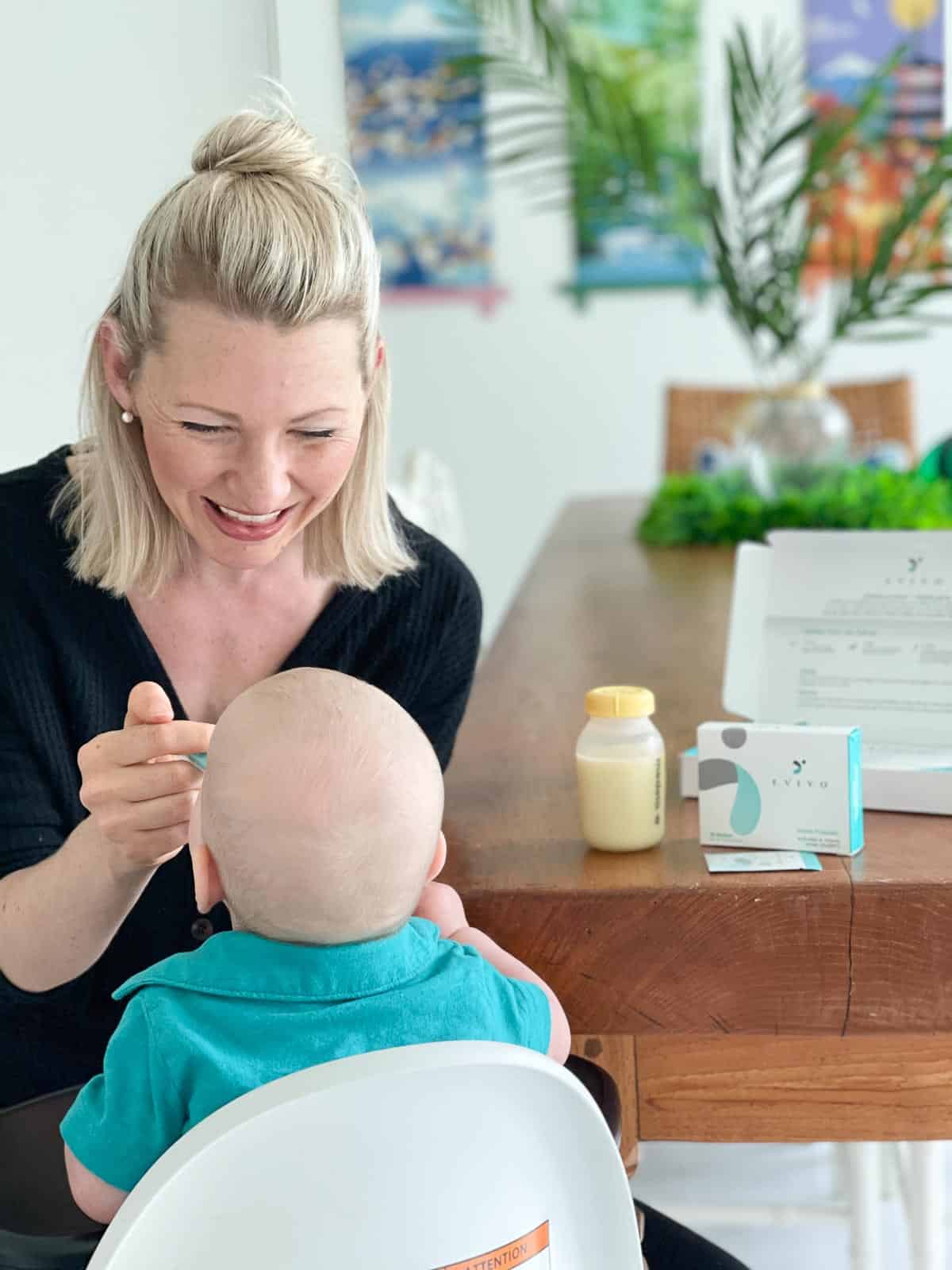
Abbey giving Baby O probiotics to support baby's immune system.

Raise your hand if you’ve spent the past year googling “how to boost immunity”? While I have certainly fallen victim to the immunity-inspired Google deep dive, I also happened to be super preggers in 2020. This meant that not only was I concerned about my own immune system, but that of my little one too. I, like so many other moms-to-be, wanted to ensure I was doing everything I could from pregnancy to postpartum to ensure that my kiddo was given the best shot at immune health.

We can’t talk about the immune system without talking about the gut, since 70% of our immune system resides in our gut. It’s therefore important that we focus on strengthening and building the gut microbiome early on in life. So today I am sharing my top evidence-based tips for helping to build baby’s immune system – focusing on delivery mode, breastfeeding, and seeding the gut with a critical infant-specific probiotic strain.

Delivery Mode

Abbey giving Baby O probiotics to show how to build a baby's immune system.

First, let’s discuss the mode of delivery and its role in shaping the gut microbiome, and as a result, baby’s immune system. I want to preface this by saying that we don’t always end up with the birth experience that we planned for. Birth plans are notoriously more of a wish list than a legitimate play by play of how things will go. I fully understand if a botched birth plan is triggering for you, and that you may feel disappointed or guilty about not having the birth experience you wanted. I know this is how I felt with my first heavily medicated birth. So this is not meant to cause any more anxiety about how things went, I simply think it’s important to share the evidence we have to date.

Research suggests that delivering vaginally is the ideal scenario for promoting a healthy microbiome because the infant gets exposed to mom’s microbiota as it passes through the birth canal and into non-sterile territory. That being said, even vaginally delivered babies lack the beneficial bacteria one of the critical infant-specific bacteria B. infantis. So today it is estimated that over 90% of babies born in the U.S. today don’t acquire B. infantis at birth.

Although the natural mom-to-baby transfer of this critical bacteria is no longer taking place in developed nations, there are new scientific advancements providing a solution to restore B. infantis to the gut microbiome of all babies, supporting immune development for both c-section and vaginally delivered newborns.

Breastfeeding

Much like a birth plan, a parent’s feeding plans don’t always go as…well… planned. If you struggled or are struggling with breastfeeding, please don’t read this as judgement or something you must feel shamed about. I too had a horrible time breastfeeding with baby E and all I wanted was for someone to tell me it was okay to stop. But I do want to communicate some of the evidence-based benefits of breastmilk as it pertains to how to build a baby’s immune system. Again, if this is triggering for you, feel free to skip this section.

We know that breastmilk is powerful stuff for a host of reasons. Today I want to focus in on the microbiome building components of breastmilk that drive the colonization of beneficial bifidobacteria, specifically B. infantis. It’s estimated that about 15% of the nutrients in breastmilk are made up of components called human milk oligosaccharides (HMOs). These HMOs are not digestible by the baby but feed the good bacteria in baby’s gut. You can think of this as the prebiotic, or fiber, component of breastmilk.

When baby is not properly colonized with that B. infantis bacteria we mentioned earlier, they lack the ability to fully utilize HMOs and some of these nutrients pass through undigested and end up in the diaper. If you are a breastfeeding and/or pumping mom, you know the time and sacrifice that goes into every drop of liquid gold. Imagining just tossing away some of your efforts is heart breaking to say the least.

Once B. infantis is restored to the baby’s gut microbiome, the valuable HMOs are able to be better digested, and early research shows this utilization enables the immune system to pivot away from allergic and autoimmune presentations.

The current recommendation is to breastfeed exclusively for the first 6 months of life, and then ideally up to 12 months along with introducing complementary foods. However, here at Abbey’s Kitchen, we fully appreciate the challenges associated with breastfeeding, so we want to remind you that FED IS BEST. I am just communicating the evidence to date.

Probiotics

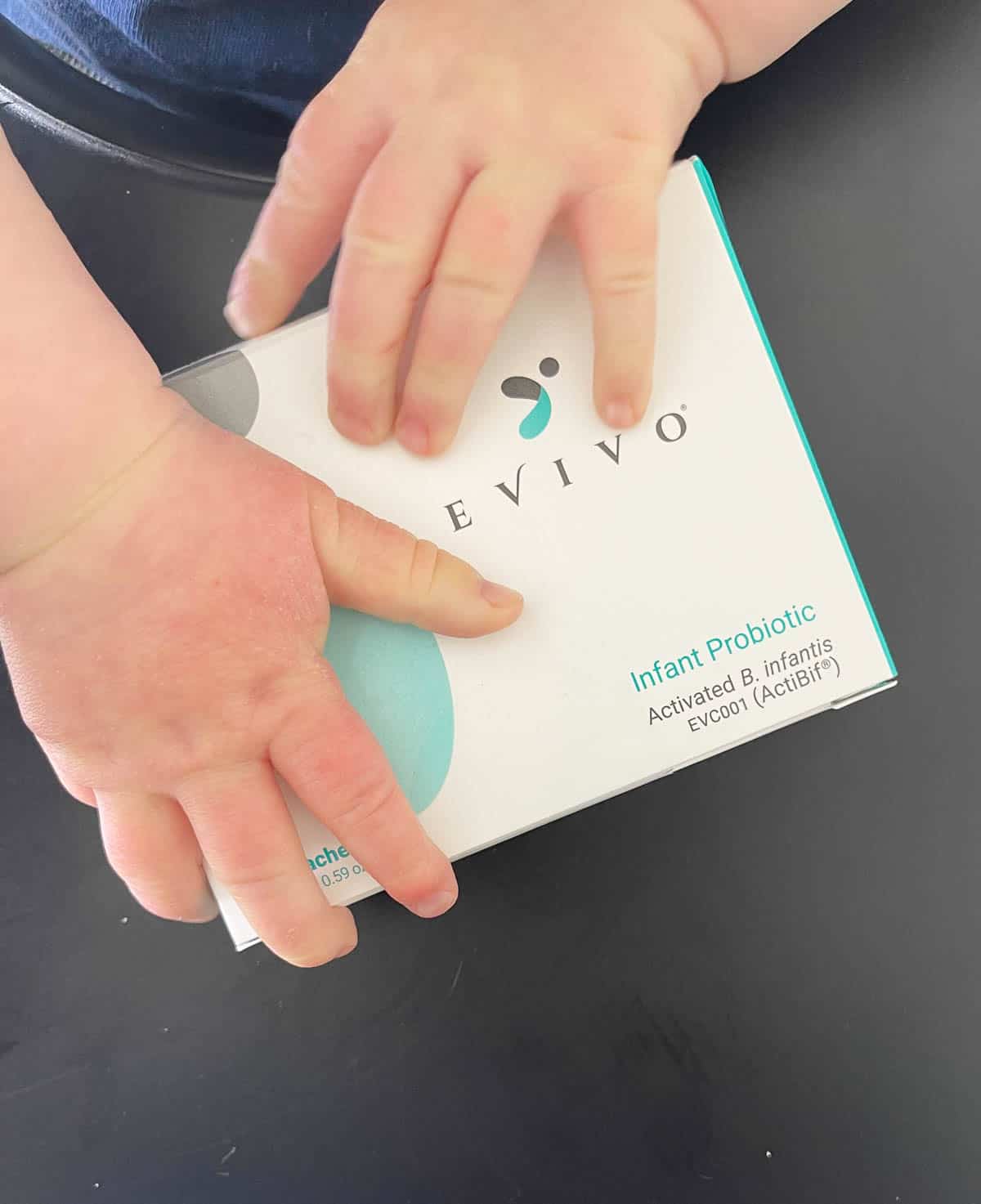
Baby hands holding Evivo probiotics.

So we touched on the prebiotics found in breastmilk, but what about probiotics? Again, we know that about 70% of our immune system exists in our gut, so paying attention to our baby’s digestive and microbiome health is really important. One recent study found that Newborn Gut Deficiency, a condition characterized by a lack of the beneficial B. infantis bacteria, is impacting over 90% of babies. It’s theorized that this dysregulation in the amount of bad to good bacteria may increase the risk of common infant issues like colic, eczema, diaper rash, autoimmune disorders and allergies. There are a lot of infant probiotics on the market, but only Evivo contains B. infantis EVC001 which is a superior strain* of B. infantis shown to help restore the balance of good bacteria to bad bacteria, which in turn can help reduce intestinal inflammation in the gut.

Working symbiotically with the HMOs found in breastmilk, Evivo’s B. infantis EVC001 has been shown to reduce bad gut bacteria by 80% and outperforms other commercially available B. infantis strains.

I have been giving both of my kids probiotics since they were born and when I switched O to Evivo I noticed his eczema started to improve. Surveyed parents who used Evivo have had similar results. A new publication on Evivo users found that 63% of moms saw a decline in colic symptoms, 52% observed better sleep patterns and 72% saw less diaper rash. That’s impressive stuff!

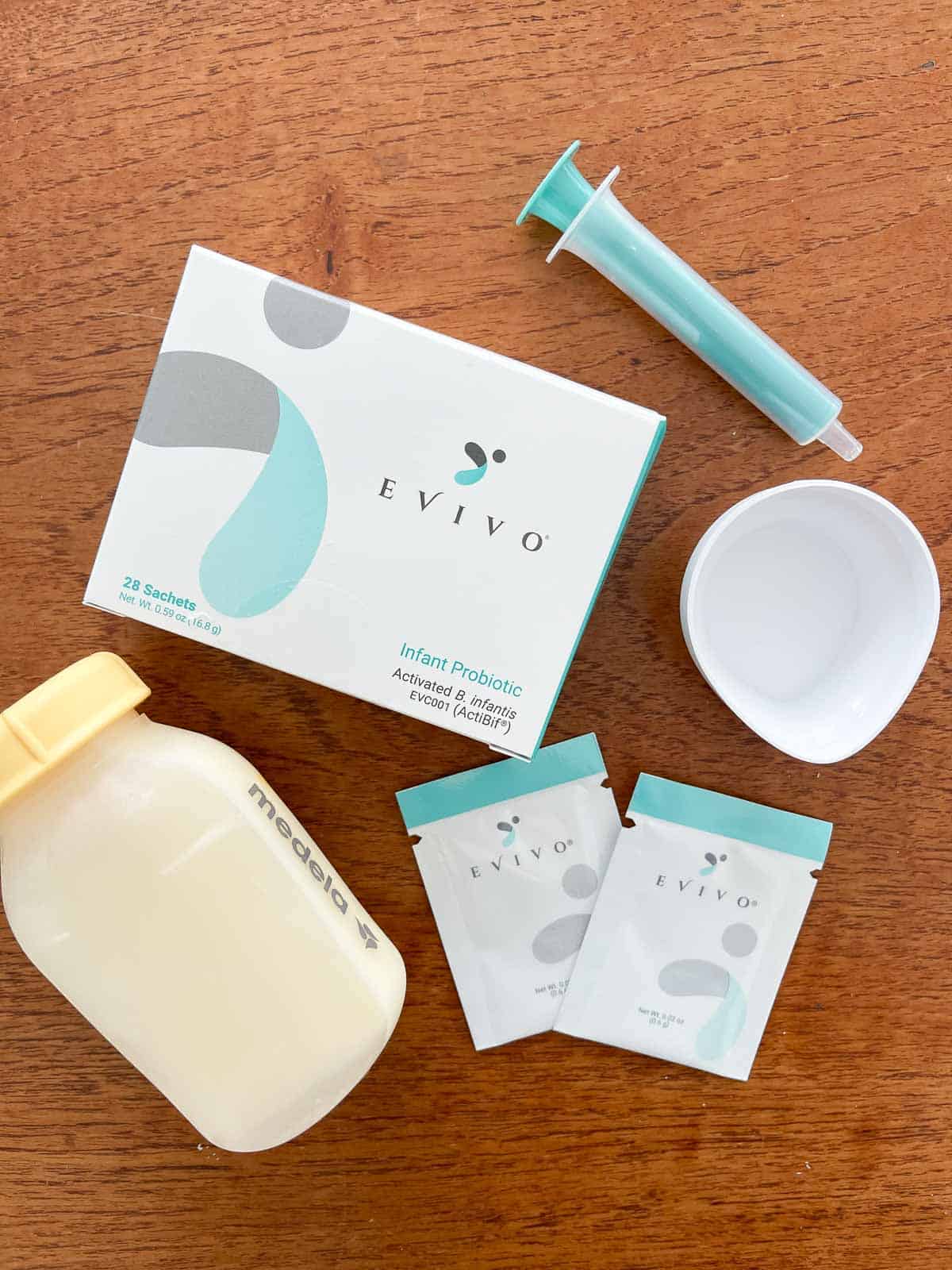
Flat lay image of several Evivo products to support how to build a baby's immune system.

To use Evivo, simply mix a sachet of the probiotics with a bit of breastmilk, and feed the liquid by syringe, bottle or even sprinkle it right onto your nipple for exclusively breastfed babes. It’s ideal to start using Evivo at birth and continue for the first 6 months of baby’s life, but I plan to continue to use it daily until I’m done nursing O. You can learn more about Evivo and order your starter kit right here (Use the code ABBEY10 to get $10 off your 1 month starter kit, or ABBEY20 for $20 off your 2 month starter skit and refills).

In conclusion, we can’t control everything that happens to us or our baby when it comes to their immunity. But I hope this article gave you some tangible tips for supporting your baby’s immune system and gut. 

Leave me a comment below if you have questions about how to build your baby’s immune system.

*B. infantis EVC001 out-performs other commercially-available B. infantis strains lacking important functions of the H5 cluster.

Abbey Sharp

Abbey Sharp is a Registered Dietitian (RD), regulated by the Ontario College of Dietitians. She is a mom, YouTuber, Blogger, award winning cookbook author, media coach specializing in food and nutrition influencers, and a frequent contributor to national publications like Healthline and on national broadcast TV shows.
www.abbeyskitchen.com/about-abbey/

Last Updated June 11, 2021. Published June 14, 2021 By Abbey Sharp 3 Comments

Air Fryer Pizza Rolls (Easy Appetizer)

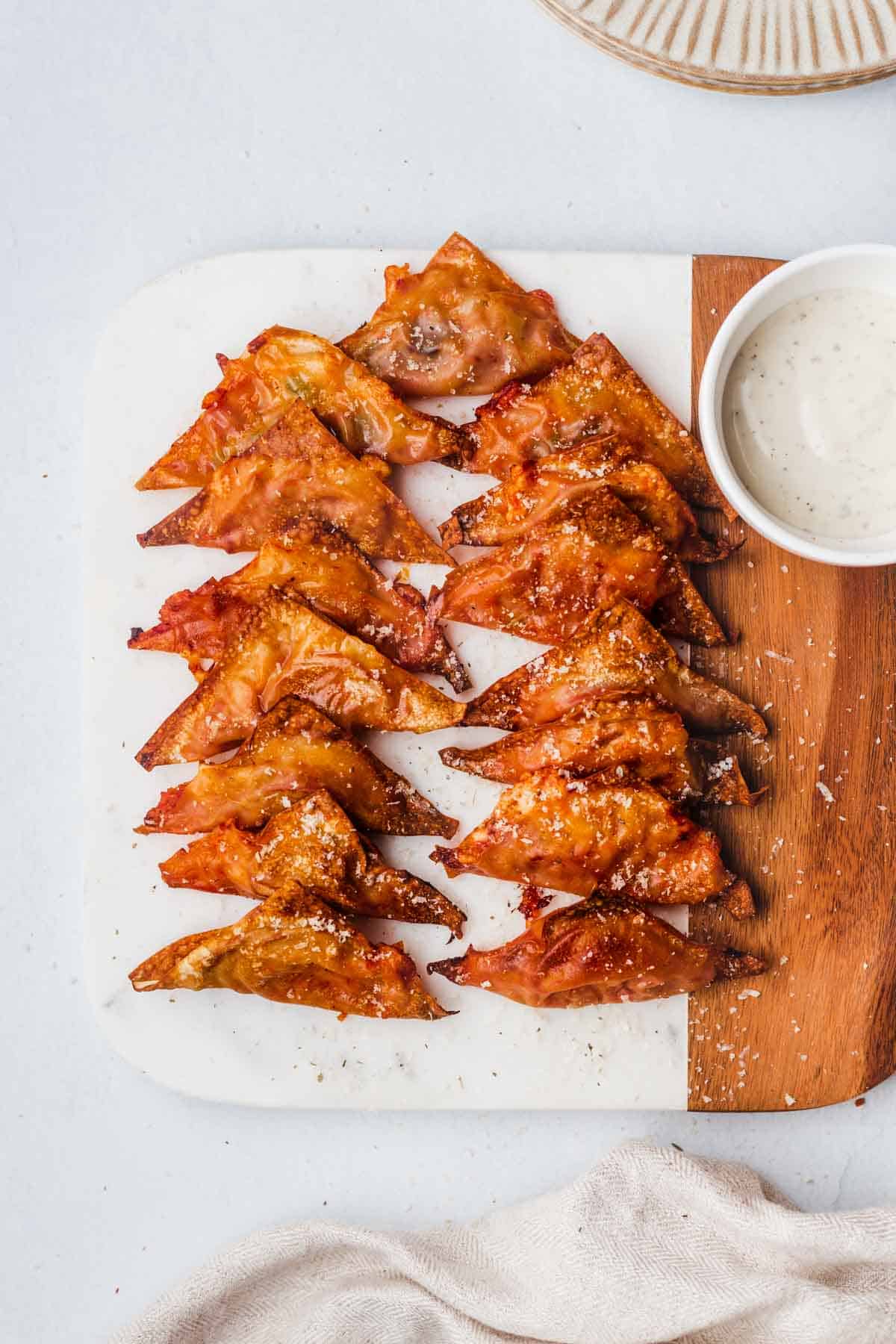
A serving board with multiple air fryer pizza rolls made with wonton wrappers.

These homemade Air Fryer Pizza Rolls are so easy to make! They only require a couple of simple ingredients and are made in a flash. These pizza bites are perfect as an easy appetizer.

A serving board with multiple air fryer pizza rolls made with wonton wrappers.

These air fryer pizza rolls are such a delightful meal. There is such a satisfying crunch when you bite into them before finding yourself with a mouthful of melty cheese and pepperoni. What’s not to love about it?! While you can enjoy these as a snack for yourself (no judgement here!), they make for the perfect party appetizer as they’re such a great finger food.

Table of contents

  • Why This Recipe Works
  • Key Ingredients
  • How to Make This Recipe
  • Expert Tips
  • Recipe FAQs
  • More Recipes You Might Like

Why This Recipe Works

If you have an air fryer then you’ll know just how crunchy these wonton wrapped pizza bites will come out. Need more reasons to try this?

  • Crispy without having to be deep fried
  • Vegan friendly
  • Easy to make
  • Kid friendly

Key Ingredients

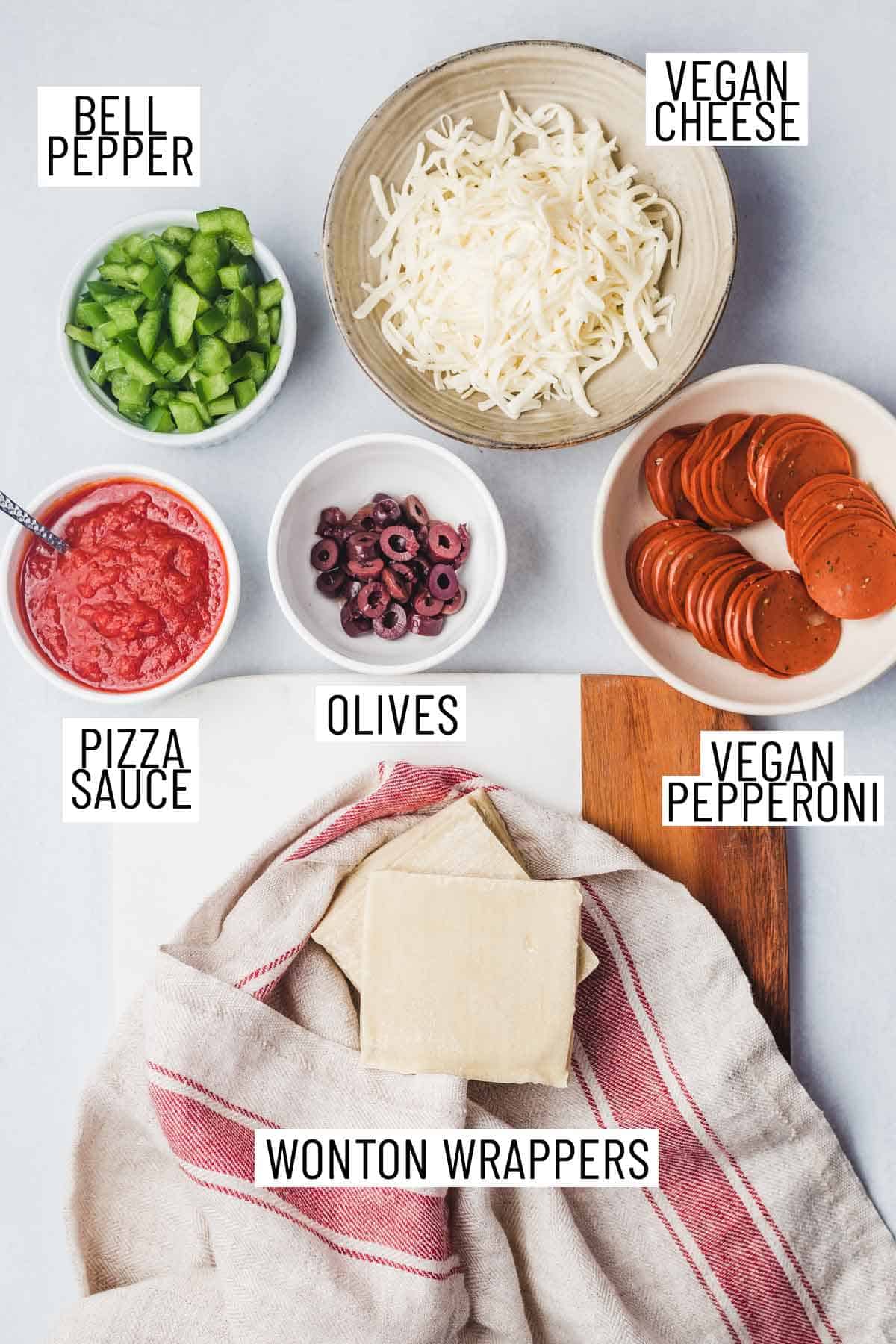
Ingredients needed to make air fryer pizza rolls.

Wonton wrappers — These can be found in the refrigerated aisle of the grocery store. They have been popularized enough that I’ve noticed them at regular grocery stores but if you can’t find them, try your local Asian grocer. I suggest double checking the one you purchase as traditionally, wonton wrappers are not vegan as it is made with eggs. Nasoya has vegan wonton wrappers.

Fillings — I picked vegan pepperoni, cheese, olives, and green peppers as my filling for my air fryer pizza rolls. You are more than welcomed to change things up and pick your own!

How to Make This Recipe

Set of three photos showing pizza sauce added to the wonton wrapper, cheese, and then pepperoni.

Step 1: Start by setting up a wrapping station with wonton wrapper covered with a clean dry tea towel, pizza sauce, mozzarella, pizza mix ins, and a small bowl of water. Place the wonton wrapper on a cutting board or a plate, spoon about 1 teaspoon of pizza sauce.

Step 2: Place approximately 2 teaspoon of mozzarella on top of the pizza sauce.

Step 3: Add the pepperoni to the wrapper.

Set of three photos showing olives added to the wonton wrappers, then folded, and air fried and garnished.

Step 4: Add a little bit of the rest of the toppings to the middle of the wrapper.

Step 5: Dip a finger in the bowl of water, and run along the edge of the wrapper and fold in half to form a triangle. Press down on the edges to seal it. 

Step 6: Place it in the air fryer for 3 minutes at 360 F. Then flip and cook for another 2-3 minutes.  Garnish the air fryer pizza rolls with grated parmesan and Italian seasoning 

Expert Tips

It is easier to wrap the wonton wrapper when the pepperoni is cut up. 

Do not over-stuff the wonton wrappers or the air fryer pizza rolls will leak or burst open.

If you don’t need these to be vegan, feel free to use regular pepperoni and shredded cheese. However, I suggest using a high-quality pepperoni to avoid filler ingredients.

Recipe FAQs

Are these gluten-free?

Most wonton wrappers are not gluten-free. You’ll have to purchase speciality wonton wrappers or make your own with gluten-free flour for it to be gluten-free.

Can I make these ahead of time?

You can! You can either fill these ahead of time and keep them wrapped in the fridge for up to 2 days or you can air fry them then transfer them to an air tight container for up to 4 days. Simply add them back into the air fryer for a couple of minutes to reheat.

Can I freeze these?

You can freeze these air fryer pizza rolls before or after air frying them. Just be sure to store them in an air tight container before freezing them. If uncooked, air fry them from frozen with an extra couple of minutes.

What else can I put in these air fryer pizza rolls?

Feel free to use anything you would top a regular pizza with! Try mushrooms, ham, bacon bits, onions, basil, artichoke, and more. Avoid toppings that are high in water content as you don’t want the liquid to make your air fryer pizza rolls soggy. Alternatively, you can cook your toppings beforehand to make sure the water has been cooked out, like spinach, for example!

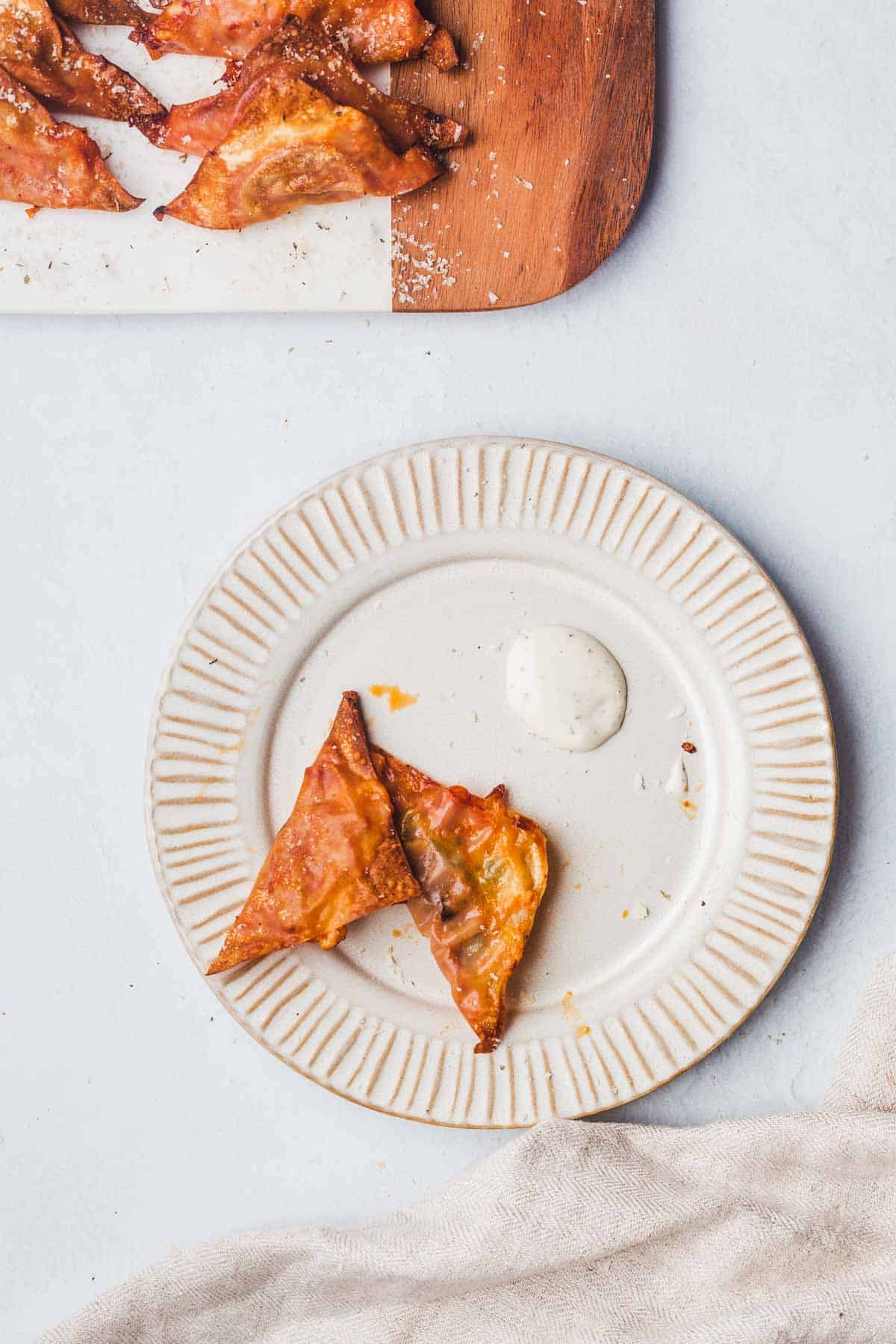
A plate with two air fried wonton wrapped pizzas with dipping sauce.

More Recipes You Might Like

Want more delicious air fryer recipes like these air fryer pizza rolls? Try these ones:

  • CAULIFLOWER TOTS (EASY AIR FRYER RECIPE)
  • AIR FRYER TOFU (EASY VEGAN RECIPE)
  • HEALTHY CHICKEN NUGGETS (BLW & TODDLER FRIENDLY)

A serving board with multiple air fryer pizza rolls made with wonton wrappers.
Print Recipe
5 from 3 votes

Air Fryer Pizza Rolls (Easy Appetizer)

These homemade Air Fryer Pizza Rolls are so easy to make! They only require a couple of simple ingredients and are made in a flash. These pizza bites are perfect as an easy appetizer.
Prep Time15 minutes mins
Cook Time6 minutes mins
Total Time21 minutes mins
Course: Appetizer, Snack
Cuisine: American
Servings: 30 – 35 wontons
Calories: 70kcal
Author: Abbey Sharp

Ingredients

  • 2 cups pizza sauce
  • 1 cup shredded vegan mozzarella cheese
  • 1 package wonton wrappers

Toppings

  • ½ cup vegan pepperoni
  • 1 red or green pepper chopped
  • 1 handful black olives

Garnish

  • Grated parmesan
  • Italian seasoning

Instructions

  • Start by setting up a wrapping station with wonton wrapper covered with a clean dry tea towel, pizza sauce, mozzarella, pizza mix ins, and a small bowl of water.
  • Place the wonton wrapper on a cutting board or a plate, spoon about 1 teaspoon of pizza sauce, 2 teaspoon of mozzarella, a little bit of toppings to the middle of the wrapper. Dip a finger in the bowl of water, and run along the edge of the wrapper and fold it half to form a triangle. Press down on the edges to seal it.
  • Repeat until you have 4-5 wonton wrappers packaged up (you can make more while the first batch is cooking)
  • Place it in the Air fryer for 3 minutes at 360 F. Then flip and cook for another 2-3 minutes.
  • Garnish with grated parmesan and italian seasoning

Notes

  • It is easier to wrap the wonton wrapper when the pepperoni is cut up. 
  • Do not over-stuff the wonton wrappers or the air fryer pizza rolls will leak or burst open.
  • If you don’t need these to be vegan, feel free to use regular pepperoni and shredded cheese. However, I suggest using a high-quality pepperoni to avoid filler ingredients.

Nutrition

Calories: 70kcal | Carbohydrates: 10g | Protein: 3g | Fat: 2g | Saturated Fat: 1g | Polyunsaturated Fat: 1g | Monounsaturated Fat: 1g | Trans Fat: 1g | Cholesterol: 6mg | Sodium: 238mg | Potassium: 82mg | Fiber: 1g | Sugar: 1g | Vitamin A: 115IU | Vitamin C: 4mg | Calcium: 29mg | Iron: 1mg
Abbey Sharp

Abbey Sharp is a Registered Dietitian (RD), regulated by the Ontario College of Dietitians. She is a mom, YouTuber, Blogger, award winning cookbook author, media coach specializing in food and nutrition influencers, and a frequent contributor to national publications like Healthline and on national broadcast TV shows.
www.abbeyskitchen.com/about-abbey/

Last Updated March 8, 2022. Published June 9, 2021 By Abbey Sharp 2 Comments

What is Arbonne? (Are These Diet Products Safe?)

We review Arbonne products and discuss whether their health claims really live up to the research and if it’s worth the investment.

Image of supplements on an orange slice.

For the lucky few of you that have not been approached by an Arbonne sales rep and don’t know what this business is, Arbonne is an international multi-level marketing company founded in the US in 1980 by Petter Morck. Since then, it has grown into a full-fledged operation, whose product lines range from skincare and cosmetics to nutrition and supplements.

When I say there’s a range of products, I am not kidding – there are literally so many products and packages being sold on this website that it would take weeks for me to navigate the entire thing. Narrowing it down was a task in itself, but I thought I would review some of their supplement products and address their claims.

Arbonne Product Review

Let’s start by addressing some of the claims of the “Arbonne Evolution for Weight Management” package. This package includes two products, “Full Control” and “Metabolism Support”– so right off the bat, I’m annoyed just at the names alone. But before we even get into the specifics, I did want to talk about the sponsored study that this line is backed up by.

This was a 16 week clinical study in which participants supplemented with both products, plus the Arbonne protein shake. Participants were also on a calorie-restricted diet with moderate exercise. Although Arbonne likes to brag about the positive weight loss results (which were modest at best), the impact of the supplements cant be teased apart from the calorie-restricted diet and exercise. I don’t have evidence of the relative impact of the powders and pills, but I do have a critical mind with a serious spidey sense for wellness BS.

“Full Control” Supplement

Claim #1: Weight Management

According to the Arbonne website, the key ingredient that gives this supplement it’s “controlling” characteristic is a substance called glucocmannan. Glucomannan is a sugar made from the root of the konjac plant, usually used as a thickener or gelling agent. It is often used as a high fibre water soluble laxative for relieving constipation and to help us feel full. Aside from the general role of fibre in weight management, one study suggested that glucomannan specifically did not promote weight loss, change body composition, or even effect one’s hunger/fullness cues.

In addition, there is research to suggest that glucomannan can cause negative GI symptoms, like gas, abdominal pain, gastrointestinal obstruction, as well as possibly modifying the extent to which we absorb other medications. So if you want to be in control of your bathroom behaviours, you might want to flush that supplement down the loo.

A wall of arbonne supplements.

Claim #2: Improved Blood Sugar & Cholesterol

The next claim of “full control” is that it supports blood sugar and cholesterol levels. While studies do suggest that glucomannan fibre does have positive effects on lowering both cholesterol and blood pressure, it’s also important to point out that these benefits are not exclusive to glucomannan fibre, specifically. In fact, you can improve blood sugar and cholesterol from soluble fibre from foods like oats, beans, apple and pears.

Claim #3: Metabolism Boosting

The last claim of this product is that the magnesium it contains contributes to increased metabolism of carbohydrates, fats and protein while supporting healthy bones. However, the role of magnesium in the body is part of a normal healthy metabolism and not something that will magically make you lose weight.

While magnesium is important for bone formation, the exact relationship between magnesium intake and bone mineral density is still not fully clear. While supplementing with magnesium can serve as a preventative measure against bone degradation and osteoporosis for those who have a proven magnesium deficiency, there’s really no proof yet that the general population needs to supplement with magnesium for our bones. In fact, too much magnesium can actually reportedly have adverse effects on bone health.

“Metabolism Support” Supplement

Claim #1: Weight Loss

Several Arbonne supplements beside a measuring tape.

The star ingredient in this product is called svetol, which is a green coffee bean extract rumoured for its alleged weight loss benefits.  One meta analysis concluded that although results from some of the small trials were promising, more research is still needed to assess the usefulness of green coffee bean extract as a weight loss tool.

Its also important to note that most of the research in support of using svetol for weight loss were done either in vitro or in animals. Although these studies still do hold value, they’re largely just a jumping off point for further exploration, not something to write home to your mom about. In addition, in one out of three of the human studies completed, two participants had to drop out due to adverse health effects, such as headaches and urinary tract infections. So, given the fact that appropriate dosage has not even been established yet, I think it’s pretty clear that the general safety of the supplement is a concern.

Also, only a few of the studies published were in compliance with the US Food and Drug Administration guidelines, which means there were significant limitations to the research in these studies. So conclusion? We’re not quite ready to call this in as a magical skinny substance.

Claim #2: Boosts Metabolism

These bad boys also contain some “targeted botanicals to support metabolism”… but to save us all some time i’ll just remind you that there are no magical ingredients that have any meaningful impact on the speed of your metabolism. The metabolic rate is largely determined by: your body composition, your caloric intake, your age and your genetics, muscle-to-fat ratio, amount of physical activity and hormone function. There is no mix of ingredients, chemicals, enzymes, or in this case, botanicals, that will magically speed it up. As for the ingredients themselves, let’s look at each of their connections to metabolism.

Catechins

First, although human studies regarding green tea and metabolism are limited, the catechins in green tea do show some promising results for having beneficial effects on weight management, glucose control, and cardiovascular risk factors. However, most studies suggest that you would need to consume as many as 9 cups of green tea per day to see any impact which may not be realistic for most people.

Capsaicin

Three chili peppers to represent Arbonne ingredients.

While the research on capcaisin or chili peppers in humans is limited, one small study found that eating a little over a gram of red chili pepper could help counteract the metabolism-slowing effect of a 20% reduction in consumed calories.  Others have echoed this by demonstrating small impacts on post-meal energy expenditure, fat burning and carbohydrate oxidation.  All that said, large good quality research is still very limited and what impacts we do see are relatively small. So if you like heat, go for it- add all the chili you can, but I wouldn’t ruin your eating experience for the sake of a potential small rise in metabolism.

Cocoa

The flavanols in cocoa appear to reduce some of the risk factors associated with the development of metabolic syndrome, such as reducing LDL cholesterol, liver inflammation, and triglyceride buildup in the liver. But thats about it.

Ginger

As for ginger, a meta-analysis found that regular ginger consumption was associated with various weight loss parameters, such as body weight, heart rate, increased HDL cholesterol and decreased LDL cholesterol. I think it’s worth noting that all this data is largely correlational, so it doesn’t prove causation. In other words, we don’t know if people who consume a lot of cocoa or ginger are just healthier or if there’s something magical about the compounds themselves.

Claim #3: Maintains Healthy Blood Pressure

The supplement claims to maintain healthy blood pressure levels and supports cardiovascular health. This claim comes from the use of a flavanol called quercetin – an antioxidant found in foods such as apples, berries, and onions. While studies have found an association between quercetin and a reduced risk of coronary heart disease, stroke, and blood pressure, I want to remind you again that association does not equal causation. Not to mention, we also don’t know if it’s more effective to consume these compounds from actual food sources versus expensive powders.

Claim #4: Supports Thermogensis

The last claim about these capsules is regarding it’s green tea extract, or camellia sinesis content, which contains caffeine that supposedly supports thermogenesis. Thermogenesis is the process of heat production in living beings, and heat production is a byproduct of calorie burning. There is evidence to suggest that green tea, particularly camellia sinuses, can help promote thermogenesis due to the catechins. While there is evidence to support the idea that thermogenesis can help amplify weight loss efforts, the effects don’t seem to be overly significant. Most studies assessing the effects of thermogenesis are also done in conjunction with a calorie restricted diet, so it’s hard to say how much any kind of thermogenesis “booster” plays in weight loss.

Is Arbonne Even Affordable?

Several coins in a clear glass.

Lastly, let’s talk about price. While Arbonne’s product sells for $68 per tub, which is about 10.8oz of product, other fibre supplements that are equally as effective sell for as little as $11.59 for basically the same amount of product. I understand splurging every now and then, especially when it comes to products for our health, but a nearly $60 dollar difference is definitely notable.

Arbonne also suggests that these two supplements will not “work best” unless you spend money on both of them and use them at the same time, which brings us to $130 a month on unnecessary supplementation.

While there is nothing inherently bad about these supplements, there is also nothing magical about their use either. Any weight loss benefits derived from the individual ingredients in vitro (that is in a petri dish in the lab) or a small controlled study, would be so insignificant in real life without caloric restriction or exercise. Plus, any additional nutrient benefits you might get from a supplement like this, could be achieved much more efficiently and economically from whole foods.

Bottom Line

To finish off this review of Arbonne, let’s talk about its safety and testing. There are a ton of buzzwords allover the site, such as “pure”, “safe”, and “certified Arbonne clean”. Although they have done their due diligence in terms of making sure the products are safe for consumption, like most supplements, they are not regulated by the FDA. Arbonne’s website suggests that they have conducted independent third party testing, but I wasn’t able to find any additional details about that to really confirm that they have. So as a good rule of them, when you are choosing a supplement you can always check out its status on websites like labdoor or NSF to ensure that it has been third party tested and is safe for consumption.

https://www.youtube.com/watch?v=VhMYzVn4jSg&ab_channel=AbbeySharp

More Blog Posts You Might Like

  • Are Supplements Safe? (How to Choose The Right Supplement)
  • What to Look for in a Protein Powder
  • Can Collagen Supplements Tighten Skin?
Abbey Sharp

Abbey Sharp is a Registered Dietitian (RD), regulated by the Ontario College of Dietitians. She is a mom, YouTuber, Blogger, award winning cookbook author, media coach specializing in food and nutrition influencers, and a frequent contributor to national publications like Healthline and on national broadcast TV shows.
www.abbeyskitchen.com/about-abbey/

Last Updated January 19, 2022. Published June 2, 2021 By Abbey Sharp 13 Comments

Cannabis and Pregnancy – Is it Safe for Mom and Baby?

With the rise in popularity of cannabis derived products, we reviewed the evidence discuss cannabis and pregnancy and whether or not it is safe for expecting mothers and their children.

One product that has generated a lot of interest in the wellness space is cannabis. Heck, even Coca-Cola is looking into the possibility of making a drink containing the “medicinal” compound!! But with the rise in popularity of cannabis, what do expecting mama’s need to know about the risks of cannabis and pregnancy before they consider using it?

We take a deep dive into the research on cannabis and pregnancy while also providing some helpful insights from Dr. Jennifer Hirsch, a Pregnancy and Post-Partum Psychiatrist at Mount Sinai Hospital in Toronto!

Cannabis 101

Close up of cannabis against a black background.

There are over 70 active compounds in cannabis, also known as cannabinoids. The two biggies are tetrahydrocannabinol (THC) and cannabidiol (CBD). THC is the psychoactive compound that produces a “high”, while CBD does not contain any psychoactive properties but rather has been shown to have some therapeutic properties.

Therapeutic Benefits of CBD Oil

Hands using CBD oil.

To start with, CBD has antioxidant and anti-inflammatory effects, and is considered neuroprotective. In other words, it may help guard the cells of the brain from damage. In the early literature, CBD has been investigated for its possible effects in reducing anxiety and symptoms of social phobia and post-traumatic stress disorder. One exploratory 2012 study found that it was as effective in treating schizophrenia as standard anti-psychotic medications!

CBD has also been used to alleviate symptoms associated with Tourette’s syndrome, Crohn’s disease, fibromyalgia and pain associated with multiple sclerosis. CBD oil has even been used to help reduce the nausea associated with chemotherapy.

Now, let’s back it all up for a hot minute here. Before you light up a dube, it’s important not to jump the gun. There is still very little research on CBD, and much of the existing research out there was done on animals rather than humans. In other words, it’s not solid stuff.

In terms of official statements, Health Canada provides a hefty list of potential therapeutic uses for cannabis. They also point to the limited number of studies demonstrating the safety and efficacy of cannabis products to address any specific illness. The word “potential” is key here. With that said, more human research is needed before any conclusive health claims can be made.

Is Weed Safe During Pregnancy?

Black and white image of a pregnant person holding their belly.

Why might mothers want to use weed or cannabis products while pregnant or breastfeeding? Well, Dr. Hirsch had this to say.

“Increasingly in my practice, women are informing me that they are already using various forms of cannabis during their pregnancy or while breastfeeding. Although there is no high-quality research on its effectiveness, many pregnant and breastfeeding women believe it may be helping their nausea, anxiety or insomnia.”

During pregnancy, it seems some mothers use cannabis to help with morning sickness. After birth, women may use cannabis products to address postpartum depression. But Dr. Hirsch is quick to mention that cannabis can interfere with antidepressant medications, and can cause anxiety, paranoia and hallucinations.

But just how many moms are turning to CBD and other cannabis products? According to a 2012 study that looked at 25,000 women, 2.6% of them reported using cannabis while pregnant. That was, admittedly, a long time ago, so it’s very possible that number is much higher now. The study also controlled for confounding factors like smoking, alcohol consumption and other illicit substances. However there are other factors that were not controlled for. Self reports are a limitation since people tend to under report their drug use. What is maybe more relevant here is that these mothers were twice as likely to have babies who were small for their gestational age and to be admitted to neonatal intensive care.

The Dopamine Effect

Even more alarming was that it would seem cannabis use during pregnancy can disrupt the developing neurotransmitter systems in the baby’s brain. This may impact the neurotransmitter dopamine. Dopamine imbalance has been shown to increase the risk of depression, schizophrenia and drug addiction. At this time, most doctors would not see it as worth the risk.

Cannabis and Pregnancy Health Risks

When asked about the risk of cannabis and pregnancy, Dr. Hirsch brings up the Ottawa Prenatal Prospective Study. This study began in 1978 with pregnant women and followed their 180 children for a number of years. They wanted to examine the effects of cannabis use during pregnancy on children.

“After age 4, there were differences in behavioural problems and decreased performance on visual perception tasks. As well as language comprehension and sustained attention and memory difficulties in exposed children,” says Dr. Hirsch.

She also provided this juicy piece of info – THC content in today’s cannabis is around 10 times higher than it was during the 1970s, when the study started!

Moreover, 2019 retrospective cohort study looked at 5600 self-reported cannabis users to assess the impacts of maternal cannabis use during pregnancy and its correlation with adverse birth outcomes. The study found that mothers who used cannabis during pregnancy had elevated rates of pre-term birth, preeclampsia and gestational diabetes.

Similarly, another 2020 review reported that cannabis in pregnancy increased the likelihood of low birth weight, neonatal ICU admission, preterm birth, and behavioural consequences such as startling and tremors. In addition, behavioural and cognitive deficits are common long-term impacts of prenatal cannabis exposure.  

Is Weed Safe WHILE BREASTFEEDING?

Woman holding her baby outdoors.

THC and CBD are detectable in human breastmilk as early as 1-4 hours after use and up to 6 days after cannabis use. This finding suggests that the method of “pumping and dumping” breastmilk after cannabis use would not be effective in ridding the cannabinoids from the breastmilk, as they are present in breastmilk for an extended period.

Similarly, another study analyzed 54 breastmilk samples from 50 mothers who used cannabis while breastfeeding. The researchers were able to detect THC in 63% of the samples analyzed up to 6 days later! The samples contained an average of 9.5 nanograms per millilitre of THC. To put that in context, the Government of Canada’s Bill C-46 proposes that any blood levels of THC higher than 5 ng/mL be considered impaired driving. So the women’s milk samples had almost double the allowable amount!

On the other hand, THC has an oral bioavailability of no more than 12%. This means that if ingested (as in breastmilk), less than 12% of it will be absorbed into the baby’s bloodstream. Would these small amounts affect a baby? It’s (unfortunately) very likely. Another study found that infants exposed to THC in breastmilk had decreased motor function by the time they were one year old. Yikes!

cannabis & lactation

While the research on cannabis and pregnancy isn’t looking too great, what do we know about cannabis and breastfeeding? If you’re like me and you have struggled with breastmilk supply, you’re going to want to listen up.

Studies in both animals and humans have shown that cannabis use in lactating mothers might reduce levels of prolactin. This is the hormone that promotes lactation in response to suckling. The result? Cannabis may cause a decline in breastmilk production overall.

CBD vs THC in Pregnancy and Breastfeeding

Cocktail with a cannabis logo on top.

Okay, okay. So you might be getting the sense that we’re not super gungho about moms or mom-to-be’s smoking up on the regular. But what about CBD, the innocent (and potentially therapeutic) cannabinoid cousin of THC?

Well, at the moment, there’s pretty much zero research on the effects of CBD on infants of pregnant or breastfeeding mothers. Heck, at this point, there’s not even sufficient data on plain ole’ marijuana and breastfeeding. Of the 54 breastmilk samples analyzed at UC San Diego, only 5 of them had detectable levels of CBD. However, these samples came from mothers using cannabis, not CBD oil. This study tells us that CBD is in breastmilk. However, we don’t know how much CBD ends up in the breastmilk of a mother taking CBD oil. Also what effects, if any, exposure to CBD during breastfeeding might have on infants.

cbd in epilepsy treatment

However, CBD is gaining traction as a potential treatment for pediatric epilepsy. Recently, a drug composed of pure CBD was approved by the US FDA for use in seizures. This fact, combined with the fact that CBD is not a psychoactive compound, has forced the US Drug Enforcement Administration to move toward reclassifying CBD from a Schedule I (addictive substances with no medicinal use) to a Schedule II or III (less restricted categories). With a more relaxed law around the use of CBD, there will likely be more research into this potentially exciting compound. Hopefully, some more hardline answers about its effects on infants.

labelling requirements

In the meantime, there are a number of CBD oil products on the market with different ratios of CBD and THC. This can all be overwhelming or confusing, especially to first-time consumers. In advance of cannabis legalization, Health Canada has put forth proposed labeling requirements. This is so that consumers could theoretically better control the concentration, and ratios they’re getting.

They’ve also imposed a legal limit for THC content – 30 mg/mL of THC in any cannabis oil product, and 10mg/dose of all other ingestible products. Natural health products (NPHs), such as hemp or CBD oils, will be allowed THC concentrations no higher than 10 parts per million.But is this enough?

Dr. Hirsch isn’t sure.

“Cannabis strength remains highly variable even within the same dispensary and often a very different concentration than labeled. It is uncertain how legalization will impact this as much of the cannabis is already approved in Health Canada licensed facilities.”

Dr. Hirsch also points out that cannabis products can contain harmful mould or pesticides!

” Some people carry a genetic variant making it difficult for their immune system to clear molds. This makes smoking or vaping potentially dangerous to a developing fetus, risking exposure to mycotoxins such as Aspergillus. Honestly, so many pregnant women I speak to are worried about eating unpasteurized cheese, or sushi, or even certain teas, this seems like a much bigger risk to take.“

Bottom Line

So what is the bottom line in cannabis and pregnancy?

Unfortunately, at this time, there’s no straightforward answer. The most recent recommendations, from the Society of Obstetricians and Gynaecologists of Canada (SOGC) warn pregnant and breastfeeding women against the use of cannabis. However, their concerns stem from the possible effects of THC, not CBD, on babies.

The SOGC acknowledge that many women (as many as 70%) see no major danger in using cannabis occasionally during pregnancy and breastfeeding. However, when it comes to THC, the research so far doesn’t support its safety during pregnancy or breastfeeding. Dr. Hirsch points to rampant misinformation by saying this.

“Much like alcohol and tobacco, just because a cannabis is legal and natural, doesn’t guarantee it is safe for your baby.”

And as for CBD, the jury’s still out. While you should definitely speak to your doctor about your options, it seems that most would agree that pregnant and breastfeeding moms should abstain until we have more definitive studies.

Contribution by Adam Weinmann, RD2B

Abbey Sharp

Abbey Sharp is a Registered Dietitian (RD), regulated by the Ontario College of Dietitians. She is a mom, YouTuber, Blogger, award winning cookbook author, media coach specializing in food and nutrition influencers, and a frequent contributor to national publications like Healthline and on national broadcast TV shows.
www.abbeyskitchen.com/about-abbey/

Last Updated May 20, 2021. Published May 20, 2021 By Abbey Sharp 13 Comments

Mexican Chicken Skillet with Corn Salsa (Easy One Pot Meal)

Mexican chicken and corn in a pan next to a serving on a plate.

This Mexican Chicken Skillet with Corn Salsa is an easy one pot meal. It is the perfect simple chicken breast recipe that’s gluten-free and high protein, and perfect for Summer or any time of year.

Mexican chicken and corn in a pan next to a serving on a plate.

I’m big on tacos, but truth be told, my favourite dish to order when I’m out for Mexican is Mexican Street Corn, also known as Elote. If you’re not familiar with this amazing, yet decadent side dish, it’s basically grilled corn on the cob slathered in some kind of mayo sour cream mixture, topped with salty cojita cheese, sprightly lime and spicy chilli pepper.

It’s admittedly not very date-night friendly considering you’ll VERY likely get corn stuck in your teeth and white gloopy sauce all over your mouth and fingers, but man, I’ve been with my hubby for over a decade, IDGAF about class.

Table of contents

  • Why This Recipe Works
  • Key Ingredients
  • How to Make This Recipe
  • Expert Tips
  • Recipe FAQs
  • More Recipes You Might Like

Why This Recipe Works

This Mexican chicken skillet is a combination of my love for an easy one pot meal and my favourite Mexican street corn! This recipe works as it is:

  • Easy to make
  • Clean up is a breeze
  • No messy sauce all over my face
  • Meal prep friendly

Key Ingredients

Ingredients needed to make Mexican chicken skillet.

Corn – You can use frozen corn, canned corn or corn kernels removed directly from the cob. 

Spices – No Mexican recipe is complete without a flavourful combination of chili powder, cumin, and cayenne pepper which, in my opinion, makes this recipe sing!

Lime – This recipe uses lime juice and zest to add some citrus to really bring out the amazing Mexican flavour. You can of course use lemon instead, if thats what you have available, but I personally think that lime juice gives this recipe that extra somethin somethin. 

Chicken – While this Mexican chicken skillet recipe only uses 2 chicken breasts, you are more than welcome to add more!

Cheese – This recipe uses cotija cheese which is deliciously salty and crumbly Mexican cheese. If you don’t have this cheese available to you, you can substitute it for feta cheese instead to get the same flavour profile that we want in this recipe. 

How to Make This Recipe

Set of three photos showing the chicken breasts seasoned, seared, and then seasoned corn in a skillet.

Step 1: Preheat oven to 400F and season chicken with chili, cumin, lime zest, salt, and pepper.

Step 2: Add the olive oil to a 10” cast-iron skillet and heat to medium high. Brown both sides for about 5 minutes per side.

Step 3: Remove from the pan and add in another tablespoon of oil. Add the onions and cook until softened, about 5 minutes. Then add the corn, garlic, lime zest, chili, cumin cayenne and a pitch each of salt and pepper. Saute for 2 minutes.

Set of two photos showing two chicken breasts over top of corn salsa and then topped with cheese and diced tomatoes.

Step 3: Nestle the chicken breasts back into the corn.

Step 4: Transfer to the oven and cook for 10 minutes, or until the chicken reaches an internal temperature of 165 Remove from the oven and sprinkle with diced tomatoes, cojita cheese, and cilantro and serve with lime wedges.

Expert Tips

If you’d like to swap chicken breasts, for chicken thighs, keep in mind that it changes your cook time. Bone-in, skin-on chicken thighs will take much longer to bake through whereas you can pan fry a boneless skinless chicken thigh in less than 10 minutes to cook through.

Want to make this vegetarian friendly? Swap the chicken breasts for some firm tofu. Press the tofu to squeeze out excess water, season, and pan fry it like you would with the chicken, until it’s crispy. No need to bake the tofu.

I skip the mayo and sour cream sauce that’s usually on the corn in this Mexican chicken skillet but you are more than welcomed to drizzle some overtop if you’re craving it!

Recipe FAQs

Can I make this Mexican chicken skillet on the grill?

Yeppers. This is totally easy to whip up on the BBQ or grill. Simply turn half of your grill on medium high heat for browning the chicken and sautéing the veggies, and keep the other half turned off (we call this indirect heat). Then just transfer your pan to the off-side, close the lid and let the chicken cook all the way through! Voila! You didn’t even have to heat up the kitchen!

What if corn isn’t in season?

You can make this recipe year round! While corn is a Summer staple, I honestly make this street corn chicken all year round by using frozen corn instead. Even canned corn with no salt added can be a great option when fresh corn isn’t in season.

Is this gluten-free?

Yes, this recipe is naturally gluten-free. 

How do I store leftovers?

Allow the meal to cool and then transfer to an airtight container. Store in the fridge for up to 4 days. Reheat in the microwave when ready to enjoy!

Mexican chicken and corn served on a plate.

More Recipes You Might Like

Want more easy weeknight meals like this Mexican chicken skillet? Try these ones!

  • Gluten Free Vegan Chickpea and Cauliflower Sheet Pan Dinner with Pomegranate Harissa Glaze
  • Gluten Free Buffalo Chicken Fingers Sheet Pan Dinner | Healthy Freezer Meals
  • Sheet Pan Stir Fry with Shrimp & Veggies
  • Grilled Marinated Chicken Breasts 5 Ways

So now loves, I would love to know – what are some of your favourite one pan meals? I would love to hear your thoughts!

Mexican chicken and corn served on a plate.
Print Recipe
5 from 9 votes

Mexican Chicken Skillet with Corn Salsa (Easy One Pot Meal)

This Mexican chicken skillet with Corn Salsa is an easy one pot meal. It is the perfect simple chicken breast recipe that's gluten-free and high protein, and perfect for Summer or any time of year.
Prep Time15 minutes mins
Cook Time27 minutes mins
Total Time42 minutes mins
Course: Main Course
Cuisine: Mexican
Servings: 4 people
Calories: 454kcal
Author: Abbey Sharp

Ingredients

Chicken:

  • 1 tbsp extra virgin olive oil
  • 1 ½ lb boneless skinless chicken breasts
  • 1/4 tsp chili powder
  • ¼ tsp cumin
  • 1 tsp lime zest
  • salt and pepper

Vegetables:

  • 1 tbsp olive oil
  • 4 cups of frozen corn or 6 ears of corn kernels removed from cob
  • 2 cloves garlic minced
  • 1 small red onion finely minced
  • 1 tbsp lime zest
  • juice of 1 Lime
  • ½ tsp chili powder
  • ¾ tsp cumin
  • 1/8 tsp cayenne
  • 2 roma tomatoes seeded and finely diced
  • ¼ cup crumbled cojita or feta cheese
  • ½ cup cilantro leaves
  • lime wedges

Instructions

  • Preheat oven to 400F.
  • Season chicken with chili, cumin, lime zest, salt, and pepper.
  • Add the olive oil to a 10” cast-iron skillet and heat to medium high. Brown both sides for about 5 minutes per side.
  • Remove from the pan and add in another tablespoon of oil. Add the onions and cook until softened, about 5 minutes. Then add the corn, garlic, lime zest, chili, cumin cayenne and a pitch each of salt and pepper. Saute for 2 minutes, then nestle the chicken breasts back into the corn.
  • Transfer to the oven and cook for 10 minutes, or until the chicken reaches an internal temperature of 165 Remove from the oven and sprinkle with diced tomatoes, cojita cheese, and cilantro and serve with lime wedges.

Notes

  • If you’d like to swap chicken breasts, for chicken thighs, keep in mind that it changes your cook time. Bone-in, skin-on chicken thighs will take much longer to bake through whereas you can pan fry a boneless skinless chicken thigh in less than 10 minutes to cook through.
  • Want to make this vegetarian friendly? Swap the chicken breasts for some firm tofu. Press the tofu to squeeze out excess water, season, and pan-fry it like you would with the chicken until it’s crispy. No need to bake the tofu.
  • I skip the mayo and sour cream sauce that’s usually on the corn in this Mexican chicken skillet but you are more than welcomed to drizzle some overtop if you’re craving it!

Nutrition

Calories: 454kcal | Carbohydrates: 38g | Protein: 46g | Fat: 15g | Saturated Fat: 4g | Cholesterol: 116mg | Sodium: 234mg | Potassium: 1096mg | Fiber: 5g | Sugar: 9g | Vitamin A: 1010IU | Vitamin C: 16.2mg | Calcium: 75mg | Iron: 2.2mg

Abbey Sharp

Abbey Sharp is a Registered Dietitian (RD), regulated by the Ontario College of Dietitians. She is a mom, YouTuber, Blogger, award winning cookbook author, media coach specializing in food and nutrition influencers, and a frequent contributor to national publications like Healthline and on national broadcast TV shows.
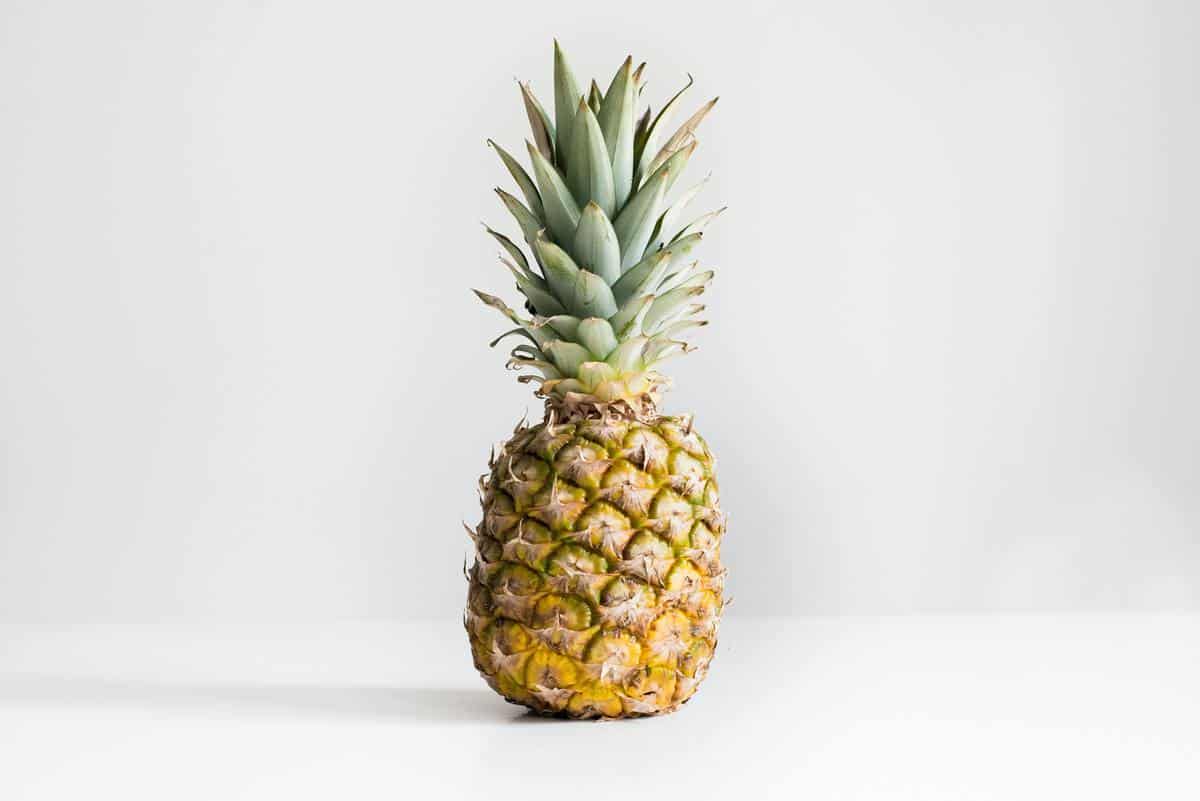
www.abbeyskitchen.com/about-abbey/
  • Previous Page
  • Go to page 1
  • Interim pages omitted …
  • Go to page 33
  • Go to page 34
  • Go to page 35
  • Go to page 36
  • Go to page 37
  • Interim pages omitted …
  • Go to page 89
  • Next Page

Get started with

Eight Free Recipe Books

From the co-founder of Neue Theory and creator of the Hunger Crushing Combo

Sign me up!
Abbey smiling at table
Abbey Sharp

“Foods may never be nutritionally equal. But we can make them morally equal by recognizing that our worth is never determined by what's on our plate.”

— Abbey Sharp, RD About Abbey ◥

Books

  • HCC™
  • Mindful Glow
  • Free E-Books

Blog

  • Nutrition
  • Recipes
  • Motherhood
  • Life

Explore

  • Neue Theory™
  • Bite Back
  • YouTube

Abbey

  • About
  • Coaching
YouTube TikTok Instagram Facebook X Pinterest
Abbey Sharp - The No BS Dietitian From Abbeys Kitchen

© Abbey's Kitchen 2026  All Rights Reserved •  ACCESSIBILITY STATEMENT •  Privacy Policy

This site uses cookies. By continuing to browse the site, you are agreeing to the use of cookies Accept Privacy Policy
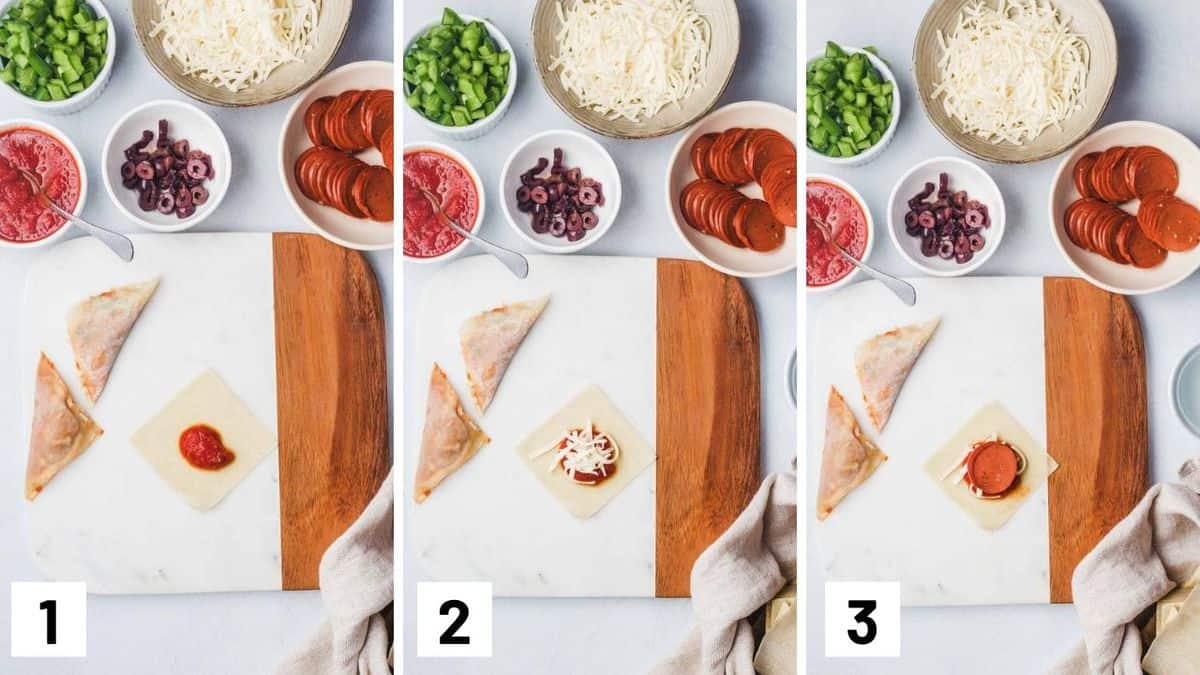
Privacy & Cookies Policy

Privacy Overview

This website uses cookies to improve your experience while you navigate through the website. Out of these, the cookies that are categorized as necessary are stored on your browser as they are essential for the working of basic functionalities of the website. We also use third-party cookies that help us analyze and understand how you use this website. These cookies will be stored in your browser only with your consent. You also have the option to opt-out of these cookies. But opting out of some of these cookies may affect your browsing experience.
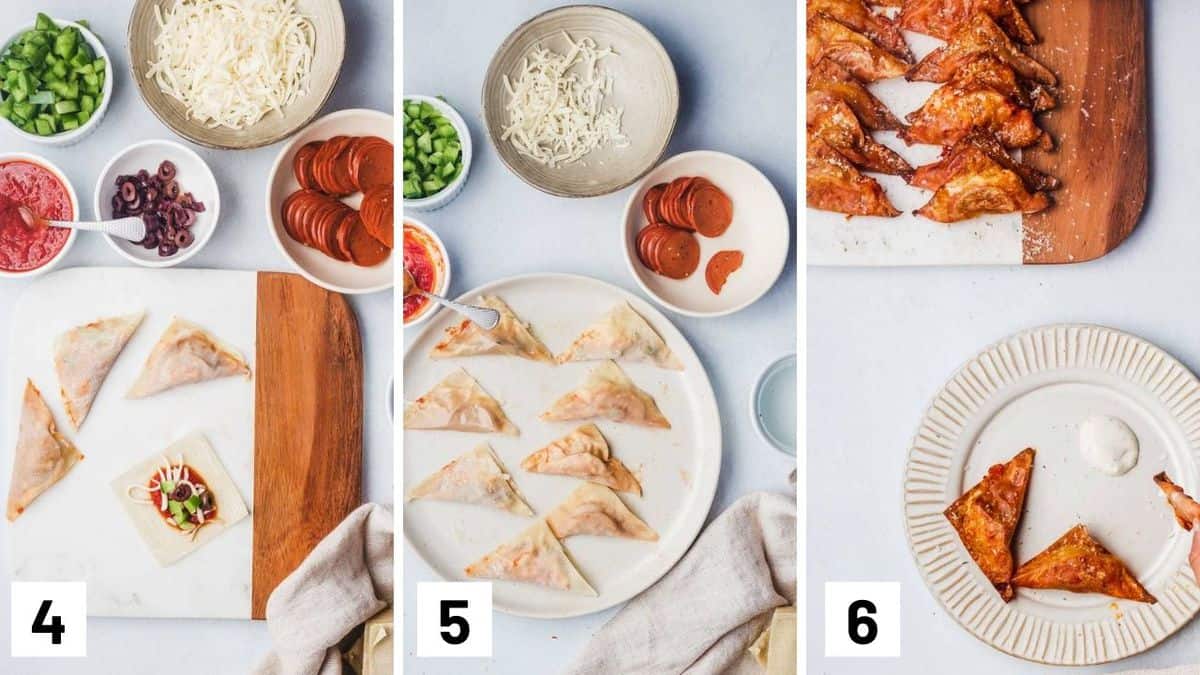
Necessary
Always Enabled
Necessary cookies are absolutely essential for the website to function properly. This category only includes cookies that ensures basic functionalities and security features of the website. These cookies do not store any personal information.
Non-necessary
Any cookies that may not be particularly necessary for the website to function and is used specifically to collect user personal data via analytics, ads, other embedded contents are termed as non-necessary cookies. It is mandatory to procure user consent prior to running these cookies on your website.
SAVE & ACCEPT

Rate This Recipe

Your vote:


A rating is required
A name is required
An email is required