• Skip to main content

Abbey's Kitchen

Healthy Recipes, Nutrition Myth Busting, Healthy Eating Tips

  • Books
    • HCC™
    • The Mindful Glow Cookbook
    • Recipe eBooks
      • Family
      • Hypothyroidism
      • BLW
      • Vegan Week 1
      • Vegan Week 2
      • Vegan Week 3
      • Keto
      • Gluten Free Week 1
      • Gluten Free Week 2
      • Fitness
      • Paleo
  • Blog
    • Nutrition
    • Recipes
    • Motherhood
    • Life
  • Explore
    • Neue Theory™
    • Bite Back With Abbey Sharp
      • Apple Music
      • Spotify
      • Amazon Music
    • YouTube
  • Abbey
    • About
    • Coaching
    • Contact

Abbey Sharp

Last Updated October 23, 2021. Published October 12, 2021 By Abbey Sharp 18 Comments

Chocolate Cups with Chia Jam

Get your candy fix with a roundup of these easy healthy halloween dessert recipes! From vegan to gluten free, there's a healthy treat for anyone looking to satisfy their sweet tooth craving!

These chocolate cups with chia jam are the perfect dessert for your trick or treaters, and adult Halloween parties!
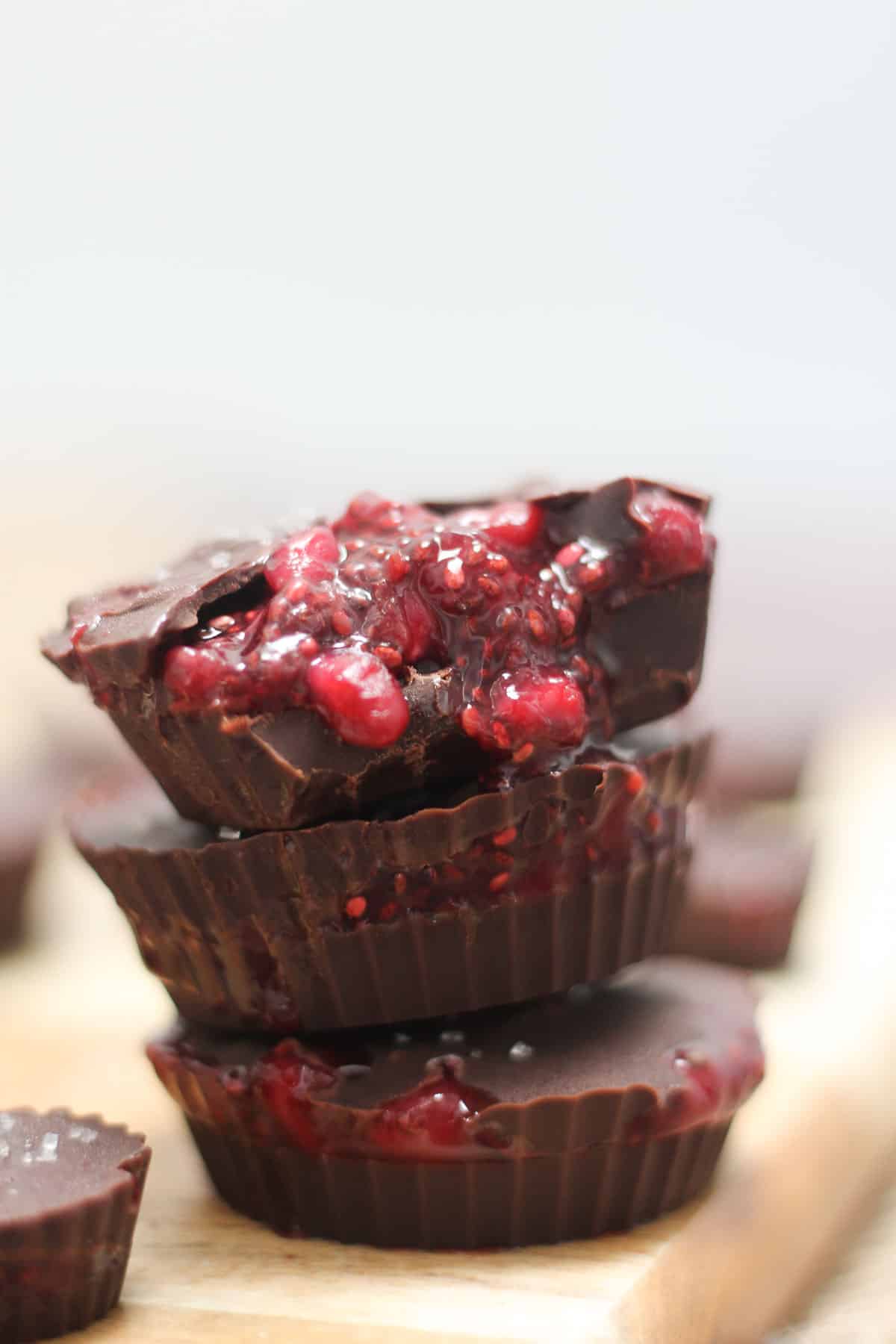
Three chocolate cups stacked on top of each other which chia jam pouring out from the sides.

If you’re a follower of my blog, you know how much I love chocolate cups. I have my classic (and famous) banana peanut butter cups and my tahini caramel stuffed chocolate cups. So I figured it was high time to whip up something for Halloween that rivals the fun-size packs of Reese’s peanut butter cups.

These Halloween “Blood and Guts” Chocolate Cups are perfect for entertaining both adults and kids. They’re also nut free, so you can absolutely bring them to kid’s Halloween parties and to school for the big day!

Table of contents

  • Key Ingredients
  • How to Make This Recipe
  • Expert Tips
  • Recipe FAQ
  • More Chocolate Halloween Recipes

Key Ingredients

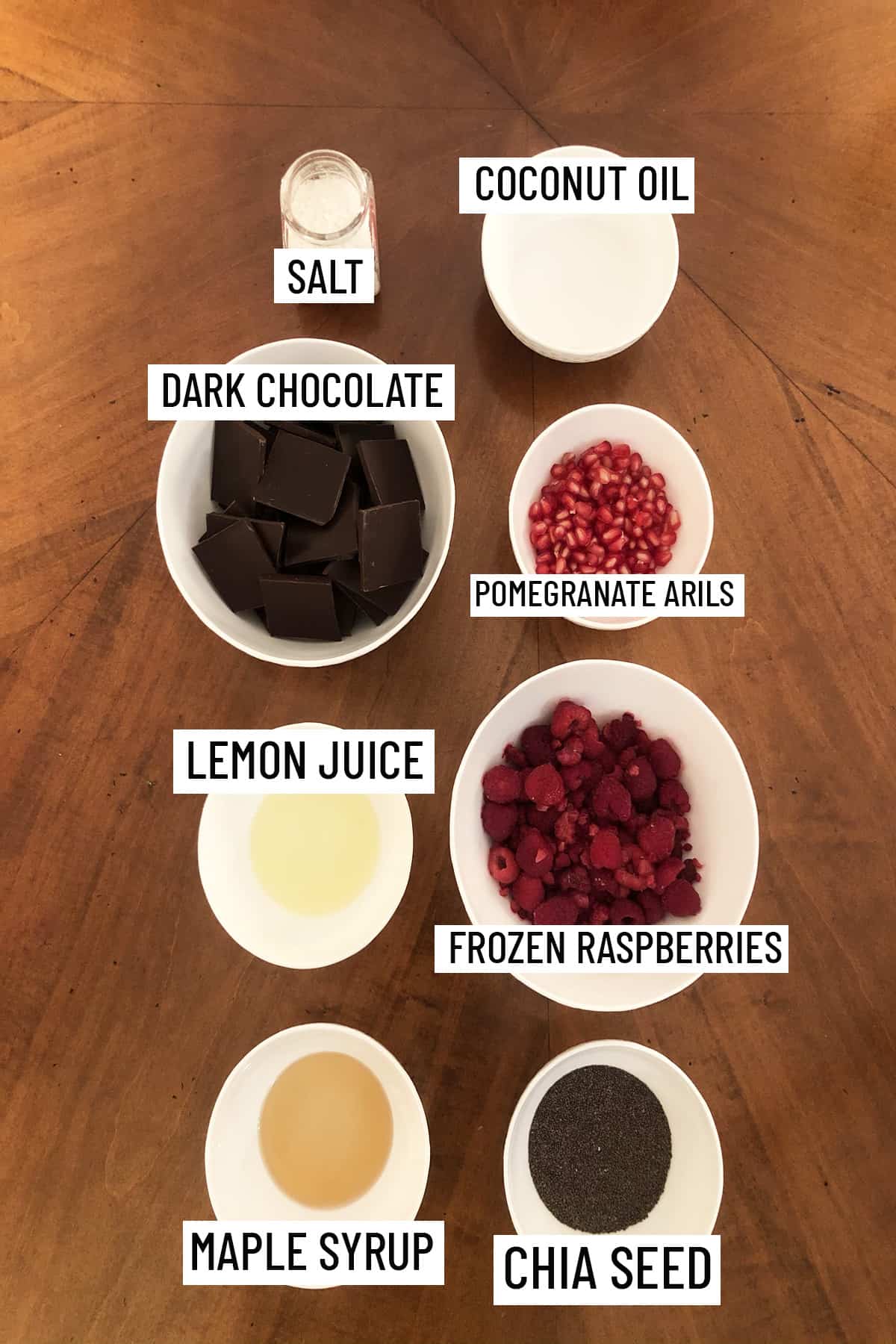
Birds eye view of all ingredients needed to make chocolate cups with chia jam all portioned into individual bowls.

Chia Jam – The “guts” is just spooky terminology for a healthy chia jam made with frozen raspberries and pomegranate arils, as well as a little lemon juice and maple syrup. You’ve seen me make chia jam before so you know I’m a big fan.

Chocolate cups – I use regular and mini chocolate cup molds, coat the bottom with chocolate, add a generous dollop of jam, and then cover the whole thing off with chocolate.

How to Make This Recipe
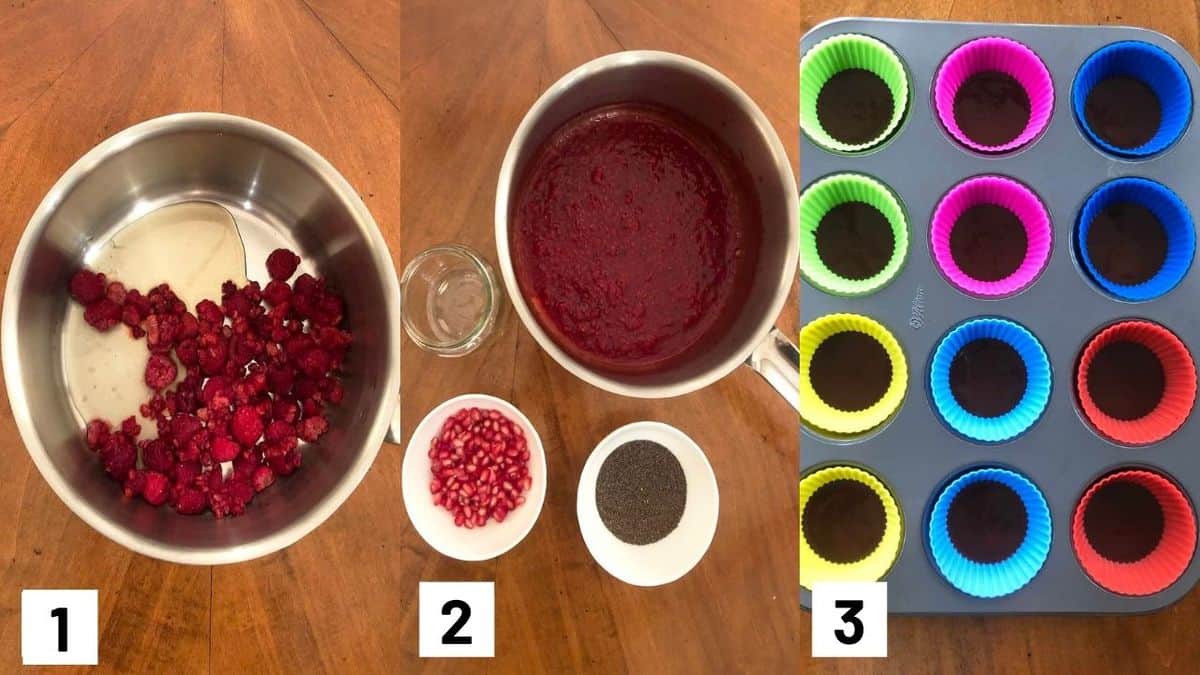
Three side by side images showing how to prepare chia jam for the filling.

Step 1: In a saucepan, heat the raspberries, lemon and maple until the raspberries start to break down.

Step 2: Transfer raspberries to a container with a lid along with the chia seeds and pomegranate. Refrigerate over night.

Step 3: Melt chocolate and coconut oil in the microwave for 30 second intervals until smooth, and pour into the bottoms of silicon cup molds. Place in the freezer to firm up.
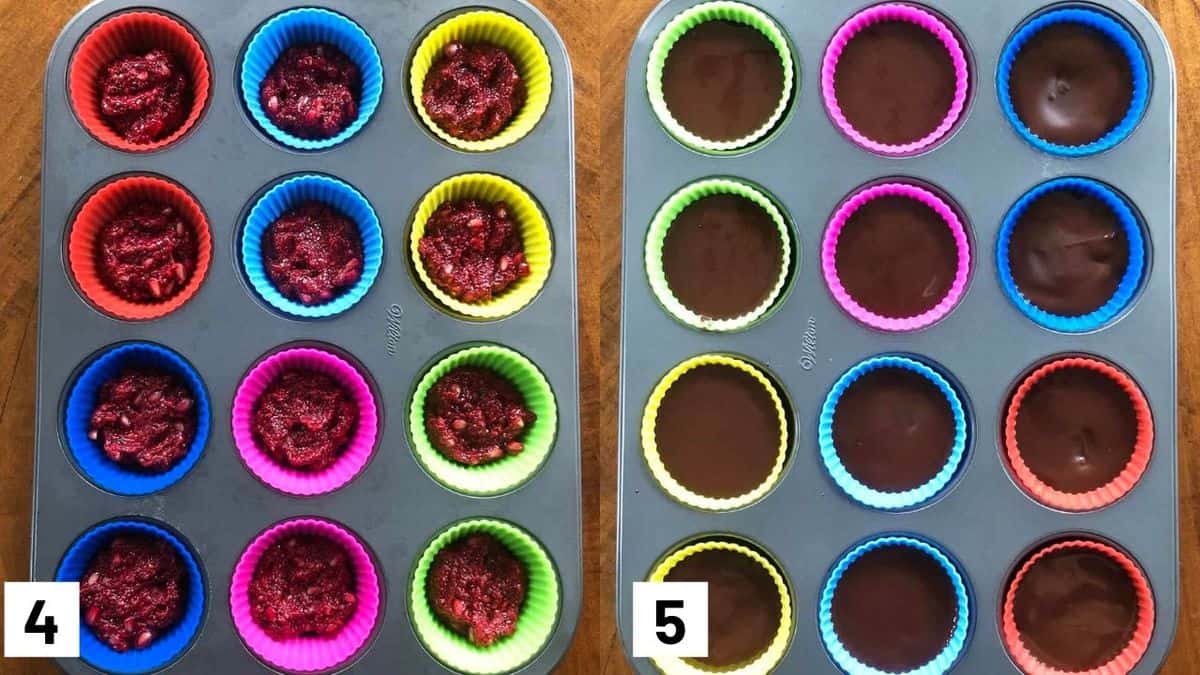
Two side by side images showing how to prepare chocolate cups in silicone molds.

Step 4: Add a dollop of chia jam to each mold.

Step 5: Pour in the remaining chocolate covering the sides and top. Place them back in the freezer for at least 1-2 hours to fully firm up.

Expert Tips

Unlike with my classic PB cups, which I prefer to be “perfect” just like the original, I actually don’t mind if you see some of the jam peaking out at the top or sides of these chocolate cups. It totally adds to the gory Halloween vibe, so you can even let the kids get involved.

You can also feel free to play with the fruit in the chia jam, or just skip that step and use store-bought jam if you don’t mind the extra sugar. The most important thing is that chocolate is going to get into your mouth stat and it’s going to be epic.
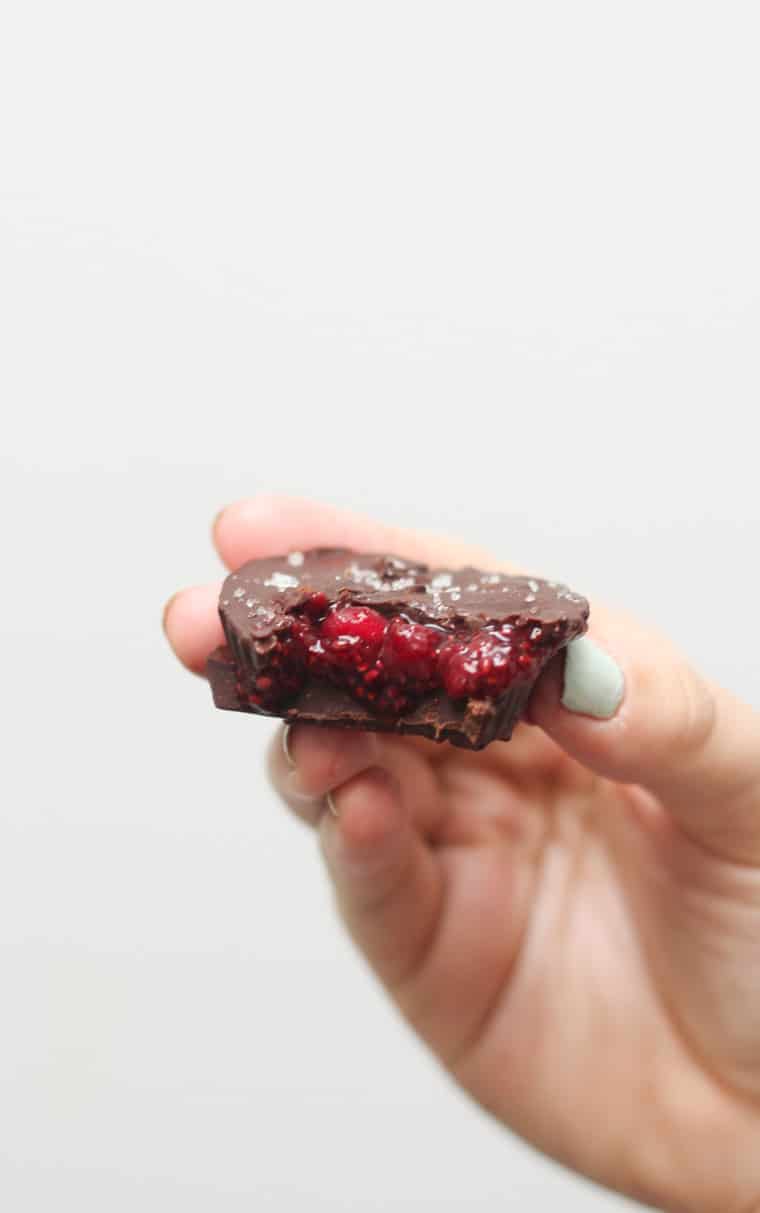
A hand holding up a chocolate cup with chia jam pouring out from the middle.

Recipe FAQ

Is this vegan?

I used vegan chocolate for this recipe which makes it totally vegan. If you don’t need to make this recipe vegan, feel free to use any non-vegan chocolate variety.

Is this gluten free?

Yes these chocolate cups are totally gluten-friendly.

Are these allergy friendly?

These chocolate cups contain no nuts so its absolutely allergen free! Just make sure to always check the chocolate packaging to ensure that it hasn’t come in contact with nuts or other common allergens.

Can I use store-bought jam instead of chia jam?

Absolutely you can! This recipe is super easy to modify so feel free to play around. If you choose to use store-bought jam instead try to look for a low-sugar option.

More Chocolate Halloween Recipes

  • Healthy Twix Bars (Vegan)
  • Healthy Snickers Bars (Vegan)
  • Healthy Halloween Dirt Cups (Vegan & Kid Friendly)
  • Halloween Chocolate Mousse Graveyards

What fun treats are you making this year for Halloween? Let me know down in the comments below!
Get your candy fix with a roundup of these easy healthy halloween dessert recipes! From vegan to gluten free, there's a healthy treat for anyone looking to satisfy their sweet tooth craving!
Print Recipe
5 from 4 votes

Chocolate Cups with Chia Jam

These chocolate cups with chia jam the perfect dessert for your trick or treaters, and adult Halloween parties!
Prep Time12 hours hrs
Cook Time5 minutes mins
Total Time12 hours hrs 5 minutes mins
Course: Dessert
Cuisine: American
Servings: 12 large or 40 mini
Calories: 189kcal
Author: Abbey Sharp

Ingredients

  • 1 1/2 cups frozen raspberries
  • 1 tbsp lemon juice
  • 1 tsp maple syrup or more to taste
  • 2 tbsp chia seeds
  • 1/2 cup pomegranate arils
  • 300 g dark chocolate vegan if needed, chopped
  • 1 1/2 tbsp coconut oil melted
  • Fleur de sel if desired

Instructions

  • In a saucepan, heat the raspberries, lemon and maple until the raspberries start to break down. Give it a good mash and take off the heat. Transfer to a container with a lid along with the chia seeds and pomegranate. Refrigerate over night.
  • In a microwave, melt the chocolate with the coconut oil over 50% heat in 30 second intervals until smooth.
  • Pour the chocolate into the bottoms of silicon peanut butter cup molds (large or small) to get a thin 2 mm base. Place in the freezer to firm up.
  • Add a dollop of the jam to each mold and pour the remaining chocolate over it, covering the sides and top. Place back in the freezer for at least 1-2 hours to fully firm up.
  • When ready to serve, remove from the freezer and sprinkle with fleur de sel, if desired. Allow them to thaw out for a few minutes and enjoy.

Video

Nutrition
Calories: 189kcal | Carbohydrates: 16g | Protein: 3g | Fat: 13g | Saturated Fat: 8g | Cholesterol: 1mg | Sodium: 6mg | Potassium: 226mg | Fiber: 5g | Sugar: 8g | Vitamin A: 15IU | Vitamin C: 5mg | Calcium: 35mg | Iron: 3mg

Abbey Sharp

Abbey Sharp is a Registered Dietitian (RD), regulated by the Ontario College of Dietitians. She is a mom, YouTuber, Blogger, award winning cookbook author, media coach specializing in food and nutrition influencers, and a frequent contributor to national publications like Healthline and on national broadcast TV shows.
www.abbeyskitchen.com/about-abbey/

Last Updated October 8, 2021. Published October 8, 2021 By Abbey Sharp 4 Comments

Sweet Potato Peanut Soup (Vegan & Gluten Free)

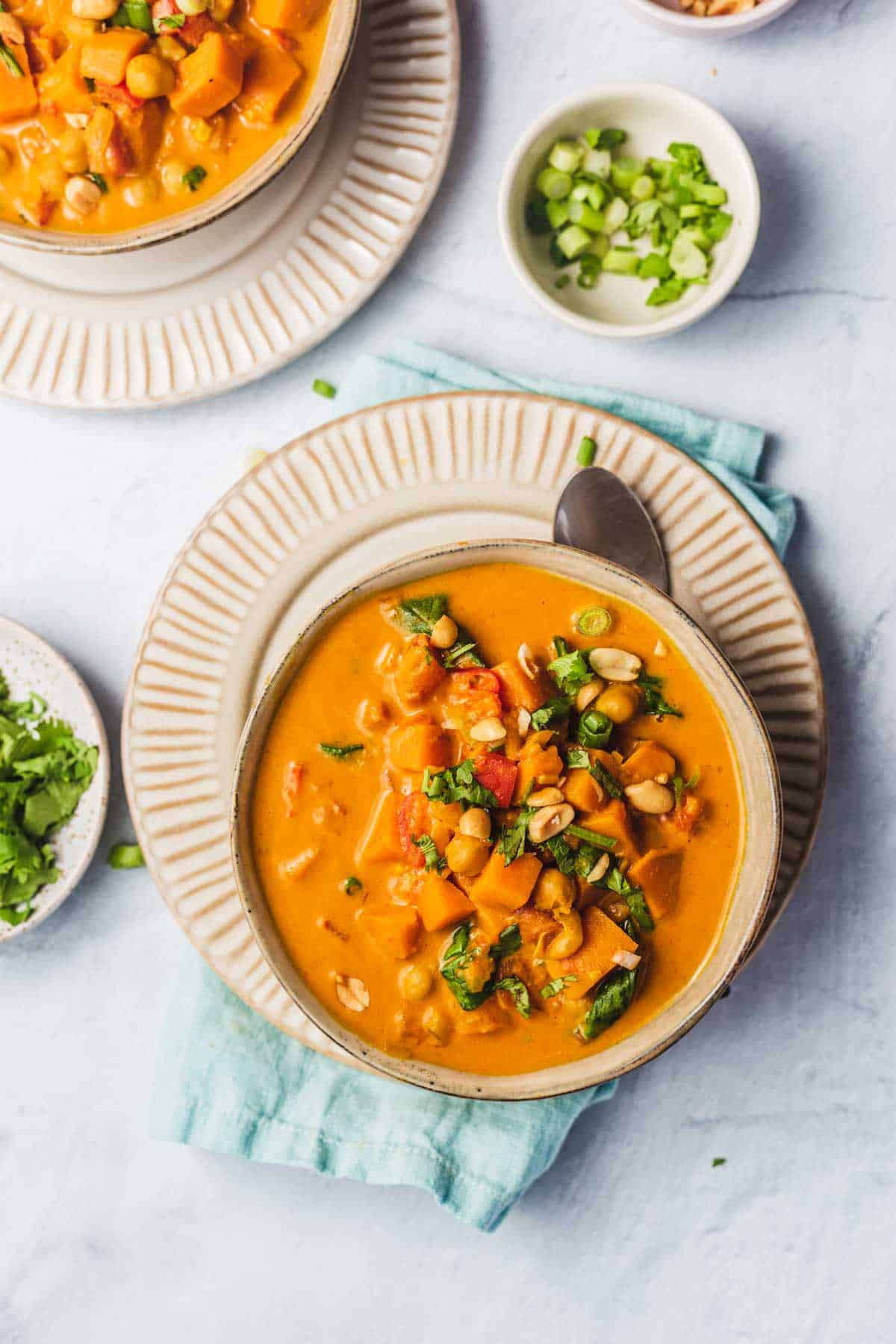
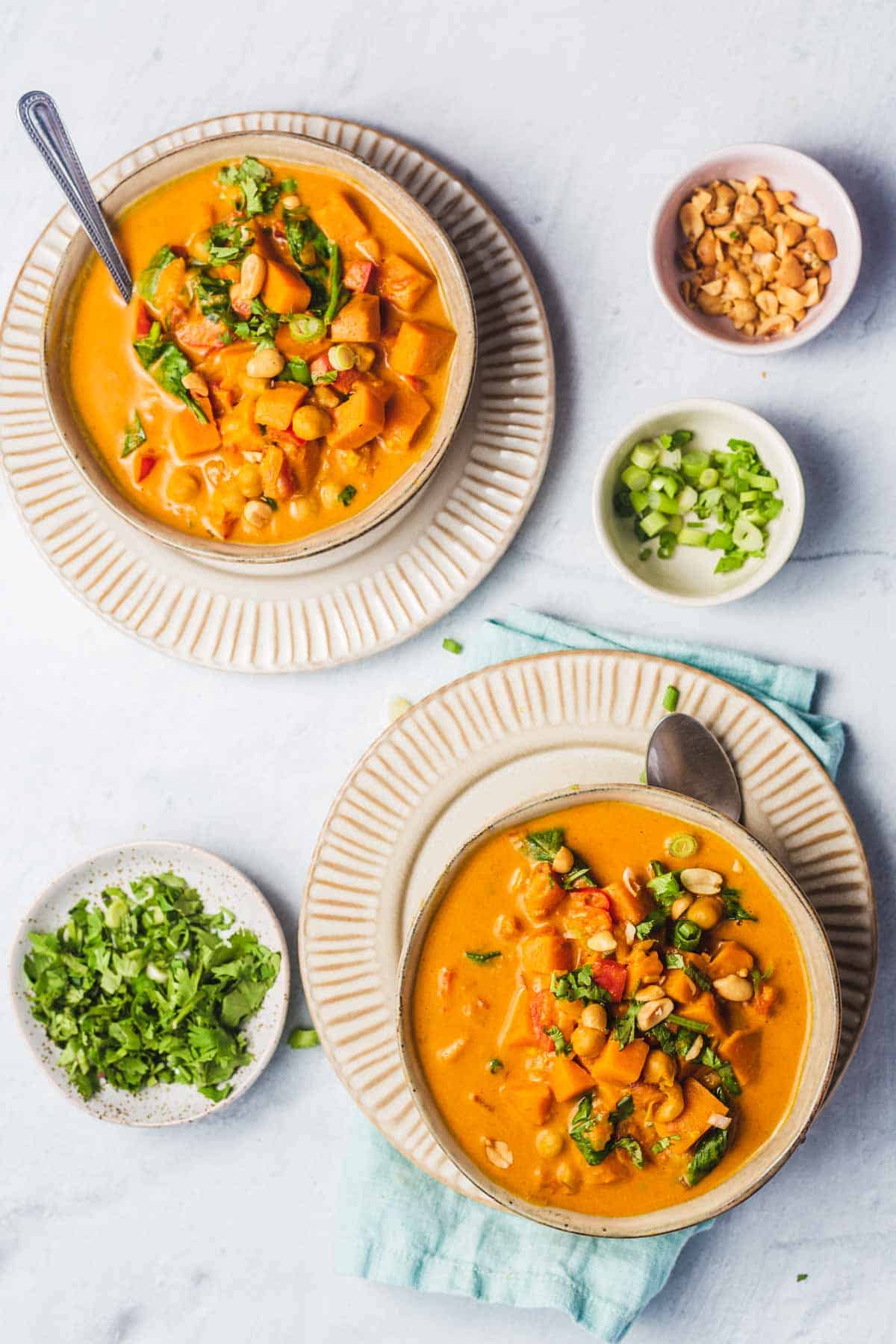
Overhead view of a bowl of sweet potato peanut soup on a plate with a spoon tucked under. Pinch bowl of garnishes off to the side.

Rich and creamy, this Sweet Potato Peanut Soup is so easy to make. All you need are some pantry staples and you’ll have this flavourful and hearty soup ready in about 30 minutes. Even better, this simple sweet potato soup is gluten-free and vegan-friendly.

Overhead view of a bowl of sweet potato peanut soup on a plate with a spoon tucked under. Pinch bowl of garnishes off to the side.

With the arrival of the fall season, soup is once again on weekly rotation and I ain’t mad about it! If I had it my way, soup would be on the menu fall, winter, summer and spring. But there is something about tucking into a warming soup on a cold day that nourishes the body and soul. Which is why a solid quick & simple soup recipe is a must for your weeknight dinner repertoire. This sweet potato peanut soup is as easy as it gets because not only does it rely on simple pantry staples but it is also made one pot! If you’re making this for little ones in your family, you can puree it before serving so it’s easier for them to eat. The whole family will love it!

Inspired by West African peanut soup (maafe), this is a vegan version that uses pantry and kitchen staples in my household. While not traditional, this is how I enjoy making it for my family. Check out Immaculate Bites for a traditional Maafe recipe!

Table of contents

  • Why This Recipe Works
  • Key Ingredients
  • How to Make This Recipe
  • Expert Tips
  • Recipe FAQs
  • More Recipes You Might Like

Why This Recipe Works

Trust me when I say this sweet potato peanut soup couldn’t be simpler to prepare and is hella tasty. Here are a few more reasons why we LOVE this recipe!

  • Vegan & gluten free.
  • Made in around 30 minutes
  • Uses pantry staples.
  • Packed with wholesome ingredients.
  • SO flavourful.

Key Ingredients

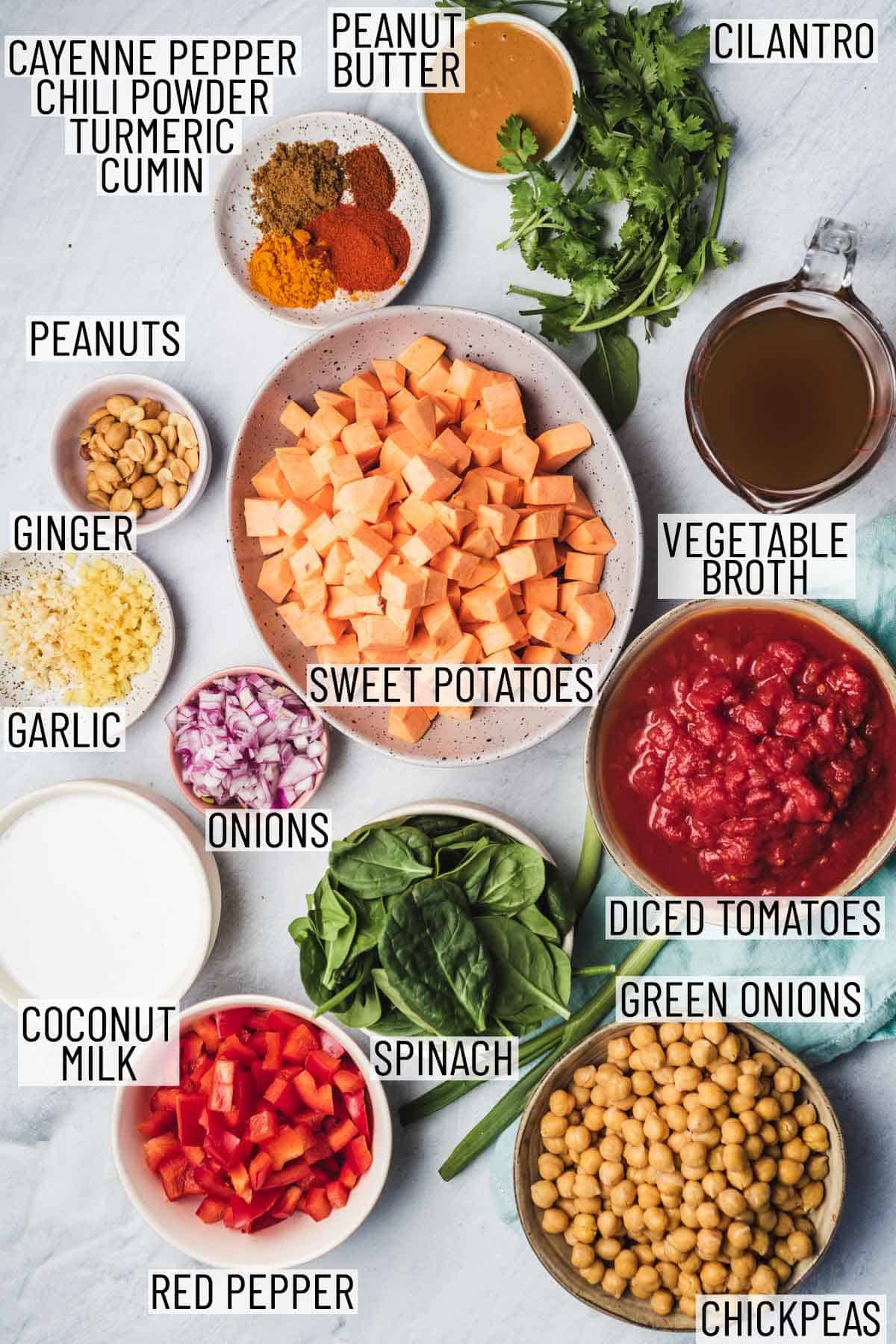
Ingredients needed to make sweet potato peanut soup.

Peanut butter — I used organic peanut butter because I find those to be runnier and easier to whisk. Any type of creamy peanut butter can be used.

Coconut milk — I recommend using the coconut milk from the can and not the liquid boxed ones as you want this sweet potato peanut soup to be super creamy and luscious.

Sweet potatoes — You can’t make sweet potato peanut soup without sweet potatoes! Be sure to cut them into similar-sized pieces so they cook through at the same rate. The smaller the sweet potatoes are cut, the faster they cook. Also, be sure to peel them as well.

Chickpeas — To up the protein factor in a big way, we add some chickpeas to the soup. It doesn’t alter the flavour in any way and makes it that much more of a satisfying and balanced meal.

Spices — I use a combination of cayenne pepper, chili powder, turmeric, and cumin to add flavour to this soup. Feel free to adjust the ratios to make it more or less spicy.

How to Make This Recipe

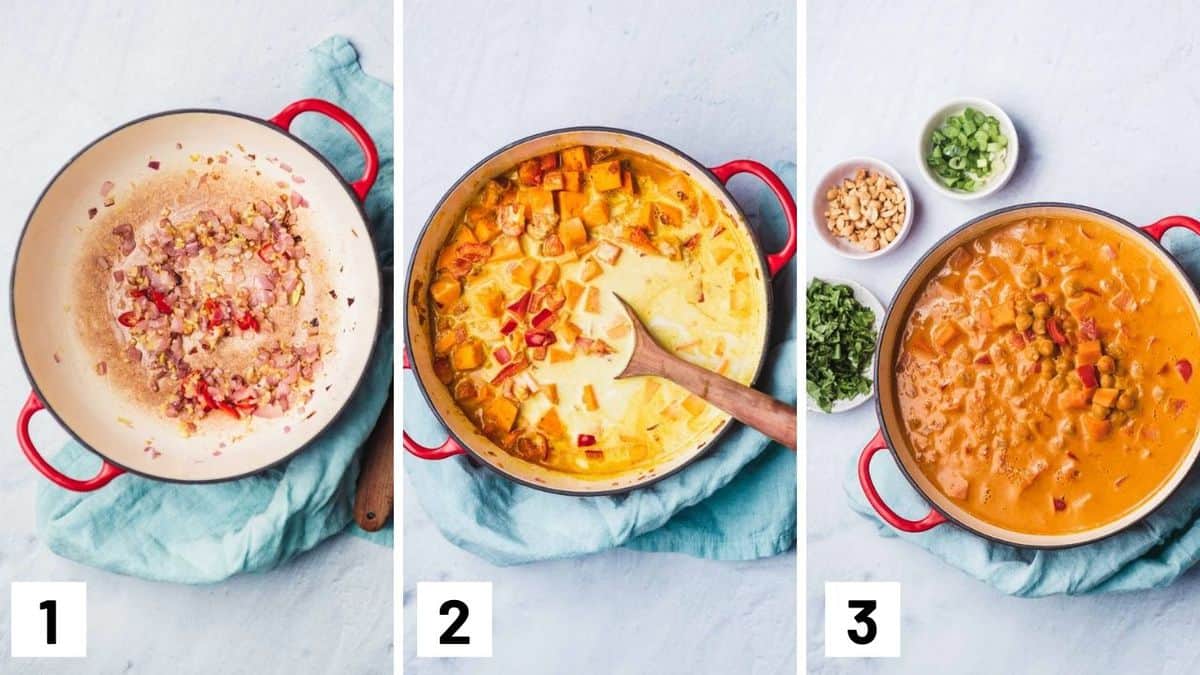
Set of three photos showing a dutch oven with aromatics sauteed, ingredients added, and simmered.

Step 1: Heat oil over medium heat in a soup pot. Add onion, garlic, ginger, red chili pepper to the pot. Sautee until soft and fragrant, and until onions are transparent.

Step 2: Add vegetable broth/peanut butter mixture, the rest of the vegetable broth, coconut milk, cayenne pepper, chili powder, turmeric, and cumin. Mix until combined. The mixture should be a nice light orange/yellow color. Then, add the sweet potatoes, tomatoes, chickpeas, and bell pepper. Simmer on medium heat until sweet potatoes are soft enough to pierce with a fork, about 10 minutes.

Step 3: Immediately add spinach and simmer until wilted (about 2 minutes). Remove from heat, garnish with peanuts, cilantro, and green onion.

Expert Tips

Any oil can be used in place of avocado oil.

If preferred, this soup can be pureed immediately at the end as well as in a hand blender, blender, or food processor.

The soup is even great repurposed as a curry, with brown rice, the next day. I would recommend thinning it out with water or stock since it becomes quite thick.

Recipe FAQs

Can I use different leafy greens?

You sure can! If you have kale or collared greens instead of spinach in your fridge, you can use that instead!

Can I add meat to this?

If you don’t need this sweet potato peanut soup to be vegan, you can add some shredded chicken to the soup for extra protein.

What are some serving ideas?

This soup is perfect on its own but feel free to serve it alongside some brown rice, coconut rice, quinoa, naan, or flatbread.

How do I store leftovers?

Store the leftover soup in an airtight container in the fridge for up to 4 days. You can reheat it on the stove or in the microwave. Add a splash of broth into the soup if it has thickened too much.

Is this freezer-friendly?

You can freeze this soup! Since we are using coconut milk, the soup won’t split. Allow the soup to cool then transfer the soup to a freezer bag on a baking tray and let it freeze flat, then transfer to your freezer until you’re ready to eat it.

Overhead view of two bowls of sweet potato peanut soup on top of a plate, each. Garnishes on the side in pinch bowls.

More Recipes You Might Like

Want more vegan soup recipes like my sweet potato peanut soup? Try these ones from my blog next!

  • Vegan Butternut Squash Soup with Red Lentils
  • Vegan Creamy Tomato Soup
  • Vegan Broccoli White Bean Soup
  • Gochujang Soup (Vegan & GF)
  • Easy Sweet Potato Curry Soup
Overhead view of a bowl of sweet potato peanut soup on a plate with a spoon tucked under. Pinch bowl of garnishes off to the side.
Print Recipe
5 from 6 votes

Sweet Potato Peanut Soup (Vegan & Gluten Free)

Rich and creamy, this Sweet Potato Peanut Soup is so easy to make. All you need are some pantry staples and you'll have this flavourful and hearty soup in about 30 minutes. Even better, this simple sweet potato soup is gluten-free and vegan-friendly.
Prep Time10 minutes mins
Cook Time25 minutes mins
Total Time35 minutes mins
Course: Soup
Servings: 4 -6 servings
Calories: 594kcal
Author: Abbey Sharp

Ingredients

  • 1 tbsp avocado oil
  • ½ onion diced
  • 2 cloves garlic minced
  • ½ tsp ginger minced
  • 1 red chili pepper minced
  • ⅓ cup creamy peanut butter whisked with 1 cup vegetable broth
  • 1½ cup vegetable broth
  • 14 oz can of coconut milk
  • ¼ tsp cayenne pepper
  • 1½ tsp chili powder
  • 1 tsp turmeric
  • 1 tsp cumin
  • 2 medium sweet potatoes cut into small half inch cubes
  • 14 oz can chopped tomatoes
  • 15 oz can chickpeas
  • 1 red bell pepper diced
  • 1 cup spinach

Garnish

  • peanuts
  • cilantro
  • green onion

Instructions

  • Heat oil over medium heat in a soup pot. Add onion, garlic, ginger, red chili pepper to pot. Sautee until soft and fragrant, and until onions are transparent.
  • Add vegetable broth/peanut butter mixture, the rest of the vegetable broth, coconut milk, cayenne pepper, chili powder, turmeric, and cumin. Mix until combined. The mixture should be a nice light orange/yellow color.
  • Then, add the sweet potatoes, tomatoes, chickpeas, and bell pepper. Simmer on medium heat (it should be lightly boiling) until sweet potatoes are soft enough to pierce with a fork, about 10 minutes.
  • Immediately add spinach and simmer until wilted, about 2 minutes.
  • Remove from heat, garnish with peanuts, cilantro, and green onion.

Notes

  • Any oil can be used in place of avocado oil
  • If preferred, this soup can be pureed immediately at the end as well as in a hand blender, blender, or food processor.
  • The soup is even great repurposed as a curry, with brown rice, the next day. I would recommend thinning it out with water or stock since it becomes quite thick.

Nutrition

Calories: 594kcal | Carbohydrates: 55g | Protein: 16g | Fat: 38g | Saturated Fat: 22g | Polyunsaturated Fat: 5g | Monounsaturated Fat: 9g | Sodium: 986mg | Potassium: 1285mg | Fiber: 12g | Sugar: 12g | Vitamin A: 18374IU | Vitamin C: 71mg | Calcium: 154mg | Iron: 8mg
Abbey Sharp

Abbey Sharp is a Registered Dietitian (RD), regulated by the Ontario College of Dietitians. She is a mom, YouTuber, Blogger, award winning cookbook author, media coach specializing in food and nutrition influencers, and a frequent contributor to national publications like Healthline and on national broadcast TV shows.
www.abbeyskitchen.com/about-abbey/

Last Updated September 27, 2021. Published September 27, 2021 By Abbey Sharp 15 Comments

Toddler Meatballs with Hummus (Iron Rich BLW Recipe)

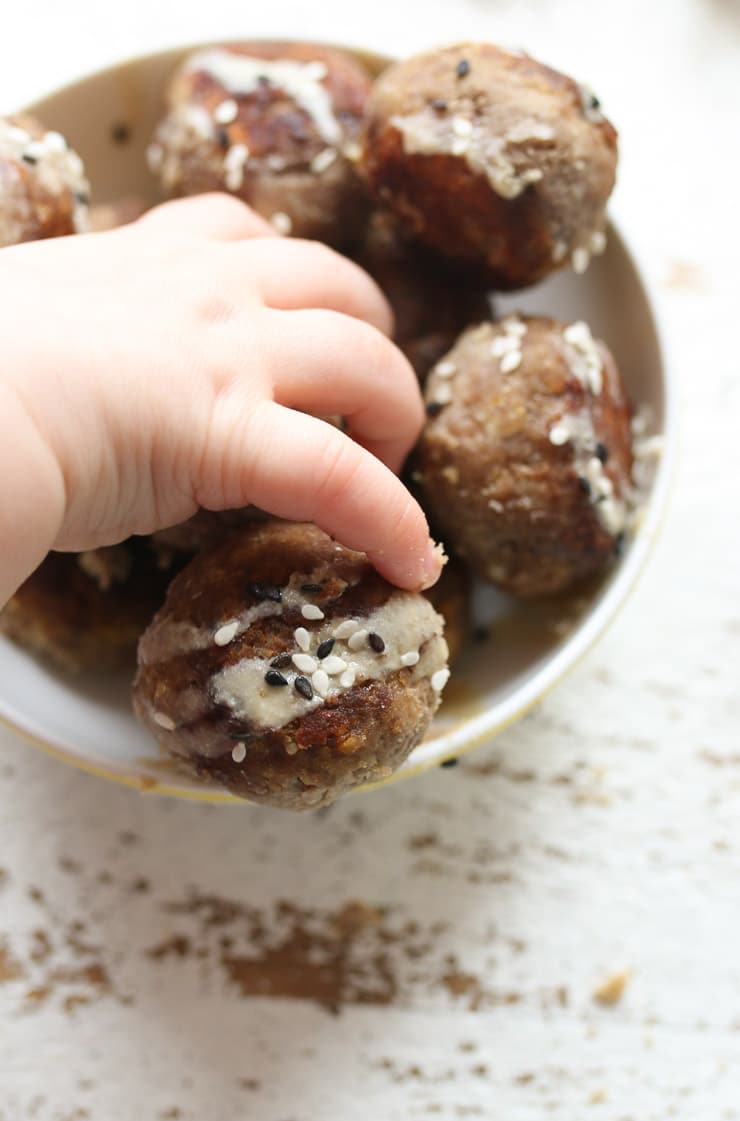
Hummus baby meatballs in a bowl with tahini drizzle and sesame seeds.

These *NEW AND IMPROVED (UPDATED RECIPE)* Gluten Free Toddler Meatballs with Hummus are perfect for BLW because they’re iron rich, dairy free and egg free for those with intolerances!

Hummus baby meatballs in a bowl with tahini drizzle and sesame seeds.

One of the biggest concerns I hear from moms and dads about starting solids is the worry that their baby isn’t getting enough iron. Beef is hands down one of the best sources of iron with a high absorption factor, so for that reason I recommend that parents try to incorporate it into baby’s menu. Steak can be a bit tough so ground beef is often ideal, so toddler meatballs were actually one of baby E’s first foods.

These gluten-free hummus toddler meatballs are awesome for BLW because they’re easy to pick up, tender enough to chew (even without teeth), but are also dairy-free, and egg-free for babies with intolerances or restrictions.

Table of contents

  • Why This Recipe Works
  • Key Ingredients
  • How to Make This Recipe
  • Expert Tips
  • Recipe FAQs
  • More Recipes You Might Like

Why This Recipe Works

These toddler meatballs are always a hit for my little ones and I bet they’ll be for yours as well!

  • They’re meal prep friendly.
  • You can double the recipe and freeze half.
  • They’re dairy-free, egg-free, and gluten-free.
  • They’re as easy as pie!

Key Ingredients

Ingredients needed to make toddler meatballs.

Hummus — I like to make homemade salt-free hummus using chickpeas, tahini, and olive oil. The hummus not only adds flavour and moisture but also acts as the “binder” in place of an egg. I often make my own hummus because chickpeas and tahini are so inexpensive, but you can easily swap in store-bought as well. I would just compare labels to try to find one with the least amount of sodium. If you’re going that route, you’ll need about a cup.

Ground Beef — Ground beef has a ton of iron in them. I strongly suggest using higher fat ground beef for this, because dry meat is a choking hazard for babe. I also prefer to cut these toddler meatballs in half for Baby E. This not only makes them a bit safer but is also a little easier for them to get into and eat.

How to Make This Recipe

Set of three photos showing the hummus being made and blended with the beef to make balls.

Step 1: In a food processor or blender, puree the chickpeas, tahini, garlic, lemon juice, oil and lemon zest until smooth.

Step 2: In a bowl, mix the hummus with the ground beef, pepper and salt if using.

Step 3: Grease a baking sheet. Roll into about 35-40 one-tablespoon balls and place them on a greased baking sheet. Bake for 10 minutes, flipping the toddler meatballs halfway through. Serve as is or drizzled with tahini and topped with sesame seeds.

Expert Tips

These toddler meatballs are meant to be moist for baby led weaning so your little one can easily suck on the juice of the meatball. If you’re having trouble forming the meatball shapes, you can wet your hands beforehand.

Simmer the meatballs in marinara or a pasta sauce for even more tender and flavorful meatballs.

Avoid packing the meatballs too tightly or the meatballs will come out dense after they bake.

Recipe FAQs

Can I freeze these meatballs?

Absolutely! I usually make a huge batch and freeze a portion for when I’m in a pinch. These meatballs will last about 3-4 months in the freezer

Can I use store-bought hummus?

Oh definitely. I personally like making more own hummus and always try to have a homemade batch in the fridge to throw onto the sandwich and to have as a dip. But if you’re just not feeling it and prefer to use store-bought definitely go for it. Just make sure to compare labels and look for one that is low in sodium

How do I store extra?

Leftover toddler meatballs can be stored in an airtight container for up to 4 days in the fridge. Simply reheat them in the microwave when ready to enjoy.

Baby hand reaching for a hummus baby meatball with tahini drizzle and sesame seeds.

More Recipes You Might Like

Want more toddler meatballs like these hummus meatballs? Try these BLW recipes:

  • Cheese Omelette with Veggies (Toddler & BLW Recipe)
  • Mini Egg Muffins with Cheese & Broccoli (BLW & Toddler Friendly)
  • French Toast Sticks for BLW (Vegan)
  • Healthy Chicken Nuggets (BLW & Toddler Friendly)
  • Salmon Fritters with Sweet Potato (Baby Led Weaning Recipe)

Now tell me parents, will you be trying these BLW toddler friendly meatballs?

Hummus baby meatballs in a bowl with tahini drizzle and sesame seeds.
Print Recipe
5 from 3 votes

Toddler Meatballs with Hummus (Iron Rich BLW Recipe)

These Gluten Free Toddler Meatballs with Hummus are perfect for BLW. They're iron rich, dairy-free, and egg-free for those with intolerances!
Prep Time15 minutes mins
Cook Time20 minutes mins
Total Time35 minutes mins
Course: Main Dish
Cuisine: American
Servings: 40 mini meatballs
Calories: 94kcal
Author: Abbey Sharp

Ingredients

  • 1 cup canned salt free chickpeas drained and rinsed
  • 2 tbsp tahini
  • 2 small cloves garlic minced
  • 2 tbsp lemon juice
  • Zest of 1 lemon
  • 2 tbsp extra virgin olive oil plus more for greasing
  • 1 1/4 lb ground beef medium fat, if possible
  • 1/4 tsp pepper
  • 1/4 tsp salt optional for adults

Topping:

  • Tahini optional
  • Sesame seeds optional

Instructions

  • Preheat oven to 400 F and put a baking sheet into an oven to preheat.
  • In a food processor or blender, puree the chickpeas, tahini, garlic, lemon juice, oil and lemon zest until smooth.
  • In a bowl, mix the hummus with the ground beef, pepper and salt if using.
  • Grease baking sheet. Roll into about 35-40 one-tablespoon balls and place on a greased baking sheet.
  • Bake for 10 minutes, flipping half way through.
  • Serve as is or drizzled with tahini and topped with sesame seeds.

Notes

  • These toddler meatballs are meant to be moist for baby led weaning so your little one can easily suck on the juice of the meatball. If you’re having trouble forming the meatball shapes, you can wet your hands beforehand.
  • Simmer the meatballs in marinara or a pasta sauce for even more tender and flavorful meatballs.
  • Avoid packing the meatballs too tightly or the meatballs will come out dense after they bake.

Nutrition

Calories: 94kcal | Carbohydrates: 1g | Protein: 4g | Fat: 7g | Saturated Fat: 2g | Cholesterol: 16mg | Sodium: 35mg | Potassium: 79mg | Vitamin C: 0.6mg | Calcium: 9mg | Iron: 0.6mg

Abbey Sharp

Abbey Sharp is a Registered Dietitian (RD), regulated by the Ontario College of Dietitians. She is a mom, YouTuber, Blogger, award winning cookbook author, media coach specializing in food and nutrition influencers, and a frequent contributor to national publications like Healthline and on national broadcast TV shows.
www.abbeyskitchen.com/about-abbey/

Last Updated August 30, 2022. Published September 22, 2021 By Abbey Sharp 10 Comments

Can You Diet While Pregnant?

Woman standing on a scale.

 Today we explore the question of “Can you diet while pregnant?” and the potential dangers of dieting during pregnancy on baby’s risk of obesity and disease in adulthood.

A woman holding her pregnancy bump referring to the question "Can you diet while pregnant?".

Most of us understand that we need to eat more during pregnancy to support the amazing things happening inside our belly. Despite pregnancy being an exciting time, for a lot of women who struggle with body image, it can be hard to watch the baby weight pack on throughout the trimesters. Being a new mom myself, I am always horrified when I hear some women discuss what their doctors have suggested they do to prevent themselves from gaining too much (or any!) weight during early pregnancy. Keto diets, gluten free diets, cleanses, I’ve heard it all. So today I wanted to chat about the dangers of dieting during pregnancy. Spoiler alert: it’s not just an issue for baby’s development and growth right now. It actually may have some serious consequences long term.  Let’s break this down for you so you see the bigger picture.

Dangers of Dieting During Pregnancy on Baby’s Risk of Obesity and Birth Defects

Regardless of the size of mom before she got pregnant, dieting during pregnancy deprives baby of crucial pregnancy nutrients. Not getting enough calories also means you likely won’t be getting enough protein, folic acid, vitamin B12, iron, vitamin D and calcium, among many other vital nutrients. An undernourished mother means her baby is more likely to suffer from a wide range of health complications and disabilities, so let’s talk a little bit about that here.

Disease and Physical Developmental Risks

Research continues to suggest that undernutrition during pregnancy (again, regardless of mom’s size) may be linked to intrauterine growth restriction (IUGR), resulting in issues with the developing renal, pulmonary, vascular, cardiac, and endocrine systems, difficulties breastfeeding, preterm delivery, and low birth weight.

Woman standing on a scale referring to the question "Can you diet while pregnant?".

Low birth weight (LBW) specifically has been associated with a greater risk of developing various diseases. Cohort studies from one UK population found that LBW babies had higher rates of coronary heart disease as adults. Follow-ups on these populations revealed that LBW was associated with higher blood pressure, insulin resistance and Type 2 Diabetes in adult men. Similarly, two cohort populations from Finland showed that both stroke and coronary heart disease were associated with low birth weights, and “thinness at birth” was related to metabolic syndrome and Diabetes in adults. The famous Nurses Health Study in the US also showed very similar findings. This study including 70,297 women found that birth weight was linked to risks of high blood pressure, stroke and coronary heart disease. In other words, the long term result is not just having a skinny baby – but also having some serious long term effects.

Dieting behaviours during pregnancy, including restrictive eating, fasting diets, diets for weight loss, and disordered eating, especially the use of diuretics, has also been associated with increased risk of neural tube defects (NTDs).

Mental Developmental and Intelligence Risk

Image of a skull model referring to the question "Can you diet while pregnant?".

Even “moderate dieting” has been found to stunt brain development, reduce IQ and promote behavioural problems in primate animal models. A human study echoed these findings, suggesting that babies born to moms who had low caloric intakes during pregnancy had lower math scores. In a very common study from the 1940s, the Dutch Hunger Winter, pregnant women were exposed to famine which had a huge influence on their offspring. The study found that the offspring of these women undergoing famine had an increased risk of cardiovascular, kidney, lung and metabolic disorders and reduced cognitive function. A more recent 2011 study involving primates, found that eating less during pregnancy impaired fetal brain development. Yes this is a non-human study, however the evidence is mounting in this area and it does appear that cutting calories may be associated with reduced brain function.

Metabolic Health Risk

Dieting, in general, has also been linked to some long-term metabolic issues, not just during pregnancy, but honestly, all throughout the life cycle.  The “thrifty phenotype” hypothesis proposes that when a baby is exposed to a calorie-restricted environment in the womb, they start to learn that they need to slow down our metabolism and hold onto every calorie in order to survive. Pretty smart baby, if you ask me. However it becomes a problem when they get out in the real world and they’re exposed to ALL THE FOOD. The result? An increased risk for excess weight gain and other metabolism disturbances that may arise if you diet while pregnant.

It seems that while the world is constantly worrying about mommas gaining too much weight, undernourishment and dieting may be just as likely to increase baby’s tendency to gain excess body fat. This is often cited by researchers often  as a “U or J shaped” pattern between a mother’s weight gain and child body fat as they age. In other words, pregnant women with either the lowest or highest weight gains during pregnancy tend to see similar risk in producing large babies with higher risks of metabolic disease.

This seems to be because the changes that are going on in utero do not match the environment once the baby is born. Barker and colleagues came up with a hypothesis where they predicted that the baby born with the lowest birth weight had the greatest risk of metabolic disease later in life. They predicted that adverse events that occur during fetal development (like restrictive dieting) increases a child’s susceptibility to adulthood diseases. A clear example of this hypothesis is in the infamous Dutch Hunger Winter study. More on that coming up.

Weight Gain Throughout Life

A woman holding her pregnancy bump referring to the question "Can you diet while pregnant?".

The profound impact of both under- and over-nutrition during pregnancy are seen in one of the most well-known events providing crucial insight on the impact of prenatal nutrition on fetal health – the Dutch Hunger Winter. During this major famine lasting for about 6 months, some pregnant women became very undernourished in either early pregnancy or later pregnancy. As a result, babies affected by the famine in the first trimester had heavier than normal birth weights, while those in late gestation had low birth weights. Babies who encountered the famine earlier had higher rates of coronary heart disease, increased circulating lipids, blood clotting factors and obesity. Those impacted mid-gestation were more likely to have poor kidney function as adults, whereas babies impacted late gestation had higher chances of developing glucose intolerance and Type 2 Diabetes. A more recent 2017 study found that the offspring of mothers who drank at least one diet beverage (artificially sweetened) per day were more likely to be overweight or obese by age seven compared to mothers who drank water instead. We’ve discussed the potential issues with artificial sweeteners here, here and here if you want a little more context.

This has been echoed by research on babies in India who are born at the lowest birth weight with the smallest abdominal circumference. Despite being tiny, these babies tend to have the highest distribution of fat which they not only tend to maintain into adulthood, but it also predisposes them to metabolic disorders down the road.

While all of the mechanisms are currently debated, some animal research suggests that the offspring of calorie-restricted mothers tend to display signs of leptin resistance! These offspring tend to consume more calories and gain weight faster once outside the womb. Remember when we dug into the research on leptin resistance here?

Diabetes

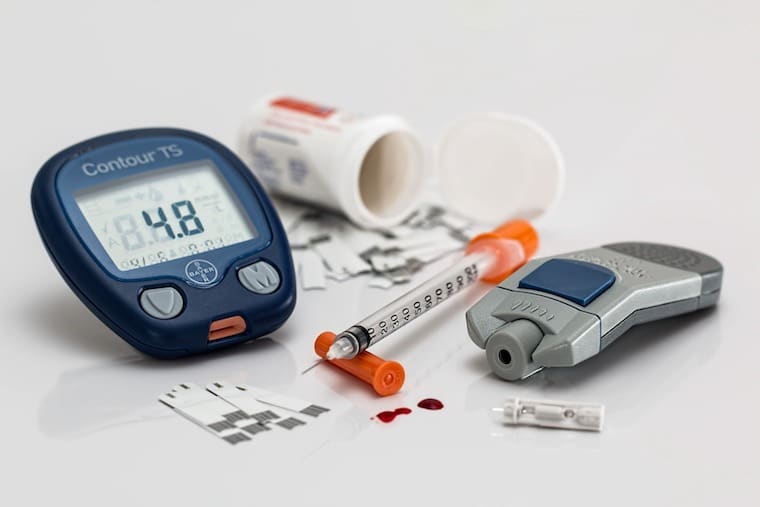
Image of diabetes testing kit referring to the question "Can you diet while pregnant?".

Some researchers have found that babies from mommas who were undernourished had underdeveloped pancreatic beta-cells, increasing the risk for baby to suffer from glucose intolerance and Diabetes later in life. A systematic review of the literature concurred, suggesting that low birth weight babies tend to display challenges with insulin metabolism later in life, which may pre-dispose them to Type 2 Diabetes. In a more recent 2015 Taiwanese study, women who did not gain enough weight during their pregnancy (based on the Institute of Medicine weight gain guidelines) were more likely to be diagnosed with Gestational Diabetes Mellitus (GDM).  This is really interesting to me as most people associated gestational diabetes with eating (and thereby) gaining too much weight!

Risk of Intermittent Fasting During Pregnancy

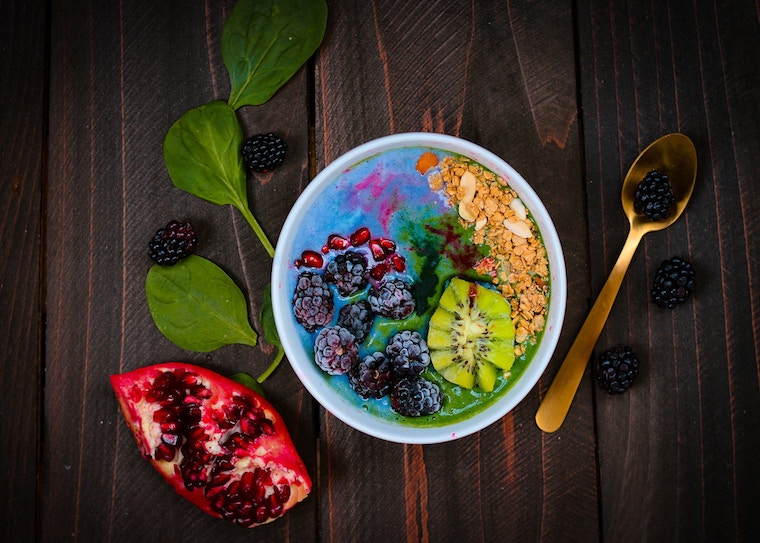
Overhead image of a smoothie bowl referring to the question "Can you diet while pregnant?".

If you’re expecting a little one but are a strict follower of intermittent fasting, it may be time to go back to a normal and more regular eating schedule. Pregnancy is a time when it’s most important to listen to your hunger cues. During periods of fasting, there is a cumulative and significant reduction in blood glucose levels, which is the preferable source of energy the fetus needs for growth. The shortened eating time frame of intermittent fasting, which often involves skipping breakfast and not eating anything after dinner, can result in weight loss, which as you can see, is metabolically damaging to the fetus. It also becomes restrictive during times when pregnant women need additional snacks to get extra calories for their babe or when they feel ill and need to maintain stable blood sugars.

Studies on religious fasting of women such as during Ramadan (similar to intermittent fasting) is contradictory, either showing no adverse health effects (also here and here), significant reductions in frequency and occurrence of the fetus’ breathing movements, or major concerns including low birth weights. Another study also compared differences between Muslim adults who experienced fasting in utero during Ramadan and those who did not. Results showed that both adult Muslim men and women who were conceived during this time were thinner and shorter, and those who had been in utero mid- to late-gestation were only a bit thinner than unexposed Muslims. This may be due to the stress that fasting inflicts on the fetus, influencing size and growth of the placenta and programming the fetus for poor long-term health. However, another study adjusted for any confounding factors (e.g. smoking, gestational age) found that infants conceived during Ramadan were no smaller than those who were not. These researchers suggested that fasting around conception time is unlikely to have a profound effect on birth size or premature birth.

While obviously the research is complicated and we can’t know for sure whether fasting or other lifestyle factors cause adverse outcomes to the fetus, the limited and inconclusive nature of research on long-term health impacts of prenatal intermittent fasting provides more of a reason to avoid this kind of practice if you diet while pregnant.

Risk of Keto Dieting during Pregnancy

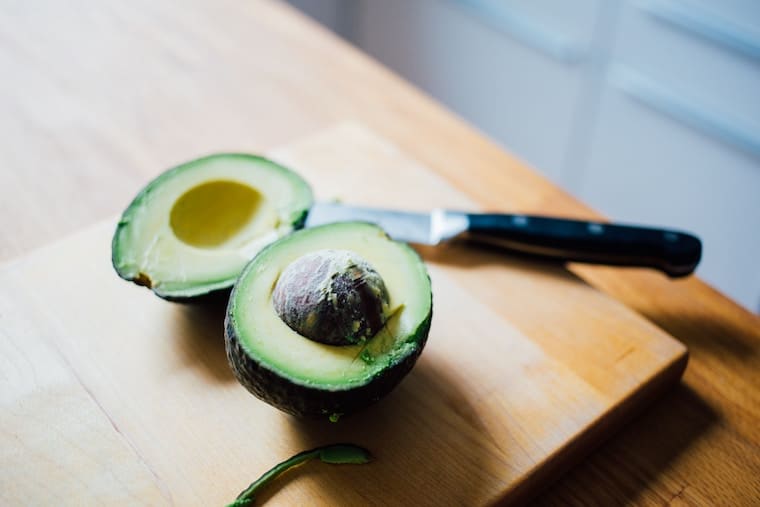
A photo of an avocado cut in half referring to the question "Can you diet while pregnant?".

Joining the list of increasingly popular fad diets is the ketogenic diet. This very low carbohydrate, high fat diet is often adopted by many healthy individuals as a lifestyle choice, including women of child-bearing age and some pregnant women. With such a restrictive diet, many question whether the fetus will normally develop in the womb and be healthy after birth.

Past studies performed on mice found some serious consequences of prenatal exposure to ketogenic diets on offspring, including impaired embryonic growth and brain structure alterations before giving birth and in early life. In a current mice study, two groups of mice were involved: one that was prenatally exposed to a ketogenic diet (4:1 ratio of fat to protein and carbohydrate) and the other was exposed to a standard diet. Researchers found alterations in brain structure and enhanced neurobehaviour, specifically decreased susceptibility to depression and anxiety, and increased hyperactivity, among adult mice with prenatal exposure to a ketogenic diet. Although this was shown in mice, it is still unclear whether this can occur in humans as well.

Both rodent and human adult studies have demonstrated that limited intakes of carbs and available glucose induces ketogenesis, a metabolic process that produces ketones, which the brain and other organs can use for fuel. However, on a prenatal ketogenic diet, the embryo relies on the mother’s ketone supply. If there is an excessive supply of ketones, this can impair growth and development of the fetus’ brain. Research also suggests that ketosis may lead to NTD risks because of studies performed on diabetic women experiencing famine in the first month of pregnancy. It may really just be best to hold off on your diet until babe is safe and sound.

Risk of Pregorexia

For some, gaining weight during pregnancy is a great fear and many become overly consumed with tracking their calories and the number on their scale. This is a condition known as pregorexia. This is not an official medical diagnosis, and the term was coined by the media and the public, but the idea behind it has been around for a long time. Because of this fear, many women will try anything to limit their weight gain as much as possible. As we can see from the research above, this not only puts your babe at risk but also yourself.

A hand holding a measuring tape referring to the question "Can you diet while pregnant?".

The Bottom Line on the Dangers of Dieting During Pregnancy

Dieting or following any sort of irregular diet pattern during pregnancy is not without any risks. As one of the most nutritionally-demanding stages of a woman’s life, pregnancy requires an ample nutrient supply for health and wellbeing of the fetus. We still need the evidence base behind the benefits and safety of intermittent fasting and ketogenic diets before anyone can be sure of its safe practice during pregnancy. What’s most important is the health of your baby, and given the vast amount of research supporting the importance of optimal nutrition in the prenatal diet, nothing should compromise this as top priority.

Contribution By:

RD2B Rachel Shim

More Blog Posts You Might Like:

If you liked this blog post answering the question “Can you diet while pregnant?” then you might also enjoy more blog posts on pregnancy:

  • Low Carb Pregnancy: Can it Cause Birth Defects?
  • Not Losing Weight Breastfeeding? Does Breastfeeding Cause Weight Loss or Weight Gain?
  • Mom Guilt | My Breastfeeding Story
  • Pregnancy Lessons I’ve Learned About My Body, Weight Gain and Nutrition While Growing a Baby
  • 6 Pregnancy Nutrition Myths That are Total BS: Part 1
  • Even More Pregnancy Nutrition Myths That We’re Sick of Debunking: Part 2

Abbey Sharp

Abbey Sharp is a Registered Dietitian (RD), regulated by the Ontario College of Dietitians. She is a mom, YouTuber, Blogger, award winning cookbook author, media coach specializing in food and nutrition influencers, and a frequent contributor to national publications like Healthline and on national broadcast TV shows.
www.abbeyskitchen.com/about-abbey/

Last Updated September 17, 2021. Published September 17, 2021 By Abbey Sharp Leave a Comment

Tofu Fried Rice Mini Snack Cups (Toddler Friendly)

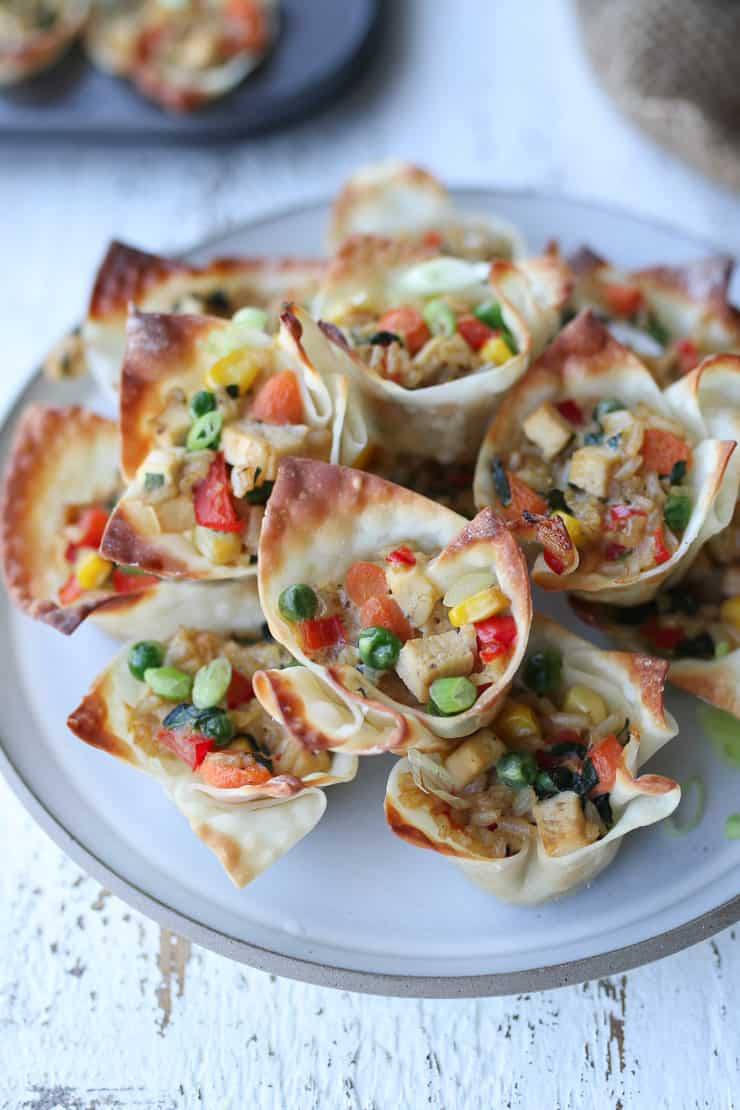
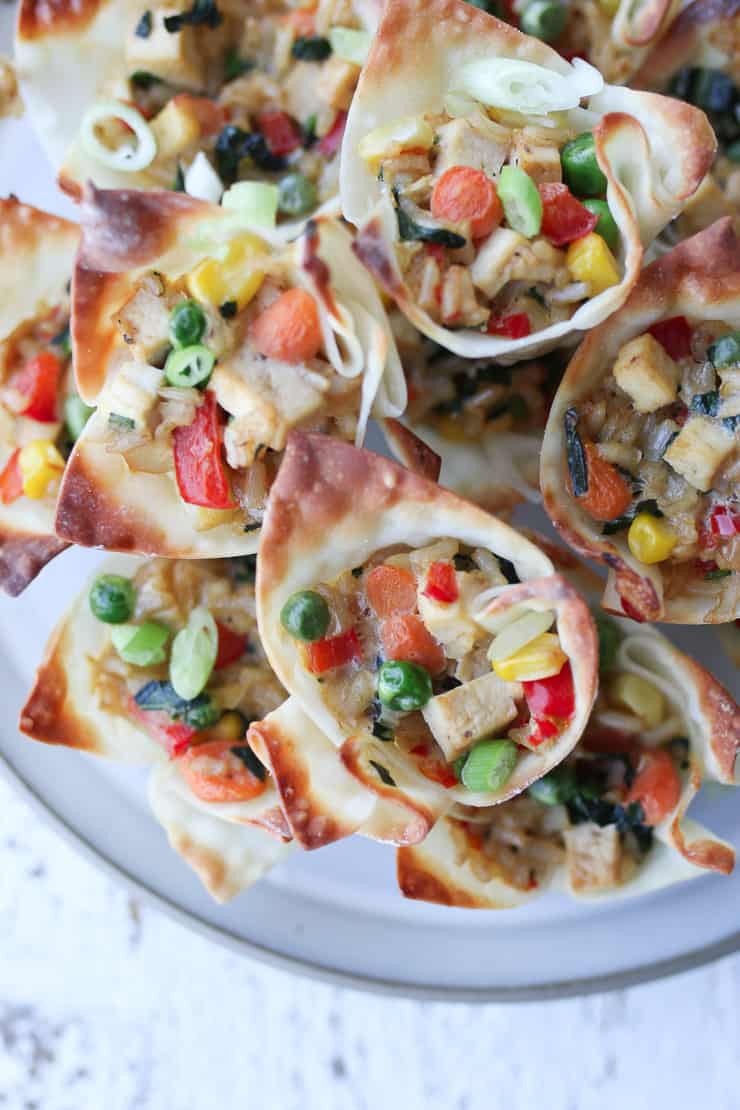
close up of wonton snacks on a white plate

These mini tofu fried rice cups are adorable kid and toddler friendly snacks for lunch boxes and make a delicious vegetarian lunch, dinner, or appetizer.

close up of fried rice cups on a white plate.

We are gearing up for back to school time and if you’re looking for an easy packable lunch or snack for your kid or toddler, you’re going to love these mini fried rice cups. This recipe was really born out of the reality of making too much rice in the rice cooker. That rice then became too much fried rice, and I wondered what I could do with it to make it more fun for my toddler to eat. Do you know what is always more fun than eating food with a fork? Eating it out of an edible cup in your hand! And so these adorable mini tofu fried rice cups were born.

Table of contents

  • Why This Recipe Works
  • Key Ingredients
  • How to Make This Recipe
  • Expert Tips
  • Recipe FAQs
  • More Recipes You Might Like

Why This Recipe Works

Need some convincing to bust out the muffin tin? Here’s why you have to make these tofu fried rice cups!

  • Kid-friendly
  • Freezer-friendly
  • Uses leftover ingredients
  • Vegetarian-friendly

Key Ingredients

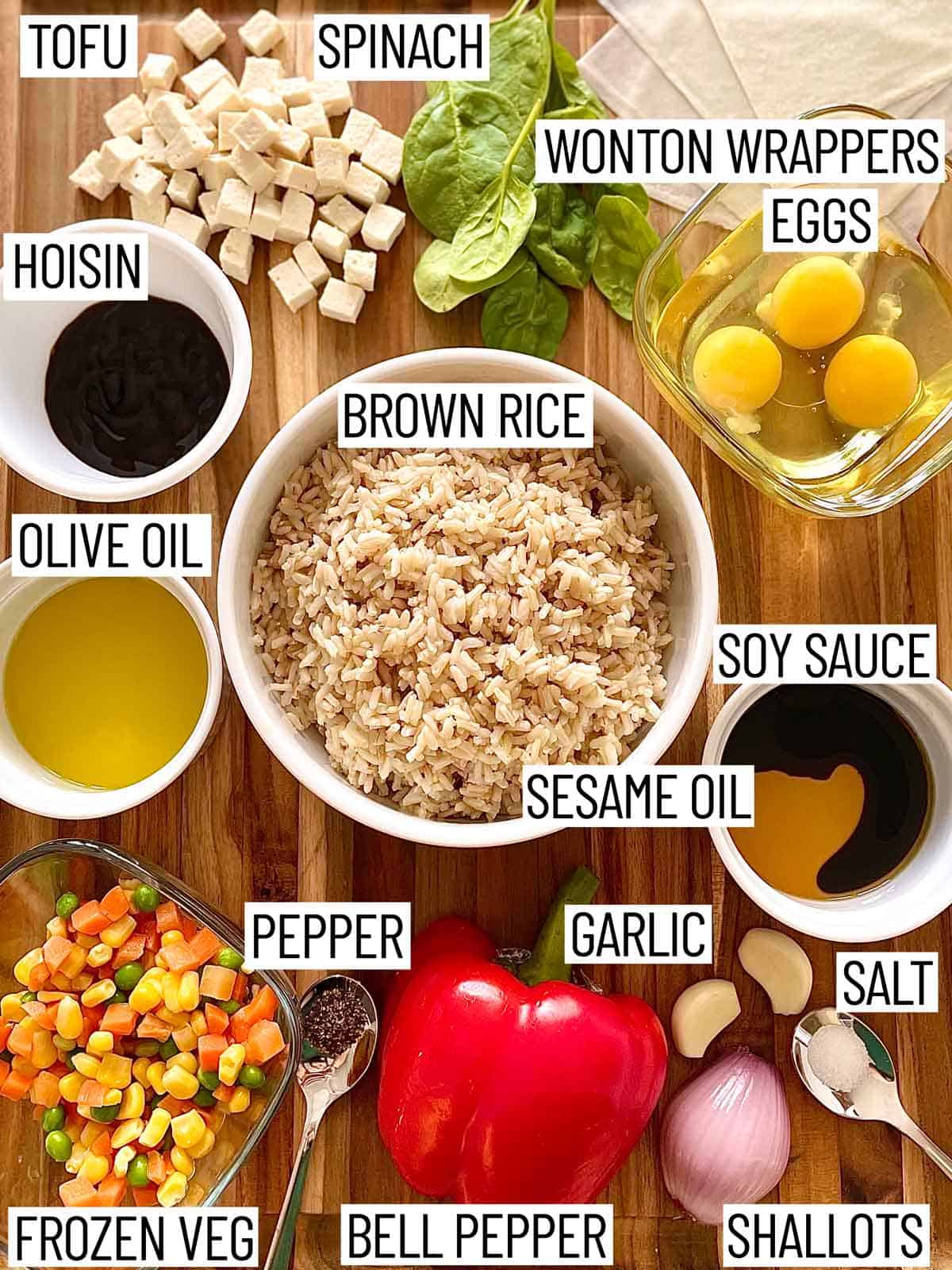
Ingredients needed to make tofu fried rice wonton cups.

Extra firm tofu – I do recommend extra firm so it keeps its texture in the fried rice – especially since it’s going to have to go through a second bake in a wonton skin and you don’t want them to get soggy.,

Veggies – I like onion, garlic, bell pepper, peas, corn, carrots, and some kind of green, but you can use whatever you have on hand. I also use a mixture of fresh or frozen veg here, so whatever is easiest and more cost-effective for you will work.

Cooked leftover brown rice – You can absolutely use white rice, quinoa, or any other hearty grain. Couscous would be a bit too small to stick together in these cups, but feel free to use whatever your family has on hand. I always make a big batch of some kind of grain at the start of the week, and this is a great way to use up any leftover bits.

Reduced sodium tamari or soy sauce – You can also use coconut aminos, but I do prefer to stick to a lower sodium option just to keep the sodium lower for kids and toddlers.

Hoisin sauce – This adds some umami and sweetness to the mix.

Sesame oil – This just brings out the flavours, but if don’t have sesame oil, you can omit this ingredient and just add a pinch of sesame seeds (or skip that too).

Wonton wrappers – Now wonton wrappers are different than egg roll wrappers in their texture and size. Wonton wrappers are typically square and are made with flour and often egg and water. They are used to make little pan-fried or deep-fried dumplings. You can typically find them in the refrigerated section of your produce department.

Eggs – This is like the “glue” that will hold your rice and veggies together in the little wonton cup.

How to Make This Recipe

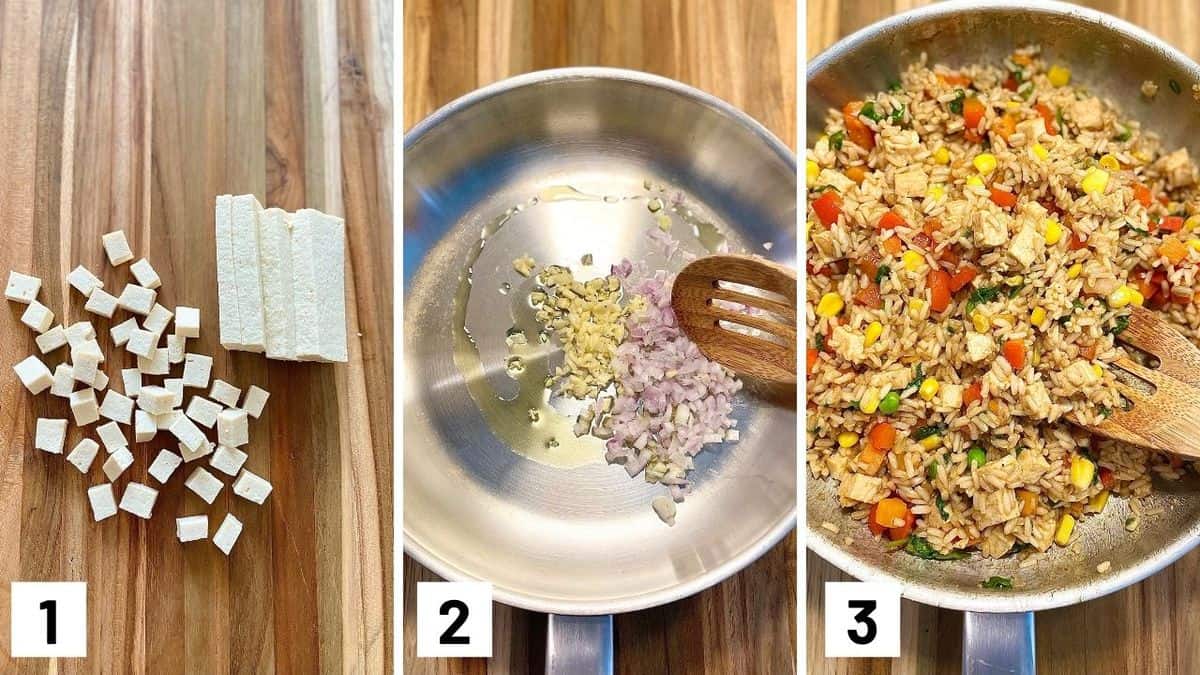
Set of three photos showing tofu cut into cubes, aromatics sauteed, and the rest of the ingredients added to the pan.

Step 1: Cut the tofu into very small pieces (the size of a pea). Place on a baking sheet lined with a kitchen towel or paper towels and top with more towels. Press down with another baking sheet and heavy items. Allow them to sit for 20 minutes to press out the excess liquid.

Step 2: Preheat oven to 425 F. Meanwhile, to a large nonstick skillet, heat the oil over medium heat. Add the onion and garlic and saute until fragrant, about 4 minutes.

Step 3: Add the bell pepper, frozen corn, carrot and pea mixture, spinach, leftover rice, pressed tofu, soy, hoisin, sesame, and a pinch of pepper if desired. Saute and stir until everything is coated in the sauce. Remove from the heat and set aside.

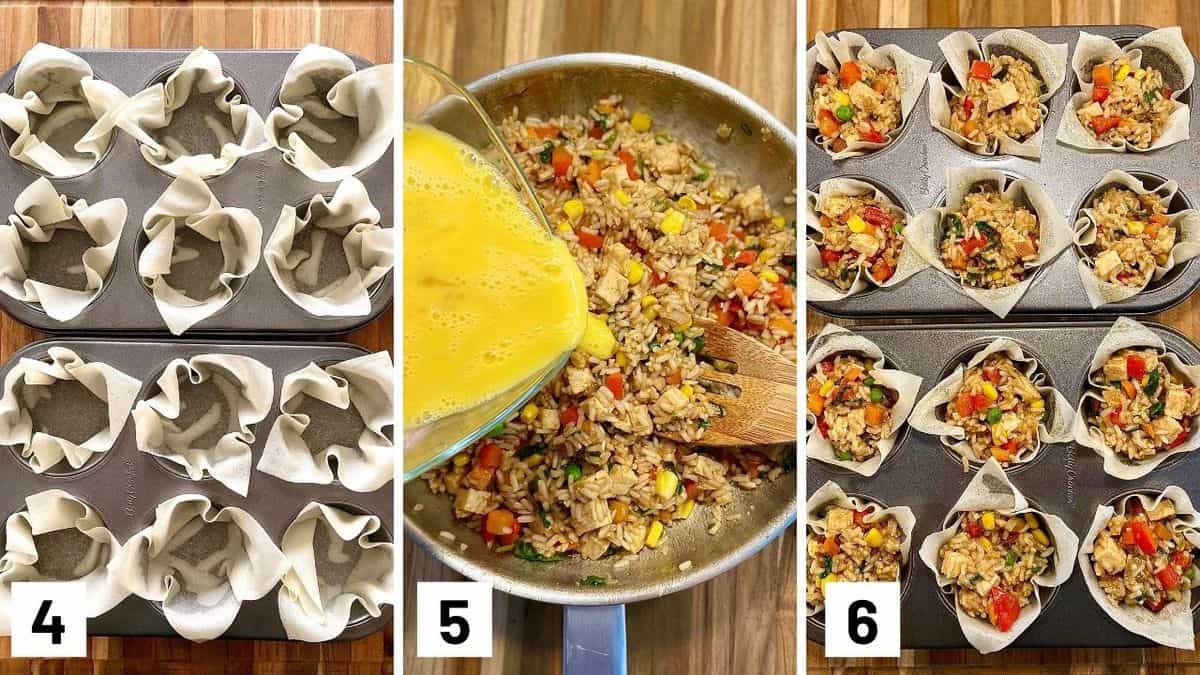
Set of three photos showing wonton wrappers in a muffin tin, egg added to rice mixture, then transferred to the wonton cups.

Step 4: Meanwhile, spray two mini muffin tins with olive oil (48 mini muffin holders total). Press a wonton wrapper into each hole. Spray with more olive oil and add a pinch of salt and pepper to the wonton wrappers.

Step 5: Add the beaten eggs to the rice mixture and toss until everything is combined.

Step 6: Fill the wonton cups with the fried rice mixture. Bake for 10 minutes until the wontons are golden brown and the egg and rice filling is set.

Expert Tips

This tofu fried rice recipe is really adaptable and forgivable so you can basically add in whatever you have in the fridge leftover. 

Instead of tofu, you could add:

  • Chicken or Turkey (ground or pieces chopped up)
  • Shrimp
  • Pork (ground or leftover bacon)
  • Beef (ground or steak chopped up)
  • Edamame or beans

For veggies, you could add:

  • Cauliflower
  • Broccoli
  • Bok Choy
  • Zucchini
  • Parsnips
  • Water chestnuts
  • Mango
  • Pineapple

Instead of brown rice, you could add:

  • White rice
  • Quinoa
  • Kasha
  • Wheatberries

Recipe FAQs

Is this tofu fried rice vegan?

This is not vegan, but it is vegetarian because of the addition of eggs that bind the rice together.  I have seen a lot of vegan fried rice recipes online but they mainly rely on tofu for the “egg” flavour and texture. But in this recipe, the egg holds everything together in the cup. If you want to attempt this without the egg, just know that it may not hold together as well.

Is this gluten free?

Store-bought wonton wrappers are typically not gluten free. But you may be able to find gluten free ones in specialty stores, or you can make them yourself.

Can I make these with large muffin tins instead of mini for older kids?

You can, however, most wonton wrappers will not be large enough. If you want to do that, you could overlap a few wonton wrappers to fill the bottom of the muffin tin.

How long will these last in the fridge?

Assuming your rice isn’t old, these should last about 4 days in the fridge or up to 4 months in the freezer.

Can I freeze these?

Yes, I do! I would remove them from the muffin tin and allow them to cool for 20 minutes on a baking tray lined with parchment or a silpat. Then I would freeze them on the baking tray for an hour before transferring to a freezer bag or container. This way they won’t stick together and the filling won’t all spill out.

How do I reheat these before serving?

If you have frozen these, you can thaw them in the fridge then pop them in the microwave for 20 seconds or so (covered with a bowl). 

close up of wonton snacks on a white plate

More Recipes You Might Like

If you’re looking for healthy snacks and mini meals for your kids now that they’re about to head back to school. Here are some of our faves just like these tofu fried rice cups!

  • Butternut Squash Mac & Cheese Bites 
  • No Bake Pop Tarts Swap
  • Easy Fruit Spring Rolls 
  • No Bake Oatmeal Bars 
  • Vegan Spinach Muffins 

What are you going to be packing for your kids lunches this back to school season? Leave me a comment below with your ideas!

close up of wonton snacks on a white plate
Print Recipe
5 from 2 votes

Tofu Fried Rice Mini Snack Cups (Toddler Friendly)

These mini tofu fried rice cups are adorable kid and toddler friendly snacks for lunch boxes and make a delicious vegetarian lunch, dinner, or appetizer.
Prep Time10 minutes mins
Cook Time20 minutes mins
Total Time30 minutes mins
Course: snacks
Cuisine: American
Servings: 48
Calories: 59kcal
Author: Abbey Sharp

Ingredients

  • 1/2 350 g block extra firm tofu 175 g
  • 2 tsp extra virgin olive oil
  • 1/4 cup minced onion or shallot about 1/2 small
  • 2 cloves garlic minced
  • 1/2 red bell pepper minced
  • 3/4 cup frozen pea corn and carrot mixture
  • 1 cup minced spinach or kale leaves
  • 1 1/2 cup cooked leftover brown rice
  • 1 tbsp reduced sodium tamari or soy sauce
  • 6 tsp hoisin sauce
  • 1/2 tsp sesame oil
  • Salt and pepper to taste
  • 48 wonton wrappers
  • Oil in atomizer
  • Pinch each salt and pepper
  • 3 eggs beaten
  • Green onions to serve

Instructions

  • Cut the tofu into very small pieces (the size of a pea). Place on a baking sheet lined with a kitchen towel or paper towels and top with more towels. Press down with another baking sheet and heavy items. Allow to sit for 20 minutes to press out the excess liquid.
  • Preheat oven to 425 F.
  • Meanwhile, to a large nonstick skillet, heat the oil over medium heat. Add the onion and garlic and saute until fragrant, about 4 minutes.
  • Add the bell pepper, frozen corn, carrot and pea mixture, spinach, leftover rice, pressed tofu, soy, hoisin, sesame and a pinch of pepper, if desired. Saute and stir until everything is coated in the sauce.
  • Taste and season with additional salt and pepper, if desired.
  • Remove from the heat and set aside.
  • Meanwhile, spray two mini muffin tins with olive oil (48 mini muffin holders total). Press a wonton wrapper into each hole. Spray with more olive oil and add a pinch each of salt and pepper to the wonton wrappers.
  • Add the beaten eggs to the rice mixture and toss until everything is combined.
  • Fill the wonton cups with the fried rice mixture.
  • Bake for 10 minutes until the wontons are golden brown and the egg and rice filling is set.
  • Garnish with green onions, if desired. Enjoy!

Notes

This tofu fried rice recipe is really adaptable and forgivable so you can basically add in whatever you have in the fridge leftover. 
Instead of tofu, you could add:
  • Chicken or Turkey (ground or pieces chopped up)
  • Shrimp
  • Pork (ground or leftover bacon)
  • Beef (ground or steak chopped up)
  • Edamame or beans
For veggies, you could add:
  • Cauliflower
  • Broccoli
  • Bok Choy
  • Zucchini
  • Parsnips
  • Water chestnuts
  • Mango
  • Pineapple
Instead of brown rice, you could add:
  • White rice
  • Quinoa
  • Kasha
  • Wheatberries

Nutrition

Calories: 59kcal | Carbohydrates: 10g | Protein: 2g | Fat: 1g | Saturated Fat: 1g | Cholesterol: 11mg | Sodium: 72mg | Potassium: 56mg | Fiber: 1g | Sugar: 1g | Vitamin A: 211IU | Vitamin C: 4mg | Calcium: 13mg | Iron: 1mg
Abbey Sharp

Abbey Sharp is a Registered Dietitian (RD), regulated by the Ontario College of Dietitians. She is a mom, YouTuber, Blogger, award winning cookbook author, media coach specializing in food and nutrition influencers, and a frequent contributor to national publications like Healthline and on national broadcast TV shows.
www.abbeyskitchen.com/about-abbey/

Last Updated September 27, 2021. Published September 15, 2021 By Abbey Sharp 44 Comments

Pregnancy Food Safety | Foods to Avoid while Pregnant

I have compiled the most extensive list ever of foods to avoid in pregnancy to serve as a quickie guide to the question, “Can I Eat This While Pregnant”?

I have compiled the most extensive list ever of foods to avoid in pregnancy to serve as a quickie guide to pregnancy food safety. 

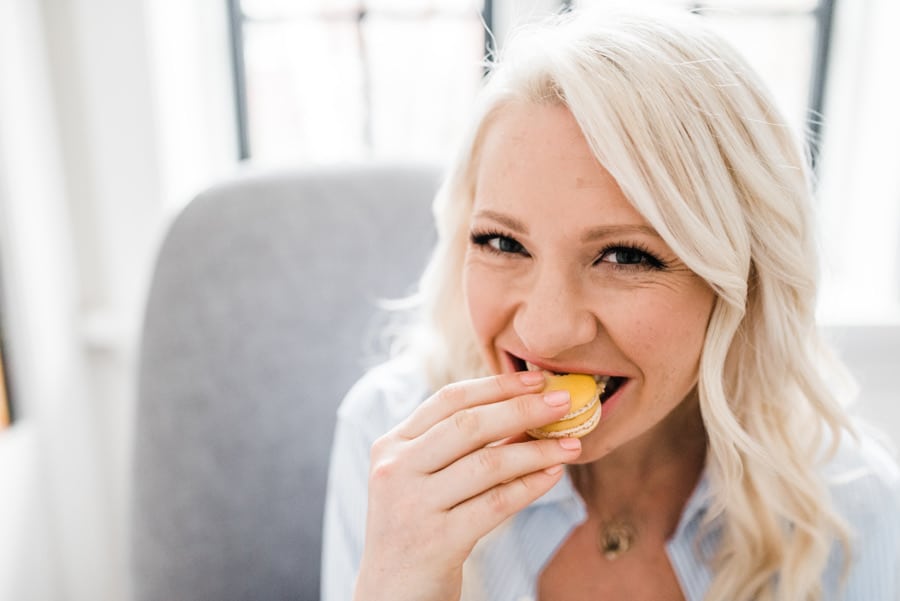
Woman eating a macaroon for pregnancy food safety.

You guys know I’m a hardcore foodie. Aside from maybe jellyfish and geoduck, there isn’t a whole lot I don’t like to eat. I also travel a LOT for good food and save up all of my money for tasting menus at Michelin star restaurants. Often you don’t know what you’re getting until it’s sitting right there in front of you. When I travelled during my pregnancy between 24-26 weeks, I was constantly googling “can I eat this while pregnant” at every meal. You may never need to know about some of the foods to avoid in pregnancy that are on this list depending on what kind of diet you have, but if you’re ever in doubt, you know you can come HERE to get the 411 on pregnancy food safety.

Why are there Foods to Avoid in Pregnancy?

Whether food safety and handling excites you or not, it’s one of those things you have to be aware of because of the potential consequences that could arise with improperly prepared foods. This is true for us all of the time, but it’s particularly problematic when it comes to pregnancy food safety. Pregnant women and their unborn babe are particularly vulnerable to foodborne illnesses (e.g. listeriosis, salmonellosis, campylobacteriosis, toxoplasmosis) because the mother’s immunity is weakened while pregnant, making it difficult to fight against them. Listeriosis, caused listeria bacteria, is one of the more common and dangerous ones because it can cause illnesses for newborns, stillbirths and miscarriages.

Even if you think chances are low for contracting a foodborne illness or ingesting something harmful, it’s often better to play it safe because the health of your baby is so much more important than eating any risky food. Yes, some of the foods to avoid listed here are maybe unlikely to be problematic, but if you ever feel that you may end up feeling guilty or worrying about pregnancy food safety while eating your meal, it probably isn’t going to be that enjoyable anyway. Let’s take a look at some of the riskiest foods to avoid.

The Common List Foods to Avoid for Pregnancy food safety

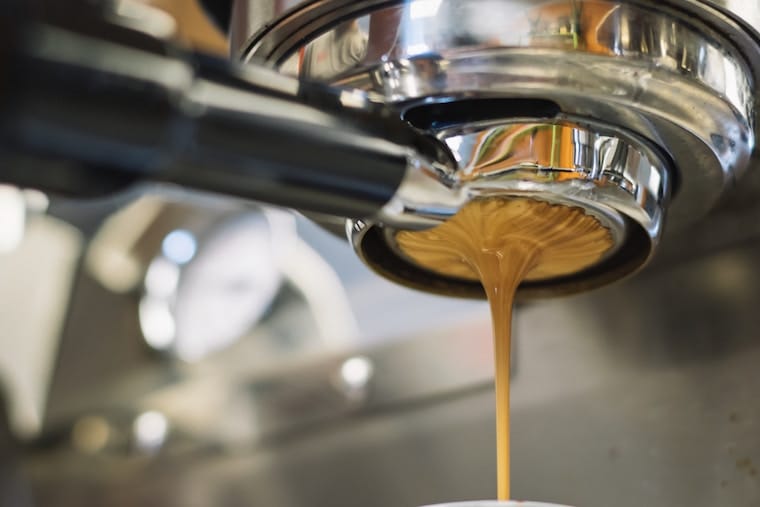
An espresso machine making coffee for pregnancy food safety.

The following foods are common foods to avoid for pregnancy food safety. Make sure you give these a good look over so you’re prepared the next time you’re wondering, “can I eat this while pregnant?”

  1. Alcohol: You know this one, but it’s recommended you cut out wine, beer, hard liquor and spirits to be safe. Risk: Linked to Fetal Alcohol Syndrome, miscarriage and stillbirth.
  2. Cold deli meats and charcuterie: Includes pate, charcuterie, ready-to-eat deli-meats, pepperoni, salami, and chorizo. The good news is that these foods may be safe if rewarmed or cooked to steaming, though that may be kind of gross. Risk: Listeria.
  3. Excessive Caffeine: Limit energy drinks, coffee, tea, chocolate, and caffeinated soda pop to 200-300 mg per day (about 1-3 cups of coffee/day). Risk: Linked to risk of miscarriage, low birth weight and impaired fetal growth.
  4. High Mercury Predator Seafood: This includes shark, Swordfish, King Mackerel, Tilefish, Marlin, Ahi Tuna, Bigeye Tuna, Orange Roughly and Escolar. You’ll want to limit high mercury fish to 5 oz./month and canned white albacore tuna to 10 oz./week. Risk: Methyl Mercury.
  5. Raw fish/shellfish: We’re talking sashimi/raw fish in sushi, ceviche, oysters, clams. Risk: Salmonella and Toxoplasma.
  6. Raw or undercooked eggs: Unless pasteurized, no soft poached or fried eggs with runny yolks. Risk: Salmonella.
  7. Raw or unpasteurized dairy: No more unpasteurized cheeses and raw milk. Most hard cheeses are pasteurized, but always double check to be sure. While imported cheeses like parmesan are often not pasteurized, in the case of parm, the heavy salt brine typically prevents bacterial growth. Yay! Risk: Listeria.
  8. Raw sprouts: No more raw alfalfa, clover, radish, or mung bean sprouts, though cooking them is safe. Risk: Salmonella.
  9. Smoked fish/seafood: That means no smoked salmon and Lox though you can enjoy it if it’s been cooked to steaming hot or if its purchased in a shelf stable can. Risk: Listeria.
  10. Undercooked meat/poultry: This means carpaccio, tartare, ground meat cooked below 160 F, meat cooked below 145 F, and poultry cooked below 165 F. Risk: Salmonella and Toxoplasma.
  11. Unpasteurized juices: Go easy on the fancy apple cider, fresh pressed juice, and cold pressed juice. Risk: Listeria.
  12. Unwashed raw produce: Unwashed or bruised fruits and vegetables can be a higher risk, though you can definitely indulge when they’re washed and/or cooked. Risk: Toxoplasma, E.Coli, Salmonella and Listeria.

Can I Eat This While Pregnant? A List of the Less Common Foods to Avoid for Pregnancy Food Safety

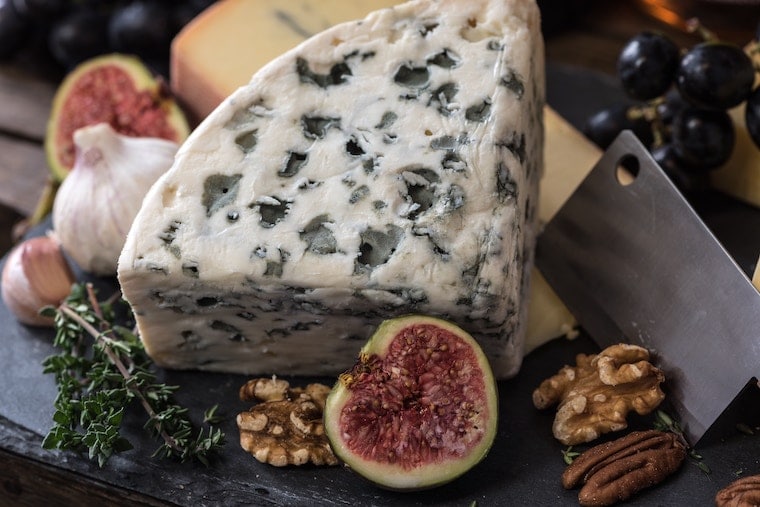
Plate of blue cheese, figs, walnuts, pecans and others foods that are not allowed for pregnancy food safety.

For those times when the common list of foods to avoid for pregnancy food safety just isn’t comprehensive enough, we have compiled a list of some of the more obscure or even controversial foods. Not all of the foods on the list are necessarily no-nos. We are including some of the ones that are often debated about in mommy groups and sharing the research.

  1. Artificial sweeteners. It’s generally suggested to limit any use of artificial sweeteners in pregnancy since we don’t have a whole lot of solid research, and it also displaces nutritious foods in the diet. Having said that, some sweeteners are for sure not safe including Sacharin (Sweet n’ Low) and Cylamate. Risk: Fetal complications.
  2. Bitter Melon/Gourd (in excess). While I haven’t been able to find any legit human studies, there is some very small early animal research to suggest that one of the compounds in bitter melon (B- Monorcharin) may be unsafe during pregnancy. It also tends to cause serious digestive issues if consumed in excess, so it may be best to avoid in large quantities. Risk: Early Labour and Diarrhea.
  3. Blue Cheese (Blue cheese dip or dressing). Blue cheese, even when pasteurized, has a higher moisture and lower acidity content, providing an easy environment for bacteria to grow. Risk: Listeria.
  4. Canned/plastic bottle-stored food or drink. A lot of canned foods contain BPAs in their packaging which has been linked to higher risk of miscarriage. Always look for BPA free products when possible. Risk: Miscarriage.
  5. Cantaloup melon. Melon is actually a common source of food borne illness as the bacteria that’s on the outside tends to reach the flesh when you slice through it. Make sure to always wash the rind of melon thoroughly before slicing! Risk: Listeria.
  6. Caviar. Pasteurized caviar is okay in small amounts. Risk: Listeria.
  7. Contaminated fish. Avoid fish caught from local streams, lakes, and rivers with PCBs (Polychlorinated biphenyls) and look for fresh water fish. You can also get information from your local health department about the advisories related to a specific water body. Risk: PCBs.
  8. Custard. Custard based desserts may be tasty, but they’re often made with raw eggs that aren’t completely cooked. They’re fine if made with pasteurized eggs. Risk: Salmonella.
  9. Deli Chicken, Ham or Seafood salad. Like the veggie versions, these bad boys are at higher risk of harbouring bacteria. Risk: Listeria.
  10. Deli Salads. Yep, I’m talking about the coleslaw at your local deli. It’s a small risk, but there is a higher chance these can harbour bacteria. Risk: Listeria.
  11. Flax seed. Early animal studies suggest flax may have some mild estrogenic effects so should be avoided in very large quantities. Some flax in your diet can help keep you regular, and Health Canada suggest 4-6 tablespoons a day or 2 tablespoons of flaxseed oil a day is generally safe. Risk: Estrogenic effects.
  12. Fresh Garlic Sauce. It’s a favourite at Shawarma shops, but some tend to be made with raw egg whites so again, always check yours is made with pasteurized eggs. Risk: Salmonella.
  13. Hibiscus Mocktails or Iced Tea. Again, I haven’t seen an human studies, but rat research suggest hibiscus may cause implantation issues in early pregnancy. This was one I definitely didn’t realize and I drank a ton of hibiscus Passion iced tea at Starbucks. Risk: Miscarriage.
  14. Hollandaise Sauce. Again, more egg news. Hollandaise is generally made by whisking in a lot of raw eggs into oil that isn’t completely cooked. Make sure you’re using pasteurized eggs if you’re craving it hard. Risk: Salmonella.
  15. Homemade Caesar dressing. While the commercial stuff is generally OK, a lot of homemade or restaurant dressings are made with raw eggs. Risk: Salmonella.
  16. Homemade Ice Cream. Commercial brands are typically fine, but some homemade ice creams are made with an egg-based custard that isn’t completely cooked. Again, pasteurized eggs are okay. Risk: Salmonella.
  17. Homemade mayonnaise. Like hollandaise, but cold and therefore totally uncooked. Risk: Salmonella.
  18. Hot Dogs. There is some concern that foods rich in nitrates, like some hot dogs, are correlated with an increased risk of cancer, so some may choose to limit their consumption while essentially “feeding” their baby. The bigger concern is that processed cured meats may be a source of pathogens, so it’s important to cook your hot dogs to steaming before enjoying. Risk: Listeria.
  19. Hummus. According to food safety reports, hummus is sadly one of the most common sources of listeria, likely because of the tahini. Always make sure to refrigerate your hummus immediately after opening, or make your own at home to be extra safe. Risk: Listeria and Salmonella.
  20. Jerky. Ugh this one was a tough one for me. Much like any cold cuts, there is a risk with jerky that has been dried at such a low temperature over a long period of time. If you must indulge, it’s recommended that you heat it until steaming but I’m not sure what that would do to the texture. Risk: Toxoplasmosis.
  21. Lemongrass. While the research on this is nonexistent in humans, animal studies did find that high doses of lemongrass (about 500 mg per Kg body weight) was linked to miscarriage and birth defects. The issue is the two compounds, citral and myrcene that are likely problematic in large doses for pregnant women. A little in your Thai take-over every once in a while is likely safe, but I would speak to your doctor about a daily serving or supplements. Risk: Miscarriage and birth defects.
  22. Meringues. Unless you’re cooking the meringues into a firm pavlova or cookies, the egg whites in a meringue are typically uncooked or undercooked. Meringues made with pasteurized eggs are fine. Risk: Salmonella.
  23. Organ Meat, Liver and Foie Gras. These foods are rich in nutrients, but can provide an excessive amount of copper and Vitamin A for a pregnancy woman if consumed regularly. Risk: Vitamin A toxicity.
  24. Pineapple or Pineapple Juice (in excess). One of the compounds in pineapple called bromelain has been linked to increasing uterine contractions in rats and petri dishes, but this hasn’t been researched well in humans, and the reality is you would have to eat a TON of pineapple to see any measurable impact. Like more than enough to really make your mouth burn. Pineapple is rich in antioxidants and super refreshing when you’re feeling morning sick, so unless your doctor says otherwise, it’s likely safe to enjoy it in moderation. Risk: Possible preterm labour or miscarriage in excess.
  25. Protein powder supplements. If you’re consuming the occasional protein shake, it’s probably no big deal, but due to unregulated herbs, potential unsafe sweeteners, and risk of adulteration due to poor regulation, it may not be a good regular choice. Risk: Unregulated additives.
  26. Raw Cake Batter. Stay away from raw dough unless you’re sure they’re pasteurized. Risk: Salmonella.
  27. Raw Cookie Dough and Cookie Dough Ice Cream. Avoid foods made with raw unpasteurized eggs. Risk: Salmonella.
  28. Raw Eggnog. This is only really an issue if it’s made with unpasteurized eggs and alcohol but the good news is that most commercial brands are typically pasteurized. YAY for eggnog lattes! Risk: Salmonella and alcohol.
  29. Raw Unpasteurized Apple Cider Vinegar. It’s trendy, yes, but like unpasteurized juice, it’s risky. Risk: Listeria.
  30. Raw Untreated, Unfiltered Water. This strangely seems to be all the rage right now, and to our own demise. Risk: Giardia and any other pathogens in the water.
  31. Sea Urchin. It’s fancy yes, and often served raw so you may want to skip this sushi special. Risk: Salmonella.
  32. Soft or Semi Soft Cheeses (brie, camembert, Havarti etc.). Like blue cheese, softer cheeses have a lower acidity and higher moisture content so they’re susceptible to bacterial growth. Risk: Listeria.
  33. Soft Serve Ice Cream. While technically safe, soft serve ice cream is an unfortunately common source of food borne pathogens, simply because a lot of retailers don’t thoroughly clean out their pipes before adding in more dairy. Risk: Listeria.
  34. Star Anise or Anise Seed. While I couldn’t find any solid research, some believe that star anise may impact pregnancy hormones and should be avoided or limited. I would think the occasional Chai Tea is fine, but speak to your doctor before making it a daily habit. Risk: Possible risk of Early Labour.
  35. Stuffing Cooked inside Poultry. This is a common source of food poisoning for all of us, never mind our mama’s to be! The issue is that by the time the poultry cooks (without being overcooked), the inside stuffing doesn’t get a chance to cook all the way through and has been soaking in raw chicken juices. Um, NOPE. Risk: Salmonella.
  36. Tahini Dressings. Although it’s super nutritious, tahini, and any dressings that use tahini may be more susceptible to food borne pathogens. Always make sure to refrigerate your tahini and tahini dressings once opened. Risk: Listeria and Salmonella.
  37. Tiramisu. Made with raw eggs, coffee and liquor, this one is a bit of a triple threat. Risk: Salmonella, caffeine and alcohol.
  38. Unpasteurized Apple Cider Vinegar. Like cold pressed juice, a lot of fancy ACV is unpasteurized so there’s a small risk. Risk: Listeria.
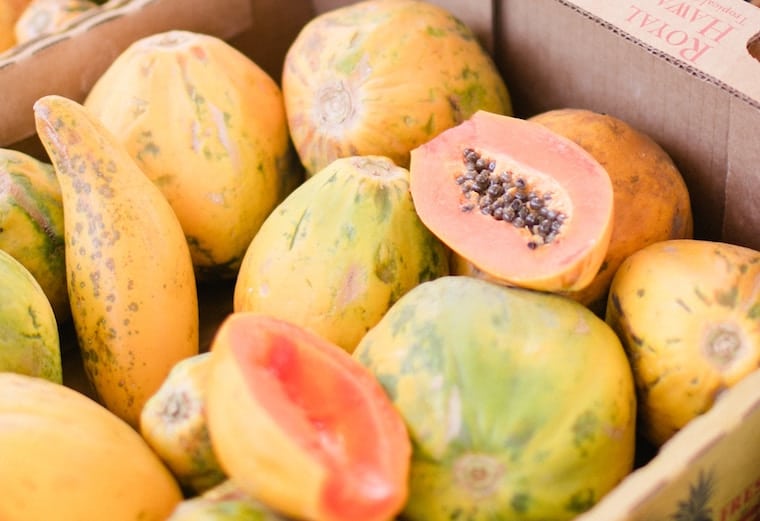
  39. Unripe or Green Papaya. Unripe or green papaya contains latex which may cause early uterine contractions. Ripe papaya is totally safe and is actually a great source of antioxidants and folic acid so just make sure it’s really ripe before digging in. Risk: Early labour.

Herbal Teas to Avoid In Pregnancy

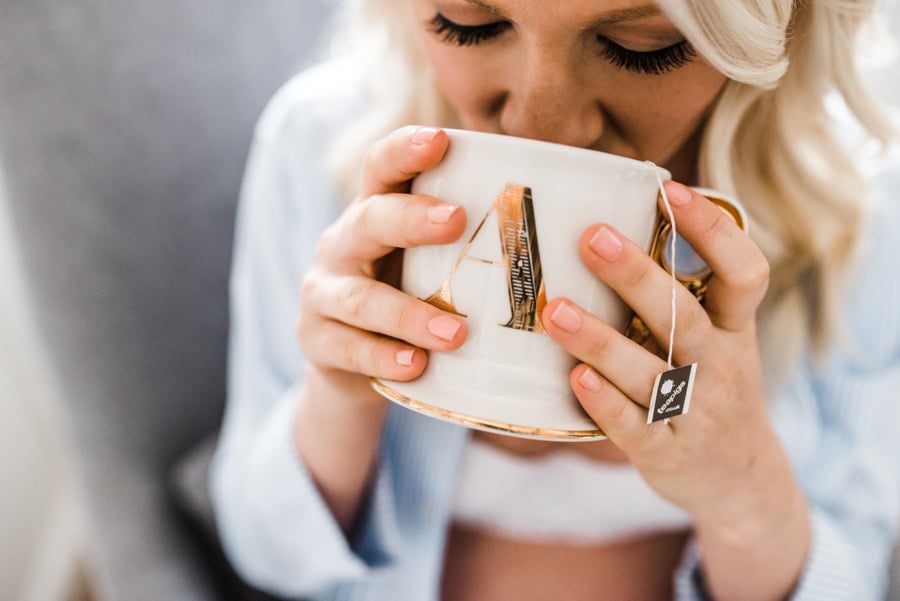
Woman drinking herbal tea from a mug with a tea bag for pregnancy food safety.

You may be thinking you should switch to herbal if you’re trying to cut back on caffeine, but that may not necessarily be your best pregnancy drink. Even though tea is all “natural”, the research on herbal tea is sparse and in some cases, there is concern that if consumed in excess, it could be problematic concerning pregnancy food safety for a wide range of reasons. Some herbal products may stimulate uterine contractions, or increase the risk of birth defects. Again, it’s likely just a concern if you’re drinking large amounts daily, but always speak to your doctor first before making anything a regular part of your routine.

Teas to avoid for pregnancy food safety:

  • Aloe
  • Alfalfa
  • Anise
  • Black and Blue Cohosh
  • Buckthorn Bark
  • Burdock
  • Cascara
  • Chamomile
  • Chai
  • Coltsfoot
  • Comfrey
  • Dandelion
  • Devil’s Claw
  • Dong Quai
  • Duck Roots
  • Ephedra
  • Fenugreek
  • Feverfew
  • Foxglove
  • Ginseng
  • Hibiscus
  • Juniper Berries
  • Labrador Tea
  • Licorice root
  • Lobelia
  • Nettle
  • Pennyroyal
  • Sassafras
  • Senna Leaves
  • John’s Wort
  • Yellow Dock

These teas are safe to drink during pregnancy:

  • Red Raspberry Leaf
  • Peppermint
  • Lemon Balm
  • Ginger

Become an Abbey’s Kitchen Subscriber

Contribution By: Rachel Shim

More blog posts you might like:

If you liked this blog post on pregnancy food safety then you might also enjoy more blog posts on pregnancy food safety:

  • Is a Vegan and Vegetarian Diet Safe During Pregnancy?
  • Dangers of Dieting During Pregnancy on Baby’s Risk of Obesity and Disease in Adulthood
  • 6 Pregnancy Nutrition Myths That Are Total BS: Part 1
  • Even More Pregnancy Nutrition Myths That We’re Sick of Debunking: Part 2
  • Pregnancy Lessons I’ve Learned About My Body, Weight Gain, and Nutrition While Growing a Baby
  • Vegan Pregnancy Diet | Essential Nutrients for a Vegan Pregnancy
Abbey Sharp

Abbey Sharp is a Registered Dietitian (RD), regulated by the Ontario College of Dietitians. She is a mom, YouTuber, Blogger, award winning cookbook author, media coach specializing in food and nutrition influencers, and a frequent contributor to national publications like Healthline and on national broadcast TV shows.
www.abbeyskitchen.com/about-abbey/

Last Updated September 27, 2021. Published September 9, 2021 By Abbey Sharp 8 Comments

Low Carb Pregnancy: Can it Cause Birth Defects?

We review a study and answer the question, does a low carb diet during pregnancy cause birth defects in babies? Should you be going keto while pregnant?

We review the research and discuss whether a low carb pregnancy causes birth defects in babies and if its safe to go keto while pregnant?

Pregnant person laying on their side touching their stomach.

Low-carb diets have been making headlines in nutrition ever since Robert Atkins released his diet plan in 1989. These diets promise speedy weight loss on a diet high in protein and fat, and low in carbs. As a result, we’ve seen the rise of the mighty steak-and-salad combo, with carbs quickly replacing fat as the mega-villain in the battle of the bulge. Since then the paleo diet (high protein and fat) and the keto diet (moderate protein and high fat) have taken center stage, backed by ample glowing celebrity endorsements.

The keto diet in particular has been the subject of great scientific interest for its potential effects on a variety of health concerns, from obesity and diabetes to Parkinson’s and cancer. Recently, the documentary The Magic Pill came out, singing praises for the keto diet (if you want to know my thoughts on The Magic Pill you can read all about it in my part 1 and part 2 reviews). Considering the long-standing popularity of going low-carb, what does this mean for expecting mamas? Is it safe to ditch the carbs while preggers? Well, a new study published by researchers at the University of North Carolina suggests that a low carb pregnancy may not be great news for expectant mothers and their babies. Let’s dive into the research!

Can a low carb pregnancy Cause Birth Defects?

This study compared the diets of mothers whose babies suffered neural tube defects (NTD) with the diets of mothers who had healthy babies. The results? Researchers now have reason to believe that mothers following a low carb pregnancy diet have as much as a 30% increased risk of their babies developing a neural tube defect. Why? Well, the key player could very well be folate – a B-vitamin found in fortified flour, legumes, and leafy green vegetables.

Folate & Risk of Neural Tube Defects

Field of wheat referencing low carb pregnancy.

Folate is a critical nutrient for cell division and growth, and is especially important in producing healthy new copies of our DNA. If folate levels are low during pregnancy (particularly during the first four weeks of gestation), the result could be neural tube defects, such as spina bifida or anencephaly. During those first four weeks of pregnancy, the neural tube (which later becomes the brain and spinal cord of the baby) develops and closes, with folate playing a vital role in the process.

In 1995, neural tube defects affected 1 out of every 1000 births, and the outlook for babies with neural tube defects is grim. Spina bifida results in various types of permanent paralysis in the legs, and babies born with anencephaly are either stillborn or die shortly after birth. But fortunately, this is where public health policies can jump in and save the day! Since 1998, folic acid (the stable form of folate that’s used in supplements), has been added to all white flour, cornmeal and pasta in North America. Amazingly, this enrichment of grains has lead to the incidence of neural tube defects dropping by half. However, without consuming fortified grains or folate-rich legumes, expectant mothers eating for a low carb pregnancy (such as eating Keto or Atkins) could be missing out on adequate levels of folate, and thereby increasing the risk of their babies having birth defects.

BACK to the Study. Over 13 years, North Carolina researchers looked at data from over 11,000 mothers: 1740 mothers of children with neural tube defects and 9545 mothers of healthy children. The researchers used questionnaires to examine and compare the diets of mothers from these two groups, paying special attention to their consumption of carbs and folate, and whether or not they had taken folic acid supplements before their babies were conceived. They found that mothers eating for a low carb pregnancy had less than half the average intake of folic acid than those mothers who didn’t restrict carbs in their diets. Even more alarming was the finding that women who had a low carb pregnancy were 30% more likely to have a child with a neural tube defect.

Risky Behaviour & Risk of Neural Tube Defects

Person holding a tape measurer to their waist holding a salad referencing low carb pregnancy.

The researchers also found out a few more interesting facts about those mothers cutting carbs – on average, they were older, more likely to be overweight, and more likely to have smoked while pregnant. They were also quite a bit more likely to have consumed alcohol early on in their pregnancy (which, as you’ll remember, is the critical time for proper development of the neural tube!). This suggests that women who limit their carbs may be a little more likely to engage in risky behaviours, complicating the story somewhat.

We then have to question where it these women’s low carb pregnancy that puts them at risk, or their slightly higher tendencies to smoke or drink while pregnant? The researchers adjusted their analysis to account for these other risky behaviours, and still found that low-carb mothers were at a higher risk of neural tube defects in their pregnancies. Still, to get the full story here, it would be important to tease out what types of diets were being followed during the low carb pregnancy, and why. For example, some of the women may have been cutting carbs to lose weight, while some may have been following a paleo or keto diet with health concerns in mind. Still, others may have cut out fortified flour and pasta due to celiac disease or concerns over gluten sensitivity.

Planned Pregnancies & Risk of Neural Tube Defects

Another interesting finding was that women who had planned their pregnancies didn’t experience an increased risks of neural tube defects, even if they were on a low carb diet. Perhaps they ate healthier foods (with more folate-rich leafy greens), or took folic acid supplements, in anticipation of getting pregnant. This speaks to the importance of determining what type of low carb diet is being followed, and suggests there’s more to the story than simply how much fortified cereal or other carbs a pregnant woman eats.

On the other hand, women who had unplanned pregnancies wouldn’t have had the chance to ensure they were getting enough folate or folic acid during those first critical four weeks of pregnancy, and by the time they found out they were pregnant, it could very well have been too late. This is where the beauty of enriching flour and pasta comes in: it helps ensure all women of childbearing age are getting enough folic acid, whether they’re pregnant, planning to get pregnant, or none of the above!

Study Limitations

Machine used to look at a sample of something.

Despite the helpful insights on the risks of a low carb pregnancy, the University of North Carolina study had a few flaws to consider:

Study Flaw #1: Use of Food Frequency Questionnaire

Information about what the mothers ate before their babies were conceived was gathered using a Food Frequency Questionnaire (FFQ), which asks subjects to describe how often they ate a specific food within a given number of weeks or months. The disadvantage of the FFQ is that it relies on memory and people may have a hard time accurately recalling what they ate. As a result, they may be more likely to over- or under-report the foods they ate.

Study Flaw #2: No Measure of Blood Folate Status

The study didn’t measure biomarkers of folate status in the blood. In other words, they estimated how much folate each mother was getting based on her reported diet, but they didn’t check to see just how much folate was actually circulating in her blood. This would have been a really important measure to truly connect the dots between low carb diets, folate, and neural tube defects, in a more meaningful way. Flour is fortified with folic acid, which happens to be the same form of folate used in supplements, which begs the question: why didn’t supplementation help to decrease the risk of neural tube defects? Perhaps women avoiding carbs (fortified flour in particular) had such low levels of folate to begin with that even a supplement failed to get them to healthy levels. And perhaps women consuming plenty of fortified flour had high enough levels that additional supplementation made no difference. Without looking at their blood levels of folate before conception, it’s hard to draw any strict conclusions.

Study Flaw #3: No Cause and Effect

Lastly, this study showed an association between low carb diets and neural tube defects, but that still doesn’t prove that shunning grains and going on a low carb pregnancy diet causes birth defects!

Bottom line

So what does this all mean for women trying to conceive? There are a few important takeaways. First of all, folate (as dietary folate, or supplemental folic acid) is a critical nutrient during pregnancy, especially when it comes to reducing the risk of neural tube defects. The best way to ensure you’re getting adequate amounts of any nutrient is to eat a varied diet. In fact, with the exception of a few specific foods, Health Canada doesn’t advise expectant mothers to restrict any foods or food groups. It’s also important to remember that pregnancy is certainly not the time to start any kind of weight-loss plan (low-carb or not!), unless recommended by and under the supervision of a doctor.

A final takeaway from this study is that mothers with planned pregnancies had no increased risk of having babies with neural tube defects, whether or not they restricted their carbs for a low carb pregnancy. It’s safe to assume that’s because women trying to conceive usually go to extra lengths to get healthy, by getting in their prenatal vitamins. This shows how important it is for all women of childbearing age to ensure they’re getting enough folate, and it’s the reason Health Canada recommends a daily supplement of 400 micrograms for all women who fit this description. For women who follow a low-carb diet, Health Canada actually recommends a higher dose of folic acid, again under the supervision of a doctor (most prenatal vitamins contain 800-900 micrograms). As for the die-hard low-carbers out there who plan on eating for a low carb pregnancy, there are still plenty of foods that naturally contain high levels of folate: leafy greens (like spinach, asparagus, romaine lettuce), liver, avocado and sunflower seeds, among others. So it’s possible to not have your cake and eat your folate too!

Written by RD2B Adam Weinmann  

More blog posts you might like:

If you liked this blog post about about the risks of a low carb pregnancy then you might also enjoy more blog posts on pregnancy and the keto diet:

  • Dangers of Dieting During Pregnancy On Baby’s Risk of Obesity and Disease in Adulthood
  • How the Gut Microbiome Helps Build Baby’s Immune System (Dietitian’s Evidence Based Guide)
  • Is a Vegan and Vegetarian Diet Safe During Pregnancy?
  • Does Going Gluten Free During Pregnancy Reduce Baby’s Celiac Disease Risk?
  • The Keto Diet – What This Dietitian Actually Thinks About a Ketogenic Diet for Weight Loss
  • Is it Safe to Breastfeed on the Keto Diet & How Does it Affect Breastmilk?
     
Abbey Sharp

Abbey Sharp is a Registered Dietitian (RD), regulated by the Ontario College of Dietitians. She is a mom, YouTuber, Blogger, award winning cookbook author, media coach specializing in food and nutrition influencers, and a frequent contributor to national publications like Healthline and on national broadcast TV shows.
www.abbeyskitchen.com/about-abbey/

Last Updated September 7, 2021. Published September 7, 2021 By Abbey Sharp 23 Comments

Mexican Pasta Casserole (Vegan & Family Friendly)

Mexican casserole in a large white dish.

This Vegan Mexican Pasta Casserole is the perfect family friendly dinner recipe that is perfectly balanced and packed with flavour! It comes together in only a few simple steps.

Mexican casserole in a large white dish.

Maybe it’s a mom thing, but recently, I’ve been all about the casseroles. This week I wanted to dream up some sort of Mexican-themed casserole, but instead of typical enchiladas (which you already KNOW I love), I opted for a casserole with whole-grain rigatoni pasta for this Mexican pasta casserole.

Table of contents

  • Why This Recipe Works
  • Key Ingredients
  • How to Make This Recipe
  • Expert Tips
  • Recipe FAQs
  • More Recipes You Might Like

Why This Recipe Works

This Mexican pasta casserole is a combination of all my favourite things about an easy dinner.

  • Family friendly.
  • Easily modified to be omnivore friendly.
  • Packed with flavour.

Key Ingredients

Ingredients for a Mexican pasta casserole

Black Beans — This provides your protein and fibre, and also makes a nice paste to bind everything together.

Chipotle in Adobo — Don’t drain the sauce! You’ll need it.

Spices — I use cumin and chili powder to spice up the Mexican pasta casserole.

Passata sauce — Tomato passata is not the same as tomato sauce. Passata is simply a pureed tomato liquid, usually with no extra flavouring added to it. In this recipe, I used the brand Mutti for the tomato puree, but you could also use anything else like Hunt’s tomato puree. Make sure it’s puree and not paste.

Rigatoni Pasta — I use whole-wheat pasta but feel free to use what you have on hand.

Corn — Feel free to use fresh corn, canned corn, or thawed frozen corn.

Spinach — You can use a different green leafy vegetable of your choice!

Sour Cream — To keep this vegan, use vegan sour cream. Feel free to use regular sour cream if you’re an omnivore. Same with the cheese!

Toppings — I use jalapenos, avocado, green onions, and diced tomato as toppings but feel free to use what you have.

How to Make This Recipe

Set of two showing bean mixture before and after in a food processor.

Step 1: Preheat an oven to 350 F and lightly grease a 13×9″ casserole dish. To make the black bean layer, combine the black beans, chipotle, maple, chili, cumin, and stock in a food processor and puree until smooth. Season with salt and pepper and set aside.

Set of three photos showing pasta sauce with seasoning, cooked pasta in a bowl, filling added to pasta.

Step 2: In a bowl, mix together the passata, minced chipotle, chili, cumin, salt, and pepper, to taste. Adjust depending on how spicy you like it.

Step 3: Cook the pasta al dente and set aside.

Step 4: Add 3/4 of the spicy tomato sauce to the pot along with the rigatoni, corn, can of black beans (non pureed), and spinach and toss to coat.

Set of three photos showing the pasta being tossed with ingredients, casserole dish with sauce, then filling added to the dish.
Set of three photos showing the bean pasta added then sour cream, and more sauce.

Step 5: Spread 1/2 of the remaining sauce onto the bottom of the casserole dish. Add half of the pasta, then the pureed black beans, the sour cream, and the remaining pasta. Top with the last little bit of sauce, and finish with the shredded cheese.

Set of two photos showing shredded cheese added to the top of the casserole dish and then baked and topped with avocado and jalapeños.

Step 6: Place in the oven and bake for 20 minutes or until golden and bubbly. Top the Mexican pasta casserole with avocado, jalapenos, green onions, and tomatoes, and enjoy.

Expert Tips

Other toppings you can add are olives, green chile peppers, cilantro, parsley, salsa, vegan sour cream, and tortilla chips.

For omnivores, you can add some leftover shredded chicken or cooked beef. You can also add veggie round instead.

I would suggest shredding your own cheese as pre-shredded cheese have a flour coating on them that prevents them from clumping. This makes it grainy when melted. To quickly shred a block of cheese, you can use a food processor.

Feel free to buy pre-made enchilada sauce if you don’t want to make your own sauce.

Recipe FAQs

Can I make this Mexican pasta casserole gluten-free?

Totally!! Just use your family’s favourite gluten-free pasta! I love rigatoni because I love that the big tubes will catch a variety of flavours and ingredients, but any short-cut shape will work.

What if my kids don’t like spicy foods?

No worries. You can omit the chipotle and chili (or cut back on them), and just use cumin instead. The maple syrup in the sauce helps to balance out the heat, and when paired with the sour cream and cheese, it’s not overwhelming for those who like a little kick. Of course, use your judgment for your family!

Can I freeze this?

Yep. Allow the casserole to cool then pack it in the freezer, covered. When you’re ready to eat, simply put it in the oven for about 1 1/2 hours from frozen. If you plan on freezing this, I recommend using an aluminum tray so you don’t shock a ceramic dish and cause it to crack.

Gold spoon serving mexican casserole

More Recipes You Might Like

Want more easy casserole recipes like this Mexican pasta casserole? Here are more on the blog!

  • Cabbage Cheeseburger Casserole
  • Vegetarian Pizza Quinoa Casserole
  • Everything Bagel Vegan Mac and Cheese
  • Healthy Vegan Moussaka

So friends, tell me – what is your family’s favourite casserole?  Leave me a comment below with your go-tos!

Mexican casserole in a large white dish.
Print Recipe
4.60 from 15 votes

Mexican Pasta Casserole (Vegan & Family Friendly)

This Vegan Mexican Pasta Casserole is the perfect family friendly dinner recipe that is perfectly balanced and packed with flavour! It comes together in only a few simple steps.
Prep Time20 minutes mins
Cook Time30 minutes mins
Total Time50 minutes mins
Course: Main Course, Dinner
Cuisine: American, Mexican
Servings: 6 people
Calories: 475kcal
Author: Abbey Sharp

Ingredients

For the Beans:

  • 1 can no salt added black beans drained and rinsed
  • ½ chipotle in adobo chopped
  • 1 tbsp maple syrup
  • ½ tsp cumin
  • ½ tbsp chili powder
  • ¼ cup vegetable stock
  • Salt and pepper to taste

For the Sauce:

  • 2 large jars (680 ml eacPassata tomato sauce
  • 1 chipotle in adobo with sauce minced
  • 3 tbsp maple syrup
  • ½ tsp chili pepper or more to taste
  • ½ tsp cumin or more to taste
  • Salt and pepper to taste

For the Casserole

  • 1 lb whole wheat rigatoni pasta
  • 1 can no salt added black beans drained and rinsed
  • 2 cups baby spinach chopped
  • 2 cobs corn kernels removed
  • ½ cup vegan or regular sour cream
  • 1 ½ cups vegan or regular cheddar cheese grated

For the Toppings

  • Jalapenos for serving
  • Avocado for serving
  • Green onions for serving
  • Diced tomatoes for serving

Instructions

  • Preheat an oven to 350 F and lightly grease a 13×9″ casserole dish. To make the black bean layer, combine the black beans, chipotle, maple, chili, cumin, and stock in a food processor and puree until smooth. Season with salt and pepper and set aside.
  • In a bowl, mix together the passata, minced chipotle, chili, cumin, salt and pepper, to taste. Adjust depending on how spicy you like it.
  • Cook the pasta al dente and set aside.
  • Add 3/4 of the spicy tomato sauce to the pot along with the rigatoni, corn, can of black beans (non pureed), and spinach and toss to coat.
  • Spread 1/2 of the remaining sauce onto the bottom of the pan. Add half of the pasta, then the pureed black beans, the sour cream, and the remaining pasta. Top with the last little bit of sauce, and finish with the shredded cheese.
  • Place in the oven and bake for 20 minutes or until golden and bubbly. Top with avocado, jalapenos, green onions, and tomatoes and enjoy.

Notes

  • Other toppings you can add are olives, green chile peppers, cilantro, parsley, salsa, vegan sour cream, and tortilla chips.
  • For omnivores, you can add some leftover shredded chicken or cooked beef. You can also add veggie round instead.
  • I would suggest shredding your own cheese as pre-shredded cheese have a flour coating on them that prevents them from clumping. This makes it grainy when melted. To quickly shred a block of cheese, you can use a food processor.
  • Feel free to buy pre-made enchilada sauce if you don’t want to make your own sauce.

Nutrition

Calories: 475kcal | Carbohydrates: 85g | Protein: 14g | Fat: 11g | Saturated Fat: 4g | Sodium: 483mg | Potassium: 329mg | Fiber: 2g | Sugar: 12g | Vitamin A: 1202IU | Vitamin C: 5mg | Calcium: 75mg | Iron: 4mg
Abbey Sharp

Abbey Sharp is a Registered Dietitian (RD), regulated by the Ontario College of Dietitians. She is a mom, YouTuber, Blogger, award winning cookbook author, media coach specializing in food and nutrition influencers, and a frequent contributor to national publications like Healthline and on national broadcast TV shows.
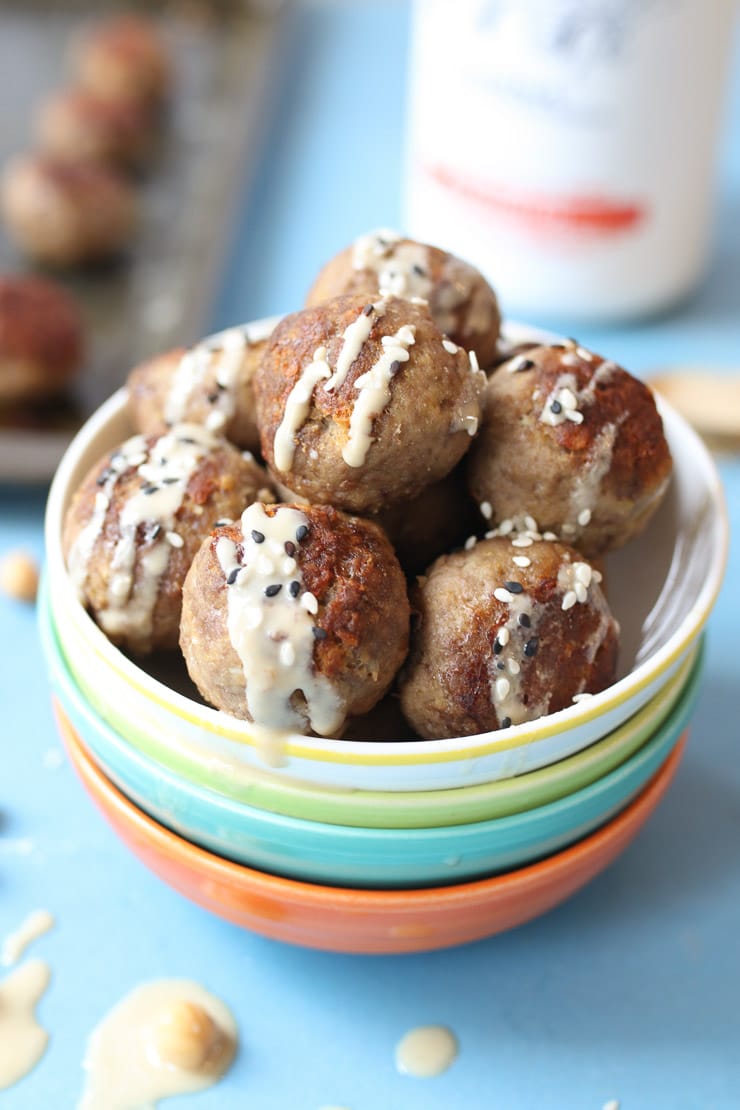
www.abbeyskitchen.com/about-abbey/

Last Updated April 6, 2026. Published September 1, 2021 By Abbey Sharp 25 Comments

Vegan Pregnancy Diet | Essential Nutrients for a Vegan Pregnancy

A stacked vegan burger.

Learn about the essential nutrients for a vegan pregnancy diet to ensure that you don’t become deficient.

A stacked vegan burger for a vegan pregnancy diet.

If you missed our Part 1, we recently discussed the common misconception that eating a vegan pregnancy diet, or even vegetarian, is bad for baby. The vegan pregnancy diet myth has been officially BUSTED. Having said that, there are a few essential nutrients that vegans and vegetarians need to watch out for during pregnancy to ensure they stay on track. Namely vitamin B12, iron, omega-3’s, calcium, vitamin D, zinc, choline, iodine and protein, depending on which foods are avoided (e.g. fish, eggs, dairy). These nutrients are sometimes found in smaller amounts in plant-based foods but are important during this time of baby’s growth. Let’s take a look at each of these nutrients to see why you need them for a vegan pregnancy diet and where you can find them.

Essential Nutrients For a Vegan Pregnancy Diet

Vitamin B12

Before pregnancy, just being a vegan or vegetarian alone may have required additional planning to get adequate amounts of B12 in your daily diet. B12 works with folic acid in the production of all blood cells (especially red blood cells) and DNA, helps the body use fats and amino acids, and plays a fundamental role in maintaining a healthy nervous system, and brain development. During pregnancy, the mother has a large influence on the health of her baby, and the demands for B12 of her developing child is high for growth and development.

If left undetected and untreated, a deficient mother with low B12 levels in the first trimester can result in NTDs, preterm delivery, low birth weight, refusal of solid foods, megaloblastic anemia, reduced muscle mass, muscle weakness, low bone mineral density, enlarged liver and spleen, delayed speech development, and irreversible neurological and developmental abnormalities including IUGR, and in some cases, fetal losses. Although vitamin B12 absorption is increased during pregnancy, avoiding the possibility of being deficient is vital for preventing severe consequences.

Since B12 is primarily found in foods of animal origin, it will be more challenging to get it from a plant-based, and particularly a vegan pregnancy diet. Nearly all studies involving vegetarians have shown that vitamin B12 deficiency is a major concern, with a higher risk of deficiency among pregnant vegetarian and vegan women, as well as their offspring. A current review indicated that B12 deficiencies in vegetarian pregnant women ranged from 17 to 39% depending on the trimester, which was higher in vegans compared to vegetarians.

Despite there being very limited research on vegan pregnant women regarding B12 status, findings have shown that switching from a vegan to lacto-ovo-vegetarian diet, along with consuming B12-fortified soy milk, can lead to significant increases in B12 levels. Obviously, though, I understand that for some of my vegan followers, that just won’t fly. Even though 2.6 mcg/day is the recommended amount by Dietitians of Canada, other studies have suggested that B12 intakes should be higher during pregnancy due to cases where infants still ended up being B12-deficient even when consuming the recommended amount. In light of this, the newest recommendations set by the European Food Safety Authority (EFSA) for B12 is 4.5mcg/day during pregnancy, which may be more beneficial for vegans. It’s best to speak to your doctor about your needs when you decide you want to conceive or find out that you are pregnant.

How can I make sure I am meeting my B12 requirement?

Good news is: if you’re a vegetarian who enjoys adding dairy products like milk and yogurt, and eggs in their diet, a lot of your B12 needs can be met. However, there are very few non-animal based foods with the active B12 form. Since it is more difficult to ingest optimal amounts of B12 from dietary sources, pregnant vegans should regularly select reliable sources including supplements or fortified foods. Nowadays there is a larger variety of B12-fortified foods designed for vegans on the market, including non-dairy milks (e.g soy, rice, almond, coconut), breads, some meat substitute products (e.g texturized vegetable proteins [TVPs]), veggie burgers, soy products including tofu, cereals, and certain brands of nutritional yeast.

Don’t forget to double-check the ingredients list to make sure it’s been fortified with B12, since it’s not guaranteed that all of these foods will contain it. The B12 content can also vary drastically between products and the fortification amount can also change! Although seaweed (e.g nori), fermented products such as tempeh, miso, sauerkraut, chlorella, spirulina algae, nutritional yeast, shiitake and porcini mushrooms, and sprouted beans, still have nutritional benefits, you cannot rely on them for getting all the B12 needed while following a vegan pregnancy diet. They may even contain B12 analogs or “anti-nutrients” which decrease the absorption of B12. Be sure to consume foods containing vitamin B12 at frequent intervals and in smaller amounts, so it can be absorbed more effectively.

It is possible to consume an adequate amount of B12 from fortified foods, but the easiest and most reliable way is for vegans and vegetarians to regularly take a vitamin B12 supplement, especially if your prenatal supplement does not include it. Usually prenatal supplements will contain between 4 to 12mcg of B12, so hopefully that is enough. Whenever possible, opt for the cyanocobalamin (or cobalamin) form of vitamin B12 over methylcobalamin because research has indicated that it is more active, absorbable, and two times more effective for elevating B12 levels in deficient individuals.

Iron

By deciding to go the plant-based route, it’s likely you’re going to have non-vegetarians ask, “But where do you get your iron?” Truth is, meat-eaters are not protected from getting iron-deficiency anemia during pregnancy, because it is a very common condition for both omnivores and vegans/vegetarians alike. You can definitely get plenty of iron on the vegan pregnancy diet from eating a variety of vegan-friendly sources every day to support you and your baby while eating a vegan pregnancy diet without iron-rich meat. Plant sources of iron include dark leafy greens, dried fruits like apricots, raisins and prunes, prune juice, whole grains (especially quinoa and amaranth), enriched grain products and cereals, sweet potatoes and white potatoes (with skin), lentils, peas, beans, nuts (e.g cashew, pine, hazel nuts), seeds (e.g pumpkin, sesame seeds), meat alternatives like TVPs and veggie burgers, tofu and other soy products and molasses. Studies have shown that vegetarians tend to have similar or slightly higher iron intakes than omnivores, although iron stores have been found to be lower.

Salad in a glass bowl for a vegan pregnancy diet.

Do pregnant vegan or vegetarian women need more iron?

Moms consuming a vegan pregnancy diet will need almost double the amount of iron during pregnancy for a total of 50 mg per day. Whether from animal or plant sources, iron absorption from both are greatly enhanced with each trimester that passes by. However, over time, the body can adapt to low iron intakes and significantly enhance absorption of non-heme iron (up to 40%), despite the presence of inhibitors or enhancers. Nonetheless, vegans and vegetarians are still at a higher risk of iron deficiency and developing anemia. Because of the higher potential risks, plant-based pregnant women should take a 30 mg iron supplement (if not provided by a prenatal supplement). Research has shown that taking an iron supplement along with folic acid supplement on a weekly basis, can reduce the risk of being iron-deficient without potential side effects.

What are some practical ways to increase iron absorption from plant sources?

A bunch of papayas in a cardboard box.

Depending on factors including the mother’s iron status, dietary choices and combinations of food within a meal, absorption of non-heme iron (in plant foods) can vary drastically. The amount of inhibitors found within many plant sources such as phytates (e.g in whole grains, legumes, some vegetables, unleavened whole grain breads), tannins, caffeine (in tea and/or coffee), polyphenols, calcium (from foods with over 300 mg), and high amounts of fiber, or enhancers, like citric acid, vitamin C and other organic acids in fruits, have a large impact on iron absorption.

It’s best to consume foods containing iron-inhibitors 1-2 hours after meals (or take iron supplements between meals). Research has shown that the foods we eat together can have a greater effect on iron absorption, which means you will need to be more mindful of ways that you can enhance non-heme iron absorption from plant foods since it cannot be effectively absorbed.

To increase absorption of (non-heme) iron from plant sources, add foods high in vitamin-C to iron-rich meals (e.g. peppers, berries, kiwis, tomatoes, melons, mangoes, citrus fruits, peppers, cauliflower, broccoli and kale), which works by reducing the effects of phytates. Other ways include combining animal and plant-based foods (i.e., heme and non-heme iron) together if that’s an option for you, or sprouting your legumes and grains to reduce the amount of compounds interfering with iron absorption. Another option is to cook your food in cast-iron pots, which increases absorption as well. With careful planning, an iron-rich plant-based diet can provide adequate iron for your growing baby while maintaining optimal iron stores of the mother throughout your pregnancy diet.

Calcium

Bok choy on a table for a vegan pregnancy diet.

Generally, lacto-ovo-vegetarians are able to meet or exceed recommended calcium intakes through dairy and other calcium-containing foods, while the vegan pregnancy diet may need a bit more planning. Having said that, there is currently no clear evidence showing a causal relationship between calcium deficiencies in vegan women during pregnancy and potential negative health consequences.

Nevertheless, it’s all about knowing which types of foods are best and can be absorbed well by the body. Calcium bioavailability (i.e., amounts the body can absorb and use) from plant foods is disrupted by oxalates and phytates. Fiber can also interfere with calcium absorption. Although calcium-containing plant sources such as rhubarb, beet greens, spinach and swiss chard contain calcium, their high oxalate content means that calcium absorption can be as low as 5%. Despite providing moderate amounts of calcium, oranges, figs, almonds, red and white beans, nuts like almonds, chia and sesame seeds, tahini and blackstrap molasses are also still not well absorbed (about 20%).

For good sources of calcium, choose low-oxalate foods including broccoli, bok choy, napa (Chinese) cabbage, kale, okra, as well as collard, turnip and mustard greens, which will allow more calcium to be absorbed (as high as 50%). Even though absorption is slightly lower (about 30%), other good sources include soybeans, calcium-set tofu (shown as a calcium salt such as “calcium chloride” or “calcium sulfate” in the ingredients list), and most fortified plant milks (e.g. soy, hemp milk) which is similar to cow’s milk.

Due to the lower calcium absorption of plant-based diets, vegetarians and vegans are recommended to consume at least 8 servings of calcium-rich foods to reach a total of 1200 to 1500 mg/day (approximately 20% more calcium). If you are unable to consume good sources of calcium as a regular part of your vegan pregnancy diet, or on days when you have a poor appetite, taking a low-dose calcium supplement with your prenatal vitamin (at least 2 hours away from an iron supplement) is definitely an option to ensure you’re getting enough in your diet during your vegan pregnancy. Be sure to speak with your doctor before taking any supplements.

Vitamin D

Oranges on a table for a vegan pregnancy diet.

Despite no changes in vitamin D requirements among pregnant women, vegans still tend to have lower vitamin D intakes compared to lacto-vegetarians and omnivores. However, low vitamin D consumption is VERY possible and common for both vegetarians and vegans. Vitamin D2 made from yeast and lichen-derived vitamin D3 are both vegan-friendly, but evidence suggests that vitamin D2 is less efficiently absorbed at higher doses. Most D3 sources are found in animal products or synthesized via skin exposure to sunlight. For this reason, some believe that you may need a higher dose if choosing to take vitamin D2. While limited, vegan sources of vitamin D include fortified soy and other non-dairy milks, orange juice, cereals, and UV-treated mushrooms, which should be included regularly in the prenatal diet, especially throughout the winter. If encountering difficulty obtaining vitamin D from food, women on a plant-based diet are recommended to meet their needs through a separate supplement, although some prenatal supplements contain vitamin D as well that are very useful for a vegan pregnancy diet.

Omega 3

Chia pudding in a jar for a vegan pregnancy diet.

If you don’t have fish in your diet, you’ll want to make an effort to incorporate a number of different plant sources of Omega 3s. Out of the types of omega-3s, DHA is the one with special importance during pregnancy which helps baby’s brain, nervous system and eyes develop. However, since DHA is largely found in animal products (aka. fish), these omega-3’s tend to be lower in vegetarians and possibly absent in vegans. Despite lower intakes, vegetarian and vegan children do not appear to suffer from impaired mental or visual development. With no evidence showing pregnancy complications or poor child development when excluding fish from the prenatal diet, health outcomes from lower EPA and DHA status of vegetarians and vegans have yet to be established.

Plant sources of omega-3’s largely come in the form of ALA, such as in soy, nuts and seeds. ALA is not readily available for your body to use, so it must convert to the other, more available omega-3 fatty acids – EPA and especially, DHA. This can look like including vegetable oils (e.g., canola, flax oil, walnut, camelina, soybean oil) in your cooking, adding tofu to meals, and snacking on ground nuts and seeds (especially walnut, flax seeds, chia seeds, hemp seeds, pumpkin seeds. The only thing is, the conversion rate of ALA to these usable forms is very low and less efficient, with approximately 0.1% of ALA converted to DHA in healthy adults. This means you may be more prone to having low DHA levels, particularly vegans, because you are not getting “as much” EPA/DHA from ALA plant foods, compared to direct DHA sources. The only vegan direct source of DHA is algae, which can be purchased in gelatin-free capsules as a supplement. If you’re not down with that, some experts suggest that vegans should double their ALA intake because of the poor conversion factor. Even so, evidence still indicates that the conversion of ALA to EPA and DHA is sufficient and needs can be met with ALA in healthy individuals, and even for a vegan pregnancy diet. Typically, 2 teaspoons of flaxseed oil or 2 tablespoons of ground flaxseeds or canola oil is sufficient to meet the daily requirement for ALA. With integral importance of ALA in vegetarian and vegan diets during pregnancy, this essential fat must be included when carefully planning out your diet.

But then there’s the issue of Omega 6 interfering with the ratio here. Since vegetarian diets are usually high in omega-6’s thanks to higher amounts of grains, vegetable oils, nuts, seeds and leafy vegetables, there’s a concern about achieving the ideal ratio of omega 3 to 6. Within the body, omega-3’s and -6’s compete with each other for enzymes required to be converted into usable forms. This means if you consume very high levels of omega-6’s, DHA production will be suppressed. In order to have optimal conversion of ALA, an omega-6 to ALA ratio of less than 4:1 has been suggested. By using omega-3 rich oils in place of those that are higher in omega-6’s, or maintaining proper portion sizes of seeds containing more omega-6’s, you can achieve an overall, more balanced intake. Also, another good reason to avoid trans fats, other than CVD, is that it can also hinder production of DHA.

Not unlike with many omnivores, aiming to get in lots of dietary sources of omega-3’s or a direct DHA supplement (or ALA supplement containing 1.4 g of ALA/day) is definitely a priority for pregnant vegetarians and vegans. Getting a variety of omega-3’s in your daily diet before, during, and after pregnancy, ensures that you and your baby will have optimal amounts to reap the benefits. For your own insurance, a reliable way of getting a direct EPA/DHA source (so you don’t need to double your ALA intake or worry about how much is getting converted), is to take that vegan-friendly microalgae supplement providing a low dose (i.e., 200 to 300 mg of DHA) on a daily basis. After all, fish are rich in DHA by feeding on algae in the first place!

Zinc

Caramelized pecans.

This overlooked mineral is extremely important for growth and development of your baby, wound-healing, and maintaining a strong immune system. Zinc requirements will increase to meet the demands of pregnancy (to about 11 mg), regardless of whether you’re vegetarian or not. The overall evidence regarding differences in zinc intakes and status between vegetarian and non-vegetarian pregnancies is unclear. Some studies have found that although zinc status is lower among vegetarians, they remain within a normal range so that is at least some good news. Even though our bodies absorb zinc better from meat sources, it doesn’t seem to be a problem for vegetarians who include egg and dairy products, or even vegans in Western countries.

Plant sources of zinc include beans, peas, lentils, soy foods, nuts (e.g. cashews, pecans, peanuts, brazil nuts), seeds (e.g. flax, pumpkin, sesame seeds, tahini), wheat germ, miso, whole-grains, enriched breads, fortified cereals, and vegetables. However, zinc absorption is typically lower in plant-based diets high in phytates, fiber and calcium. If taking high dose iron supplements without eating any food, it’s best to take them separate from zinc-rich foods since it can reduce zinc absorption.

Another cool thing? Techniques in food preparation that can enhance zinc bioavailability! Try soaking and cooking legumes, sprouting grains, nuts, seeds and beans, along with bread-leavening, all of which reduces the amount of zinc that’s inhibited by phytates. Similar to iron, consuming zinc-containing foods with acidic ingredients (e.g. tomato sauce, lemon juice) increases its absorption to a certain extent. Check that your prenatal supplements contains about 15 mg of zinc, especially for a vegan pregnancy diet.

Choline

Dried beans.

Choline is probably one of the most unheard of, but key pregnancy nutrients. Products from the metabolism of choline are needed for healthy cell membranes, nerve cells, and other functions involved in brain and tissue development. Since choline functions in the same metabolic pathways as folate, higher intakes of choline during the periconceptional period has been linked to a decreased risk of NTDs. The only concern for vegetarian and vegan pregnancy women is that meat, fish, some dairy products like milk, and egg yolks are some of the richest choline sources, with lower concentrations found in plant foods. Research has suggested that high intakes of choline (450 mg/day) during pregnancy has been linked to improved stress responses of the fetus and enhanced placenta function. Although it is possible to get small amounts of choline in a vegan diet (e.g. from soy foods like tofu, navy or kidney beans, some veggies, nuts, grains), a choline supplement may be needed, especially since many prenatal multivitamin and mineral supplements don’t include it (or very much).

Iodine

Coarse salt on small wooden spoon.

Vegetarian-friendly sources of iodine include cow’s milk and yogurt, although there are a limited number of plant sources suitable for vegans. Seaweeds and kelp are known to be high in iodine, but they will have large variations in iodine content (and depending on the source, potentially high concentrations of heavy metals and arsenic). If you prefer buying other varieties of salt such as Kosher and sea salt, it’s important to know that they do not contain as much iodine as table salt (which contains 380 mcg per tsp). The same goes for organic milk (containing 40% less iodine than regular milk), soy and other non-dairy milks. Soy consumption can also hinder iodine absorption, however this can be avoided by having sufficient iodine intakes. Since prenatal supplements are typically not a reliable source of iodine, a better (and easier) way to meet your needs is to add a small amount of iodized salt to your diet.

Protein

Large containers of dried pulses for a vegan pregnancy diet.

Protein is involved in numerous critical functions such as producing and maintaining red blood cells and enzymes, and supporting growth and development of muscle, tissues and cells of your baby. As a vegetarian or vegan, being asked about where you get your protein may be something you’re very used to. There’s no questioning the importance of protein in a prenatal diet since insufficient amounts can result in long-term damage to the fetus, such as reduced brain size and birth weight, modified fat distribution, energy metabolism and muscle tone, increased sensitivity to stress and obesity. Like calories, protein needs increase when you’re pregnant, but not by an extreme amount even if plant-based. Pregnant women just need to add an extra 25 grams of protein a day for a total of 71 g during the second and third trimesters (with approximately 21 g of it used for the fetus, placenta and other maternal tissues).

However, what many people still don’t know (and haven’t quite accepted yet), is that quality plant-based proteins can be just as effective as animal proteins for meeting your protein needs during pregnancy! Appropriately-planned vegetarian and vegan diets generally meet or exceed protein recommendations, with no studies indicating protein deficiencies among pregnant vegetarians. Even if avoiding eggs and dairy, it’s not difficult to get in your days’ worth of protein with plenty of plant proteins including meat alternatives, soy products, legumes such as beans, lentils, nuts (and their nut butters), seeds, as well as whole grains. Including an ample amount of these foods will not only help you meet protein requirements, but also provide good sources of folic acid, iron, zinc and magnesium. Soy in particular, is an excellent plant-based source of protein, but is also known to be high in phytoestrogens. Although the media has created a bad rep for soy, a recent meta-analysis found that higher intakes of phytoestrogens the year before pregnancy and during pregnancy, resulted in a decreased risk of hypospadias (a birth defect that occurs in boys’ penis). This may seem like a soy advantage, but due to some inconsistencies with other studies, more research is needed before coming to any conclusions.

Since many plant proteins are incomplete and do not contain all of the essential amino acids (EAAs), forming complementary proteins (e.g rice and beans) can help make sure you are not missing out on any of them. Contrary to previous beliefs, complementary proteins actually do NOT need to be consumed within the same meal, but rather, having them throughout the course of a day is just fine.

Bottom Line

So as you can probably see from this comprehensive guide, it’s totally possible to eat a vegetarian or vegan diet and thrive during pregnancy. As long as they are well-planned with these essential nutrients, vegan and vegetarian pregnant women can provide their baby with everything they need from eating a vegan pregnancy diet.

Contribution By: Rachel Shim

More blog posts you might like:

If you liked this blog post on the vegan pregnancy diet then you might also enjoy more blog posts on veganism and pregnancy

  • Is a Vegan and Vegetarian Diet Safe During Pregnancy?
  • Are Vegan Milk Substitutes Safe for Plant Based Babies Who Don’t Drink Cow’s Milk?
  • 6 Pregnancy Nutrition Myths That Are Total BS: Part 1
  • Even More Pregnancy Nutrition Myths That We’re Sick of Debunking: Part 2
  • List of Foods to Avoid in Pregnancy
Abbey Sharp

Abbey Sharp is a Registered Dietitian (RD), regulated by the Ontario College of Dietitians. She is a mom, YouTuber, Blogger, award winning cookbook author, media coach specializing in food and nutrition influencers, and a frequent contributor to national publications like Healthline and on national broadcast TV shows.
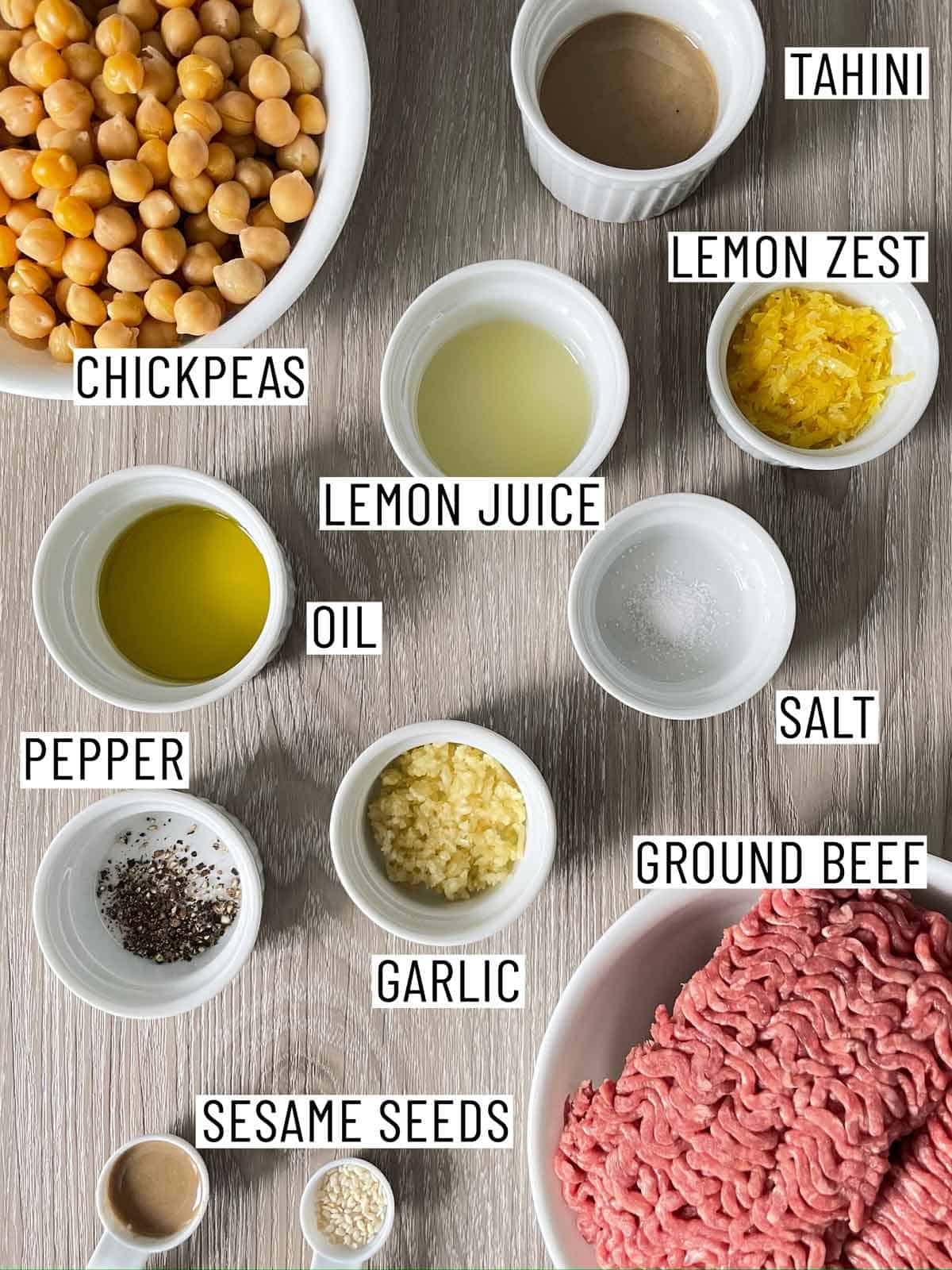
www.abbeyskitchen.com/about-abbey/

Last Updated August 30, 2021. Published August 30, 2021 By Abbey Sharp 9 Comments

Spicy Sausage Casserole with Cauliflower Rice (Easy Low Carb Recipe)

Spice up dinner tonight with this simple Sausage Casserole. This low carb cajun sausage and cauliflower rice casserole is a recipe that the whole family will love so much there might not be any leftovers.

Cajun sausage rice casserole

I’ve been on the casserole train lately, and it’s made meal planning a whole lot easier. Let’s be real- your grandma’s casseroles were plain and boring- nobody has time for that! This is not grammy’s casserole! This low carb cajun sausage casserole was inspired by the classic Cajun rice dish with a lightened-up, veggie forward kick. I’m using cauliflower rice to make this casserole higher in fibre but not leaving out a flavourful kick from my go-to spicy hero: Cajun spice.

Table of contents

  • Why This Recipe Works
  • Key Ingredients
  • How to Make This Recipe
  • Expert Tips
  • Recipe FAQs
  • More Recipes You Might Like

Why This Recipe Works

This sausage casserole is so easy to make and you will love it! Not only is this recipe low card, but it’s also:

  • Veggie packed.
  • A delicious way to use up leftover vegetables.
  • Comes together in less than an hour.
  • Family-friendly favourite.

Key Ingredients

Ingredients needed to make a sausage casserole.

Turkey sausage — I like using turkey sausage as it is lower in calories and saturated fat while still being a source of protein.

Cauliflower rice — This can be purchased at the frozen section of your grocery store. If you’re unable to find it, you can make your own by placing cauliflower florets into a food processor.

Veggies — This sausage casserole is packed with veggies! In this case, we are adding onions, red and orange bell pepper, and tomatoes.

Kidney beans — Kidney beans are packed with protein, fibre, vitamins, and minerals!

Cajun seasoning — This can be found at most major grocery stores and online.

How to Make This Recipe

Set of two photos showing ingredients sautéed in a pan.

Step 1: Preheat oven to 425F. Heat the olive oil over medium high heat and add the sausage bits. Cook just until lightly browned, about 1-2 minutes per side, and set aside.

Step 2: Add the onion and garlic and saute for 1-2 minutes or until fragrant and soft.

Set of two photos showing the ingredients for the sausage casserole added to a baking dish and baked.

Step 3: To a lightly greased 13×9″ casserole dish, add the cooked sausage, onions, garlic, cauliflower rice (still frozen), bell peppers, kidney beans, diced tomatoes (without the juice), cajun seasoning, and a generous pinch of salt and pepper. Mix to combine and break up any cauliflower rice chunks. Press lightly down.

Step 4: Bake for 20 minutes or until the cauliflower rice is tender and hot, and the sausage is cooked through.

Expert Tips

Make this sausage casserole in one pan and cut down on cleaning up by using a cast-iron skillet. This way you can go from stovetop to oven.

You can swap the turkey sausage for Cajun sausage, smoked sausage, or another sausage of your choice.

Recipe FAQs

Can I make this sausage casserole vegan or vegetarian?

Heck yeah. Swap out the sausage for tofu/tempeh, or that new vegan sausage, and pan fry until lightly browned on all sides. Then just add it to the casserole dish with the other ingredients. How easy was that?

Is this casserole freezer-friendly?

While it’s likely going to be tempting to polish off this cajun cauliflower rice casserole, this cajun sausage and cauliflower rice casserole is ONE HUNDO PERCENT freezer friendly. Throw it in a sealable plastic/glass container and keep it in the freezer for another busy night.

Can I use different vegetables?

You can definitely use different vegetables. Try chopped broccoli, zucchini, cauliflower, or whatever you have on hand.

How do I store this?

Store this casserole in the fridge for up to 3 days in an airtight container or wrap the casserole dish tightly.

Cajun rice cauliflower in a white bowl.

More Recipes You Might Like

If you like this Cajun sausage casserole, try these reader favourites:

  • Cauliflower Rice, Chicken and Broccoli Casserole
  • Vegan Mexican Pasta Casserole
  • Cabbage Cheeseburger Casserole
  • Gluten Free Vegetarian Pizza Quinoa Casserole
Cajun sausage rice casserole
Print Recipe
5 from 4 votes

Low Carb Cajun Sausage and Cauliflower Rice Casserole

Spice up dinner tonight with this low carb cajun sausage and cauliflower rice casserole that the whole family will love so much there might not be any leftovers.
Prep Time10 minutes mins
Cook Time24 minutes mins
Total Time34 minutes mins
Course: Main Course, Dinner
Cuisine: American
Servings: 6 people
Calories: 333kcal
Author: Abbey Sharp

Ingredients

  • 2 tsp extra virgin olive oil
  • 6 lean turkey sausages cut into circles
  • 1/2 sweet onion diced
  • 2 cloves garlic minced
  • 1 red bell pepper diced
  • 1 orange bell pepper diced
  • 1 12 oz package of cauliflower rice
  • 1 19 oz can red kidney beans drained and rinsed
  • 1 28 oz can diced tomatoes drained
  • 2 tbsp cajun seasoning
  • Salt and pepper to taste
  • Hot sauce for serving

Instructions

  • Preheat oven to 425 F.
  • Heat the olive oil over medium high heat and add the sausage bits. Cook just until lightly browned, about 1-2 minutes per side and set aside.
  • Add the onion and garlic and saute for 1-2 minutes or until fragrant and soft.
  • To a lightly greased 13×9″ casserole dish, add the cooked sausage, onions, garlic, cauliflower rice (still frozen), bell peppers, kidney beans, diced tomatoes (without the juice), cajun seasoning and a generous pinch of salt and pepper. Mix to combine and break up any cauliflower rice chunks. Press lightly down.
  • Bake for 20 minutes or until the cauliflower rice is tender and hot, and the sausage is cooked through.

Notes

  • Make this sausage casserole in one pan and cut down on cleaning up by using a cast-iron skillet. This way you can go from stovetop to oven.
  • You can swap the turkey sausage for Cajun sausage, smoked sausage, or another sausage of your choice.

Nutrition

Calories: 333kcal | Carbohydrates: 29g | Protein: 29g | Fat: 12g | Saturated Fat: 3g | Cholesterol: 85mg | Sodium: 1132mg | Potassium: 1151mg | Fiber: 9g | Sugar: 9g | Vitamin A: 2603IU | Vitamin C: 98mg | Calcium: 117mg | Iron: 5mg
Abbey Sharp

Abbey Sharp is a Registered Dietitian (RD), regulated by the Ontario College of Dietitians. She is a mom, YouTuber, Blogger, award winning cookbook author, media coach specializing in food and nutrition influencers, and a frequent contributor to national publications like Healthline and on national broadcast TV shows.
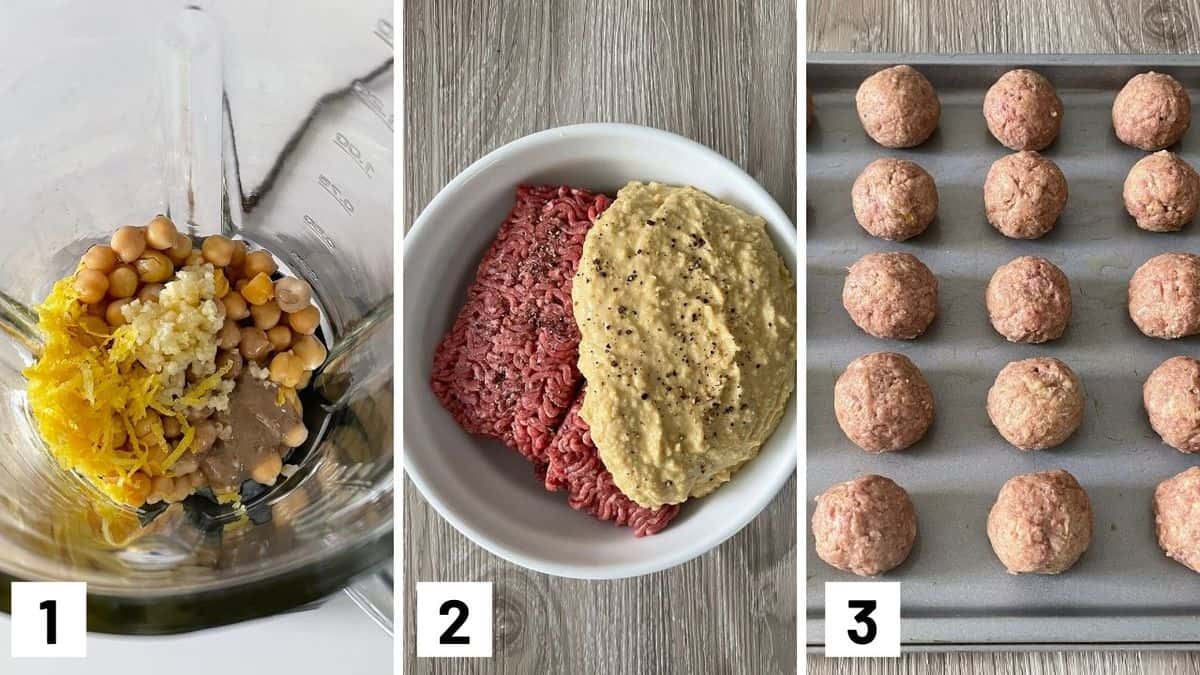
www.abbeyskitchen.com/about-abbey/
  • Previous Page
  • Go to page 1
  • Interim pages omitted …
  • Go to page 31
  • Go to page 32
  • Go to page 33
  • Go to page 34
  • Go to page 35
  • Interim pages omitted …
  • Go to page 89
  • Next Page

Get started with

Eight Free Recipe Books

From the co-founder of Neue Theory and creator of the Hunger Crushing Combo

Sign me up!
Abbey smiling at table
Abbey Sharp

“Foods may never be nutritionally equal. But we can make them morally equal by recognizing that our worth is never determined by what's on our plate.”

— Abbey Sharp, RD About Abbey ◥

Books

  • HCC™
  • Mindful Glow
  • Free E-Books

Blog

  • Nutrition
  • Recipes
  • Motherhood
  • Life

Explore

  • Neue Theory™
  • Bite Back
  • YouTube

Abbey

  • About
  • Coaching
YouTube TikTok Instagram Facebook X Pinterest
Abbey Sharp - The No BS Dietitian From Abbeys Kitchen

© Abbey's Kitchen 2026  All Rights Reserved •  ACCESSIBILITY STATEMENT •  Privacy Policy

This site uses cookies. By continuing to browse the site, you are agreeing to the use of cookies Accept Privacy Policy
Privacy & Cookies Policy

Privacy Overview

This website uses cookies to improve your experience while you navigate through the website. Out of these, the cookies that are categorized as necessary are stored on your browser as they are essential for the working of basic functionalities of the website. We also use third-party cookies that help us analyze and understand how you use this website. These cookies will be stored in your browser only with your consent. You also have the option to opt-out of these cookies. But opting out of some of these cookies may affect your browsing experience.
Necessary
Always Enabled
Necessary cookies are absolutely essential for the website to function properly. This category only includes cookies that ensures basic functionalities and security features of the website. These cookies do not store any personal information.
Non-necessary
Any cookies that may not be particularly necessary for the website to function and is used specifically to collect user personal data via analytics, ads, other embedded contents are termed as non-necessary cookies. It is mandatory to procure user consent prior to running these cookies on your website.
SAVE & ACCEPT

Rate This Recipe

Your vote:


A rating is required
A name is required
An email is required