• Skip to main content

Abbey's Kitchen

Healthy Recipes, Nutrition Myth Busting, Healthy Eating Tips

  • Books
    • HCC™
    • The Mindful Glow Cookbook
    • Recipe eBooks
      • Family
      • Hypothyroidism
      • BLW
      • Vegan Week 1
      • Vegan Week 2
      • Vegan Week 3
      • Keto
      • Gluten Free Week 1
      • Gluten Free Week 2
      • Fitness
      • Paleo
  • Blog
    • Nutrition
    • Recipes
    • Motherhood
    • Life
  • Explore
    • Neue Theory™
    • Bite Back With Abbey Sharp
      • Apple Music
      • Spotify
      • Amazon Music
    • YouTube
  • Abbey
    • About
    • Coaching
    • Contact

Abbey Sharp

Last Updated June 22, 2023. Published June 23, 2023 By Abbey Sharp 9 Comments

Chocolate Covered Pineapple Recipe with Spicy Salty Crust

Chocolate covered pineapple slices on a teal plate.

Make your summer a little sweeter with this chocolate covered pineapple recipe topped with tajin, cashews, and fleur de sel. Step up your BBQ dessert game with a plate of these delightful treats!
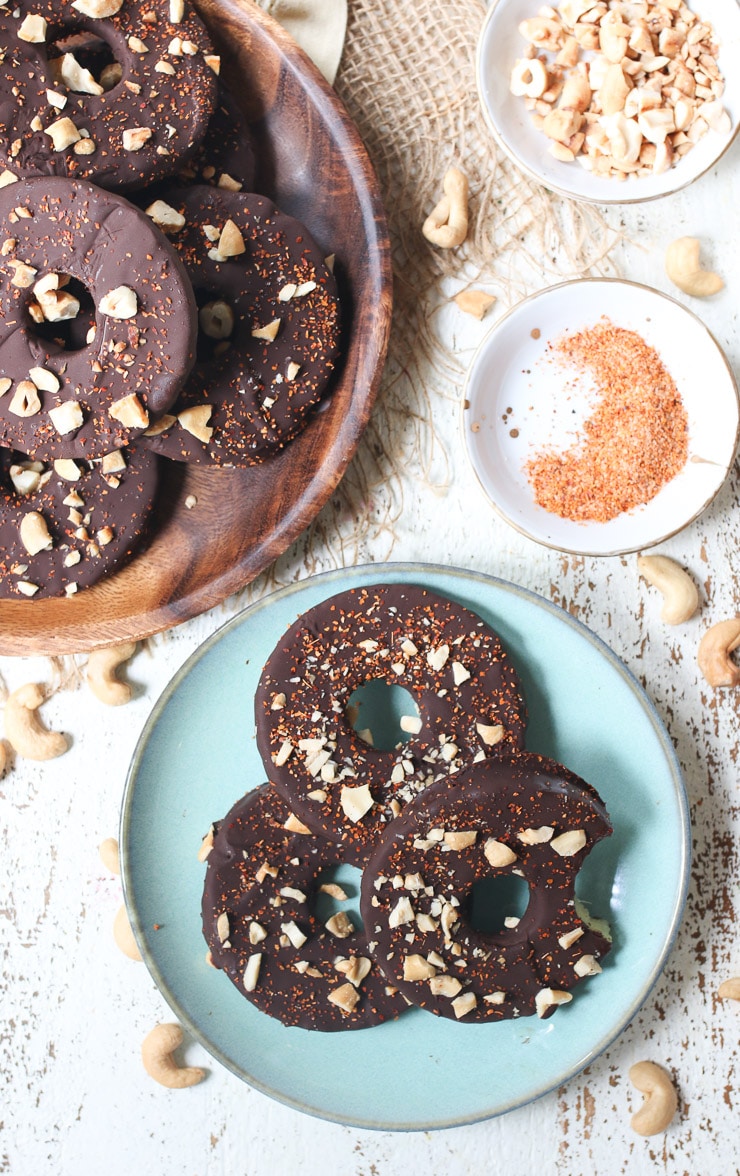
Chocolate covered pineapple slices on a teal plate.

Okay, I don’t want to get cocky, but I think I’ve struck gold with this dessert. Picture a chocolate covered donut, but when you go in to take a bite, you get hit with the perfect balance of sweetness and acidity. How perfect is that?

Table of contents

  • Why This Recipe Works
  • Key Ingredients
  • How to Make This Recipe
  • Expert Tips
  • Recipe FAQs
  • More Recipes You Might Like

Why This Recipe Works

The greatest thing about this chocolate covered pineapple recipe is that it literally takes minutes to prepare and before you know it, you’re sitting in the backyard with your feet kicked up eating one of these chocolate dipped pineapples. Need more reasons to make this?

  • Vegan-friendly
  • Kids love them
  • Can be made ahead of time
  • Gluten-free

Key Ingredients

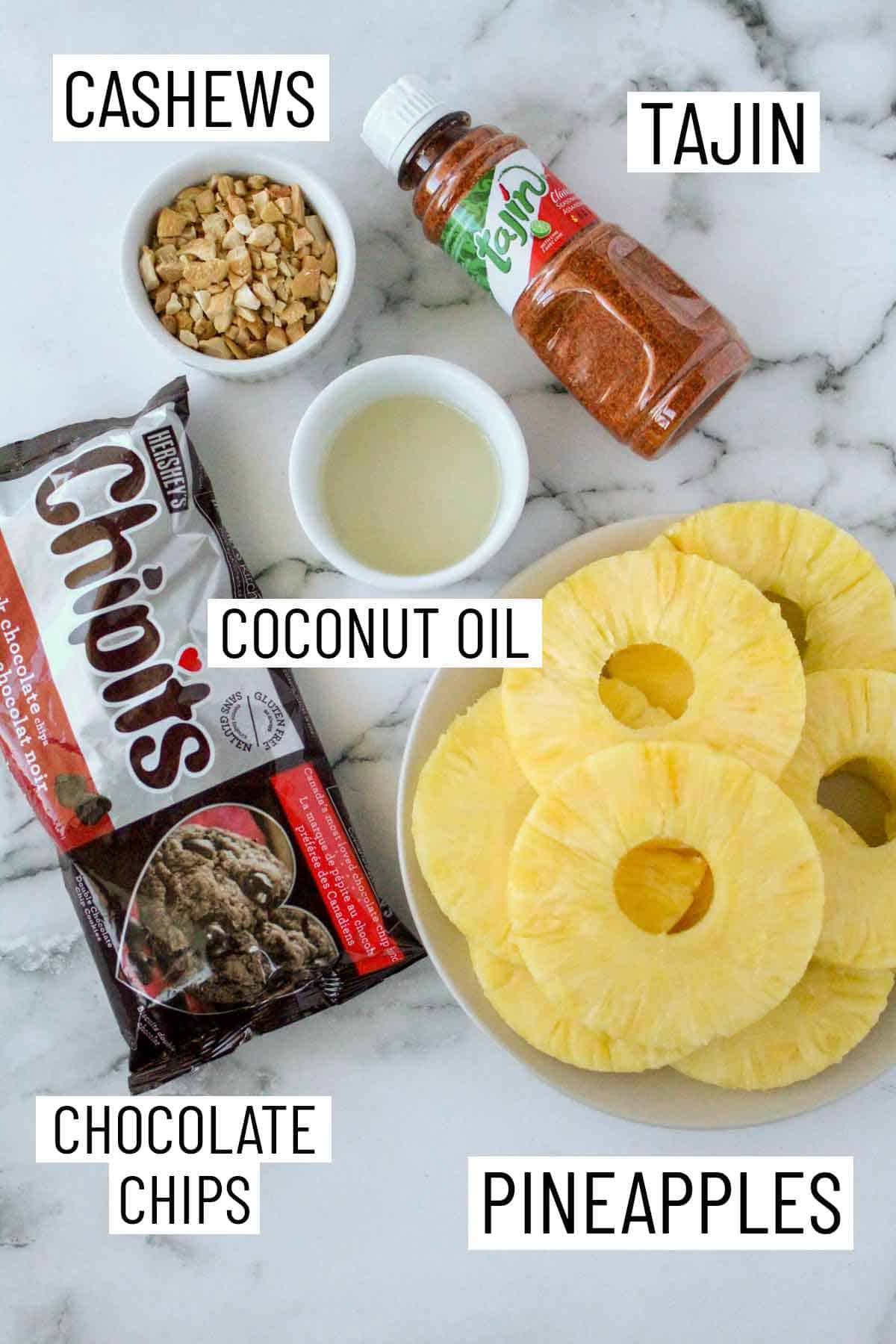
Ingredients needed to make chocolate dipped pineapple.

Pineapples — delicious and healthy, pineapples are loaded with nutrients. They are especially rich in vitamin C and manganese.

Chocolate — I use gluten-free dairy-free chocolate to coat the pineapples with. You can swap with your chocolate of choice if those are not concerns for you.

Tajin — this is a unique chili lime seasoning blend made with a combination of mild chili peppers, lime, and sea salt. I love using it on fruit, I even used it on my popular watermelon fries. So I didn’t pull any punches with these chocolate dipped pineapple, so I’m sprinkling a generous amount on top to add a nice little kick.

How to Make This Recipe
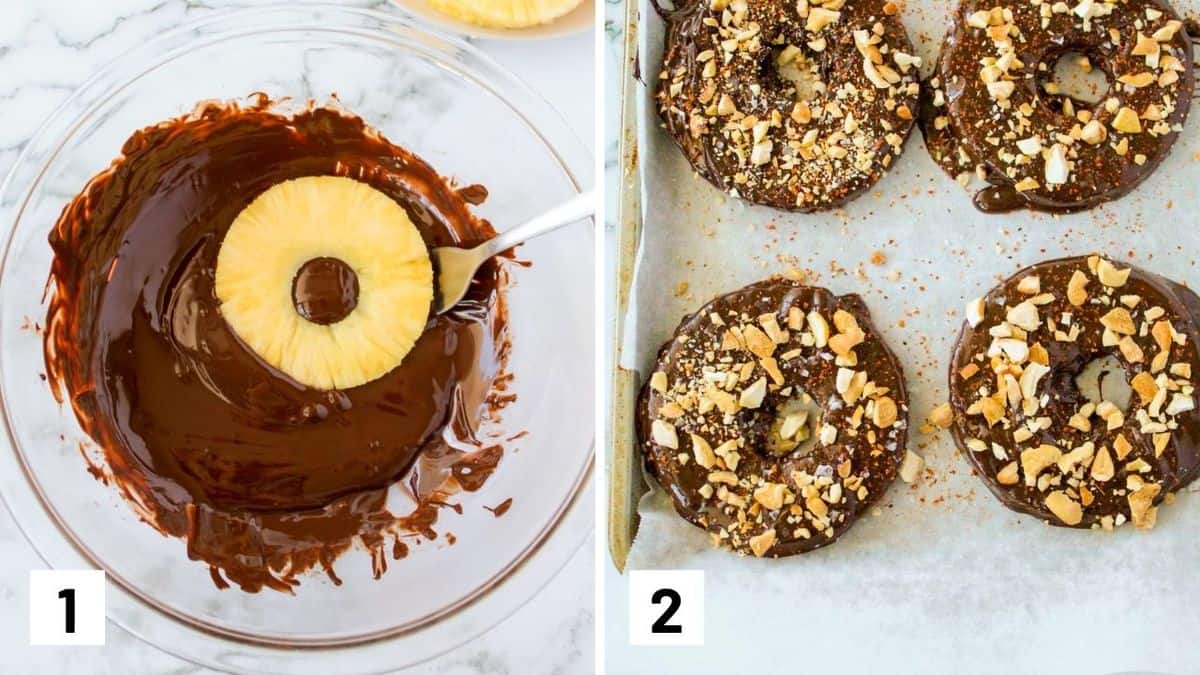
Set of two photos showing pineapple ring added to melted chocolate and then set on a sheet pan to be topped and to be set.

Step 1: In a microwave safe bowl, add dark chocolate and coconut oil. Melt in the microwave and mix with a spoon every thirty seconds until fully melted. Using a fork, dip a pineapple slice in the bowl of melted chocolate. When fully covered in chocolate lay the pineapple slice on a baking sheet lined with parchment paper.

Step 2: Moving quickly, sprinkle pineapple slices with tajin, crushed cashews, and fleur de sel. Repeat with the remaining pineapple slices. Place the baking sheet in the freezer for five to ten minutes until the chocolate hardens.

Expert Tips

You can purchase cored pineapple at the store to make this chocolate covered pineapple recipe and slice them into rings yourself. Or if you’d like to DIY, start off by slicing the top and bottom of the pineapple. Then place the pineapple on one of the cut-sides and slice off the outer peel, slicing down from top to bottom. Remove any brown “eyes” on the pineapple. Then lay the pineapple on its side and cut the peeled pineapple into rings into desired thickness. Use a small round cookie cutter to cut out the middle core.

Want to change things up, dip only half of the pineapple into the melted chocolate.

Don’t want to cut the pineapple into rings? You can dip pineapple chunks into chocolate instead.

Recipe FAQs

Can I make this chocolate covered pineapple recipe ahead of time?

Yes! Make these before your BBQ or weekend dinner up to 3 days ahead of time. After the chocolate dipped pineapple has set, you can leave them in the fridge until ready to enjoy.

What else can I use to top the pineapples?

Swap the cashews for a different crushed nuts (like almonds, peanuts, etc), add hemp hearts, dust with flavored collagen powder, or crushed freeze-dried raspberries or strawberries for some colour.

Can I swap the pineapple?

You can change up the pineapple with a different fruit of your choice. Try peaches, apples, watermelon, etc or whatever you have in your fridge!
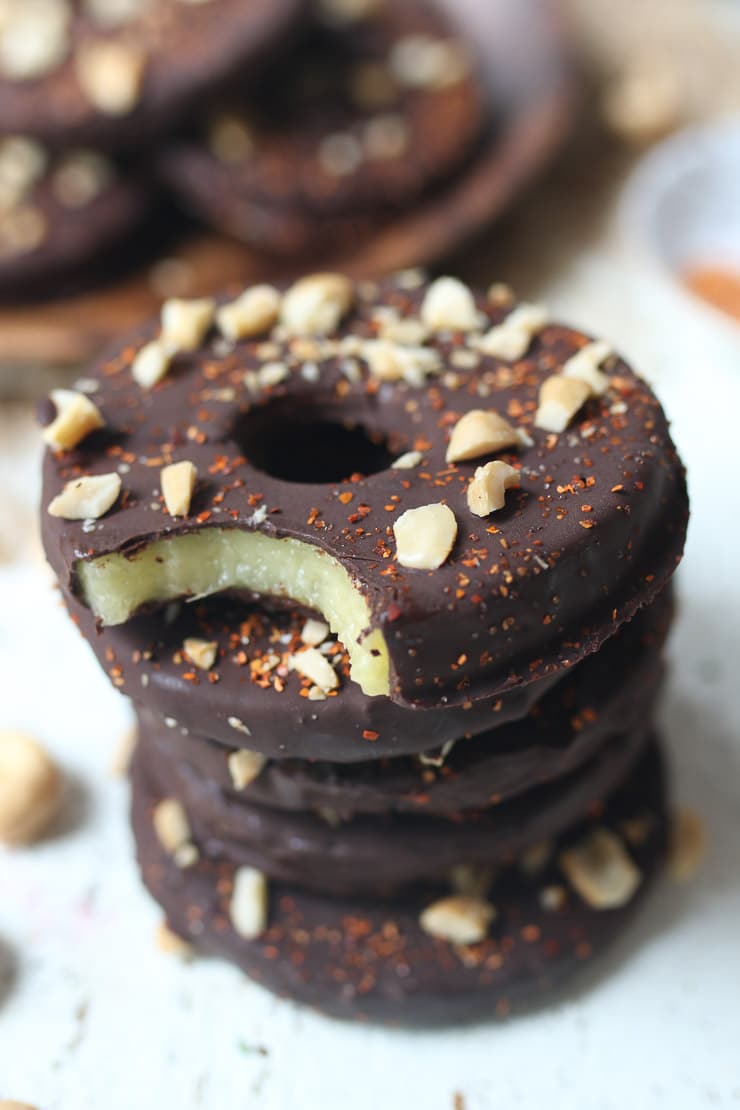
Chocolate covered pineapple slices on a teal plate.

More Recipes You Might Like

Want some more BBQ friendly recipes like this chocolate covered pineapple recipe? Try these recipes:

  • Keto Grilled Avocado Bruschetta | Low Carb and Gluten Free Summer BBQ Recipe
  • Grilled Peaches with Blackberry Coconut Cream (Vegan)
  • Grilled Watermelon and Avocado Salad with Lime & Feta | Gluten Free BBQ Sides
  • Vegan Sriracha Grilled Tofu and Pineapple Skewers

Have you made this chocolate covered pineapple recipe yet? Have you tried adding Tajin to your favourite fruits? Let me know by leaving me a comment below!
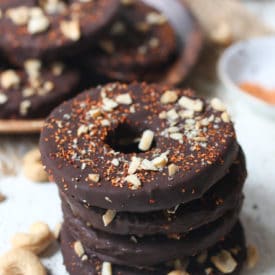
 
Chocolate covered pineapple slices on a teal plate.
Print Recipe
5 from 4 votes

Chocolate Covered Pineapple Recipe with Spicy Salty Crust

Make your summer a little sweeter with these easy chocolate dipped pineapple topped with tajin, cashews, and fleur de sel. Step up your BBQ dessert game with a plate of these delightful treats!
Prep Time15 minutes mins
Cook Time4 minutes mins
Total Time19 minutes mins
Course: Dessert
Cuisine: American, Tropical
Servings: 8 slices
Calories: 321kcal
Author: Abbey Sharp

Ingredients

  • 1 pineapple cored and sliced into 1/4″ slices
  • 300 grams dairy free dark chocolate
  • 4 tsp coconut oil
  • Tajin seasoning
  • 3 tbsp crushed toasted cashews
  • Fleur de sel

Instructions

  • In a microwave safe bowl, add dark chocolate and coconut oil. Melt in the microwave and mix with a spoon every thirty seconds until fully melted.
  • Using a fork, dip a pineapple slice in the bowl of melted chocolate. When fully covered in chocolate lay the pineapple slice on a baking sheet lined with parchment paper.
  • Moving quickly, sprinkle pineapple slice with tajin, crushed cashews and fleur de sel. Repeat with the remaining pineapple slices.
  • Place the baking sheet in the freezer for five to ten minutes until the chocolate hardens.

Notes

  • You can purchase cored pineapple at the store to make these chocolate dipped pineapples and slice them into rings yourself. Or if you’d like to DIY, start off by slicing the top and bottom of the pineapple. Then place the pineapple on one of the cut-sides and slice off the outer peel, slicing down from top to bottom. Remove any brown “eyes” on the pineapple. Then lay the pineapple on its side and cut the peeled pineapple into rings into desired thickness. Use a small round cookie cutter to cut out the middle core.
  • Want to change things up, dip only half of the pineapple into the melted chocolate.
  • Don’t want to cut the pineapple into rings? You can dip pineapple chunks into chocolate instead.

Nutrition

Calories: 321kcal | Carbohydrates: 33g | Protein: 4g | Fat: 20g | Saturated Fat: 11g | Cholesterol: 1mg | Sodium: 9mg | Potassium: 416mg | Fiber: 6g | Sugar: 20g | Vitamin A: 80IU | Vitamin C: 54mg | Calcium: 43mg | Iron: 5mg
Abbey Sharp

Abbey Sharp is a Registered Dietitian (RD), regulated by the Ontario College of Dietitians. She is a mom, YouTuber, Blogger, award winning cookbook author, media coach specializing in food and nutrition influencers, and a frequent contributor to national publications like Healthline and on national broadcast TV shows.
www.abbeyskitchen.com/about-abbey/

Last Updated July 2, 2023. Published June 21, 2023 By Abbey Sharp 5 Comments

The Unregulated World of Natural Health Supplements | Are they Safe or What they Claim to Be?

We discuss the unregulated world of natural health supplements and discuss their safety and if they are what they claim to be.

We discuss the unregulated world of natural health supplements and discuss their safety and if they are what they claim to be.

In August, 2017, CNN, Global News, Fox and various other media outlets all released articles on a new study published in the Journal of Clinical Oncology, linking long-term use of vitamin B12 supplements in men to a 30-40% increase in lung cancer risk. This risk was seen when men consumed doses over 55 mcg/day. But a trip to any health food store reveals shelves stacked with numerous brands of B12 supplements, in doses of 1000mcg or even 5000mcg – way beyond this supposed risk threshold! This study presented totally new information that will need plenty of further investigation (and is really outside the scope of this blog post), but it highlights the constantly evolving understanding of the risks and benefits of supplements and natural health products. While supplements and other Natural Health Products (NHPs) may be of benefit to some folks, there are a number of potential concerns surrounding their use, including unwanted side effects, interactions with other NHPs or prescription medications, inappropriate use, use at unsafe doses, and detrimental health effects due to impure product quality or the presence of contaminating substances or fillers. So how do we know our daily multivitamin isn’t going to make us sick, or whether Echinacea really can cure the common cold? Heck, how can we even be sure those Echinacea tablets don’t just contain powdered lawn clippings? Let’s take a closer look at how NHPs are regulated in Canada, and whether or not we should believe the claims made about the health benefits of these products.

Natural Health Products in Canada

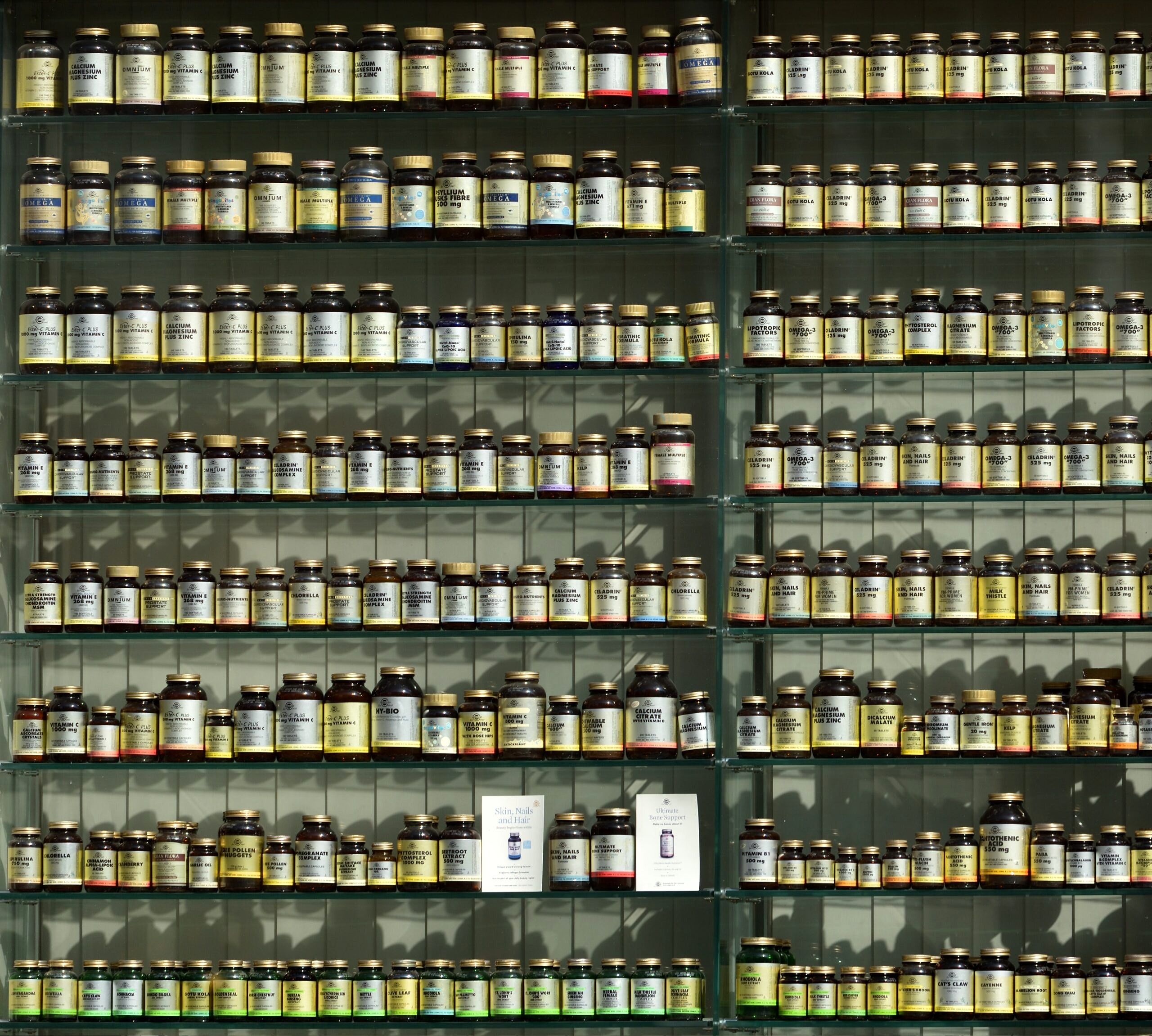
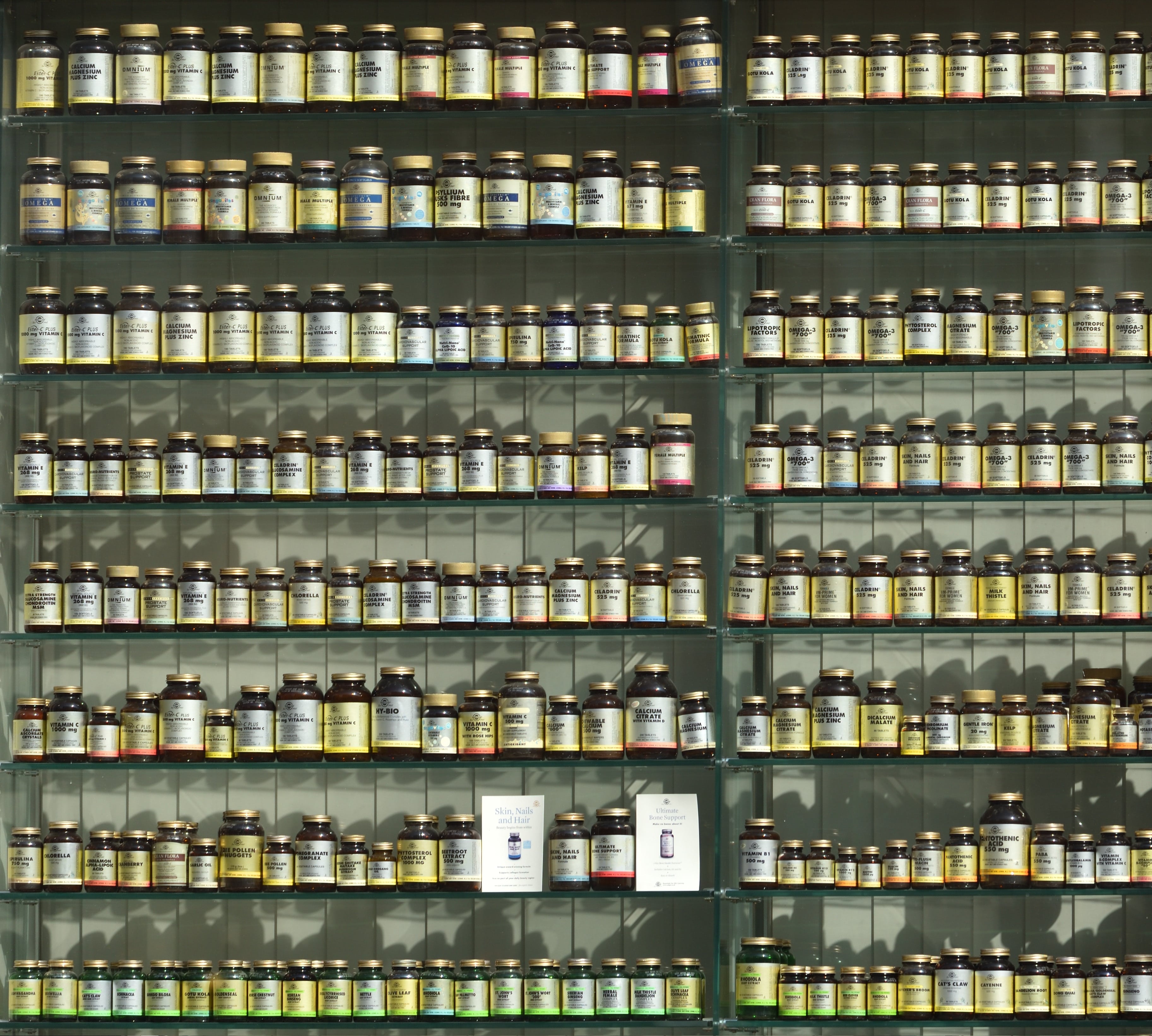
Multiple rows of natural health supplements on shelves.

Health food stores are busy places! In 2015, 46% of Canadians took some kind of nutritional or natural health supplement daily, with higher uses found in women and the elderly. While NHP consumption continues to expand, there is surprisingly little in the way of official guidelines recommending safe use of many of these products. The Government of Canada defines NHPs as “naturally occurring substances that are used to restore or maintain good health.” These include vitamins, minerals, herbal preparations, probiotics, traditional medicines and nutraceuticals such as fish oils or amino acids. The main issue with these products cited by Health Canada is unwanted side effects (known officially as “adverse effects”), experienced by a reported 12% of Canadians using NHPs.

Natural Health Product Regulations

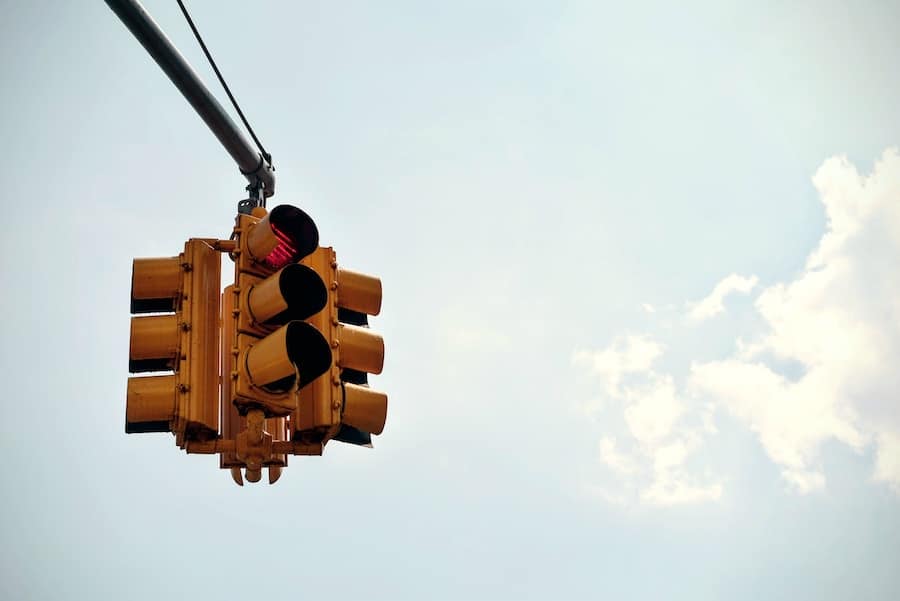
Four way traffic light against the sky.

To understand how we’ve come to have the few regulations we do have, let’s go back in time a bit. Before 2004, regulation of natural health products and supplements was included in the Food and Drugs Act of 1985, which provided very little motivation for companies to ensure their products met regulation guidelines. With increasing use ($4.3 billion dollars in sales in 2004, HELLO!), natural health products and supplements in Canada started to become a hot-button topic. This lead to the development of the Natural Health Products Regulations (NHPR), which came into effect in January 2004. These regulations set Canada apart as one of the first nations in the world to regulate NHPs as a separate class of product. Fourteen years after the implementation of these regulations, Health Canada is now in the process of proposing a new framework for regulation of NHPs and other “self-care” wellness products.

But what exactly are the existing laws around natural health products and supplements?

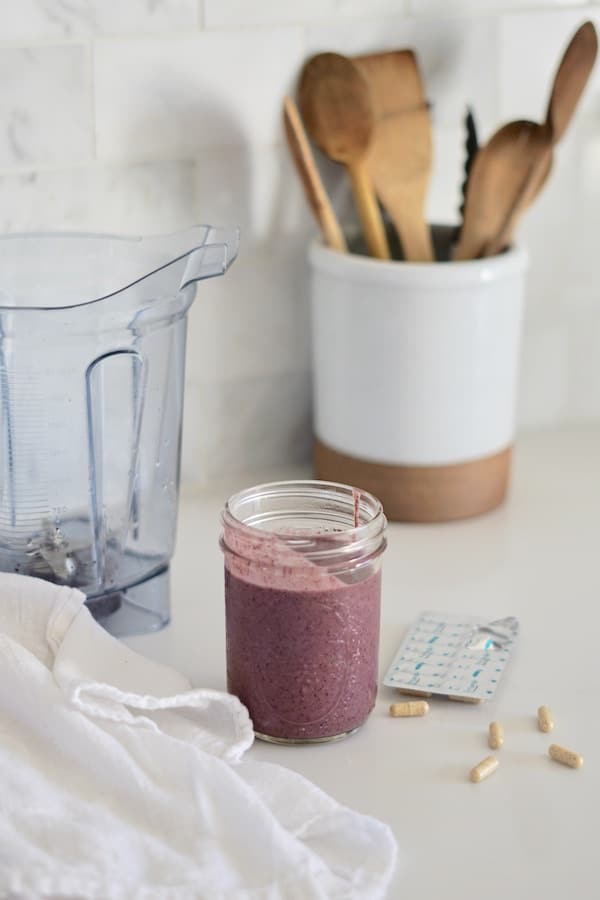
Purple smoothie in a clear mason jar next to a blender.

Well, first, according to the NHP Regulations, all NHPs require product licenses, given out by Health Canada after a review of the license application. Once a product is licensed, it receives an 8-digit Natural Product Number (NPN), to be printed on the product label, so consumers are able to identify products that have been approved by Health Canada for safe use. In order to ensure that consumers have access to safe products of good quality, Health Canada set up a series of Good Manufacturing Practices requirements, including guidelines for acceptable facilities and production equipment, robust production staff education and training, regular sample testing and documentation, and appropriate sanitation. And, in case something goes horribly wrong, companies must have established product recall procedures. All NHP-licensed companies must have a system in place allowing consumers to report any adverse reactions to their products, and any serious adverse reactions must be reported to Health Canada, in order to track and review any potential safety issues associated with consumption of these products. Lastly, the NHP Regulations require certain information to be displayed on the product packaging, including all ingredients, recommended doses, warnings, possible adverse reactions, and information allowing the product to be traced to its manufacturer. By 2014, over 70,000 NHPs had been licensed in Canada, demonstrating the massive scale of enacting this policy.

To Regulate or Not to Regulate

When it comes to the regulation of natural health products, it seems everyone has a different opinion, from support for strict regulations like those that apply to prescription drugs, all the way to a desire for no government regulation of supplements at all. It appears some Canadians wish to use NHPs freely, and may even see this as a right or a freedom. And, as a general rule, a majority of Canadians are trusting of the existing regulations and believe that any products that are permitted for sale are safe. However, in 2017, only 4 out of 10 NHPs analyzed in a review by Health Canada met the standards for safety, purity of product and accuracy of labelling. That’s a grossly concerning stat.

Mixing Drugs with Supplements

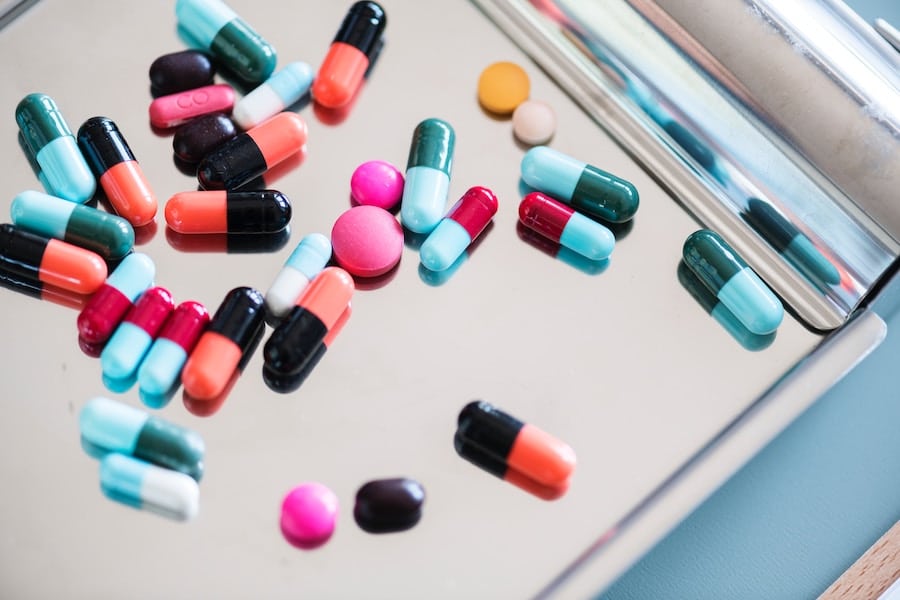
Unregulated natural health supplements on a table.

One of the arguments for more regulation is the fact that supplements are not benign. They often interact with other supplements or drugs and therefore it would be advantageous for us to treat them as we do other medications – with consideration of these effects. A 2014 study that found 7% of Canadians who mixed NHPs with standard pharmaceutical treatments (drugs) had adverse effects, as compared to 1.2% of those people taking regular old meds alone. In fact, adding NHPs in with the use of conventional drugs increased the risk of adverse effects by 6.4 times! Take, for example, the herb St. John’s Wort, taken to help with depression. On its own it’s a relatively safe herb, but combined with certain antidepressant medications, it can cause a life-threatening flood of serotonin in the brain. However, it’s important to acknowledge that adverse reactions to conventional drugs alone may cause up to 106,000 deaths annually in hospitalized patients in the US!

The Effectiveness of Natural Health Products and Supplements

Recent “shockumentaries”, such as The Bleeding Edge and Prescription Thugs have highlighted the weaknesses in the US FDA’s approval process for new medical treatments, and seem to have many people concerned about the influence of “Big Pharma”. Natural alternatives may seem like a safer option, free from industry greed, but it’s critical to understand that while some NHPs may play a role in chronic disease prevention, they aren’t always the most effective treatments for critical illnesses. In 2012, an Alberta couple made devastating headlines when their 19-month-old son died of meningitis. The couple had refused to seek standard medical treatment for their child, and chose instead to treat him with “natural remedies”. I don’t know exactly which remedies this family sought out to use, but it’s possible that the claims that they made we’re not grounded in research.

Proving Effectiveness

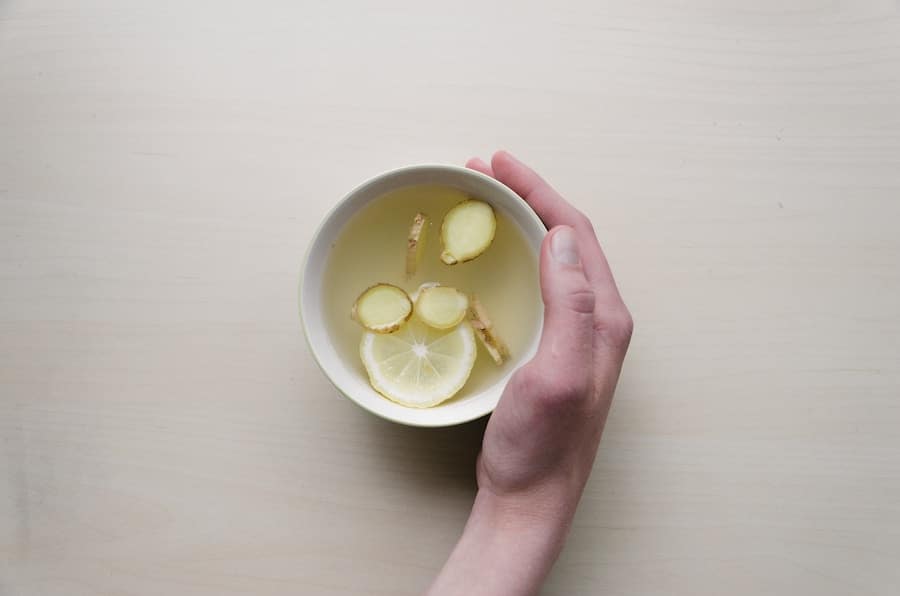
Hand holding a mug with lemon and ginger

And herein lies one of the issues with the current unregulated world of natural health supplements. The current regulatory system allows for various levels of proof for a product, depending on its risk level and the health claims being made. This allows very low-risk products such as homeopathic remedies and Traditional Chinese Medicines to make certain health claims based on historical use of such products, without any scientific proof of their benefits. In fact, Health Canada states that for NHPs, “wellness philosophies based on premises other than science” can constitute sufficient supporting information for a product. I’m sorry, but my evidence-based mind is officially BLOWN. For example, traditional Chinese medicine products are considered safe, based entirely on the fact they have been used for thousands of years. Homeopathic products, because they are based in the philosophy (not science!) of homeopathy, are also fair game, but study after study has concluded that homeopathic products have no measurable effects on health. Consumers of these products can likely use them safely, but may be in the dark regarding their true efficacy (or lack thereof). In other words, it’s likely you are just wasting your hard-earned cash. Acceptable claims about these products include the phrase “traditionally used for X,” suggesting that there is not yet any proof the product truly “works”.

But while the need for regulations around NHPs (in the name of safety at the very least) might seem like a no-brainer, a study done by Canadian health economist Cynthia Ramsay concluded that regulating such products, or alternative medicine in general, is not of any benefit to the safety of Canadians. In fact, Ramsay found no measurable improvement to Canadian safety around natural health products, and argues that the Natural Health Product Regulations have cost tens of millions of tax dollars that could be better spent on other, more critical health services. It seems like there’s a lot of work to be done before Canada will have an efficient and effective way of ensuring safety or legitimacy in all NHPs for sale.

Understanding Natural Health Products

One piece of good news is that pharmaceutical students now learn about natural health products and supplements in their training, so in the future, pharmacists should be better equipped to make recommendations and provide precautions about the safe use of these products and interactions with other medications. Unfortunately, some doctors and other healthcare professionals might still be dismissive about alternative health products, leaving people frustrated and poorly informed.

Bottom Line on Regulation and Natural Health Supplements

Kitchen utensils in a vase next to a green smoothie and blender.

So, is the Canadian government failing when it comes to the regulation of natural health products and supplements? Let’s look at it this way: there are PILES of evidence showing that smoking increases the risk of nearly every health problem under the sun, but the sale of cigarettes is still very much legal. Regulation is different from banning a product – it’s about providing consumers with the information they need to make educated choices.

In the case of vitamin B12, for example, we know that this vitamin is a critical nutrient for cell division, the maintenance of healthy nerve cells and the prevention of a specific type of anemia. Since it’s found only in animal products, vegans and some vegetarians may need a B12 supplement to stay healthy. But as that recent study on the risks of B12 supplements shows, our knowledge about the safety of supplements and other natural health products is always evolving. More is not always better, and dose is important. And just because a product is “natural”, doesn’t make it safe. Anthrax, mercury and tobacco are all very much “natural” items and we know they’re not so great for us!

I also think regulation would be really beneficial for a lot of legitimate supplement and natural health products out there. I know I personally take a lot of supplements because I feel strongly about the evidence we have around them to date (and I’m happy to change my tune if this evidence changes!). Ensuring there are laws around what can and cannot be said about a product, as well as strong research to support a product’s use will separate the woo from the science. It will help consumers “just like you and me!” make decisions about which supplements to purchase to help improve our health and which to leave on the shelf. My hope would be that with this knowledge and information, any unfounded products will eventually be wiped out, and we will be left with products that serve as legitimate compliments to our wellness and health regime.

We should continue to push the government for regulations on natural health products, and continue to stay informed. To me, this means not taking the safety or effectiveness of any specific product for granted so we can continue to maximize the benefits of natural health products, while minimizing any risks.

More Blog Posts You Might Like

Want to learn more about natural health supplements? Check out these blog posts next:

  • Female Bodybuilder Diet and Supplements | Is it Safe?
  • Are Supplements Safe? How to Choose the Right Supplement
  • Can Collagen Supplements Tighten Skin?
  • Fertility Supplements and Foods for Getting Pregnant

Now I want to hear from you; have you taken any natural health supplements? Do you think they need further regulation?

Contribution By:

RD2B Adam Weinmann

Abbey Sharp

Abbey Sharp is a Registered Dietitian (RD), regulated by the Ontario College of Dietitians. She is a mom, YouTuber, Blogger, award winning cookbook author, media coach specializing in food and nutrition influencers, and a frequent contributor to national publications like Healthline and on national broadcast TV shows.
www.abbeyskitchen.com/about-abbey/

Last Updated June 18, 2023. Published June 19, 2023 By Abbey Sharp 22 Comments

Egg and Veggie Muffins | Healthy High Protein Breakfast

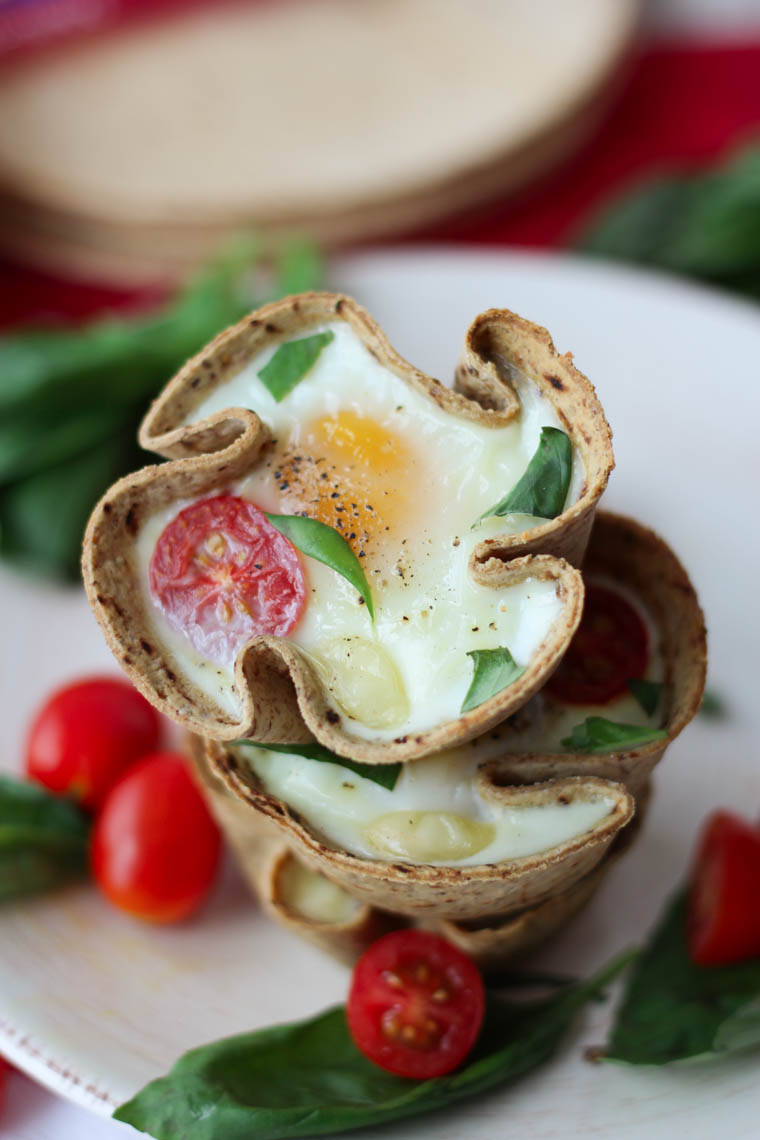
Close up of a stack of veggie egg muffins with tomatoes and basil.

These egg and veggie muffins are a healthy, high protein and whole grain breakfast option to help you start your day.

Birds eye view image of veggie egg muffins with tomatoes and basil on a plate.

Guys, I love breakfast. It has always been my favourite meal of the day, and I fall more and more in love with it each time I write a breakfast recipe. I am also super busy, and that’s where these muffins really come in handy to heat up on a hectic day.

Table of contents

  • Why This Recipe Works
  • Key Ingredients
  • How to Make This Recipe
  • Recipe FAQs
  • More Recipes You May Like

Why This Recipe Works

Who doesn’t love a classic caprese salad? This recipe combines the goodness of eggs and whole grain wraps with the delicious flavours of tomatoes, cheese and basil. Asides from being delicious, these egg and veggie muffins make for a totally balanced on-the-go breakfast too: we’ve got fibre in the wraps and the tomatoes, protein from the eggs, and fats from the eggs and cheese. Tasty, filling, AND nutritious? It’s really a win-win.

Key Ingredients

Birds eye view image of three veggie egg muffins in a row.

Whole Grain Wraps – the wraps in this recipe basically act as the liner for these muffins. Not only do they provide the nutrition of fibre and complex carbs, they provide the structure that make these muffins perfect for eating on the move.

Eggs – I mean, what’s a egg and veggie muffins without the eggs? Eggs are one of my favourite staples: they are easy to prepare, keep well in the fridge, and provide a great source of quality vegetarian protein. Also, contrary to what we’ve been told about eggs in the past, recent studies have shown that we do not need to be weary of the cholesterol in egg yolks! You can read more about that in this post on the blog.

Bocconcini, cherry tomatoes & basil – Any tomato, basil and cheese flavour combo automatically has my heart. However, if this isn’t your thing, feel free to swap these ingredients for any other types of cheese and veggies you enjoy!

How to Make This Recipe

Close up image of caprese egg muffin.

Step 1: Preheat oven to 375F. Spray muffin tins with nonstick cooking spray and insert your whole grain wrap circles.

Step 2: Toss in the cheese, tomatoes and basil and crack in an egg. Season with a pinch each of salt and pepper then bake for 25 minutes, or until the whites have set and the outside edges of the wrap turn a light golden colour.

Step 3: Enjoy immediately, or store in a freezer bag to rewarm throughout the week.

Expert Tips

Feel free to take this recipe and make it your own! I suggest trying different flavour combinations to see which one you like the best and experimenting with different types of wraps (you could try gluten free, spinach wraps, flax wraps – the possibilities are endless). You could even use only egg whites, instead of whole eggs, if that’s your jam!

I use a cookie cutter with a 4 1/2 inches diameter to cut the wraps into circles for these egg and veggie muffins. However, if you don’t have a cookie cutter on hand, you can also use a wide jar lid and cut around it to get circles!

Recipe FAQs

Can I make this recipe in advance and reheat them?

Absolutely! That is one of my favourite parts about these egg and veggie muffins. I like to make these in advance and warm them in the oven when I want to eat them, but they are very easy to freeze and reheat in the microwave for busy mornings.

Do I have to use bocconcini, tomatoes, and basil?

Definitely not! Feel free to customize this recipe and make it your own by using whatever ingredients you like and have on hand. Some other great flavour pairings would be roasted vegetables and goat cheese, bacon bits and cheddar, or spinach and feta.

Can I make this recipe gluten free?

Totally! Just swap the whole grain wrap for a gluten free wrap, and you’ve got an easy gluten free breakfast for busy mornings.

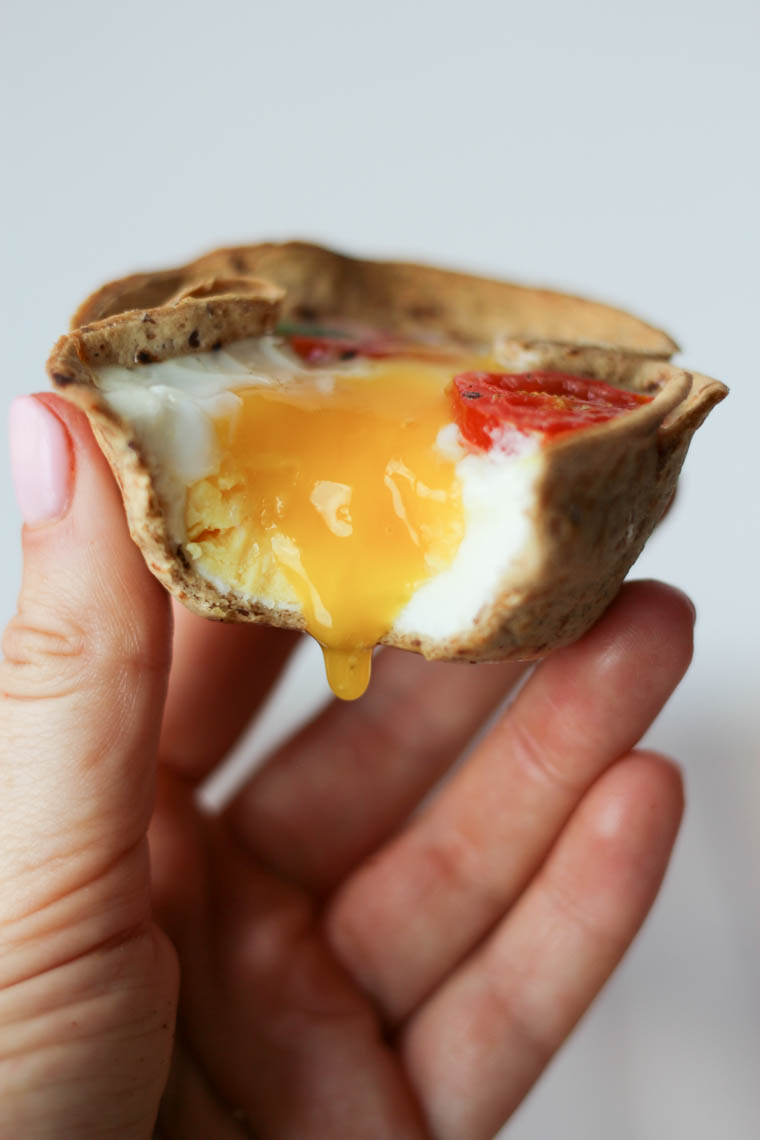
Hand holding half-eaten breakfast cup.

More Recipes You May Like

If you liked this recipe for egg and veggie muffins with tomatoes and basil, then you might also enjoy some of the other breakfast recipes on the blog:

  • Vegan Stuffed Sweet Potatoes with PB&J
  • Oatmeal Breakfast Bars with Berries
  • Vegan Breakfast Sandwich with Tofu
  • Vegan Breakfast Casserole
  • Vegan Carrot Cake Baked Oatmeal
  • Breakfast Berry Bread Pudding Muffins

What ingredients would you put in your egg cups? Have you tried these egg and veggie muffins?

Leave me a comment below with your thoughts!

Birds eye view image of veggie egg muffins with tomatoes and basil on a plate.
Print Recipe
4 from 8 votes

Egg and Veggie Muffins | Healthy High Protein Breakfast

These veggie egg muffins with tomato and basil are a healthy, high protein and whole grain breakfast option to help you start your day.
Prep Time5 minutes mins
Cook Time25 minutes mins
Total Time30 minutes mins
Course: Breakfast, Snack
Cuisine: Italian, American
Diet: Vegetarian
Servings: 6 people
Calories: 279kcal
Author: Abbey Sharp

Ingredients

  • 3 Whole grain wraps cut into 4” wide circles
  • 6 Eggs
  • 12 Mini bocconcini balls
  • 18 Cherry tomatoes cut in half
  • 1/4 cup Basil chopped

Instructions

  • Preheat oven to 375F.
  • Spray muffin tins with nonstick cooking spray and insert Flatout circles.
  • Toss in the cheese, tomatoes and basil and crack in an egg. Season with a pinch each of salt and pepper then bake for 25 minutes, or until the whites have set and the outside edges of the Flatout turn a light golden colour.
  • Enjoy immediately, or store in a freezer bag to rewarm throughout the week.

Notes

Feel free to take this recipe and make it your own! I suggest trying different flavour combinations to see which one you like the best and experimenting with different types of wraps (you could try gluten free, spinach wraps, flax wraps – the possibilities are endless). You could even use only egg whites, instead of whole eggs, if that’s your jam!
I use a cookie cutter with a 4 1/2 inches diameter to cut the wraps into circles for these veggie egg muffins. However, if you don’t have a cookie cutter on hand, you can also use a wide jar lid and cut around it to get circles!

Nutrition

Serving: 1muffin | Calories: 279kcal | Carbohydrates: 14g | Protein: 8g | Fat: 6g | Saturated Fat: 2g | Polyunsaturated Fat: 1g | Monounsaturated Fat: 2g | Trans Fat: 1g | Cholesterol: 164mg | Sodium: 211mg | Potassium: 175mg | Fiber: 2g | Sugar: 2g | Vitamin A: 540IU | Vitamin C: 12mg | Calcium: 73mg | Iron: 2mg
Abbey Sharp

Abbey Sharp is a Registered Dietitian (RD), regulated by the Ontario College of Dietitians. She is a mom, YouTuber, Blogger, award winning cookbook author, media coach specializing in food and nutrition influencers, and a frequent contributor to national publications like Healthline and on national broadcast TV shows.
www.abbeyskitchen.com/about-abbey/

Last Updated June 12, 2023. Published June 14, 2023 By Abbey Sharp 35 Comments

Why I Didn’t Have Gender Reveal Disappointment Having Another Boy

I share my experience having my second boy, whether or not I faced gender reveal disappointment and the gender bias comments I would consistently receive from others.

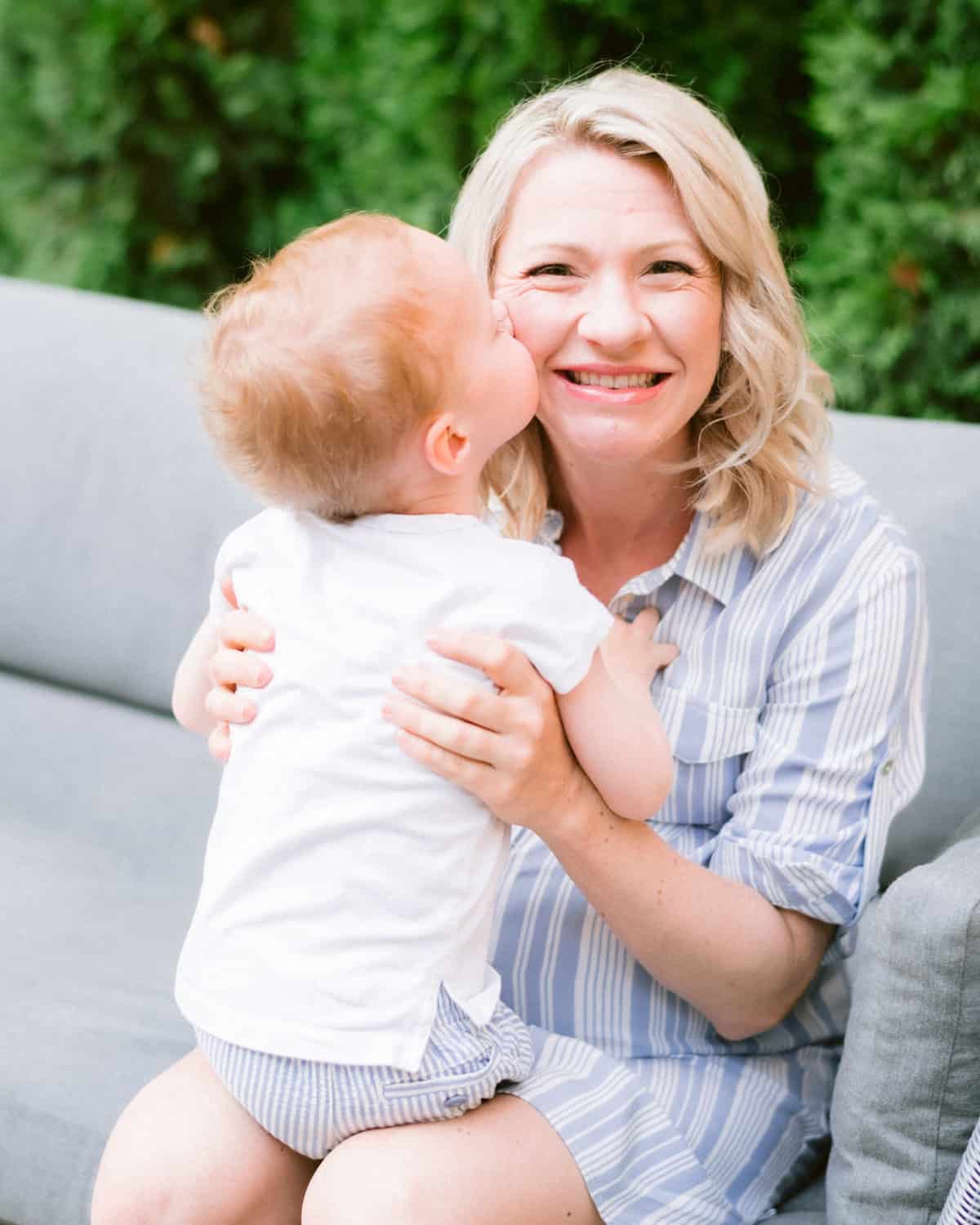
baby e kissing abbey on the cheek

My husband and I made a choice in both pregnancies that we weren’t going to find out the sex of our babies until they were born. In my first pregnancy, when people asked me what I was having and I said I wasn’t finding out, the response was largely amaze. Wow, I don’t know how you can NOT find out. The curiosity would kill me! Next, I would get a bunch of wives’ tale-related guesses. Oh, you look so good, you’re having a boy. Your bump is so high, you’re having a girl. I tried to be friendly and let everyone say what they wanted.

Before I even tried to conceive, I had always pictured myself being a mom of boys. But when I got pregnant with my first son, I was for some reason convinced I was having a girl. I don’t know why, as I don’t think a girl would have even been my preference, but I think I had a dream E was a girl, and after that, it never entered my mind that that baby was a boy. In fact, I didn’t even have a boy’s name chosen, I constantly referred to it as she and I continuously imagined that moment in labour when my hubby would call out “it’s a girl!” 

When I pushed E out and my husband said it was a boy, I was shocked, and it took a good three nights for me to reshape my expectations. I can honestly say I didn’t experience gender reveal disappointment. In fact, despite THINKING it was a girl, the idea made me nervous (I was a teen girl once too- eeek). But it was still a bit of a shock to my clearly convinced system. Regardless, people for the most part were supportive about the end result. Especially since my family is Jewish and it’s a big mitzvah for your first to be a boy.

Then I got pregnant with baby number two and the gender bias started to show — I wasn’t nervous about experiencing gender reveal disappointment, but it seemed like others were expecting me to. Immediately, comments about our baby’s unknown sex from strangers and family went from being based on wives’ tales to a clear obsession with me having the “perfect” 2 parents, 1 dog, 1 boy, 1 girl nuclear family. Oh, I hope it’s a girl! became a comment I would hear literally every day. It wasn’t just annoying, it actually really made me mad.

For one, in this pregnancy, I myself had a strong feeling I was having a boy (my original instinct of being a boy mom was loud and fierce by round two). Left to my own true thoughts, I also was totally content in that potential reality because I have enjoyed parenting a boy SO much, I knew I wouldn’t experience gender reveal disappointment if I had another boy. My son is hilarious, energetic like his mama, dangerously intelligent, and unbelievably affectionate towards me, his family, Poppy (our dog), his teddies, and everything else that he sees. I might not get as wide a selection of cute clothes to dress him in, but as far as I’m concerned, there is NOTHING more I could want in a child. I also have admittedly a lot of anxiety around parenting a girl. I myself have suffered so many stereotypical “female” problems – disordered eating, body image issues, performance anxiety, online bullying victim, infertility – I would often feel paralyzed in fear worrying about passing those traits on. Yes, I’m sure I would rock it, and my experiences would provide a basis of empathy for parenting a child with any or all of these issues. But man, just imagining my child having to go through any of these things cripples me in sadness. Side note: yes, of course, I realize my son(s) can struggle with any of these challenges as well, but most of these are statistically more likely “female” issues.

baby E wearing a blue hat running up a hill

But I have to say that the obvious gender bias against my unborn son made going in blind an emotional challenge.

First, I felt defensive and like I had to protect my baby from the cruel world and gender reveal disappointment expectations before he had even taken his first breath.

Second, I felt I would be letting everyone else down if I was not the “perfect” mother to a “perfect” square family, and eventually bear a girl.

Third, I started to actually believe that I would experience gender reveal disappointment if I didn’t get one of each. Humans don’t like FOMO, we like to experience all of life’s joys. Ask my husband about my ice cream ordering tendencies. I really like to sample. And when it comes to a big part of my life (my kids), I was lead to believe that I would be missing out on an important life experience if I wasn’t able to sign my kid up for dance class, buy a tiara, or paint a nursery pink. 

As a result, I am embarrassed to say I spent an entire 9 months spending an inordinate amount of time in a tug of war with my own thoughts thinking I would have gender reveal disappointment if I had another boy. On one side of the ring I had my own inherent love of being a boy mom, my anxiety over parenting a daughter in a digital era, and my desire to give my son a same-sex sibling like I had (I have a sister whom I’m close with). On the other side of the ring was this nagging worry I would be missing out on some kind of unique and special experience I apparently could never have with a son. I wouldn’t go wedding dress shopping. I wouldn’t have a mani-pedi partner. I wouldn’t watch my own child give birth. 

All of this anxiety was not self-born. It was brought on largely by people’s seemingly harmless comments: I hope you get a girl. It really robbed me of an enjoyable pregnancy and sex surprise in labour.

WTF is up with North America’s Obsession with Girls

North America seems to be the only culture throughout history to celebrate having girls over boys. Like I said, in Judaism, having a son is a huge mitzvah, especially a firstborn where a ceremony called a pidyon haben is performed to celebrate. China is notorious for their gender bias against baby girls and as a result, they tend to have a high sex ratio of birth (male babies to female babies). I also read that in India, the clear preference for baby boys has results in about 63 million women statistically “missing” women.

In 2015, 21 countries had skewed sex ratios that favour baby boys. That is totally f-ed up and REALLY not okay. Baby boys are not more worthy of life than baby girls, period. This is often tied to the fact that traditionally in a lot of the cultures where the sex ratio is skewed, grown men are to look after their elderly parents, whereas daughters get married off and look after their in-laws (yikes, no thank you).

But here in North America, where young families often do not face these cultural pressures to the same extent, it seems like the tables are turned. In our commercialized society, we can think about more fun frivolous things – like hair bows, dolls, pink dresses, prom and wedding days. As a result, women are expected to value having a precious “mini me” daughter over a busy rough and tumble boy.

What Does Sex Have to Do with it Anyway?

When I started writing this post, I started to think about how inherently gendered everyone’s assumptions are about raising little boys and girls. While my experience with my eldest has suggested that in my case, so far, a lot of stereotypes are true, it’s also revealed that sex doesn’t guarantee anything. E loves tractors, trucks, cars, and legit anything that has wheels. I did not socialize him this way, I gave him all sorts of toys, but this is what he continuously gravitates towards. But E is also a very affectionate, cuddly kid, who loves to snuggle, “feed” and take care of his stuffed animals, his baby doll, his dog and his baby brother. While he has his energetic moments, he is more likely to be found snuggling something than running, jumping, throwing or exhibiting other “wild child” behaviours. 

If I had a daughter, there would similarly be no guarantees she would want to be dressed up in bows and tutus. She may not want to go for spa days, be married, or have kids of her own. She might not even get along with me much. Sure, as I’ve witnessed, a lot of these stereotypes are true, but this is 2020 – sex doesn’t guarantee anything in life, so we need to stop assuming that we know what we’re in for when the ultrasound tech sees a little penis or not.

Also, my boys may be born male, but who knows how they will identify down the road?

So I believe I’ve used becoming a boy mom to challenge some of these deep-seeded gendered assumptions. Sex is not the only determinant (in fact, it’s a very small one) when it comes to a child’s personalities and tendencies so we need to just let that go.

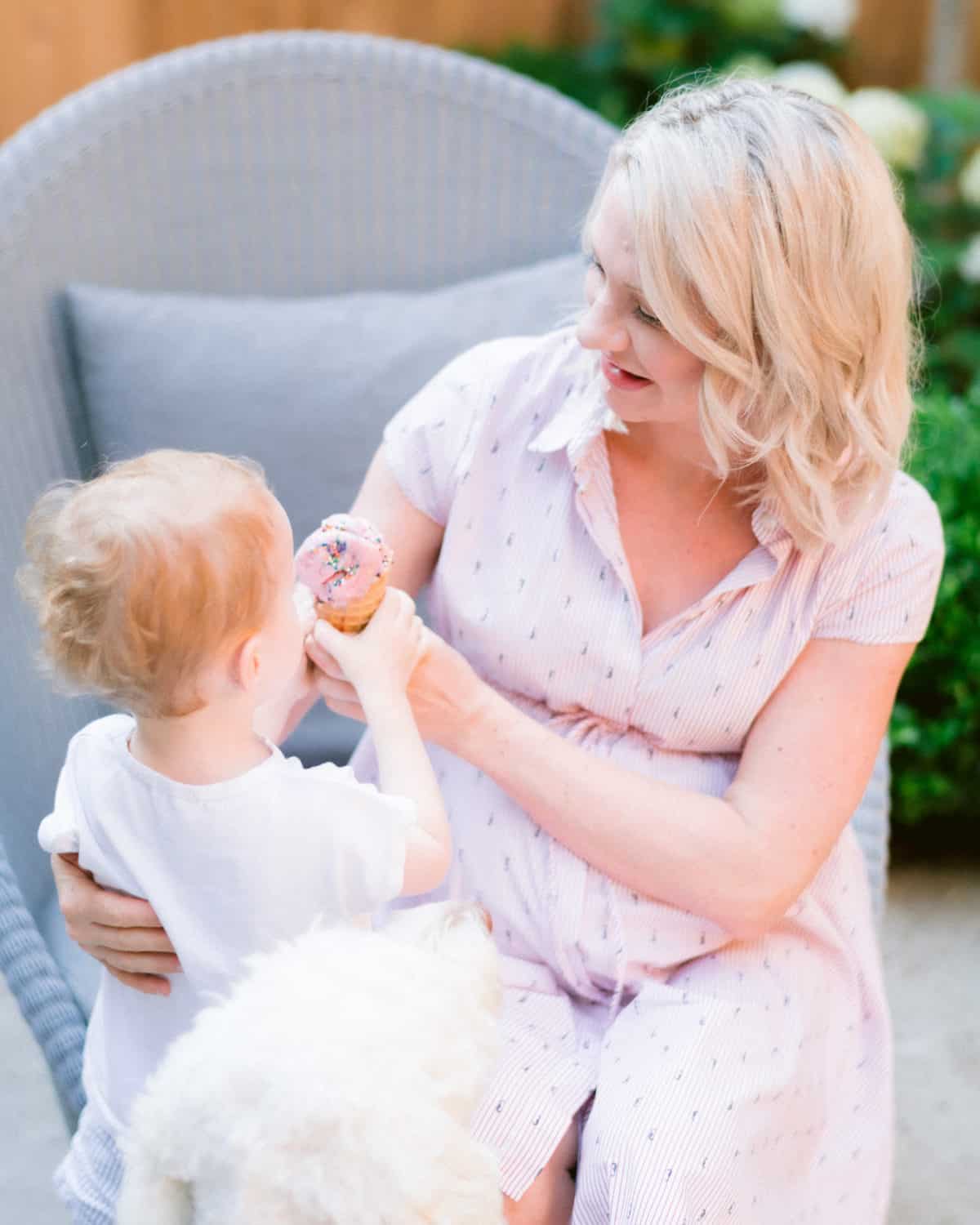
Abbey sharing an ice cream cone with Baby E

Why I Love Being a Boy Mom

Ultimately, this post was not meant to poo poo the girl mom experience, or try to convince you that any one family structure permutation is better than any other. Ultimately, I am calling for an end to any gender reveal disappointment comments from strangers to expectant or new moms – girl, boy, whatever! I’m sure moms of multiple girls face this same crap all the time, too (I just don’t have that unique experience).

But if you’re a boy mom, or about to become a boy mom, I wanted to share some reasons why you should not harbor any gender reveal disappointment – this is going to be a wonderful experience. A quick warning and disclaimer that a lot of these are routed in gendered stereotypes and are grossly untrue for a lot of families and kids. But I am sharing these as a cheeky counter to a lot of the similarly stereotyped comments I often hear. Here are some reasons I love being a “boy mom”:

Boys love their mama. Even if you think your boy can’t relate to you the way you might relate to a daughter, boys always love their mamas fiercely. Like, even when their moms are crazy AF. I have been lucky enough to have a pretty close and calm relationship with my mother, but I know that was not the case for my mom who had a very strained, pressure-driven, resentful relationship with her mom. As a daughter in law to a Jewish mother, I can attest that adult men see their mothers as G-d, I don’t know many adult daughters who feel that way about either parent.

I get to shape a new cohort of respectful, good men. As a boy mom, I feel a tremendous amount of responsibility to raise good, honest, respectful, feminist men who will do the hard work of trying to change some of the inequalities in this world. I feel honoured that I was chosen for this task, not once, but twice in this life.

The new world might be a bit less scary for men. So this is an obviously gendered and heteronormative assumption I’m throwing in that is based on something another mom jokingly once told me – I hope no one gets offended. My best friend in high-school came from a family of 4 girls and 1 boy and I will never forget what her mom said to me when I was 16. She said “raising boys is so much easier than raising girls. With boys, you only have to worry about one dick. With girls you have to worry about a million.” Obviously, like I said, this is grounded in a (false) assumption that all of our boys will be heterosexual, or not victims of sexual harassment, and we know both of those things are not true. But speaking from the perspective of a heterosexual female, I can’t help but feel like the world is a scary place for women (myself included). Especially now in 2020 with technological advances that make cyber bullying, sexting and other predatory activities so accessible. While boys and men are certainly not immune to these scary realities, I think we can all agree that women are still more common victims. And as a parent, that scares the F out of me.

Baby E hugging Abbey

Boys don’t become teenage girls. Ha, okay so they become teenage boys which I’m sure come with their own set of challenges. But I don’t know if it’s because I was a teenager girl and I carry a lot of guilt over the anxiety I must have caused my parents, but teenage life (or preteen life since this crap seems to be starting super early now) seems particularly tumultuous for young women. Bullying, diets, body image, fat shaming, sexual pressure, gossip – it surely happens with young men too, but generally, I would argue it’s more prevalent and problematic for young girls (our eating disorder stats alone can tell us that).

You can better understand your partner (or other important men in your life). I think I have a pretty good understanding of my own psychology, and by extension, I can be more easily empathetic towards “female” problems. Having boys has and will give me an opportunity to challenge societal masculinity standards that suggests boys shouldn’t show emotion or cry. I believe we can help cultivate our boys’ innate sensitivity by encouraging them to express and experience their complex emotions just as their female counterparts do. I am naturally a very empathetic person, and I believe I was given two boys to pass these important traits on.

You’ll get lots of exercise. I am a pretty active person, so when I found out E was a boy, one of the first things I dreamt of was summer hikes, mom-son trips workouts and other physical activities. My hubby admittedly isn’t much of a workout buddy for me, so here’s hoping my two boys will want to use their alleged extra energy to sweat it out with their mama.

I’m going to look SO baller with two handsome men on either arm. It legit brings tears to my eyes thinking about my two boys grown up, looking dapper in suits on either side of me.

Having same-sex kiddos may mean close siblings. Throughout this pregnancy, as I wrestled with my uncomfortable thoughts, I realized that if I did have a baby of the opposite sex, it would most certainly be for others satisfaction, and that was not enough. It might also be partially for my satisfaction, so I could check that box and say, yep, got that too. But if I had a baby of the same sex (another boy), it would be for my son. I grew up with a same sex sibling, and while we are different as night and day, we are still close friends today. I know that’s a generalization and there are opposite sex siblings who are close and same sex who hate eachother, but this was a perk based on my own experience with my sis. I like that my boys will always have each other and will grow up always having one another to play with, relate to, and look out for one another. Oh, and I will save SO MUCH MONEY on clothes.

Is there a “Perfect” Family?

Of course not. Honestly, if I were to have a third to “try for a girl”, that girl then wouldn’t have a same sex sibling. Or I would have (*gasp*) another boy and risk everyone feeling even more sorry for my “misfortune”. Then do I have four, five, six kids, or dream of life back at one or none? Always trying to achieve the illusive “perfect” gender combination? No.

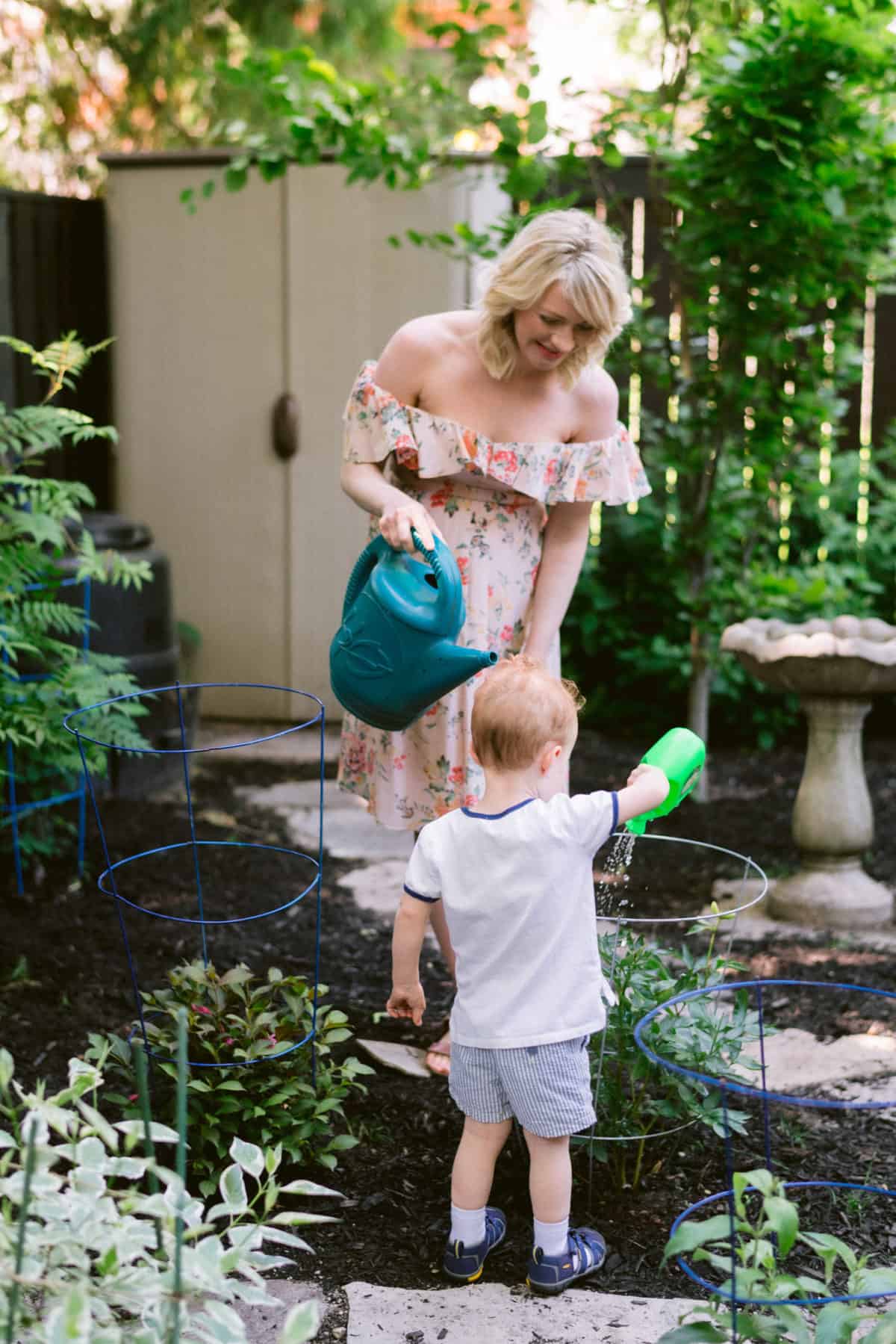
Abbey and Baby E outside watering the plants

My heart tells me MY family is perfect just the same way that another mom with one child feels hers is perfect, while another with 6 girls and one boy is content with hers. I believe we are dealt what we are dealt for a reason, and that reason is going to be unique and purposeful for each of us.

Don’t Take Your Gender Bias Out on My Son

I’m writing this post now in anticipation that in a month or so I’ll start getting comments like, Are you going to try again for a girl? Please do not say that shit. Not to me, not to any parent. If I ever do have a third child the ONLY thing I will be trying for is a healthy baby, period (especially given what I have to go through to get pregnant). But man, when I get in a sassy mood I picture myself telling others off by telling them: No, I’m going to try for another boy! Because that is how much I love my boys. That is how proud I am of their bond, even just a few weeks in. That is how honoured I am that the universe chose me for the important job of raising good, honest, respectful men. 

Abbey and Baby E outside

More Blog Posts You Might Like

New mom or momma to be? Loved this post about gender reveal disappointment? Check out some of my favorite baby/toddler blogs!

  • HOW TO START BABY LED WEANING
  • PLEASE DON’T TELL ME I HAVE A BETTER BOND WITH MY BREASTFED BABY
  • THE MOST IMPORTANT LESSONS MOTHERHOOD TAUGHT ME ON MY BABY’S FIRST BIRTHDAY

So please share this post with a fellow boy mom, or a mom of kids of the same sex (I’m sure you girl moms get this crap all the time too). Let’s be happy for parents that their bundle of joy has arrived healthy and happy and keep your own gender bias and gender reveal disappointment to yourself!

Abbey Sharp

Abbey Sharp is a Registered Dietitian (RD), regulated by the Ontario College of Dietitians. She is a mom, YouTuber, Blogger, award winning cookbook author, media coach specializing in food and nutrition influencers, and a frequent contributor to national publications like Healthline and on national broadcast TV shows.
www.abbeyskitchen.com/about-abbey/

Last Updated July 2, 2023. Published June 12, 2023 By Abbey Sharp 2 Comments

Tuna Pasta Recipe with Pesto Sauce | Gluten Free!

This easy tuna pasta recipe with pesto sauce is a fast pantry staple recipe that is family friendly, balanced and super simple to make!

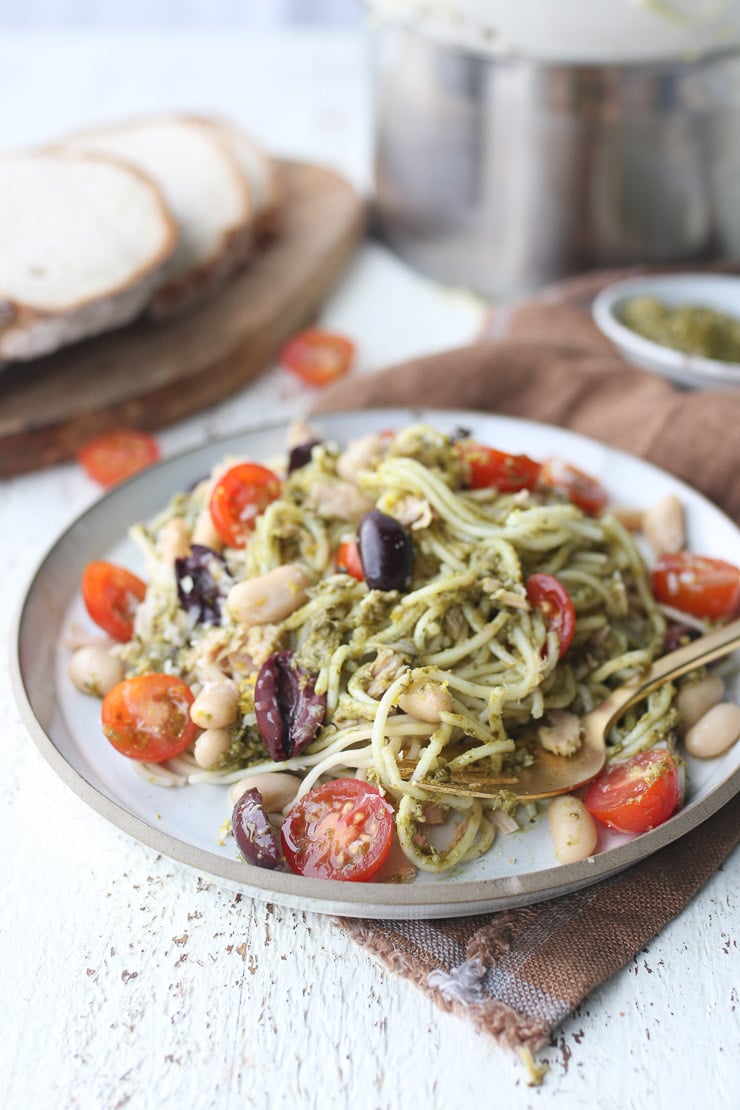
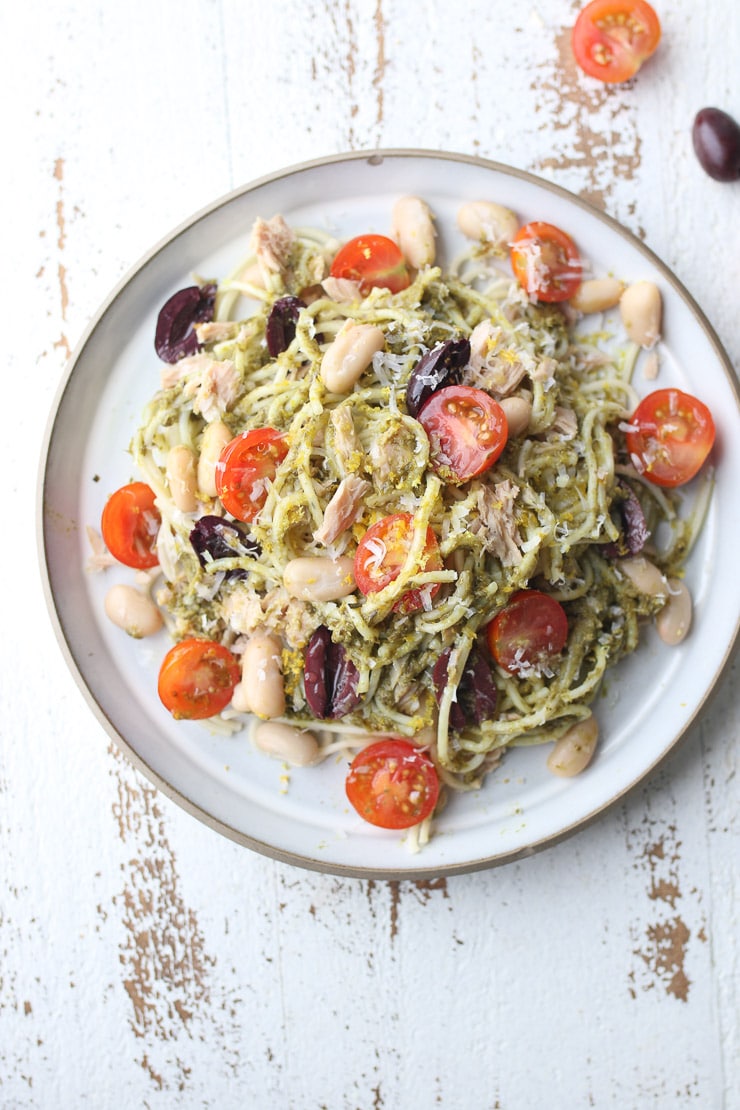
Close up of tuna pasta recipe with pesto sauce on a white plate with fresh bread in the background.

Pantry staples recipes are a lifesaver, whether you’re a busy mom, student on a budget, or just looking for something easy. Leaning HEAVILY on my pantry staples has just become part of my routine, and it’s a great way to save money and time in the kitchen, too! Honestly, one of the best things I’ve learned after having kids is how to cook amazing healthy meals out of my pantry. So this easy tuna pasta recipe was born solely out of what I had on hand, but it quickly became a family favourite in my home.

Table of contents

  • Why This Recipe Works
  • Key Ingredients
  • How To Make This Recipe
  • Expert Tips
  • Recipe FAQs
  • More Recipes You Might Like

Why This Recipe Works

I’m always making this tuna pasta recipe because it’s:

  • Quick and easy
  • Uses pantry staples I always have on hand
  • Packed with protein and fiber
  • Perfect for a packed lunch
  • Loved by my whole family

Try it out for your next meal prep and I know you’ll love it!

Key Ingredients

Birds eye view of tuna pesto pasta with topped with beans, tomato and olives.

This recipe is so simple and basically made out of your pantry. Here’s what you will need:

Chickpea pasta – I love chickpea pasta because it’s rich in fibre and protein. But if you’re not gluten free, or you just don’t have chickpea pasta, just use regular whole grain pasta. I used a spaghetti but you can totally use penne, rigatoni, linguine or anything else you’ve got on hand.

Prepared or homemade pesto sauce – In the summer, I always have tons of homemade pesto in the fridge, but right now, I’m relying on store-bought.

Light chunk tuna- I like the tuna in water, but oil is delicious too. I also prefer light canned tuna which is lower in mercury for my kiddo, but if you like albacore, that’s great too.

White beans – I love pumping up the protein and fibre with some canned beans!

Veggies – I like adding tomatoes and olives but if you have fresh spinach, this would also be great!

How To Make This Recipe

Step One: Cook the pasta according to package directions. Add pack to the pot and stir in the pesto, tuna (flaked into chunks), white beans, cherry tomatoes, and olives, and toss until well combined.

Step Two: Season with salt and pepper, if needed, then serve with parmesan cheese.

Expert Tips

This tuna pasta recipe is customizable based on what you have available in your fridge and pantry. It’s a great way to use up leftover veggies, so throw in anything you’ve got on hand.

Recipe FAQs

What should I serve with this tuna pasta recipe?

I love a nice crusty bread and salad with any pasta main. You can try out my flax focaccia or roasted broccoli salad.

How long will this last in the fridge?

This pesto pasta will last about 3-4 days in the fridge, so it does make an easy and well balanced meal-prep option for lunches or dinner.

Do you have a pesto recipe you love?

I have this awesome vegan pesto and this one with pistachios on my blog, but for traditional pesto I really like this recipe.

How much canned tuna is safe for toddlers?

According to Health Canada, the recommendations for Canned Albacore (White) Tuna Advice is:
– Pregnant Women – 300 grams a week 
– Children 5-11 years old – 150 grams a week 
– Children 1-4 years old – 75 grams a week 
This does not apply to canned LIGHT tuna which is lower in mercury so there is not a big concern. This is why I always choose canned LIGHT tuna.

Is this recipe kid-approved?

Definitely. My son loves canned tuna ANYTHING, and throw in some olives and cheese (his favourites) and he is totally GAME.

What type of pasta do you recommend?

Gluten free, or not, I am a huge fan of chickpea pasta because it’s higher in protein and fibre. But if you don’t have access to this, whole wheat pasta is my second choice!

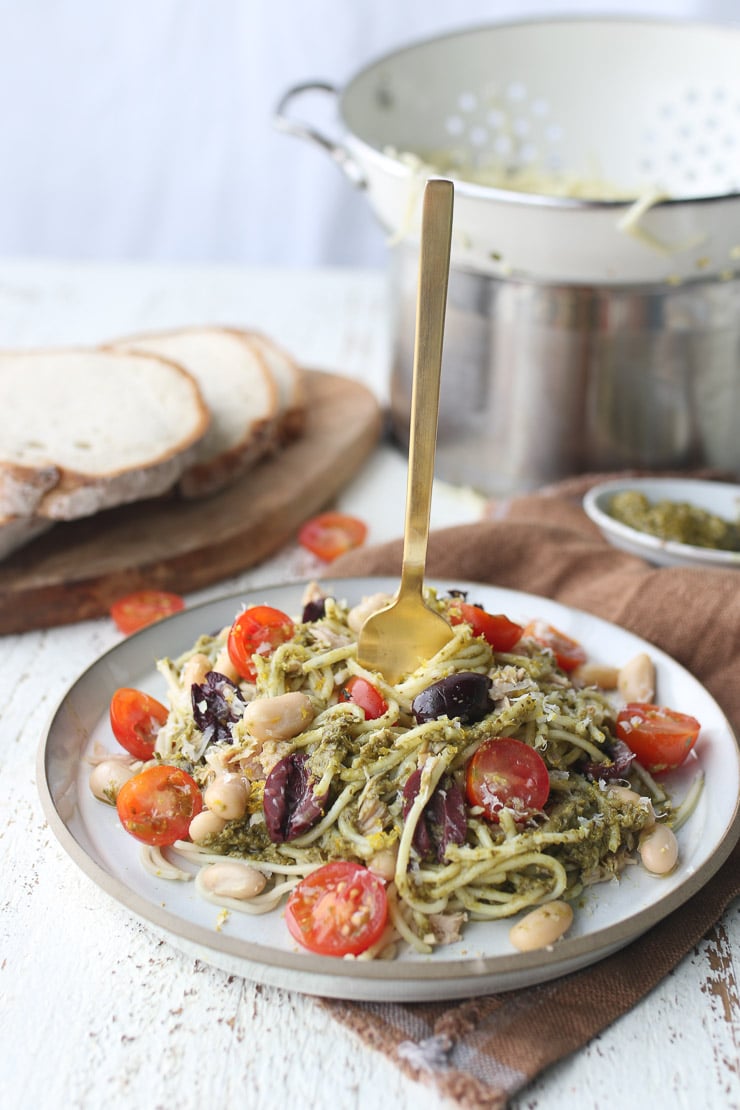
Golden fork twirled into tuna pasta on a white plate.

More Recipes You Might Like

We love pesto around here! Here are some favourite pesto recipes:

  • Zucchini Noodles with Pesto and Avocado
  • Hasselback Beets with Pistachio Pesto
  • Vegan Olive Pesto Flatbread with Olives, Grapes and Figs
  • Pistachio Parsley Pesto Pasta Salad

Now tell me – what are you making for dinner out of your pantry? Have you tried this tuna pesto pasta?

Print Recipe
5 from 3 votes

Tuna Pasta Recipe with Pesto Sauce | Gluten Free!

This easy tuna pasta recipe with pesto sauce is a fast pantry staple recipe that is family friendly, balanced and super simple to make!
Prep Time15 minutes mins
Total Time15 minutes mins
Course: Main Course
Cuisine: American
Servings: 5
Calories: 448kcal
Author: Abbey Sharp

Ingredients

  • 1 lb chickpea pasta I used spaghetti
  • 1/2 cup prepared or homemade pesto sauce
  • 1 can light chunk tuna packed in water drained
  • 1 19 ox can white beans drained and rinsed
  • Zest of 1/2 lemon
  • 1 cup cherry tomatoes halved
  • 1/4 cup pitted kalamata olives halved
  • Parmesan for topping

Instructions

  • Cook the pasta according to package directions. Add pack to the pot and stir in the pesto, tuna (flaked into chunks), white beans, cherry tomatoes, and olives, and toss until well combined.
  • Season with salt and pepper, if needed, then serve with parmesan cheese.

Nutrition

Calories: 448kcal | Carbohydrates: 55g | Protein: 31g | Fat: 16g | Saturated Fat: 2g | Cholesterol: 14mg | Sodium: 520mg | Potassium: 148mg | Fiber: 14g | Sugar: 10g | Vitamin A: 692IU | Vitamin C: 7mg | Calcium: 120mg | Iron: 10mg
Abbey Sharp

Abbey Sharp is a Registered Dietitian (RD), regulated by the Ontario College of Dietitians. She is a mom, YouTuber, Blogger, award winning cookbook author, media coach specializing in food and nutrition influencers, and a frequent contributor to national publications like Healthline and on national broadcast TV shows.
www.abbeyskitchen.com/about-abbey/

Last Updated June 25, 2023. Published June 7, 2023 By Abbey Sharp 4 Comments

A Dietitian’s Review on Glyphosate in Food | Is Cereal Safe for Our Kids?

In this controversial post, we discuss the truth and research surrounding the latest headlines about glyphosate in kids cereal and cancer.

In this controversial post, we discuss the truth and research surrounding the latest headlines about glyphosate in food like kids cereal and its link to cancer.

If you’re part of any mommy Facebook groups, you’ve probably heard the shocking news. A chemical in weedkiller, glyphosate has been showing up in popular products like cereals, cookies, and pasta. The same chemical that has been allegedly linked to cancer. So, are we putting ourselves and our kids at risk of cancer? We dive into the research get to the bottom of this controversial topic.

Have You Heard the Latest?

The internet is buzzing right now with concerns about the alleged Weed Killer in products on the market. Reports like this one from the EWG (Environmental Working Group) and this one from CTV contain lists of products that have been found to contain the weedkiller glyphosate. Products like Cheerios cereal, numerous Quaker oat products, and some Fontaine Santé Hummus have shockingly made the list! Rumor has it that the chemical is an endocrine disruptor that has been linked to common health problems like birth defects, reproductive issues, and yes, even cancer.

You may have seen the headlines about the man who sued (and won his case) against Monsanto (the producer of glyphosate) because he claimed that working with glyphosate caused his cancer. There are now hundreds of other people following suit and gearing up to sue Monsanto for similar reasons. Without getting too far into the debate (that would be a whole other post), Monsanto is appealing the decision stating: “[This] does not change the fact that more than 800 scientific studies and reviews – and conclusions by the U.S. Environmental Protection Agency, the U.S. National Institutes of Health and regulatory authorities around the world – support the fact that glyphosate does not cause cancer, and did not cause Mr. Johnson’s cancer.”

So what’s going on here? I’m here to tell you. Firstly, let’s see what we’re dealing with.

What is Glyphosate?

Glyphosate sprayed on food crops in a field.

Glyphosate is a herbicide, more commonly known as ‘Roundup’. Farmers spray this product on crops – mostly wheat and oats – to kill the weeds that surround the plant in order to help it grow better. The chemical is registered for use in 130 countries and has become the most heavily used herbicide in the entire world. As mentioned, it is produced by Monsanto, a global modern agriculture company that “develops products and tools to help farmers around the world grow crops while using energy, water, and land more efficiently,” according to their website. Although, you may recognize the name from the popular Netflix documentary from a few years back, ‘GMO OMG’, where they got shit on for producing GMO products. Cue the GMO-free movement. I’ve written about GMOs extensively here and here, so I recommend you check those out first.

Not only is glyphosate the most extensively used herbicide in the world, it is also the most extensively studied, apparently, so Monsanto stands beside their claim that it is safe. Well, if it has been used for over 40 years, why are we only now finding it pop up in our breakfast bowls?

Why is Glyphosate in Food like Kids Cereal?

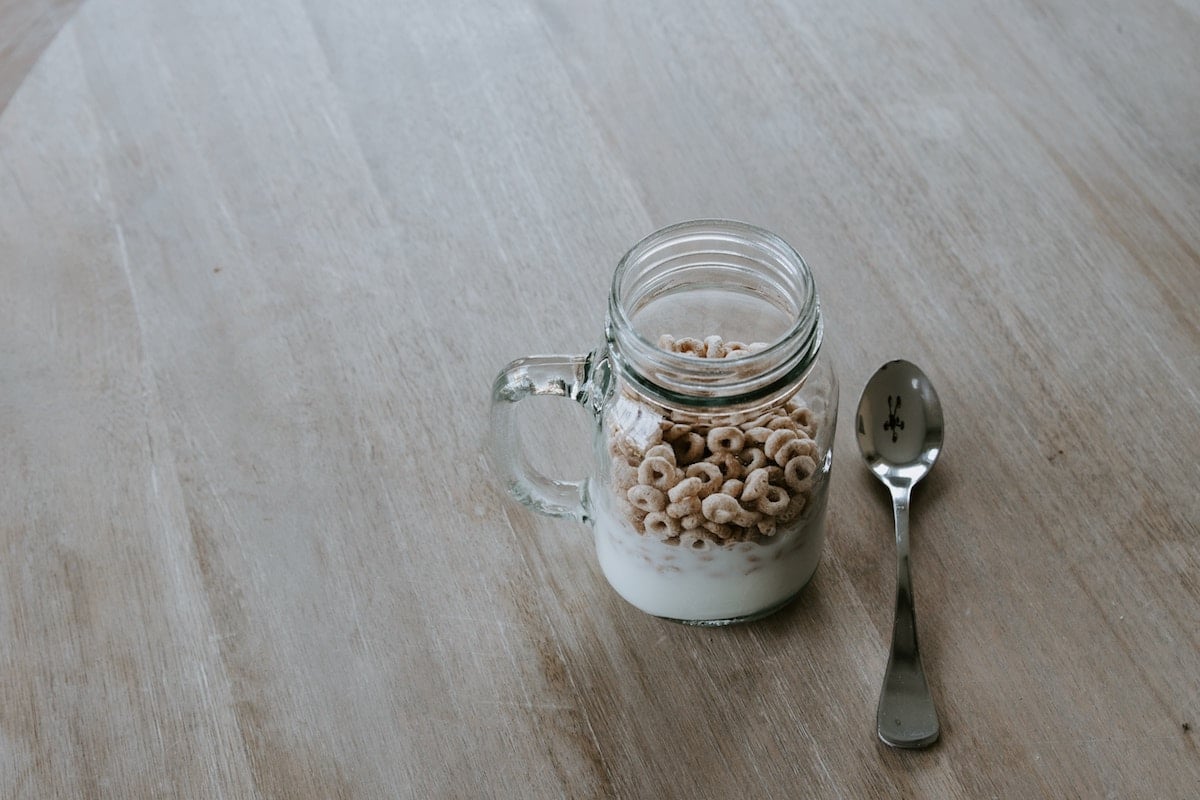
Glyphosate on food like cereal in a jar.

Originally, glyphosate was used only for killing weeds, but a new, creative purpose has gained it some unwanted attention lately. Farmers are now using the chemical for ‘preharvest’ – meaning they spray it on the plant right before its crop is removed and it is processed to become food. In Monsanto’s guide for using the chemical, they state, “A preharvest weed control application is an excellent management strategy to not only control perennial weeds, but to facilitate harvest management and get a head start on next year’s crop.” This means that spraying the plant right before harvest kills it so it can be harvested sooner rather than later, making for quicker turnover of product and faster profit. The technique is used even more-so in cooler regions where harvest is often a race against time. It is this new use of glyphosate that seems to be why it’s often showing up in our food system.

Let’s delve into what impact it has on our health.

Glyphosate and Cancer

Person in lab coat holding stethescope.

Cancer has been the biggest concern when it comes to glyphosate, and whether or not there are any grounds to be concerned depends on who you ask. Some places like California and Sri Lanka support research that says glyphosate causes cancer and have started to place restrictions or bans on it.  It has been the topic of hot debates for quite some time, and sometimes even the researchers themselves can’t decide. The US Environmental Protection Agency for  example initially deemed glyphosate to be possibly carcinogenic in 1985, but then jumped back to non-carcinogenic in 1991.

In terms of what Canada thinks, the Canadian Food Inspection Agency (CFIA) did extensive testing on 3,188 products a couple of years back to see if there was glyphosate in foods. Turns out that 29.1% tested positive. Sounds bad, right? Well, let me put it into perspective by telling you about MRLs first. MRL stands for Maximum Residue Limits –  the amount of a chemical set by Health Canada that is deemed safe for humans and acceptable to be in food products; anything above the MRL could be dangerous and anything below it is in the clear. In this research by the CFIA, only 1.3% of products exceeded the MRL. Of course, we’d ideally want this to be 0 but hey, 1.3% is a heck of a lot better than 29.1%. This also goes to show how easily facts can be misconstrued, especially when they are portrayed by the media often with the objective to get a rise out of people.

In 2015, the International Agency for Research on Cancer, a branch of the World Health Organization (WHO) labelled glyphosate as “probably carcinogenic to humans”. Huh? That’s a thing? Sounds a bit casual to me. They classified it as being in ‘Group 2A’ so I did some digging to see what that means. This organization is legit so I want to take what they say seriously. Later in their document that you can check out here, they explain:

“This category is used when there is limited evidence of carcinogenicity in humans and sufficient evidence of carcinogenicity in experimental animals.”

**Note the words limited evidence and animals here**

Continuing: “Limited evidence means that a positive association has been observed between exposure to the agent and cancer but that other explanations for the observations (called chance, bias, or confounding) could not be ruled out.”

**This basically means that animals (or people, maybe, they don’t specify), who have been exposed to the chemical sometimes have cancer – this could be because of the exposure or could be for any other reason – like genetics, lifestyle, sheer bad luck – anything!**

Continuing: “This category is also used when there is limited evidence of carcinogenicity in humans and strong data on how the agent causes cancer.”

**Okay, I won’t harp on that statement so much; it basically means we can’t prove that it causes cancer in humans, but it would make sense if it did.**

They also mentioned that the research that did seem to be a little convincing of glyphosate causing cancer was from agricultural exposures, not from exposure through food. After dissecting this I’m not totally convinced that glyphosate in food causes cancer and even to say it “probably does” seems a bit much to me. Let’s take a look at what other scientists have to say.

In 2016, a group of scientists conducted a systematic review and meta-analysis to see if glyphosate caused cancer. Both types of research, a systematic review and meta-analysis, are among the highest quality/most accurate research methods. Using these research methods means the researchers thoroughly analyzed and critiqued all the other research that had been done to date, to really get to the bottom of what the story is. It turns out though that they had a lot of difficulty doing that; there were a lot of limitations, meaning the research they analyzed was conflicting and different in terms of methods used and research conducted. The researchers were very honest about this difficulty in their report, so they caution readers about coming to conclusions.

Their bottom line was, “Combining these results with recognition of the methodological weaknesses of the small number of existing studies and an overall body of literature that is not strong, consistent, temporally unambiguous, or indicative of a positive biological gradient, we determined that no causal relationship has been established between glyphosate exposure and risk of NHL, HL, MM, leukaemia, or any subtype of LHC.”

Again, this study looked at the potential carcinogenicity due to agricultural exposure to the chemical, not to ingesting glysophate in food – that research just does not exist.

Farm Worker vs Cereal Eater

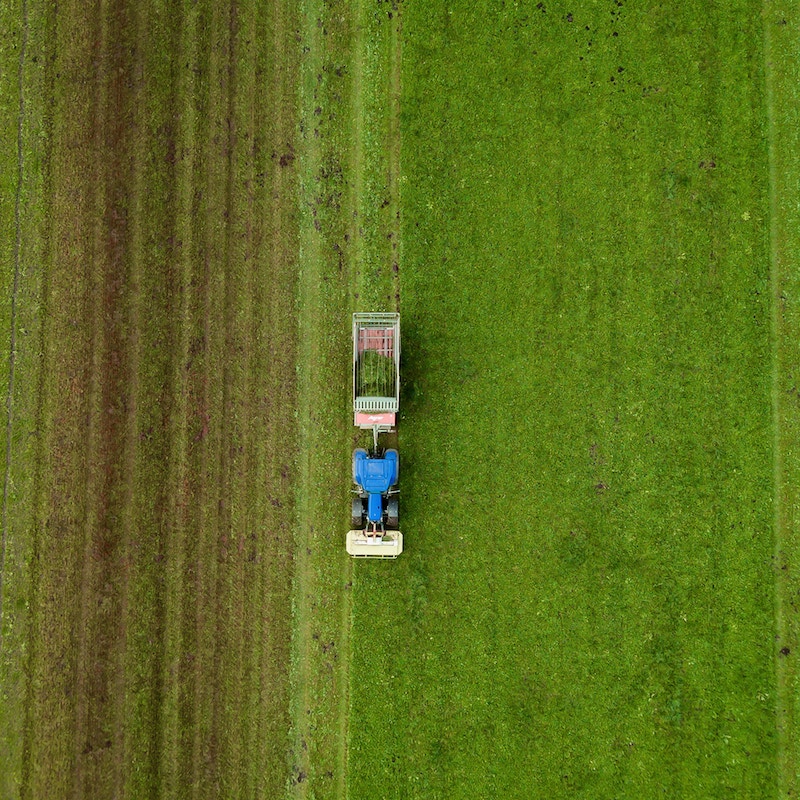
Tractor driving through field.

I keep finding myself reminding you that the research we have is on agricultural exposure and that is a huge point overlooked by the media, so it deserved its own heading here. Agricultural exposure means that the people in the study/research were farming or working directly with the chemical. As you can imagine the exposure you get to the chemical by holding it and using it directly is much, much higher than the trace amounts that have been found in some of our food. So are you a farm worker or a cereal eater? If you’re a farm worker dealing with this chemical you have more reason to be concerned; if you’re a cereal eater, you’re probably in the clear. However, if you are a cereal eater and you are really freaked out by there being even a fraction of herbicide in your bowl, then that’s fair too. I will remind you though that in the world we live in today, it is nearly impossible to avoid trace amounts of chemicals and additives of some kind – whether that be glyphosate in food or in everyday products. It’s unsettling of course, but it’s reality.

Will Going Organic or GMO-free Reduce the Glyphosate in Food and Cancer Risk?

You might be thinking, “If glyphosate is a herbicide, should we be choosing organic foods to avoid it?” Unfortunately, not quite. Although organic farming does not allow the use of non-organic herbicides or pesticides, apparently avoiding glyphosate is not that easy. The chemical sticks well to water and soil, allowing the its particles to float wherever they want – organic farms included. Since use of glyphosate is so widespread, it is nearly impossible to keep its particles off of organic crops.

Okay so what about GMOs? Well glyphosate was initially used on GMO crops only. Remember how we said it can kill the plant to yield crops faster? Well back when it was used exclusively to kill weeds, only the GMO plants were genetically engineered to withstand it, so they were the only crops exposed to it. However, because of this new use of spraying a plant with the intention of making it die, non-GMO plants are now being hit.

The bottom line for this debate is that avoiding glyphosate in food by going GMO-free won’t help, and going organic won’t solve the problem completely but likely will reduce your exposure if for some reason you’re still concerned. 

Can trace amounts of glyphosate build up in the body and cause harm in the long run?

So what about these ‘trace amounts’ of glyphosate? Can they build up in our bodies to create large amounts of glyphosate? According to the US Environmental Protection Agency: NO. Our bodies seem to rid themselves of glyphosate completely within 24 hours of exposure. This happens in the bathroom. Thanks, body! You rock! So we don’t need to worry about that. We’re still left wondering though what constitutes as a ‘trace’ and how much glyphosate exposure is too much.

How Much is Too Much Glyphosate?

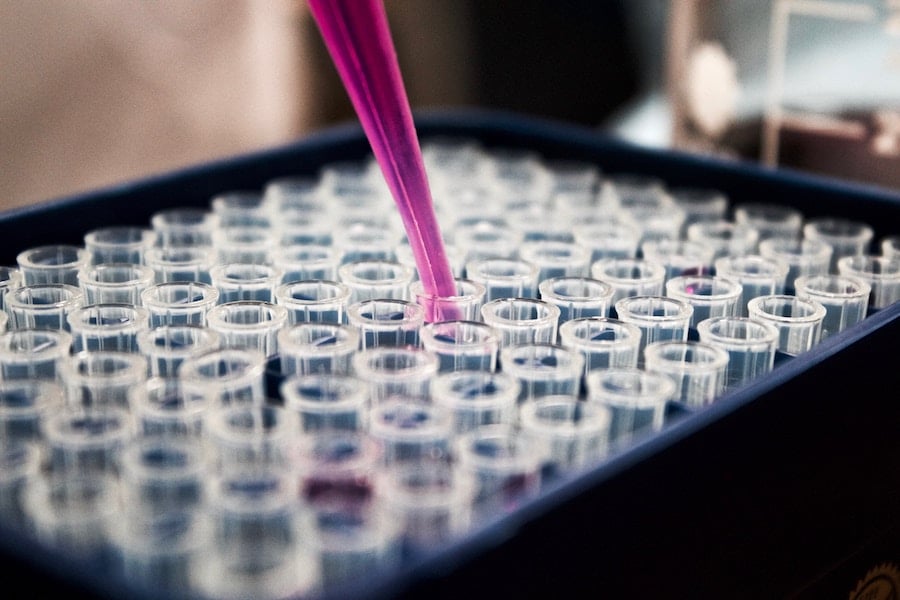
Several test tubes in a box.

As usual when we talk about chemicals, what it comes down to is how much we’re exposed to/ingesting. You know, pretty much everything in our environment is a ‘chemical’ since the definition of a chemical is “any basic substance that is used in or produced by a reaction involving changes to atoms or molecules” – that’s pretty much everything! Even water! So even though the media makes us half scared of the word ‘chemical’, they’re not all bad. Whether or not a chemical is bad depends on 3 things: concentration (the amount of the chemical), route (how we are exposed to it), and exposure (how long we are exposed to it for).

According to the Food and Agriculture Organization (FAO) and World Health Organization (WHO), the acceptable daily intake, or the amount that we can safely have, for glyphosate is up to 1.0 mg/kg. (How much your body can handle depends on your body weight). So when credible organizations search for glyphosate in foods they’re hoping to find traces much below that threshold.

Last November, the US Environmental Protection Agency wanted to find out if people were exceeding that amount. To do this they needed to know what people were eating so they used a database derived from surveys about food consumption and food purchasing data. Next they did extensive testing on those products to calculate the corresponding glyphosate intake of the population. The result: The glyphosate amount consumed by people of all ages did not nearly reach the acceptable amount of 1.0 mg/kg – so we’re in the clear. It is notable however, that children ages 1-2 were exposed to glyphosate more than anybody else, but even they only had 0.228379 mg/kg – still far below the threshold.

One thing to think about though is, ‘Were the same products that were included in the EWG study included in this one too?’ Well we don’t know for sure, but given the products’ popularity, likely, yes. So if our food has already been investigated and proved to be safe, then why is the article by the EWG’s Children Health Initiative saying otherwise? WELL, the EWG article says that the amount of glyphosate that is unsafe is 160 ppb. How does that compare to the 1.0 mg/kg limit set by FAO and WHO? 1.0 mg/kg = 1000 ppb – much higher than 160 ppb. That means the EWG is saying only ⅙ of the threshold for glyphosate set by FAO/WHO can be dangerous! What the heck is going on here? It’s a he-said, she-said.

It’s a “He Said She Said” Scenario

Conference room viewed through a glass wall.

Let’s give both parties a chance here before we decide who to side with.

EWG – Environmental Working GroupWHO – World Health Organization


FAO – Food and Agricultural Organization

JECFA – Joint FAO/WHO Expert Committee on Food Additives

An American activist group that is, and I quote, “ working tirelessly to make sure someone is standing up for public health when government and industry won’t.”


They are highly critiqued for their lack of scientific credibility.

WHO – The authority that coordinates international health within the United Nations system. They are the leaders on global health matters – creating health research agendas, health standards, and evidence-based health policy.


FAO –  A specialized agency of the United Nations that leads international efforts to defeat hunger and make agriculture, forestry and fisheries more productive and sustainable


JECFA – An independent scientific expert committee that studies the risks associated with food additives for the FAO and WHO

It’s not looking good so far. Let’s continue and see how these organizations have been serving us.

EWG WHO/FAO/JECFA
Every year EWG provides us with a “dirty dozen” food list – a list of foods on the market that have the most pesticides. Probably a good list to have, right?


Not quite. Every year following the list release, scientists follow it up with articles like this one proving that the foods are actually safe.

Every year, and everyday, WHO provides us with evidence based research and policies that advance our healthcare systems.


To start, they created the International Classification of Diseases – setting standards by which all countries across the world are able to diagnose people. It’s probably pretty important that we know how to do that – thanks WHO! Oh, and they also created the Essential Medicines List — a list of key medications for healthcare systems all over the world – also good to have.

Need I go on? Hardly. But let’s take a look at who we’re dealing with here.

EWG WHO/FAO/JECFA

–       I couldn’t quite get a number for their whole team/staff but they have 19 board members

–       From what I can tell from their website they have only 4 offices: 2 in California, 1 in DC and 1 in Minnesota

–       Board members include “effective critics of establishment agriculture and U.S. farm policy”, freelance and best selling book authors, TV show hosts, and entrepreneurs of various kinds.

WHO


–       More than 7000 people from more than 150 countries

–       Their staff include professionals like medical doctors, public health specialists, scientists and epidemiologists

FAO:

–       Over 1700 professional staff

–       Offices in 85 countries

–       7 different departments bringing together experts in various fields

JECFA:

–       Members bring all sorts of expertise to the table since they work in a range of disciplines including risk assessment, toxicology, epidemiology, medicine, chemistry, biology, biochemistry, and life sciences.

Are you laughing yet? Let’s see how these ‘experts’ are selected for each of the organizations.

JECFA:

Let’s look at the simplified version of selecting experts for the JECFA. Experts sit on the committee for 5 years and then there’s an open call for application from scientific experts specializing in identified fields. Experts are screened based on the expertise needed, their scientific views, and of course their experience in the field and with the research. The final meeting and selection occurs only after careful evaluation of declarations of interests submitted by each expert.

EWG:

Let’s look at the simplified version of selecting ‘experts’ for the EWG. Basically, just turn on the TV and see who’s there! The bios for the board members talk WAY more about the members’ media experience than their science background. Why? Because most board members have no science background. Their bios focus on the books they’ve written, TV show appearances they’ve had, and advocacy efforts in their children’s schools. I have to point out again that the organization’s co-founder is, “widely recognized as one of the environmental community’s most prominent and effective critics of establishment agriculture and U.S. farm policy.” Drama. It was really hard for me not to immediately side with WHO/FAO/JECFA  after scrolling through the EWG’s credentials, or lack thereof.

The icing on the cake for me was seeing Mark Hyman on their board members list. Every dietitian out there reading this just cringed, I felt it. Dr. Mark Hyman is the wonderful man whose been filling our bookstores and e-readers with reads like “Eat Fat, Get Thin”, and “10 Day Diet Detox”. Guys, we have a liver and it detoxes our bodies on its own everyday!!! I’ve been saying this from DAY ONE. Okay, so I’ll cut my rant short and conclude by saying that the claims made by Dr. Mark Hyman are not always, and not usually, backed by science. Oh, and he also co-hosts on the show Dr. Oz. Dr. Oz is repeatedly sued for making false health claims but he often gets away with it by claiming his show is for entertainment, not health advice. Nice save, Oz. So does Dr. Mark Hyman follow the same principle – he’s just trying to entertain us with these scary and/or hilarious “health claims”?

Bottom Line on the Truth About Glyphosate in Food and Cancer

I think you’ve pieced it together by now that I’m siding with WHO/FAO/JECFA. If they say that the safety limit for glyphosate is 1.0 mg/kg, I’m going to stick with that until told otherwise. If you go by this standard, all of the foods you see in the EWG article that are supposedly dangerous, are actually in the safe zone, so no need to panic. However, if you’re totally freaked out by there being even a little bit of glyphosate in food, I get that. It’s a tough life. My advice to you is to put on your critical thinking hat when you’re reading these scary headlines and ask questions about the authors and  how they got to their conclusions. Now, excuse me while I go pour myself a big bowl of cereal.

More Blog Posts You Might Like

  • Best Healthy Snacks for Kids According to Dietitian Moms
  • Sugar and Cancer | The Sugar Feeds Cancer Myth & Facts
  • The Pegan Diet (Paleo Vegan) | A Dietitian’s Guide to Risks vs Benefits
  • Should Babies Avoid Wheat, Cereals and Grains Before 12 Months?

What are your thoughts on glyphosate in food? Let me know in a comment below!

Contribution by RD2B Acacia Puddester

Abbey Sharp

Abbey Sharp is a Registered Dietitian (RD), regulated by the Ontario College of Dietitians. She is a mom, YouTuber, Blogger, award winning cookbook author, media coach specializing in food and nutrition influencers, and a frequent contributor to national publications like Healthline and on national broadcast TV shows.
www.abbeyskitchen.com/about-abbey/

Last Updated June 1, 2023. Published June 2, 2023 By Abbey Sharp 6 Comments

Vegan Tomato Soup Recipe (with Extra Protein!!)

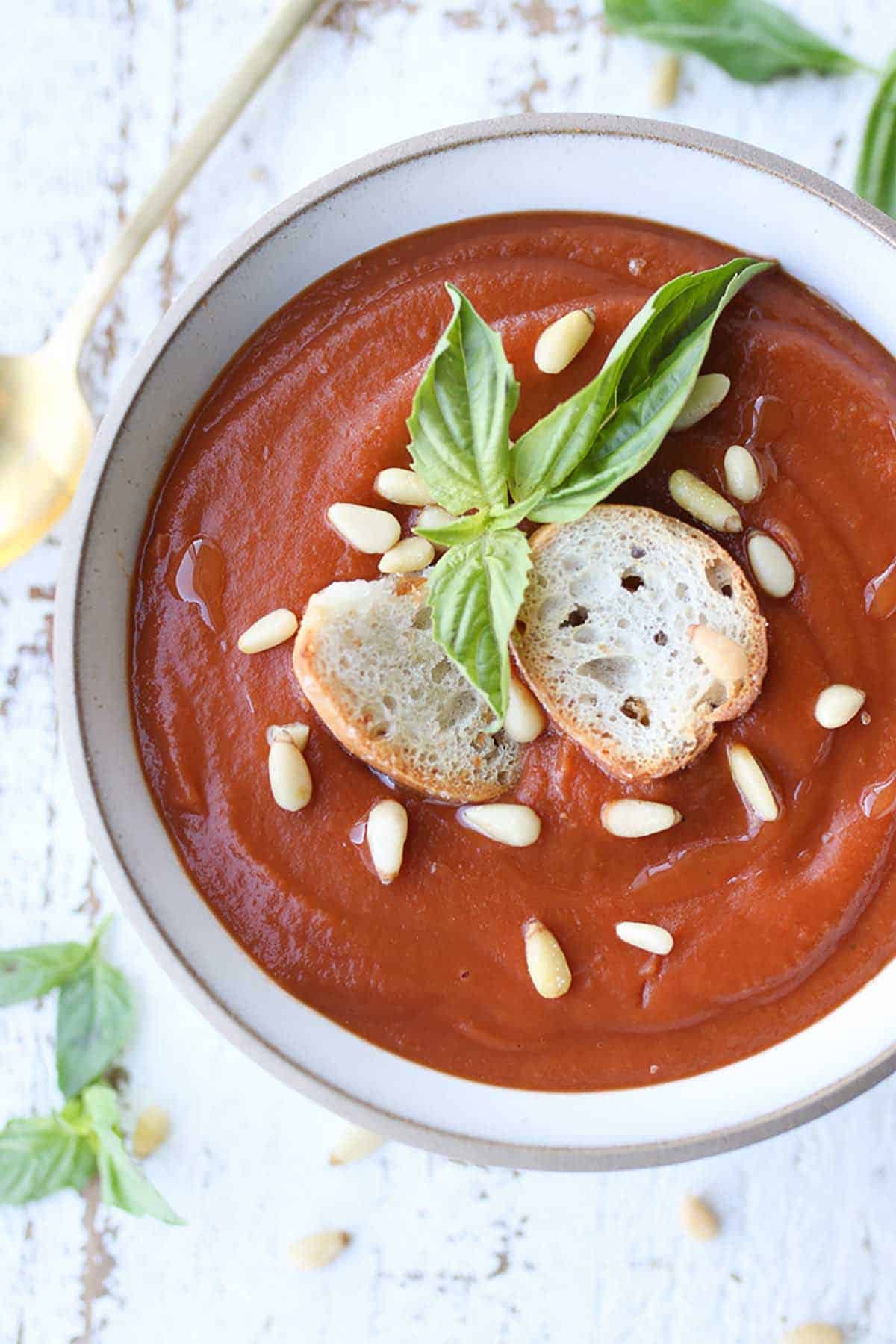
birds eye view of creamy tomato soup

This vegan tomato soup recipe is high in protein and fibre and is naturally creamy with no added cream, making it the perfect cozy soup!

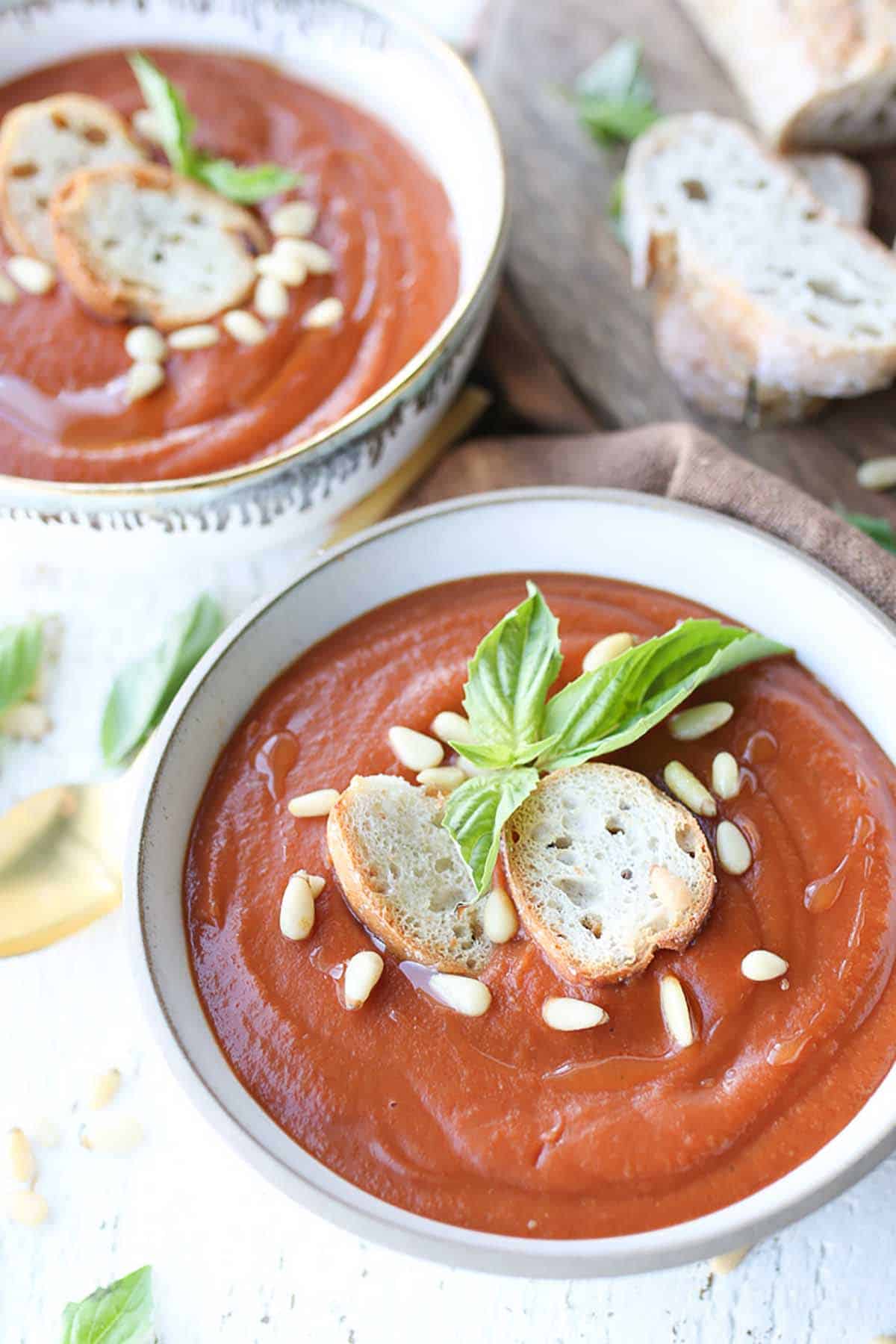
Close up birds eye view image of creamy tomato soup in a white bowl topped with pin nuts, baguette slices and fresh basil.

One of my favourite soups to enjoy is easily a classic creamy tomato soup. There’s something so nostalgic about enjoying tomato soup with some crackers or a side of grilled cheese. While my childhood favourite was to pop open a can of Campbells, most canned soup varieties are low in protein and fibre and loaded with excess salt.

So I set out to create my version of a nostalgic vegan tomato soup recipe that is high protein and fibre, creamy without any added cream, and with tons of added nutrition and way less sodium. 

Table of contents

  • Why This Recipe Works
  • Key Ingredients 
  • How to Make This Recipe
  • Expert Tips
  • Recipe FAQs
  • More Recipes You Might Like

Why This Recipe Works

This vegan tomato soup recipe is literally as easy as one, two, three. All it takes is heating up a few freezer and pantry staples on the stove top, pureeing them together in a blender and voila! Done like dinner.

I love this vegan tomato soup recipe because not only does it taste like a classic tomato soup, but it is higher in protein thanks to the addition of cannellini beans and nutritional yeast. Its also super creamy and veggie packed from the butternut squash. And just like like that, one serving provides 15 grams of protein and 10 grams of fibre! Yes please.

Key Ingredients 

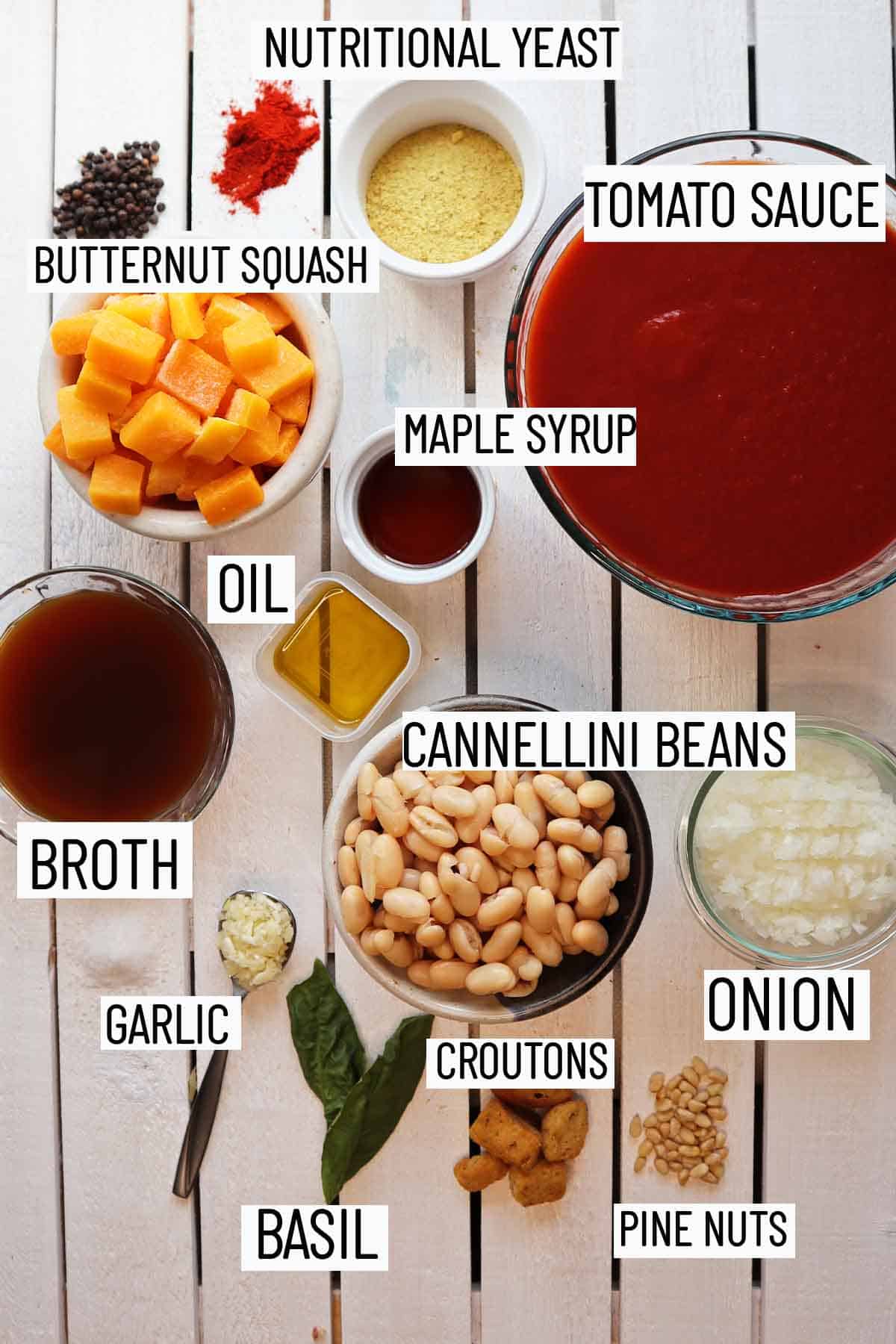
Flat lay image of portioned recipe ingredients including tomato sauce, broth, maple syrup, onion, garlic, white beans, butternut squash, nutritional yeast, basil, and croutons.

Butternut Squash – Grab a pen and write this down because butternut squash is one of my favourite soup hacks to add extra creaminess and nutrition to any soup recipe! I use frozen butternut squash which makes it super easy to add into any soup, any time. 

Tomato Sauce – To keep this recipe low sodium, make sure to look for low sodium tomato sauce that only lists tomatoes in the ingredients list. 

Vegetable Broth – I use low-sodium vegetable broth to keep this recipe vegan friendly. But feel free to use a low-sodium chicken broth instead if you don’t need to make this soup vegan. 

Cannellini Beans – Another one of my favourite soup hacks is adding cannellini beans for extra protein. Cannellini beans are very mild in flavour, so they don’t alter the taste at all while adding tons a protein AND fibre to the soup. (Pro tip: you can also add cannellini beans to smoothies and dips for an extra protein boost, as well)

Nutritional Yeast – I’m a bit obsessed with fortified nutritional yeast these days because it’s loaded with protein and vitamin B12, making it a vegan staple! And nothing beats the cheesy umami flavour it adds to recipes. 

Maple Syrup – I always make sure to add a bit of sweetness to tomato based soups and sauces to balance the acidity from the tomatoes. If you don’t have maple syrup, you can add brown sugar instead. 

Smoked Paprika – Smoked paprika with anything tomato-based is just meant to be in my books. This will give the soup a delicious smoky flavour, which I love. But feel free to skip out on this step if you are sensitive to spice. 

How to Make This Recipe

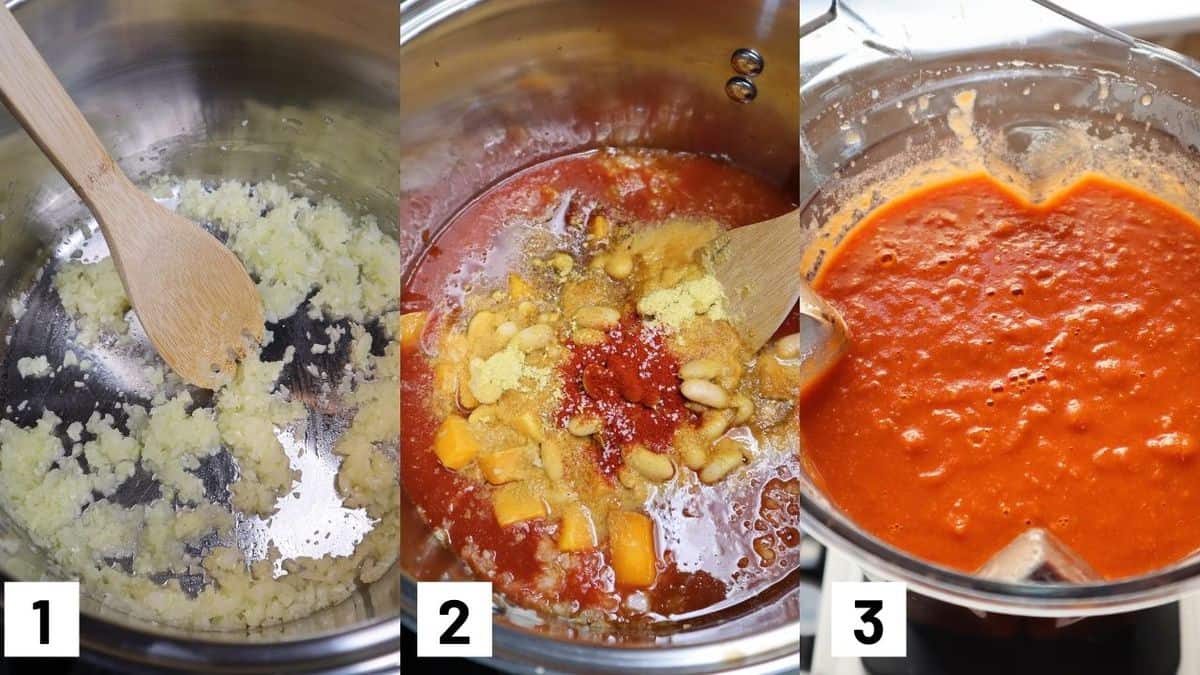
Three side by side images showing how to make tomato soup including sauteeing the onions and garlic, heating up the remainder of the ingredients, and pureeing in a blender.

Step 1: Add the olive oil to a large soup pot over medium heat. Add the onion and garlic and saute until fragrant and softened, about 5 minutes.

Step 2: Add the butternut squash, tomato sauce, broth, beans, nutritional yeast, maple, paprika and a pinch each of salt and pepper. Cover with a lid and allow to simmer for 15 minutes, until the beans and squash are very soft.

Step 3: Puree with a hand blender or transfer to a stand alone blender and puree until smooth. If you prefer a thinner soup, add more broth and season with additional salt and pepper, to taste.

Expert Tips

This recipe uses up a bunch of vegan staples like nutritional yeast, maple syrup and veggie broth. But if you don’t need to make this vegan and don’t really want to go out of your way to buy these specialty ingredients, you definitely don’t have to! You can substitute the nutritional yeast for cheese, use chicken broth or a bouillon cube, and add 1-2 teaspoons of sugar instead of maple syrup which will help to reduce the acidity from the tomato sauce.

Recipe FAQs

Is this tomato soup freezer friendly?

Absolutely! Allow the soup to cool down before freezing by letting it sit for an hour or so, OR you can place the soup pot or container in an ice bath to speed the cooling process along. I also like to freeze soups in a freezer bag instead of containers because they’re easy to lay flat in the freezer which helps to free up space (especially if you’re like me and love to batch cook and freeze for later). 

What can I substitute for cannellini beans to keep this soup high in protein?

If you don’t have cannellini beans, chickpeas will work too! You can also use soy milk or extra nutritional yeast.

Is this soup recipe gluten free?

The soup is naturally gluten free when not topped with croutons. But otherwise, all my GF readers can certainly enjoy this soup. 

What can I serve with this soup?

If you want to make this vegan tomato soup recipe extra nostalgic, you can’t go wrong with some glorious grilled cheese on the side. Otherwise, you can add a side of store-bought or homemade bread (like this vegan cheesy soda bread, or this flax focaccia bread). It would also pair nicely with a lovely salad (like this Vegan Pesto Pasta Salad)

Close up of tomato soup in a white bowl topped with pine nuts, baguette slices, and basil.

More Recipes You Might Like

Here are some more of my favourite cozy vegan soups on the blog!

  • Bean & Frozen Vegetable Soup 
  • Lentil Butternut Squash Soup 
  • Broccoli White Bean Soup
  • Creamy Mushroom Soup with Rosemary White Beans 
  • Roasted Cauliflower Soup with Parsnips 

What are your favourite nostalgic soup recipes? Leave me a comment below with your thoughts!

birds eye view of creamy tomato soup
Print Recipe
5 from 10 votes

Vegan Tomato Soup Recipe (with Extra Protein!!)

This vegan tomato soup recipe is high in protein and fibre and is naturally creamy with no added cream, making it the perfect cozy soup!
Prep Time5 minutes mins
Cook Time20 minutes mins
Total Time25 minutes mins
Course: Appetizer, Soup
Cuisine: American
Servings: 4
Calories: 290kcal
Author: Abbey Sharp

Ingredients

  • 1 tbsp extra virgin olive oil
  • 1 small onion diced
  • 3 cloves garlic minced
  • 2 cups frozen butternut squash
  • 2 x 680 ml cans tomato sauce about 5 1/2 cups
  • 1 cup no salt added vegetable broth
  • 1 19 oz can no salt added white cannellini beans rinsed
  • 2 tbsp fortified nutritional yeast
  • 2 tbsp Maple syrup or more to taste
  • 1/2 tsp sweet smoked paprika or more to taste
  • Salt and pepper to taste
  • For serving optional:
  • Basil
  • Extra virgin olive oil
  • Toasted pine nuts
  • Croutons

Instructions

  • Add the olive oil to a large soup pot over medium heat. Add the onion and garlic and saute until fragrant and softened, about 5 minutes.
  • Add the butternut squash, tomato sauce, broth, beans, nutritional yeast, maple, paprika and a pinch each of salt and pepper. Cover with a lid and allow to simmer for 15 minutes, until the beans and squash are very soft.
  • Puree with a hand blender or transfer to a stand alone blender and puree until smooth. f you prefer a thinner soup, add more broth and season with additional salt and pepper, to taste.
  • Garnish with basil, olive oil, pine nuts and croutons, if desired.

Notes

This recipe uses up a bunch of vegan staples like nutritional yeast, maple syrup and veggie broth. But if you don’t need to make this vegan and don’t really want to go out of your way to buy these specialty ingredients, you definitely don’t have to! You can substitute the nutritional yeast for cheese, use chicken broth or a bouillon cube, and add 1-2 teaspoons of sugar instead of maple syrup which will help to reduce the acidity from the tomato sauce.

Nutrition

Calories: 290kcal | Carbohydrates: 51g | Protein: 15g | Fat: 5g | Saturated Fat: 1g | Sodium: 33mg | Potassium: 1087mg | Fiber: 10g | Sugar: 9g | Vitamin A: 7564IU | Vitamin C: 17mg | Calcium: 158mg | Iron: 5mg

Have you tried this vegan tomato soup? Let me know what you think!

Abbey Sharp

Abbey Sharp is a Registered Dietitian (RD), regulated by the Ontario College of Dietitians. She is a mom, YouTuber, Blogger, award winning cookbook author, media coach specializing in food and nutrition influencers, and a frequent contributor to national publications like Healthline and on national broadcast TV shows.
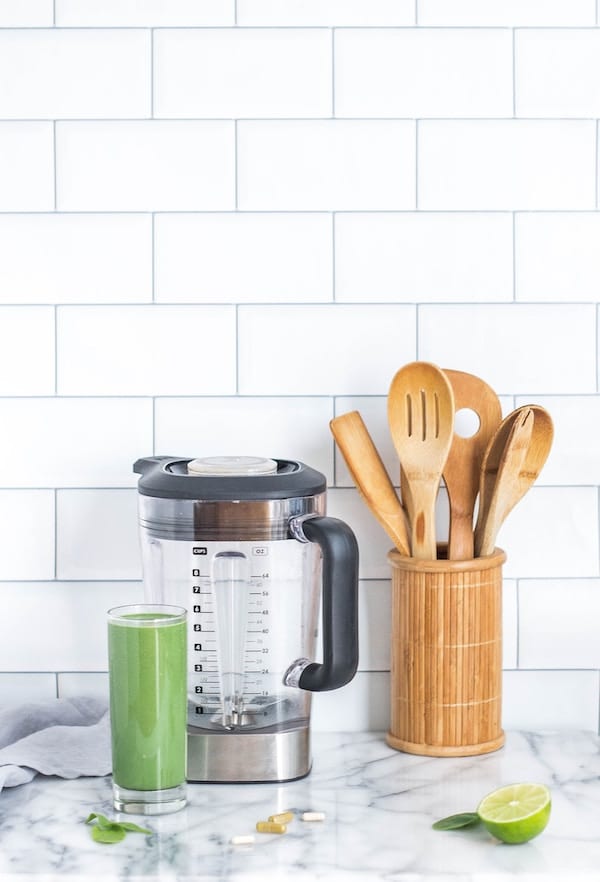
www.abbeyskitchen.com/about-abbey/

Last Updated May 27, 2023. Published May 31, 2023 By Abbey Sharp 27 Comments

Anti Candida Diet – Helpful or Hype (According to a Dietitian)

We take a look at the research on the Anti Candida Diet and whether or not the Candida Sugar Detox works.

A spoon pouring sugar into a ceramic container.

Ladies, have you ever had a yeast infection? Yep. That’s candida. It’s also the culprit of thrush (aka. oropharyngeal candidiasis), which I can imagine is also not fun times. These organisms are naturally part of our gastrointestinal tract, but certain hormonal imbalances or immunodeficiency (in the case of something like AIDS, for example) can cause the organism to opportunistically grow. That’s when it becomes bad news bears.

The Candida sugar detox (aka. the anti candida diet) is definitely not new, but it has been popping up on my news feed for quite some time. Apparently it became super big in the ‘90s after it was first introduced by Dr. William Crook’s 1986 book, The Yeast Connection. With such a long legacy, I figured there surely was something there. I thought it would be best to take a good look.

What Does Candida Overgrowth Do?

This is a contested area that we aren’t totally sure about based on current research (see more on that below). However, naturopaths, holistic nutritionists and various online “expert” sites claim any or all of the following symptoms are linked to a candida overgrowth.

“Acid reflux, bloating, flatulence, nausea, diarrhea, constipation, stomach cramps, indigestion, burping after meals, Mucus in stool, hemorrhoids, itching anus, acne, cysts, hives, night sweats, psoriasis, eczema, dermatitis, fungal infections of the nails & skin, athlete’s foot, body odor, Thrush (white coating on tongue), swollen lower lip, halitosis, metallic taste in mouth, bad breath, canker sores, bleeding gums, cracked tongue, persistent cough, mucus in throat, sore throat, sinus congestion, chronic post-nasal drip, flu-like symptoms, hay fever symptoms, sinusitis, asthma, eye pain, itchy eyes, sensitivity to light, blurred vision, bags under eyes, ringing in the ears, ear infections, recurring yeast infections, recurring UTI’s (urinary tract infections), cystitis (inflammation of the bladder), PMS & menstrual irregularities, fungal rash, frequent colds and flu, allergies, sensitivities to food, fragrances and chemicals, inability to lose weight, water retention, weight loss, headaches, heart palpitations, chronic body pain and/or joint pains, muscle aches and stiffness. “

Yikes, that is a generous sized list… feel free to take a second to catch your breath there.

The truth is, if you go to Google and type in Candida + [insert ANY symptom you have], you’ll probably find hundreds of articles confirming that, yes! Your symptom is indeed linked to Candida, and yes! A candida sugar detox diet is the key to recovery. It’s the same with diets like Gluten Free. Everyone thinks that every malady must be linked to that one single problem.

This certainly doesn’t mean that any of those symptoms are illegitimate. It just means that it’s easy to immediately assume your problem is candida and stop asking other pertinent questions and that may possibly become a really huge problem. So let’s ask more questions then, shall we?

Microscope shot of green bacteria.

What Causes Candida Overgrowth?

There are a lot of theories on why or how candida grows and populates. According to various “expert” blogs and holistic nutritionists on the web, candida hypersensitivity (that’s the term Dr. Crook has coined) is caused by:

  • A diet rich in sugar
  • The birth control pill
  • Mercury tooth fillings
  • Diabetes
  • Mold and yeast containing products (aka. beer, or cheese)
  • Antibiotics
  • Chlorine and fluoride from tap water

I can’t vouch for all of those claims, but research has linked vaginal candida infections (aka. yeast infections) to uncontrolled diabetes, antibiotic use, and high-estrogen oral contraceptives. That’s just specific to yeast infections, though. Unfortunately, to my knowledge, there are no high quality human studies examining the cause and effect relationship of diabetes, antibiotics, oral contraceptives on generalized “candida hypersensitivity”.

How is Candida Overgrowth detected?

Naturopaths suggest that candida can be detected using a “spittle test”. That’s a cute name for gracefully spitting into a cup of water and observing it every 20 minutes for 1 hour. Apparently, they deem it to be positive for Candida if they see “strings” coming down from the top, cloudy saliva at the bottom of the glass and opaque specks of saliva suspended in the water. Sounds… scientific?

Other “experts” suggest an Anti-Candida Antibodies test to look for elevated immunoglobins like IgG, IgA, and IgM antibodies but these tests are notorious for creating false positives and negatives. Research suggests that it’s almost impossible to diagnose candida overgrowth through lab tests looking at immune response since candida can downregulate the immune system and create an “immunologic tolerance”.

In the traditional health care system, your physician can assess if you have thrush or a yeast infection by assessing your symptoms or history in addition to taking a sample for analysis (such as a smear test, stool sample or even an endoscopic biopsy). Unfortunately, a fungal culture will not always be indicative of an infection since candida is normally found in our bodies. In other words, objective symptoms may be the best evidence that we really have.

Two pitchers of beer on a wooden table.

What is The Candida Sugar Detox?

So what are we to do about this potential candida overgrowth in our gut? According to supporters of the anti candida diet, sugar “feeds” yeast, so removing sugar from the diet will help to “starve” yeast from its favourite food.

There are various iterations of this candida sugar detox diet so let’s look at each broad category of the anti-candida diet very briefly, keeping in mind that even these are totally adapted depending on who you speak to.

Specific Carbohydrate Diet (SCD)

The Specific Carbohydrate Diet could be counted as a take on a candida sugar detox, but it’s not a low-carbohydrate diet as simple sugars are allowed. However, complex carbs (the kind we normally associate with good health because they’re higher in fibre) are restricted. The theory is that complex carbs supposedly feeds harmful bacteria in our gut, whereas simple sugars are readily absorbed through the intestinal wall.

Interestingly, there have been some very early studies that have shown some potential promise for the Specific Carbohydrate Diet on symptoms of IBS and pediatric Crohns. Unfortunately, the evidence is still somewhat conflicting and inconclusive, and the researchers themselves acknowledge that further research is needed to confirm these associations.

Gut and Psychology Syndrome (GAPS)

The Gut and Psychology Syndrome diet is a Candida sugar detox based on the Specific Carbohydrate Diet and also introduces foods in stages. Stage 1 is very restrictive and only allows room temperature water, homemade stocks/soups, and ginger tea. So you’re basically starving yourself. Awesome.

Moving on to stage two, organic raw egg yolks, meat, vegetable stews and probiotic foods like yogurt get introduced. Sounds… um…not so fun. At this point, I haven’t found any research studies supporting the use of GAPS. And if that doesn’t set off enough red flags, just note that the author of this diet believes that vaccines may cause diabetes and Celiac disease … among other interesting things. OK. Next.

Anti Candida Diet

If you thought that GAPS diet sucked, just wait until you read this. Quite simply, the full blown anti candida diet is an extremely low sugar diet. It’s the mother of all Candida Sugar Detox diets. You aren’t allowed to eat any foods deemed high in sugar – natural, or otherwise. That means honey, maple syrup, soft drinks, wheat, rye, oats, rice, corn, spelt, carrots, potatoes, sweet potatoes, peas, parsnips, all fruit (and the list goes on) are to be excluded.

Now, we all know soft drinks are probably not great for us, but we also know that moderation is key to living a healthy lifestyle. And while I am not against a recommendation to limit soft drinks, lumping them into a category of DO NOT EAT FOODS along with fruits and other wholesome whole grains just does-not-make-sense.

To vilify sugar is not going to help – in fact, my concern is that such a strict imposition will only lead to a massive sugar OD (I’ve written about sugar binges here). Plus, a lot of these off-limit foods on your Candida sugar detox pack amazing antioxidants, fibre, phytochemicals, vitamins and minerals. So even if the anti candida diet was helping you “starve off” Candida (and more on that below), we would also be starving ourselves of important nutrients and pleasure.

A spoonful of sugar on a dark blue surface.

Does a Candida Sugar Detox or Anti Candida Diet Even Work?

Well, the research isn’t clear. In a human study on healthy adults, 110g of refined carbohydrates (aka. sugar) were added to subjects diets but they found it had “limited influence on Candida colonization”. In another 24-week randomized intervention, groups that were fed a low sugar, low yeast diet did not report better outcomes pertaining to quality of life and chronic fatigue than the group assigned to the general healthy eating dietary intervention. This is not to say that sugar isn’t food for yeast, but that the relationship of carbohydrate intake in our bodies cannot simply be reduced to “yeast eats sugar so sugar causes or enhances the growth of a bad gut bacteria”.

If that wasn’t reason enough not to go NO-carb, research suggests that Candida bacteria may eat more than just sugar. It may be able to live solely off long-chain fatty acids such as beef tallow and soybean oil, so if you’re loading up on fats to compensate for the low carb diet, you may be doing more harm than good.

Other Anti Candida Diet Restrictions

If your life wasn’t going to be miserable enough without carbs, a lot of anti candida diet supporters also restrict coffee, pork, vinegar (oh, but of course, unfiltered apple cider is okay), beans, black and green teas, mushrooms, cashews, peanuts, pistachios, dairy, and all fish except wild salmon and sardines.

Multiple loaves of bread.

Their rationale for avoiding vinegar is because they claim it’s fermented by yeast, but in reality, vinegar is made by a bacterium (acetobacte) that produces acetic acid from alcohol. Pork is not allowed due to retroviruses and beans are too hard to digest. Caffeine stresses the immune system and the nuts apparently contain a high amount of mold. Does any of this sound suspect to you? To my knowledge, there’s not any high quality peer reviewed studies to confirm any of these theories.

Probiotics

Another element of the anti candida diet is taking probiotics. Probiotics are recommended so that the gut microflora may be repopulated with good bacteria and in turn, help boost immunity. We have been talking about the benefits of probiotics on our gut flora for quite some time, discussing the implications for everything from immunity to mental health, but do they actually work for candida?

A large literature review looked at the evidence of probiotics for vaginal yeast infections and found the findings contradictory and inconclusive. While some studies found a small decrease in candida infection reoccurrence with probiotics, others found no changes at all.

A systematic review of the literature concluded that while the research looked promising (ie. that probiotics may help), there wasn’t enough high quality evidence for or against the use of probiotics for yeast infections.

A 2014 meta analysis of randomized control trials (RCTs) on the use of probiotics for yeast infections found improvements in infection cure rate regardless of whether they were used alone, with antibiotics, or administered orally or intravaginally. Still, they also called for more and larger, better designed RCTs.

And finally, a more recent RCT gave women with yeast infections a probiotic supplement or a placebo, and found that even 6 weeks after being on probiotics, the women taking the supplement had more balanced microflora.

While we definitely still need more research before we can strongly suggest that everyone needs to invest big dollars into daily supplements, probiotics do seem to have some gut-health benefits. The good news is you don’t need to get probiotics from a pill! There are probiotics in a wide range of fermented foods like kimchi, kombucha, sour cream, sauerkraut, miso, yogurt, and pickles and I’ve rounded up a bunch of recipes for getting your daily fix here.

Antifungals

 Anti-fungal medications have been used with success by medical professionals in the treatment and prevention of at-risk groups for systemic candidiasis. Having said that, there was a 32-week randomized, double-blind cross-over study that reported no difference between treatment and placebo groups when given nystatin (an antifungal) to women with proposed candida hypersensitivity.

Alternatively, a lot of natural practitioners recommend coconut oil as their anti-fungal of choice because the oil naturally contains decanoic and dodecanoic acid, which may have antifungal properties. In a mice study, coconut oil showed promise at reducing candida overgrowth in the gut but when extrapolated to the amount required in a normal human diet, you would have to consume 3 1/2 tablespoons/day. That’s an extra 410 calories right there! Clearly further research is obviously needed in this area, but at least we have an option that doesn’t require a restrictive Candida Sugar Detox.

A jar of chia pudding with raspberries.

Who Recommends The Anti Candida Diet?

There are opinions on the Candida sugar detox or the Anti Candida diet from every corner of the web – some more credible than others.

  • Lisa Richards at the Candidadiet.com does not have any qualifications listed on her website, nor can any information be found on the author when doing a Google search.
  • Linda Allen at yeastinfectionnomore.com is a certified nutritionist, an independent medical researcher and a natural health consultant.
  • There is also Eric Bakker, a Naturopathic Doctor at www.Candidacrusher.com. Eric’s website is the most transparent of the three mentioned, but like the others, is filled with marketing ploys to get you to buy their products to supposedly cure candida. That’s where I want you to be extra wary. It’s one thing to recommend a bogus diet (whatever the research may say), but it’s another to use it as a way to sell non-evidence based products.

Bottom Line

I’m not going to tell you whether or not candida hypersensitivity is real or not, or whether a Candida sugar detox will cure it all. Why? Because I am waiting for the high quality evidence to tell ME those answers, and so far, I haven’t seen anything super clear.

What I can say at this point are the following take-aways that I feel strongly are rooted in high quality research.

  1. If you suspect you may be suffering from candida overgrowth, consult your doctor to discuss your symptoms and options. Do not rely on internet “expert” blogs (not even mine!) to tell you what your symptoms mean, or what you should do about them.
  2. Probiotics can benefit our gut flora regardless of whether or not you have candida overgrowth. Enjoy yogurt, miso, sauerkraut, and kimchi as part of your regular diet.
  3. Carbohydrates are sources of fibre which helps lower cholesterol, weight management, and bowel function – don’t cut out carbs completely from your diet.
  4. Be wary of snake-oil salesman. If a diet website has something to sell – always be wary!

More Blog Posts You Might Like

If you found this post helpful, check out these next:

  • Natural Remedies for Bloating (Evidence Based Diet and Supplement Tips)
  • Best Healthy Snacks and Foods to Balance Blood Sugar
  • Should You Quit Sugar? Is Sugar Making You Fat and Sick?
  • Beachbody Shakeology? Is it Worth it?

Have you had any experience on the anti candida diet? Have you tried a candida sugar detox? I would love to hear your opinions and experiences in the comments below!

Research contribution by RD2B Shane Kwong

Abbey Sharp

Abbey Sharp is a Registered Dietitian (RD), regulated by the Ontario College of Dietitians. She is a mom, YouTuber, Blogger, award winning cookbook author, media coach specializing in food and nutrition influencers, and a frequent contributor to national publications like Healthline and on national broadcast TV shows.
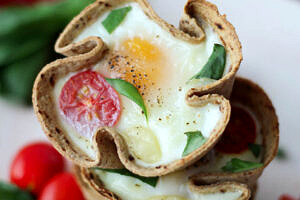
www.abbeyskitchen.com/about-abbey/

Last Updated May 26, 2023. Published May 29, 2023 By Abbey Sharp 12 Comments

Vegan Meatloaf Recipe with Lentils | BLW + Toddler Friendly

Mini meatloaf muffins on a white plate.

This Vegan Meatloaf Recipe is a nutrient-dense, gluten free, and perfect for babies (BLW), toddlers and the whole family! Perfect as a make-ahead meal for your family.

Mini vegan lentil meatloaf muffins on a white plate.

This mini muffin tin vegan meatloaf recipes is my vegan take on a traditional meatloaf. Less boring than a traditional slice of meatloaf, these muffin tin versions are baby and toddler-friendly as they’re much easier for them to grab. Adults and little ones alike will love this mini vegan meatloaf recipe!

Table of contents

  • Why This Recipe Works
  • Key Ingredients
  • How to Make This Recipe
  • Expert Tips
  • Recipe FAQs
  • More Recipes You Might Like

Why This Recipe Works

On top of being perfect for baby led weaning, there are so many reasons to love this vegan meatloaf recipe:

  • Packed with healthy goodness
  • Freezer friendly
  • Family friendly
  • Super tasty

Key Ingredients

Ingredients needed to make BLW vegan lentil meatloaf.

Sweet potatoes — Sweet potatoes are packed with fibre, minerals, and vitamins. Keep the skins on for extra added healthy benefits!

Flax Egg – The flax egg acts as a binder to help hold the patties together. If you don’t need to make these vegan, you can use an egg instead. To make the flax egg, combine the ground flaxseed with water and set in the fridge.

Lentils — To cut down on prep work, we use canned lentils. You are welcomed to make your own from dried.

Cremini mushrooms — To give the meatloaf additional “meat” texture, we blitz up some mushrooms in the food processor.

Quick oats and Oat flour — To help bind the vegan meatloaf recipe together, we use oats and oat flour.

Homemade or store-bought ketchup — Check out this amazing ketchup recipe I made with no added sugar if you’d like to make your own healthier version of ketchup!

How to Make This Recipe

Set of three photos showing processing mushrooms, sautéing the onions, garlic, mushrooms, and thyme, and food processing lentils and sweet potatoes.

Before we start, make sure you make your flax egg by mixing ground flax with water and letting it in the fridge for an hour. You should also have cooked your sweet potato and lentils, you can do that as well. I usually microwave my sweet potatoes and use canned lentils to cut back on prep

Step 1: Preheat oven 375 F and in a food processor, pulse the mushrooms until they reach a ground meat like consistency.

Step 2: Heat a medium skillet over medium heat with olive oil and lightly saute the onion, garlic, mushrooms and thyme in olive oil.

Step 3: Put half of the lentils with the sweet potatoes into the food processor and puree until smooth.

Set of three photos showing making the meatloaf mixture in a bowl, pressing it into a muffin tin, then topping with ketchup.

Step 4: Then in a bowl, mix together the flax eggs, sautéed mushroom and onion, sweet potato lentil mixture, remaining lentils, tamari, oat flour, oats, hemp hearts and ketchup.

Step 5: Pack into mini muffin tins and glaze with a little extra of the ketchup. Then bake for 18 minutes for mini muffins and and 28 minutes for full muffins. Enjoy!

Expert Tips

If you don’t have oat flour, you can make your own by adding old fashioned rolled oats into a food processor or blender and blend until the oats are a fine texture.

When baking this vegan meatloaf recipe in a muffin tin, I strongly suggest using the silicon muffin molds which are sooo easy to clean and pop the little mini meatloaf muffins out.

If you’re not worried about having to keep this gluten-free, you can use soy sauce instead of tamari. Again, stick with the low sodium option.

Recipe FAQs

Can these mini meatloaf muffins be frozen?

You bet! I always make a huge batch for the months ahead and then freeze these vegan meatloaf muffins in a freezer bag to pull out for a quickie meal or snack.

How do I reheat the meatloaf?

If you are reheating from the fridge, simply reheat in the microwave. If you are looking to reheat these after they’ve been frozen, you’ll have to thaw them overnight in the fridge first before microwaving or baking until warmed through.

Can I make this vegan meatloaf recipe in a loaf pan instead of muffins or in large muffins?

Of course! It will take longer to cook, about 28 minutes for the full muffins or an hour for a meatloaf.

What ketchup is healthiest for making these mini vegan meatloaf muffins baby and toddler friendly?

I am biased but my recipe for no sugar added baby friendly ketchup is the BOMB. The ketchup recipe was originally developed for babies, but the flavour is so sophisticated that adults totally love it too.

Toddler's hand reaching for mini vegan lentil meatloaf.

More Recipes You Might Like

Want more BLW recipes or toddler friendly recipes? Here are a few of Baby E’s favourites!

  • Cheesy High Iron Baby Meatballs
  • Baby Cereal Protein Pancakes
  • Hummus Baby Meatballs
  • Chickpea Peanut Butter Baby Biscuits
  • Kale Pepper Baby Frittata Fingers
Plate filled with vegan lentil mini meatloaf muffin
Print Recipe
4.47 from 13 votes

Vegan Meatloaf Recipe with Lentils | BLW + Toddler Friendly

This vegan meatloaf recipe is a nutrient-dense, gluten free, and perfect for babies (BLW), toddlers and the whole family! Perfect as a make-ahead meal for your family.
Prep Time1 hour hr
Cook Time28 minutes mins
Total Time1 hour hr 28 minutes mins
Course: Snack, Dinner
Cuisine: American
Servings: 24 mini muffins
Calories: 101kcal
Author: Abbey Sharp

Ingredients

  • 2 sweet potato baked
  • 3 flax eggs 3 tbsp ground flax + 6 tbsp water
  • 3 cups cooked lentils can be canned
  • 2 tbsp extra virgin olive oil
  • 3 cloves garlic minced
  • 2 tbsp fresh thyme
  • 1 onion minced
  • 3 cups cremini mushrooms sliced
  • 3 tbsp reduced sodium tamari sauce gluten free, if needed
  • 1 ¼ cups quick oats gluten free, if needed
  • ½ cup oat flour gluten free, if needed
  • ¼ cup hemp hearts
  • ¼ cup homemade or storebought ketchup
  • Salt and pepper to taste

Glaze

  • ¼ c homemade or storebought ketchup

Instructions

  • Preheat oven 375 F.
  • Make your flax egg by mixing ground flax with water and letting it in the fridge for an hour. If you havent already cooked your sweet potato and lentils, you can do that as well. I usually microwave my sweet potatoes and use canned lentils to cut back on prep.
  • In a food processor, pulse the mushrooms until they reach a ground meat like consistency.
  • Heat a medium skillet over medium heat with olive oil and lightly saute the onion, garlic, mushrooms and thyme in olive oil.
  • Put half of the lentils with the sweet potatoes into the food processor and puree until smooth.
  • Then in a bowl, mix together the flax eggs, sauteed mushroom and onion, sweet potato lentil mixture, remaining lentils, tamari, oat flour, oats, hemp hearts and ketchup.
  • Pack into mini muffin tins and glaze with a little extra of the ketchup. Then bake for 18 minutes for mini muffins and and 28 minutes for full muffins. Enjoy!

Video

Notes

  • If you don’t have oat flour, you can make your own by adding old fashioned rolled oats into a food processor or blender and blend until the oats are a fine texture.
  • When baking this vegan lentil meatloaf in a muffin tin, I strongly suggest using the silicon muffin molds which are sooo easy to clean and pop the little mini meatloaf muffins out.
  • If you’re not worried about having to keep this gluten-free, you can use soy sauce instead of tamari. Again, stick with the low sodium option.

Nutrition

Calories: 101kcal | Carbohydrates: 14g | Protein: 5g | Fat: 3g | Saturated Fat: 1g | Sodium: 165mg | Potassium: 219mg | Fiber: 3g | Sugar: 2g | Vitamin A: 1575IU | Vitamin C: 2mg | Calcium: 24mg | Iron: 2mg
Abbey Sharp

Abbey Sharp is a Registered Dietitian (RD), regulated by the Ontario College of Dietitians. She is a mom, YouTuber, Blogger, award winning cookbook author, media coach specializing in food and nutrition influencers, and a frequent contributor to national publications like Healthline and on national broadcast TV shows.
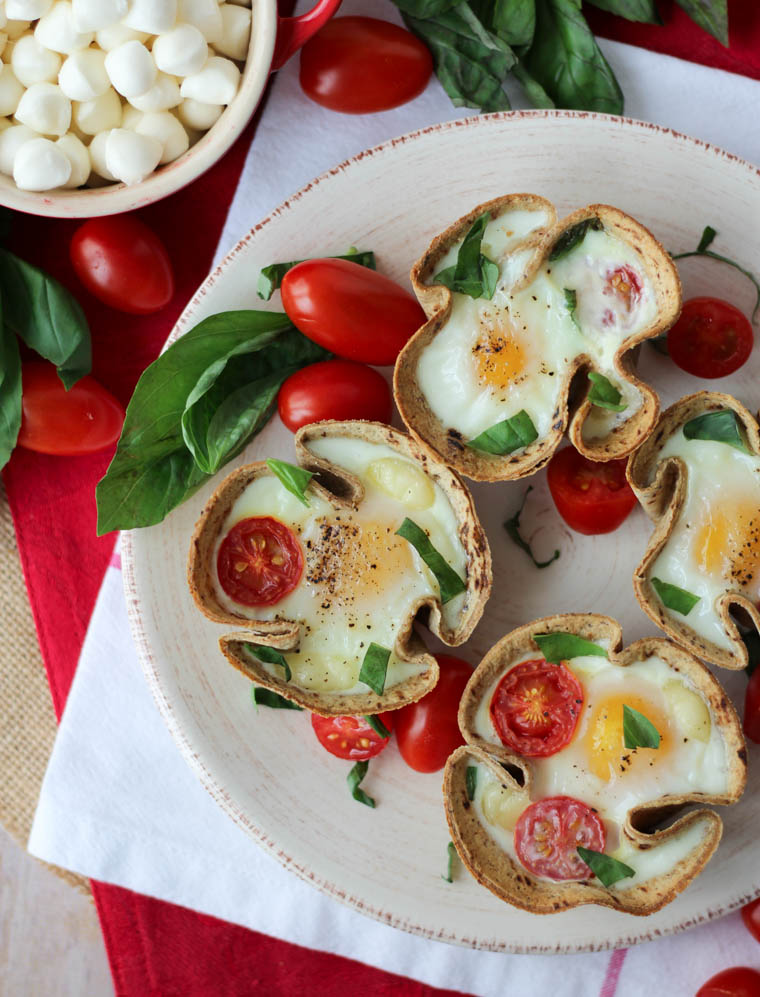
www.abbeyskitchen.com/about-abbey/

Last Updated May 23, 2023. Published May 24, 2023 By Abbey Sharp Leave a Comment

Greens Powder: Are They Good for You? 

Greens powder in a white bowl against a pink background.

Greens powder, are they good for you or are they all hype? We break down the evidence and discuss the benefits and risks of green powders and if they are worth the investment.

White bowl with greens powder against a pink background.

There is no question that the supplement industry has taken over the wellness world, and the more aesthetic and influencer-endorsed the product, the more popular it becomes. So it’s no surprise that there has been a rise in the popularity of greens powder as a dietary supplement to help you reach your daily veggie intake. But the claims don’t stop there. Many (if not all) greens powder have a laundry list of health claims and promise to boost energy, aid in digestion, support immunity, promote weight loss, detox the body, balance hormones, promote healthy aging, and the list goes on. But is there any truth to these claims? Are greens powders good for you or are they all hype? We took a deep dive look into the evidence to determine if greens powders are good for you and how to choose the right one. 

What Are Greens Powder?

As the name implies, greens powder comes in powdered form and is mixed into water, smoothies, or any other beverage of choice. The specific contents of each powder will vary depending on the brand but, generally speaking, they will contain a variety of dried or dehydrated fruit, vegetables, extracts, vitamins, minerals and other plant-based ingredients. In fact, powders can contain anywhere from 25–40 or more different plant-based ingredients. Some brands may even contain double this amount, like AG1 powders for example, which contain 75 ingredients and up to 30 vitamins and minerals. 

Variety of green vegetables against a green background.

So what does this look like exactly? While there is a wide range in the types and quantity of ingredients contained in greens powder, they usually fall into the following categories.

  • Antioxidant-rich fruits and leaves 
  • Vegetables 
  • Grasses 
  • Leafy greens 
  • Natural Digestive enzymes 
  • Extracts
  • Mushrooms 
  • Natural sweeteners
  • Prebiotics and fiber 
  • Probiotic 
  • Seaweed 
  • Herbs

So if we were to take a look at AG1 greens for example, it contains pea protein, spirulina, alfalfa powder, ginger powder, artichoke leaf extract, rosemary leaf extract, ashwagandha extract, digestive enzymes, mushroom powder, probiotics etc etc. And that’s not even the full list of ingredients! So while it sounds great in theory that you can get all of these ingredients in one blast by simply mixing some powder into your water jug, are they good for you and should we be relying on them to get our veggie fix? Let’s dig into the common claims. 

Health Claims for Greens Powder

It is important to note that the evidence on greens powder is highly limited and most of the research we do have is funded by the brand itself or a commercial seller of the product, which can create bias in the research. There is also significant variety in the specific ingredients and amounts they contain, making them difficult to assess as a whole. 

Blood Pressure

Are greens powder good for you in terms of improving blood pressure? We actually do have some research to suggest that greens powder may help improve blood pressure. For example, one small study found that daily intake of greens powders, specifically NanoGreens, helped to decrease blood pressure by 8% in folks with hypertension. But It’s important to note that this particular study was funded by Biopharma, a company that sells NanoGreens supplements, which may make the research subject to bias. However, another study that was NOT industry funded found similar blood-pressure lowering effects from daily intake of greens powders in healthy subjects. While more research is needed in this area, we do know that higher antioxidant intake may help to reduce blood pressure and promote heart health, and considering greens powder are a concentrated source of antioxidants it may be beneficial, especially for folks who may not be getting enough antioxidants from their regular diet. 

Model of a human heart.

Energy Boosting

Greens powder is typically low in calories and, on average, only provides around 20-50 calories per scoop. While you can certainly bump up the calories by mixing it into a smoothie or juice, it is not an adequate replacement for food. So even though we are not getting any significant “energy boosting” from calories, some powdered greens are formulated with green tea extract which contains caffeine and can therefore provide a bit of an energy-boosting effect. In fact, one small study found that women reported increased energy levels after taking 1 scoop of greens powder with green tea extract. On the other hand, other products will often have an “energy enhancing blend” that contains a variety of extracts, powders, and amino acids. However, many of these ingredients are either already produced by the body, readily available from foods, or there is simply not enough solid evidence to back up their use. There is also little to no research to suggest that any of these ingredients (at least the ones we looked at) play a significant role in energy metabolism. In other words, you’re better off getting your energy from the most reliable OG source – food. 

Immune Boosting

Many powders are often formulated with immune boosting vitamins like vitamin D, zinc, vitamin C, and selenium, and promise to boost immunity as a result. However, we only have solid research to suggest that vitamin D supplementation may lower the risk of respiratory infections. But you can get the same benefit from simply taking a vitamin D supplement. On the other hand, most research suggests that intakes of vitamin C, zinc, and elderberry extract may shorten the duration of a cold but may not be effective at prevention. Some powders will also be formulated with an “immune blend” with a variation of extracts like astragalus, garlic extract, licorice root, echinacea, etc. However, the research on these ingredients is either mixed (i.e. echinacea), highly limited (i.e. garlic extract) or done on animals (i.e. astragalus).

Yellow supplements against a blue background.

In other words, we need more solid human research before we can recommend their use to support immunity. Not to mention, most of these greens powders contain insignificant or undisclosed amounts of these functional ingredients, so even if the ingredients were to have an impact on immunity, you’re getting too small a dose to make it count. So while greens powder may or may not provide some benefit, they are not a replacement for proven immune supporting lifestyle behaviours like adequate sleep, a balanced nutrient-dense diet, regular exercise, and stress management. 

Digestion & Gut Health

Some powders are formulated with ingredients intended to promote gut health such as digestive enzymes, probiotics, prebiotics, and fibre. As I discussed in my blog post on digestive enzymes, our bodies are fully equipped with all the digestive enzymes we need to metabolize our food. But some people who are deficient in enzymes (i.e. folks who are lactose intolerant or have trouble digesting certain carbs) may benefit from a digestive enzyme supplement like Lactaid or Beano which are the only over-the-counter enzymes with evidence to support their use. However, most greens powder will often contain the digestive enzyme, bromelain, which is a naturally occurring enzyme in pineapple. So regardless if you obtain digestive enzymes from food or greens powder, like I said, most healthy people do not need supplemental digestive enzymes but they may be beneficial in some therapeutic cases. 

As for probiotics, I think that obtaining them from a supplement, like greens powder, can be a great way to populate the gut with healthy bacteria and support digestion. However, it’s important to note that not all probiotics are made equal and variations in the strain can promote gut health in some folks, or cause bloating in others. It really depends on your unique microbiome and tolerance, so it is best to consult with a dietitian or doctor before taking probiotic supplements to help treat digestive issues. 

Various fruits and vegetables on a dark green background.

On the same note, some ingredients in greens powder may not be “gut friendly” for folks with sensitive digestive systems (i.e. those with IBS, fodmap sensitivity, SIBO). This is because many common ingredients are high fodmap including inulin fibre, chicory root extract, garlic extract, fructooligosaccharides, apple powder, asparagus powder, and shitake mushroom powder. As I discussed in my blog post on fodmaps and gut health, these ingredients may trigger bloating and other digestive symptoms in some folks.

As for the fibre content, most greens powder will only contain up to 2 grams of fibre. So while this is a great benefit of using greens powder, keep in mind that we should be aiming for 25-38 grams of fibre per day. In other words, greens powder are not an adequate replacement for fibre from food, and we should still be aiming to meet our daily fibre needs from food sources such as fruits, vegetables, nuts, seeds, legumes, and whole grains.  

How to Pick The Right Greens Powder For You 

We’ve done a lot of digging into the question “Are powdered greens good for you?”. While greens powder are unlikely to prevent illness or drastically improve your health they may still be a great add on to an already healthy balanced lifestyle or may help to fill in some nutritional gaps. However, they are not an adequate replacement for fruit and vegetables, or other healthy lifestyle factors, and should instead be treated like any other multivitamin. So if you feel like greens powder may be right for you and want to give them a try, here are a few things to look out for before purchasing. 

Green juice being poured into two clear glasses.

Third Party Tested 

It is important to look for whether the product is third-party certified as this will ensure that it has been tested for quality and purity. For supplements, in general, I recommend using websites like LabDoor, InformedChoice, and NSFsport. But if you can’t find the product you are interested in on these websites or in the FAQ section of the brand’s websites, you can email the brand’s support team directly and ask for proof of their third party testing. 

Disclosed Ingredient Amounts 

Beware of greens powder that are packaged under “proprietary blends” as this won’t give you any information as to the ingredients or quantity provided and whether that amount actually yields a clinically effective dose. Most of the functional ingredients listed on labels have clinical doses of 1-10 grams each, and since a scoop of powder is generally in the 10-15 gram range, it’s highly unlikely you’re getting clinically relevant doses of most of the ingredients. So If you want to know the specific breakdown of each ingredient quantity, make sure you read the label carefully. 

Wall with bottles of supplements.

No Sensationalized Claims 

If the claims sound too good to be true – that’s probably a red flag. While supplements are not permitted to be marketed with promises to treat, prevent, or cure disease, you may find other verbiage like “supports”, “targets”, “100% safe” or “zero side effects”. So while powdered greens can be a great add on, no supplement on the market is an adequate replacement for food, a miracle cure, or able to guarantee no negative side effects or safety with 100% certainty.

Beware of Dosage 

More does not equal better. It is common for supplements to provide nutrient quantities that are significantly more than one’s daily needs, but this may actually do more harm than good. For example, supplemental forms of vitamin C are not excreted as easily from the body compared to food sources, and high amounts can also cause digestive symptoms such as diarrhea, nausea, and abdominal cramps. On the other hand, if you are already obtaining enough of said vitamins from food sources, a supplemental high dose will do nothing but create expensive pee. So again, make sure that you are reading ingredient labels carefully especially if you are taking other supplements on the side or getting enough from food sources. 

Spoon with green powder.

The Bottom Line 

So, are powdered greens good for you? While I think that greens powder can be a great way to fill in nutrition gaps and get a concentrated dose of antioxidants to support overall health and wellbeing, they should be seen as multivitamins – NOT as a replacement for fruits and vegetables. In other words, powdered greens should not be viewed as an end all be all to health, and we should still be prioritizing healthy lifestyle behaviours like eating a balanced diet, regular exercise, quality sleep, and stress management. So if you enjoy the taste of powdered greens, don’t mind the expense, and they don’t cause any digestive discomfort or other side effects, then they can totally be used within the context of a healthy lifestyle. Otherwise, a more budget friendly multivitamin will have the same benefit. 

Written by: Annette Chrzaniecki MPH and Giselle Segovia RD MHsC

More Blog Posts You Might Like

If you liked this blog post answering the question “Are powdered greens good for you?”, then you might also enjoy more blog posts on supplements:

  • The Unregulated World of Natural Health Supplements
  • Can Collagen Supplements Tighten Skin?
  • Fertility Supplements & Foods for Getting Pregnant
  • Evidence on the Best Probiotics for Weight Loss, IBS, Constipation & More
  • Isagenix, Skinny Tea and Weight Loss Supplements – Do They Work?
  • Natural Remedies for Bloating (Evidence Based Diet and Supplements Tips)
Abbey Sharp

Abbey Sharp is a Registered Dietitian (RD), regulated by the Ontario College of Dietitians. She is a mom, YouTuber, Blogger, award winning cookbook author, media coach specializing in food and nutrition influencers, and a frequent contributor to national publications like Healthline and on national broadcast TV shows.
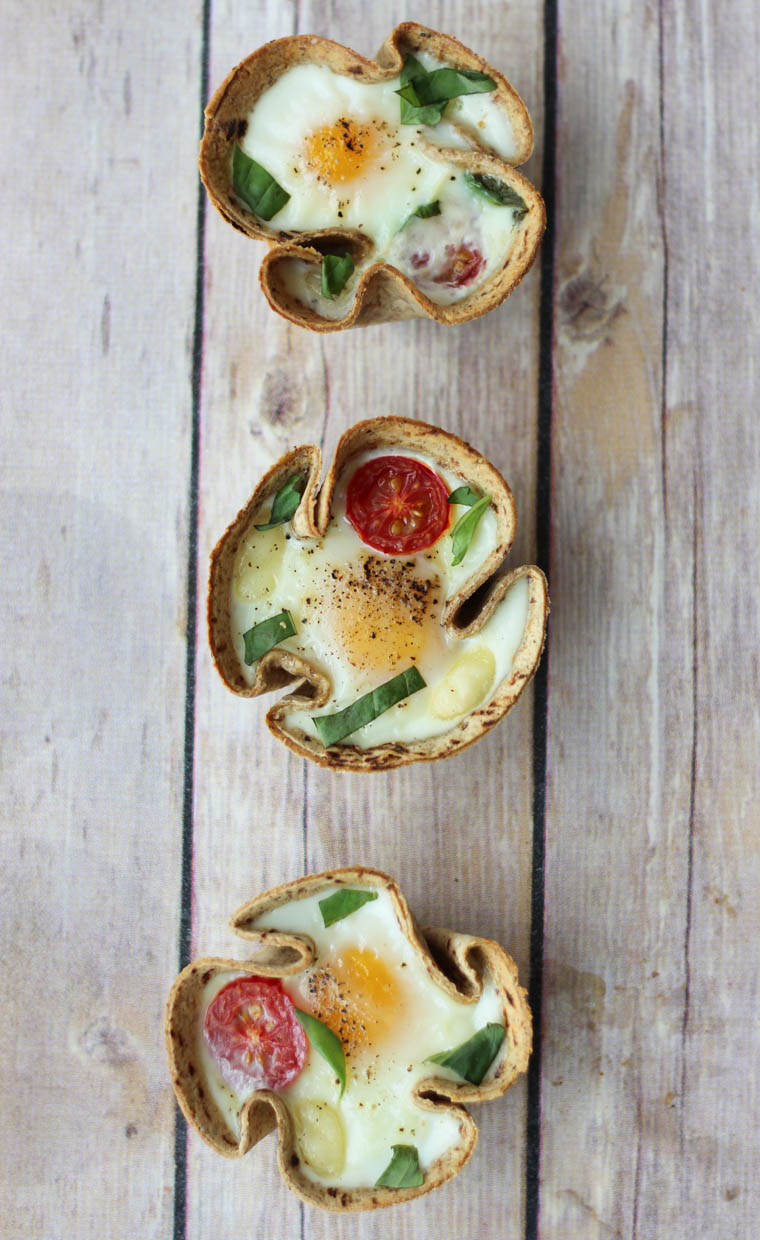
www.abbeyskitchen.com/about-abbey/
  • Previous Page
  • Go to page 1
  • Interim pages omitted …
  • Go to page 17
  • Go to page 18
  • Go to page 19
  • Go to page 20
  • Go to page 21
  • Interim pages omitted …
  • Go to page 89
  • Next Page

Get started with

Eight Free Recipe Books

From the co-founder of Neue Theory and creator of the Hunger Crushing Combo

Sign me up!
Abbey smiling at table
Abbey Sharp

“Foods may never be nutritionally equal. But we can make them morally equal by recognizing that our worth is never determined by what's on our plate.”

— Abbey Sharp, RD About Abbey ◥

Books

  • HCC™
  • Mindful Glow
  • Free E-Books

Blog

  • Nutrition
  • Recipes
  • Motherhood
  • Life

Explore

  • Neue Theory™
  • Bite Back
  • YouTube

Abbey

  • About
  • Coaching
YouTube TikTok Instagram Facebook X Pinterest
Abbey Sharp - The No BS Dietitian From Abbeys Kitchen

© Abbey's Kitchen 2026  All Rights Reserved •  ACCESSIBILITY STATEMENT •  Privacy Policy

This site uses cookies. By continuing to browse the site, you are agreeing to the use of cookies Accept Privacy Policy
Privacy & Cookies Policy

Privacy Overview

This website uses cookies to improve your experience while you navigate through the website. Out of these, the cookies that are categorized as necessary are stored on your browser as they are essential for the working of basic functionalities of the website. We also use third-party cookies that help us analyze and understand how you use this website. These cookies will be stored in your browser only with your consent. You also have the option to opt-out of these cookies. But opting out of some of these cookies may affect your browsing experience.
Necessary
Always Enabled
Necessary cookies are absolutely essential for the website to function properly. This category only includes cookies that ensures basic functionalities and security features of the website. These cookies do not store any personal information.
Non-necessary
Any cookies that may not be particularly necessary for the website to function and is used specifically to collect user personal data via analytics, ads, other embedded contents are termed as non-necessary cookies. It is mandatory to procure user consent prior to running these cookies on your website.
SAVE & ACCEPT

Rate This Recipe

Your vote:


A rating is required
A name is required
An email is required