• Skip to main content

Abbey's Kitchen

Healthy Recipes, Nutrition Myth Busting, Healthy Eating Tips

  • Books
    • HCC™
    • The Mindful Glow Cookbook
    • Recipe eBooks
      • Family
      • Hypothyroidism
      • BLW
      • Vegan Week 1
      • Vegan Week 2
      • Vegan Week 3
      • Keto
      • Gluten Free Week 1
      • Gluten Free Week 2
      • Fitness
      • Paleo
  • Blog
    • Nutrition
    • Recipes
    • Motherhood
    • Life
  • Explore
    • Neue Theory™
    • Bite Back With Abbey Sharp
      • Apple Music
      • Spotify
      • Amazon Music
    • YouTube
  • Abbey
    • About
    • Coaching
    • Contact

Abbey Sharp

Last Updated March 9, 2024. Published March 15, 2024 By Abbey Sharp 44 Comments

Peanut Butter Blondies with Caramel Peanut Popcorn | No Bake, Vegan, Gluten Free

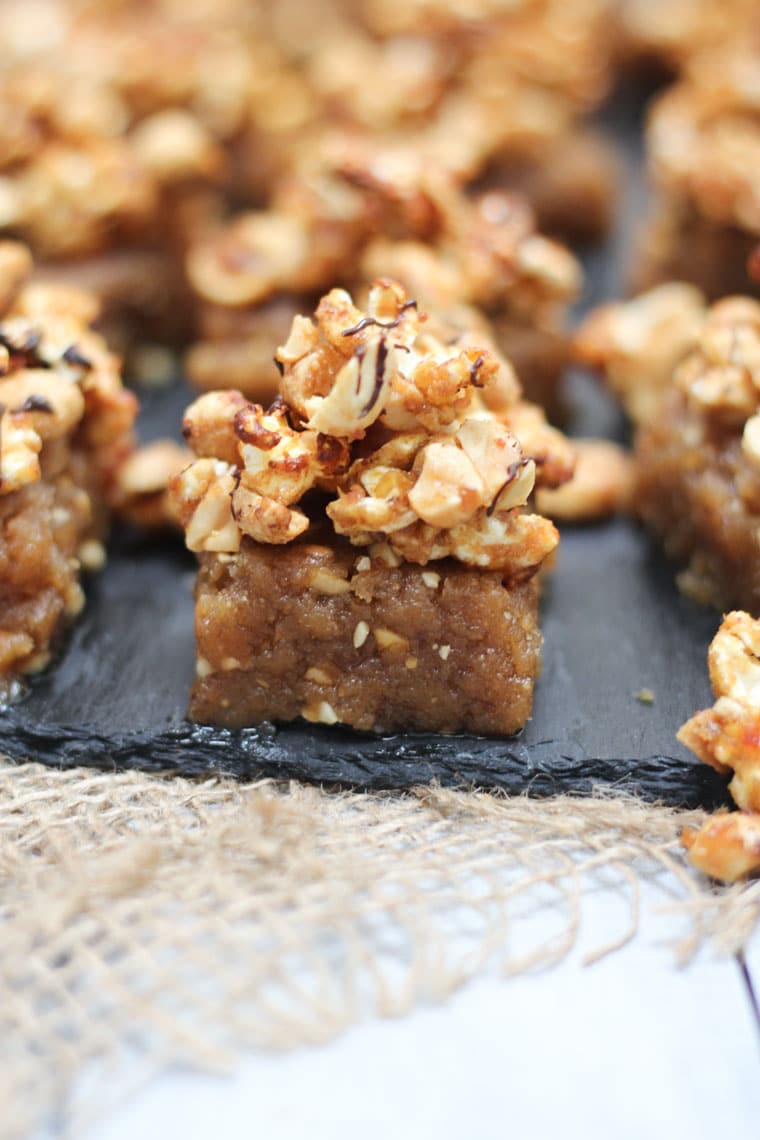
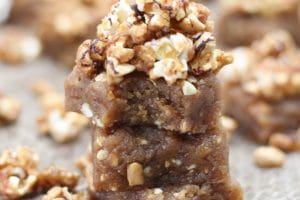
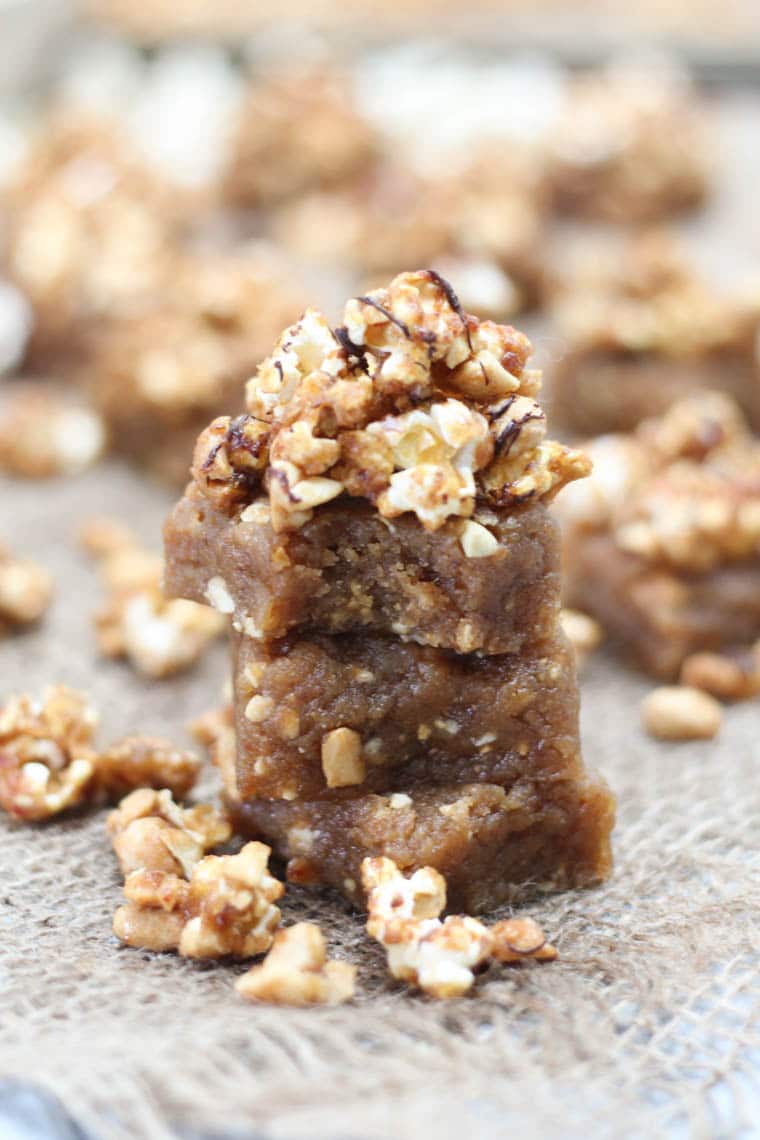
Three peanut butter blondies stacked on top of each other.

I share my recipe for No-Bake VEGAN Peanut Butter Blondies with Caramel Peanut Popcorn for a healthy easy gluten free dessert. 

Three peanut butter blondies stacked on top of each other.

I love a vegan brownie recipe, but let’s talk about blondies for a sec.

You want to know one of the best combos that no one talks about? Popcorn, caramel and peanut butter. Individually, or all together, they are AMAZING all around. So, I decided to combine all of my go-to favourite flavours into these delicious treat peanut butter blondies. Yep. These babies are sweet, salty, crunchy and smooth- totally ticking all the boxes.

Table of contents

  • Why This Recipe Works
  • Key Ingredients
  • How To Make This Recipe
  • Expert Tips
  • Recipe FAQs
  • More Recipes You Might Like

Why This Recipe Works

Now I have nothing against a good brownie- in fact, I’m a crazy big fan of them. But I’m definitely a peanut butter girl first, so these vegan peanut butter blondies are absolutely my style. I also love this recipe because it’s:

  • Completely vegan
  • Requires no baking
  • Gluten-free
  • Absolutely DELICIOUS!

Key Ingredients

Close up of a peanut butter blondie.

Almond Flour- We use almond flour for these peanut butter blondies to keep them gluten-free for all my gluten-intolerant friends. Almond flour is also one of my favorite gluten-free alternative flours to use since it requires a 1:1 ratio compared to regular flour.

Popcorn- Popcorn is to thank for the salty crunchy factor that we get with these peanut butter blondies. It also adds a bit of fiber which I ain’t mad about either.

Ripe Banana- While you can totally use semi-ripe bananas for this recipe, the riper the better as this will add tons of natural sweetness.

Powdered Peanut Butter- I am obsessed with using powdered peanut butter for baking, and this peanut butter blondies recipe is no exception! Because it’s a powdered consistency it also helps bind everything together without sacrificing the peanut butter flavour.

How To Make This Recipe

Step 1: In a food processor, puree the dates until grainy, then add in the almond flour, peanut butter, vanilla, salt, cinnamon and banana. Puree until very smooth.

Step 2: Line a 8” square baking dish with parchment paper on both sides and press firmly into the dish. Place in freezer to set.

Step 3: Meanwhile, to make the popcorn, puree the dates in the food processor until fairly smooth, then add in the coconut milk, maple and peanut butter. Transfer to a stovetop and heat until bubbling and caramelized, about 5 minutes. Add in the vanilla and remove from the heat. Allow to cool for about 5-10 minutes so it’s still warm and still pliable but not scalding.

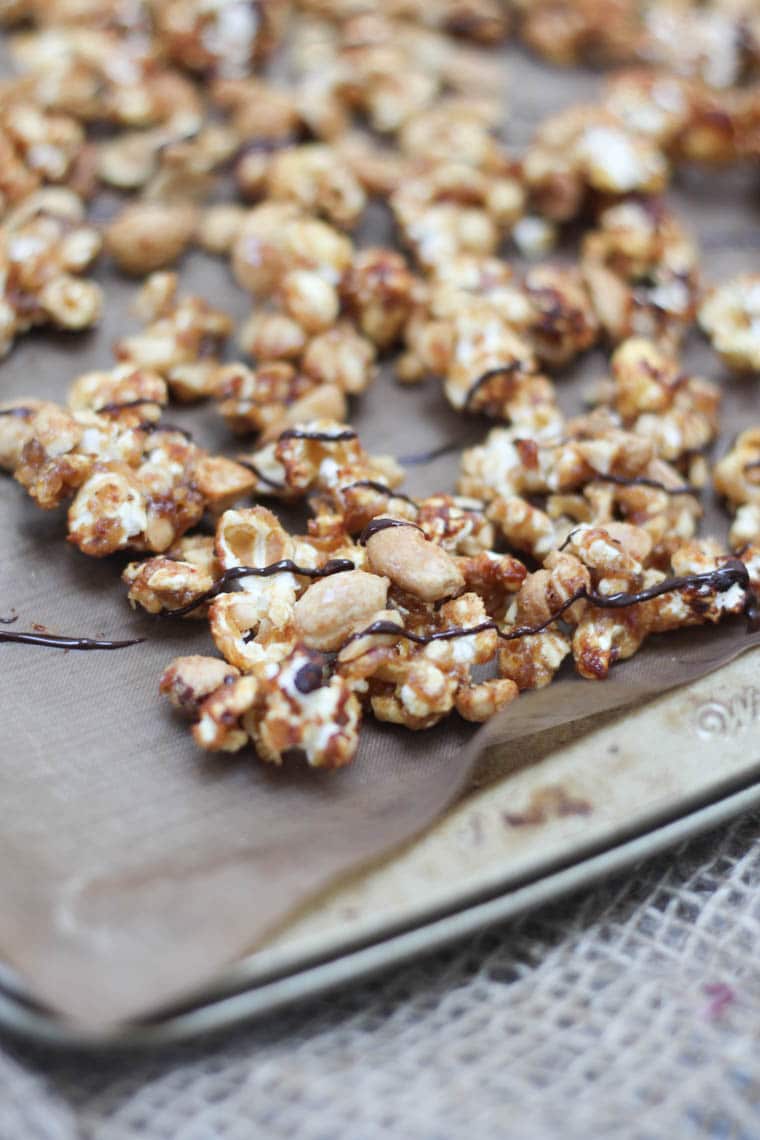
Step 4: Spread out the popcorn and peanuts on a baking sheet lined with a silpat and coat with the caramel. Allow to set until firm, then top with a drizzle of melted chocolate and a generous sprinkle of fleur de sel.

Step 5: Remove the blondies from the freezer and pack the popcorn firmly on top. Slice into squares and enjoy!

Expert Tips

If you’re wanting to play around with different types of popcorn for this recipe, definitely give kettle corn a shot! It will definitely sweeten up these peanut butter blondies more while giving the same desired crunch factor.

A secret I also love about this recipe is that after I puree together the dates, almond flour, peanut butter, and super ripe banana, I typically eat like half of this stuff before it even comes out of the food processor. So, definitely consider that you might need to make a bigger batch if that sounds like you too. 

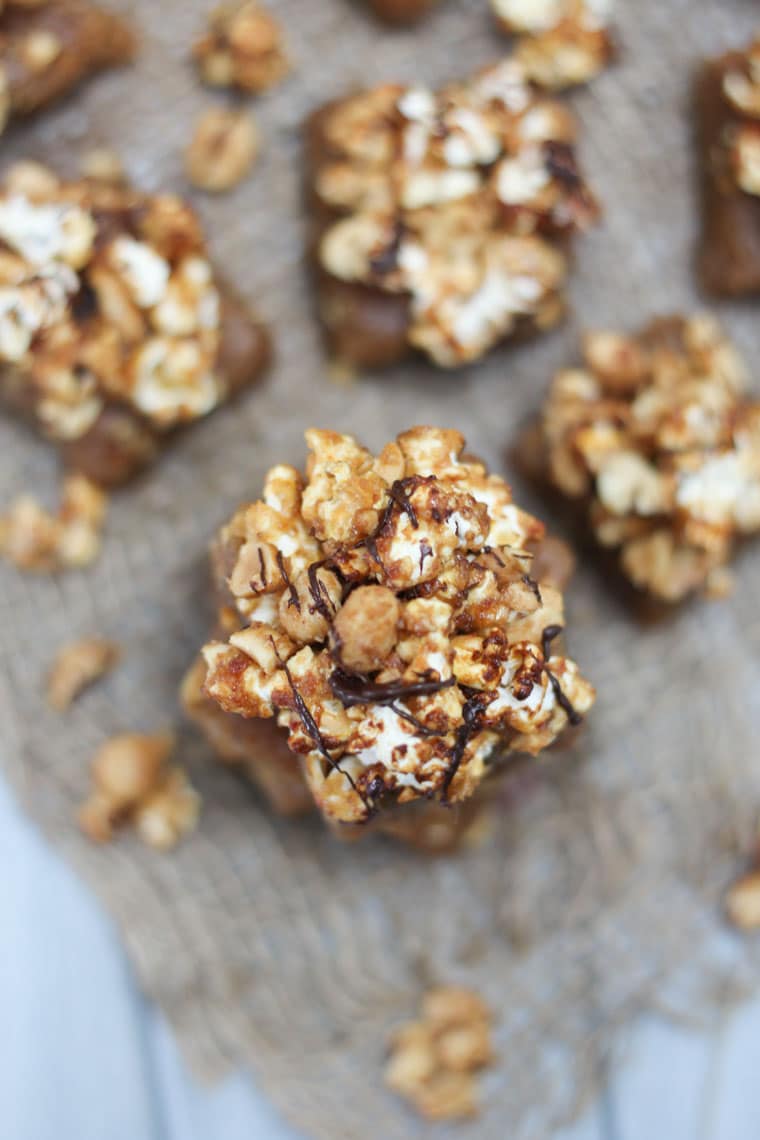
Overhead image of a peanut butter blondies.

Recipe FAQs

How do I store these peanut butter blondies?

You can store these guys in an airtight container in the fridge for up to 5-7 days. Personally, I would save the caramel popcorn to make right before you eat it so that the popcorn doesn’t get soggy.

Do I have to use powdered peanut butter?

I personally haven’t tried this recipe using another type of peanut butter. But if you want to take a stab at it, I recommend not using a natural peanut butter as the runniness may cause the blondies not to hold together as well.

Is this recipe kid friendly?

Absolutely! Just be aware popcorn is considered a choking hazard for children under the age of 4 per the American Academy of Pediatrics.

Close up of caramel peanut popcorn with chocolate drizzle.

More Recipes You Might Like

If you’re looking for other delicious no bake dessert recipes like these peanut butter blondies, check out some of these recipes below:

  • BEST NO BAKE BROWNIES
  • NO BAKE POP TARTS SWAP
  • NO BAKE NUTELLA CHEESECAKE CUPS
  • NO BAKE CHEERIOS BARS

Now let me know, what are some of your favourite ways to eat popcorn? Have you tried making these no-bake vegan peanut butter blondies? Leave me a comment below!

I share my recipe for No-Bake VEGAN Peanut Butter Blondies with Caramel Peanut Popcorn for a healthy easy gluten free dessert.
Print Recipe
5 from 7 votes

Peanut Butter Blondies with Caramel Peanut Popcorn (No-Bake, Vegan & Gluten Free)

I share my recipe for No-Bake VEGAN Peanut Butter Blondies with Caramel Peanut Popcorn for a healthy easy gluten free dessert.
Prep Time1 hour hr
Cook Time15 minutes mins
Total Time1 hour hr 15 minutes mins
Course: Dessert
Cuisine: American
Servings: 24 squares
Calories: 148kcal
Author: Abbey Sharp

Ingredients

Blondies:

  • 14 super soft dates pitted and minced
  • 2 cups almond flour
  • 1 cup powdered peanut butter
  • 1 tbsp. vanilla
  • 1 tsp cinnamon
  • 1 large very ripe banana
  • 1/2 cup peanuts crushed

Caramel Peanut Popcorn:

  • 6 super soft dates pitted and minced
  • ¼ cup lite coconut milk
  • 5 tbsp maple syrup
  • 2 tbsp natural peanut butter
  • 1 tsp vanilla
  • 1 bag Popcorn popped
  • ½ cup peanuts roughly chopped
  • 1 oz melted dark chocolate
  • Fleur de sel

Instructions

  • In a food processor, puree the dates until grainy, then add in the almond flour, peanut butter, vanilla, salt, cinnamon and banana. Puree until very smooth.
  • Line a 8” square baking dish with parchment paper on both sides and press firmly into the dish. Place in freezer to set.
  • Meanwhile, to make the popcorn, puree the dates in the food processor until fairly smooth, then add in the coconut milk, maple and peanut butter. Transfer to a stovetop and heat until bubbling and caramelized, about 5 minutes. Add in the vanilla and remove from the heat. Allow to cool for about 5-10 minutes so it’s still warm and still pliable but not scalding.
  • Spread out the popcorn and peanuts on a baking sheet lined with a silpat and coat with the caramel. Allow to set until firm, then top with a drizzle of melted chocolate and a generous sprinkle of fleur de sel.
  • Remove the blondies from the freezer and pack the popcorn firmly on top. Slice into squares and enjoy!

Nutrition
Serving: 24g | Calories: 148kcal | Carbohydrates: 14g | Protein: 6g | Fat: 9g | Saturated Fat: 1g | Polyunsaturated Fat: 1g | Monounsaturated Fat: 2g | Trans Fat: 1g | Cholesterol: 1mg | Sodium: 39mg | Potassium: 121mg | Fiber: 3g | Sugar: 8g | Vitamin A: 23IU | Vitamin C: 1mg | Calcium: 39mg | Iron: 1mg
Abbey Sharp

Abbey Sharp is a Registered Dietitian (RD), regulated by the Ontario College of Dietitians. She is a mom, YouTuber, Blogger, award winning cookbook author, media coach specializing in food and nutrition influencers, and a frequent contributor to national publications like Healthline and on national broadcast TV shows.
www.abbeyskitchen.com/about-abbey/

Last Updated March 12, 2024. Published March 13, 2024 By Abbey Sharp 57 Comments

How to Get Your Period Back After Years of Dieting

It’s supposed to be that time of month, but for some reason you’re not getting your period. We explore the possible reasons why you may have lost your period and what you can do to bring it back.

I have a lot of people ask me how to get your period back after years of dieting. In this article, we will explore the possible reasons why you may have lost your period and what you can do to bring it back.

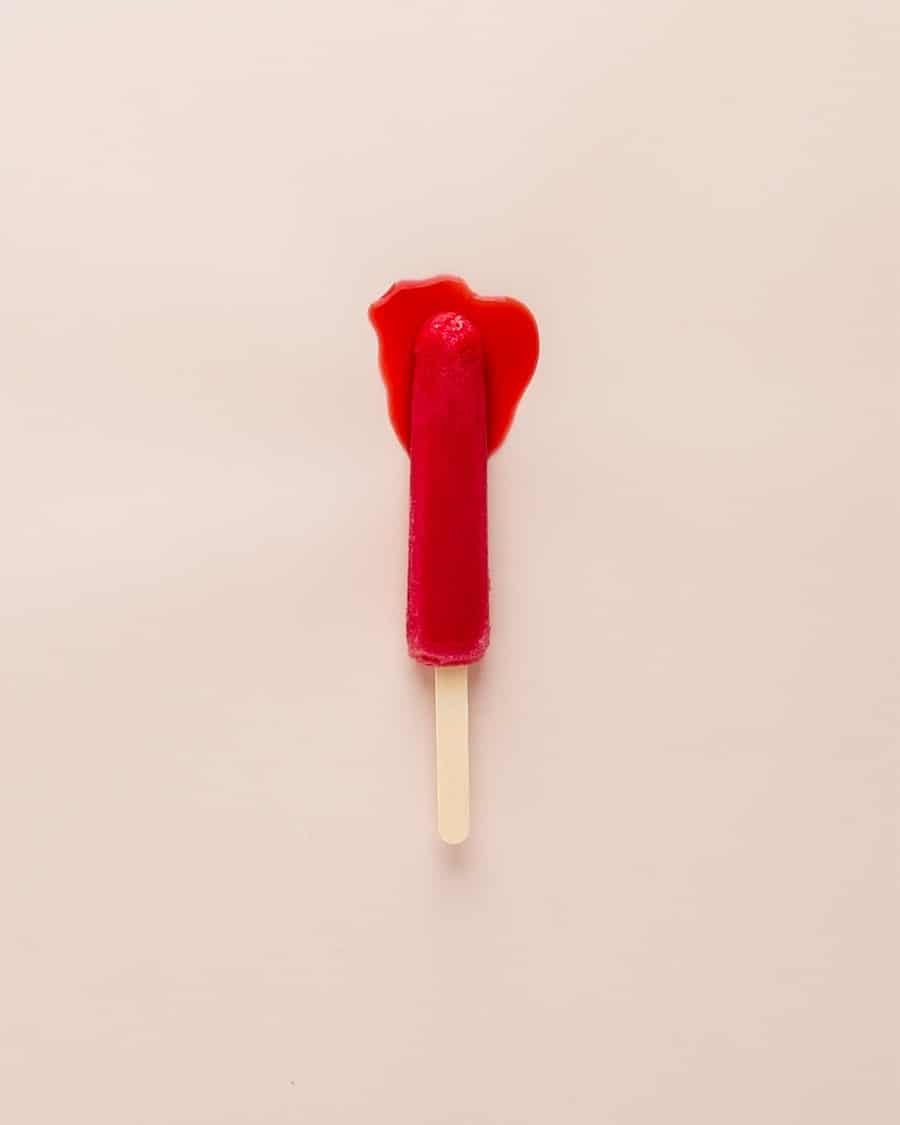
Red melting popsicle against a light pink background.

What Does a Typical Period Look Like?

Before we talk about how to get your period back, let’s discuss menstruation in general. In the great words of Fraulein Maria, we’ll start at the very beginning. A very good place to start. SCIENCE HOUR. Menstruation is cycle that is usually 28-30 days. During a normal menstrual cycle your hormones are working around the clock. Gonadotropin-releasing hormone (GnRH) is released from the hypothalamus (a gland in the brain) and it works on the pituitary (another gland in the brain) to release follicle-stimulating hormone (FSH) and luteinizing hormone (LH). These hormones then act on the ovaries, which produces estrogen and progesterone, which work on the uterus to carry out the menstrual cycle. This process is regulated by something called the hypothalamic-pituitary-ovarian axis. At the end cycle, the uterine lining sheds off, leading to menstruation, aka – AUNT FLO.

What is Amenorrhea?

For most menstruating people, getting our period is a normal occurrence that is likely taken for granted (and also, kinda dreaded). For approximately 3-4% of menstruating individuals, however, the monthly crimson wave just never appears. This is what we know of as Amenorrhea, or the absence of a period during reproductive years (approx. 12-49 years old). There are two types of amenorrhea: primary and secondary. Primary amenorrhea is when a woman doesn’t receive her period by the age of 16, while secondary amenorrhea is when a woman misses her period for three months or more after she had already started menstruation.

For the purpose of this article, we’re going to look at some of the reasons why you might be experiencing secondary amenorrhea and how to get your period back.

Why You Lost Your Period

Periods are largely regulated by hormones. So, if there’s a hormone issue, it’s expected you’ll see changes in your period or miss your period altogether. This can be referred to as hypothalamic amenorrhea. Meaning, the hypothalamus stops releasing hormones responsible for starting the menstrual cycle which in turn leads to missed periods.

Obviously if you’re pregnant, breastfeeding or in menopause, you’ll miss out on your monthly visitor, but what if you’re not in that category and you’re still not getting your period? There isn’t a simple answer to this question, which is why we’ve put together a bunch of reasons why you might not be getting your period.

Weight Changes

Image of a woman sitting on her bed stretching.

Both weight loss and weight gain can lead to missed periods or period loss. Research indicates that a BMI less than 19 (classified as underweight) and BMI over 25 (classified as overweight) can impact ovarian function and increases the risk of infertility.

How Can Weight GAIN Lead to Period Loss and Irregularity?

Weight gain causes an increase in fat cells in our body. Fat cells release many molecules such as adipokines that interact in the body to cause insulin resistance, inflammation, high blood pressure, increased cardiovascular risk and oocyte (female egg) maturation.

How Can Weight LOSS Lead to Period Loss and Irregularity?

Excessive and/or sudden weight loss below where your body wants to be due to restricting calories can reduce or stop the production of those hormones needed for ovulation. Weight loss due to undernutrition is characterized by low insulin levels in the body, and since insulin regulates the hormones that lead to menstruation, low insulin levels = no period.

Extreme Over Exercising and Period Loss

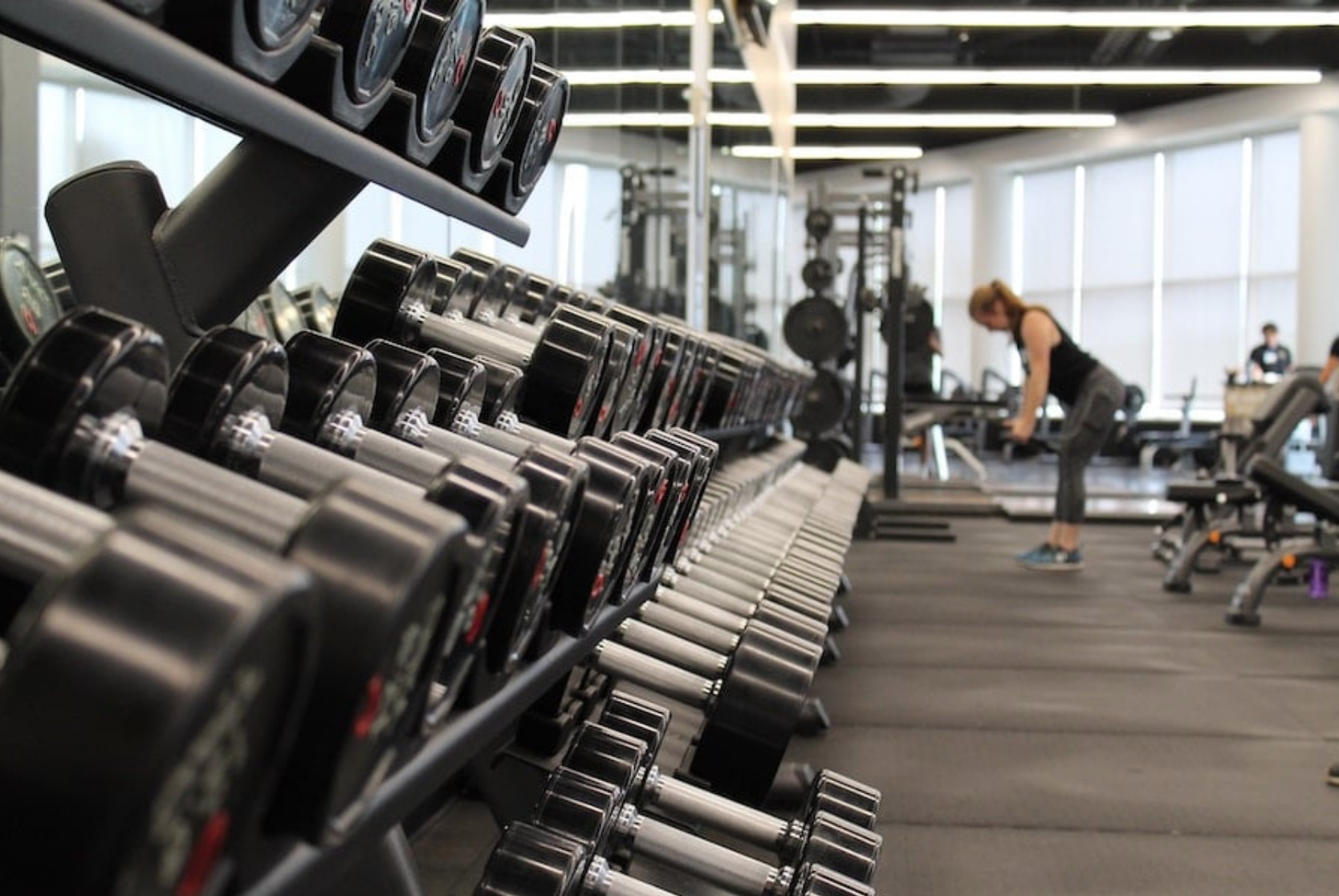
Rack of dumbbells in a gym.

Intense physical activity places stress on your body which in turn can affect the hormones responsible for our periods. Getting technical here, exercise can decrease GnRH, leading to low levels of FSH, LS and estrogen. The result is a change in menstruation. Amenorrhea is very common among active menstruating individuals. In fact, athletes are three times more likely to develop amenorrhea than non-athletes. If you are a heavy exerciser and you lose your period, it may be advised to reduce exercise intensity and to see a doctor to find out if there’s something else at play.

Medications

Medications can either intentionally cause people to lose their period (like taking birth control) or period loss could be a side effect. However, other medications such as some antidepressants and blood pressure medications can increase hormone (prolactin) levels that involuntarily stop ovulation and periods. Speak to your doctor if this side effect is not intentional or desired.

Calorie Restriction

White plate with a sad face on a pink background.

On a diet? Most diets result in weight loss, because it involves restricting a heck of a lot of calories, which may get you a smaller number on the scale, but it’s definitely not sustainable and can have a grave impact on your reproductive health. This is often best evidenced by losing your period. Menstruating people suffering from an eating disorder like anorexia nervosa tend to be at a higher risk of developing amenorrhea. If you are cutting your calories and unintentionally losing your period, it’s likely that your body is not getting enough nutrition to sustain some of its basic functions (like reproduction). Keep reading to find out more about dieting and how to get your period back.

Post-Pill Readjustment

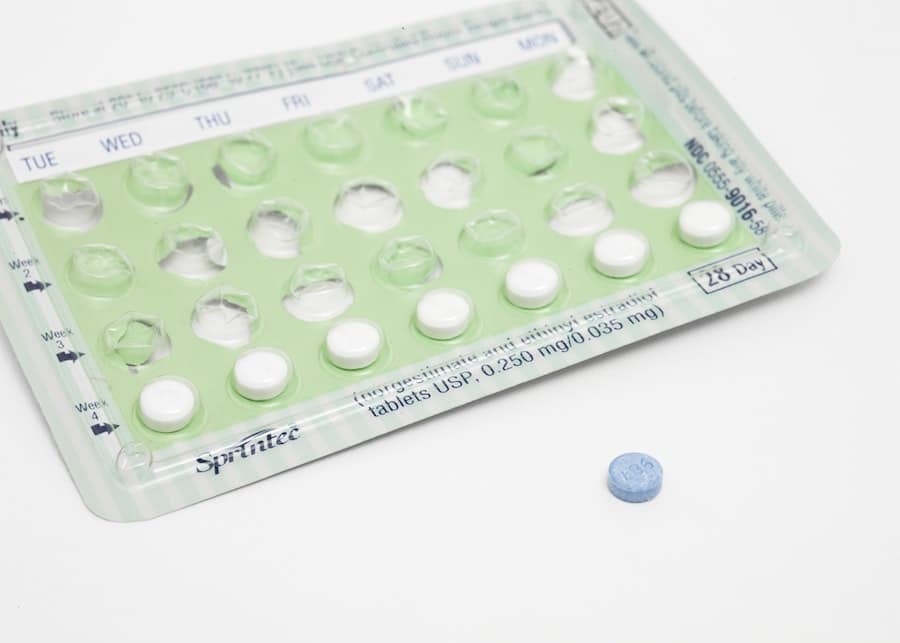
Opened package of birth control pills.

Post-pill amenorrhea is the failure to resume menstruation within 6 months of discontinuing any form of oral contraceptive (such as birth control, IUD, etc.). Research suggests that 2.2% of menstruating people experience no periods after discontinuing oral contraceptives (this is likely partially what happened to me – you can read all about my experience here). The loss of your period even after stopping the pill is caused by low amounts of two hormones (gonadotropic and ovarian hormones) and mild to moderate elevations of prolactin. Treatment is not usually required unless pregnancy is desired, as it is expected that periods will start again spontaneously. In my case, I didn’t wait long enough (6 months, apparently) to see if my period did return before seeking reproductive technology.

Stress & Period Loss

Stress can lead to your menstrual cycle becoming longer or shorter or can cause it to stop altogether. How? Stress supresses the hypothalamic gonadotropic-releasing hormone also called GnRH. When that hormone is low, the body fails to ovulate (aka. anovulation). The more stress you are under, the more GnRH is suppressed, leading to amenorrhea. Just another really important reason to get the stress in your life under control.

PCOS

Polycystic ovary syndrome (PCOS) is a common endocrine disorder among menstruating individuals. It affects 6% of menstruating individuals of productive age. I’ve written about PCOS extensively here and here. One of the key signs of PCOS is period irregularities. In order to be diagnosed with PCOS there needs to be absence of ovulation, high levels of androgens (hormones important in males) and ovarian cysts. Other symptoms include no periods, frequently missed periods, heavy periods, infertility, excessive hair growth on face, chest, belly, upper thighs (called hirsutism), acne, obesity and weight gain, pelvic pain, and areas of thickened, dark and velvety skin. It is always best to consult with a doctor if you identify with some of these signs and symptoms, and to discuss how to get your period back.

How to Get Your Period Back

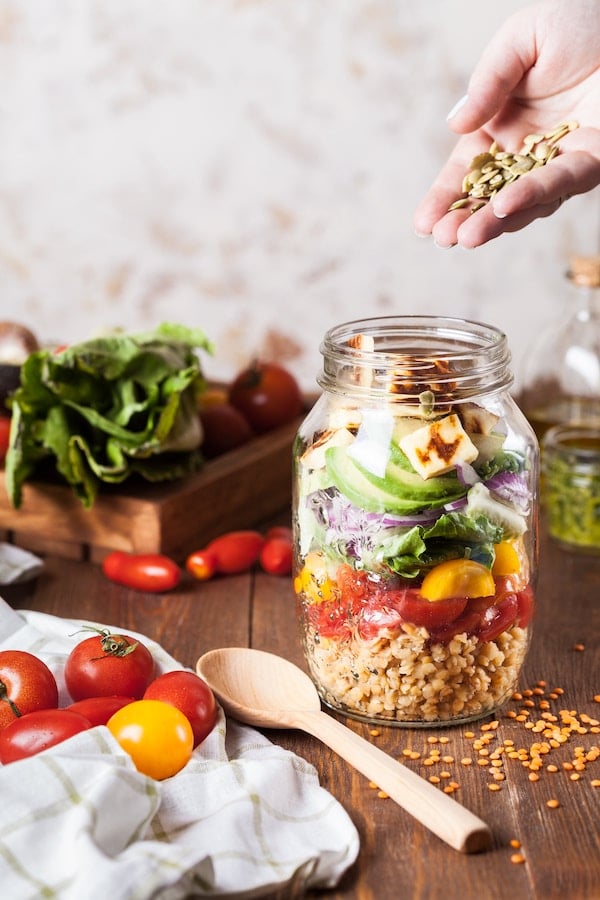
Mason jar layered salad being topped with seeds.

Eating a Healthy Balanced Diet

It may sound simple, but getting in a healthy balanced diet is one of the ways get your period back and maintain a healthy menstrual cycle. I’ve written about what to eat on your menstrual cycle here. Especially if you’re an active person, getting a healthy balance of carbohydrates, healthy fats and a variety of protein sources not only helps your fitness performance, but can protect you from other chronic diseases and even lengthen your life!

Get in Your B Vitamins

Vitamin B6 supports your body’s metabolism and may be beneficial in stimulating serotonin and melatonin production. Since both of these hormones play important roles in sleep, it may improve our reproductive health and help in terms of how to get your period back.

Reach for Omega-3

Don’t forget to get in those healthy fats! Omega-3s can do wonders for our health, and research suggests they may play a role in our menstrual cycle. A 2013 randomized controlled trial found that omega-3 supplementation helped patients with PCOS reduce testosterone levels and regulate menstrual cycles. The research in this area is still emerging and more studies are needed.

Focus on Bone-Strengthening Foods

Individuals with amenorrhea are at an increased risk for low bone density, especially adolescents. For this reason, getting enough bone strengthening vitamins and minerals in your diet is very important. For bone health, it is recommended that individuals with amenorrhea take vitamin D (400 to 1,000 IU) and calcium (around 1200 mg). This can be through calcium rich foods (seeds, cheese, yogurt, canned fish, beans, lentils and leafy greens) and vitamin D rich foods (fatty fish, liver, cheese, egg yolks and fortified foods), alone or in combination with supplements.

Stress Relieving Activities

Birds eye view of multiple hands joining together with a grass background.

According to some interesting research, cognitive behavioral therapy (CBT) may be effective at bringing your period back. In a randomized controlled study, the sample group that participated in 16 CBT sessions experienced a return in their period after 20 weeks. It’s important to note that these CBT sessions included a combination of education on nutrition and exercise.

Ditch the Diet

Even if you are eating a healthy balanced diet, you always want to make sure you’re getting enough calories and fat in your diet. It’s important to consume enough calories to support your weight to maintain a healthy menstrual cycle. A five year retrospective study of athletes with menstrual disturbances found that increasing their dietary intake helped the return of their period. There seems to be a focus on getting enough fat and carbohydrate, since these nutrients tend to be the most under consumed macronutrients (thanks to popular diets like Keto, Paleo & Atkins).

Get More Sleep

There are a variety of hormones that are involved in our sleep and our circadian rhythms including melatonin, cortisol, thyroid stimulating hormone and prolactin. All of these hormones play an important role in either keeping us alert and energetic during the day or getting a good sleep at night. Not getting enough sleep can have a significant role on hormones like Thyroid Stimulating Hormone, Luteinizing Hormone, Follicle Stimulating Hormone, Estradiol and Prolactin, all of which may interfere with your reproductive health. While we need more human research, one early animal study suggested that sleep deprivation resulted in decreased egg output. In human research, one study looked at people who work irregular shift hours and found that they were more likely to experience irregular periods. This is likely because when you shift your body clock, you’re also shifting your reproductive hormones, which has an impact on your menstrual cycle.

Exercise, But Not Too Much

Since amenorrhea is very common among active people who menstruate, at times it may be best to reduce your intensity at the gym. Taking a rest day can not only benefit your reproductive health, but can help with muscle recovery and protects you from injury.

Bottom Line

  • Nutrition can play a significant role in our menstrual cycle. Making sure our diet includes a rich source of nutrients, vitamins and minerals is the best way to fuel our bodies, and key in terms of how to get your period back.
  • Too much stress in your life can be a burden on your mental health, but also your physical health. Find ways to cut out the noise in your life by going for a walk, meditating or trying therapy to help support your reproductive health.
  • Not only is it important to get the right nutrition in, but it’s also important to get enough in your diet to support your weight and your reproductive health.
  • Getting enough sleep, keeps your hormones running smoothly which can help in terms of how to get your period back.
  • Getting in your daily physical activity can do wonders for our health, however over exercising and going overboard at the gym can have a negative effect and put your reproductive health at risk.

At the end of the day, I’m a Dietitian, and my scope of practice isn’t to diagnosis why you’ve lost your period. Your first step should always be to speak to your doctor to help you rule out serious medical reasons, such as PCOS. But what I can recommend is that if you are underweight, dieting, over-exercising and missing your period, adding a dietitian to your healthcare team may help you create a plan to help you get that period back safely.

Contribution By RD2B Hannah Wilson & Sofia Tsalamlal, RD, MHSc Nutrition Communication

More Blog Posts You Might Like:

If you liked this blog post discussing how to get your period back after years of dieting, then you might also enjoy more articles about hormonal health:

  • How Much Weight Do You Gain on Your Period?
  • Your Menstrual Cycle Diet | What to Eat on Your Period
  • Does Cortisol Cause Weight Gain?
  • Best Diet for PCOS | Is Weight Loss Necessary?
  • Endometriosis Diet – Best Foods to Improve Symptoms
  • The Hormonal Acne Diet – Best Foods for Healthy Clear Skin

Abbey Sharp

Abbey Sharp is a Registered Dietitian (RD), regulated by the Ontario College of Dietitians. She is a mom, YouTuber, Blogger, award winning cookbook author, media coach specializing in food and nutrition influencers, and a frequent contributor to national publications like Healthline and on national broadcast TV shows.
www.abbeyskitchen.com/about-abbey/

Last Updated March 11, 2024. Published March 11, 2024 By Abbey Sharp 44 Comments

Baked Avocado Fries Recipe | Vegan, Gluten Free, St. Patrick’s Day Appetizer

This Baked Avocado Fries recipe is served with Green Goddess Protein Dip. The best vegan, gluten free appetizer for St. Patrick’s Day!

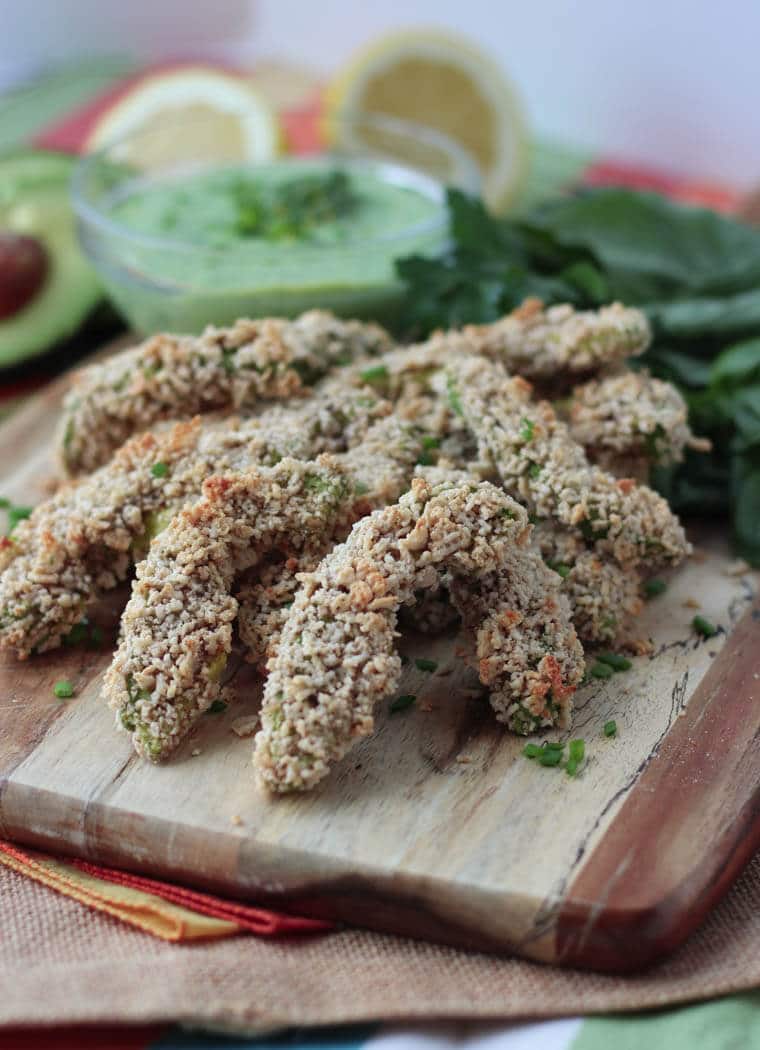
A serving platter with a stack of avocado fries.

Avocados are officially the world’s most loved fruit. Yes, even more popular than raspberries and way trendier than bananas. For good reason, too- they’re super delicious and packed with nutrition.

I’m personally obsessed with avocado toast, but I’m always looking for new ways to throw them into my life. This baked avocado fries recipe is served with high protein Green Goddess dip. It’s officially my new favourite way to eat avocadoes! They’re super green and perfect for a St. Patrick’s Day party as a vegan, gluten free appetizer that’s WAY better for you than the usual pub fare.

Why This Recipe Works

Why try this baked avocado fries recipe?

  • Festive green for St. Patrick’s Day
  • Packed with healthy monounsaturated fats
  • Vegan and gluten-free
  • Baked, not fried

And most importantly, they’re magically delicious. Avocado is inherently super buttery, creamy and soft, so battering it up in a high fibre, gluten free crispy crunchy crust is a recipe for the best of all worlds. Smooth meet crunchy. Happy meet Abbey. See, we’re all good friends.

Table of contents

  • Why This Recipe Works
  • Key Ingredients
  • How To Make This Recipe
  • Expert Tips
  • Recipe FAQs
  • More Recipes You Might Like

Key Ingredients

Crispy Rice Cereal – I used Chex, but any other rice cereal will work. This serves as our light, crispy breading, similar to Panko.

Avocado – The star of this avocado fries recipe. Your avocado should be ripe, but not so ripe that it’s mushy. Make sure it’s firm enough to cut into even slices.

Oats – To keep this recipe gluten-free, we use oat flour in the breading mixture.

Soft Tofu – This is the creamy, high protein base for our Green Goddess dip. Soft tofu is high in complete plant-based protein and can be blended into a smooth sauce that’s a blank canvas for any flavouring agents.

Fresh Herbs – I used parsley and basil in the Green Goddess dip, but any fresh herbs that you like will be super delicious.

How To Make This Recipe

A stack of baked avocado fries with dip in the background.

Step One: Preheat an oven to 450 F and line a sheet pan with a nonstick cooking mat or parchment paper.

Step Two: Prepare three bowls. Mix the oat flour, cumin, chili, salt and pepper in one bowl and set aside.

Step Three: In the next bowl, mix the flax and water and set in the fridge to thicken for 15 minutes to make a “flax egg”.

Step Four: Add the chex cereal to the food processor and pulse into panko-like crumbs, then transfer to the third bowl.

Step Five: Dip the avocados into the oat mixture, then the flax egg, then the Chex cereal mixture. Place on the baking sheet and bake for 15 minutes until lightly golden brown, turning once half way through. Sprinkle with a pinch of fleur de sel.

Step Six: Meanwhile, place the tofu, garlic, lemon juice, chives, basil, parsley, Dijon, and maple syrup in the food processor and puree until very smooth. Season with salt and pepper, to taste and set aside.

Step Seven: Serve the avocado fries with the dip and enjoy.


Expert Tips

The key to this avocado fries recipe is to make sure your baking pan isn’t too crowded. We want these avocado fries to get CRISPY, so there needs to be enough room for the hot air to circulate.

Recipe FAQs

Can I use a different kind of cereal?

I used Chex because I love the taste, but a puffed rice cereal would be best. This keeps it gluten-free, plus rice cereals tend to be lighter. If you do try another cereal, let me know which one and if it worked!

Can I use a regular egg instead of a flax egg?

Yes, you can. A flax egg is just a good option to keep this recipe plant-based.

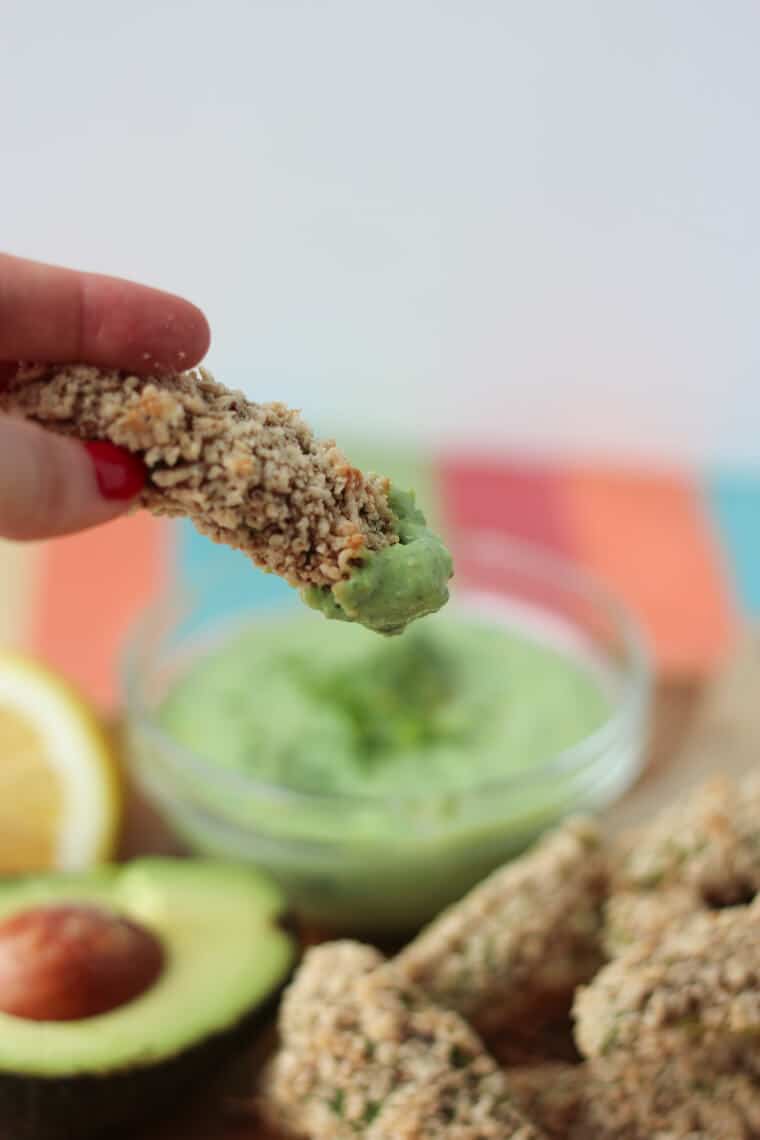
An avocado fry being dipped into a green goddess protein dip.

More Recipes You Might Like

I’m all about healthy appetizers you can make at home. Here are more faves:

  • Avocado Deviled Eggs with Everything Bagel Spice
  • Vegan Cauliflower Wing with Honey Garlic Sauce
  • Baked Spicy Tofu Sticks with Buffalo Sauce
  • Grilled Sweet Potatoes with Avocado Lime Crema

Now, what are you planning to make for St. Patrick’s Day? Are you a total avocado fan like me? If you’ve made this avocado fries recipe, let me know your thoughts!

An avocado fry being dipped into a green goddess protein dip.
Print Recipe
5 from 3 votes

Vegan Gluten Free Baked Avocado Fries with Green Goddess Protein Dip

These vegan Gluten free Baked Avocado Fries with Green Goddess Protein Dip is a vegan, gluten free appetizer perfect for St. Patrick’s Day!
Prep Time15 minutes mins
Cook Time15 minutes mins
Total Time30 minutes mins
Course: Appetizer
Cuisine: American
Servings: 8 people
Calories: 157kcal
Author: Abbey Sharp

Ingredients

Avocado Fries

  • 1/4 cup plus 2 tbsp oats pulsed into a powder in the food processor, gluten free if needed
  • ½ tsp cumin
  • ¼ tsp chili powder
  • ¼ tsp table salt
  • ¼ tsp cracked black pepper
  • 2 tbsp ground flax seed
  • ¼ cup plus 2 tbsp water
  • 3 cups Chex cereal or similar crispy rice cereal
  • 2 firm avocados cut into 8 slices each
  • Pinch fleur de sel

Green Goddess Protein Dip

  • 175 grams soft tofu
  • 1 clove garlic minced
  • Juice from 1 lemon
  • 2 tbsp chives minced
  • ¼ cup basil leaves
  • 1 cup parsley leaves
  • 2 tsp Dijon mustard
  • 1 tsp maple syrup

Instructions

  • Preheat an oven to 450 F and line a sheet pan with a nonstick cooking mat or parchment paper.
  • Prepare three bowls. Mix the oat flour, cumin, chili, salt and pepper in one bowl and set aside.
  • In the next bowl, mix the flax and water and set in the fridge to thicken for 15 minutes to make a “flax egg”.
  • Add the chex cereal to the food processor and pulse into panko-like crumbs, then transfer to the third bowl.
  • Dip the avocados into the oat mixture, then the flax egg, then the Chex cereal mixture. Place on the baking sheet and bake for 15 minutes until lightly golden brown, turning once half way through. Sprinkle with a pinch of fleur de sel.
  • Meanwhile, place the tofu, garlic, lemon juice, chives, basil, parsley, Dijon, and maple syrup in the food processor and puree until very smooth. Season with salt and pepper, to taste and set aside.
  • Serve the avocado fries with the dip and enjoy.

Video

Nutrition

Calories: 157kcal | Carbohydrates: 17g | Protein: 4g | Fat: 9g | Saturated Fat: 1g | Polyunsaturated Fat: 2g | Monounsaturated Fat: 5g | Sodium: 179mg | Potassium: 380mg | Fiber: 5g | Sugar: 2g | Vitamin A: 986IU | Vitamin C: 18mg | Calcium: 72mg | Iron: 5mg
Abbey Sharp

Abbey Sharp is a Registered Dietitian (RD), regulated by the Ontario College of Dietitians. She is a mom, YouTuber, Blogger, award winning cookbook author, media coach specializing in food and nutrition influencers, and a frequent contributor to national publications like Healthline and on national broadcast TV shows.

www.abbeyskitchen.com/about-abbey/

Last Updated March 11, 2024. Published March 8, 2024 By Abbey Sharp 23 Comments

Matcha Pancakes Recipe with Rainbow Sprinkles | High Protein, Gluten Free St. Patrick’s Day Breakfast

These vegan St. Patrick’s day recipes are great to share at a party this weekend or to celebrate with your family at home! 

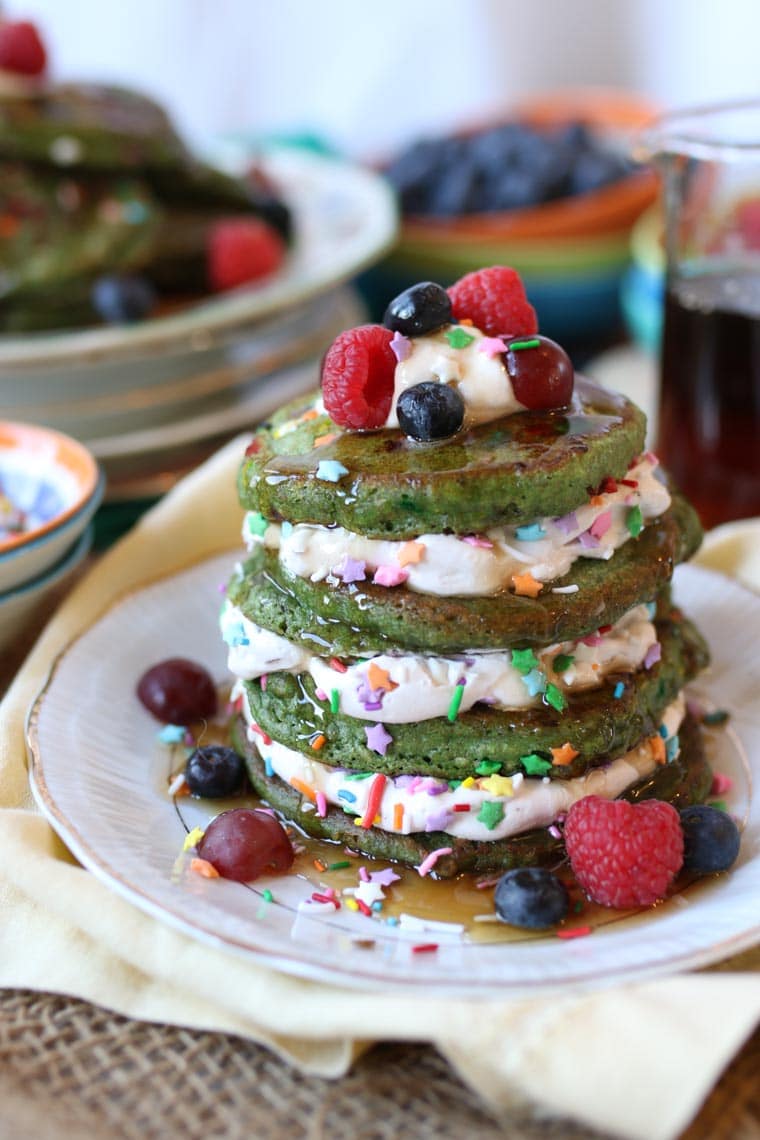
This Matcha Pancakes Recipe with Rainbow Sprinkles is the ultimate hangover cure for your St. Patrick’s Day brunch!

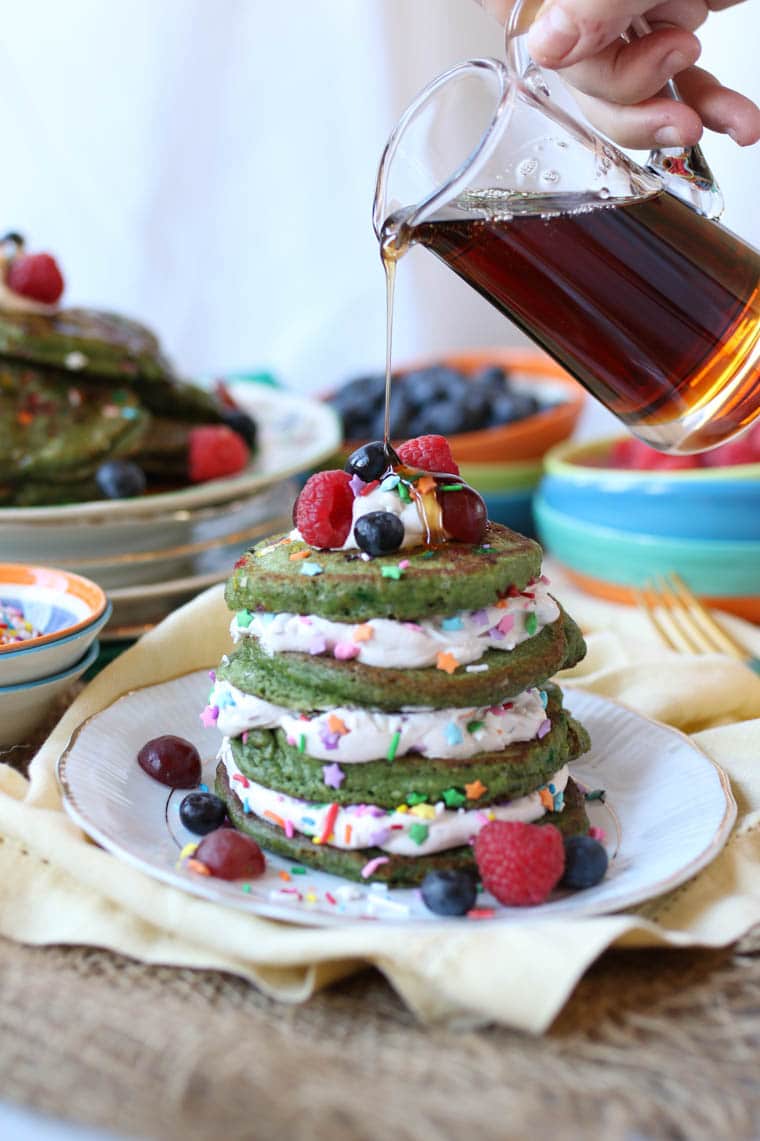
A stack of rainbow matcha protein pancakes topped with berries and maple syrup.

I’m a pancake queen. I’ve made it my mission to create one delicious pancake recipe for every major holiday (like my recent Red Velvet Valentine’s Day pancakes) and this one has quickly become one of our FAVES. I mean, everything with rainbow sprinkles is the BOMB DOT COM, and if you can find a way to make some amazing pancakes Vegan and Gluten Free AND packed with some hearty fibre, I am one happy dietitian.

I don’t know about your town, but here in Toronto, St. Patrick’s Day celebrations start EARLY – like people are lining up outside the pub by 10 AM. Since I didn’t participate in previous years (thanks pregnancy!), I had a little extra time to get a good hearty breakfast in, which led to me creating the perfect St. Patrick’s Day vegan matcha pancakes recipe.

Table of contents

  • Why This Recipe Works
  • Key Ingredients
  • How to Make This Recipe
  • Expert Tips
  • Recipe FAQs
  • More Recipes You Might Like

Why This Recipe Works

If the pictures alone don’t convice you to make this delicious matcha pancakes recipe, here are a few more reasons why I love this recipe –

  • High in protein (over 20 grams per serving!)
  • Gluten-free & Vegan
  • Family friendly, I promise the kids will LOVE these
  • Only takes 4 quick steps to make!

Key Ingredients

Vegan Vanilla Protein Powder – I love to add protein powder to this matcha pancakes recipe as way to increase my protein intake! Feel free to use any protein powder of your choice OR check out my new vegan protein powder available now for preorder!

Matcha Powder – Instead of using dyes or artifical coloring for these pancakes, I decided to use just a bit of matcha to help make the perfect green color!

Gluten Free Oats – It’s super easy (and cheaper!) to make your own flour using oats, which is why I use gluten free oats in this recipe.

Toppings – This is where you can get creative! I personally love fruit, syrup, and whipped cream on my pancakes!

maple syrup being drizzled onto vegan and gluten free protein pancakes on a white plate garnished with whipped cream and berries

How to Make This Recipe

Step 1: To a small bowl, mix together the flax and almond milk and set in the fridge for at least 20 minutes.

Step 2: To a large bowl, mix together the oat flour, cinnamon, protein powder, baking soda and salt. Add the vanilla, yogurt, almond milk, banana, flax eggs, maple and oil. Add the matcha powder to your desired taste and colour.

Step 3: Preheat large nonstick skillet with the coconut oil over medium heat. Add about 1/4 cup batter and cook until golden brown on both sides.

Step 4: Layer with yogurt, berries, sprinkles and maple syrup, if desired. Enjoy!

Expert Tips

Since we are using oat four, the batter may be a tad bit thicker. Due to the thickness of the batter, you may not get the same bubbling effec to indicate when the pancake is ready to be flipped. Just make sure to look for browning around the edges of the pancakes which means it’s ready to flip!

Recipe FAQs

Can I use a different type of flour?

Yes! Ideally stick to any flour with a 1:1 ratio if you’re not needing a gluten free version!

What other toppings can I use with this matcha pancakes recipe?

In the spirit of St. Patrick’s Day, I think anything green would be super super fun to add! Kiwi and green M&Ms are a great example!

What if I don’t have matcha powder?

If you don’t have any matcha powder (or don’t care for the taste), feel free to use your choice of green food dye!

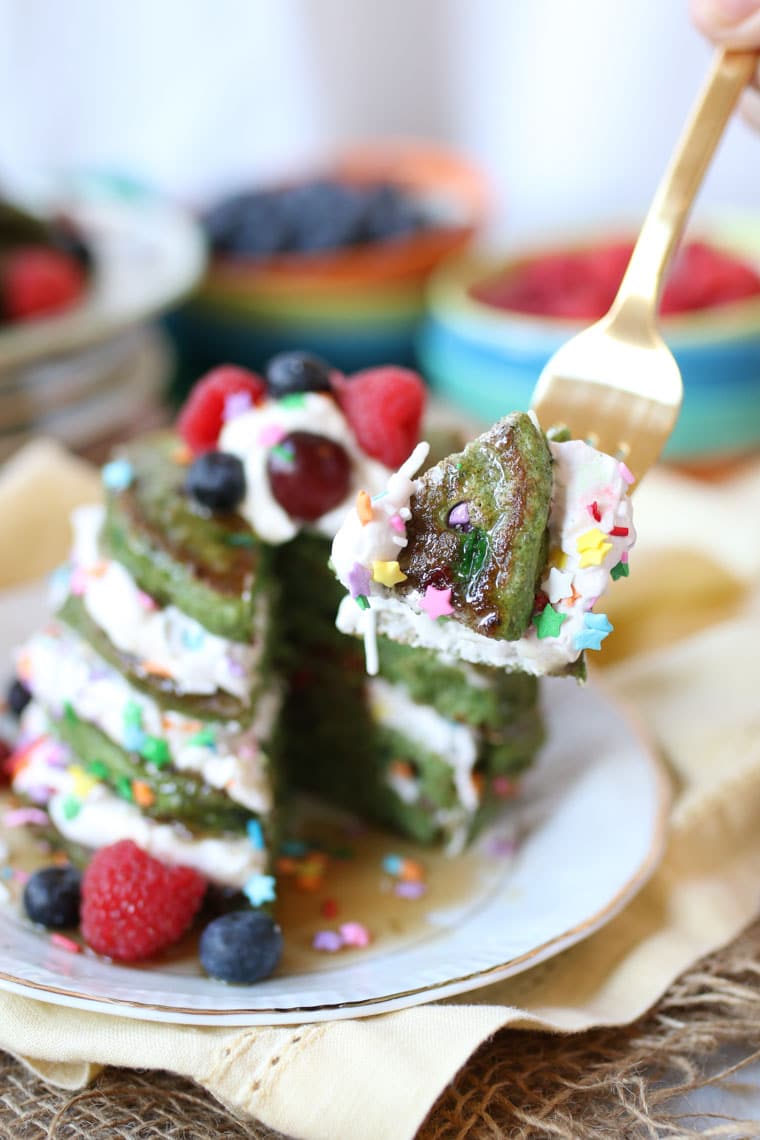
close up of a silver fork taking a bite out of a stack of vegan matcha rainbow pancakes garnished with fresh fruit

More Recipes You Might Like

Do you love pancakes for breakfast just as much as I do? If you love this matcha pancakes recipe check out some of my others on the blog!

  • NUTELLA STUFFED PANCAKES
  • CHOCOLATE PROTEIN PANCAKES WITH CHERRIES
  • STRAWBERRY CHEESECAKE PROTEIN PANCAKES
  • VEGAN OATMEAL PANCAKES 

Now tell me, what are some of your favorite St. Patrick’s Day breakfast or brunch recipes? Have you tried this matcha pancake recipe? Leave me a comment below with your thoughts!

These vegan St. Patrick’s day recipes are great to share at a party this weekend or to celebrate with your family at home! 
Print Recipe
5 from 3 votes

Matcha Pancakes Recipe with Rainbow Sprinkles | High Protein, Gluten Free St. Patrick’s Day Breakfast

These Gluten Free Vegan Matcha Rainbow Protein Pancakes are the ultimate hangover cure for your St. Patrick’s Day brunch!
Prep Time25 minutes mins
Cook Time5 minutes mins
Total Time30 minutes mins
Course: Breakfast
Cuisine: American
Servings: 6 people
Calories: 507kcal
Author: Abbey Sharp

Ingredients

Flax eggs:

  • 2  tbsp  flax
  • 1/4 cup unsweetened vanilla almond milk
  • Pancakes:
  • 2   cups   gluten free oats pureed into a flour
  • 1   tsp   cinnamon
  • 1/4   cup  vegan vanilla protein powder
  • 1 tsp   baking powder
  • Pinch   salt
  • 1   tsp   pure vanilla extract
  • 1/2  cup   plain coconut or almond yogurt
  • 1/2  cup  unsweetened vanilla almond milk
  • 2 prepared flax eggs
  • 1  medium ripe banana mashed
  • 3   tbsp   maple syrup
  • 2 tbsp melted coconut oil
  • 2 tsp matcha powder or to taste
  • Coconut oil for cooking

Toppings:

  • Rainbow sprinkles
  • Plain coconut or almond yogurt
  • Raspberries
  • Blueberries
  • Maple syrup if desired

Instructions

  • To a small bowl, mix together the flax and almond milk and set in the fridge for at least 20 minutes.
  • To a large bowl, mix together the oat flour, cinnamon, protein powder, baking soda and salt. Add the vanilla, yogurt, almond milk, banana, flax eggs, maple and oil. Add the matcha powder to your desired taste and colour.
  • Preheat large nonstick skillet with the coconut oil over medium heat. Add about 1/4 cup batter and cook until golden brown on both sides.
  • Layer with yogurt, berries, sprinkles and maple syrup, if desired. Enjoy!

Nutrition

Calories: 507kcal | Carbohydrates: 68g | Protein: 22g | Fat: 17g | Saturated Fat: 6g | Polyunsaturated Fat: 5g | Monounsaturated Fat: 4g | Trans Fat: 0.01g | Cholesterol: 75mg | Sodium: 106mg | Potassium: 568mg | Fiber: 8g | Sugar: 9g | Vitamin A: 161IU | Vitamin C: 4mg | Calcium: 230mg | Iron: 4mg
Abbey Sharp

Abbey Sharp is a Registered Dietitian (RD), regulated by the Ontario College of Dietitians. She is a mom, YouTuber, Blogger, award winning cookbook author, media coach specializing in food and nutrition influencers, and a frequent contributor to national publications like Healthline and on national broadcast TV shows.
www.abbeyskitchen.com/about-abbey/

Last Updated March 2, 2024. Published March 6, 2024 By Abbey Sharp 3 Comments

Is There a Best Diet for Endometriosis? A Registered Dietitian’s Evaluation on the Best Foods for Endometriosis

We discuss the research on the best diet for endometriosis and whether or not the foods you eat can worsen or improve symptoms.

Birds eye view of two bowls of yogurt for the endometriosis diet.

Approximately 10-15% of individuals of reproductive age are diagnosed with endometriosis with a higher prevalence among those between the ages of 35-45. While there is no “cure” for endometriosis, most existing treatment options focus on managing pain and delaying its progression via surgical and hormonal treatments. In addition to medical treatments, research has shown that the foods you eat may also impact the progression and severity of endometriosis as well as the risk of developing the condition. 

So we took a deep dive into the research on the best diet for endometriosis to discuss what foods may worsen and improve symptoms.

What is Endometriosis?

Endometriosis is a disorder that affects the tissues around the uterus, otherwise known as the endometrium. Endometriosis causes the endometrium to develop tissues that attach and grow outside the uterus. This growth can spread to other parts of the reproductive system, including the ovaries, fallopian tubes, as well as the abdominal and pelvic cavities. During menstruation, this tissue builds up and breaks down, leading to inflammation and the formation of scar tissue.

Some common risk factors for endometriosis include:

  • A family history of endometriosis 
  • Onset of menstruation at a young age
  • Late onset menopause
  • Short menstrual cycles
  • Prolonged periods (more than 7 days)
  • Excessive bleeding during menstruation
  • Elevated estrogen
  • Low body mass index (BMI)

The symptoms of endometriosis can vary, with some women experiencing mild pain and others experiencing more serious symptoms – particularly during menstruation. Some common symptoms include:

  • Pelvic, lower back, and/or abdominal pain during menstruation
  • Heavy bleeding 
  • Pain during intercourse 
  • Pain while urinating 
  • Weakness 
  • Nausea 
  • Constipation
  • Diarrhea

Does Diet Impact the Progression of Endometriosis? 

While lifestyle factors such as diet are certainly no cure for endometriosis, the good news is that what we eat can impact the progression and the severity of symptoms. Research suggests that certain foods may have an impact on some of the biological processes of endometriosis – including inflammation, estrogen regulation, menstruation, and prostaglandin metabolism. 

However, depending on the stage and progression of endometriosis, results may vary and will likely depend on the individual. With that said, while the endometriosis diet may help to alleviate symptoms it is not a substitute for medical treatment. So be sure to consult with your medical team before discontinuing any treatment for your endometriosis. 

Foods to Eat on a Diet for Endometriosis 

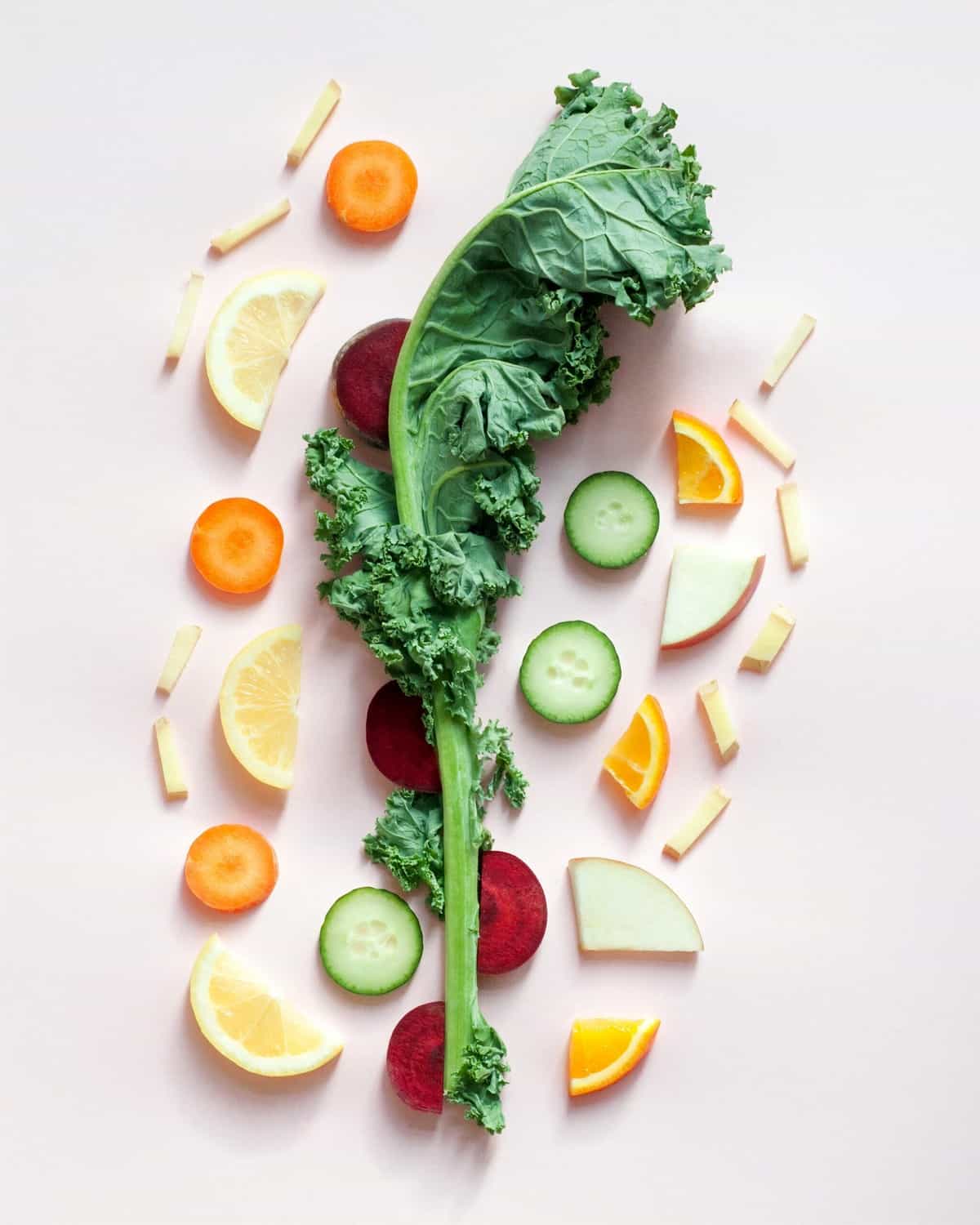
Several chopped fruits and veggies including lemon, carrot, beets, and cucumber.

High-Fiber Foods 

Fiber has been shown to decrease estrogen levels by increasing its excretion from the body and decreasing its bioavailability (aka the extent to which it is absorbed in the body). A high fibre diet may thereby help to improve endometriosis symptoms by reducing pain and inflammation caused by higher estrogen levels. In addition, some research suggests that a high intake of high-fiber fruits and vegetables may also help to reduce the risk of developing endometriosis. Aim for 25-30 grams of fibre per day from foods such as whole grains, beans & legumes, nuts, seeds, fruits and vegetables. 

Iron (Plant-based or Lean Sources)

Iron is a bit of a sticky topic in the endo community, as one theory suggests that iron overload in the pelvic cavity may play a role in endometriosis and symptoms. However, newer research and clinical observation is much more concerned with the increased risk of iron deficiency anemia because of the heavy periods associated with the endometriosis. What makes things even more confusing is the positive association of red meat consumption with endo (which is our most bioavailable source of iron). What we do know is that iron can have a significant impact on endometriosis cell gene expression, so maintaining healthy iron levels may help reduce symptoms.

So step one is to have your iron levels checked regularly by your doctor to make sure they’re within range, and if your levels are low to focus on non-red meat sources of iron. That could be fish, seafood, poultry and eggs for heme-based iron, or tofu, beans, nuts, seed and greens for non-heme iron. We ideally want to pair iron-containing foods with some vitamin C-rich fruits and veg to improve absorption.

Omega-3 Fats 

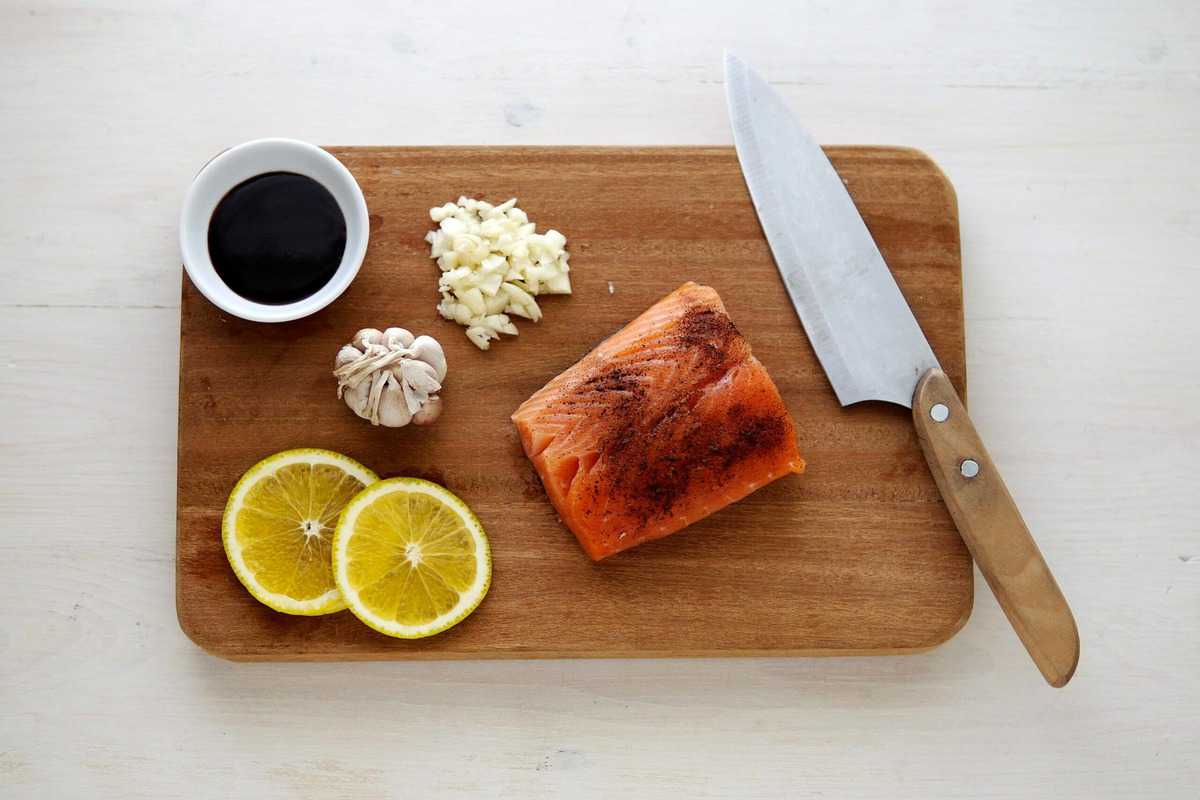
A piece of salmon, garlic, onion, lemon and soy sauce on a wooden cutting board.

One of the ways in which you can help to reduce inflammation caused by endometriosis is by incorporating more omega 3 fats into your diet to hone in on their anti-inflammatory benefits. Research has even shown that consumption of omega-3 fats may help to inhibit endometrial cells and discourage their attachment to the endometrium.  We also have evidence showing that higher amounts of EPA omega-3’s found in salmon, tuna, mackerel, sardines and algae are linked to less severe symptoms and pelvic pain, likely due to its impact on prostaglandins. So to get your dose of omega-3 fats and pain relief, be sure to load up on fatty fish such as salmon, herring, and mackerel, as well as nuts and seeds like walnuts, flax, and chia. 

Turmeric 

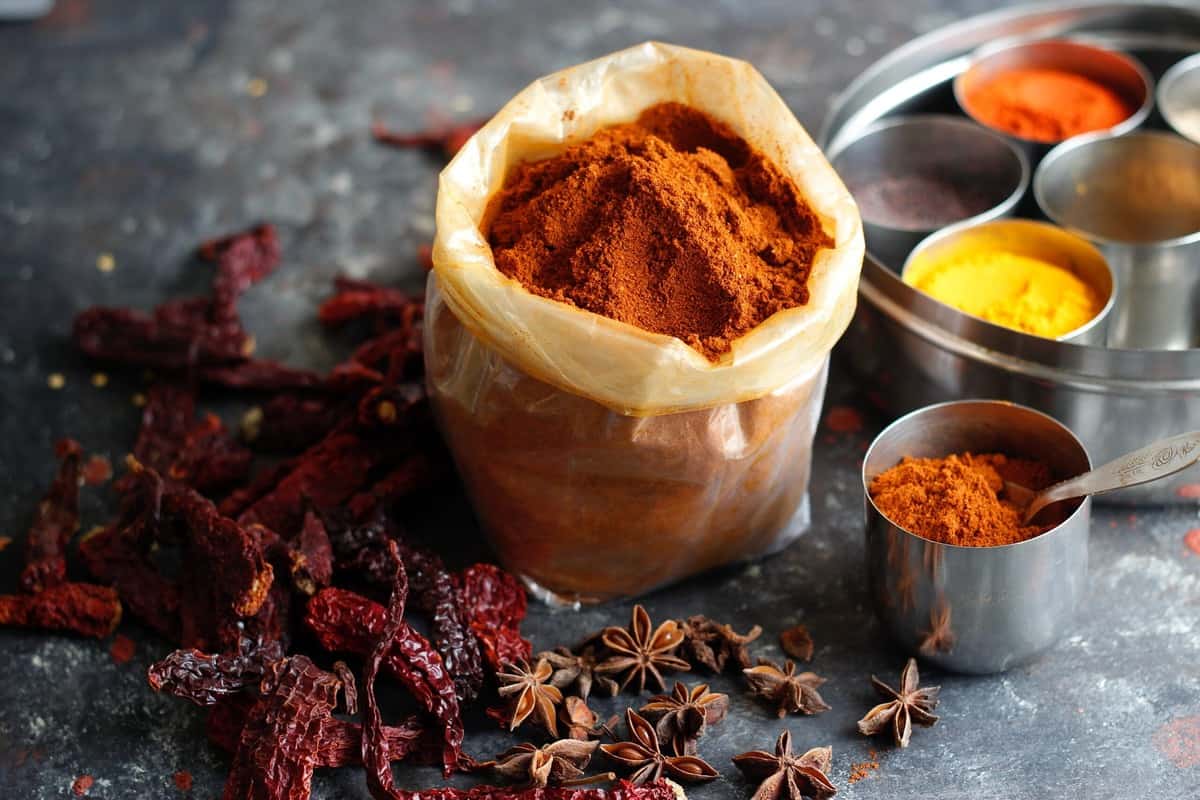
A small bag of turmeric to include in a diet for endometriosis

Turmeric contains a compound called curcumin which has anti-inflammatory properties, and can thereby help to alleviate pain associated with endometriosis. One 2013 study on the effects of curcumin and endometriosis found that curcumin led to a decrease in the production of the estrogen hormone, estradiol. Since endometriosis is a condition dependent on estrogen for its maintenance, this compound may be helpful in hindering it. 

To reap the possible benefits of the curcumin from turmeric, try including it in your diet for endometriosis by using a few teaspoons of turmeric to soups, stews, curries, roasted vegetables, rice, and scrambled eggs. Don’t forget to add a few sprinkles of black pepper as the pepperine (the bioactive compound in black pepper) has been shown to help boost circumin absorption! 

Antioxidants

Incorporating more antioxidant-rich foods into your diet can boost your antioxidant capacity over time and lead to a reduction in markers of oxidative stress and inflammation.  Antioxidants such as vitamin C, vitamin E, and beta-carotene can be found in a variety of foods such as brightly coloured fruits and vegetables, green tea, and chocolate. 

Low FODMAP foods 

Following a low-FODMAP diet may help to reduce endometriosis-related bloating, diarrhea, constipation, fatigue, and nausea. This is because low FODMAP foods generate less gas in the large intestine and thereby reduce inflammation compared to high FODMAP foods. Moreover, evidence suggests that a low-FODMAP diet may also help to relieve abdominal and pelvic pain, with one study reporting that 72% of individuals diagnosed with both IBS and endometriosis experienced pain relief. 

Some low FODMAP foods you can incorporate into a diet for endometriosis include:

  • Whole grains such as brown rice and quinoa
  • Nuts and seeds
  • Lactose-free dairy products
  • Fruits such as oranges, strawberries, blueberries, kiwi, and pineapple
  • Vegetables such as tomatoes, zucchini, eggplant, carrots, and brussel sprouts.

High FODMAP foods to consider avoiding might include:

  • Whole grains such as wheat, barley, rye
  • Dairy
  • Fruit such as apples, pears, mangoes, plums, and watermelon
  • Vegetables such as cauliflower, leeks, onions, asparagus, mushrooms, and garlic 
  • Legumes 

It’s also important to mention that food triggers are highly individualized – meaning that some people may experience worsening of digestive and/or endometriosis symptoms from some high FODMAP foods, while others may not.  One way to understand your food triggers is by keeping a food journal to track your symptoms and get a clearer understanding of what foods you may need to limit or avoid.

Vitamin D Fortified Dairy

I know wellness culture usually likes to shi*t on dairy, but one prospective study found that intakes of total and low-fat dairy were independently associated with a lower risk of endometriosis. Women who were consuming more than 3 servings of total dairy per day were 18% less likely to be diagnosed with endometriosis than those consuming 2 or less. A meta analysis confirmed this suggesting that women consuming 3 servings or more had a reduced risk, particularly with higher fat dairy and cheese, but not with butter. Ideally we want to look for vitamin D fortified dairy since vitamin D deficiency may also put one at greater risk of endometriosis.

Supplements

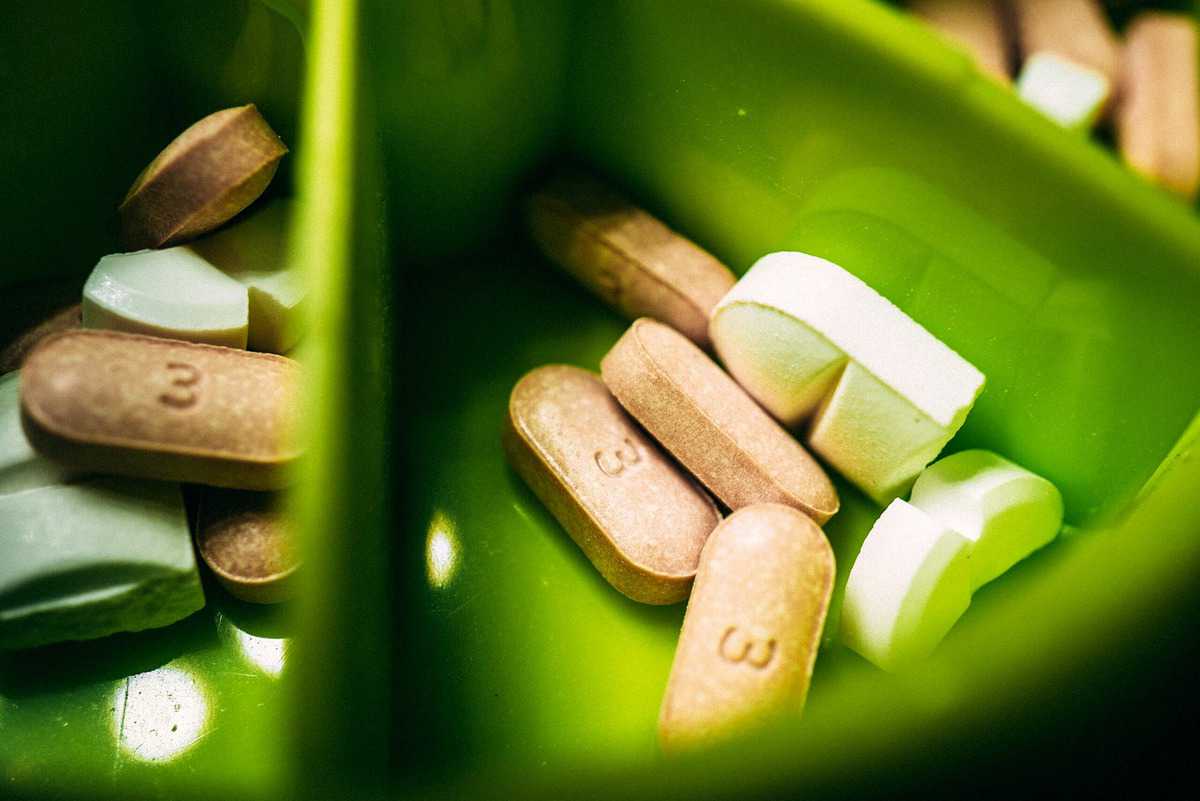
Several supplements for a diet for endometriosis.

Several studies have demonstrated possible benefits to endometriosis symptoms when supplementing with vitamins A, C, D, E, and zinc. Women who took supplements of vitamins C and E reported lower levels of pain and inflammation. Additionally, women who increased their vitamin D intake through supplementation and food were also at reduced risk of developing endometriosis. On the other hand, Vitamin E may be more effective through diet rather than supplements as it remains in the body longer than its synthetic form.

It is unclear whether the reported benefits are more effective from supplements or food. With that said, you can start by incorporating more food sources of these nutrients while monitoring any improvement in symptoms. Otherwise, you can speak to your doctor about trialling supplements instead.  If you’d like to learn more about supplement safety, check out my recent post on how to choose the right supplement. 

Soy

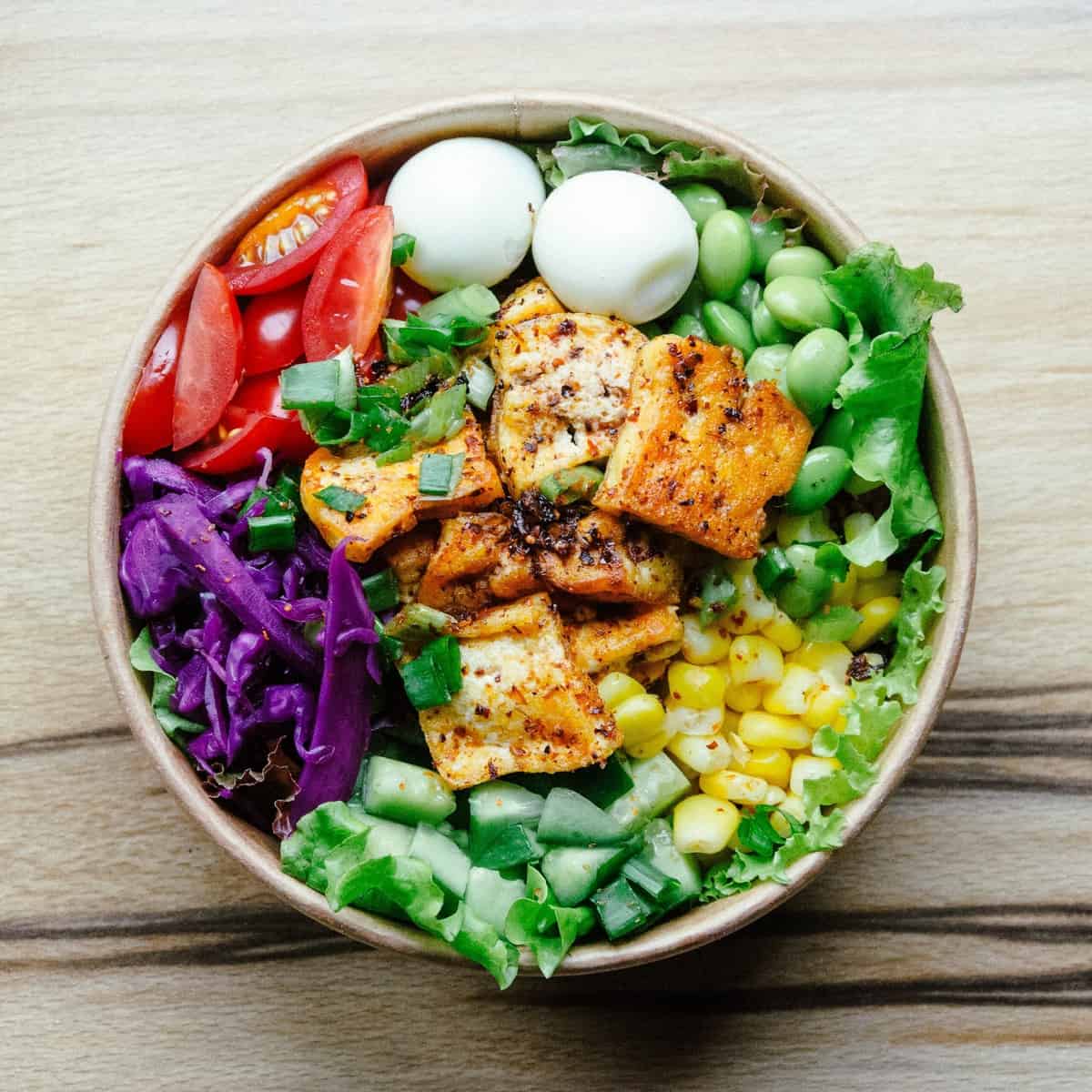
A birds eye view of a veggie bowlwith tofu.

The effects of phytoestrogens from soy on endometriosis is debated due to its structural similarity to estrogen. A few studies have found that supplementation with soy tablets may produce a negative health impact by increasing endometriosis risk and supporting its maintenance. However, more recent research detected no relationship between the consumption of soy and endometriosis. 

Some research has also demonstrated that soy consumption is linked to a reduced likelihood of developing endometriosis and severity of symptoms. This may be attributed to the ability of phytoestrogens to inhibit the full impact of estrogen, leading to a decrease in the severity of endometriosis. Ongoing research is being conducted on the possible benefits of a specific phytoestrogen, puerarin, in relation to endometriosis. With that said, more research is needed to understand the relationship between soy and endometriosis so we can’t say for certain whether it worsens or improves symptoms.

Foods to Limit or Avoid on a Diet for Endometriosis

Red Meat

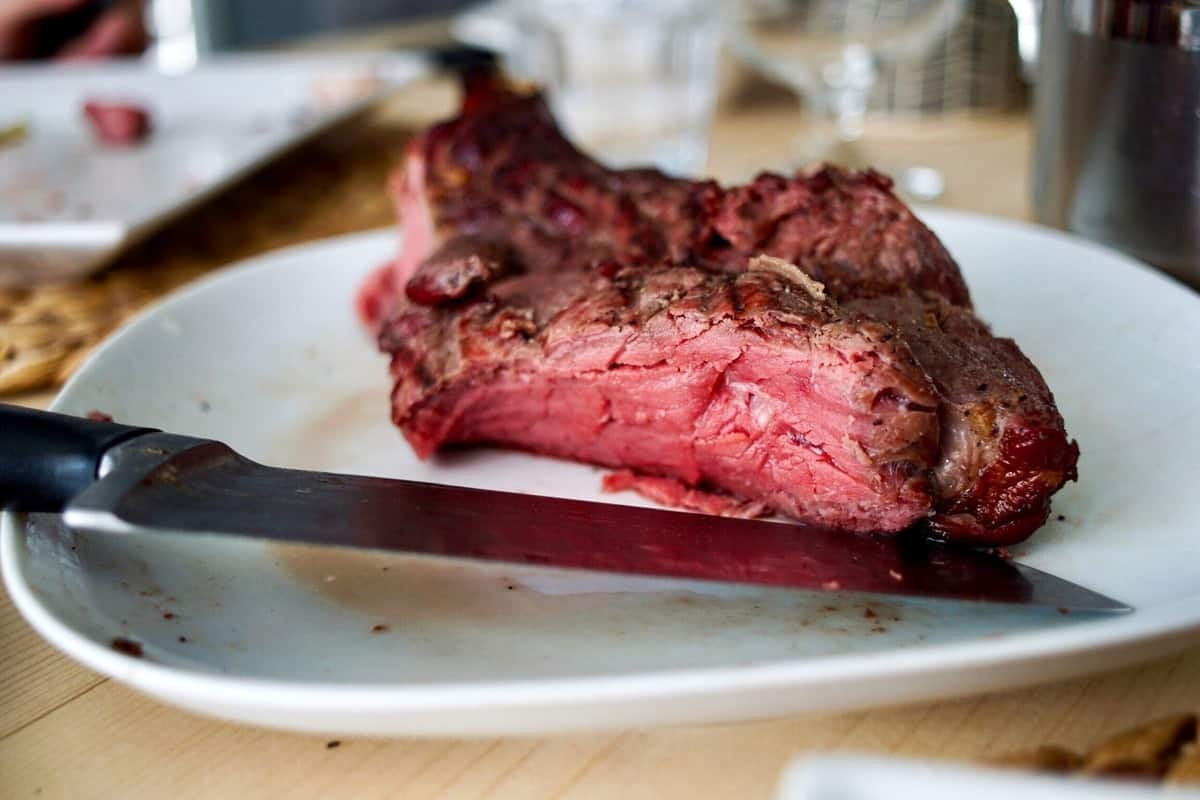
A piece of red meat on a white plate.

Red meat has been shown to increase the likelihood of developing endometriosis as high intakes have been linked to elevated estrogen levels. Given that endometriosis is estrogen-dependent, a high consumption of red meat may elevate one’s risk and permit endometriosis to steadily progress. One fairly large study did see an association with frequent consumption of red meat, though other studies have muddled the waters by finding no increased risk. But a more recent prospective study on over 80000 women found that women who consumed more than 2 servings of red meat daily had a 56% higher risk of endometriosis and specifically more pelvic pain. They did not find poultry, fish, seafood and eggs to have the same effect so focusing protein intake on those options plus some plant based proteins may be a supportive swap.

Gluten 

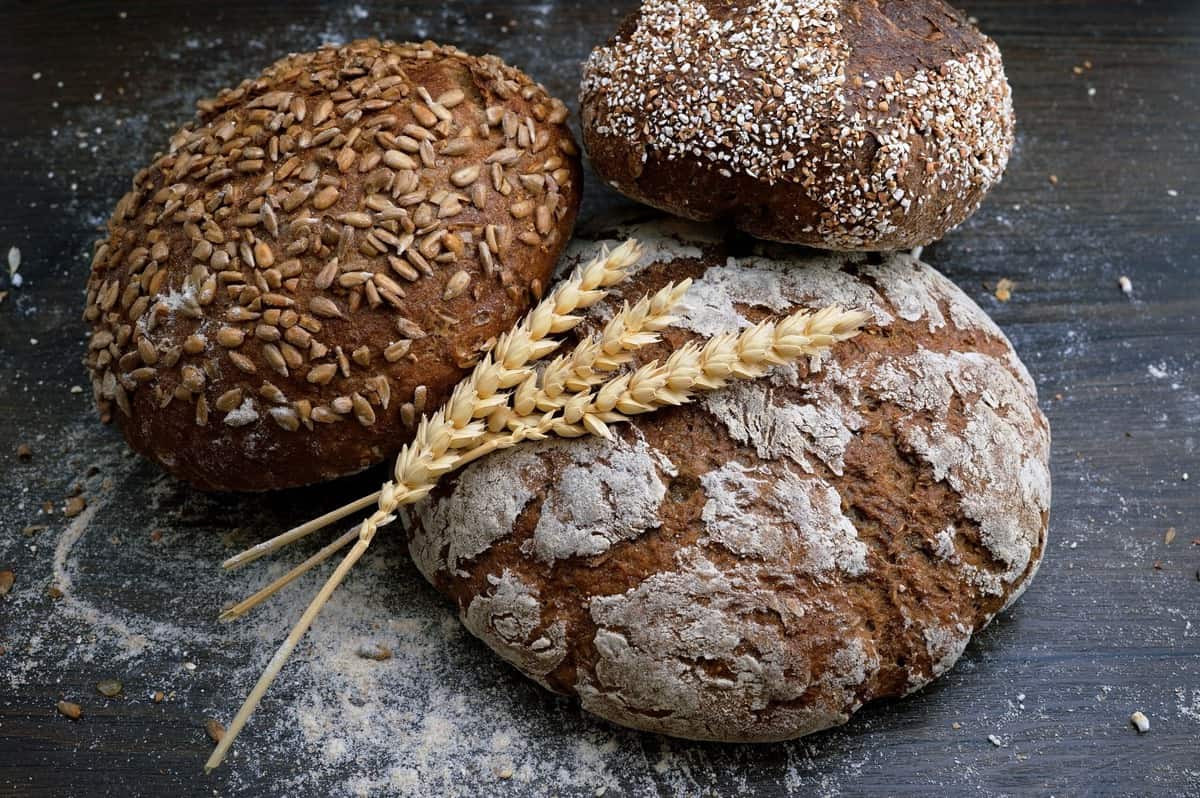
Several loaves of bread as en example of foods to avoid on a diet for endometriosis.

While it is primarily recommended that those with celiac or a gluten intolerance avoid gluten (it is otherwise safe for consumption if you don’t suffer from these conditions), research suggests that a gluten-free diet for endometriosis may also be beneficial. One study investigating the relationship between endometriosis pain management and a gluten-free diet found that over 75% of women had reductions in pain when adhering to a gluten-free diet for one year. Similarly, another study found that following a gluten-free diet resulted in a decrease in pelvic pain among women. 

Gluten is commonly found in products containing wheat, rye, barley, and triticale. Therefore, look for gluten-free alternatives for your favourite breads, pastas, oats, crackers, and baked goods. To ensure that a food product is gluten-free, make sure to check the ingredient list to ensure that the product doesn’t include any gluten-containing ingredients. You can also look for the “gluten-free” or “gluten-friendly” label on the food packaging.  

Trans Fat

Research suggests that a high consumption of trans fat may  increase the likelihood of developing endometriosis. For example, one study examining the relationship between endometriosis and dietary fat found that a high consumption of trans fats resulted in a 48% rise in the risk of developing endometriosis. Luckily, some countries (such as Canada and the United States) have banned the use of trans fats in processed foods which helps to limit trans fat consumption at a population level. So choosing foods that are grilled, baked, poached or roasted instead of fried more often may help, and be mindful of packaged snacks with the words “partially hydrogenated oils” which is essentially code for small amounts of trans fat. You guys know I am not one to cut out foods, but trans fat is basically one of the only food components we definitively know are not good for our health, even in moderate amounts. Not for a diet for endometriosis, or even everyone else.

Caffeine and Alcohol 

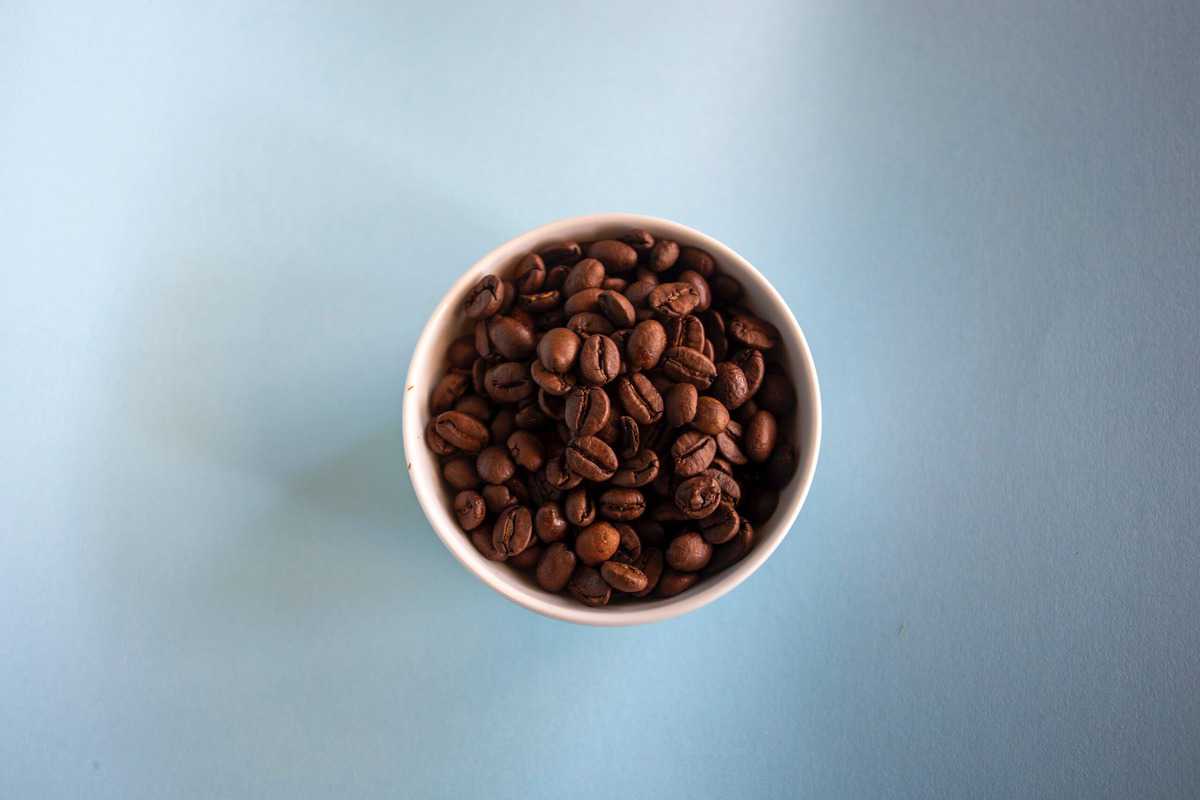
A birds eye view of a cup of coffee beans.

While some studies have reported caffeine consumption may be correlated with a greater chance of developing endometriosis, others have found no correlation between caffeine intake and increased risk. Additionally, both alcohol and caffeine have been shown to lead to elevated estrogen levels in the blood. Though the research is limited and inconclusive when it comes to the effects of caffeine and alcohol on endometriosis, it may be beneficial to limit your caffeine and alcohol consumption and see how your body responds. If you find relief, it may be worth sticking to.

Bottom Line on a Diet for Endometriosis

Endometriosis affects a significant number of women and though no fool-proof treatment currently exists, making slight adjustments to your dietary habits may help you better manage your symptoms and delay its progression. Trying and limiting different foods on the endometriosis diet, while listening to your body and how it responds can help you to determine what foods work for you, as individual experiences with endometriosis and its symptoms can vary greatly.

Contribution by Saliaha Izhar

More Blog Posts You Might Like

  • How Much Weight do You Gain on Your Period
  • Does Alcohol or Caffeine Cause Infertility or Miscarriage?
  • The Menstrual Cycle Diet | What to Eat on Your Period
  • How to Get Your Period Back After Years of Dieting

To my endometriosis warriors, what have you found helpful in alleviating symptoms? Do you modify your diet for endometriosis relief? Share below!

Abbey Sharp

Abbey Sharp is a Registered Dietitian (RD), regulated by the Ontario College of Dietitians. She is a mom, YouTuber, Blogger, award winning cookbook author, media coach specializing in food and nutrition influencers, and a frequent contributor to national publications like Healthline and on national broadcast TV shows.
www.abbeyskitchen.com/about-abbey/

Last Updated March 3, 2024. Published March 4, 2024 By Abbey Sharp 3 Comments

Taco Casserole Recipe with Pasta | Vegan & Family Friendly

This taco casserole recipe is a high protein gluten free meal that is toddler approved and kid friendly! It’s totally going to become a staple in your family’s routine! Even better, it’s freezer friendly!

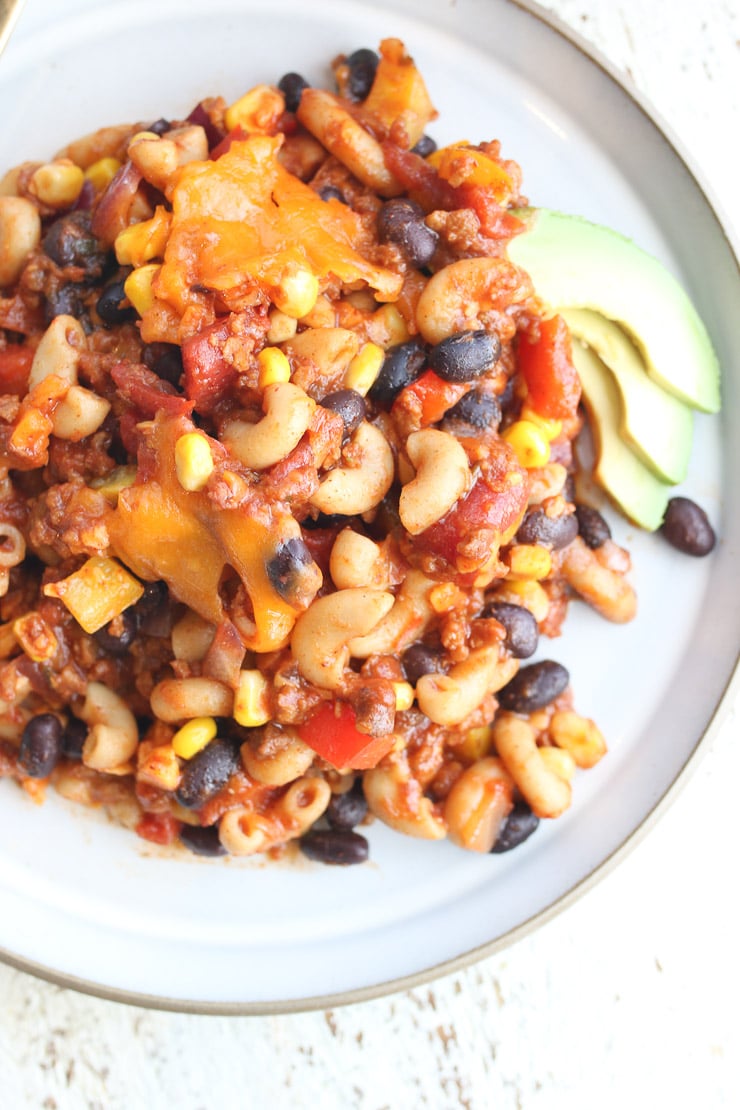
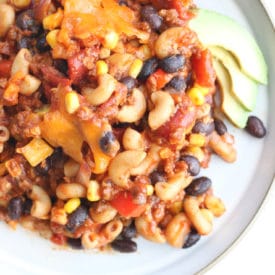
birds eye view of vegan high protein gluten free taco casserole on a white plate garnished with avocado slices

I guess I am very quickly settling into mom-of-two-hood as I have become marginally obsessed with casseroles. I have also been trying to find more ways to integrate more plant based meals that are still toddler and family friendly so this vegan taco casserole recipe with pasta totally fit the bill. Who doesn’t like pasta, taco flavours and AVOCADO? Yes please.

Table of contents

  • Why This Recipe Works
  • Key Ingredients
  • How to Make This Recipe
  • Expert Tips
  • Recipe FAQs
  • More Recipes You Might Like

Why This Recipe Works

You won’t believe just how simple it is to make this taco casserole. You’ll absolutely love it! Don’t believe me? Here are a few more reasons to give this a go:

  • Kid friendly
  • Dairy free
  • Gluten free
  • Freezer friendly
  • Tasty AF
  • Packed with healthy goodness

Key Ingredients

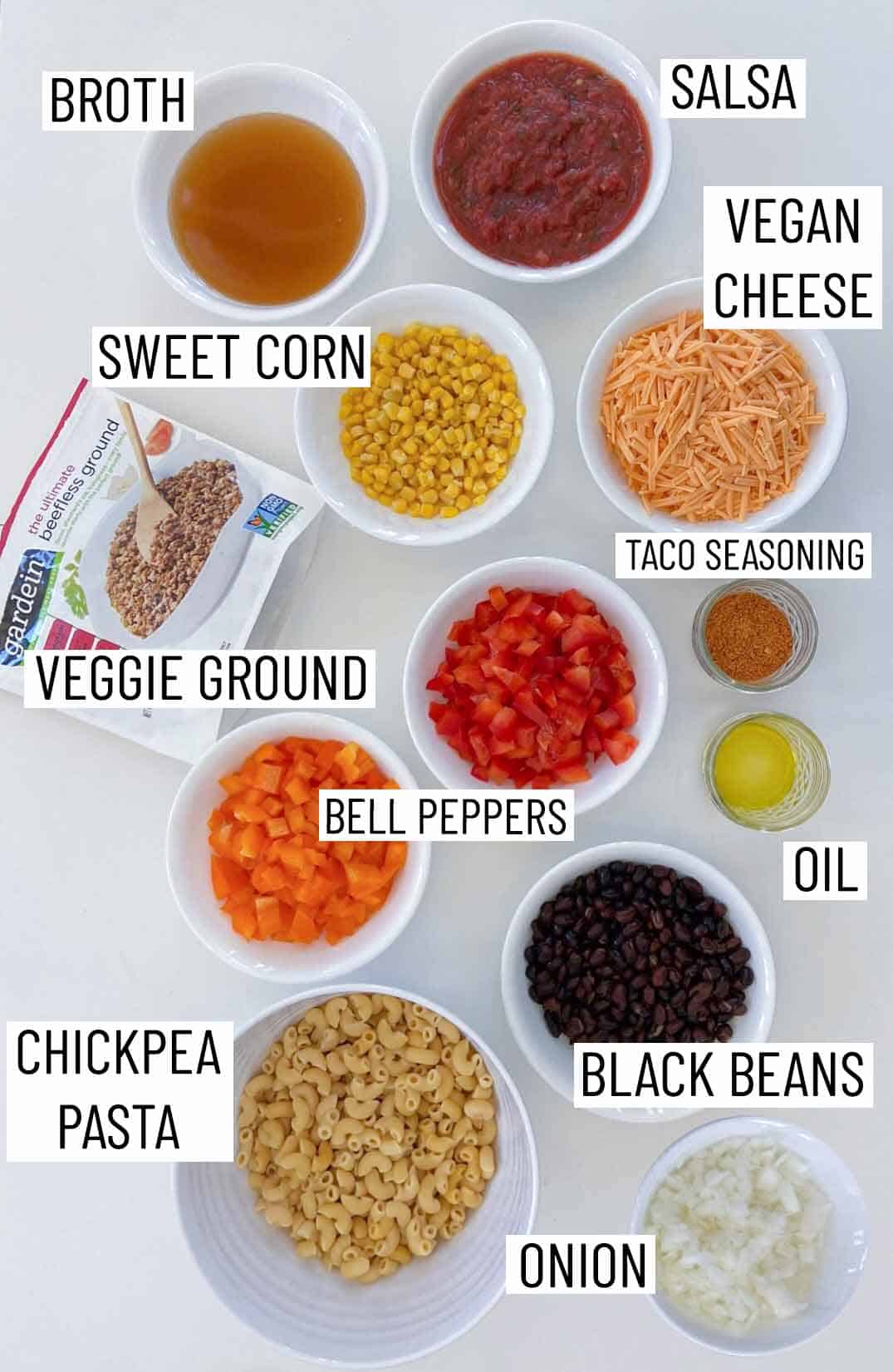
Ingredients needed to make a vegan taco casserole

Chickpea pasta — To help keep things gluten-free, I use chickpea pasta. However, if you don’t need this to be gluten-free, use whatever pasta you want!

Black beans — Don’t skip rinsing and draining the beans before using as it removes the extra sodium it’s packed in. You can also cook your own beans from dried if you’d like.

Veggie ground — To give the taco pasta casserole a meat-y texture to it, we use veggie ground. If you don’t like to use meat substitutes, feel free to skip it.

Salsa — You can really determine how spicy or mild this taco casserole recipe is by changing up the type of salsa you use.

How to Make This Recipe

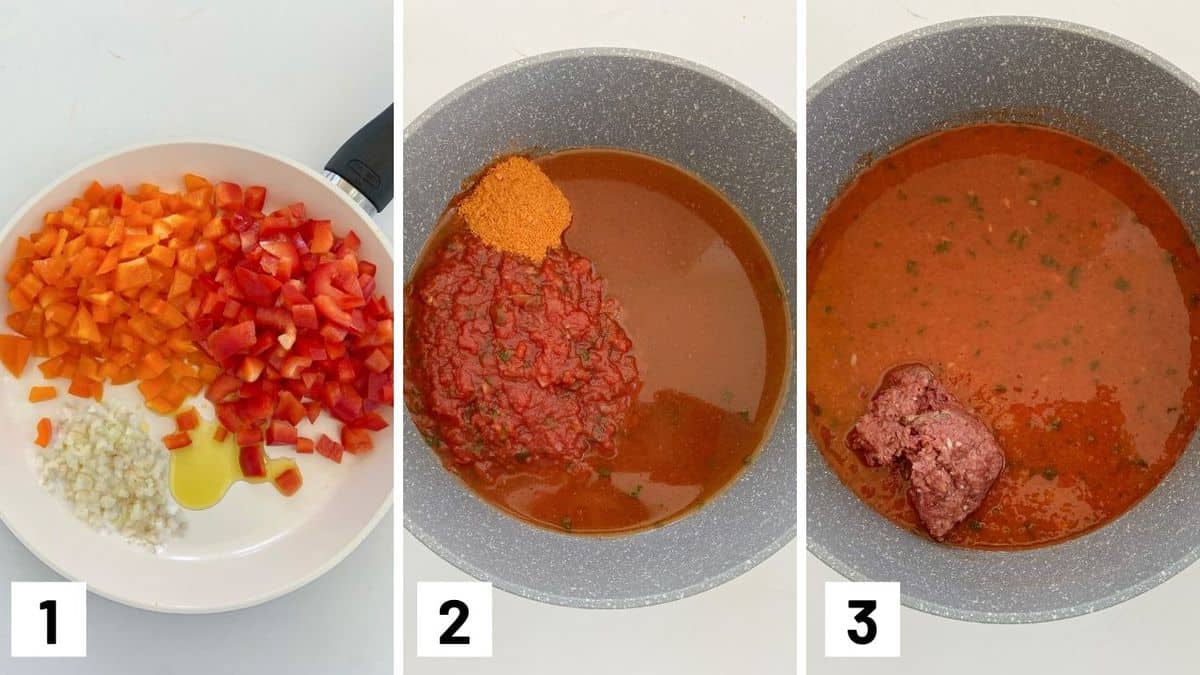
Set of three photos showing how to saute the onions and bell peppers before transferring it to a pot with salsa, taco seasoning, and veggie round.

Step 1: Preheat oven to 400 F. Meanwhile, add the olive oil to a cast-iron or oven proof pan, along with the onion, and bell peppers. Saute until softened, about 5 minutes. Transfer to a bowl or plate.

Step 2: In a pot over heat over medium heat, and add the salsa, broth and taco seasoning.

Step 3: Allow to bubble slightly, then add in the soy meat. Break up into small pieces.

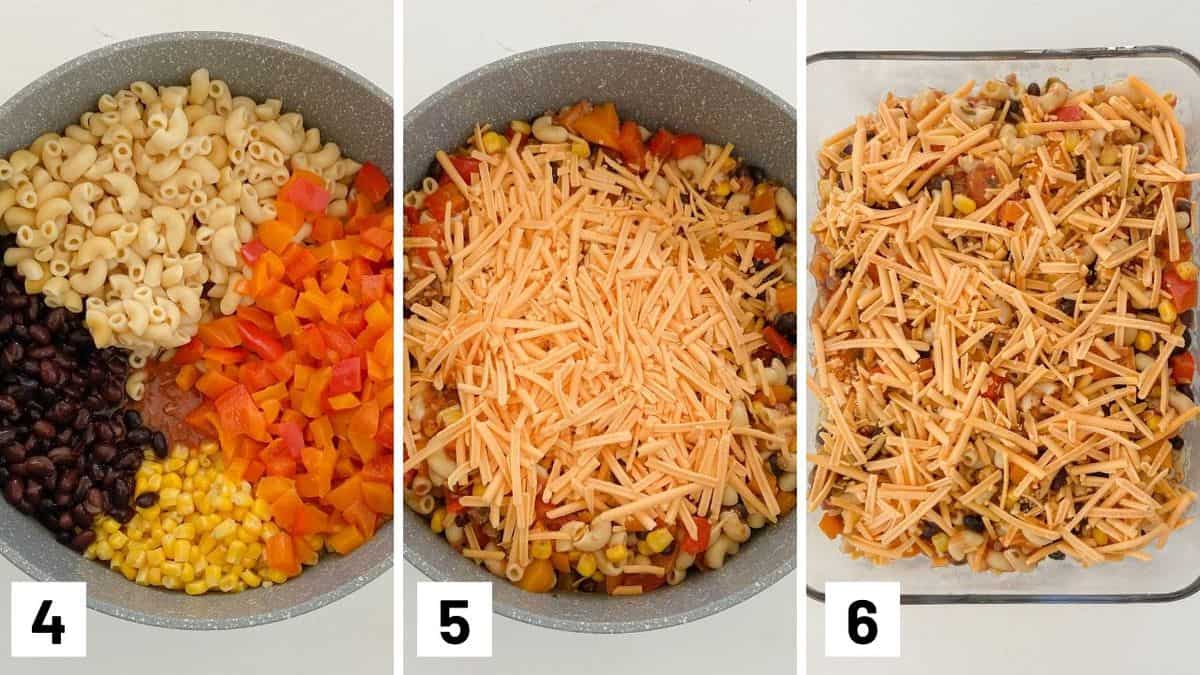
Set of three photos showing adding pasta, beans, corn to a pot, topping it with cheese, then transferring it to a baking dish.

Step 4: Add the black beans, cooked vegetables, cooked pasta and corn. Toss everything in the sauce.

Step 5: Mix half of the cheese into the mixture, then smooth out the top and add the rest of the cheese on top.

Step 6: Bake for 15 minutes until the cheese melts and bubbles. Serve the baked taco casserole with sliced avocado and enjoy.

Expert Tips

Don’t have any taco seasoning? You can make your own by mixing together mix together 1 tablespoon of chili powder with 1/4 teaspoon of garlic powder, onion powder, red pepper flakes, oregano, paprika, cumin, salt and pepper. Adjust to your liking.

The veggie round gives us plant-based protein plus the texture of meat. If you do not need this to be vegan, you can saute some ground beef beforehand to add in.

Some topping ideas that you’ll love is guacamole, avocado slices, cashew cream, more salsa, vegan sour cream, and tortilla chips.

Recipe FAQs

Can I use regular whole wheat pasta if we’re not gluten free?

Yes! There is nothing stopping you from using a regular pasta instead of the chickpea pasta that I love so much. I do prefer chickpea pasta in general simply because I love the extra protein and iron (great for little kids too), but hey, use whatever short cut pasta you want and this casserole will be MONEY.

Can this taco casserole recipe be made in advance and frozen as meal-prep?

Yes, and I often to make taco pasta casserole ahead of time as meal prep. You can let it cool a bit on the counter, then cover in foil and place in the freezer for up to 3 months. Ha, you will eat it before then.

What else can I add to this taco casserole recipe?

You can pack this casserole with as many veggies as you’d like! You can try some broccoli florets, cauliflower florets, peas, shaved carrots, chickpeas, jalapenos, and more!

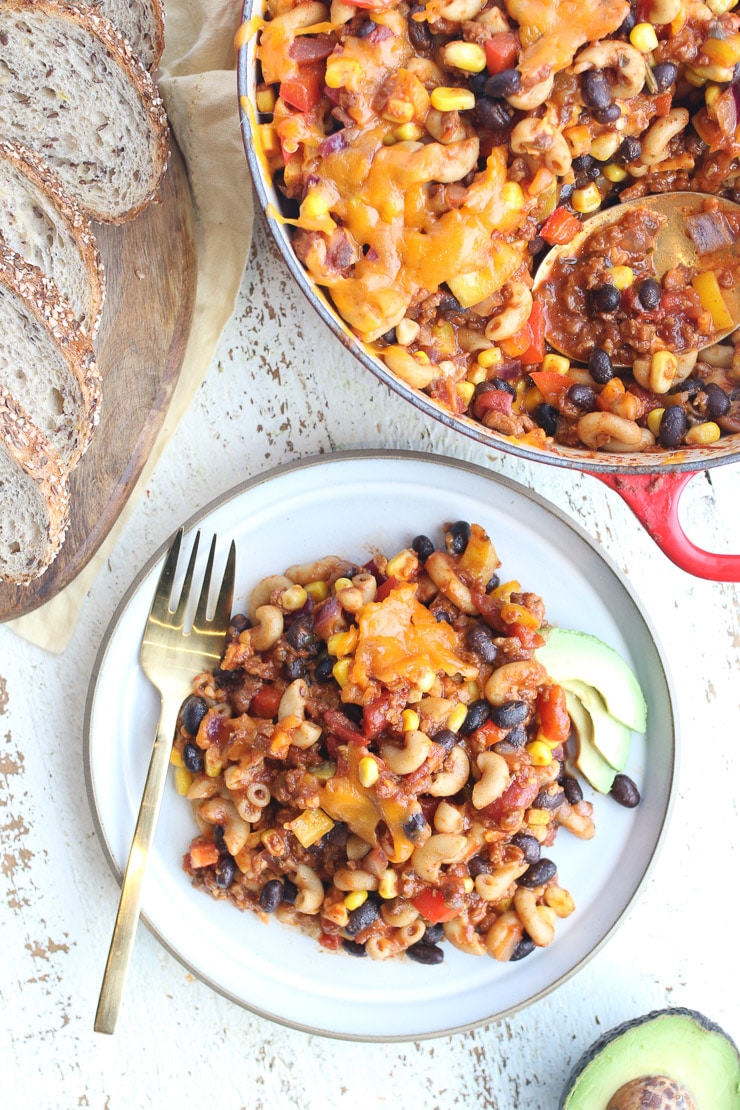
birds eye view of casserole on a white plate with a golden fork and remainder of casserole in a red pot in the background

More Recipes You Might Like

Want more casseroles like this easy vegan taco casserole recipe? Try these!

  • CABBAGE CHEESEBURGER CASSEROLE
  • CAJUN SAUSAGE AND CAULIFLOWER RICE CASSEROLE
  • CAULIFLOWER RICE CHICKEN AND BROCCOLI CASSEROLE
  • VEGAN MEXICAN PASTA CASSEROLE

What is your go-to family friendly casserole that’s also super healthy? Leave me a comment below and let’s share some inspiration!

Print Recipe
5 from 6 votes

Taco Casserole Recipe with Pasta (Vegan & Family Friendly)

This vegan taco casserole recipe with pasta is a high protein gluten free meal that is toddler approved and kid friendly! It's totally going to be come a staple in your family's routine! Even better, it's freezer friendly!
Prep Time5 minutes mins
Cook Time25 minutes mins
Total Time30 minutes mins
Course: Main Course
Cuisine: American
Servings: 6
Calories: 386kcal
Author: Abbey Sharp

Ingredients

  • 5 oz chickpea macaroni cooked according to box instructions
  • 1 tbsp extra virgin olive oil
  • 1 red bell pepper diced
  • 1 orange bell pepper diced
  • 1/2 red onion diced
  • 650 ml bottle of mild salsa
  • ¾ cup no salt added vegetable broth
  • 24 g packet low sodium taco seasoning
  • 1 x 340 g pack veggie ground meat cooked
  • 1 x 19 oz can no salt added black beans rinsed and drained
  • 340 ml can sweet corn drained and rinsed
  • 3 cups shredded vegan cheddar-like cheese or regular cheddar cheese, divided
  • Serve with sliced avocado

Instructions

  • Preheat oven to 400 F.
  • Add the olive oil to a cast-iron or oven proof pan, along with the onion, and bell peppers. Saute until softened, about 5 minutes. Transfer to a bowl or plate.
  • Return the pot to the heat over medium heat, and add the salsa, broth and taco seasoning. Allow to bubble slightly, then add in the soy meat. Break up into small pieces.
  • Add the black beans, cooked vegetables, cooked pasta and corn. Toss everything in the sauce.
  • Mix half of the cheese into the mixture, then smooth out the top and add the rest of the cheese on top. Bake for 15 minutes until the cheese melts and bubbles.
  • Serve with sliced avocado and enjoy.

Notes

  • Don’t have any taco seasoning? You can make your own by mixing together mix together 1 tablespoon of chili powder with 1/4 teaspoon of garlic powder, onion powder, red pepper flakes, oregano, paprika, cumin, salt and pepper. Adjust to your liking.
  • The veggie round gives us plant-based protein plus the texture of meat. If you do not need this to be vegan, you can saute some ground beef beforehand to add in.
  • Some topping ideas that you’ll love is guacamole, avocado slices, cashew cream, more salsa, vegan sour cream, and tortilla chips.

Nutrition

Calories: 386kcal | Carbohydrates: 50g | Protein: 13g | Fat: 17g | Saturated Fat: 5g | Sodium: 1361mg | Potassium: 555mg | Fiber: 10g | Sugar: 11g | Vitamin A: 1911IU | Vitamin C: 57mg | Calcium: 93mg | Iron: 4mg
Abbey Sharp

Abbey Sharp is a Registered Dietitian (RD), regulated by the Ontario College of Dietitians. She is a mom, YouTuber, Blogger, award winning cookbook author, media coach specializing in food and nutrition influencers, and a frequent contributor to national publications like Healthline and on national broadcast TV shows.
www.abbeyskitchen.com/about-abbey/

Last Updated February 24, 2024. Published March 1, 2024 By Abbey Sharp 6 Comments

Kimchi Fried Rice Recipe | Vegetarian, High Protein Dinner

This Kimchi Fried Rice recipe is a high protein, vegetarian dinner that is easy to whip up. Freezer and budget friendly!

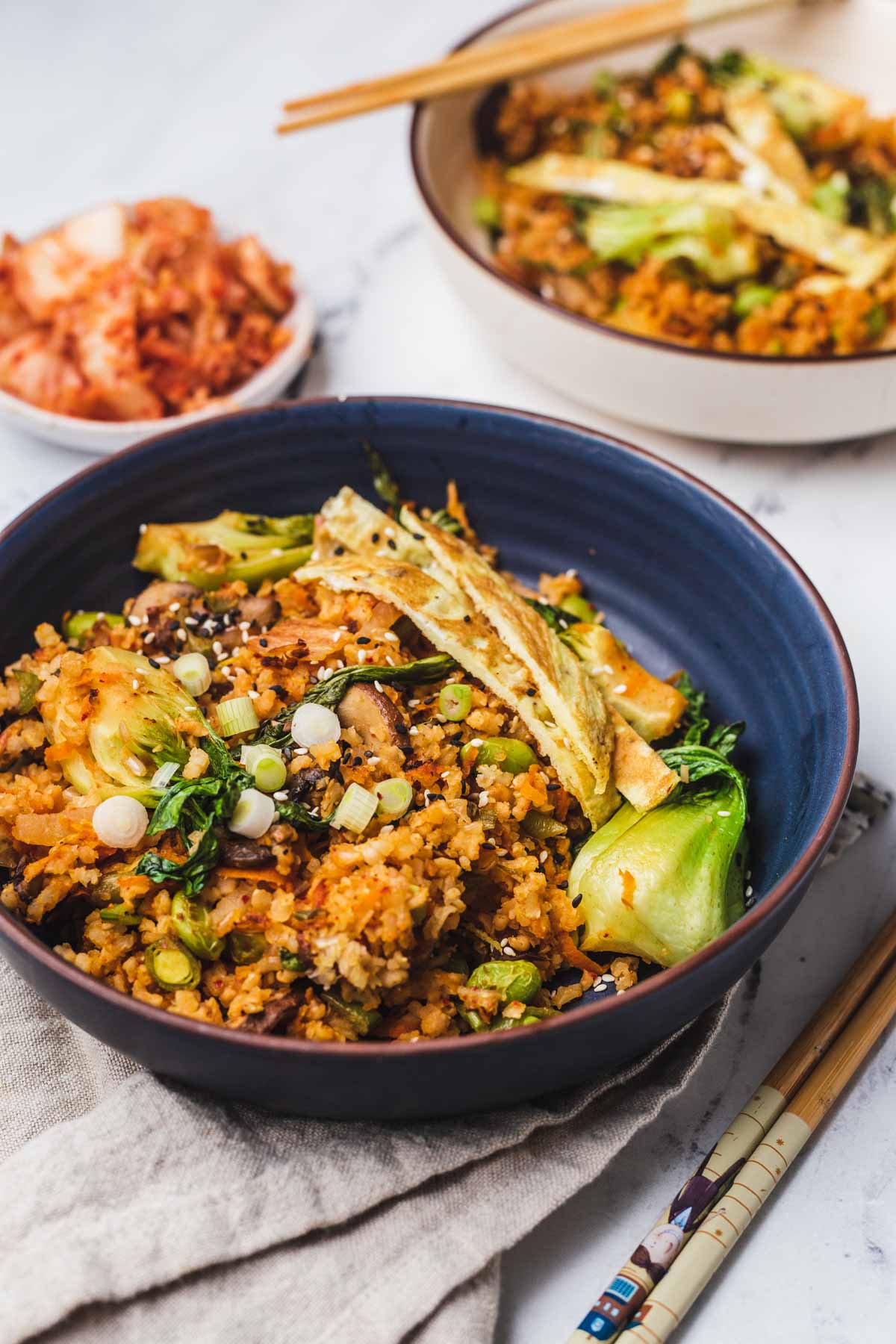
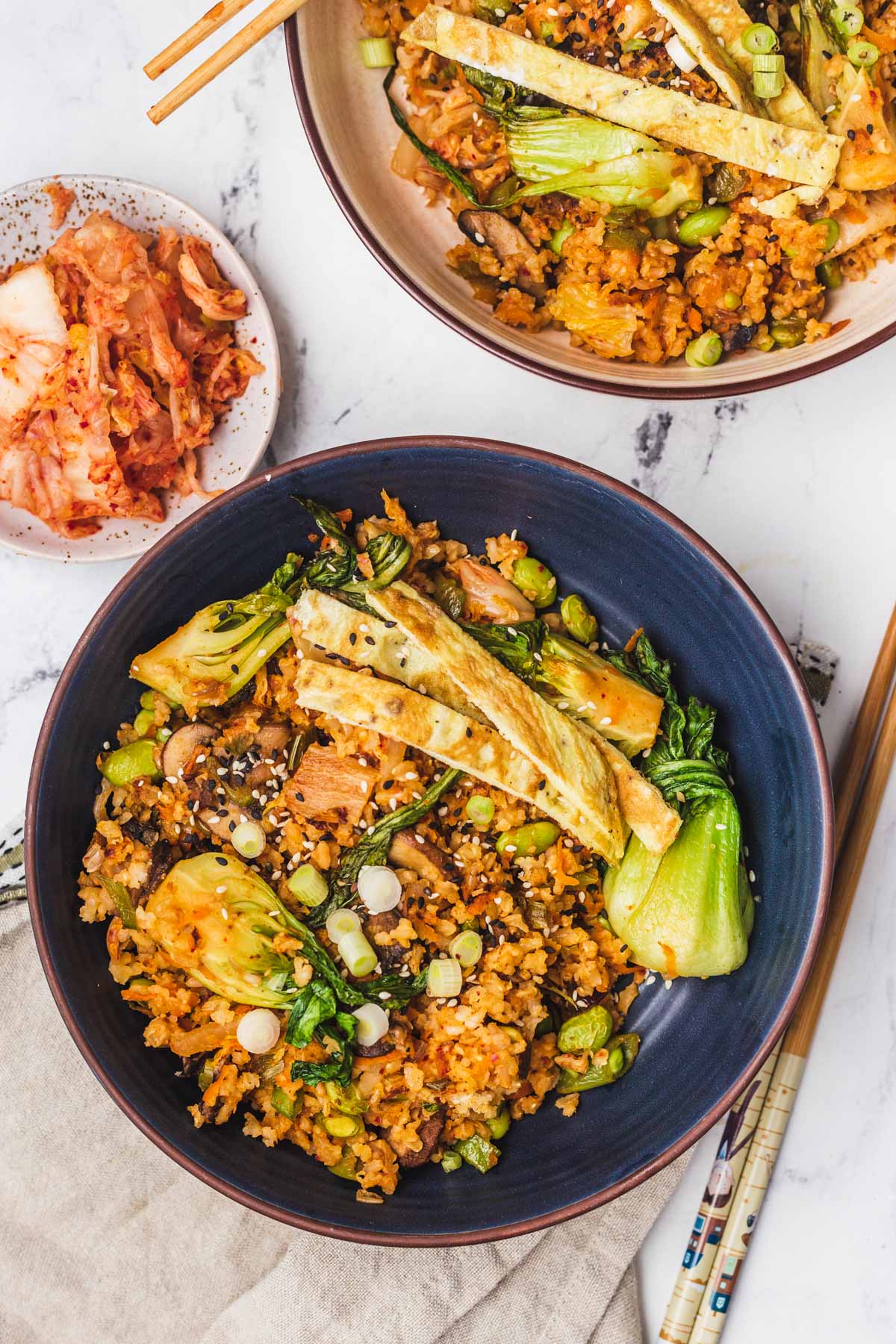
A close up of the kimchi fried rice recipe in a blue bowl topped with green onions and vegetables with kimchi and a second bowl in the background.

Fried rice dishes are one of my all time favourite quickie weekday meals, especially because you can make a big batch and freeze it for those busy days when you just can’t be bothered to prepare a meal from scratch. Lately, I have been looking for a good reason to repurpose the big jar of kimchi just sitting in my fridge so I thought – why not throw it into some fried rice? I’ve had some incredible authentic Korean kimchi fried rice in Toronto, and wanted to try making a recipe inspired by these tastes in my own kitchen. And alas, this vegetarian kimchi fried rice recipe was born!

Table of contents

  • Why This Recipe Works
  • Key Ingredients
  • How to Make This Recipe
  • Expert Tips
  • Recipe FAQs
  • More Recipes You Might Like

Why This Recipe Works

This dish is not only bursting with colourful veggies, but it’s also packed with all the flavour of a good ol’ fashioned fried rice. Here are a few more reasons why we are loving this recipe:

  • Protein packed (17 grams per serving)
  • High fiber (8 grams per serving)
  • Budget friendly 
  • Freezer friendly 
  • Loaded with veggies
  • Ready in 35 minutes or less!

Key Ingredients

A birds-eye shot of the ingredients used for the kimchi fried rice recipe including gochujang, eggs, kimchi, kimchi juice, long-grain brown rice, and vegetables including carrot, bok choy, mushroom, onion, snap pea, green onion, garlic and edamame.

Kimchi – Kimchi is an excellent source of probiotics, which helps to support our gut health. It’s also packed with vitamins, minerals, and antioxidants and gives this dish some major flavour. 

Long-grain brown rice – It ain’t fried rice without the star of the show – RICE. I like to lean towards long-grain rice over short-grain since it’s lighter, fluffier, and doesn’t stick together making it ideal for fried rice dishes.

Veggies – We loaded this kimchi fried rice recipe with all the veg including mushrooms, snap peas, shredded carrots, snap peas, green onion, and bok choy. But If you’re in a pinch, you can opt for some frozen veggies or use up whatever veggies you have left over in your fridge.

Spices – This recipe gets its delicious flavour profile by combining onions, garlic, ginger, soy sauce, kimchi juice, and one of my favourite condiments of all time, gochujang. Beware that gochujang can turn up the heat real quick so if you are sensitive to spice use very little or omit all together.

Eggs – It isn’t quite a fried rice dish without some egg to bind everything together. But it doesn’t stop there! For this recipe we like to take things up a notch by garnishing with a fried egg or sliced omelette.

How to Make This Recipe

A three-step process shot of the cooking steps for the fried rice dish featuring a large skillet with sautéed mushrooms, onions, shredded carrots, and bok choy on marble counter.

Step 1:  Heat a large cast-iron or non-stick skillet over medium-low heat. Add 1 tsp of oil to the pan and saute the onion for about 5 minutes until soft. Add garlic, ginger, and mushroom.

Step 2: In the same skillet, add snap peas, shredded carrot, and 1 tbsp of tamari. Cook for 3 minutes, or until the carrots are starting to soften and the rest of the veggies are warmed through and look vibrant.

Step 3: Add bok choy and cook until wilted, stirring occasionally. Add kimchi juice and kimchi to the pan and 1 tbsp of sesame oil and mix.

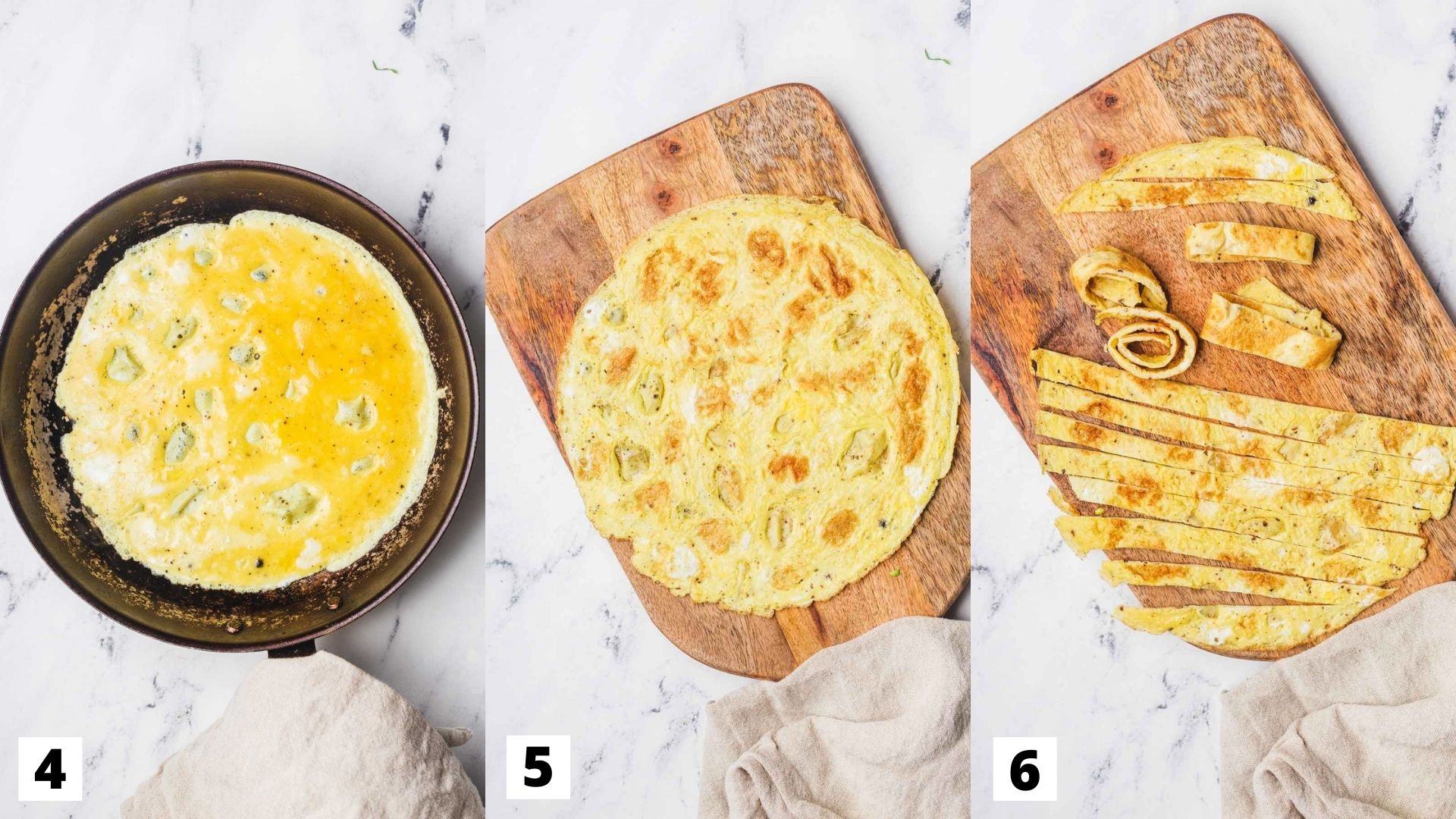
The next three step process shot of the cooking steps for the fried rice dish featuring a large skillet and fried egg on a marble counter.

Step 4: Add 2 eggs to a small bowl and mix until combined, slowly pour the egg into a large skillet so that it doesn’t scramble. Bring the outer cooked edge of the egg to the center of the pan, allowing the uncooked egg to fill the space. Leave to cook for 1-2 minutes being mindful not to let the egg stick and keeping it as one complete piece, like an omelet.

Step 5: When almost cooked through, carefully transfer the fried egg to a chopping board.

Step 6: With a sharp knife, slice the egg into 1cm lengths and rest. This will be our fancy garnish!

Expert Tips

As is the case with all fried rice recipes, this recipe works best with chilled day old rice than freshly cooked. However, if your hands are tied and you need to use fresh rice – no biggie. I recommend spreading the rice evenly out over a large plate or baking tray to allow it to cool so that it loses some moisture. 

As I mentioned before, this dish is super flexible and forgiving. So you are very welcome to add whatever veggies you have on hand, just be sure to cook your hard veggies first because they’ll need to be softened! You can even throw in any frozen veggies you’ve been storing.

Where the heck do you find kimchi juice? Kimchi juice isn’t some kind of mysterious Korean beverage, it’s actually just the juice in your kimchi jar. If you find there isn’t a lot of juice left or that your kimchi is running a little dry, you can add some water to your kimchi, shake it, and there you have it, kimchi juice! 

Recipe FAQs

Is this recipe freezer friendly?

Yup! Left-over fried rice can be kept in the fridge for 3-4 days and reheated in a pan or microwave. If you’ve instead decided to make a big batch and would like to keep it for longer, you can freeze it! Just be sure to let it cool completely and transfer it to a zip-top freezer bag. I recommend pressing out the air first before sealing it. You can freeze this dish for up to three months! When you decide to pull it out to eat, gently heat it until defrosted and hot.

Can this dish be made vegan-friendly?

You can transform this dish to be vegan-friendly by replacing the egg with tofu, which is another great source of protein. I recommend using extra-firm tofu for the crispiest results although you can probably get away with using firm tofu. Just know that regular, soft, and silken tofu will be far too watery to use in this recipe. Many kimchis also contain fish-based products, so look for a vegan one at the store.

If I use entirely frozen veggies will it make a difference? Will it get soggy?

It’s totally possible to make this dish using frozen veggies. To make sure they don’t come out soggy and to ensure that the dish doesn’t lose its quality I recommend that you DONT let them thaw before you cook them. They should go into your skillet straight from the freezer. Also, make sure that your stir-fry is on a medium-high setting (using a high setting will make a BIG difference and is the best way to avoid soggy veggies).

Can I use something else instead of brown rice? 

You can substitute the brown rice for a comparable amount of cauliflower rice, quinoa, bulgur, or any other grain of your choice.

A birds-eye view of the kimchi fried rice on two plates, one blue plate and one beige plate, and a separate bowl of kimchi on the side topped with fried egg, and sesame seeds.

More Recipes You Might Like

If you enjoyed this kimchi fried rice recipe, then you might also like these recipes on the blog!

  • Tofu Fried Rice Cups
  • Sheet Pan Stir Fry With Shrimp & Veggies
  • Zucchini Noodles Stir Fry With Hoisin Asian Pork Tenderloin
  • Cabbage Roll In A Bowl (Vegan & Gluten Free)

Have you tried any kimchi fried rice recipes? What other ways to you like to integrate kimchi into your meals? Let me know down in the comments below!

Print Recipe
4.60 from 5 votes

Vegetarian Kimchi Fried Rice

This dish is a high protein dinner meal that is easy to whip up in a flash and is freezer and budget friendly!
Prep Time20 minutes mins
Cook Time15 minutes mins
Total Time35 minutes mins
Course: Dinner, Lunch
Cuisine: Asian
Diet: Vegetarian
Servings: 4
Calories: 506kcal
Author: Abbey Sharp

Ingredients

  • 1 cup long grain brown rice
  • 2 tsp Ginger minced
  • 2 tsp Garlic minced
  • Small onion chopped
  • 1 cup Mushroom chopped
  • 1 cup snap peas
  • 1 cup of shredded carrot
  • 1 tbsp soy sauce or tamari
  • 2 cups Bokchoy chopped
  • 1 tbsp Kimchi juice
  • 1/2 cup Kimchi
  • 2 eggs
  • 1 cup Edamame
  • 1 tbsp Gochujang
  • 1 tbsp Sesame oil

Garnish

  • Green onion
  • Nori sheets
  • Sesame seeds
  • Cashews
  • Fried egg

Instructions

  • Cook rice according to instructions (for best results use rice that has been cooked the day before).
  • Add 1 tbsp of oil to pan and sautee onion until soft (3-5 mins). Add garlic and ginger and sautee for another 2 minutes until fragrant.
  • Add mushroom, snap peas, shredded carrot, tamari, and Gochujang. Sautee until vibrant (3 minutes)
  • Add bok choy and cook until wilted. Then add kimchi juice and kimchi to pan plus 1 tbsp of sesame oil and combine.
  • Add 2 eggs to a small bowl and mix until combined. Slowly add to pan, mixing while pouring so that it doesn’t scramble.
  • Turn off the heat, and add edamame and rice. Stir everything together until well combined.
  • Top with green onion, nori, cashews, sesame seed, and a fried egg.

Nutrition

Calories: 506kcal | Carbohydrates: 87g | Protein: 17g | Fat: 11g | Saturated Fat: 2g | Polyunsaturated Fat: 4g | Monounsaturated Fat: 4g | Trans Fat: 1g | Cholesterol: 82mg | Sodium: 233mg | Potassium: 801mg | Fiber: 8g | Sugar: 7g | Vitamin A: 7303IU | Vitamin C: 38mg | Calcium: 128mg | Iron: 4mg

Abbey Sharp

Abbey Sharp is a Registered Dietitian (RD), regulated by the Ontario College of Dietitians. She is a mom, YouTuber, Blogger, award winning cookbook author, media coach specializing in food and nutrition influencers, and a frequent contributor to national publications like Healthline and on national broadcast TV shows.
www.abbeyskitchen.com/about-abbey/

Last Updated February 24, 2024. Published February 26, 2024 By Abbey Sharp 8 Comments

Nutella Stuffed Pancakes | Vegan & High Protein!

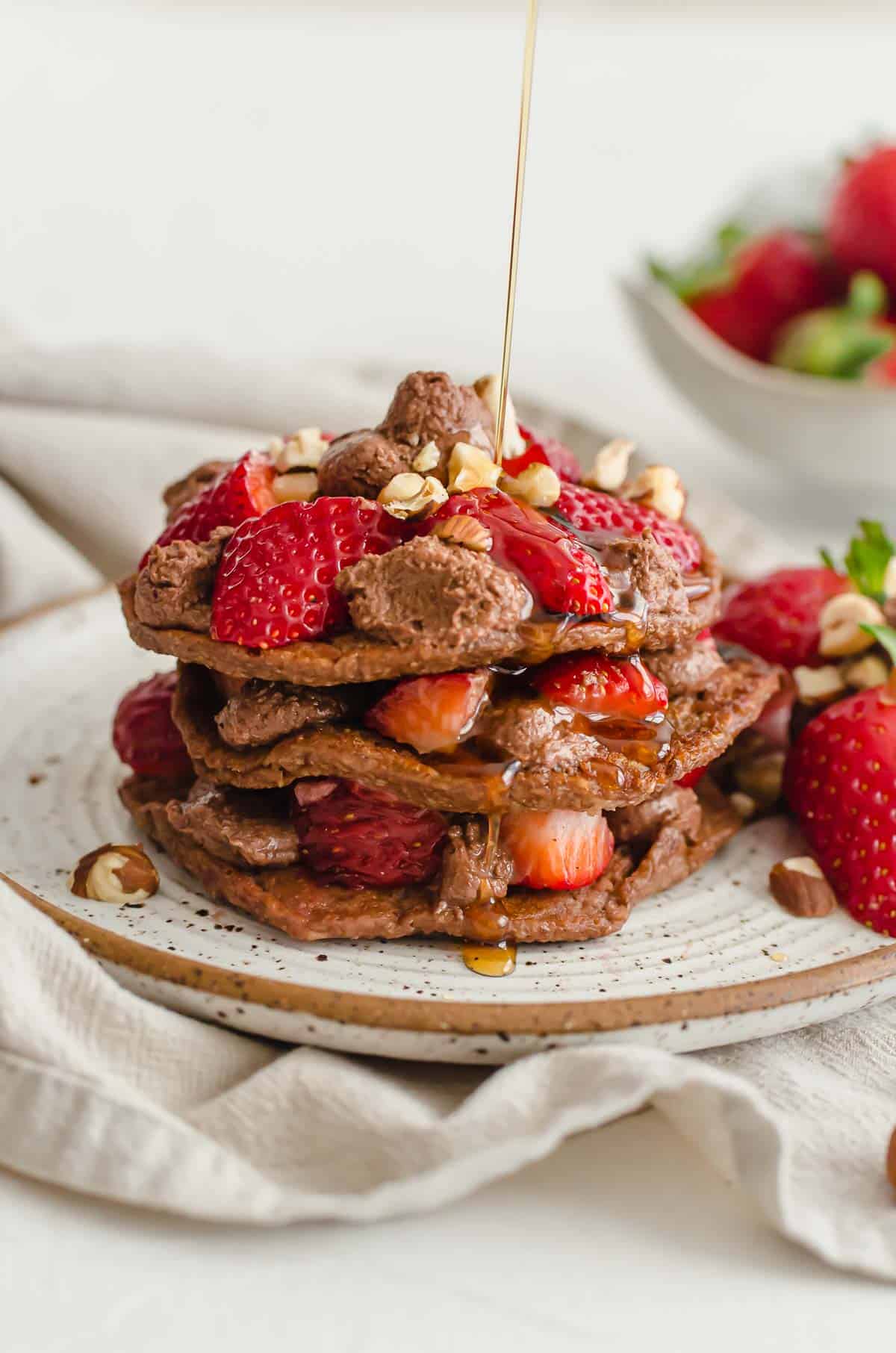
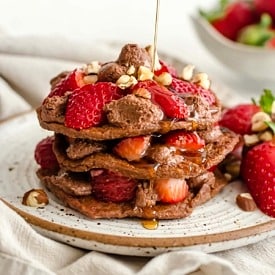
A stack of nutella pancakes with strawberries and syrup being drizzled on.

These high protein Nutella Stuffed Pancakes make a healthy breakfast that is plant-based and gluten-free! Perfect for weekend brunch.

A stack of nutella stuffed pancakes with strawberries and syrup being drizzled on.

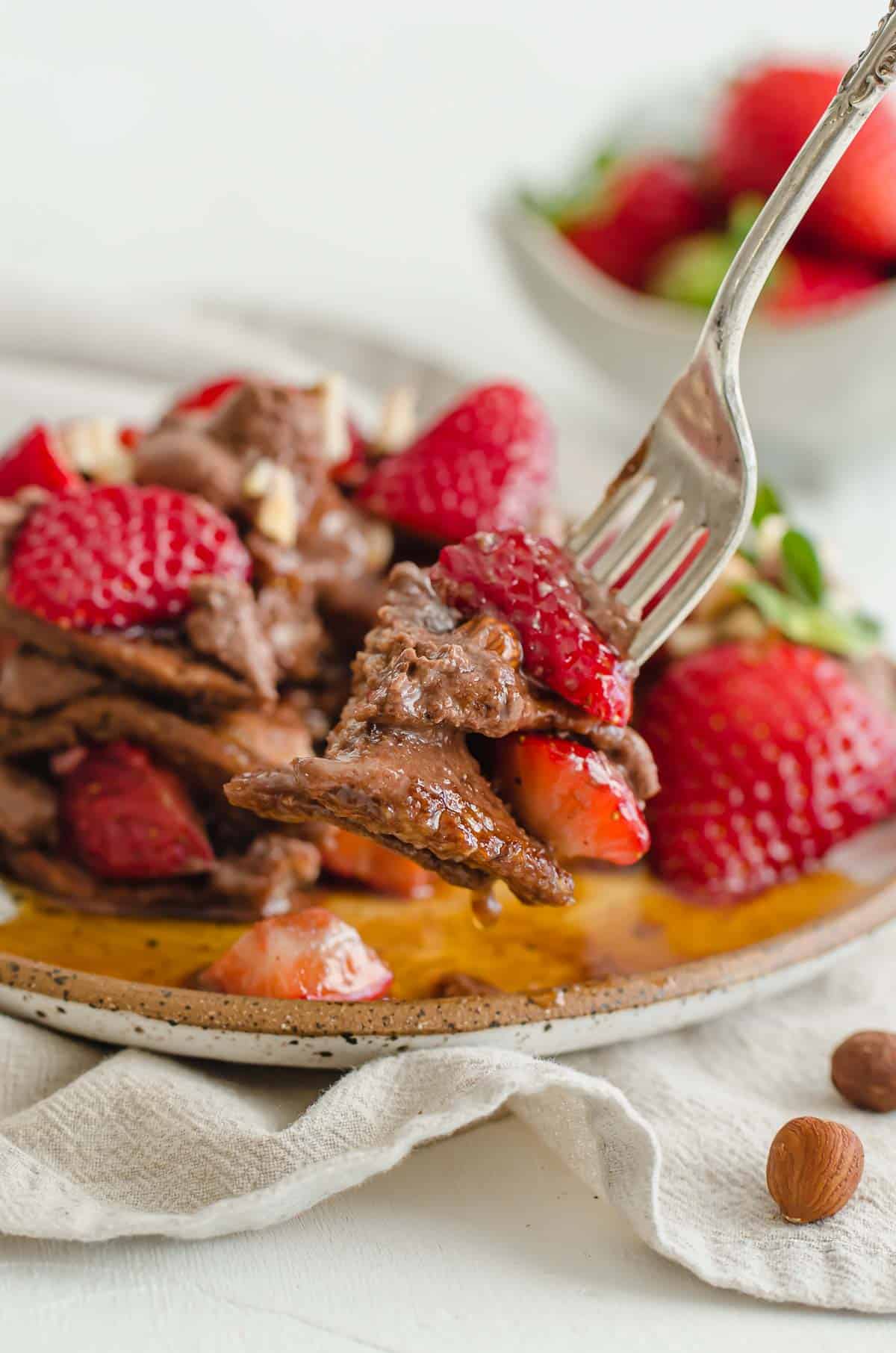
You guys know I love creating protein pancake recipes like my chocolate cherry protein pancakes. My kids have been going through a MAJOR Nutella phase, so I was feeling pretty inspired in the kitchen. These Nutella stuffed pancakes are amazing for weekend breakfasts, brunch, or Valentine’s Day if it’s that time of the year. But honestly, you’ll find me eating these Nutella stuffed pancakes all year round.

Table of contents

  • Why This Recipe Works
  • Key Ingredients
  • How to Make This Recipe
  • Expert Tips
  • Recipe FAQs
  • More Recipes You Might Like

Why This Recipe Works

You really can’t go wrong with Nutella. We make our own Nutella from scratch to keep this recipe vegan and you would not believe just how easy that is to do. But don’t worry, you can always use store-bought Nutella if you are not vegan.

The homemade Nutella mousse that uses our from-scratch Nutella that goes inside of these pancakes are SO good. You will be shocked at just how quickly and easily you cane make it that you’re going to want to make it on its own for other recipes!

Despite being vegan and gluten free, these Nutella stuffed pancakes are so soft and fluffy on the inside. When you bite into them, you won’t even notice that they’re plant-based and gluten-free.

I love these pancakes because they are obviously super indulgent feeling but they will keep you satiated for HOURS thanks to the combination of fibre, protein, and good fats.

Key Ingredients

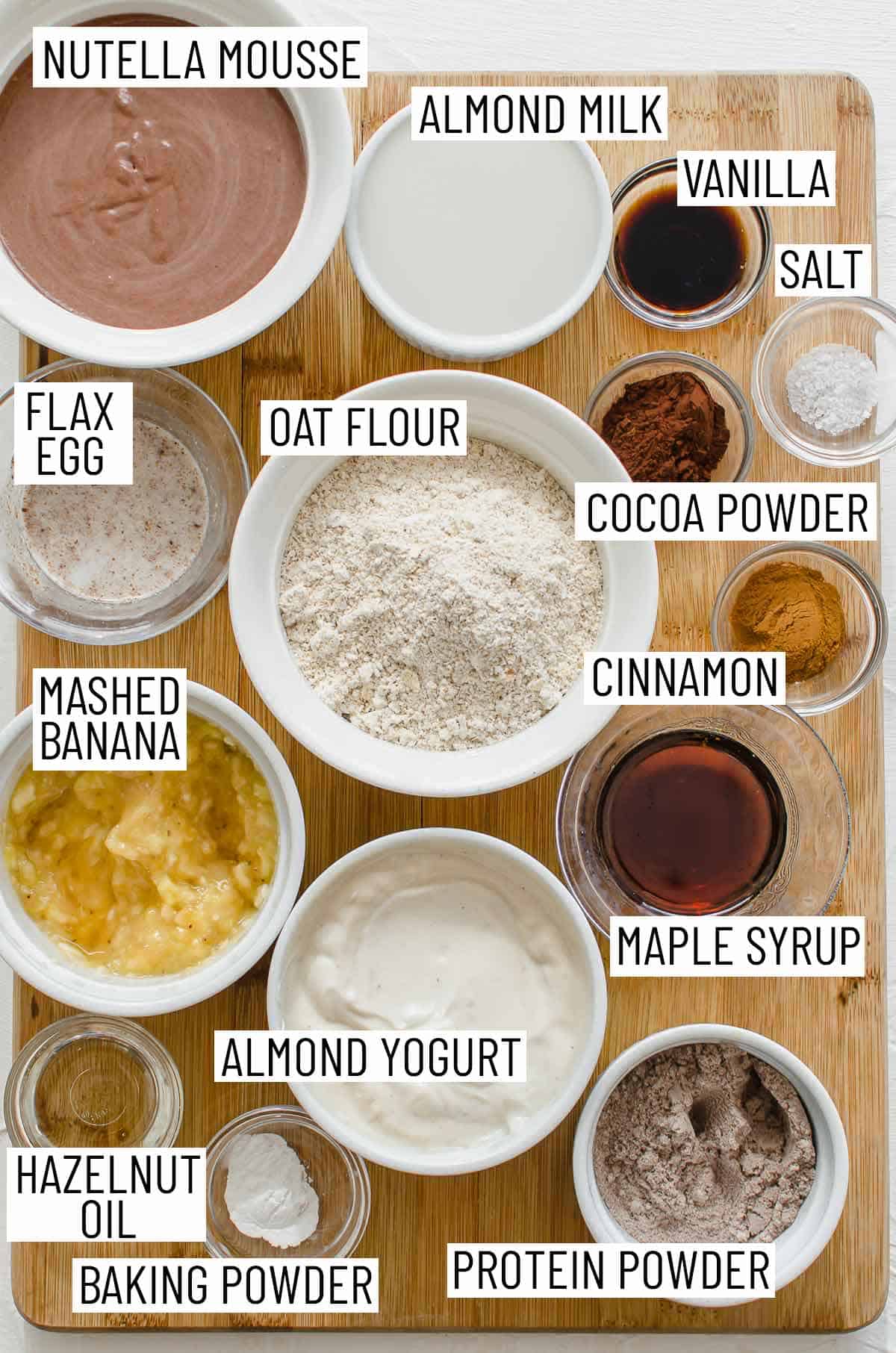
Overhead image of ingredients needed to make pancakes: mousse, almond milk, vanilla, salt, cocoa powder, cinnamon, oat flour, flax egg, mashed banana, maple syrup, almond yogurt, hazelnut oil, baking powder, and protein powder.

Nutella Mousse — To make the mousse, you’ll need toasted and chopped hazelnuts, coconut oil, unsweetened cocoa powder, coconut sugar, salt, and cream from 2 cans of coconut milk.

Oat Flour — We make out own oat flour by blending up whole rolled oats. Easy peasy! You can also buy gluten free oat flour on its own instead of making your own.

Protein Powder — I use a chocolate vegan protein powde to give these pancakes a protein and chocolate boost.

Almond Milk, Almond Yogurt, Flax Egg — To keep our Nutella stuffed pancakes vegan friendly, these are the swaps that we are working with! Plus flax eggs add extra omega 3s, fibre and protein to these pancakes.

Flavour Boosters — We use hazelnut oil, vanilla, salt, cocoa powder, cinnamon, and maple syrup to make these pancakes even more flavourful.

How to Make This Recipe

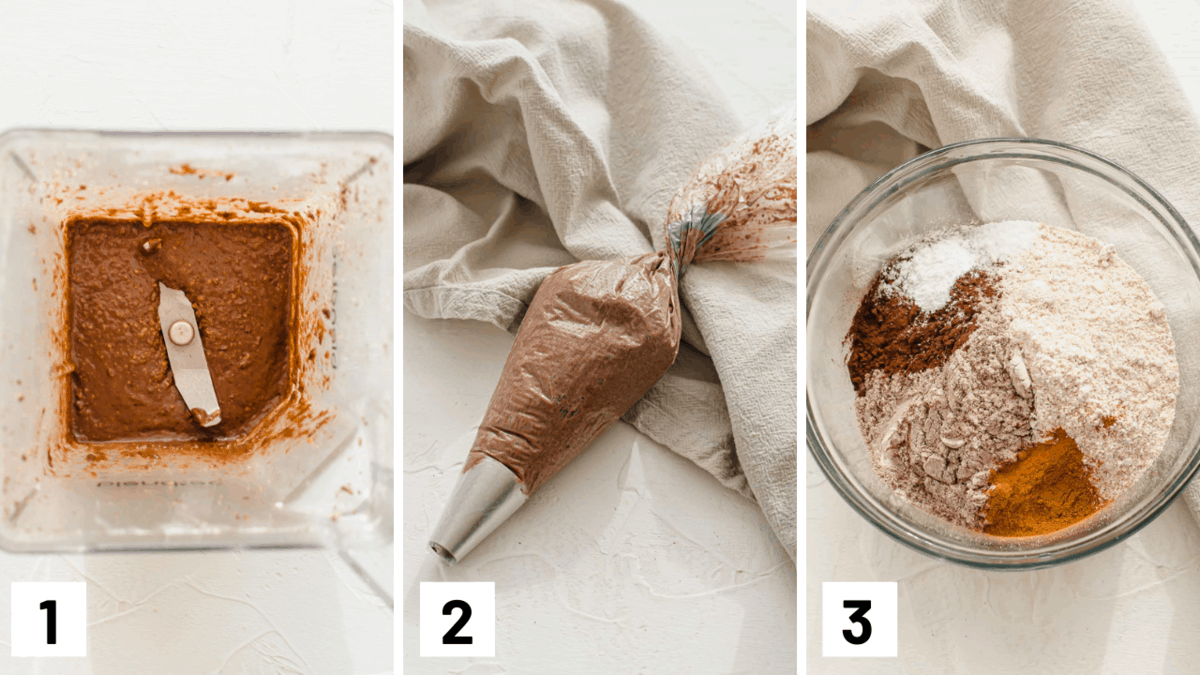
A set of three images showing mouse being made, a piping bag, and a mixing bowl with dry ingredients.

Step 1: In a high speed blender, puree the hazelnuts with the coconut oil, cocoa powder, sugar, and salt until very smooth. Transfer to a bowl.

Step 2: In the blender, puree the coconut cream with the nutella. Transfer to a piping bag. This will be the “stuffing” for the Nutella stuffed pancakes.

Step 3: Mix together the oat flour, cinnamon, protein powder, cocoa powder, baking powder, and salt in one bowl.

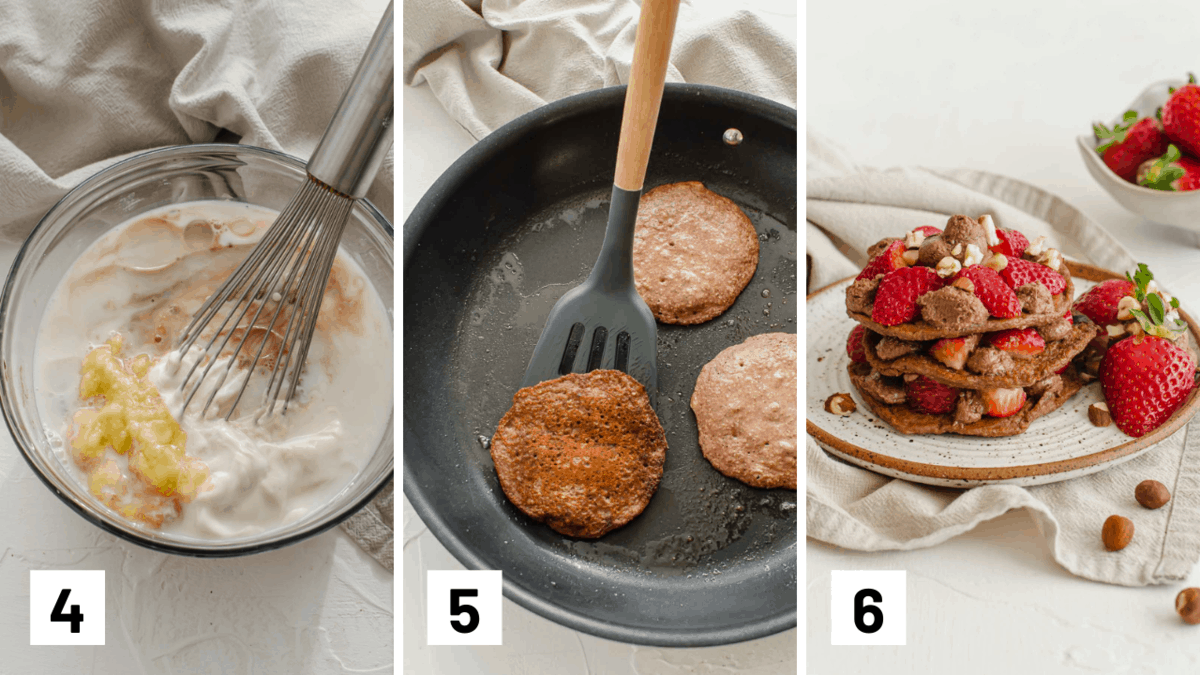
A set of three photos of pancake batter being made, pancakes on a skillet, and then a stack of three nutella stuffed pancakes.

Step 4: In another bowl, mix the vanilla, yogurt, almond milk flax egg, banana, maple syrup and hazelnut oil, if using. Add the wet to the dry and mix until combined.

Step 5: Heat some coconut oil onto a nonstick skillet or griddle over medium heat and add 1/4 cup of batter to the pan. Cook until golden brown, then flip to the other side. Repeat with the remaining pancakes, keeping any finished pancakes warm in a 150 F oven if desired.

Step 6: To serve, layer the pancakes with the Nutella mousse and strawberries and top with maple syrup and hazelnut crumbles, if desired. Enjoy the Nutella stuffed pancakes immediately.

Expert Tips

To make a flax seed, mix one tablespoon ground flaxseed meal with two to three tablespoons of water or almond milk. Mix them together before letting it sit in the fridge for 15 minutes to thicken up.

Since we are using oat four in this recipe instead of regular flour to keep it gluten free, it tends to yield a thicker batter. For this reason, you won’t get the same bubbling effect to indicate when the pancake is ready to be flipped. So instead, look for browning around the edges of the pancakes to indicate flipping time.

While oats are naturally gluten-free, if you are making this for someone with celiac, be sure to make sure the oats were processed in a facility that is gluten-free as there could be cross-contamination. You can also get certified gluten-free oat flour if you prefer for this Nutella stuffed pancake recipe.

If you don’t have a piping bag on hand, simply use a Ziploc bag or sandwich bag instead. Fill up a bag and then cut the tip off the bottom corners to create a small opening and then using it like a piping bag.

Recipe FAQs

How long do these Nutella stuffed pancakes keep in the fridge?

These pancakes last around 2-3 days in the fridge. Avoid pipping the Nutella in-between the pancakes until you’re ready to serve.

Can I freeze these pancakes?

The pancakes are definitely freezer friendly. I would avoid freezing the mousse. To freeze the pancakes, simply place them in a freezer safe bag for an easy grab and go breakfast. Pancakes last for 3 months in the freezer.

What can I use instead of protein powder?

If you don’t want to use protein powder, you can add 1/4 cup of hemp seed to the dry batter to make up for the protein. Hemp seeds provides 13 grams of protein. You can also substitute the almond milk for soy milk, which provides around 7 grams of protein per cup compared to almond milk, which only provides 1 gram of protein. Be sure to add an extra tablespoon of cocoa powder so you don’t miss out on the chocolate flavour.

What else can I top my pancakes with?

You can use other berries such as raspberries or blueberries. You can also top with other chopped nuts. If serving to kids, sprinkles make a great addition to the pancakes!

Can I use regular Nutella?

You can use regular Nutella if you do not need the recipe to be vegan. You can also use whipped cream instead of coconut cream, and it will be equally amazing.

A fork with taking a bite of Nutella stuffed pancakes.

More Recipes You Might Like

Want more delicious protein pancakes recipes to make at home? Try these ones!

  • Baby Cereal Protein Pancakes
  • Matcha Rainbow Protein Pancakes
  • Chocolate Cherry Protein Pancakes
  • Chocolate Peanut Butter Protein Pancakes
  • Sheet Pan Protein Pancakes

So lovelies, have you tried making my Nutella Stuffed Pancakes? Leave me a comment below with your thoughts!

A stack of nutella pancakes with strawberries and syrup being drizzled on.
Print Recipe
5 from 3 votes

Nutella Stuffed Pancakes (Vegan & High Protein)

These Nutella Stuffed Pancakes make a delicious and healthy gluten free breakfast recipe for a plant-based breakfast in bed! Perfect for Valentine's Day or any other special occasion.
Prep Time25 minutes mins
Cook Time10 minutes mins
Total Time35 minutes mins
Course: Breakfast
Cuisine: American
Servings: 6 people
Calories: 736kcal
Author: Abbey Sharp

Ingredients

Nutella Mousse:

  • 1 cup hazelnuts toasted and chopped
  • 2 tbsp coconut oil
  • ¾ tbsp unsweetened cocoa powder
  • 2 tbsp coconut sugar
  • Pinch salt
  • Cream from 2 cans of coconut milk

Protein Pancakes

  • 1½ cups gluten free oats pureed into a flour
  • 1  tsp cinnamon
  • ¼ cup vegan chocolate protein powder
  • 1 tbsp unsweetened cocoa powder
  • ½ tsp baking powder
  • Pinch salt
  • 1 tsp pure vanilla extract
  • 1 cup plain almond yogurt
  • ⅔ cup unsweetened vanilla almond milk
  • 1 prepared flax egg 1 tbsp ground flax with 2 tbsp unsweetened almond milk
  • 1 medium ripe banana mashed
  • 3 tbsp maple syrup
  • 1 tbsp hazelnut oil optional
  • Coconut oil for cooking

For serving:

  • 2 cups strawberries sliced
  • ¼ cup chopped toasted hazelnuts
  • maple syrup to taste

Instructions

  • In a high speed blender, puree the hazelnuts with the coconut oil, cocoa powder, sugar, and salt until very smooth.  Transfer to a bowl.
  • In the blender, puree the coconut cream with the nutella. Transfer to a piping bag.
  • Mix together the oat flour, cinnamon, protein powder, cocoa powder, baking powder, and salt in one bowl. In another bowl, mix the vanilla, yogurt, almond milk flax egg, banana, maple syrup, and hazelnut oil, if using. Add the wet to the dry and mix until combined.
  • Heat some coconut oil onto a nonstick skillet or griddle over medium heat and add 1/4 cup of batter to the pan. Cook until golden brown, then flip to the other side. Repeat with the remaining pancakes, keeping any finished pancakes warm in a 150 F oven if desired.
  • To serve, layer the pancakes with the nutella mousse and strawberries and top with maple syrup and hazelnut crumbles, if desired.

Notes

  • To make a flax seed, mix one tablespoon ground flaxseed meal with two to three tablespoons of water or almond milk. Mix them together before letting it sit in the fridge for 15 minutes to thicken up.
  • Since we are using oat four in this recipe instead of regular flour to keep it gluten free, it tends to yield a thicker batter. For this reason, you won’t get the same bubbling effect to indicate when the pancake is ready to be flipped. So instead, look for browning around the edges of the pancakes to indicate flipping time.
  • While oats are naturally gluten-free, if you are making this for someone with celiac, be sure to make sure the oats were processed in a facility that is gluten-free as there could be cross-contamination.
  • If you don’t have a piping bag on hand, simply use a Ziploc bag or sandwich bag instead. Fill up a bag and then cut the tip off the bottom corners to create a small opening and then using it like a piping bag.

Nutrition

Calories: 736kcal | Carbohydrates: 72g | Protein: 26g | Fat: 42g | Saturated Fat: 8g | Sodium: 163mg | Potassium: 811mg | Fiber: 13g | Sugar: 17g | Vitamin A: 15IU | Vitamin C: 38mg | Calcium: 236mg | Iron: 6.9mg
Abbey Sharp

Abbey Sharp is a Registered Dietitian (RD), regulated by the Ontario College of Dietitians. She is a mom, YouTuber, Blogger, award winning cookbook author, media coach specializing in food and nutrition influencers, and a frequent contributor to national publications like Healthline and on national broadcast TV shows.
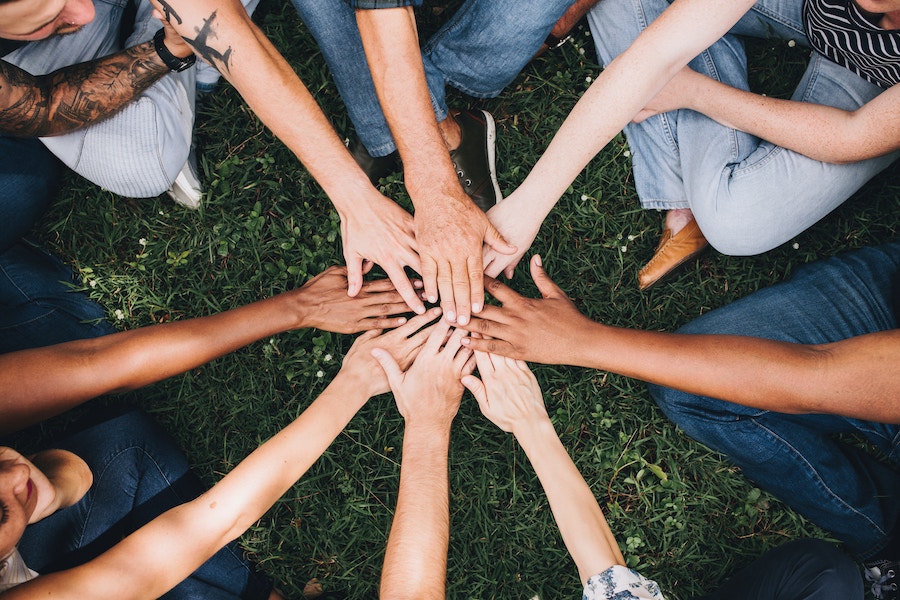
www.abbeyskitchen.com/about-abbey/

Last Updated February 22, 2024. Published February 23, 2024 By Abbey Sharp Leave a Comment

PB&J Whoopie Pie Recipe | Fun, Kid Friendly Dessert!

This Peanut Butter & Jelly Vegan Whoopie Pie Recipe is going to become an instant classic. My version is higher in protein, lower in fat and 100% plant based.

Pile of whoppies pies on a pink plate.

Whoopie pies are one of those super fun childhood treats that I rarely find in bakeries, but when I do I am all over that goodness. Likewise, anything peanut butter and jelly flavoured is my jam (see what I did there). That’s where the inspiration for this vegan whoopie pie recipe came from – I wanted to combine my two childhood faves into one epic dessert and make it totally plant based.

Table of contents

  • Why This Recipe Works
  • Key Ingredients
  • How To Make This Recipe
  • Expert Tips
  • Recipe FAQs
  • More Recipes You Might Like

Why This Recipe Works

Aside from having a super cute name, whoopie pies are two soft chocolate cakes filled with vanilla buttercream frosting and marshmallow fluff. One day I was thinking to myself …. Why not make a PB&J version? Peanut butter and jelly is LIFE! I wanted to switch things up and I also love the way that powdered PB performs to lighten up cakes without adding more sugar or fat. I also love this whoopie pie recipe because it’s

  • Kid-approved, is also a great way to help get the kids involved in the kitchen!
  • Higher in protein compared to traditional whoopie pies
  • 100% vegan
  • SO delicious!!!

Key Ingredients

Powdered peanut butter: I love baking with powdered PB because it’s lower in fat and higher in protein then liquid peanut butter so it can replace some of the flour in recipes and yield a lighter fluffier cake. It also adds a ton of powerful peanut-y flavour without messing up the texture or adding moisture. I usually buy PB2 brand.

Ground Flax: This is to help create our vegan flax egg! It surprises so many people how easy it is to make a vegan egg out of ground flax. Simply combine 1 tablespoon of ground flax with 2 tablespoons of water then refrigerate for 30 minutes.

Chia Jam (check out my recipe here): This is to make the “jelly” component in this whoopie pie recipe! It’s so refreshing and in my opinion much better than store-bought jelly or jam!

Vegan Cream Cheese: Blending the cream cheese with the powdered peanut butter makes the yummiest and creamiest peanut butter for this recipe.

Pile of whoppie pies with peanut butter filling served on a white plate.

How To Make This Recipe

Step 1: In a small bowl, mix together the soy milk and lemon. Set in fridge for an hour. Meanwhile, make the flax egg by combining 1 tablespoon of ground flax with two tablespoons of water. Refrigerate for 30 minutes.

Step 2: Preheat oven to 350 F and lightly grease your whoopie pie pan.

Step 3: In a bowl, whisk together the flour, powdered peanut butter, baking soda, powder, and salt.

Step 4: In another bowl, cream together the butter with brown sugar. Add in the flax egg, and vanilla.

Step 5: Mix the wet ingredients with the dry and slowly add in the vegan buttermilk.

Step 6: Add about 2 tbsp of batter to each whoopie pie mold and bake for 10 minutes. Allow to fully cool while you continue with another batch.

Step 7: Meanwhile, beat together the cream cheese, powdered peanut butter and sugar, to taste. Transfer to a piping bag and pipe onto the flat side of half of the whoopie pie cakes. Add some chia jam into the centre and sandwich with another whoopie pie cake. Enjoy!

Expert Tips

In order to make the perfect whoopie pie shape, make sure to purchase one of these baking pans (I personally like silicone the best). Don’t have one on hand? You can also totally just use a silpat on a baking sheet and pour 2 tablespoon circles of batter an inch apart.

Whoppie pies served on plate.

Recipe FAQs

How important is it to make vegan buttermilk?

The buttermilk in this recipe is key to getting a nice tender texture. You can make your own vegan buttermilk by mixing together soy milk with lemon juice.

How do you make a flax egg?

To make a vegan flax egg just mix 1 tablespoon of ground flax with two tablespoons of water. Let sit in the fridge for 30 minutes to thicken. You can also use chia seeds instead!

Where can I get your recipe for chia jam?

This chia jam is one of the most popular recipes on my blog for a reason- it’s so good. I make this chia jam for peanut butter and jelly sandwiches all the time and it’s amazing in the filling for these vegan whoopie pies. I am partial to cherry or raspberry jam with PB, but use whatever you like!

More Recipes You Might Like

Looking for more kid approved dessert recipes like this whoopie pie recipe? Check out some of my favorites live on the blog!

  • PEANUT BUTTER AND JELLY COOKIES
  • BEST PEANUT BUTTER COOKIE RECIPE
  • COOKIE CUPS (WITH HEALTHY VEGAN CHOCOLATE MOUSSE)
  • EASY NO BAKE CHEESECAKE CUPS WITH NUTELLA

I would love to hear about some of your favourite nostalgic childhood treats and foods that you would like veganized! Did you eat whoopie pies growing up? Leave me a comment below with your thoughts!

Whoppie pies served on plate.
Print Recipe
5 from 1 vote

PB&J Whoopie Pie Recipe | Fun, Kid Friendly Dessert!

This Peanut Butter & Jelly Vegan Whoopie Pie Recipe is going to become an instant classic. My version is higher in protein, lower in fat and 100% plant based.
Prep Time1 hour hr
Cook Time10 minutes mins
Total Time1 hour hr 10 minutes mins
Course: Dessert
Cuisine: American
Servings: 14 – 16 pies
Calories: 247kcal
Author: Abbey Sharp

Ingredients

  • 1 cup soy milk
  • 2 tbsp lemon juice
  • 1 tbsp ground flax
  • 2 tbsp water
  • 2 cups whole wheat flour
  • 6 tbsp PB 2
  • 1 ¼ tsp baking soda
  • ½ tsp baking powder
  • ½ tsp salt
  • ½ cup vegan butter softened
  • 1 cup light brown sugar
  • 1 ½ tsp vanilla
  • Filling:
  • 1 cup vegan cream cheese
  • 1/4 cup powdered PB
  • 2 tbsp brown sugar
  • Cherry chia jam

Instructions

  • In a small bowl, mix together the soy milk and lemon. Set in fridge for an hour.
  • Meanwhile make the flax egg by combining 1 tablespoon of ground flax with two tablespoons of water. Refrigerate for 30 minutes.
  • Preheat oven to 350 F and lightly grease your whoopie pie pan.
  • In a bowl, whisk together the flour, powdered peanut butter, baking soda, powder, and salt.
  • In another bowl, cream together the butter with brown sugar. Add in the flax egg, and vanilla.
  • Mix the wet ingredients with the dry and slowly add in the vegan buttermilk.
  • Add about 2 tbsp of batter to each whoopie pie mold and bake for 10 minutes. Allow to fully cool while you continue with another batch.
  • Meanwhile, beat together the cream cheese, powdered peanut butter and sugar, to taste. Transfer to a piping bag and pipe onto the flat side of half of the whoopie pie cakes. Add some chia jam into the centre and sandwich with another whoopie pie cake. Enjoy!

Nutrition

Calories: 247kcal | Carbohydrates: 34g | Protein: 6g | Fat: 11g | Saturated Fat: 3g | Cholesterol: 1mg | Sodium: 343mg | Potassium: 125mg | Fiber: 4g | Sugar: 18g | Vitamin A: 392IU | Vitamin C: 2mg | Calcium: 65mg | Iron: 1mg
Abbey Sharp

Abbey Sharp is a Registered Dietitian (RD), regulated by the Ontario College of Dietitians. She is a mom, YouTuber, Blogger, award winning cookbook author, media coach specializing in food and nutrition influencers, and a frequent contributor to national publications like Healthline and on national broadcast TV shows.
www.abbeyskitchen.com/about-abbey/

Last Updated April 21, 2024. Published February 21, 2024 By Abbey Sharp Leave a Comment

Dietitian Debunks Health and Wellness Trends | AG1, Greens Powders and Oats

Glass mug of AG1 greens next to kale, limes and other green produce.

I’m getting real and sharing 2 big health and wellness trends you can ignore: Can greens powders like AG1 replace vegetables? Are oats toxic for blood sugar? Let’s look at the science.

Glass mug of AG1 greens as a health and wellness trend, next to kale, limes and other green produce.

TikTok and Instagram are FULL of wellness influencers making crazy claims that get millions of views. As a dietitian content creator myself, I often get asked if these health and wellness trends are true or just myths you should ignore. In part 1 of this series, I talked about if diet coke causes cancer, the Dirty Dozen, and if six packs are healthy for women. Definitely make sure you check that out!

Today we’ll be making even more wellness influencers mad by spilling the tea on everyone’s favourite greens powder, AG1, and discussing if oats are truly toxic.

Can AG1 Replace Vegetables?

Basket of green vegetables.

Greens powders are a huge health and wellness trend that I’ve already talked extensively about here, but the TLDR is that I don’t see anything wrong with greens powders, although some may be better than others. But at least as they appear on the market today, they are not a 1-for-1 replacement for veggies.

Vegetables are not just a combination of vitamins and minerals, they’re one of the best source of dietary fibre. The average American only eats around 15 grams of fibre per day, which is only about half of the recommended intake. If anything, fibre should be the focus of eating your greens, not the 467% of your vitamin C in AG1 which you’re just going to pee out anyway.

Interestingly, a lot of the influencers promote brands like AG1 and Bloom Greens as being great for bloating. But if you legitimately suffer from bloating and have a sensitive gut, a lot of the ingredients in these powders are just going to make it worse: ingredients like inulin fibre, chicory root, and fructooligosaccharides to name a few.

Now, there’s a lot of great stuff in these too, don’t get me wrong. But since these beneficial ingredients are bundled up in big proprietary blends, we have zero clue how much you’re actually getting.  Most of the functional ingredients listed on labels have clinical doses of 1-10 grams each, and since a scoop of powder is generally in the 10-15 gram range, it’s highly unlikely you’re getting clinically relevant doses of most of the ingredients. In short, the amount in the greens powder is likely not the amount that research associates with health benefits

On the other hand, you also could hypothetically be getting a dangerously high amount of an ingredient for you. Theses are just things keep in mind if you want to know exactly what you’re taking.

Bottom line, I don’t think there’s anything wrong with taking AG1. With that being said, they are more of a powdered multivitamin with flavour, not a replacement for actual fibre-rich vegetables.

The Truth About Oats

Recently, hating on oatmeal has been a huge health and wellness trend, namely thanks to a lot of carnivore or paleo influencers on the podcast circuit. As a big oatmeal girly, I’m rolling my eyes. Let’s set a few things straight here. 

Are Oats Bad for Blood Sugar?

Birds eye of bowl of oats.

First, oats are not bad for your blood sugar like the carnivore clan insists. How do I know that this is a health myth you can ignore? There’s a large body of research that says so. For example, this meta-analysis and systematic review of the literature found that oats were beneficial for blood glucose control. Oats were shown to significantly reduced A1C, fasting glucose, total cholesterol, LDL cholesterol, acute postprandial glucose and insulin responses.

Now, the type of oats will matter when it comes to satiety and how long they hold you. Instant oats are blitzed into smaller pieces and will cause the greatest spike and fall, while minimally processed steel cut oats will maintain blood glucose levels longer.

What you pair with oats will also impact blood sugar. Just like I teach in my Hunger Crushing Combo, adding protein and fat effectively lowers the blood sugar curve. This is why I love my protein oats, because they keep me full and satisfied all morning. Other items you can add to your oats stabilize your blood sugar are nuts, seeds, high fiber berries, hemp hearts, flax, protein powder, and milk.

Are Oats Full of Pesticides?

Next, let’s talk glyphosate: the “big bad”pesticide that everyone seems to be scared of. To start, the hysteria around glyphosate is based on independent opinions by the Environmental Working Group (EWG), which is pretty well understood to be a dubious source in the science community. But let’s put their findings into context.

The United State’s Environmental Protection Agency’s (EPA) tolerable limit for glyphosate is 30 ppm. The EWG found that the worst oat offender contained up to 2800 ppb, aka 2.8 ppm. Based on the official EPA standards, you would have to consume over 10 servings of conventionally grown oats a day to reach that amount. As much as I love oats, I wouldn’t recommend eating that much in a day and I doubt your stomach would like that either.

Now, of course, the EWG claims the limit should be much lower, which is a totally fair belief. But just like their funding sources, they’re not super transparent whose opinions and science are backing up these benchmarks.

That said, if you’re still concerned because you or your kids eat a lot of oatmeal like mine do, then consider organic and/or stretch your portion by adding in all of those blood sugar balancing ingredients I just shared. You definitely should not give up your oats. My family’s go-to oats are ⅔ oats, ⅓ hemp hearts, a ripe banana, a scoop of peanut butter, a little butter, protein-rich milk, berries, and some sprinkles for fun. Obviously.

Hopefully now you understand why these claims are health and wellness trends you can ignore. Nutrition and eating well can be confusing as hell when influencers make such convincing arguments, but the research is pretty clear. So eat your oats, your vegetables, and AG1 if you truly love it.

Bowl of tofu protein oatmeal.

More Blog Posts You Might Like

Want more evidence-based nutrition reading? Check these out next!

  • Greens Powders | Are They Good For You?
  • My Daily Nutrition Recommendations that Wellness Influencers Don’t Want You to Know
  • Are Cheat Days OK? The Truth About Cheat Days and Weight Loss
  • Vitamin Infusions | Is Vitamin IV Therapy the Key to Good Health?

Now lovelies, what are your thoughts on these viral nutrition claims? Let me know what health and wellness trends I should debunk next!

Abbey Sharp

Abbey Sharp is a Registered Dietitian (RD), regulated by the Ontario College of Dietitians. She is a mom, YouTuber, Blogger, award winning cookbook author, media coach specializing in food and nutrition influencers, and a frequent contributor to national publications like Healthline and on national broadcast TV shows.
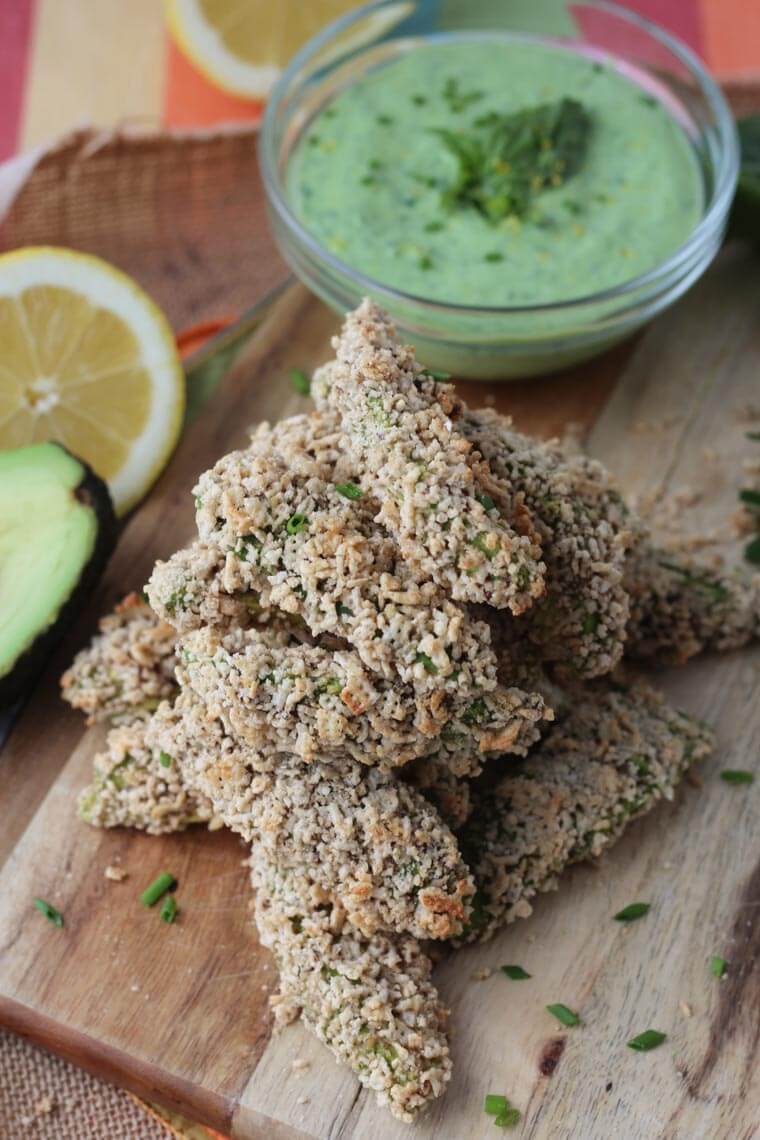
www.abbeyskitchen.com/about-abbey/
  • Previous Page
  • Go to page 1
  • Interim pages omitted …
  • Go to page 8
  • Go to page 9
  • Go to page 10
  • Go to page 11
  • Go to page 12
  • Interim pages omitted …
  • Go to page 89
  • Next Page

Get started with

Eight Free Recipe Books

From the co-founder of Neue Theory and creator of the Hunger Crushing Combo

Sign me up!
Abbey smiling at table
Abbey Sharp

“Foods may never be nutritionally equal. But we can make them morally equal by recognizing that our worth is never determined by what's on our plate.”

— Abbey Sharp, RD About Abbey ◥

Books

  • HCC™
  • Mindful Glow
  • Free E-Books

Blog

  • Nutrition
  • Recipes
  • Motherhood
  • Life

Explore

  • Neue Theory™
  • Bite Back
  • YouTube

Abbey

  • About
  • Coaching
YouTube TikTok Instagram Facebook X Pinterest
Abbey Sharp - The No BS Dietitian From Abbeys Kitchen

© Abbey's Kitchen 2026  All Rights Reserved •  ACCESSIBILITY STATEMENT •  Privacy Policy

This site uses cookies. By continuing to browse the site, you are agreeing to the use of cookies Accept Privacy Policy
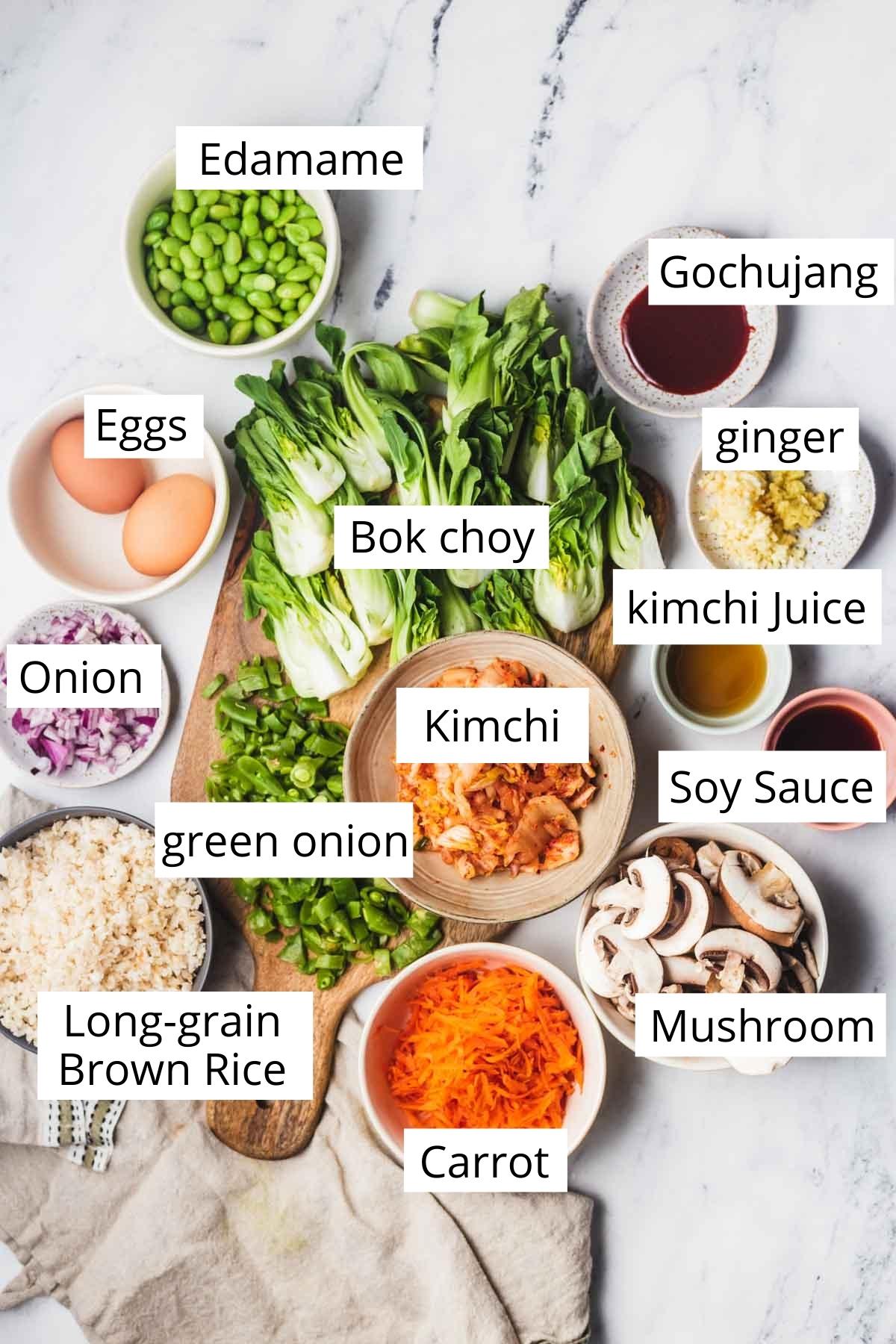
Privacy & Cookies Policy

Privacy Overview

This website uses cookies to improve your experience while you navigate through the website. Out of these, the cookies that are categorized as necessary are stored on your browser as they are essential for the working of basic functionalities of the website. We also use third-party cookies that help us analyze and understand how you use this website. These cookies will be stored in your browser only with your consent. You also have the option to opt-out of these cookies. But opting out of some of these cookies may affect your browsing experience.
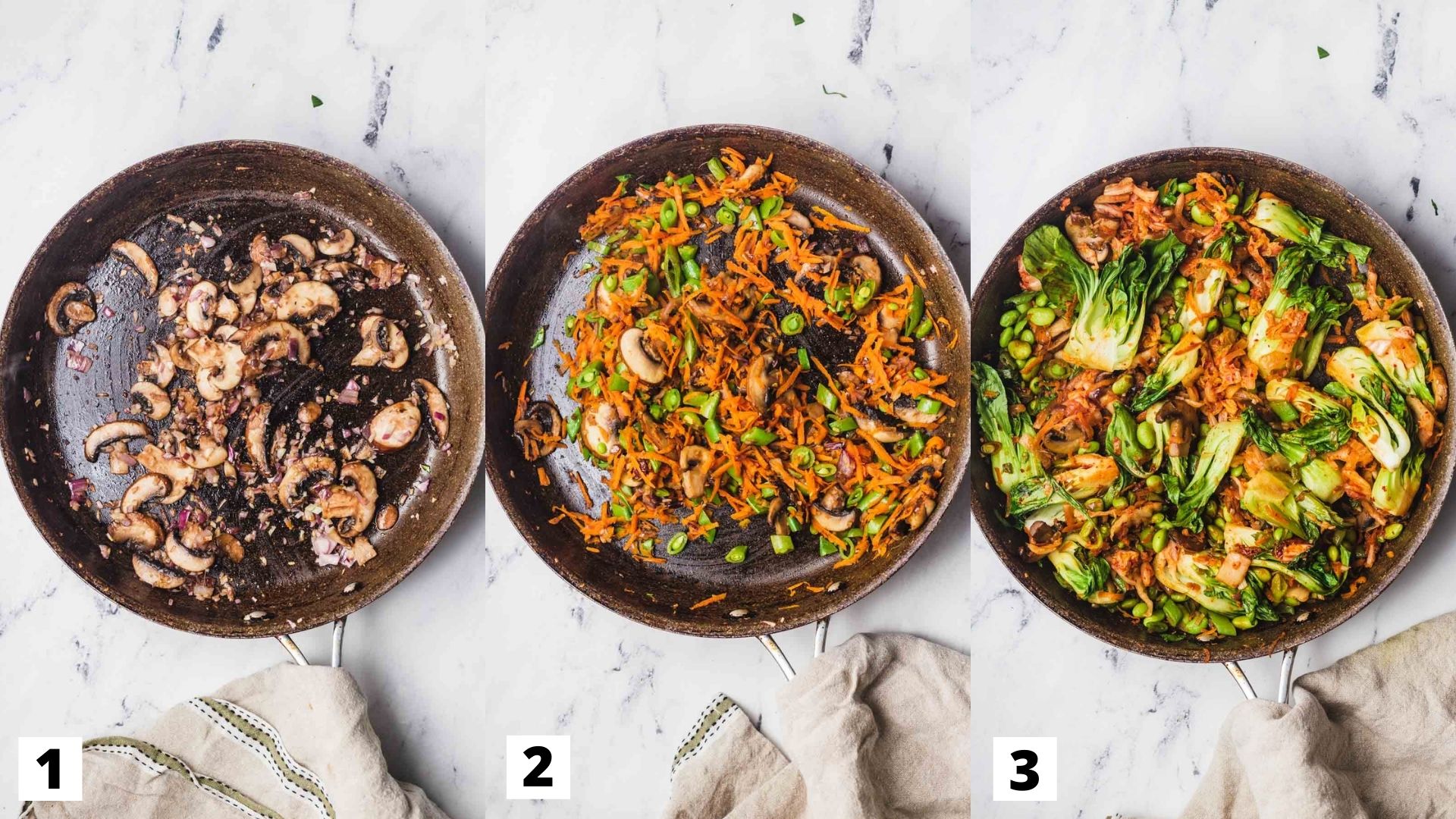
Necessary
Always Enabled
Necessary cookies are absolutely essential for the website to function properly. This category only includes cookies that ensures basic functionalities and security features of the website. These cookies do not store any personal information.
Non-necessary
Any cookies that may not be particularly necessary for the website to function and is used specifically to collect user personal data via analytics, ads, other embedded contents are termed as non-necessary cookies. It is mandatory to procure user consent prior to running these cookies on your website.
SAVE & ACCEPT

Rate This Recipe

Your vote:


A rating is required
A name is required
An email is required