• Skip to main content

Abbey's Kitchen

Healthy Recipes, Nutrition Myth Busting, Healthy Eating Tips

  • Books
    • HCC™
    • The Mindful Glow Cookbook
    • Recipe eBooks
      • Family
      • Hypothyroidism
      • BLW
      • Vegan Week 1
      • Vegan Week 2
      • Vegan Week 3
      • Keto
      • Gluten Free Week 1
      • Gluten Free Week 2
      • Fitness
      • Paleo
  • Blog
    • Nutrition
    • Recipes
    • Motherhood
    • Life
  • Explore
    • Neue Theory™
    • Bite Back With Abbey Sharp
      • Apple Music
      • Spotify
      • Amazon Music
    • YouTube
  • Abbey
    • About
    • Coaching
    • Contact

Abbey Sharp

Last Updated February 18, 2024. Published February 19, 2024 By Abbey Sharp 1 Comment

Sweet Kale Salad Recipe with Squash and Candied Hazelnuts

This sweet kale salad recipe with squash & candied hazelnuts is the perfect blend of sweet, salty, and tangy flavour! It is as flavourful as it is beautiful and makes for the perfect vegetarian lunch meal.
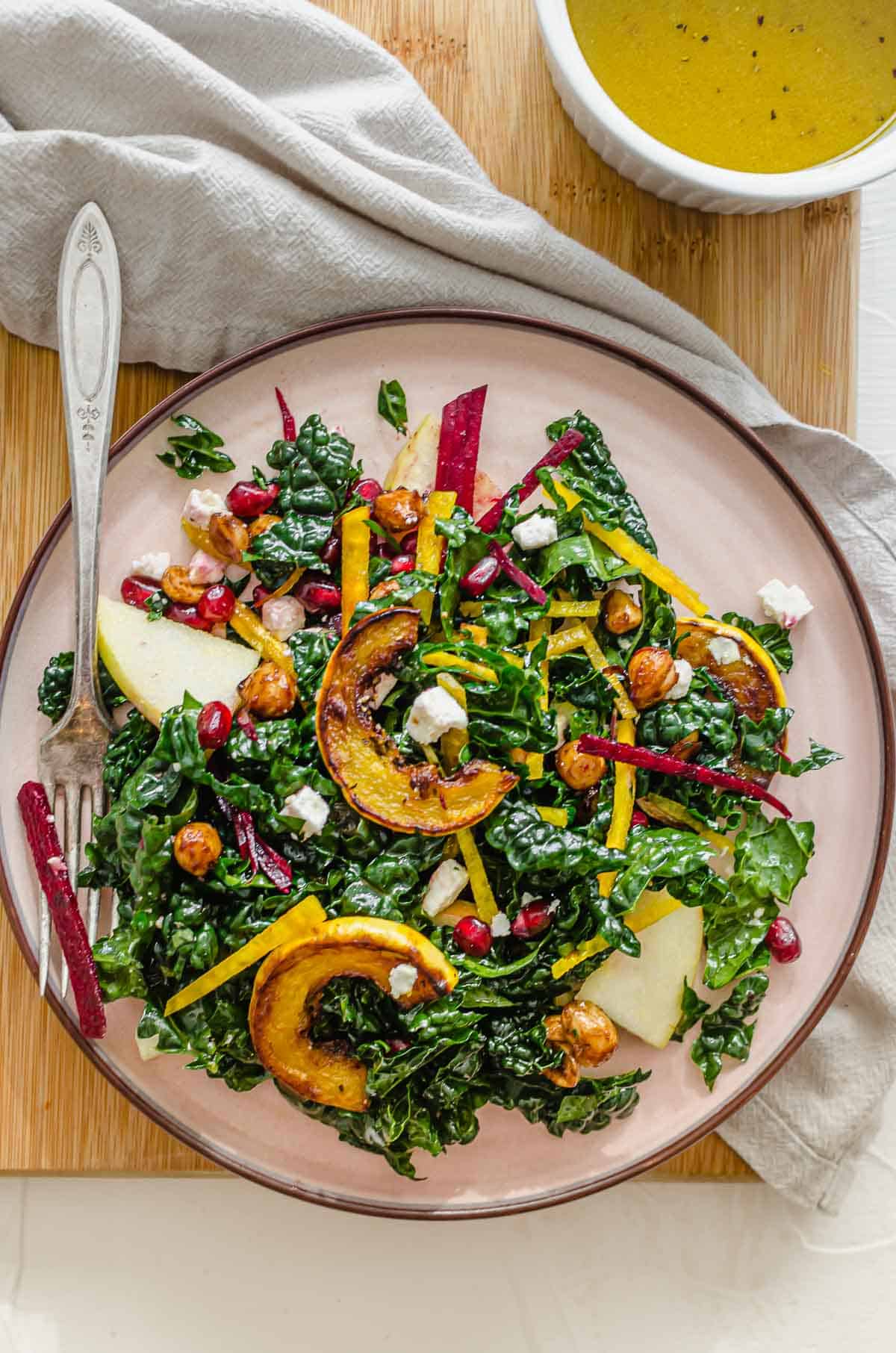
Birds eye view of sweet kale salad in a pink plate with a fork and extra dressing on the side.

You know the saying “we eat with our eyes“? Truer words could not be used to describe this beautiful salad that I am about to throw your way. So if you love a flavourful salad that has the perfect blend of sweet, salty, and tangy, then I am about to make all your salad dreams come true!

This sweet kale salad recipe with squash and candied hazelnuts feels like a fancy-shmancy salad that you could only get at a good restaurant. So I am going to help you bring restaurant quality meals right into the comfort of your own home and this sweet kale salad is perfect for exactly that!

Table of contents

  • Why This Recipe Works
  • Key Ingredients
  • How to Make This Recipe
  • Expert Tips
  • Recipe FAQs
  • More Recipes You Might Like

Why This Recipe Works

Besides being a perfect meal or side dish for date night – this salad is amazing in more ways than one! Here are a few more reasons why we are loving this recipe.

  • Gluten Free
  • Vegetarian
  • High protein
  • High fibre
  • Loaded with sweet & salty flavour!

Key Ingredients
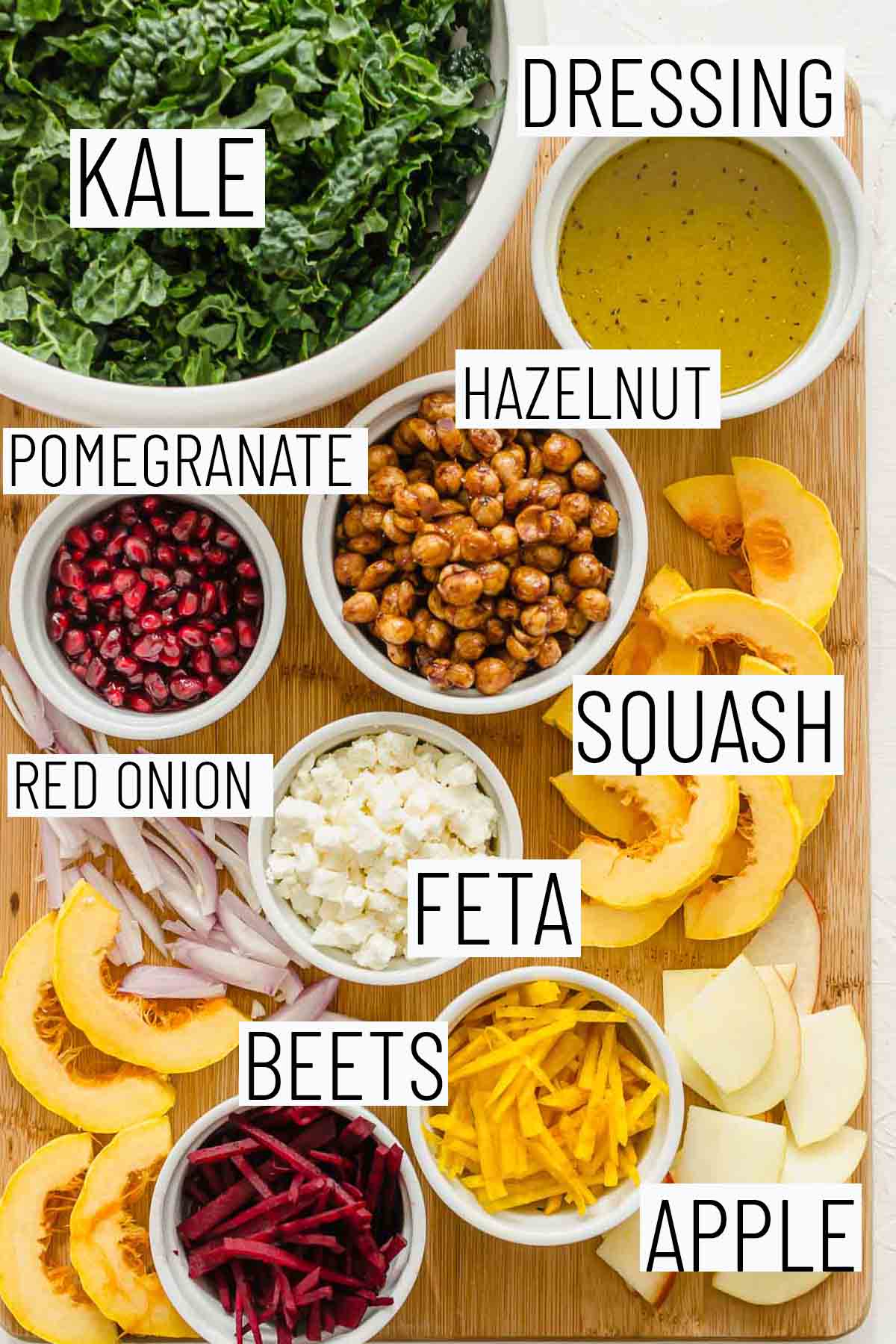
Flat lay image of recipe ingredients including kale, squash, beets, apple, red onion, pomegranate arils, hazelnut, and salad dressing.

Kale – For this recipe, we like to use Cavolo Nero or Dinosaur kale but realistically any kale will work! To ensure that this salad is extra delicious and has the perfect texture, we recommend massaging the dressing into the kale to help soften its tough fibers.

Squash – We use delicata squash for this recipe because what is a winter salad without some winter squash? Plus, even just thinking about roasted delicata squash makes my mouth water so you know we had to add it into this salad. If delicata squash isn’t in season for you, then you can substitute for butternut squash or summer squash.

Beets – Like we said, we eat with our eyes, and beets play a huge role in that! It doesn’t really matter whether you use golden, candy cane, or red beets for this sweet kale salad recipe – as long as it looks like you’re eating a literal rainbow, then we’re good. There is also something about the combo of beets and feta that are an absolute must in my books.

Apple & Pomegranate – So we are calling this a sweet kale salad for a reason, and thats all thanks to the addition of honey crisp apples and pomegranate arils. They also add amazing crunchy texture (and colour!) to the salad, as well.

How to Make This Recipe
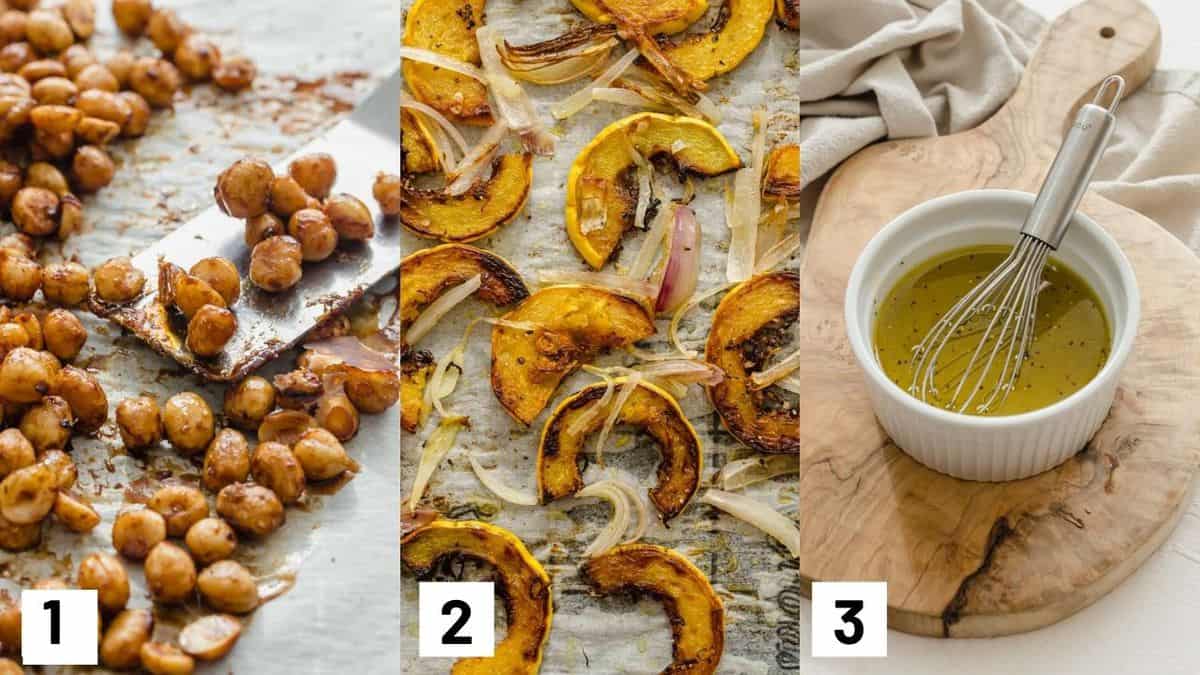
Three side by side images showing how to prepare the hazelnuts, squash, and dressing.

Step 1: Mix together the hazelnuts, cinnamon, salt, maple and sugar. Toss until well coated. Bake for 15 minutes, flip and bake another 5 minutes or until golden brown all over. Allow to cool for 30-60 minutes. Set aside.

Step 2: Drizzle the squash with one tablespoon of the oil and toss with salt and pepper. Bake for 20 minutes, and flip. Add the onion, along with another tablespoon of oil and return back to the oven for another 10-15 minutes until the onion and squash are golden brown and tender.

Step 3: In a bowl mix together the dressing ingredients.
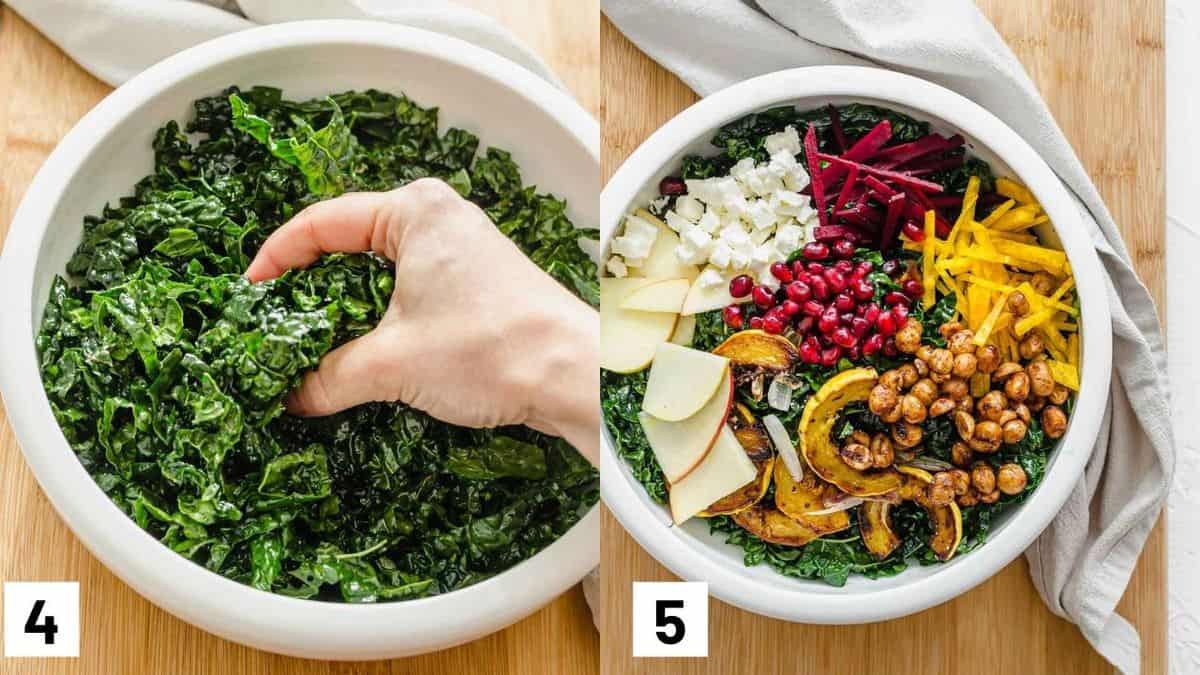
Two side by side images showing how to massage kale and adding salad ingredients.

Step 4: Massage dressing into the kale for 2-3 minutes.

Step 5: Top with additional ingredients and drizzle with additional dressing.

Expert Tips

One of the best short cuts to using pomegranate in this recipe (or any recipe), is to purchase the already deseeded arils – you can find them fresh or frozen. Otherwise, you can purchase the whole pomegranate fruit and deseed at home, which is a little more laborious. However, we have an easy hack that can help to speed this process along.

One of the easiest ways to deseed a pomegranate is by cutting the pomegranate into quarters and submerging it into a bowl with water. You can then start to peel the skin back and gently pull the seeds out.

Another expert tip for making this salad taste super delish, is to make sure you are massaging your kale! Like I said earlier, massaging the kale will help to break down the tough fibres, which will help to make it easier to chew and digest. In addition, massaging the kale with the dressing will also help to infuse more flavour into the kale.

Recipe FAQs

What other nut can I use besides hazelnut?

Almonds or walnuts would work well in this recipe as they are crunchy and absorb flavour quite well.

Can I make this vegan?

Absolutely! You can use vegan chevre or vegan feta to make this salad vegan friendly.

Can I have this as a meal?

Yes definitely! This salad has a great combination of fats, carbs, and protein, which makes for a balanced and satiating meal. The amount of protein obtained from this sweet kale salad recipe also depends on the amount of hazelnut added to top. We recommend adding around 1/4 cup (about a handful) to the salad as this will provide 14 grams of protein from the salad in total.

What other apple varieties would go well with this salad?

For this salad, we want to use an apple that is sweet and crunchy that also doesn’t brown too quickly after slicing. If you are not going to use Honeycrisp, we recommend using pink lady, ambrosia, or empire as alternatives.

How else can I repurpose the candied hazelnuts?

You can enjoy them on their own as a snack, or sprinkle them on top of ice cream or any other dessert.
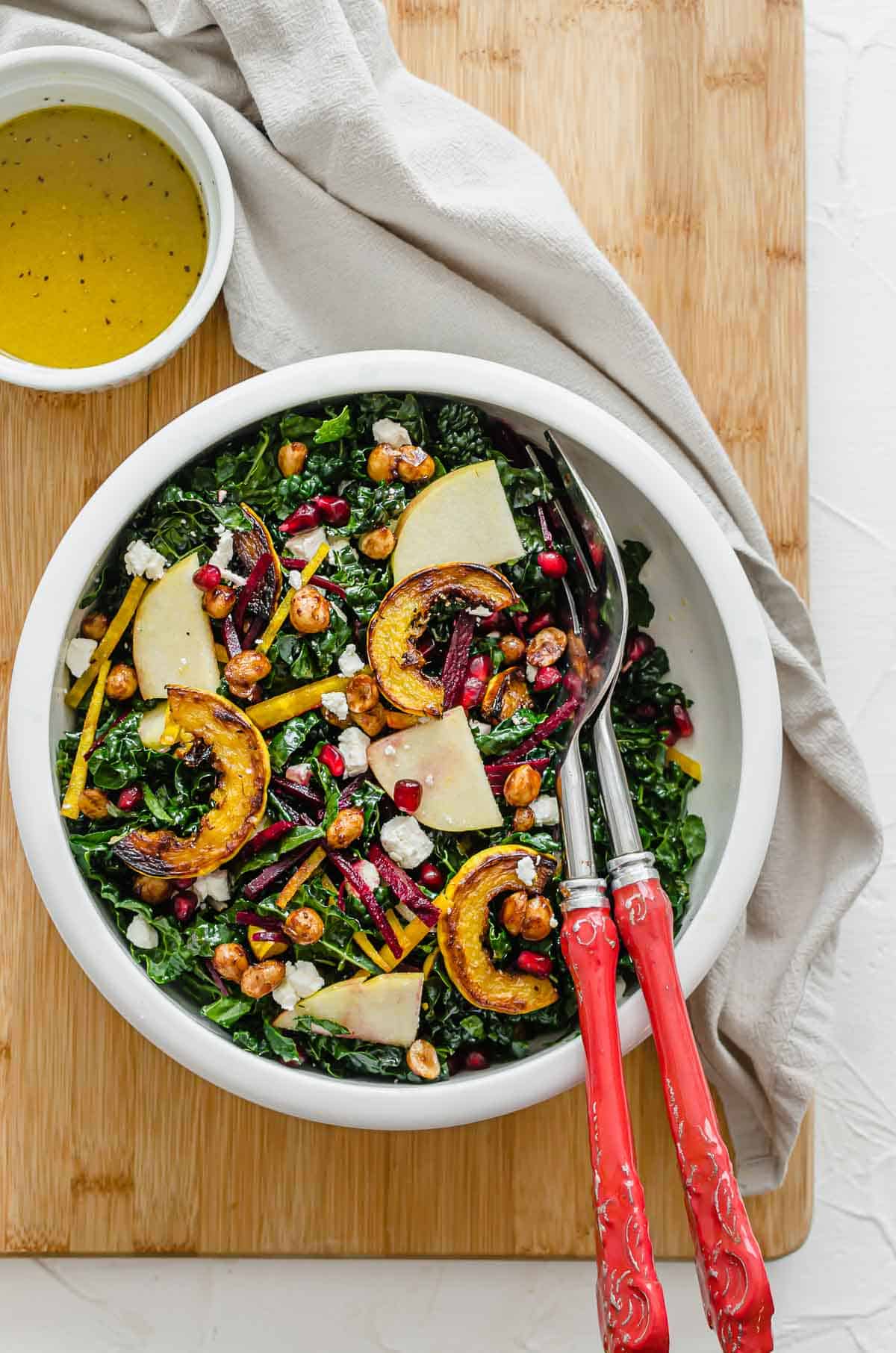
Birds eye view of salad recipe in a white serving bowl with serving spoons.

More Recipes You Might Like

If you loved this sweet kale salad recipe, then you’re gonna love these salads on the blog!

  • Best Avocado Dressing
  • Roasted Broccoli Salad with Tahini Dressing
  • No Cook Tuna Greek Salad
  • Shrimp Avocado Salad with Mango

What are your go-to winter salads these days? I’d love to know!
Print Recipe
5 from 2 votes

Sweet Kale Salad Recipe with Squash and Candied Hazelnuts

This sweet kale salad recipe with squash & candied hazelnuts is the perfect blend of sweet, salty, and tangy flavour! It is as flavourful as it is beautiful and makes for the perfect vegetarian lunch meal.
Prep Time15 minutes mins
Cook Time45 minutes mins
Total Time1 hour hr
Course: Side Dish, Salad, Lunch
Cuisine: American
Diet: Gluten Free, Vegetarian
Servings: 4
Calories: 379kcal
Author: Abbey Sharp

Ingredients

Candied hazelnuts:

  • 2 ½ cups blanched hazelnuts skins removed
  • ½ tsp cinnamon
  • ¼ tsp salt
  • 2 tbsp maple syrup
  • 1 tbsp coconut or brown sugar

Salad:

  • 2 tbsp extra virgin olive oil
  • 1 delicata squash halved lengthwise and seeded, sliced into ½ inch half moons
  • 1 red onion thinly sliced
  • Generous pinch of salt and pepper
  • 8 oz kale leaves* about 8 heaping or well packed cups, leaves only, thinly sliced
  • 2-3 candy cane beets peeled and thinly sliced on mandoline
  • 2 honey crisp apples thinly sliced
  • Arils from 1 pomegranate
  • ¾ cup crumbled vegan chevre or feta

Dressing:

  • 2 tbsp maple syrup
  • 1 tbsp Dijon mustard
  • 2 tbsp apple cider vinegar
  • 1/4 cup extra virgin olive oil
  • 1 tbsp hazelnut oil or more olive oil
  • Salt and pepper to taste

Instructions

  • Preheat oven to 325 F. Line a baking sheet with parchment or a silpat.
  • Mix together the hazalnuts, cinnamon, salt, maple and sugar. Toss until well coated.
  • Pour onto baking sheet and spread so they’re in an even layer.
  • Bake for 15 minutes, flip and bake another 5 minutes or until golden brown all over. Allow to cool for 30-60 minutes. Set aside.
  • Preheat oven to 425 F. Drizzle the squash with one tablespoon of the oil and toss with salt and pepper. Bake for 20 minutes, and flip.
  • Add the onion, along with another tablespoon of oil and return back to the oven for another 10-15 minutes until the onion and squash are golden brown and tender.
  • In a bowl mix together the dressing ingredients, massage with the kale for 2-3 minutes.
  • Top with additional ingredients and drizzle with additional dressing.

Notes

One of the best short cuts to using pomegranate in this recipe (or any recipe), is to purchase the already deseeded arils – you can find them fresh or frozen. Otherwise, you can purchase a pomegranate and deseed which is a little more laborious. However, we have an easy hack that can help to speed this process along.
One of the easiest ways to deseed a pomegranate is by cutting the pomegranate into quarters and submerging it in a bowl with water. You can then start to peel the skin back and gently pull the seeds out.
Another expert tip for making this salad taste super delish, is to make sure you are massaging your kale! Like I said earlier, massaging the kale will help to break down the tough fibres, which will help to make it easier to chew and digest. In addition, massaging the kale with the dressing will also help to infuse more flavour into the kale.

Nutrition

Calories: 379kcal | Carbohydrates: 52g | Protein: 9g | Fat: 17g | Saturated Fat: 6g | Cholesterol: 25mg | Sodium: 565mg | Potassium: 1024mg | Fiber: 6g | Sugar: 32g | Vitamin A: 7398IU | Vitamin C: 90mg | Calcium: 303mg | Iron: 2mg

Did you love this sweet kale salad? Let me know your thoughts down in the comments!

Abbey Sharp

Abbey Sharp is a Registered Dietitian (RD), regulated by the Ontario College of Dietitians. She is a mom, YouTuber, Blogger, award winning cookbook author, media coach specializing in food and nutrition influencers, and a frequent contributor to national publications like Healthline and on national broadcast TV shows.
www.abbeyskitchen.com/about-abbey/

Last Updated February 10, 2024. Published February 16, 2024 By Abbey Sharp 2 Comments

Easy Jerk Chicken Recipe with Pasta | Gluten & Dairy Free

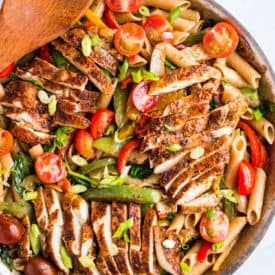
This easy jerk chicken recipe with pasta is gluten-free, dairy-free, protein packed and loaded with fresh veggies and flavour. It’s a one pan meal your whole family will love!

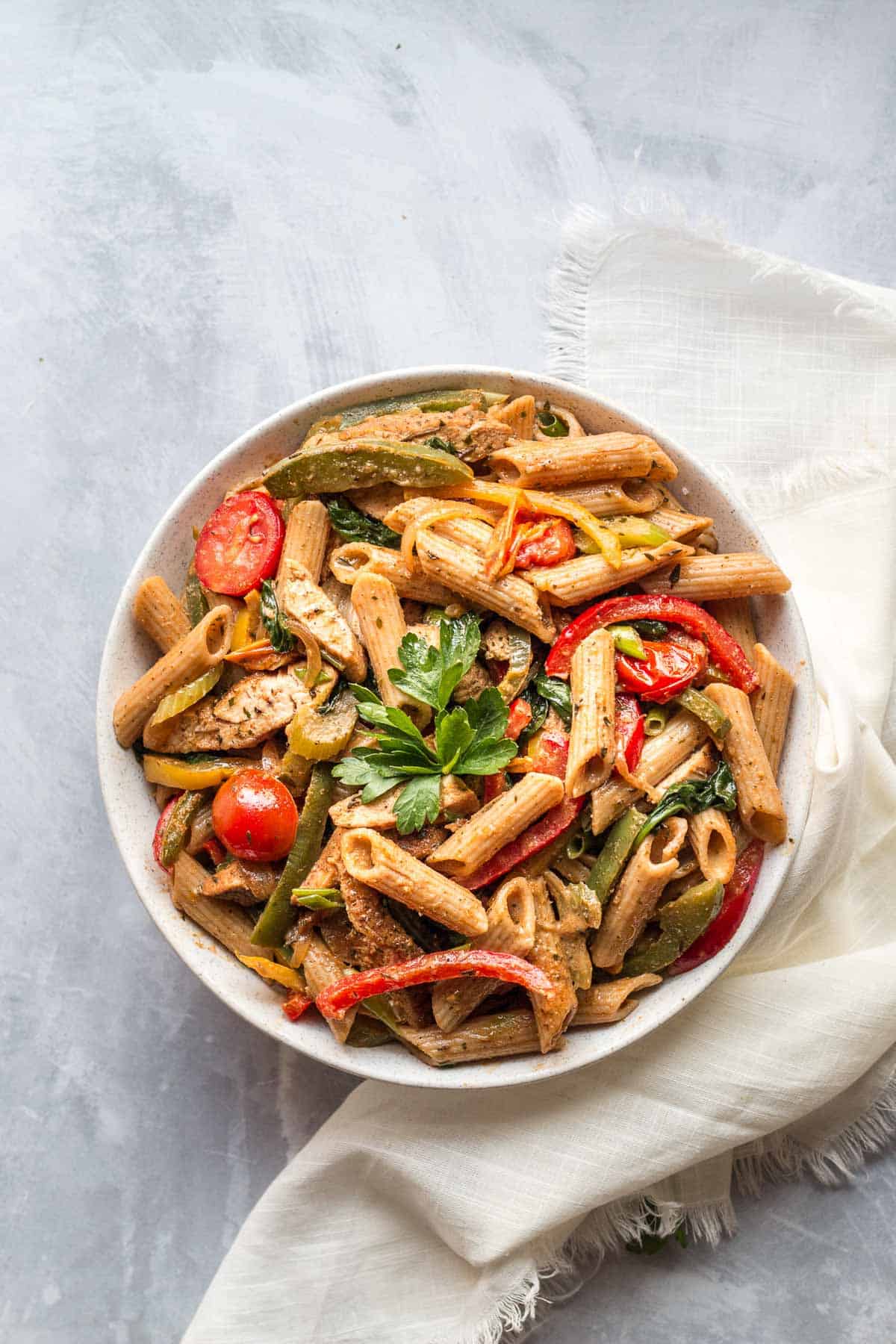
Birds eye view of jerk chicken pasta in a white bowl on top of a white cloth.

I have had exactly one all inclusive experience – to Jamaica – and even though there were a dozen different restaurants, all serving a variety of foods all day and night, the only thing I ever wanted to eat was Jerk Chicken. I mean, when in Jamaica, right? While I do not want to claim this is authentic Jerk Chicken (it does rely on store-bought seasoning), this easy jerk chicken recipe combines the flavours of the Caribbean with lots of fresh veggies, gluten free chickpea pasta and lean chicken breast – all in one pan! Who doesn’t love that?

Table of contents

  • Why This Recipe Works
  • Key Ingredients
  • How to Make this Recipe
  • Expert Tips
  • Recipe FAQs
  • More Easy Pasta Dinner Recipes

Why This Recipe Works

According to good ol’ Wikipedia, jerk is a style of cooking native to Jamaica where meat (usually pork, chicken or goat) is rubbed with a dry or wet spicy marinade then grilled.

Traditionally the characteristic flavours are allspice and scotch bonnet peppers. Other ingredients include cloves, cinnamon, scallions, thyme, nutmeg, garlic, brown sugar, ginger and salt. It’s super flavourful, spicy and really, nothing tastes quite like it.

Key Ingredients

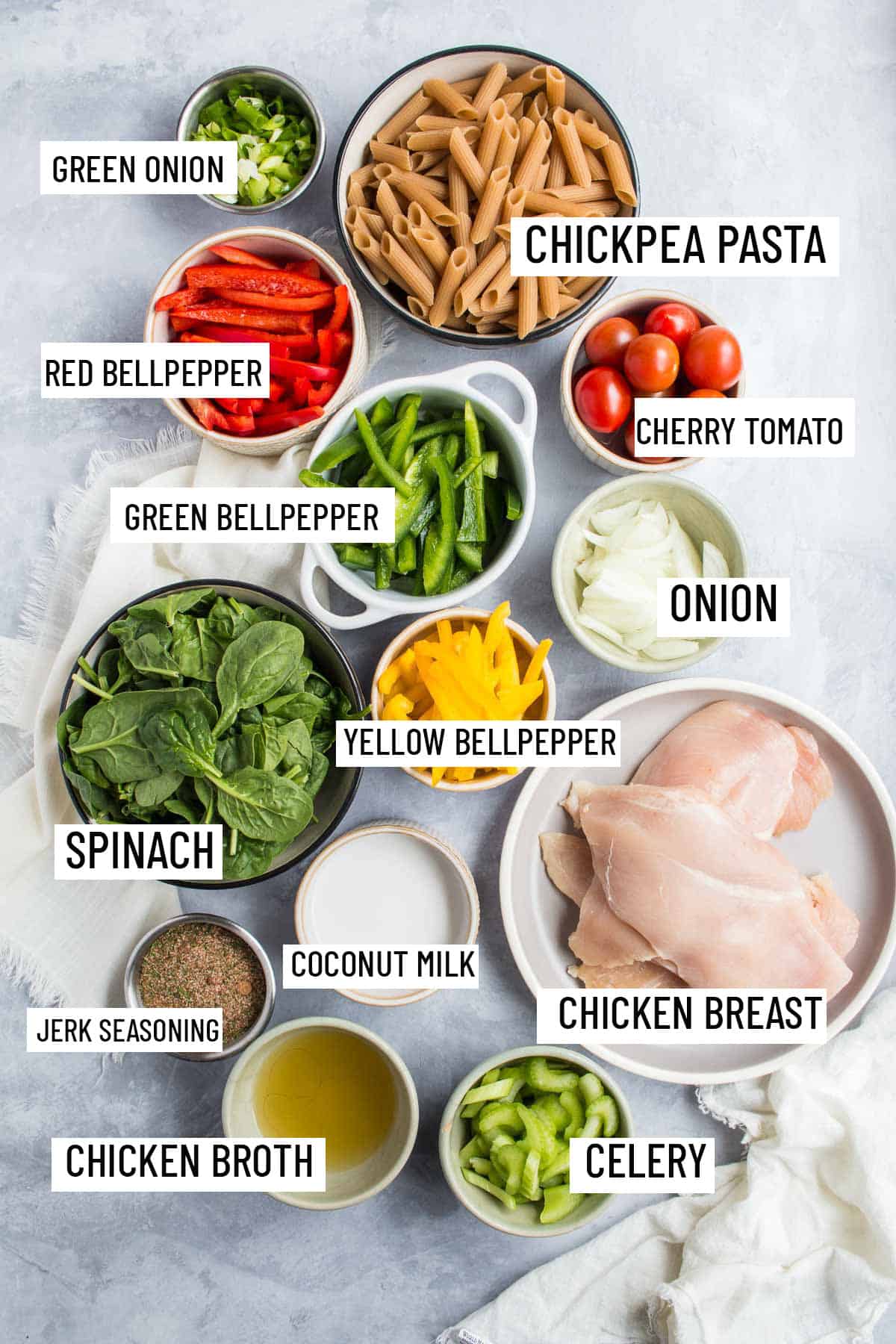
Ingredients for easy jerk chicken recipe.

Chicken Breast– Yes, you could make this vegetarian and use tofu, but of course, jerk is traditional on chicken. You could also use chicken thighs if you prefer, but I wanted to keep this light and lean.

Jerk Seasoning– You can make your own but of course, to make this simple, fast and easy, you can also buy them in the store. They do, however, differ quite a bit I have learned so see my notes below on the jerk seasoning.

Bell Peppers– I love a lot of colour in my pasta, so adding in red, yellow and green pepper adds fibre and colour!

Coconut milk– I prefer to use full fat canned coconut milk but to lighten it up, you can use light (it just won’t be as creamy). If you want it to be super decadent, use just the cream, and if you don’t have coconut milk on hand, try a good quality almond, or cashew milk.

Chicken Broth – This helps loosen up the sauce a bit but you could also use veggie broth in a pinch.

Pasta– I like using chickpea pasta which has about twice the protein and fibre of traditional pasta, and it’s naturally gluten free. But you can use whatever short cut pasta you like.

Spinach and tomatoes– Any time I can sneak in some extra veggies I’m a happy girl! Feel free to skip this if you want, or use your favourite fresh or frozen greens!

How to Make this Recipe

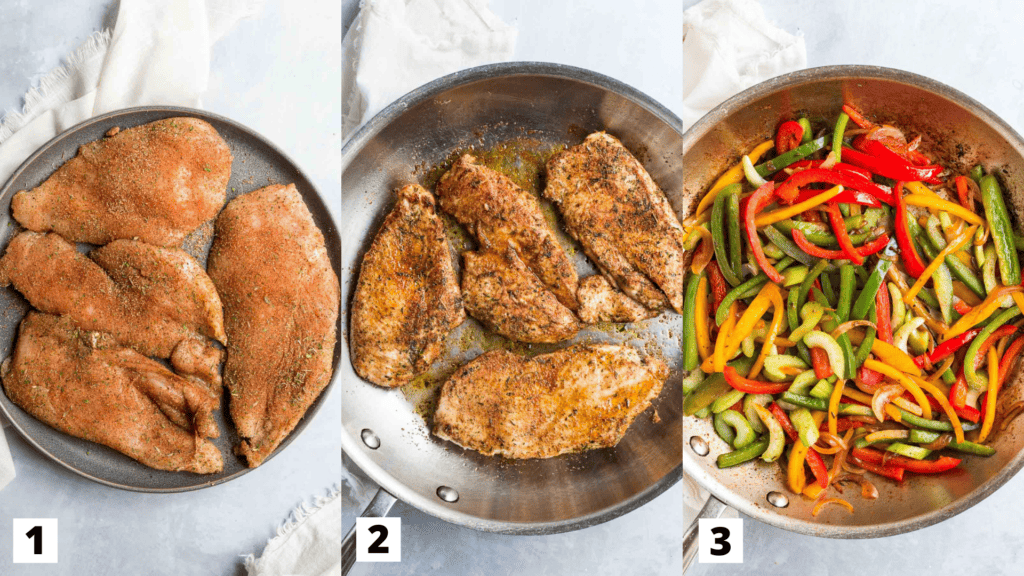
Step by step photos to make jerk chicken recipe by rubbing chicken breasts with jerk seasoning, frying chicken breasts in a pan, and adding veggies to a pan.

Step 1: Rub the 2 tablespoons of jerk seasoning all over your chicken breasts. 

Step 2:Add chicken to a pan and allow to cook for 5 minutes on each side, or until the internal temperature of the chicken reaches at least 165 degrees Fahrenheit.

Step 3: Add the onion and sliced peppers to the pan and saute for 2-3 minutes. Add celery and saute until the veggies are tender.

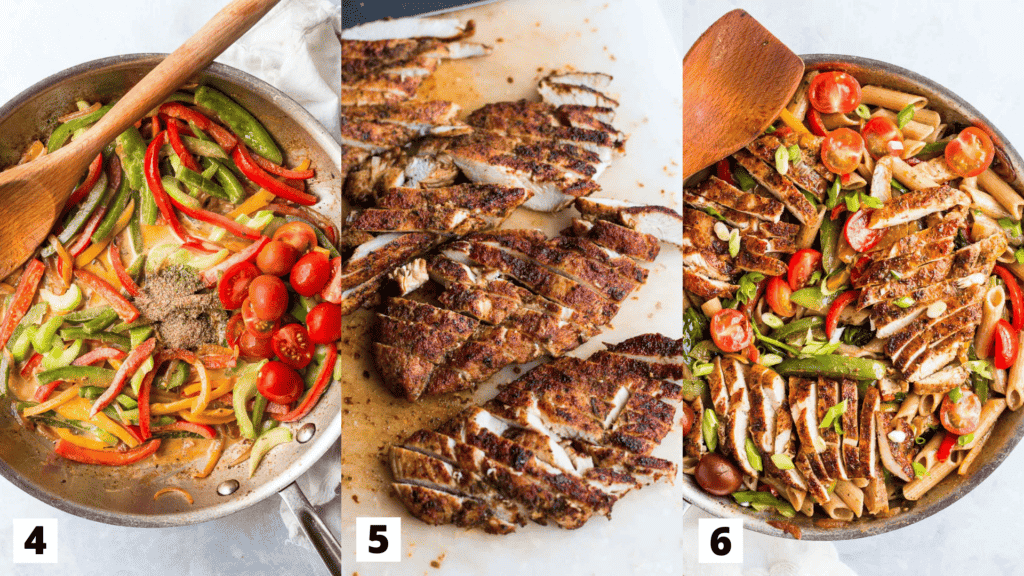
Step by step instructions to make jerk chicken recipe by adding coconut milk to veggies in a pan, slicing jerk chicken and adding chicken to veggies.

Step 4: Add the rest of the jerk seasoning, half of the tomatoes, coconut milk and broth. Stir together until the coconut milk begins to bubble.

Step 5: Slice the jerk chicken.

Step 6: Add the pasta, spinach, and sliced jerk chicken to the pan and stir together.

Expert Tips

Jerk seasoning can vary dramatically based on brand or recipe in terms of flavoring, saltiness and heat varies. You will want to play around to find a store-bought one you like, but for a quick homemade version you can assemble in batch that you can keep on hand for months, I love this jerk seasoning by Jo Cooks.

If you’re using chickpea pasta, expect it to foam a bit and I suggest taking it out 2 minutes before the box says. Strain the pasta but never rinse it – simply add it to the pan with the veggies and sauce. The residual starch on the pasta will help further thicken the sauce and also will help the sauce stick to the noodles.

If your pasta isn’t creamy enough or starts to look a little dry, you can add more broth or milk about 2 tablespoons at a time until it reaches your desired consistency. This also is helpful if you are rewarming the pasta the next day as the starch will thicken the sauce considerably.

This pasta is great for meal prep and batch prepping for the week. You can keep it in the fridge for up to 4 days, or you can freeze it for up to 4 months. For reheating leftovers out of the fridge, add a tablespoon or two of extra liquid (broth or coconut milk), cover it with a damp paper towel in a microwave safe dish, and reheat on 50% heat in a microwave. This will keep the pasta tender without drying out the dish. You can do the same thing after thawing in the fridge after it being in the freezer.

Recipe FAQs

Here are some commonly asked questions about this recipe.

Is this jerk chicken recipe too spicy for kids?

It could be, depending on your jerk seasoning and your kid’s tolerance. If you make your own jerk seasoning, simply omit the scotch bonnet peppers.

Is this gluten free?

If you use a gluten free pasta like chickpea pasta, it is completely gluten free.

Is this easy jerk chicken recipe dairy free?

Yes, if you use coconut milk and avocado oil, there is no dairy in this meal. It is not, however, vegan, but see my tip on making it vegan below.

How can I make this vegan?

This recipe is delicious made with pan-fried tofu or tempeh instead of chicken. Try it out and let me know what you think!

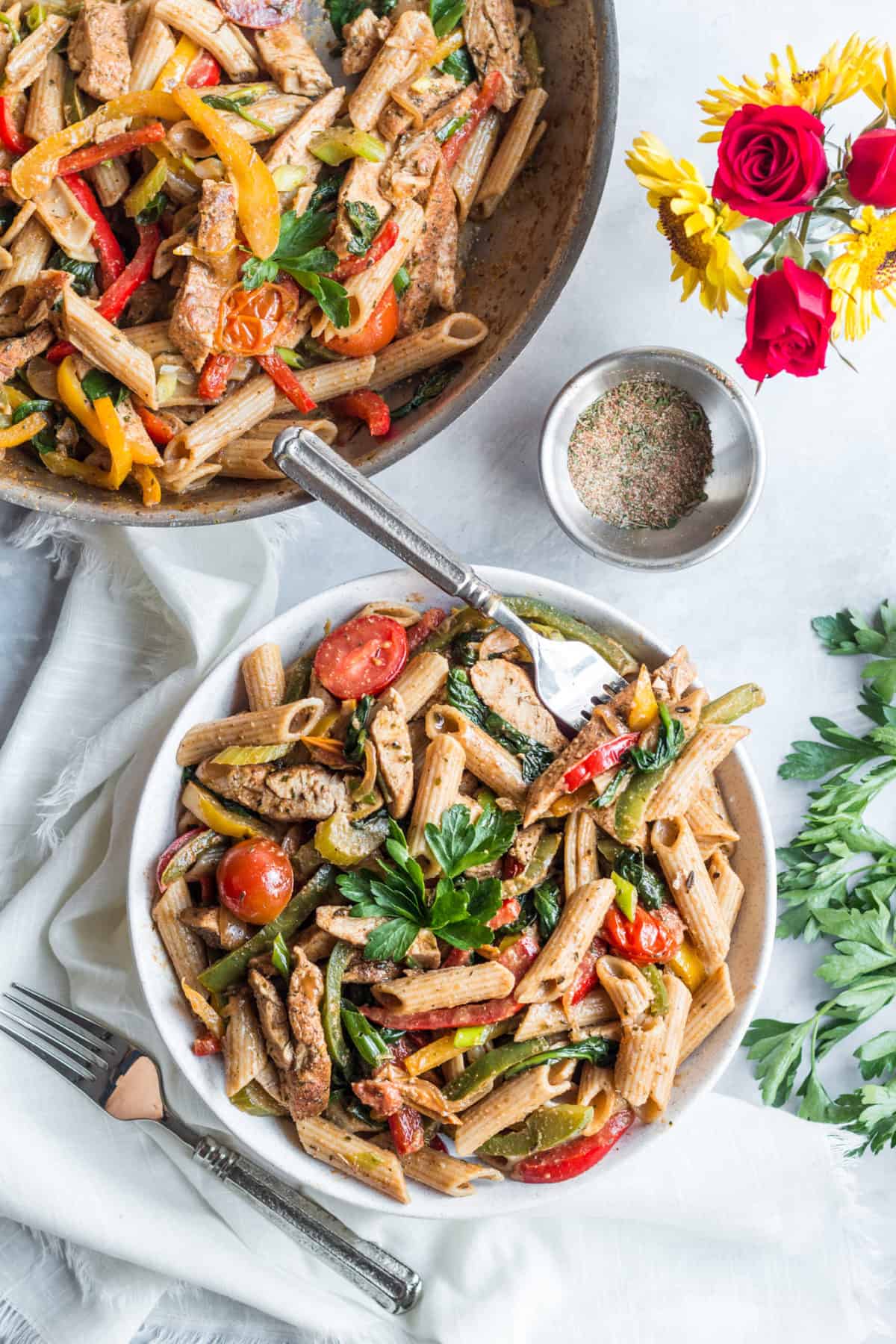
Birds eye view of jerk chicken pasta in white bowl with parsley, flowers, jerk seasoning, and a larger pot of jerk chicken pasta in the background.

More Easy Pasta Dinner Recipes

If you liked this easy jerk chicken recipe, you might enjoy some of other easy pasta recipes on the blog!

  • Mexican Pasta Casserole (Vegan)
  • Easy Vegan Minestrone Skillet Pasta (Vegan, Gluten Free)
  • Easy Pasta Bake with Sausage, White Bean & Kale (Vegan)
  • Chicken Bacon Ranch Pasta

Do you love jerk chicken? Leave me a comment below with your thoughts!

Print Recipe
5 from 7 votes

Easy Jerk Chicken Recipe with Pasta (Gluten & Dairy Free)

This easy jerk chicken recipe with pasta is gluten free, dairy free, protein packed and loaded with fresh veggies and flavour. It's a one pan meal your whole family will love!
Prep Time15 minutes mins
Cook Time25 minutes mins
Total Time40 minutes mins
Course: Main Course, Dinner, Lunch
Cuisine: jamaican
Servings: 5
Calories: 506kcal
Author: Abbey Sharp

Ingredients

  • 1 lb. Chicken Breast thinly sliced and pounded to ¼” thickness
  • 2 Tbsp. Jerk Seasoning see above for the seasoning I used
  • 1.5 Tbsp. Avocado Oil
  • 2-3 Tbsp. Broth or Water as needed
  • 1 small Onion sliced (about ½ cup)
  • 1 Red Bell Pepper sliced
  • 1 Yellow Bell Pepper sliced
  • 1 Green Bell Pepper sliced
  • ⅔ cup sliced Celery
  • 1-2 Tbsp. Jerk Seasoning to taste
  • ⅔ cup Cherry Tomatoes sliced in half
  • 1 cup canned Coconut Milk
  • ¼-⅓ cup Chicken Broth
  • 10 oz. Chickpea Pasta
  • 1.5 cups Baby Spinach
  • 3 Tbsp. sliced Green Onion
  • Fresh Parsley or Cilantro to garnish

Instructions

  • Rub the 2 tablespoons of jerk seasoning all over your chicken breasts (add ½ teaspoon of salt to the seasoning blend if your blend is salt-free).
  • Heat the avocado oil in a stainless steel pan over medium heat. Once hot, add the chicken to the pan. Allow to cook for 5 minutes on each side, or until the internal temperature of the chicken reaches at least 165 degrees Fahrenheit. If the bottom of the pan begins to burn, add broth or water 1 tablespoon at a time. Remove the chicken from the pan.
  • While the chicken is cooking, bring a pot of salted water to a boil and prepare your pasta according to the package instructions. When the pasta is al dente, strain the pasta and set it aside.
  • Add the onion and sliced peppers to the pan and saute to bring up any browned bits from the bottom of the pan. Saute for 2-3 minutes, then add the celery. Saute until the veggies are tender. Add the rest of the jerk seasoning, half of the tomatoes, coconut milk and broth. Stir together until the coconut milk begins to bubble. Add the pasta and spinach to the pan and stir together.
  • Slice or dice the chicken and add it to the pan. Gently mix the pasta together until the chicken is warmed and the spinach has wilted. Add the remaining tomatoes to the pan and season with more jerk seasoning or salt to taste. Garnish with sliced green onion and parsley or cilantro and serve.

Video

Notes

Tips for Making the Pasta
If you’re using chickpea pasta, expect it to foam a bit and I suggest taking it out 2 minutes before the box says. Strain the pasta but never rinse it – simply add it to the pan with the veggies and sauce. The residual starch on the pasta will help further thicken the sauce and also will help the sauce stick to the noodles.
Tips for Making the Jerk Pasta Sauce 
If your pasta isn’t creamy enough or starts to look a little dry, you can add more broth or milk about 2 tablespoons at a time until it reaches your desired consistency. This also is helpful if you are rewarming the pasta the next day as the starch will thicken the sauce considerably.
How to Store and Rewarm the Pasta
This pasta is great for meal prep and batch prepping for the week. You can keep it in the fridge for up to 4 days, or you can freeze it for up to 4 months. For reheating leftovers out of the fridge, add a tablespoon or two of extra liquid (broth or coconut milk), cover it with a damp paper towel in a microwave safe dish, and reheat on 50% heat in a microwave. This will keep the pasta tender without drying out the dish. You can do the same thing after thawing in the fridge after it being in the freezer.

Nutrition

Calories: 506kcal | Carbohydrates: 47g | Protein: 37g | Fat: 23g | Saturated Fat: 11g | Cholesterol: 58mg | Sodium: 409mg | Potassium: 972mg | Fiber: 14g | Sugar: 11g | Vitamin A: 4640IU | Vitamin C: 107mg | Calcium: 114mg | Iron: 9mg
Abbey Sharp

Abbey Sharp is a Registered Dietitian (RD), regulated by the Ontario College of Dietitians. She is a mom, YouTuber, Blogger, award winning cookbook author, media coach specializing in food and nutrition influencers, and a frequent contributor to national publications like Healthline and on national broadcast TV shows.
www.abbeyskitchen.com/about-abbey/

Last Updated February 10, 2024. Published February 12, 2024 By Abbey Sharp 23 Comments

Chocolate Covered Almonds Recipe (Spiced & Salted)

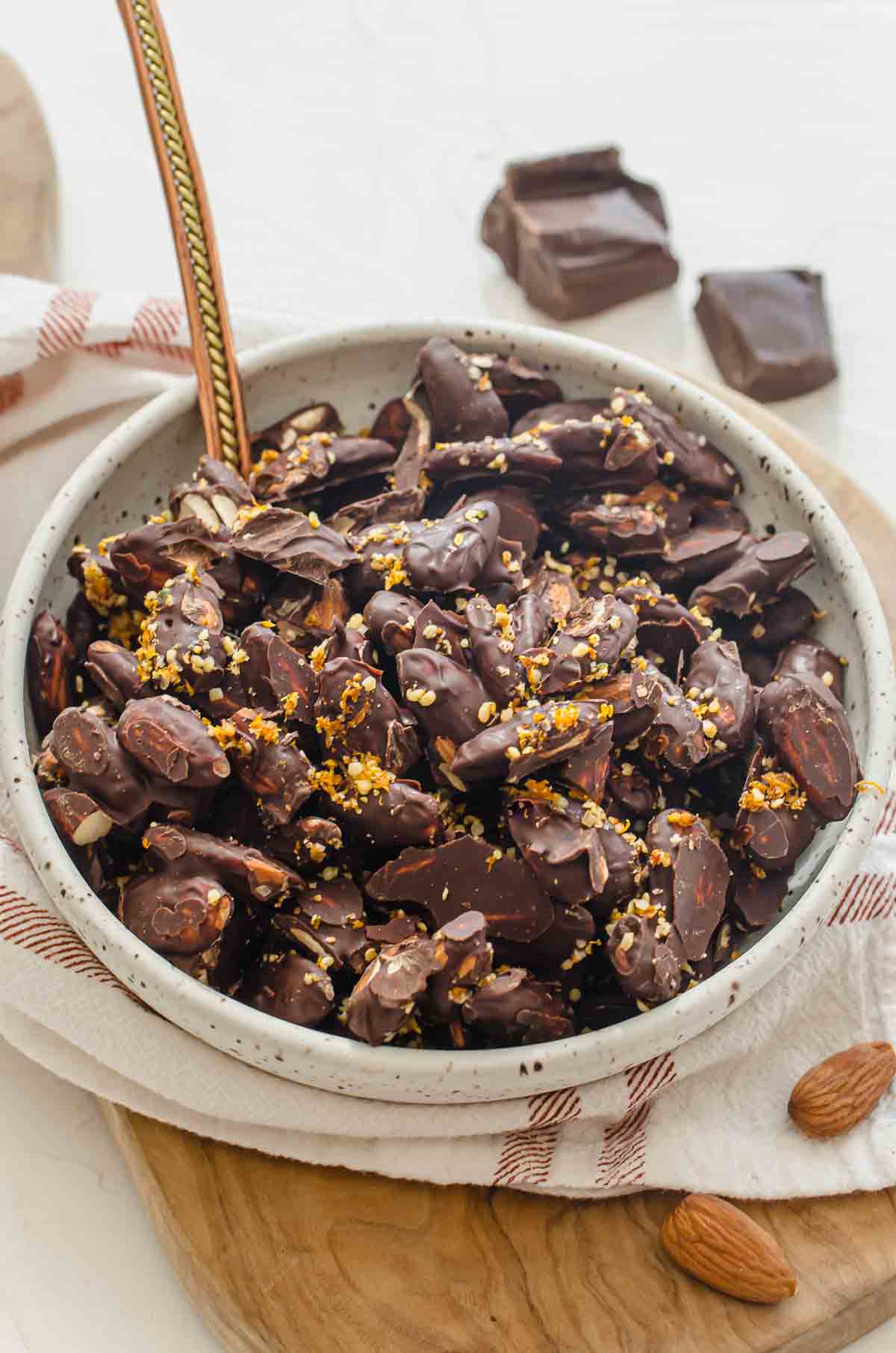
Chocolate covered almonds in a bowl on top of a serving board.

The perfect combination of sweet, salty, and crunchy, this Dark Chocolate Covered Almonds recipe is made with just a few simple ingredients! Skip the store-bought version and make your own healthier chocolate treat at home.

Chocolate covered almonds in a bowl on top of a serving board.

Have you ever had dark chocolate covered almonds? They are such a delightful treat and I love grabbing a handful to snack on. This chocolate covered almonds recipe is not just perfect for yourself, but they make for a great DIY food gift as well. Perfect for Valentine’s Day, bake sales, book club, or anywhere that snacking is well received.

Table of contents

  • Why This Recipe Works
  • Key Ingredients
  • How to Make This Recipe
  • Expert Tips
  • Recipe FAQs
  • More Recipes You Might Like

Why This Recipe Works

They’re so easy to make! If you’ve got little helpers in the kitchen, this dark chocolate covered almonds recipe is perfect for them to help out with. They can help top off the almonds with their toppings and then portion them out afterwards into baggies if they’re being gifted!

They’re made with simple wholesome ingredients that you probably already have in your pantry. We use six ingredients but four of them are toppings.

This is a no-bake recipe. Perfect for those days where you want a delightful chocolate treat but don’t want to heat up the kitchen by turning the stove on.

Key Ingredients

Overhead photo of ingredients needed to make chocolate covered almonds recipe: dark chocolate, orange zest, hemp hearts, fleur de sel, chili powder, and almonds.

Dark Chocolate — We love using dark chocolate for this. Be sure to cut down the chocolate so that it melts easier and evenly.

Almonds — Make sure you aren’t grabbing salted and roasted almonds! They’ll come out too salty if you do.

Toppings — We top these dark chocolate covered almonds with orange zest, hemp seeds, fleur de sel, and chili powder but feel free to change it up!

How to Make This Recipe

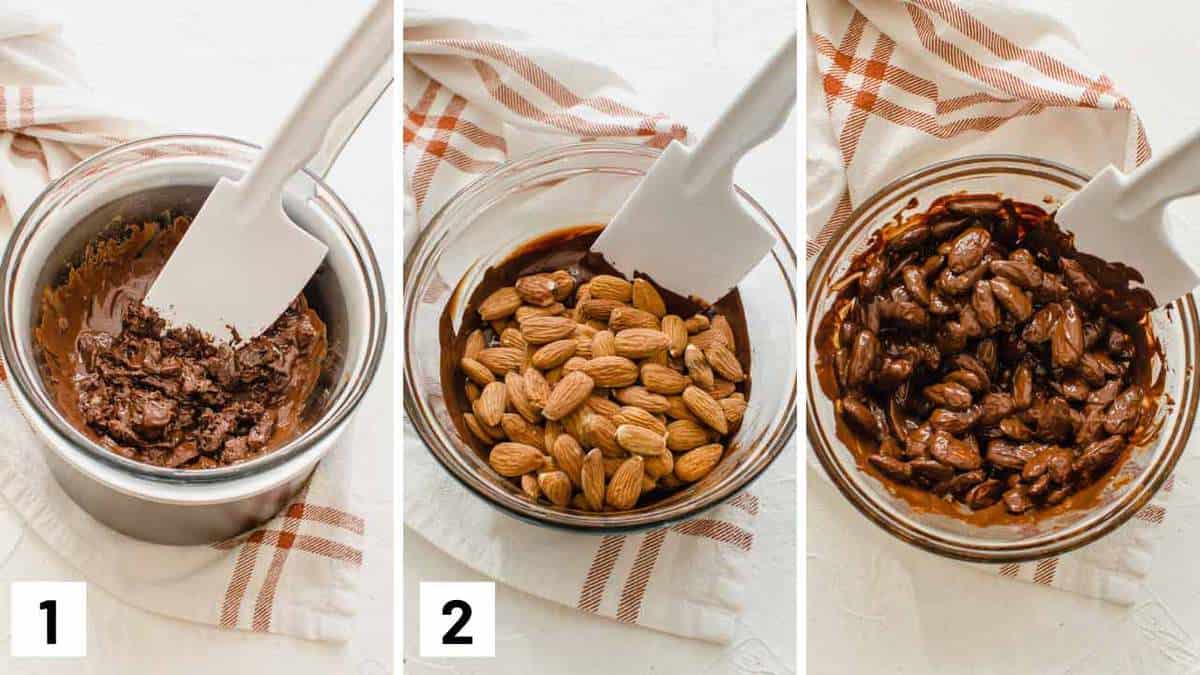
Set of three instructional photos showing how to melt chocolate then covering the nuts in it.

Step 1: Prepare a large baking sheet lined with a silpat or parchment  paper. Then, fill a medium pot an inch high with water. Place the pot on the burner over medium heat and bring the water to a gentle simmer before adding in your chocolate in a large heat-proof bowl and set over a pot. Let the chocolate melt, stirring often until smooth and melted.

Step 2: Add the almonds and toss until fully coated and spread out onto the baking sheet.

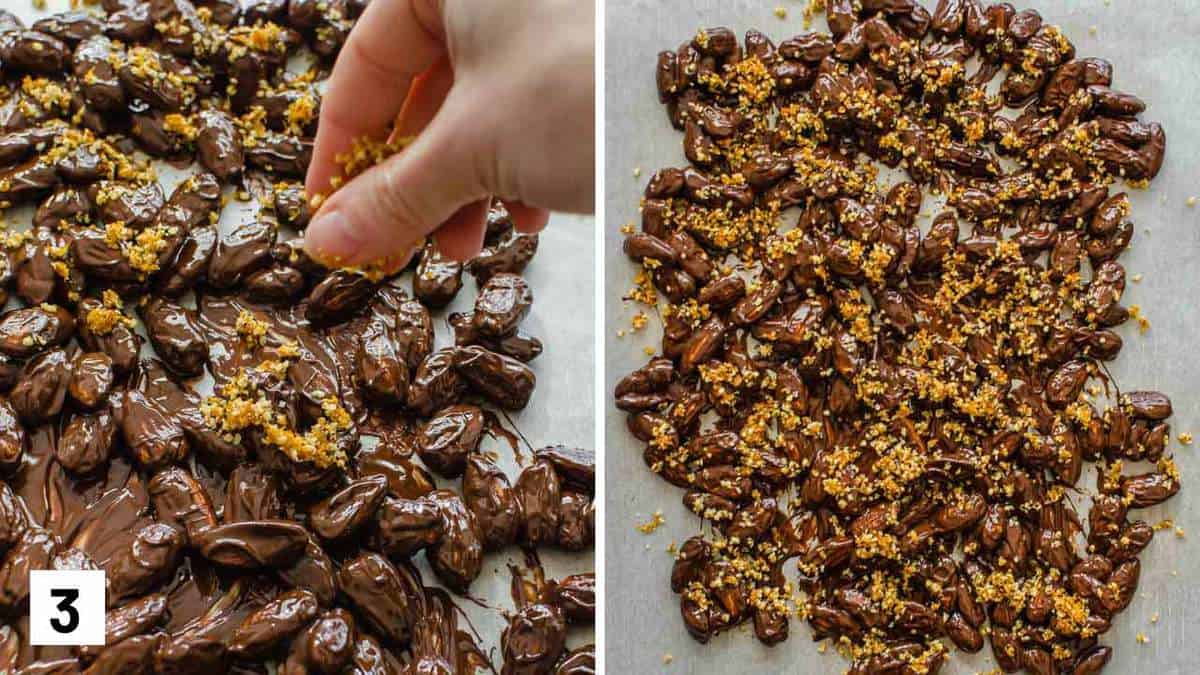
Set of two photos photos, sprinkling orange zest on chocolate covered almonds and them set after freezing.

Step 3: Sprinkle with orange zest, chili powder, fleur de sel, and hemp hearts. Allow the chocolate to cool and set completely or transfer to the fridge to quicken the process. Separate the nuts and serve on a cheese board or in a bowl for easy snacking.

Expert Tips

The toppings I picked give my almonds an extra nutritious edge as with a sprinkle of hemp hearts on top, it helps boost the treat with some fibre, protein, and healthy omega 3 fats. You are welcomed to change the toppings to something else if you wish. Other suggests include: crushed freeze-dried raspberries or strawberries,, cocoa powder, flavoured collagen powder, and more!

If you prefer to melt your chocolate in the microwave, you can do so by placing the chocolate in the microwave for 20-25 seconds. Remove the bowl from the microwave and gently give it a stir. Microwave the bowl for another 20 seconds and repeat. Microwave one more time for about 15 seconds and stir.

The almonds can be swapped for a different nut of your choice if you desire.

Recipe FAQs

How long do dark chocolate covered almonds last? Can I make these ahead of time?

You can definitely make these ahead of time. They can last for up to two weeks but I doubt they’re be around for long! Be sure to store them in an airtight container.

Can I freeze them?

You can freeze dark chocolate covered almonds for a few months and take them out as you’re craving them. I do suggest letting them thaw a bit first so they’re not as hard straight from the freezer.

Do I need to use chocolate chips or bars?

You can use either! Just be sure to break up the bar so it can melt evenly.

Is this vegan friendly?

You can use vegan dark chocolate that doesn’t contain any dairy.

A bowl of chocolate covered almonds.

More Recipes You Might Like

Looking for more sweet treats like this dark chocolate covered almonds recipe? Try these reader favourites:

  • Easy Chocolate Covered Espresso Beans (Vegan & Gluten Free)
  • Chocolate Cups with Chia Jam
  • Chocolate Covered Dates with Tahini Filling (No Sugar Added)
  • Frozen Chocolate Dipped Banana Bites Stuffed with Salted Caramel Almond Butter

What are your favourite recipes with chocolate? Leave me a comment below!

Chocolate covered almonds in a bowl on top of a serving board.
Print Recipe
5 from 6 votes

Chocolate Covered Almonds (Spiced & Salted)

The perfect combination of sweet, salty, and crunchy, these Dark Chocolate Covered Almonds are made with just a few simple ingredients! Skip the store-bought version and make your own healthier chocolate treat at home.
Prep Time10 minutes mins
Cook Time5 minutes mins
Total Time25 minutes mins
Course: Appetizer
Cuisine: French
Servings: 16 people
Calories: 124kcal
Author: Abbey Sharp

Ingredients

  • 100 grams dark chocolate finely chopped
  • 1 ½ cups raw almonds
  • 1 orange zested
  • ¼ tsp chili powder
  • ¼ tsp fleur de sel
  • 1 tbsp hemp hearts

Instructions

  • Prepare a large baking sheet lined with a silpat or parchment paper.
  • Fill a medium pot an inch high with water. Place the pot on the burner over medium heat and bring the water to a gentle simmer. Place the Green & Blacks chocolate in a large heat-proof bowl and set over a pot. Let the chocolate melt, stirring often until smooth and melted.
  • Add the almonds and toss until fully coated and spread out onto the baking sheet. 
  • Sprinkle with orange zest, chili powder, fleur de sel and hemp hearts. Allow the chocolate to cool and set completely or transfer to the fridge to quicken the process. Separate the nuts and serve on a cheese board or in a bowl for easy snacking.

Notes

  • The toppings I picked give my chocolate covered almonds an extra nutritious edge as with a sprinkle of hemp hearts on top, it helps boost the treat with some fibre, protein and healthy omega 3 fats. You are welcomed to change the toppings to something else if you wish. Other suggests include: crushed freeze-dried raspberries or strawberries,, cocoa powder, flavoured collagen powder, and more!
  • If you prefer to melt your chocolate in the microwave, you can do so by placing the chocolate in the microwave for 20-25 seconds. Remove the bowl from the microwave and gently give it a stir. Microwave the bowl for another 20 seconds and repeat. Microwave one more time for about 15 seconds and stir.
  • The almonds can be swapped for a different nut of your choice if you desire.

Nutrition

Calories: 124kcal | Carbohydrates: 7g | Protein: 4g | Fat: 10g | Saturated Fat: 2g | Polyunsaturated Fat: 2g | Monounsaturated Fat: 5g | Trans Fat: 1g | Cholesterol: 1mg | Sodium: 38mg | Potassium: 155mg | Fiber: 3g | Sugar: 3g | Vitamin A: 35IU | Vitamin C: 4mg | Calcium: 45mg | Iron: 1mg

Abbey Sharp

Abbey Sharp is a Registered Dietitian (RD), regulated by the Ontario College of Dietitians. She is a mom, YouTuber, Blogger, award winning cookbook author, media coach specializing in food and nutrition influencers, and a frequent contributor to national publications like Healthline and on national broadcast TV shows.
www.abbeyskitchen.com/about-abbey/

Last Updated February 8, 2024. Published February 9, 2024 By Abbey Sharp 25 Comments

Red Velvet Pancakes | Vegan, Gluten Free, Valentine’s Day Breakfast Idea!

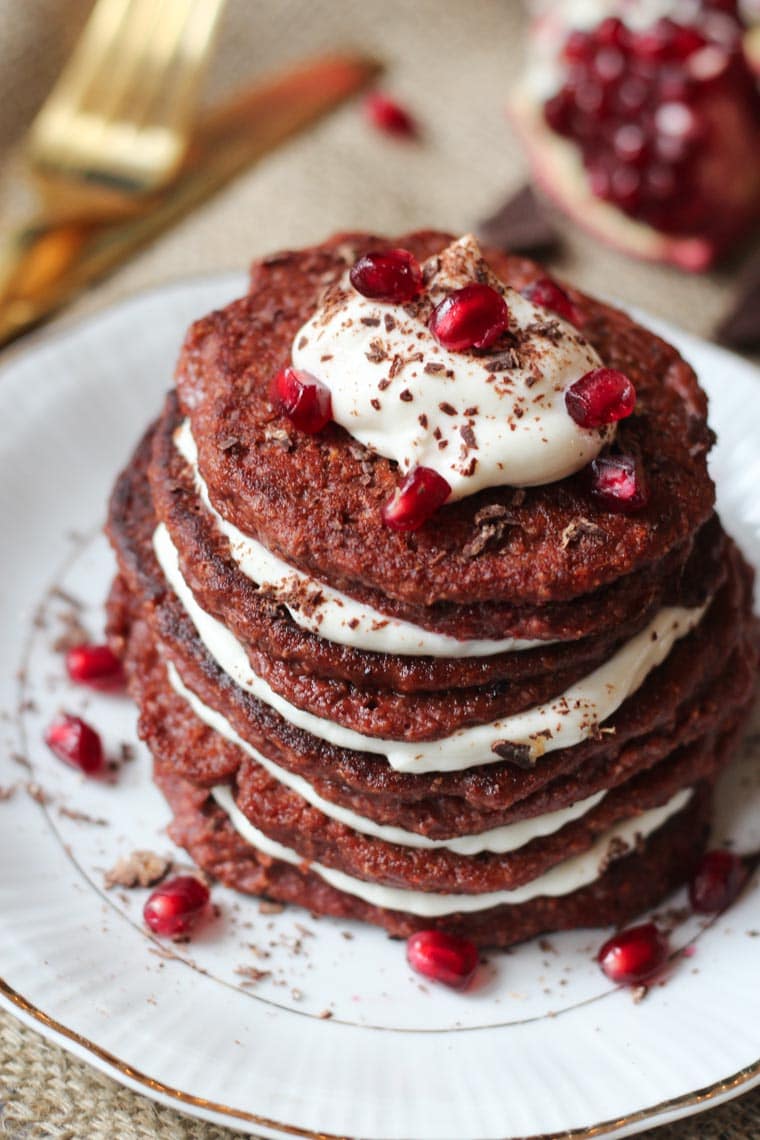
These Vegan Red Velvet Protein Pancakes with natural beet food coloring from beets is the perfect romantic gluten free, healthy Valentines Day brunch recipe to share with your sweetheart or family!

These Red Velvet Pancakes are the perfect healthy Valentines Day brunch recipe to share with your sweetheart or family! They are also vegan, gluten free and use no artificial food dye.

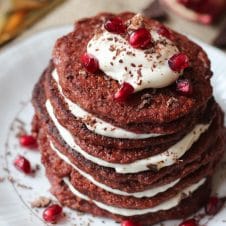
Stack of red velvet pancakes topped with pomegranate seeds, shaved chocolate and cream cheese.

If you haven’t noticed, I’m totally obsessed with protein pancakes! I have made Black Forest protein pancakes, Strawberry Cheesecake protein pancakes, Peanut Butter and Chocolate protein pancakes. And this isn’t even an exhaustive list! So yeah, I guess you can say the obsession is real.

But with Valentines Day around the corner, I knew I had to do something festive and these red velvet pancakes instantly came to mind. I mean, is there a better way to say “I love you” then with a tall stack of the good stuff drizzled in maple syrup? Definitely not. Plus, there is something universally satisfying about red velvet flavoured ANYTHING, so you absolutely know you are in for a treat with this recipe.

Table of contents

  • Why This Recipe Works
  • Key Ingredients
  • How to Make This Recipe
  • Expert Tips
  • Recipe FAQs
  • More Recipes You Might Like

Why This Recipe Works

Red velvet cupcakes are one of my favourite Valentines Day treats. I mean considering they are red and chocolate flavoured, they basically scream Valentines Day! So we are transforming all of the yummy goodness of our favourite cupcakes into pancake form with these healthy red velvet pancakes. Here are a few reasons why you’re going to LOVE this recipe.

  • Protein packed (19 grams per serving)
  • High fibre (13 grams per serving)
  • Vegan
  • Gluten free
  • Uses natural food colouring
  • Has a delicious cream cheese filling!

Key Ingredients

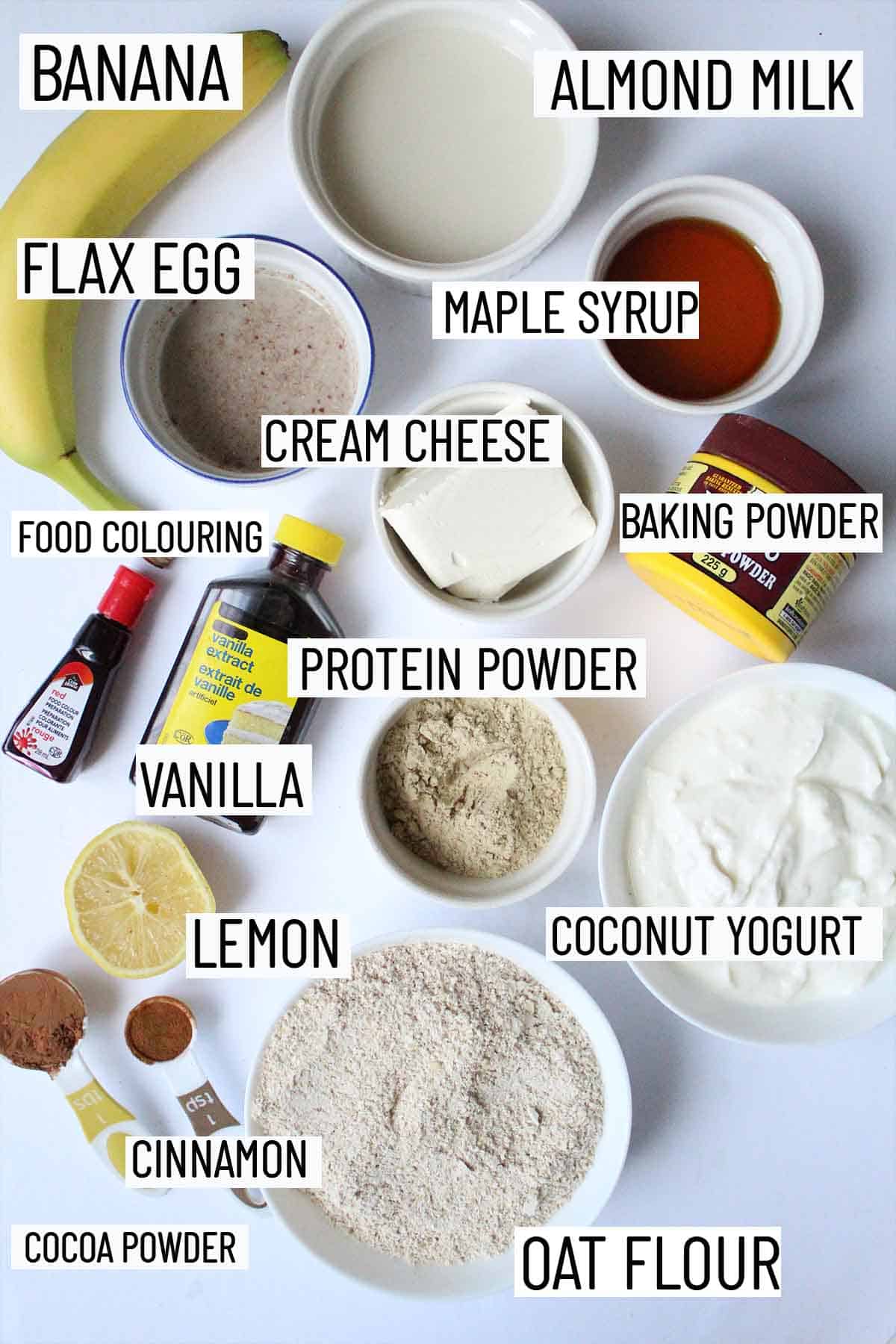
Flat lay image of recipe ingredients including oat flour, cocoa powder, cinnamon, lemon, protein powder, vanilla, food colouring, cream cheese, baking powder, maple syrup, banana, flax egg and almond milk.

Flax egg – To make this recipe vegan, we are swapping out the egg for something a little more vegan friendly by using a flax egg. We simply combine 1 part ground flax seed and 2 parts almond milk and let it sit in the fridge until it thickens. I love making flax eggs because they add a ton of omega 3s, fibre and protein to these red velvet pancakes.

Banana – To help cut back on added sugar, we like to sweeten the pancake batter with a mashed banana.

Oat Flour – Making oat flour from scratch is super easy to prepare (see Recipe FAQ below). But if you’re in a pinch, you can also pay the premium and buy gluten free oat flour as well.

Cream Cheese Filling – Real talk, a cream cheese filling is absolutely essential to making this red velvet pancakes as authentic as possible. So we combine vegan cream cheese with non-dairy yogurt and sweetening to taste.

Protein Powder – To up the protein factor we add a healthy dose of chocolate vegan protein powder. This helps to not only add more chocolate flavour to the pancakes but also makes them more satiating and balanced.

Food colouring – To make these red velvet pancakes red in colour without using artificial food dye, we have two options. You can either use pureed beets or natural food colouring. If you are going the natural food colouring route, I like using Color Garden or this beet root one.

How to Make This Recipe

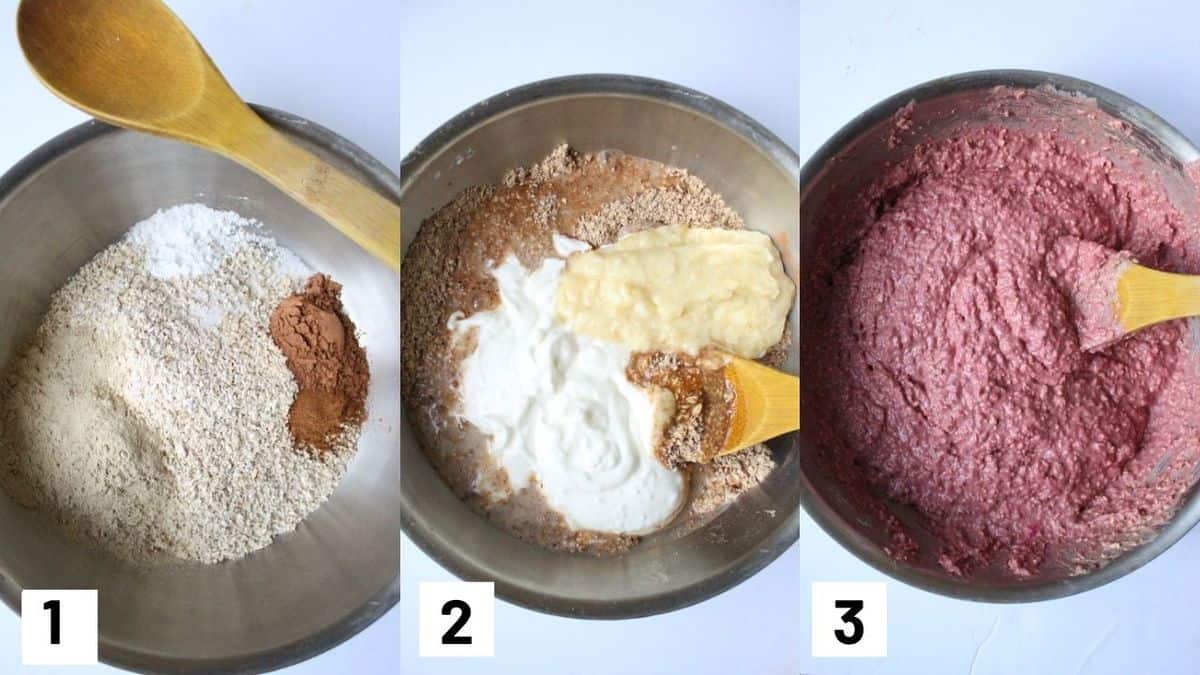
Three side by side images showing how to prepare recipe including preparing the dry and wet ingredients and combining to create pancake batter.

Step 1: In a mixing bowl, combine all dry ingredients including protein powder, oat flour, cinnamon, cocoa powder, baking soda, and salt.

Step 2: Add wet ingredients to the mixing bowl including mashed banana, yogurt, almond milk, vanilla, flax egg, and maple syrup.

Step 3: Add pureed beets or natural food colouring to the pancake mix and combine and mix until it reaches your desired colour.

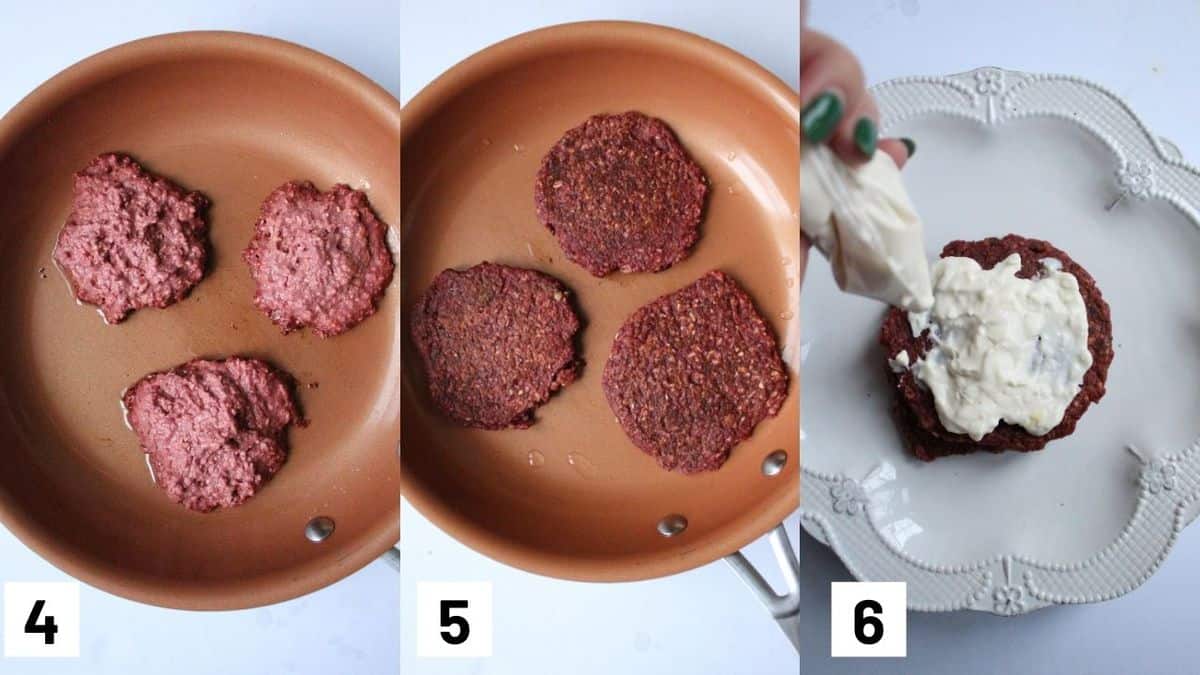
Three side by side images showing the pancakes cooking on a skillet and cream cheese mixture being added to the top with a piping bag.

Step 4-5: Heat coconut oil over a large nonstick skillet over medium heat and add 1/4 cup of batter to form one pancake. Cook until golden brown on both sides.

Step 6: Meanwhile, mix together the cream cheese, yogurt, lemon, maple and vanilla until well incorporated and transfer to a piping bag.

Expert Tips

Since we are using oat four in this recipe, it tends to yield a thicker batter. For this reason, you won’t get the same bubbling effect to indicate when the pancake is ready to be flipped. So instead, look for browning around the edges of the pancakes before flipping.

If you don’t have a piping bag on hand, one of my favourite hacks is to simply use a Ziploc bag or sandwich bag instead. You can do this by adding the cream cheese filling to the inside of a sandwich bag and cutting the tip of one of the bottom corners to create a small opening. You can then treat it exactly as you would a piping bag by squeezing the bag until the filling comes out of the opening.

Recipe FAQs

How long do these keep in the fridge?

These pancakes last around 2-3 days in the fridge.

Can I freeze these?

Yes absolutely! I love to freeze pancakes as it makes for an easy grab and go breakfast on busy mornings. These pancakes will freeze for up to 3 months.

What can I use instead of protein powder?

If you don’t want to use protein powder, you can add 1/4 cup of hemp seed to the dry batter (provides 13 grams of provide) or substitute the almond milk for soy milk which provides around 7 grams of protein per cup compared to almond milk which only provides 1 gram of protein. If you don’t need to make these red velvet pancakes vegan, you can use Greek yogurt or cottage cheese in the wet batter. I would also suggest adding an extra tablespoon of cocoa powder so you don’t miss out on the chocolate flavour.

How can I make oat flour from scratch?

Super easy! All you gotta do is pulse gluten free oats in the food processor or a high speed blender until it reaches a flour like consistency.

 
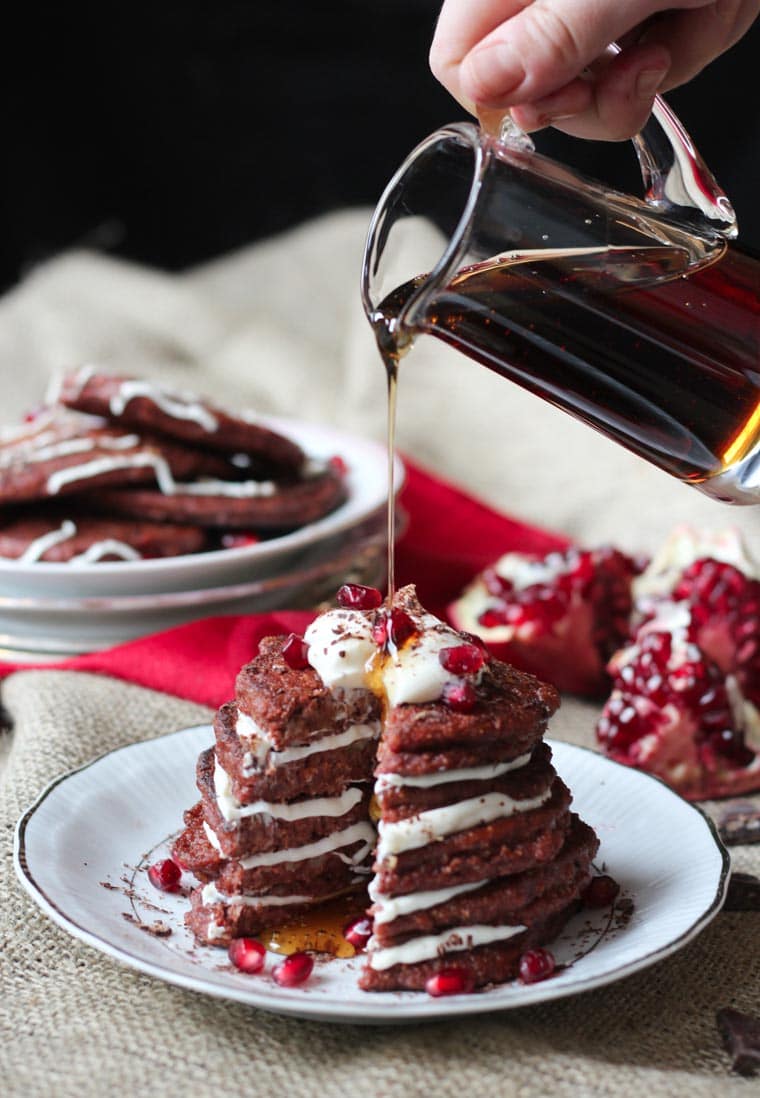
A stack of red velvet pancakes being drizzled with maple syrup.

More Recipes You Might Like

Here are some more great Vegan Valentine’s Day recipes that I know you would love.

  • VEGAN BEET SOUP WITH APPLES & GINGER 
  • STRAWBERRY CUCUMBER SALAD 
  • VEGAN RED VELVET FONDUE 
  • NUTELLA PROTEIN PANCAKES 

What will you be making for Valentines Day for your sweetie or family?

These Vegan Red Velvet Protein Pancakes with natural beet food coloring from beets is the perfect romantic gluten free, healthy Valentines Day brunch recipe to share with your sweetheart or family!
Print Recipe
4.75 from 4 votes

Red Velvet Pancakes (Vegan, Gluten Free, Food Dye Free)

These Red Velvet Pancakes are the perfect healthy plant-based Valentines Day brunch recipe to share with your sweetheart or family! They are also gluten free and use no artificial food dye.
Prep Time10 minutes mins
Total Time15 minutes mins
Course: Breakfast
Cuisine: American
Diet: Gluten Free, Vegan
Servings: 5
Calories: 489kcal
Author: Abbey Sharp

Ingredients

Flax egg:

  • 1 tbsp flax
  • 2 tbsp unsweetened vanilla almond milk

Pancakes:

  • 1 1/2  cups  gluten free oats pureed into a flour
  • 1  tsp  cinnamon
  • 1/4  cup vegan chocolate protein powder
  • 1  tbsp  unsweetened cocoa powder
  • 1/2  tsp  baking powder
  • Pinch  salt
  • 1  tsp  pure vanilla extract
  • 1  cup  plain coconut or almond yogurt
  • 2/3  cup unsweetened vanilla almond milk
  • 1 prepared flax egg
  • 1 medium ripe banana mashed
  • 3  tbsp  maple syrup
  • 1/4 cup pureed beets or natural red food colouring
  • Coconut oil for cooking

Cream cheese drizzle:

  • 4 oz vegan cream cheese
  • 1/4 cup plain coconut or almond yogurt
  • 1 tsp Vanilla extract
  • Juice of 1 lemon wedge
  • 2 tsp maple syrup or to taste

To garnish:

  • Vegan chocolate shavings
  • Pomegranate arils
  • Maple syrup if desired

Instructions

Directions:

  • In a small ramekin, mix together the flax with the almond milk and sit in the fridge to set up for an hour.
  • Once it reaches a gloopy egg like consistency, mix together the dry ingredients of the pancakes. Then add in all of the wet ingredients including the beets. If you’re using food coloring, you can omit this until everything is incorporated, then add your food coloring and mix until it reaches your desired colour.
  • Preheat a large nonstick skillet over medium heat and add in a little coconut oil. Add 1/4 cup of batter in a circle and cook until golden brown on both sides.
  • Meanwhile, mix together the cream cheese, yogurt, lemon, maple and vanilla until well incorporated and transfer to a piping bag.
  • Stack the pancakes with a generous layer of the cream cheese yogurt and top with chocolate, pomegranate arils and maple syrup, if desired. Enjoy!

Video

Notes

Since we are using oat four in this recipe, it tends to yield a thicker batter. For this reason, you won’t get the same bubbling effect when heating to indicate that the pancake is ready to be flipped. So instead, look for browning around the outside corners of the pancakes to flip.
If you don’t have a piping bag on hand, one of my favourite hacks is to simply use a ziploc bag or sandwich bag instead. You can do this by adding the cream cheese filling to the inside of a sandwich bag and cutting the tip of one of the bottom corners to create a small opening. You can then treat it exactly as you would a piping bag by squeezing the bag until the filling comes out of the opening.

Nutrition

Calories: 489kcal | Carbohydrates: 75g | Protein: 19g | Fat: 15g | Saturated Fat: 4g | Sodium: 214mg | Potassium: 511mg | Fiber: 13g | Sugar: 15g | Vitamin A: 15IU | Vitamin C: 10mg | Calcium: 244mg | Iron: 5mg

Have you tried making these red velvet pancakes? Let me know your thoughts down in the comments below!

Abbey Sharp

Abbey Sharp is a Registered Dietitian (RD), regulated by the Ontario College of Dietitians. She is a mom, YouTuber, Blogger, award winning cookbook author, media coach specializing in food and nutrition influencers, and a frequent contributor to national publications like Healthline and on national broadcast TV shows.
www.abbeyskitchen.com/about-abbey/

Last Updated April 16, 2024. Published February 7, 2024 By Abbey Sharp 10 Comments

Starting Solids for Baby | When is the Best Time to Start Solids?

Wondering when your baby should start solids? We review the evidence on the 4 months vs 6 months debate.

Wondering when your baby should start solids? We review the evidence on the 4 months vs 6 months debate on starting solids for babies.

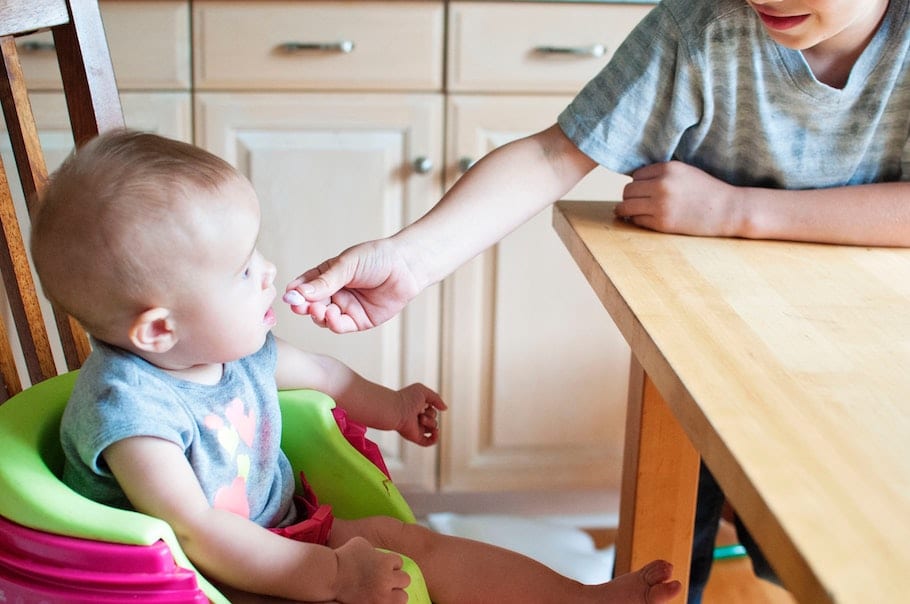
Parent starting solids for baby.

It’s that time. Your baby is ready to start solids. Yes, they’re still a big milk fan, but they’re on the hunt for something more. They want texture, they crave flavour and most of all, they want to throw their food halfway across the room to prove their independence! So, your babe is ready to start solids and you’re ready, but the real question remains. Is it safe to start now? Should I start solids at 4 months, 6 months, somewhere in between?

Let’s see what the evidence says about the best time for starting solids for baby.

Current Guidelines on The Best Time for Starting Solids for Baby

A statement by Infant Feeding Joint Working Group made out of prominent groups including Health Canada, Canadian Paediatric Society, Dietitians of Canada and Breastfeeding Committee for Canada recommends breastfeeding exclusively for the first six months and continuing (if possible) for up to two years. The UK and USA also recommends starting solids at the six month mark. Why can’t babies just live on milk for life? Well, while breast milk and formula are highly nutritious, around the 6 month mark, babies start to need more iron and zinc in their diet, which can be supplied by adding some iron-rich foods. This is what we call “complementary” feeding. In other words, you’re not supposed to stop giving breastmilk or formula at the 6 month mark, but it’s time babe gets a little more in their diet.

Okay, so those may be the official recommendations, but what are moms really doing? Here are the stats.

Data from 2011-2012 found that 26% of mothers in Canada breastfed exclusively for six months, and 51% of exclusively breastfed for four months. Further, 11% of Canadian infants consumed solid foods at three months or younger, 32% at four to five months and 57% began eating solids at six months. In the US, 25% of mothers breastfed exclusively for the first six months and 47% for the first three months.

A study from the US, asked moms why they introduced solids to their infants before 4 months and found several popular reasons including:

  • Their baby had a medical condition
  • They believed their baby was old enough to start solids
  • They believed their baby seemed hungry
  • Their baby showed interest in solid foods
  • A healthcare professional recommended starting solids
  • They wanted to keep their baby asleep longer at night.

So what are the implications of starting solids at different times in baby’s life? Let’s take a look.

Should you Start Solids BEFORE Four Months?

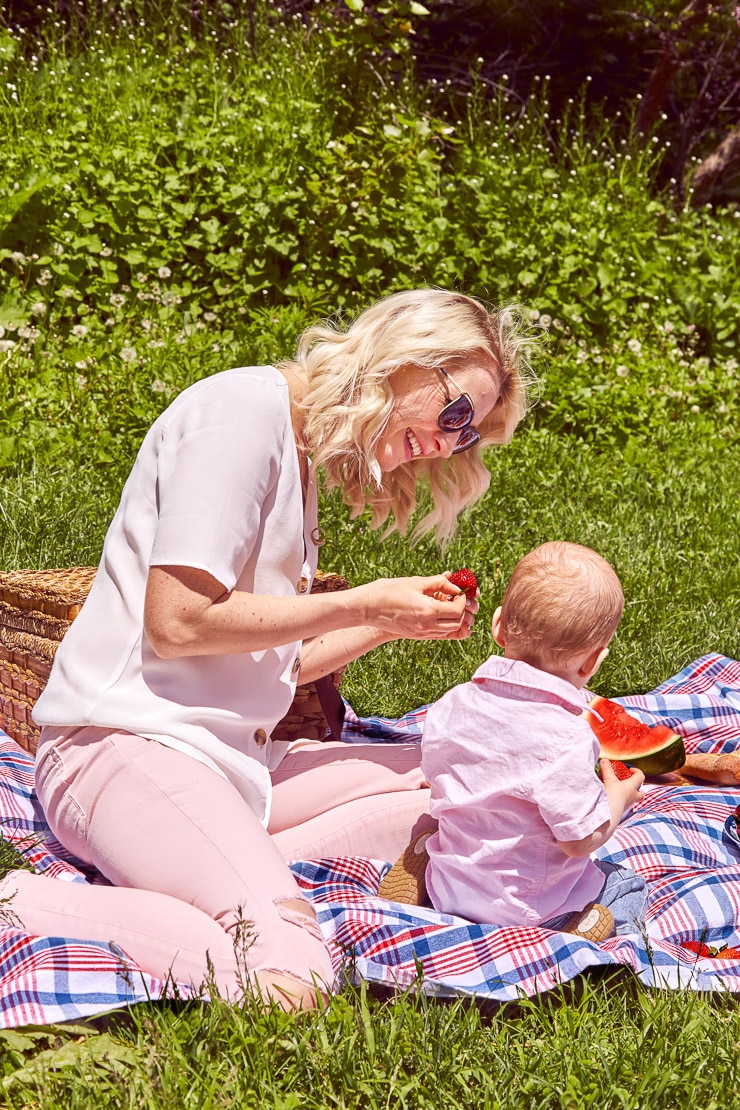
Abbey having a picnic with her baby.

Introducing solids before four months is definitely not recommended for the general healthy population. Research has found that the introduction of solids before four months has been linked to:

  • Wheezing
  • Increased body fat and weight
  • Type 1 Diabetes
  • Celiac disease
  • Eczema
  • Food allergies

Starting Solids BETWEEN 4-6 months vs EXACTLY AT 6 months

So we’ve established that starting before 4 months may not be the best idea for your baby’s health, but what about starting solids AFTER 4 months but BEFORE 6 months? Since 2001, the WHO has begun recommending exclusive breastfeeding for the first 6 months of life, but there is still a huge debate in pediatric circles about the potential benefits and risks of starting a bit before. Let’s take a look at some of the health implications of when babies start solids.

Allergies

Microscope examining a specimen.

Early evidence suggests that there is a critical early development window between four to six months of age when food allergy risk can be reduced. The LEAP study looked at infants who were at high risk of a peanut allergy and found that children who were introduced to peanuts early (between four and eleven months) had decreased frequency of developing peanut allergies compared to infants who avoided peanut introduction (until five years of age). Based on findings from the LEAP study, there are updated guidelines for introducing peanuts based on risk.

  1. Infants at highest risk of developing a peanut allergy should be introduced at 4-6 months
  2. Infants with moderate risk of peanut allergy should be introduced at about 6 months
  3. Infants not at risk of peanut allergy should be introduced to peanuts freely when starting solids in accordance to family preferences and cultural practices.

Another study showed that introduction of a cooked egg around four months of age may protect against egg allergy, while research suggests that exposure to the top 8 allergens after six months may increase risk.

Bottom line: There seem to be benefits to starting solids between 4 and 6 months for allergy prevention, particularly in children with higher risk of food allergies.

Growth and Weight

Close up of measuring tape.

Despite a lot of moms and pediatricians citing their baby’s low body weight (and concern for weight gain) as a reason to start solids early, the research to date suggests that starting solids at 4 months vs. 6 months has little to no effect on growth for babies who are simultaneously breastfed. A study in the USA from 1998 found that there were no differences in growth and body composition in infants who started solids at 6 months compared to 4 months. Meanwhile, studies from Iceland in 2012 and 2014 found that infants exclusively breastfed for 4 vs 6 months didn’t show any significant differences in growth, body composition, energy intake. They also did not have any different risk of being overweight or overweight in childhood. Likewise, a study from Honduras also found that there were no differences in weight and length when comparing babies who were introduced to solids at 4 vs. 6 months of age.

But what about the concern on the other end – that starting solids early will contribute unnaturally to the risk of “obesity”? Unlike the literature showing that starting solids very early (before 4 months) is linked to a higher risk of “obesity”, a systematic review concluded that there were no clear associations between the timing of the introduction of complementary foods and childhood overweight or “obesity”. In fact, a study from Copenhagen also found that introducing solids before 6 months was protective against children gaining weight later on in adulthood.

Bottom line: Based on the evidence we do have, introducing solids sometime between 4 months vs. 6 months found likely has little impact on their growth and body weight potential. Babies are incredibly intuitive and will self-regulate their intake to get the calories they need. So if they don’t get it from solids, they’ll make up for it in milk, or vice versa.

Outcomes for Mom

Women holding her baby.

Considering that breastfeeding does burn calories, research (here and here) found that moms who breastfed for at least six months lost more weight compared to women who did not breastfeed, or breastfed non-exclusively. Unfortunately, the effects are generally small. Another outcome for mothers is that those who breastfed for at least six months have prolonged lactational amenorrhea, which may or may not be a benefit depending on your family planning goals.

Bottom line: We don’t have any research to date that compares the weight loss potential of women whose babies start solids at 6 months compared to somewhere between 4-6 months, but I would assume the effect would be negligible, especially considering that when solids are first introduced, most of your babe’s calories are stilling come from breast milk.

Infections

Hand holding a baby's hand.

We know that there are a lot of powerful benefits to breastfeeding as it relates to immunity that have informed the authorities recommendation to exclusively breastfeed until 6 months. Babies have developmental delays in their immune systems and breastfeeding provides defense agents which provide protection against infections.

Not surprisingly, a systematic review showed that infants exclusively breastfed for six months saw a 50% lower incidence of GI infections. While this may sound really impressive, it’s important to note that the magnitude of this effect is exaggerated by the fact that half of the studies included looked at infants in third world countries where prolonged breastfeeding would protect against food safety concerns. A little closer to home, one study out of Belarus also found that infants breastfed exclusively for 6 months had fewer GI infections compared to infants weaned at 3 months. Again, this makes some sense since no authority recommends starting solids before 4 months. In the UK, the risk for GI infections did not significantly vary for infants according to the age of starting solids. While in the US, exclusively breastfeeding for at least 4 months reduced the risk of respiratory infections by 72%, and exclusively breastfeeding for 6 months led to a fourfold decrease in the risk of pneumonia. The US study also found that any breastfeeding is associated with 64% decrease in GI infections suggesting that there are benefits regardless of when you introduce solids.

Bottom line: Evidence suggests that exclusive breastfeeding for 6 months is protective against infections and that any length of breastfeeding is protective against GI infections. The protective effects of delayed introduction of solids may be more important in developing countries where food born illness risk is significantly higher.

Type 1 Diabetes

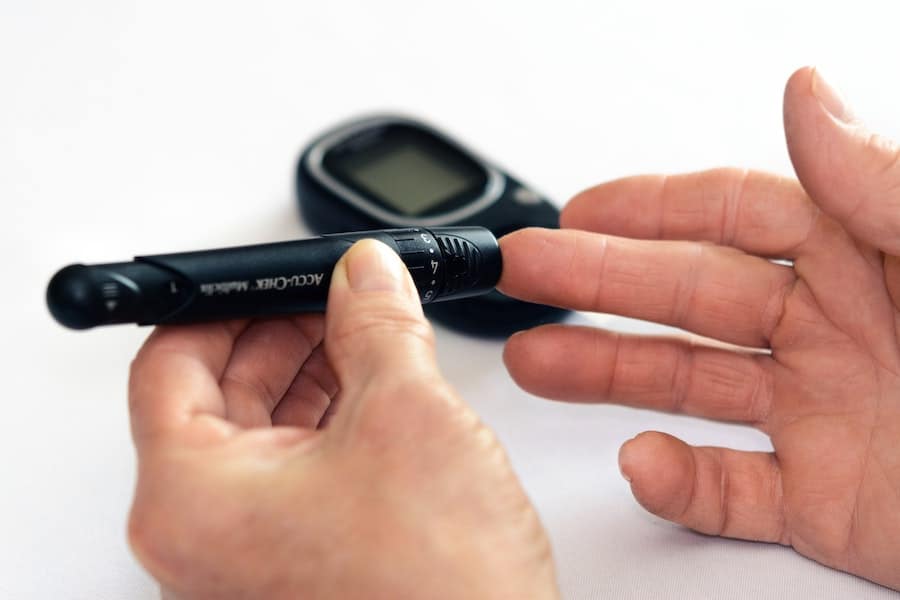
Taking blood sugars from your fingertip.

There was been talk in some circles about the research linking the timing of introducing solid foods to the risk of autoimmune disorders. A large epidemiological investigation of children at risk for type 1 diabetes found that exposure to cereals (rice, wheat, oats, barley, rye) that occurred early (less than four months) or late (more than six months) resulted in a significantly higher risk of diabetes compared to introduction between 4 and 6 months. Another study in Colorado found that early (before four months) and late (more than 6 months) introduction to any solid foods was related to development of type 1 diabetes. The safest age to introduce solid foods for babies at risk for type 1 diabetes was identified to be between four and five months. Breastfeeding while introducing new foods may also reduce risk of type 1 diabetes.

Bottom line: Evidence suggests that there is a U shape curve when it comes to risk related to Type 1 Diabetes and that starting solids before 4 months or after 6 months may increase the risk. There may be a sweet spot then around the 4-6 month window when the risk of Type 1 Diabetes is lowest.

Celiac Disease

Wheat in a field.

Celiac disease is a hot topic with the rise in gluten-free foods, but can the timing of starting solids for baby play a role? A 2015 study found that introducing gluten at 4 versus 6 months resulted in similar rates of celiac disease in children who were considered higher risk. This finding also held true for kids who were not at a particularly higher risk.

Meanwhile, in a 2005 observational study, researchers observed a U shaped curve when it came to celiac risk, suggesting that babies introduced to gluten in the first 3 months of life or by the 7th month or later had a higher risk of celiac compared to babies introduced between 4 to 6 month period.

Adding more support for the role of breastfeeding while introducing solids, additional research found that there was a 50% decrease in risk of developing celiac disease when babies were breastfed at the time of gluten introduction.

Bottom Line: Evidences suggests that introducing solids between 4 and 6 months decreased the development of celiac disease compared to the introduction of gluten at 3 or at 7 months. Therefore, it seems best to introduce gluten somewhere between 4-6 months.

Nutrient Status and Iron Deficiency

Oatmeal in a bowl with blueberries.

Studies suggest that mixed fed infants (breastfed and solids fed) tend to have much higher levels of iron in the blood compared to exclusively breastfed infants, likely because it’s recommended that parents start babies on iron-rich foods. Based on this finding, another study concluded that breastfed infants introduced to solids between 4-6 months have a lower risk of anemia.

This is in contrast to earlier research which suggested that introducing solids may actually play a role in anemia risk. One study from 1995 that I’ve seen quoted a fair bit online found that infants who were exclusively breastfed for 7 months had higher iron levels in the blood at one year compared to infants who were introduced solids earlier, concluding that exclusive breastfeeding for 7 months reduces anemia risk. The authors theorized that the reason why infants exclusively breastfed for 7 months had higher blood iron levels was because infants who started solids earlier consumed more foods that contain inhibitors of iron absorption (like dairy) and that breast milk has enhanced iron bioavailability. Another theory was that this particular sample of mothers had higher concentration of iron in their milk and/or their infants had higher iron stores. Theories aside, this study is older than the studies I mentioned above and had only 30 babies in their sample, leading the authors themselves to suggest, “they were not a representative sample of the general infant population.”

Bottom Line: Breastmilk alone is insufficient in iron for babies by around the 6 month mark, so iron-rich foods (like infant cereal, meat, and beans, for example) are good complimentary foods to introduce. There may also be benefits to beginning these foods slightly before the 6 month mark (if not, at least at the 6 month mark) to help build up these iron stores but more research is likely needed to confirm.

Intelligence and IQLight bulb on a blackboard.

There’s a lot of research looking at the benefits of breastfeeding on intelligence and IQ which is one of the most commonly cited reasons for delaying solids introduction. A study from Denmark found that increased length of breastfeeding (up to 9 months) was associated with higher scores on intelligence tests in adults, while a study in Brazil found that being breastfed for up 12 months was associated with higher IQ, more years of education, and higher income compared to those breastfed for one month. Summarizing these findings, a systematic and critical review of the available literature concluded that breastfeeding promoted intelligence and improved performance on an intelligence test. The issue with all of these studies I mentioned, however, is that they don’t really answer the question of whether or not starting solids at 4 months or 6 months makes any difference in intelligence scores. Ultimately when babies start solids, they’re taking in very little of their daily calories through food, and the assumption is that they will continue to drink milk at the same time, reaping the benefits cited above.

Bottom Line: While there is no solid data on timing of starting solids and intelligence, it is generally understood that breastfeeding and increased duration of breastfeeding is related to increased intelligence. However, more research is needed to understand if the introduction of solids affects intelligence.

Choking Risk

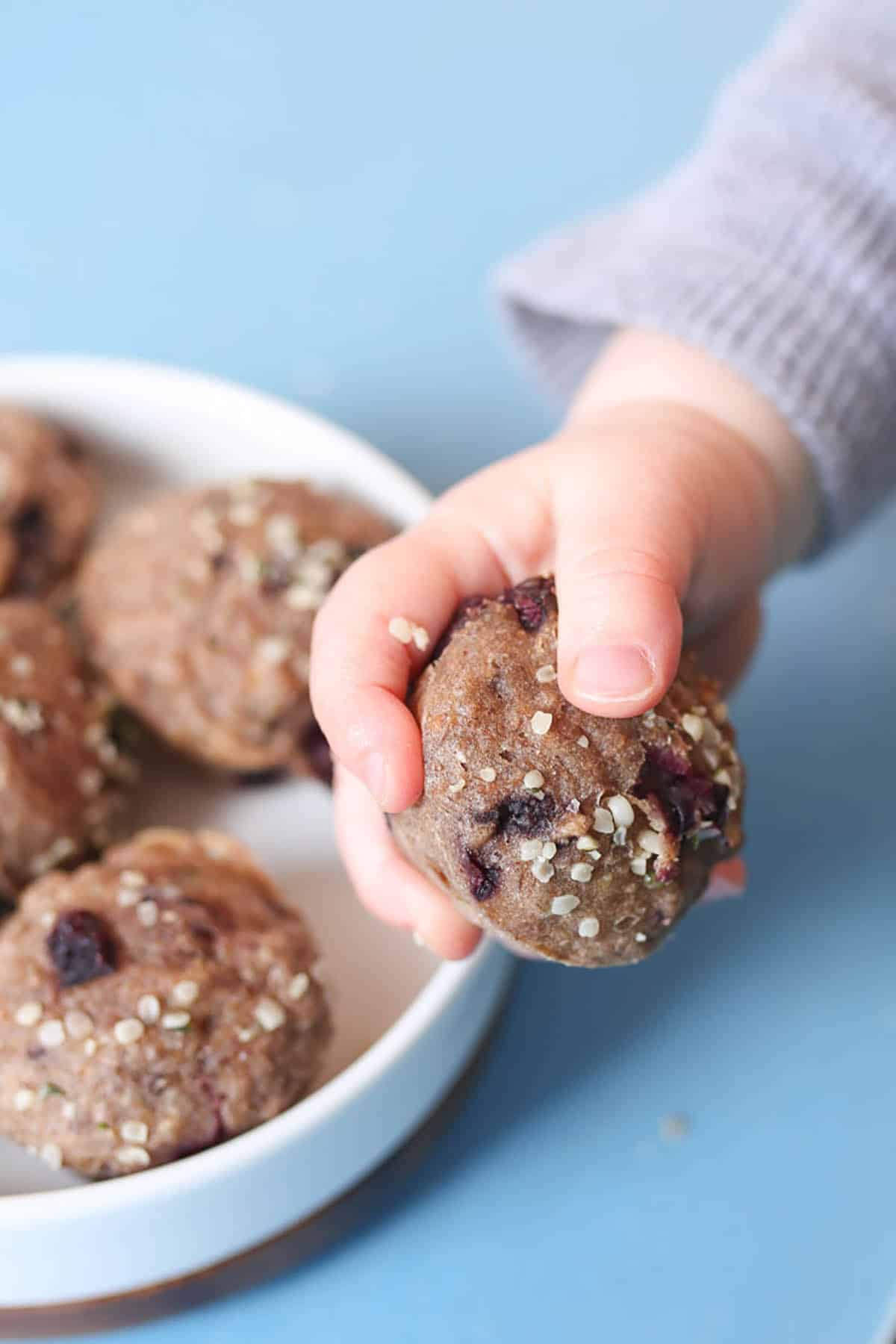
Baby hand holding a blueberry muffin.

A review by Naylor & Marrow concluded that most full term infants are not developmentally ready to be introduced to solids until the age of 6-8 months. Not surprisingly, introduction before a baby is developmentally ready increases the risk of choking.

Here are some signs that point to a baby’s developmental readiness for solids:

  • Baby can sit up without support and has good control over head, neck and trunk
  • Baby has lost tongue-thrust reflex and doesn’t push solids out of their mouth automatically with their tongue
  • Baby opens mouth when food is coming
  • Baby is able to close upper lip over spoon and keep most of the food in their mouth
  • Baby is ready and wanting to chew
  • Baby is developing pincer grasp and is able to hold objects between thumb and index finger
  • Baby wants to join in during meal time and tries to grab food and put in their mouth

Bottom Line: While it’s possible that the majority of babies are not developmentally ready for solids at 4 months, it’s also possible that your baby is not even ready exactly at 6 months. All babies develop differently, and what is more important than the calendar date is that they are demonstrating most of the common signs of readiness.

Gut Development

A full term newborn’s gastrointestinal tract is mature and has the capacity to do most GI functions. However, there are issues in the digestions of proteins, fats and complex carbohydrates that can be enhanced by consuming breastmilk. Research suggests that breast-fed infants have less difficulty with gastroesophageal regurgitation (aka spitting up), better stomach emptying, and better waste elimination. This is one of the reasons why many experts suggest that exclusive breastfeeding helps support healthy gut function for the first 6 months of life.

However, one of the big reasons I see cited online for delaying solids is that babies supposedly have a “virgin gut” that is “open” and susceptible to bacteria, toxins and allergens passing through. The theory, popularized by many online mom blogs, suggest that there are spaces between the cells in the intestine before the age of 6 months, and that foreign food particles can get through and wreak havoc on our little babes. The problem is there isn’t really any science to back this up. In fact, if this were true, we likely wouldn’t see the new guidelines for allergen introduction state that giving common allergens before 6 months may have some benefits. The reality is that the gut closure actually happens within the first few weeks of life, well before anyone is giving their baby solids, anyway.

Bottom Line: Research indicates that breastmilk may help build a healthy digestive tract, but you don’t have to worry about baby’s digestive tract being “open” if you introduce solids slightly before 6 months.

So if there are at least some potential some benefits to starting a bit before 6 months for some babies, why is the official recommendation to wait until 6 months to start solids?

Recommendations from major health authorities such as the World Health Organization are meant for all countries including both developed and developing countries. In developing countries, specifically, breastfeeding longer helps with lactation amenorrhea and decreased GI symptoms, which are more important in regions with limited access to birth control and sanitation concerns.

Bottom-Line: Starting Solids For Baby at 4 Months vs. 6 Months

Stethoscope laid on top of charts.

Here’s the thing. I think it’s really easy to look at all these potential benefits I’ve cited and think it FOR SURE makes sense to start early. I don’t want this to be such a clear cut answer because I do believe it’s highly personal and in a lot of cases, only makes sense to wait until 6 months. The reality is that breastmilk (or formula) is still much more nutritious then any solid food we can possibly give, and adding solids displaces that nutrition. When you do start solids – whether at 4 months, 6 months, or somewhere in between – understand that the vast majority of your baby’s nutrition should still be coming from breastmilk or formula. Solid food can just be the cherry that may be used in modest amounts for allergy prevention, motor skill development and fun. You don’t need to feel pressure that your baby needs to be eating full big meals as soon as the calendar says 4 months or 6 months.

In summary, there is some contradictory evidence on the exact best time to for starting solids for baby, with some concerns being addressed with slightly early introduction between 4-6 months (including allergies, type 1 diabetes, celiac disease and anemia), while others seeing some advantages to waiting until the half-year mark (like infections, and choking risk) and some grey areas (such as growth, intelligence, gut health and outcomes for mom). But while we know there are strong contraindications to starting solids before 4 months or well after 6 months, in a lot of cases, we don’t have a ton of great research to nail down the sweet spot between the 4 to 6 month range. So until we have more high quality research, this is really where working with a pediatric dietitian who can assess your unique situation and your infant’s signs of readiness will help you make the best decision for him or her.

Contribution By: RD2B Hannah Wilson

More Blog Posts You Might Like

Did you find this post helpful? Check these out next for more help with starting solids for baby!

  • BLW First Foods | A Beginner’s Guide To Starting Solids Without Spoon Feeding
  • Starting Solids for Baby 101 | Arsenic in Rice, Baby Led Weaning, Allergies and More
  • Baby Led Weaning Recipes | Finger Foods for Pincer Grasp Practice 9-12 Months+
  • How to Introduce Peanut Butter to Baby to Reduce Risk of Peanut Allergy

Hey parents, what was your experience starting solids for baby? Leave any tips and tricks in the comments!

Abbey Sharp

Abbey Sharp is a Registered Dietitian (RD), regulated by the Ontario College of Dietitians. She is a mom, YouTuber, Blogger, award winning cookbook author, media coach specializing in food and nutrition influencers, and a frequent contributor to national publications like Healthline and on national broadcast TV shows.
www.abbeyskitchen.com/about-abbey/

Last Updated February 4, 2024. Published February 5, 2024 By Abbey Sharp 21 Comments

Red Velvet Chocolate Fondue Pot | Gluten Free Valentine’s Day Recipe

This Healthy Red Velvet Fondue is a perfect Gluten Free and Red Food Dye Free treat for Valentine’s Day that your sweetie will love!

This Healthy Red Velvet Chocolate Fondue Pot is a perfect Gluten Free and Red Food Dye Free treat for Valentine’s Day that your sweetie will love!

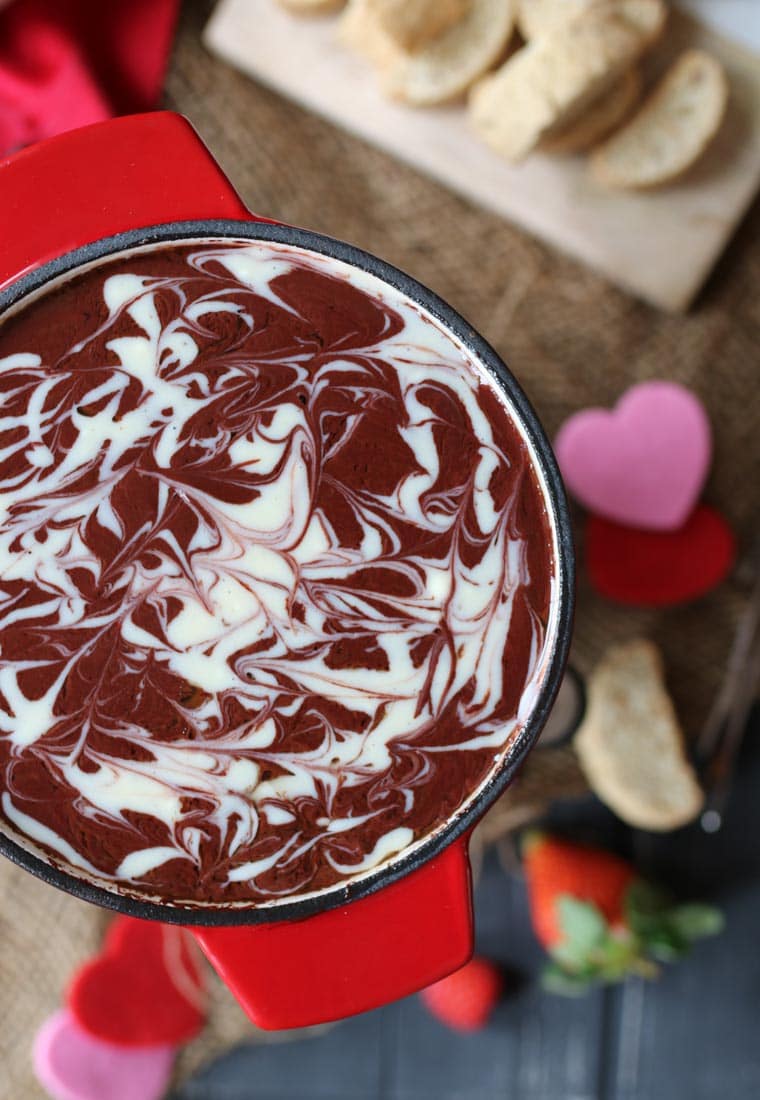
birds eye view of red velvet fondue in a bowl

LADY TRUTH BOMB. You don’t have to be 30 weeks pregnant to want a lot of chocolate on Valentine’s Day. I’m pretty sure that’s a legit desire for most women, most days of the year. But while most days I’m totally happy to enjoy my modest square of dark chocolate before bed, on Valentine’s Day, I’m busting out the big guns to make a decadent fondue. And not just any fondue, Red Velvet Chocolate Fondue Pot. Cue the sexy Marvin Gaye soundtrack. Bow-chicka-wow-wow. Let’s do this.

Table of contents

  • Why This Recipe Works
  • Key Ingredients
  • How to Make This Recipe
  • Expert Tips
  • Recipe FAQs
  • More Recipes You Might Like

Why This Recipe Works

This recipe is the perfect way to jazz up your Valentine’s Day this year! In addition to the chocolate, we have to get some red in there to get into the festive spirit, but I’m all for going red food dye free. So to give my Red Velvet chocolate fondue pot a red hue naturally, I used pureed beets. Seriously, when nature brings you a red THIS vibrant, there’s no need for artificial food dye. I also love this recipe because it’s

  • Easy to pair with so many yummy options
  • Quick to make – less than 30 minutes!
  • Great for those with food restrictions as it’s gluten free

Key Ingredients

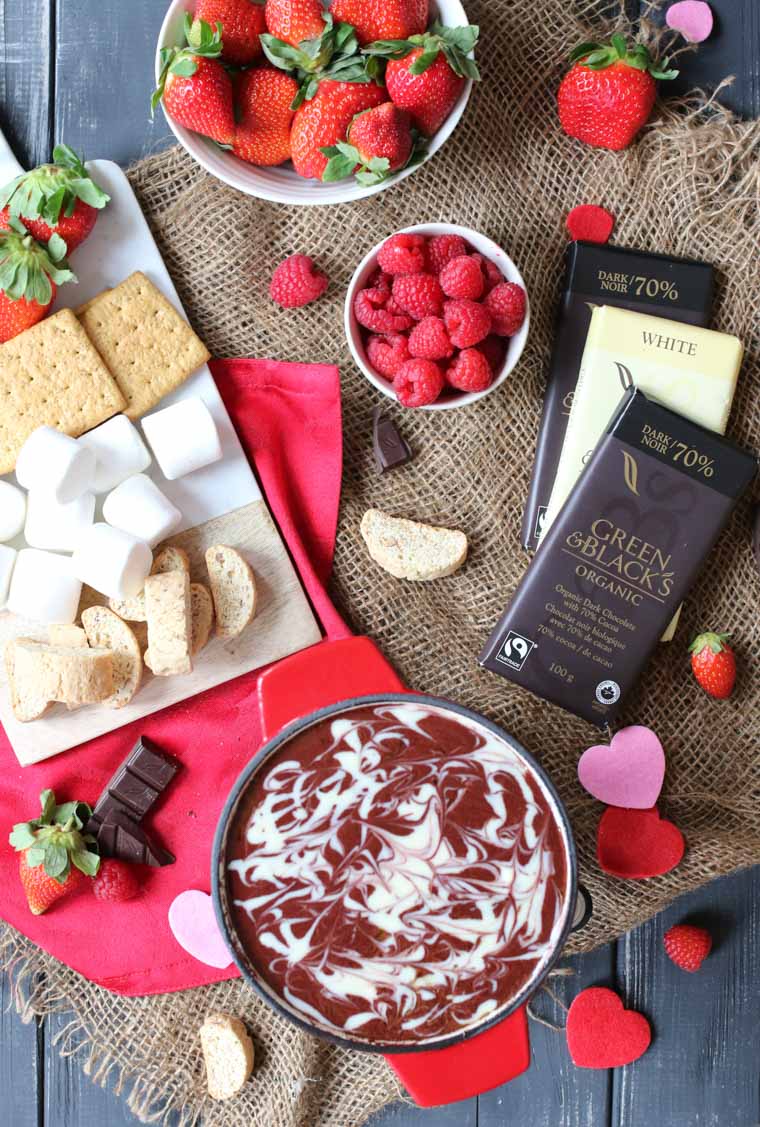
birds eye view of red velvet fondue with chocolate, fruit, marshmallows, and crackers

Beets – Beets are packed with antioxidants + fiber and helps to make this chocolate fondue pot a beautiful red color!

Chocolate – You’ll need both dark and white chocolate to make this yummy red velvet fondue. Any brand will do!

Cream Cheese – Softened cream cheese not only helps make a super cool swirl on top of the fondue, but it also helps make it thick and creamy for dipping!

How to Make This Recipe

Step 1: In a food processor or blender, puree the beet with the coconut oil and ¼ cup of coconut milk until very smooth. Set aside.

Step 2: Place the white chocolate into a glass bowl set over a pot with 1 inch of simmering water over low heat until melted. Allow to cool to just above room temperature, then mix in the softened cream cheese and coconut milk. Set aside.

Step 3: Place the dark chocolate in a glass bowl set over a pot with 1 inch of simmering water over low heat. Add in the remaining ¾ cup of coconut oil and allow to gently melt. Stir in the beet puree.

Step 4: Layer the chocolate and the cream cheese chocolate in the fondue pot and give the cream cheese chocolate a nice swirl pattern on top by dragging a toothpick between the dark and white chocolate.

Step 5: Serve with fruit, cookies and marshmallows for dipping, and sprinkles or coconut for decorating.

birds eye view of red velvet fondue with chocolate in background

Expert Tips

So fondue is basically just melted chocolate so you have to make sure you’re using the best quality stuff or else you’re just not going to be happy with the result. In addition to my nightly treat, I’ve used Green & Blacks Organic chocolate a bunch of times in recipes to make a chocolate chevre figs, my famous PB cups, chocolate tahini mousse, chocolate cake cocktails, and a port chocolate sauce for steak. Clearly, the stuff is versatile (and admittedly addictive). They have twelve different amazing varieties, but for my chocolate fondue pot recipe, I opted to use the good 70% stuff as my chocolate base with a decadent white chocolate cream cheese swirl. Because, well, it’s the official day of love, and ladies, we deserve lots of love right now.

Recipe FAQs

What can I dip into this red velvet chocolate fondue pot?

As for dippers, well this is where you can have some fun! Fruit is the obvious healthy choice, and I definitely recommend lots of that. But you can also experiment with marshmallows, cookies (gluten free, if that’s a priority for you), pretzels and other goodies as the vessel to get the chocolate into your mouth. But hey, if you want to get in there with a spoon, this dietitian is NOT going to judge.

Can I freeze this fondue to use later?

Sure! Make sure to let the fondue cool to room temp then store it in an airtight container for up to 1 month until ready to use.

How do I keep the fondue from burning?

The number one tip is to make sure to keep the heat on low while making the fondue! That way it melts slowly and evenly giving it the smoothe and creamy texture we love!

marshmallow dipped in red velvet fondue

More Recipes You Might Like

Looking for other yummy dessert recipes like this red velvet chocolate fondue pot

to impress your special Valentine all year round? Check out some of my favorites below!

  • TOFU CHEESECAKE WITH CHOCOLATE AND OREOS (VEGAN DESSERT RECIPE)
  • LEMON RASPBERRY DESSERT TRIFLE | GLUTEN FREE & FAST!
  • NO BAKE CHEESECAKE RECIPE WITH MATCHA (VEGAN DESSERT RECIPE)
  • VEGAN TAHINI CARAMEL CHOCOLATE CUPS | GLUTEN FREE NO SUGAR ADDED CHOCOLATE DESSERT

Ok, enough from me. I’m going to face plant into this bowl of chocolate happiness. In the meantime, I want to know: What do you plan to make for Valentine’s Day? What would you use as dippers for this red velvet chocolate fondue pot? Leave me a comment below with your thoughts!

This Healthy Red Velvet Fondue is a perfect Gluten Free and Red Food Dye Free treat for Valentine’s Day that your sweetie will love!
Print Recipe
5 from 1 vote

Red Velvet Chocolate Fondue Pot | Gluten Free Valentine’s Day Recipe

This Healthy Red Velvet Fondue is a perfect Gluten Free and Red Food Dye Free treat for Valentine’s Day that your sweetie will love!
Prep Time15 minutes mins
Cook Time10 minutes mins
Total Time25 minutes mins
Course: Dessert
Cuisine: American
Servings: 16 people
Calories: 107kcal
Author: Abbey Sharp

Ingredients

Red Velvet Fondue

  • 1 small beet peeled and steamed until very soft
  • 1 tbsp coconut oil melted
  • 1 cup lite coconut milk divided
  • 2 100 g bars of Green & Black’s Organic 70% Dark Chocolate finely chopped
  • 1 tsp vanilla extract

Cream Cheese Swirl

  • 1 100 g bar of Green & Black’s Organic White Chocolate finely chopped
  • 6 tbsp lite cream cheese softened at room temperature
  • ¼ cup lite coconut milk

Dippers

  • Fruit
  • Cookies
  • Marshmallows
  • Sprinkles
  • Coconut

Instructions

  • In a food processor or blender, puree the beet with the coconut oil and ¼ cup of coconut milk until very smooth. Set aside.
  • Place the white chocolate into a glass bowl set over a pot with 1 inch of simmering water over low heat until melted. Allow to cool to just above room temperature, then mix in the softened cream cheese and coconut milk. Set aside.
  • Place the dark chocolate in a glass bowl set over a pot with 1 inch of simmering water over low heat. Add in the remaining ¾ cup of coconut oil and allow to gently melt. Stir in the beet puree.
  • Layer the chocolate and the cream cheese chocolate in the fondue pot and give the cream cheese chocolate a nice swirl pattern on top by dragging a toothpick between the dark and white chocolate.
  • Serve with fruit, cookies and marshmallows for dipping, and sprinkles or coconut for decorating.

Nutrition

Calories: 107kcal | Carbohydrates: 8g | Protein: 1g | Fat: 8g | Saturated Fat: 5g | Cholesterol: 5mg | Sodium: 50mg | Potassium: 94mg | Fiber: 1g | Sugar: 6g | Vitamin A: 31IU | Vitamin C: 1mg | Calcium: 26mg | Iron: 1mg
Abbey Sharp

Abbey Sharp is a Registered Dietitian (RD), regulated by the Ontario College of Dietitians. She is a mom, YouTuber, Blogger, award winning cookbook author, media coach specializing in food and nutrition influencers, and a frequent contributor to national publications like Healthline and on national broadcast TV shows.
www.abbeyskitchen.com/about-abbey/

Last Updated August 27, 2020. Published February 2, 2024 By Abbey Sharp 16 Comments

Egg Waffle Recipe with Cheese and Spinach | BLW & Toddler Breakfast

This BLW Egg Waffle Recipe is a perfect baby & toddler breakfast, and is keto-friendly for adults looking to add more healthy fats into their diet.

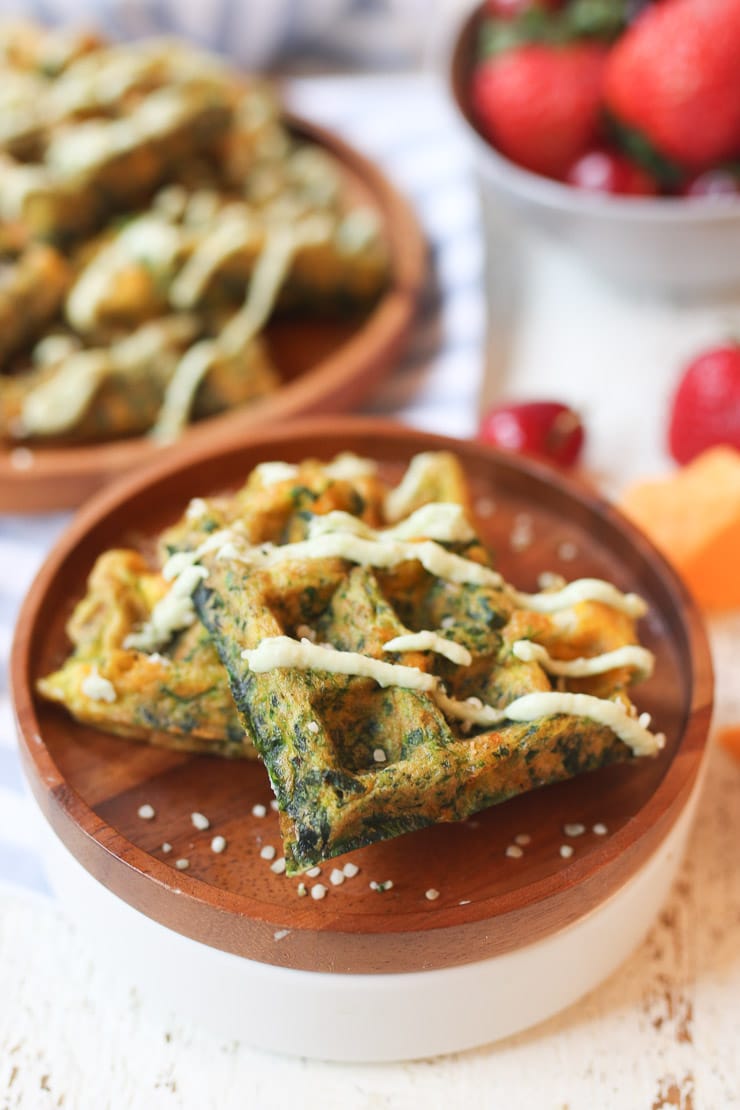
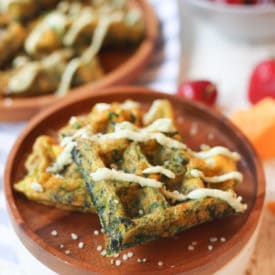
Waffles on a wooden plate.

Let’s be honest- most of us have way too many unnecessary kitchen gadgets in the house, most of which we buy, use once, and then banish to the cupboard forever more. While I have buyers remorse about a lot of things, my waffle iron isn’t one of them. I’ve made waffles on my blog before (like these Birthday Cake waffles, orange Poppyseed waffles, Latke waffles, sweet potato waffles and  savoury waffles, but this egg waffle recipe is really my favorite for feeding my boys

Table of contents

  • Why This Recipe Works
  • Key Ingredients
  • How to Make This Recipe
  • Expert Tips
  • Recipe FAQs
  • More Recipes You Might Like

Why This Recipe Works

I’ve been making healthy waffles for my boys as they’re a great on-the-go snack that I can batch prep and bring with us when I’m out and about. I also love this cheesy egg waffle recipe because it’s

  • High in protein – over 20 grams per serving!
  • Low in sugar
  • Super customizable, feel free to add any extra veg you and your fam love!
  • Quick to make – only 4 steps!

Key Ingredients

Eggs – The star of the show! I love eggs because they are so versatile and can me used in so many different recipes. They also contain about 6 grams of protein per egg!

Cheddar Cheese – Personally, cheddar cheese if my favorite to use in this egg waffle recipe – it just gives the perfect cheesy flavor! Feel free to experiment with your favorite cheeses!

Greek yogurt – Greek yogurt is the perfect base for the drizzle on top of this recipe! Mixed with the lime and avocado makes it delish.

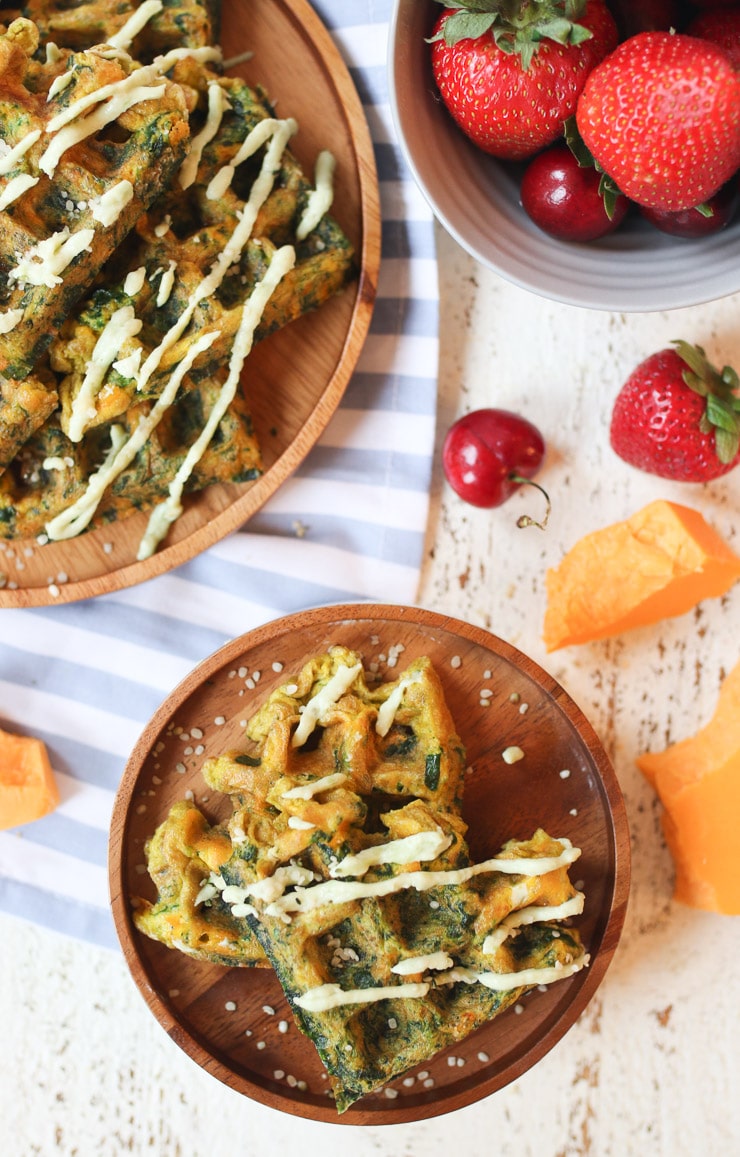
Waffles on a wooden plate.

How to Make This Recipe

Step 1: Squeeze the thawed spinach out really well in a fine sieve and finely chop.

Step 2: In a bowl, combine the eggs, spinach, cheese and cumin. Season to taste with salt and pepper, if using.

Step 3: Preheat the waffle iron to medium high and grease lightly. Add 1/4 of the mixture to the centre of the waffle iron, and cook until golden brown and fluffy.

Step 4: Meanwhile, puree together the avocado with the yogurt and lime juice. Top the waffles with the avocado cream. Enjoy!

Expert Tips

Personally, I mix together some Omega 3 enriched eggs for this egg waffle recipe (I try to sneak omega-3’s in whenever, however, I can).

For the greek yogurt drizzle, feel free to play around with the ingredients! If you have a toddler that prefers a sweet vs savory dish – try mixing in some honey with the greek yogurt for a not-overly-sweet topping!

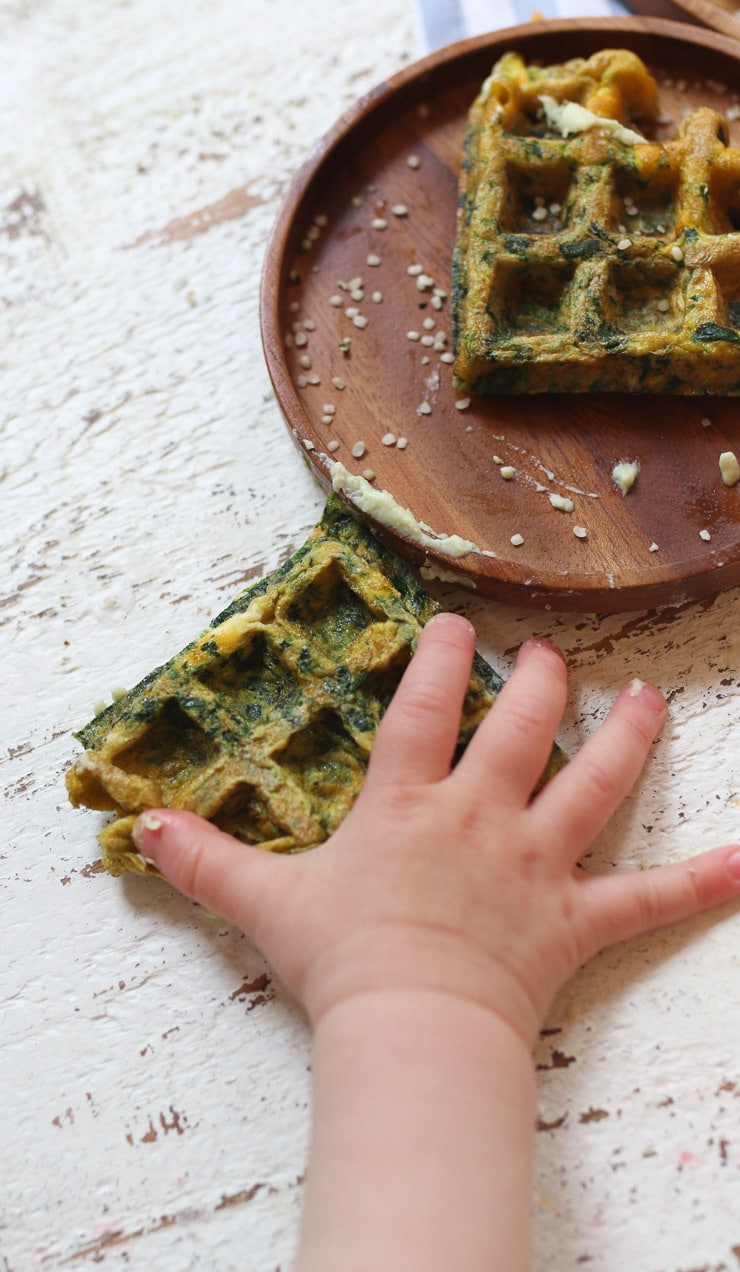
Baby hand holding an egg waffle.

Recipe FAQs

Is this egg waffle recipe Keto and Gluten Free?

Yep! There’s absolutely no grains in them at all, so they’re naturally very low in carbs, and high in those great fats from the avocado, cheese, full fat yogurt and eggs!

Can I add other vegetables, cheese or meat to my egg waffle recipe?

You bet! Get creative and switch it up whenever you make a batch. I like to add different veggies in, and add any leftovers we have in the house!

How do I store these BLW egg waffles?

If you make a big batch, cool them completely on a cooling rack and cut into quarters. Then transfer to a freezer bag, pulling out pieces as you need them.  These make amazing baby and toddler friendly snacks, even without the tasty avocado sauce.

More Recipes You Might Like

Looking for more delicious breakfast ideas like this egg waffle recipe? Check out some of my favorites on the blog!

  • BLW Baby Cereal Protein Pancakes
  • Baby Spinach and Avocado Green Pancakes
  • Egg and Cheese Savory Protein Waffles
  • Sheet Pan Pancake Fingers 

What are some of your favourite baby led weaning friendly snacks and breakfasts?
Leave me a comment below with your thoughts!

Waffles on a wooden plate.
Print Recipe
4.95 from 17 votes

Egg Waffle Recipe with Cheese and Spinach | BLW & Toddler Breakfast

These BLW Cheesy Spinach Egg Waffles are perfect for a healthy baby & toddler breakfast, and are keto friendly for the adults looking to add more healthy fats into their diet.
Prep Time10 minutes mins
Cook Time5 minutes mins
Total Time15 minutes mins
Course: Breakfast
Cuisine: American
Servings: 4 waffles
Calories: 346kcal
Author: Abbey Sharp

Ingredients

  • 8 large omega 3 eggs beaten
  • 1 cup frozen spinach
  • 1 cup grated old cheddar cheese
  • 1/2 tsp cumin
  • Salt and pepper to taste (omit for babies)
  • Avocado Sauce:
  • 1 ripe avocado
  • 2 tbsp whole milk Greek yogurt
  • 2 limes juiced
  • Salt and pepper to taste (omit for babies)

Instructions

  • Squeeze the thawed spinach out really well in a fine sieve and finely chop.
  • In a bowl, combine the eggs, spinach, cheese and cumin. Season to taste with salt and pepper, if using.
  • Preheat the waffle iron to medium high and grease lightly. Add 1/4 of the mixture to the centre of the waffle iron, and cook until golden brown and fluffy.
  • Meanwhile, puree together the avocado with the yogurt and lime juice. Top the waffles with the avocado cream. Enjoy!

Video

Nutrition

Calories: 346kcal | Carbohydrates: 11g | Protein: 22g | Fat: 25g | Saturated Fat: 10g | Cholesterol: 357mg | Sodium: 336mg | Potassium: 573mg | Fiber: 5g | Sugar: 2g | Vitamin A: 5422IU | Vitamin C: 17mg | Calcium: 329mg | Iron: 3mg

Abbey Sharp

Abbey Sharp is a Registered Dietitian (RD), regulated by the Ontario College of Dietitians. She is a mom, YouTuber, Blogger, award winning cookbook author, media coach specializing in food and nutrition influencers, and a frequent contributor to national publications like Healthline and on national broadcast TV shows.
www.abbeyskitchen.com/about-abbey/

Last Updated January 27, 2024. Published January 31, 2024 By Abbey Sharp 12 Comments

Soy Based Baby Formula | Is It Safe For Vegan Babies?

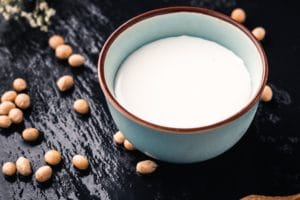
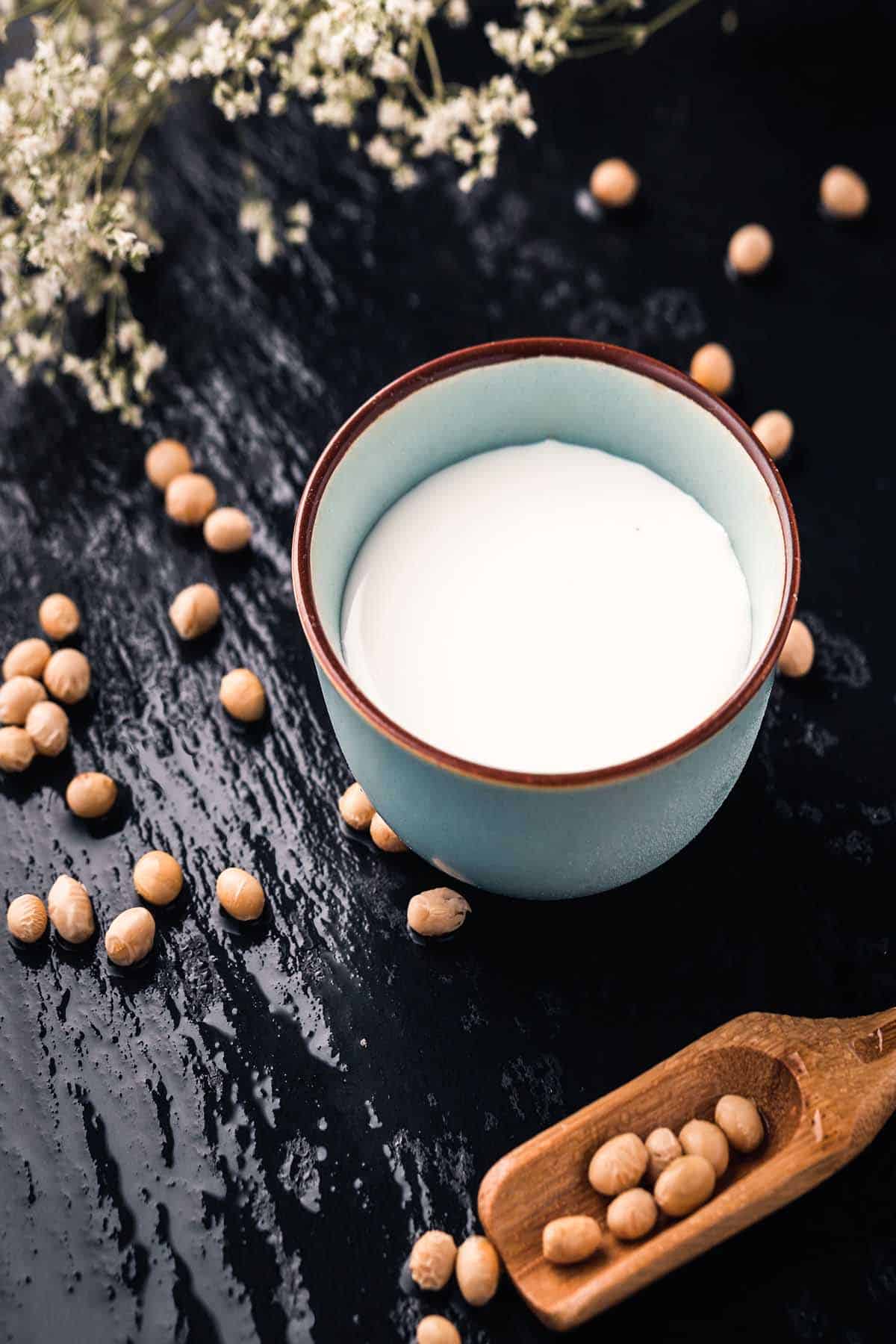
Bowl of soy milk.

Is soy based baby formula bad for babies that are vegan or allergic to dairy? We evaluate the evidence on hormones, weight gain and reproductive health when children consume soy based products.

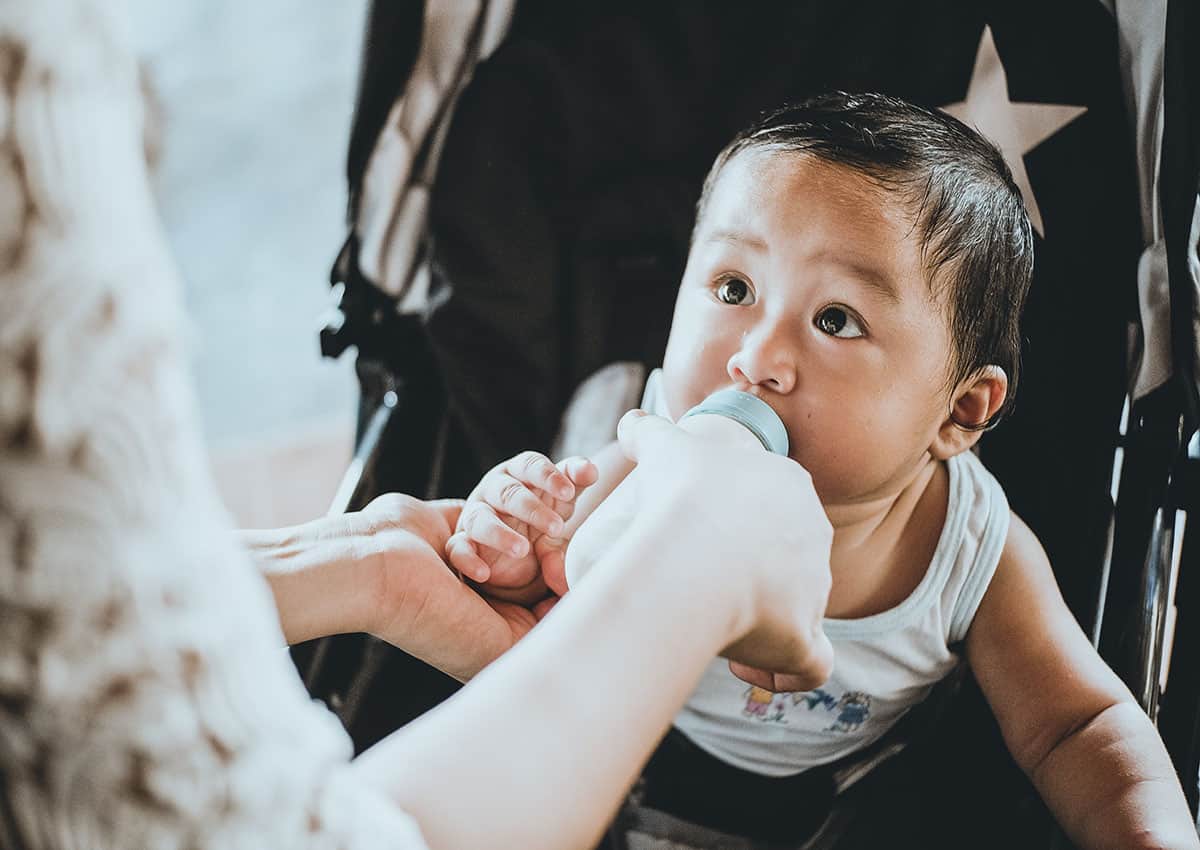
Baby being bottle fed soy milk formula by their caregiver.

One of the questions I’ve consistently seen come up in my mom groups is about what kind of formula is best for babies. Currently, the majority of formulas on the market are cow’s milk based. However, with the rise in plant-based diets and cow protein allergy in infants, soy based baby formula has become a popular alternative. While numerous health benefits of soy and other plant-based proteins have been uncovered, there is still a fair degree of suspicion regarding soy- particularly in the case of infant formulas.

So is soy based baby formula safe for infants that are vegan and/or allergic to dairy? Let’s take a look at some possible concerns, and what the evidence has to say.

Why Choose Soy Milk?

Here are some common reasons why one may choose to feed their baby soy based baby formula over cows milk formula.

Intolerance

When soy formula first appeared on the market in 1909, it was advertised as a way to address diarrhea in infants. Over the following years, it proved to be a good alternative for babies who had cow’s milk allergies, or for infants whose parents were vegan.

Another great use for soy formula is with children who have galactosemia, a genetic condition that prevents babies from properly metabolizing the sugar galactose. Unfortunately, lactose (the sugar in milk) is made up of galactose and glucose. Meaning that babies with galactosemia may have trouble drinking cow’s milk formula or good ole-fashioned breast milk. That’s where soy formula can swoop in to save the day, offering a full-spectrum protein source without the lactose!

Colic & Allergies

Parents may also turn to soy based baby formula to address digestive issues like colic. However, a review of 12 scientific studies found insufficient evidence that switching from cow’s milk formula to soy formula was effective in reducing symptoms of colic.

Another 2013 review concluded that soy formula may help reduce colic, but may exacerbate allergies in children. This is because 10-14% of children with cow’s milk allergies are also allergic to soy. Which means that switching to soy formula may be a gamble.

Experts suggest that hydrolyzed cow’s milk formula may be a better option in these circumstances as they are processed to break apart any of the proteins that might otherwise cause allergies.

Lactose Digestion

Parents may also choose soy based baby formula due to concerns over lactose in cow’s milk. It turns out, however, that there’s loads more lactose in human breast milk than cow, sheep and goat’s milk! Almost all babies are built to consume lactose, and it’s only later in life (at around 5 years of age) that many of us slow down production of lactase (the enzyme that allows us to digest lactose).

Is Soy Based Baby Formula Safe for Vegan Babies?

Soy milk in a blue mug with soy beans surrounding.

Isoflavones

The controversy around soy products for babies boils down to a class of compounds in soy known as isoflavones. Isoflavones are part of a much greater class of compounds found in plants, known as flavonoids. All those articles about how chocolate, coffee and red wine are actually healthy? You can thank flavonoids for that!

Flavanoids have anti-inflammatory, anti-oxidant and even anti-microbial properties. This has garnered them a lot of attention from researchers for their potential in lowering the risk of heart disease and cancer, and isoflavones have been no exception.

Isoflavones are found in all legumes, but can be found in their highest concentration in soybeans. While the high isoflavone content of soy may be helpful in lowering the risk of chronic diseases, isoflavones have a darker side – they can act as hormone disruptors known as phytoestrogens.

Phytoestrogens

Phytoestrogens are chemicals found in plants that mimic the action of estrogen in our bodies. Phytoestrogens are similar enough in shape to the “real” estrogen which makes it possible for them to bind to and activate estrogen receptors in our cells. In fact, soy isoflavones have been investigated as a means of reducing hot flashes in menopausal women, and may have a protective effect against breast cancer.

Isoflavone Exposure in Infants

Birds eye view of a sushi platter with dishes filled with soy sauce.

Japan leads the world for consumption of soy products, with an average intake of 58 grams per day. This translates to around 50mg of soy isoflavones daily. When it comes to the amount of soy formula fed babies, one study found that babies fed soy formula seem to be getting a dose of isoflavones that is five times higher than that of Japanese adults.

There’s still no clear indication of just what effects early-life exposure to soy isoflavones might have. A major reason scientists have yet to come to a consensus regarding the long-term safety of soy formula is that much of the research around phytoestrogen exposure in early life has been done in animals. So we must remember that whatever conclusions are drawn from animal studies may not always apply to humans.

That being said, what have animal studies shown?

Animal Studies

A white microscope to examine if soy formula is bad for babies.

A 2003 study exposed pregnant and lactating rats to isoflavones at levels comparable to those found in a human diet relatively high in soy. The researchers then measured testicular growth, sperm count and testicular gene expression in the male offspring of the soy-exposed rats. The study found no significant effects on any of those measures as a result of exposure to isoflavones.

However, another study looked at female rats given high levels of isoflavones after birth and found some potentially alarming effects. The researchers injected female baby rats with isoflavones for the first 5 days of their lives. The researchers then examined these rats as adults at 18 months, and found their uterine weight to be twice that of rats fed a normal diet during infancy.

These rats also had a significantly higher incidence of uterine cancer, and a much higher rate of oviduct abnormalities, when compared to rats not treated with isoflavones. These results are shocking, especially when you consider that the rats in this experiment were given levels of isoflavones that were comparable and proportional to those that would be ingested by a baby on soy formula.

However, its also important to note that these rats were given isoflavones via injection and not in their diet. This was also an animal study so the generalizability to humans is not clear.

Human Studies

Test tubes in a laboratory in determine if soy formula is bad for babies.

In terms of human studies, a large 1965 controlled feeding study examined the effects of cow’s milk and soy formula in infants, and compared the effects on the same sample group as adults. As adults, researchers measured over 30 different health outcomes in this group – including age of puberty, menstrual history, height and weight, level of education attained, and reproductive health.

The study found that there were were no differences in any of these measures between the group who had been given soy based baby formula as babies, compared to those who had been fed cow’s milk formula. The study concluded that this large sample size provided further reassurance of the safety of soy formula.

However, women from the soy formula group reported slightly longer menstrual periods and greater discomfort. With that said, another study done on African American women, also found that women who had been fed soy formula as babies had heavier menstrual bleeding as adults.

While this large study may be reassurring, another study found that girls fed soy formula showed a higher average vaginal cell maturation index, and slower decreases in uterine volume when compared to girls fed cow’s milk formula or those who were breastfed. In other words, while their breast and uterine tissue should have started to shrink after birth, the isoflavones from soy formula slowed down this natural decrease in size.

The boys fed soy formula were found to have larger breast-bud diameter than those who were breastfed, but there was no difference when they were compared to boys on cow’s milk formula. It’s important not to over-sensationalize these findings – boys fed soy formula aren’t going to grow up needing a bra! In addition, this study lasted only 9 months, the differences seen were small, and this says nothing about permanent, long-term effects of soy during infancy.

Bottom Line

A sleeping baby.

So with all that said, is soy based baby formula bad for babies that are vegan or allergic to dairy?

The existing long-term studies in humans show that, aside from the potential for heavier periods in women, soy formula during infancy doesn’t lead to any negative health consequences during adulthood.

Soy formula has been in use for well over a century, without any obvious health impacts. It may not be equivalent in its hormonal activity to breast milk but at this point, it does not appear to have any long term implications. The Canadian Pediatric Society recently released an article on soy formula that would be good reading for anyone still wondering about its possible risks and benefits. The organization concludes that soy formula has not been associated with any harm, or any measurable long-term health risks, but advises doctors to limit their recommendation for soy formula to infants with galactosemia, or those whose parents have religious or cultural reasons for avoiding cow’s milk.

The good news is that if you’re not comfortable with soy, there are a lot of other options on the market including goat’s milk formula, hydrolyzed formulas and donor breast milk, so choose an option that you’re comfortable with. The bottom line is, babies are exclusively fed formula for such a short period of time, and more emphasis should be on encouraging a balanced diet throughout the life cycle than fixating on this one very short period of it.

Contribution by Adam Weinmann.

More Blog Posts You Might Like

  • Breastfeeding vs Formula vs Bottle Feeding: the Risk of Obesity and Weight Gain
  • Colic in Babies and Dairy – Should Breastfeeding Moms Go Dairy Free?
  • Goat Milk vs Cows Milk vs Sheeps Milk for Babies – Does Dairy Cause Colic, Allergies & Disease?
  • The Ultimate Exclusively Pumping & Breastfeeding Essentials Guide

What has your experience been with soy based baby formulas? Let’s chat about it in the comments!

Abbey Sharp

Abbey Sharp is a Registered Dietitian (RD), regulated by the Ontario College of Dietitians. She is a mom, YouTuber, Blogger, award winning cookbook author, media coach specializing in food and nutrition influencers, and a frequent contributor to national publications like Healthline and on national broadcast TV shows.
www.abbeyskitchen.com/about-abbey/

Last Updated January 28, 2024. Published January 29, 2024 By Abbey Sharp 6 Comments

Roasted Broccoli Salad Recipe | Vegan

An overhead image of a wooden plate with gluten free vegan grilled broccoli, carrot and avocado salad with sesame dressing on it.

This vegan roasted broccoli salad recipe is tossed with a rich and tangy tahini oil free dressing made with fresh orange juice and topped with tasty Middle Eastern flavours.

birds eye view of grilled broccoli salad on a brown plate topped with tahini dressing with pomegranate arils, and orange juice pictured beside

I’m a dietitian so I’m pretty sure I have a professional responsibility to love salad and make a lot of them. That, my friends, is no problem when they look like this vegan broccoli salad recipe.

Salads don’t have to have lettuce. In fact, I find when there’s more actual crunchy whole vegetables in my salad, I just feel more satisfied.  Toss in some healthy fats from nuts and tahini, and protein from chickpeas, and you’ve got a super hearty meal salad that is easy enough for a weeknight, but pretty enough for entertaining.

Table of contents

  • Why This Recipe Works
  • Key Ingredients
  • How to Make This Recipe
  • Expert Tips
  • Recipe FAQs
  • More Recipes You Might Like

Why This Recipe Works

There are so many reasons to make this easy roasted broccoli salad recipe! Some of my favorite reasons are that this salad is:

  • Vegan-friendly
  • Gluten-free
  • Super easy to make – the only cooking you’ll have to do is roasting the broccoli!

Key Ingredients

Broccoli – I do prefer to buy whole broccoli in case you want to keep a little of the stalk on for roasting.

Orange Juice – I always cook or bake with orange juice in my recipes because it adds natural sweetness and tang, is loaded with vitamin C, folate and potassium, and has no added sugar, so it’s great for helping to cut the bitterness of the tahini. In fact, ½ cup of OJ has just 55 calories and 11.5 grams of naturally occurring sugar.

Cabbage – I love purple cabbage for the colour with the broccoli but you can also use green if that’s what you can find.

Tahini – I am admittedly obsessed with the super savoury flavour of tahini. It’s a wicked flavour base for dressings and the healthy fats are super heart healthy as well.

Crispy Chickpeas – I often make these but you can also buy them to make it easier and they make an awesome snack.

How to Make This Recipe

Set of three photos of broccoli being coated with olive oil on a sheet pan, dressing being made, and salad being put together.

Step 1: Preheat oven to 450 F. Spread the broccoli onto the baking sheet (or two) so that they’re not touching. Toss with olive oil and salt and pepper. Roast for about 20 minutes or until golden brown. Allow to cool to room temperature.

Step 2: Meanwhile, in a food processor or blender, puree together the tahini, orange juice, apple cider vinegar, maple syrup, and a pinch of salt and pepper. Set aside.

Step 3: To a large platter, arrange the broccoli, cabbage, shallots, raisins, chickpeas, pine nuts, za’atar, feta, pomegranate, olives, and drizzle generously with the dressing. Enjoy at room temperature.

Expert Tips

I have tried to make this tahini dressing for this broccoli salad recipe in a bowl while my son slept to be super quiet and honestly, it just won’t get as smooth. A quick whiz in the food processor or the blender will yield a way smoother salad dressing that stores in the fridge really well.

For the actual broccoli, I do recommend using a really large baking sheet or spreading the broccoli out onto two sheets so they don’t touch and get really crispy and brown. If they’re too close together, then they’ll steam instead of roast.

Making a salad with your roasted broccoli salad recipe is pretty simple – you’re literally going to throw everything together on a nice big platter, garnish with all of the toppings and then top with the dressing. I love using big platters for these salads so the toppings don’t all fall to the bottom of a bowl.

Recipe FAQs

Can I batch prep the tahini dressing and how long will it last?

You bet! I often will double it and use the tahini dressing on potatoes/ sweet potatoes, in pita sandwiches, and on other salads in the week. It should last in your fridge for the week.

Can I add other ingredients or lettuce to the salad?

Of course! Feel free to throw some chopped lettuce, tomatoes, cucumber, grapes, whatever you have in there.

Is this recipe gluten-free for guests with celiac?

Yes! Everything in this recipe is completely gluten-free and vegan, and you can also make it nut-free if you leave out the pine nuts.

Why is this dressing oil-free?

It doesn’t have to be, but I did try it with oil and without and I found that the olive oil overpowered the natural sweetness of the orange juice, and the OJ thinned it out enough that it didn’t need it.

Can I make this salad with roasted cauliflower instead of broccoli?

Absolutely. Roasted cauliflower would be equally delicious in this salad.

full shot image of vegan roasted broccoli, orange juice, and tahini salad garnished with chickpeas, raisins, pomegranate seeds, pine nuts, and olives on a wooden plate with an additional wooden plate of salad in the background and a clear glass of orange juice

More Recipes You Might Like

Want more easy delicious meal salads like this roasted broccoli salad recipe? Try these reader favourites:

  • PISTACHIO PARSLEY VEGAN PESTO PASTA SALAD 
  • VEGAN GRILLED BROCCOLI, CARROT AND AVOCADO SALAD WITH SESAME DRESSING
  • PESTO PASTA SALAD WITH PARSLEY AND PISTACHIOS (VEGAN)
  • SWEET KALE SALAD WITH SQUASH & CANDIED HAZELNUTS

Now friends tell me, what are some of your go-to salads that are nice enough for company but easy enough for a Tuesday? Leave me a comment below

An overhead image of a wooden plate with gluten free vegan grilled broccoli, carrot and avocado salad with sesame dressing on it.
Print Recipe
5 from 6 votes

Roasted Broccoli Salad Recipe | Vegan

This vegan roasted broccoli salad recipe is tossed with a rich and tangy tahini oil free dressing made with fresh orange juice and topped with tasty Middle Eastern flavours.
Prep Time10 minutes mins
Cook Time20 minutes mins
Total Time30 minutes mins
Course: Salad
Cuisine: Middle Eastern
Servings: 4 servings
Calories: 517kcal
Author: Abbey Sharp

Ingredients

  • 2 Heads broccoli cut into florets with a bit of stalk on
  • 2 tbsp extra virgin olive oil
  • Generous pinch each salt and pepper
  • 6 cups cabbage finely shredded
  • 3 shallots finely diced

Dressing:

  • 1/3 cup tahini
  • 1/3 cup orange juice
  • 2 tbsp apple cider vinegar
  • 1 tsp maple syrup or to taste
  • Salt and pepper to taste

Toppings:

  • ¼ cup golden raisins
  • 1 cup crispy roasted chickpeas
  • ¼ cup toasted pine nuts
  • ¼ tsp za’atar
  • ¼ cup vegan feta
  • ½ cup pomegranate arils
  • 1/3 cup olives kalamata thinly sliced

Instructions

  • Preheat oven to 450 F. Spread the broccoli onto the baking sheet (or two) so that they’re not touching. Toss with olive oil and salt and pepper. Roast for about 20 minutes or until golden brown. Allow to cool to room temperature.
  • Meanwhile, in a food processor or blender, puree together the tahini, Florida Orange Juice, apple cider vinegar, maple syrup, and a pinch of salt and pepper. Set aside.
  • To a large platter, arrange the broccoli, cabbage, shallots, raisins, chickpeas, pine nuts, za’atar, feta, pomegranate, olives and drizzle generously with the dressing. Enjoy at room temperature.

Notes

  • I have tried to make this tahini dressing for this roasted broccoli salad in a bowl while my son slept to be super quiet and honestly, it just won’t get as smooth. A quick whiz in the food processor or the blender will yield a way smoother salad dressing that stores in the fridge really well.
  • For the actual broccoli, I do recommend using a really large baking sheet or spreading the broccoli out onto two sheets so they don’t touch and get really crispy and brown. If they’re too close together, then they’ll steam instead of roast.
  • Making a salad with your roasted broccoli salad is pretty simple – you’re literally going to throw everything together on a nice big platter, garnish with all of the toppings and then top with the dressing. I love using big platters for these salads so the toppings don’t all fall to the bottom of a bowl.

Nutrition

Calories: 517kcal | Carbohydrates: 56g | Protein: 19g | Fat: 29g | Saturated Fat: 5g | Polyunsaturated Fat: 9g | Monounsaturated Fat: 13g | Cholesterol: 8mg | Sodium: 525mg | Potassium: 1581mg | Fiber: 16g | Sugar: 22g | Vitamin A: 2147IU | Vitamin C: 325mg | Calcium: 301mg | Iron: 5mg
Abbey Sharp

Abbey Sharp is a Registered Dietitian (RD), regulated by the Ontario College of Dietitians. She is a mom, YouTuber, Blogger, award winning cookbook author, media coach specializing in food and nutrition influencers, and a frequent contributor to national publications like Healthline and on national broadcast TV shows.
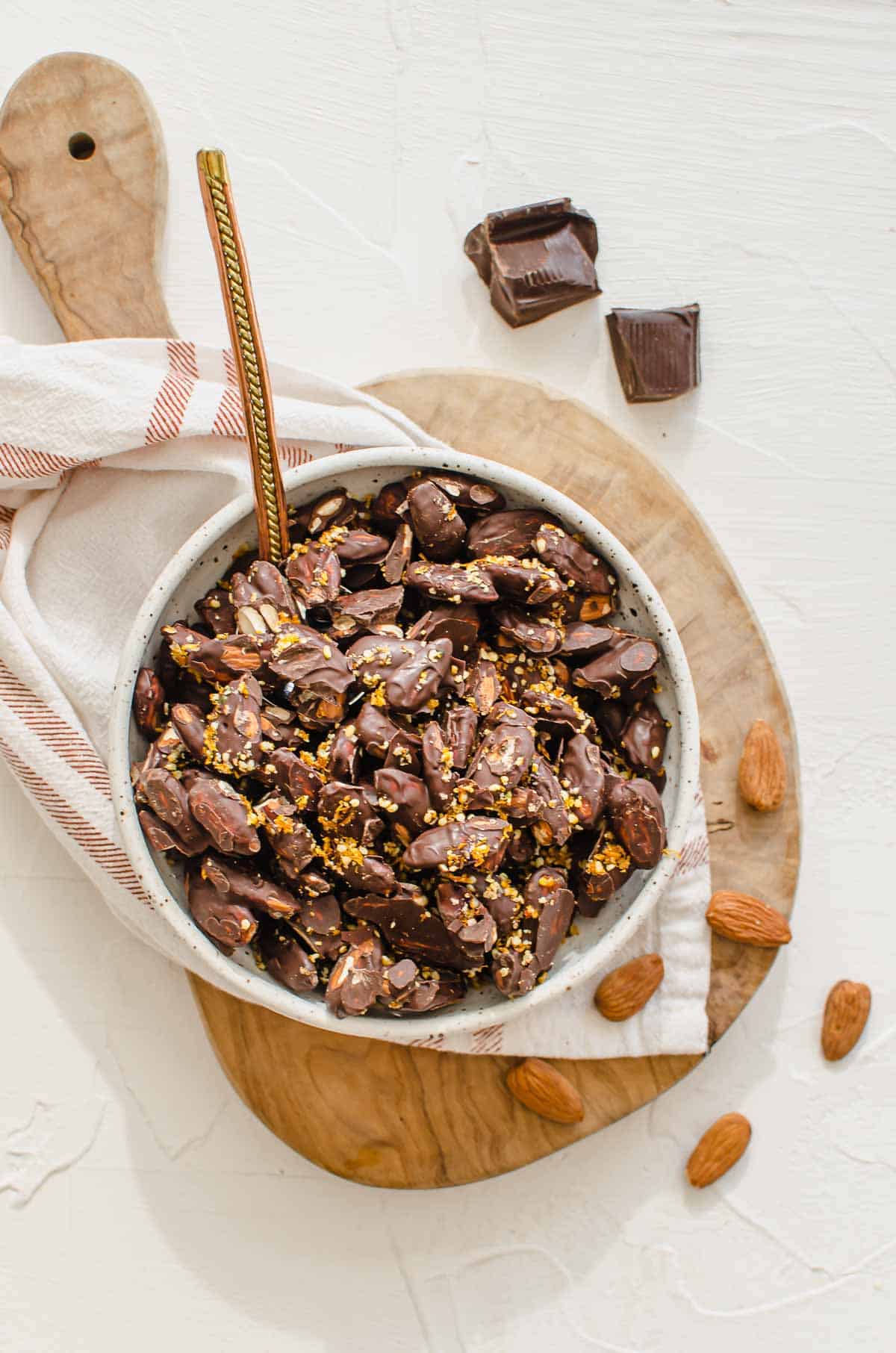
www.abbeyskitchen.com/about-abbey/

Last Updated January 19, 2024. Published January 26, 2024 By Abbey Sharp 3 Comments

Chicken Bacon Ranch Pasta | Easy, Gluten Free Recipe

Creamy and comforting, you’d never guess that this easy Chicken Bacon Ranch Pasta is healthy and gluten-free! Made in 50 minutes, you’ll have this ready for dinner in a jiffy!

Plate with chicken bacon ranch pasta on it with a fork with the casserole dish in the background.

Between juggling two little ones and work, it feels like in a blink of an eye, it’s 5PM and stomachaches are starting to growl. This chicken bacon ranch pasta casserole is honestly such a lifesaver on busy weeknights. It’s great year round but it is absolutely perfect for winter as it leaves us cozy, fuelled, and satisfied.

It’s also great if you have guests over as it’s a super easy recipe to double or triple for a crowd! Who doesn’t love a cheesy recipe?!

Table of contents

  • Why This Recipe Works
  • Key Ingredients
  • How To Make This Recipe
  • Expert Tips
  • Recipe FAQs
  • More Recipes You May Like

Why This Recipe Works

This chicken bacon ranch pasta casserole comes together pretty quickly after prepping all the ingredients and sautéing them. The longest part of this recipe is baking it and that’s completely hands off.

It’s a cozy comforting meal that has a delicious amount of cheese in it. The cheese does a great job in making you realize that you’re eating cauliflower as well!

You can also customize the casserole to your own tastes! I’ll have some recipe substitutions down below in the Tips section.

Key Ingredients

Overhead photo of the ingredients required to make a chicken bacon ranch pasta casserole.

Chicken – I like using boneless skinless chicken breasts for this casserole. However, if you only have boneless chicken thighs, you’re welcome to use that as well.

Bacon – Bacon adds so much smoky and salty flavour to this that you don’t want to skip out on it.

Seasoning – We use dried dill, onion granules and powder, garlic granules and powder, salt, and black pepper. We also have fresh parsley and fresh chives to add that herby flavour and a pop of colour.

Pasta – We like to use chickpea pasta as it is a great source of fibre and plant based protein.

Cauliflower – Adding cauliflower to this is a great way to get your servings of veggies in! Cauliflower is also amazing at absorbing flavour and adding texture so you definitely do not want to skimp out on this.

Cheese – I go with extra sharp cheese but you can use whatever you have in your kitchen for this chicken bacon ranch casserole!

How To Make This Recipe

Step by step photos showing the bacon being sauted in a pan and the seasoned chicken being sauted, and then cauliflower being added to the pan.

Step 1: Heat a large skillet over medium heat and add the bacon pieces to it. Allow the bacon fat to render and the bacon bits to brown. When the bacon is crispy, carefully remove the pieces from the pan but keep any bacon fat in the pan.

Step 2: In a small bowl, combine the dill, onion, garlic, salt and pepper. Add the chicken breast to the pan. Sprinkle half of the dill mixture on top of the chicken. Brown the chicken for 2 minutes on each side.

Step 3: Add the cauliflower to the pan and saute until the chicken reaches an internal temperature of 165 degrees Fahrenheit and the cauliflower is soft.

Step by step instructional photo showing the herbs added to a pan, close up of chickpea pasta, and a roux being made in a pan.

Step 4: Add the browned bacon bits, remaining dill spice mixture, lemon juice, apple cider vinegar, half of the parsley, chives and chicken broth and mix together. You can keep the chicken chunks whole or shred them with two forks. Set aside.

Step 5: Boil a pot of water and add the chickpea pasta. Boil for 2-3 minutes Only (or ¼-⅓ of the time the cooking instructions on your box show) and then drain the pasta. Pour the drained pasta into the skillet with the chicken along with the remaining chicken broth, parsley and chives and mix to combine.

Step 6: Heat the butter in a pot over medium heat. Once the butter is sizzling, add the flour. Whisk the flour until it is thickened and bubbling.

Step by step instructional photo showing a roux sauce being made, cheese added to it, and then added to the pasta/chicken mix in a baking dish, and topped off with cheese.

Step 7: Then add the broth and milk and whisk together. Whisk on medium heat until the sauce starts to bubble. Continue whisking and the sauce will begin to thicken. Add the vinegar, salt, pepper, garlic, and onion powder. Once it’s thick enough that it coats a spoon well, turn the heat off.

Step 8: Whisk in half of the shredded cheese. Whisk until the cheese is fully melted and you have a nice cheese sauce. Season to taste with additional salt and pepper as needed.

Step 9: Preheat your oven to 350 or 375 degrees. Lightly grease a 9×13 baking dish. Pour in half of the chicken and pasta mixture and ladle on half of the sauce all over it, making sure to get the sauce into the edges of the dish.

Step 10: Sprinkle on half of the remaining cheese. Repeat with the remaining chicken pasta, sauce and cheese. Sprinkle the top with black pepper and chopped chives. Bake for 30-35 minutes, or until the cheese is melted and everything is bubbly. Remove from the oven and allow it to cool and set for 5 minutes or so before topping the chicken bacon ranch casserole with more chopped chives and serving.

Expert Tips

You can keep your chicken cubed up after cooking them through, or use two forks to shred the chicken pieces. I’ve tried both and think I like the shredded chicken better, but the final dish looks a little nicer with the cubed chicken.

Chop your cauliflower into small florets. To save time, you can also blitz a bag of cauliflower florets in a food processor.

You can use a dry ranch seasoning mix in lieu of the spices in the pasta, but I find most of them don’t have great ingredients, a lot of salt, or just don’t taste the way I want them to. Adding your own herbs and spices + acid from the apple cider vinegar and lemon give this dish a great tang just like your favourite ranch dressing.

If you’d like, you can broil the dish at the end for a minute to brown the cheese. I chose not to do this as some of the chickpea pasta that was poking through the top was already beginning to burn, but it would help the cheese brown and get more bubbly.

I used regular chicken broth (not low sodium) but you can use low sodium and always add more salt to taste as needed.

You can add some more veggies or swap the cauliflower for broccoli, green beans, peas, etc in this chicken bacon ranch casserole. You can also change the cheese to a cheese you’d prefer such as mozzarella.

A white baking dish containing chicken bacon ranch pasta.

Recipe FAQs

Can I double this recipe?

You can! You can use 18×13 baking dish or use two 9×12 baking dishes if you want to double this so you can meal prep this recipe for the week.

Can I freeze this?

You can definitely freeze this. I like to double this recipe and use two baking dishes and freeze one of the chicken bacon ranch casseroles for later. Tightly wrap it in plastic wrap or aluminum for freeze for up to 3 months.

Can I use more cheese?

I included the bare minimum of cheese I’d include in this recipe, If you want a dish that’s cheesier, use 12+ oz. of cheese and include half in the sauce + half sprinkled in. A very sharp cheddar here gives the cheese sauce and dish in general a nice bite.

What’s the different between granules and powder?

Granulated onion and garlic is just like onion and garlic powder but more coarsely ground.

Do I have to use fresh herbs?

If you’d like, you can use dried parsley and chives in lieu of fresh in this chicken bacon ranch pasta. Try 1 tablespoon dried of each to start and you can adjust and add more to taste if you’d like.

More Recipes You May Like

For more easy weeknight meals, try these Abbey’s Kitchen favourites!

  • HEALTHY LYCHEE CHICKEN CURRY NOODLES
  • EASY VEGAN PASTA BAKE WITH SAUSAGE, WHITE BEANS & KALE (GLUTEN FREE)
  • CABBAGE CHEESEBURGER CASSEROLE
  • HASSELBACK SWEET POTATOES

Now, I want to know – what’s your go-to easy weeknight dinner? Let me know how you like this chicken bacon ranch pasta?

Print Recipe
4.75 from 4 votes

Easy Chicken Bacon Ranch Casserole (Healthy + Gluten Free)

Creamy and comforting, you’d never guess that this easy Chicken Bacon Ranch Casserole is healthy and gluten-free! Made in 50 minutes, you’ll have this ready for dinner in a jiffy!
Prep Time10 minutes mins
Cook Time40 minutes mins
Total Time50 minutes mins
Course: Main Course, Dinner, Lunch
Cuisine: American
Diet: Gluten Free
Servings: 8
Calories: 365kcal
Author: Abbey Sharp

Ingredients

Chicken Pasta

  • 3 slices bacon chopped
  • 1 lb. cubed chicken breast
  • 3.5 cups chopped cauliflower chop small by hand or use a food processor
  • 1 tbsp. dried dill
  • 2 tsp. onion granules
  • 2 tsp. garlic granules
  • 1 tsp. black pepper
  • 1/2 tsp. salt
  • 1 tbsp. lemon juice
  • 1 tsp. apple cider vinegar
  • 1/4 cup chopped fresh parsley
  • 1/4 cup chopped fresh chives
  • 1/4 cup chicken broth
  • 8 oz. penne chickpea pasta I used Tolerant brand which is 100% chickpeas

Sauce:

  • 1 tbsp. butter
  • 2 tbsp. gluten-free flour
  • 3/4 cup chicken broth
  • 1 cup full fat almond milk or milk of choice
  • 1/2 tsp. apple cider vinegar
  • 1/4 tsp. salt
  • 1/2 tsp. black pepper
  • 1/2 tsp. garlic powder
  • 1/2 tsp. onion powder
  • 10 oz extra sharp cheddar shredded (buy a block and shred with a box grater)

Instructions

  • Heat a large skillet over medium heat and add the bacon pieces to it. Allow the bacon fat to render and the bacon bits to brown. When the bacon is crispy, carefully remove the pieces from the pan but keep any bacon fat in the pan.
  • In a small bowl, combine the dill, onion, garlic, salt and pepper.
  • Add the chicken breast to the pan. Sprinkle half of the dill mixture on top of the chicken. Brown the chicken for 2 minutes on each side. Add the cauliflower to the pan and saute until the chicken reaches an internal temperature of 165 degrees Fahrenheit and the cauliflower is soft. Add the browned bacon bits, remaining dill spice mixture, lemon juice, apple cider vinegar, half of the parsley, chives and chicken broth and mix together. You can keep the chicken chunks whole or shred them with two forks. Set aside.
  • Boil a pot of water and add the chickpea pasta. Boil for 2-3 minutes Only (or ¼-⅓ of the time the cooking instructions on your box show) and then drain the pasta. Pour the drained pasta into the skillet with the chicken along with the remaining chicken broth, parsley and chives and mix to combine.
  • Heat the butter in a pot over medium heat. Once the butter is sizzling, add the flour. Whisk the flour until it is thickened and bubbling, then add the broth and milk and whisk together. Whisk on medium heat until the sauce starts to bubble. Continue whisking and the sauce will begin to thicken. Add the vinegar, salt, pepper, garlic, and onion powder. Once it’s thick enough that it coats a spoon well, turn the heat off and whisk in half of the shredded cheese. Whisk until the cheese is fully melted and you have a nice cheese sauce. Season to taste with additional salt and pepper as needed.
  • Preheat your oven to 350 or 375 degrees. Lightly grease a 9×13 baking dish. Pour in half of the chicken and pasta mixture and ladle on half of the sauce all over it, making sure to get the sauce into the edges of the dish. Sprinkle on half of the remaining cheese. Repeat with the remaining chicken pasta, sauce and cheese. Sprinkle the top with black pepper and chopped chives.
  • Bake for 30-35 minutes, or until the cheese is melted and everything is bubbly. Remove from the oven and allow it to cool and set for 5 minutes or so before topping with more chopped chives and serving.

Notes

  • You can keep your chicken cubed up after cooking them through, or use two forks to shred the chicken pieces. I’ve tried both and think I like the shredded chicken better, but the final dish looks a little nicer with the cubed chicken.
  • Chop your cauliflower very small. You can cut a whole cauliflower into florets and then roughly chop them smaller. To save time, you can also blitz a bag of cauliflower florets in a food processor. 
  • You can use a dry ranch seasoning mix in lieu of the spices in the pasta, but I find most of them don’t have great ingredients, a lot of salt, or just don’t taste the way I want them to. Adding your own herbs and spices + acid from the apple cider vinegar and lemon give this dish a great tang just like your favourite ranch dressing.
  • I included the bare minimum of cheese I’d include in this recipe, If you want a dish that’s cheesier, use 12+ oz. of cheese and include half in the sauce + half sprinkled in. 
  • A very sharp cheddar here gives the cheese sauce and dish in general a nice bite.
  • If you’d like, you can broil the dish at the end for a minute to brown the cheese. I chose not to do this as some of the chickpea pasta that was poking through the top was already beginning to burn, but it would help the cheese brown and get more bubbly.
  • I used regular chicken broth (not low sodium) but you can use low sodium and always add more salt to taste as needed.
  • If you’d like, you can use dried parsley and chives in lieu of fresh. Try 1 tablespoon dried of each to start and you can adjust and add more to taste if you’d like.

Nutrition

Calories: 365kcal | Carbohydrates: 25g | Protein: 30g | Fat: 18g | Saturated Fat: 9g | Cholesterol: 78mg | Sodium: 677mg | Potassium: 505mg | Fiber: 6g | Sugar: 4g | Vitamin A: 739IU | Vitamin C: 29mg | Calcium: 373mg | Iron: 5mg
Abbey Sharp

Abbey Sharp is a Registered Dietitian (RD), regulated by the Ontario College of Dietitians. She is a mom, YouTuber, Blogger, award winning cookbook author, media coach specializing in food and nutrition influencers, and a frequent contributor to national publications like Healthline and on national broadcast TV shows.
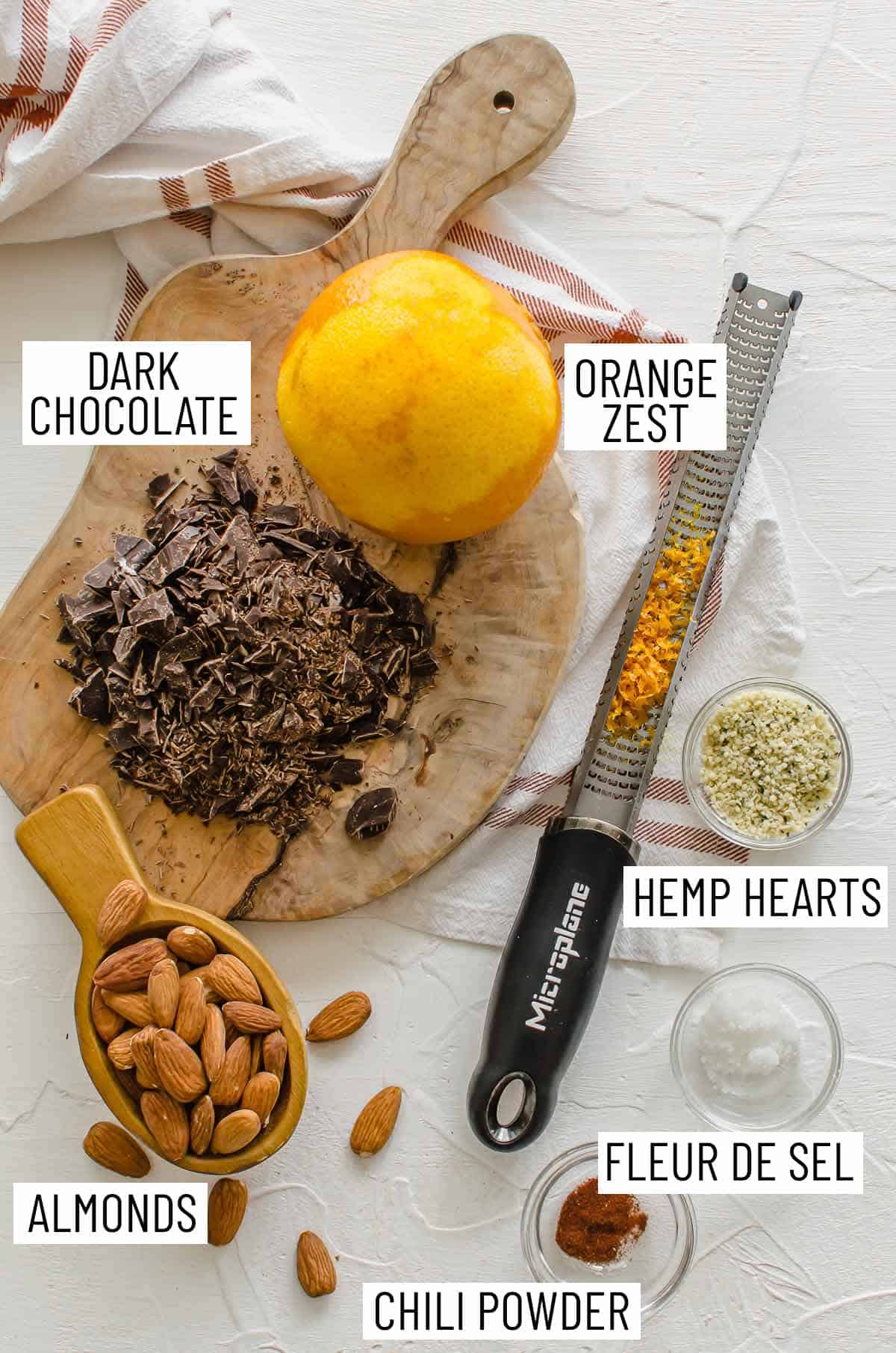
www.abbeyskitchen.com/about-abbey/
  • Previous Page
  • Go to page 1
  • Interim pages omitted …
  • Go to page 9
  • Go to page 10
  • Go to page 11
  • Go to page 12
  • Go to page 13
  • Interim pages omitted …
  • Go to page 89
  • Next Page

Get started with

Eight Free Recipe Books

From the co-founder of Neue Theory and creator of the Hunger Crushing Combo

Sign me up!
Abbey smiling at table
Abbey Sharp

“Foods may never be nutritionally equal. But we can make them morally equal by recognizing that our worth is never determined by what's on our plate.”

— Abbey Sharp, RD About Abbey ◥

Books

  • HCC™
  • Mindful Glow
  • Free E-Books

Blog

  • Nutrition
  • Recipes
  • Motherhood
  • Life

Explore

  • Neue Theory™
  • Bite Back
  • YouTube

Abbey

  • About
  • Coaching
YouTube TikTok Instagram Facebook X Pinterest
Abbey Sharp - The No BS Dietitian From Abbeys Kitchen

© Abbey's Kitchen 2026  All Rights Reserved •  ACCESSIBILITY STATEMENT •  Privacy Policy

This site uses cookies. By continuing to browse the site, you are agreeing to the use of cookies Accept Privacy Policy
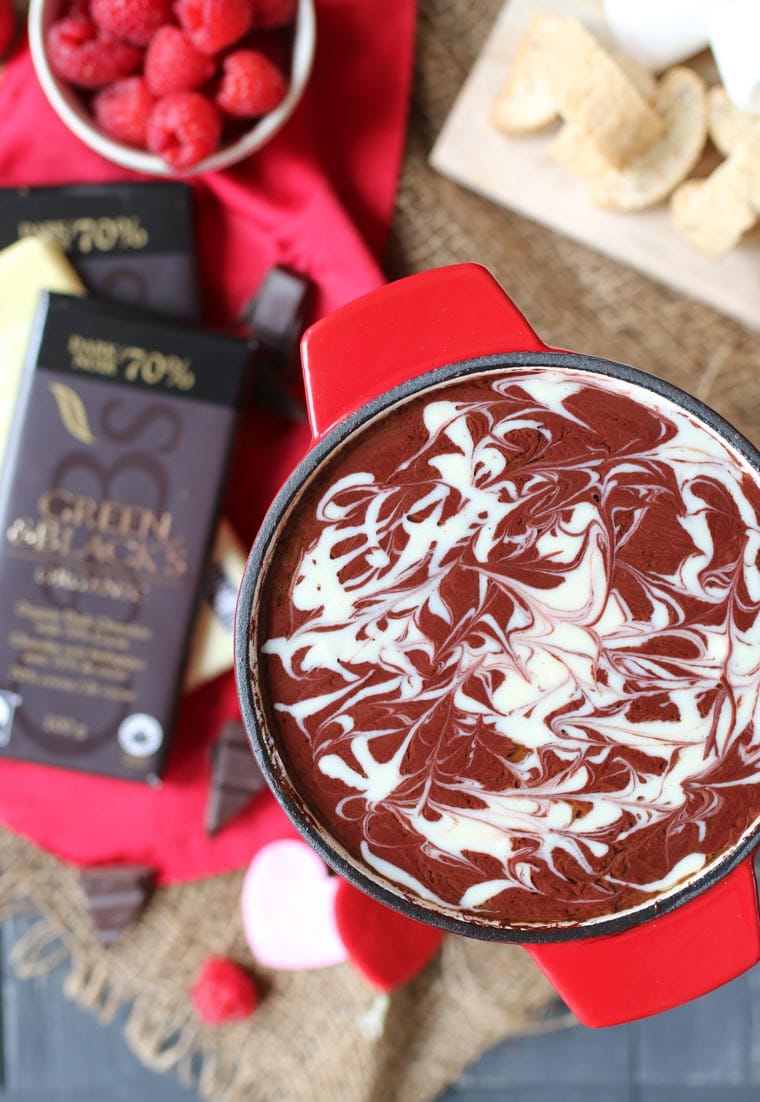
Privacy & Cookies Policy

Privacy Overview

This website uses cookies to improve your experience while you navigate through the website. Out of these, the cookies that are categorized as necessary are stored on your browser as they are essential for the working of basic functionalities of the website. We also use third-party cookies that help us analyze and understand how you use this website. These cookies will be stored in your browser only with your consent. You also have the option to opt-out of these cookies. But opting out of some of these cookies may affect your browsing experience.
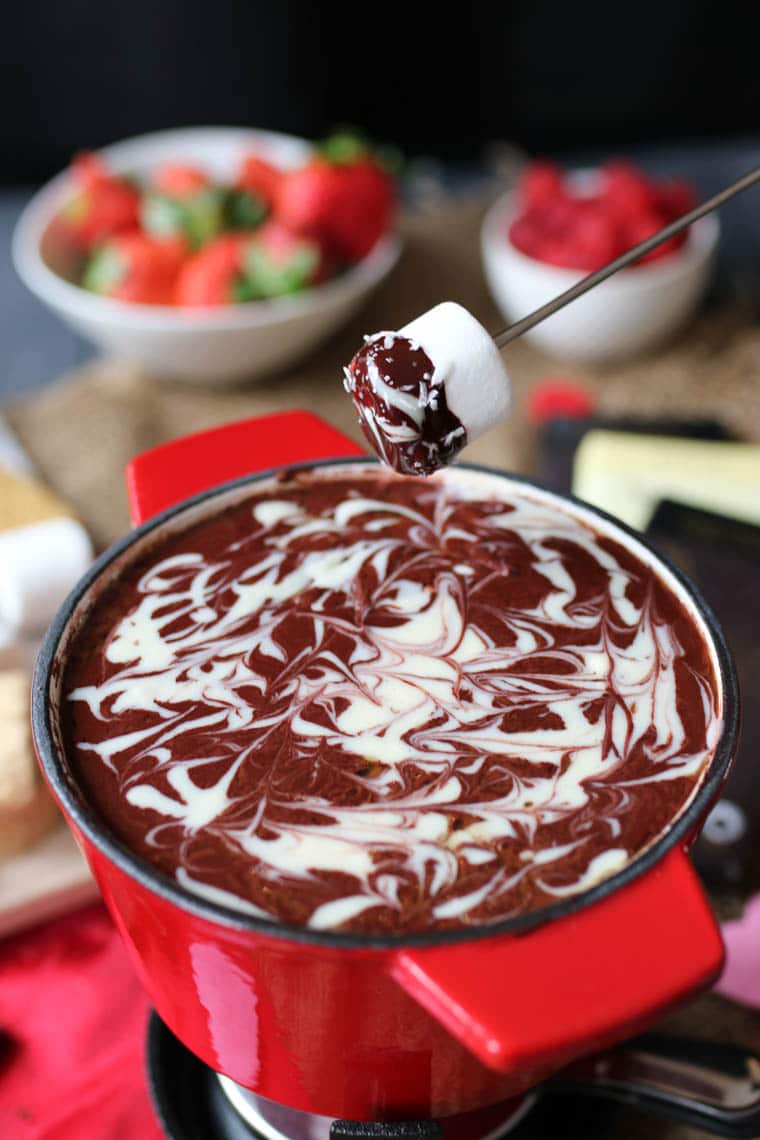
Necessary
Always Enabled
Necessary cookies are absolutely essential for the website to function properly. This category only includes cookies that ensures basic functionalities and security features of the website. These cookies do not store any personal information.
Non-necessary
Any cookies that may not be particularly necessary for the website to function and is used specifically to collect user personal data via analytics, ads, other embedded contents are termed as non-necessary cookies. It is mandatory to procure user consent prior to running these cookies on your website.
SAVE & ACCEPT

Rate This Recipe

Your vote:


A rating is required
A name is required
An email is required