• Skip to main content

Abbey's Kitchen

Healthy Recipes, Nutrition Myth Busting, Healthy Eating Tips

  • Books
    • HCC™
    • The Mindful Glow Cookbook
    • Recipe eBooks
      • Family
      • Hypothyroidism
      • BLW
      • Vegan Week 1
      • Vegan Week 2
      • Vegan Week 3
      • Keto
      • Gluten Free Week 1
      • Gluten Free Week 2
      • Fitness
      • Paleo
  • Blog
    • Nutrition
    • Recipes
    • Motherhood
    • Life
  • Explore
    • Neue Theory™
    • Bite Back With Abbey Sharp
      • Apple Music
      • Spotify
      • Amazon Music
    • YouTube
  • Abbey
    • About
    • Coaching
    • Contact

Abbey Sharp

Last Updated March 3, 2024. Published December 20, 2023 By Abbey Sharp 15 Comments

Are Cheat Days OK? The Truth About Cheat Days and Weight Loss

We review the evidence on cheat days and look at the research on whether you can have cheat days and still lose weight, and any other the other physical and psychological consequences. 

Are cheat days OK? We review the evidence on cheat days and weight loss, considering other physical and psychological consequences.
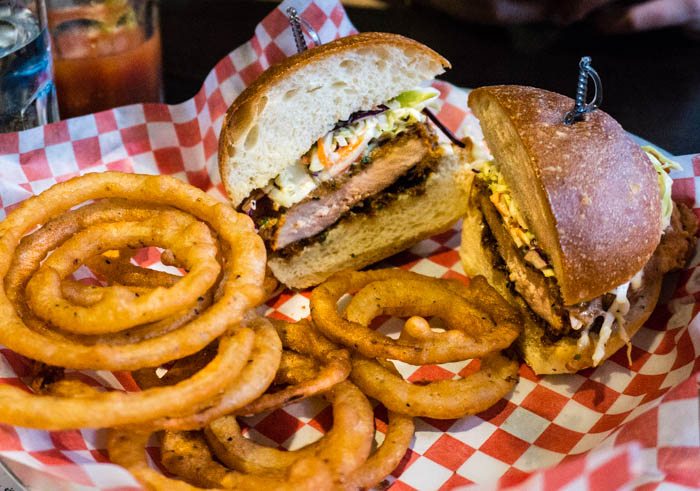
Fried chicken sandwich served with onion rings.

If I had a dollar every time I heard someone say “it’s my cheat day” before digging into a platter of wings, I’d be sailing in a private yacht in the Mediterranean by now. This has become such a common phrase that I honestly don’t think I can go a week without hearing someone make a joke about how they’re “cheating” with food.

Interesting. Let me ask you a question: When the word “cheat” comes to mind, what types of scenarios automatically jump into your head? For me, it’s things that are objectively frowned upon, things like cheating on a partner, cheating your taxes, perhaps cheating on an exam. According to the dictionary, to cheat means to “to deprive of something valuable by the use of deceit or fraud”.  Sounds totally fair when applied to the above scenarios – but to label eating, an act that is literally essential to our survival, as “cheating”? What the actual f?%$?? So are cheat days ok?!

What is a Cheat Day?
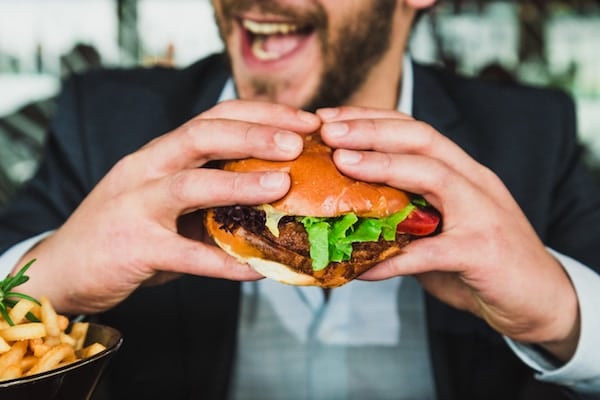
Person holding a hamburger on a cheat day.

Basically, by most people’s definitions, six days of the week, let’s say Monday-Saturday, you follow a regimented diet that is usually highly restrictive and controlled (aka. a diet). By the time the seventh day rolls around, you’re able to “cheat” on your diet and finally indulge in ALL THE THINGS you’ve been depriving yourself of all week. Basically, you get full “permission” to go ham and eat whatever you’d like.

As a dietitian and someone who with a strong emphasis on the pleasurable eating experience, I have a whole list of reasons as to why I think there’s a huge problem with the concept of “cheat days”. My two main beefs? The lack of evidence showing how cheat days can improve your overall health (so, why do it?), and the psychological toll that the label of “cheating” can have on your relationship with food (cue: the perfect setup for guilt and overeating).

So let’s get into the truth about cheat days.

The Physical Impact of Cheat Days

Let’s look first at the impact of cheat days on health and nutrition to see if cheat days are ok.

Cheat Days Probably Won’t Help You Lose Weight
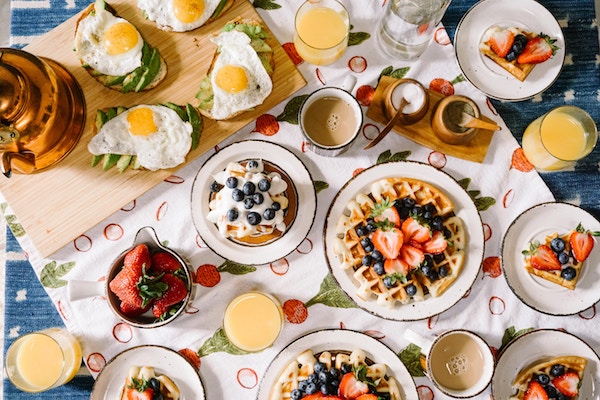
Birds eye view of a brunch platter with waffles and berries.

Proponents of cheat days theorize that by restricting your energy intake for six days a week, and then overeating energy-dense, high-carb and high-fat foods on the seventh holy day, your body will change in two ways:

1) Leptin, the “fullness hormone” will increase, meaning you’ll have a smaller appetite

2) Metabolism will “spike” for the rest of the week, helping you burn more calories

In other words, by shocking your system through a day of so called “bad” foods, you can trick your body into a high metabolic fat burning mode.

Hearing this the first time, my immediate thought was, what the actual F. However, as with all eating trends and fads, I turned to the evidence before I applied my judgment.

Here’s what it had to say.

There’s simply no evidence to support the idea that cheat days will boost your metabolism and help you burn more fat in the following days. In fact, with a time period SO short, like literally only 12 hours a week if you account for time spent snoozin’, there aren’t any studies that have specifically focused on this. One day a week is just too specific and sporadic for there to be substantial research.

Plate of donuts next to coffee

However, there are studies that look at “short term overeating” on a broader scope, ranging from three to eight weeks. Let’s talk about those. Yes, studies (and here) do show a slight increase in metabolism by about 3-10% after a short period of overeating. BUT, from a weight loss perspective, which is the goal of many of my cheat day-loving peeps, the slight metabolic boost just isn’t enough to “break even” and compensate for the caloric overload when you choose to eat a cheeseburger, poutine, milkshake, cheesecake and stack of pancakes all in one day. In fact, everyone in the studies still ended up gaining weight from overeating. Clearly, if lowering the number on the scale is your goal here (and it shouldn’t be the goal, but that’s a whole other post), restricting, and then setting yourself up to overeat (even if just one day a week) is definitely not a good plan.

This study was even more short-term, meaning it’s more similar to the cheat day diet – woot! It focuses on the effects of overeating for three days, which I know is not as little as one day, but hey, it’s the closest we can get right now.

What did it find?

That excessive high-carb diets (aka eating allll the bread on your cheat days), increased leptin levels by 28% and calories burned by 7%. Excessive high-fat diets had no impact. Remember how I said leptin is your “fullness hormone”? This indicates that binging on high-carb foods could be linked to a smaller appetite afterwards, however, it’s important to note that the leptin increase only lasted for twelve hours. In accordance with the cheat day diet, that’s definitely not enough to sustain the other six days of the week. This team found similar results of a leptin increase, but also found a simultaneous increased leptin resistance, meaning our bodies don’t pick up on the fullness signals that leptin is sending very well. I’ve written about all things leptin resistance here. So just because we have temporarily raised leptin levels doesn’t mean we’ll have smaller appetites and boosted metabolisms. Not surprising here, folks!

Cheat Days Linked to Diabetes Risk
White microscope.

Although there are no specific studies on cheat days and weight, there are studies about its effect on your risk for diabetes. This team found that young, healthy adults who ate an excess of high-fat foods for only one day had impaired insulin sensitivity, which translated to an increased risk of developing diabetes. Similarly, another study of mice on “scheduled, large, binge-type meals” (sounds like a cheat day, anyone?) also showed metabolic signs indicating a link to development of diabetes. It’s important to note that the first study only included fifteen adults, and the second study was of mice, so definitely not the same as a large group of human people. I also don’t want to scare you into thinking cheat days will automatically lead to diabetes either. But it looks like there may be some link and I’m curious to find out what larger, more controlled studies will tell us about cheat days and diabetes in the future.

The Psychological Toll of Cheat Days

A woman screaming in black and white.

So we’ve established that there isn’t really any physical health benefit to cheat days. It probably won’t even help you lose weight. But are cheat days ok for our mental health? What about the psychological impact?

Well, here’s the thing: I’m all for you eating whatever you feel like on a Sunday afternoon. It’s summer, the sun is shining, you’re feeling good, so yes, go eat that slice of fudgy chocolate cake and bask in its delicious glory. My biggest beef with this whole concept is the name it advertises itself in – CHEAT days?! What ever happened to just eating what you want in the moment? Last time I checked, it’s not a novel idea. It’s just plain old eating (gasp)!

There’s really no need for catchy clickbait names that further the pressure to feel guilty from eating certain foods. The healthiest way to eat is by simply listening to your body and letting it be your guide. Some days it may want kale, and others it will want cheese fries. It all comes out in the wash.

So why do people follow the concept of cheat days? Like with all fads, they’re super charming, sound intriguing, promise quick fixes and has just the right amount of marketing appeal for people to buy into it. And it’s not your fault. The diet industry is now worth $66.3 billion, and we’re constantly bombarded with “new and novel” eating patterns to help “optimize our health”. I’m almost certain that by next year “cheat days” will be long gone and replaced with something new. There are many psychological and emotional problems associated with cheat days, so let’s get into it by starting with the problem with labelling foods.

The Morality of Food
Bowl of lentil pumpkin salad.

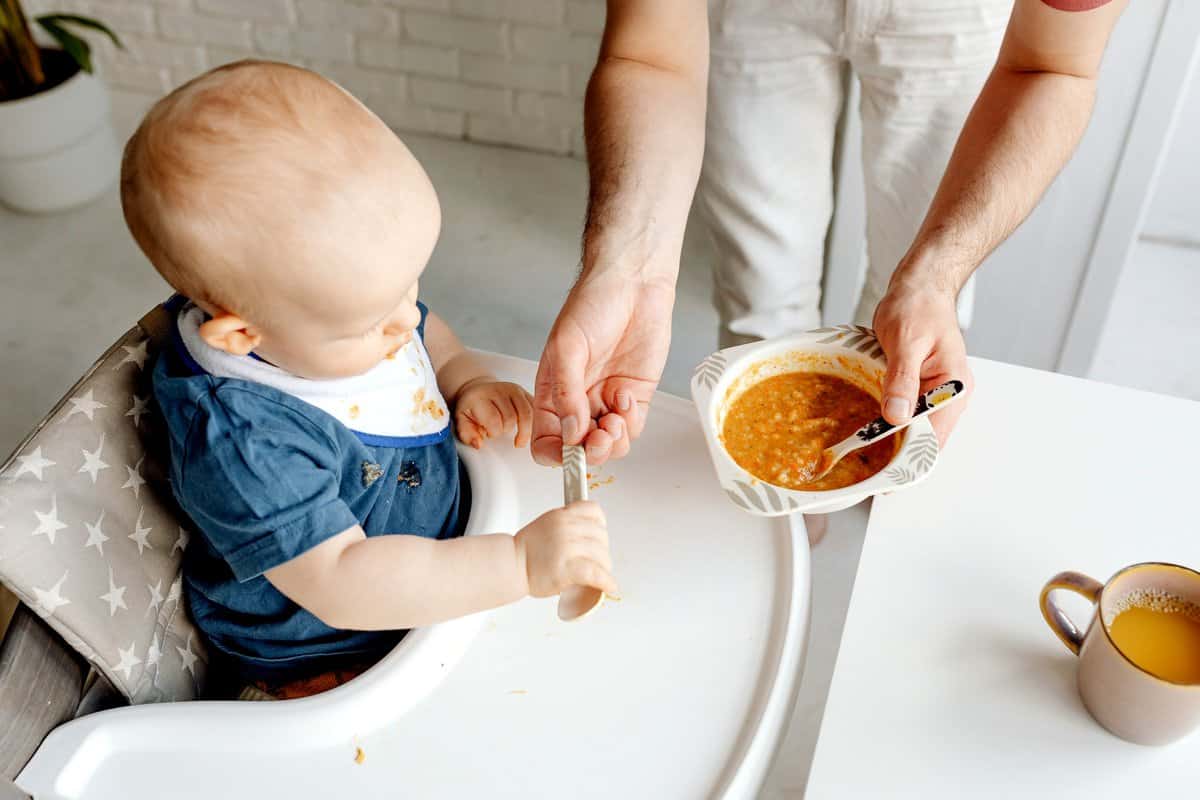
Like I said before, the word “cheat” is morally loaded. It may seem like something you’ve picked up as an adult, but we’ve actually been taught to put positive or negative values on food since birth. It’s so common for new mamas to mean well and want to feed their babes more and see them grow strong, but it usually comes with phrases such as, “Be a good boy and have just one more bite of your veggies!” Just like that, we’re teaching our kids that there are “good” food and “bad” foods, and we too can be good or bad depending on what we eat. More often than not, the idea of a “cheat day” comes wrapped up in a package with moral appraisals of ourselves: “I’m so bad I ate cake today.” Um, you’re enjoying a cupcake, not robbing a kindergartener of their milk money.

So relax, don’t put a value-ridden label on everything you eat. Food does not have emotions, it does not have intentions, and it definitely doesn’t define you. You are you, food is food – you’re not cheating, you’re just making a choice. By calling certain foods “bad” or “dirty”, it can create feelings of unnecessary guilt after eating, which almost always leads you into a cycle of restriction, overeating, regretting, and repeating the cycle over again.
French fries served with ketchup.

Cycle of Overeating

So let’s talk about that overeating bit now. A lot of people who do cheat days while dieting say they find the cheat day helps them stick to the diet by giving them a little nugget of happiness at the end of a gruelling week of restriction. Okay those words are paraphrased, and not necessary a hard quote, but I’m sure a lot of you reading this can agree with that sentiment.

Here’s the thing: if you need a day where you physically make yourself sick from overeating and that feels better than all of the other days of the week where you’re feeling deprived, YOU PROBABLY SHOULDN’T BE EATING THAT WAY. Neither of those states feel good, because neither involve actually listening to and respecting your body.

Not only does it not feel good, but this study showed that depriving yourself causes more food cravings and overeating, mostly in restrained eaters like those who follow the cheat day diet. Now imagine depriving and restraining yourself for not only a day, but a whole week? By following strict food rules for six days a week, every single week, you’re setting yourself up for a full-on eating session later on (click here for tips to avoid this type of overeating). Dieting is one of the biggest predictors of overeating and future weight gain, so wouldn’t you rather just have mindful moderate amounts of your favourite foods each day rather than pack it all into just one day? I don’t know about you, but that sounds way more pleasurable to me.

The Bottom Line: Are Cheat Days OK?
Slice of oreo cheesecake.

First and foremost, “saving” all sweets, pizzas and such for one day of the week may work super well for some people and comes easily without all the feelings of stress, guilt and shame. If you’re one of those people, and this way of eating supports your physical and emotional health, then you just keep doing you. Who am I to tell you how something makes you feel?

However, I do see many problems with a cheat day, and why they won’t work, physically, or psychologically, for most people. From a research perspective, there’s just not enough evidence to support the health and weight loss benefits that boosted cheat days into fame in the first place. From a psychological and old-fashioned foodie standpoint, having a cheat day simply strips away all the joy of eating. Sunday (or whatever day you choose to “cheat” automatically becomes the best day of the week, the only day where your meals bring you life (c’mon people – every meal should!). Then every other day of the week is just grey, boring, cold, sterile, and overall…meh. What kinda life is that?!

Ladies and gents, it doesn’t have to be this way. I’m not telling you to eat sweets all day every day (if you were listening to your body, you probably wouldn’t want to anyway). But if we truly are tuning in, it’s really easy to enjoy things in moderation (like I talk about right here). Following a “no food rules” approach and just living by a few basic nutrition foundations is the key to having a healthy, sustainable relationship with food.

Contribution By: RD2B Trista Chan

More Blog Posts You Might Like

If you found this post helpful, you may want to check these out!

  • Is Food Obsession Real? How to Stop a Sugar Addiction
  • Keto Cheat Day | Do They Cause Health Risks or Weight Gain?
  • Intuitive Eating: Making Peace with Food
  • Carb Cycling: Should You Be Carbohydrate Cycling to Lose Weight?

Do you have a cheat day every week? Are cheat days ok for your physical and emotional health? Share your experience in the comments!

Abbey Sharp

Abbey Sharp is a Registered Dietitian (RD), regulated by the Ontario College of Dietitians. She is a mom, YouTuber, Blogger, award winning cookbook author, media coach specializing in food and nutrition influencers, and a frequent contributor to national publications like Healthline and on national broadcast TV shows.

www.abbeyskitchen.com/about-abbey/

Last Updated February 10, 2024. Published December 13, 2023 By Abbey Sharp 2 Comments

The HCG Diet: Does it Work for Weight Loss? Are HCG Injections Safe?

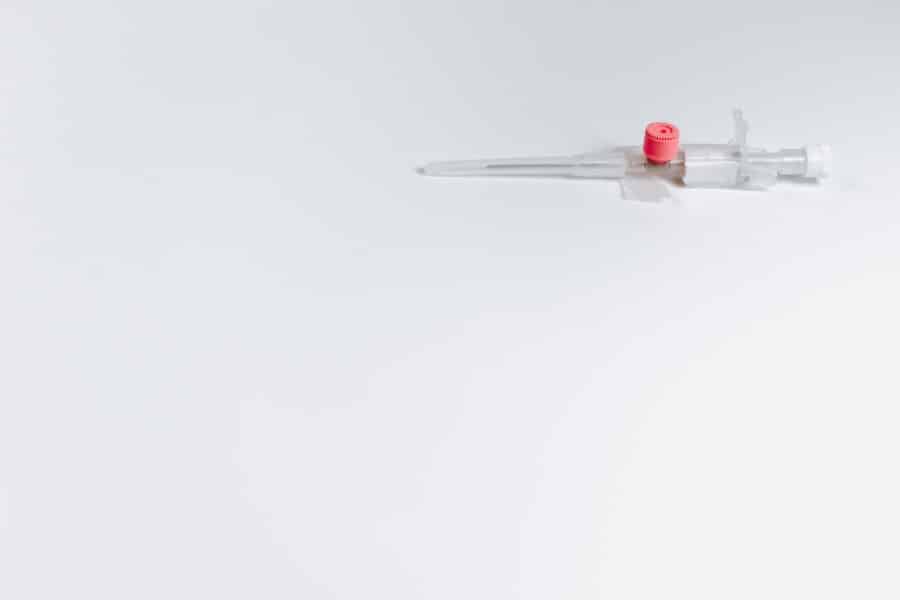
HCG injection lying horizontally.

We evaluate if the HCG diet for weight loss works and look at whether or not HCG injections are safe, legal, and effective.

New year, new fad diet? Sounds about right.

If you’re curious about the HCG diet that people have been talking about, stay tuned for this evidence-based analysis.  The HCG diet is a homeopathic diet plan that severely restricts calories. The promise – as usual – is to lose a massive amount of weight in a short period of time. With many people looking for solutions for weight loss this time of year, so many people are hopping on the HCG bandwagon and buying up plans and supplements. But is this quick fix diet safe? Is it even legal? And most importantly, does it even work? Let’s dig into the research.

First of all, what is the HCG diet?

HCG injection lying horizontally.

HCG stands for human chorionic gonadotropin, a main hormone produced during pregnancy. If you’ve ever peed on a stick and waited anxiously for that second line to appear beside the first, that’s the hormone it’s testing! In the first few months of pregnancy, HCG levels are very high and allow for the production of important hormones that help with fetal development, such as estrogen and progesterone.

In addition to natural production during pregnancy, HCG injections are used to help with both male and female infertility. In Canada and the US, this is the only legal use of HCG as a drug or supplement.

Okay, so what does all of this have to do with weight loss? Don’t you GAIN weight when you’re pregnant?

Great question. Back in the 1950’s, a doctor by the name of Albert Simeons theorized that HCG could help with weight loss because during pregnancy, HCG levels help regulate calorie output, which means more calories are burned. This helps to ensure there are enough calories for a growing fetus. Therefore, he thought by injecting non-pregnant people with HCG, they would also burn more calories. But that’s not all! He believed that doing this would burn fat in “undesirable” areas such as the stomach, waist, and thighs – um, as if you can pick where your fat is stored…but I digress.

So, not surprisingly, made up an entire diet plan based on this untested theory and with the promise of fast weight loss, people followed. His diet plan consisted of two main components: 1) HCG injections and 2) An extremely low-calorie diet (500 calories per day – eek!)

Although this diet was popular in the 50’s, it lost credibility shortly after when numerous studies in the 1970’s not surprisingly found it to be ineffective (here, here, here, here).

Unfortunately, we are starting to see a resurgence of this diet. To make things worse, HCG is now available in pills, lozenges, sprays, and homeopathic drops (ugh homeopathy.. that’s a whole other post).

What does the HCG diet for weight loss look like?

According to Albert Simeons, there are three phases to the HCG diet:

  1. Loading Phase:
    • Eat a high-fat, high-calorie diet for two days (at least 250 grams of fat per day, limit high-carb foods)
    • Begin taking HCG.
  2. Weight loss phase: Limit calories to 500 calories per day while taking HCG for up to 40 days.
    • No food for breakfast besides tea or coffee
    • Limit sugar and simple carbs
    • No butter or oil
    • No flavoured or sweetened beverages but approved beverages allowed in unlimited amounts
    • Aim for lean meats, fruits, and vegetables
    • All lean meat should have fat removed
    • Lunch and dinner should consist of a lean meat, vegetable, and melba toast if desired

3. Maintenance: Discontinue HCG. Start slowly increasing calories.

HCG Sample meal plan

Grapefruit on a plate for the HCG diet.

A day on the HCG diet would likely look something like this:

Breakfast: Black tea or coffee, no sugar.

Snack: One serving of fruit (e.g., apple, orange, ½ grapefruit, handful of berries)

Lunch: 3.5 ounces of lean meat, vegetables, melba toast

Snack: One serving of fruit (e.g., apple, orange, ½ grapefruit, handful of berries)

Dinner: 3.5 ounces of lean meat, vegetables, melba toast

Approved/suggested foods on the HCG Diet

Here are a list of some of the “approved” foods you’re allowed to eat if following the HCG diet for weight loss.

Lean Meats: chicken, beef, veal, white fish, shellfish

Vegetables: asparagus, beet-greens, cabbage, celery, chard, onions, radishes, spinach, tomatoes

Melba Toast: 4 gram serving

Seasonings: Salt, pepper, mustard, lemon juice, vinegar, thyme, marjoram, etc.

Beverages: Unlimited black coffee, black tea, water

Does the HCG diet work?

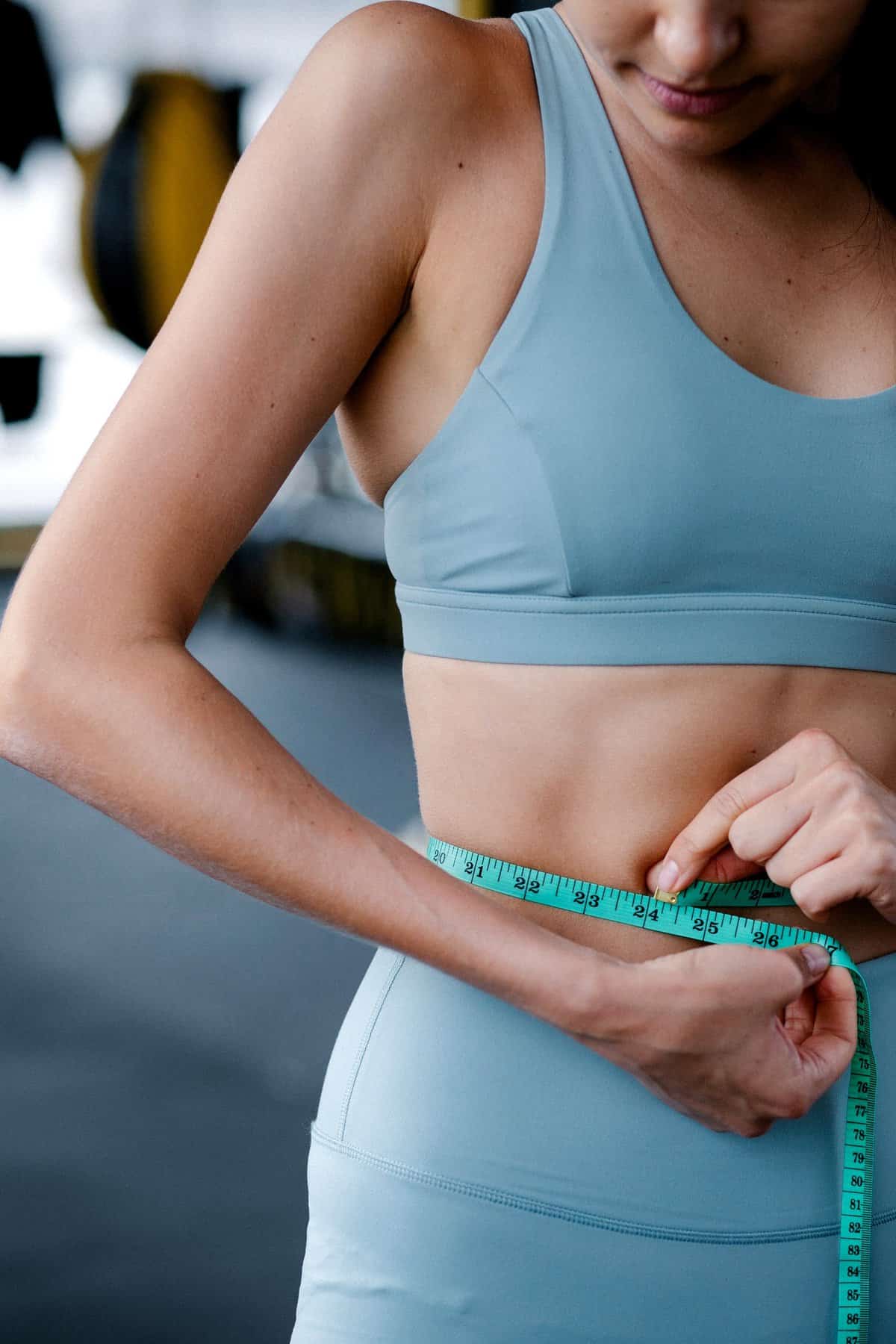
Weight loss measurement tape HCG diet.

If we’re talking about long term weight loss, with certainty, the HCG diet does not “work”.

Many reviews (here, here, here, here, here) have found that the only reason weight loss occurs (in the short term while you’re on the diet) is because of the intense caloric restriction. I mean, 500 calories per day is extreme and downright dangerous.

What’s more, the diet itself is extremely restrictive which raises a ton of red flags. There’s no way that a person following this diet is going to get enough nutrients (let alone calories) for their body to function properly. Plus, if you’re not giving your body enough fuel (calories), it’s going to freak out and start burning stored fat and muscle as a way to keep you alive. And no, it’s not picky, it goes after any fat and any muscle all over the body, not just where you find it inconvenient.

Furthermore, this diet doesn’t teach a person life-long eating habits. Once the person finishes the diet, they’re expected to just go back to their normal eating patterns before starting the diet and if we follow the evidence on any of these restrictive diets, they’re going to gain it right back. In fact, evidence from the Biggest Loser research which followed contestants after coming off a similarly extreme caloric deficit found that their metabolism slowed down an additional 500 calories on top of what would be expected for their lost weight. The result in these scenarios is often that we gain back the weight – and then some.

Is the HCg diet a safe way to lose weight?

Extreme weight loss is rarely considered safe. However, there are exceptions such as those preparing for bariatric surgery. In these cases, they are strictly monitored by a trained doctor and even that is controversial.

Any time you put the body under severe stress, you run the risk of doing more harm than good. Now, pair that with taking HCG as a drug, and you run the risk of an array of side effects.

Side effects of the HCG diet include:

  • Blood clots
  • Deep-vein thrombosis
  • Leg swelling
  • Over-stimulation of the ovaries
  • False pregnancy tests
  • Fluid retention
  • Shortness of breath
  • Difficulty breathing
  • Breast enlargement in men
  • Gallstones

In addition, severe weight loss can lead to nutrient deficiencies, malnutrition, muscle loss, weakened bones, and slowed metabolism, just to name a few.

Is it legal to take hcg injections and supplements?

Police car.

As mentioned, HCG injections are only permitted for those who are experiencing infertility issues and their protocol is strictly monitored by a doctor through a specialized infertility clinic.

According to Health Canada and the FDA, HCG products (injections, pills, sprays, lozenges, drops, etc.) for weight loss are illegal and fraudulent. These products have not been approved or shown to be safe for weight loss.

Unfortunately, many HCG products are still hitting the shelves and claim to help you “shed weight fast”, “reset your metabolism”, and “lose 30-40 pounds in a month”, despite the fact that these products are illegal and don’t work.

Both Health Canada and the FDA have had to send numerous warnings to doctors, naturopaths, homeopaths, and other healthcare professionals that continue to promote this diet.

Bottom line on the HCG Diet for Weight Loss

Although I can understand the desire to lose excess weight, taking on these restrictive diets as a quick fix will do far more harm than good.

As a dietitian, I cannot stress enough the importance of a healthful diet that fuels the body rather than punishes it. If you do choose to pursue weight loss, I encourage you to focus on slow, gradual behaviour changes that focuses on increasing healthy foods and physical activity. Adopting lifelong healthy habits – even in the absence of weight loss – is much better for your body than any illegal, restrictive diet can ever be.

Other Blog Posts You May Like

Interested in other trending diets going on right now? Check out some of my reviews below!

  • THE PEGAN DIET (PALEO VEGAN) | A DIETITIAN’S GUIDE TO RISKS VS BENEFITS
  • FOOD COMBINING DIET: THE SHOCKING TRUTH ABOUT THE DIET FOR WEIGHT LOSS, BLOATING, & IBS
  • THE HORMONAL ACNE DIET – THE BEST FOODS FOR HEALTHY CLEAR SKIN
  • DIET FOR PCOS | HOW TO MANAGE SYMPTOMS (PART 1)

Now tell me, what are your thoughts on the HCG diet? Have you tried it? Do you know anyone thinking of trying it? Leave me a comment below with your thoughts!

Contribution by Katey Davidson, RD

Abbey Sharp

Abbey Sharp is a Registered Dietitian (RD), regulated by the Ontario College of Dietitians. She is a mom, YouTuber, Blogger, award winning cookbook author, media coach specializing in food and nutrition influencers, and a frequent contributor to national publications like Healthline and on national broadcast TV shows.
www.abbeyskitchen.com/about-abbey/

Last Updated December 8, 2023. Published December 11, 2023 By Abbey Sharp 9 Comments

Cozy Coconut Rum Cocktails | Warm Party Drink!

This Vegan Coconut Rum Cocktail is the perfect warm holiday party drink recipe for entertaining, or for cuddling up around a fire on a chilly winter night!

This Vegan Coconut Rum Cocktail is the perfect warm holiday party drink recipe for entertaining, or for cuddling up around a fire on a chilly winter night!

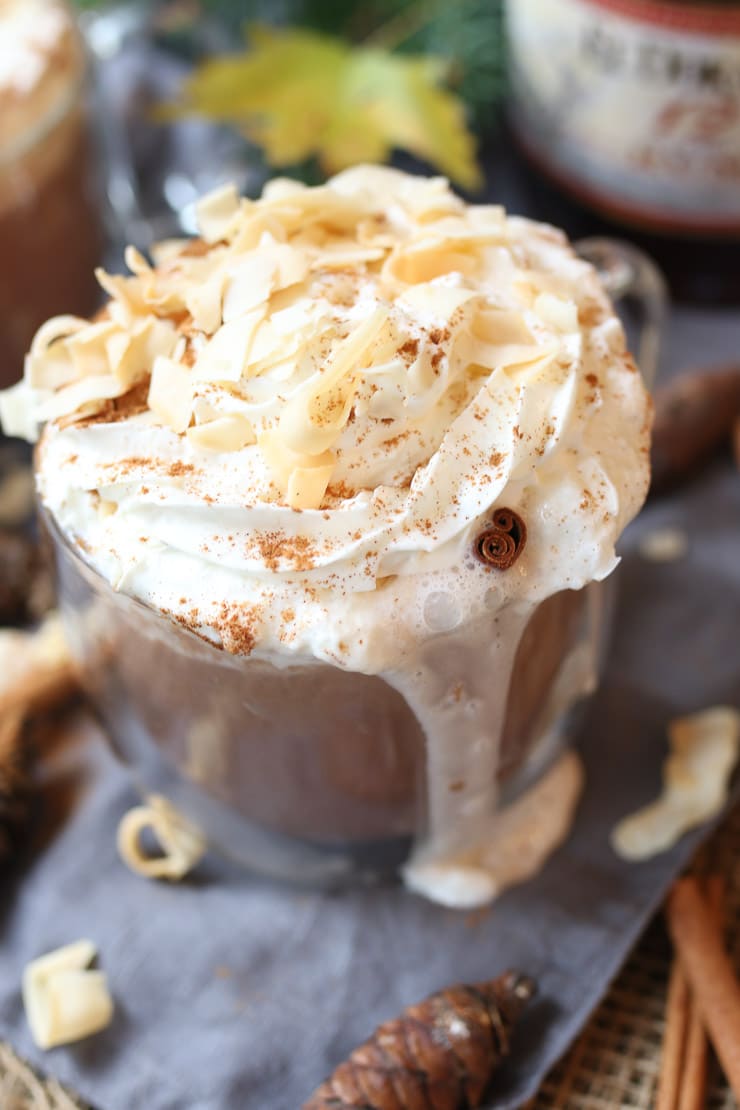
Warm vegan coconut rum cocktail in a clear mug garnished with whipped cream and cinnamon.

I love a good cocktail. They can really make or break a holiday party, and it’s probably the first thing I look for when I arrive at a holiday soiree (okay so maybe after hugging the host). With winter basically here (NOT HAPPY ABOUT IT), one of the things I look forward to after a long day is cuddling up on the couch with big mug of my vegan coconut rum cocktail.

Why This Recipe Works

I mean what better way to warm up than with a boozy drink? Whether you need the strength to shovel that driveway or your hosting a holiday party, my vegan cozy coconut rum cocktail is perfect for any occasion. Here’s why it’s such a winner:

  • Lower in sugar
  • Cozy and warming
  • Ready in less than 10 minutes

Key Ingredients

Almond coconut milk. I chose an almond flavoured coconut milk, but regular coconut milk works just fine. For this recipe I recommend choosing coconut milk in a carton over the canned options.

Cocoa powder. Unsweetened cocoa powder for dusting and flavour.

Spiced rum. You can’t make a coconut rum cocktail without rum! If you want a mocktail, there’s always the option of leaving it out.

Toppings. We’re loading these babies up with vegan coconut whip, toasted coconut chips and a dusting of cinnamon. Of course, toppings are totally up to you!

How To Make This Recipe

birds eye view of vegan coconut rum cocktail garnished with whipped cream next to a cinnamon stick

This vegan cocktail starts by warming up some almond coconut milk for the base, and stirring it with cocoa powder and a little cinnamon. Once it’s steamy and well combined, I give it a good hit with spiced rum off the heat. Hey, you don’t wanna lose any of that boozy effect.

Finally, I top my vegan coconut rum cocktail off with a generous swirl of coconut whipped cream, some toasted coconut chips and a healthy dash of cinnamon for good measure.

Expert Tips

I recommend using a small whisk while warming the spices and milk. This ensures the milk heats evenly and the spices don’t clump at the top.

Recipe FAQs

Can I make this drink without rum?

Yep! Just leave it out and you’ve got a lovely warm drink that’s basically a coconut hot chocolate. Super yummy and kid friendly.

Can you drink this cocktail if you’re breastfeeding?

Great question- I have a whole post on alcohol and breastfeeding here!

Coconut rum cocktail in a clear glass garnished with whipped cream.

More Recipes You Might Like

If you loved this coconut rum cocktail, try these holiday drinks next!

  • Vegan Dirty Chai Cocktail
  • Vegan Pumpkin Spice Cider Punch
  • Lightened Up German Chocolate Cake Cocktail
  • 3 Healthy Holiday Cocktails

Now tell me lovelies, what is your favourite warm and cozy cocktail? Leave me a comment with your recipes!

 
This Vegan Coconut Rum Cocktail is the perfect warm holiday party drink recipe for entertaining, or for cuddling up around a fire on a chilly winter night!
Print Recipe
5 from 6 votes

Vegan Coconut Rum Cocktail

This Vegan Coconut Rum Cocktail is the perfect warm holiday party drink recipe for entertaining, or for cuddling up around a fire on a chilly winter night!
Prep Time5 minutes mins
Cook Time5 minutes mins
Total Time10 minutes mins
Course: Drinks
Cuisine: American
Servings: 2 people
Calories: 140kcal
Author: Abbey Sharp

Ingredients

  • 2 cups almond coconut milk
  • 4 tsp unsweetened cocoa powder
  • 2 oz spiced rum
  • ¼ tsp Cinnamon
  • Coconut whipped cream for garnish
  • ¼ cup Toasted coconut chips
  • Cinnamon for dusting

Instructions

  • Place the almond coconut milk, cocoa and cinnamon into a sauce pot over medium low heat and simmer until warm. Stir until well combined.
  • Transfer to two mugs, top with whipped cream, coconut chips and cinnamon. Enjoy!

Video

Nutrition

Calories: 140kcal
Abbey Sharp

Abbey Sharp is a Registered Dietitian (RD), regulated by the Ontario College of Dietitians. She is a mom, YouTuber, Blogger, award winning cookbook author, media coach specializing in food and nutrition influencers, and a frequent contributor to national publications like Healthline and on national broadcast TV shows.
www.abbeyskitchen.com/about-abbey/

Last Updated December 1, 2023. Published December 6, 2023 By Abbey Sharp 4 Comments

Can You Drink Coffee While Fasting? A Dietitian’s Review on Coffee + Intermittent Fasting

We look into the question: can you drink coffee while fasting without breaking your fast? What drinks should you avoid?

Birds eye view image of black coffee while intermittent fasting in a white mug .

Can you drink coffee while fasting?

There’s no question that intermittent fasting has become a hot topic in the health and wellness sphere due to its proposed health benefits for weight loss, inflammation, and insulin resistance.  While more human research is still needed to fully understand the role of intermittent fasting and health, there’s is no denying that more people are turning to intermittent fasting to reap the possible benefits.

Previously on the blog, we took an evidence-based look at the role of intermittent fasting for weight loss and exercise performance. In today’s post we will be discussing another facet of intermittent fasting – beverage consumption. We will answer whether or not you can drink coffee while intermittent fasting and highlight other beverages that will and won’t break a fast.

What Is Intermittent Fasting?

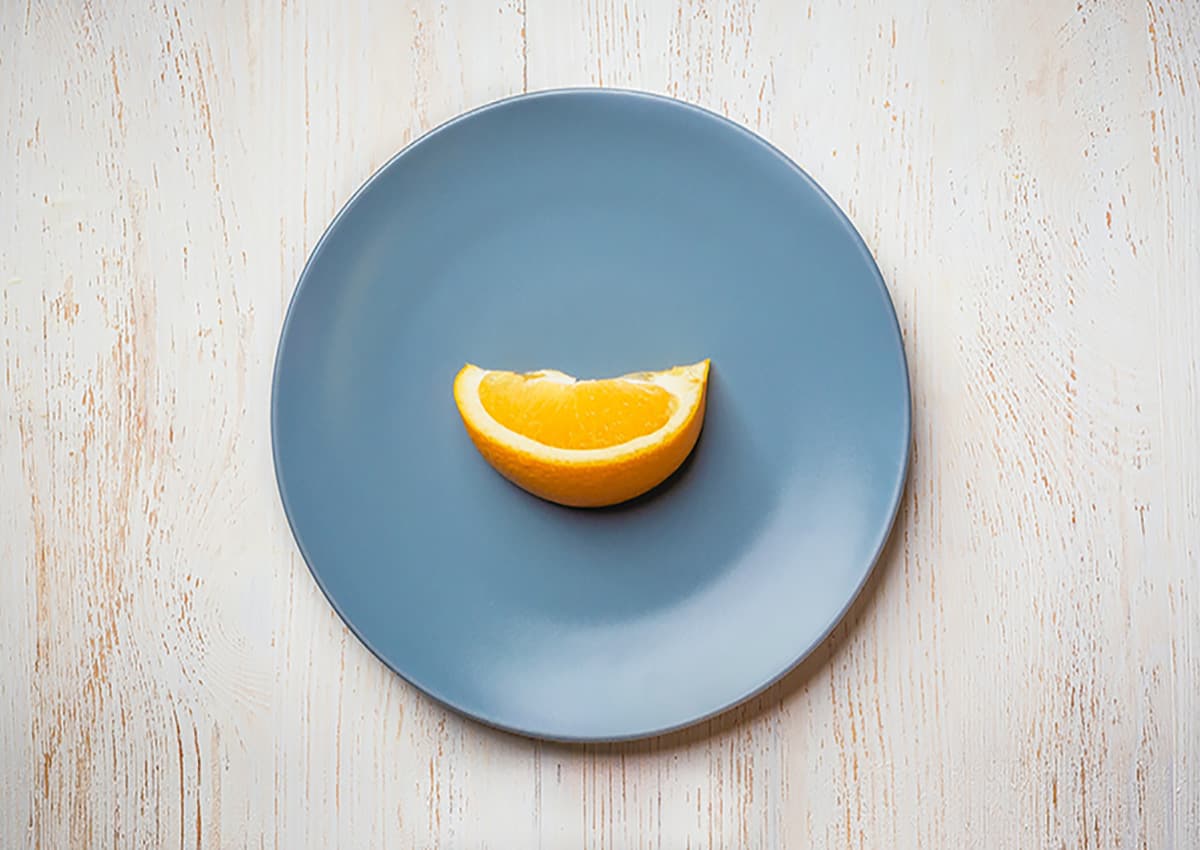
An orange wedge on a blue plate to represent intermittent fasting.

While many diets are focused around what to eat or what not to eat, intermittent fasting is more focused on when to eat. There are a variety of different intermittent fasting methods that differ in terms of the duration and timing of their feeding and fasting window. The most common forms of intermittent fasting include:

Time Restricted Fasting: The most popular type of time restricted fasting involves fasting for 16 hours a day and eating 8 hours a day. This is known as the 16:8 method.

Whole Day Fasting: This involves eating normally for 5 days a week, followed by 2-days of fasting or eating very low calorie (around 500-600 calories a day). This is known as the 5:2 approach.

Alternate Day Fasting: This involves fasting for a whole 24-hours, every other day. Fasting days can either be a full fast, or 25% of usual caloric intake.  Non-fasting days are “ad libitum”, otherwise known as permission to consume as much or as little food that is needed or desired.

Warrior Fast: Involves fasting all day or consuming small amounts of raw fruits and veggies, then consuming larger amounts of food later on in the evening for a 4-hour window.  

What Happens in the Body During Intermittent Fasting?

During the fasting period, few or no calories are consumed which causes insulin levels to drop. The body will then begin to use stored glucose (aka glycogen) for energy. Once glycogen stores are used up, the body may begin to burn fat for fuel . This can result in minor weight loss which is often one of the primary reasons why one may practice intermittent fasting.

In addition to some of the weight loss benefits, intermittent fasting may also induce cellular repair, reduce inflammation and improve insulin sensitivity. Some animal studies have also shown that intermittent fasting may promote anti-aging and play a role in cancer prevention. However, more human research is needed to confirm these findings.

Can You Drink Anything During a Fasting Period?

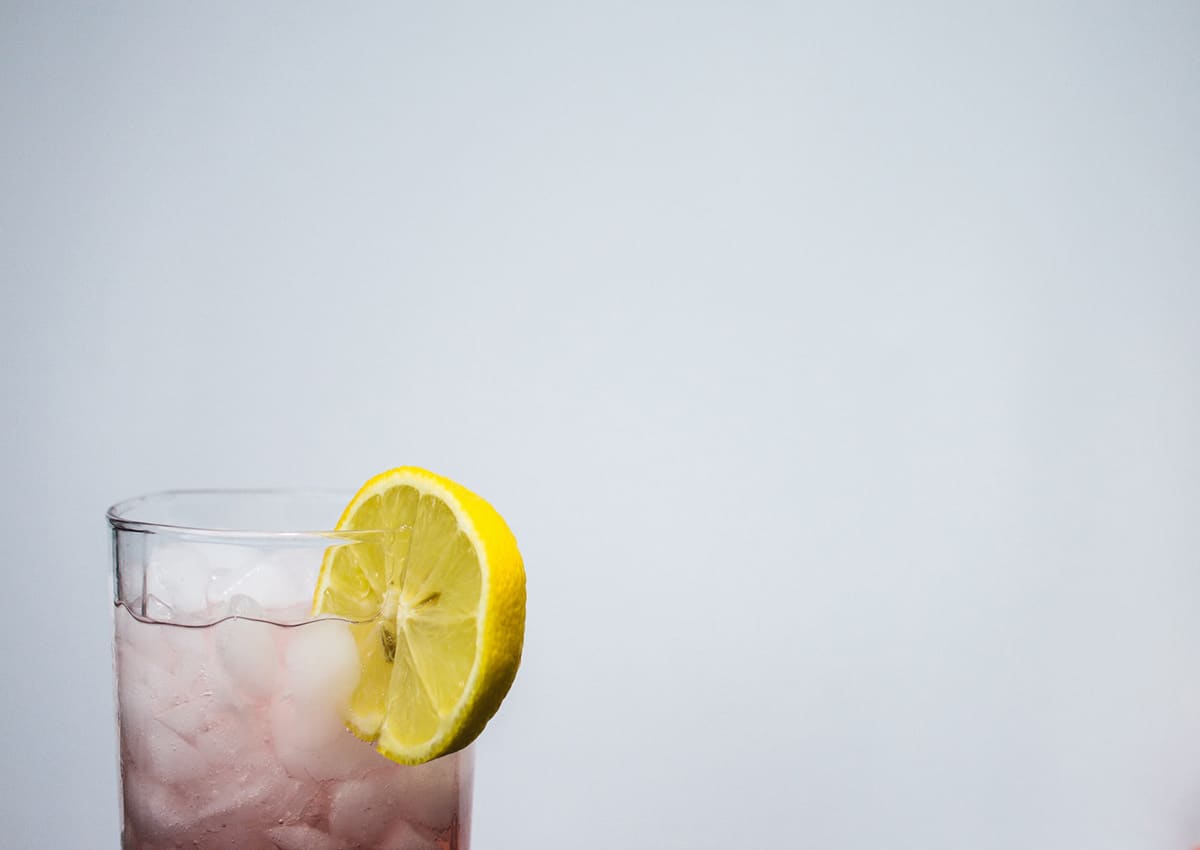
A beverage with ice and a lemon wedge on the rim.

While we know that food is restricted during a fasting period, can you drink coffee while fasting without breaking a fast? What about other beverages? Well, the answer to this would depend on the type of fasting. For example, the warrior fast, alternate day fast, and whole day fast allow some room for calorie consumption during a fasting period. So theoretically, you could consume any beverage during these types of fasts so long as you stay within the allotted caloric restriction.

On the other hand, time restricted fasting (better known as the 16:8 method), doesn’t typically allow for calorie consumption during the fasting period. With this in mind and considering the 16:8 method is the most popular form of intermittent fasting these days, lets break down what beverages will and won’t break a 16:8 fast. 

Drinks That Won’t Break Your Fast

Water

Plain or carbonated water can be consumed during a fast because it provides zero calories and will help to keep you hydrated during a fasted state. This is important as prolonged fasting can increase the risk of dehydration which can lead to electrolyte imbalances and low blood pressure. If plain ol’ water is a little too boring for your taste, you can try adding some herbs like basil or mint for some flavour, or even opt for some flavored carbonated water that is zero calorie.

Tea

Regular tea with no added sugar, cream, or milk can be consumed without breaking a fast. However, some flavored teas are sometimes sweetened with sugar, so be sure to check the label to ensure that it will not provide any calories during a fast.

A birds eye view of coffee while intermittent fasting in a white mug with a trail of coffee beans in front of it.

Coffee

Drinking black coffee (with no sugar, cream or milk) can be consumed during a fasting window and may even help to support some of the “benefits” of intermittent fasting. For example, some mice studies show that coffee can induce autophagy – which is the process where your body rids itself of unneeded, damaged, or harmful cells. Caffeine has also been shown to improve fat breakdown and boost metabolism. If you need to add a bit of a flavour boost to your coffee that won’t break your fast, try some cinnamon, nutmeg, or zero calorie sweetener.

Drinks To Avoid While Intermittent Fasting

Diet Soda

More research is needed to determine if diet soda can be consumed during a fasting window. However, what we do know is that artificial sweeteners can increase appetite, hunger, and promote long term weight gain. So, it may be best to enjoy diet sodas during your feeding window and choose carbonated water instead.

Pre-Workout Supplements

Pre-workout usually includes a couple of key ingredients:

  • caffeine
  • beta-alanine
  • creatine
  • L-citrulline
  • BCAA’s (branched chain amino acids).

While the majority of the ingredients contained in a pre-workout supplement are zero calorie, one gram of BCAA’s contains 5 calories at a typical 2:1:1 ratio of leucine, isoleucine and valine. With that said, the leading ingredient found in pre-workout will most certainly break you from a fast.

Coconut Water

Coconut water is loaded with nutrients like fiber, vitamin C and a variety of minerals. However, one cup contains around 45 calories. Even though this would be considered a fairly low-calorie beverage, coconut water would be better suited to enjoy during a feeding window.

Four people "cheersing" their alcoholic beverages.

Alcohol

Not only is it not a good idea to consume alcohol on an empty stomach, but it contains calories which means it is a no-no during a fasting window. In addition, alcohol consumption can also interfere with some of the main benefits of intermittent fasting as it has been shown to impede fat breakdown and stimulate overeating. It may also prevent cellular repair and promote inflammation which can counteract autophagy and the anti inflammatory effects of intermittent fasting, respectively. With that said, alcohol should be consumed in moderation and strictly during eating windows.

Broth

Regardless if the broth is homemade or low in sodium, drinking broth during a fast will provide calories – approximately one cup provides around 10 calories.  However, consuming broth, especially bone broth, can be a great way to replenish electrolytes lost during a prolonged fasting period. 

Milk

Plant-based and cow’s milk are highly nutritious, but of course they provide calories from carbs, fat, and protein. Therefore, it may be better to reserve your milk intake for your eating window or with your morning coffee to break your fast.

Smoothies

While smoothies are a great way to add fiber and a nutrition boost to your day, they are definitely not calorie free. However, smoothies are a gentle way to help break you from your fast as they are easy on the digestive system. Also, be sure to include a source of protein and fat to your smoothie, like nut butter, yogurt, or milk. This will help to prevent rapid blood sugar spikes after a prolonged fasting period.  

Bottom Line

So can you drink coffee while fasting? That will ultimately depend on the type of fasting you practice. The majority of fasting methods allow for some flexibility when it comes to caloric intake which will determine what beverages can be consumed. However, when it comes to stricter fasting methods, like time restricted fasting, it is better to stick to zero calorie beverages like water, tea, and black coffee while intermittent fasting and always ensuring to stay hydrated!

More Blog Posts You Might Like

  • 411 on Intermittent Fasting for Athletes and Exercise: Will It Help or Hinder Your Performance?
  • Intermittent Fasting for Weight Loss? The Evidence Based Pros and Cons
  • Can I Have Caffeine While Breastfeeding? Is it Safe?
  • Intuitive Fasting – Is it Really Intuitive or Just Another Diet?

Do you drink coffee while fasting? Leave me a comment below!

Contribution by:

Dietetic Student Brooke. R. Porter

Giselle Segovia RD, MHSc

Abbey Sharp

Abbey Sharp is a Registered Dietitian (RD), regulated by the Ontario College of Dietitians. She is a mom, YouTuber, Blogger, award winning cookbook author, media coach specializing in food and nutrition influencers, and a frequent contributor to national publications like Healthline and on national broadcast TV shows.
www.abbeyskitchen.com/about-abbey/

Last Updated December 3, 2023. Published December 4, 2023 By Abbey Sharp 3 Comments

Creamy Corn Soup Recipe | Vegan, High Protein

This Creamy Vegan Corn Soup Recipe is packed with protein from white beans and nutritional yeast, plus is naturally gluten free and loaded with veg. 

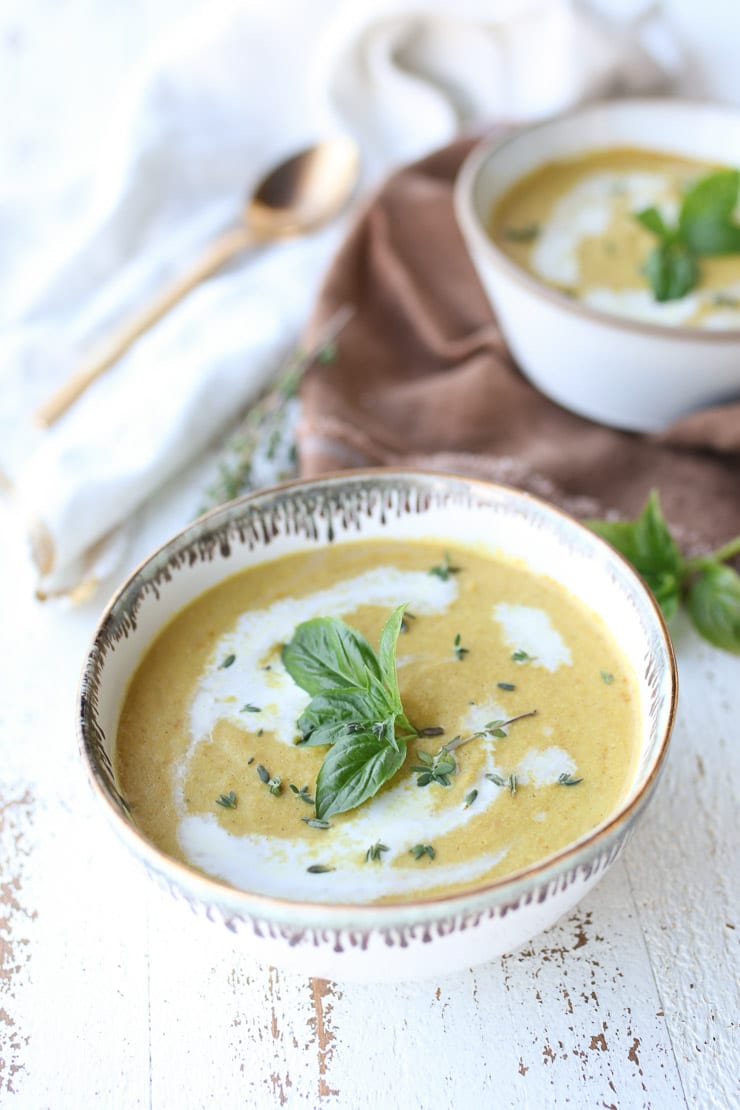
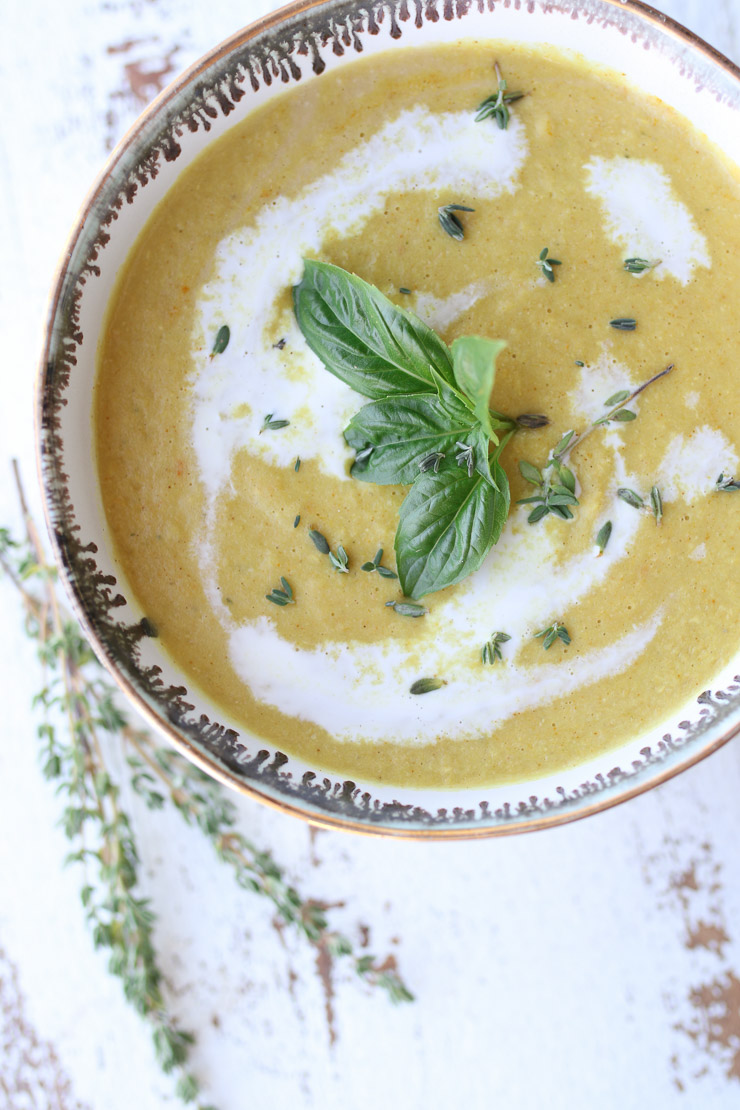
Vegan corn soup in a white bowl topped with basil.

We’re officially in summer and that means some of my all time favourite summer produce is coming into season – most notably CORN. It’s definitely one of our favourite veggies in the Summer. So when I had a lot of extra corn in the house, I figured I would whip up a super quick and delicious creamy corn soup recipe with added protein from beans and nutritional yeast.

Table of contents

  • Why This Recipe Works
  • Key Ingredients
  • How To Make This Recipe
  • Expert Tips
  • Recipe FAQs
  • Other Recipes You Might Like

Why This Recipe Works

Fresh sweet corn is not only super delicious when its in season, but as a whole grain and a vegetable, it’s kinda a two for one deal, making it a perfect base to this delicious summer soup recipe. I also love this recipe because it’s

  • Rich in fibre (11 grams) and protein (17 grams)
  • Packed with micronutrients including folate, potassium and vitamin C
  • Kid and toddler friendly
  • Completely vegan and naturally gluten free

Key Ingredients

Fresh or Frozen Corn – If you’re corn is in season, go ahead and use fresh! Just carefully remove the corn off the cob and place it in the pot. But if it’s not in season, or you’ve run out, canned or frozen corn works great too!

Non Dairy Milk – You can use whatever non flavoured, non sweetened non-dairy milk you like.  This adds a little creaminess without any cream.

White Beans – White cannellini beans are amazing for adding creamy texture and protein (plus fibre) to this soup without any cream or dairy.

Nutritional Yeast – Nutritional yeast adds a good cheesy element to balance out the sweet corn.

Thyme– This is one of my favourite summer herbs and just adds a nice savoury note to balance out the sweet corn.

A close up birds eye view of corn soup topped with basil.

How To Make This Recipe

Step 1: Add the olive oil to a large pot over medium heat. Add the onion, garlic, and thyme and saute until fragrant, about 3-5 minutes.

Step 2: Add the corn, broth, almond milk, nutritional yeast, and turmeric, if using. Cover and cook for 10-15 minutes or until the corn is soft.

Step 3: Transfer to a blender with cannelini beans, or puree using a hand blender until smooth. Season with salt and pepper, to taste.

Step 4: Garnish with a swirl of non-dairy milk, and top with fresh thyme and basil.

Expert Tips

Looking for something to pair with this delicious creamy corn soup recipe? This soup would go beautifully with some bread, and salad for a simple and balanced lunch. Here are some ideas!

  • Tuna Avocado Panzanella Salad
  • Flax Focaccia Bread
  • Corn Spoon Bread
  • Moroccan Chickpea Salad Wraps
  • Vegan Pesto Pasta Salad

Recipe FAQs

Can I use regular milk if we’re not dairy free or vegan?

Absolutely, feel free to use whatever your family has in the fridge for dairy or dairy alternative.

What is nutritional yeast and where can i get it?

Nutritional yeast is a yeast that is a dead yeast, so it won’t rise your bread like baker’s yeast would. But it will add a lot of nutty, savoury, cheesy flavour. I always look for fortified nutritional yeast whenever possible which will have vitamin B12 in it (which is important for vegans). It’s also loaded with protein (2 grams per tablespoon) so it’s an easy way to sneak more plant based protein in.

How long will this last in the fridge?

This vegan corn soup recipe will last you about 4 days in the fridge. I just allow it to cool before transferring it to an air-tight container and popping it into the fridge.

Can I make a big batch and freeze this soup?

Absolutely. I recommend doubling the recipe if you have enough corn (especially while it’s cheap and in season) and you can freeze it in a freezer bag for up to 6 months.

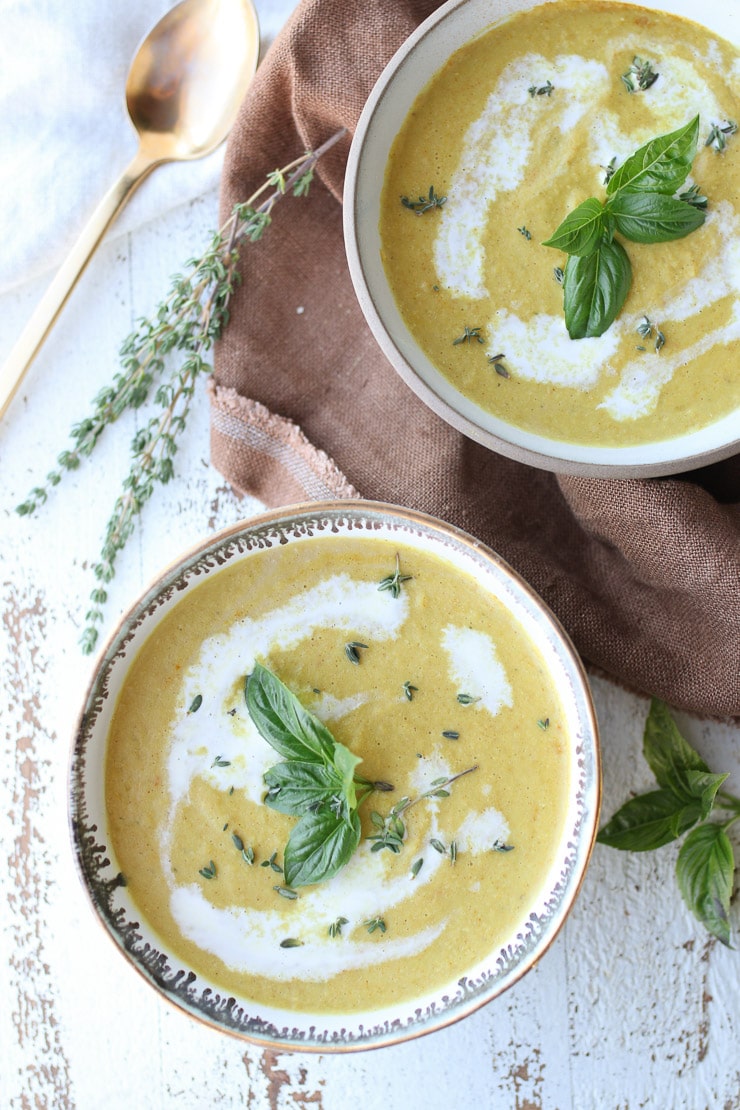
birds eye view of two bowls of vegan corn soup garnished with fresh basil and thyme

Other Recipes You Might Like

Can’t get enough of these summer soup recipes like this creamy corn soup recipe? We love summer soup around here! Both hot and cold. Check out some of my favourites.

  • Broccoli White Bean Soup 
  • Pea, Mint and Coconut Soup 
  • Fennel Tomato Soup 
  • Yellow Beet Coconut Curry Soup 

Leave me a comment below with your thoughts and if you’ve tried this vegan creamy corn soup recipe!

Print Recipe
5 from 2 votes

Creamy Corn Soup Recipe | Vegan, High Protein

This Creamy Vegan Corn Soup Recipe is packed with protein from white beans and nutritional yeast, plus is naturally gluten free and loaded with veg. 
Prep Time5 minutes mins
Cook Time20 minutes mins
Total Time25 minutes mins
Course: Soup, Main Course
Cuisine: American
Servings: 6
Calories: 324kcal
Author: Abbey Sharp

Ingredients

  • 2 tsp extra virgin olive oil
  • 1 yellow onion finely chopped
  • 2 cloves garlic minced
  • 1 tbsp fresh thyme leaves
  • 6 cups fresh or frozen corn
  • 2 cups low sodium vegetable broth
  • 2 cups unsweetened almond milk
  • 1 19 oz can white cannellini kidney beans, drained and rinsed
  • 6 tbsp nutritional yeast
  • ¼ tsp turmeric optional
  • Salt and pepper to taste
  • Coconut milk or almond milk for garnish
  • Fresh thyme and basil for garnish

Instructions

  • Add the olive oil to a large pot over medium heat. Add the onion, garlic, and thyme and saute until fragrant, about 3-5 minutes.
  • Add the corn, broth, almond milk, nutritional yeast, and turmeric, if using. Cover and cook for 10-15 minutes or until the corn is soft.
  • Transfer to a blender with cannelini beans, or puree using a hand blender until smooth. Season with salt and pepper, to taste.
  • Garnish with a swirl of non-dairy milk, and top with fresh thyme and basil.

Nutrition

Calories: 324kcal | Carbohydrates: 59g | Protein: 17g | Fat: 5g | Saturated Fat: 1g | Sodium: 116mg | Potassium: 949mg | Fiber: 11g | Sugar: 8g | Vitamin A: 460IU | Vitamin C: 12mg | Calcium: 184mg | Iron: 4mg
Abbey Sharp

Abbey Sharp is a Registered Dietitian (RD), regulated by the Ontario College of Dietitians. She is a mom, YouTuber, Blogger, award winning cookbook author, media coach specializing in food and nutrition influencers, and a frequent contributor to national publications like Healthline and on national broadcast TV shows.

www.abbeyskitchen.com/about-abbey/

Last Updated December 3, 2020. Published December 1, 2023 By Abbey Sharp 59 Comments

Butternut Mac and Cheese | Healthy Recipe!

This healthy Butternut Squash Mac and Cheese features a sneaky mixture of whipped squash and low-cal cauliflower in place of the traditional butter-based roux. It's also loaded with holiday flavours, making it the ideal Vegetarian Casserole holiday main dish.

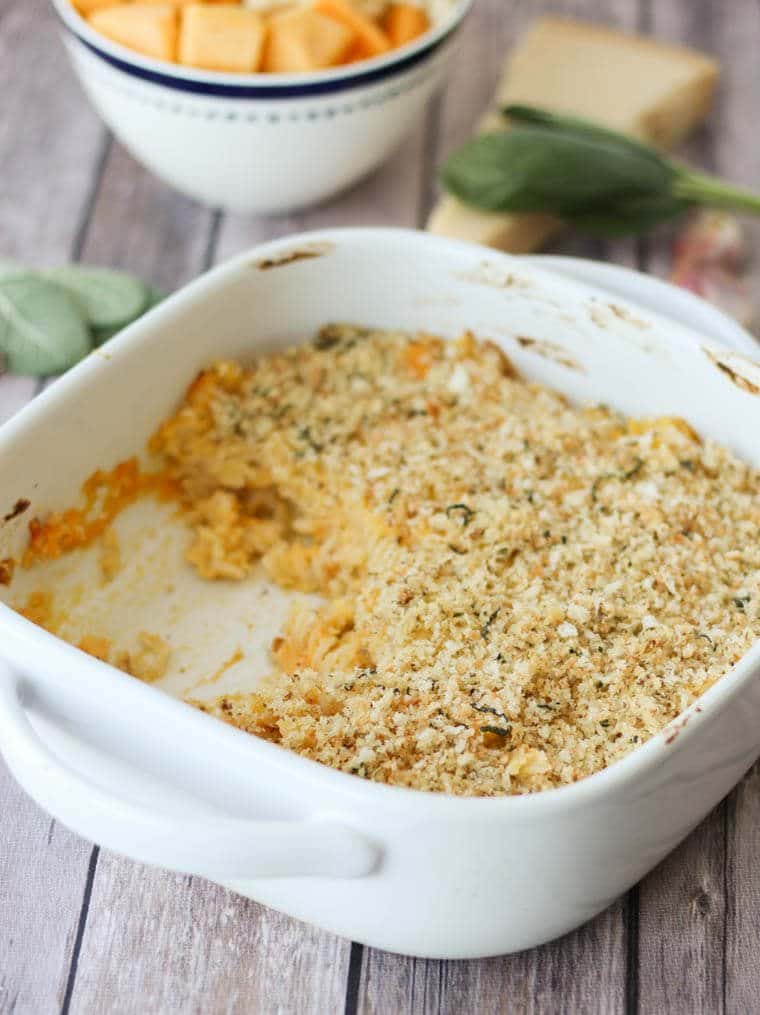
This healthy Butternut Mac and Cheese features a sneaky mixture of squash and cauliflower in place of the traditional butter-based roux. It’s also loaded with holiday flavours, making it the ideal vegetarian friendly main dish.

Butternut mac and cheese in a white casserole dish garnished with sage.

When I was growing up, my mom didn’t let us have mac and cheese. I know. It was practically child abuse. And it wasn’t even because she thought it was crap. It was because she had a strange phobia of cheese and refused to smell or cook it. Well, thankfully, I didn’t inherit her unusual fear and LOVE THE STUFF.

So I wanted to come up with a mac and cheese recipe to satisfy my cravings but with a healthy holiday spin on it. I love everything butternut squash soup, so why not add some cheese and pasta for a delicious butternut mac and cheese?! Yes please!

Table of contents

  • Why this Recipe Works
  • Key Ingredients
  • How To Make This Recipe
  • Expert Tips
  • Recipe FAQs
  • More Recipes You May Like

Why this Recipe Works

Instead of a heavy cheese and butter base to this mac and cheese recipe, I like lightening it up with a combination of butternut squash and cauliflower. Yep. You heard me right. I made a pretend roux with butternut squash and cauliflower. I also use a really strong flavored cheese, so a little goes a long way.

The butternut mac and cheese is so creamy and rich but your dinner guests will never know that it’s actually good for you!

It’s super flavourful and kid approved. The holiday inspired topping with panko breadcrumbs, garlic, sage, cheese and a sneaky little bit of flaxseed is a winning combo that everyone will love

This healthy butternut mac and cheese makes the perfect vegetarian main for a holiday meal like Thanksgiving or Christmas because it’s something that both the carnivores and vegetarians will love. I mean, I would even be willing to give up my turkey breast for a little of this goodness.

Key Ingredients

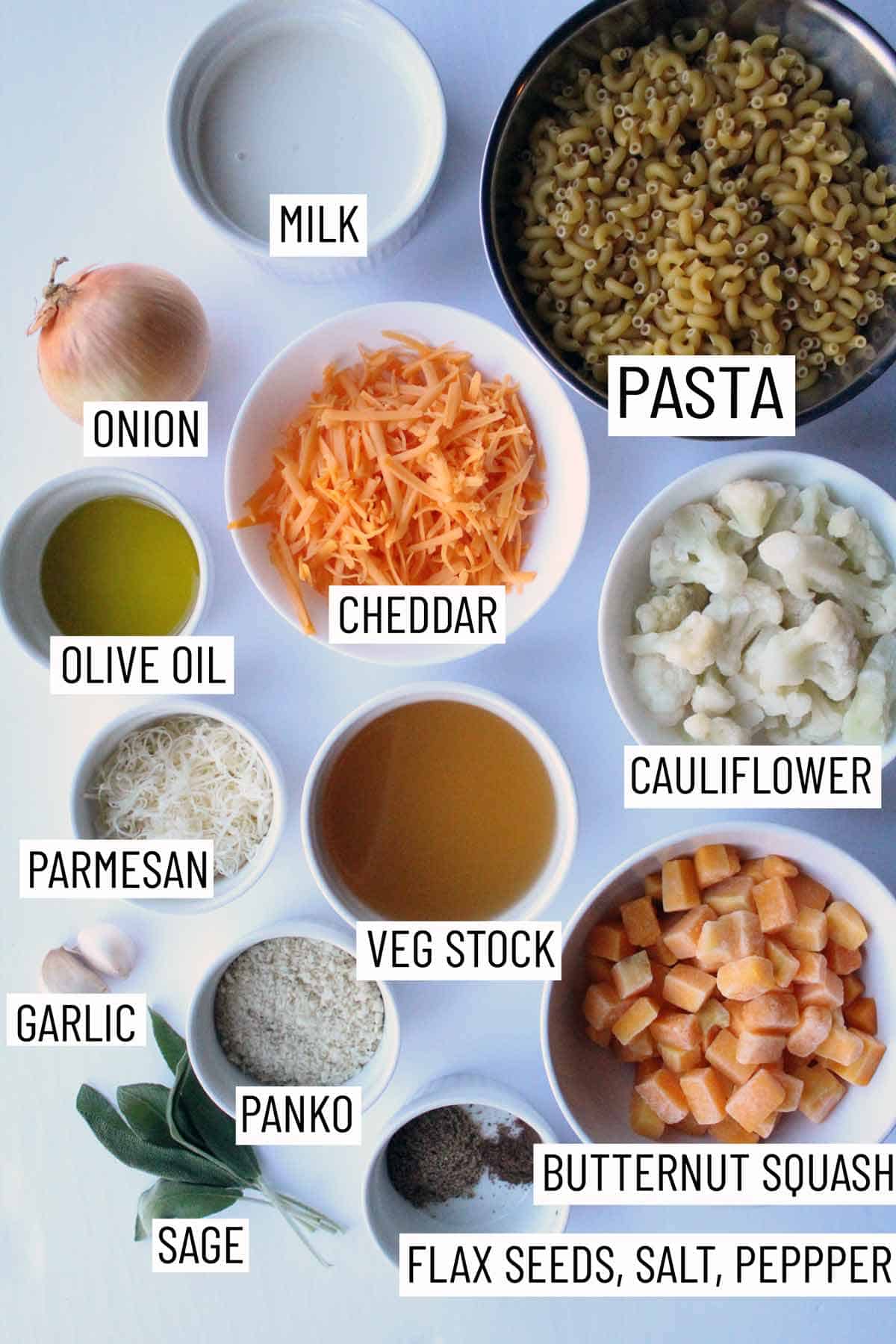
Overhead image of ingredients required to make a butternut mac and cheese recipe.

Aromatics – The golden caramelized onions and the garlic are the building blocks of flavour for this butternut mac and cheese. Don’t skip these!

Pasta – I use a whole grain pasta to keep this on the healthier side. However, you can use whatever you have on hand.

Butternut squash – I like to use frozen butternut squash for this recipe to cut down on time. But if you want to buy fresh, look for a squash with a solid beige colour, without any deep cuts or bruises.

Cauliflower – Cauliflower takes on other flavours really well and you’ll never guess that it was in this recipe!

Cheeses – It’s not a mac and cheese recipe without cheese! We are using cheddar and parmesan.

Toppings – For holiday flavours, we have a combination of sage, panko, ground flaxseed, parmesan, and garlic.

How To Make This Recipe

Pre-recipe prep: Preheat oven to 375 F and then bring a large pot of salted water to a boil. Add pasta and cook for 2 minutes shy of the box’s recommended cooking time. Drain and set aside.

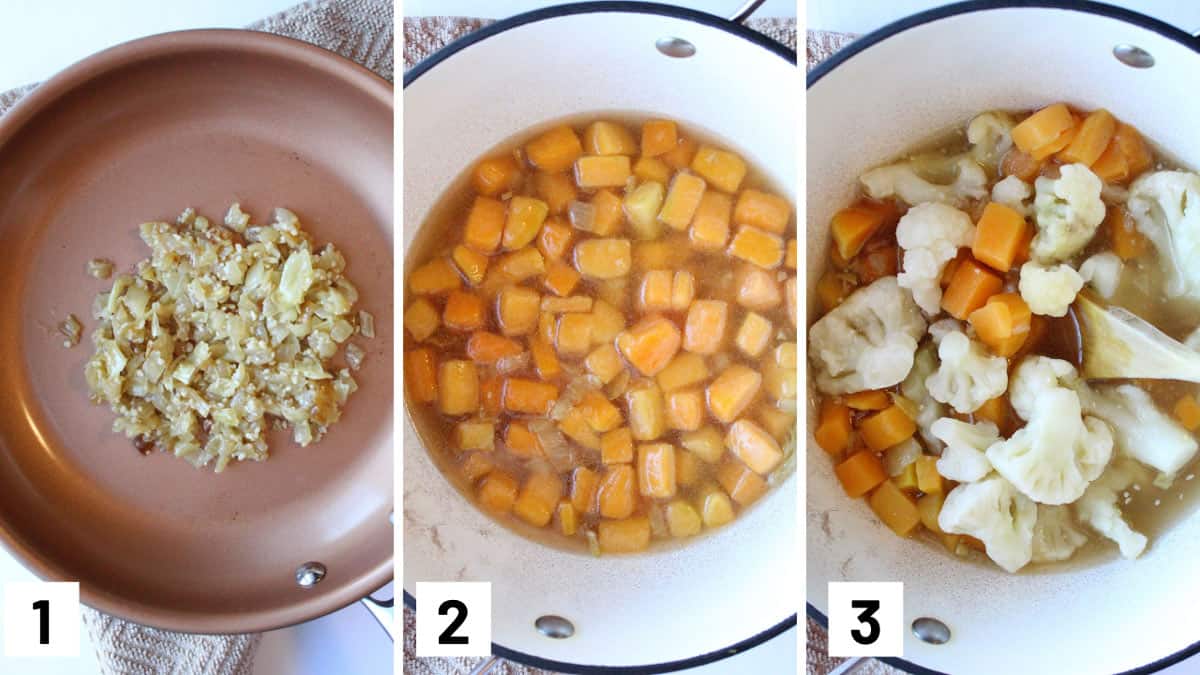
Instructional photos showing how to caramel onion, cooking squash, and cooking cauliflower.

Step 1: In a pan, add the oil over medium low heat. Add the onions and caramelize low and slow until sweet and golden brown- about 30 minutes. Add in the garlic and sauté for an additional 2 minutes.

Step 2: Pour in the vegetable stock and butternut squash, cover with a lid and increase the heat to medium high. Cook for 5 minutes or until the squash begins to soften.

Step 3: Add in the cauliflower, cover again, and cook for an additional 4-5 minutes until all of the vegetables fall apart easily when pricked with a fork.

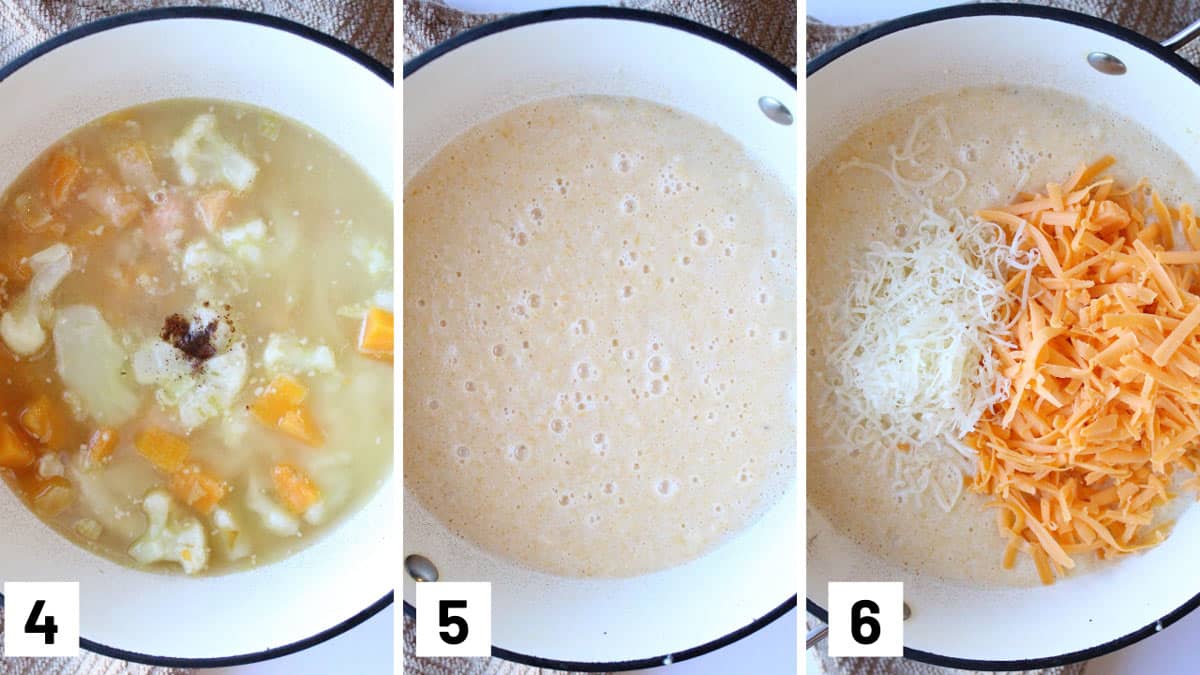
Instruction photo showing milk and nutmeg added to a pot, pureeing, and adding cheese to a pot.

Step 4: Stir in the milk and a pinch of nutmeg.

Step 5: Transfer to a heat-proof stand blender. Puree until very smooth before transferring the mixture back to the pot.

Step 6: Heat the pot over medium heat, stirring in 1 cup of the shredded cheddar and 1/4 cup of parmesan cheese. Gently stir until fully melted. Season with salt and pepper to taste.

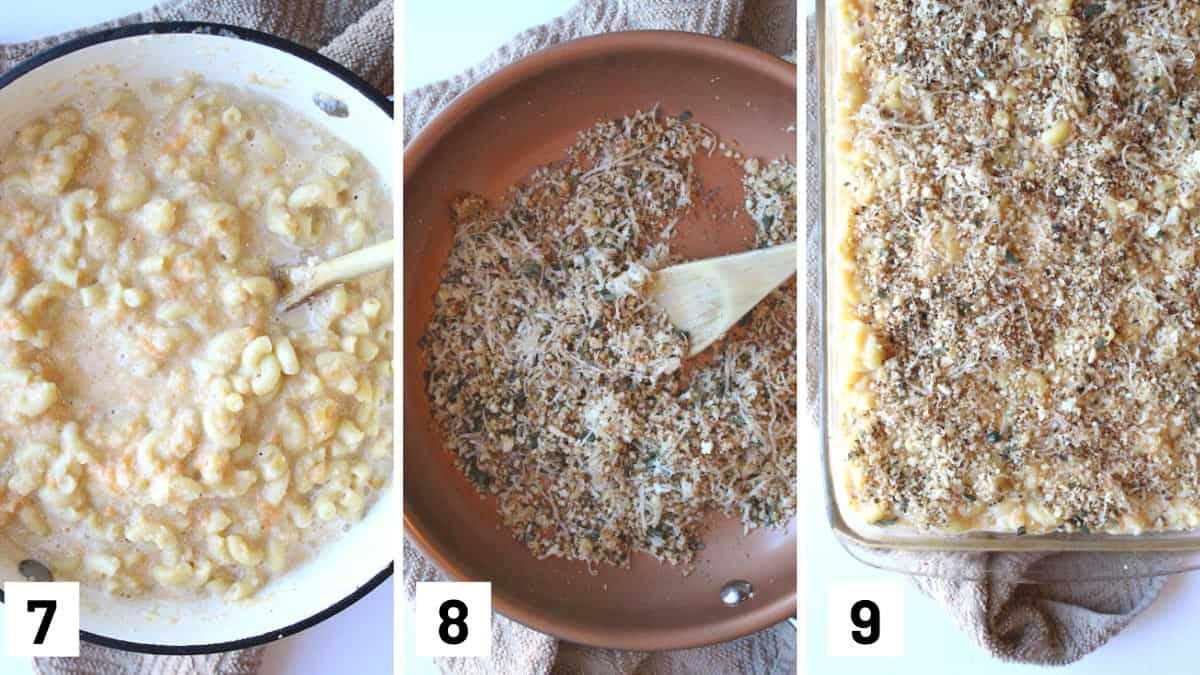
Instructional photos showing pasta being added to a butternut squash and cauliflower roux, toasting toppings, and combining everything into a baking dish.

Step 7: Add the cooked pasta to the sauce and stir until all of the noodles are well coated. Transfer half of the mixture to an 8” square baking dish in a single layer. Top with the reserved 1/2 cup of grated cheddar cheese and then add the remaining noodles with cheese sauce. Set aside.

Step 8: To make the breadcrumb topping, add the tablespoon of oil to a small nonstick skillet over medium heat. Add the garlic and sauté until fragrant and golden, about 1 minute. Add the panko breadcrumbs and toss until fully coated in the oil. Remove the breadcrumbs from the stovetop and mix with the flaxseed, sage, and parmesan cheese.

Step 9: Spread the mixture evenly across the butternut mac and cheese and bake for 25 to 30 minutes or until the cheese sauce bubbles around the edges and the breadcrumbs start to turn a very light brown colour. Sprinkle with a pinch of fleur de sel and dig in!

Expert Tips

Make sure you shred your own cheese. Pre-shredded cheeses comes coated in a coating so they don’t stick together in the bag but makes it melt funny.

You can change things up by adding additional protein to the recipe such as cooked shredded chicken, chickpeas, tofu, bacon, etc to your butternut mac and cheese.

To cut butternut squash, use a sharp chef‘s knife and cut off the top and bottom half inch, peel it with a vegetable peeler, cut it in half lengthwise, scoop out the seeds, and then dice up the squash.

Recipe FAQs

Can I use frozen butternut squash?

If you are not comfortable cutting up a whole butternut squash, feel free to sub in with frozen butternut squash! It’ll save you time and they’ll already be diced into similar sizes.

What about cauliflower?

Yup. You can use frozen cauliflower as well. Just keep in mind that frozen vegetables will take a little longer to cook through.

Can I use other cheeses?

You sure can! Gruyere or smoked gouda would work wonderfully for this butternut mac and cheese as well.

Can I freeze this?

Yes, you can prep this up to the baking stage. Hold off on the toppings. Freeze in an airtight freezer safe container or wrap the baking dish tightly and store in your freezer. When ready to enjoy, add the toppings and bake until heated through.

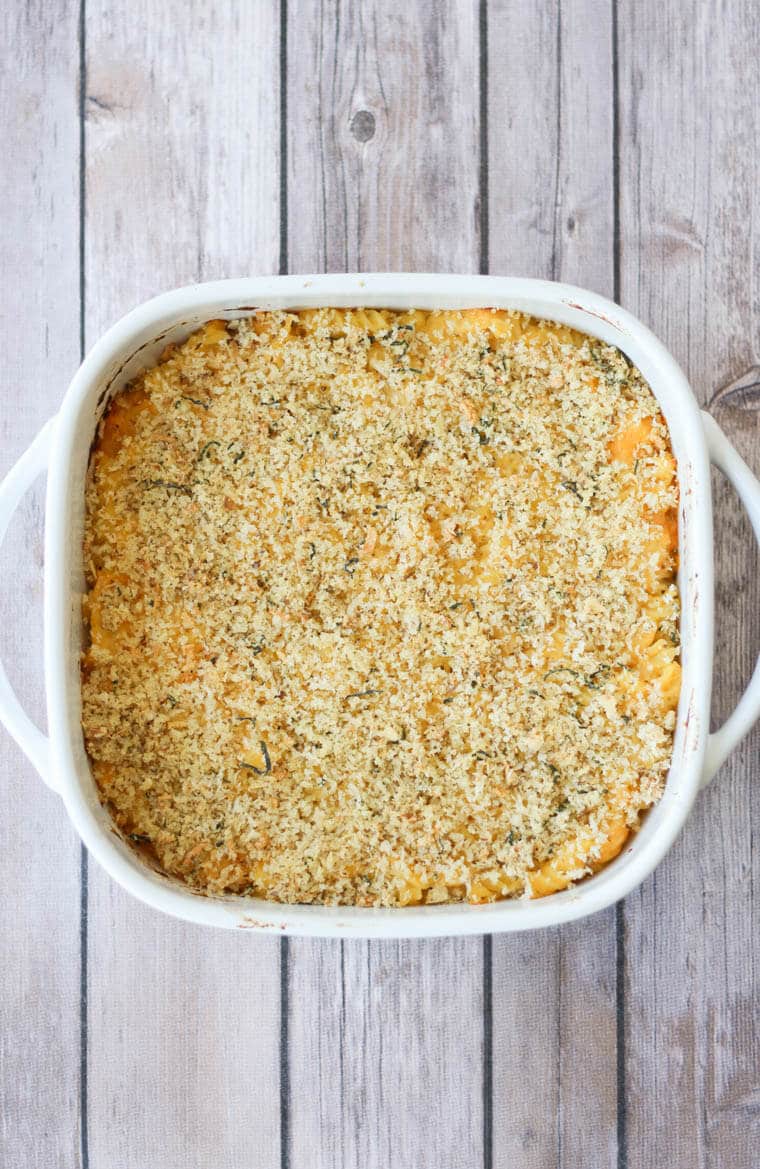
Birds eye view of healthy cauliflower and butternut mac and cheese in a white casserole dish.

More Recipes You May Like

If you want some more delicious veggie packed recipes, try these ones!

  • SWEET POTATO GRILLED CHEESE BITES (GLUTEN FREE, GRAIN FREE)
  • VEGAN GUACAMOLE STUFFED SWEET POTATOES
  • HIGH PROTEIN CHICKEN CURRY WITH CAULIFLOWER & SWEET POTATOES

Have you ever tried making butternut squash mac and cheese? Let me know what spins you put on your mac and cheese!

This healthy Butternut Squash Mac and Cheese features a sneaky mixture of whipped squash and low-cal cauliflower in place of the traditional butter-based roux. It's also loaded with holiday flavours, making it the ideal Vegetarian Casserole holiday main dish.
Print Recipe
4.50 from 14 votes

Butternut Squash Mac and Cheese (Healthy)

This healthy Butternut Squash Mac and Cheese features a sneaky mixture of whipped squash and low-cal cauliflower in place of the traditional butter-based roux. It’s a perfect Vegetarian Casserole holiday main dish.
Prep Time15 minutes mins
Cook Time45 minutes mins
Total Time1 hour hr
Course: Main Dish
Cuisine: American
Diet: Vegetarian
Servings: 6 -8
Calories: 420kcal
Author: Abbey Sharp

Ingredients

  • 1 box whole grain short cut pasta 340 g, (like macaroni, fusilli, penne)
  • 2 tsp extra virgin olive oil 10 ml
  • 1 cup small yellow onion finely sliced, about 1/3 or 75 ml
  • 2 cloves garlic finely minced
  • 1 1/2 cups low sodium vegetable stock 375 ml
  • 2 cups frozen peeled butternut squash finely diced, 500 ml
  • 2 cups frozen cauliflower finely diced, 500 ml
  • 3/4 cup skim milk 175 ml
  • Pinch nutmeg
  • 6 oz old cheddar finely shredded, divided, 1 1/2 cups or 375 ml
  • 1 oz parmesan cheese finely grated, 1/4 cup or 60 ml
  • Salt and pepper to taste

Topping

  • 1 Tbsp extra virgin olive oil 15 ml
  • 2 cloves garlic finely minced
  • 5 Tbsp panko breadcrumbs 75 ml
  • 1 1/2 tsp ground flaxseed 7.5 ml
  • 2 tsp fresh sage finely minced, 10 ml
  • 3 Tbsp parmesan cheese finely grated, 45 ml
  • Fleur de sel to finish

Instructions

  • Preheat oven to 375 F.
  • Bring a large pot of salted water to a boil. Add pasta and cook for 2 minutes shy of the box’s recommended cooking time. Drain and set aside.
  • Return the pot to the stove and add the oil over medium low heat. Add the onions and caramelize low and slow until sweet and golden brown- about 30 minutes. Add in the garlic and sauté for an additional 2 minutes.
  • Pour in the vegetable stock and squash, cover with a lid and increase the heat to medium high. Cook for 5 minutes or until the squash begins to soften. Add in the cauliflower, cover again, and cook for an additional 4-5 minutes until all of the vegetables fall apart easily when pricked with a fork.
  • Stir in the milk and a pinch of nutmeg, then transfer to a heat-proof stand blender. Puree until very smooth before transferring the mixture back to the pot.
  • Heat the pot over medium heat, stirring in 4 oz (1 cup) of the shredded cheddar and an ounce (1/4 cup) of parmesan cheese. Gently stir until fully melted. Season with salt and pepper to taste.
  • Add the cooked pasta to the sauce and stir until all of the noodles are well coated.
  • Transfer half of the mixture to an 8” square baking dish in a single layer. Top with the reserved 2 oz (1/2 cup) of grated cheddar cheese and then add the remaining noodles with cheese sauce. Set aside.
  • To make the breadcrumb topping, add the tablespoon of oil to a small nonstick skillet over medium heat. Add the garlic and sauté until fragrant and golden, about 1 minute. Add the panko breadcrumbs and toss until fully coated in the oil.
  • Remove the breadcrumbs from the stovetop and mix with the flaxseed, sage, and parmesan cheese. Spread them evenly across the casserole and bake for 25 to 30 minutes or until the cheese sauce bubbles around the edges and the breadcrumbs start to turn a very light brown colour. Sprinkle with a pinch of fleur de sel and dig in!

Video

Notes

Make sure you shred your own cheese. Pre-shredded cheeses comes coated in a coating so they don’t stick together in the bag but makes it melt funny.
You can change things up by adding additional protein to the recipe such as cooked shredded chicken, chickpeas, tofu, bacon, etc to your butternut squash mac and cheese.
To cut butternut squash, use a sharp chef‘s knife and cut off the top and bottom half inch, peel it with a vegetable peeler, cut it in half lengthwise, scoop out the seeds, and then dice up the squash.

Nutrition

Calories: 420kcal

Abbey Sharp

Abbey Sharp is a Registered Dietitian (RD), regulated by the Ontario College of Dietitians. She is a mom, YouTuber, Blogger, award winning cookbook author, media coach specializing in food and nutrition influencers, and a frequent contributor to national publications like Healthline and on national broadcast TV shows.

www.abbeyskitchen.com/about-abbey/

Last Updated November 28, 2023. Published November 29, 2023 By Abbey Sharp Leave a Comment

Cortisol and Weight Gain | How Cortisol Relates to Weight from a Registered Dietitian

Today we’re examining the evidence on cortisol and weight gain, impact on appetite, and what you can do to manage stress levels. 

Anxious woman with high cortisol with hands on her head.

We’ve all heard the age old weight loss advice to eat less and exercise more. While what we eat and how much we move certainly has an impact on our weight, what happens if you are stressed to the gills? Could being stressed out totally throw you off your weight loss goals? We take a deep dive into the evidence on the relationship between stress and appetite to answer the question: what is the connection between cortisol and weight gain?

What is cortisol?

In short, cortisol is the body’s stress hormone, which is released alongside epinephrine (aka adrenaline) when the brain perceives a stressor. The stress response is ultimately a protective mechanism that allows the body to defend itself or react to a high stress environment and/or potential threat (let’s say if a bear is chasing you in the wilderness, or your boss puts you on the spot during an important meeting). What ensues is the fight-or-flight response, which triggers an increased heart rate and heightened energy levels. 

In order for our body to have enough fuel to react, high cortisol levels will use available glucose and glycogen stores for energy. The body will also temporarily halt the production of insulin in order to prevent any available glucose from being stored instead of used. In other words, when we are stressed, our body uses up all the energy it can get. 

A pink background with white letters that say "don't panic".

Additionally, the body will also reduce any non-essential bodily functions (i.e digestion, immune response, reproduction) in order to allocate energy to processes that can help deal with the stressor (i.e. increasing blood glucose availability and blood flow to major muscles). Once the perceived threat or stressor has been dealt with, cortisol levels will return back to normal and you can finally breathe a deep sigh of relief. 

In addition to its role in the body’s stress response, cortisol also helps to reduce inflammation, support nutrient metabolism, and control blood pressure. While cortisol released in response to stress is normal, prolonged elevated levels of cortisol are not ideal and can lead to negative health consequences.

What are the health risks of increased cortisol?

Stress is obviously inevitable in our day-to-day lives and can be triggered by a range of factors. This can include emotional experiences like a breakup, strenuous physical activities, infections, injuries, or even something seemingly mundane like running late or being stuck in traffic. On the other hand, stress can even be beneficial when it elicits a positive response to a stressor. This is known as eustress, and we may experience it while riding a roller coaster, on a first date, or when starting a new job. Regardless of if you experience eustress or distress, it is quite literally impossible to go through life scot free from stress. 

A pug with a brown blanket wrapped around him.

But when we are in a state of distress, we may experience either an acute (short-term) or chronic (long-term) stress response.  An acute state of stress is immediate, intense, and will usually subside once the stressor is no longer present. Think: going to a job interview, being stuck in traffic, or having an argument with your spouse – these are all examples of acute stress. While it is normal to experience varying degrees of acute stress, some individuals may experience short-term side effects including: 

  • Headaches
  • Muscle tension and pain
  • Impaired memory and ability to concentrate
  • Increased blood sugar levels 

Unfortunately, acute stress can become a long-term issue when an individual experiences frequent stress or stress levels remain high long after the stressor is no longer present – this results in chronic stress. Some examples of chronic stress include experiencing ongoing challenges with a partner or family member, a highly demanding or unfulfilling job, or financial instability. Chronic stress and prolonged high cortisol levels can increase the risk of long-term negative health consequences such as:

  • Immune system suppression
  • Mood disorders (i.e. anxiety and depression)
  • Digestive issues (i.e. IBS, ulcers)
  • Chronic disease (i.e. cardiovascular disease)
  • Cushing’s syndrome
  • Insulin resistance
  • Chronic inflammation
  • Fertility issues
  • Insomnia
  • Weight gain

Does cortisol cause weight gain?

Now that we know the 411 on cortisol and the associated health risks, what is the relationship between cortisol and weight gain and what can you do about it? Let’s jump into the evidence. 

Increased Appetite

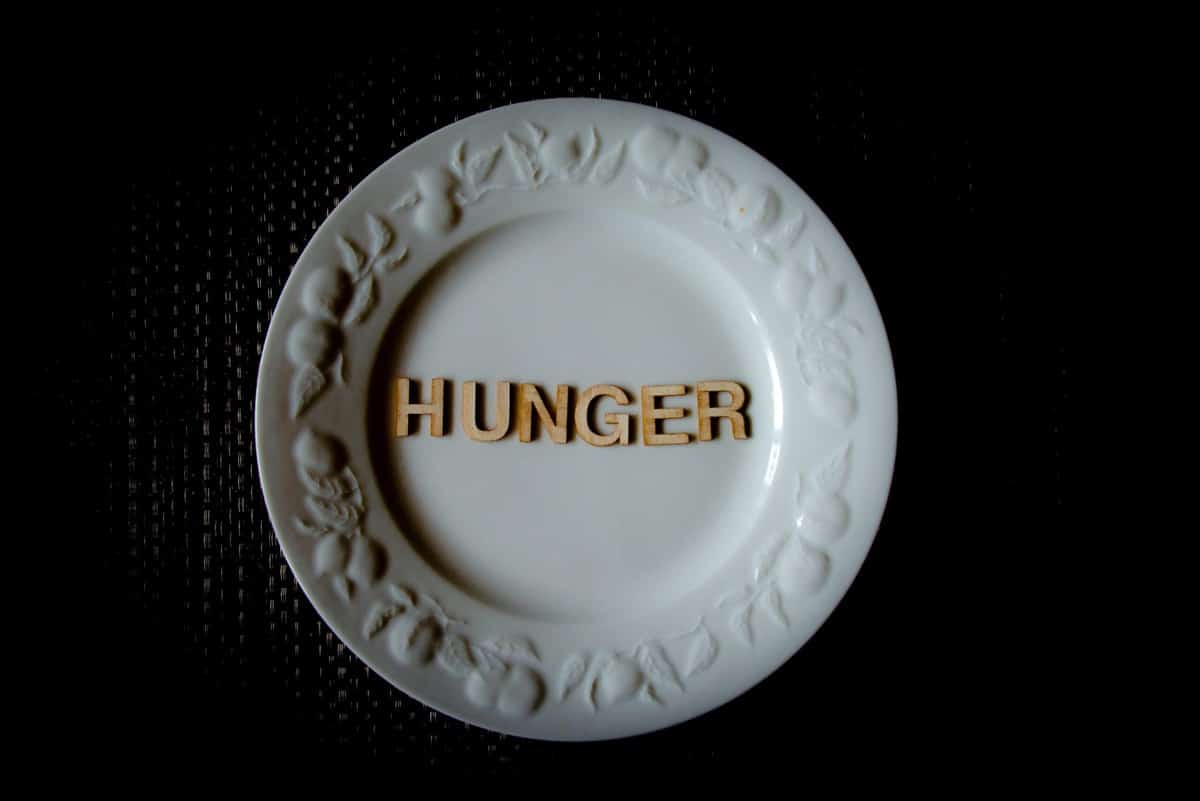
The letters "hunger" written on a white plate.

While a moderate amount of stress is unlikely to cause increased weight gain, research suggests that prolonged elevated cortisol levels may have both physiological and psychological impacts on eating behaviours. For example, one small study on 59 healthy women found that participants ate more calories when exposed to stress and also had a higher preference towards sweet foods. Similarly, some evidence suggests that circulating glucose during stress increases the desire for high calorie foods. This may explain why we experience an increased appetite during times of stress and a preference towards sugary and high-fat foods.

Increased Belly Fat

Research suggests that cortisol may be positively correlated with increased belly fat. This is because visceral fat (aka abdominal fat) has more cortisol receptors compared to subcutaneous fat (the fat that lies just below the skin’s surface). With that said, cortisol is able to more readily move stored fat into the abdominal area. This might also explain why individuals with higher central body fat tend to be more vulnerable to stress as their increased visceral fat may be an indicator of increased cortisol. One study also found that stressed participants burned 104 calories less from the same high-fat meal compared to non-stressed participants, which suggests that the body may metabolize fat much slower when under stress.

A person standing on a scale to assess weight loss.

Increased Blood Sugar 

If you think back to your high school biology class, you may recall that the body’s cells require glucose for energy and that insulin is the “key” that lets glucose into the cells. However, during extended periods of stress, blood sugar levels remain high while insulin is continuously suppressed. This means that no glucose is getting into the body’s cells. In other words, the cells are essentially starved for energy. This results in hunger signals sent to the brain to help “feed” our cells. 

Unfortunately, due to continuous insulin suppression, even if we eat large amounts of food while stressed, our cells may still be starved for energy and we will continue to feel hungry (even if we just ate). This can consequently lead to overeating and increased weight gain. 

How to Manage Cortisol Levels

Whether you want to keep cortisol levels in check for weight management purposes, or you just want to live your most peaceful zen life, here are some evidence-based strategies that may help you manage your stress levels. 

Prioritize Sleep 

Not getting enough quality sleep can not only increase cortisol levels, but it can also impact our appetite, cravings, and food choices. It is therefore important to maintain a regular bedtime routine, and avoid caffeine intake and intense exercise before bed to prevent energy spikes that can get in the way of our sleep-wake cycle. For more tips on how to get the best quality slee,p check out our blog post on the importance of sleep and weight management. 

Practice Meditation & Breathwork

A woman meditating to manage cortisol levels.

Meditation and focusing on your breathing has been shown to not only help reduce cortisol levels, but may even help to improve sleep quality– which, as we discussed, also impacts cortisol levels. The best thing about meditation is that it is super accessible, with guided meditations available for free on multiple apps and Youtube videos. Even just a few minutes of stillness can prove to be beneficial!

Get Moving 

You don’t need me to tell you that exercise is good for the body and mind as it not only supports weight management but it also releases the feel good chemicals, endorphins, which can help manage stress. However, I do want to note that exercising for a long duration at a high intensity can actually increase cortisol levels. With that said, aim for low-to-moderate intensity exercises and make sure to give yourself adequate rest in between workouts.  

Limit Caffeine Intake

Birds eye view of a cup of coffee against a yellow background.

Research has shown that high doses of caffeine can increase levels of stress and anxiety. So if you find that caffeine makes you particularly jittery and anxious, then you may consider cutting back on caffeine and seeing how that impacts your stress levels. Other research suggests that it may be best to wait 1-2 hours after waking up before enjoying your first cup of coffee, as cortisol levels tend to be higher 30-45 minutes after waking up and slowly decline throughout the day. 

Feed Your Gut 

The gut has quickly been coined as our “second brain” with 90% of serotonin production occurring in the there. It is therefore no surprise that research suggests that a healthy gut can help to regulate our mood and stress levels, which speaks to the importance of prioritizing gut healthy foods like probiotics, prebiotics, and fibre.

Nourish Your Body

A spread of healthy snacks like bananas, apples, cashews, pistachios, and more.

Eating a balanced diet that prioritizes anti-inflammatory foods can help to ward off and minimize the effects of high cortisol levels in the body. Research has also found that specific foods like dark chocolate, green tea, omega-3 fats (i.e. fatty fish, nuts, seeds) and an overall diet rich in plant-based foods may be helpful at managing cortisol levels and promoting stress relief.

Speak to a Therapist and/or Dietitian

If worse comes to worse and you have tried all of these strategies ad nauseam without improvement, then it may be best to speak to a qualified therapist and/or dietitian to help get to the root of the issue. Speaking to a therapist can assist in identifying triggers and effective coping strategies, while a registered dietitian can provide guidance with emotional eating and other stress-related food behaviours. 

Bottom Line

With all that said, is there a connection between cortisol and weight gain? While the research suggests that managing cortisol levels may have some weight benefits, it is also important to consider that managing stress has a multitude of health benefits that go beyond just aesthetic weight goals. But if weight loss is your goal, then it may be worthwhile to evaluate whether you need to keep your stress levels in check.

Written by: Cassandra Srutwa and Giselle Segovia RD, MHSc

More Blog Posts You Might Like

  • How Much Weight Do You Gain on Your Period?
  • The Unsettling Role of Sleep and Weight Loss
  • Quarantine Weight Gain (Dietitian’s 6 Easy Tips)
  • Intuitive Eating Weight Loss? Sustainable Gentle Nutrition Tips
Abbey Sharp

Abbey Sharp is a Registered Dietitian (RD), regulated by the Ontario College of Dietitians. She is a mom, YouTuber, Blogger, award winning cookbook author, media coach specializing in food and nutrition influencers, and a frequent contributor to national publications like Healthline and on national broadcast TV shows.
www.abbeyskitchen.com/about-abbey/

Last Updated November 25, 2023. Published November 27, 2023 By Abbey Sharp 37 Comments

Stuffed Acorn Squash Recipe | Vegan + Healthy!

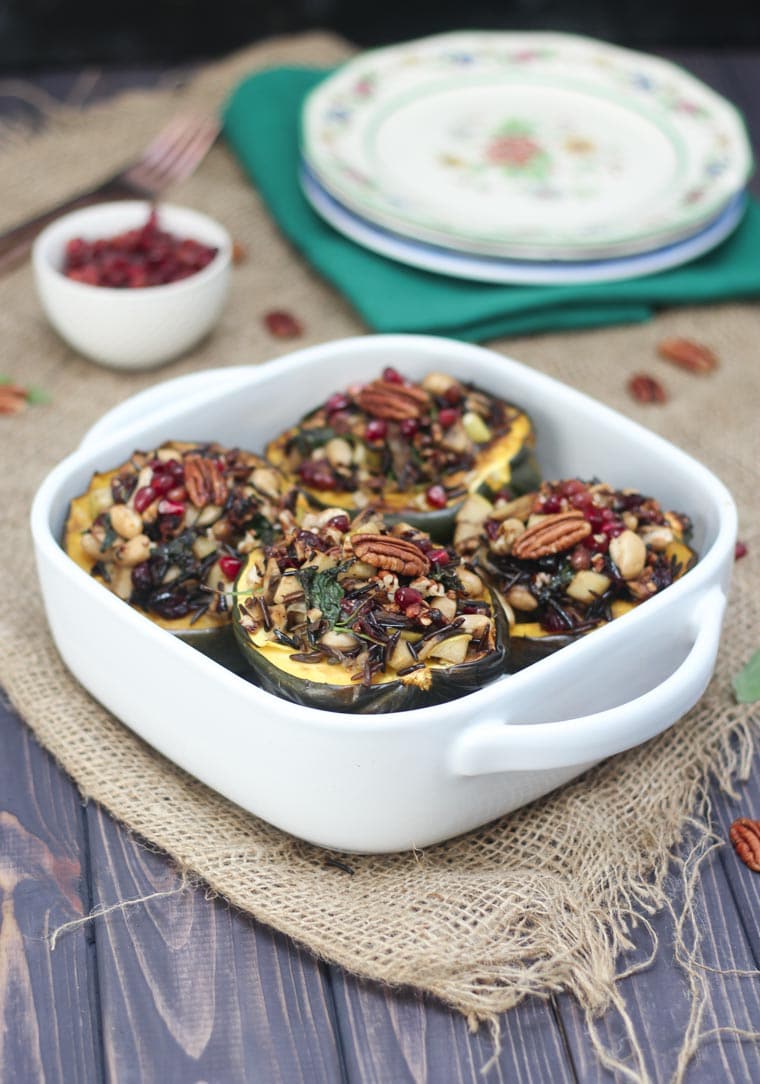
A white baking dish with four stuffed acorns inside.

This delicious Stuffed Acorn Squash recipe with Wild Rice, Apples & Caramelized Onions is gluten-free, vegan and perfect for fall or winter!

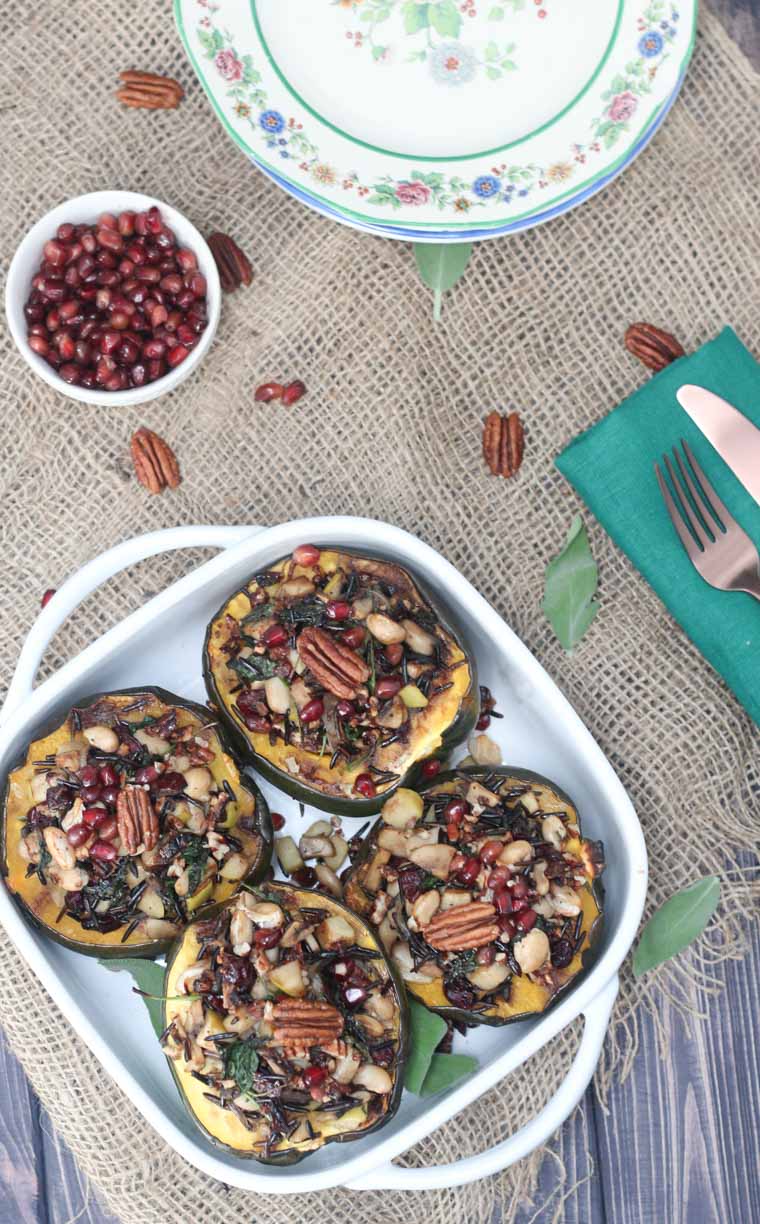
A white baking dish with four stuffed acorns squashes inside.

Getting ready for the holidays can be stressful. The food planning and prep alone is a week-long endeavour, and then you have to miraculously make it through an entire day with your family. It’s a LOT. For most of my life I didn’t have to worry about any major food intolerances at the dinner table, but today it seems like everyone has their shtick. It might be that they’re vegetarian, or gluten free, or they just don’t eat mushrooms, but whatever it is, you’ve got to be ready. That’s why I LOVE this stuffed acorn squash recipe.

Table of contents

  • Why This Recipe Works
  • Key Ingredients
  • How to Make This Recipe
  • Expert Tips
  • Recipe FAQs
  • More Recipes You May Like

Why This Recipe Works

The entire family loves this stuffed acorn squash recipe to bits, and they accommodate a wide range of dietary restrictions and palates. No dairy, no meat, no animal products, no gluten.

This dish is also really easy to make and looks gorgeous so it’s perfect for a holiday dinner when you want to impress guests without doing a ton of work.

This vegan friendly acorn squash recipe is also something you can prep ahead of time to make the holidays less stressful. Making components ahead of time really helps cut down on the holiday madness.

Table of contents

  • Why This Recipe Works
  • Key Ingredients
  • How to Make This Recipe
  • Expert Tips
  • Recipe FAQs
  • More Recipes You May Like

Key Ingredients

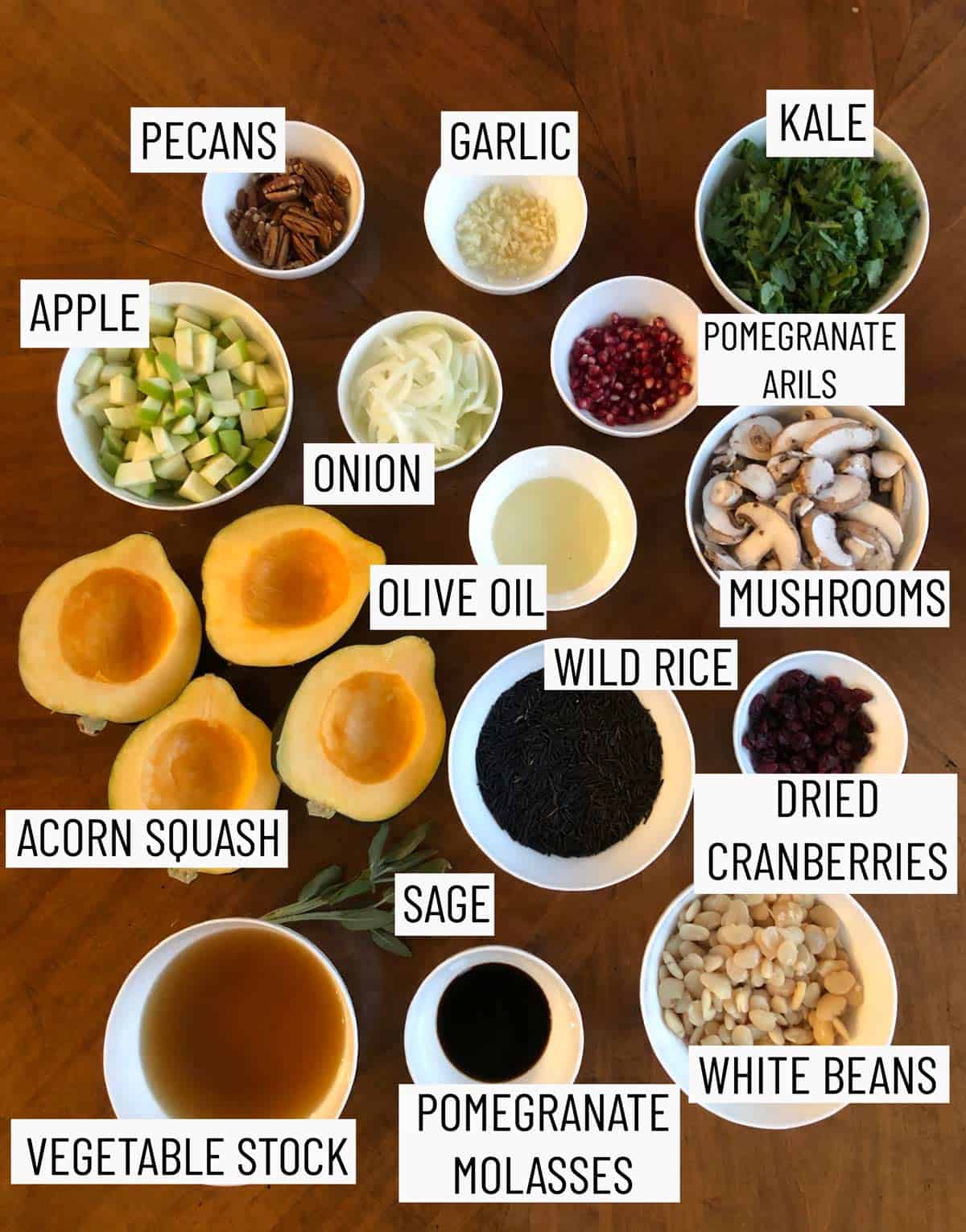
Over head view of ingredients for Stuffed Acorn Squash: pecans, garlic, kale, apple, onion, pomegranate arils, acorn squash, olive oil, mushrooms, wild rice, dried cranverries, sage, vegetable stock, pomegranate molasses, and white beans.

Acorn Squash – You want to pick an acorn squash with a smooth, dry rind with no cracks or soft spots on the exterior. The skin should also be on the duller side as a shiny acorn squash means it’s not fully ripe.

Apples – Green apples are a bit on the tart side so if you want a sweeter apple, you’re welcomed to change it to an apple of your choice.

Wild Rice – We picked wild rice for this stuffed acorn squash recipe as it has a wonderful chewy texture and a roasted, nutty flavour to it. If you want to substitute regular brown rice or quinoa, that also will work.

Mushrooms – Mushrooms give this a “meaty” feel to it. If you don’t like mushrooms, you’re welcomed to leave it out. Add more white beans instead to bulk it up.

How to Make This Recipe

 
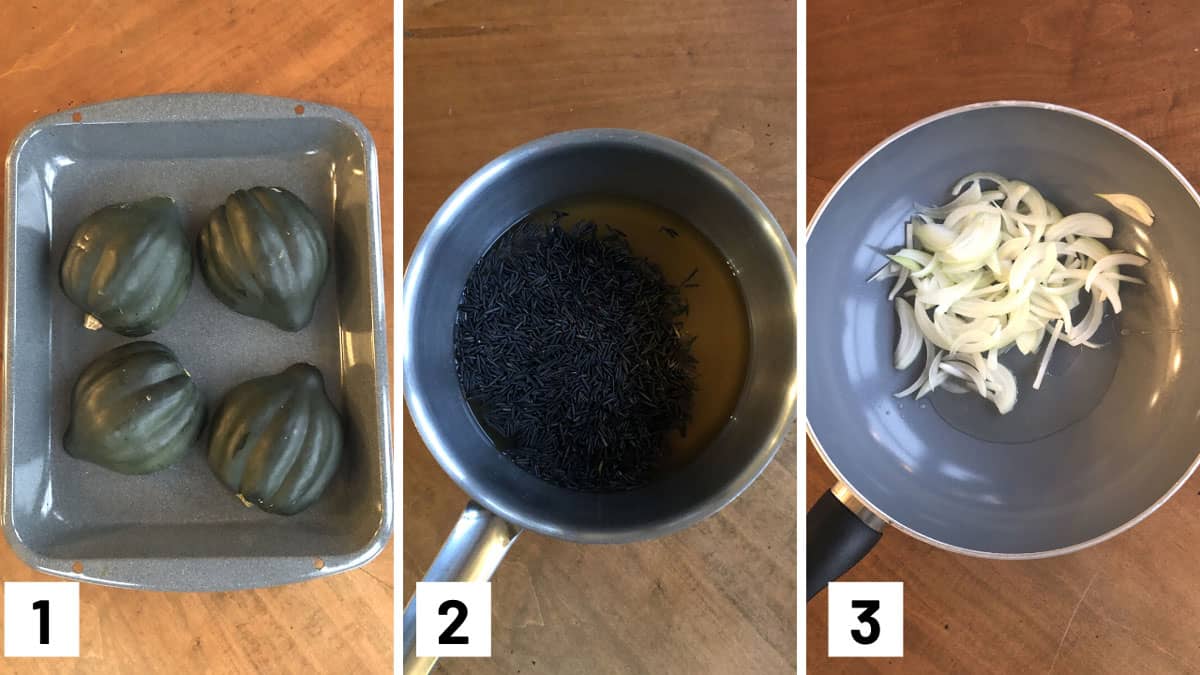
Step by step photos of roasting acorn squash, cooking the wild rice, and caramelizing the onions

Step 1: Preheat oven to 415 F. Place the acorn squash cut side down onto a baking tray or dish and cover with foil. Bake for about 40-45 minutes until tender. Remove and allow to cool just enough to touch.

Step 2: Meanwhile, while the acorn squash is roasting, add the wild rice and vegetable stock to a small sauce pot and bring to a boil. Reduce heat to low and cook for about 35 minutes or until all of the liquid is absorbed. Transfer to a large bowl.

Step 3: At the same time, in a large skillet, add two tablespoons of olive oil over medium low heat. Add the onion and cook low and slow for about 50-60 minutes or until caramelized and golden. Season with salt and pepper, to taste. Transfer to a large bowl with the rice when finished.

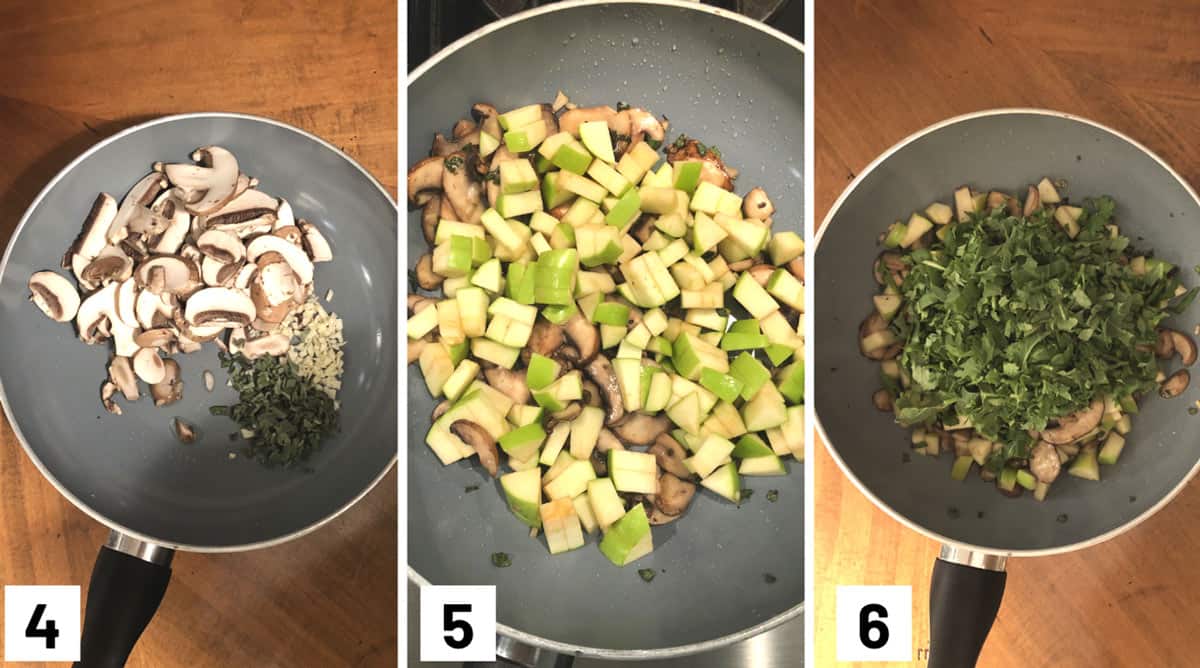
Step 4: When the onions are done, return the pan to the heat and add in the additional tablespoon of oil. Add the sage, garlic and mushrooms and cook for 5 minutes.

Step 5: Then add in the apples and saute for 1 minute. The apple gives the stuffed acorn squash and nice crunch!

Step 6: Then add in the kale and cook until wilted. Season with salt and pepper. Add to the large bowl.

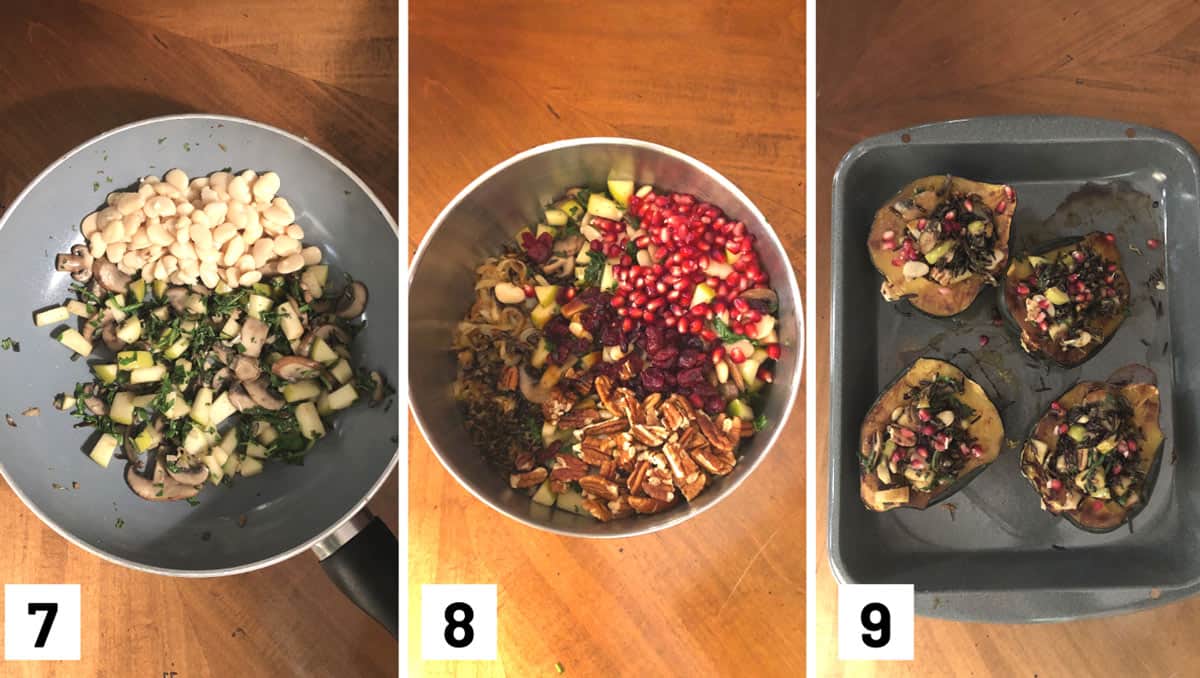
Step 7: Add in the white beans and saute to combine then transfer to a bowl.

Step 8: In a large bowl, mix in the cranberries, pecans, pomegranate arils and two teaspoons of pomegranate molasses. Season with salt and pepper, to taste and mix everything together.

Step 9: Divide the mixture between the four acorn squash. Drizzle with the remaining two teaspoons of molasses and bake for 15 minutes until the stuffed acorn squash is golden brown.

Expert Tips

You can totally substitute whatever odds and ends you’ve got lying in your fridge around the holidays, or whatever you know your guests will like. I love that this stuffed acorn squash recipe packs protein and fibre without the fat, so it’s super nutritious even though it tastes decadent and festive.

If you do not have fresh sage, you can substitute with dried sage. When substituting dried herbs for fresh, the ratio is 1 teaspoon dried to 1 tablespoon fresh.

If you have trouble cutting your acorn squash in half, you can pop it in the microwave for a couple of seconds to soften it, making it easier to slice through.

We roast the acorn squash cut side down as it allows steam to be trapped in the cavity of the squash and keeps it moist as it roasts.

Recipe FAQs

How can I make this stuffed acorn squash recipe ahead of time?

You can roast your acorn squash up to 3 days ahead of time. Then on the day of, you can just make the stuffing.
You can also caramelize the onions ahead of time as well. Make sure everything is stored separately, tightly wrapped, in the fridge.

Can I freeze acorn squash?

Found some on sale and want to save it for later? After roasting the acorn squash, let the squash cool and then place one half of the squash into a freezer bag and remove as much air as possible. And freezer for up to 3 months. When ready, reheat the squash and make the stuffed acorn squash as directed when ready.

Can I double time?

Feel free to double or triple this recipe! It can easily be scaled up.

How do I cut the acorn squash?

My favourite way to cut my acorn squash to stuff it is by cutting it from stem to bottom instead of across the middle of the squash.

An overhead photo of a white baking dish with four stuffed acorn squash.

More Recipes You May Like

If you’re looking for more holiday cooking inspo like this stuffed acorn squash recipe, give these a try!

  • VEGAN MUSHROOM PASTA
  • VEGAN FETTUCCINI ALFREDO (GLUTEN FREE)
  • VEGAN BROWN BUTTER BUTTERNUT SQUASH NOODLES
  • VEGAN MAPLE ROASTED PERSIMMONS AND FIGS

Now I want to know what do you serve your vegan and gluten free guests?

This Vegan Stuffed Acorn Squash with Wild Rice, Apples and Caramelized Onions recipe is a perfect gluten free, plant-based Thanksgiving recipe to impress the vegan friends and family in your life.
Print Recipe
5 from 9 votes

Vegan Stuffed Acorn Squash with Wild Rice, Apples and Caramelized Onions

This Vegan Stuffed Acorn Squash with Wild Rice, Apples and Caramelized Onions recipe is a perfect gluten free, plant-based Thanksgiving recipe to impress the vegan friends and family in your life.
Prep Time10 minutes mins
Cook Time1 hour hr 35 minutes mins
Total Time1 hour hr 45 minutes mins
Course: Dinner
Cuisine: American
Diet: Gluten Free, Vegan
Servings: 4 people
Calories: 410kcal
Author: Abbey Sharp

Ingredients

  • 4 acorn squash halved and seeded
  • 3 tbsp extra virgin olive oil divided
  • 1 onion finely sliced
  • 1 cup wild rice
  • 1 ½ cups vegetable stock
  • 2 tbsp sage minced
  • 2 cloves garlic minced
  • 1 lb mushrooms sliced
  • 2 green apples diced
  • 4 cups baby kale shredded
  • 1/3 cup dried cranberries
  • 1/3 cup pomegranate arils plus more for garnish if desired
  • 1 can white beans drained and rinsed
  • 4 tsp pomegranate molasses divided
  • 1/3 cup Pecans crushed plus some whole for garnish
  • Salt and pepper to taste

Instructions

  • Preheat oven to 415 F. Place the acorn squash cut side down onto a baking tray or dish and cover with foil. Bake for about 40-45 minutes until tender. Remove and allow to cool just enough to touch.
  • Meanwhile, add the rice and stock to a saucepot and bring to a boil. Reduce heat to low and cook for about 35 minutes or until all of the liquid is absorbed. Transfer to a large bowl.
  • Meanwhile, in a large skillet, add two tablespoons of olive oil over medium low heat. Add the onion and cook low and slow for about 50-60 minutes or until caramelized and golden. Season with salt and pepper, to taste. Transfer to a large bowl with the rice.
  • Return the pan to the heat and add in the additional tablespoon of oil. Add the sage, garlic and mushrooms and cook for 5 minutes, then add in the apples and saute for 1 minute. Then add in the kale and cook until wilted. Season with salt and pepper. Then add in the white beans and mix to combine. Add to the large bowl.
  • Mix in the cranberries, pecans, pomegranate arils and two teaspoons of pomegranate molasses. Season with salt and pepper, to taste Mix everything together, then divide between the four acorn squash. Drizzle with the remaining two teaspoons of molasses and bake for 15 minutes until golden brown.
  • Garnish with additional pecans and pomegranate arils, if desired and enjoy.

Video

Notes

You can totally substitute whatever odds and ends you’ve got lying in your fridge around the holidays, or whatever you know your guests will like. I love that this stuffed acorn squash recipe packs protein and fibre without the fat, so it’s super nutritious even though it tastes decadent and festive.
If you do not have fresh sage, you can substitute with dried sage. When substituting dried herbs for fresh, the ratio is 1 teaspoon dried to 1 tablespoon fresh.
If you have trouble cutting your acorn squash in half, you can pop it in the microwave for a couple of seconds to soften it, making it easier to slice through.
We roast the acorn squash cut side down as it allows steam to be trapped in the cavity of the squash and keeps it moist as it roasts.

Nutrition

Calories: 410kcal

Abbey Sharp

Abbey Sharp is a Registered Dietitian (RD), regulated by the Ontario College of Dietitians. She is a mom, YouTuber, Blogger, award winning cookbook author, media coach specializing in food and nutrition influencers, and a frequent contributor to national publications like Healthline and on national broadcast TV shows.
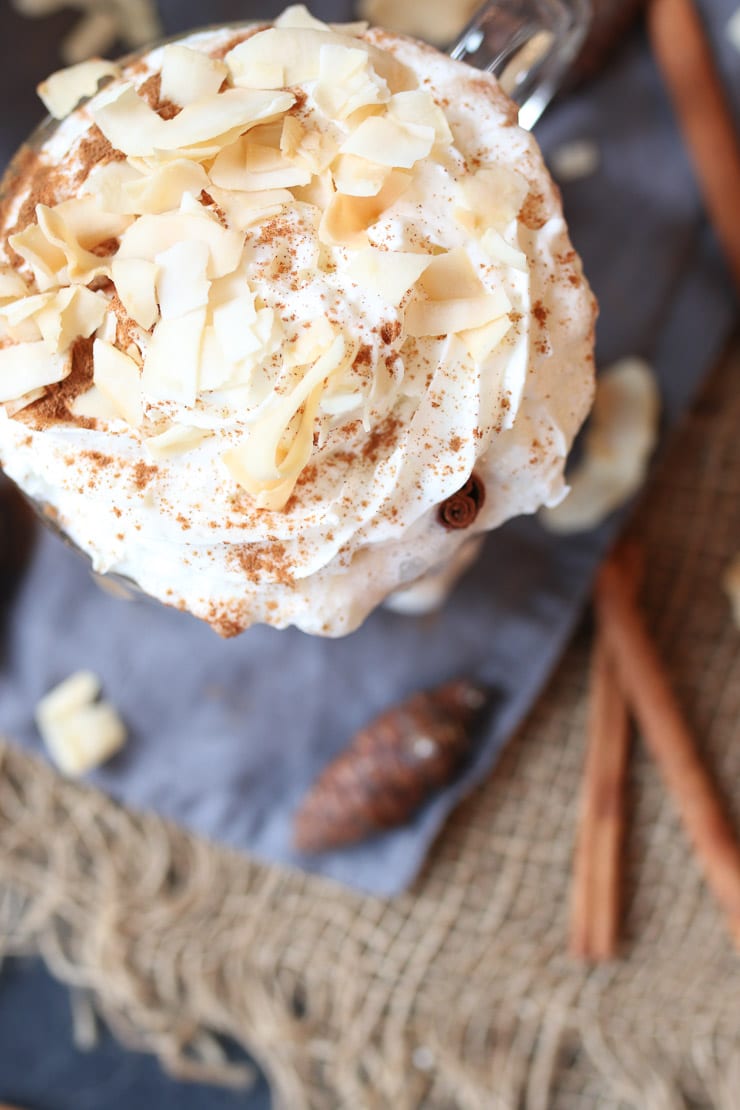
www.abbeyskitchen.com/about-abbey/

Last Updated November 23, 2023. Published November 24, 2023 By Abbey Sharp 39 Comments

Oven Roasted Brussel Sprouts with Balsamic Vinegar | Vegan+ Gluten Free

These Balsamic Roasted Brussel Sprouts with Grapes & Figs will make a perfect healthy Holiday side dish for Thanksgiving or Christmas.

These oven roasted Brussel sprouts with balsamic vinegar, grapes, & figs make for a perfect healthy holiday side dish or even as a regular weeknight dinner! With just a handful of ingredients, you’ll have this made in no time!

Close up of oven roasted balsamic brussels sprouts with grapes and figs  on a brown dish.

There’s something about a bowl of caramelized sticky roasted Brussel sprouts – with their tiny little leaves all crispy and golden. I just can’t help myself when I get my hands on them.

Brussel sprouts are in season right now, and they are perfect as holiday side dishes. They’re also just great for breakfast, lunch and dinner if you’re like me and obsessed with the little guys. These Brussel Sprouts with balsamic vinegar will make you even MORE in love.

Table of contents

  • Why This Recipe Works
  • Key Ingredients
  • How To Make This Recipe
  • Expert Tips
  • Recipe FAQs
  • More Recipes You May Like

Why This Recipe Works

Brussel sprouts get a bad rep but with this Brussel sprouts with balsamic vinegar recipe, you’ll have people reaching for seconds. They’re crispy on the outside, tender on the inside, and are so flavourful.

You don’t need that many ingredients to make this. While these ingredients are on the seasonal side, they’re relatively easy to find!

This Brussel sprouts recipe is also very versatile. They work for everyday weeknight dinners but they’re great for entertaining as they look super fancy without much effort. You can also easily double or triple the recipe for a crowd.

Key Ingredients

Overhead image of ingredients for Oven roasted balsamic brussels sprouts recipe including Brussels sprouts, balsamic vinegar, olive oil, seedless grapes, thyme, figs, and candied pecans.

Brussel Sprouts – The Brussel sprouts are trimmed and halved for this recipe. To do so, simply slice off and discard the bottom end of each Brussel sprout and then remove any wilted or discoloured leaves on the outside. Then cut them in half from top to bottom.

Red Grapes – Make sure you get the seedless grapes. You don’t want your guests or family to awkwardly spit out the seeds while they’re enjoying this Brussel sprouts with balsamic vinegar recipe.

Age Balsamic Vinegar – You want a quality balsamic vinegar for this recipe and a little goes a long way.

Figs – Thanks to the natural sweetness in the fruit and balsamic, there isn’t any need to add copious amounts of sugar as we see in other holiday sides. Figs are such a delicious seasonal addition to this recipe.

Candied Pecans – This gives your dish a nice crunch!

How To Make This Recipe

Steps 1-3 process shot of oven roasted balsamic brussels sprouts with grapes and figs being made.

Step 1: Preheat oven to 400 F and toss the Brussel sprouts, grapes and figs with the olive oil.

Step 2: Transfer to a parchment lined baking sheet and sprinkle with thyme leaves, salt and pepper. Roast for about 30-35 minutes, turning the Brussel sprouts at least once to evenly roast with some tongs.

Step 3: Once the Brussel sprouts are caramelized, and the grapes and figs are slightly shrivelled, remove from the oven, and coat with the aged balsamic vinegar. Top with the candied pecans and serve this roasted Brussel sprouts with balsamic recipe while still warm.

Expert Tips

Roasting Brussel sprouts allows them to caramelize and develop a ton of flavour all on their own, so you also don’t need to add a ton of fat. A little bit of olive oil is enough!

Don’t be worried that you are burning the Brussel sprouts. There is so much flavour from a caramelized sprout that you’re going to want to let them darken in colour.

Brussel sprouts have lots of fibre and antioxidants so this is a great side dish to have to balance out heavier holiday mains.

Recipe FAQs

Here are some common questions I get with this oven roasted Brussel sprouts with balsamic vinegar recipe!

Do I have to use thyme?

If you don’t have thyme, rosemary works as well. Alternatively, if you can’t get fresh herbs, you can substitute with dried herbs.

What if my Brussel sprouts aren’t caramelizing?

If your sprouts aren’t caramelizing, you might be overcrowding your pan. Try a larger sheet pan such as this one.

Do I have to use candied pecans?

You’re welcome to substitute the candied pecans for anything your heart desires. Any candied nut works or you can skip it if you want.

All recipe ingredients on a sheet pan.

More Recipes You May Like

Did you enjoy this recipe for oven roasted Brussel sprouts with balsamic vinegar and want more vegan recipes for the holiday season? Try these ones linked down below!

  • Vegan Corn Spooonbread | Gluten Free Easy Side Dish for a Crowd
  • Cauliflower Tots (Easy Air Fryer Recipe)
  • Apple Chutney with Beets & Ginger
  • Sweet Potato Grilled Cheese Bites (Gluten Free, Grain Free)
  • Roasted Broccoli Salad with Orange Tahini Dressing (Vegan)
  • Za’atar Honey Roasted Carrots with Creamy Hummus Sauce

Have you tried these Roasted Brussel Sprouts with Balsamic Vinegar? What are some of your healthier go-to holiday sides? Leave me a comment below with your top picks!

Print Recipe
4.78 from 9 votes

Oven Roasted Brussel Sprouts with Balsamic Vinegar | Vegan+ Gluten Free

These Roasted Brussel Sprouts with Balsamic, Grapes & Figs makes for a perfect healthy holiday side dish or even as a regular weeknight dinner! With just a handful of ingredients, you’ll have this made in no time!
Prep Time10 minutes mins
Cook Time35 minutes mins
Total Time45 minutes mins
Course: Side Dish
Cuisine: American
Servings: 6 -8 people
Calories: 110kcal
Author: Abbey Sharp

Ingredients

  • 1 1/2 tbsp olive oil
  • 2 cups of Brussel sprouts trimmed and halved
  • 1 cup seedless red grapes
  • 8 figs halved
  • Leaves from 6 sprigs of thyme
  • Salt and pepper
  • 1 tbsp aged balsamic vinegar
  • 1/4 cup candied pecans chopped

Instructions

  • Preheat oven to 400 F.
  • Toss the Brussel sprouts, grapes and figs with the olive oil and lay on a baking sheet lined with parchment paper. Sprinkle with thyme leaves, salt and pepper.
  • Roast for about 30-35 minutes, turning the Brussels sprouts at least once to evenly roast.
  • Once the Brussel sprouts are caramelized, and the grapes and figs are slightly shriveled, remove from the oven, and coat with the aged balsamic vinegar.
  • Top with the candied pecans and serve warm.

Video

Notes

Roasting Brussel sprouts allows them to caramelize and develop a ton of flavour all on their own, so you also don’t need to add a ton of fat. A little bit of olive oil is enough!
Don’t be worried that you are burning the Brussel sprouts. There is so much flavour from a caramelized sprout that you’re going to want to let them darken in colour.
Brussel sprouts have lots of fibre, antioxidants, and are low in calories so this is a great side dish to have to balance out heavier holiday mains.

Nutrition

Calories: 110kcal | Carbohydrates: 22g | Protein: 2g | Fat: 2g | Saturated Fat: 1g | Sodium: 59mg | Potassium: 317mg | Fiber: 4g | Sugar: 17g | Vitamin A: 330IU | Vitamin C: 27.1mg | Calcium: 41mg | Iron: 0.8mg
Abbey Sharp

Abbey Sharp is a Registered Dietitian (RD), regulated by the Ontario College of Dietitians. She is a mom, YouTuber, Blogger, award winning cookbook author, media coach specializing in food and nutrition influencers, and a frequent contributor to national publications like Healthline and on national broadcast TV shows.

www.abbeyskitchen.com/about-abbey/

Last Updated December 19, 2023. Published November 22, 2023 By Abbey Sharp Leave a Comment

Do Almond Moms Cause Eating Disorders? (Childhood Food Trauma)

Hand reaching for one almond from a pile.

Do almond moms cause eating disorders? Let’s unpack how generational dieting causes childhood food trauma.

Abbey hugging her son.

From almond moms to ingredient-only households, the world is finally ready to unearth their childhood food trauma and the origins of their problematic relationship with food.

If you’ve been on TikTok at all, chances are you’ve heard about the infamous almond moms. This boomer parenting trope is basically THE mom that is obsessed with dieting in the pursuit of thinness, but often under the guise of “wellness”. The almond mom starter pack could include Weight Watchers, celery juice, and sugar free everything. She may or may not encourage you to honor your hunger with an almond. Okay, maybe not literally but you get the idea. Gigi Hadid core.

So today we’re going to unpack our food history together, explain why almond moms can be harmful, and give you better guidance on what to do if you’ve been a victim of childhood food trauma.

I also want to acknowledge that the development of disordered eating, eating disorders and overeating tendencies are highly complex and multifactorial. So I am by no means suggesting that these specific childhood experiences or a particular parenting style or parenting choice results in an eating disorder. I also don’t want to shame parents who have engaged in these behaviours- they likely are victims of diet culture themselves as we will soon learn.

“Healthy” Homes and Ingredient Households

Fridge shelves stocked with healthy food, veggies and fruit in an ingredient household.

Ingredient-only households are another big topic of conversation right now, which are basically homes that only buy ingredients to make specific meals. Aka, no prepackaged snacks, frozen meals, you name it.

In some cases, this may be rooted in true food insecurity, where parents are trying to make the most out of their grocery budget.

Now research has shown that food insecurity in childhood can increase the risk of disordered eating, especially related to food hoarding, bingeing and overeating, with one study suggesting that food insecurity increased the risk of binge eating by 40%. But I’m going to put that aside for now, because food insecurity isn’t a behaviour that we can necessarily choose or quickly change.

So lets talk about the other scenario, where adults create ingredient only households to limit their kids’ access to perceived “junk” foods.

Sure, in a perfect world where we have lots of time this might be a great way to reduce waste, packaging and “unhealthy” food. But what if you were hungry for a snack, only had 5 minutes, and everything in my house would require at least 30 minute prep time? I probably would skip the snack.

For a lot of us normal busy folks, convenient foods help us nourish our bodies with the fuel it needs. So if the covert INTENTION is to get our kids to eat LESS or to eat less of what we perceive to be “bad”, kids will figure this out. Food restriction, even outside the context of weight loss, as we so often see in wellness culture, can be incredibly damaging long term. 

Whether we’re talking “unhealthy” boxed mac and cheese for the almond moms, or even “healthy” trail mix for our ingredient households, kids who grow up being told they cant have something because it’s “bad” are likely to become adults with problematic relationships with these forbidden foods.

Parental Weight Loss

Woman in workout set measuring waist with a measuring tape.

But what about when the restriction is less sneaky? This would be your almond moms or parental role models embarking on an intentional weight loss journey with the kids watching on the sidelines.

For moms specifically, we know that maternal concerns about their body and weight is the third leading cause of body image problems among young children. One study found that pre-teens and teens who believed that weight and being thin was important to their moms were 2-3 times more likely to have significant weight concerns. Lots of other research confirms that children of moms who restrict food or calories are more likely to experience negative body image, poor self esteem, disordered eating, and become chronic dieters themselves.  

It’s also worth noting that even if dieting mothers do not explicitly impose their lifestyle onto their children by restricting foods, even the act of just role modeling these behaviours can be damaging. So tell me if any of these ring a bell. Did your mom ever:

  • Eat a different “diet” meal or avoid “unhealthy” meal components they served her husband and kids
  • Express guilt over a food choice and proceed to order something low calorie
  • Miss out on family time to exercise to make up for something she ate
  • Casually criticize her own body
  • Make critical comments or jokes about other peoples bodies
  • Label certain foods as good and other foods as bad, even if just in the context of her own plate

Chances are, you’ve been exposed to behaviours and language just like this, and as an adult, you’ve also probably engaged in some of it yourself. No judgement- this way of talking about or thinking about food and our body is grossly engrained and even celebrated in our culture. But we are the most influential people in our kids lives, and they soak up what we do even if we try to keep it to ourselves. 

So we know being on a diet and even participating in more covert forms of diet culture (aka wellness culture) can do harm. But you know what’s potentially even more risky?

Forcing our kids to participate in these behaviours in the explicit pursuit of childhood weight loss.

Risks of Kids and Weight Loss Diets

Four kids in coats and rain boots holding hands.

I’ve got a whole blog on teens and weight loss diets, so check that out for a complete rundown. But there is no question that weight stigma and dieting in childhood can have long-term health implications.

Research suggests that kids whose parents encouraged them to diet were more likely to encourage their own kids to do the same. It’s a generational cycle. But remember, when we know better we can do better.

We also know that research consistently shows that children put on diets are more likely to become overweight or obese as adults, AND are more likely to suffer lower self-esteem, body dissatisfaction, and depression. This can result in a hatred of health-promoting behaviours and foods, because of the deep seeded trauma they now associate with them.

Not to mention, children are in critical periods of development and need time to settle into their body’s natural set point. Dieting during these critical growth years can not only increase the risk of nutrient deficiencies, but it can also put young girls at risk of menstrual irregularity or amenorrhea, osteoporosis and iron deficiency anemia. This can all impact physical and cognitive growth and future learning outcomes. 

Unfortunately, despite so much data demonstrating significant risks of putting kids on diets, the controversial new American Academy of Pediatrics statement on childhood obesity has made best practices difficult to establish. The new guidelines are recommending:

  • Kids as young as 6 be treated with “intensive health behaviour and lifestyle treatment” to reduce their BMI
  • Kids 12 and up to start weight loss drugs
  • Kids 13 and older who are at or above the 120% of the 95th percentile be referred for weight loss surgery

Surgery, at 13, while their body is actively growing and changing!

Rightfully so, the medical community is outraged at these recommendations because they are focusing on treatment instead of health promotion, AND are known to do harm. In fact, they directly contradict the recommendations in their own guidelines for Preventing Obesity and Eating Disorders in Adolescents. 

As a fellow parent, I get that ensuring our kids are healthy is our top priority. I also fully understand the importance of maintaining a healthy body weight, and I’m not denying the risks of obesity. But weight is not the ONLY indicator of good health, and we need to weigh the emotional and psychological toll of these suggestions as well. Plus as discussed previously, childhood restriction can actually increase the risk of adult obesity. That’s bit exactly a long-term “fix”.

Force Feeding and the Clean Plate Club

Feeing a baby orange baby food.

So we’ve talked mainly about restricting food in “overweight” children, but what about force feeding kids who are “underweight”? 

If you were on the smaller side as a kid, you probably were forced to become part of the “clean plate club”. You know, the classic “kids are starving in Africa” guilt trip. I’m a dietitian mom and feeding my kids is probably the most frustrating part of my day, so I totally get the temptation to try every bribe, threat or game to get them to eat.

But we the longer term results of this strategy can include severe food aversions, negative associations and emotions towards food, and learning to override your innate body cues and intuition. One study found that 70% of the participants experienced forced food consumption in childhood, with 49% reporting that they would cry, 55% experiencing nausea, and 20% actually throwing up. 72% of them said they would never eat the forced food again.

Similarly, another experimental study found that children ate significantly more food when NOT pressured to eat, compared to children who were pressured to eat. So according to the Division of Responsibility (aka the evidence-based framework to raise competent eaters), our role as parents is to determine the what, where, and when of meal times. It’s the child’s responsibility to determine how much they eat of the food being served, or if they eat at all. No force-feeding, no pressure, no shaming, no catering. Just patience and strapping yourself in for the long game.

Taking to Kids About Weight

If there’s one thing the stereotypical almond moms do, it’s comment on their kids’ weight. Constantly.

This is a huge topic that requires another post, but I will just say that it should never be a discussion made directly with your child. If your kids’ pediatrician wants to talk about weight, ask them to do when your child is not in the room.

What if a diet is on the table, consider a weight neutral approach that will encourage health promoting behaviours without the shame, stigma or high risks of overt restriction. My Hunger Crushing Combo is a great place to start.

How to Break the Generational Cycle of Food Trauma

Piling hands in the middle to show solidarity.

If you’ve read this nodding in acknowledgement of your own childhood eating experience, I want you to try to have some compassion for those who raised you. Generational diet culture runs deep, and almond moms were likely just using the tools they were given. But if you are finding yourself falling into some of those same patterns, here are some tips to break the cycle.

  1. Reach out for support. We absolutely do not have to do this alone. Working with a therapist or dietitian that practices from a weight inclusive approach can help us to unpack and unlearn these thoughts and behaviours before they’re passed down.
  2. Detox your newsfeed. In order to give up the diet mentality, we have to set boundaries around the information we consume. So don’t be afraid to mute, block, or unfollow content that is triggering and not supportive to your health and wellbeing 
  3. Find a supportive community. Whether its online or in person, find a community of folks on a similar journey who embrace an inclusive approach to food and weight. 
  4. Practice intuitive eating. Break free from the diet cycle and tune into your internal body wisdom by practicing intuitive eating principles. And if you don’t know where to get started, I have a whole YouTube series where I go through every principle in detail. 

Again, disordered eating, overeating and eating disorders are highly complex and multifactorial, and this is certainly not an exhaustive list of the etiology. But my hope here is that with continued discourse around mental health and childhood experiences, we can collectively help each other unlearn, heal, and break the cycle for the generations to come. 

More Blog Posts You Might Like

  • Minding Your Business | Food Intolerances & Shaming of Others’ Food Choices
  • Intuitive Eating Principles | How to Reject the Diet Mentality
  • Body Shaming and Dinner Table Shaming (Best Tips to Combat)
  • Why The WW Kurbo App for Kids Will Do More Harm than Good

What is your experience with almond moms? How has this impact your relationship with food? Let’s talk in the comments.

Abbey Sharp

Abbey Sharp is a Registered Dietitian (RD), regulated by the Ontario College of Dietitians. She is a mom, YouTuber, Blogger, award winning cookbook author, media coach specializing in food and nutrition influencers, and a frequent contributor to national publications like Healthline and on national broadcast TV shows.

www.abbeyskitchen.com/about-abbey/
  • Previous Page
  • Go to page 1
  • Interim pages omitted …
  • Go to page 11
  • Go to page 12
  • Go to page 13
  • Go to page 14
  • Go to page 15
  • Interim pages omitted …
  • Go to page 89
  • Next Page

Get started with

Eight Free Recipe Books

From the co-founder of Neue Theory and creator of the Hunger Crushing Combo

Sign me up!
Abbey smiling at table
Abbey Sharp

“Foods may never be nutritionally equal. But we can make them morally equal by recognizing that our worth is never determined by what's on our plate.”

— Abbey Sharp, RD About Abbey ◥

Books

  • HCC™
  • Mindful Glow
  • Free E-Books

Blog

  • Nutrition
  • Recipes
  • Motherhood
  • Life

Explore

  • Neue Theory™
  • Bite Back
  • YouTube

Abbey

  • About
  • Coaching
YouTube TikTok Instagram Facebook X Pinterest
Abbey Sharp - The No BS Dietitian From Abbeys Kitchen

© Abbey's Kitchen 2026  All Rights Reserved •  ACCESSIBILITY STATEMENT •  Privacy Policy

This site uses cookies. By continuing to browse the site, you are agreeing to the use of cookies Accept Privacy Policy
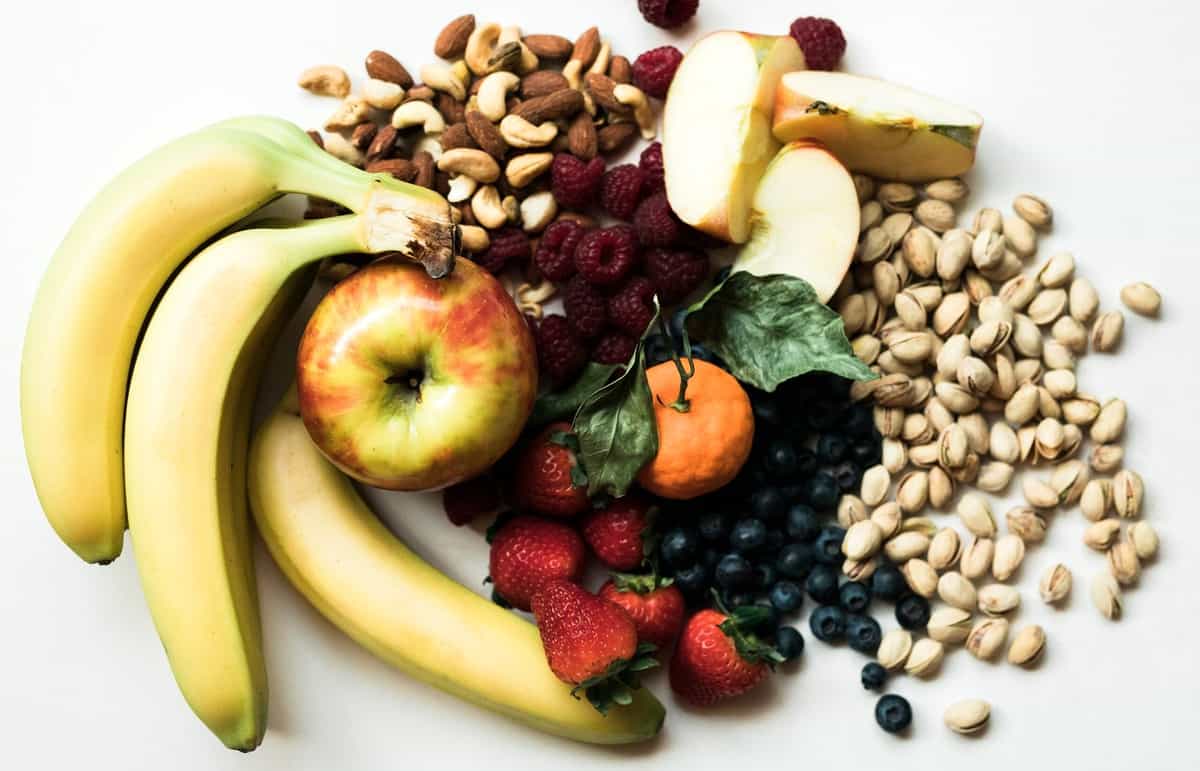
Privacy & Cookies Policy

Privacy Overview

This website uses cookies to improve your experience while you navigate through the website. Out of these, the cookies that are categorized as necessary are stored on your browser as they are essential for the working of basic functionalities of the website. We also use third-party cookies that help us analyze and understand how you use this website. These cookies will be stored in your browser only with your consent. You also have the option to opt-out of these cookies. But opting out of some of these cookies may affect your browsing experience.
Necessary
Always Enabled
Necessary cookies are absolutely essential for the website to function properly. This category only includes cookies that ensures basic functionalities and security features of the website. These cookies do not store any personal information.
Non-necessary
Any cookies that may not be particularly necessary for the website to function and is used specifically to collect user personal data via analytics, ads, other embedded contents are termed as non-necessary cookies. It is mandatory to procure user consent prior to running these cookies on your website.
SAVE & ACCEPT

Rate This Recipe

Your vote:


A rating is required
A name is required
An email is required