• Skip to main content

Abbey's Kitchen

Healthy Recipes, Nutrition Myth Busting, Healthy Eating Tips

  • Books
    • HCC™
    • The Mindful Glow Cookbook
    • Recipe eBooks
      • Family
      • Hypothyroidism
      • BLW
      • Vegan Week 1
      • Vegan Week 2
      • Vegan Week 3
      • Keto
      • Gluten Free Week 1
      • Gluten Free Week 2
      • Fitness
      • Paleo
  • Blog
    • Nutrition
    • Recipes
    • Motherhood
    • Life
  • Explore
    • Neue Theory™
    • Bite Back With Abbey Sharp
      • Apple Music
      • Spotify
      • Amazon Music
    • YouTube
  • Abbey
    • About
    • Coaching
    • Contact

Abbey Sharp

Last Updated May 13, 2022. Published May 13, 2022 By Abbey Sharp 4 Comments

Instant Pot Orange Chicken and Cauliflower (Gluten Free)

This Instant Pot Orange Chicken and Cauliflower dish with gluten free sweet and spicy sauce is an easy, high protein weeknight meal that the whole family will love.
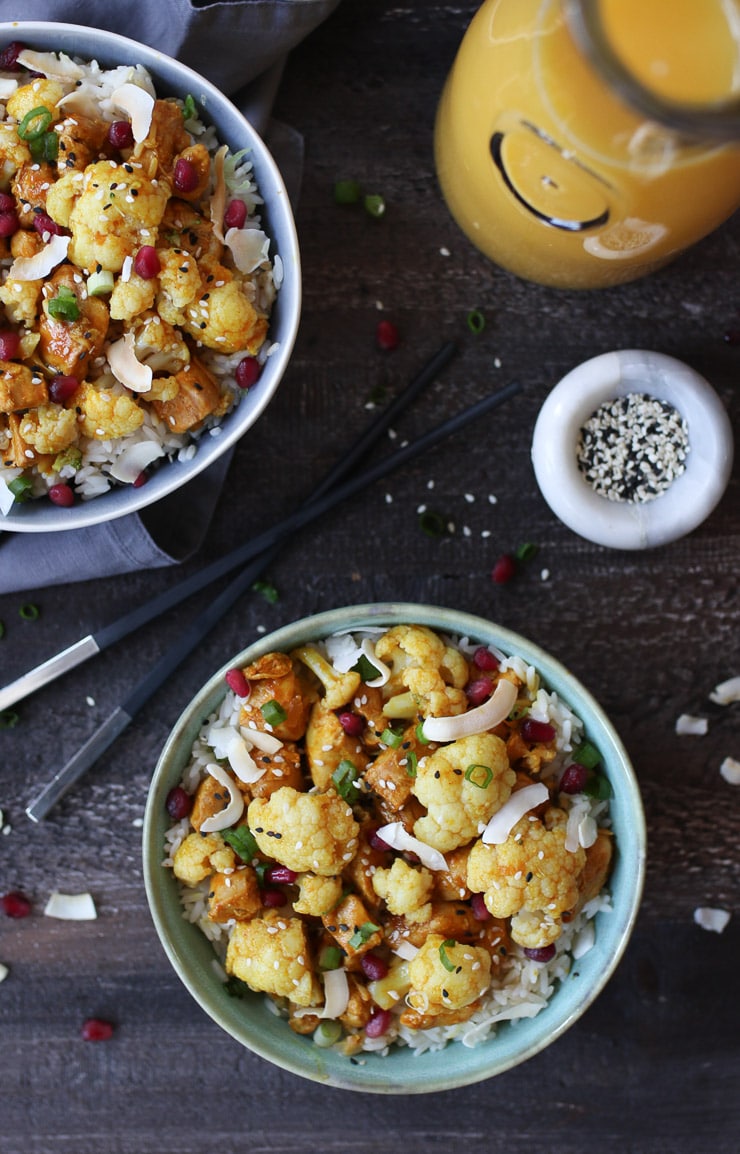
This Instant Pot Orange Chicken and Cauliflower dish with gluten free sweet and spicy sauce is an easy, high protein weeknight meal that the whole family will love.

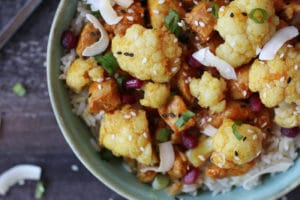
Birds eye view of bowl made with cauliflower, chicken, and florida OJ with orange juice and sesame seed in the background.

After a full day of work, feeding and cleaning up after my kiddos, bathing them, reading them stories, and putting them to sleep, there is NO way I’m busting out a frying pan to work on dinner. It’s greasy Chinese delivery or cereal with milk, folks. As someone who legit cooks for a living, I am horrified by the thought of my total Uber Eats bill since the day I gave birth. Enter my mom to the rescue! Grandma Sharp got me an Instant Pot when they were on sale (#blackfriday), and I instantly fell in love. The rest, as they say- is delicious history.

Table of contents

  • Why This Recipe Works
  • Key Ingredients
  • How To Make This Recipe
  • Expert Tips
  • Recipe FAQs
  • More Recipes You Might Like

Why This Recipe Works

Not only does this recipe require minimal equipment/prepping, but I also love this recipe because it’s:

  • Gluten-free (perfect for those with dietary restrictions)
  • Only takes 25 minutes to make
  • High in protein (40 grams per serving)!
  • The PERFECT excuse to go out and buy an Instant Pot (trust me, it’s a game changer)

Key Ingredients

Florida Orange Juice – A ½ cup of Florida Orange Juice has just 55 calories and 11.5 g of naturally occurring sugar, while a medium sized orange has 69 calories and 12 grams of natural sugar. It’s also an easy way to sneak in lots of vitamins and minerals, such as vitamin C, potassium, folate, and thiamin, plus calcium and vitamin D (in fortified options). Cauliflower and chicken breast are both pretty neutral flavoured ingredients, so adding that tangy sweet of Florida Orange Juice is a great way to bring this instant pot dish to life.

Low Sodium Tamari – To keep this dish gluten free, I use low sodium tamari instead of soy sauce. But if you don’t need to make this gluten free and have soy sauce on hand instead, then soy sauce it up!

Cauliflower – The most hyped up veg right now! Cauliflower is being subbed everywhere for rice, hashbrowns, and even pizza crust thanks to its neutral taste. We won’t be transforming cauliflower into anything crazy, but it is a great way to sneak in some extra vitamins and minerals.
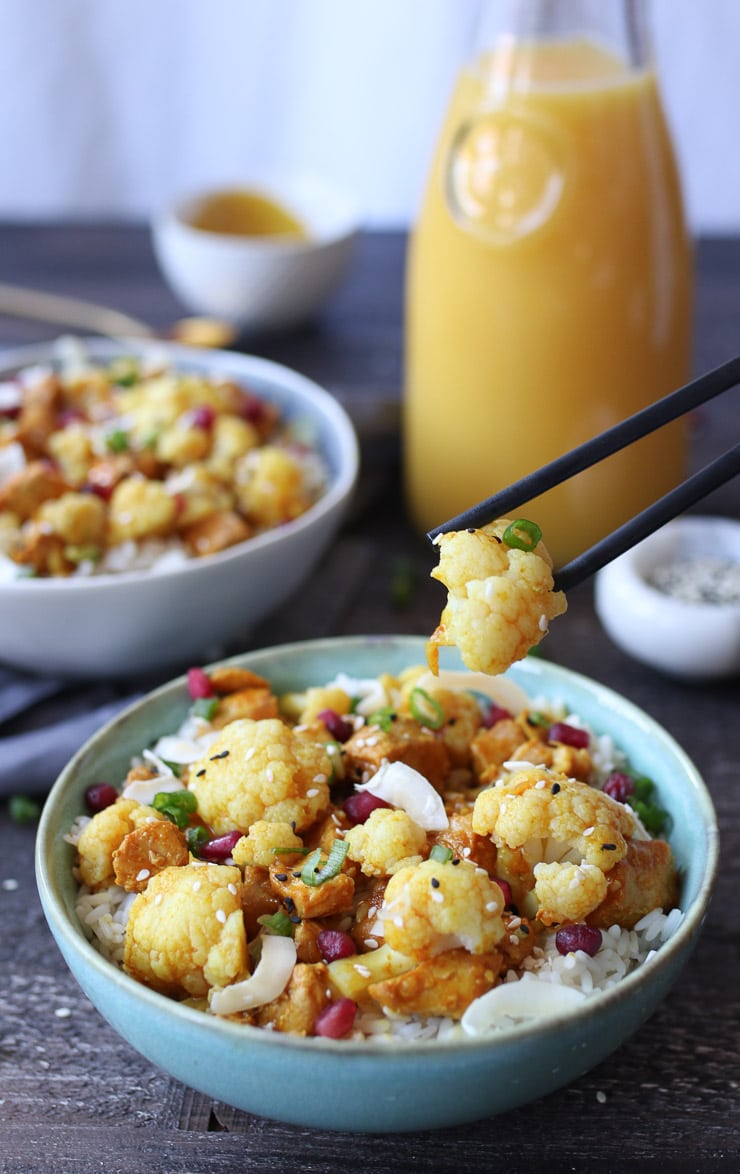
Close up of chop sticks scooping up cauliflower from orange chicken bowl with Florida OJ in the background.

How To Make This Recipe

Step 1: In a small bowl whisk Florida Orange Juice, tamari, garlic, ginger, maple, and sriracha and set aside.

Step 2: Turn your Instant Pot to sauté and add sesame oil and olive oil.  Season the chicken with salt and pepper, and brown for 3 minutes.

Step 3: Turn pot off.  Add the sauce, close lid and push MANUAL. Set timer for 4 minutes.  Set vent to closed and cook.

Step 4: When timer goes off, vent, open and add the cauliflower. Push MANUAL and set the timer for 1 minute. Allow to vent then open and remove the chicken and cauliflower to a bowl.

Step 5: Set pot to SAUTEE. Mix the cornstarch and water in a small bowl and add to pot.  Stir well and let sauté for about 5 minutes or until sauce thickens to your liking.

Step 6: Toss the chicken and cauliflower in the Florida OJ sauce.

Step 7: Serve on top of rice garnished with green onions, sesame seeds, pomegranate arils, and coconut chips.

Expert Tips

While you can totally use chicken thighs in this instant pot orange chicken (which will yield even juicier results), I personally prefer lean chicken breasts in general. Thankfully, this sweet and spicy Florida OJ sauce keeps things deliciously juicy and moist, resulting in an amazingly light and fresh spring dish.

Recipe FAQs

Can I meal prep this instant pot orange chicken recipe?

One thousand percent you can. It’s also one of those recipes that tastes better as it marinates making it a perfect meal prep option.

What makes this recipe gluten-free?

By using the tamari vs. soy sauce you can keep this recipe gluten-free for those with dietary restrictions or gluten sensitivity.
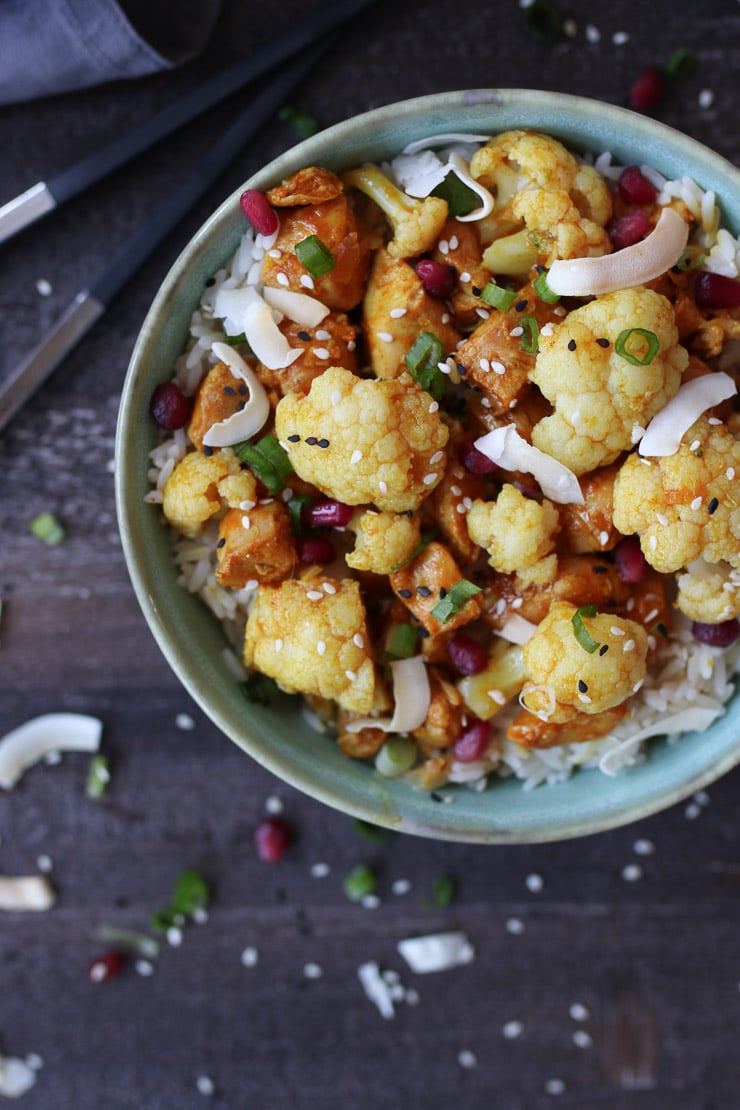
Birds eye view of instant pot orange chicken and cauliflower in a blue bowl garnished with toasted coconut and green onions.

More Recipes You Might Like

Looking for more quick and easy instant pot or air fryer recipes? Check out these recipes below!

  • INSTANT POT BAKED BEANS (VEGAN & NO ADDED SUGAR)
  • INSTANT POT CABBAGE (EASY + VEGAN)
  • AIR FRYER TOFU (EASY VEGAN RECIPE)
  • AIR FRYER PIZZA ROLLS (EASY APPETIZER)
Bowl of orange chicken and cauliflower instant pot recipe with chopsticks.
Print Recipe
4.91 from 10 votes

Instant Pot Orange Chicken and Cauliflower with Gluten Free Florida OJ Sauce

This Instant Pot Orange Chicken and Cauliflower dish with gluten free Florida OJ sauce is an easy, high protein weeknight meal that the whole family will love.
Prep Time10 minutes mins
Cook Time15 minutes mins
Total Time25 minutes mins
Course: Dinner
Cuisine: American, Asian
Servings: 4 people
Calories: 339kcal
Author: Abbey Sharp

Ingredients

  • 3/4  cup  Florida Orange Juice
  • 1/4  cup low sodium tamari
  • 2  tbsp  maple syrup
  • 4  cloves  garlic minced
  • 1 tbsp  ginger grated
  • 1 tbsp of sriracha or to taste
  • 2 tsp extra virgin olive oil
  • 2 tsp  sesame oil
  • 1 1/2  lbs  chicken breast cut into bite size pieces
  • Pinch each of salt and pepper
  • 1 head cauliflower cut into large florets
  • 1  tbsp  corn starch
  • 1  tbsp  water

Garnish:

  • Green onion thinly sliced
  • White and black sesame seeds
  • 3 tbsp pomegranate arils
  • 3 tbsp toasted coconut chips

Instructions

  • In a small bowl whisk Florida Orange Juice, tamari, garlic, ginger, maple, and sriracha and set aside.
  • Turn your Instant Pot to sauté and add sesame oil and olive oil.  Season the chicken with salt and pepper, and brown for 3 minutes.
  • Turn pot off.  Add the sauce, close lid and push MANUAL. Set timer for 4 minutes.  Set vent to closed and cook.
  • When timer goes off, vent, open and add the cauliflower. Push MANUAL and set the timer for 1 minute. Allow to vent then open and remove the chicken and cauliflower to a bowl.
  • Set pot to SAUTEE. Mix the cornstarch and water in a small bowl and add to pot.  Stir well and let sauté for about 5 minutes or until sauce thickens to your liking.
  • Toss the chicken and cauliflower in the Florida OJ sauce.
  • Serve on top of rice or cauliflower rice garnished with green onions, sesame seeds, pomegranate arils, and coconut chips.

Nutrition

Calories: 339kcal | Carbohydrates: 23g | Protein: 40g | Fat: 10g | Saturated Fat: 2g | Cholesterol: 109mg | Sodium: 860mg | Potassium: 1209mg | Fiber: 3g | Sugar: 11g | Vitamin A: 140IU | Vitamin C: 96mg | Calcium: 56mg | Iron: 2mg
Abbey Sharp

Abbey Sharp is a Registered Dietitian (RD), regulated by the Ontario College of Dietitians. She is a mom, YouTuber, Blogger, award winning cookbook author, media coach specializing in food and nutrition influencers, and a frequent contributor to national publications like Healthline and on national broadcast TV shows.

www.abbeyskitchen.com/about-abbey/

Last Updated May 11, 2022. Published May 11, 2022 By Abbey Sharp 25 Comments

Body Shaming & Dinner Table Shaming (Best Tips to Help Combat)

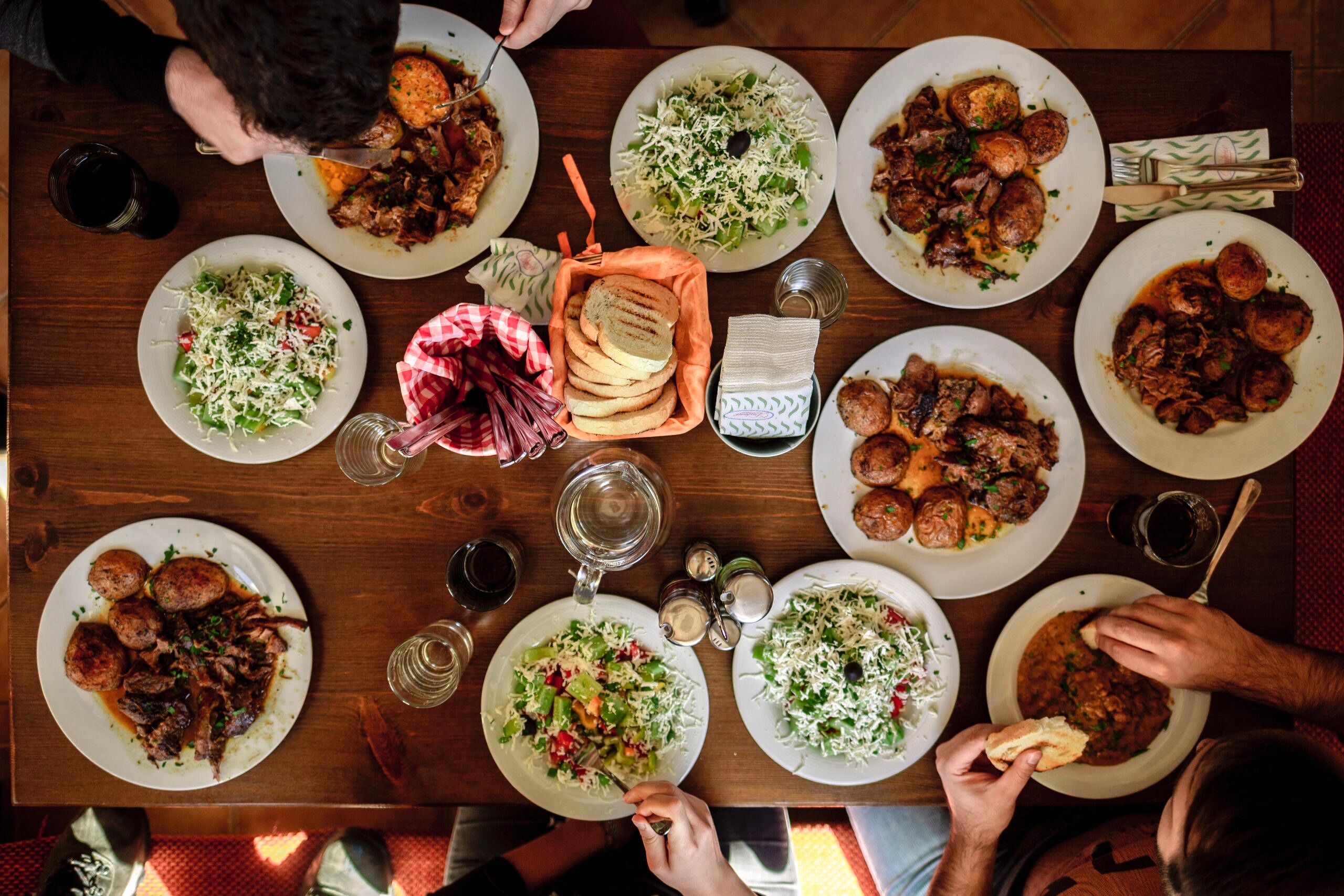
Birds eye view image of people eating around a table.

Along with some top dietitians, I share my best tips to stop body shaming and dinner table food shaming.

Birds eye view of a dinner table.

A Little Body Shaming Background

I have pretty cool parents. Okay, so I thought they were the worsssssst when Dad wouldn’t let me wear a tight tube top as a skirt, and when Mom refused to let me get a tattoo (thank G-d I listened), but once we were legally “adults”, their advice and critiques became pretty much an on-demand service. If we don’t ask for their opinion, they don’t give it to us- because they trust our judgment. This has specifically been the protocol surrounding conversations around our bodies and food – specifically body shaming conversations. Like almost all women, my mom surely wasn’t always happy about the changes age had brought upon her body, especially because she was previously a professional ballerina and stick thin. But growing up, I don’t ever remember any conversations about “good” and “bad” foods. I don’t remember my mom ever complaining about her own jiggly bits, or commenting on the bodies of women on TV. I don’t remember anyone casually dropping “F” bombs at the dinner table. And I’m not talking the official swear word. I’m talking about F-A-T.

Call me naïve, but I didn’t know I was living such a sheltered unusual life free of body shaming. I didn’t know that conversations around other people’s bodies, and food choices were even more common then casual chit-chat about the weather. I had no clue that body shaming was so common among people who supposedly love you.

Fast forward to today, and I’ve been thrust full speed into situations where anything I put on my plate or shopping cart can be questioned, criticized and judged. I’ve come to (unfortunately) appreciate this as “Womanhood 101”. Lucky me, I also got in on the Bonus edition since I’m a Dietitian and supposedly my food choices and body are even more susceptible to public scrutiny. Bring on the body shaming!

Food and Body Shaming Scenarios

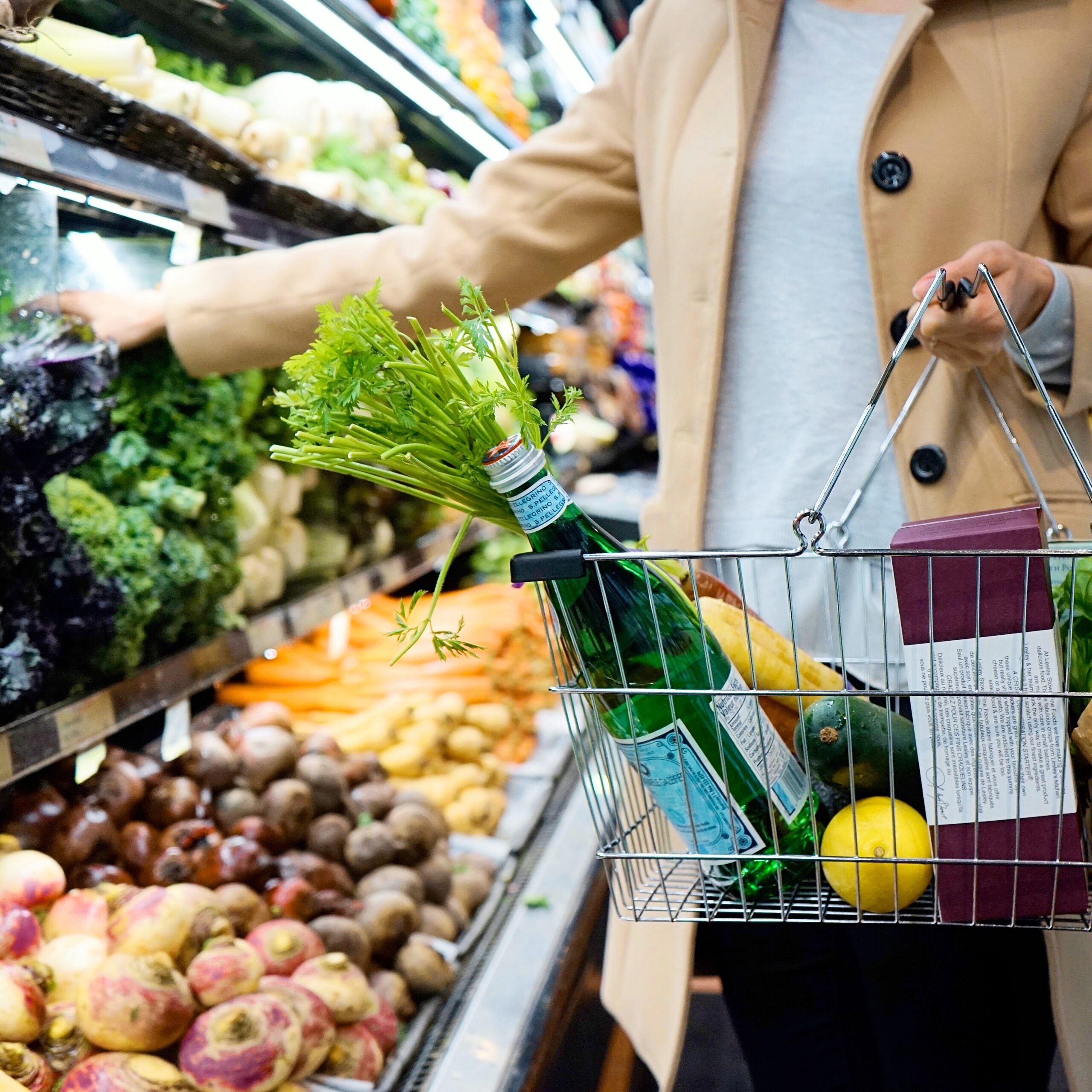
Person grocery shopping.

Honestly, no matter what your gender, profession, culture or religion, I’ve observed food and body shaming across the board. And you probably have been both the victim and perpetrator in different social situations in different times of your life. Tell me if any of these hypothetical scenarios strike a cord:

  1. You’re at a holiday feast and your husband’s grandmother offers you a slice of pie. You’re already quite full from supper so you pass, when she pipes back – “What’s wrong with you? You’re so skinny! Here, take a big piece – we’re all having pie!”
  2. You’re out for dinner with your spouse and another couple, and are trying to make healthier choices, so you order a chicken salad sans dressing. When your partner orders the fries, you give him the evil eye, stomp on his toe, and then jokingly rub his belly and say, “Don’t do it – you’re getting fat!”
  3. You’re at a family BBQ helping yourself to a slice of your Aunt’s brownie trifle (the one you wait for all year!) when you’re mom leans over, motions to your hips and says something like – “Do you really need that much?”
  4. You’re in the grocery store picking up your organic gluten free granola and you see a visibly overweight woman lifting 2 L bottles of 7 Up onto the conveyor belt and a tub of no-name Neopolitan ice cream. You first think, Uh, how could she not even TRY to lose weight? Her poor kids are going to end up just as bad as her if she’s feeding them such crap.
  5. You’re out for brunch with the girls when you have a hankering for the pecan salad until all of your girlfriends say you’re a Diet Debbie Downer because you’re not splurging with them. You quickly change your order to match their burgers and shakes.
  6. You’re watching E Talk red carpet with your family and you can’t help but critique some female celebrity as “grossly skinny”.
  7. You see an old friend who is in her third trimester of pregnancy. You’re first instinct is to rub her belly, followed up by a comment like, “Holy, are you having twins? You are ready to pop!”
  8. You’re having lunch at work when you pull out a granola bar. Your hard-core vegan colleague begins to lecture you about GMOs and refined sugar and tells you that you’re snack is “poison”.

These are all examples of food and body shaming. You see the theme? The food and body choices of people around us likely don’t have an impact on us, but we tend to take it really personally when they don’t coincide with our own. And you know, that gets really confusing when our choices are always changing. I mean, I wish I could tell you how many dinners I’ve had where I’ve been begged to get dessert I don’t feel like, and then the next day, the same person will look at me in disgust if I make a decision on my own to order dessert. So why do we feel the need to inflict such random acts of judgment and body shaming?

Why Do We Engage in Food and Body Shaming?

Here are some of the likely reasons for perpetrator’s body shaming and food shaming that you can remind yourself of the next time you’ve been victimized.

They’re Jealous

There have been too many times when I’ve been called out for how much I eat with comments like, “OMG I could never eat all of that. Wow, really Abbey?” and “Abbey, you’re like a hoover – you eat so much – I’m so stuffed I feel sick.” Now, I’m no super model, but it’s possible that people feel envious when they see me eating cheesecake and fitting into a smaller dress while they’ve trapped themselves in a cycle of fruitless dieting.

They Think Their Health Goals are Universal

Sure, a lot of people want to lose weight – that’s definitely what the media had helped us believe.  But just because someone else hasn’t prioritized cutting calories, eating gluten free, or “cleansing” their body of toxins before goals like enjoying company, experiencing pleasure, or finding happiness – it doesn’t make their goals any less valid or right.

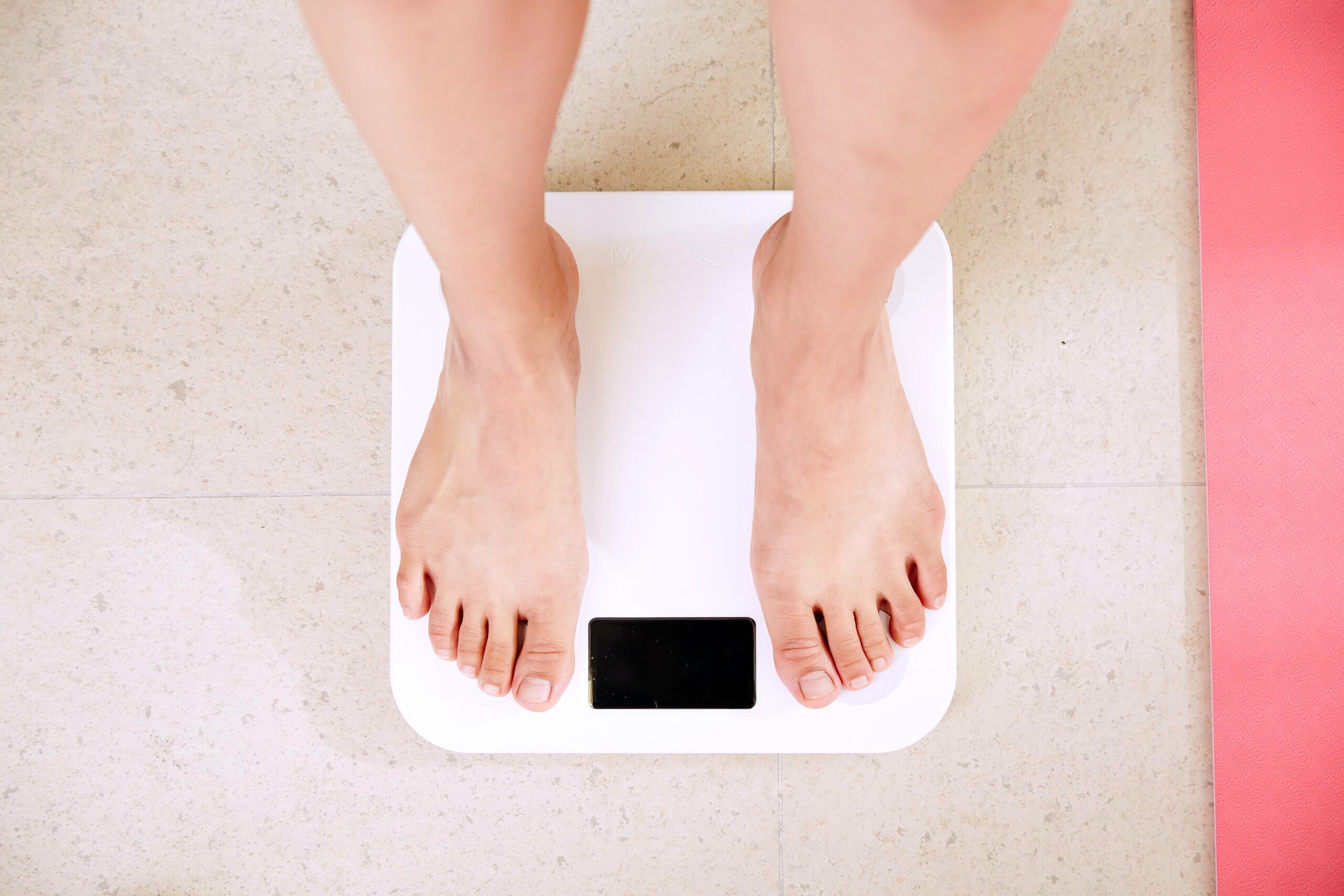
Feet on a scale.

They’re Trying to Justify Their Unhealthy Relationship With Food

In my experience, this is probably the most common reason for food and body shaming. A lot of people have developed poor relationships with food and their body, and the easiest way to help them through the challenges of that is through justifying their (not-so-useful) approach. In other words, when they’re on a diet- you should be on a diet. When they’ve negotiated with themselves that they can splurge, you better damn well splurge. This could be considered a form of “projecting”. That is, a person who is on a diet will project their calorie-counting tendencies onto everyone around them. My old psychology 101 textbook calls this a defense mechanism. I call it super annoying.

Why Body Shaming Others Doesn’t Make Sense

Regardless of the reason why you or others engage in food or body shaming, the truth is- it doesn’t make a whole lot of sense. Decisions about food and our bodies just aren’t that simple. They’re accompanied by huge amounts of context that we usually can’t fully appreciate as an uninvolved bystander. Here’s what I mean.

Foods aren’t Inherently “Good” or “Bad”

While the media, our maternal ancestors and even our doctors might have us believe otherwise, there is no such thing as an inherently “bad” food that leads to body shaming. Sure, some foods may be better for us then others to be included more often in our diets, but I wholeheartedly believe there’s room for any food at some time. Seeing our food choices in such dichotomous terms often leads us to associate the person (or ourselves) eating that food with its moral descriptor. In other words, if I eat a “bad” food like chocolate cake, I’ve “been so bad” today. If I eat a “good” food like salad, I’ve “been so good” today.  Likewise, your body weight doesn’t hold underlying moral ties either. Fat people aren’t bad people and slim people aren’t (necessarily) all good people.

Not yet clear? Let’s play a little game to make sure everyone’s clear on what’s actually inherently “bad”.

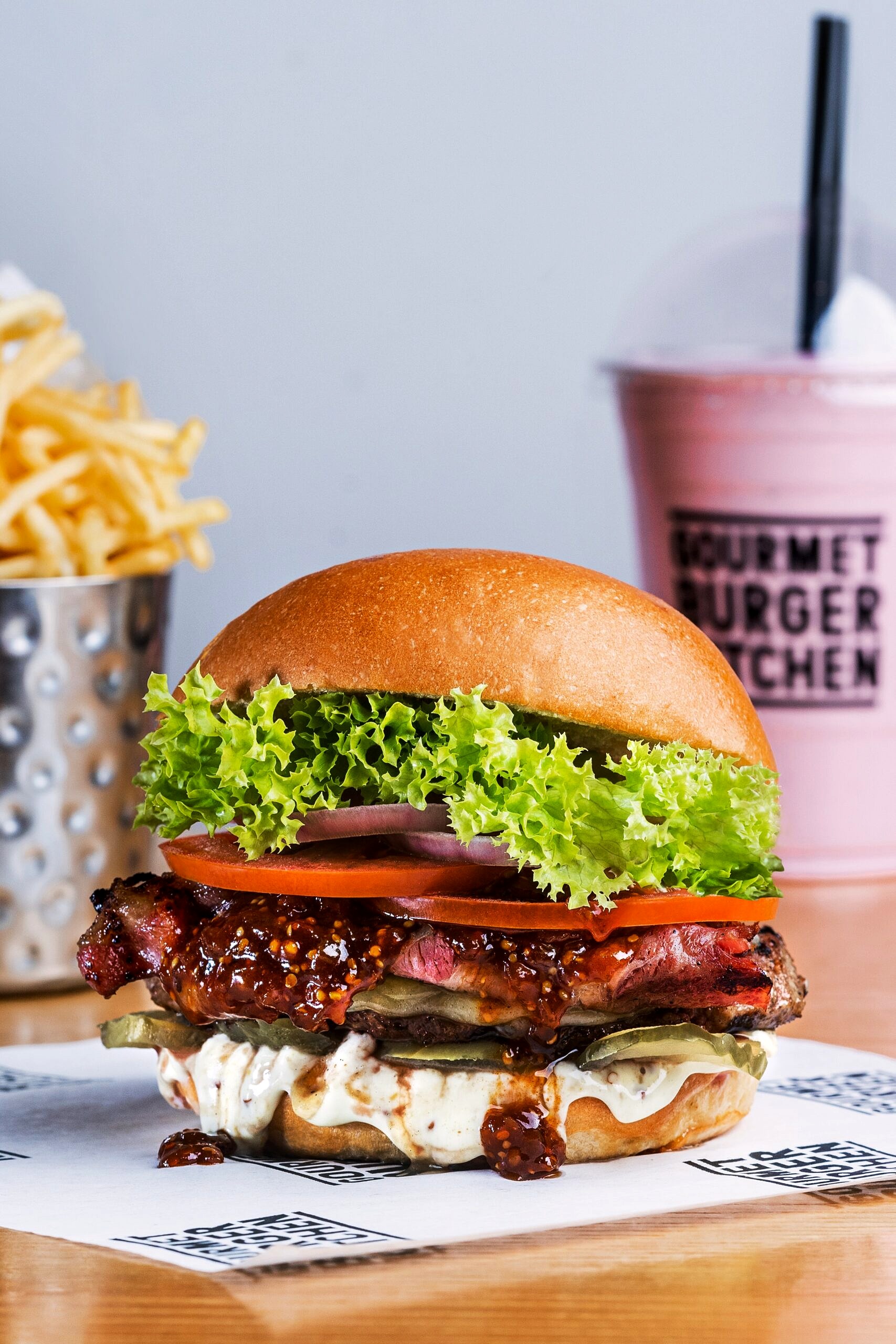
Close up of a hamburger.
GOOD
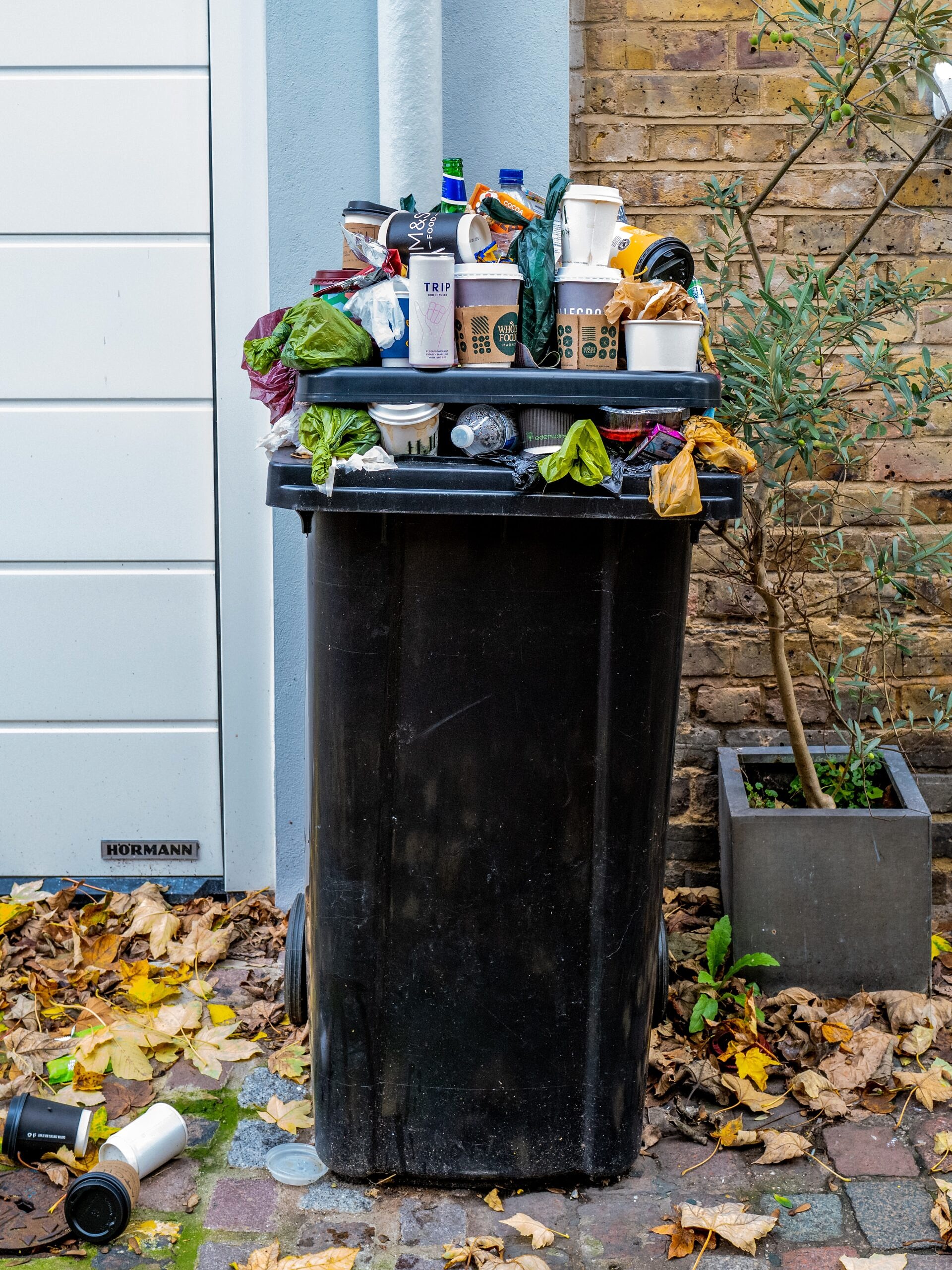
Image of a garbage can.
ACTUALLY BAD

Great, I’m glad we went over that.

We Don’t Know Each Other’s Goals or Needs

When someone makes a comment that I’m “eating like a horse”, usually my first thought is, “Hey, I ran 5 miles today and I met with my trainer! I’m legitimately hungry!” In other others, we have no clue what else another person has eaten that day, how much physical activity they’ve gotten in, what his or her health goals are, or anything about their unique nutritional needs (ie. a high metabolism). I am the only expert on my body, just as you’re the only expert on yours.

Eating is a Natural Response to Physiological Needs!

For folks who haven’t been sucked into the diet mentality, eating is just a natural response to a physiological need. “Mindful eating” means listening to our body’s cues that we need energy, and intuitively knowing how to supply. As summarized by Ellyn Satter as part of her Eating Competence Model, eating mindfully, intuitively or competently as she puts it means being positive, comfortable and flexible about what we eat rather than relying on rigid rules. But for people who have been counting calories or trying to lose weight their whole life, it’s hard to imagine just “trusting your body” to make healthy decisions about how much or what to eat. We seem to be able to trust our body to make its own decisions on many other bodily processes – like menstruation, urination or sweating – but with eating, people have been taught to take away the reins and to assign a bunch of socially prescribed rules instead.

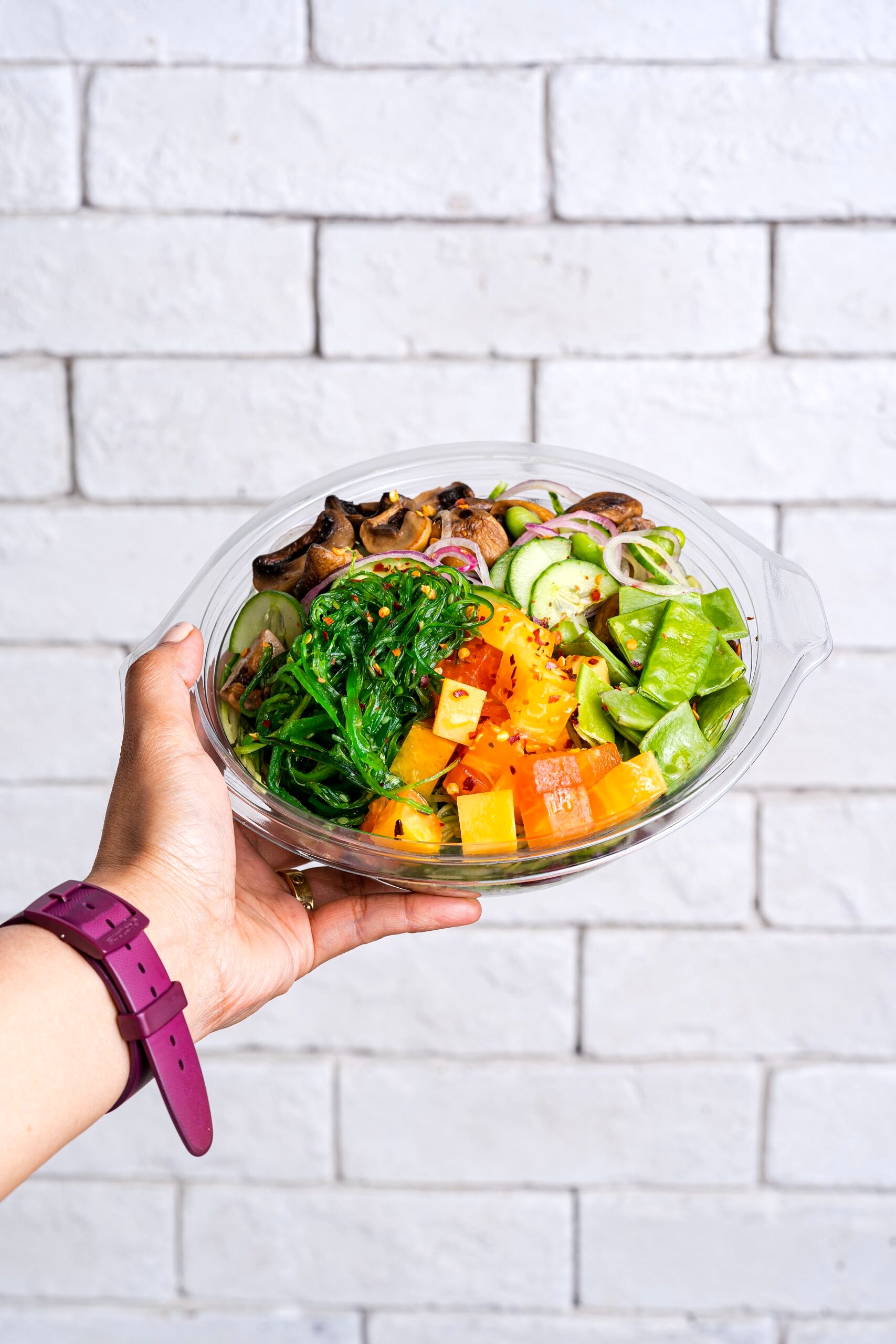
Hand holding a bowl of vegetables.

If we think of these all as basic natural human responses, the divide seems unjustified. Think- you wouldn’t lean over a person to tell them how much they “should” menstruate, right? That would be totally none of your business. So why do we seem to think that people’s dietary needs are our business? You might be thinking, “Ah, well, you can choose how much to eat. You can’t choose how much to menstruate.” Well, not really if you’re doing it right. If you’re eating mindfully and in response to your body’s true needs, then as long as you have the means and resources to meet your needs, you really aren’t choosing much at all. Eating is just a natural response to a bodily need.

Why Body Shaming is a Problem

As someone who has spent the greater part of my adult life honing my mindful eating skills and my personal relationship with food, I can tell you that these innocent comments really throw me off my game. Body shaming isn’t cool, guys.

I remember coming home one night after one particular family dinner (and a few comments I didn’t appreciate), looking in the mirror and asking myself “Do I actually look fat?” Now, I don’t know if I was legit a wee-bit bloated, a little drunk or if I was actually having a body-image crisis, but for a brief moment there, I was wondering if my waist looked bigger then I remembered it looking before I went out. It was a confusing, upsetting and unusual moment that I had never experienced before (and thankfully, haven’t experienced since). The next day, I had brushed it off and went back to feeling rad as I caught my reflection in the gym, but a few too many of those nights and I fear my resiliency could easily wear down.

Person looking in the mirror.

If we’re not really strong in our conviction, being constantly criticized on the choices our body has helped us make can force us to question those unique hunger and satiety cues, break down our relationship with food, and severely tarnish our body image. In the most common scenario, we may join the dieting life our perpetrators likely lead. In the most devastating scenario (which is becoming all too common), we may develop some form of eating disorder. Let’s not let either of these situations regarding body shaming go down.

Stock Responses to Food and Body Shaming

I reached out to my fellow Canadian dietitians who had some amazing ideas on some easy responses and strategies when someone makes a comment about what you’re eating or your body. I’ll definitely be memorizing some of these and you should too.

  • “You might find that restriction and dieting works for you, but listening to my body and finding pleasure in food has been really successful for me- both for my physical and emotional health goals.” – Abbey Sharp, RD
  • “Isn’t it great I can intuitively give my body what it needs and not have to base my choices on other people’s views”- Sulana Perelman, RD
  • “You mind your own plate, and I’ll mind mine”- Jenna Walsh, RD
  • “Oh, I didn’t know we were critiquing what everyone is eating and their weight… who would you like me to start with?” Jenna Walsh, RD
  • “I hadn’t realized you looked at my body so closely” – Rosie Schwartz, RD (This one is hilarious- I can imagine this would shut someone up REALLY quickly)
  • “Why? What’s wrong with having carbs/gluten/coffee, etc.?” – Stef Palmeri, RD (Note, this is best with someone who you know won’t have the energy or knowledge to really fight you on this. Most people don’t actually know why they think a specific food is “bad”- they just have heard it on Dr. Oz or something).
  • “Well, that was rude” and then go back to eating as if nothing was said. – Stef Palmeri, RD (This response will give the perp the stern hint that what they’re saying is inappropriate but won’t make a huge scene at the dinner table. I’ve done this before, it works as a quick fix).
  • Take them aside and lay out your terms. If the person can’t refrain from making negative food comments, let them know you won’t eat with them. – Stef Palmeri, RD
  • “I’m pretty lucky that I can eat according to my body’s cues and not be influenced by what others are doing or saying!” –Sarah Remmer, RD
  • “Everything in moderation, even moderation.” –Mark Twain via Melissa Boudreau, RD
Birds eye view image of people eating around a table.

Regardless which end of this conversation you end up on, it’s important you keep in mind that our bodies and food are very personal. For the days you’re a victim of food and body shaming, remember that the choices you make are really yours and yours alone and it’s never your responsibility to make someone else happy by what you’re eating. If they can’t find happiness in their own choices, there’s pretty good evidence right there that they need to work on their own relationship with food. Meanwhile, for the days you’re the shamer – I promise you the flavour of your food won’t change depending on what others around you eat or weigh. Your kale won’t taste better if everyone else is eating it too, and your cake won’t taste stale if you enjoying it alone.

If we all work together at this, we can stop food and body shaming all together and settle much more easily into our healthy happy relationship with our bodies, ourselves and food. Good luck!

What strategies and lines have you come up with to help you deal with food and body shaming?

Comment below with your thoughts! 

More Blog Posts You Might Like:

If you liked this blog post discussing tips to combat body shaming, then you might also enjoy more blog posts about body image and mental health:

  • What Not to Say to a Pregnant Woman About Her Body
  • Female Bodybuilding | Prep Diet & Supplement Safety
  • Female Bodybuilding Competition Prep Dangers (Part 2)
  • How I’m Feeling About My Post Baby Body in a World Obsessed With Bouncing Back
  • Pregnancy Lessons I’ve Learned About My Body, Weight Gain and Nutrition While Growing a Baby
  • Health at Every Size (HAES) Explained by an Ex-Dieter Dietitian
Abbey Sharp

Abbey Sharp is a Registered Dietitian (RD), regulated by the Ontario College of Dietitians. She is a mom, YouTuber, Blogger, award winning cookbook author, media coach specializing in food and nutrition influencers, and a frequent contributor to national publications like Healthline and on national broadcast TV shows.
www.abbeyskitchen.com/about-abbey/

Last Updated May 9, 2022. Published May 4, 2022 By Abbey Sharp 10 Comments

How Accurate Are Food Sensitivity Tests? | A Dietitian’s Perspective

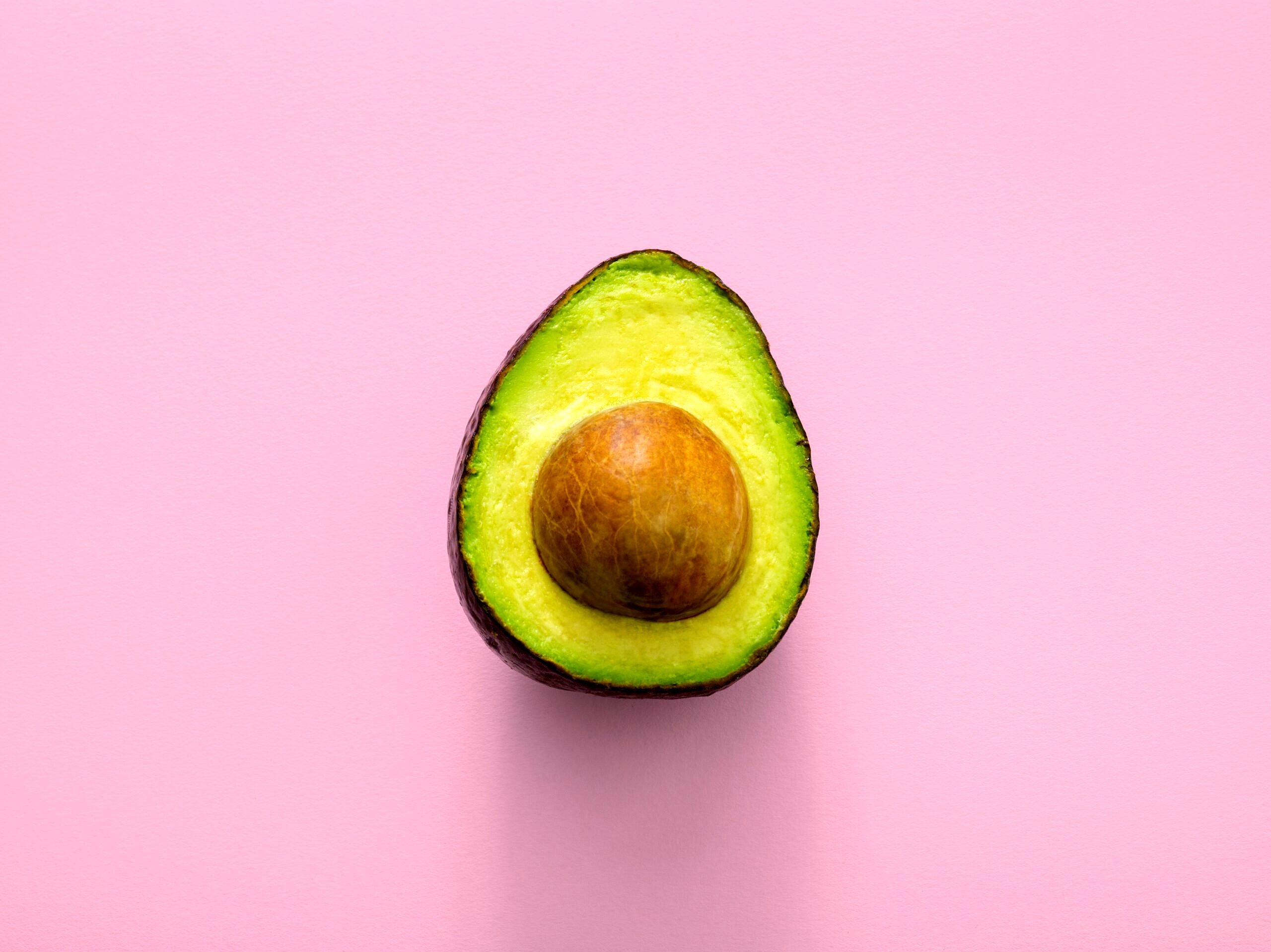
Half of an avocado against a pink background.

With food intolerances on the rise, we answer the question, how accurate are food sensitivity tests? We review the evidence and share a Dietitian’s perspective on these expensive tests.

Half of an avocado against a pink background.

We all know that what we eat can have a big impact on our health, and so can the foods we avoid eating (anyone with celiac disease or a peanut allergy can attest to that!). Eating foods we’re allergic to can have life-threatening consequences, but lately, we seem to be hearing more and more about food sensitivities. Could certain foods we eat trigger a delayed immune response, leading to fatigue, migraines, intestinal discomfort, eczema or asthma? How might we even know which foods throw our immune systems into red alert?

Food sensitivity testing, which measures the IgG antibodies the immune system creates in response to proteins found in certain foods, seems like an attractive option. Take a blood test, wait a couple weeks, and then receive a list of the foods you’re sensitive to – foods you can avoid! It all seems efficient and easy, right? Not so fast! How accurate are food sensitivity tests? The science behind these tests is by no means conclusive, and may very well be completely wrong. So let’s take a closer look!

What is a Food Sensitivity?

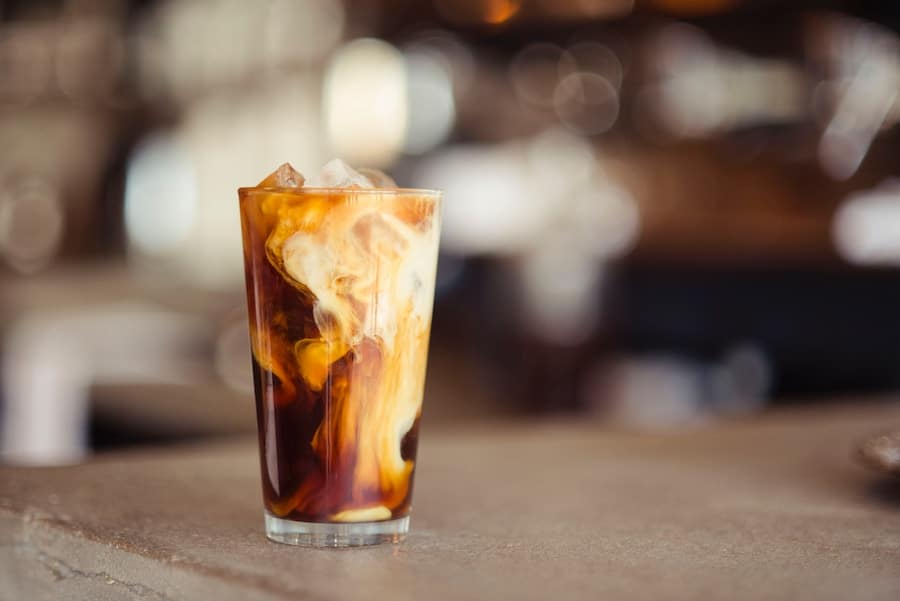
Tall clear glass containing coffee with milk.

A food sensitivity can also be referred to as an intolerance, and really, it’s any unpleasant reaction you might have after eating a certain food. A glass of milk might leave you bloated, nauseous, cramping, headachy, or just generally unwell. But wait! How’s that different from a food allergy? Well, food allergies are severe reactions that arise after consuming only a tiny amount of a certain food (nuts, corn, shellfish, etc), and they are the result of an intense immune response. Basically, your immune system sees even the tiniest protein in, say, a peanut as a threat, and starts to fight it off, releasing a storm of histamine. The result can be a swollen tongue, constriction of the esophagus and airways, dizziness, fainting, hives, nausea, or a sudden drop in blood pressure, all within minutes of eating that innocent peanut. By contrast, food sensitivity reactions can take hours or even days to develop, and if you’ve only had a small portion of the offending food, you may not have any symptoms at all.

Allergy Testing

Doctor with arms crossed holding equipment.

Skin Prick Test

And how do you know whether or not you’re allergic or just sensitive to a food? The most commonly done test for a bona fide allergy is the skin-prick test. This is usually done at an allergist’s office, and involves making a teeny puncture in the skin (usually on the forearm), and then applying a drop of a specific allergen on the puncture. After around 15 mins, if you’re allergic to that substance, that puncture will have turned into an itchy, red bump. An allergist can test anywhere up to 40 different possible allergens at one time, depending on how many little punctures you’re willing to have.

Food Sensitivity Testing

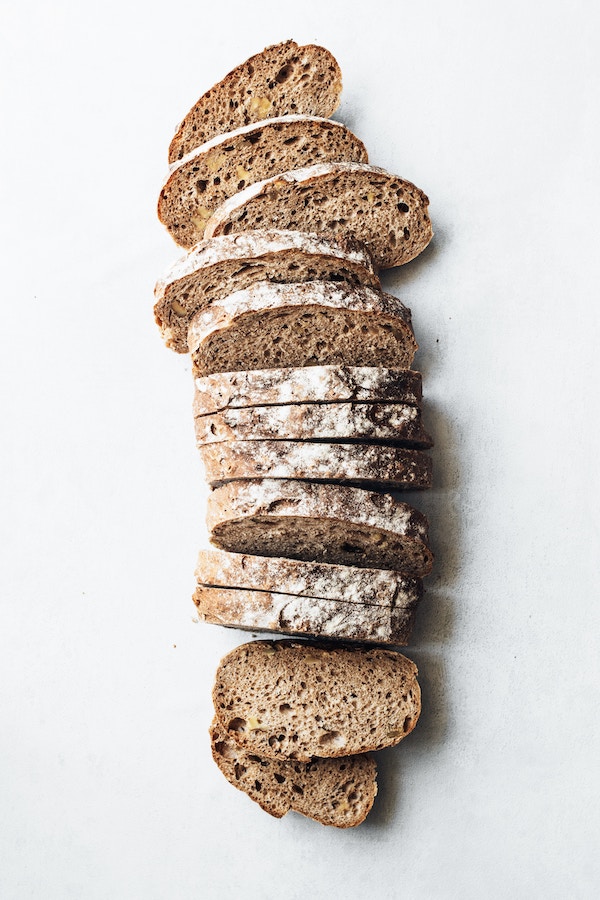
Birds eye view of a loaf of bread.

Elimination Diet

Testing for food sensitivity is a little different. The simplest, and cheapest, way to test for a sensitivity is through a trial elimination. This involves cutting out a whole bunch of “possible offenders”, like gluten, corn, soy or dairy for several weeks, and then slowly reintroducing them, one at a time, and looking for any symptoms. The downside? It’s time-consuming and requires severe restriction of your diet for a couple of months.

Testing IgG Antibodies

But swooping in to save the day is IgG food sensitivity testing! However, how accurate are food sensitivity tests? Immunoglobulin G, or IgG, is a compound that’s produced by your immune system whenever it’s exposed to a foreign substance. This could be a food, a bug, or a vaccine. Our immune systems produce five different classes of immunoglobulins (IgA, IgM, IgD, IgE and IgG), but IgG is far and away the most common. So the million-dollar question is: does a high level of IgG antibodies toward a certain food mean you’re sensitive to that food? At the moment, the answer seems to be a big ole’ question mark.

For example, a recent study found no connection between IgG antibody levels and people’s perceived intolerance to milk or wheat. What allergists and immunologists do seem to agree on is that IgG antibodies are a measure of exposure to a certain food, and may in fact be a marker of tolerance, rather than intolerance! However, this hasn’t stopped labs from offering IgG tests to determine food sensitivity, and it hasn’t stopped healthcare practitioners from suggesting or ordering them for confused clients.

Who’s Ordering IgG Food Sensitivity Tests?

In Canada, lab work can be requested by doctors, dentists and naturopaths, but it seems to be largely naturopaths recommending IgG testing to clients. But in the US, certain states allow people to order their own blood work, and that’s where things get especially sketchy: these tests are a business, after all, and can easily fool people with a couple of cherry-picked scientific studies, or fancy, pseudo-scientific terms like “bioresonance”.

IgG Food Sensitivity Testing in Canada

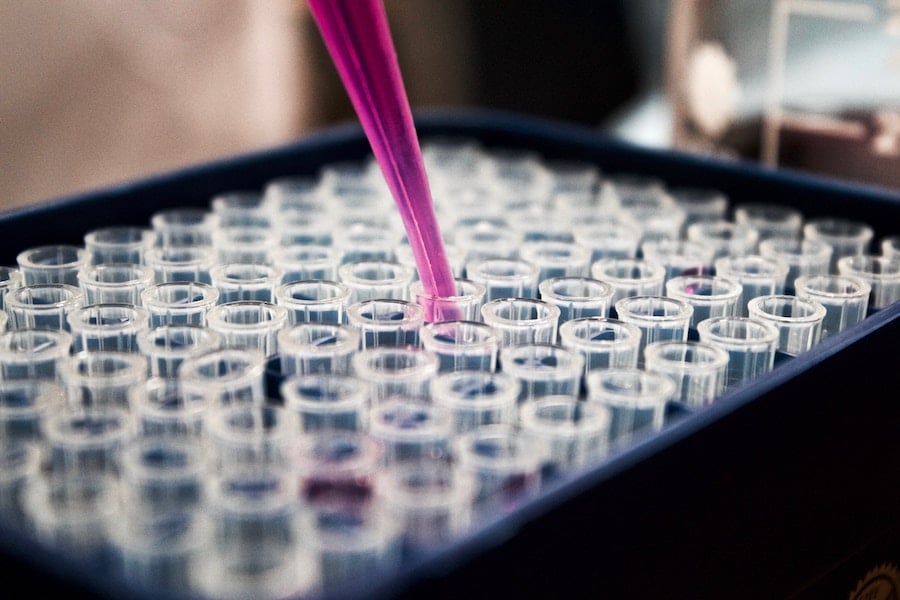
Test tubes in a bin.

Let’s break this all down a bit to answer the question, “How accurate are food sensitivity tests?”. In Canada, two main labs offer IgG food sensitivity testing. First, there’s Gamma Dynacare, which offers a food intolerance test on over 200 foods, stating that:

“food-specific IgG antibodies (produced by the body’s immune system) and symptoms of food intolerance are closely linked”

and therefore, their test can pinpoint the foods that cause you sensitivities. Their website provides no research to back up this claim, and goes even further, stating that:

“these foods can bring on a wide range of unpleasant symptoms such as respiratory or gastrointestinal disorders, migraines, headaches or dermatological problems such as eczema.”

What’s most concerning about Gamma Dynacare is that they provide a huge range of legitimate, standard medical tests, used by doctors every day. So, even a doctor, using Gamma Dynacare’s labs for normal medical testing in daily practice, might be fooled into thinking these IgG tests are valid.

The other lab in Canada offering IgG testing is Rocky Mountain Analytical, which has a more slick sales pitch, including links to several research studies backing up the connection between IgG antibodies, food sensitivity and migraines, IBS and obesity. These studies tend to select participants with a common health issue (i.e. IBS), test them for IgG antibodies toward certain foods, and then put them on either a diet that eliminates the offending foods, or a sham diet that eliminates random foods, as a placebo.

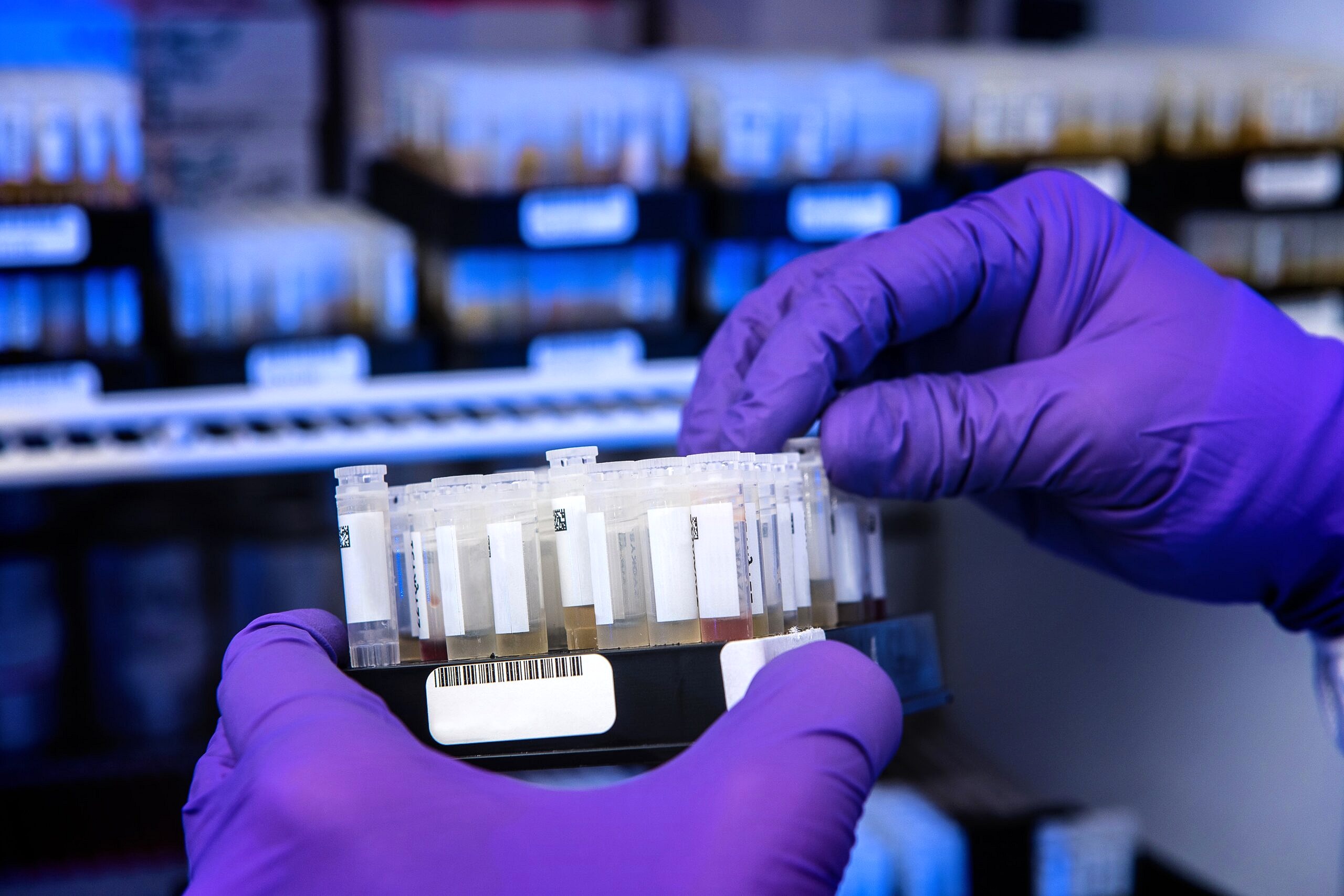
Hands with purple gloves handling small test tubes.

The studies listed by Rocky Mountain Analysis show modest reductions in symptoms of migraines or IBS, but they don’t constitute proof that IgG antibodies to certain foods are at the root of these health issues. In fact, a systematic literature review that examined a number of studies connecting IgG testing to IBS found that on the whole, there wasn’t enough evidence to support any connection between the two. The authors also brought up the point that there is a huge variation of results between different labs offering IgG testing, so the test really isn’t yet precise enough to use for any clinical purpose.

And when it comes to IBS, there’s yet another twist. Researchers have reason to believe IBS symptoms are made worse by fermentable sugars known as FODMAPs. These sugars, found in grains, dairy and certain fruits and vegetables, aren’t digested, but instead pass into the colon, where they are fermented by intestinal bacteria, causing bloating, pain, diarrhea and general yuck. Our immune system produces antibodies in response to proteins, not sugars, meaning that IBS and other similar digestive issues may have nothing to do with IgG antibodies at all.

Testing Food Sensitivities Through Hair

Blonde hair in a braid.

Is your head spinning? Well, it gets more complex, because it turns out IgG testing isn’t the only method of testing for food sensitivities being marketed out there. Another company, Test Your Intolerence, offers food sensitivity testing by examining: your hair! The tests run anywhere from $85 for a basic package (testing 300 items) to $106 for the advanced package (testing a whopping 725 items!), and claim to identify food sensitivities, nutrient deficiencies and metal toxicities, all from a couple strands of hair. The website doesn’t describe exactly how this is done, or what compounds are being identified as markers of intolerance, but it does provide a number of “case studies”, which are just jubilant testimonials from customers who have kicked their migraines or banished their rosacea (inflammatory skin condition). However, hair analysis has never been shown to be a valid diagnostic tool for food intolerance or nutritional deficiencies (although it is useful for identifying metal toxicities). So unless you’re a geriatric billionaire whose gold-digging spouse is trying to slowly poison you with arsenic, hair analysis isn’t going to yield any meaningful answers. In fact, hair grows so slowly, there’s no reason whatsoever to think that the foods you eat from one day to the next would show up in your luscious locks.

Testing Food Sensitivities Through Electricity

Another form of sensitivity testing is the Vega test, or electrodermal testing, which operates on the principle of “bioresonance”. The test involves measuring changes in your electrical impedance: the amount your body conducts or resists electricity. Electrical impedance can be used effectively to determine percentage of body fat, but there’s absolutely no scientific reasoning as to how it relates to food allergies or sensitivities. In fact, proponents of Vega Testing seem unbothered by the lack of a reasonable explanation for how the test actually works. Very few studies have been conducted on this likely bogus test, but one study found no correlation between the results of Vega testing for food allergies and those obtained from the well-validated skin prick test.

Bottom Line – How Accurate Are Food Sensitivity Tests?

So what’s the harm in giving these food sensitivity tests a try and how accurate are food sensitivity tests really? First off, they don’t come cheap: for example, IgG tests run between $100 and $500, and they aren’t covered by insurance. Secondly, none of these tests have reliably shown any efficacy, so they’re likely a waste of money. Finally, restricting foods is never a great idea, unless we’re talking about foods you’re legitimately allergic or sensitive to. Grains are rich in B vitamins, magnesium and fibre; dairy is a great source of calcium, potassium and Vitamin D; eggs are high in B12; and soy proteins can lower LDL cholesterol, you get the picture. Cutting these foods out over the slight possibility they might cause a sensitivity means cutting out the variety of nutrients they provide. And in the end, being constantly afraid of eating certain foods is anything but healthy.

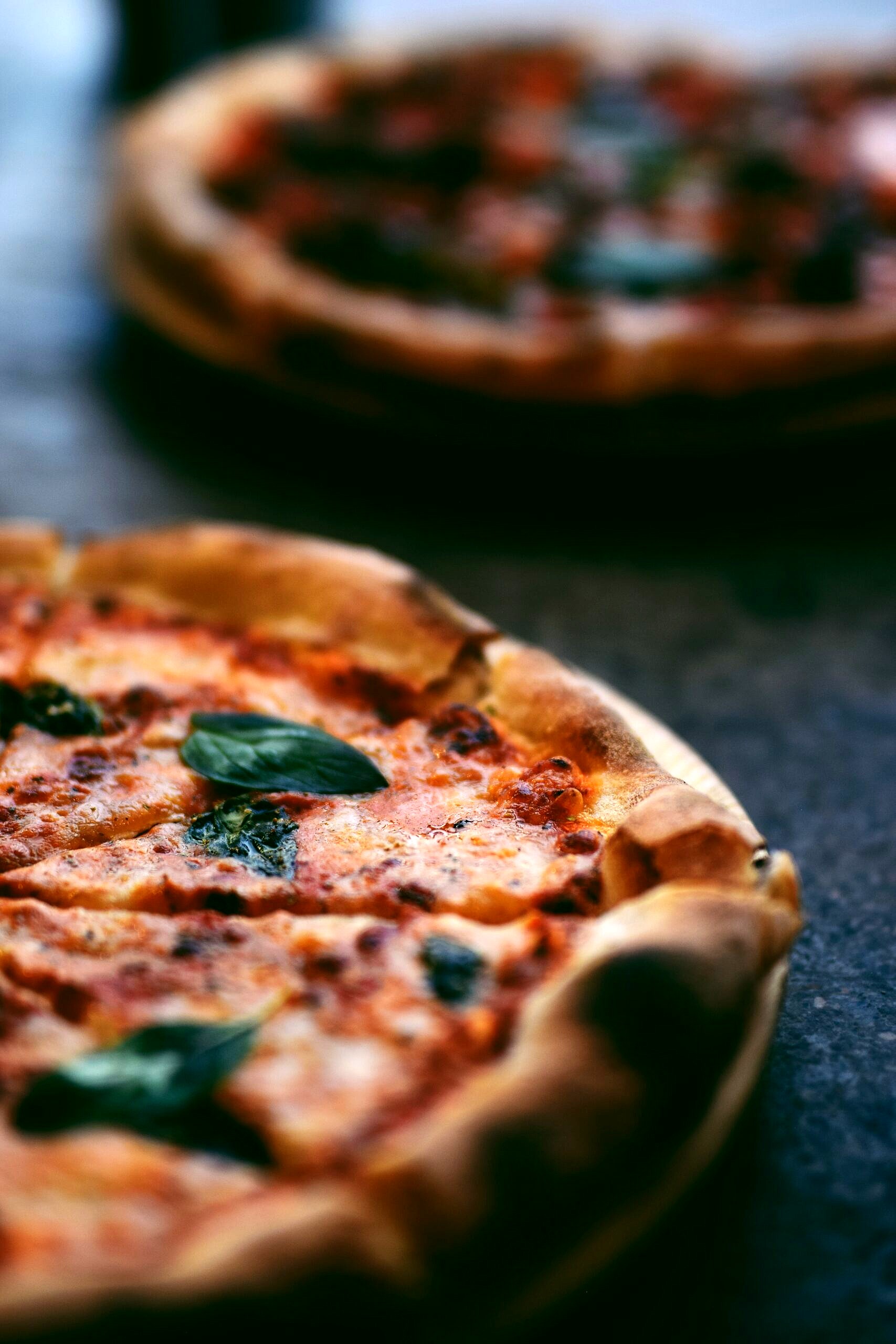
Close up of a pizza slice from a pizza pie.

I’m not saying that cutting out milk won’t cure your stomach cramps, or that kidney beans aren’t the cause of your migraines – but I am saying that IgG food sensitivity testing isn’t likely to provide you with any valid answers, and neither will the other food sensitivity tests out there. At the moment, our understanding of food sensitivity is in its infancy, and any “magic bullet” tests are probably a waste of time and money. If you truly feel that something you’re eating is making you feel crummy, the most scientifically reasonable test would be to work with a dietitian to cut out all possible offenders for a couple of weeks, then slowly reintroduce them into your diet, one by one, while taking notice of any changes in your well-being. At the end of the day, when it comes to food sensitivities, there isn’t yet a test to take the place of trial and error.

Contribution By: Adam Weinmann

MORE BLOG POSTS YOU MIGHT LIKE

If you liked this blog post answering the question, “how accurate are food sensitivity tests?”, then you might enjoy more blog posts discussing diet myths:

  • 411 on Intermittent Fasting for Athletes and Exercise: Will It Help or Hinder Your Performance?
  • Intermittent Fasting for Weight Loss? The Evidence Based Pros and Cons
  • Caffeine and Breastfeeding – Is It Safe?
  • Can You Drink Coffee While Intermittent Fasting?
  • Teen Weight Loss – Are Diets Safe for Growing Kids?
  • Is Lemon Water Good For You?
Abbey Sharp

Abbey Sharp is a Registered Dietitian (RD), regulated by the Ontario College of Dietitians. She is a mom, YouTuber, Blogger, award winning cookbook author, media coach specializing in food and nutrition influencers, and a frequent contributor to national publications like Healthline and on national broadcast TV shows.
www.abbeyskitchen.com/about-abbey/

Last Updated April 24, 2022. Published April 22, 2022 By Abbey Sharp 27 Comments

Gluten Free Waffles with Orange and Poppyseed (Vegan Mother’s Day Brunch)

These Vegan Orange Poppyseed Waffles are the perfect Healthy Mother's Day Brunch recipe that are packed with fibre and natural sweetness!

These Vegan Orange Poppyseed Gluten Free Waffles are the perfect Healthy Mother’s Day Brunch recipe that are packed with fibre and natural sweetness!

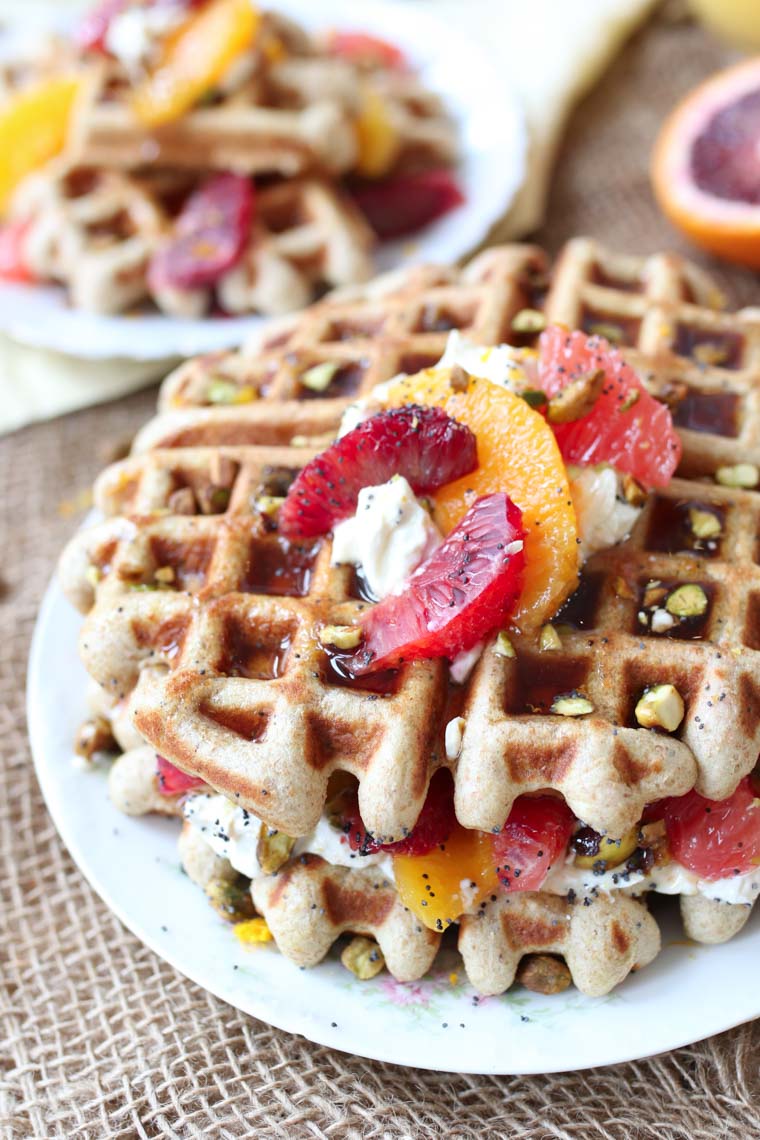
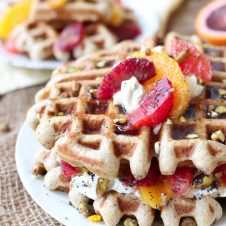
Close up of a plate of vegan orange poppyseed waffles topped with citrus segments and a dollop of yogurt.

It’s almost Mother’s Day and I’m excited to get spoiled! Just kidding, honestly, I’ve been spoiled already just with my sweet new little family- motherhood is the best gift of all. Okay, so now that I’ve said all the stereotypical mom things that you read in Hallmark cards, let’s get to another really important issue- BRUNCH. These Vegan Orange Poppyseed Gluten Free Waffles are insanely delicious any time of year but you can bet your boots they will make an irresistible brunch option for Mother’s Day.

Table of contents

  • Why This Recipe Works
  • Key Ingredients
  • How To Make This Recipe
  • Expert Tips
  • Recipe FAQs
  • More Recipes Like This

Why This Recipe Works

These gluten free waffles are SO SO SO delicious, refreshing, and a perfect option for Mother’s Day. I also love this recipe because it’s

  • Completely vegan and gluten-free, perfect for those with dietary restrictions!
  • Packed with nutrients from the fresh fruit
  • Family-friendly
  • A PERFECT and unique way to win over any mom on Mother’s Day!

Key Ingredients

Flaxseed- Flaxseed is a common ingredient to make a vegan egg substitute! Flaxseeds also are packed with fiber and healthy fats!

Poppyseeds- If you love lemon poppyseed ANYTHING (like me) you’re going to love the orange poppyseed combo. Just like flaxseed, these little seeds are also packed with fiber and healthy fats.

Toppings- One thing I love about this recipe is how customizable you can be with the toppings! I love my combination of different fruits + the almond yogurt which makes for a DELICIOUS and refreshing topping for these gluten free waffles.

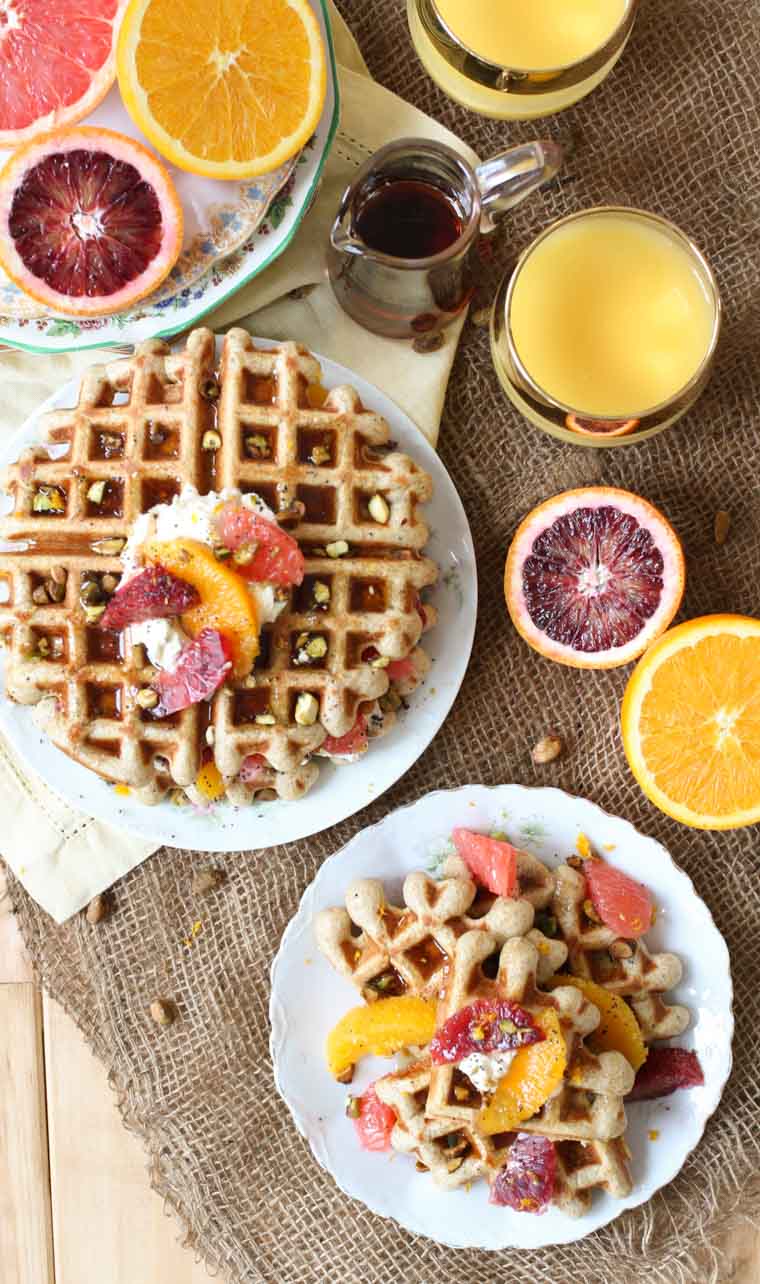
Overhead shot of a plate of vegan orange poppyseed waffles for brunch next to glasses of orange juice and maple syrup.

How To Make This Recipe

Step 1: Combine the flax and almond milk in a bowl and refrigerate for 20 minutes.

Step 2: Preheat your waffle iron and spritz with non-stick cooking spray. In the meantime, mix together the almond flour, baking powder, baking soda, salt, cinnamon, poppy seeds, Orange Juice, orange zest, flax egg, and maple in a bowl.

Step 3: Add about ½ cup of the batter to the waffle iron and close. Cook according to your waffle irons directions until golden brown.

Step 4: Top your waffles with orange segments, yogurt, pistachios, poppyseeds, orange zest and maple syrup.

Expert Tips

Don’t have a waffle iron? No biggie. You can totally use this batter to make fluffy pancakes. I recommend just adding a few extra tablespoons of orange juice just to thin out the batter a touch, but if you like them super thick, then keep it as is.

For my liquid, I use freshly squeezed orange juice which adds natural sweetness to your gluten free waffles so you don’t actually have to add much sugar. I also add some orange zest and a touch of maple syrup to round everything out. You can top these bad boys however you like, but to stay on theme, I bust out all of the beautiful citrus and call it a day.

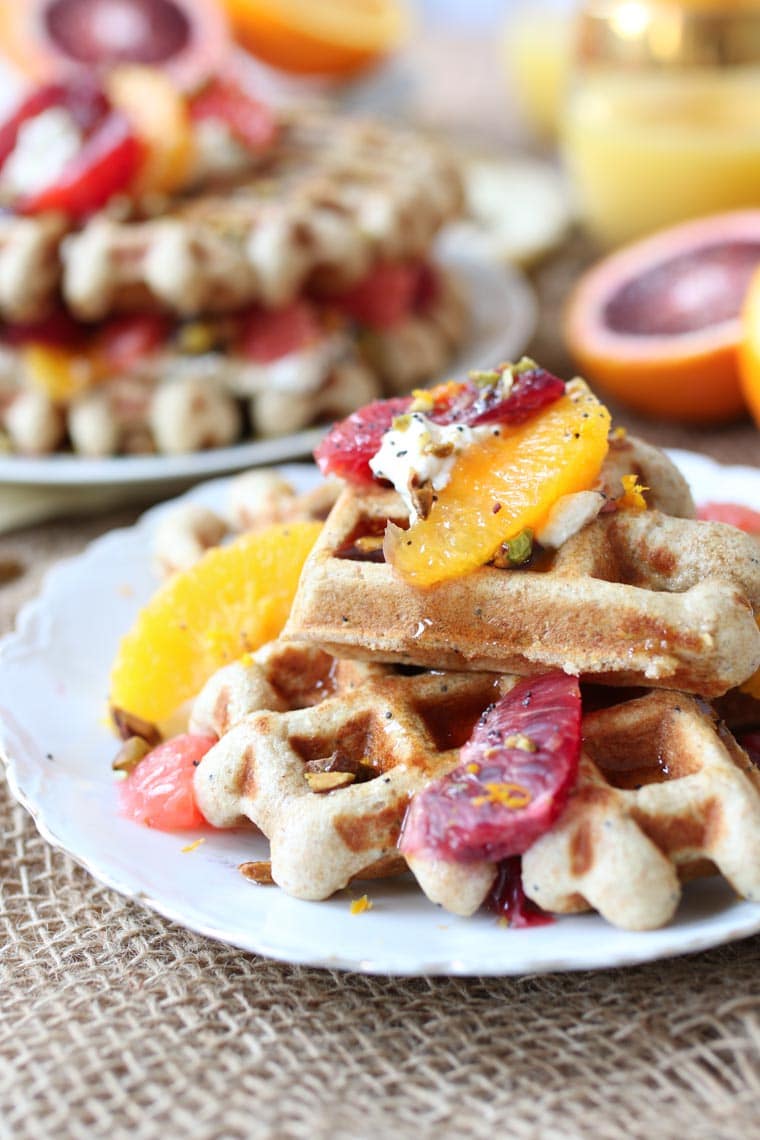
Close up of a plate of vegan orange poppyseed waffles topped with citrus segments.

Recipe FAQs

What makes this recipe vegan?

By using a flax egg vs a regular egg, you can keep this recipe completely vegan! For the yogurt topping, coconut yogurt is another super delicious dairy-free yogurt option.

What other fruits would pair well with this recipe?

I honestly think grapefruit, lemon zest, grapes, and even pineapple could pair well with these gluten free waffles! Just depends on what you’re craving.

Can I batch prep these gluten free waffles?

Yes! I personally like to make waffles and store them in an airtight container in the freezer. Then whenever I’m ready to eat them, I pop them in the toaster for a bit.

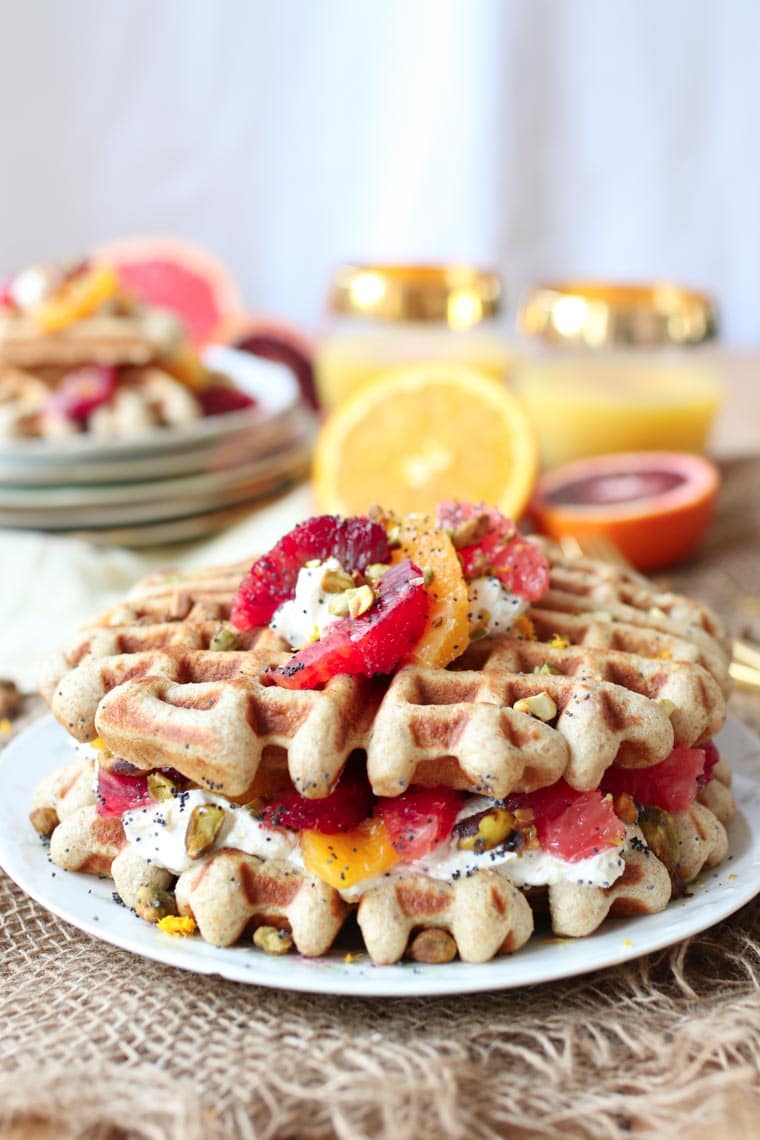
Stack of vegan orange poppyseed waffles topped with oranges.

More Recipes Like This

Looking for more delicious breakfast recipes to impress the family?? If you love these gluten free waffles, check out some of these below!

  • EGG AND CHEESE SAVORY PROTEIN WAFFLES
  • SWEET POTATO WAFFLE LATKES WITH PALEO CRANBERRY APPLE COMPOTE
  • GLUTEN FREE BIRTHDAY CAKE PROTEIN WAFFLES 
  • LOADED POTATO WAFFLES
  • 35 BEST VEGAN MOTHERS DAY BRUNCH RECIPES
These Vegan Orange Poppyseed Waffles are the perfect Healthy Mother's Day Brunch recipe that are packed with fibre and natural sweetness!
Print Recipe
5 from 8 votes

Vegan Orange Poppyseed Waffles

These Vegan Orange Poppyseed Waffles are the perfect Healthy Mother’s Day Brunch recipe that are packed with fibre and natural sweetness!
Prep Time20 minutes mins
Cook Time5 minutes mins
Total Time25 minutes mins
Course: Breakfast
Cuisine: American
Servings: 8 people (4 waffles)
Calories: 254kcal
Author: Abbey Sharp

Ingredients

Waffles:

  • Non-stick spray
  • 1 tbsp flax seed
  • 2 tbsp unsweetened vanilla almond milk
  • 2 ¼ cup almond flour
  • 2 tsp baking powder
  • ½ tsp baking soda
  • ½ tsp salt
  • ½ tsp cinnamon
  • 1 tsp poppyseeds
  • 1 ½ cup orange juice
  • 1 tsp orange zest
  • 1 tbsp maple syrup

Topping:

  • Orange segments
  • Almond Yogurt
  • Poppyseeds
  • Orange zest
  • Pistachios
  • Maple syrup

Instructions

  • Combine the flax and almond milk in a bowl and refrigerate for 20 minutes.
  • Preheat your waffle iron and spritz with non-stick cooking spray.
  • In a bowl, mix together the almond flour, baking powder, baking soda, salt, cinnamon, poppy seeds, Orange Juice, orange zest, flax egg and maple.
  • Add about ½ cup of the batter to the waffle iron and close. Cook according to your waffle irons directions until golden brown.
  • Top your waffles with orange segments, yogurt, pistachios, poppyseeds, orange zest and maple syrup.

Nutrition

Calories: 254kcal | Carbohydrates: 20g | Protein: 8g | Fat: 18g | Saturated Fat: 1g | Polyunsaturated Fat: 1g | Monounsaturated Fat: 1g | Sodium: 223mg | Potassium: 267mg | Fiber: 5g | Sugar: 10g | Vitamin A: 129IU | Vitamin C: 32mg | Calcium: 176mg | Iron: 2mg
Abbey Sharp

Abbey Sharp is a Registered Dietitian (RD), regulated by the Ontario College of Dietitians. She is a mom, YouTuber, Blogger, award winning cookbook author, media coach specializing in food and nutrition influencers, and a frequent contributor to national publications like Healthline and on national broadcast TV shows.
www.abbeyskitchen.com/about-abbey/

Last Updated April 4, 2022. Published April 4, 2022 By Abbey Sharp Leave a Comment

Stuffed French Toast Wraps with Yogurt and Berries

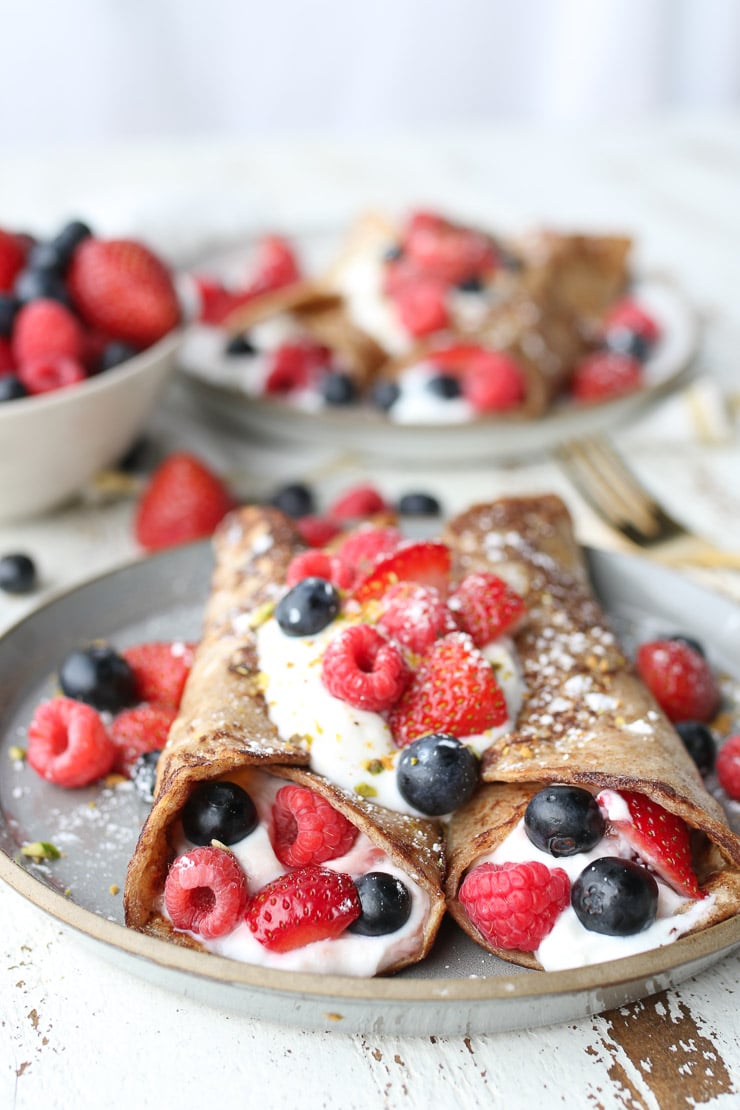
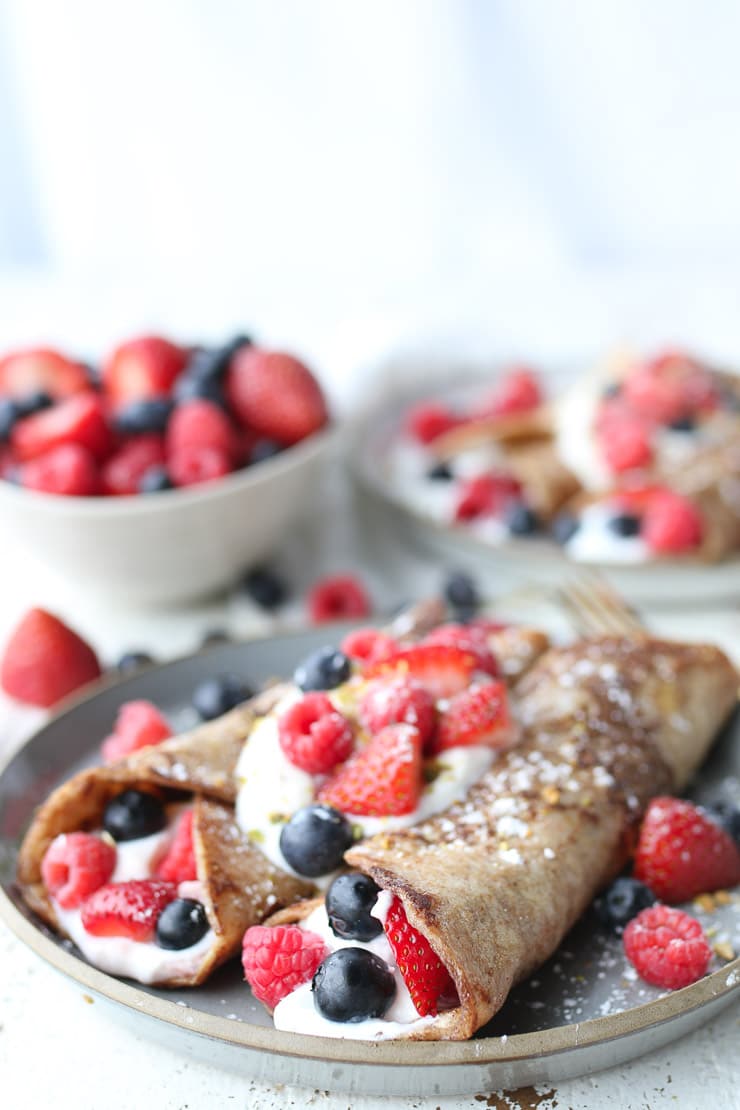
french toast whole wheat wrap stuffed with greek yogurt and berries on a plate

These stuffed French toast wraps with yogurt and berries are an easy weekday breakfast that is packed with protein and fibre and is perfect for kids!

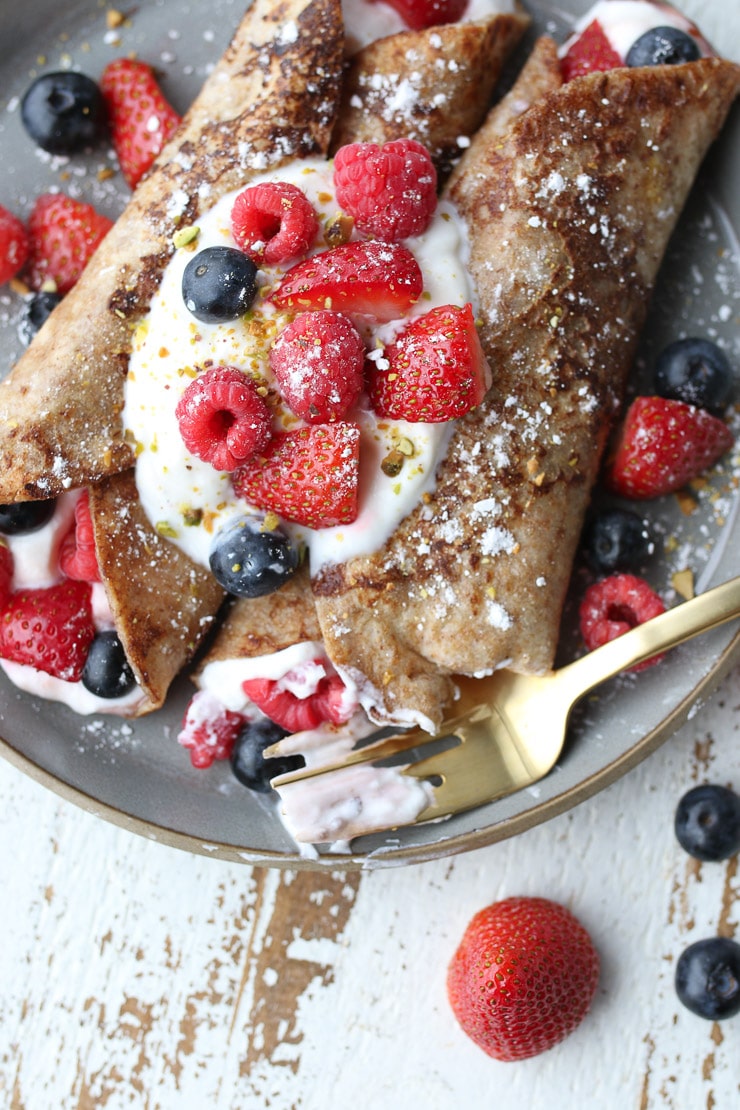
Birds eye view close up of french toast wraps on a grey plate topped with yogurt and berries.

Well, we are probably home a little more than usual right now, and that means that I am trying to make meals interesting and still easy since I feel like all I do is plan, prep, and clean up after meals these days. Just me? I’m sure not. The good news is that these stuffed French toast wraps with creamy yogurt and berries checks ALL of the breakfast boxes. And bonus? My kid INHALES them every time.

Table of contents

  • Why This Recipe Works
  • Key Ingredients
  • How To Make This Recipe
  • Expert Tips
  • Recipe FAQs
  • More Recipes You Might Like

Why This Recipe Works

These stuffed french toast wraps are fun, easy, delicious AND it feels like something fancy we would get in a restaurant at brunch. I also love this recipe because it’s:

  • High in fiber (9 grams per serving)
  • Protein packed (20 grams per serving! hello)
  • Customizable
  • Vegetarian friendly
  • Pairs perfectly with a TON of breakfast dishes

Key Ingredients

Whole Wheat Tortillas- I typically use medium tortillas, but you can use larger or smaller depending on what you can find.

Skyr Yogurt – I love using skyr yogurt for these stuffed french toast wraps because it has a thick, creamy consistency and it’s also packed with protein! About 3/4 cups of skyr yogurt contains a whopping 21 grams of protein. Sign me up!

Fruit- I used fresh blueberries, strawberries and raspberries to fill these stuffed French toast wraps as they pair beautifully with the yogurt.

Chia Jam- This is one of the most popular recipes on my blog for a reason. I have a batch in my fridge every week because it is a great nutrient-dense low sugar jam that adds the perfect touch of sweetness to these wraps!

Toppings of your choice- Nuts, seeds, powdered sugar, maple syrup, honey, the sky is the limit so add whatever you and your family loves!

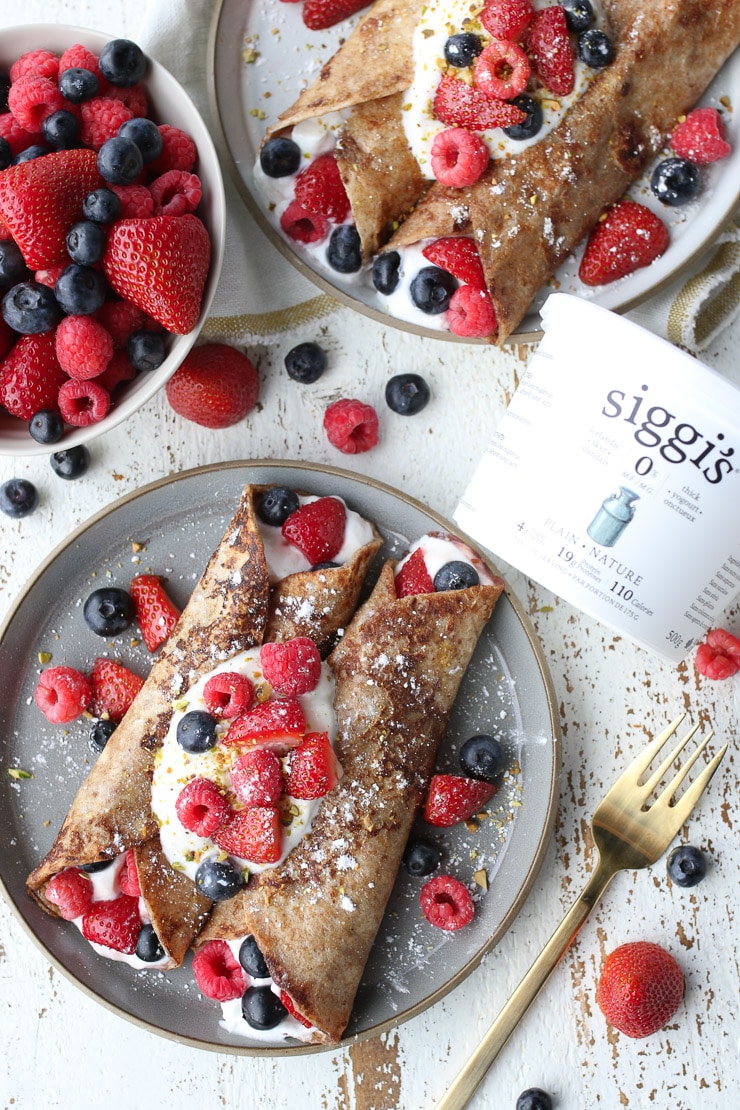
Birds eye view of two breakfast wraps stuffed with yogurt and topped with berries with a container of siggis yogurt on the side.

How To Make This Recipe

Step 1: In a shallow bowl, beat the eggs with the milk, maple syrup, cinnamon, nutmeg, and salt.

Step 2: Grease a large nonstick skillet over medium high heat and add a layer of butter or oil.

Step 3: Quickly dip the tortilla on both sides in the egg mixture and put into the pan. Pan-fry on each side until golden brown, about 1-2 minutes per side.

Step 4: Gently lift out of the pan with tongs and roll up. Allow to sit while you complete the rest of the wraps.

Step 5: To fill, gently unwrap, and layer Skyr yogurt down the middle. Add a swirl of the chia jam and the fruit of your choice. Wrap back up and place on plate.

Step 6: To serve, top with additional Skyr yogurt, berries, and toppings of your choice.

Expert Tips

Unlike traditional French toast, it’s really important that you don’t soak the tortillas for too long in the egg mixture. A very quick little dunk is all the time it really needs to get a little egg and cinnamon action.

If you’re making a big batch, I also recommend rolling them up as soon as they come out of the pan hot. This way, the wraps will take on the rolled shape before they cool and won’t harden flat (which will make them harder to roll with your yogurt later on.)

Wondering what to pair with this stuffed french toast wrap? These sweet wraps are a perfect brunch or breakfast entree all on their own. If you want to serve them as part of a larger meal, I would recommend serving them with a frittata, strata, egg cups, or scrambled eggs.

Two french toast breakfast tortilla wraps stuffed with yogurt and berries on a grey plate.

Recipe FAQs

Can I make the wraps without pan-frying?

Sure! But they won’t be French toast flavoured. You can easily just take a whole wheat wrap, stuff it with fruit and yogurt and call it an easy breakfast or snack!

Are these sweet wraps kid-friendly?

Oh yes! What child wouldn’t like wraps that taste like French toast stuffed with fruit and creamy skyr yogurt? My kid is a HUGE skyr yogurt fan (he calls it ice cream because it’s so creamy) so he inhaled these healthy French toast wraps.

Can I use different fruit and toppings?

Absolutely! Mango, pineapple, banana, apples, pears, orange segments, nuts, granola and more would all be delicious in here.

What can I use if I don’t want to make chia jam?

This chia jam will change your life, I promise you that. But if you’re in a pinch, you can either skip it all together or add your favourite fruit preserves or jam.

How long will these last in the fridge?

I don’t recommend pre-filling the stuffed French toast wraps. However, if you want to make these ahead, you could pan-fry and pre-roll the wraps, and then add the yogurt and fruit when you’re ready to eat.

Two yogurt breakfast wraps on a grey plate topped with berries .

More Recipes You Might Like

Looking for more delicious breakfast recipes like this stuffed french toast? Check out some of my favorites below!

  • VEGAN STUFFED SWEET POTATOES WITH PB&J 
  • HIGH PROTEIN OATMEAL
  • SWEET POTATO BARS
  • GRANOLA CUPS WITH CHIA PUDDING, PEACHES & BLUEBERRIES

What is one of your favourite new easy breakfast recipes? Leave me a comment below with your thoughts!

french toast whole wheat wrap stuffed with greek yogurt and berries on a plate
Print Recipe
5 from 4 votes

Stuffed French Toast Wraps with Yogurt and Berries

These French toast wraps with yogurt and berries are an easy weekday breakfast that is packed with protein and fibre and is perfect for kids!
Prep Time20 minutes mins
Cook Time15 minutes mins
Total Time35 minutes mins
Course: Breakfast, brunch
Cuisine: French, American
Servings: 4
Calories: 411kcal
Author: Abbey Sharp

Ingredients

  • 3 eggs beaten
  • ¼ cup milk of your choice
  • 2 tsp maple syrup
  • 1 tsp cinnamon
  • ½ tsp nutmeg
  • Pinch salt
  • 8 x medium 8 inch whole wheat tortillas
  • Butter or oil for cooking

Filling:

  • 1 1/2 cups siggi’s plain skyr yogurt
  • ¼ cup cherry chia jam or preserves of your choice
  • 2 cups fruit of your choice
  • Powdered sugar crushed nuts and hemp hearts for serving (optional)

Instructions

  • In a shallow bowl, beat the eggs with the milk, maple syrup, cinnamon, nutmeg, and salt.
  • Grease a large nonstick skillet over medium high heat and add a layer of butter or oil.
  • Quickly dip the tortilla on both sides in the egg mixture and put into the pan. Pan-fry on each side until golden brown, about 1-2 minutes per side.
  • Gently lift out of the pan with tongs and roll up. Allow to sit while you complete the rest of the wraps.
  • To fill, gently unwrap, and layer Skyr yogurt down the middle. Add a swirl of the chia jam and the fruit of your choice. Wrap back up and place on plate.
  • To serve, top with additional Skyr yogurt, berries, and toppings of your choice.

Nutrition

Calories: 411kcal | Carbohydrates: 60g | Protein: 20g | Fat: 10g | Saturated Fat: 3g | Cholesterol: 127mg | Sodium: 668mg | Potassium: 193mg | Fiber: 9g | Sugar: 15g | Vitamin A: 214IU | Vitamin C: 2mg | Calcium: 300mg | Iron: 3mg
Abbey Sharp

Abbey Sharp is a Registered Dietitian (RD), regulated by the Ontario College of Dietitians. She is a mom, YouTuber, Blogger, award winning cookbook author, media coach specializing in food and nutrition influencers, and a frequent contributor to national publications like Healthline and on national broadcast TV shows.
www.abbeyskitchen.com/about-abbey/

Last Updated May 12, 2022. Published March 23, 2022 By Abbey Sharp 9 Comments

Allergy Prevention Tips | Why Are Food Allergies in Kids on the Rise?

I break down the common hypothesis’ related to food allergy prevalence and discuss why food allergies in kids are on the rise.

I break down the common hypotheses related to food allergy prevalence and a number of allergy prevention tips.

Baby wrapped in a blanket in black and white.

According to the Center of Disease Control and Prevention, the prevalence of food allergies in children has increased by 50% between 1997 and 2011. That’s a pretty big spike. So if you’re like me, you’re probably wondering: WHY?

Let’s review some potential theories why allergies are on the rise, then we’ll discuss a number of allergy prevention tips.

Why Are Food Allergies in Kids on the Rise?

Hypothesis #1: Our Gut is Changing

We’re just beginning to understand the role of our gut in our overall health, but early research suggests it may play a role in our risk of allergies in kids. Multiple studies from Sweden and Denmark have found that reduced gut microbiota diversity in infants is associated with increased risk of allergic disease in childhood.

With the growing research in the area of gut health and allergies, we’ve discovered that events during pregnancy and delivery can all influence the microbiome. Let’s discuss their role.

Caesarean Delivery vs. Vaginal Delivery and Gut Health

The theory around baby delivery and incidence of allergies is still fairly new and widely misunderstood. A Norwegian Mother and Child Cohort Study found that children delivered by Caesarean section (C-section) had an increased risk of asthma at 36 months. Another study found that children delivered by C-section had a 52% increased risk of asthma compared to children born through vaginal delivery.

WHY?

Well I’ve actually written about this extensively here, but to summarize, research suggests that delivering vaginally is the ideal scenario for promoting a healthy microbiome because the infant gets exposed to the vaginal and yes – fecal (aka POOP) microbiota. Which basically means the poop your babe will get exposed to may add to the bacterial colonization of your babe, thereby strengthening their immune system and reducing their risk of developing allergies.

At the same time, we are just skimming the surface around this concept, and according to a recent 2017 study, the prevalence of allergies did not differ between C-section and vaginal delivery group. This was also found in another study which found that C-sections were not associated with the development of asthma, wheezing or atopy in later childhood.

Breastfeeding and Gut Health

Black and white image of a person holding a baby.

Let’s talk about breast milk. Breast milk provides your babe with complete nutrition after birth and benefits both the mother and child in several ways. One of those benefits is potential allergy prevention for your child, which is pretty darn cool.

How, exactly?

It has been shown that breast milk can actually influence your infant’s microbiome by increasing the good bacteria in their gut, thereby strengthening their immune system. When comparing breast milk and formula, this study found that breastfed newborns carried a more stable and uniform population of gut bacteria compared to formula fed newborns. Another way it may influence allergies is through exposure. A 2018 study found that mothers who consumed peanuts while breastfeeding and introduced peanuts to their child within the first year of life was associated with the lowest risk of peanut allergy.

There are also studies that have found the opposite. A 2015 study found that exclusive breastfeeding did not affect a child’s sensitization to allergens within their first six years of life. Clearly we need more research in this area to make definitive conclusions about allergy prevention.

Diet and Gut Health

Let’s talk about diet because that plays a key role in our gut health. A diet rich in fibre can populate our gut with good bacteria, while a diet that lacks variety and vitamins and minerals may weaken our immune system and make us vulnerable to chronic diseases and even allergies.

Let’s talk about this in greater detail.

Prebiotics & Probiotics

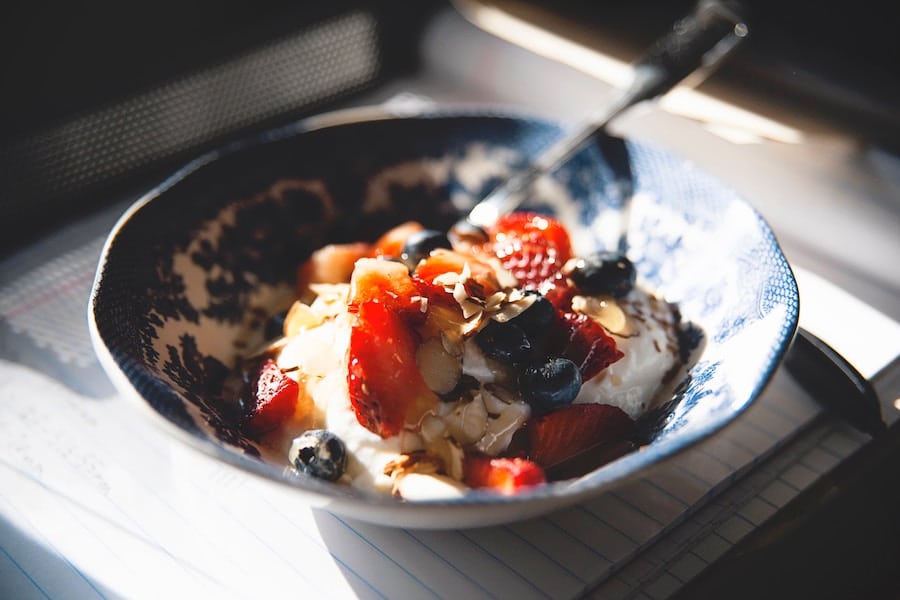
Food in a blue bowl with a silver spoon discussing allergy prevention tips.

About 70% of our immune system lies in our gut, so it makes sense that studies have shown that when we modify our gut environment, we can strengthen our immune system and reduce our risk of allergens. This is why pre and probiotic supplementation may be a helpful strategy to reduce an infant‘s risk of developing an allergy.

Prebiotics

Prebiotics are the food for the good bacteria. This 2017 study found that when prebiotics were added to infant formula, the gut microbiome was closely related to the gut microbiome of breast-fed infants. The study also found that the prebiotic mixture may benefit infants who are at a higher risk of allergy by significantly lowering their risk.

This is why we recommend kids get a wide range of fibre-rich foods since fibre is short-hand for prebiotics. One study found that a diet rich in whole grain and wheat bran (both very rich in fibre) are linked to an increase in the bacteria bifidobacteria and lactobacilli, while other carbohydrates, like resistant starches, appear to also increase the amount of ruminoccocus, E. Rectale and Roseburia. These may all sound Greek to you, but the bottom line is that the more fibre = the more yummy food to help the good bacteria grow!

Probiotics

Now probiotics are the good bacteria, themselves. One systematic review found that when probiotics were given to pregnant women, breastfeeding mothers or infants, the  infant’s risk of eczema was significantly reduced. Having said that, the research is not so clear cut. One 2017 systematic review, concluded there is NOT ENOUGH evidence that supplementing probiotics in pregnant women, breastfeeding mothers and infants actually increased the infant’s chances of allergy prevention.

While we wait for the research to clarify the situation, I still believe strongly that a diet rich in prebiotics and probiotics is good for you and your little one’s health. You can get your probiotic fix through foods like yogurt, cultured milk, kimchi and sauerkraut, and through taking a probiotic supplement.

Non-Gut Friendly Foods

Now let’s talk about what kind of foods might not be so good for gut health.

Artificial Sweeteners

While artificial sweeteners are often used to cut back on sugar intake and caloric intake, some research suggests that they may alter our gut microbiome and may be linked to obesity and type 2 diabetes risk. It’s also important to note that this also depends on the individual. Some individuals may be more susceptible to changes to their gut microbiome, while some aren‘t. Clearly, this is still a topic that needs further understanding. Either way, I do not recommend using any artificial sweeteners in children’s meals, anyway.

Low Fibre Diet

Through extensive research we’ve learned that dietary fibre is an excellent source of energy for the good bacteria in our gut. So a diet low in fibre, specifically low in prebiotic fibres, has been shown to reduce the good bacteria in our gut. Skip the white bread and pastries, and load up on fibre rich foods like whole grain breads, pastas, fruits and vegetables.

Hypothesis #2: ANTIBIOTIC OVERUSE

Blue pills for food allergies on a white surface discussing allergy prevention tips.

The introduction of antibiotics in the 1950s saved thousands of people‘s lives and are sometimes an imperative medical intervention. However, some research (like this 2014 review) has suggested that excessive antibiotic use, particularly in early childhood, may increase the risk of allergies. The belief is that antibiotics alter our gut microbiota and limit its biodiversity, making it a target for allergic disease development.

This theory was tested in another more recent 2017 review which concluded that children exposed to antibiotics within their first two years of life had a statistically significant increased risk of eczema later in life compared to those without the exposure. Likewise, the risk of food allergy was higher in children exposed to antibiotics during the first year of life compared to those who were not exposed. I want to stress that the allergy prevention should not eclipse the need for life saving antibiotics, but it’s just worth being aware so you can discuss all of your options with your doctor.

Hypothesis #3: LACK OF VITAMIN D

Forest with sunlight.

Finally, let’s talk about Vitamin D. Vitamin D is an essential nutrient and plays a role in various bodily processes. This theory is based on the idea that children are spending less time outside and more time indoors compared to past generations, which is reducing their exposure to sunlight, and therefore, vitamin D.

One 2017 study found that low vitamin D levels may be slightly inversely associated with the risk of allergy rhinitis (also known as hay fever). Honestly, I’m not an expert in this field but this one is definitely less convincing. According to a new study on vitamin D, we may not need as much of the sunshine vitamin as we’ve been told in the past and supplementing with more may not be necessary or helpful. Also, once science discovered that vitamin D deficiencies caused serious health issues like rickets, we started to fortify as much food as we could. It doesn’t make that much logical sense to me that we didn‘t  see such a  high prevalence of allergies back when children were getting rickets from a lack of vitamin D. Having said all of that, this topic of allergy prevention is still a new area of study, so we’ll have to wait and see if it develops further.

Hypothesis #4: THE HYGIENE HYPOTHESIS

Person washing their hands discussing allergy prevention tips.

Before doing research on this topic, I was very familiar with the hygiene hypothesis for allergy prevention. The theory that over the years we’ve made our environment too clean, and we’ve kept our kids away from dirt, germs and other microbes. The thought follows that the lack of contact with microbes makes it harder for our bodies to fight off infections and allergies. The theory suggests that regular exposure to allergens early in life may help strengthen a child’s immune system against developing allergies, but because of our increasingly clean environment, we’ve weakened our immune system, thereby increasing the incidence of allergies.

So, the question remains. Does increasing our exposure to allergens protect us our harm us?

A study found that children from large families are at a lower risk of developing allergies because of the constant interaction with siblings carrying germs. On top of that, a study found that when young children are exposed to pets, specifically the microbiome of a pet, it increases the microbial diversity of the home protecting them, causing increased allergy prevention. However, that still doesn’t explain the rise in allergies, because pet ownership has increased significantly over the years so you would expect that would increase the protection against allergies.

Recently, the Hygiene Hypothesis has been challenged and proven that it has become less and less backed by actual science. In reality, microbiological studies have found that westernized homes that are being cleaned routinely don’t result in significantly lower levels of microbes in our homes. It is practically impossible to create a completely sterile environment, because as soon as we remove a microbe, they are soon replaced with more dust from air and shed from our body, our pets and our food. The truth of the matter is that the hygiene theory is just a theory, and so far no body of evidence has confidently made the link between a clean environment and allergy prevention.

Bottom Line On Allergy Prevention Tips

Tip #1 – Keep Your Gut Happy

A healthy diet means a healthy gut, and since we know our gut is largely responsible for immune response, it’s possible this may mitigate our risk and contribute to allergy prevention. So as much as possible, keep variety in your diet by including fruits and vegetables, whole grains, lean sources of protein and healthy fats. Include probiotic and prebiotic foods in your diet when you can (fibrous veggies, yogurt, kefir, kimchi and sauerkraut). And if you can and are able and interested, exclusively breastfeed for as long as you and your little one enjoy it.

Tip #2 – Talk About Antibiotics with Your Doctor

Speak to your doctor about all options when a course of antibiotics is recommended. Sometimes antibiotics isn’t the only answer and other treatment options are available, but working alongside your medical professional would be the only way to know.

Tip #3 – Get a Balanced Diet

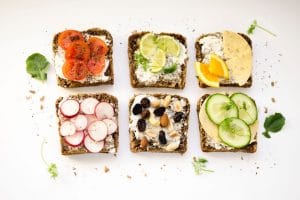
Birds eye view of multiple varieties of toast.

Getting a wide variety of vitamins and minerals in our diet keeps our gut running smoothly. While it seems unclear if vitamin D is the definitive answer, we know that it is very important to overall health in general, so there’s a lot of value in ensuring you’re getting enough. If you’re breastfeeding, be sure to administer vitamin D drops, since breast milk doesn’t contain enough vitamin D.

TIP #4 – Exposure your kids to the great outdoors and animals

A dog in a field.

While the hygiene hypothesis doesn’t explain the rise in allergies, it does seem that there’s some value in exposing our little ones to something other than their tidy nursery.

So now that we have a grasp on some of the reasons why food allergies in kids are on the rise, in Part 2 we’re going to discuss some practical advice on how and when to introduce allergens to babies for allergy prevention.

Tell me, why do you think food allergies in kids are on the rise? Do you or do any of your family members suffer from food allergies?

Leave me a comment below with your thoughts on allergy prevention!

Contribution By:

Sofia Tsalamlal, RD, MHSc Nutrition Communication

MORE BLOG POSTS YOU MIGHT LIKE:

If you liked this blog post discussing allergy prevention tips, then you might also enjoy more blog posts on food allergies:

  • How to Introduce Peanut Butter to Baby to Reduce the Risk of Peanut Allergy
  • Sesame Peanut Noodles | BLW Allergen Introduction Recipe
  • New Guidelines to Reduce the Risk of Peanut Allergy in Babies and Kids
  • Should Babies Avoid Grains, Wheat and Cereals Before 12 Months?
  • Chickpea Peanut Butter Biscuits | Iron Rich BLW Recipe
  • Three Kid-Approved Allergy-Friendly Recipes | Tips to Prevent Food Allergy Reactions
Abbey Sharp

Abbey Sharp is a Registered Dietitian (RD), regulated by the Ontario College of Dietitians. She is a mom, YouTuber, Blogger, award winning cookbook author, media coach specializing in food and nutrition influencers, and a frequent contributor to national publications like Healthline and on national broadcast TV shows.
www.abbeyskitchen.com/about-abbey/

Last Updated March 21, 2022. Published March 21, 2022 By Abbey Sharp 11 Comments

Best Tuna Melt Recipe with Tomato and Avocado (Easy Lunch Recipe)

I created the best tuna melt recipe that turns a classic deli favourite into a healthy low carb, keto friendly, high protein, kid approved lunch or dinner.

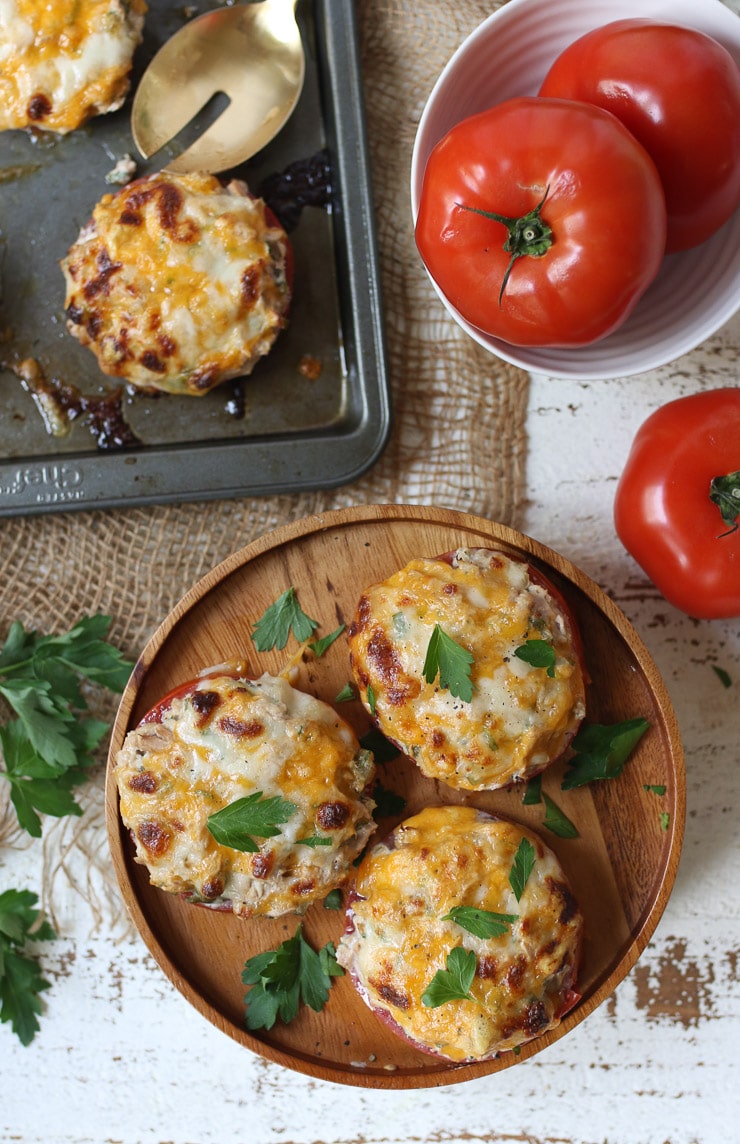
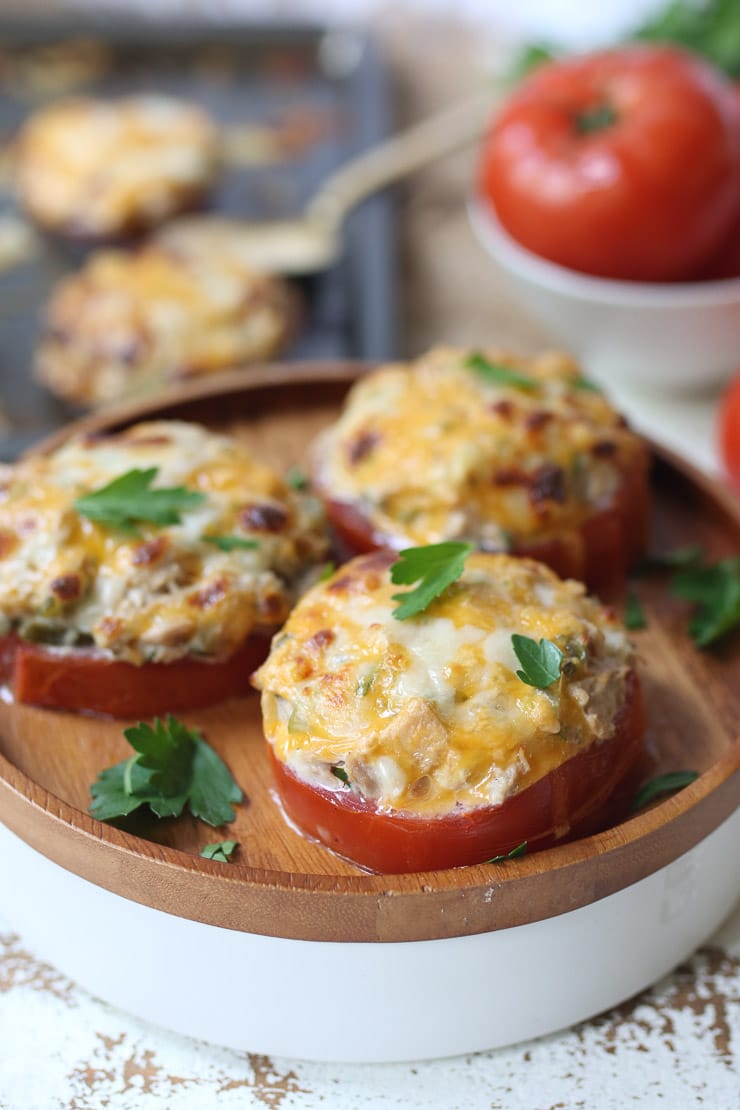
Birds eye view of 3 tuna melts served on a wooden plate.

I don’t know about you, but I was raised eating classic tuna melts. My hubby still requests them on the regular. I have no qualms with the OG, but I figured we could make it a more frequent menu addition by throwing in some yummy cream cheese and avocado, smothering it with cheddar and mozzarella and stuffing it into an antioxidant-rich tomato. In the great words of Ina Garten, how can that be bad?

Table of contents

  • Why This Recipe Works
  • Key Ingredients
  • How To Make This Recipe
  • Expert Tips
  • Recipe FAQs
  • More Recipes You Might Like

Why This Recipe Works

My best tuna melt recipe checks off all the boxes. It’s creamy, gooey, savory and super healthy. I also love this recipe because it’s:

  • Packed with protein (29grams per serving!)
  • Loaded with fiber (9grams per serving)
  • Totally KID APPROVED
  • Gluten free
  • Low carb & keto friendly

Key Ingredients

Canned Tuna– Ideally, try to get a can of light tuna instead of albacore, as albacore tends to have higher amounts of mercury.

Cream Cheese– This is my secret ingredient and is what turns a standard tuna melt recipe into an Abbey’s Kitchen recipe! Cream cheese just adds extra creaminess that just takes this tuna melt up a notch.

Avocado– Avocado not only mingles well with the cream cheese to make things even creamier, but it also adds even more healthy fats.

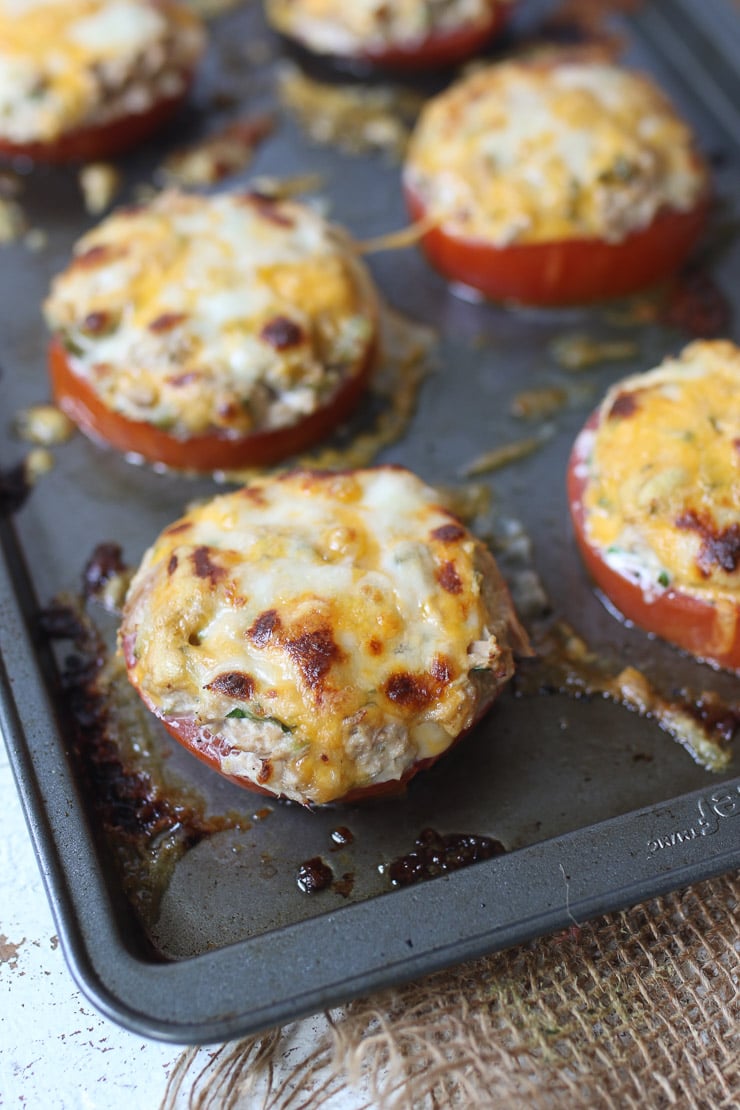
Up close picture of a tuna melt on a baking sheet.

How To Make This Recipe

Step 1: Cut 8 thick slices out of 2 to 3 large tomatoes and place them on a parchment-lined baking sheet.

Step 2: In a bowl, combine the tuna, dill pickles, herbs, mayo, cream cheese, and avocado. Spoon out the tuna mixture onto each tomato slice. Top each tomato slice with cheddar and mozzarella cheese.

Step 3: Add pan to oven and broil for 5-7 minutes

Expert Tips

In my opinion, tomatoes as the base of this best tuna melt recipe make it the best. But tuna melts, in general, go well with pretty much anything. So you can opt for the standard bread version or experiment with another vegetable like bell peppers.

Some species of tuna (mainly large ocean fish) contain higher levels of mercury, but it really comes down to choosing lower mercury fish.  When shopping for tuna, choose light canned tuna which has the lowest amounts of mercury. Albacore is a moderate choice, so you’ll just want to limit how much of it you give children per week (150 g/ week for 5-11 year olds, and 125 g/ week for kids under 5). Most people are not getting anywhere closer to those amounts so I really wouldn’t worry if you’re choosing light tuna most often for this recipe.

Recipe FAQs

How long does this recipe last in the fridge?

Tuna will usually keep in the fridge for roughly 3-4 days but definitely give it the old sniff test to make sure.

Can I used canned salmon instead of tuna?

Absolutely! I think most recipes that call for tuna can be easily substituted for salmon. I have never tried it it with this recipe, specifically, but using canned salmon may give it a more fishy flavour if you’re okay with that.

Is this recipe kid friendly?

Definitely. But it also all depends on your little ones own food and taste preferences. My big boy E went through a “no tuna” phase and is now loving it again and is a big fan of these tuna melts especially.

Can you put this avocado tuna mixture on bread?

Of course!! Go classic, by all means, and add a slice of tomato to a piece of bread, top it with the avocado tuna mixture, cover it with cheese and go to down broiling it off. I love getting MORE tuna filling with my tomato base, but there are definitely days I’m feeling I need the extra carbs too. If your kids are a little iffy on the idea, then for sure, put it on their favourite whole grain bread!

3 tuna melts served on a wooden plate.

More Recipes You Might Like

Totally obsessed with this tuna melt recipe? Check out some of these delicious tuna packed recipes below:

  • GLUTEN FREE TUNA NOODLE CASSEROLE
  • NO COOK TUNA GREEK SALAD
  • TUNA PESTO PASTA
  • TUNA AVOCADO PANZANELLA SALAD

Now I want to hear from you. Are you a tuna melt fan? Let me know by leaving a comment below!

Print Recipe
5 from 5 votes

Best Tuna Melt Recipe with Tomato and Avocado (Easy Lunch Recipe)

I created the best tuna melt recipe that turns a classic deli favourite into a healthy low carb, keto friendly, high protein, kid approved lunch or dinner.
Prep Time10 minutes mins
Cook Time7 minutes mins
Total Time17 minutes mins
Course: Lunch
Cuisine: American
Diet: Gluten Free
Servings: 5 -6
Calories: 418kcal
Author: Abbey Sharp

Ingredients

  • 2 cans tuna
  • ¼ c minced dill pickles
  • 1 tbsp parsley dill or Green onions
  • ¼ cup mayo or yogurt
  • 2 tbsp cream cheese
  • 1 small avocado mashed
  • ½ cup shredded cheddar
  • ½ cup shredded mozzarella
  • Salt and pepper to taste
  • 8 thick slices of tomatoes from 2-3 tomatoes

Instructions

  • Cut 8 thick slices out of 2 to 3 large tomatoes and place on a parchment lined baking sheet.
  • In a bowl, combine the tuna, dill pickles, herbs, mayo, cream cheese and avocado.
  • Spoon out the tuna mixture onto each tomato slice.
  • Top each tomato slice with cheddar and mozzarella cheese.
  • Add pan to oven and broil for 5-7 minutes.

Nutrition

Calories: 418kcal | Carbohydrates: 26g | Protein: 29g | Fat: 24g | Saturated Fat: 7g | Polyunsaturated Fat: 7g | Monounsaturated Fat: 8g | Trans Fat: 1g | Cholesterol: 51mg | Sodium: 356mg | Potassium: 1685mg | Fiber: 9g | Sugar: 15g | Vitamin A: 4983IU | Vitamin C: 80mg | Calcium: 215mg | Iron: 3mg
Abbey Sharp

Abbey Sharp is a Registered Dietitian (RD), regulated by the Ontario College of Dietitians. She is a mom, YouTuber, Blogger, award winning cookbook author, media coach specializing in food and nutrition influencers, and a frequent contributor to national publications like Healthline and on national broadcast TV shows.
www.abbeyskitchen.com/about-abbey/

Last Updated October 28, 2025. Published March 18, 2022 By Abbey Sharp 32 Comments

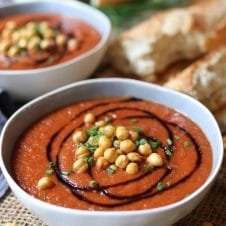
Curry Soup with Sunchokes and Chickpeas (Vegan)

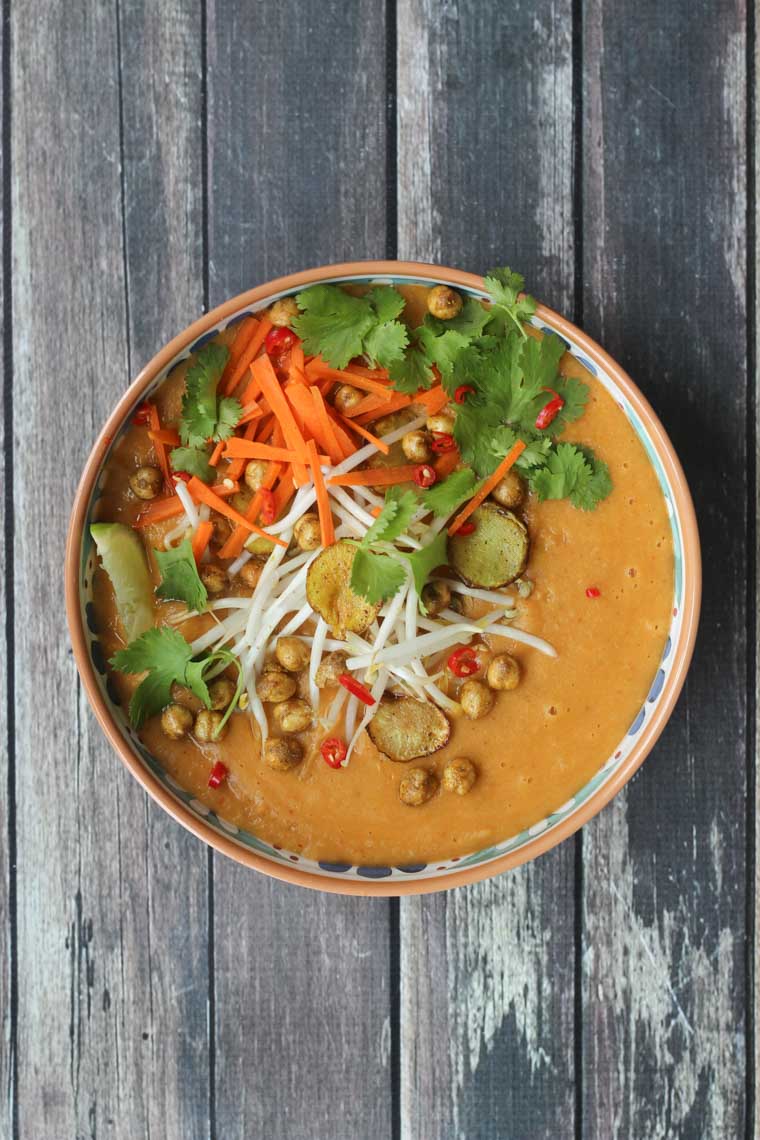
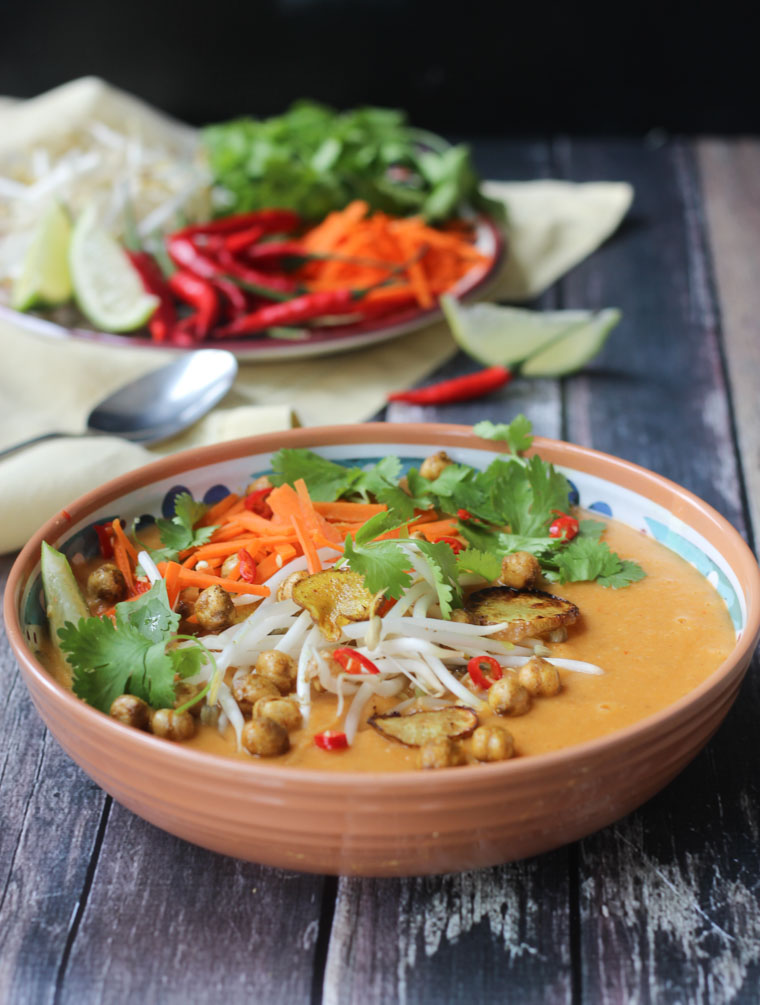
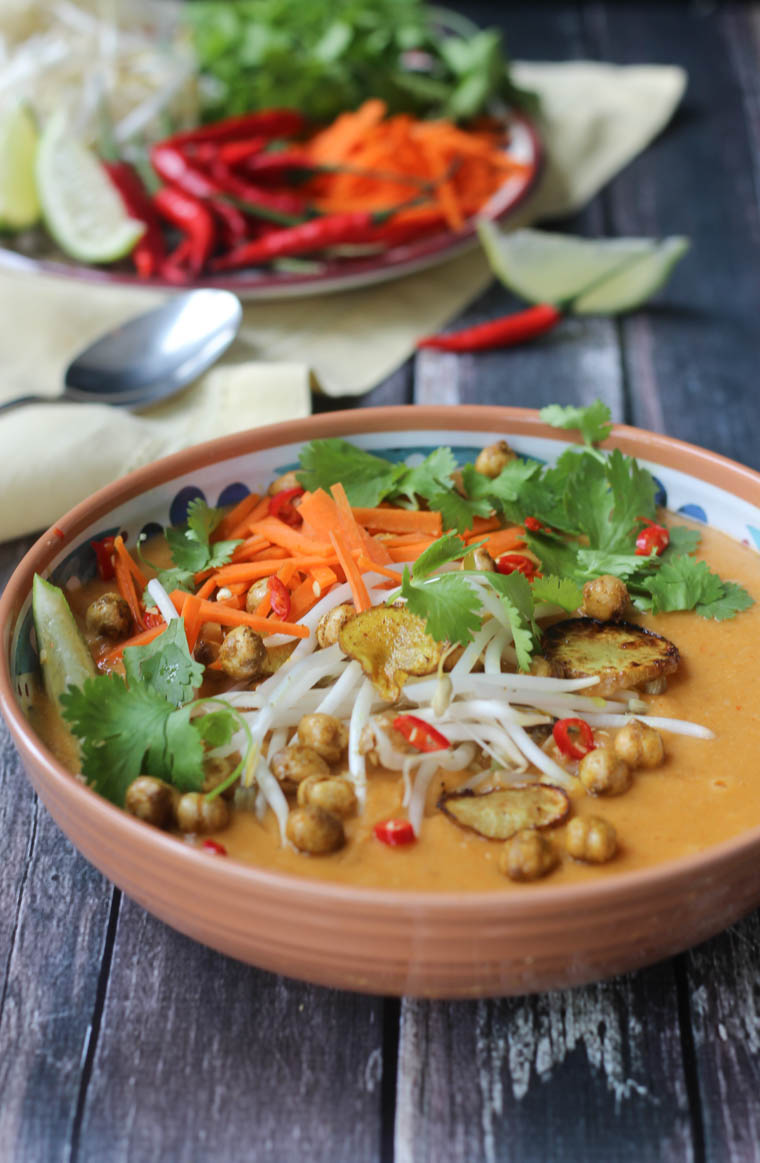
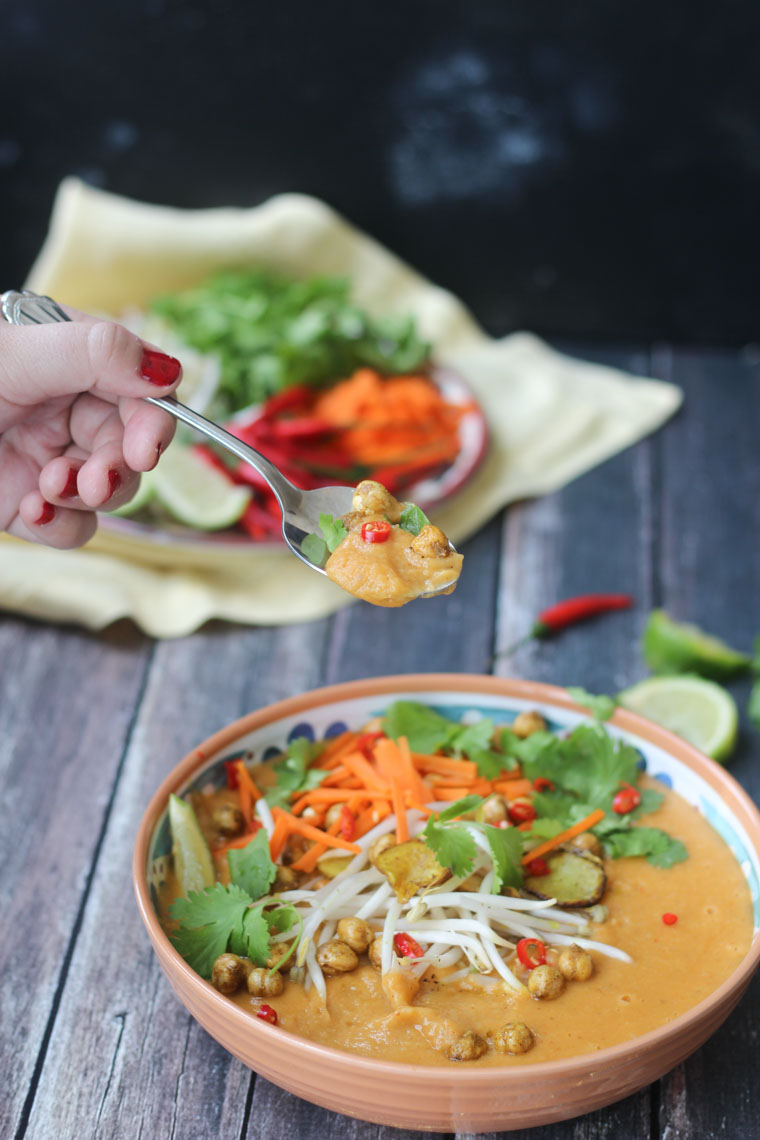
Close up image of vegan curry soup with crispy chickpeas garnished with lime and cilantro.

 This vegan curry soup with sunchokes packs a punch with intense flavours and is finished with a crunch from the crispy roasted chickpeas. 

Close up image of vegan curry soup with crispy chickpeas garnished with lime and cilantro.

Guys, I LOVE curry. Spicy, rich, aromatic and sweet. It may be hot, but it’s a welcome addition to my weekly menu any night of the week. While I usually make curry with noodles or rice, I really wanted to try out a recipe for vegan curry soup.

Table of contents

  • Why This Recipe Works
  • Key Ingredients
  • How to Make This Recipe
  • Expert Tips
  • Recipe FAQs
  • More Recipes You May Like

Why This Recipe Works

I’ve got a secret ingredient in this not-so authentic vegan curry soup recipe and you’ll never guess it: Sunchokes – also known as Jerusalem artichokes, sunroot, earth apple or topinambour. You can find sunchokes at your local grocery shop where they’re usually offered all year round. Here are a few reasons why I love to cook with sunchokes:

  1.  You don’t have to peel them, which saves you a ton of time in the kitchen!
  2. There’s so many ways to cook them – you can roast them, boil them (then mash them up), saute them, even pickle them… the options are endless!
  3. They carry some unique health benefits, including being high gut healthy in prebiotic fibre!

Key Ingredients

Close up of vegan curry soup with crispy chickpeas and sunchoke chips.

Sunchokes – As I said before, sunchokes are easy to prepare, packed with nutrition, and most importantly, delicious. They also have a delicious nutty flavour that complement the spiciness of the curry in this soup very well.

Curry Paste & Curry Powder – I mean, what’s a curry soup without the curry flavour? Personally, I love the balance of flavours that both the paste and the powder give. Together, they pack some really intense flavour.

Coconut Milk – The coconut milk in this recipe gives that hint of creamy and sweet flavour you need to balance out the spiciness of the curry. I personally prefer lite coconut milk for this recipe!

Chickpeas – Not only are crispy chickpeas crunch and delicious, but they also add an extra boost of fibre and protein to this recipe, which is always welcome.

How to Make This Recipe

Close up of vegan curry soup with crispy chickpeas and sunchoke chips.

Step 1: To make the crispy chickpeas, transfer chickpeas to a large baking sheet. Toss the chickpeas with a tablespoon of olive oil and ¼ teaspoon of sea salt and curry. Bake for 20 to 22 minutes at 375F, or until golden brown and crispy, stirring and tossing them at least once during the cooking process.

Step 2: For the sunchoke chips, heat oil in a nonstick skillet over medium high heat and add in the curry powder and sunchoke slices. Pan-fry until golden brown on both sides, about 30 seconds to a minute. Drain on a few sheets of paper towel and set aside.

Step 3: To make the soup, preheat a large pot over medium high heat and add in the olive oil. Add the onion and sauté until transluscent, about 5 minutes.Stir in the garlic, ginger and curry paste and stir until the onion is coated in the paste. Cook for about 30 seconds.

Step 4: Add in the sunchokes and sauté until they are coated in the mixture, then add in the chickpeas and vegetable stock. Cover and simmer on medium heat for about 20-25 minutes until the sunchokes are very soft.

Step 5: Add in the coconut milk and using a hand blender, puree until very smooth. Season with salt and pepper, to taste. Garnish with the chickpeas, sunchoke chips, bean sprouts, cilantro, chili, lime and carrots.

Expert Tips

Remember, when you’re making soup, there are times it can come out either too thick or too thin. If you make this vegan curry soup and it’s too thin, let it reduce a bit more my keeping it on the heat with the lid off for a few extra minutes. If it’s too thick, add some extra coconut milk or vegetable stock. It’s really that easy!

Lucky for you, this recipe makes lots of extra crispy chickpeas. I like to use the extra chickpeas by throwing them into a salad, garnishing other types of soup, on top of avocado toast for breakfast, or you could even eat them on their own as a balanced snack!

I also highly suggest serving this soup with some warm bread so you can get in on the dipping action. My personal favourite addition to the side of this vegan curry soup is a hot piece of naan.

Recipe FAQs

Is this recipe gluten free?

Yup, this vegan curry soup is totally gluten free! If you decide to serve this recipe with bread on the side, make sure you’re using is also certified gluten free bread.

Where can I find sunchokes?

You should be able to find sunchokes at your local grocery shop, and they are actually available all year round! Talk about convenient.

What is prebiotic fibre?

The inulin prebiotic fibre contained in sunchokes has been studied heavily, and studies have seen improvements in gut health (i.e. increase in certain types of probiotic bacteria) after consuming sunchokes. Which is pretty cool, because they also taste amazing!

Hand holding a spoon of recipe with sunchokes and chickpeas.

More Recipes You May Like

If you liked this recipe for vegan curry soup with crispy chickpeas, then you might also enjoy the other vegan soup recipes on the blog:

  • Best Vegan Potato Soup
  • Easy Sweet Potato Curry Soup
  • Butternut Squash Lentil Soup
  • Roasted Cauliflower Soup with Parsnips
  • Creamy Tomato Soup
  • Sweet Potato Peanut Soup

Are you a curry lover? Have you ever cooked with sunchokes before? What’s your favourite way of preparing them?

Comment below with your thoughts!

Close up image of vegan curry soup with crispy chickpeas garnished with lime and cilantro.
Print Recipe
5 from 3 votes

Vegan Curry Soup with Sunchokes and Chickpeas (Gluten Free & High Fibre)

This vegan curry soup with sunchokes packs a punch with intense flavours and is finished with a crunch from the crispy roasted chickpeas.
Prep Time20 minutes mins
Cook Time40 minutes mins
Total Time1 hour hr
Course: Appetizer, Soup, Side Dish
Cuisine: Indian
Diet: Gluten Free, Vegan, Vegetarian
Servings: 8 people
Calories: 149kcal
Author: Abbey Sharp

Ingredients

Roasted chickpeas:

  • 1 can (19 ounces) no salt added chickpeas, rinsed, drained, and dried well
  • 1 tablespoon extra virgin olive oil
  • 1/4 tsp curry powder
  • ¼ teaspoon sea salt or more to taste

Sunchoke Chips:

  • 1 tbsp extra virgin olive oil
  • 1/4 tsp curry powder
  • 2 sunchokes scrubbed and thinly sliced on a mandolin

Soup:

  • 1 1/2 tbsp  extra virgin olive oil
  • 1/2  onion chopped
  • 2  cloves  garlic minced
  • 1 tbsp fresh ginger grated
  • 3 tbsp red curry paste
  • 4  cups  sunchokes peeled and diced
  • 1 can (19 ounces) no salt added chickpeas, rinsed, drained, and dried well
  • 3 1/2 cups reduced sodium vegetable stock
  • 1 can lite coconut milk
  • Kosher salt and pepper

Garnishes:

  • Fresh cilantro
  • Shredded carrots
  • Bean sprouts
  • Lime wedges
  • Thai red chili thinly sliced

Instructions

Crispy Chickpeas:

  • Place the chickpeas onto a clean kitchen towel. Then top with another towel, and gently use the towel to rub them until the chickpeas start to pop out of their thin, translucent skins. The skins hold a lot of moisture, so getting rid of as many as you can will help keep these beans crispier longer. Don’t worry about getting each and every one, just remove any that easily pop off.
  • Transfer the dried chickpeas to a large baking sheet. Toss the chickpeas with a tablespoon of olive oil and ¼ teaspoon of sea salt and curry. Bake for 20 to 22 minutes at 375F, or until golden brown and crispy, stirring and tossing them at least once during the cooking process.
  • Turn the oven off, and allow them to sit in the oven (with the oven door closed) as the oven cools down for at least an hour up to until the pan is no longer hot.

Sunchoke Chips:

  • Heat the oil in a nonstick skillet over medium high heat and add in the curry powder and sunchoke slices. Pan-fry until golden brown on both sides, about 30 seconds to a minute. Drain on a few sheets of paper towel and set aside.

Soup:

  • Preheat a large pot over medium high heat and add in the olive oil. Add the onion and sauté until transluscent, about 5 minutes. Stir in the garlic, ginger and curry paste and stir until the onion is coated in the paste. Cook for about 30 seconds.
  • Add in the sunchokes and sauté until they are coated in the mixture, then add in the chickpeas and vegetable stock. Cover and simmer on medium heat for about 20-25 minutes until the sunchokes are very soft.
  • Add in the coconut milk and using a hand blender, puree until very smooth. Season with salt and pepper, to taste. Keep warm until ready to eat.
  • Garnish with the chickpeas, sunchoke chips, bean sprouts, cilantro, chili, lime and carrots.

Notes

Remember, when you’re making soup, there are times it can come out either too thick or too thin. If you make this vegan curry soup and it’s too thin, let it reduce a bit more my keeping it on the heat with the lid off for a few extra minutes. If it’s too thick, add some extra coconut milk or vegetable stock. It’s really that easy!
Lucky for you, this recipe makes lots of extra crispy chickpeas. I like to use the extra chickpeas by throwing them into a salad, garnishing other types of soup, on top of avocado toast for breakfast, or you could even eat them on their own as a balanced snack!
I also highly suggest serving this soup with some warm bread so you can get in on the dipping action. My personal favourite addition to the side of this vegan curry soup is a hot piece of naan.

Nutrition

Calories: 149kcal | Carbohydrates: 22g | Protein: 2g | Fat: 7g | Saturated Fat: 1g | Polyunsaturated Fat: 1g | Monounsaturated Fat: 5g | Sodium: 489mg | Potassium: 479mg | Fiber: 2g | Sugar: 12g | Vitamin A: 1128IU | Vitamin C: 6mg | Calcium: 27mg | Iron: 4mg
Abbey Sharp

Abbey Sharp is a Registered Dietitian (RD), regulated by the Ontario College of Dietitians. She is a mom, YouTuber, Blogger, award winning cookbook author, media coach specializing in food and nutrition influencers, and a frequent contributor to national publications like Healthline and on national broadcast TV shows.

www.abbeyskitchen.com/about-abbey/

Last Updated March 9, 2022. Published March 9, 2022 By Abbey Sharp 10 Comments

Vegan Tomato Soup with Roasted Fennel

A delicious collection of healthy vegan christmas main dishes to satisfy whoever is at your table this holiday season!

This Vegan Tomato Soup with Gluten-Free Chickpea Croutons is a tasty vegetable-packed way to warm up this winter.

Roasted tomato and fennel soup in a white bowl garnished with chickpeas, herbs, and balsamic.

I’m a soup fiend. Before I gave birth, I made it my mission to batch prep about 10 different types of soup to store in the freezer for when baby came. And while that may seem like a lot, let me assure you they were all gone within the first few weeks. Now, yet again, I am finding myself craving that belly-warming feel good experience of a nice big cozy bowl of soup. This vegan tomato soup with roasted fennel takes one of my childhood favourites (canned tomato soup) and gives it an adult makeover.

Table of contents

  • Why This Recipe Works
  • Key Ingredients
  • How To Make This Recipe
  • Expert Tips
  • Recipe FAQs
  • More Recipes You Might Like

Why This Recipe Works

This soup makes the perfect weeknight dinner or a cozy appetizer when you’re entertaining. Either way, this soup is the ultimate comfort food and will basically warm your soul. I also love this vegan tomato soup recipe because

  • It’s family friendly
  • It’s vegan and gluten free
  • It’s loaded with veggies

Key Ingredients

Fennel – fennel is a plant that is low in calories, but rich in nutrients such as potassium and phosphorus. The fronds of fennel have a somewhat bitter taste that turns neutral when cooked while also adding in key nutrients.

San Marzano Tomatoes – I highly recommend using San Marzano tomatoes as they are longer/thinner than other tomatoes, making them easier to blend for this vegan tomato soup recipe.

Chickpeas – This ingredient it’s technically optional, but make more the perfect gluten-free crouton topping alternative! Chickpeas are also packed with fiber and plant-based protein making this soup more nutrient-dense.

birds eye view of vegan tomato soup topped with chickpea croutons in a white bowl

How To Make This Recipe

Step 1: Toss the fennel and onion with two tablespoons of oil and a pinch of salt on a baking sheet and roast for 30 minutes, or until tender.

Step 2: Add the remaining tablespoon of oil to the pot, and add in the garlic. Stir for 30 seconds, then add the tomato paste. Stir until well coated, then pour in the tomatoes, stock, oregano, and roasted vegetables. Bring to a boil, then cover, and reduce the heat to a simmer. Simmer for 25-30 minutes. Add the balsamic and maple, and season with salt and pepper, to taste.

Step 3: Puree using a hand blender until smooth. Reduce heat on oven to 350 F

Step 4: Toss the well-dried chickpeas with the oil and transfer to a baking sheet. Roast for 35-40 minutes, tossing halfway through. Add salt while still warm and allow to cool.

Step 5: To serve, top the soup with a drizzle of balsamic reduction, and a sprinkle of the chickpeas, chives and fennel fronds. Enjoy!

Expert Tips

When using any kind of blender, make sure to check that it can handle hot contents. In many blenders, the steam and heat from the contents inside can cause the container to expand and possibly pop off causing a major hazard.

If you are opting for the gluten-free crouton option for this vegan tomato soup recipe, it’s super important to make sure the chickpeas are as dry as you can get them!! I recommend using a cheesecloth to strain out excess liquid and then patting down with a paper towel or cloth.

Recipe FAQs

How do I store this soup?

You can keep this soup in an airtight container in the fridge for 3-4 days. If you’re looking to keep this in the freezer to thaw and use, just store it in an airtight container and use within 4-6 months!

What makes this recipe vegan?

Many tomato soups use butter, however, the combination of vegetables gives this tomato soup the perfect homey and cozy taste. Also, opting for vegetable stock vs. chicken stock keeps this vegan tomato soup 100% vegan.

What pairs well with this vegan tomato soup?

Personally, I love the iconic tomato soup + grilled cheese combo. However, if you’re trying to keep this combo vegan, try pairing it with this vegan avocado sandwich!

vegan tomato and fennel soup in a white bowl topped with chickpea croutons

More Recipes You Might Like

If you’re anything like me and can’t get enough soup recipes, like this vegan tomato soup, on your hand right now, check out some of these delicious recipes on my blog:

  • UNSTUFFED CABBAGE ROLL SOUP (VEGAN & GLUTEN FREE)
  • BEST VEGAN POTATO SOUP (CREAMY WITH NO CREAM!)
  • CREAMY VEGAN CORN SOUP WITH PROTEIN (GLUTEN FREE, HEALTHY)
  • VEGAN BEAN & FROZEN VEGETABLE SOUP WITH PANTRY AND FREEZER STAPLES

Now tell me, what are your favourite childhood soups?What are your go-to soup recipes to have on a cold night? Let me know in the comments below!

A delicious collection of healthy vegan christmas main dishes to satisfy whoever is at your table this holiday season!
Print Recipe
5 from 3 votes

Vegan Tomato Soup with Roasted Fennel

This Vegan Tomato Soup with Gluten-Free Chickpea Croutons is a tasty vegetable-packed way to warm up this winter.
Prep Time10 minutes mins
Cook Time1 hour hr 40 minutes mins
Total Time1 hour hr 50 minutes mins
Course: Main Dish
Cuisine: American
Servings: 4 – 6 people
Calories: 339kcal
Author: Abbey Sharp

Ingredients

  • 3 tbsp olive oil
  • 1 head fennel diced (fronds reserved)
  • 1 yellow sweet onion diced
  • 5 cloves garlic minced
  • 2 tbsp tomato paste
  • 1, 28 oz cans San Marzano tomatoes
  • 4 cups low sodium vegetable stock
  • 1 tbsp dried oregano
  • 2 tbsp aged balsamic vinegar
  • 1 tbsp maple syrup or to taste (depending on the acidity of your tomatoes)
  • Salt and pepper to taste

Garnish:

  • 2 tbsp olive oil
  • 1 can chickpeas drained, rinsed and dried REALLY well
  • Salt to taste
  • Chives minced
  • Fennel fronds
  • Balsamic reduction

Instructions

  • Preheat oven to 425 F.
  • Toss the fennel and onion with two tablespoons of oil and a pinch of salt on a baking sheet and roast for 30 minutes, or until tender.
  • Add the remaining tablespoon of oil to the pot, and add in the garlic. Stir for 30 seconds, then add the tomato paste. Stir until well coated, then pour in the tomatoes, stock, oregano and roasted vegetables. Bring to a boil, then cover, and reduce the heat to a simmer. Simmer for 25-30 minutes. Add the balsamic and maple, and season with salt and pepper, to taste.
  • Puree using a hand blender until smooth.
  • Meanwhile, reduce heat on oven to 350 F.
  • Toss the well dried chickpeas with the oil and transfer to a baking sheet. Roast for 35-40 minutes, tossing half way through. Add salt while still warm and allow to cool.
  • To serve, top the soup with a drizzle of balsamic reduction, and a sprinkle of the chickpeas, chives and fennel fronds. Enjoy!

Nutrition

Calories: 339kcal | Carbohydrates: 37g | Protein: 10g | Fat: 20g | Saturated Fat: 3g | Polyunsaturated Fat: 2g | Monounsaturated Fat: 14g | Sodium: 447mg | Potassium: 1278mg | Fiber: 7g | Sugar: 19g | Vitamin A: 665IU | Vitamin C: 33mg | Calcium: 162mg | Iron: 5mg
Abbey Sharp

Abbey Sharp is a Registered Dietitian (RD), regulated by the Ontario College of Dietitians. She is a mom, YouTuber, Blogger, award winning cookbook author, media coach specializing in food and nutrition influencers, and a frequent contributor to national publications like Healthline and on national broadcast TV shows.
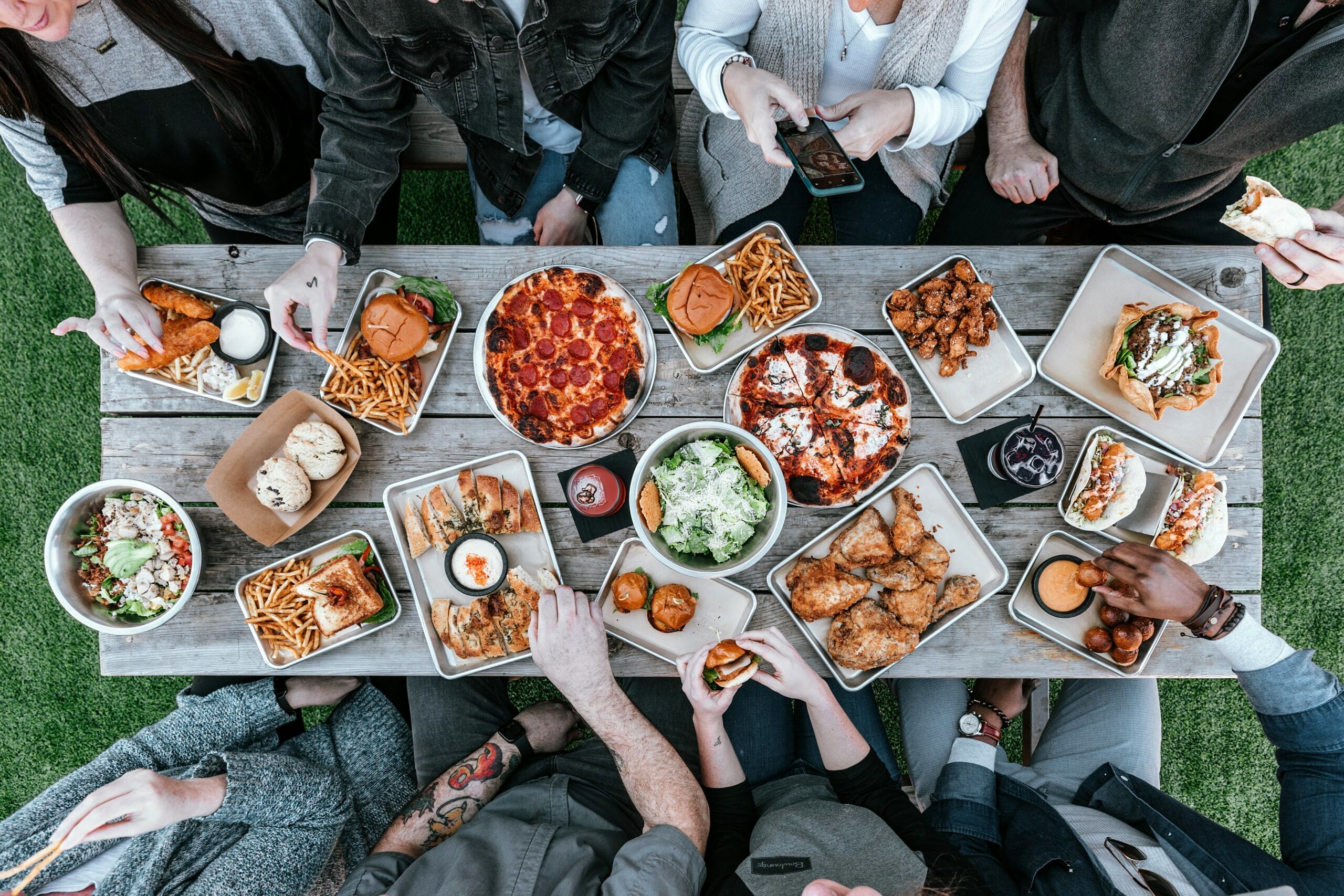
www.abbeyskitchen.com/about-abbey/

Last Updated April 25, 2022. Published March 4, 2022 By Abbey Sharp 3 Comments

Savoury Muffins with Sun-dried Tomato and Feta

These savoury muffins with sun dried tomato and feta make for the perfect side dish, breakfast or snack, and are packed with delicious flavour and nutrition!

Birds eye view of savoury muffins with feta and vegetables on a cooling rack.

I truly think it’s not fair that sweet food get all the glory. We always tend to lean towards making some of the greatest foods sweet (i.e. pancakes, crepes, oatmeal, etc.), but their savoury counterparts don’t get any love!

Personally, I am a huge fan of savoury muffins. They make an awesome side dish to any meat (or vegetarian) main, are packed with flavour, and also present very impressively. They can also make a tasty and convenient snack when you’re on the go! So let’s give savoury muffins the attention they deserve.

Table of contents

  • Why This Recipe Works
  • Key Ingredients
  • How to Make This Recipe
  • Expert Tips
  • Recipe FAQs
  • More Recipes You May Like

Why This Recipe Works

Confused about the concept of a muffin that is NOT sweet? Okay, hear me out. Picture this – a cornmeal muffin filled with feta cheese, sun dried tomato, and veggies? Translation – total flavour bomb. If you need a little more convincing, here are all of the reasons why you are about to fall in love with these savoury muffins.

  • Vegetarian-friendly
  • Ready within half an hour (hello, weeknight side dish!)
  • Loaded with colourful veg
  • Fun take on a classic cornbread muffin
  • Absolutely delicious!

Key Ingredients

Labelled ingredients for savoury muffins with feta and vegetables.

Flour and Cornmeal – These are the staple dry ingredients of this recipe. The combination of these two flours make this muffin light and airy, and we also get that delicious cornbread taste and texture from the cornmeal.

Oil – Necessary in order to make these savoury muffins moist and tasty!

Egg – Every good muffin needs an egg to help bind it together.

Feta – I mean, everything is better with cheese, right? The feta gives these muffins the perfect salty and cheesy bite!

Vegetables – Although I think the flavour combination of adding corn, sundried tomatoes, and spinach tastes awesome, the great thing about these muffins is that you can add whatever veg you like or have on hand!

How to Make This Recipe

Steps 1 to 3 of how to make savoury muffins.

Step 1: In a large bowl, combine all the dry ingredients, all purpose flour, cornmeal, baking powder, baking soda, salt and garlic powder, In a small bowl whisk all the wet ingredients, egg, milk and oil. Pour the wet into the dry ingredients and whisk until combined. 

Step 2: Mix all the add-ins and divide the batter into the muffin tin. Bake for 18 – 22 mins until golden and springy to touch. 

Step 3: Cool for 10 minutes, then transfer to a cooling rack and serve warm with some butter.

Expert Tips

When whisking the batter, take care not to over mix. Over mixing a batter that contains regular flour can make the gluten in the flour become tough, resulting in a more dense end product. I suggest mixing until your batter is just combined, then it’s ready to go.

I would also suggest using an oil that is lighter in flavour for this recipe. A bolder tasting oil, such as olive oil, will work in terms of giving these savoury muffins the moistness we need, but might be a bit overpowering in flavour. I would suggest using a more neutral tasting oil, such as grapeseed oil, avocado oil or even refined coconut oil would do the trick. However, if you don’t mind a stronger flavour, then olive oil (or even butter) would be delicious as well!

Recipe FAQs

Can I make this recipe vegan?

Although I’ve never tried to veganize this recipe myself so I can’t guarantee, I don’t think it should be hard to make this recipe vegan. You could replace the milk with any type of plant milk, the egg with a flax egg, chia egg, or egg replacer, and either omit the feta altogether or substitute a vegan cheese.

What if I don’t have these vegetables on hand?

No problem! Use whatever veggies you have on hand or what’s in season at the time. The best thing about these savoury muffins is that you can customize the recipe according to your preferences!

How should I store these savoury muffins?

This depends on how soon you are going to eat them. If they’re going to be consumed pretty quickly after they are made, then you can store them in a container at room temperature. However, to optimize their staying power, I would suggest storing these muffins in the fridge, or even in the freezer if you’d like to have them on hand to defrost!

Can I make this recipe gluten free?

Lucky for you, cornmeal is naturally gluten free, so that’s already 1/2. I’ve never tried this myself, but I believe that a standard 1:1 gluten free flour should work to replace the wheat flour in this recipe.

Close up picture of muffins with vegetables and feta.

More Recipes You May Like

If you liked this recipe for savoury muffins with feta and sun dried tomato, then you might also enjoy some of the other savoury recipes on the blog:

  • Korean Savoury Oatmeal with a Runny Egg
  • No Bean Chili (Healthy Vegan Recipe
  • Cauliflower Tots (Easy Airfryer Recipe
  • Gojuchang Soup (Vegan & Gluten Free
  • Healthy Meatloaf Muffins (Gluten Free!
  • Gluten Free Quiche with Kale & Butternut Squash

Have you ever tried a savoury muffin recipe? Let me know in the comments below!

Birds eye view of savoury muffins on a cooling rack and on a plate next to butter and a knife.
Print Recipe
5 from 5 votes

Savoury Muffins with Feta and Vegetables (Vegetarian)

These savoury muffins with feta and vegetables make for the perfect side dish, breakfast or snack, and are packed with delicious flavour and nutrition!
Prep Time5 minutes mins
Cook Time25 minutes mins
Total Time30 minutes mins
Course: Breakfast, Side Dish, Snack, Muffin
Cuisine: American
Diet: Vegetarian
Servings: 12
Calories: 194kcal
Author: Abbey Sharp

Ingredients

  • 1 1/2 Cups All purpose flour
  • 1/2 Cup Cornmeal (or polenta)
  • 1.5 tsp Baking Powder
  • 1/2 tsp Baking Soda
  • 1/2 tsp Salt
  • 1/2 tsp Garlic Powder
  • 1 1/2 Cups Milk
  • 1/4 Cup Oil
  • 1 egg

Add-ins:

  • 1/2 Cup Sundried Tomatoes Chopped
  • 1/2 Cup Corn Kernels
  • 2 Cups Spinach Finely Chopped
  • 1/2 Cup Basil Chopped
  • 1 Cup Feta Crumbled

Instructions

  • Preheat the oven to 350 F. Line a 12 cup muffin tin.
  • In a large bowl, combine all of the dry ingredients: all purpose flour, cornmeal, baking powder, baking soda, salt, and garlic powder.
  • In a small bowl, whisk all of the wet ingredients: eggs, oil, and milk.
  • Pour the wet ingredients into the dry ingredients and whisk until combined, taking care not to over mix the batter.
  • Mix in all of the add-ins and divide the batter into the muffin tin. Bake for 18-22 minutes until the muffins are golden and springy to touch.
  • Cool in the pan for 10 minutes, then transfer to a cooling rack and serve warm with some butter.

Notes

  • When whisking the batter, take care not to over mix. Over mixing a batter that contains regular flour can make the gluten in the flour become tough, resulting in a more dense end product. I suggest mixing until your batter is just combined, then it’s ready to go.
  • I would also suggest using an oil that is lighter in flavour for this recipe. A bolder tasting oil, such as olive oil, will work in terms of giving these savoury muffins the moistness we need, but might be a bit overpowering in flavour. I would suggest using a more neutral tasting oil, such as grapeseed oil, avocado oil or even refined coconut oil would do the trick. However, if you don’t mind a stronger flavour, then olive oil (or even butter) would be delicious as well!

Nutrition

Serving: 1muffin | Calories: 194kcal | Carbohydrates: 23g | Protein: 6g | Fat: 9g | Saturated Fat: 3g | Polyunsaturated Fat: 2g | Monounsaturated Fat: 4g | Trans Fat: 1g | Cholesterol: 15mg | Sodium: 321mg | Potassium: 341mg | Fiber: 2g | Sugar: 4g | Vitamin A: 667IU | Vitamin C: 3mg | Calcium: 136mg | Iron: 2mg
Abbey Sharp

Abbey Sharp is a Registered Dietitian (RD), regulated by the Ontario College of Dietitians. She is a mom, YouTuber, Blogger, award winning cookbook author, media coach specializing in food and nutrition influencers, and a frequent contributor to national publications like Healthline and on national broadcast TV shows.
www.abbeyskitchen.com/about-abbey/
  • Previous Page
  • Go to page 1
  • Interim pages omitted …
  • Go to page 27
  • Go to page 28
  • Go to page 29
  • Go to page 30
  • Go to page 31
  • Interim pages omitted …
  • Go to page 89
  • Next Page

Get started with

Eight Free Recipe Books

From the co-founder of Neue Theory and creator of the Hunger Crushing Combo

Sign me up!
Abbey smiling at table
Abbey Sharp

“Foods may never be nutritionally equal. But we can make them morally equal by recognizing that our worth is never determined by what's on our plate.”

— Abbey Sharp, RD About Abbey ◥

Books

  • HCC™
  • Mindful Glow
  • Free E-Books

Blog

  • Nutrition
  • Recipes
  • Motherhood
  • Life

Explore

  • Neue Theory™
  • Bite Back
  • YouTube

Abbey

  • About
  • Coaching
YouTube TikTok Instagram Facebook X Pinterest
Abbey Sharp - The No BS Dietitian From Abbeys Kitchen

© Abbey's Kitchen 2026  All Rights Reserved •  ACCESSIBILITY STATEMENT •  Privacy Policy

This site uses cookies. By continuing to browse the site, you are agreeing to the use of cookies Accept Privacy Policy
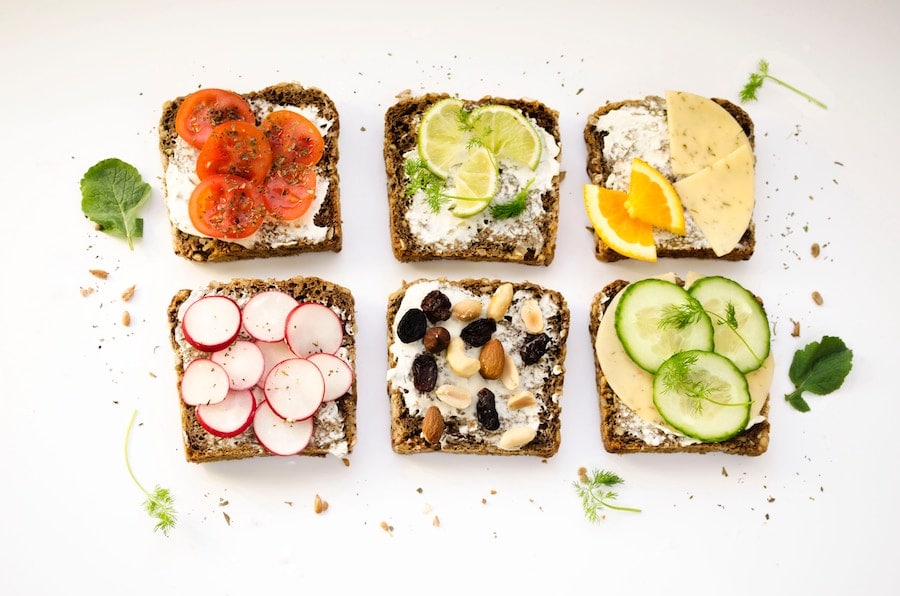
Privacy & Cookies Policy

Privacy Overview

This website uses cookies to improve your experience while you navigate through the website. Out of these, the cookies that are categorized as necessary are stored on your browser as they are essential for the working of basic functionalities of the website. We also use third-party cookies that help us analyze and understand how you use this website. These cookies will be stored in your browser only with your consent. You also have the option to opt-out of these cookies. But opting out of some of these cookies may affect your browsing experience.

Necessary
Always Enabled
Necessary cookies are absolutely essential for the website to function properly. This category only includes cookies that ensures basic functionalities and security features of the website. These cookies do not store any personal information.
Non-necessary
Any cookies that may not be particularly necessary for the website to function and is used specifically to collect user personal data via analytics, ads, other embedded contents are termed as non-necessary cookies. It is mandatory to procure user consent prior to running these cookies on your website.
SAVE & ACCEPT

Rate This Recipe

Your vote:


A rating is required
A name is required
An email is required