• Skip to main content

Abbey's Kitchen

Healthy Recipes, Nutrition Myth Busting, Healthy Eating Tips

  • Books
    • HCC™
    • The Mindful Glow Cookbook
    • Recipe eBooks
      • Family
      • Hypothyroidism
      • BLW
      • Vegan Week 1
      • Vegan Week 2
      • Vegan Week 3
      • Keto
      • Gluten Free Week 1
      • Gluten Free Week 2
      • Fitness
      • Paleo
  • Blog
    • Nutrition
    • Recipes
    • Motherhood
    • Life
  • Explore
    • Neue Theory™
    • Bite Back With Abbey Sharp
      • Apple Music
      • Spotify
      • Amazon Music
    • YouTube
  • Abbey
    • About
    • Coaching
    • Contact

Abbey Sharp

Last Updated October 23, 2020. Published March 20, 2020 By Abbey Sharp 4 Comments

How to Reach Your Health Goals While Social Distancing for Coronavirus

I share my guide for how to reach your health goals while social distancing for coronavirus through healthy eating, cooking, and home workout ideas.

We are living in really scary times with no confirmation on when the risk of Covid-19 (the Coronavirus of 2020) is going to decline. For a lot of us in North America and abroad, that means complete quarantine at the most extreme, or at least social distancing or social isolation at the very least. For a lot of you that also means either working from home on reduced hours, or not working at all as your job doesn’t really work so well from home.

My family is completely isolated right now and will be for at least 14 days, after which we will be comfortable hanging out with other families who also took a social isolation pact.

But anyone who knows me knows that my health and wellness is really important to me. So of course, I am taking this virus very seriously, but I am also stressed and anxious about what that means for my healthy living routine. For those of us who have health goals and want to maintain the momentum we maybe had build “on the outside”, I wanted to share a dietitian’s top tips for surviving coronavirus.
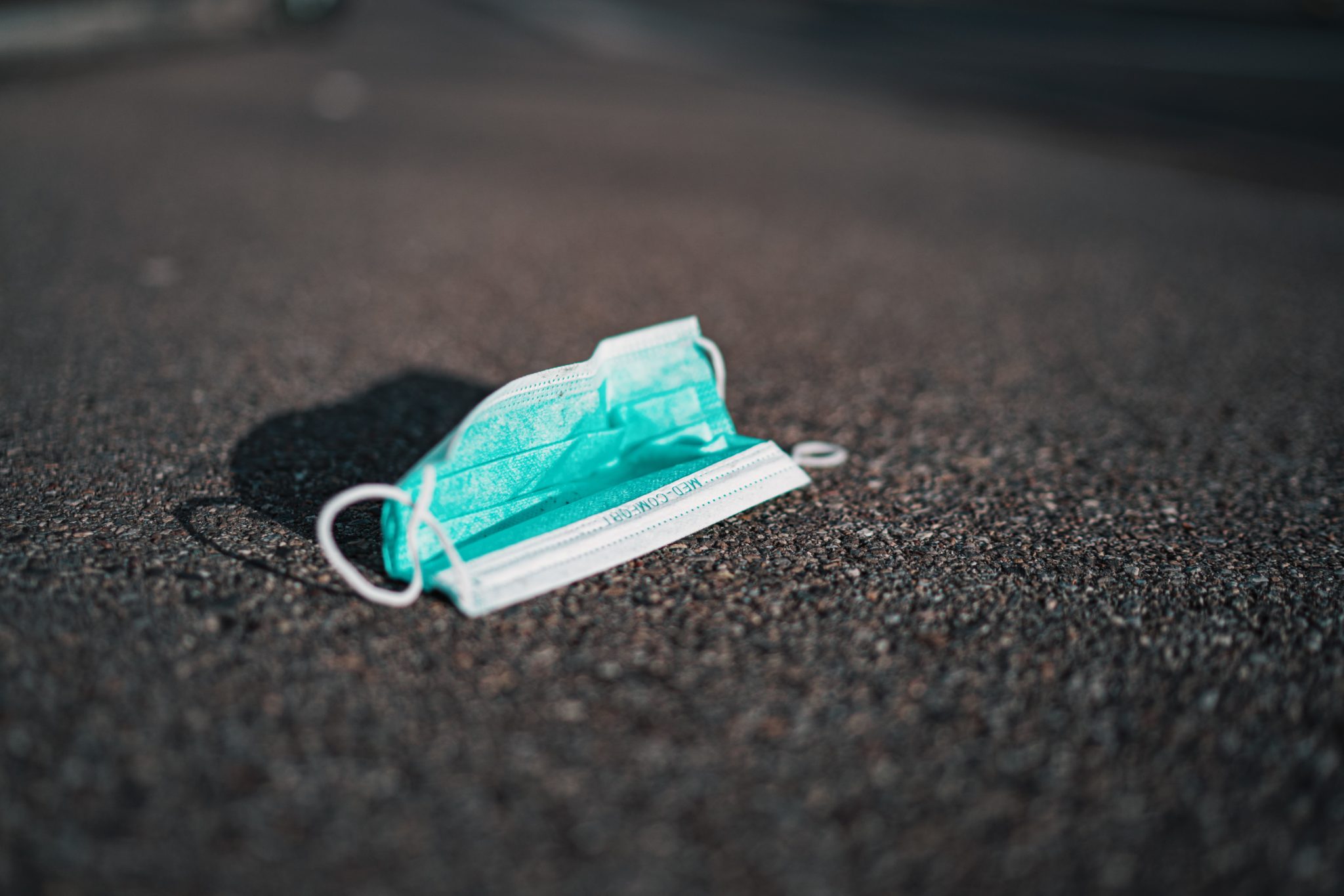
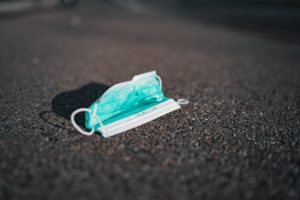
image of a blue surgical mask for coronavirus lying on the ground

common Health Goals Pre-Coronavirus

We did just get through the new years resolution hump, so if you’re like me, you probably have a few really important health and wellness goals you’re trying to keep going.

  • Eat healthier less processed food
  • Improve your relationship with food
  • Workout several times each week
  • Don’t skimp on sleep
  • Find ways to manage stress and anxiety

How to Continue Your wellness Journey While Social Distancing for Coronavirus

Being under quarantine or socially isolated does not necessarily mean you need to throw in the towel and just watch TV all day. It also doesn’t mean you need to stress eat the potato chips you stock-piled when you did your “last supper” grocery shop in a panic. Here are some ideas on how to use your social distancing time to kick off your wellness goals.

Cook More at Home
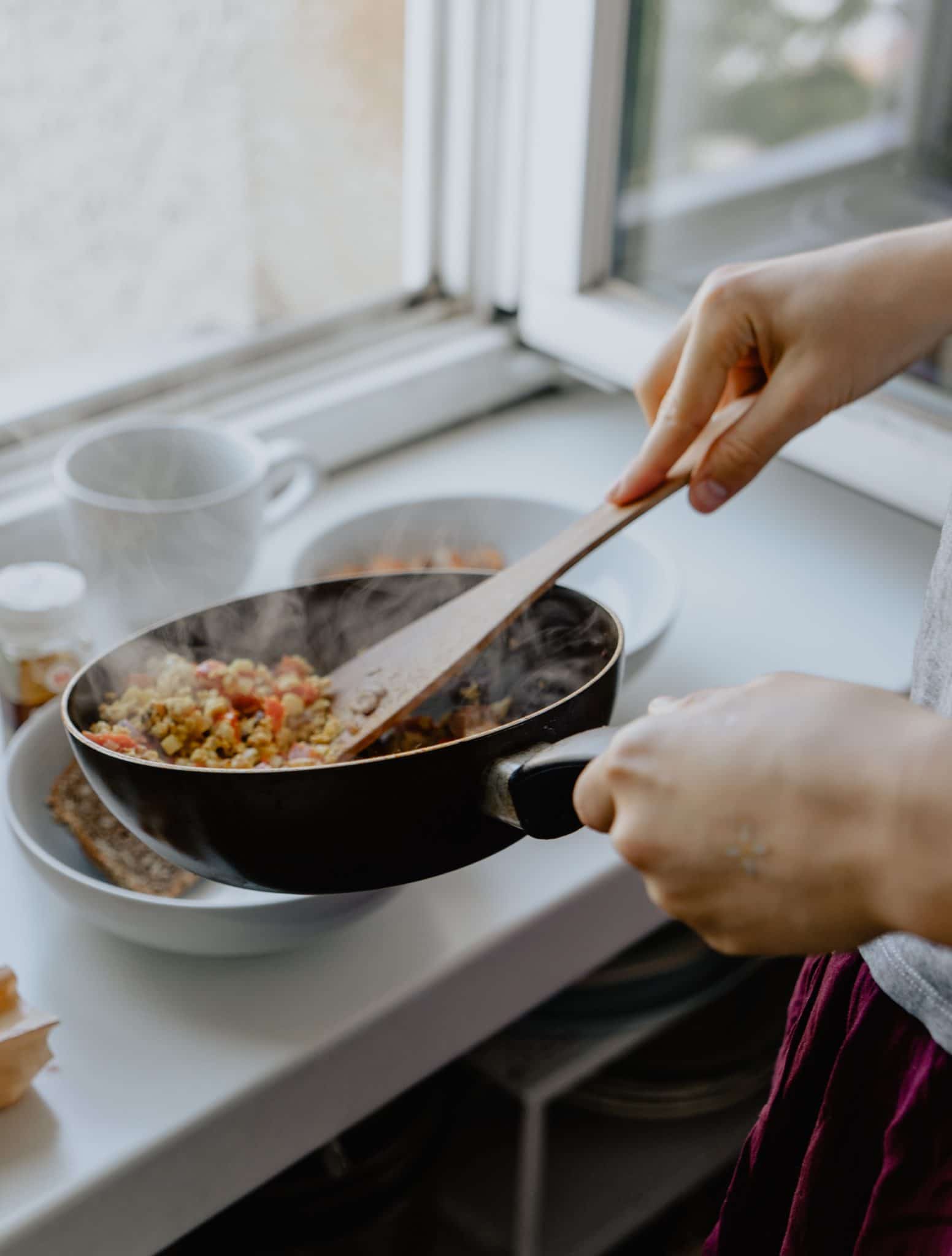
image of a home cooked meal being served into a white bowl from a black pan

If you’re practicing true social distancing or isolation, you are no longer going out for lunch with work buddies, or for dinner dates with your spouse. You might also not even be comfortable with take-out food. Not to mention, your freezer and pantry are probably SLAMMED with food just waiting to be cooked. This is an amazing opportunity! If you are home from work on a reduced schedule as many of us are, use this time to make meals from scratch as a family. It doesn’t need to be time consuming – but since you’re likely no longer getting home right at 6 PM and just starting to think about dinner when you’re starving, you have a bit more time in the day to throw something in the slow cooker or instant pot, or pull something out of the freezer to thaw. We’ve got a round up of healthy easy recipes using some of the pantry and freezer staples you’ve already stocked up on right here.

Get Ahead on Batch Prepping Healthy Recipes

If you’re like most busy adults buzzing about in the early weekday mornings, you don’t ever have time to actually prepare anything more than toast or cereal for breakfast. Take a random Tuesday morning to make protein pancakes for the week. Or do a big sheet of baked oatmeal and freeze any extras. Ditto with soups for lunch, and casseroles for dinner. I personally have been using every meal as an opportunity to make a double batch and save the extras for a rainy day. This way, when we’re out of this hell and back into the hustle and bustle of real work life, we can roll with the healthy living momentum we started.
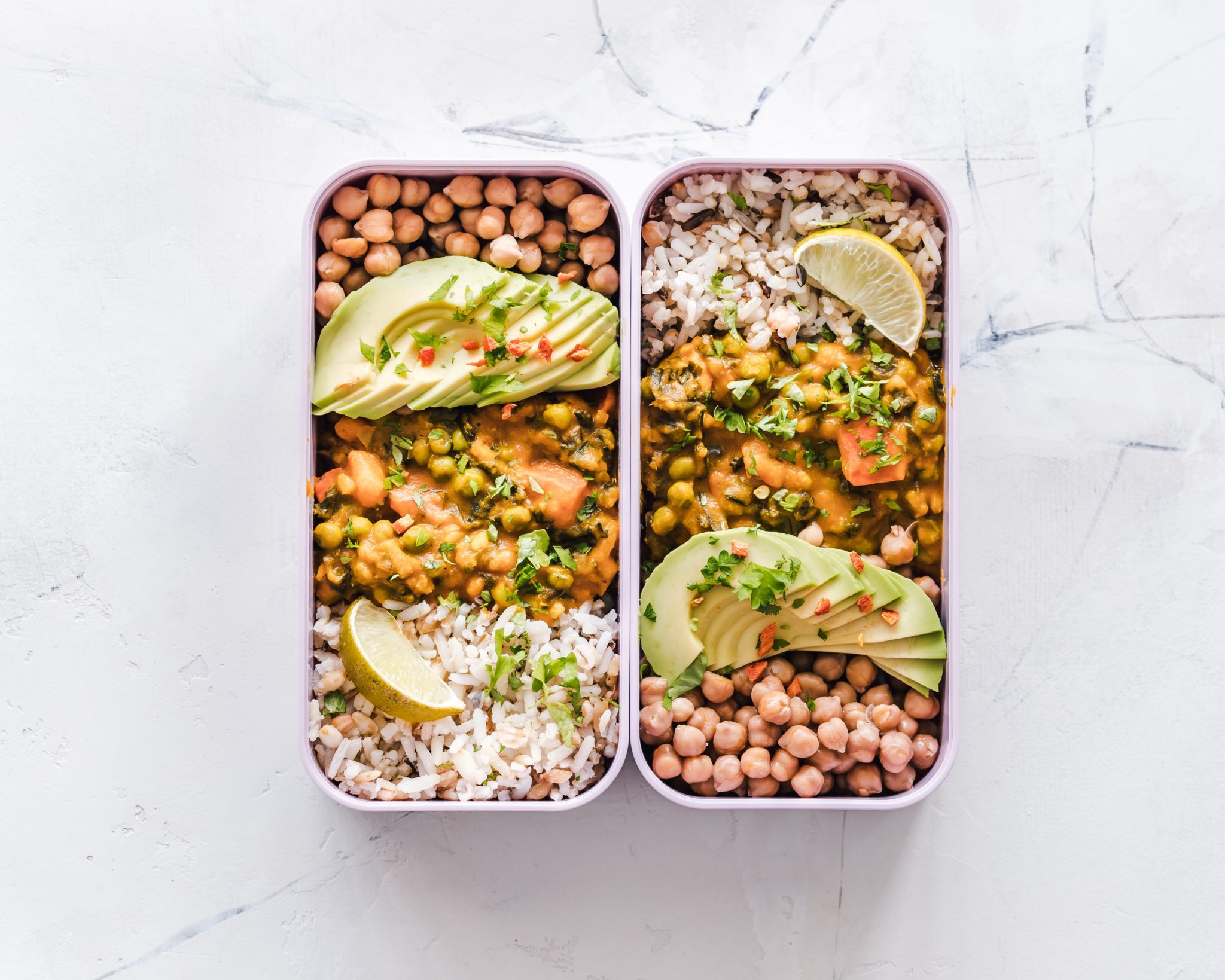
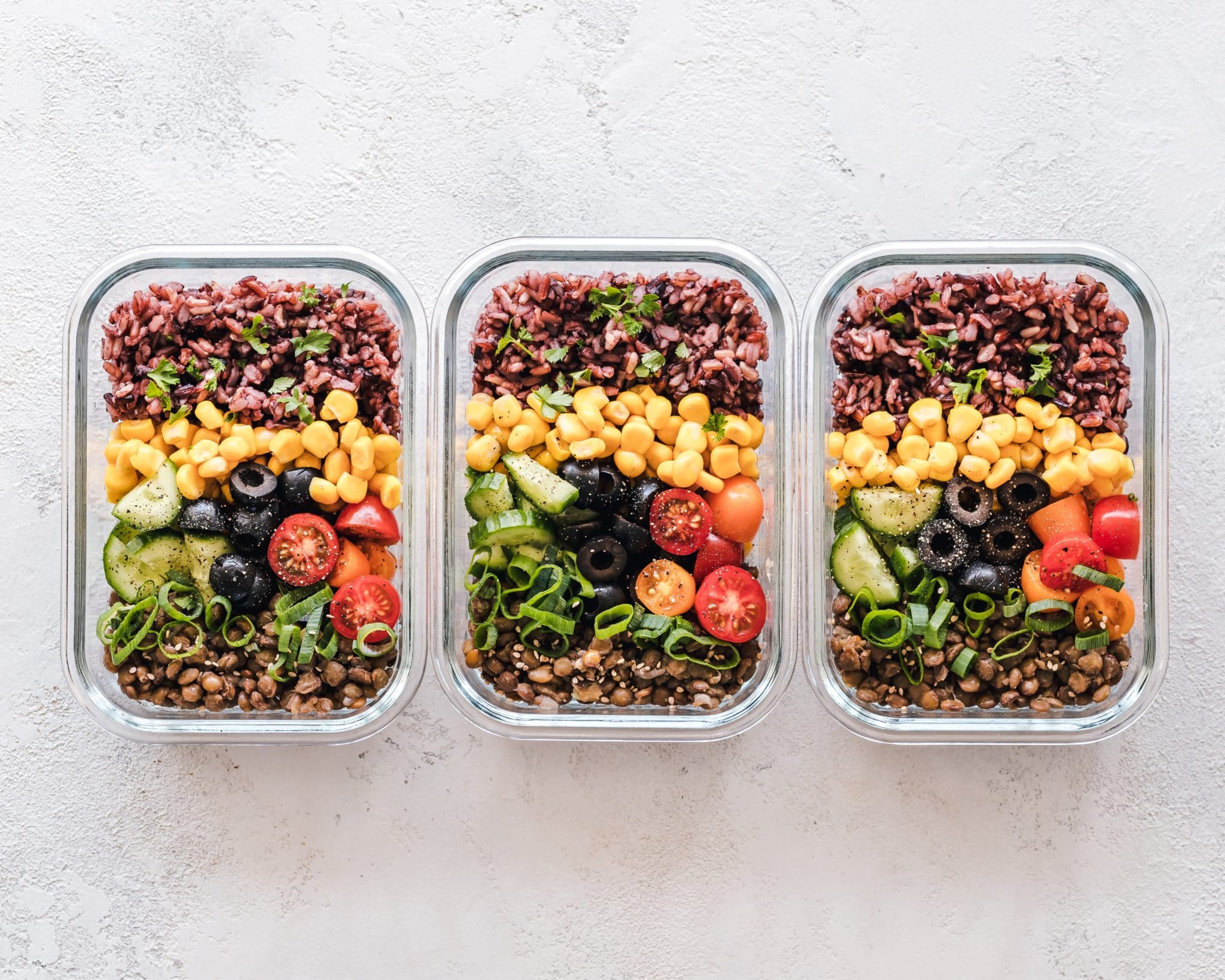
birds eye view of healthy meal prepped food in rectangular containers against a marble background

Practice Intuitive Eating

If you don’t already have the intuitive eating book, I highly suggest you check it out here and order your copy for evening reading during coronavirus. But take this time while you’re home to learn what it feels like to be able to respond to your hunger cues a little better. Often when we are busy in meetings all day, or working on someone else’s schedule, it’s easy to not hear our hunger and fullness cues when they hit. But if you’re working from home, or off work all together, and you’re setting the agenda for the day, you’ll have a greater chance of tuning in and hearing those needs.

Focus on Self Care and Sleep

image of cat sleeping under white bedsheets

As stressful as coming to terms with this whole social distancing and coronavirus thing has been, now that we’re officially here, I have finally been sleeping a lot better. I don’t know if it’s because I’m just so tired trying to parent my busy toddler all day long and write blogs or record videos in my short 2 hour nap window every day, but by the time 8:30 PM rolls along, I literally pass out. For someone like me with insomnia, it’s truly a beautiful thing. But use this time at home to really recalibrate your sleeping habits. If you’re used to staying out late for business dinners and then getting up early the next day to hit the gym before work, know that that’s not the reality now. You can use this time to get your body used to a more reasonable sleeping hour and wake-up routine. Trust me, we need our immune systems working in tip top shape and skimping on sleep is no way to build them up.

Read a Book

Like I said about Intuitive Eating, now is the time to pick up those books you got at Christmas that you’ve not had a chance to open up. And if you don’t have anything read-worthy at home, check out a few reviews and order a couple good ones on Amazon. You can check out my whole amazon affiliate link for other books on improving your relationship with food here.

Virtual Training Sessions
image of a clear glass filled with water and a green leaf next to a laptop on a white desk

This was an idea my husband and I had once we decided that I would no longer be seeing anyone – including my personal trainer. If you have access to a few free weights, a mat or bench, and maybe a few work-out bands, you’re in really good shape to workout with your trainer virtually at home. Simply give them a call on Skype or Facetime on your phone, iPad or computer, and set it up in a space where you can see them and interact just as you would in real life. I actually also have an Apple TV so I am able to put my trainer up on the big screen and interact with them that way. Speak to your trainer about their flexibility on that. It’s a nice way of keeping them afloat when they’re likely also working as freelancers and out of work if people are socially isolated or quarantined.

Virtual Group Workouts

Here’s a fun idea I just had! Gather up your gym buddies and create a private workout Facebook group. Then every other day, assign one person to come up with a no equipment needed workout and they have to “Facebook Live” the moves and instructions while everyone follows along in their home. You get the motivation AND some inspiration for what to do to keep your body moving!

YouTube Home Workouts

There are so many incredible home workouts that you can find on YouTube that you can do even without much equipment in your home. Here are some of my favourites:

  • Pamela Reif 20 min
  • SELF
  • POPSUGAR Fitness Barre
  • Fraser Wilson 10 minute
  • Whitney Simmons Full Body

Go for Daily Walks or Bike Rides
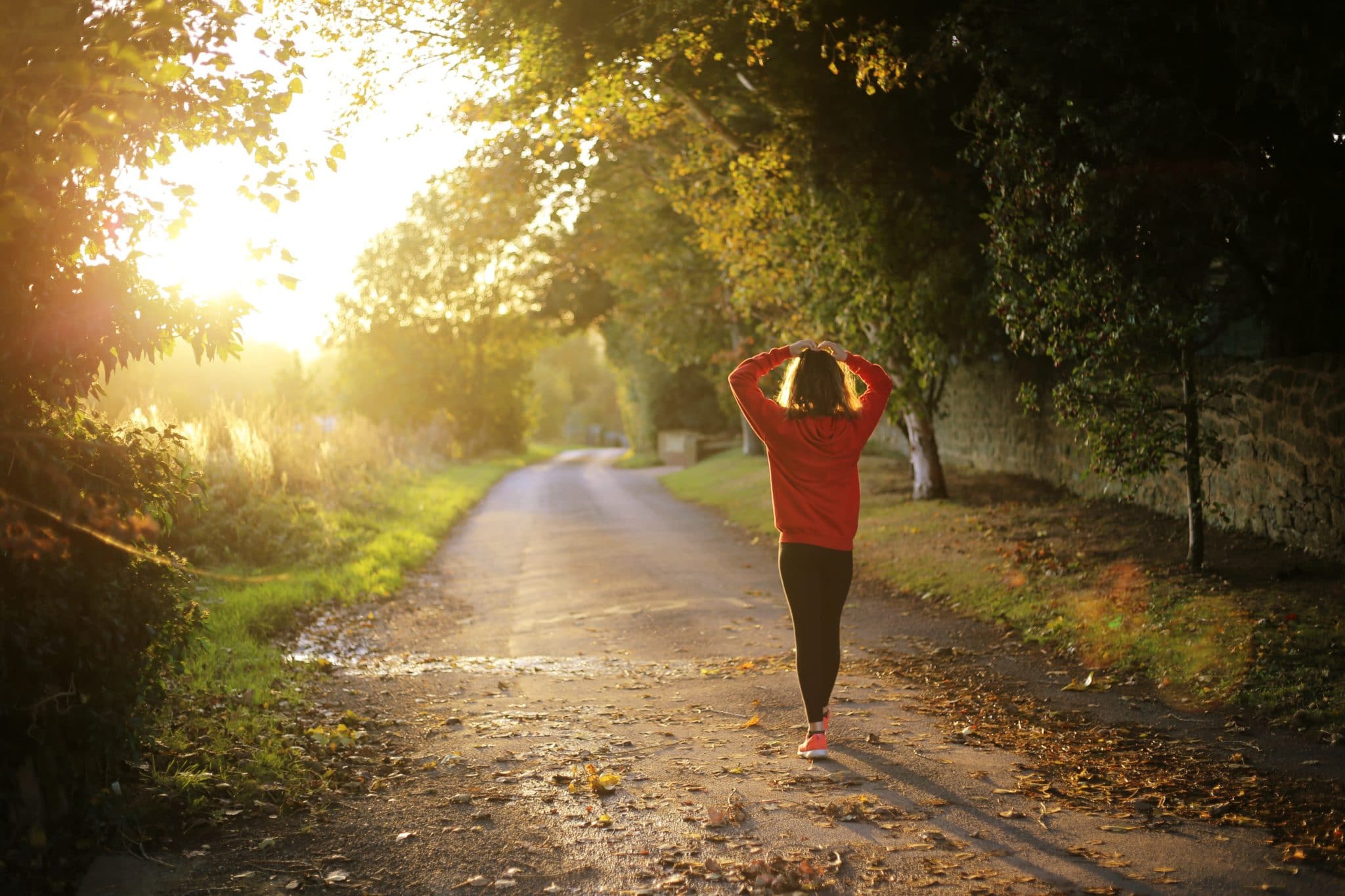
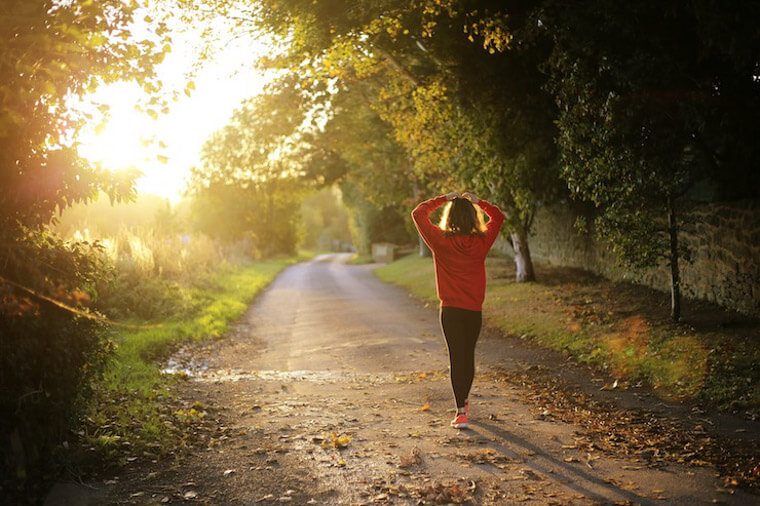
woman in orange sweatshirt walking in nature

Social distancing may mean staying away from the gym but it doesn’t stop us from going out and enjoying this Spring weather. I’m so grateful this hit North America when our weather started to get a little more mild so build it into your day to go for a long walk around your neighbourhood or bike along a path. Remember, it’s best to avoid any high traffic areas so you can maintain at least 6 feet between yourself and anyone else, but since no one is going to work even busy streets are pretty quiet right now.

Meditate and Stretch Daily

The experience of social isolation is emotionally draining, and the anxiety of someone we care about getting sick (or already being sick) is terrifying. So that’s why this may be a good time to start a meditation routine. It doesn’t need to be anything complicated or long. But even a 5-10 minute meditation can start or end your day calmly. You can find awesome meditations on Spotify, YouTube or on apps like Calm so just do a quick search and start with something manageable.
abbey in a pink sports bra and black workout pants taking a sip of water from white water bottle

Now I would love to hear from all of you about what you’re doing to maintain sanity and your healthy goals while social distancing or quarantined due to Covid-19? Leave me a comment below and let’s share some inspiration!

pinterest image of medical mask on the bottom and image of woman in orange sweatshirt going for a walk in nature with text overlay


Abbey Sharp

Abbey Sharp is a Registered Dietitian (RD), regulated by the Ontario College of Dietitians. She is a mom, YouTuber, Blogger, award winning cookbook author, media coach specializing in food and nutrition influencers, and a frequent contributor to national publications like Healthline and on national broadcast TV shows.
www.abbeyskitchen.com/about-abbey/

Last Updated August 30, 2022. Published March 18, 2020 By Abbey Sharp Leave a Comment

Easy Recipes with Pantry & Freezer Staples for Coronavirus Isolation

We put together a comprehensive list of easy recipes with pantry & freezer staples for you to prepare while in self-isolation amidst the COVID-19 Coronavirus pandemic. Stay safe everyone!

If you are anything like me and my fam (and an increasing percentage of the population right now) you are in full social-isolation mode with a stocked pantry and freezer full of the essentials. You might be avoiding restaurants and take-out and therefore need to think about breakfast, lunch and dinner every day. If you are unsure of where to start with all this, you’re not alone.

THE best Easy Recipes using Pantry & Freezer Staples

To help you out and to ease some anxieties, we rounded up a comprehensive list of some of our favourite EASY recipes using pantry and freezer staples from our blog and favourite food bloggers to help you get through this time of uncertainty. These recipes are super simple and very easy to modify with whatever protein, grain, veggie (fresh, frozen, or canned) or store-bought sauce that you have on hand. Happy cooking and stay safe!

RECIPES WITH BEANS, LENTILS, AND PULSES

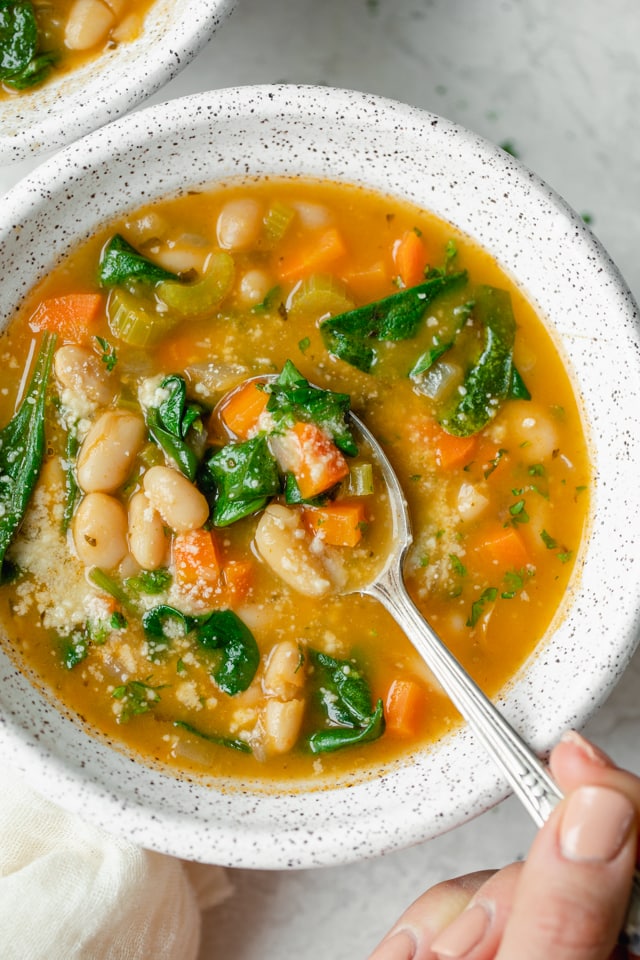
WHITE BEAN SOUP – FEEL GOOD FOODIE

white bean soup with spinach and carrot

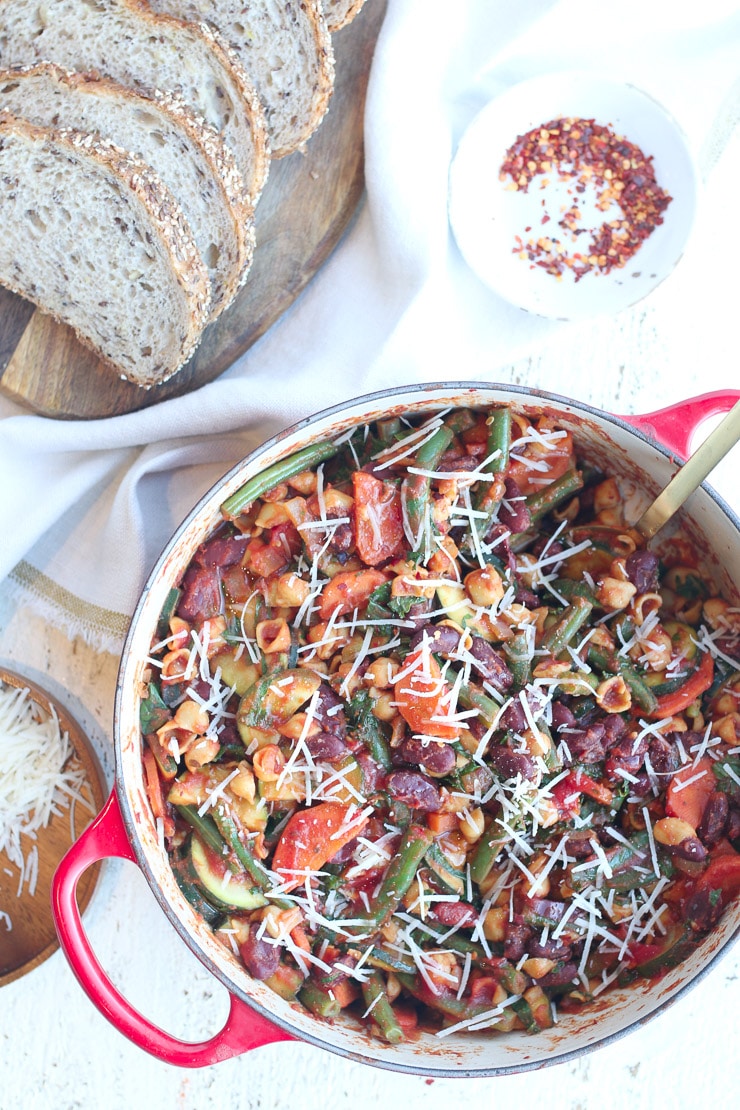
MINESTRONE PASTA – ABBEY’S KITCHEN 

skillet minestrone pasta in a red pot with chili flakes and bread in the background

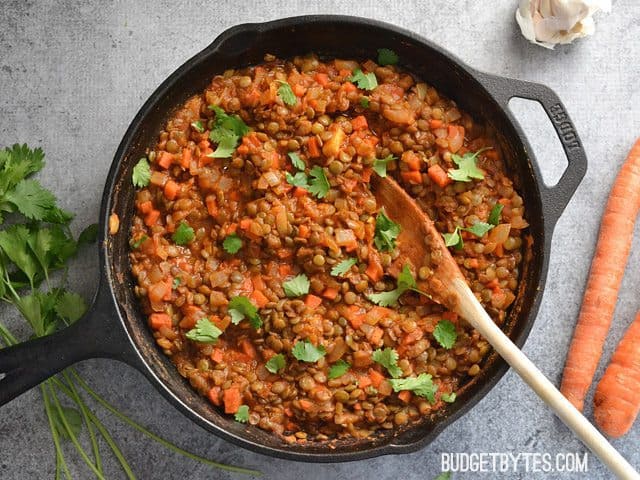
CURRIED LENTILS – BUDGET BYTES

birds eye view of a large black pot containing curried lentils garnished with fresh herbs

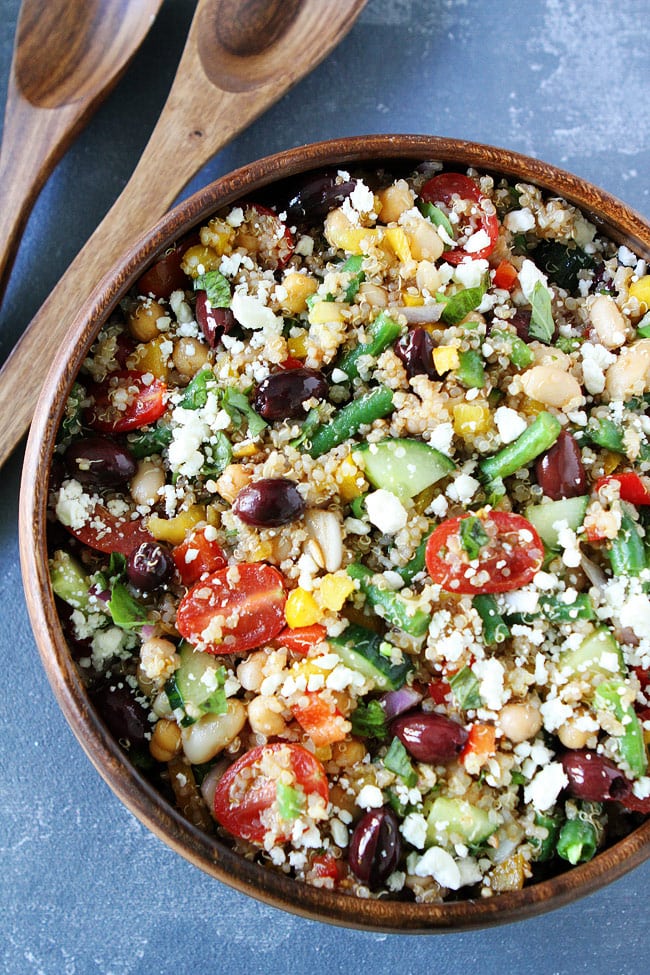
MEDITERRANEAN THREE BEAN QUINOA SALAD – TWO PEAS AND THEIR POD

close up of a wooden bowl containing three bean mediterranean quinoa salad garnished with crumbled cheese next to two wooden serving utensils

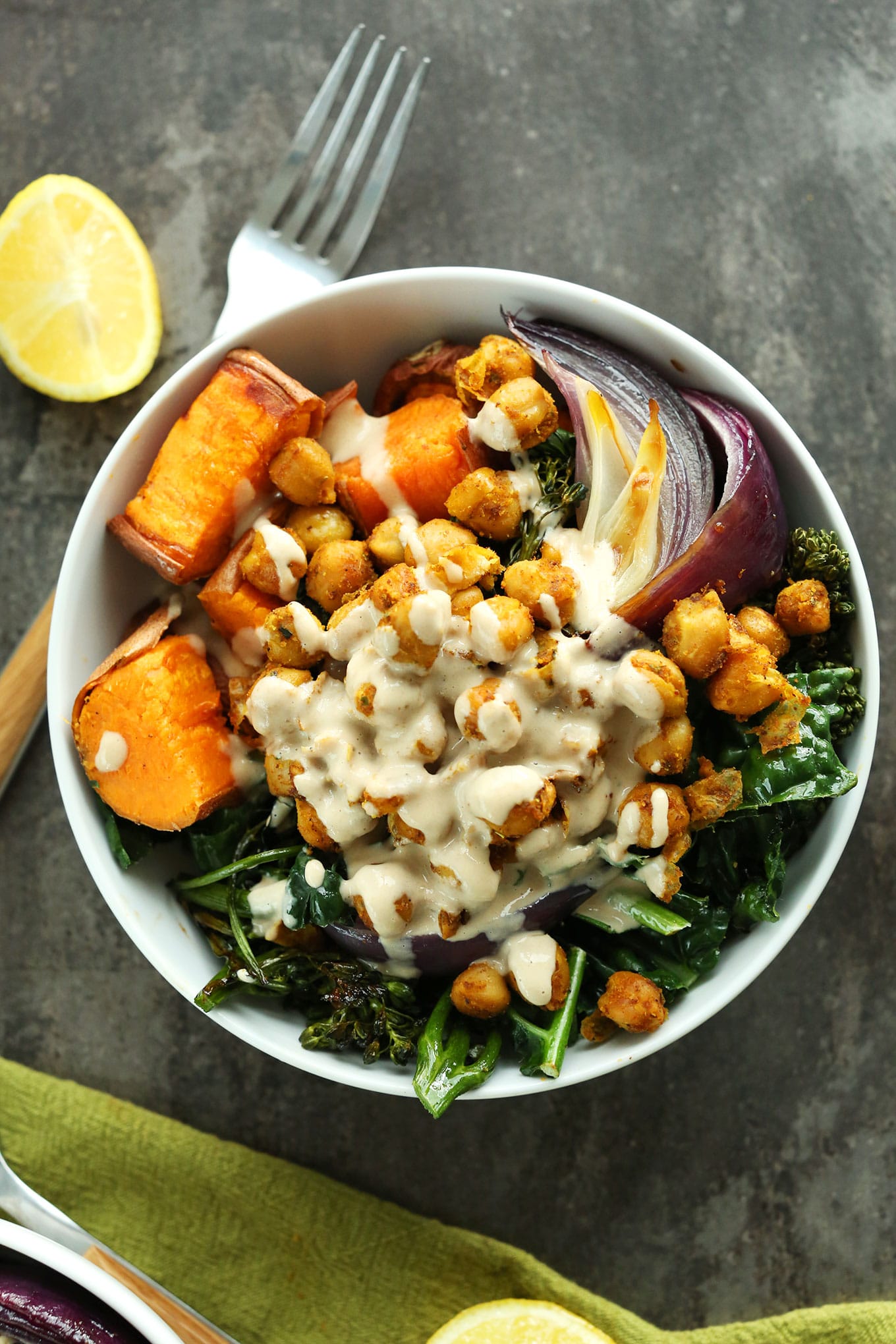
SWEET POTATO CHICKPEA BUDDHA BOWL – MINIMALIST BAKER

birds eye view of sweet potato chickpea buddha bowl garnished with tahini served with a silver fork and a fresh lemon wedge

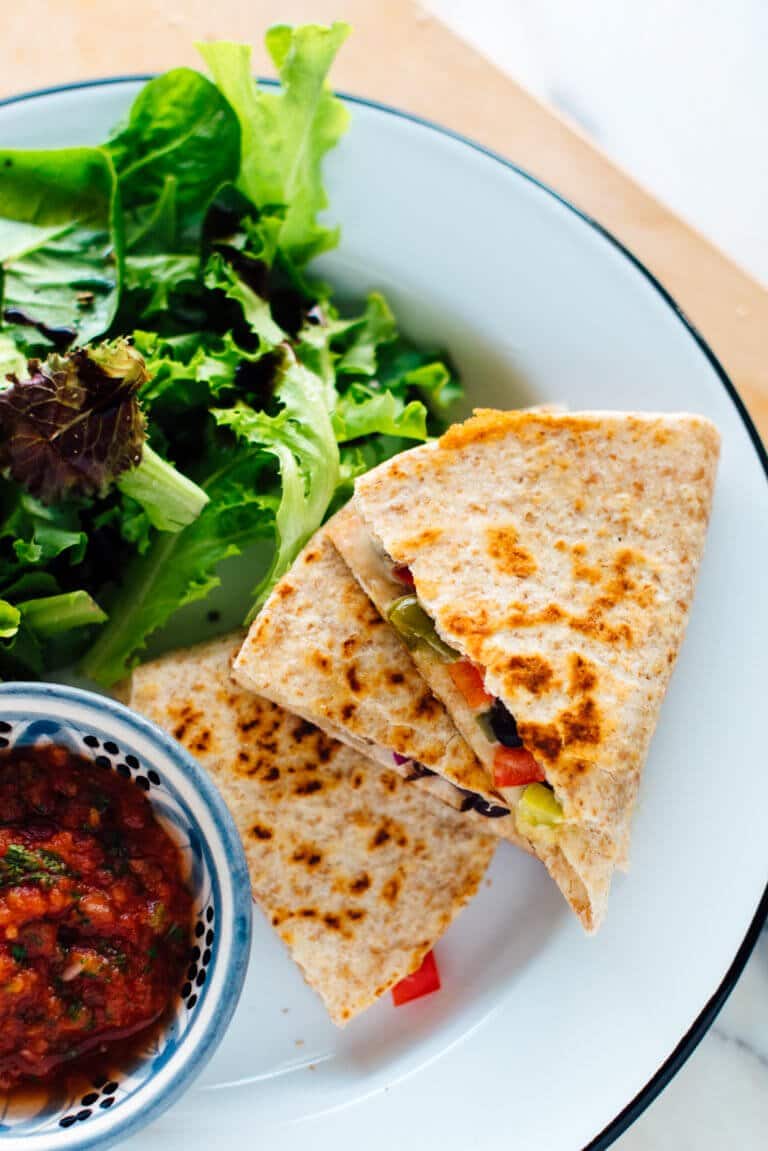
QUICK QUESADILLA RECIPE – COOKIE AND KATE

birds eye view of quick pantry staple quesadilla recipe served with greens and a small bowl containing salsa on a white plate


RECIPES WITH PASTA, RICE AND GRAINS

BUFFALO CAULIFLOWER PASTA SALAD – ABBEY’S KITCHENbuffalo pasta with cauliflower drizzled with ranch sauce
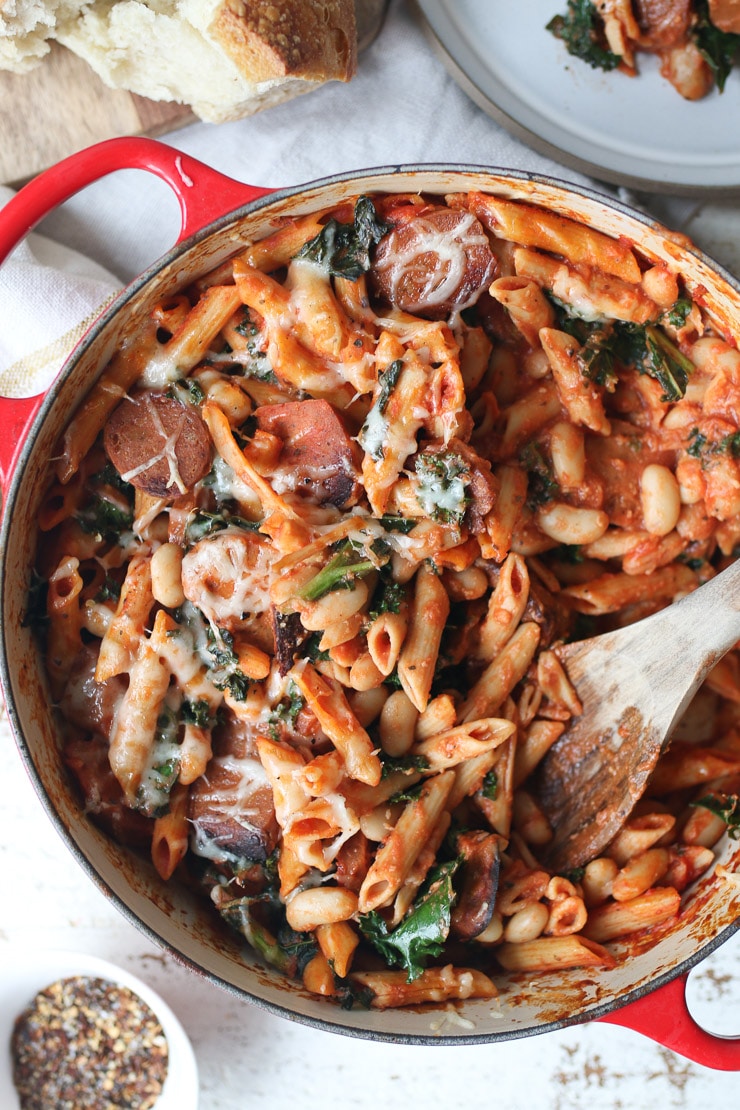
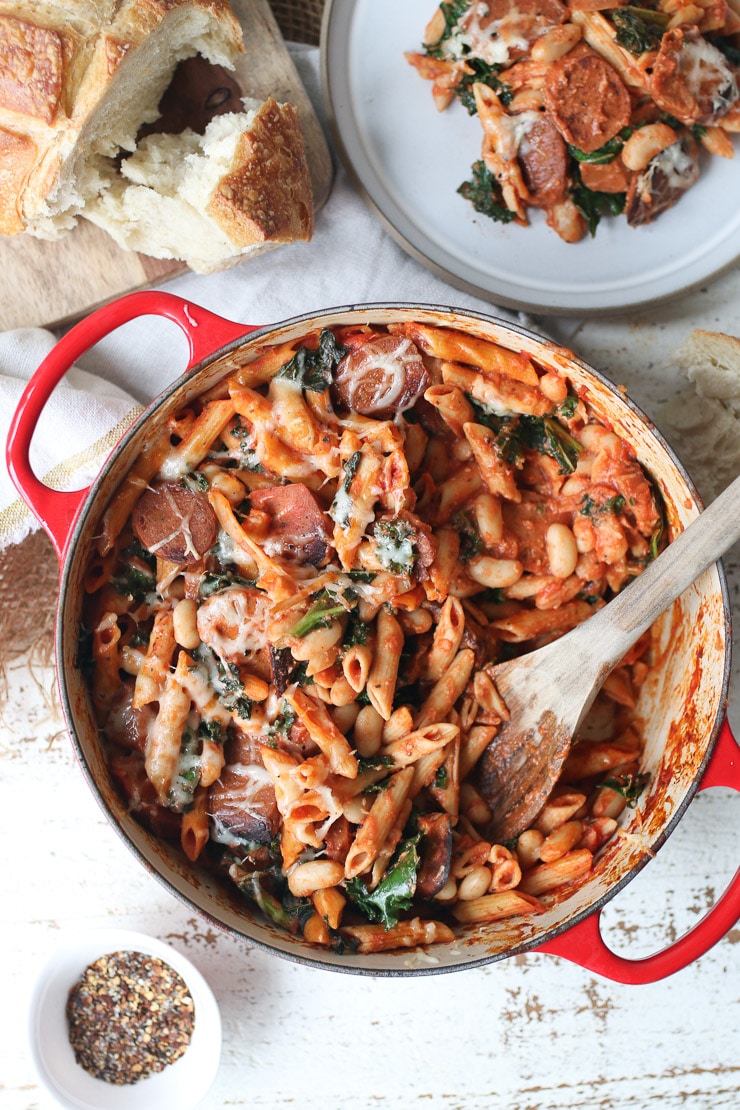
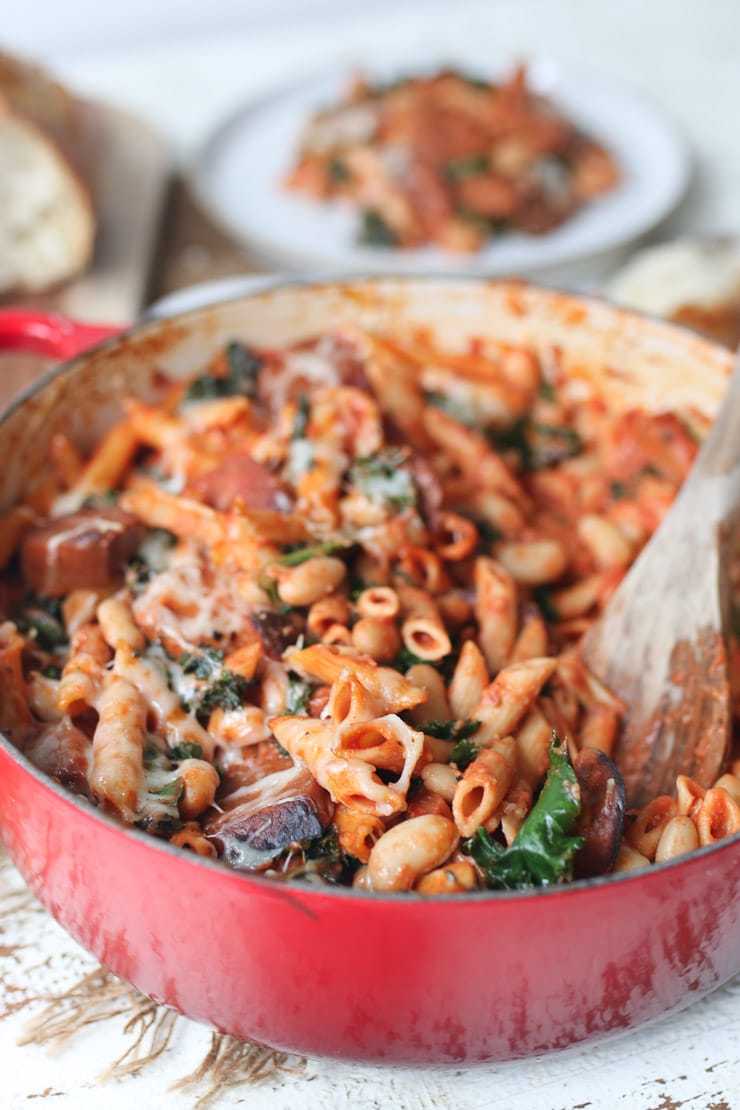
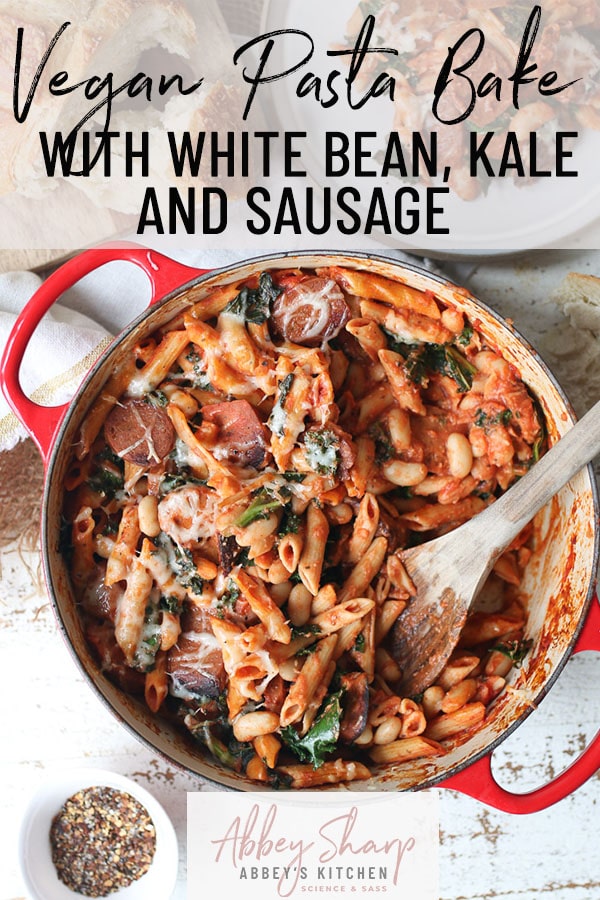
VEGAN PASTA BAKE WITH WHITE BEANS & KALE – ABBEY’S KITCHEN

birds eye view of vegan pasta bake with beans and kale in a large red pot with a wooden stirring spoon inside

QUICK AND EASY PASTA SALAD RECIPE – PINCH OF YUM
birds eye view of pantry staple quick and easy pasta salad served in a white bowl with wooden serving spoons
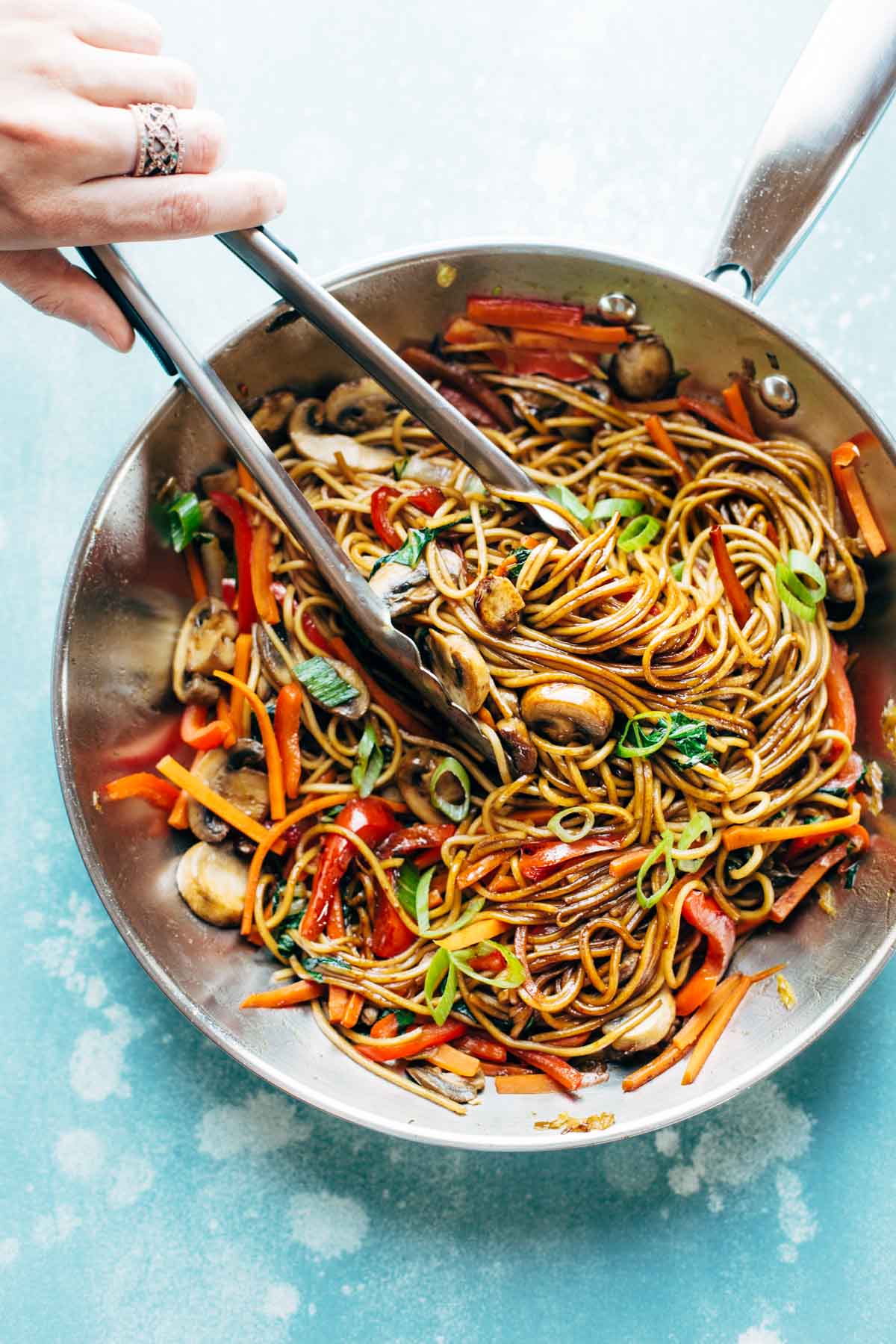
15 MINUTE LO MEIN – PINCH OF YUM

birds eye view of a large silver cooking pan containing fifteen minute lo mein using beans and pulses with tongs inside stirring the noodles

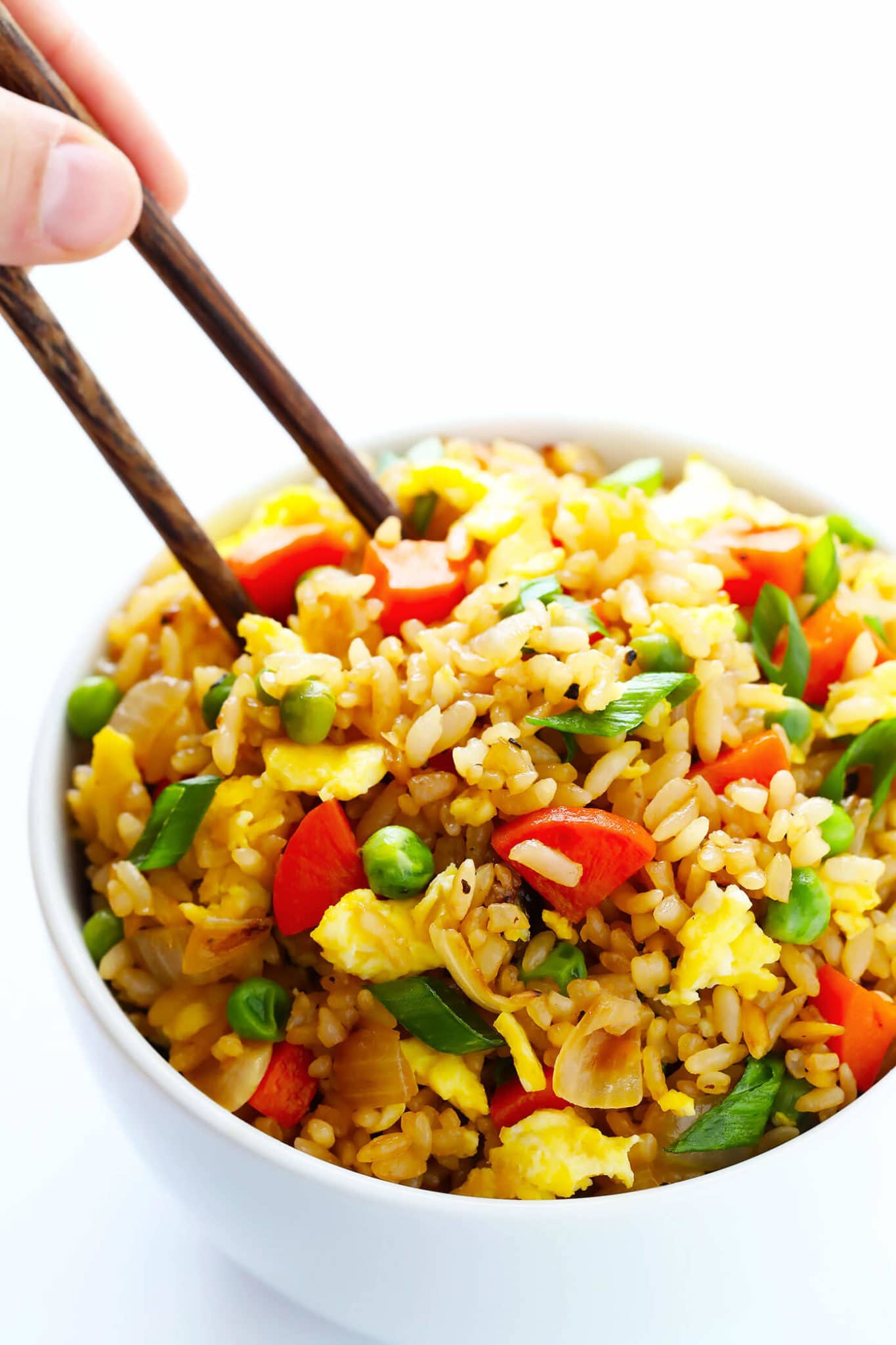
THE BEST FRIED RICE – GIMME SOME OVEN

close up of pantry staple fried rice garnished with green onions served in a white bowl with brown chopsticks

RECIPES WITH CANNED OR FROZEN VEGETABLES

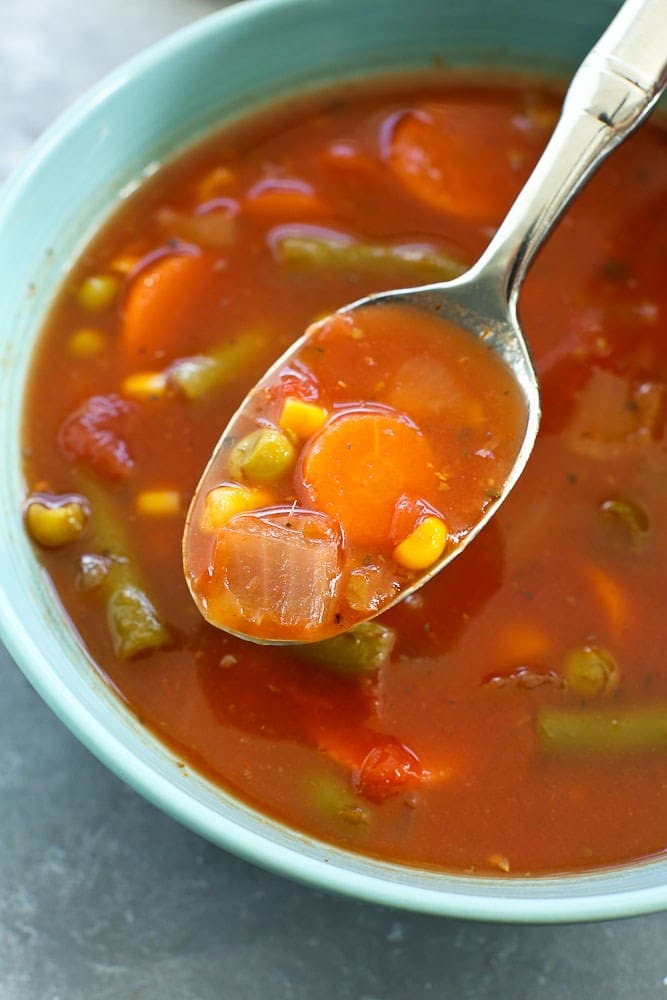
15-MINUTE VEGETABLE SOUP – HAPPY HEALTHY MAMA

close up of a spoon taking a spoonful of pantry staple friendly 15 minute vegetable soup with canned and frozen vegetables

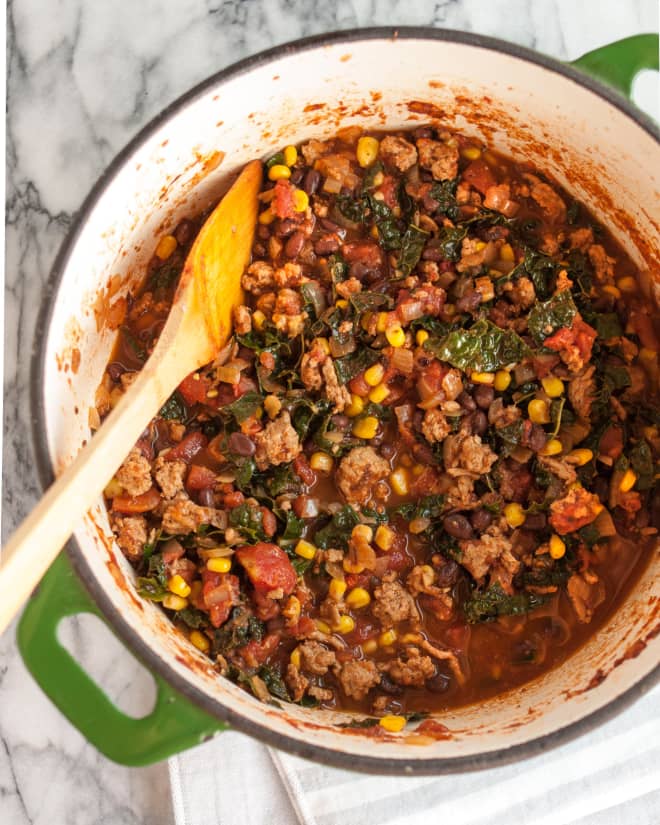
EASY TURKEY CHILI WITH KALE – THE KITCHN

birds eye view of a large green pot filled with easy turkey and kale chilli with a wooden stirring spoon

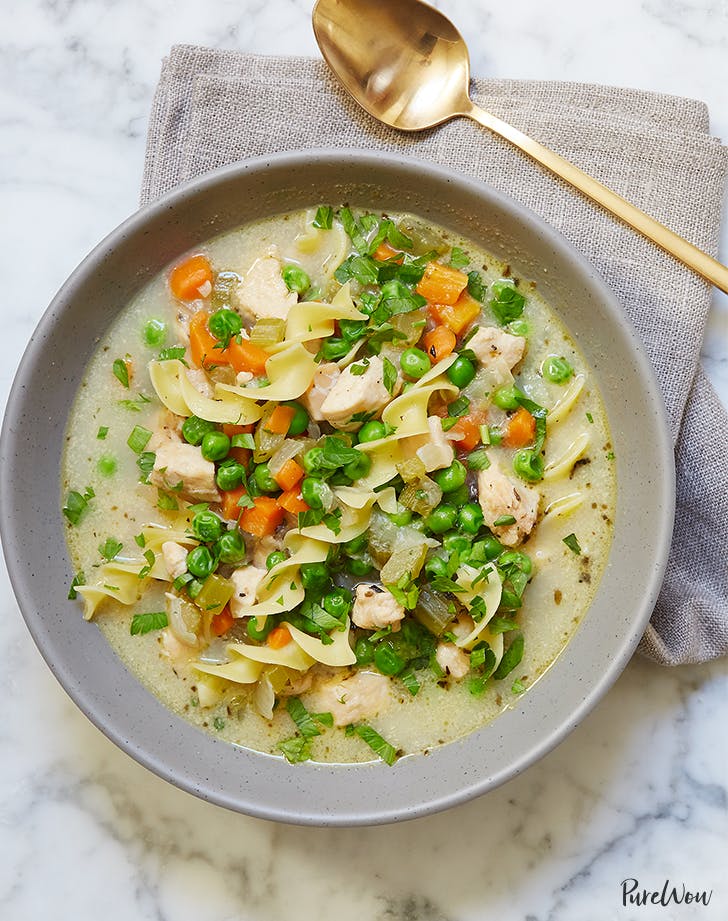
SLOW COOKER CHICKEN NOODLE SOUP – PURE WOW

birds eye view of slow cooker chicken noodle soup in a grey bowl garnished with fresh herbs next to a rose gold spoon for social isolation

RECIPES WITH FROZEN MEATS

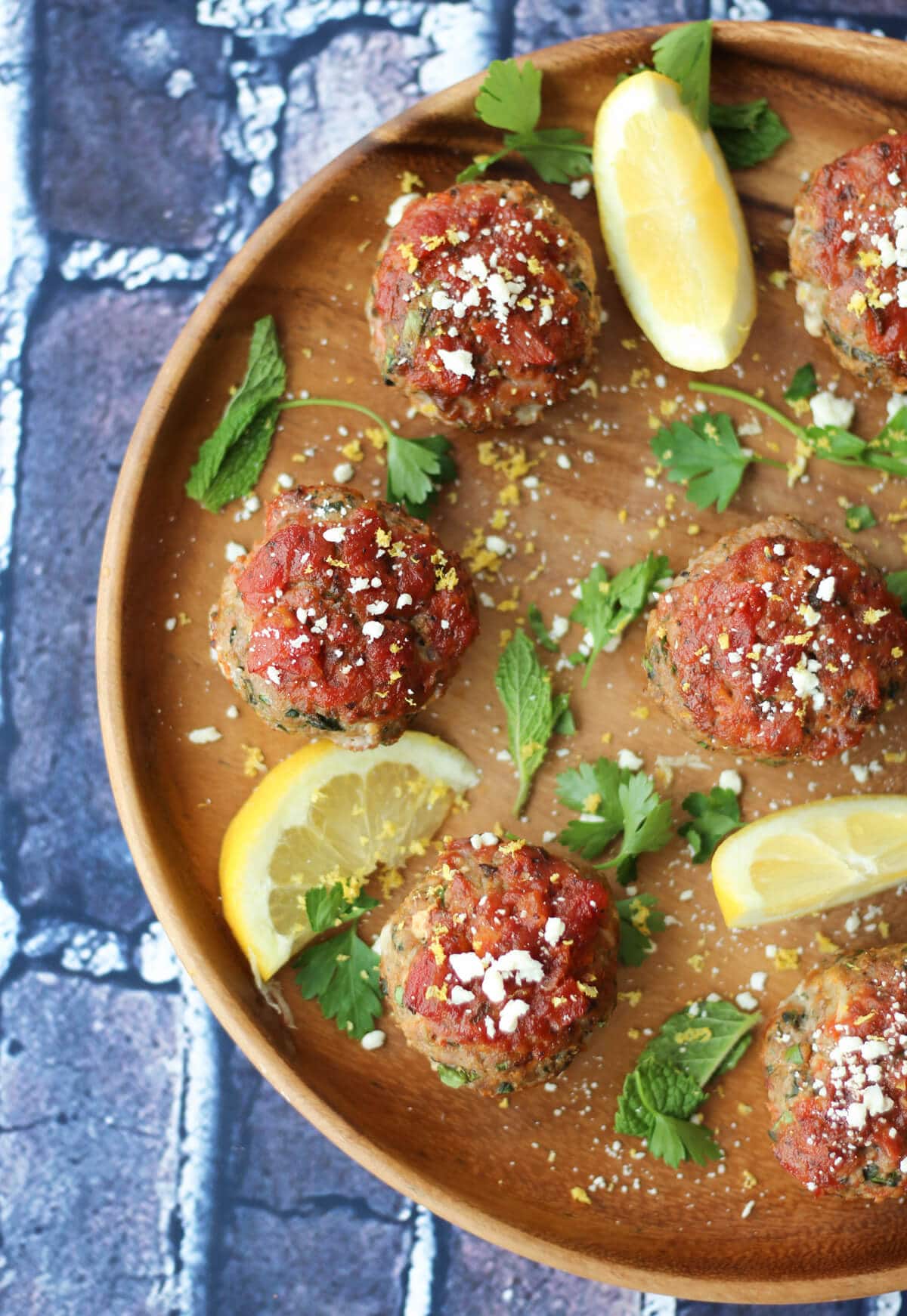
GREEK MEATLOAF MUFFINS – ABBEY’S KITCHEN

mini meatloaf muffins on a wooden plate garnished with lemon and parsley

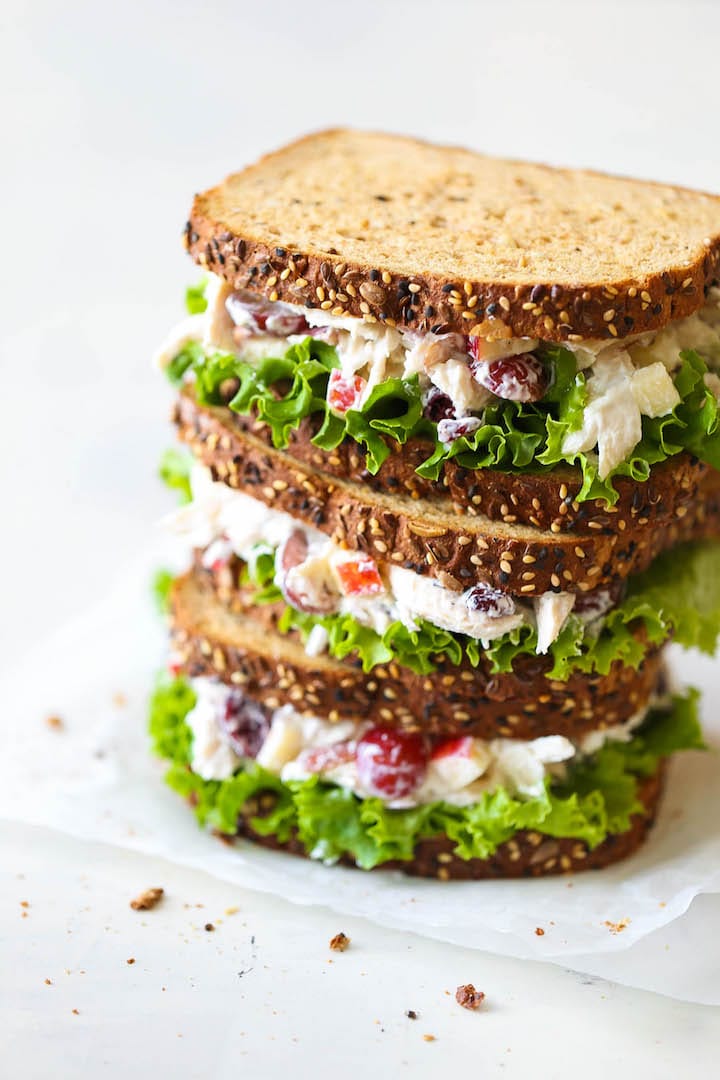
CHICKEN SALAD SANDWICH – DAMN DELICIOUS

close up of two chicken salad sandwiches on brown bread stacked on top of one another on a white counter top

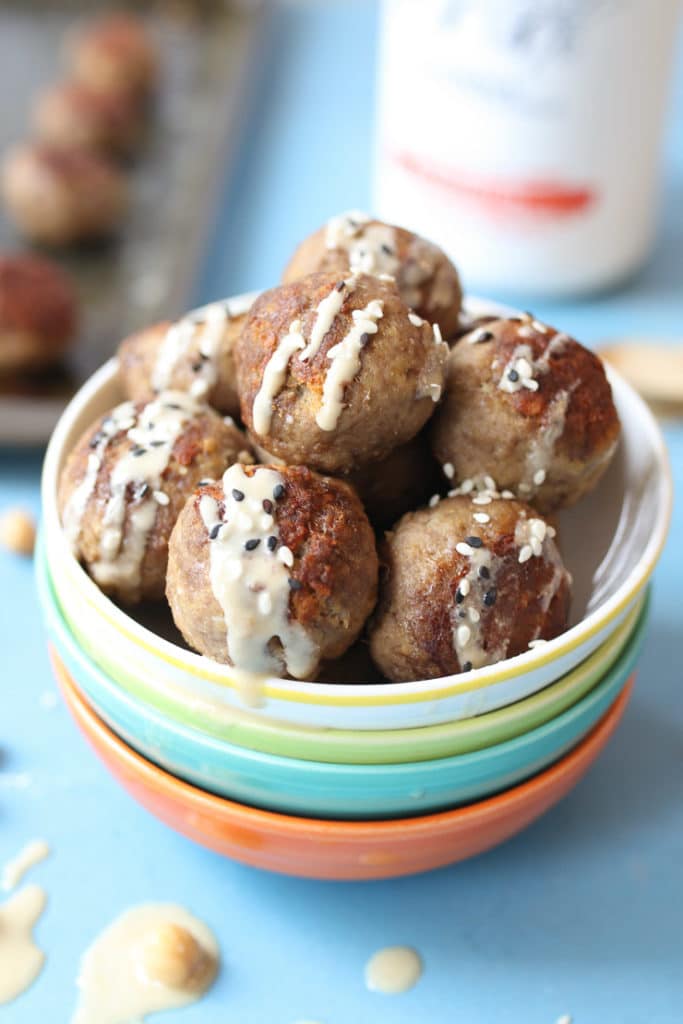
EASY HOMEMADE MEATBALLS – THE SPRUCE EATS

hummus meatballs in stacked colourful bowls drizzled with hummus

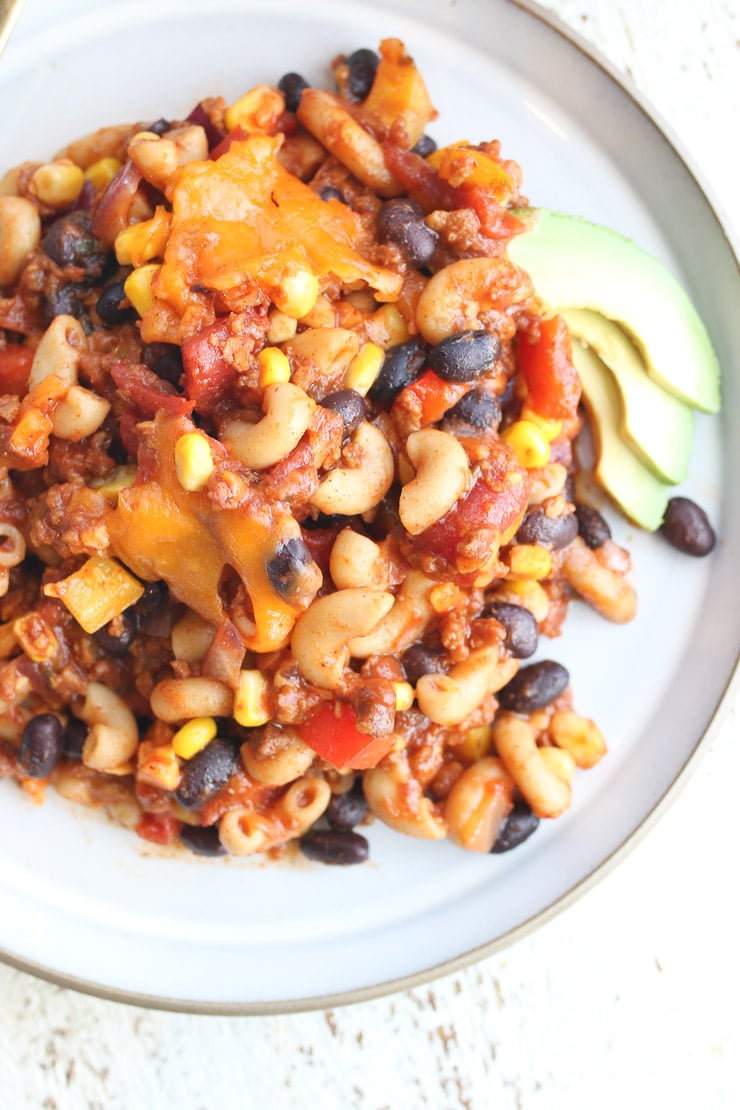
TACO CASSEROLE (CAN SUBSTITUTE VEGGIE MEAT FOR GROUND MEAT) – ABBEY’S KITCHEN

close up of vegan optional pantry staple taco casserole on a blue plate garnished with avocado slices on the side

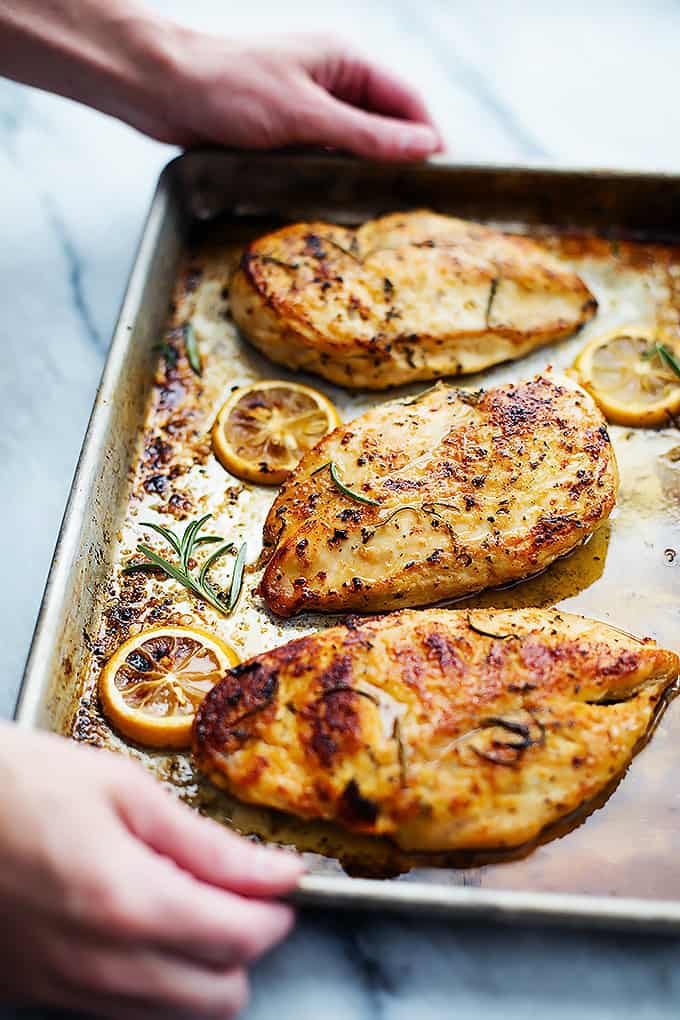
BAKED LEMON CHICKEN – LE CREME DE LA CRUMB

full shot of baked lemon chicken on a sheet pan garnished with fresh herbs

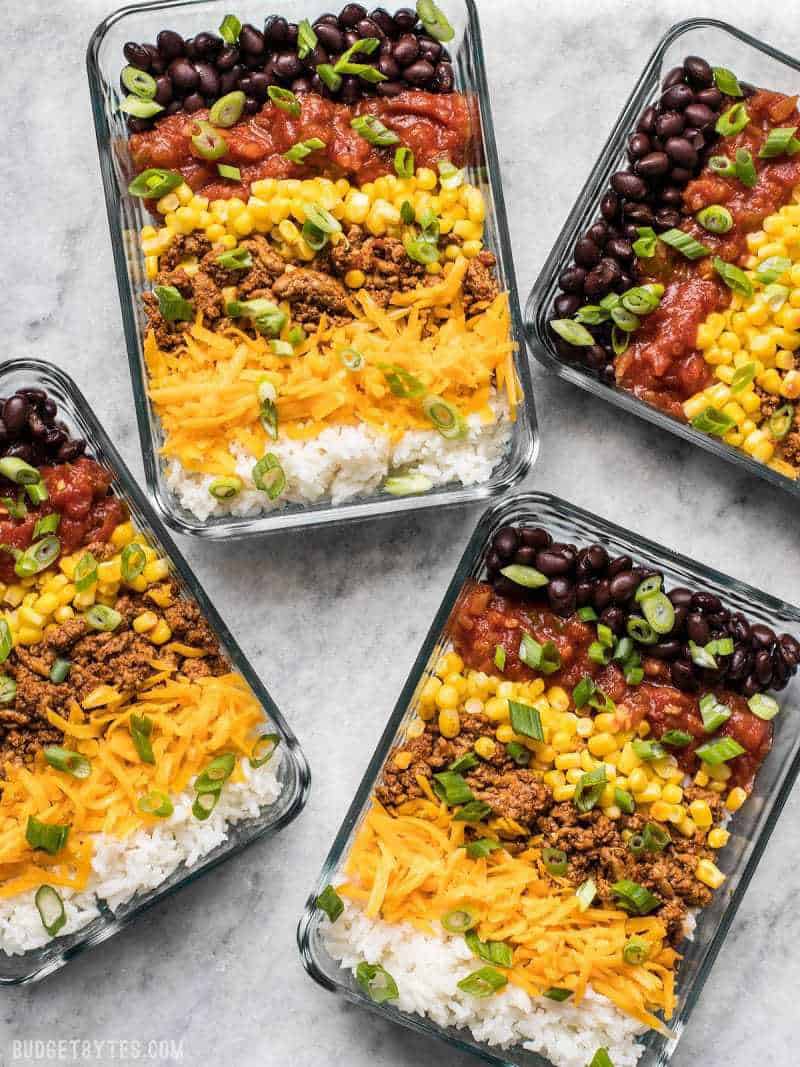
BURRITO BOWLS – BUDGET BYTES

birds eye view of four pantry staple burrito bowls garnished with green onions


RECIPES WITH CANNED TUNA OR SALMON

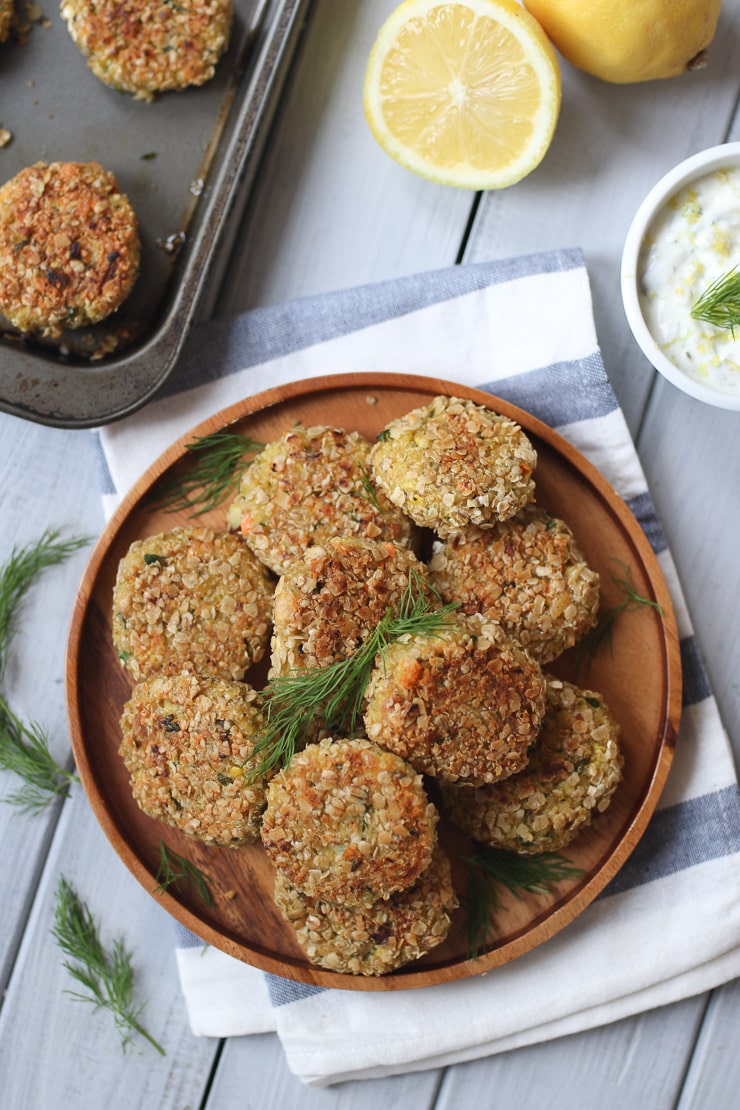
QUINOA FISH CAKES – ABBEY’S KITCHEN 

birds eye view multiple quinoa fish cakes garnished with fresh herbs on a wooden plate on a striped towel

AVOCADO TUNA MELT – ABBEY’S KITCHEN

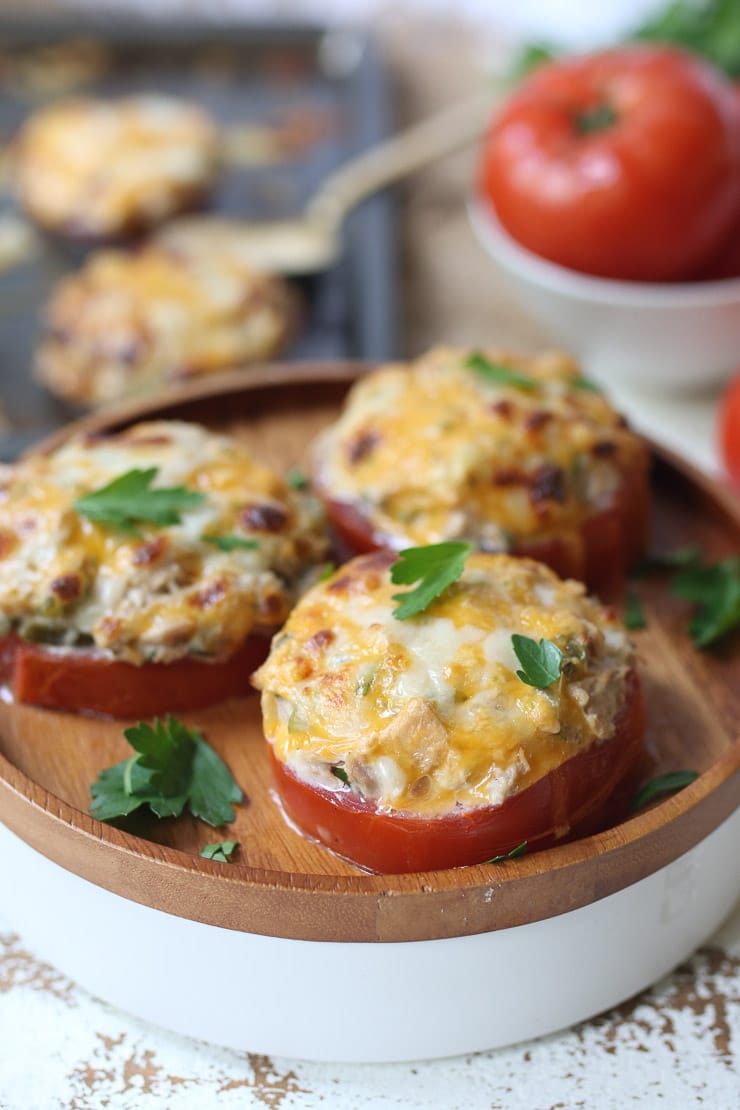
close up of three avocado tuna melts for social isolation garnished with fresh herbs served on a wooden plate

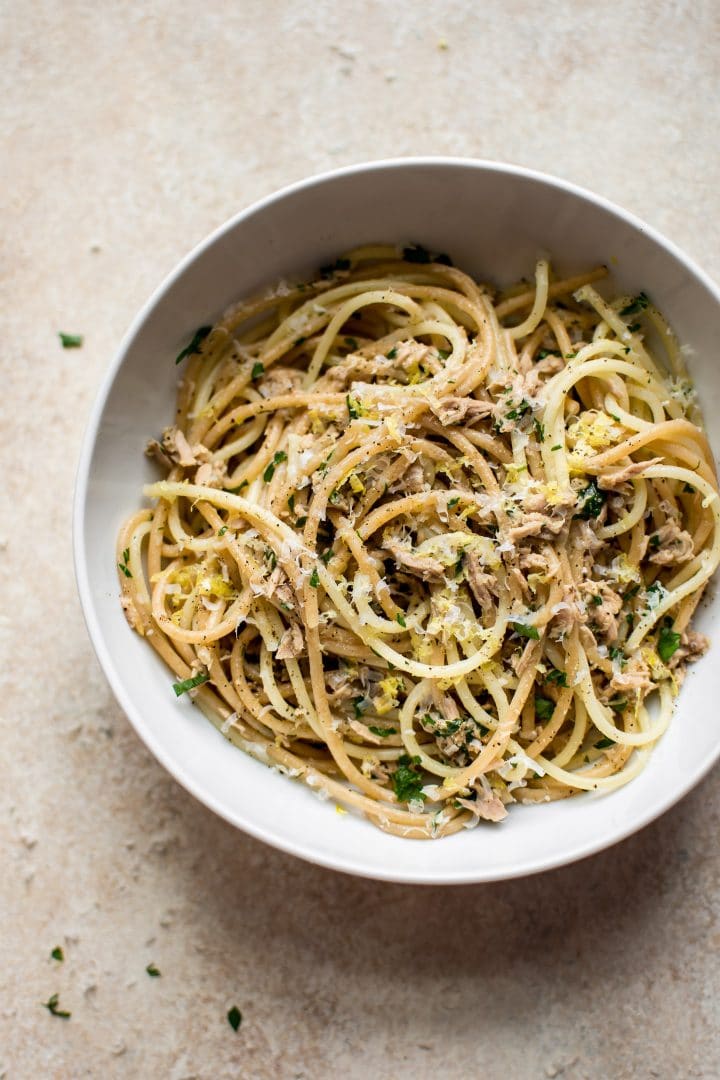
EASY CANNED TUNA PASTA – SALT AND LAVENDER

birds eye view of easy pantry staple canned tuna pasta served in a white bowl garnished with fresh herbs and cheese

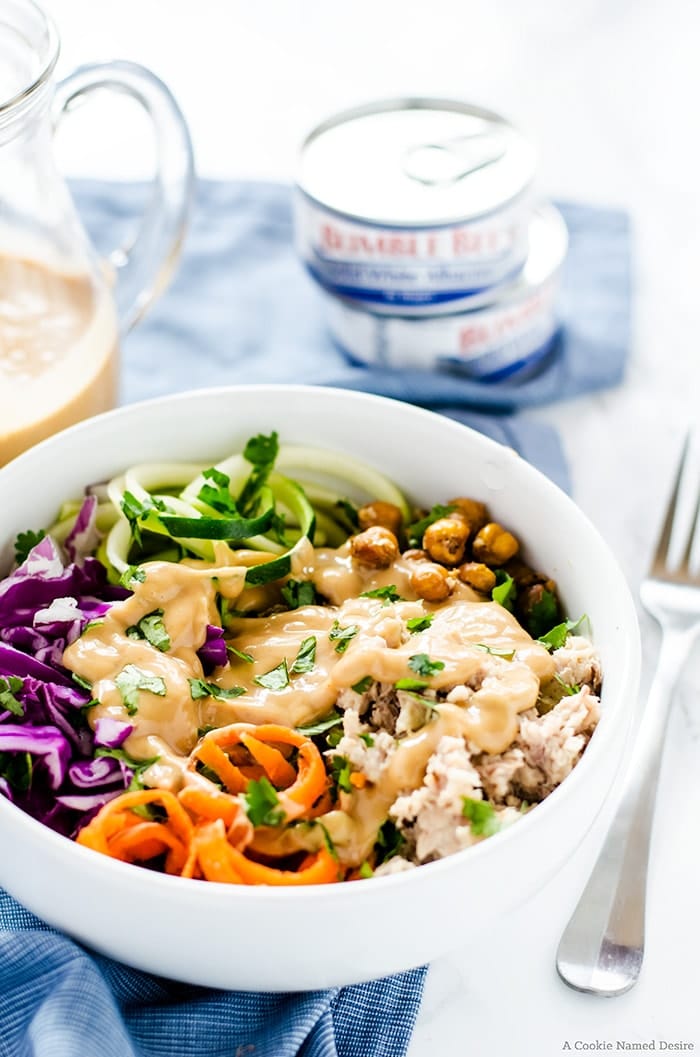
THAI TUNA POWER BOWL – COOKIE NAMED DESIRE

close up of thai tuna power bowl garnished with fresh herbs served in a white bowl with cans of tuna in the background

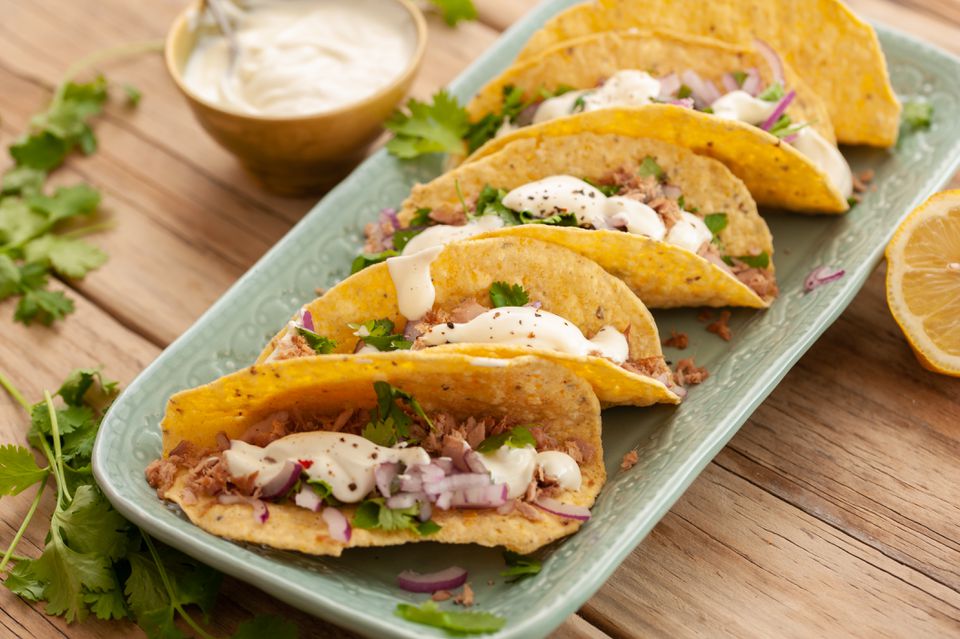
CANNED TUNA FISH TACOS – THE SPUCE EATS

full shot image of five canned tuna fish tacos on a rectangular green plate garnished with fresh herbs and aioli

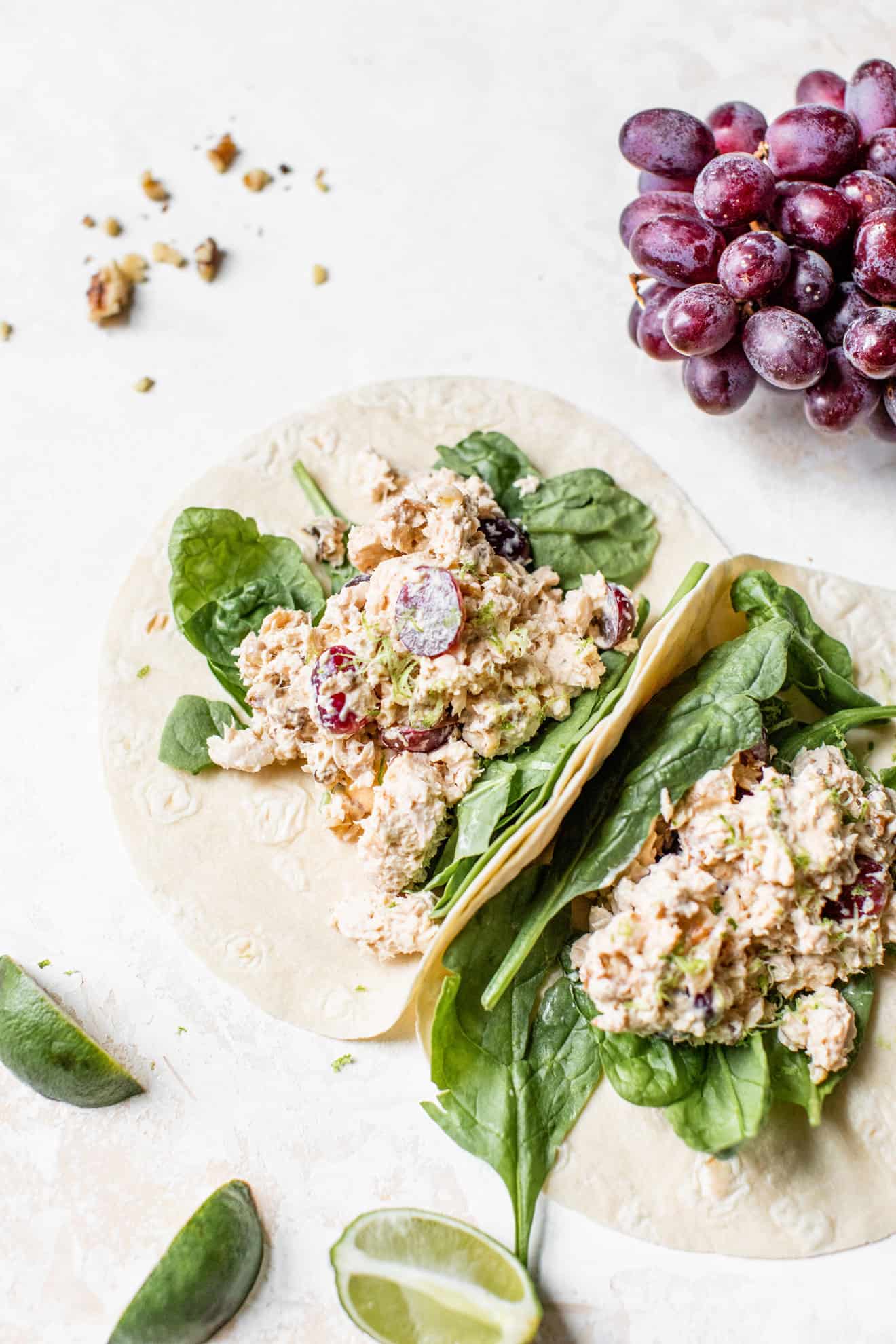
CHIPOTLE LIME SALMON SALAD WRAP – THE TOASTED PINE NUT

birds eye view of two chipotle lime salmon salad wraps served with fresh greens and a side of red grapes

RECIPES USING SHELF STABLE VEGETABLES

Examples of vegetables with a long shelf life:

  • Potatoes (2-3 months)
  • Sweet potato (2-3 months)
  • Onions (1-2 months)
  • Cabbage (2 months)
  • Beets (2 weeks)
  • Carrots (3-4 weeks)
  • Cauliflower (2 weeks)
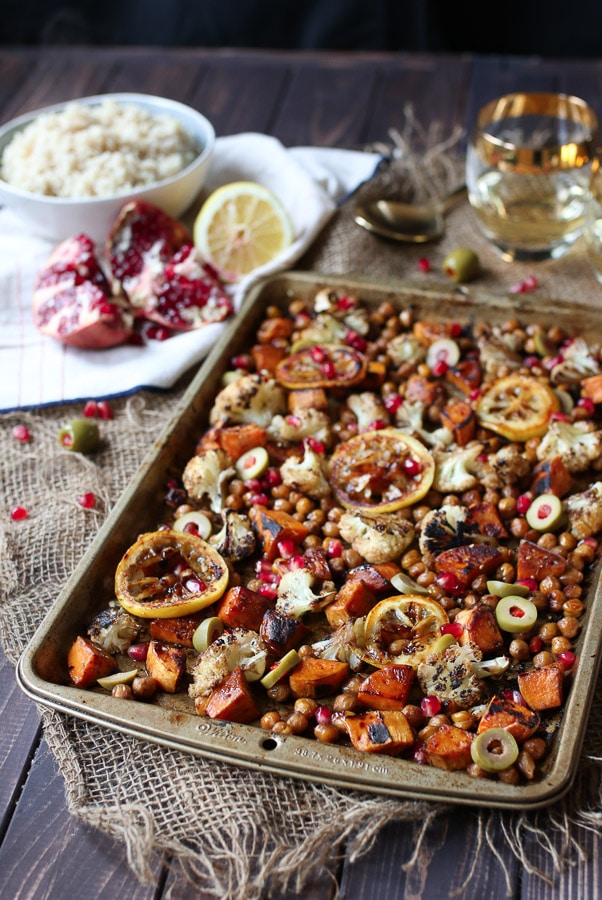
CHICKPEA AND CAULIFLOWER SHEET PAN DINNER – ABBEY’S KITCHEN

full shot image of chickpea and cauliflower dinner served on a sheet pan with pomegranate seeds, lemon, and cauliflower in the background

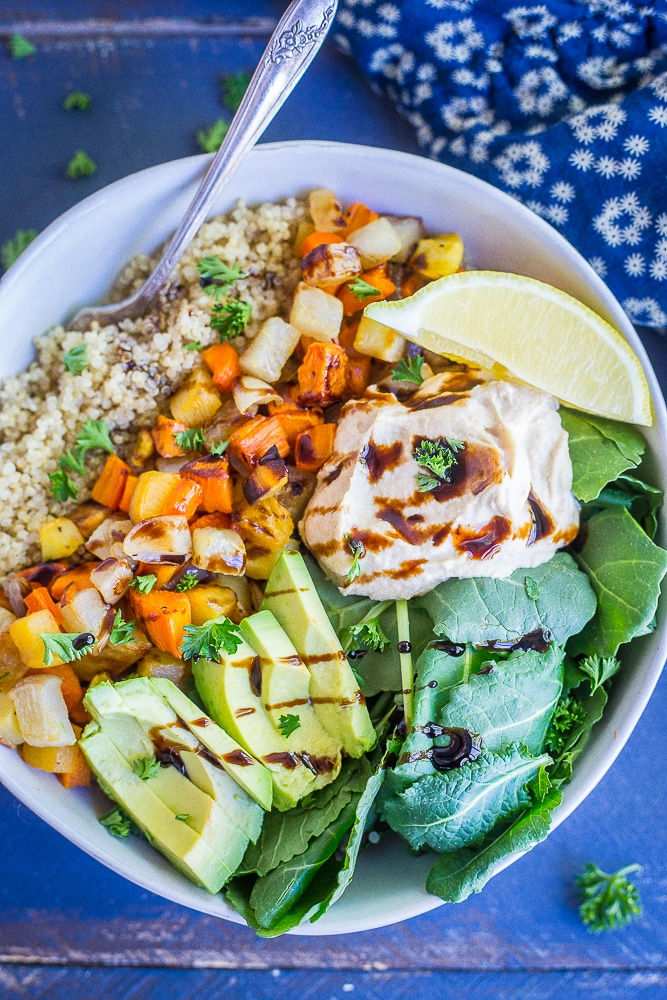
ROASTED ROOT VEGETABLE BUDDHA BOWLS – SHE LIKES FOOD

birds eye view of a roasted root vegetable buddha bowl garnished with balsamic, herbs, fresh herbs, and avocado in a white bowl against a blue background

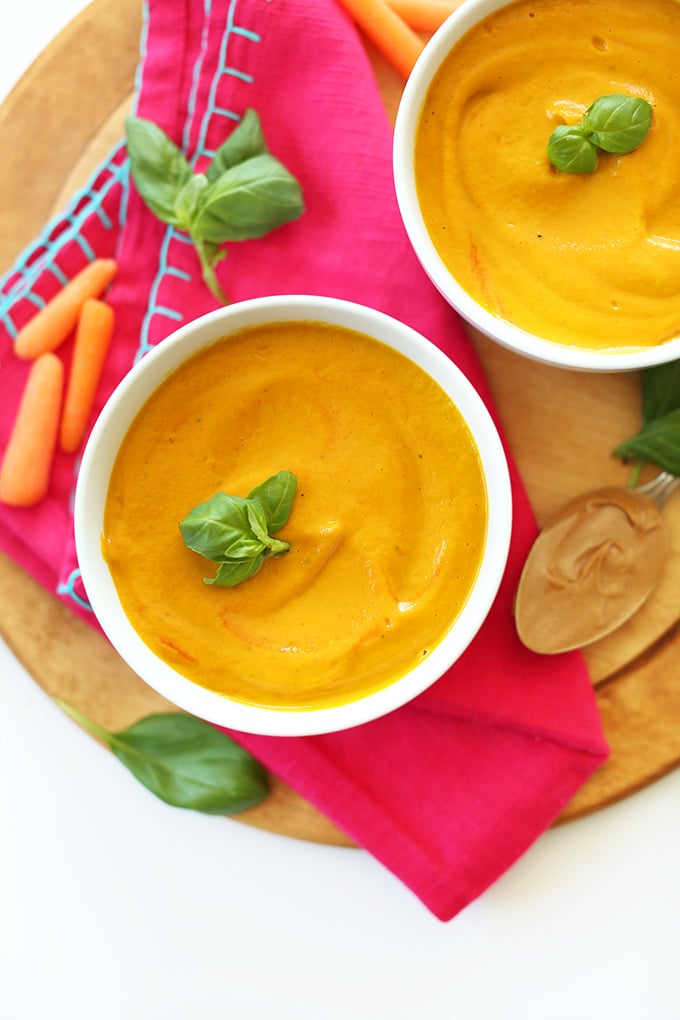
CREAMY THAI CARROT SOUP – MINIMALIST BAKER

birds eye view of creamy pantry staple thai carrot soup garnished with fresh herbs served on a wooden surface next to fresh carrots and nut butter

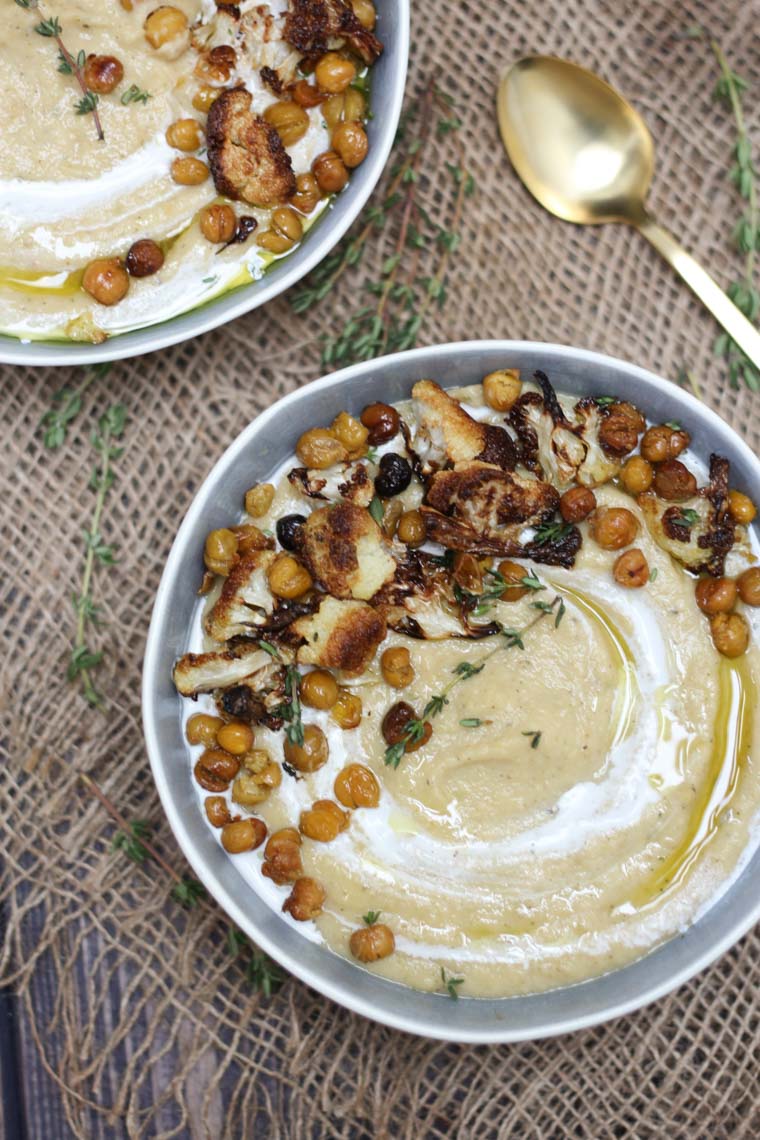
ROASTED CAULIFLOWER SOUP – ABBEY’S KITCHEN

birds eye view of roasted cauliflower soup garnished with chickpeas and herbs in a blue bowl next to a gold spoon and another bowl of soup

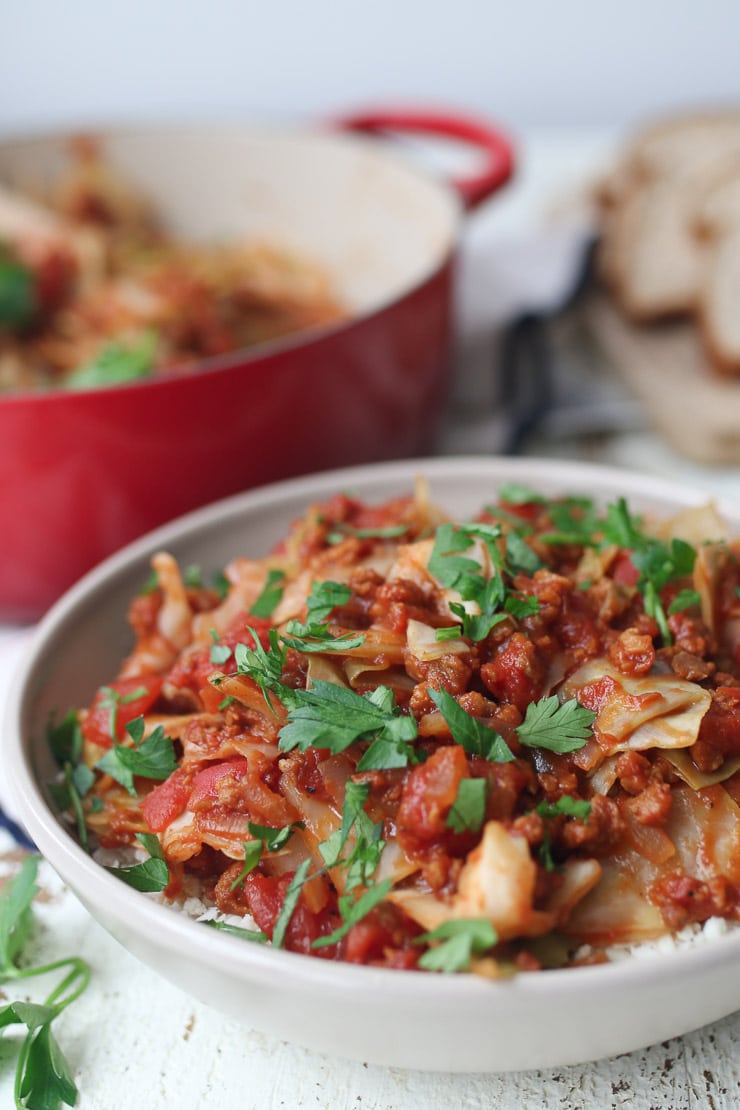
UNSTUFFED CABBAGE ROLLS – ABBEY’S KITCHEN

close up of unstuffed cabbage rolls served in a white bowl garnished with fresh herbs

RECIPES WITH FROZEN FRUIT

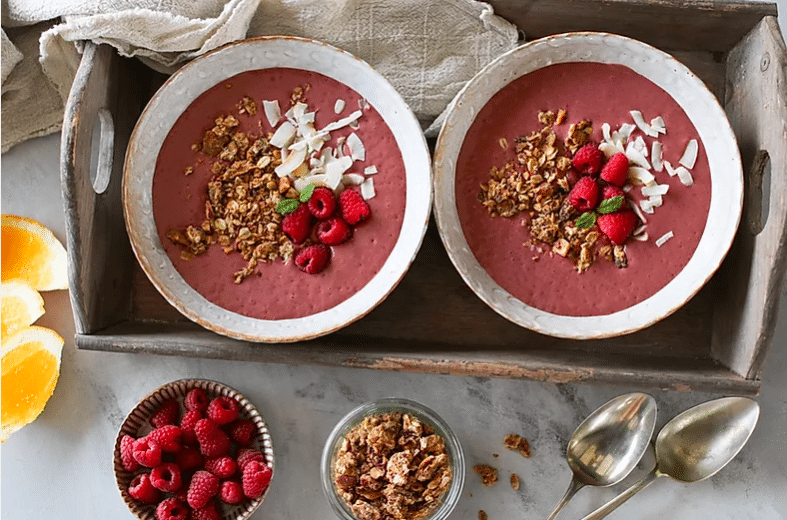
IMMUNE BOOSTER SMOOTHIE – PICK UP LIMES

birds eye view of two immune booster smoothie bowls for social isolation garnished with granola and fruit next to two bowls filled with nuts and fruit

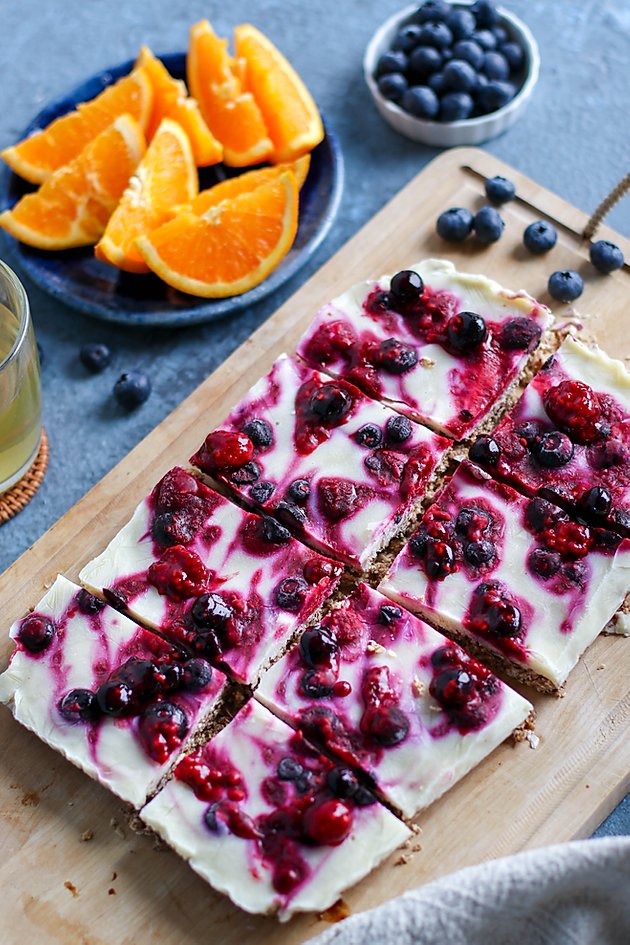
FROZEN YOGURT BREAKFAST BARS – PICK UP LIMES

birds eye view of pantry staples frozen yogurt breakfast bars garnished with berries served on a wooden surface next to fresh orange slices

5-MINUTE SMOOTHIE BOWL – MINIMALIST BAKER

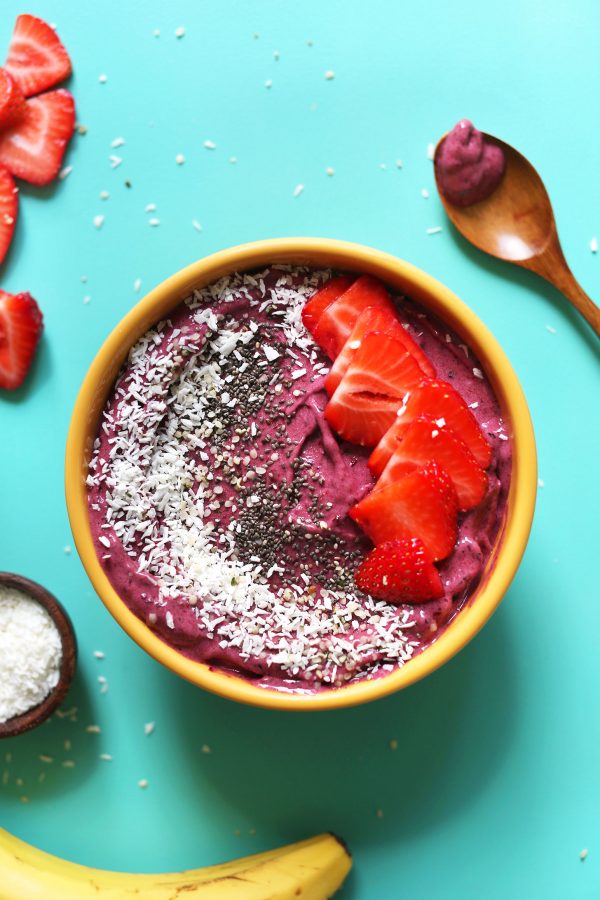
birds eye view of five minute smoothie bowl topped with seeds and fruit in a yellow bowl against a blue background

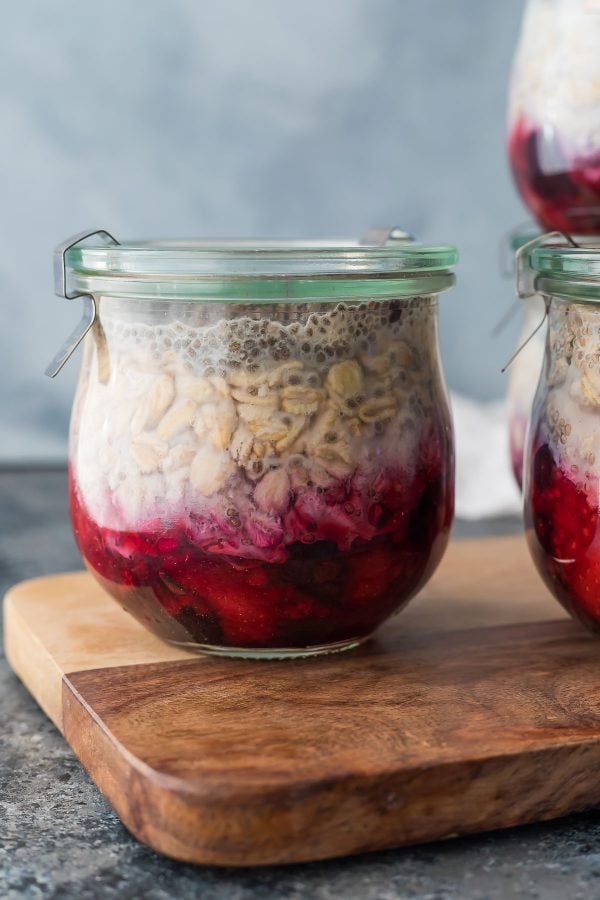
FRUIT ON THE BOTTOM OVERNIGHT OATS – SWEET PEAS AND SAFFRON

close up of pantry staple fruit on the bottom overnight oats in a clear jar on a wooden counter

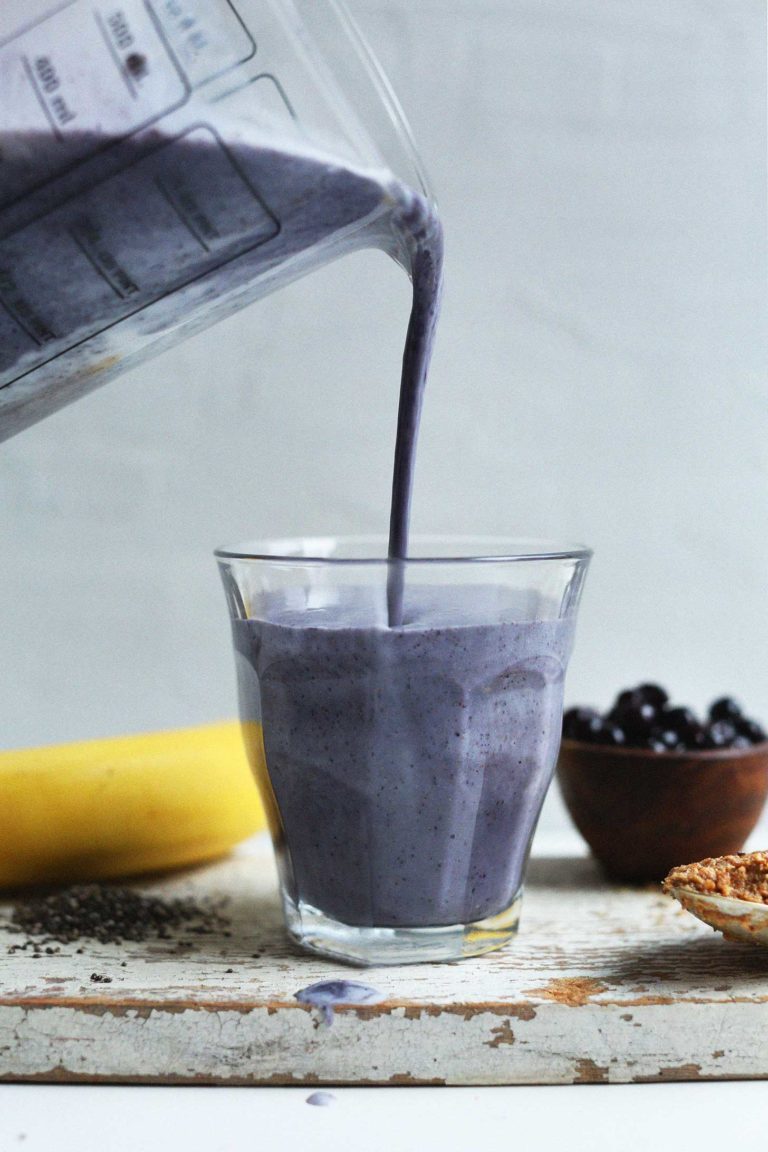
BLUEBERRY ALMOND BUTTER SMOOTHIE – MINIMALIST BAKER

close up of blueberry almond butter smoothie being poured from a blender into a clear glass with a fresh banana and blueberries in the background

CEREAL/OATMEAL RECIPES

CHOCOLATE ZUCCHINI BREAD OATMEAL ZOATS – ABBEY’S KITCHEN

birds eye view of chocolate zucchini oatmeal in a blue bowl garnished with fresh and dried fruit with a rose gold spoon

MANGO COCONUT OVERNIGHT OATS – PICK UP LIMES

close up of pantry staple mango coconut overnight oats in a glass jar topped with coconut flakes, almond butter, and fresh mango with a silver spoon

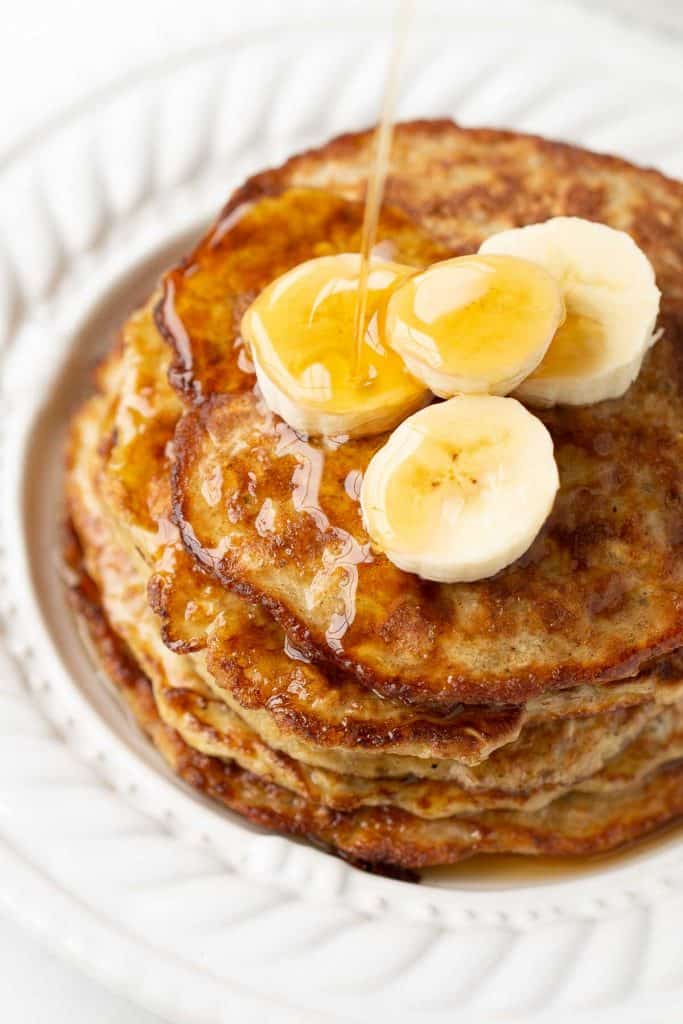
OATMEAL PANCAKES – MEANINGFUL EATS

close up of a stack of pantry oatmeal pancakes garnished with banana slices drizzled with maple syrup

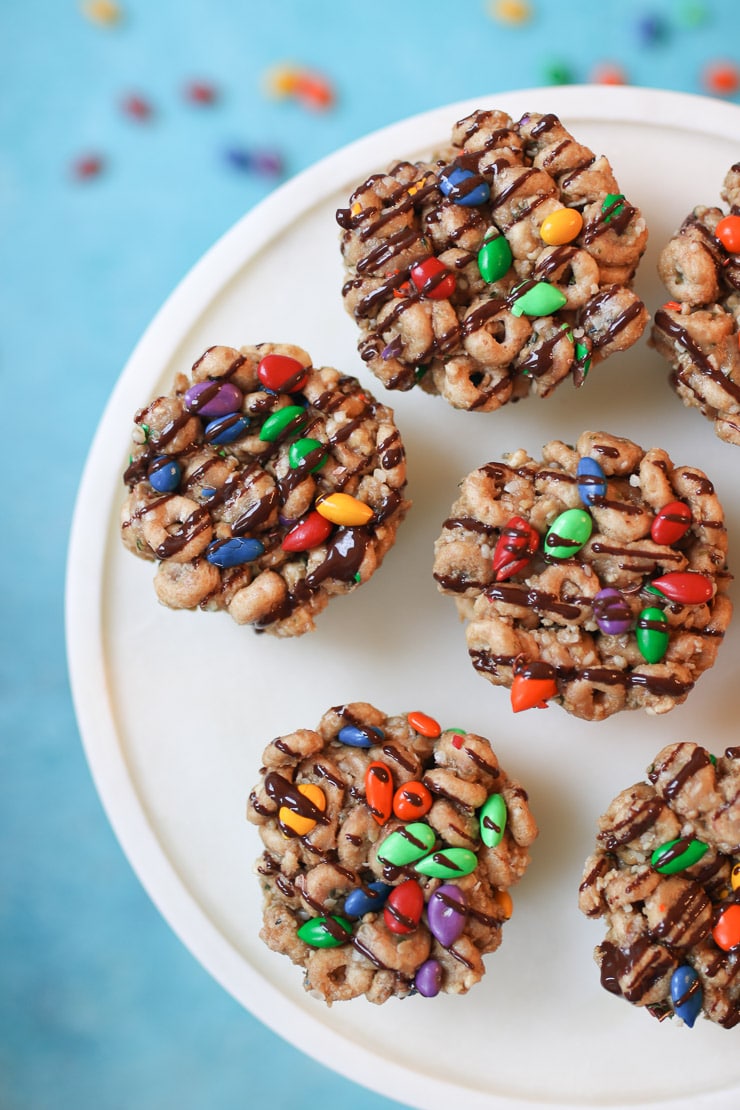
NO BAKE CHEERIO BARS – ABBEY’S KITCHEN 

birds eye view of multiple no bake cheerio bars for social isolation drizzled with chocolate on a white plate

NUT BUTTER RECIPES

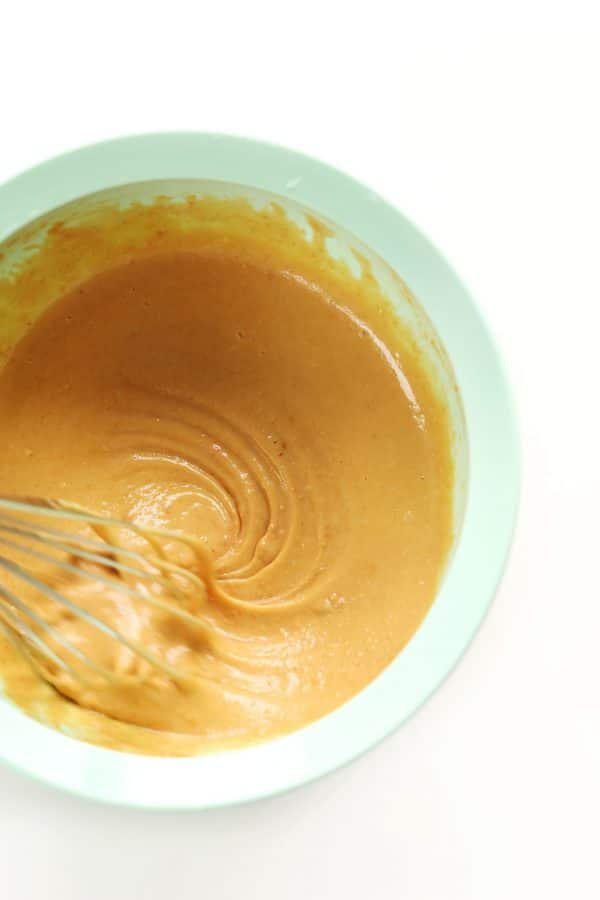
5-INGREDIENT PEANUT SAUCE – MINIMALIST BAKER

birds eye view of give ingredient peanut sauce recipe for social isolation in a blue bowl being swirled by a whisk

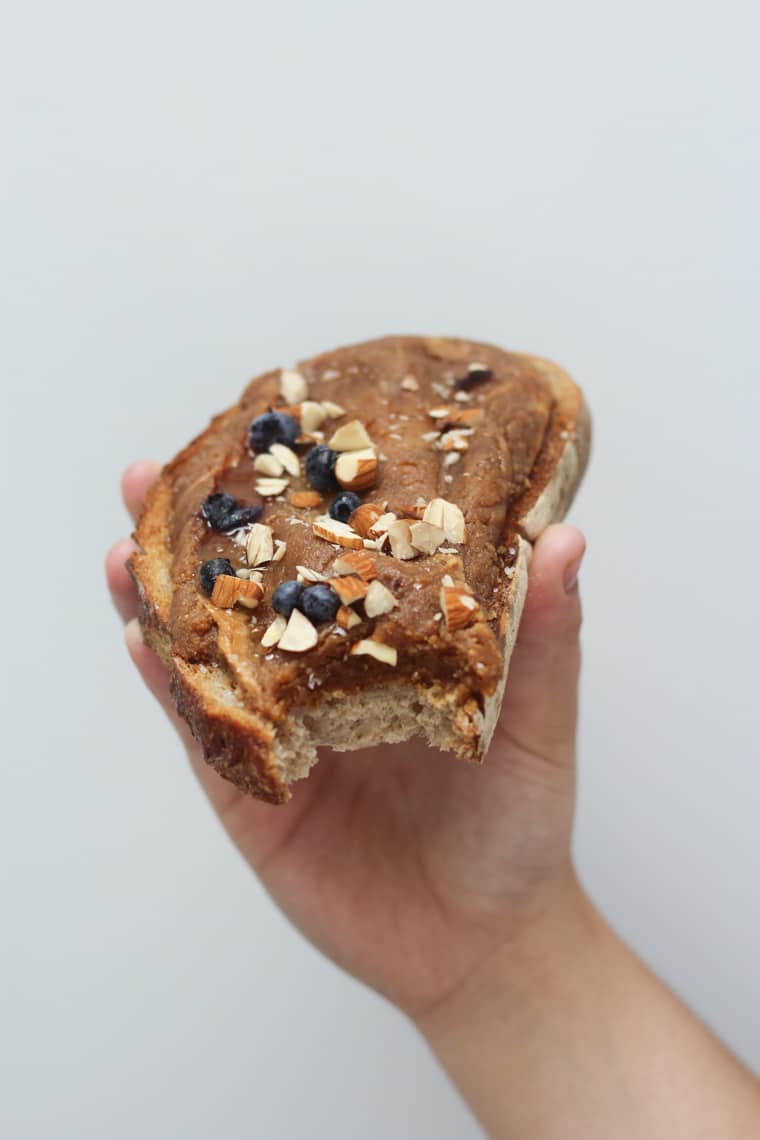
SALTED CARAMEL ALMOND BUTTER – ABBEY’S KITCHEN
close up image of a hand holding a piece of salted caramel almond butter on toast garnished with almonds and blueberries
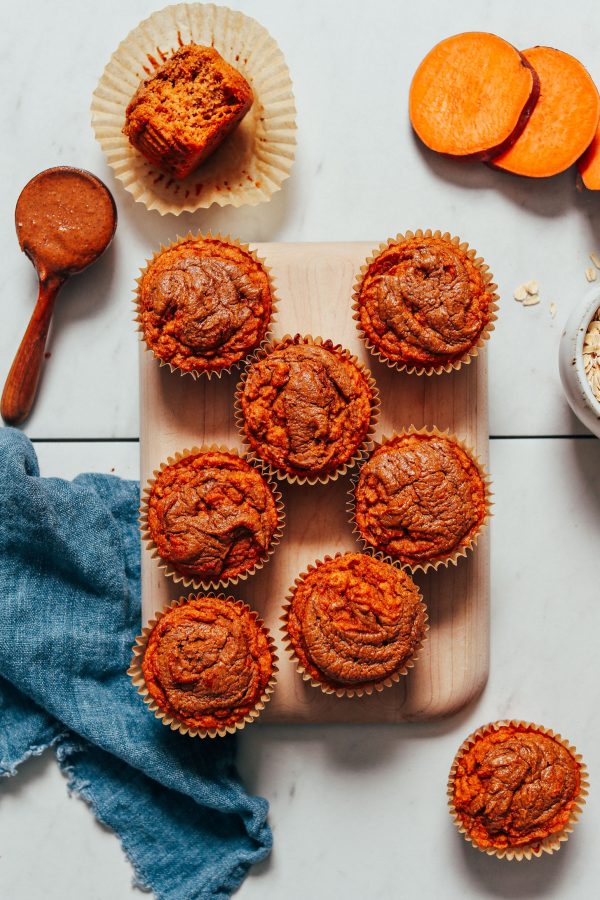
ALMOND BUTTER SWEET POTATO MUFFINS – MINIMALIST BAKER

birds eye view of multiple almond butter sweet potato muffins for social isolation on a wooden surface next to sweet potato slices and a spoon of almond butter

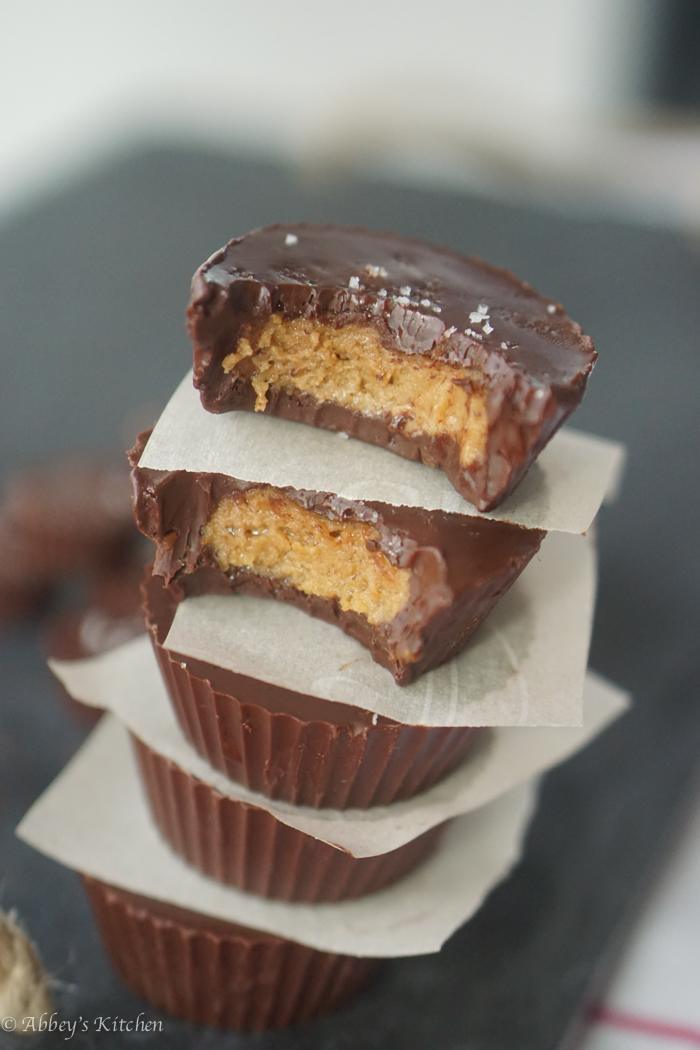
PEANUT BUTTER CUPS – ABBEY’S KITCHEN

four pantry staple peanut butter cups stacked on top of one another garnished with sea salt with the first two bitten into

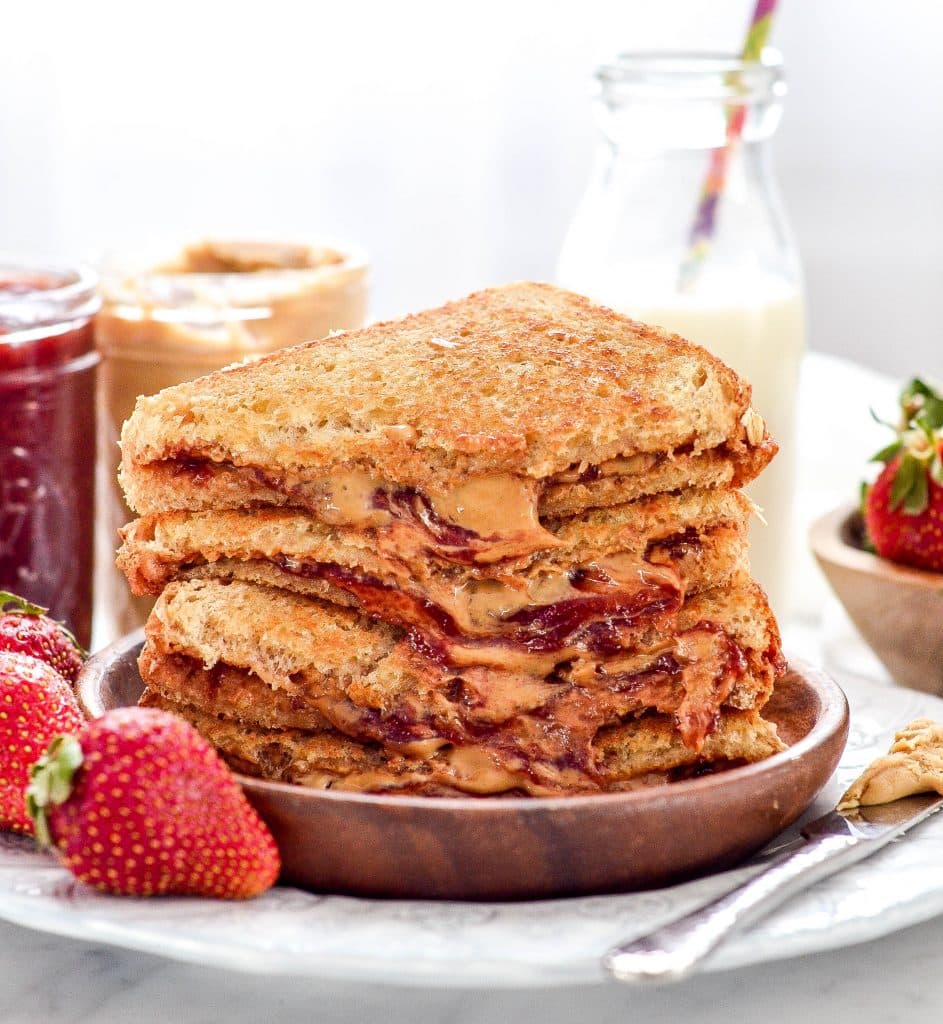
GRILLED PEANUT BUTTER AND JELLY SANDWICH – JOY FOOD SUNSHINE

close up of grilled peanut butter and jelly sandwich halves stacked on a plate next to jars of peanut butter and jelly with a glass of milk and fresh strawberries in the background


EASY SNACK/DESSERT RECIPES WITH PANTRY STAPLES

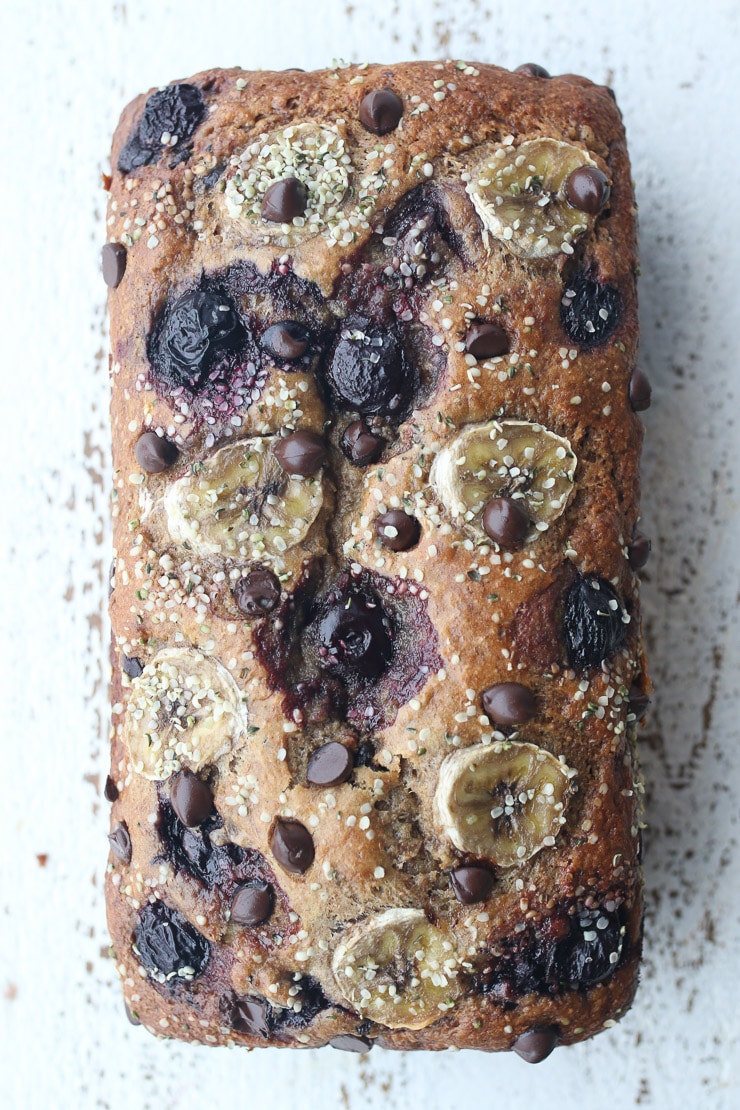
BANANA SPLIT CHOCOLATE CHIP BANANA BREAD – ABBEY’S KITCHEN 

birds eye view of banana split flavoured chocolate chip banana bread garnished with hemp hearts

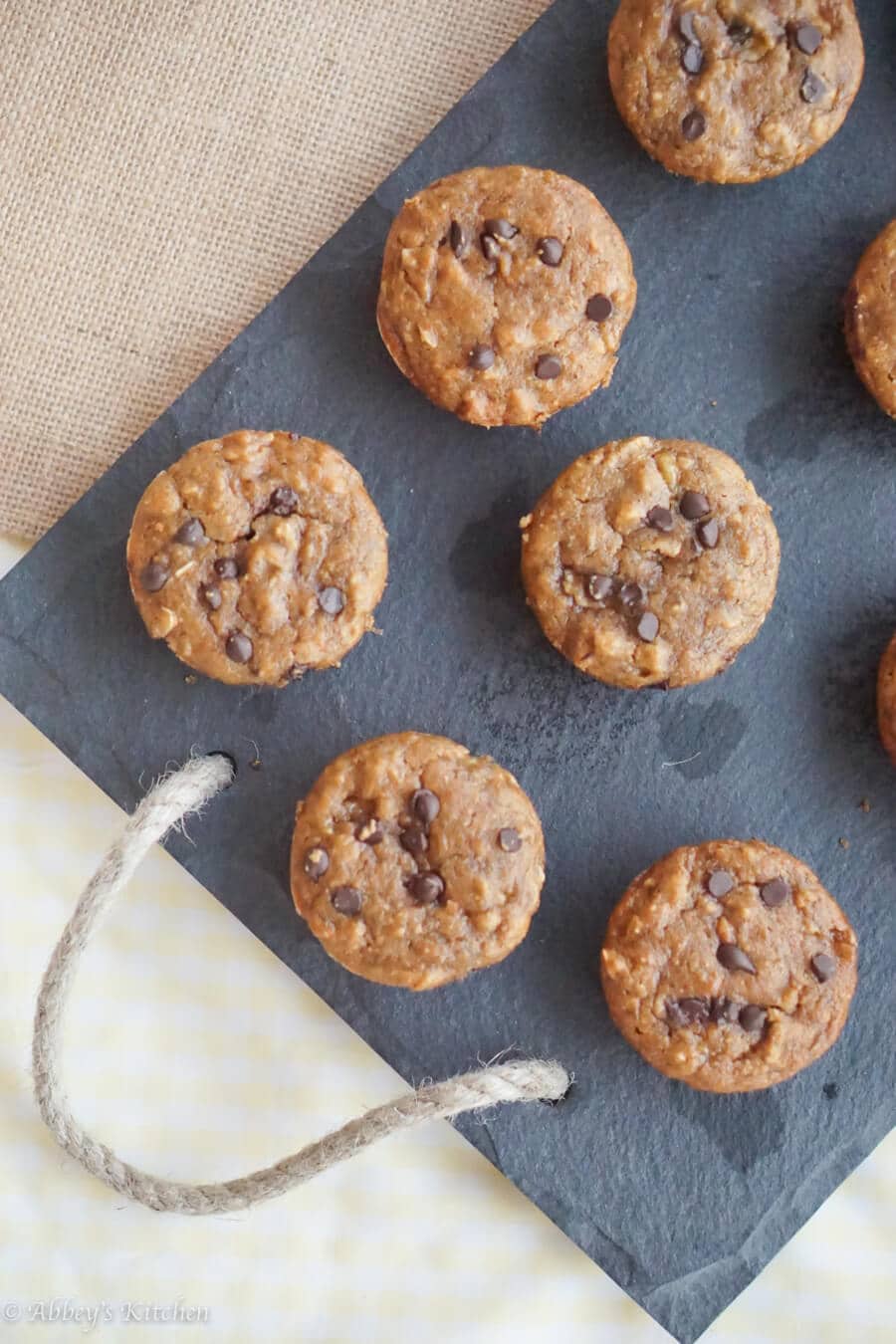
BANANA PEANUT BUTTER CHOCOLATE MUFFINS – ABBEY’S KITCHEN

chocolate chip banana muffins on a grey tray using pantry staples

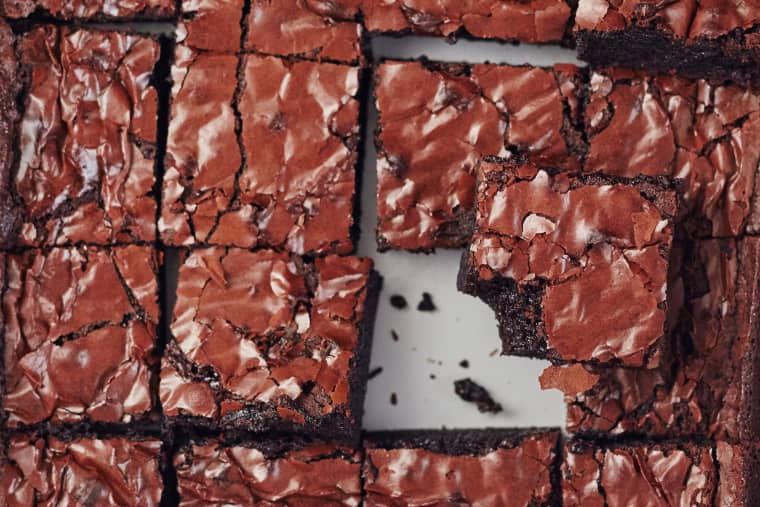
PANTRY COCOA BROWNIES – THE KITCHN

birds eye view of a tray containing pantry staple cocoa brownies

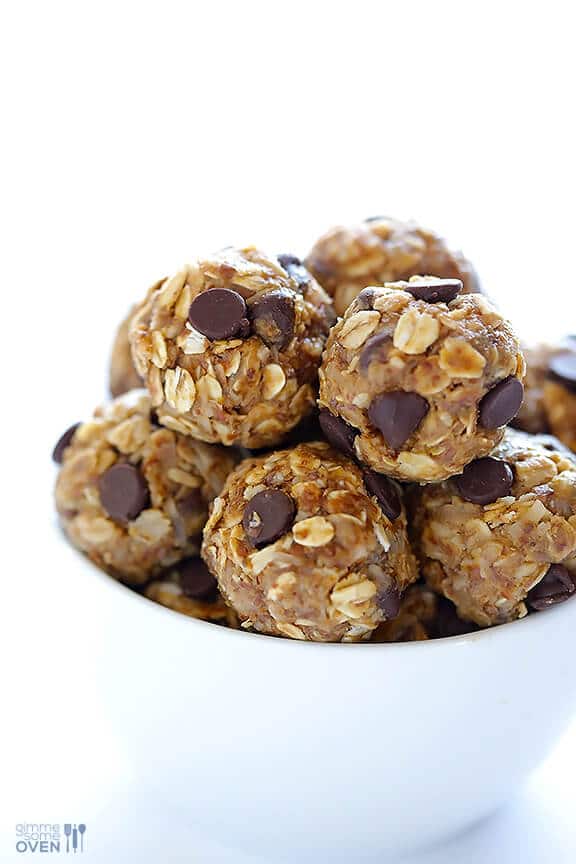
NO BAKE ENERGY BITES – GIMME SOME OVEN 

close up of multiple no bake energy bites garnished with chocolate chips in a white bowl

EASY BAKING RECIPES

Pantry baking essentials:

  • Flour (almond, white, oat)
  • Baking soda
  • Baking powder
  • A Sweetener (honey, maple syrup, white sugar, brown sugar, coconut sugar, applesauce)
  • Salt
  • Eggs or a flax egg
  • Vanilla extract
  • Spices (i.e. cinnamon, allspice nutmeg)
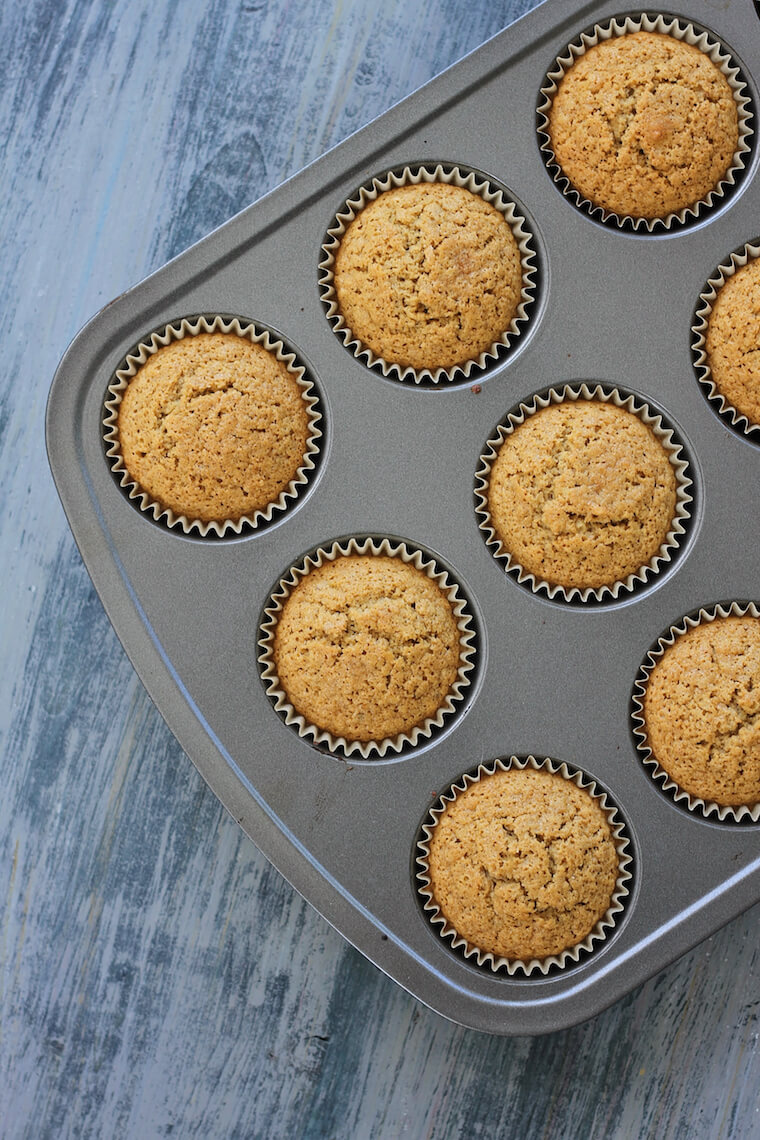
OATMEAL MUFFINS – ABBEY’S KITCHEN 

oatmeal muffins in a baking tray that use pantry staples

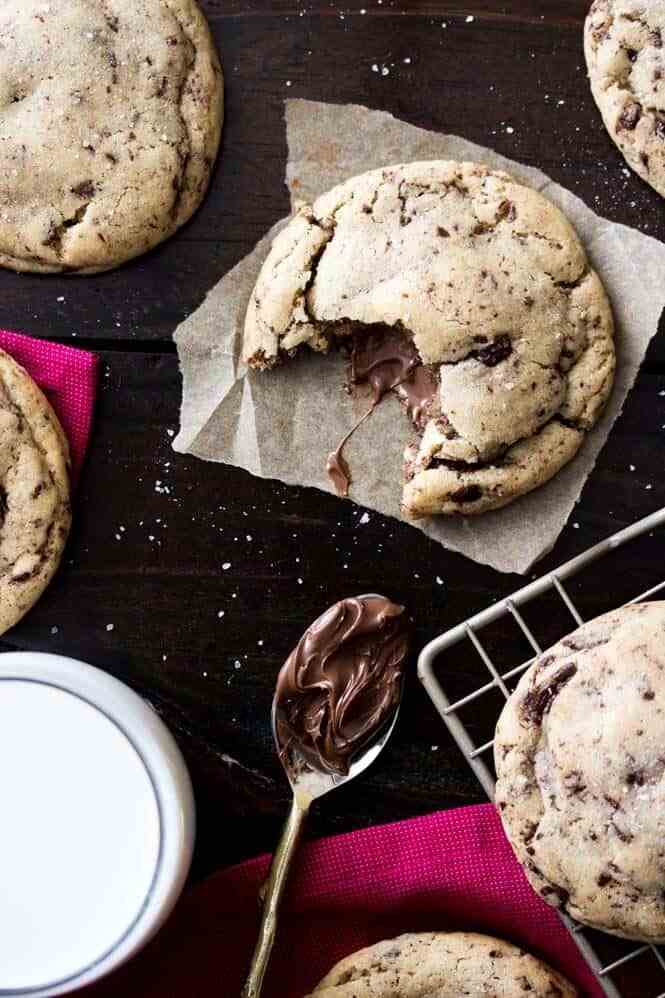
NUTELLA STUFFED COOKIES – SUGAR SPUN RUN 

birds eye view image of a bitten into nutella stuffed cookie on a piece of parchment paper next to a spoon of nutella and additional cookies surrounding the parchment paper

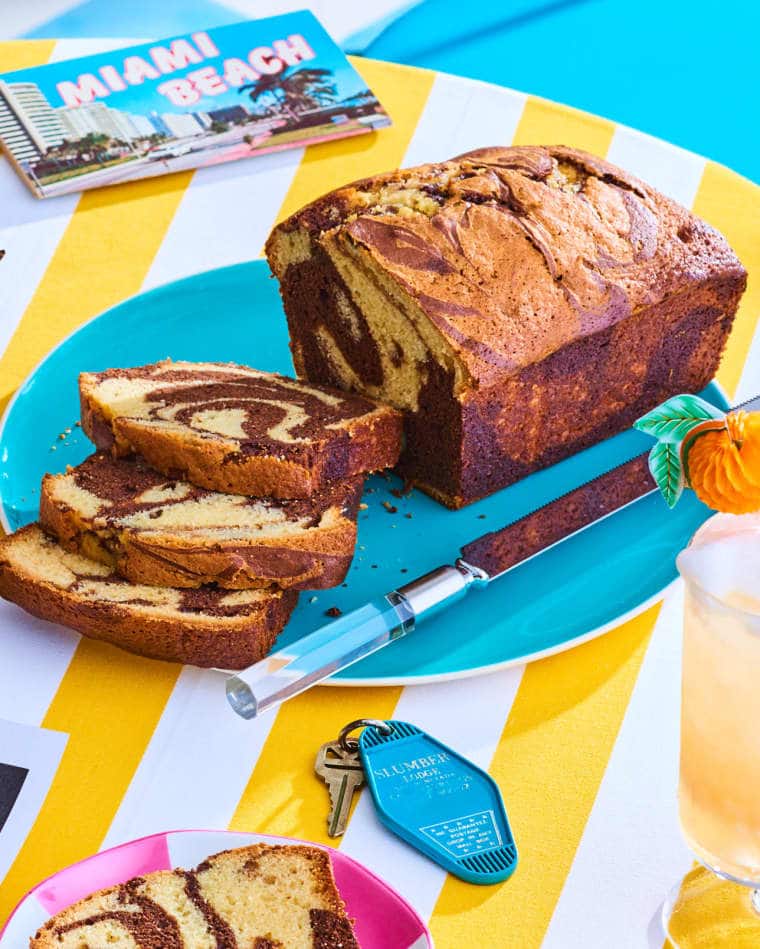
CHOCOLATE MARBLE CAKE – THE KITCHN

full shot of chocolate marble cake on a blue plate sitting on a yellow and white table

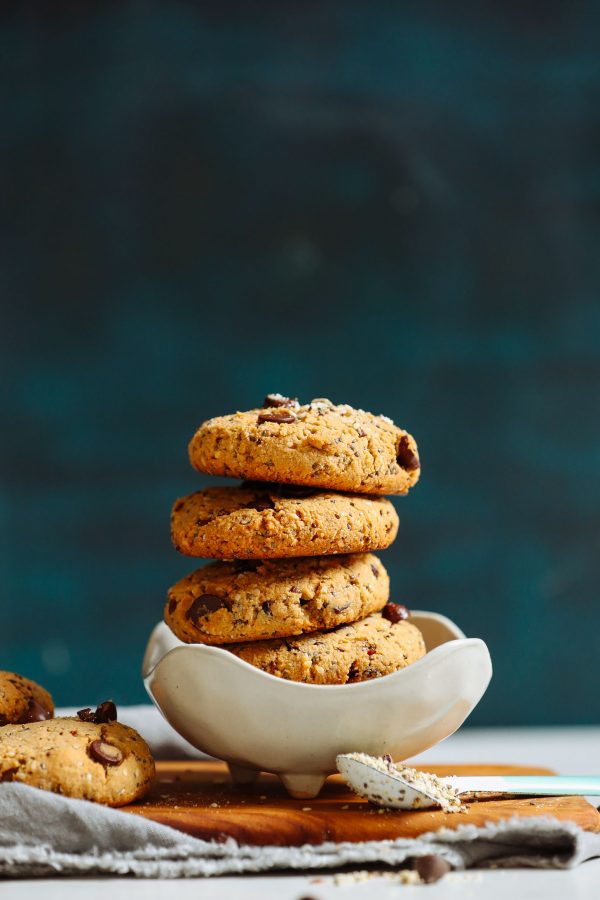
TRAIL MIX COOKIES – MINIMALIST BAKER 

close up image of a stack of pantry staple trail mix cookies in a white bowl against a dark background

Which one of these easy pantry recipes will you be trying first? What are some of your go-to easy pantry recipes? Leave me a comment below with your thoughts!

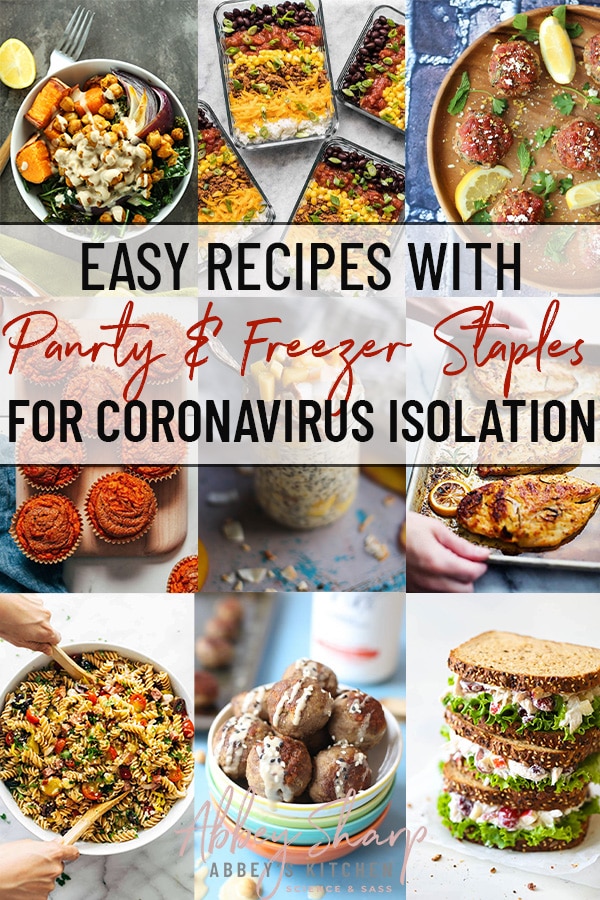
pinterest image of several images of easy pantry recipes using pantry and freezer staples for coronavirus isolation with text overlay

Contribution by Giselle Segovia RD MHSc

Abbey Sharp

Abbey Sharp is a Registered Dietitian (RD), regulated by the Ontario College of Dietitians. She is a mom, YouTuber, Blogger, award winning cookbook author, media coach specializing in food and nutrition influencers, and a frequent contributor to national publications like Healthline and on national broadcast TV shows.
www.abbeyskitchen.com/about-abbey/

Last Updated October 23, 2020. Published March 17, 2020 By Abbey Sharp 24 Comments

Vegan St. Patrick’s Day Recipes

These vegan St. Patrick’s day recipes are great to share at a party this weekend or to celebrate with your family at home! 

These vegan St. Patrick’s day recipes are great to share at a party this weekend or to celebrate with your family at home!

Hey, I’m a good Irish girl and LOVE to indulge in green beer, but considering this year I’ve got a serious bun baking in the oven, I’ll be indulging in other ways. The reality is that St. Patrick’s day has so much more to offer than a bad hangover.  On St. Paddy’s day there are two major themes for food: green foods and traditional Irish foods.

To help you celebrate in style, I’ve collected some of the BEST vegan St. Patrick’s day recipes for breakfast, lunch, dinner, appetizers and dessert! There are some are variations on traditional Irish foods, and some pack a wicked green colour thanks to ingredients like spinach, matcha, peas and avocado. Whether you’re hosting a party, bringing food to a potluck, or even just celebrating at home with the fam, it’s fun to get in the spirit and try some of these festive vegan St. Patrick’s day recipes! And yes, I know that not everyone is vegan, but with so many people now going plant based, it’s good to have these options on the table.

Best Vegan St. Patrick’s Day Recipes

vegan St. Patrick’s day Breakfast

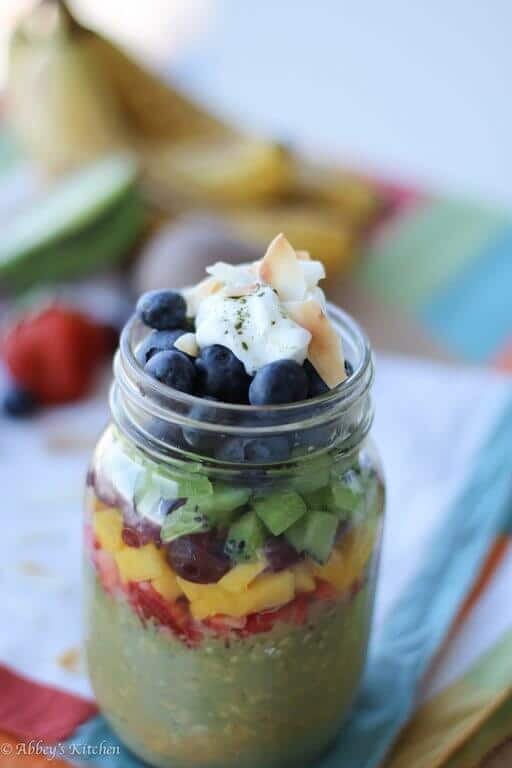
Magically Delicious Matcha Overnight Oats – Abbey’s Kitchen

close up of vegan matcha overnight oatmeal in a clear jar garnished with fresh fruit, yogurt, and coconut flakes

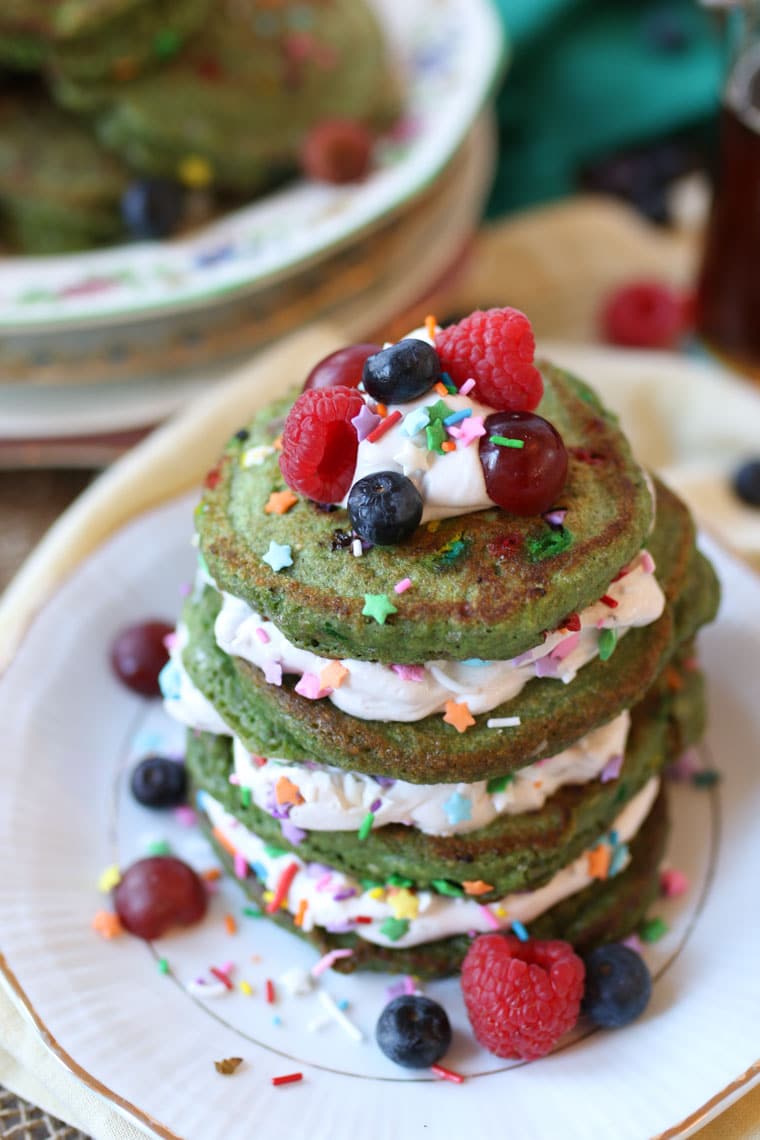
Vegan St Patrick’s Day Gluten Free Matcha Rainbow Pancakes – Abbey’s Kitchen

close up of a stack of vegan green st. patrick's day gluten free matcha rainbow pancakes garnished with sprinkles, fresh fruit, and whipped cream

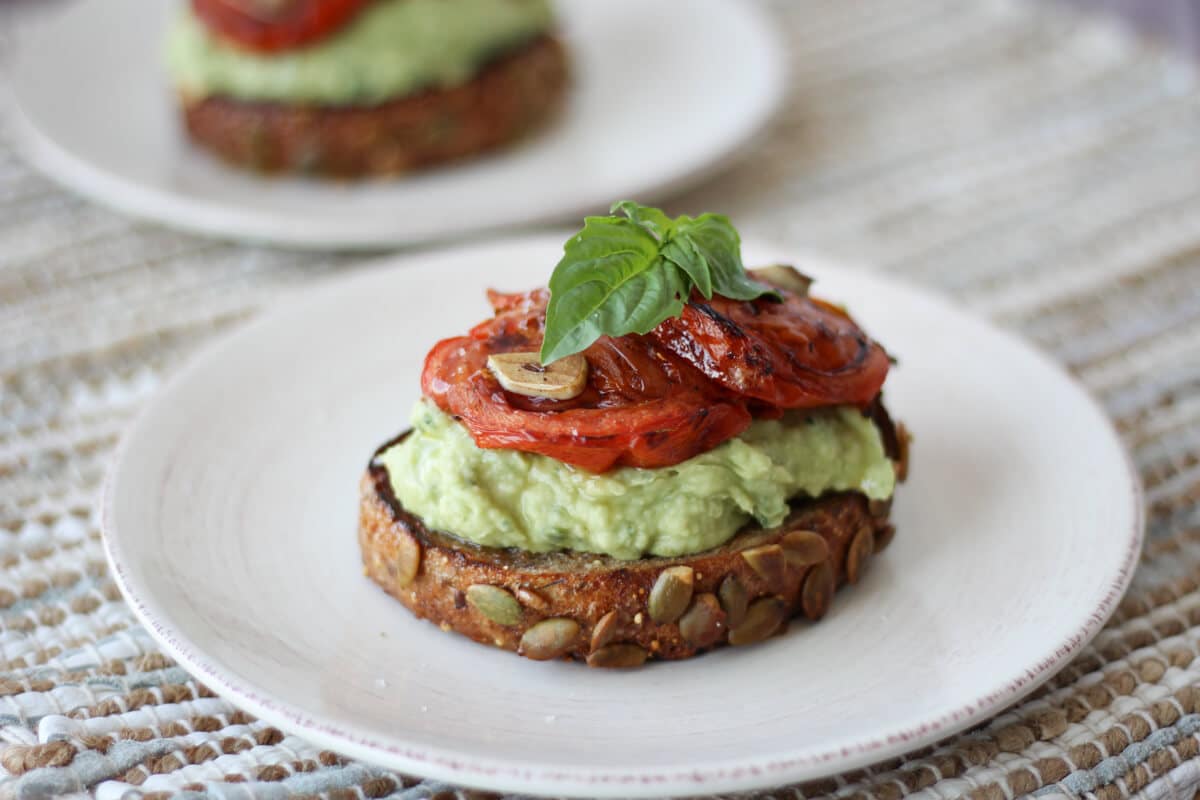
High Protein Avocado Toast – Abbey’s Kitchen

close up of a piece of toast topped with high protein avocado mixture, peppers, and fresh herbs on a white plate with additional piece of toast in the background

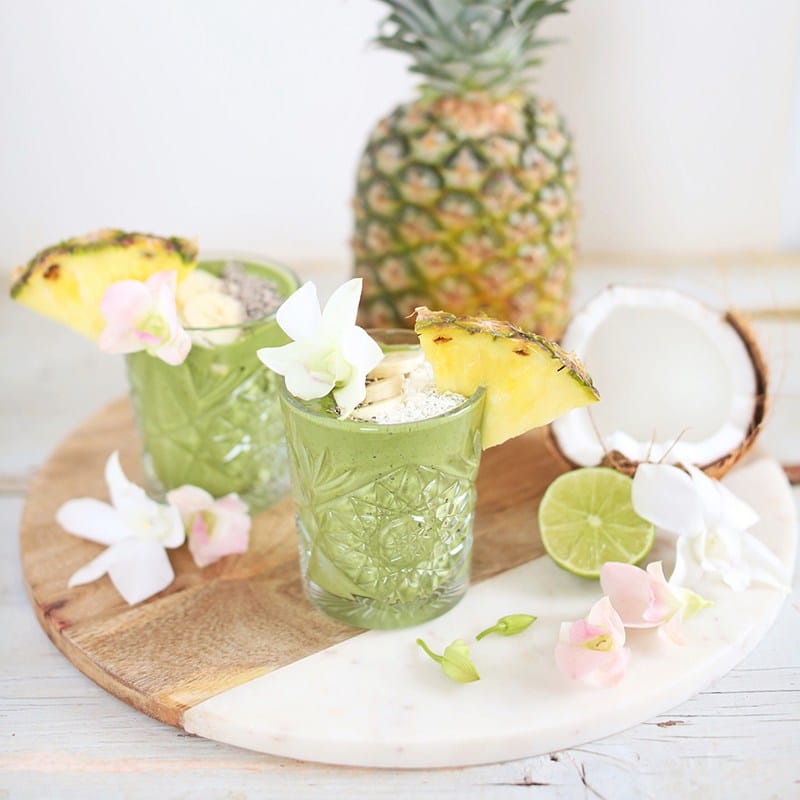
Tropical Zinger Green Smoothie – Justine Celina

two small clear glasses filled with vegan green tropical smoothies garnished with slices of pineapple with additional pineapple and lime in the background

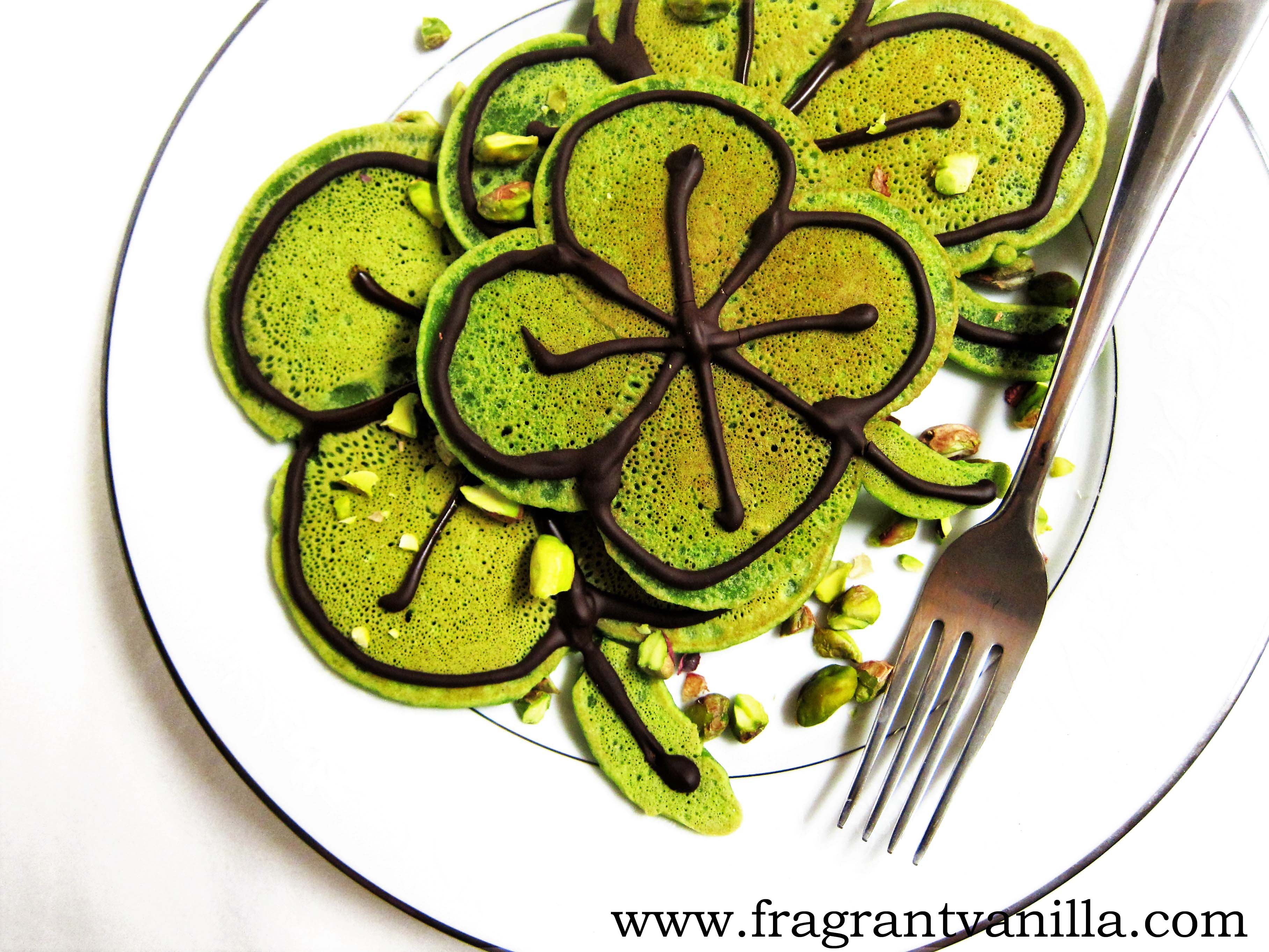
Vegan St. Patrick’s Day Shamrock Pancakes – Fragrant Vanilla Cake 

birds eye view of vegan st. patrick's day green shamrock pancakes served on a white plate with a silver fork garnished with chopped pistachios

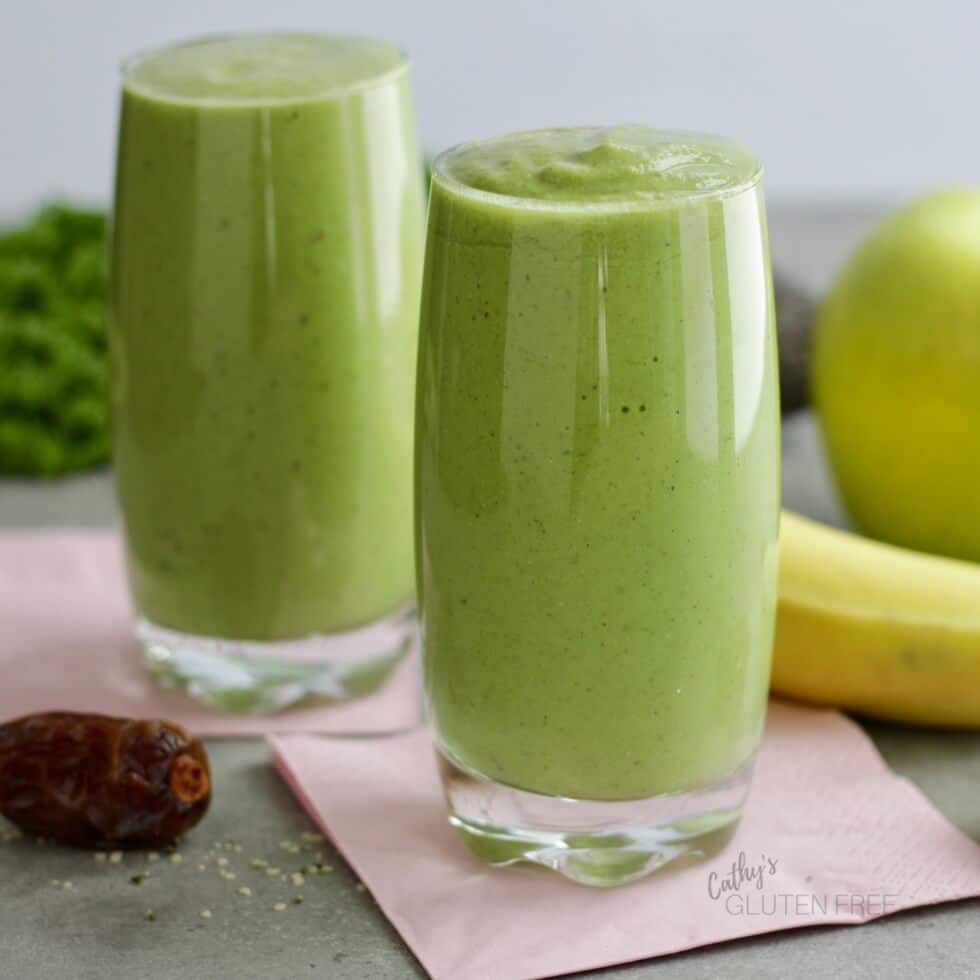
Gluten Free Healthy Green Smoothie – Cathy’s Gluten Free

two tall clear glasses filled with vegan and gluten free green smoothies on pink napkins with fresh fruit in the background

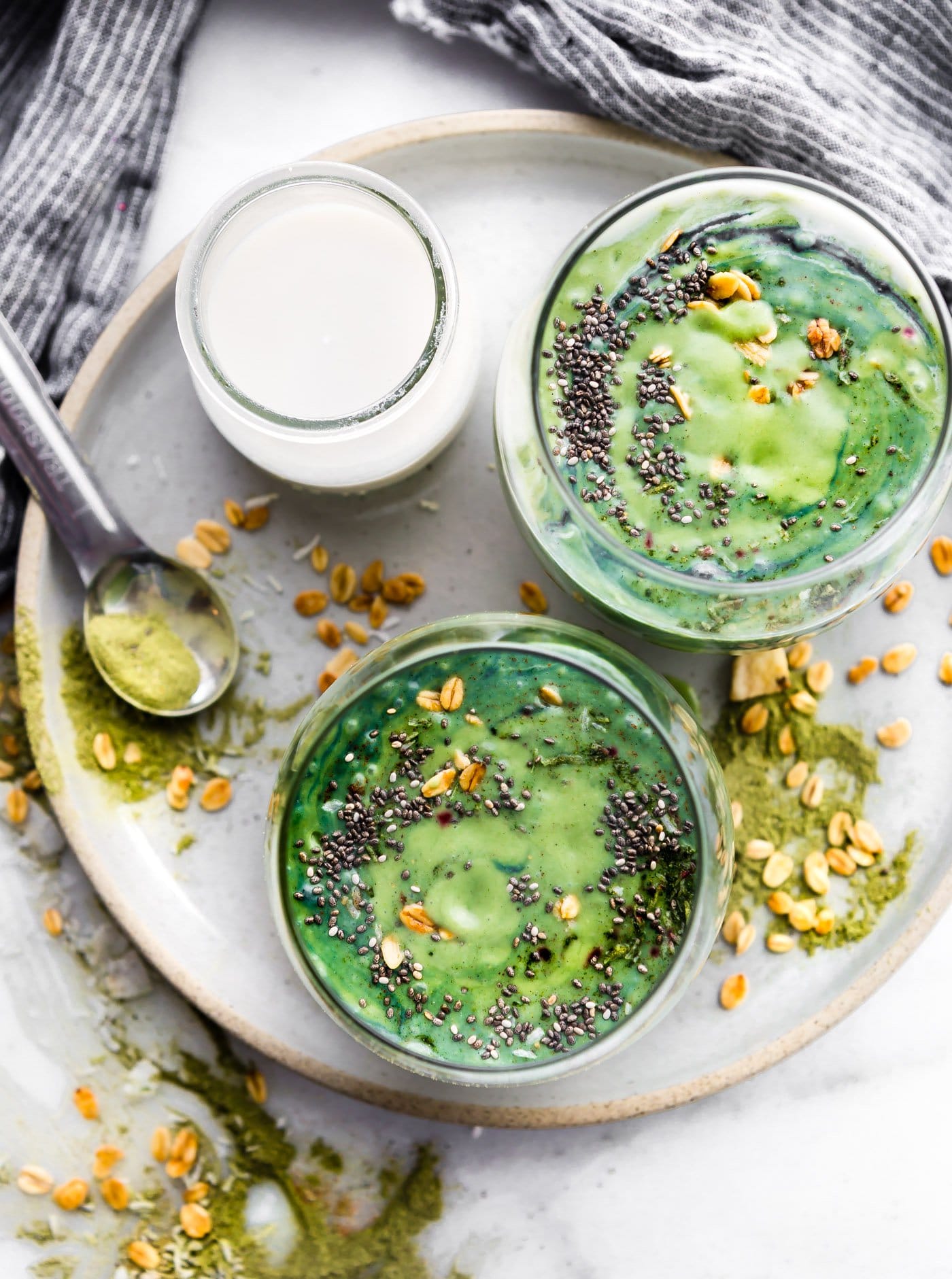
Creamy Coconut Spirulina Superfood Smoothie – Cotter Crunch

birds eye view of two bowls filled with vegan coconut spirulina green smoothies topped with granola and seeds and a clear glass of coconut milk on the side

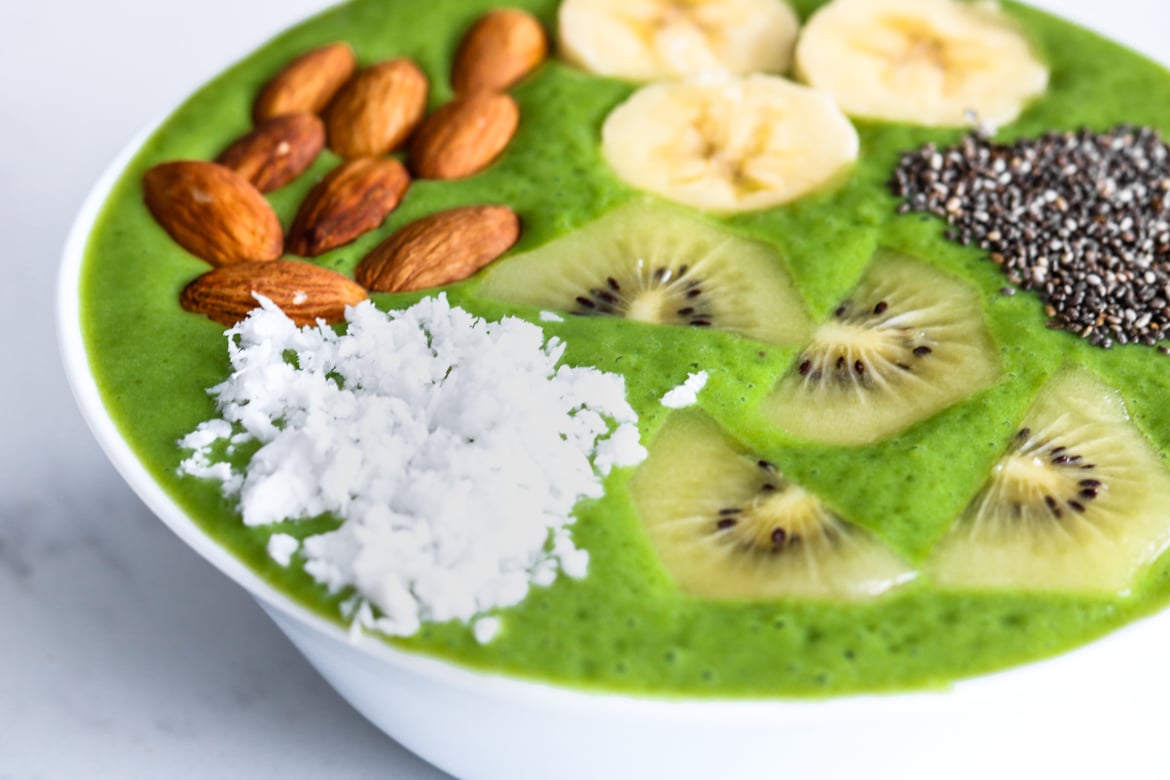
Superfood Green Smoothie Bowl – Desilicious RD 

close up of vegan superfood green smoothie bowl topped with coconut, fruit, nuts, and seeds in a white bowl for st. patrick's day

vegan St. Patrick’s day Lunch

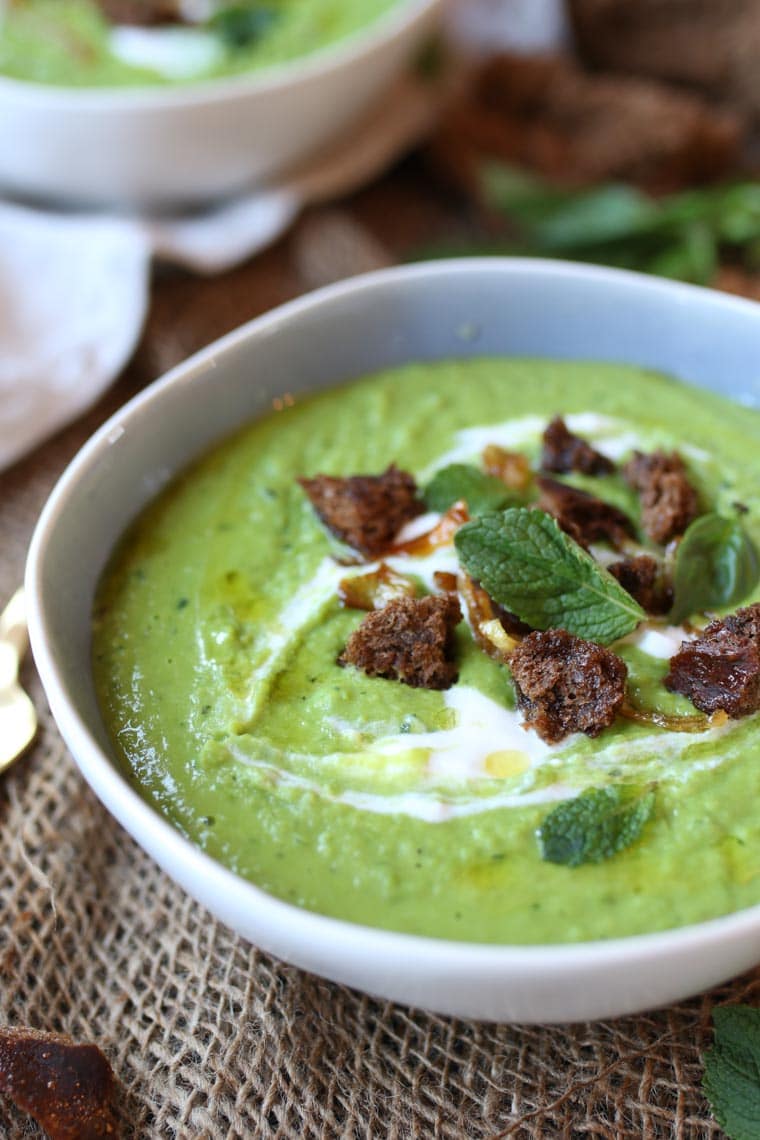
Pea, Mint and Coconut Soup – Abbey’s Kitchen

close up of vegan pea, mint, and coconut soup garnished with croutons and fresh mint in a grey bowl

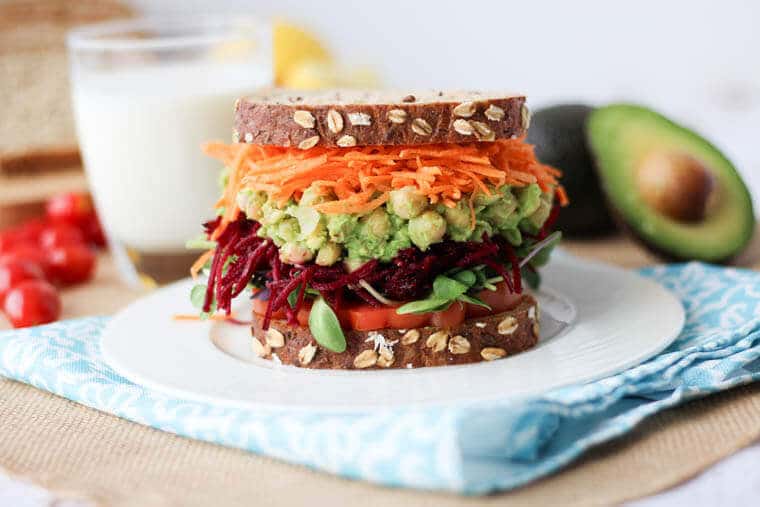
Avocado Chickpea Salad Sandwich – Abbey’s Kitchen

close up of vegan avocado and chickpea salad sandwich on brown bread served with fresh vegetables on a blue cloth

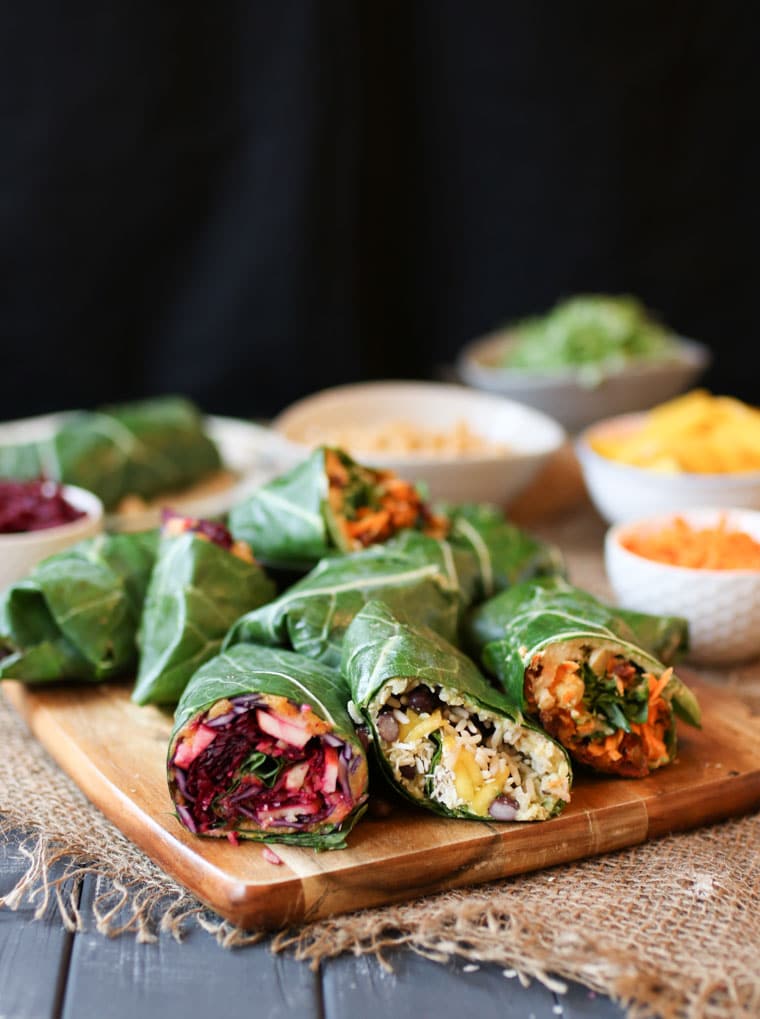
Vegan Collard Green Wraps– Abbey’s Kitchen

three vegan collard green wraps with assorted fillings served on a wooden platter with additional collard wraps and bowls of vegetables in the background

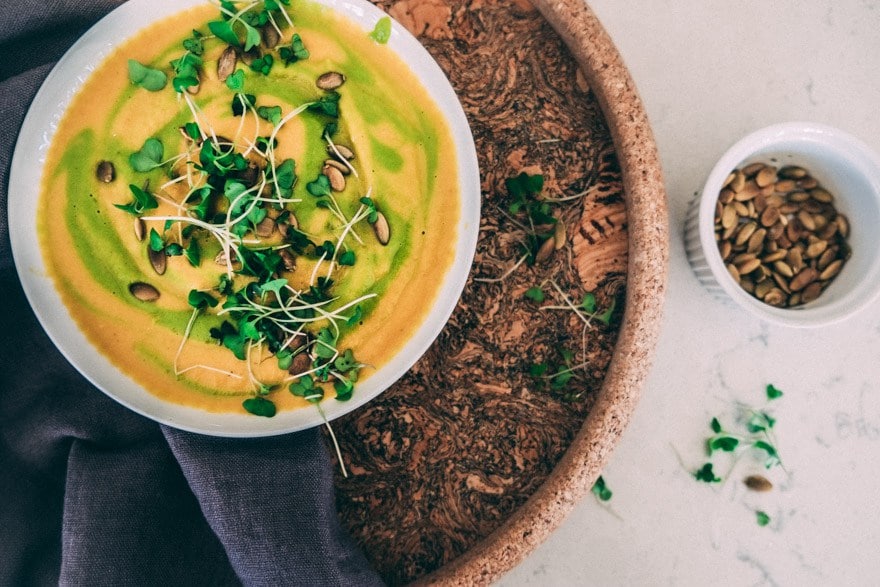
Vegan Paleo Green Butternut Squash Soup – Sweet Lizzy 

birds eye view of vegan and paleo green butternut squash soup garnished with fresh greens and pumpkin seeds on top of a wooden surface

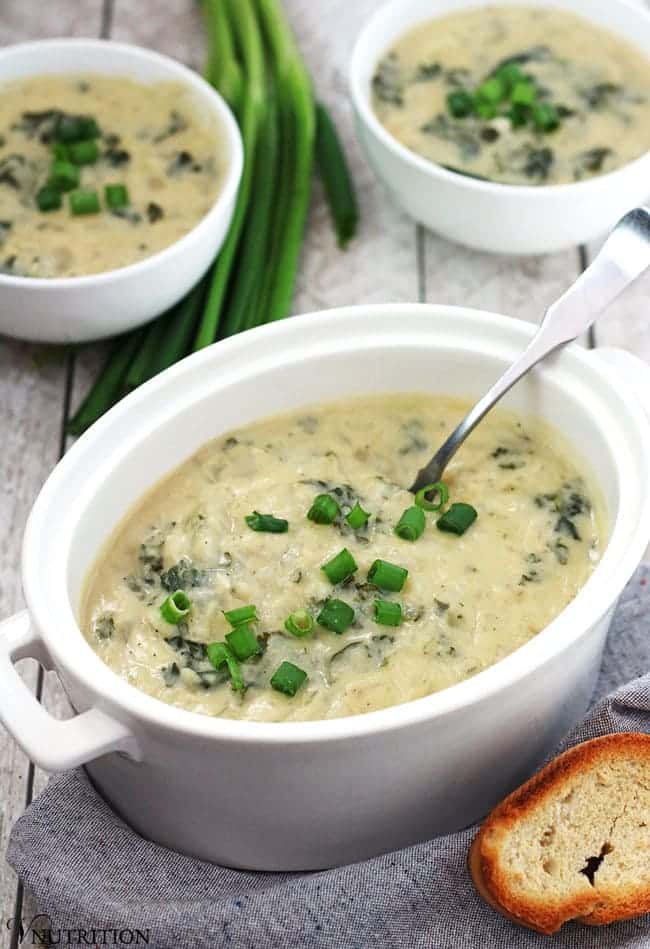
Colcannon Soup – V Nutrition 

close up of a white ramekin containing vegan green colcannon soup garnished with green onions and a silver spoon inside


vegan St. Patrick’s day Dinner

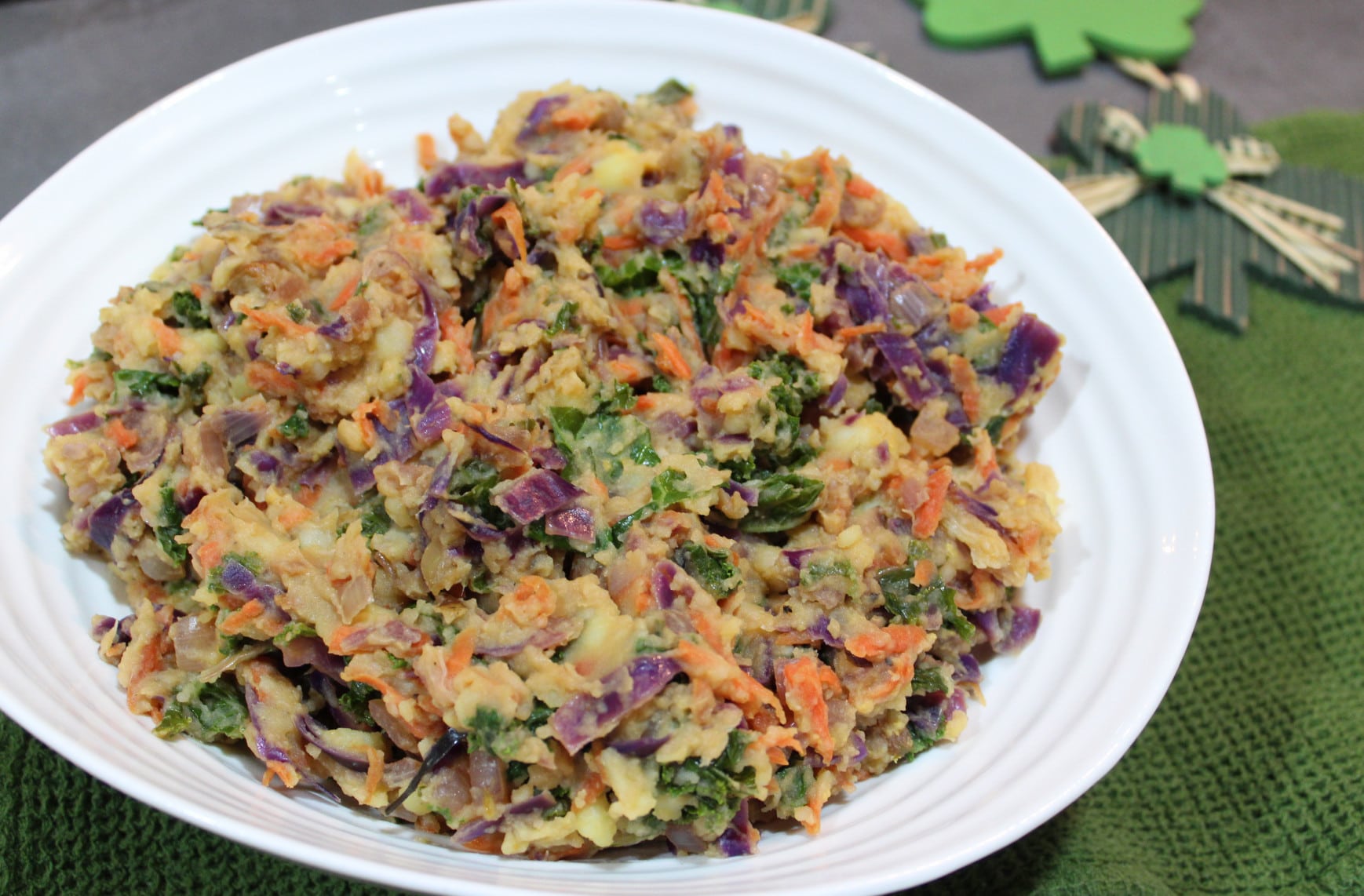
Vegan Rainbow Colcannon – Eat Real Live Well

birds eye view of vegan rainbow colcannon for st. patrick's day in a large white bowl

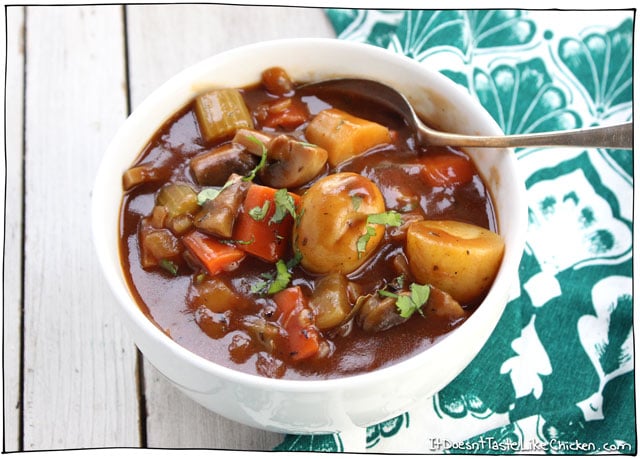
Irish Stew – It Doesn’t Taste Like Chicken 

close up image of vegan vegan irish stew garnished with fresh herbs in a white bowl with a silver spoon

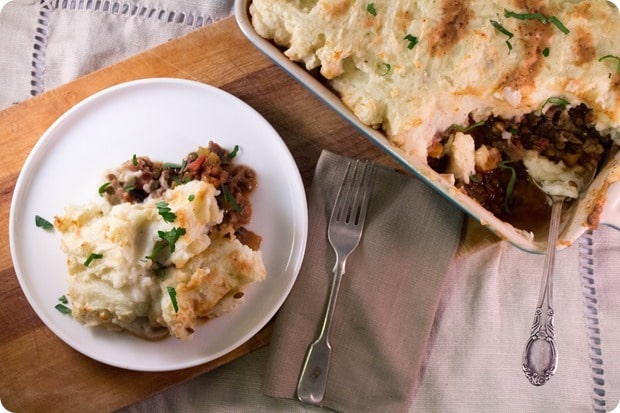
Vegan and Gluten Free Shepherd’s Pie – Fannetastic Food

birds eye view of a piece of vegan and gluten free shepherd's pie garnished with fresh herbs on a white plate next to a silver fork and a casserole dish containing additional shepherd's pie


vegan St. Patrick’s day Appetizers

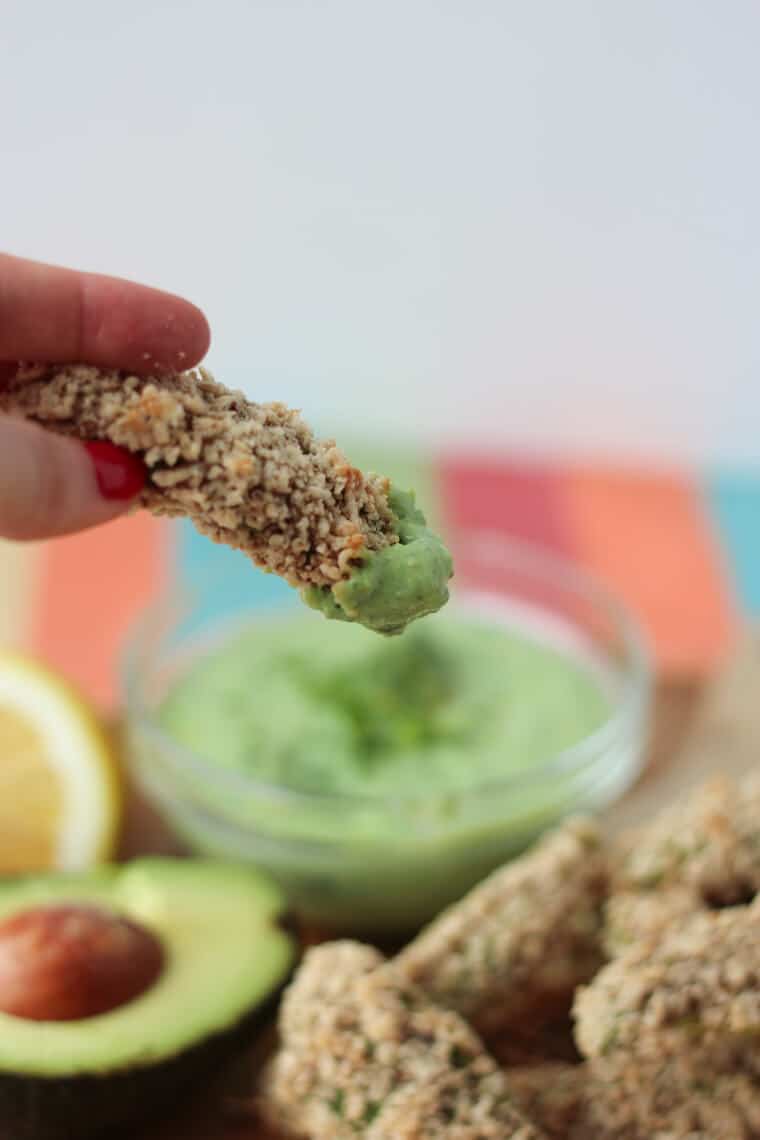
Avocado Fries with Green Goddess Dip – Abbey’s Kitchen

close up of an avocado fry dipped into green goddess dip with additional avocado fries and green goddess dip in a clear bowl in the background

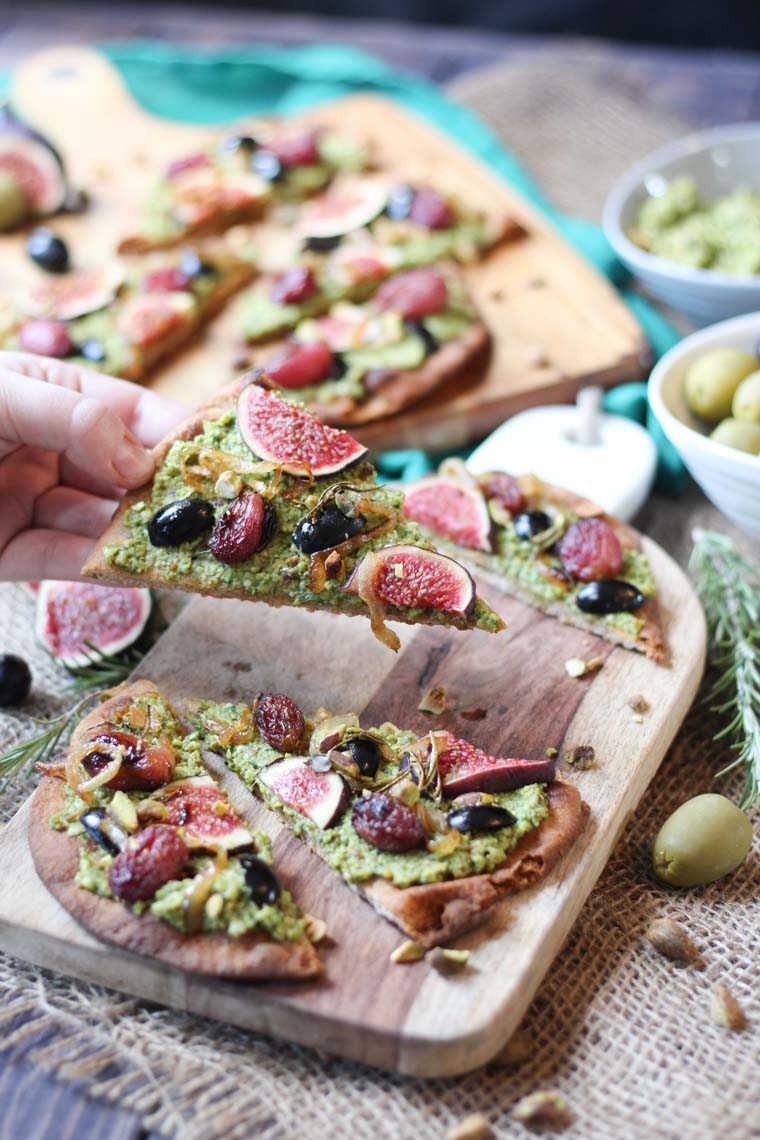
Vegan St. Patrick’s Day Pesto Olive Flatbread – Abbey’s Kitchen

close up of a slice of vegan st. patrick's themed pesto olive flatbread with additional flatbread pieces on wooden serving boards in the background

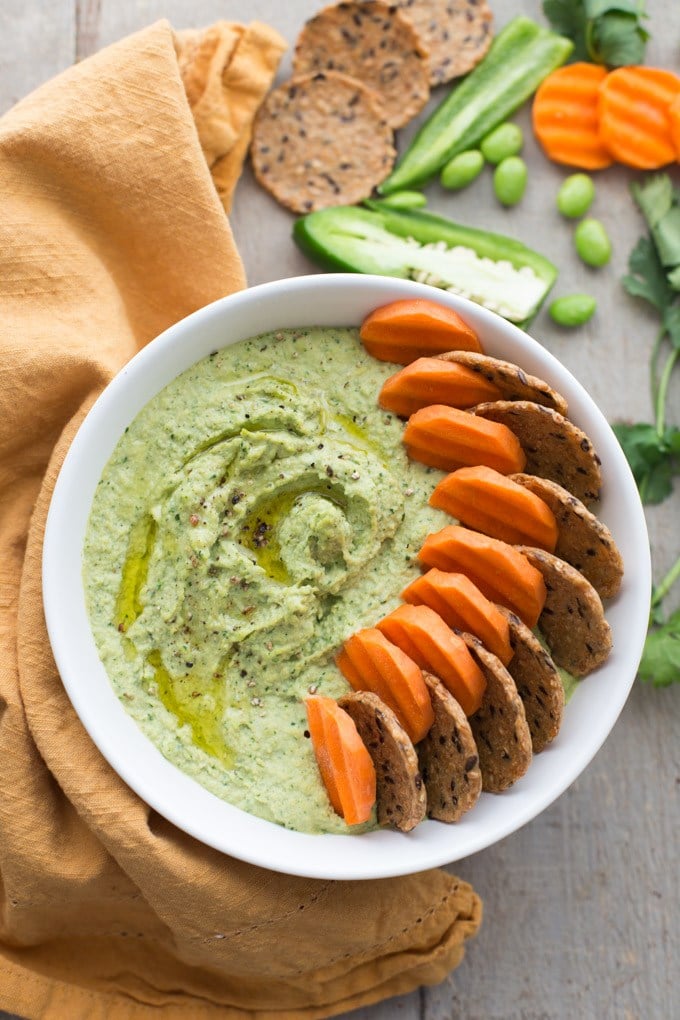
Cilantro Jalapeno Edamame Hummus – Crumb Top Baking

birds eye view of vegan green cilantro jalapeno edamame hummus garnished with crackers and carrot slices in a white bowl

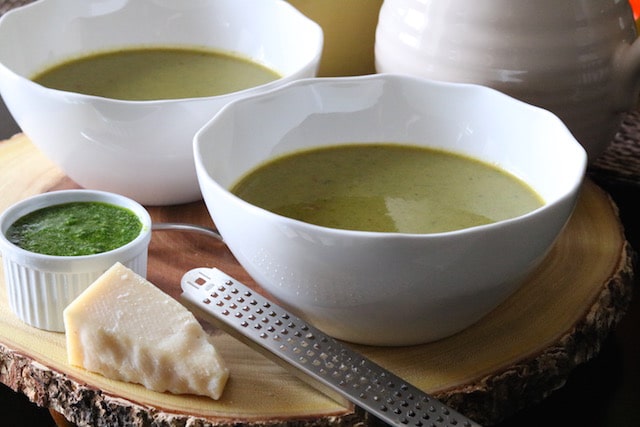
Asparagus Spinach Soup – Girl Heart Food

image of two white bowls containing green vegan asparagus spinach soup with parmesan cheese and green pesto on the side

SIDES

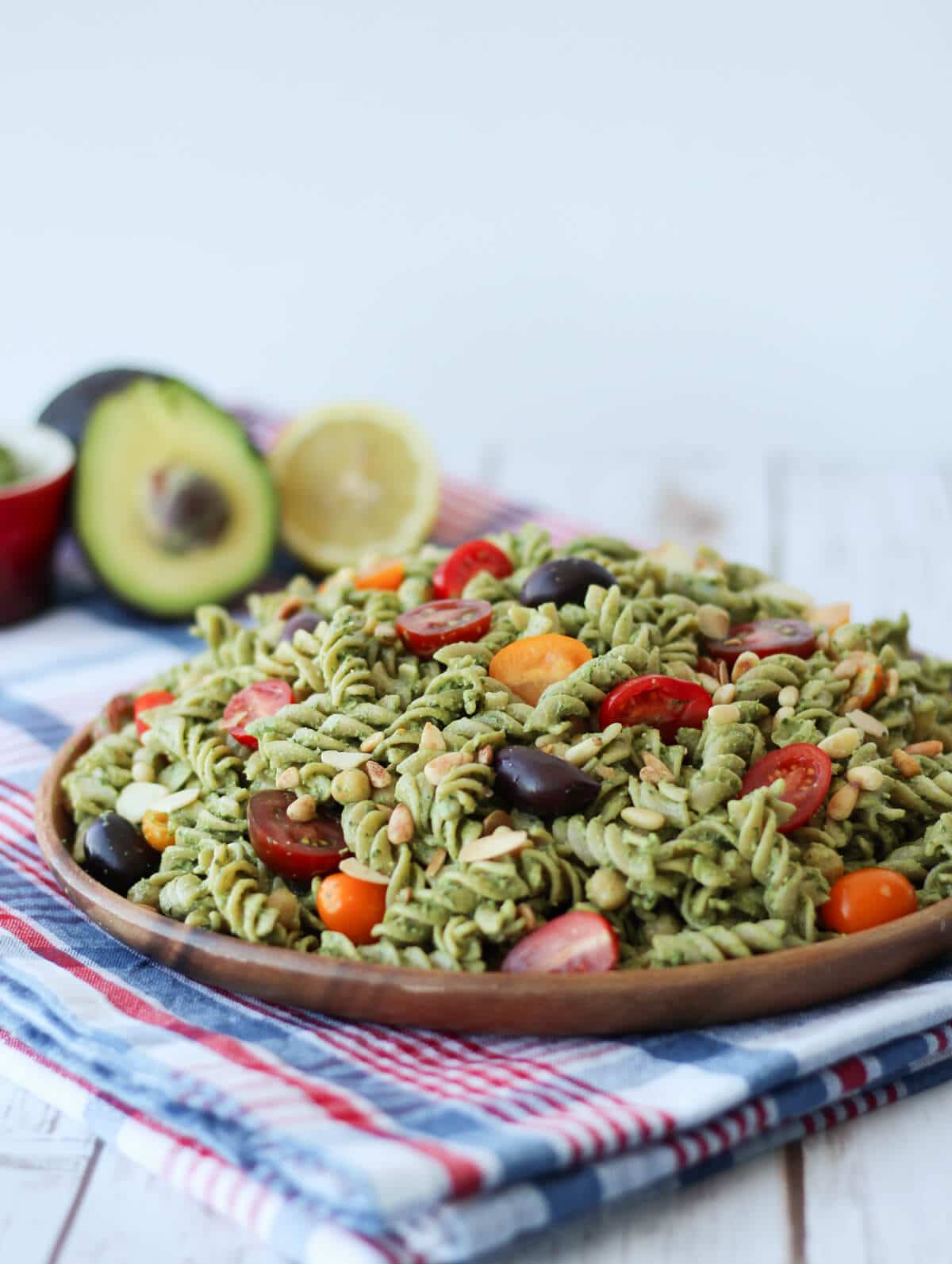
Vegan Pesto Pasta Salad – Abbey’s Kitchen

image of green vegan pesto salad with cherry tomatoes on a wooden dish with fresh avocado in the background

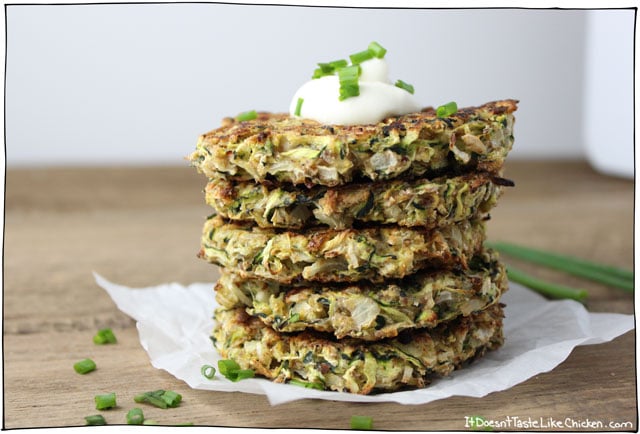
Vegan St. Patrick’s Day Baked Zucchini Fritters – It Doesn’t Taste Like Chicken 

close up of a stack of vegan baked zucchini fritters for st patricks day garnished with fresh herbs

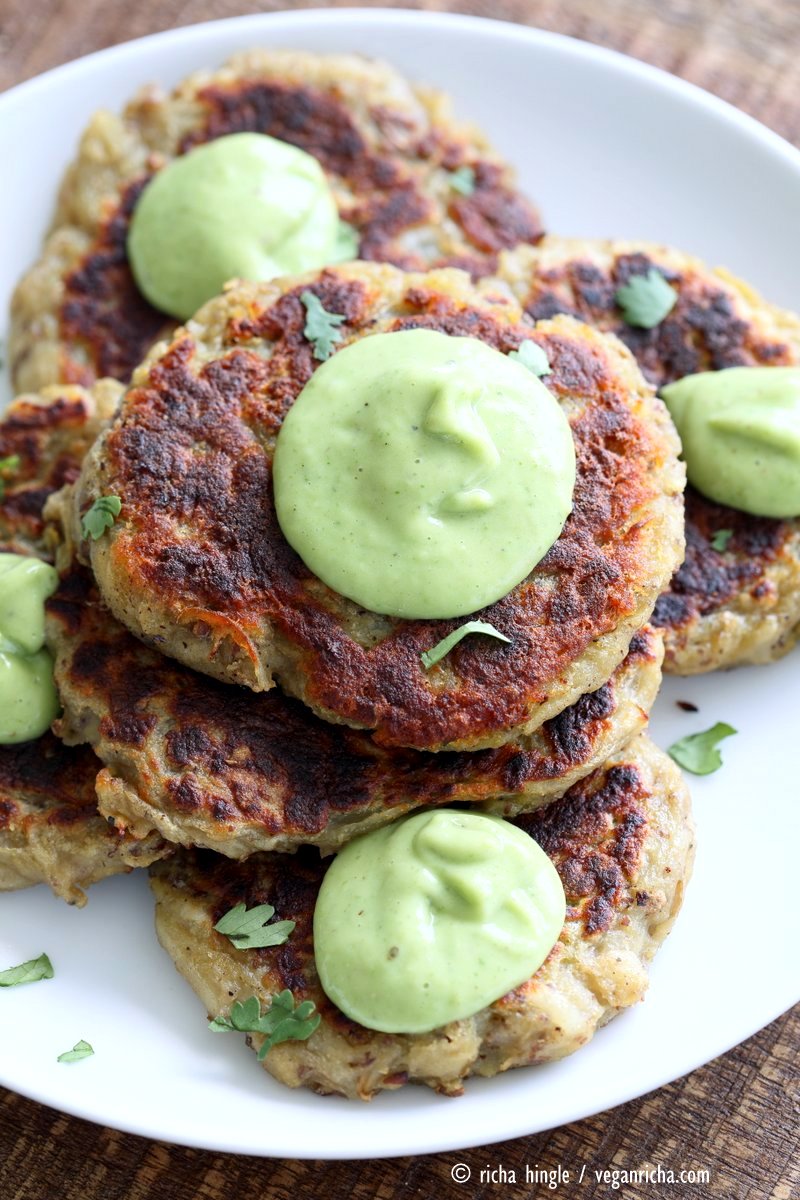
Irish Potato Cakes with Avocado Basil Ranch – Vegan Richa 

birds eye view of a stack of vegan irish potato cakes garnished with green avocado basil ranch

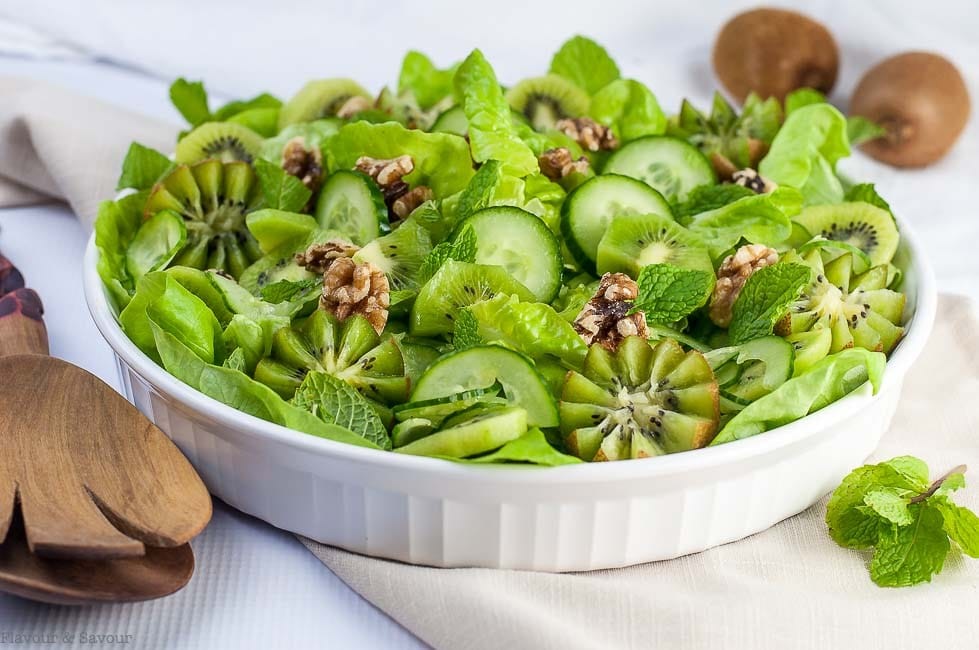
Kiwi Cucumber Salad with Walnuts and Fresh Mint – Flavour & Savour 

close up of kiwi cucumber salad with walnuts and fresh mint served in a large white dish with wooden serving utensils


Dessert

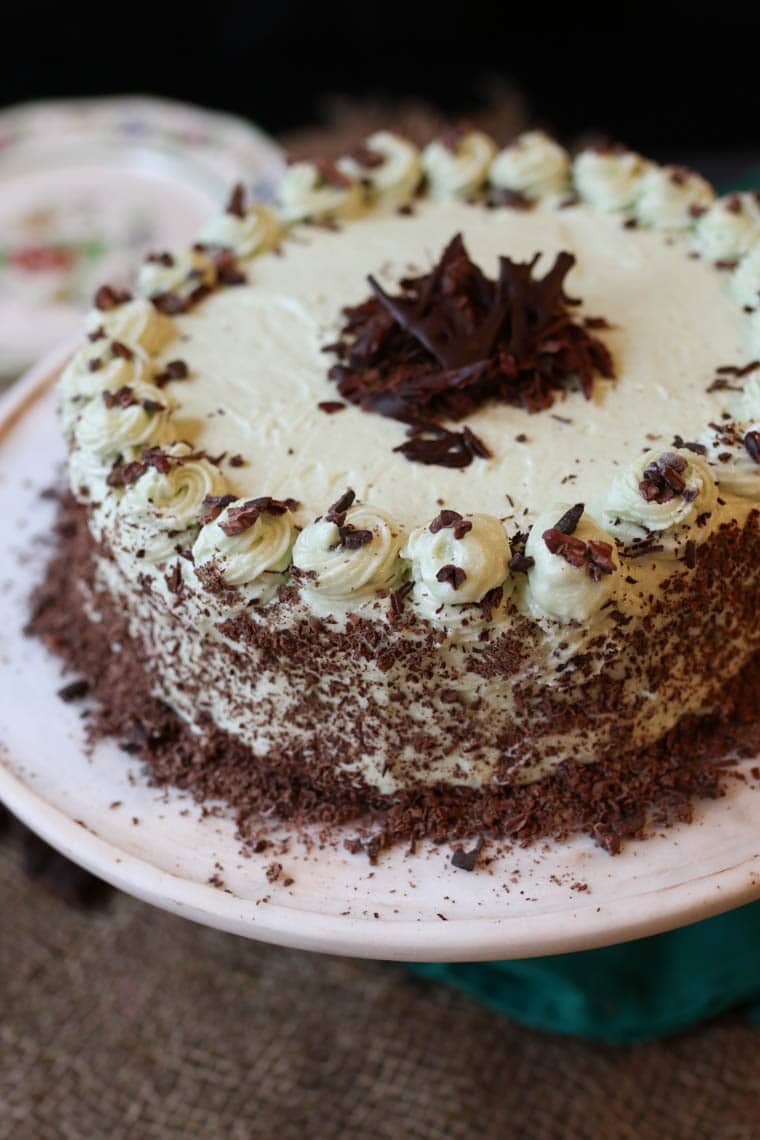
Gluten Free Vegan Mint Chocolate Cake – Abbey’s Kitchen

close up of gluten free vegan mint chocolate cake garnished with shaved chocolate served on a white plate

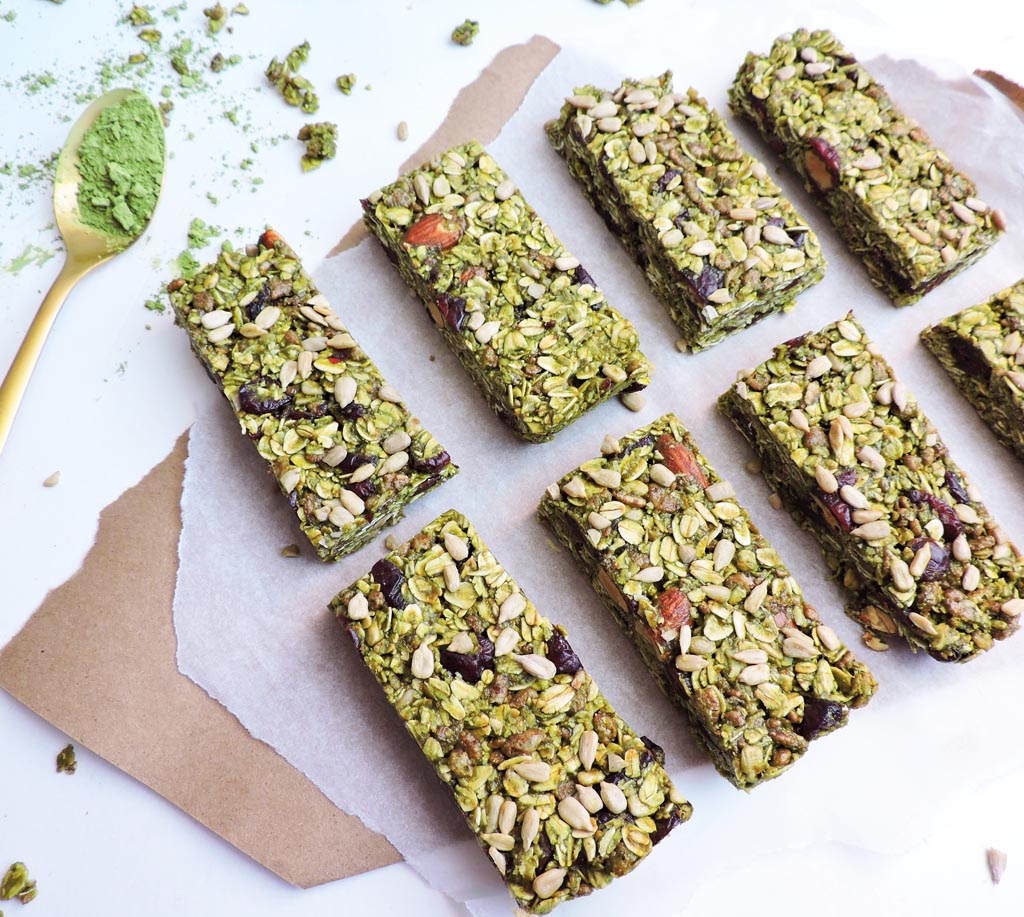
No Bake Super Matcha Bars – Beautiful Eats & Things

birds eye view of seven no bake green super matcha bars served on parchment paper next to a spoonful of matcha powder

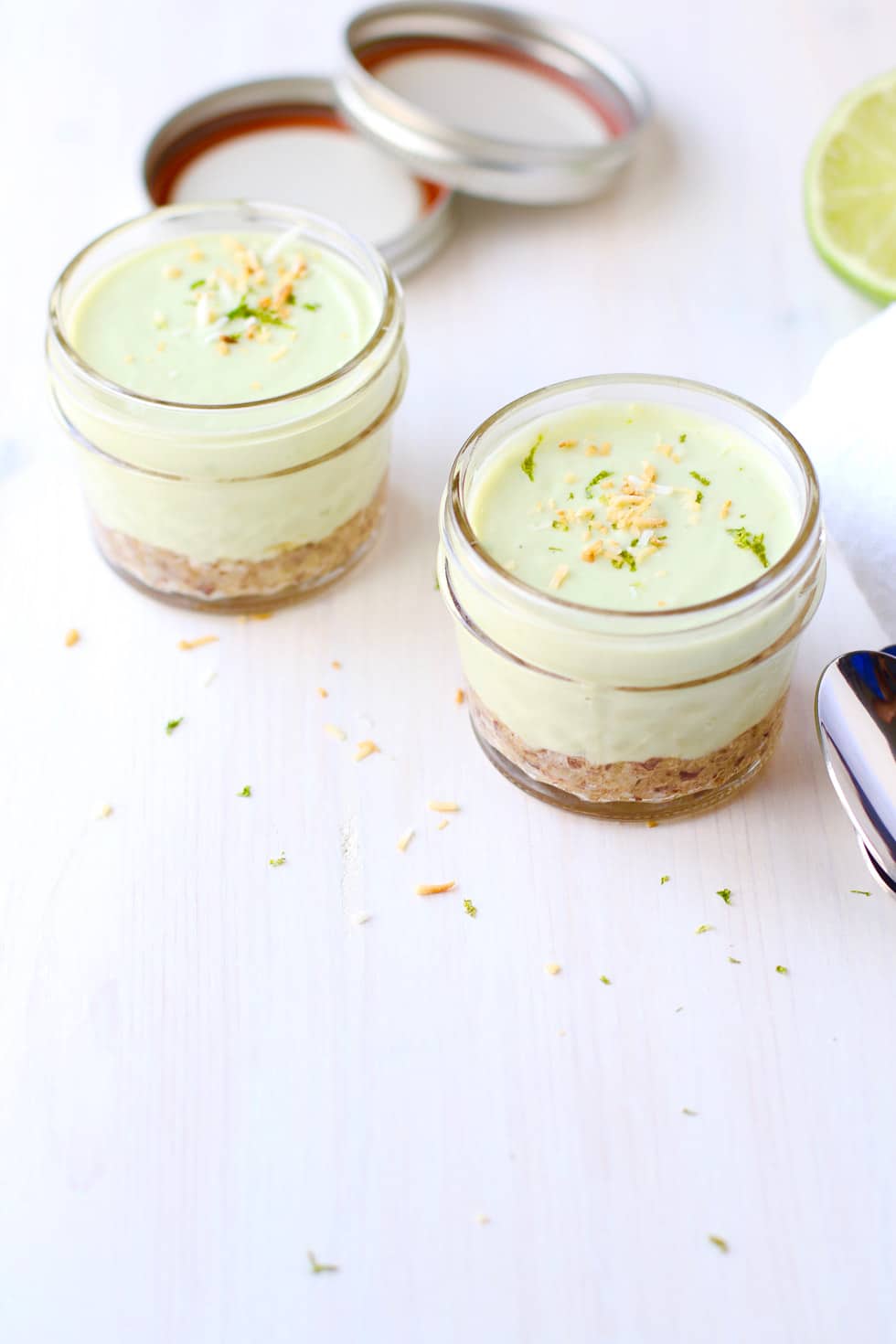
No Bake Coconut Avocado Lime Tartlets – Marisa Moore Nutrition
two vegan no bake coconut lime tartlets in small clear jars garnished with coconut and lime zest
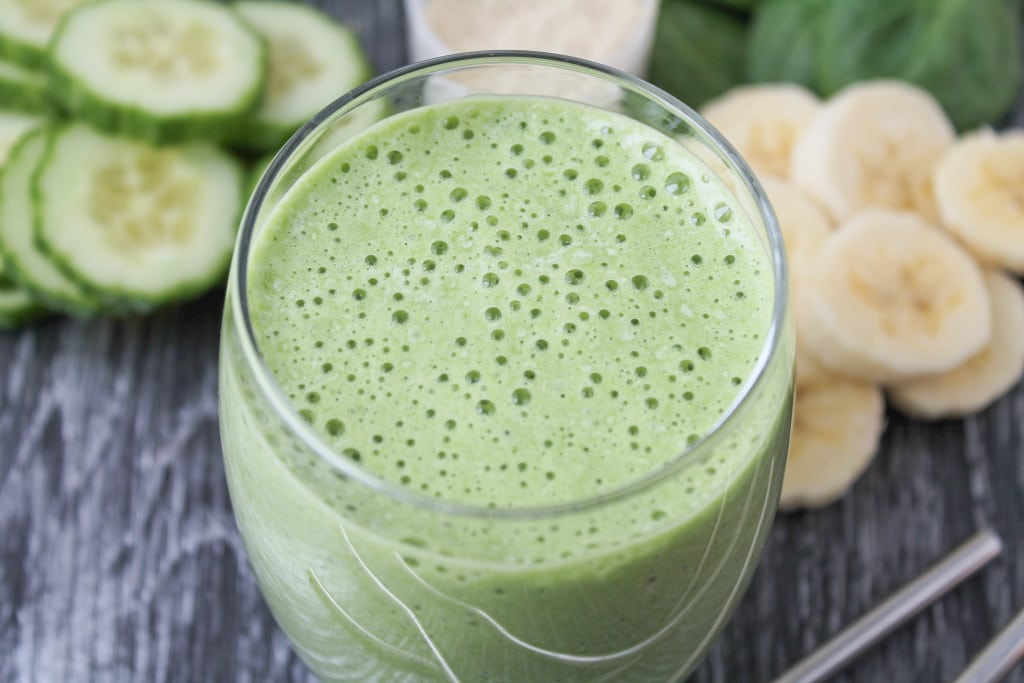
Vegan St. Patrick’s day Shamrock Shake – The Honour System

close up image of vegan green st. patrick's day shamrock shake in a clear glass with banana and cucumber slices in the background

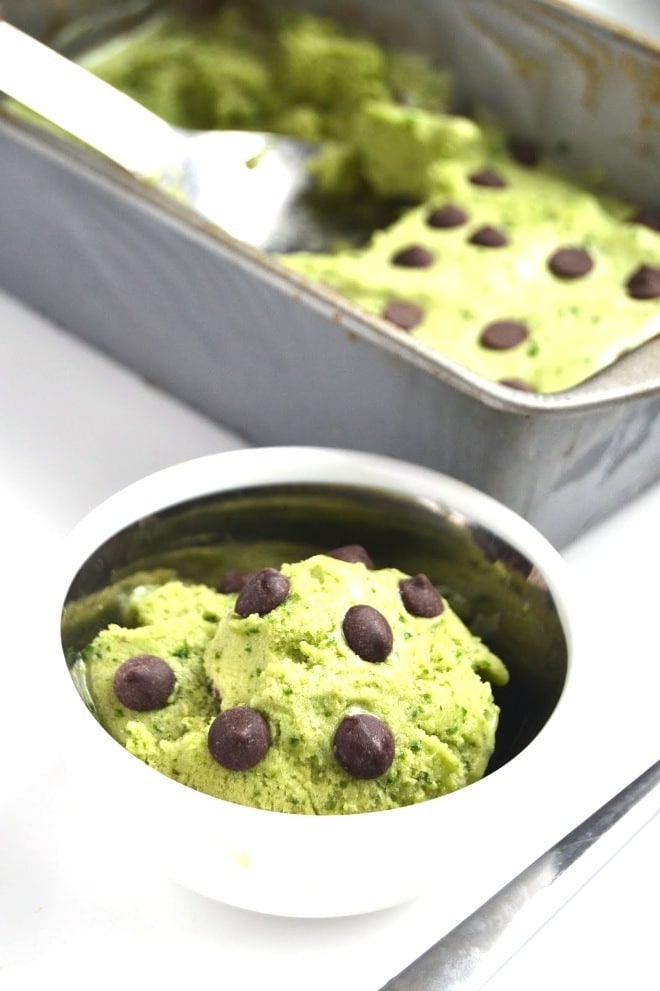
Mint Chocolate Chip Protein Ice Cream – The Nutritionist Reviews

close up of vegan mint chocolate chip protein ice cream garnished with additional chocolate chips served in a white bowl with additional ice cream in a grey tray in the background

Which one of these delicious vegan St. Patrick’s Day recipes will you be trying first?

What are some of your go-to St. Paddy’s day food traditions?

Leave me a comment below with your thoughts!

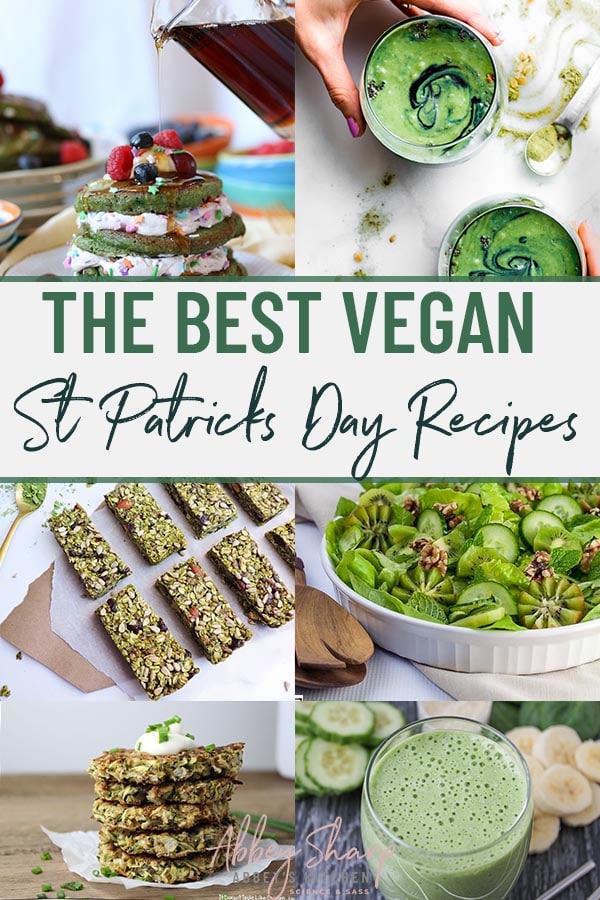
pinterest image of multiple vegan st patricks day green recipe photos with text overlay

By: RD2B Abi Sims

Abbey Sharp

Abbey Sharp is a Registered Dietitian (RD), regulated by the Ontario College of Dietitians. She is a mom, YouTuber, Blogger, award winning cookbook author, media coach specializing in food and nutrition influencers, and a frequent contributor to national publications like Healthline and on national broadcast TV shows.
www.abbeyskitchen.com/about-abbey/

Last Updated January 19, 2022. Published March 11, 2020 By Abbey Sharp 8 Comments

Vegan Diet and Bloating | How to Improve Gut Health

We explore the possible connection between a vegan diet and gut health and provide non-diet ways to relieve and treat bloating.

Have you heard the news? The new trend isn’t weight loss. It’s all about bloating. My YouTube, Facebook and Instagram feed is full of people promising to get rid of “bloating”. Every influencer is promising its viewers a “flatter tummy” and “better digestion to stop the bloat”, so I wanted to find out everything there is to know about bloating and actual ways to treat it. Specifically I want to talk about a vegan diet causes bloating and non-diet ways to treat bloating.

So grab a comfortable seat and let’s get into it!

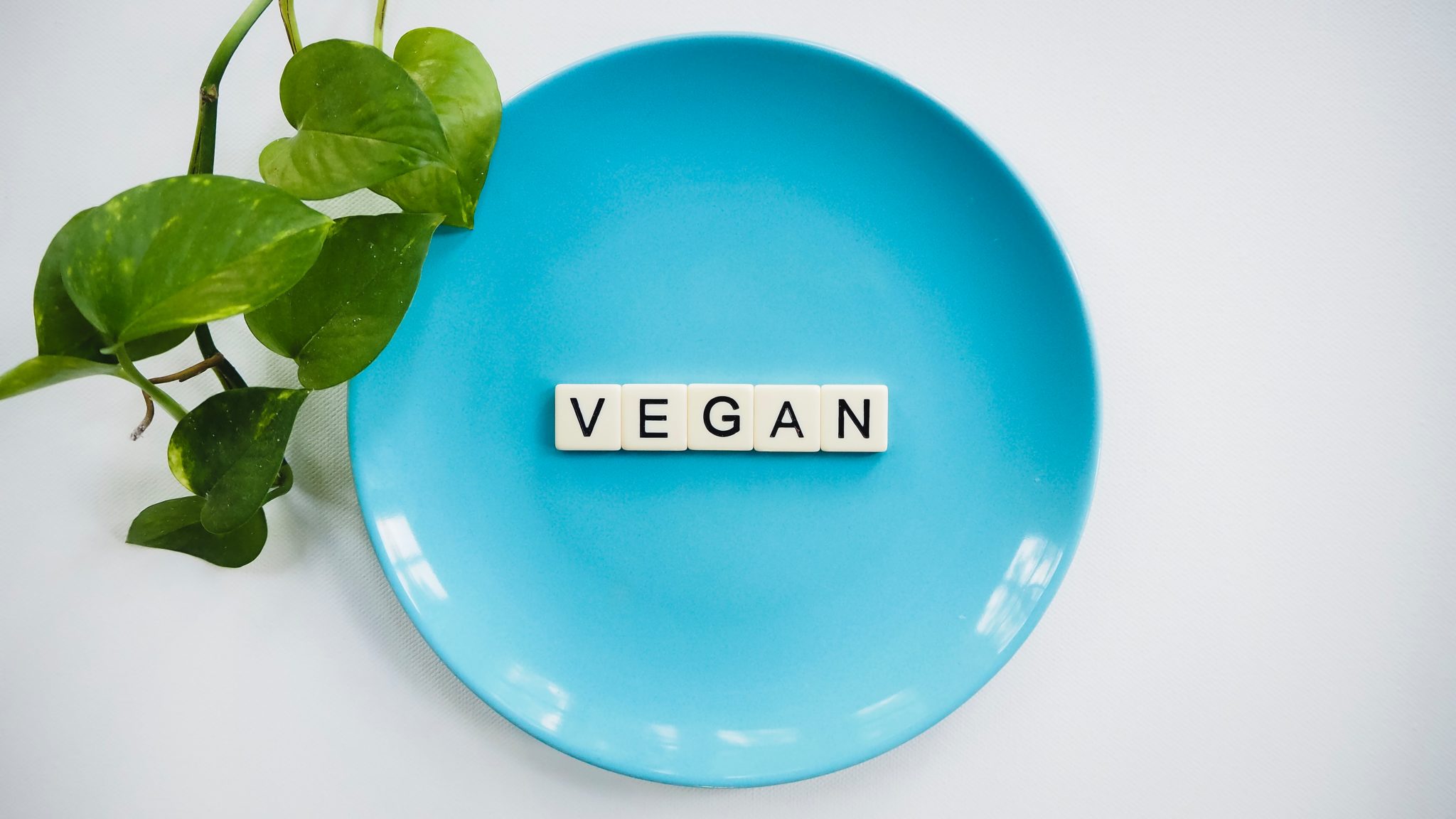
birds eye shot of a blue plate with the word vegan spelled across the plate with white tiles

What is Bloating?

Bloating is described as the feeling of abdominal pressure or feeling tight and swollen in the abdomen. With bloating, you often see an increase in abdominal size in a short period of time. Bloating is often accompanied by several other symptoms like abdominal pain, flatulence, burping, belching, abdominal rumbling or gurgles.

Bloating is a very common condition. It’s been reported in 20% to 30% of the general population. On top of that, more than 50% of people with bloating report that it has a significant impact on quality of life.

Can Bloating Be Diagnosed?

Sadly, there is no specific test or biomarker for identifying bloating. When a person reports symptoms of tightness, fullness and pressure around the abdominal region, they are referred to get tested for common gut disorders. We’ll discuss that in a bit.

common Causes of Bloating

Excessive Gas

Excessive as is believed to be a common cause of bloating. Gas can buildup in our digestive tract when undigested food gets broken down or when you swallow too much air. This study using abdominal radiography demonstrated that intestinal gas volume was greater in patients with IBS than in controls (54% vs 118%). At the same time, some studies, like this one, doesn’t support the theory that excessive gas induces bloating or abdominal pain.

Constipation

Constipation is a common cause of bloating because the buildup of fecal matter in a colon can mimic the pain and pressure of bloating. Stool stuck in the colon can produce more gas leading to abdominal discomfort.

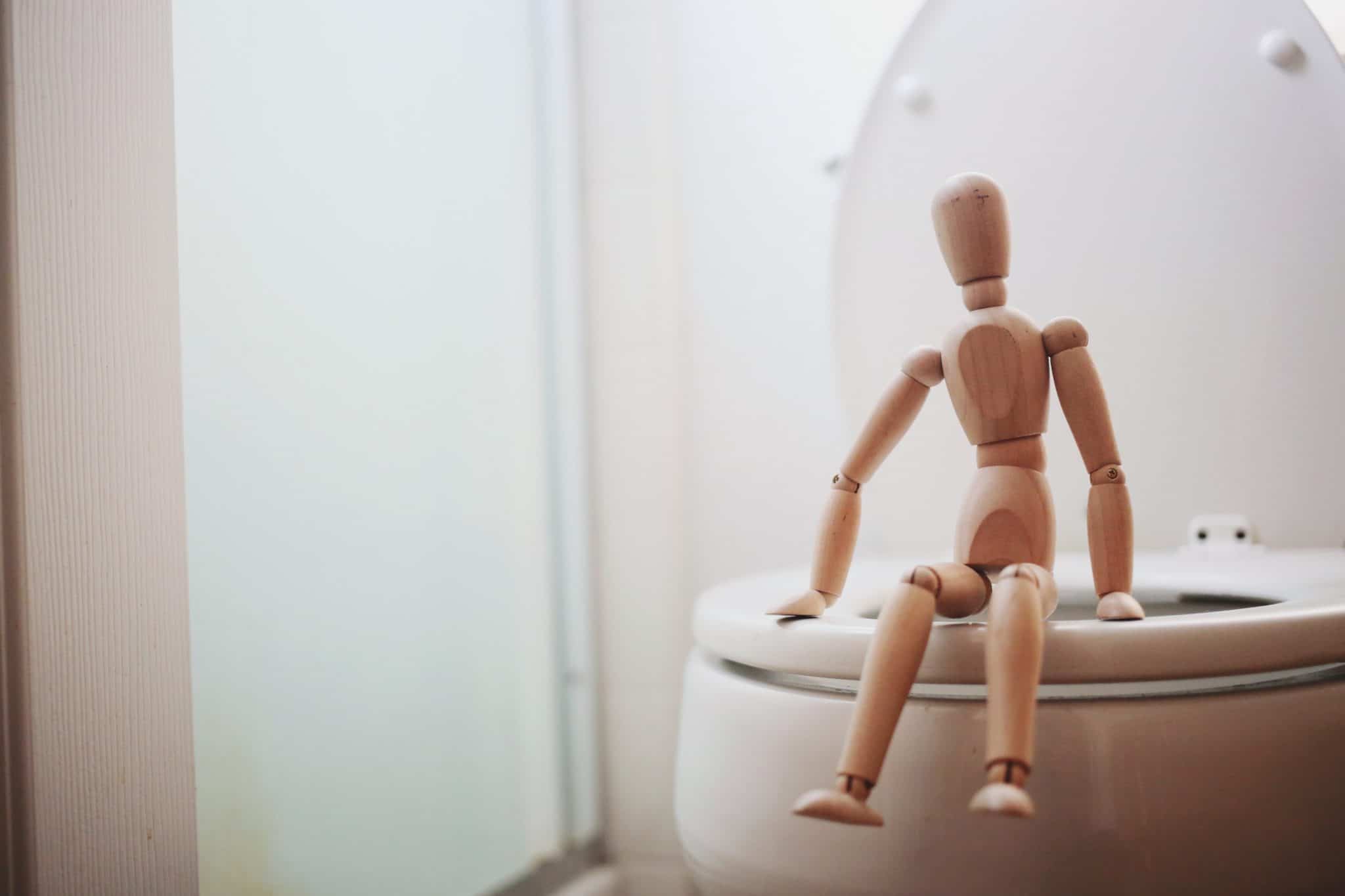
close up of a wooden action figure sitting on the toilet

Uncoordinated Abdominal Wall Muscles

Aside from gas or constipation, another cause of bloating may be a muscular issue. When we eat, our diaphragm typically needs to move up to accommodate your stretched stomach. If there’s an issue with your abdominal muscles, it may not be able to accommodate your stretched stomach, triggering bloating and abdominal pain.

Psychological Distress

Some research discovered that patients with bloating revealed increased anxiety and depression. This led to the hypothesis that psychological distress may contribute to the perceived severity of bloating. In some large studies, bloating was associated with some major depressive disorder, panic disorder and sleeping difficulties.

While some of these studies mentioned are a few decades old, other studies have failed to demonstrate the relationship between psychological distress and bloating. For now, it’s still unclear whether a relationship exists.

Medical Causes of Bloating

While there are a bunch of medical causes of bloating, let’s just look at a few common ones.

Small Intestine Bacterial Overgrowth (SIBO)

SIBO is a condition where patients develop excess bacteria in their small bowel leading to severe bloating and distension. SIBO is a really common topic among wellness bloggers, with a lot of people claiming that IBS doesn’t exist, and that it’s really all SIBO. This apparently comes from studies that overstate the rates of SIBO in IBS with some studies suggesting up to 80% of IBS cases have SIBO. While SIBO does exist, at the moment we just don’t have a fantastic way to diagnose it yet. In clinical cases where SIBO is identified, it can be managed through a combination of dietary changes and antibiotics.

Functional Gastrointestinal Disorders (FGIDs)

close up of a person holding a poop emoji symbol for gut health

Functional Gastrointestinal Disorders (aka FGIDs) are disorders that affect any part of the gastrointestinal tract from the esophagus to the intestines.

What constitutes a FGID? The primary features of FGIDs are:

  • Abnormal motility
  • High nerve sensitivity
  • Brain-gut dysfunction

Here’s a common functional gastrointestinal disorder.

Irritable Bowel Syndrome

Irritable Bowel Syndrome (IBS) is defined as a group of intestinal symptoms that typically occur together. IBS symptoms vary in severity and duration from person to person. Some symptoms of IBS include, but not limited to: cramping, abdominal pain, bloating, gas, constipation and diarrhea. Bloating has been reported in up to 96% of patients with IBS.

Structural Gastrointestinal Disorders

Celiac Disease

Celiac disease is a digestive disorder caused by an abnormal immune reaction to gluten. Basically, your body responds to gluten as a toxin which destroys the villi which are found on the wall of the small intestines. When the villi is damaged, the body is unable to absorb nutrients from foods which can cause permanent intestinal damage and health complications. A common symptom of celiac disease is abdominal bloating and pain.

Inflammatory Bowel Disease

Inflammatory Bowel Disease (IBD) is defined as a group of intestinal disorders that cause prolonged inflammation of the digestive tract. The two main forms of IBD are Crohn’s Disease and Ulcerative Colitis. In Crohn’s Disease, inflammation can occur anywhere along the digestive tract, however is usually located in the lower part of the small bowel and the upper colon. In Ulcerative Colitis, inflammation typically occurs only in the large intestine, including the rectum and anus.

Both main forms of IBD can often cause bloating and gas.

Can A Vegan Diet Cause Bloating?

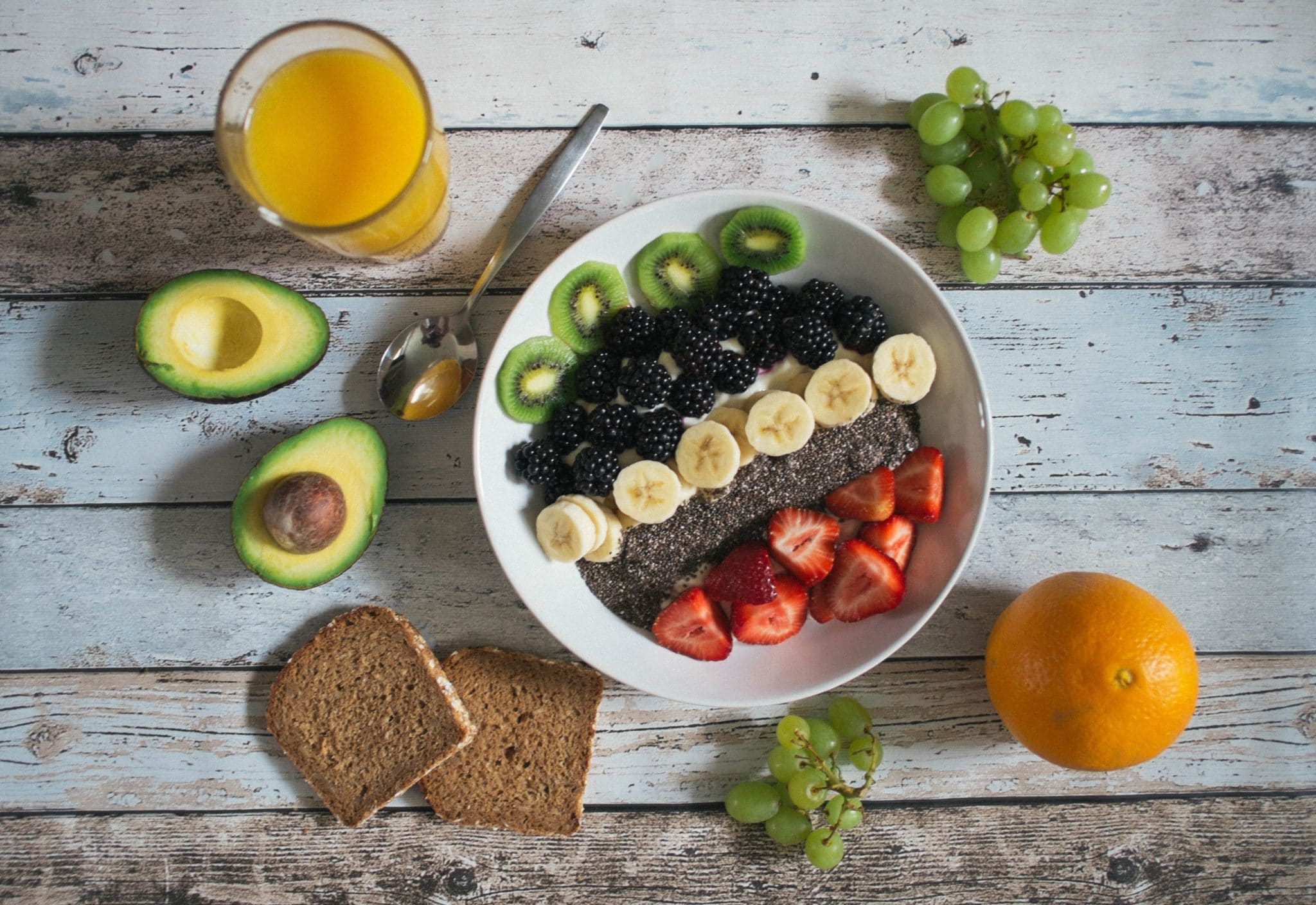
images of plant-based foods to represent vegan diet and bloating

With the Un-Vegan movement spreading on YouTube, many YouTubers that used to be vegan have claimed that a vegan diet caused their bloating, gas and other digestive issues.

Let’s explore some potential relationship between a vegan diet and bloating.

a vegan diet is Typically High Fibre Diet

A vegan diet is typically high in fruits, veggies, beans and legumes, which all happen to be high in fibre. While fibre is important for keeping us regular and carry numerous health benefits, a diet TOO rich in fibre may cause bloating. People that initially transition to a vegan or vegetarian diet tend to report unpleasant gut issues like constipation, bloating or diarrhea. While these symptoms tend to go away after a few weeks or months, some people experience those symptoms chronically. This is likely not because of the diet per se unless you’re consuming an excessive amount of fibre consistently, but there may be other underlying causes of their bloating.

a vegan diet is high in FODMAPs

Now, if you’ve heard about bloating, you’ve probably also heard about FODMAPs or a Low FODMAP diet. Again, a vegan diet can often be high in carbs, especially if you’re following a high carb raw vegan diet. In that case, you’re more likely to consume certain FODMAP containing foods because they’re found in carbohydrates.

For a more detailed breakdown of FODMAPs be sure to check out my post on FODMAPs here. FODMAPs are a group of short chain carbohydrates that share similar properties.

FODMAPs stand for “Fermentable Oligo-, Di-, Mono-saccharides And Polyols”

FODMAPs are small in molecular size and are often associated with digestive symptoms like gas, bloating, diarrhea and constipation because they are often difficult to breakdown and tend to be poorly absorbed in the small intestine.

Because FODMAPs are poorly absorbed they sit in the small bowel and intestine where they are fermented and produce excess gas, leasing to bloating and stomach pains. FODMAP compounds draw water into the small intestine, and that excess water in the digestive tract can cause feelings of pressure and fullness around the abdomen.

So how does this relate to a vegan diet? Well, a vegan diet tends to be rich in fruits, vegetables, legumes, pulses, grains and FODMAPs are found almost exclusively in plant foods (with the exception of lactose in dairy products).

Here are some common FODMAP foods which may be found in a vegan diet.

  • wheat: bread, pasta, breakfast cereals
  • grains: amaranth, barley,
  • garlic
  • onion
  • high FODMAP fruits: apple, apricots, cherries, peaches, figs, mangoes, watermelon
  • high FODMAP vegetables: asparagus, brussels sprouts, cauliflower, leeks, mushrooms, snow peas
  • legumes and pulses: black eyes peas, chickpeas, kidney beans, lentils, split peas
  • sweeteners: agave nectar, sugar free mints, chewing gums

When it comes to FODMAPs, some individuals are more sensitive than others, in which case specific FODMAP compounds are eliminated from their diet.

Benefits of a Vegan Diet on Gut Health

While some people following a vegan diet may experience gut issues, there are also other instances where a vegan/vegetarian diet helps to populate our gut with a diversity of good bacteria that can directly benefit our health. According to evidence, a plant-based diet appears to be beneficial for human health by promoting the development of a more diverse gut microbial system. One study found a positive association between local microbial richness and long-term fruit and vegetable intake. Another study found that adding whole grain barley, brown rice resulted in an increase in microbial diversity.

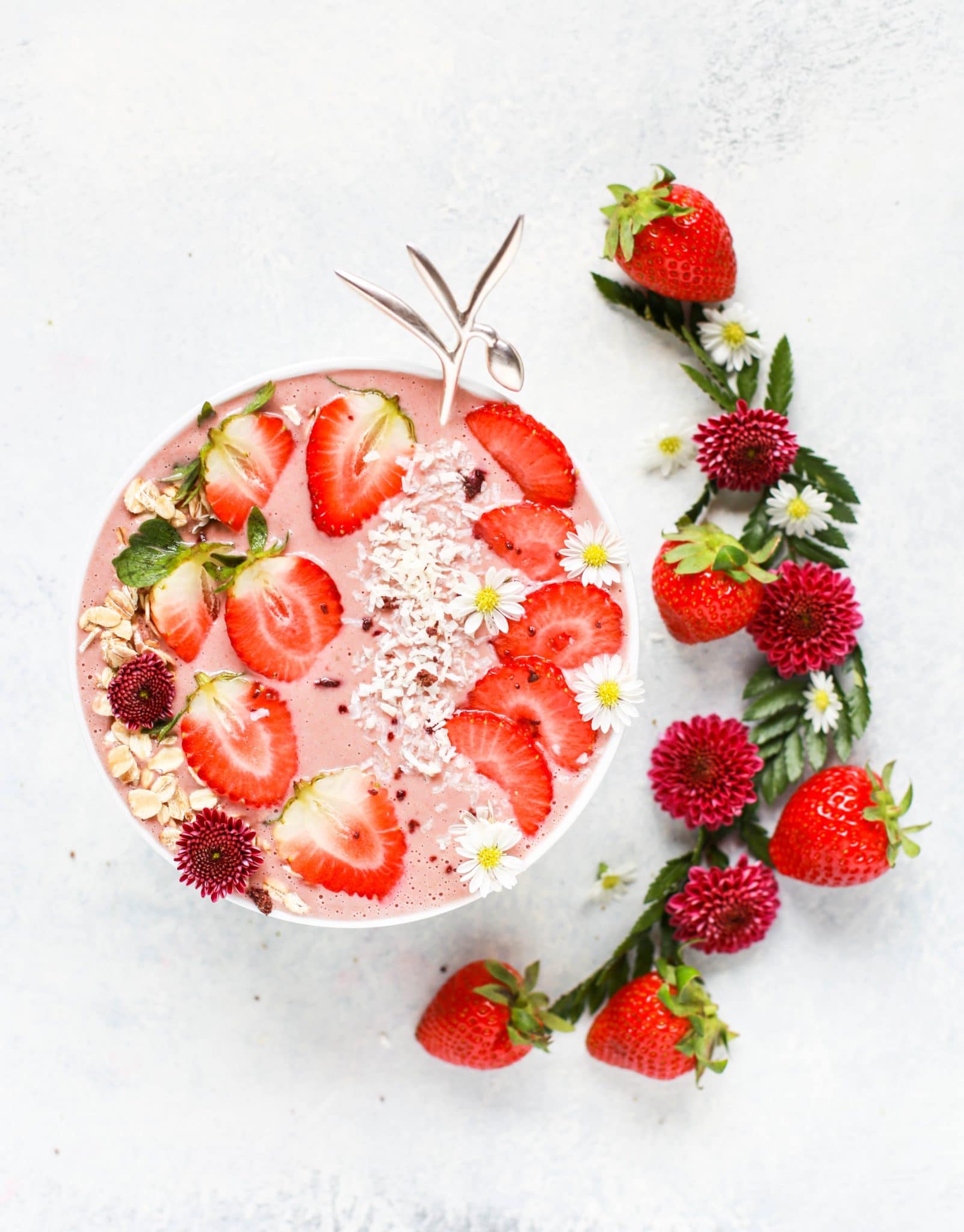
birds eye view of a vegan strawberry smoothie bowl against a white background with additional fresh strawberries lying next to the bowl

Can You Treat Bloating while on a vegan diet?

Bloating can be treated by working with a Registered Dietitian or Doctor to identify the contributing factors causing bloating and providing an individualized treatment plan. Some of these treatment strategies include the combination of dietary and lifestyle changes and medications.

Let’s review some of these strategies.

Dietary Changes for Treating Bloating while vegan

Increasing or Decreasing Fibre

Manipulating fibre may be an important first step if you’re struggling with constant bloating. If constipation is your associated symptom, increasing your fibre intake may be an effective strategy to help get the bowel moving and reduce bloating. Increasing fibre may worsen bloating symptoms if they’ve got underlying causes like IBS or IBD because fibre is often fermentable, meaning it can increase gas production and contribute to bloating. So this is why it’s always really important to work with a dietitian and doctor to understand your unique case.

Avoid Gas Producing Foods

Since bloating is often associated with excess gas in the digestive tract, it’s recommended that people avoid carbonated drinks and chewing gum to prevent the influx of more gas.

Cooking Foods

There is some evidence that cooking certain vegetables, rich in FODMAPs like broccoli, cauliflower, cabbage and brussels sprouts may make them easier to digest. Essentially, cooking foods will breakdown some of the food and make it easier for your body to digest.

Low FODMAP Diet

A Low FODMAP diet has been confirmed as the most effective therapy for the management of IBS and other gut related disorders. It’s been effective at decreasing symptoms in at least 75% of patients. According to studies, FODMAP restriction resulted in a 50% to 82% reduction in bloating. A Low FODMAP diet is not a sudden restriction of all FODMAP containing foods. With a Low FODMAP diet, FODMAP containing foods are avoided for a period of time to reduce bloating and gas buildup and that helps to isolate and identify which foods may be problematic in your diet. And in the context of a vegan diet, this may mean removing certain high FODMAP fruits, vegetables, wheat products, legumes and pulses.

It’s recommended to talk to your doctor and/or dietitian before initiating a Low FODMAP diet because it can be quite restrictive and requires the supervision of a professional.

Reduce High Fat Foods

Fatty foods can slow down digestion and the emptying of the stomach. While fats are beneficial in our diet, by playing a role in nutrient absorption and improve satiety and fullness, it may cause some people to bloat. In a person has an existing medical condition, like dyspepsia (aka indigestion), reducing dietary fat intake may improve their symptoms of bloating and abdominal discomfort.

Lifestyle Changes for Treating Bloating

Moving Your Body 

Like most instances, getting your body moving can do wonders for our health. Moving your body is a great way to naturally get things moving in your gut. This can improve gas clearance from the bowel. One study with eight patients with bloating found that using a stationary bike improved intestinal gas clearance and reduced symptoms of bloating.

woman practicing yoga to relieve discomfort from vegan diet and bloating

Stress-Relieving Activities

Aside from food, another cause of digestive issues is stress, so reducing stress may play a role in reducing bloating symptoms. Research has found that diaphragmatic breathing techniques may provide from benefit in reducing abdominal distension.

Medications for Treating Bloating

Laxatives

If a person’s bloating is caused by constipation, then laxatives may help to get the bowel moving and potentially reduce bloating. However, there are always risks of taking laxatives, especially on a regular basis. It’s recommended to speak with your doctor about taking laxatives.

Antibiotics

In some cases, antibiotics may be appropriate the management of certain conditions like Small Intestine Bacterial Overgrowth (SIBO). For SIBO management, a non-systemic antibiotic like Rifaximin is used where it remains in the gut without spreading to other areas of the body

Antidepressants

In some studies antidepressants were effective at reducing bloating, while other studies found no effect. This study found that Fluoxetine was more effective than the placebo at reducing abdominal discomfort and relieving the feeling of bloating. In another study, Paroxetine improved overall wellbeing, but no improvement was seen in improving abdominal pain or bloating. In both of these studies, the antidepressants were used in patients with Irritable Bowel Syndrome.

white pill capsules on a white plate for vegan diet and bloating

Digestive Enzymes

If you’re having trouble breaking down certain carbohydrates, your doctor may recommend a digestive enzyme. However, currently there is little evidence that combination digestive enzymes (that is, not traditional digestive enzymes like Beano or Lactaid) are helpful for people with common gut problem like heartburn or IBS. There have been cases where digestive enzymes have been effective at reducing bloating, but for now the research is conflicting, at best.

I also want to briefly comment on the effectiveness of digestive enzymes. There are a ton of over-the-counter digestive enzymes, and the market for these enzymes is a lucrative one. By 2025, the digestive enzyme market is expected to grow to more than $1 billion. That being said, a lot of these digestive enzymes haven’t been regulated or scientifically evaluated for effectiveness. On top of that, some come with potential side effects and could interact with certain medications. Since we don’t always know the safety or even the purity of these supplements, I recommend always speaking with a doctor before shelling out the cash.

Why “I Feel Bloated” is The New “I Feel Fat”

woman standing in orange exercise apparel holding a blue flower against an orange background

One of the concerns I have with treating bloating is that many people resort to highly restrictive diets that may promote disordered eating. YouTube and other social media channels are littered with content about “waking up with a flat tummy” or “de-bloating teas and supplements”, which is really just a way to buy into diet culture. If you want to learn more about these supplements, please check out my post on detox teas for treating bloating and weight loss.

Become an Abbey’s Kitchen Subscriber

pinterest image of image of woman with orange crop top holding a flower above an image of a fruit bowl with superimposed text reading "does a vegan diet cause bloating?"

Contribution By:
Sofia Tsalamlal, RD

Abbey Sharp

Abbey Sharp is a Registered Dietitian (RD), regulated by the Ontario College of Dietitians. She is a mom, YouTuber, Blogger, award winning cookbook author, media coach specializing in food and nutrition influencers, and a frequent contributor to national publications like Healthline and on national broadcast TV shows.
www.abbeyskitchen.com/about-abbey/

Last Updated July 21, 2020. Published March 10, 2020 By Abbey Sharp 8 Comments

Baked Chicken Parmesan Foil Pack Dinner

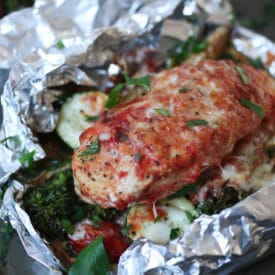
Baked chicken parmesan foil pack dinner with vegetables.

This baked chicken parmesan foil pack dinner is an easy keto friendly, gluten free and fast family friendly dinner recipe idea.

I have been leaning into my community a lot lately for garnering some great inspiration for recipes, and one of the things you’ve been asking for is easy one pan suppers. Foil pack dinner recipes have become really popular lately, and I think for good reason. They’re super easy to make and they’re super easy to clean. MAJOR win, win!

The other thing you’re all asking for is more chicken breast recipes. In fact, some of the most popular recipes on my blog is with chicken breasts. I get it. Chicken breasts on their own are kinda boring, so we could all use some more inspiration when it comes to jazzing them up.

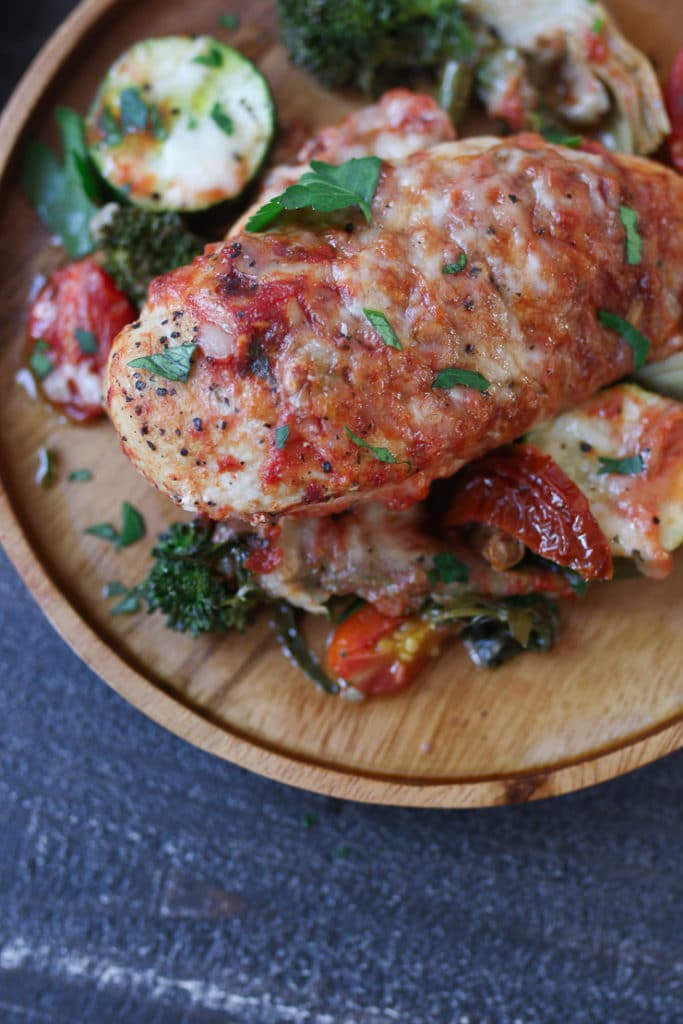
Baked chicken parmesan foil pack dinner on a wooden plate with vegetables.

Oh, and lower carb, keto friendly recipes – you want those too! And even though I am personally not a fan of the diet for weight loss purposes, hey, if eating less carbs makes you personally feel good (I get that this is a totally personal thing), then I want to ensure you have balanced options to do it with. Bacon, on cheese, on a full-fat hamburger patty wouldn’t be my first choice.

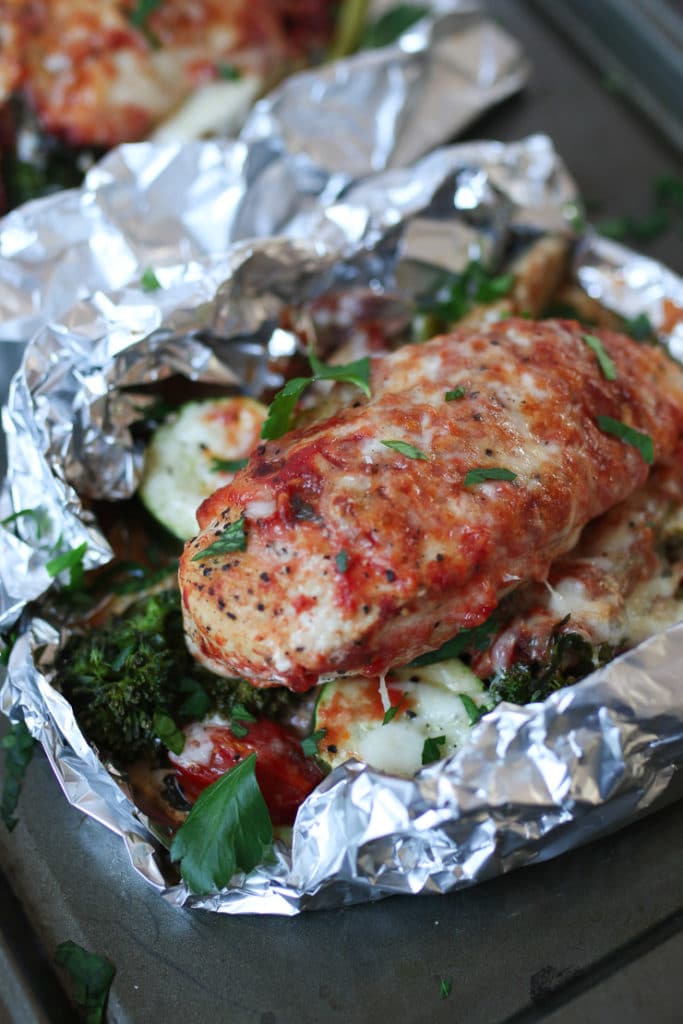
So today I wanted to hop on the foil pack dinner bandwagon with this easy baked keto friendly chicken parmesan foil pack dinner recipe. It’s chicken-y. It’s cheesy. It’s got veggies hiding underneath. Seriously, what’s not to love.

How to Make this Keto Friendly Baked Chicken Parmesan Foil Pack Dinner

Two baked chicken parm foil pack dinners on a baking sheet.

I like cooking when the clean up pretty much just involve throwing something into the trash. My hubby would also seriously agree. So these baked chicken parmesan foil pack dinners are DA BOMB.

Now, I am really big on the texture of chicken breasts, and my hubby claims I make the BEST chicken breasts in the world. I humbly agree. I think it’s important to give them a little sear in a pan to get some colour, but if you’re in a pinch you can TOTALLY skip this step. I just think we need to give chicken breasts a little help wherever we can, #amiright?

Foil pack dinner with vegetables.

I then add some chopped zucchini, and rapini plus some jarred sun dried tomatoes and artichoke hearts to my foil pack, top it off with some store bought marinara sauce (I always use a low sugar, low salt version), and a handful of grated cheese.

Close up of foil pack dinner on a wooden plate with vegetables.

This easy baked chicken parmesan foil pack dinner is legit all you need for a light meal, or you can serve it on top of some cooked pasta, quinoa, crusty bread, or polenta if you’re not making this keto friendly, or in some cases, gluten free. Ooooo polenta would be extra dreamy. It’s also not breaded or fried like traditional chicken parmesan because I use the oven instead of the deep-fryer so it’s a much lighter, more balanced choice.

Now lovelies, tell me – what are you throwing into foil packs these days?

Have you tried my baked chicken parmesan foil pack dinner recipe?

Leave me a comment below with your thoughts!

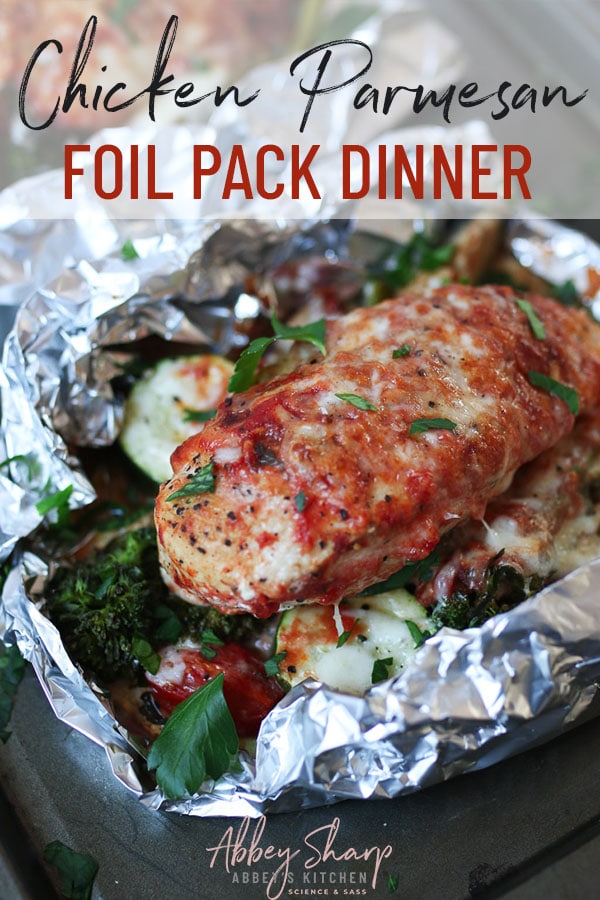
chicken parmesan dinner in foil pack on a bed of vegetables and topped with parsley
Baked chicken parmesan foil pack dinner with vegetables.
Print Recipe
5 from 2 votes

Baked Chicken Parmesan Foil Pack Dinner

This baked chicken parmesan foil pack dinner is an easy keto friendly, gluten free and fast family friendly dinner recipe idea.
Prep Time15 minutes mins
Cook Time40 minutes mins
Total Time55 minutes mins
Course: Dinner
Cuisine: American, Italian
Servings: 4 people
Calories: 328kcal
Author: Abbey Sharp

Ingredients

  • 1 tbsp olive oil
  • 4 skinless boneless chicken breasts
  • Salt and pepper
  • 1 head rapini trimmed
  • 2 small zucchini cut into round pieces
  • 1/2 cup jarred artichoke hearts
  • 1/4 cup jarred sundried tomatoes sliced
  • 1 cup cherry tomatoes halved
  • 1 tsp dried oregano
  • 1 cup marinara sauce low sugar, low salt, if possible
  • 1 cup grated mozzarella cheese
  • 2 tbsp grated parmesan cheese
  • Parsley for serving

Instructions

  • To a large nonstick skillet, heat the oil over medium high heat. Sprinkle the chicken with salt and pepper and pan-fry until lightly golden, about 3 minutes per side.
  • Meanwhile, preheat oven to 400 F.
  • Lay out four sheets of tin foil, about 15 inches in length.
  • Divide up the zucchini, rapini, artichoke hearts, sundried tomatoes, cherry tomatoes, oregano, and a pinch each of salt and pepper.
  • Top the veggies with a chicken breast in each pack, and top that with marinara sauce, and cheese.
  • Spritz the inside of the foil of oil or nonstick spray (to prevent the cheese from sticking). Fold the short sides up (top and bottom), then fold the left side over the chicken, and then the right side over.
  • Bake in the oven for 25 minutes.
  • Open up the package and bake for an additional 7-8 minutes until the cheese caramelizes a bit and the chicken is 165 F inside.
  • Carefully transfer the foil pack to a serving plate, top with parsley and enjoy!

Nutrition

Calories: 328kcal | Carbohydrates: 15g | Protein: 34g | Fat: 15g | Saturated Fat: 5g | Cholesterol: 131mg | Sodium: 809mg | Potassium: 1184mg | Fiber: 5g | Sugar: 9g | Vitamin A: 2675IU | Vitamin C: 49.7mg | Calcium: 285mg | Iron: 4.4mg
Abbey Sharp

Abbey Sharp is a Registered Dietitian (RD), regulated by the Ontario College of Dietitians. She is a mom, YouTuber, Blogger, award winning cookbook author, media coach specializing in food and nutrition influencers, and a frequent contributor to national publications like Healthline and on national broadcast TV shows.
www.abbeyskitchen.com/about-abbey/

Last Updated May 16, 2022. Published March 4, 2020 By Abbey Sharp 2 Comments

BEST Easy Vegan Soup Recipes for Cold Winter Days

This is a round up of the best easy vegan soup recipes for cold winter days since winter is the perfect time to cozy up with a delicious, healthy bowl of soup!

The best part about making soup is that the possibilities are endless! Here is a collection of the best 20 healthy easy vegan soups that will make eating vegetables simple and fast. This list includes a wide variety of flavours and spices, you are bound to find something you and your family will love!

our favourite 20 Best Easy Vegan Soup Recipes

Now without ado, here are some of my all time favourite easy soup recipes!

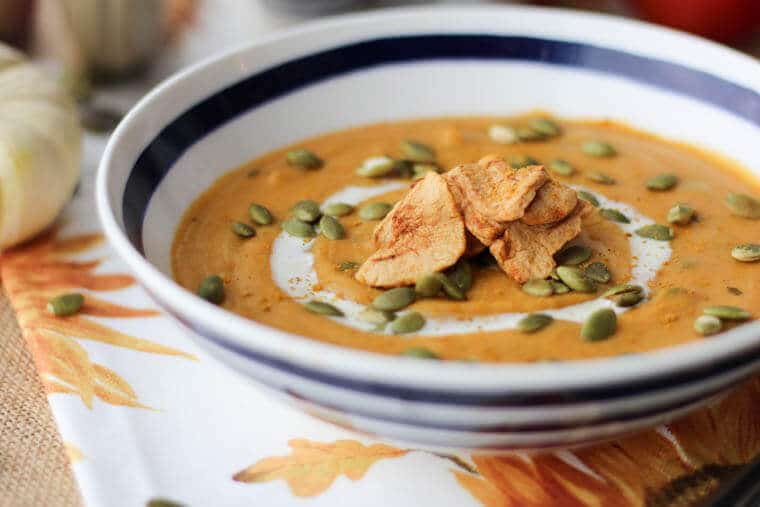
VEGAN CURRIED SWEET POTATO SOUP WITH APPLES AND CIDER – ABBEY’S KITCHEN
vegan soup recipe in striped bowl topped with seeds
 
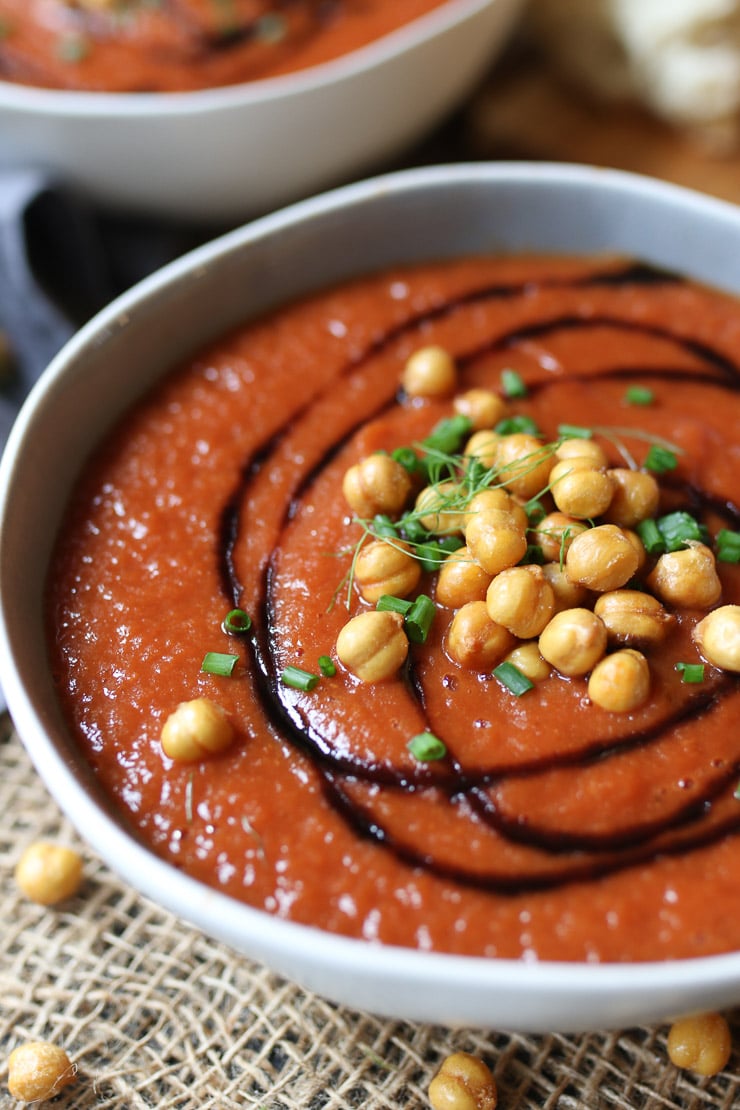
VEGAN ROASTED FENNEL TOMATO SOUP WITH GLUTEN FREE CHICKPEA CROUTONS – ABBEY’S KITCHEN
tomato vegan soup recipe topped with chickpeas
 
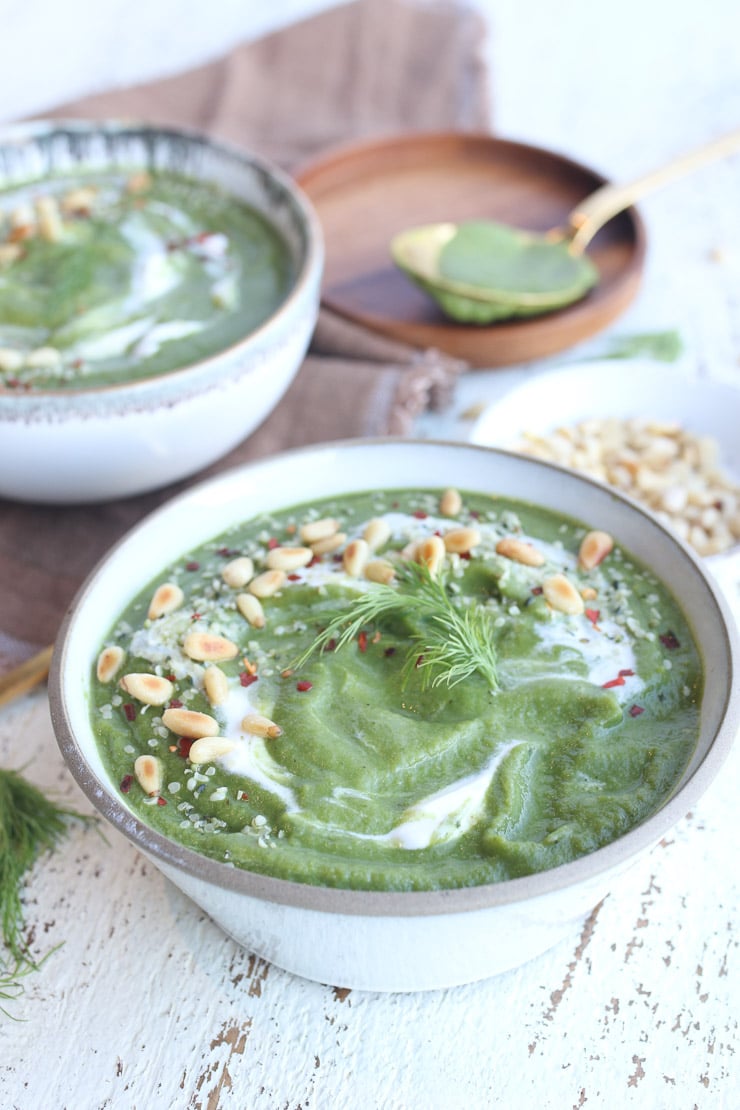
VEGAN BROCCOLI AND WHITE BEAN SOUP – ABBEY’S KITCHEN
 
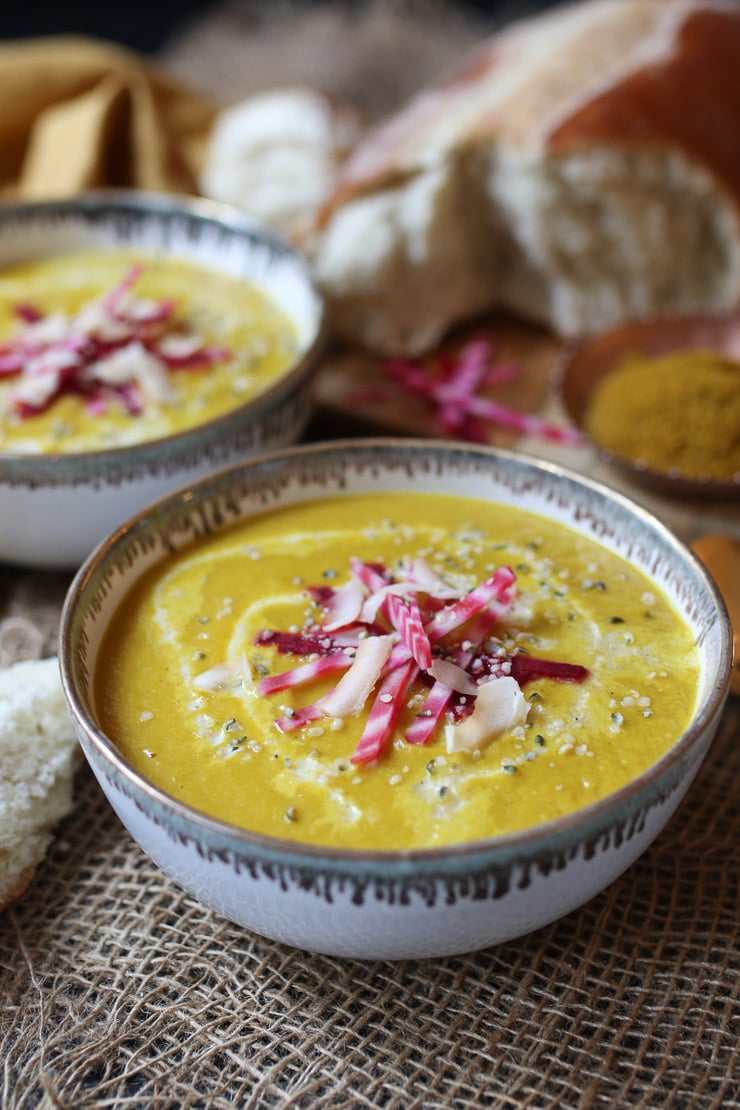
VEGAN YELLOW BEET COCONUT CURRY SOUP – ABBEY’S KITCHEN
yellow vegan soup recipe in a white bowl topped with beets
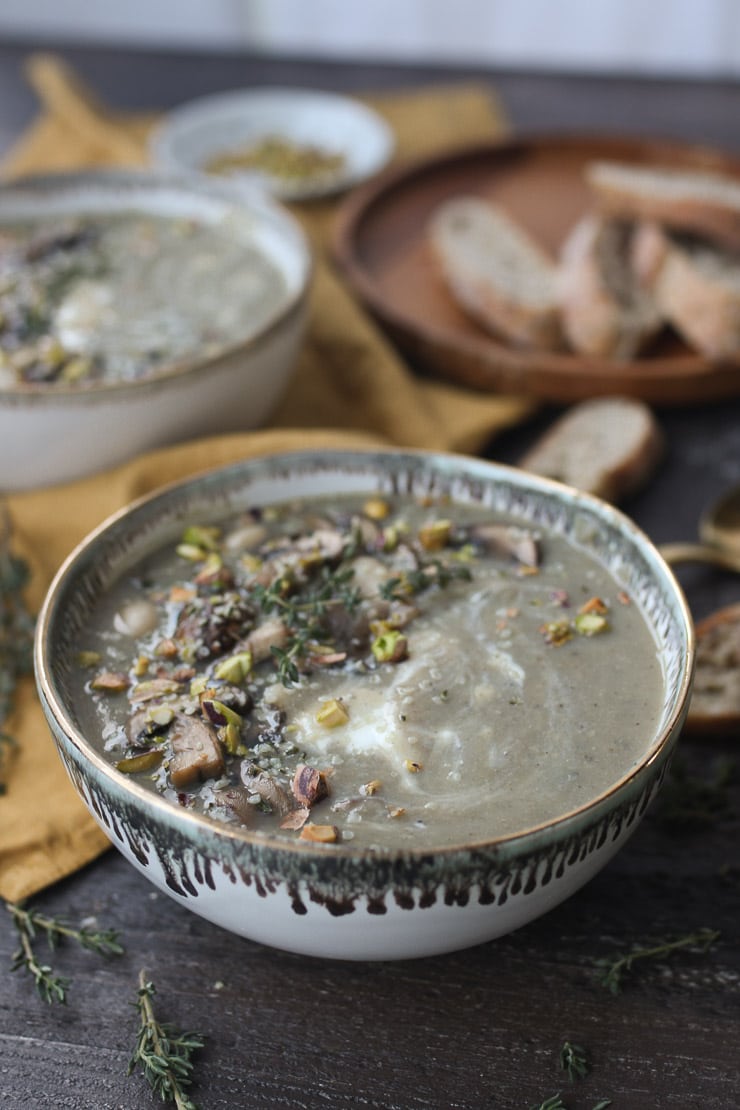
CREAMY VEGAN MUSHROOM SOUP WITH ROSEMARY WHITE BEANS – ABBEY’S KITCHEN
 
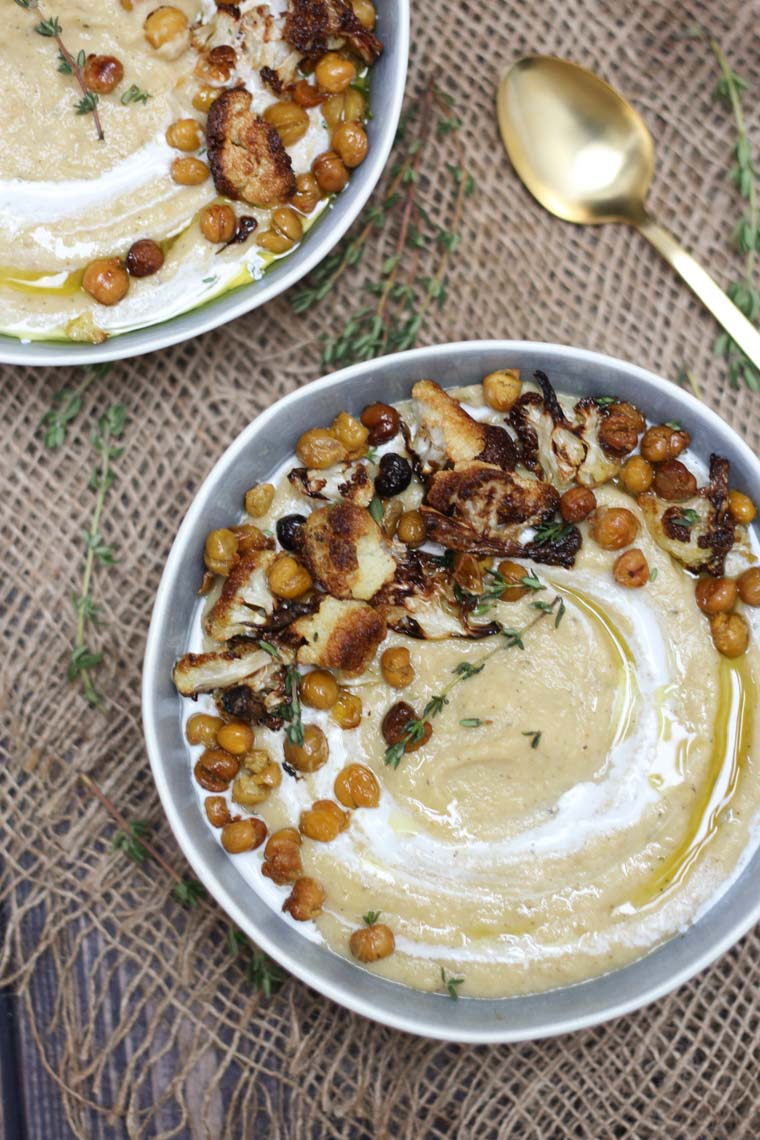
VEGAN ROASTED CAULIFLOWER SOUP WITH PARSNIPS – ABBEY’S KITCHEN
birds eye view of cauliflower soup topped with chickpeas
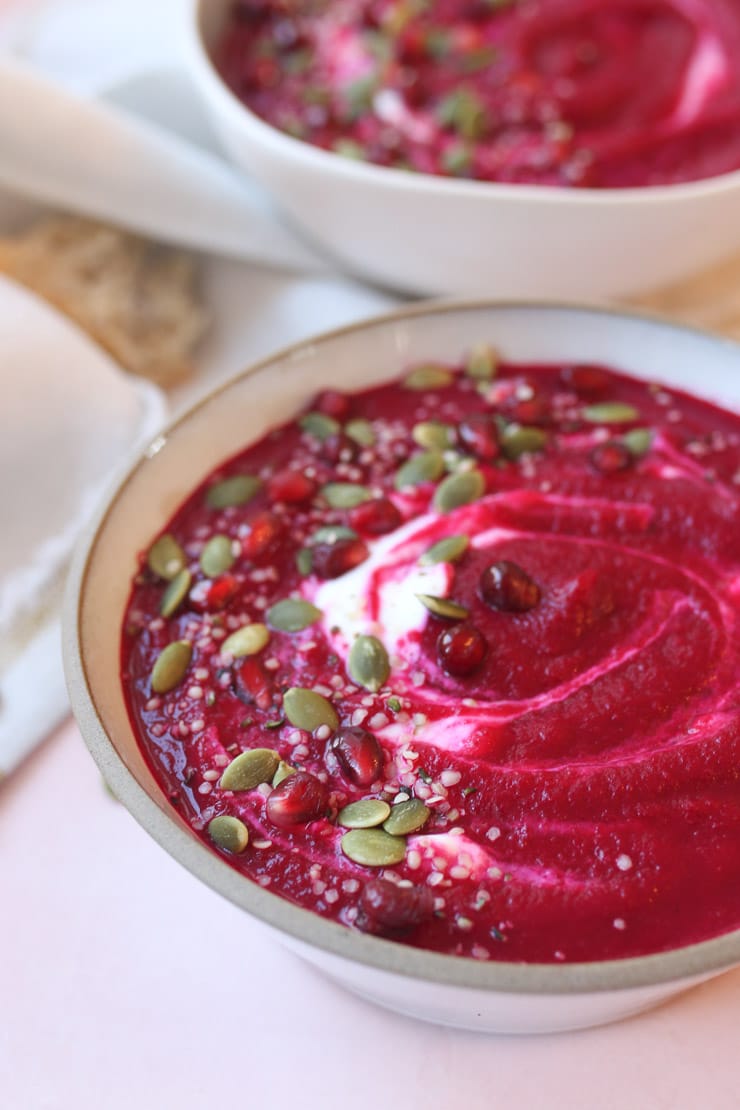
VEGAN BEET SOUP WITH APPLES & GINGER – ABBEY’S KITCHEN
vegan beet soup topped with pumpkin seeds and pomegranate arils
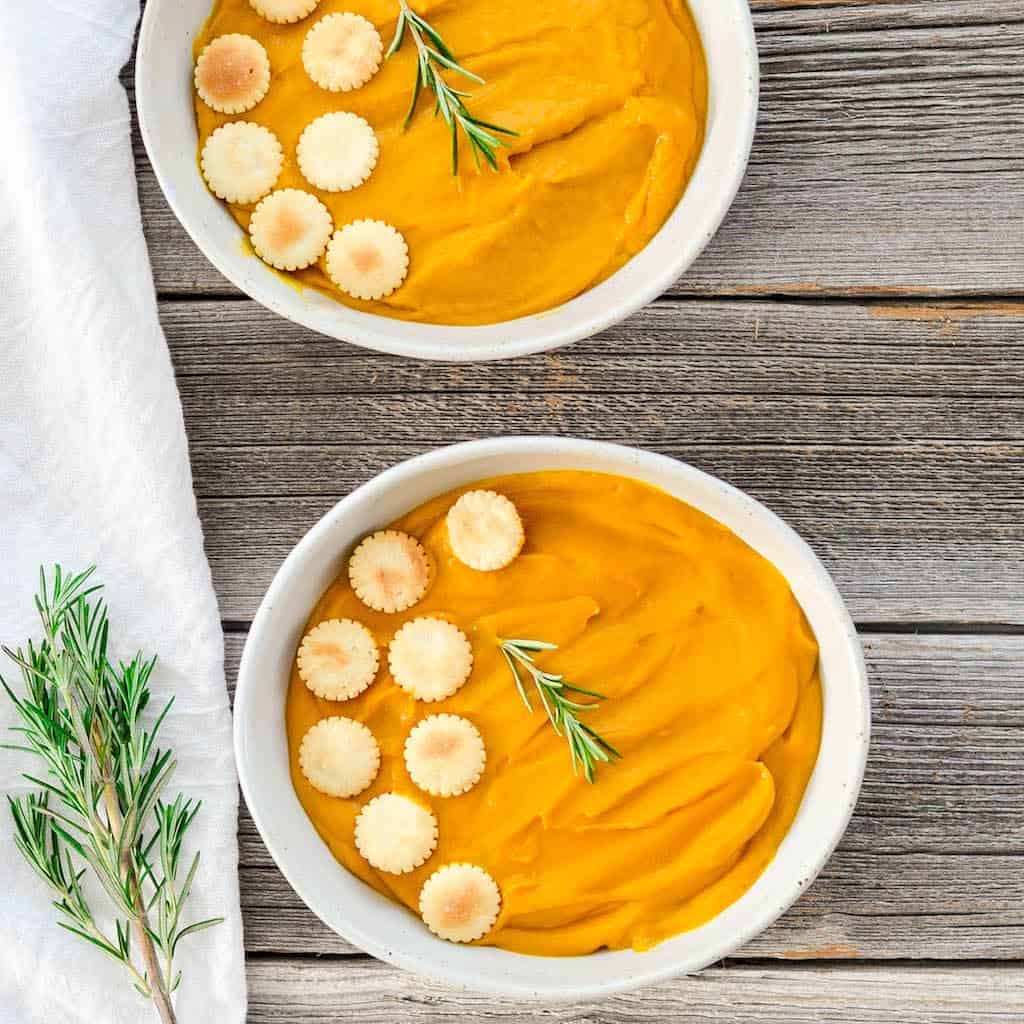
ROASTED ROOT VEGETABLE SOUP – JOY FOOD SUNSHINE
Two bowls of roasted root vegetable soup on a wooden backdrop with rosemary on the side and as a garnish  
 
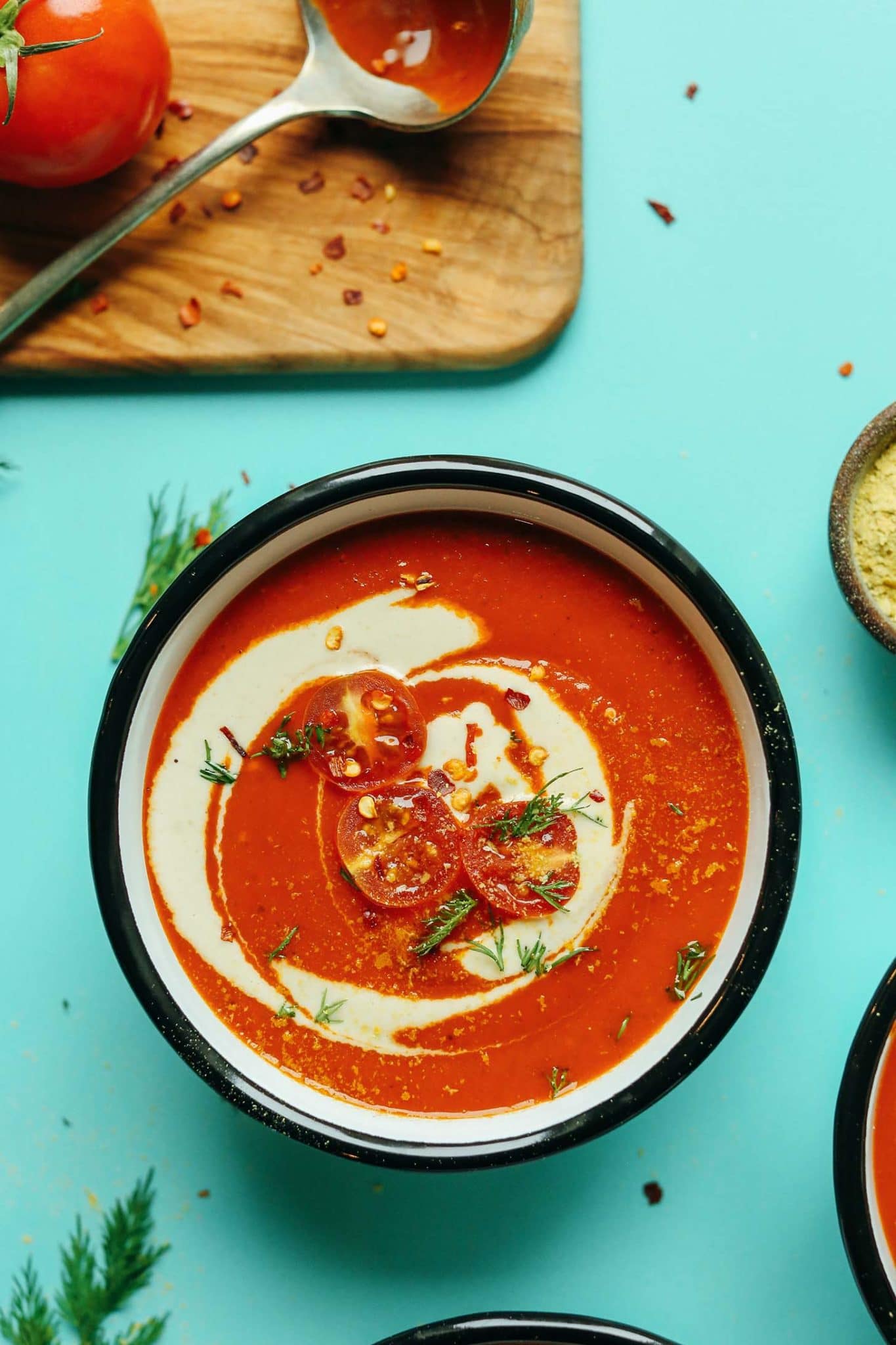
CREAMY ROASTED RED PEPPER TOMATO VEGAN SOUP – MINIMALIST BAKER 
a bowl of creamy roasted red pepper tomato soup topped with tomatoes and greens on a teal background. 
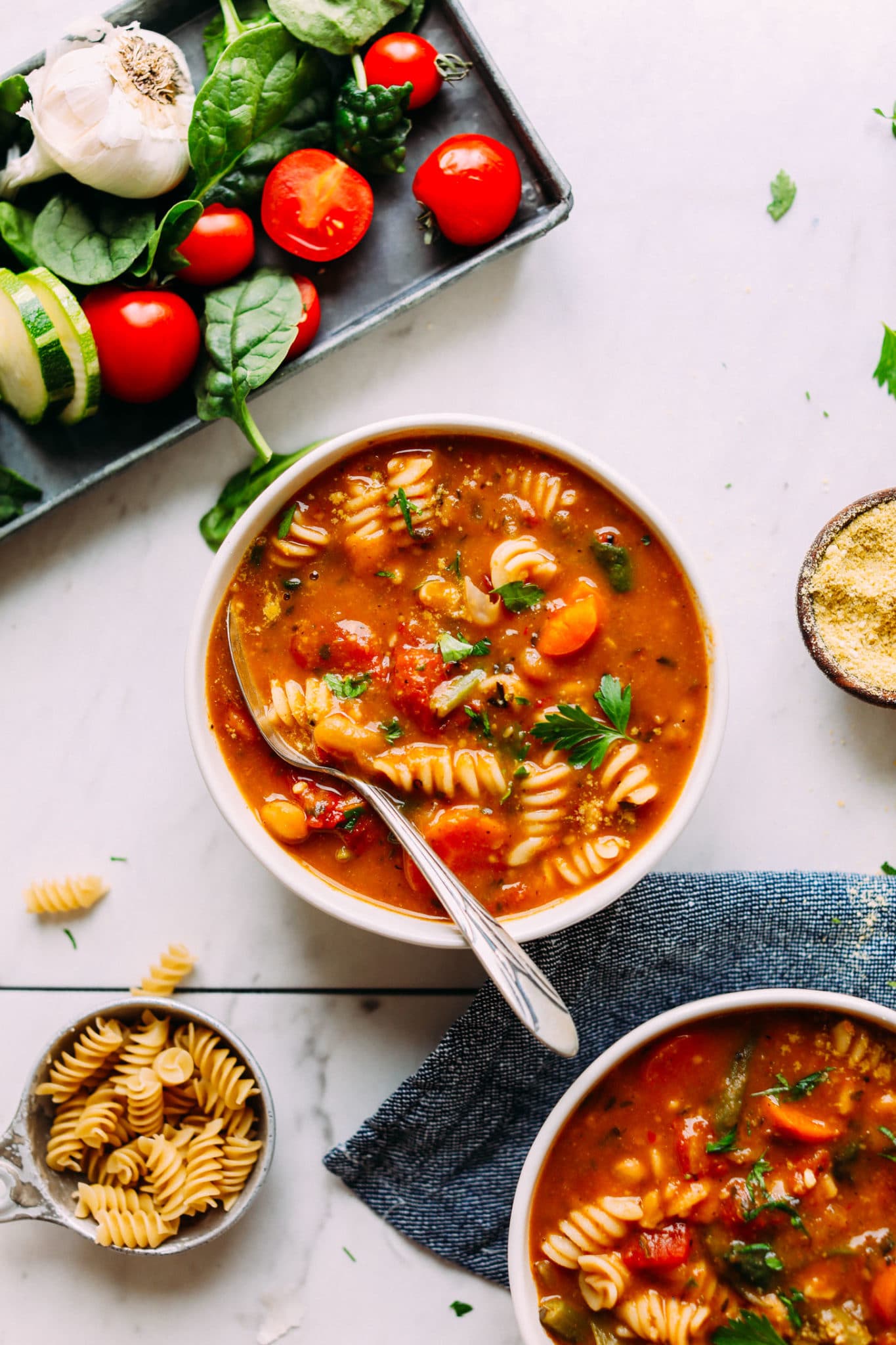
1-POT VEGAN MINESTRONE – MINIMALIST BAKER
A bowl filled with vegan minestrone soup with a spoon inside on a light pink background.
 
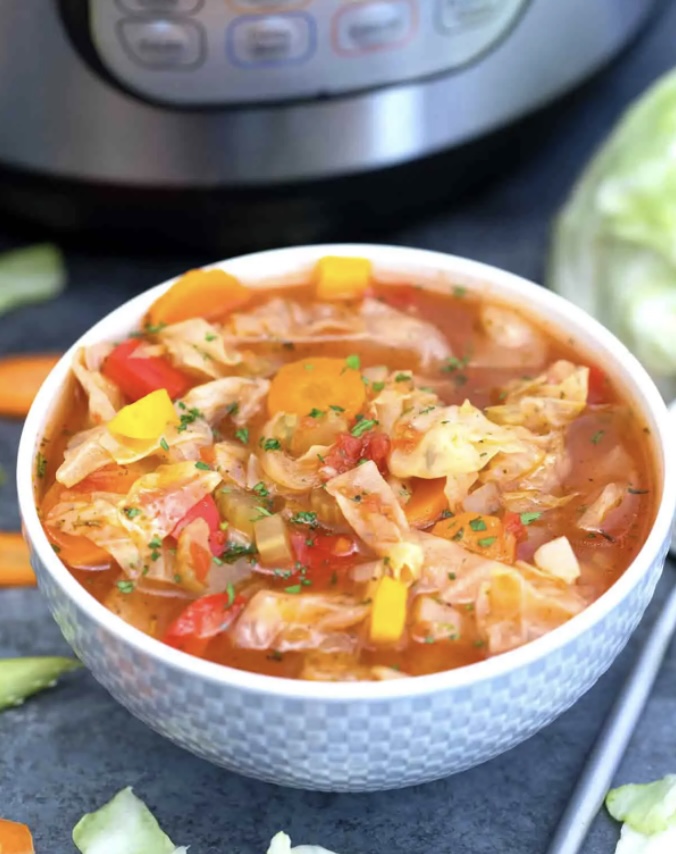
INSTANT POT CABBAGE SOUP – SWEET AND SAVORY MEALS
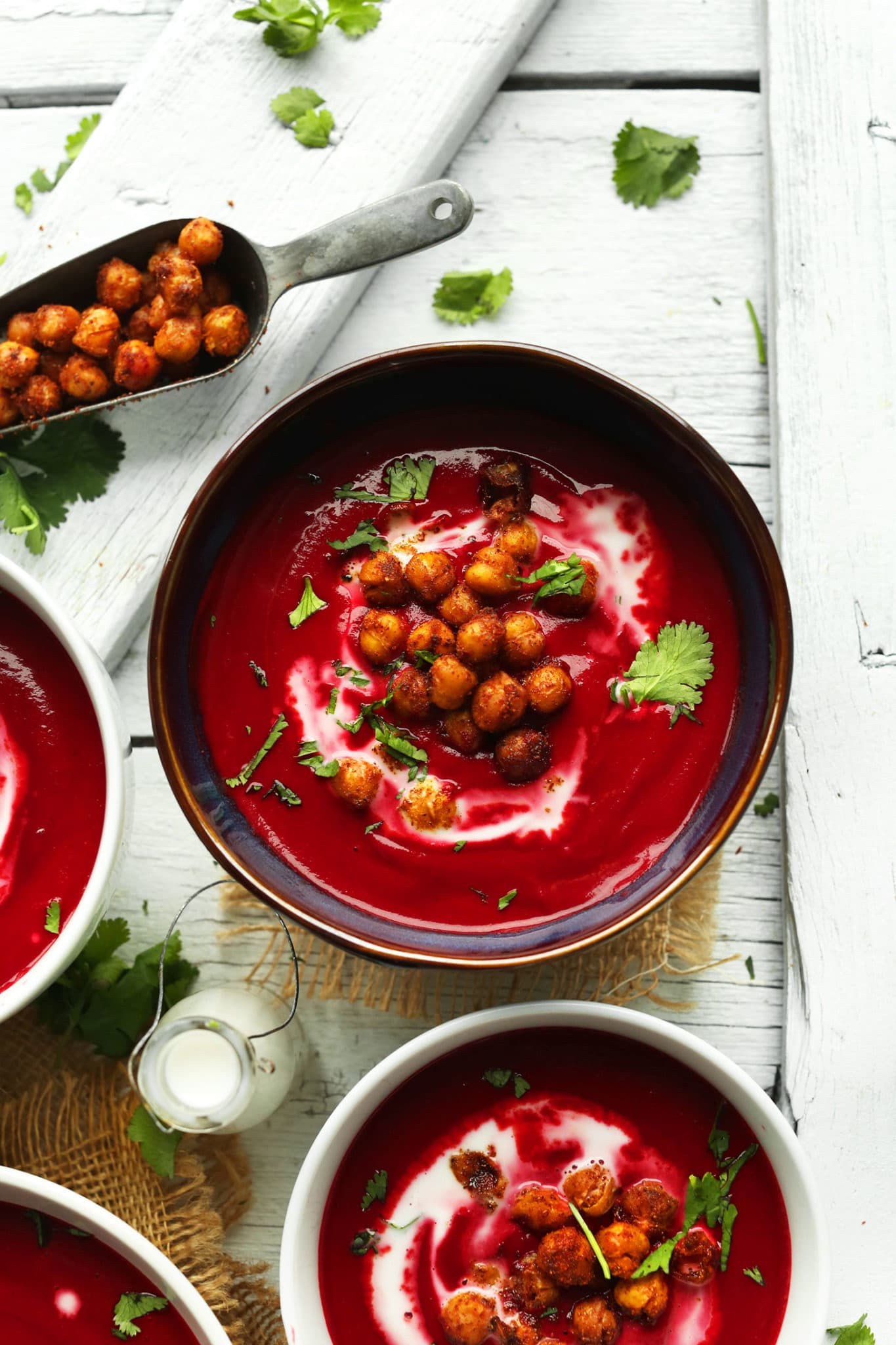
CURRIED BEET VEGAN SOUP WITH TANDOORI CHICKPEAS – MINIMALIST BAKER
 
A bowl of curried beet soup topped with tandoori chickpeas and some greens in a dark maroon bowl on a light background with a scoop of chickpeas beside it.
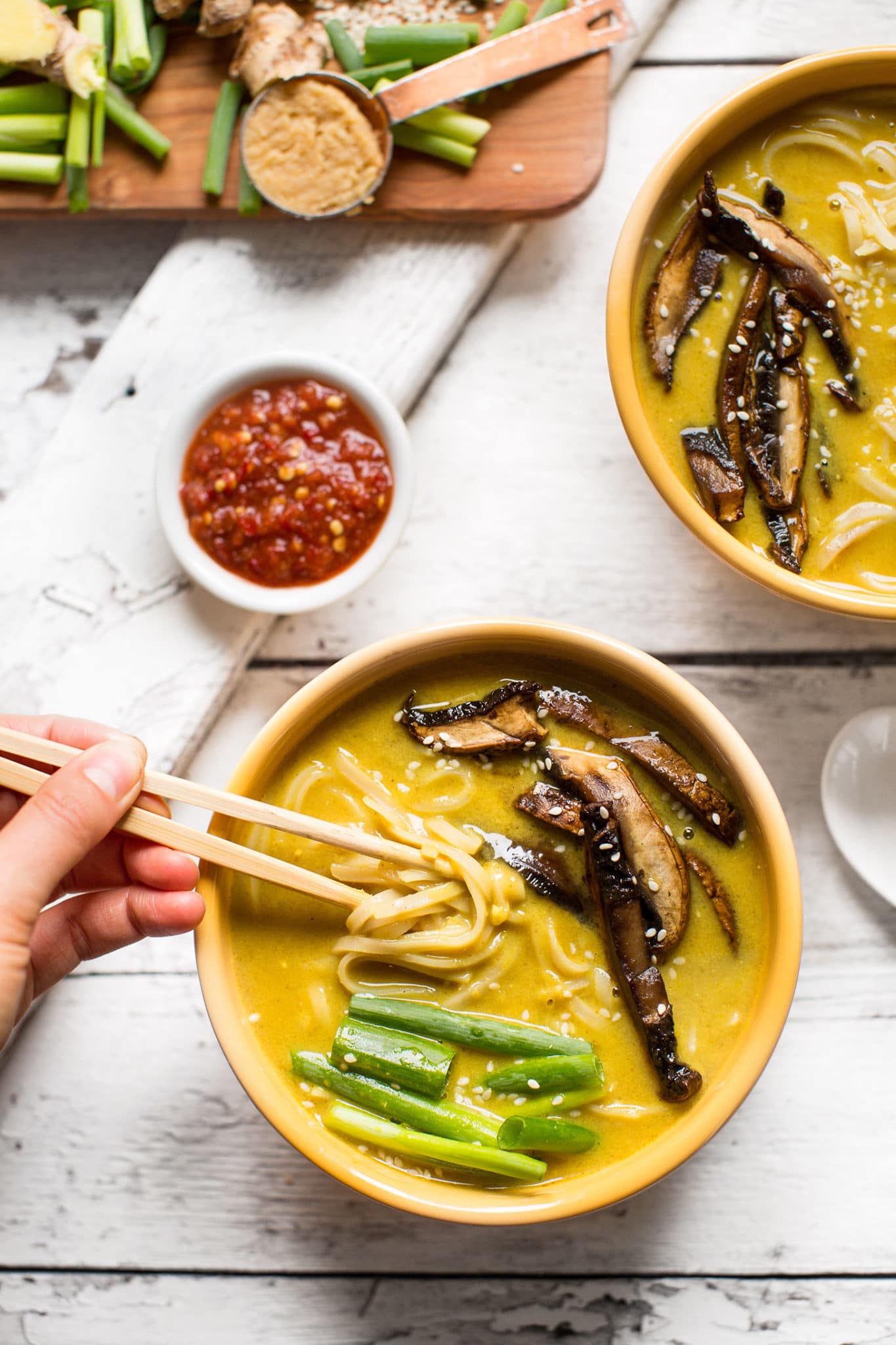
COCONUT CURRY RAMEN – MINIMALIST BAKER 
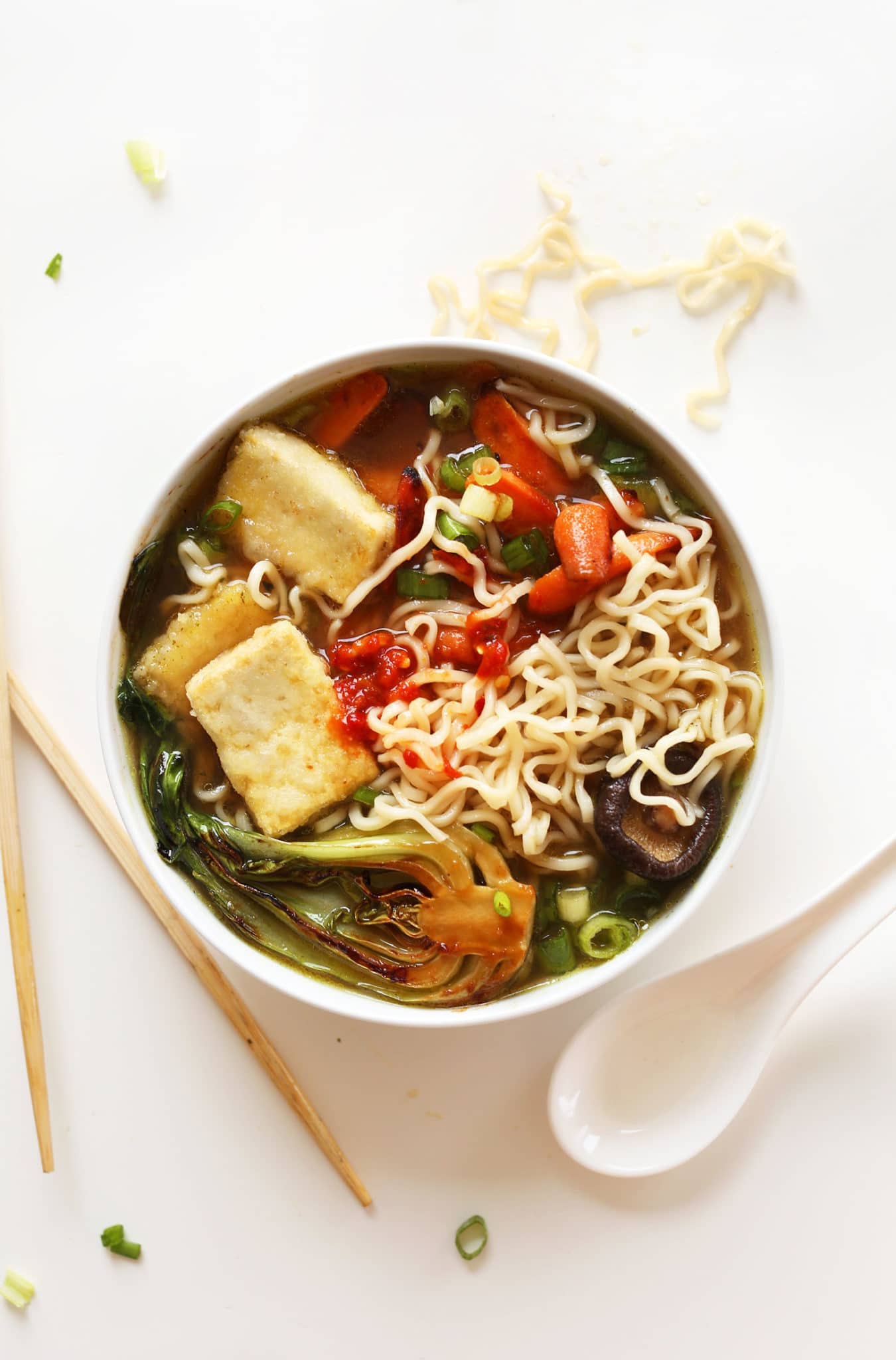
a cream bowl of coconut curry ramen with mushrooms and green onions on top with a pair of chopsticks lifting out some noodles. EASY VEGAN RAMEN – MINIMALIST BAKER 
A bowl vegan ramen with tofu, bok choy, and green onions on top on a white background.
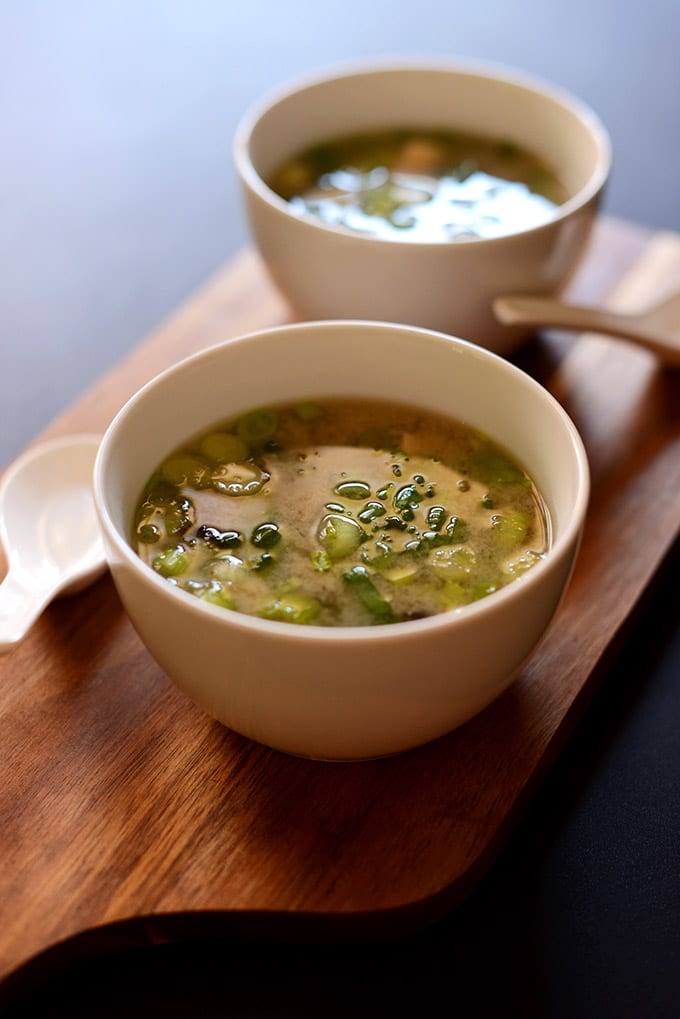
15-MINUTE MISO SOUP WITH GREENS AND TOFU – MINIMALIST BAKER
a white bowl of miso soup with green onions and tofu on a brown serving board with a soup spoon beside it.
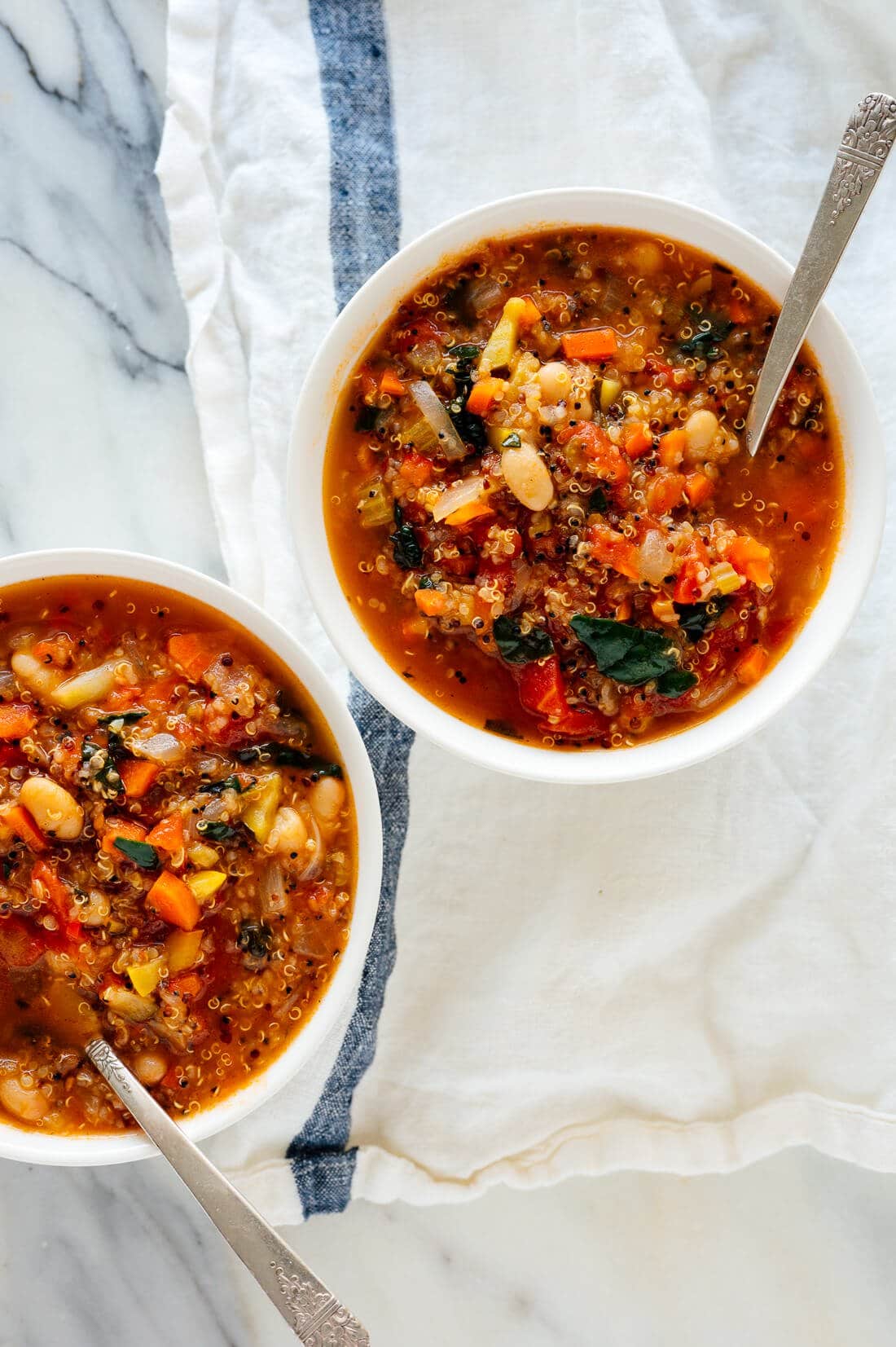
QUINOA VEGETABLE SOUP WITH KALE – COOKIE + KATE  
Two bowls of quinoa vegetable soup with kale with a silver spoon inside it on top of a white linen napkin.
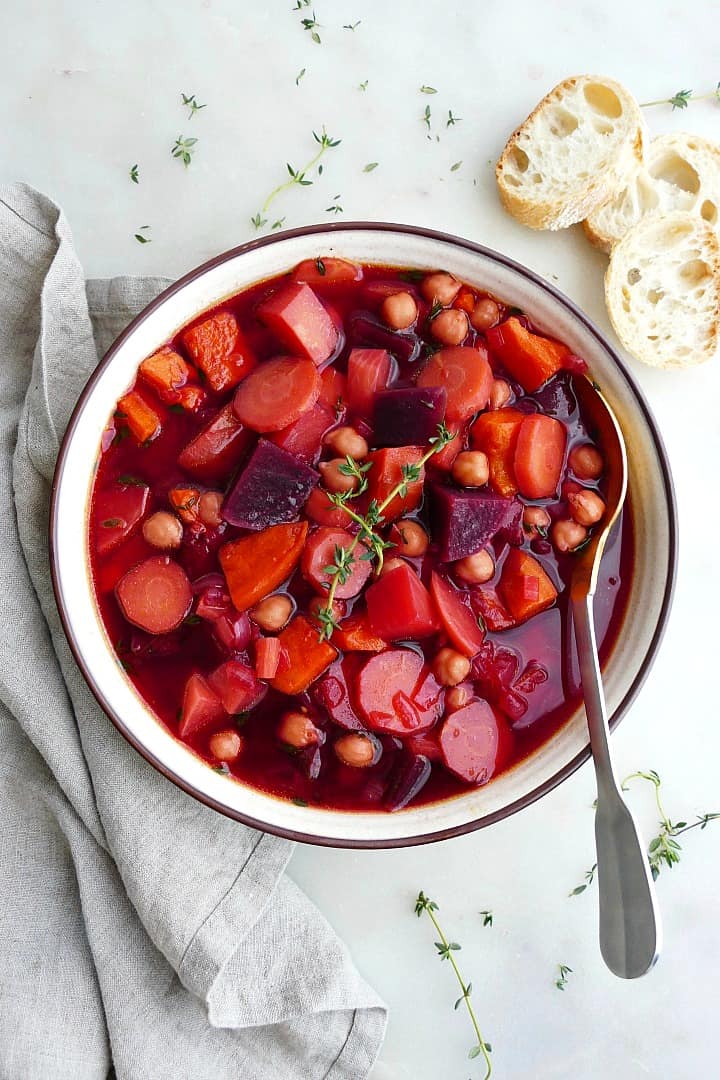
VEGAN STEW WITH WINTER VEGETABLES – IT’S A VEG WORLD AFTER ALL® LIZZIE STREIT, MS, RDN
A bowl of vegan stew with winter vegetables in a white bowl with a silver spoon inside of it on a white background with a grey linen napkin beside it.
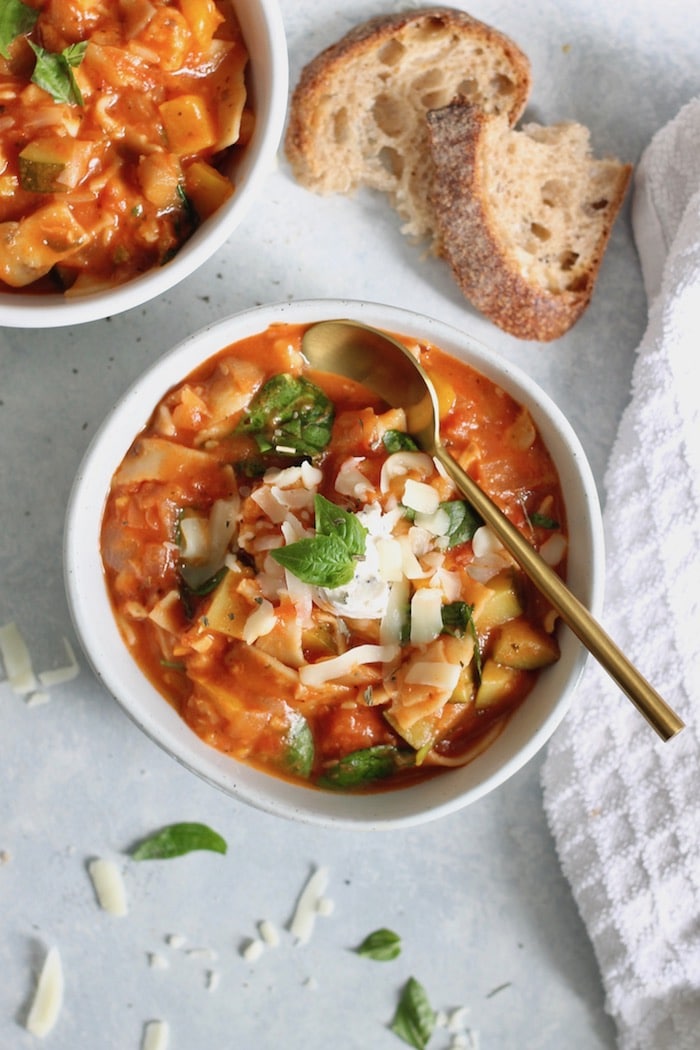
VEGAN LASAGNA SOUP – HUMMUSAPIEN ALEXIS JOSEPH, RD
A white bowl on a light background with vegan lasagna soup inside of it with a golden spoon on top.
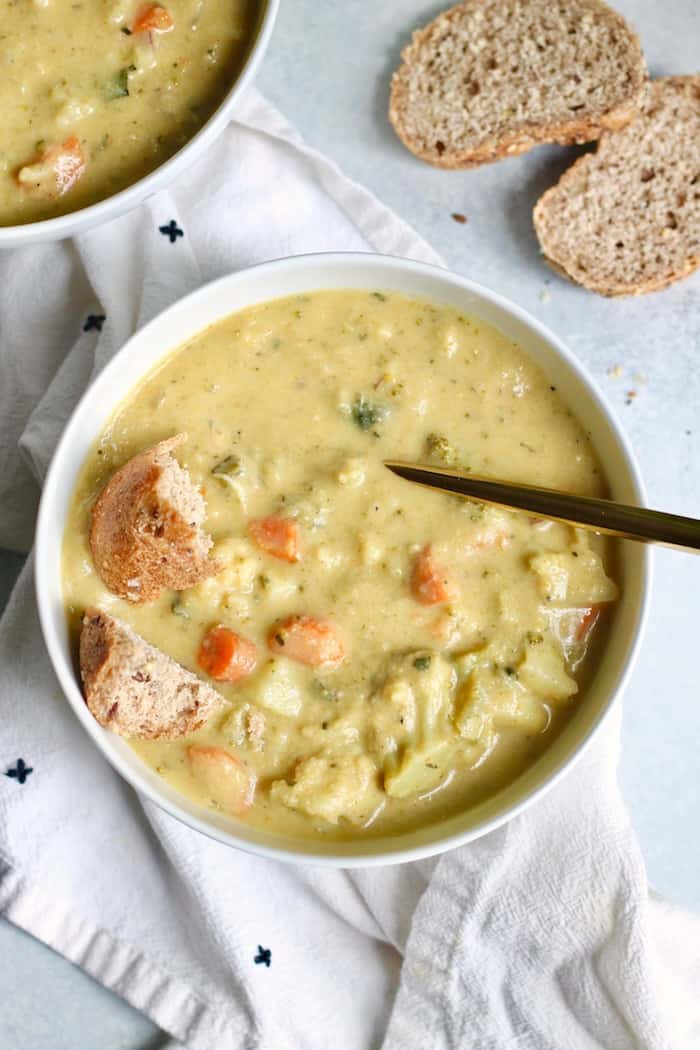
CREAMY VEGAN BROCCOLI CAULIFLOWER SOUP –  HUMMUSAPIEN ALEXIS JOSEPH, RD
An overhead photo of a white bowl sitting on a white linen with vegan broccoli cauliflower soup inside it topped with some crusty bread.
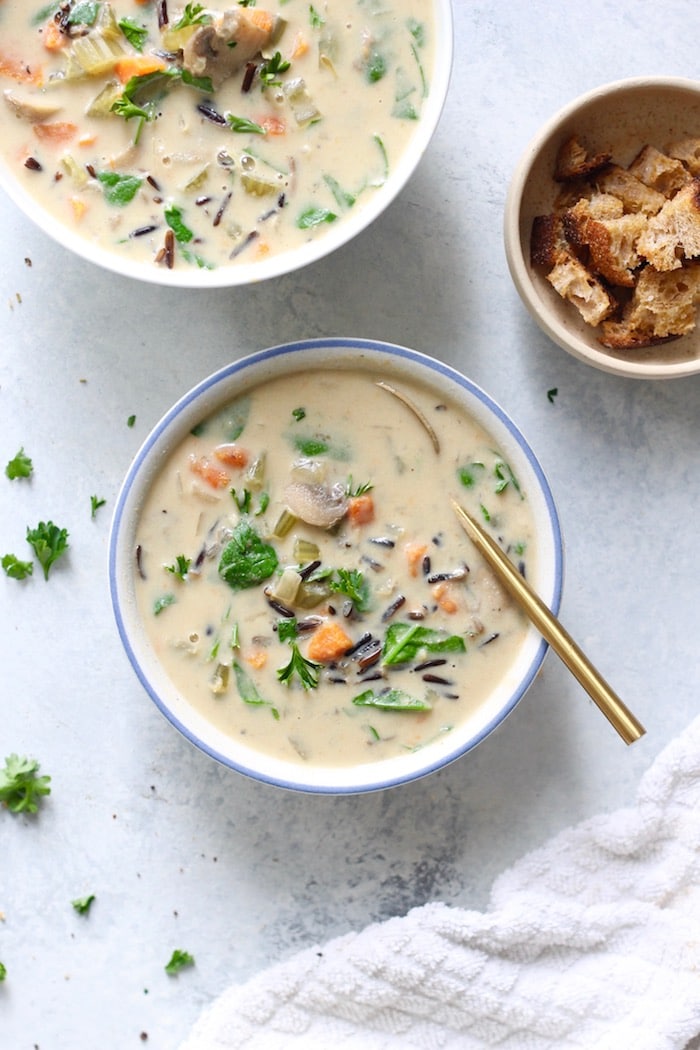
VEGAN CREAM OF MUSHROOM AND WILD RICE SOUP – HUMMUSAPIEN ALEXIS JOSEPH, RD
birds eye view of vegan soup recipe
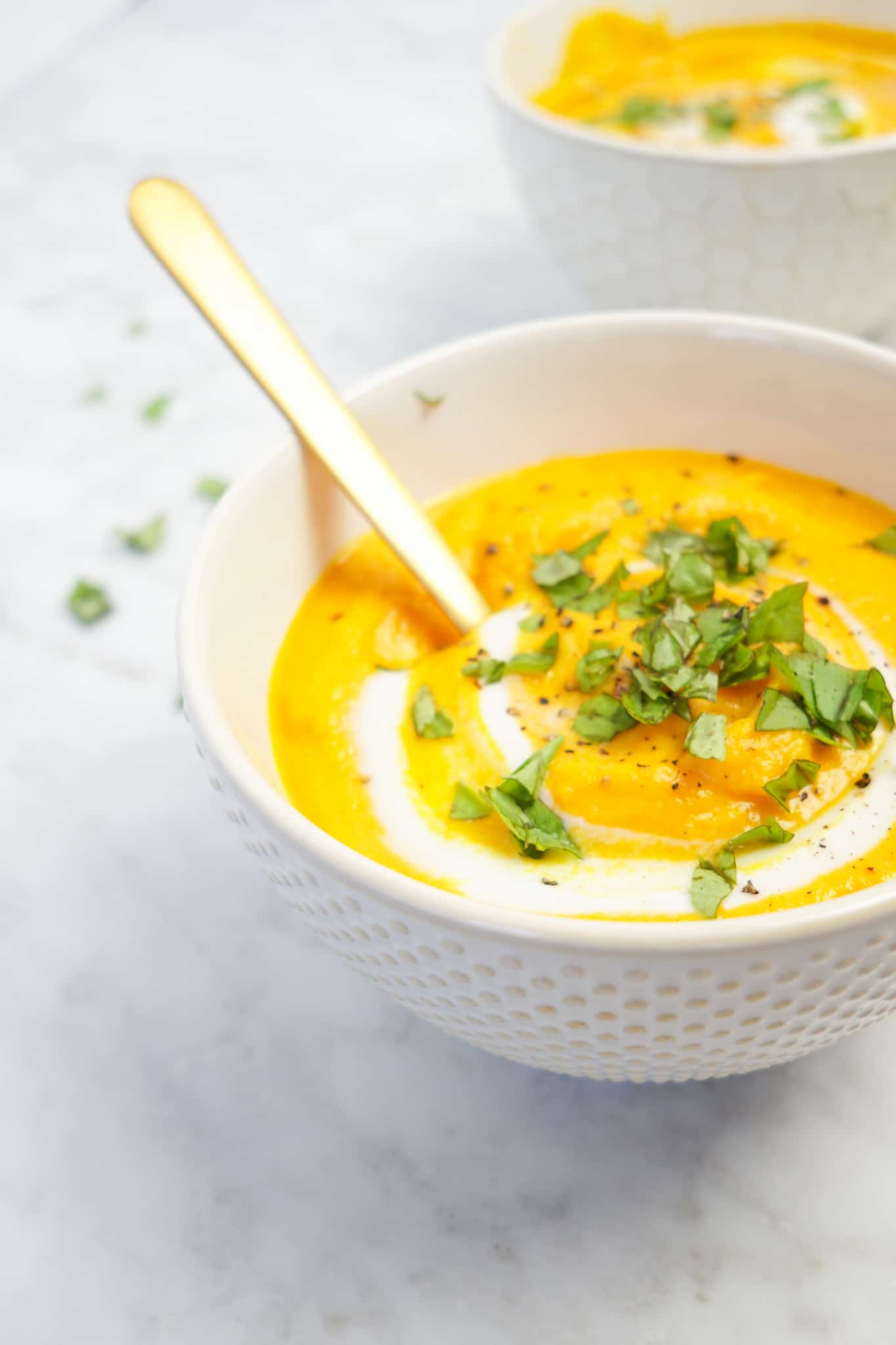
CREAMY CARROT CAULIFLOWER SOUP – WHITNEY E., RD
yellow vegan soup recipe topped with cilantro

Are any of these soups made in one pot?

Many of these recipes are one pot, meaning that all you have to do is chop, dump, stir (and sometimes) puree! This will save you tons of time for busy weeknights.

Do you need an instant pot, or slow cooker to make these recipes?

No, these soups are easy enough that you will just need a good sized pot and possibly a blender or hand blender.

Can I make any of these recipes ahead of time and freeze them?

All of these soup recipes are perfect for meal prep – in fact, I recommend making a big batch on the weekend, eating half throughout the week or for dinner, then saving the rest in a freezer bag for another month when you’re craving soup.

Are these vegan soups kid friendly?

Oh yes! In fact, I find that soups are a great way to get your kids to eat more vegetables because they’re usually pureed in with other familiar flavours or with add ins like pasta. My kid is particularly obsessed with the sweet potato apple soup!

I think the possibilities are endless when it comes to a good hearty bowl of vegan soup, and the fact that it’s an easy healthy way to sneak in lots of veg is a total bonus! LOVE IT.

Which of these easy vegan soups is on your menu this week?

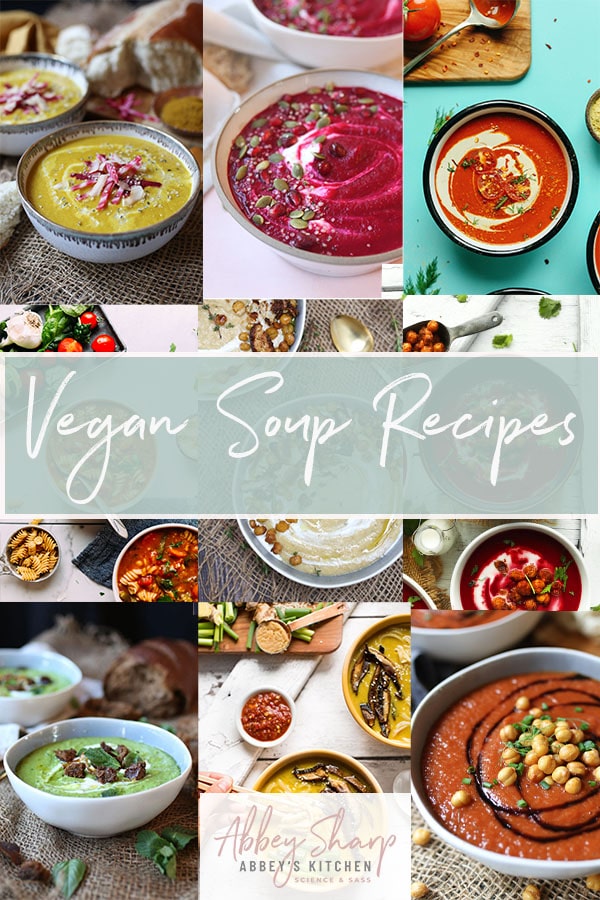
compilation of vegan soup recipes

Compiled by Christine Jauernig 

Abbey Sharp

Abbey Sharp is a Registered Dietitian (RD), regulated by the Ontario College of Dietitians. She is a mom, YouTuber, Blogger, award winning cookbook author, media coach specializing in food and nutrition influencers, and a frequent contributor to national publications like Healthline and on national broadcast TV shows.
www.abbeyskitchen.com/about-abbey/

Last Updated October 23, 2020. Published February 28, 2020 By Abbey Sharp Leave a Comment

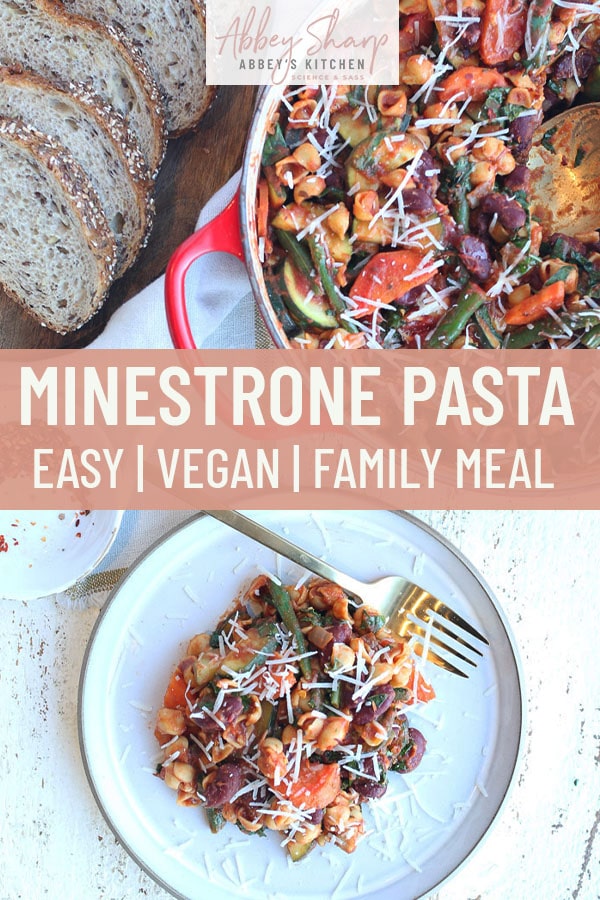
Easy Vegan Minestrone Skillet Pasta (Gluten Free, Family Friendly)

This Easy Vegan Minestrone Skillet Pasta is 100% gluten free, family friendly and packed with all of the familiar flavours of minestrone soup in a skillet pasta dinner!

I don’t know what it is, but one of my all time favourite soups is a humble minestrone soup. I just love the simple combination of tomatoes, vegetables, pasta and beans. There is nothing special about it but it always satisfies for some reason. So, while minestrone soup is always a nice starter or lunch, I wanted to turn it into a more hearty meal. Introducing my vegan minestrone skillet pasta! You’re welcome.

What is in this Vegan Minestrone Skillet Pasta?

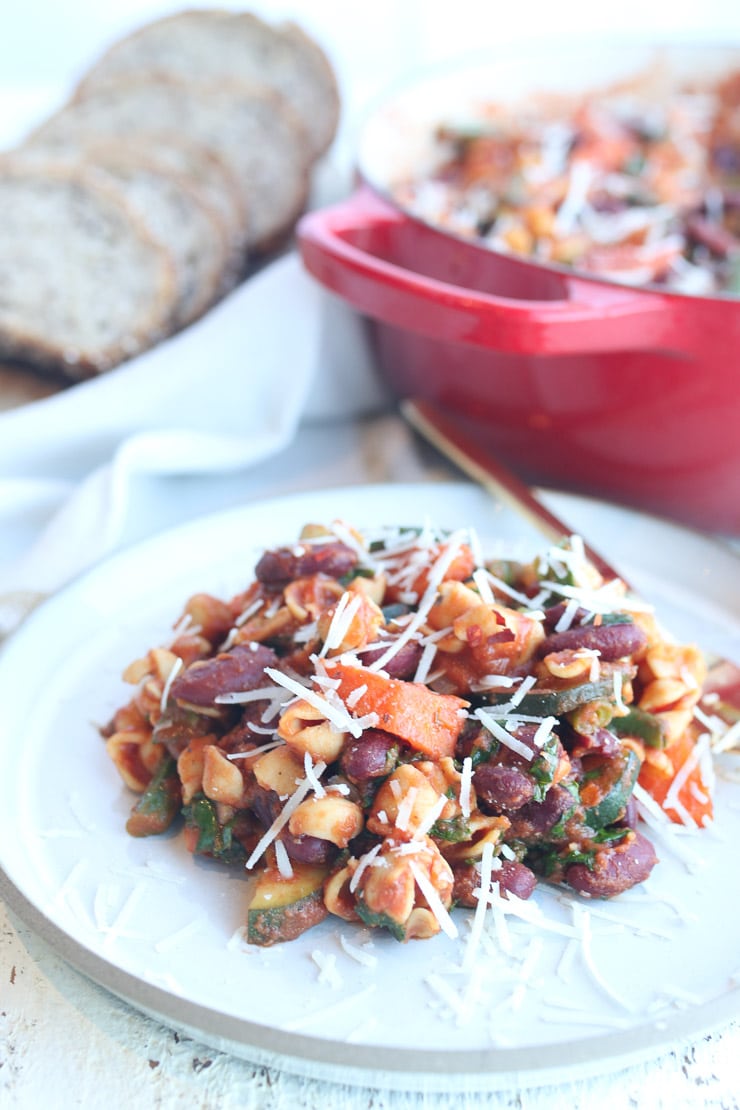
close up of easy vegan gluten free minestrone skillet pasta on a white plate garnished with vegan cheese

This is such an easy dish to make with a lot of staples you may already have in your fridge, pantry and freezer. To make this pasta, you will need:

  • Chickpea or lentil shell pasta
  • Extra virgin olive oil
  • Onion
  • Garlic
  • Zucchini
  • Carrots
  • Green beans
  • Passata
  • Oregano
  • Chili flakes
  • Nutritional yeast
  • Good quality balsamic vinegar
  • Low sodium Kidney beans
  • Finely chopped kale leaves or spinach
  • Vegan parmesan, for serving

How do i make this recipe?

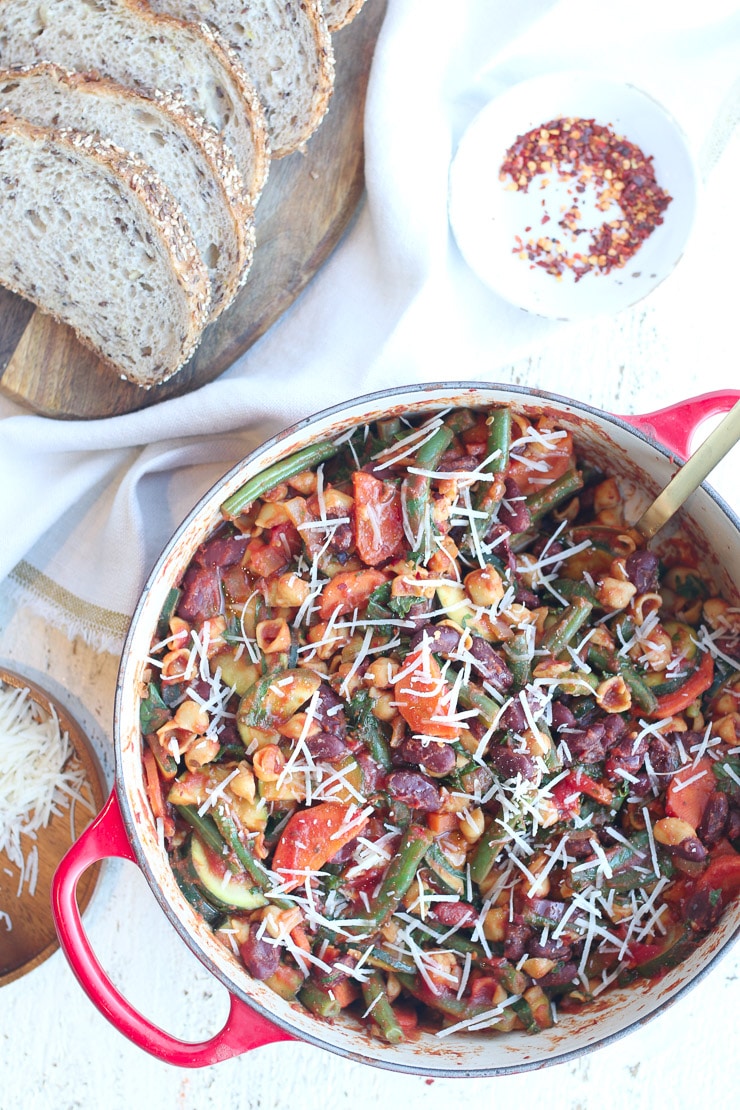
birds eye view of vegan minestrone skillet pasta in a red pot with bread and chili flakes in the background

This one pan pasta is so easy to pull off! You start by sauteing some onions, carrot and garlic in olive oil. Then adding the zucchini and green beans. Next, I add the passata, oregano, chili, balsamic, nutritional yeast and seasoning it with salt and pepper. I then just toss in the cooked pasta and beans and serve with vegan parmesan, if desired. Serve with lots of crusty bread and get in there!

Is this one pan pasta good for toddlers, kids and families?

OMG. Yes. My son was OBSESSED with this and I loved that it had a double dose of protein from the chickpea pasta and the beans, PLUS loads of veggies. It isn’t spicy so it’s really easy for toddlers and picky kids to enjoy.

What kind of pasta do you recommend i use?

I do prefer using chickpea or lentil pasta which has a lot more fibre and protein than traditional pasta. It’s also naturally gluten free!

can i meal prep this recipe in a big batch for the week?

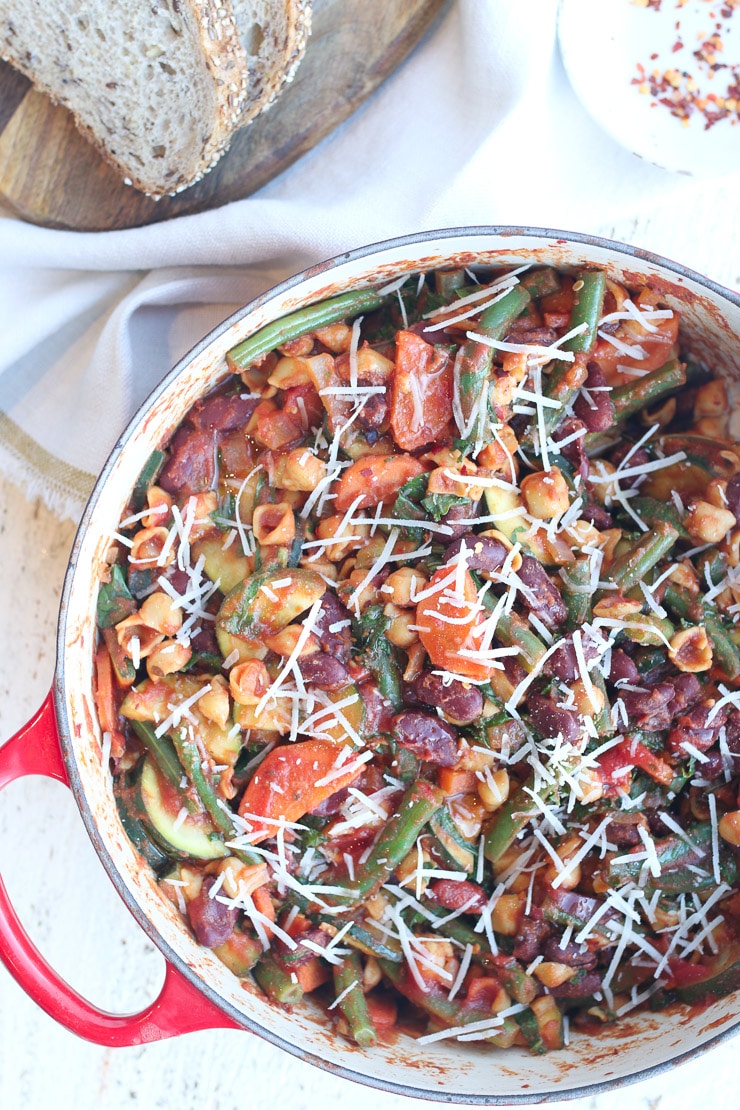
birds eye view of vegan minestrone skillet pasta on a red pot

This vegan minestrone dinner makes so much that you can absolutely make it on a Sunday and have it divided up into meals and snacks throughout the week.

do you have any other family friendly easy pasta recipes?

You bet! I am kinda obsessed with pasta dishes right now because well, I have a toddler and toddlers apparently like pasta!

EASY VEGAN PASTA BAKE WITH WHITE BEAN, KALE AND SAUSAGE

VEGAN MEXICAN PASTA CASSEROLE

VEGAN CREAMY MUSHROOM AND CARAMELIZED ONION PASTA 

Have you tried my vegan minestrone skillet pasta? Let me know your thoughts in the comments below!

pinterest image of vegan minestrone skillet pasta on a white plate garnished with cheese with red pot in the background with text overlay

Print Recipe
5 from 1 vote

Easy Vegan Minestrone Skillet Pasta (Gluten Free, Family Friendly)

This Easy Vegan Minestrone Skillet Pasta is 100% gluten free, family friendly and packed with all of the familiar flavours of minestrone soup in a skillet pasta dinner!
Prep Time5 minutes mins
Cook Time20 minutes mins
Total Time25 minutes mins
Course: Main Course
Cuisine: American
Servings: 4
Calories: 367kcal
Author: Abbey Sharp

Ingredients

  • 5 oz Chickpea or lentil shell pasta cooked according to box instructions
  • 2 tbsp extra virgin olive oil
  • 1 small Onion diced
  • 2 cloves garlic minced
  • 2 small zucchini cut into half moons
  • 2 small carrots peeled and cut into half moons
  • 1 cup Green beans cut into 1/3rds
  • 2 cups passata
  • 1 tsp oregano
  • Pinch of chili flakes
  • 2 tbsp nutritional yeast
  • 1 tbsp good quality balsamic vinegar
  • Salt and pepper to taste
  • 1 x 19 oz can of low sodium Kidney beans drained and rinsed
  • 2 cups finely chopped kale leaves or spinach
  • Vegan parmesan for serving
  • Extra virgin olive oil for serving

Instructions

  • Add the olive oil to a large nonstick skillet or cast iron skillet and heat over medium high. Add the onions, and carrot and saute for 5 minutes. Add the garlic and cook until fragrant, another minute.
  • Add the zucchini and green beans and cook for an additional 3-4 minutes, until you get a bit of colour on the zucchini.
  • Add the passata, oregano, chilli flakes, balsamic, nutritional yeast and a generous few pinches of salt and pepper. Cover and cook for 10 minutes until the carrots are soft.
  • Toss in the cooked pasta and kidney beans. Taste and adjust the salt and pepper, if needed.
  • To serve, top with vegan parmesan and a drizzle of extra virgin olive oil if desired.

Nutrition

Calories: 367kcal | Carbohydrates: 58g | Protein: 19g | Fat: 9g | Saturated Fat: 1g | Sodium: 83mg | Potassium: 1782mg | Fiber: 17g | Sugar: 13g | Vitamin A: 9465IU | Vitamin C: 80mg | Calcium: 163mg | Iron: 8mg


Abbey Sharp

Abbey Sharp is a Registered Dietitian (RD), regulated by the Ontario College of Dietitians. She is a mom, YouTuber, Blogger, award winning cookbook author, media coach specializing in food and nutrition influencers, and a frequent contributor to national publications like Healthline and on national broadcast TV shows.
www.abbeyskitchen.com/about-abbey/

Last Updated July 29, 2020. Published February 27, 2020 By Abbey Sharp 62 Comments

Your Menstrual Cycle Diet | What to Eat on Your Period

A close up of multiple chocolate cupcakes with rainbow sprinkles on top.

I break down your menstrual cycle diet and give you the facts on what to eat on your period and at each stage of your cycle.

Real talk, ladies. I’m a proud and loud female but in a lot of ways I feel we totally got the short end of the stick. I mean, I could go on for hours about our disproportionate human rights but I think the whole period thing is a good place to start on this blog. I’m obviously not a doctor, but I wanted to chat about the best foods to eat while on your period and at each stage of your cycle in order to feel the best you possibly can when you are bleeding from your vajay.

To any dudes reading this who are about to click “exit”, I encourage you to maybe stick around as you may learn some important insights about the menstruating people in your life. I am sure you guys are no stranger to the mood swings, cramps, and cravings that come with the dreaded “time of month” for the wonderful ladies in your life. With that said, menstrual cycles are complex, intricate and somewhat unpredictable beings. So lets unpack this red monster by taking a look at what the science has to say.

best foods to eat on the menstrual cycle diet

The three main phases we are going to talk about are: the menstrual/follicular phase, the ovulation phase, and the luteal phase. Each phase comes with different hormonal effects on the body and, of course, different dietary recommendations. So lets jump right in starting with the menstrual phase.

Graphic of women holding back.menstrual/follicular phase – aka Bloody Sunday

Day 1 – 12

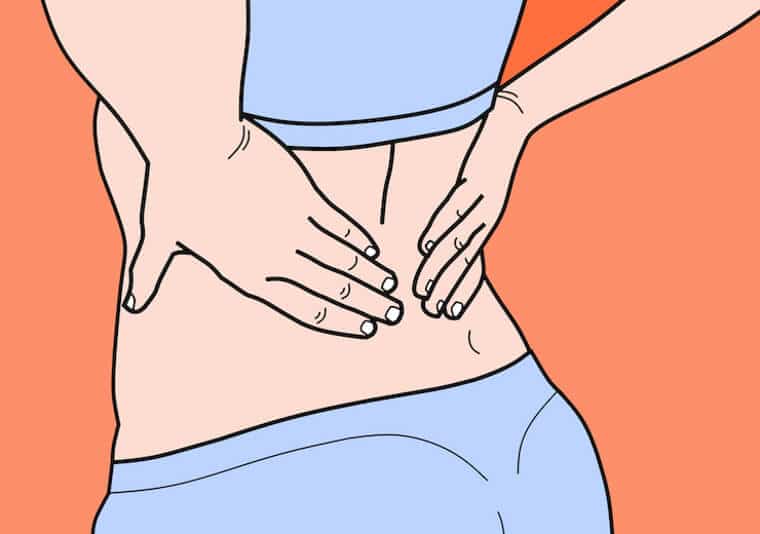
Day one is marked by the arrival of our favourite red frenemy – our period. Much like our gym teacher described back in health class, this phase begins with the shedding of our uterine lining and, depending on your cycle, this process typically lasts 3-6 days. I think we can all agree, we usually don’t feel 100%. Aside from the crime scene in our pants, we typically feel tired, sluggish, and experience painful cramps that make us want to chill in the fetal position all day long. Who is to blame for these emotional and physical changes? Our fluctuating hormones of course. The main hormones at play in our menstrual cycle are progesterone and estrogen and at this stage in our cycle, their levels are at their lowest which explains the lack of energy and overall sluggishness people who menstruate tend to experience.

So what can we do from a nutrition standpoint to ease the effects of this phase?

Menstrual Cycle Diet Tips:

follicular/menstrual phase

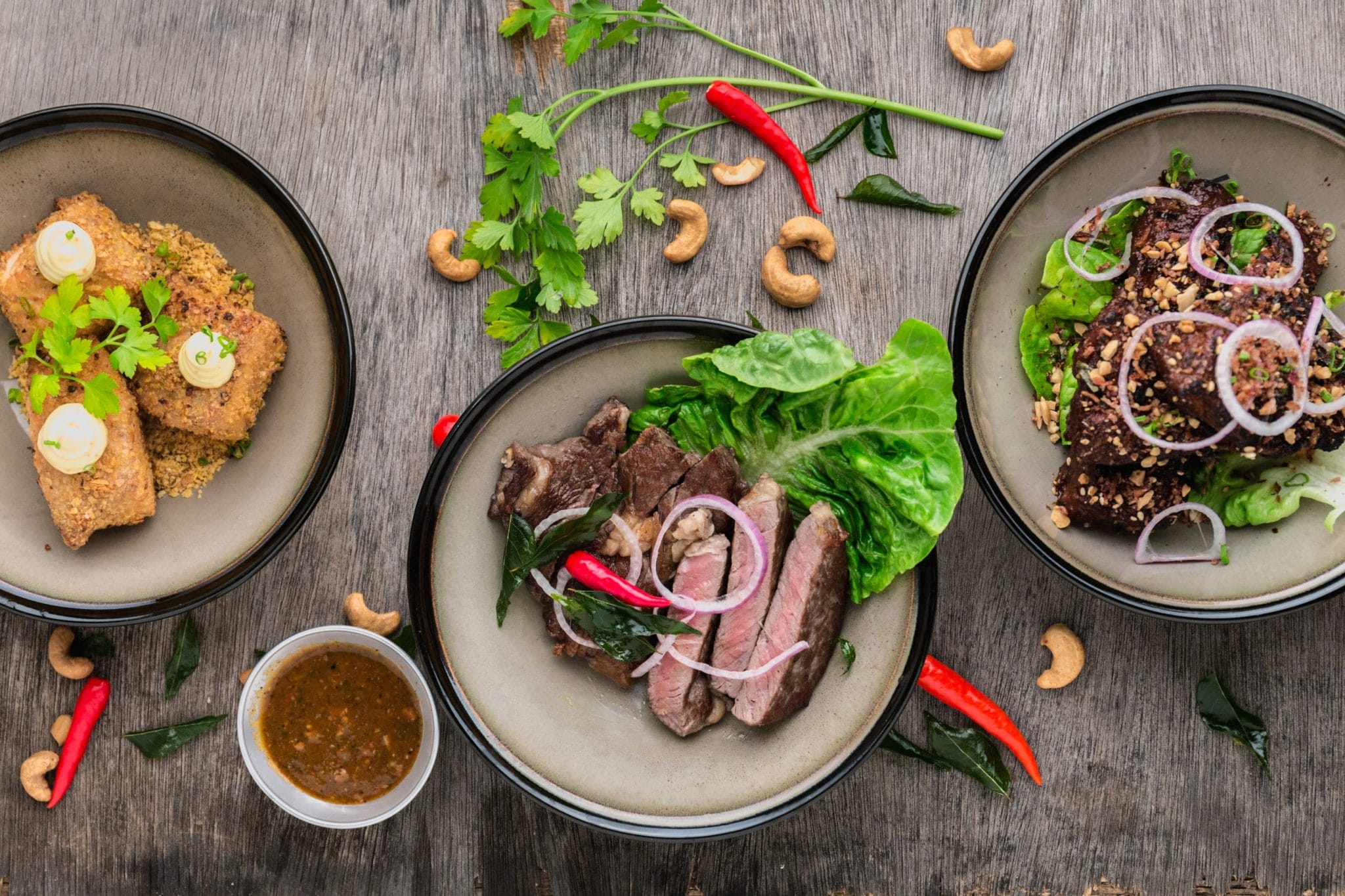
birds eye view of grey bowls filled with meat and vegetables

Tip #1 – Up THAT IRON

Iron is an important mineral that helps produce red blood cells and transports oxygen throughout the body. Depending on the length and flow of your cycle, the amount of blood lost during menstruation can put one at risk of low iron levels which contributes to low energy and fatigue. In fact, iron deficiency is one of the most common nutrition deficiencies among individuals of child bearing age. Therefore, people who menstruate must compensate for the amount of blood being lost from their period by eating more iron rich foods during this phase. The best sources of iron our body easily absorbs include foods like red meat, poultry and fish. Other plant-based sources include fortified cereals, tofu, beans, lentils and other legumes.

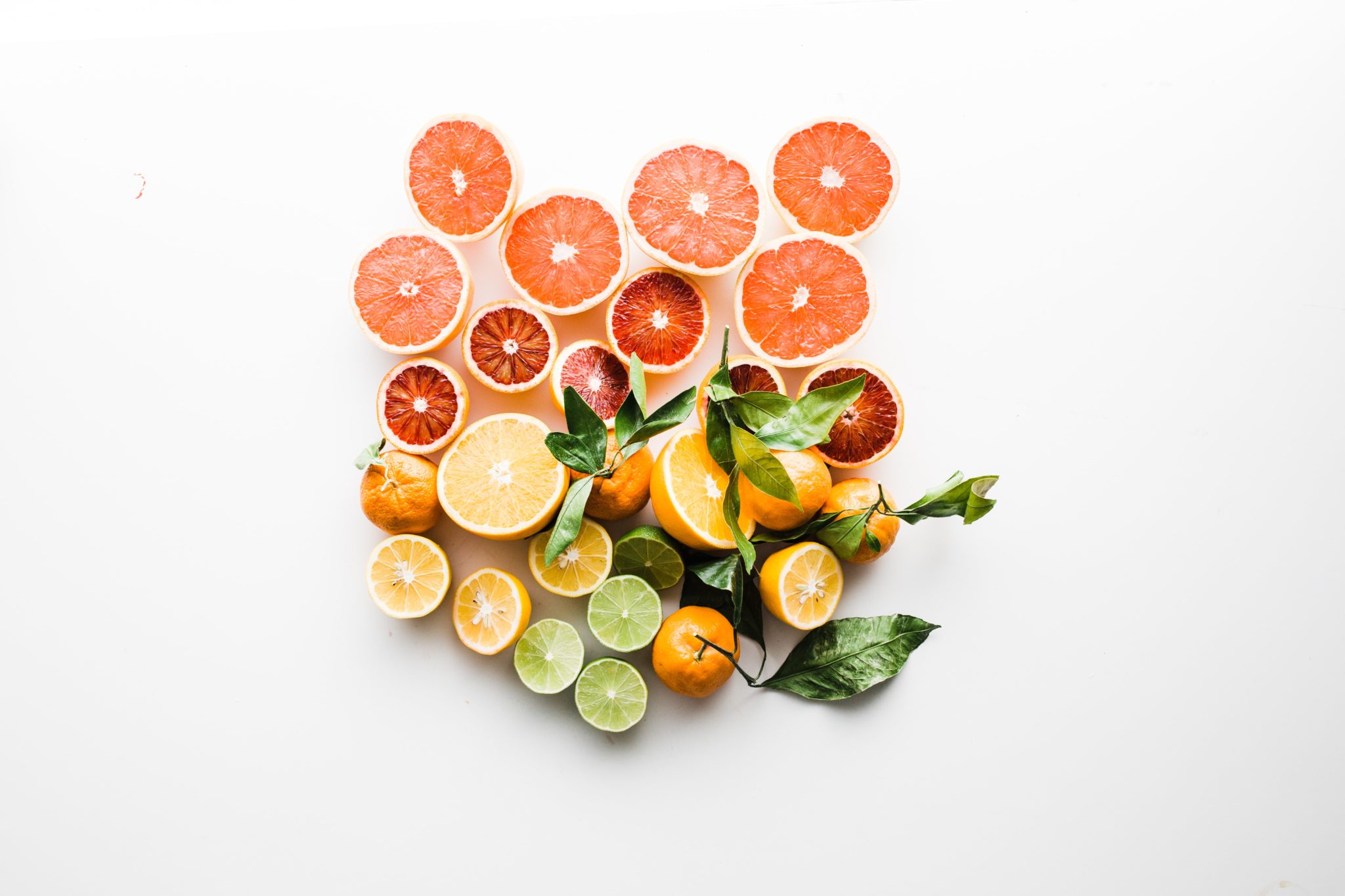
birds eye view of various fruits on a white background

TIP #2 – PAIR IT WITH VITAMIN C

Vitamin C is an antioxidant that not only helps with immunity, healthy skin, and wound healing, but also helps our bodies to absorb iron even better. Therefore, if you are adding in an iron rich meal during that time of the month, be sure to pair it with a source of Vitamin C, such as citrus fruits or veggies like bell peppers, tomatoes, and leafy greens. To give you an example, this could look like a bowl of veggie chilli with a squeeze of lime juice on top, or a tofu stir fry with bell peppers. It’s actually an intuitive pairing because these foods just taste good together and just proves how smart the body is.

TIP #3 – GO DECAF

Just as Vitamin C helps to increase the absorption of iron, there are also certain inhibitors to be aware of that can interfere with iron absorption. Coffee and caffeinated teas, such as green tea and black tea, have an antioxidant substance called polyphenols which can decrease the amount of iron the body absorbs. The other potential downside to caffeine is that it’s a vasoconstrictor, which means it makes the blood vessels in your body constrict. A lot of people find that this constriction can make their period cramps even worse, so for that reason it might be best to stick to herbal tea on those first few days or spread the caffeine out at least an hour before or after your iron rich meal to help maximize the absorption of iron.

TIP #4 – GET PLANT POWERED on the menstrual cycle diet

A lot of people find their cramps in the early days of this phase so debilitating that they have a hard time enjoying a full meal. This is also the time when we begin to experience bloating and cramps so its important to stay nourished with lighter, less processed foods. Since we already feel super bloated, sluggish and sick, increased salt intake will only increase water retention and cause more bloating. On the other hand, fatty foods increase prostaglandin production which can increase contractions aka cramps. Put emphasis on meals with lots of veggies and fruit, especially those with a high water content as this will help you stay hydrated. As well, focus on eating more energizing carbs to help with your waning energy levels, such as whole grains and legumes.

Tip #5 – Take a Walk

During the first few days of your period, a common symptom for many of us is painful cramps. In addition, your estrogen and progesterone are quite low resulting in an overall lack of energy and stamina. However, some evidence suggests that gentle exercise may play a therapeutic role in relieving cramps by releasing endorphins. Endorphins help to not only improve mood but also relaxes the body which helps to ease painful cramps. Exercise may also provide a distraction from the discomfort you may be experiencing. Taking a walk may or may not be helpful for everyone, depending on the severity of your cramps, but it doesn’t hurt to try.

Women walking on a path.

Ovulation phase aka Revival

Day 14 – 16

After our period, the ovulation phase begins and a new egg begins the process of preparing its descent down the fallopian tubes to then enter the uterus in the hopes of meeting a nice sperm to settle down with. This phase is met with an increase in estrogen, testosterone, follicle stimulating hormone, and luteinizing hormone. With a rise in these hormones, we begin to feel more energized and ready to take on the world. In the ovulation phase, you want to take advantage of the increase in libido, sexual energy, mood, and put in the work!

Menstrual Cycle Diet Tips:

ovulation phase

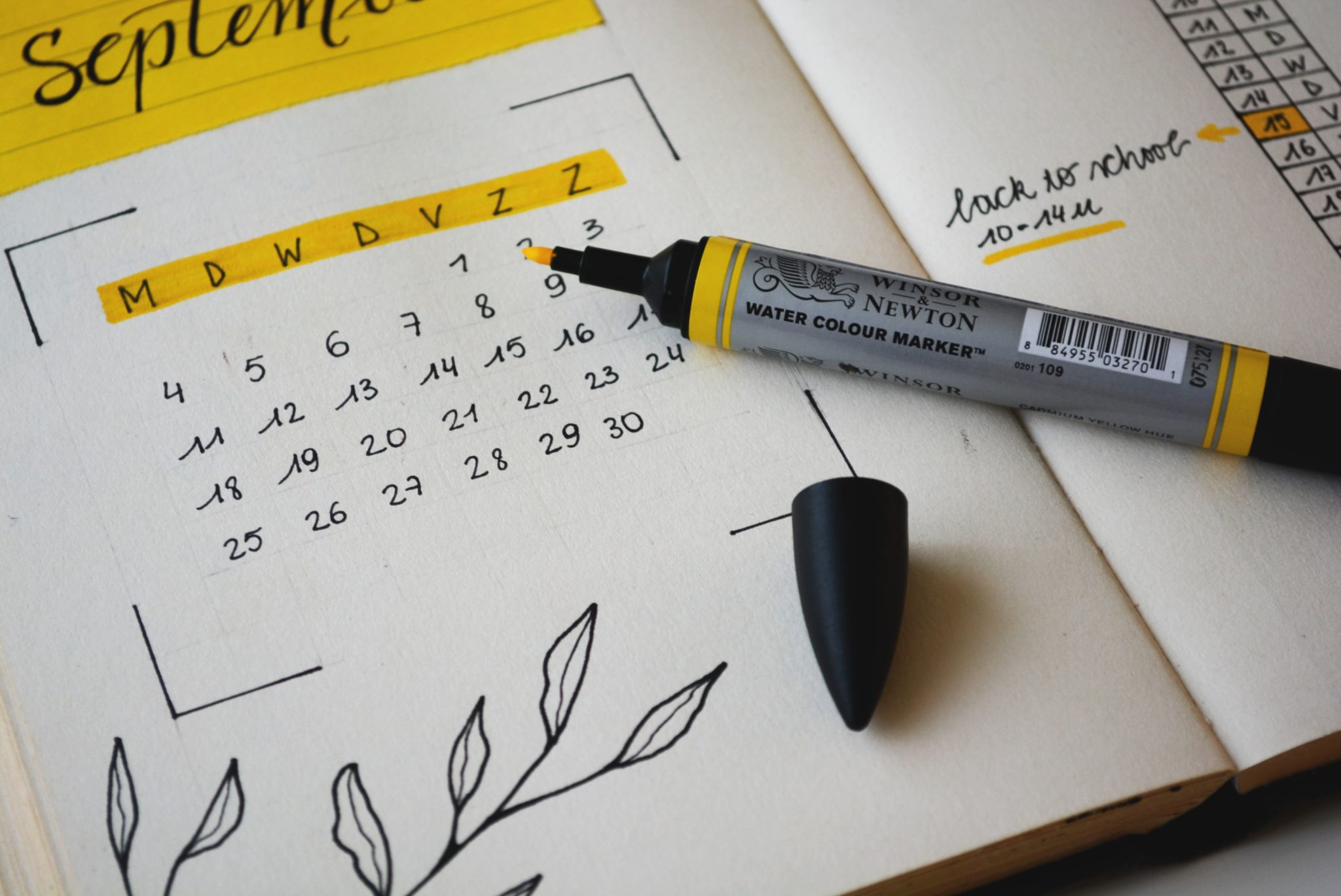
close up image of a calendar with a pen marking the days of a menstrual cycle

Tip #1 – move in a way that feels good

Since your energy levels are feeling more balanced, engaging in some joyful and energizing movement might start to sound more appealing in this phase. Whether it’s CrossFit, pilates, spin class, or even having some fun consensual sex – our higher energy levels and brighter mood are a good match for these types of moderate-to-high intensity activities.

Tip #2 – use this energy to prep for the menstrual cycle diet

You have the most energy at this stage in your cycle, so its the best time to get creative in the kitchen and cook up a storm. Get out your slow cooker, instant pot, and every casserole dish you own. This is when you want to do your batch prepping for the week, chopping veggies, cooking proteins, make and freeze soups and casseroles etc etc.

birds eye view of food prep for menstrual cycle diet

Luteal phase aka No Thanks

Day 17 – 28

So things are going great (maybe too great) when before you know it you are in the luteal phase. This phase happens when the mature egg that was released during the ovulation phase does not get fertilized. As a result, hormone levels decline and we have to experience the very pleasant and oh so lovely premenstrual symptoms, which include but are not limited to – cramps, headaches, bloating, aches and pains, mood swings and fatigue. So what can you do nutritionally to deal with the discomforts of the luteal phase?

Menstrual Cycle Diet Tips:

Luteal phase

woman in white shirt on bed

TIP #1 – NOTICE YOUR FOOD CRAVINGS

We’ve all been there eating chocolate chip cookies and crying over a cheesy romcom for no real reason. Thats when you know the luteal phase is in full swing aka you are PMSing. The occurrence of food craving symptoms during this phase are actually scientifically proven! A 2016 study looked at the menstrual cycle of 17 menopausal individuals by taking their blood samples to measure a variety of hormones to assess their food cravings. The results showed that food cravings during the luteal phase may be linked to the amount of leptin in our blood during this time. Leptin is a hunger hormone that tells us when we are full and can stop eating. Other studies have also shown that there may be a relationship between leptin and estrogen hormones and the food cravings we experience. When leptin is low and estrogen levels are high during the luteal phase, we tend to experience increased cravings, particularly for sweet carb-rich foods. However, when leptin was high and estrogen levels are low, we may experience fewer cravings. We may not be able to change our leptin or estrogen levels, but what we can do is listen to our bodies and notice our cravings and any patterns that arise during this phase of menstruation.

For example, do you crave sweet foods or salty foods? Are there certain textures that you prefer – perhaps the satisfying crunch from a bag of chips? Or the soft doughiness from a donut? Its important to start to become aware and mindful of these food cravings in order to assess what it is that your body needs.

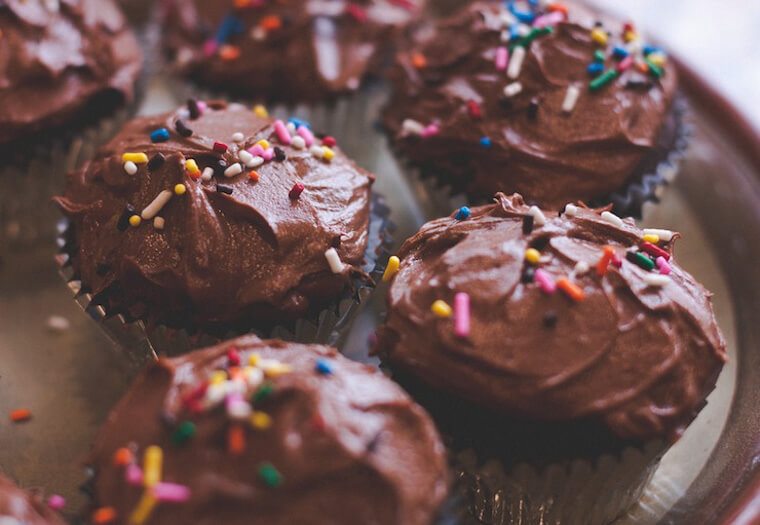
close up of Cupcakes with chocolate frosting and sprinkles as a menstrual cycle diet craving

Tip #2 – let yourself have the carbs on the menstrual cycle diet

As mentioned, research suggests that we tend to crave refined carbs during this phase thanks to PMS. Though I am all for enjoying a cookie or bowl of chocolate ice cream when the craving hits but, considering we are about to enter into an even more sluggish phase (menstruation), having some really good fuel to power us through is essential. As well, restricting all carbs right when you’re craving them most is just going to kick off a massive cookie binge and that’s not going to leave us feeling too hot either. Now is the time to focus on slow burning but super delicious carbs. For example, this could look like a big batch of overnight oats for breakfast, using a hearty seedy bread for lunch, or roasting some sweet potatoes in a little maple and cinnamon for dinner. When in doubt, pair a complex source of carbohydrates with a source of protein and fat to keep those blood sugar levels even keeled.

Tip #3 – up the fibre

Speaking of upping the carbs, let’s talk fibre. Progesterone levels are at an all time high during this phase and leading up to your period. We know that progesterone is one of the major culprits of constipation so boosting fibre intake is key. Aim to sneak in lots of fibre rich whole grains like quinoa or bran cereal, berries, broccoli or kale, flax, beans and nuts.

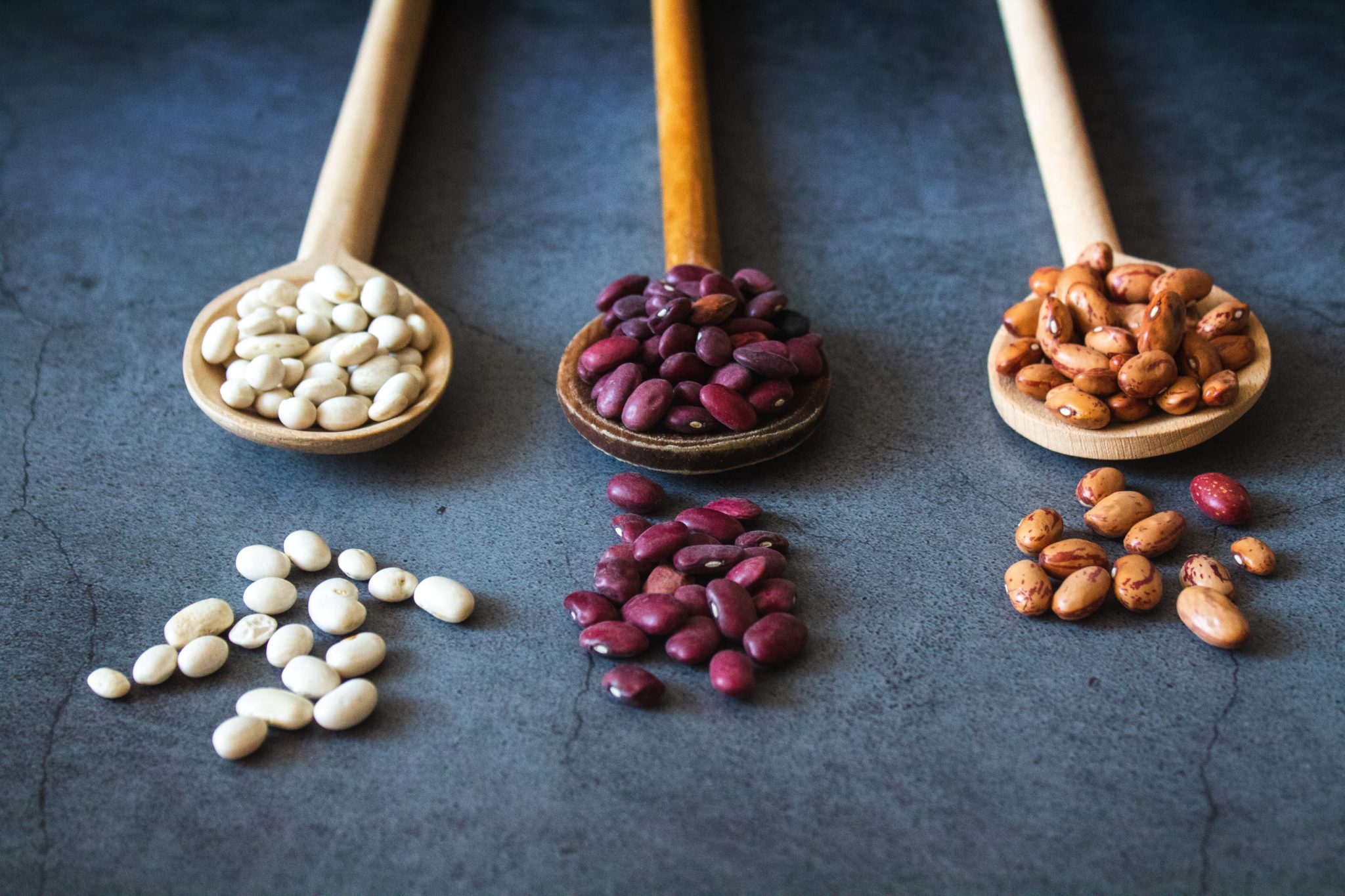
a variety of dry beans essential for the menstrual cycle diet

TIP #4 – EASE THE BLOAT

During the luteal phase of menstruation and leading into those first few days of our period, it is very common to feel bloated. Feeling bloated happens regardless of how much or what you eat thanks to our higher estrogen levels that cause us to retain more water. Therefore, as I mentioned earlier with the menstrual phase, you’ll want to focus on more fresh foods instead of highly processed high salt foods. I would also recommend sticking to plain water, as carbonated drinks can cause more gas and discomfort, as well as going easy on foods that tend to cause you digestive distress. This will vary from person to person, but common triggers are high FODMAP foods such as dairy, apples, wheat and beans, gassy veggies like broccoli and kale, sugar alcohols and booze. In the event that you do have a higher sodium meal and are feeling a bit uncomfortable, you can balance out the salt content by pairing it with foods that are rich in water such as cucumber, lettuce, and citrus, or potassium rich foods like bananas and sweet potatoes.

Bottom Line

Most of us ladies have to deal with our period every month, so I am sure you are a total expert on how your body feels, what works best, and what doesn’t during each phase. I would not be surprised if you are currently already doing a lot of these things without even thinking about them because they intuitively just feel good. However, if you are finding that some of your symptoms during certain phases of the menstrual cycle are throwing you off and throwing a wrench into your lifestyle and overall well being, hopefully these evidence-based tips can help you feel your best no matter what your hormones throw at you.

If you liked this post, you may also like:

  • Not Getting Your Period? Why You May Have Lost Your Period and What To Do About It
  • Going All In To Gain Weight To Get Pregnant and Get Your Period Back with HA vs PCOS
  • Does Birth Control Make You Gain Weight?
  • Risks and Effects of Birth Control on Future Fertility
 

Now I want to know – What’s your menstrual cycle diet tips?
What are the best foods to eat on your period?


Contribution by Sofia Tsalamlal, RD, MHSc
Edited by Giselle Segovia RD MHSc

Abbey Sharp

Abbey Sharp is a Registered Dietitian (RD), regulated by the Ontario College of Dietitians. She is a mom, YouTuber, Blogger, award winning cookbook author, media coach specializing in food and nutrition influencers, and a frequent contributor to national publications like Healthline and on national broadcast TV shows.
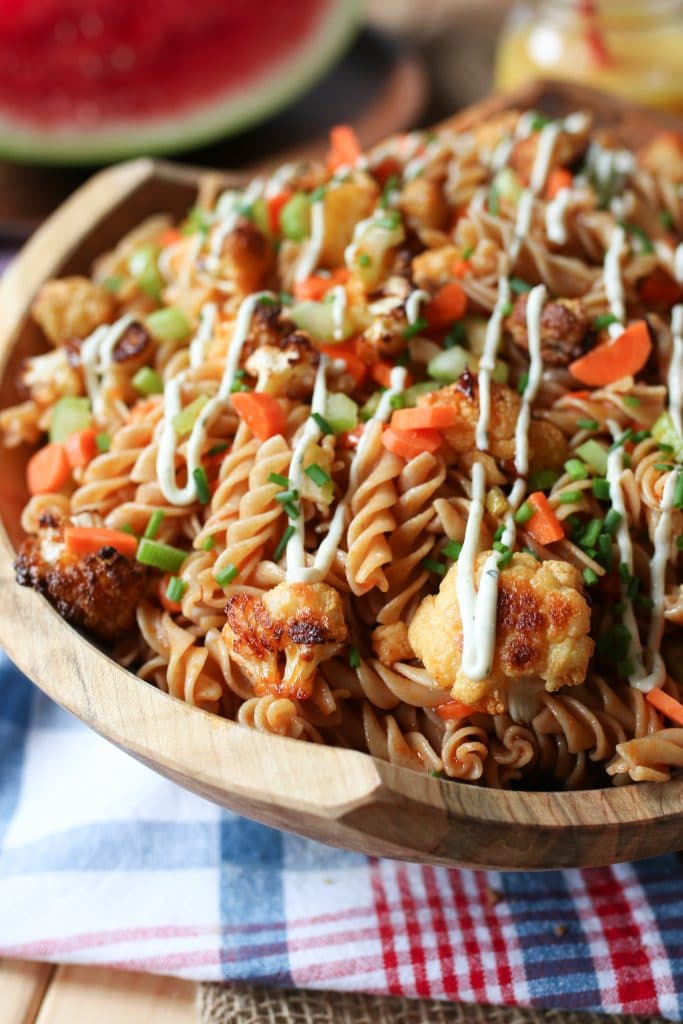
www.abbeyskitchen.com/about-abbey/

Last Updated October 23, 2020. Published February 19, 2020 By Abbey Sharp 2 Comments

Intuitive Eating: Food Waste and Challenging the Food Police

In the fourth edition of our Intuitive Eating series, we distinguish between the different types of food police, how to challenge them through intuitive eating, and ways to navigate negative self talk plus discuss intuitive eating and food waste.

If you missed our previous content on intuitive eating, be sure to get caught up on principles one, two, and three. This week, we are chatting all things “food police” aka the internal and external voices that influence our thoughts and beliefs around food and make us feel like complete crap about our food choices. We’ve all been there, enjoying our chocolate chip cookie or cheesy pizza, when before you know it that inner voice chimes in to trigger your feelings of guilt and shame. But the good news is, it doesn’t need to be this way! I am going to talk about how you can distinguish between the different types of food voices that you may encounter, how to challenge them, and even the positive “ally voices” that you should empower to help you find freedom with food. Ah yes, sweet sweet freedom from diet culture.

Before we dive into all things Food Police, I want to start by answering a reader question.

Intuitive Eating and Food Waste

person putting sprinkles on donut with a fruit plate in the background

How can I practice Intuitive Eating without feeling like I am wasting food?

Food waste is something we are all becoming a lot more mindful of because it’s not exactly great for the environment or our wallet. Part of the Intuitive eating approach is learning how to listen to your hunger cues, which means that sometimes you may or may not eat all the food on your plate. But that doesn’t necessarily mean that intuitive eating leads to more food waste. So here are my tips on how to honour your hunger while still cutting back on waste.

Tip #1: START SMALL

If your eyes are bigger than your stomach, start by putting smaller portions on your plate. No, this isn’t a rouse to help you eat less! This is to encourage you to eat one portion, reevaluate your hunger, and then get an extra serving if you feel like it. By using smaller portions and encouraging second or third or however many servings, you can honour your hunger while also controlling how much food ultimately ends up in the trash.

TIP #2: STOCK UP ON TUPPERWARE

My next tip is to get your Tupperware collection in tip top shape so you can pack up leftovers with ease and save for later. Storing leftovers not only helps keep things organized, but it minimizes food waste and makes meals more accessible. Its also a good idea to plan a few meals in advance every week so you know what your weekly meals will look like, which prevents more food from being purchase or cooked and ultimately wasted. Repurposing leftovers is also an option! For example, extra stir fried veggies can be piled into a taco, or any leftover protein can be chopped up and thrown on salad.

TIP#3: MAKE FRIENDS WITH YOUR FREEZER

Another tip is to utilize your freezer to store extra soups, casseroles, and other dishes so you can reuse them at a later date. I find this particularly helpful for baked goods like cookies of muffins because I cant comfortably eat a whole batch of cookies before they go bad, and I don’t want to talk myself into eating cookies if I am not in the mood for them just because I’m worried about wasting them.

TIP #4: GROCERY SHOP WITH A LIST not an empty stomach

person carrying a reusable grocery bag with produce

Finally, a BIG tip is to avoid grocery shopping when you’re hungry and to prepare a grocery list. We make some rash decisions when we’re hungry and we can end up buying more food than we actually need, which increases the likelihood of it being wasted. As a result, we either try to eat all the food before it goes bad, even if we’re not hungry for it, or we end up throwing it out. By going in with a game plan and a satisfied stomach, you’re more likely to buy what you need and stay within your budget.

INTUITIVE EATING PRINCIPLE 4: CHALLENGING THE FOOD POLICE

Diet culture LOVES to fill us with guilt and anxiety around our food choices and theres even research to support this. Those who view food from a more neutral perspective do not experience any stress about eating and report greater self-esteem and self-efficacy. Whereas, those who tend to label foods like cake as “bad” or “junk food”, reportedly experience higher levels of guilt, stress, and lower levels of self-esteem. As a former dieter, I cannot emphasize enough that this is no way to live! What’s interesting is that food often comes attached with a heavy moral load. Think about it. How often have you heard food described as “temptingâ€, or “naughty.†We literally say certain foods tempt us as if eating them means we are committing some type of sin or crime. By avoiding the temptation, you are “good” but if you fall victim to the temptation you are inherently “bad”. This is diet culture talking.

black pug gazing at dessert on a table

Even if we don’t diet, per se, a lot of people still feel a resounding sense of guilt when they eat foods that are lower in nutritional value. As a dietitian, I am constantly critiqued over my food choices. People will see me enjoying a chocolate cake and I’ll hear something along the lines of “I’m surprised you’re eating that cake, it’s not good for you.†These comments may seem harmless, but they unnecessarily call a person out for having a balanced, healthy relationship with food. But every time I see or hear those comments, I’m constantly reminded that our society really does place foods on a hierarchical scale from bad to perfect. The problem is, by ridiculing and judging people’s food choices, they are taking part in this “good vs. bad†mentality around something as natural as eating. Sometimes, you just want to have some more potatoes without someone harping on you to have carrot sticks instead.

What’s interesting is that most people don’t realize that negative food talk is constantly around them. For example, some common “rules” around food that you may have heard before include – “don’t eat after 8pm”, “sugar is bad for you”, “don’t cook in oil”, “fat makes you fat” etc. etc. You get the gist! These food thoughts are known as “cognitive distortionsâ€, better known as the Food Police. But what exactly defines the Food Police? Are they all the bad? Let’s go through each type:

THE NEGATIVE FOOD POLICE VOICES

1. THE FOOD POLICE

You know when you’re enjoying your lunch and that inner voice chimes in to tell you whether or not you’re being “good†or “badâ€? Thats the Food Police. This voice can basically be defined as a sum of all of the negative diet thoughts and beliefs that you have built up throughout your life. These negative diet thoughts continue to grow as you are exposed to different types diet talk in the social environment. Say you’re casually strolling through the magazine aisle, the Food Police will be quick to pick up on the headline that reads “how to lose 10 lbs fast”, or be interested in your friends list of “forbidden foods” from her weight loss program. The voice of the Food Police may sound something like “If you over ate at lunch, just have salad for dinner”, “Don’t eat past 8, if you do, only raw veggies”, “Skip breakfast and just have black coffee”. Sound familiar?

sign representing food police that displays "diet" as an acronym for "Did I Eat That?"

2. THE NUTRITION INFORMANT

The Nutrition Informant keeps tabs on how nutritious your diet is and uses convenient cherry picked evidence on what is “healthy” and what is not. For example, it may tell you to avoid high-fat foods because “fat make you fatâ€, despite actual research saying the opposite. You know the Nutrition Informant is at work, for instance, when you choose a salad for dinner and feel hungry shortly after. You think “why am I hungry? I ate healthy.†This is because the Nutrition Informant told you that salads are healthy, making you neglect your actual hunger, when you may have wanted something more filling and substantial instead.

The thing about the Nutrition Informant is that it’s not always bad. The Nutrition Informant can have a wealth of knowledge that can be useful from a health perspective. However, we get into “diet culture” territory when the Nutrition Informant teams up with the Food Police by following the laws the Food Police set in place. Here is how to tell if the Nutrition Informant is working alone vs teaming up with the Food Police. Let’s say you’re choosing between two brands of yogurt. The Nutrition Informant may suggest plain, Greek yogurt because it’s higher in protein and lower in added sugars. This is a great & thoughtful suggestion based on health and NOT on deprivation! The key distinction is that you are being told to eat, but are evaluating for the most NUTRITIOUS option available. However, if the Food Police were to be involved in your decision making, the Nutrition Informant may have vilified yogurt all together for being an “unhealthy” dairy product, convincing you to choose a fruit cup instead. Leaving you hungry and deprived.

3. THE DIET REBEL

Last, but not least, we have the Diet Rebel. The Diet Rebel is the opposite of the Food Police and the Nutrition Informant, but has their own set of laws that are harmful. Think of the Diet Rebel as the other side of diet culture, where the Nutrition Informant and Food Police are diet culture supporters, and the Diet Rebel is, well, a rebel against it. Although fighting against diet culture is a good thing, the response the Diet Rebel takes can be harmful and a bit extreme. Instead of verbally confronting the negative food talk, the Diet Rebel will silently respond by going overboard with food. For example, in response to someone telling you to avoid eating cookies, the Diet Rebel might fight back by eating 10! If you feel like you’re a Diet Rebel, use your mouth for words to stand up for yourself when dealing with these people, instead of over-consuming food. You’d be surprised how powerful responding in a direct, yet polite way can be. For example, you could say “mom, I’m hungry and I want to have another slice of pizza. It’s really not a big deal†which may actually have your mom or someone else take a second to reflect on why they think another serving is a big deal. It’s polite but firm, which can help do the trick.

THE POSITIVE FOOD “ALLY” VOICES

1. THE FOOD ANTHROPOLOGIST

The Food Anthropologist is nice and neutral. They make observations but don’t judge. This voice lets you explore these observations without any guilt or shame. For example, it may observe “I ate 10 cookies today.†But that’s it. No judgement, no suggestions for improvement, just laying the facts on the table. Using a food journal can help you get to know the Food Anthropologist. Writing down your observations without judgement can actually help you identify different eating habits. Perhaps you noticed that every time you ate larger amounts of food, it was after work. That may actually give you some useful clues as to why you’re eating that way and if its actually serving the purpose you thought it was. Perhaps it’s a way to cope with stress or maybe you’ve been so busy all day, you didn’t eat enough for breakfast and lunch. By bringing out the Food Anthropologist, you can make these observations in a non-judgemental way while still collecting data.

neon sign that says "eat what makes you happy" to challenge food police

2. THE NURTURER

The Nurturer is kind and gentle. This voice reassures you that everything is fine and you’re doing okay. For example, it may say “I feel my best when I take care of myself physically and mentally†or “It’s okay to have dessert. It’s normal to want dessertâ€. These kind, gentle messages help to remind you that enjoying food and being kind to yourself is the best way to feel and be your best self.

3. THE INTUITIVE EATER

The Intuitive Eater is a combination of the Food Anthropologist and the Nurturer. Everyone is born as an Intuitive Eater, but over time we lose our innate ability to eat intuitively because the Food Police, the Diet Rebel, and the Nutrition Informant are constantly nagging us. The Intuitive Eater ignores the calls of the negative food talkers and listens to the body’s natural signals. For example, it may say “Oh, my stomach is growling, I must be hungry†or it may say “I’m starting to feel full, I’m going to stop eating nowâ€. As you can see, it listens to the subtle signals of the body and respects them. It goes with the flow and honours the gut’s reactions, whether they are based on biology, personal needs and desires, or something else. Keep in mind that these voices come and go. Some days you’ll have positive thoughts, and other days you may have the Food Police in full force. As you go along your Intuitive Eating journey, you’ll slowly build skills to fight off the negative thoughts and focus on being the Intuitive Eater you were born to be. In some cases, working with a psychotherapist or a dietitian may help you navigate this journey and help you practice positive self-talk.

HOW TO CHALLENGE THE FOOD POLICE BY MANAGING SELF-TALK

What is Self-Talk?

Self-talk is the connection between diet culture and your eating behaviours. The Food Police laws that are set in place may come to your mind, but it’s your own personal self-talk that directs the behaviour you choose to follow. For example, a common diet law is that sugar is bad for you. If you have negative self talk, you may tell yourself “I can’t eat sugar, it’ll ruin my dietâ€. After a while of restricting, you might let yourself have some sugar, but because of your state of self talk, that sugar is accompanied by a ton of guilt and thoughts like “I have no willpowerâ€, “I’m weakâ€, etc. Soon, these thoughts turn into feelings. You start to feel upset, sad, disappointed, out of control and because you’re feeling bad, you can’t stop yourself and end up eating as much sugar as possible. And of course, the cycle continues. But if you were to challenge this diet law by saying “I can have sugar and live a healthy lifestyleâ€, you’ll be more likely to eat some sugar, enjoy it, and move on with your life. The idea here is that our thoughts or self-talk motivate our actions, which then motivate our feelings, which then motivate your thoughts, and so on. By taking charge of your self-talk, you can stop this vicious cycle from ultimately taking over your life.

HOW TO CHALLENGE THE FOOD POLICE BY MANAGING NEGATIVE SELF-TALK

Now, I realize that going from negative self-talk to positive self-talk doesn’t happen overnight. It takes a very long time to break free of this. But perception really is reality. If you are constantly experiencing negative self-talk, the reality is you’re going to have a negative relationship with food. In order to navigate this, ask yourself a few important questions: Are these thoughts ongoing? What am I saying to myself that makes me feel bad? Is anything actually true about these thoughts? Use your inner Food Anthropologist to make some neutral observations. An example of a negative, distorted thought would be: “I am so fat after eating ice creamâ€. Instead, a rational more positive thought would be: “I am lactose intolerant which can make me bloated. It’s temporary and I can take a lactose pill if I need to while still enjoying my treat.†By taking negative self-talk out of the equation, the scenario becomes much more relaxed and easy to solve, and by managing your patterns of thinking, you become even more in control of your eating. So, let’s talk about thinking patterns a little more.

person holding pin sign that says "practice kindness" as a way to challenge food police

DICHOTOMOUS THINKING

Dichotomous thinking compares “this vs that†or thinks in terms of absolutes. For example, you can’t have ANY cookies or you are going to eat ALL the cookies. This type of all-or-nothing approach immediately sets you up for failure because it expects perfection at all times. And as we know, no human is perfect. With dichotomous thinking, eating a cookie may make you feel that you’ve completely “failed†which sets you up for a cascade of guilt and bad feelings. This all-or-nothing mentality is impossible to keep up with and can really do damage to your self-worth and relationship with food. So how do you get out of dichotomous thinking? Instead of seeing life as black or white, try hanging out in the grey zone. Strip foods of their good and bad labels, and just see it as different options of various nutrient values and deliciousness. All foods, even ice cream, have redeeming qualities when you think like this, so theres just as much reason to sometimes choose ice cream as there is to choose broccoli or kale.

ABSOLUTIST THINKING

This type of thinking is similar to dichotomous thinking but it puts a lot of pressure on results. For example, this type of thinker may tell themselves they must eat perfectly for the next month so that they look “perfect†for their trip to Miami because if they don’t, they’ll feel really bad about that. As a result, this type of thinker frantically tries to eat perfectly without even exploring what that actually means. This can lead to following strict diets, cleanses, or weight loss programs that promote temporary quick fixes. What they fail to realize is, this type of behaviour already has them feeling anxious and awful, even if they do meet their “goalâ€. To stop absolutist thinking, you can start to use words such as “canâ€, “it’s okayâ€, and “may†to help you give yourself permission to live a life free of food guilt. For example: “It’s okay if I don’t lose weight before my trip, I know I’ll have a lot of fun!”,  “If I’m hungry, I can eat what I really want”, “I may have the types of foods I feel like having”.

CATASTROPHIC THINKING

This type of thinking is filled with over exaggeration. It forces yourself to feel terrible and as a result, you behave in ways to compensate for these feelings. For example, saying “I’ll never lose weight and I’ll always be fat†only leads to negative feelings. And really, you’re setting yourself up for feeling bad about yourself. In this type of thinking, your happiness is reliant on accomplishing only the extremes of eating and body size. When in reality, your value has nothing to do with the body you’er in. To get out of this, try to focus on positivity. It takes a lot of practice, but you’ll get there. Make statements that aren’t designed to immediately have you feeling like crap. For example, tell yourself “I may not be society’s version of thin, but I can live a lifestyle that makes me strong, energetic, and feeling my best.†As a result, you’re more likely to engage in positive behaviours such as eating more fruits and vegetables, exercising, getting more sleep, etc.

pink neon sign that reads "good vibes only"

PESSIMISTIC THINKING

If you’re the “cup is half empty†type of person, it’s time to fill that cup up. Life isn’t so fun when you see everything as terrible. And no, life isn’t all rainbows and sunshine, but it’s not all thunderstorms and hurricanes either. This type of thinking breeds negativity and, as a result, you behave negatively. The first thing to do is literally tell yourself “I’m not a pessimist†and continue to tell yourself that every day. Try to reframe your thoughts into positive ones even if at first you don’t totally believe it. For example, instead of saying “I’m such a failure†you can say “progress takes time, and I’m getting thereâ€. And sure, sometimes you have to fake it till you make it! It’s like research suggests, forcing yourself to smile can sometimes make you feel happy. I have used this technique for my anxiety, and it does work. In my experience, overtime those thoughts become second nature and far more genuine.

LINEAR THINKING

Finally, there’s linear thinking. This type of thinking is goes from A to B. For example, “by eating healthy and exercising, I will lose 10 pounds this month no matter whatâ€. However, it doesn’t consider other outcomes such as better mood, more energy, increased strength, less hunger, etc. For people with this type of thinking, it’s all about the destination and not about the journey to get there. But by taking a second to appreciate the view, you may notice a much larger transformation than you could have imagined. To get out of this, switch to process thinking which is defined as “focusing on continual change and learning, rather than just the end resultâ€. Start focusing on what you accomplish and learn along the way and accept that your end goal may look a little different than what you planned. For example, you may start noticing that you’re listening to your hunger cues, which is a massive accomplishment, instead of just focusing on what and how much you ate today. You’ll find that this helps to free up SO MUCH mental space for life.

YOUR INTUITIVE EATING HOMEWORK TO CHALLENGE THE FOOD POLICE THIS WEEK

This week I want you to focus on identifying each of the food voices around you in different settings and scenarios. Does the Food Police show up when you’re with your girlfriends, but you are more likely to access the nurturer when you’re with your family?  To do this, write your food thoughts in a journal each time you eat or want to eat.

  • What thoughts are going through your mind?
  • Are you concerned with disobeying a diet law?
  • Are you worried that something isn’t “healthyâ€?

notebook open on a table that reads "thought catalog" next to a black pen

Write this down whether it’s positive or negative. Once you’re able to identify the food voices in your mind, you can begin to dispel the messages they’re sending. For example, if you’re worried about eating after 8:00pm, ask yourself direct, non-judgemental questions:

  • Who says I can’t do this?
  • Am I hungry?
  • Will eating this food satisfy me?

By welcoming the Food Anthropologist, you can begin to navigate these thoughts without feelings of judgement. Over time, you’ll become better and better at this and the voices of the Food Police will lose their power. Diet culture has been around your entire life, so getting rid of these messages will not happen over night. Be kind to yourself through this process and know that it will take time.

Become an Abbey’s Kitchen Subscriber

pinterest image of donuts and fruit plate above, and as sign that says "good vibes only" below with text overlay

Contribution by:

Katey Davidson, RD Taste of Nutrition

Edited by Giselle Segovia RD, MHSc

Abbey Sharp

Abbey Sharp is a Registered Dietitian (RD), regulated by the Ontario College of Dietitians. She is a mom, YouTuber, Blogger, award winning cookbook author, media coach specializing in food and nutrition influencers, and a frequent contributor to national publications like Healthline and on national broadcast TV shows.
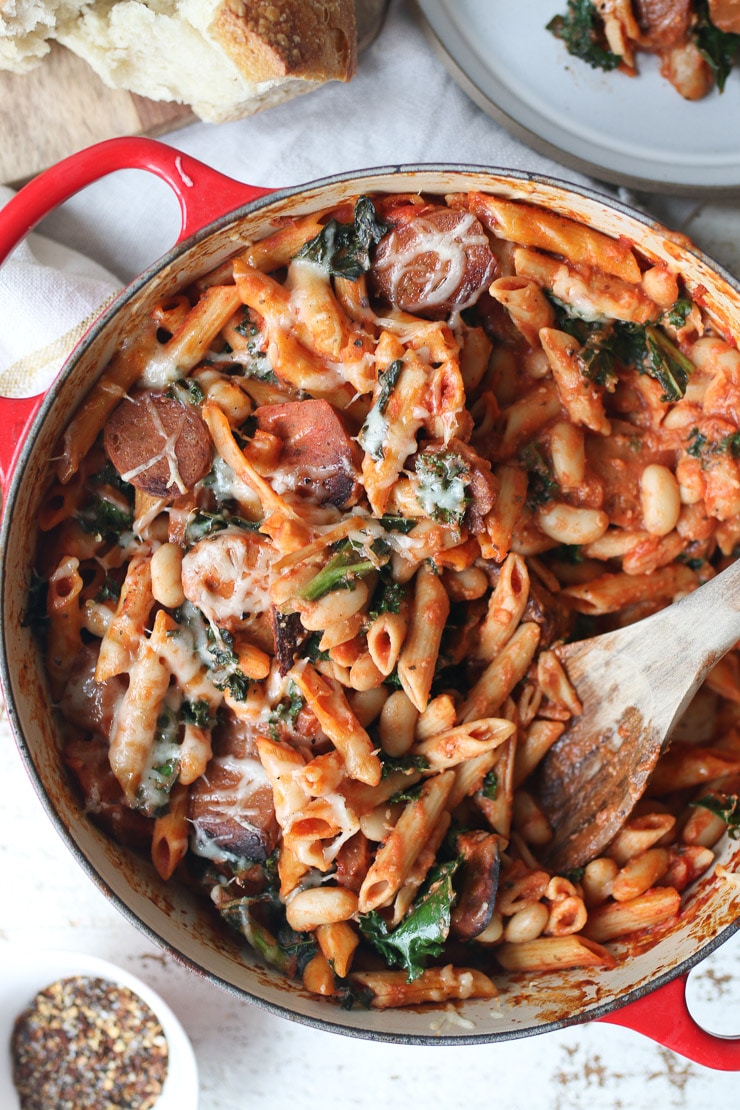
www.abbeyskitchen.com/about-abbey/

Last Updated November 2, 2022. Published February 18, 2020 By Abbey Sharp 2 Comments

Easy Vegan Pasta Bake with Sausage, White Beans & Kale (Gluten Free)

This Easy Vegan Pasta Bake with Sausage, White Beans & Kale is a gluten free, protein packed, one pot super simple weeknight meal the whole family will love!

Maybe call it’s the toddler phase of motherhood I’m in, or maybe it’s just that I’m tired by the end of the day now that I’m preggers, but I have become obsessed with casseroles and pasta bake recipes. And I’ve been listening to a lot of you and you have also told me how much you really NEED more family-friendly recipes that your kiddos will actually eat. Well I promise you that your whole family is going to be OBSESSED with this easy vegan pasta bake with sausage, white beans and kale. It’s fast, flavourful, and well balanced – a perfect meal that you can throw together in a pinch.

what do i need to make this vegan sausage and pasta casserole?

Pasta bake in red casserole dish with wooden spoon

This recipe is relatively straight forward and largely utilizes a lot of the staples you probably have in your pantry and fridge. You will need:

  • Chickpea or lentil pasta (I used penne)
  • Extra virgin olive oil
  • Italian vegan sausage, sliced
  • No salt added white beans
  • Kale leaves
  • Tomato sauce
  • Oregano
  • Aged  balsamic vinegar
  • Nutritional yeast
  • Red chili flakes
  • Shredded vegan (strong flavoured) cheese or aged white cheddar

how do i make this recipe?

To make this sausage and kale baked pasta in a flash you’ll want to cook the pasta (just shy of the cooking time by like 1-2 minutes since it’s going to get baked in a casserole dish.

Then cook the sausages just to get a bit of colour, setting them aside. Then make the sauce with tomato sauce, oregano, balsamic, nutritional yeast, and chilli pepper. Add the cooked pasta, sausage, kale, and white beans, along with some of the cheese. Level it out in the casserole dish, top with more cheese and bake at 400 F until bubbly and delish.

birds eye view of pasta bake in red casserole dish

can i make this pasta bake with real sausage and cheese if I’m not vegan?

You can definitely use real sausage (turkey, chicken or pork) – just make sure you cook it through before baking. As for cheese, totally. I’m not vegan so I often will make this with a good sharp aged cheddar.

could I make this with whole wheat penne instead of chickpea pasta if I’m not gluten free?

I love using chickpea or lentil pasta for the extra fibre and protein, not because it’s gluten free (since non of us are sensitive or have celiac). However, if you can’t find it, or are in a pinch, just use a nice whole grain penne.

is this recipe kid friendly and toddler friendly?

Pasta bake in red casserole dish with wooden spoon in the middle

My son, who is now 22 months, is obsessed with this pasta bake. He ate it happily for like 4 days in a row, which is kinda a record for us since he gets bored easily. If your kid is sensitive to spice, just make sure to use a mild sausage, and to cut your sausages into smaller pieces so they’re not a choking hazard.

can you meal prep and freeze this casserole?

This easy vegan pasta bake is perfect for meal prep and will last in the fridge for up to 4 days. In the freezer, it will last about 3 months covered in foil! You can bake it off from frozen for about 45 minutes at 400 F.

do you have any other easy fast pasta casseroles recipes for fast weeknight dinners?

You bet! Here are some of our favourite family friendly pasta casseroles!

VEGAN MEXICAN PASTA CASSEROLE

GLUTEN FREE FOUR MUSHROOM PENNE PASTA BAKE

GLUTEN FREE CHEESY PUMPKIN PASTA CASSEROLE

pinterest image of pasta bake in red baking dish with wooden spoon in the middle with text overlay

Print Recipe
4.63 from 8 votes

Easy Vegan Pasta Bake with Sausage, White Beans & Kale

This Easy Vegan Pasta Bake with Sausage, White Beans & Kale is a gluten free, protein packed, one pot super simple weeknight meal the whole family will love!
Prep Time5 minutes mins
Cook Time15 minutes mins
Total Time20 minutes mins
Course: Main Course
Cuisine: Italian
Servings: 8
Calories: 415kcal
Author: Abbey Sharp

Ingredients

  • 8 oz box of chickpea or lentil pasta (I used penne)
  • 1 tbsp extra virgin olive oil
  • 380 g cooked spicy Italian vegan sausage, sliced (or mild for the kiddos)
  • 19 oz can of no salt added white beans, drained and rinsed
  • 3 cups baby kale leaves stems removed
  • 680 ml can of tomato sauce (your favourite brand)
  • 1 tsp dried oregano
  • 1 tbsp aged balsamic vinegar
  • 1 tbsp nutritional yeast
  • Salt and pepper to taste
  • Pinch red chili flakes or to taste
  • 2 cups vegan strong flavoured cheese or aged white cheddar, divided shredded

Instructions

  • Preheat oven to 400 F.
  • Cook pasta according to box instructions minus 1-2 minutes from the recommended cooking time.
  • Add the oil to a casserole dish over medium high heat. Add the sausage and brown on both sides. Add the kale leaves and toss until wilted. Set aside.
  • Add the tomato sauce, oregano, balsamic, nutritional yeast, salt, pepper, and chili and cook until simmering, about 5-7 minutes.
  • Add the pasta, sausage, kale, and white beans, along with 1 ½ cups of the cheese. Toss to coat.
  • Sprinkle with the remaining ½ cup of cheese and bake for 10-12 minutes until bubbly and golden.

Nutrition

Calories: 415kcal | Carbohydrates: 49g | Protein: 28g | Fat: 14g | Saturated Fat: 3g | Sodium: 1094mg | Potassium: 879mg | Fiber: 11g | Sugar: 8g | Vitamin A: 2878IU | Vitamin C: 36mg | Calcium: 142mg | Iron: 16mg

Abbey Sharp

Abbey Sharp is a Registered Dietitian (RD), regulated by the Ontario College of Dietitians. She is a mom, YouTuber, Blogger, award winning cookbook author, media coach specializing in food and nutrition influencers, and a frequent contributor to national publications like Healthline and on national broadcast TV shows.
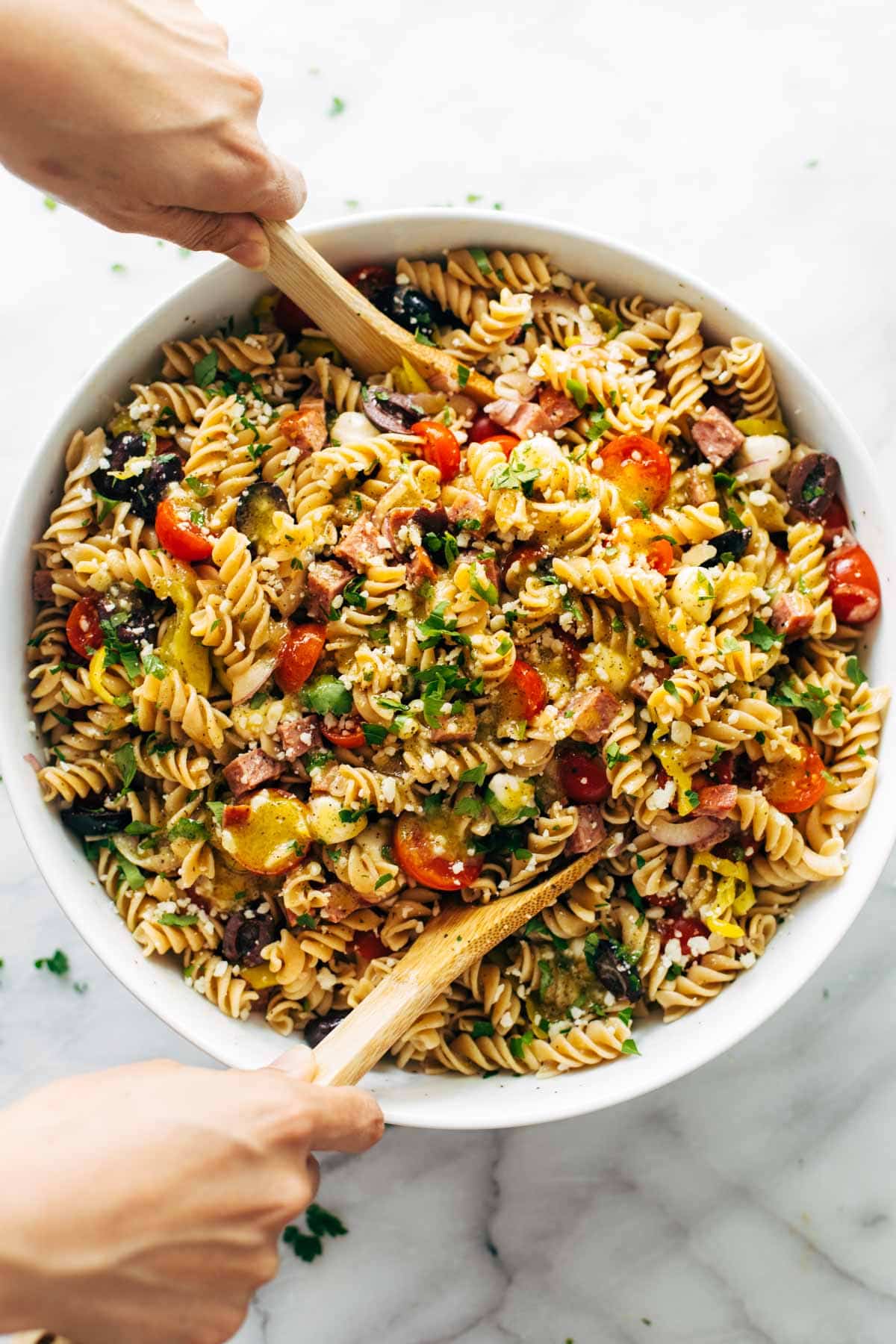
www.abbeyskitchen.com/about-abbey/
  • Previous Page
  • Go to page 1
  • Interim pages omitted …
  • Go to page 45
  • Go to page 46
  • Go to page 47
  • Go to page 48
  • Go to page 49
  • Interim pages omitted …
  • Go to page 89
  • Next Page

Get started with

Eight Free Recipe Books

From the co-founder of Neue Theory and creator of the Hunger Crushing Combo

Sign me up!
Abbey smiling at table
Abbey Sharp

“Foods may never be nutritionally equal. But we can make them morally equal by recognizing that our worth is never determined by what's on our plate.”

— Abbey Sharp, RD About Abbey ◥

Books

  • HCC™
  • Mindful Glow
  • Free E-Books

Blog

  • Nutrition
  • Recipes
  • Motherhood
  • Life

Explore

  • Neue Theory™
  • Bite Back
  • YouTube

Abbey

  • About
  • Coaching
YouTube TikTok Instagram Facebook X Pinterest
Abbey Sharp - The No BS Dietitian From Abbeys Kitchen

© Abbey's Kitchen 2026  All Rights Reserved •  ACCESSIBILITY STATEMENT •  Privacy Policy

This site uses cookies. By continuing to browse the site, you are agreeing to the use of cookies Accept Privacy Policy
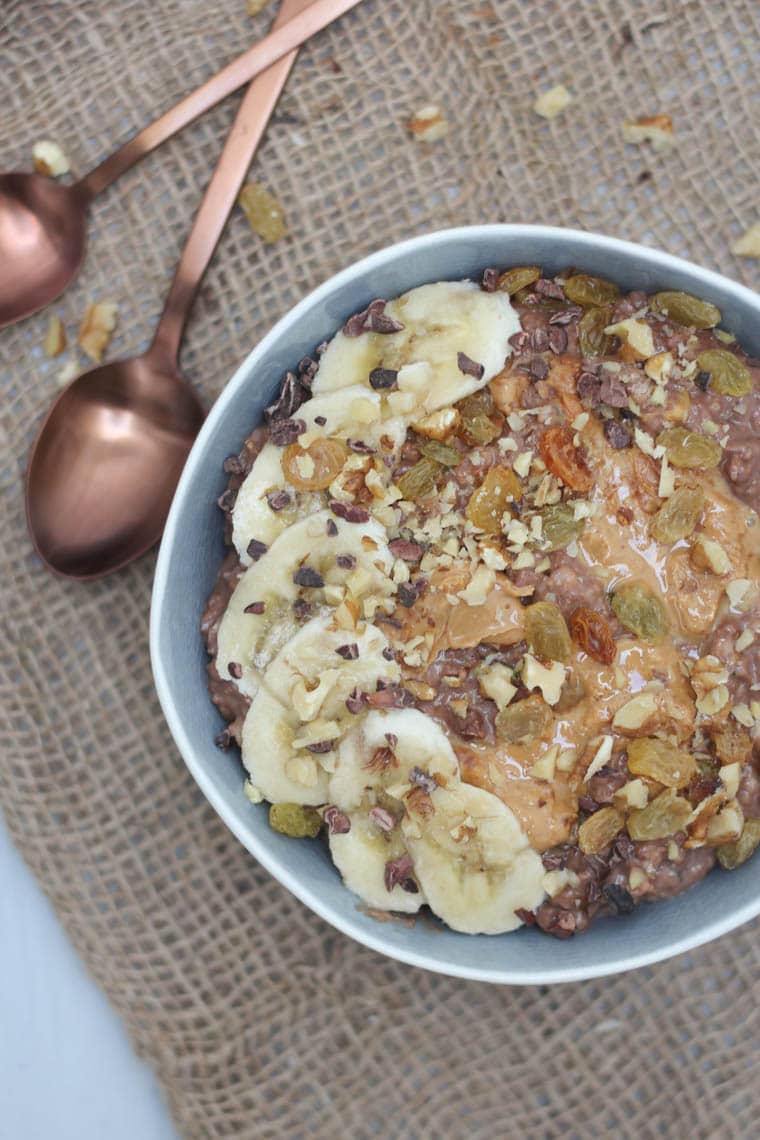
Privacy & Cookies Policy

Privacy Overview

This website uses cookies to improve your experience while you navigate through the website. Out of these, the cookies that are categorized as necessary are stored on your browser as they are essential for the working of basic functionalities of the website. We also use third-party cookies that help us analyze and understand how you use this website. These cookies will be stored in your browser only with your consent. You also have the option to opt-out of these cookies. But opting out of some of these cookies may affect your browsing experience.
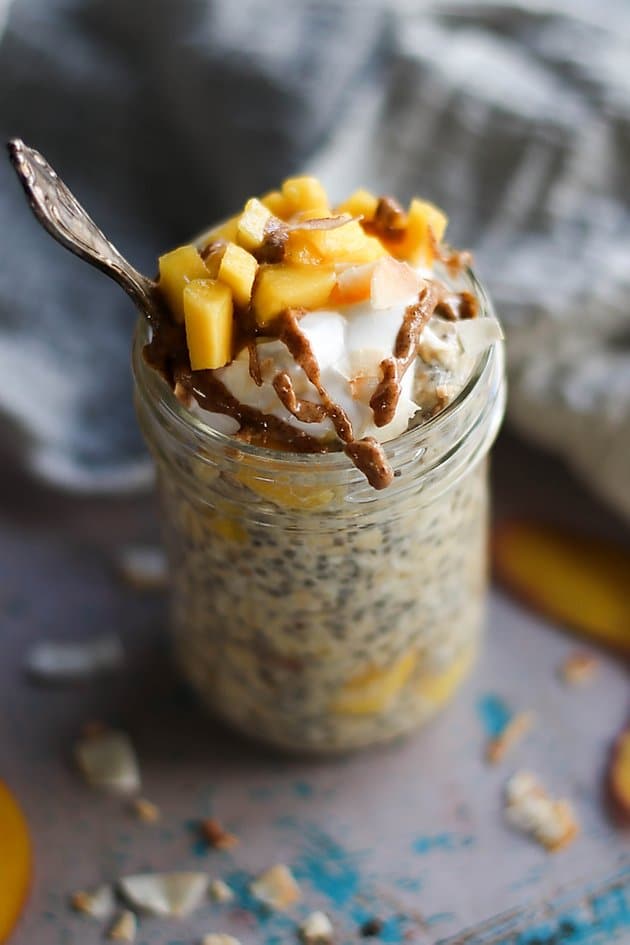
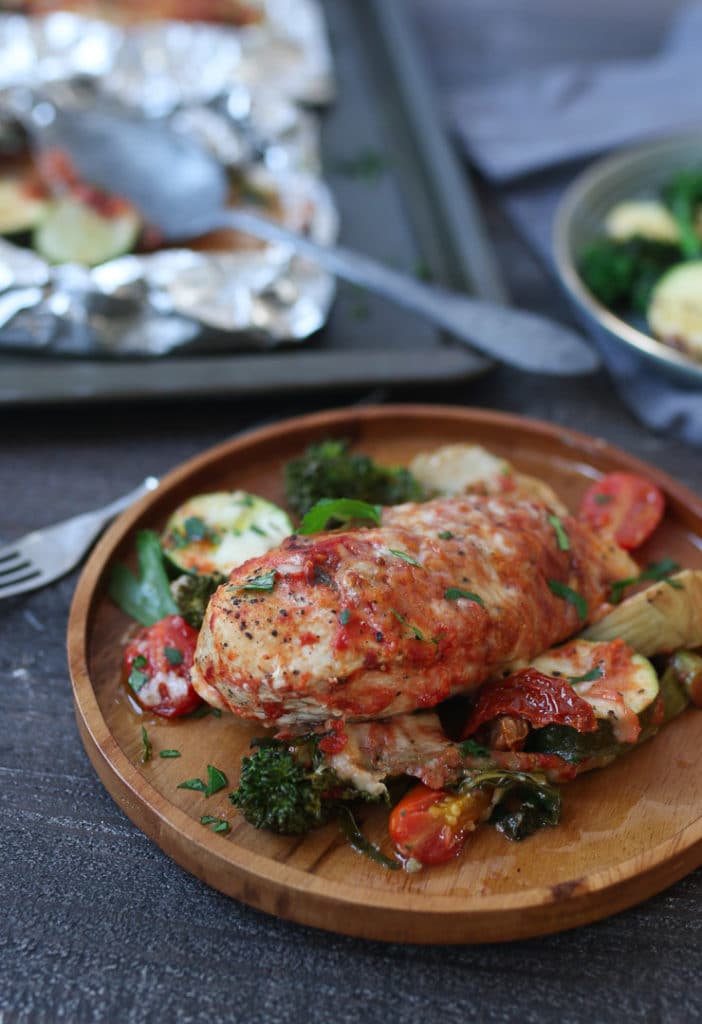
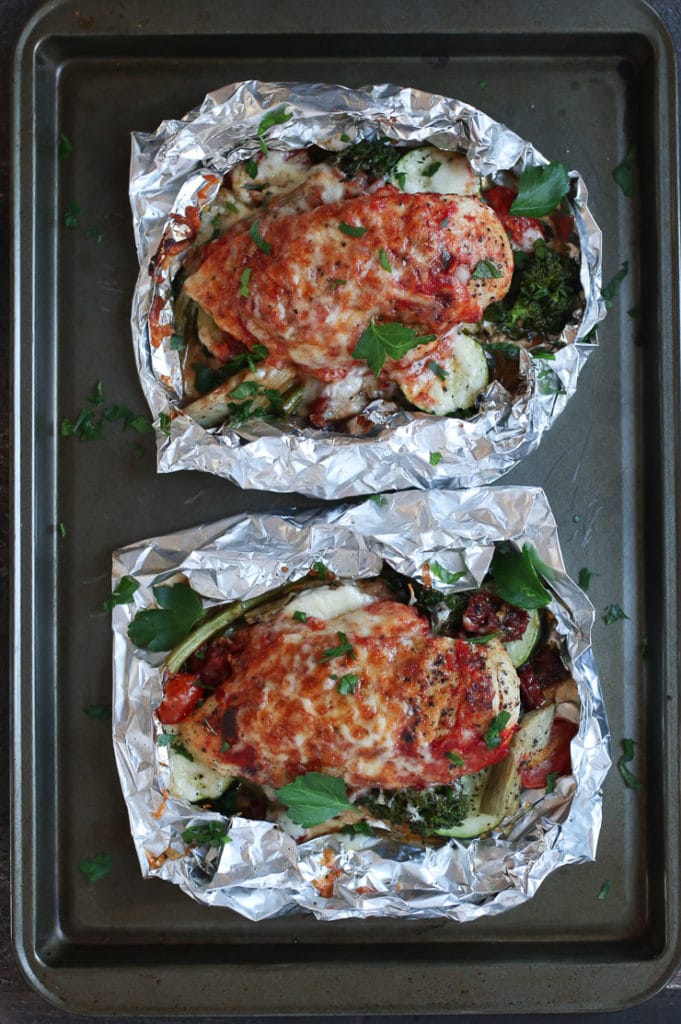
Necessary
Always Enabled
Necessary cookies are absolutely essential for the website to function properly. This category only includes cookies that ensures basic functionalities and security features of the website. These cookies do not store any personal information.
Non-necessary
Any cookies that may not be particularly necessary for the website to function and is used specifically to collect user personal data via analytics, ads, other embedded contents are termed as non-necessary cookies. It is mandatory to procure user consent prior to running these cookies on your website.
SAVE & ACCEPT

Rate This Recipe

Your vote:


A rating is required
A name is required
An email is required